

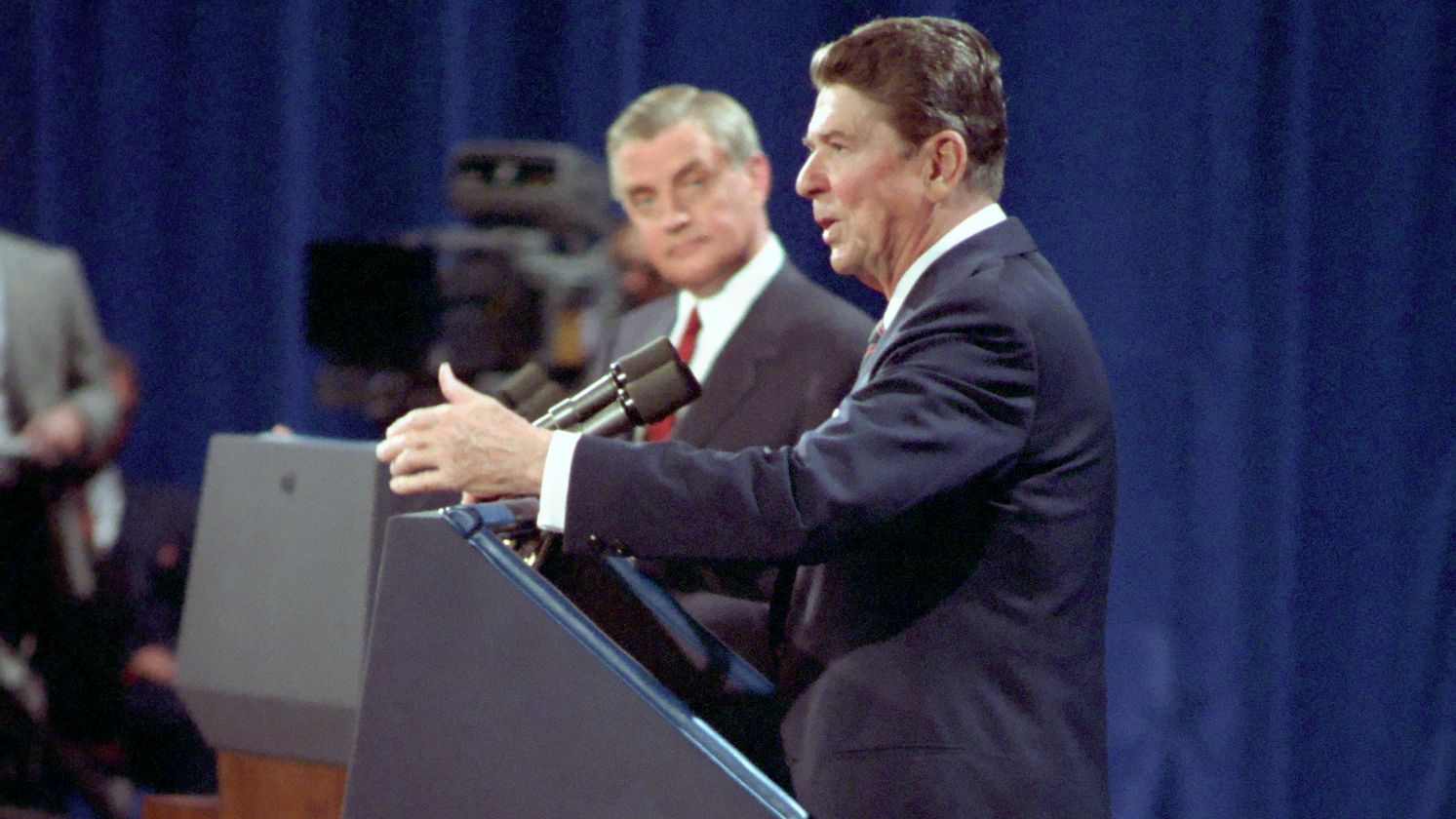
These Were The Most Intense U.S. Presidential Debates In History
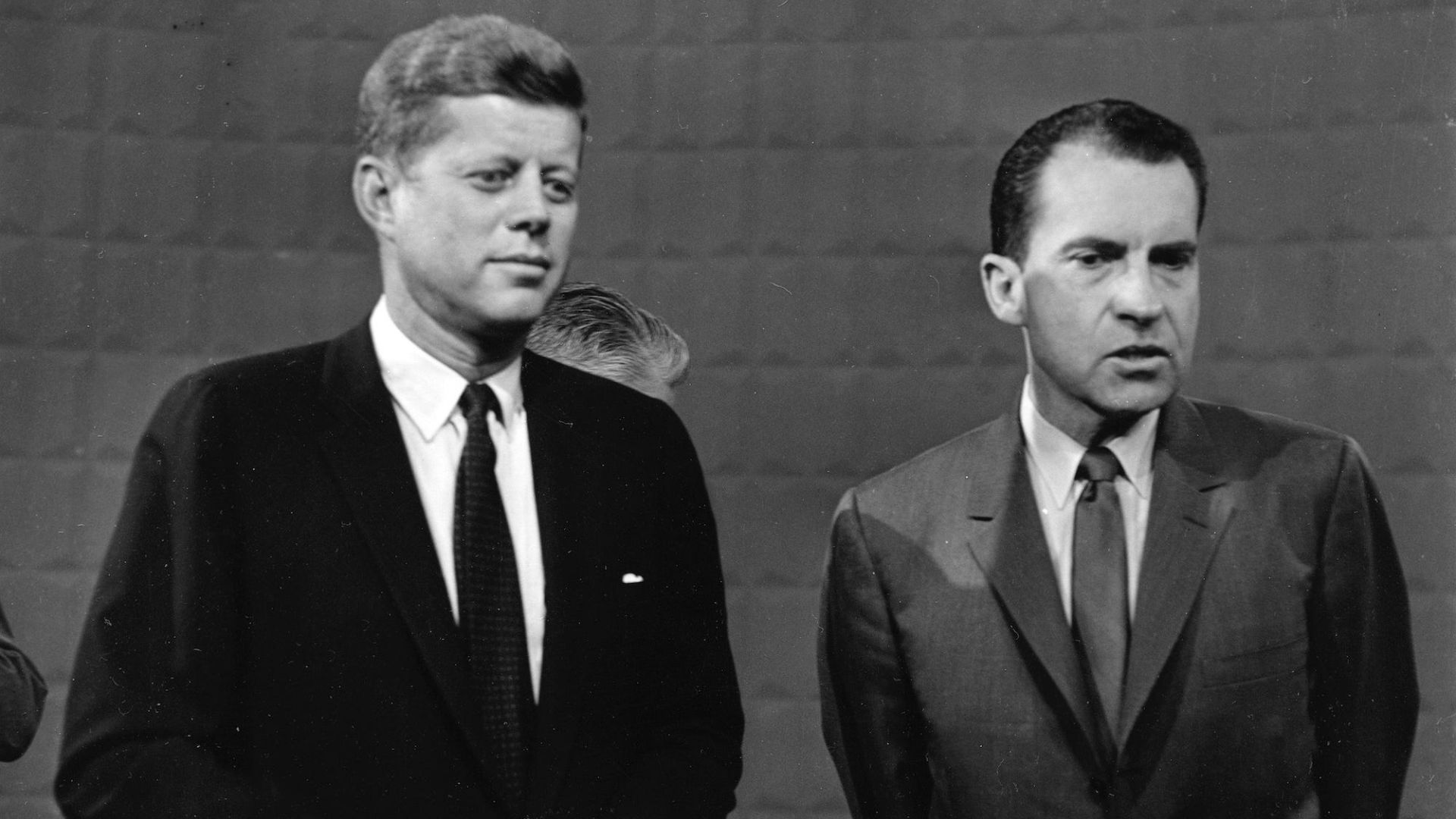
American presidential debates have often reflected more than just policy disagreements—they’ve exposed deep cultural, regional, and ideological divides. Long before the age of social media and 24-hour news cycles, candidates stood toe-to-toe and sparred over the direction of the nation in ways that left lasting impressions. Furthermore, some of these debates were bona fide turning points in how Americans thought about their leaders and the office itself.
While we often think of debates as a modern invention, the struggle to communicate visions for the country goes back to the earliest days of the republic. In several key elections, the debates captured something raw about the nation’s tensions at the time.
John Adams vs. Thomas Jefferson (1800)
The election of 1800 stands out as one of the earliest and fiercest political battles in American history. John Adams, the incumbent Federalist president, faced off against Thomas Jefferson, a Democratic-Republican who sharply opposed many Federalist policies. Instead of polite exchanges, this contest featured blistering pamphlets, letters, and public forums in which each side accused the other of threatening the republic’s future.
Adams was determined to defend his presidency and the decisions he had made during his term, especially the controversial Alien and Sedition Acts. Jefferson, for his part, attacked those same acts as violations of basic liberties and warned of creeping authoritarianism.
The intensity of this confrontation was matched by its stakes: the election would help define whether the federal government prioritized order and stability or individual liberties and agrarian values. Jefferson’s eventual victory marked the first peaceful transfer of power between rival political parties in American history.
Both men continued to shape the nation after the election, but the 1800 debates set the tone for how presidential contests could push the country to reckon with its principles. In many ways, the passion of their arguments laid the groundwork for future political engagement. Americans would come to see debates — literal and metaphorical — as central to the democratic process.
Andrew Jackson vs. John Quincy Adams (1828)
By 1828, the presidential election looked nothing like the genteel deliberations Americans might imagine today. Andrew Jackson, the charismatic military hero, squared off against the incumbent, John Quincy Adams, in a battle that grew intensely personal. This campaign is often remembered for its ferocity, as each side launched repeated attacks on the other’s character and personal life.
Jackson was portrayed by Adams’s supporters as a hot-tempered frontiersman unfit for the presidency, while Jackson’s camp depicted Adams as an out-of-touch aristocrat who hoarded power for the elite. Slander and rumor spread freely in newspapers and pamphlets, stoking public passions as the election drew near.
Jackson’s message resonated strongly with many Americans who felt excluded from elite circles and increasingly wanted a more direct voice in governance. Meanwhile, Adams maintained that experience and education were crucial qualities for leadership.
Nixon vs. Humphrey vs. Wallace (1968)
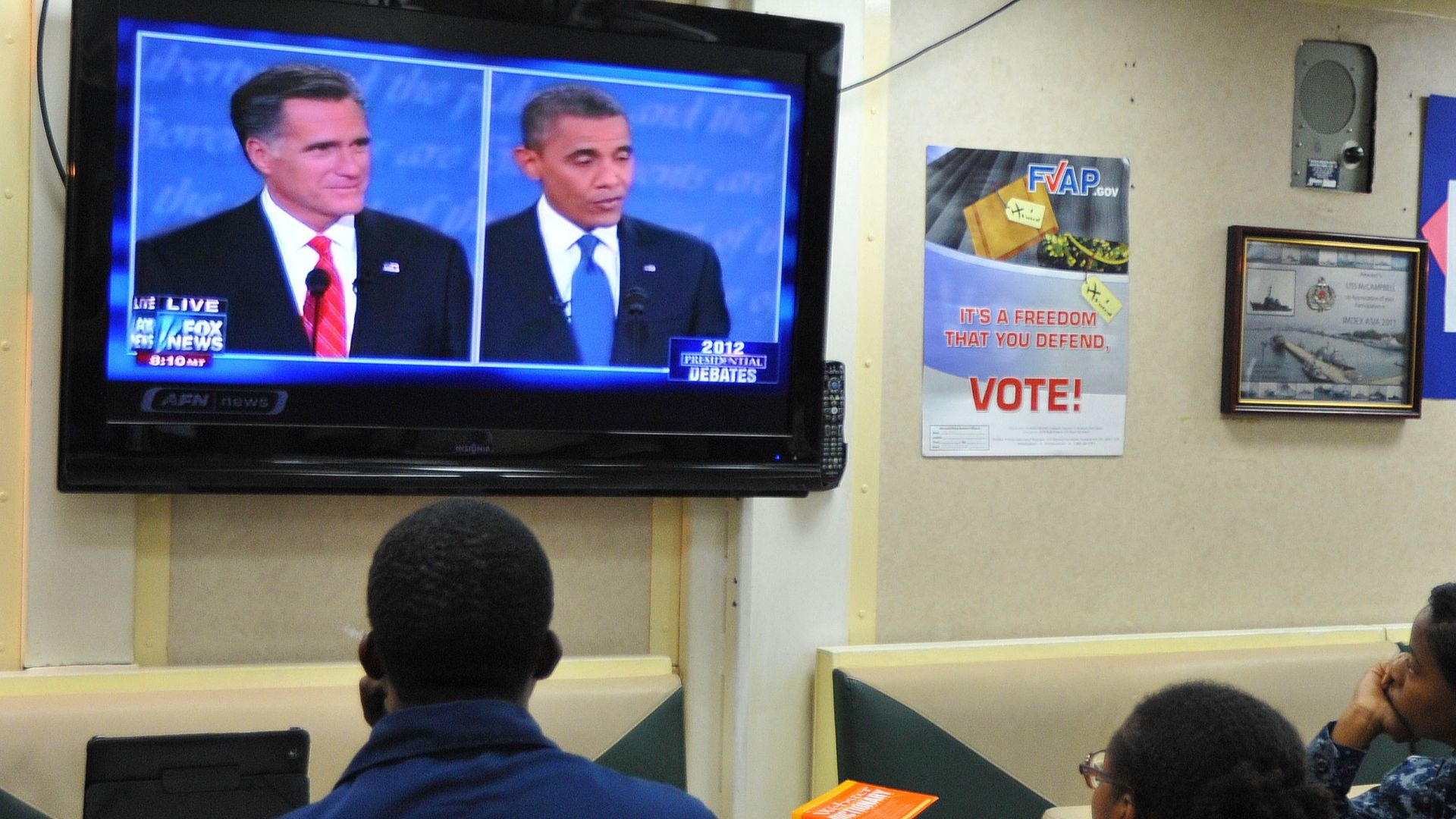 Official Navy Page from the United States of America MCSN Declan Barnes/U.S. Navy on Wikimedia
The presidential debates of 1968 took place in a nation roiled by war, civil unrest, and a crisis of confidence in political institutions. Richard Nixon, Hubert Humphrey, and George Wallace entered debate stages at a time when Americans were sharply divided over issues like the Vietnam War, civil rights, and law and order. Unlike earlier head-to-head formats, this three-way confrontation brought multiple perspectives into direct conflict.
Nixon, the Republican nominee and former vice president, aimed to appeal to voters with a promise of restoring stability and order. Humphrey, the Democratic candidate, defended the outgoing administration’s record while trying to distance himself from unpopular aspects of it. Wallace, running as a third-party candidate, brought fiery rhetoric that tapped into resentment toward federal intervention in states’ rights and urban unrest.
The intensity of these debates came from more than just political disagreement; they reflected a nation struggling to define itself amid rapid change. Wallace’s presence on the stage fundamentally altered the dynamic, pulling debate discourse farther to the right on some issues and forcing Nixon and Humphrey to address voter concerns they might otherwise have sidestepped. The debates underscored how fractured American society had become.
What made these exchanges significant was how they captured the turbulence of the late 1960s. Television brought the debates into millions of homes, making the emotional stakes palpable and immediate for viewers across the country. The viewers didn’t just see policy differences — they saw the faces of a divided nation trying to find common ground.
Across these defining moments, you can see how presidential debates have served as mirrors for America’s deepest divides. Each contest pushed political conversation forward in ways that reshaped public expectations and participation. While the mechanics of debates have evolved, the underlying intensity of these exchanges continues to shape the nation’s political landscape.
KEEP ON READING
The story of Ching Shih, the Woman Who Became the…
Unknown author on WikimediaFew figures in history are as feared…
By Emilie Richardson-Dupuis Dec 29, 2025
Einstein's Violin Just Sold At An Auction—And It Earned More…
A Visionary's Violin. Wanda von Debschitz-Kunowski on WikimediaWhen you hear…
By Ashley Bast Nov 3, 2025
This Infamous Ancient Greek Burned Down An Ancient Wonder Just…
History remembers kings and conquerors, but sometimes, it also remembers…
By David Davidovic Nov 12, 2025
The Mysterious "Sea People" Who Collapsed Civilization
3,200 years ago, Bronze Age civilization in the Mediterranean suddenly…
By Robbie Woods Mar 18, 2025
When Medieval Mapmakers Filled The Unknown World With Monsters
Chet Van Duzer on WikimediaWhen modern readers look at medieval…
By Breanna Schnurr Mar 18, 2026
20 Soldiers Who Defied Expectations
Changing the Rules of the Battlefield. You’ve probably heard plenty…
By Annie Byrd Feb 10, 2026