Lost, But Not Forgotten
Extinction isn’t just a sad footnote in natural history. It’s a reminder that ecosystems can be surprisingly fragile. Some species vanished centuries ago under the pressure of hunting and habitat change, while others disappeared so recently that there are photographs, records, and even firsthand memories. What makes the list below unsettling is how many of these losses were preventable with earlier protections and better restraints. Of course, hindsight is always 20/20.
 Rachel Hannah Photo on Unsplash
1. Dodo
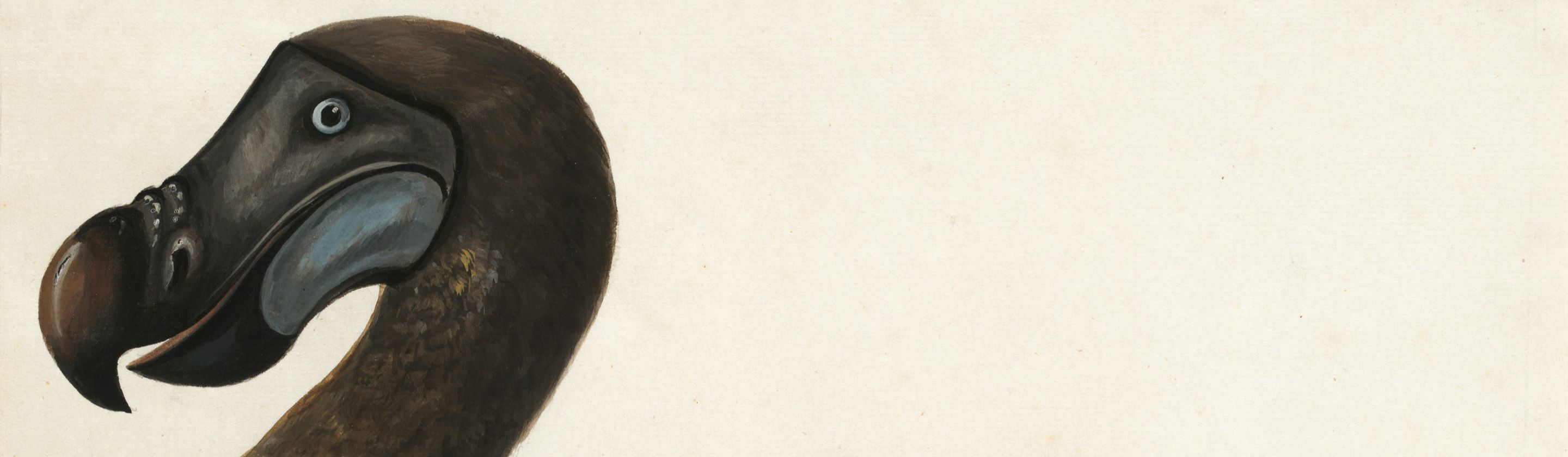
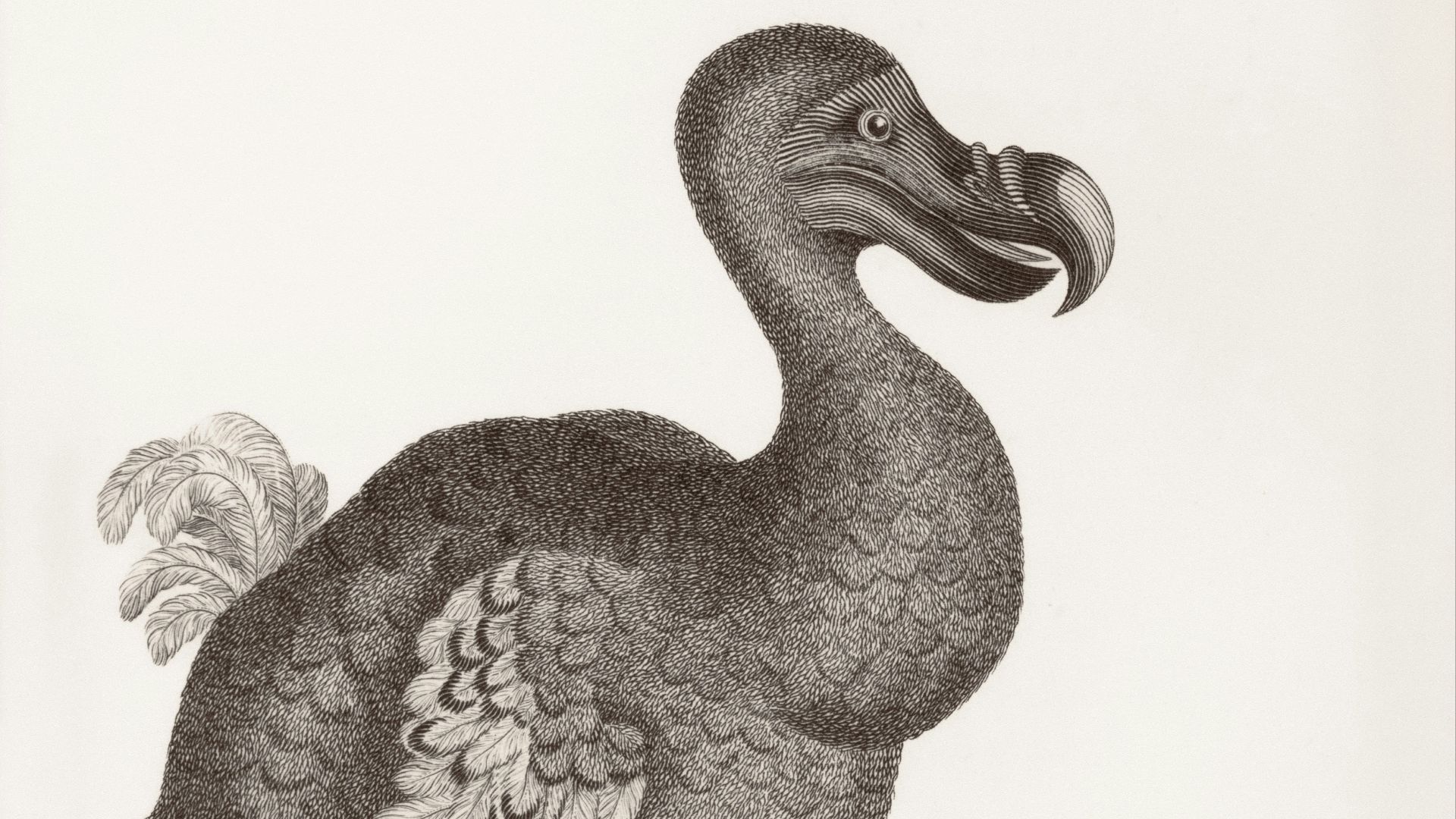
On Mauritius, the dodo became a symbol of how fast island wildlife can unravel once new predators and hunters arrive. It couldn’t fly, it nested on the ground, and it wasn’t prepared for humans bringing along animals that raided eggs and competed for food. Within a few decades of sustained contact, the species sadly disappeared forever.
 The New York Public Library on Unsplash
2. Passenger Pigeon
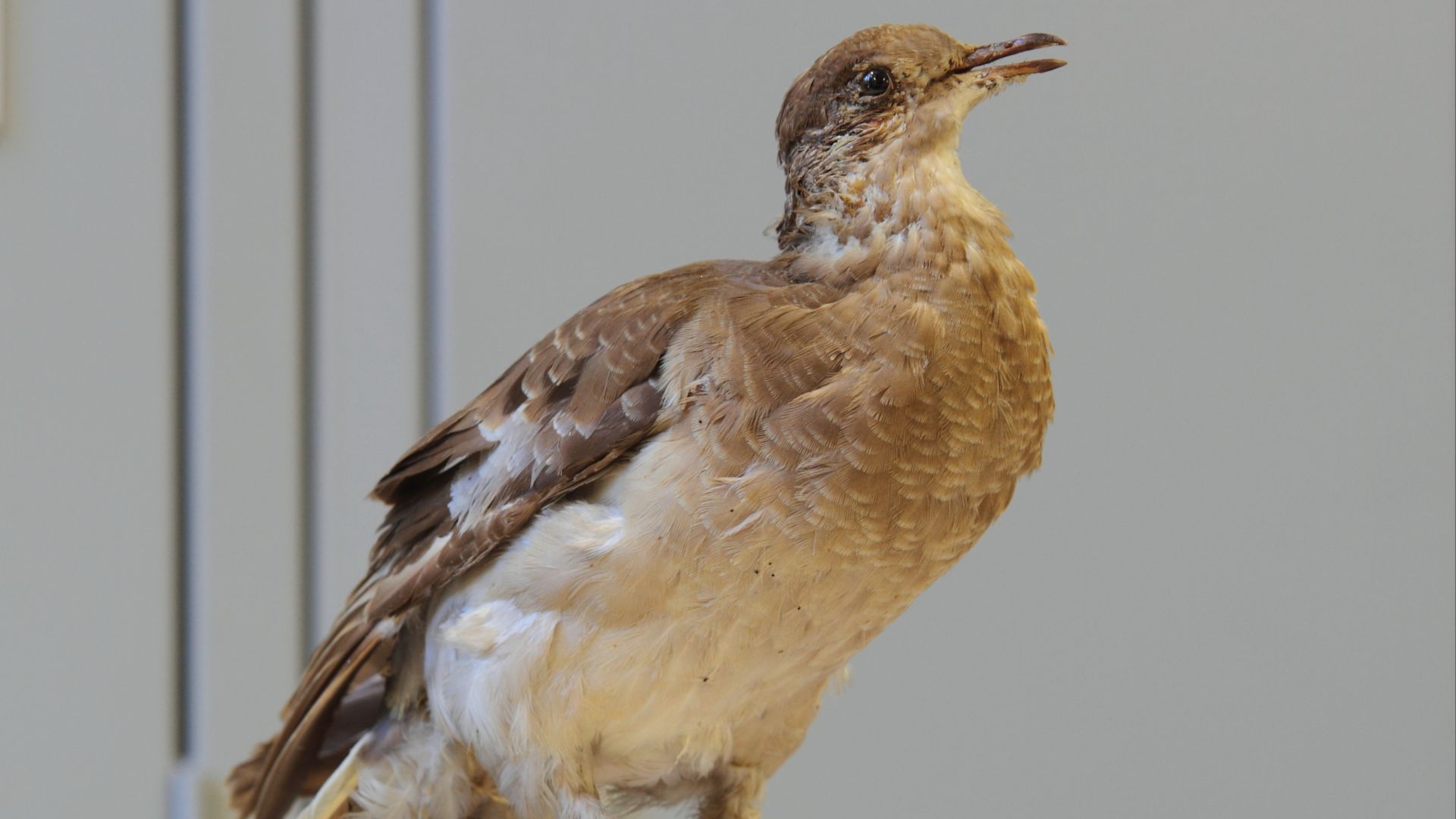
At its peak, this bird once filled North American skies in flocks so large they sounded like weather. That abundance turned into a trap, because commercial hunting and habitat loss hit the species hard and fast. The last known individual, Martha, died in captivity in 1914.
3. Thylacine
The thylacine, often called the Tasmanian tiger, was erased by bounties, habitat change, and relentless scapegoating. Attempts were made to put protections on the animal, but it was far too late. The final thylacine died at the Beaumaris Zoo in Hobart on September 7, 1936.
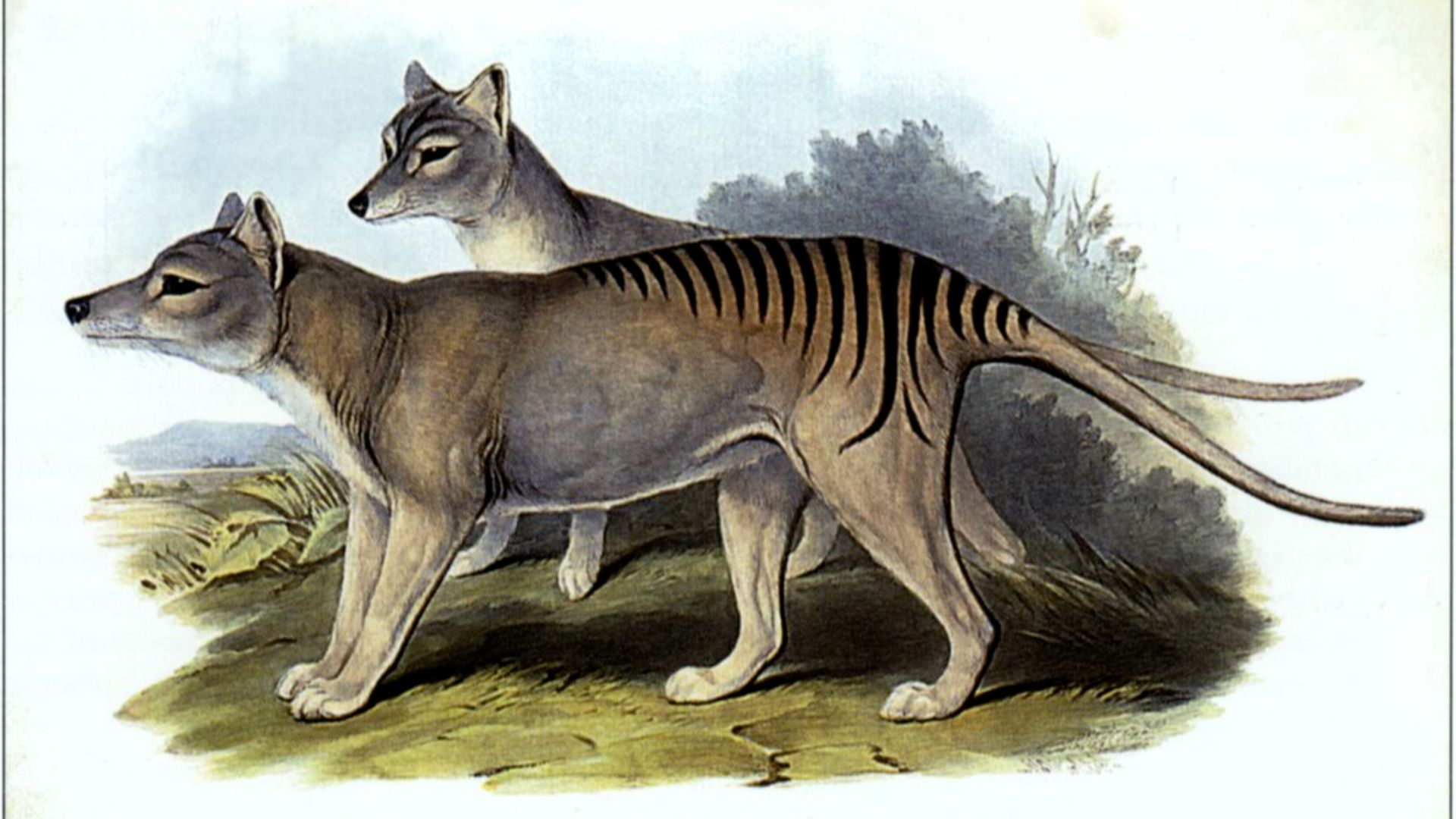 Henry Constantine Richter / After John Gould on Wikimedia
4. Great Auk
If you’ve ever thought penguins look oddly at home in the North Atlantic, the great auk helps explain why. This flightless seabird bred in colonies on rocky islands, which made it easy for people to harvest birds and eggs in bulk. The species was declared globally extinct in 1854.
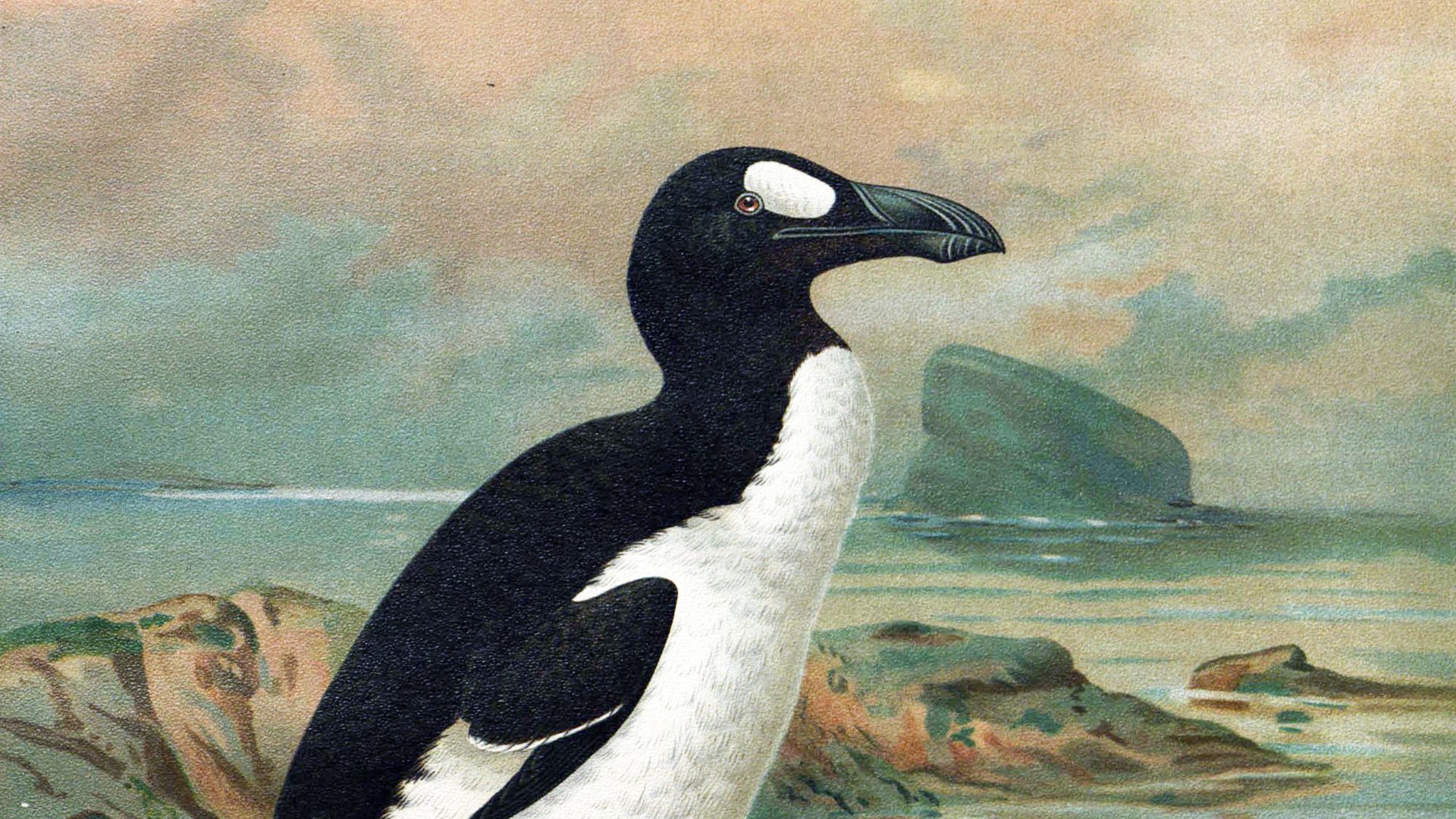 John Gerrard Keulemans on Wikimedia
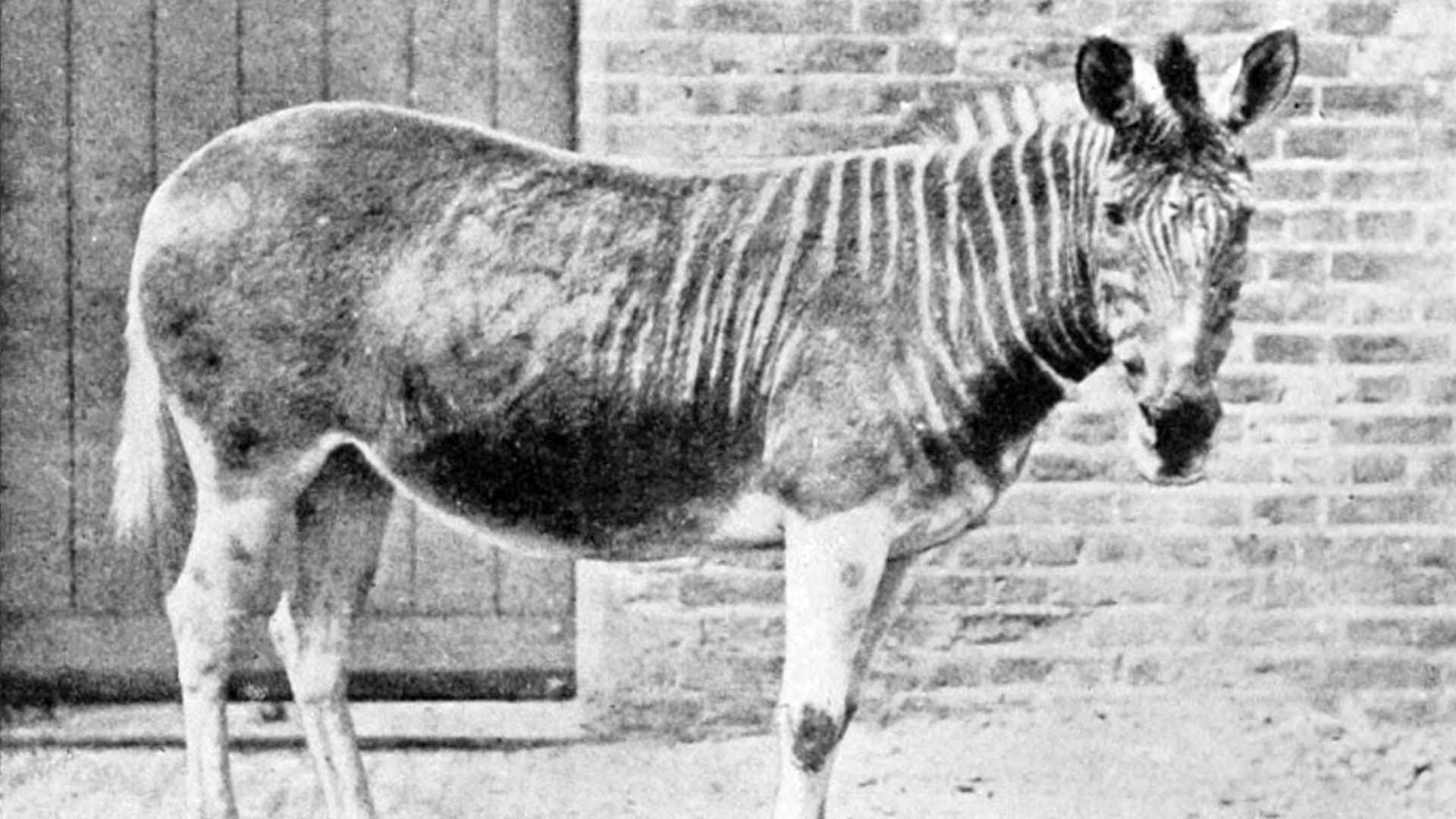
5. Quagga
The quagga was a relative of the well-loved zebra. Intensive hunting in southern Africa erased it from the wild, and sadly, it didn’t make it far in captivity either. The last known quagga died at the Amsterdam Artis Zoo on August 12, 1883.
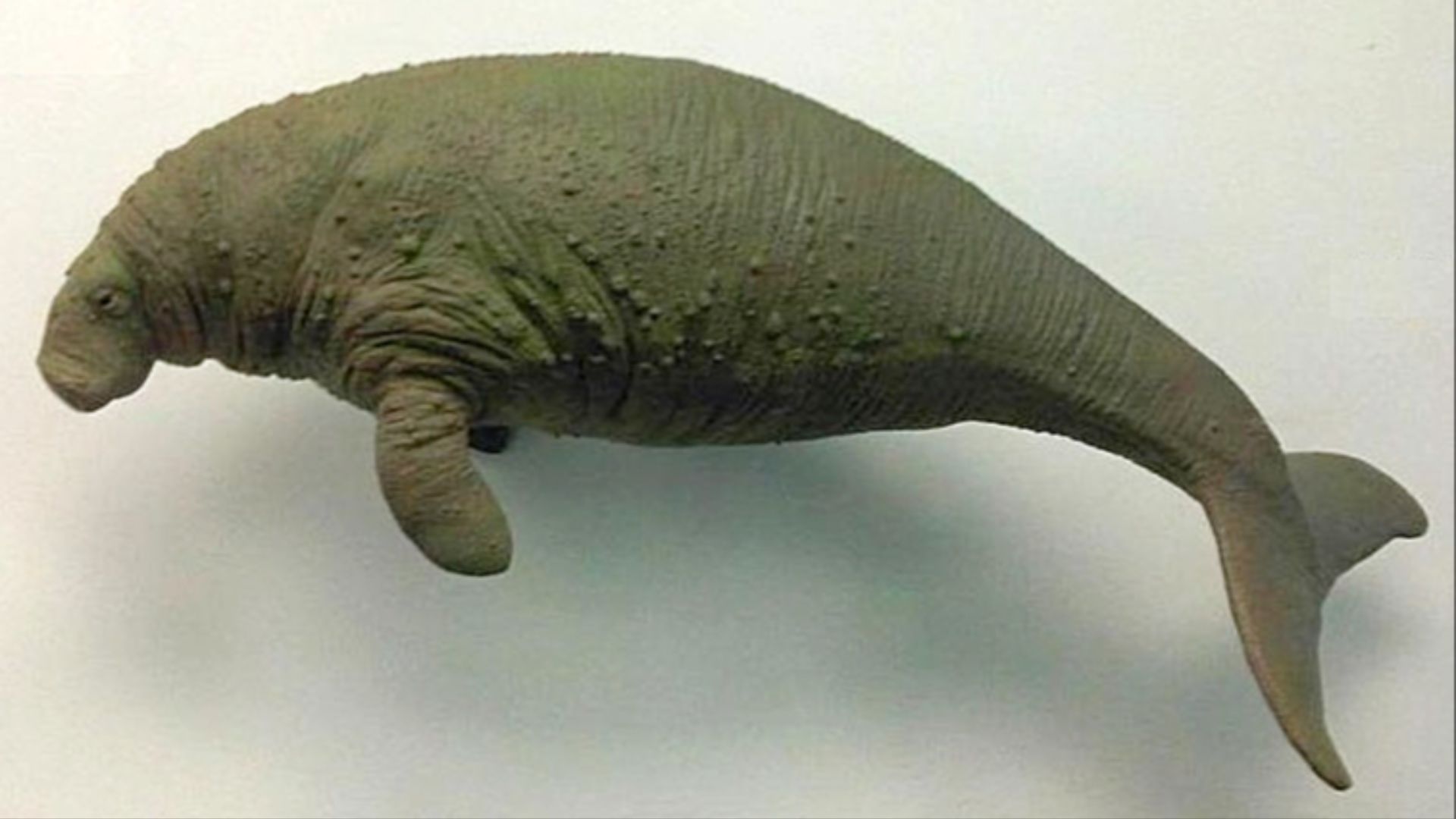
6. Steller’s Sea Cow
This massive marine mammal lived near the Commander Islands in the Bering Sea, grazing on kelp in shallow coastal waters. Being huge, slow-moving, and close to shore, it was a painfully easy target for hunters.
7. Carolina Parakeet
You may be surprised to know that North America once had its own native parrot. Sadly, habitat loss, hunting, and persecution as an agricultural pest all helped drive the Carolina parakeet into a steep decline. The last captive bird, Incas, died on February 21, 1918.
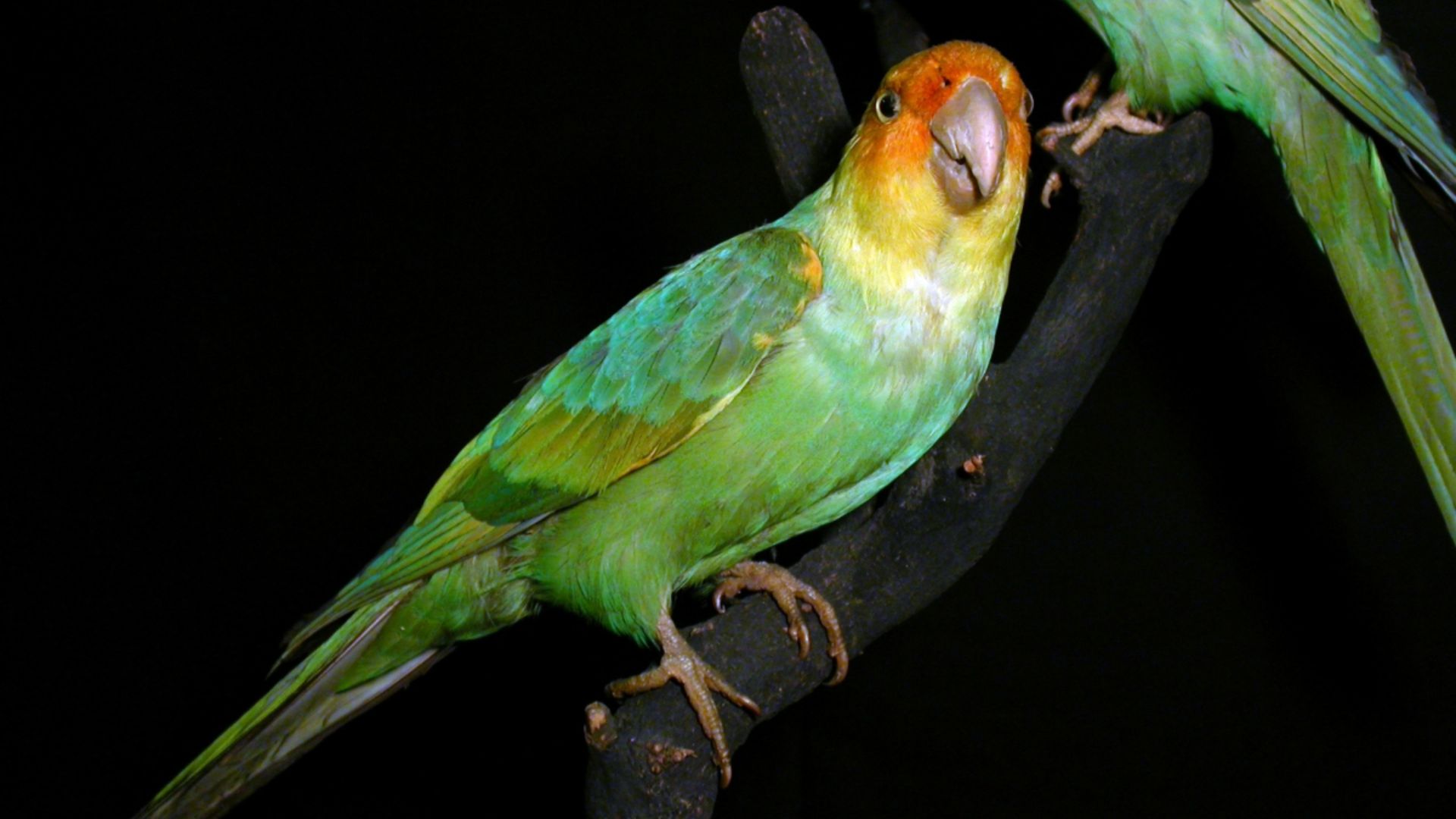 Fritz Geller-Grimm on Wikimedia
8. Baiji
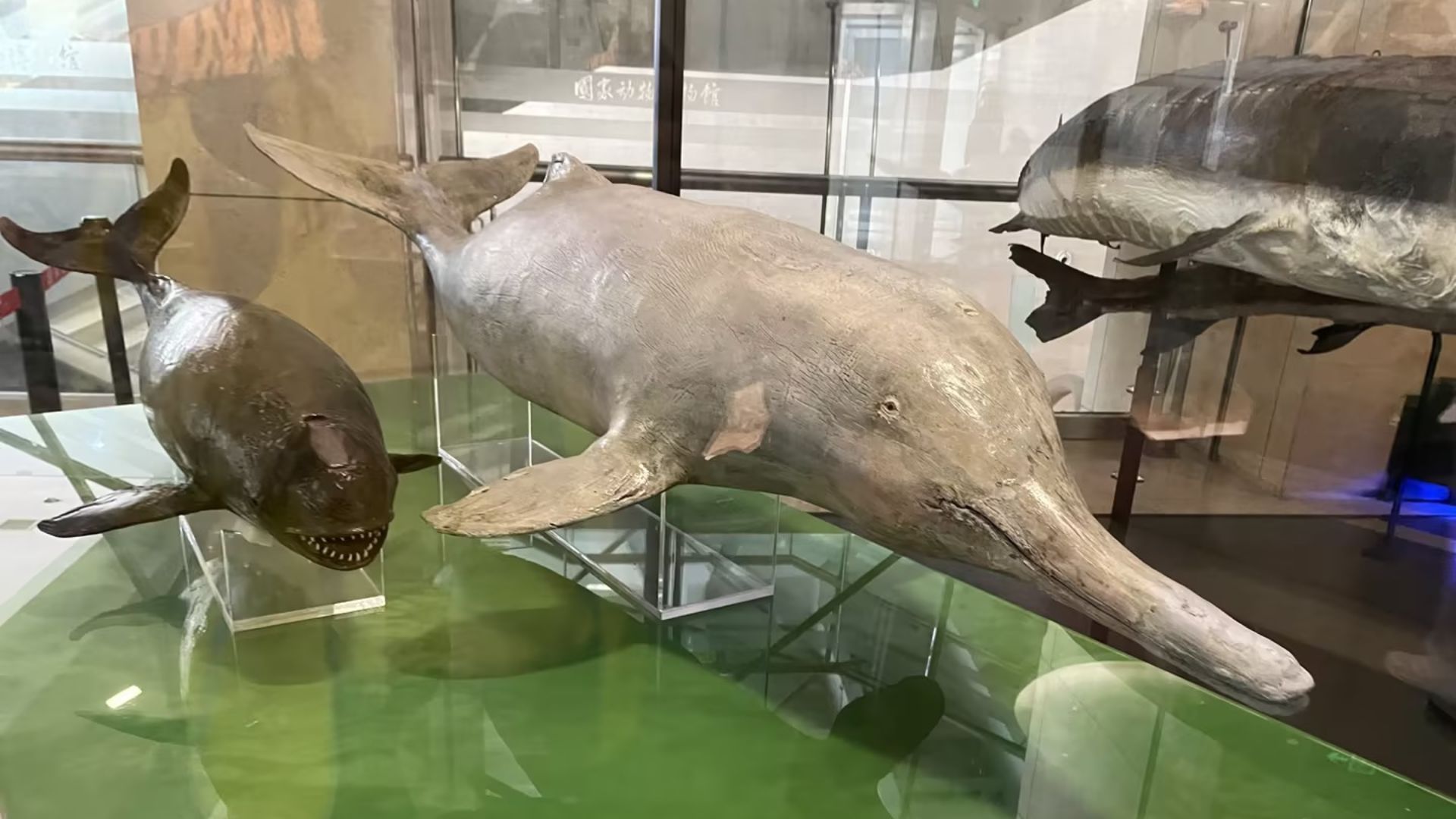
The baiji, or Yangtze River dolphin, was uniquely adapted to life in a heavily trafficked river system. Bycatch, degraded habitat, and growing industrial pressure pushed it into a rapid collapse late in the twentieth century. A six-week visual and acoustic survey in 2006 covered its historic range and found no evidence of survivors, a devastating benchmark for freshwater conservation.
9. Golden Toad
This bright amphibian from Costa Rica became famous not because it was widespread, but because it vanished so suddenly. It was last seen in 1989, and after years of failed searches, it was treated as lost.
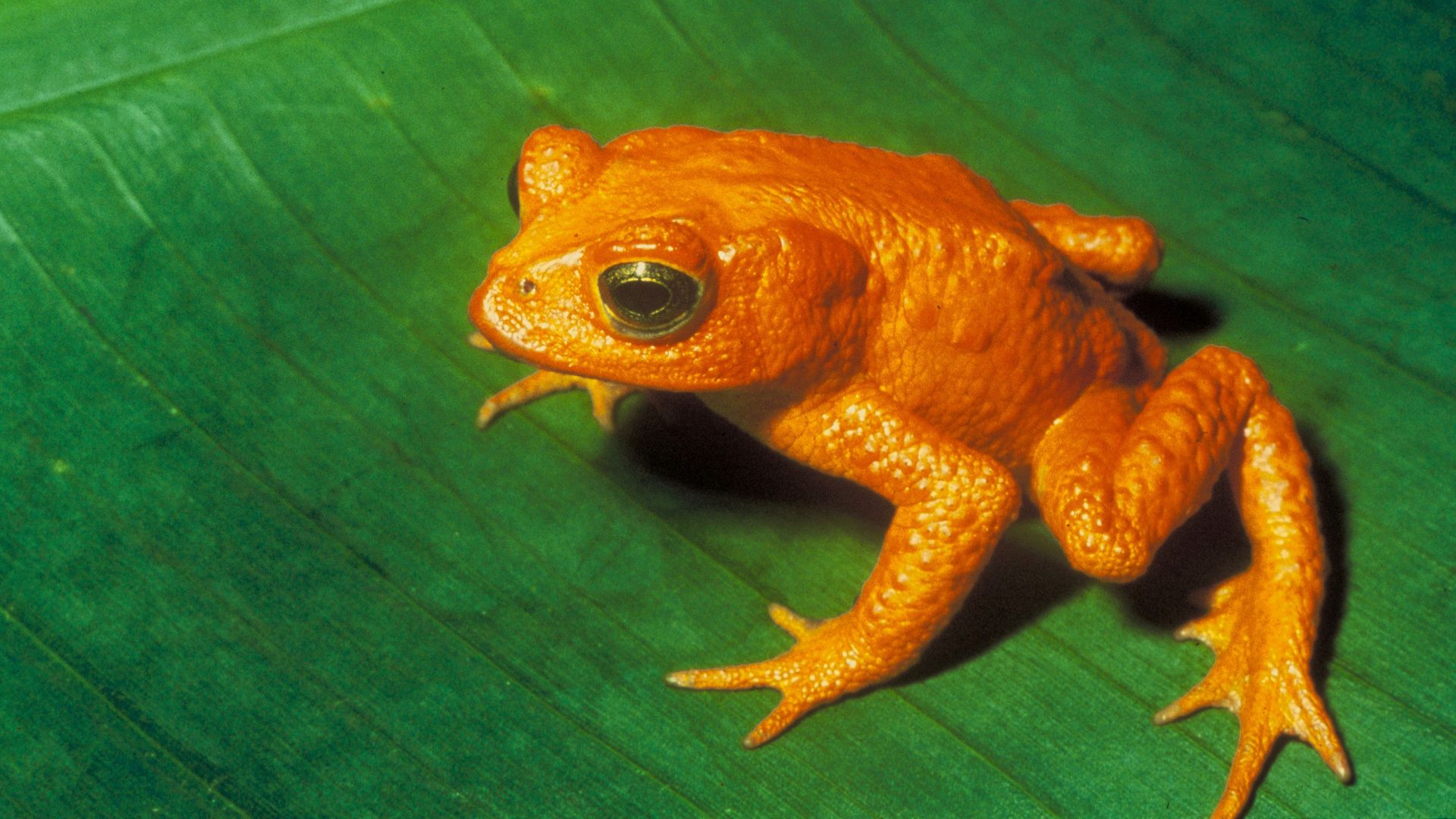 Charles H. Smith vergrößert von Aglarech on Wikimedia
10. Western Black Rhino
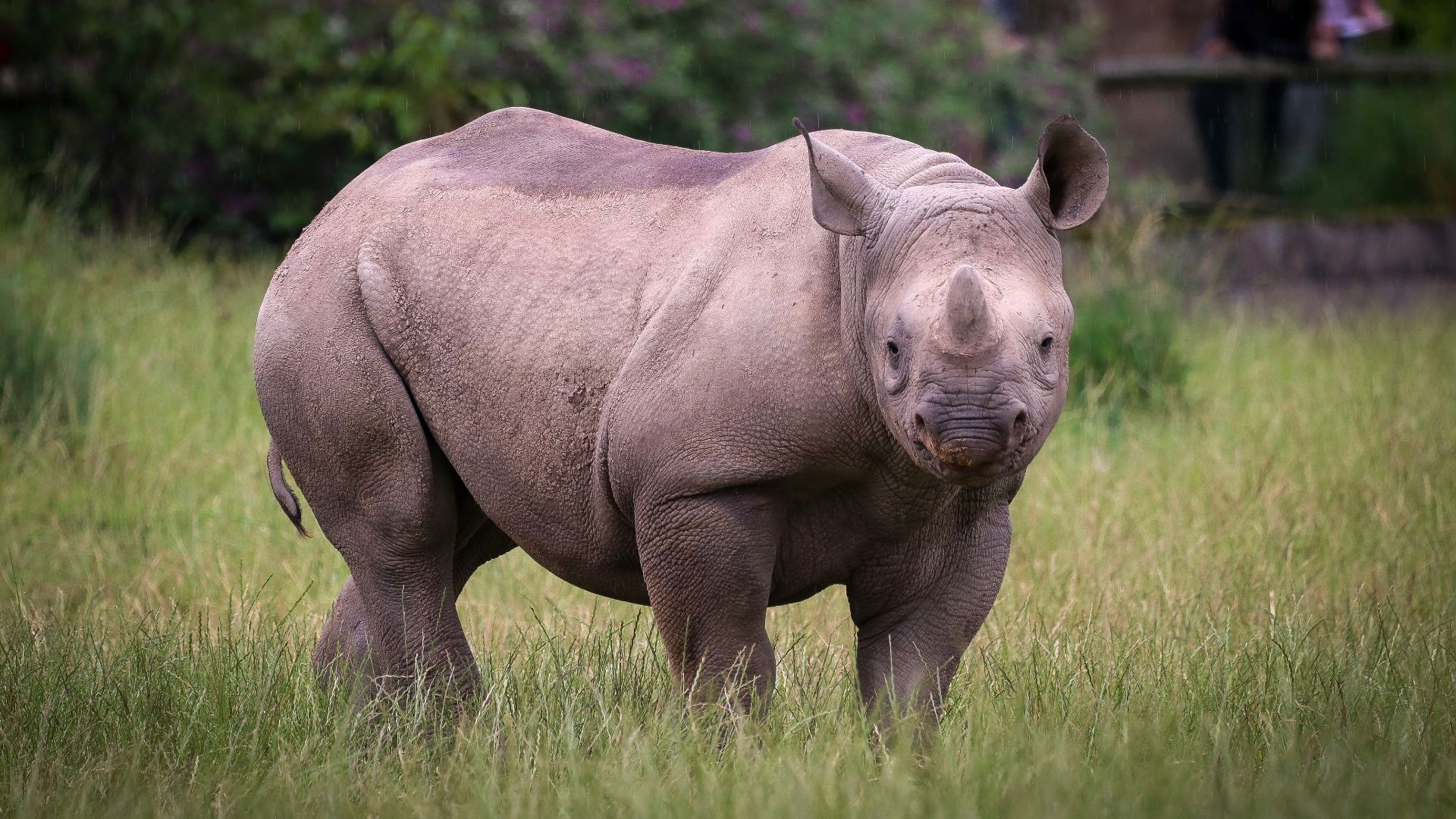
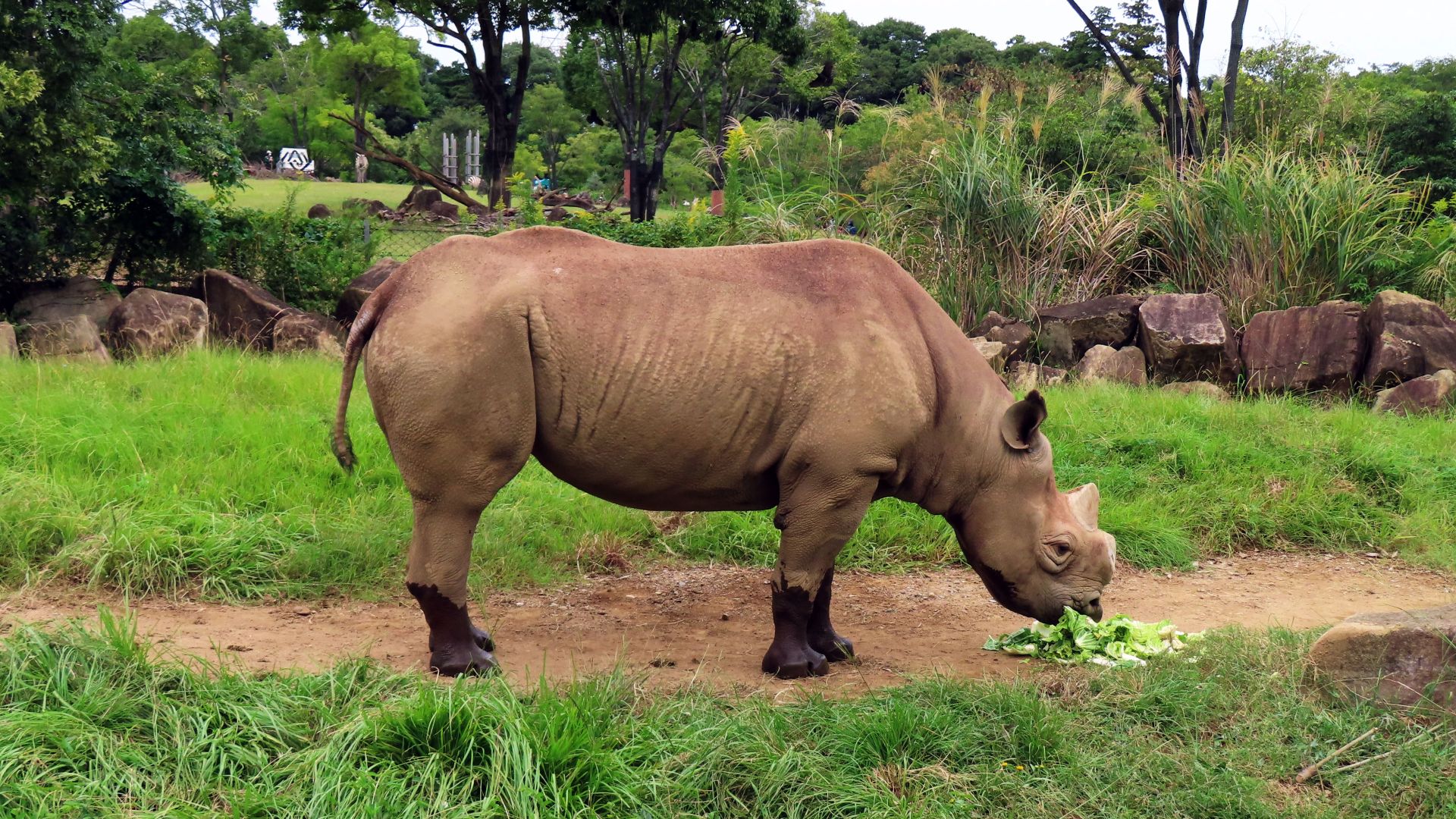
The western black rhino was hammered by poaching and the illegal wildlife trade. As populations collapsed, the chance of recovery narrowed until there was effectively nothing left to protect. It was globally classified as an extinct species in 2011, but it was likely that the last of the rhinos were poached around 2003.
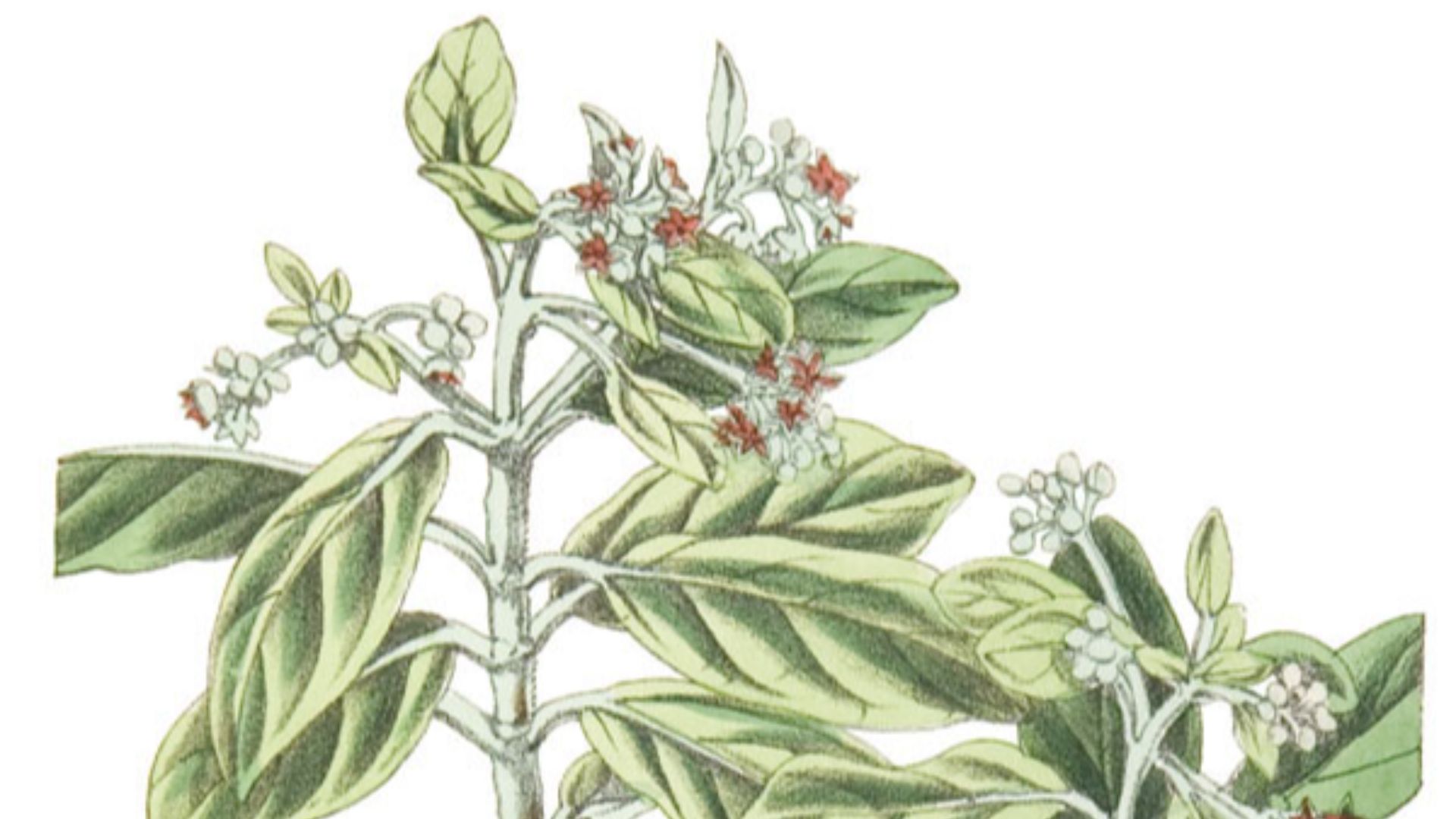
11. St. Helena Olive
This small island tree didn’t just disappear from the wild; it vanished entirely. The St. Helena olive was last seen in nature in the 1990s, and even cultivated plants failed after fungal infections took hold. By 2003, the species was gone, taking its whole genus with it.
 John Charles Meliss on Wikimedia
12. Chilean Sandalwood
Native to the Juan Fernández Islands, this tree was prized for its fragrant wood. Heavy exploitation did what overexploitation tends to do: it erased the species faster than anyone could manage it responsibly. It was last seen back in 1908.
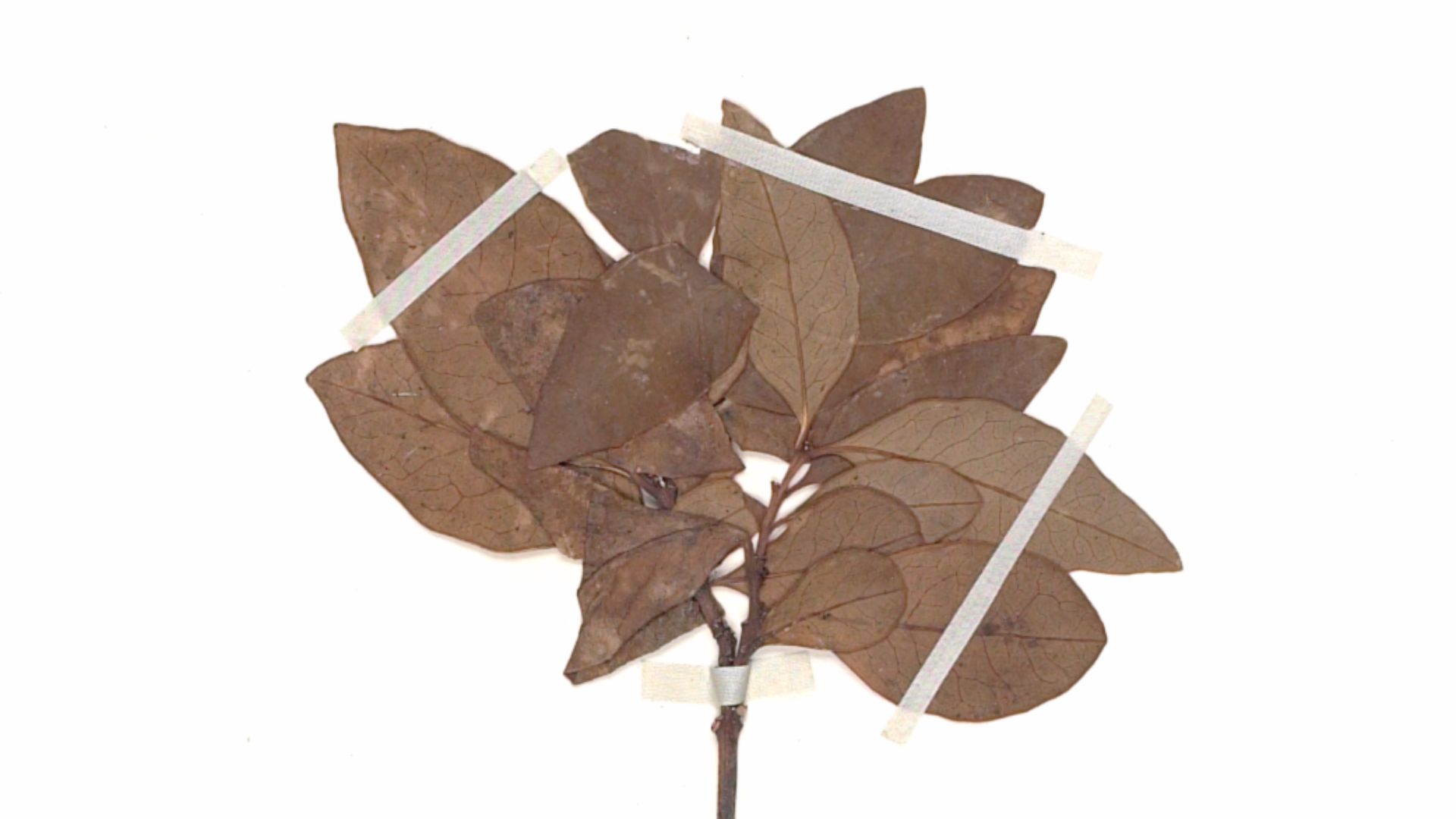
13. Phillip Island Glory Pea
This climbing shrub was well-liked for its gorgeous pink blossoms. After its discovery and subsequent spread throughout Europe’s nobility, the plant faced extinction due to overgrazing from the sheep, pigs, and rabbits that were introduced to the island.
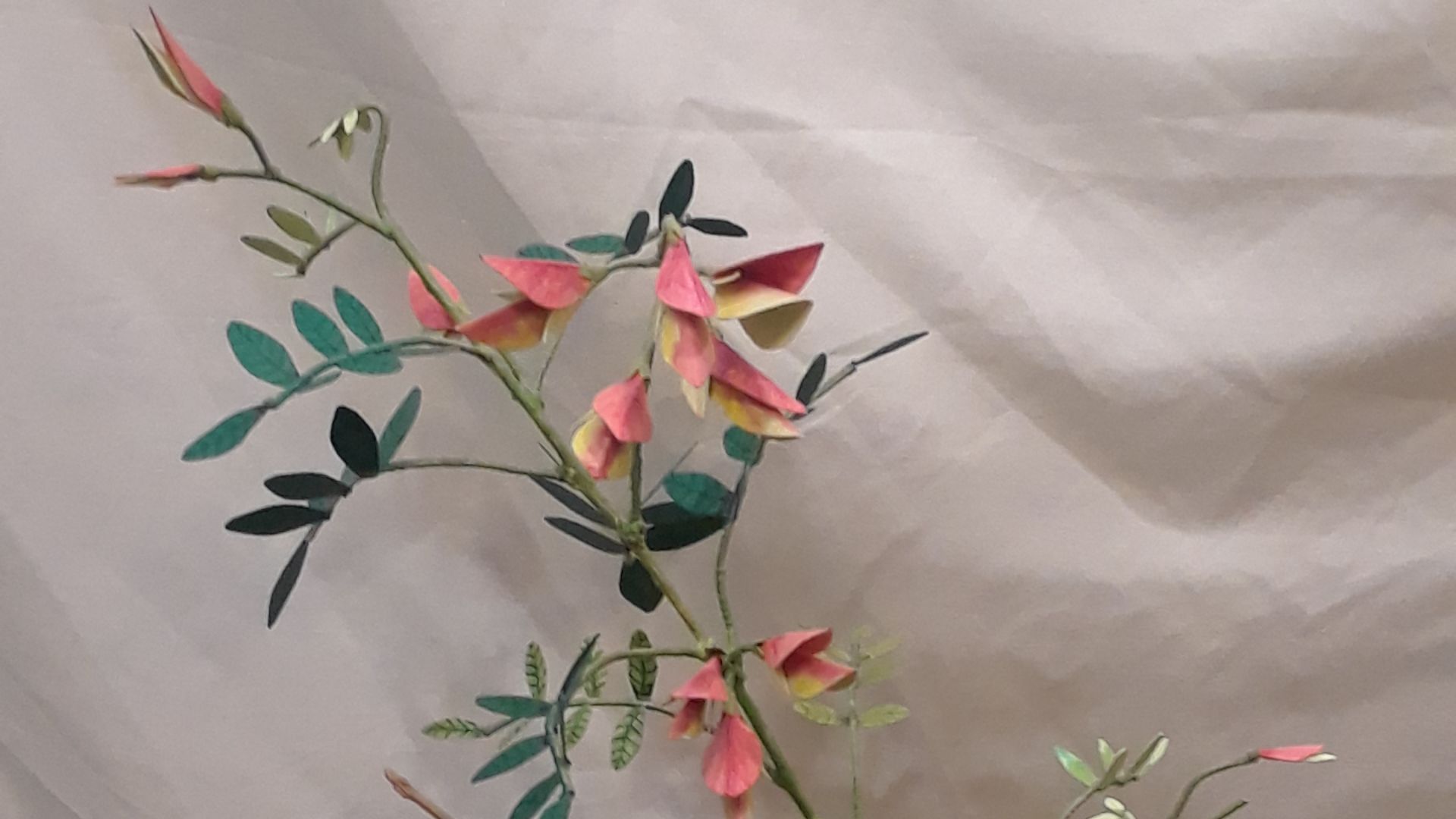
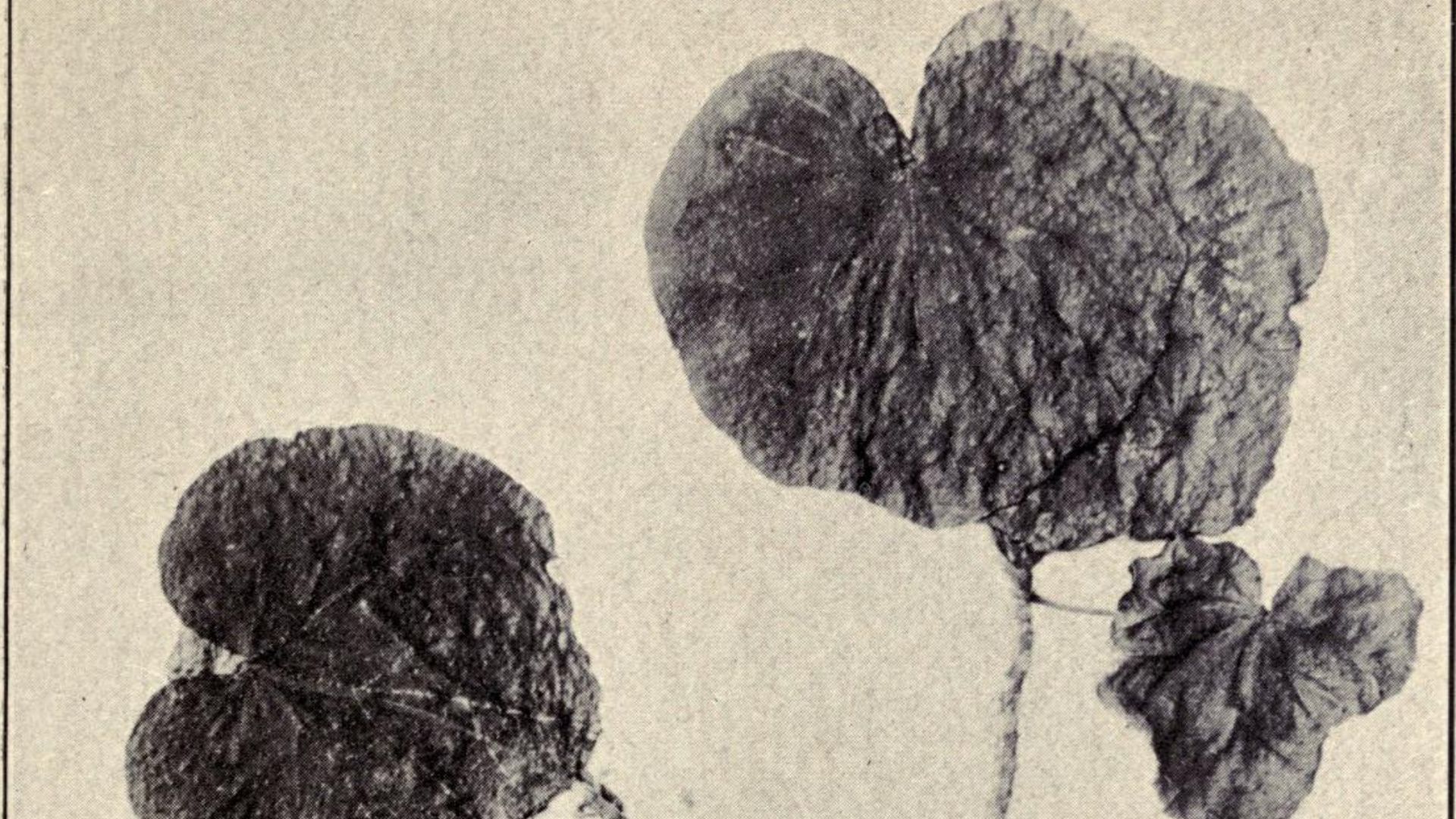
14. Maui Hau Kuahiwi
Hawaii has an unmatched record of unique plants, and an equally painful record of losing them. The Maui hau kuahiwi was a small tree from East Maui that went extinct around 1912. The small area in which this plant grew was deforested by cattle ranchers, and it hasn’t been seen since.
 Ludwig Radlkofer, and Joseph Francis Charles Rock on Wikimedia
15. Toromiro
The toromiro is a small tree native to Rapa Nui (Easter Island). It no longer exists in its natural habitat, but it survives through cultivation and conservation collections. If you’re looking for proof that botanical rescue can work, this is one of the rare cases where intervention kept the species from total disappearance.
 David Eickhoff from Pearl City, Hawaii, USA on Wikimedia
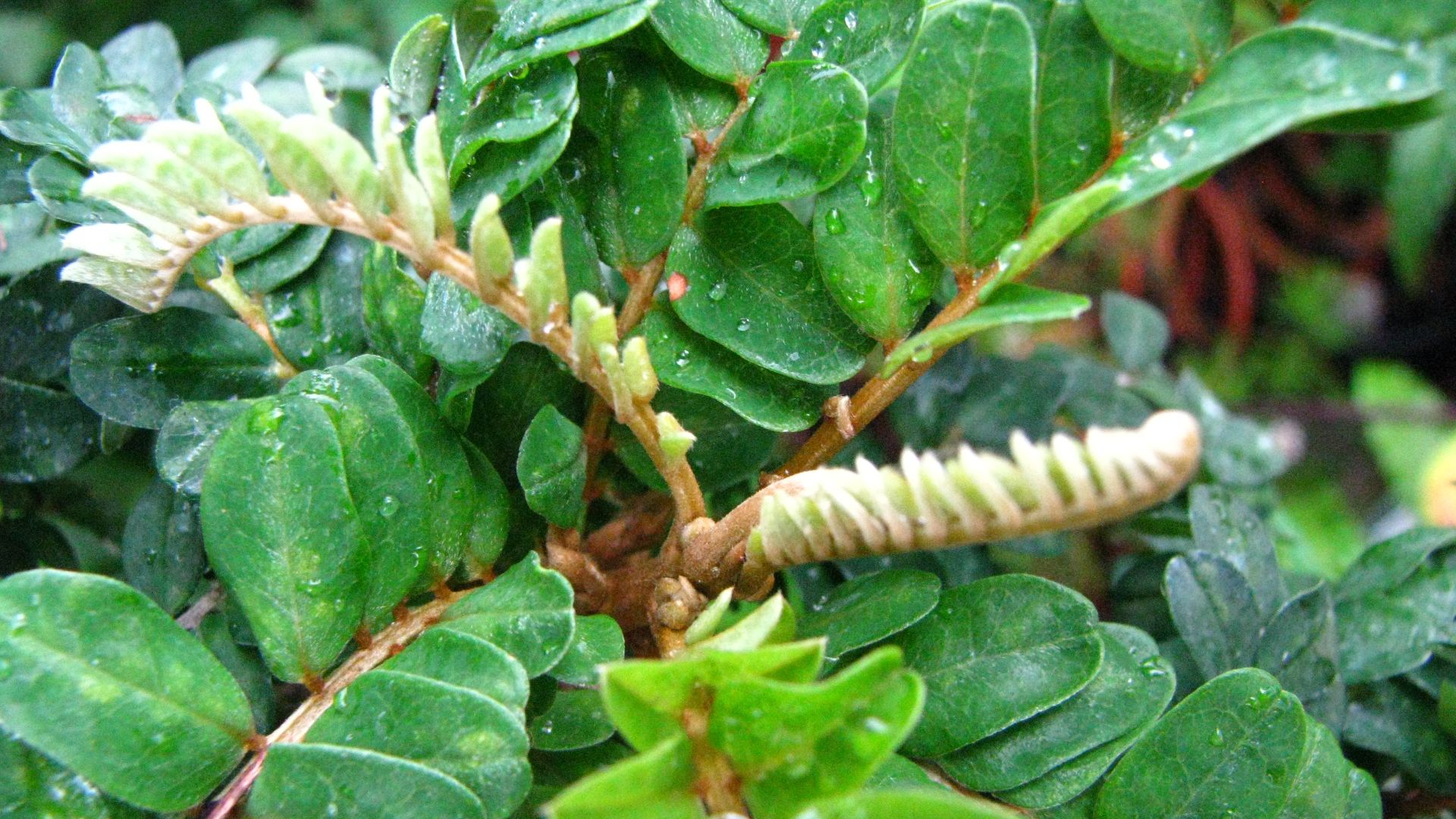
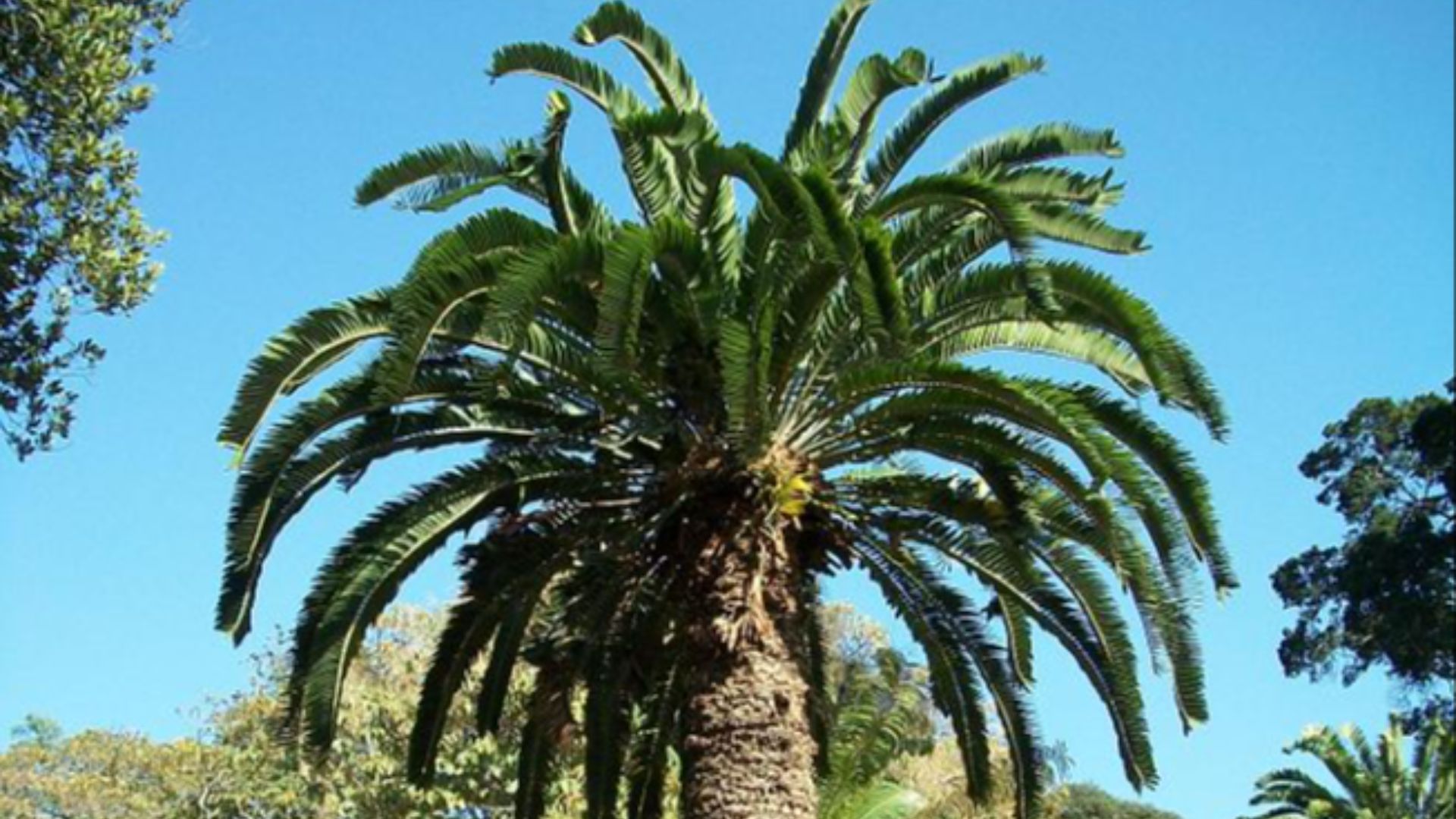
16. Wood’s Cycad
Wood’s cycad is a strange botanical ghost story because only the male plants were ever found. As it couldn’t reproduce naturally, it’s understandable that it would be listed as extinct in the wild. While humans are the reason this tree no longer grows naturally, we have been able to keep it alive through cloning technology.
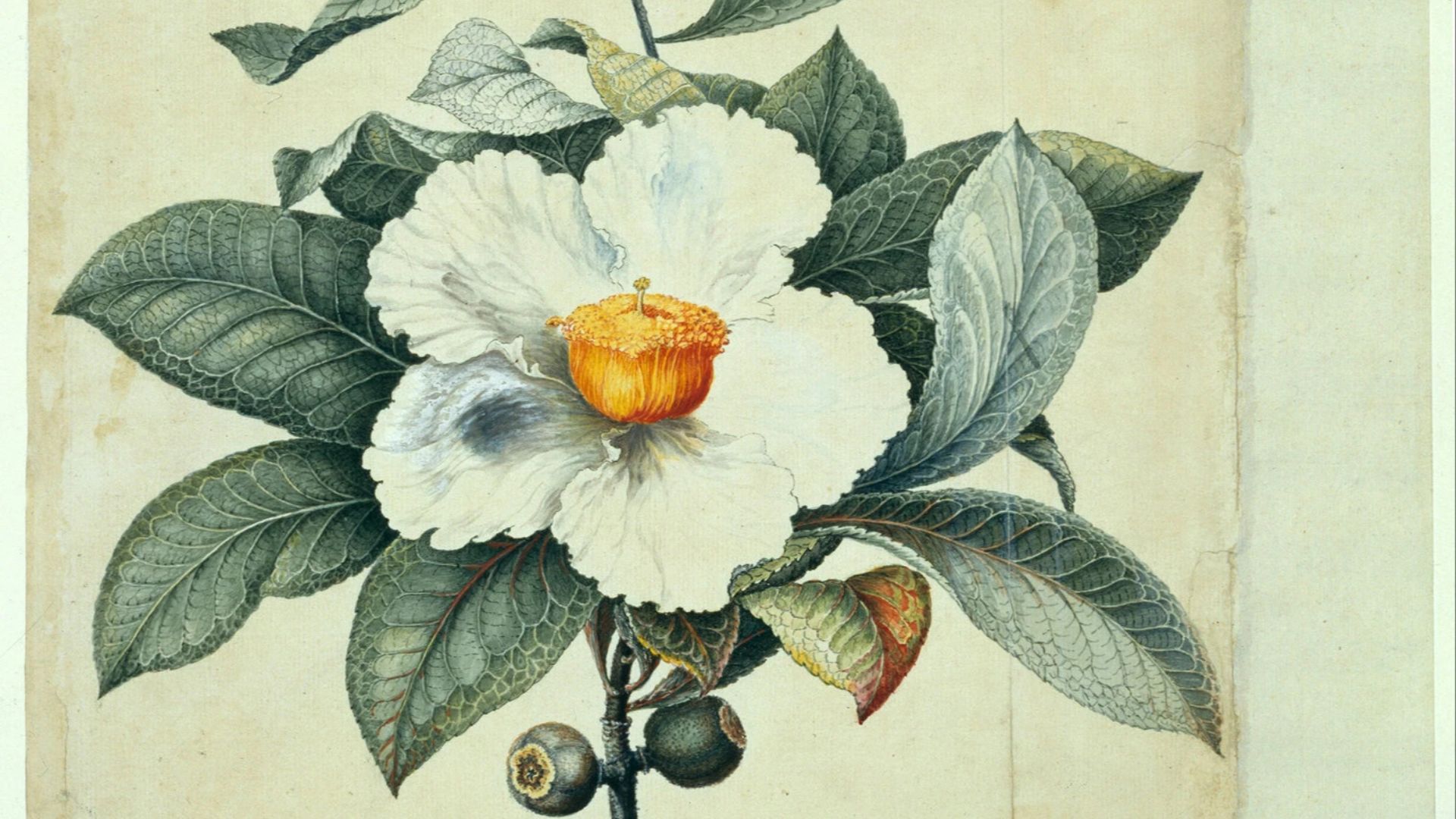
17. Franklin Tree
The Franklin tree once grew in the wild in a limited area near the Altamaha River in Georgia. It hasn’t been seen in nature since the early 19th century, but it lives on in cultivation thanks to early seed collecting. In other words, it’s extinct in the wild, and your only chance to see it is in gardens and managed landscapes.
 William Bartram (1739-1823) on Wikimedia
18. Lepidodendron
Lepidodendron was a towering tree-like plant that helped shape Carboniferous swamp forests. It lived roughly 359 million to 299 million years ago, long before humans had the chance to intervene. Scientists have been able to use its fossils to track major ecological changes that transformed those ancient wetlands.
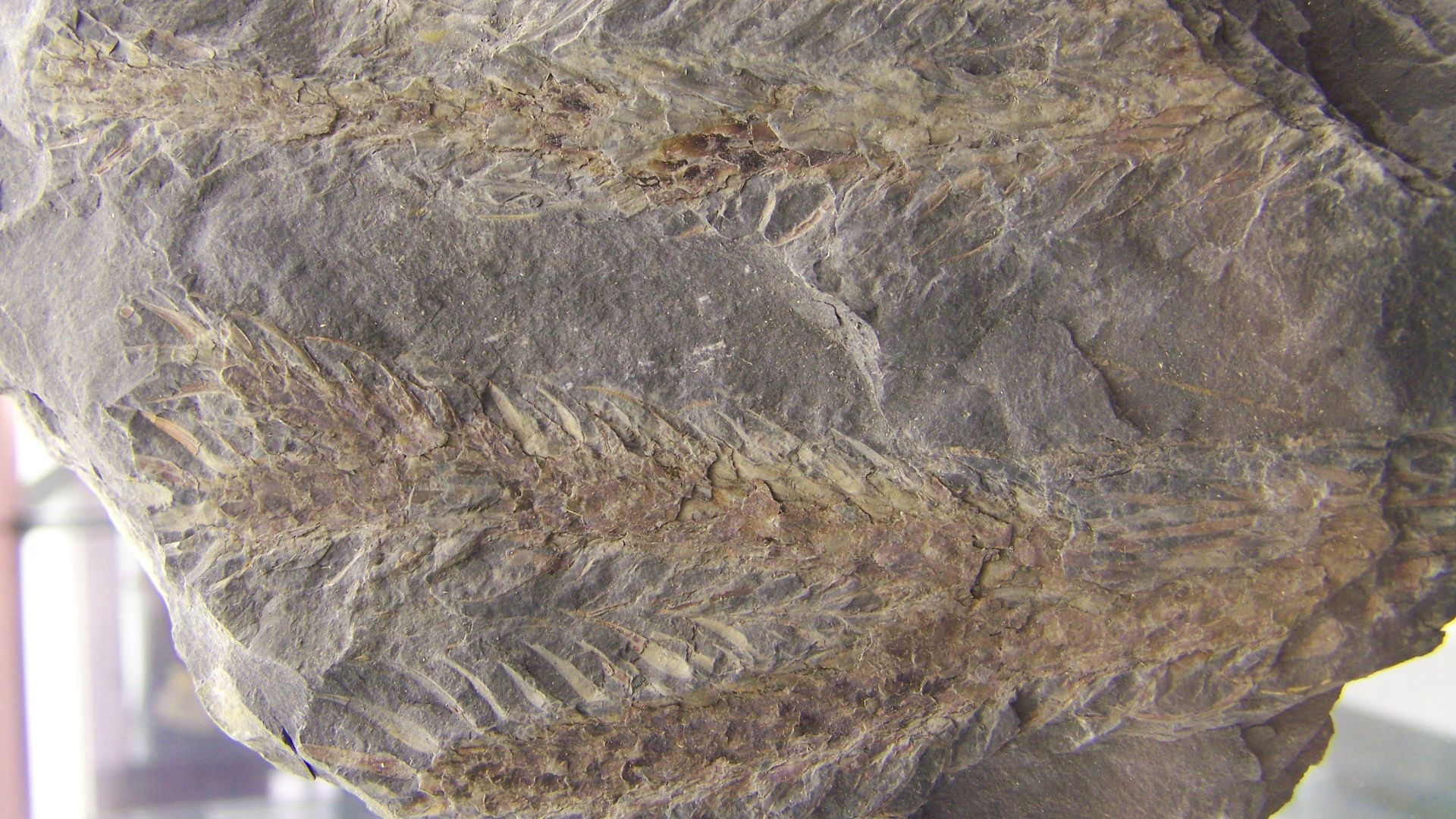
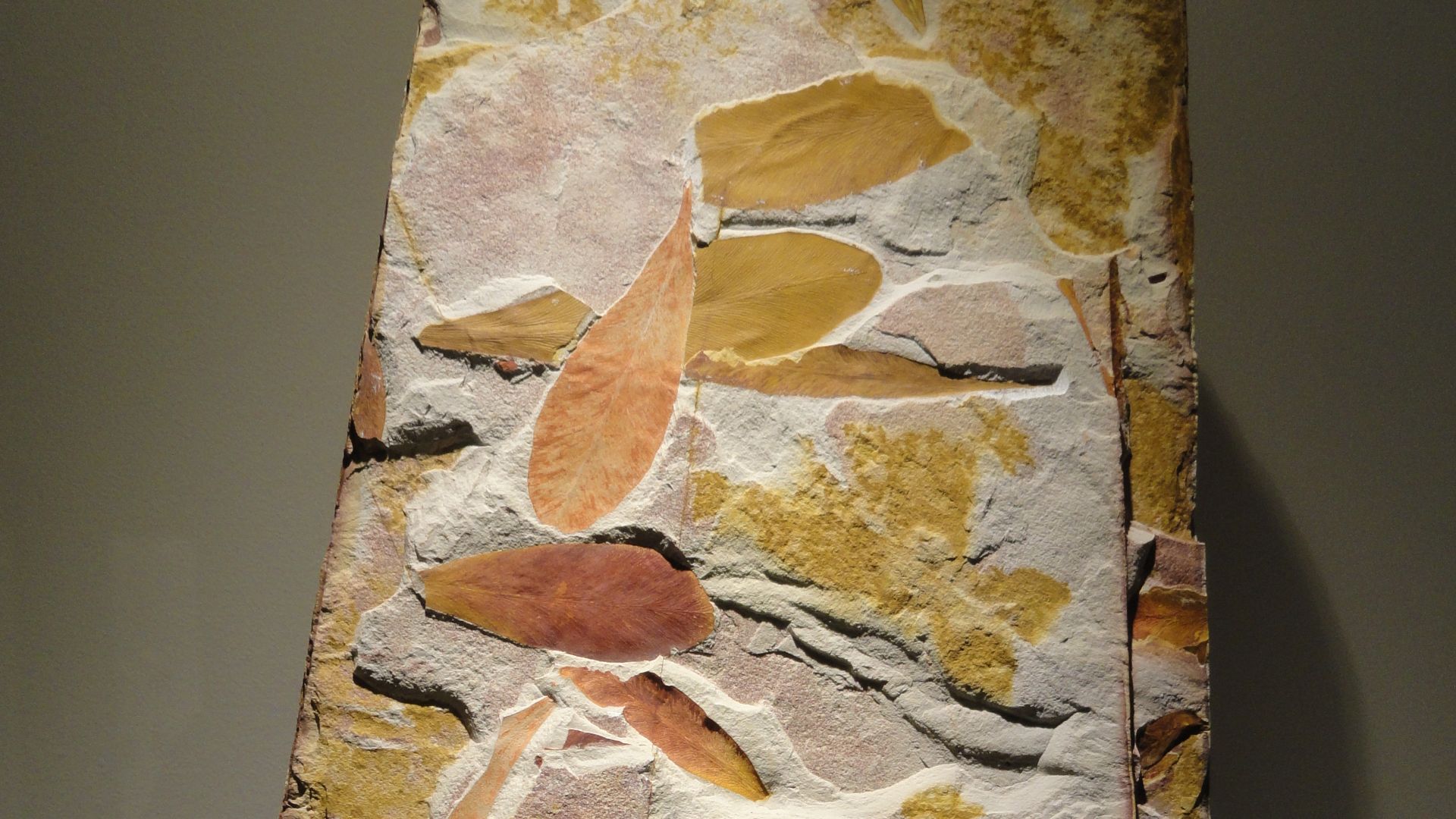
19. Glossopteris
Glossopteris is an extinct plant genus known from Gondwana, the southern supercontinent that formed around 600 million years ago. Its fossils date to the Permian and Triassic periods, roughly 300 million to 200 million years ago. It even played a role in early evidence for continental drift.
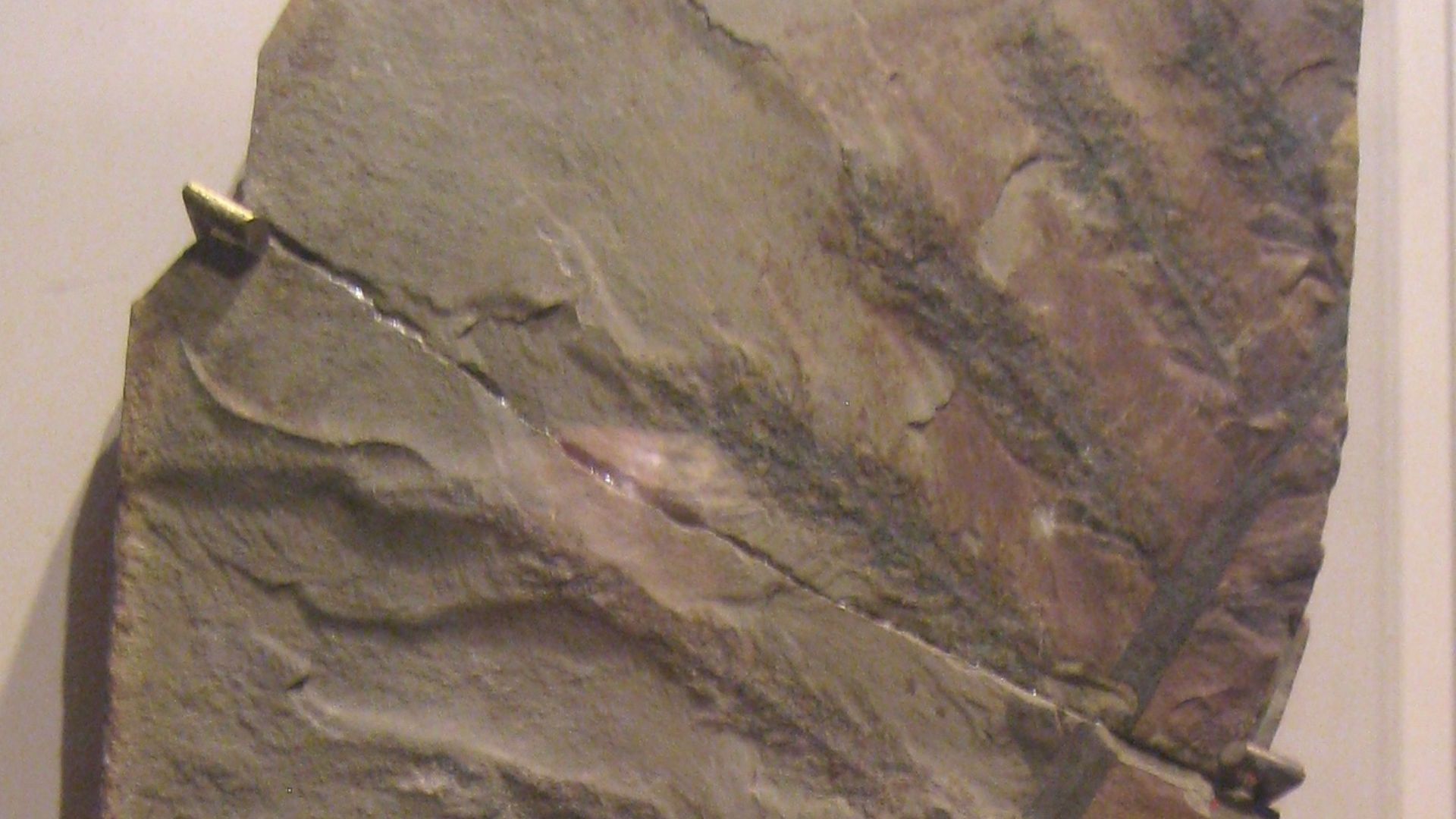
20. Archaeopteris
Archaeopteris is often described as one of the earliest “true trees,” and it formed forests in the Late Devonian era, about 385 million to 359 million years ago. From found fossils, we can see that the tree had fern-like leaves and wood similar to coniferous trees.
 User:Daderot (modified by User:Kontos) on Wikimedia
KEEP ON READING