When the Odds Didn’t Decide the Outcome
History often highlights empires, kings, and overwhelming power, but many pivotal moments came from groups that were expected to fail. Smaller armies, marginalized communities, and underestimated leaders have repeatedly altered events through strategy, resilience, and timing. These moments show that influence doesn’t always come from power alone. Here are 20 times the underdogs changed the course of history.
 Unknown authorUnknown author on Wikimedia
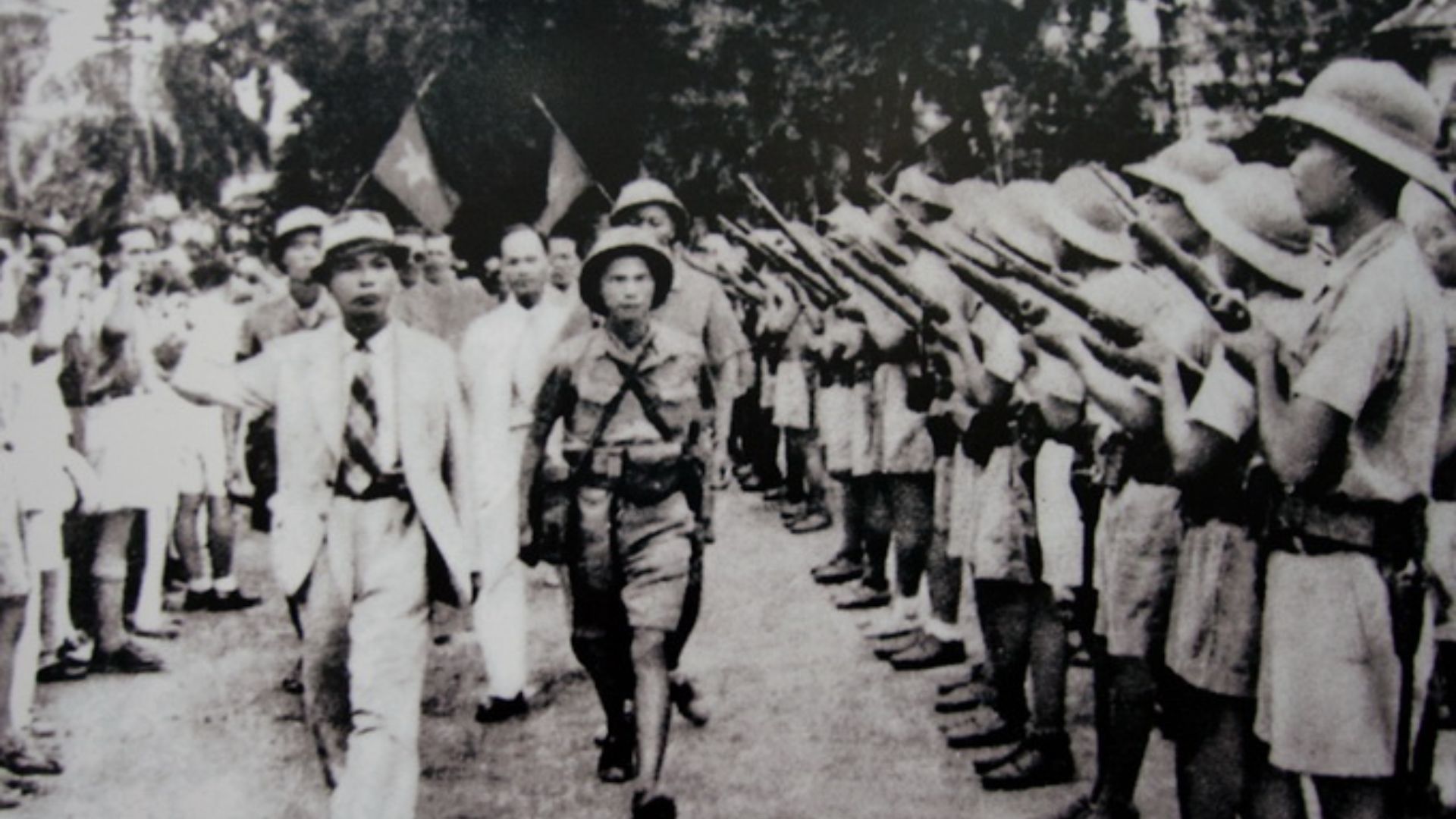
1. The Greeks Held the Line at Marathon
In 490 BCE, Athens faced a vastly larger Persian force. Greek soldiers used disciplined formations and terrain to their advantage. The victory preserved Greek independence. It also shaped the political and cultural development of the Western world. Without this outcome, Greek democracy may never have taken hold.
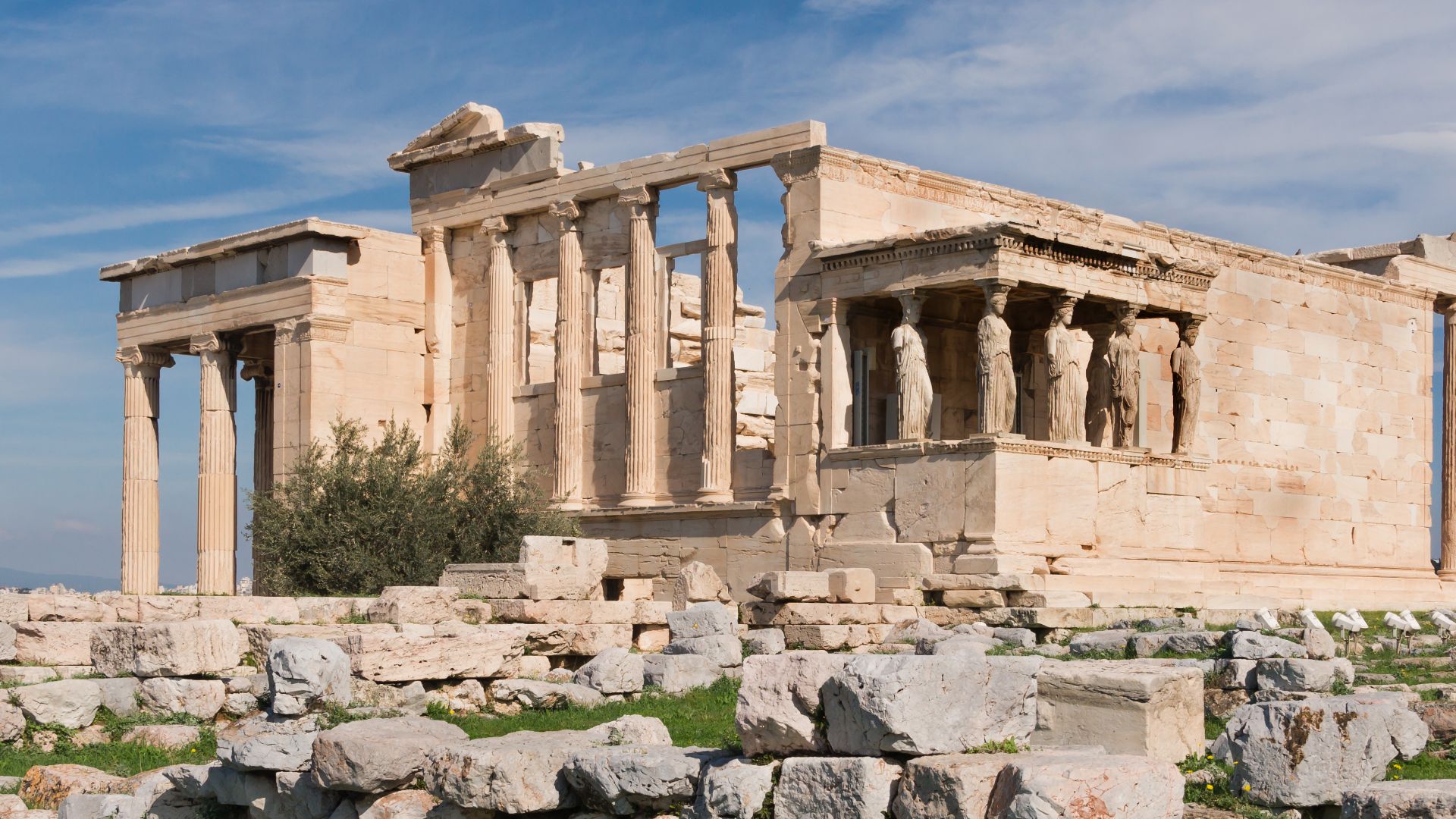
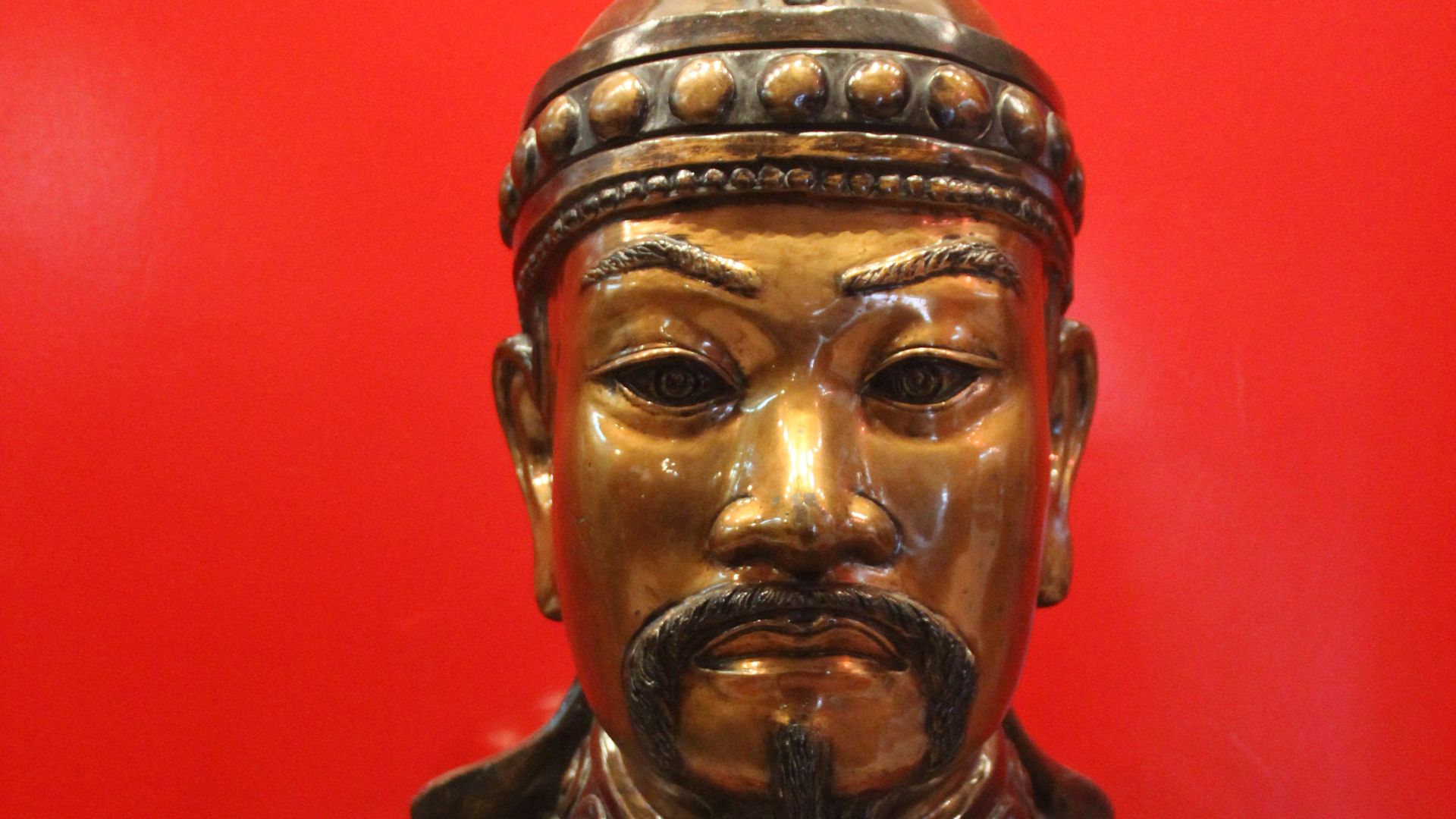
2. The Vietnamese Defeated the Chinese at Bach Dang River
In 938 CE, Vietnamese forces faced a much larger Chinese fleet attempting to reassert control. General Ngo Quyen used hidden wooden stakes planted in the riverbed, timed with the tides, to trap enemy ships. When the water receded, the Chinese fleet was destroyed. The victory secured Vietnam’s independence for centuries and marked the end of direct Chinese rule.
 Gary Todd from Xinzheng, China on Wikimedia
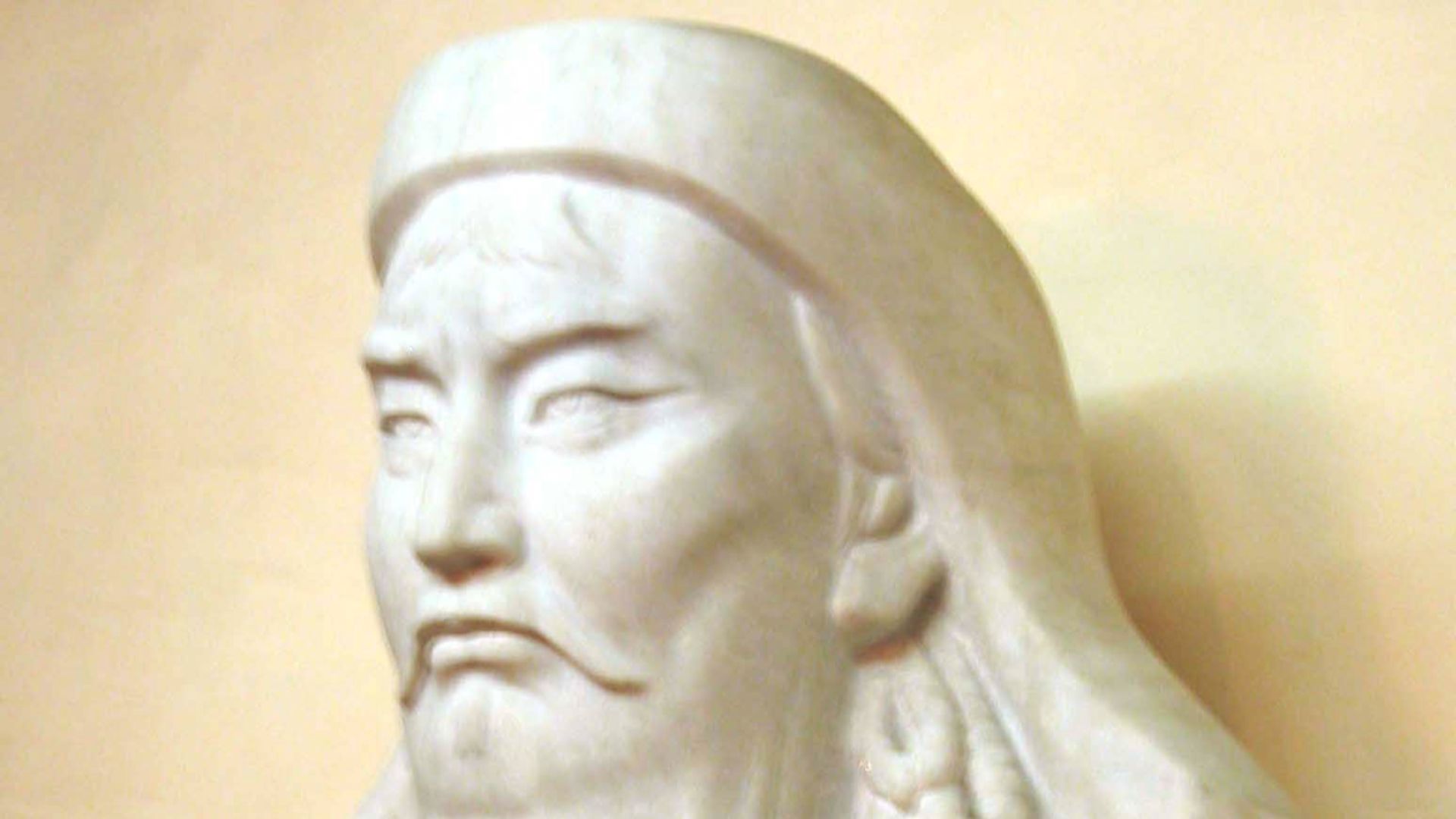
3. The Mongols United Against Powerful Neighbors
Early Mongol tribes were fragmented and underestimated. Under Genghis Khan, they formed a disciplined and mobile force. This shift allowed them to defeat far stronger states. Their rise reshaped Eurasian history, proving that organization and fearlessness are just as important as raw strength.
 Jim Garamone, American Forces Press Service on Wikimedia
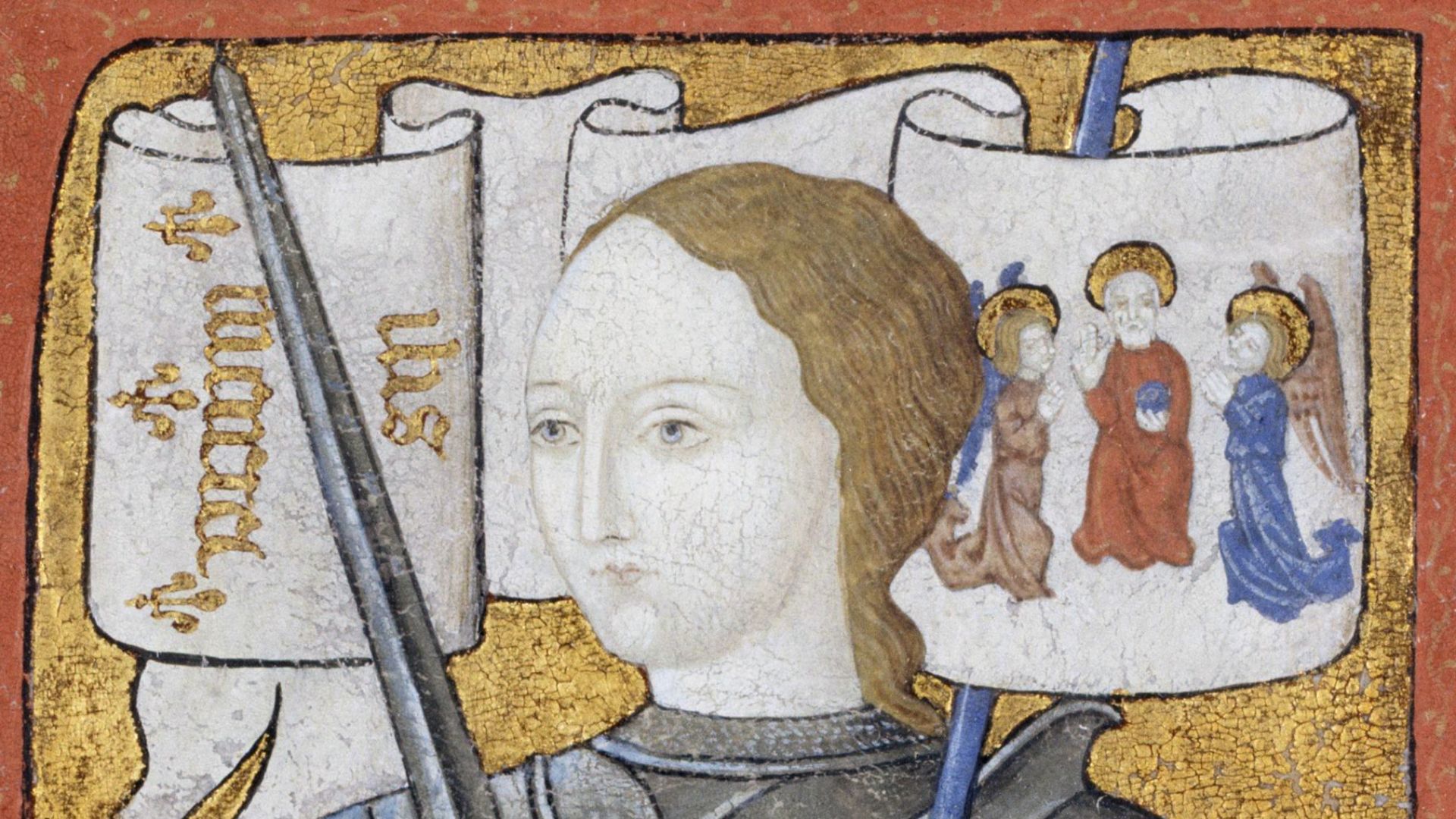
4. Joan of Arc Shifted the Hundred Years’ War
France was losing territory and morale in the early 1400s. Joan of Arc inspired troops and helped lift the siege of Orléans. Her leadership changed the momentum of the war. France later reclaimed much of its land, but its influence extended beyond the battlefield into national identity.
5. Swiss Militias Defended Their Independence
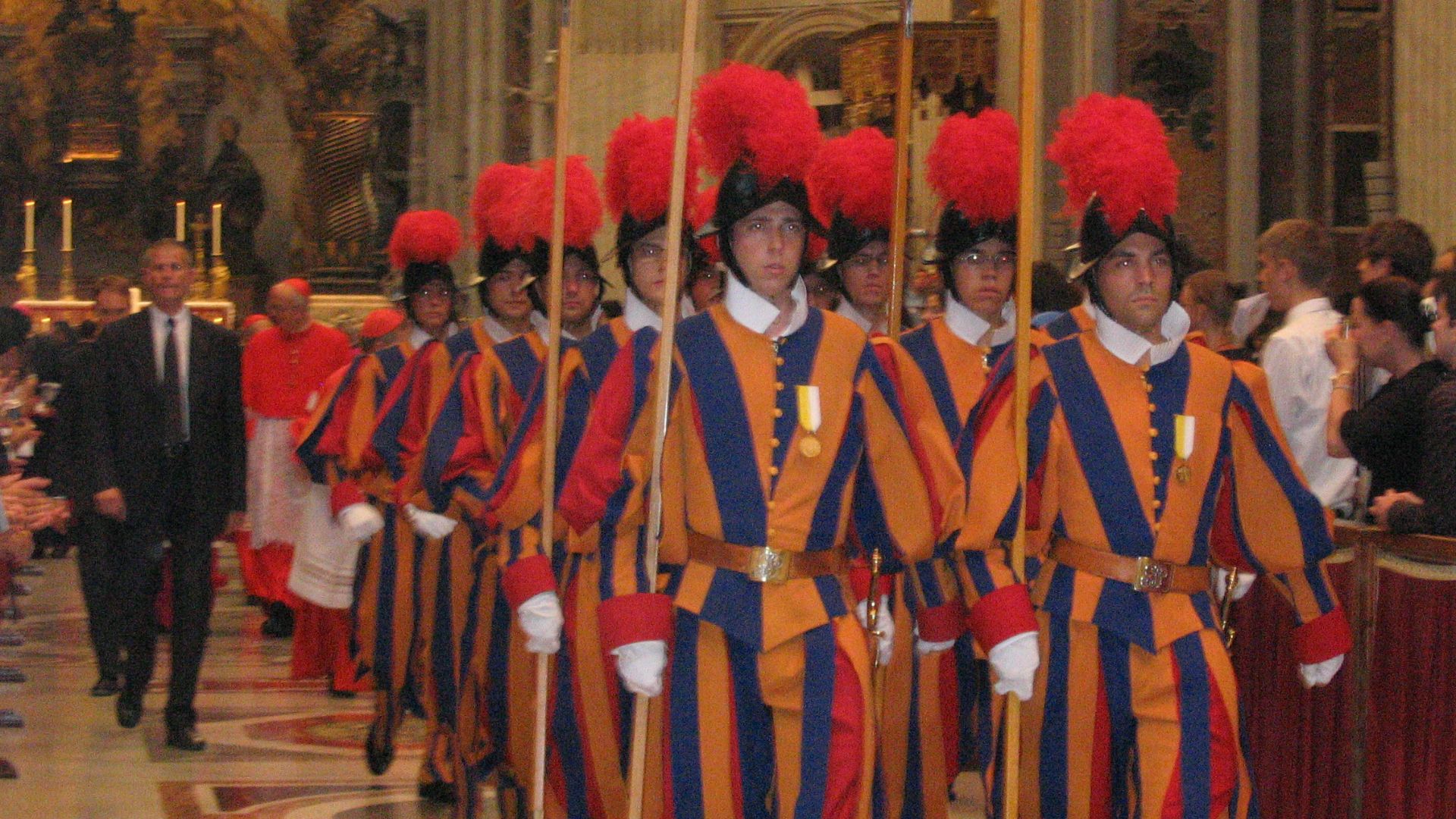
Swiss infantry faced heavily armored European knights. By using terrain and coordinated tactics, they won key battles. These victories discouraged foreign domination. Switzerland’s independence was strengthened as a result, and its success challenged medieval military norms.
 Alberto Luccaroni User:Luccaro on Wikimedia
6. The Ottomans Took Constantinople
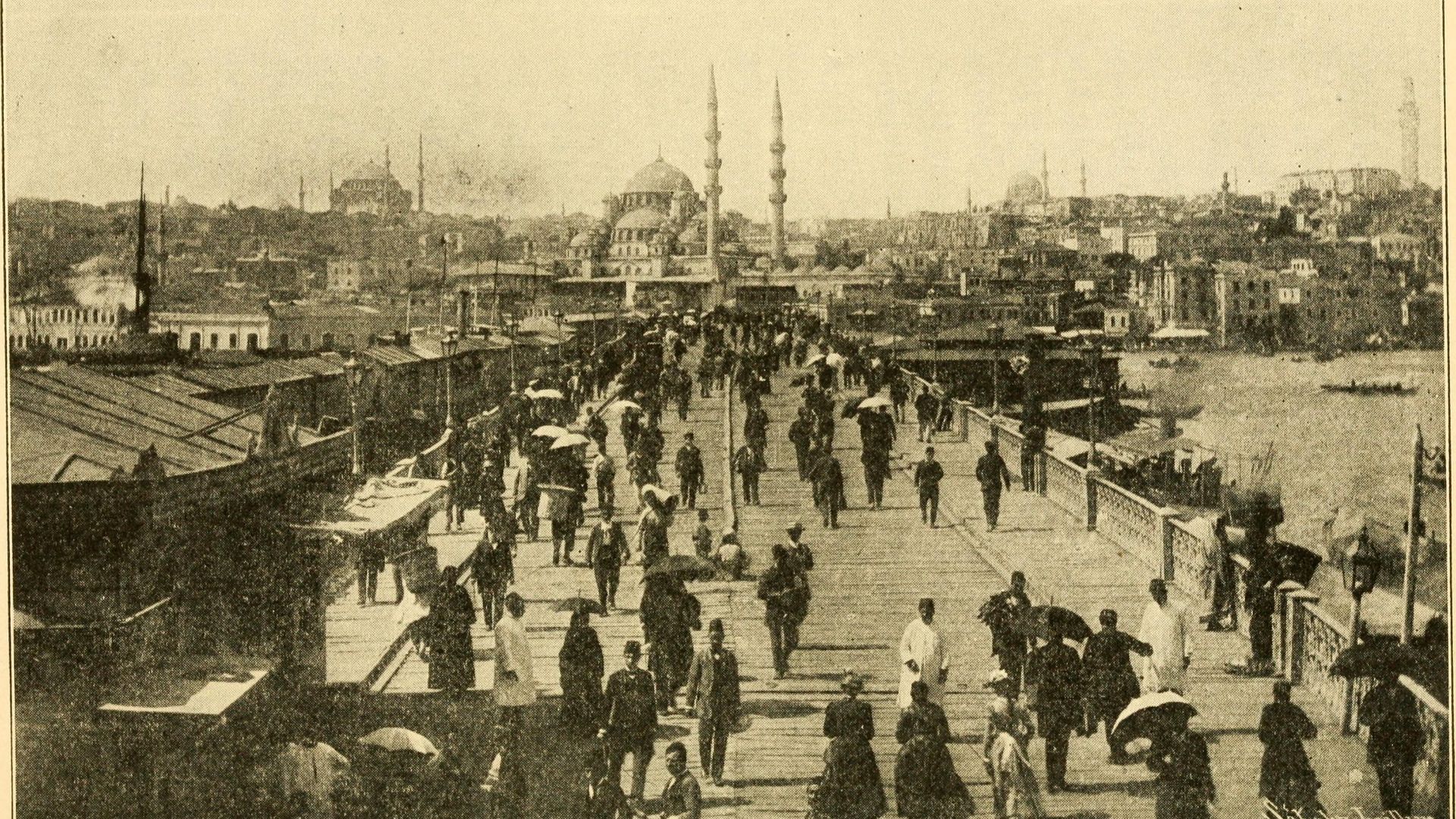
The Ottomans were not yet considered a dominant empire in 1453. Constantinople’s defenses were legendary. New artillery technology helped breach the walls, and the city’s fall reshaped global trade and power structures. It also marked the end of the Byzantine Empire.
 Bénézet, Louis Paul, 1878- [from old catalog] on Wikimedia
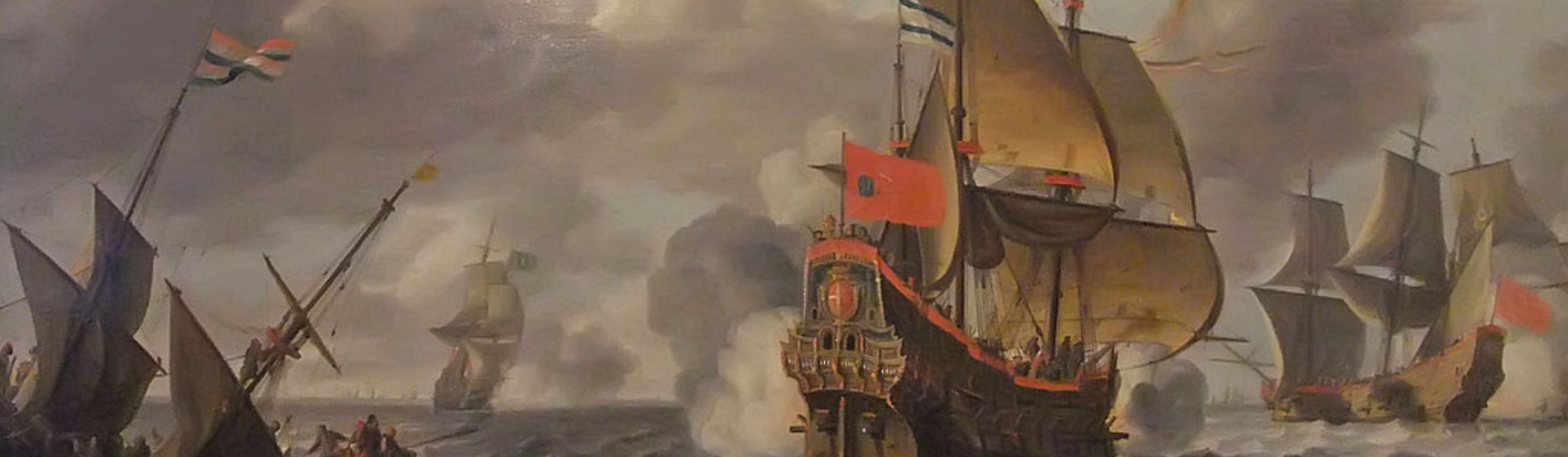
7. The Dutch Resisted Spanish Rule
The Netherlands was a small region under Spanish control. Dutch forces used prolonged resistance and environmental tactics like flooding, leading to independence after decades of struggle. The Dutch Republic would go on to become a major commercial power.
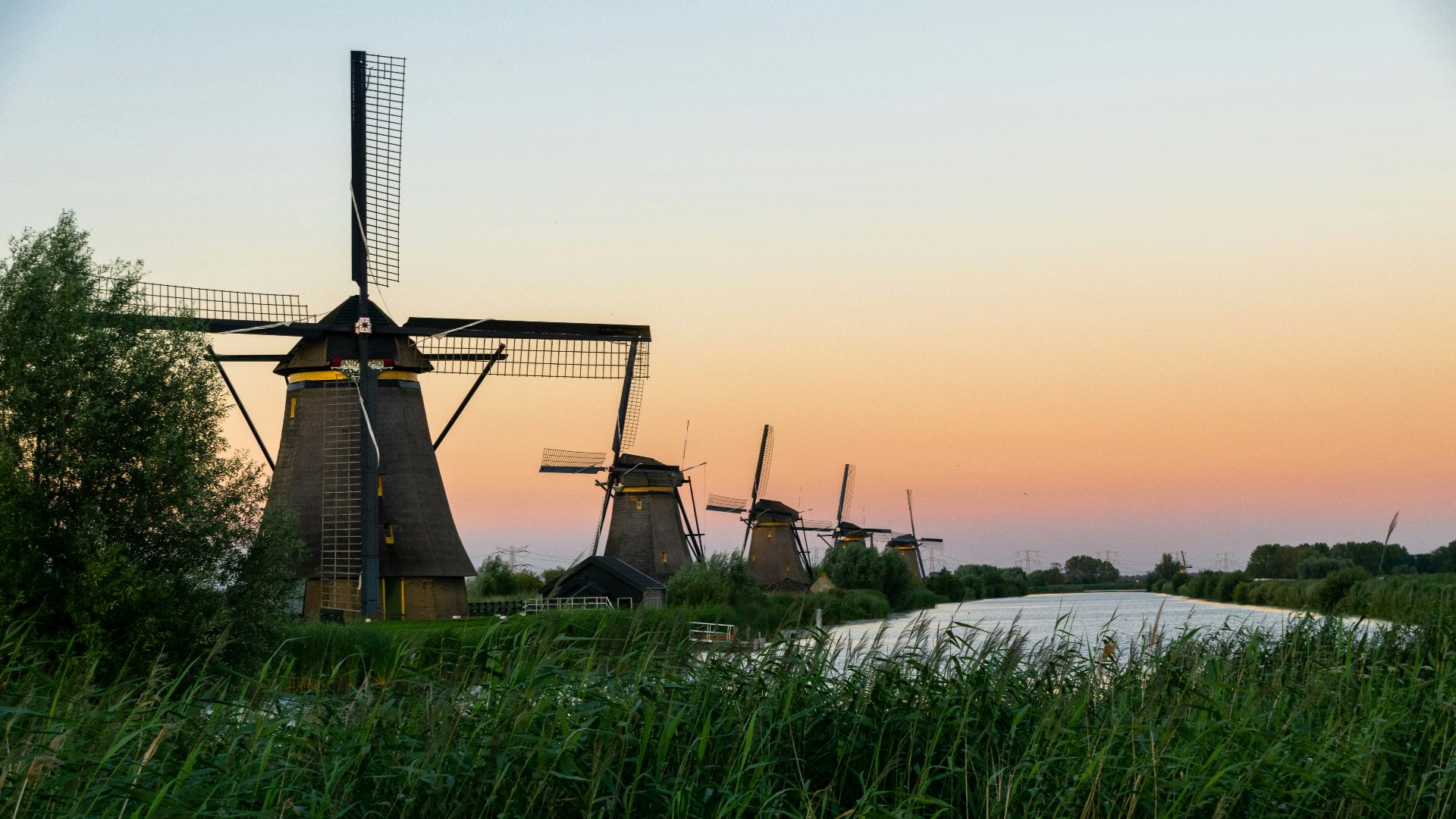
8. Japan Modernized During the Meiji Restoration
Western pressure threatened Japan’s sovereignty in the 1800s. Instead of collapsing, Japan rapidly modernized its institutions. Military and economic reforms followed. The country avoided colonization and gained global influence.
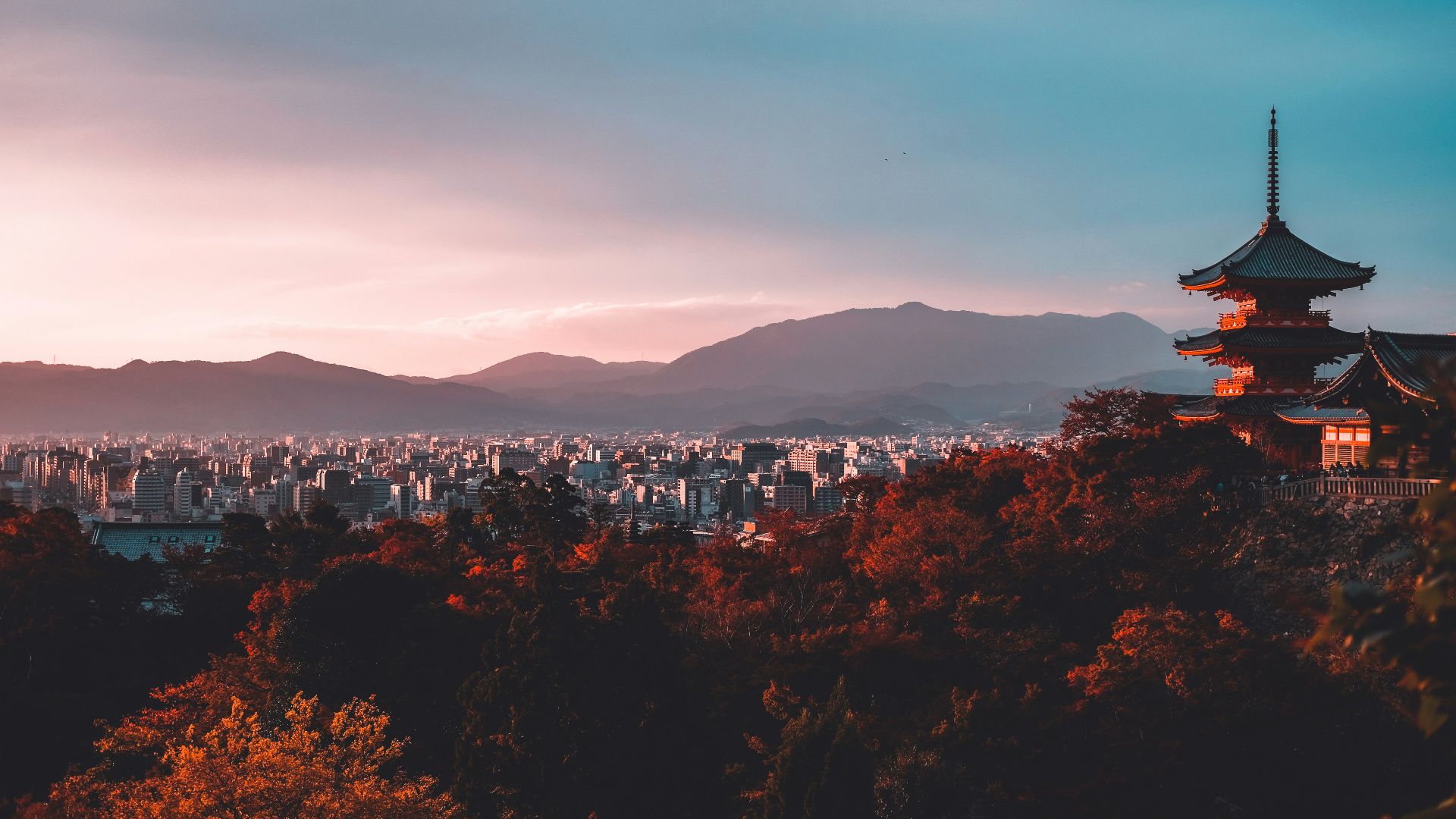
9. The American Colonies Challenged Britain
Britain was the world’s strongest empire in the 18th century. The colonies lacked resources and unity at first, but strategic alliances and persistence shifted the balance. Independence reshaped global political thought. The result inspired later independence movements worldwide.
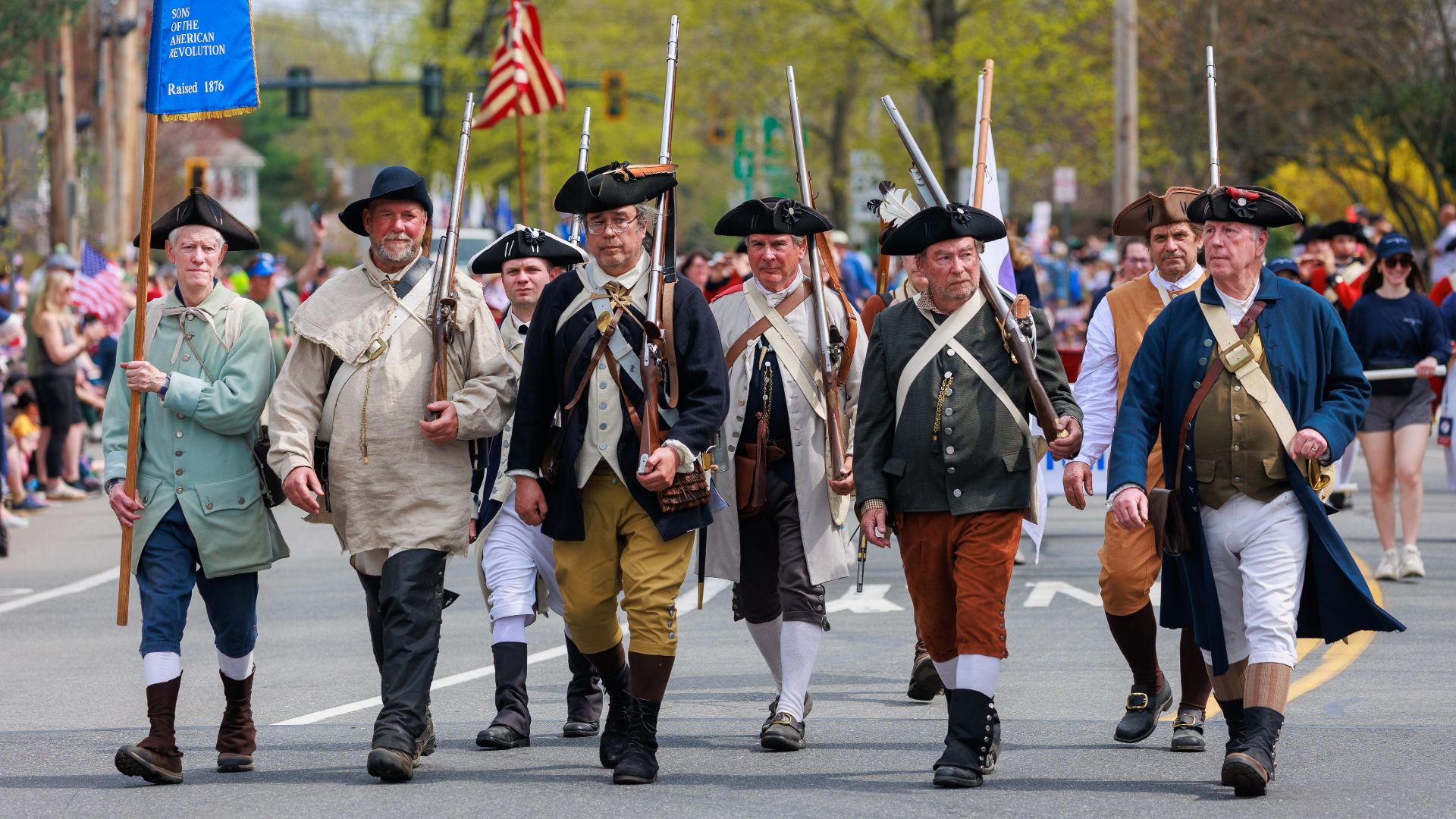 Kenneth C. Zirkel on Wikimedia
10. Haiti Overthrew Colonial Rule
Enslaved people in Saint-Domingue rose against French control. Despite limited resources, they defeated European armies. Haiti became the first independent Black republic. The revolution challenged global assumptions about power and freedom, and its impact was felt far beyond the Caribbean.

11. Greece Resisted Italy in World War II
Italy expected a swift victory in 1940, but Greek forces pushed them back into Albania. This resistance disrupted Axis timelines. Germany was forced to intervene, altering its broader war strategy. The delay had ripple effects across the conflict.
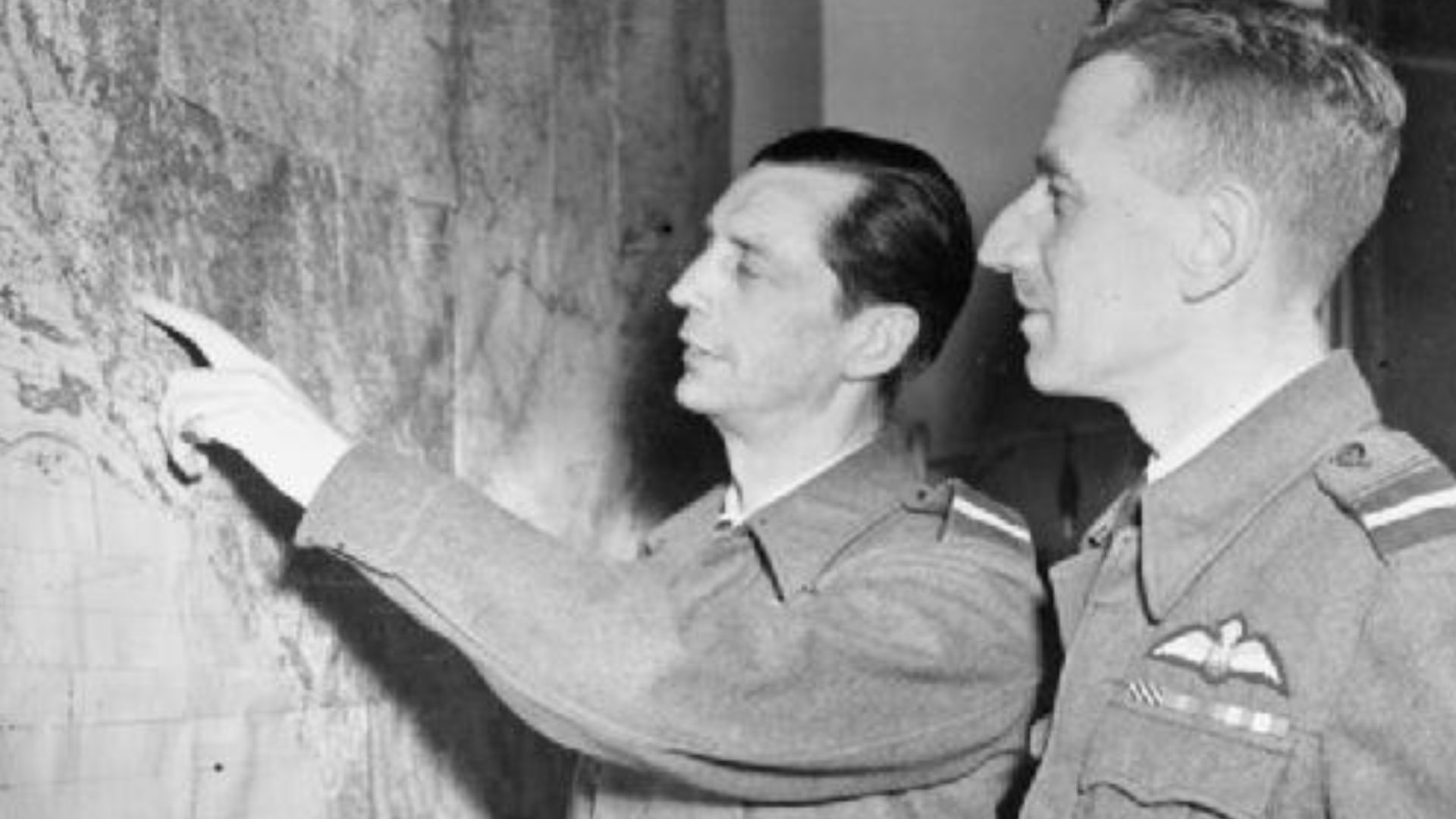 Jones W A (Sgt) Royal Air Force official photographer on Wikimedia
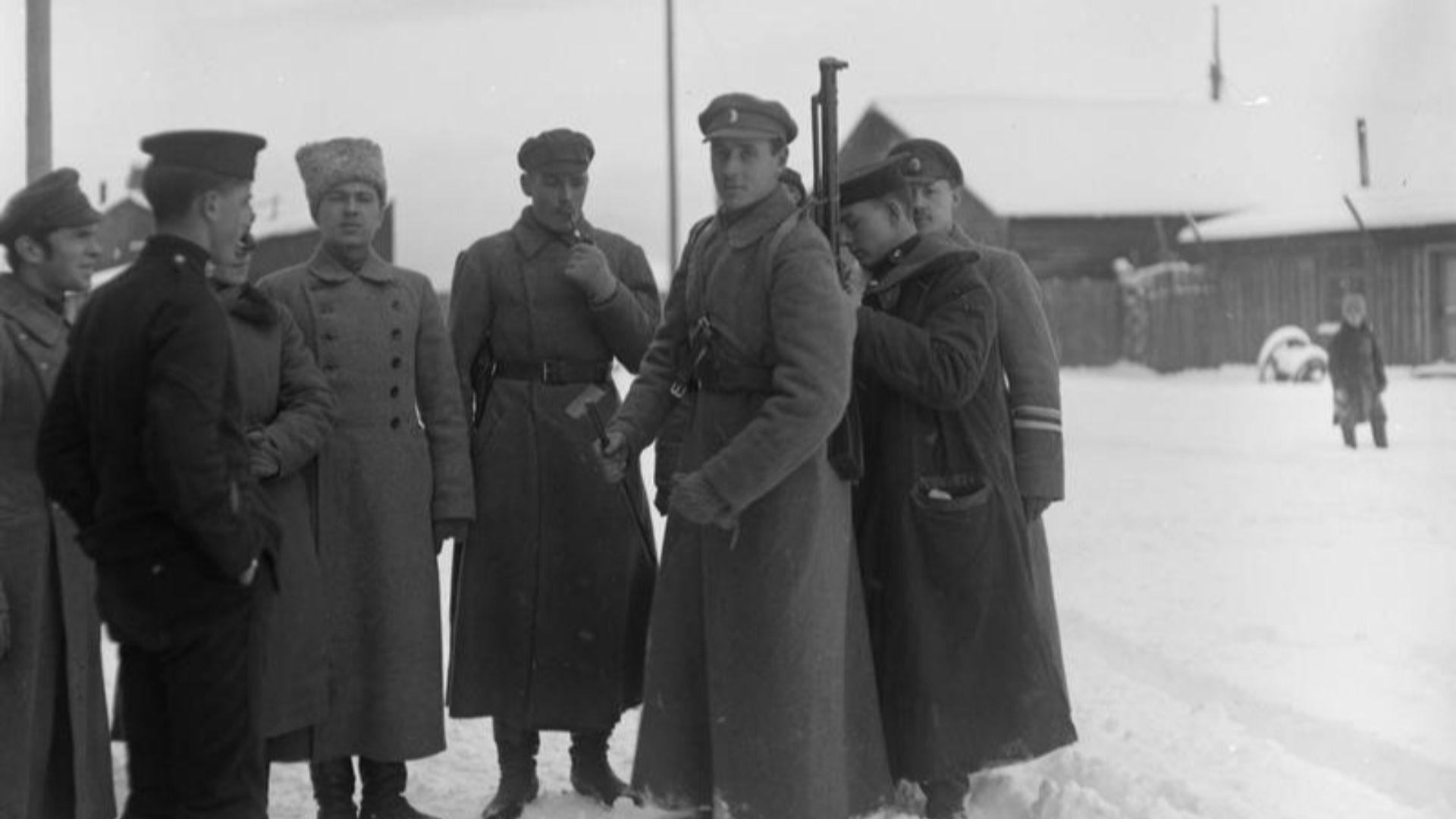
12. Finland Held Off the Soviet Union
During the Winter War, Finland faced overwhelming Soviet numbers. Finnish troops used terrain, mobility, and defense to resist. The conflict lasted far longer than expected. It changed how military planners viewed smaller nations. Finland preserved its independence despite heavy losses.
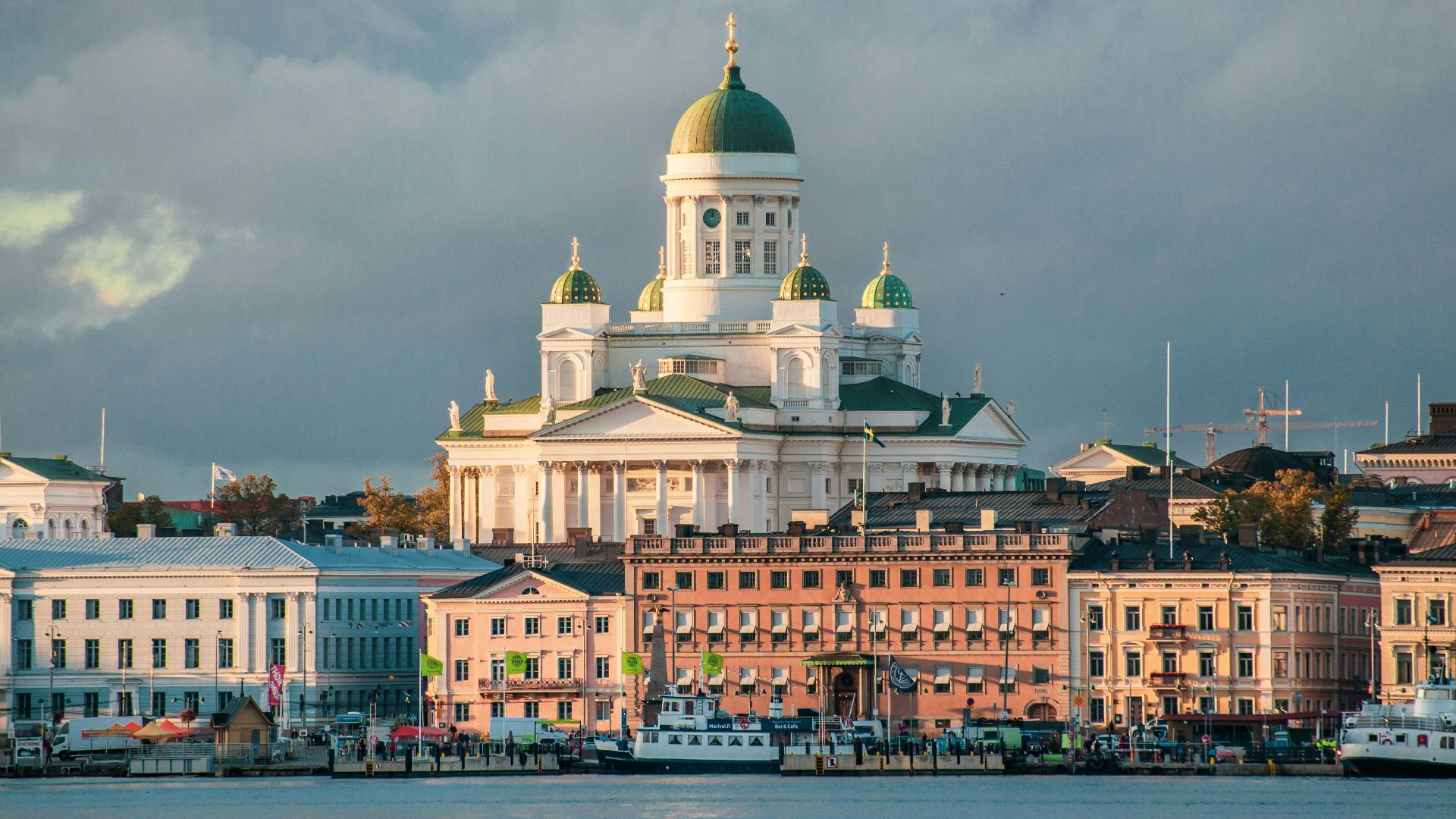
13. The Viet Minh Defeated French Colonial Forces
Vietnamese resistance fighters faced a well-equipped colonial army. Local knowledge and coordination proved decisive. Victory at Dien Bien Phu ended French rule. It marked a turning point in regional history. The outcome signaled the decline of European colonial power in Asia.
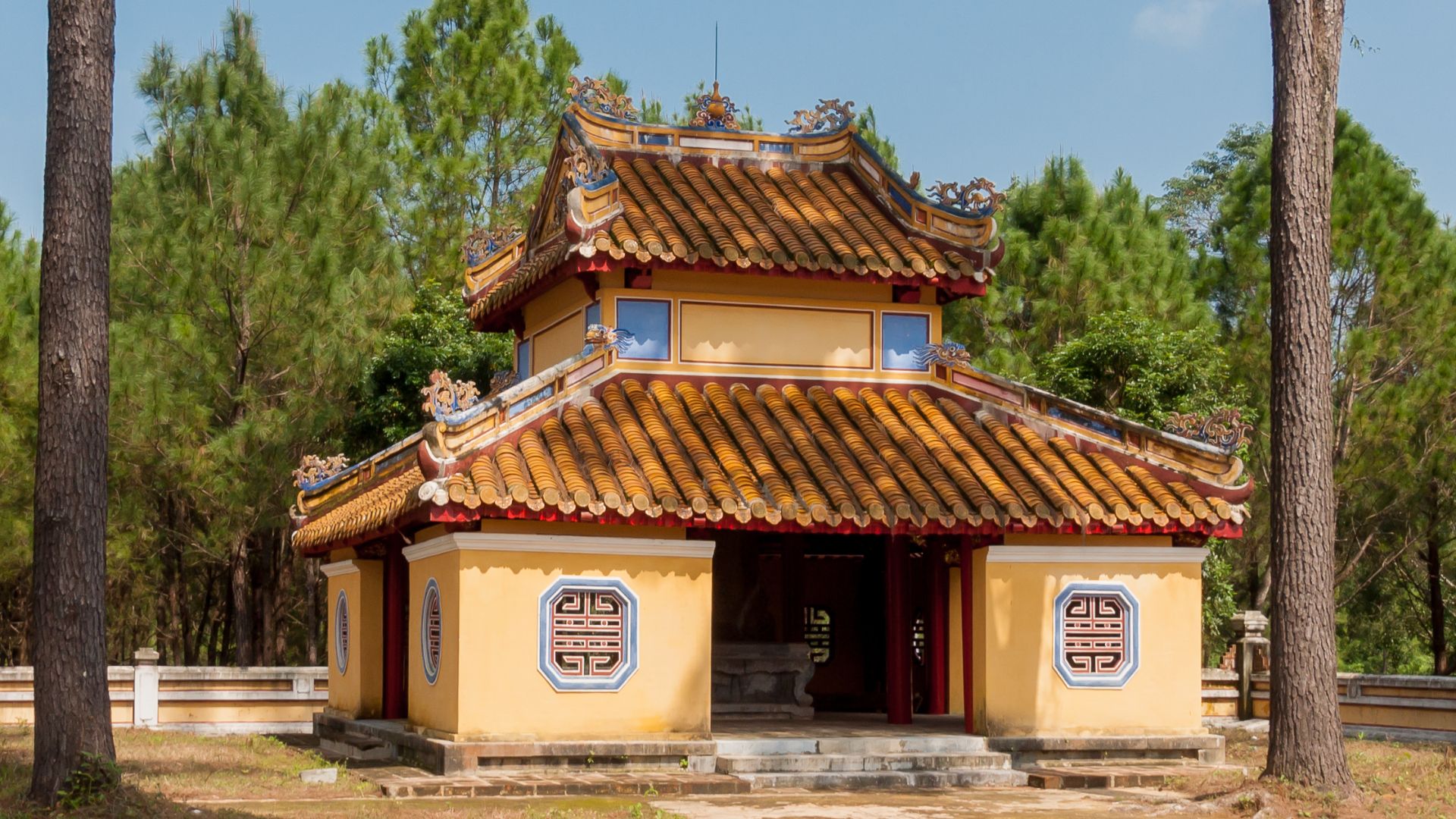 CEphoto, Uwe Aranas on Wikimedia
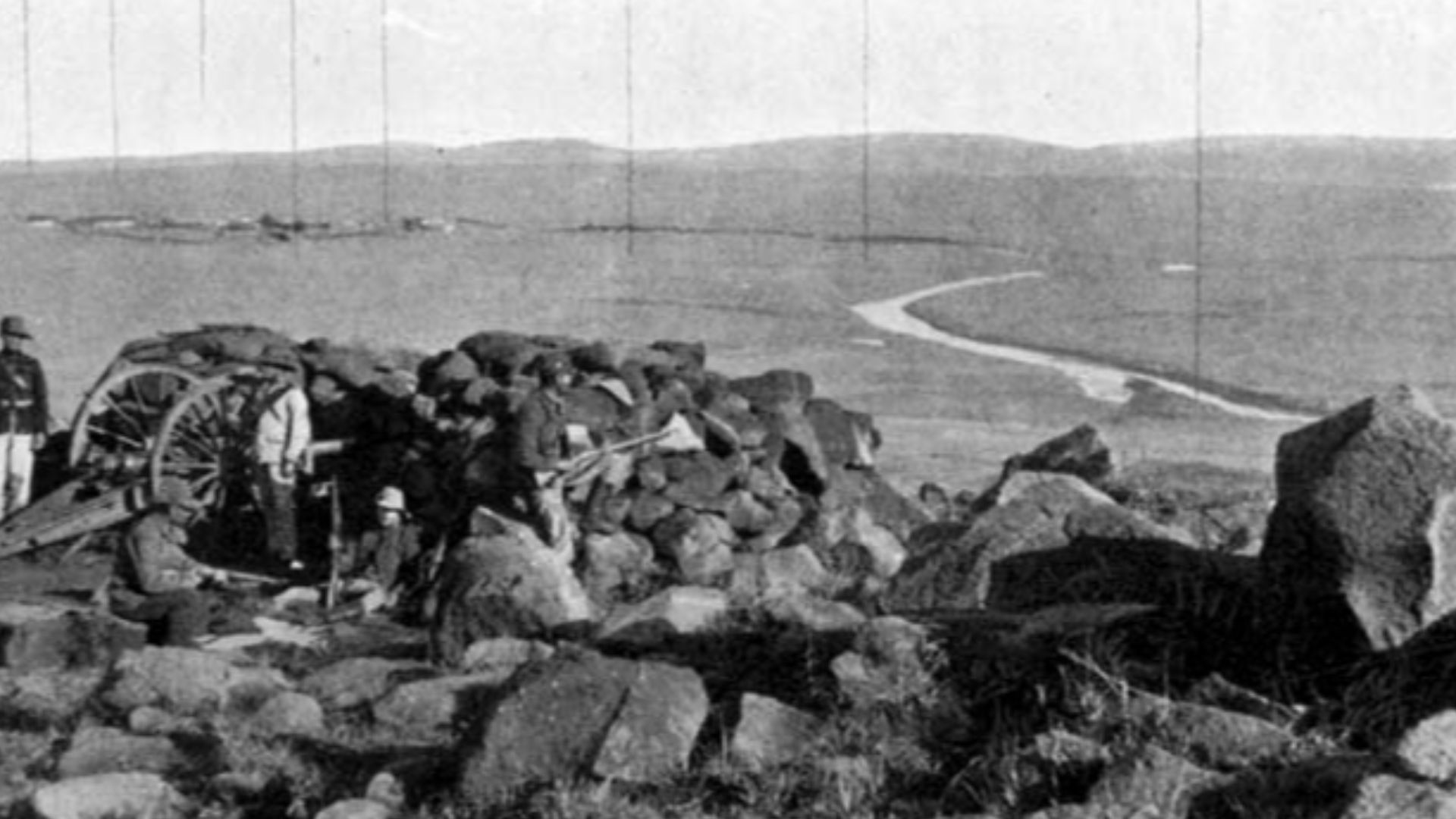
14. The Zulu Won at Isandlwana
Zulu warriors faced British forces with superior weapons. Through speed and coordination, they won a major battle. The defeat shocked Britain. It challenged assumptions about colonial military dominance.
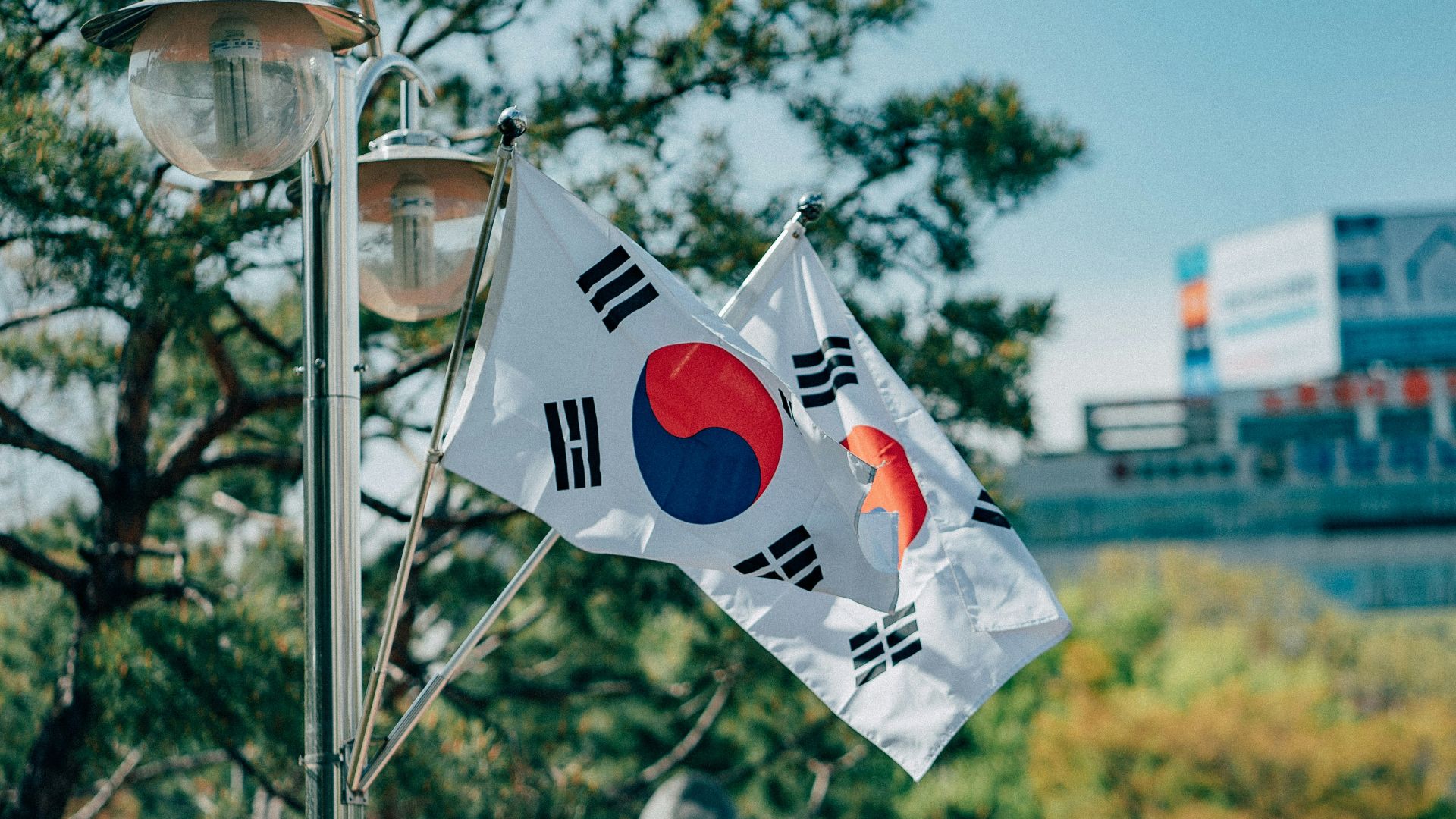
15. South Korea Survived Near Collapse
Early in the Korean War, South Korea was nearly defeated. Strategic defense and international support changed the situation. The country’s transformation reshaped global perceptions of postwar recovery.
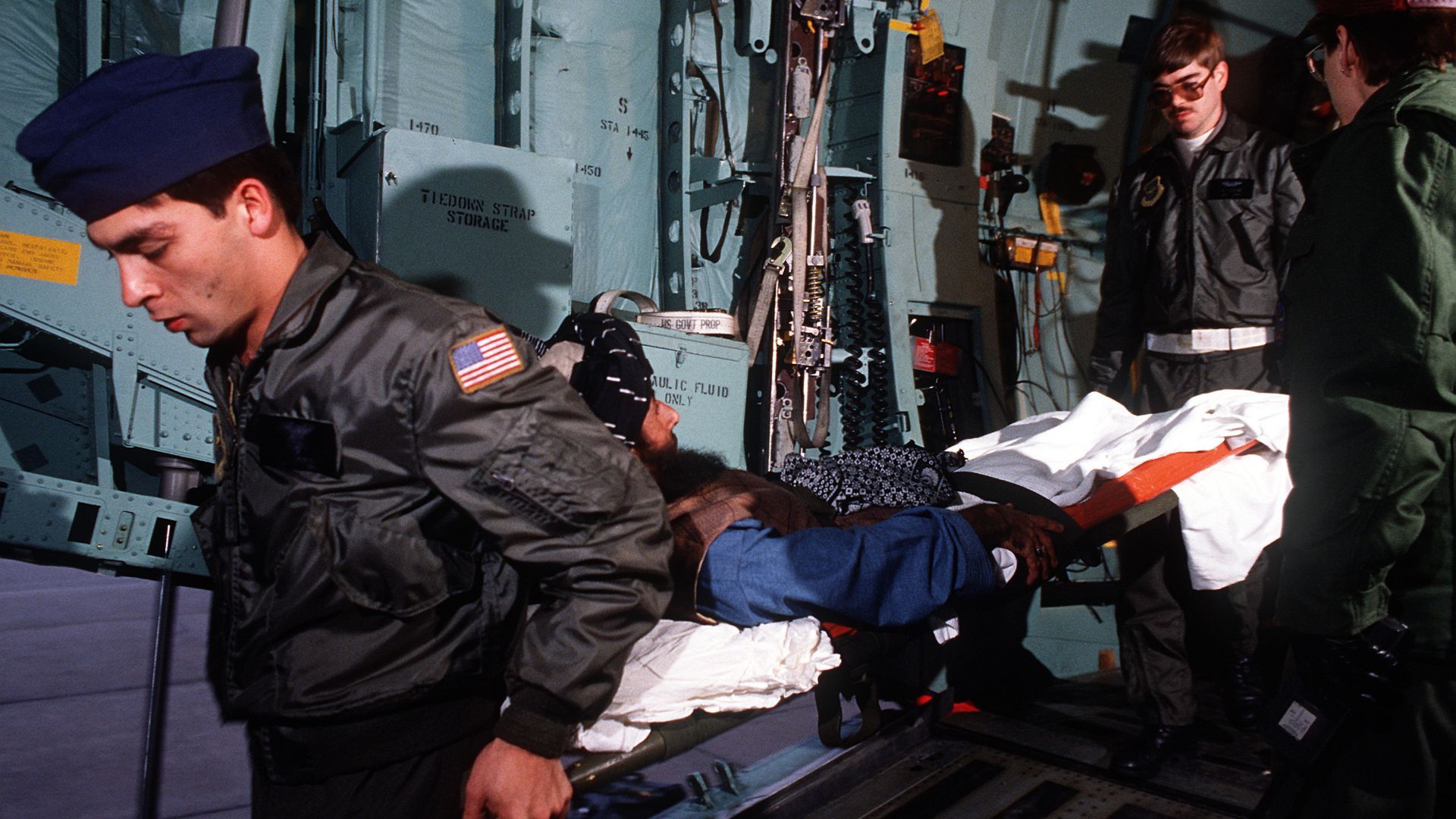
16. Afghan Fighters Resisted the Soviet Union
Afghan resistance groups faced a global superpower in the 1980s. Guerrilla tactics prolonged the conflict, resulting in Soviet withdrawal years later. This outcome influenced the Cold War’s conclusion and altered regional power dynamics for decades.
 Staff Sgt. David Nolan on Wikimedia
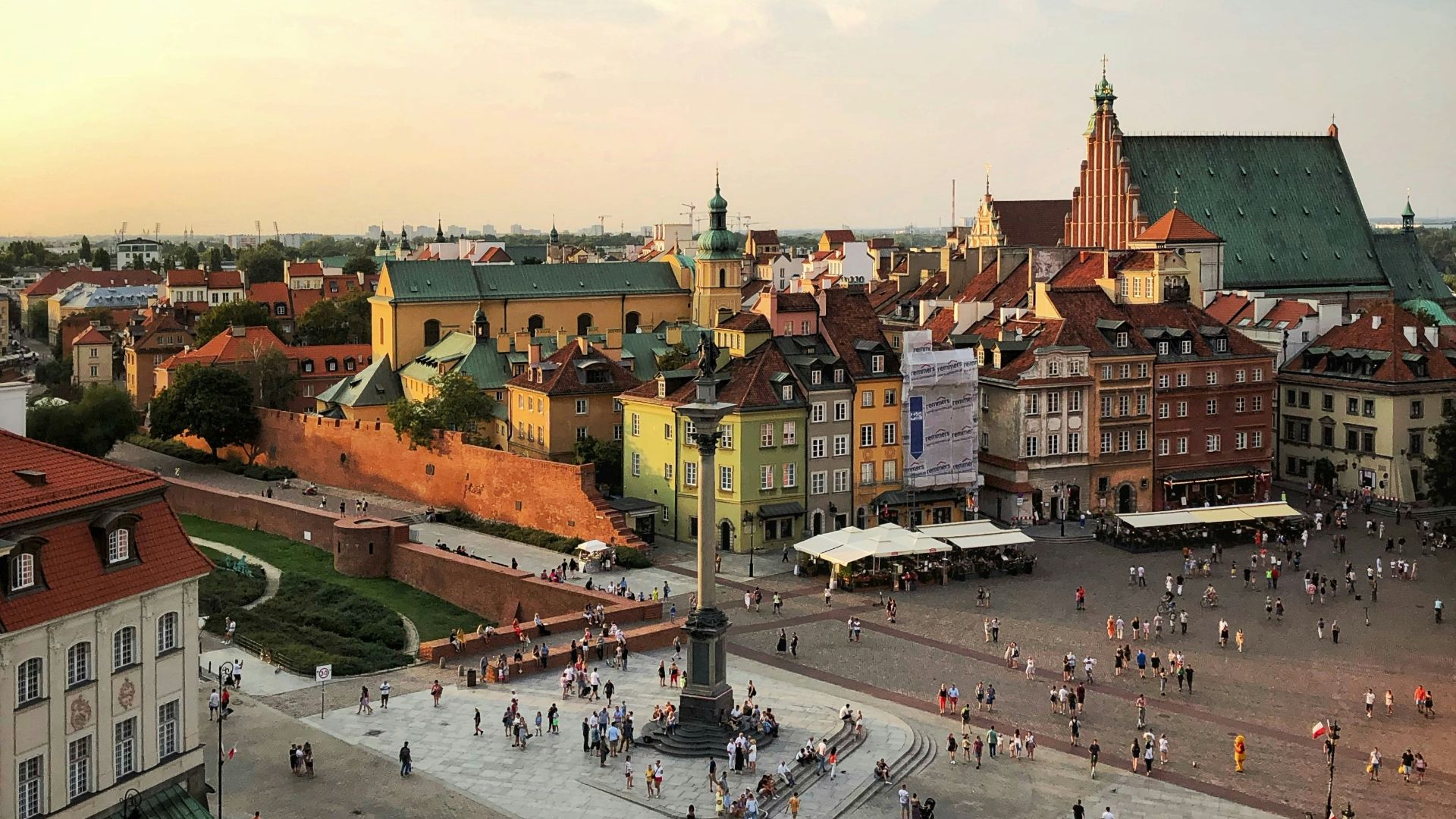
17. Poland Preserved Its National Identity
For over a century, Poland lacked independence, but cultural traditions and language endured despite foreign rule. This preservation mattered deeply, as Poland reemerged as a nation after World War I. Identity proved stronger than occupation.
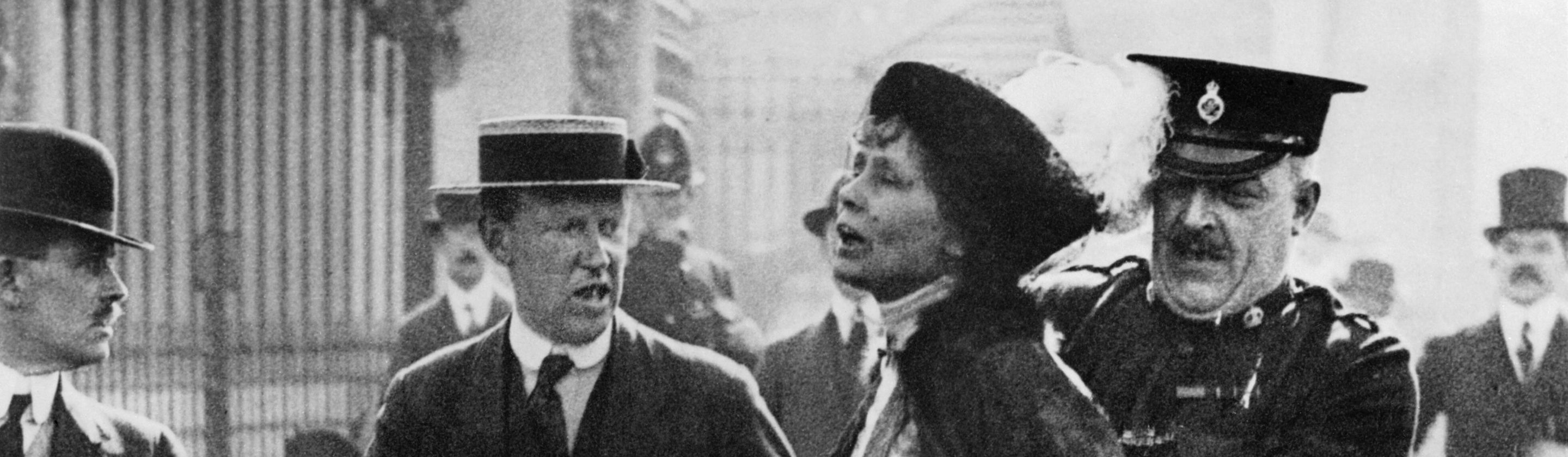
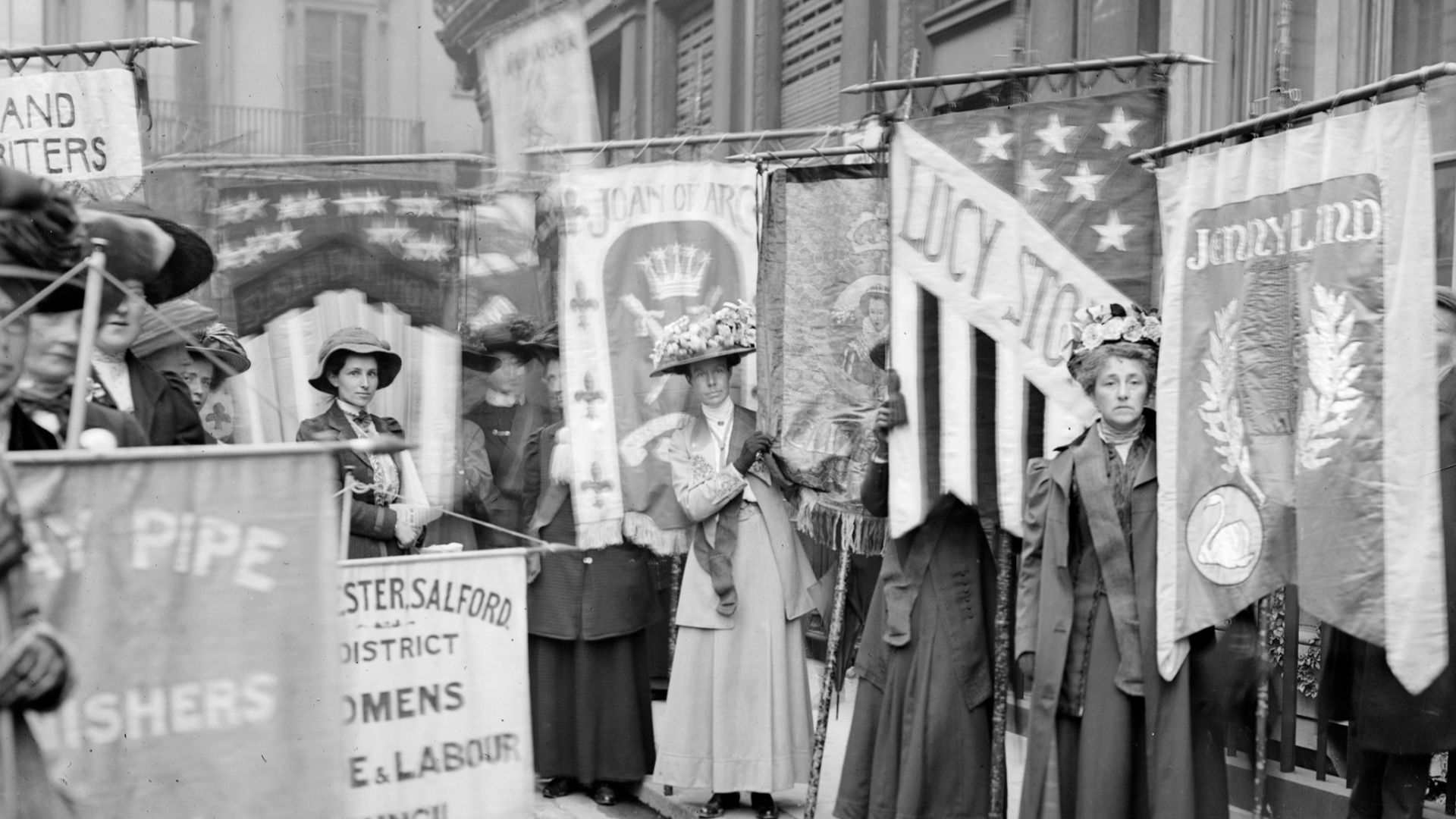
18. Suffragettes Expanded Democratic Rights
Women demanding the vote were dismissed for decades. Persistent protest shifted public opinion, and legal reforms followed in multiple countries. Democratic systems grew more inclusive as a result.
 Christina Broom died 1939 on Wikimedia
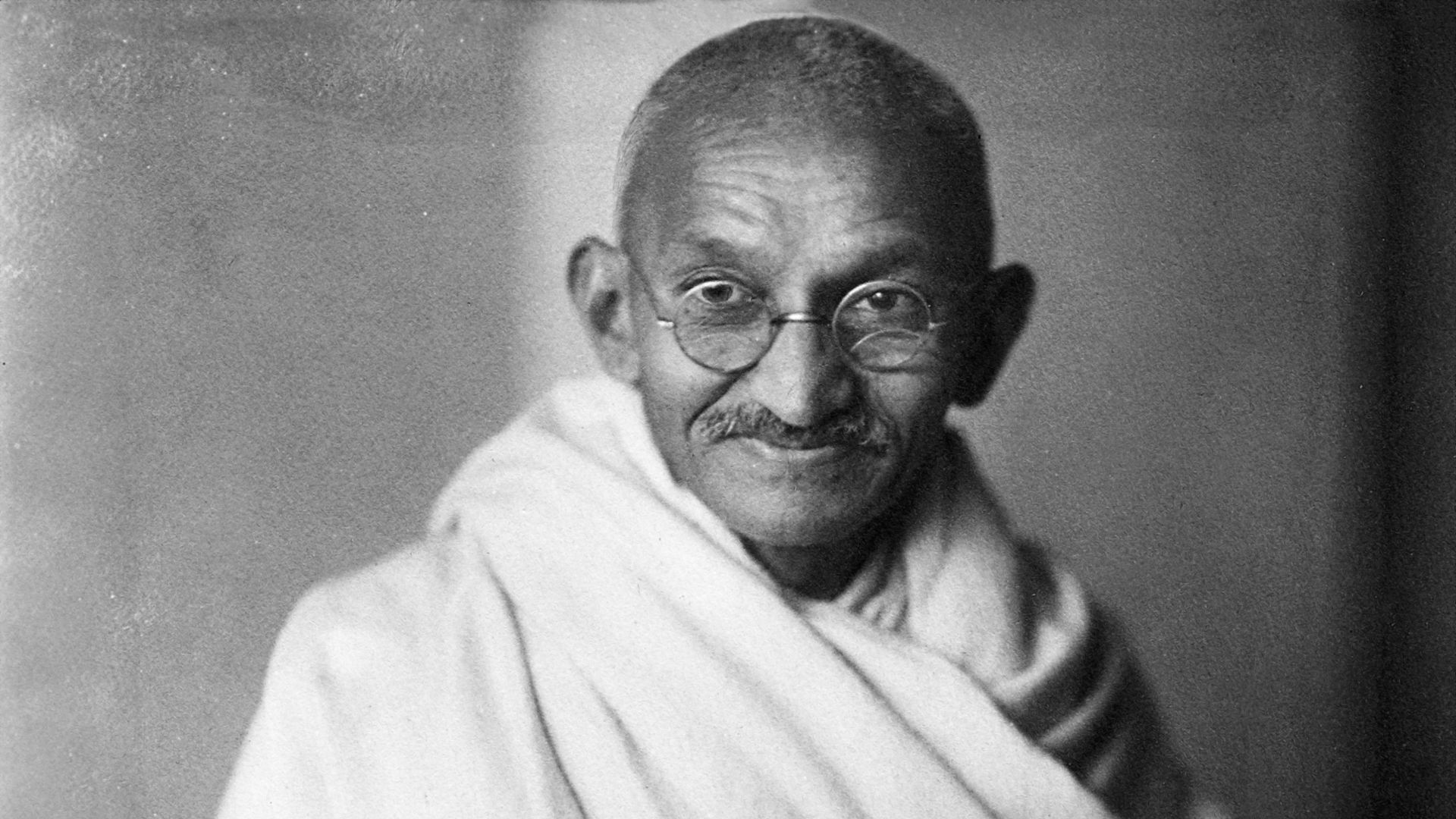
19. India Gained Independence Through Nonviolence
India faced the British Empire with limited military power. Mass civil resistance pressured colonial rule, and independence finally came in 1947. The movement influenced global approaches to protest.
20. The Baltic States Regained Independence
Estonia, Latvia, and Lithuania were absorbed into the Soviet Union. Peaceful movements gained momentum in the late 1980s, and independence was restored without major violence. Their success symbolized wider change across Europe.
 Royal Navy official photographer on Wikimedia
KEEP ON READING