


The Morning Everything Changed
I remember reaching across the bed that morning, expecting to find Daniel's warm back, the steady rise and fall of his breathing. Instead, my hand met cold sheets. The alarm clock read 7:23 AM. Emma was already calling for me from her room, and I could hear Jack starting to fuss in his crib. I told myself Daniel had just gotten up early for work. Maybe he had an important meeting. I went through the morning routine on autopilot—diapers, breakfast, cartoons. But when I called his cell around nine, it went straight to voicemail. I tried again at 9:30. Again at 10:15. By eleven, I was pacing the kitchen while the kids played in the living room, my stomach tight with something I couldn't quite name yet. Daniel always answered his phone. Always. Even in meetings, he'd at least text me back within minutes. I checked the garage—his car was gone. I checked our bank account on my phone—no unusual activity. Everything looked normal, which somehow made it worse. By noon, I knew something was terribly wrong—but I had no idea how wrong.
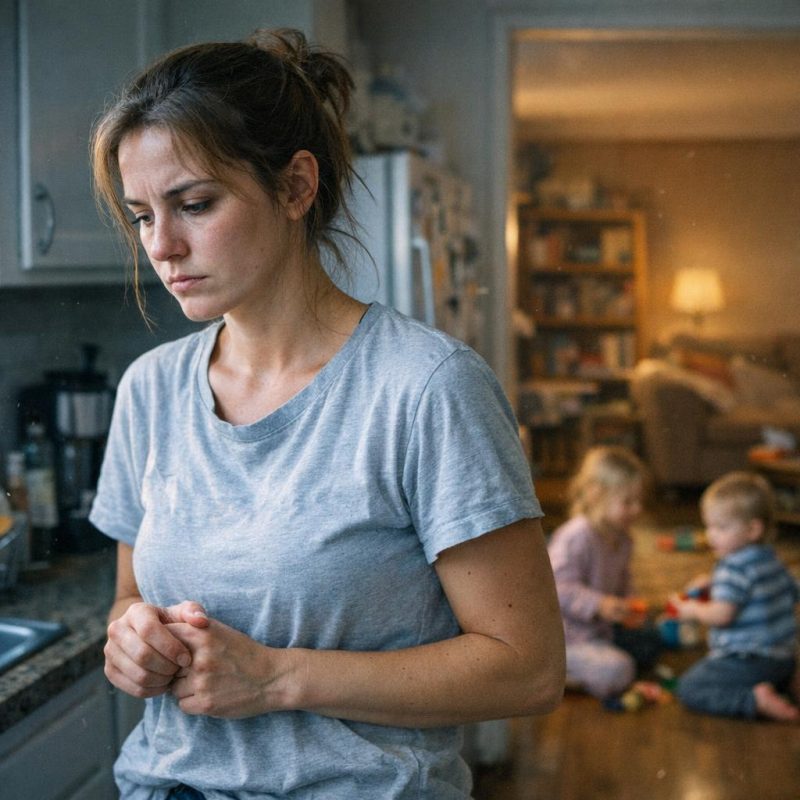 Image by RM AI
When Worry Turns to Panic
I called Daniel's office at 12:47 PM. I remember the exact time because I'd been staring at the clock, trying to convince myself I was overreacting. The receptionist answered on the third ring, her voice bright and cheerful. 'Hi, this is Daniel's wife,' I said, trying to sound casual. 'Is he available?' There was a pause, the clicking of a keyboard. 'Oh, he's not in today,' she said simply. My heart stopped. 'What do you mean he's not in? He left for work this morning.' More typing. 'Hmm, he didn't call in sick or anything. I just figured he was taking a personal day.' Her tone was so light, so unconcerned. I hung up and immediately started calling hospitals. St. Mary's, Mercy General, County Medical Center. 'No one by that name admitted today.' Each call made my hands shake harder. Emma kept asking why I looked scared. I told her Mommy was just trying to find Daddy. Jack was pulling pots out of the cabinet, oblivious. The receptionist's casual tone made my blood run cold—she didn't sound concerned at all.
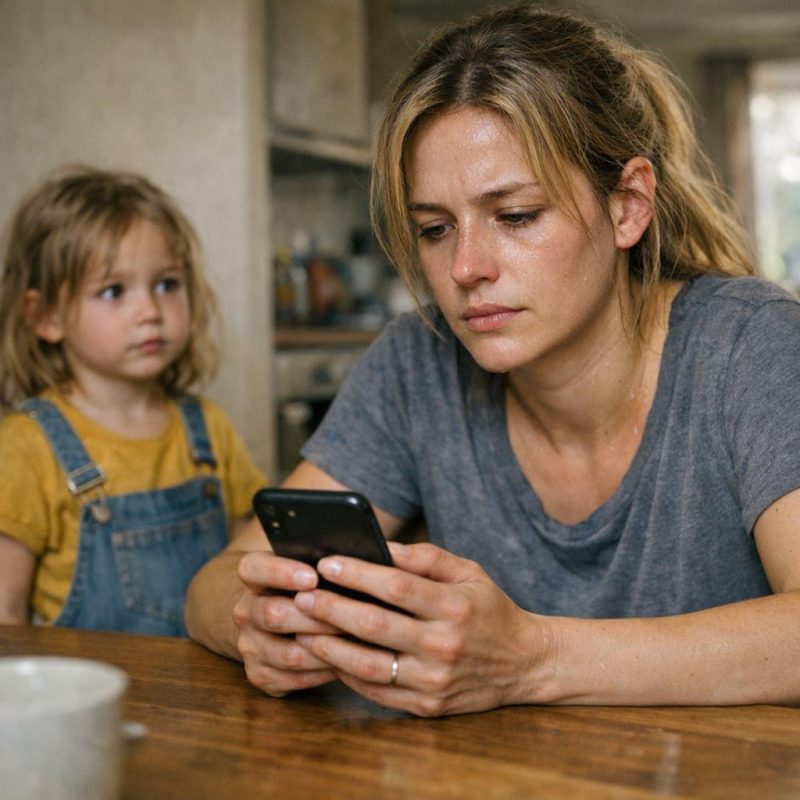 Image by RM AI
The First Night Alone
That first night was the longest of my life. I made mac and cheese for dinner, Emma's favorite, though I couldn't eat a bite myself. I sat at the table watching my kids, four and two years old, completely unaware that their world might be falling apart. Emma asked when Daddy was coming home. 'Soon, sweetie,' I lied. Bath time felt surreal—the splashing, the rubber ducks, the same bedtime stories I'd read a hundred times before. But my voice kept cracking on the words. My mind kept racing through scenarios. A car accident they hadn't found yet. Amnesia. A heart attack. Daniel was only twenty-eight and healthy, but people dropped dead suddenly, didn't they? I turned on every light in the house after the kids fell asleep. I couldn't stand the darkness. I sat on the couch with my phone in my lap, jumping every time I heard a car pass outside. I must have checked his social media fifteen times, looking for any clue, any sign. Nothing. I tucked the kids into bed and told them Daddy would be home soon—but I didn't believe it myself.
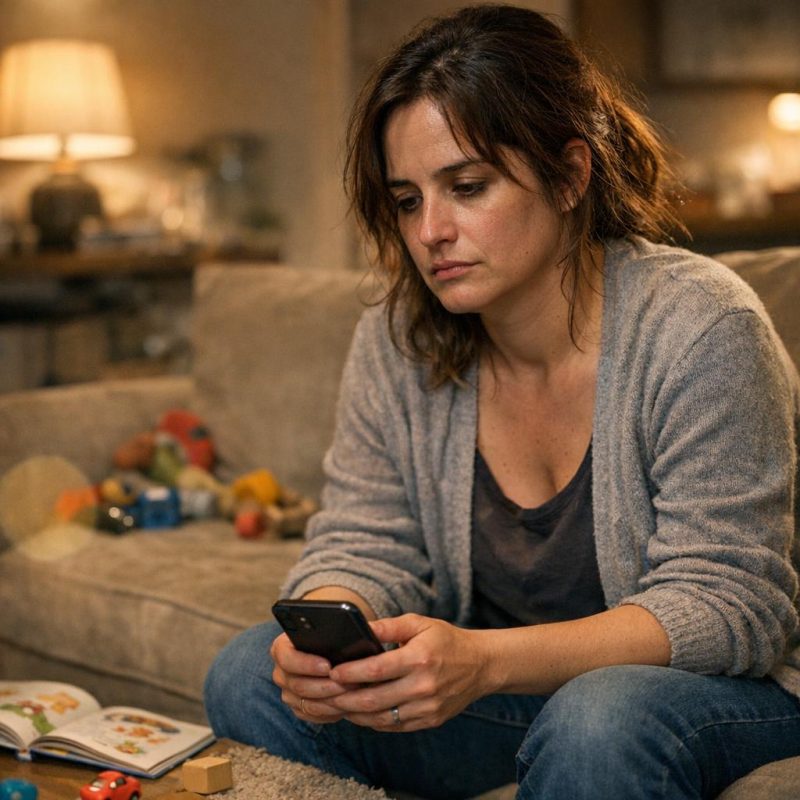 Image by RM AI
Filing the Report
The police station smelled like burnt coffee and industrial cleaner. I filled out forms with shaking hands while a uniformed officer watched me with tired eyes. Name. Age. Height. Weight. Distinguishing marks. I described my husband like he was a missing wallet. 'When did you last see him?' the officer asked. 'Yesterday evening. Around seven. Everything was completely normal.' Was it, though? I tried to replay our last conversation, searching for clues I'd missed. Daniel had kissed me goodnight. He'd checked on the kids. We'd talked about needing to fix the leaky faucet. God, such mundane things. 'Any marital problems?' the officer asked, not looking up from his paperwork. 'No. None. We were fine. We are fine.' 'Financial troubles? Depression? History of mental illness?' No, no, no. I answered every question, feeling more helpless with each one. This was supposed to help find him, but instead it felt like they were building a case for why he'd chosen to leave. The officer asked if Daniel had seemed 'off' lately, and I realized I didn't know how to answer.
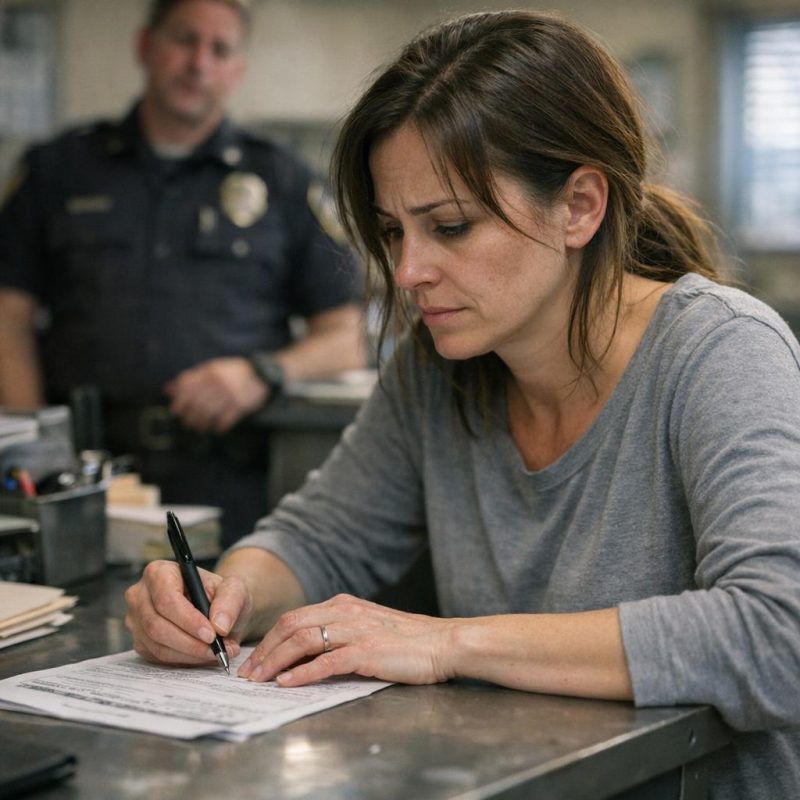 Image by RM AI
Detective Morrison Takes the Case
Detective Morrison showed up at my house three days after I filed the report. He was tall, maybe late forties, with gray at his temples and eyes that seemed to see too much. He sat at my kitchen table, declining my offer of coffee, and pulled out a notebook. 'I need to ask you some detailed questions about your husband,' he said. His voice was kind but professional. We went through everything again—Daniel's job as an accountant, his daily routine, his friends, his hobbies. 'Did he have any enemies?' Morrison asked. I almost laughed. 'Daniel? No. He was the most easygoing person I knew.' Morrison nodded, writing something down. 'What about his computer? Can I take a look?' I led him to our home office, watched him examine Daniel's laptop with gloved hands. 'Any recent changes in behavior? New interests? Different schedule?' I kept saying no, feeling increasingly useless. Then Morrison looked at me directly. 'Did your husband have access to large amounts of cash?' And my stomach dropped.
 Image by RM AI
The Car Is Found
Morrison called me on day six. They'd found Daniel's car. My heart leapt—finally, a lead, something concrete. 'Where?' I asked, already grabbing my keys. 'Long-term parking lot at the Greyhound station downtown.' I drove there with Morrison, my hands gripping the steering wheel too tight. The lot was massive, filled with dusty vehicles. Daniel's gray Honda sat in the back corner, looking completely ordinary. Morrison walked around it slowly, peering through the windows. They'd already searched it, he told me. I pressed my face against the driver's side window anyway, desperate for clues. His coffee thermos wasn't in the cupholder. No papers on the seats. No jacket. Nothing. 'No signs of foul play,' Morrison said carefully. 'No blood, no damage. It looks like it was parked here intentionally.' I stared at him. 'What are you saying?' He didn't answer directly. 'The bus station right there offers routes to forty-two different cities.' I wanted to scream. No signs of a struggle. No blood. Nothing. Just an empty car and a thousand new questions.
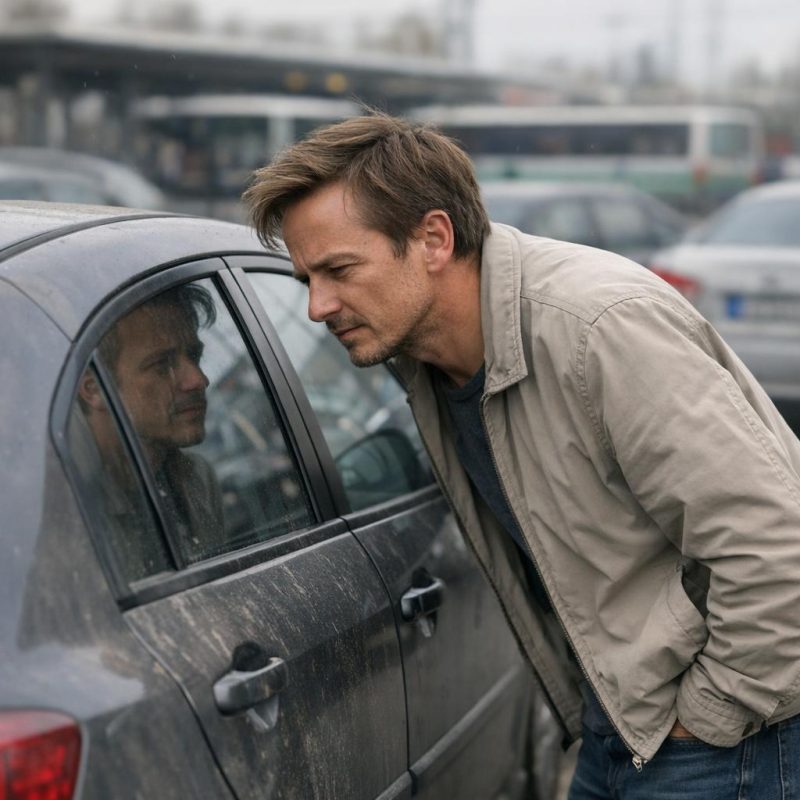 Image by RM AI
Linda Arrives
Linda showed up on day eight with two suitcases and a fierce expression. 'I'm staying as long as you need me,' she announced, sweeping past me into the house. We'd been best friends since college, and she knew me well enough to see I was barely holding it together. She took over with the kids immediately—snacks, playtime, reading books in funny voices. I watched her from the kitchen doorway, feeling simultaneously grateful and completely numb. That night, after Emma and Jack were asleep, Linda and I sat on the couch with wine I couldn't taste. 'The detective thinks Daniel left on purpose,' I said quietly. Linda was silent for a long moment. 'What do you think?' she finally asked. 'I think something happened to him. I have to believe that.' But even as I said it, doubt crept in. The car at the bus station. No note. No explanation. Linda squeezed my hand. She hugged me tight and whispered, 'We'll figure this out'—but her eyes told a different story.
 Image by RM AI
The Media Circus Begins
The local news picked up the story on day twelve. Morrison had suggested it might generate leads. I sat in my living room with a reporter and a camera crew, feeling like I was watching someone else's life. They asked me to describe Daniel, to share our wedding photo, to talk about our kids. 'Please, if anyone has seen him or knows anything, please call,' I said, my voice breaking. It felt both necessary and degrading. That evening, Linda and I watched the six o'clock news together. There I was on the screen, circles under my eyes, hair pulled back, wearing Daniel's old sweatshirt. The ticker at the bottom read: 'Local father of two missing for nearly two weeks.' The anchor's voice was sympathetic. 'If you have any information about Daniel's whereabouts, please contact police.' My phone started ringing immediately—neighbors, old friends, people I barely knew. Everyone wanted to help or offer theories or just express their shock. I watched myself on the evening news, pleading for information—and hated how broken I looked.
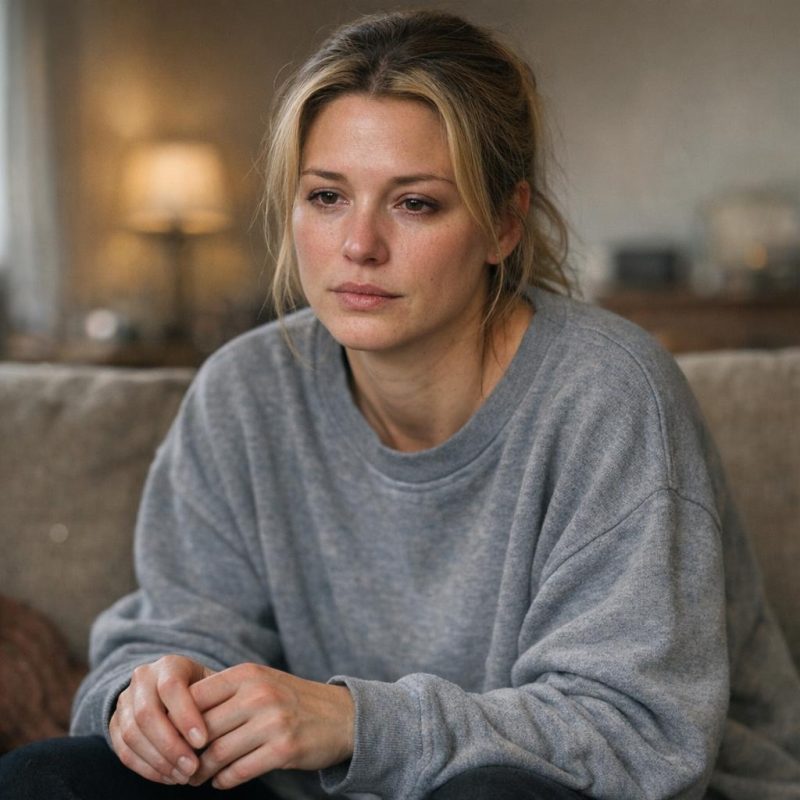 Image by RM AI
Margaret's Denial
Margaret flew in from Arizona on day fifteen. Daniel's mother had always been formidable—a retired school principal with perfect posture and opinions about everything. But when I opened the door, she looked smaller somehow. Older. Her eyes were red from crying on the plane. 'Where's my son?' she asked, and I had no answer. We sat at my kitchen table while Linda made tea nobody drank. Margaret kept shaking her head, insisting this made no sense. 'Daniel would never do this,' she said firmly. 'Never. Something happened to him. Something terrible.' I wanted to believe her so badly it hurt. She'd raised him, after all. She knew him longer than anyone. 'The police think maybe he left,' I admitted quietly. Margaret's face hardened. 'Absolutely not. My Daniel? No.' She pulled out photos from her purse—Daniel as a little boy, Daniel at his high school graduation, Daniel holding Emma for the first time. 'This is a man who showed up,' she said. 'Always. Since he was five years old.' Her certainty felt like oxygen. Maybe I wasn't crazy. Maybe something really did happen to him. She gripped my hand and said, 'My son would never abandon his family'—and I wanted desperately to believe her.
 Image by RM AI
Three Weeks of Silence
The waiting was the worst part. Days folded into each other, all gray and indistinct. I'd wake up thinking maybe this would be the day we'd get answers, and then night would come and we'd still know nothing. Emma went back to preschool. Jack kept asking for 'Dada' in his tiny voice. I kept the house running on autopilot—meals, baths, bedtime stories. Linda practically moved in. She'd arrive in the morning with coffee and leave after the kids were asleep. Morrison called less frequently. 'No new developments,' he'd say. The search teams had covered a fifty-mile radius. They'd checked hospitals, morgues, Jane and John Does across three states. Nothing. The news cycle moved on to other stories. People stopped asking me for updates as often. I could see it in their eyes when I ran into them at the grocery store—that uncomfortable pity mixed with relief that it wasn't happening to them. Three weeks became four. Then five. The silence felt louder than any noise. I kept Daniel's phone charged, just in case. Checked our emails obsessively. Refreshed my messages compulsively. Every time the phone rang, I thought it might be him—but it never was.
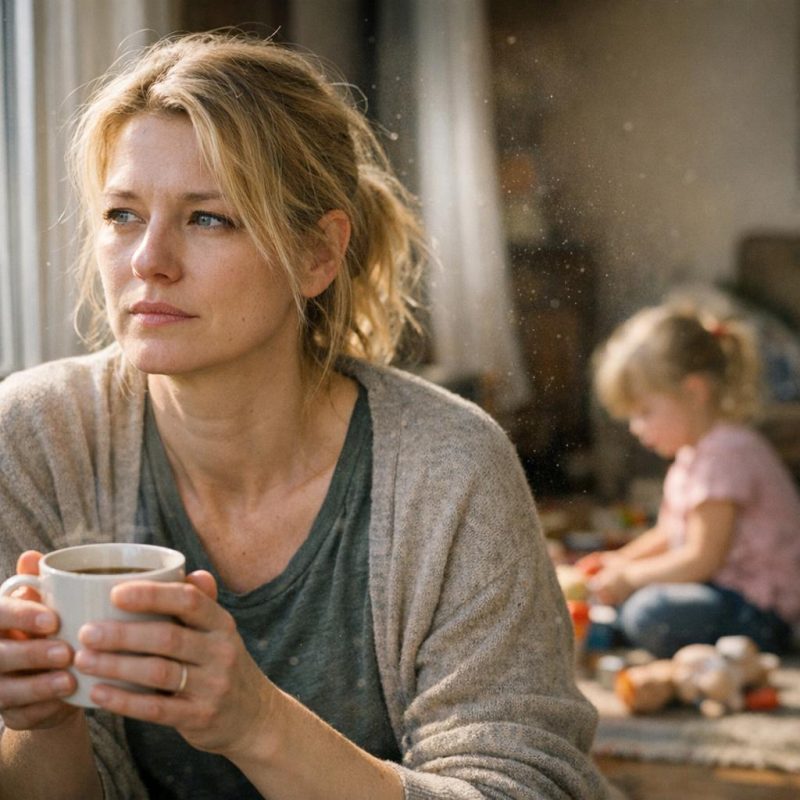 Image by RM AI
Rick's Interview
Rick came by the house in the sixth week. Daniel's coworker—they'd been on the same team for three years. He brought flowers and looked genuinely shaken. 'I keep expecting him to walk into the office,' Rick said. We sat in the living room while he told me about Daniel at work. Reliable, he said. Always on time. Good with clients. But then Rick paused, choosing his words carefully. 'The last few weeks before he... before this happened... he seemed distracted.' I leaned forward. 'Distracted how?' Rick shrugged. 'Just quieter than usual. Kept checking his phone. Once I caught him just staring out the window for like ten minutes.' My heart was pounding. 'Did he say anything? Anything unusual?' Rick looked uncomfortable. 'Not really. Just... work stuff mostly.' But then he hesitated again, and I could tell there was something else. 'What?' I pressed. 'Please, Rick. Anything might help.' He rubbed his jaw. 'It's probably nothing. But maybe a week before he disappeared, we were grabbing lunch. Out of nowhere he asked me this weird question.' I held my breath. Rick hesitated, then said, 'He asked me once about... protecting your family from things you can't control.'
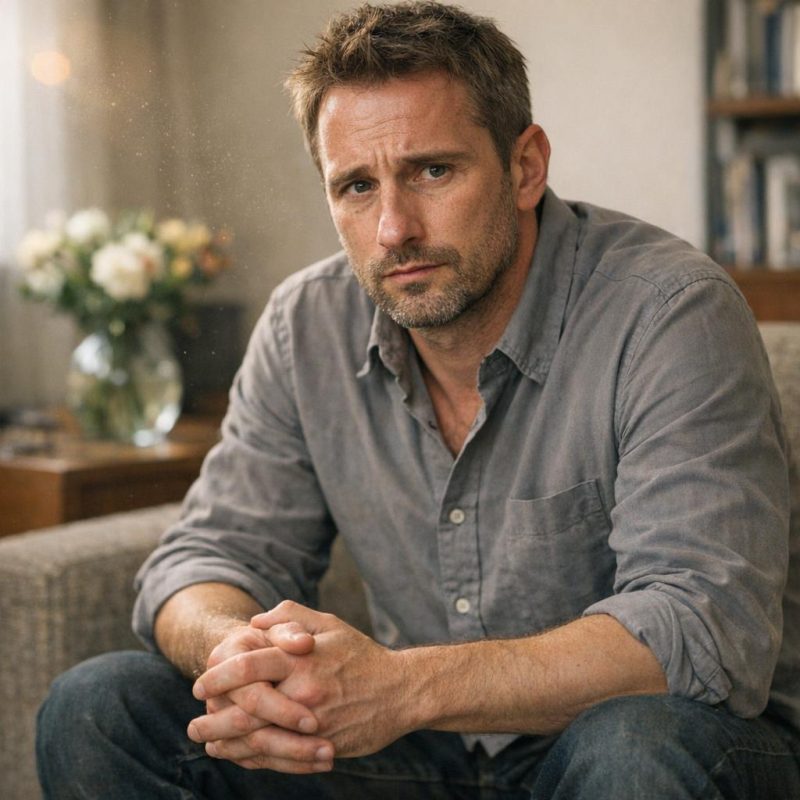 Image by RM AI
The Bank Account Mystery
I'd been avoiding the financial stuff because it felt too real. Too permanent. But in week seven, I forced myself to look at our bank accounts properly. Our joint checking showed normal activity up until the day Daniel vanished—his usual coffee purchase that morning, a grocery store charge from me. Then nothing from his cards. Absolutely nothing. His debit card hadn't been used once. Neither had our credit cards that were in his wallet. I logged into his personal account, the one he'd opened before we met. Access denied. I tried again. Still denied. Confused, I called the bank. After being transferred three times, a manager finally came on the line. 'Mrs. Turner, that account has been flagged,' she said. 'What does that mean?' I asked. 'I can't access specific details,' she said carefully. 'But there was irregular activity detected.' My stomach dropped. 'What kind of irregular activity?' Silence on the other end. 'I'm not at liberty to discuss the specifics. You'd need to come in person with proper identification and possibly legal documentation.' I pressed her for more information but hit a wall. She wouldn't budge. After I hung up, I sat staring at the phone. The bank manager said something about 'irregular activity flagging'—but wouldn't explain what that meant.
 Image by RM AI
Emma Asks Questions
Emma was too smart for her own good sometimes. She'd been quiet for the first few weeks, clingy but not asking too many questions. But by week eight, the questions started coming fast. 'When is Daddy coming home?' 'Where did Daddy go?' 'Can we call him?' I tried every gentle explanation I could think of. Daddy had to go away for a while. We don't know where he is right now. The police are helping us find him. But none of it satisfied her. Kids can sense when you're lying, even when you're trying to protect them. One night during dinner, Emma pushed her food around her plate and went silent. Jack was babbling in his high chair. I could see her thinking, working something out in her four-year-old brain. Then she looked up at me with tears forming. 'Mommy?' 'Yes, sweetie?' My throat was already tight. 'Did we do something bad?' The question broke me. 'No, baby. No. You didn't do anything wrong.' 'Then why did Daddy leave?' I tried to explain again that we didn't know if he left or if something happened. But she wouldn't let it go. She looked at me with those big eyes and asked, 'Did Daddy stop loving us?'
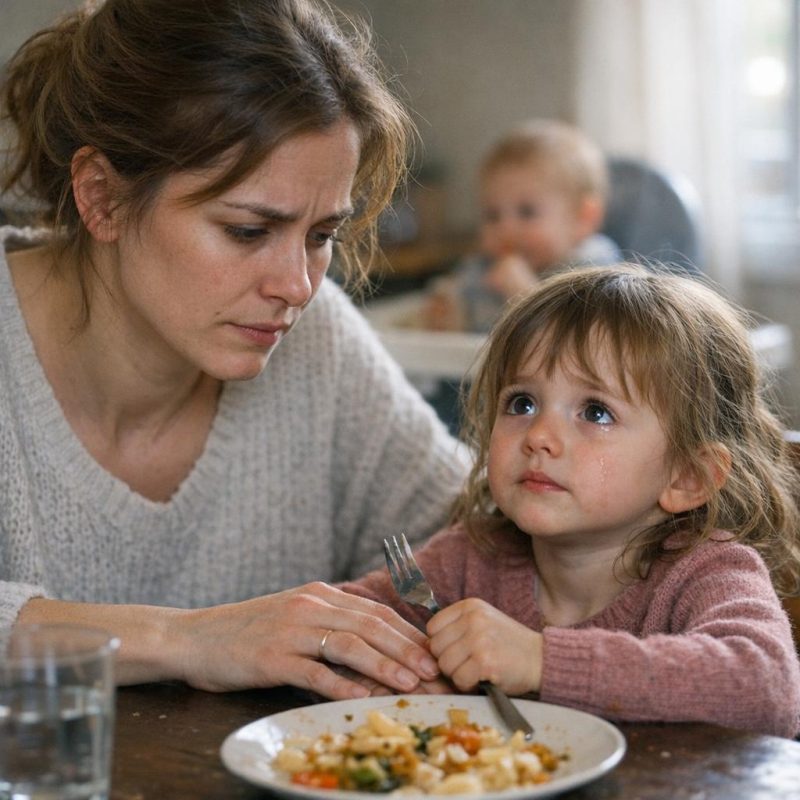 Image by RM AI
The First Whispers
Around week nine, I started noticing the shift. It was subtle at first. The way people's expressions changed when I mentioned Daniel. The careful word choices. The slightly too-long pauses. At the park with Emma, another mom asked how I was holding up. 'Still no word from him?' she asked. Not 'about him.' From him. Like she assumed he was out there somewhere, choosing not to call. At the grocery store, someone I barely knew touched my arm sympathetically. 'I'm so sorry for what you're going through,' she said. 'These things happen, you know. Sometimes people just... crack under pressure.' I mumbled something and walked away before I started crying in the cereal aisle. Even Morrison's tone had changed. 'We're still investigating,' he'd say, but there was something else in his voice. Like he'd made up his mind about what happened. Linda was the one who said it out loud. We were sitting on my back porch after the kids went to bed. 'People are starting to think he left,' she said gently. I knew she was right. I'd felt it too. The sympathy was shifting into something else. Pity mixed with judgment. A neighbor said, 'Sometimes men just... need a fresh start,' and I wanted to scream.
 Image by RM AI
Two Months Gone
Two months. Eight weeks. Sixty-one days. However you counted it, Daniel had been gone for a long time. Long enough that it stopped feeling temporary. Long enough that I'd stopped jumping every time I heard a car door. The first few weeks, I'd been so sure he'd walk through the door with some crazy explanation. An accident. Amnesia. Something. But now? Now I didn't know what to think anymore. The house felt different. I'd stopped leaving his things exactly where they were. Started doing laundry normally instead of preserving his last shirt in the hamper. Put his toothbrush away in the drawer. Morrison had gone from calling me twice a day to once a week. 'Just checking in,' he'd say. No updates. No leads. No movement. I'd ask about the search and he'd say they were 'following up on some things' but his voice told me the truth. They were done looking. They hadn't said it officially. The case wasn't closed. But I could feel them pulling back, moving on to other cases, other families, other emergencies. I tried calling Morrison on day sixty-two and got his voicemail. Tried again the next day. He called back eventually, apologetic. Detective Morrison stopped returning my calls as quickly—and I knew what that meant.
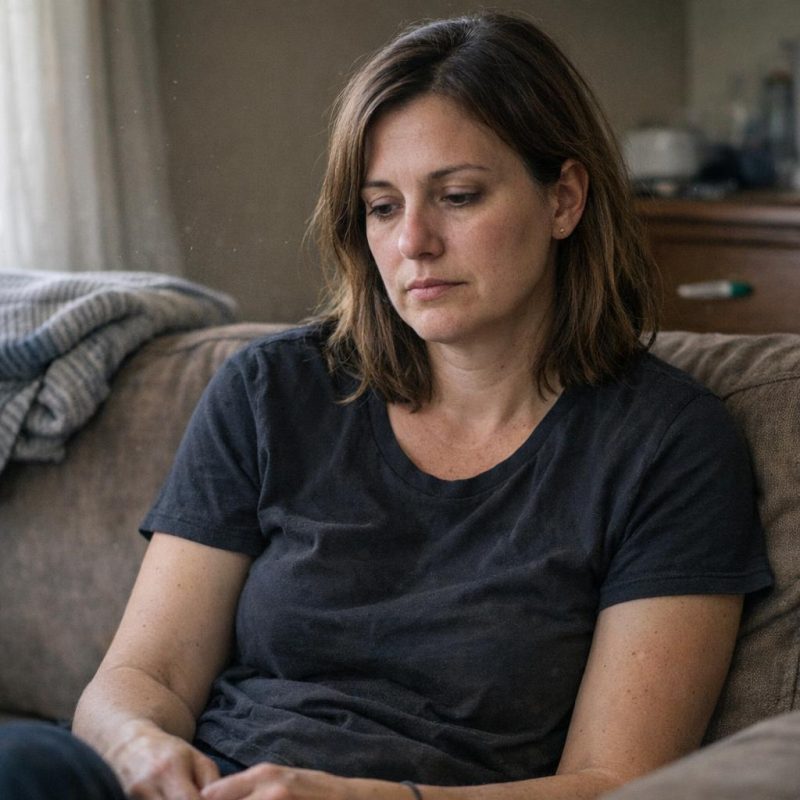 Image by RM AI
The Credit Check
I found a website that let you check credit reports. It took me three tries to answer all of Daniel's security questions correctly—mother's maiden name, first car, elementary school. When the report finally loaded, I scrolled through it with my heart racing. Looking for... I don't know what. Some clue. Some sign. New accounts he'd opened before disappearing. New credit cards. A loan application. Anything that might explain where he'd gone or what he'd been planning. But there was nothing. Absolutely nothing. No new accounts. No credit inquiries. No activity whatsoever after the day he vanished. Not even denied applications. The report showed our mortgage, our car loan, two credit cards we'd had for years. All our normal stuff. But nothing new. Nothing recent. If someone abandons their family, they need money somewhere, right? They need credit cards, bank accounts, a way to survive. But according to every system I could access, Daniel had just... stopped existing. Stopped using money entirely. I checked his social security number three times to make sure I'd entered it correctly. I had. This was definitely him. Or the financial ghost of him. It was like he had vanished from the financial system entirely—but that didn't make any sense.
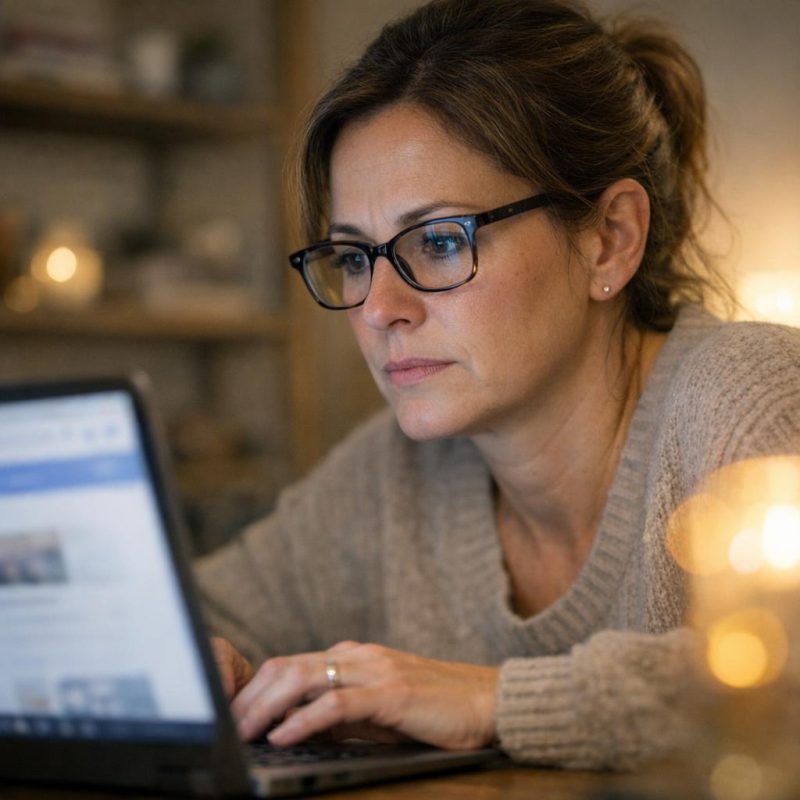 Image by RM AI
Linda's Doubt
Linda came over on a Tuesday night after the kids were asleep. We sat at the kitchen table with tea, and I could tell something was bothering her. She kept fidgeting with her mug. 'I need to say something,' she finally said. 'And I need you to know it's coming from love.' My stomach dropped. 'What is it?' She took a breath. 'Have you considered that maybe... maybe Daniel wanted to leave? That he chose this?' I stared at her. 'No. That's not possible.' 'I know you don't want to think about it,' she continued, her voice so gentle it made me want to scream. 'But people do leave their families. It happens. And all the evidence—or lack of evidence—it points to someone who planned this. Who wanted to disappear.' I shook my head, but something cold was settling in my chest. 'You don't know him like I do.' 'You're right. I don't. But I know you're torturing yourself trying to find explanations that might not exist.' She reached across the table and squeezed my hand. 'I just want you to protect yourself. To prepare for the possibility that he's not coming back because he doesn't want to.' She said it with such kindness that it hurt even more—because I knew she might be right.
 Image by RM AI
The Worst Birthday
Emma's fifth birthday fell on a Saturday. I'd been dreading it for weeks. Linda helped me set up streamers in the living room while Jack toddered around pulling them down. Margaret came but barely spoke to me. A few neighborhood kids showed up, their parents giving me those sympathetic looks I'd grown to hate. I made myself smile. I sang 'Happy Birthday' loud enough to cover the crack in my voice. Emma wore a purple dress and a plastic tiara, and she looked so much like Daniel when she laughed that I had to keep excusing myself to the bathroom. When it was time for the cake, everyone gathered around. Five candles. I lit them carefully, one by one. Emma closed her eyes tight, her little face scrunched up in concentration, and I knew exactly what she was wishing for. I'd seen her whisper it to herself every night before bed. 'Make a wish, baby,' I said. She took a deep breath, and in that moment before she blew, she whispered loud enough for me to hear: 'I wish Daddy comes home.' The candles went out. Everyone clapped. She blew out her candles and wished for Daddy to come home—and I had to look away.
 Image by RM AI
Margaret Turns on Me
Margaret called me three days after the birthday party. 'We need to talk,' she said. No preamble, no warmth. She showed up at my door twenty minutes later. I'd barely gotten the kids settled with a movie when she started in. 'I've been thinking,' she said, standing in my living room like she couldn't bear to sit. 'Daniel wouldn't just leave. Not without a reason.' 'I know,' I said carefully. 'That's what I've been saying all along.' 'Exactly.' Her voice was sharp now. 'So there must have been a reason. Something that drove him away.' I felt the accusation before she even spoke it. 'Margaret, I don't know what you're suggesting—' 'Were you happy? Was he happy? What was going on in this house that I didn't know about?' Her voice was rising. 'What did you do to my son?' 'Nothing!' My own voice cracked. 'I didn't do anything!' 'Then why would he leave? Why would he abandon his children unless something was terribly wrong? Unless you pushed him away somehow?' She was crying now, angry tears. 'He was a good father. A good man. You must have done something.' She screamed that I must have done something, said something—and maybe she was right.
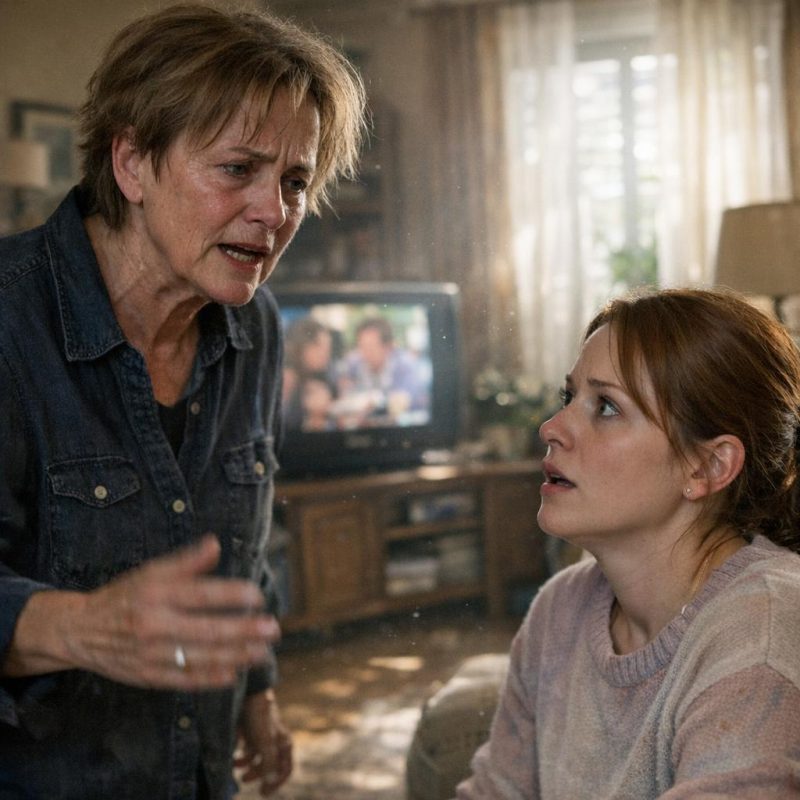 Image by RM AI
Six Months Later
Six months. That's how long it had been when Detective Morrison called. I'd learned to function in those months—getting the kids up, fed, dressed, to daycare. Going through the motions of living while feeling completely hollow inside. I'd stopped checking Daniel's email every day. Stopped jumping every time the phone rang. I'd become efficient at single parenthood in a way that terrified me, because it meant I was adapting to this nightmare as the new normal. When Morrison's name appeared on my phone, I answered on the first ring. Always did. 'Mrs. Chen,' he said, and I could hear it in his voice immediately. Bad news. Or no news, which was somehow worse. 'I wanted to update you personally. The department is scaling back the active investigation.' The words hit like a physical blow. 'What does that mean?' 'It means we've exhausted our immediate leads. The case will remain open, but we'll be assigning fewer resources. If new evidence emerges, we'll absolutely pursue it, but right now...' He trailed off. Right now, they'd given up. Right now, Daniel was just another cold case. Detective Morrison called to tell me they were 'scaling back active investigation'—the words I'd been dreading.
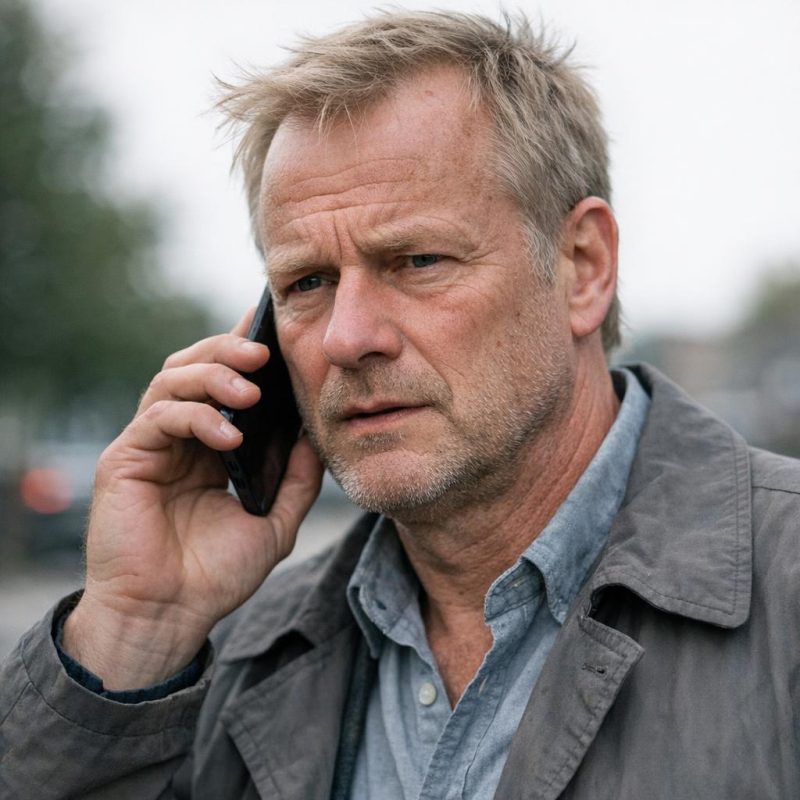 Image by RM AI
Returning to Work
My savings account hit zero in month seven. I'd been stretching Daniel's last paycheck, our emergency fund, everything we'd saved for a down payment on a bigger house someday. All of it gone to mortgage payments, daycare, groceries, bills that kept coming no matter what personal crisis you were drowning in. So I went back to work. Full-time, not the part-time schedule I'd been hoping to maintain while the kids were little. My old company took me back, which was something. I dropped Emma and Jack at daycare by seven-thirty, commuted an hour, worked eight hours, commuted back, picked them up by six. Made dinner. Did baths. Read stories. Collapsed into bed and did it all again the next day. There was no time to grieve anymore. No time to search or wonder or torture myself with questions. I was surviving, barely, moving from task to task like a robot whose battery was always at two percent. When my boss asked how I was doing during my first week back—really asked, with genuine concern in her eyes—I smiled. The smile I'd practiced in the mirror. My boss asked how I was doing, and I gave the answer I'd learned to give: 'I'm managing.'
 Image by RM AI
The Daycare Conversation
The daycare director caught me at pickup one Thursday. 'Do you have a moment?' she asked, and my heart sank. Nothing good ever started with those words. We stepped into her office while Emma and Jack played in the lobby. 'I wanted to talk to you about Emma,' she said gently. 'We've noticed some concerning behaviors.' I braced myself. 'What kind of behaviors?' 'She's become very clingy with our male teachers. Won't let them out of her sight during their shifts. And she's been asking the other children questions. Personal questions about their fathers.' My throat tightened. 'What kind of questions?' The director looked at her notes, then back at me with such sympathy I wanted to scream. 'She asks if their daddies live with them. If they've ever gone away. How long they've been gone.' She paused. 'Yesterday, she asked another little girl if her daddy had 'gone away forever' like hers did.' I felt like I'd been punched. Emma was processing Daniel's disappearance in ways I couldn't protect her from. In ways that were breaking her. She said Emma had been asking the other children if their daddies ever 'went away forever.'
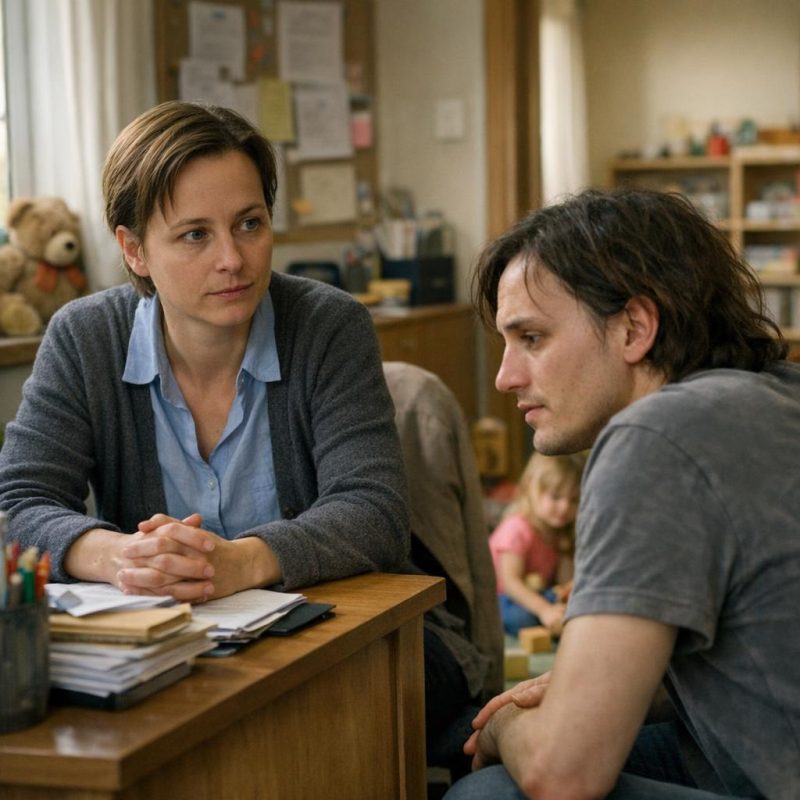 Image by RM AI
The First Anger
It happened on a random Wednesday night after I'd gotten the kids to bed. I was putting away laundry, and I saw it—the framed photo of Daniel on my dresser. Him smiling at the camera, happy, whole, there. Something inside me snapped. I picked up the frame and just stared at his face. That face I'd loved so much. That face that had kissed me goodbye and never came back. 'How could you?' I whispered. Then louder: 'How could you do this?' My hands were shaking. The words were coming faster now, years of confusion and grief and fear turning into something else entirely. Something hot and sharp and liberating. 'We needed you! Your children needed you! I needed you!' I was screaming now, not caring if the neighbors heard. 'Where are you? Where the hell did you go? Did you even think about us? Did you care at all?' Tears were streaming down my face. My throat burned. I kept going, couldn't stop, months of held-back rage pouring out at a photograph that couldn't answer back, couldn't explain, couldn't make any of this make sense. I yelled at his picture until my throat was raw: 'How could you do this to us?'
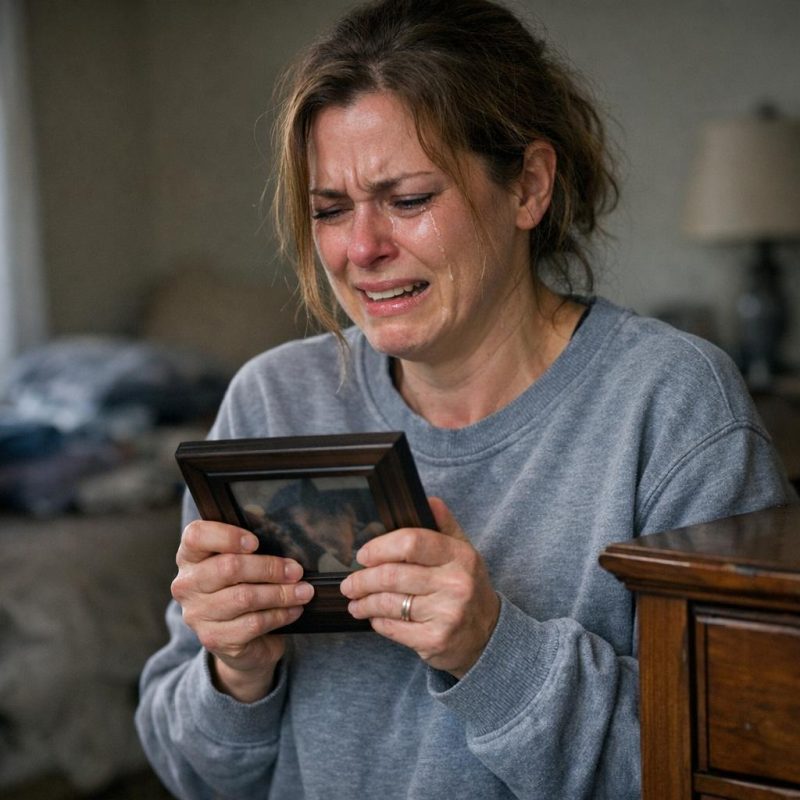 Image by RM AI
Social Isolation
I realized it gradually, the way you notice you're getting sick—small symptoms adding up until suddenly you can't ignore it anymore. My phone had gotten quiet. Linda still called, bless her, but the other friends, the couple friends we'd had, the mom friends from Emma's playgroups—they'd all drifted away. At first I thought I was imagining it. Then I opened Facebook and saw photos from Sarah's birthday party. At least a dozen people I knew, all gathered at her house. I hadn't even known there was a party. I scrolled further. Game nights. Barbecues. Park playdates. All happening without me. I'd become the sad friend. The one whose tragedy was too heavy, too uncomfortable, too much. People didn't know what to say anymore, so they'd stopped saying anything. Stopped inviting. Stopped calling. My grief had become something they couldn't carry, so they'd gently set me down and walked away. I didn't blame them, exactly. I'd probably have done the same thing. But it hurt in a way I hadn't expected. I scrolled through photos of gatherings I hadn't been invited to and understood: I'd become too sad to be around.
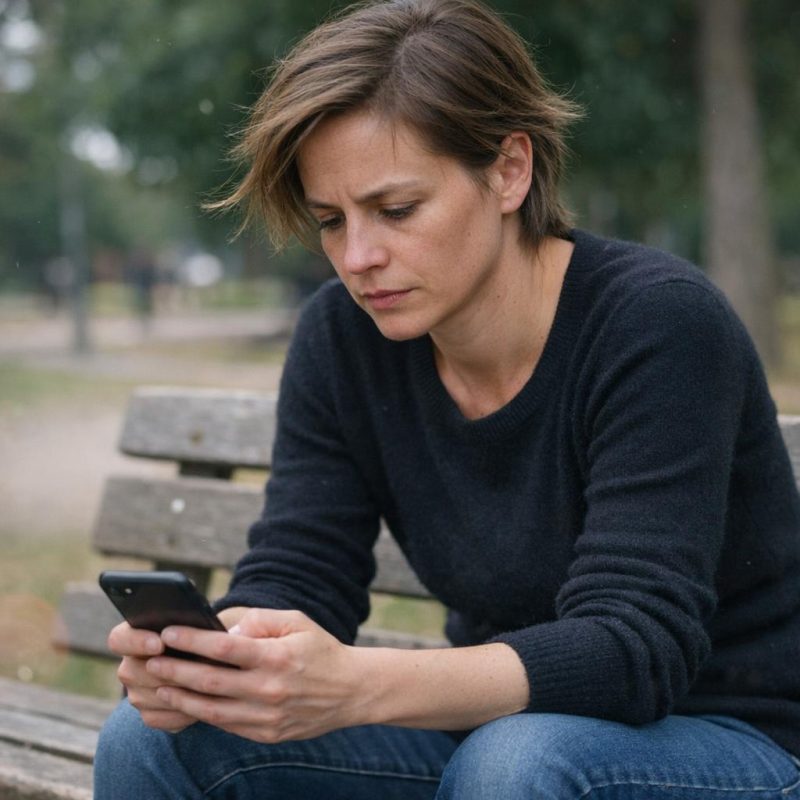 Image by RM AI
The Leaky Faucet
The faucet in the upstairs bathroom had been dripping for three weeks. That steady plink, plink, plink through the night, keeping me awake. In the old life, I would've mentioned it to Daniel over breakfast and he would've fixed it that weekend. Or we would've called someone. Now? I watched YouTube videos on my phone while Emma and Jack napped, pausing and rewinding, trying to understand what a 'washer' was and where exactly it went. I drove to Home Depot alone, wandered the plumbing aisle feeling stupid, finally asking a guy in an orange apron for help. He was kind about it, at least. Back home, I knelt on the bathroom floor with tools spread around me like I was performing surgery. My hands shook as I twisted the wrench. Water sprayed everywhere at first—I'd done something wrong—but I tried again. And somehow, miraculously, the dripping stopped. Complete silence. I'd fixed it. All by myself. I should've felt proud, I guess. Instead, I fixed it, then sat on the bathroom floor and cried—not from sadness, but from exhaustion.
 Image by RM AI
One Year Anniversary
I didn't realize what day it was until Linda texted: 'Thinking of you today.' One year. Three hundred sixty-five days since Daniel walked out the door and never came back. I'd expected to feel something dramatic when this day arrived—some wave of grief or anger or something. Instead, I just felt tired. I made breakfast for Emma and Jack like always. Changed diapers. Did laundry. The kids didn't know what day it was, obviously. Emma had asked about Daddy maybe twice in the past month. Jack barely remembered him at all now. That night, after I put them to bed, I stood in the kitchen where I'd last seen Daniel. Tried to summon that hope I'd carried for so long—that he'd come back, that there was some explanation, that this nightmare would end. But the hope was gone. Just gone. Like it had evaporated while I wasn't paying attention. I looked at the calendar and thought: 'He's really not coming back.'
 Image by RM AI
The Kids Stop Asking
Emma used to ask about Daniel every single day. Multiple times a day, actually. 'When's Daddy coming home? Where did Daddy go? Does Daddy miss us?' Each question a little knife to my heart, but at least it meant she remembered. At least it meant he was still real to her. Then one day I realized it had been almost a week since she'd mentioned him. Two weeks. A month. Now she only asked occasionally, usually triggered by something—seeing another kid with their dad at the park, or a story about fathers at preschool. And Jack? He'd been so young when Daniel left. Sometimes he'd point at photos and I'd have to remind him: 'That's Daddy.' He'd nod like I'd told him about a character in a storybook. Someone who existed in the past tense. Someone not quite real. I should've been relieved, maybe. That they were adapting, moving on, not being traumatized every single day. But their forgetting felt like another kind of loss—maybe the worst kind.
 Image by RM AI
The Grocery Store Encounter
I ran into Michelle at the grocery store. We'd been friendly before—not close, but friendly. Our kids had played together a few times. She saw me in the produce section and I watched her face do this complicated thing, like she was calculating whether she could pretend she hadn't noticed me. Too late. 'Oh my God, hi!' she said, too bright. 'How are you?' The question felt loaded. 'Fine,' I said. 'Just... you know. Getting by.' She nodded sympathetically, then leaned in closer. 'So did they ever find out what happened? Like, did he just... leave?' I could see the curiosity in her eyes, that sick fascination people get with other people's tragedies. 'No,' I said flatly. 'Still nothing.' 'Wow,' she breathed. 'That's just so crazy. I can't even imagine.' Then she asked if I'd 'tried dating again yet,' and I realized I'd become a cautionary tale.
 Image by RM AI
Financial Desperation
The envelopes piled up on the kitchen counter. Past due. Final notice. I'd been juggling for months, paying what I could, letting other things slide. My paycheck from the part-time job covered groceries and daycare, barely. Daniel's accounts were still frozen—I couldn't access them without a death certificate, and you can't get a death certificate without a body. The house payment was three months behind. I sat at the kitchen table with all the bills spread out, doing math that didn't work no matter how many times I tried. A realtor's card sat in front of me. I could sell. Probably should sell. Move somewhere smaller, cheaper. Start over in a place that didn't have Daniel in every room, every memory. But this was the kids' home. The only home Emma really remembered. And some stupid, stubborn part of me felt like selling it would be admitting defeat. Like it would be letting him win. I looked at the mortgage papers and wondered if Daniel had thought about this before he left.
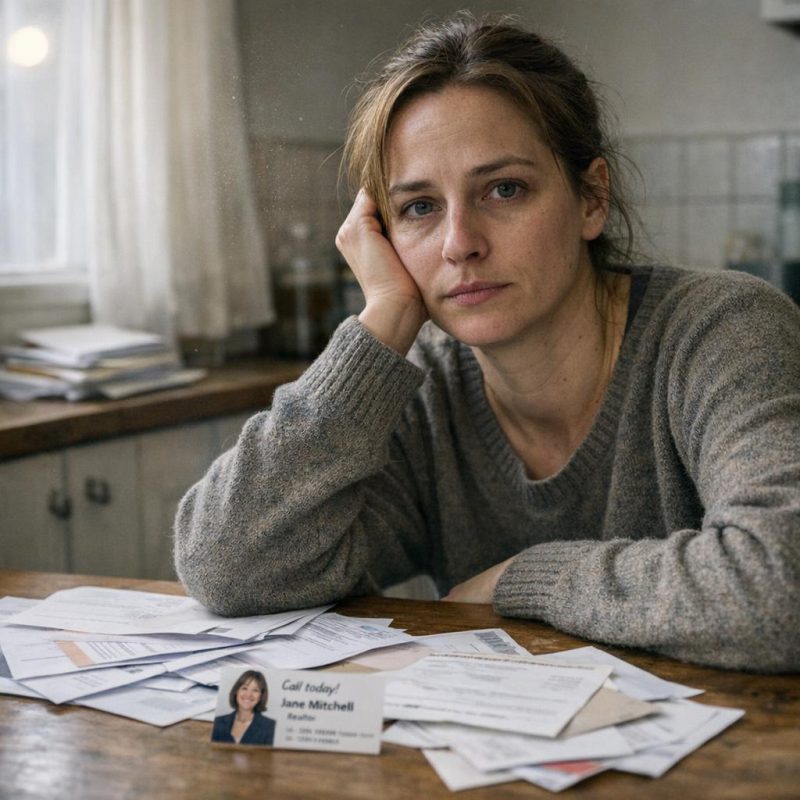 Image by RM AI
Therapy for Emma
The therapist's office had cheerful paintings on the walls and a box of toys in the corner. Emma sat on the floor playing with a dollhouse while Dr. Chen and I talked in low voices. 'She's showing classic signs of abandonment anxiety,' Dr. Chen explained. 'The nightmares, the clinginess, the separation issues at preschool.' I knew all this already. I'd been living it. What I hadn't known was what Dr. Chen told me next: 'Emma believes her father left because of something she did. That's extremely common in children this age. They can't comprehend adult situations, so they internalize the blame.' I felt like I'd been punched. 'But that's not—I've told her it's not her fault. So many times.' 'Children need to hear it many more times than we think,' Dr. Chen said gently. 'And they need to work through it in play, in art, in conversation. This is going to be a process.' The therapist said Emma blamed herself, and I realized I'd been so focused on my own pain I'd missed hers.
 Image by RM AI
The First Date
Linda had been bugging me about it for months. 'You need to at least try,' she kept saying. 'Just coffee. Just one date. You deserve to have something good.' So I'd finally agreed, mostly to get her off my back. His name was Tom. He worked in accounting. Perfectly nice-looking guy, friendly smile, good conversational skills. We met at a wine bar downtown—Linda was watching the kids. Tom asked about my work, my hobbies, what I liked to do for fun. Normal first-date questions. And I tried. I really did. But everything felt wrong. His laugh wasn't Daniel's laugh. His hands weren't Daniel's hands. He ordered red wine and Daniel always ordered beer. Stupid things. Irrelevant things. Tom told a funny story about his niece and I found myself thinking about how Daniel would've told it differently, better. When Tom walked me to my car and asked if I'd like to do this again sometime, I said yes even though I knew I wouldn't. He was perfectly nice—and I spent the whole night wishing he was someone else.
 Image by RM AI
Two Years Later
Two years. Seven hundred thirty days. Emma was six now, in kindergarten. Jack was four, talking in full sentences, becoming his own little person. I had a full-time job finally, better benefits. We'd moved to a smaller house—couldn't keep up with the old mortgage. The new place was fine. Nothing special, but fine. I'd developed routines, systems. I knew which neighbors I could ask for help in an emergency. I knew how to fix the faucet, change a tire, handle bedtime meltdowns solo. From the outside, I probably looked like I had my shit together. Functional single mom, making it work. And I was making it work, technically. But every morning I still woke up with this weight on my chest. Every night I still reached across the bed expecting someone to be there. Every milestone with the kids—first day of school, lost teeth, new achievements—felt hollow because Daniel wasn't there to share them. I'd built a life without him—but it never stopped feeling like a life I didn't want.
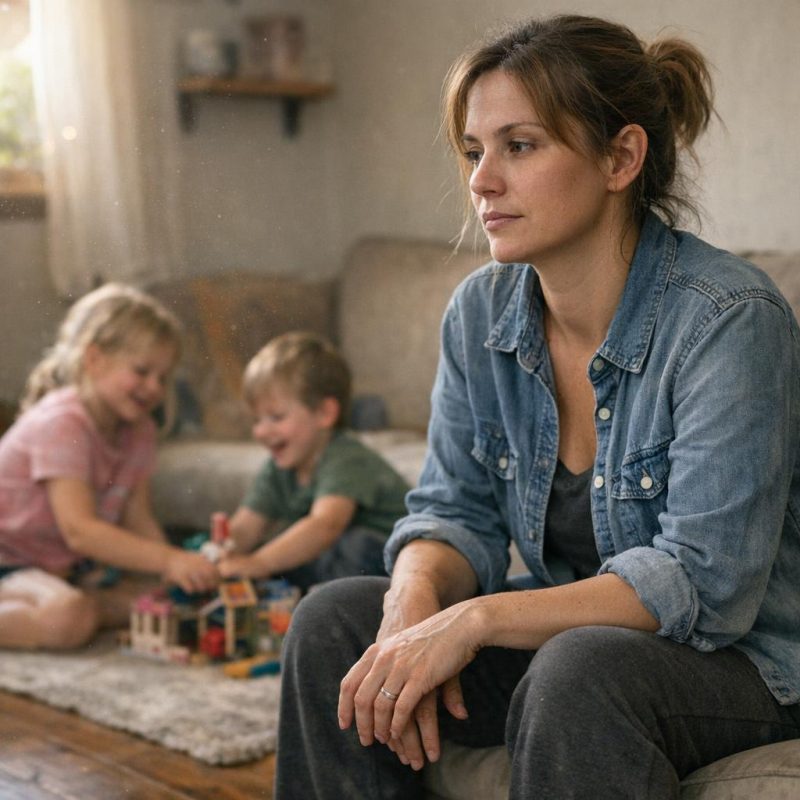 Image by RM AI
Jack's Father's Day Project
Jack came home from preschool clutching a construction paper card. I was making dinner when he held it up, beaming. 'For Father's Day!' he announced. My stomach dropped. I'd forgotten it was coming up—tried to forget, honestly. I wiped my hands on a towel and knelt down to look. The teacher had helped them make cards for their dads. Most of the other kids probably gave theirs to men who'd actually be there on Sunday. 'That's beautiful, buddy,' I said, my voice tight. 'Do you want to... keep it in your room?' He nodded, chattering about the glue and glitter. Then he showed me the inside. He'd drawn a picture of our family—with Daniel in the corner, separated from the rest of us. Emma and I were holding hands. Jack had drawn himself between us. And off to the side, alone, a stick figure with brown hair. 'That's Daddy,' Jack explained casually. 'He lives somewhere else.' The distance in that drawing broke something in me. Even at four years old, he understood. Daniel wasn't part of us anymore. He'd drawn a picture of our family—with Daniel in the corner, separated from the rest of us.
 Image by RM AI
The Storage Unit
I rented a storage unit the following month. One of those climate-controlled places out by the highway, with fluorescent lighting and metal roll-up doors. I'd been stepping over Daniel's boxes for years. His tools in the garage. His winter coats in the hall closet. His books still on the shelves. I couldn't throw them away—what if he came back?—but I also couldn't keep living in a museum. The kids needed space. I needed space. So I loaded everything into my car, made three trips. His camping gear. His college textbooks. His baseball glove. Every item felt like a betrayal. But also like relief. I stacked the boxes methodically, labeled them in marker. 'Daniel—clothes.' 'Daniel—personal.' Like he was a category, a project to be archived. When I finished, I stood in that little concrete room and stared at the pile. This was all that was left of him. This was all that was left of us. I locked the door and drove home and the house felt bigger. Emptier. Both. I sealed the last box and thought: 'This is what grief looks like—cardboard and tape.'
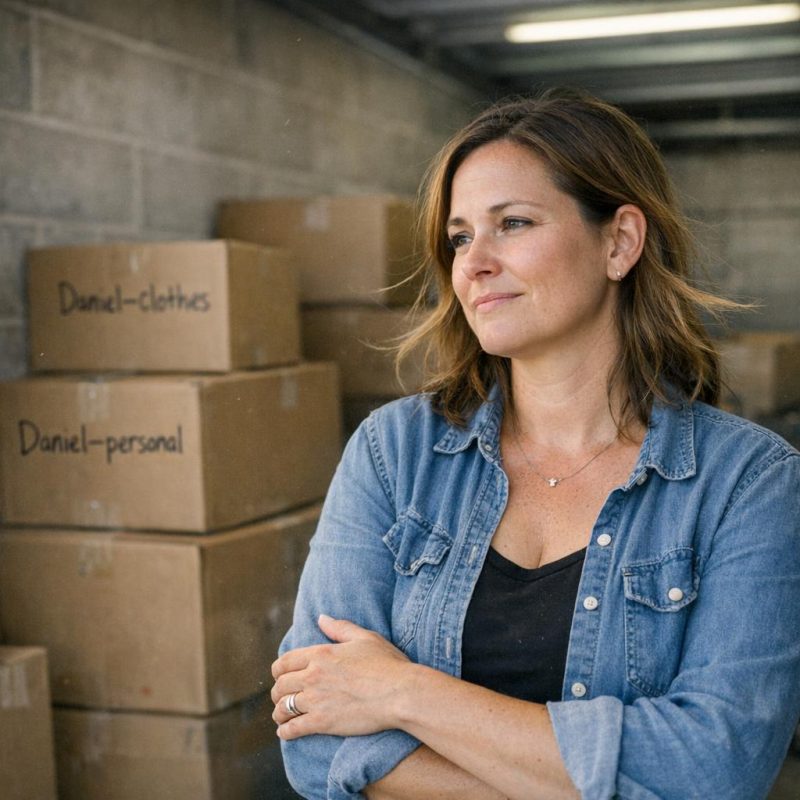 Image by RM AI
The Worst Assumption
The new neighbor—Sandra, mid-fifties, talkative—caught me at the mailbox one Saturday. She'd been in the neighborhood about six months. We'd exchanged pleasantries, nothing deep. That day she asked about the kids, mentioned she'd noticed I seemed to handle everything alone. 'So brave,' she said. 'Going through a divorce is so hard.' I started to correct her. Then she added, 'I heard he ran off with another woman. Absolutely terrible. Men like that...' She shook her head, disgusted. I froze. That wasn't the story. That was never the story. But apparently, somewhere along the line, the neighborhood had decided that's what happened. The abandoned wife, the cheating husband. It was cleaner than the truth—that I had no idea why he'd left. It gave people something to understand. I opened my mouth to explain. To defend him. To say he wasn't like that. But what was the point? He'd still left. He'd still destroyed our lives. Maybe it didn't matter why. I didn't correct her—because what was the point of defending a man who'd left me with nothing?
 Image by RM AI
Three Years of Silence
The three-year anniversary of Daniel's disappearance fell on a Tuesday. I only realized it had passed when I was looking at my calendar Thursday morning, scheduling a dentist appointment for Emma. June fourteenth had come and gone. I'd worked. Made dinner. Helped with homework. Put the kids to bed. I hadn't cried. Hadn't sat up remembering. Hadn't even thought about it. For three years, I'd marked that date like a wound I couldn't stop touching. The first year, I'd barely survived it. The second year, I'd called in sick to work and spent the day numb on the couch. This year? I'd missed it entirely. I sat at the kitchen table with my coffee and realized something had shifted. I'd stopped counting the days. Stopped waiting for him to walk through the door with an explanation. Stopped believing there was an explanation that would make any of this okay. He was gone. That was the reality. I'd accepted it. Finally. Completely. I didn't even notice the date until it had passed—and realized I'd finally stopped counting.
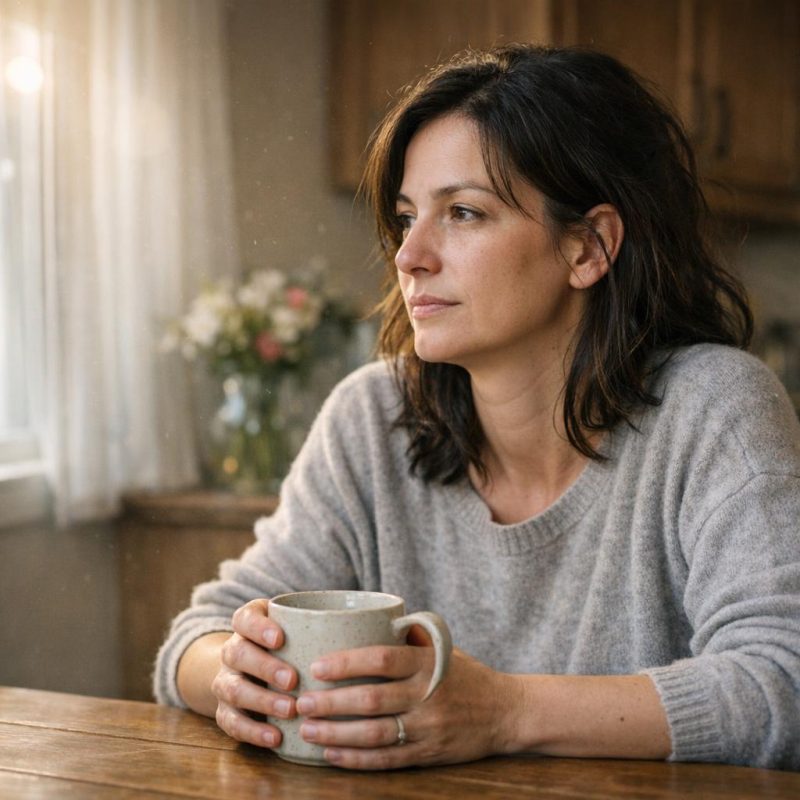 Image by RM AI
Emma Starts Middle School
Emma started middle school that fall. She was eleven, growing up so fast it scared me. Taller, moodier, asking questions I didn't know how to answer. One evening she was doing homework at the kitchen table and just asked, out of nowhere: 'Do you think Dad ever actually loved us?' I looked up from the dishes, stunned. 'Of course he did,' I said automatically. She didn't look convinced. 'Then why did he leave?' Her voice wasn't angry. Just... curious. Clinical. Like she was working out a math problem. 'People who love you don't just disappear.' I dried my hands, sat down across from her. I wanted to tell her about the Daniel I remembered. The man who'd cried when she was born. Who'd sung Jack to sleep every night. Who'd loved us, I was sure of it. But was I sure? How could someone who loved us do this? Maybe I'd been wrong about everything. Maybe I'd never really known him at all. I told her he did—but I wasn't sure I believed it anymore.
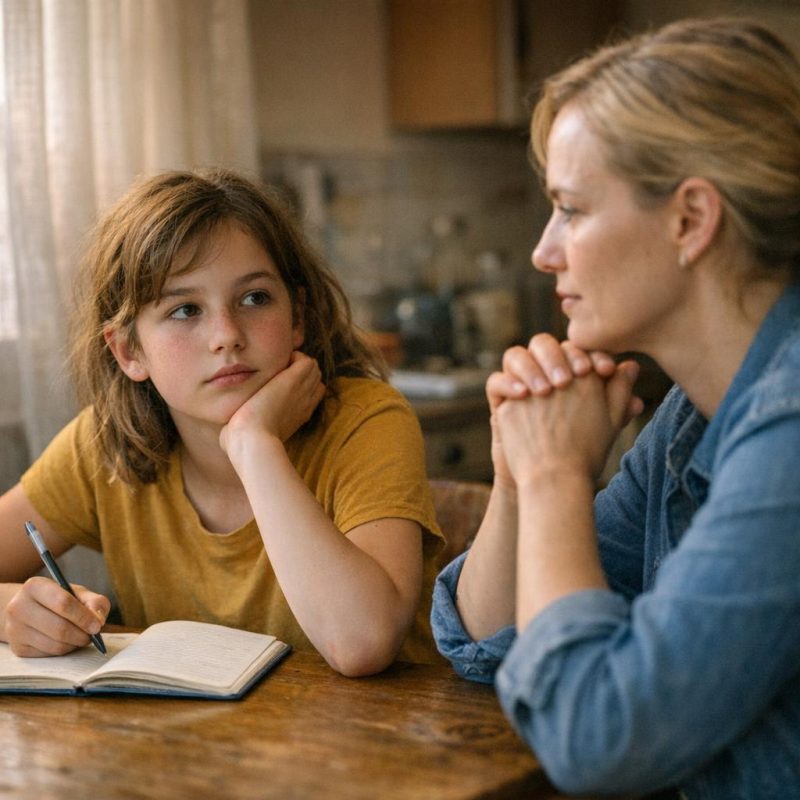 Image by RM AI
The Promotion
I got the promotion in January. Senior account manager. Better title, better pay, actual respect from people who used to overlook me. My boss announced it in a staff meeting and everyone clapped. I smiled, thanked them, went back to my desk. That night I picked up Thai food on the way home—the good place, not the cheap one. I told the kids at dinner. Emma said 'cool' without looking up from her phone. Jack asked if it meant more money. 'Can we get a Nintendo Switch?' I laughed. Said maybe. We ate our pad thai and spring rolls at the kitchen table, and I realized this was it. This was my celebration. No one to call. No one to toast with. No one who cared about this accomplishment except me. And maybe that should've been enough—I'd worked so hard for this—but it felt hollow. I'd rebuilt my entire life. I'd become stronger, more capable, more independent than I'd ever imagined. And I had absolutely no one to share it with. I celebrated with takeout for the kids—and realized there was no one else who cared.
 Image by RM AI
Rick's Confession
Rick called me out of the blue in March. I hadn't heard from him in over three years—not since those useless early conversations after Daniel vanished. I almost didn't answer. But something made me pick up. He sounded nervous. Said he'd been thinking about Daniel lately, felt like he owed me honesty. 'About what?' I asked, wary. He hesitated. Then: 'Those last few weeks before he disappeared... I told you he seemed distracted. But that wasn't quite right.' My heart started pounding. 'What do you mean?' 'He seemed scared,' Rick said quietly. 'Like genuinely afraid. I didn't think much of it at the time—figured it was stress, maybe personal stuff. But looking back...' He trailed off. 'Looking back, what?' I demanded. Another pause. Then: 'I think something was very wrong at the company. I don't know what. But Daniel knew something. I'm sure of it.' I pressed him for details. He wouldn't give any. Said he'd probably already said too much. He hung up shortly after, leaving me with more questions than answers. He said, 'I think something was very wrong at the company'—but wouldn't say more.
 Image by RM AI
The Company Closes
Two months later, I was scrolling through news headlines during my lunch break when I saw it. 'Federal Investigation Shuts Down TechDynamics Corp—Executives Charged with Fraud.' TechDynamics. Daniel's company. I clicked the article, hands shaking. The investigation had been ongoing for years, apparently. Wire fraud, money laundering, falsified records. Three executives arrested. The company dissolved. I read it twice, trying to make sense of it. Daniel had worked in their finance department. He would've seen the numbers. He would've known. The article mentioned witness cooperation—someone on the inside had provided evidence that made the case. I stared at that phrase. Witness cooperation. Years of investigation. The timeline matched. Daniel's paranoia in those final weeks. His fear, according to Rick. His sudden disappearance with no explanation. My mind started putting pieces together I didn't want to fit. What if he hadn't abandoned us? What if he'd been protecting us? The news article mentioned 'witness cooperation'—and my mind started racing.
 Image by RM AI
Internet Search
I spent hours that night searching everything I could find. TechDynamics fraud investigation. Witness protection. Federal testimony. Corporate whistleblowers. I combed through articles, press releases, court filings that were publicly available. I made a timeline on a notepad, matching dates from the investigation to when Daniel disappeared. It aligned almost perfectly. The investigation had started around the time he'd become paranoid and withdrawn. The main arrests happened a few months after he vanished. Someone on the inside had cooperated—that much was clear. But who? I searched for witness lists, testimony records, anything that might confirm my suspicion. Nothing. Everything was sealed. Protected. I found message boards where people speculated about who the whistleblower was, but it was all guesswork. No names, no confirmation. I stayed up until three in the morning, clicking through page after page of search results. My eyes burned. My coffee went cold. Every article mentioned sealed testimonies and protected witnesses—but no names, no proof.
 Image by RM AI
Linda's Warning
Linda came over the next evening and found me surrounded by printed articles and notes. She took one look at my dining room table covered in papers and sighed. 'What are you doing?' she asked gently. I explained my theory—the timing, the investigation, the witness protection possibility. She listened without interrupting, but her expression grew more concerned. 'Honey,' she finally said. 'You're torturing yourself.' I shook my head. 'What if he didn't leave us? What if he was protecting us?' Linda sat down across from me, her voice careful. 'And what if he wasn't? What if you're creating a story because the truth—that he just left—is too painful?' That stung. She reached across and touched my hand. 'You've built a life. You're doing so well. The kids are thriving. Don't reopen wounds that are finally starting to heal.' I wanted to argue, but part of me knew she was right. Still, I couldn't let it go. She said, 'Some doors are better left closed'—but I couldn't stop thinking about it.
 Image by RM AI
Five Years Later
Five years. Half a decade without Daniel. Emma was nine now, Jack was seven. I had a better job, a modest apartment we'd made into a real home. The kids were in school activities. We had routines. We had stability. I dated occasionally—nothing serious, but enough to know I was capable of moving forward. I'd stopped flinching when people asked about my kids' father. I had a standard answer now: 'He's not in the picture.' Simple. Clean. Most days I didn't think about Daniel at all. I focused on lunches to pack, homework to check, bills to pay. The everyday machinery of single parenthood that had once felt impossible now just felt normal. I was functional. Happy, even, in small moments. But there was always something missing—not Daniel himself, exactly, but the answer. The why. The knowing. I'd adapted to his absence, but I'd never understood it. I'd moved on—but I'd never gotten closure, and that difference mattered more than I wanted to admit.
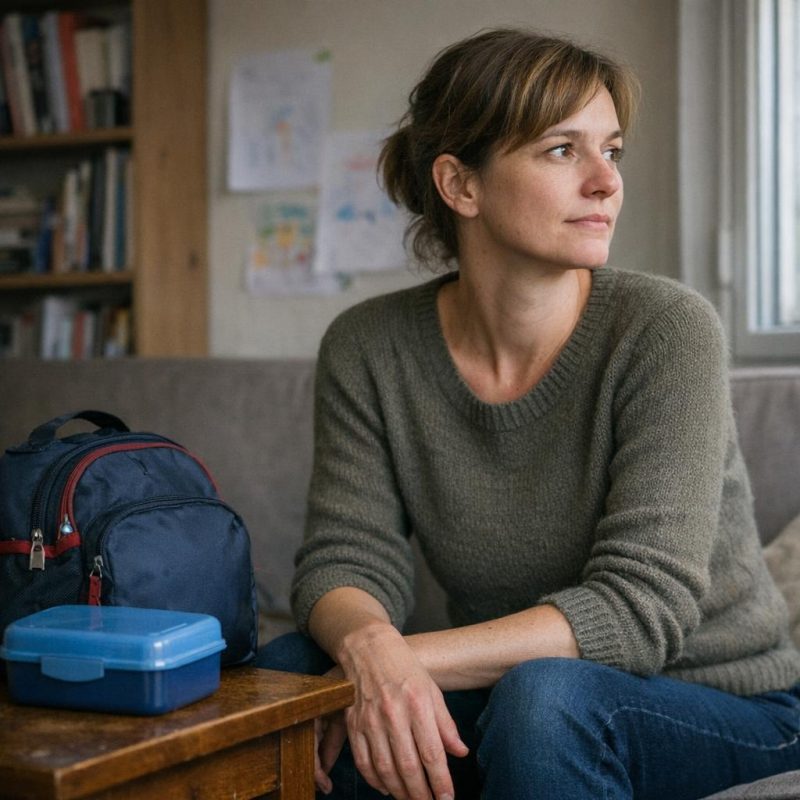 Image by RM AI
Detective Morrison Retires
Detective Morrison's retirement party was at a local bar, cops and their families crowded around, telling war stories. I almost didn't go. But I'd brought Emma and Jack to see him a few times over the years when we stopped by the station for community events. He'd always been kind to them. At the end of the evening, I found him by the bar. 'Can I ask you something?' I said. He smiled wearily. 'About your husband.' It wasn't a question. 'One more time—do you think he left on his own? Or do you think something else happened?' Morrison was quiet for a long moment, turning his glass in his hands. The noise of the party faded around us. Finally, he met my eyes. 'I worked that case hard,' he said. 'I followed every lead. Checked every theory. And after all these years, after everything I've seen...' He paused. He looked at me with something like pity and said, 'I honestly never knew.'
 Image by RM AI
Seven Years Gone
Seven years. Emma was eleven, Jack was nine. Daniel had been gone longer than we'd been married. That fact hit me one morning while making breakfast, and I had to steady myself against the counter. Seven years. I'd lived an entire chunk of life without him—longer than some marriages last from beginning to end. The kids barely remembered him now. Jack's memories were almost entirely constructed from photos. Emma claimed to remember more, but I wasn't always sure what was real versus what she'd imagined. I'd stopped explaining him to people. When Emma's friends asked about her dad, she just said he left. Simple as that. I had a life now that didn't include Daniel-shaped holes. A routine that functioned. Friends, work, the kids' activities. I went whole weeks without thinking about him. But then a song would come on the radio. Or I'd see a man from behind who had Daniel's build. And suddenly I'd be back there, wondering. Most days I was fine—but some nights I still lay awake wondering what really happened.
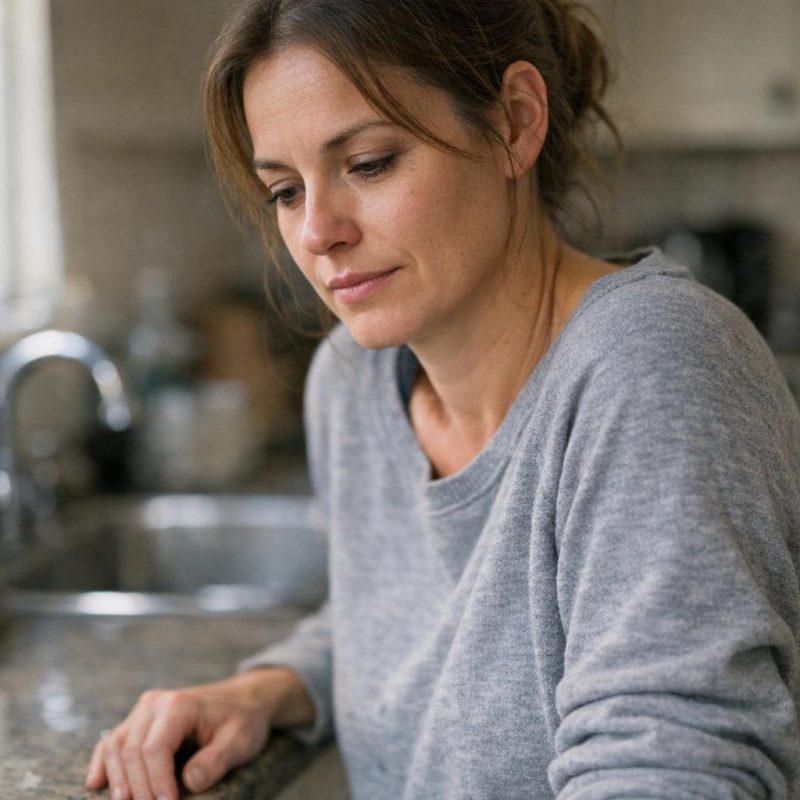 Image by RM AI
Emma's Anger
Emma was thirteen when she finally said it out loud. We were having one of those rare, deep conversations that happen in cars, where not making eye contact somehow makes honesty easier. She'd been quiet all day, moody in that teenage way. Finally, she said, 'I hate him.' I knew immediately who she meant. 'Emma—' 'No, I do. I hate him for leaving. For being a coward.' Her voice cracked. 'He just abandoned us. Didn't even care enough to say goodbye. What kind of father does that?' I should have defended him. Should have said something about how we don't know what really happened, how life is complicated, how there might have been reasons. But I didn't. Because sitting there in the car, listening to my daughter voice the anger I'd buried for years, I realized something. I agreed with her. He'd left us. Whatever the reason, whatever the circumstances, he'd made that choice. And we'd been the ones to live with the consequences. I should have defended him—but I realized I agreed with her.
 Image by RM AI
Margaret Dies
Margaret died on a Tuesday in November. Pneumonia, they said. She'd been declining for a while, her dementia getting worse. Rick called to tell me. The funeral was small. I brought Emma and Jack, though Jack barely remembered his grandmother. She'd never stopped asking about Daniel—right up until the end, apparently. Rick told me that in her final days, she sometimes called for him, convinced he was just in the other room. It broke my heart. At the service, a neighbor gave a eulogy that mentioned Margaret's 'unwavering faith' that her son would return. People nodded, dabbing their eyes. Emma sat rigid beside me. Jack fidgeted with his tie. I felt numb. Margaret had died still believing in a possibility I'd long since given up on. She'd never had to accept that her son had abandoned his family. Never had to face that truth. At her funeral, someone said, 'At least she never stopped believing he'd come home'—and I envied her that.
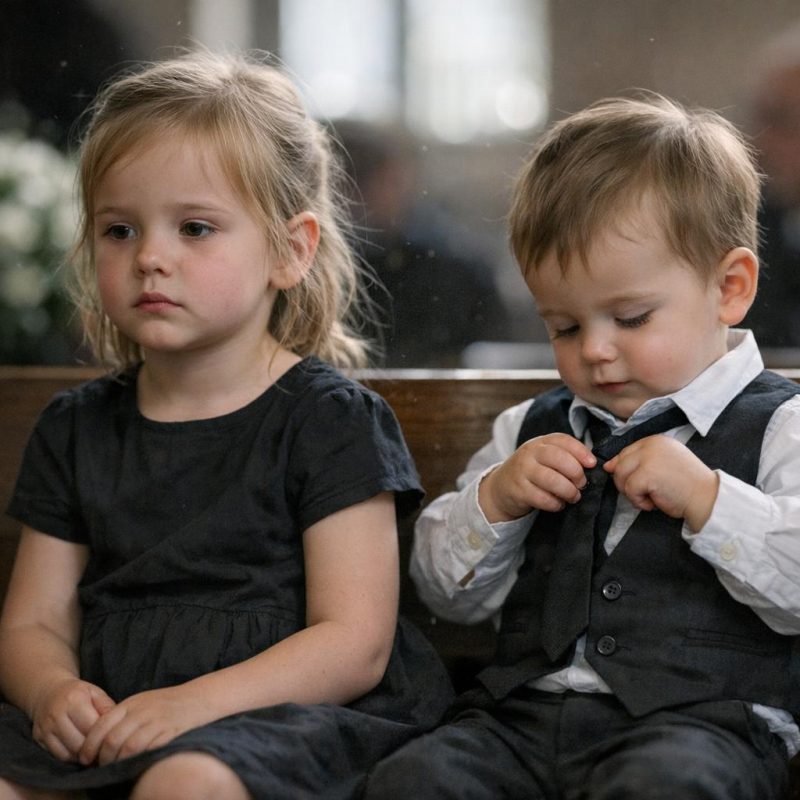 Image by RM AI
Nearly Eight Years
Nearly eight years. I calculated it one night after the kids were asleep. Daniel and I had been together for six years total—dated for two, married for four before he vanished. We'd had 2,190 days together, give or take. Now he'd been gone for nearly 2,920 days. The absence was becoming longer than the presence. Soon, I'd have spent more of my adult life without Daniel than with him. That realization should have hurt more than it did. Instead, it just felt like math. A fact I needed to acknowledge. Emma was doing well in school now. Jack had joined the soccer team. I'd gotten a promotion at work. We had a life—a real, full, functioning life. Daniel was becoming something from the past tense. A chapter that had ended, not a story still being written. I still didn't have answers. I probably never would. But I was learning that you can move forward without closure. You can build a life on top of unresolved questions. I'd spent more years without him than with him—and that felt like its own kind of ending.
 Image by RM AI
A Second Chance at Love
His name was Tom. We met at a work conference—one of those networking things I usually dreaded. He made a joke about the terrible coffee, and I actually laughed. Not a polite laugh. A real one. We talked for twenty minutes about nothing important, and it felt easy. Natural. He didn't know about Daniel. Didn't know about the years of searching or the grief or any of it. To him, I was just a person. Not a tragedy or a cautionary tale. Just someone standing in line for bad coffee. He asked for my number. I gave it to him. We texted for a few weeks—nothing heavy, just normal conversation. Funny memes. Weekend plans. The kids noticed I was smiling at my phone. Emma asked if I had a new friend. I realized I was ready. Not ready to replace Daniel or forget what happened. But ready to consider that maybe there could be something new. Something separate from all that pain. Tom didn't need to fill Daniel's shoes. He could just be himself. And maybe that was enough. He asked me to dinner, and for the first time in years, I said yes—and meant it.
 Image by RM AI
The Strange Phone Call
The call came on a Tuesday afternoon. Unknown number. I almost didn't answer—years of dead ends had trained me to ignore random calls about Daniel. But something made me pick up. 'Is this Mrs. Hayes?' the woman asked. Her voice was professional, careful. My stomach dropped. Nobody called me that anymore. 'Who is this?' I asked. 'My name is Sarah Whitman. I'm calling about your husband, Daniel Hayes. Is this a good time to talk?' My hands started shaking. Eight years. Eight years of silence, and now this. 'What about him?' I managed. 'I have information I think you should know. Important information. I'd prefer to meet in person if you're willing.' I sat down hard on the kitchen chair. 'What kind of information?' 'The kind that explains what happened. Where he went. Why.' My heart was pounding so hard I could barely hear her. 'I need you to understand,' she continued, 'this is official. And it's complicated. But I think you deserve answers.' The woman on the phone said, 'I'm a social worker, and I think you deserve to know the truth.'
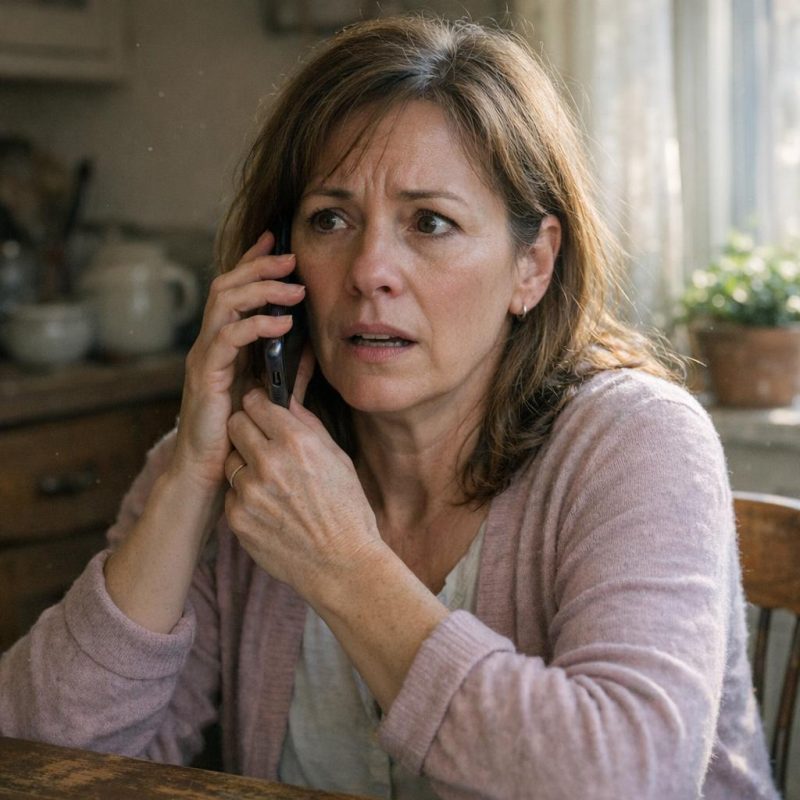 Image by RM AI
The Meeting
We met at a coffee shop two days later. Neutral territory. Sarah Whitman was in her early forties, professional but kind-looking. She wore a cardigan and carried a leather folder. She looked like someone who delivered difficult news for a living. I couldn't sit still. My leg bounced under the table. 'Thank you for meeting me,' she said gently. 'I know this must be confusing.' 'You said you know what happened to my husband.' My voice came out sharper than I intended. 'I do. And I want you to know—I'm not supposed to be here. This conversation is happening because Daniel requested it. Before he died.' The words hit me like a physical blow. Died. Present tense became past tense in an instant. 'When?' I whispered. 'Six months ago. I'm so sorry.' Tears burned my eyes, but I forced them back. 'You need to start from the beginning.' Sarah nodded and took a breath. She looked at me with something like pity. Sarah pulled out a folder and said, 'Your husband didn't abandon you—he was trying to save you.'
 Image by RM AI
The Truth Revealed
Sarah opened the folder. Inside were official documents with government seals. 'Daniel was an accountant. You knew that. What you didn't know was that in early 2015, he discovered evidence of massive corporate fraud at his firm. Not just fraud—money laundering tied to organized crime. Serious, dangerous people.' I stared at her. 'He was investigating it quietly, gathering documentation. He planned to go to the FBI. But they found out. Someone at the firm realized what he was doing. He received threats—against you, against your children. Explicit, credible threats.' My hands were ice cold. 'The FBI offered him witness protection. Full relocation, new identity, everything. But there was a condition—no contact with anyone from his previous life. Not until the trials were over and the threat was neutralized. He had seventy-two hours to decide.' Sarah's voice was steady, factual. 'He chose to protect you. He entered the program in March 2015. The trials took years. And then, last year, he became ill. Sudden, aggressive. He died before he could ever come home.' I sat there, unable to breathe, as eight years of anger and pain reframed themselves in an instant.
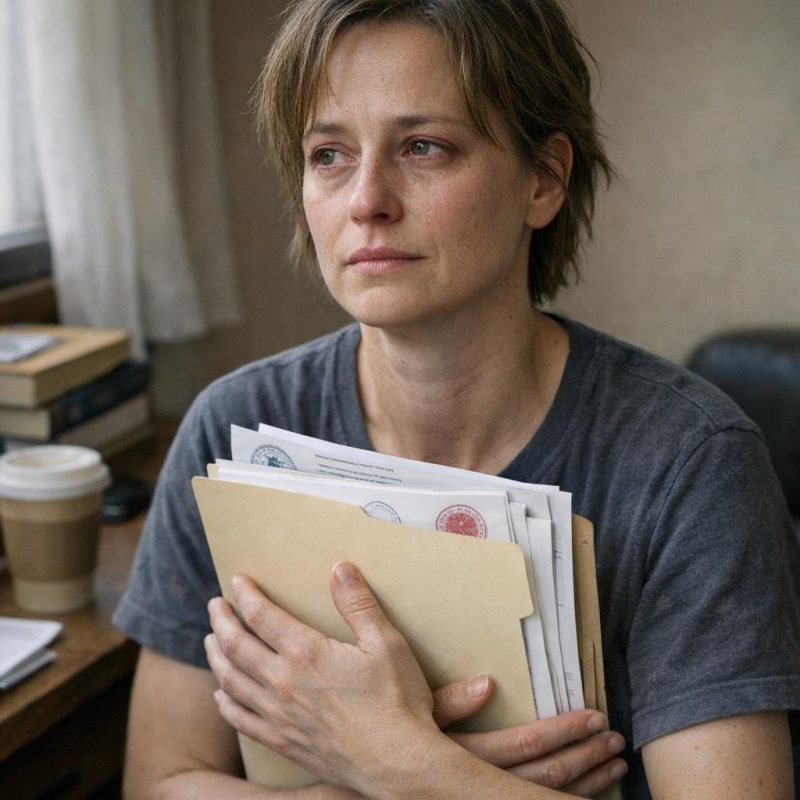 Image by RM AI
The Letters
Sarah reached into the folder again. This time she pulled out a thick stack of envelopes, bound with a rubber band. 'He wrote to you. To the kids. He couldn't send them—any contact would have compromised your safety. But he wrote them anyway. He wanted you to have them after...' She didn't finish the sentence. She didn't need to. I took the stack with trembling hands. The top envelope was dated April 2015. One month after he disappeared. My name was written in Daniel's handwriting—that familiar slant I'd almost forgotten. There were dozens of them. Maybe fifty. Some addressed to me. Some to Emma and Jack. Years of words he'd never been able to say. 'He received updates,' Sarah said quietly. 'Through authorized channels. Photos, school records, medical information. He knew about Emma's anxiety. Jack's soccer games. Your promotion. He watched you rebuild your life from a distance.' That broke something in me. He'd been there, in a way. Witnessing our pain and unable to do anything about it. I held the stack of letters—years of love and longing—and realized he'd never stopped being their father.
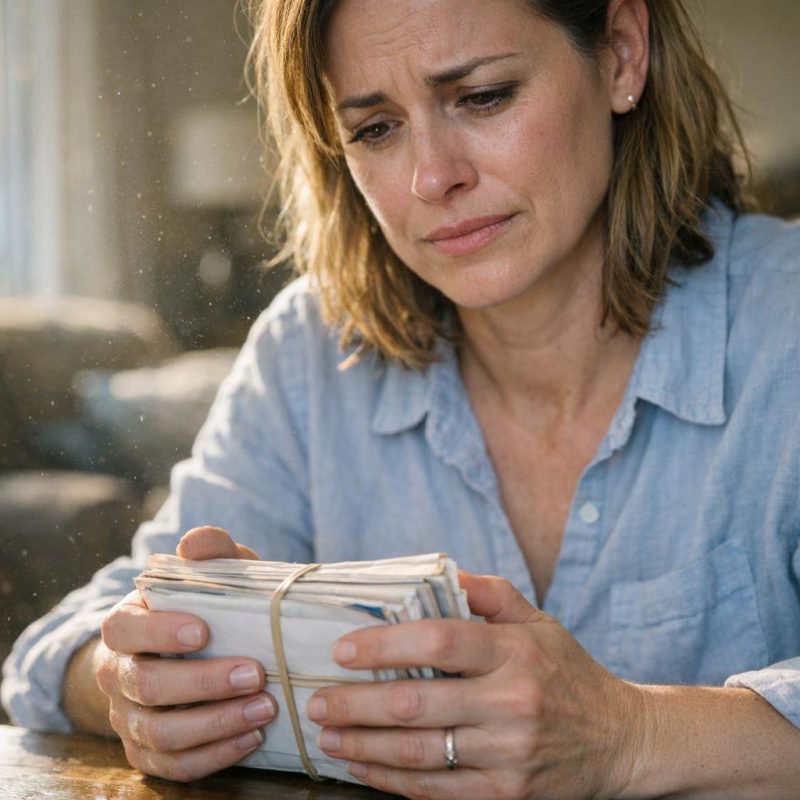 Image by RM AI
Legal Details
Sarah connected me with Attorney Goldman, Daniel's liaison within the protection program. We met in his downtown office—all dark wood and legal degrees on the wall. He was formal, precise, but not unkind. 'Mrs. Hayes, I want to explain the legal framework that governed your husband's situation.' He walked me through it. The Witness Security Program. The protocols. The absolute prohibition on contact. 'These weren't arbitrary rules,' he said. 'The organization Daniel exposed had reach. Resources. They were actively looking for him for years. Any contact with you or the children would have created a trail.' 'Were we really in danger?' I asked. He looked at me directly. 'Yes. The threats made against your family were credible and specific. Without Daniel's testimony and the subsequent convictions, those threats would have remained active. His disappearance protected you. His testimony dismantled the organization. It took both.' He pulled out a file. 'Three men were convicted of conspiracy to commit murder. They'd planned to use your family as leverage. Daniel's choice prevented that.' He said the threats had been very real—Daniel's choice had literally saved our lives.
 Image by RM AI
Reading His Words
I waited until the kids were asleep to read the letters. I sat on our bed—my bed—and opened the first envelope with shaking hands. 'My love,' it started. 'I don't know if you'll ever read this. I don't know if I'll ever be able to explain. But I need you to know I didn't want this. I would give anything to undo it. They showed me photos of what these people do to families. I couldn't let that happen to you. To Emma and Jack. I couldn't.' The letters went on. Month after month, year after year. He wrote about missing Emma's fifth birthday. About not being there when Jack started kindergarten. About seeing a photo of me at the grocery store and breaking down because I looked so tired. He wrote about Emma's first day of third grade, about how proud he was that she'd overcome her anxiety. He wrote about Jack losing his first tooth, about his soccer team making the playoffs. Details I'd never shared with anyone. Details he shouldn't have known. He wrote about Emma's first day of school, Jack's lost tooth—he knew everything, and it broke me.
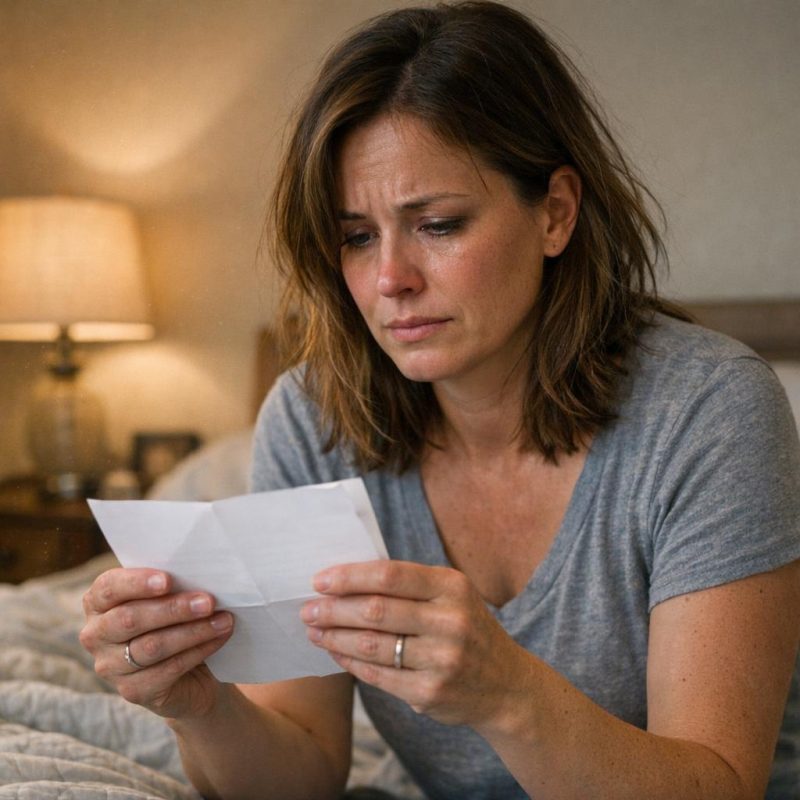 Image by RM AI
The Choice He Made
I stayed up all night reading. By dawn, I understood the impossible mathematics of his choice. He could risk our lives and stay. Or guarantee our safety and disappear. There was no third option. No compromise. No way to have both. He chose us. He chose our survival over our happiness. Our safety over our family. And he lived with that choice every single day for eight years, watching us from a distance, unable to comfort us or explain or fix what he'd broken. It was the most loving thing anyone had ever done for me. And the most devastating. Part of me understood. He'd seen evidence of what these people were capable of. He'd been shown what they would do to his children if they found him. How do you make any choice except the one he made? But another part of me was furious. Furious that he'd decided for all of us. That he'd let us think he'd abandoned us. That he'd left us to suffer for eight years rather than trust us with the truth. Both things were true. He'd saved us. And he'd destroyed us. He chose our safety over our love—and I didn't know if I could forgive him for that, even now.
 Image by RM AI
Telling the Children
I waited until the weekend. I needed time I didn't have, courage I couldn't find, and words that didn't exist. How do you tell your children that everything they believed about their father was wrong? That he didn't abandon them—he protected them. That he didn't stop loving them—he loved them so much he disappeared. Emma was nine now. Jack was seven. Old enough to understand, young enough to be destroyed all over again. I sat them down in the living room, their faces already wary. They knew something was coming. 'I need to tell you something about your dad,' I said. My voice shook. 'Something I just found out myself.' I told them as gently as I could. That he'd witnessed something terrible. That bad people had threatened our family. That he'd left to keep us safe, not because he wanted to. Emma's face went pale. Jack started crying before I even finished. 'He loved you,' I said. 'Every single day, he loved you. He just couldn't be with you.' Emma stared at me, her eyes filling with tears. 'Why didn't he just tell us?' she asked—and I had no answer that could make this okay.
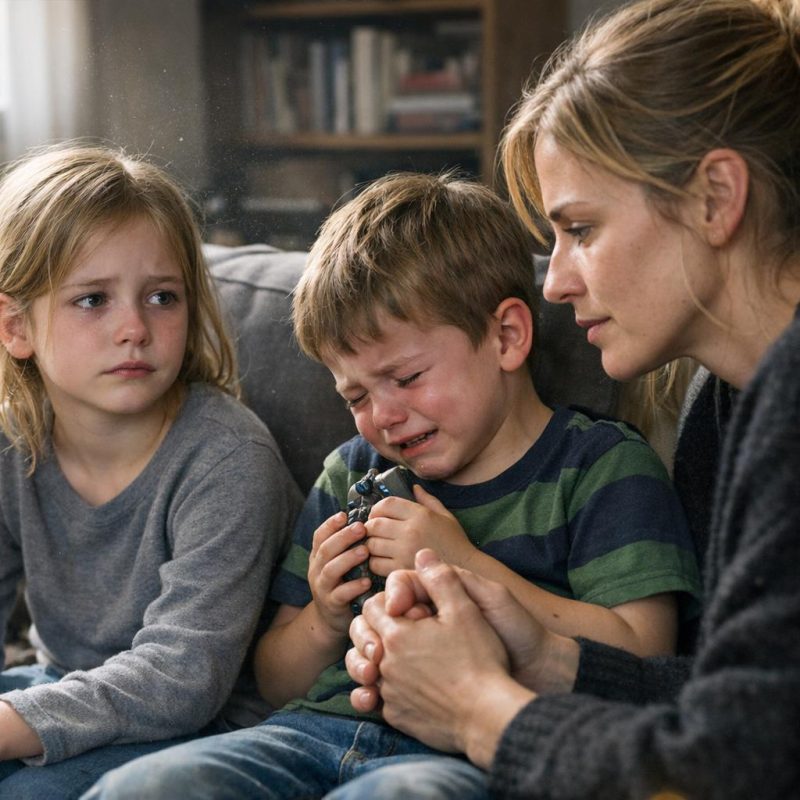 Image by RM AI
Reframing Eight Years
The hardest part wasn't learning the truth. It was going back through eight years of memories and rewriting every single one. That morning he left for work and never came back—he'd said goodbye knowing it was forever. The silence that followed—he'd been watching us grieve, unable to comfort us. Every birthday, every Christmas, every milestone—he'd witnessed from a distance, aching to reach out. The anger I'd carried became something else entirely. Not forgiveness, exactly. Not absolution. But understanding laced with devastating loss. I thought about the nights I'd cursed his name, called him selfish, told the kids their father didn't care. He'd heard those words, maybe. Absorbed them. Lived with them. And still chose our safety over defending himself. I had to rebuild my entire understanding of who he was. Who we'd been. What our marriage had meant. It wasn't the work of a day or a week. It was going to take years. Maybe the rest of my life. Every memory I had was wrong—and I didn't know how to rebuild a past that had been rewritten.
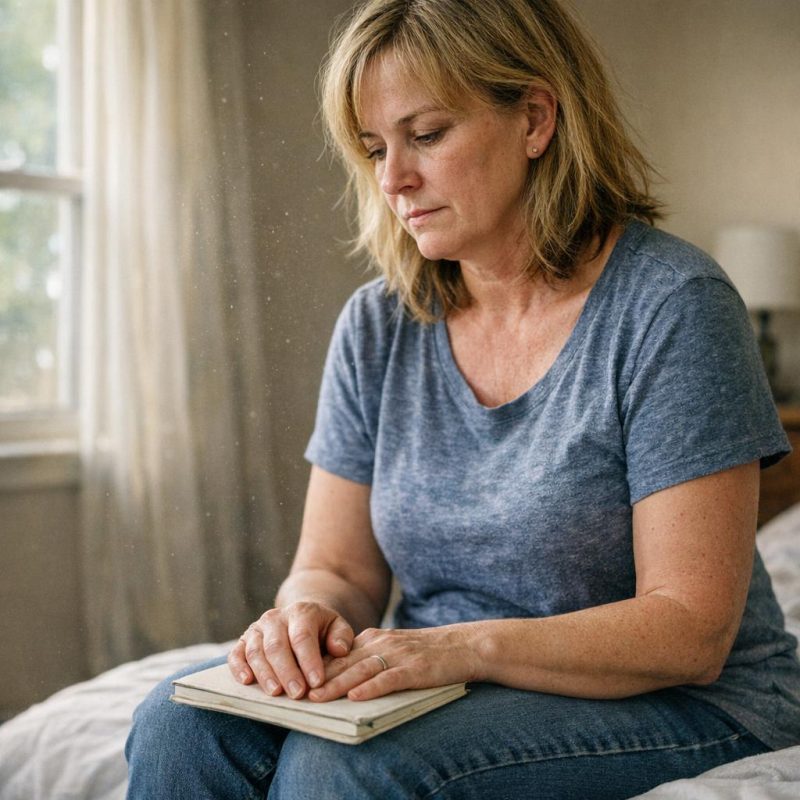 Image by RM AI
A Different Kind of Grief
Linda came over when I called. She found me on the couch, surrounded by old photos, crying in a way I hadn't cried since those first terrible months. 'I thought I was done grieving him,' I told her. 'I thought I'd moved past it.' But this was different. This was mourning the man I'd misunderstood. The years we'd lost to misplaced anger. The relationship my children could have had with their father's memory if I'd only known the truth. Emma started asking questions I couldn't answer. Jack withdrew, processing in his own quiet way. We grieved together this time, as a family, but it was complicated by everything that had come before. The anger. The resentment. The false narrative we'd built to survive. How do you mourn someone twice? How do you reconcile the grief you felt when you thought he abandoned you with the grief of learning he never wanted to leave? Linda held my hand. 'You're allowed to feel all of it,' she said. 'The anger and the love. The betrayal and the gratitude. It's all real.' I mourned him twice—once when he left, and again when I learned he never wanted to.
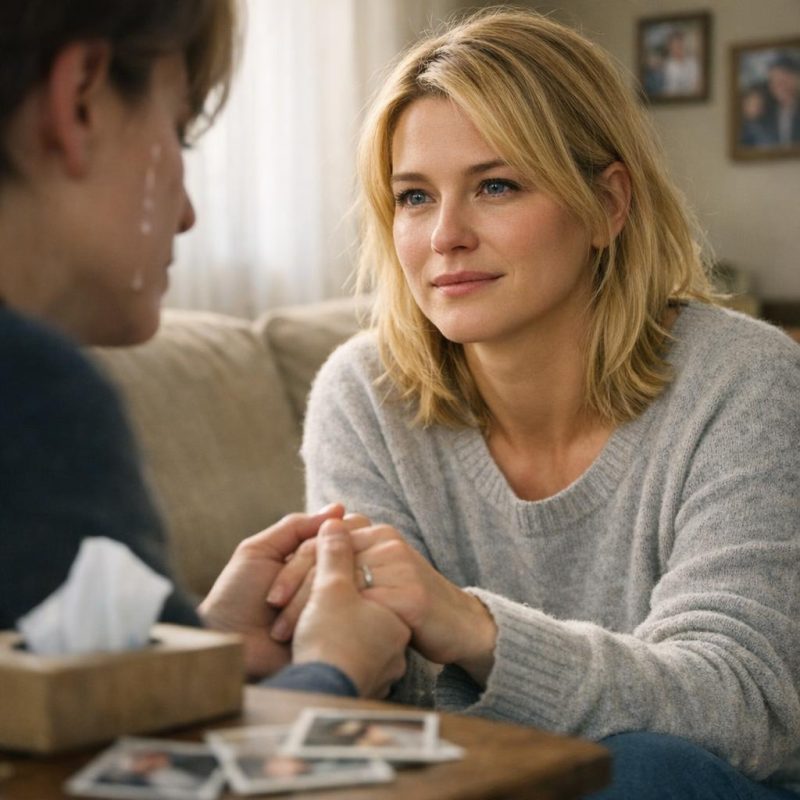 Image by RM AI
The Worst Thing
Looking back now, I understand something I couldn't see then. The worst thing wasn't Daniel leaving. It wasn't the eight years of thinking he'd abandoned us. It wasn't even his death. The worst thing was learning the truth too late. Too late to tell him I understood. Too late to let the kids know their father was a hero, not a ghost. Too late to rewrite the story while there was still time to change the ending. If I'd known earlier, would it have changed anything? Maybe not the outcome—he'd still be gone—but it would have changed how we carried him. How we remembered him. How we spoke his name. Emma keeps his letter in her room now. Jack asks questions about the man his father really was. We're rebuilding our understanding of him together, piece by piece, memory by memory. It's not closure. It's not healing in any traditional sense. But it's something. Love looks different than I thought it did. So does sacrifice. So does strength. In the end, I learned what really happened—and it changed everything I thought I knew about love, betrayal, and sacrifice.
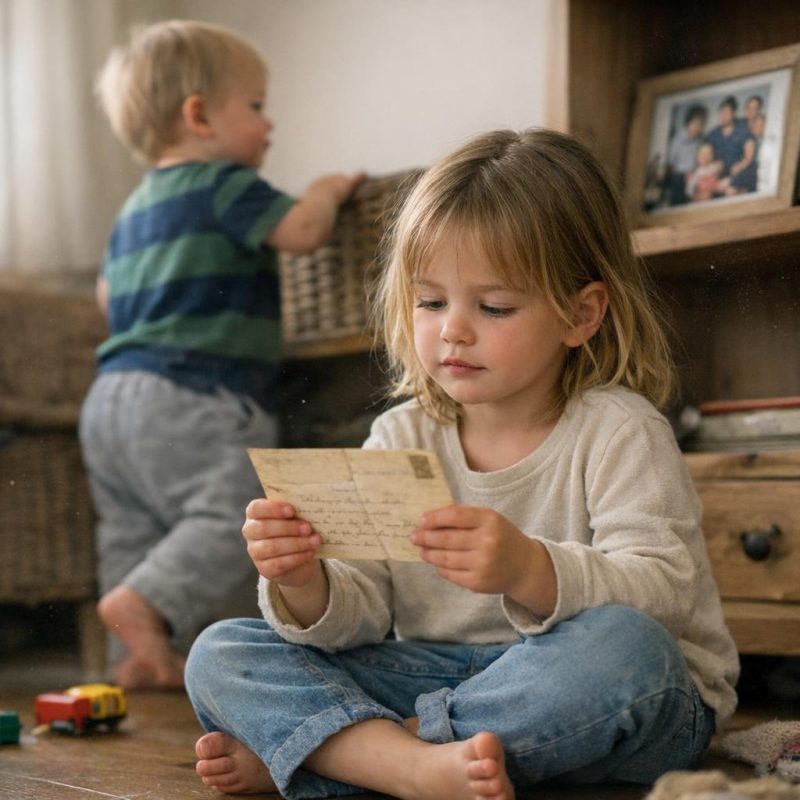 Image by RM AI
KEEP ON READING

20 Common Misconceptions People Have About The Middle Ages
It’s Not All Knights and Shining Armor. Many people romanticize…
By Farva Ivkovic Nov 4, 2024
20 Powerful Ancient Egyptian Gods That Were Worshipped
Unique Religious Figures in Ancient Egypt. While most people are…
By Cathy Liu Nov 27, 2024
The 10 Scariest Dinosaurs From The Mesozoic Era & The…
The Largest Creatures To Roam The Earth. It can be…
By Cathy Liu Nov 28, 2024
The 20 Most Stunning Ancient Greek Landmarks
Ancient Greek Sites To Witness With Your Own Eyes. For…
By Cathy Liu Dec 2, 2024
10 Historical Villains Who Weren't THAT Bad
Sometimes people end up getting a worse reputation than they…
By Robbie Woods Dec 3, 2024
One Tiny Mistake Exposed A $3 Billion Heist
While still in college, Jimmy Zhong discovered a loophole that…
By Robbie Woods Dec 3, 2024