

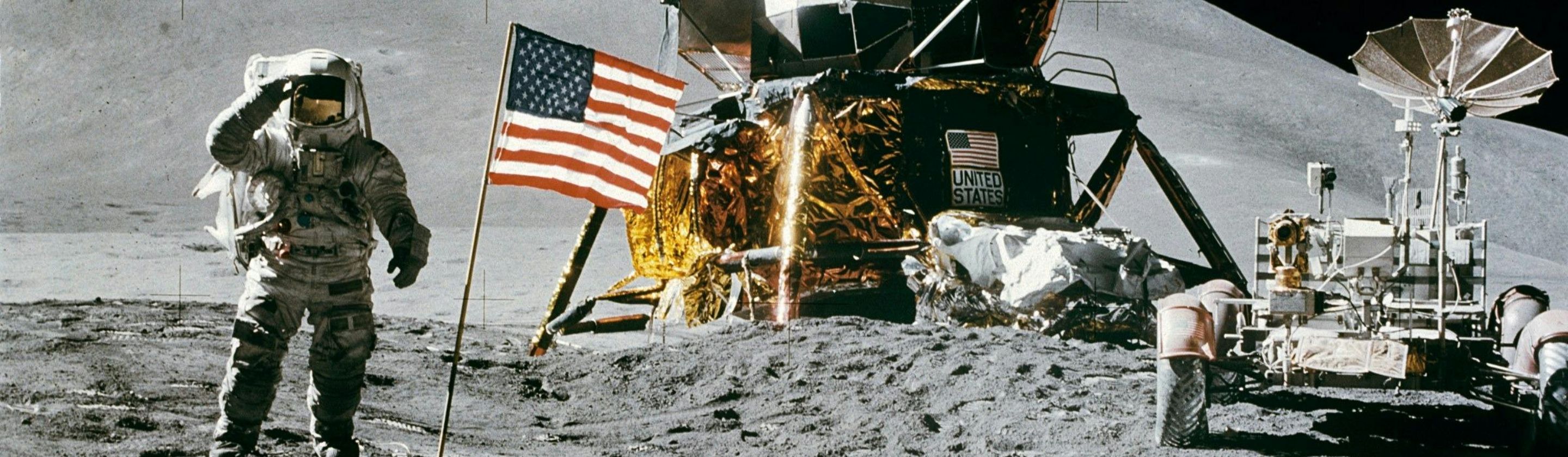
10 Reasons People Believe The Moon Landing Was Faked & 10 Proofs It Really Happened
10 Reasons People Believe The Moon Landing Was Faked & 10 Proofs It Really Happened
What The Record Actually Shows
The Apollo moon landings sit at a weird crossroads as a staggering technical achievement, a political pressure cooker, and a media moment preserved in grainy footage that looks nothing like today’s crisp reality. If you grew up watching slick space imagery and then stumble into a black-and-white clip from 1969, the first reaction can be suspicion. Add in decades of government mistrust, a culture that rewards the hottest take, and an internet that can turn any detail into a “gotcha,” and the doubt starts to feel emotionally reasonable. Conspiracy stories also offer a clean narrative, complete with villains and secrets, while the real story involves engineering, testing, paperwork, and thousands of people doing their jobs. Here are ten reasons fake-landing belief persists and ten reasons why it doesn’t hold up to scrutiny.
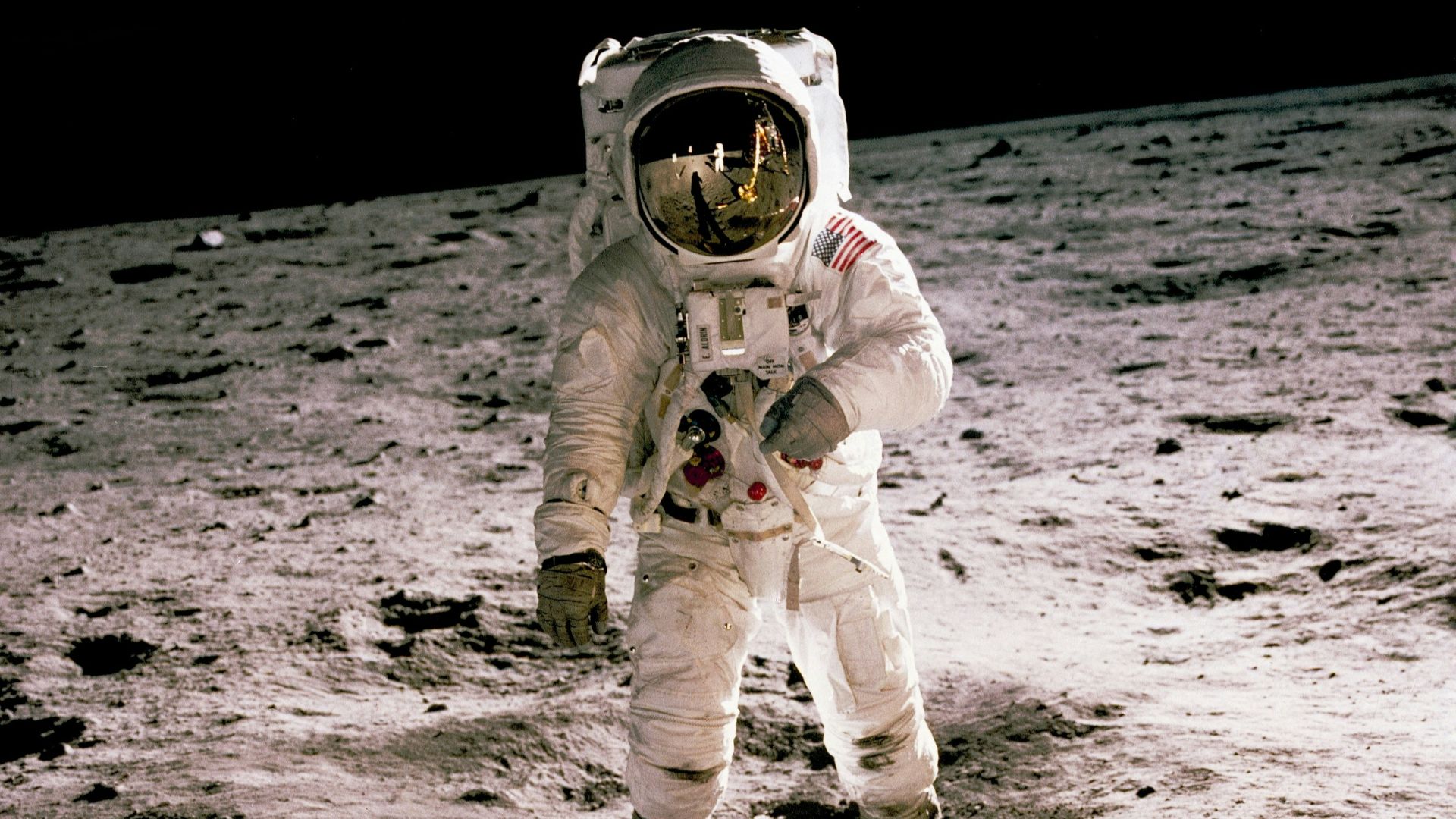
1. Mistrust Of Government Became A Default Setting
A lot of people didn’t start with the Moon, they started with a general belief that institutions lie. The late 1960s and 1970s delivered plenty of reasons for cynicism, and once that skepticism hardens, any big national achievement can get filed under “probably staged.”
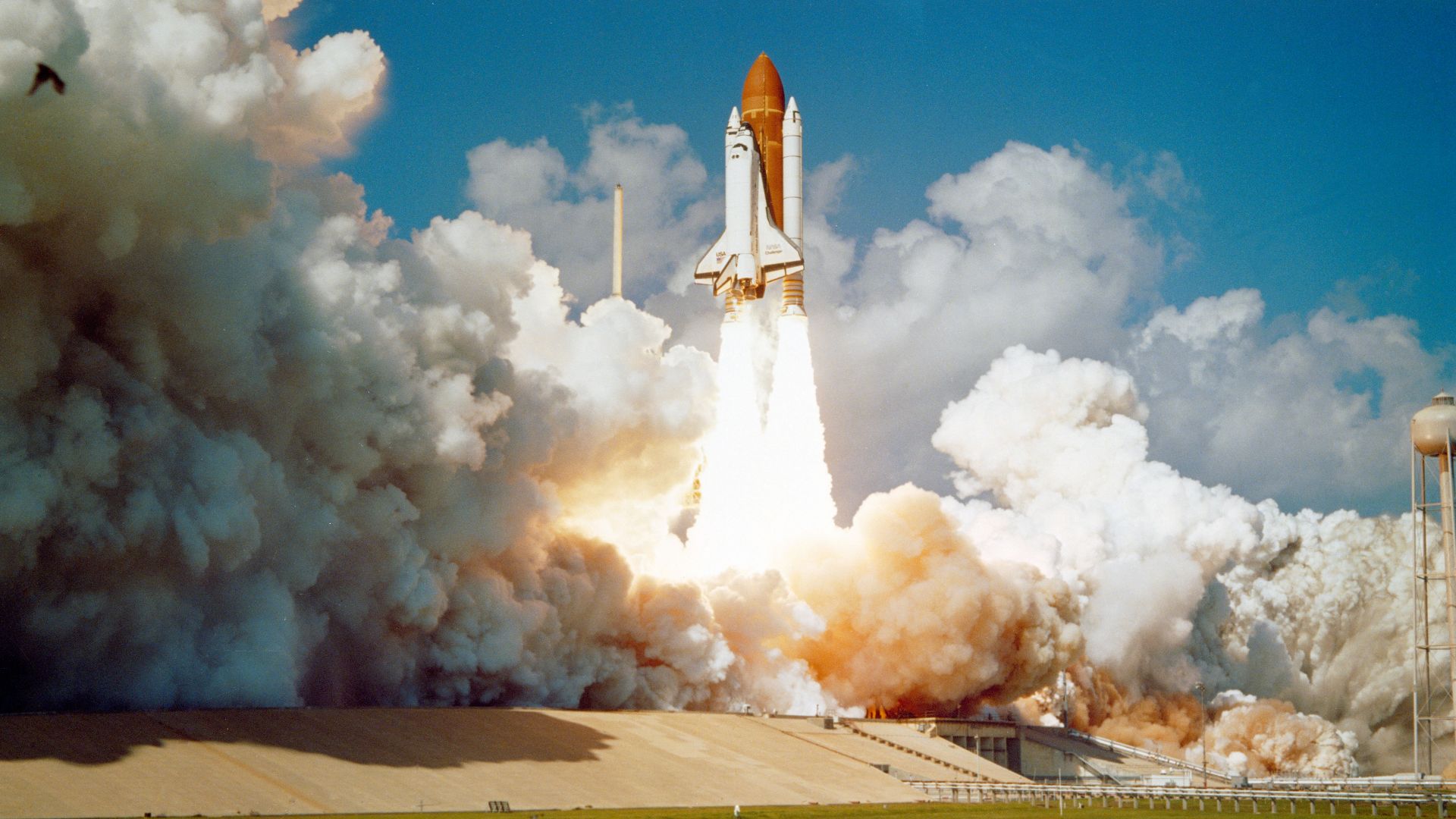
2. The Footage Looks “Off” By Modern Standards
Apollo video looks washed out, jumpy, and oddly framed, which reads as suspicious if you expect everything historic to look like a documentary remake. People forget that live television transmission from the Moon in 1969 came with severe technical limits. Low fidelity can feel like concealment when you’re used to high definition.
3. People Expect To See Stars In The Photos
A common claim is that the sky looks too empty, so it must be a set. The reality is that the cameras were set to expose bright subjects like astronauts and the lunar surface, which washes out faint background stars. The expectation is intuitive, yet the photography is doing what photography does.
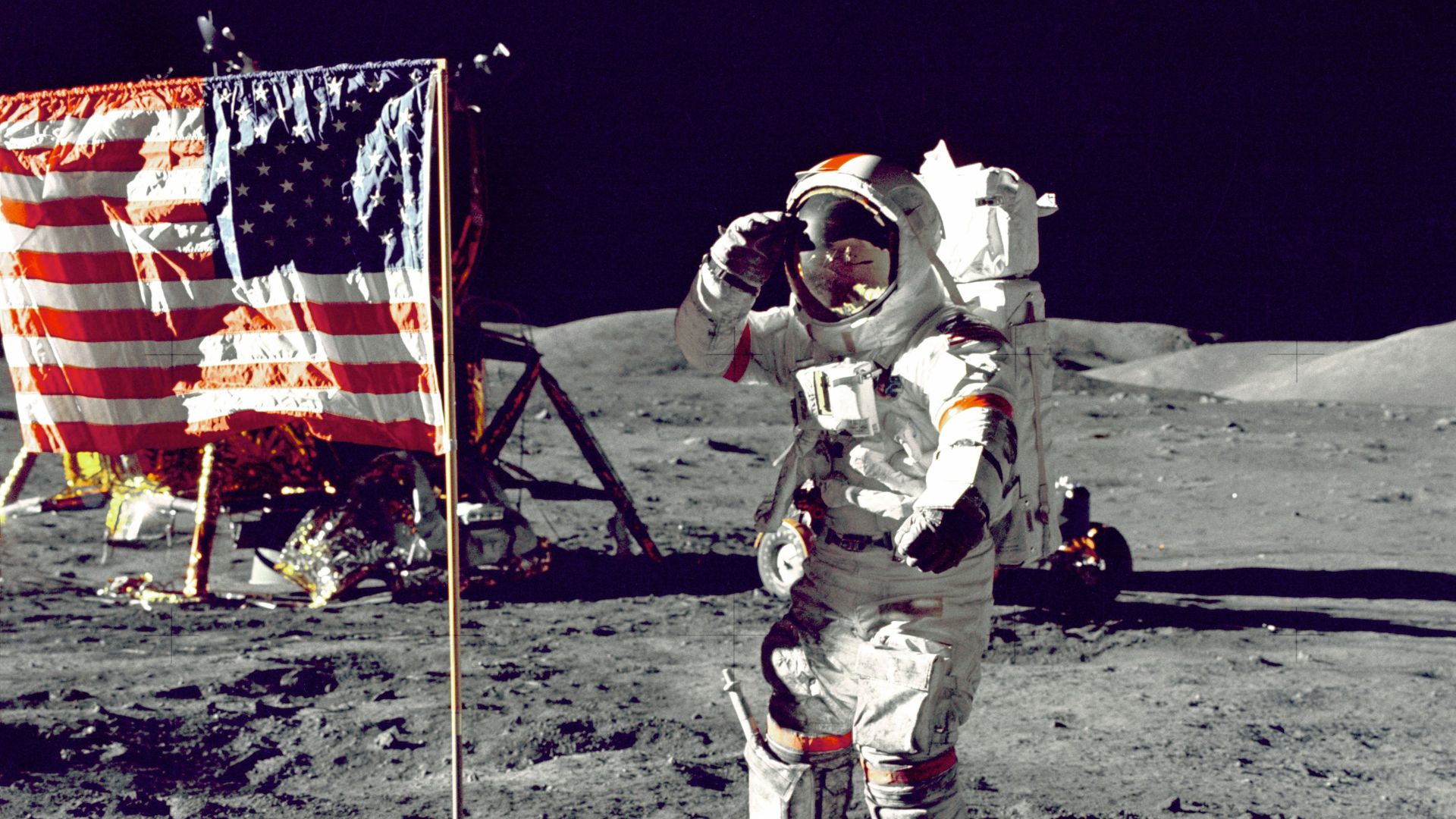
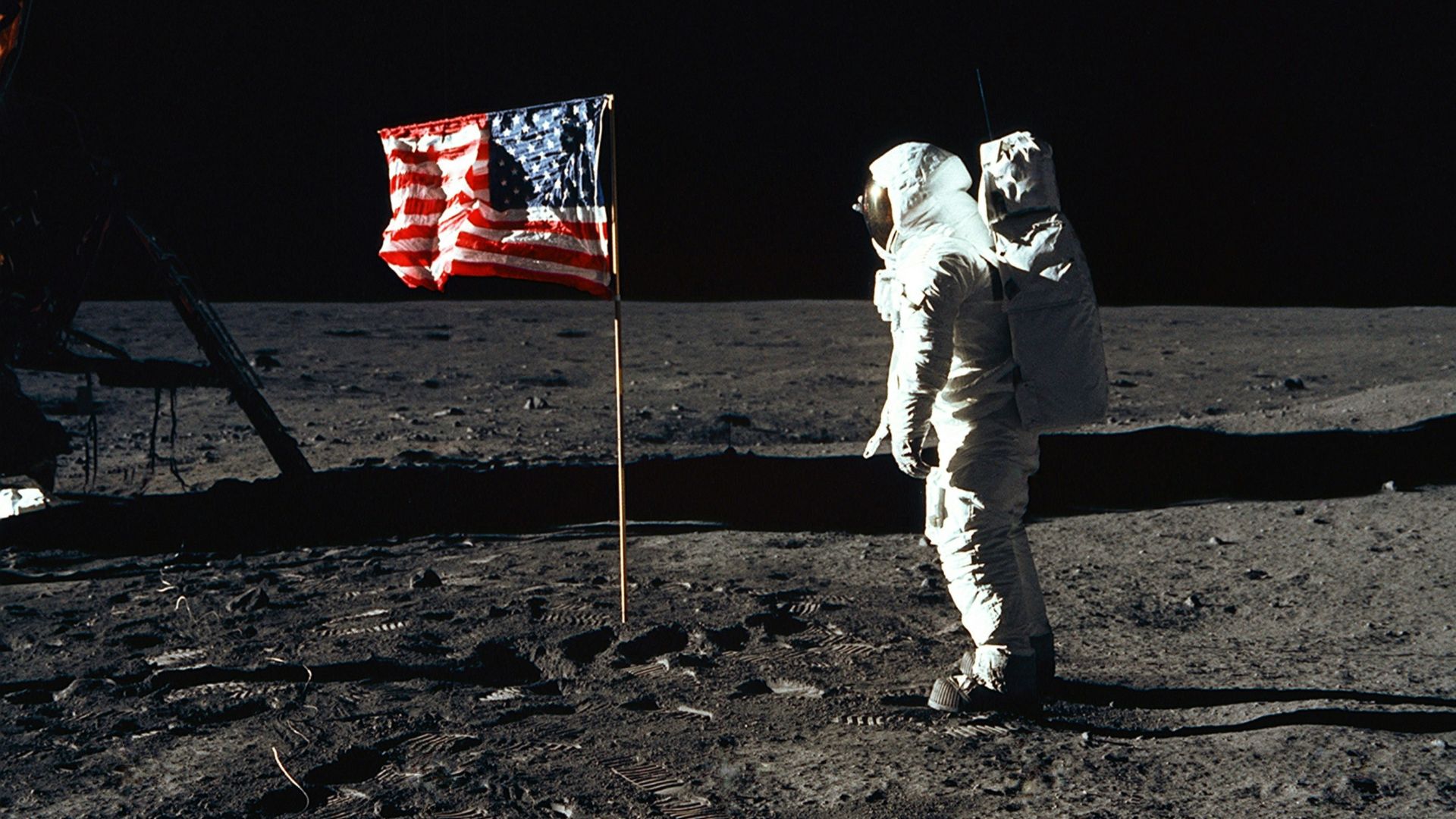
4. The Flag Looks Like It’s Waving
The flag appears to ripple, and that looks like wind to anyone who’s not thinking about fabric physics. In reality, the astronauts were moving the pole and the flag had a horizontal support rod, so it could hold a shape and keep wobbling after being handled. Motion without air can still happen.
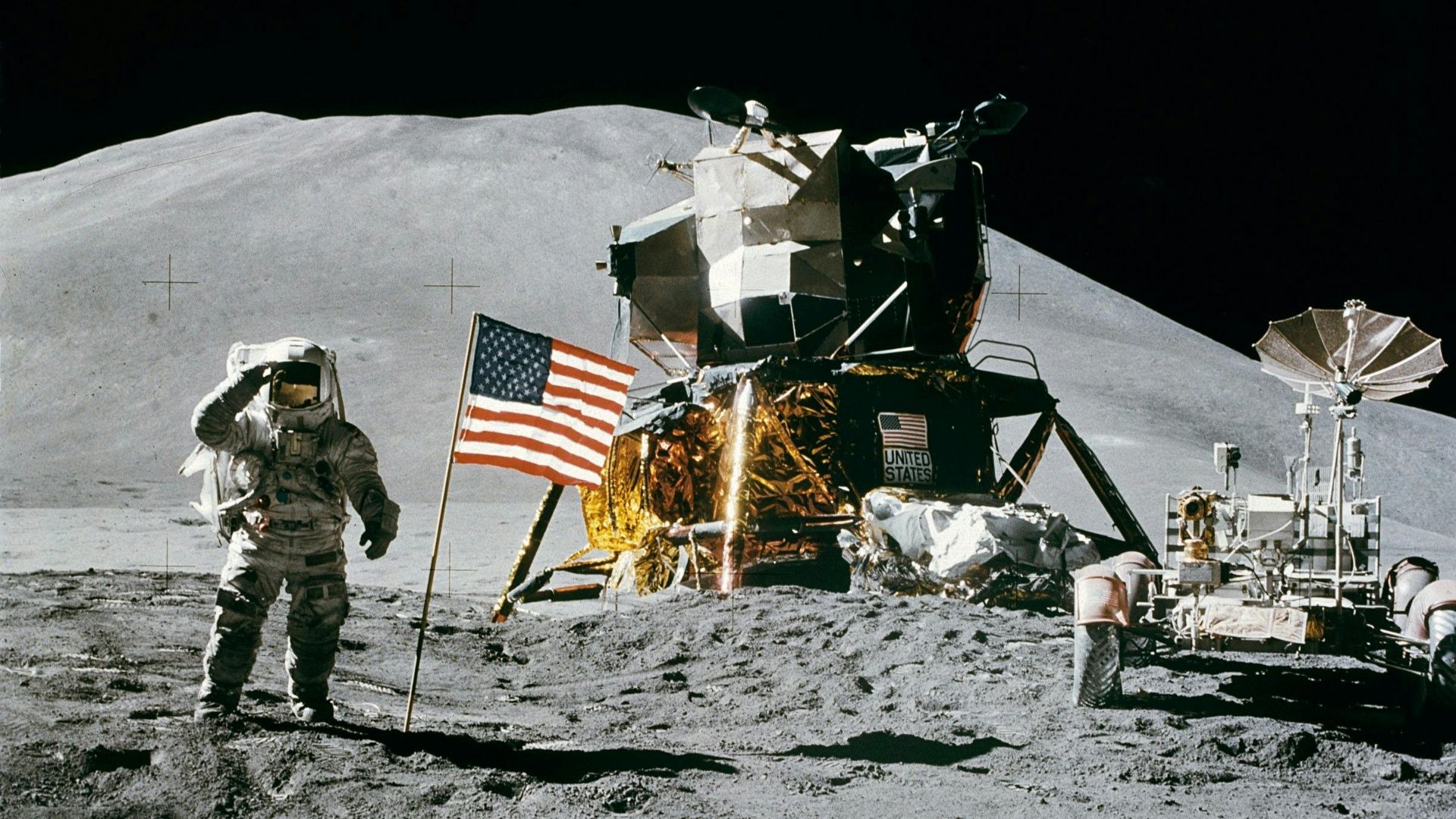
5. Shadows Confuse People Fast
Photos show shadows that don’t always look perfectly parallel, so people assume multiple studio lights. On the Moon, uneven terrain changes angles, and wide-angle lenses can distort perspective in ways that feel unnatural. A messy landscape can make straight-line expectations fall apart.
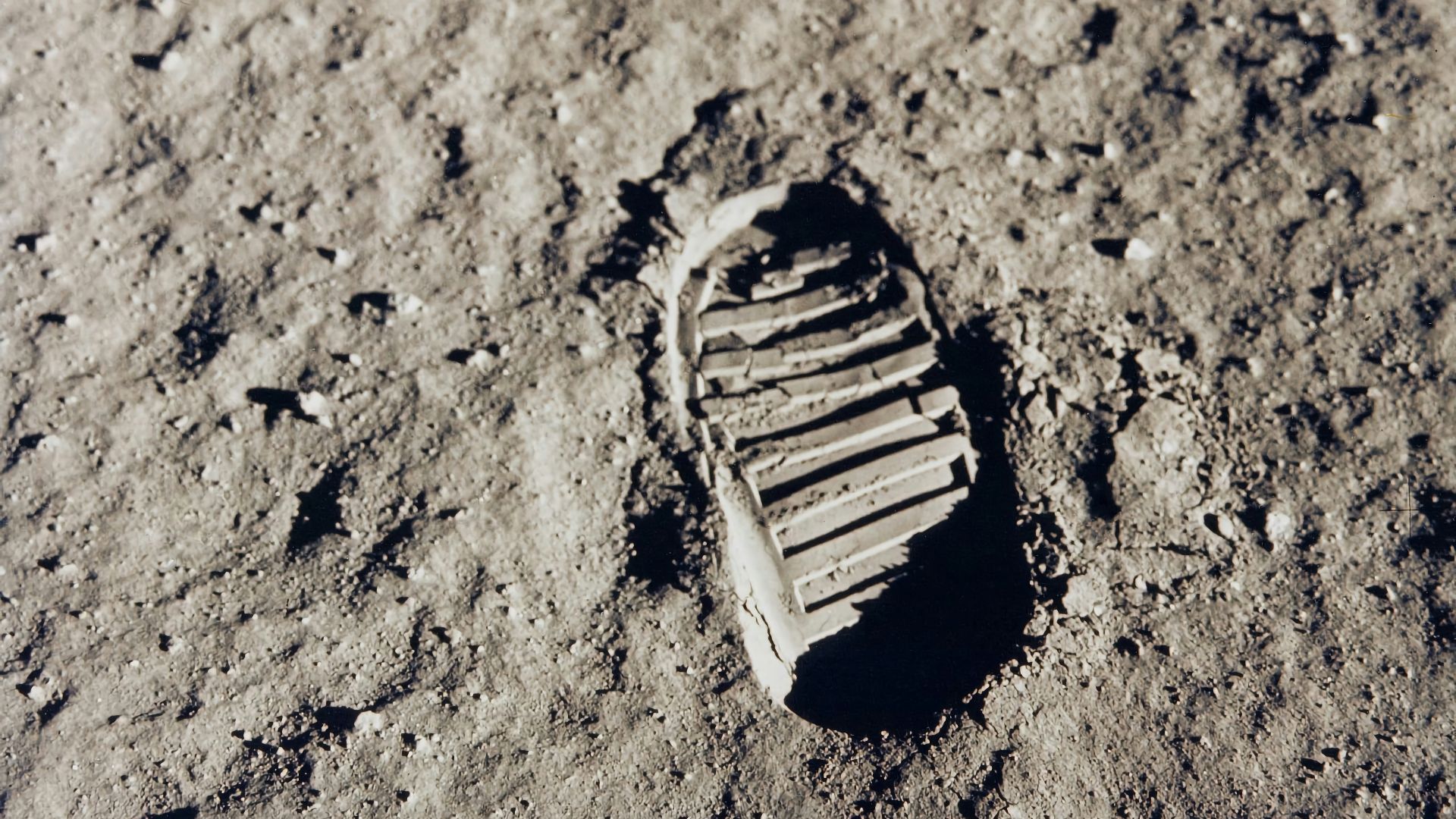
6. The Crosshair And Glare “Anomalies” Look Like Editing
Some images show the camera’s reticle marks seeming to sit behind bright objects, which gets framed as proof of manipulation. Bright exposure can blow out thin lines, especially in high-contrast scenes, making the mark look interrupted. It’s a technical artifact that reads like a magic trick.
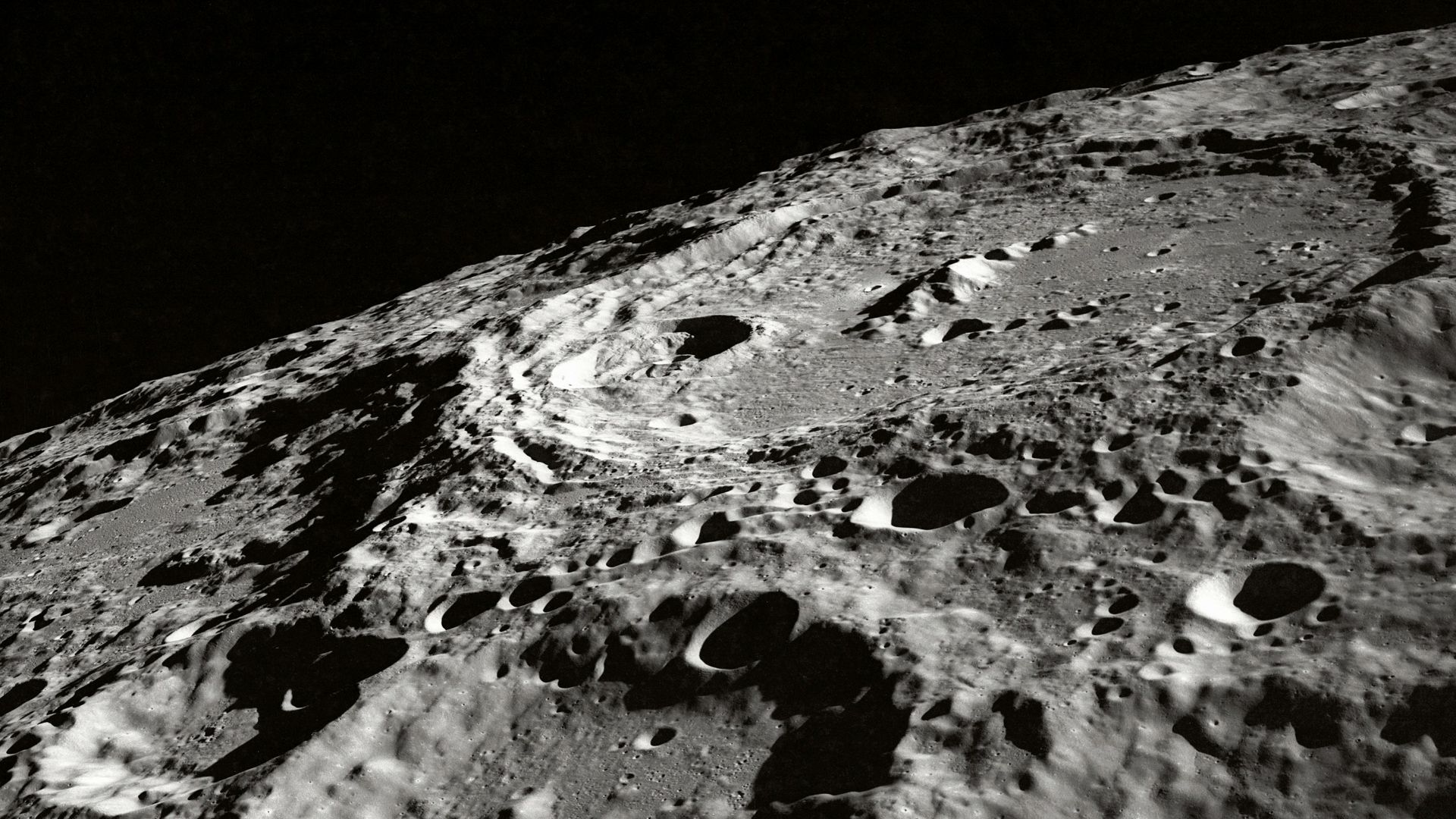
7. Radiation Sounds Like A Dealbreaker
The Van Allen radiation belts get mentioned like an invisible wall that would fry astronauts instantly. Radiation risk is real, yet the missions took a trajectory and timing designed to limit exposure, and the time spent in higher-radiation regions was short. People hear “radiation” and imagine a guaranteed catastrophe.
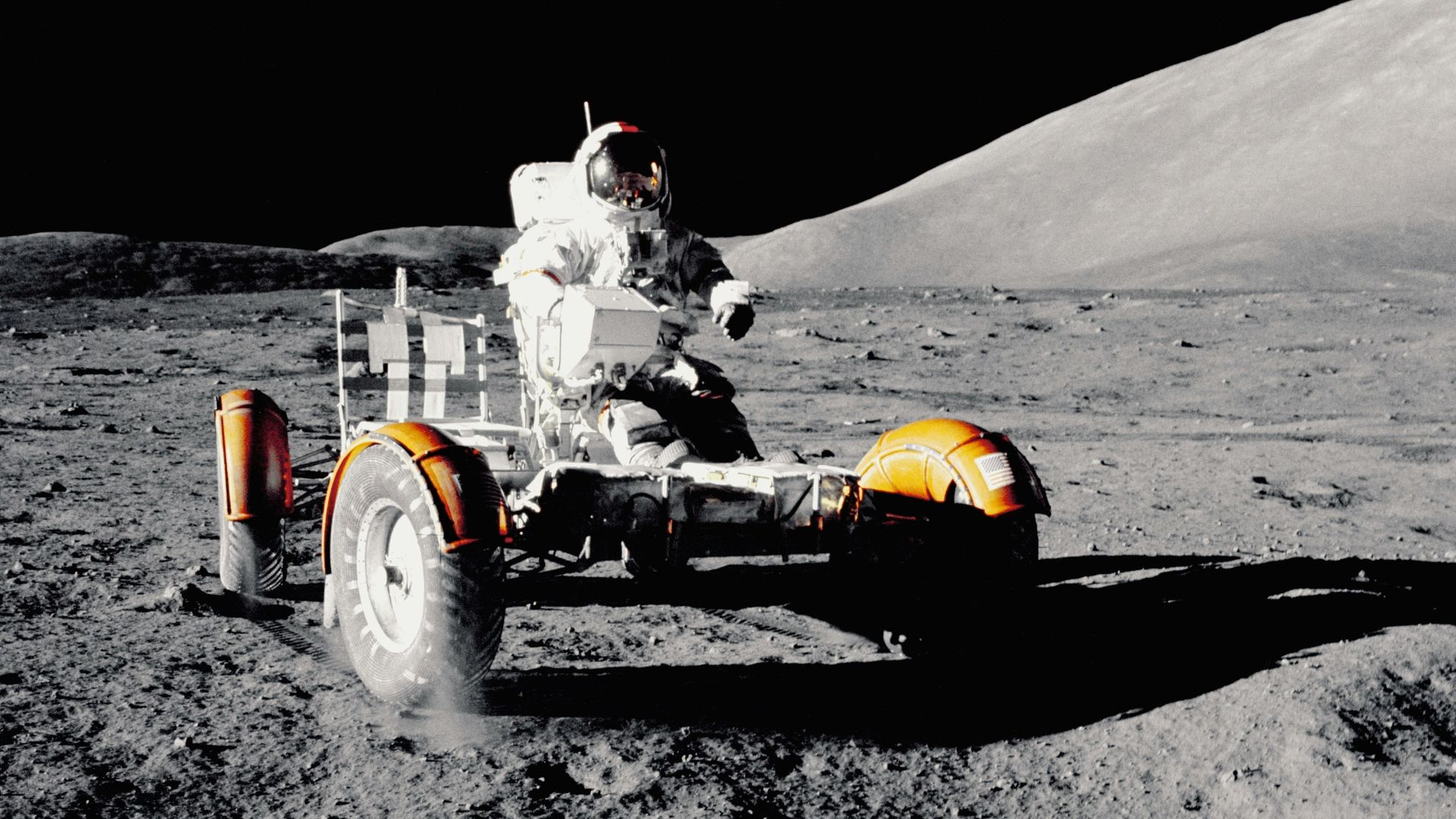
8. The Scale Feels Too Big For The 1960s
Landing humans on the Moon with slide rules and room-sized computers feels impossible if you picture the era as primitive. People forget how much the 1960s excelled at focused industrial projects, especially when funding and national prestige were on the line. The disbelief is often about imagination, not evidence.
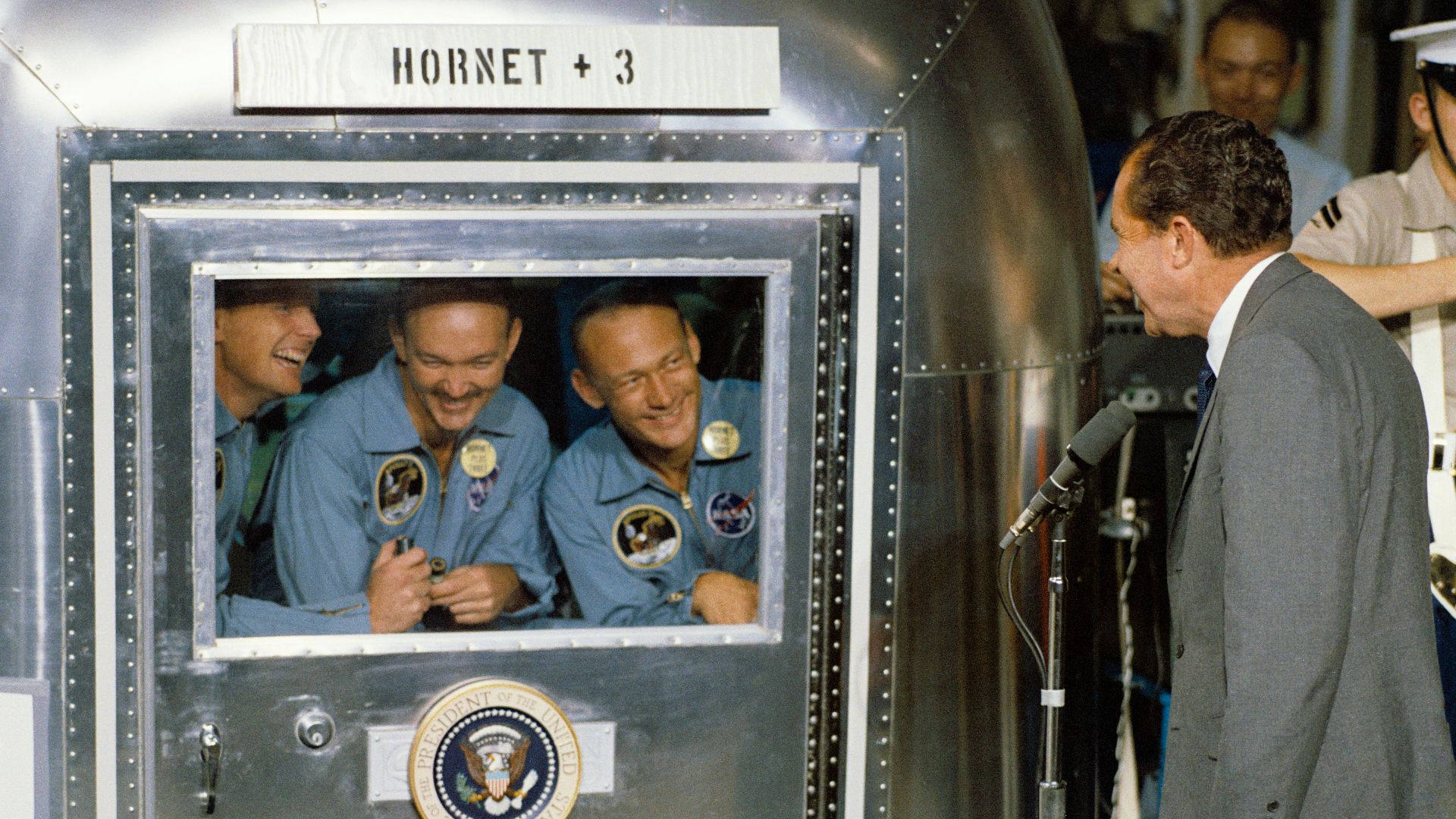
9. The Cold War Motive Makes A Great Story
The United States had a clear incentive to beat the Soviet Union in space, and incentives can look like proof of cheating. Conspiracy narratives love motive because motive feels like certainty. Politics explains why the program existed, not why the landings were fake.
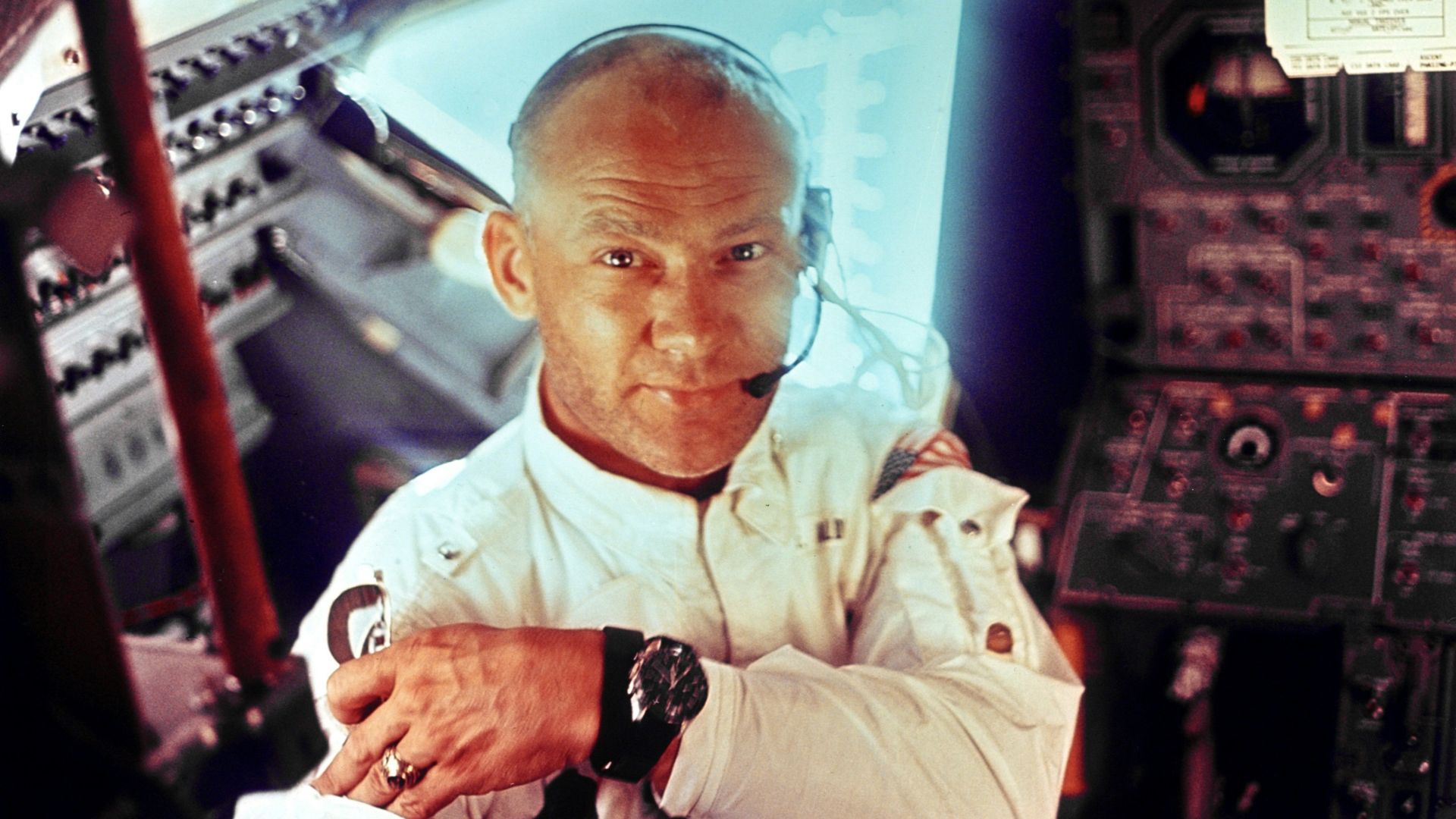
10. The Rumor Machine Rewards “Secret Knowledge”
Once someone learns a handful of talking points, they can feel smarter than the crowd, and that feeling is addictive. Online communities can turn doubt into identity, and any counterpoint becomes part of the cover-up. The belief can become more about belonging than about the Moon.
And now, here are ten pieces of evidence for Apollo that are concrete, specific, and surprisingly easy to check once you know what to look for.
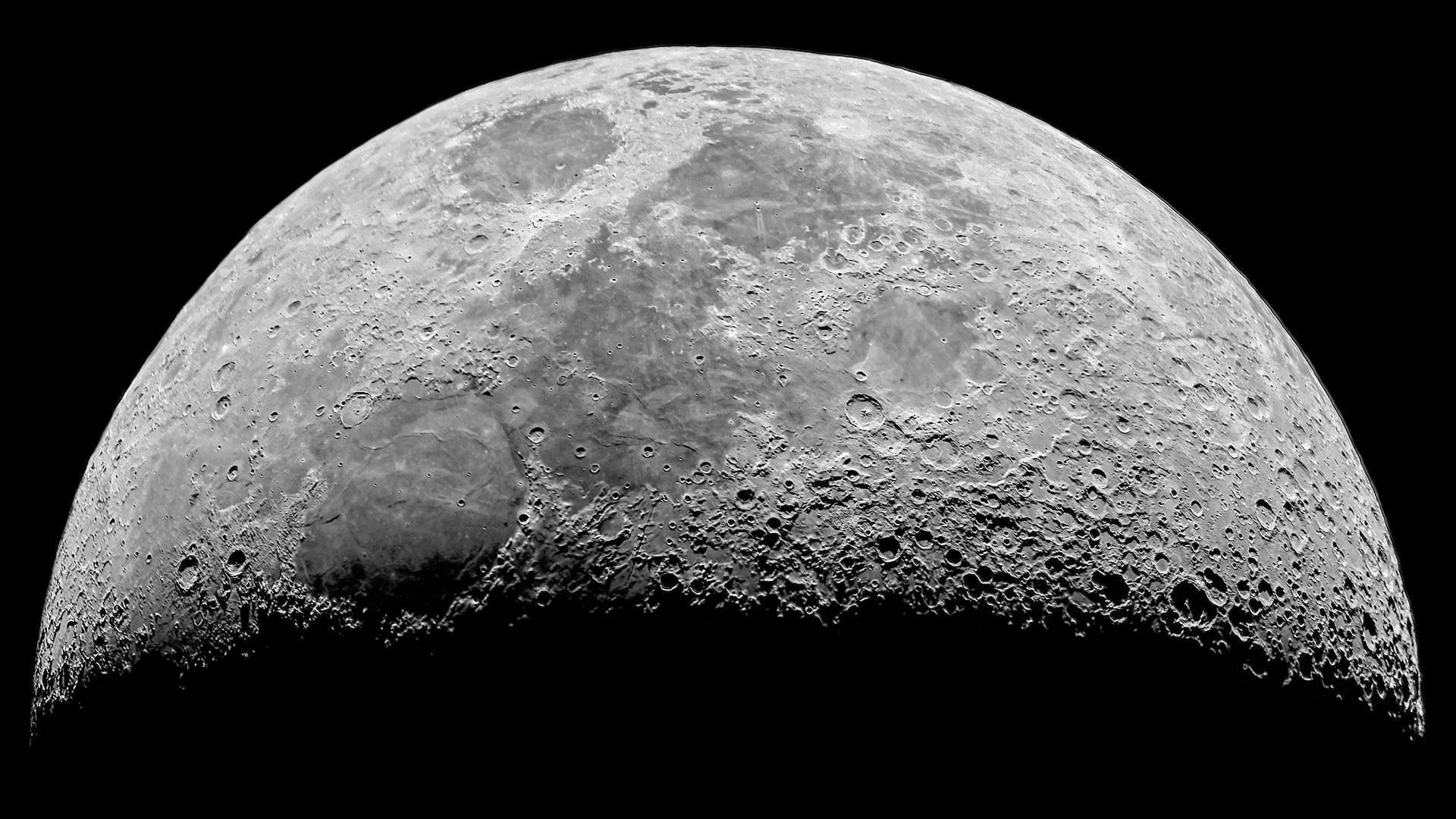
1. Moon Rocks Were Brought Back And Studied Widely
Apollo missions returned hundreds of kilograms of lunar samples, and scientists have studied them for decades. Their chemistry and isotopic signatures differ from typical Earth rocks in ways consistent with lunar origin. These samples have been examined far beyond NASA’s inner circle.
2. Retroreflectors Still Bounce Lasers Back To Earth
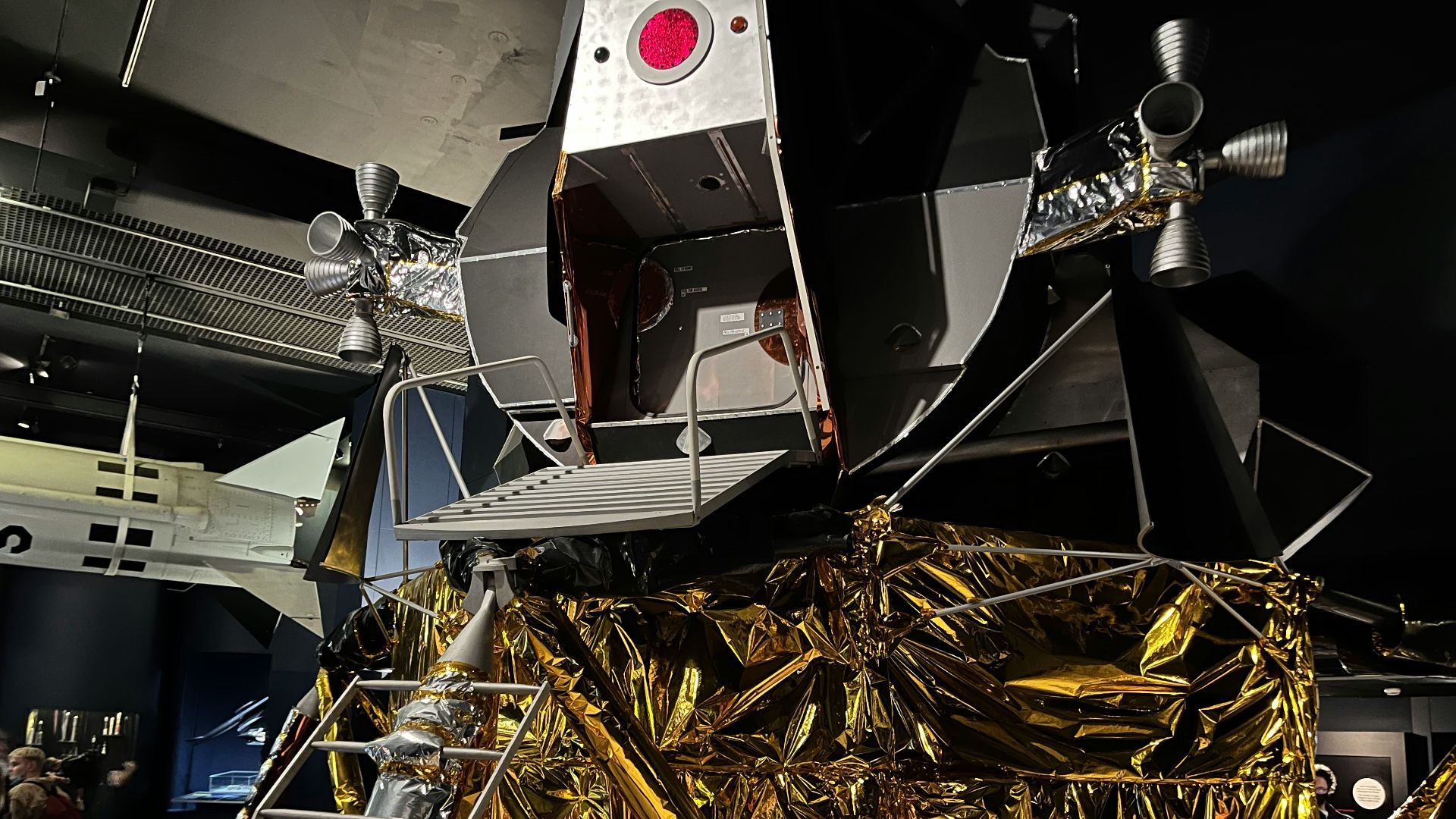
Apollo astronauts placed retroreflectors on the Moon, and observatories on Earth still use them for lunar laser ranging. The measurements help track the Moon’s distance and motion with extreme precision. This is a continuing experiment, not a one-time claim.
3. Multiple Countries Tracked The Missions In Real Time
Apollo communications and trajectories were not invisible to the rest of the world. During the Cold War, the Soviet Union had every reason to expose a hoax and had the technical capability to track space activity. Independent tracking makes a single-nation stage show hard to maintain.
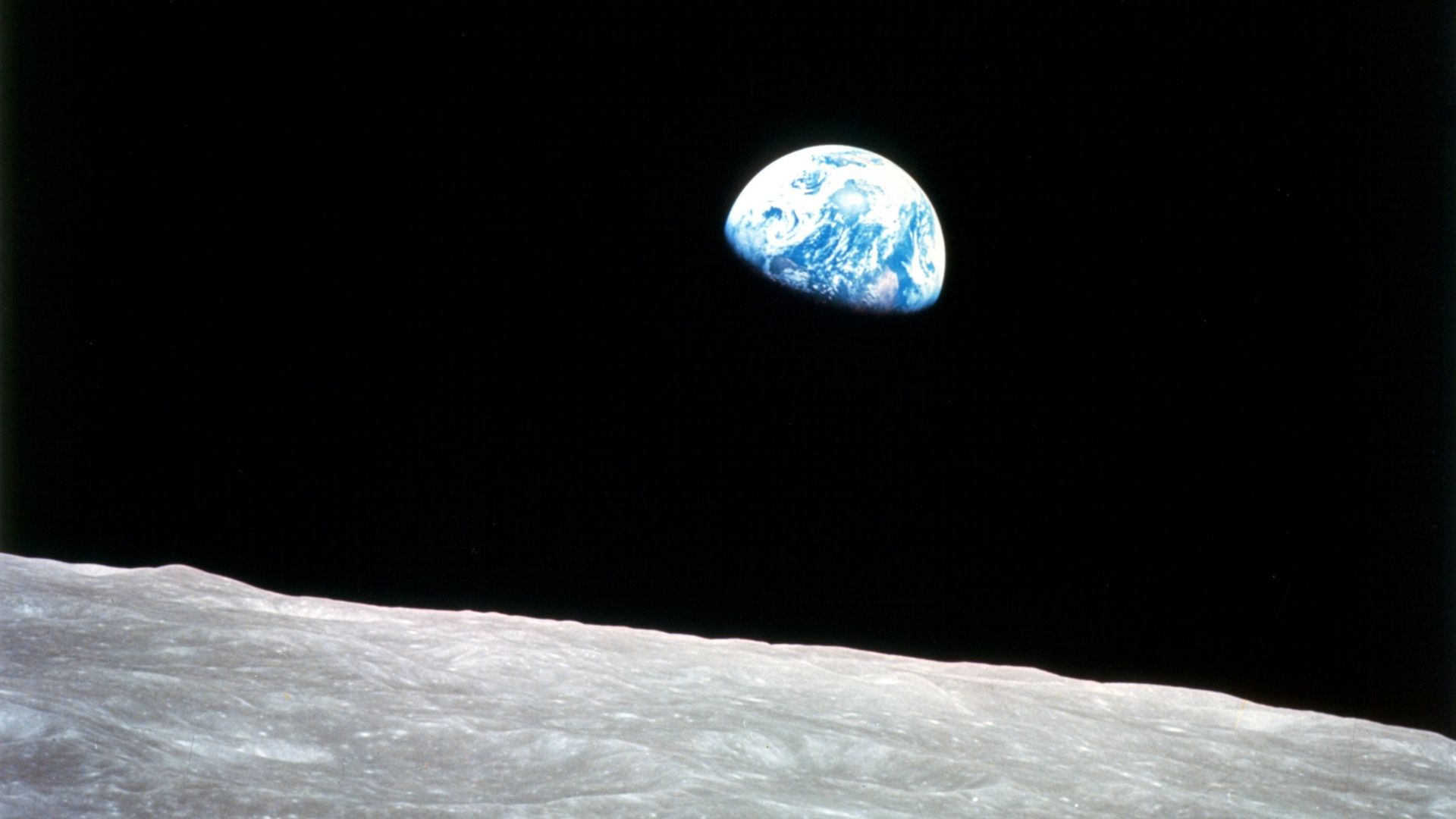
4. The Landing Sites Have Been Photographed From Lunar Orbit
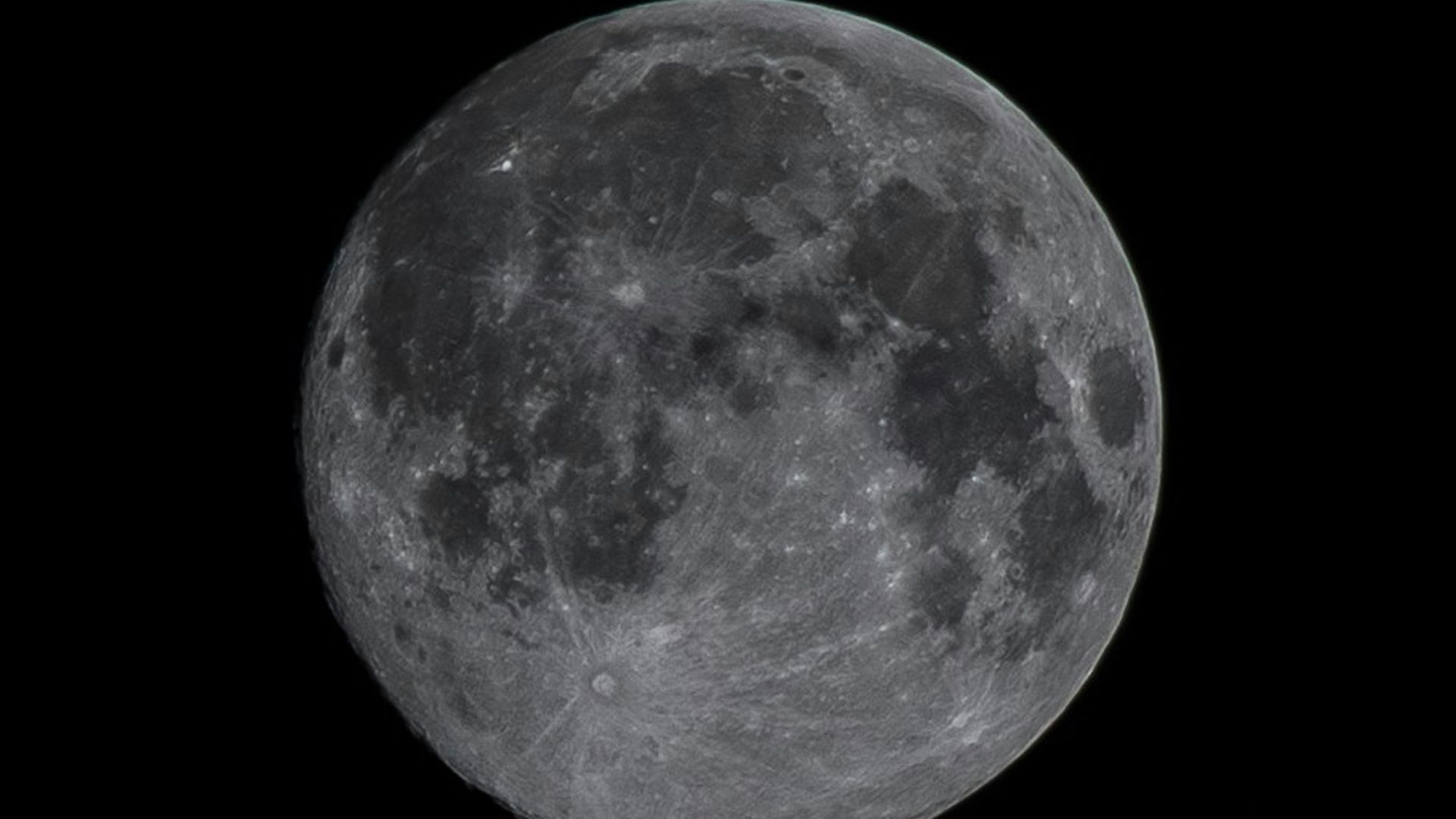
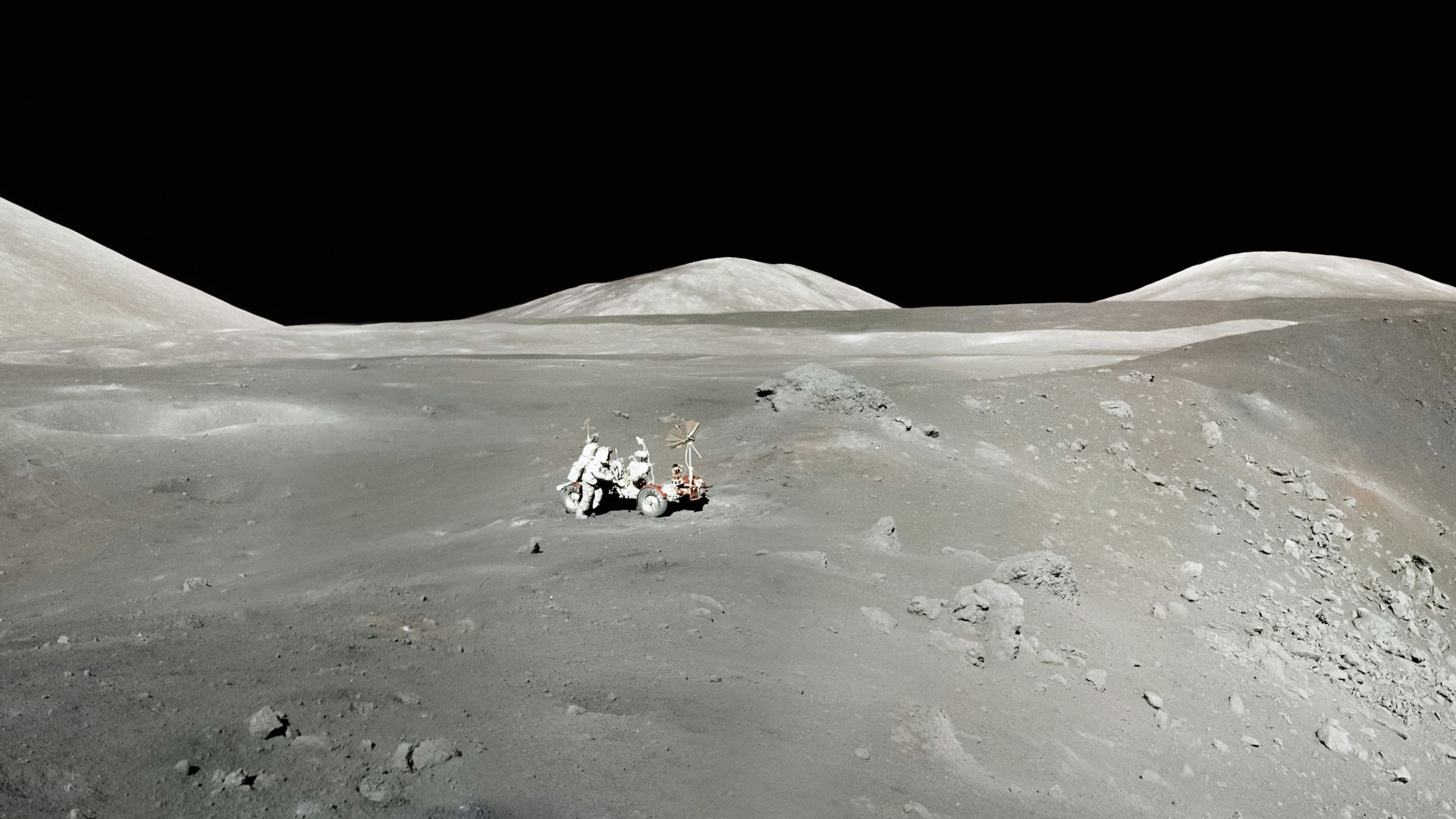
Modern lunar orbiters have imaged Apollo landing sites, showing hardware left behind and disturbed surface paths consistent with astronaut movement. These images match where the missions said they landed. The “set” would have to exist on the Moon itself.
5. The Engineering Paper Trail Is Enormous
Apollo wasn’t one secret room, it was a vast program with contracts, test reports, failure investigations, and manufacturing records. Thousands of engineers and technicians worked across NASA centers and private companies. A hoax would require long-term silence from an enormous, diverse workforce.
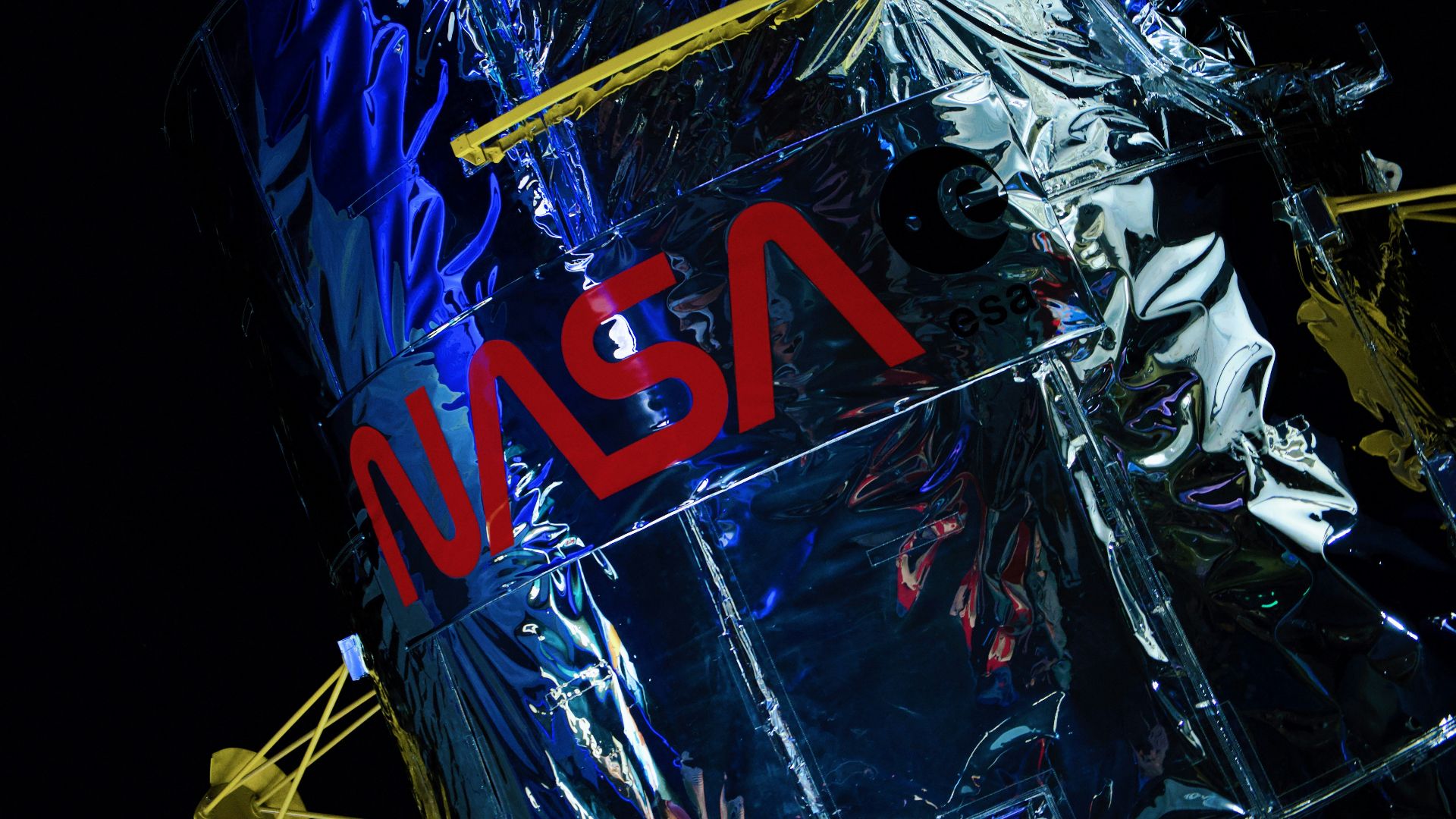
6. Saturn V Launches Were Public And Widely Witnessed
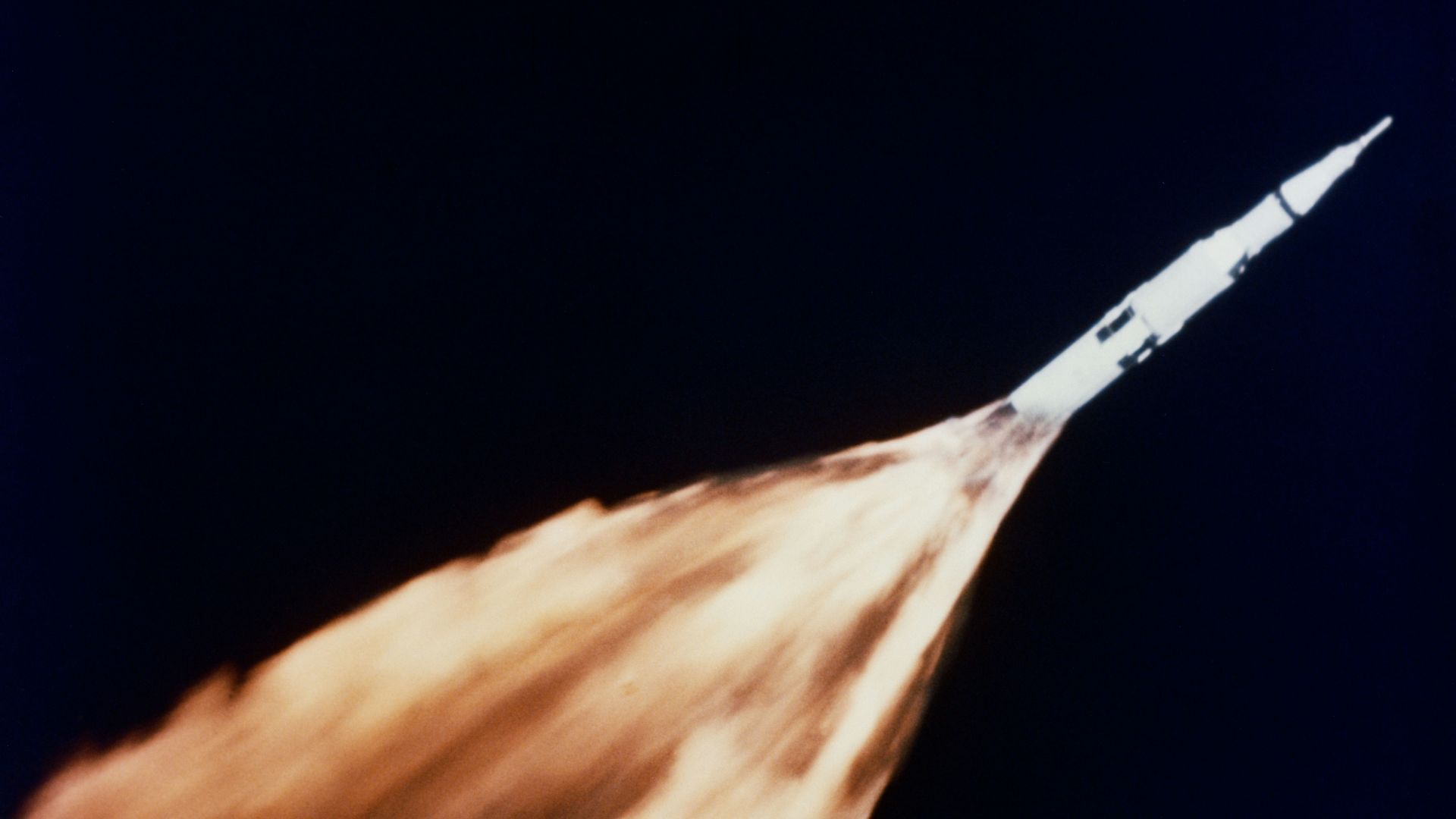
The Saturn V rocket launches were not quiet events, and they were observed by crowds, journalists, and local communities. The physical reality of those launches is hard to hand-wave away because it involved a massive vehicle leaving Earth on a schedule the world watched. Faking that scale is a different kind of fantasy.
7. The Missions Left Scientific Instruments On The Moon
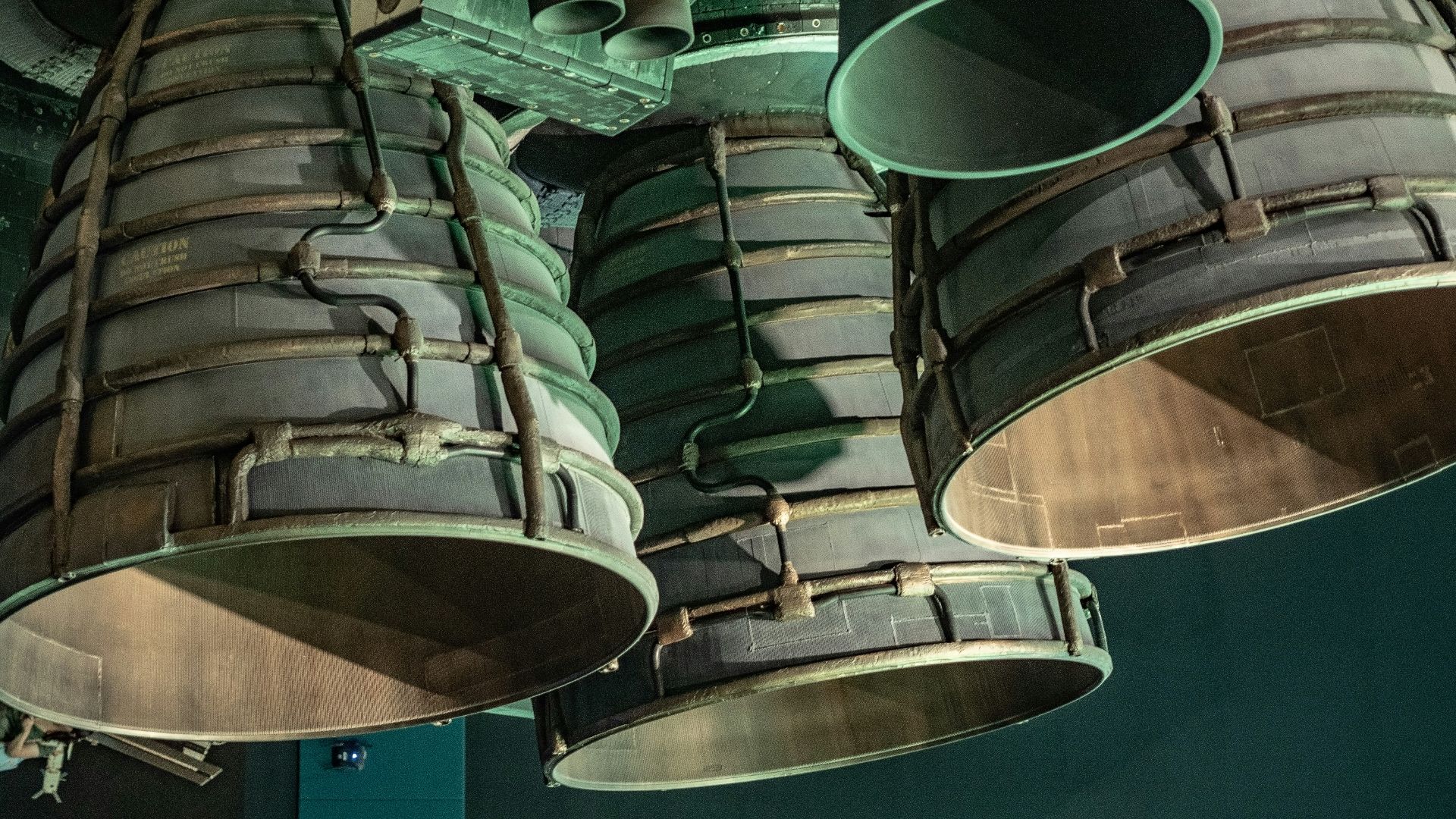
Apollo crews deployed experiments, including seismometers that recorded data and helped build a better understanding of lunar geology. These instruments produced results that fit with other lunar science, not just NASA storytelling. Real experiments have messy outputs, and Apollo’s did.
8. The Photography Has Internal Consistency Across Missions
Apollo images include patterns that repeat across different crews, different cameras, and different lighting conditions. The surface dust behavior, the harsh contrast, and the way footprints form all align with a dry, airless environment. Consistency across separate missions is harder to fake than a single photoshoot.
 NASA Hubble Space Telescope on Unsplash
9. Mission Transcripts And Telemetry Are Detailed And Specific
Apollo recordings contain extensive technical communication, including navigation calls, troubleshooting, and routine checks that don’t read like scripted dialogue. Telemetry ties those conversations to measurable events and timelines. Fabricating that much data without leaks or contradictions would be a monumental feat on its own.
10. Later Lunar Science Fits What Apollo Observed
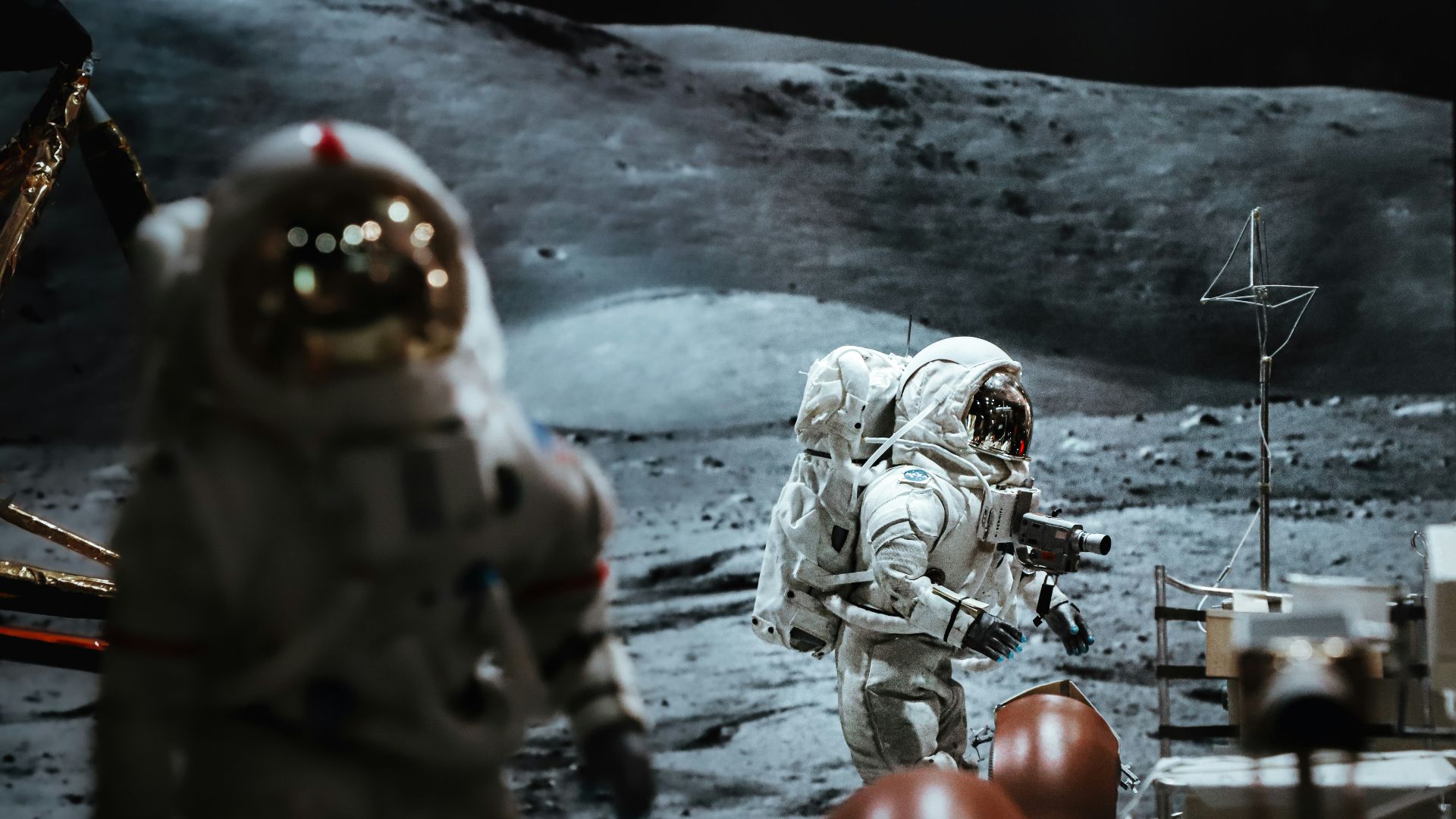
Apollo findings about the Moon’s surface, lack of atmosphere, and regolith behavior match what later missions and modern lunar research have reinforced. The landings sit inside a broader scientific picture that keeps getting filled in. The evidence doesn’t rely on one photograph or one agency, it stacks up across decades.
KEEP ON READING

20 Weirdest Historical Objects in Museums
Check Out the Pickled Heart of a Saint. Museums carry…
By Rob Shapiro Oct 1, 2025
20 Scariest Missing Persons Cases in History
Eerie Disappearances. There's something uniquely unsettling about a person who…
By Christy Chan May 1, 2026
20 Greatest Ancient Athletes In History
Ancient Olympics. Long before modern stadiums and multimillion-dollar endorsements, athletes…
By Sara Springsteen May 1, 2026
10 Phenomenal Mythical Creatures & 10 That Are Just Plain…
Legends Both Majestic And Peculiar. Do you ever wonder why…
By Chase Wexler Oct 1, 2025
20 Times History Was Decided By A Petty Personal Grudge
It Was Never Really About the Politics. History likes to…
By Cameron Dick Jun 1, 2026
10 Presidents Who Never Served In The Military & 10…
Commanders And Civilians In Office. Power can rise from very…
By David Davidovic Sep 1, 2025