The Tribe That Proved Humans Can Survive Almost Anything
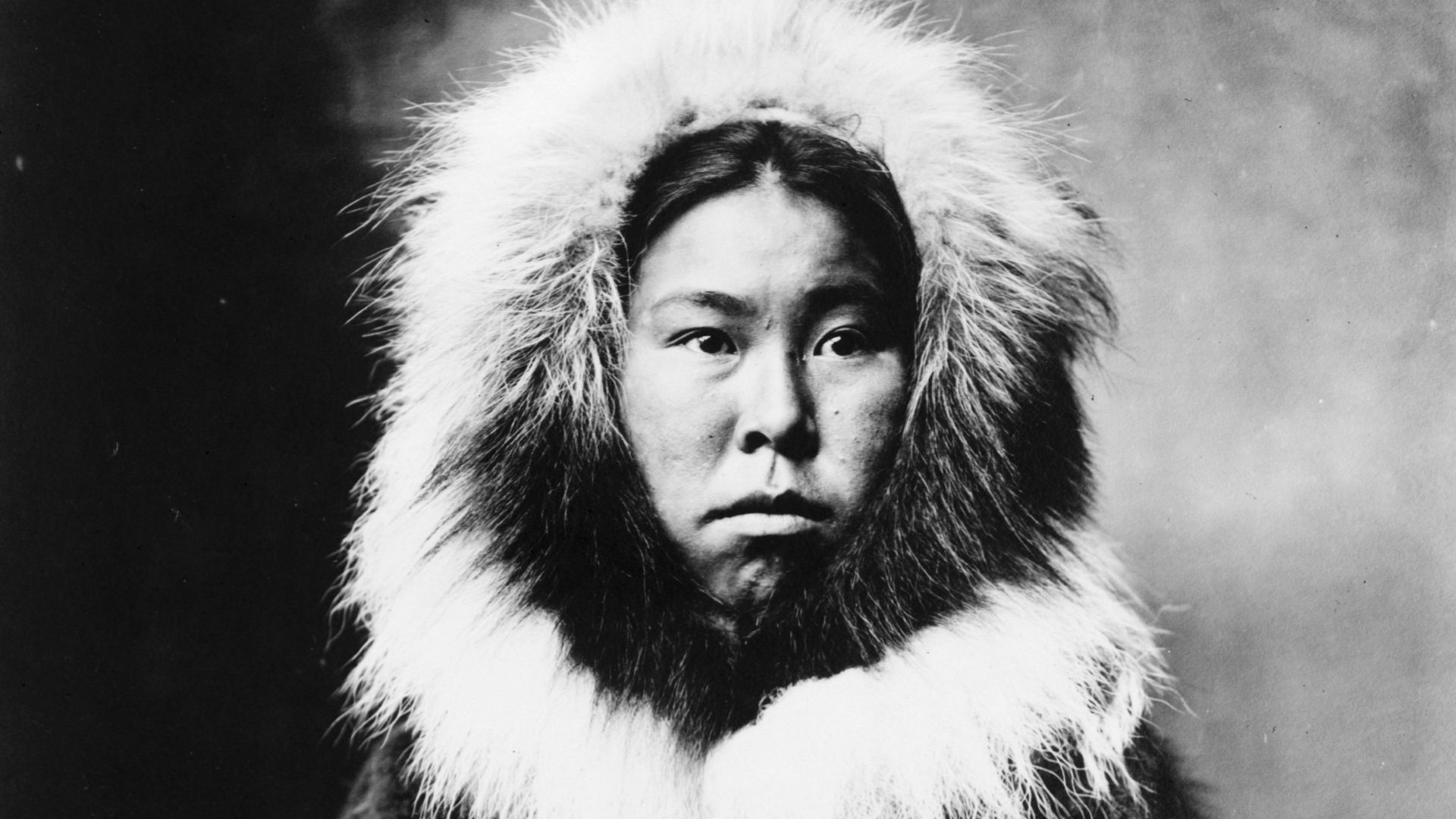 Miscellaneous Items in High Demand, PPOC, Library of Congress on Wikimedia
Humans are considered the most adaptable species on Earth, but within that, certain people stand out for their resilience to extreme environments. The Arctic doesn’t leave much room for careless living. For much of the year, the landscape can be frozen, dark, windy, and brutally cold, with food sources that require skill, patience, and deep environmental knowledge to reach. It’s the kind of place that makes modern complaints about bad weather feel a little overdramatic.
That’s why the Inuit have often been seen as one of history’s ultimate examples of human adaptability. Strictly speaking, the Inuit aren't one single “tribe,” but a group of Indigenous peoples whose communities stretch across Arctic regions of Alaska, Canada, Greenland, and Siberia. Their history shows that survival isn’t just about toughness; it’s about intelligence, cooperation, respect for the environment, and knowing exactly when not to argue with the weather.
Survival Started With Knowing the Land
Inuit life developed around an intimate understanding of Arctic conditions. People had to expertly read snow, ice, wind, animal movement, and seasonal changes. This knowledge wasn’t casual trivia. It could decide whether a hunting trip succeeded, whether a journey was safe, or whether a family had enough food to get through the season.
Food required planning because the Arctic didn’t offer easy fields of grain or orchards full of backup options. Traditional Inuit diets depended heavily on animals such as seals, whales, fish, caribou, and birds, depending on the region and season. Hunting provided meat, but it also supplied skins, bones, sinew, oil, and other materials needed for daily life. Very little could be wasted when the environment made every resource matter.
Shelter showed the same practical genius. Igloos, or snow houses, were historically used as winter dwellings and emergency shelters, especially by Inuit across parts of the Canadian Arctic. Snow may not sound cozy, but packed snow traps air and can provide insulation when built correctly. That’s one of those facts that feels impossible until you remember these designs were tested by people who couldn’t afford bad architecture.
Tools, Clothing, & Teamwork Made Survival Possible
Inuit clothing wasn't just warm; it was engineered for survival. Parkas, mittens, boots, and layered garments made from animal skins and furs helped protect people from cold, wind, and moisture. Designs varied across regions, but the basic idea was practical: use local materials in ways that matched local dangers. The Inuit's innovative use of materials has easily been one of the most integral factors to their 5,000-year survival.
Transportation also required careful invention. Kayaks, umiaks, sleds, and dog teams helped people move across water, ice, and snow in difficult conditions. These were lifelines that made hunting, travel, trade, and communication possible. In such a demanding environment, a poorly made tool wasn’t just annoying; it could become dangerous very quickly.
Cooperation mattered as much as equipment. Sharing food, passing down knowledge, and working together during hunts helped communities manage the risks of life in the Arctic. A successful hunt could support more than one family, while a failed season could affect everyone. Survival depended on practical generosity.
Adaptability Was the Real Achievement
What makes Inuit survival so impressive is that it wasn’t based on one clever trick. It came from a whole system of knowledge built over generations, including how to hunt safely, make clothing, preserve food, travel across ice, and teach children what they needed to know. Oral traditions and hands-on learning helped keep that knowledge alive long before formal classrooms entered the picture. The Arctic demanded constant attention, and Inuit communities answered with constant adaptation.
Inuit adaptability goes beyond culture and tradition, though; they've also adapted biologically to extremely cold climates and traditional high-fat diets. Remarkably, their bodies possess unique metabolic responses and genetic markers that help them conserve heat and stay healthy on a diet primarily consisting of marine mammals.
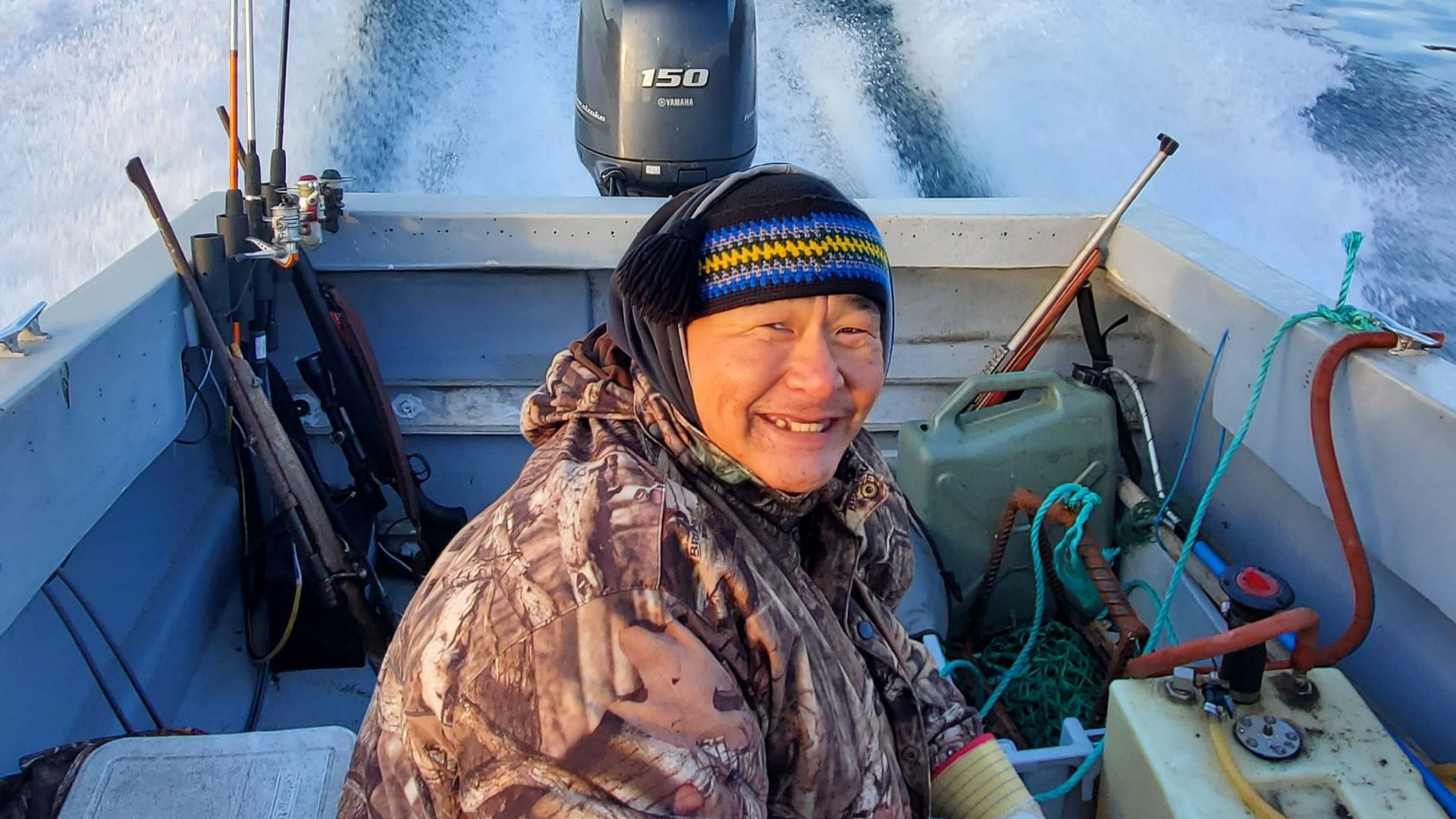
Today, many Inuit communities use modern tools while also preserving traditional knowledge, especially around hunting, clothing, navigation, and reading environmental change. Smithsonian Magazine has described how Inuit hunters in the Arctic still combine modern technology with traditional practices, which shows that adaptation isn’t frozen in the past. It keeps changing because the world around it keeps changing too.
There’s also a harder modern reality to acknowledge. Inuit communities have faced colonization, forced relocation, residential schools, climate change, and outside policies that disrupted their lives and traditions. Their survival story isn’t just an inspiring tale about cold weather; it’s also about cultural resilience under pressure. If anything, that makes the larger lesson even stronger.
The Inuit proved that humans can survive almost anything, not because they ignored hardship, but because they studied it, respected it, and built entire ways of life around it. Their history reminds you that survival is rarely about brute force alone. It’s about knowledge, community, creativity, and the humility to learn from the place you live. In a world that often treats convenience as a necessity, that lesson still feels surprisingly fresh.
KEEP ON READING