

When Ideas And Survival Changed The Course Of History
Revolutions rarely begin for just one reason, although history often simplifies them into a single dramatic event. Some movements grew from powerful political or philosophical ideas that inspired people to challenge existing systems, while others erupted because ordinary people could no longer feed themselves or their families. Understanding what truly motivated these uprisings gives you a clearer picture of why some reshaped nations while others faded quickly. Here are 10 revolutions sparked by ideas and 10 fueled by hunger.
 Unknown authorUnknown author on Wikimedia
1. The American Revolution
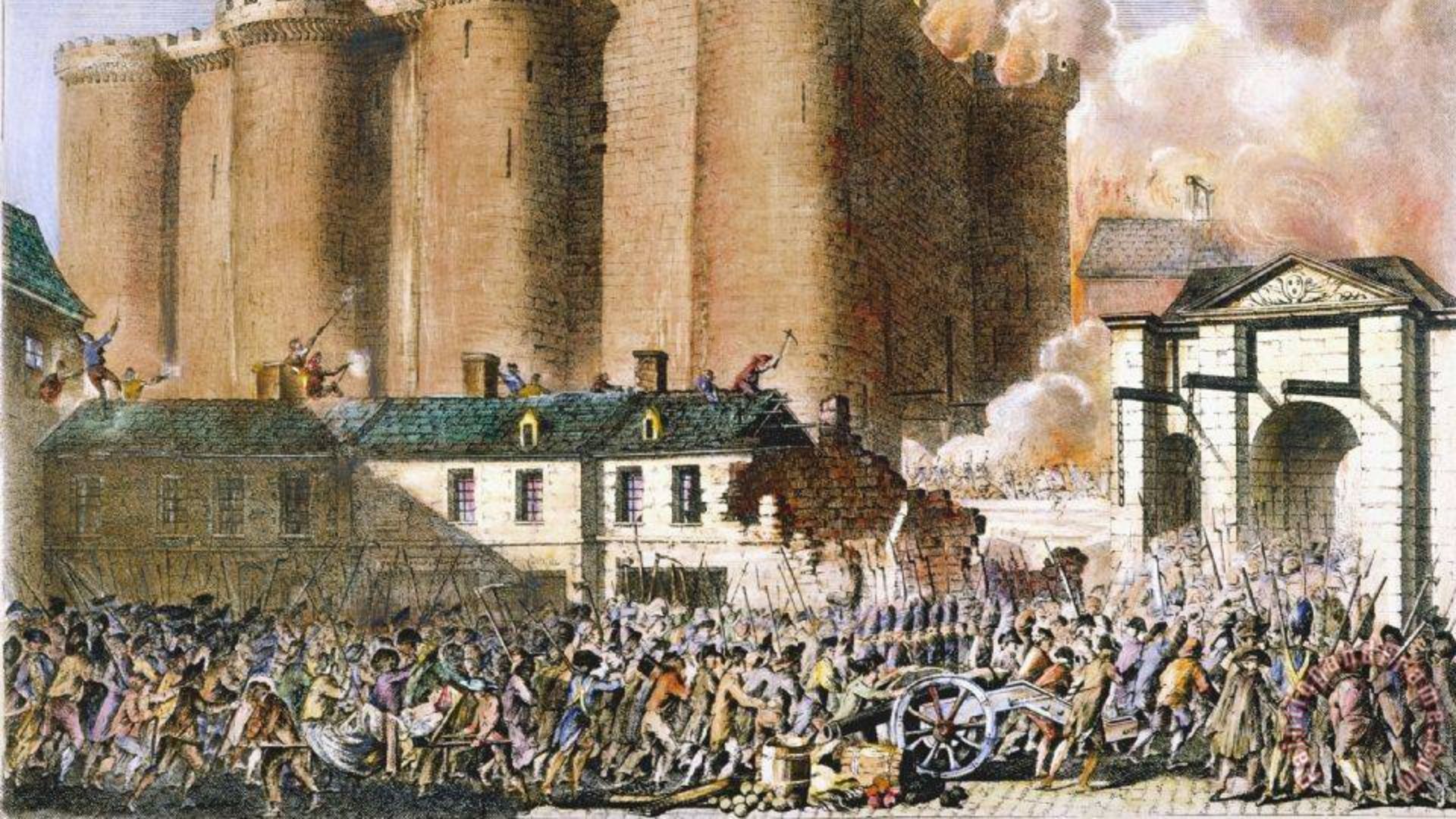
The American Revolution was driven largely by Enlightenment ideals about liberty, representation, and natural rights. Colonial leaders argued that governments should exist with the consent of the governed rather than through inherited authority. Although taxes and trade disputes played important roles, the movement was sustained by political philosophy as much as practical grievances.
2. The French Revolution
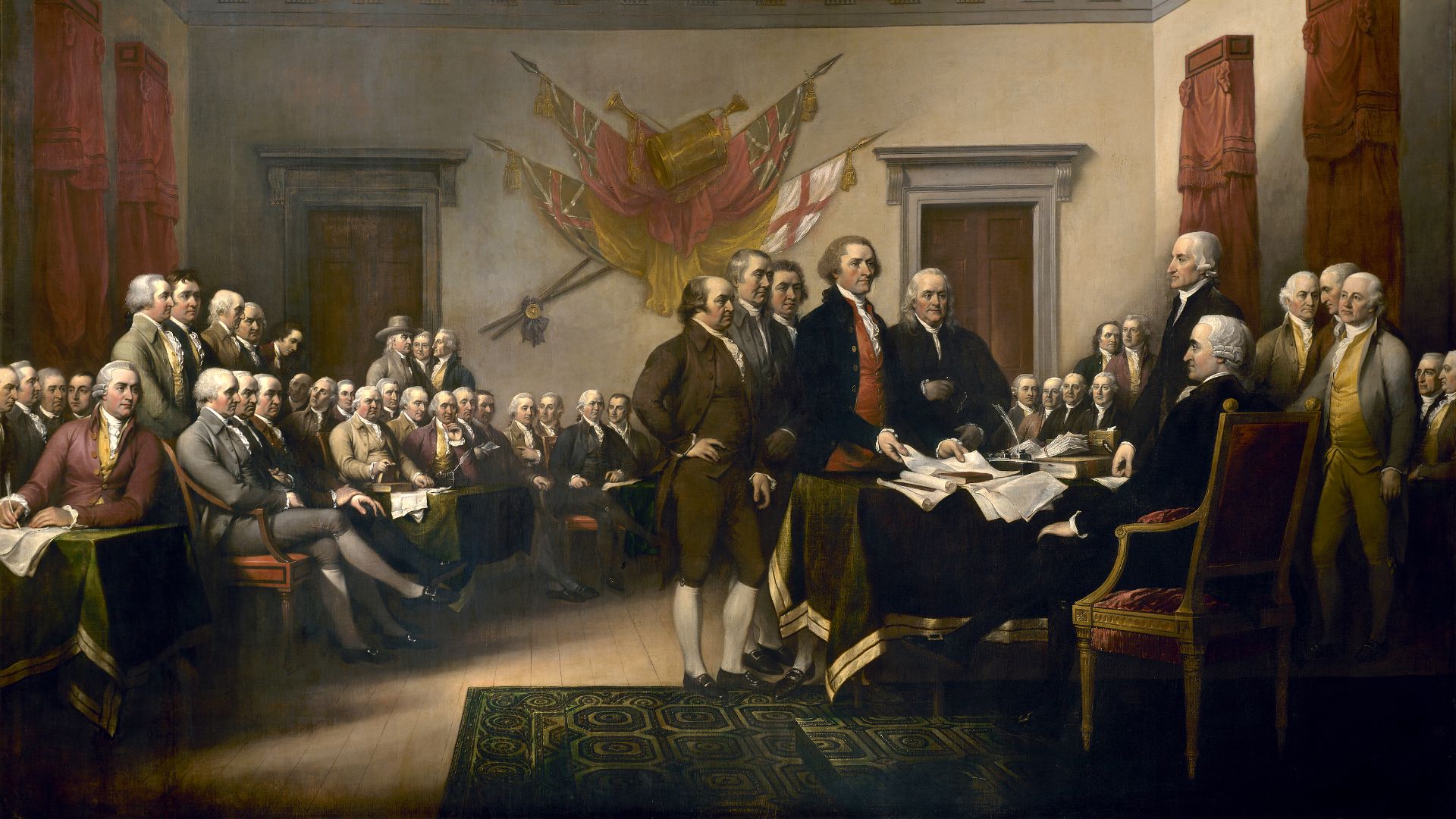
The French Revolution was influenced heavily by Enlightenment thinkers who challenged monarchy, privilege, and absolute power. Calls for equality before the law and popular sovereignty inspired many revolutionaries long before violence erupted. While economic hardship later intensified events, revolutionary ideas gave the movement its lasting identity.

3. The Haitian Revolution
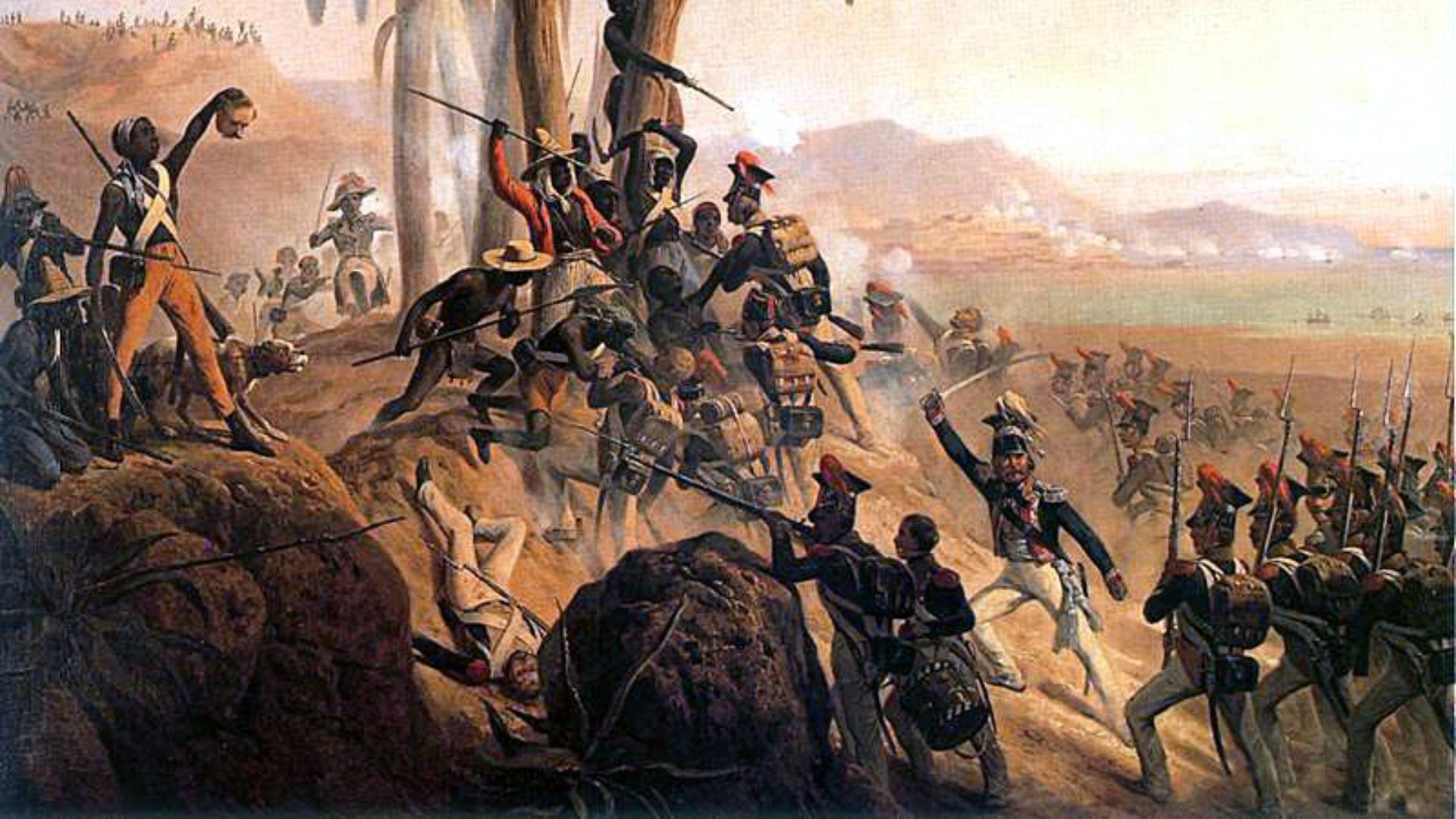
Inspired partly by the ideals of the French Revolution, enslaved people in Saint-Domingue demanded that declarations of liberty apply to everyone. Revolutionary leaders combined demands for freedom with resistance against slavery and colonial rule. The result was the world's first successful slave revolution, leading to Haiti's independence.
 January Suchodolski on Wikimedia
4. The Revolutions of 1848
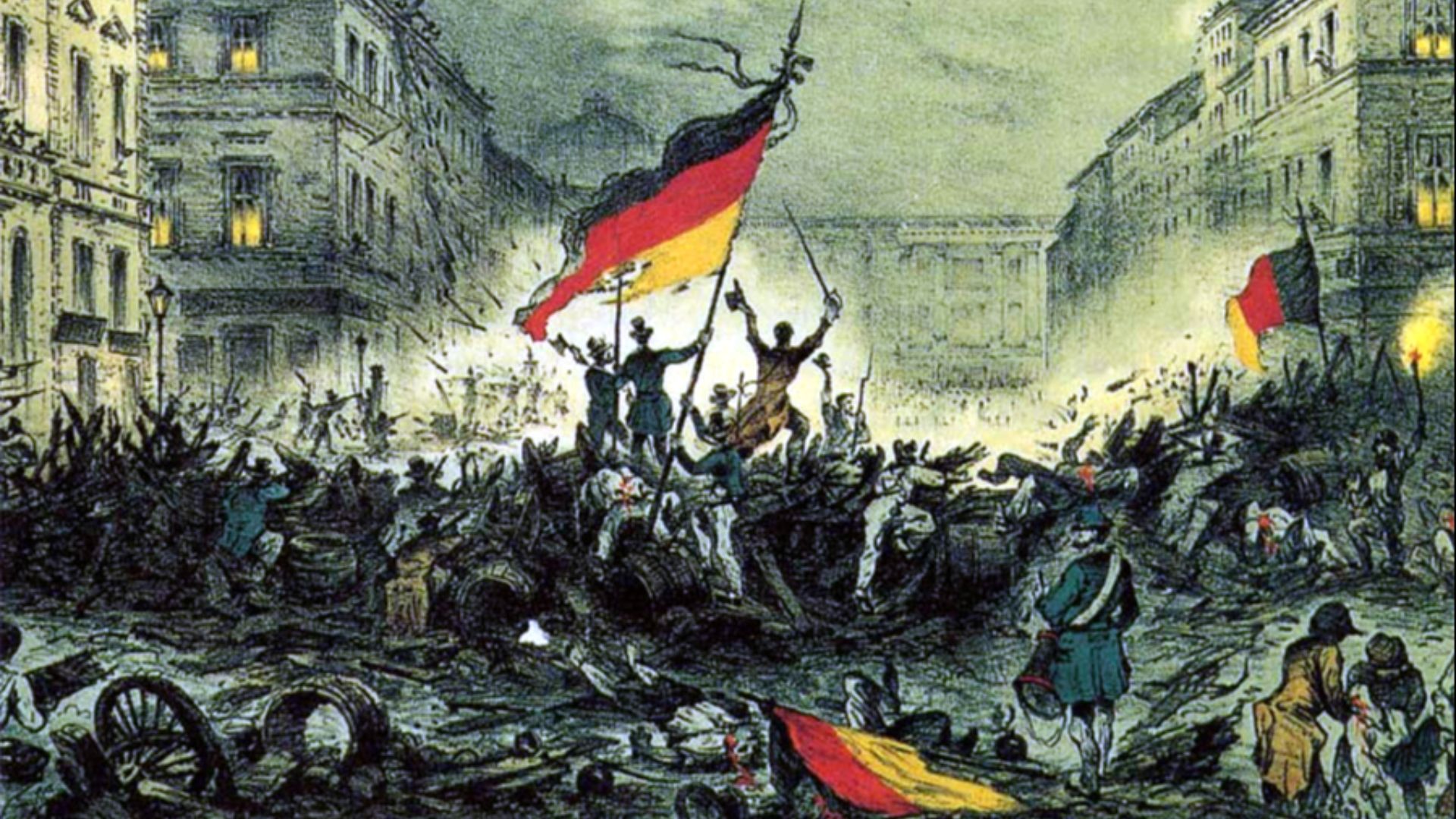
Across much of Europe, reformers demanded constitutional government, civil liberties, and greater political participation. Although each uprising had unique local causes, shared liberal and nationalist ideals connected many of them. Most failed in the short term, yet their ideas continued to shape European politics for decades.
 Unknown authorUnknown author on Wikimedia
5. The Mexican Revolution
While economic inequality contributed to unrest, many revolutionary leaders promoted political reform and an end to dictatorship. Demands for democracy, constitutional government, and fairer institutions attracted broad support across different regions.
 Unknown authorUnknown author on Wikimedia
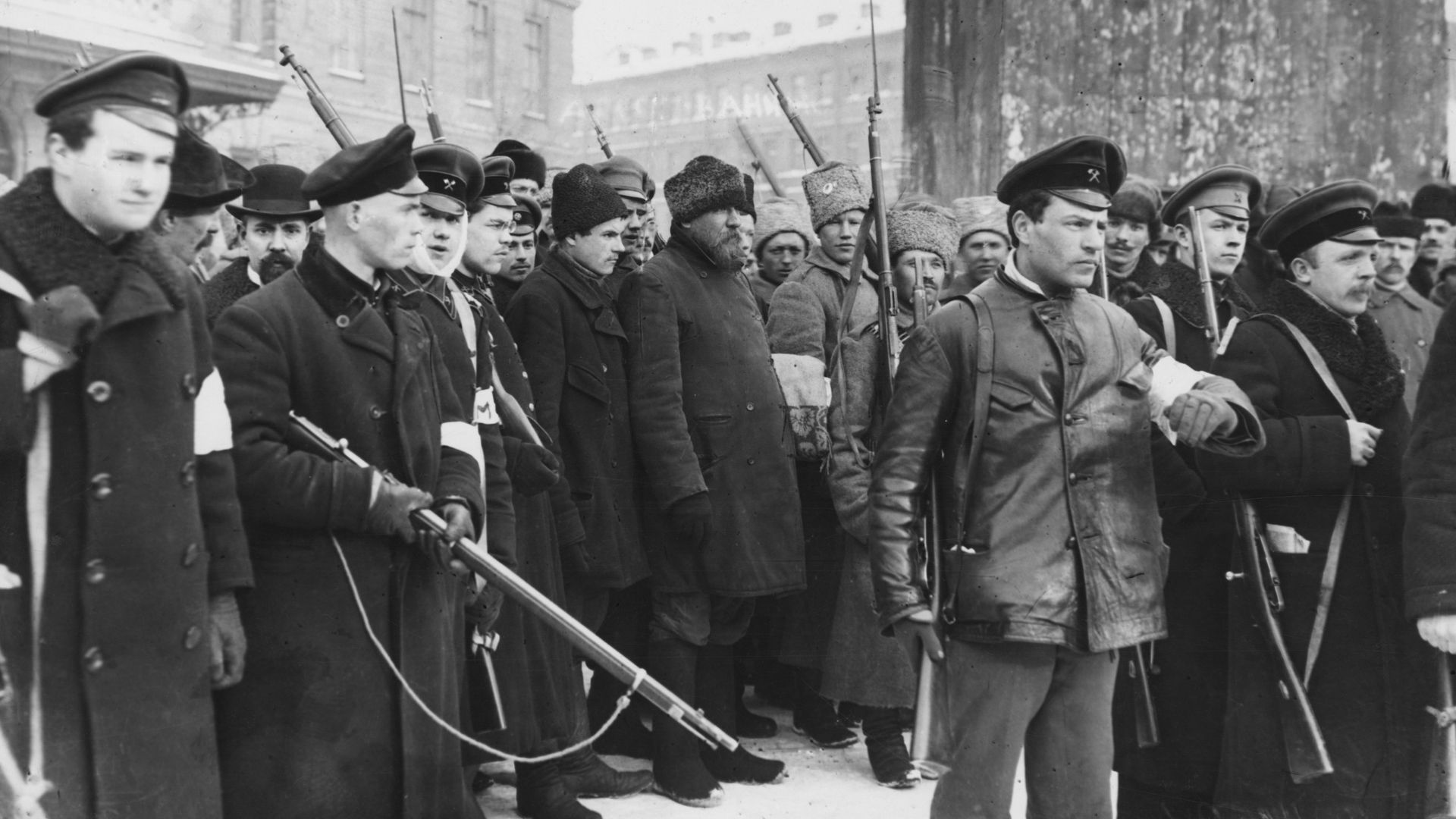
6. The Russian February Revolution
Growing dissatisfaction with autocratic rule encouraged calls for representative government and political reform. Reform-minded citizens, workers, and soldiers increasingly rejected the authority of Tsar Nicholas II. Their shared belief that Russia needed a more accountable government helped bring centuries of Romanov rule to an end.
 Yakov Vladimirovich Steinberg on Wikimedia
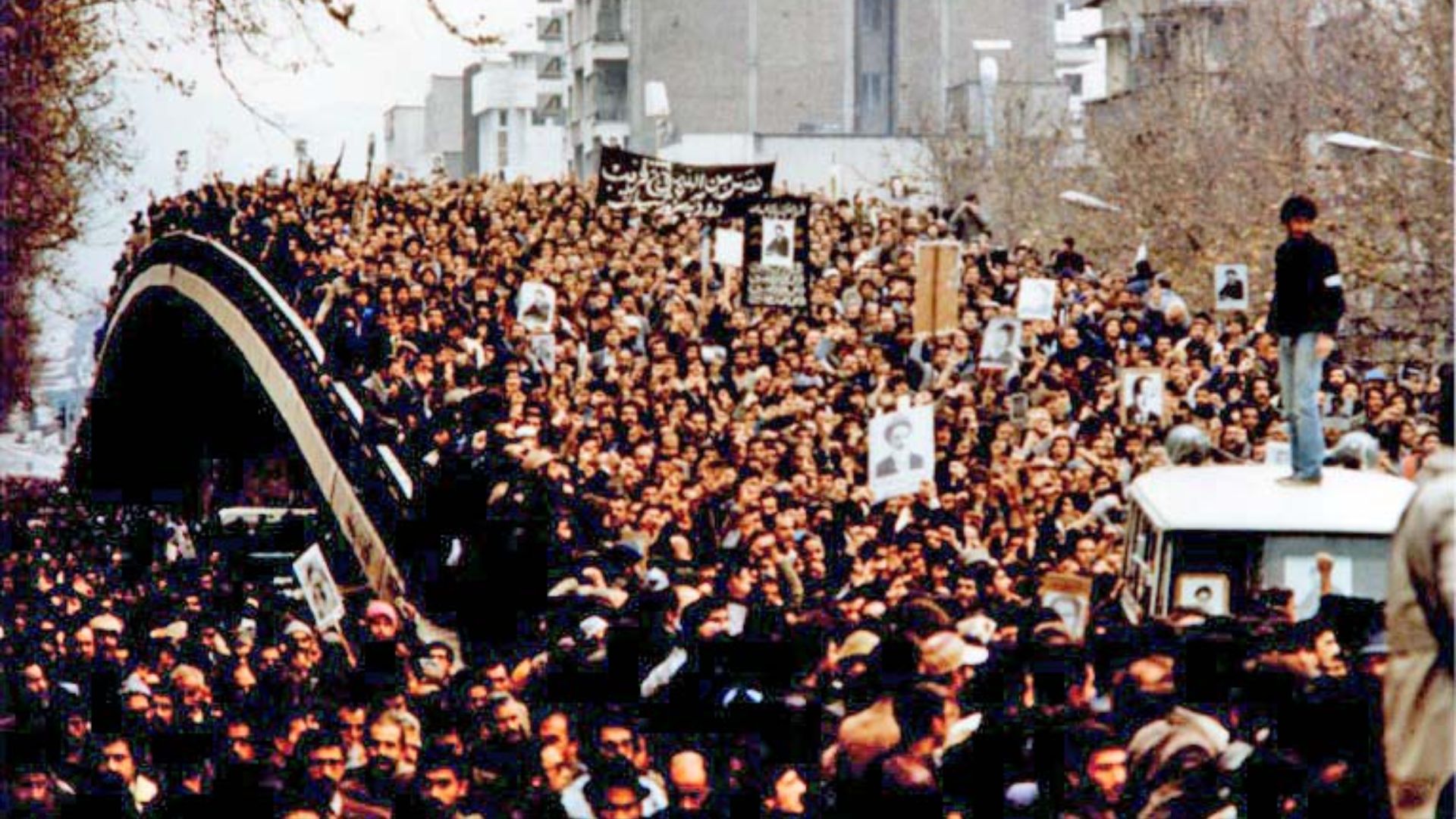
7. The Iranian Revolution
Many participants sought a government that reflected religious values while rejecting foreign influence and authoritarian rule. Different political groups joined the movement despite having contrasting visions for Iran's future. Shared ideological opposition to the monarchy united them long enough to overthrow it in 1979.
 Unknown authorUnknown author on Wikimedia
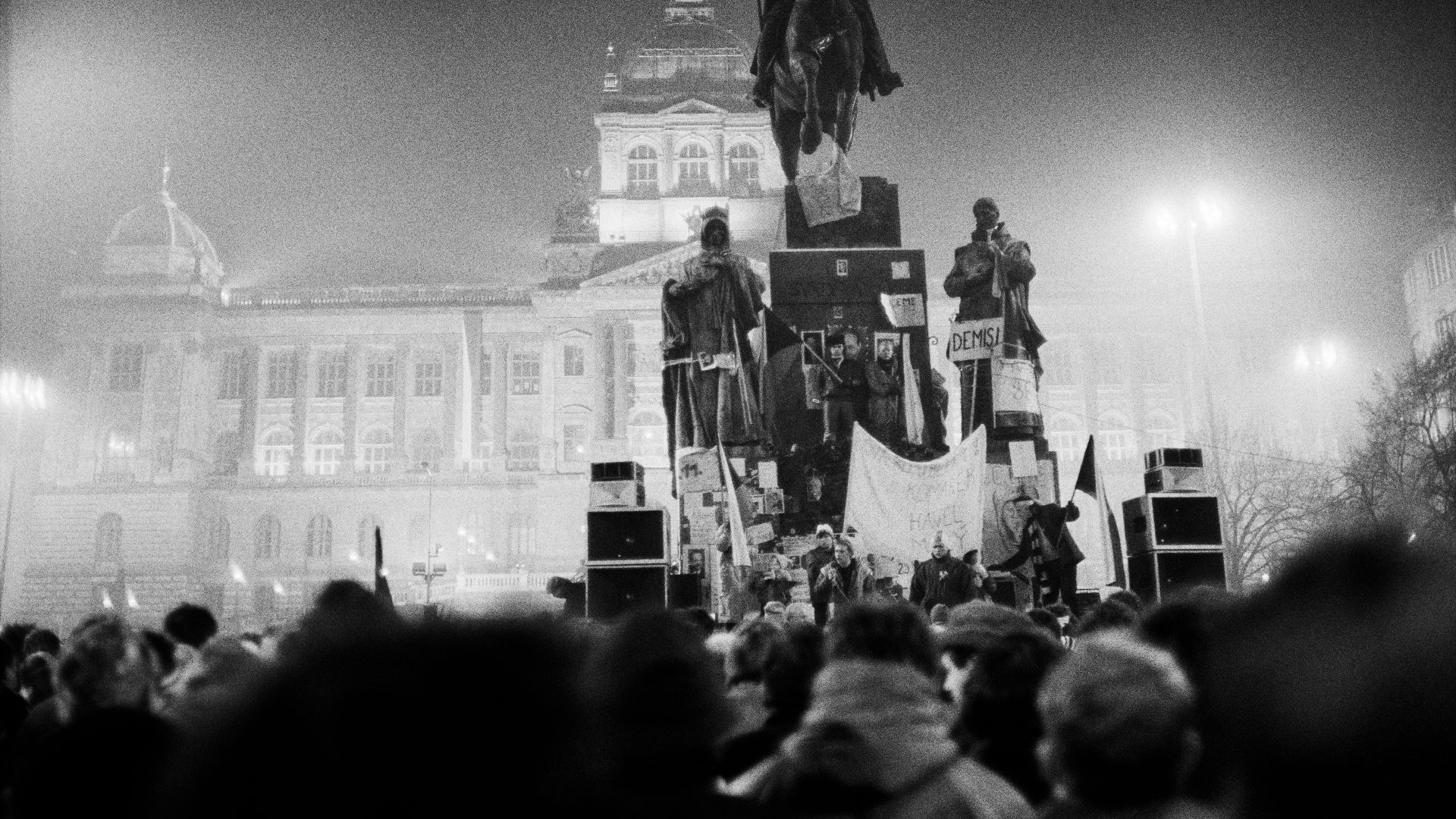
8. The Velvet Revolution
In Czechoslovakia, peaceful demonstrations centered on democracy, civil rights, and political freedom rather than armed conflict. Students, intellectuals, and ordinary citizens demanded an end to communist rule through largely nonviolent protest. Within weeks, the government collapsed with remarkably little bloodshed.
 RobbieIanMorrison on Wikimedia
9. The Philippine People Power Revolution
Mass demonstrations challenged authoritarian rule by emphasizing democratic principles and peaceful civic action. Religious organizations, political leaders, and ordinary citizens united around restoring free elections and accountable government.

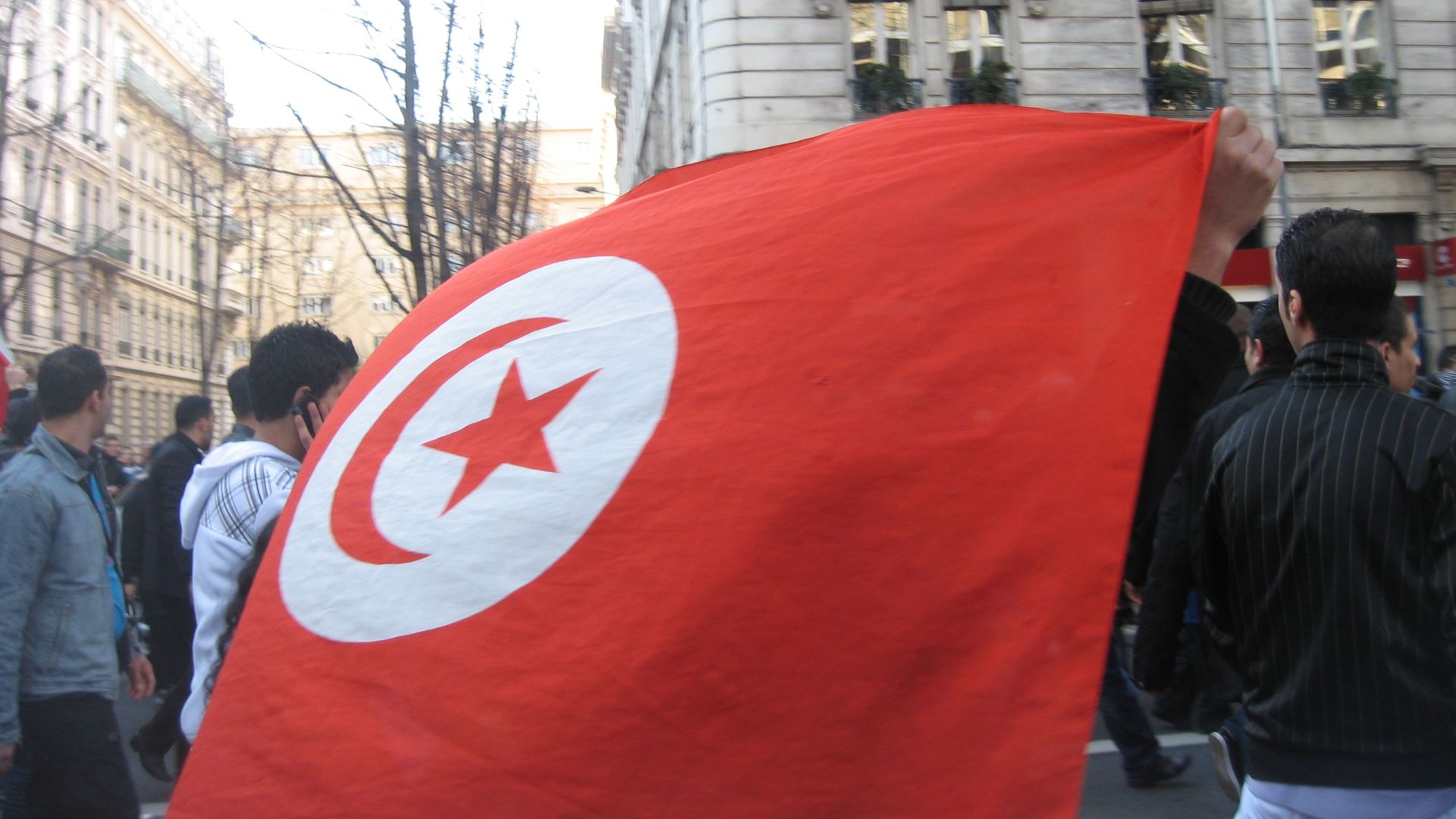
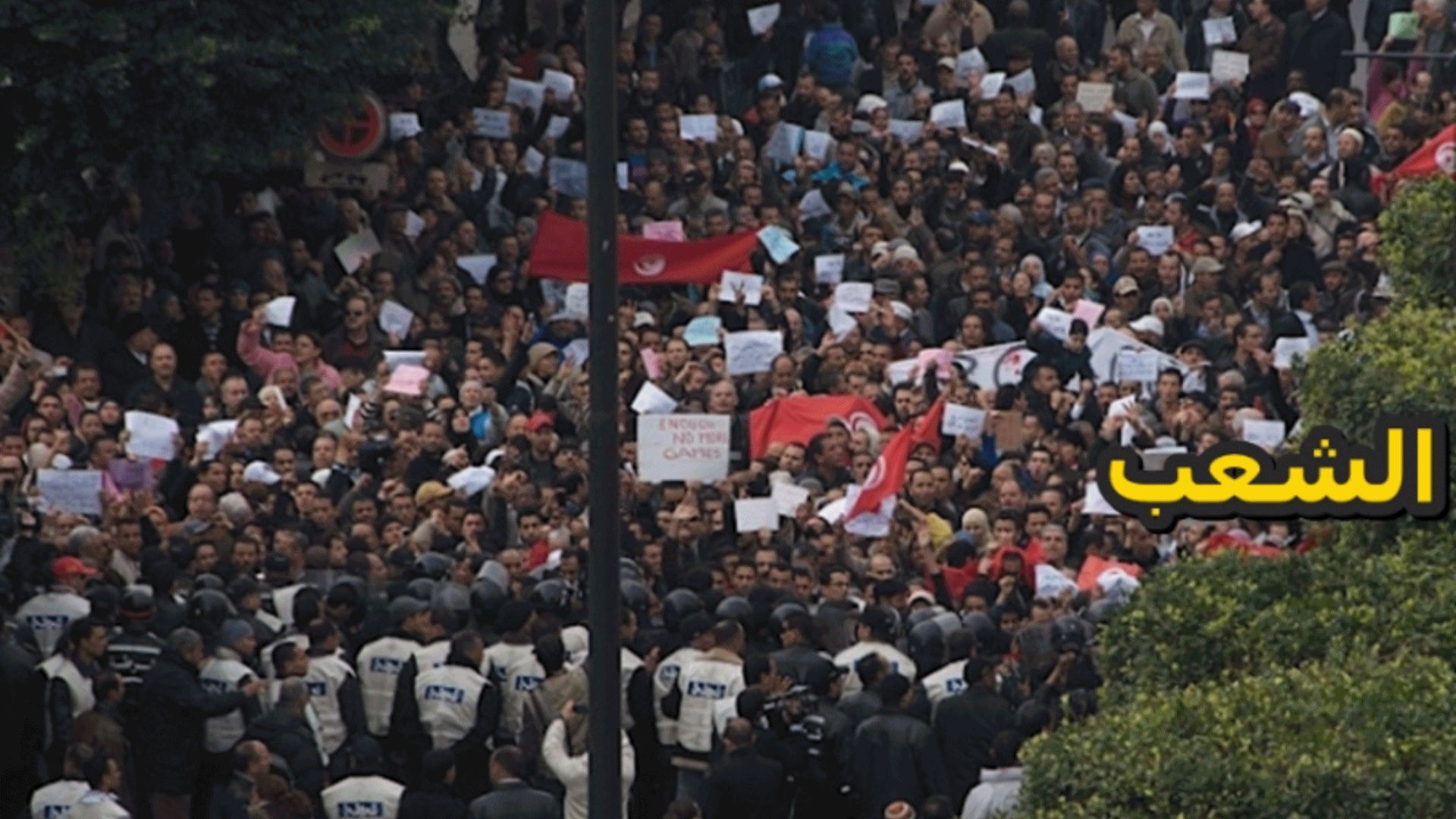
10. The Tunisian Revolution
The uprising began after Mohamed Bouazizi's self-immolation drew attention to corruption, repression, and limited opportunity. Protesters quickly expanded their demands beyond economic concerns to include dignity, political freedom, and accountable government.
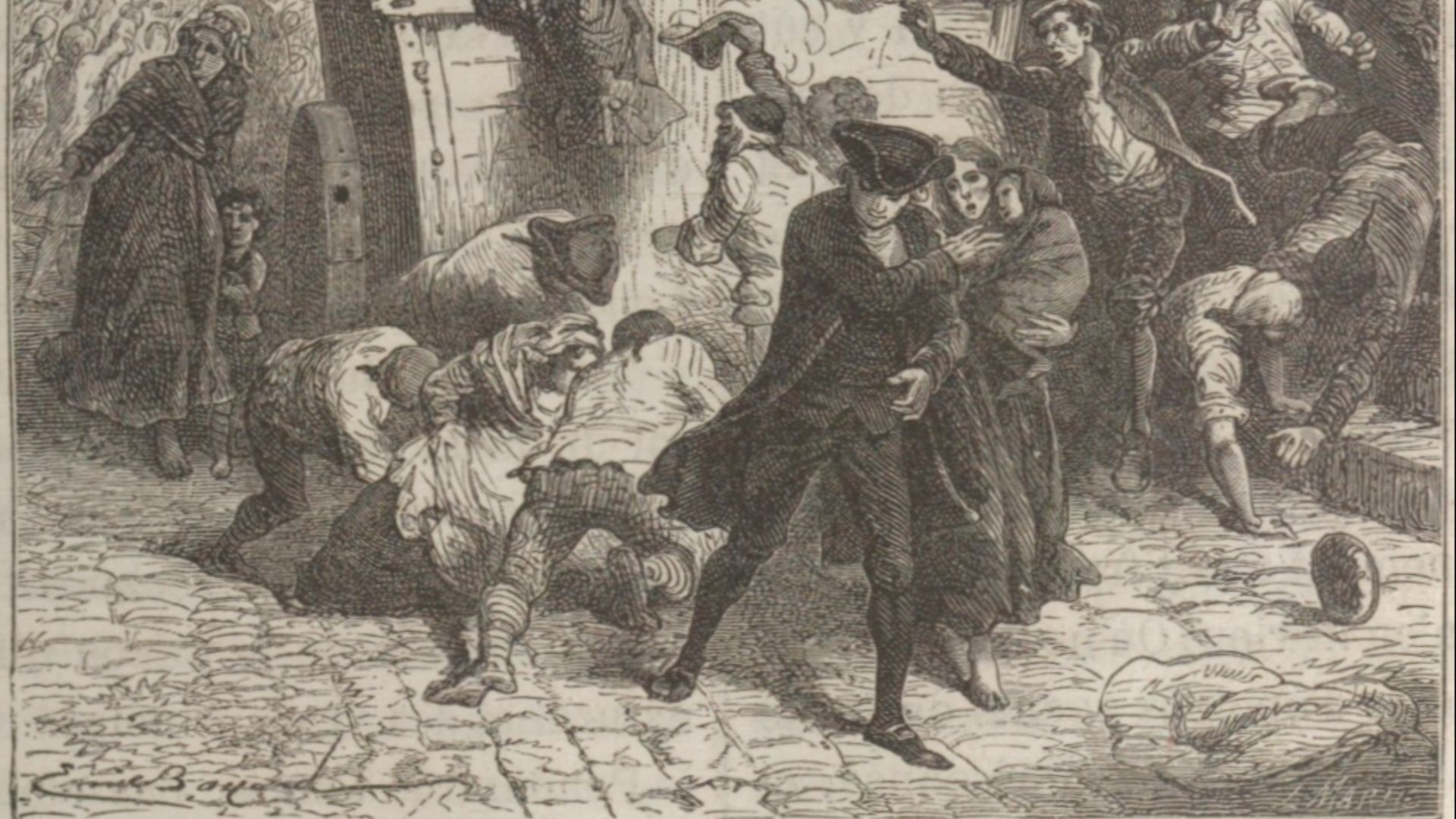
1. The Flour War
In 1775, poor grain harvests and rising bread prices pushed desperate French communities to riot across northern France. Many believed grain merchants were exploiting shortages while ordinary families struggled to survive.
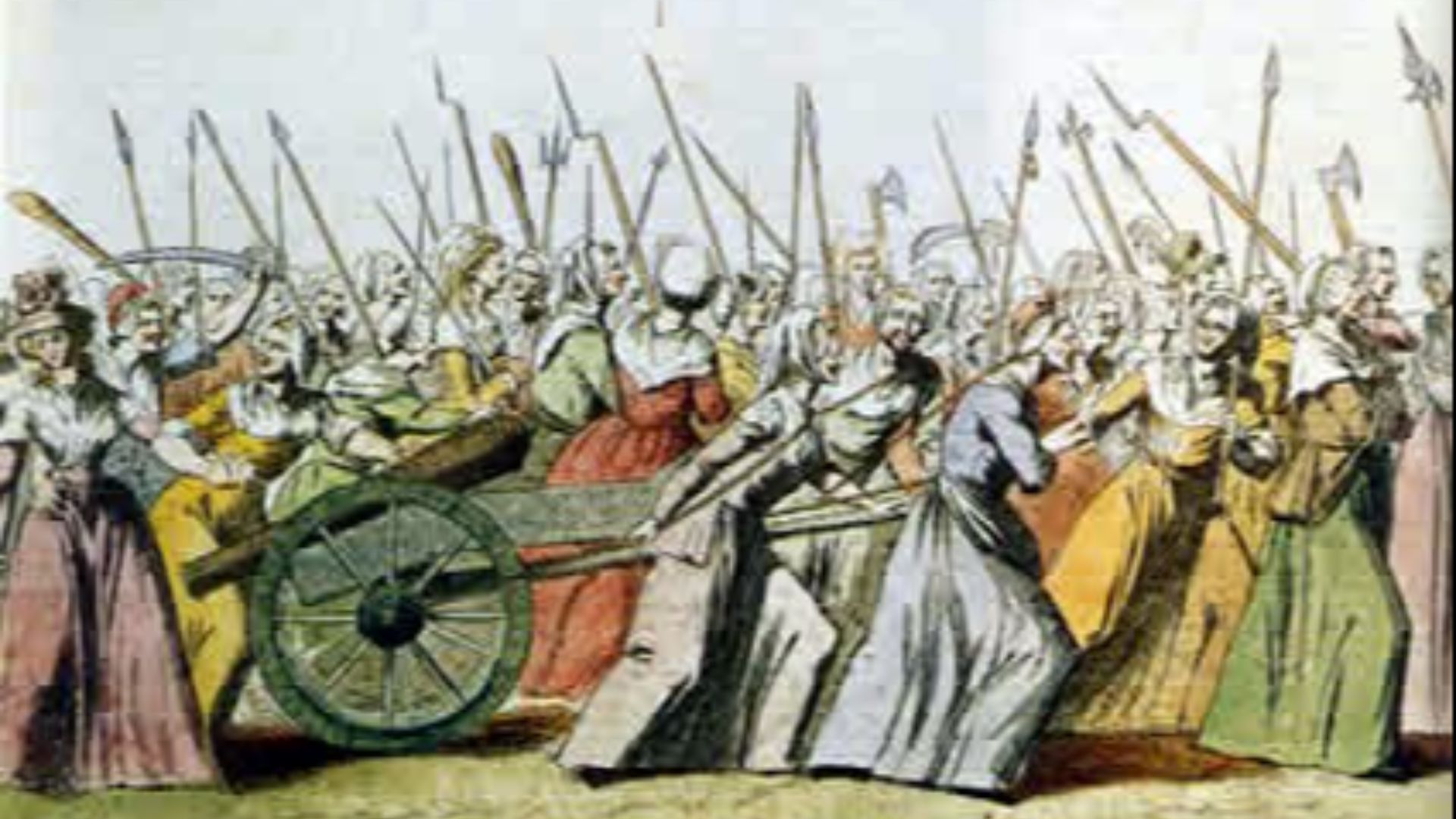
2. The Women's March On Versailles
Thousands of Parisian women marched to Versailles in 1789 because bread had become scarce and increasingly expensive. Their immediate concern was feeding their families rather than advancing political theory.
 Unknown authorUnknown author on Wikimedia
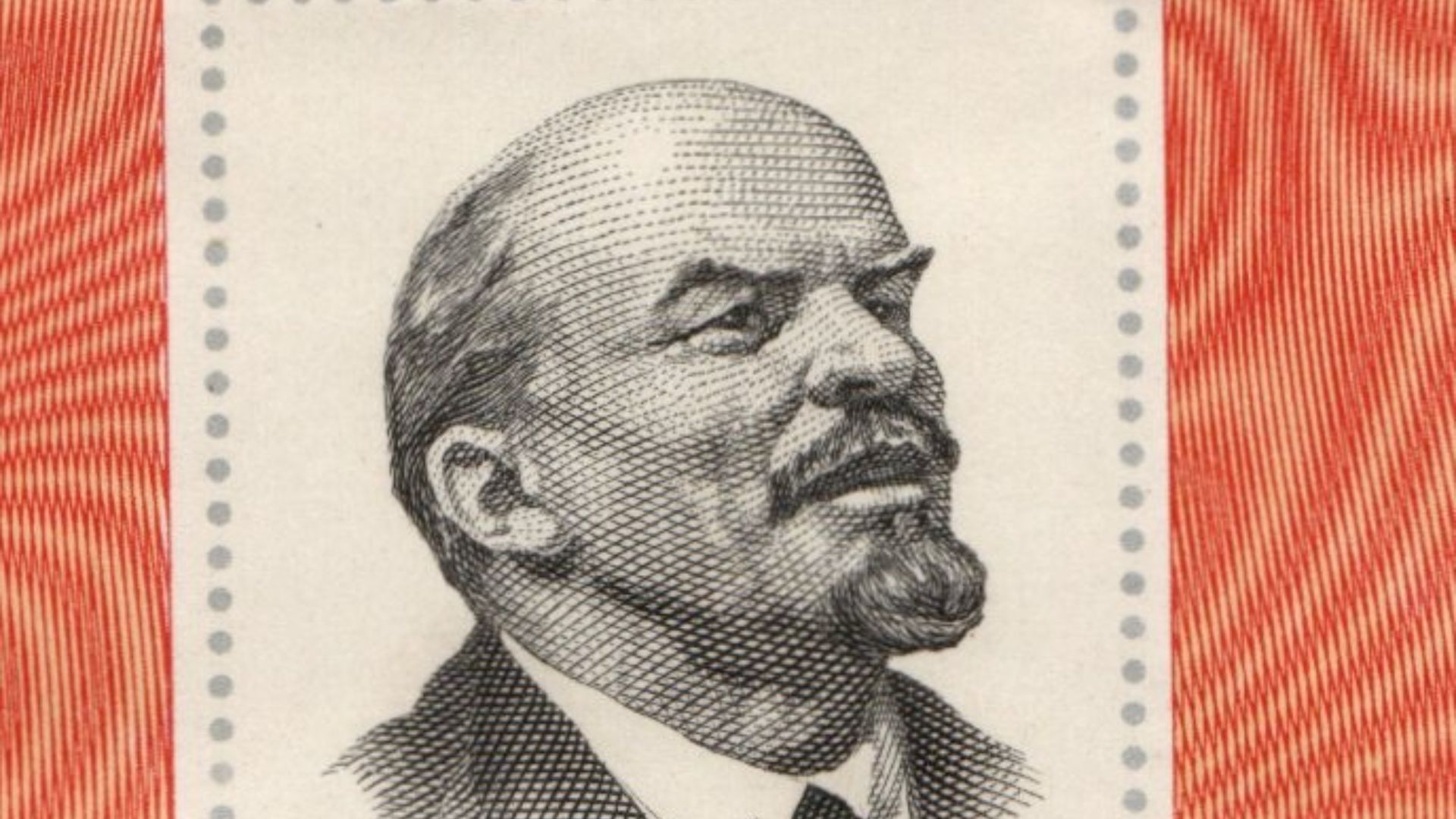
3. The Russian October Revolution
Years of war, food shortages, and collapsing supply systems left many urban residents struggling to obtain necessities. Bread lines grew longer while inflation reduced purchasing power across the country. Revolutionary promises of peace, land, and bread resonated because daily survival had become increasingly difficult.
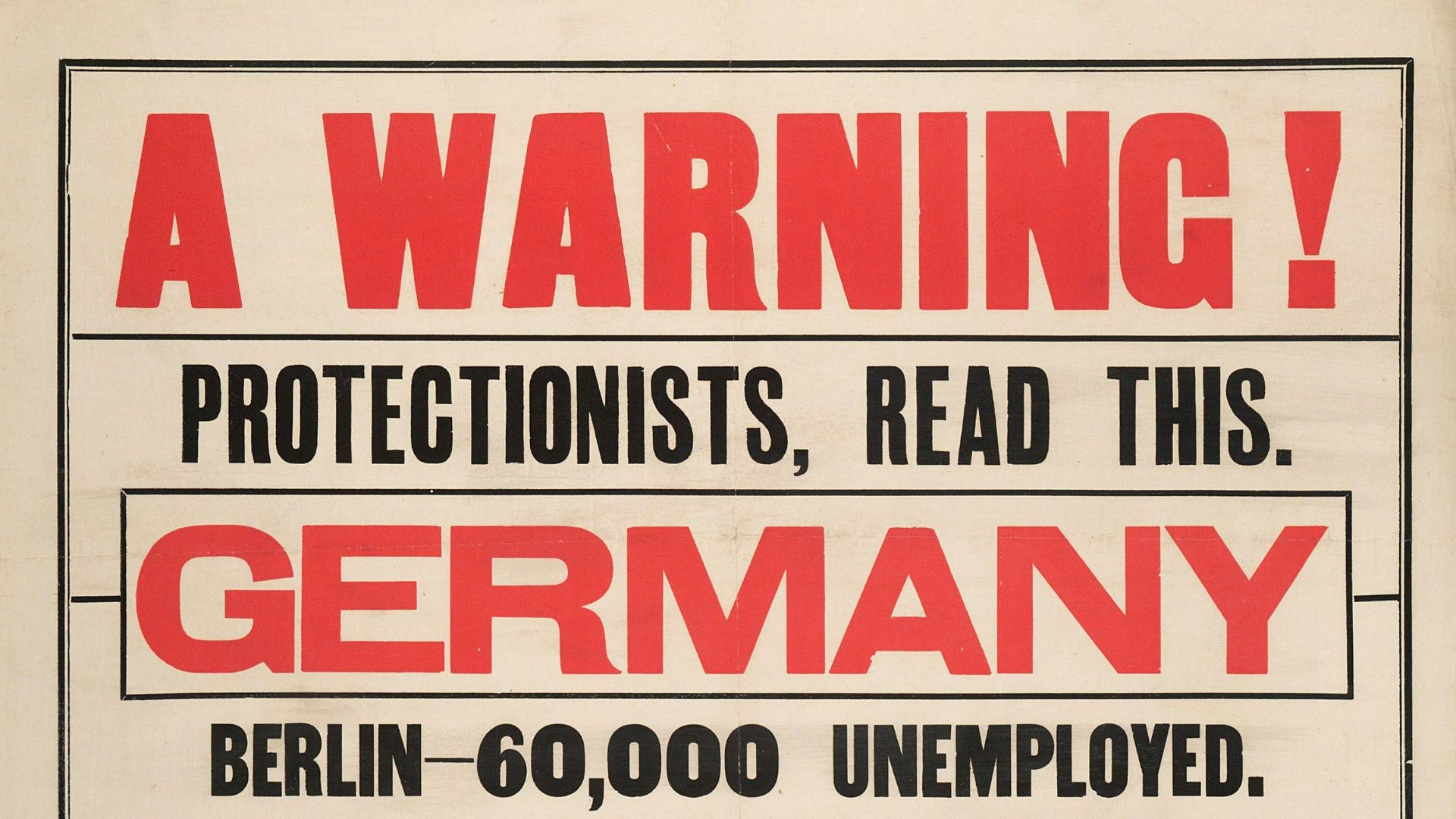
4. The German Revolution Of 1918
Germany faced severe food shortages during the final years of World War I because of blockades and wartime disruption. Hunger weakened public confidence in the imperial government and contributed to growing unrest among workers and soldiers.
5. The Egyptian Bread Riots
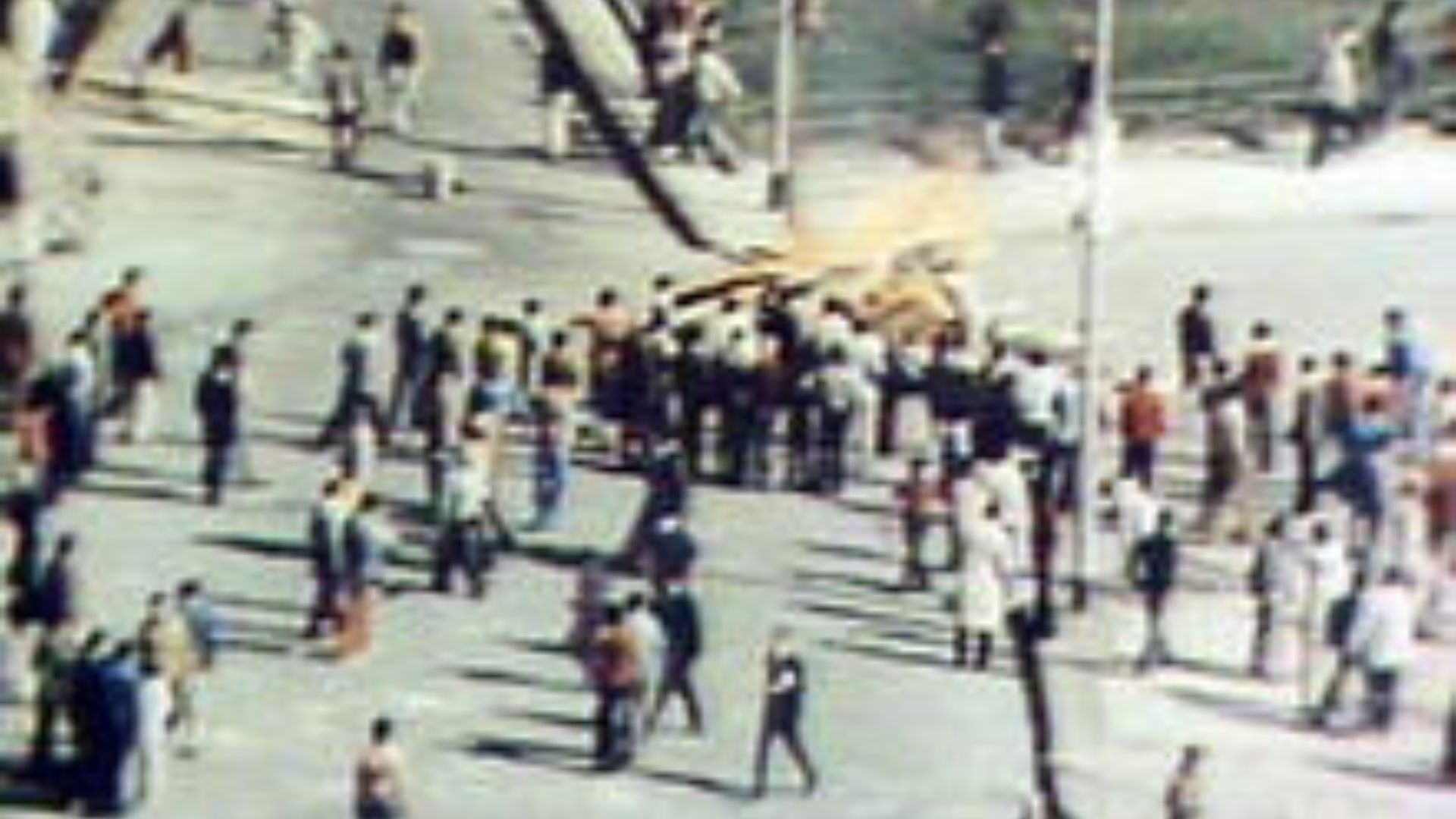
In 1977, reductions in government food subsidies sharply increased the prices of everyday staples. Large demonstrations erupted as many Egyptians feared they could no longer afford necessities.
6. The Sudanese Revolution
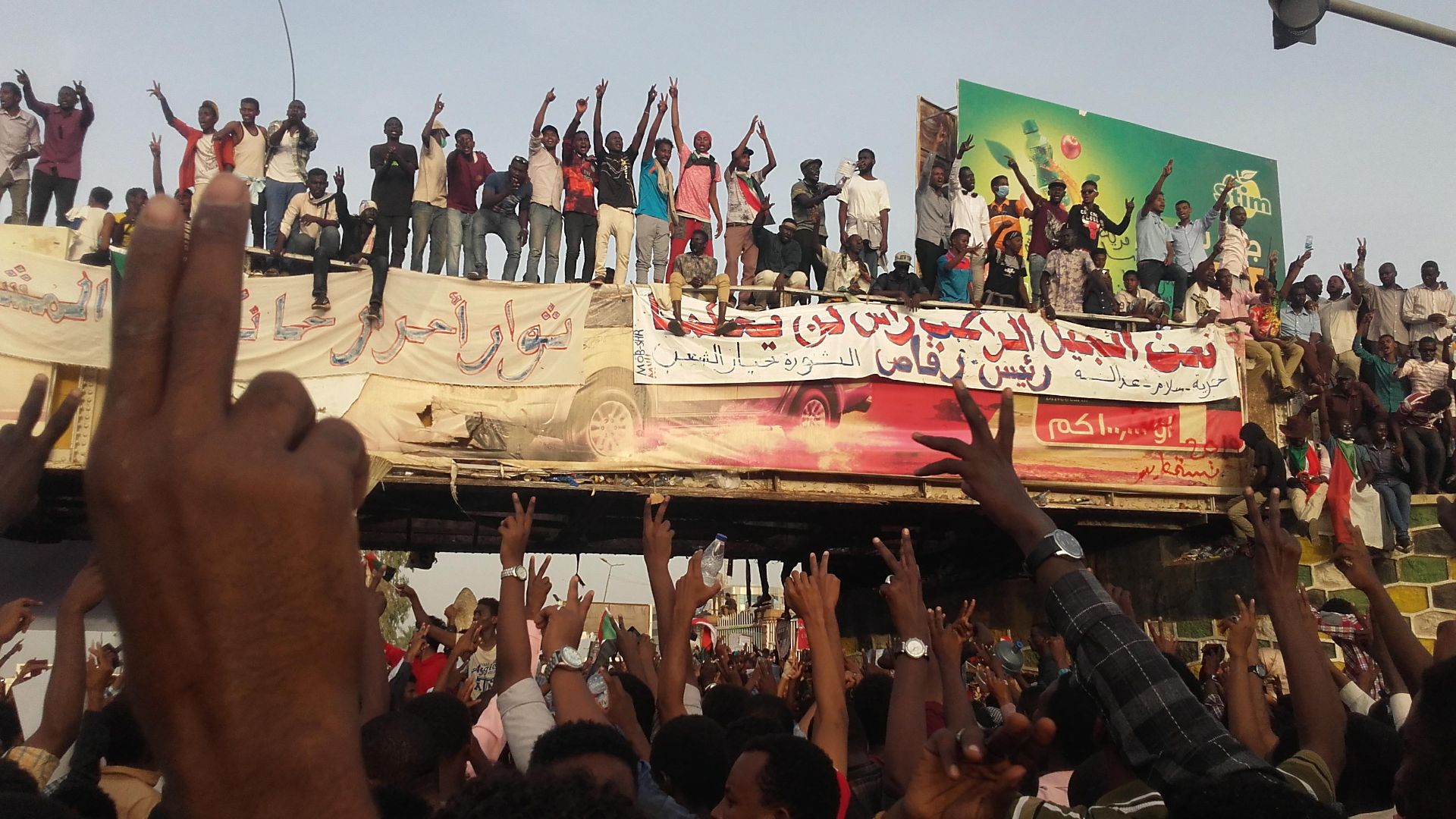
Economic crisis, soaring food prices, and shortages of bread became major catalysts for nationwide protests in 2018. Although demonstrators later demanded broader political reform, everyday affordability remained an immediate concern for many participants.
7. The Tunisian Bread Riots
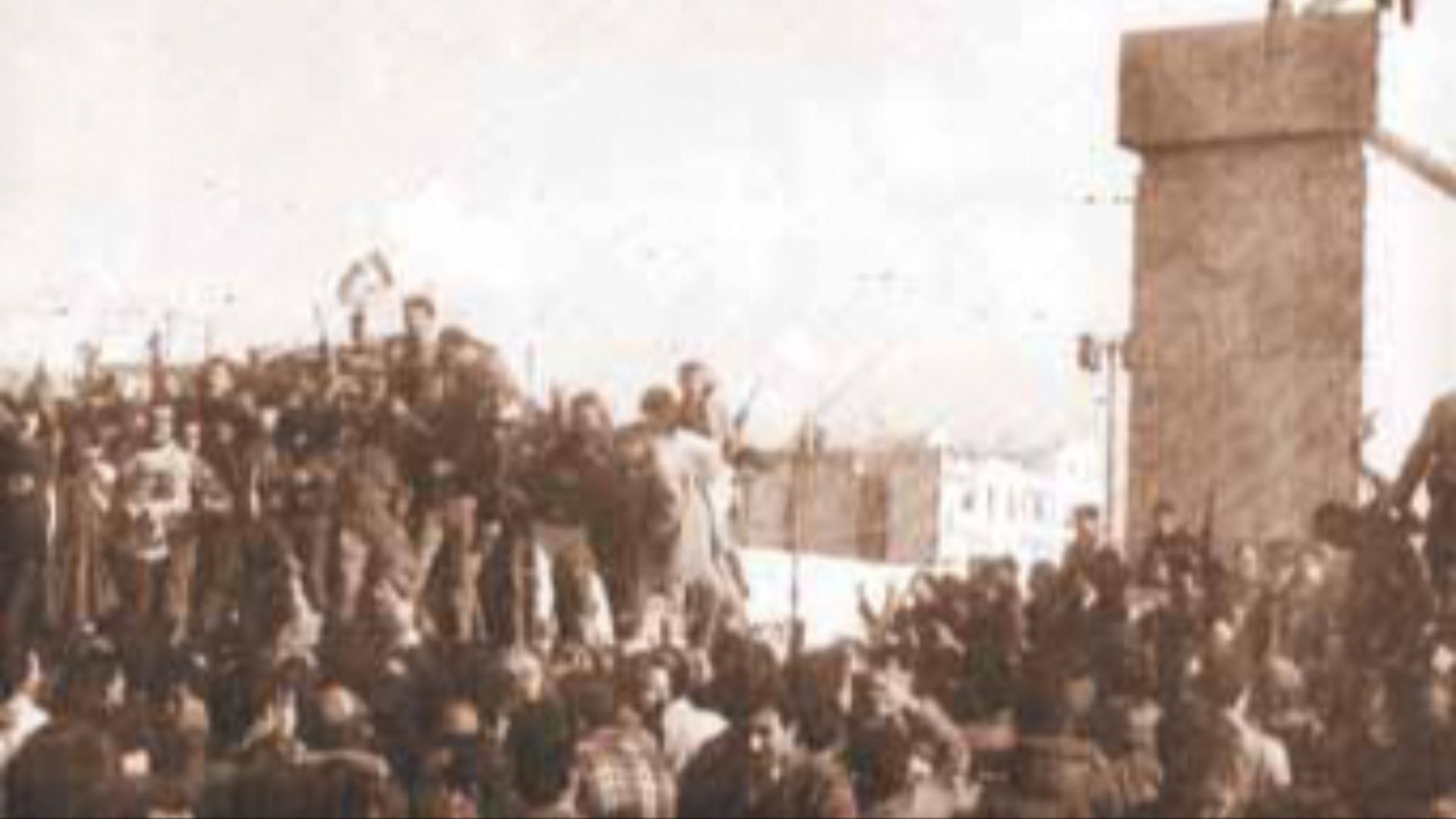
During the early 1980s, cuts to bread subsidies led to sudden price increases that triggered widespread protests. Many families viewed affordable bread as essential to daily life and reacted quickly when costs surged.
 Unknown authorUnknown author on Wikimedia
8. The Venezuelan Protest Movement
Years of economic collapse led to widespread shortages of food and basic household goods. Long lines outside grocery stores became common, and many families struggled to meet everyday nutritional needs.

9. The Arab Spring In Egypt
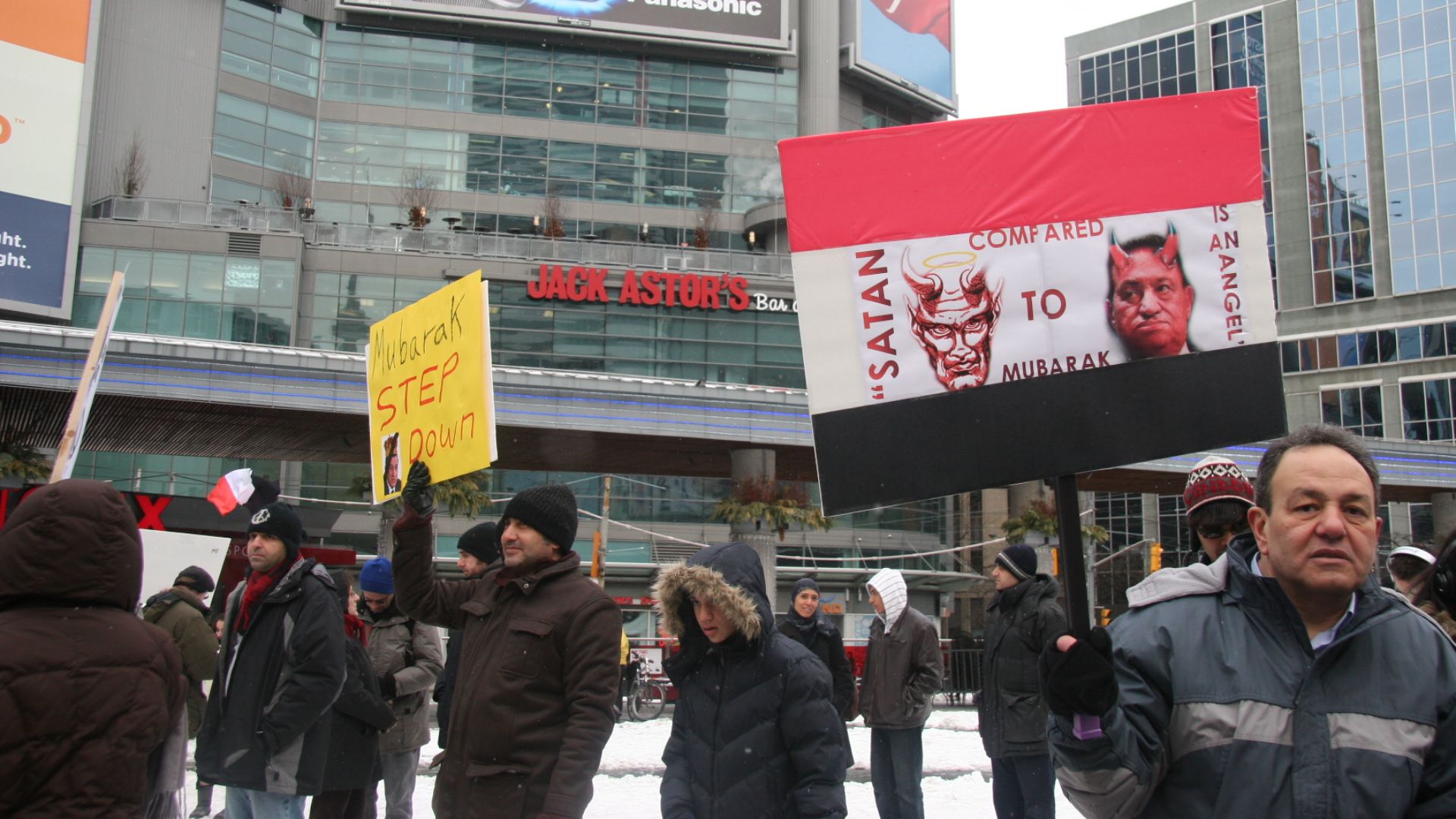
Although protesters demanded political reform and greater freedoms, rising food prices added urgency to public frustration. Global increases in grain costs placed additional strain on household budgets, particularly among lower-income families.
 Fightback/ La Riposte on Wikimedia
10. The Arab Spring In Syria
Before the civil war began, years of drought, poor harvests, and rising food insecurity placed growing pressure on many communities. Economic hardship, combined with unemployment and dissatisfaction over government policies, fueled public unrest.
KEEP ON READING

The story of Ching Shih, the Woman Who Became the…
Unknown author on WikimediaFew figures in history are as feared…
By Emilie Richardson-Dupuis Dec 29, 2025
Einstein's Violin Just Sold At An Auction—And It Earned More…
A Visionary's Violin. Wanda von Debschitz-Kunowski on WikimediaWhen you hear…
By Ashley Bast Nov 3, 2025
This Infamous Ancient Greek Burned Down An Ancient Wonder Just…
History remembers kings and conquerors, but sometimes, it also remembers…
By David Davidovic Nov 12, 2025
The Mysterious "Sea People" Who Collapsed Civilization
3,200 years ago, Bronze Age civilization in the Mediterranean suddenly…
By Robbie Woods Mar 18, 2025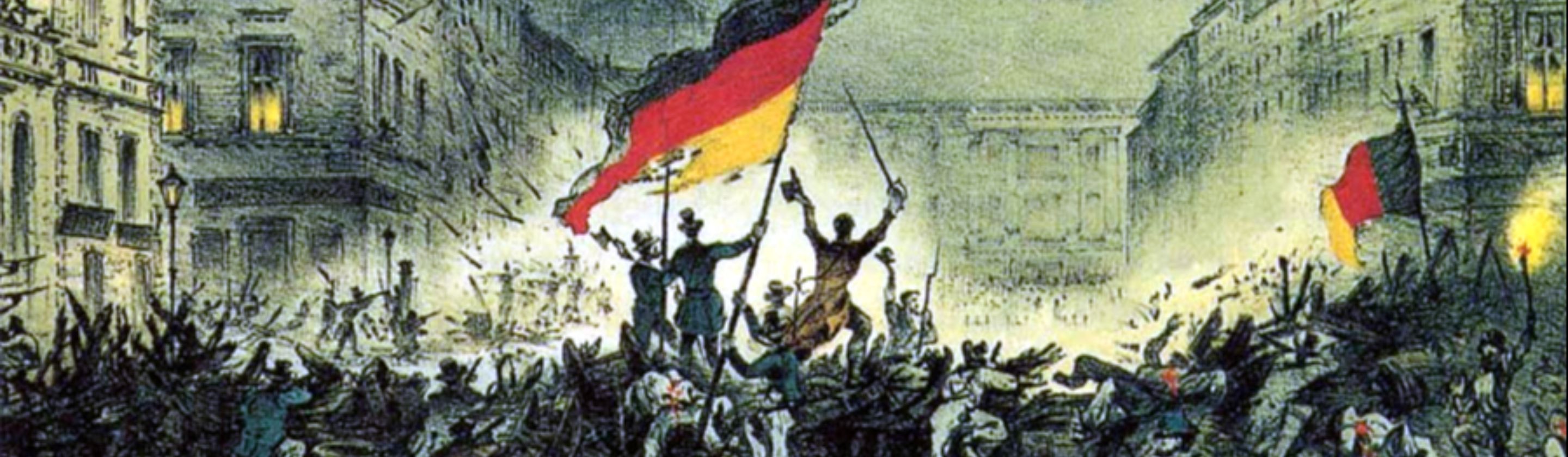
10 Revolutions Sparked By Ideas & 10 Fueled By Hunger
When Ideas And Survival Changed The Course Of History. Revolutions…
By Rob Shapiro Jun 29, 2026
20 Soldiers Who Defied Expectations
Changing the Rules of the Battlefield. You’ve probably heard plenty…
By Annie Byrd Feb 10, 2026