

What Era Has The Best Music
Music has always been the ultimate soundtrack to the human experience, evolving alongside our cultures, technologies, and shared emotions. While every generation believes their favorite tunes are superior, looking back through history reveals an incredible tapestry of distinct sonic revolutions. From the candlelit ballrooms of classical Europe to the neon-soaked dance floors of the late twentieth century, each distinct musical era has left a permanent mark on how we express ourselves.
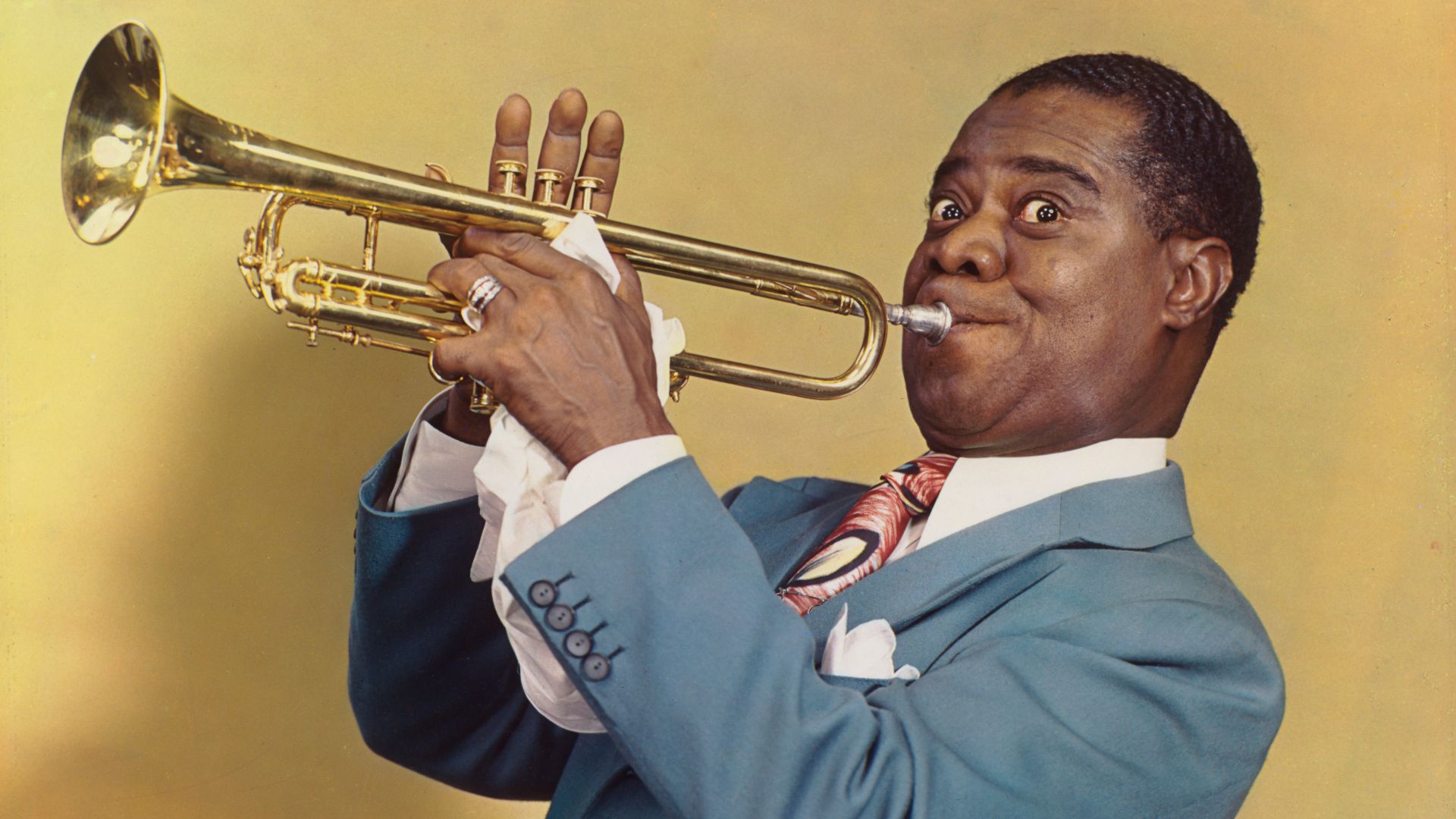 Harry Warnecke, Gus Schoenbaechler on Wikimedia
1. The Classical Period
Symphonies and orchestral music took on a newfound sense of cleanliness and order during the eighteenth century. Wolfgang Amadeus Mozart and Joseph Haydn moved away from the exaggerated motions of the Baroque Period and implemented lighter melodies that the general public could easily enjoy. Classical music introduced time-tested composition rules.
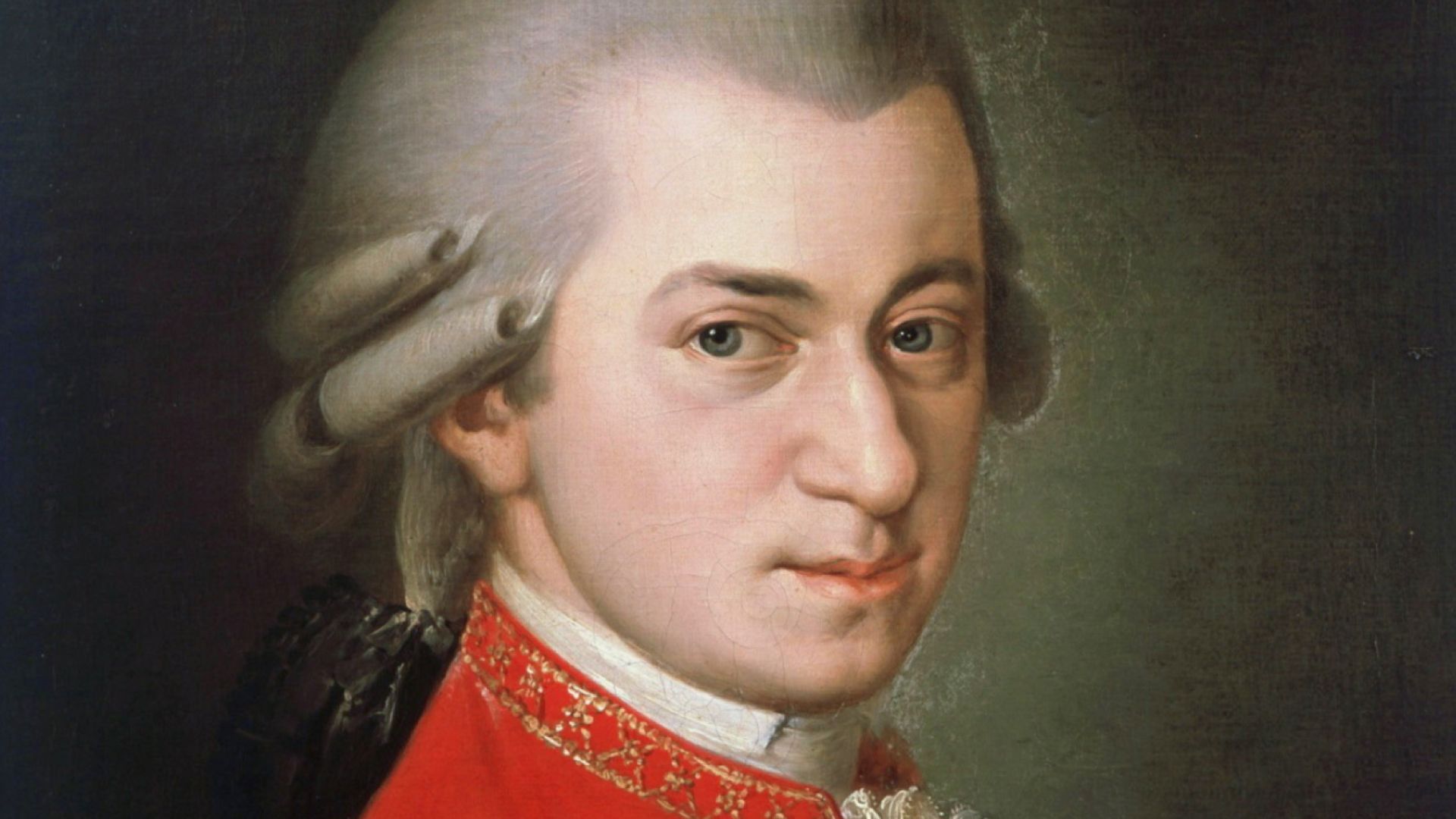
2. The Roaring Twenties Jazz Age
Bounce-back swing rhythms and free-spirited attitudes defined the post-World War I nightlife across America. Jazz reached mainstream audiences with its groovy brass instruments and pleasingly off-kilter rhythms. Iconic musicians like Louis Armstrong put improvisation and fun dance songs at the forefront of music, so thank the Roaring Twenties the next time you listen to a snazzy tune.
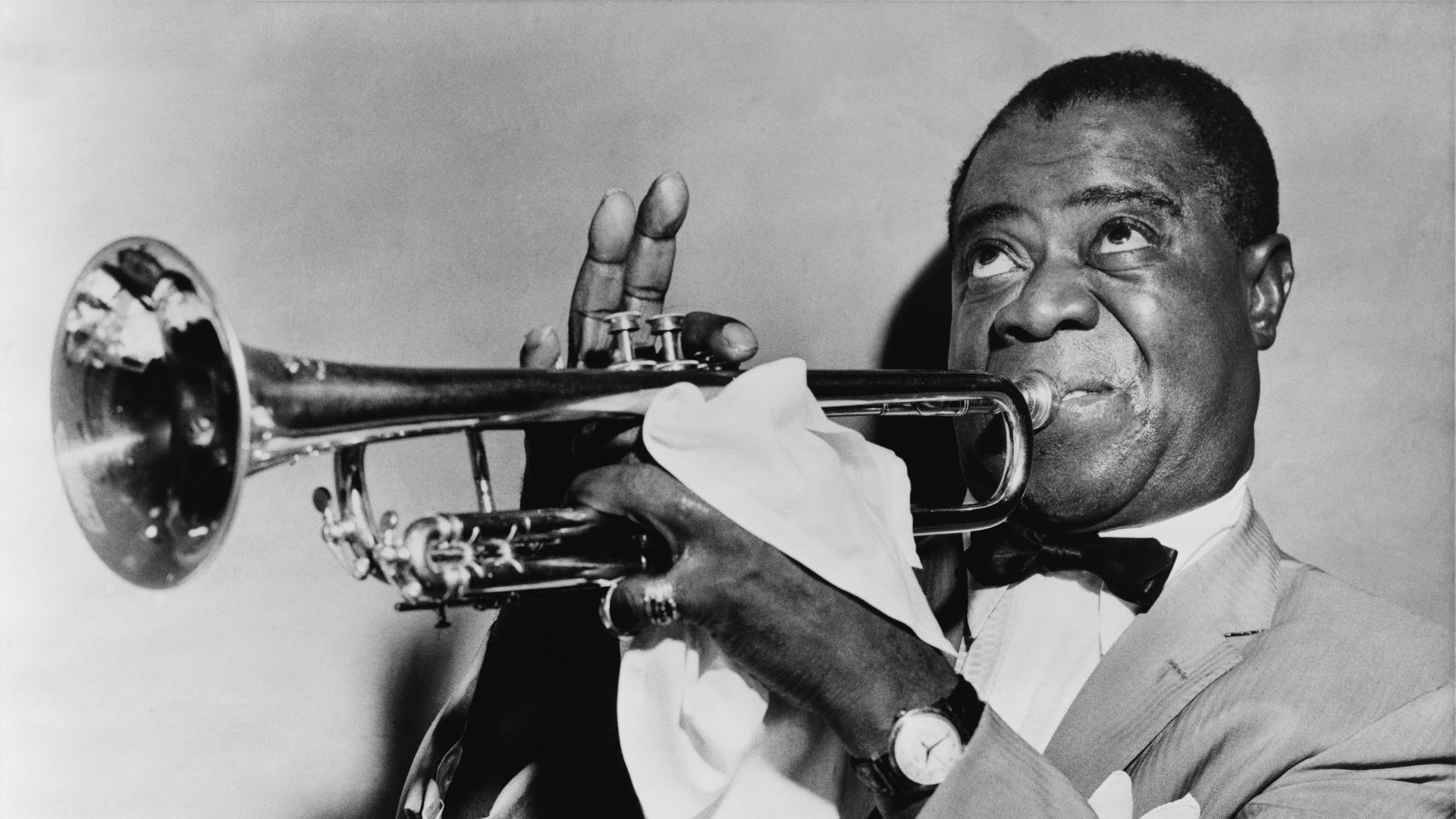 World-Telegram staff photographer on Wikimedia
3. The High Baroque Era
Songs from this era are known for their pomp and grandiosity. Bach and Vivaldi composed incredibly elaborate concertos that tested the limits of human finger movement. The introduction of the harpsichord added another layer of musical texture that would influence classical music for generations.
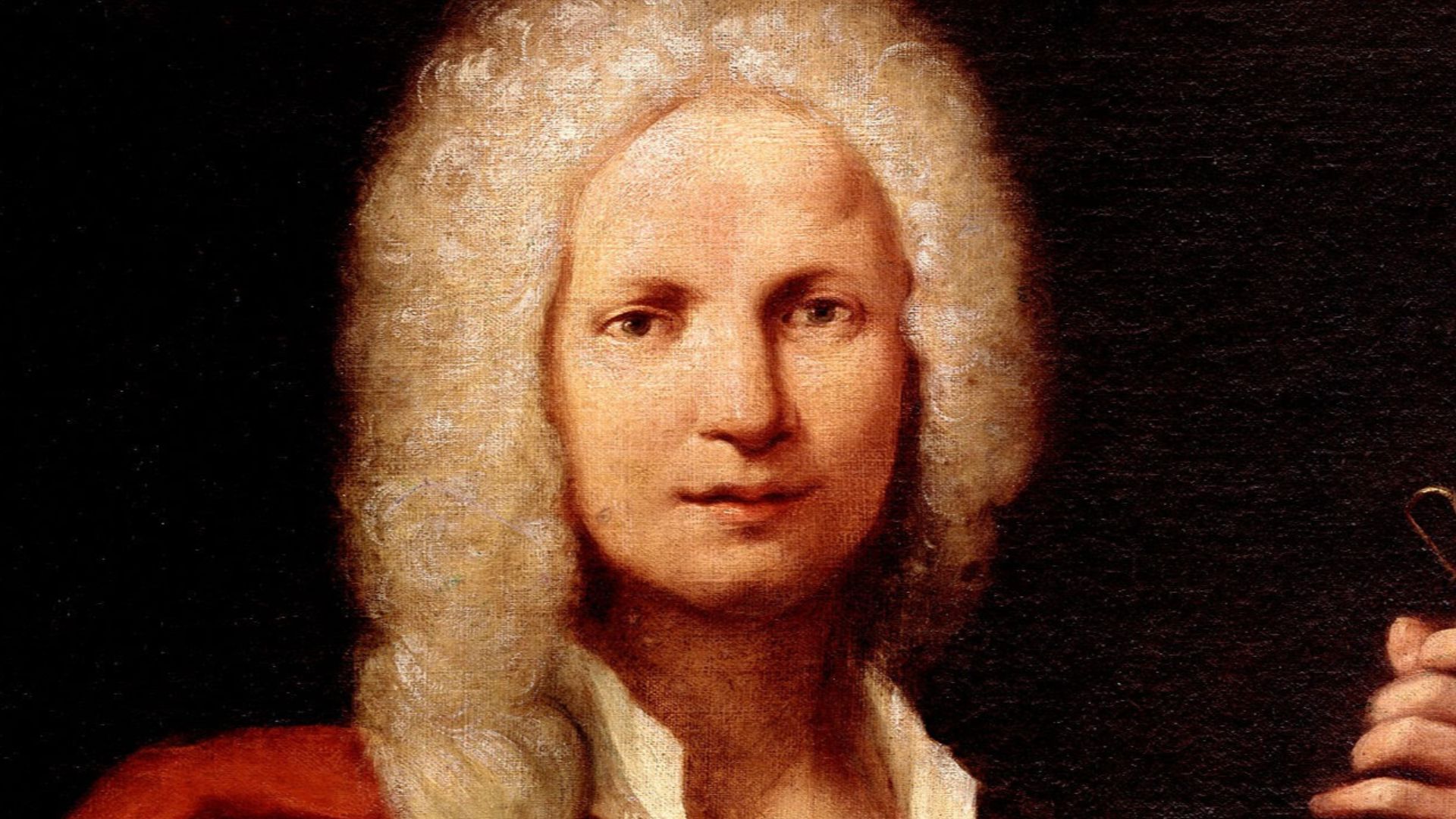 Unidentified painter on Wikimedia
4. The 1950s Rockabilly Revolution
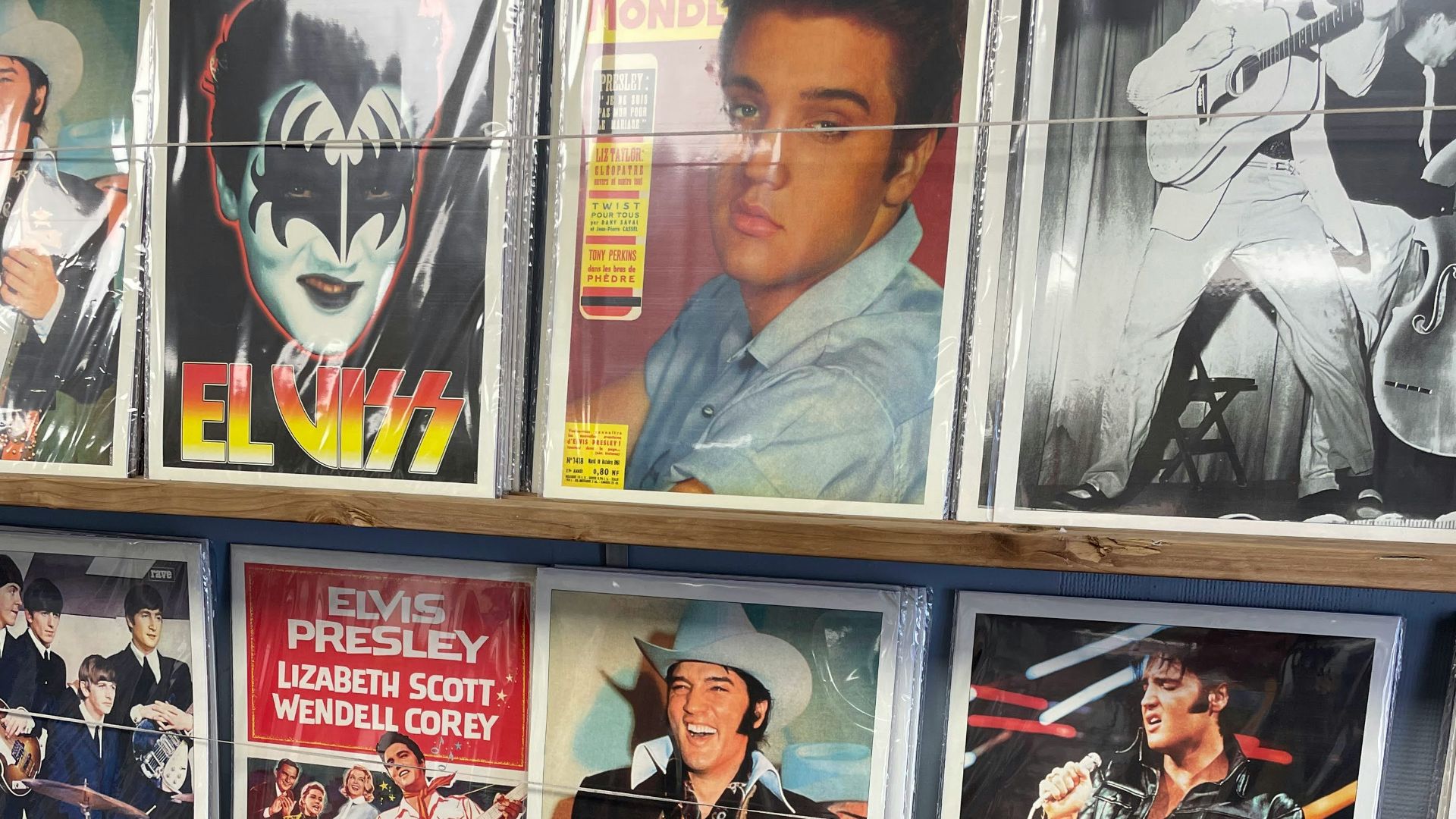
Electric guitars roar to life, combining elements of country music and blues into a rebellious new form of rock and roll. Bands like Bill Haley & His Comets and Elvis Presley dominated the market with their energetic songs, truly appealing to the youth of the time. It completely shattered the polite, predictable pop standards of the decade.
5. The Romantic Era
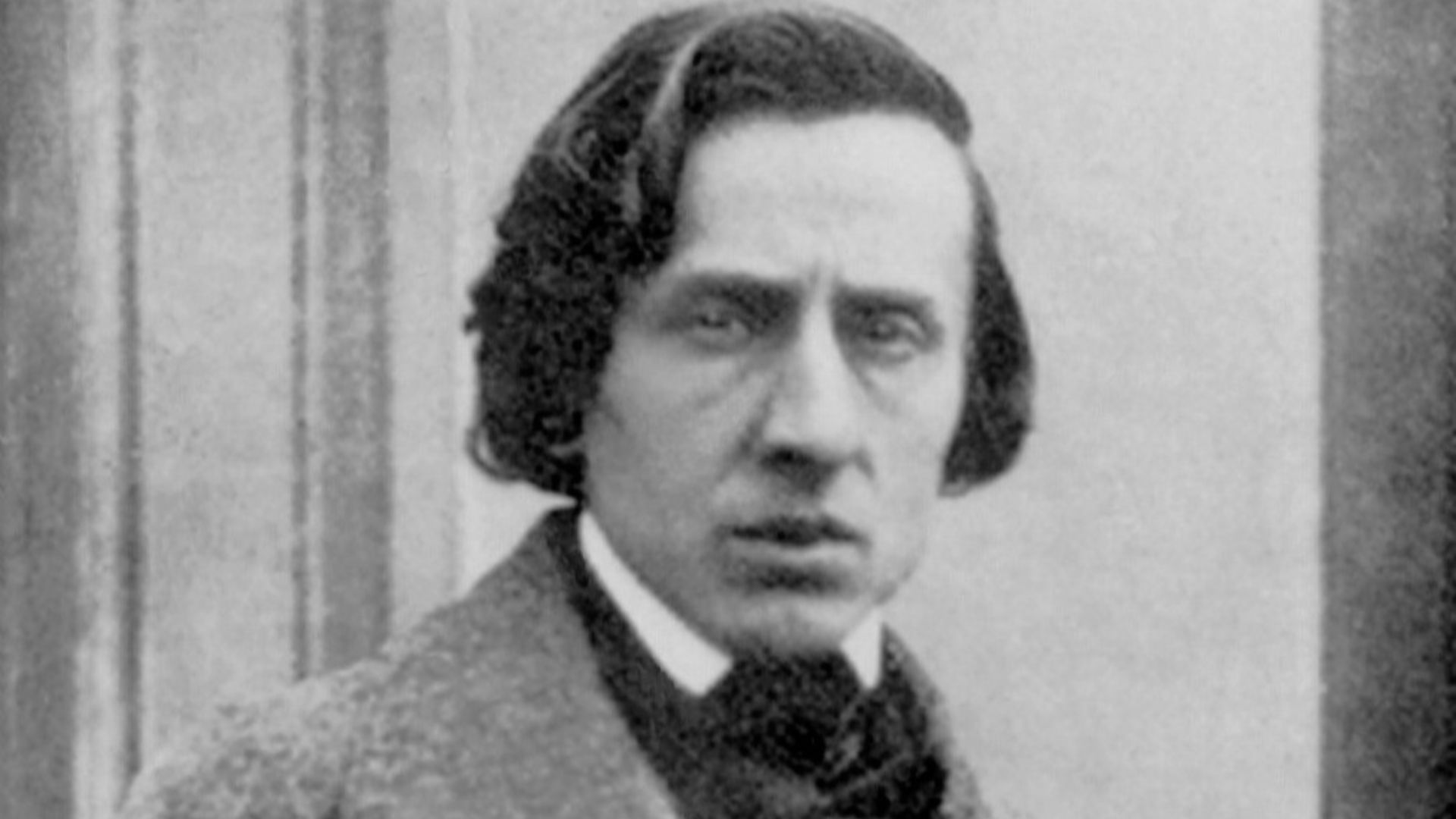
Composers shifted their music toward passionate expressionism during the nineteenth century. Many songwriters took inspiration from historical events, mythical tales, and scenic nature. Famous musicians such as Pyotr Ilyich Tchaikovsky and Frederic Chopin composed music that acted as a vessel for raw emotion.
 Louis-Auguste Bisson on Wikimedia
6. The 1960s British Invasion
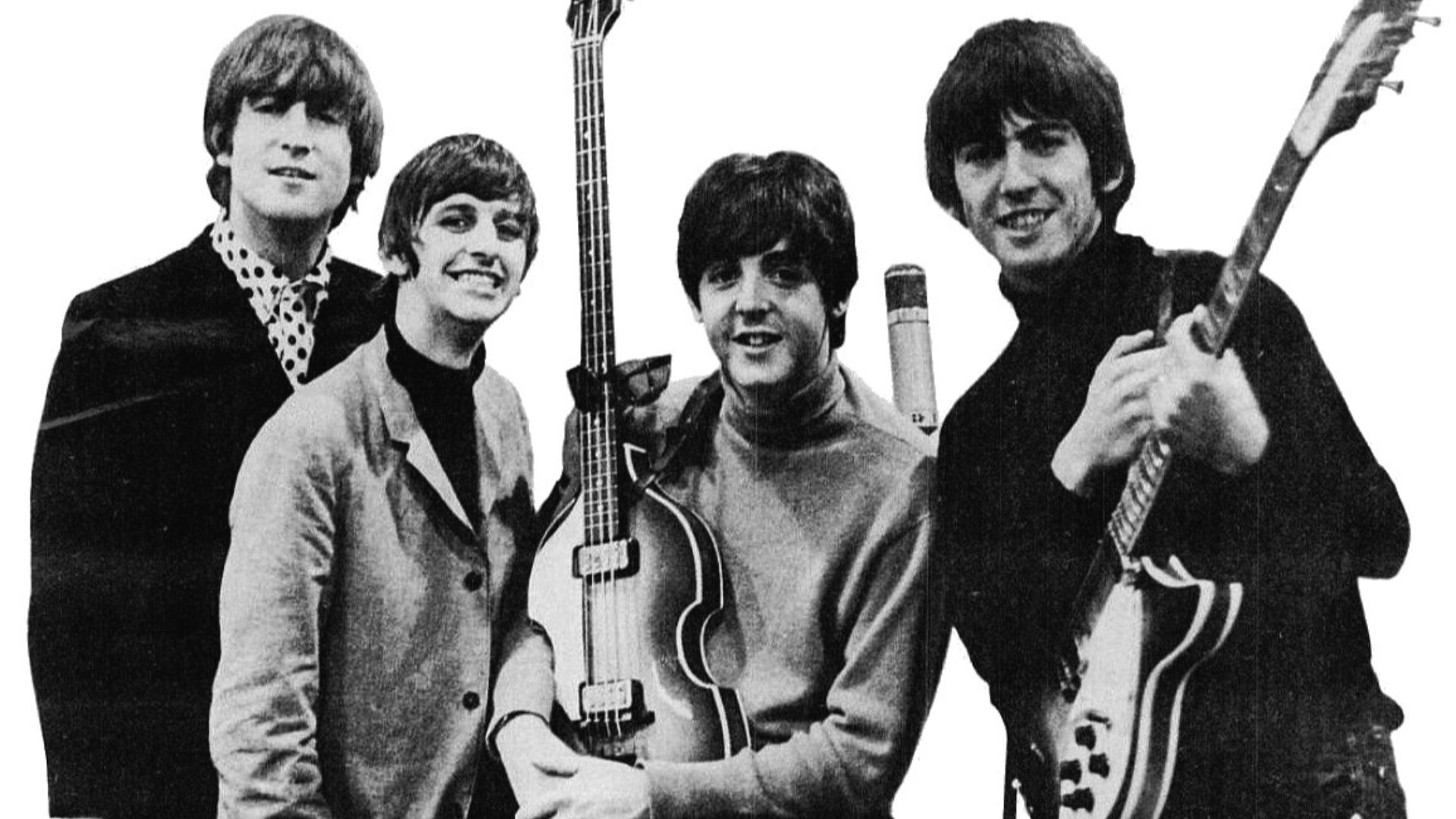
Rock bands from England invaded charts worldwide with hard-edged guitars and catchy melodies. Bands such as The Beatles and The Rolling Stones are some of the best songwriters in human history. This movement popularized the idea of the rock band and laid the groundwork for artists to come.
7. The Golden Age of Hip-Hop
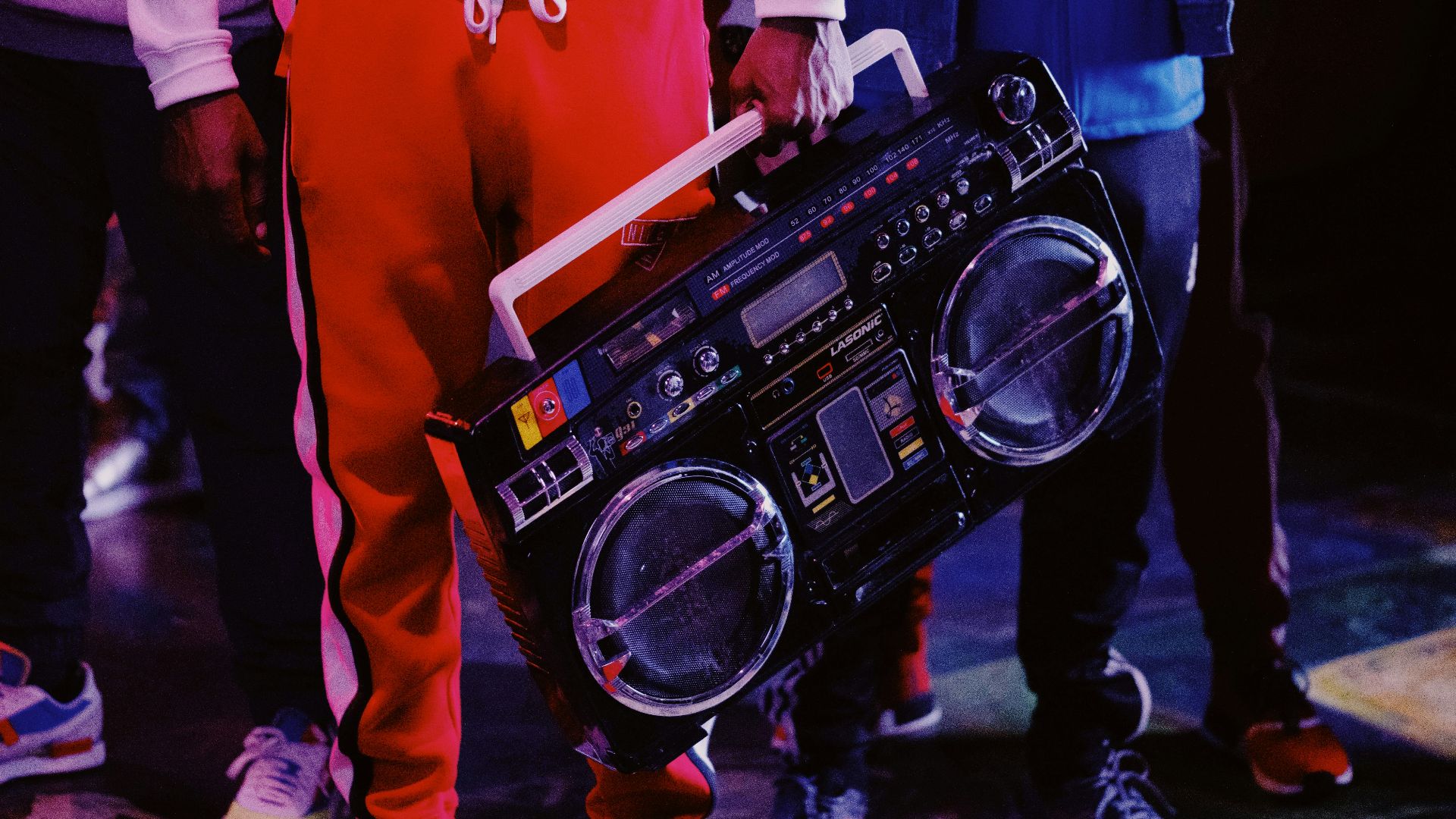
Produced between 1988 and 1994, hip-hop music reached new levels of creativity during this time. Artists often sampled old funk records to squeeze out heavy bass rhythms and frameworks for rappers to tell astounding stories. Public Enemy and A Tribe Called Quest are legendary groups known for their iconic lyrics.
8. The Motown Era
Motown was a genre-blending record company that got people of all races onto the dance floors. Bands like The Supremes and Stevie Wonder created soul music with catchy hooks that dominated the charts. The "Motown sound" heavily used bass guitar and focused on themes of love and hope.
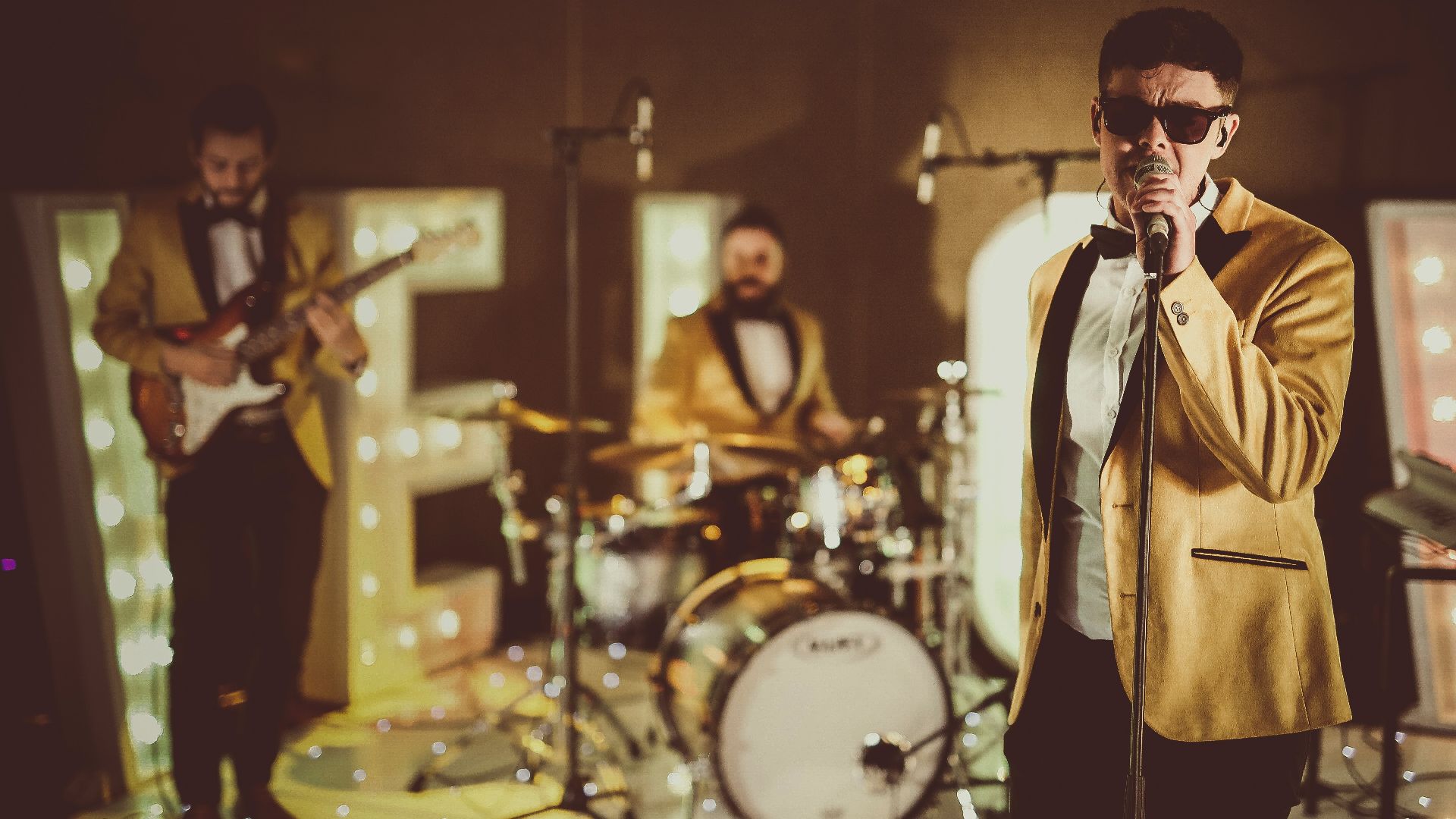
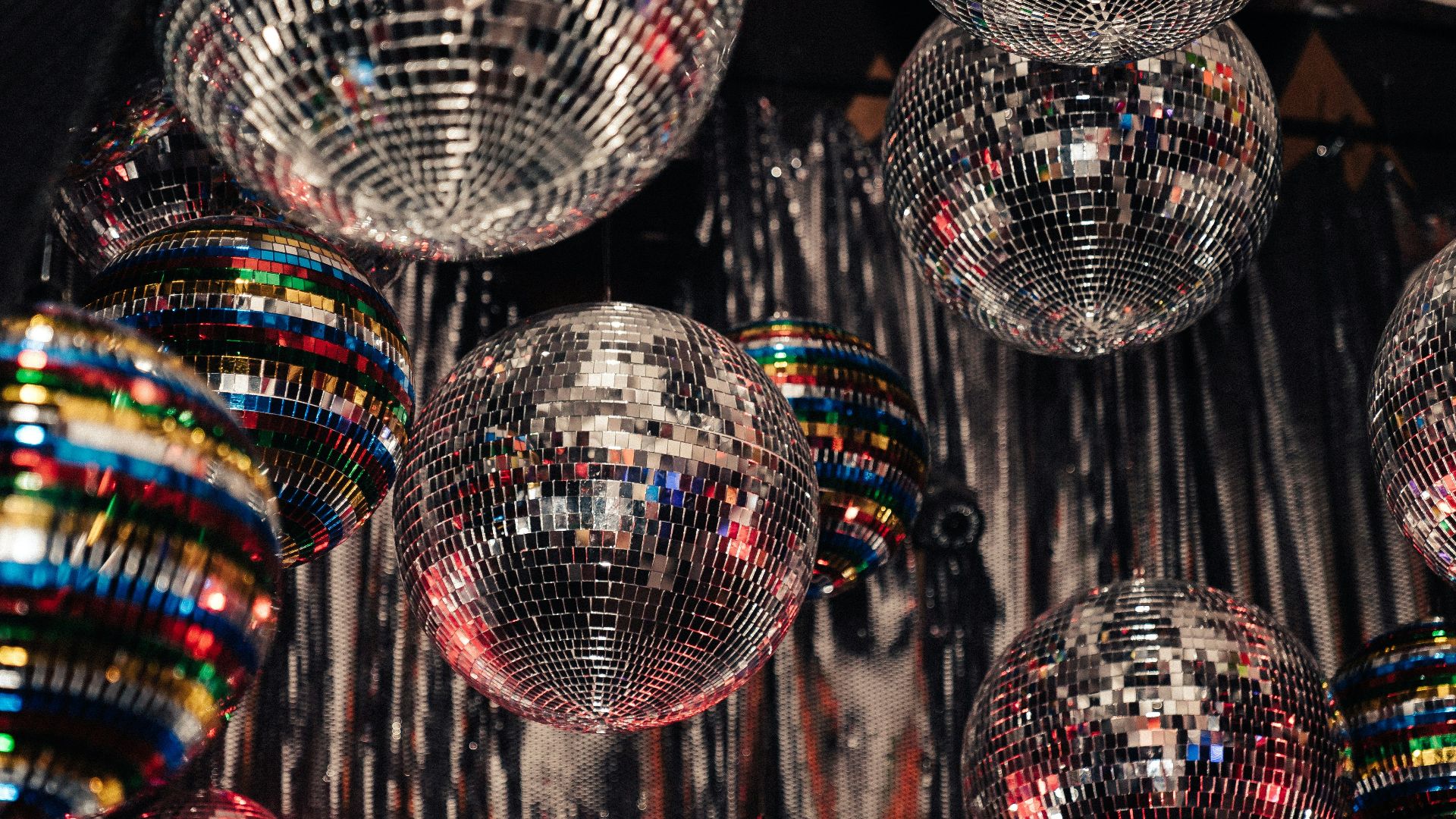
9. The 1970s Disco Boom
People from all around the world dropped their worries and danced to disco. Leading artists such as Gloria Gaynor and the Bee Gees helped disco become one of the most popular genres of the decade. Many of the genre's songs are instrumentally driven with a "soft pad" sound.
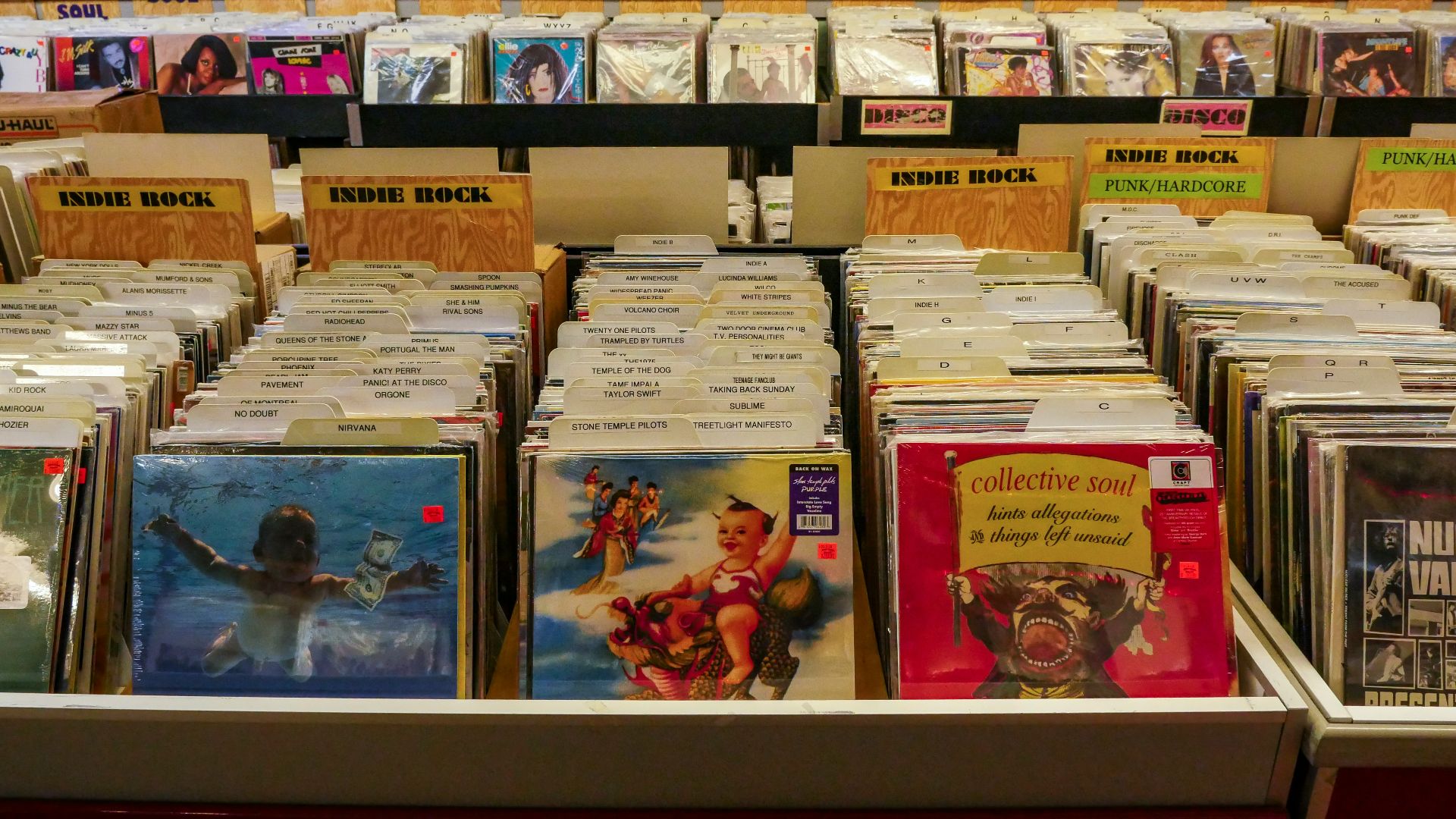
10. The Grunge and Alternative 1990s
After cheesy glam metal dominated the late '80s, many rock musicians returned their music to gritty DIY roots. Bands such as Nirvana and Soundgarden wrote songs about despair and anger, reflecting the feelings of a generation. Grunge musicians popularized loud electric guitars and spiked hair once more.
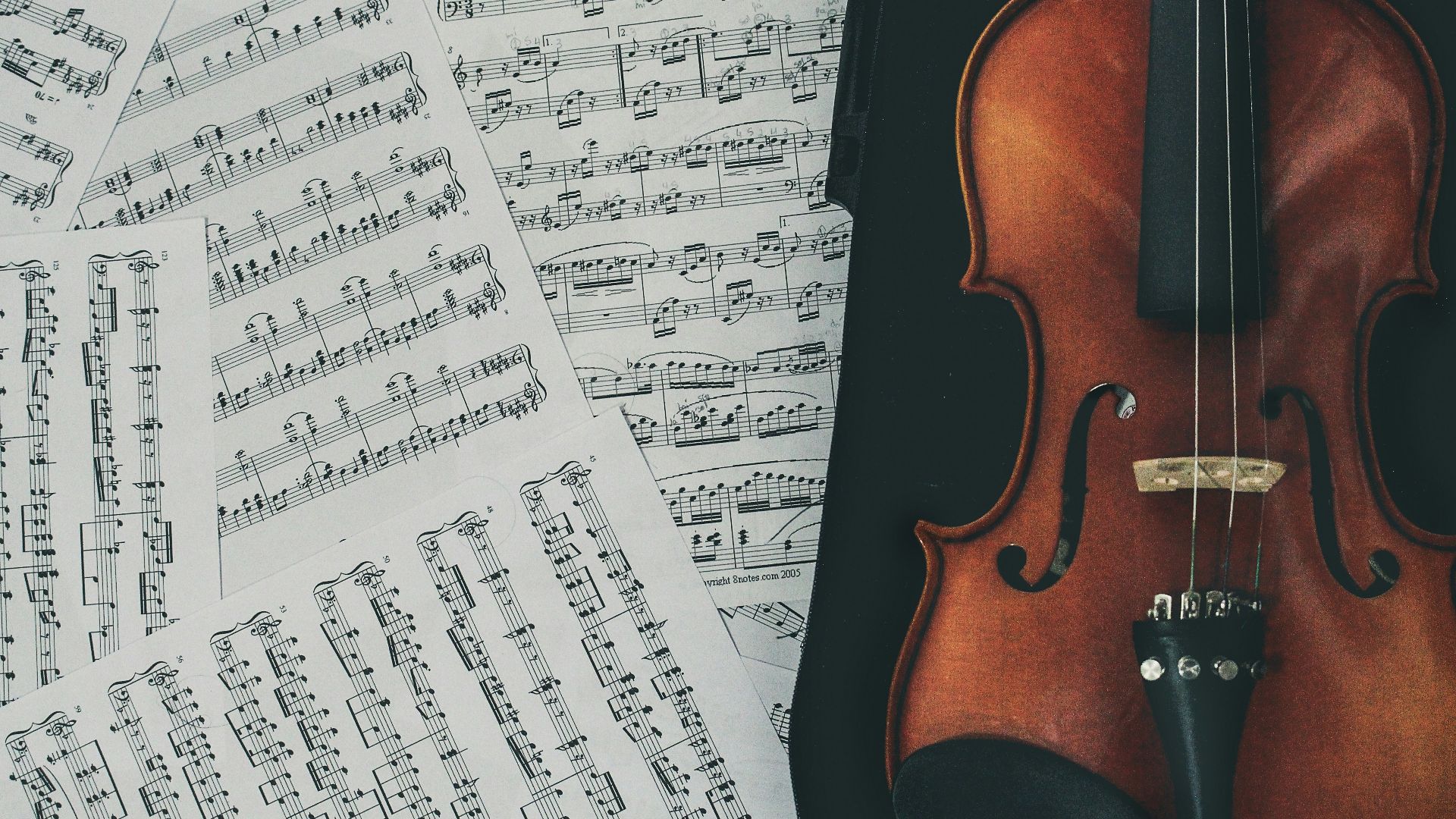
11. The Early Renaissance Period
Between the 1400s and 1600s, composers found new beauty in complex vocal harmonies. Polyphonic musical movements were introduced, featuring multiple melodies being played simultaneously. It represents the historic moment when musicians began to intentionally explore how different chord progressions could manipulate human emotions.
12. The 1980s Synth-Pop Wave
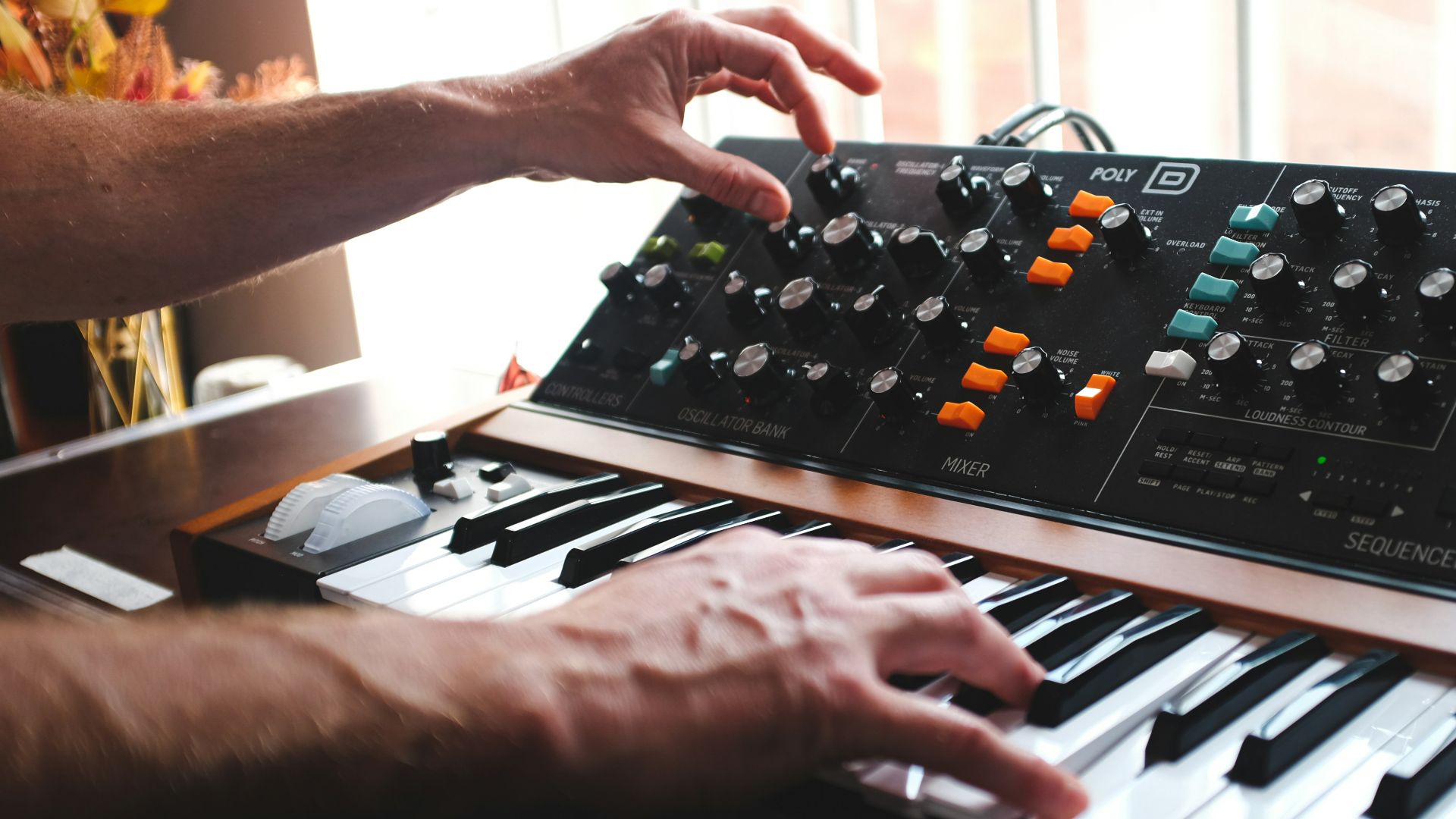
Pop artists began using synthesizers and drum machines to shape the future of pop music. Bands such as Depeche Mode pioneered the use of synthesizers and perfected the emotional tone of '80s pop music. Synth-pop has been widely influential in modern electronic music.
13. The Delta Blues Era
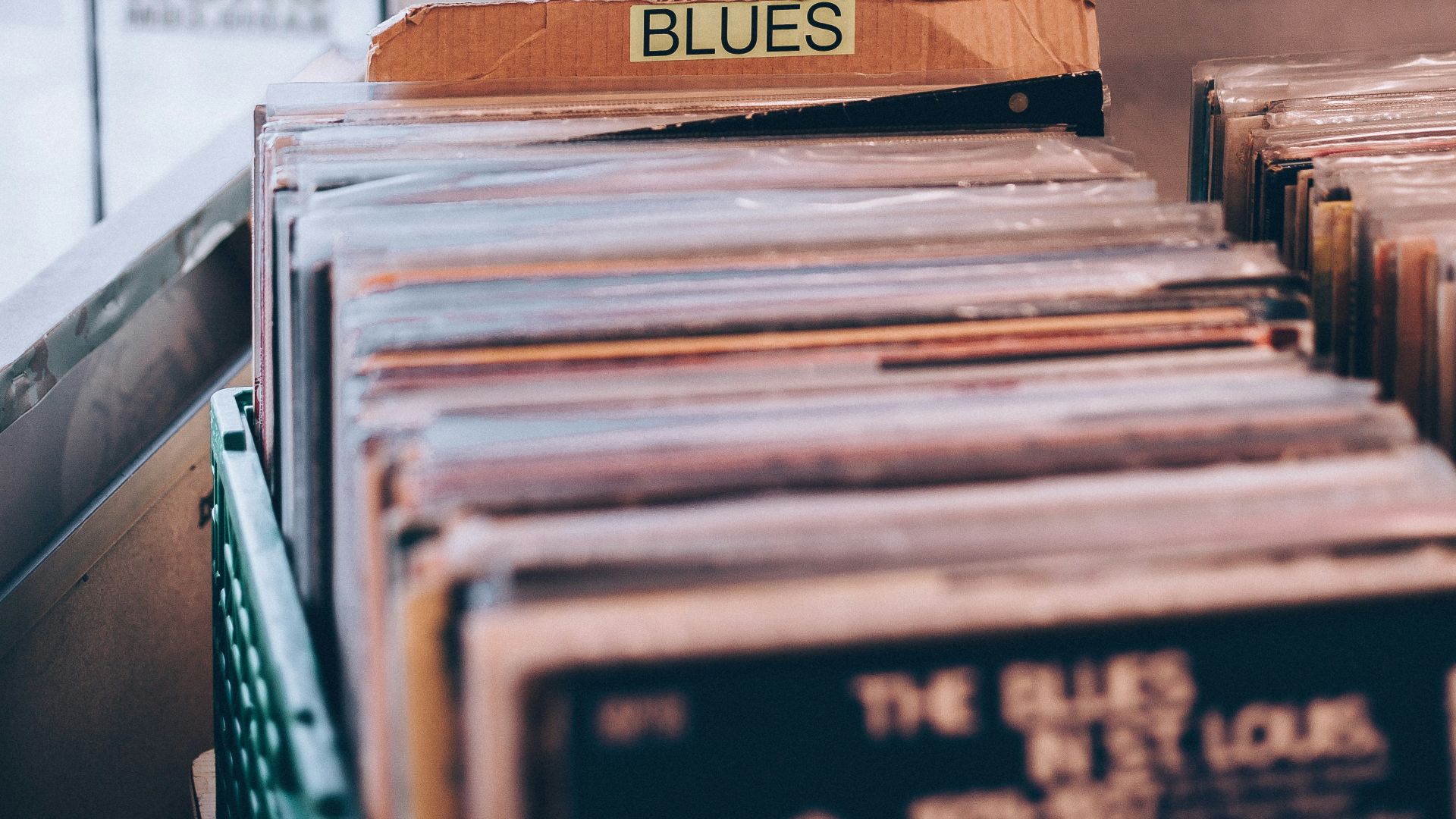
At the beginning of the twentieth century, blues music laid the groundwork for jazz, rock, country, and many genres to come. Singers often told stories about their past while accompanying themselves on guitar. Listening to these early field recordings today lets listeners connect directly with the raw, unfiltered root of modern musical expression.
14. The 1970s Progressive Rock Epoch
Rock music seemed to push the boundaries of what music could technically be during the '70s. Bands like Rush and Yes wrote songs that were impossible to play in live settings due to their complicated nature. Song topics derived from fantasy, space, and science fiction allowed artists to widen their imaginations.

15. The Glam Rock Spectacle
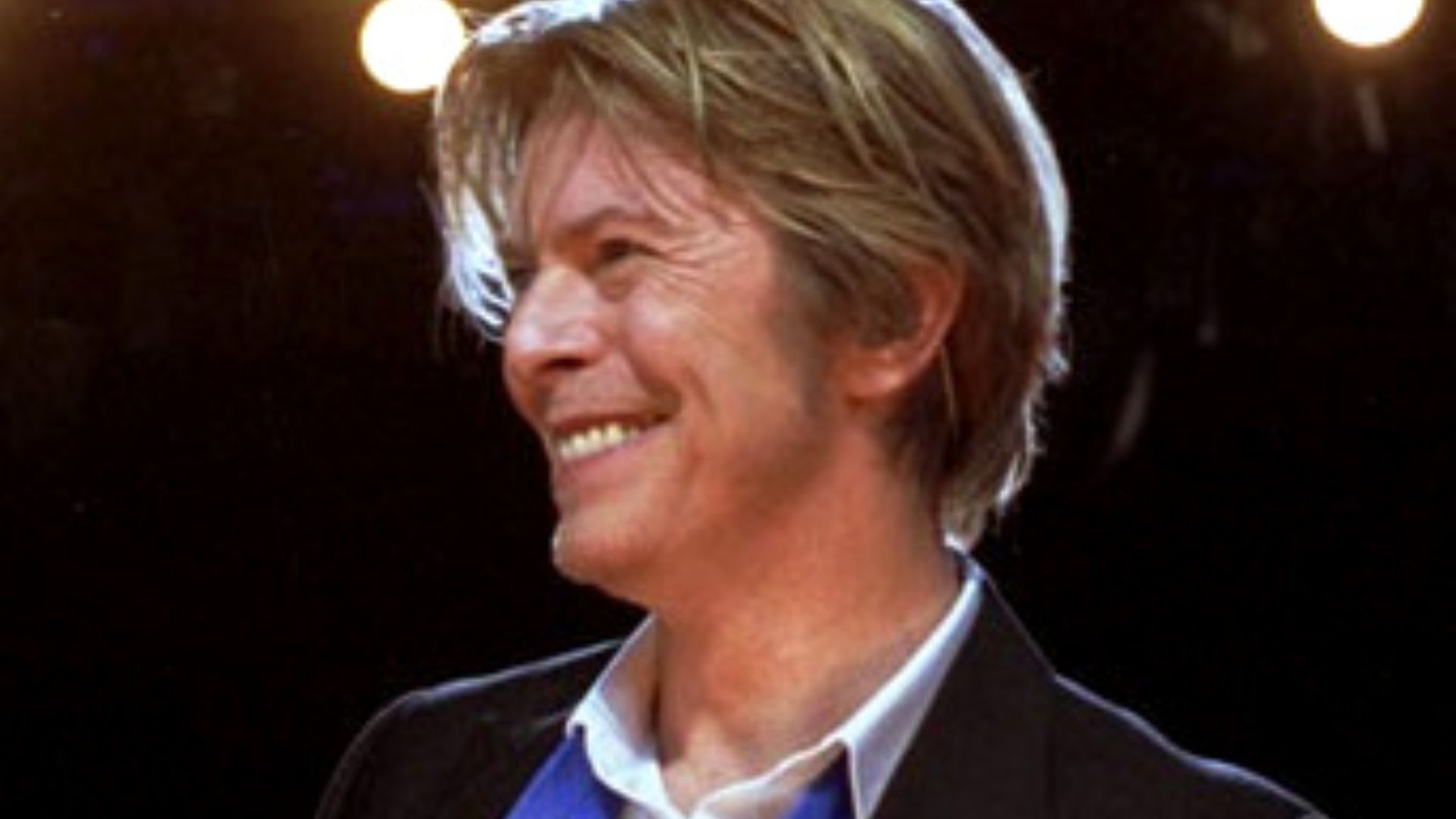
The early 1970s saw a magnificent explosion of theatricality, high fashion, and gender-bending performances dominate the rock and roll landscape. Pioneers like David Bowie and T. Rex proved that the visual presentation of a musical artist was just as vital as the actual songs they recorded. They combined crunchy, infectious guitar hooks with outrageous costumes, glitter makeup, and larger-than-life sci-fi alter egos that captivated global audiences.
16. The French Impressionist Movement
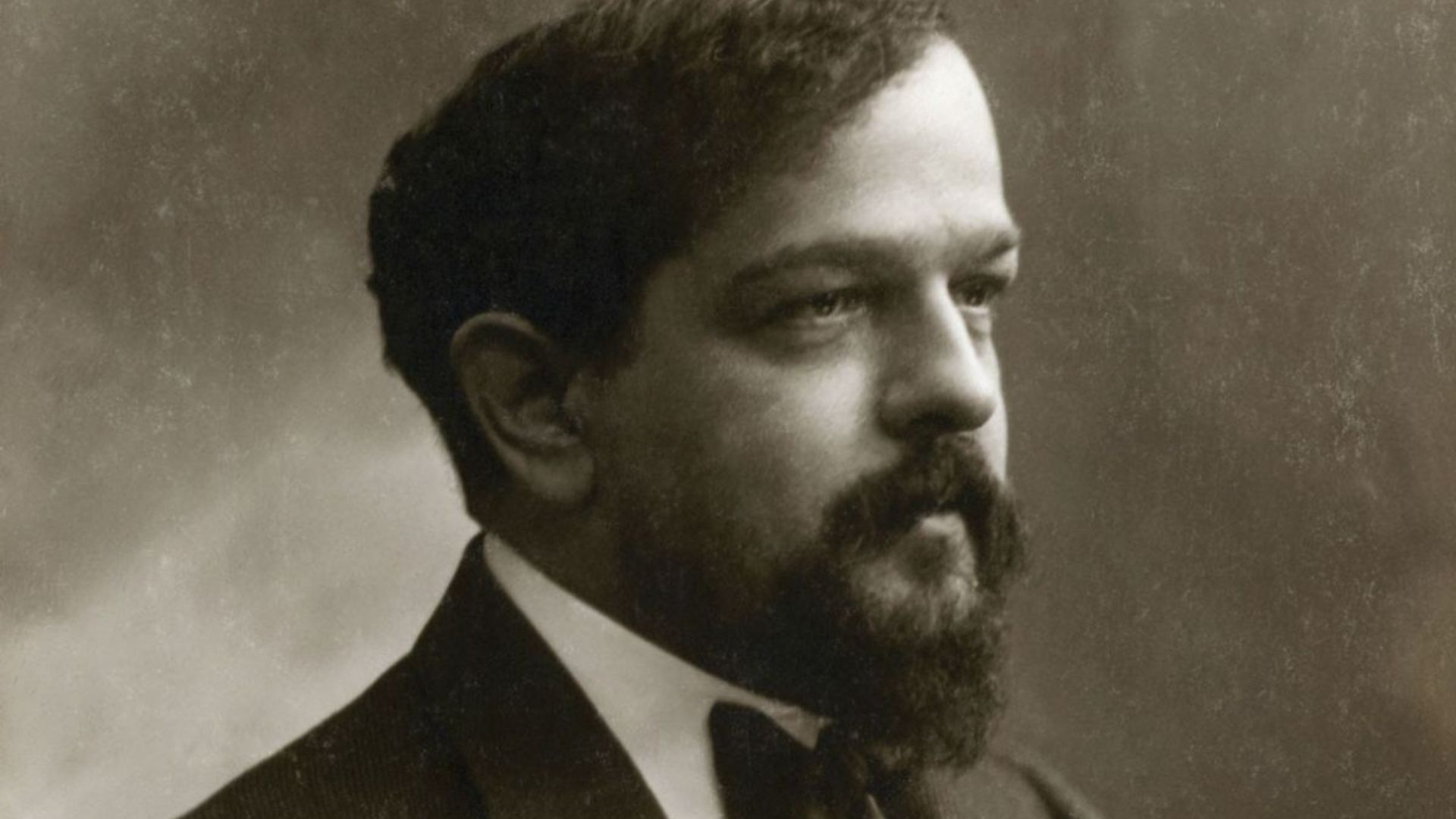
At the turn of the twentieth century, visionary composers like Claude Debussy decided to reject traditional German harmonic structures to try something entirely experimental. Inspired by visual artists, they used unusual scale patterns and lush, blurry chords to create a vivid sense of atmosphere, light, and movement rather than a rigid story. The resulting piano and orchestral works felt incredibly fluid, dreamy, and beautifully unstructured.
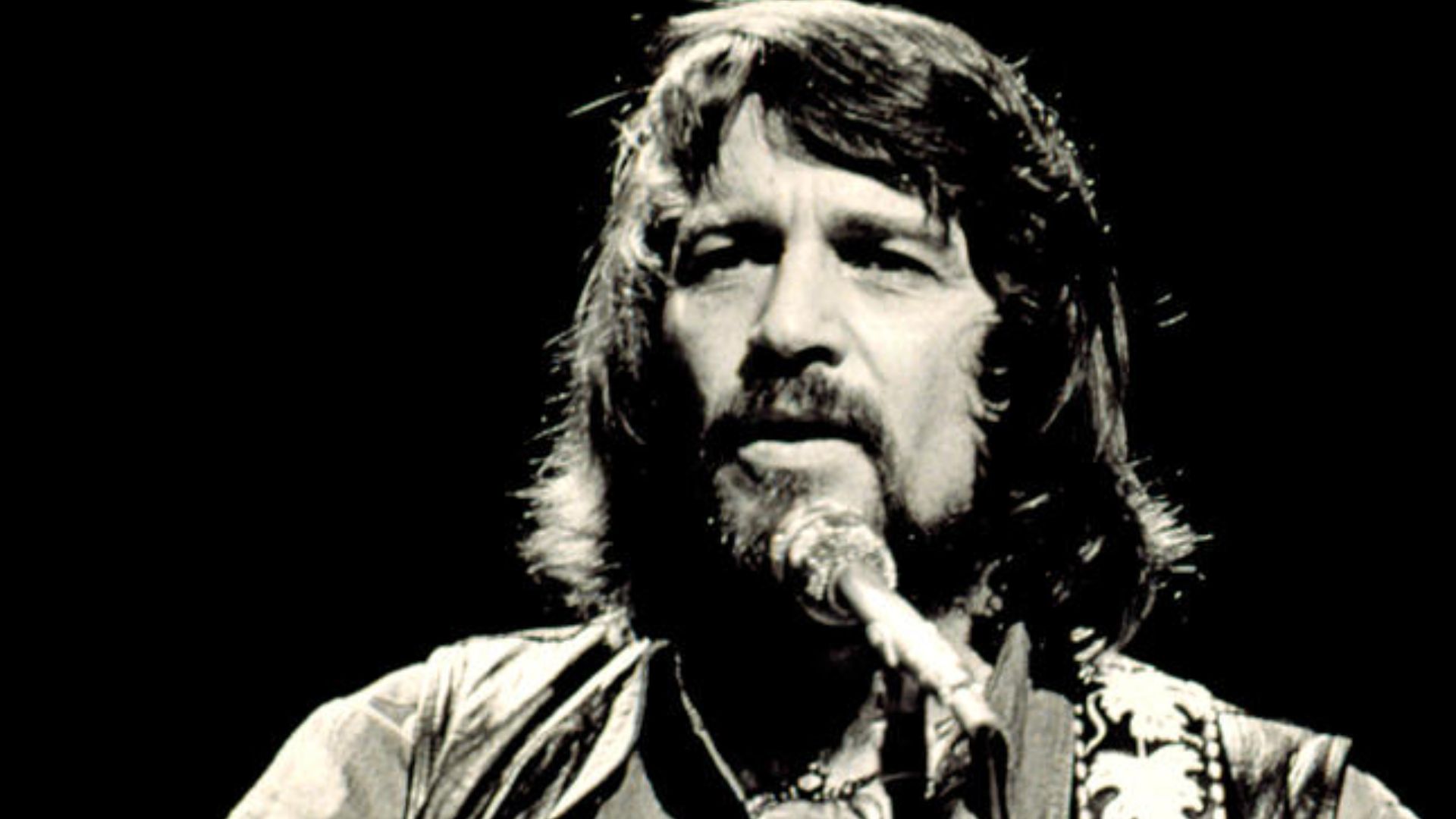
17. The 1970s Outlaw Country Rebellion
A fiercely independent group of singer-songwriters grew completely fed up with the slick, over-produced pop sounds coming out of corporate Nashville recording studios. Artists like Waylon Jennings and Willie Nelson moved their operations to Texas, reclaiming their creative freedom and returning to a raw, honky-tonk sound. They injected a potent dose of rock-and-roll attitude and brutally honest songwriting.
18. The 1970s Punk Explosion
A blistering three-chord sonic assault erupted from underground clubs in New York and London to completely shock the mainstream music establishment. Bored by overindulgent stadium acts, teenage bands stripped rock music down to its absolute bare essentials with furious tempos and politically charged lyrics. It was a brief, chaotic cultural earthquake that permanently changed fashion, attitude, and independent music.

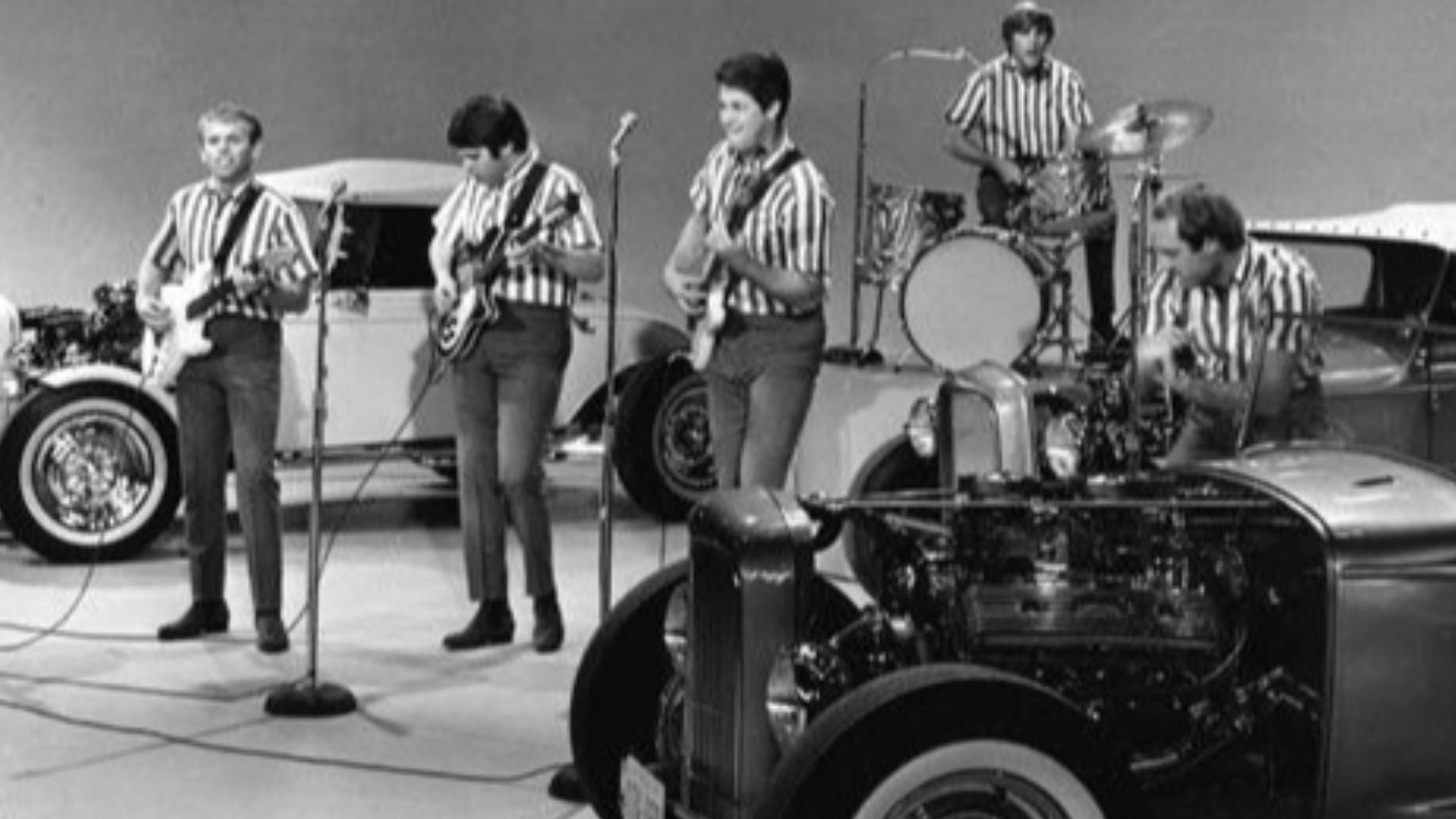
19. The Laurel Canyon Folk Era
Serene and melodically rich songs flooded Los Angeles in the late '60s and early '70s. Bands such as The Beach Boys wrote songs you can't help but sing along to while driving down the freeway. Soft rhythms and storytelling dominated this genre.
 Unknown authorUnknown author on Wikimedia
20. The 2000s Indie Sleaze Revival
As the world transitioned into a new millennium, garage rock and dance punk once again took to the stage. Bands like The Strokes captured that raw guitar sound everyone loves while meshing in heavy dance beats. This music helps new bands realize that not every song has to be perfect.
KEEP ON READING

Was the Mad Gasser of Mattoon a Collective Hallucination?
Unknown author on WikimediaIn September of 1944, residents of the…
By Christy Chan Jun 30, 2026
The Missing Roman Legion: How 5,000 Elite Soldiers Vanished Without…
Maria Dolores Vazquez on UnsplashImagine commanding a battle-tested force of…
By Sara Springsteen Jun 30, 2026
The Tribe That Proved Humans Can Survive Almost Anything
Miscellaneous Items in High Demand, PPOC, Library of Congress on…
By Emilie Richardson-Dupuis Jun 30, 2026
The Woman Who Convinced Doctors She Gave Birth To Rabbits
Fæ on WikimediaSome stories sound made up the moment you…
By Cameron Dick Jun 30, 2026
20 Best Musical Eras In History
What Era Has The Best Music. Music has always been…
By Sara Springsteen Jun 30, 2026
The 20 Worst Mothers In History
Grim Maternal Infamy. History has plenty of powerful and complicated…
By Annie Byrd Jun 30, 2026