


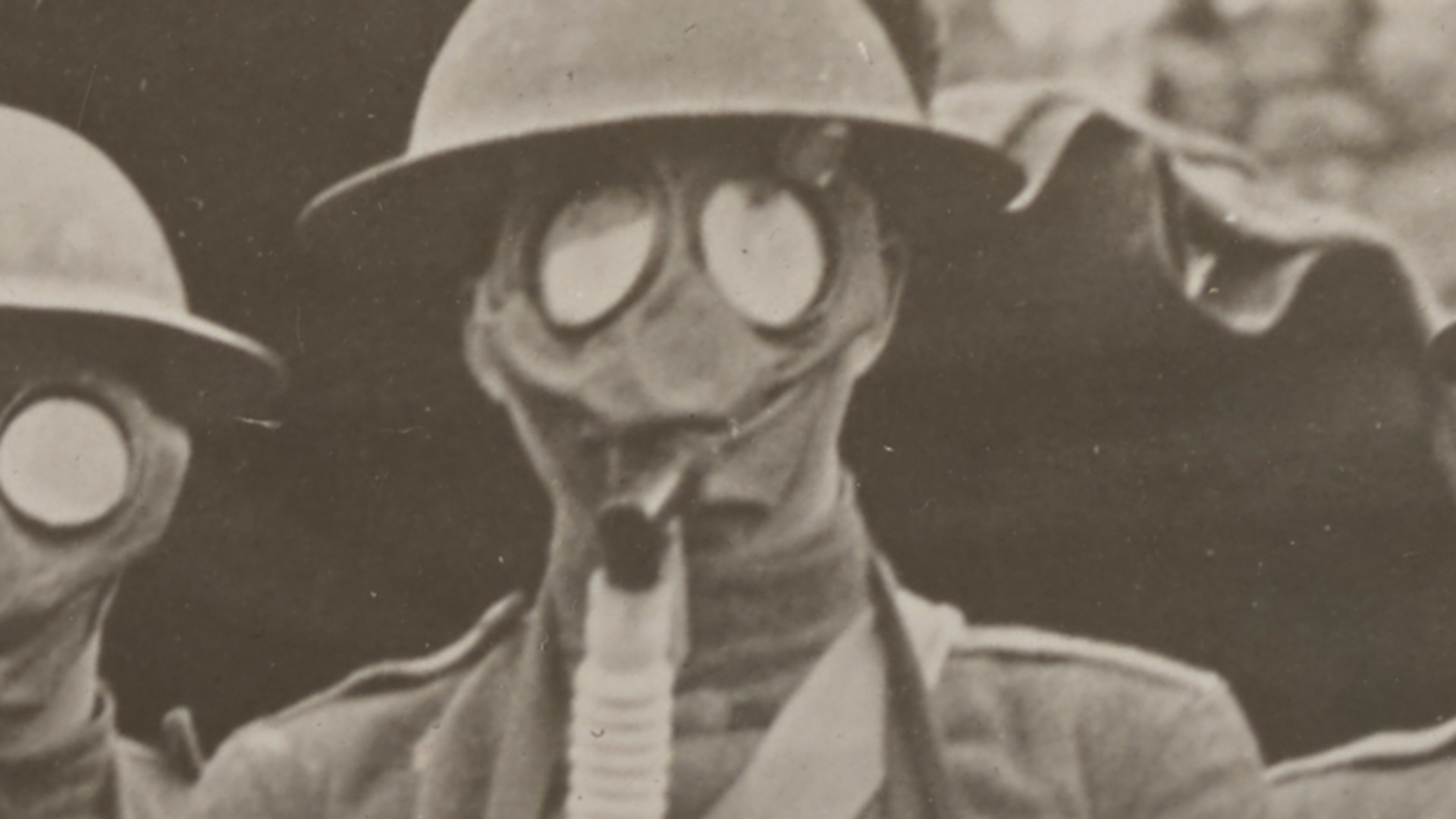
In September of 1944, residents of the small Illinois town of Mattoon began reporting something that sounds straight out of a pulp magazine: a mysterious figure spraying sweet-smelling gas into their homes at night, leaving them nauseated, weak, and temporarily paralyzed. Within two weeks, 33 people claimed to have smelled the strange odor, and the town rapidly descended into a state of alarm. Armed residents patrolled the streets after dark, and roving bands of townspeople carrying shotguns and pistols searched for the attacker without ever finding him.
More than 80 years later, the case remains one of the most-discussed examples of unexplained mass illness in American history. You might assume modern science has settled the matter, but the explanation is still debated among historians, psychologists, and amateur researchers alike. Some argue the whole affair amounts to a textbook case of collective hallucination fueled by wartime nerves and sensational headlines, while others insist there's still a chance someone really was lurking outside those windows.
How the Panic Began
The first known incident actually predates the famous case that made headlines. On August 31, 1944, a man named Urban Raef woke up to a strange odor coming from his home on Grant Avenue, then felt nauseated and weak before suffering a fit of vomiting. His wife assumed it was a problem with the stove, but when she went to investigate, she found that she'd also become partially paralyzed and unable to get out of bed.
The case that truly ignited the panic happened the following night. Aline Kearney went to bed with her three-year-old daughter while her husband worked a late shift; she'd left the windows and curtains open, and the scent of what she thought was flowers from the garden drifted into the bedroom before she realized it wasn't flowers at all. Her legs went numb almost immediately, and she felt tightness and dryness in her throat, so her sister called for help. When Kearney's husband finally arrived home, he claimed he spotted a tall man dressed in dark clothing with a tight-fitting cap lurking near the bedroom window, and gave chase, but the man got away.
The local newspaper ran the story under the headline "Anesthetic Prowler on Loose," and that single article changed everything. Within days, dozens of additional reports poured in from across town, each one echoing the same basic pattern of a sweet odor followed by physical symptoms. A researcher who later studied the case concluded that the front-page story itself was the immediate trigger for what would become a wave of mass hysteria, since once the public had a script to follow, ordinary sensations started fitting the mold.
The Case for Mass Hysteria
Wartime context matters enormously here, and it's easy to overlook just how primed Mattoon's residents were to expect danger. Just days before the first reported attack, a wire story had warned that Germany or Japan might be preparing to use poison gas or developing some kind of secret weapon to turn the tide of the war. Add in the fact that many of the town's young men were off fighting overseas, leaving women managing households alone at night, and you have a population already on edge before a single gas attack was reported.
Police skepticism only grew as the case unfolded, and their eventual explanation pointed away from any human attacker entirely. Police Chief C. E. Cole announced that there was no prowler sneaking around town pumping homes full of gas; instead, he attributed the odors to wind shifts that carried fumes from a local war plant through open windows at night. He also acknowledged that at least some of the reported attacks were likely the product of hysteria, with frightened residents reacting to any unexplained smell or shadow.
The symptoms themselves line up closely with what psychologists would expect from a hysteria-driven event rather than chemical exposure. Despite dozens of reported attacks, no one ever died or suffered any lasting medical consequences from the supposed gassings, which is hard to square with the idea of a serial poisoner working undetected for weeks. One historian who has written extensively about mass hysteria has stated bluntly that anyone who examines the full body of evidence and still believes there was a real gasser is fooling themselves, arguing the case for collective panic is overwhelming.
The Case Against a Simple Explanation
Not every investigator has been ready to write the whole affair off as imagined. Army chemical weapons experts were brought in at the height of the panic, and their best guess was that the substance might have been chloropicrin, a poisonous gas with a sweet smell often used to exterminate rodents, though no physical traces of any chemical were ever recovered. The fact that military specialists took the reports seriously enough to investigate suggests the symptoms weren't dismissed out of hand even at the time.
A handful of researchers have also pushed back against the consensus, most notably a local high school teacher who spent years digging into the case. In a 2003 book, Scott Maruna challenged the mass hysteria explanation and gave weight to many of the witness accounts, proposing that a chemistry student named Farley Llewellyn might have been responsible. Maruna described Llewellyn as a brilliant outcast who drank heavily and kept a secret laboratory where he experimented with various chemicals, which at least offers a plausible mechanism for how someone could have produced and deployed an irritant gas.
Even officials at the time weren't entirely unified on the explanation, and some seemed reluctant to dismiss the case outright. The superintendent of the Illinois Bureau of Criminal Identification and Investigation stated publicly that the existence of the anesthetic, or whatever it was, was real, a comment that complicated the tidy narrative police were trying to present to the press. That kind of institutional disagreement is part of why the story has never fully settled into a single accepted version of events.
So was Mattoon's Mad Gasser a flesh-and-blood attacker, an industrial accident, or a town that scared itself sick? The honest answer is that the evidence supports a mix of all three, even if mass hysteria remains the dominant explanation among historians and psychologists today. What's clear is that fear spreads fast when a community is already anxious, and a single sensational headline can turn ordinary household smells into evidence of an unseen menace. Whether or not a real person ever crept through Mattoon's backyards with a spray gun, the panic that gripped the town was entirely real, and it still offers a useful reminder of how quickly rumor and reporting can shape what people believe they've experienced.
KEEP ON READING

The 10 Youngest Monarchs In History & The 10 Oldest
Age Is Just A Number. Imagine being crowned king or…
By Chase Wexler Mar 11, 2025
You Think You Have Problems? These Royal Families Were Cursed
Boasson and Eggler St. Petersburg Nevsky 24. on WikimediaHeavy is…
By Ashley Bast Dec 5, 2025
You Can Thank This Greek-Canadian For Creating Pineapple On Pizza…
Love it or hate it, pineapple on pizza sparks debate…
By David Davidovic Dec 1, 2025
Yes, Female Gladiators Existed, And Here's Everything You Need To…
History of Women in Combat. Most people picture gladiators as…
By David Davidovic Jan 17, 2026
Yes, Australians Once Lost A Battle Against Flightless Birds
David Clode on UnsplashIn 1932, the Australian military went to…
By David Davidovic Nov 24, 2025
The Y2K Bug: Why Did Everyone Think Year 2000 Was…
Alan W on UnsplashOn December 31, 1999, people all over…
By Christy Chan Dec 22, 2025