Some stories sound made up the moment you hear them, and this is one of them. In 1726, a poor, illiterate woman from a small town in Surrey, England, convinced some of the most respected medical minds in the country, and eventually King George I himself, that she had given birth to rabbits. Not metaphorical rabbits. Actual dead rabbits, delivered in front of witnesses, over the course of several weeks.
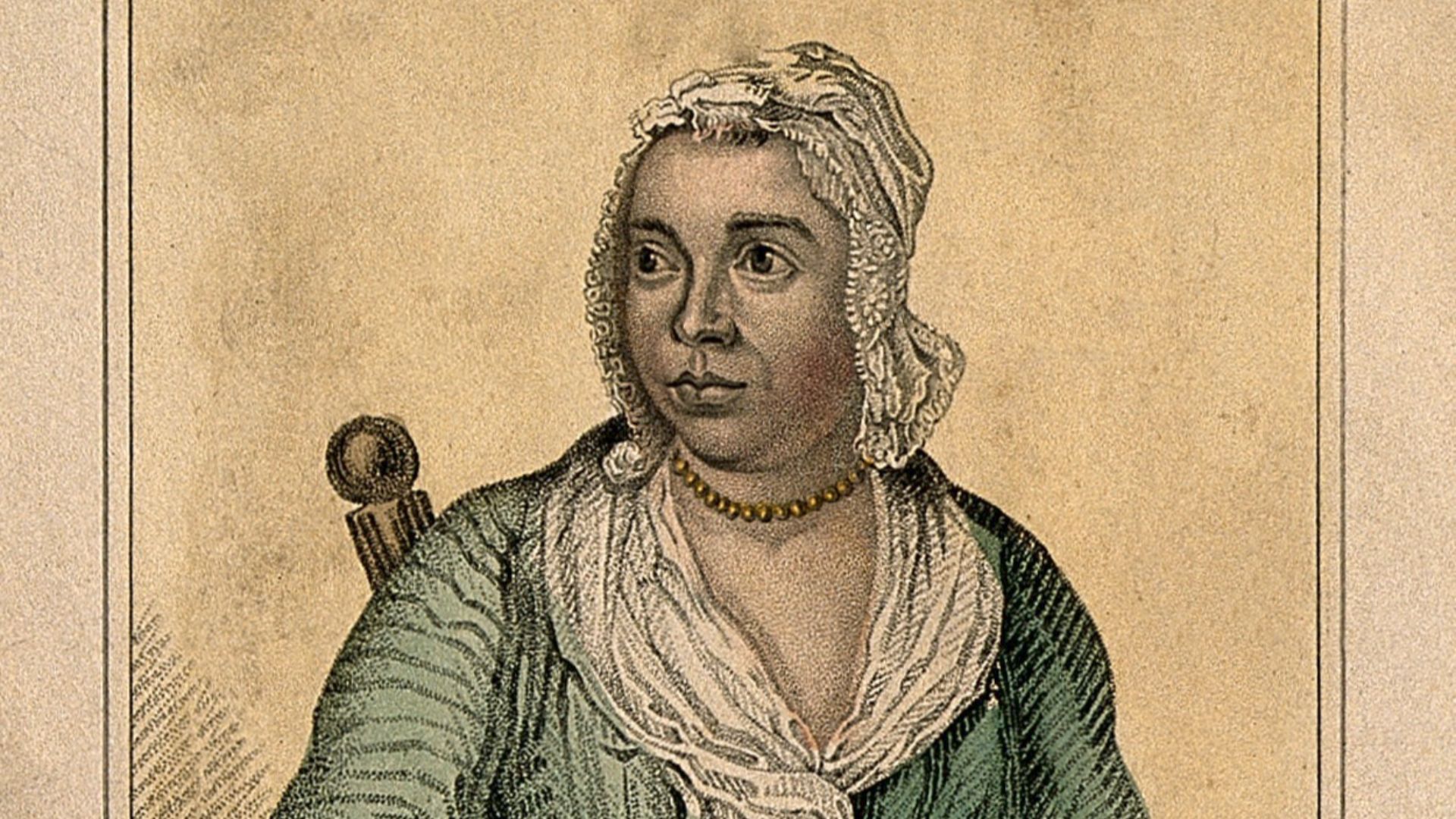
Her name was Mary Toft, and for a few months in late 1726, she was the most talked about person in England. The case pulled in royal surgeons, sparked a flood of pamphlets and satirical prints, and exposed just how shaky the foundations of eighteenth century medicine really were. What makes the story stick, though, is not just that it happened, but how long it took anyone with real authority to say it plainly couldn't be true.
A Miscarriage, A Rabbit, And A Story That Should Have Ended There
Toft had been pregnant in the spring of 1726 and miscarried that August, not long after reportedly being startled by a rabbit while working in a field. At the time, a popular medical theory held that a pregnant woman's thoughts and experiences could physically shape her unborn child, a concept known as maternal imagination. Toft's family leaned on that theory to explain what came next, claiming her fixation on the rabbit had somehow redirected her pregnancy entirely.
By late September, Toft was reportedly in labor again, and her neighbor and mother-in-law, who worked as a midwife, were present as she delivered what looked like animal parts rather than a baby. A local surgeon named John Howard was called in, and over the following weeks he documented an increasingly strange parade of deliveries, including a headless cat, the legs of a cat, a rabbit's head, and on one occasion nine dead baby rabbits in a single day.
Howard was either convinced or convinced enough to be useful, and he wrote to some of the country's most prominent doctors and scientists to share the news. That decision turned a strange local rumor into a national event, and it didn't take long for word to reach the royal court.
The Doctors Who Should Have Known Better
King George I sent Nathaniel St. André, surgeon to the Royal Household, to investigate, and St. André came away convinced the births were genuine. The king then dispatched a second surgeon, Cyriacus Ahlers, who turned out to be considerably harder to fool. Ahlers noticed Toft kept her legs pressed together as though guarding against something falling out, and when he examined the rabbit remains, he found they had been cut with a clean, man-made instrument rather than torn naturally. He also found straw and grain in the droppings of the supposed rabbit fetuses, food no creature could have eaten while still inside a womb.
Ahlers reported his suspicions to the king in November of 1726, but St. André dismissed the findings and got to the king first with assurances that the case was real. Around the same time, Sir Richard Manningham, a well-regarded physician and midwife, was brought in to observe Toft directly. He, too, suspected fraud after watching what he believed was a hog's bladder rather than an animal birth, but he was talked into staying quiet by Howard and St. André until firmer proof emerged. Several trained men, in other words, suspected the truth and said nothing, mostly to protect reputations they had already staked on believing her.
It took an outsider with nothing to lose to actually break the case. Baron Thomas Onslow, a former member of Parliament, looked into the matter on his own and discovered that Toft's husband had been buying rabbits locally, and that a porter at the London lodgings where Toft was being kept under observation admitted he had been bribed to smuggle rabbits in to her. The evidence was no longer circumstantial.
A Confession, A Scandal, And A Career-Ending Embarrassment
Toft held out under questioning for several days even after the porter's confession became public, but she finally admitted the fraud on December 7, 1726, once doctors threatened to perform surgery to settle the matter for good. She explained, across several different confessions, that dead animal parts had been inserted into her body, both by an accomplice early on and later by her own hand once she was alone in London, well after her cervix remained able to permit such access following the original miscarriage.
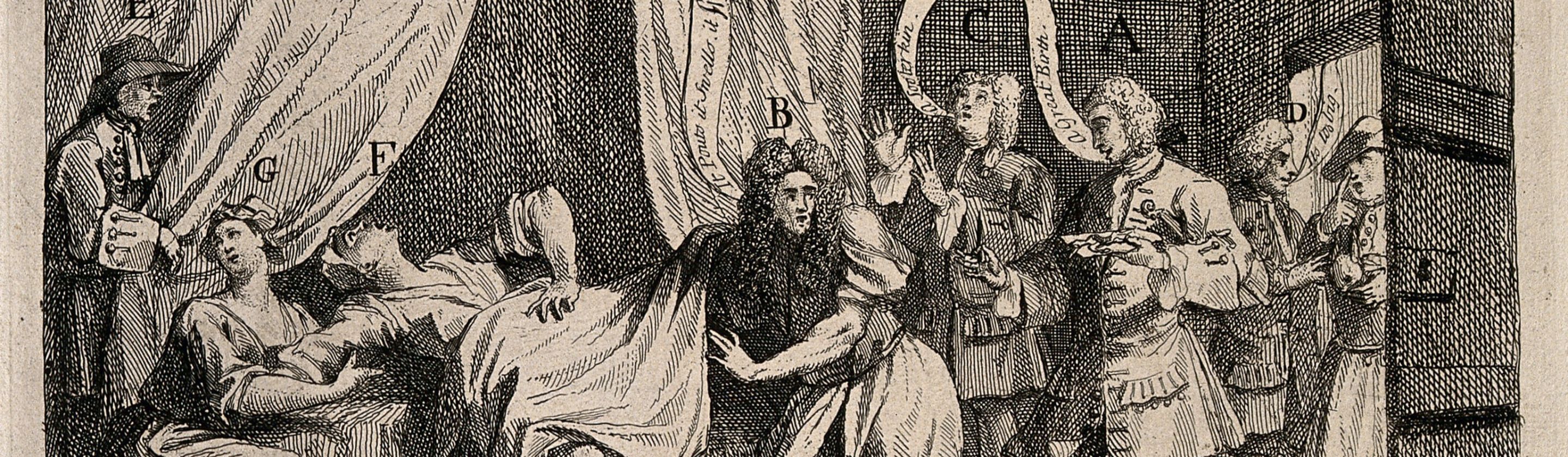
The fallout landed almost entirely on the men who had vouched for her. St. André's reputation never recovered, and the case became a popular subject for satirists, including the artist William Hogarth, whose prints mocked the doctors as gullible fools standing in awe of an obvious hoax. At least fifteen pamphlets and songs were published ridiculing the affair, and collectors reportedly thought it fashionable to bind their copies in rabbit skin.
Toft herself was charged with being, in the language of the time, an abominable cheat and imposter, though the case against her was eventually dropped since it was unclear what crime actually applied. She returned to Godalming, had one more, entirely ordinary, child, and largely disappeared from public life. She briefly resurfaced in 1740 over an unrelated charge of receiving stolen goods, then died in 1763, with an obituary notice that ran alongside those of aristocrats, a strange final footnote for a woman whose biggest legacy was making the era's finest medical minds look thoroughly foolish.