Where History Still Shapes the Streets
Ever wondered what it was like to walk through the city you live in 100 years ago? What would the buildings and streets have looked like? What would people have been wearing? It might seem like something you could only ever imagine, but some American towns have preserved the past so carefully that a walk through their main districts can feel surprisingly like a blast to the past. Their old storefronts, historic homes, brick sidewalks, preserved districts, and long-running traditions give you a clearer sense of how earlier generations lived, worked, traveled, and built community. These places aren’t untouched by the present, of course, but they’ve held onto enough of their original character that you can still see the architecture, street plans, industries, and local stories that shaped them. From colonial settlements and mining towns to Victorian resorts and Gold Rush ports, these 20 American towns are worth visiting for history buffs.
1. St. Augustine, Florida
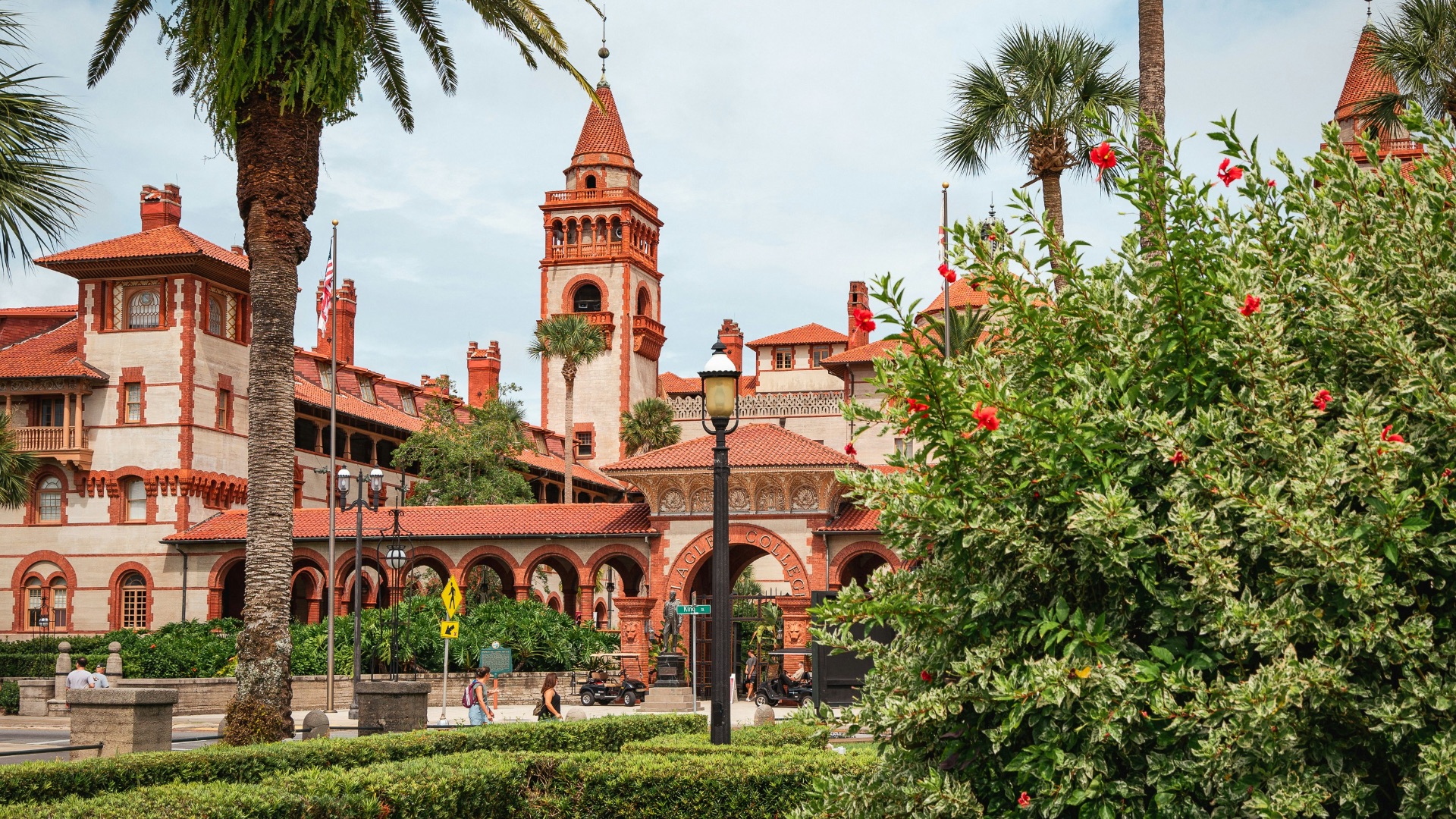
St. Augustine has a rare kind of historical depth because it was founded in 1565 and still keeps traces of its Spanish colonial layout. The city’s narrow streets, balconies, and surviving colonial-era buildings make its historic core feel far older than many other American destinations. Even though some structures have been reconstructed, the overall setting still reflects a town shaped by Spanish, British, and American chapters over several centuries.
2. Williamsburg, Virginia
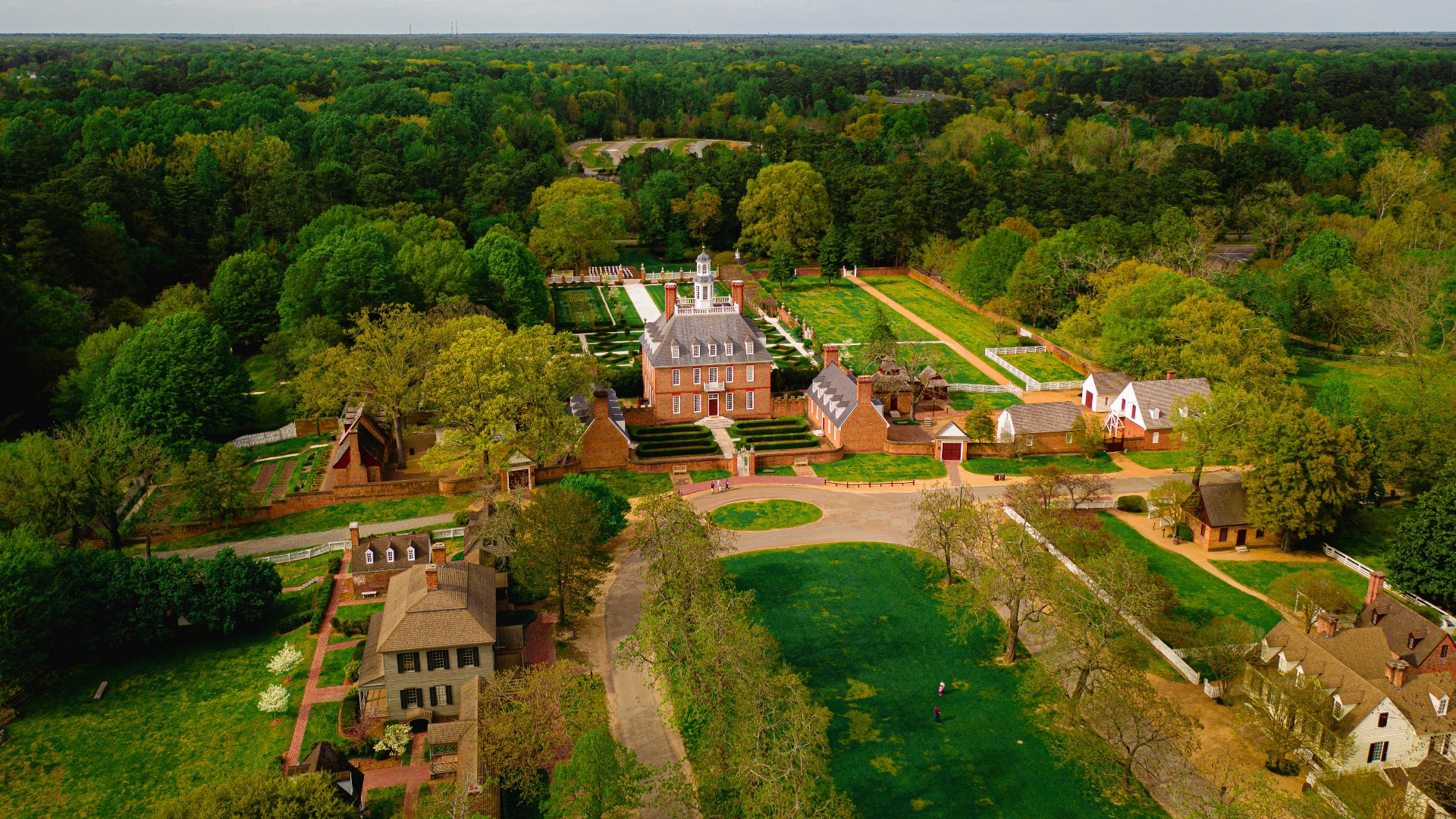
Williamsburg’s historic area is one of the most immersive places in the country for seeing 18th-century colonial life presented through restored buildings, working trades, gardens, and period interpretation. Its 301-acre historic district includes restored and recreated structures connected to the era when Williamsburg served as the capital of colonial Virginia. You don’t just see old buildings here; you see craftspeople, cooks, gardeners, and interpreters helping the town’s past feel active and carefully researched.
3. Harpers Ferry, West Virginia
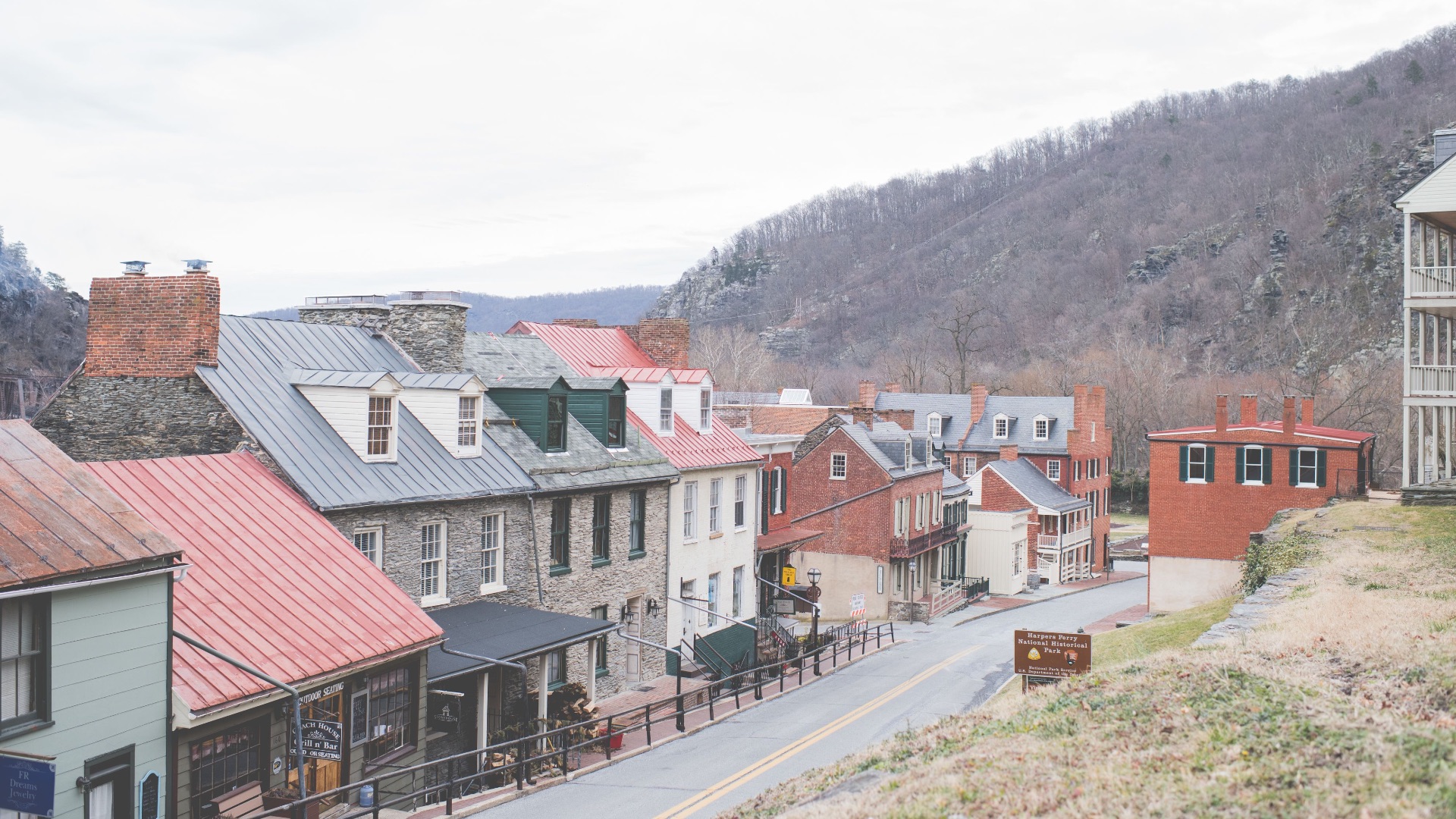
Harpers Ferry feels preserved because its setting and history are both so powerful. Sitting where the Potomac and Shenandoah rivers meet, the town is closely tied to John Brown’s 1859 raid, Civil War history, Storer College, and broader struggles over freedom and civil rights. Its lower town, historic streets, and surrounding National Historical Park give you a compact but layered view of 19th-century America.
4. New Castle, Delaware
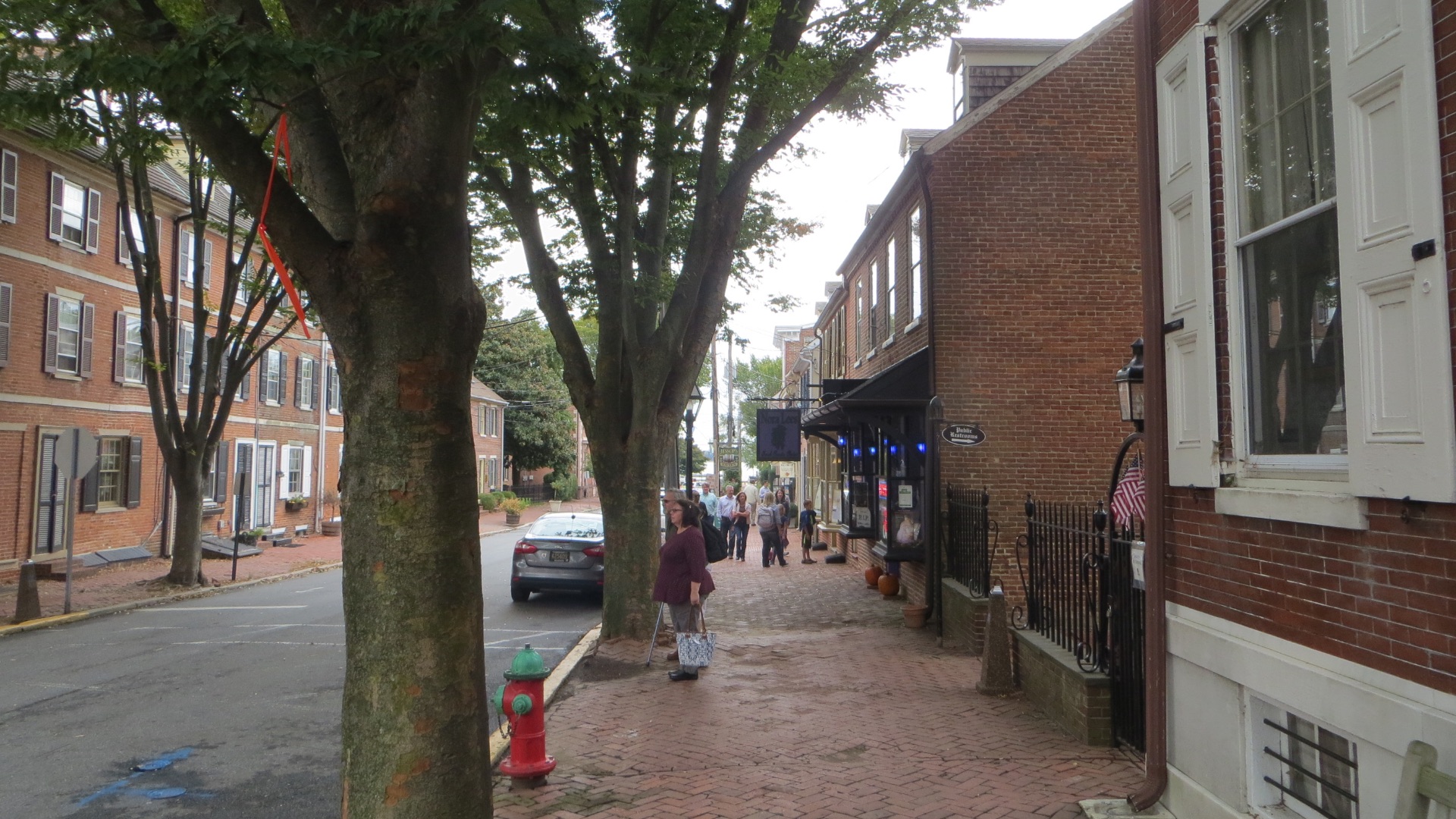
New Castle has the kind of colonial character that comes from preservation at the community level. Its historic district is protected through the work of local residents, property owners, the city, the state, and preservation organizations, which helps explain why so much of its early character remains visible. With brick sidewalks, old homes, and a courthouse-centered layout, the town still carries the feel of an early Delaware settlement.
5. Cape May, New Jersey
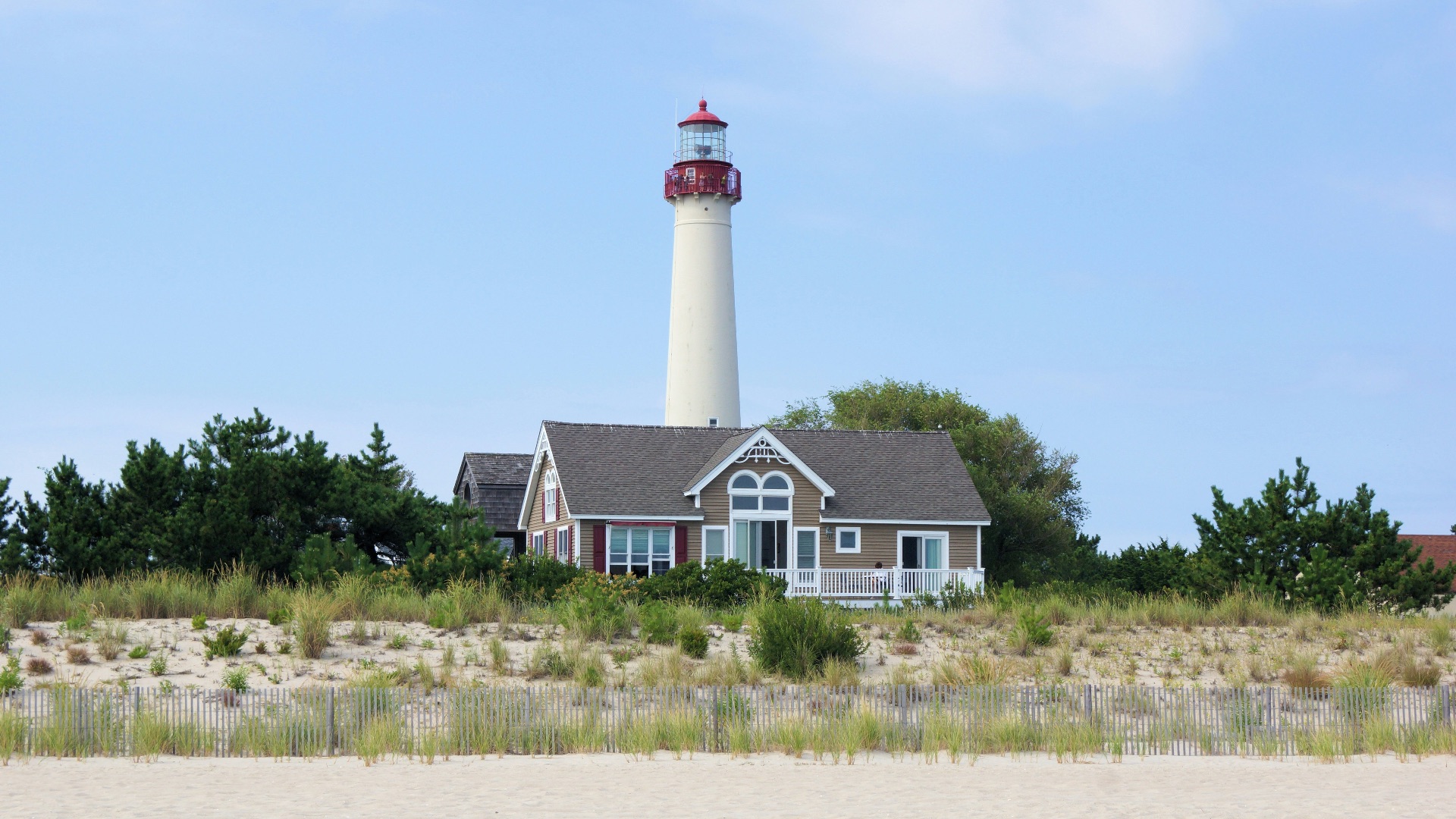
Cape May stands out because it has one of the country’s best-known collections of preserved Victorian buildings. The city’s historic district became a National Historic Landmark in 1976, and more than 600 restored and preserved Victorian structures help define its identity as a seaside resort. If you’re used to beach towns dominated by newer condos and hotels, Cape May’s streets feel unusually rooted in the late 19th century.
6. Mackinac Island, Michigan
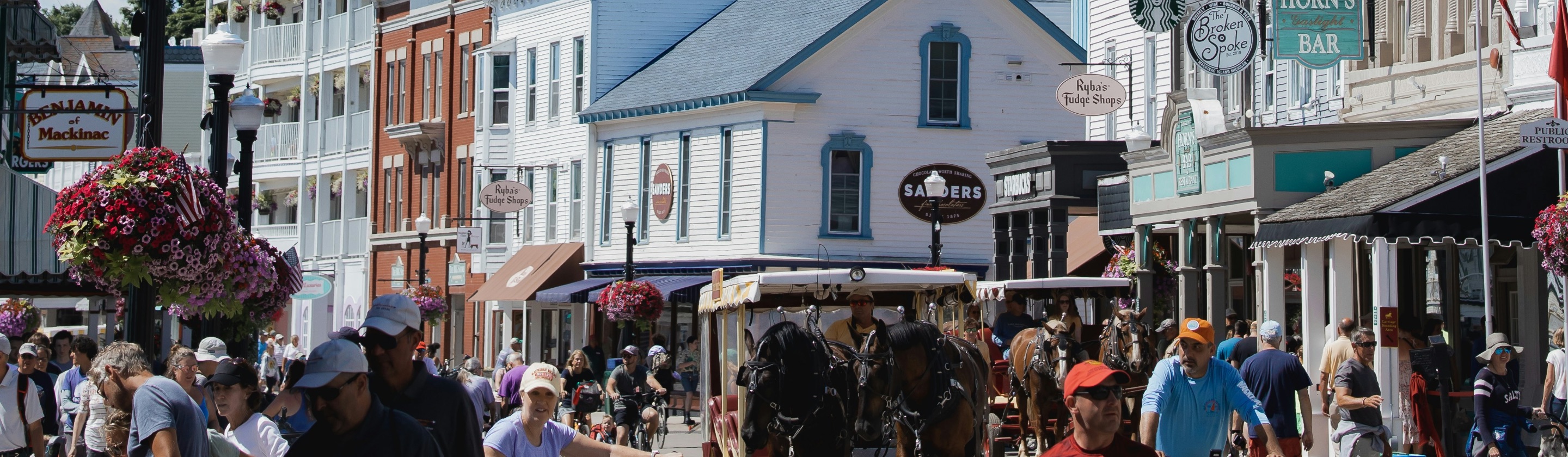
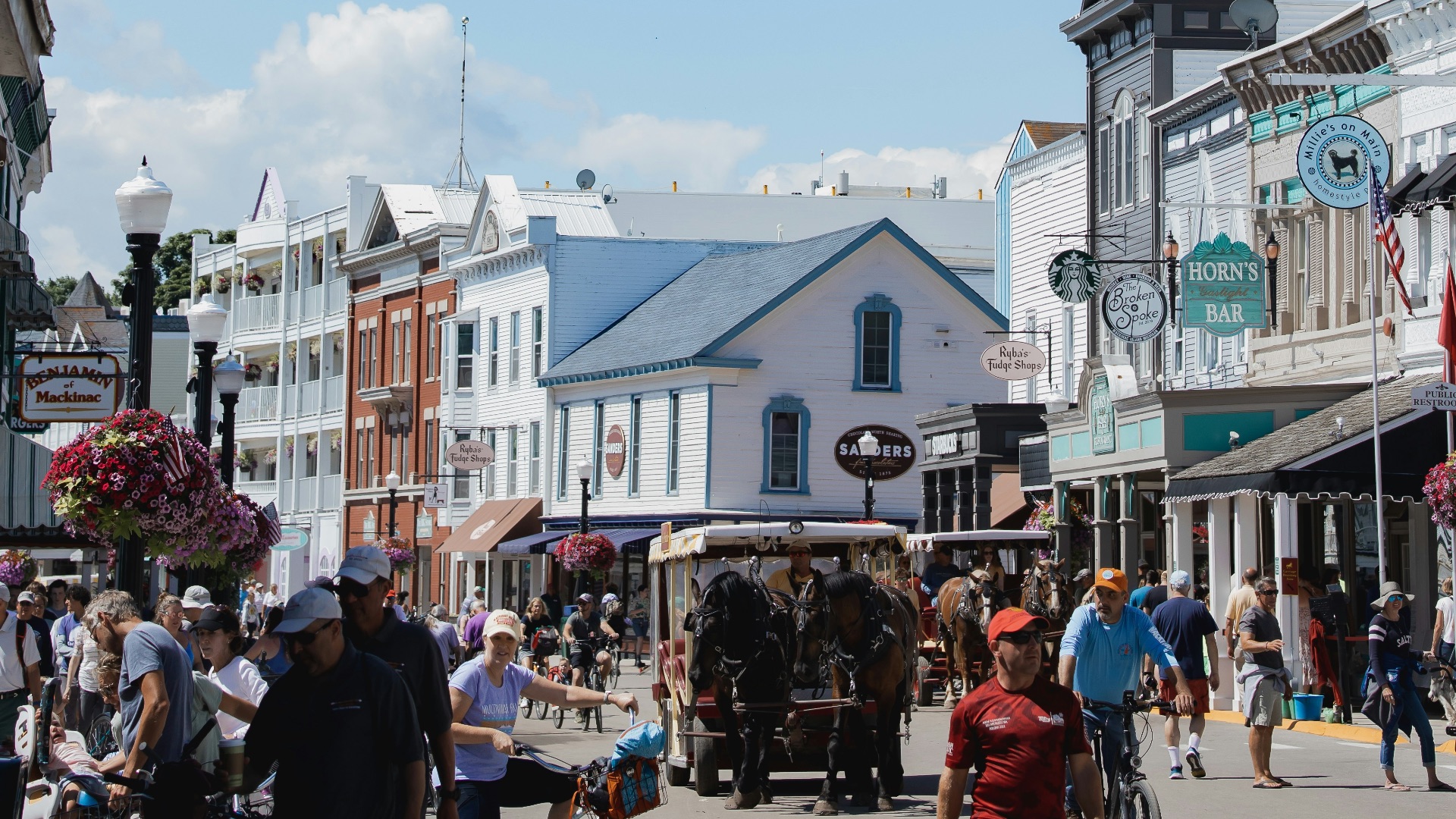
Mackinac Island feels removed from the modern rush largely because cars have been banned there since 1898. Visitors and residents still rely on walking, bicycles, and horse-drawn transportation, which gives the island a pace that’s hard to find elsewhere in the United States. Its historic homes, old hotels, fort, and preserved natural areas make the island feel both lived-in and carefully protected.
7. Galena, Illinois
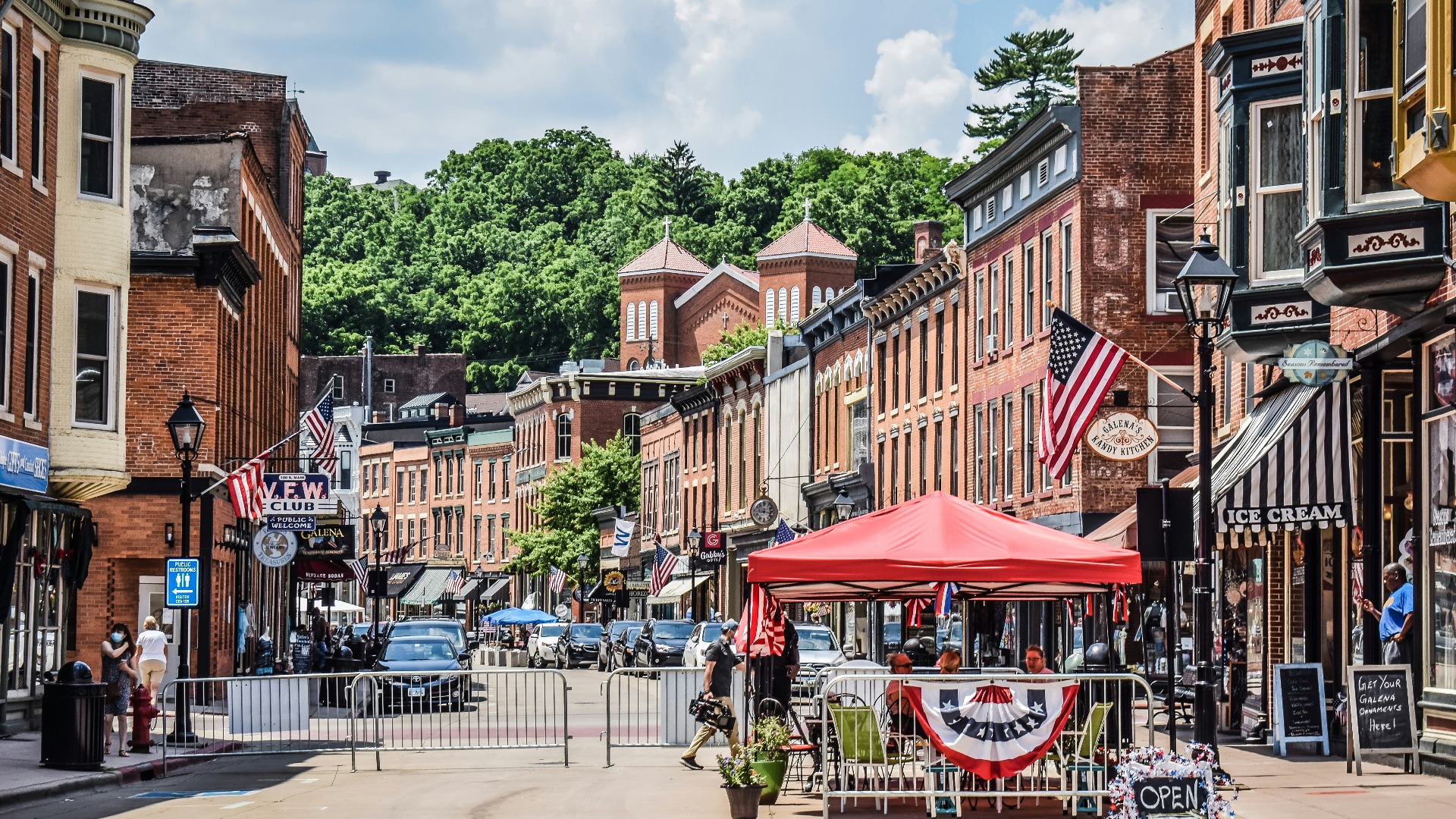
Galena’s historic district covers a remarkable concentration of old structures, including more than 1,450 buildings documented by the city’s historic district database. The town’s 19th-century commercial buildings, hillside homes, and connections to Ulysses S. Grant give it a strong Civil War-era identity. Because so much of the built environment remains intact, Galena feels less like a town with a historic block and more like a whole community shaped by preservation.
8. Deadwood, South Dakota
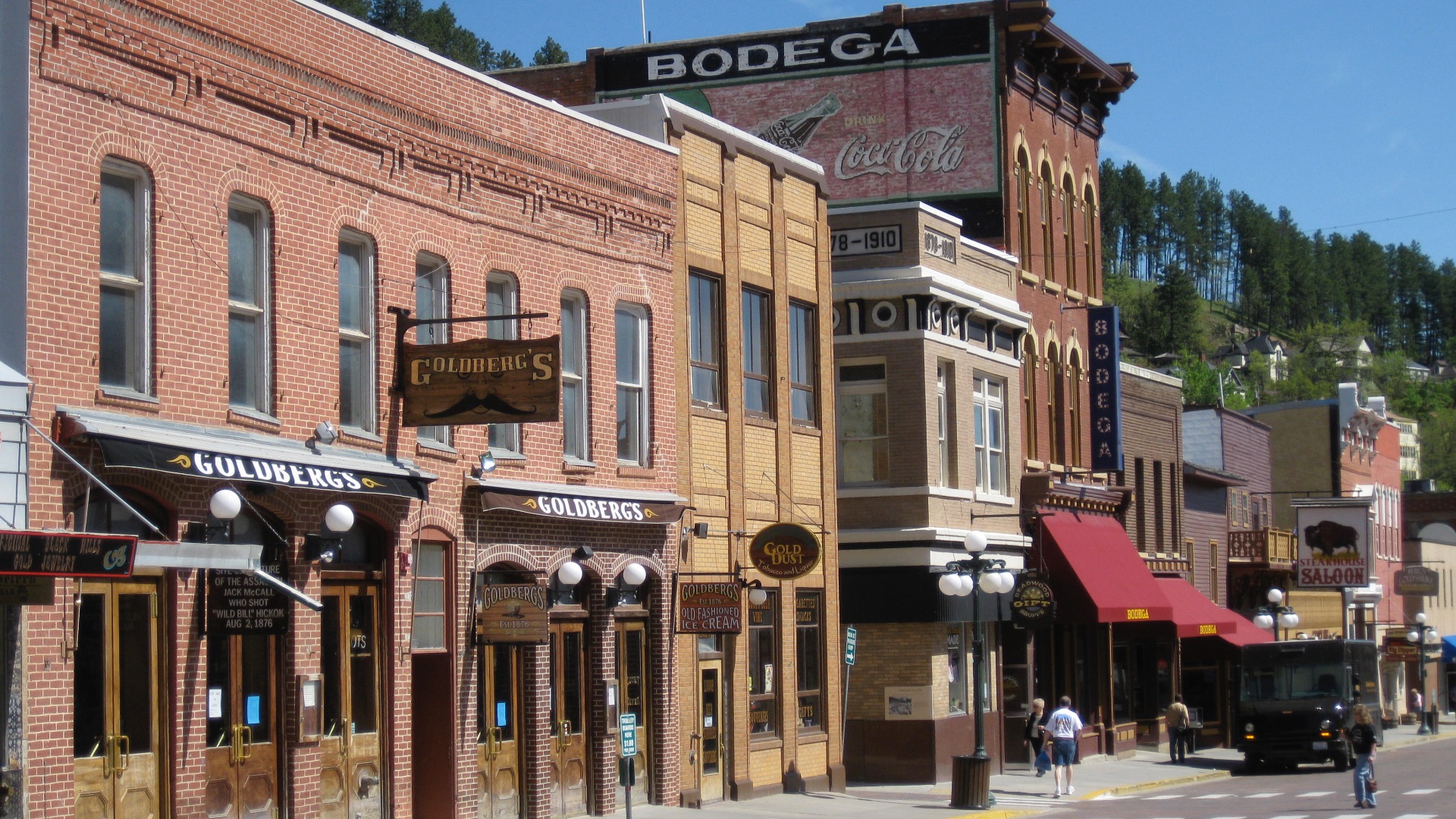
Deadwood carries its frontier history right through its downtown, which was designated a National Historic Landmark in 1961. The entire community is recognized for its historic character, and the town still leans into its Gold Rush-era streets, museums, cemeteries, and Western figures. It has modern businesses, but the brick-paved streets and preserved buildings keep its Black Hills mining-town identity front and center.
 Richie Diesterheft from Chicago, IL, USA on Wikimedia
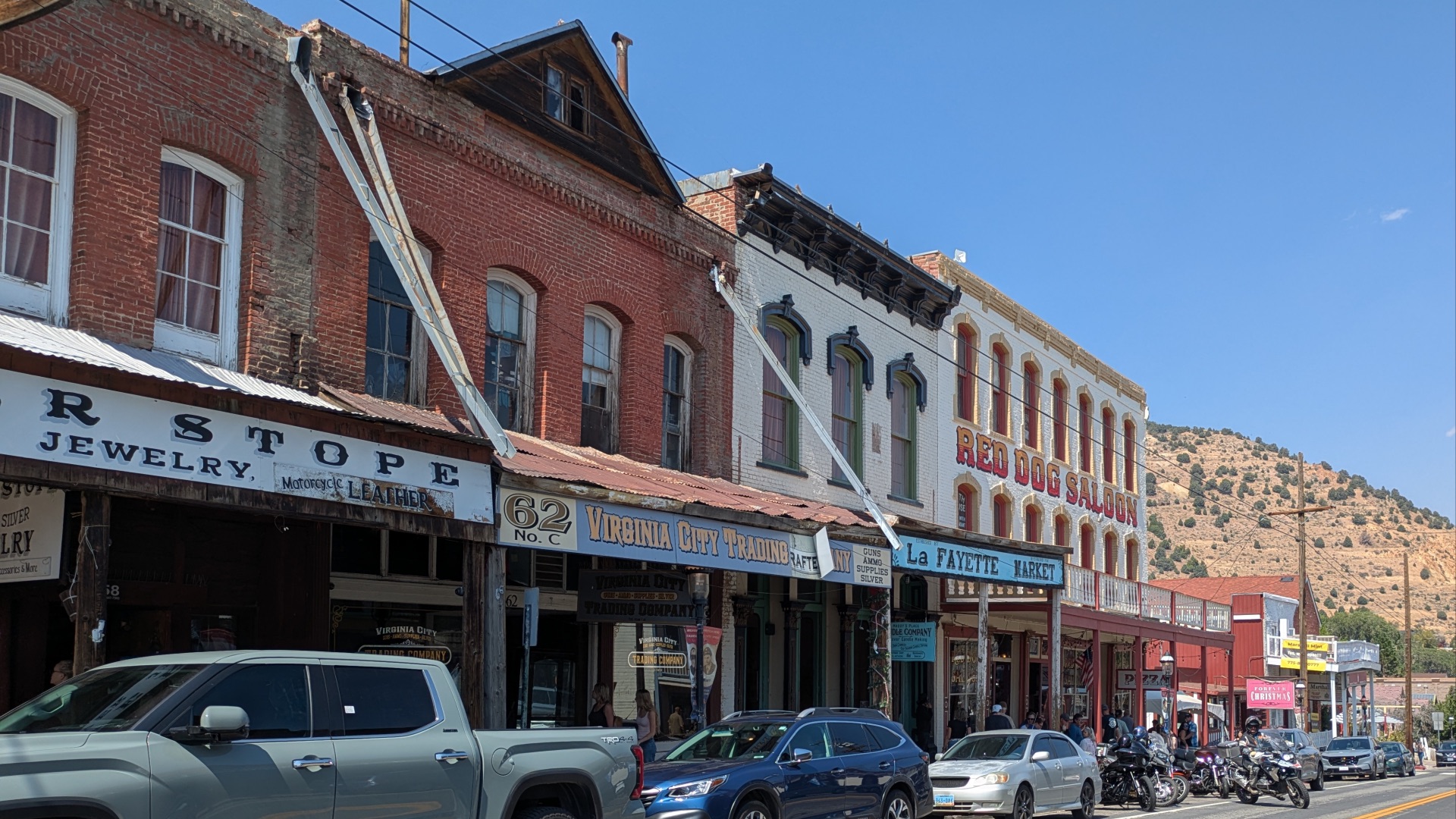
9. Virginia City, Nevada
Virginia City is one of the clearest surviving reminders of the Comstock Lode and Nevada’s silver-mining boom. At its peak, it was a major mining city with about 25,000 residents, and today its historic district is protected through preservation oversight tied to the Comstock Historic District. Its wooden sidewalks, old saloons, mining history, and hillside streets still make the town feel strongly connected to the 1860s and 1870s.
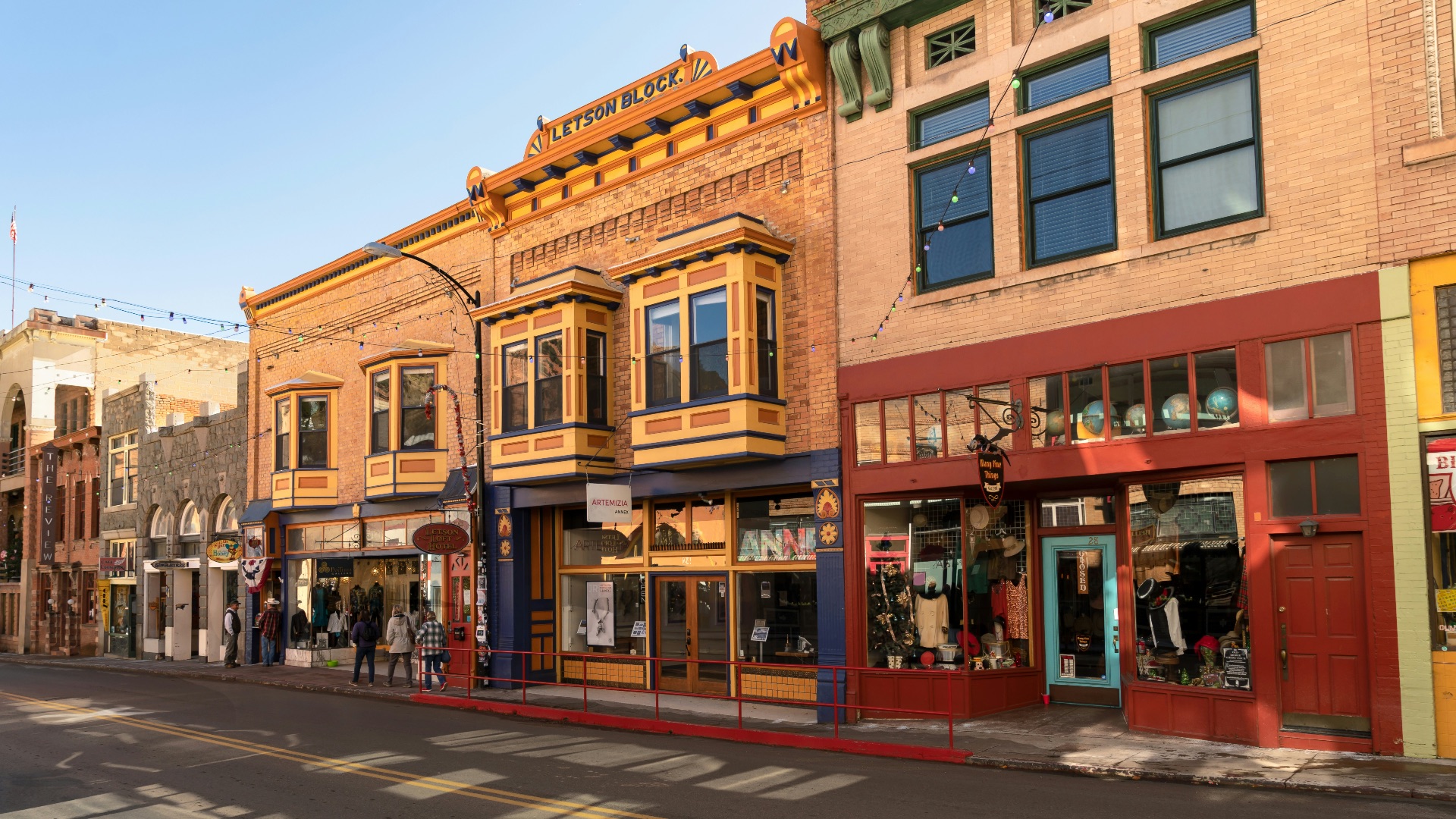
10. Bisbee, Arizona
Bisbee began as a copper, gold, and silver mining town, but it survived the end of its mining boom by becoming an arts community with much of its architectural heritage preserved. Its steep streets, old miners’ homes, commercial blocks, and mining museum all keep its industrial past visible. The town doesn’t feel polished into sameness, which is part of why its historic character still comes through so clearly.
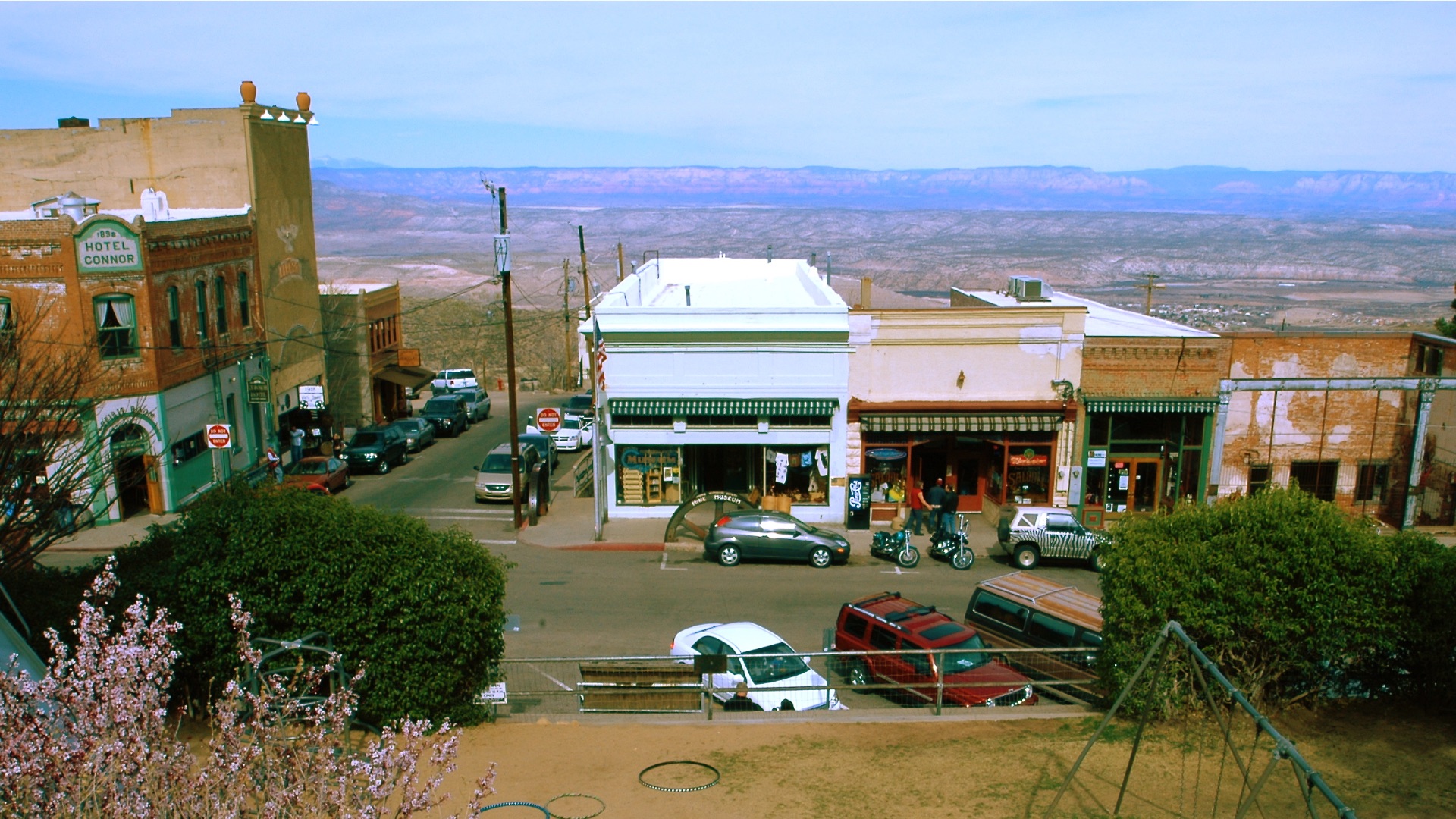
11. Jerome, Arizona
Jerome sits on a hillside in Arizona’s Black Hills, and its preserved mining-town layout gives it an unusual sense of place. Incorporated in 1899, the town grew around copper mining and later became known for its revival as an arts and heritage destination. Its historic buildings, steep roads, and mining landmarks make it feel like a place that never fully detached from its boomtown years.
 John Philip Green from Toronto, Canada on Wikimedia
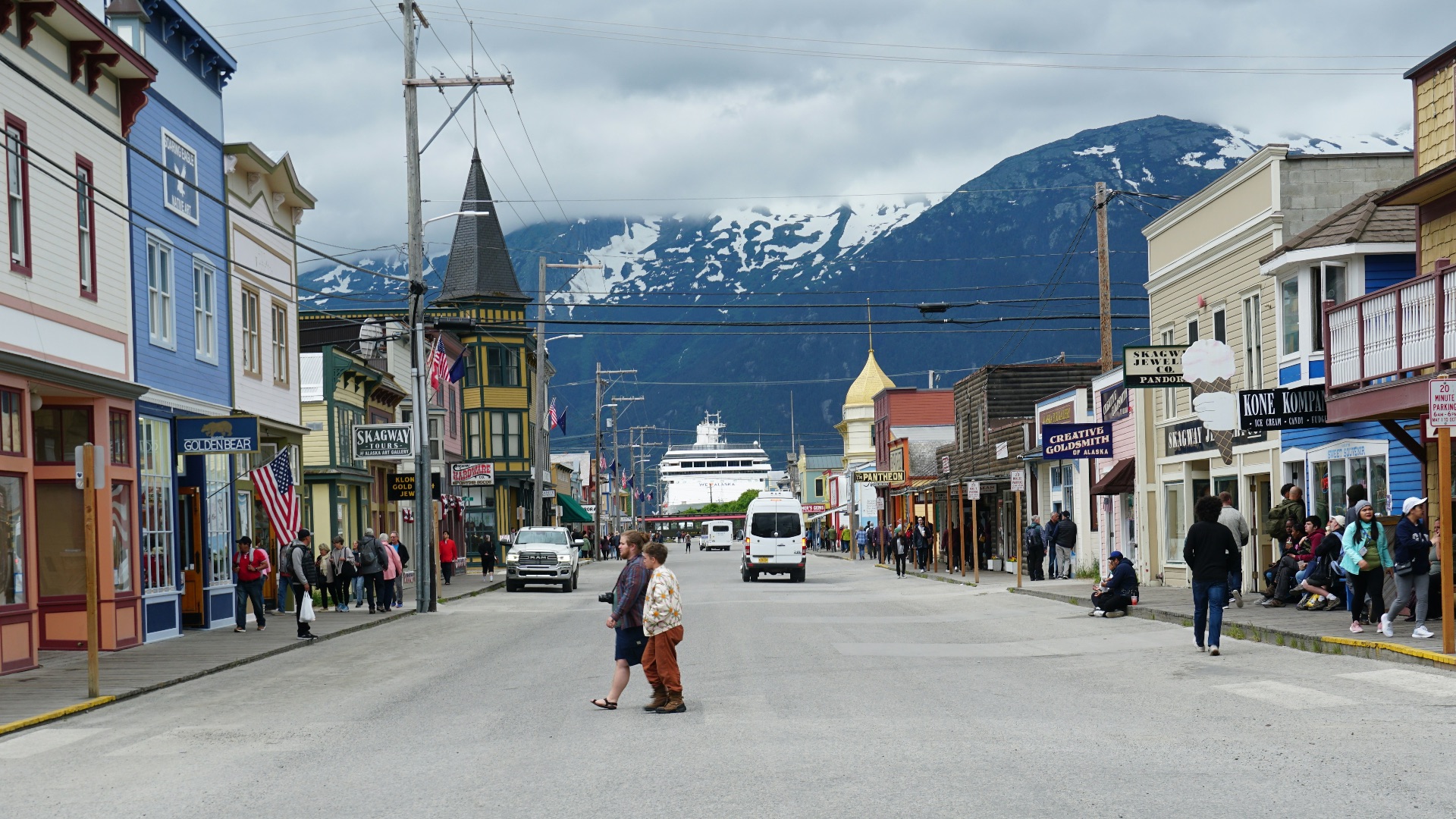
12. Skagway, Alaska
Skagway’s historic identity comes from the Klondike Gold Rush of 1897 and 1898, when thousands of prospectors traveled north in search of gold. Today, the National Park Service preserves parts of that boomtown story, including historic buildings connected to the rush. The old railroad depot, restored structures, and Gold Rush interpretation give Skagway a distinct frontier-port atmosphere.
13. Natchitoches, Louisiana
Natchitoches was established in 1714, making it the oldest permanent settlement within the Louisiana Purchase territory. Its historic district, Cane River setting, French colonial roots, and Creole-influenced architecture give the town a strong sense of regional history. You can still feel how trade, river life, and cultural blending shaped the community long before Louisiana became part of the United States.
14. Natchez, Mississippi
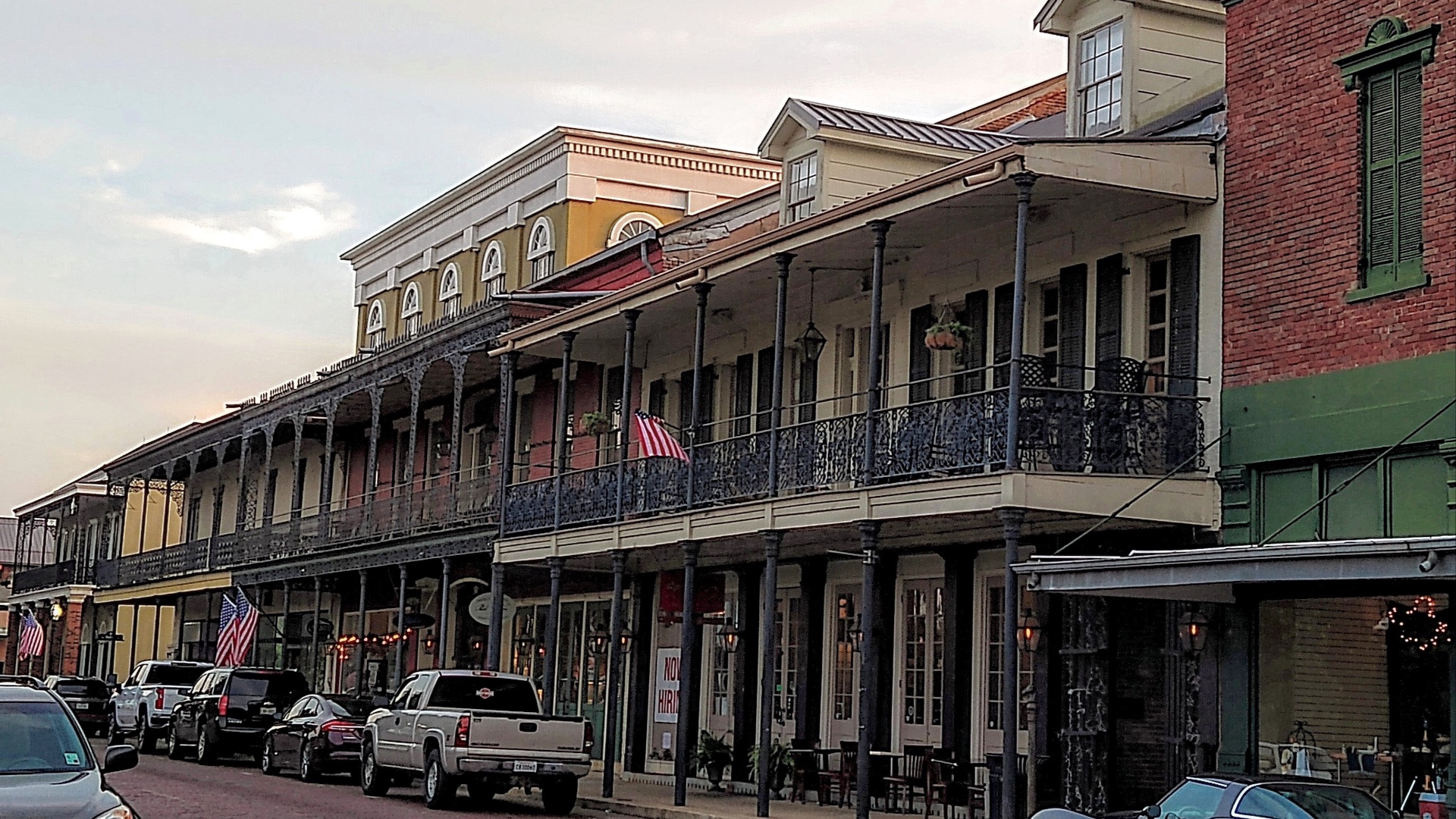
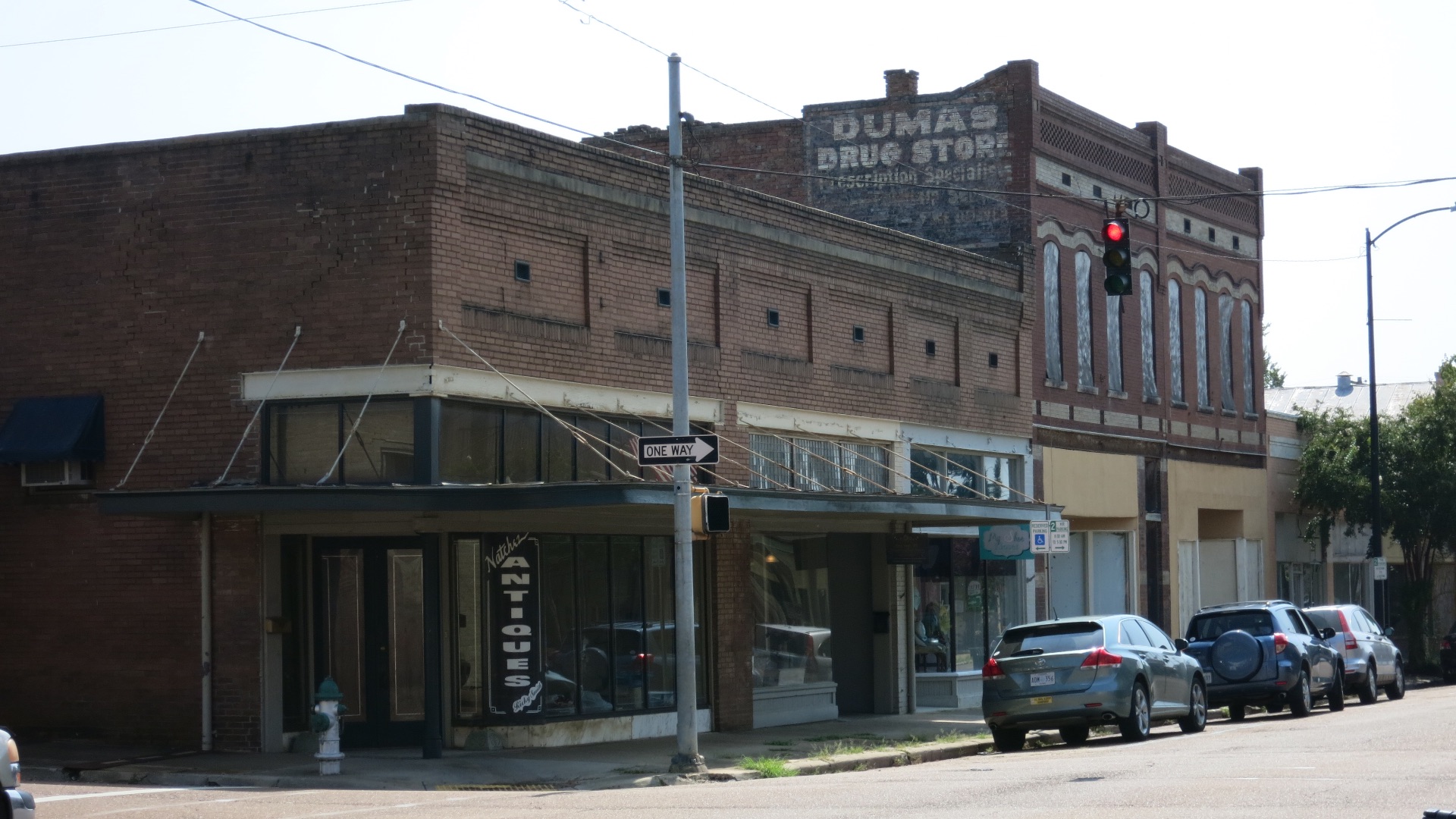
Natchez is known for its deep architectural record, especially its concentration of historic homes and antebellum structures. The town’s history also includes Native American sites, French colonial settlement, slavery, the Civil War, and Civil Rights history, so its preserved spaces carry more than one story. Visiting Natchez means looking at grand architecture while also recognizing the fuller and more complicated history behind it.
15. Taos, New Mexico
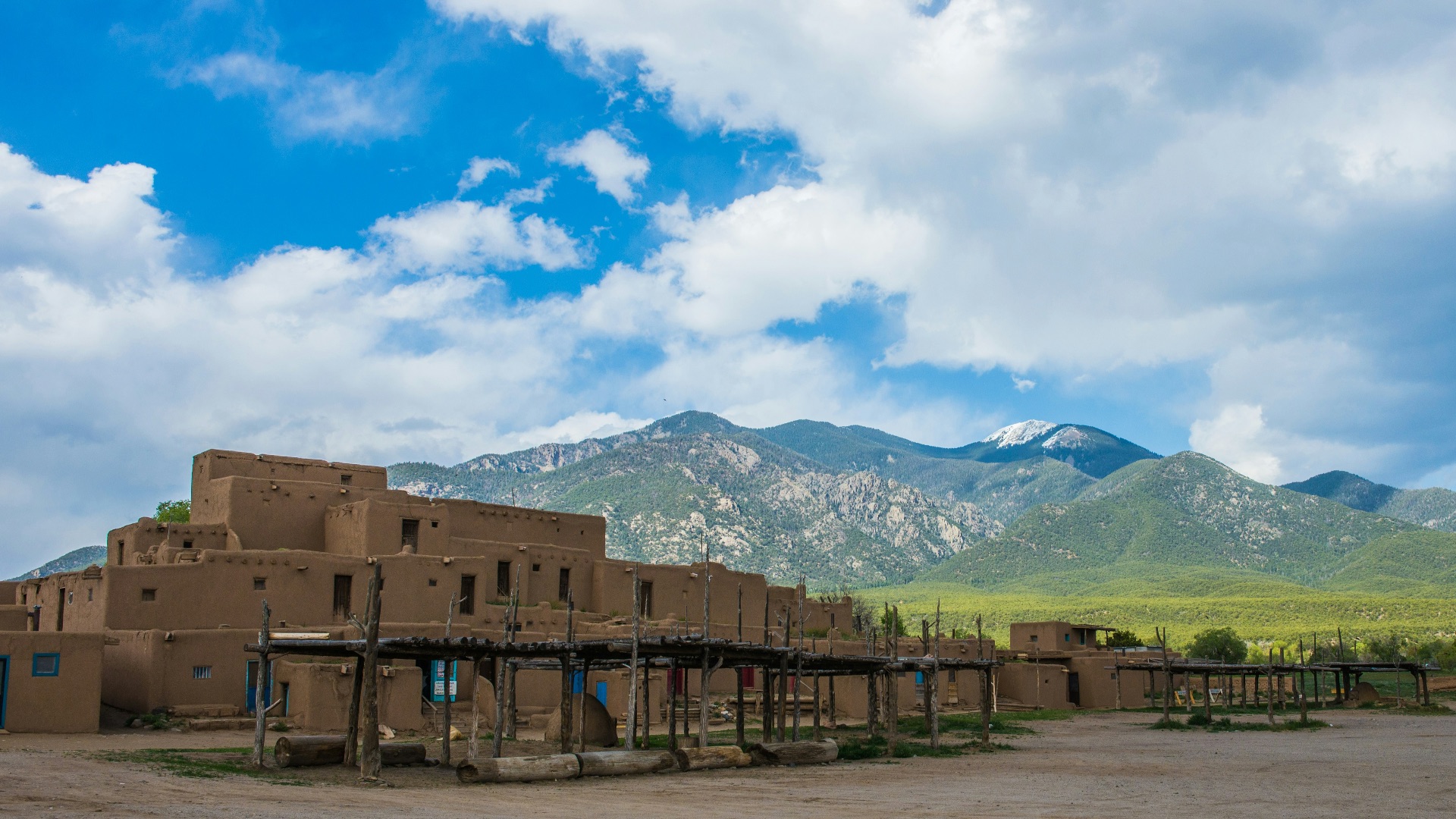
Taos feels rooted in a much older Southwest because of its adobe architecture, Indigenous history, Spanish colonial influences, and long-standing artistic culture. Nearby Taos Pueblo is known for traditional multi-story adobe homes that date back more than 1,000 years, and that history gives the wider area a depth few American towns can match. The town’s plazas, galleries, churches, and landscape all reinforce its strong sense of place.
16. Guthrie, Oklahoma
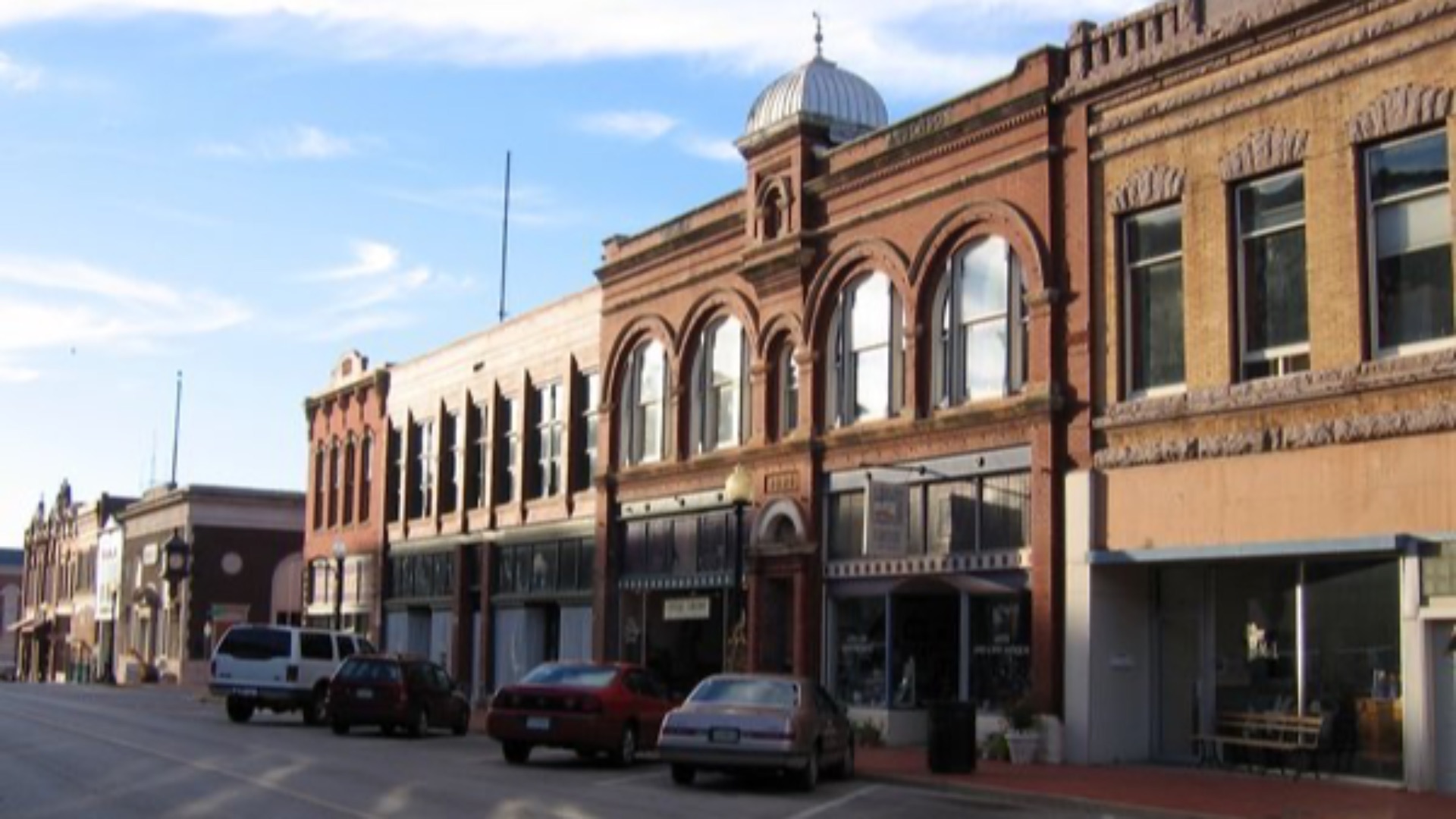
Guthrie’s historic district preserves the look of Oklahoma’s territorial and early statehood years. The city became the capital of Oklahoma Territory and later served as Oklahoma’s first state capital before the seat moved to Oklahoma City in 1910. Its red-brick commercial buildings, late Victorian details, and downtown scale make it feel closely tied to the years around the 1889 Land Rush and early statehood.
 Urban~commonswiki on Wikimedia
17. Eureka Springs, Arkansas
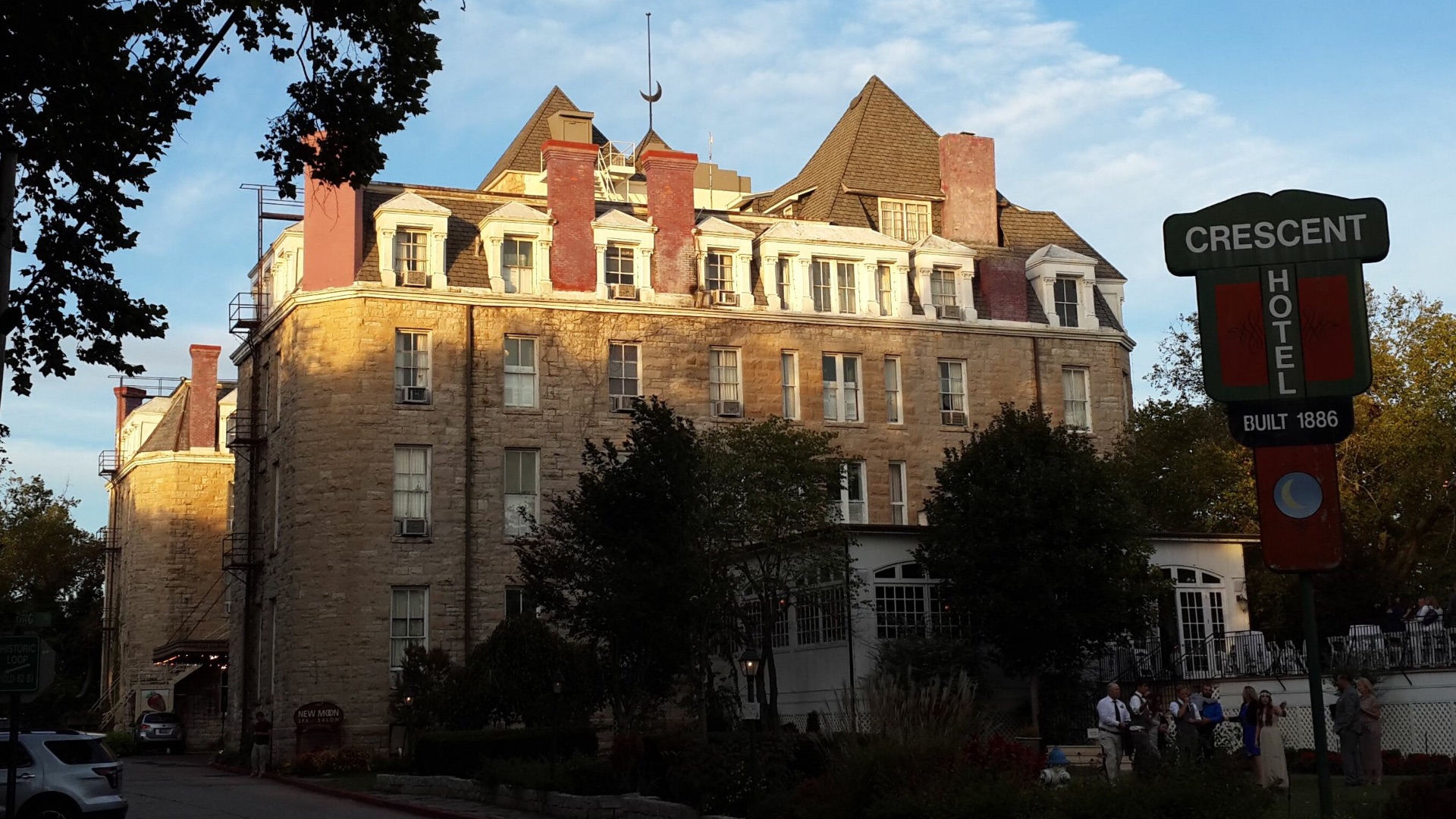
Eureka Springs became the first historic district in Arkansas to be placed on the National Register of Historic Places in 1970. At the time, the entire city limits of roughly two square miles were included, which helps explain why the town feels so consistently historic rather than preserved in scattered pieces. Its steep streets, Victorian buildings, old hotels, and spring-based resort history give it a strong turn-of-the-century character.
18. Tombstone, Arizona
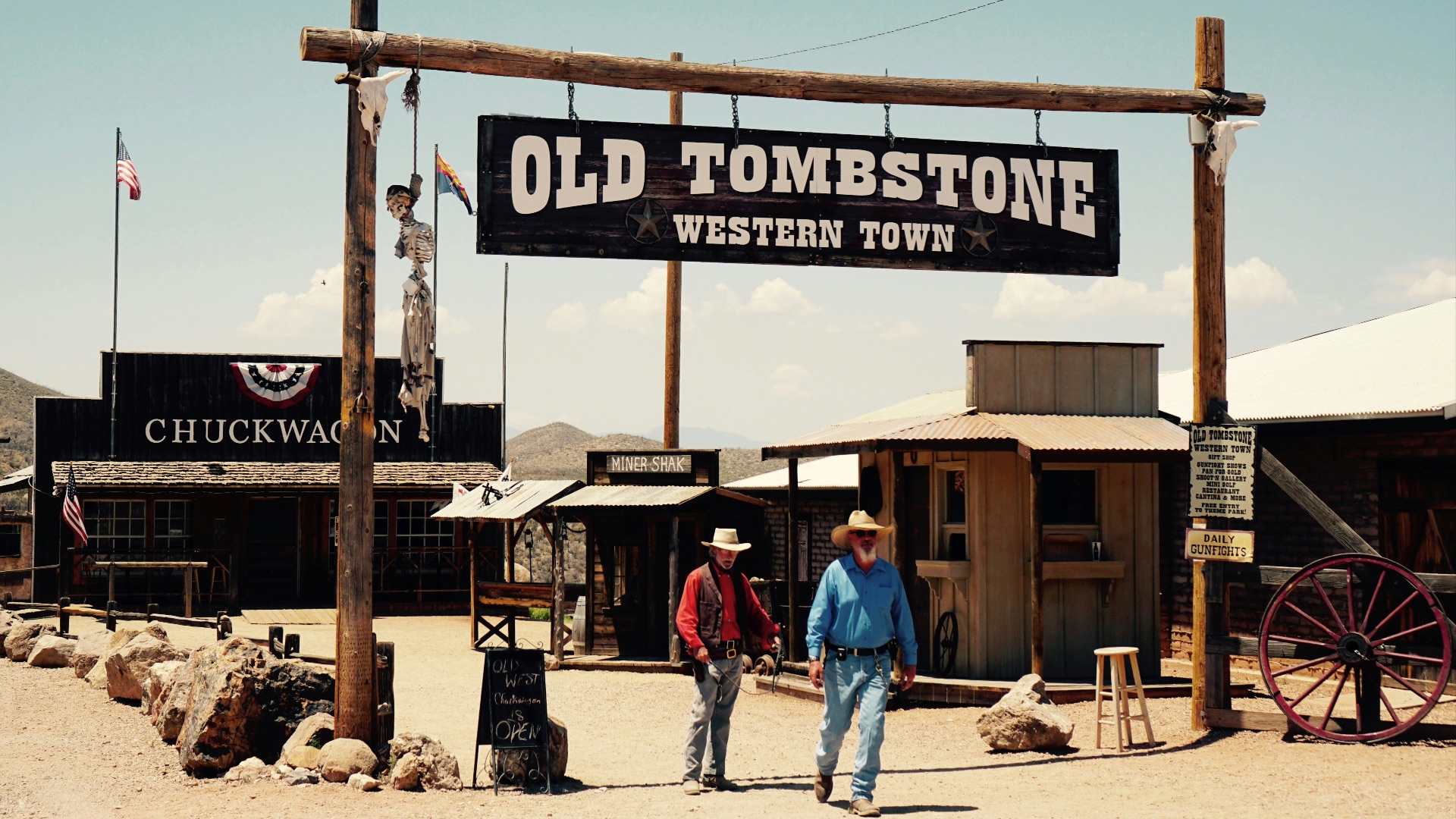
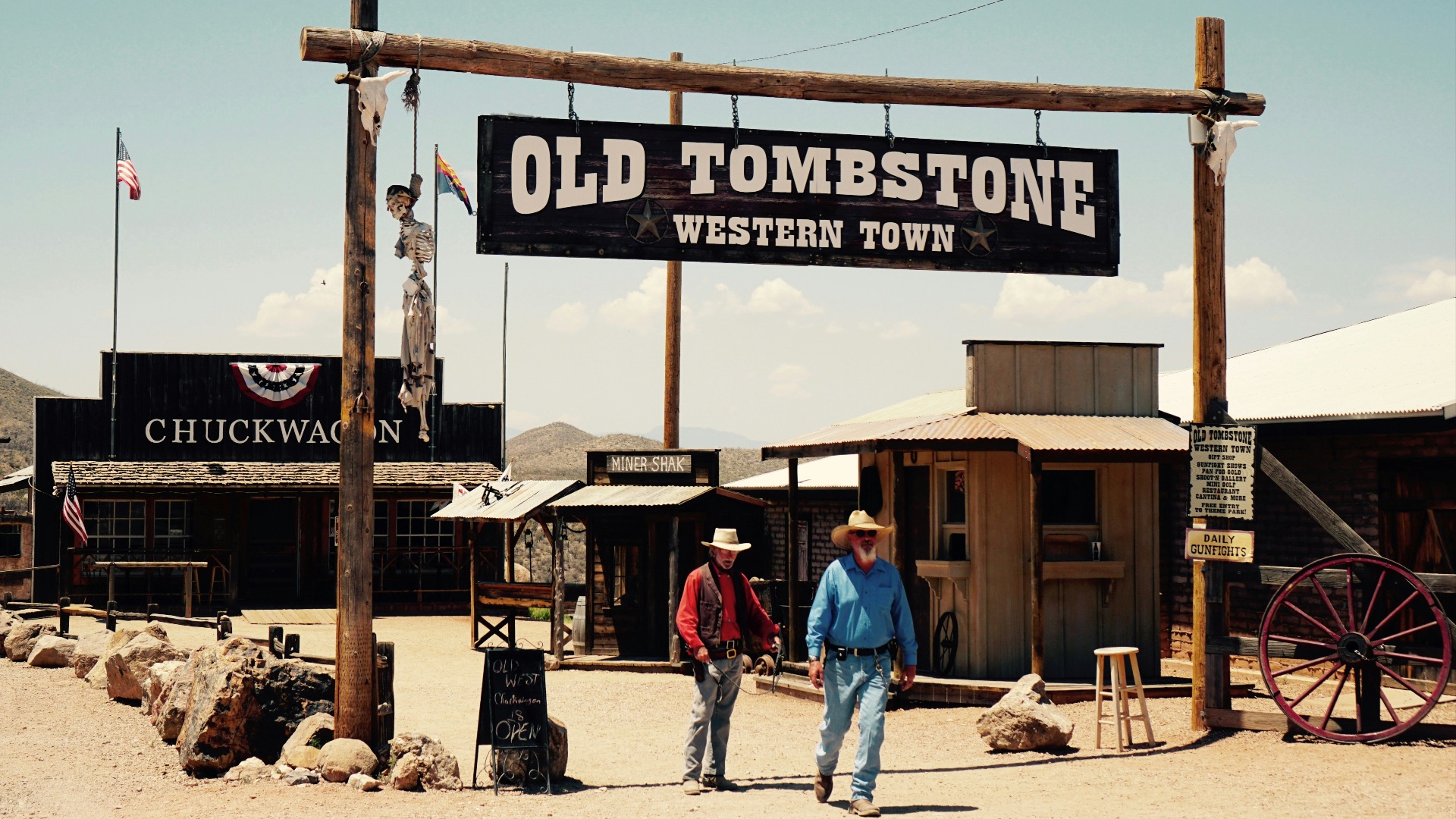
Tombstone has a frontier identity that’s unusually well preserved, especially around its historic district and Allen Street. The town was designated a National Historic Landmark District for its connection to the rugged frontier era of the 1870s and 1880s. Its mining history, old storefronts, and association with the events around the O.K. Corral keep it strongly tied to the mythology and reality of the American West.
19. Fredericksburg, Texas
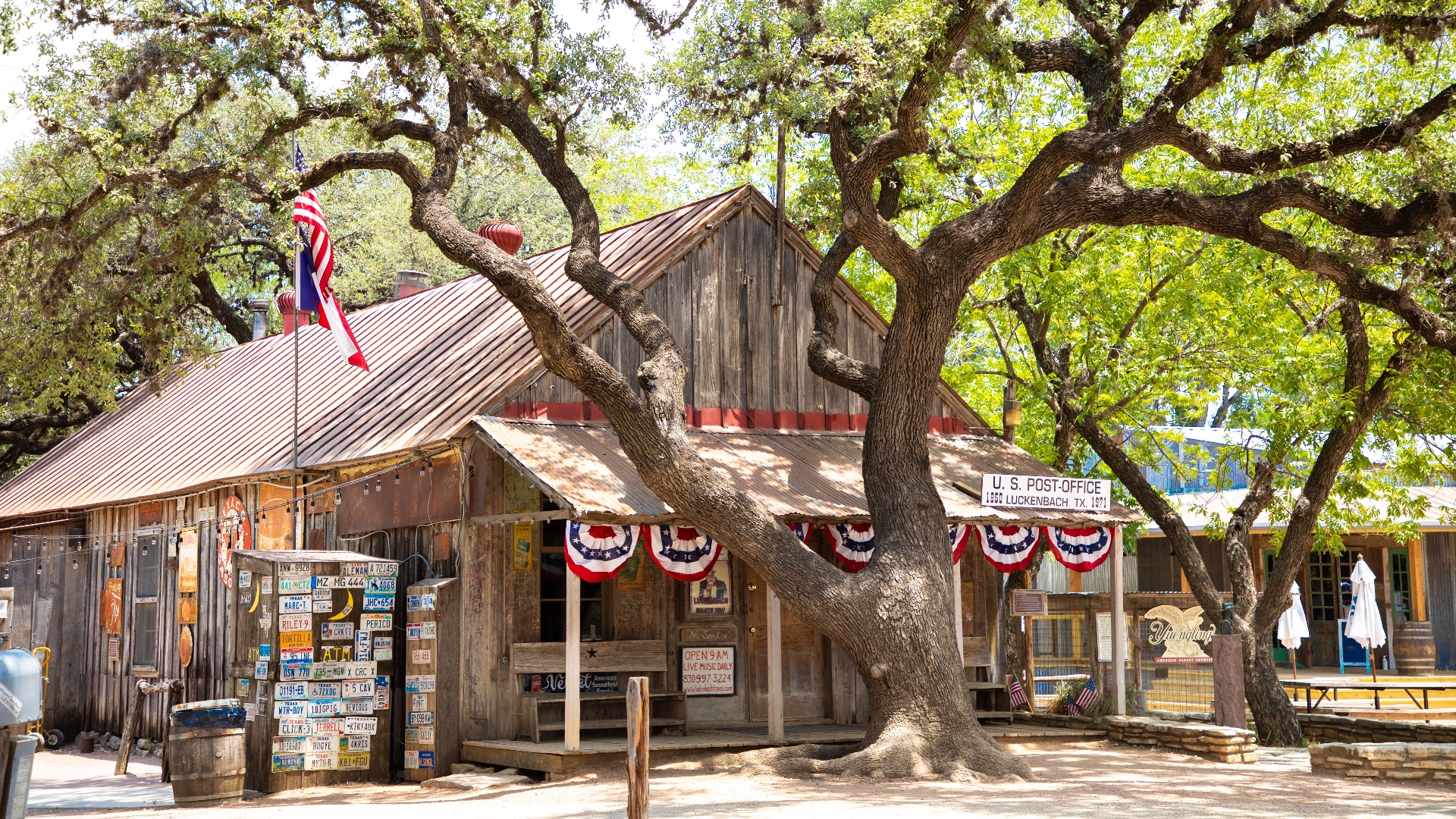
Fredericksburg holds onto its German-settler heritage through its historic district, limestone architecture, museums, and long-running cultural traditions. Its National Historic District includes more than 80 points of historic interest, while walking tour materials note hundreds of historically significant structures downtown. Even as the town has become a major Hill Country destination, its old buildings and German influences still shape the way it looks and feels.
20. Savannah, Georgia
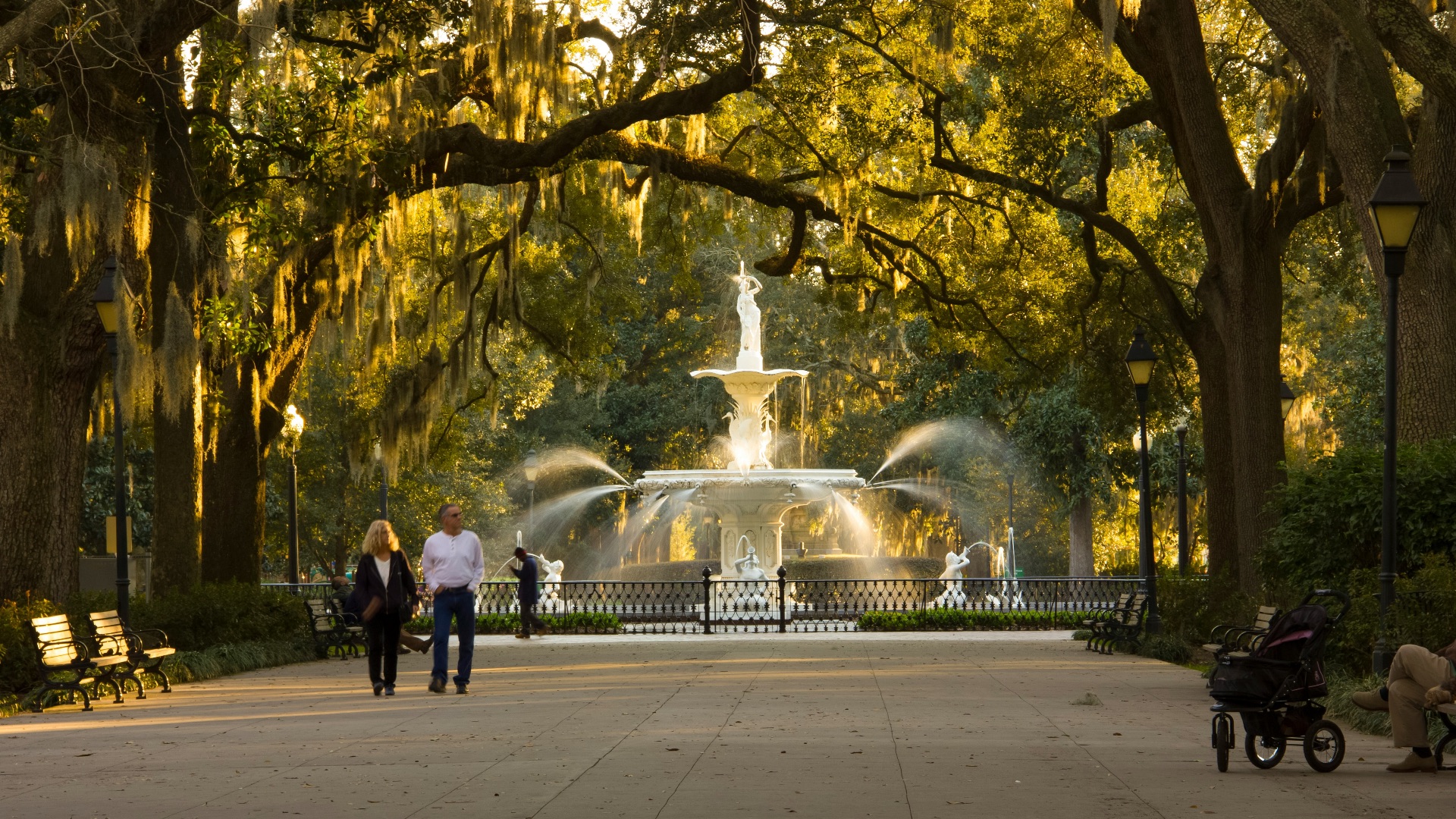
Savannah is larger than many towns on this list, but its preserved historic district makes it one of America’s most striking old urban landscapes. The district is nationally significant for the Oglethorpe Plan, the city layout begun in 1733 and expanded for more than a century. Its squares, old homes, shaded streets, and preserved architecture make it feel deeply connected to its colonial and 19th-century past.