

When Peace Settlements Made Things Worse
Throughout history, peace treaties have ended wars on paper, but they haven't always delivered lasting stability. Some agreements created new borders, shifted power too dramatically, or left one side feeling deeply wronged, which often set the stage for fresh conflicts. If you look beyond the signatures, you'll find that many famous peace deals solved one crisis while quietly creating the next. Here are 20 peace treaties that promised peace but delivered chaos.
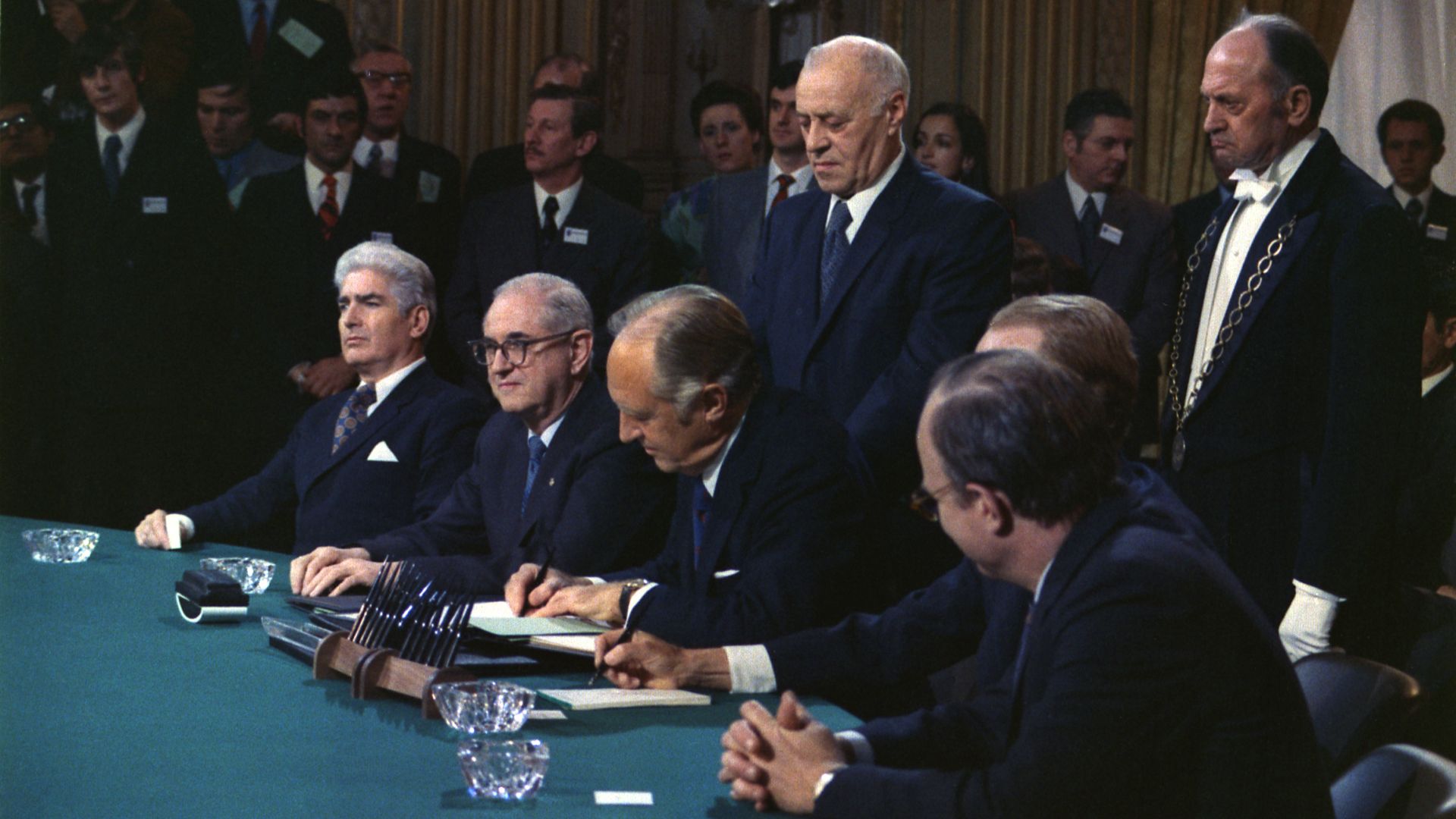 Robert LeRoy Knudsen on Wikimedia
1. Treaty of Troyes
Signed in 1420 during the Hundred Years' War, the Treaty of Troyes recognized Henry V of England as heir to the French throne. The agreement disinherited the French dauphin, creating fierce resistance among many French nobles.
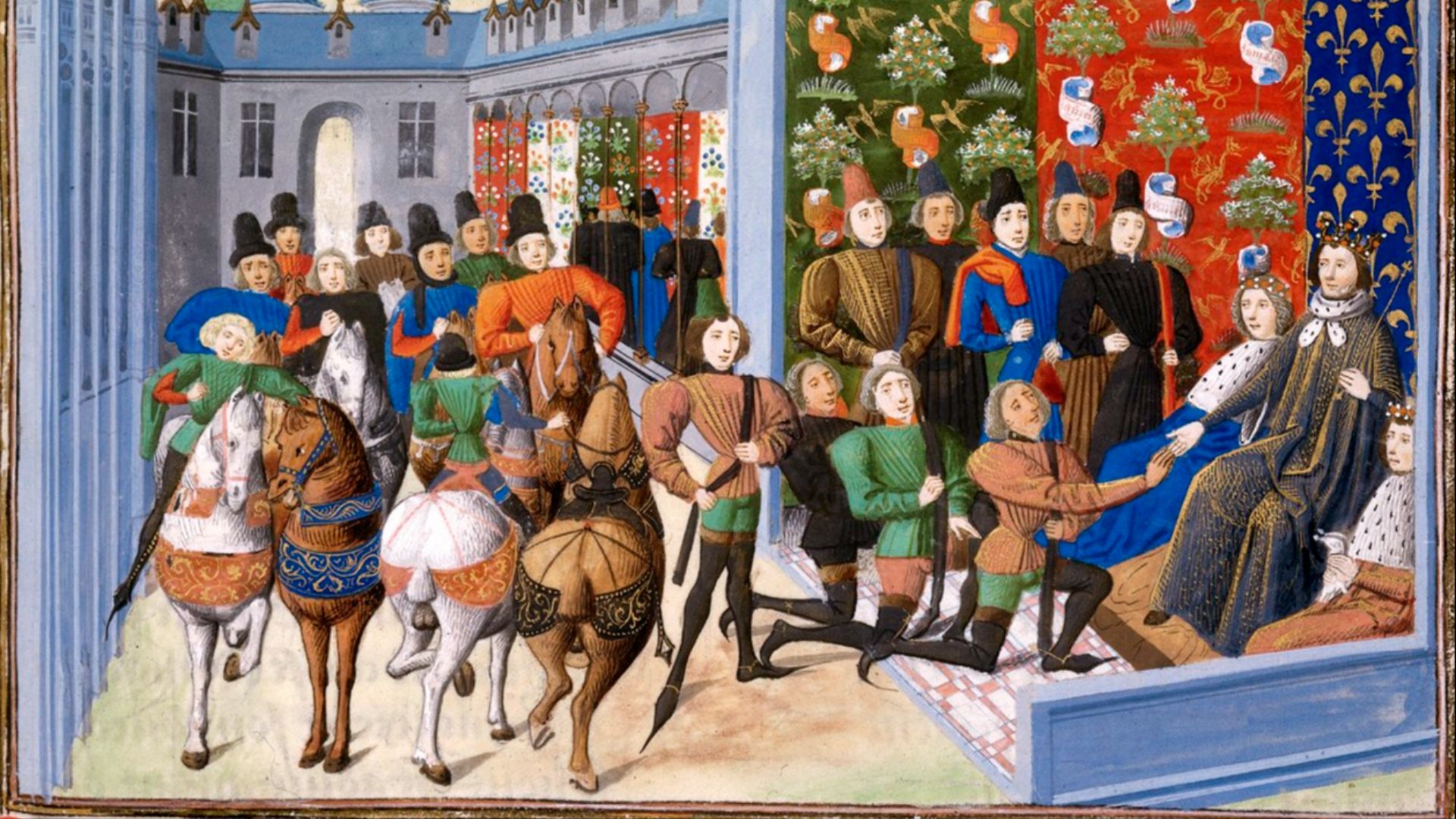 Master of the Harley Froissart; Master of the Vienna on Wikimedia
2. Treaty of Brétigny
The Treaty of Brétigny in 1360 temporarily paused fighting between England and France after major English victories. France surrendered large territories, but many of the underlying political disputes remained unresolved. Within a decade, the Hundred Years' War resumed with renewed intensity.
3. Peace of Cateau-Cambrésis
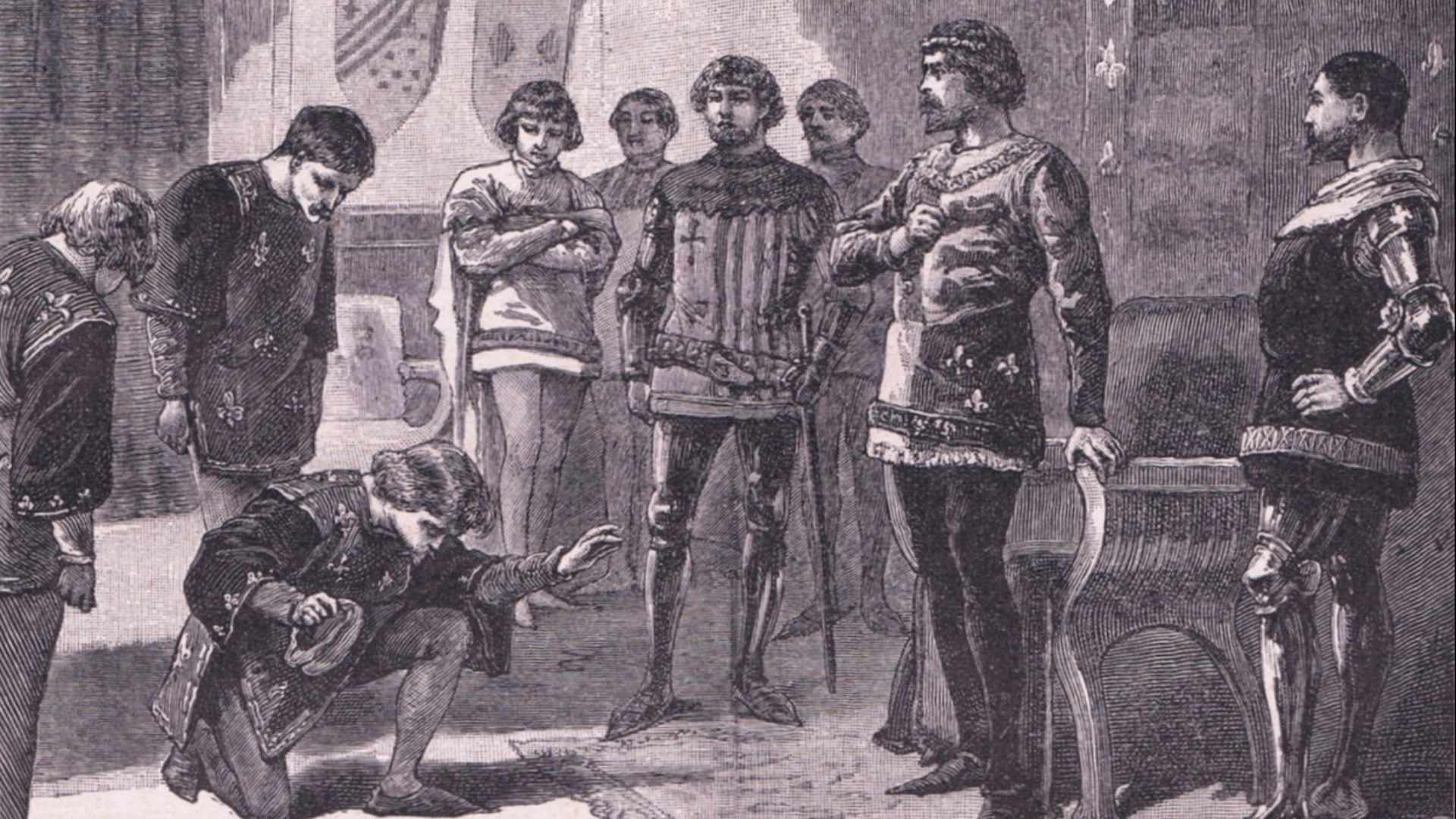
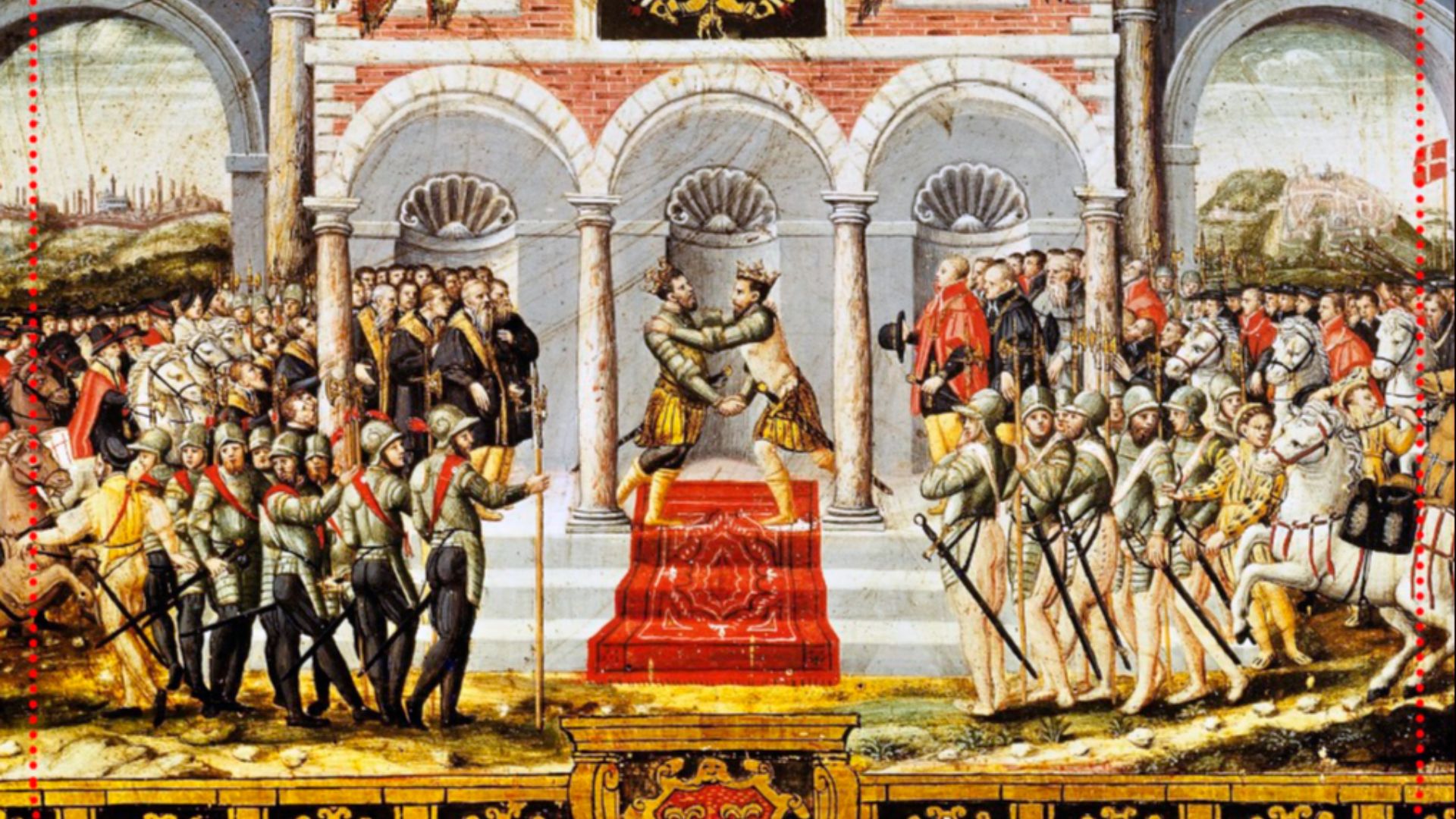
This pair of treaties in 1559 concluded decades of conflict between France and the Habsburgs over Italy. Spain emerged as the dominant power on the Italian Peninsula, while France shifted its attention elsewhere. Although international fighting eased, religious tensions inside France soon exploded into the French Wars of Religion.
 Unknown artistUnknown artist on Wikimedia
4. Treaty of Tordesillas
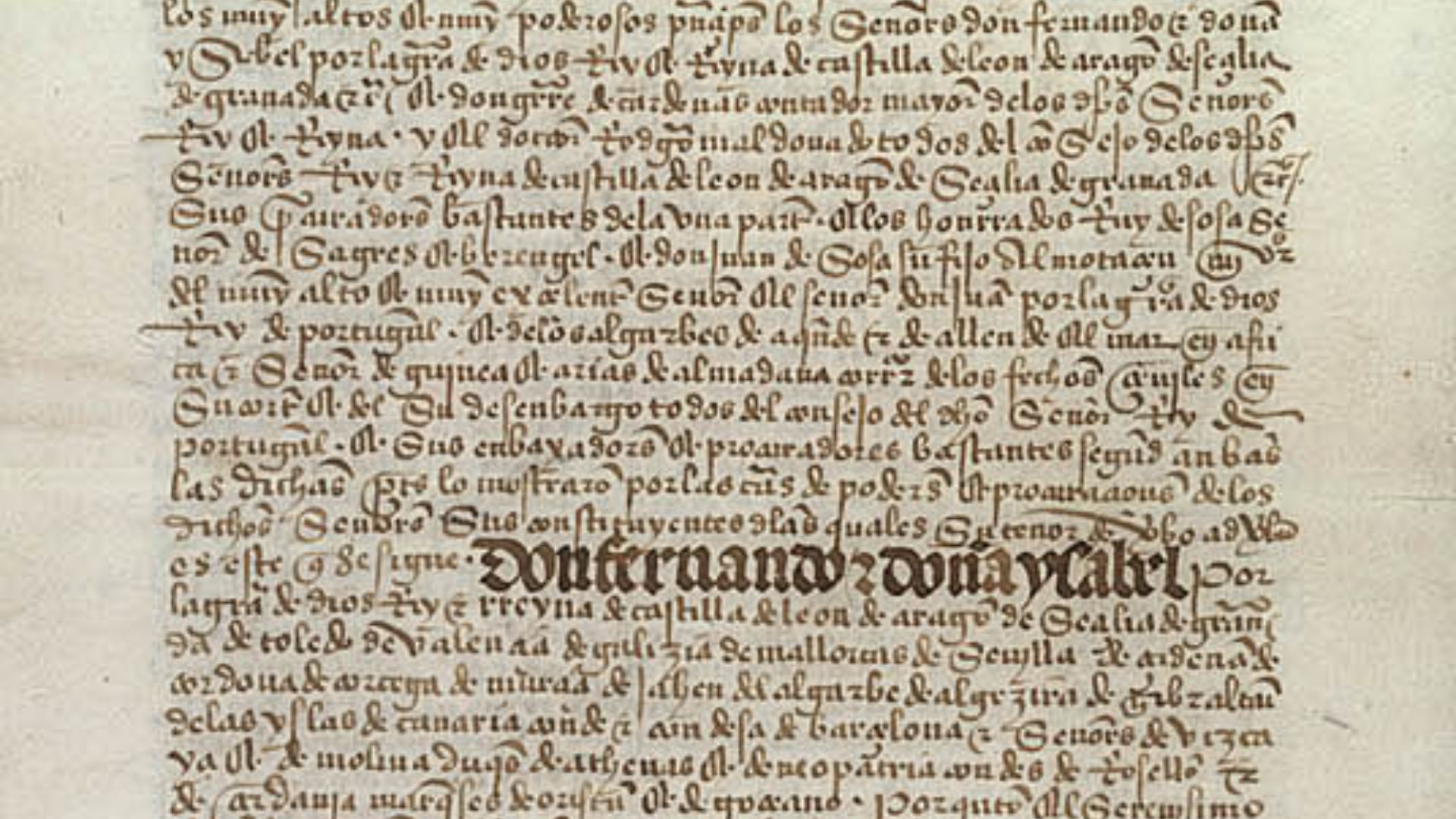
Spain and Portugal signed the Treaty of Tordesillas in 1494 to divide the newly discovered lands outside Europe. The agreement encouraged centuries of colonial rivalry, conquest, and displacement rather than broader peace.
 Original: Biblioteca Nacional de Lisboa
Photo: User:Joserebelo on Wikimedia
Original: Biblioteca Nacional de Lisboa
Photo: User:Joserebelo on Wikimedia
5. Treaty of Nerchinsk
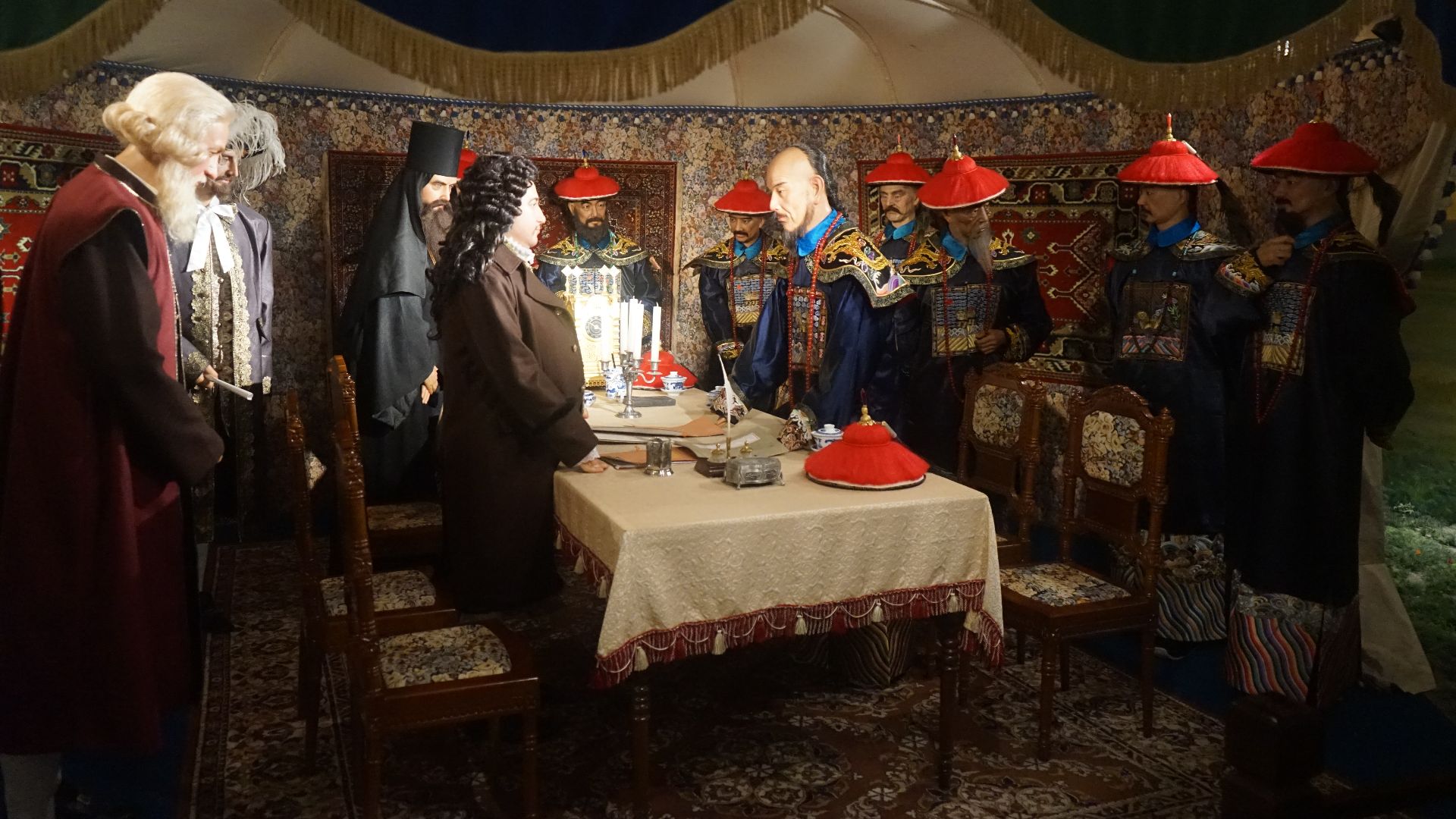
China's Qing dynasty and Russia reached the Treaty of Nerchinsk in 1689 to settle border disputes in Siberia. It established clearer boundaries and opened trade between the two empires. Even so, later expansion by both sides led to fresh negotiations and additional territorial disputes during the nineteenth century.
6. Treaty of Küçük Kaynarca
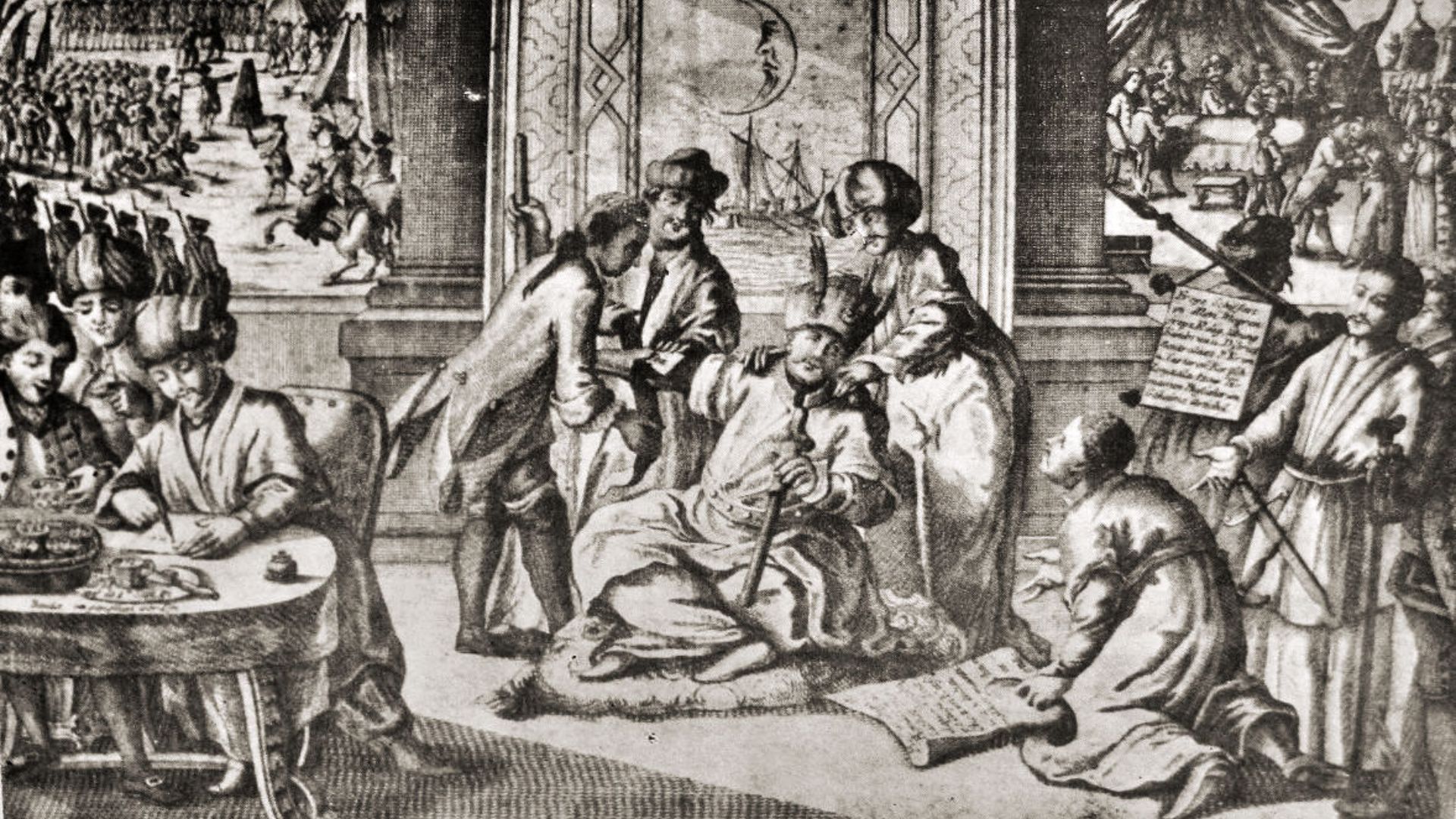
Signed in 1774, this treaty ended a major war between Russia and the Ottoman Empire. Russia gained significant influence around the Black Sea and claimed the right to protect Orthodox Christians within Ottoman territory. Those new privileges became a frequent source of diplomatic tension and future intervention.
 Late 18th-century engraving (Cabinet of engravings, Romanian Academy, Bucharest). on Wikimedia
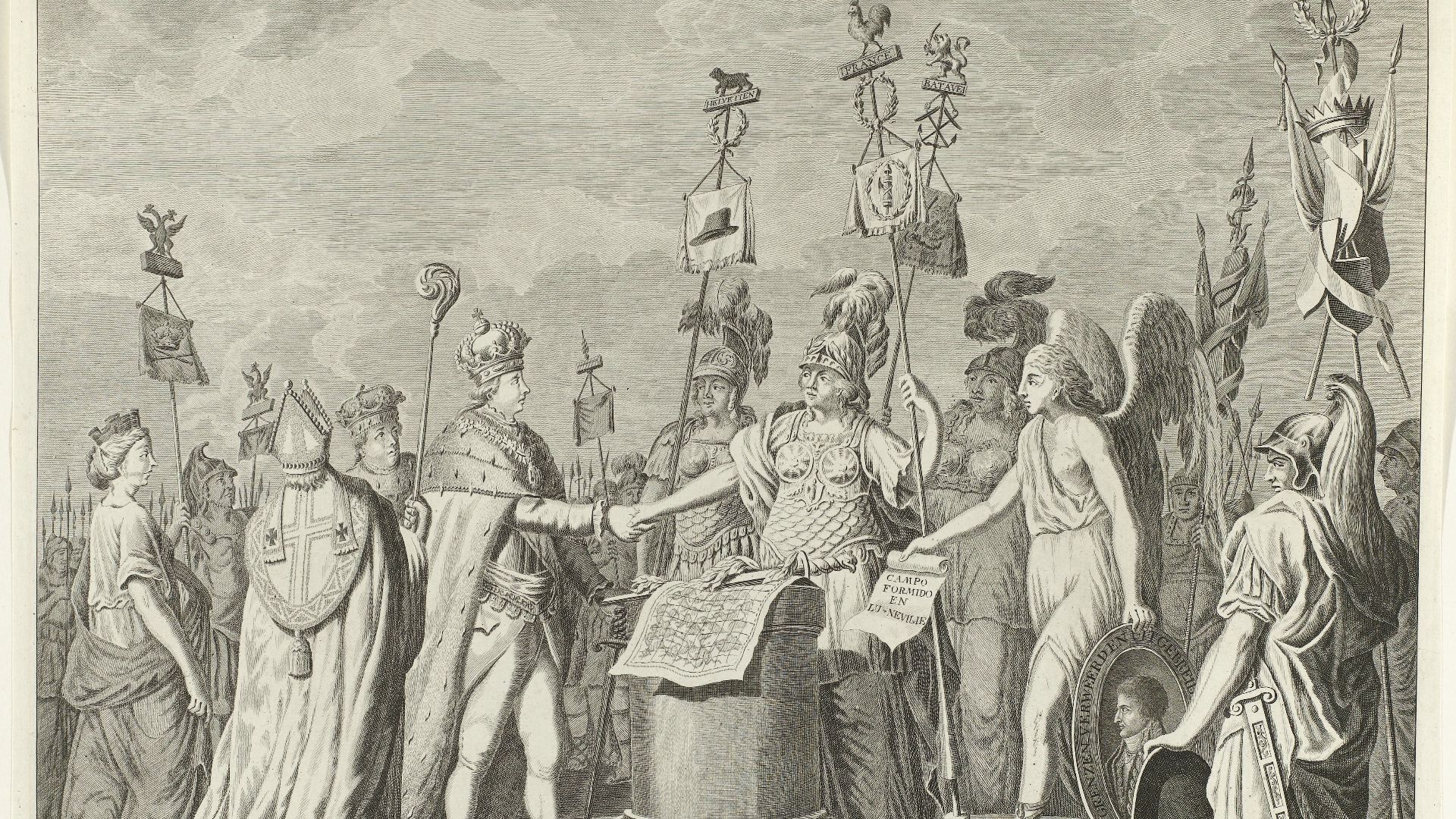
7. Treaty of Campo Formio
Napoleon Bonaparte negotiated the Treaty of Campo Formio in 1797 after defeating Austria in Italy. Many people found themselves under unfamiliar rulers, and resentment toward French domination continued to grow.
8. Treaty of Amiens
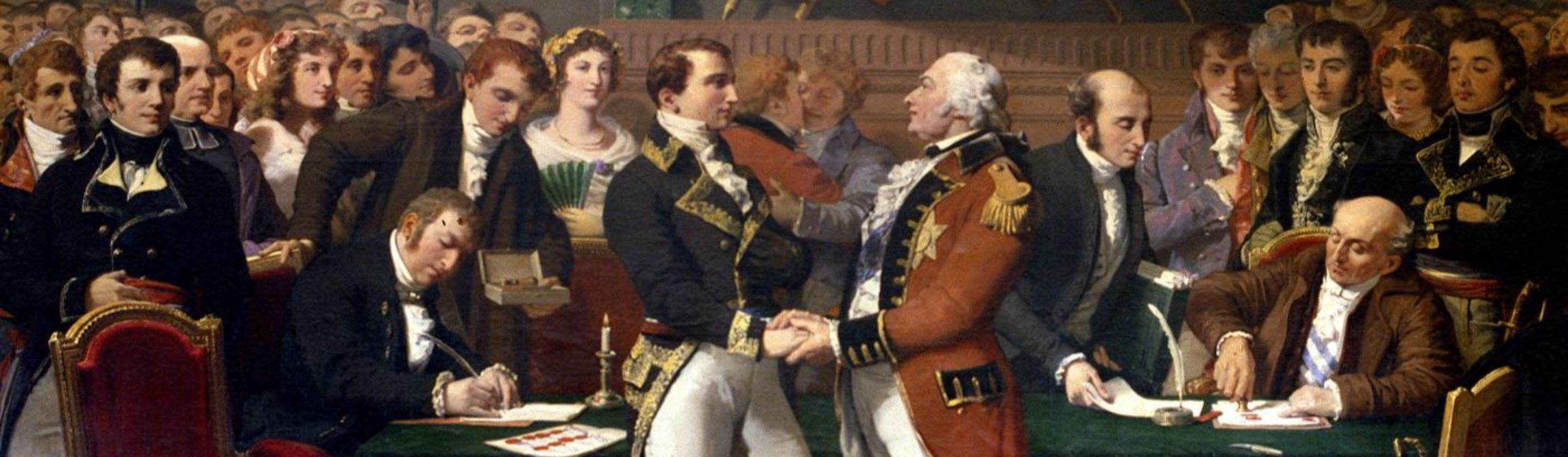
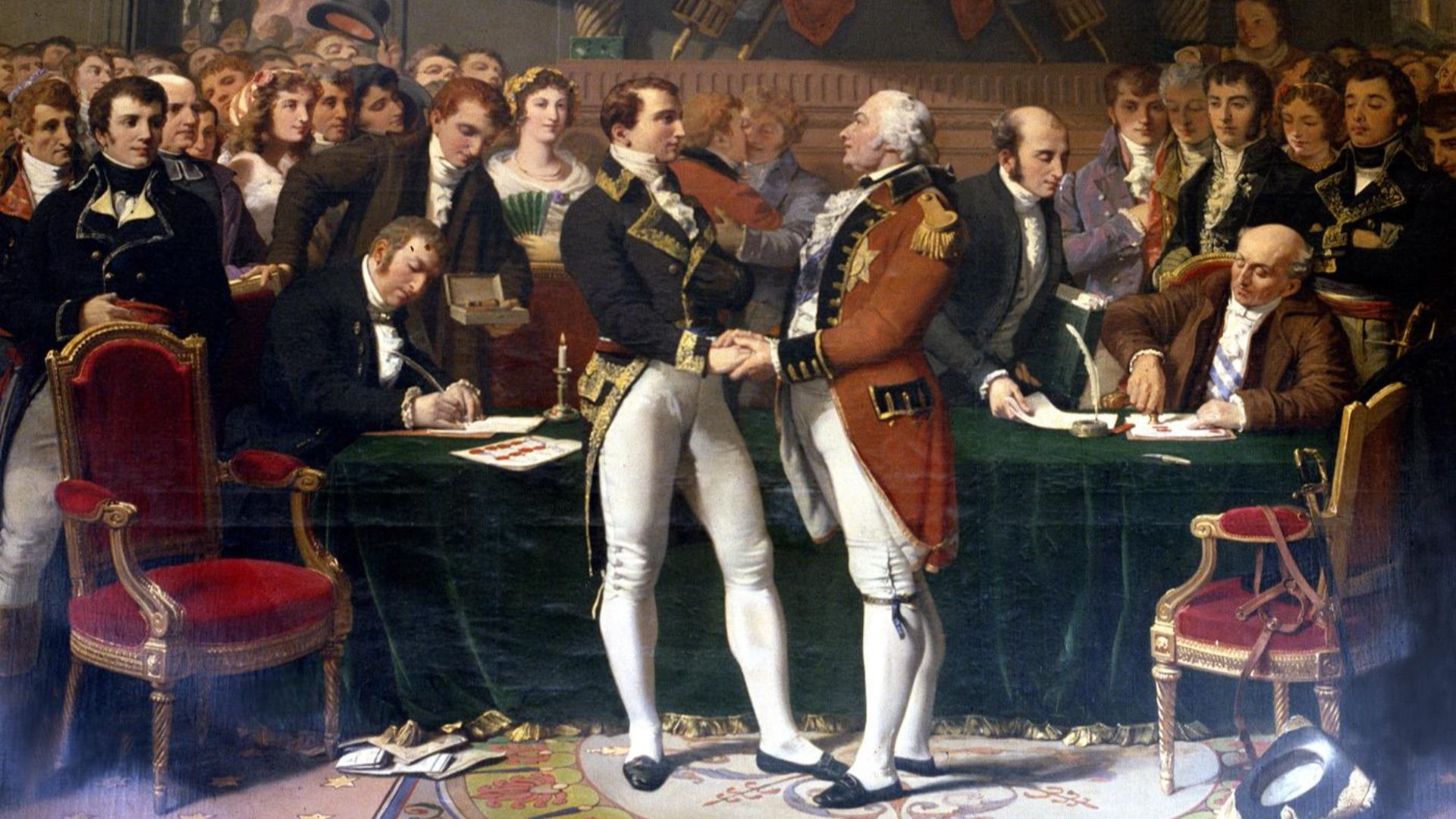
The Treaty of Amiens briefly ended hostilities between Britain and France in 1802. Optimism spread across Europe because many believed the Napoleonic Wars had finally concluded. The peace lasted barely a year before fighting resumed on an even larger scale.
 Jules-Claude Ziegler on Wikimedia
9. Treaty of Gulistan
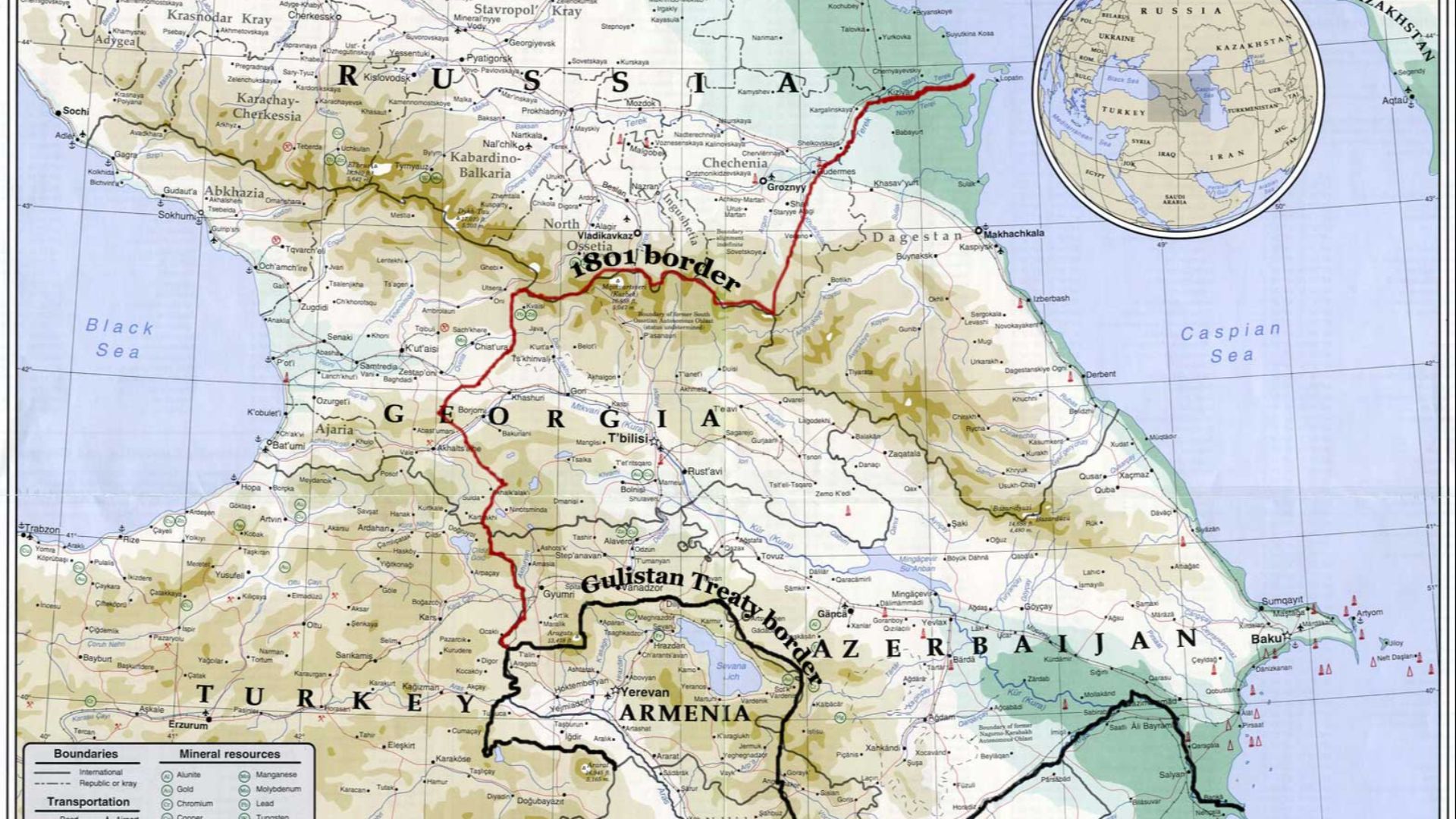
Russia and Persia signed the Treaty of Gulistan in 1813 following the Russo-Persian War. The losses fueled continued hostility, contributing to another war only a few years later.
 en:User:Siamax Original uploader was Kaveh at fa.wikipedia on Wikimedia
10. Treaty of Adrianople
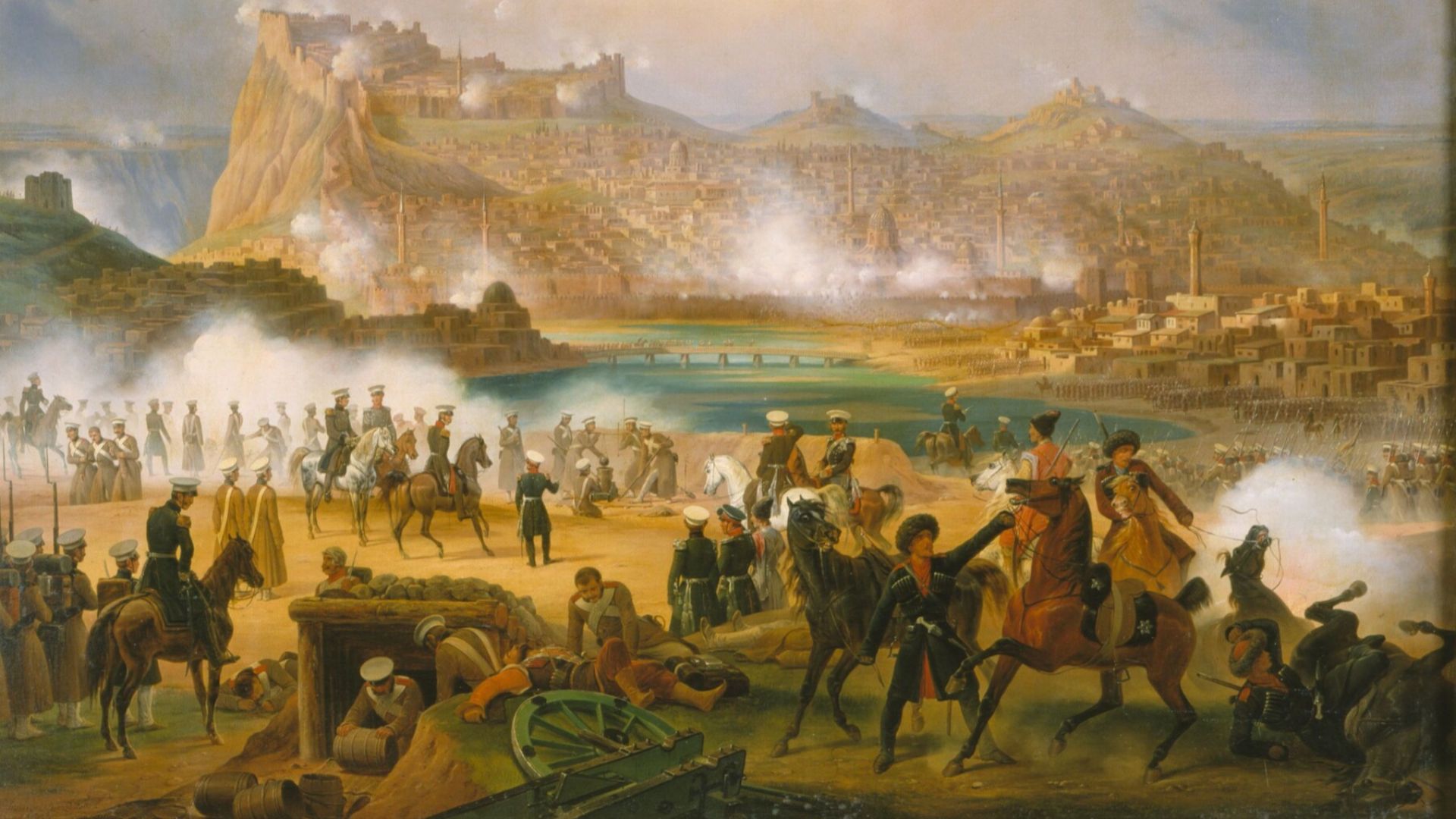
The Treaty of Adrianople concluded the Russo-Turkish War of 1828–1829. Russia expanded its influence in southeastern Europe while the weakening Ottoman Empire lost additional authority. Those shifting power dynamics contributed to ongoing instability in the Balkans.
 January Suchodolski on Wikimedia
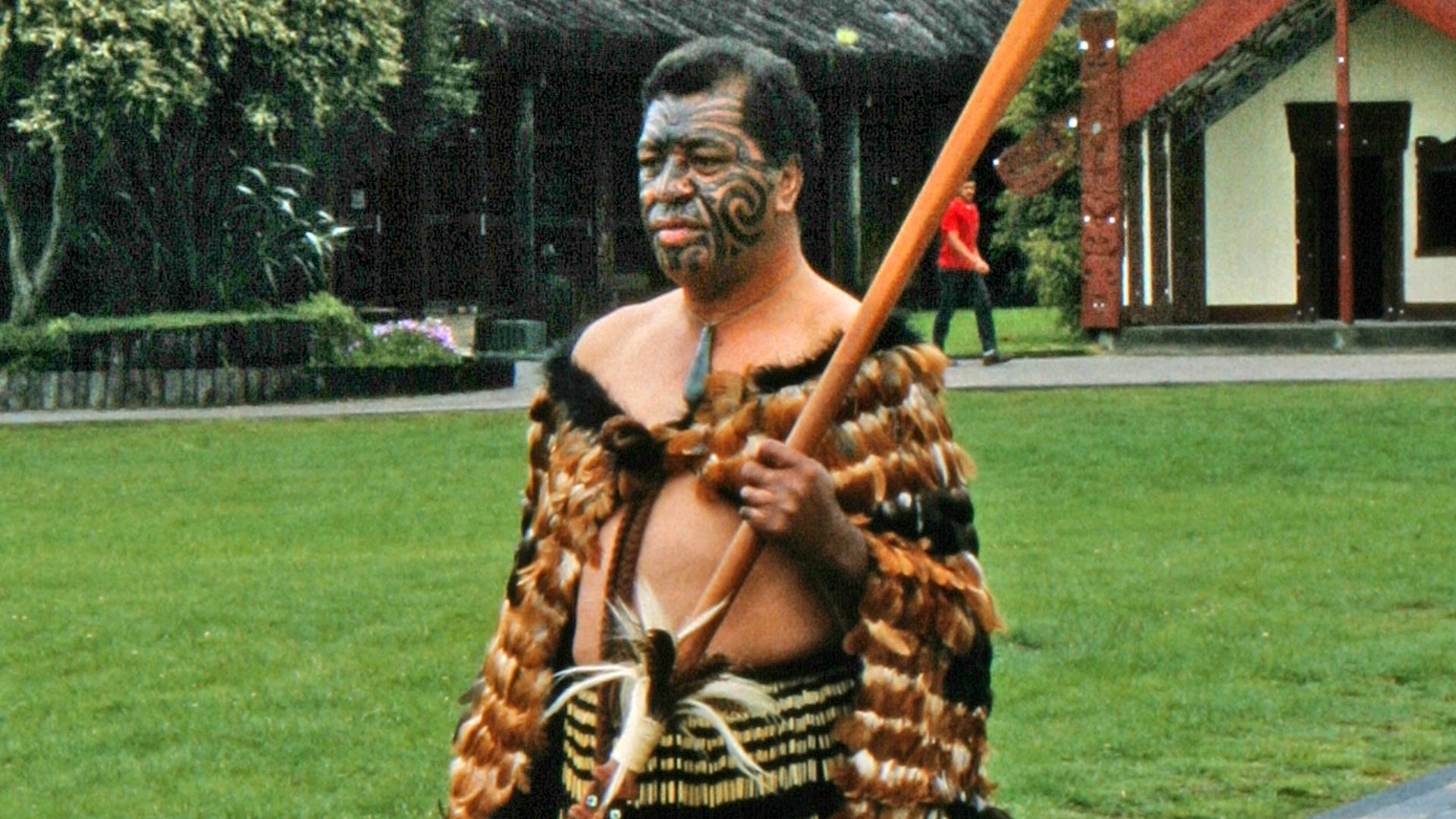
11. Treaty of Waitangi
Signed in 1840, the Treaty of Waitangi was intended to establish peaceful relations between the British Crown and Māori leaders in New Zealand. These conflicting interpretations contributed to decades of legal disputes and armed conflict.
12. Treaty of Paris (1856)
The Treaty of Paris ended the Crimean War by limiting Russian influence in the Black Sea. Although it temporarily preserved the balance of power, many provisions proved difficult to enforce. Russia eventually rejected key restrictions, weakening the settlement's long-term effectiveness.
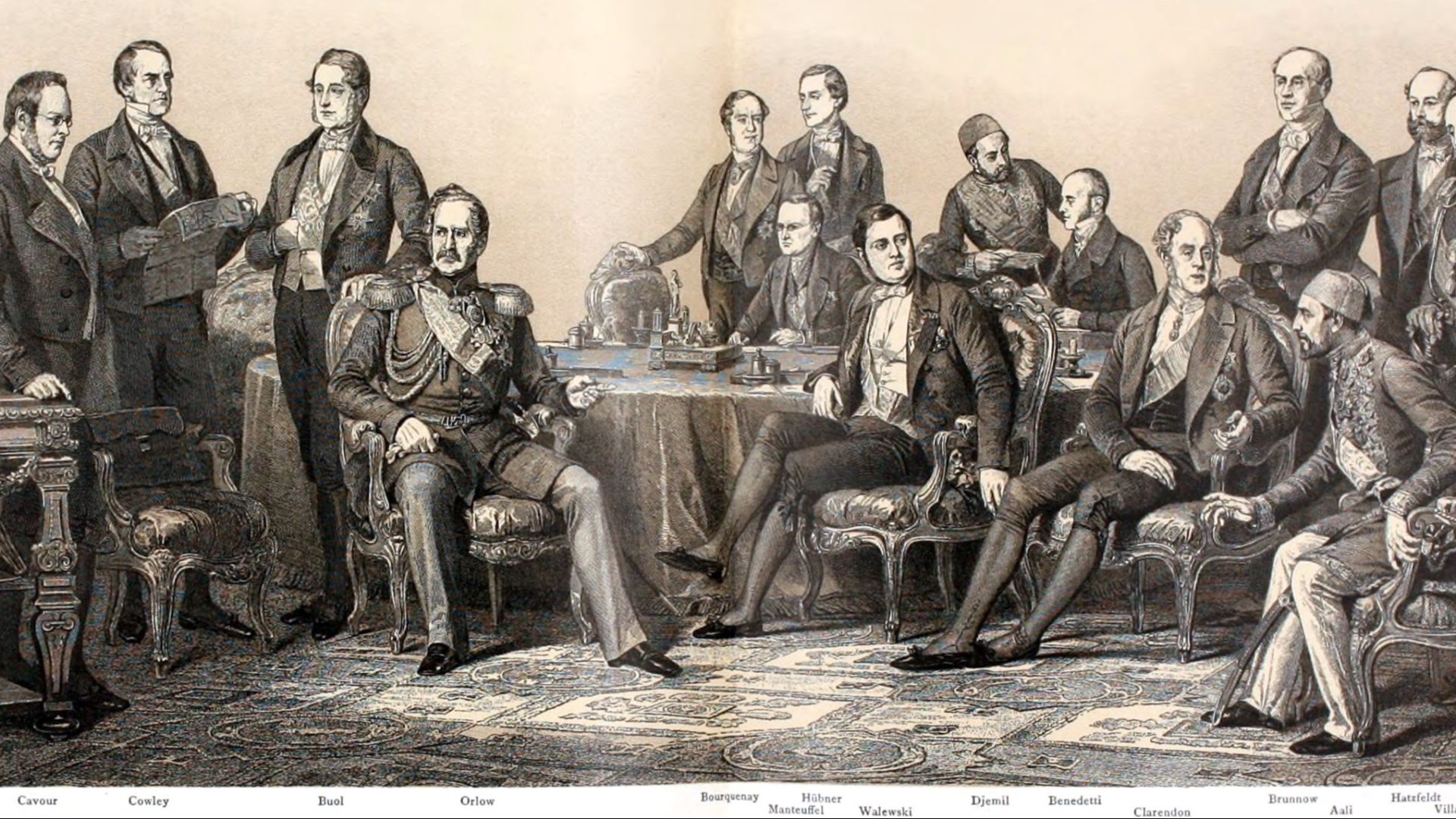 Edouard Louis Dubufe on Wikimedia
13. Treaty of San Stefano
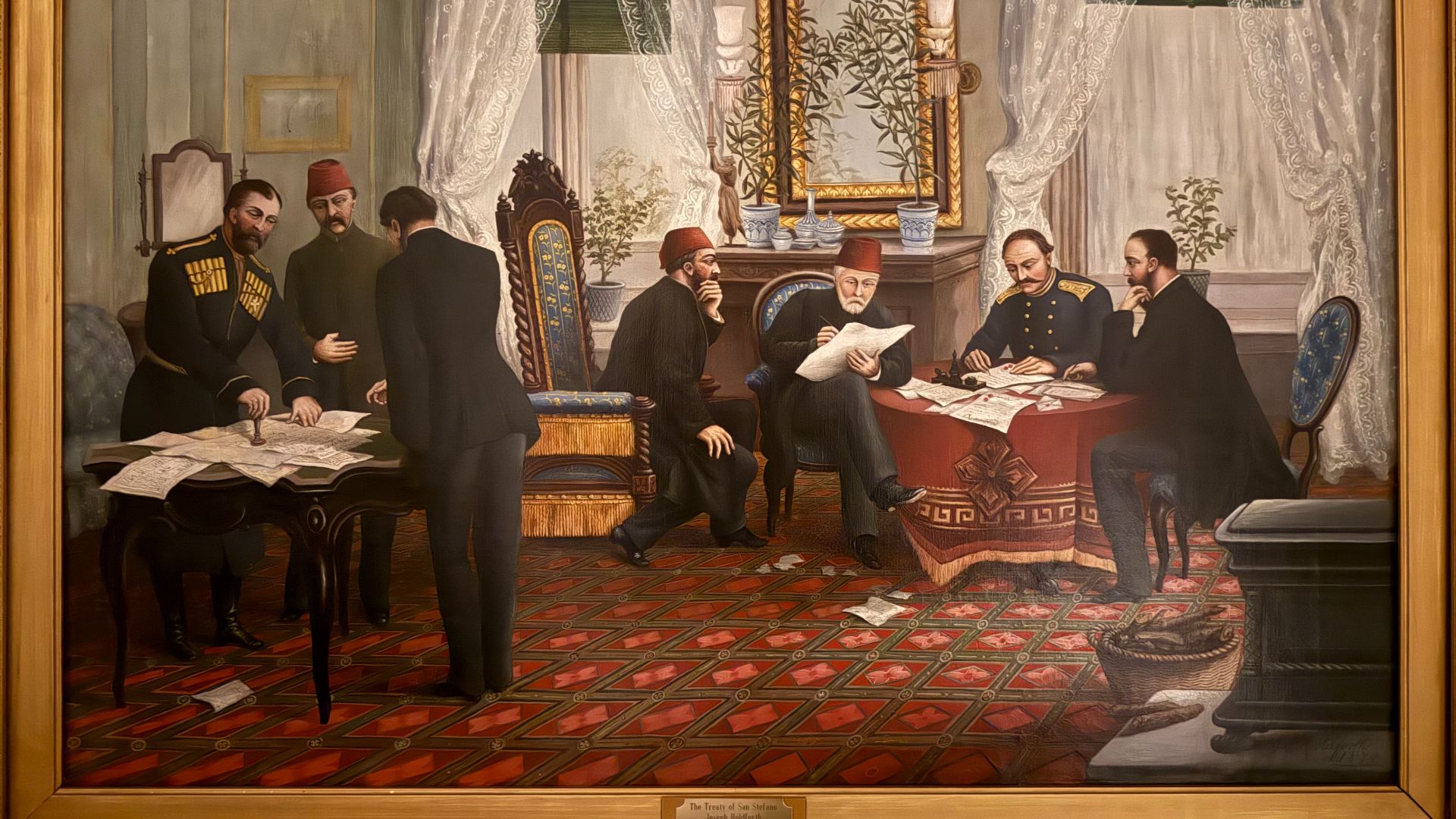
Russia imposed the Treaty of San Stefano on the Ottoman Empire in 1878 after a decisive military victory. The resulting concerns quickly led to another international conference that substantially revised the agreement.
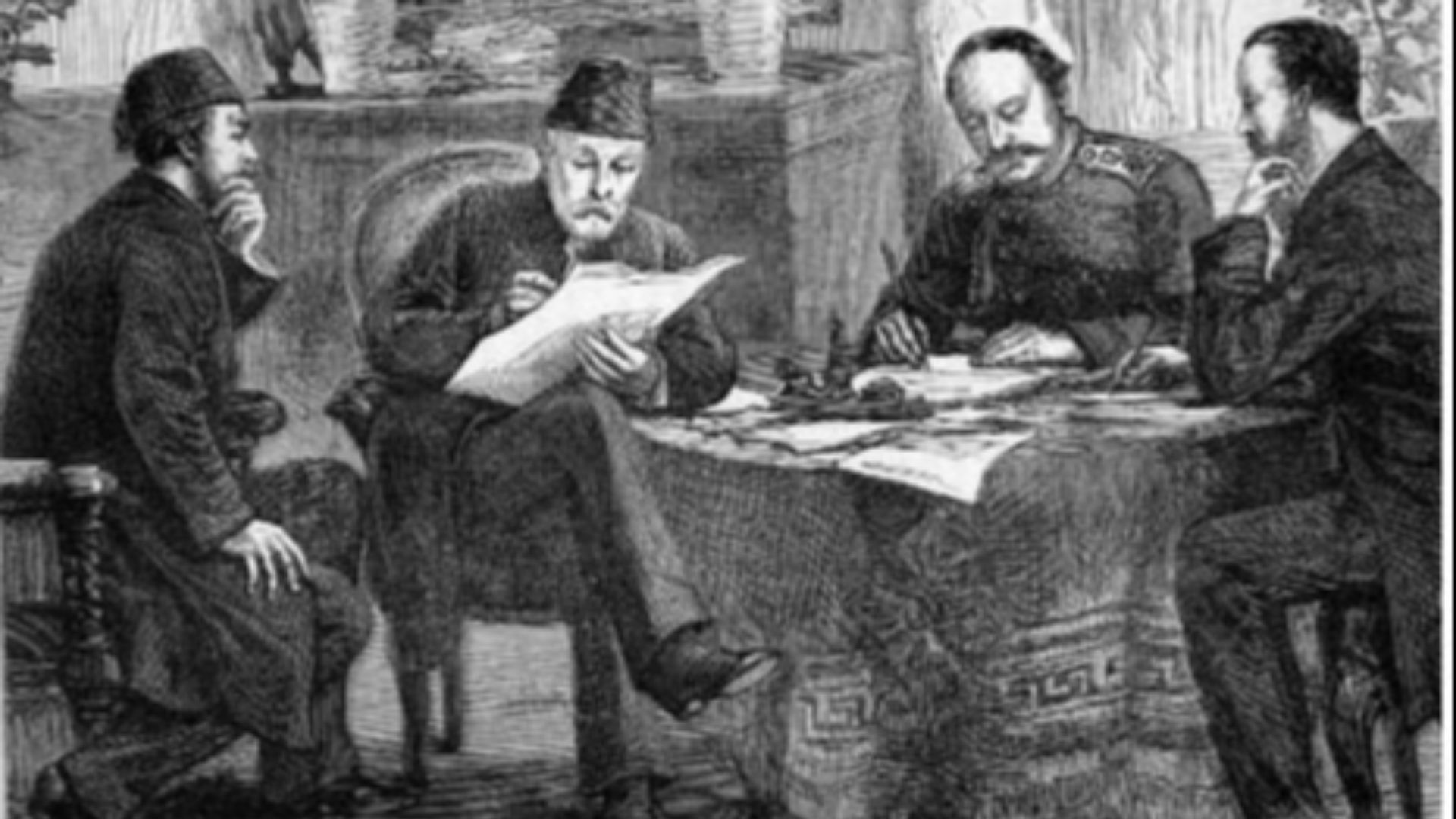 ЧерноризецХрабър~commonswiki on Wikimedia
14. Treaty of Berlin
Later in 1878, European leaders met at the Congress of Berlin to rewrite much of the Treaty of San Stefano. The revised settlement satisfied some governments but disappointed many nationalist movements throughout southeastern Europe. Frustration over the new borders remained a major source of regional instability for decades.
15. Treaty of Portsmouth
The Treaty of Portsmouth ended the Russo-Japanese War in 1905 through mediation by U.S. President Theodore Roosevelt. Public disappointment, particularly in Japan, sparked protests despite the military victory.
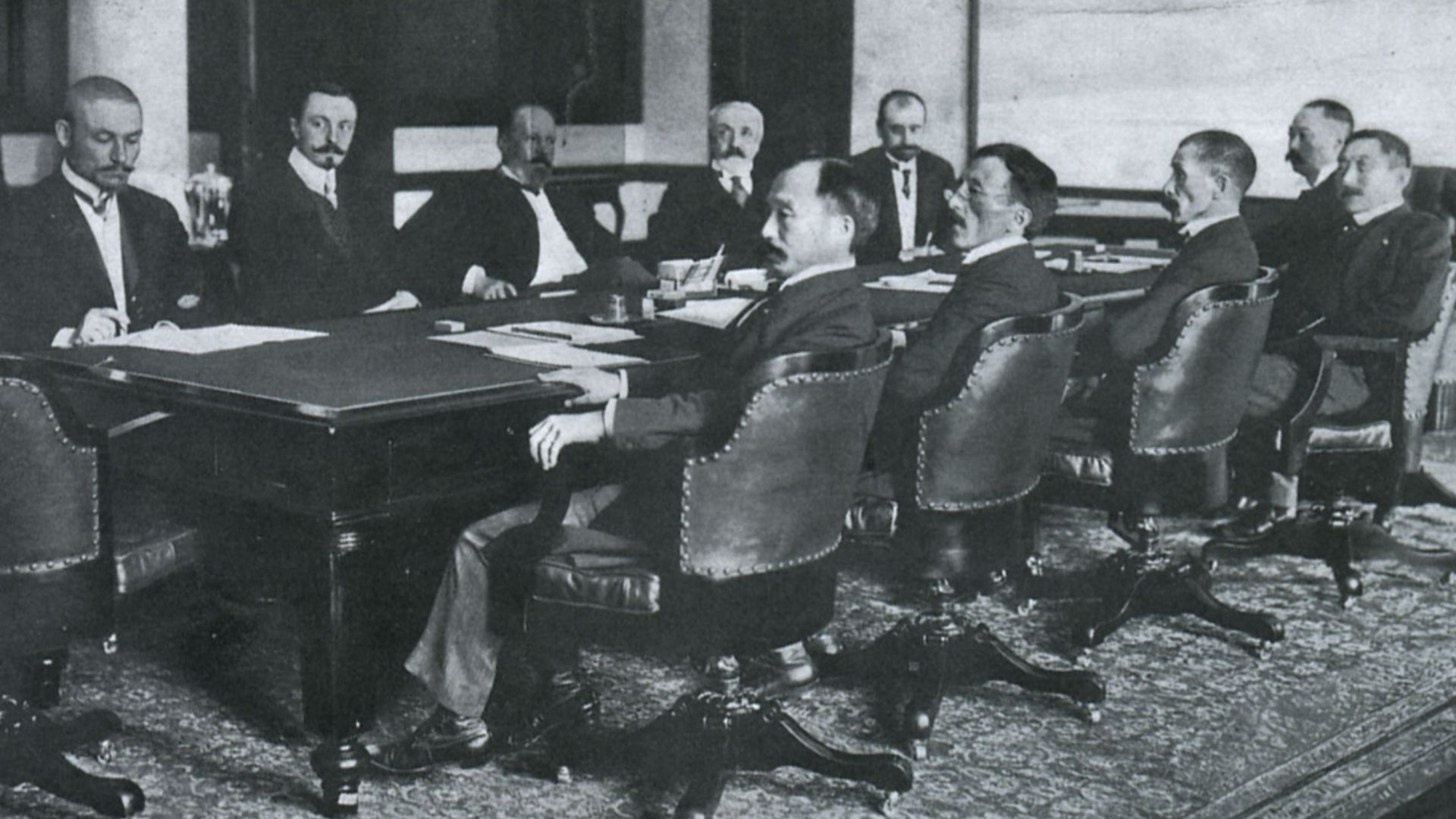 P. F. Collier & Son on Wikimedia
16. Treaty of Versailles
The Treaty of Versailles formally ended World War I in 1919 by imposing severe penalties on Germany. Historians widely agree that these conditions helped destabilize Europe in the years leading to World War II.
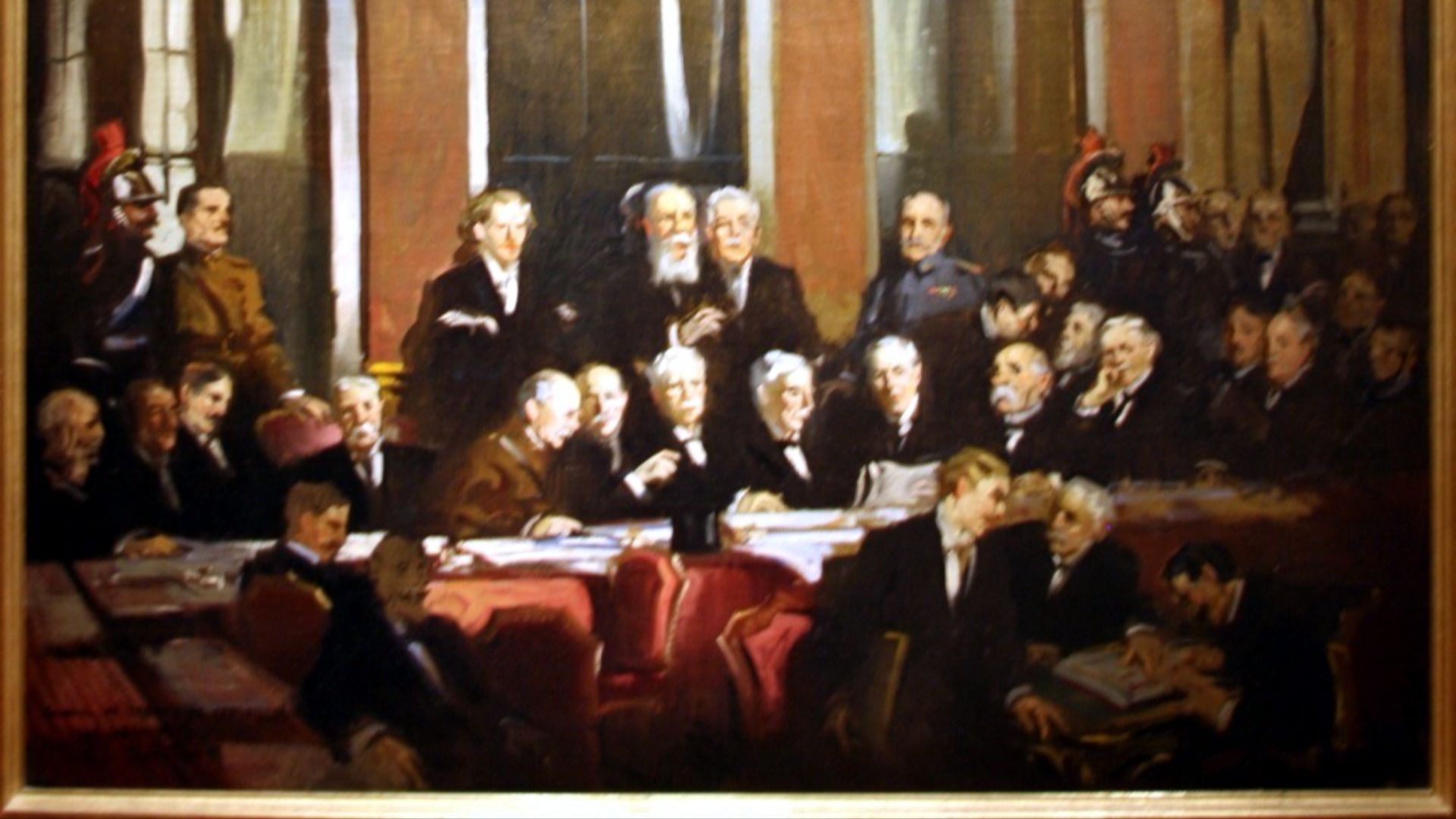 John Christen Johansen on Wikimedia
17. Treaty of Sèvres
The Treaty of Sèvres sought to dismantle much of the Ottoman Empire after World War I. Turkish nationalists rejected the terms, leading to the Turkish War of Independence. The agreement was ultimately replaced by the Treaty of Lausanne before many of its provisions could take effect.
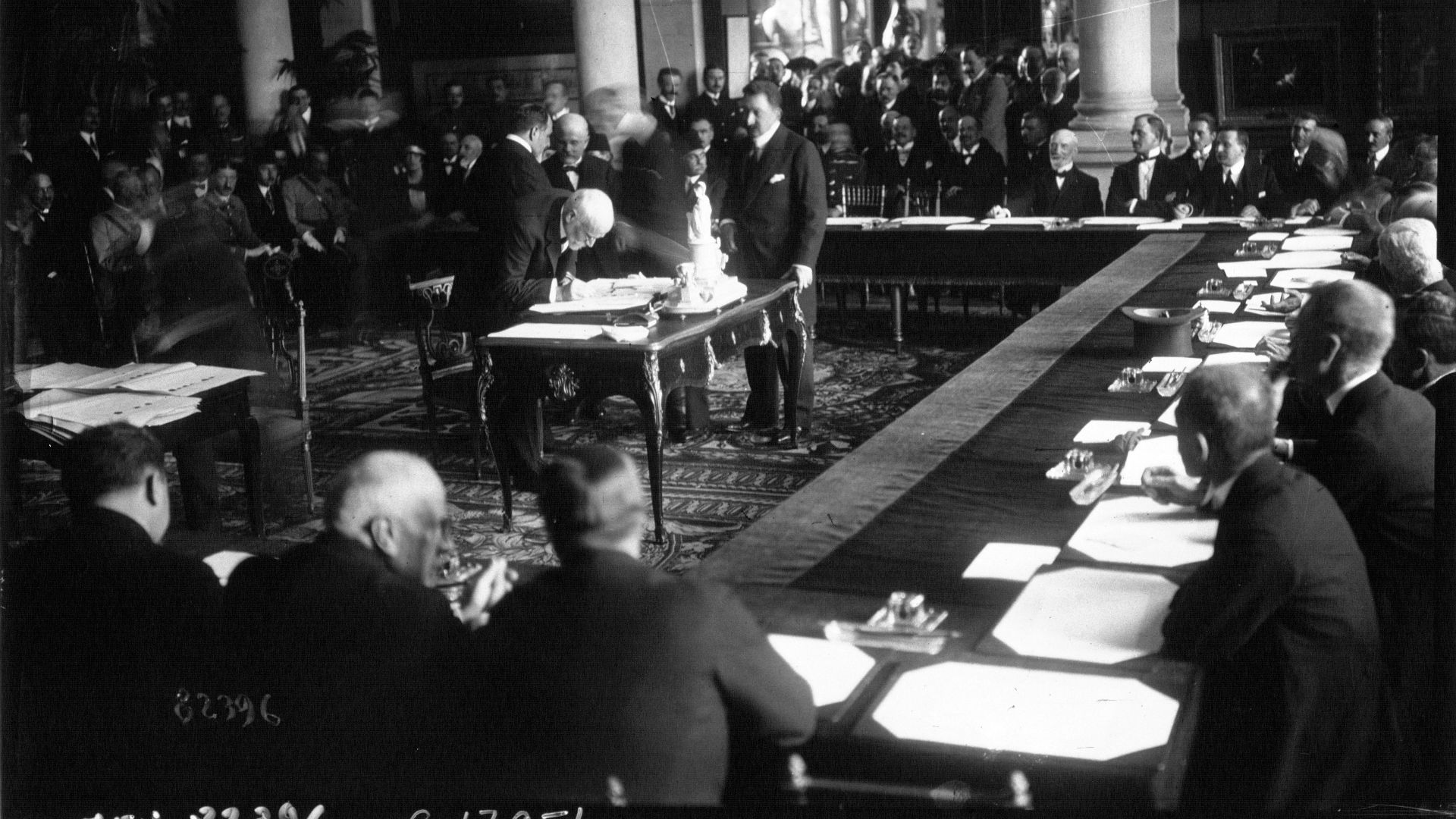 Agence de presse Meurisse on Wikimedia
18. Anglo-Irish Treaty
Signed in 1921, the Anglo-Irish Treaty established the Irish Free State while allowing Northern Ireland to remain part of the United Kingdom. Those disagreements quickly erupted into the Irish Civil War.
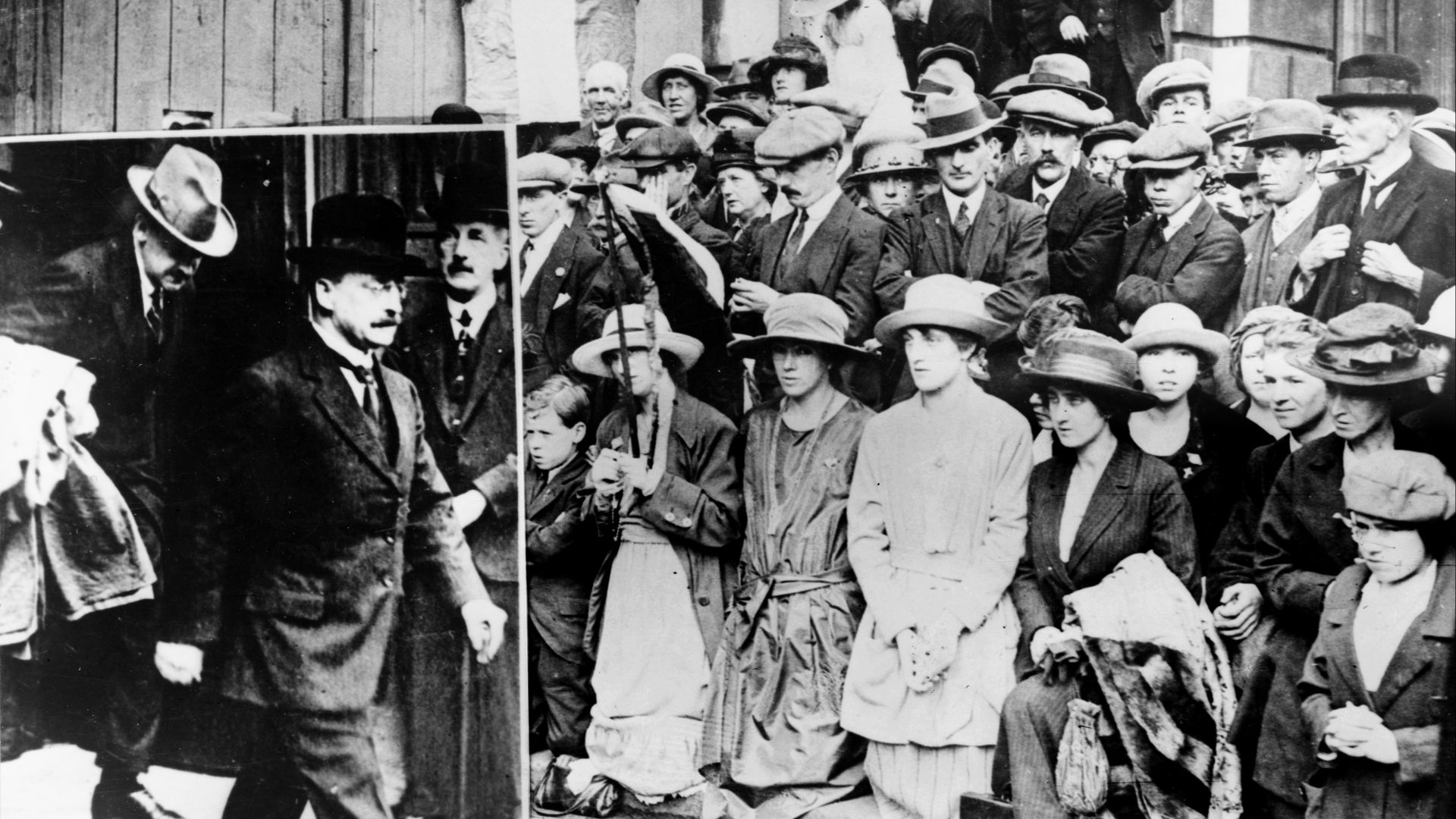 Underwood & Underwood on Wikimedia
19. Camp David Accords
The Camp David Accords of 1978 produced a historic peace agreement between Egypt and Israel. While they successfully ended the direct war between those two nations, they did not resolve the broader Israeli-Palestinian conflict or wider regional disputes. Many neighboring governments strongly opposed the agreement, reshaping Middle Eastern diplomacy for years.
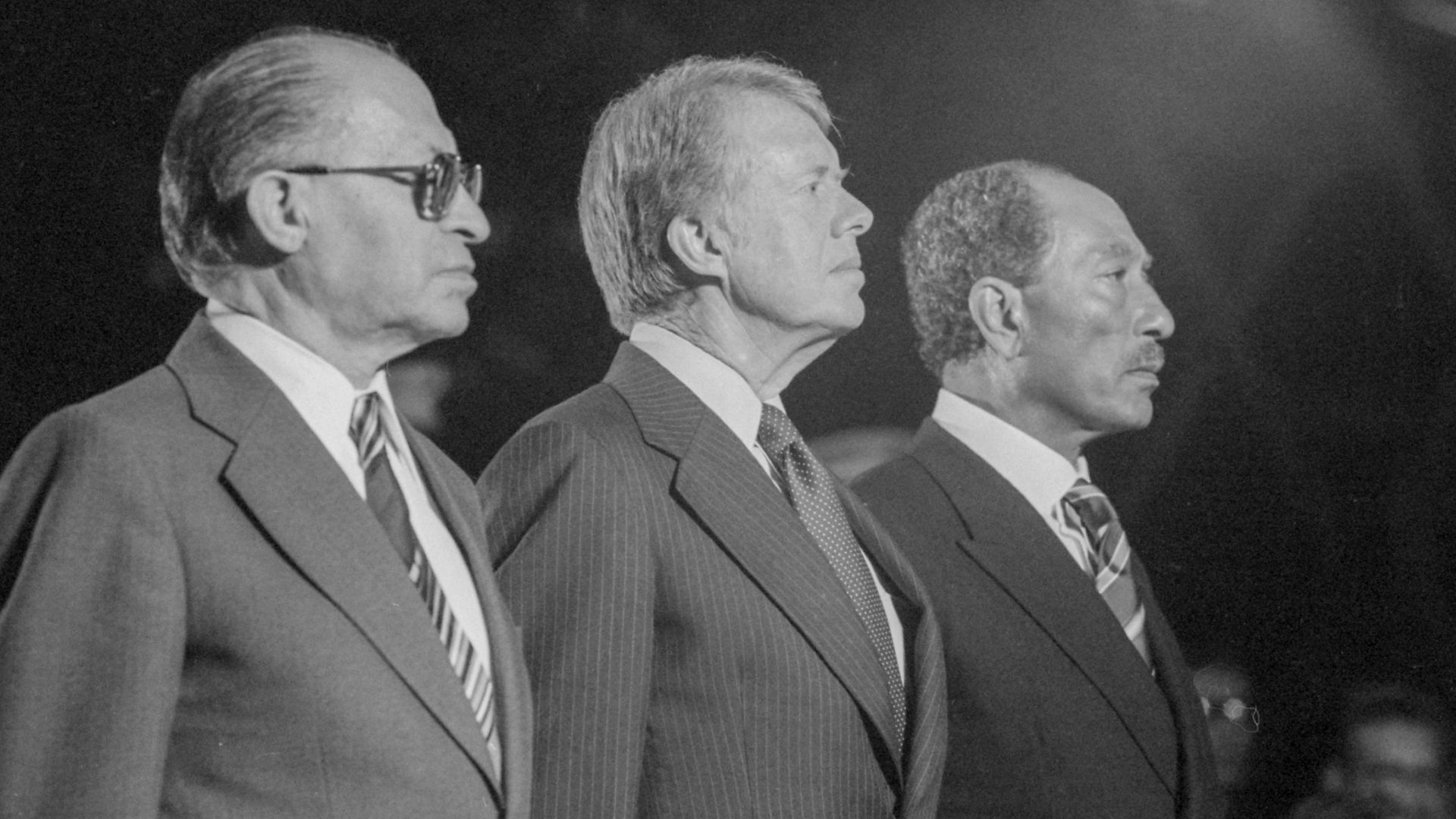 Fitz-Patrick, Bill, photographer on Wikimedia
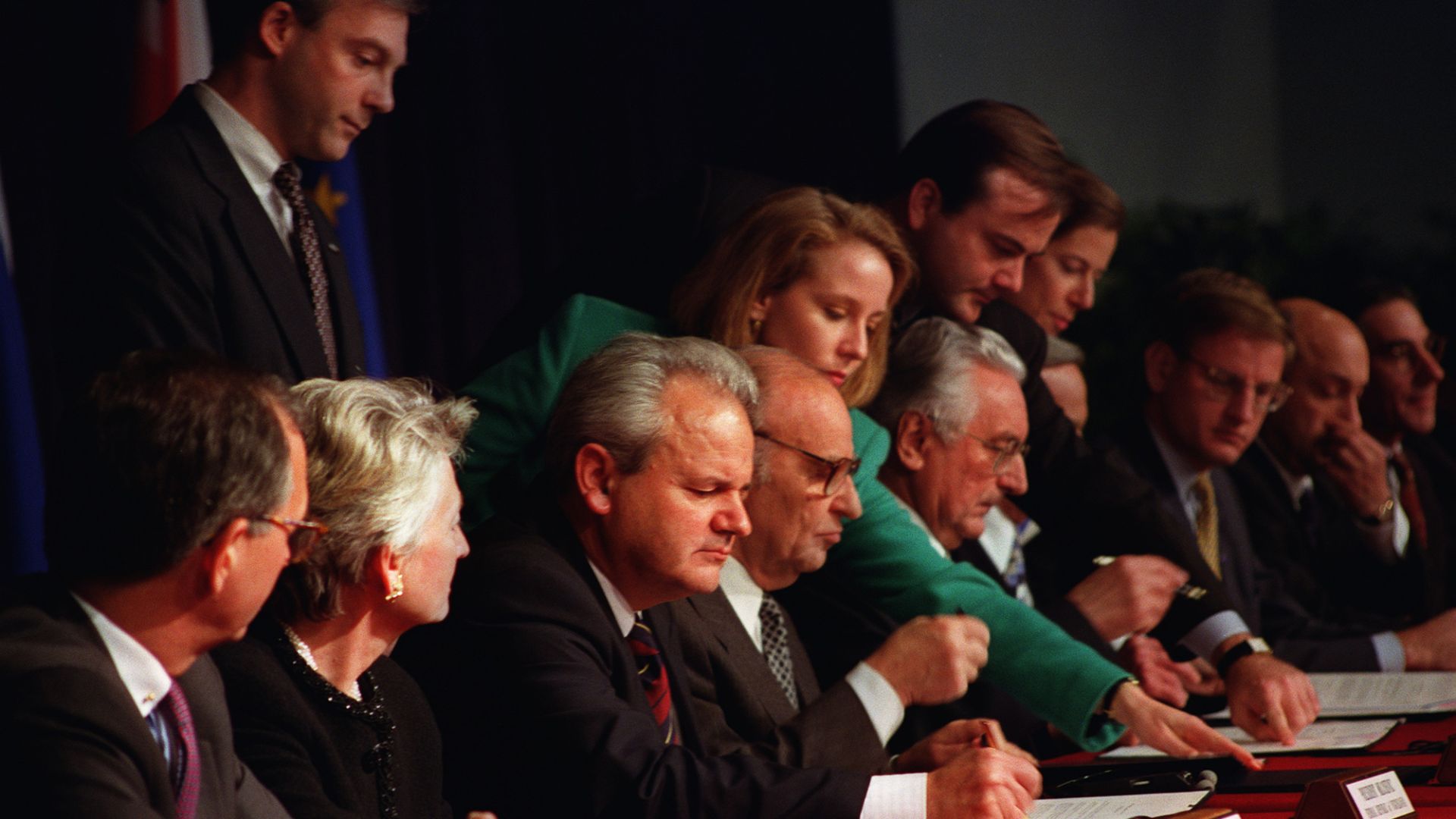
20. Dayton Agreement
The Dayton Agreement ended the Bosnian War in 1995 and stopped large-scale fighting almost immediately. The arrangement preserved peace, yet it also created a system that has often been criticized for making political reform slow and difficult.
KEEP ON READING
The story of Ching Shih, the Woman Who Became the…
Unknown author on WikimediaFew figures in history are as feared…
By Emilie Richardson-Dupuis Dec 29, 2025
Einstein's Violin Just Sold At An Auction—And It Earned More…
A Visionary's Violin. Wanda von Debschitz-Kunowski on WikimediaWhen you hear…
By Ashley Bast Nov 3, 2025
This Infamous Ancient Greek Burned Down An Ancient Wonder Just…
History remembers kings and conquerors, but sometimes, it also remembers…
By David Davidovic Nov 12, 2025
The Mysterious "Sea People" Who Collapsed Civilization
3,200 years ago, Bronze Age civilization in the Mediterranean suddenly…
By Robbie Woods Mar 18, 2025
10 Women Who Changed History Quietly & 10 Who Did…
Different Kinds of Power Leave Different Marks. History doesn’t always…
By Emilie Richardson-Dupuis Jun 30, 2026
20 Soldiers Who Defied Expectations
Changing the Rules of the Battlefield. You’ve probably heard plenty…
By Annie Byrd Feb 10, 2026