

Ancient Kitchens Had Some Surprisingly Great Ideas
Long before shiny appliances and crowded utensil drawers, cooks were baking bread in clay ovens, grinding grain on stone, steaming food in bronze vessels, and using fire with a skill set many of us no longer have. Some of these tools were plain and practical, while others were carefully made, almost beautiful enough to leave out on display. Many still survive through museum pieces, archaeological finds, or living food traditions, though most aren’t common in everyday kitchens anymore. These 20 ancient cooking tools would still be useful, charming, and a lot more interesting than half the gadgets we own now.
 Carole Raddato from FRANKFURT, Germany on Wikimedia
1. The Roman Clibanus
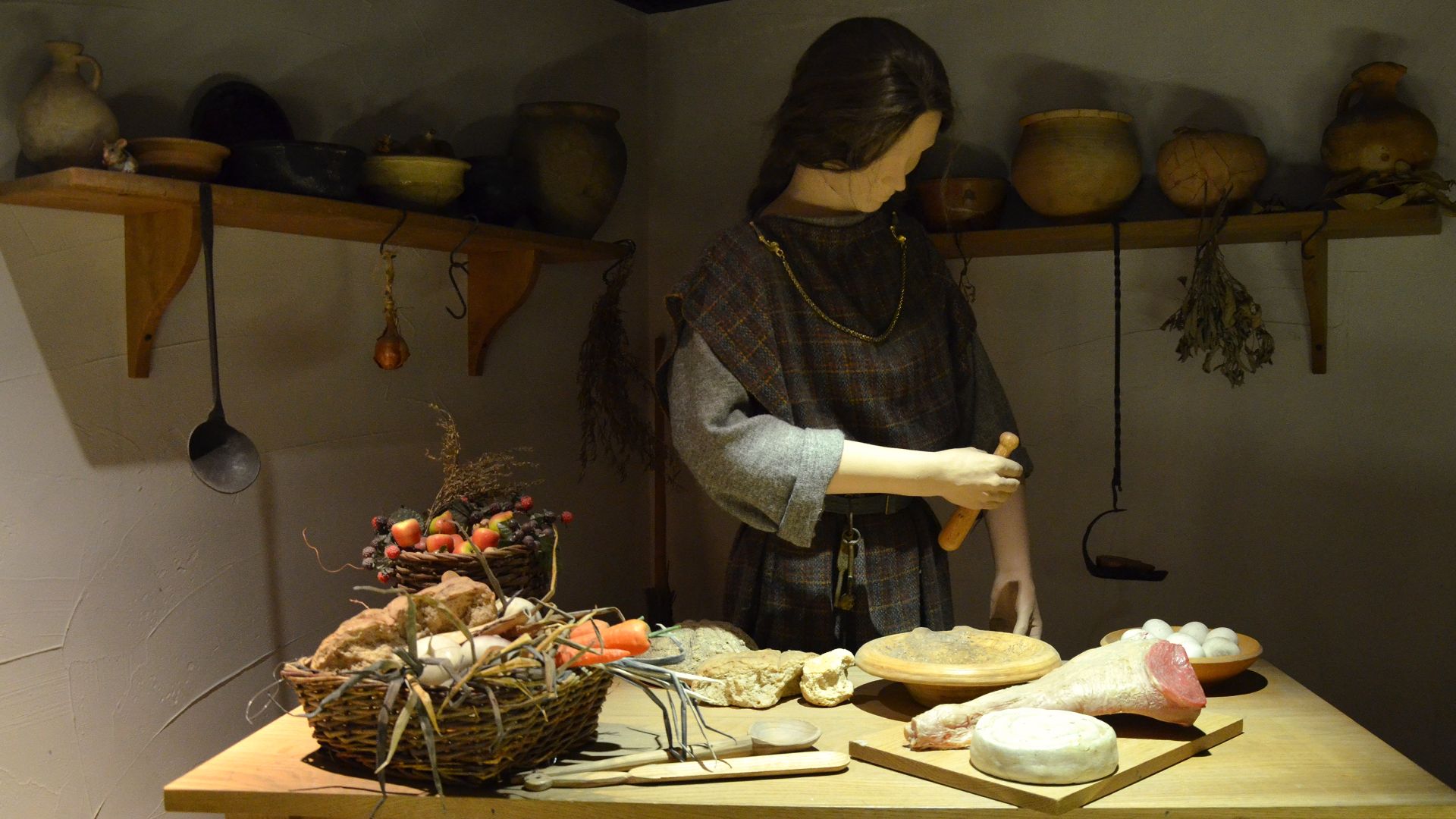
The Roman clibanus was a portable ceramic oven or baking cover used for foods like bread and meat. Cooks placed it over the food and managed the heat with hot embers around it. A modern version would be great for outdoor cooking, especially for anyone who likes bread with a crisp edge and a little smoky flavor.
2. The Hellenistic Terracotta Brazier
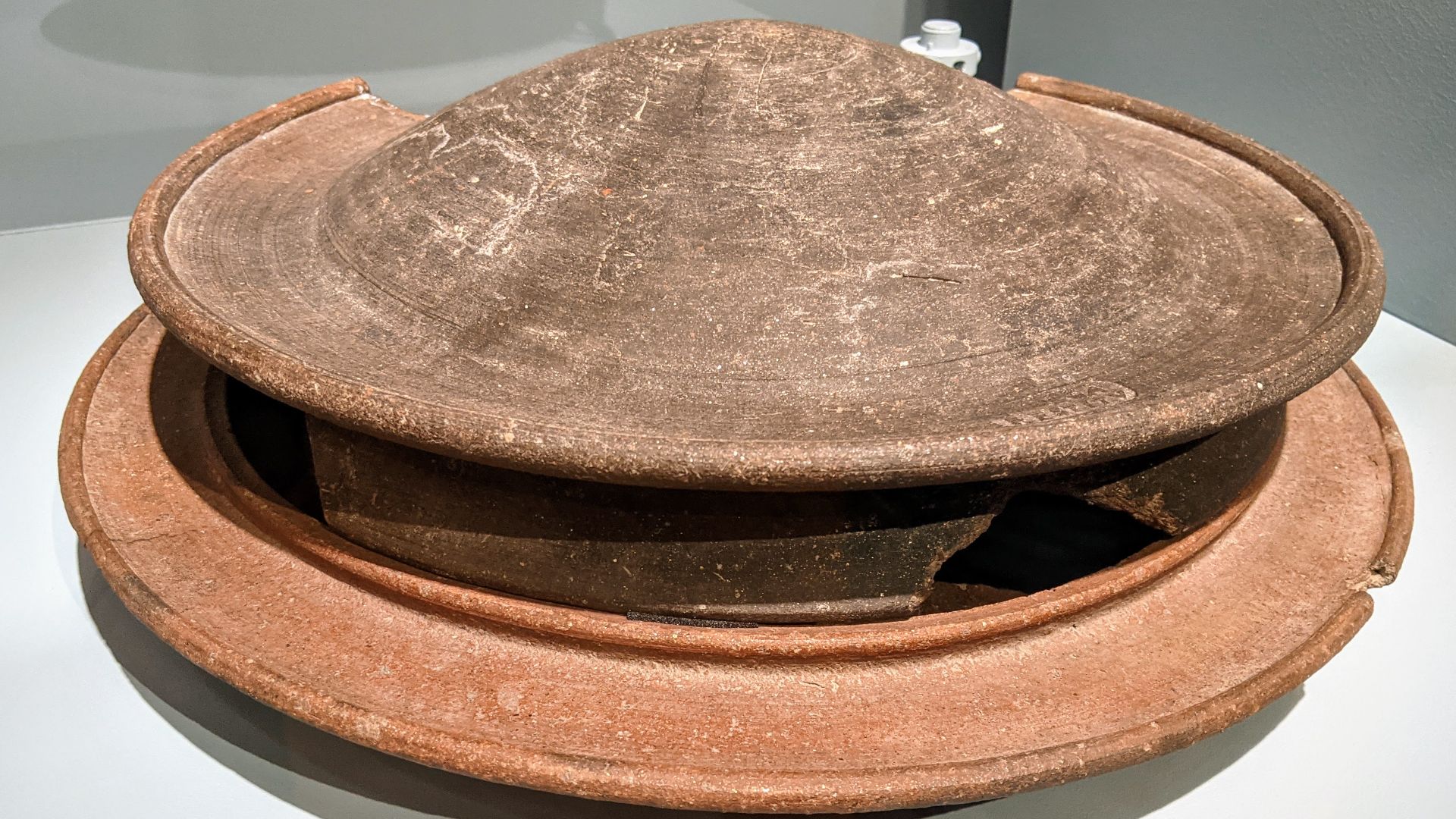
A Hellenistic terracotta brazier worked like a movable charcoal stove. It gave cooks a heat source they could use where they needed it, instead of relying only on a fixed hearth. Some were plain, while others had molded faces or decorations, which made them much nicer to look at than most small burners we use now.
3. Ancient Egyptian Bread Molds
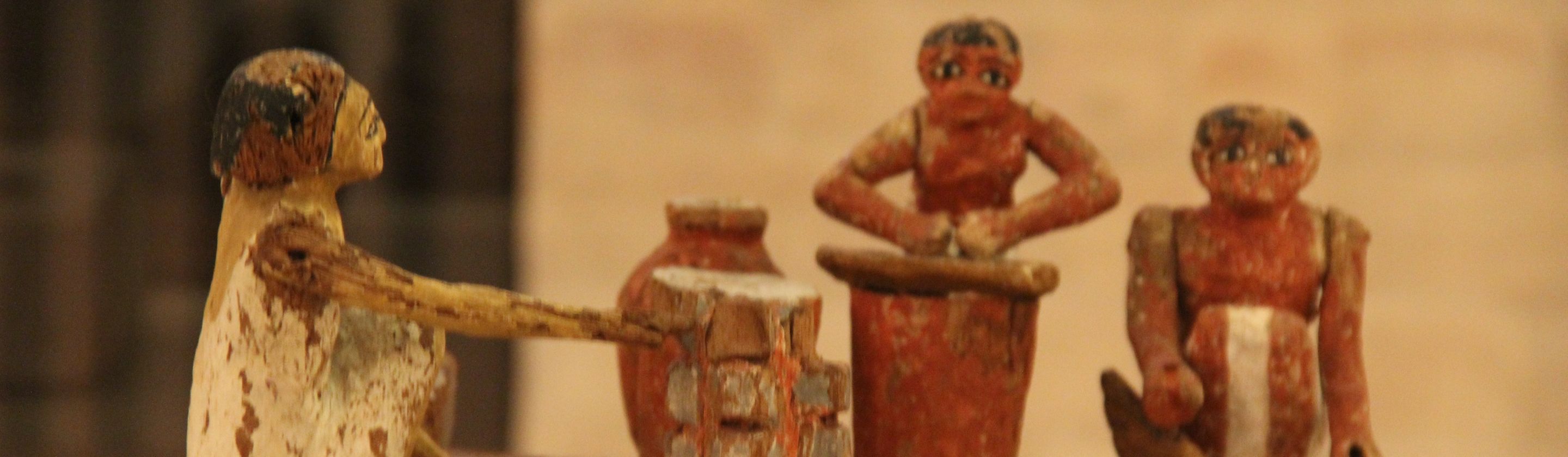
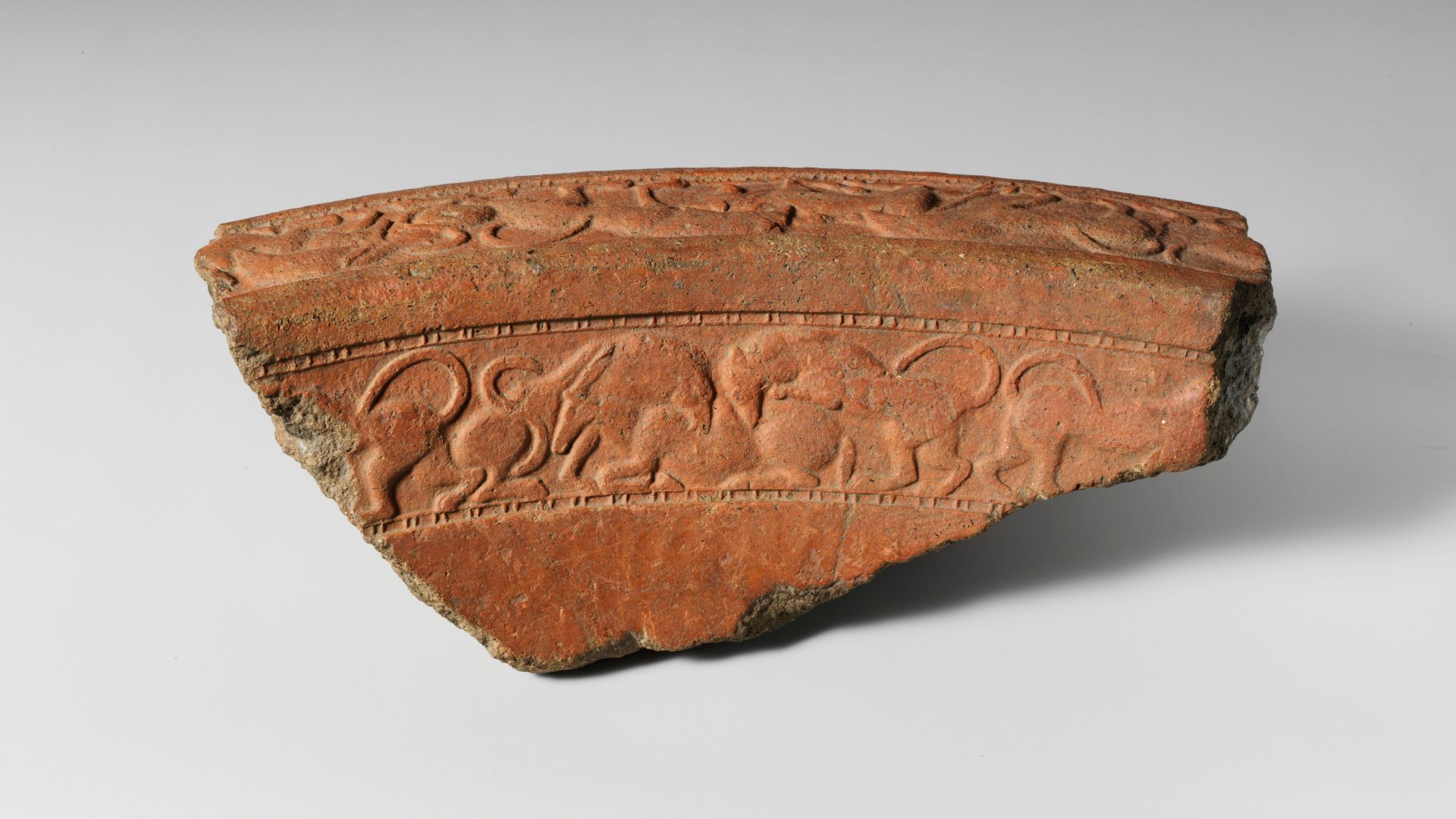
Ancient Egyptian bread molds were clay forms used to shape and bake loaves. Bread was a huge part of daily life, so tools like these had a clear and consistent job in the kitchen.
 Marco Chemello (WMIT) on Wikimedia
4. The Tannur-Style Clay Oven
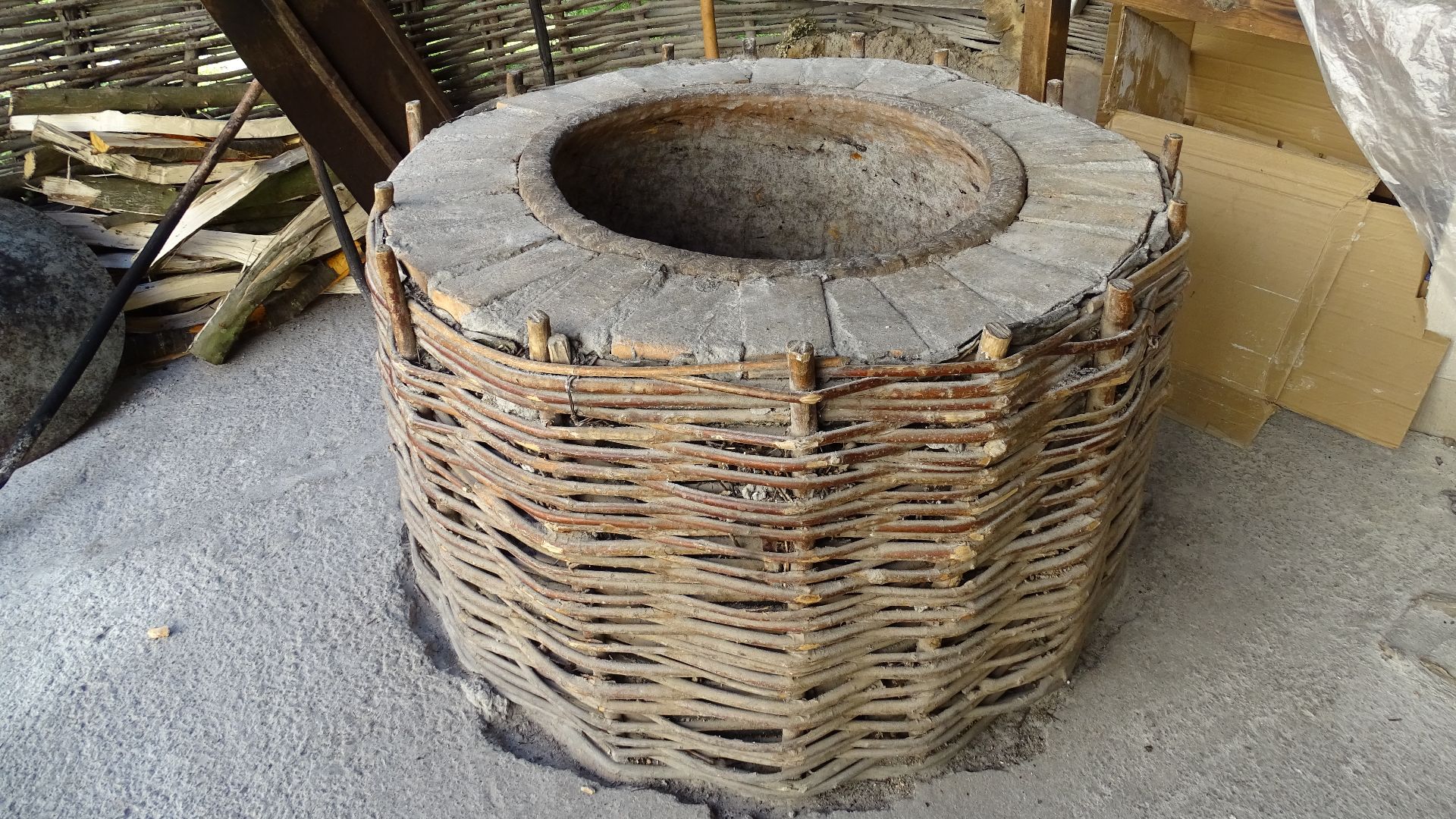
The tannur-style clay oven used strong enclosed heat to cook flatbreads quickly. Dough could be pressed against the hot inside wall, where it browned, blistered, and cooked through.
5. The Indus Tandoor-Like Oven
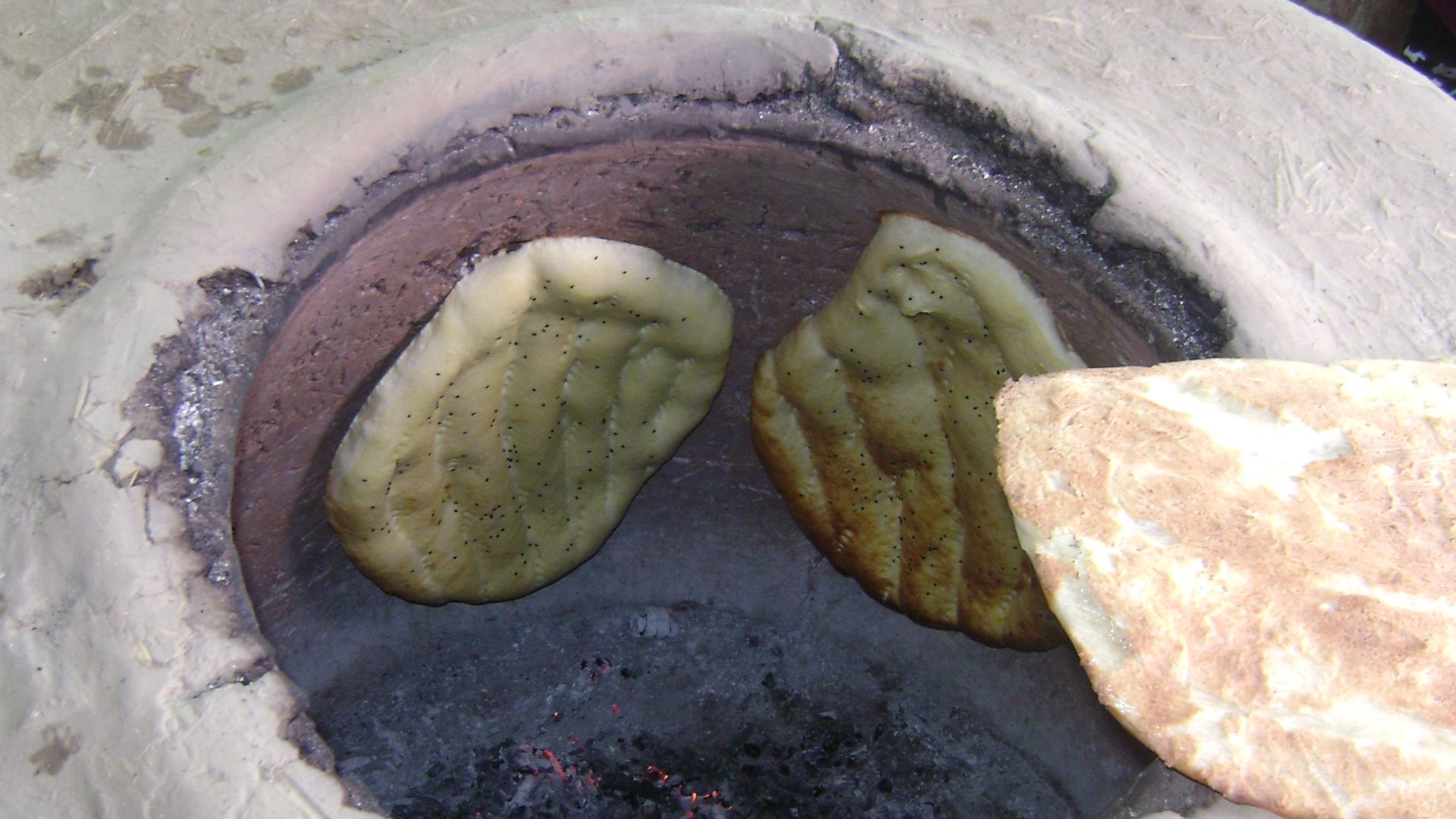
Ancient ovens from the Indus world have been described as similar in shape to later tandoor-style ovens. These clay ovens would have worked well for baking bread with steady, powerful heat. The same basic idea would still be useful today for flatbreads, roasted vegetables, and skewered foods.
6. The Chinese Triple Yan Steamer
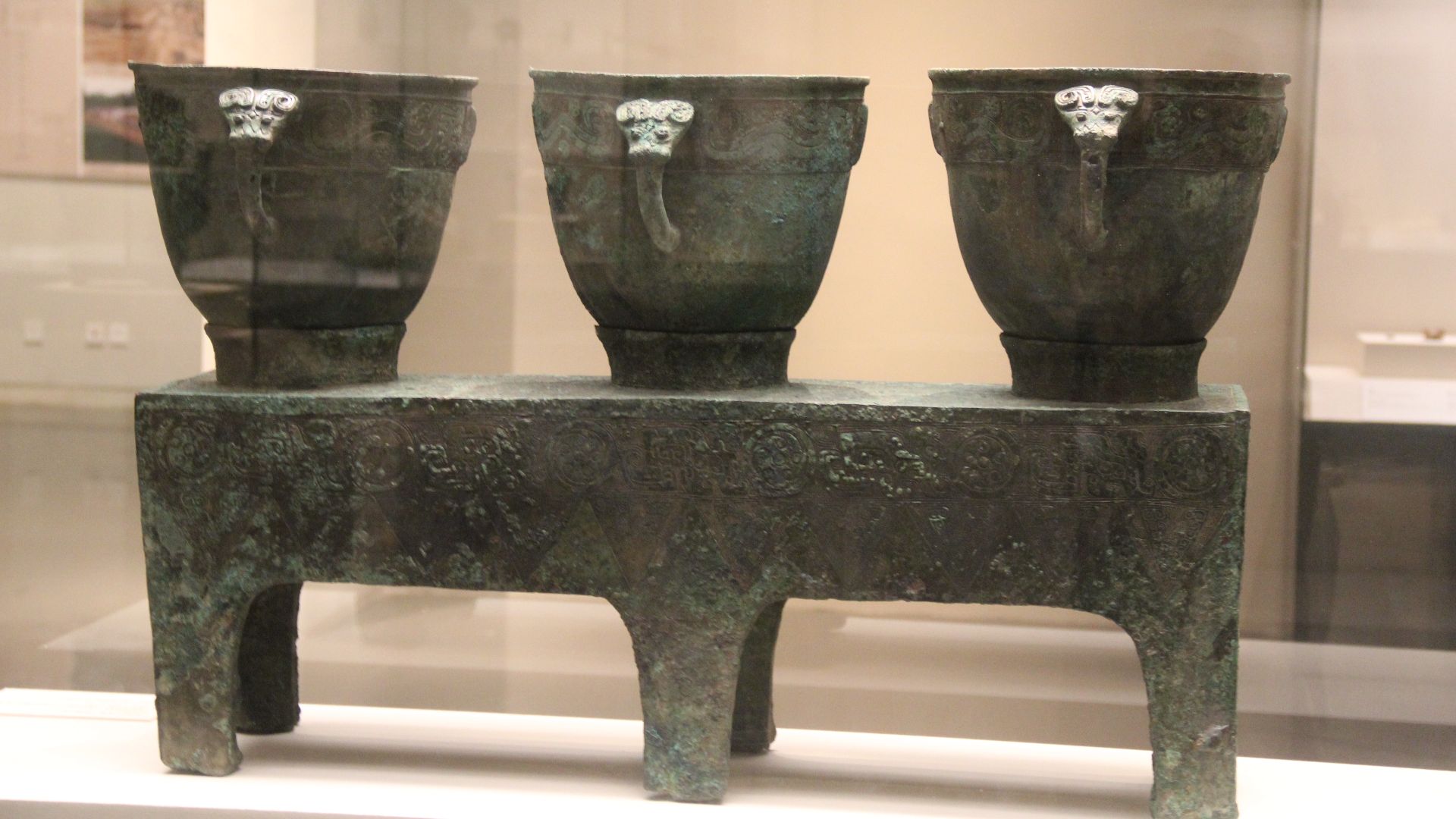
The triple yan was an ancient bronze steamer made to cook more than one food at once. Heat and steam moved through its sections, which made it a smart way to prepare a fuller meal without using several separate pots. It feels surprisingly practical, even by modern kitchen standards.
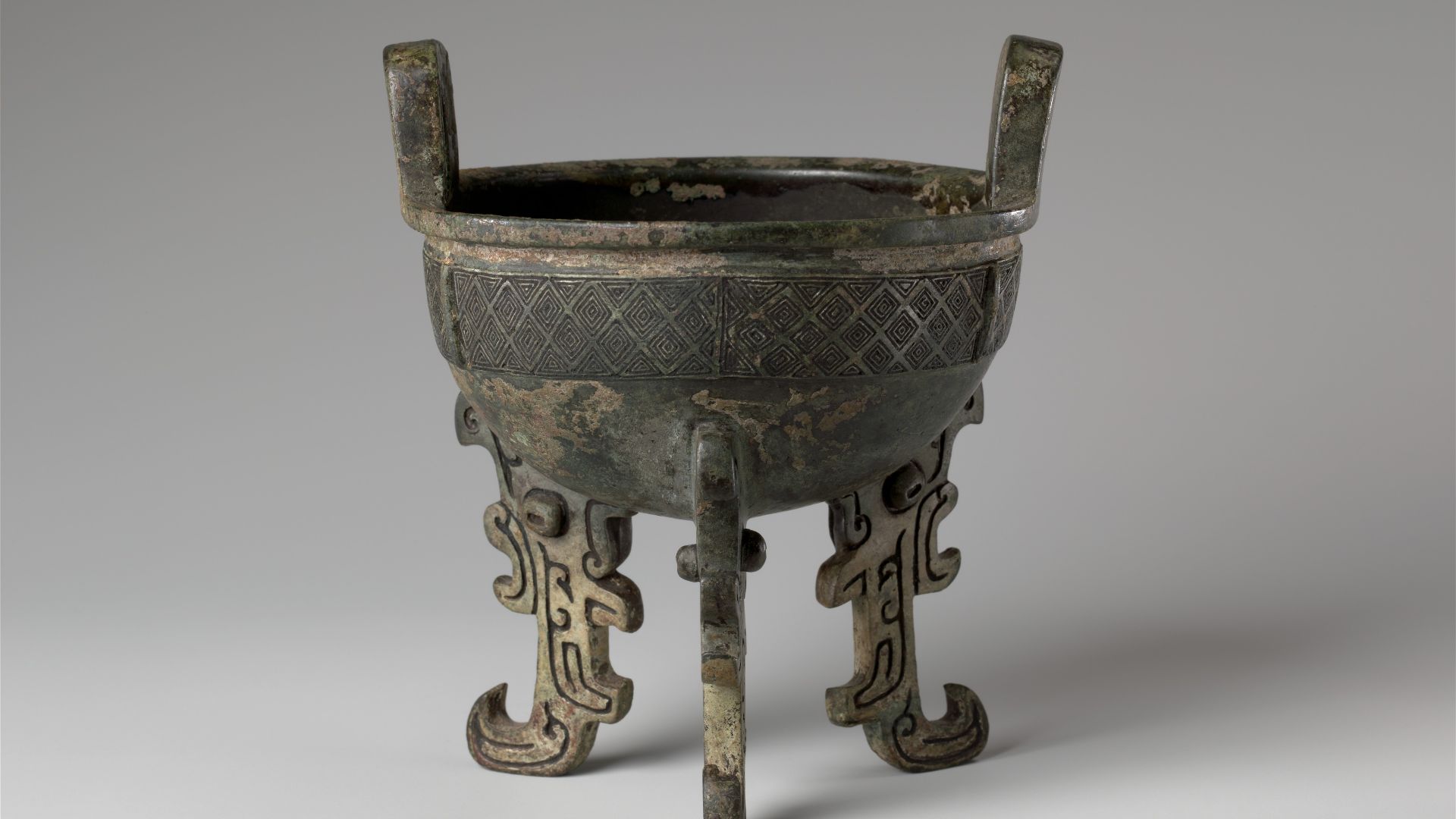
7. The Chinese Ding Cauldron
The ding was a strong vessel with legs and handles, used for cooking, serving, and ritual meals. Its raised shape made sense around fire, and its deep body worked well for soups, stews, grains, and shared dishes. It made food feel a lot more communal.
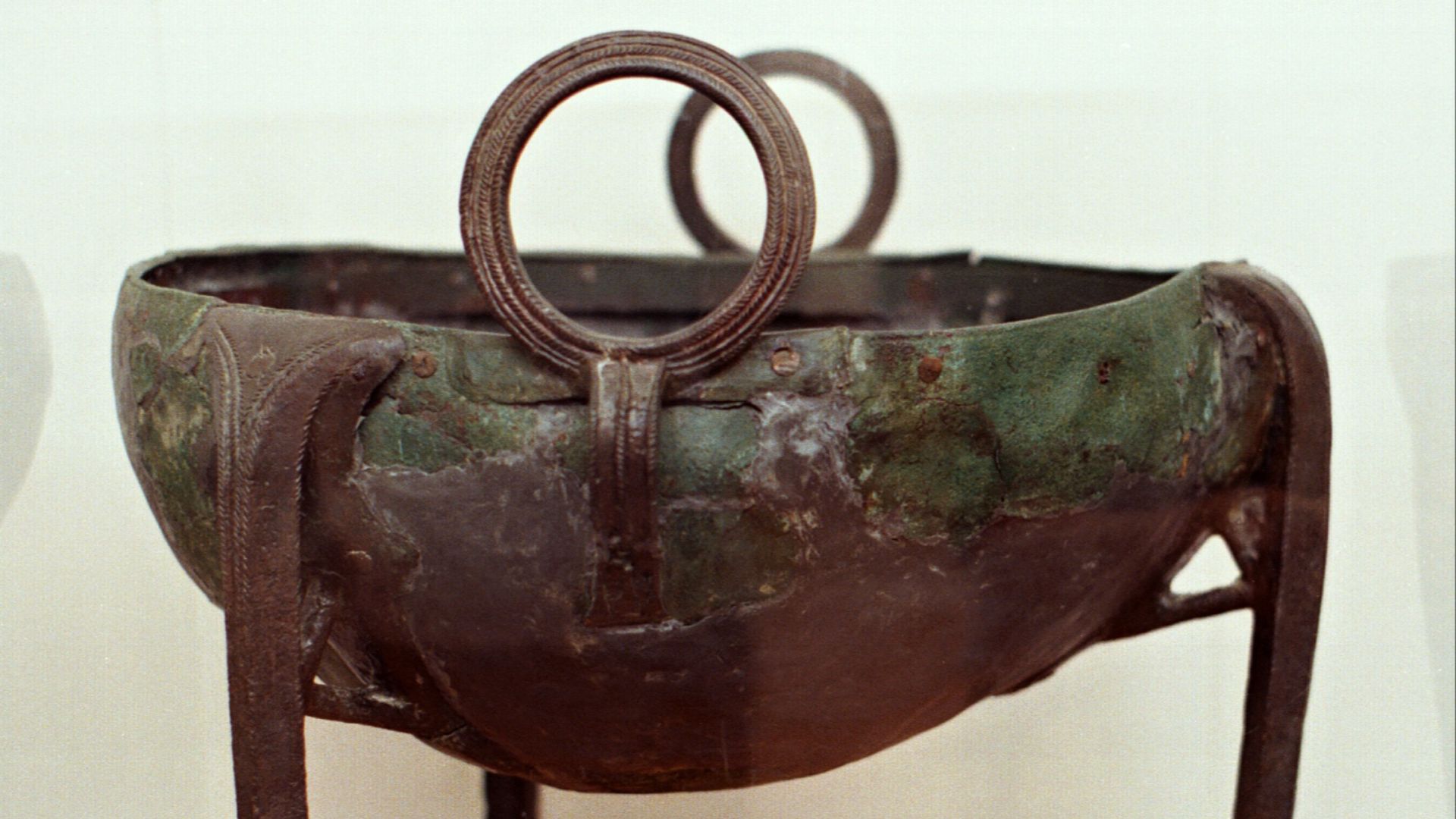
8. The Greek Tripod Cauldron
The Greek tripod cauldron had a deep bowl raised on three legs, which made it useful over open heat. It started as a practical cooking vessel for large meals before becoming linked with status and ceremony. It would still be great for outdoor cooking, especially for slow broths, stews, and meals made for a group.
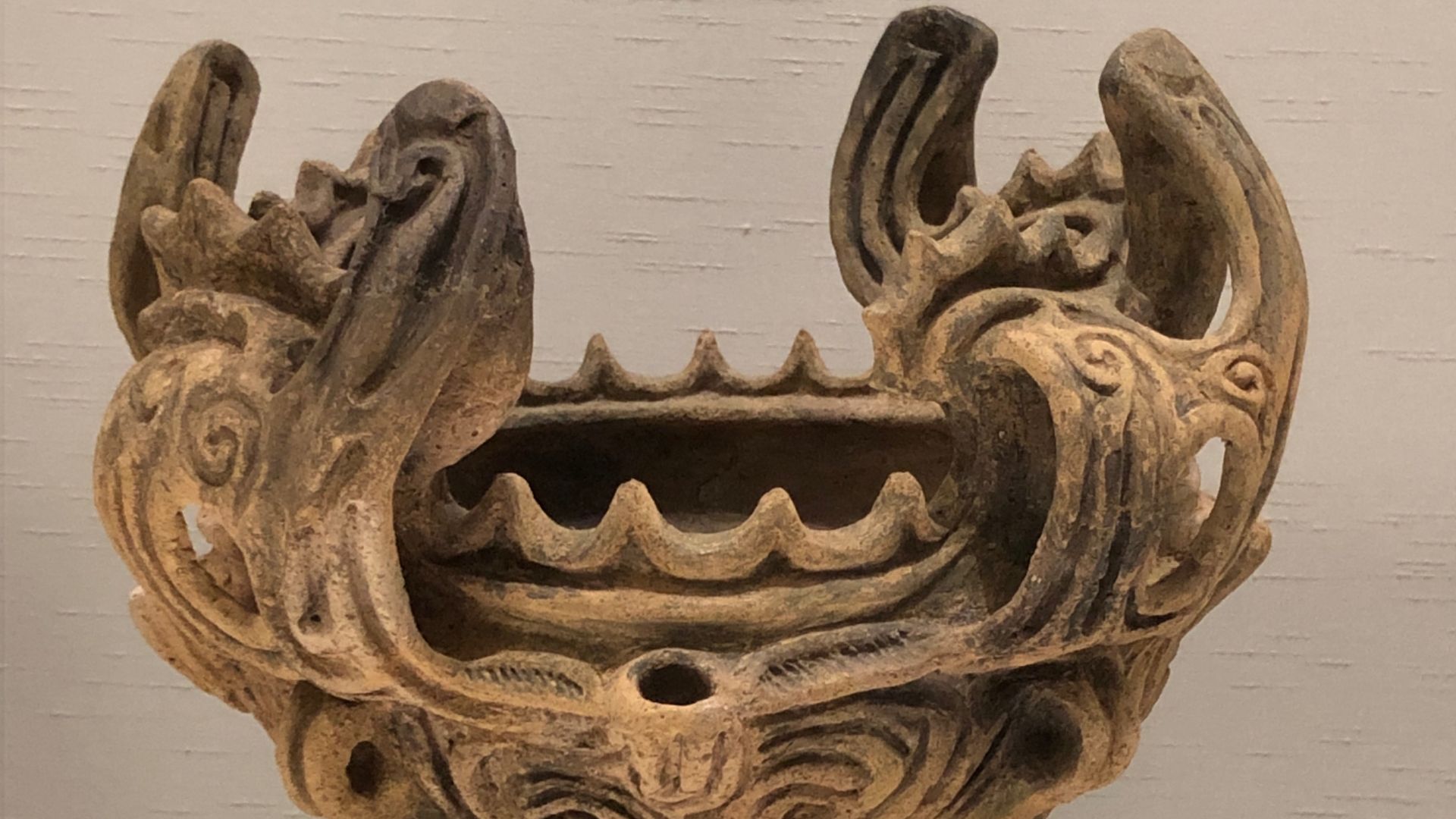
9. The Jōmon Deep Cooking Pot
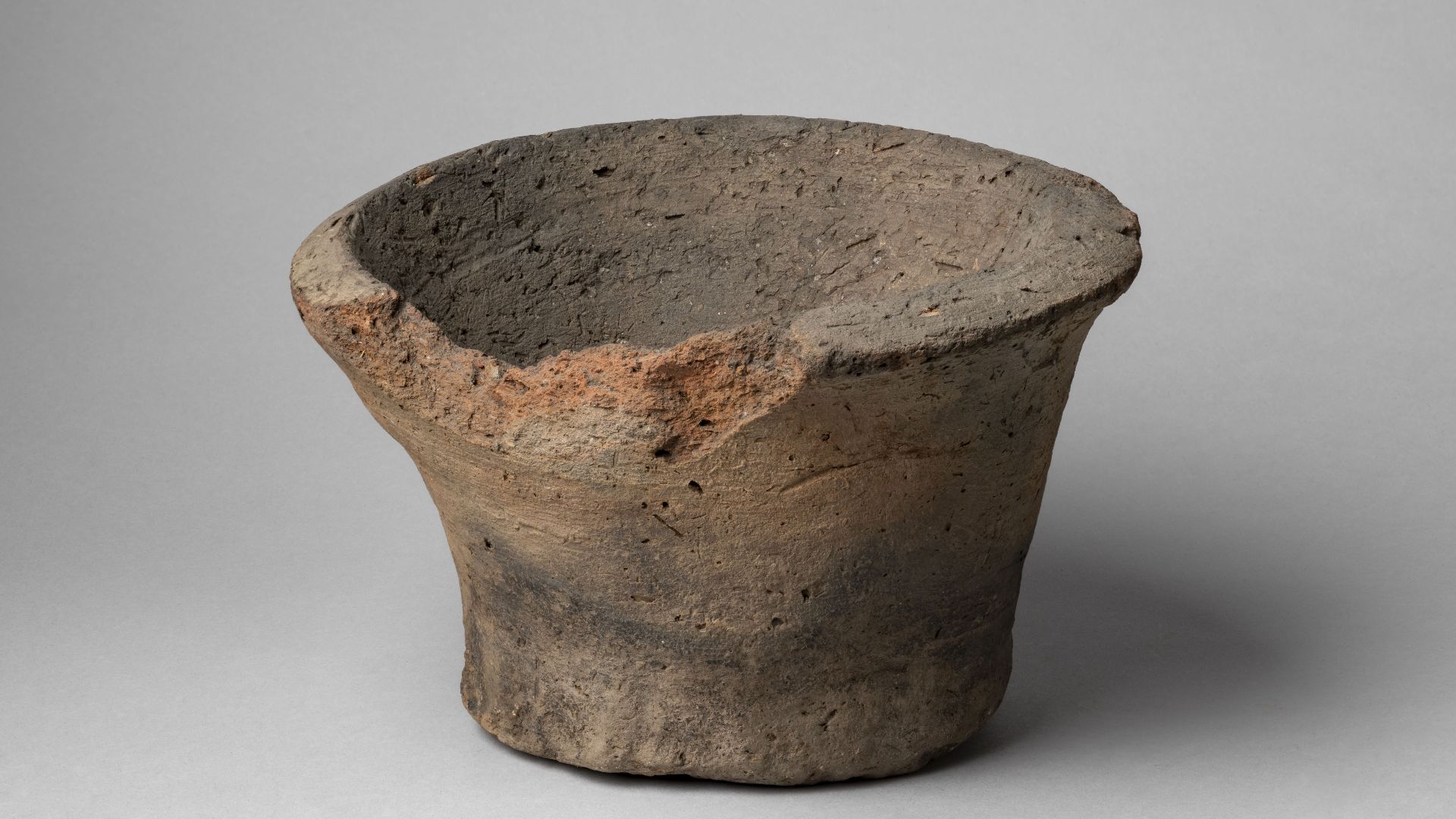
Jōmon cooking pots from ancient Japan were deep earthenware vessels, often marked with cord patterns. Some had striking rims, and evidence connects certain pots with cooking fish, shellfish, and other aquatic foods. A pot with that much texture would bring a lot more character to the stove than a plain stockpot.
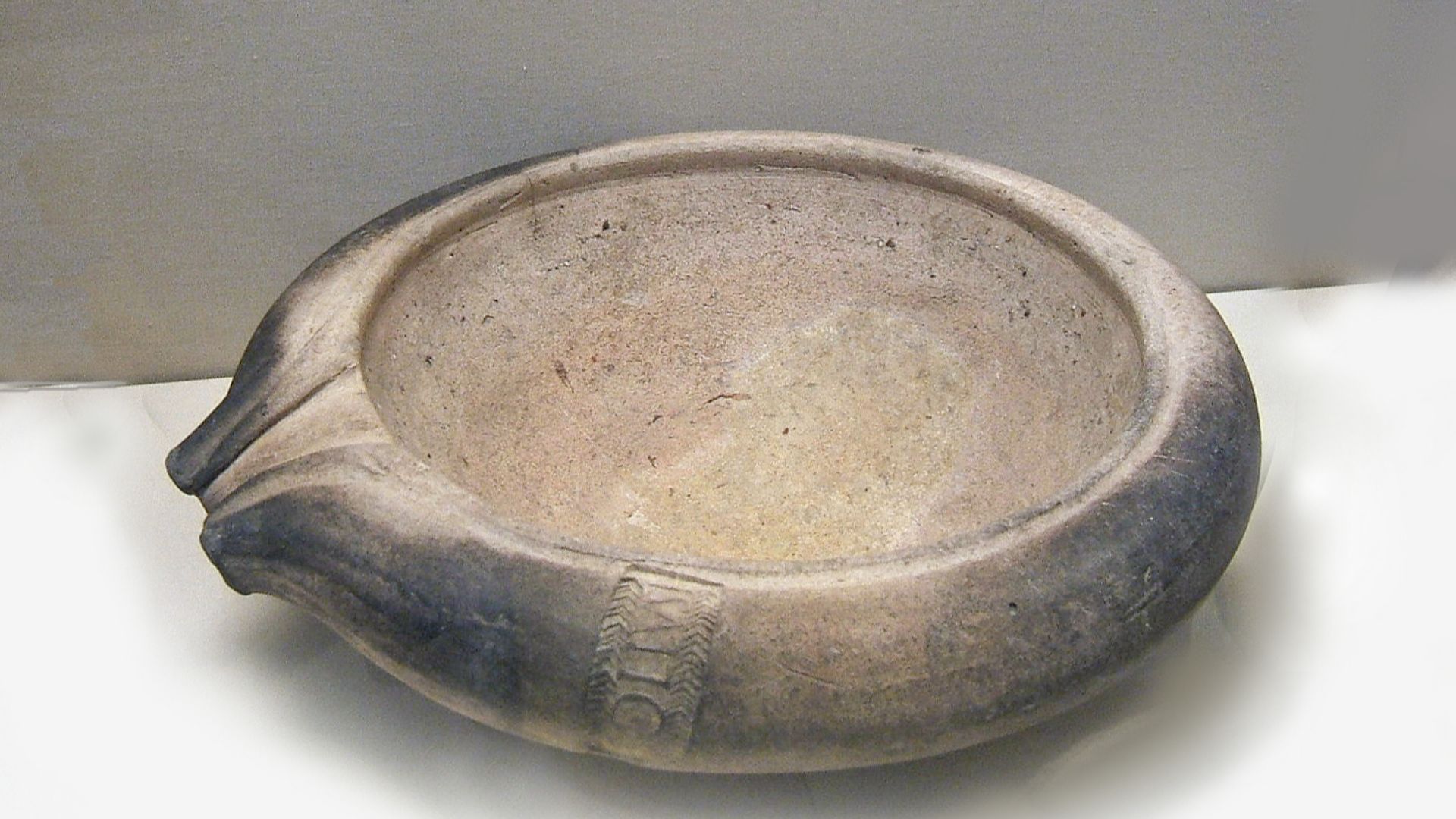
10. The Roman Mortarium
The Roman mortarium was a tough mixing and grinding bowl with a rough inner surface. Cooks used it to crush herbs, spices, grains, fats, and other ingredients into sauces or pastes. It’s the kind of tool that would still earn its place on the counter because of its versatility.
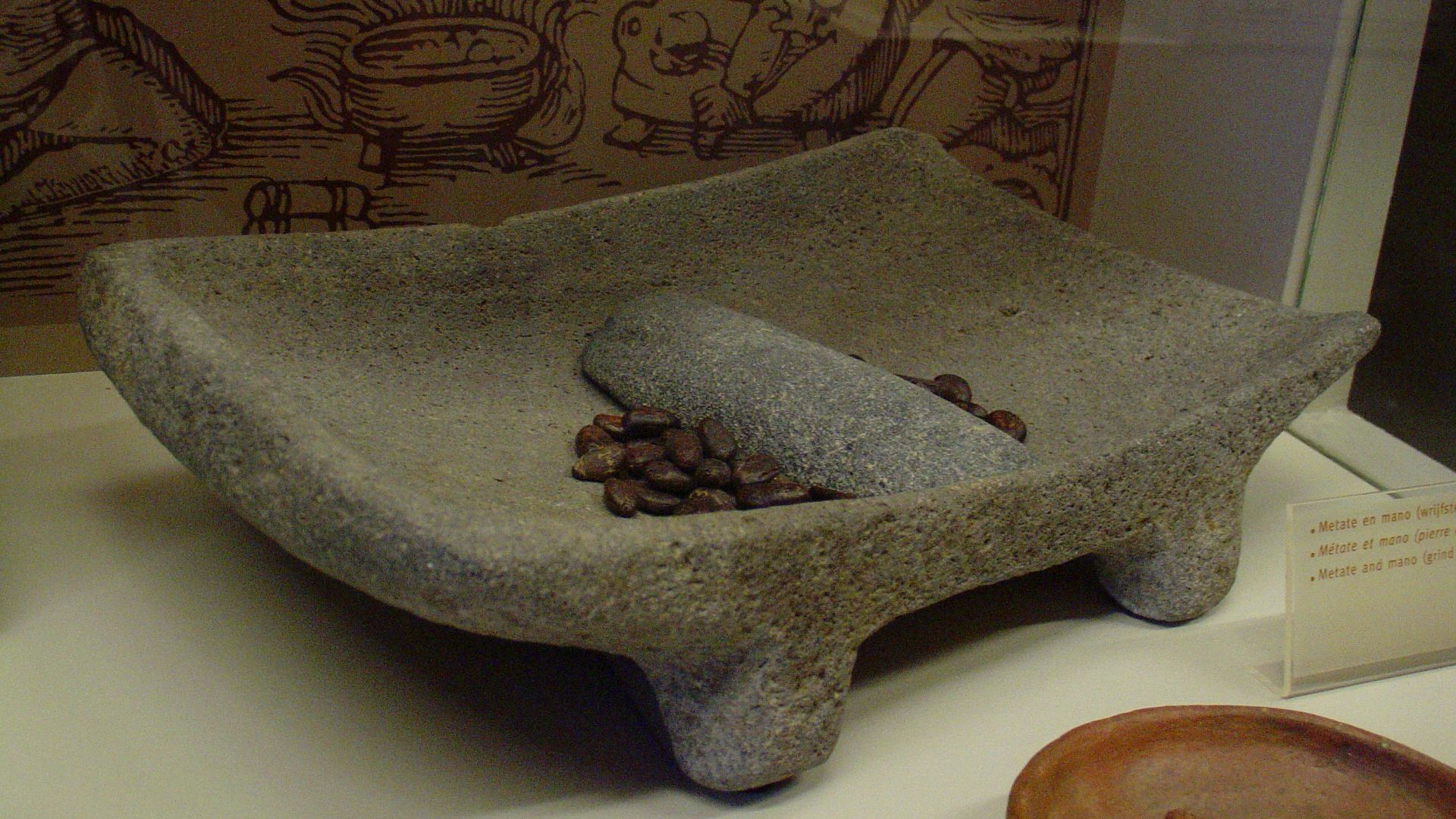
11. The Metate And Mano
The metate and mano were stone grinding tools used across the ancient Americas. The metate was the larger stone surface, and the mano was moved by hand across it to grind foods such as maize, cacao, seeds, and spices. It took effort, but it gave cooks control over texture in a way electric grinders can’t keep up.
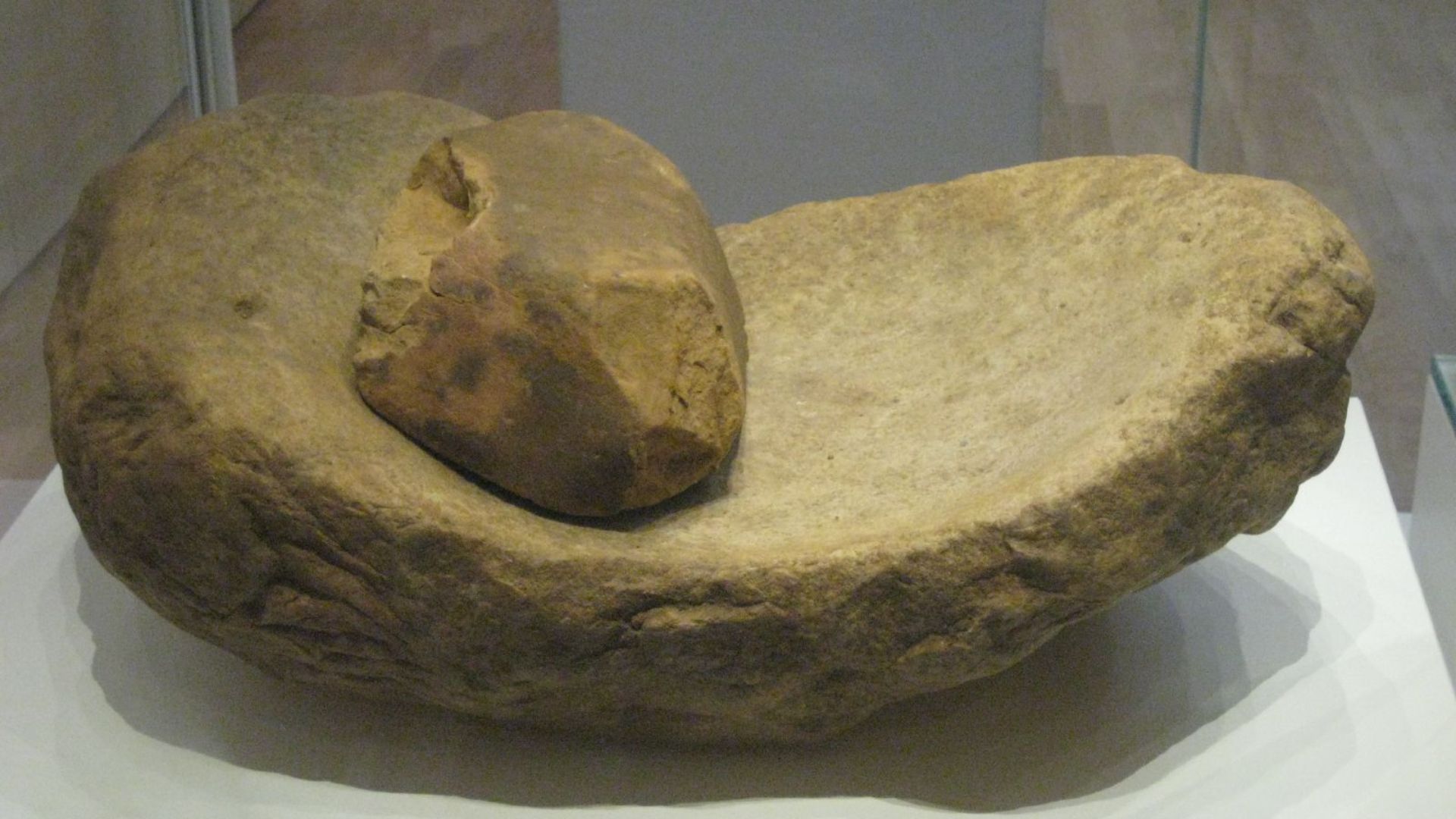
12. The Saddle Quern
The saddle quern was an early tool for grinding grain or pulses into flour. A handstone was pushed back and forth across a larger stone, slowly shaping the surface through repeated use. It would be messy in a modern kitchen, but fresh flour made by hand has a certain pull.
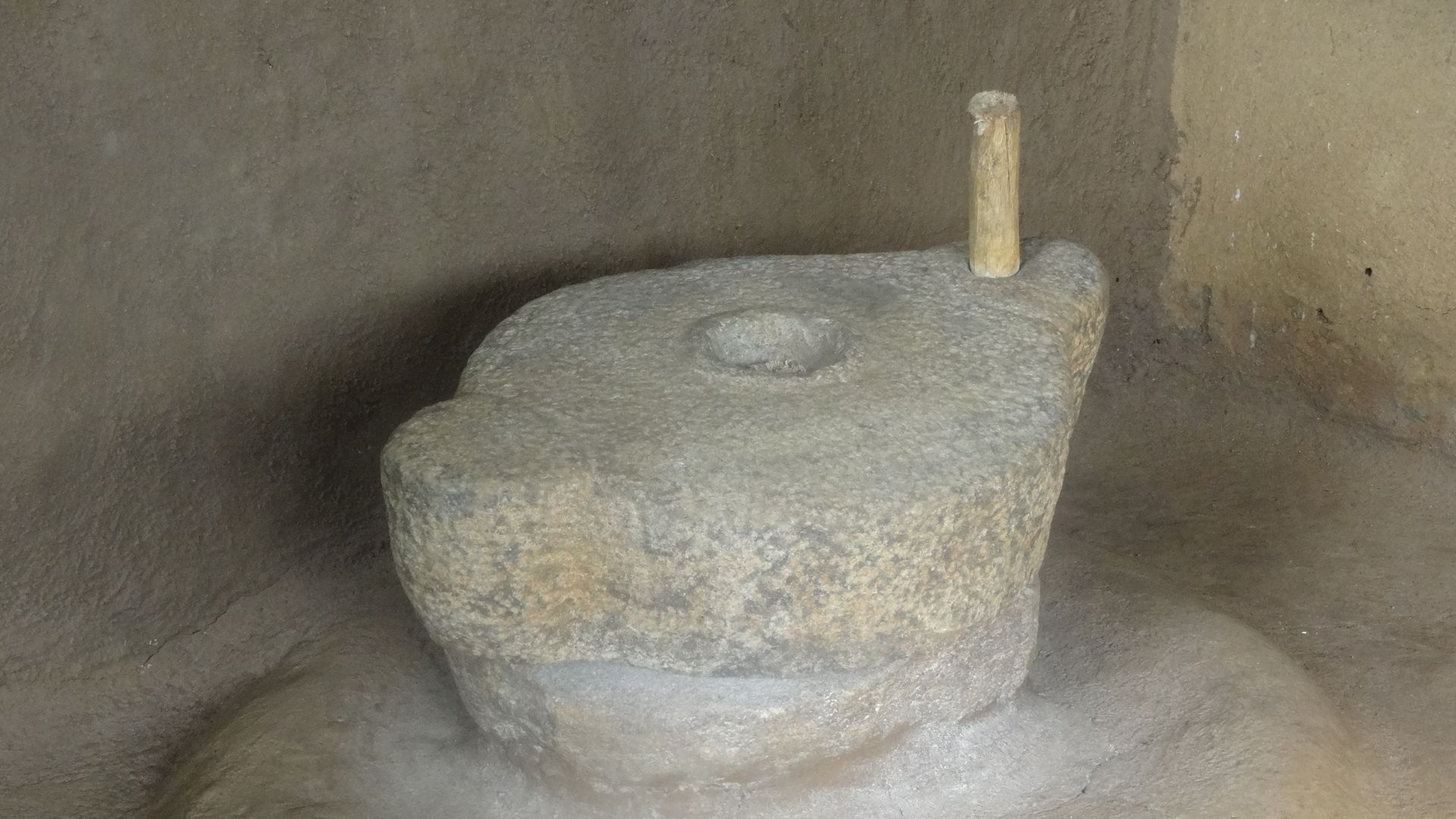
13. The Rotary Quern
The rotary quern made grain grinding easier by using two round stones. The upper stone turned over the lower one, grinding grain between the surfaces into flour. A small version would be useful for serious bread makers who like the idea of grinding flour right before baking.
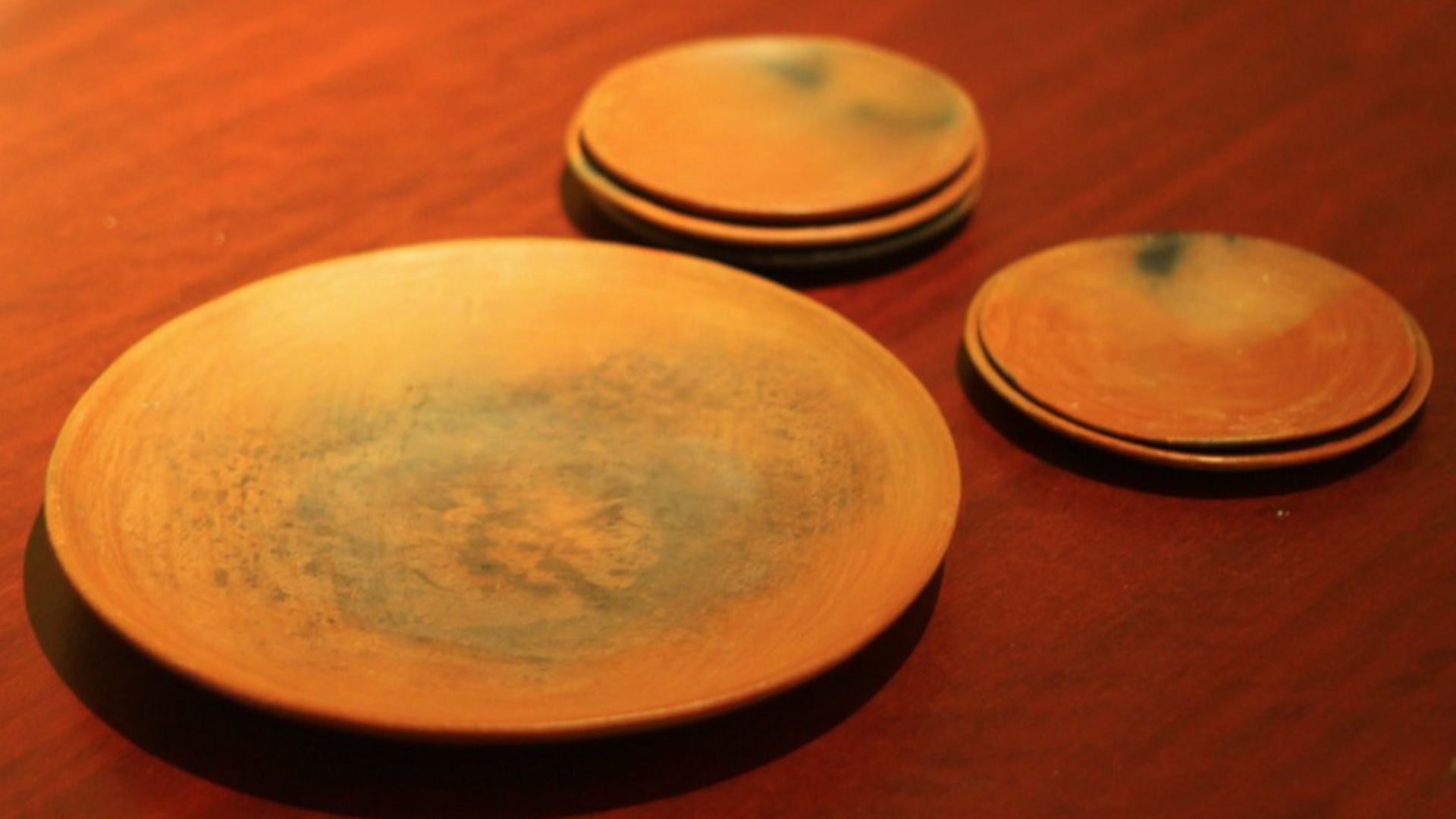
14. The Ceramic Comal
The ceramic comal was a flat griddle used for cooking tortillas and other simple foods. Its design was wonderfully direct: heat the surface, place the dough, and rely on timing and touch. Modern pans can do plenty, but a clay comal brings a warmer, older feel to one of the most basic kitchen tasks.
 nsaum75 !Dígame¡ on Wikimedia
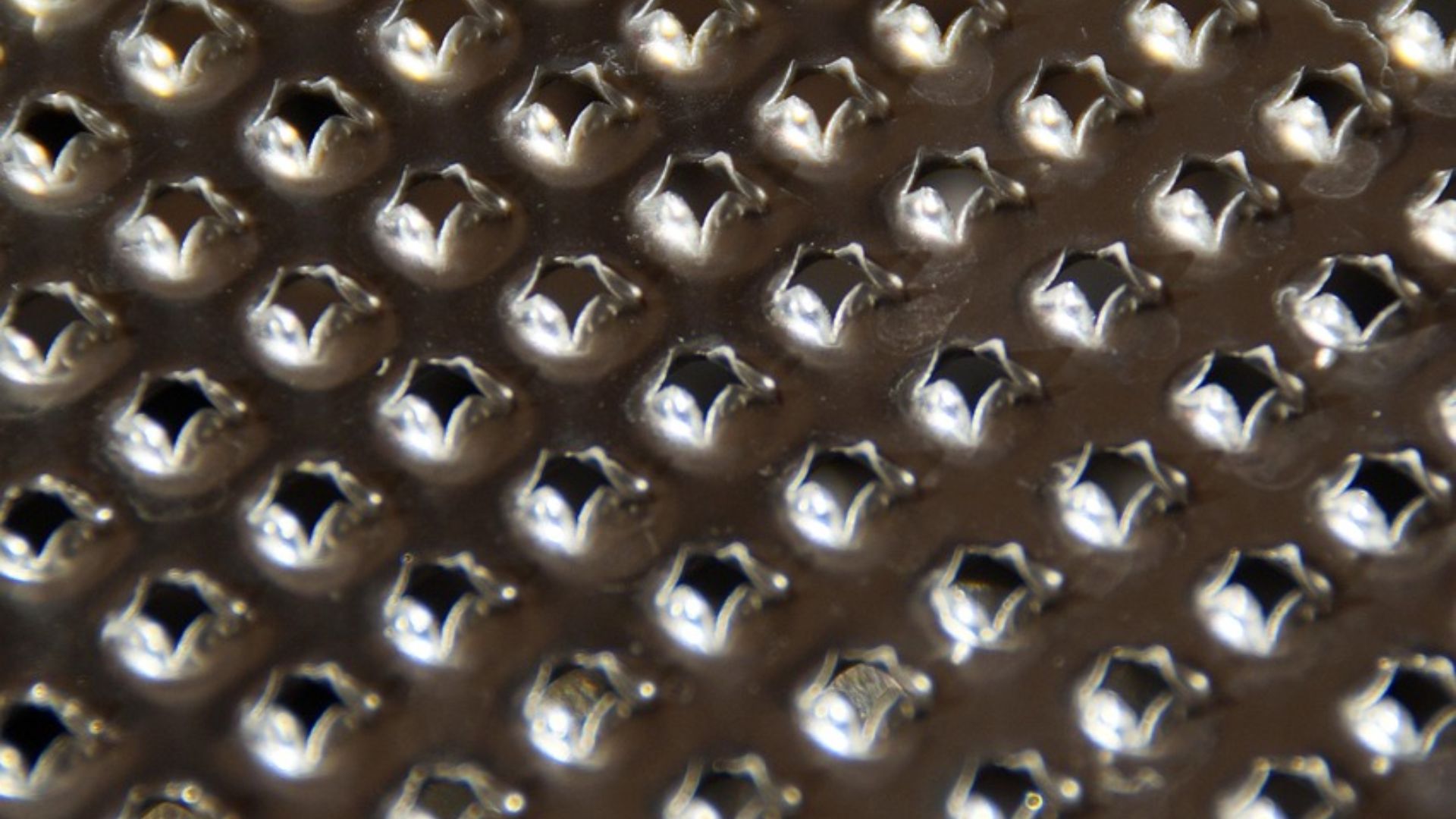
15. The Bronze Cheese Grater
Ancient bronze cheese graters look surprisingly familiar. They were likely used to grate or shred food in a way that isn’t too far from what we still do today. The main difference is that bronze gives the tool more weight and beauty than the thin graters many of us keep in a drawer.
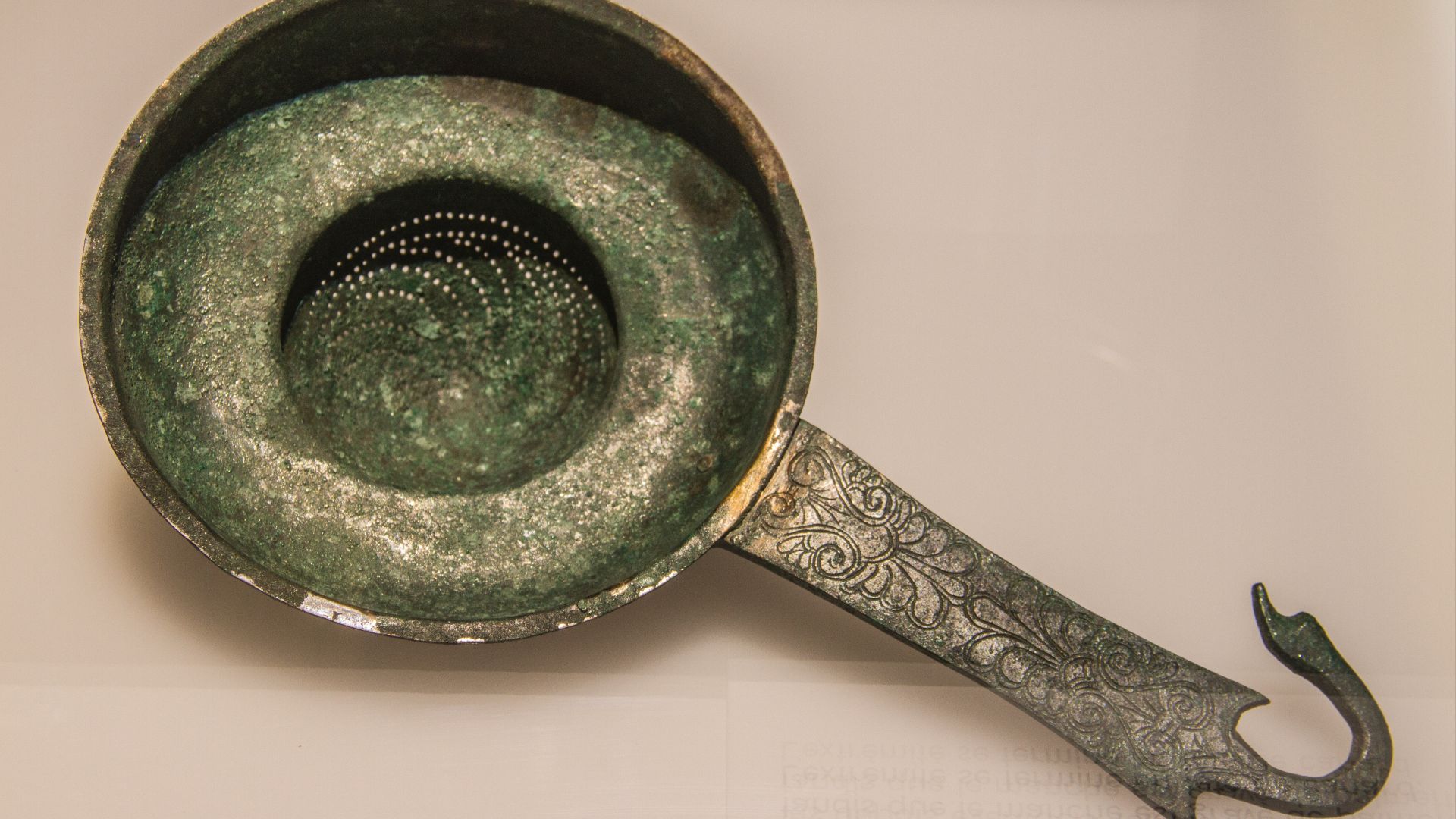
16. The Etruscan Bronze Colander
Ancient bronze colanders and strainers could be useful and attractive at the same time. Some had handles and decorative details, so even straining liquid or lifting food had a bit more care behind it. A modern kitchen could use more tools that are practical enough for dinner prep and nice enough to leave out.
 Caroline Léna Becker on Wikimedia
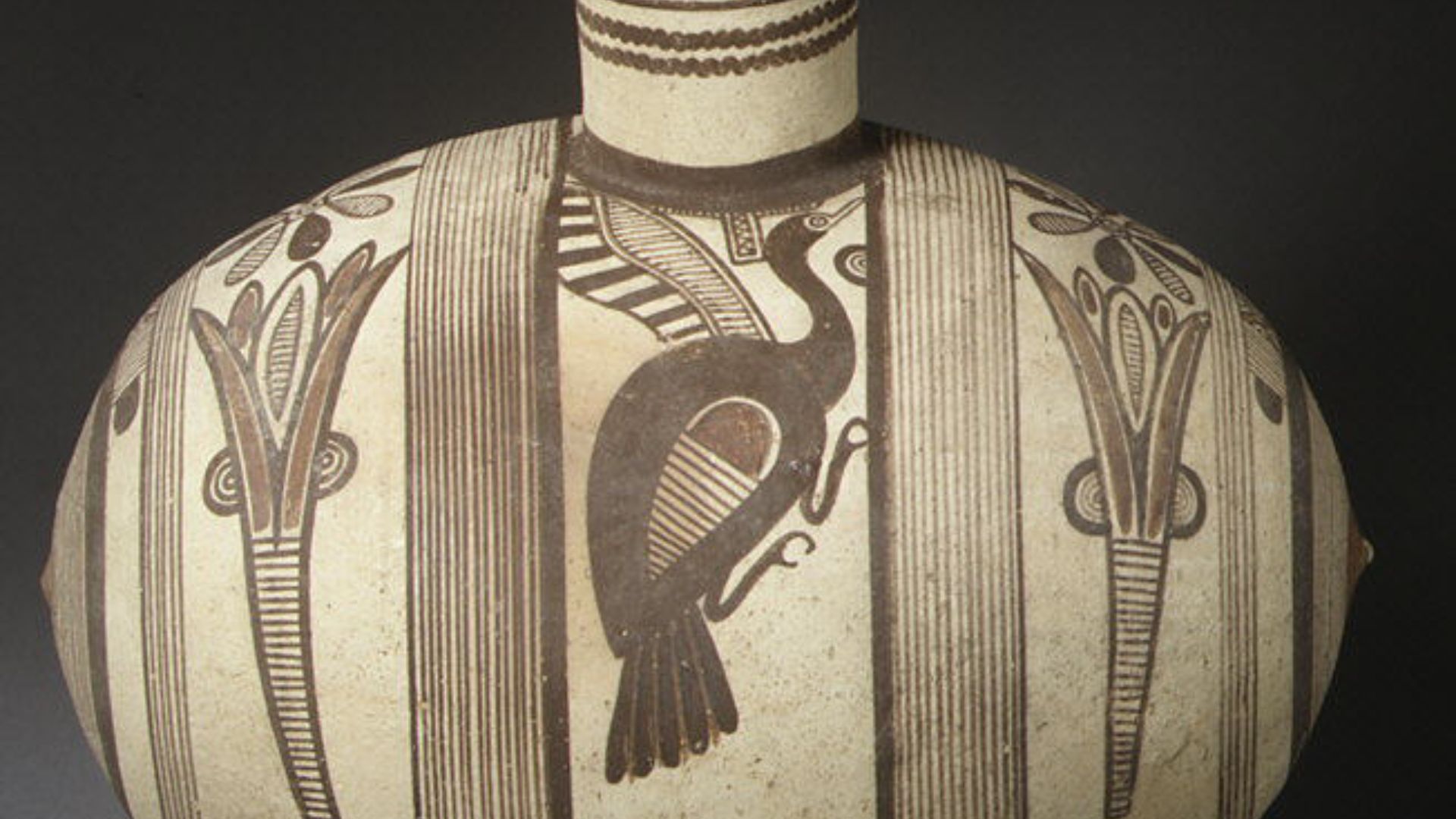
17. The Cypriot Strainer Jug
The Cypriot strainer jug combined a vessel, handle, spout, and built-in straining holes. That meant liquid could be poured while solids, herbs, sediment, or other bits stayed behind. It’s a clever all-in-one tool, and it would save anyone from the awkward balancing act of using a sieve over a bowl.
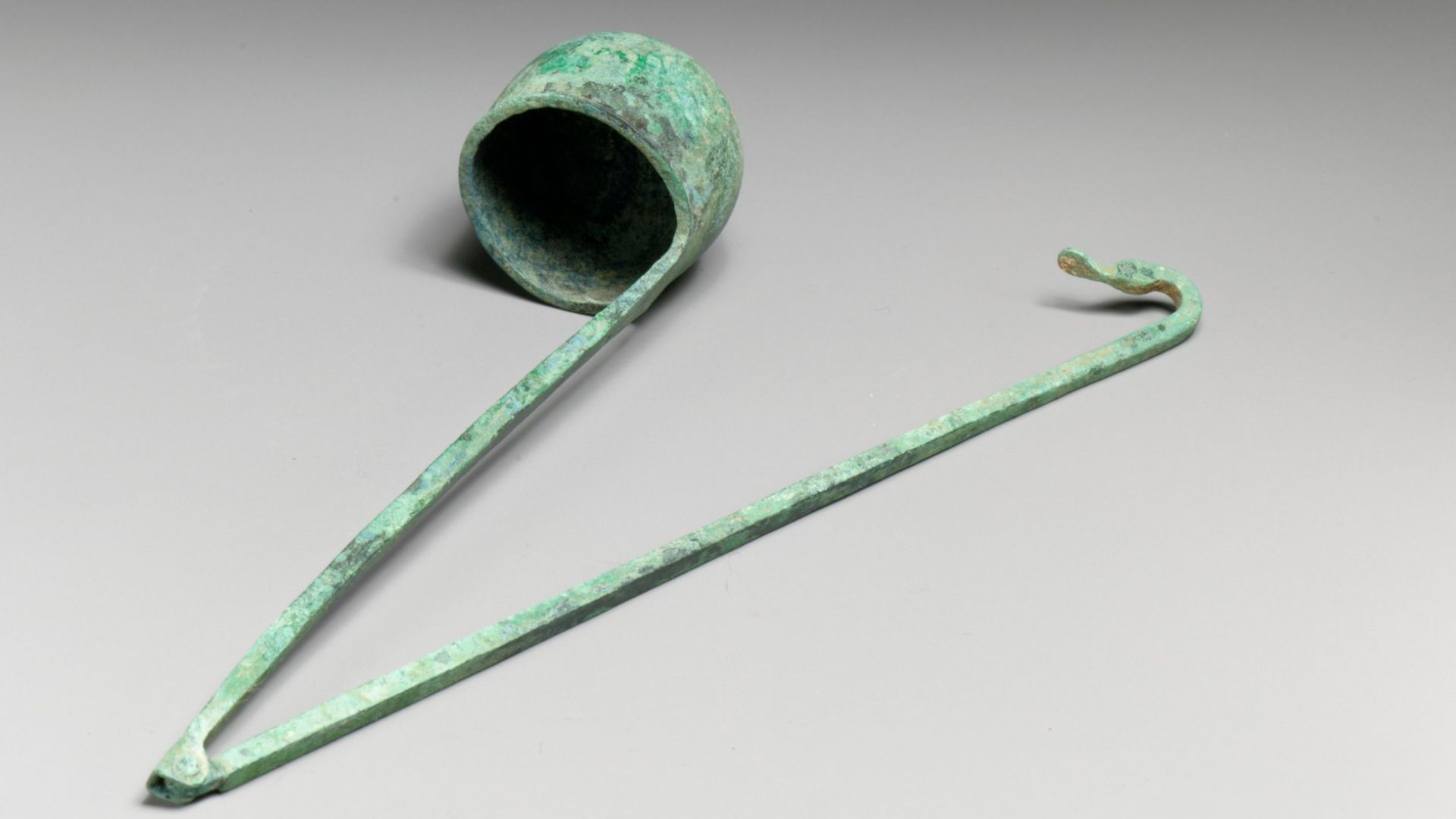
18. The Roman Bronze Ladle
Roman bronze ladles came in different forms, from shallow serving spoons to deeper vessels for scooping liquids. They could be used for everyday serving and, in some settings, for ceremonial purposes too. A bronze ladle today would make soup, sauce, broth, or warm spiced drinks feel a little more special.
19. Pre-Columbian Clay Cooking Balls
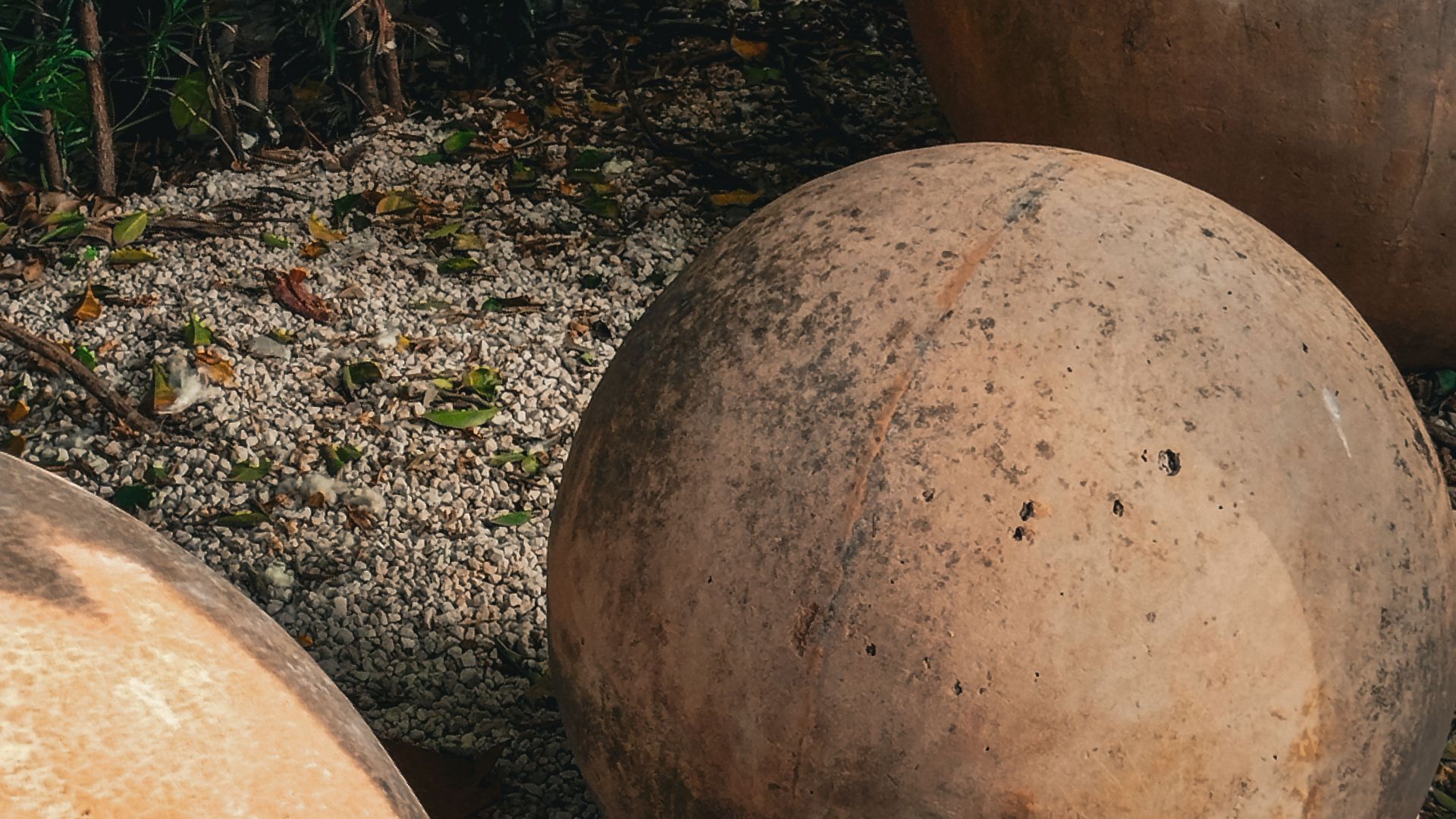
Pre-Columbian clay cooking balls were heated and used to move heat into food. They may have been used in pit ovens or cooking vessels, and food traces connected to this kind of cooking include maize, beans, squash, and roots.
20. Earth Oven Cooking Stones
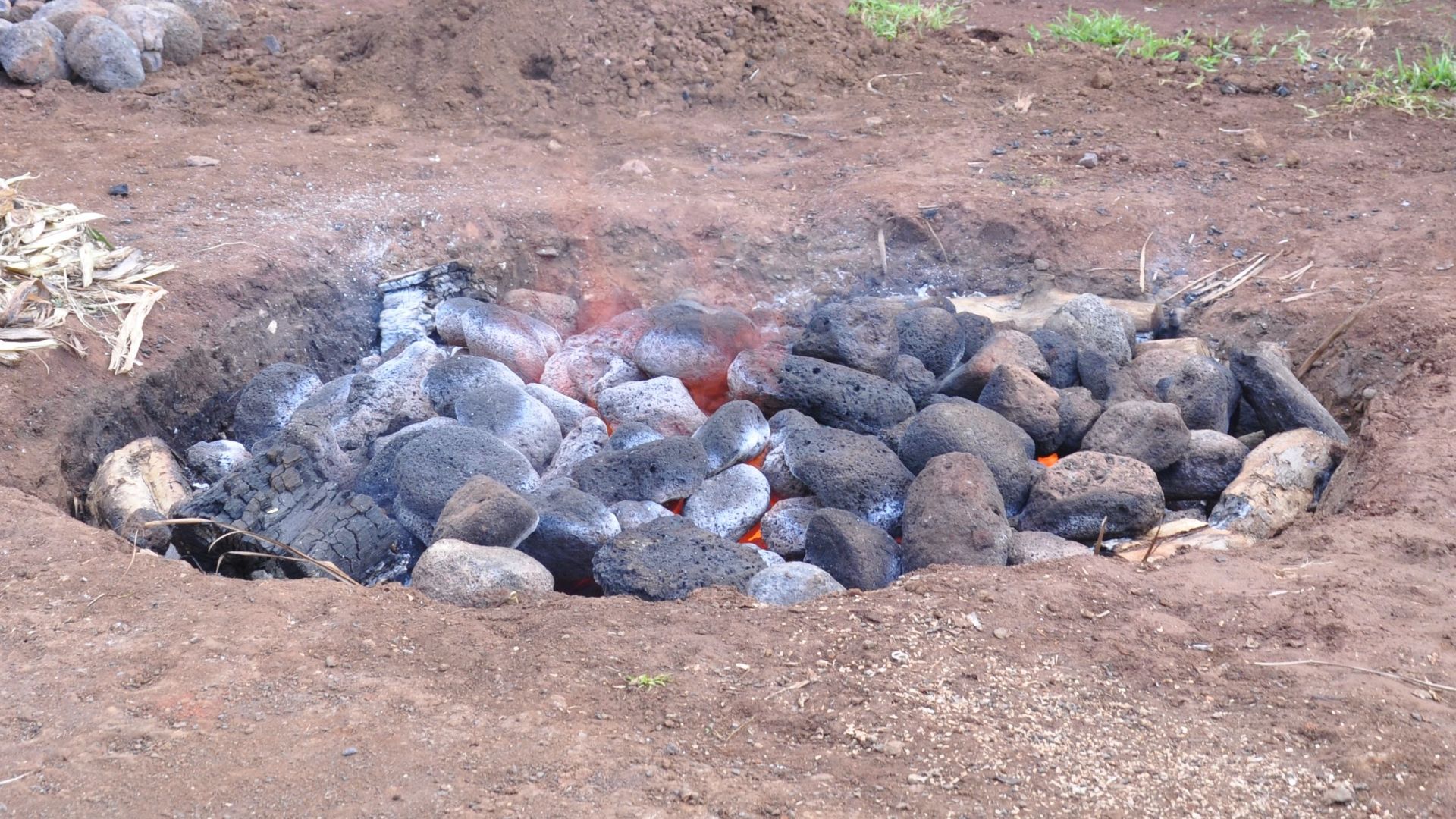
Earth oven cooking used heated stones, pits, covering layers, and patience to cook food slowly and evenly. This method could be used for roots, meats, seafood, breads, and other ingredients. Modern ovens are convenient, but underground cooking brings time, care, and a real sense of occasion to the meal.
KEEP ON READING

The 10 Youngest Monarchs In History & The 10 Oldest
Age Is Just A Number. Imagine being crowned king or…
By Chase Wexler Mar 11, 2025
You Think You Have Problems? These Royal Families Were Cursed
Boasson and Eggler St. Petersburg Nevsky 24. on WikimediaHeavy is…
By Ashley Bast Dec 5, 2025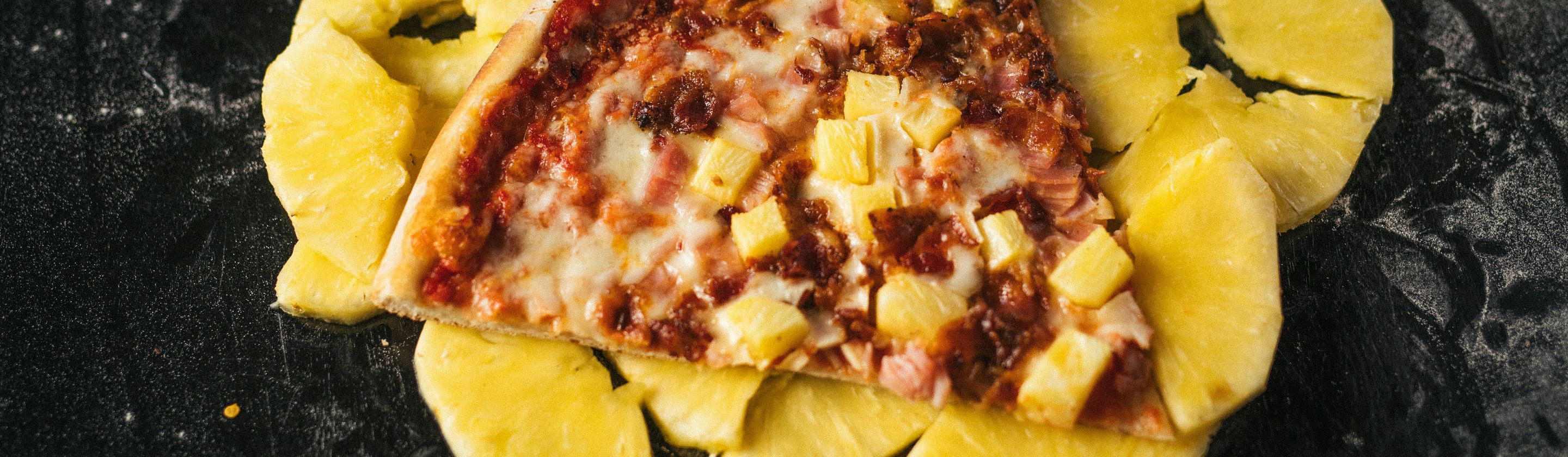
You Can Thank This Greek-Canadian For Creating Pineapple On Pizza…
Love it or hate it, pineapple on pizza sparks debate…
By David Davidovic Dec 1, 2025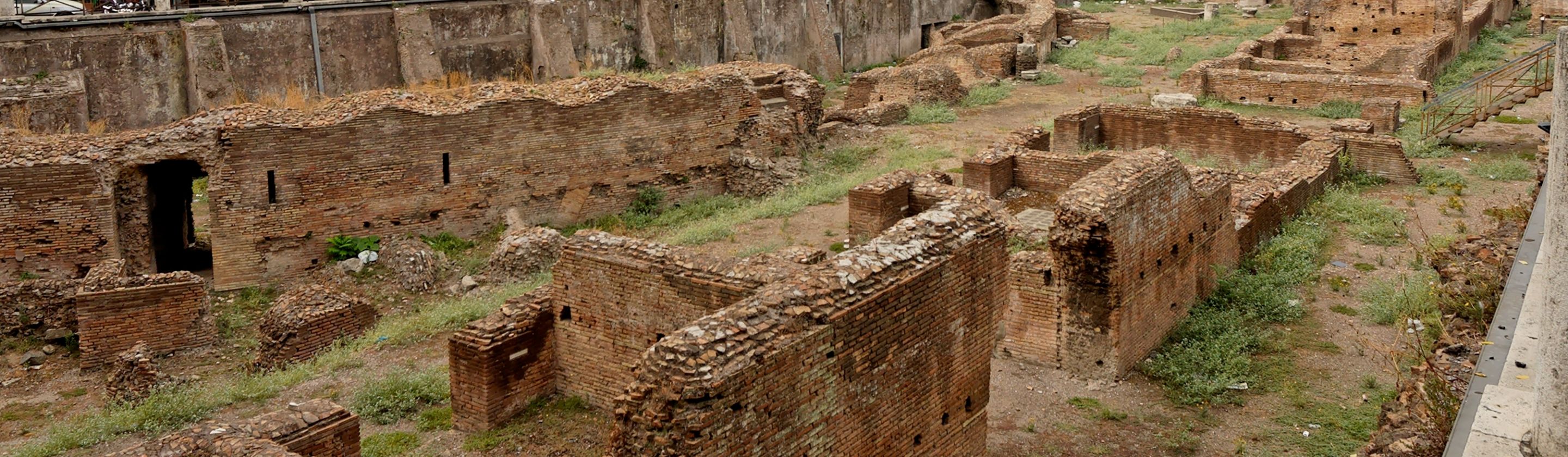
Yes, Female Gladiators Existed, And Here's Everything You Need To…
History of Women in Combat. Most people picture gladiators as…
By David Davidovic Jan 17, 2026
Yes, Australians Once Lost A Battle Against Flightless Birds
David Clode on UnsplashIn 1932, the Australian military went to…
By David Davidovic Nov 24, 2025
The Y2K Bug: Why Did Everyone Think Year 2000 Was…
Alan W on UnsplashOn December 31, 1999, people all over…
By Christy Chan Dec 22, 2025