

My Uncle Told Me I “Didn’t Deserve” My Inheritance—But I Got The Last Laugh When The Lawyer Read The Will…
My Uncle Told Me I “Didn’t Deserve” My Inheritance—But I Got The Last Laugh When The Lawyer Read The Will…
The Charity Case
Twenty minutes after the machines stopped beeping, my uncle called me a charity case. I was still holding Dad's hand—it was already cooling, that awful transition from person to body—when Darren leaned against the doorframe and said it. Not whispered. Said it at full volume while a nurse disconnected the IV line from Dad's arm. "We need to talk about how organized he kept his estate, Emma. I'm assuming not very, given the circumstances." He gestured vaguely at me, at the cramped hospital room, at everything. "Can't have the charity case left scrambling, right?" The nurse's hands paused for half a second. I stared at him, my brain refusing to process the words properly. Dad's body was still warm. The ventilator had been off for less than half an hour. Darren was already talking about possessions, about handling things, about Dad like he was a problem to be solved rather than a person we'd just lost. I told myself grief did weird things to people. That shock made you say terrible things you didn't mean. That Darren loved Dad, loved me, and this was just his broken way of coping with something unbearable. I had to believe that, because the alternative was too awful to consider.
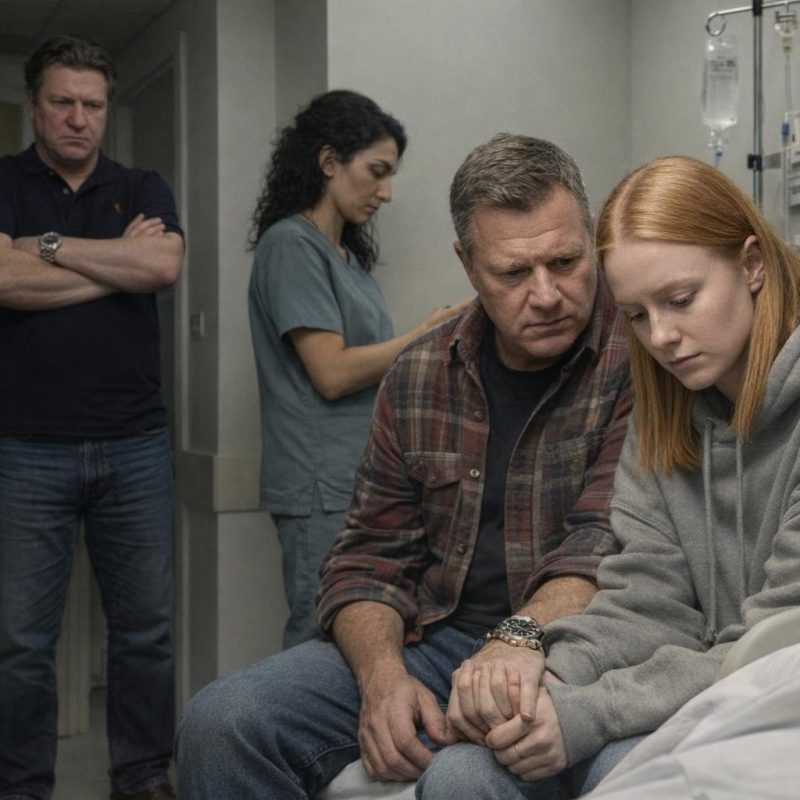 Image by RM AI
Just Me and Dad
Dad used to come home every night smelling like sawdust and sweat, his work boots caked with dried mud that he'd leave on the porch. He'd walk through the door of our tiny two-bedroom house outside Columbus, drop his lunch cooler on the counter, and ask me about my day like it was the most important thing in the world. Construction work destroyed his body slowly—I watched his hands grow more calloused, his back stiffer, his knees creakier—but he never complained. Not once. Friday nights meant pizza from the place on Route 33, the one with the arcade games in the corner where I'd blow through quarters while we waited for our order. We'd come home and watch old action movies, the kind where Dad would fall asleep on the couch halfway through, his breathing steady and safe. Summers meant fishing trips to Alum Creek, sitting in silence with our lines in the water, not catching much but not really caring. We didn't have money for vacations or new cars or the stuff my classmates had. Our house was small, the carpet was worn, and my clothes came from Target clearance racks. But I never felt poor, not really. Dad made everything feel secure, like our little world was exactly enough. Friday pizza nights and fishing trips had been enough back then, before everything changed.
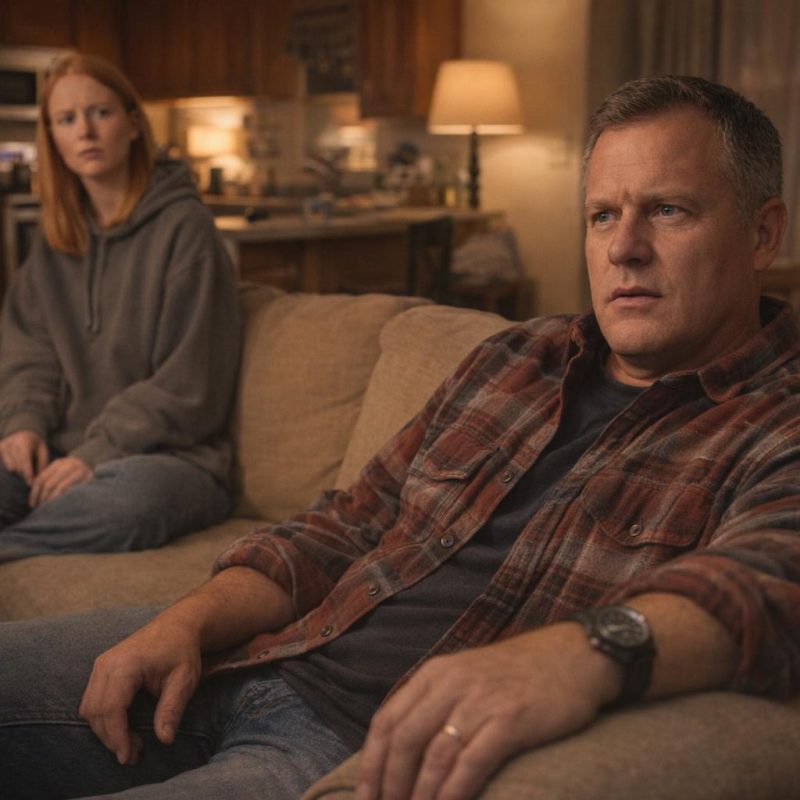 Image by RM AI
When Mom Left
Mom left when I was six, though "left" makes it sound more dramatic than it was. There were no screaming fights, no custody battles, no restraining orders or police involvement. She just decided motherhood wasn't the life she wanted, and she was honest about it in a way that somehow made it worse. The calls came less frequently—weekly, then monthly, then not at all. I remember asking Dad when Mom was coming to visit, and he'd get this careful look on his face, like he was choosing his words with surgical precision. "Your mom loves you, sweetheart. She's just figuring some things out." He never badmouthed her, never made me feel like her leaving was my fault, never turned me against her. Linda just faded out like a photograph left in the sun, until one day I realized I couldn't quite remember what her voice sounded like anymore. Dad filled the space she left behind. He learned to braid my hair for school pictures, bought me my first box of tampons without making it weird, showed up to every parent-teacher conference alone and unbothered. Other kids had two parents. I had one really good one. After that, it was just me and Dad against the world.
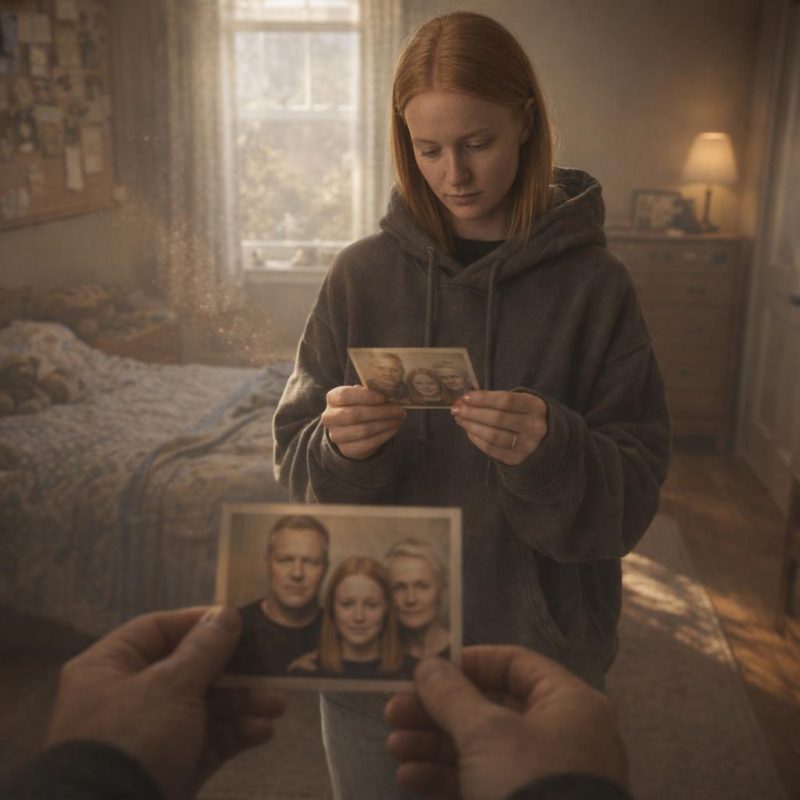 Image by RM AI
Uncle Darren's Glory Days
Uncle Darren was everything Dad wasn't—loud, flashy, unpredictable in the best possible way. He was six years younger than Dad, and growing up, I absolutely adored him. He'd show up unannounced with concert tickets or take me to the state fair, buying me every ridiculous thing I pointed at. Dad would joke that Darren made money faster than he could spend it, though nobody seemed entirely sure what Darren actually did for work. Something with investments, maybe real estate, the kind of vague answer that satisfied me as a kid. He came to my softball games and cheered louder than anyone else in the stands. When my first car broke down, Darren showed up with tools and spent an entire Saturday teaching me how to change my own oil. When Dad's back injury meant he couldn't cover all my college tuition, Darren wrote a check without hesitation. "You're basically my kid too," he'd say, ruffling my hair like I was still eight years old. He'd slip me twenties and tell me to have fun, to not worry so much, to live a little. Dad was steady and reliable, the foundation. Darren was the fireworks. And back then, I believed it completely—believed he loved me, believed I was family to him in every way that mattered.
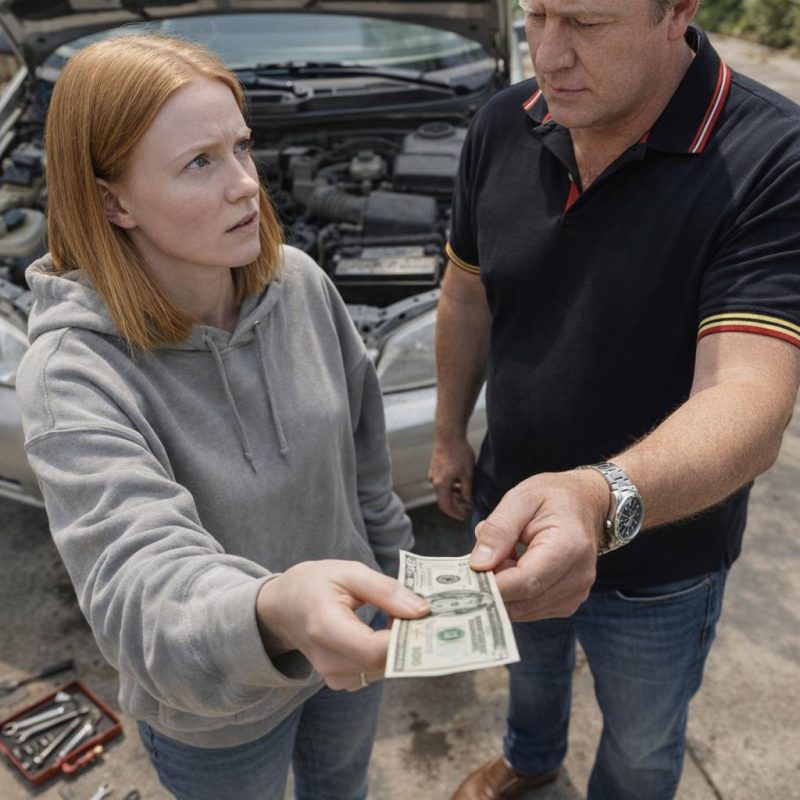 Image by RM AI
Stage Four
The cancer diagnosis came on a Tuesday in March, delivered in an exam room that smelled like antiseptic and fear. Stage four pancreatic cancer. It had already spread to his liver, his lungs, places the doctor pointed to on scans that looked like abstract art to me. Dad sat there in his flannel shirt, hands folded in his lap, listening to the oncologist explain treatment options that weren't really options at all. Palliative care. Quality of life. Eight months if we were lucky, maybe less. The words hit me like physical blows, each one landing harder than the last. Dad had gone in for back pain—just back pain, the kind he'd lived with for years from construction work. Three weeks and a dozen tests later, they were telling us he was dying. There was no early detection, no fighting chance, no miracle treatment. The cancer had been growing silently, aggressively, while we'd been living our normal lives. We left the hospital in silence, Dad driving because he insisted, his hands steady on the wheel while mine shook in my lap. Eight months if we were lucky. I realized then that luck had already abandoned us completely.
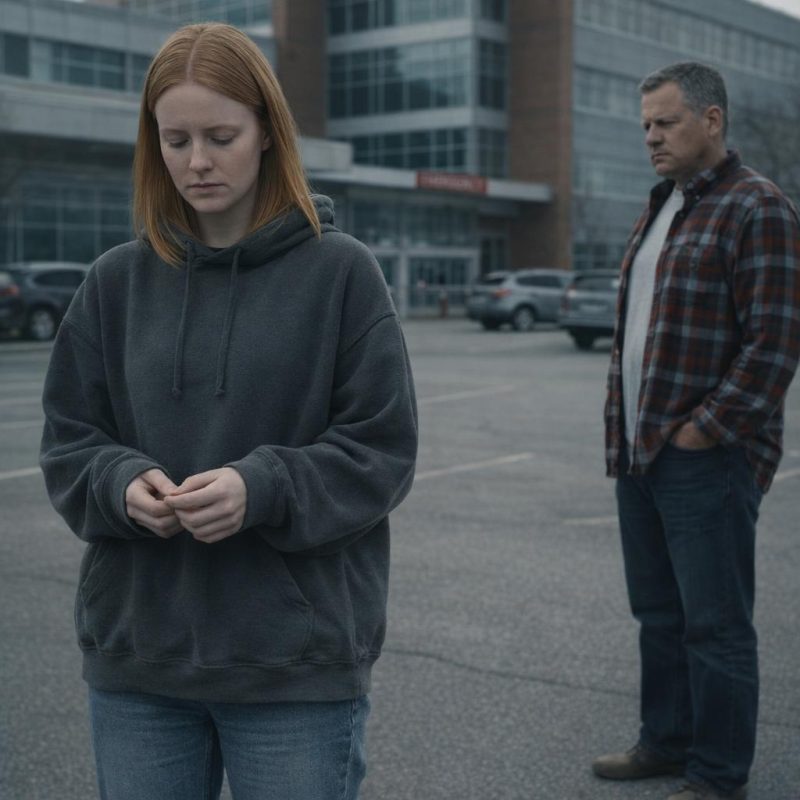 Image by RM AI
Eight Months of Hell
Dad disappeared piece by piece over the next eight months, like watching someone fade in slow motion. The strong, steady man who'd carried lumber and framed houses turned frail so fast it didn't seem possible. His flannel shirts hung loose on his shrinking frame. His face hollowed out, his skin turned gray, and even standing exhausted him by the end. I moved back home to take care of him, watching him decline in the same house where he'd raised me. Chemo made him sick. Not eating made him weaker. The pain meds made him foggy and distant, somewhere I couldn't quite reach. I learned to help him to the bathroom, to measure out medications, to pretend I wasn't terrified every single moment. Grief started long before he actually died—I mourned him while he was still alive, watching him slip away in increments. Darren helped during this time, I'll give him that. He drove Dad to appointments when I couldn't, brought groceries, helped organize the medical paperwork that seemed to multiply overnight. I was grateful for the support, drowning in caregiving and fear and exhaustion. Darren seemed like the only other person who understood what we were losing. Near the end, even standing exhausted Dad, and I learned grief could start long before someone actually died.
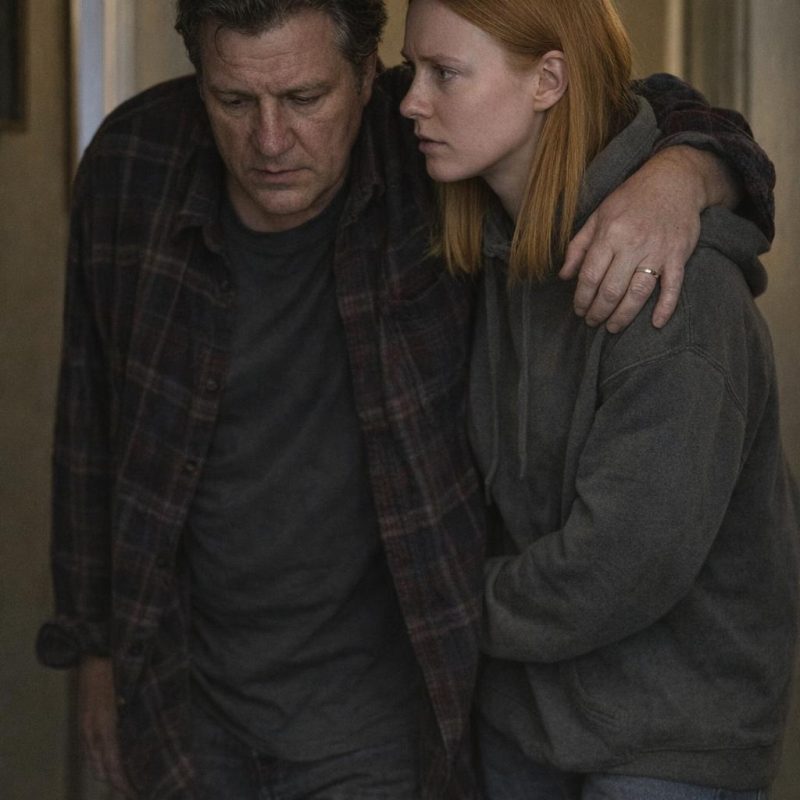 Image by RM AI
Inventory Questions
Darren started asking questions about a month before Dad died, subtle at first. "Has Dad updated his will recently?" he'd ask while we sat in the hospital waiting room. "What's happening with the house—is it paid off?" He'd bring it up casually, like he was just trying to help organize things, make sure everything was in order. Questions about Dad's retirement account, about life insurance policies, about whether Dad had any investments I didn't know about. At the time, I thought he was being helpful. Practical. Someone had to think about these things, right? Dad was dying, and eventually there would be paperwork and decisions and a thousand awful administrative tasks. I answered Darren's questions without hesitation, grateful someone was thinking ahead when I could barely think past the next doctor's appointment. The questions came frequently but never felt aggressive—just concerned, just family looking out for family. He'd ask while driving me home from the hospital, or while bringing over dinner, weaving the questions into normal conversation so smoothly I barely noticed. I thought he was helping organize things, but later I wondered if he was inventorying instead—cataloging assets, calculating value, planning for something I was too grief-stricken to see coming.
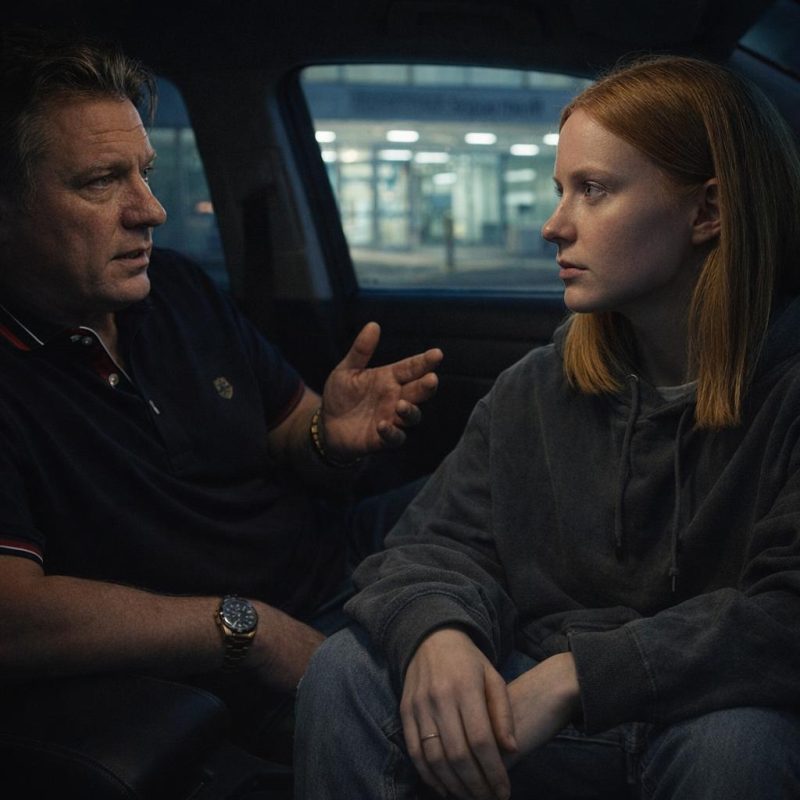 Image by RM AI
The Midnight Argument
I walked into the kitchen around two in the morning, three weeks before Dad died, and found them arguing in harsh whispers. Dad was leaning against the counter in his bathrobe, looking more furious than I'd seen him in months despite how weak he'd become. "I already told you no," he snapped at Darren, his voice sharp and final. "I'm not discussing this again." Darren had his back to me, his shoulders tense, his voice low and urgent in a way I couldn't quite make out. Then Dad's eyes flicked to me standing in the doorway, and both men went completely silent. The air felt thick with something I didn't understand, some tension that had nothing to do with cancer or grief. "Everything okay?" I asked, looking between them. Dad's expression softened immediately. "Fine, sweetheart. Just talking. Go back to bed." Darren turned and gave me a smile that didn't reach his eyes, said something about heading home, and left through the back door. Neither of them explained what they'd been arguing about. I stood there in my pajamas, confused and unsettled, but I didn't press the issue. Dad was dying. Maybe they were arguing about funeral arrangements, or medical decisions, or something else too painful to discuss in front of me. Both men went quiet when they noticed me standing there, and neither explained what they'd been arguing about.
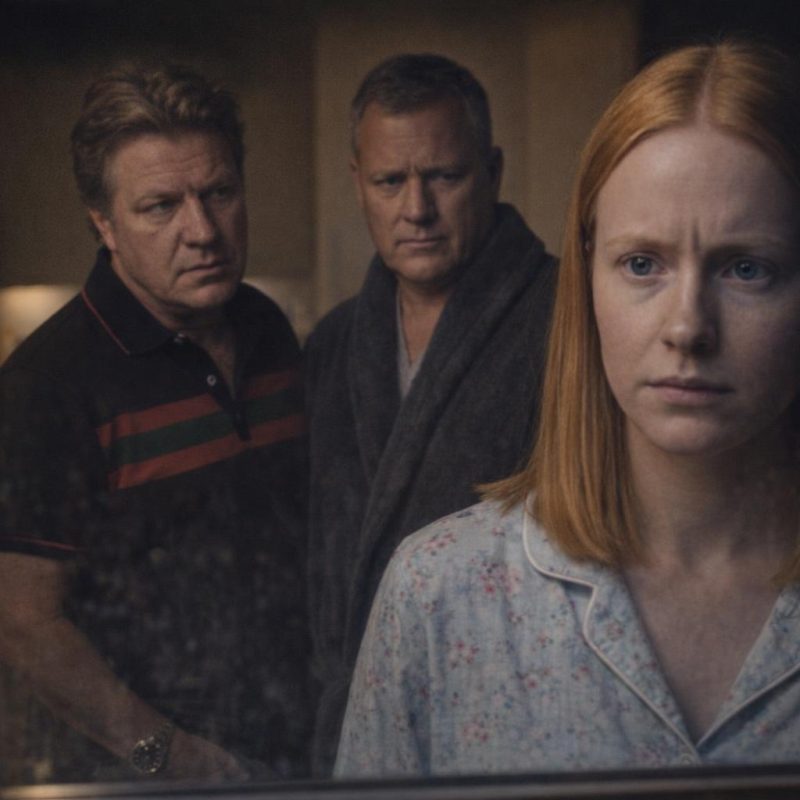 Image by RM AI
Twenty Minutes
Dad died on a Thursday afternoon while I was holding his hand. The hospice nurse had warned me that morning—his breathing had changed, gotten shallow and irregular in that way they recognize. I'd been sitting beside his bed for hours, just holding his hand and telling him it was okay to let go. When it finally happened, it was peaceful. No dramatic gasping or struggle, just a slow exhale that didn't have an inhale after it. The machines kept beeping for a few seconds before flatline, and then the nurse came in quietly to turn them off. She asked if I needed time alone with him, and I nodded. I sat there for twenty minutes in complete silence, still holding his hand even though it was already starting to feel different, cooler. I wasn't crying yet. I was just... there. Present with him one last time. The nurses were gentle when they finally came back, explaining they needed to prepare his body for transport. I stood up, legs shaky, and that's when I heard footsteps in the hallway. Uncle Darren walked in while they were still disconnecting the IV lines, took one look at Dad's body, and immediately asked me if Dad had organized his estate paperwork in the filing cabinet or the safe.
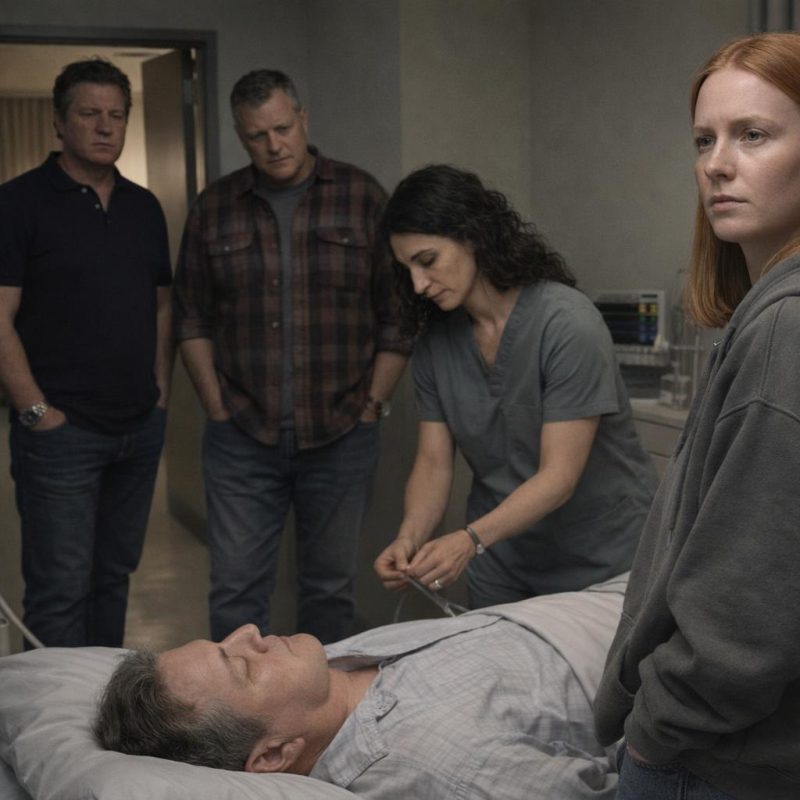 Image by RM AI
Blur of Condolences
The funeral happened three days later, but honestly, I couldn't tell you much about it. People kept showing up at the house with casseroles—so many casseroles, like carbs and cheese could somehow fill the hole Dad left behind. Relatives I barely recognized hugged me and whispered condolences that all blurred together into the same meaningless sounds. Someone's aunt I'd met once at a wedding. A cousin from Dad's side who lived in Arizona. They all said the same things about how sorry they were, how Dad was in a better place now, how I should call if I needed anything. I nodded and thanked them and felt absolutely nothing. The whole thing was surreal, like I was watching it happen to someone else. I stood beside the casket at the service and listened to the pastor talk about a man he'd never met, using generic phrases that could've applied to anyone. People filed past afterward to squeeze my shoulder or hold my hand. I don't remember most of their faces. What I do remember is that Darren seemed to be everywhere, shaking hands and directing people and handling logistics I couldn't even think about. At the time, I was grateful someone could manage the details while I just tried to keep breathing.
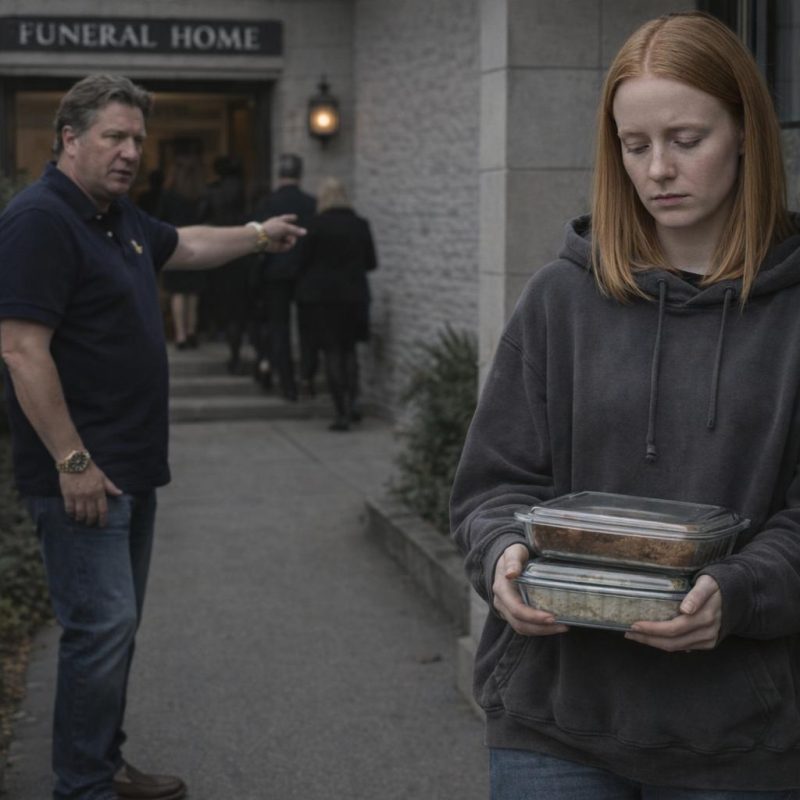 Image by RM AI
Taking Control
Darren took over everything in the days after the funeral. He fielded phone calls from the funeral home about final bills, contacted Dad's employer about death benefits, and somehow knew exactly which government offices needed notification. I could barely function—couldn't remember if I'd eaten that day or what day it even was—so having him handle the logistics felt like a lifeline. He helped me sort through the immediate bills that needed paying, showed me where Dad kept his bank statements, and made a list of accounts that would need to be closed eventually. He seemed to know exactly what needed doing and when, which made sense because he'd been through this before with his own parents. I gave him the spare key so he could come by and help organize paperwork when I was too overwhelmed to face it. He'd show up with coffee and folders, methodically working through Dad's filing cabinet while I sat on the couch staring at nothing. At first, I felt nothing but gratitude. He was family, and he was stepping up when I couldn't. But later—much later—I'd wonder exactly how much access I'd given him during those foggy, grief-soaked weeks when I wasn't paying attention to anything except the crushing weight of loss.
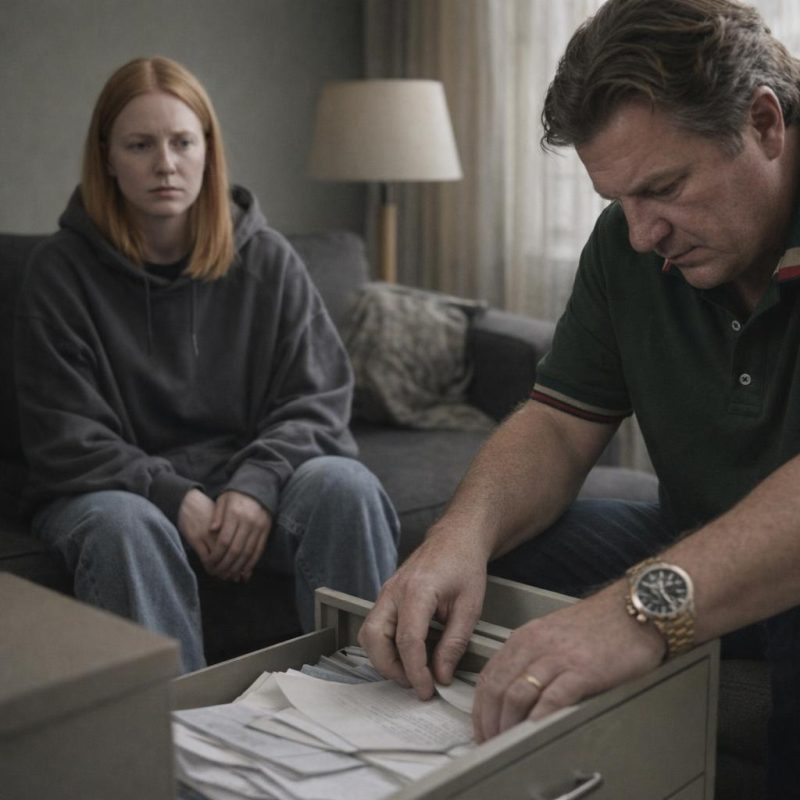 Image by RM AI
Small Absences
The absences started small, so small I thought I was losing my mind. Dad's vintage Zippo lighter disappeared from the mantle where it had sat for years, the one with the engraved compass rose he'd carried in Vietnam. I noticed it was gone maybe a week after the funeral, and I stood there staring at the empty spot trying to remember if I'd moved it somewhere. Maybe I'd put it away while cleaning? His baseball card collection vanished from the office bookshelf—the binder full of cards he'd collected as a kid, worth maybe a few hundred dollars but priceless to him. The antique brass compass that always sat on his desk was just gone one day. I'd walk into a room and feel like something was missing, but I couldn't quite place what or when it had disappeared. The grief made everything feel disorienting anyway, like I was moving through fog, so I questioned whether I'd moved these things myself during some crying jag I couldn't remember. Maybe I'd packed them away in a box somewhere? The house felt full of these strange gaps, familiar spaces with pieces missing, and I couldn't tell if I was forgetting things or if something else was happening. The uncertainty made my stomach hurt, but I had no proof of anything except my own unreliable memory.
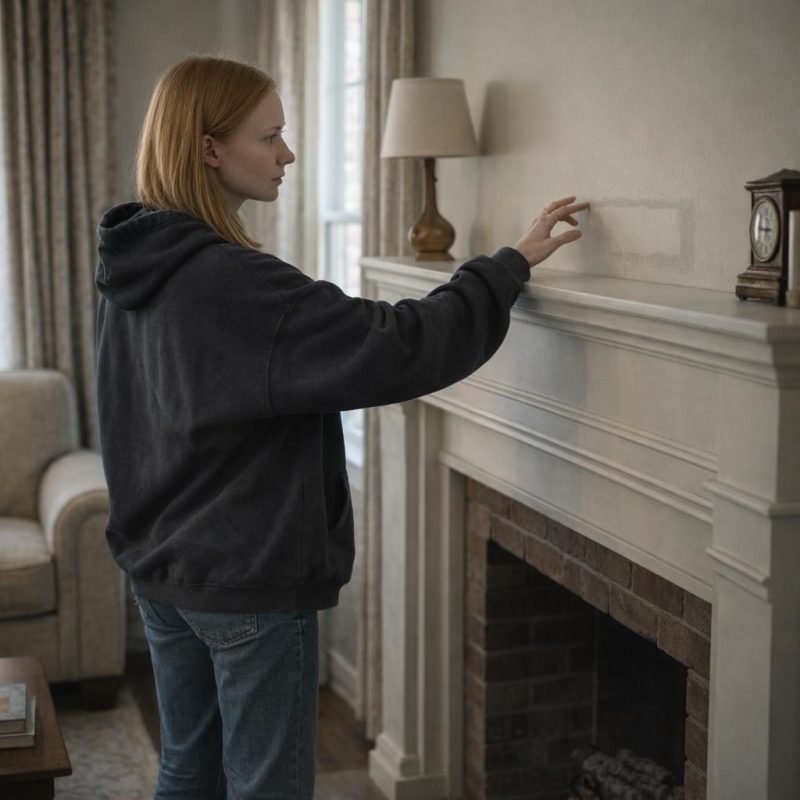 Image by RM AI
The Watch Collection
Dad's watch collection disappeared all at once, and that I couldn't explain away. He'd kept six watches in a wooden case on his bedroom dresser—nothing crazy expensive, but nice pieces he'd collected over the years. A Seiko diver, a vintage Omega, a few others I'd seen him wear to church or family events. One morning I walked into his room and the entire case was gone. Not moved, not packed away—just gone. I stood there staring at the empty space on the dresser, and for the first time since Dad died, I felt something sharper than grief. I called Darren and asked if he'd seen the watches. His answer came immediately, smooth and certain: Dad had promised him those years ago, said he wanted Darren to have them. He sounded so sure, so matter-of-fact, like of course I should've known this. I had no way to verify it—Dad was gone, and there was no written record of the promise. I wanted to believe him. He was family. Family doesn't lie about things like this, right? But something about how quickly he'd answered, how prepared the explanation sounded, made my stomach twist in a way I couldn't quite name.
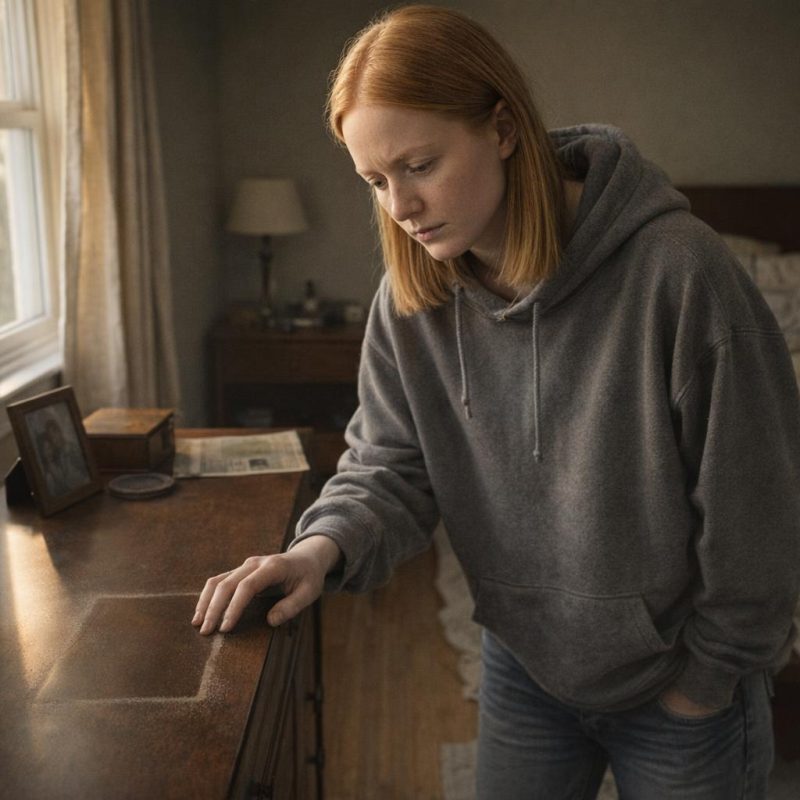 Image by RM AI
The Neighbor's Account
Mrs. Patterson caught me getting the mail three days later. She was in her usual spot by her front window, floral housecoat and knowing expression, and she came outside when she saw me. We'd exchanged casseroles and condolences after Dad died, the standard neighbor stuff, but this time she had something specific to say. She mentioned—casually, not accusatory—that she'd seen Darren at the house quite a bit during Dad's final week in the hospital. Loading boxes into his truck, she said. Multiple trips over several days. She'd assumed I knew, that maybe I'd asked him to clear out some things while I stayed overnight at Dad's bedside. My stomach dropped so fast I thought I might be sick right there on the lawn. I'd spent every night that final week sleeping in the chair beside Dad's hospital bed, holding his hand, watching him fade. I hadn't been home except to shower and change clothes. Darren had been coming and going with complete unsupervised access to the house, and I'd had no idea. Mrs. Patterson was still talking, something about how nice it was that family helps during hard times, but I couldn't hear her anymore over the rushing sound in my ears as I connected her casual observation to every single item that had gone missing.
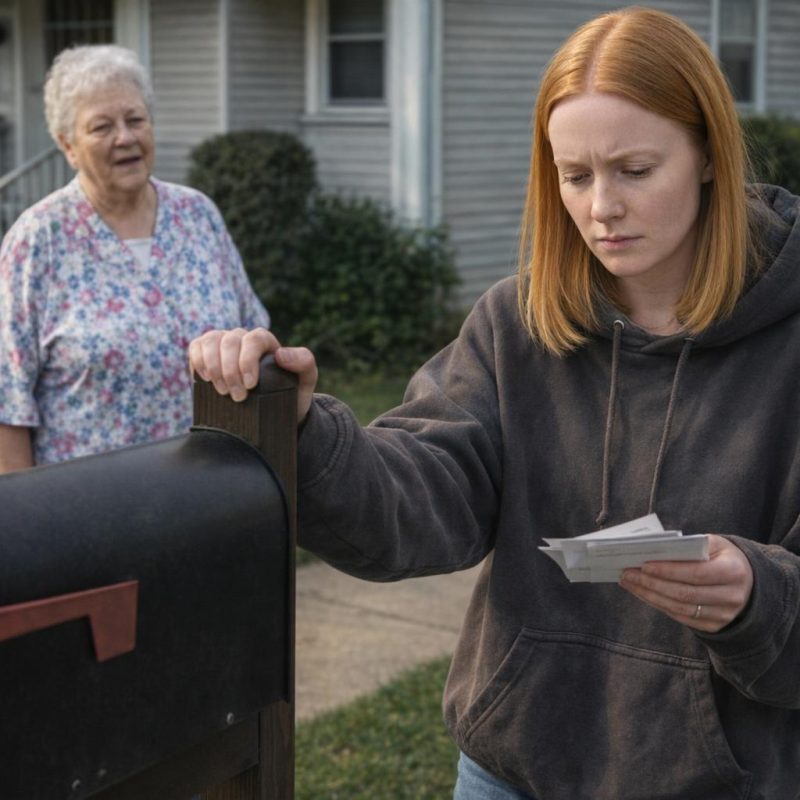 Image by RM AI
Gentle Confrontation
I waited two days before approaching Darren, trying to figure out how to say it without starting a fight. I didn't want to accuse him of anything—he was still family, still the person who'd helped me through the funeral when I could barely stand. But Mrs. Patterson's words kept circling in my head, and I couldn't ignore the missing items anymore. I called him and asked if we could talk, kept my voice careful and gentle. When he came over, I suggested maybe we should wait before taking anything else from the house until the estate was properly settled through probate. I didn't say 'you took things' or 'I know what you did.' I just said maybe we should pause and make sure everything was documented correctly. The way his expression changed happened so fast it made my breath catch in my throat. One second he looked confused, almost concerned, and the next his face hardened into something I didn't recognize. The surprise shifted to anger in the space of a heartbeat, his jaw tightening and his eyes going cold. I'd never seen him look at me like that before—like I'd insulted him, accused him of something unforgivable just by suggesting we wait and follow proper procedures.
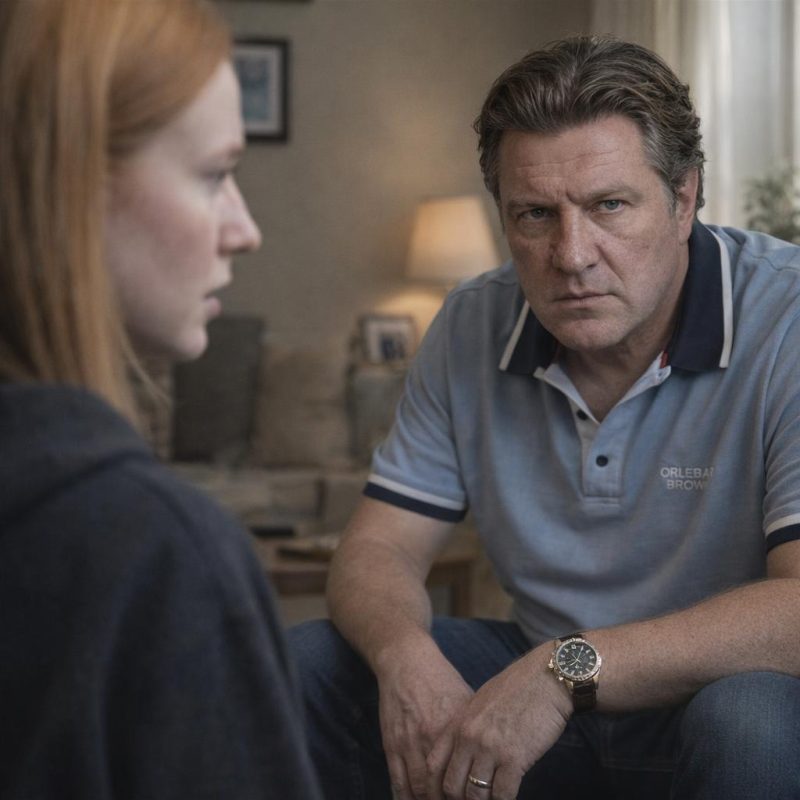 Image by RM AI
Defensive Walls
Darren's voice went sharp in a way I'd never heard directed at me. He said he wasn't stealing from family, emphasized the word 'family' like I'd forgotten what it meant. His defensiveness felt completely out of proportion to what I'd actually said—I hadn't accused him of anything, just suggested we wait. But he kept talking, getting more agitated, saying he had every right to take what was his, that Dad had promised him things over the years, that he knew what property belonged to him. The way he said 'his property' made it sound transactional, like he'd been keeping a running tally of what he was owed. I tried to backtrack, to soften what I'd said, but he wasn't hearing it. He seemed genuinely angry that I'd questioned him at all, like my gentle suggestion was some kind of betrayal. When he finally left, the air in the house felt different, charged with something that hadn't been there before. I stood in the kitchen replaying the conversation, and I realized the word 'family' sounded completely different coming from his mouth now. Not like a bond or a connection, but like a weapon he could use to shut down questions. Like something he could hide behind while taking whatever he wanted.
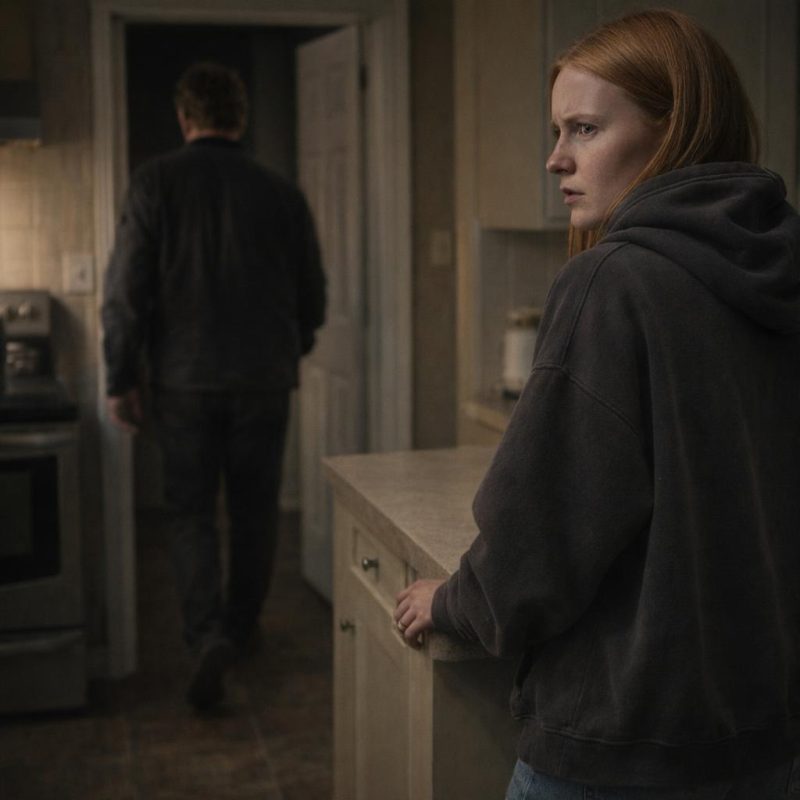 Image by RM AI
Escalation
Over the next few weeks, I started noticing bigger things going missing. Dad's expensive power tools disappeared from the garage—the ones he'd spent years collecting, the ones he'd let me use when I was learning to build things. Then the hunting rifles vanished from the gun cabinet, the one with the glass door that Dad had always kept locked. I found the cabinet empty one afternoon, the key still in the lock like someone had been in a hurry. The antique furniture from the living room started disappearing too—first the side table that had belonged to my grandmother, then the oak bookshelf Dad had refinished himself. Each time I came home, something else was gone, and each time I felt this sick twist in my stomach. I started keeping a mental list of what had vanished, cataloging the absences like evidence I might need later. But the thought of confronting Darren again made my chest tight. After his reaction last time, after the way his voice had gone sharp and defensive, I couldn't shake the feeling that pushing him would make things worse. I was starting to realize something that made me feel pathetic—I was becoming afraid of my own uncle. Afraid of what he might say, what he might do, how much angrier he might get if I questioned him again.
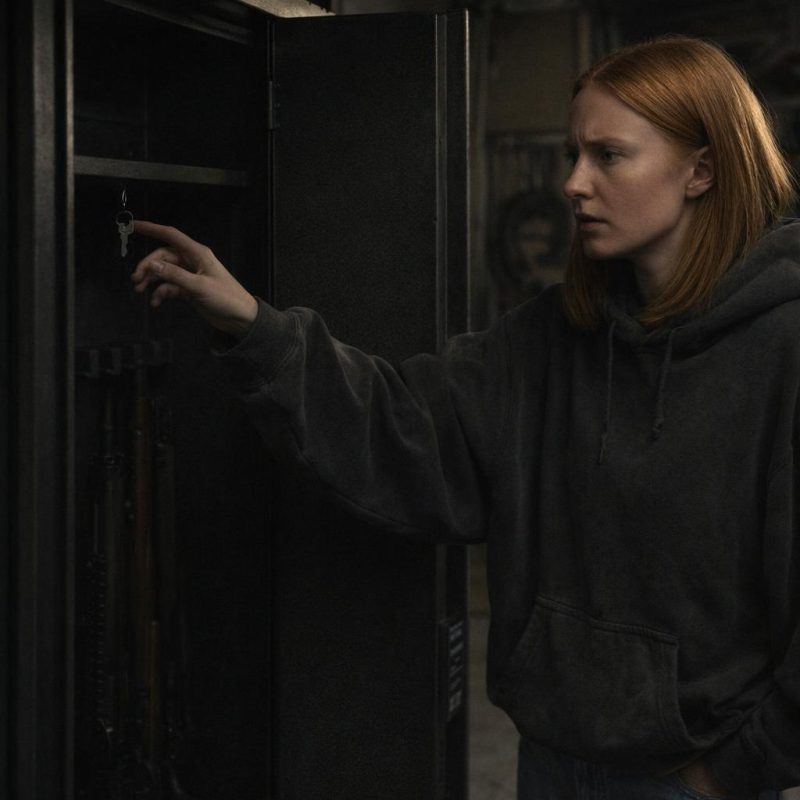 Image by RM AI
Bank Alert
The bank called on a Tuesday afternoon. The woman on the phone was professional and calm, explaining that someone had attempted to access Dad's account using authorization paperwork that had been invalidated by his death. She said they'd flagged it immediately as suspicious, that their fraud prevention protocols had caught it before any money moved. I felt my hands go cold holding the phone. I asked who had tried to access the account, even though some part of me already knew. She hesitated for just a second before confirming that the signature on the paperwork matched the name Darren Mitchell—my uncle's full name, spelled out in his handwriting. The room tilted sideways. I had to sit down on the kitchen floor, my back against the cabinet, while she continued talking about next steps and security measures. This wasn't me being paranoid or suspicious anymore. This wasn't about missing kitchen items or even furniture I could convince myself he thought he had permission to take. This was concrete evidence, documented and flagged by the bank's fraud department. My uncle had tried to forge access to my father's money, and I had it in writing.
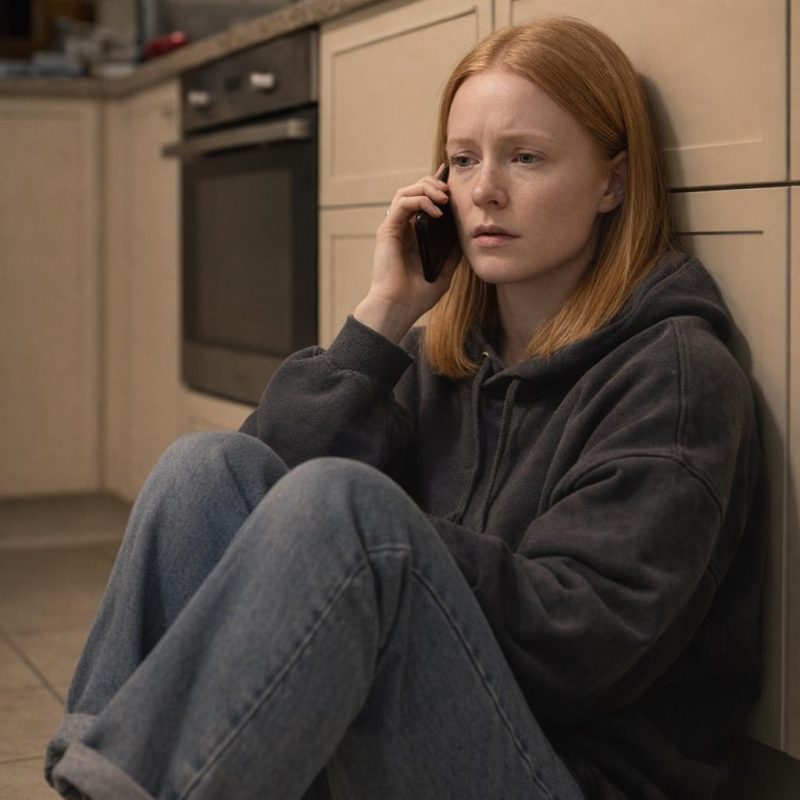 Image by RM AI
The Confrontation
I drove to Darren's house that same evening, the bank's documentation printed and folded in my jacket pocket. When he opened the door, I didn't wait for pleasantries. I told him the bank had called, that they'd caught his attempt to access Dad's account with outdated paperwork. His face went through this rapid transformation—confusion to recognition to defensiveness to something openly hostile, all within about three seconds. He started shouting before I'd even finished talking. He said I had no idea what I was talking about, that he had every right to access those accounts, that he'd been helping Dad manage his finances for years. But then his argument shifted, got uglier. He shouted that he deserved compensation for everything he'd sacrificed for my father, for all the years he'd spent helping out, for all the times he'd dropped everything to be there. That word—compensation—hit me like cold water. Not love. Not family obligation. Compensation. Like he'd been keeping a running invoice of every favor, every visit, every moment spent with his dying brother. I stood there staring at him, and for the first time in my life, I felt genuinely afraid of this man I'd known since childhood.
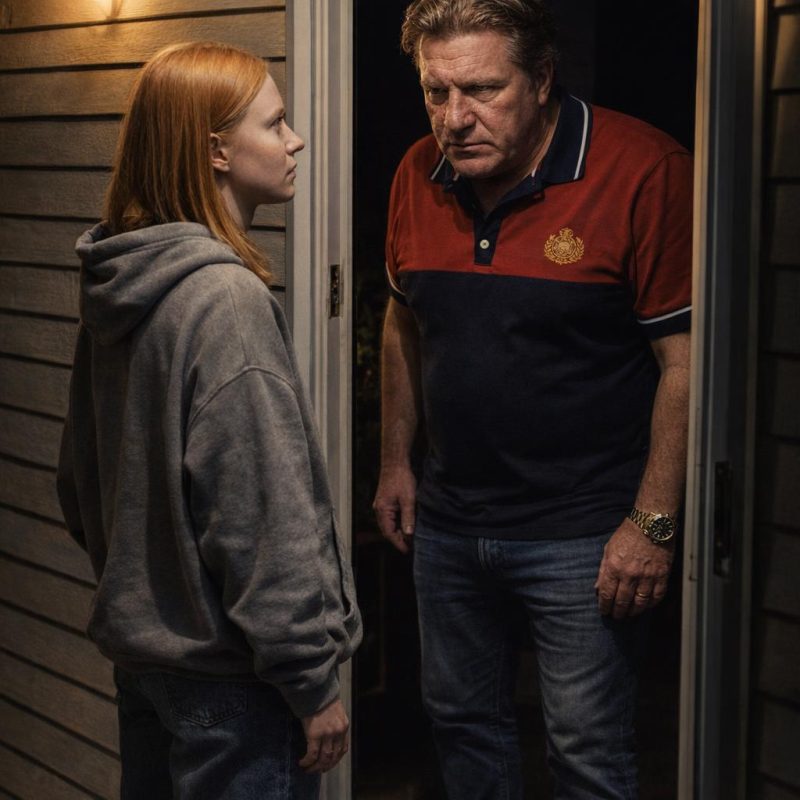 Image by RM AI
Deserving Compensation
Darren kept going, his voice getting louder, angrier. He said I had no idea how much he'd given up for Dad over the years, how many weekends he'd sacrificed, how much of his own life he'd put on hold. He listed things like they were debts Dad had never repaid—driving him to appointments, helping with house repairs, being there during the worst of the cancer treatments. Every memory he described, every moment I'd thought was about love and family, he framed as some kind of transaction that entitled him to payment now. He said he deserved compensation too, emphasizing the 'too' like I was somehow stealing what should have been his. That word hung in the air between us like poison. Compensation. Not grief, not loss, not the pain of losing a brother. Just money owed for services rendered. I looked at his face, red and twisted with anger, and I understood something that made my stomach drop. I was looking at a stranger. The uncle who'd taught me to fish, who'd made me laugh at family dinners, who'd seemed to genuinely care about Dad during those final months—that person either never existed or had been completely consumed by this resentful, entitled man standing in front of me now.
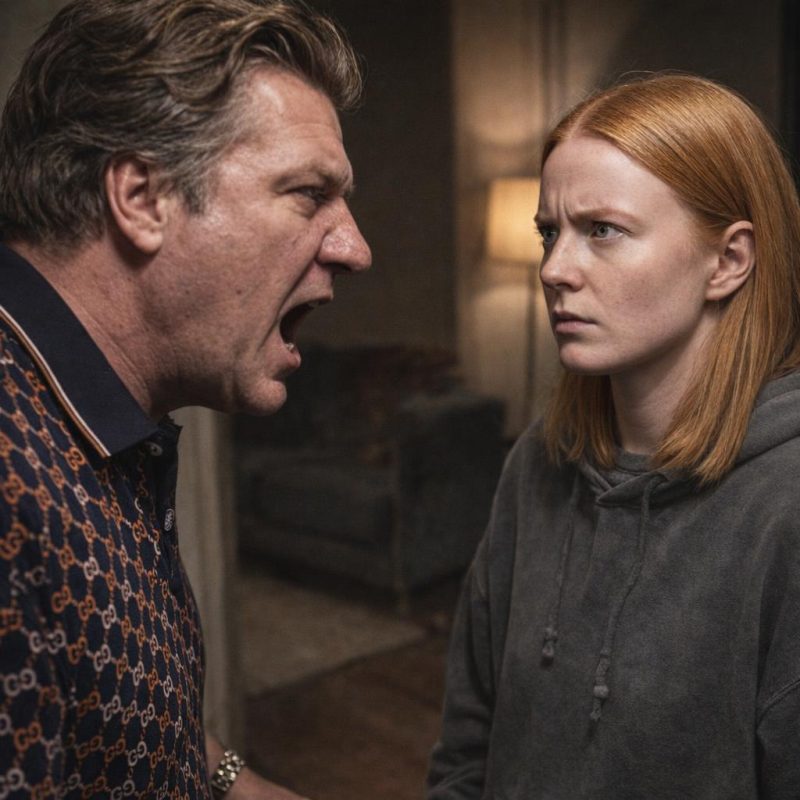 Image by RM AI
Hostile Territory
After that night, every conversation about Dad's estate turned hostile within seconds. I tried once to discuss the timeline for probate, just a simple logistical question, and Darren's face darkened immediately. He accused me of stalling, of trying to keep everything for myself, of disrespecting Dad's memory by dragging things out. Any mention of money or property triggered the same aggressive reaction—his jaw would clench, his voice would rise, and suddenly we'd be in another fight I hadn't meant to start. I stopped trying to reason with him. What was the point? We couldn't have a calm conversation anymore. Every interaction felt like walking through a minefield, trying to avoid the words that would set him off, and failing every single time. I'd catch myself rehearsing what I wanted to say, trying to find phrasing that wouldn't make him explode, and then realizing there was no safe way to talk to him anymore. The uncle I'd known my whole life seemed completely gone, replaced by this hostile stranger who saw every question as an attack and every delay as a personal insult. I realized we couldn't even be in the same room without everything turning into a battle.
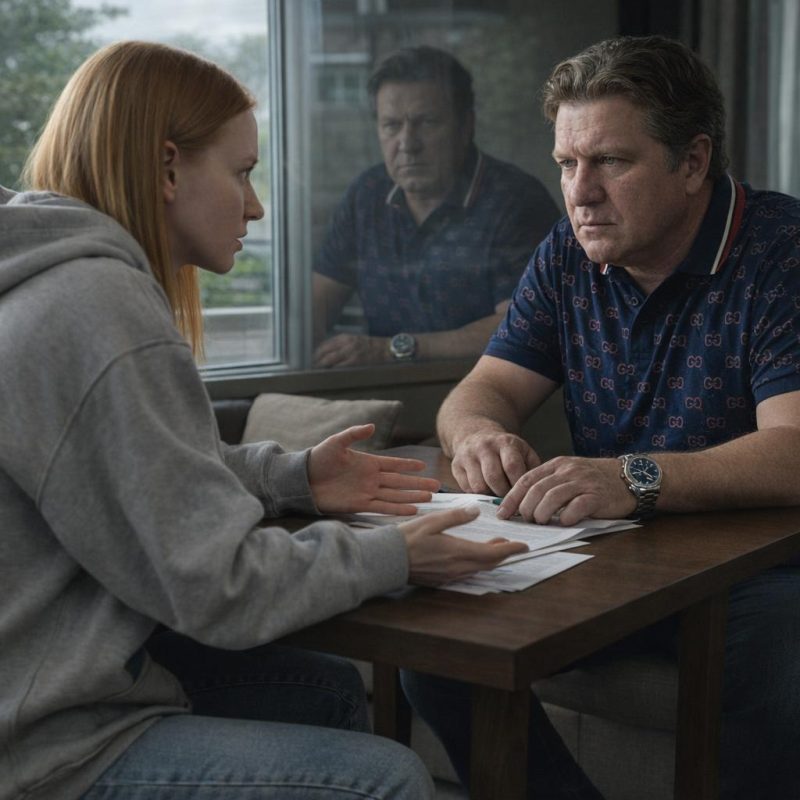 Image by RM AI
Competence Attack
Then Darren started talking to other relatives. I heard about it from my cousin first—Darren had called her to express concern about my emotional state, suggesting I was too grief-stricken to handle Dad's estate properly. He told her I was making impulsive decisions, that my judgment was clouded, that maybe someone more stable should be involved in the financial matters. The words he used made me sound incompetent, like a child who needed adult supervision. I overheard him myself a few days later when I stopped by my aunt's house. He was on her porch, and I caught the tail end of his conversation through the screen door. He was saying I was too emotional, too immature, that grief had made me irrational and I couldn't be trusted with important decisions. My aunt made sympathetic noises, and I felt my face burn with humiliation. He was systematically undermining me to the whole family, planting seeds of doubt about my capability, using my grief—my completely normal grief over losing my father—as evidence that I was unfit. It was calculated and cruel, and it worked. I could see it in my aunt's face when I came inside, the way she looked at me with this new concern, like maybe Darren had a point.
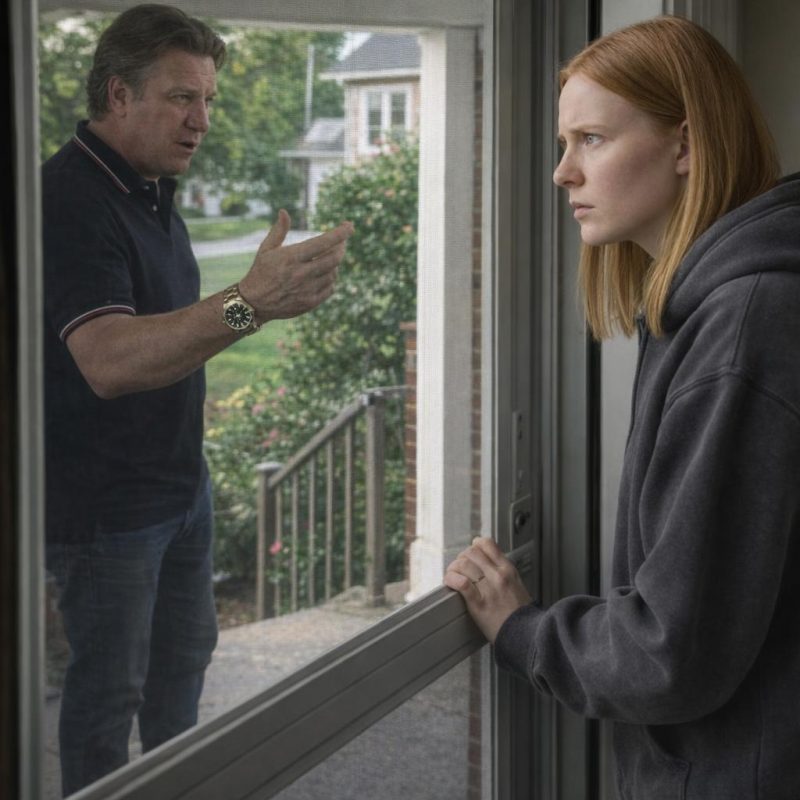 Image by RM AI
The Truck Standoff
The argument over Dad's truck happened on a Saturday. I came home to find Darren in the driveway, loading Dad's tools into the bed of the old Ford pickup. He didn't even look guilty when I pulled up, just kept moving boxes like he had every right to be there. I got out of my car and asked what he was doing, trying to keep my voice level. He said he was taking what Dad would have wanted him to have, said it casually like we'd already discussed this and agreed. I told him we hadn't discussed anything, that he couldn't just take Dad's truck without even asking. His face went hard. He said Dad had promised him the truck years ago, that I wouldn't understand because I didn't know anything about their relationship. I stood my ground, told him he needed to put the tools back and leave. That's when he laughed—this bitter, ugly sound that made something sharp twist in my chest. He said Dad would've wanted him to have it anyway, that Dad knew who really appreciated these things, who'd actually use them instead of letting them rot. The implication was clear: not me. I refused to give him the keys, and he finally stormed off, but the damage was done. He'd turned Dad's memory into a weapon, and it hurt more than I wanted to admit.
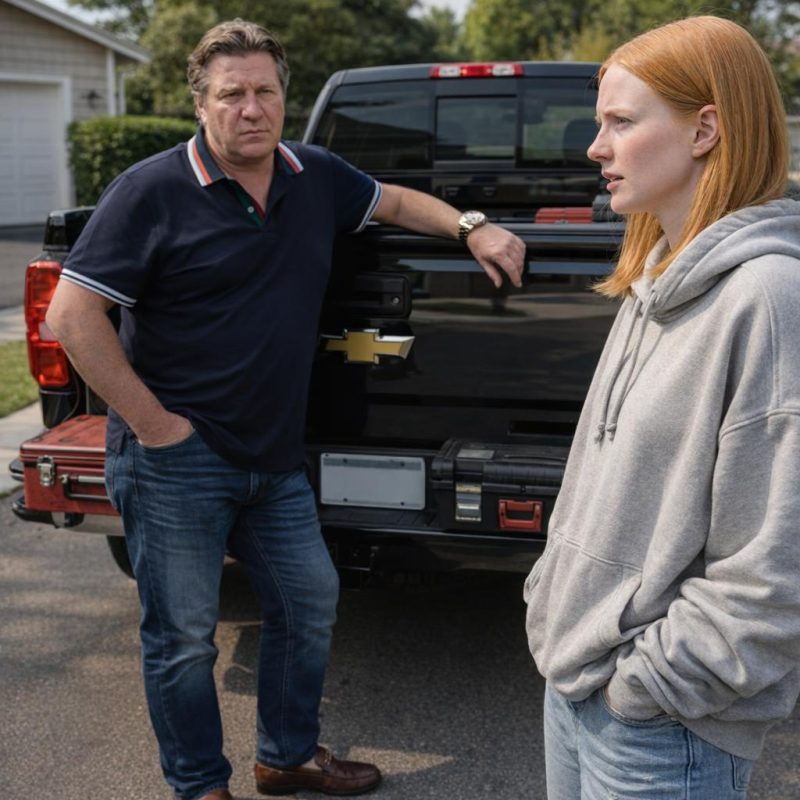 Image by RM AI
Handouts and Hatred
As Darren was leaving, he muttered something under his breath that I almost didn't catch. He said I wouldn't have anything without my father handing everything to me, that I'd never earned a single thing in my life. The words were quiet but they landed like punches. He wasn't just talking about the inheritance or the house or the truck. He was talking about my entire existence, like everything I had, everything I was, was just charity from Dad. Like I was some kind of burden Dad had carried out of obligation rather than love. I stood there in the driveway watching him drive away, and something clicked into place. This wasn't just about greed. This wasn't just about him wanting Dad's money or property. Darren resented me. Not just now, not just because of the will, but deeply, fundamentally resented my relationship with Dad. He hated that Dad had loved me unconditionally, had supported me, had chosen to leave things to me. The resentment in his voice felt old, like it had been simmering for years beneath every family dinner, every holiday, every moment I'd thought we were actually family. I wondered how long he'd hated me for being the one Dad actually chose to love.
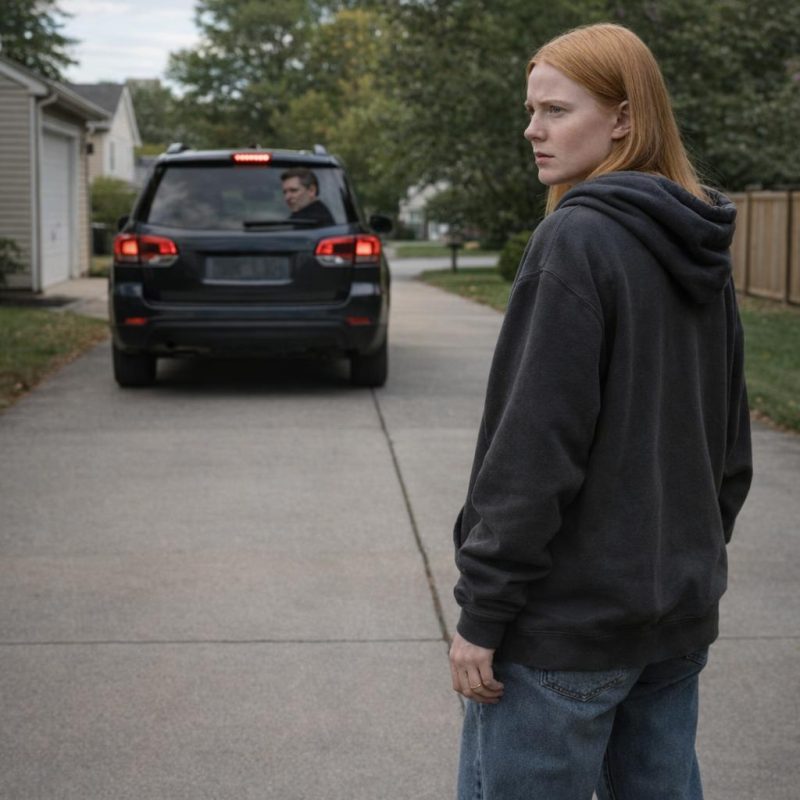 Image by RM AI
Paper Trail
I was looking for Dad's life insurance paperwork when I found it. The lawyer needed copies for probate, and I'd been putting off going through Dad's office because honestly, sitting at his desk still felt wrong. But I needed those documents, so I started working through his filing cabinet systematically, folder by folder. That's when I pulled out a thick manila folder marked 'D - Personal' in Dad's handwriting. Inside were copies of checks. Dozens of them. All made out to Darren. I sat down in Dad's desk chair and started reading through them, and my hands started shaking before I even got halfway through the stack. Five thousand dollars. Eight thousand. Twelve thousand. Some were smaller, a few hundred here and there, but most were in the thousands. Every single one had a memo line, and most said the same thing: 'personal loan.' I kept flipping through, check after check, and the dates kept going back. 2020. 2018. 2015. 2012. The checks stretched back fifteen years, and I couldn't find any record of repayment for most of them.
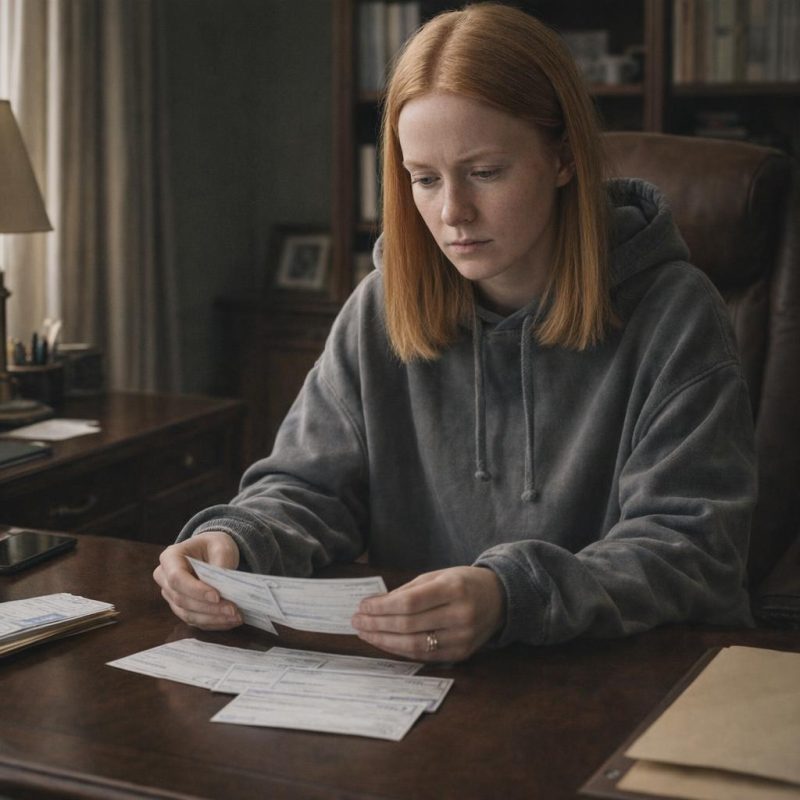 Image by RM AI
Two Hundred Forty Thousand
I spent the next three hours going through every single document in that folder. I made a timeline on the back of an envelope, writing down dates and amounts, trying to understand the full scope of what I was seeing. Some years had only one or two checks. Other years had five or six. The amounts varied wildly, but they were all substantial. I added them up twice because I couldn't believe the number the first time. Two hundred forty thousand dollars. Over fifteen years, Dad had given Darren two hundred forty thousand dollars in 'personal loans.' I had to sit down on the office floor with my back against the filing cabinet because my legs just stopped working. Darren's expensive watch. His designer clothes. The new truck he'd bought two years ago that he'd bragged about at Christmas. His whole successful life, the image he projected at every family gathering, had been built on Dad's money. And now Dad was gone, and suddenly Darren's desperation at the hospital made a sick kind of sense.
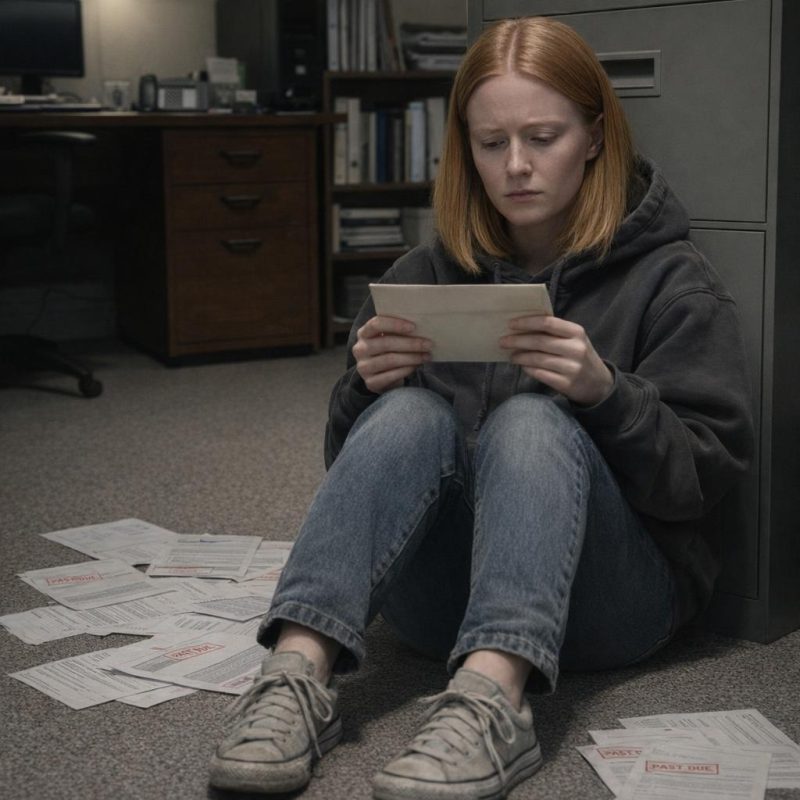 Image by RM AI
The Cutoff
I was putting the checks back in order when I noticed something tucked behind them in the folder. A few sheets of notebook paper, folded in half, covered in Dad's handwriting. They were dated notes, like he'd been keeping a journal about the loans. Most were just brief records of conversations, dates when Darren had asked for money and why. But then I got to a note dated November 2021, and my breath caught in my throat. 'Stopped giving D money,' Dad had written in his careful print. 'Can't enable anymore. He needs to figure this out himself. I love my brother but this has to stop.' The words were underlined twice. This was about a year before Dad's cancer diagnosis, maybe thirteen months. Dad had made a decision to cut Darren off financially, and he'd struggled with it enough to write it down like he needed to make it official. I sat there holding those pages, and something clicked into place about the timeline.
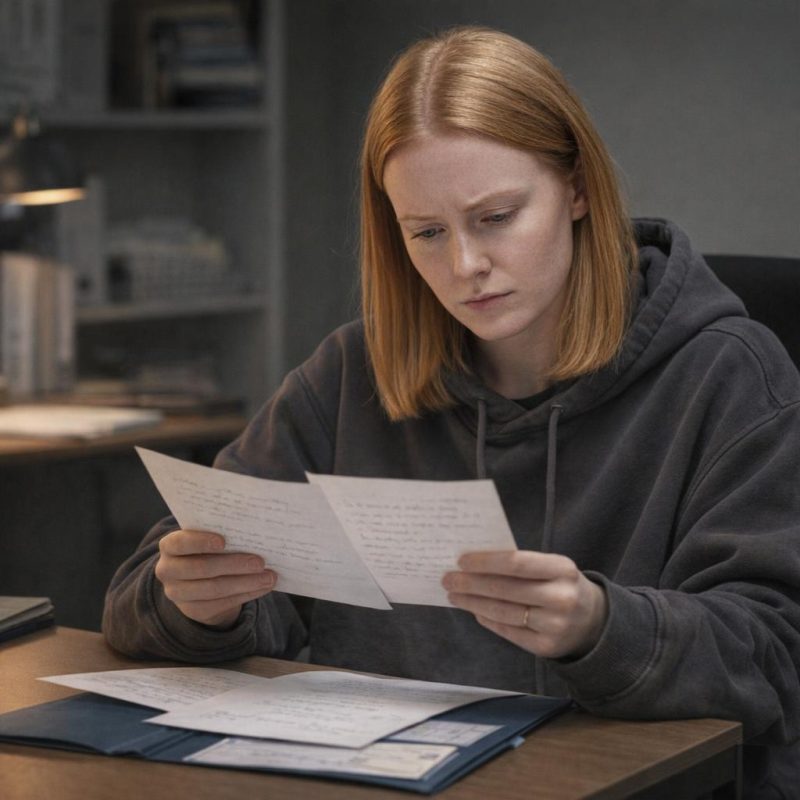 Image by RM AI
Midnight Clarity
I remembered the argument I'd overheard three weeks before Dad died. I'd been in the hallway outside Dad's room at two in the morning, and I'd heard Darren's voice getting louder, more insistent. Dad had said 'I already told you no' with this exhausted fury in his voice that I'd never heard before. At the time, I'd thought they were arguing about the will, about inheritance, about what would happen after Dad was gone. But now, sitting in Dad's office with these loan documents spread around me, I understood what I'd actually witnessed. Darren had been asking for more money. Even while Dad was dying, even while he was weak and sick and had maybe weeks left, Darren had been pressuring him for another loan. And Dad had refused. He'd held firm on that boundary he'd set back in November 2021, even when he was at his weakest. 'I already told you no' wasn't about the will at all. Darren had been demanding money while Dad was dying, and Dad had refused him one final time.
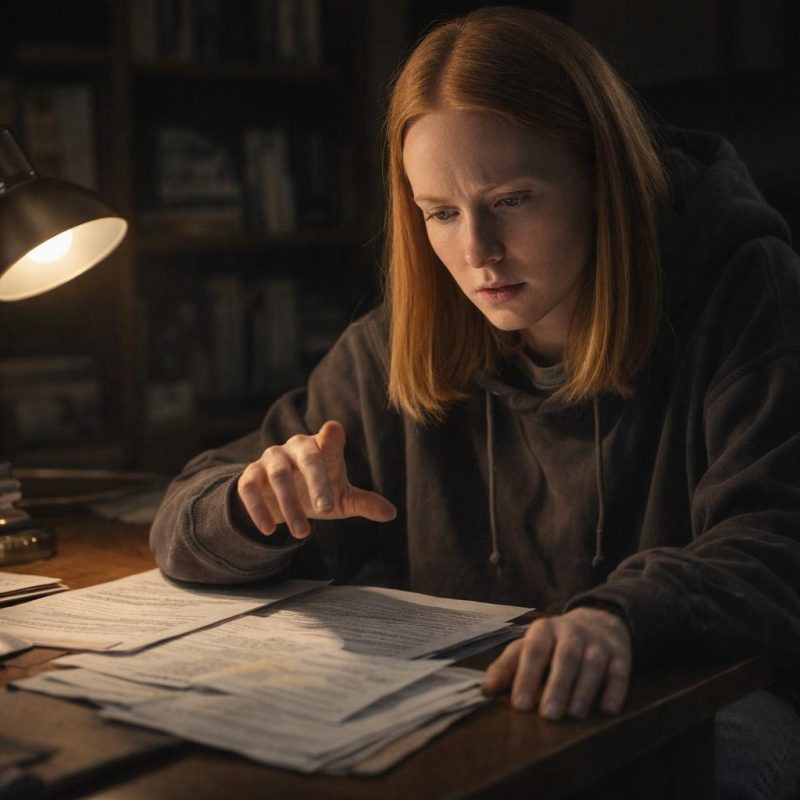 Image by RM AI
Sign Here
Darren showed up at my door on a Tuesday afternoon with a folder full of papers. He said they were estate documents that would simplify the probate process, make everything easier for both of us. He stood in my doorway with that forced smile, gesturing with his expensive pen, explaining how if I just signed here and here, we could avoid a lot of unnecessary complications. I told him I wasn't signing anything without having my own attorney review it first. His smile tightened, but he nodded and left. Three days later, he was back with different papers. These were about the house, he said, just some standard transfer documents that the probate court would need eventually anyway. Again with the pressure to sign quickly, to just get it done, to trust him because we were family. I refused again. I watched his jaw clench when I said no, watched him force that smile back into place. He left without arguing, but I could see the desperation starting to crack through his polished exterior. He was running out of time for whatever he was trying to accomplish, and I was refusing to cooperate.
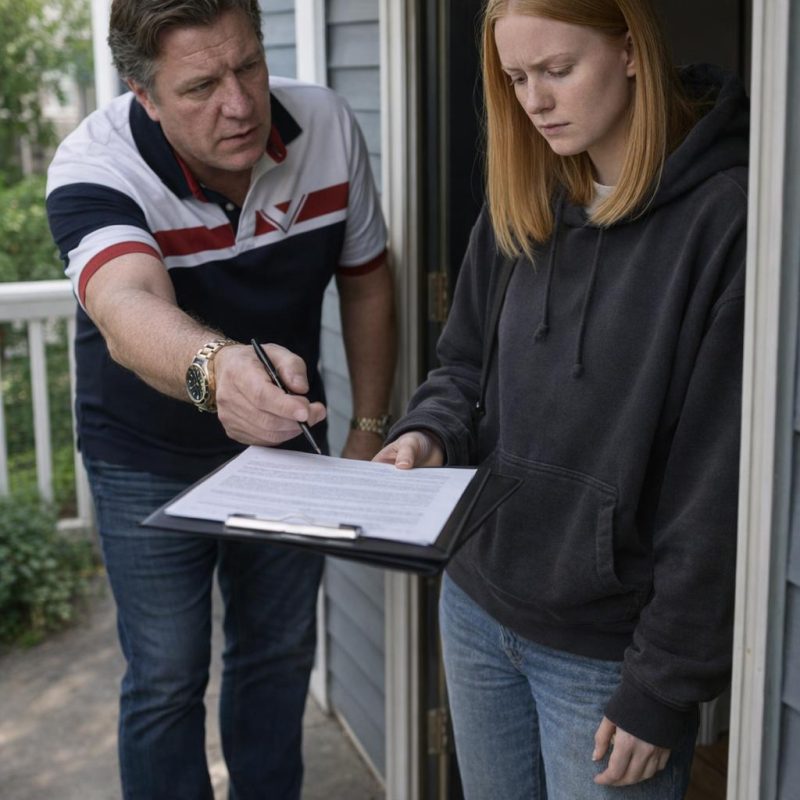 Image by RM AI
Family Dinner Humiliation
Two months after Dad's death, Darren's wife hosted a family dinner. Eight relatives gathered around their dining room table, and I went because I thought maybe we could start healing as a family. I was talking to my cousin about maybe going back to school, just thinking out loud about future plans, when Darren laughed from across the table. 'Oh, Emma's always got big plans,' he said loudly enough that everyone stopped their conversations. 'The charity case is gonna make something of herself.' He said it like a joke, grinning around the table like he expected everyone to laugh with him. My face burned hot. Half the table shifted uncomfortably in their seats, suddenly very interested in their plates. The other half pretended not to hear, jumping into loud conversations about completely different topics. No one defended me. No one told Darren that was inappropriate or cruel. My aunt just asked if anyone wanted more potatoes. I sat there for another forty minutes because leaving would have made it worse somehow, would have proven I couldn't handle family gatherings. But my face stayed hot the entire time, and I realized Darren was willing to humiliate me publicly now.
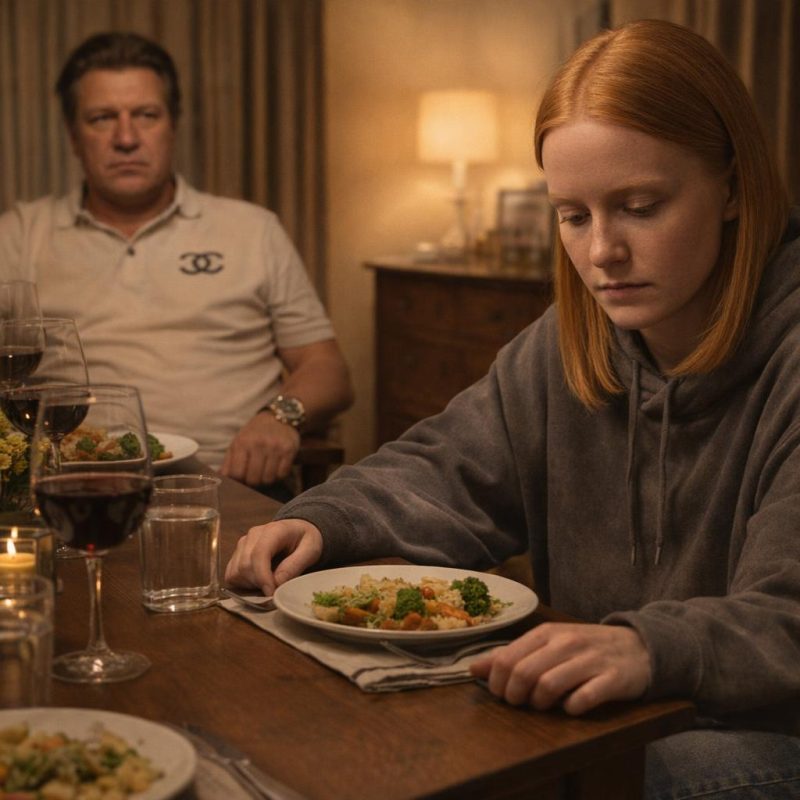 Image by RM AI
Poisoning the Well
My aunt called me on a Sunday morning, and I could hear the careful concern in her voice before she even got to the point. She asked how I was doing, how I was handling everything, and then she paused for a long time. Finally, she asked if there was any truth to what Darren had been saying about Dad's final months. What had he been saying, I asked. She hesitated again, then said Darren had mentioned that maybe I'd been influencing Dad's decisions while he was sick, that maybe Dad hadn't been thinking clearly toward the end. She said it so gently, like she was trying not to accuse me of anything, but the question was there. Had I manipulated Dad? My stomach dropped. I explained that Dad had been completely lucid until his final week, that his doctors had documented his mental clarity, that every decision he made was his own. But even as I said it, I could hear how defensive I sounded. After we hung up, I sat there realizing what Darren was doing. He was systematically spreading lies to anyone who would listen, poisoning my relationships with the entire extended family.
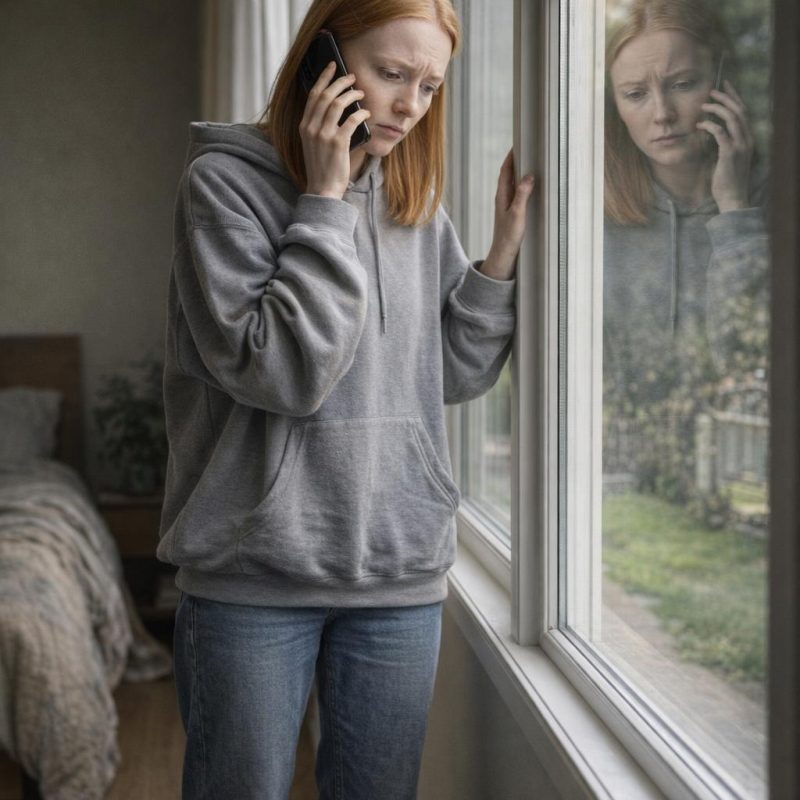 Image by RM AI
Isolation Accusations
My cousin Sarah called two days later. She said Darren had told her I'd deliberately kept family members away from Dad during his final weeks, that I'd controlled who could visit and when, that I'd isolated Dad from everyone who loved him. Sarah's voice was full of concern, not accusation, but she was clearly repeating Darren's version of events back to me. I tried to explain the truth. The hospital had visiting hour restrictions. Dad had been exhausted and could only handle short visits. He'd made his own decisions about who he wanted to see and when. But as I talked, I could hear myself sounding defensive again, like I was making excuses. Sarah made sympathetic noises but didn't sound entirely convinced. After we hung up, I sat there feeling exhausted. Every time I defended myself, I sounded guilty. Every explanation came out like a justification. But if I stayed silent, if I didn't defend myself, Darren's lies would spread unchallenged through the family. I was trapped in an impossible position, and I realized that was exactly what he wanted.
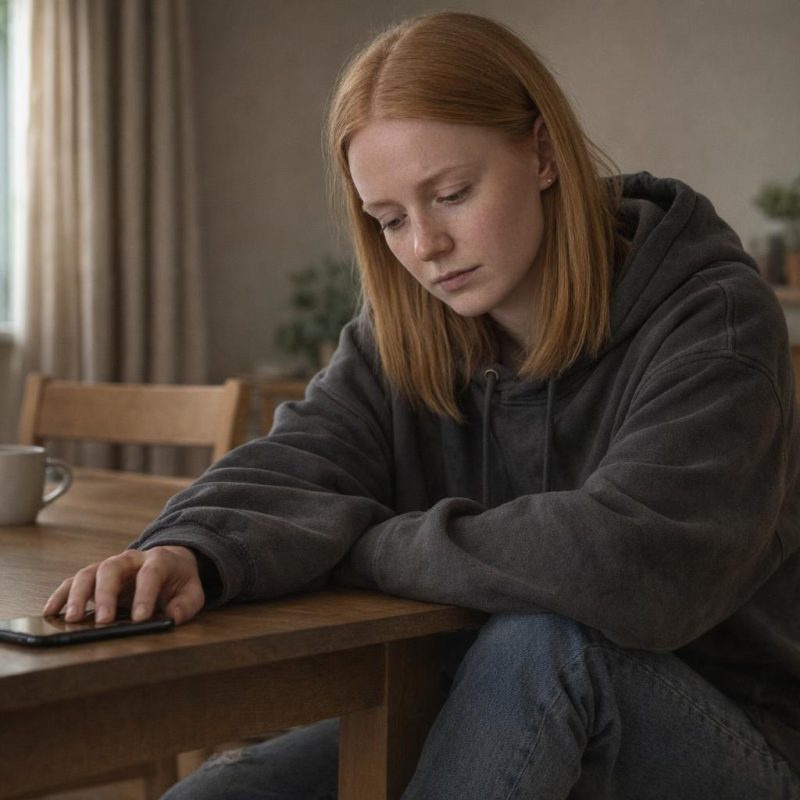 Image by RM AI
Fractured Gatherings
The first family gathering after Sarah's call was my cousin Jake's birthday party, and I almost didn't go. But I thought maybe I was being paranoid, maybe things would be normal. They weren't. The moment I walked into Jake's backyard, conversations stopped. People glanced at me, then away. My aunt Linda gave me a tight smile and immediately found something urgent to do in the kitchen. Uncle Mark nodded but didn't come over like he usually would. And Darren—Darren was holding court by the grill, playing the wounded family member with perfect precision. He looked tired, worn down, like someone who'd been through an ordeal. When he saw me, his expression shifted to something pained and dignified, like he was being the bigger person just by staying. I grabbed a drink and tried to join a conversation with my cousins, but the energy was off. They were polite but distant. When I mentioned something about Dad's last weeks, the topic changed immediately. I realized with a sinking feeling that some of them believed him. They actually thought I'd manipulated Dad, controlled his care, kept family away. Others just didn't want to deal with the conflict, so they stayed silent and avoided me entirely. I left after forty minutes, and I knew I wouldn't be coming back to these things anymore.
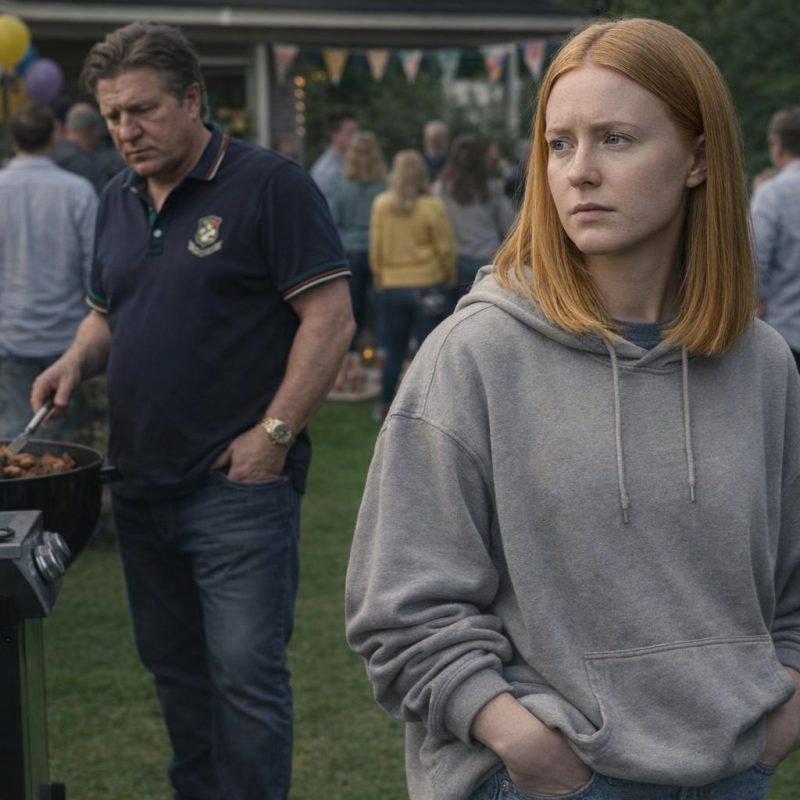 Image by RM AI
Endless Defense
The phone calls started the next week and didn't stop. My cousin Rachel called first, saying she'd heard some things and wanted to hear my side. So I explained everything—how Dad had made his own decisions about visitors, how the hospital had restrictions, how exhausted he'd been. Rachel listened and seemed satisfied, but two days later my aunt Jennifer called with the same questions. Then Uncle Paul. Then my second cousin Michelle. Each time, I had to walk through the same timeline, the same explanations, the same defenses. I described Dad's medical condition in detail. I pulled up hospital visiting logs to prove I hadn't blocked anyone. I explained his wishes about keeping visits short and manageable. Every conversation left me more drained than the last. I'd hang up feeling like I'd just run a marathon, my chest tight and my head pounding. By the fifth or sixth call, I started wondering if this was part of what Darren wanted—not just to turn family against me, but to exhaust me completely. To make me spend all my energy justifying myself, defending decisions I'd made with Dad's full knowledge and consent. I couldn't be sure, but the constant defense felt like its own kind of warfare, and I was losing ground with every conversation.
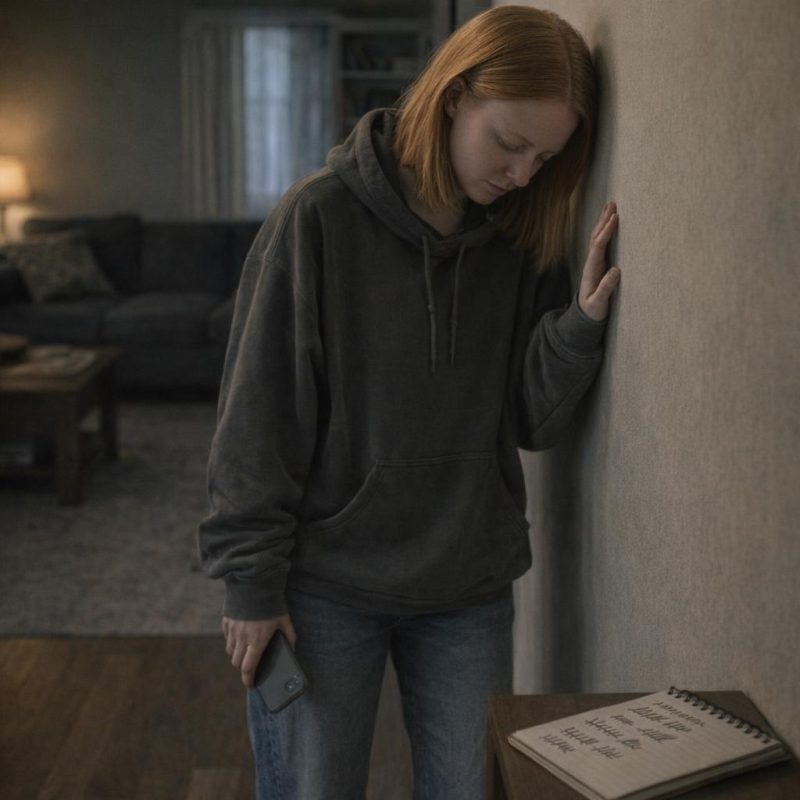 Image by RM AI
Choosing Sides
Three months after Dad died, there was a family barbecue at my aunt's house. I'd stopped going to most gatherings, but this one was supposedly neutral territory—just family, no drama. I should have known better. Uncle Mark cornered me by the potato salad table, and his voice was loud enough that half the patio could hear. He said I should think about being more generous with Dad's estate, that family was more important than money, that Darren had been there for Dad too and deserved something. The way he said it made it clear—he believed Darren's version. He genuinely thought I was being selfish, hoarding an inheritance that should have been shared. I tried to explain that I was following Dad's wishes, but Mark cut me off. He said Dad would have wanted the family to stay together, that I was causing division by being stubborn. A few other relatives nodded along, their expressions sympathetic toward Darren, not me. I looked around and realized the damage was deeper than I'd thought. These weren't people staying neutral—they'd chosen sides, and they hadn't chosen mine. I felt completely isolated, misunderstood, like I was standing alone defending something no one else could see. The public siding with Darren stung worse than any of his direct attacks ever had.
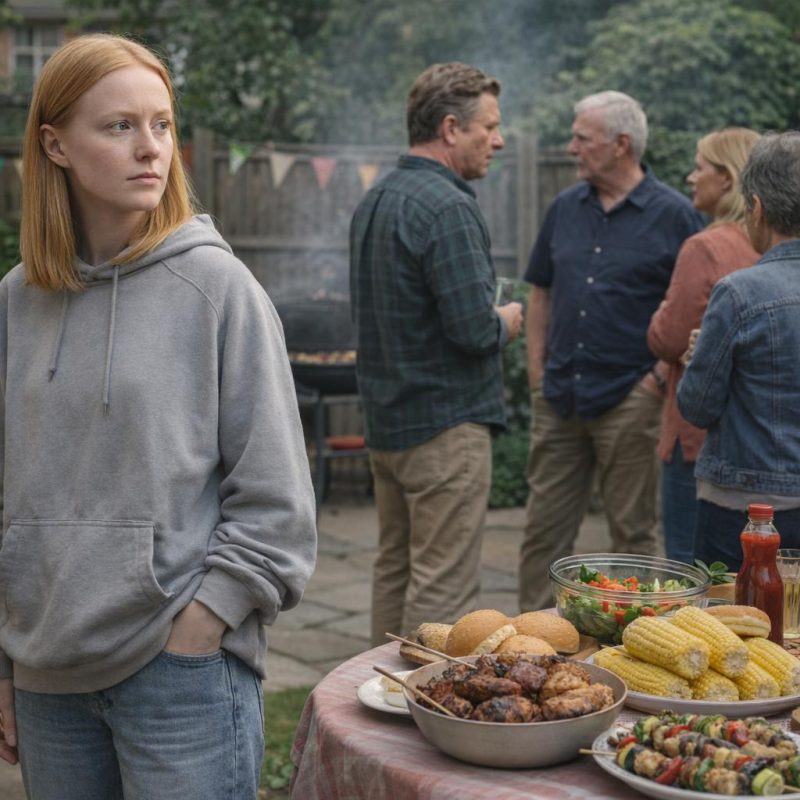 Image by RM AI
Escalating Desperation
Over the next few weeks, Darren's behavior changed in ways that made my skin crawl. He started showing up at my house unannounced—once in the morning while I was still in my pajamas, once in the evening when I was making dinner. He'd stand on my porch demanding to talk, his voice urgent and aggressive. When I didn't answer the door, he'd leave voicemails that got progressively more hostile. His messages rambled, jumping from accusations to demands to weird nostalgic references about Dad. Then the text messages started coming at odd hours—2am, 5am, long blocks of text that barely made sense. Some were angry, some were pleading, some just seemed disconnected from reality. I couldn't predict what he'd do next or when he'd show up. His desperation was visible and growing, but it felt dangerous rather than pathetic. I started locking my doors during the day, something I'd never done before. I'd check the peephole before answering any knock. I felt unsafe in my own home, constantly on edge, waiting for his car to pull into my driveway again. The Darren I'd known my whole life—charming, smooth, always in control—had been replaced by someone erratic and unpredictable, and I had no idea what he might do next.
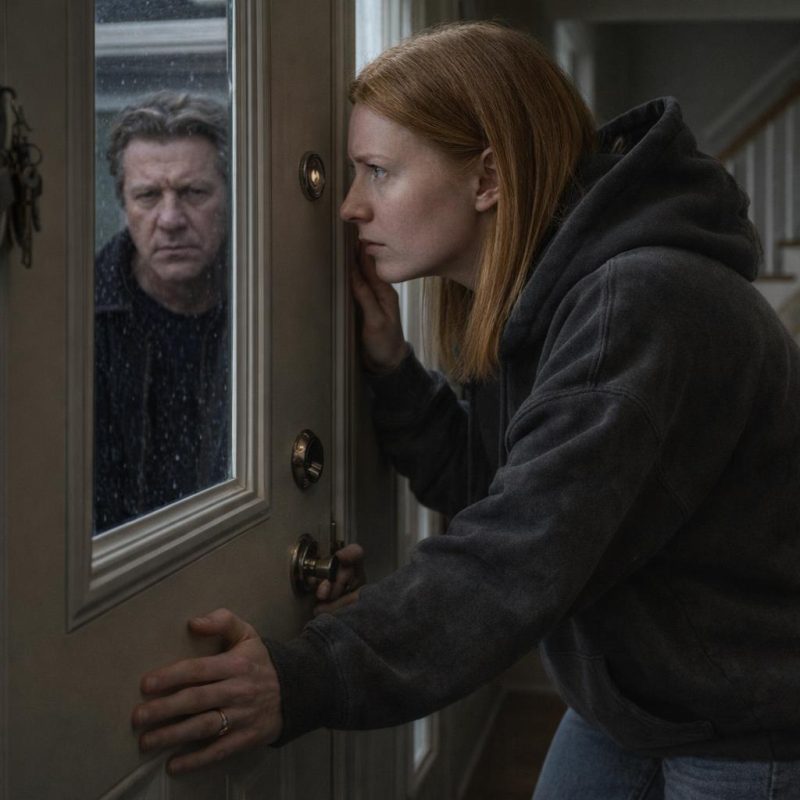 Image by RM AI
Final Pressure
Two weeks before the official will reading, Darren showed up with paperwork and a new level of urgency in his voice. He said we needed to handle some estate matters immediately, that waiting for the formal reading would create legal complications we could avoid. The papers he brought would give him immediate access to portions of Dad's estate—accounts, property rights, things that could be transferred now rather than later. He pushed the documents across my kitchen table, talking fast about tax implications and probate delays. I read every line carefully while he watched, his foot tapping against the table leg. The paperwork was designed to look routine, but it would have given him control over assets that were supposed to stay frozen until the reading. I pushed the papers back and said no. Darren pressed harder than he ever had before, his voice rising, his arguments becoming more insistent. But I stayed firm. I wasn't signing anything. When he finally realized I wouldn't budge, something shifted in his expression. The desperation drained away, replaced by something colder and more calculating. His eyes went flat and assessing, like he was running through options I couldn't see. It made me deeply uneasy, but I couldn't define exactly what had changed—just that the man who left my house that day felt more dangerous than the one who'd arrived.
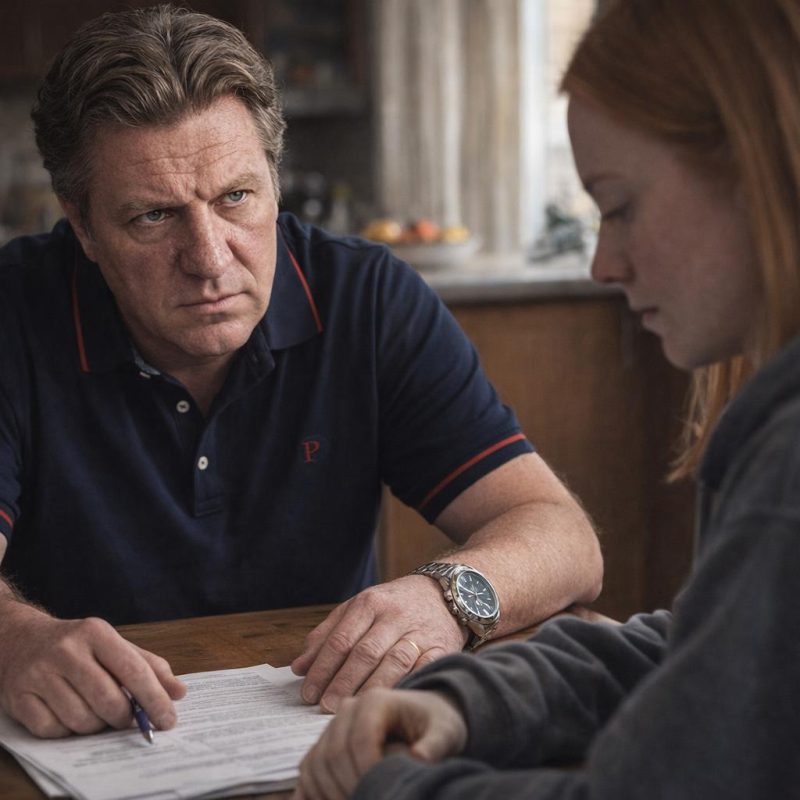 Image by RM AI
Seven Days
One week before the will reading, I circled the date on my kitchen calendar with a red marker. Seven days. I tried to prepare myself mentally for whatever was coming, but the truth was I had no idea what Dad's will actually said. I'd never asked, never pushed for details. Dad had told me everything was handled, and I'd trusted him. Now I was counting down to a meeting where Darren would finally learn what he was getting, and I couldn't shake the feeling that his reaction was going to be bad. Not because of the inheritance itself—I didn't know what Dad had left him—but because of how desperate and unpredictable Darren had become over the past months. The man who'd shown up drunk in driveways and sent rambling 2am texts wasn't someone who'd handle disappointment well, whatever that disappointment might be. I kept thinking about that cold, calculating look he'd given me when I refused to sign his paperwork. Something about it felt wrong in a way I couldn't articulate. I had a bad feeling that had nothing to do with money or property and everything to do with the fact that I no longer recognized my uncle, and I had no idea what he might do when the waiting finally ended.
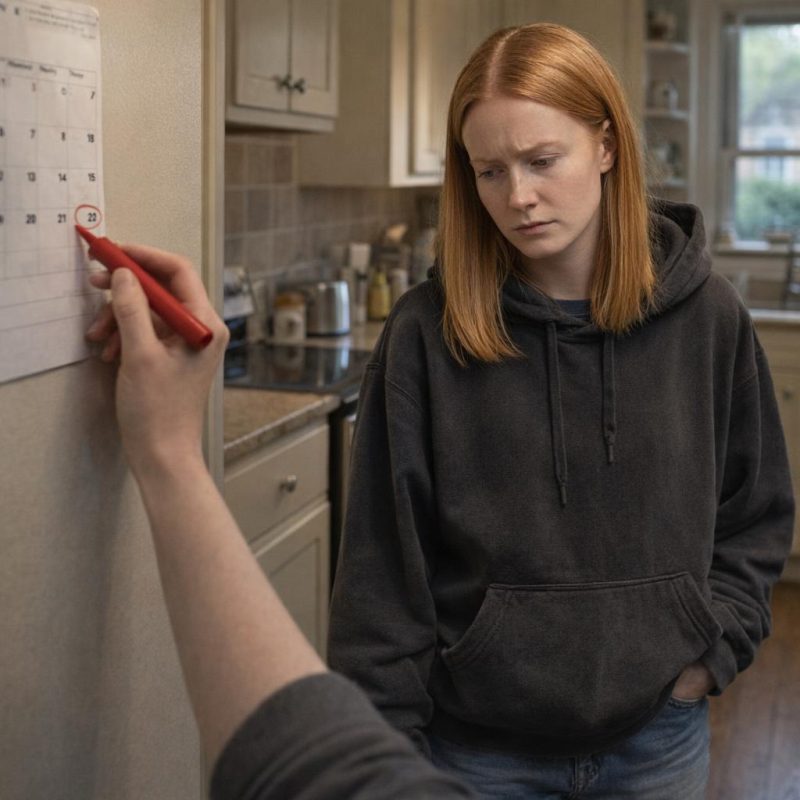 Image by RM AI
Drunk in the Driveway
Six days before the will reading, I heard a car door slam in my driveway around eight at night. I looked out the window and saw Darren stumbling toward my front door, and I knew immediately he was drunk. I opened the door but stayed in the doorway, not inviting him inside. He stood there swaying slightly, his voice too loud, his words slurring together. He started ranting about how Dad owed him, how he'd sacrificed everything over the years, how he deserved what was coming to him. His voice carried across the yard—my neighbors could definitely hear. He said he'd put his life on hold for family, that Dad had promised him things, that I had no right to stand between him and what was his. His body language was aggressive, his gestures wild and uncontrolled. I stood there watching him, my hand on the doorframe, and for the first time I felt genuinely afraid he might become physically violent. Not just hostile or threatening, but actually dangerous. His eyes were unfocused but angry, his fists clenching and unclenching at his sides. I considered calling the police but hesitated, not wanting to escalate things further. Eventually he stumbled back to his car, still shouting, and drove away weaving slightly. I locked the door and stood there shaking, realizing I'd just seen my uncle completely lose control.
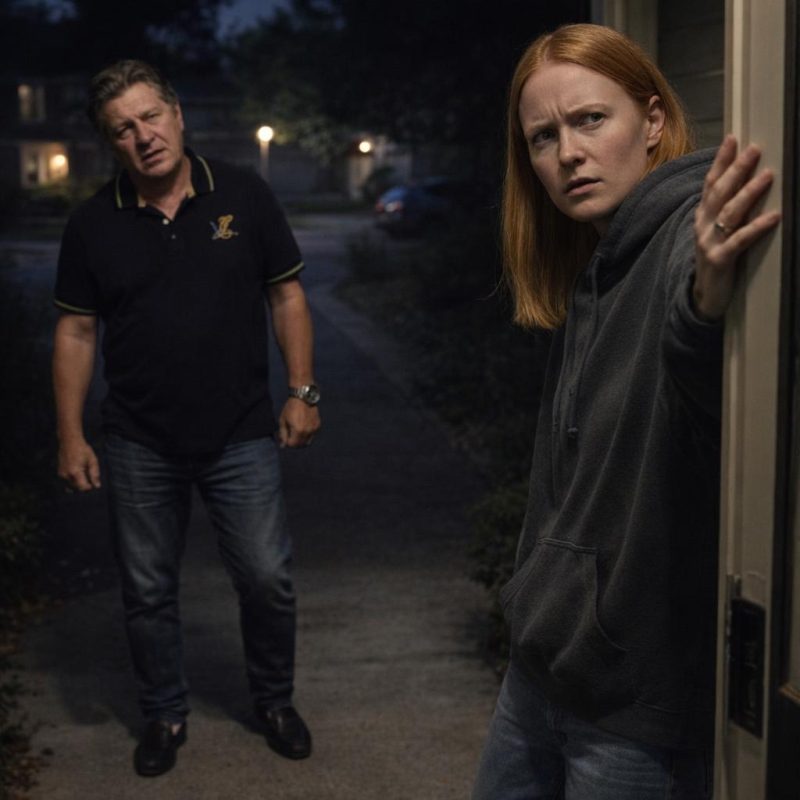 Image by RM AI
Pitied, Not Respected
Before Darren got back in his car, he turned and delivered one final blow. He sneered at me from the driveway, his voice dripping with contempt, and said Dad had never actually respected me. He'd only pitied me, Darren said, like someone pities a lost puppy they find on the side of the road. The words hit me like a physical blow. I felt something crack inside my chest, a sharp pain that made it hard to breathe. Of all the cruel things he'd said over the past months, this one cut the deepest because it targeted the one relationship that had mattered most. But I didn't scream at him or cry or defend myself. I just stood there in my doorway and held his gaze steadily, saying nothing. Because here's what I knew that he didn't: Dad had loved me. Not pitied me, not tolerated me, not felt sorry for me—loved me. I'd seen it in how he'd held my hand during those final weeks, heard it in the stories he'd told me, felt it in every decision he'd made about his care. Darren could say whatever he wanted, could twist and lie and manipulate, but he couldn't rewrite that truth. I held onto that certainty like a lifeline as he finally drove away, and I knew that nothing he said could take it from me.
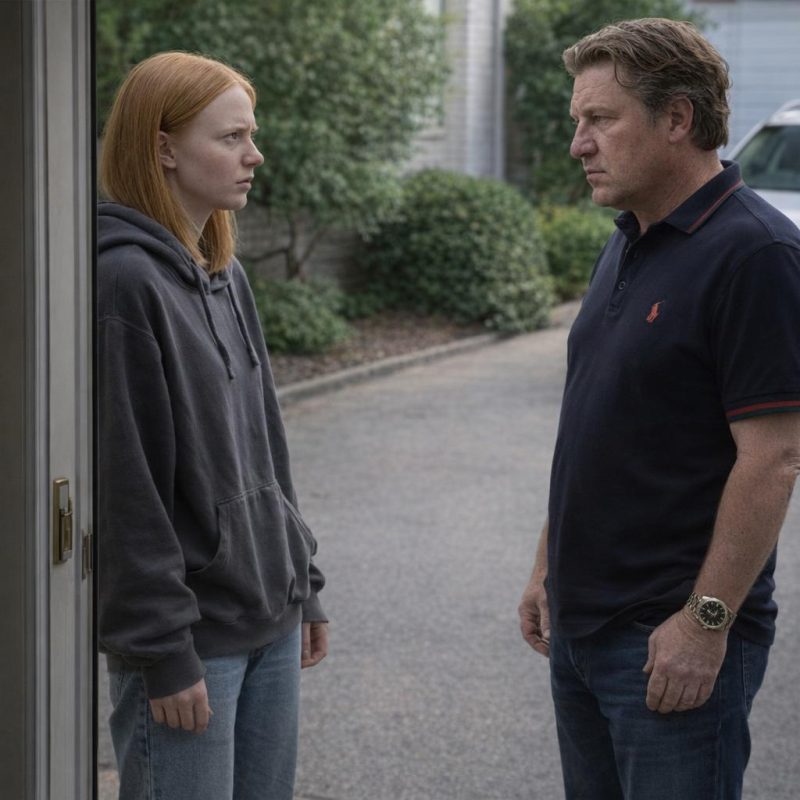 Image by RM AI
The Longest Night
I didn't sleep at all that night. I'm not talking about tossing and turning or waking up every hour—I mean I literally lay there in the dark for eight straight hours, staring at the ceiling while my brain spiraled through every terrible possibility. What if Dad had left Darren something substantial? What if he'd split things evenly because he'd felt guilty about their relationship? What if Darren got enough to feel validated in all his cruelty? And worse—what if Darren got nothing and his rage became something I couldn't handle? I kept replaying his words from the driveway, that sneering comment about Dad pitying me like a lost puppy. The memory made my chest ache every time it surfaced. Around three in the morning, I started wondering if any outcome would actually satisfy Darren's greed, or if he'd find a way to be furious regardless. I watched the digital clock on my nightstand tick through each hour—midnight, one, two, three, four. My eyes burned. My body felt heavy and wired at the same time. I heard every creak of the house settling, every distant car passing on the street. When gray morning light finally crept through my blinds around six, I realized I hadn't slept a single minute.
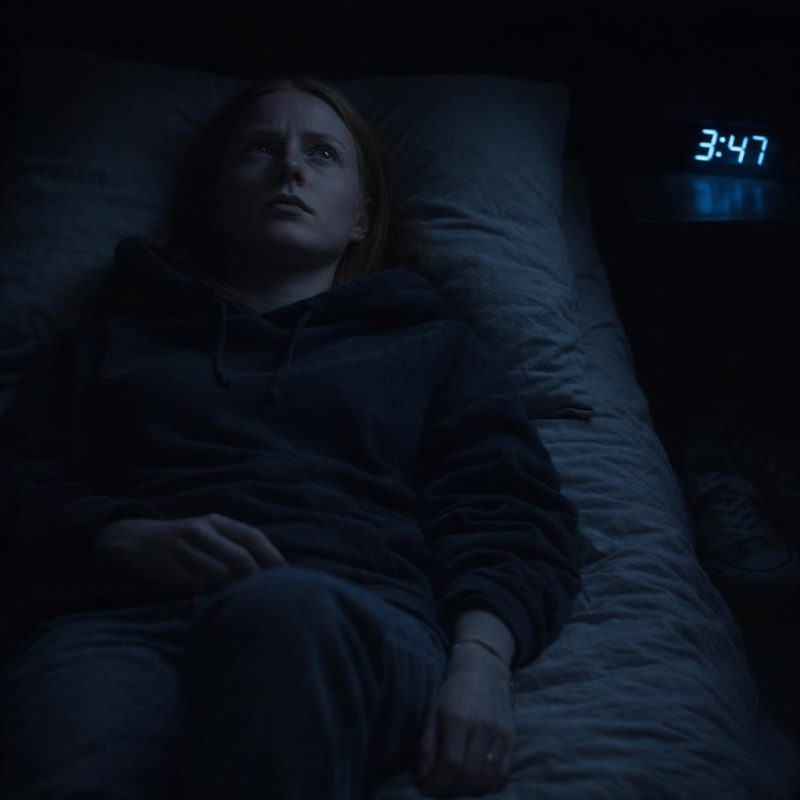 Image by RM AI
Rainy Thursday
I forced myself out of bed even though my body felt like it weighed a thousand pounds. The shower helped a little—I stood under the hot water longer than necessary, trying to wash away the exhaustion and dread. I dressed carefully, choosing clothes that felt like armor: dark jeans, a simple sweater, nothing that Darren could mock or comment on. Outside, cold gray rain was falling, the kind of miserable weather that matched my mood perfectly. I drove downtown to Mr. Feldman's office with my hands gripping the steering wheel so tight my knuckles went white and started to ache. The windshield wipers beat a steady rhythm while I navigated through traffic, and I kept taking these shallow breaths that didn't quite fill my lungs. I arrived early and pulled into the parking lot, then just sat there with the engine running, watching rain streak down the windshield in rivulets. I needed to gather courage before walking inside and facing whatever waited in that conference room. I took one deep breath, then another, then finally turned off the ignition and stepped out into the cold rain.
 Image by RM AI
Gray Suit Confidence
The conference room was already half-full when I walked in, other relatives sitting quietly in chairs around a long polished table. I found a seat near the middle and tried to make myself small. Mr. Feldman was arranging papers at the head of the table, and he looked deeply uncomfortable already, his jaw tight and his movements precise. Then Darren arrived, and my stomach immediately turned. He was wearing an expensive gray suit that probably cost more than my rent, and his expression was so smug it made me want to scream. He greeted the other relatives loudly, like this was some kind of business meeting he was chairing, shaking hands and clapping shoulders. His confidence radiated across the room—he clearly believed he knew exactly how this was going to go. Mr. Feldman's discomfort visibly increased when Darren entered. Then Darren spotted me across the table, and I watched his mouth curl into that familiar smirk. He muttered just loud enough for people nearby to hear: 'There's our charity case.' I didn't respond, didn't even look at him directly, but I felt physically nauseous from his smugness and couldn't shake one terrible question—why did he seem so confident about the outcome?
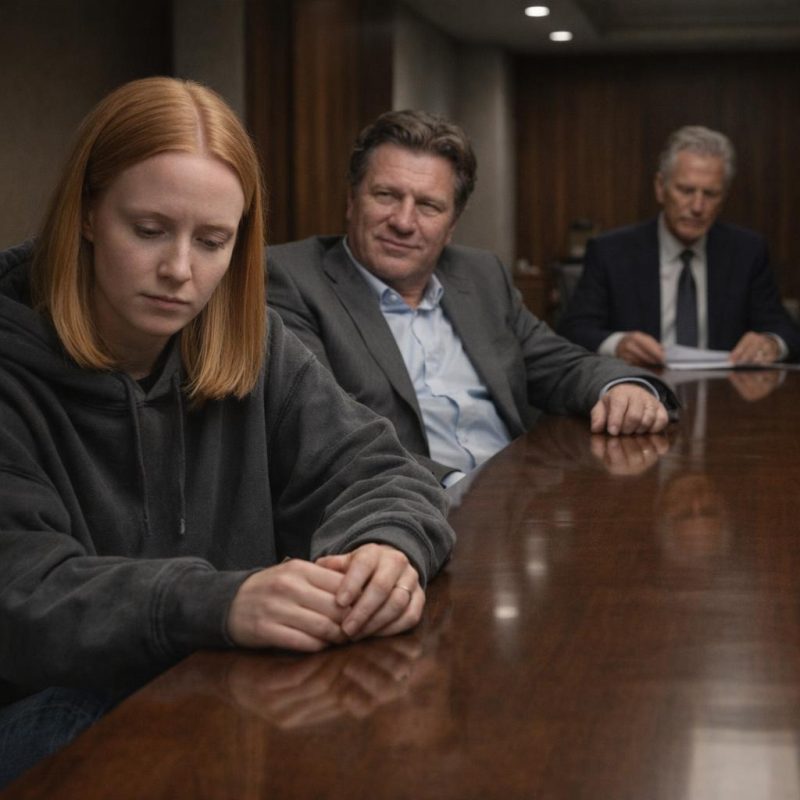 Image by RM AI
Standard Provisions
Mr. Feldman cleared his throat and formally opened the will, his voice steady and professional despite the tension in the room. He began reading the standard provisions first—small amounts designated for charities Dad had cared about over the years, personal items bequeathed to old friends who'd stood by him. There was a portion of savings set aside specifically for my future children, which made my throat tighten unexpectedly. Darren shifted impatiently in his seat during these smaller provisions, drumming his fingers on the table like he was waiting for something bigger and more important. He seemed completely unbothered by the charitable bequests, like they were just formalities to get through before the real announcements. I noticed his continued confidence and it made my anxiety spike higher. What did he think he knew? Mr. Feldman's discomfort grew more obvious as he read, his throat-clearing becoming more frequent, and I could feel tension building steadily in the room like pressure before a storm. I braced myself for disappointment, for whatever was coming next, because Darren's expression told me he believed something significant was still ahead.
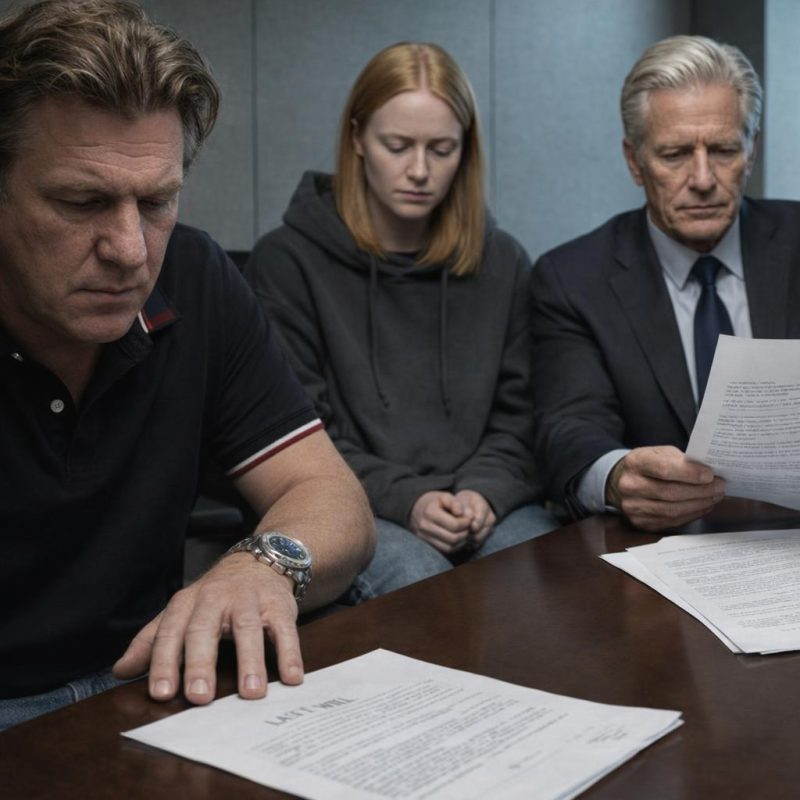 Image by RM AI
The House
Mr. Feldman announced that the house—my childhood home, the place where I'd cared for Dad during his final months—was left entirely to me. I felt a wave of relief wash over me so intense it almost made me dizzy. At least I wouldn't lose that. At least I'd have the place where all my memories lived. But Darren just rolled his eyes dramatically and muttered 'of course he did' under his breath, like this was exactly what he'd expected and it didn't matter at all. His confident expression didn't waver even slightly. He leaned back in his chair with his arms crossed, still looking smug, still looking like someone who knew a secret everyone else was missing. That's when my relief started curdling into unease. Why wasn't he upset? Why wasn't he arguing or making snide comments about me not deserving it? His smugness suggested he believed a bigger inheritance was still waiting for him, something substantial enough that the house didn't even register as important. I wondered what he thought he knew, what Dad might have promised him or what he'd convinced himself was coming. Mr. Feldman paused before continuing, and Darren's unbroken confidence told me something bigger was definitely still ahead.
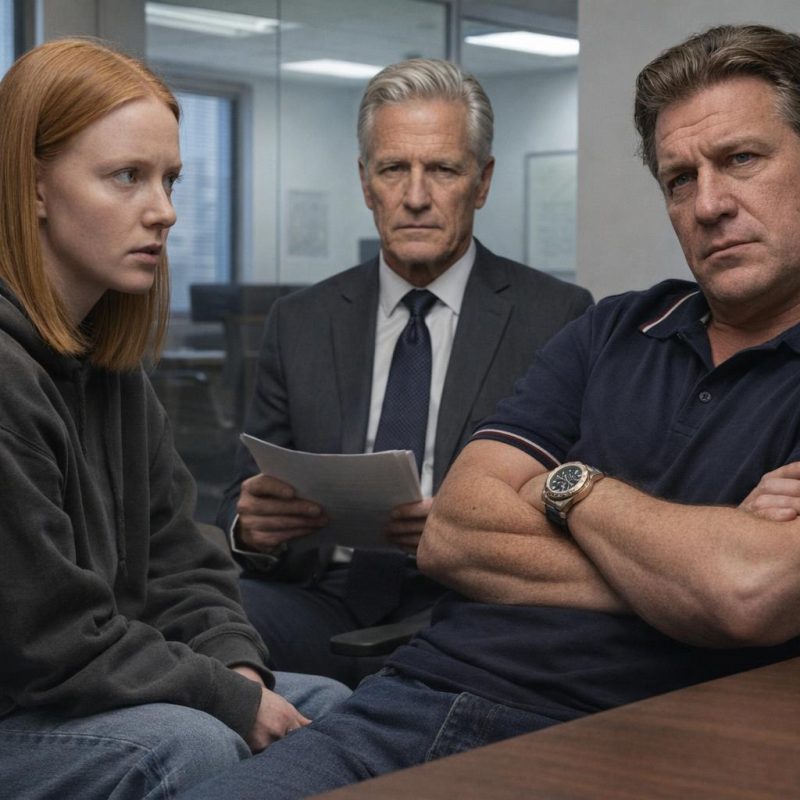 Image by RM AI
Dad's Final Letter
Mr. Feldman's voice changed slightly as he announced there was an additional statement attached to the will. He explained that Dad had requested this letter be read aloud directly, in his own words. The room went completely silent as Feldman unfolded a piece of paper—handwritten, I could see Dad's familiar script from across the table—and began to read. Dad's words filled the conference room, and I felt like he was speaking directly to us again, like he was still here. He wrote that during his illness, he'd become aware that Darren had been pressuring him, trying to influence decisions about the estate. He explained he'd helped Darren financially for years—decades, actually—out of guilt and family loyalty, but had come to realize that Darren viewed this generosity as entitlement rather than love. Then the letter addressed Darren directly by name. Dad wrote that if Darren was hearing these words, it meant he'd ignored every opportunity to be better, to choose grief over greed. And here's where my breath caught: Dad explained he had deliberately let Darren believe he might inherit something substantial. It was a test, he wrote, to see whether grief or greed would guide his brother's behavior after death. Darren's smug expression vanished instantly, his face going slack with shock.
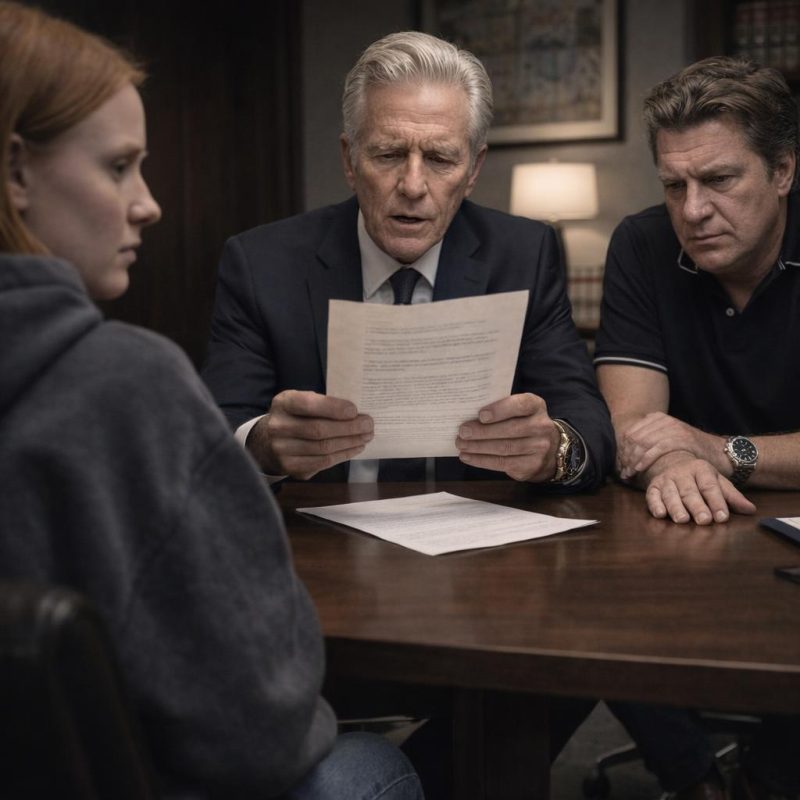 Image by RM AI
Documentation
Mr. Feldman continued reading, and Dad's letter revealed something that made my heart pound. He'd anticipated exactly what Darren would do—he'd known his brother well enough to predict it. Over his final months, Dad had secretly worked with his attorney to document every improper attempt Darren would make to access property or money after his death. Every single one. The letter listed them specifically: the bank forgery incident where Darren had tried to access accounts using forged documents, the attempts to remove belongings from the house before probate was complete, the recorded voicemails demanding money and making threats. All of it had been preserved as evidence, carefully catalogued by Mr. Feldman under Dad's instructions. I watched Darren's face go completely pale as his actions were read aloud to the entire room. Everyone now knew the truth—every relative sitting around that table heard exactly what he'd done. Dad had predicted his brother's behavior with perfect accuracy and had protected me by documenting everything. I felt this surge of vindication watching Darren's exposure, seeing him finally confronted with the reality of his own choices. Dad had known. He'd known all along and had made sure the truth couldn't be hidden or twisted.
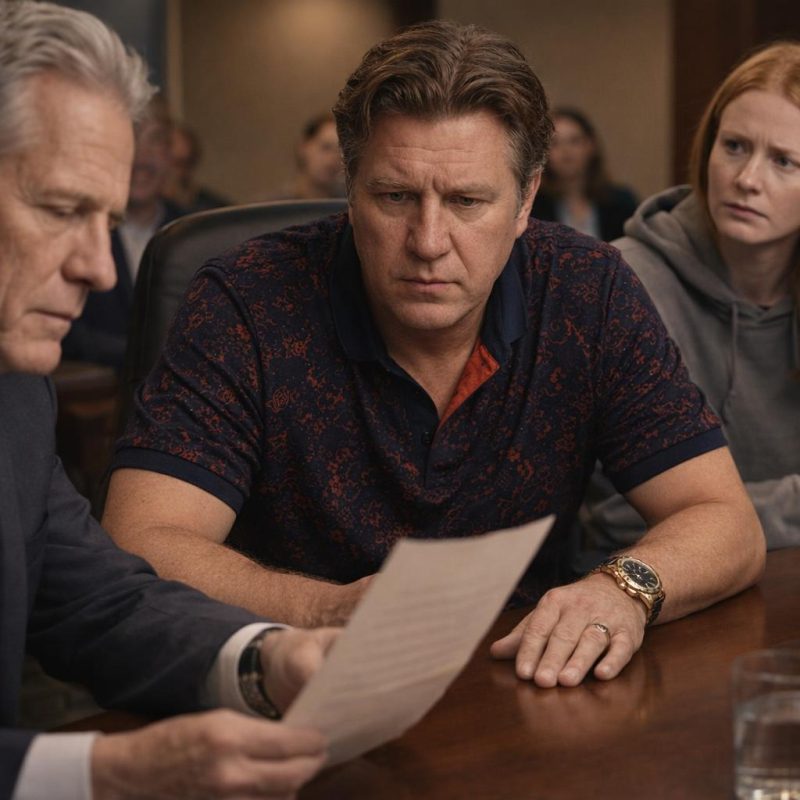 Image by RM AI
One Dollar
Mr. Feldman's voice was steady as he announced the final inheritance provision. Dad had left Darren exactly one dollar. One symbolic dollar, with a condition attached: even that single dollar would be forfeited if Darren contested the estate through any legal channel. The room was dead silent. Then Feldman did something that made my breath stop—he slid a thick folder across the polished table toward Darren. Inside were copies of fifteen years of financial records, meticulously organized and documented. Bank transfers, loan agreements, handwritten notes in Dad's familiar script. The records proved that over those fifteen years, Dad had loaned Darren nearly two hundred forty thousand dollars. For failed businesses, for mortgage payments, for emergencies that never quite made sense. And none of it—not a single dollar—had ever been repaid. Everyone in the room now understood the complete truth. Darren had already received his inheritance, had already spent it years ago, dollar by dollar, crisis by crisis. And the estate, Mr. Feldman explained quietly, retained the legal right to pursue repayment of those loans if Darren chose to challenge the will publicly or make any defamatory statements about Dad's intentions. The inheritance Darren thought was coming had been gone for over a decade.
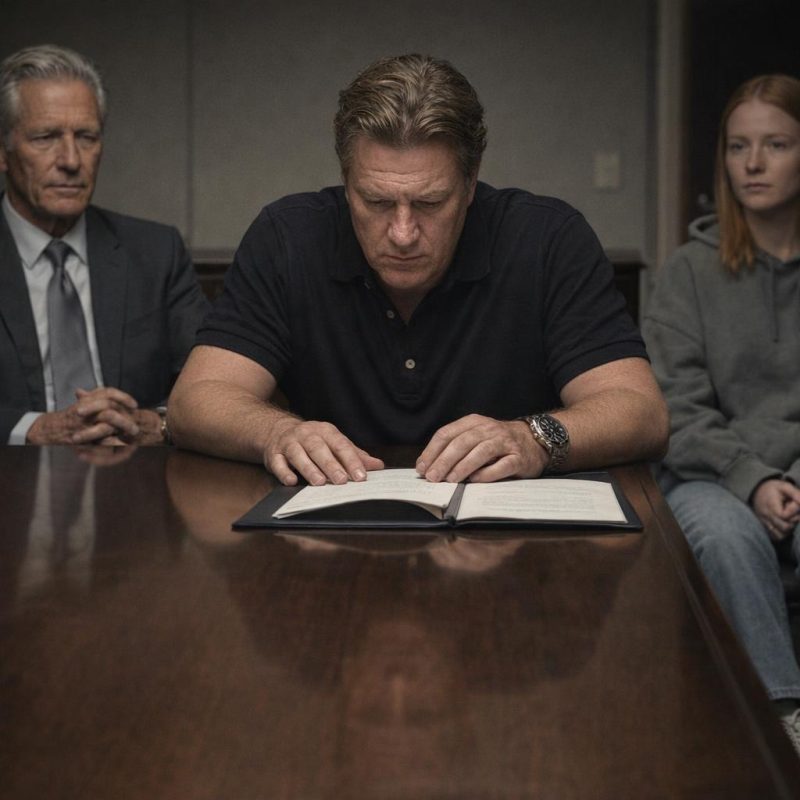 Image by RM AI
The Crumbling
I watched Darren's face cycle through emotions so fast it was almost cinematic. First came the shock—his eyes widening as Mr. Feldman announced the one dollar inheritance, his mouth actually dropping open like something out of a cartoon. Then the folder slid across the table, and I saw the exact moment humiliation hit. His face went from pale to flushed red as he flipped through those pages, seeing fifteen years of his financial desperation laid out in Dad's careful handwriting. Bank transfers. Loan agreements. Two hundred forty thousand dollars he'd never repaid. Every relative in that room was reading over his shoulder, and I could see him processing that they all knew now. They all saw what he really was. Then came the rage—his jaw clenched so tight I could see the muscle jumping, his hands gripping the folder until his knuckles went white. He opened his mouth. Closed it. Opened it again. Nothing came out. He tried three more times, and each time the silence just stretched longer and heavier. For the first time in months, Darren had absolutely nothing to say, and his silence was louder than any insult he'd ever thrown at me.
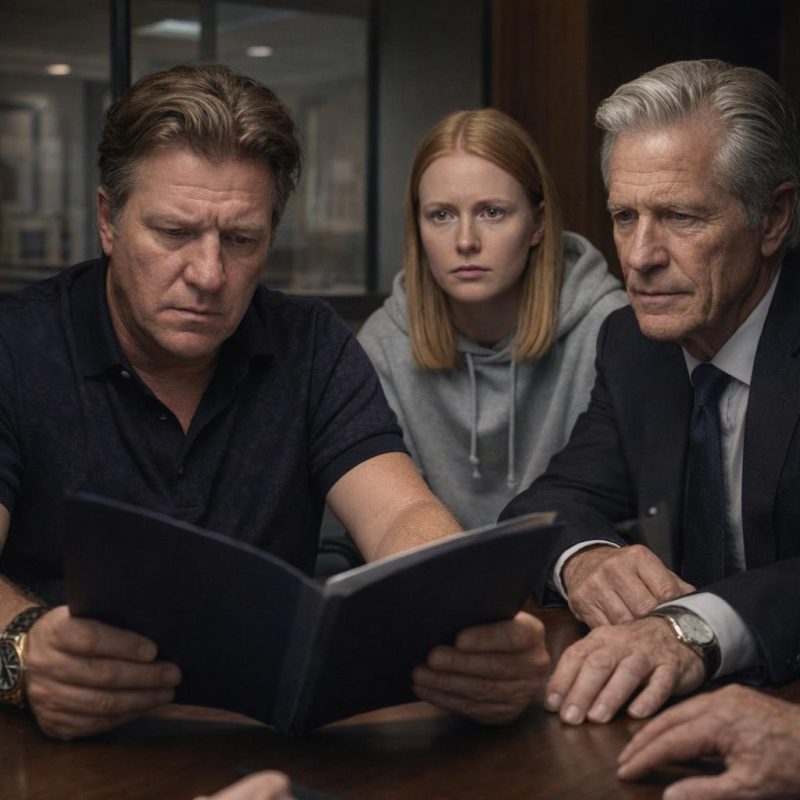 Image by RM AI
Manipulation!
The explosion came so suddenly I actually flinched. Darren shot to his feet with such violence that his chair flew backward and slammed into the wall behind him with a crack that made everyone jump. "This is manipulation!" he shouted, his voice echoing off the conference room walls. "He set me up! He planned this whole thing just to punish me, to make me look bad in front of everyone!" His face was purple now, spit flying as he gestured wildly at the folder. "This is unfair, this is—he twisted everything to make it look like I'm some kind of—" Mr. Feldman didn't raise his voice. He didn't even stand up. He just interrupted with two quiet words that cut through Darren's shouting like a knife. "No. Documentation." The authority in his tone was absolute, final. He tapped the folder once with his index finger. "These are signed loan agreements. Bank records. Your signature appears on every page. This isn't manipulation, Mr. Hayes. This is documentation." I watched Darren deflate like someone had punctured him, all that rage draining out as the legal reality settled over him—there was nothing he could argue, nothing he could scream away.
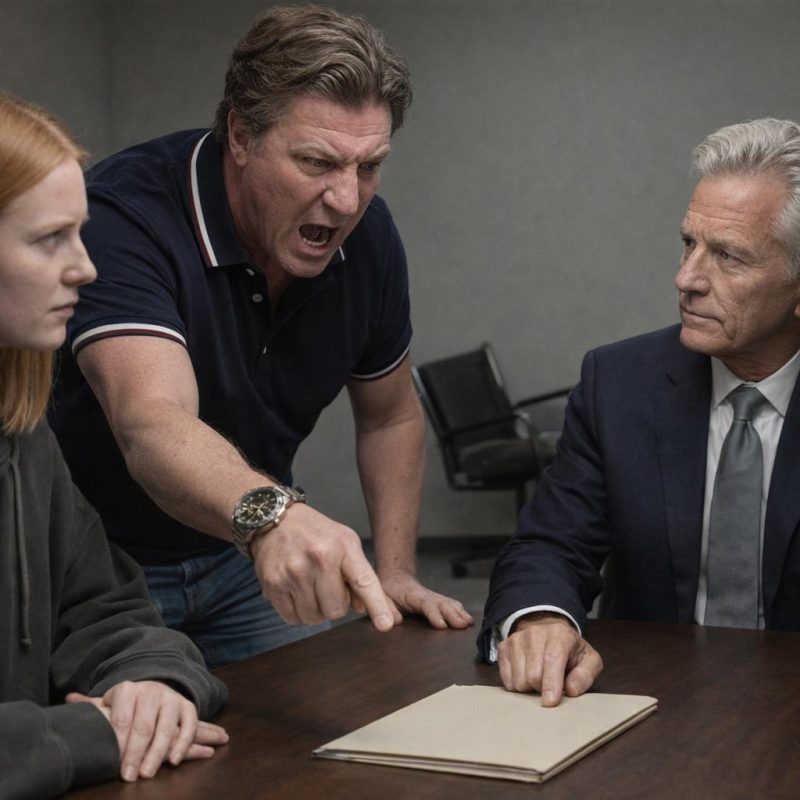 Image by RM AI
After He Left
Darren stormed toward the door without another word, his footsteps heavy and furious on the carpet. The door slammed behind him so hard the framed diplomas on the wall rattled. Then the room went completely silent. I sat there staring at the closed door, at the empty chair still lying on its side against the wall, and something inside me just broke open. I started crying. Not the quiet tears I'd been holding back for months, but actual sobbing that shook my shoulders and made my breath come in gasps. Mr. Feldman quietly pushed a box of tissues across the table toward me. The other relatives looked away politely, giving me space. But these weren't sad tears, not really. They were relief. Pure, overwhelming relief that flooded through me like a dam breaking. Because even while dying, even while fighting cancer and losing weight and struggling to breathe, Dad had seen exactly what was happening around him. He'd watched Darren circle me like a vulture. He'd heard the insults, seen the manipulation, understood the threat. And he'd found a way to protect me anyway.
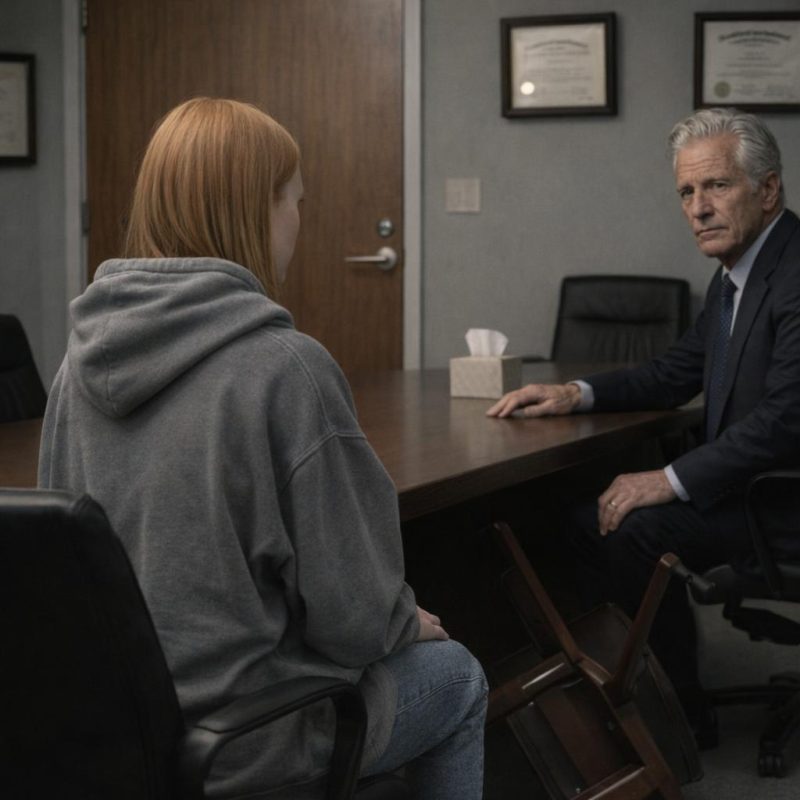 Image by RM AI
The Full Extent
After I composed myself—wiping my face with about six tissues and taking several shaky breaths—Mr. Feldman began explaining the full extent of what Dad had done. He spoke quietly, almost gently, walking me through the timeline. Dad had started working on this documentation strategy about four months before he died, right after his prognosis became terminal. He'd spent hours in Feldman's office going through old bank statements, digging up loan agreements Darren had signed years ago, organizing everything into an airtight legal case. Every piece of evidence had been carefully preserved and cross-referenced. Feldman explained that the estate retained full legal right to pursue repayment of those loans, and that right would activate automatically if Darren challenged the will publicly or made any defamatory statements. Dad had researched every legal option, every possible angle Darren might use to attack me after he was gone. He'd used his final months—time he could have spent just saying goodbye, just resting—to build this protection around me instead. The depth of planning was staggering. Dad had known he was dying and had used that precious time not just to say goodbye, but to ensure Darren could never hurt me after he was gone.
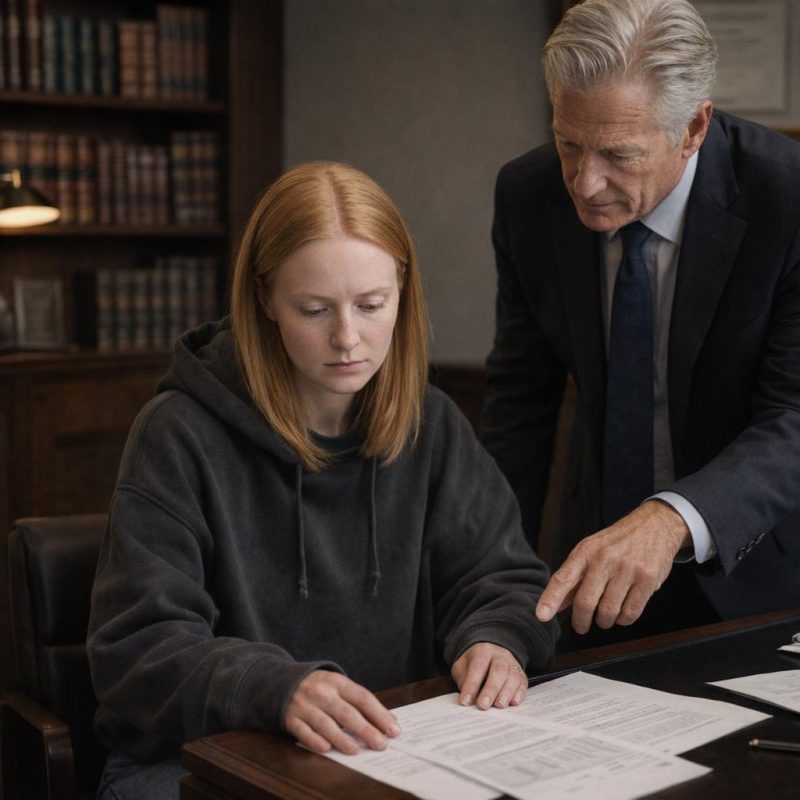 Image by RM AI
The Threat Letter
Two weeks after the will reading, I came home from the grocery store to find a thick envelope wedged in my mailbox. The return address was from a law firm I didn't recognize. My hands actually shook as I opened it standing right there on my front porch, bags of groceries still hanging from my arms. It was a formal letter from Darren's attorney threatening to contest the will. The language was dense and legal, but the accusations were clear enough: undue influence over Dad during his final months, diminished mental capacity due to his illness and medication, improper manipulation of a vulnerable dying man. They were claiming I'd somehow coerced Dad into writing that letter and structuring the will to punish Darren unfairly. For a moment—just a brief, terrible moment—I felt that old fear spike through me. What if they could prove something? What if this dragged on for years? What if Darren found some way to twist the truth? Then I remembered the thick folder of documentation sitting ready in Mr. Feldman's office, waiting for exactly this moment.
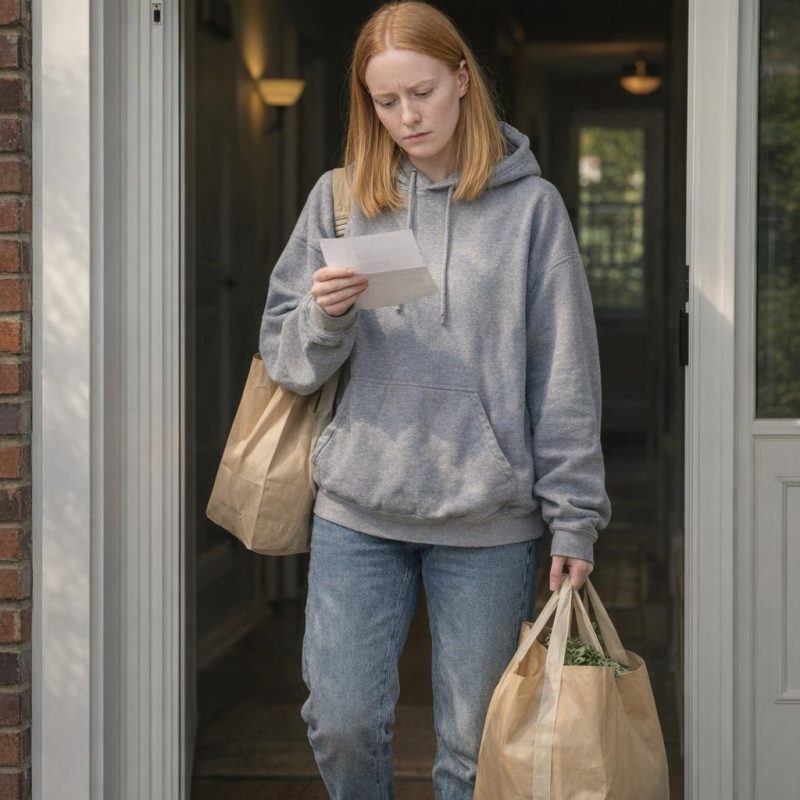 Image by RM AI
Counter Strike
I called Mr. Feldman immediately, my voice probably more panicked than it needed to be. He told me to come in the next morning and bring the letter. When I arrived, he read it carefully, made a few notes, then looked up at me with something almost like satisfaction in his eyes. "Your father anticipated this," he said simply. Then he showed me the response letter he'd already drafted—apparently he'd prepared it weeks ago, just in case. The letter was detailed and devastating. It outlined the estate's intention to pursue immediate legal action for full repayment of all documented loans if Darren proceeded with his contest. It specified the exact amount: two hundred forty thousand dollars, with interest calculated from the dates of each original loan. And here was the part that made me actually smile—the letter made clear that all loan records, all documentation of Darren's financial desperation and repeated failures, would become public court documents during any proceedings. Everything would be exposed. His bankruptcy, his failed businesses, every time he'd come begging to Dad for money. The counter-threat was significantly stronger than Darren's, and we both knew it.
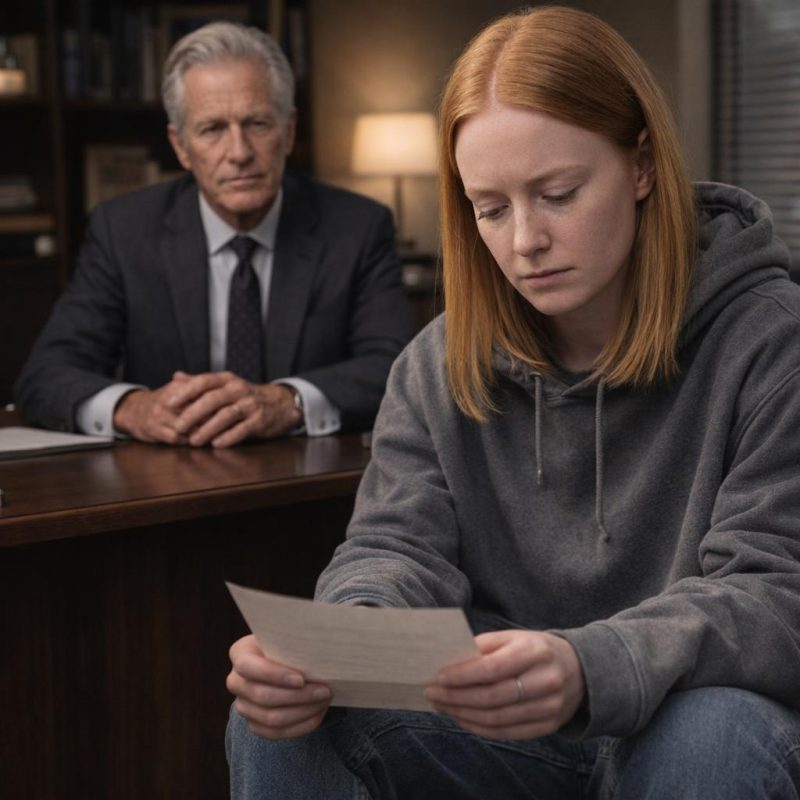 Image by RM AI
Backing Down
Three days after Mr. Feldman sent that counter-letter, I got a one-paragraph email from Darren's attorney formally withdrawing the contest threat. No explanation, no negotiation, just a terse notification that they would not be pursuing any further legal action regarding the estate. That was it. I never heard from that lawyer again. I sat at my kitchen table reading that email over and over, feeling tension I didn't even know I'd been carrying drain out of my shoulders. Darren had gambled on me being too exhausted and grief-stricken to fight back. He'd counted on me being alone, vulnerable, easy to intimidate with legal threats and formal letters. He'd thought he could bully his way into some kind of settlement, maybe scare me into giving him money just to make him go away. But Dad had made sure I would never have to fight alone. He'd built the weapons I needed and left them in Mr. Feldman's capable hands. The legal threat evaporated as quickly as it had appeared, and I felt profound relief mixed with gratitude so deep it made my chest ache.
 Image by RM AI
Last Pathetic Attempt
I was making dinner about a week later when I heard the knock on my front door. When I opened it, Darren was standing on my porch. He was stone sober this time—no alcohol smell, no swaying, eyes clear and focused. But he looked desperate in a different way, almost hollow. "I need to talk to you," he said quietly. I stayed in the doorway, one hand on the frame, blocking entry. He tried the guilt approach this time, his voice soft and pleading. He told me he had nothing left to his name, that the business had failed completely, that he was facing bankruptcy. He implied I owed him something as family, reminded me of times he'd been kind to me as a kid, invoked Dad's memory and how Dad would have wanted us to help each other. It was manipulation, just a different flavor than before. I let him finish his whole speech. Then I looked him straight in the eye and said, "This conversation is over." My voice came out steady and completely unshaking.
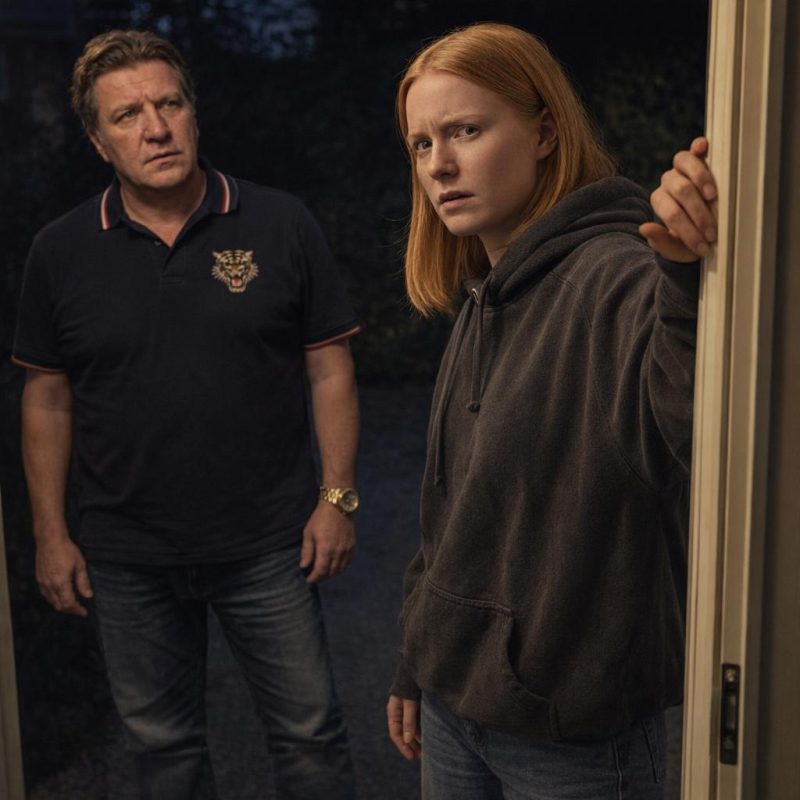 Image by RM AI
Permanent Exit
He stood there for another moment, just staring at me, like he was waiting for me to crack or change my mind. I didn't move. I didn't soften my expression. I just held his gaze until he finally understood that there was nothing left to say, no angle left to work, no guilt trip that would land. He nodded once—not in agreement, just in acknowledgment that this was really over. Then he turned and walked down my porch steps without another word. I watched him get into his car, watched him pull away from the curb, watched his taillights disappear around the corner. That was the last time I ever saw Uncle Darren. The man who'd called me a charity case at my father's deathbed drove away empty-handed, and his only inheritance turned out to be the public exposure of his own greed. I closed the door firmly and stood in the entryway of Dad's house—my house now—listening to the silence. It felt different this time. Not lonely or hollow, but peaceful. I was alone, yes, but I wasn't abandoned. Dad had made sure of that. And somehow, standing there in that quiet moment, I realized that was enough.
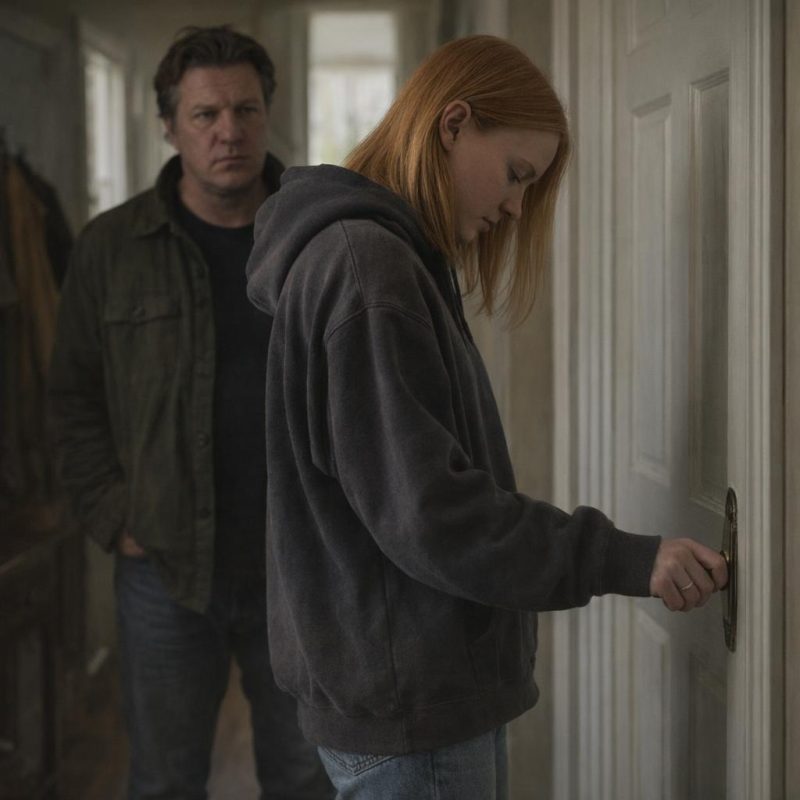 Image by RM AI
Paperwork
Several weeks passed in a kind of gentle routine—work, home, quiet evenings without drama or dread. Then Mr. Feldman's office called to schedule the final appointment. I drove there on a Tuesday afternoon, parked in the same spot I'd used for the will reading, and walked into that familiar conference room one last time. The paperwork was straightforward, just signatures and initials on document after document, officially closing the probate process and transferring everything into my name permanently. Mr. Feldman walked me through each page with his usual careful precision, pointing out what I was signing, making sure I understood. When we finished the last form, he cleared his throat and reached into his desk drawer. "Your father signed his will with this pen," he said quietly, holding out a simple black ballpoint with Dad's company logo on the side. "I thought you might want to keep it." I took it carefully, turning it over in my hands, and felt something settle in my chest. It was just a pen, but it was the pen Dad had used to protect me one final time. I thanked Mr. Feldman and added it to the small box at home where I kept Dad's reading glasses, his favorite coffee mug, and the handwritten letter that had changed everything.
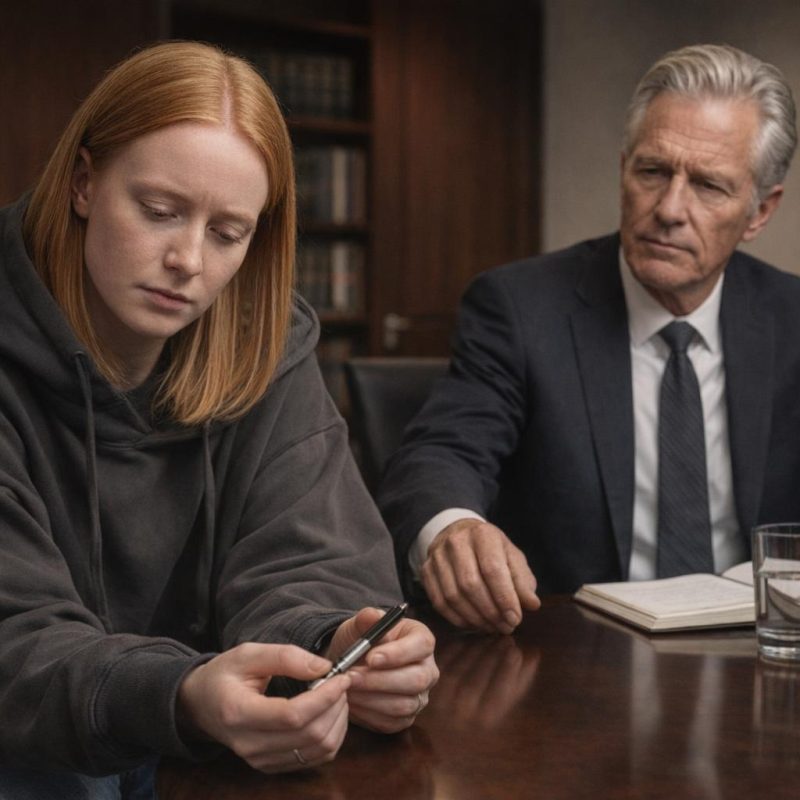 Image by RM AI
Wisdom
That evening, I sat on the couch with the box beside me and took out Dad's letter again. I'd read it so many times by now that I practically had it memorized, but each time I went through it, I understood something new. The careful wording. The specific details about Darren's character. The way Dad had anticipated exactly how his brother would behave and planned accordingly. He'd known what was coming. He'd known Darren would show up with demands and accusations, that he'd try guilt and manipulation, that he'd make my grief harder than it already was. And instead of despairing about it during those final months, Dad had used his remaining energy to build a shield around me. He'd met with Mr. Feldman. He'd revised his will. He'd written that letter knowing I'd need to hear his voice after he was gone. He'd thought through every possible scenario and closed every loophole Darren might exploit. My father had spent his dying days not just saying goodbye, but actively protecting my future from the people who would try to take it. I folded the letter carefully and held it against my chest, overwhelmed with gratitude. Dad's love hadn't ended when his heart stopped—he'd found a way to extend it forward, to keep protecting me even after he was gone.
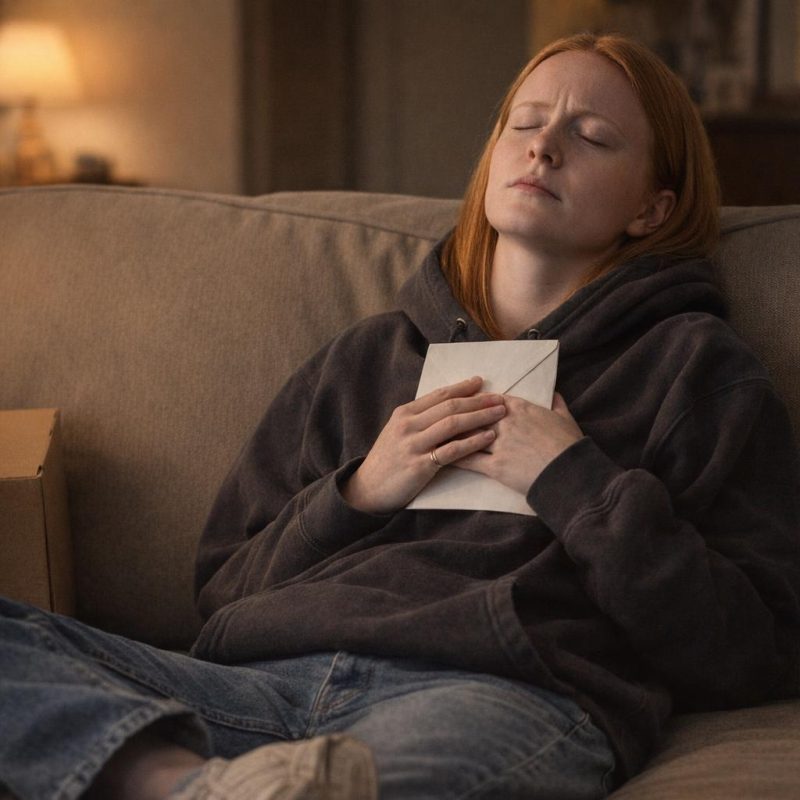 Image by RM AI
What Family Means
I thought about Darren sometimes, about how he'd shown up at the hospital and the funeral and my doorstep, always demanding, always entitled, always convinced that blood relation meant I owed him something. And I finally understood what Dad had been trying to teach me all along: family isn't about shared DNA or inherited obligation. It's about the people who protect you even when doing so costs them everything they have left. Darren was blood, but he'd never been family—not in any way that mattered. He'd seen Dad's illness as an opportunity, my grief as a weakness to exploit, and the inheritance as something stolen from him rather than given to the person Dad actually loved. Real family doesn't do that. Real family sacrifices. Real family uses their last precious months on earth making sure you'll be okay after they're gone. Dad had given me the house, yes, but more importantly, he'd given me proof that love could outlast both grief and greed. People always assume inheritance fights are about money, but most of the time they're really about love and resentment—about who was valued and who wasn't, about who earned protection and who only demanded it. Dad had given Darren the truth as his final gift, even if Darren never understood it. And every time I needed a reminder that love could outlast both grief and greed, I thought of my father and the final page of his will.
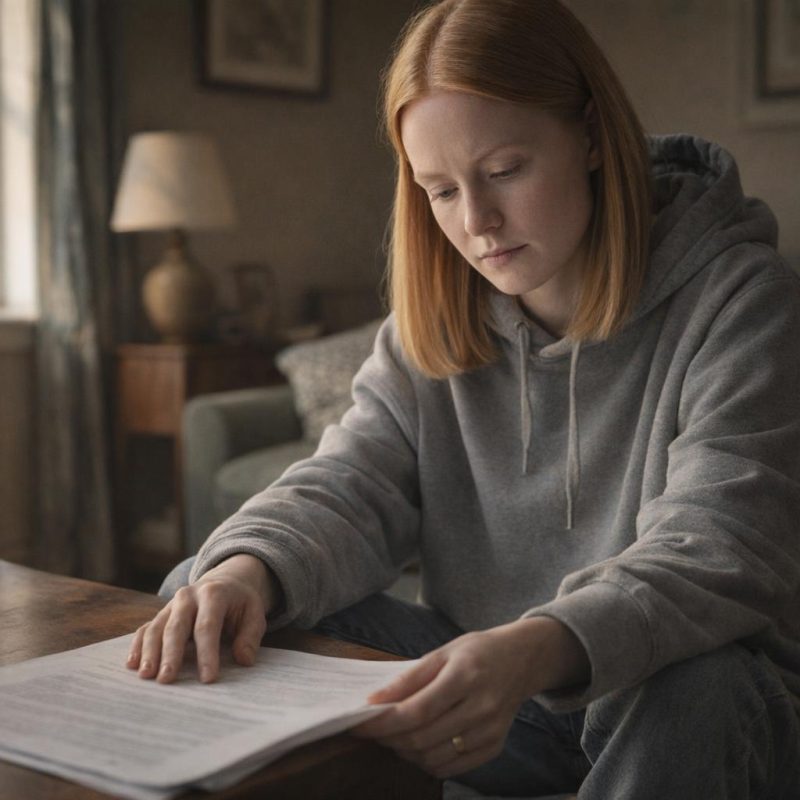 Image by RM AI
KEEP ON READING
10 Greatest Quarterbacks Of All Time & 10 That Are…
Do You Disagree?. Few topics in sports generate as much…
By Farva Ivkovic Dec 2, 2025
The story of Ching Shih, the Woman Who Became the…
Unknown author on WikimediaFew figures in history are as feared…
By Emilie Richardson-Dupuis Dec 29, 2025
20 Shakespearean Words, Translated For A Modern Audience
What’s In A Word?. Shakespeare was a wordsmith of the…
By Breanna Schnurr Dec 17, 2025
20 Inspiring Stories From Native American History
Incredible Stories Of Resilience And Endurance. Many of us didn't…
By Ashley Bast Dec 17, 2025
You Think You Have Problems? These Royal Families Were Cursed
Boasson and Eggler St. Petersburg Nevsky 24. on WikimediaHeavy is…
By Ashley Bast Dec 5, 2025
MH370: The Plane That Can't Be Found
Anna Zvereva from Tallinn, Estonia on WikimediaEleven years after Malaysia…
By Christy Chan Dec 10, 2025