

My Dad Wore His Old Work Boots to the Luxury Car Dealership—Within an Hour, the Entire Staff Was Begging for His Forgiveness
My Dad Wore His Old Work Boots to the Luxury Car Dealership—Within an Hour, the Entire Staff Was Begging for His Forgiveness
The Scuffed Work Boots
I pulled up to my father's modest brick house at eight on a Saturday morning, and he was already waiting on the front porch like he always is — coffee in hand, not a minute wasted. He was wearing his old flannel shirt, the soft blue one with the frayed cuffs, and those boots. Those scuffed, concrete-dusted work boots he's had for probably fifteen years. I almost said something. Almost. But then I watched him lock the front door with the same steady hands that had poured foundations and framed walls across half this city, and I kept my mouth shut. My dad built apartment complexes that thousands of people sleep in every night. He put me through four years of college without a single loan and never once mentioned it like it was a sacrifice. He just did it, the same way he does everything — quietly, completely. And now, two weeks before his seventieth birthday, he had finally decided to do something for himself. One luxury vehicle. His first non-practical purchase in forty years of running his own construction company. He climbed into my passenger seat, smelled like coffee and sawdust, and smiled at me like this was just another errand. I wanted this day to be everything he deserved, and the weight of that want settled somewhere behind my ribs and stayed there.
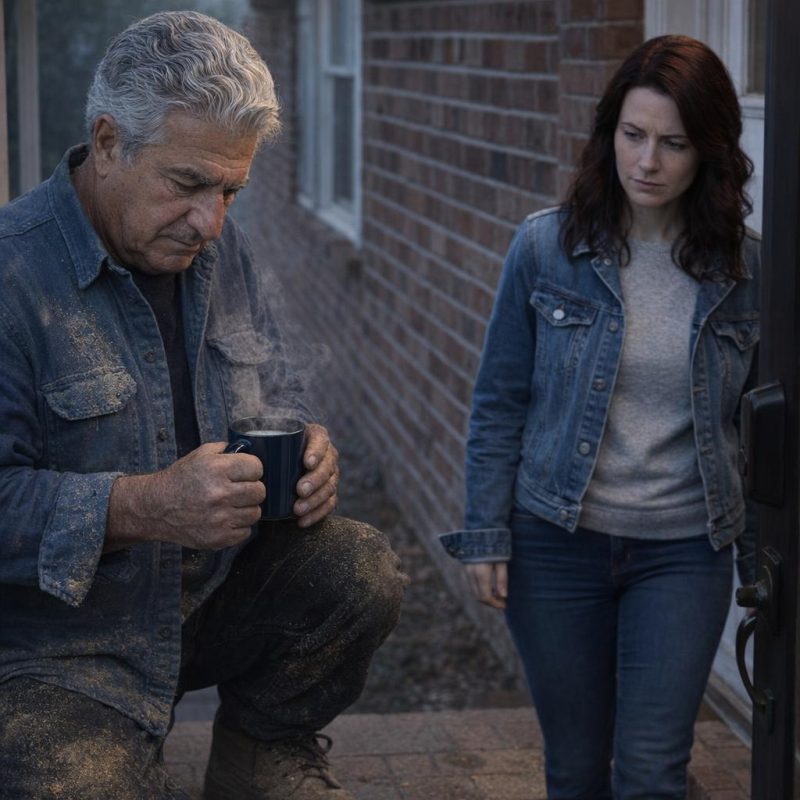 Image by RM AI
The Cathedral of Glass and Chrome
The dealership looked like someone had built a cathedral and decided to sell cars inside it. Floor-to-ceiling windows, polished concrete floors so reflective I could see my own sneakers staring back up at me, and SUVs positioned under spotlights like they were sculptures in a museum. There was an actual espresso bar near the entrance, a guy in a bow tie pulling shots behind a gleaming machine. I nudged my dad and whispered, 'They have a barista.' He just nodded, calm as ever, taking it all in. I tugged at the hem of my sweater and suddenly felt very aware of my jeans, my plain canvas tote, the fact that I hadn't even thought to dress up for this. My dad paused just inside the entrance and glanced down at his boots for a half second — just a flicker — then looked back up at the showroom floor with that unreadable expression he gets. Salesmen in sharp tailored suits were stationed around the room like chess pieces. A cluster of three near the far display turned our way. I watched their eyes travel down, slow and deliberate, landing on my dad's dusty boots and worn flannel. Then, one by one, all three of them turned their backs.
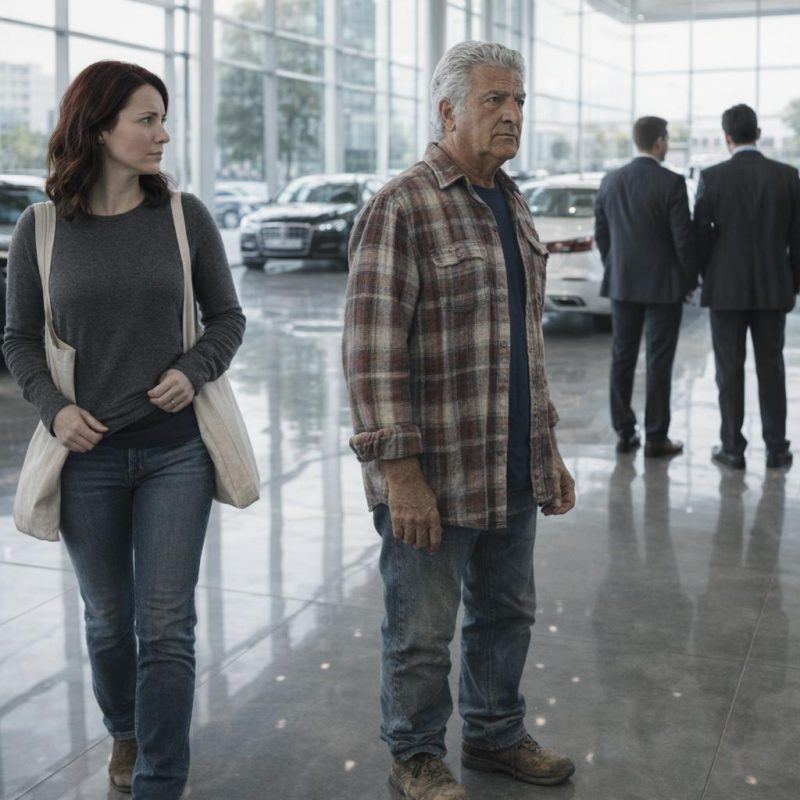 Image by RM AI
Invisible Ghosts
We stood there for fifteen minutes. I know because I checked my phone twice — once at the five-minute mark, once at ten — just to have somewhere to put my eyes that wasn't the backs of those suits walking past us. And they did walk past us. Multiple times. One guy made eye contact with me for a full second and then just kept moving, veering toward a couple near the sports sedans like we were a display he'd already seen. My dad stood with his hands in his pockets, completely still, watching the room the way he watches a job site — patient, taking inventory. I wanted to grab someone by the sleeve. I wanted to say, loudly, that we had been standing here long enough. But every time I shifted my weight or opened my mouth, my dad would give me this look. Not angry, not embarrassed. Just steady. Like he was waiting for something I couldn't see yet. I didn't understand it. I didn't understand how he could stand there in that gleaming room, being looked through like he wasn't real, and feel nothing — or at least show nothing. I pulled out my phone a third time and stared at a screen I wasn't reading, and the hollow feeling of being passed over settled into my chest and just sat there.
 Image by RM AI
The Flashy Sports Car
Then a car pulled up outside — low, red, the kind of sports car that announces itself before you even hear the engine — and a guy maybe thirty years old climbed out wearing a jacket that probably cost more than my rent. I watched through the floor-to-ceiling windows as he straightened his collar. Before he even reached the door, two of the salesmen who had walked past us were already moving. A third peeled off from near the espresso bar. All three of them converged on the entrance at the same time, nearly bumping shoulders, hands extended, faces split into wide, practiced smiles. My dad and I had been standing in that showroom for going on twenty minutes. My dad, who had built half the apartment complexes in this city, who had never once asked for anything flashy or easy, was still standing with his hands in his pockets, still being treated like furniture. I felt my stomach tighten into a hard knot. I looked at my dad, expecting — I don't know, something. A flash of irritation, a tightened jaw. He just watched the scene at the door with that same quiet, measuring expression and then glanced at me with a look that said, plain as words: not yet. I didn't understand it. The heat crept up the back of my neck anyway.
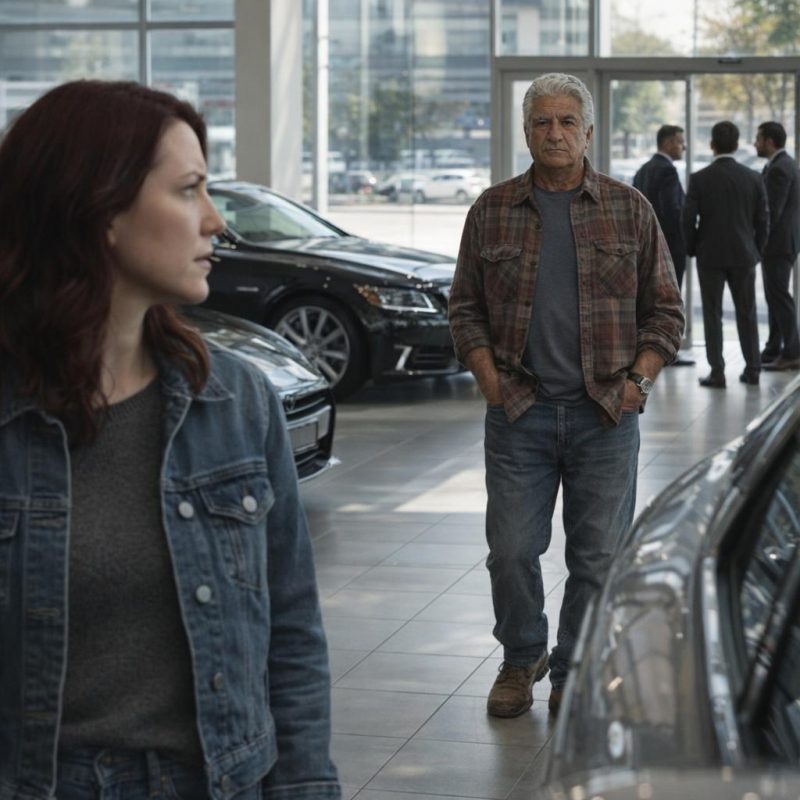 Image by RM AI
Tyler's Pitying Smile
I was two seconds away from walking up to the nearest salesman myself when one of them finally broke off from the group and headed our way. He was younger than the others — late twenties, maybe — with a name tag that said Tyler and the kind of expression that made it clear he'd drawn the short straw. He didn't walk over so much as drift over, like he was hoping we'd disappear before he arrived. His eyes did this thing where they never quite landed on my dad's face — they hovered somewhere around his collar, maybe his chest, like making actual eye contact was more than the situation warranted. My dad, for his part, was completely gracious. He smiled, said good morning, and told Tyler exactly what he was looking for: the top-of-the-line SUV, the flagship model. Heated seats, the full navigation package, premium sound system. He named the trim level. He'd clearly done his research, knew the specs, knew what he wanted. Tyler's pen hovered over his notepad without writing anything down. He glanced at my dad's flannel shirt, then at the boots, and I watched his mouth curve into a slow, condescending smirk.
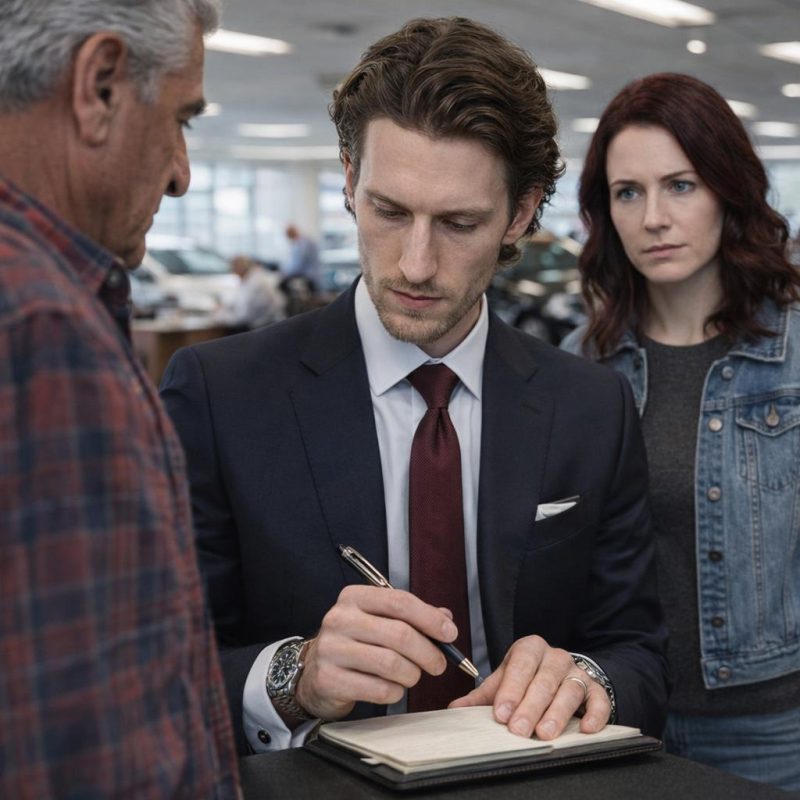 Image by RM AI
Eighty-Five Thousand Dollars
Tyler let the silence stretch for just a beat too long before he spoke, and when he did, his voice had that particular brand of fake politeness that's somehow worse than outright rudeness. 'So, sir,' he said, drawing out the word like it cost him something, 'just so you're aware, these models — ' he gestured broadly at the gleaming SUVs around us ' — they start at eighty-five thousand dollars.' He said it slowly. Carefully. The way you'd explain a menu price to someone who'd wandered into the wrong restaurant. My dad had just told him, clearly and specifically, that he wanted the top-of-the-line model. He'd named the trim. He'd listed the packages. And Tyler was standing there explaining what premium meant, like my dad had somehow missed the point. I felt my jaw tighten so hard my back teeth ached. Tyler glanced down at the boots one more time, then back up with that same thin, practiced smile. 'We do have some excellent entry-level pre-owned options out back,' he said, nodding toward a door at the far end of the showroom. 'Might be more in your comfort zone.' Those words — your comfort zone — landed like something thrown. Tyler said the showroom models were out of their comfort zone, and I heard every syllable of what he actually meant.
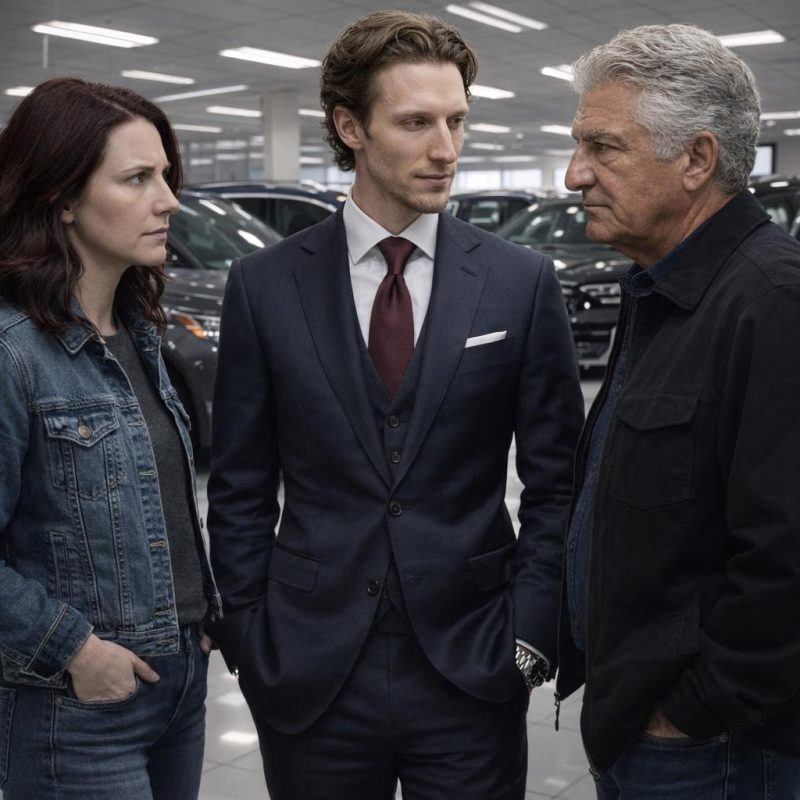 Image by RM AI
Something More Realistic
'Something more realistic,' Tyler said, and I felt my fingernails press into my palms. That was it. That was the phrase that did it. I had been holding it together through the fifteen minutes of being invisible, through watching three salesmen nearly trip over each other for a guy in a sports car, through the slow, deliberate explanation of what eighty-five thousand dollars meant, as if my dad needed a translator for basic arithmetic. But 'something more realistic' — said to a man who had spent forty years building this city's skyline with his own hands — that cracked something open in me. I pulled in a breath and turned toward Tyler with every intention of making the next sixty seconds very uncomfortable for him. And then I felt it: my dad's hand, light on my forearm. Just resting there. Not grabbing, not squeezing. Just present. I looked at him. His face was completely composed — no clenched jaw, no tight eyes, nothing that matched what I was feeling at all. The hand on my arm said the same thing his look had said twenty minutes ago: not yet. I didn't understand it. I genuinely did not understand how a man who had earned every single thing in his life could stand here and absorb this without flinching. His hand stayed on my arm, and I stayed still.
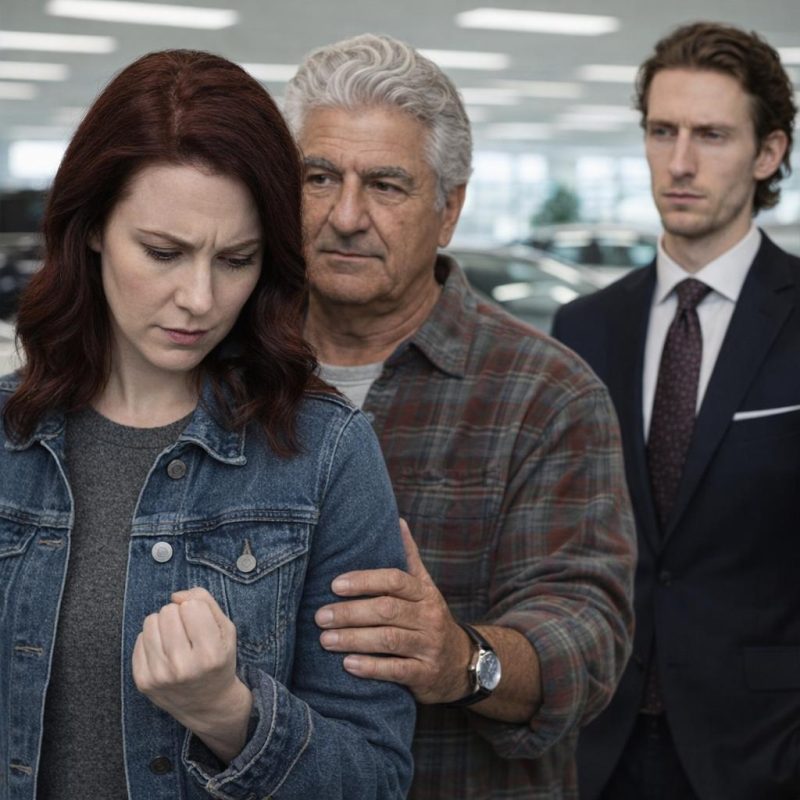 Image by RM AI
Just to Get a Sense
My dad nodded slowly, like he was genuinely considering Tyler's suggestion, like Tyler had said something reasonable that deserved a thoughtful response. I watched his face and couldn't find a single trace of the anger I was still swallowing down. Then he looked at Tyler and said, in the most measured, unhurried voice I'd ever heard him use, 'I appreciate that. Would it be all right if I just sat inside one of these for a moment? Just to get a sense of the space.' Not a demand. Not a challenge. A polite, almost gentle request, offered to a man who had just told him he didn't belong here. Tyler blinked. He actually blinked, like the absence of pushback had short-circuited something. He glanced toward the other salesmen — a quick, uncertain look — and then back at my dad. 'I — sure,' he said, and the confidence had gone slightly flat in his voice. My dad thanked him. Thanked him. I stood there trying to figure out what I was watching. This wasn't how my dad handled disrespect on a job site. This wasn't how he handled anything, as far as I knew. But there was something in the steadiness of his voice — unhurried, untroubled — that I couldn't quite account for, and it stayed with me long after Tyler turned to lead us toward the floor model.
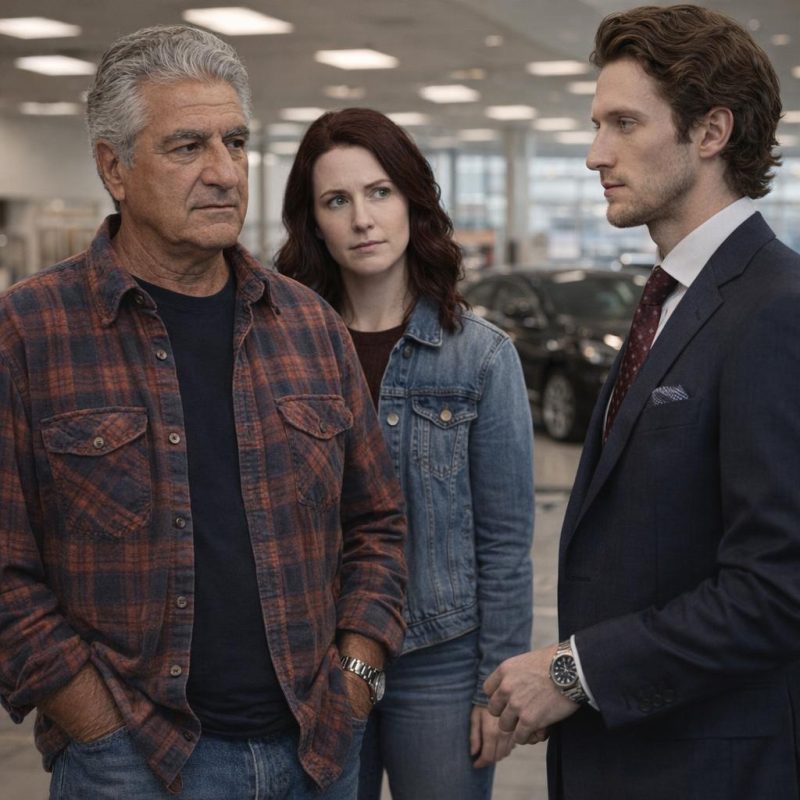 Image by RM AI
The Mud Smudge
Tyler pulled the keys out with the energy of someone doing us a personal favor they deeply resented. He unlocked the black SUV — gorgeous thing, all polished chrome and tinted glass — and stepped back with a sweep of his arm like he was granting us an audience. My dad walked toward it slowly, running one hand along the side panel the way you'd touch something you respected. He opened the driver's door carefully, both hands, no rushing. Then he climbed in. He settled into the seat the way a man does when he's been on his feet since five in the morning and a leather seat feels like a small miracle. I was watching Tyler's face when it happened. My dad's left boot caught the edge of the floor mat as he swung his leg in, and a small smudge of dried mud — barely the size of a quarter — transferred onto the cream-colored mat. It wasn't dramatic. It wasn't even that visible from where I was standing. But Tyler saw it. His face went from performative boredom to something else entirely, and his voice, when it came, cut straight through the ambient music and the soft hum of the espresso machine. Every conversation in that showroom stopped at once.
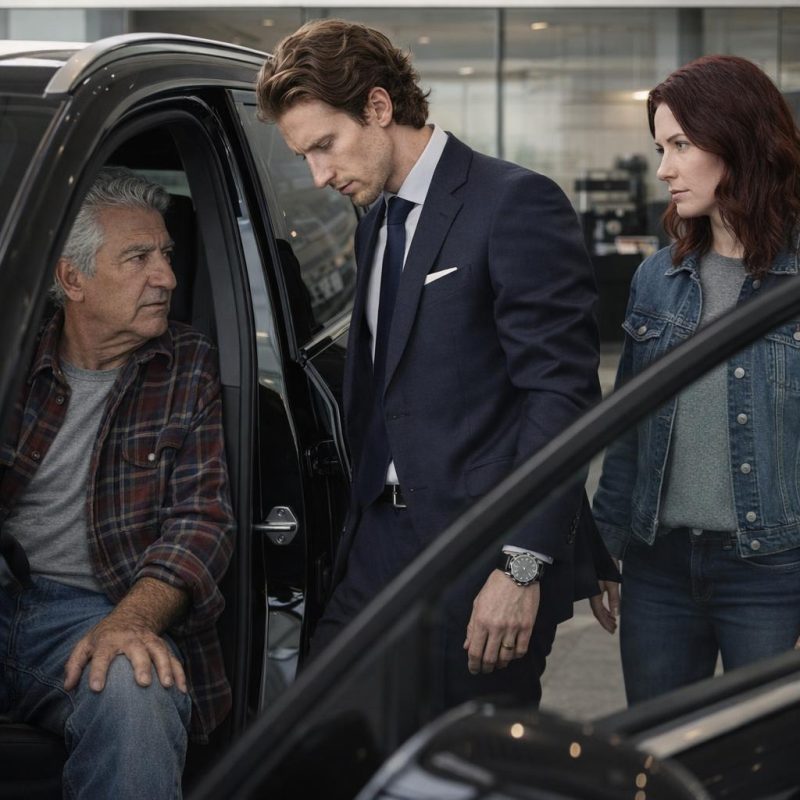 Image by RM AI
Get Out
'Get out.' Tyler's voice cracked across the showroom like something had snapped. 'Get out of that vehicle right now.' I felt it in my chest before I fully processed the words. My dad went still in the seat — not flinching, just still, the way a person goes still when they're deciding something. Tyler took two steps forward, his voice climbing. He said this was a serious establishment for serious buyers, that these were precision instruments, not something you climbed into with mud on your boots. He said it loud enough that a couple near the sports coupes turned around. The barista behind the little espresso counter actually set down the portafilter. Every salesman on the floor had stopped moving. I couldn't breathe. My face was hot and my hands were shaking and I wanted to say something, anything, but my throat had closed completely. Tyler gestured toward the door — a sharp, dismissive flick of his wrist — and said if we were looking for something more in our price range, there was a dealership down the road that might be a better fit. That was when I noticed a man in a rumpled suit drifting in from the back offices, drawn by the noise, watching the whole thing with a careful, unreadable expression.
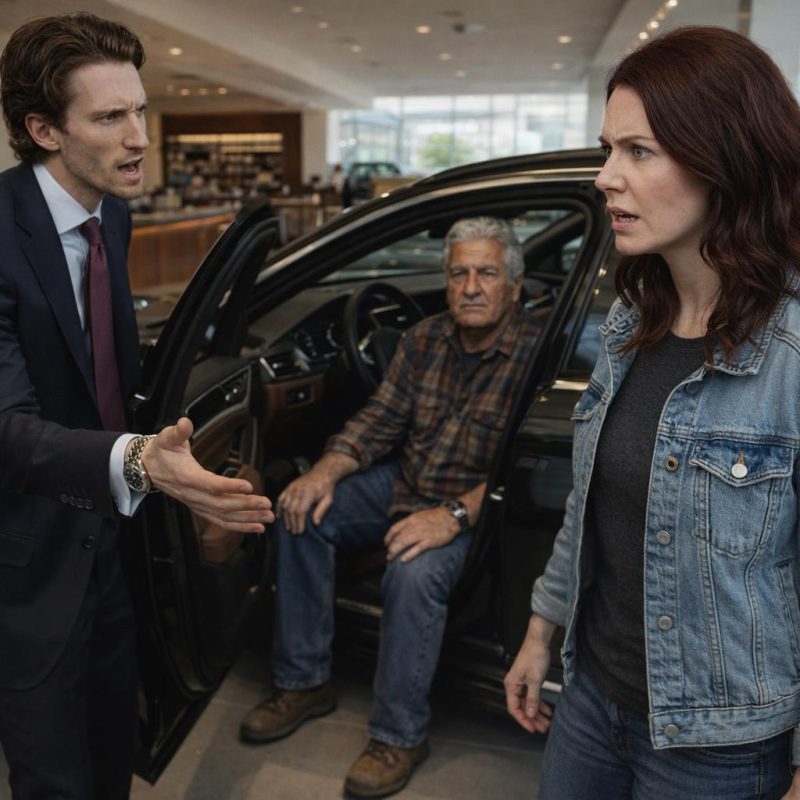 Image by RM AI
The Crumpled Business Card
My dad climbed out of the SUV. That was it. No argument, no raised voice, no look on his face that gave Tyler anything to push against. He just swung his legs out, stood up, and smoothed the front of his flannel shirt with both hands like he was straightening up before a meeting. Tyler was still talking — something about liability and floor mats — and my dad just let it wash over him. Then he reached into the front pocket of his jeans and pulled out a business card. I'd never seen it before. It was crumpled at the corners and the edges had gone soft with age, and there were actual smudges on it, dried mud worked into the paper fibers like it had been in his pocket through a hundred job sites. He held it out toward Tyler without any particular ceremony. Tyler looked at it the way you'd look at something a stranger handed you on the street. 'What's this?' he said, and the contempt hadn't left his voice yet. My dad's voice stayed completely level. He said to call the owner of the dealership group and tell him Henderson was here. That was all. I stood there with absolutely no idea what I was watching, and the man in the rumpled suit had gone very quiet behind us.
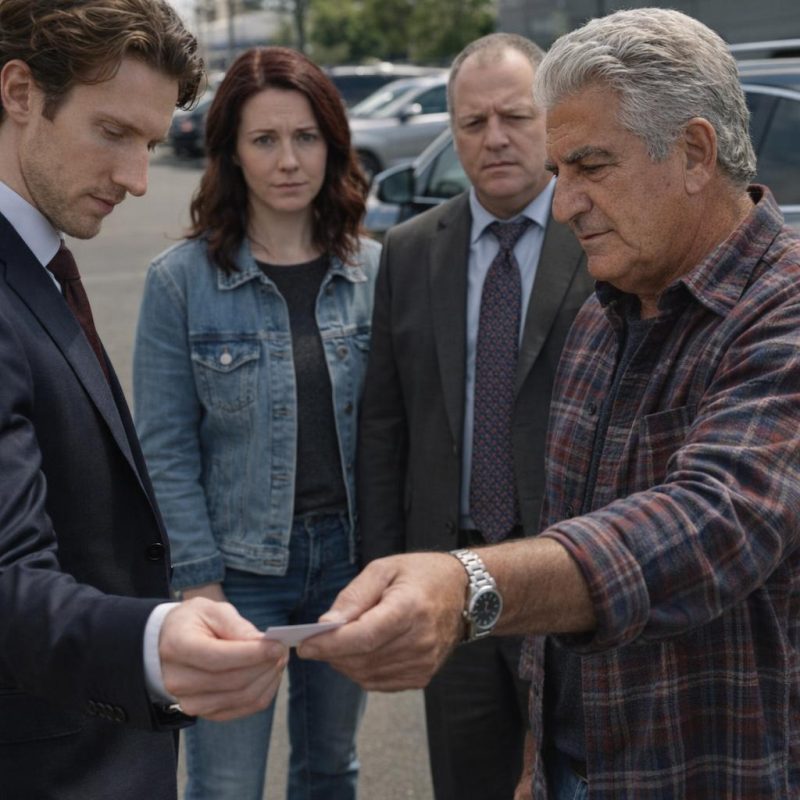 Image by RM AI
Henderson Construction & Development
Tyler actually laughed. Not a polite, uncomfortable laugh — a full, dismissive sound that he didn't bother to soften. He said he didn't have time for pranks and called my dad 'old man,' and I felt something hot move through me that I didn't have a word for. The man in the rumpled suit — Grant, his lanyard said — stepped forward then, and I figured he was about to ask us to leave. His expression was neutral, managerial, the face of someone who'd defused a hundred awkward situations. He reached out and took the card from Tyler with a kind of practiced calm, glanced down at it the way you glance at something you're about to hand back. Then he didn't hand it back. He went completely still. I watched the color leave his face — not gradually, but all at once, like someone had pulled a plug. His eyes came up and found my dad's face, and there was something in them I hadn't expected. Not confusion. Not irritation. Something closer to alarm. His hand had developed a faint tremor, and the card trembled with it. He read the name aloud in a voice barely above a whisper: 'Henderson Construction and Development.' Tyler's smirk went uncertain for the first time all afternoon, and Grant's face had gone the color of old chalk.
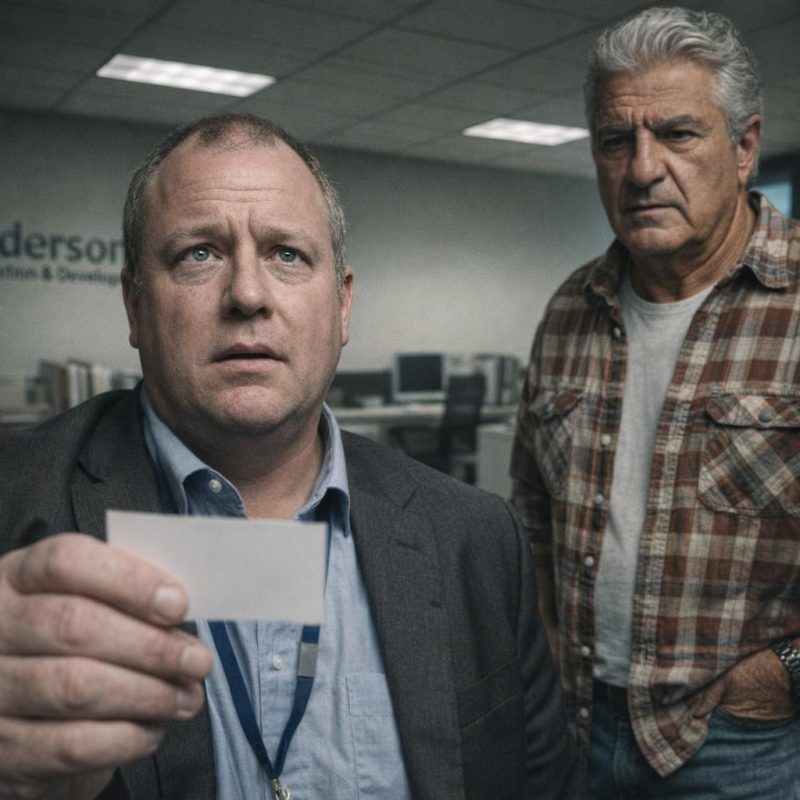 Image by RM AI
You Built This Building
Grant cleared his throat once, then again, like the words weren't coming out right. He addressed my dad as 'Mr. Henderson' and the formality of it landed strangely after everything that had just happened. Then he said it. He said my dad had built this building. This dealership, the one we were standing in, the gleaming floors and the vaulted ceilings and the glass facade — my dad's company had constructed it three years ago. I felt something move through my chest that I didn't know how to name. Grant kept going, his voice climbing slightly with what sounded like panic. He listed projects the way someone recites a resume they're hoping will save them: the Sterling Tower, the Riverside Complex, half the luxury high-rises in the downtown corridor. My dad stood there in his muddy boots and his flannel shirt and said nothing, just let Grant talk. I looked down at the floor beneath my feet — the polished concrete, the inlaid tile near the entrance — and something settled over me, quiet and enormous. Tyler had gone completely silent beside us. The smirk was gone, replaced by something I could only describe as the expression of a man watching the ground shift under him. I didn't look at my dad. I just stood there, feeling the weight of everything those calloused hands had actually built.
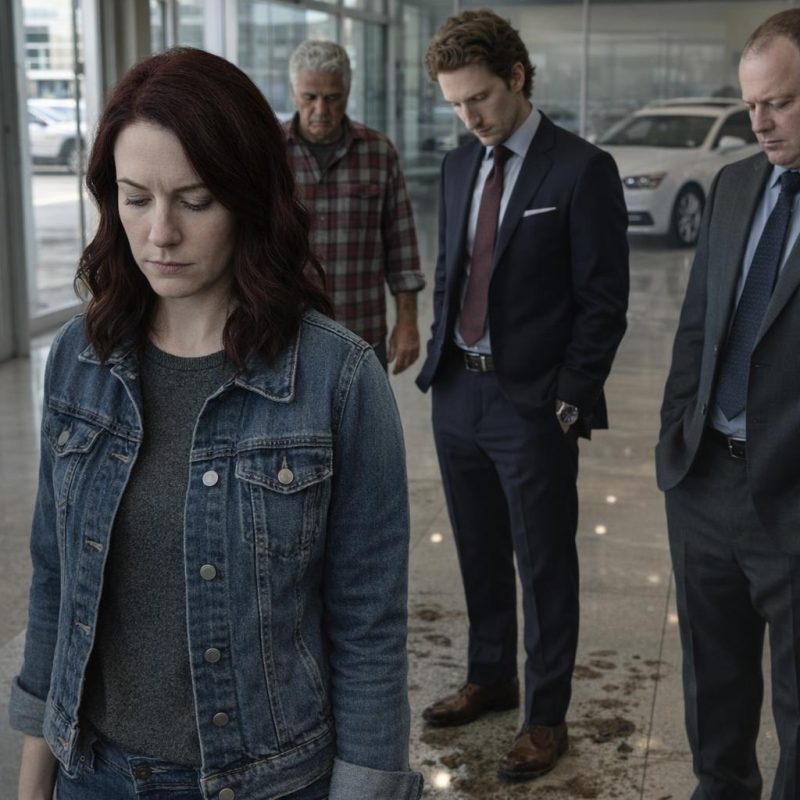 Image by RM AI
We'll Take Our Business Elsewhere
Grant shifted into a register I can only describe as controlled desperation. He called my dad 'Mr. Henderson' twice in the same sentence and gestured toward the back offices, promising his personal office, the best coffee they had, anything we needed. He said he wanted to make this right, that this wasn't how they operated, that Tyler's behavior didn't reflect the dealership's values. Tyler had gone statue-still a few feet away, staring at a point somewhere past my left shoulder. I expected my dad to accept. That's what I would have done — let them grovel for a few minutes, then sit down in Grant's office and walk out with exactly the car I came for, probably at a discount. It seemed like the obvious move. But my dad didn't move toward the offices. He stood in the middle of the showroom floor and looked at Grant with an expression I hadn't seen on him before. It wasn't anger. It wasn't satisfaction, exactly. It was something quieter and harder to place, like he was somewhere the rest of us hadn't caught up to yet. He glanced once at the mud smudge on the floor mat, then at Tyler, then back at Grant. Then he said, quietly, that they'd take their business to the dealership down the road. He said they might appreciate a serious buyer. The finality in his voice left no room for negotiation.
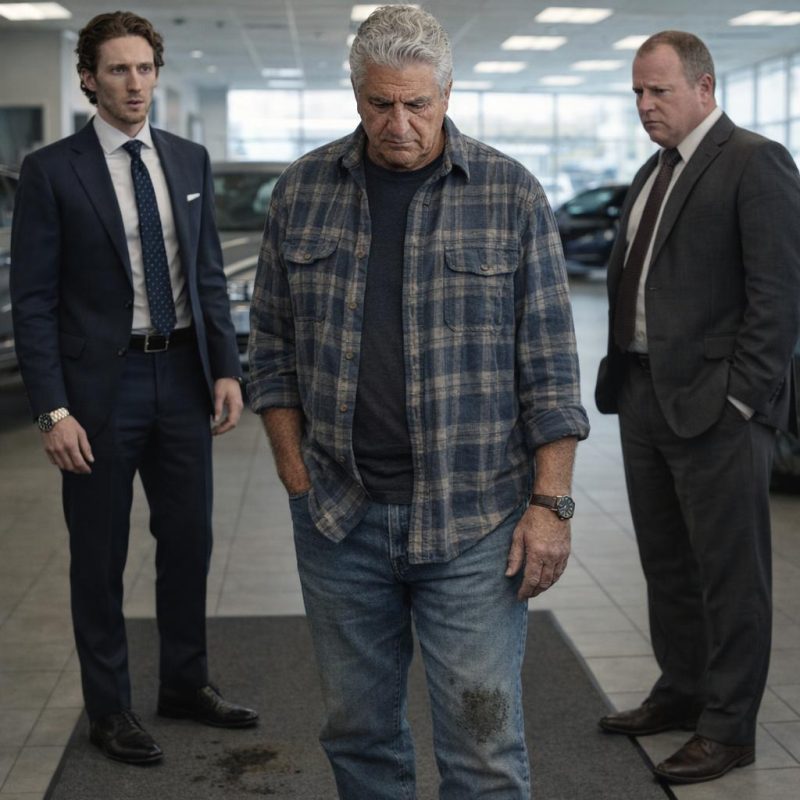 Image by RM AI
The Satisfied Expression
I drove. My dad sat in the passenger seat with his hands resting in his lap and his eyes on the road ahead, and he seemed settled in a way I couldn't account for. Not angry. Not shaken. Not even particularly relieved. Just calm, in a way that made no sense to me given what had happened in the last forty-five minutes. I kept glancing over at him. I wanted to ask why he'd walked away when Grant was practically handing him everything — the apology, the sale, the upper hand. He could have had all of it. Instead he'd chosen the dealership down the road, the one Tyler had mentioned like it was a consolation prize. I tried to work out the logic of it and kept coming up empty. My dad wasn't a man who walked away from things. He'd built a career on not walking away. So why had he walked away from that? He didn't offer anything, just sat there with the window cracked and the afternoon light coming in sideways across his face. I glanced over one more time at a red light, and there was something in his expression — not quite a smile, not quite satisfaction — that I couldn't find a name for, and it unsettled me more than the scene at the dealership had.
 Image by RM AI
Diana's Dealership
The competing dealership was maybe a quarter mile down the same road, smaller than Sterling's but clean and well-lit, with a row of vehicles out front that looked just as serious. We hadn't even made it through the door when a woman came toward us across the showroom floor. Her name tag said Diana Rodriguez, and she moved with the kind of unhurried confidence that doesn't need to announce itself. She smiled at my dad first — not the practiced, assessing smile Tyler had used, but something warmer and more direct — and said it was good to see him. No hesitation. No glance at his boots or his flannel. She asked what she could help us find today in a tone that assumed, without question, that we were there to buy something. I felt the tension I'd been carrying since we walked into Sterling's just quietly leave my shoulders. The contrast was so stark it almost made me dizzy. I looked over at my dad, expecting to see the same relief I was feeling, and instead he was already talking to her in a low, easy voice, the way you talk to someone you've met before. Diana said something back and he nodded, and there was a familiarity in the exchange — a shorthand — that I was certain I hadn't imagined.
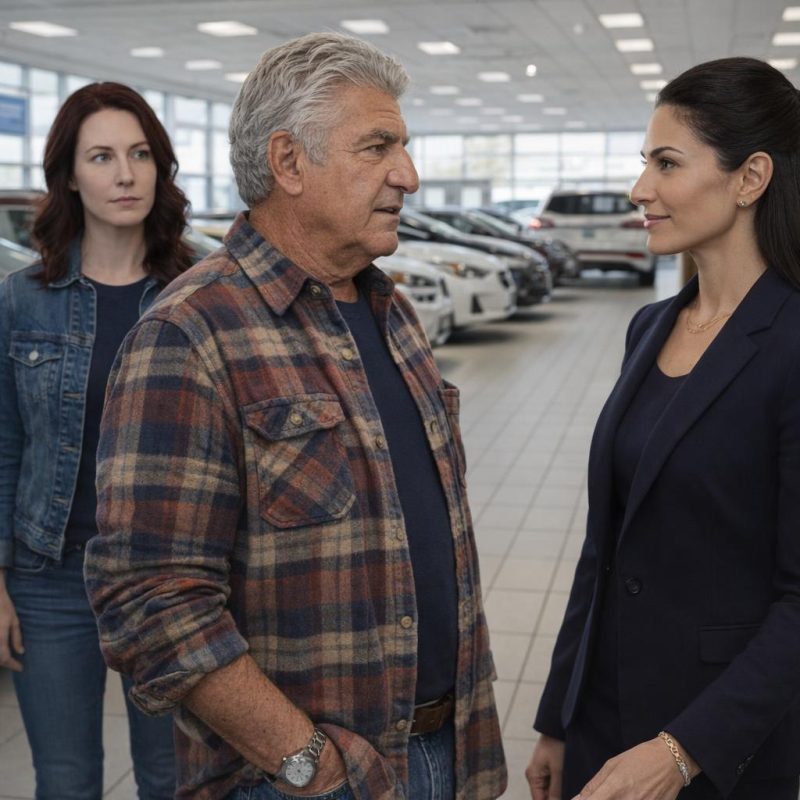 Image by RM AI
The Luxury SUV Purchase
Diana walked us straight to the back of the lot without any preamble, like she already knew exactly what we were there for. The SUV was sitting right where she'd pointed — top of the line, deep charcoal gray, the kind of vehicle that looks serious without trying too hard. She went through every feature without rushing: the heated seats, the navigation package, the premium sound system, the panoramic roof. She talked to my dad like he was the only person in the room, and he asked questions and she answered them, and nobody once looked at his boots or his flannel or the calluses on his hands. When he asked to take it for a drive, she handed him the keys before he finished the sentence. I sat in the back seat during the test drive and just let myself breathe for the first time all afternoon. The paperwork took maybe forty minutes. Diana handled every page efficiently, explained every line, and my dad signed without hesitation. I watched him and felt something settle in my chest — this was what the afternoon was supposed to look like. We were almost out the door when I caught the tail end of Diana's voice behind me: she'd call him next week to go over the details.
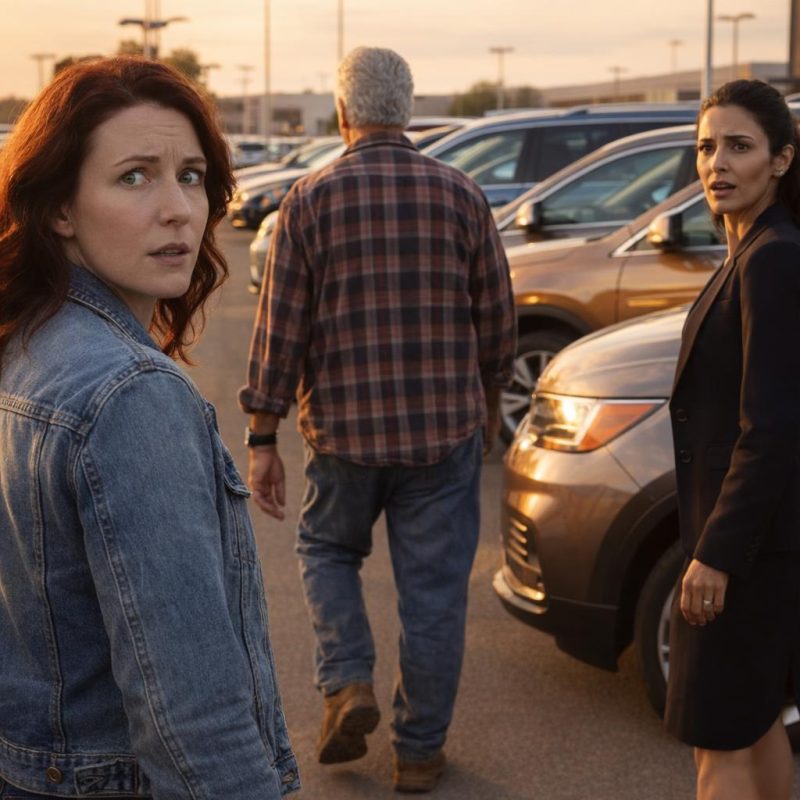 Image by RM AI
Sterling's Frantic Call
We were still in the parking lot, my dad doing that thing where he adjusts every mirror twice before pulling out, when his phone buzzed on the center console. He glanced at the screen and something shifted in his expression — not alarm exactly, more like recognition. He answered on speaker for about two seconds before switching it to his ear, which meant I only caught the opening: a man's voice, fast and tight, identifying himself as Robert Sterling. My dad stepped out of the SUV and walked a few feet away, and I stayed put and tried not to look like I was listening. I could still hear fragments through the window he'd left cracked. Phrases like 'making this right' and 'our business relationship' floated back to me, and I felt my eyebrows go up. Sterling's voice had an urgency to it that didn't sound like a manager reading from a customer service script. My dad's side of the conversation was almost nothing — short responses, long pauses, the kind of listening that takes up more space than talking. When he got back in the car, he set the phone face-down on the console and pulled out of the lot without saying anything. The desperation in Sterling's voice was still sitting in the air between us.
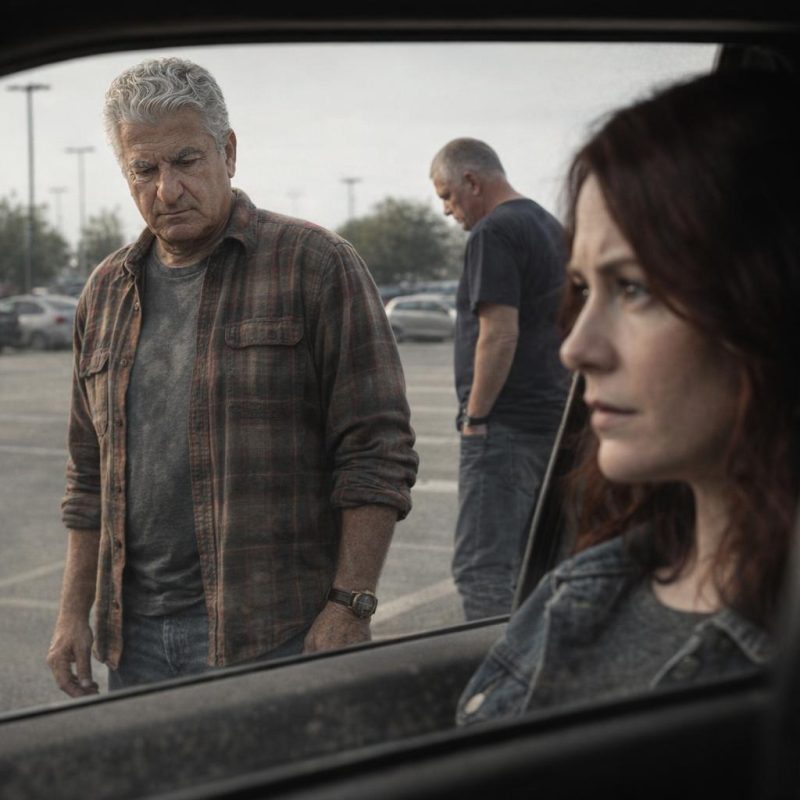 Image by RM AI
The Business Community Reacts
By the time we got back to my dad's house, his phone had rung four more times. Not spam calls — actual people, business contacts, names he recognized on sight because he'd answer with a first name and slip into that low, easy register he uses when he's comfortable. I sat at the kitchen table and pretended to scroll through my own phone while I listened. The callers all seemed to know about what happened at Sterling's, which was strange enough on its own — word had moved fast. But what struck me more was the way they talked to him. Careful. Deferential. Like they were checking in on someone whose opinion of them mattered. One man called twice. A woman whose name I didn't catch spoke to him for almost fifteen minutes, and when my dad finally hung up he just nodded to himself like something had been confirmed. At one point someone stopped by in person — a guy in a collared shirt who shook my dad's hand with both of his and said he'd heard what happened and wanted my dad to know it wasn't right. My dad thanked him like it was nothing. I watched all of it and kept turning the same question over: these people weren't reacting like someone had gotten bad customer service. They were reacting like something that mattered had been disturbed. The quiet weight of that deference stayed with me long after the last call ended.
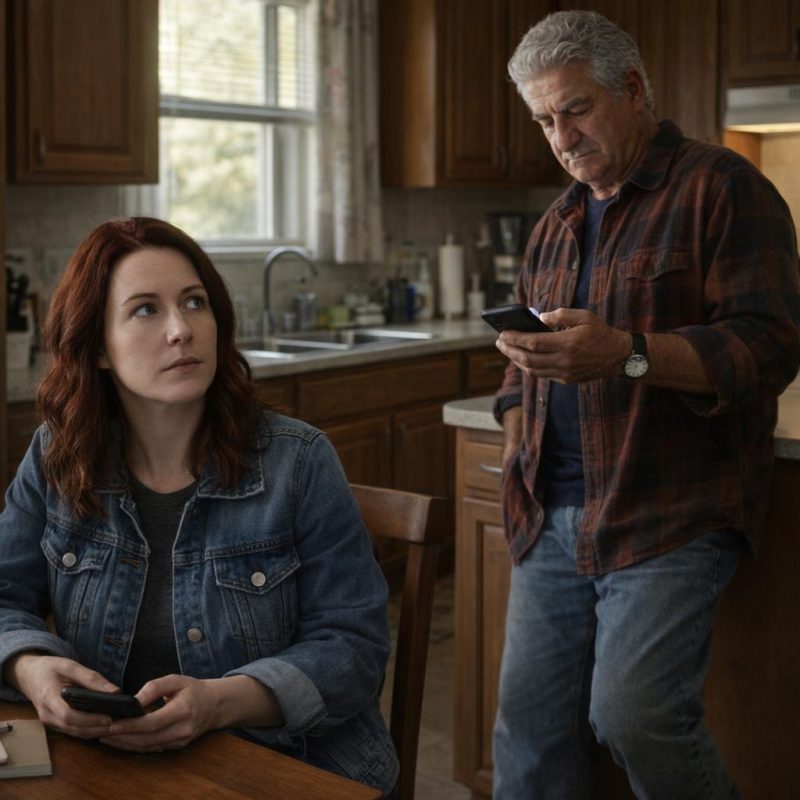 Image by RM AI
This Has Happened Before
We were about twenty minutes into the drive — my dad behind the wheel of the new SUV, still adjusting to the seat height — when I finally asked him. I kept my voice casual, like it was just conversation, but I'd been building up to it since we left Diana's lot. I asked him how he stayed so calm back there, when Tyler was doing what he was doing. My dad was quiet for a second, then said something like, 'I've had practice.' I asked what he meant by that. He shrugged, eyes on the road, and said this kind of thing had happened before. Just like that. Matter-of-fact, like he was telling me the highway had traffic. I turned in my seat to look at him. He said people make assumptions, and sometimes you let them, and sometimes it works out. That was it. No elaboration, no story, no explanation of what 'works out' was supposed to mean. I pushed a little — asked if he meant something specific — and he just said he'd learned a long time ago that patience was more useful than anger. I sat back and stared out the windshield. His calm suddenly felt less like temperament and more like something else entirely, and I didn't have a word for what that something else was. I asked what he meant by 'before,' and he just kept his eyes on the road.
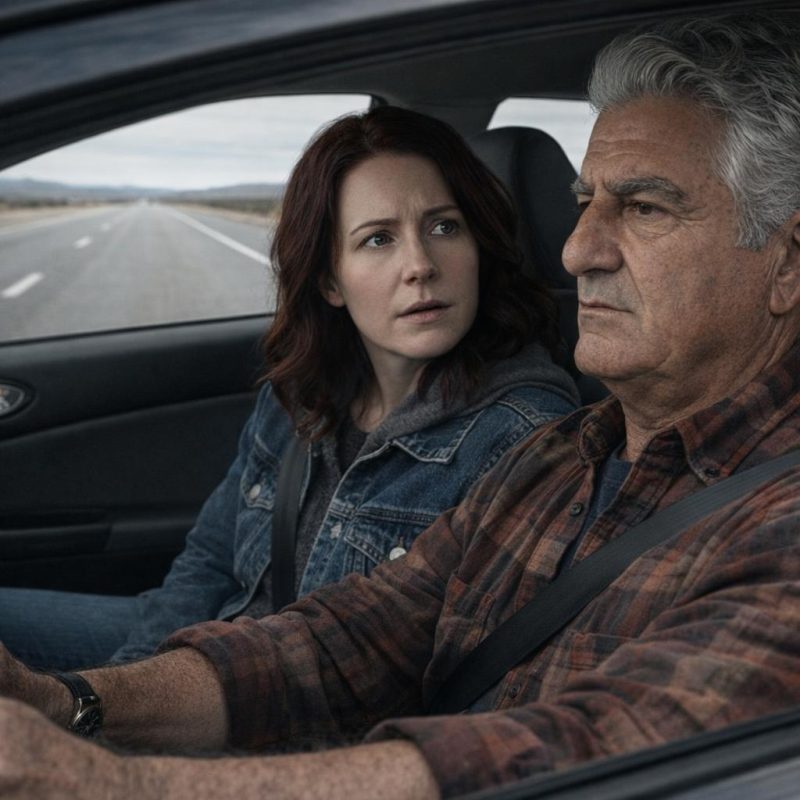 Image by RM AI
Tyler's Suspension
I saw it first on my phone — a local business news account had picked up the story, and by mid-afternoon it had spread to three different Facebook groups and a Reddit thread about consumer rights. Sterling Automotive had issued a brief statement acknowledging the incident and confirming that the employee involved had been suspended pending an internal review. Tyler's name wasn't in the statement, but the comments filled that in fast enough. I read through them sitting on my dad's couch while he made coffee in the kitchen, and I waited to feel the satisfaction I'd been expecting all day. Some of it was there. Tyler had faced a consequence. The dealership had been embarrassed publicly. That part felt right. But underneath it was something I couldn't quite name — a flatness, like the story had ended at the wrong place. I'd wanted something more complete, and I couldn't explain what 'more complete' even looked like. My dad brought me a mug and sat down in the armchair across from me, and I showed him the thread. He read it, nodded once, and handed my phone back without any particular expression. He didn't look satisfied or vindicated or angry. He just looked like a man who had expected this outcome. I sat with my coffee and tried to figure out why getting what I'd wanted felt like it was only the beginning of something.
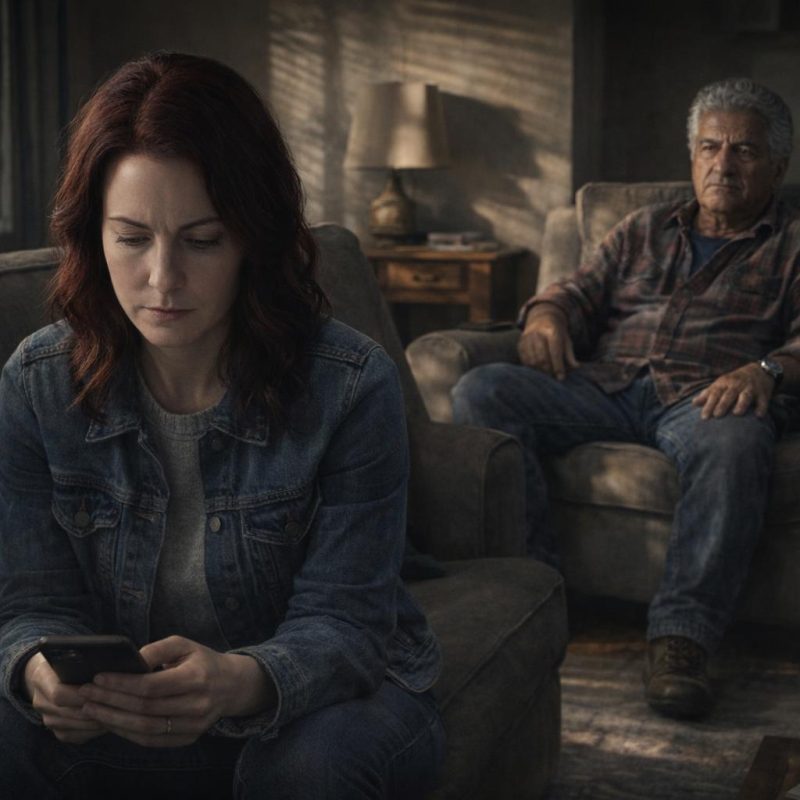 Image by RM AI
Multiple Business Owners Call
The calls kept coming through the evening. My dad would glance at the screen, step into the hallway or the back porch, and come back a few minutes later with that same settled expression — not closed off, just contained. I started paying closer attention to the fragments I could catch. The callers weren't just offering sympathy. They were asking questions. I heard my dad say 'we'll see' twice and 'nothing's been decided' once, and those phrases didn't sound like someone wrapping up a bad day. They sounded like someone managing a situation. A couple of the callers seemed to mention their own businesses — I caught the word 'partnership' once, and another time something about a lease agreement — and I couldn't figure out what any of that had to do with a car dealership and a rude salesman. My dad's responses were short and even, giving nothing away. He wasn't being cold, exactly. He was just precise. After the fourth or fifth call, I almost asked him directly what was going on. I had the question ready. But something in the way he carried himself — unhurried, unsurprised, like he was exactly where he expected to be — made me pull back. I sat with the questions I hadn't asked, and they felt heavier than the ones I had.
 Image by RM AI
The Calm Demeanor
I waited until the calls slowed down and we were just sitting in the living room before I brought it up again. I told him I needed him to be straight with me. I said I'd watched him stand there while Tyler talked to him like he was nobody, and he hadn't flinched, hadn't raised his voice, hadn't even looked annoyed. I asked him why. He looked at me for a moment, then said he'd learned a long time ago that patience was more useful than anger. I told him he'd already said that. He smiled a little and said some lessons were worth repeating. I pushed harder — I asked why he'd turned down Sterling's apology at the dealership, why he'd walked out instead of accepting it. He said some things mattered more than immediate satisfaction. I asked what things. He said, 'You'll understand eventually,' and then asked me if I'd eaten anything since breakfast. Just like that — pivot, subject change, door closed. I sat there for a second with the follow-up question still half-formed in my mouth. He was already up and moving toward the kitchen, asking if I wanted eggs. I hadn't lied to him or pushed past what he was willing to give, but I also hadn't gotten a single real answer, and the gap between those two things was starting to feel significant. From the kitchen, without turning around, he said he had somewhere to be later in the week and left it at that.
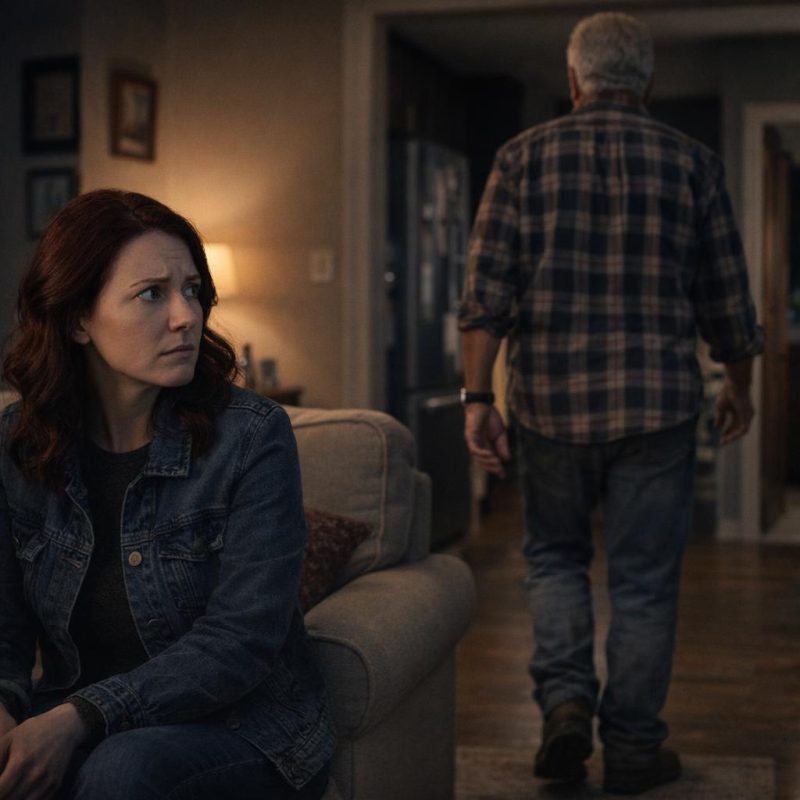 Image by RM AI
Sterling Requests a Meeting
He was still in the kitchen when his phone rang again. I heard him answer it, and something in his posture changed — he turned slightly away from the doorway, which he hadn't done with the other calls. I stayed on the couch and kept very still. Sterling's voice was audible even from where I was sitting, more composed than the first call but with an edge underneath it. I caught pieces: a request for a meeting, something about James's schedule, an offer to come to him if that was easier. My dad said he could come to Sterling's office. He named a day later in the week. Sterling said something I couldn't make out, and then my dad said 'we can talk through it then' in a tone that was flat and final. When he came back into the living room, I looked at him. He set the phone on the side table and picked up his coffee like the call had been nothing. I asked who that was. He said it was Robert Sterling. I asked what he wanted. My dad looked at me for a moment, then said Sterling wanted to discuss a business proposal.
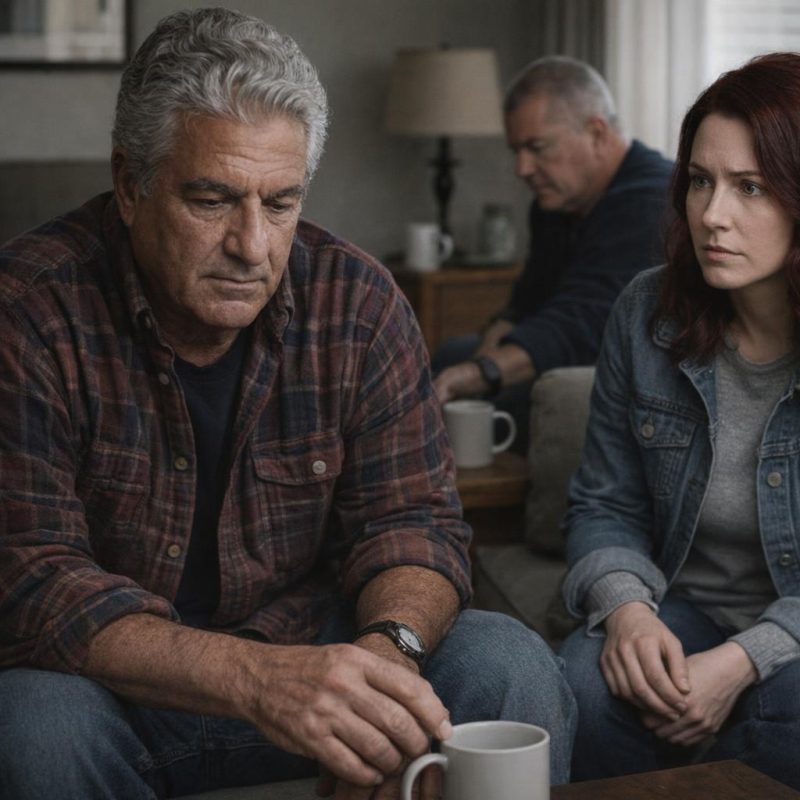 Image by RM AI
Eavesdropping Intentionally
I told myself I wasn't doing anything wrong. I was just sitting in the hallway, folding laundry, and if my dad happened to be on the phone in the kitchen with the door open, that wasn't my fault. Except I'd chosen that spot deliberately, and I knew it. He took three calls that afternoon, each one short and clipped on his end — a lot of 'yes,' 'I'll review that,' 'have Marcus look it over.' I didn't recognize the name Marcus. The callers sounded like business contacts, but the words I caught didn't land anywhere familiar. I heard phrases like 'portfolio expansion' and 'operational restructuring,' terms I'd never heard my dad use before. One caller mentioned timelines for a transition of ownership. My dad responded in that same flat, unhurried tone he used for everything, like none of it was a big deal. I kept folding the same dish towel over and over. Then, in the third call, the word came up again — the same word I'd caught in the first two calls, the same word I couldn't place in any context I understood. Acquisition. He said it three times.
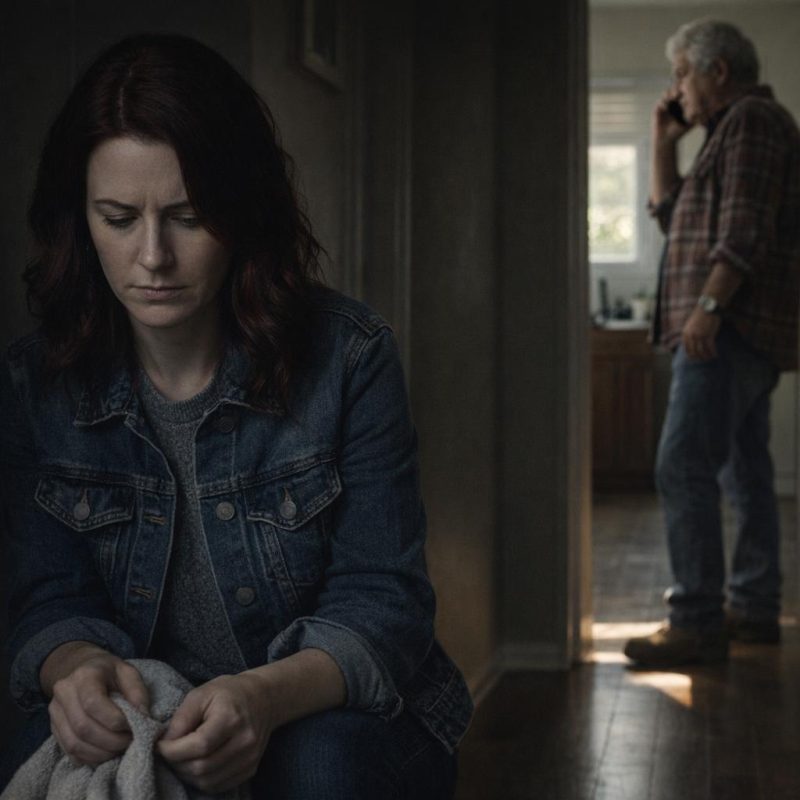 Image by RM AI
Old Photos
He'd asked me to pull up a vendor invoice he'd saved to his desktop, something about a materials order he needed to forward. I found the file in about thirty seconds. I should have closed the window and walked away. Instead, I noticed a folder labeled with a year from about fifteen years back, sitting right next to the invoice. I told myself I'd just look at one. The photos inside showed my dad at what looked like a business dinner — white tablecloths, suited men around him — and he was wearing a flannel shirt and his work boots. I thought it was a one-off, maybe he'd come straight from a job. But then I opened the next folder. Same thing. A conference room somewhere, name tags and presentation screens, and there he was in the same kind of outfit. I kept clicking. Folder after folder, year after year, the same pattern: upscale settings, formal occasions, and my dad in his work clothes like it was the most natural thing in the world. A hotel lobby. A restaurant with a dress code sign visible in the background. A charity event with people in cocktail attire. I sat back in the chair and stared at the screen. It was the same flannel shirt, or one exactly like it, showing up across fifteen years of photos.
 Image by RM AI
Asking Dad Directly
I waited until after dinner, when he was settled in his chair with his coffee, and I asked him straight out. I told him I'd seen the photos on his computer — I'd been looking for the invoice, I said, which was true — and I asked him if the way he dressed at business events was intentional. He looked at me for a moment with that calm expression he always has, the one that gives nothing away, and said he liked being comfortable in his own clothes. I pushed. I asked about the dealership, about walking in there in his boots and his flannel, and whether he'd expected to be treated the way Tyler treated him. He said sometimes life offers teaching moments. His voice was gentle, the way it always is, but the answer landed like a door closing. I asked what he was teaching and who he was teaching it to. He said I'd understand when the time was right. I sat there looking at him, this man I'd known my whole life, and felt something shift between us. He wasn't lying to me — I didn't think he was lying — but he wasn't letting me in either. The distance between his answer and what I actually wanted to know felt like something I couldn't measure.
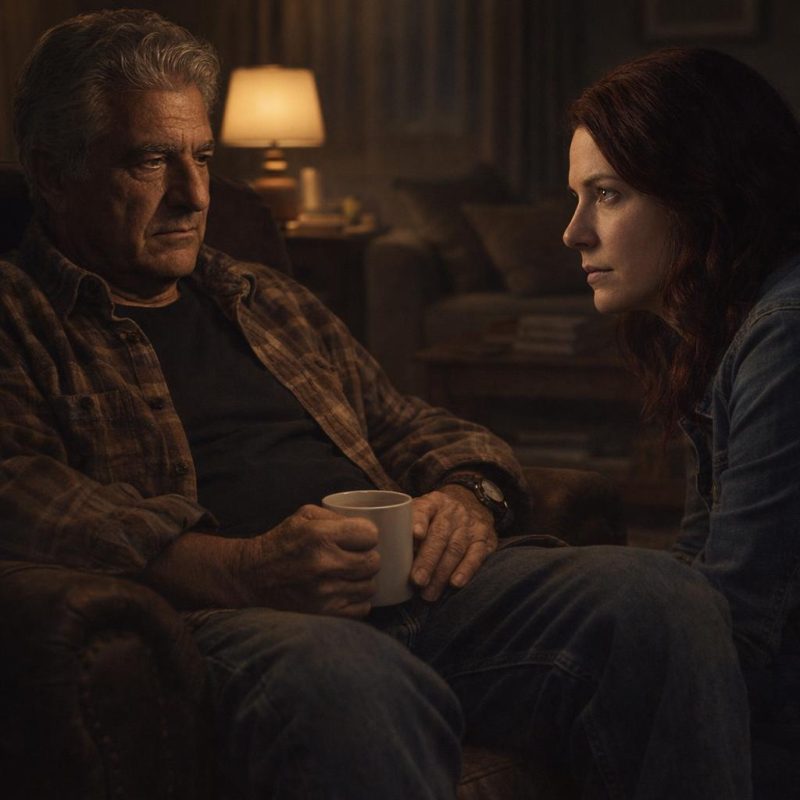 Image by RM AI
Marcus the Attorney
The knock at the door came mid-morning on a Thursday. My dad answered it like he'd been expecting it, which he probably had. The man on the porch was in his early fifties, Asian-American, with sharp features behind a pair of designer glasses and a leather briefcase held at his side. My dad shook his hand and introduced him as Marcus, his attorney. Marcus turned to me with a professional smile and said it was nice to finally meet me, which implied my dad had mentioned me, which I filed away. The two of them had the easy shorthand of people who'd worked together for a long time — finishing each other's sentences, referencing things by shorthand I didn't follow. Marcus set his briefcase on the kitchen table and said he'd brought the documents James had asked for. My dad nodded and said good. I asked what kind of documents, trying to sound casual. Marcus glanced at my dad for just a half-second before he answered: business acquisition paperwork. I asked what businesses. Marcus said that was really a question for my dad, and my dad said we'd talk about it soon. The two of them moved toward his office, and just before the door closed I heard Marcus say something about moving forward with the usual documentation process.
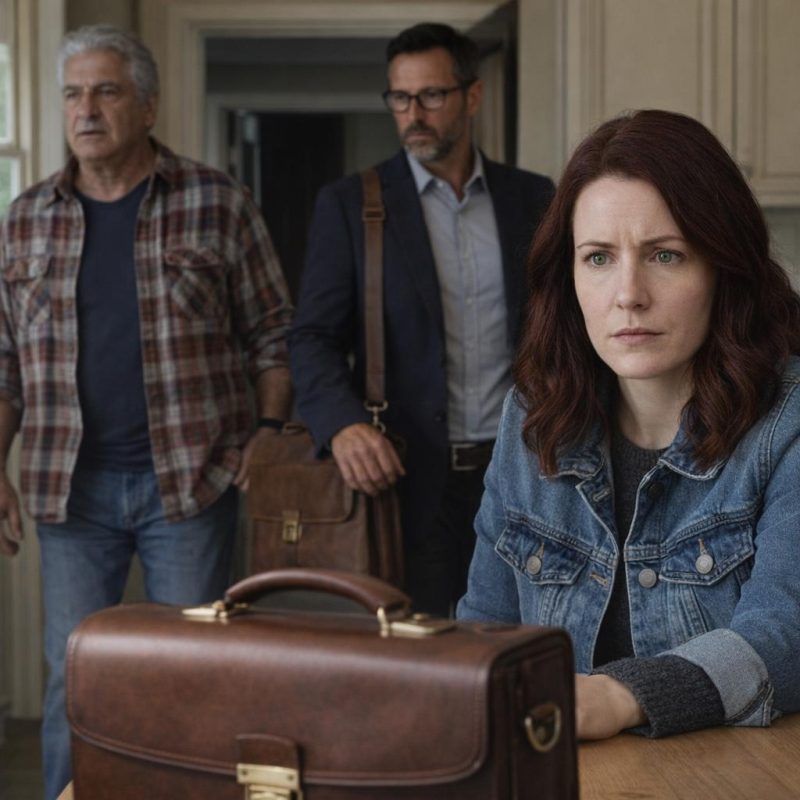 Image by RM AI
The Downtown Restaurant
After Marcus left, I sat at the kitchen table with my laptop and started searching. I told myself I was just curious, that there was nothing wrong with looking at public records. My dad's name pulled up a construction company LLC, which I already knew about, and then a second filing, and then a third. I slowed down. One of the registrations listed him as a stakeholder in a downtown restaurant — a place I actually recognized, one of those upscale spots with a waiting list and a prix fixe menu. The filing was from five years ago. I sat with that for a minute. He'd never mentioned it. Not once, not over dinner, not when I'd walked past that restaurant with friends and commented on it. I kept searching. More LLC registrations came up, names I didn't recognize, addresses scattered across the city. I couldn't tell from the filings alone what each business actually was, but his name kept appearing, attached to things that had nothing to do with construction. I didn't know how many there were. I didn't know when any of it had started. I closed the laptop and sat in the quiet kitchen, and the weight of everything I apparently didn't know about my own father's life settled over me and just stayed there.
 Image by RM AI
The Restaurant Incident
I opened the laptop again the next morning and searched for news about the restaurant. I wasn't sure what I was looking for. The first few results were reviews, a profile piece, a mention in a best-of list. Then I found it, buried on the second page of results: a local news article from six years ago. A man had been turned away at the door. The staff told him he didn't meet the dress code. The article described what he'd been wearing — work clothes, the piece said, nothing unusual. There'd been some public criticism, a few days of social media noise, and then it had faded. I checked the date on the article twice. Six years ago. I went back to the business filing and checked that date too. My dad had acquired his stake in the restaurant five years ago. One year after the incident. I sat very still and read both dates again, side by side on my screen. I didn't know what it meant. I told myself it could be coincidence — the numbers might not mean anything at all. But my hands had gone cold somewhere in the middle of reading that article, and even after I set the laptop aside, the chill didn't leave them.
 Image by RM AI
The Boutique Ownership
I couldn't stop. I went back to the business filings and started cross-referencing every LLC I could find attached to my dad's name. Most of them I couldn't identify from the paperwork alone, but one listing had a registered address I recognized — a luxury boutique on the east side of downtown, the kind of place with a single item in the window display and a door you had to be buzzed through. I searched for news about it. There was an article from eight years ago, smaller than the restaurant piece, less outrage. A woman had been asked to leave because, according to staff, the boutique catered to a certain clientele. She'd been dressed casually. The story had generated a brief flicker of criticism and then disappeared. I pulled up the acquisition date on the filing. My dad had bought into the boutique six years ago. Two years after the incident. I sat back and stared at the two articles open in separate tabs — the restaurant, the boutique — and then at the two acquisition dates sitting in my notes beside them. The restaurant incident: six years ago. The boutique incident: eight years ago. My dad's name on both ownership filings, each dated years after. I opened a new search tab.
 Image by RM AI
Dad's Vague Answers
I brought it up that evening, as carefully as I could. I mentioned, like it had just occurred to me, that I'd come across his name in connection with the downtown restaurant while I was looking something up. He nodded and said yes, he had a stake in it. I asked why he'd never mentioned it. He said it hadn't seemed important. I asked how he'd ended up choosing that particular place, and he said it had looked like a good investment opportunity at the time. His voice was easy, unhurried, the same tone he used for everything. I mentioned the boutique too, watching his face. He didn't look surprised that I knew. He said something similar — solid investment, good location, the numbers had made sense. I wanted to ask about the articles. I had them pulled up on my phone in my pocket, and I kept almost reaching for it. But something stopped me every time, some fear I couldn't quite name about what would happen if I asked directly and he answered directly. He seemed comfortable sitting with the distance between us. I wasn't. I went to bed that night with my phone on the nightstand and both articles still open in my browser, and the questions I hadn't asked felt heavier than the ones I had.
 Image by RM AI
The Business Records
I told myself I was just going to spend an hour on it. That was a lie. I pulled up the state business registry, the county property records, a couple of commercial real estate databases I'd bookmarked during a work project years ago, and I just started digging. The restaurant and the boutique were already on my list. What I found after that made my stomach drop one business at a time. A luxury hotel downtown — James had a significant ownership stake. An exclusive gym with a members-only waiting list. A high-end jewelry store on the east side. A premium car service company. An upscale salon that charged more for a haircut than I made in a day. Five more businesses, all of them the kind of place that had a certain look they expected from their customers. And every single one of them had a discrimination complaint somewhere in their history — customers turned away, dress codes enforced selectively, working-class people made to feel like they didn't belong. I sat back from my laptop and just stared at the ceiling. Seven businesses total. Seven complaints. Seven acquisitions. I didn't know what I was looking at, but the weight of it pressed down on me like something I couldn't name and couldn't put back.
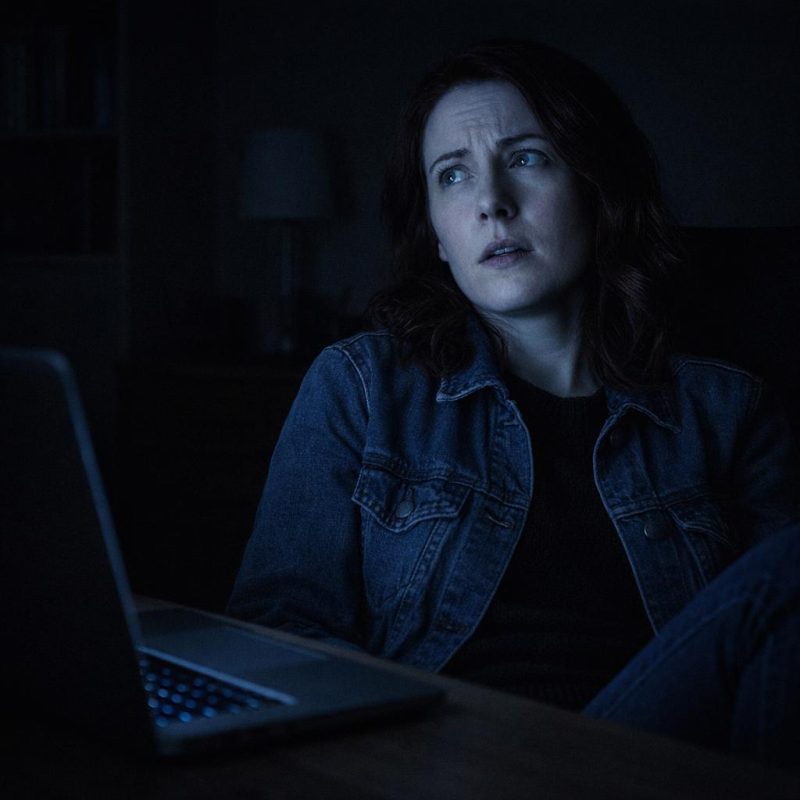 Image by RM AI
Each Business Has a History
I made a spreadsheet. I don't know why — maybe because putting things in columns made it feel more like a work problem and less like something happening to my family. I listed each business, the date of the documented discrimination complaint, and the date my father acquired his ownership stake. Then I sorted it by acquisition date and just looked at it. The earliest entry was fifteen years ago. A car service company, a complaint about a driver refusing a fare based on how the customer was dressed, and then fourteen months later, my father's name appearing in the ownership records. The most recent was the restaurant, five years ago. In between, six more businesses, each one following the same sequence — complaint first, acquisition one to three years after, every single time. I kept scrolling up and down the document like maybe the pattern would break if I looked long enough. It didn't break. I pushed back from my desk and pressed my hands flat against my thighs, trying to breathe normally. Fifteen years. This had been going on for fifteen years, and I had never once suspected a thing. The timeline sat on my screen, column after column, and I couldn't make myself close it.
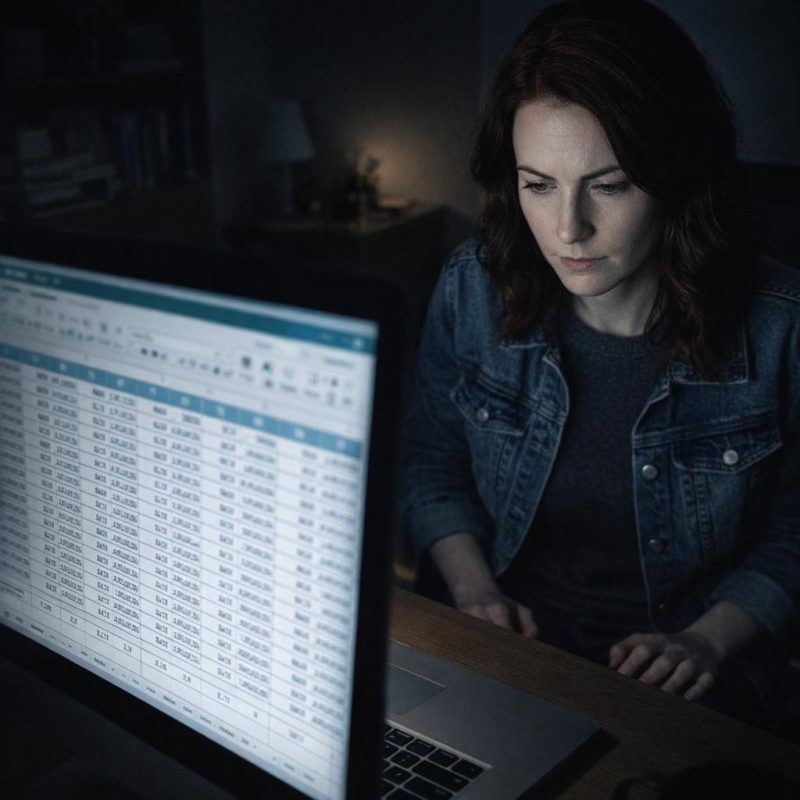 Image by RM AI
The Pattern Becomes Undeniable
I went back through it one more time, looking for the exit. I told myself maybe the dates were coincidental — commercial real estate moves in cycles, complaints get filed all the time, maybe I was connecting dots that weren't meant to connect. But I'd been staring at this spreadsheet for two days, and the pattern didn't waver. Fifteen years. Seven businesses. Complaint first, acquisition after, every single time, with a gap of one to three years in between. There was no version of this that was random. I sat with that for a long time. My father had been doing something — something systematic, something he'd kept entirely separate from the life I thought we shared. We talked every week. He came to my apartment for dinner. He asked about my job, my friends, whether I was sleeping enough. And the whole time, there was this other thing, this whole architecture of decisions I knew nothing about. I didn't know what it meant yet. I didn't know if it was wrong or right or something in between. But I knew, sitting there with my spreadsheet open and my coffee gone cold, that I had been completely in the dark — and that he had kept me there.
 Image by RM AI
Confronting Marcus
I found Marcus's number in an old email chain from when my father had introduced us at a family dinner years back. I stared at it for about ten minutes before I called. He picked up on the second ring, professional and calm, like he'd been expecting someone to call — though maybe that was just how he always sounded. I told him I'd been doing some research. I listed them out: the restaurant, the boutique, the hotel, the gym, the jewelry store, the car service, the salon. I said I had a spreadsheet with fifteen years of acquisition dates and I needed someone to tell me what I was looking at. There was a pause — not long, maybe three seconds, but I felt every one of them. He said he understood why I was concerned. He said he respected my need for answers. And then he said he wasn't in a position to discuss James's business affairs without his permission, that attorney-client confidentiality wasn't something he could set aside, even for family. I asked if my father was doing something wrong. Marcus said that wasn't his place to judge. He said, gently but without any give in it, that the person I needed to talk to was James. Then he said, "I think you should call your father, Sarah." And just like that, the door closed.
 Image by RM AI
Marcus Hints at the Approach
I wasn't ready to let him go. I asked if there was anything — anything at all — he could tell me without crossing a line. Marcus went quiet for a moment, and I could hear him thinking it over. Then he said he could share a general impression, nothing specific. He said my father had always believed that systematic problems required systematic approaches. That was it. That was the whole thing. I asked him what he meant by systematic problems, and he said I should put that question to James directly. He added that James was a good man — said it simply, without any performance behind it, like it was just a fact he was stating for the record. He told me to trust my father. His tone was sincere in a way that made me feel worse, not better, because it meant he genuinely believed what he was saying, which meant there was something worth believing in that I still couldn't see. We said goodbye and I sat there with my phone in my lap, the spreadsheet still open on my laptop across the room. Systematic solutions. I turned the phrase over and kept coming back to the same wall. What was the systematic problem? Why did solving it look like this? The words just sat there, giving me nothing.
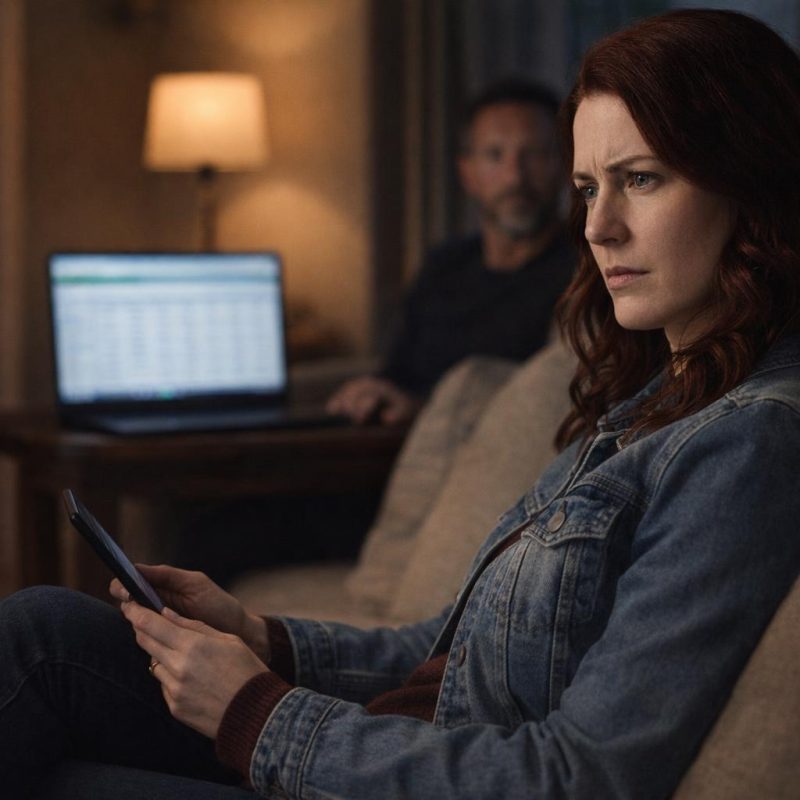 Image by RM AI
Sterling Dealership Restructuring
I was still at my laptop the next morning when I came across the article. It was a business news brief, the kind of thing that runs in the regional section and most people scroll past. The Sterling dealership group was facing pressure from its parent investors. The piece mentioned concerns about brand reputation, declining foot traffic at two locations, and what it called a need for structural reassessment. Buried in the third paragraph was a reference to recent publicity — it didn't name the incident directly, but it didn't have to. I knew what recent publicity meant. I read the article twice. The timing was hard to ignore — this was running just days after everything that had happened with my father at the dealership. I didn't know if James had anything to do with Sterling's investor problems, or if this was just the natural fallout from bad press. But I knew his meeting with Robert was coming up, and I knew Robert had been the one to reach out and request it. I closed the laptop and sat with my coffee going cold in my hands. Whatever was coming, it felt like it had been building toward something for a long time, and the Sterling restructuring news made the timing feel heavier than I could explain.
 Image by RM AI
The Private Meeting
He mentioned it casually, the way he mentioned most things — just dropped it into the conversation while we were cleaning up after dinner. The meeting with Robert was tomorrow morning, ten o'clock. I set down the dish I was drying and told him I wanted to come. He looked at me for a moment, really looked, the way he did when he was deciding something. He asked why. I said I needed to understand what was happening — the businesses, the timeline, all of it. I said I couldn't keep sitting on the outside of something this big. He was quiet for long enough that I started preparing for a no. He picked up the dish towel, folded it, set it on the counter. Then he said I could come. His voice was even, not warm exactly, more like resigned — like he'd known this moment was coming and had decided to stop postponing it. He said I'd get my answers tomorrow. I nodded and said okay and went back to drying dishes, but my hands weren't quite steady. I'd been pushing for this for days, and now that he'd said yes, I wasn't sure I was ready for it.
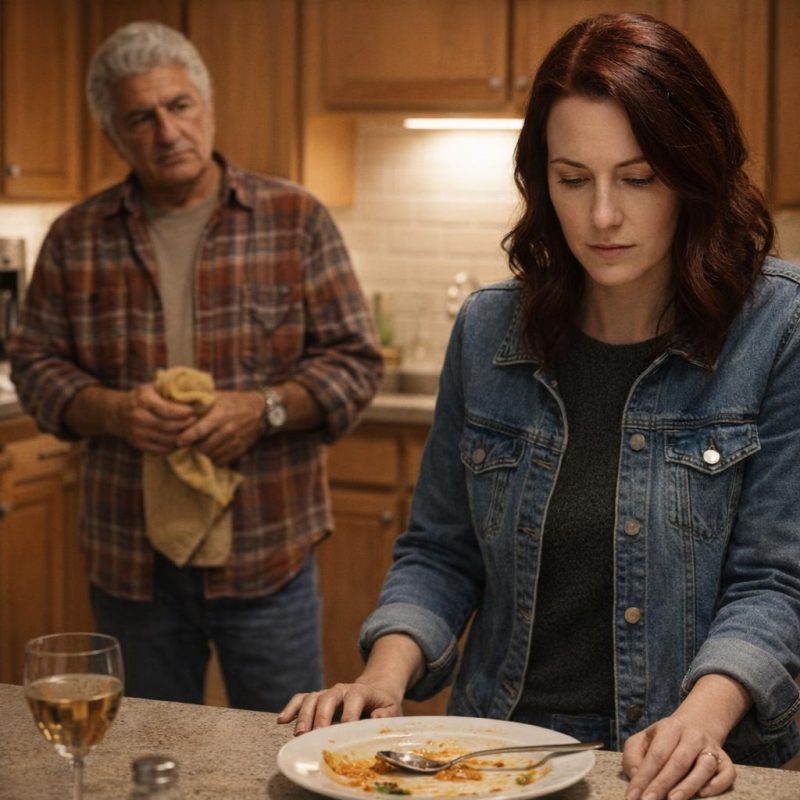 Image by RM AI
Dad Agrees to Explain
Before we turned off the lights, he told me the meeting was at ten and that afterward he would explain everything — all of it, start to finish, no more gaps. I asked if he meant it. He said yes, all of it, and the way he said it left no room for negotiation. I went to my room and tried to read and couldn't. I opened my spreadsheet again and went through it slowly, business by business, date by date, the same fifteen-year column of entries I'd memorized by now. I thought about what Marcus had said — systematic solutions to systematic problems — and I still couldn't make it resolve into anything clear. I thought about the restaurant, the boutique, the hotel, the gym, all of it. I thought about my father's face when he'd agreed to let me come, that quiet resignation that looked almost like relief. Part of me was afraid of what tomorrow would actually sound like out loud. What if it changed something I couldn't change back? I turned off the lamp around midnight and lay there in the dark, and the weight of everything I didn't know yet pressed down on me like a held breath.
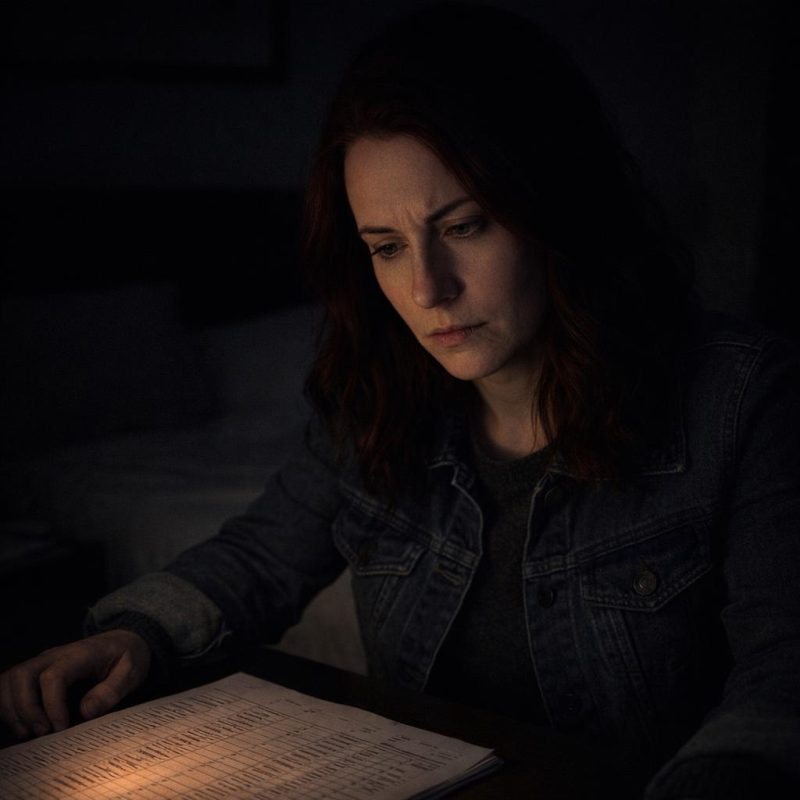 Image by RM AI
The Night Before Answers
I told him again at breakfast — I'm coming, full stop, no discussion. He was standing at the counter with his coffee, still in his flannel, and he turned and looked at me for a long moment before he said anything. Then he asked, quietly, if I was sure I wanted to be there. Not in a way that felt like a warning exactly, more like he was giving me one last chance to stay on the side of not knowing. I said yes. I said I needed to understand what had been happening, all of it, the businesses and the timeline and everything I'd found in that spreadsheet. He nodded slowly, the way he does when he's already made peace with something. He said we'd leave at nine-thirty, that the office was downtown, that Marcus would meet us there. I asked what I should expect and he said I'd see everything tomorrow, and his voice was so gentle and so final at the same time that I stopped asking. I spent the rest of the evening going through my notes again, trying to build a picture that made sense, but nothing quite fit. He sat in the living room reading, calm as still water. That quiet acceptance in his expression was the last thing I saw before I turned off my light.
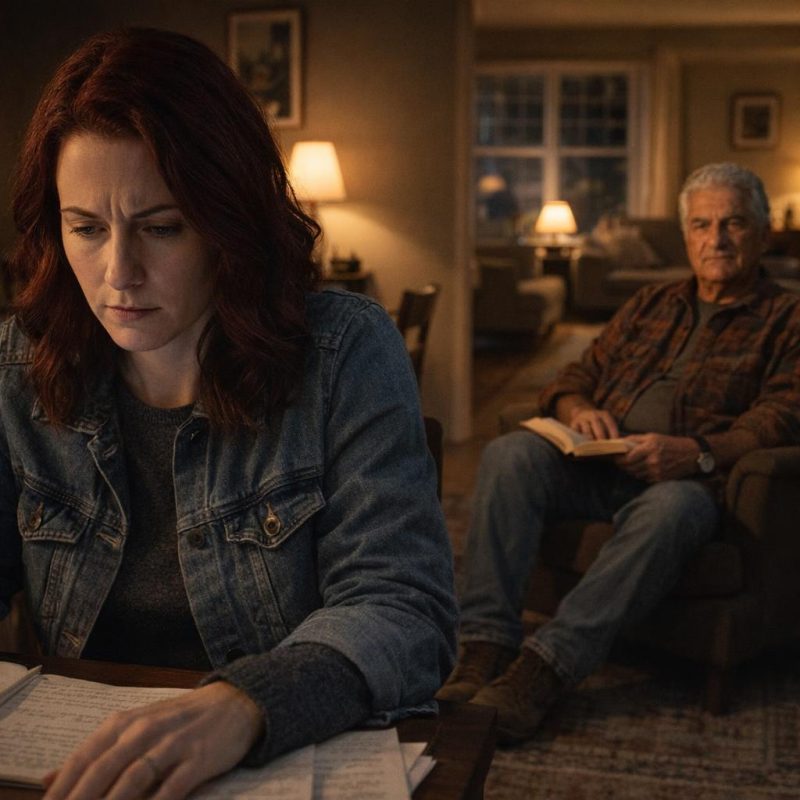 Image by RM AI
Sterling's Office
The building was all glass and polished granite, the kind of downtown address that announces itself before you walk through the door. Robert met us in the lobby personally, which I hadn't expected. He was exactly what I'd pictured from the dealership paperwork — silver hair, expensive suit, the kind of man who'd spent decades being the most important person in every room he entered. But that morning he wasn't carrying himself that way. He shook my father's hand with both of his, and there was something almost deferential in it. He led us upstairs to a corner office with a view of the whole city and immediately started offering coffee, water, anything we needed, apologizing again for what had happened at the dealership. He said Tyler had been terminated, not suspended — terminated. He said Grant had been demoted and was in mandatory retraining. My father listened to all of it without changing expression, just nodded once or twice. I kept watching the space between them, trying to read what was actually happening underneath the pleasantries. Robert's hands moved too much when he talked. My father's stayed perfectly still. Then Robert straightened in his chair, his tone shifting from apologetic to something more deliberate, and said he had a business proposal he'd like to discuss.
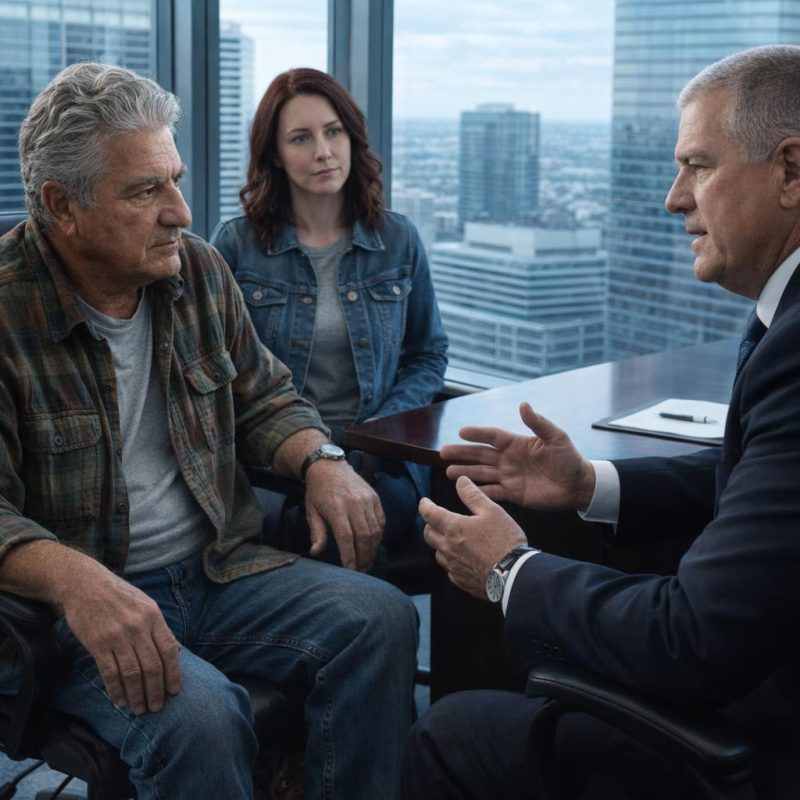 Image by RM AI
The Acquisition Offer
Robert laid it out carefully, like a man who'd rehearsed it but was still nervous about the delivery. His dealership group — three locations, flagship downtown — was under pressure. The discrimination story had spread further than he'd anticipated. Two corporate partners had reached out with concerns. An investor had asked questions he didn't have good answers to. He said he'd been thinking about his options and that he knew my father's reputation in the business community, knew the kind of operator he was. Then he made the offer formal: a controlling stake in the entire dealership group, operational authority, Robert staying on in a reduced advisory capacity to help with the transition. I felt the air go out of the room. A controlling stake. Three locations. I was still trying to catch up to the size of it when I glanced at my father, expecting to see some version of what I was feeling — surprise, calculation, something. His face was measured and still. He was listening the way you listen to something you've already heard before, his hands folded on the table, his posture unhurried. Robert finished speaking and the room went quiet. My father's expression hadn't shifted once.
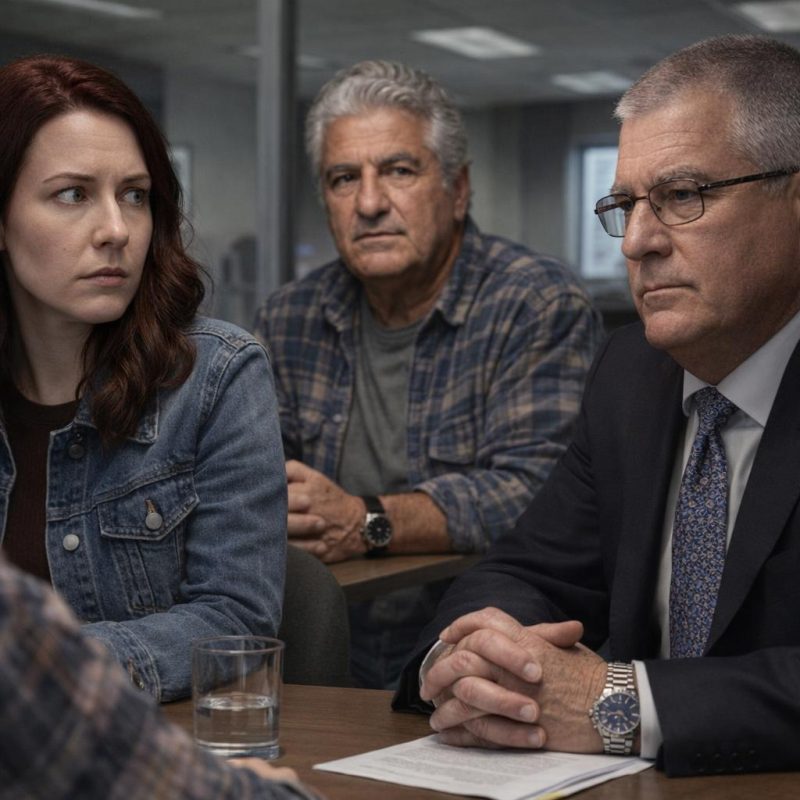 Image by RM AI
James Reveals the Purchase
Robert asked if my father would be interested in moving forward. My father was quiet for a moment — not the silence of someone thinking, more the silence of someone deciding how much to say. I looked at Robert, expecting surprise, but he just exhaled slowly, like a man setting down something heavy. He asked when my father would like to proceed. My father said Marcus could finalize everything by the end of the week. Robert nodded, and the two of them moved into logistics with an ease that made my chest tighten. I couldn't stay quiet. I said his name — Dad — and my voice came out sharper than I meant it to. Both of them looked at me. I asked what was happening, what any of this was, because none of it made sense unless he'd had everything arranged before we ever walked into that dealership on Saturday morning. My father looked at me with that same calm, unhurried expression. He said it was time to explain everything. Then he said the papers were already prepared.
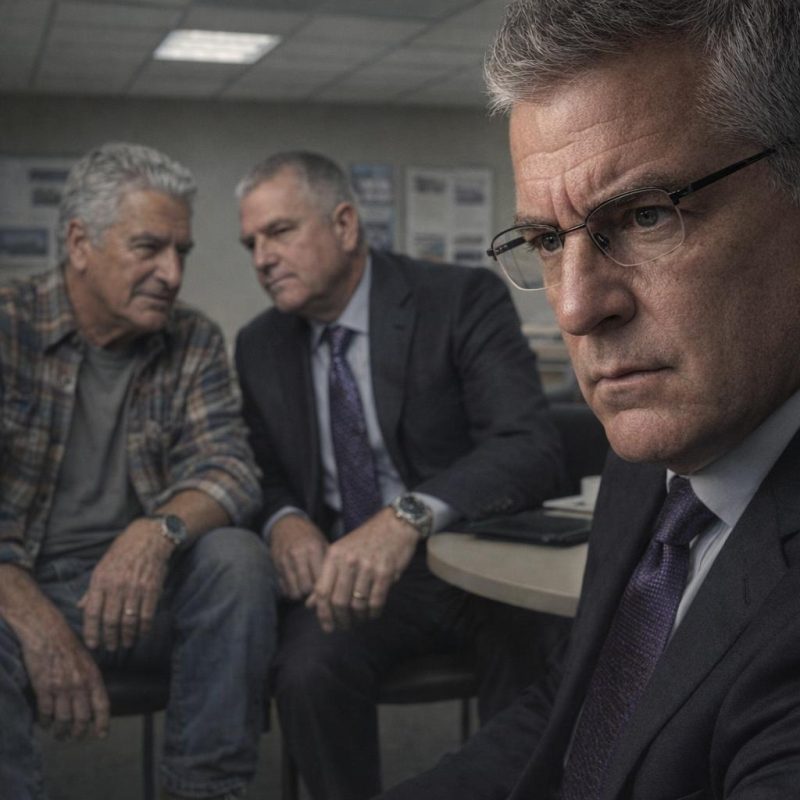 Image by RM AI
Fifteen Years of Documentation
He started talking and I stopped breathing. Fifteen years. He'd been doing this for fifteen years. The way it worked, he explained, was simple in concept even if the execution wasn't: he'd visit a luxury business dressed the way he always dressed, work clothes, boots, nothing performed about it, and he'd watch how they treated him. If they treated him poorly, he documented it — dates, names, what was said, what wasn't. Then he'd watch the business. A lot of them stumbled on their own eventually, bad press or word of mouth or both. When they were vulnerable, he'd approach with an acquisition offer. He'd buy in, take operational control, and reform the place from the inside — new training, new policies, new leadership where it was needed. The restaurant. The boutique. The hotel. The gym. Every entry in my spreadsheet. All of it the same pattern, executed over and over. The Sterling dealership visit wasn't something that happened to him. He'd planned it. He wore the boots on purpose. The business card moment, the walk-out, every beat of that Saturday morning — documentation. Robert said quietly that he'd suspected as much when Marcus first called his office. I sat there with the full shape of it spreading out in front of me — fifteen years, eight businesses, a strategy so patient and so complete it had been invisible until this moment.
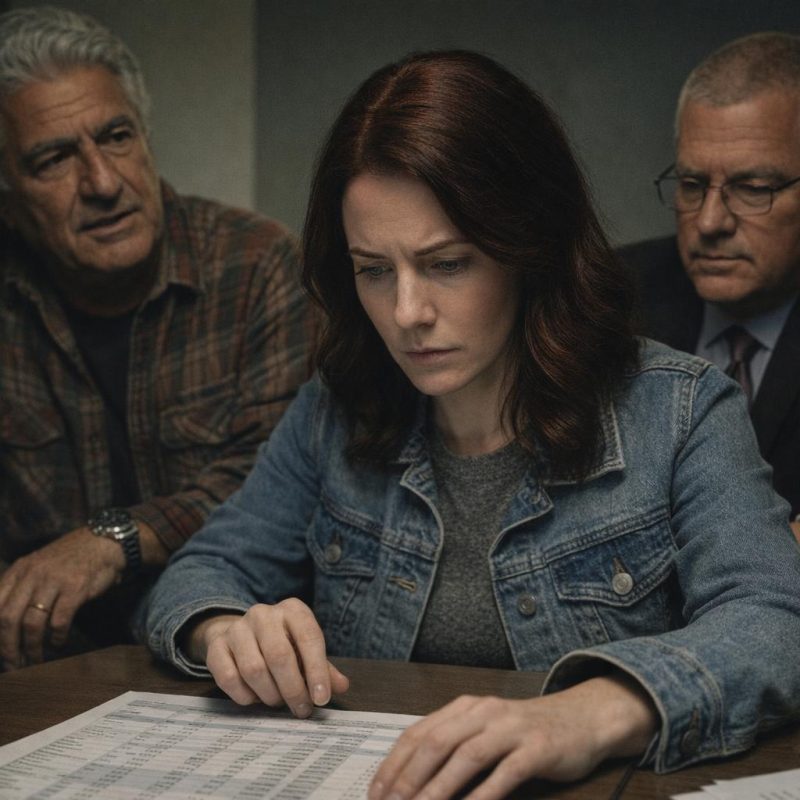 Image by RM AI
Processing the Truth
I didn't say anything for a while. I'm not sure I could have. Eight businesses. Fifteen years. The restaurant where I'd eaten lunch with him a dozen times, the boutique where I'd helped him pick out a gift for my aunt, the hotel where our family had stayed for a cousin's wedding — all of it part of the same quiet, methodical work. He explained why he'd never told me: the strategy only held if the discrimination was real and unperformed, and if the people around him knew who he was and what he was doing, businesses would treat him differently. The secrecy wasn't about keeping me out. It was structural. I understood that. It still stung. I asked how many total and he said the Sterling group would be the eighth. Eight acquisitions. Eight businesses that had looked at a man in work boots and made a choice, and then lived with the consequences of that choice in ways they never saw coming. Robert sat across the table looking like a man doing the math on his own decisions. My father began walking through his standard transition approach — first-month training, immediate policy reform, Robert staying on to help implement — and his voice was steady and precise, the voice of someone who had done this enough times to know exactly what came next. I watched him and tried to reconcile the father I thought I knew with the one sitting across from me now.
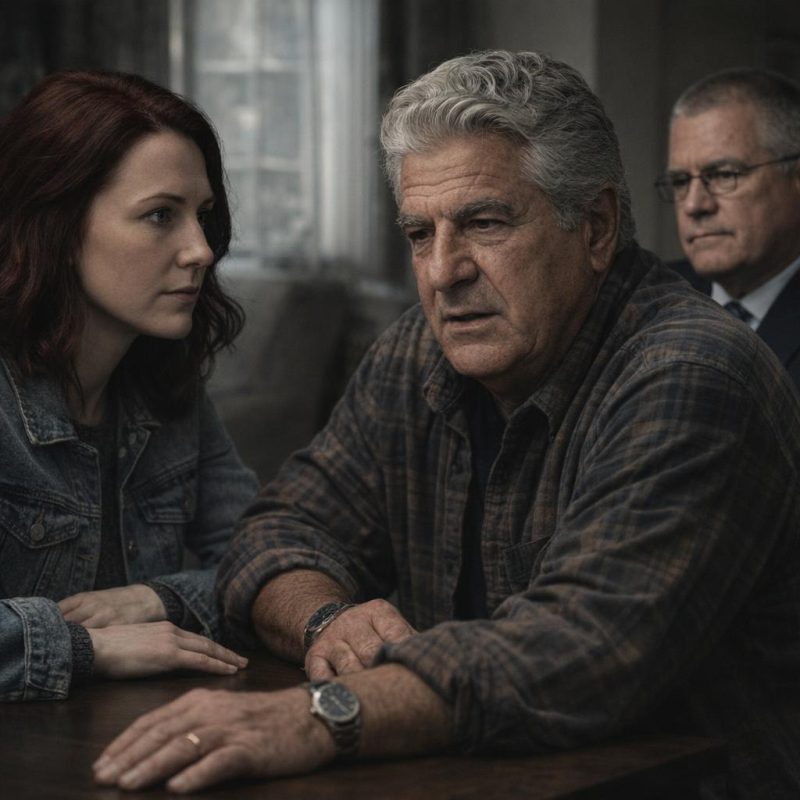 Image by RM AI
Marcus Arrives with Documents
Marcus arrived forty minutes later with his leather briefcase and that particular stillness he carries, the kind that makes a room feel more organized just by his being in it. He greeted Robert with a handshake and me with a nod and set his briefcase on the conference table like he'd set it on that exact table a hundred times before. Maybe not that table, but ones like it. He spread the acquisition documents out in sections — purchase terms, operational transfer, the new standards my father required as conditions of the deal. Diversity training for all staff within thirty days. Reformed hiring criteria. New customer service protocols with accountability measures built in. Robert read through it carefully. My father had already seen everything; he sat back and let Marcus run the room. I watched Marcus explain each provision, answer Robert's questions, redirect when Robert's attention drifted toward the financial terms before he'd absorbed the operational ones. He'd done this before. Not just the paperwork — the whole shape of it, the sequencing, the way he knew which questions were coming before they arrived. He mentioned he'd file with the county recorder's office first thing in the morning and that the acquisition would be official within the week. Robert signed where Marcus indicated. My father signed. The whole thing took less than an hour, and the practiced ease of it settled over the room like something long finished finally being put away.
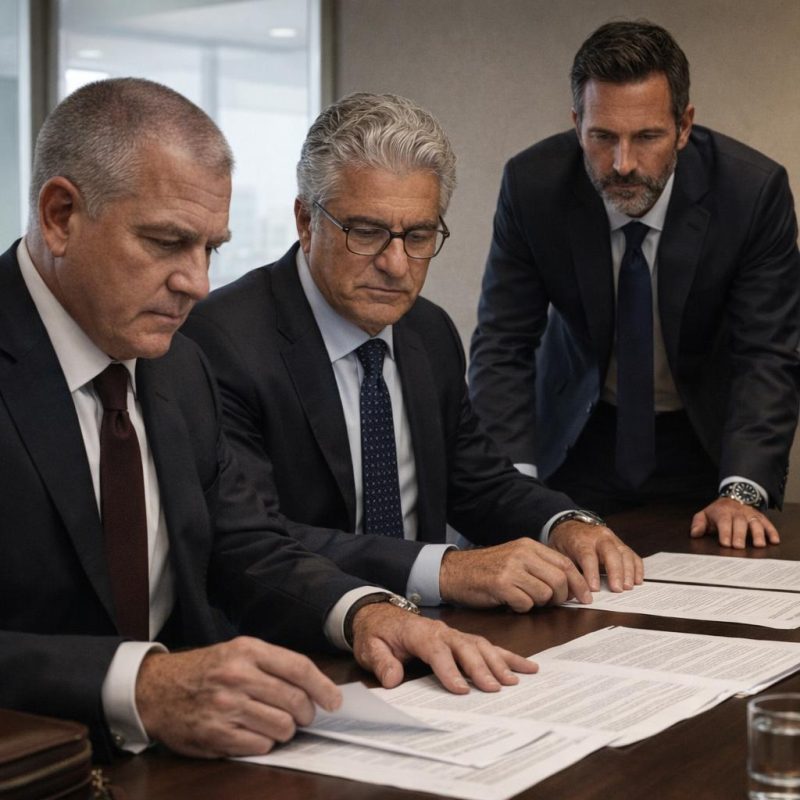 Image by RM AI
The Dealership Was Intentional
After Robert left to get more coffee, I asked my father how he'd chosen the Sterling dealership specifically. He looked at me steadily and said he'd been researching it for several months. Online reviews going back two years mentioned staff making comments about customers' appearance, assumptions about who could afford what. He'd cross-referenced complaint patterns, talked to a few people who'd had experiences there. By the time we pulled into that parking lot on Saturday morning, he said, he already had a clear picture of what the place was likely to do. I felt something cold move through me. I asked if he'd brought me along knowing what was going to happen. He said he'd wanted me to see it firsthand — to understand why the work mattered, why it had to be done the way it was done. Marcus was quiet on the other side of the table, not looking up from his papers. I asked my father if he thought it was fair, using real situations, real people, real humiliation as the mechanism. He said he documented reality. The businesses chose how to treat people; he just gave them the opportunity to show their values. I sat with that for a moment. It wasn't a wrong answer. I wasn't sure it was a complete one either. Then he said, evenly, that he'd identified the Sterling dealership eight months before we ever walked through the door.
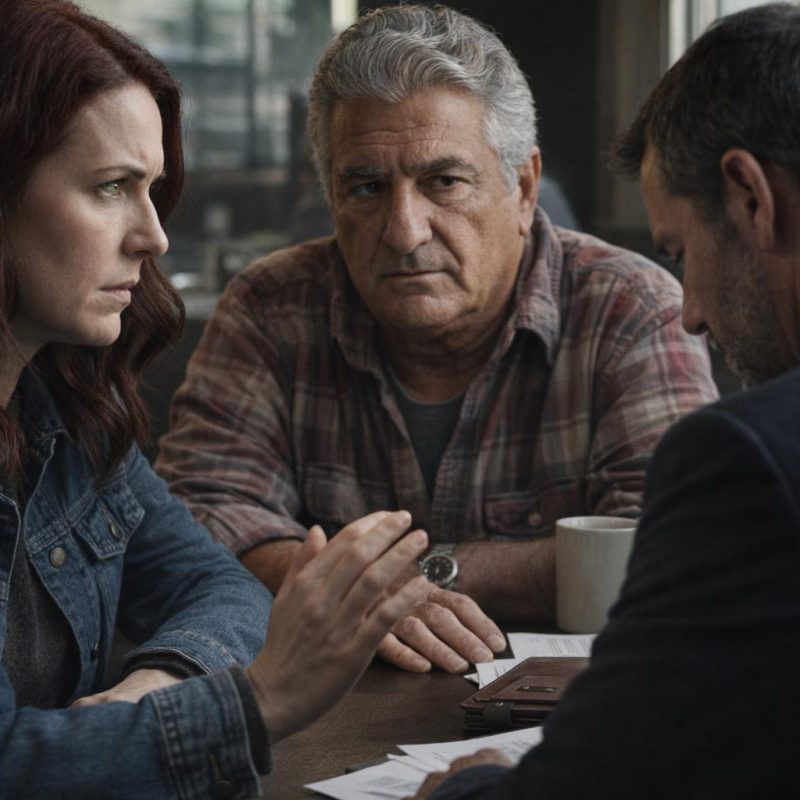 Image by RM AI
Every Humiliation Was Performance
We didn't say much walking to the parking garage. My footsteps echoed off the concrete and I kept turning the morning over in my head — every moment of it. The way my father had stood there while Tyler talked down to him. The patience. The quiet. I'd read it as dignity in real time, and now I didn't know what to call it. When we reached the car, I finally said it out loud: I understood what he was trying to accomplish, but I was struggling with how he'd done it. Every moment at that dealership had been performance. His patience wasn't just who he was — it was strategy. The business card reveal, the whole arc of the morning, it had been theater. He listened without interrupting. Then he said he'd grappled with the same questions, and that he'd tried other approaches first — written complaints, conversations with managers, formal letters. Nothing changed. He said ownership was the only lever that actually moved anything, and that he'd watched eight businesses transform because of it. I asked if the ends justified the means. He said that was a question he still asked himself, every single time. I sat with that in the passenger seat as we pulled out into the afternoon light, and it didn't feel like a clean answer — because it wasn't one.
 Image by RM AI
The Deal Moves Forward
Marcus called while we were still in the car. I could hear the calm efficiency in his voice even through the speaker — paperwork filed, acquisition moving through the proper legal channels, Sterling's signatures confirmed on all the necessary documents. My father just nodded like he'd expected nothing less. By the time we got back to the house, Marcus had arrived with his briefcase and a folder thick enough to make a sound when he set it on the kitchen table. He walked us through the timeline: new policies rolling out within thirty days, key personnel changes already identified, implementation plans drafted. Then my father mentioned Diana Rodriguez — said she'd be coming in as operations director, that she'd helped with previous acquisitions, that she ran one of the businesses he'd reformed years back. I asked how many people were actually part of this. Marcus looked up from his papers and said the network was larger than most people realized — business owners who'd gone through the same process, sharing practices, supporting each other. I'd been thinking of my father as one man with a strategy. Marcus slid the executed acquisition agreement across the table, James Henderson listed as majority stakeholder, and the dealership group's name printed at the top of the page.
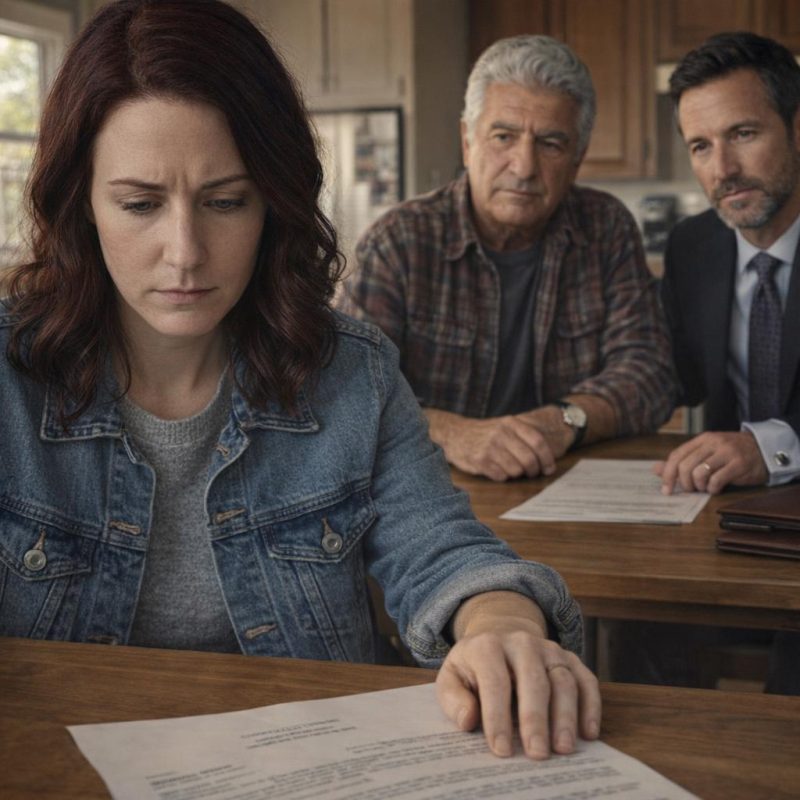 Image by RM AI
New Ownership Announced
The press release went out on a Tuesday morning and by noon my phone was buzzing with notifications I hadn't asked for. Someone had tagged my father's name in a business news article, and from there it spread fast. I sat at the kitchen counter scrolling through the reactions, and they were all over the place. Some people were calling it a masterclass in accountability — comments about how discrimination only stops when there are real consequences, how this was exactly the kind of structural response that complaints and reviews never produce. But there were other takes too. A few articles framed the acquisition as manipulative, questioned whether the test visits were ethical, asked whether a private citizen should have that kind of unchecked power over a business's fate. I felt defensive reading those, and then I felt uncomfortable feeling defensive, because some of the questions weren't entirely wrong. My father was in the other room on a call with dealership management, talking through training rollout schedules, completely unbothered by the coverage. He wasn't watching the news cycle. He was already three steps into implementation. I put my phone face-down on the counter and just sat there, the noise of the internet still humming somewhere behind me, and the quiet of what he was actually doing settling over the room.
 Image by RM AI
Tyler's Termination
Marcus brought the documentation file to the house two days later and set it open on the table in front of me. I hadn't expected it to be so thorough. There were audio recordings from the showroom floor, timestamped photos, a log of exactly how long my father and I had stood there before anyone approached us. Tyler's specific comments were transcribed word for word. Marcus explained that this was standard — my father recorded every test visit, kept meticulous files, because the documentation was what made the legal process clean and defensible. I read through Tyler's termination letter. Violation of customer service standards, conduct unbecoming, the language was formal and precise. I felt the satisfaction I'd expected to feel, and then something else moved in underneath it. Tyler had been cruel, no question. But reading through the file, I could also see how thoroughly the dealership's culture had shaped what he thought was acceptable behavior. He'd learned it somewhere. He'd been rewarded for it, probably for years. My father said that was exactly why individual firings weren't enough — you had to change the whole environment, or the next person hired would absorb the same patterns. I closed the folder and left my hand resting on the cover, the weight of all that documentation pressing back up through my palm.
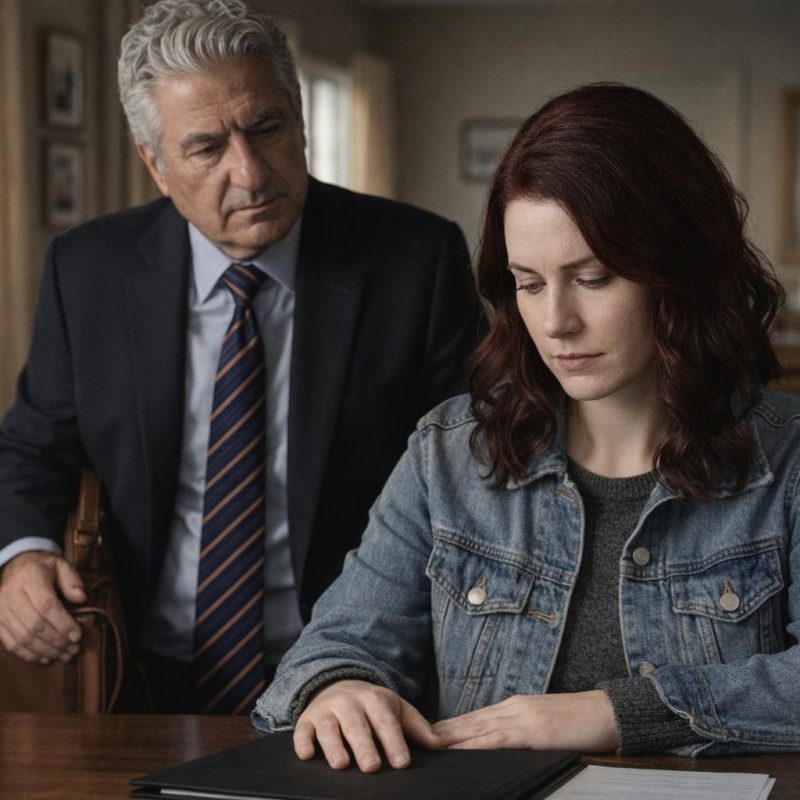 Image by RM AI
Grant's Demotion and Training
I asked my father why Grant still had a job. We were sitting at the kitchen table after Marcus had left, and I wasn't trying to be harsh about it — I genuinely didn't understand the distinction. Tyler was gone, but Grant, who'd watched the whole thing happen and done nothing, was still on the payroll. My father said the difference mattered. Tyler had been actively cruel. Grant had been complicit, which was its own failure, but when Grant finally understood what he'd allowed, his response had been different. There'd been genuine remorse, not just damage control. Grant had been demoted — out of senior management entirely, into a junior role — and he was required to complete the full training program before he could be considered for anything else. A few days later I met Grant briefly at the dealership. He looked like a man who hadn't slept well in a week. He said he'd ignored things he shouldn't have ignored, that he'd told himself it wasn't his place to intervene, and that he understood now how hollow that was. He seemed shaken in a way that felt real rather than performed. On the drive home I told my father I still wasn't sure Grant deserved the second chance. My father looked over at me and said, quietly, that the question wasn't whether Grant deserved it — it was whether the people Grant would interact with for the rest of his career deserved a version of him who'd actually learned something.
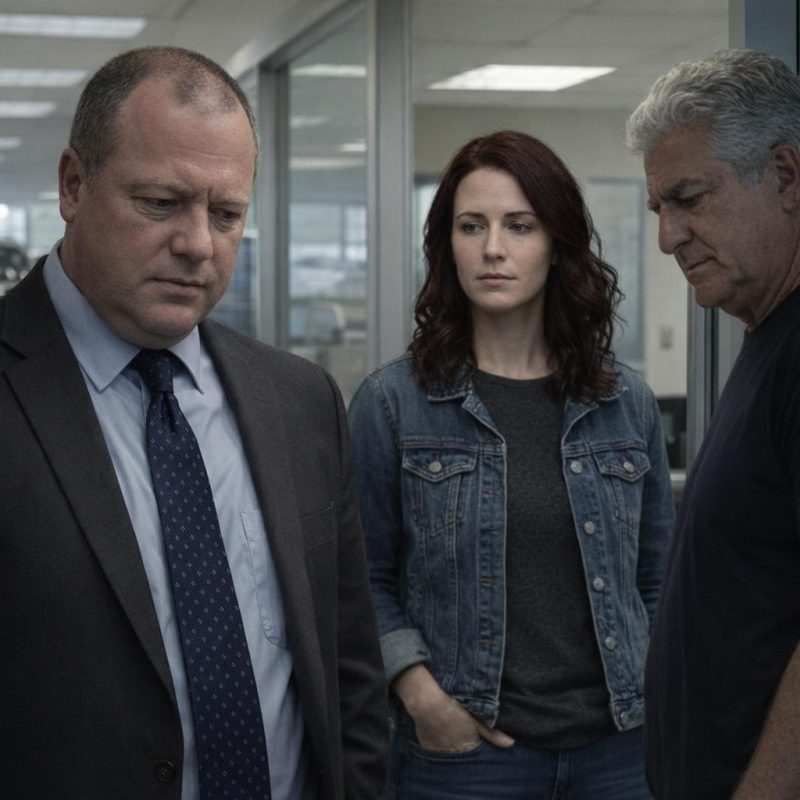 Image by RM AI
New Policies Implemented
Diana arrived at the dealership on a Thursday morning with two rolling cases of training materials and a calm, organized energy that immediately changed the atmosphere of the place. I went with my father to observe, and within an hour every staff member had been handed a new policy manual and assigned to a session. I sat in the back of one of the training rooms and watched. The material covered implicit bias, customer service standards, the specific ways appearance-based assumptions damage both customers and businesses. Diana ran the room with a kind of warm precision — she wasn't lecturing, she was engaging, asking questions, drawing people out. Some of the salespeople leaned in. A few sat with their arms crossed, compliant but not convinced. Diana handled both reactions without missing a beat, acknowledging resistance without letting it derail the session. New customer feedback systems were being installed that same week — anonymous reporting channels, regular service audits, accountability structures built into the daily operation. My father stood near the doorway watching, and I stood next to him. This wasn't a memo and a poster in the break room. By the end of that first week, Diana had run every staff member through the initial training, revised the customer intake process, and posted the new standards at every sales station.
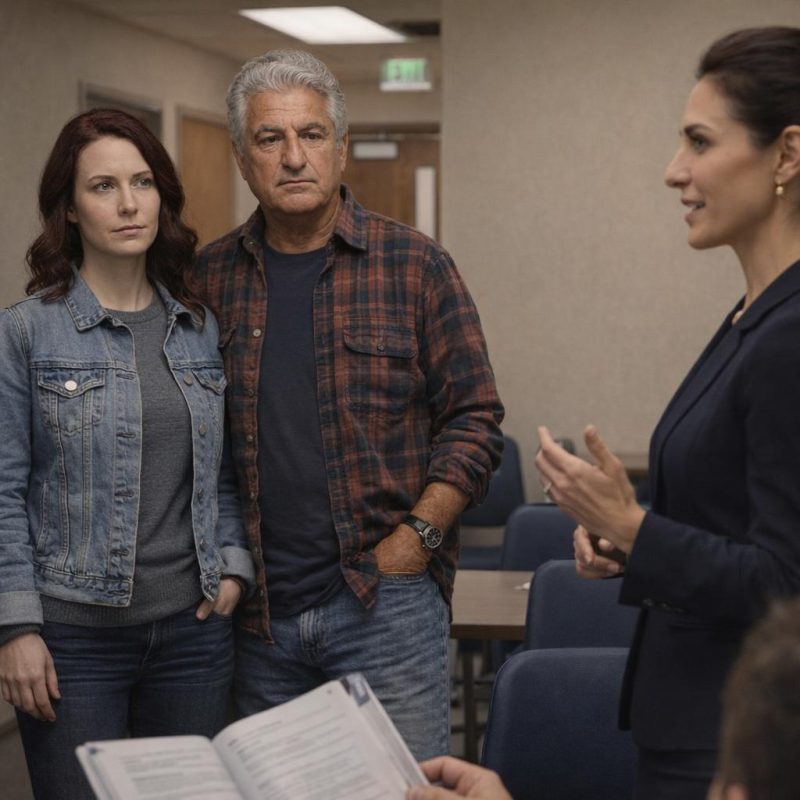 Image by RM AI
Diana's Promotion
My father made the announcement formally at the end of the first week: Diana would oversee all Sterling dealership group operations going forward, reporting directly to him. I wasn't surprised, but I wanted to understand her story better, so I asked her about it after the meeting. She told me that seven years ago her own dealership had been struggling. She'd felt the pressure to compete with places like Sterling — to make the same snap judgments about customers, to prioritize the ones who looked the part. She said she'd hated it but hadn't known how to stop and stay solvent. My father had approached her with an acquisition offer, reformed the business practices, and worked with her through the transition. Her dealership became profitable within two years of the changes. She'd been helping him with other acquisitions ever since, part of a network of business owners who'd gone through the same process and now shared strategies and supported each other through implementations. I asked how many businesses were in the network. She smiled and said more than most people would guess. I looked at my father across the room, and I realized I'd been thinking about Saturday morning at the dealership as the beginning of something — but then Diana said she'd been working with him since before I'd finished college.
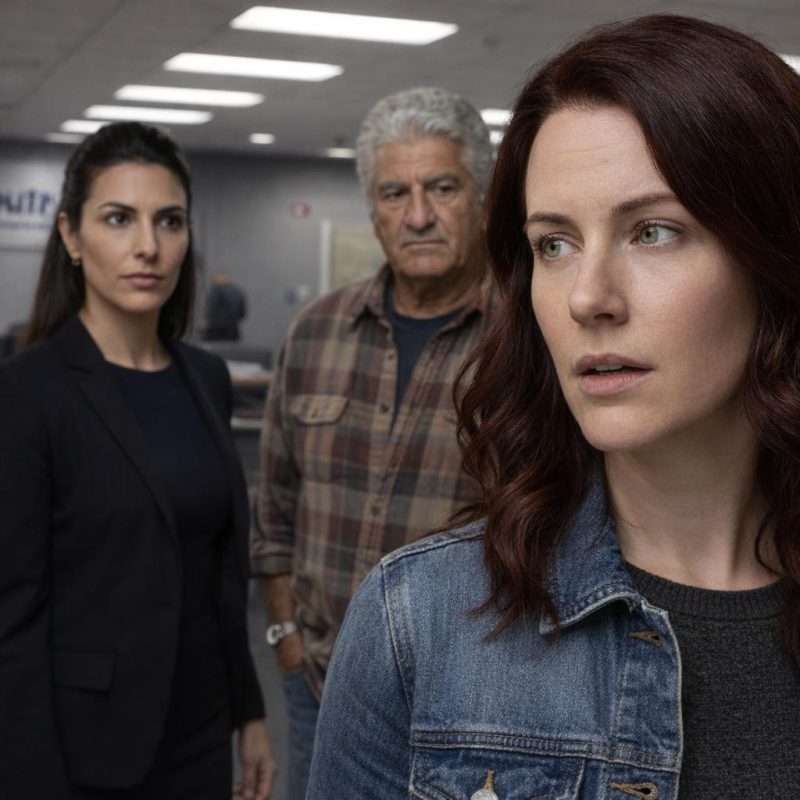 Image by RM AI
Legacy of Systematic Change
We had the conversation alone, just the two of us, the evening after Diana left. I asked my father what he actually wanted his legacy to be — not the businesses, not the acquisitions, but the thing underneath all of it. He was quiet for a moment, and then he said it wasn't about any individual dealership or any individual person who'd been treated badly. It was about proving that systematic discrimination could be answered with systematic reform. He said discrimination wasn't just bad people making bad choices — it was built into the structures, the training, the culture of how businesses operated. Complaining didn't dismantle structures. Protesting didn't rewrite training programs. Ownership did. He'd spent fifteen years documenting, acquiring, reforming, and building a network of businesses that were both ethical and profitable, because profitability was the only argument that convinced other business owners to pay attention. He said he'd kept it quiet because the work required it — if businesses had known who he was, they would have hidden what they did. Now that he was thinking about stepping back, he could afford to be more visible. I asked if he thought it was enough. He said he didn't know, but that the network would keep running without him, and that was the point. I sat across from him in the quiet of that kitchen, and the full weight of what he'd spent his life building settled over me like something I hadn't known I'd been carrying.
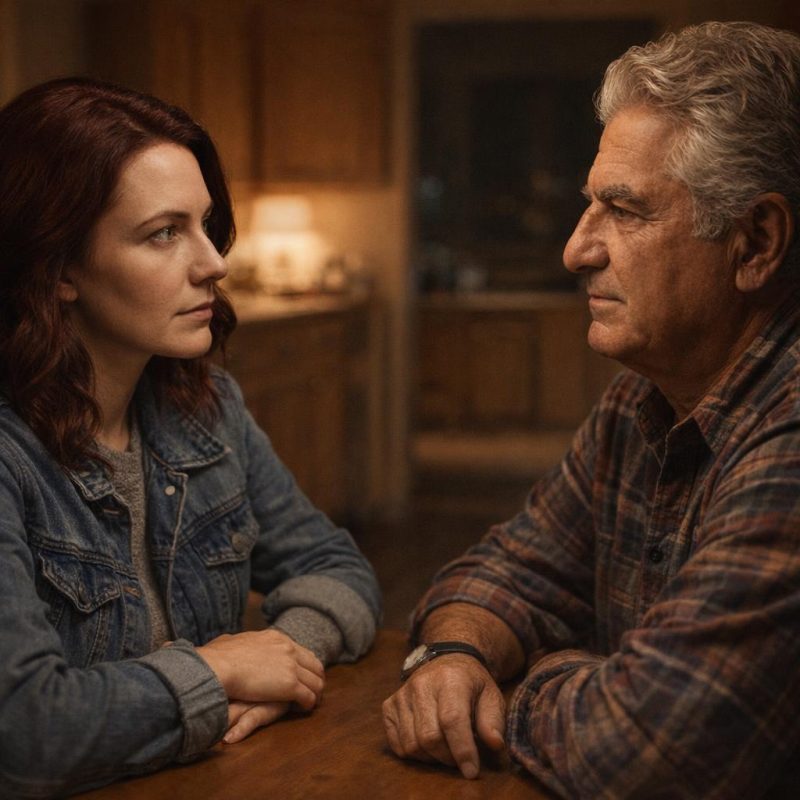 Image by RM AI
Other Business Owners Reach Out
The calls started coming in two days after the Sterling acquisition went public. My father sat at the kitchen table with his phone and a yellow legal pad, and Marcus sat across from him with his briefcase open, and I watched from the doorway as the list of names grew. A restaurant owner from the east side. A regional hotel chain. Two independent auto shops. A property management company. Some of them had heard about Sterling through the business community. Others were already part of the network and wanted to expand. A few were calling because they'd looked at their own operations and didn't like what they saw. My father listened to each one carefully, asked the same questions every time — what had they documented, what were they willing to change, and were they prepared for the work to be slow. He turned down three calls before noon. Marcus told me later that the vetting process was the whole point — the network only worked if every business in it was genuinely committed. By late afternoon, my father had agreed to preliminary conversations with four of them. I watched him set down the phone after the last call, and Marcus slid a folder across the table — a draft proposal for a formal foundation to support the reform work across industries.
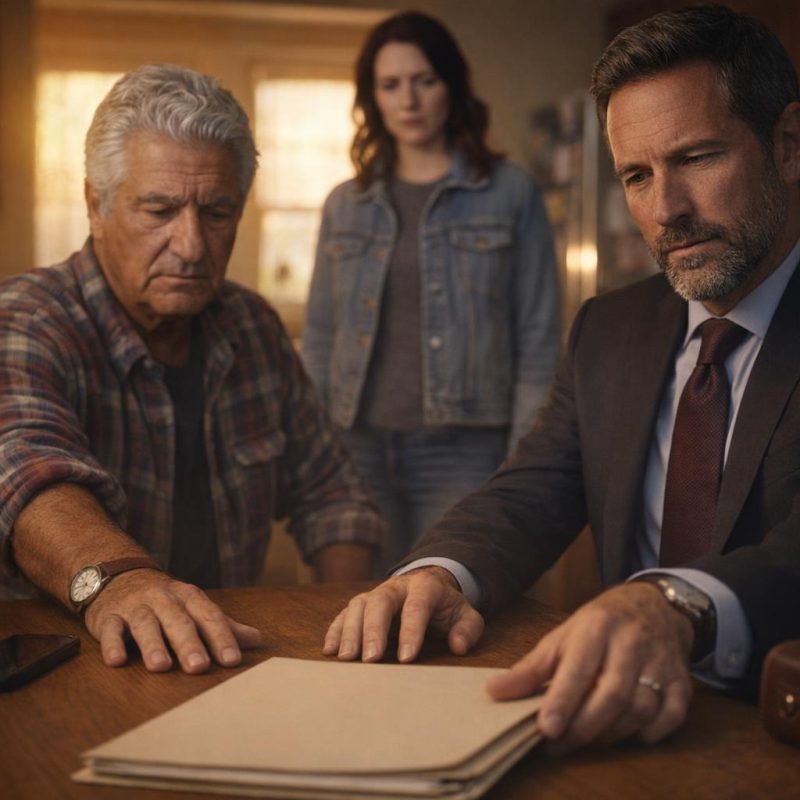 Image by RM AI
Father and Daughter
We sat on his back porch after everyone had gone, just the two of us, with the last of the evening light going orange over the yard. I told him I'd been turning everything over in my head for weeks — the strategy, the patience, the years of staying invisible — and that I understood it now in a way I hadn't before. I understood the results. I'd seen the businesses, talked to the employees, watched what changed when ownership changed. But I told him honestly that the performance of it still sat uneasy with me. The boots, the flannel, the deliberate way he'd let people underestimate him. He nodded and didn't argue. He said he'd had the same doubts, more times than I'd know, and that he'd never fully resolved them. He said the work wasn't morally clean and he wasn't going to pretend it was. The alternative had been doing nothing, and he couldn't live with that either. I told him I wasn't sure I could have done what he did. He said that was okay — that the work needed people who pushed back on the methods, who asked whether there was a better way. I told him I was proud of him. He was quiet for a moment, and then he said that meant more to him than anything else.
 Image by RM AI
Passing the Mission
He called the meeting on a Thursday morning, and when I arrived at his house, Marcus was already there, and Diana came in a few minutes after me, along with two other business owners I recognized from the network. My father stood at the head of the table and said it plainly — he was turning seventy in the spring, and it was time to step back. The network would continue. Diana would coordinate the reformed businesses. Marcus would handle acquisitions and legal work. My father would stay on as an advisor, available but not leading. He went through the future plans methodically — expanding to two other cities, building formal training programs, creating a sustainable model that didn't depend on any one person. Then he looked at me and said there was a role if I wanted it. Identifying businesses, working on training and implementation, bringing a perspective the network didn't currently have. He said I didn't have to decide anything today. He said the network needed thoughtful people more than it needed enthusiastic ones, and that I should take whatever time I needed to understand the work before I committed to it. I looked around the table at the people who had spent years building something real and quiet and consequential, and the weight of what he was offering settled over me without any urgency at all.
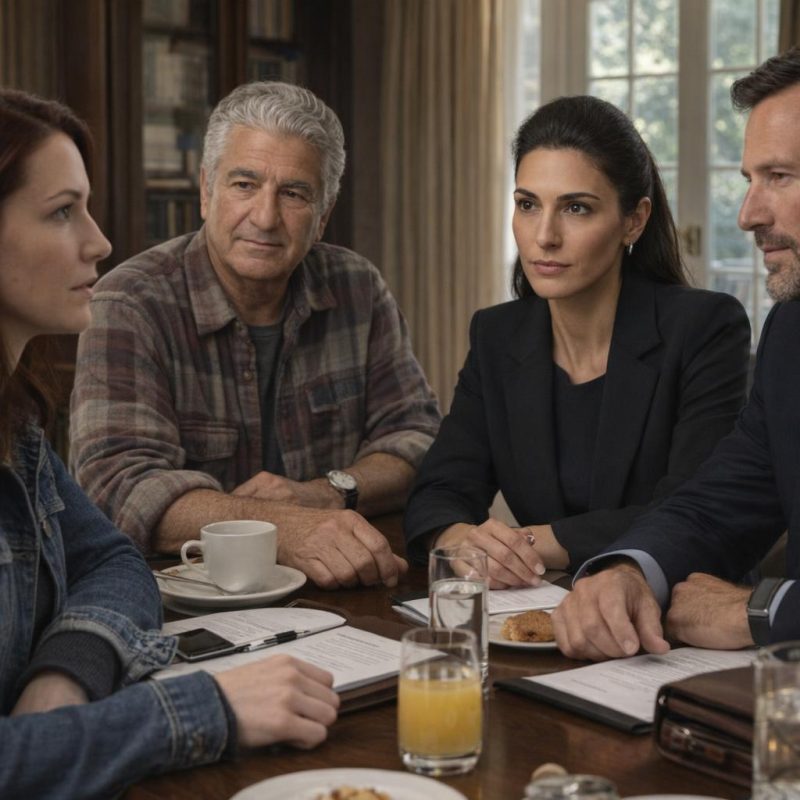 Image by RM AI
The Work Continues
I spent two weeks visiting the businesses before I gave him my answer. I walked the floors of the reformed dealerships, sat in on training sessions, read through policy documents with Marcus, and spent a full afternoon with Diana going over how implementation actually worked on the ground. I talked to employees — not managers, employees — and asked them what had changed and what still needed work. The answers were honest and complicated, which was exactly what I needed to hear. I went back to my father on a Sunday evening and told him I'd join the network, but that I was coming in with my own set of questions and I wasn't going to stop asking them. I told him I wanted to push for more transparency where it was possible, and to focus on education alongside accountability. He said that was exactly what the work needed. We shook hands at his kitchen table, which felt both ridiculous and completely right. Marcus sent me my first assignment the following morning — a mid-size furniture retailer with three locations and a documented pattern of differential service. I sat in my car in the parking lot outside the first location, notepad open on the passenger seat, and for the first time the work wasn't something I was watching my father do.
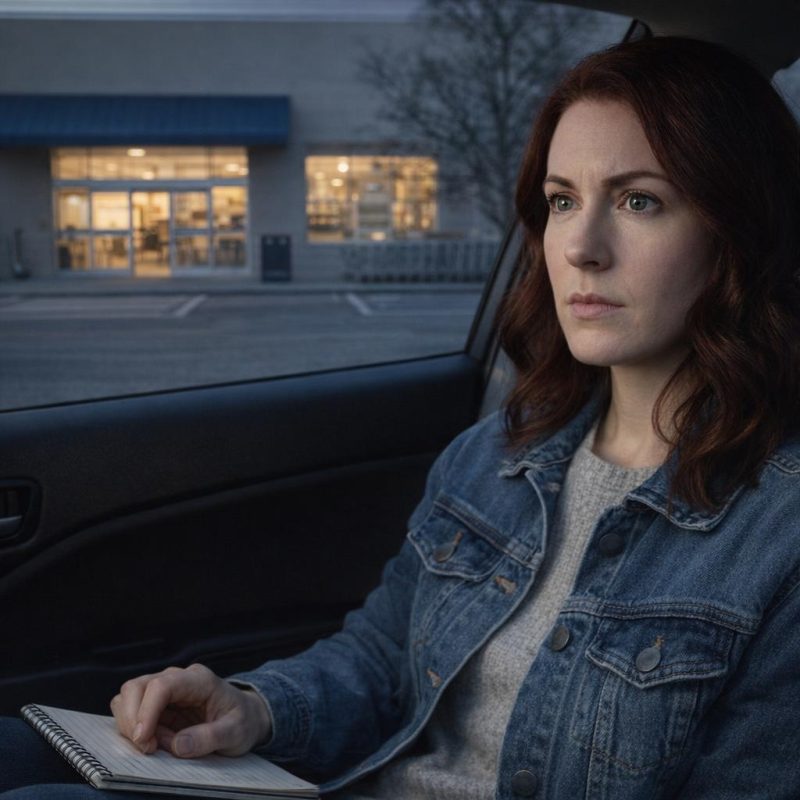 Image by RM AI
KEEP ON READING

The story of Ching Shih, the Woman Who Became the…
Unknown author on WikimediaFew figures in history are as feared…
By Emilie Richardson-Dupuis Dec 29, 2025
Einstein's Violin Just Sold At An Auction—And It Earned More…
A Visionary's Violin. Wanda von Debschitz-Kunowski on WikimediaWhen you hear…
By Ashley Bast Nov 3, 2025
This Infamous Ancient Greek Burned Down An Ancient Wonder Just…
History remembers kings and conquerors, but sometimes, it also remembers…
By David Davidovic Nov 12, 2025
The Mysterious "Sea People" Who Collapsed Civilization
3,200 years ago, Bronze Age civilization in the Mediterranean suddenly…
By Robbie Woods Mar 18, 2025
20 Greatest Ancient Athletes In History
Ancient Olympics. Long before modern stadiums and multimillion-dollar endorsements, athletes…
By Sara Springsteen May 1, 2026
20 Soldiers Who Defied Expectations
Changing the Rules of the Battlefield. You’ve probably heard plenty…
By Annie Byrd Feb 10, 2026