

I Won a Free Caribbean Cruise at 62—By Day Three, I Realized the Real Prize Was Something Far More Terrifying
I Won a Free Caribbean Cruise at 62—By Day Three, I Realized the Real Prize Was Something Far More Terrifying
The Call That Changed Everything
I was folding laundry on a Tuesday afternoon when my phone rang with a number I didn't recognize. Normally I let those go straight to voicemail — I'd learned that lesson after too many extended warranty calls — but something made me pick up. The woman on the other end had one of those voices that sounds like it was professionally trained to be reassuring. She told me I'd won a seven-day Caribbean cruise, compliments of a raffle I'd entered at the county fair back in the spring. I stood there holding a half-folded bath towel, trying to remember. The county fair. The funnel cake stand. There had been a fishbowl on a folding table nearby, and I'd dropped my name in mostly because the pen was right there. I hadn't thought about it since. At sixty-two, after decades of double shifts and tired feet and putting everyone else first, I'd quietly stopped expecting good things to just land in my lap. But here was this woman, smooth and unhurried, telling me I'd won. She said a welcome packet would arrive with all the details. I said yes before I'd fully thought it through. What stopped me, though — what I kept turning over after I hung up — was that she'd never once asked me for anything. She already had my name, my address, my phone number. All of it, ready and waiting.
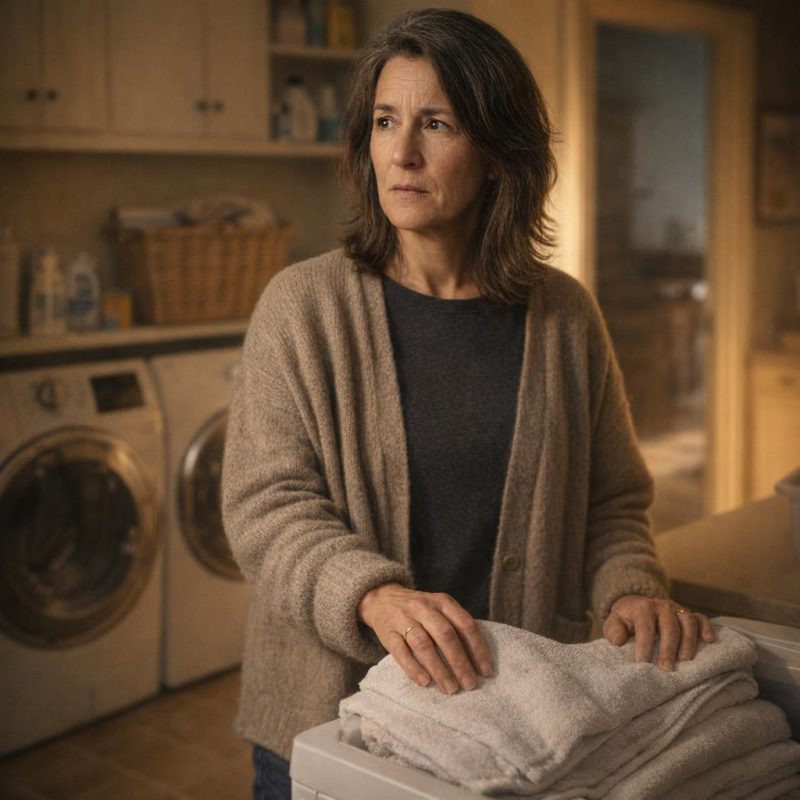 Image by RM AI
Jennifer's Warning
I called Jennifer that same evening, practically tripping over my own words trying to get it all out. A cruise, I told her. Seven days. The Caribbean. I'd won it from that raffle at the county fair, remember, the one near the funnel cake stand? She listened quietly while I talked, which I should have recognized as a warning sign — Jennifer is not a quiet listener when she's happy about something. When I finally stopped, there was a pause. Then she started asking questions in that careful, measured way she has, the one that means she's already made up her mind but is trying to be diplomatic about it. She'd read about these kinds of offers online, she said. Fake cruise promotions, phishing schemes, companies that collect your information and disappear. She asked what details I'd given the caller. I told her I hadn't given anything — the woman already had everything, straight from the raffle entry. Jennifer didn't find that reassuring. She kept going, listing red flags like she was reading from a checklist: Did I verify the company? Did I look them up? Did I check for reviews? I felt the excitement I'd been carrying around all afternoon start to go flat, like air leaking out of something I hadn't even realized I'd been holding. Then she said it plainly, without any softening: "Mom, that sounds like a scam."
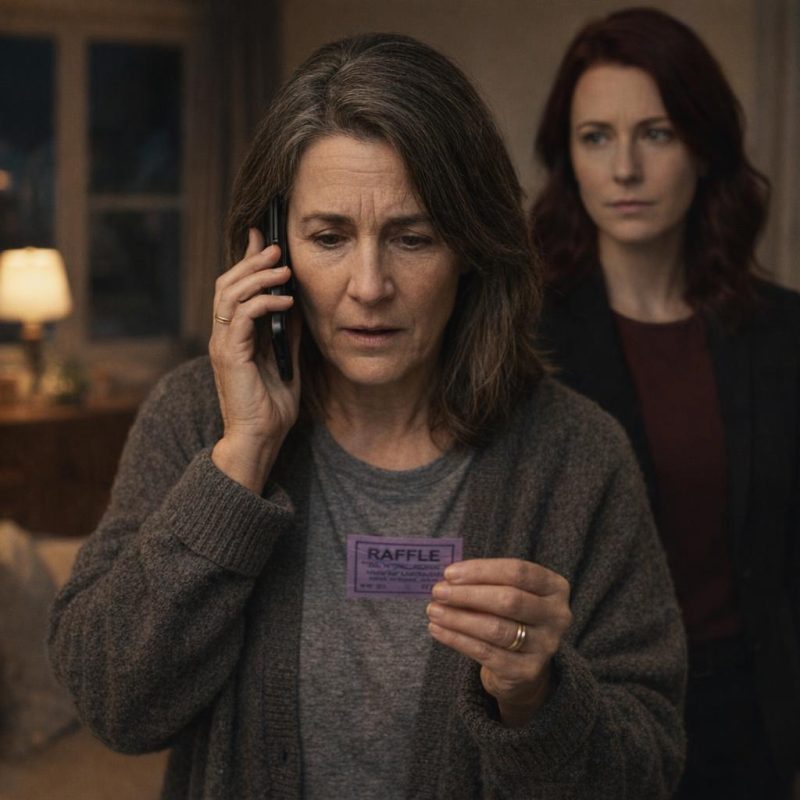 Image by RM AI
The Seed of Doubt
I told Jennifer she was being ridiculous. I didn't mean for it to come out that sharp, but it did, and I didn't take it back. She kept pressing — had I Googled the company, had I checked the Better Business Bureau, did I even know the name of the cruise line — and every question felt like another small accusation. I told her I was sixty-two years old and I'd been navigating the world just fine without a fact-checker standing over my shoulder. She said she wasn't trying to be condescending, she was just worried. I said I knew she was worried, I knew that was where it came from, but I couldn't spend the rest of my life being suspicious of every single thing that came my way. And then I said the thing I'd been feeling for a long time without quite knowing how to say it: that I deserved something good to happen. That I'd worked hard and kept my head down and done everything right, and maybe, just maybe, the universe owed me a little something. Jennifer went quiet. Not the quiet of someone who's been convinced — the quiet of someone choosing not to say the next thing out loud. I could practically hear her biting her tongue through the phone. The silence stretched between us, and it carried more weight than anything either of us had actually said.
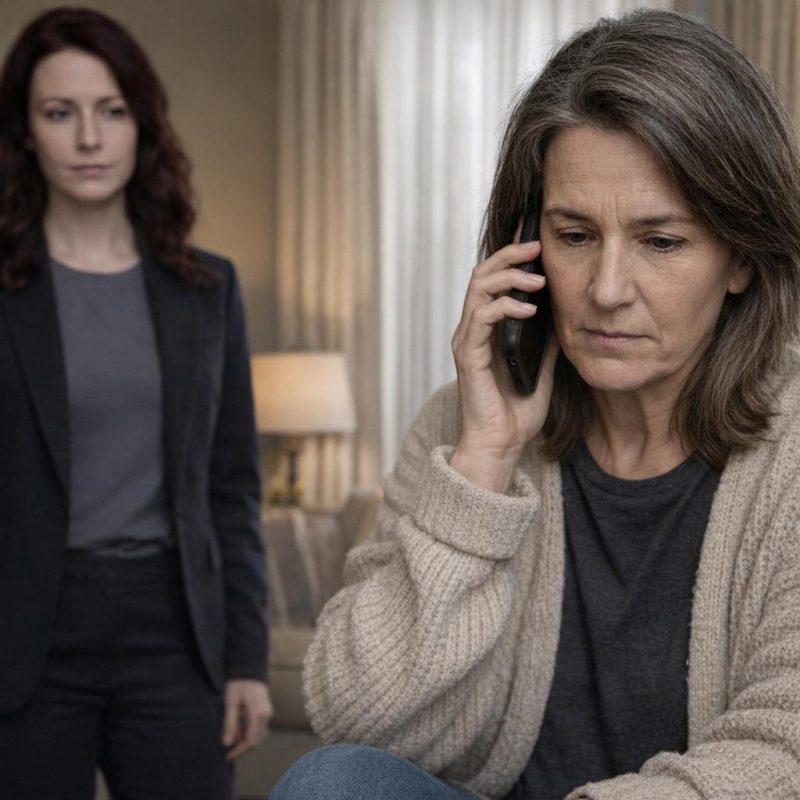 Image by RM AI
Promises and Uncertainty
Before we hung up, Jennifer made me promise. Not in a dramatic way — she didn't raise her voice or issue ultimatums — she just said, quietly, "Mom, just promise me you'll be careful." And I said I would, because what else do you say to your daughter when she's looking out for you even if you think she's wrong? I told her again that everything seemed legitimate, that the caller had been professional, that the materials were on their way, that I had no reason to believe this was anything other than what it appeared to be. Jennifer said okay in a tone that meant she didn't think it was okay at all. We said goodbye and I hung up. I stood in my kitchen for a minute, phone still in my hand, feeling that particular kind of defensive that only your kids can make you feel — where you're certain you're right but you can't quite shake the feeling that maybe you're not. I wanted this to be real. I wanted it badly enough that I noticed myself wanting it, which was its own uncomfortable thing to sit with. The seed Jennifer had planted was small, but it was there, and no amount of telling myself I was being foolish seemed to make it go away. The promise I'd made her sat in my chest like something I'd have to keep carrying.
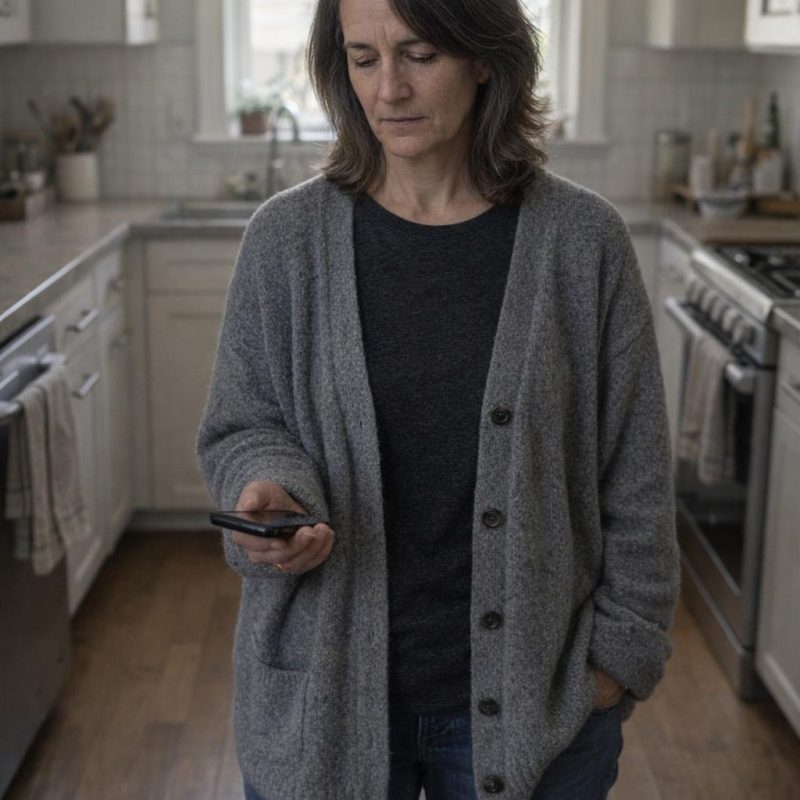 Image by RM AI
The Wait
The woman had said to expect the welcome packet within three to five business days. I told myself I wasn't going to obsess over it. I lasted about half a day before I started checking the mail. The first day there was nothing but a credit card offer and a dental reminder. The second day, a catalog I hadn't asked for and a water bill. By the third day I was timing my trips to the mailbox around when I thought the carrier usually came, which I recognized as slightly unhinged behavior but did anyway. Jennifer's voice kept running in the background of my thoughts like a radio I couldn't quite turn off — scam, phishing, red flags, did you verify. I kept pushing it aside. I told myself that if the packet arrived looking professional and official, that would settle it. That would be the proof. And if it didn't arrive at all, well, I'd deal with that when it happened. I didn't let myself finish that thought too often. On the fourth day I was standing at the front window with my second cup of coffee, watching the street, when I saw the mail carrier coming up the walk with something in hand — a thick manila envelope that was clearly too substantial to be junk mail.
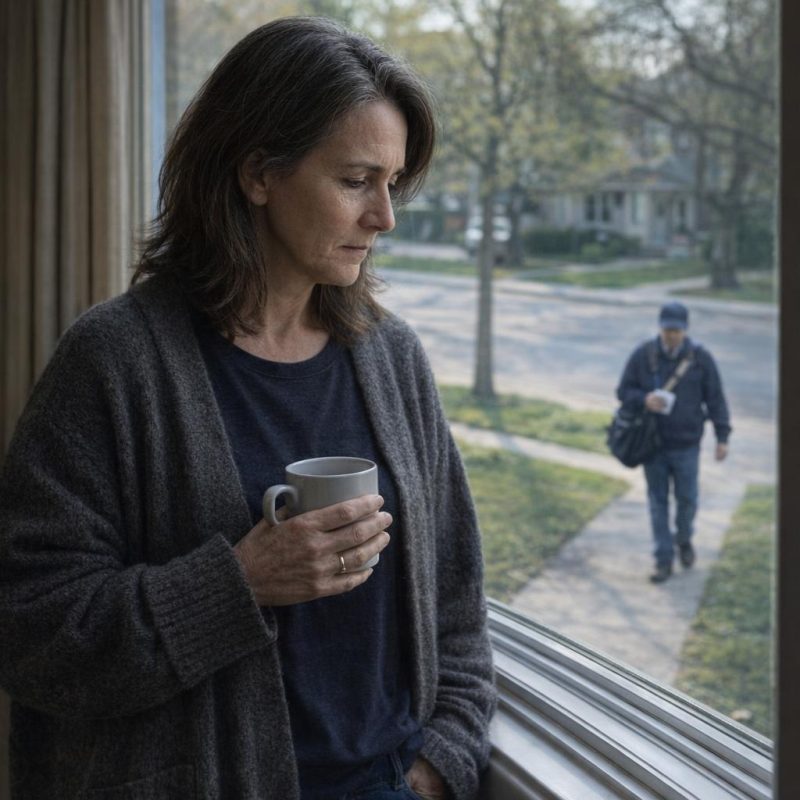 Image by RM AI
The Professional Package
I made myself walk to the door instead of running, which felt like a small act of dignity. The envelope was heavier than I expected, with a satisfying weight to it. I brought it inside and sat down at the kitchen table before I opened it, because I wanted to do this properly. I slid my finger under the flap and pulled out a stack of glossy brochures that felt expensive in a way I couldn't quite describe — thick paper, rich colors, the kind of printing that doesn't come cheap. The photos showed turquoise water so clear you could see the bottom, white sand beaches, couples laughing on deck chairs with drinks in their hands. There was a detailed itinerary folded inside: ports of call, excursion options, departure times. A welcome letter addressed to me personally, warm and specific, with a confirmation number printed on letterhead that looked as official as anything I'd ever received from an actual company. I spread everything out across the table and looked at it all together. It didn't look like a scam. It looked like a vacation. I thought about calling Jennifer right then, but I stopped myself — I wanted to check a few more things first, do this right. I turned the envelope over in my hands, and there on the back flap, printed in clean professional lettering, was the return address: Sapphire Seas Cruise Line.
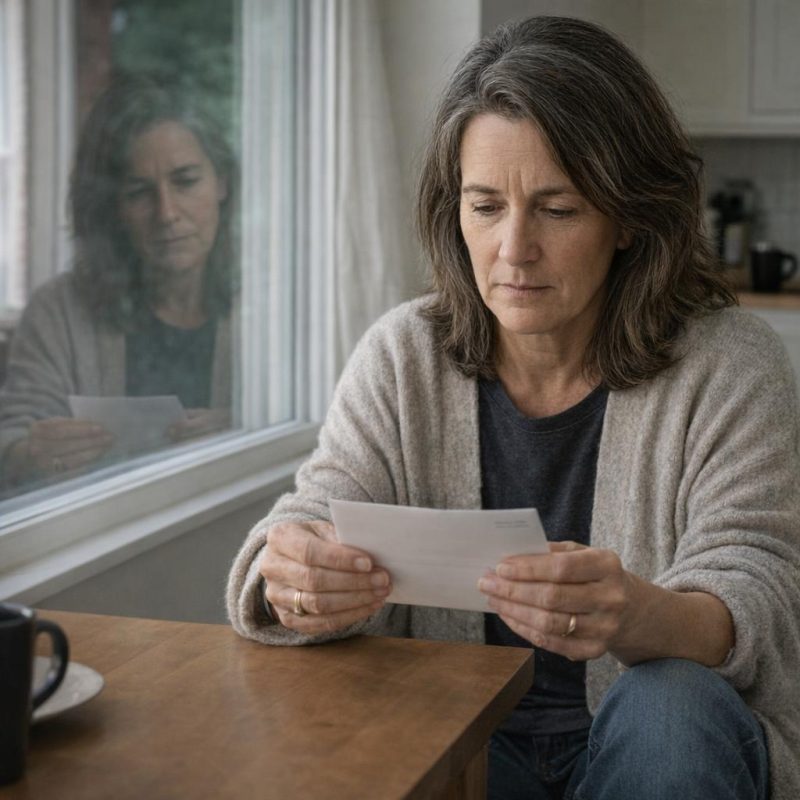 Image by RM AI
Verification
I went through everything Jennifer had told me to check, treating it like a list. I read the welcome letter twice, looking for anything that felt off — vague language, pressure tactics, requests for money. Nothing. I studied the itinerary, which named specific ports with specific docking times, the kind of detail that would be a lot of effort to fake. I checked the confirmation number format against what I'd read online about legitimate booking codes. Then I went and got my laptop from the bedroom and brought it to the kitchen table. I typed the Sapphire Seas Cruise Line website address from the brochure directly into the browser, not trusting a search result, the way Jennifer had specifically told me to do. I sat there with my finger hovering over the enter key for just a second — half-braced for a dead link or an error page — and then I pressed it. The site loaded cleanly and fast, with the same turquoise color scheme as the brochures, professional photography, a full navigation menu. There were customer testimonials, a FAQ section, a prominently displayed customer service number. It looked exactly like what a real cruise company's website should look like. I felt something loosen in my chest, some knot I'd been carrying since Jennifer's call. I pulled my laptop closer and started reading through the site more carefully, going page by page.
 Image by RM AI
The Confirmation Call
I found the customer service number listed in three separate places on the website, which felt like a good sign. I wrote it down on a notepad — old habit — and then dialed it from my landline, half-expecting a busy signal or a recording telling me the number was out of service. Instead it rang twice and a real human being picked up. She was cheerful without being over the top about it, the kind of professional warmth that doesn't feel performed. I gave her my confirmation code, reading it carefully off the welcome letter, and she pulled up my reservation without any hesitation. She confirmed my name, the departure date, the ship name. Then she asked if I had any dietary restrictions she should note on my file, and whether I had any accessibility needs for the cabin or the excursions. Those were not questions a scam operation bothered to ask. I answered her, thanked her, and hung up. I sat at the kitchen table with the brochures still spread out in front of me and the notepad with the phone number I no longer needed. Jennifer had given me a checklist, and I had worked through every item on it, and everything had come back clean. The knot in my chest that had been there since Tuesday evening finally, quietly, let go.
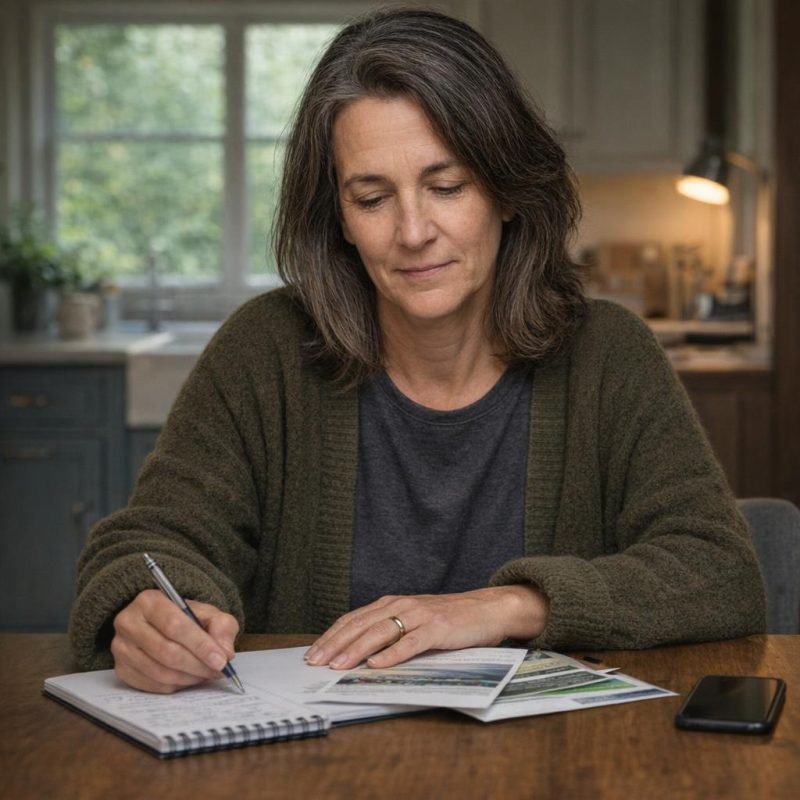 Image by RM AI
Doubts Evaporate
I sat there for a long moment after I hung up, just looking at the notepad. I had done everything Jennifer asked. I had checked the company registration, looked up the ship, called the customer service number, confirmed my reservation with a real human being who asked about my dietary restrictions. Every single item on her checklist had come back clean. The website was professional — not the kind of thing someone throws together overnight. The brochures had weight to them, the kind of paper stock that costs money to print. The confirmation letter had my full name, the correct departure date, the right port. There was nothing left to doubt. I thought about calling Jennifer right then, just to say: I told you so. Not meanly — just to close the loop, to let her hear the relief in my voice. But I didn't pick up the phone. She would want to talk through every detail again, and I didn't want to talk through it. I just wanted to sit with it. The kitchen was quiet, the afternoon light coming in low through the window, and for the first time since that envelope arrived, the worry was simply gone.
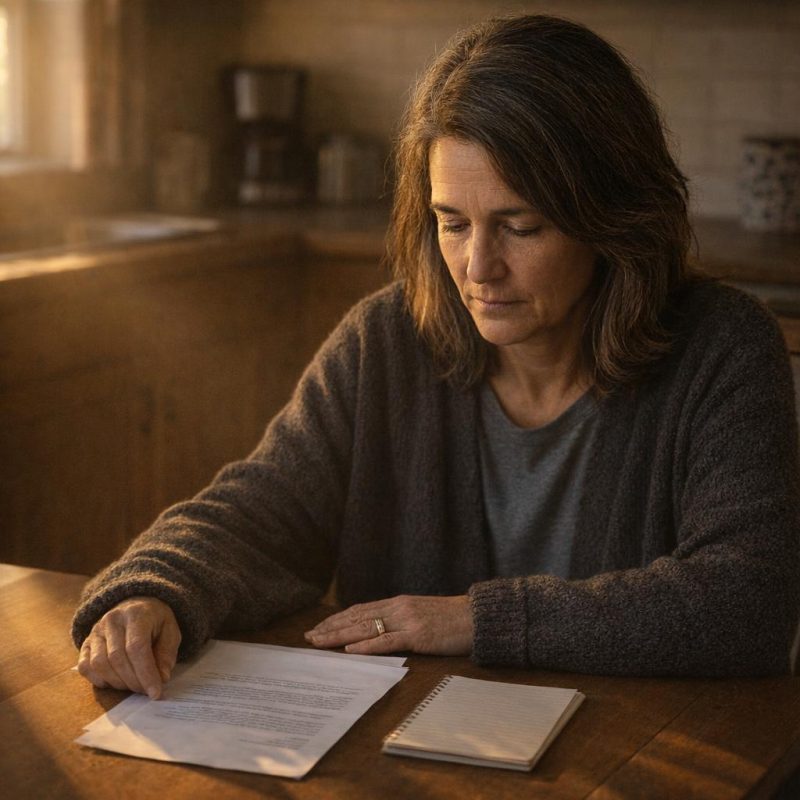 Image by RM AI
Permission to Hope
I gave myself about ten more minutes of sitting quietly before I did something I hadn't let myself do yet. I pulled all the brochures toward me and spread them out across the kitchen table — every single one, overlapping, edge to edge, until the whole surface was covered in turquoise water and white sand and people laughing on deck chairs. I had been holding these at arm's length since they arrived, treating them like evidence to be examined rather than something to actually enjoy. But I had done the work. I had made the calls, checked the boxes, followed every instruction Jennifer gave me. Everything had come back legitimate. So I let myself look. Really look. There was a photo of a beach in St. Thomas that was so blue it almost didn't seem real. There was an itinerary page with stops I had only ever seen on travel shows. I traced my finger along the route like I was already there. I had spent so long being careful, so long holding the hope at a distance, that actually letting it in felt almost strange. But I let it in. I smoothed the brochures flat against the table and let myself believe every word on every page.
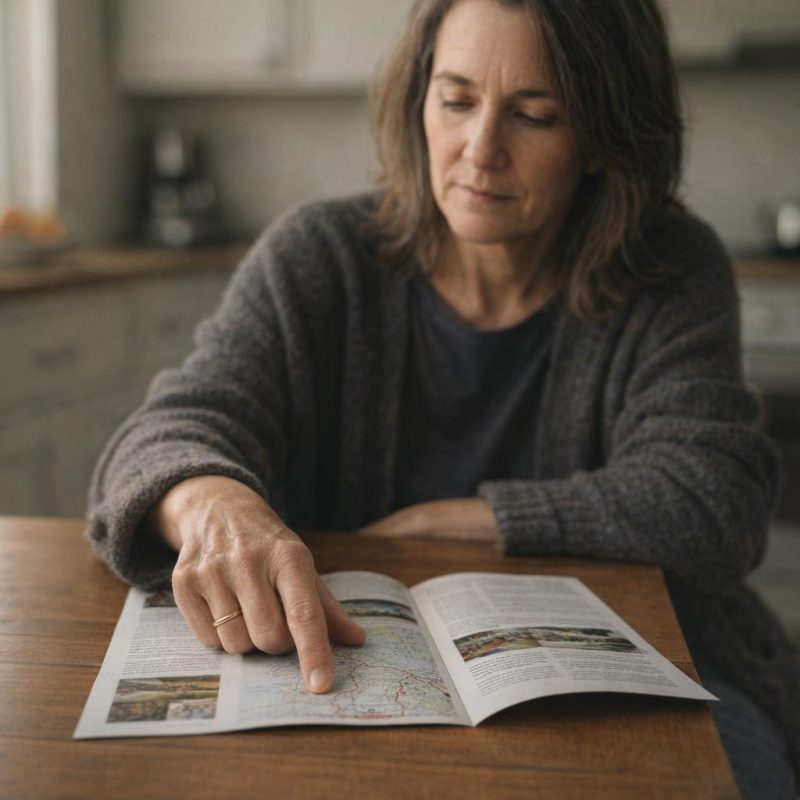 Image by RM AI
The Suitcase
The next morning I went to the hall closet and pulled down my old suitcase from the top shelf. It was the big navy one I had bought on clearance years ago — used it exactly twice, both times for Jennifer's college move-in, hauling bedding and kitchen supplies rather than anything that belonged to me. I dragged it to the bedroom and laid it open on the bed, and just stood there looking at it for a second. The lining was still clean. There was a luggage tag still attached from the second trip, Jennifer's old dorm address written in my handwriting. I unclipped it and set it on the nightstand. Then I started. I didn't have a list yet, just instinct — the things that felt right to bring first. A light cardigan. My good walking sandals. The travel-size toiletry bottles I had been refilling and never using. Each thing I set inside felt like a small declaration. This is happening. You are going. I hadn't felt like this since I was a kid packing for summer camp, that particular mix of nerves and giddiness that makes your hands move faster than your brain. The suitcase sat open on the bed, half-full and waiting, and I felt lighter than I had in a long time.
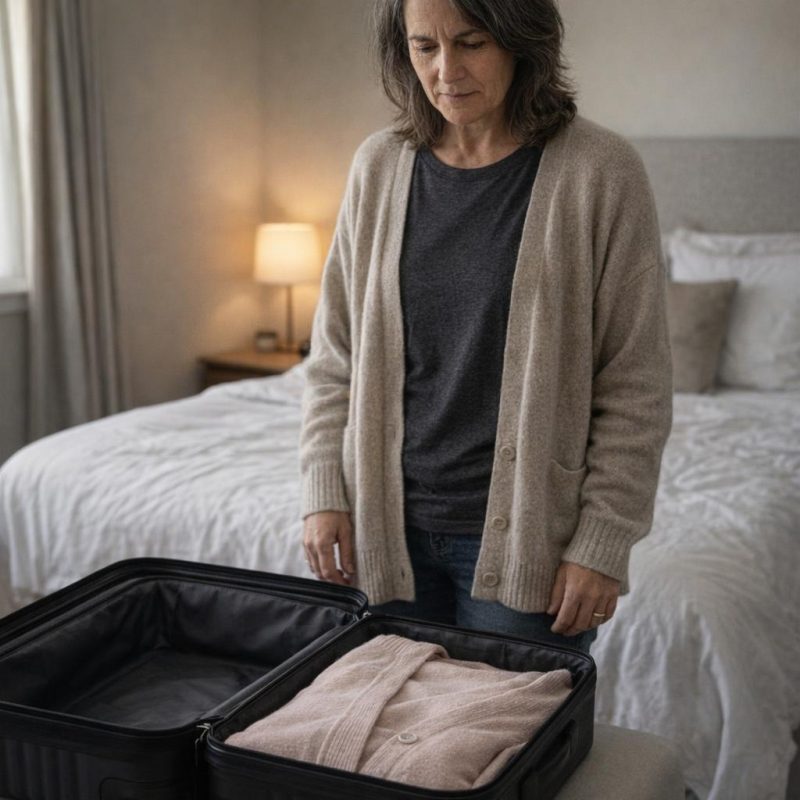 Image by RM AI
Practical Preparations
I got methodical about it after that first rush of excitement, the way I always do when something actually matters. I went back to the itinerary and read through the excursion descriptions — a walking tour, a beach stop, a market visit — and packed accordingly. Comfortable walking shoes went in first, the ones with the thick soles I wore on long hospital shifts. They weren't pretty but they had never let me down. Then two pairs of shorts, the kind that dry fast and don't wrinkle into a disaster after four hours in a suitcase. Three cotton shirts in colors that wouldn't show sweat in the Caribbean heat, because I am sixty-two years old and I have made my peace with practicality. I folded everything the way I learned from a YouTube video Jennifer sent me two Christmases ago, rolling instead of stacking, and it actually worked. The suitcase looked organized. Intentional. Like it belonged to someone who knew what they were doing. I stood back and felt a small, quiet pride in that. Then I went to the closet for one more pass, running my hand along the hangers, and my fingers stopped on the pale yellow sundress I had bought two summers ago and never once worn.
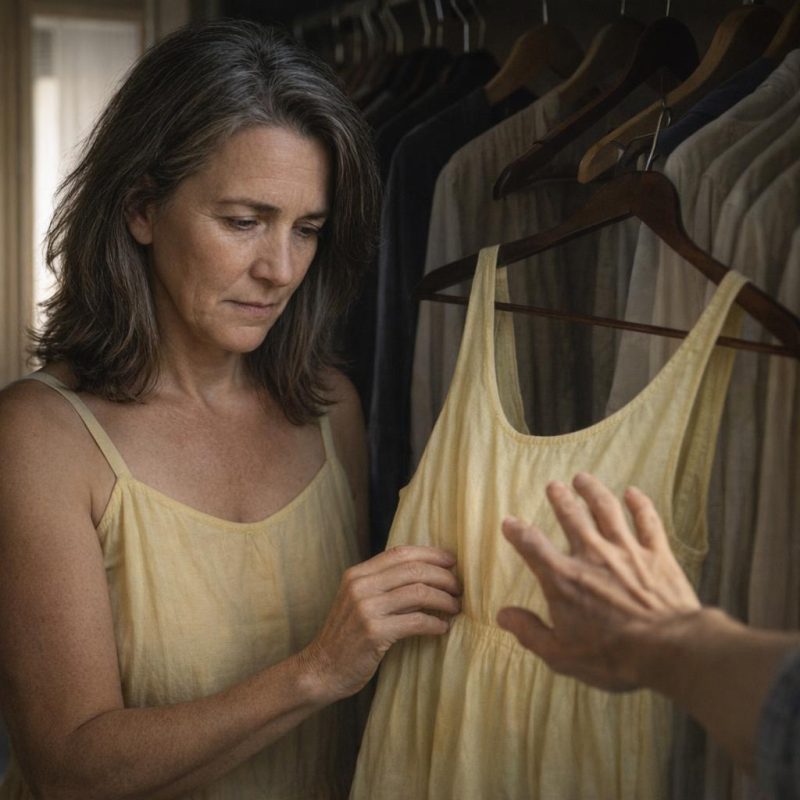 Image by RM AI
The Unworn Sundress
I bought that sundress on a clearance rack at the end of summer, marked down to eleven dollars, and I had told myself it was practical — light fabric, easy to pack, the kind of thing you could dress up or down. But honestly I bought it because it was pretty and I wanted it, and then I got home and hung it in the closet and never found an occasion that felt worth it. Barbecues felt too casual. Church felt too informal. Every time I reached for it I talked myself out of it and reached for something safer instead. I took it off the hanger now and held it up in the light. Still had the tags on. I laid it in the suitcase without letting myself think too hard about it. Then I went back for the navy blouse — the nicer one, the one I saved for occasions — because the itinerary mentioned a formal dinner on the third evening and I was going to be ready for it. I smoothed both items flat and tucked them along the side of the bag. It was such a small thing, adding a dress and a blouse. But standing there with my hands resting on the open suitcase, it felt like something more than packing — like giving myself quiet permission to want something nice.
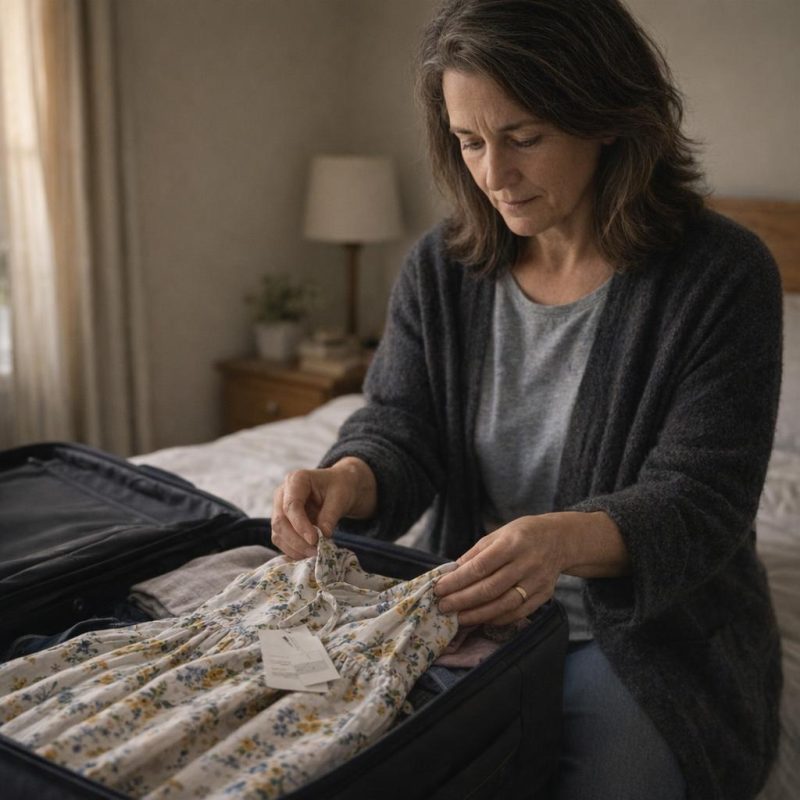 Image by RM AI
Years of Sacrifice
I don't know exactly when I stopped expecting good things to just happen to me. It wasn't one moment — it was gradual, the way water wears down stone. There were years of picking up extra shifts at the hospital because the bills didn't care that I was tired. There were vacations I said no to, not dramatically, just quietly, because the money Jennifer needed for her college loans was more important than a week at the beach. I watched other people post photos from Cancún and the Outer Banks during my lunch breaks, scrolling through Facebook on my phone in the break room, and I told myself I didn't mind. Mostly I believed it. My retirement account grew the way they always tell you it will — slowly, steadily, not enough to feel like anything. I stopped being the kind of person who planned trips. I became the kind of person who covered for the people who did. Standing at my bed now, looking at that open suitcase with the sundress folded inside, I felt something shift in my chest. Not dramatically. Just quietly, the same way the sacrifices had accumulated — in reverse. All those years of putting everything else first, and here was something that had landed in my lap anyway. The weight of it, all of it, seemed to settle somewhere outside of me and stay there.
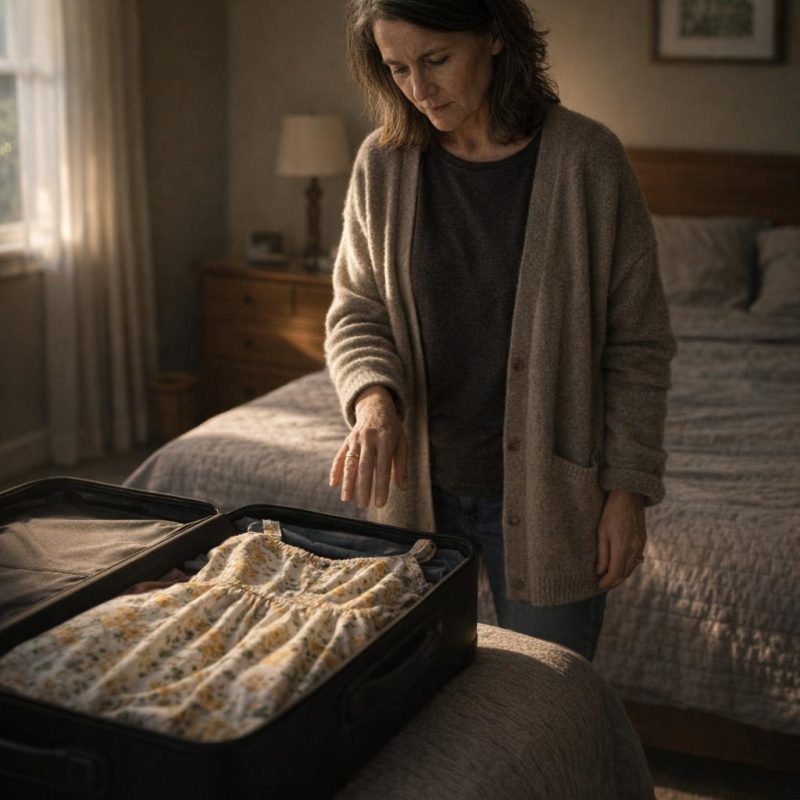 Image by RM AI
Triple-Checking
I checked my boarding documents that night before I went to bed. Then I checked them again in the morning with my coffee. Then once more after breakfast, just to be sure, spreading everything out on the kitchen table in the same order every time: the welcome letter, the confirmation printout, the itinerary, the boarding pass I had printed on cardstock because regular paper felt too flimsy for something this important. Everything was there. Everything matched. I packed my toiletries into the clear zip bag I had bought specifically for this — travel-size shampoo, conditioner, the good face lotion Jennifer gave me for my birthday. I tucked in the paperback thriller I had been meaning to read for four months, the one sitting on my nightstand with a bookmark still on page twelve. I added sunscreen, SPF 50, because I knew myself well enough to know I would burn on day one regardless. I zipped the toiletry bag and set it in the suitcase. I did one final sweep of the bedroom, checked under the bed, checked the bathroom counter, checked the nightstand drawer. Then I stood at the foot of the bed with both hands on the suitcase zipper, everything inside, everything ready, and I pulled it closed.
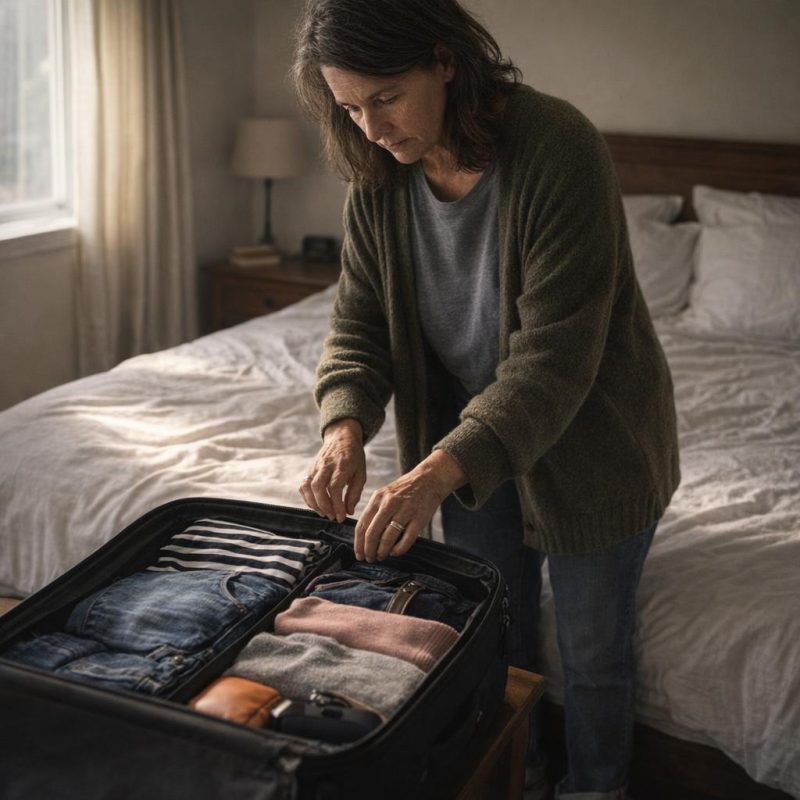 Image by RM AI
Lighter Than Years
There is something about a zipped suitcase that makes a thing real in a way that nothing else quite does. The brochures had been real. The phone call had been real. But this — this was different. I stood there with my hand still resting on the zipper pull and felt it move through me, slow and certain: I was going. Not someday. Not if everything worked out. I was going in three days, and the bag was packed, and there was nothing left to do but wait. I thought about all the times I had stood in this same bedroom and told myself that my turn would come eventually, that patience was its own kind of faith. I had believed it and not believed it in equal measure for a long time. But standing there now, I didn't feel patient. I felt ready. The suitcase sat solid and complete on the bed, and when I lifted it by the handle to move it to the floor, it felt lighter than I had any right to expect.
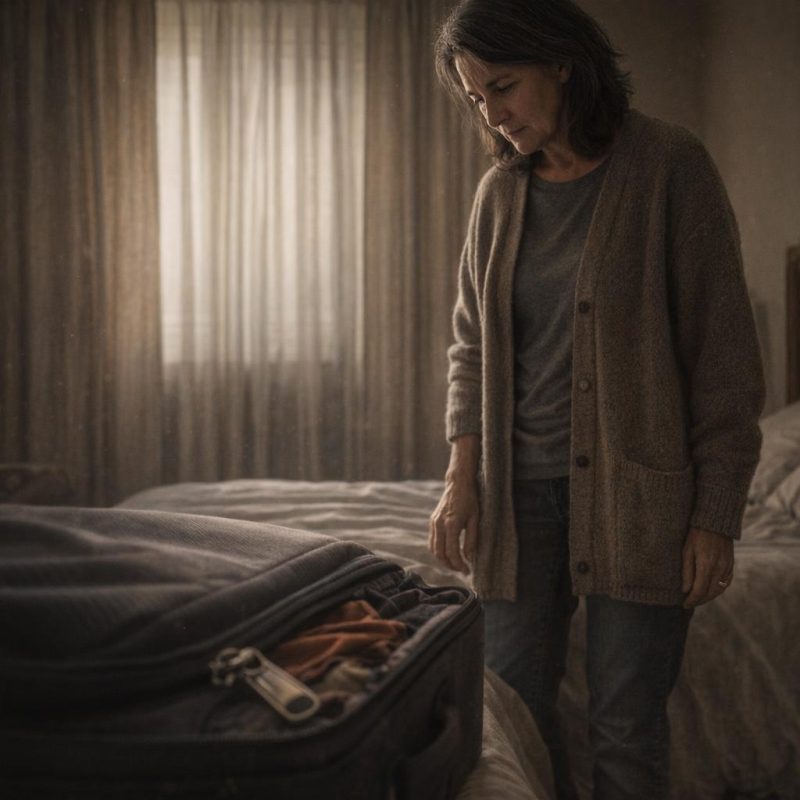 Image by RM AI
Jennifer's Insistence
I had told her I would take a cab. I said it twice, actually — once the night before and once that morning when she called at seven-fifteen to confirm she was still coming. Jennifer showed up anyway, forty minutes early, standing at my door with her keys already in her hand and that look on her face that I recognized from every difficult conversation we had ever had. I didn't argue. I had learned a long time ago that arguing with my daughter when she had already decided something was like arguing with weather. I wheeled my suitcase out to the curb and she loaded it into the trunk herself, checking the latch twice before she closed it. The drive downtown was quiet at first — a careful, loaded kind of quiet, the kind that meant she was organizing her thoughts. I watched the familiar streets slide past the window and told myself to stay patient, to let her have this, to remember that her worry came from somewhere real even when it wore me out. We pulled up to the shuttle stop with the engine still running, and Jennifer turned in her seat to face me.
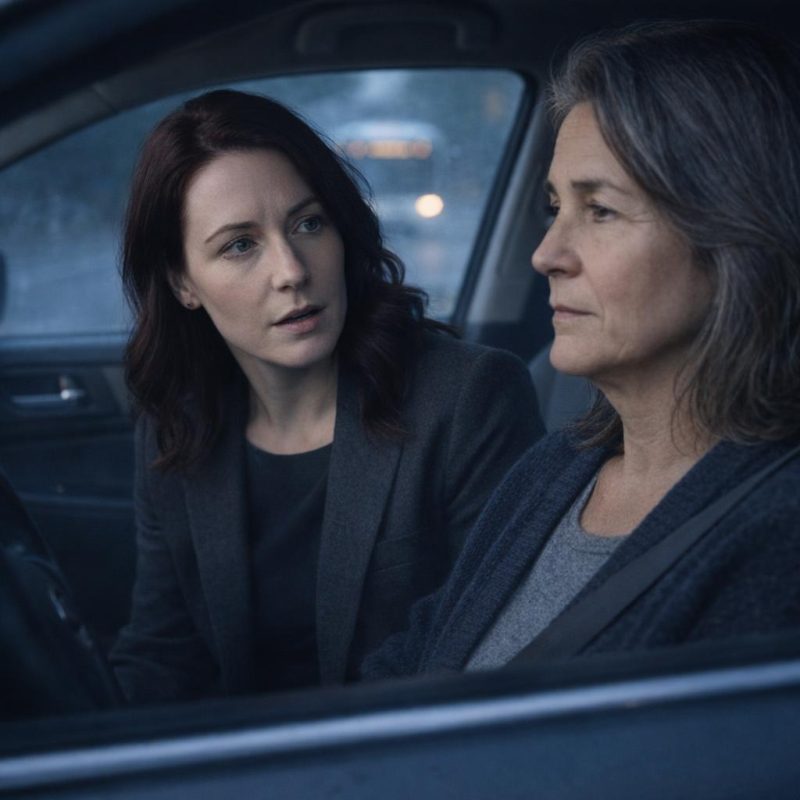 Image by RM AI
The Same Concerns
She started before I even had my seatbelt off. Had I told anyone else where I was going — not just her, but someone else, a neighbor, a friend? I told her yes, I had mentioned it to a few people. She asked if I had the company's contact information saved somewhere accessible, not just in my email but written down somewhere physical. I told her it was in my purse. She asked if I would call her the moment I got to the port, not text, call. I said I would call. Then, somewhere around the third traffic light, she started again — had I told anyone else where I was going? I kept my voice even. I kept my hands folded in my lap. I answered each question the same way I had answered it the first time, because she needed to hear it again and I understood that, even if understanding it didn't make it easier. By the time we parked, she had circled through the same three worries at least twice each, just wearing different words. I looked at her profile as she stared through the windshield, and the tension across her shoulders hadn't moved an inch.
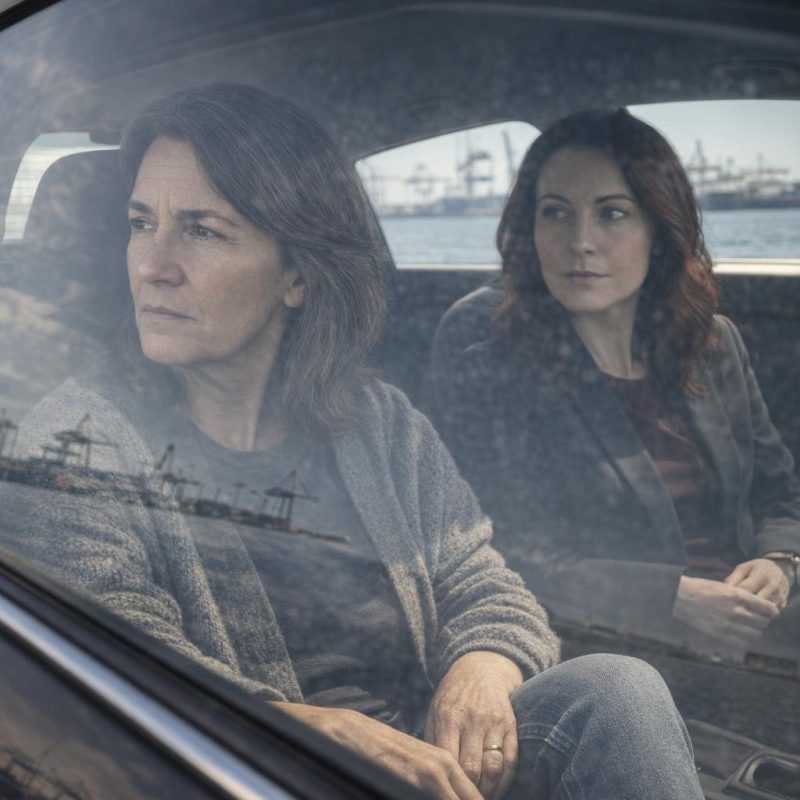 Image by RM AI
The Worried Face
She turned to me and said she just wanted me to be safe. That was it. That was the whole thing, stripped down to its bones. And just like that, every small flicker of irritation I had been carefully managing for the past forty minutes went quiet. I told her I would call when I got to the port. I told her I would check in every day if she wanted. I told her I would be careful, that I had been taking care of myself for a long time and I knew how to do it. She nodded, but her eyes were doing that thing where they go a little too still, like she was memorizing my face in case she needed it later. We got out of the car and hugged in the parking lot, and when I put my arms around her I could feel how tight she was holding everything — shoulders up near her ears, back rigid, like she was bracing against something I couldn't see. I held on an extra second before I let go. I grabbed my suitcase from the trunk, rolled it to the waiting shuttle van, and climbed in. Through the window, her face was still carrying every worry she hadn't been able to put down.
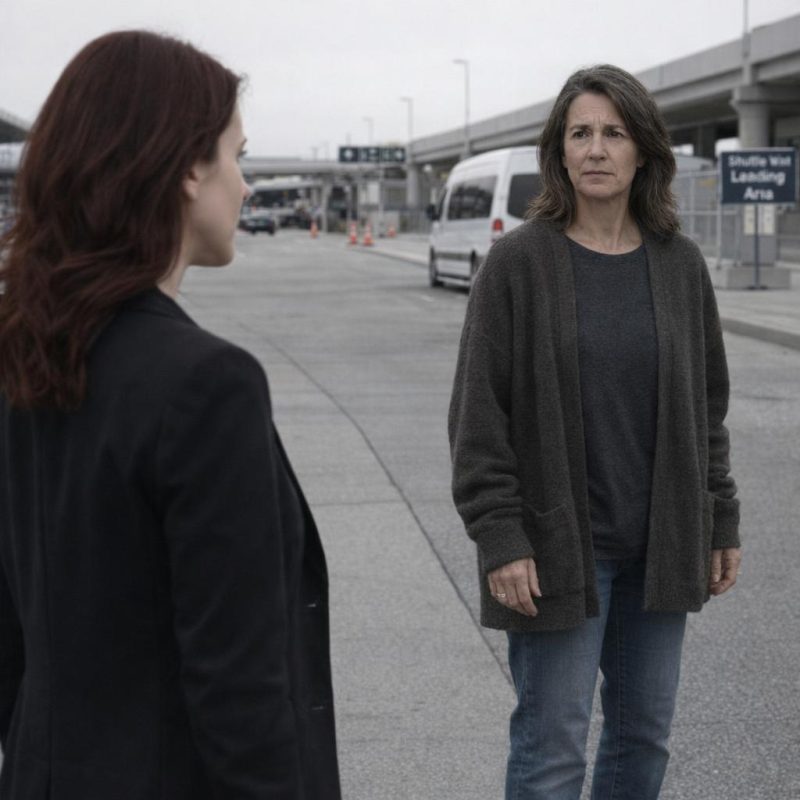 Image by RM AI
Leaving Worry Behind
The shuttle door slid shut with a sound like a period at the end of a long sentence. I found a window seat and settled in, my suitcase stowed in the back, the other passengers quiet around me. As the van began to move, I turned and pressed my fingers briefly against the glass. Jennifer was still standing in the parking lot exactly where I had left her, arms crossed over her chest, watching. I waved. She raised one hand — not quite a wave, more like she was holding something up — and then the shuttle turned at the corner and she was gone. Just like that. The worry, the repeated questions, the tense shoulders, the look on her face that I had been carrying since seven-fifteen that morning — all of it stayed behind on that sidewalk. I faced forward in my seat and let out a breath I hadn't realized I was holding. The city moved past the windows in both directions, ordinary and unhurried, and somewhere ahead of us was a port, and a ship, and water I had never seen. I watched Jennifer's worried face disappear as the shuttle carried me around the corner and away.
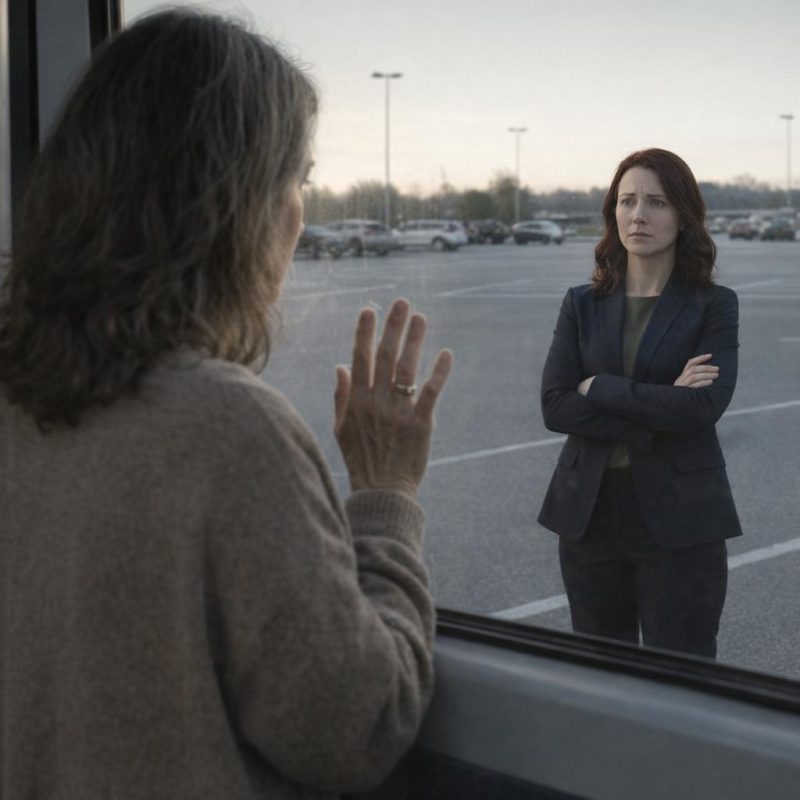 Image by RM AI
The Shuttle Ride
The shuttle moved through the city at an easy pace, stopping for lights, merging onto the wider roads that led toward the waterfront. I watched the neighborhoods change outside the window — the familiar blocks giving way to stretches of warehouse buildings and chain-link lots and the occasional glimpse of gray water between structures. The other passengers were quiet. A man in a baseball cap had his eyes closed. A woman near the front was scrolling through her phone without looking up. The driver said nothing, just navigated with the calm efficiency of someone who had made this run many times before. I let the silence settle around me and tried to do what I had promised myself I would do: focus forward. I thought about the brochure photographs — the turquoise water, the white sand, the deck chairs lined up in the sun. I thought about the sundress I had packed and never worn anywhere worth wearing it. Jennifer's voice was still faintly there at the back of my mind, asking her questions, but I let it get quieter with each block we covered. The port was getting closer, and the anticipation that had been sitting in my chest since I zipped that suitcase was starting to stir again, slow and warm.
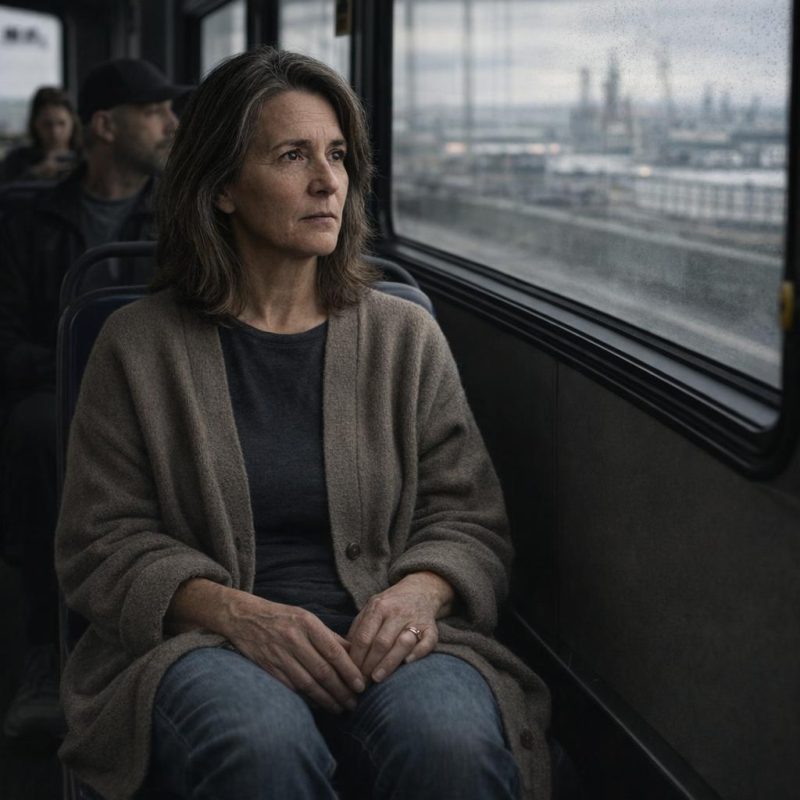 Image by RM AI
Imagining Paradise
I closed my eyes for a stretch and let myself go somewhere better. The ship in the brochure had been something — gleaming white hull, multiple decks stacked above the waterline like a floating hotel, the kind of vessel that made you understand why people saved up for years to get on one. I pictured the railing I would lean against at sunset, the way the light would come off the water in long gold strips. I imagined the dining room with its white tablecloths and the formal dinner I had packed my good blouse for. I thought about the ports — the names I had read so many times they had started to feel like places I had already been. Turquoise water. Vendors selling things I didn't need. Sand that was actually white, not the grayish-tan of the beaches I had driven to on long weekends. I had looked at those brochure photographs so many times in the past few weeks that the images had worn grooves in my imagination. The ship gleamed in my mind, enormous and unhurried, waiting at the dock exactly the way it looked on the glossy page, and I let that picture fill up all the space that Jennifer's worry had been occupying.
 Image by RM AI
The Industrial Port
The shuttle slowed and turned through a gate I almost missed — a plain chain-link opening with a small sign I couldn't read fast enough before we were through it. The road inside was concrete, wide and flat, the kind of surface built for cargo trucks rather than tourists. I sat up straighter and looked out the window. There were metal buildings along one side, a row of industrial containers stacked two high along the other, and chain-link fencing running the perimeter as far as I could see. It wasn't what I had pictured. I had pictured something with a welcome sign, maybe a covered walkway, the kind of arrival that matched the brochure's promise of a seamless embarkation experience. This looked like the back entrance to a shipping yard. The driver pulled to a stop and cut the engine without ceremony. The man in the baseball cap was already reaching for his bag. The woman with the phone tucked it away and stood. I grabbed my suitcase from the back and stepped out onto the concrete, the air carrying salt and something faintly metallic. I looked around, trying to get my bearings, and then I followed the small cluster of passengers as they moved toward the water.
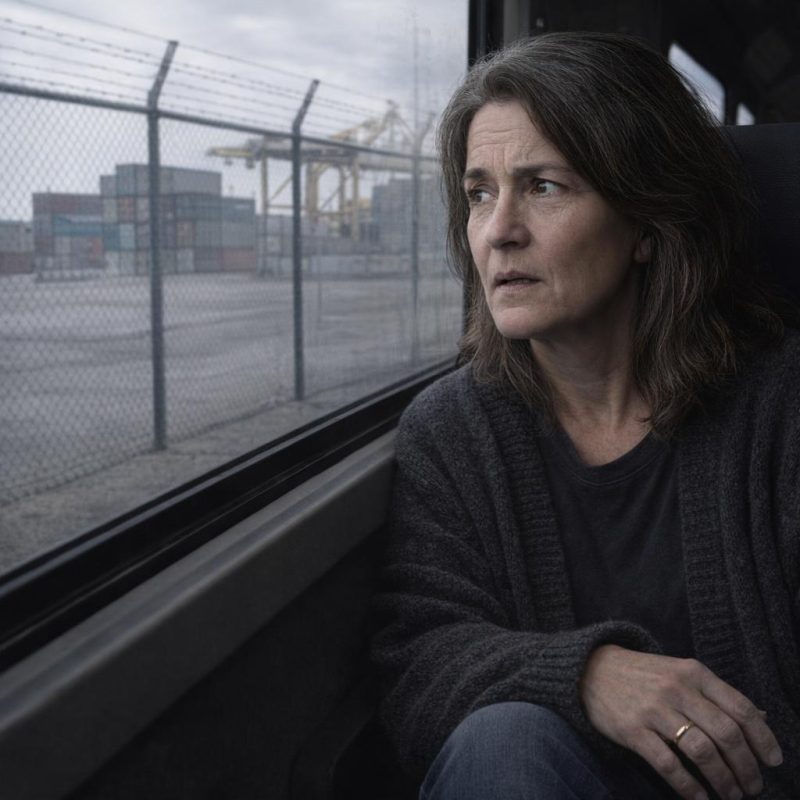 Image by RM AI
The Smaller Ship
I heard the water before I saw the ship — the low slap of it against the dock pilings, the creak of something large shifting against its moorings. Then I came around the edge of a metal building and there it was. I stopped walking without meaning to. The vessel was clean, I could see that much — white hull, freshly painted by the look of it, with a modest upper deck and a row of small windows along the side. But it was not the ship from the brochure. The ship from the brochure had towered. This one sat low in the water, compact and functional, the kind of boat you might take across a bay or between two islands that were close enough to see each other on a clear day. The other passengers were still moving toward the gangway, unhurried, as if this was exactly what they had expected. I started walking again, slower than before, my suitcase rolling behind me on the uneven concrete. I kept looking at the vessel, trying to find the angle that would make it match the image I had been carrying in my head for weeks. It looked less like the gleaming cruise liner from the brochures and more like a working ferry that had been given a fresh coat of paint for the occasion.
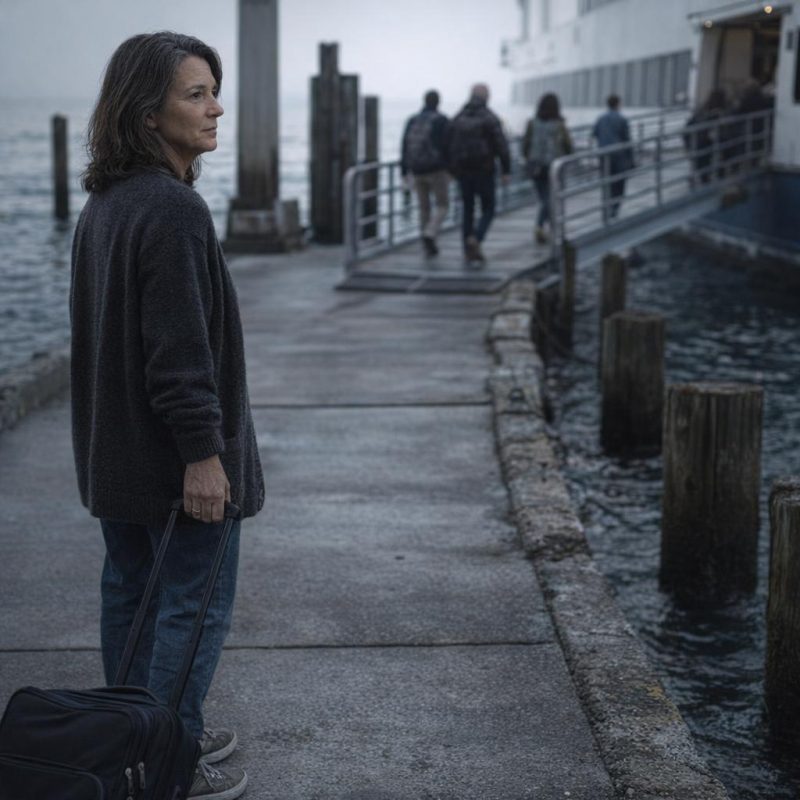 Image by RM AI
Polite Strangers
I drifted toward the small cluster of passengers gathered near the gangway, mostly because standing alone felt worse than standing with strangers. There were maybe a dozen of us, and I noticed right away that nobody looked particularly young. Couples in their sixties with matching luggage, a few solo travelers like me, everyone dressed in that careful vacation-casual way that said we'd thought about this trip. The weather was the first thing anyone mentioned, because of course it was. A man in a pale blue polo shirt said it looked like a good day for sailing, and a few people nodded like he'd said something wise. I smiled and agreed and asked where people were coming from, and we went around the little circle the way you do. The woman next to me had silver hair cut close to her head and a floral carry-on bag she kept repositioning on her shoulder. She was friendly in that easy, practiced way of someone who talks to strangers without effort. We'd been chatting for maybe two minutes when she mentioned, almost as an aside, that she'd won her trip through a raffle at her grocery store.
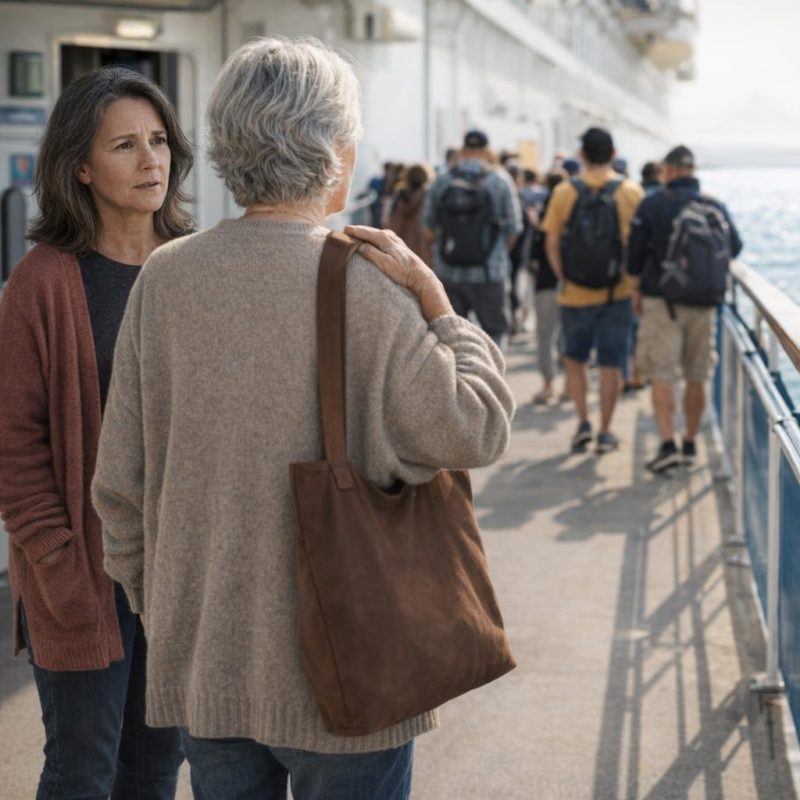 Image by RM AI
Unspoken Questions
I kept the conversation going because stopping felt like admitting something I wasn't ready to admit. The man in the polo shirt said he'd called in to a radio station on a Tuesday morning and won on his third try. The woman beside him, his wife I assumed, nodded along like she'd heard the story before. I mentioned my hospital raffle and got a few sympathetic smiles in return. We were all being very pleasant about it. But I noticed, after a few minutes, that everyone's eyes were doing the same thing mine were — sliding toward the ship and then sliding away again, fast, like looking too long might be impolite. The smiles stayed in place but they didn't quite reach anyone's eyes. Nobody said a word about the size of the vessel. Nobody said it looked different from what they'd pictured. We talked about the weather again, and someone mentioned a restaurant they'd tried near the port, and the conversation moved along the surface of things the way it does when everyone has agreed, without saying so, to leave something alone. The question about the ship just hung there between us, unspoken, in the salt-heavy air.
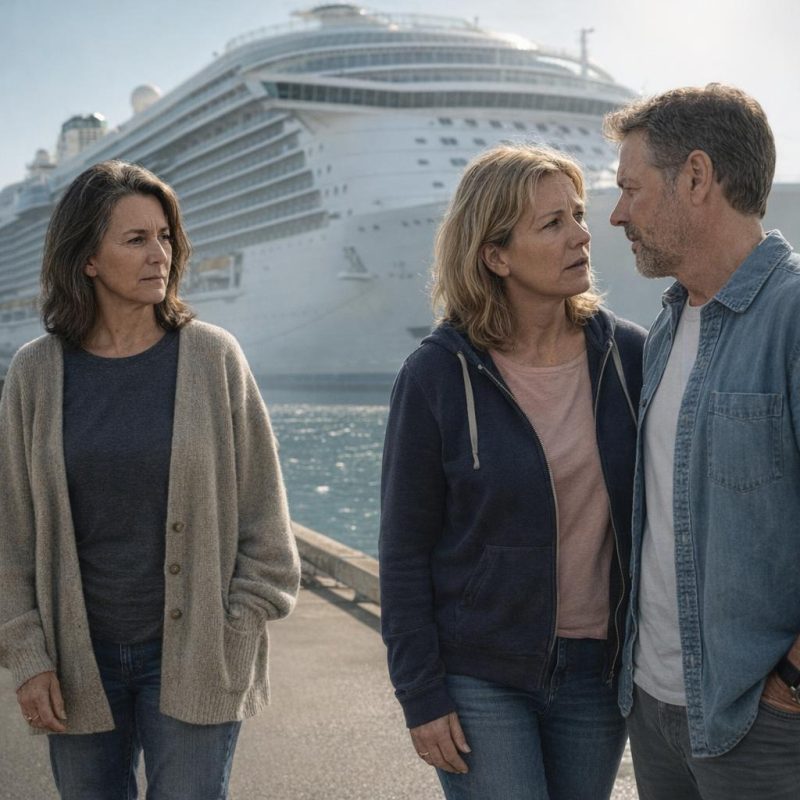 Image by RM AI
The Ferry Comparison
Once the small talk thinned out, I found myself just standing there looking at the vessel. I tried to do it fairly — to really look, without the brochure image layered over the top of it. The hull was clean. The paint was fresh. The upper deck had railings and a few chairs visible from where I stood. It was a real boat. It was just not the boat I had been picturing for three weeks. I told myself that brochure photos are always taken from the most flattering angle, with the best possible light, probably on a day when the ship was freshly detailed and sitting high in the water. I told myself that maybe the photos showed a sister ship, a larger vessel in the same fleet, and that this was standard practice in the industry. I'd seen enough fine print in my life to know that images were rarely guaranteed to be accurate. These were reasonable explanations. I cycled through them slowly, one at a time, the way you work through a checklist. But the gap between what I'd imagined and what was sitting in front of me didn't close, no matter how many reasonable explanations I stacked on top of it.
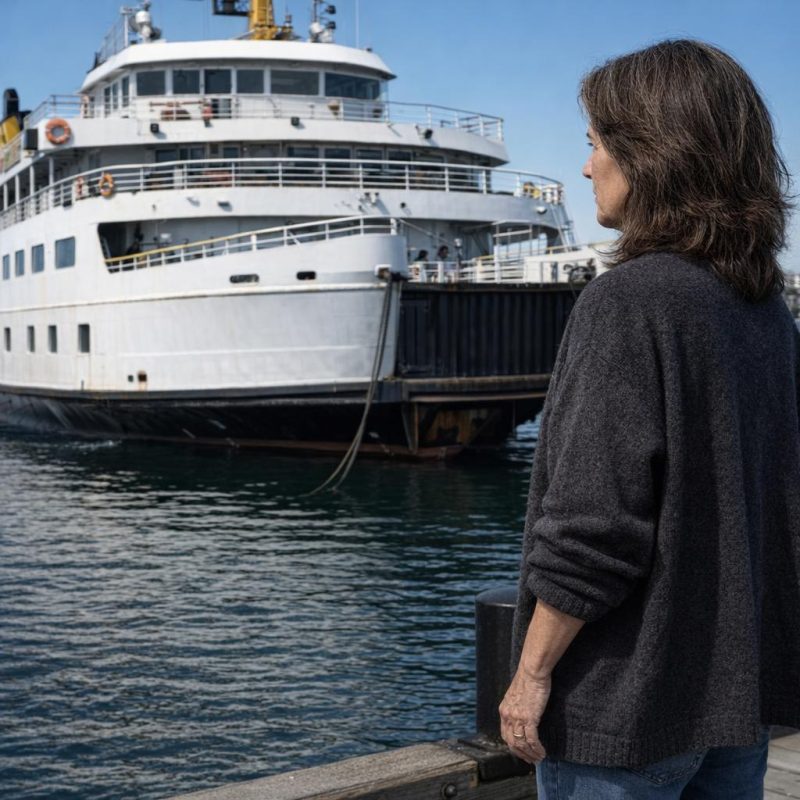 Image by RM AI
The Narrow Gangway
The line started moving and I fell in with it, pulling my suitcase behind me toward the gangway. Up close it was narrower than I'd expected — not dangerously so, but narrow enough that I had to angle my suitcase sideways and lift the front wheels slightly to keep it from catching on the metal edges. The woman with the silver hair was just ahead of me and she was doing the same thing with her floral bag, both of us navigating the incline with the careful attention of people who have learned not to trust their knees on uneven surfaces. I focused on my footing, on the grip of my shoes against the textured ramp, on keeping my suitcase balanced. It was easier to think about the logistics than about anything else. When I reached the top and stepped onto the deck, I straightened up and took a breath and looked around for the welcome committee — the smiling crew members, the tray of champagne glasses, the someone whose whole job was to make you feel like arriving here was the best decision you'd ever made.
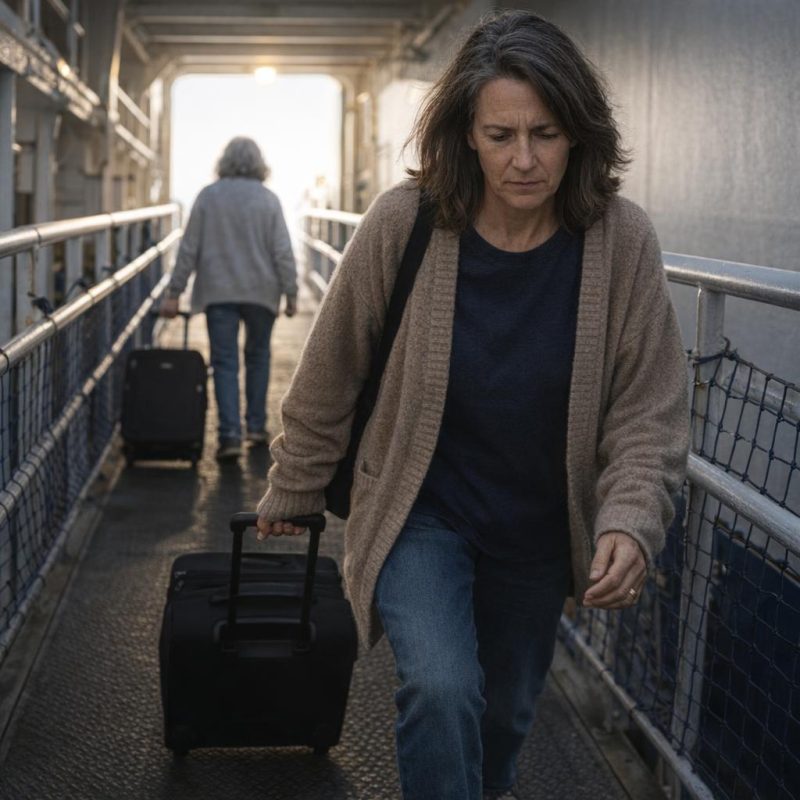 Image by RM AI
The Silent Greeting
There was no welcome committee. There was one young man standing near the entrance to the interior corridor, and he was holding a cardboard box. He wore a white uniform, pressed and neat, and he stood very still in the way of someone who has been told exactly where to stand and is doing precisely that. He glanced at the paperwork I was still carrying from the dock and reached into the box without a word. He pulled out a manila envelope with my name printed on the front in plain block letters and held it out to me. I took it. He didn't say welcome aboard. He didn't say anything at all. He didn't smile. He just looked back down at the box and waited for the next person coming up the gangway behind me. I stood there for a moment holding the envelope, half-expecting him to follow up with something — a greeting, an explanation, a here's-what-happens-next. The other passengers were filing past me, each collecting their own envelope with the same wordless transaction. The deck smelled like salt water and fresh paint, and somewhere below us the engine was running at a low idle, and the absence of any warmth in that exchange settled over me like a change in weather.
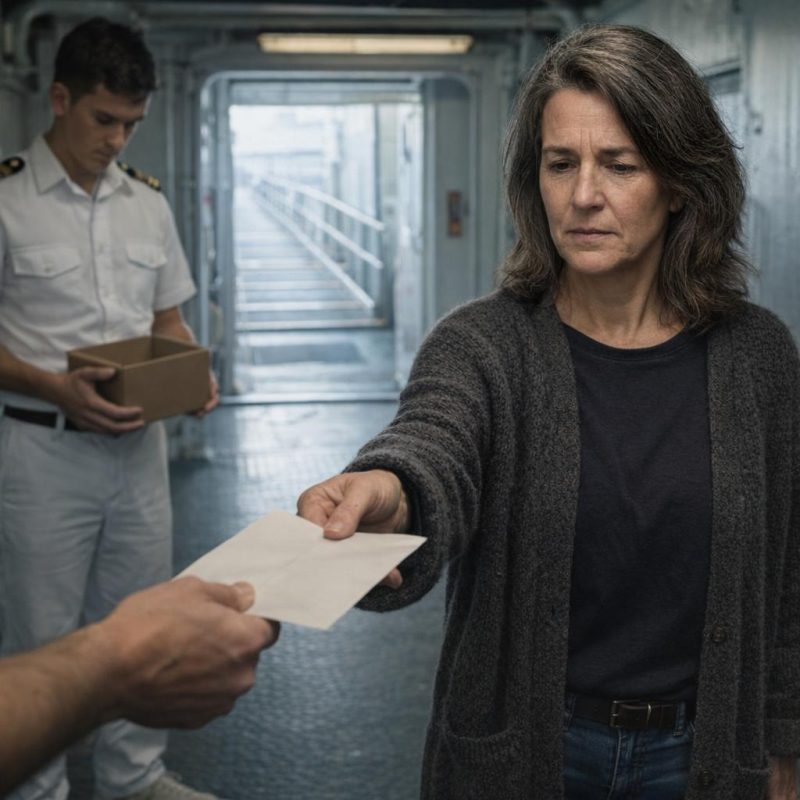 Image by RM AI
The Bare Envelope
I moved out of the flow of boarding passengers and tore the envelope open right there on the deck. Inside was a plastic key card, the kind that could have come from any hotel in the country, and a small slip of paper with a cabin number printed on it. That was everything. I turned the envelope upside down and shook it gently, the way you do when you're sure you must have missed something. Nothing else came out. No welcome letter with the cruise director's signature. No folded map of the ship's decks. No schedule of dinner seatings or morning activities or shore excursion options. I looked up and around for someone to ask. There were crew members visible at the far end of the deck, moving luggage on a cart, but none of them looked in my direction. A man in a gray shirt was coiling a rope near the railing with the focused efficiency of someone who had decided not to notice the passengers. I held the key card and the slip of paper and thought about all the cruise content I'd watched online in the weeks before this trip — the cabin tours, the dining reviews, the activity rundowns — and then I looked at what I was actually holding.
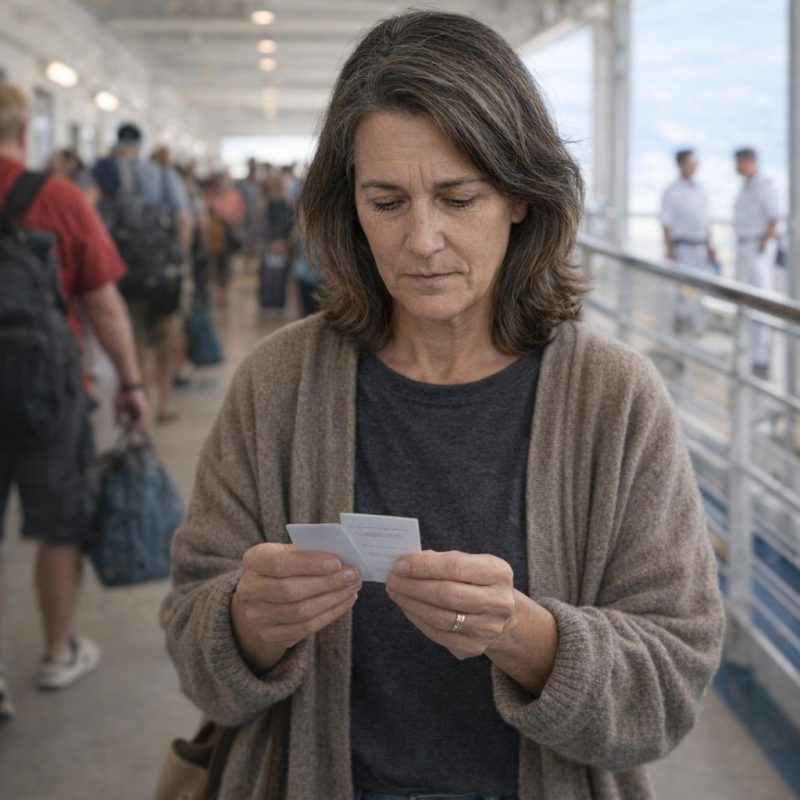 Image by RM AI
Finding the Cabin
I found the cabin by following the numbers down a narrow interior hallway that smelled faintly of cleaning solution and something underneath it, something older, like wood that had absorbed years of salt air. The door opened on the first try, which felt like a small mercy. The room was clean — I want to be fair about that, it was genuinely clean — but it was smaller than anything I'd seen in the photos. A narrow bed with white sheets pressed tight at the corners. A compact dresser with three drawers. A bathroom barely wide enough to turn around in. I set my suitcase on the floor because there was no luggage rack, and I stood in the middle of the room and looked around the way you do when you're hoping to find something you might have missed. I checked the dresser top. I checked the nightstand. I looked on the back of the bathroom door, where hotels sometimes hang a laminated card with the wifi password and the checkout time. I pulled open the dresser drawers one by one. There was nothing — no welcome packet, no ship directory, no card with a number to call if you had questions.
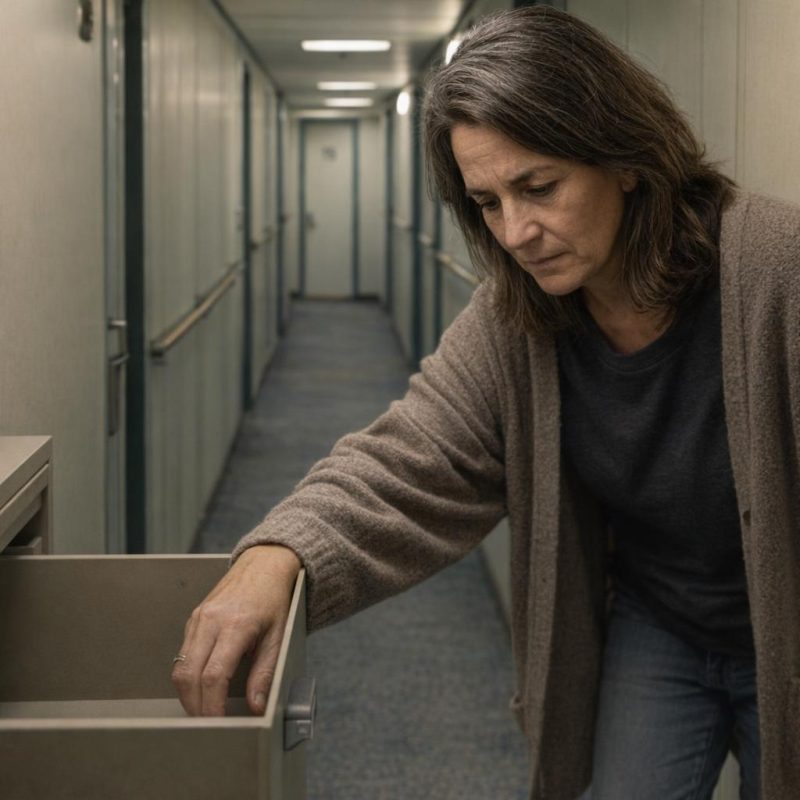 Image by RM AI
Carlos's Evasion
I stepped back out into the hallway because staying in that empty room felt worse than doing something about it. A crew member in a white uniform was moving past at the far end of the corridor and I raised my hand and called out, and he slowed and turned. His name tag said Carlos. I asked him if there was a ship directory somewhere, or a schedule I could pick up, something that would tell me where the dining room was and what time things started. He looked at me — briefly, the way you glance at something you've already categorized — and said I should rest before dinner. I asked about the schedule specifically, because I hadn't heard a time mentioned anywhere. He said dinner information would be provided later. Then he turned and walked back down the corridor the way he'd come, his footsteps even and unhurried, and rounded the corner without looking back.
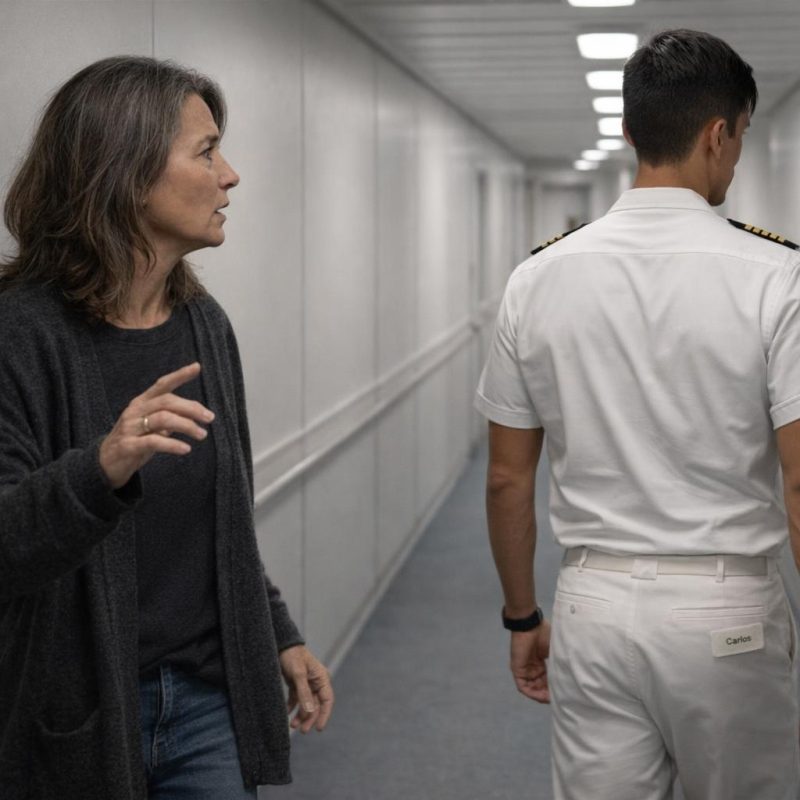 Image by RM AI
The Silent Dining Room
Nobody had told me where the dining room was, so I did what I always do when I don't know something — I watched other people. Around seven o'clock I noticed a couple stepping out of a cabin two doors down, moving with the quiet purpose of people who knew where they were going, and I fell in a few steps behind them. The dining room turned out to be on the deck below, and it was enormous. High ceilings, white tablecloths, the kind of space that could seat three hundred people easy. But when I walked in, maybe six or seven tables were occupied. That was it. In a room that size, six tables looked like a mistake. Nobody was talking much. People were eating with their heads down, the occasional murmur, the soft scrape of silverware. I picked a table near the middle and sat down, not sure what to do next. There was no menu. No one came to ask what I wanted or whether I had any allergies or if I'd like something to drink. A server appeared at my shoulder and set a plate in front of me — chicken, some kind of roasted vegetables — and walked away before I could say a word.
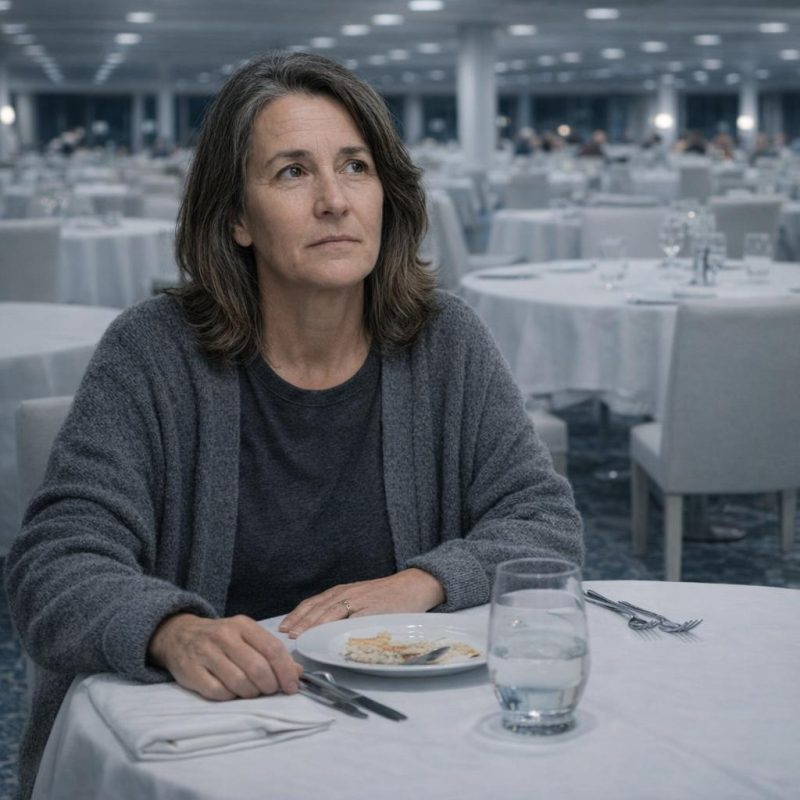 Image by RM AI
Searching for Eyes
I ate slowly because I didn't know what else to do with myself. The chicken was fine. The vegetables were fine. Everything was fine in the way that a waiting room is fine — technically adequate and deeply uncomfortable. I kept looking up from my plate, trying to catch someone's eye. Not to start a conversation necessarily, just to get a read on the room. I wanted to know if anyone else felt the strangeness of it, if someone would glance over and give me that small tight smile that says yeah, this is weird, right? But nobody looked up. The couple I'd followed in were at a table near the window, both of them focused on their food. An older man two tables over sat completely alone, cutting his chicken into precise squares. A woman near the far wall had her hands folded in her lap between bites, like she was waiting for something. Carlos passed by at one point carrying a water pitcher, refilling glasses without being asked, moving through the room without making eye contact with anyone. I watched him go. The silence in that room wasn't peaceful. It wasn't the comfortable quiet of people who were simply content. It pressed down on everything, heavy and unearned, like a lid on something that hadn't been explained to me yet.
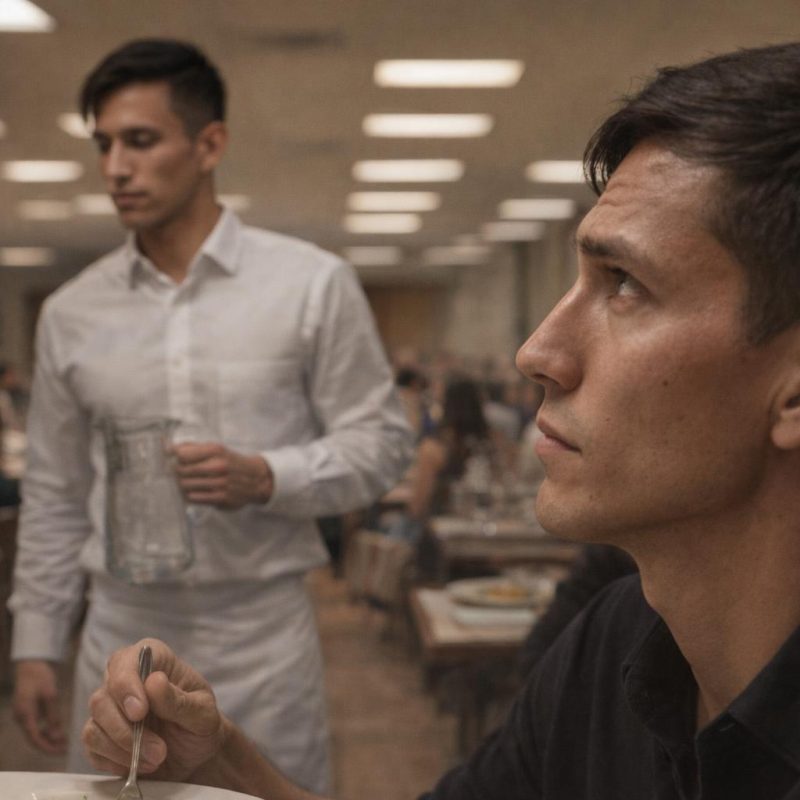 Image by RM AI
The Bare Cabin
Back in the cabin, I told myself I was being dramatic. I'd had a long travel day. The room was small but clean. The food had been perfectly edible. I was tired and I was reading into things. So I decided to do something practical — I went through the room properly this time, the way you do when you're actually looking and not just glancing. I opened the dresser drawers one by one. Empty, except for the one with the extra blanket. I checked the nightstand. Nothing. I looked in the tiny bathroom, behind the mirror, on the little shelf above the toilet. No welcome packet. No ship directory. No map of the decks. No activity schedule, no entertainment guide, no list of port stops with arrival times. On every other trip I'd ever taken — even a budget bus tour to Branson fifteen years ago — there had been a folder. A laminated card. Something. Here there was a bed, a porthole, a bathroom the size of a phone booth, and a small television that showed three channels, two of which were static. I sat down on the narrow bed and looked around the room. There was nothing here that said cruise. Nothing that said welcome. Nothing that said anything at all.
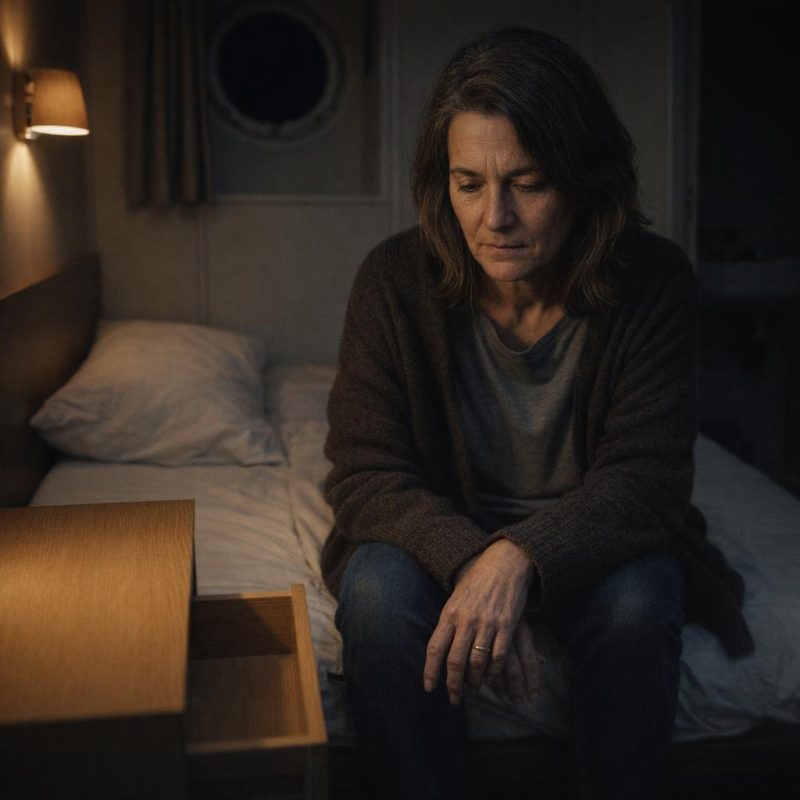 Image by RM AI
Asking Again
I gave myself until morning to let it go, and then I didn't. I was up early, and by eight o'clock I was back in the corridor looking for someone in a white uniform. I found Carlos near the stairwell, coming up from the deck below with an empty tray under his arm. I stepped into his path — not aggressively, just enough that stopping was the easier option — and asked him directly. Was there an activities schedule? A daily program? Something that told passengers what was available and when? He stopped. He didn't quite look at me, his gaze landing somewhere around my left shoulder, and he said that details would be shared tomorrow. I asked what that meant, specifically. He said the same thing again, almost word for word. Details would be shared tomorrow. I asked if there was a guest services desk, or a number I could call, or anyone else I could speak to. He said he'd pass along my questions. Then he stepped around me and continued down the corridor, tray still tucked under his arm, footsteps even and unhurried. I stood there in the hallway for a moment, the same non-answer sitting in the air where a real response should have been.
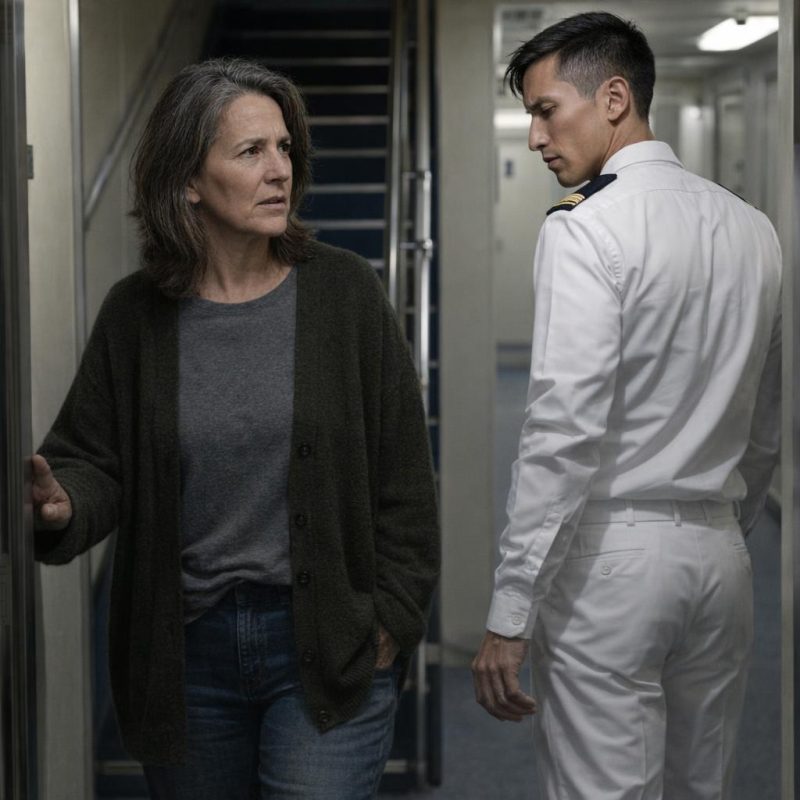 Image by RM AI
The Phone Call Promise
I'd promised Jennifer I would call when I got settled. That was the deal we'd made standing in my driveway before the shuttle came — I would check in, she wouldn't worry, and we'd both pretend this was a normal thing I was doing. I'd been putting it off because the day had felt so strange and I hadn't known what I'd say, but by the time I got back to the cabin that evening I knew I couldn't wait any longer. She'd be watching her phone. I pulled mine out and looked at the screen. No bars. Not one. I held it up toward the porthole thinking maybe the angle was wrong. Still nothing. I turned it off and turned it back on, the way you do when you're hoping the problem is the phone and not the situation. It cycled through the restart and came back up showing the same empty signal indicator in the top corner. I walked to the other side of the tiny room and checked again. I pressed it against the porthole glass. I held it at arm's length above my head. Nothing. Not a flicker. My chest went tight in a way that had nothing to do with the chicken I'd eaten for dinner.
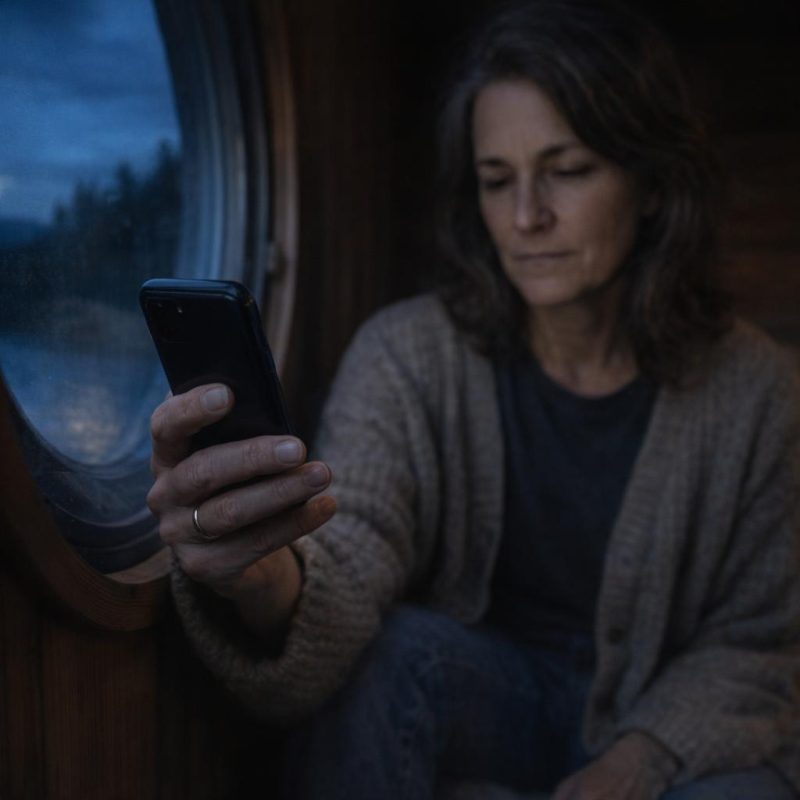 Image by RM AI
Searching for Signal
I grabbed my key card and went up to the main deck, because that had to be better. More open sky, less ship around me — it made sense that the signal would be stronger up there. I checked the phone on the stairwell landing. Nothing. I checked it again when I pushed through the door onto the deck. Still nothing. The night air was warm and the water was dark in every direction, no lights on the horizon, no other ships visible, just open ocean going on forever. I walked to the railing on the port side and held the phone up as high as I could reach, turning it slowly like that would help. I walked the length of the deck, stopping every ten or fifteen feet to check the screen. I tried the starboard side. I tried standing near what looked like a communications antenna mounted above the bridge deck, figuring proximity had to count for something. A few other passengers were out on deck, but nobody was on their phone, which I noticed and then tried not to think about too hard. I must have walked the full perimeter of that deck twice. The phone sat in my hand, screen lit, signal indicator empty, as useless as a paperweight over all that open water.
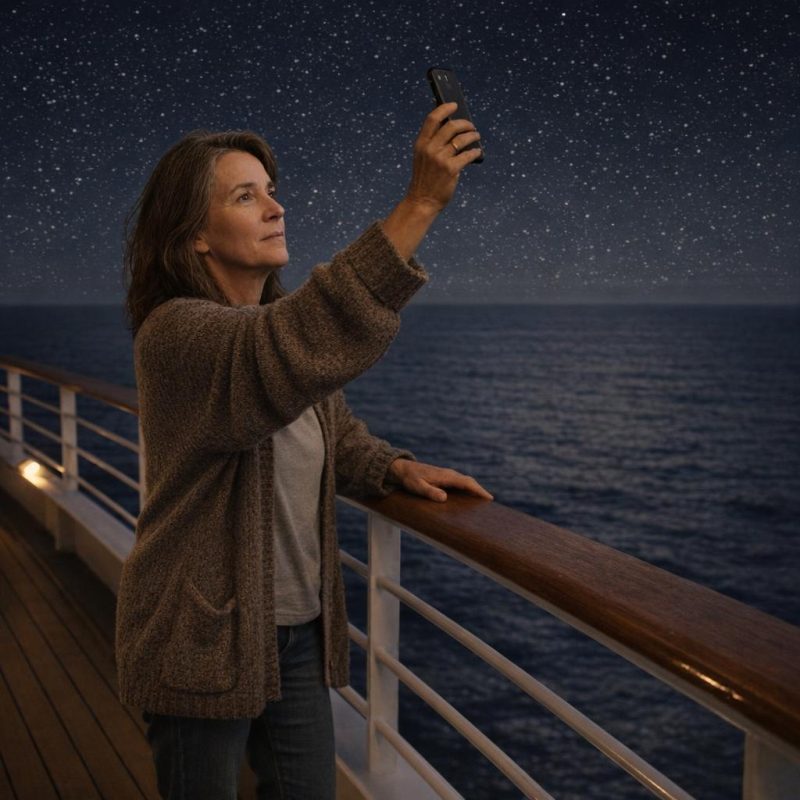 Image by RM AI
Connectivity Isn't Part of This Experience
I found Carlos near the stairwell again — he seemed to materialize in that spot whenever the ship needed someone to not answer a question. I didn't bother with small talk. I asked him straight out whether there was Wi-Fi on board, and if not, whether there was a ship's phone I could use to make a call home. He stopped walking. He held the tray he was carrying level and still, and he looked at a point somewhere past my ear, and he said, in a voice that was flat and even and completely without apology, that connectivity was not part of this experience. That was the phrase. Connectivity is not part of this experience. I stood there and waited for him to add something — a sorry for the inconvenience, a but you can try the guest services desk, anything. He didn't. He gave me a small nod, the kind that signals an end to a conversation rather than a response to one, and he walked away. I stayed where I was in the corridor, the door to the stairwell propped open beside me, the low hum of the ship's engines coming up through the floor. That phrase kept turning over in my head — not part of this experience — specific in a way that felt chosen rather than casual, though I couldn't have said exactly why it unsettled me the way it did.
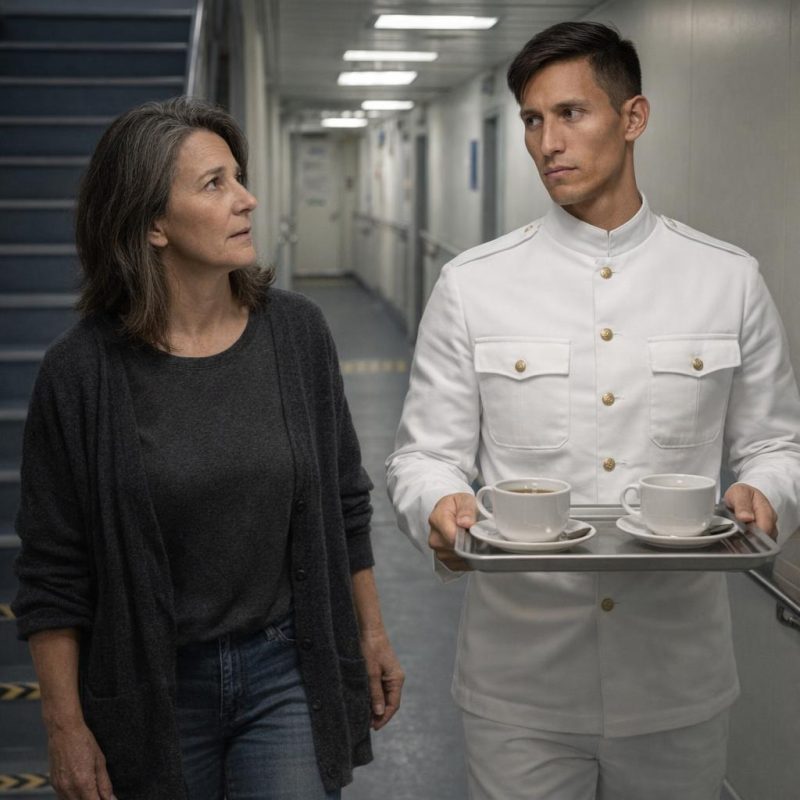 Image by RM AI
Meeting Margaret
I went back up to the deck because the cabin felt too small to think in. The night was still warm, the water still dark, and I stood at the railing holding my useless phone and trying to decide whether I was overreacting. That's the thing about being a certain kind of person — you spend so much time talking yourself down from your own instincts that you can't always tell anymore when the instincts are right. I was mid-thought when I noticed her. She was standing maybe thirty feet away along the same railing, a woman about my age with a silver bob cut close at the sides and a posture so straight it made me feel like I was slouching just looking at her. She was staring at her phone with an expression I recognized immediately because I'd been wearing it for the last hour — jaw set, brow pulled in, the particular frustration of someone who cannot get a simple thing to work. I watched her for a moment, and then she looked up and caught me watching. We held each other's gaze for a second, the way strangers do when they've been caught in the same embarrassing situation. She held up her phone, screen facing me, and said, "Yours dead too?"
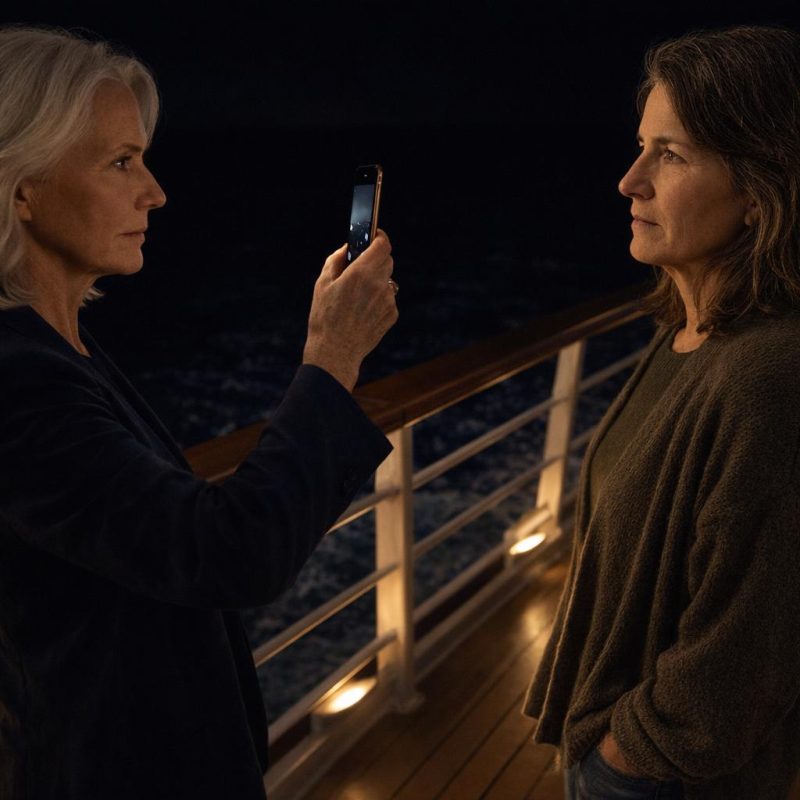 Image by RM AI
The Shared Problem
I held up my own phone in response — same dead screen, same zero bars. She let out a short breath that wasn't quite a laugh and crossed the few feet between us. Her name was Margaret, she said, and she'd been trying to reach her son for the past two hours. I told her mine was the same. We stood there comparing notes the way you do when you're both lost and neither of you has a map. She'd asked one of the crew members about the Wi-Fi and gotten what she described as a non-answer — something about the ship's systems being calibrated for the experience. I told her about Carlos, about asking him directly and getting that line about connectivity not being part of what was offered. Margaret's jaw tightened when I said it. She'd gotten almost the exact same response, word for word, from a different crew member. We both went quiet after that. The crew had been polite, she said. Helpful-seeming. But every question about phones or signal or departure times had slid off them like water. I noticed it then — the deck around us was completely still. No hum beneath my feet. No low mechanical rumble the way you always feel on a ship. Just the flat, windless air and a silence so complete it had weight to it.
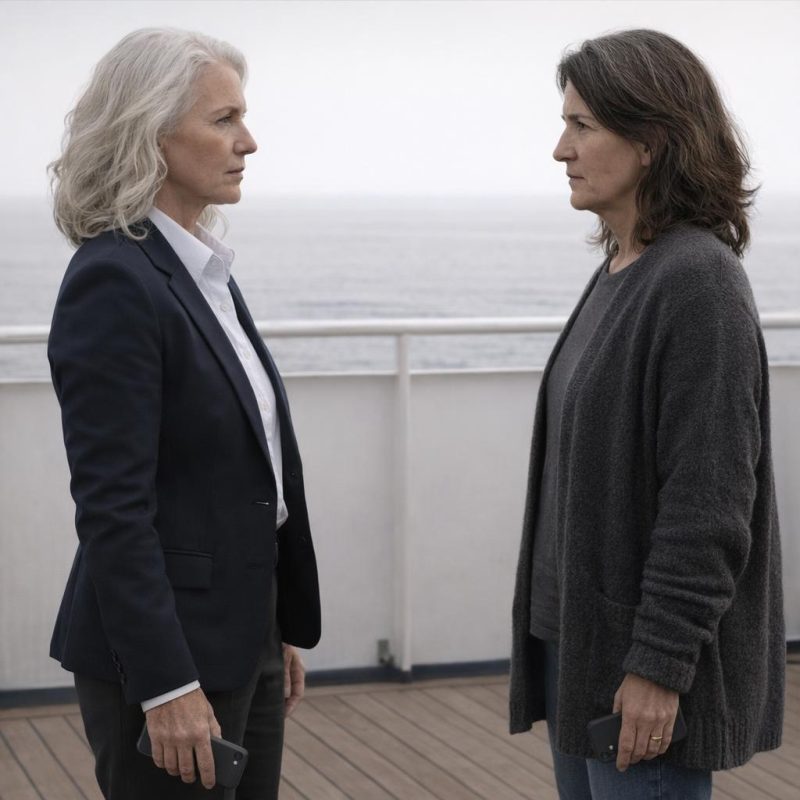 Image by RM AI
No Engines Running
Margaret noticed it first. She tilted her head slightly, the way you do when you're trying to catch a sound just out of range, and said, "Do you hear that?" I listened. Nothing. No engine. Not even the low background throb you stop noticing after the first hour at sea because it becomes part of the air. I'd worked night shifts in a hospital for years and I knew what real quiet sounded like — the kind that fills in around you — and this was that kind. Margaret walked to the railing and leaned over, and I followed her. No sound of water moving against the hull. No slap or churn or even a gentle lapping. I pressed my hand flat against the metal railing and held it there. No vibration. Nothing at all. "When did you last feel the ship move?" Margaret asked. I thought about it. I couldn't remember. Not since I'd boarded, maybe. I'd assumed I just hadn't been paying attention. Margaret straightened up and looked at me with an expression I didn't have a word for yet. Neither of us said it out loud. We didn't have to. The question was already sitting between us: if there were no engines running and no water moving, was this ship going anywhere at all?
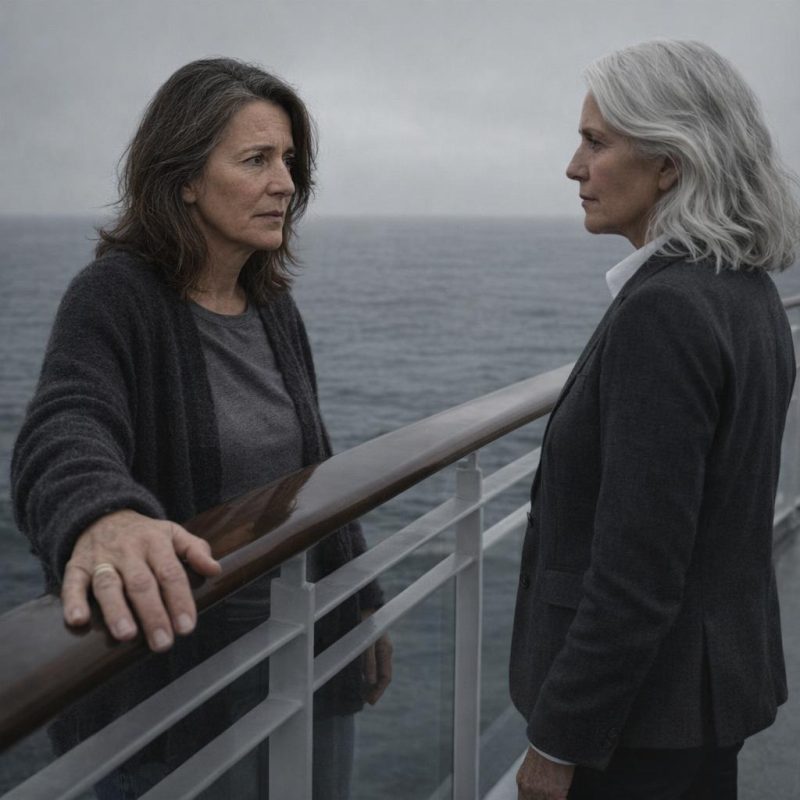 Image by RM AI
The Still Water
We both leaned over the railing at the same time, looking down at the water below. I don't know what I expected — some small reassurance, maybe, a little chop or a wake trailing behind us. What I saw was nothing. The water was flat. Not calm the way open ocean gets calm on a still night, but flat the way water gets when nothing has disturbed it in hours. Like a parking lot puddle. Margaret pointed without speaking, and I followed her finger to the left. The dock structures were still there. The same industrial pilings, the same concrete edge, the same faint yellow safety markings I'd noticed when we boarded. We hadn't moved. Not a foot. The ship was sitting exactly where it had been when I walked up that gangway with my rolling suitcase and my contest printout, feeling like I'd won something. Margaret pulled back from the railing slowly. I stayed a moment longer, looking at that still water, at the dock that hadn't gone anywhere, at the reflection of the ship's lights sitting perfectly unbroken on the surface below. There was no mistake to explain away. The weight of it settled over me the way cold air does — not all at once, but finding every gap.
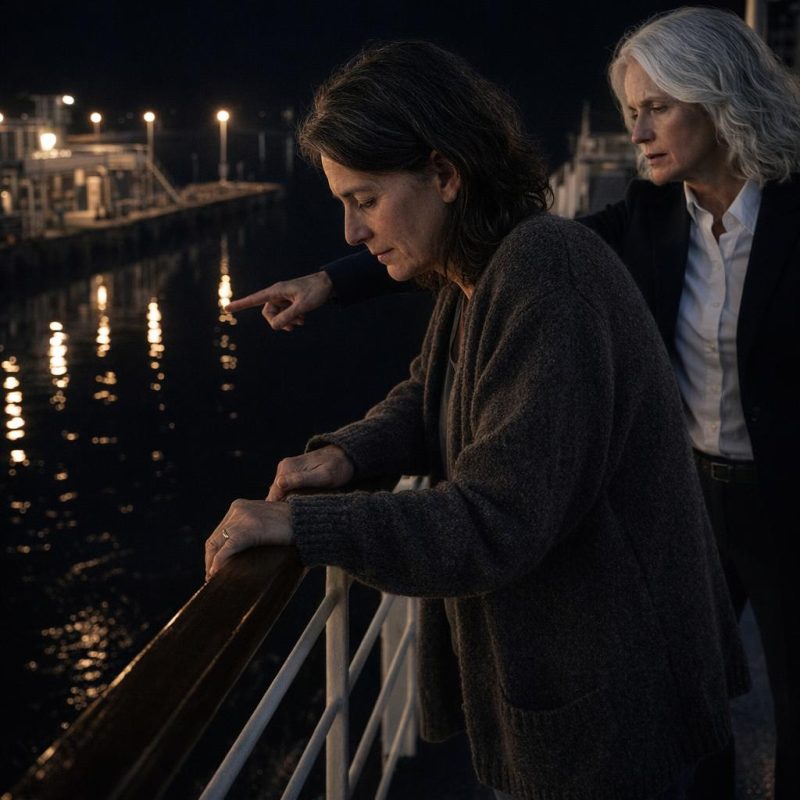 Image by RM AI
Demanding Answers
We found Carlos on the main deck near the stern, moving with that same unhurried precision I'd noticed when he first showed me to my cabin. Margaret didn't wait for pleasantries. She stepped directly into his path and said, "The ship hasn't moved. We want to know why, and we want to know when it's going to." I stood beside her, arms crossed, and nodded. Carlos stopped. He didn't look startled. He didn't look apologetic. He looked at us both with that same measured calm and was quiet for just a moment before he spoke. "The experience began when you stepped aboard," he said. That was it. No follow-up. No explanation of what that meant or what experience he was referring to. Margaret said, "That's not an answer." Carlos gave a small, polite nod, as if she'd made a fair point, and said nothing else. I looked at Margaret. She looked at me. The phrase just sat there between us, too smooth to argue with and too strange to accept. I turned back to Carlos, but he had already resumed walking, unhurried, like a man who had said exactly what he intended to say.
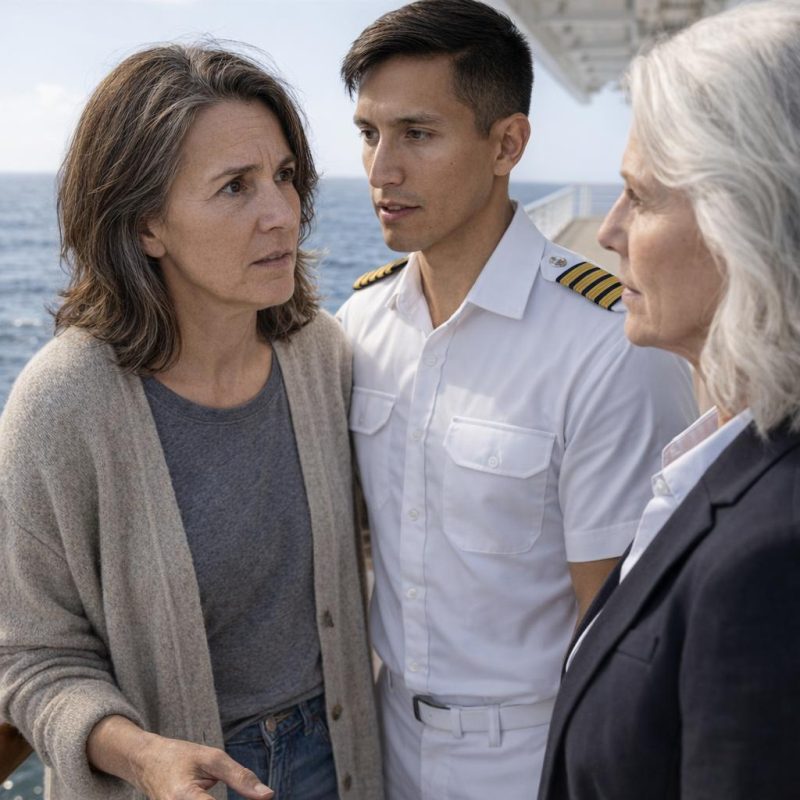 Image by RM AI
The Truth About Silence
Margaret and I stood there after Carlos walked away, and I stopped trying to make the pieces fit the picture I'd brought with me. I let them sit. The small ship that looked like a converted ferry. The crew that answered every question by not quite answering it. The dining room where everyone ate in near-silence and nobody seemed to find that strange. No signal, no activities, no departure, no noise. I'd been turning all of it over looking for the fraud, looking for the catch, waiting for someone to ask me for a credit card number or try to sell me a shore excursion package. But there was no catch. There was just — this. The stillness. The absolute, unbroken quiet of a ship that wasn't going anywhere because it didn't need to. I looked out at the flat black water and something shifted in my chest, not panic this time but something closer to recognition. Margaret said quietly, "What is this, then?" I opened my mouth and heard myself say the only thing that made sense: the silence was what we'd won.
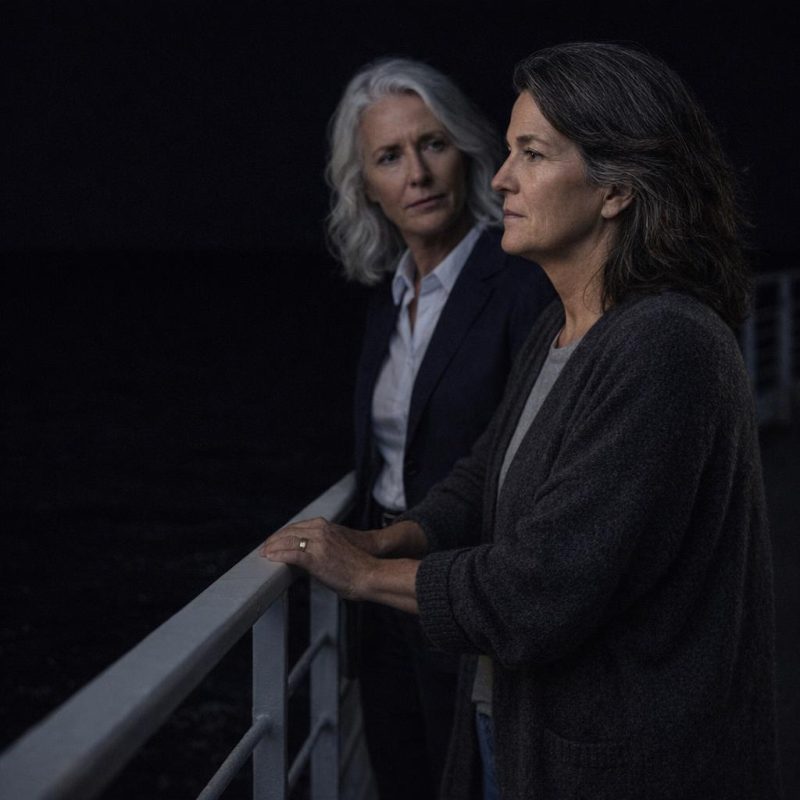 Image by RM AI
Reframing Everything
I said it slowly, working it out as I spoke. The ship was small because small meant quiet — no thousand-person buffet stampede, no DJ at the pool bar, no announcements every twenty minutes about the art auction on deck seven. The crew kept their distance because distance meant fewer demands on us, fewer moments where we had to perform being fine or being grateful or being on vacation correctly. The phones didn't work because a working phone is just a leash with better branding. And the activities — the absence of them — that wasn't neglect. That was the whole point. Nothing to do meant nowhere to be. Nowhere to be meant you were just here, in the quiet, with yourself. Margaret listened without interrupting, which I appreciated. When I finished she was quiet for a long moment, looking out at the water. Then she said, "So the thing we kept trying to fix was actually the thing." Yes. Exactly that. I leaned back against the railing and looked up at the sky, which was enormous out here, more stars than I'd seen in years. Everything I'd spent the last two days treating as a problem had been the product all along, and standing there with that understanding, the ship felt entirely different than it had an hour ago.
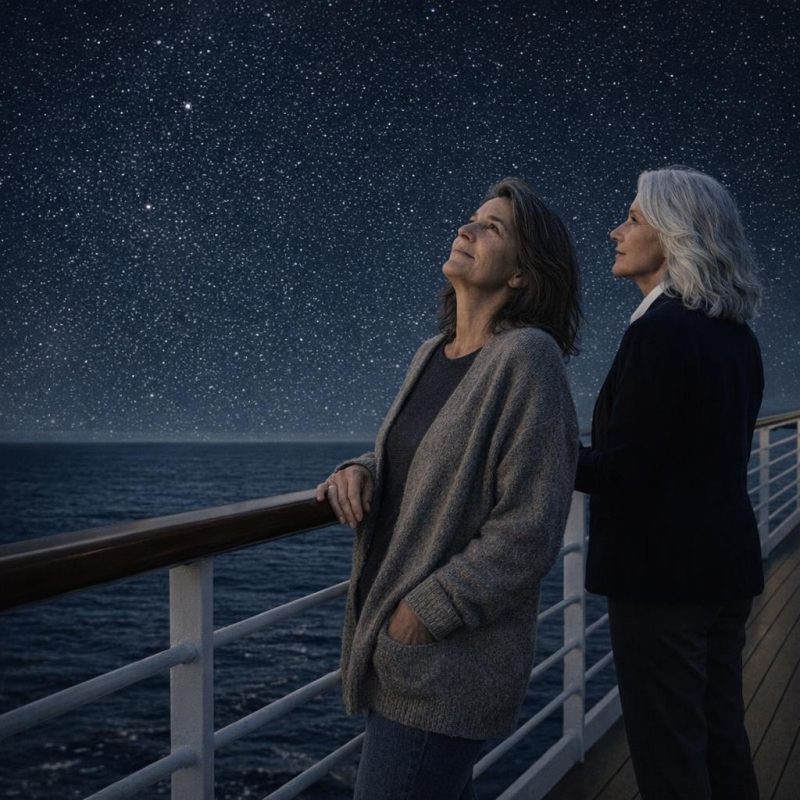 Image by RM AI
Conditioned for Noise
The thing was, I knew why it had felt like a problem. I'd spent thirty-one years in a hospital where silence meant something had gone wrong. Where quiet was what happened right before a code. I'd raised Jennifer mostly alone, and being needed — really needed, phone-ringing, someone-calling-my-name needed — was the closest thing I had to proof that I was doing it right. Even after I retired, I'd kept the rhythms. Jennifer called every other day and I picked up on the first ring. I kept a full calendar. I stayed busy because busy meant useful and useful meant I had a place in things. The pager was gone but I'd rebuilt the feeling of it everywhere I looked. Margaret said, "I did the same thing with my son's family. Kept inserting myself into the schedule so there was always somewhere I was supposed to be." She said it without self-pity, just as a fact, the way practical women state hard things. I nodded. The silence on this ship hadn't felt like rest. It had felt like being erased. And that told me something I hadn't wanted to look at directly: somewhere along the way, I'd stopped being able to tell the difference between being needed and having worth.
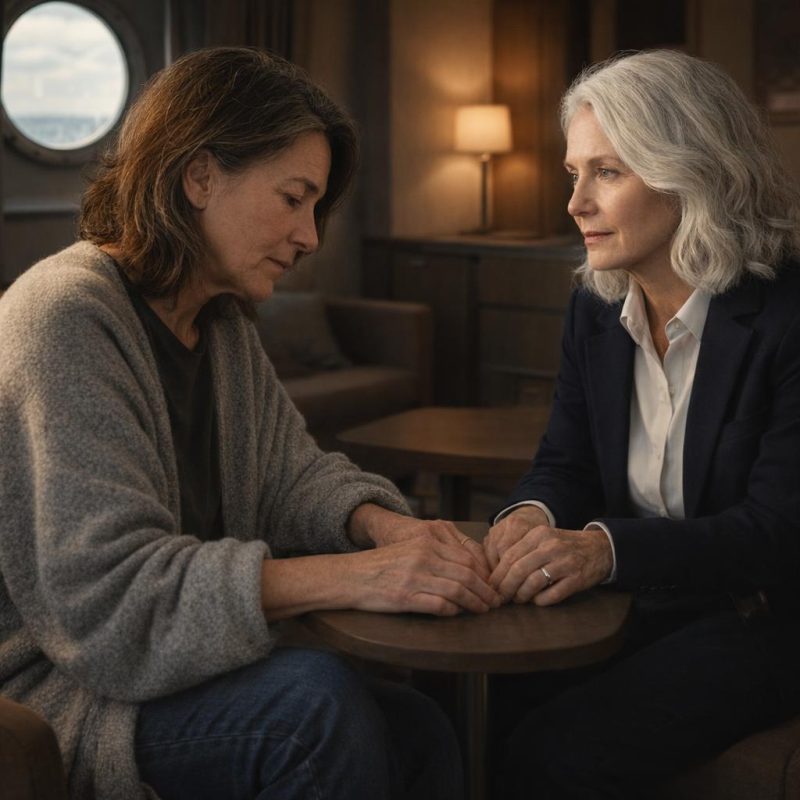 Image by RM AI
Not Fraud But Therapy
So it wasn't a scam. It wasn't a mistake or a bait-and-switch or some cruise line cutting corners and hoping nobody noticed. It was something stranger and more deliberate than any of that — a designed experience, built around the one thing most of us spend our entire lives running from. Forced stillness. No exits, no distractions, no way to pick up the phone and remind yourself that someone out there needs you. Margaret said it felt like being handed a mirror in a room with no furniture. I thought that was exactly right. I wasn't angry anymore, or not only angry. There was something else underneath it — a reluctant curiosity, the kind you feel when someone asks you a question you don't want to answer because you're not sure you know the answer. I'd spent two days treating this ship like a problem to be solved and a wrong to be righted. But what if the only thing it was actually asking me to do was sit here? No agenda. No one to take care of. No proof required that I deserved to take up space. Margaret looked at me and said, "The question is whether we can actually do it." And I didn't have an answer for that yet.
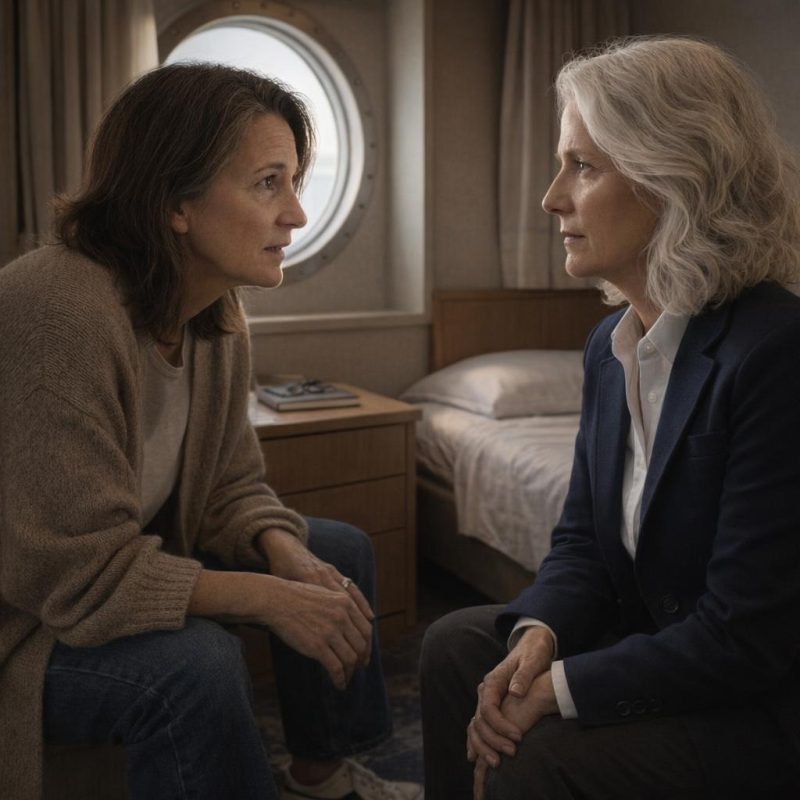 Image by RM AI
Decades of Demands
Margaret and I sat on the deck long after the sun had shifted, and I started talking about the hospital years the way you talk about a war you survived — carefully, in pieces. Thirty-one years. Double shifts that bled into triple shifts because someone called in sick and I was the one who always answered. I said yes so many times it stopped feeling like a choice. Vacations I cancelled. Jennifer's school events I missed. A retirement account I watched grow in tiny increments while I spent everything else — time, sleep, the good years of my knees — on a building full of people who needed me. And here's the thing I couldn't say out loud until right now, sitting on this ship with nowhere to go: I liked it. I liked being needed. I liked walking onto a floor and having people look relieved because I showed up. It made the exhaustion feel like currency. Like proof. Margaret nodded slowly and said she'd done the same thing for twenty-two years in a different uniform, different building, same equation. We sat with that for a while. The weight of all those years — all that proving — settled between us like something we'd both been carrying without knowing we were allowed to put it down.
 Image by RM AI
Resisting the Gift
But knowing something and being okay with it are two completely different things. I understood what this ship was doing. I understood the design of it, the enforced quiet, the stripped-away distractions. And I still wanted out. Not in a polite, I'd-prefer-something-different way. In a visceral, get-me-off-this-boat way. Margaret said it first, which made me feel slightly less unhinged. She said, "I keep thinking about how long it would take a tender to get us to shore." And I laughed, but I was also doing the math in my head. The silence wasn't peaceful. It was loud in a way I didn't have language for — loud with everything I'd been drowning out for three decades. No tasks to complete. No one's crisis to manage. No reason to be here except to be here, and that felt like the flimsiest reason I'd ever heard. I'd built my entire sense of self around being useful, and this experience was systematically dismantling that scaffolding, and I did not appreciate it. Margaret looked at me with those sharp eyes of hers and said, "I want to go home." I said, "Me too." And then neither of us moved. But the urge sat there between us, solid and real — the pull toward shore, toward noise, toward anything that would tell us we were needed again.
 Image by RM AI
The Internal Battle
We ended up on the forward deck, leaning against the railing, not talking much. The ocean was doing its thing — indifferent, enormous, completely unimpressed by either of us. I kept waiting for the anxiety to peak and break, the way a fever does. Instead it just held steady, this low hum of wrongness that I couldn't shake. And then, underneath it, something else. Something I almost didn't recognize because I hadn't felt it in so long. A kind of quiet. Not the silence of the ship — that was still unsettling — but something internal. A small, shameful exhale somewhere behind my sternum. No one was going to page me. No one was going to knock on my door with a problem I needed to solve. No one needed anything from me in the next hour, or the hour after that. I didn't know what to do with that. It felt wrong to feel relieved. It felt like abandoning a post. Margaret said, barely above a whisper, "There's a part of me that doesn't hate this." And I knew exactly what she meant, and I hated that I knew, and I also felt something loosen slightly in my chest. The fear was still there. But so was the relief, sitting right beside it, quiet and uninvited.
 Image by RM AI
The Hospital Years
The memories came in no particular order, the way they do when you stop trying to manage them. The pager going off at 5:47 in the morning on a Sunday. The particular sound of it — that flat, insistent beep — that I'd trained myself to respond to before I was fully awake. Colleagues who knew they could call me because I'd never said no, not once in thirty-one years. The Christmas I spent on the floor because we were short-staffed and I told Jennifer we'd celebrate on the 27th, and we did, and she was gracious about it, and I never stopped feeling guilty. The pride, though. That was real too. Being the one they called. Being the person the new nurses looked to when things got bad. I'd worn that identity like a second skin for so long I'd forgotten it was something I'd put on, not something I was born with. Standing here now, with the ocean around me and nothing being asked of me, I could see the shape of it more clearly — the way the exhaustion had become a kind of proof, the way I'd needed to be needed in order to feel like I was enough. Margaret said she recognized every word of it. The memories sat differently in the quiet — heavier, and somehow more honest, than they ever had before.
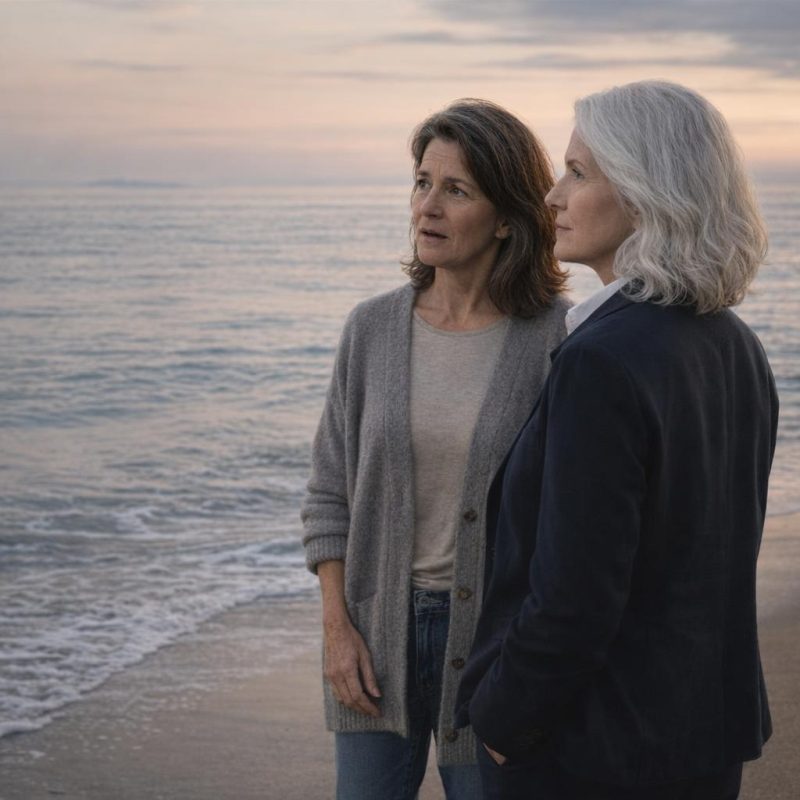 Image by RM AI
Standing in Stillness
At some point I stopped pacing. I hadn't even realized I'd been pacing until I stopped. Margaret had gone quiet beside me, and the deck was empty except for the two of us and the sound of water moving against the hull. I'd been filling every available second — rearranging my thoughts, cataloguing grievances, mentally composing the story I'd tell Jennifer when I got home. Anything to keep the gears turning. And then I just — stopped. I put my hands on the railing and I stood there. No agenda. No next thing. I didn't reach for my phone because there was no phone to reach for. I didn't look for someone to talk to. I just stood in it. The quiet pressed in from every direction, and I let it. My shoulders were up around my ears and I made myself lower them. My jaw was clenched and I unclenched it. Margaret stood a few feet away doing what looked like the same thing — just standing, just breathing, just being a person on a ship with nowhere to be. I don't know how long we stood there. Long enough that the light changed slightly. Long enough that something in me stopped bracing for the next demand. And then Margaret said, very quietly, "What do we do now?"
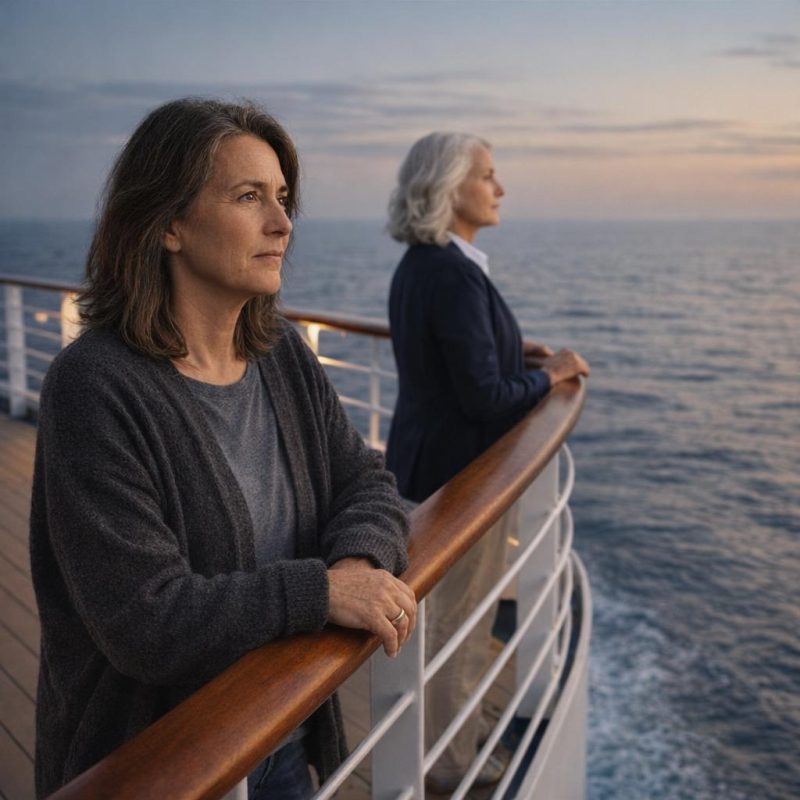 Image by RM AI
No One Asking
I didn't have an answer for her. I stood there and I took stock of what was actually present in that moment, and what wasn't. No pager. No phone ringing with a number I recognized from the hospital scheduling desk. No Jennifer's voice on the other end, tight with worry, asking if I'd eaten or if I needed her to come over. No patient in room 14 who needed their IV checked. No chart to update, no form to sign, no colleague standing in the doorway of the break room looking apologetic because they needed to leave early and could I just — no. None of it. I went through the list the way you check a bag before a flight, expecting to find something, and I kept coming up empty. The structure of my days for thirty-one years had been built entirely around other people's needs, and right now, in this moment, on this deck, not one of those needs existed. Margaret said, "It's like standing in a room where all the furniture used to be." That was it exactly. The walls were still there. I was still there. But the space where all the demands used to live was just open air now, and I didn't know what to do with all that room.
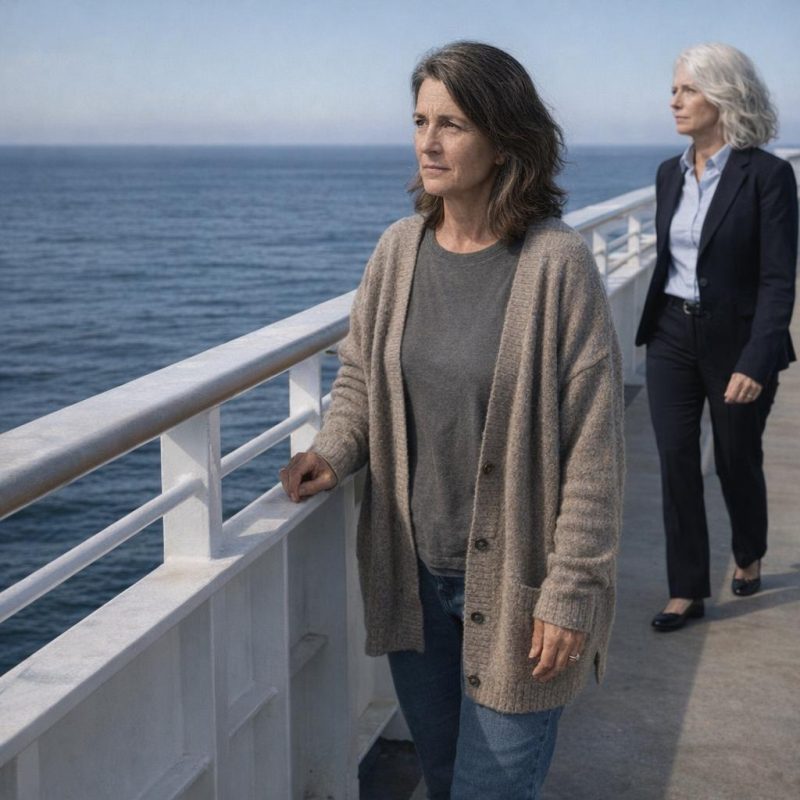 Image by RM AI
The Terror of Peace
I stood there long enough that the fear started to clarify. It wasn't the ship. It wasn't the isolation or the missing phone or even the strange design of this whole experience. It was the quiet itself — and more specifically, what lived inside it. Me. Just me, with no task to complete and no one to take care of and no noise to hide behind. I'd been running from that for thirty-one years and I hadn't even known I was running. The busyness hadn't just been about being needed. It had been about not having to sit with myself long enough to ask whether I was okay. Whether I was happy. Whether the life I was living was the one I actually wanted or just the one that had accumulated around me while I was busy being useful. Margaret said, "I think I've been afraid of myself for a very long time." And I felt something crack open in my chest, because yes. That was it. That was the thing I hadn't been able to name. The silence wasn't a punishment or a malfunction or something to be fixed. It was the exact thing I had spent decades building a life specifically designed to avoid.
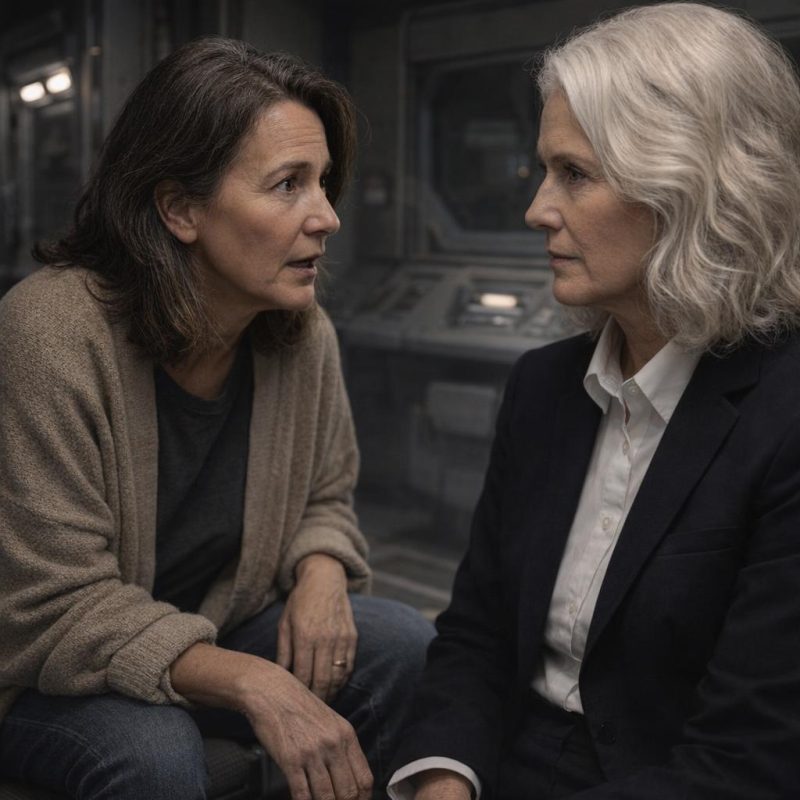 Image by RM AI
Stopping the Fight
And then, somewhere in the middle of all that, I stopped fighting it. I'm not sure I made a decision exactly. It was more like I ran out of resistance. Margaret had gone quiet beside me, and the ocean kept doing what it does, and the deck was warm under my feet, and I just — let it be. I stopped composing the complaint I was going to file. I stopped rehearsing the explanation I'd give Jennifer. I stopped trying to locate the nearest exit from this feeling. I breathed in the salt air and I let the quiet be quiet. Margaret exhaled beside me, long and slow, and I heard her shoulders drop the same way mine had. We didn't say anything. There was nothing that needed saying. The stillness was just there, and for the first time since I'd stepped onto this ship, I didn't try to push it away.
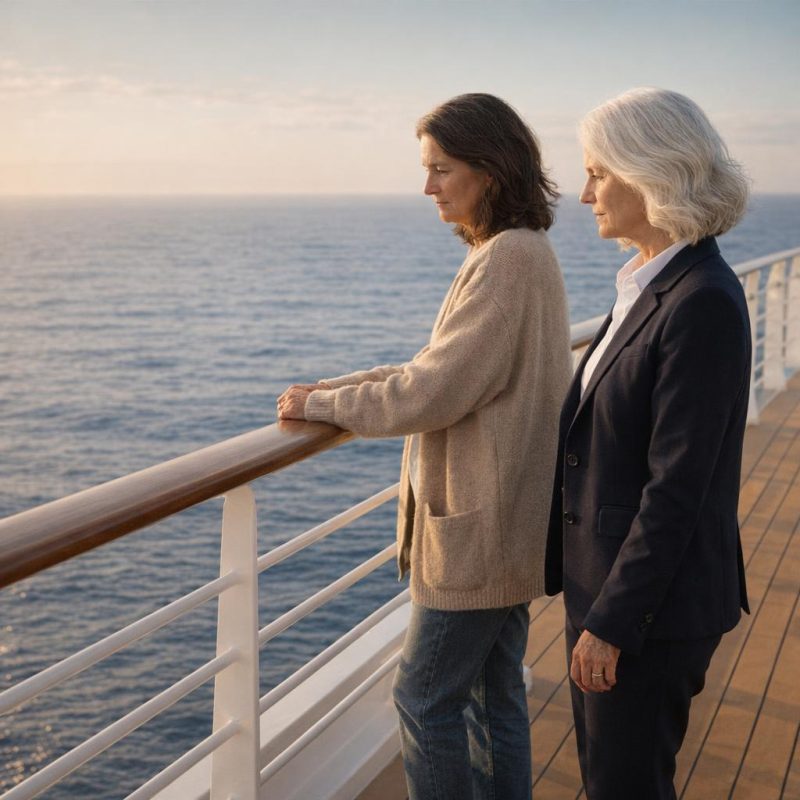 Image by RM AI
Silence as Luxury
I'd been thinking about it wrong the whole time. That's what hit me, standing there with the ocean spread out in front of us and Margaret quiet beside me. I kept waiting for the cruise to give me something — a beach, a dinner, a moment worth photographing and sending to Jennifer. Something I could point to and say, see, it was worth it. But that wasn't what was being offered. What was being offered was this. The nothing. The absolute, undemanding nothing. No call light going off. No one needing a chart pulled or a hand held or a question answered. No one needing me at all. I'd spent so long treating that kind of quiet like a punishment — like being left out, like being forgotten — that I didn't recognize it when it showed up as a gift. Margaret turned her head just slightly and said, "You know what the most expensive thing in the world is?" I waited. "Somewhere no one can find you," she said. And she wasn't wrong. I'd been calling it emptiness. Standing there, I felt it shift — not emptiness at all, but space. Room. Something I hadn't had in forty years.
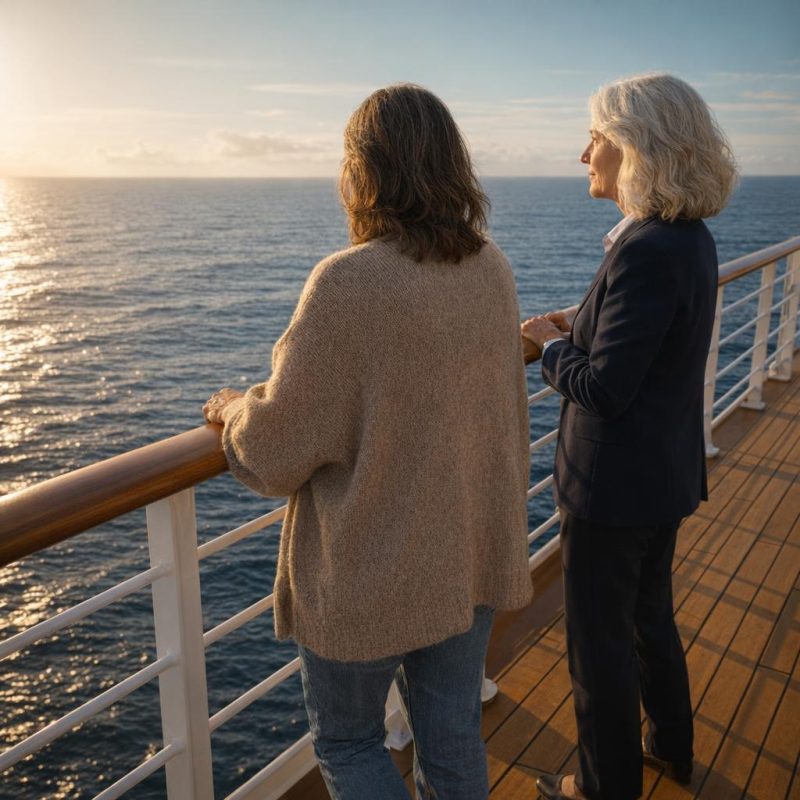 Image by RM AI
Healing in Quiet
The quiet kept doing its work on me, slow and steady, the way a long soak works on sore muscles. I didn't fight it anymore. I just let it move through me. Margaret had settled into her chair with her eyes half-closed, and I did the same, and neither of us felt the need to fill the air with anything. That was new for me. I've always been a filler — of silences, of needs, of gaps other people left open. Forty years in a hospital will do that to you. You learn to read a room before you've fully walked into it. You learn to anticipate. You learn that your value lives in your usefulness. And somewhere along the way, without noticing, I'd started applying that logic to every room I walked into, not just the ones with patients in them. But out here, there were no gaps to fill. No one was waiting for me to step in. And instead of that feeling like failure, it was starting to feel like — permission. Permission to just sit here. To breathe. To exist without earning it. Margaret exhaled softly beside me, and the sound of it was the most peaceful thing I'd heard in years. The warmth of the afternoon settled over me like something I hadn't known I was cold without.
 Image by RM AI
What She Actually Needed
I thought about Jennifer, the way I always do when things get quiet enough to think. She worries about me constantly — calls too often, asks too many questions, reads too much into my pauses. I used to tell myself it was just her personality, that analytical, protective streak she was born with. But sitting there on that deck, I started to wonder if I'd taught her that. If all those years of watching me run myself ragged had shown her that love looks like vigilance. That caring means never stopping. I didn't want that for her. And I didn't want it for myself anymore either. What I'd actually needed — what I'd been circling around for years without ever landing on it — wasn't to be needed more. It was to find out who I was when nobody needed anything. Margaret said it quietly, almost to herself: "I spent thirty years being indispensable. Took me this long to figure out that was the cage, not the prize." I didn't say anything back. I didn't have to. She'd named the thing I hadn't been able to name. And sitting with that — with the relief of finally having a word for it — felt like setting down something I'd been carrying so long I'd forgotten it had weight.
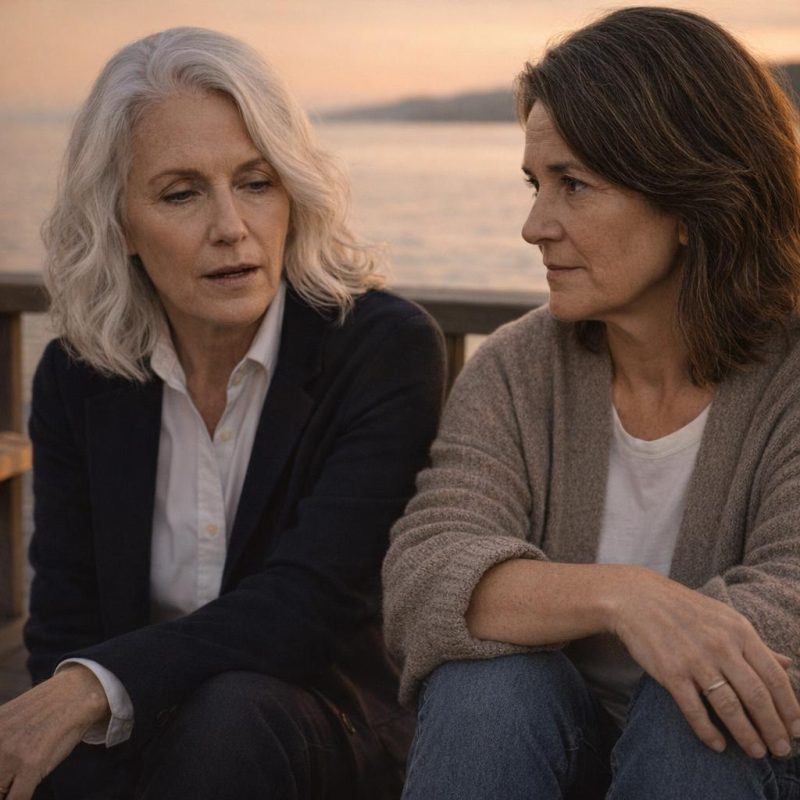 Image by RM AI
The Only Real Luxury
The sun was lower now, the light going amber and soft across the water, and neither of us moved to go inside. I thought about all the noise. Forty years of it — monitors beeping, families crying in hallways, the squeak of my own shoes on linoleum at six in the morning. I'd told myself the noise meant I mattered. That as long as someone needed me, I was doing something right. But the noise had also been a place to hide. If you stay busy enough, you never have to sit with the question of whether you're okay on your own. Out here, there was nowhere to hide. Just the water and the sky and Margaret beside me and the slow, steady fact of my own breathing. And I was okay. That was the thing. I was okay without the beeping and the charts and the hand-holding. I was okay without Jennifer checking in every few hours. I was okay without being anyone's anything. Margaret turned to look at me, and I looked back at her, and she gave a small nod like she already knew. After forty years of noise, the silence wasn't the absence of something. It was the thing itself — and I was enough to fill it.
 Image by RM AI
KEEP ON READING
The story of Ching Shih, the Woman Who Became the…
Unknown author on WikimediaFew figures in history are as feared…
By Emilie Richardson-Dupuis Dec 29, 2025
Einstein's Violin Just Sold At An Auction—And It Earned More…
A Visionary's Violin. Wanda von Debschitz-Kunowski on WikimediaWhen you hear…
By Ashley Bast Nov 3, 2025
This Infamous Ancient Greek Burned Down An Ancient Wonder Just…
History remembers kings and conquerors, but sometimes, it also remembers…
By David Davidovic Nov 12, 2025
The Mysterious "Sea People" Who Collapsed Civilization
3,200 years ago, Bronze Age civilization in the Mediterranean suddenly…
By Robbie Woods Mar 18, 2025
20 Greatest Ancient Athletes In History
Ancient Olympics. Long before modern stadiums and multimillion-dollar endorsements, athletes…
By Sara Springsteen May 1, 2026
20 Soldiers Who Defied Expectations
Changing the Rules of the Battlefield. You’ve probably heard plenty…
By Annie Byrd Feb 10, 2026