

Beauty Has Always Had Strange Rules
History is full of bizarre things, and beauty trends are no exception. From painting on blue veins to emphasize paleness to putting deadly nightshade in the eyes for a wide-eyed look, there's no shortage of strange things that were once considered attractive. Many, too, were tied to wealth and identity, meaning drastic alterations to the body were signs of social status, ironic as that may sound. Looking back at these beauty trends makes it clear that every era had its own odd ideas about what people needed to do to look desirable.
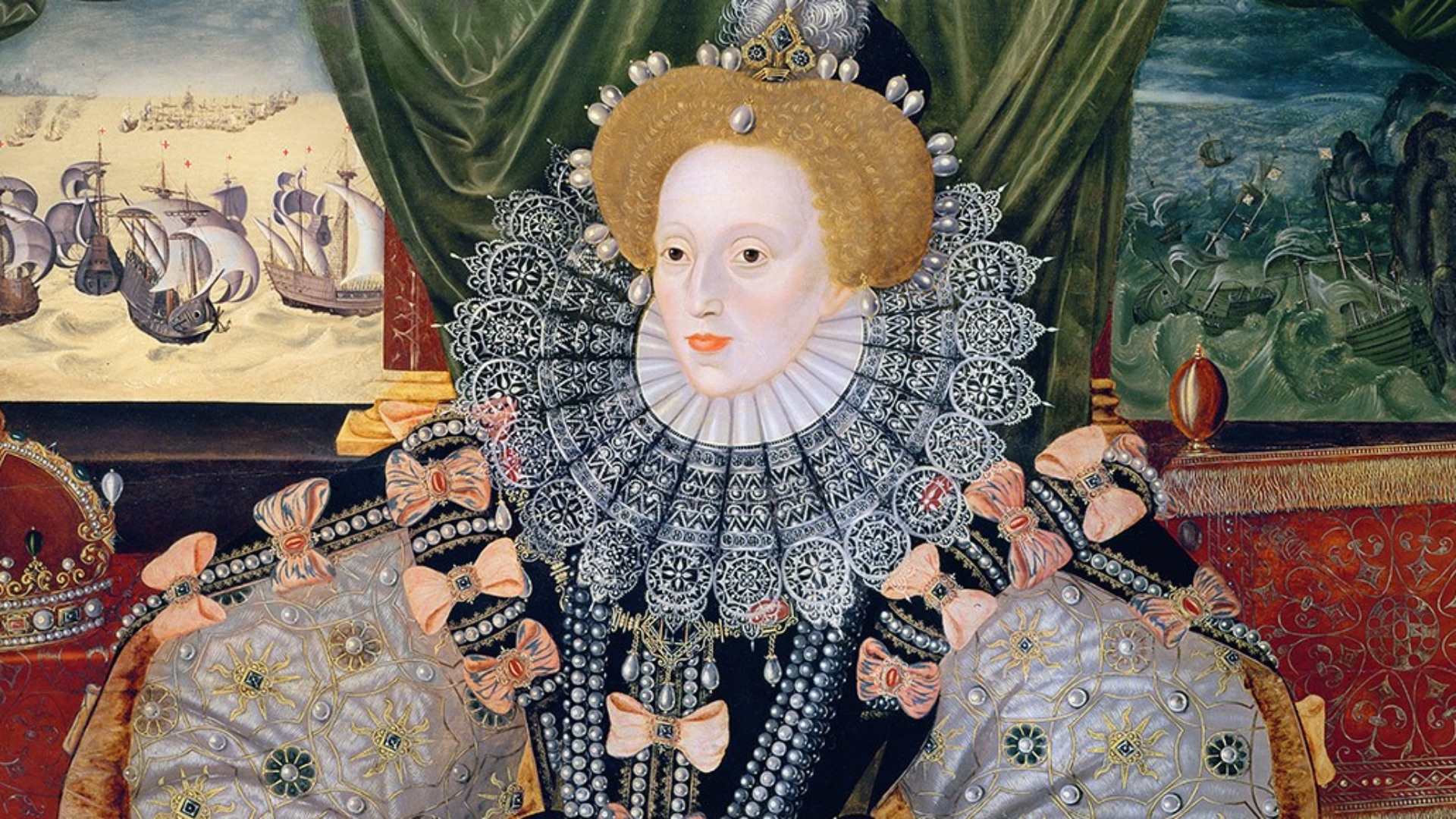 Formerly attributed to George Gower on Wikimedia
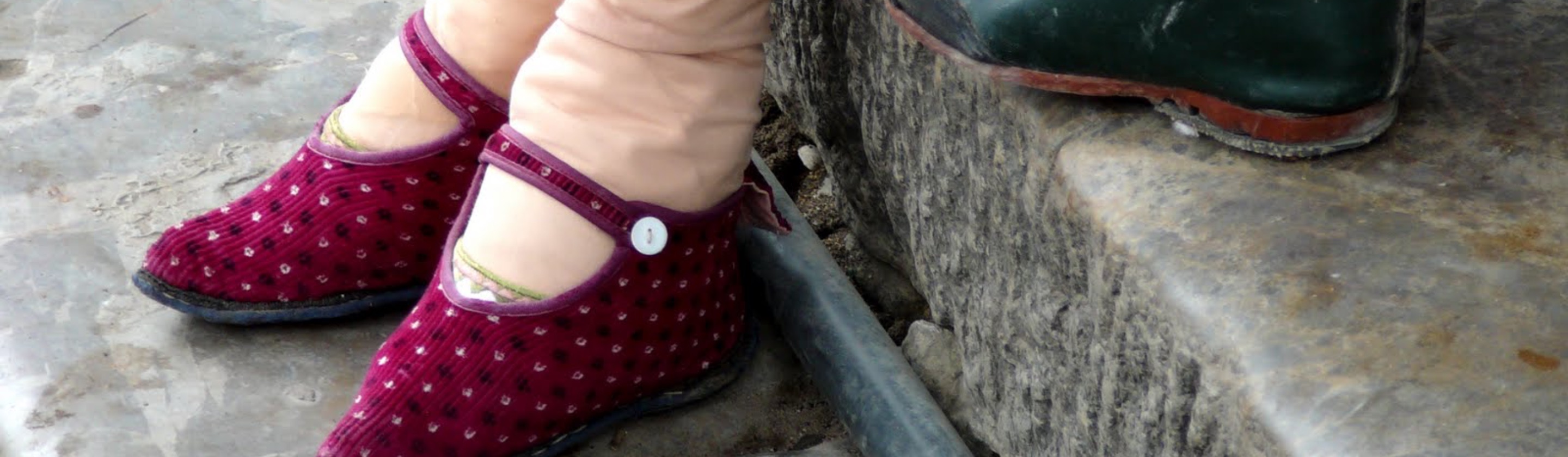
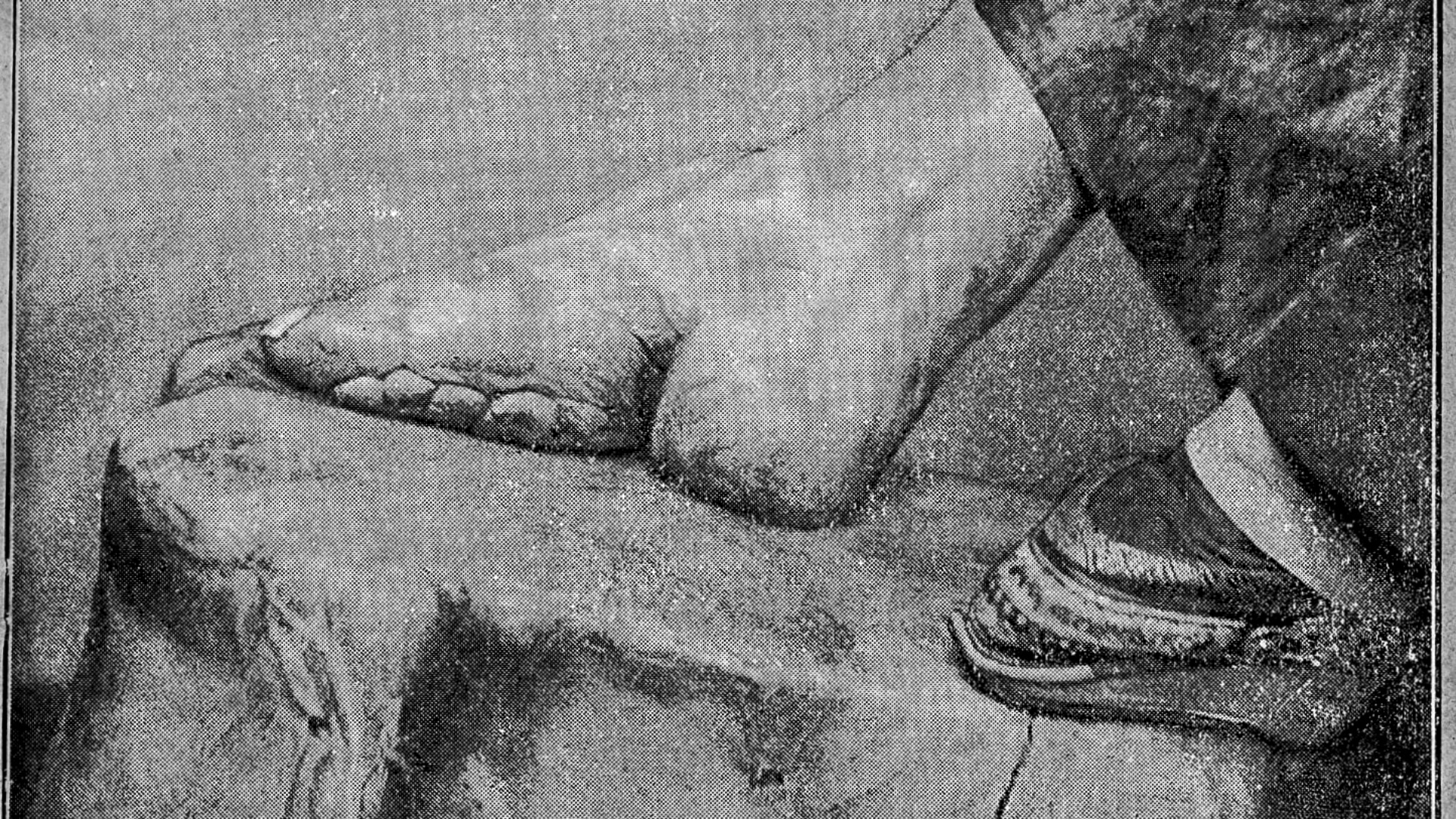
1. Foot Binding in China
Foot binding is one of history’s most painful and well-known beauty standards. For centuries in China, especially among Han Chinese communities, very small “lotus feet” were associated with femininity, elegance, and marriageability. The process usually began in childhood, when girls’ feet were tightly wrapped to alter their growth and shape. What was once treated as refined is now understood as a physically damaging practice that restricted women’s mobility.
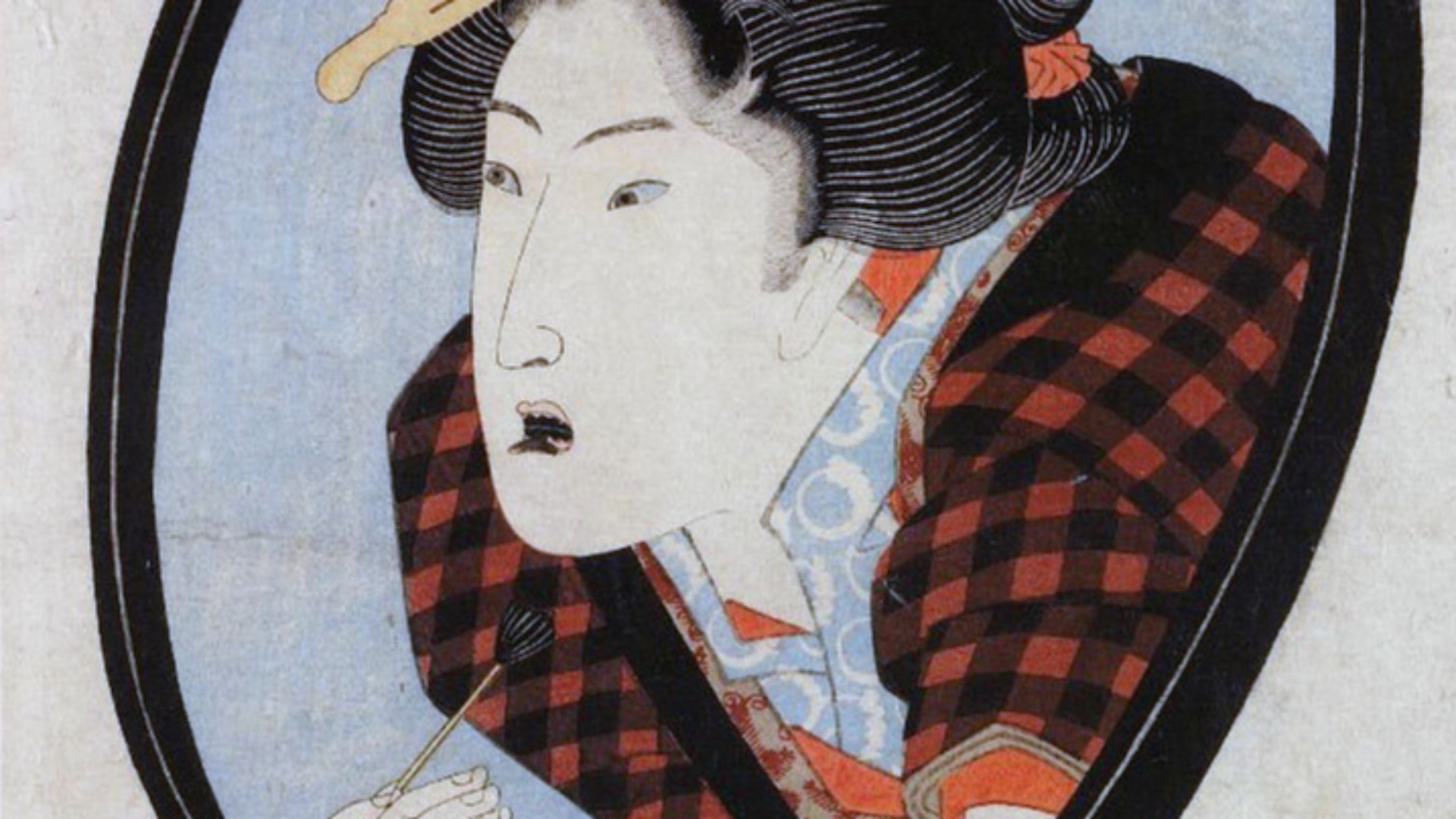
2. Blackened Teeth in Japan
In Japan, the practice of ohaguro involved dyeing the teeth black, and it was often linked with maturity, marriage, or elite social customs. Rather than seeing white teeth as the ideal, many people considered dark, glossy teeth beautiful and dignified. The dye was usually made with an iron-based mixture, and it could also help protect tooth enamel. To modern readers surrounded by whitening products, this standard feels completely reversed.
3. High Foreheads in Renaissance Europe
During parts of the Renaissance, a high forehead was considered an attractive sign of beauty and refinement. Some women plucked or shaved back their hairlines to make the forehead look larger and smoother. Eyebrows could also be thinned to create a more open upper face. If you’ve ever looked at Renaissance portraits and noticed unusually tall foreheads, this beauty ideal helps explain why.
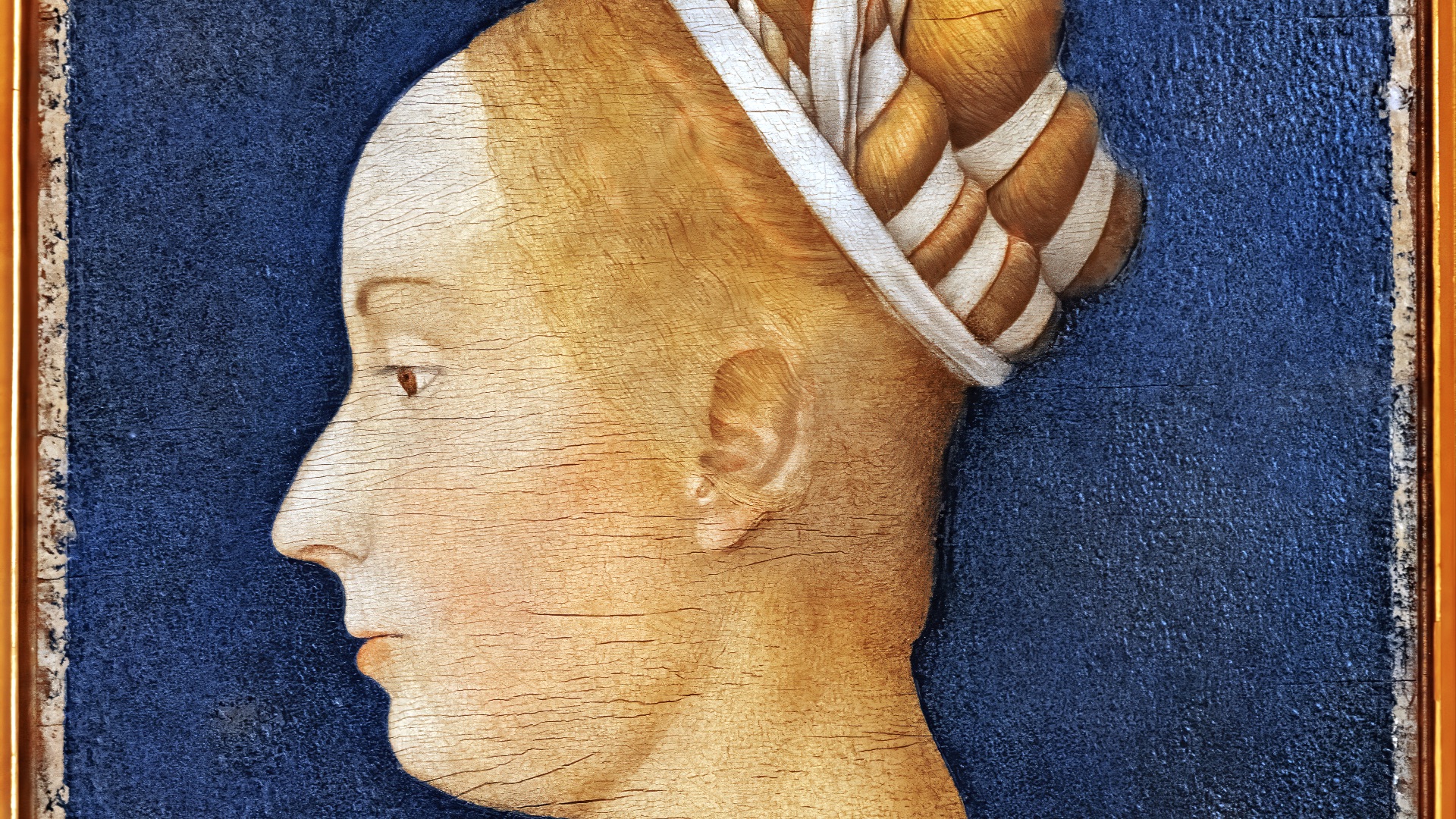
4. Lead-White Skin in Early Modern Europe
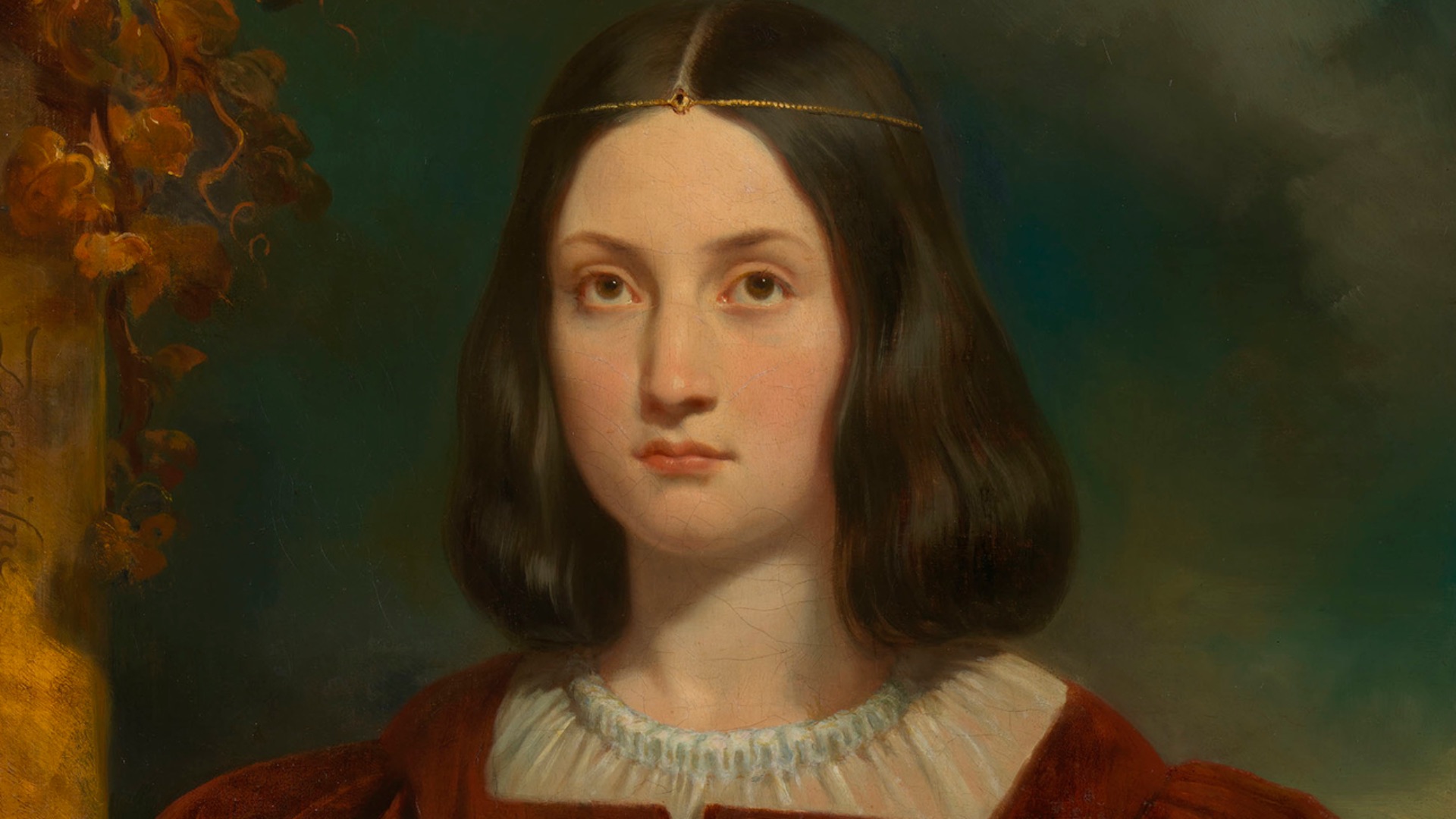
Pale skin was highly prized in parts of early modern Europe because it suggested wealth and freedom from outdoor labor. To get the look, some people used lead-based cosmetics, including white face paints that could create a bright, smooth complexion. The problem was that lead could damage the skin and poison the body over time. The result was a beauty routine that could make someone look fashionable while slowly harming their health.
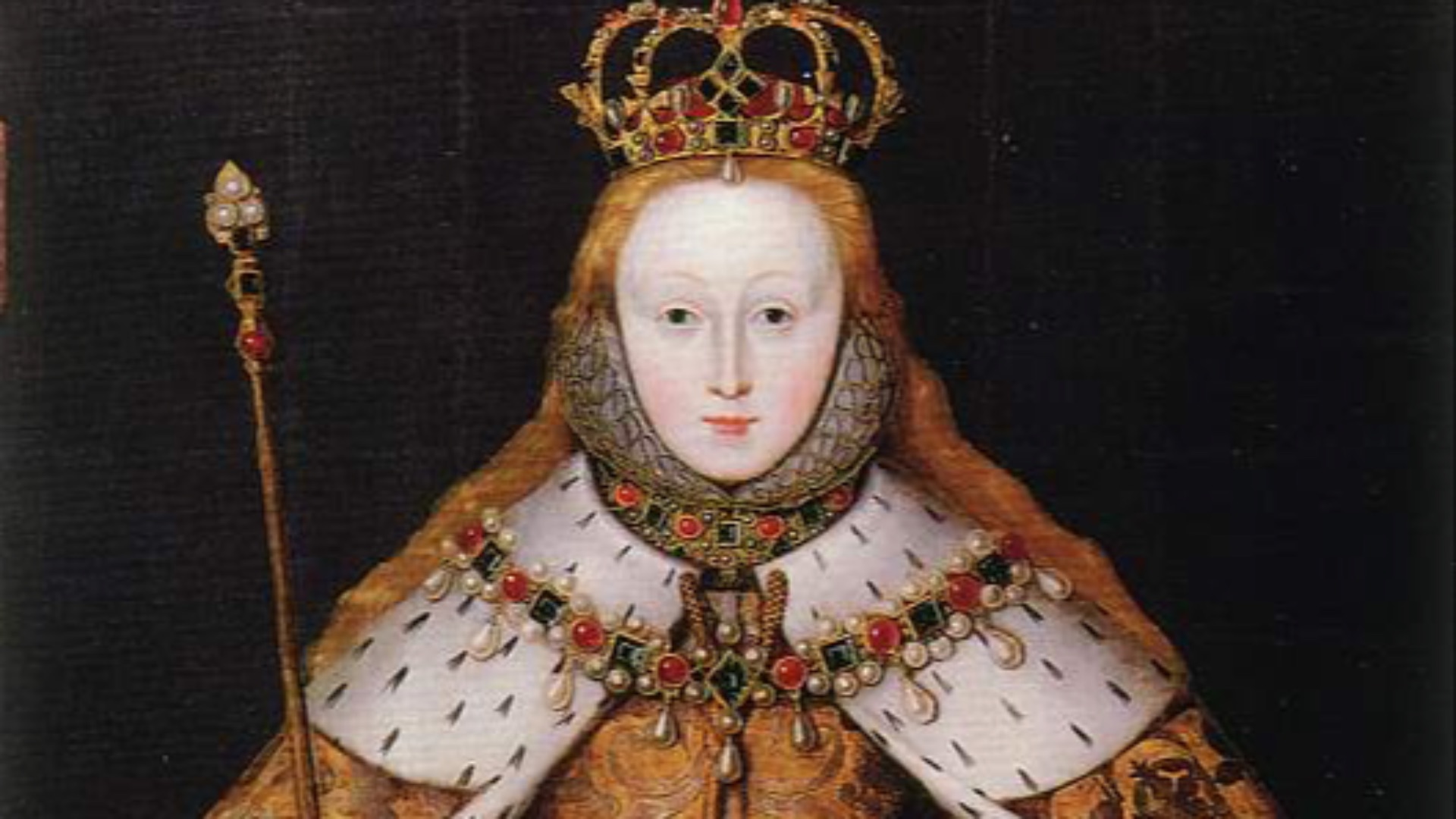
5. Painted Blue Veins
When extreme paleness was fashionable, some women took the look even further by drawing blue veins onto the skin. The goal was to make the complexion appear delicate, translucent, and untouched by the sun. This trend was especially tied to class, since pale skin suggested that a woman didn’t have to work outdoors. It sounds unusual now, but at the time, visible artificial veins helped sell the illusion of refined fragility.
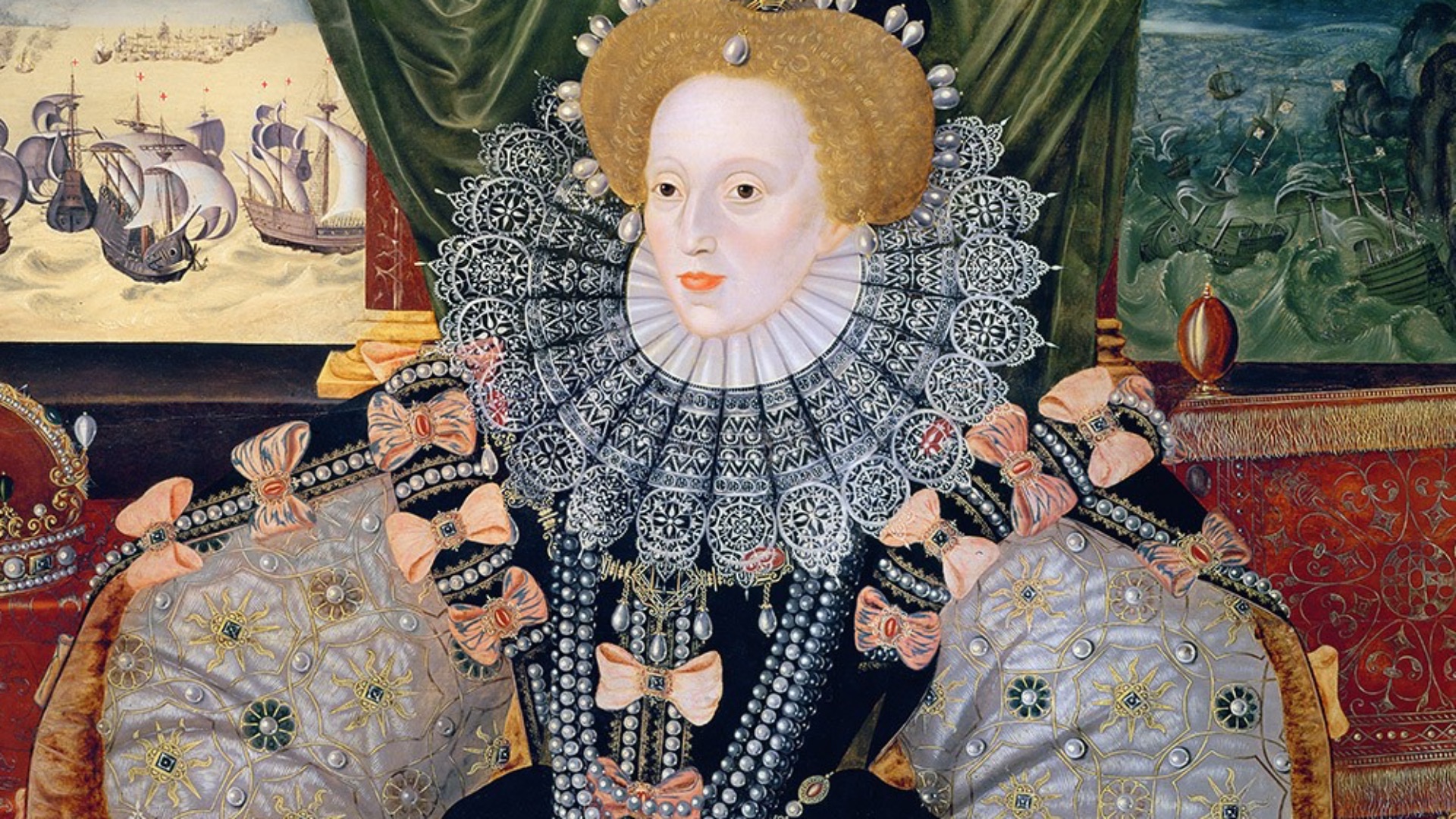 Formerly attributed to George Gower on Wikimedia
6. Beauty Patches
In 17th- and 18th-century Europe, small decorative patches called mouches became fashionable accessories for the face. They were often made from materials such as silk or velvet and could be cut into shapes like circles, stars, or hearts. Some people used them to cover blemishes or scars, while others wore them purely for style. A tiny patch could draw attention to the lips, cheek, or eye, depending on where it was placed.
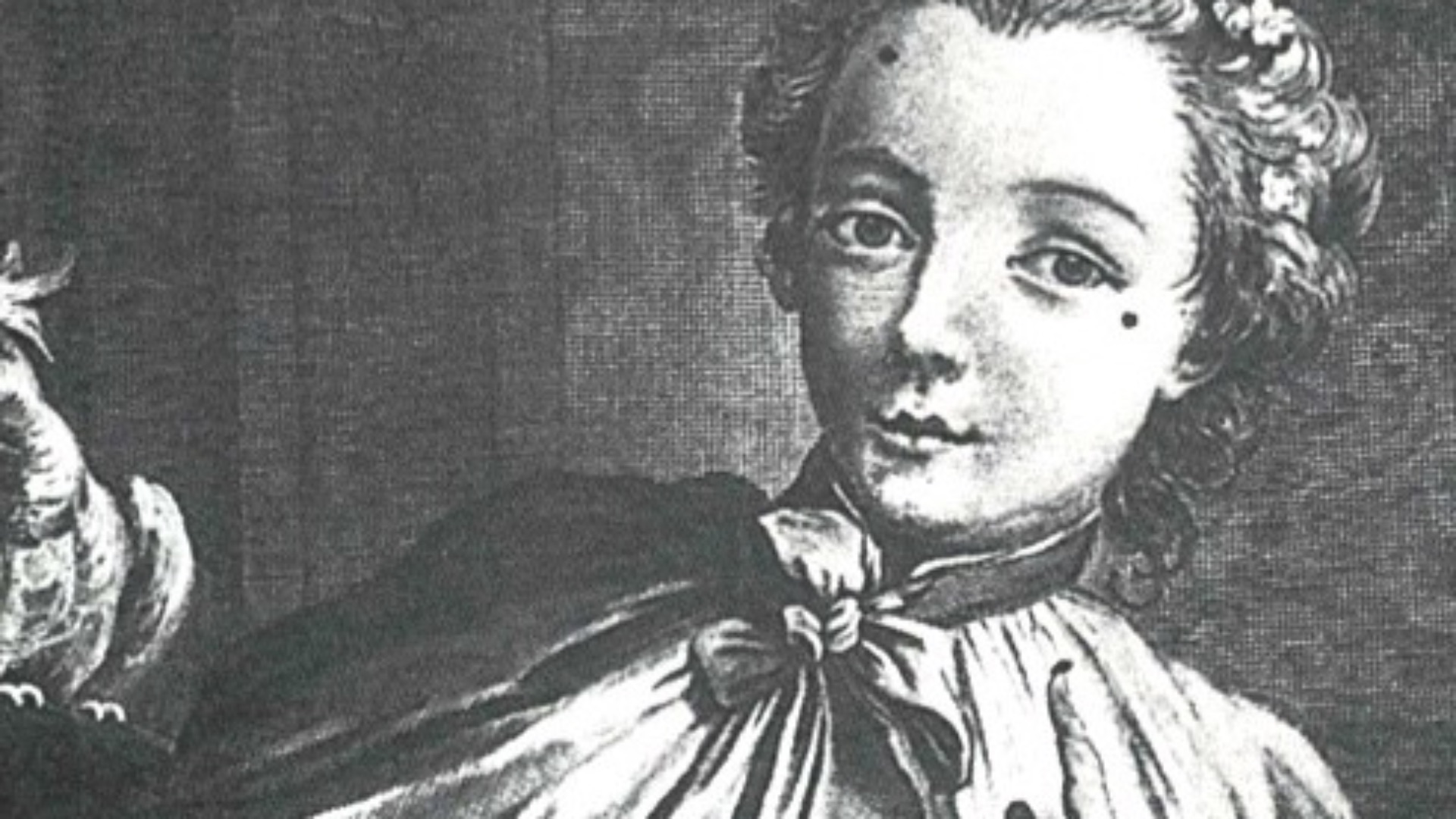 Gilles Edme Petit / After François Boucher on Wikimedia
7. Belladonna Eye Drops
Large pupils were once considered attractive enough that some women used belladonna drops to dilate their eyes. Belladonna, also known as deadly nightshade, could create a wide-eyed look, but it came with serious risks. It could blur vision, irritate the eyes, and even contribute to long-term damage. This is one of those historical beauty habits where the desired effect was brief, but the danger was very real.
8. The Corseted Waist
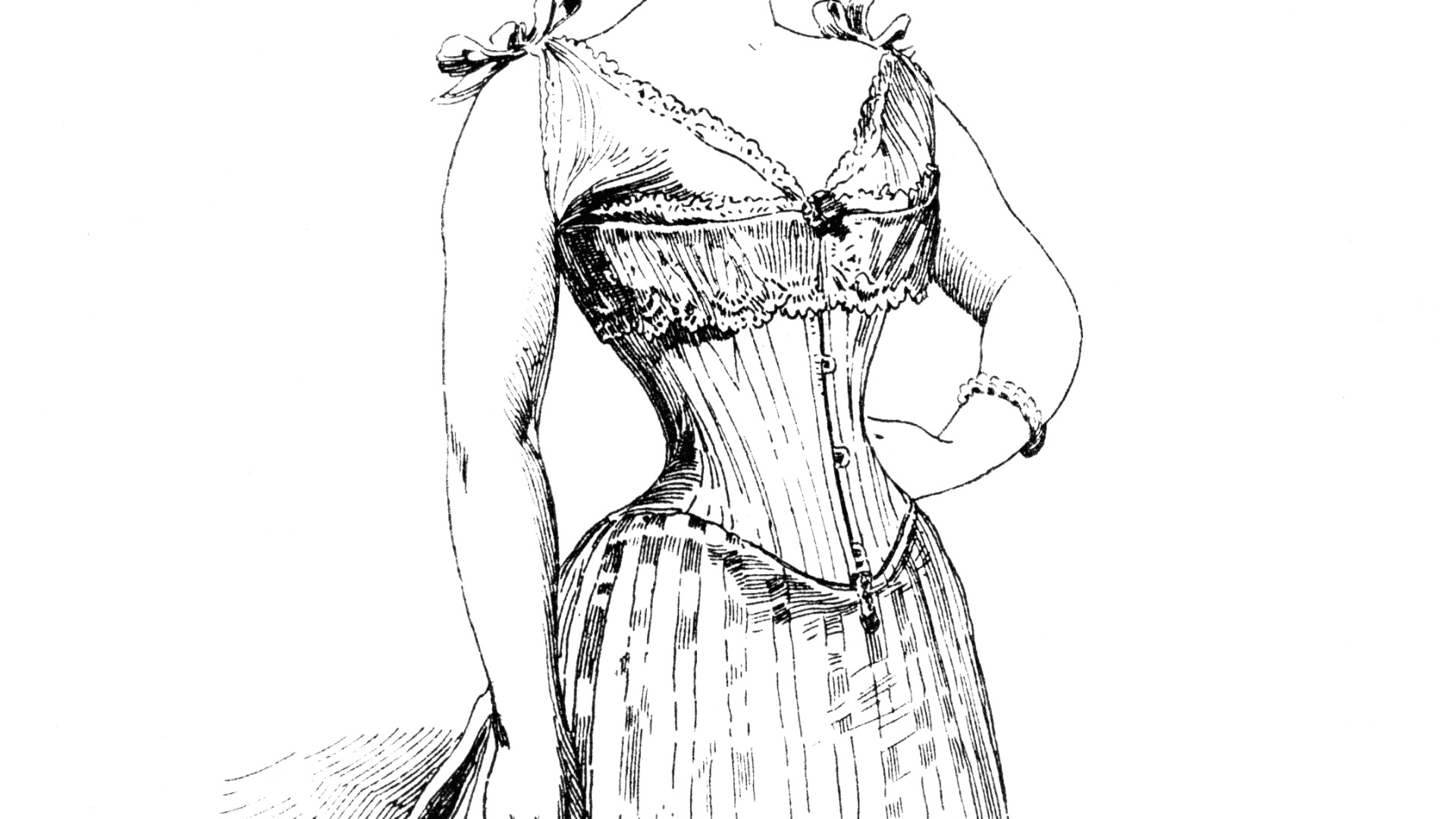
Corsets shaped European and American fashion for centuries, but the narrow waist became especially iconic in the Victorian era. A tightly fitted corset could help create the fashionable silhouette of the period, with the waist visually reduced and the torso held in a particular shape. Not every corset was worn to an extreme, but the ideal still placed heavy pressure on women to mold their bodies to clothing. In many cases, the fashionable figure was built from structure rather than natural shape.
 Illustrateur : Saint-Elme Gautier on Wikimedia
9. Cage Crinolines
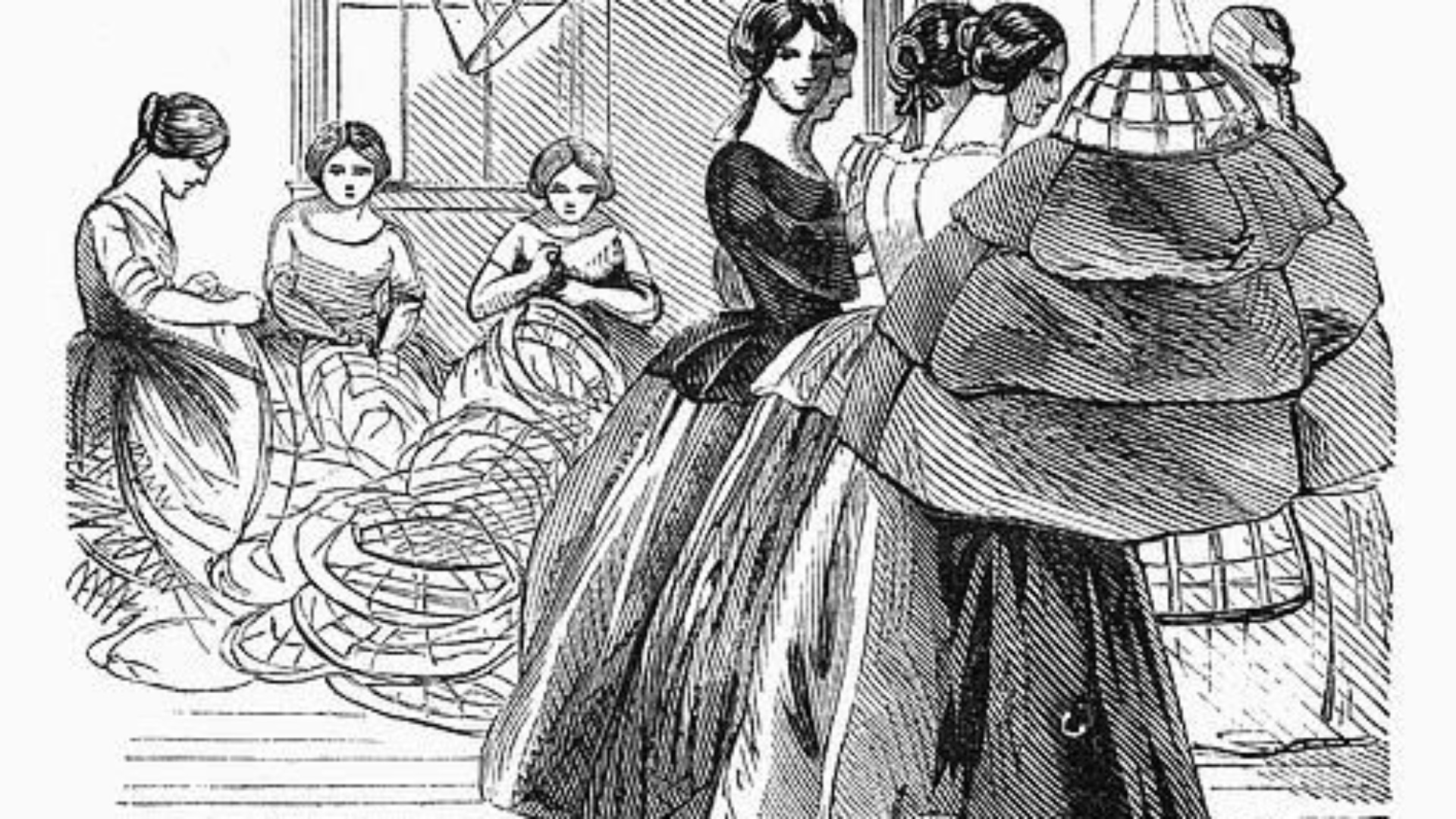
During the mid-19th century, cage crinolines were worn under skirts to create enormous volume. These structured underskirts helped produce the wide bell shape that dominated fashionable dress for a time. They could look impressive, but they also made ordinary movement more complicated, from sitting down to getting through doorways. The beauty ideal depended on taking up space in a way that clearly signaled status.
10. Victorian Bustles
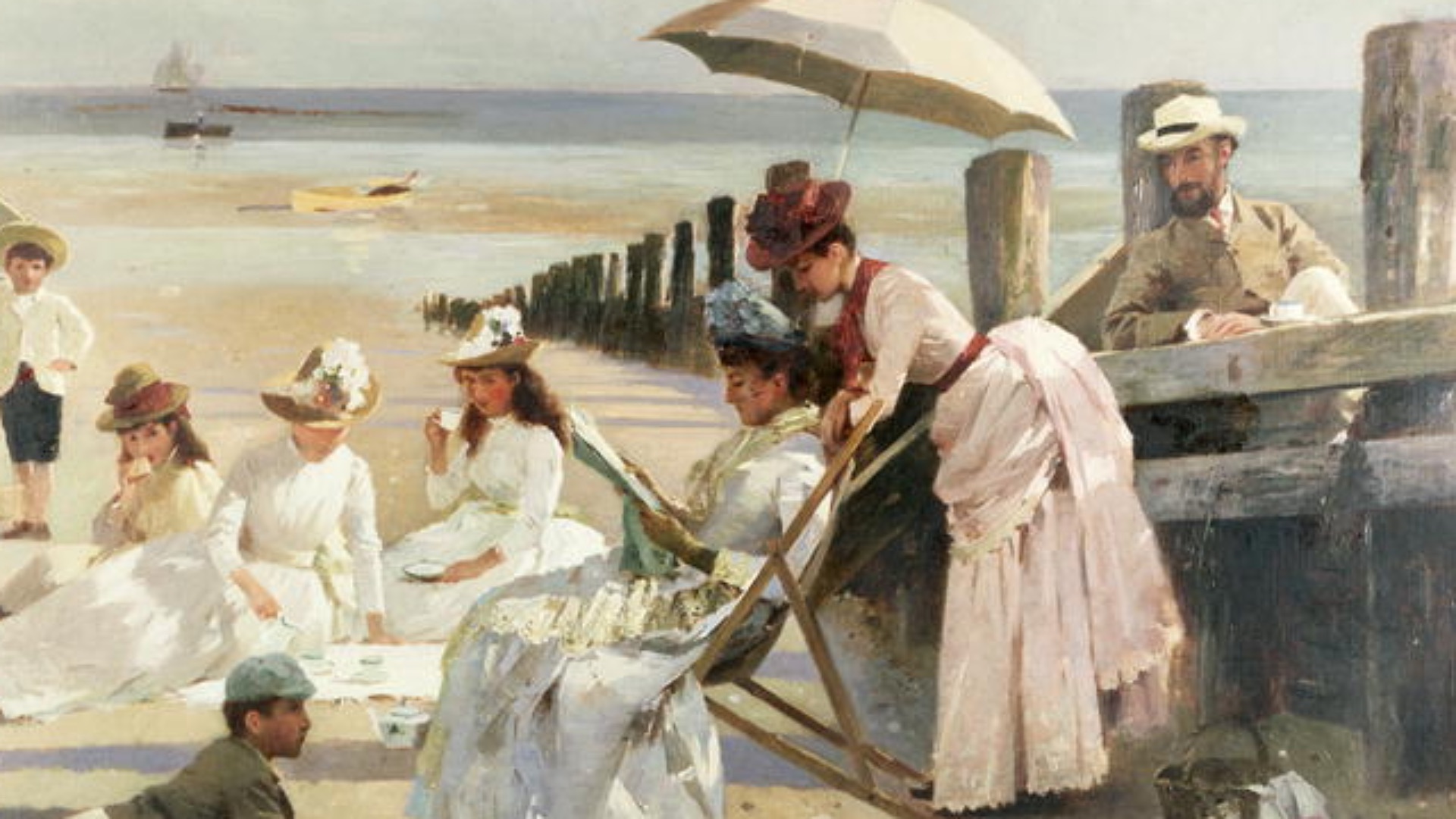
After crinolines began to fade, bustles shifted the focus of fashionable volume to the back of the body. These pads or frameworks were worn under the skirt to exaggerate the rear silhouette. To Victorian eyes, the shape could look elegant, balanced, and properly dressed. From a modern perspective, it’s striking how much effort went into reshaping one very specific part of the outfit.
 Alexander M. Rossi on Wikimedia
11. Venetian Chopines
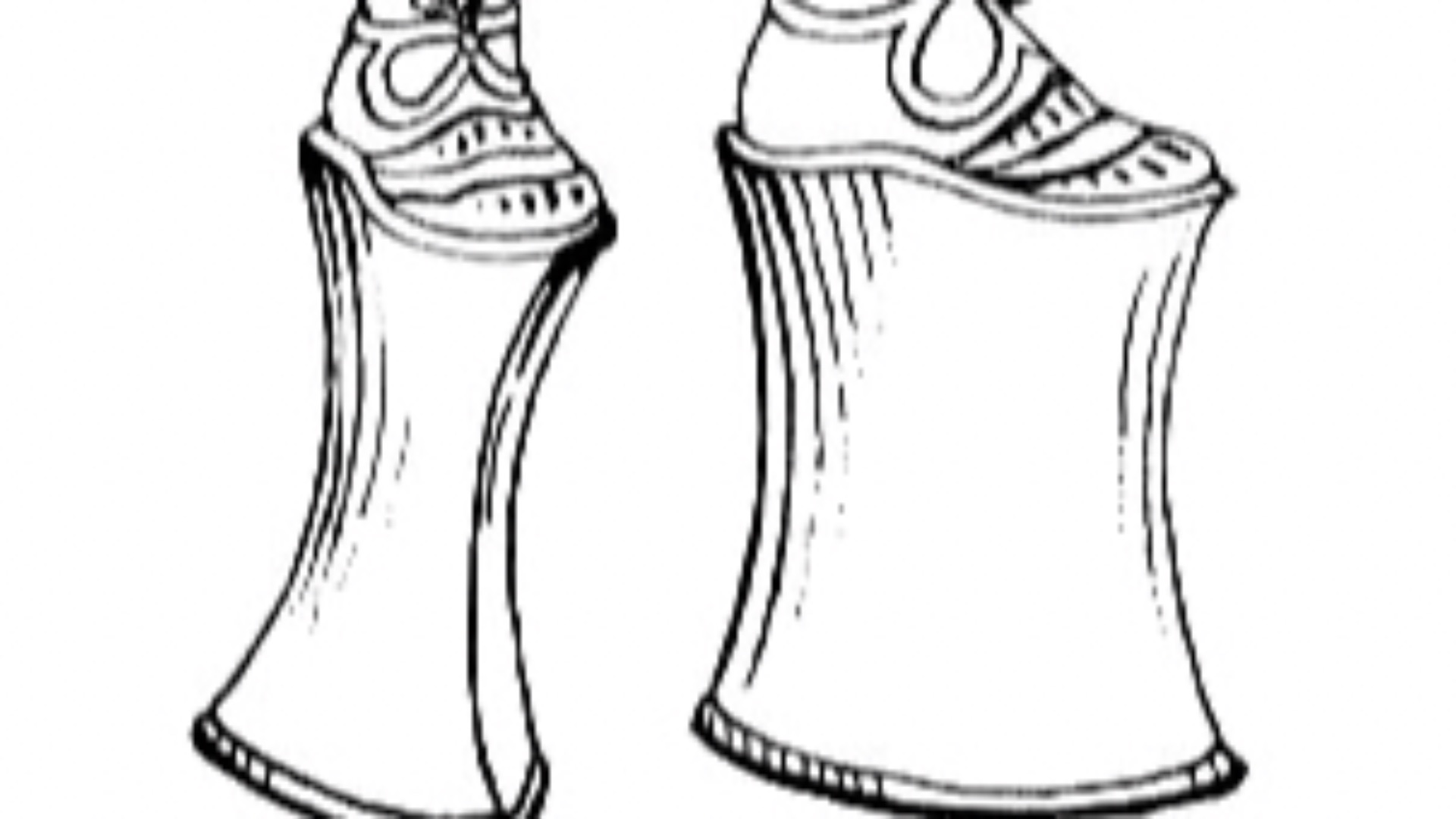
In Renaissance Venice, some women wore chopines, which were extremely high platform shoes. They helped keep clothing and feet away from damp or dirty streets, but they also became symbols of status. Some chopines were so tall that walking in them required assistance from servants or companions. The height was part practicality and part display, which made the shoes both useful and highly inconvenient.
 Pearson Scott Foresman on Wikimedia
12. Long Fingernails in Qing Dynasty China
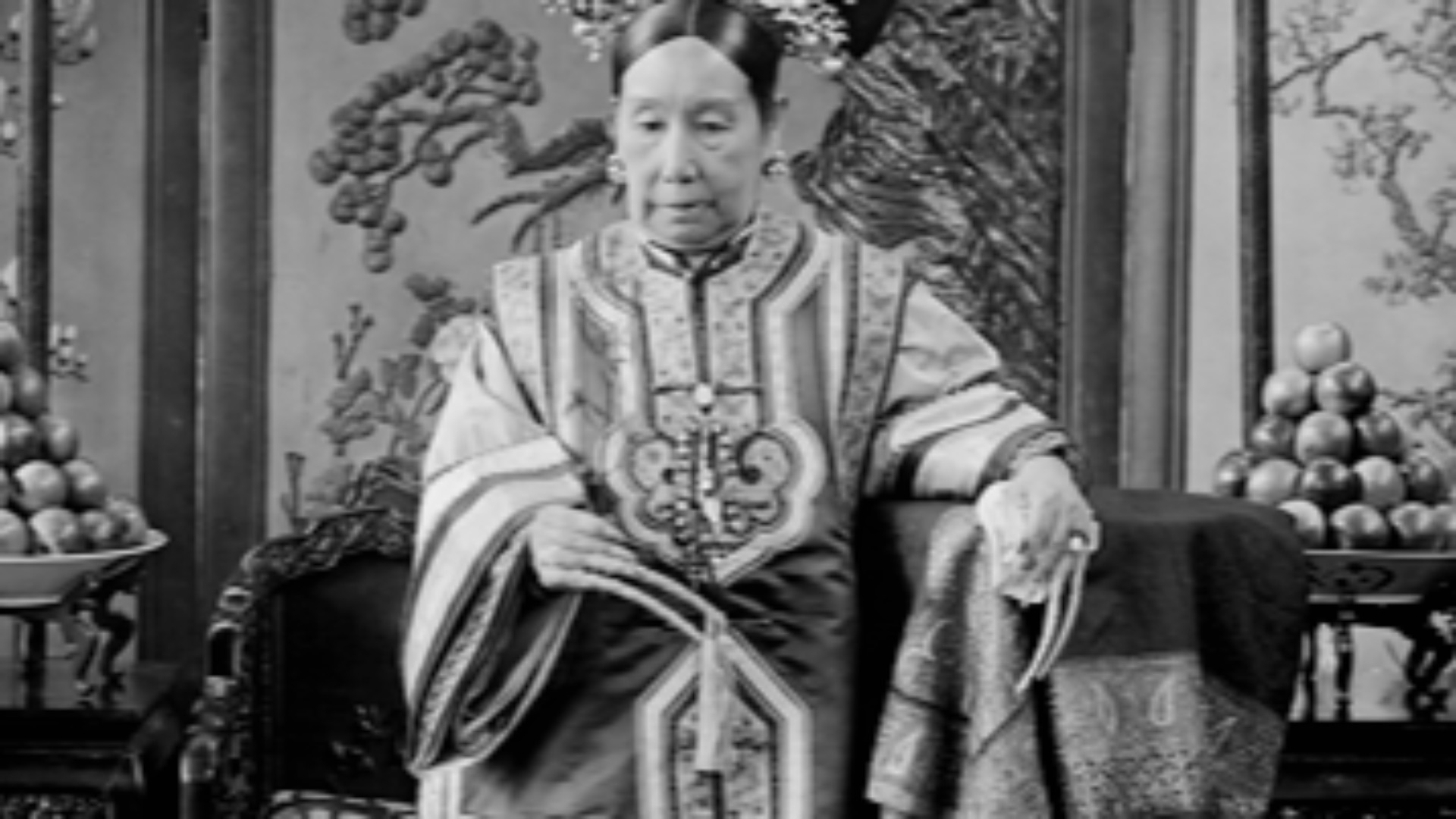
In Qing dynasty China, long fingernails could signal that a person was wealthy enough not to do manual labor. Some elite women wore ornate nail guards to protect their nails and emphasize their status. These accessories could be made from metals such as silver or copper and decorated with detailed designs. The manicure wasn’t just about beauty; it communicated that someone’s hands didn’t have to work.
13. Painted Legs During World War II
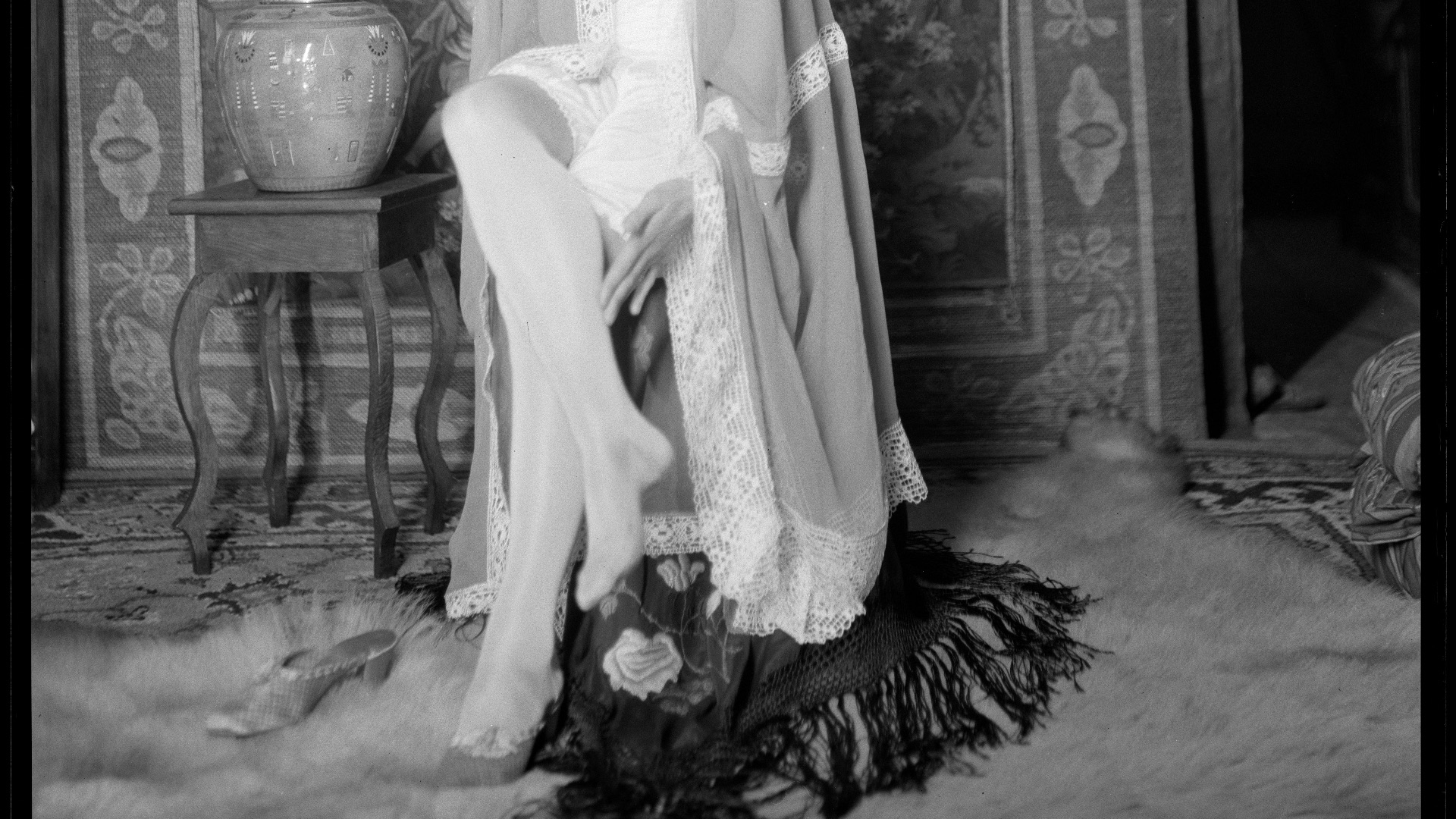
When nylon stockings became scarce during World War II, many women used makeup or liquid stocking products on their legs instead. Some even drew a line down the back of each leg to imitate the seam of real stockings. The look was a practical response to rationing, but it also shows how strong fashion expectations remained during wartime. Even when the actual garment disappeared, the appearance of wearing it still mattered.
 Gordon Burt (photographer) on Wikimedia
14. Men’s Calves as a Fashion Feature
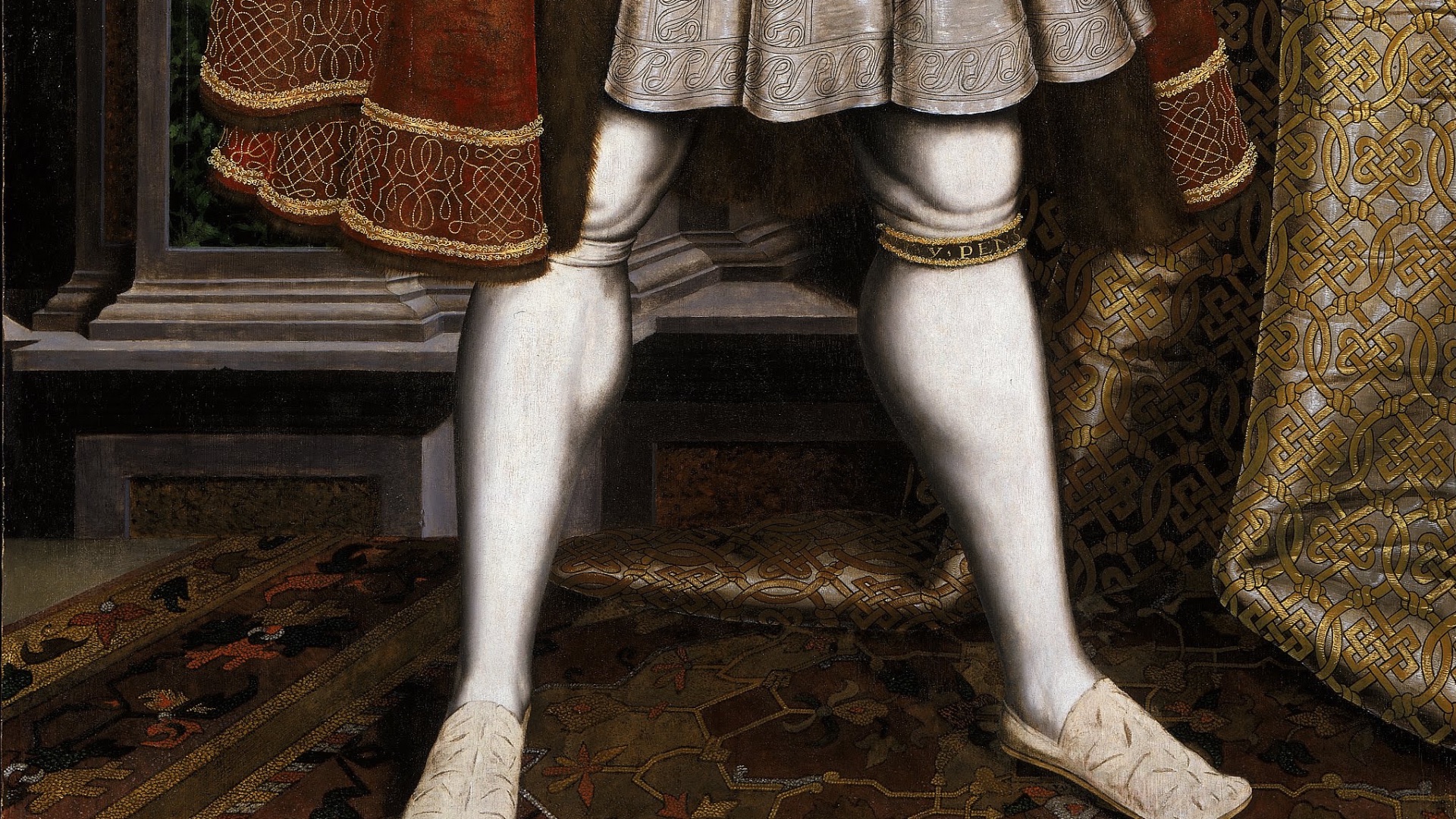
For centuries in Europe, men’s legs were an important part of fashionable display. Well-shaped calves could be shown off with fitted stockings, breeches, and court clothing. Some men even used padding to improve the appearance of their legs. It’s a reminder that strict beauty standards have never been limited to women, even if women often faced the harsher consequences.
 Workshop of Hans Holbein the Younger on Wikimedia
15. The Edwardian S-Bend Silhouette
In the early 1900s, the fashionable straight-front corset helped create what is often called the S-bend silhouette. It pushed the chest forward and the hips back, producing a posture that looked stylish in Edwardian fashion plates. The design was sometimes promoted as a healthier alternative to earlier corsets, but the exaggerated shape still forced the body into an unnatural position.
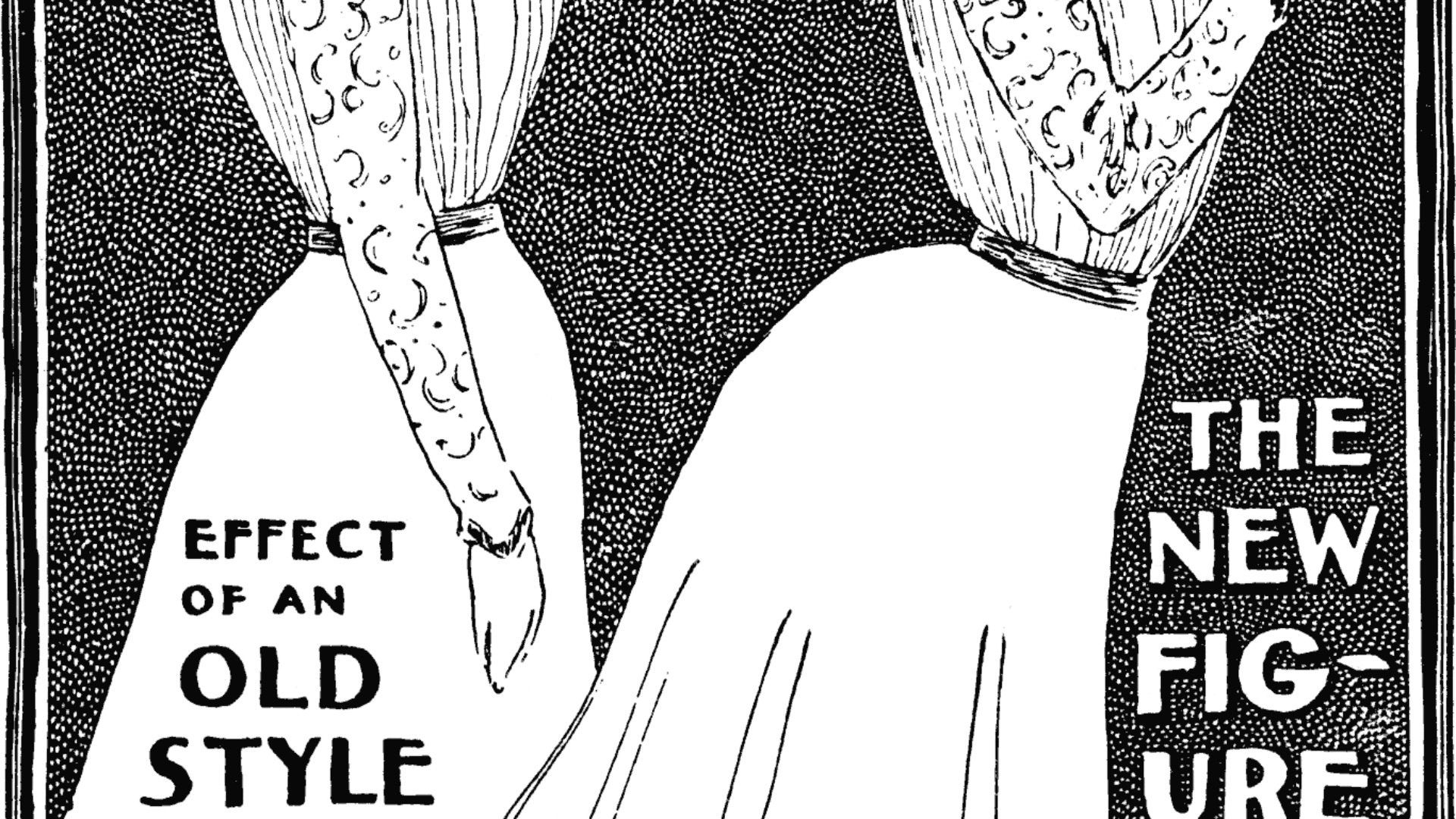 Unknown Coronet Corset Co. work-for-hire artist on Wikimedia
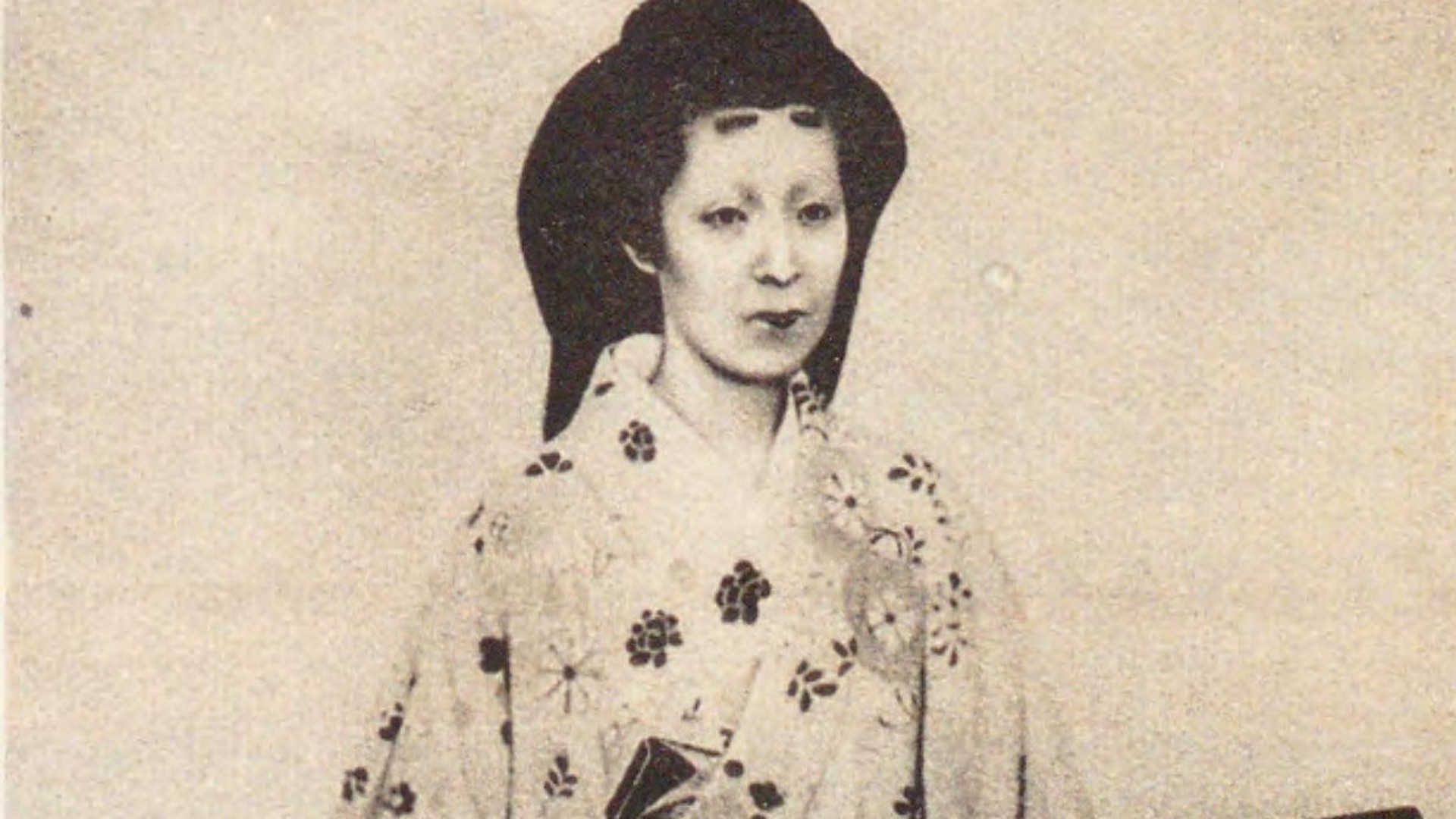
16. Shaved Eyebrows and Painted Brows in Japan
In Japan’s Heian period, aristocratic women often removed their natural eyebrows and painted new ones higher on the forehead. This practice, known as hikimayu, worked with other elite beauty customs such as powdered skin and long, dark hair. The painted brows were not meant to look natural in a modern sense. Instead, they created a stylized courtly face that reflected the taste of the period.
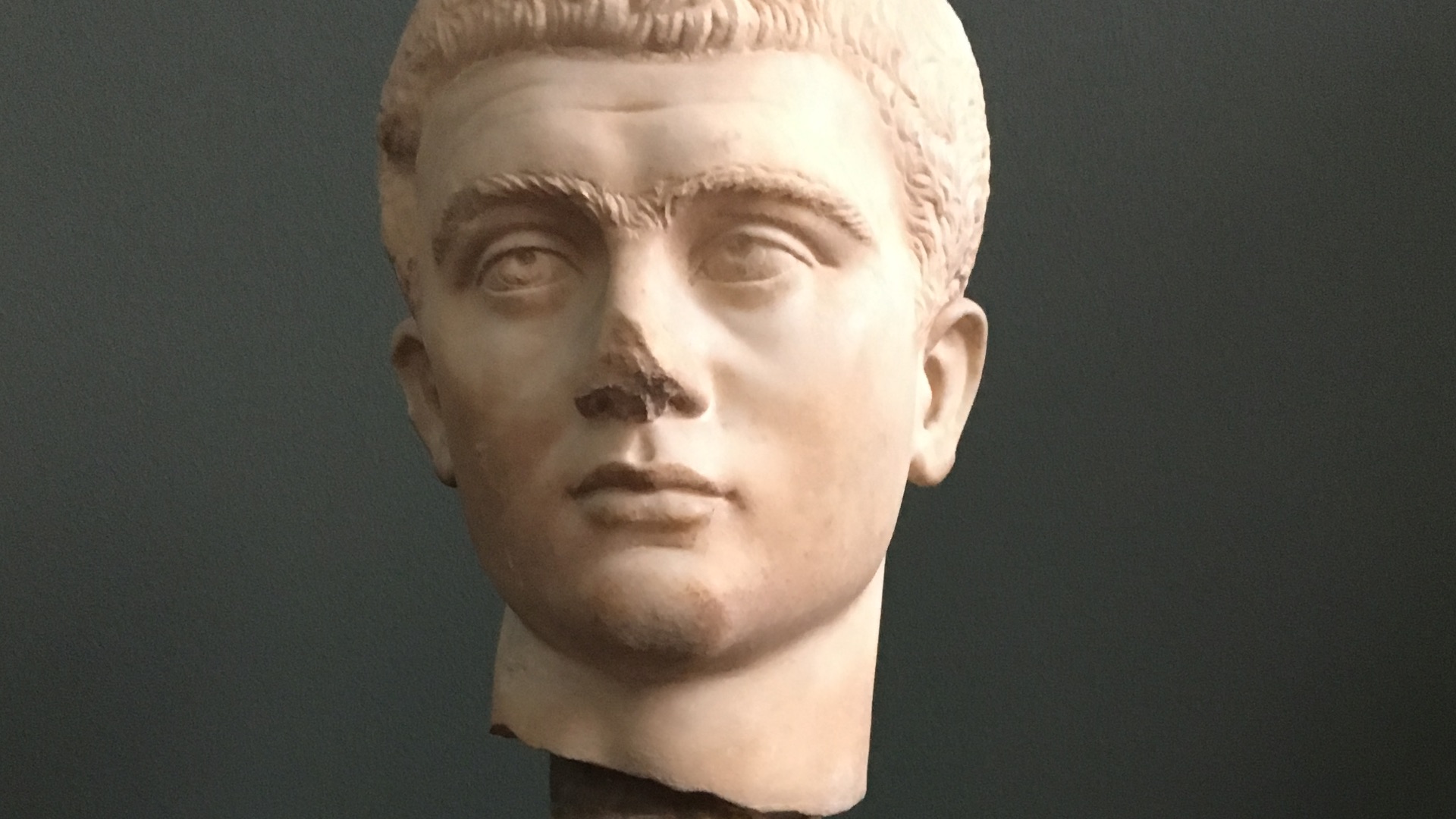
17. The Ancient Greek Unibrow
In ancient Greece, a joined brow could be seen as attractive because it suggested symmetry and distinction. Women who didn’t naturally have a unibrow sometimes used dark pigment to fill in the space between their eyebrows. That detail feels surprising today because many modern grooming routines focus on removing hair from that exact area. It shows how quickly one small feature can shift from prized to unwanted.
18. Artificial Skull Shaping
Intentional skull shaping appeared in several ancient cultures, including communities in the Americas, Europe, and Asia. Infants’ heads could be bound or shaped while the skull was still soft, creating elongated or flattened forms. These shapes often carried social, cultural, or aesthetic meaning within the group that practiced them. Altering the skull for appearance may sound extreme, but in those societies it could be part of identity from the earliest years of life.
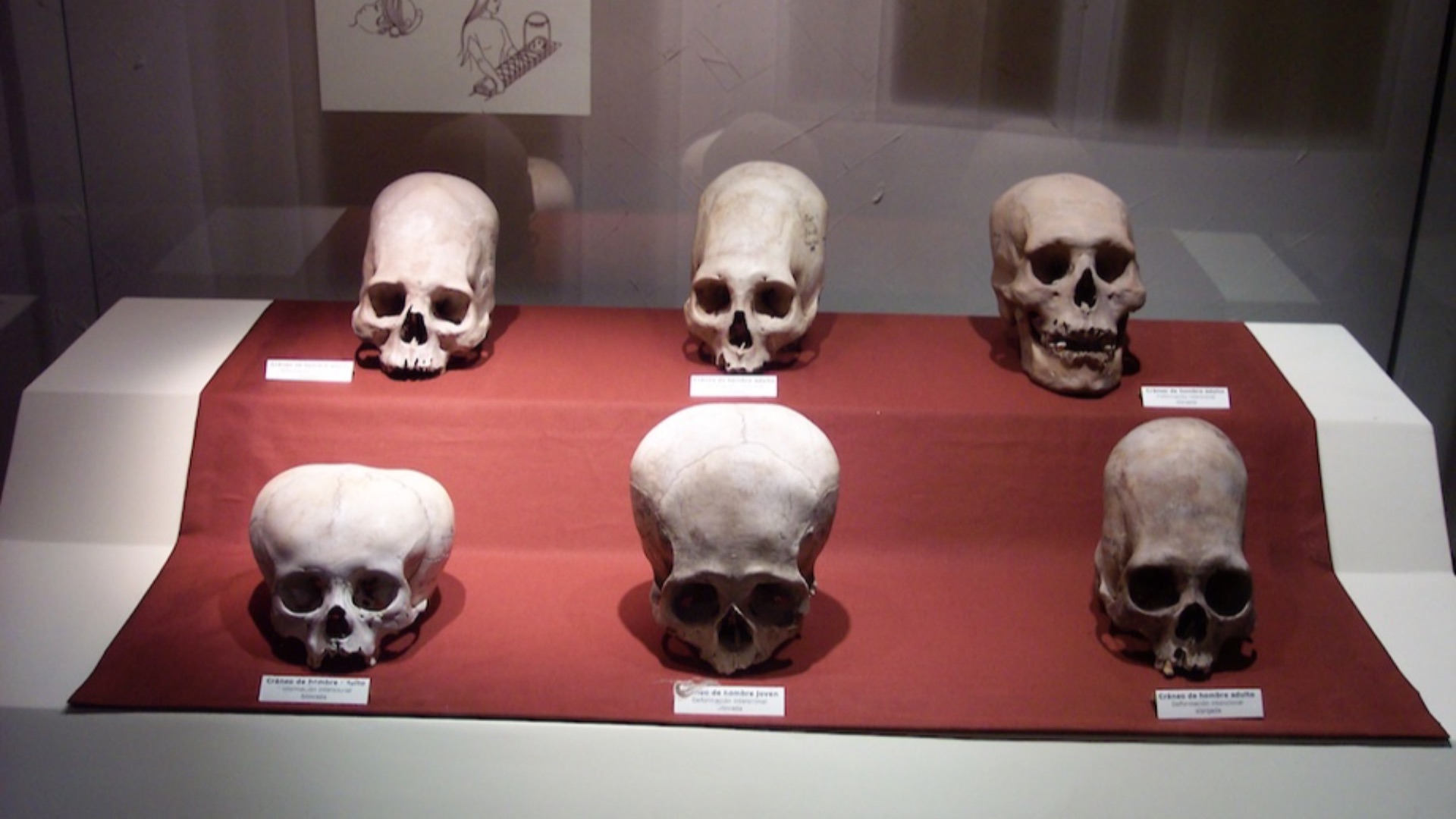 Robrrb at English Wikipedia on Wikimedia
19. Maya Dental Inlays
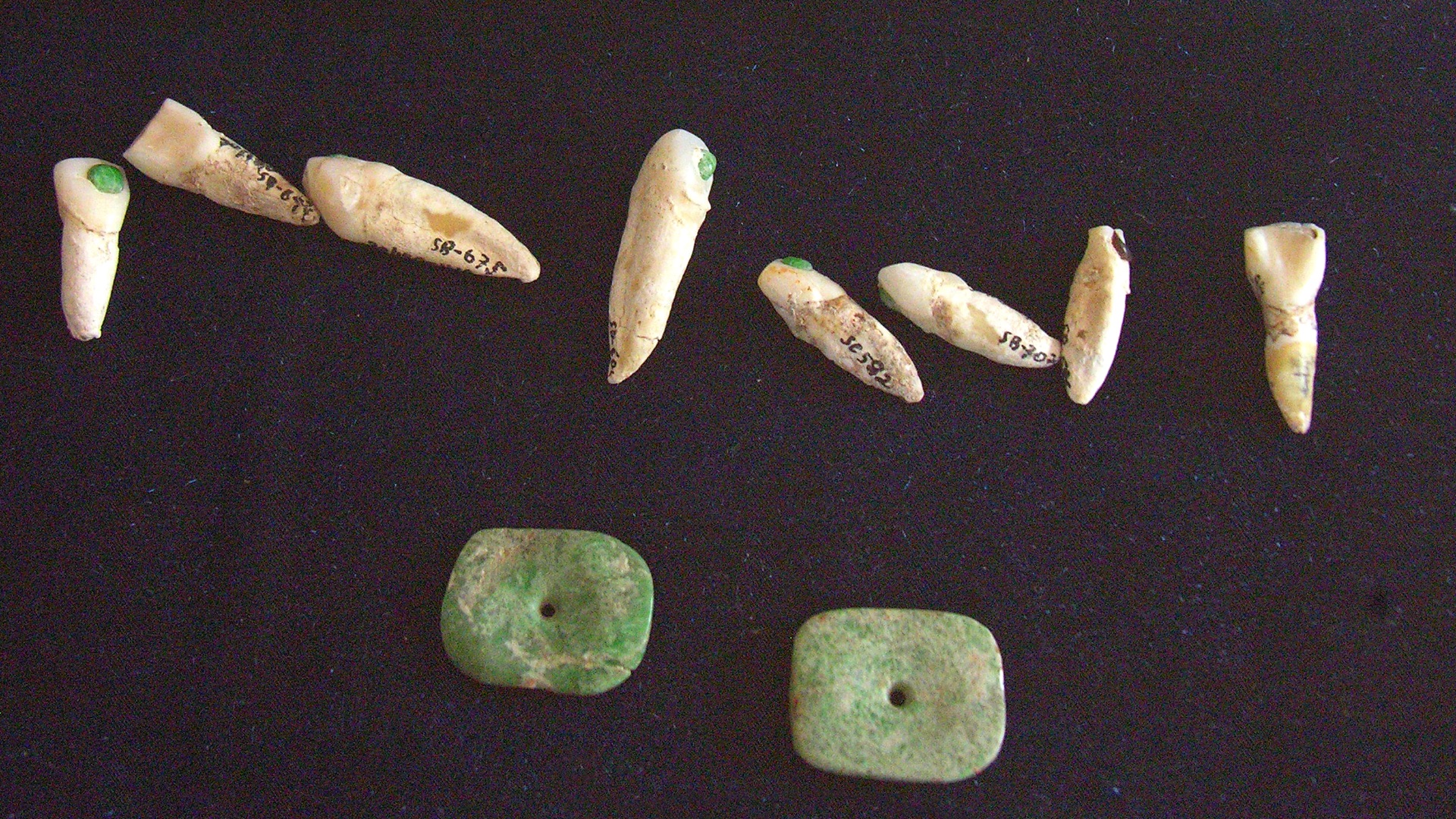
The ancient Maya practiced decorative dental modification, including inlays made from materials such as jade, pyrite, and obsidian. Skilled workers carefully drilled small cavities into teeth and set the stones in place. These decorated teeth could reflect beauty, status, identity, or social meaning. Unlike modern cosmetic dentistry, which often tries to make teeth look untouched, Maya dental art made adornment visible.
20. Tang Dynasty Fullness
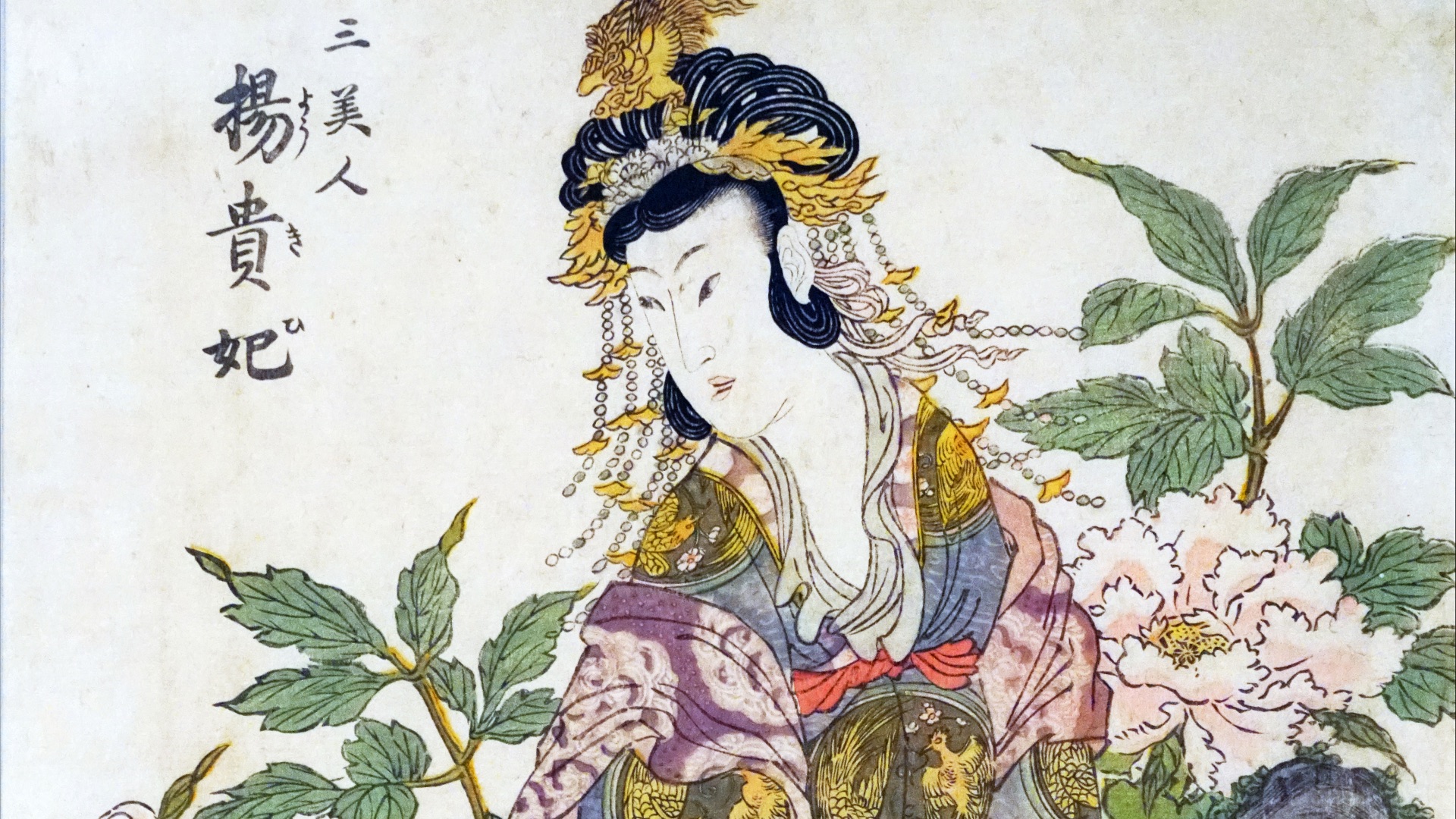
During China’s Tang dynasty, a fuller female figure was often admired, especially in contrast to later or modern ideals that prized thinness. Yang Guifei, one of the most famous beauties in Chinese history, became strongly associated with this preference, though modern descriptions of her body vary and are often shaped by legend. The appealing figure of the time suggested health, luxury, and prosperity. In that context, softness and fullness could communicate the very things many societies wanted beauty to display.
KEEP ON READING
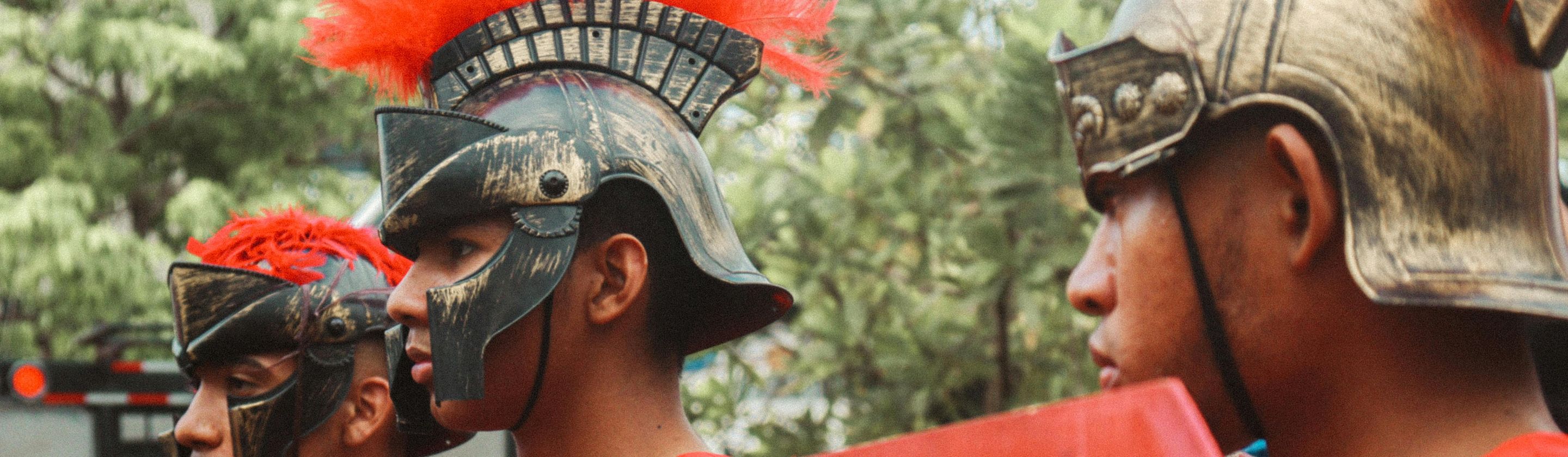
The Brutal Realities Of Gladiator Life Beyond the Arena
David Cruz asenjo on PexelsWhen most people think of gladiators,…
By Rob Shapiro Mar 31, 2026
The Volcano Winter That Nearly Toppled Europe
Collin Ross on UnsplashMost people, if asked to name a…
By Cameron Dick Mar 31, 2026
From School Plays To Starting A Cult: 20 Of The…
The Books That Made Us. Many people will tell you…
By Farva Ivkovic Jan 31, 2025
20 Facts About Jane Grey, The Forgotten Queen Of England
A Quick, Messy, and Tragic Reign. Lady Jane Grey never…
By Maria Cruz Jan 31, 2025
20 Priceless Historical Art Pieces Rescued By The Monuments Men
Protecting Human History. While the soldiers on the front lines…
By Sara Springsteen Mar 31, 2026
Almost Every Ancient Statue Has a Missing Nose, And It's…
Gary Todd from Xinzheng, China on WikimediaWalk through the classical…
By Elizabeth Graham Mar 31, 2026