Surprising Mistakes That Led To Remarkable Findings
Not every major discovery begins with a carefully designed plan. Throughout history, scientists, inventors, and researchers have stumbled upon unexpected results while pursuing completely different goals. In many cases, curiosity and a willingness to investigate mistakes transformed ordinary accidents into breakthroughs that changed industries, improved lives, and expanded human knowledge. Here are 20 discoveries made entirely by accident.
 Abraham Meir Habermann, 1901–1980 on Wikimedia
1. The Cosmic Microwave Background Radiation
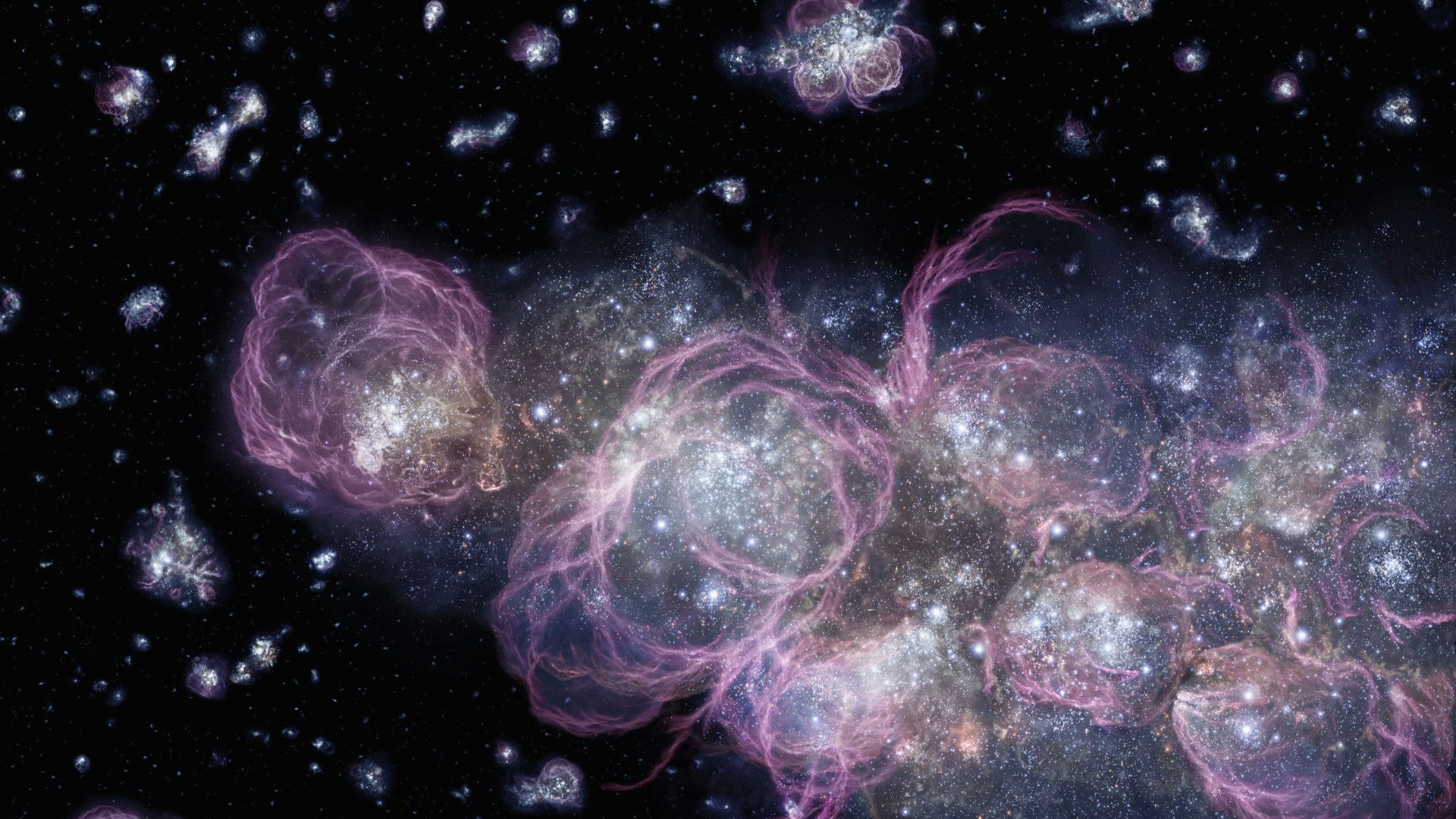
In 1964, astronomers Arno Penzias and Robert Wilson were trying to eliminate a persistent hiss from a radio antenna. They checked the equipment, removed debris, and even cleaned out bird droppings, but the noise remained. The signal turned out to be leftover radiation from the Big Bang, providing powerful evidence for the origin of the universe.
 NASA Hubble Space Telescope on Unsplash
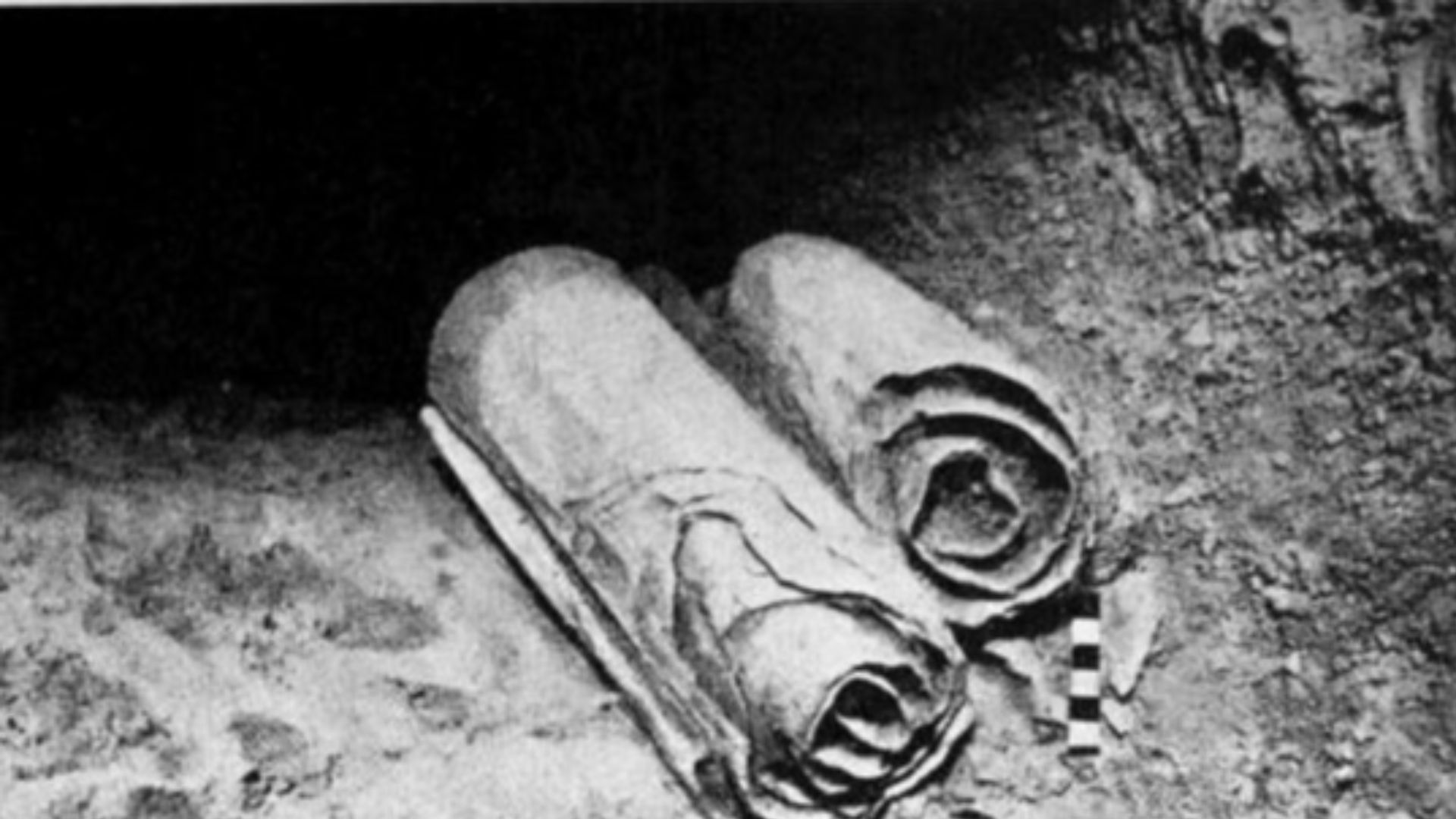
2. The Dead Sea Scrolls
In 1947, a Bedouin shepherd searching for a lost goat threw a stone into a cave near the Dead Sea. Hearing the sound of breaking pottery, he investigated and discovered ancient jars containing manuscripts. The scrolls became some of the most important archaeological finds of the twentieth century.

3. Viagra's Primary Use Failure
Researchers originally developed sildenafil to treat chest pain and high blood pressure. Clinical trials showed the medication wasn't particularly effective for those conditions. However, participants reported an unexpected side effect that led to its approval as Viagra.
 Michał Parzuchowski on Unsplash
4. The Planet Uranus
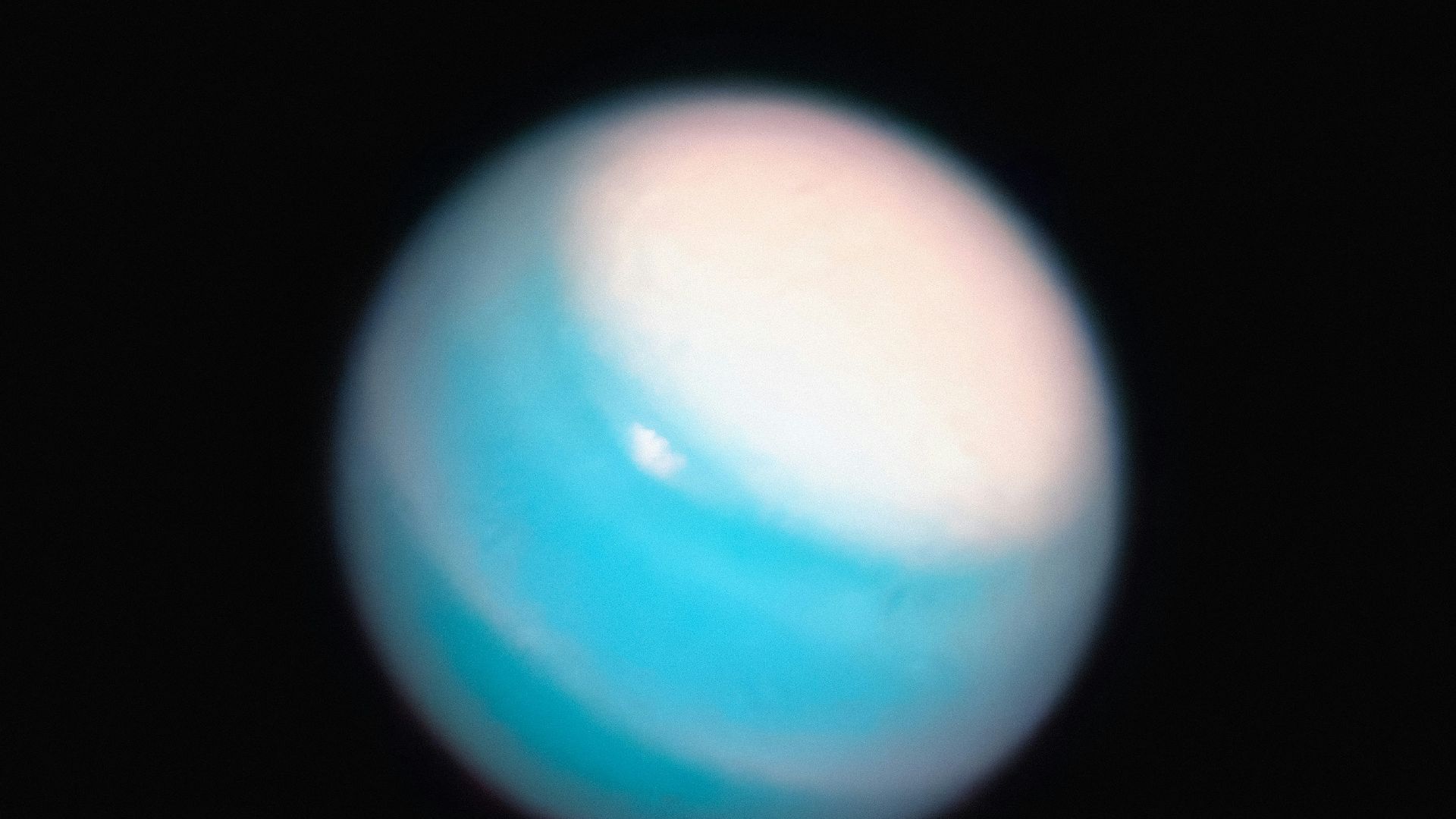
William Herschel was surveying stars in 1781 when he noticed an object that appeared different from others in the night sky. Initially, he believed it was a comet. Further observations revealed that he had accidentally discovered Uranus, the first planet identified with a telescope.
 NASA Hubble Space Telescope on Unsplash
5. Mauveine
Chemist William Henry Perkin was attempting to create an artificial treatment for malaria in 1856. Instead, he produced a vivid purple substance while cleaning up a failed experiment. The dye became enormously popular and launched the modern synthetic dye industry.

6. The Ancient City Of Pompeii
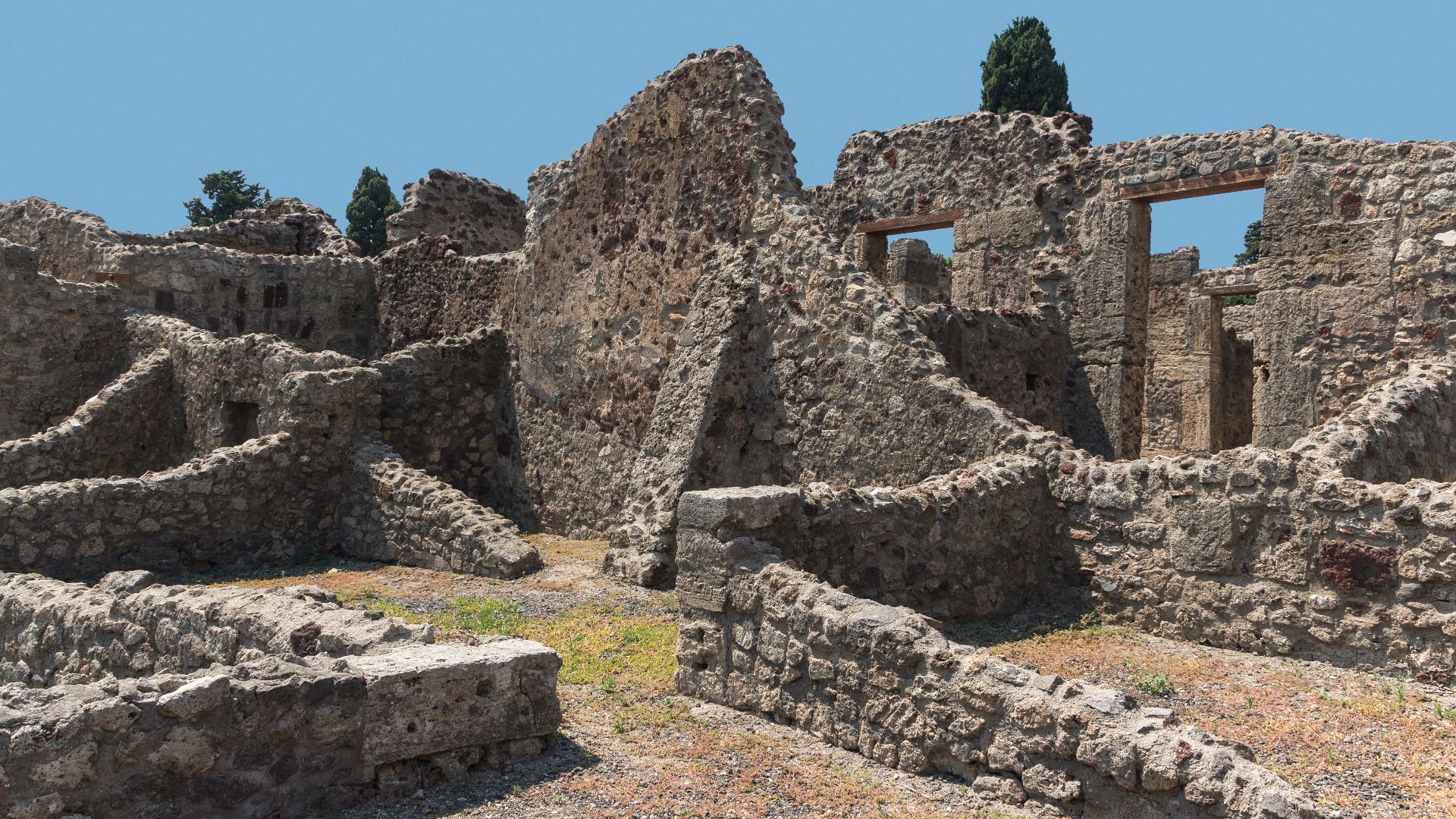
Although locals knew ruins existed in the area, systematic rediscovery began accidentally in the eighteenth century during excavation projects. Workers searching for building materials uncovered buried structures and artifacts. The findings revealed an exceptionally preserved Roman city frozen in time by Mount Vesuvius.
7. Cellophane
Swiss engineer Jacques Brandenberger was trying to create a waterproof coating for tablecloths. His coating failed to work as intended, but it peeled away as a transparent film. Rather than abandoning the material, he refined it into what became cellophane.

8. The Lascaux Cave Paintings
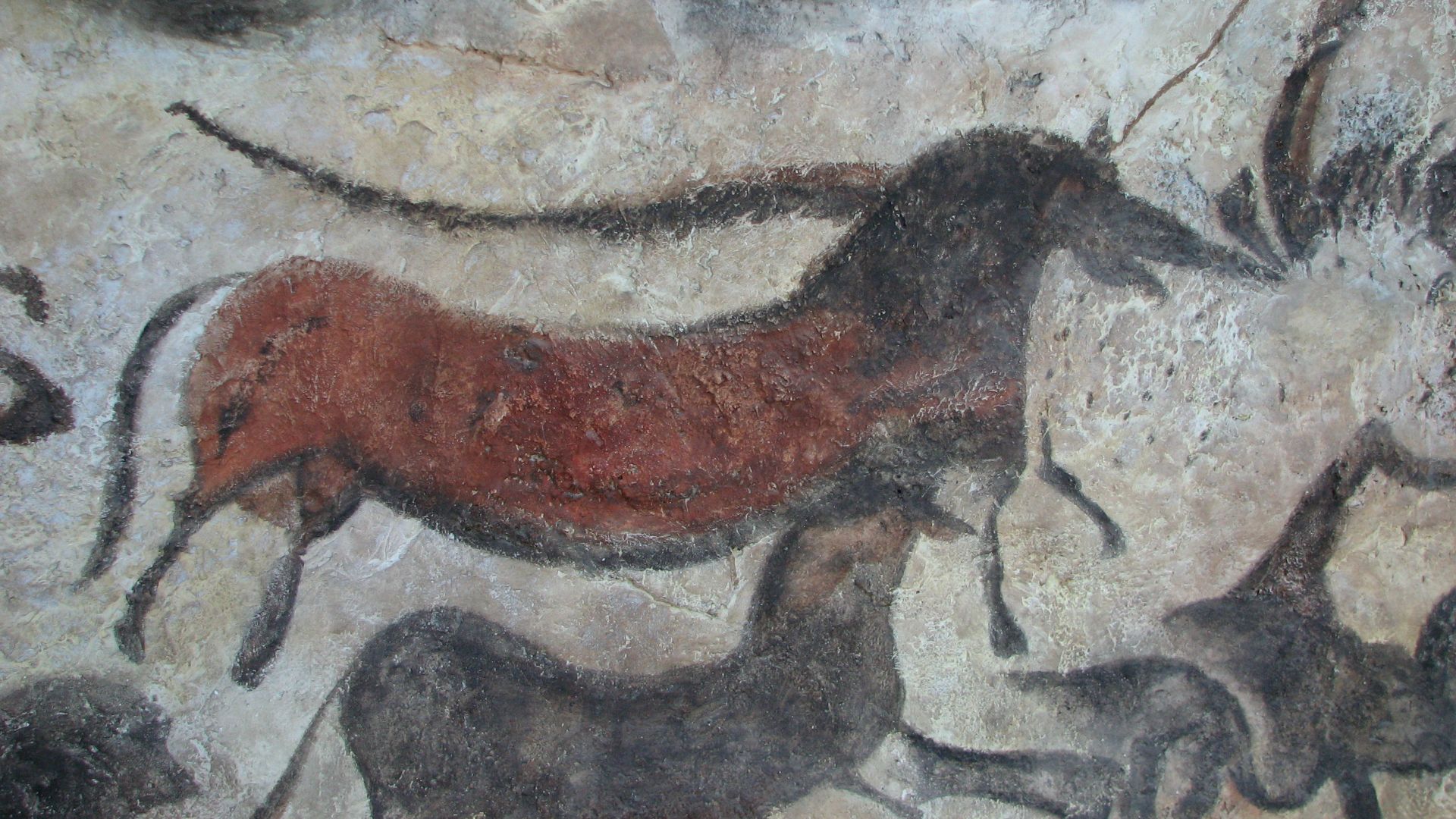
In 1940, several French teenagers were exploring the countryside after their dog disappeared into a hole. When they investigated, they discovered a cave filled with prehistoric paintings. The artwork provided extraordinary insights into Ice Age life.
9. The Hall Effect
Physicist Edwin Hall was studying electrical conductivity in metals in 1879. During experiments, he noticed that magnetic fields produced an unexpected voltage across conductors. The phenomenon became known as the Hall Effect and remains important in modern electronics.
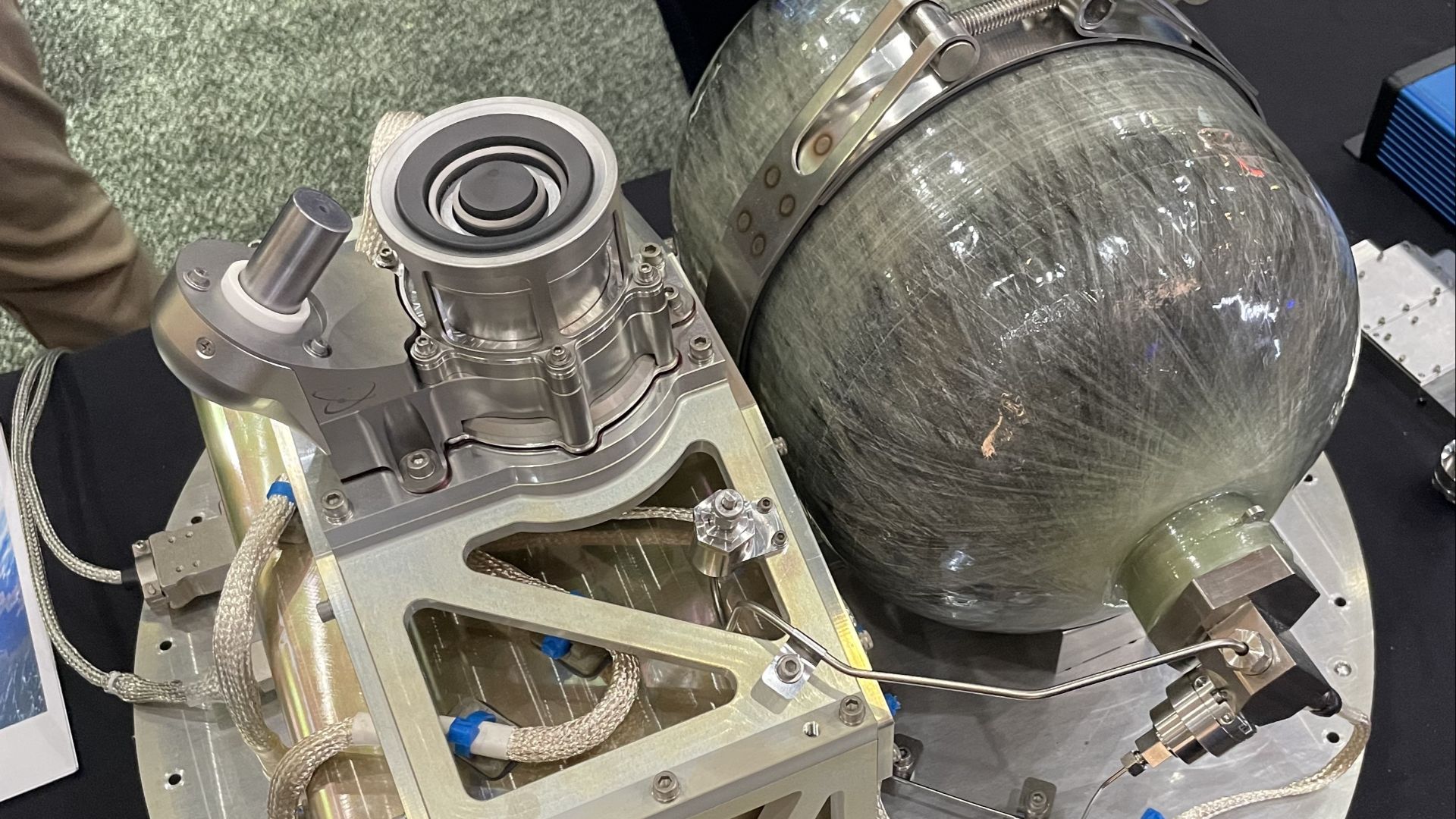
10. Radioactivity
Henri Becquerel was investigating phosphorescent materials in 1896. He stored uranium salts alongside photographic plates and later found the plates had been exposed without sunlight. His accidental observation led to the discovery of natural radioactivity.
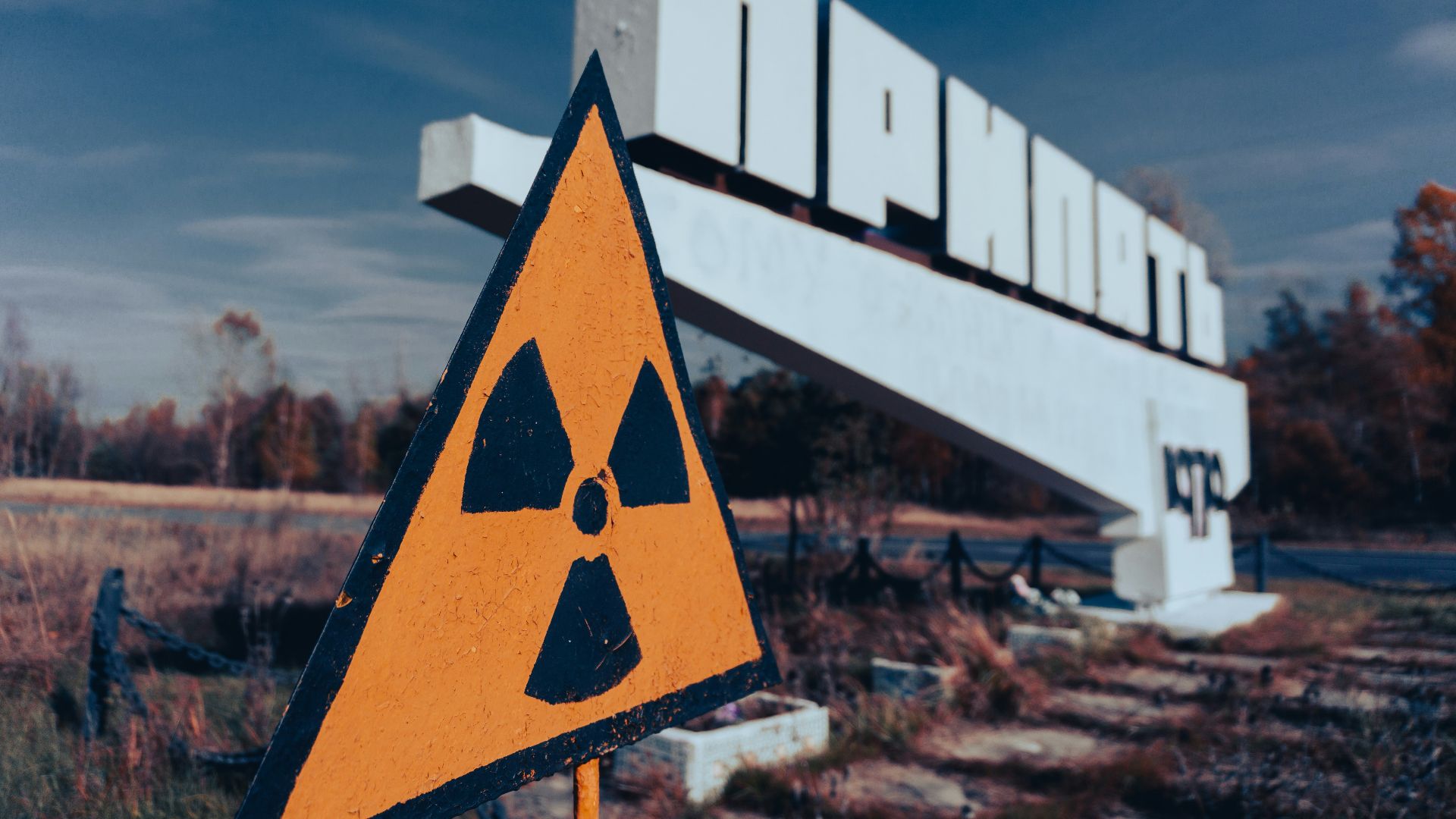
11. The Rosetta Stone
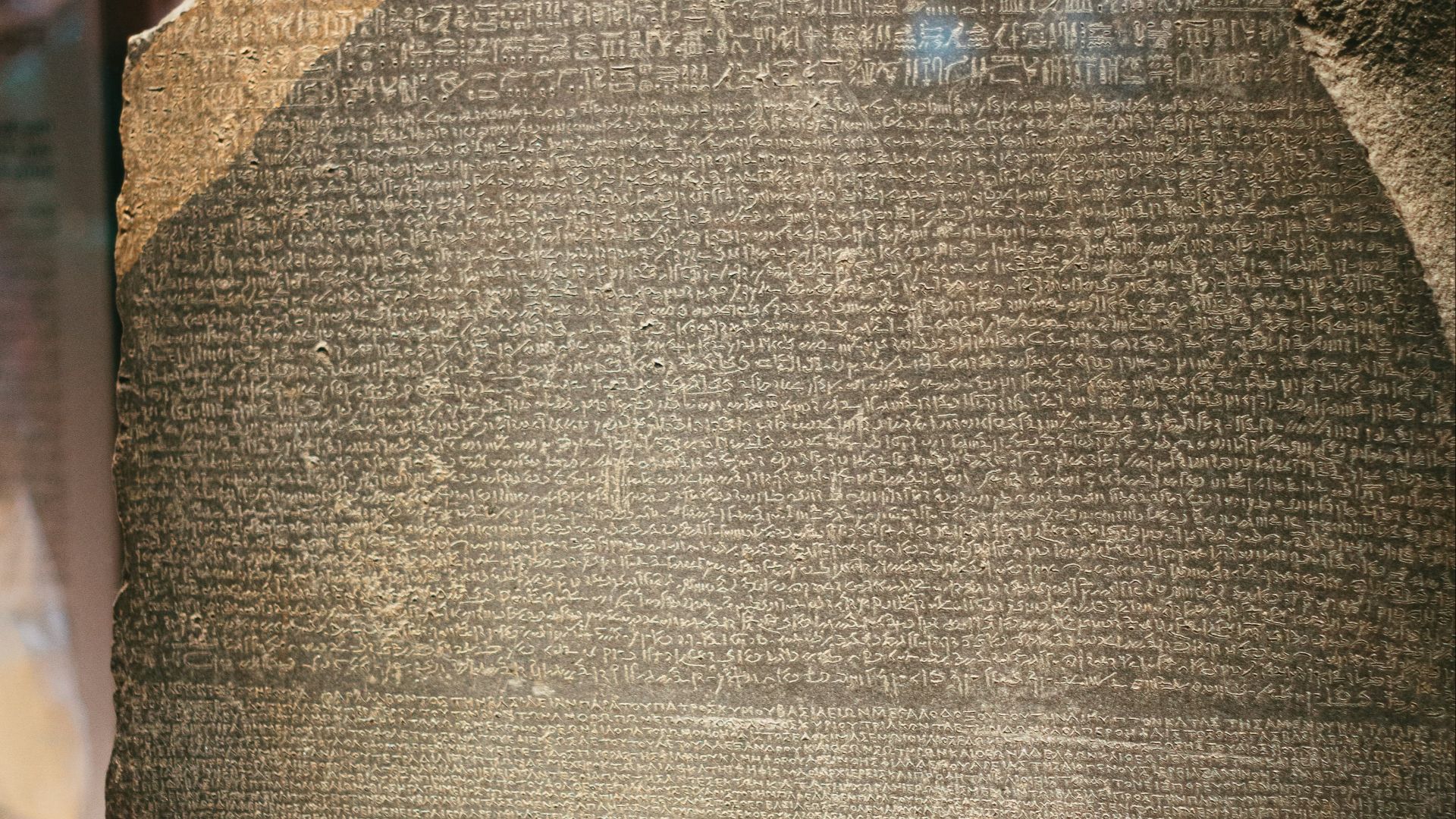
French soldiers working on fortifications in Egypt in 1799 uncovered a carved stone slab during routine construction. Scholars soon realized it contained the same text written in multiple scripts. The artifact became the key to deciphering ancient Egyptian hieroglyphics.
12. The Moons Of Jupiter
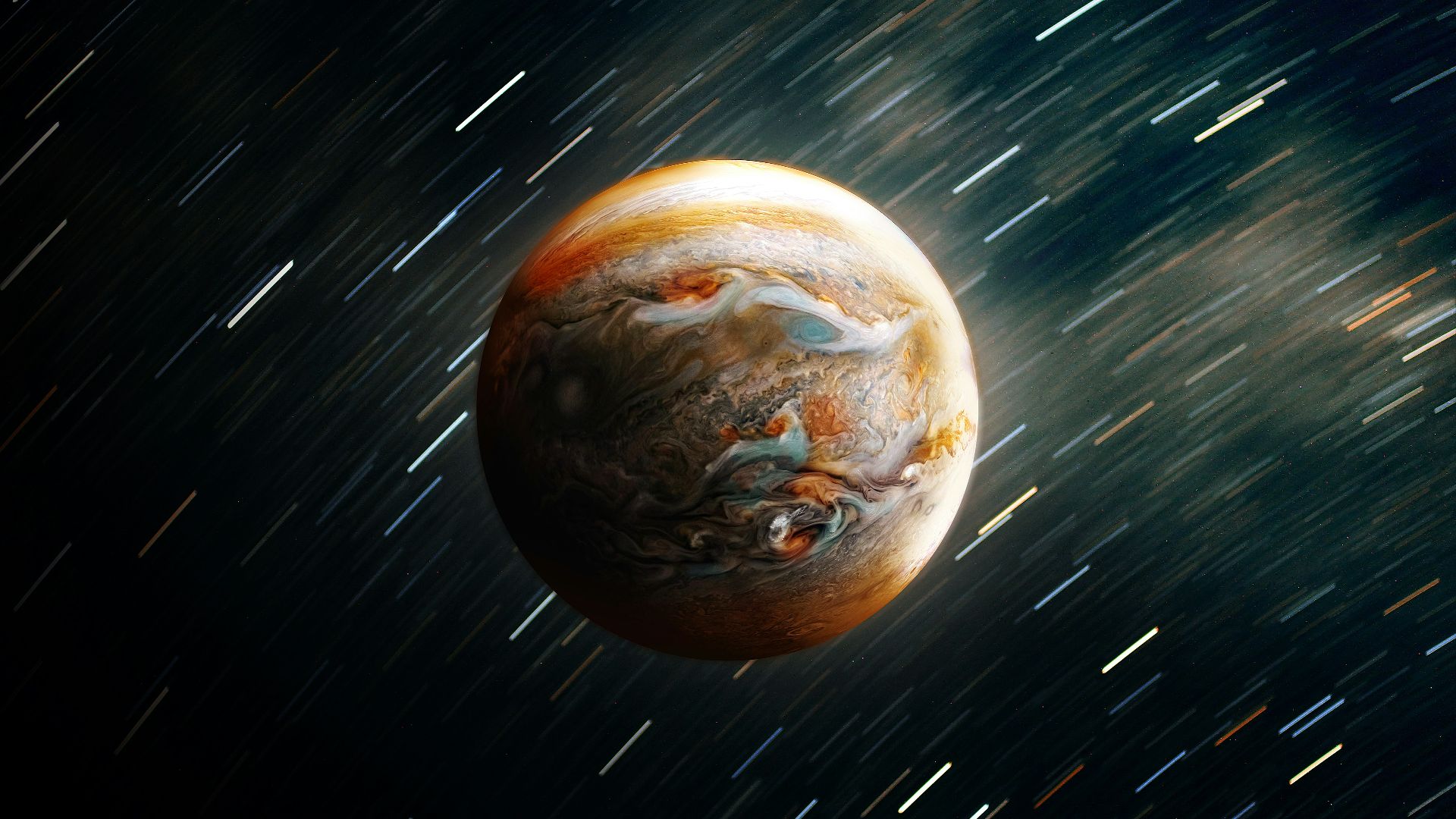
Galileo Galilei was testing improvements to his telescope when he observed four small objects near Jupiter. Continued observation showed that the objects were orbiting the planet. The discovery challenged existing views about the structure of the universe.
13. Prussian Blue
In the early eighteenth century, a paint maker accidentally contaminated materials used to create a red pigment. The mistake produced a rich blue color instead. Prussian Blue became one of the first modern synthetic pigments.
 Picture created by publunch on Wikimedia
14. The Structure Of Benzene
Chemist August Kekulé had struggled for years to understand benzene's molecular arrangement. According to his later account, the solution came after a dream in which he imagined a snake biting its own tail. That unexpected insight helped him propose the ring structure that transformed organic chemistry.
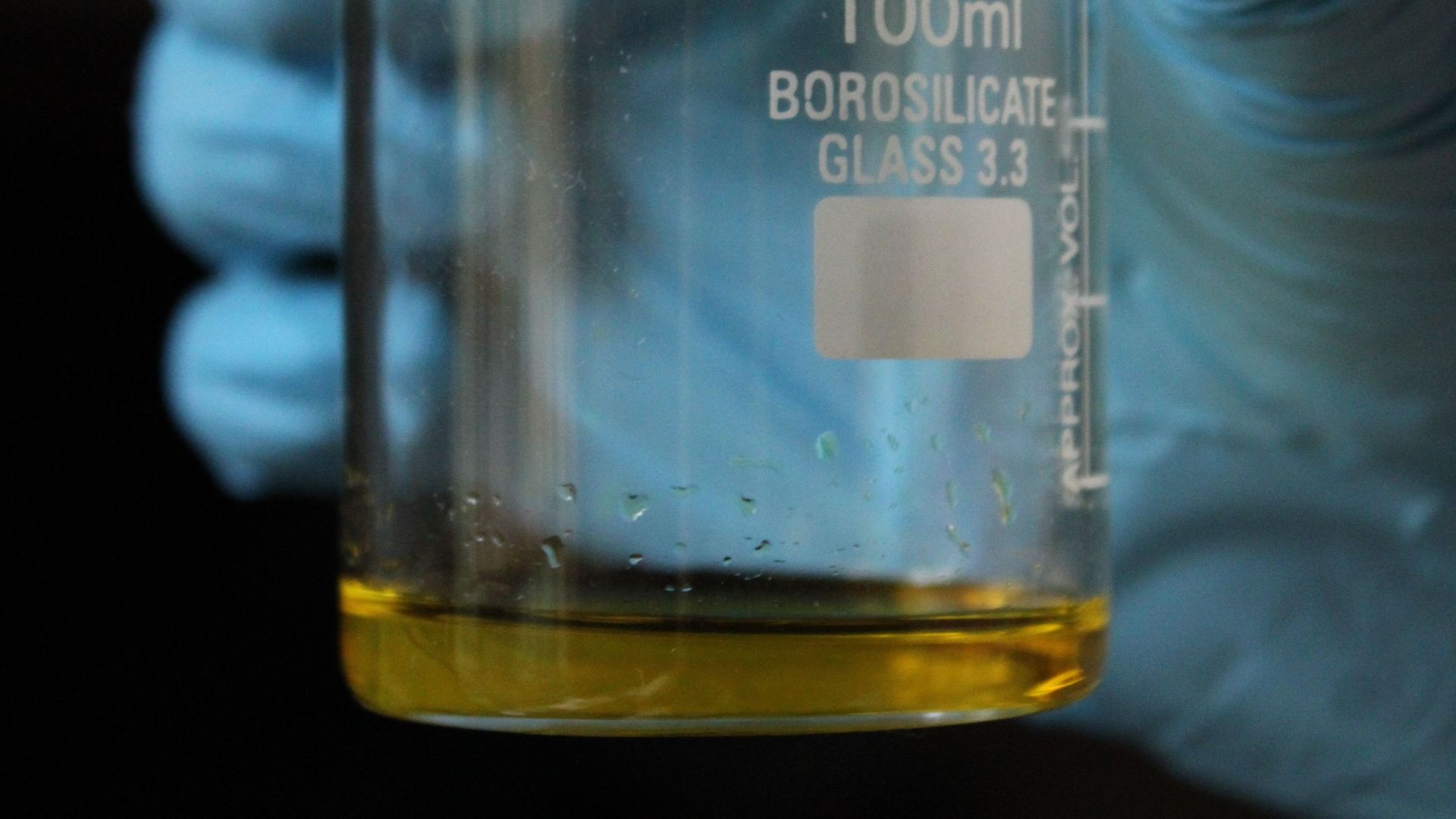
15. The Antarctic Ozone Hole
Scientists monitoring atmospheric conditions over Antarctica noticed ozone levels falling far more than expected. At first, some researchers suspected instrument problems because the results seemed impossible. Continued investigation confirmed the existence of a massive ozone hole, leading to global environmental action.

16. The Moeraki Boulders' Scientific Significance
Large spherical rocks along New Zealand's coastline had long attracted attention, but geologists studying them uncovered unusual details about their formation. What initially appeared to be ordinary boulders revealed important information about geological processes.

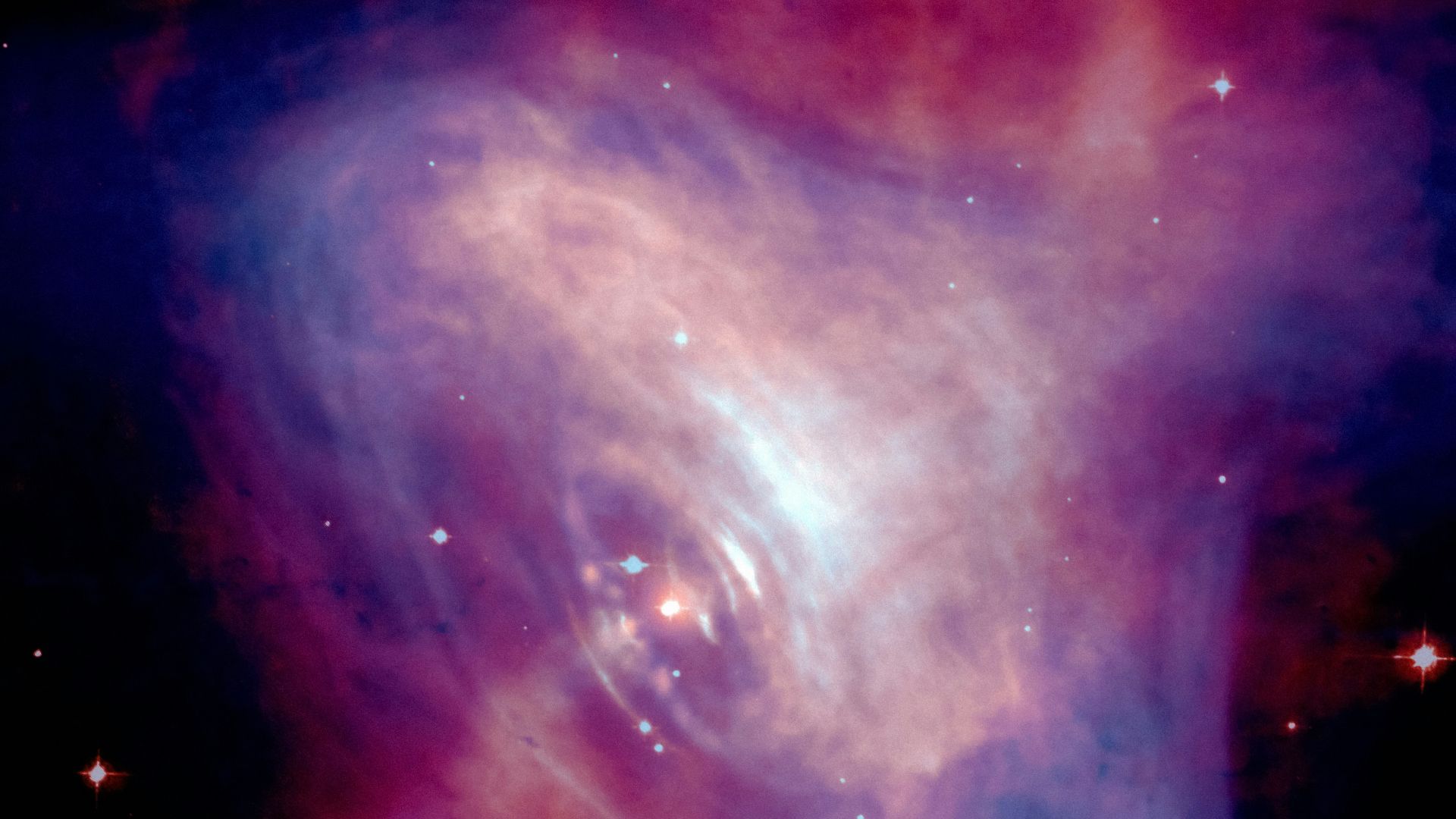
17. Pulsars
Astronomer Jocelyn Bell Burnell noticed unusual radio signals while reviewing chart recordings in 1967. The signals appeared so regular that some jokingly referred to them as possible messages from extraterrestrials. They were eventually identified as rapidly rotating neutron stars called pulsars.
 NASA Hubble Space Telescope on Unsplash
18. Lithium's Psychiatric Applications
Researchers studying various lithium compounds for unrelated medical purposes observed surprising effects on mood and behavior. Further investigation revealed benefits for people with bipolar disorder. Lithium eventually became one of psychiatry's most important treatments.

19. The First Exoplanets Around A Pulsar
Astronomers examining timing variations from a pulsar noticed irregularities they couldn't immediately explain. Careful analysis revealed that planets were orbiting the dead star. The finding provided the first confirmed evidence of planets beyond our solar system.
20. Fullerenes
Scientists were conducting experiments designed to simulate conditions in carbon-rich stars. Unexpectedly, they discovered a new form of carbon made of hollow spherical molecules.

KEEP ON READING