

Truly Uncomfortable
History isn’t only made by kings, reformers, and generals; sometimes, it’s shaped by people whose lives still make us uneasy. Perhaps what’s worst about them is that they lived everywhere—in castles, hospitals, private homes, boarding houses, and respectable neighborhoods, often managing to stay hidden in plain sight. Come with us as we explore a few figures who make history a little harder to read.
1. Gilles de Rais
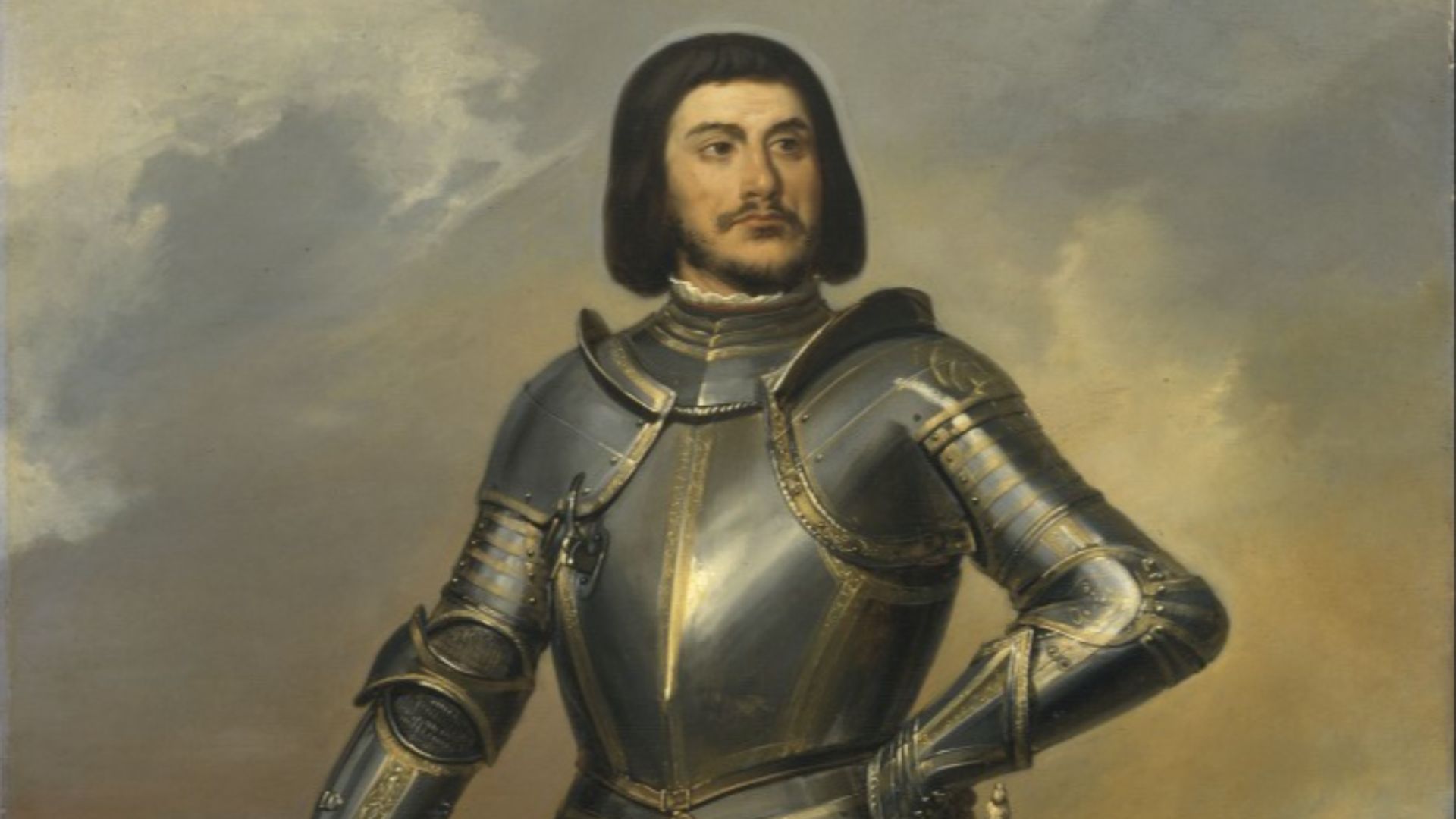
Gilles de Rais had one of the strangest falls from honor in medieval history, especially as someone who began as a wealthy Breton nobleman and Marshal of France. He eventually found his way fighting beside Joan of Arc, and while that sounds good, he was actually later tried in 1440 on charges involving abduction and occult practices.
 Éloi Firmin Féron on Wikimedia
2. Elizabeth Báthory
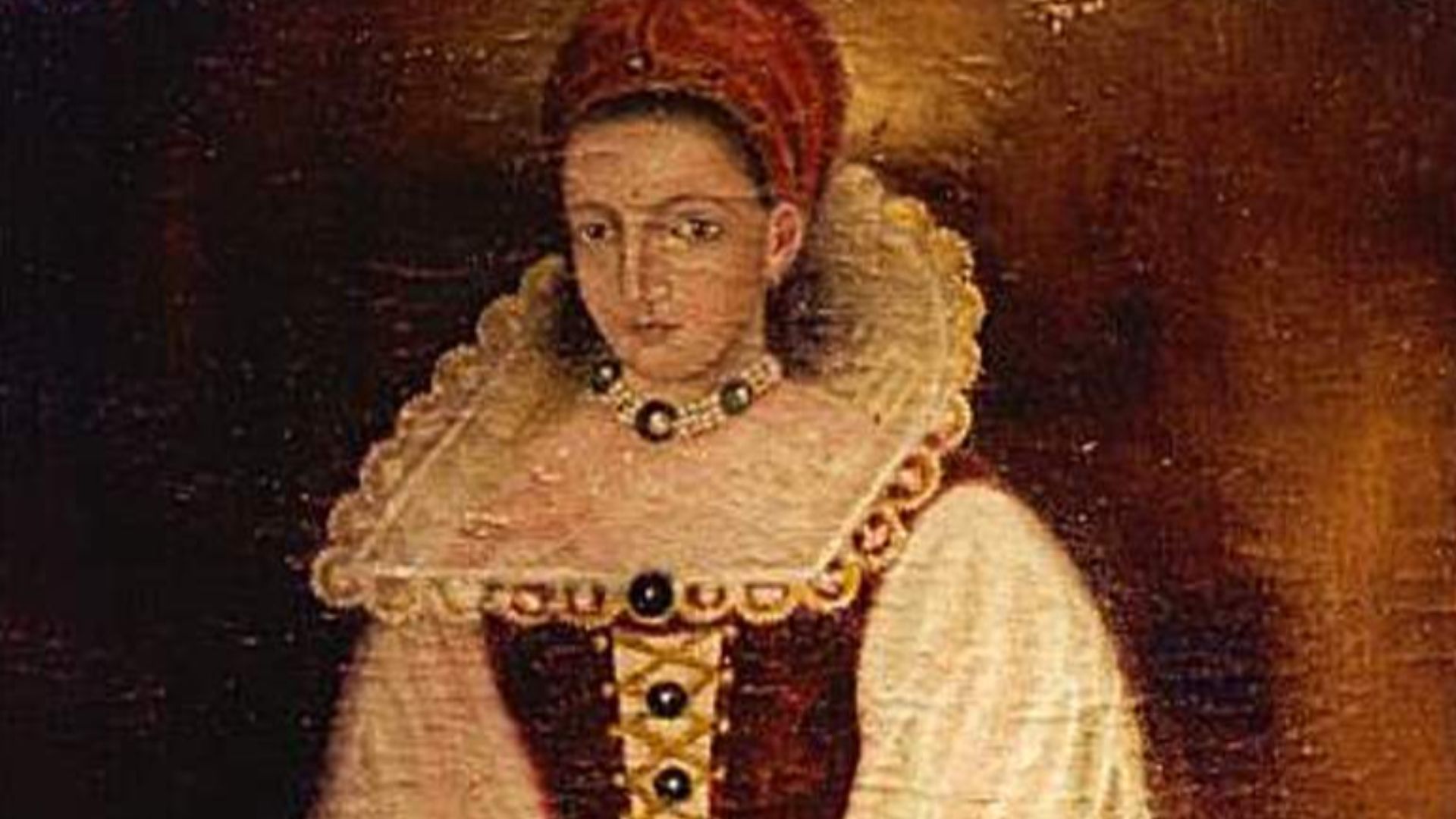
Elizabeth Báthory was a Hungarian countess whose name became attached to allegations of torture and the deaths of young women. Oh, sure, a bunch of her servants were tried and executed, but Báthory was squirreled away in Csejte Castle until her death in 1614. Historians still debate how much of the case was shaped by politics and property, but the surviving accusations were grim enough to make her story endure.
3. Delphine LaLaurie
Delphine LaLaurie is likely a name you’ve heard before, even if you can’t remember why. She was a New Orleans socialite whose elegant public life collapsed after a fire at her Royal Street mansion in 1834. Though you’d think people would’ve sympathized with such a loss, patience ran thin when rescuers reportedly discovered enslaved people in horrifying conditions. She fled New Orleans, which only made the story worse.
4. Belle Gunness
LaLaurie wasn’t the only woman hiding skeletons in her basement. Belle Gunness built a seemingly quiet life on an Indiana farm, but investigators later found human remains buried on the property after a 1908 fire. She lured men into her home through personal advertisements, several of whom arrived with money and were never seen again. To make matters worse, even her own death was never fully settled—the body found in the ruins was headless, and people still have questions about it.
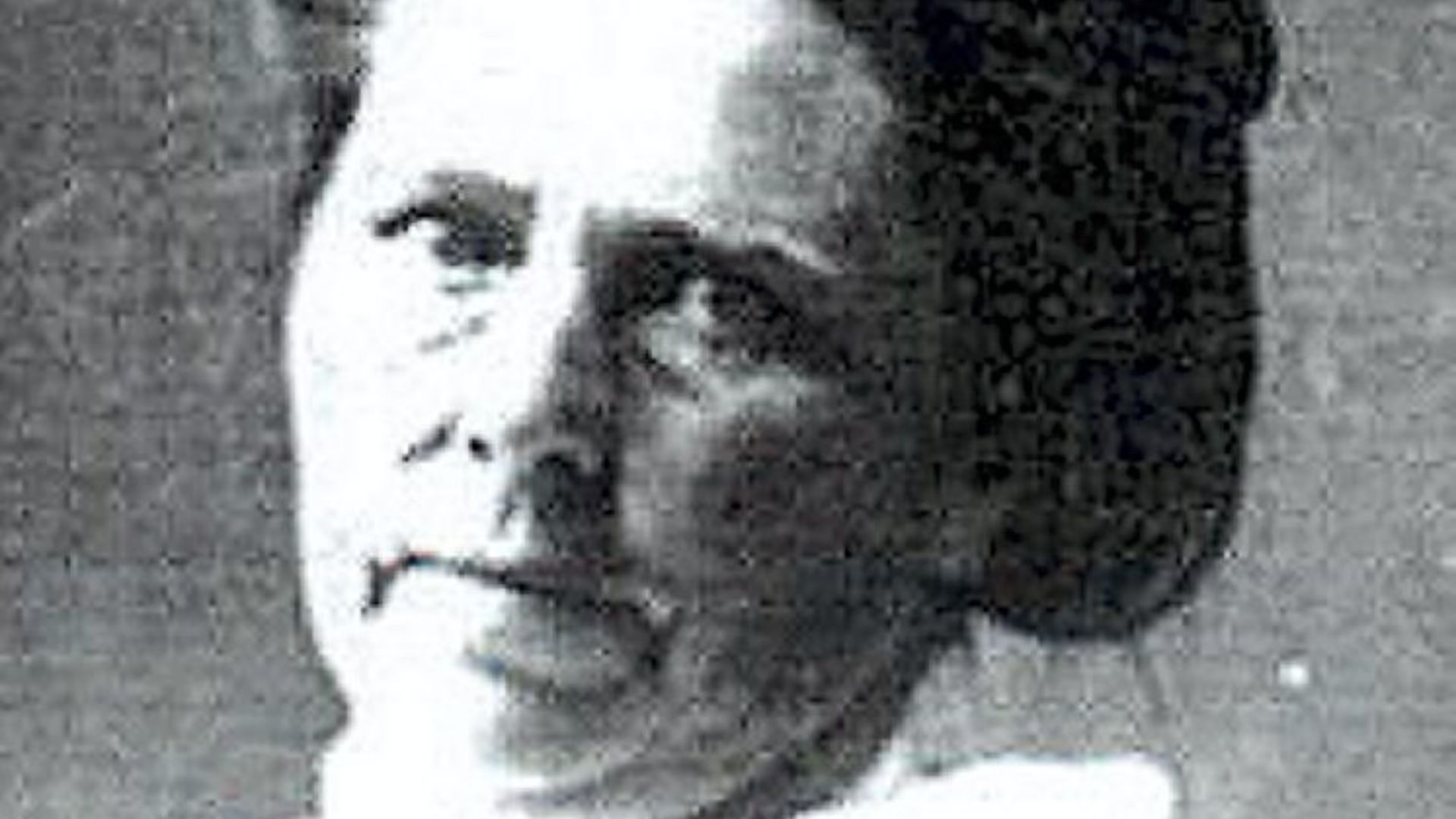
5. Amelia Dyer
To put it bluntly, Amelia Dyer worked within the Victorian system of baby farming, which was the act of taking in infants from desperate mothers for payment. However, instead of caring for them, she took the lives of the very children entrusted to her and moved repeatedly to avoid suspicion.
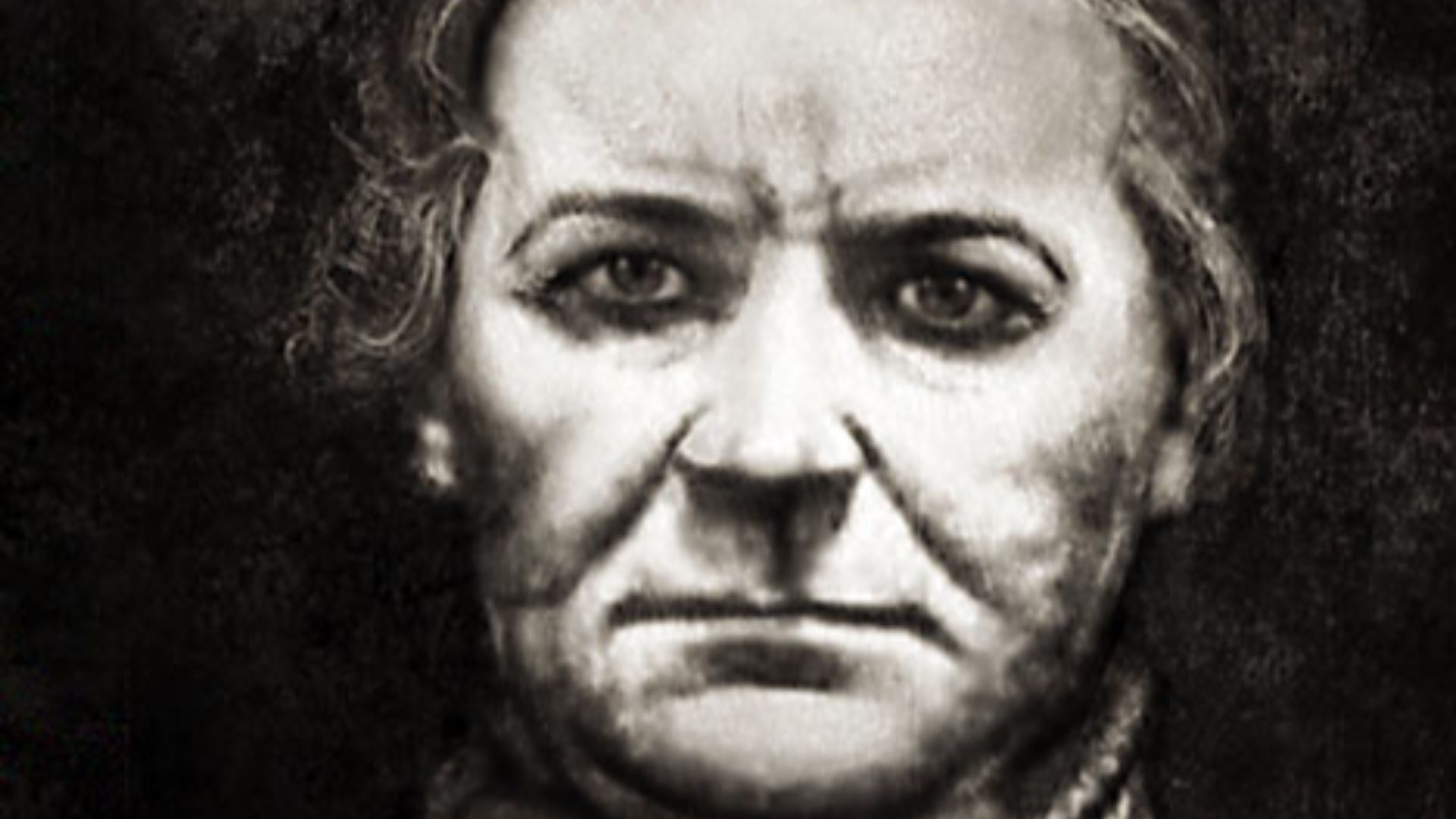 Wells Asylum authorities, 1893 on Wikimedia
6. Mary Ann Cotton
Mary Ann Cotton lived through an unusual number of deaths around her. While it’s normal to lose a husband or two in the 1800s, these suspicious deaths included more than her spouses, like children and other relatives. Naturally, this raised some pretty big red flags, and she was eventually convicted of poisoning her stepson and was hanged in 1873.
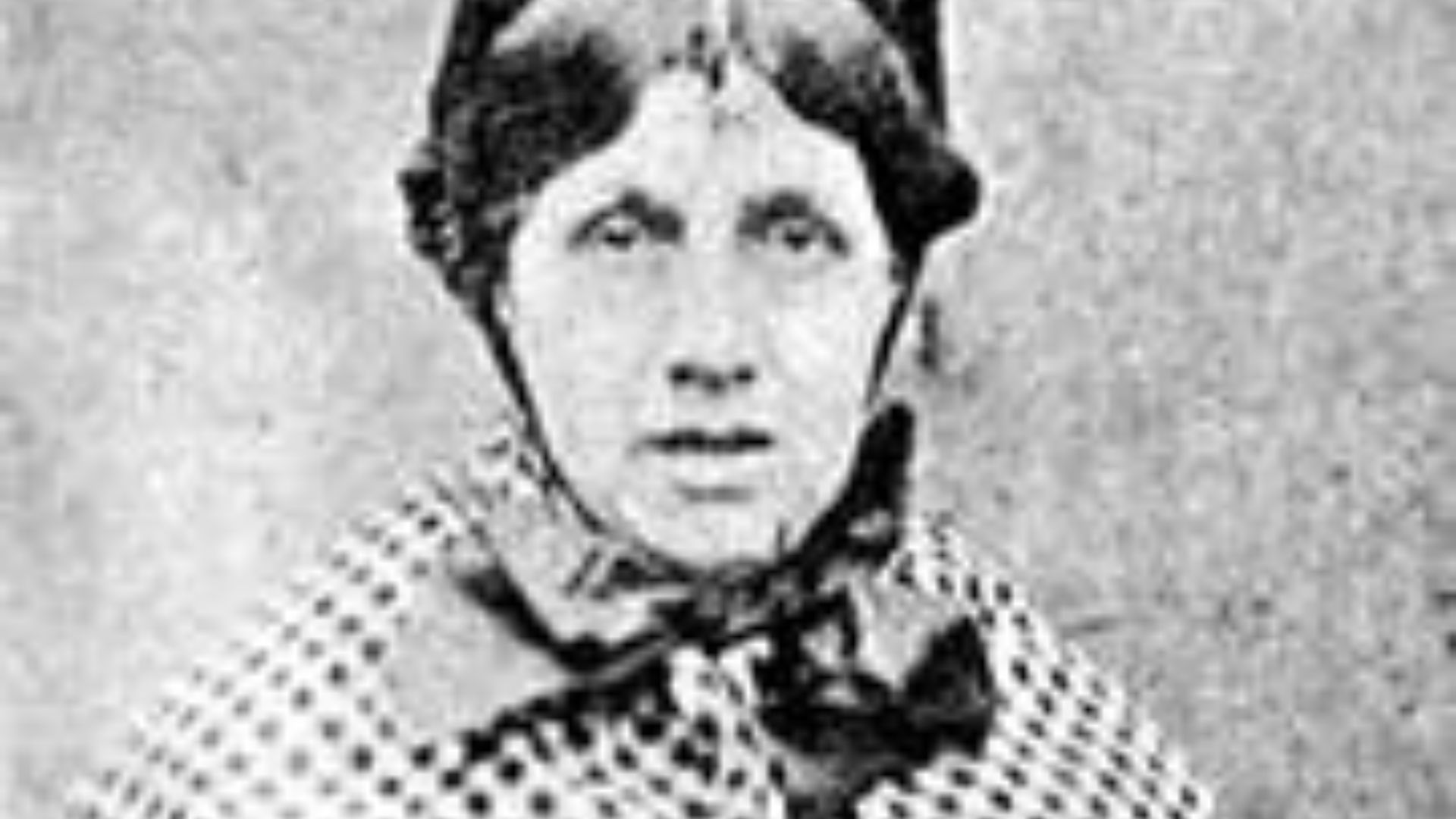
7. Jane Toppan
Jane Toppan trained as a nurse in the 1880s and later worked as a private one. While a career in nursing is meant to help people, Toppan used morphine and atropine to poison patients and those close to her. She was arrested on October 29, 1901, confessed to 31 killings, was found not guilty by reason of insanity on June 23, 1902. She lived until 1938, when she died in Taunton State Hospital.
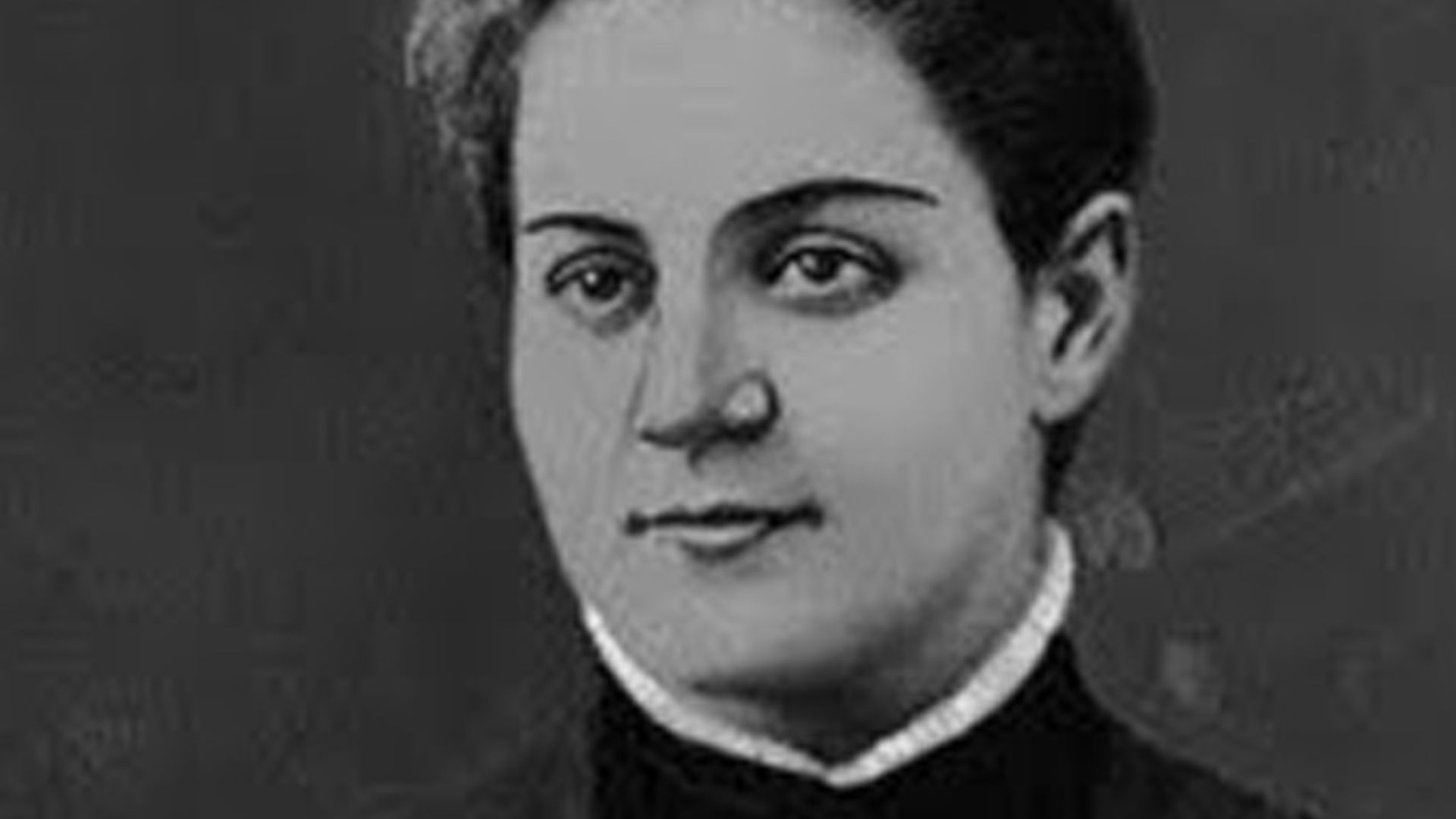
8. Amy Archer-Gilligan
Back in 1873, Amy Archer-Gilligan ran a home for elderly residents in Windsor, Connecticut, where a troubling number of boarders died after financial arrangements were made. After suspicious deaths, including Franklin R. Andrews in 1914, investigators found arsenic or strychnine in exhumed bodies. From there, the story goes that Archer-Gilligan was arrested in 1916, convicted in 1917, retried after appeal, sentenced to life, transferred to a state hospital in 1924, and died in 1962.
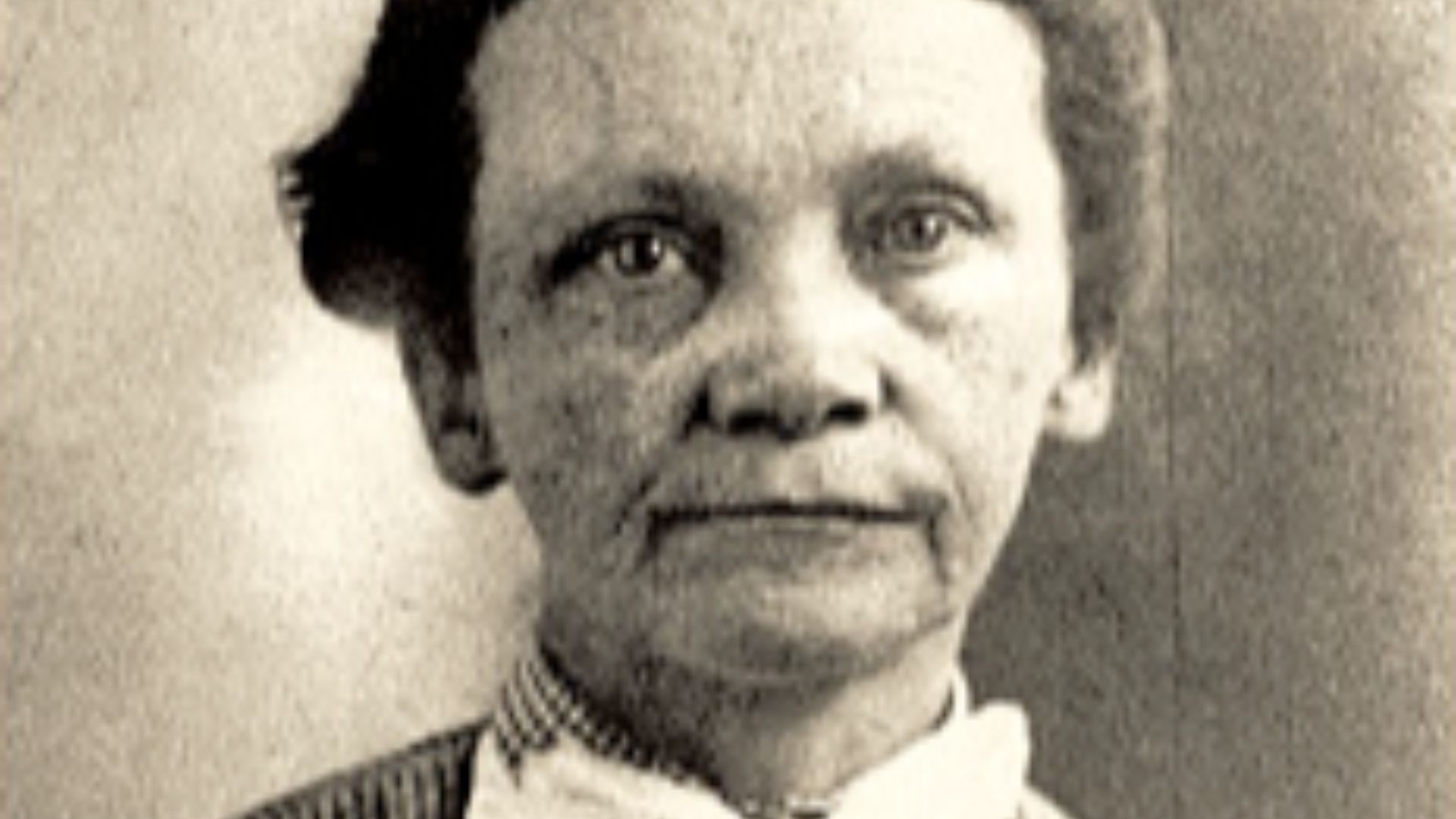
9. Béla Kiss
Béla Kiss was a Hungarian tinsmith whose property was searched while he was away during World War I. In July 1916, police reportedly found the preserved bodies of 23 women and one man, many linked to lonely-hearts advertisements and correspondence Kiss had used to lure victims. Sadly, the victims never got justice as Kiss was never even brought to trial. The last anyone saw of him was a reported sighting in a Serbian hospital in 1916, but his disappearance turned a grim case into one of Hungary’s biggest unsolved cases.
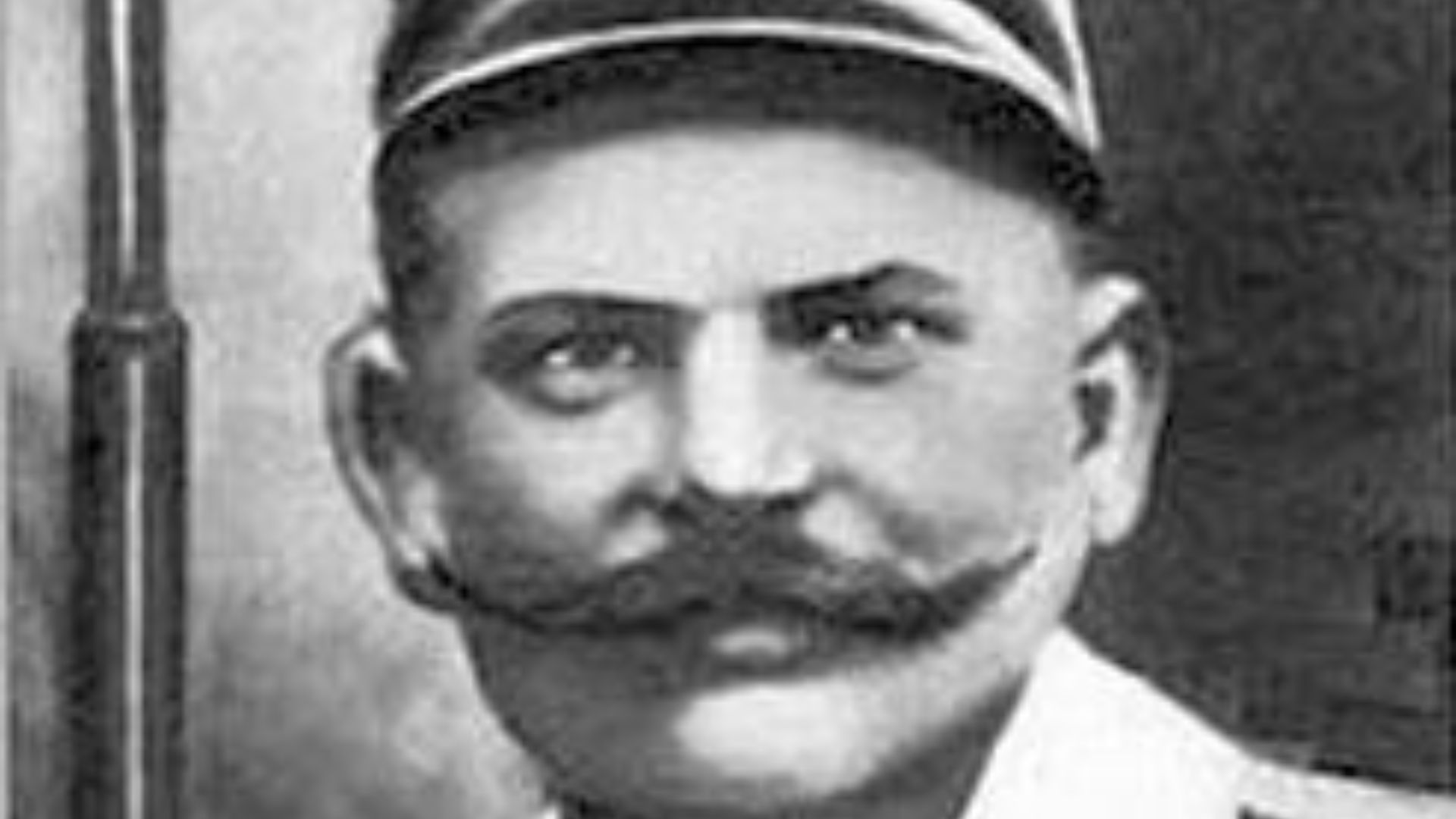
10. Leonarda Cianciulli
Leonarda Cianciulli was known in Italy as the Soap-Maker of Correggio, but don’t assume she earned the name as a shopkeeper. She only got it after claiming the lives of three other women in 1939 and 1940. She believed—or at least said she did—that human sacrifices would protect her son. No one bought it, and Cianciulli was tried in 1946, sentenced to decades in custody, and died in Pozzuoli in 1970.
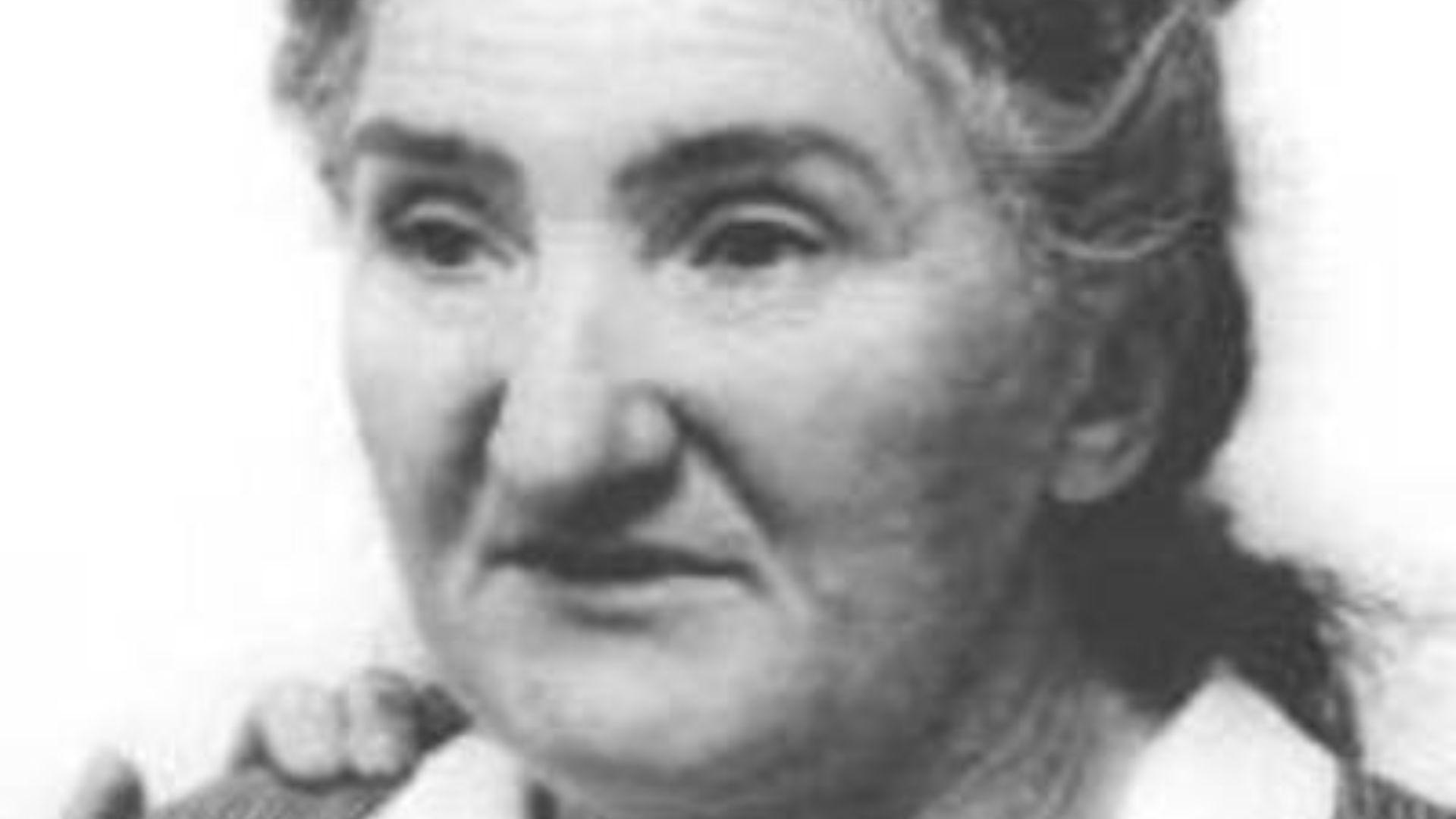
11. Hélène Jégado
Hélène Jégado worked as a domestic servant in 19th-century France, moving from household to household as people kept mysteriously dying around her. She was ultimately executed by guillotine on February 26, 1852, after being linked to arsenic poisonings.
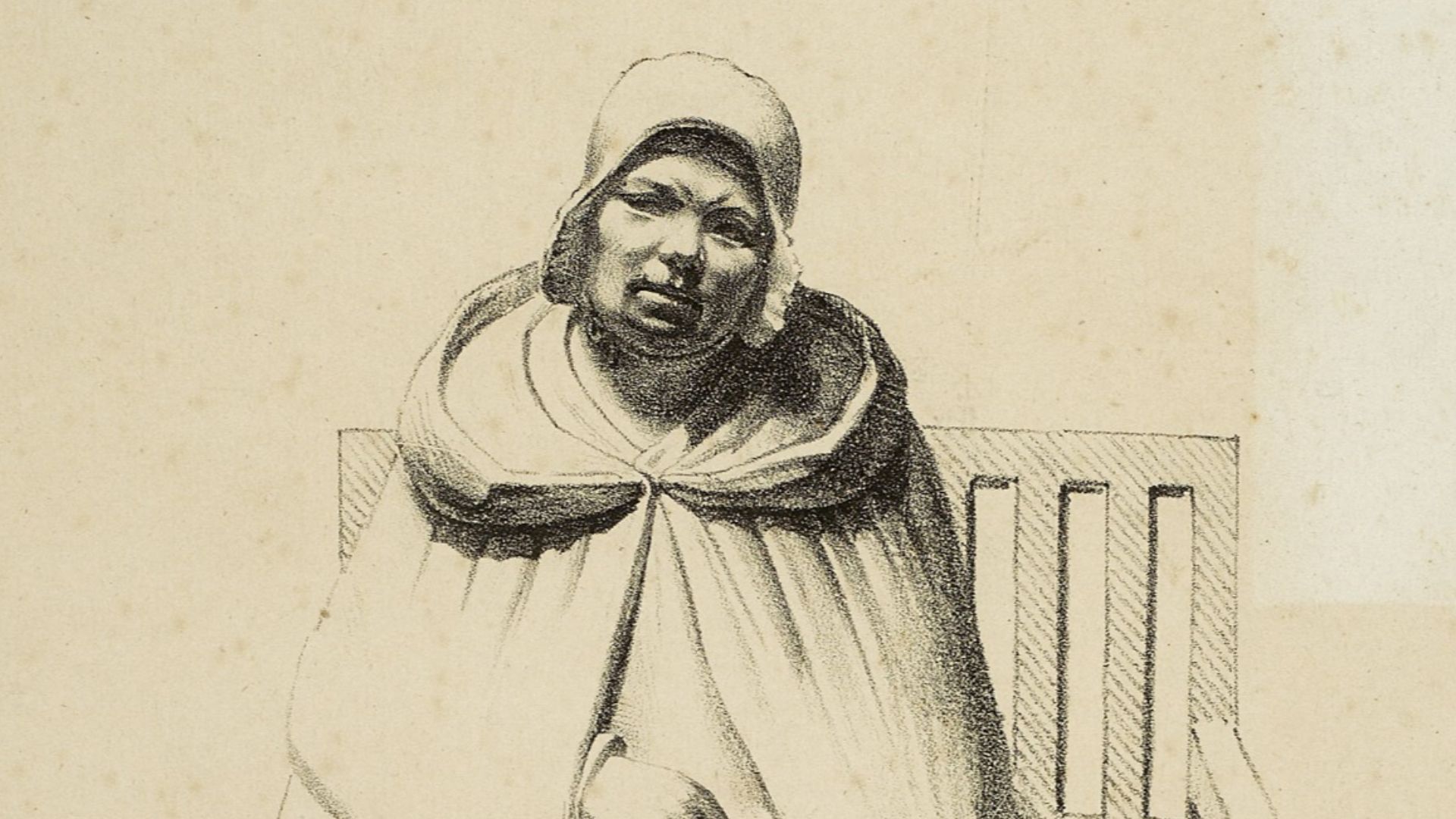
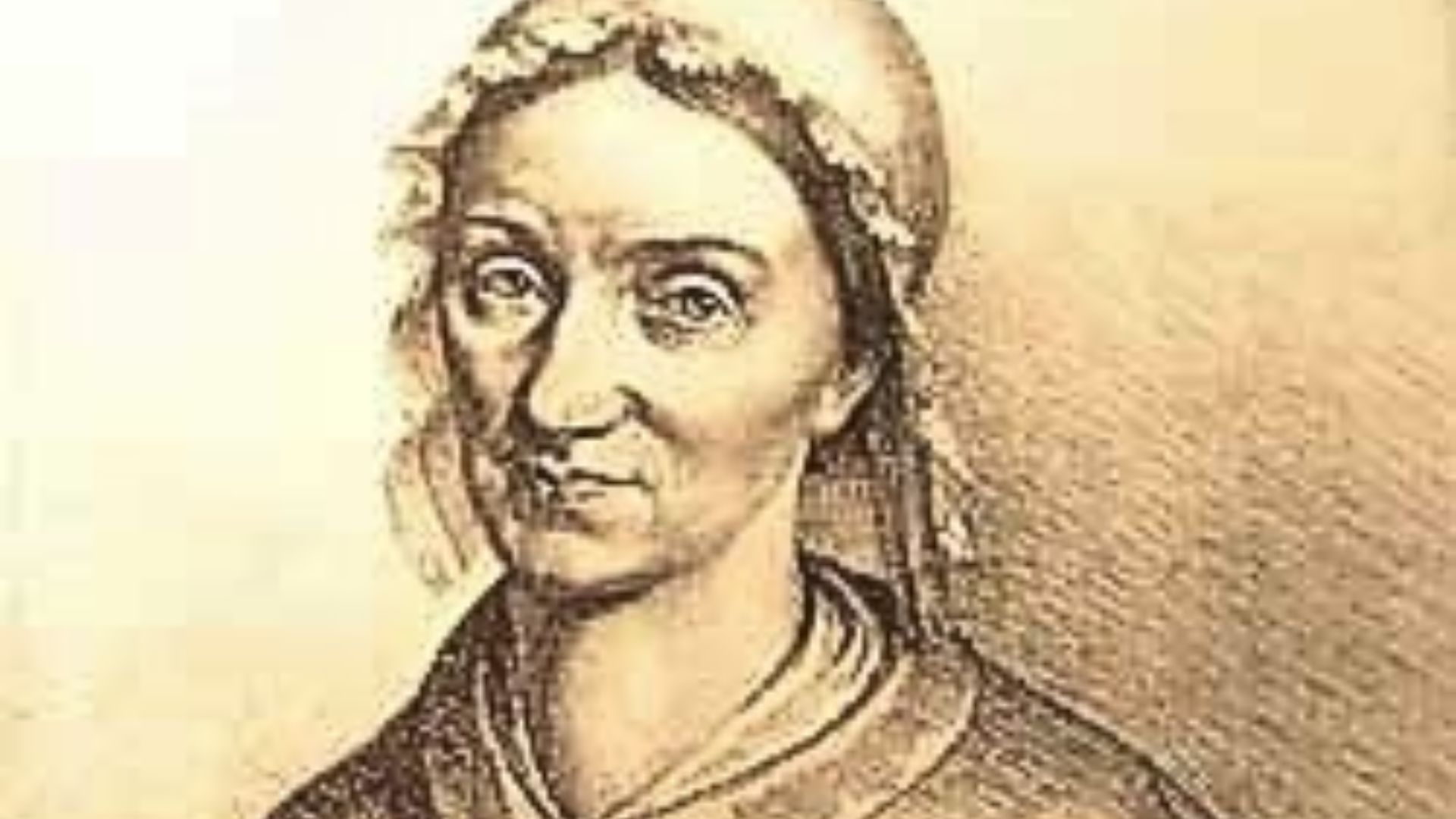
12. Gesche Gottfried
Gesche Gottfried built a reputation as a sympathetic woman surrounded by personal tragedy. That ended between 1813 and 1827; she poisoned at least 15 people, including relatives, friends, and neighbors. Bremen executed her publicly in 1831, making her the city’s last public execution and turning the so-called “Angel of Bremen” into a lasting symbol of domestic cruelty.
 Rudolf Friedrich Suhrlandt on Wikimedia
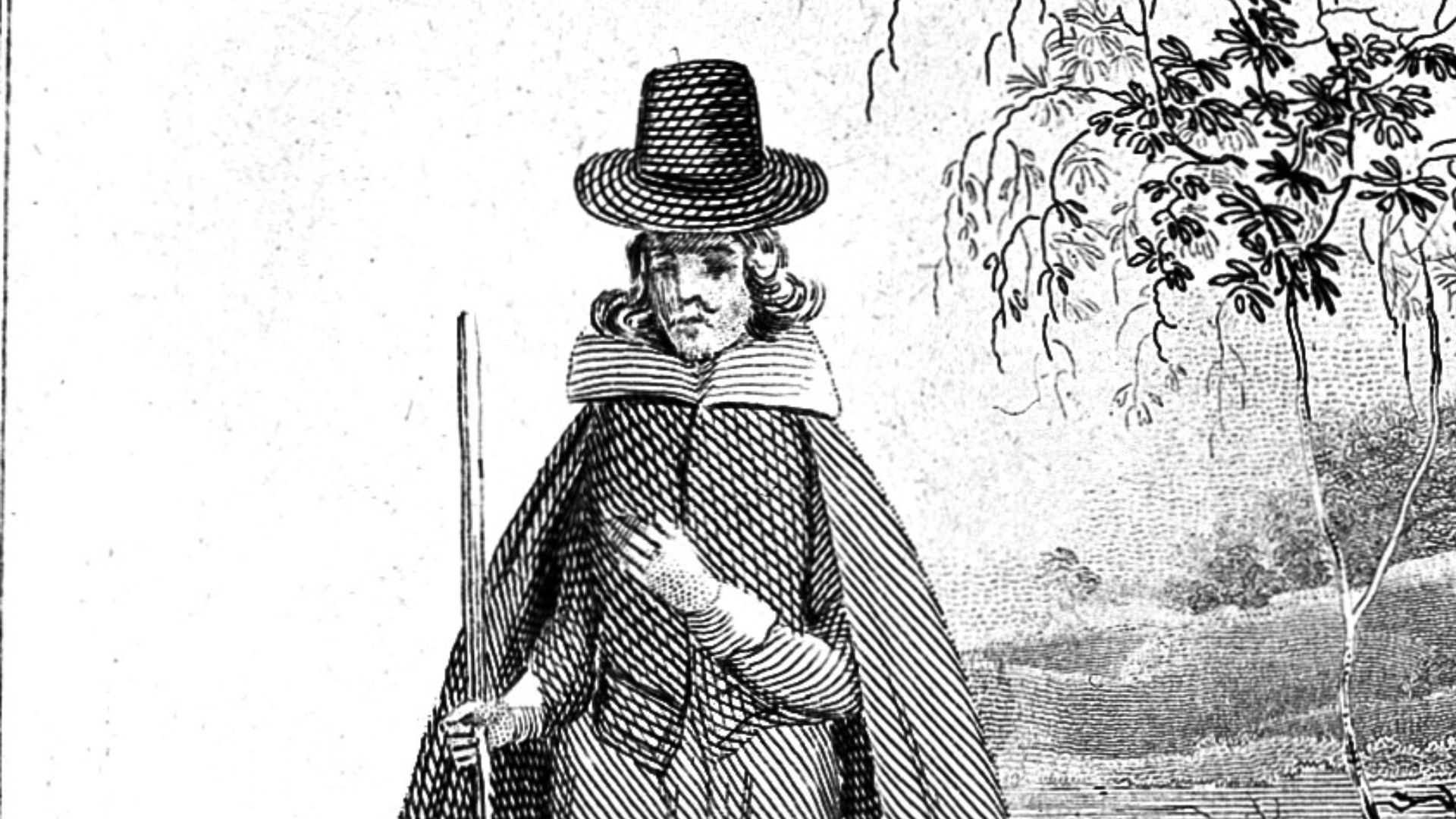
13. Matthew Hopkins
Matthew Hopkins began his witch-hunting career around 1644, a convenient time to do so with so much fear and weak local authority making any accusation dangerous. By 1645, he was calling himself the Witchfinder General, traveling through East Anglia to scope out suspected witches for payment. He died in 1647, but his brief stint fueled one of England’s deadliest witch-hunting episodes.
14. Peter Stumpp
Peter Stumpp was a farmer near Bedburg in the Electorate of Cologne before becoming the center of one of Europe’s most infamous werewolf trials in 1589. Under torture, he confessed to taking lives, witchcraft, and using a magical belt to supposedly transform into a wolf (among other things). He was executed in 1589, along with his daughter and mistress.
 Marc-Olivier Jodoin on Unsplash
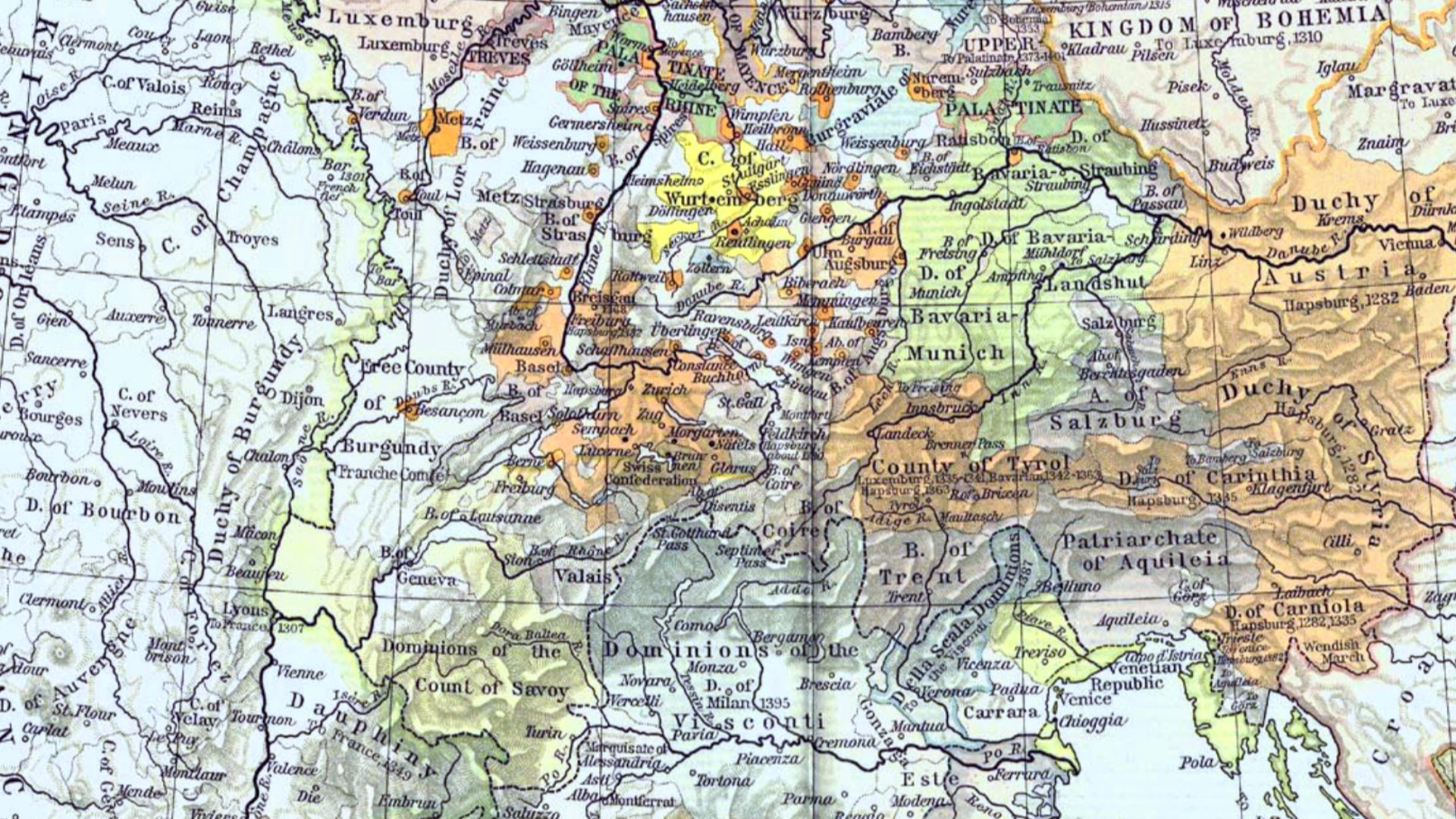
15. Peter Niers
Peter Niers was a German bandit active in the fragmented territories of the Holy Roman Empire during the 16th century. After his capture in 1581, confessions were essentially tortured out of him, pointing to nearly 500 murders, along with ritualistic crimes and allegedly removing fetuses from their mothers. Niers was executed that same year.
 William Robert Shepherd on Wikimedia
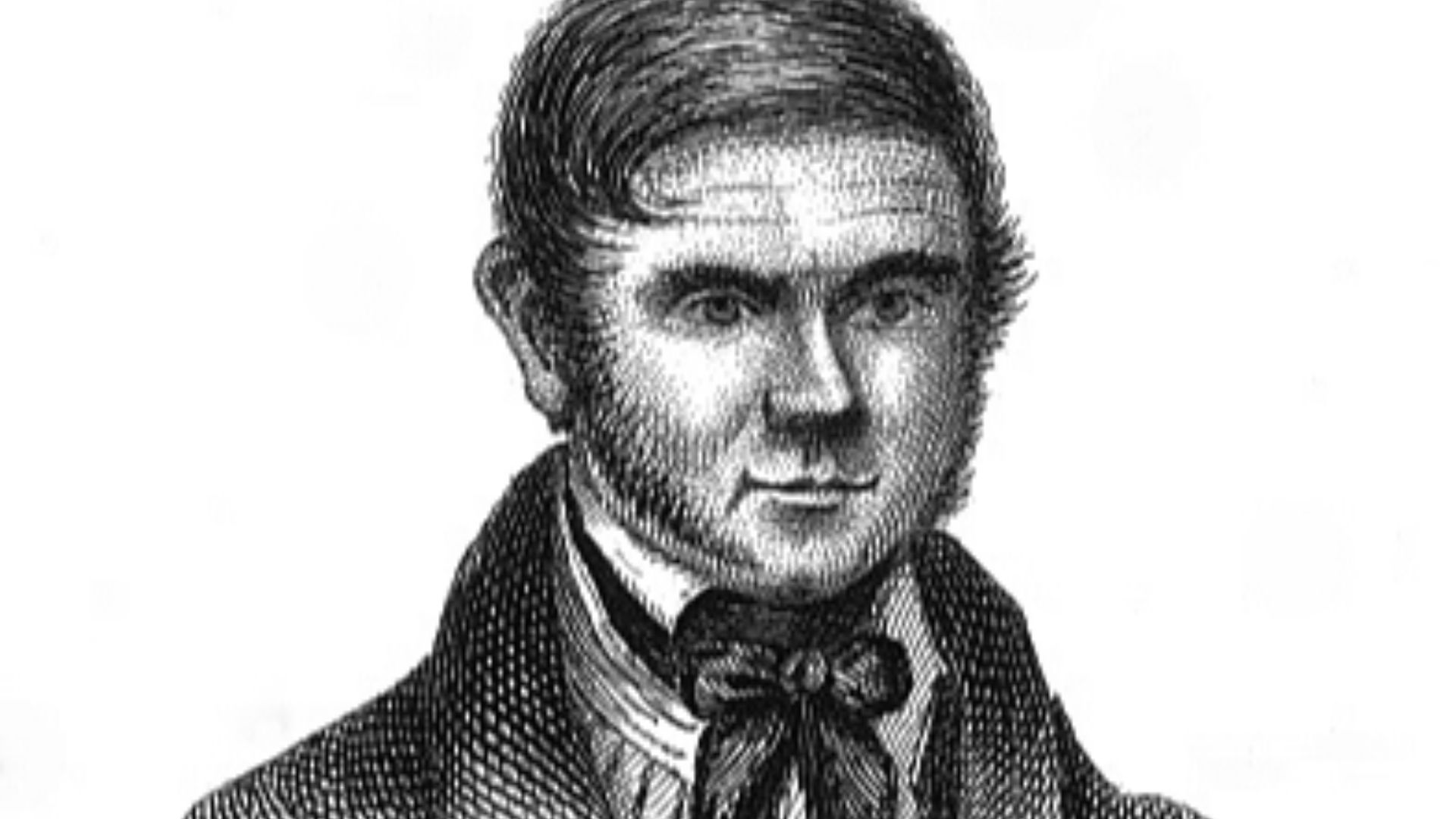
16. William Burke and William Hare
The first thing to know about William Burke and William Hare is that they took 16 lives over roughly 10 months in 1828. The second thing is that they then sold the bodies to anatomist Robert Knox for use in dissection lectures. Their crimes grew out of a real medical problem, since anatomy schools needed cadavers during a time when legal supply was limited. Either way, the pair were finally exposed after taking Margaret Docherty’s life on their own in 1828. Hare testified for the prosecution, Burke was hanged in January 1829, and the whole thing actually pushed Britain toward the Anatomy Act of 1832.
17. Robert Knox
Well, if we’re talking about his accomplices, we should definitely talk about Robert Knox, too. Though he was once a respected lecturer, the scandal destroyed his reputation. He bought bodies from the pair for his anatomy school in 1828, though he was never officially convicted. Knox died in 1862.
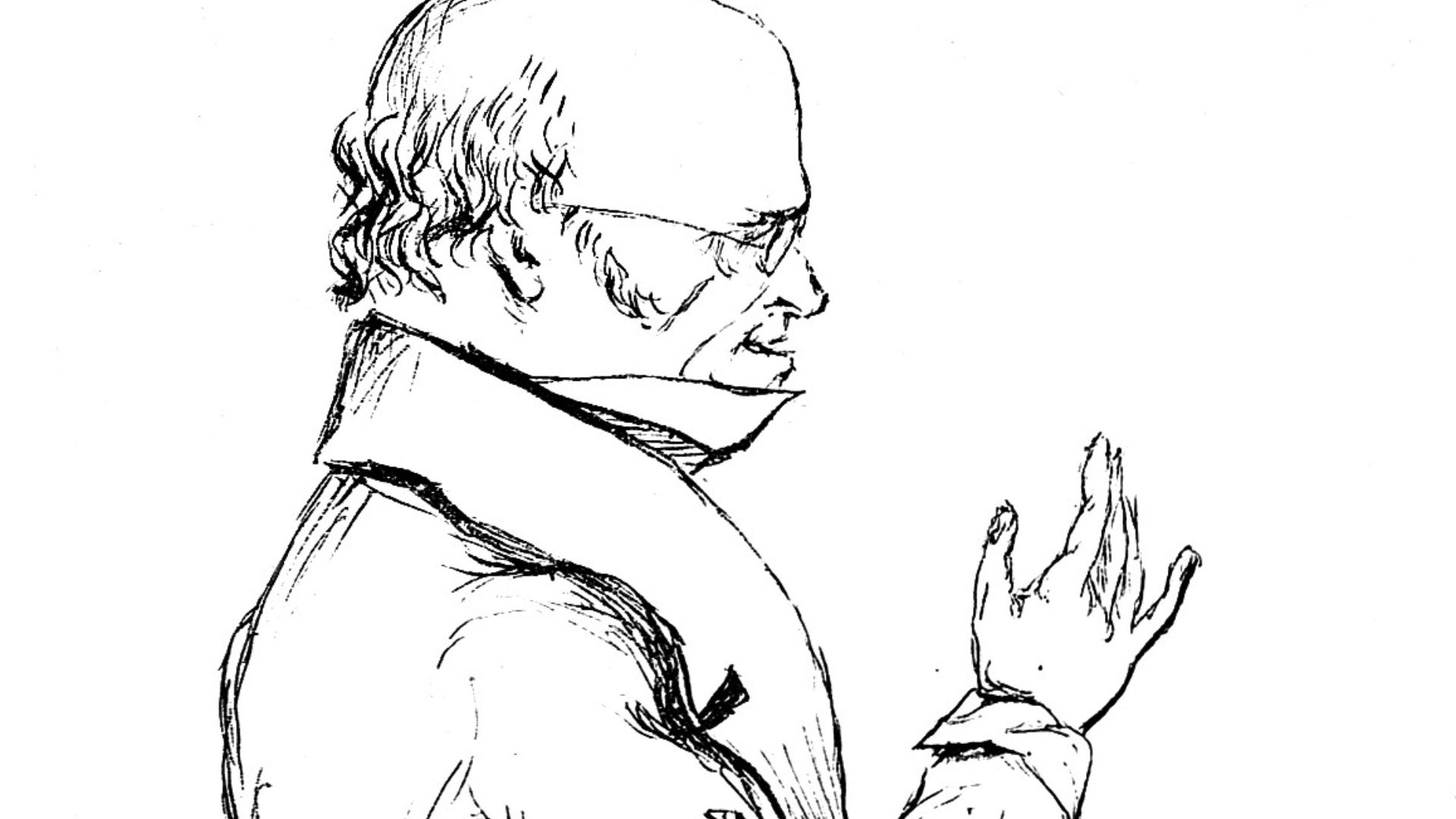
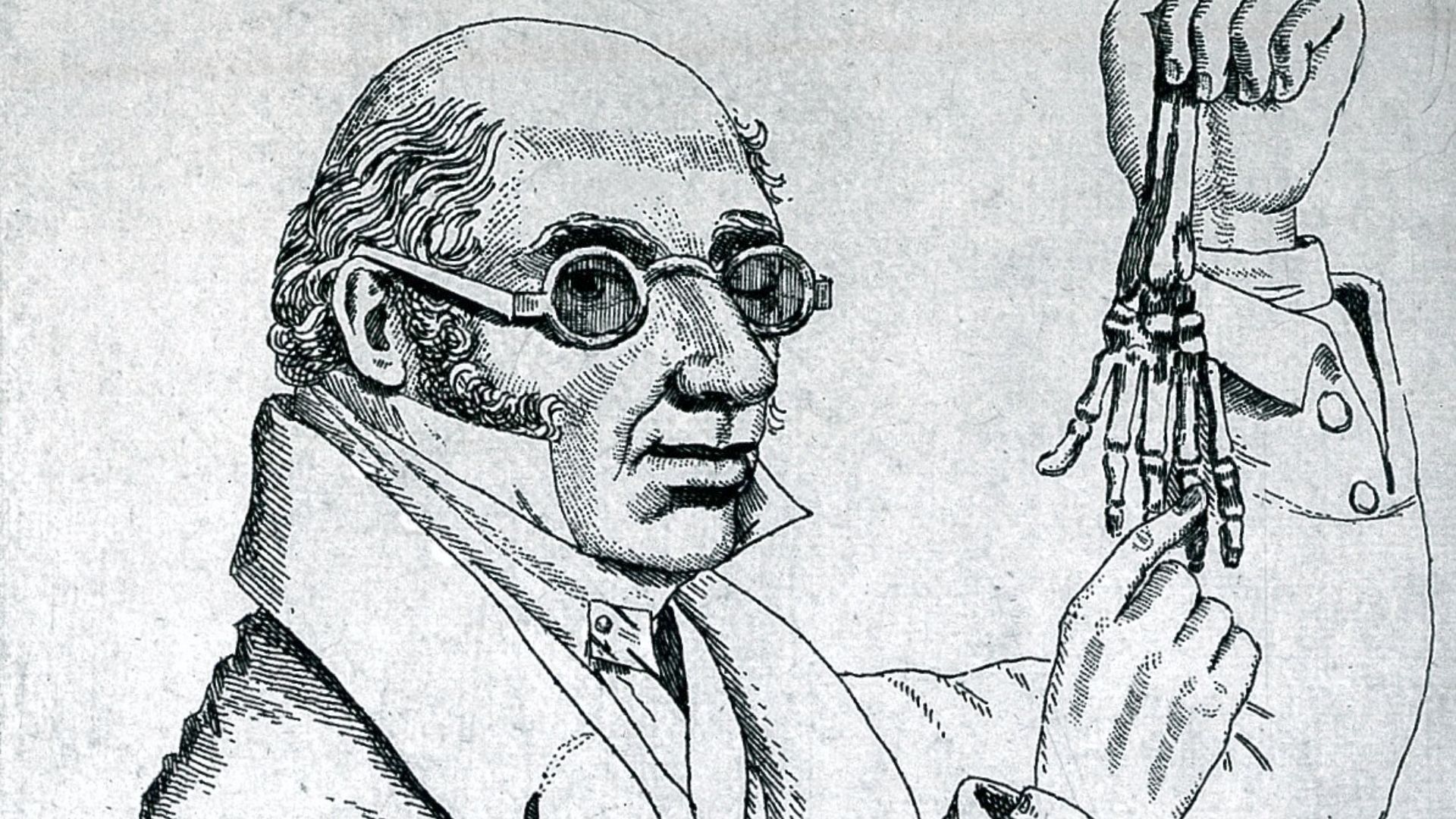
18. Giovanni Aldini
In the early 1800s, Giovanni Aldini was known for his work in galvanism, which is essentially the study of electrical stimulation of nerves and muscles. But just because he was known doesn’t mean he was respected. In 1803, after George Forster was hanged for taking the lives of his wife and children, Aldini publicly applied electricity to the body and caused visible movement in the corpse’s face and limbs.
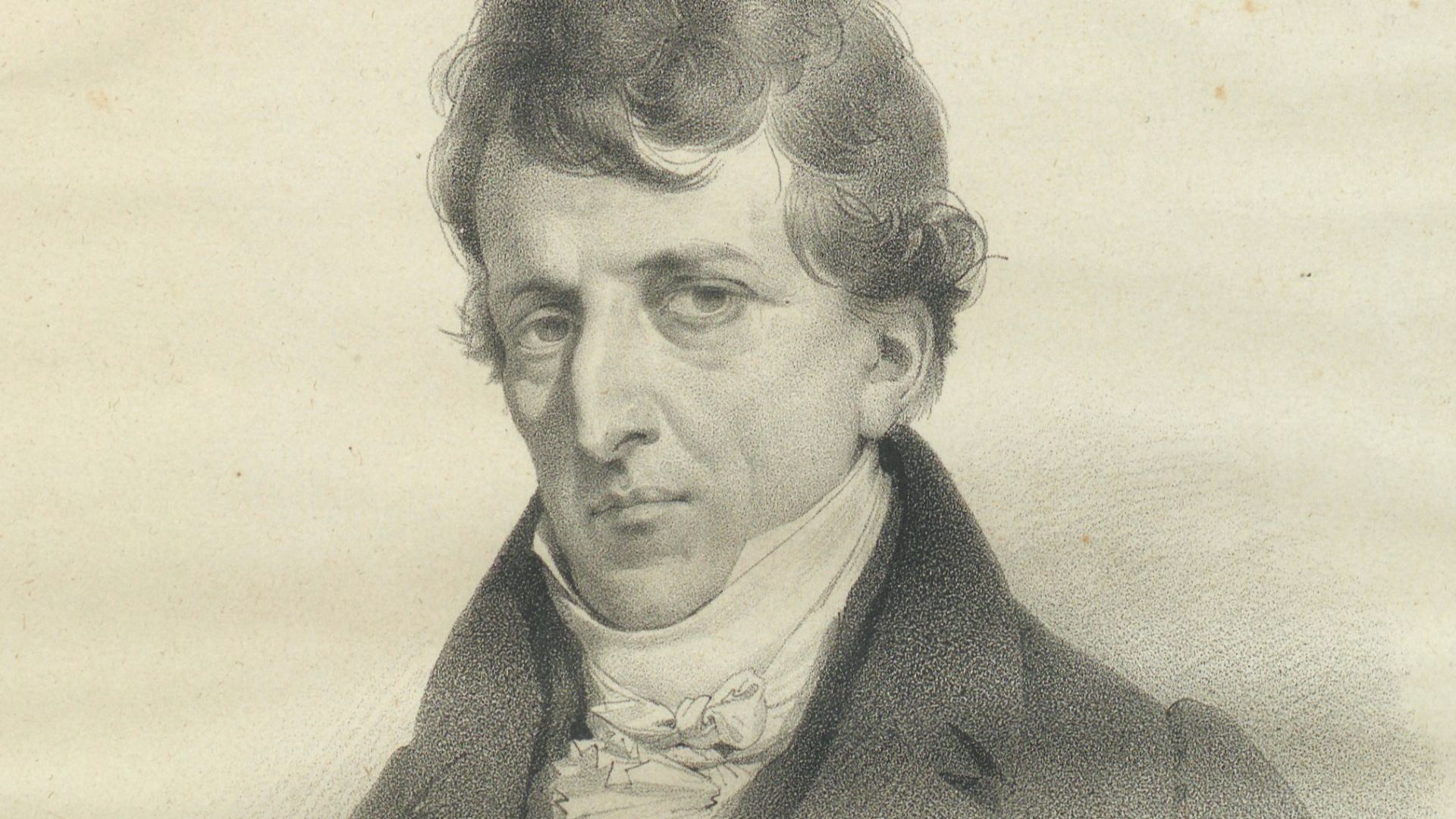 Creator:F. Mauraisse (opera originale) Creator:Lit. De Lemercier (incisore) on Wikimedia
19. Carl Tanzler
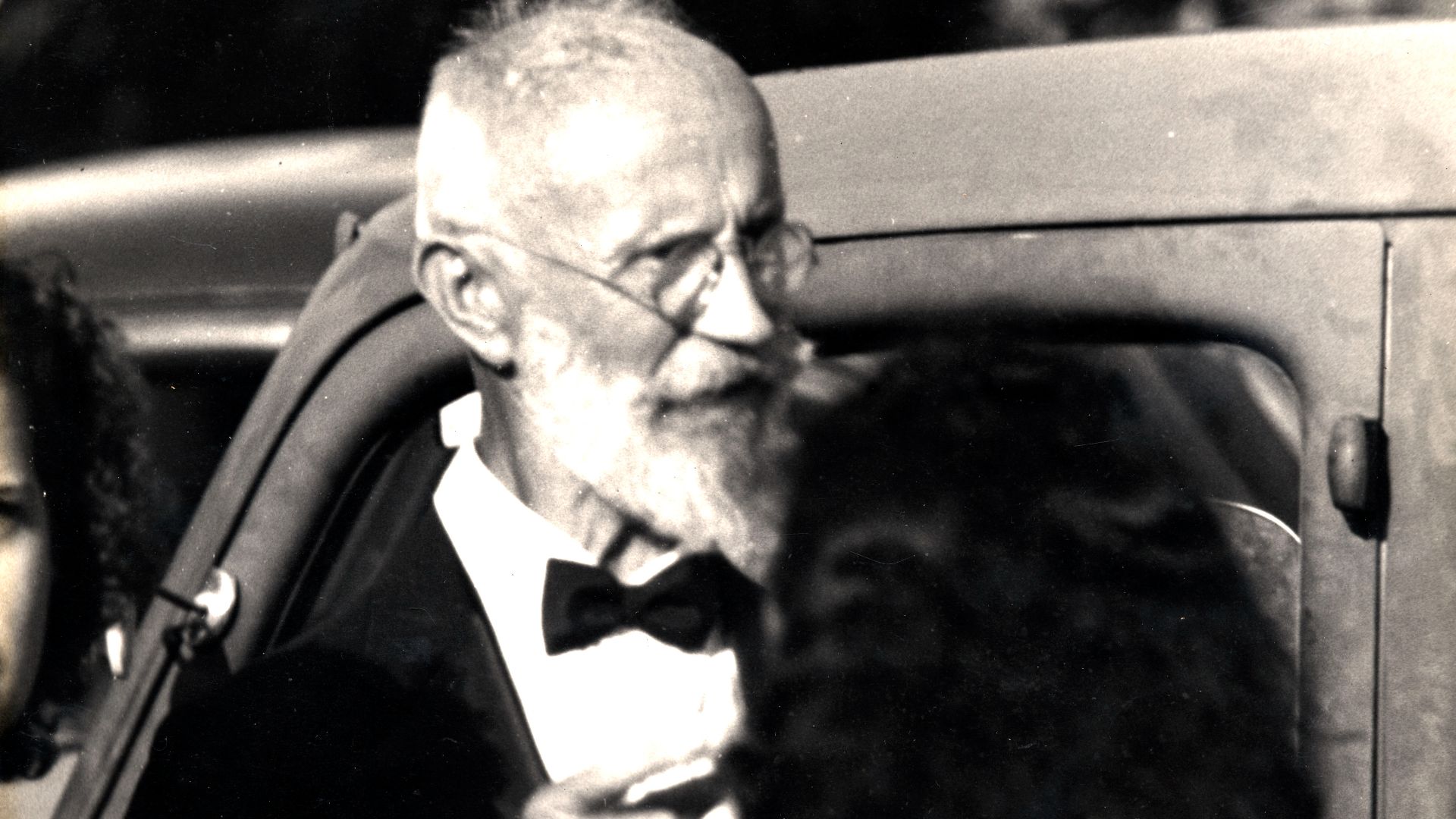
Carl Tanzler was working as a radiology technician in Key West when he met tuberculosis patient Elena “Helen” Milagro de Hoyos on April 22, 1930. After she died in 1931, Tanzler paid for her mausoleum, then removed her body in 1933 and kept it in his home for seven years. He said her body not only sang to him, but also begged him to take her from the grave. Her relatives discovered it later in 1940, and Tanzler was arrested but not convicted.
20. John George Haigh
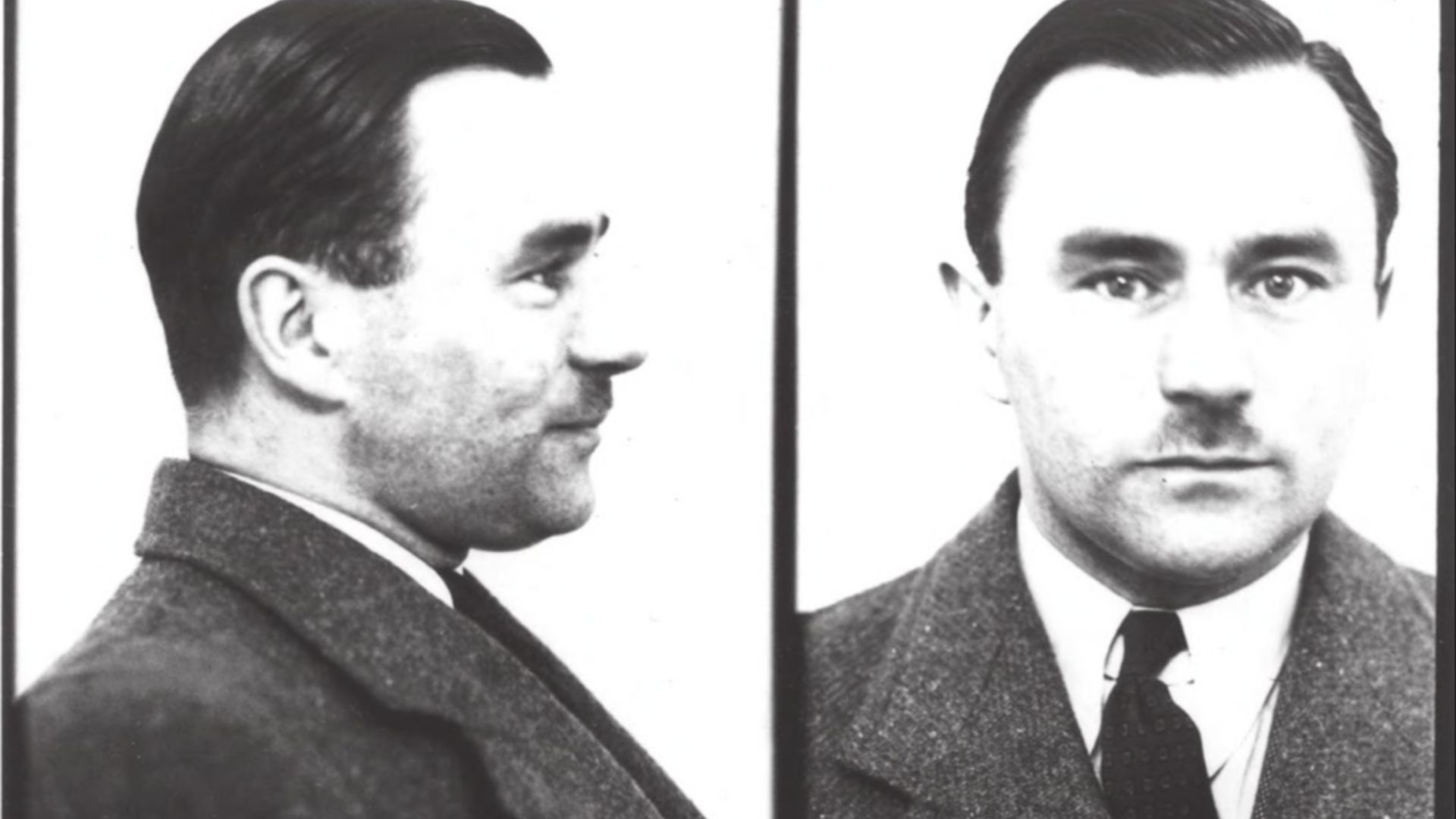
Between 1944 and 1949, John George Haigh moved from fraud into murder after repeated schemes failed to give him the money he sought. He took the lives of at least six people, destroying their bodies to forge documents so he could then take their property. Haigh was arrested in 1949 and hanged at Wandsworth Prison that same year.
KEEP ON READING
The 20 Creepiest People In History
Truly Uncomfortable. History isn’t only made by kings, reformers, and…
By Annie Byrd Jun 12, 2026
10 Ships That Made History & 10 That Disappeared Without…
Voyages That Changed The Record. Ships have carried explorers, soldiers,…
By Rob Shapiro Jun 9, 2026
20 Baby Names That Became Unusable After One Historical Figure
Some Names Never Fully Escape Their Reputation. Most baby names…
By Emilie Richardson-Dupuis Jun 12, 2026
10 Historical Figures Flattered By Portraits & 10 Who Got…
History's Paintbrush Wasn't Always Honest. Before cameras, the only record…
By Cameron Dick Jun 12, 2026
20 Historical Villains Whose Last Words Became Part Of Their…
History Was Listening. Last words often arrive under the worst…
By Cameron Dick Jun 12, 2026
Why the Year 536 May Have Been the Worst Year…
Lithograph: Parker & Coward on WikimediaSome years are remembered for…
By Emilie Richardson-Dupuis Jun 11, 2026