

I Let an Entitled Woman Steal My First-Class Seat and Drink My 'Champagne' - She Had No Idea What She Just Swallowed
I Let an Entitled Woman Steal My First-Class Seat and Drink My 'Champagne' - She Had No Idea What She Just Swallowed
The Sanctuary of Seat 1A
I'd been awake since four in the morning, which is not the ideal state for someone who needs to be calm and collected before a medical procedure. The terminal at O'Hare was its usual beautiful disaster — rolling luggage clipping ankles, gate agents announcing delays in that particular monotone that suggests they've given up on humanity, and approximately four hundred people all convinced their connection was the most urgent thing happening on earth. I had a different kind of urgency. My doctor had been very specific: minimize stress, stay hydrated, and for the love of everything, do not miss this flight. The procedure was scheduled for the morning after I landed, and the prep work started on the plane. I'd booked seat 1A three months ago, not because I'm the kind of person who splurges on first class, but because I needed the space, the quiet, and the ability to manage what came next without an audience pressed against my elbow. Priority boarding meant I was one of the first through the jet bridge, and when I ducked into the first-class cabin and found it still mostly empty, something in my chest finally unclenched. I lifted my carry-on into the overhead bin, settled into the wide leather seat, and let the smell of the cabin — that particular mix of recycled air and expensive upholstery — wash over me like the first real breath I'd taken all day.
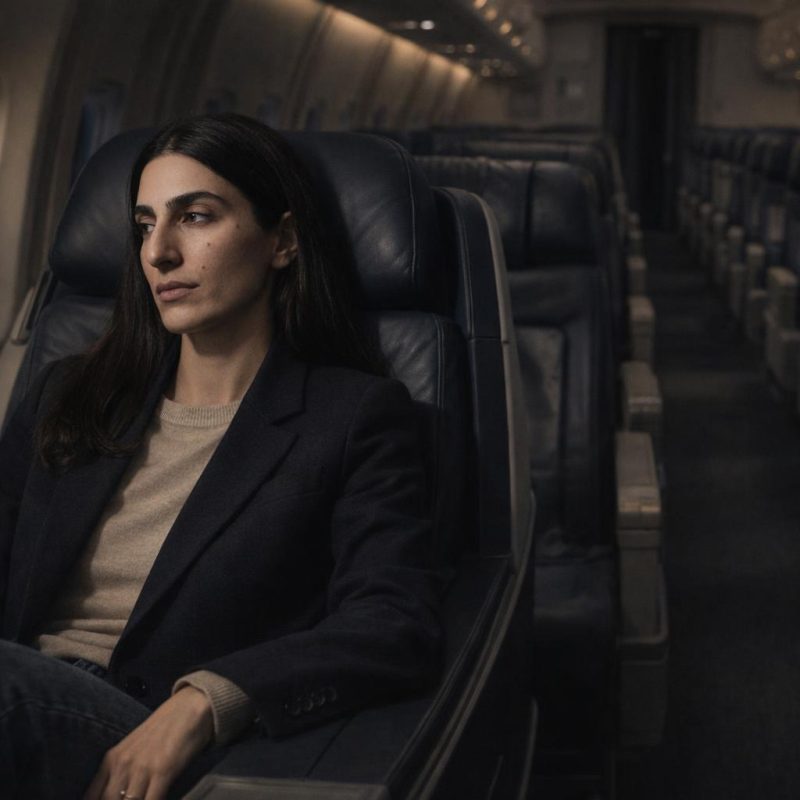 Image by RM AI
The Golden Mixture
The seat controls took me a full two minutes to figure out, which felt embarrassing given that I'm a person who regularly reads medical literature for fun. I finally got the lumbar support adjusted to something that didn't feel like a polite assault on my spine, and that's when Marco appeared — late twenties, warm smile, the kind of practiced ease that makes you feel like you're the only passenger on the plane. He asked if I'd like anything before departure. I told him I needed a glass of still sparkling water, no ice, and that I'd be adding something to it myself. He didn't blink. Just nodded and disappeared toward the galley with the quiet efficiency of someone who has seen everything and judges nothing. When he returned with the glass, I unzipped the front pocket of my bag and removed the small sealed medical packet my doctor had prepared. The instructions were printed on the side in that aggressively small font that pharmaceutical companies use when they want you to technically have been informed. I tore the top carefully, tipped the powder in, and watched it hit the water. It fizzed hard for about ten seconds — aggressive, almost indignant — then settled. The liquid shifted from cloudy white to a pale, warm gold, catching the cabin light in a way that looked, I had to admit, almost exactly like a glass of very good champagne.
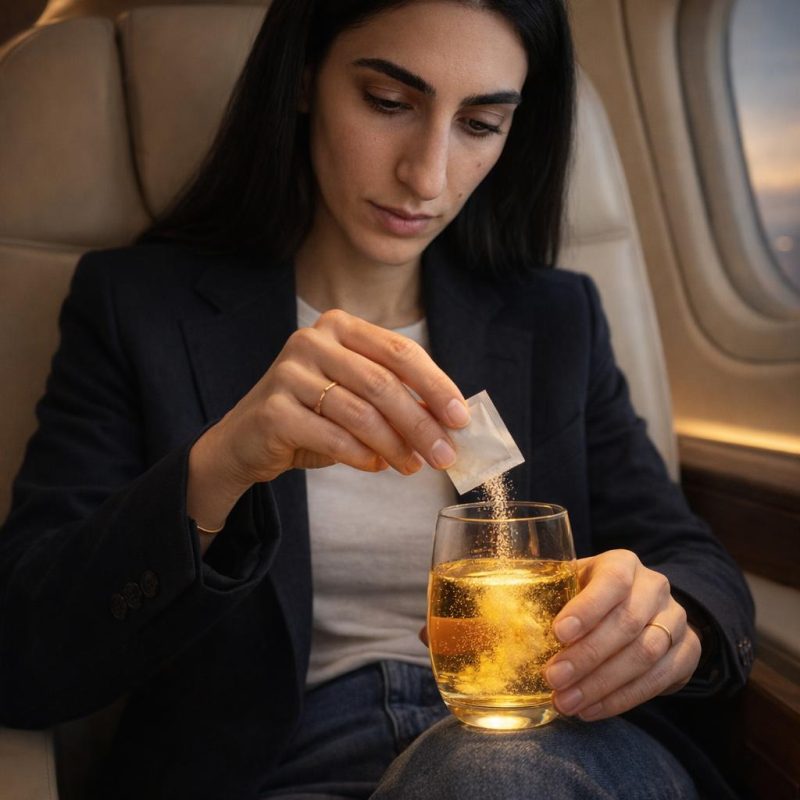 Image by RM AI
The Pre-Flight Ritual
I checked my watch. Forty minutes to departure, which meant the window I needed was tight but workable. The medication had to be taken at a specific point in the timeline — my doctor had been almost theatrical about the precision required — and I had about twenty minutes before I needed to actually drink it. I confirmed the glass was sitting squarely in the center of the tray table, visible and stable, then stood up. The fasten seatbelt sign wasn't on yet, but I'd learned from enough flights that it could flip at any moment with zero warning and maximum inconvenience. I wanted to use the lavatory before the boarding rush made it a contact sport. The forward lavatory was clean in that aggressively sanitized way that suggests someone had recently gone to war with a lemon-scented product and won decisively. I washed my hands twice — habit, not anxiety, I told myself, though the line between those two things had been blurry for months. I looked at my reflection in the small mirror above the sink. I looked tired. I looked like someone who had been carrying something heavy for a long time and was almost, almost at the part where she could set it down. I straightened my collar, took one slow breath, and let the cool air of the lavatory settle around me.
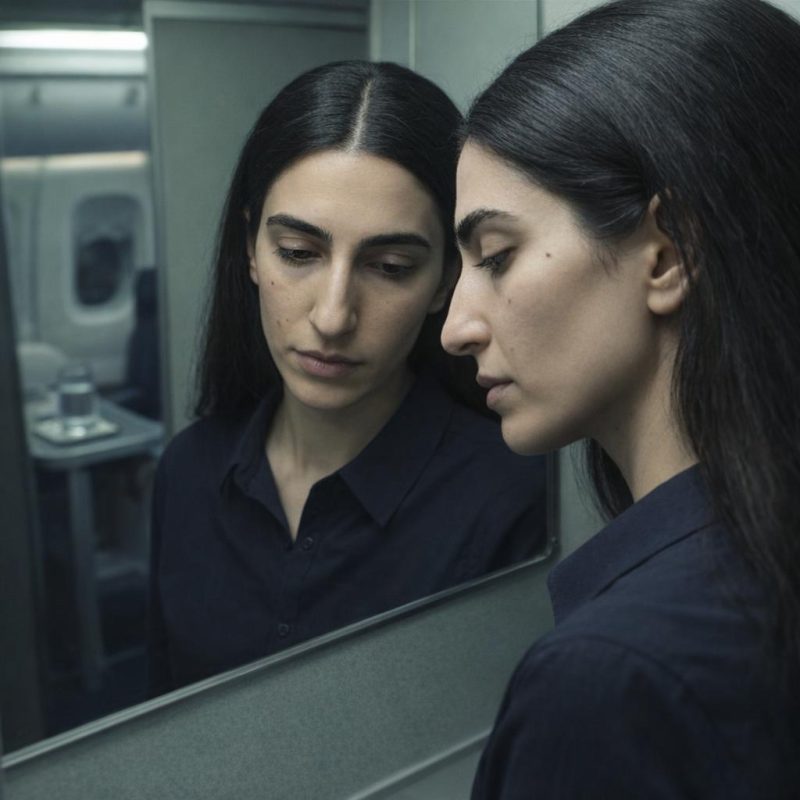 Image by RM AI
The Woman in Pink
I turned the corner from the lavatory and stopped so abruptly that the passenger behind me nearly walked into my back. Seat 1A was occupied. Not by a bag, not by a coat draped over the armrest — by a person. A woman, specifically, with hair that defied both gravity and the current decade, a voluminous blonde construction that belonged firmly in 1994 and had apparently not received the memo. She was wearing a hot pink blazer with gold buttons the size of small coins, and she was leaning back in my seat with the particular posture of someone who has never once in her life questioned whether she belonged somewhere. My hand went to my pocket before my brain caught up. I pulled out my boarding pass and looked at it, even though I already knew what it said. Seat 1A. I looked up at the overhead bin number. Row one. I looked back at the woman, who had not looked at me, had not registered my presence in any way, and was examining her nails with the focused attention of someone who had nowhere more important to be. My heart was doing something unpleasant and rapid. The glass — my glass, with my medication — was sitting right there on the tray table in front of her, golden and untouched, catching the light exactly as it had when I'd left it. I stood in the aisle, boarding pass in hand, not yet moving.
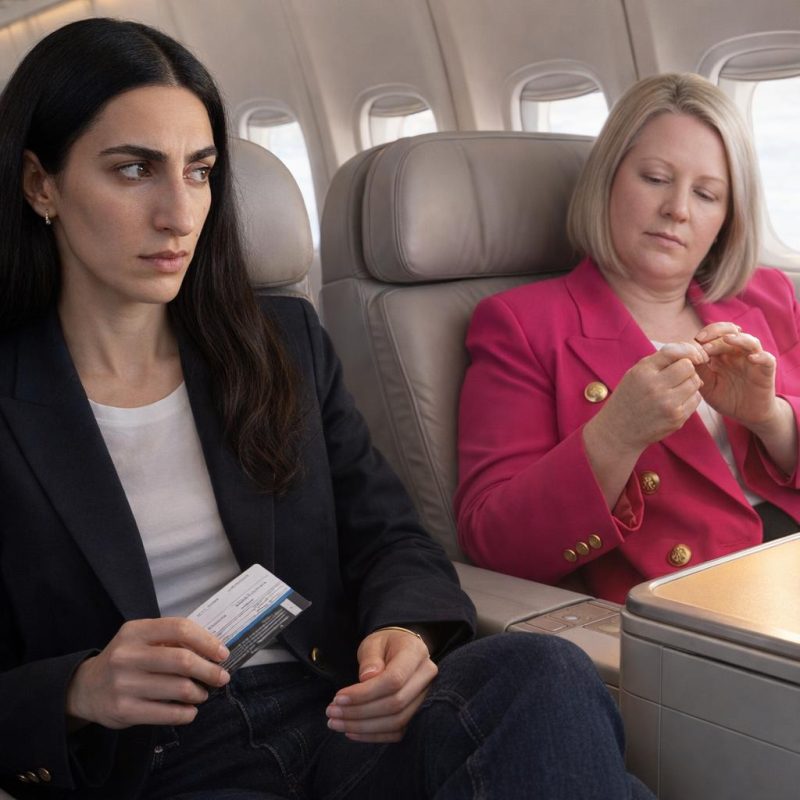 Image by RM AI
The Theft
I took one step forward, opened my mouth, and then watched it happen in the specific slow-motion way that your brain reserves for moments it wants you to remember forever. The woman — pink blazer, gold buttons, magnificent hair — reached out, picked up my glass, tilted her head back, and drank. Not a sip. Not a cautious taste. She drained the entire thing in one long, satisfied pull, the way someone drinks champagne when they feel they've earned it. The glass came back down to the tray table with a small, definitive clink. She made a sound of approval, low and pleased, and then she finally noticed me standing over her. Her expression shifted from contentment to mild irritation, the way you'd look at a waiter who'd interrupted a good story. She waved one hand in my direction, a gesture that managed to be both dismissive and imperious simultaneously. 'There are plenty of other seats,' she said, not quite looking at me. 'I'm comfortable here.' I was gripping my boarding pass so hard I could feel the paper creasing. My mouth was open. I had approximately fifteen things I wanted to say, and none of them were making it from my brain to my lips in any coherent order. She had already turned back toward the window, apparently satisfied that the matter was resolved, as the empty glass sat on the tray table between us.
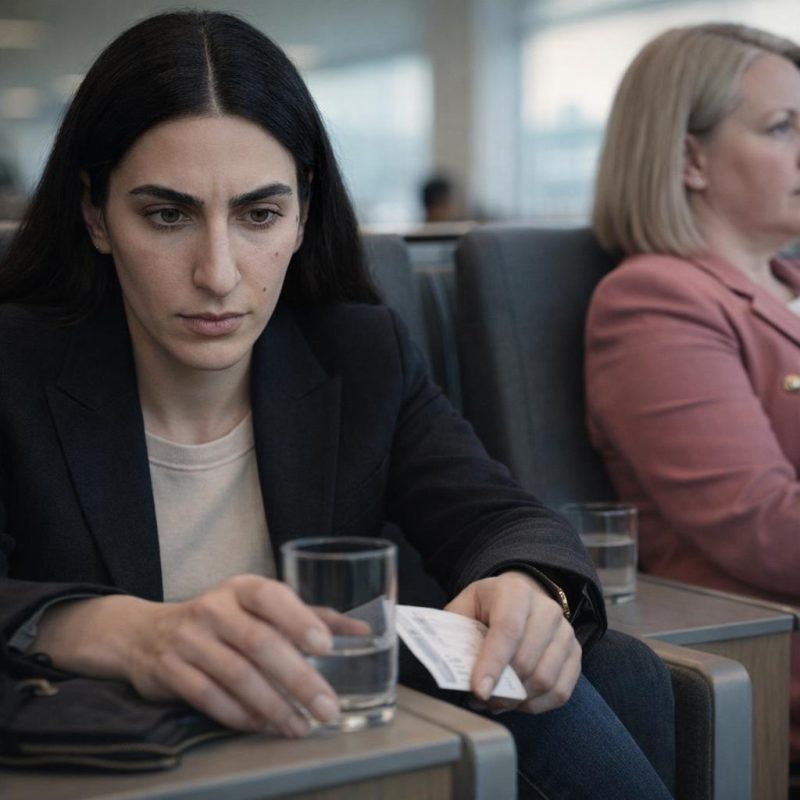 Image by RM AI
The Realization
I held out my boarding pass. I pointed to the seat number on the overhead bin. I used what I privately think of as my patient-explanation voice, the one I reserve for situations that should not require explanation. The woman — Diane, I would learn later, though at this moment she was simply Pink Blazer — did not look at the boarding pass. She adjusted the lapel of her jacket, turned slightly toward the window, and suggested, with the breezy confidence of someone accustomed to winning by attrition, that I might find the back of the plane perfectly adequate. She called me a nuisance. An actual nuisance, like I was a fruit fly at a picnic. I stood there holding my boarding pass, and something shifted. Not in the argument — she wasn't engaging with the argument — but in my head. I thought about the glass. I thought about the powder I'd watched dissolve into that golden liquid forty minutes ago. I thought about what my doctor had written on the prescription label, the part about onset time, the part about the aggressive and thorough nature of the medication's intended effect. I thought about the twenty-minute activation window. I looked at Diane, comfortable and imperious in my seat, completely unbothered, with absolutely no idea what she had just swallowed, and the anger that had been building in my chest quietly rearranged itself into something else entirely.
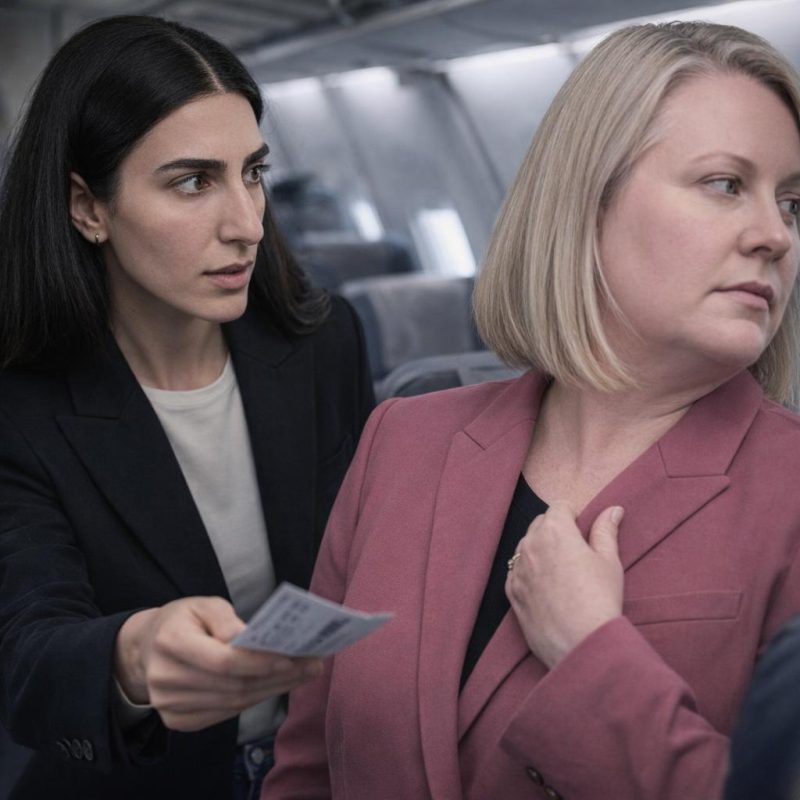 Image by RM AI
The Complicit Witness
Marco materialized at my elbow the way good flight attendants do — silently, efficiently, reading the situation before anyone had to explain it. He looked at me. He looked at Diane. He raised his eyebrows in a question I didn't need to answer out loud. Instead, I reached into my bag and pulled out the medical declaration form my doctor had insisted I carry — the one that listed the medication, the dosage, the intended gastrointestinal effects, and the strongly worded advisory about timing. I handed it to Marco without a word. He took it, scanned it once, then scanned it again more slowly. His eyes moved to the empty glass on the tray table. They moved to Diane, who was examining her reflection in the darkened window and smoothing her hair with the satisfaction of someone who had just won something. A slow, controlled smile spread across Marco's face — the kind that stays professional right up until it doesn't. He straightened his jacket, turned toward Diane with the practiced courtesy of someone who has delivered difficult news in confined spaces before, and leaned in just slightly. He spoke quietly, but I caught every word. He told her she had consumed a specialized prescription preparation. He told her it was, by design, extremely active. He suggested, with genuine-sounding concern, that she might want to make her way toward the rear lavatory at her earliest convenience, and that she might want to do so before the seatbelt sign came on, as Marco's grin widened while he leaned in closer to finish what he was telling her.
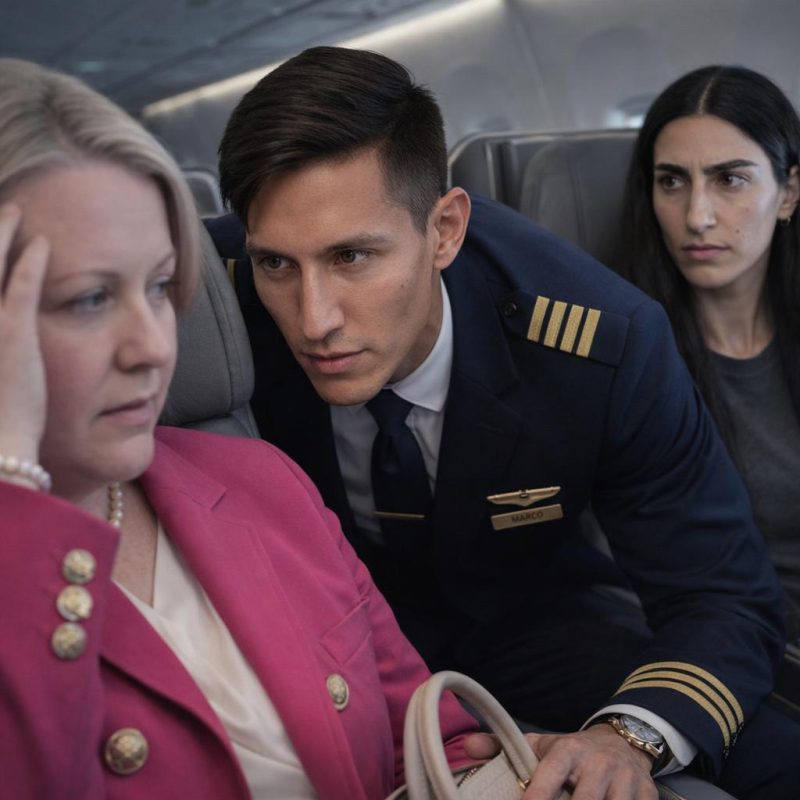 Image by RM AI
The Flight
The color left Diane's face in stages, like a tide going out. She looked at me. She looked at the empty glass. She looked at Marco, who maintained his expression of professional sympathy with what I can only describe as impressive commitment. The gold buttons on her blazer caught the light as she stood — faster than I would have thought possible in those heels — and for one moment the entitlement just evaporated, replaced by something much more urgent and much more human. She clutched her stomach with one hand, grabbed the headrest of the seat behind her for balance, and moved toward the rear of the plane with a speed that suggested she had fully absorbed Marco's advisory. I sat down in seat 1A. The leather was warm from her, which I tried not to think about. Marco reappeared within thirty seconds, carrying a fresh glass of sparkling water and a replacement medication packet from the supply I'd given him at boarding. I prepared the second dose with the same careful attention as the first, stirred it until the powder dissolved completely, and set it on the tray table. The cabin door sealed with a heavy mechanical thunk. The aircraft began to move, slow and deliberate, away from the gate. From somewhere near the rear of the plane, faint but unmistakable through the ambient hum of the engines, came the rhythmic clicking of a lavatory lock being engaged and disengaged, and the cabin settled quietly around me.
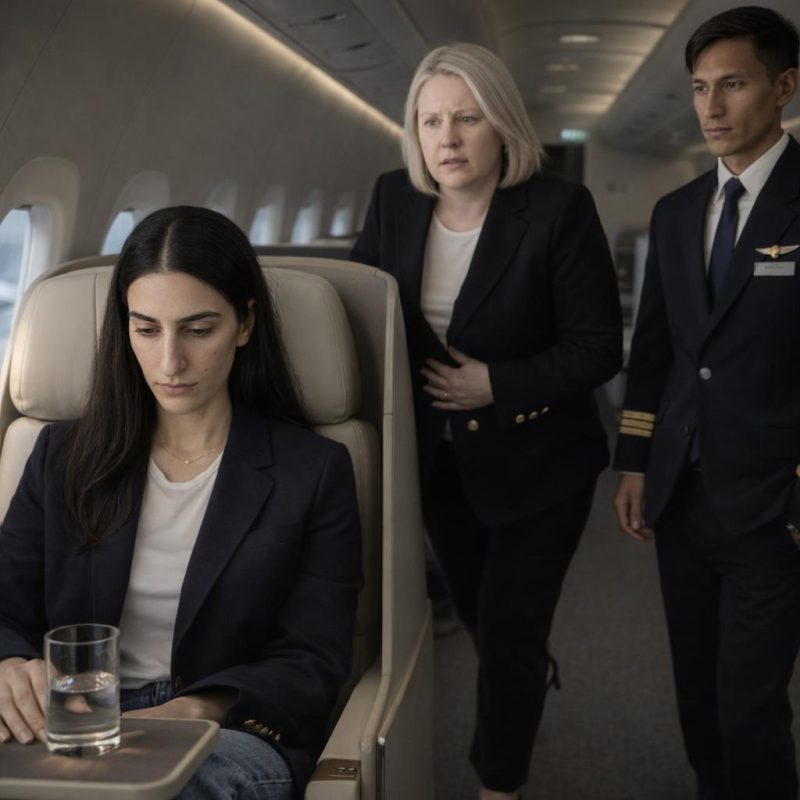 Image by RM AI
Takeoff
The fasten seatbelt sign illuminated with a soft chime, and I swallowed my replacement medication with a sip of sparkling water, watching the powder dissolve the same way it always did — completely, without drama. The engines climbed in pitch. I pressed my back into the leather of seat 1A and felt the familiar compression of acceleration, the runway lights blurring past the oval window in long amber streaks. Marco moved through the cabin with quiet efficiency, checking seatbelts, collecting glasses, and when he passed my row he caught my eye for exactly half a second — not long enough to mean anything to anyone watching, long enough to mean something to me. The nose lifted. The ground fell away in that particular way it does, the terminal shrinking to a toy version of itself, the tarmac giving way to the grey geometry of the city below. Somewhere behind me, past the galley curtain and the economy bulkhead, the rear lavatory occupied light was still glowing. I knew this without looking. I had been aware of it the way you're aware of a sound that hasn't stopped — not intrusive, just present. The aircraft climbed through a thin layer of cloud and the window went white for a moment, then cleared into open sky, and the quiet that settled over the first-class cabin felt, for the first time in weeks, like something I had actually earned.
 Image by RM AI
The Captain's Dilemma
We leveled off somewhere over the Atlantic, and the seatbelt sign clicked off with the same polite chime it always uses, as though nothing unusual was happening forty rows behind it. Passengers began moving — stretching, retrieving laptops, flagging Marco for drinks. I heard the murmuring start maybe twenty minutes into cruise altitude, the kind of low-register cabin conversation that travels faster than it should in an enclosed space. Someone near the back of first class asked Marco something in a hushed voice. He answered with a practiced expression of mild regret and gestured toward the forward lavatory. He did this four more times in the next half hour. I watched him disappear through the cockpit door and return two minutes later with the particular neutral expression of someone who has just delivered an uncomfortable briefing and received equally uncomfortable instructions. The intercom clicked on. Captain Rodriguez's voice came through measured and unhurried, the voice of a man who has announced turbulence over the Rockies and engine anomalies over the Pacific without raising his pulse. He explained that one of the rear lavatories was temporarily unavailable and asked passengers to please use the forward facilities for the remainder of the flight. He thanked everyone for their patience. He did not elaborate. I sat with my water glass and wondered, briefly, whether I should have said something to Diane before boarding was complete — and then the intercom clicked off, and the question went with it.
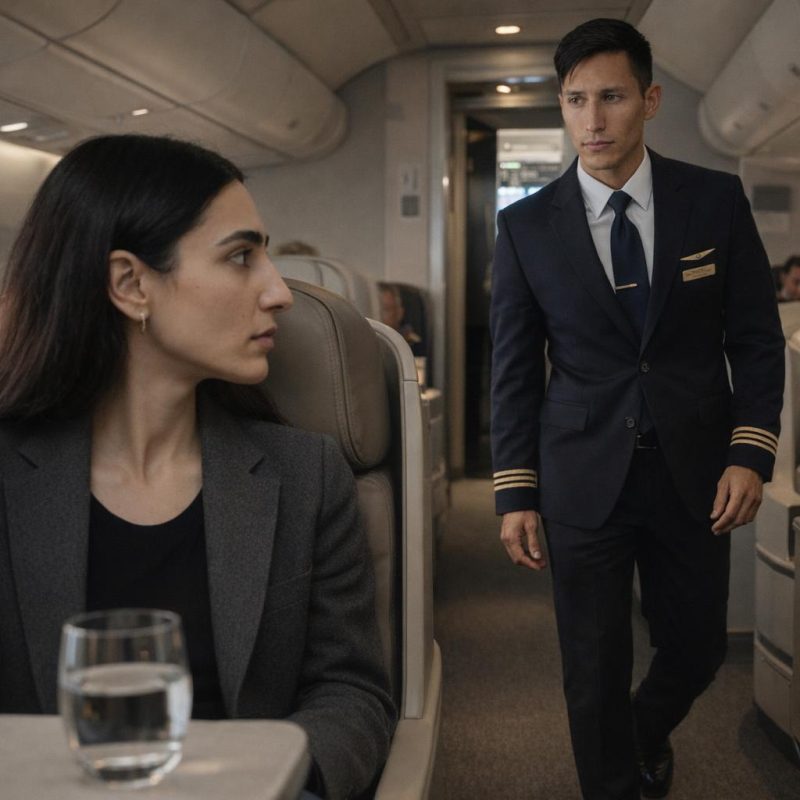 Image by RM AI
The Long Flight
Three hours in, Marco brought the meal service to first class — something with salmon and a small dish of roasted vegetables that smelled better than it tasted. I moved the food around the plate with the focused disinterest of someone who has been told to eat regularly and is technically complying. The whispers had settled into a kind of ambient hum by then, the way a strange smell eventually becomes background. I heard a woman two rows back tell her seatmate that someone had apparently been in the rear lavatory since before takeoff, and her seatmate said that couldn't be right, and the woman said she was pretty sure it was. Marco refreshed my water without comment. I put on a film — something with subtitles that I'd been meaning to watch for months — and managed to follow it for about twenty minutes before I stopped actually seeing it. I checked my watch. I calculated the hours remaining. I looked, once, toward the rear of the cabin, where the occupied indicator light glowed its steady amber through the gap in the galley curtain. I thought about Diane in there — the pink blazer, the gold buttons, the absolute certainty with which she had settled into my seat — and then I pushed the thought away with the same deliberate motion I use to close a chart I'm not ready to finish. I reclined the seat, pulled the blanket up, and closed my eyes while the light kept glowing steadily somewhere behind me.
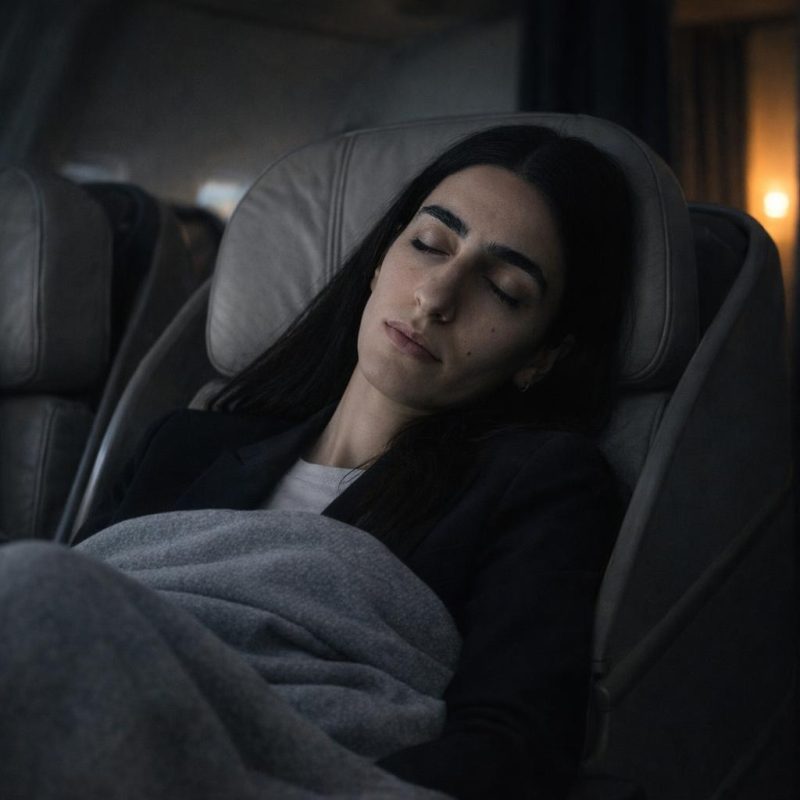 Image by RM AI
Landing and Aftermath
The descent announcement came and I was already awake, which told me I hadn't actually slept. The seatbelt sign illuminated again and I felt the subtle shift in cabin pressure, the slight forward lean as the nose dropped. I looked toward the rear of the plane out of habit. The occupied light was still on. I don't know what I expected. The landing gear deployed with its familiar mechanical thud, the runway came up fast, and we touched down with the kind of smooth contact that makes you briefly grateful for whoever was flying. Passengers stood before the seatbelt sign had finished its chime. I retrieved my carry-on from the overhead bin, straightened my jacket, and joined the slow procession toward the door. Marco was stationed at the exit. He gave me a nod — small, precise, the kind that doesn't require a response — and I walked through the jetway and into the terminal without looking back. I found a quiet alcove near the baggage claim, sat down on a bench, and pulled out my phone. I typed out the whole thing to Ryan — the seat theft, the medication, the lavatory light that never went dark, the captain's announcement, all of it — and described it as the most efficient karmic delivery system I had ever personally witnessed. I hit send. Three animated dots appeared on the screen almost immediately.
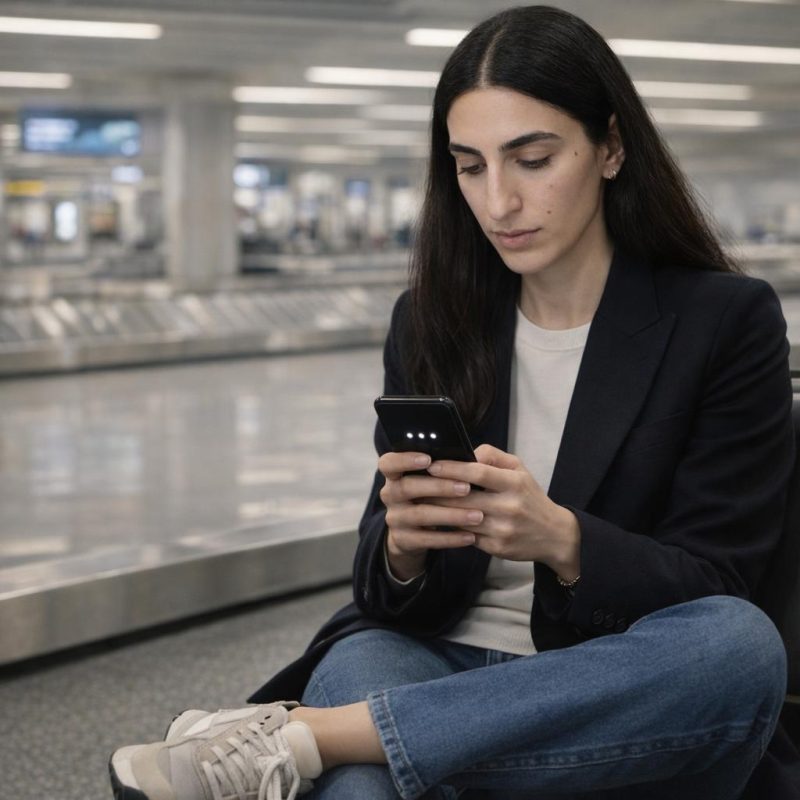 Image by RM AI
Viral
Two days later, Ryan sent me a link with a single line of text: 'Is this you?' I opened it on my phone while sitting at the kitchen table with my coffee going cold beside me. It was a post from an account I didn't recognize — a flight attendant handle with no identifying information — and it described, in precise and affectionate detail, an incident involving an entitled first-class passenger, a seat theft, a medication mix-up, and a lavatory that remained occupied from wheels-up to touchdown. No names. No airline. No route. Nothing that would identify anyone. But I recognized every detail the way you recognize your own handwriting. The post had forty thousand shares. I read that number twice. The comments were — I don't have a better word for it — celebratory. People were calling it poetic. People were calling it divine. Someone had written a short poem about it. A woman in Ohio said it restored her faith in the universe. I scrolled for ten minutes without reaching the bottom. I showed Ryan the screen and he read it with the expression of someone trying very hard not to laugh and failing completely. I refreshed the page. The share count had jumped by three hundred in the time it took him to read it. I sat there in my kitchen, anonymous and apparently beloved, while the comments kept arriving like a tide that had decided, for once, to come in on my side.
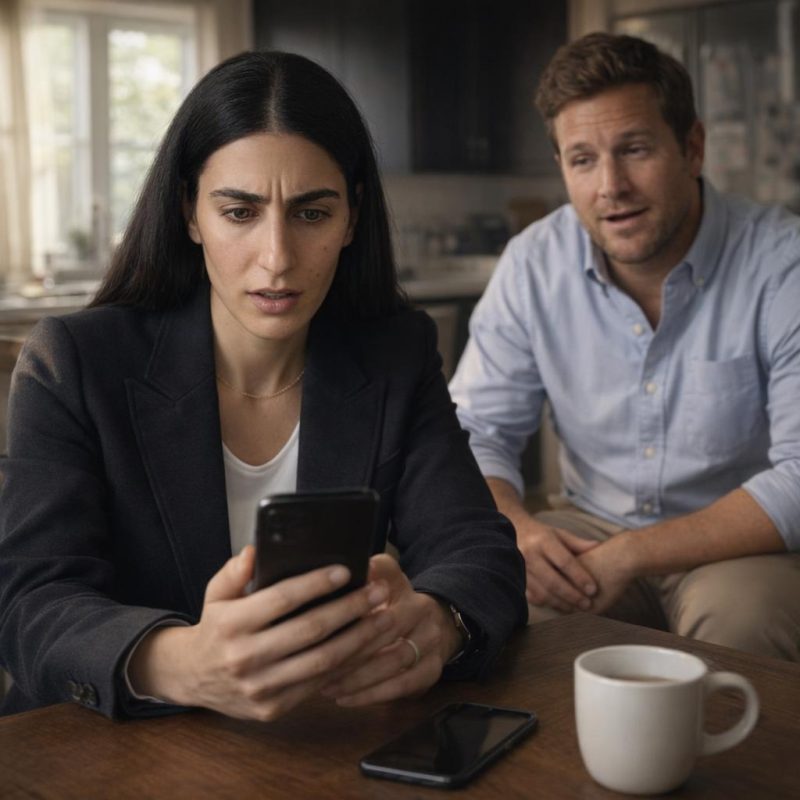 Image by RM AI
Anonymous Hero
By the end of the week, the story had migrated. It appeared on aggregator sites with headlines that ranged from clever to unhinged. It showed up in a newsletter about workplace psychology. A morning radio show in Australia discussed it for six minutes, which Ryan found and played for me at full volume while I was trying to make breakfast. Two of my coworkers forwarded it to our department group chat with enthusiastic commentary, neither of them knowing I was the person in the story. I read their messages and said nothing, which felt like its own small performance. Ryan thought this was the funniest part. He kept finding new iterations — a Reddit thread, a Facebook group for frequent flyers, a comment section on a travel blog — and reading me the highlights with the energy of someone announcing sports scores. I started screenshotting the ones that made me laugh: the person who called it 'the most elegant passive consequence in aviation history,' the one who said they were printing it out and framing it. But somewhere around day four, I noticed I was reading the comments more carefully than I needed to, the way you reread a sentence when you're not sure you understood it correctly the first time. The validation was real. It was also, in some way I couldn't quite name yet, beginning to feel like a weight I hadn't agreed to carry.
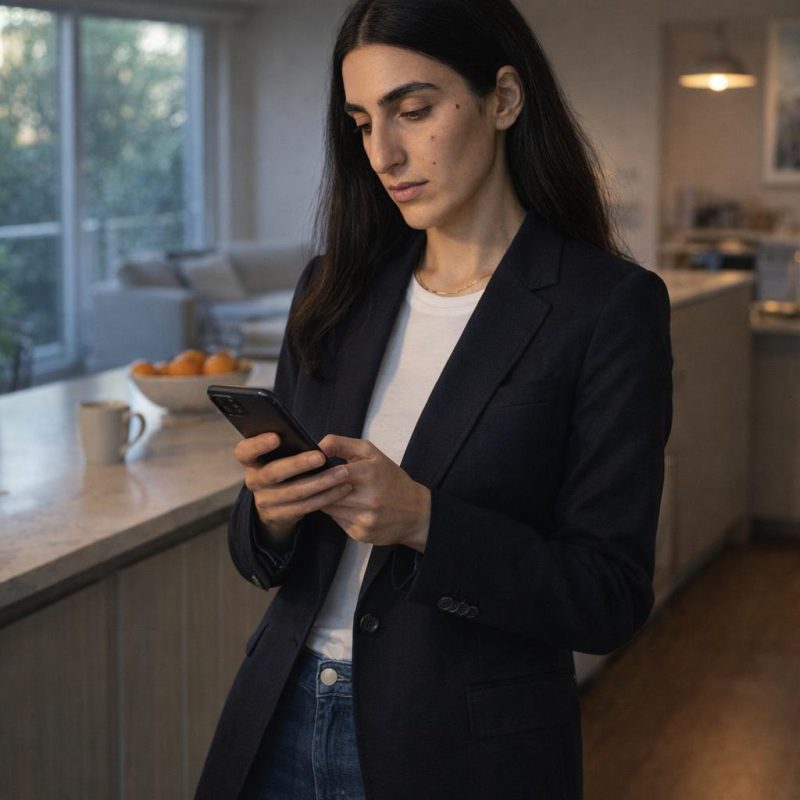 Image by RM AI
Jessica's Call
My phone rang on a Thursday afternoon and Jessica's name came up on the screen, which meant she had already seen it. I answered and she was already laughing — not the polite kind, the full-body kind that takes a moment to resolve into actual words. 'Tell me,' she said, 'that the flight attendant story is you.' I told her it was me. The laugh came back, louder. She demanded the unedited version, so I gave it to her — Diane's entrance, the blazer, the gold buttons, the absolute confidence with which she had claimed my seat, the medication, Marco's careful advisory, the lavatory light that glowed for the entire flight like a small amber monument to consequences. Jessica listened without interrupting, which for her is a significant act of restraint. When I finished she said, 'That is the most perfect thing that has ever happened to a person.' Ryan called something in agreement from the other room. I told her I wasn't sure how I felt about it, that the attention was strange, that I kept reading the comments and not knowing what I was looking for. She said I was overthinking it. She said entitled people needed to experience outcomes. She said I had done nothing wrong and the universe had simply agreed with her. I started to say something about the medication, about whether I should have warned Diane, and Jessica cut me off with a laugh that filled the entire phone speaker.
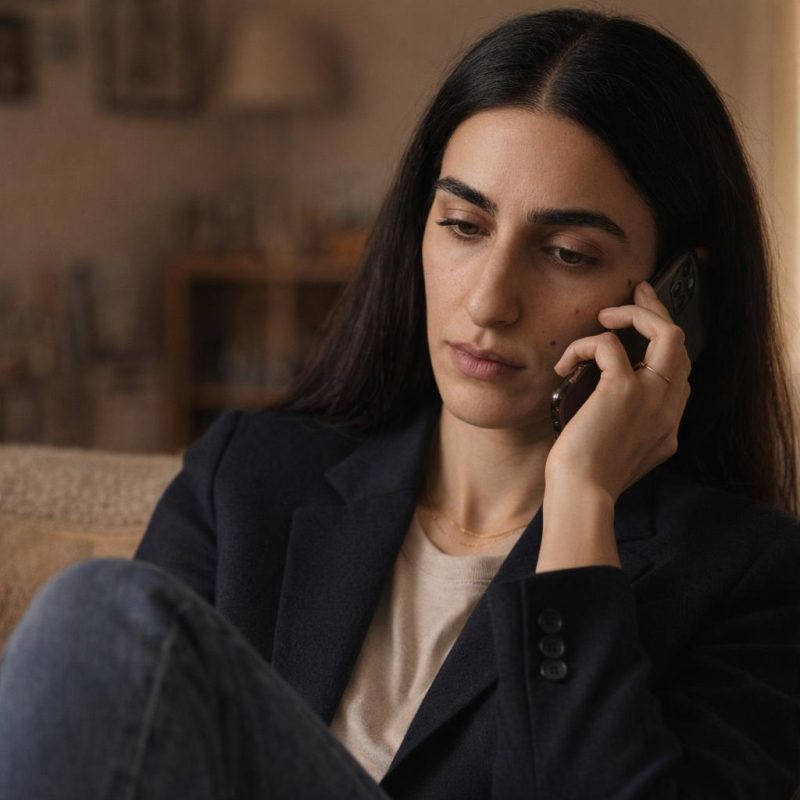 Image by RM AI
Public Opinion
The story kept spreading and I kept reading it, which was probably not helping me. Ryan had stopped actively tracking it by day six, but I found myself opening the comment threads the way you probe a sore tooth — not because it felt good, but because I needed to know the shape of it. The overwhelming majority was still celebratory. People shared their own entitled-passenger stories in the replies like offerings. Someone started a thread ranking the best karmic-justice travel incidents of the decade and the lavatory story was currently third, which Ryan said was an outrage and should be first. I laughed at that. I laughed at a lot of it. But I was also scrolling deeper into the threads than I had any reason to, past the funny ones and the supportive ones and the ones that were just people being angry at strangers by proxy. And then I found it — a single comment, not aggressive, not trolling, just a person who had written: 'Okay but what if she'd had a real medical emergency in there? What if not being warned made it worse? I'm not saying she didn't deserve consequences. I'm saying there's a difference between karma and choosing not to prevent harm.' I scrolled past it. I went back. I read it again. I set the phone face-down on the table, and the words were still there behind my eyes.
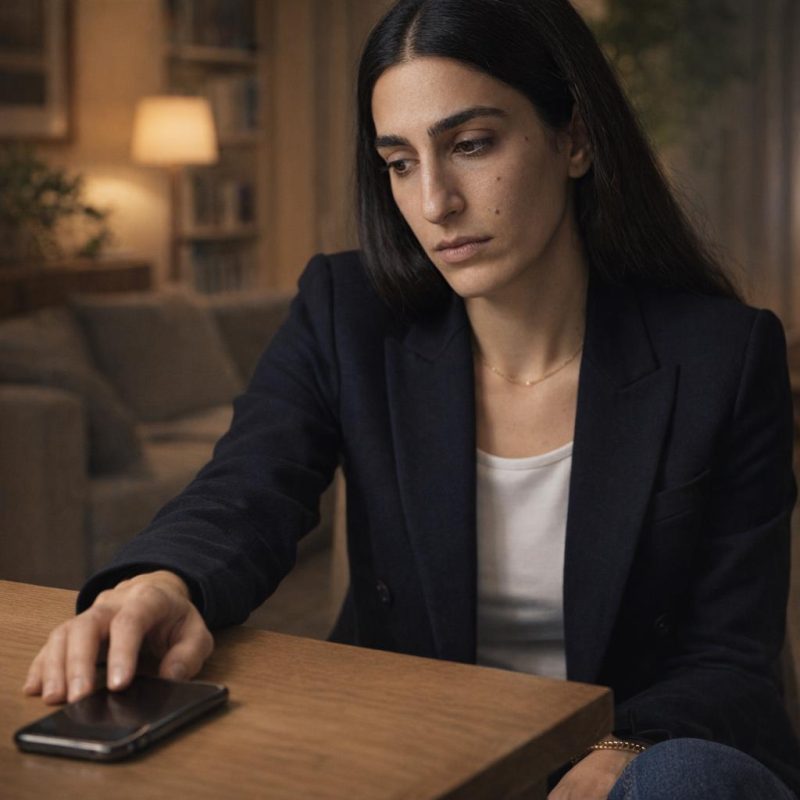 Image by RM AI
Rescheduling
I put off calling Dr. Patel's office for two days, which was not my finest moment in self-awareness. I told myself I was waiting until the viral noise died down, until I felt steadier, until I had a quiet hour — all of which were lies I told myself with impressive conviction. When I finally dialed, the receptionist pulled up my file with the brisk efficiency of someone who had done this ten thousand times, and I explained, as neutrally as I could, that I had missed the preparation window due to a travel incident. She didn't ask for details. I was grateful for that. She put me on hold for ninety seconds, came back, and started walking me through the preparation protocol again — the dietary restrictions, the timing, the things I absolutely could not skip. I took notes on a legal pad like I was back in medical school, pressing the pen harder than necessary. Ryan sat across the kitchen table watching me with the particular expression he gets when he's worried but knows better than to say so. When she offered the next available slot, I asked if there was anything sooner. There wasn't. She confirmed the appointment: three weeks out.
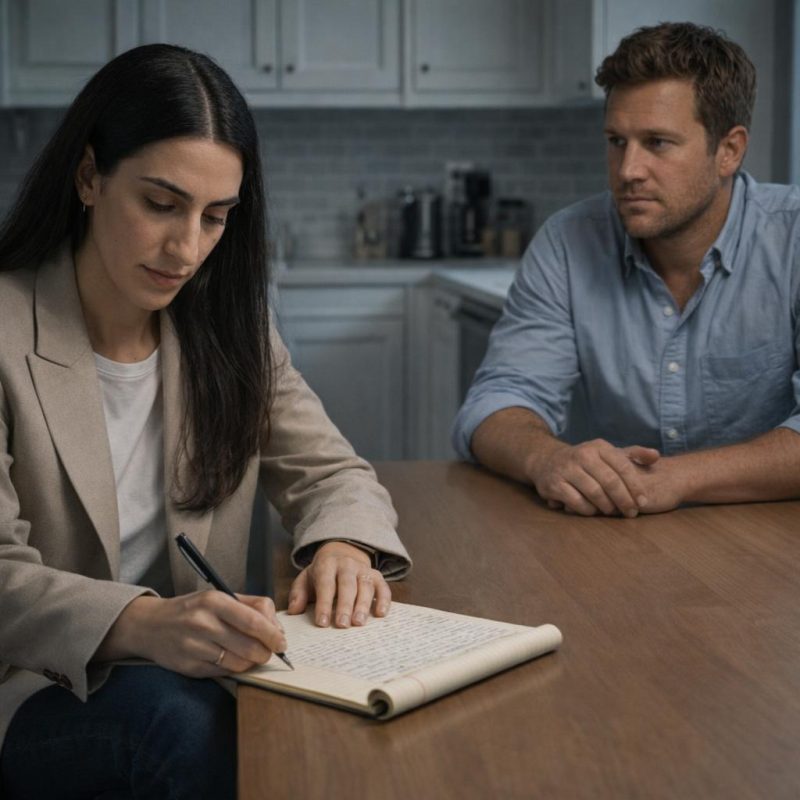 Image by RM AI
Interview Requests
The interview requests started arriving on day eight, and by day ten my inbox looked like a press office had exploded into it. Morning show producers. True crime podcasters. A journalist from a publication I actually respected, which made it harder to dismiss. Several of them promised anonymity, which was almost funny given that the story was already out there, shapeless and attributed to no one and therefore attributed to everyone. Some offered money. One appealed to the public interest angle with such earnest sincerity that I read the email three times trying to find the catch. Ryan and I talked about it over dinner, and he was careful with his words in the way he gets when he's genuinely concerned — measured, not alarmist, but the subtext was clear. He thought exposure was a risk I hadn't fully calculated. Jessica texted while we were still at the table, characteristically direct: 'You should do one. Tell it right before someone else tells it wrong.' I made a pros and cons list on the back of an envelope, which is the kind of thing you do when you already know what you want but aren't ready to admit it. The list sat on the counter. I didn't touch it again. I just kept looking at the inbox, the requests stacking up like unanswered questions.
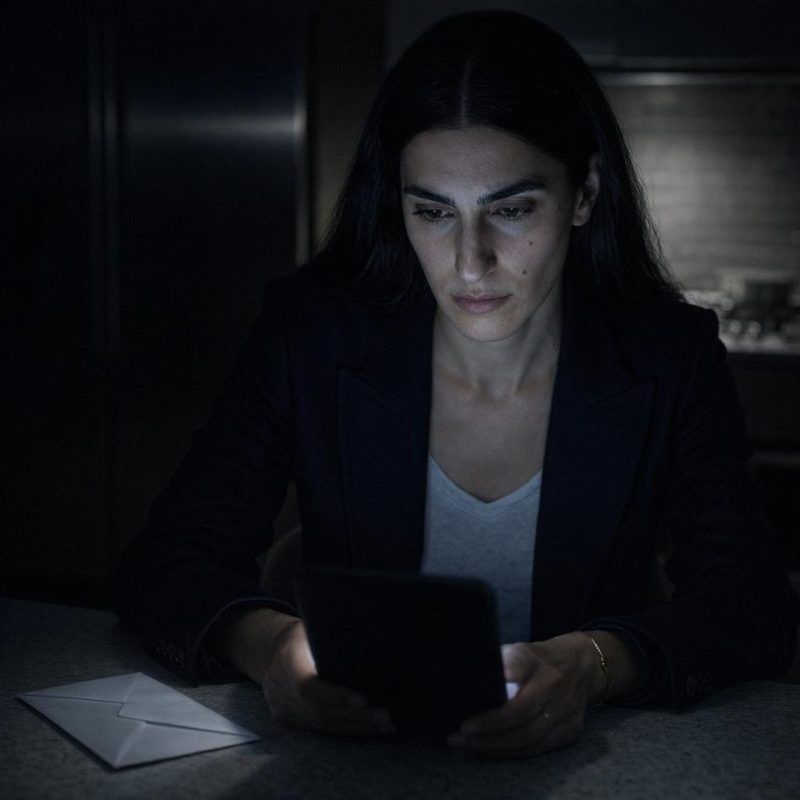 Image by RM AI
Ryan's Warning
Ryan brought it up over breakfast, which meant he'd been sitting on it long enough that it had become unavoidable. He didn't lead with alarm — that's not how he operates — but he set down his coffee and said I should probably talk to an attorney before I talked to anyone with a microphone. I asked why. He walked me through it carefully: I had medical knowledge Diane didn't have. I had watched her drink something I knew would cause her significant distress, and I had said nothing. He wasn't accusing me of anything. He was just describing the sequence of events the way someone else might describe it, and hearing it laid out that plainly was uncomfortable in a way I hadn't anticipated. I told him Diane had stolen my seat. He agreed. I told him she'd taken medication that wasn't hers. He agreed with that too. Then he said, quietly, that the legal system doesn't always sort things out the way karma does, and that those two facts might not protect me the way I assumed they would. I asked if he thought I'd done something wrong. He said he honestly didn't know the legal answer to that question. I sat with that for a while — the idea that 'I don't know' was the most honest thing either of us could say — while he explained how my silence might look to someone who didn't know the whole story.
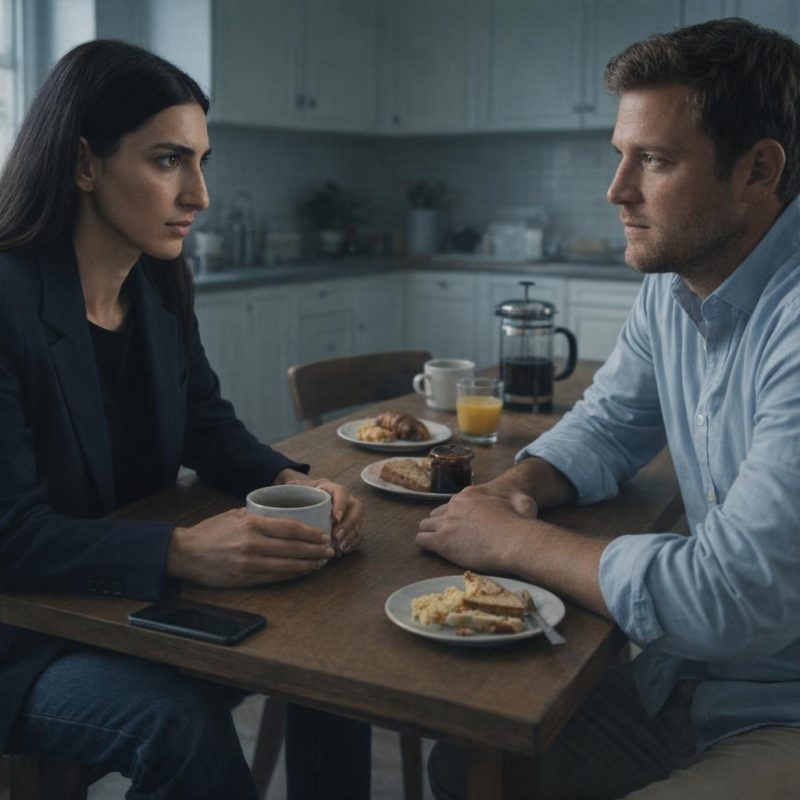 Image by RM AI
The Letter
The certified mail slip appeared in my mailbox on a Tuesday, which felt appropriate — Tuesdays have always struck me as the most bureaucratically hostile day of the week. I signed for the envelope at the post office window and carried it home without opening it, which lasted approximately four minutes before I gave up and tore into it on the sidewalk. The letterhead was expensive-looking in the way that's designed to make you feel small before you've read a single word. It was a cease-and-desist. It referenced the viral social media story. It identified me, with unsettling specificity, as the passenger from the flight. It demanded I stop discussing the incident publicly. It raised the possibility of legal action for damages — emotional distress, humiliation, and something described as potential negligence. My hands were doing a thing I didn't authorize them to do, which was shaking. I called Ryan from the sidewalk and read the whole letter aloud while a woman walked past me with a stroller and gave me the look you give someone who is clearly having a bad day in public. Ryan's silence on the other end was more confirming than anything he could have said. I asked if I needed to hire an attorney. He said yes, immediately, without hesitation. I looked back down at the letter. The name at the bottom — Gerald Henderson, with a firm address that occupied an entire line — made my stomach drop straight through the pavement.
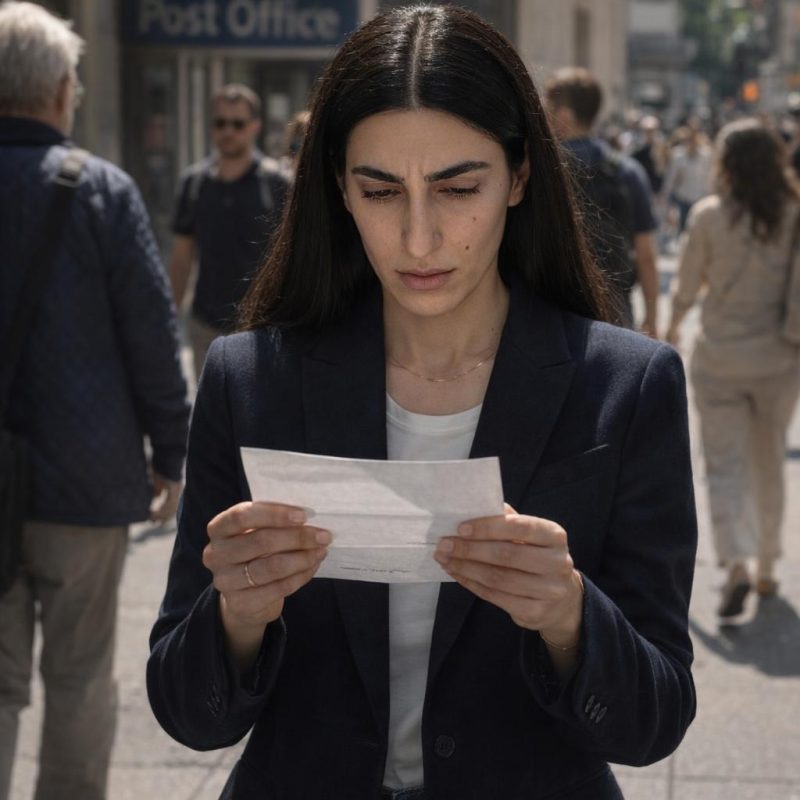 Image by RM AI
Consulting Defense
The defense attorney's office had the kind of quiet that costs money — thick carpet, no hold music, a receptionist who offered water before I'd even sat down. Ryan came with me, which I was grateful for in a way I didn't say out loud. The attorney reviewed the cease-and-desist letter with the unhurried focus of someone who had seen worse, which was either reassuring or alarming depending on how you looked at it. She asked me to walk her through the flight incident in sequence, and I did — precisely, the way I'd been trained to document things, sticking to observable facts. She took notes without reacting, which is a skill I've always respected and found deeply unnerving in equal measure. She explained the negligence theory: that I had specialized medical knowledge, that I had observed Diane consume something I knew would cause her distress, and that my choice not to intervene could be characterized as a failure to warn. She was careful to say 'could be characterized,' not 'was.' The viral story complicated things, she said — it established a public record of my awareness and my satisfaction with the outcome, which was not ideal framing for a defense. Then she gave me the cost estimate. I didn't write it down. I didn't need to. Ryan's hand found my arm under the table, and I sat there across from her, listening to the number settle into the room like something with real weight.
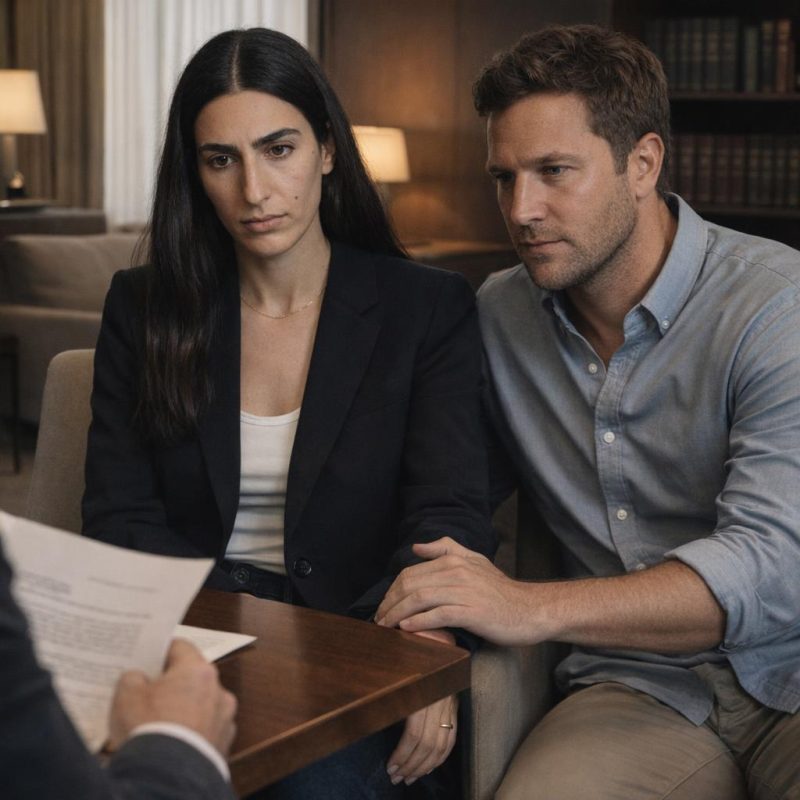 Image by RM AI
The Cost of Karma
We didn't talk much on the drive home. Ryan pulled up the spreadsheet when we got to the kitchen table — he'd already built it, which meant he'd been thinking about this longer than he'd let on, and I loved him for the practicality of it even as it made everything feel more real. We went through the numbers together. The savings account balance was not catastrophic, but it was not comfortable either, not against the kind of hourly rates we'd just been quoted. Ryan walked through what we could cut, what we could defer, how many months we had before the math stopped working in our favor. I told him I was sorry. He said I couldn't have predicted a lawsuit, which was generous and also not entirely true — Ryan had raised the possibility before I'd fully taken it seriously. I said I could have prevented all of it. He reminded me that Diane had stolen my seat. I said that felt like a much smaller fact than it used to. We sat with that for a while. I told him I didn't know if we should try to settle if it came to that, and he said we should wait to see if an actual complaint was filed before we made that call. I kept checking my email while he talked, refreshing it without meaning to, the savings balance still open in another tab, the two numbers sitting side by side in my head.
 Image by RM AI
Public Opinion Shifts
I went back to the comment sections, which Ryan had specifically suggested I stop doing, so that tells you where my head was. The tone had shifted — not dramatically, not all at once, but enough that I noticed it the way you notice a room has gotten colder without being able to say exactly when. The celebratory posts were still there, still the majority, but threading through them now were different voices. People asking whether I'd had an obligation to say something. People pointing out that I had medical training, that I'd watched it happen, that satisfaction and negligence weren't mutually exclusive. I screenshotted a handful of the more pointed ones and sent them to Jessica, who called me within ten minutes. She said some of the arguments had merit — she said it plainly, the way she always does, without softening it — but she also said Diane had created the situation herself, and that I hadn't handed her anything she hadn't taken without asking. I knew she was right. I also knew that knowing she was right wasn't making me feel better the way it had two weeks ago. Ryan read over my shoulder for a while without saying anything. He pointed out that the critical comments were still a small fraction of the total. I nodded. I kept reading the critical ones anyway, the thread pulling me deeper into a debate about whether I'd had a moral duty to warn a woman who had stolen from me.
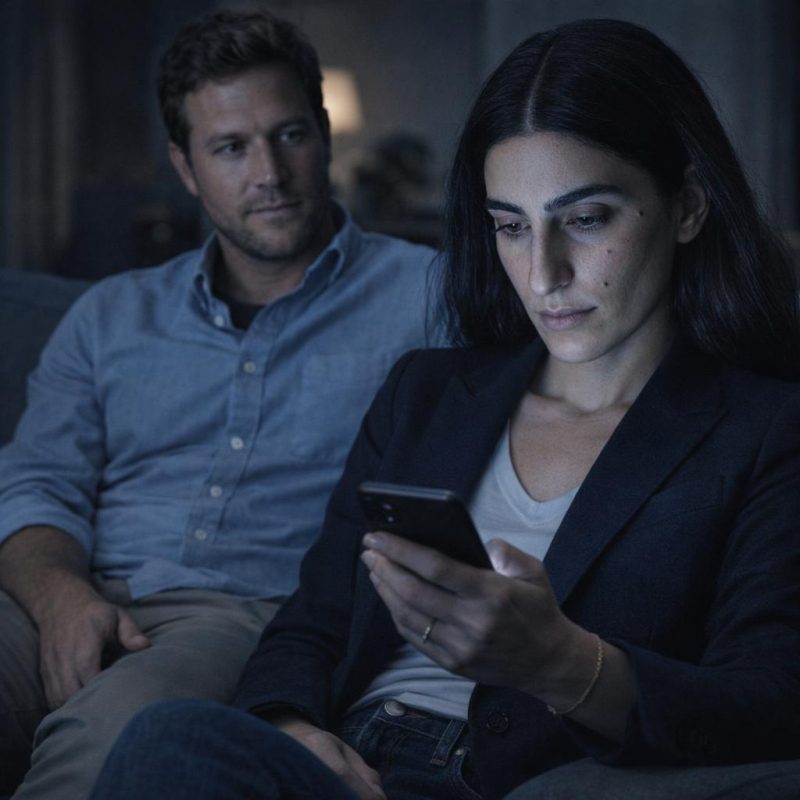 Image by RM AI
Moral Reckoning
Ryan was asleep by eleven. I lay next to him in the dark and replayed the flight the way you replay something you're trying to find a different ending to. I remembered the exact moment I understood what Diane had drunk — the particular quality of that realization, the way it arrived with a kind of cold clarity. I remembered choosing not to say anything. At the time it had felt like equilibrium, like the universe correcting a small injustice without my having to do anything undignified. At three in the morning it felt like something else, something I didn't have a clean word for. I thought about what I would have wanted if the positions were reversed — if I had taken something that wasn't mine, not knowing what it was, and the person who knew had watched me walk into it. I tried to build the argument that Diane had forfeited any claim to my consideration the moment she took my seat, my medication, my carefully managed travel plan. The argument held up fine in the abstract. It kept losing structural integrity somewhere around the part where I imagined her alone in that lavatory, not understanding what was happening to her body. I got up quietly, made tea I didn't drink, and sat on the couch in the dark. The city lights came through the window. I sat there with the question still unresolved, turning it over in the silence, unable to find the version of that night I could be certain about.
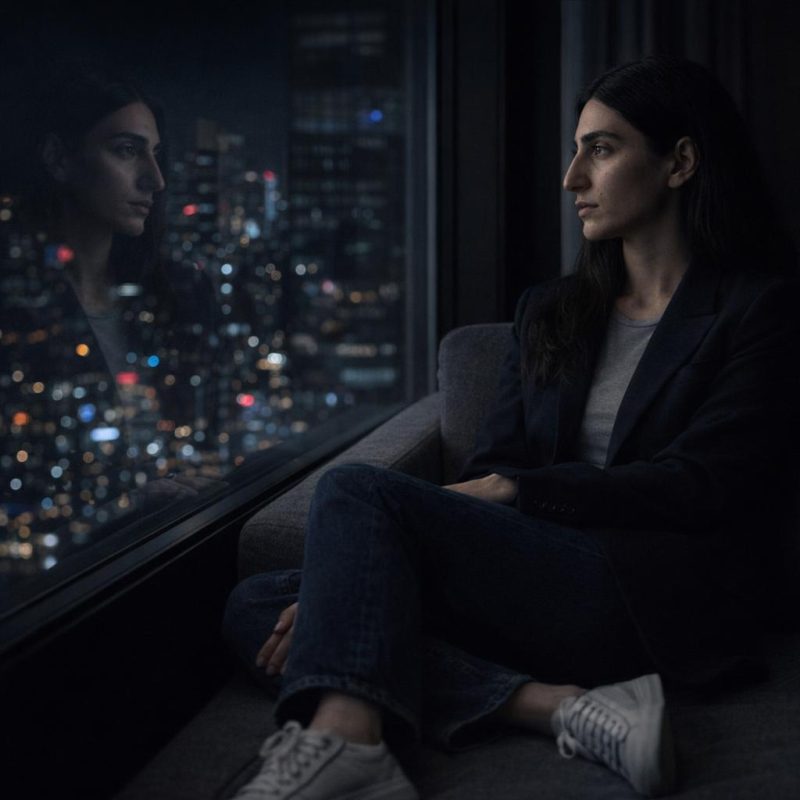 Image by RM AI
Rescheduling Again
I told myself I was being practical. The call to Dr. Patel's office took less than three minutes — the receptionist was polite, pulled up my file without hesitation, and I could hear the slight pause when I said I needed to push the appointment back again. She mentioned, carefully, that the procedure had been recommended several months ago. I said I understood that. I said work had become complicated in ways I couldn't fully explain over the phone, which was true enough that I didn't feel like I was lying. She offered me a slot two weeks out. I said that would be fine. I hung up and sat with the phone in my lap, feeling something that was equal parts relief and low-grade shame. Ryan was in the kitchen doorway when I looked up. He'd heard enough. He asked, quietly, if I was avoiding it. I said no, I was managing it, which sounded reasonable until I heard myself say it out loud. Then I said maybe I was a little anxious. I blamed the legal situation, the deposition timeline, the general weight of everything. He nodded, but the look he gave me was the kind that meant he was filing the information away rather than accepting it. I put the phone on the coffee table and stared at the ceiling. Two more weeks.
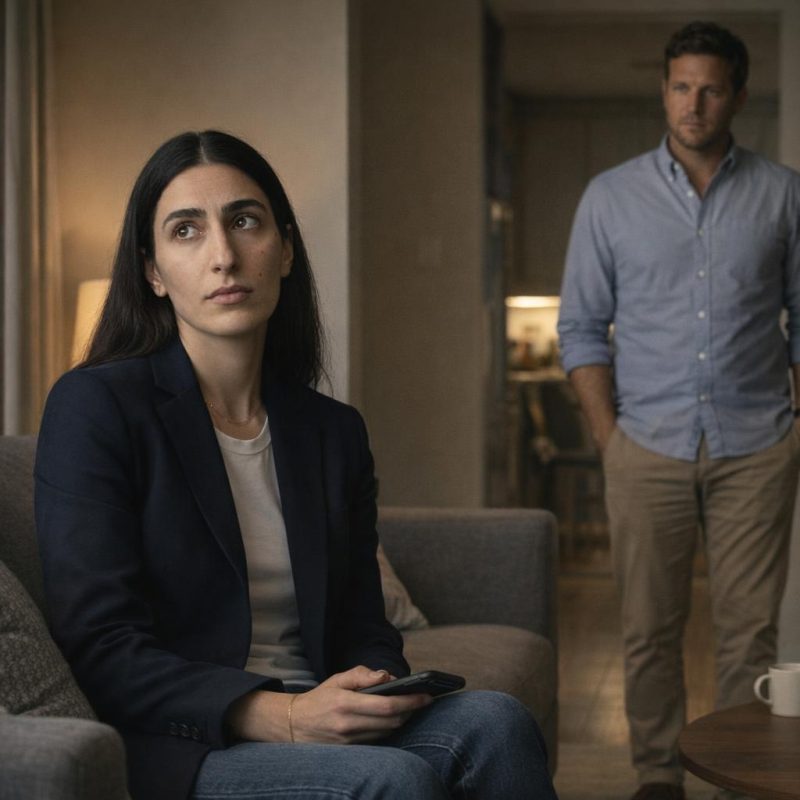 Image by RM AI
Physical Changes
The tiredness arrived before I was fully awake — a heaviness that didn't lift the way it usually did after coffee. I lay there for a few minutes longer than I should have, cataloguing it the way I catalogue most things, trying to find a clean explanation. Poor sleep. Legal stress. The particular exhaustion of waiting for something bad to happen. Breakfast made me feel slightly off in a way I attributed to eating too fast, or not enough, or the wrong combination of things. Ryan asked if I was okay and I said I was fine, which I mostly believed. By mid-morning I was at my desk and the fatigue was still there, sitting behind my eyes like pressure. I went to the bathroom and stood in front of the mirror longer than I intended. My face looked slightly different — softer around the edges, or maybe just tired. I told myself it was the lighting. When I changed clothes later, there was a tenderness I noticed and filed under hormonal timing, the kind of thing that comes and goes. I drank extra water. I made a mental note to sleep more, stress less, eat better — the usual list of reasonable adjustments. By mid-afternoon I was on the couch, and the last thing I remembered was thinking I would just close my eyes for a moment. The afternoon light was still coming through the blinds when I woke up, and the room had gone quiet around me.
 Image by RM AI
Deposition Notice
The envelope was thick and certified, which meant I had to sign for it, which meant I knew before I opened it. My hands weren't entirely steady. The complaint was formal and precise and used language that turned the night of the flight into something I barely recognized — negligence, duty to warn, intentional infliction of emotional distress. Diane Whitmore, plaintiff. Attorney Henderson listed as counsel of record, a name my own attorney had mentioned as someone who didn't take cases he didn't think he could win. The document described Diane's experience in the lavatory in clinical detail that was somehow worse for being accurate. It referenced the viral story as evidence of intent. It listed damages — medical treatment, therapy, ongoing psychological distress. There was a deposition schedule attached. I called my attorney from the kitchen table while Ryan read over my shoulder. My attorney said the claims were expected, that Henderson always filed aggressively, that none of it was a surprise. He walked me through what deposition preparation would look like. I listened and took notes and said the right things. After I hung up, Ryan set the complaint down on the table between us. He didn't say anything immediately. I read through the section describing my alleged negligence again, and then the section describing Diane's suffering, and the words sat on the page with a weight that the phone call hadn't quite prepared me for.
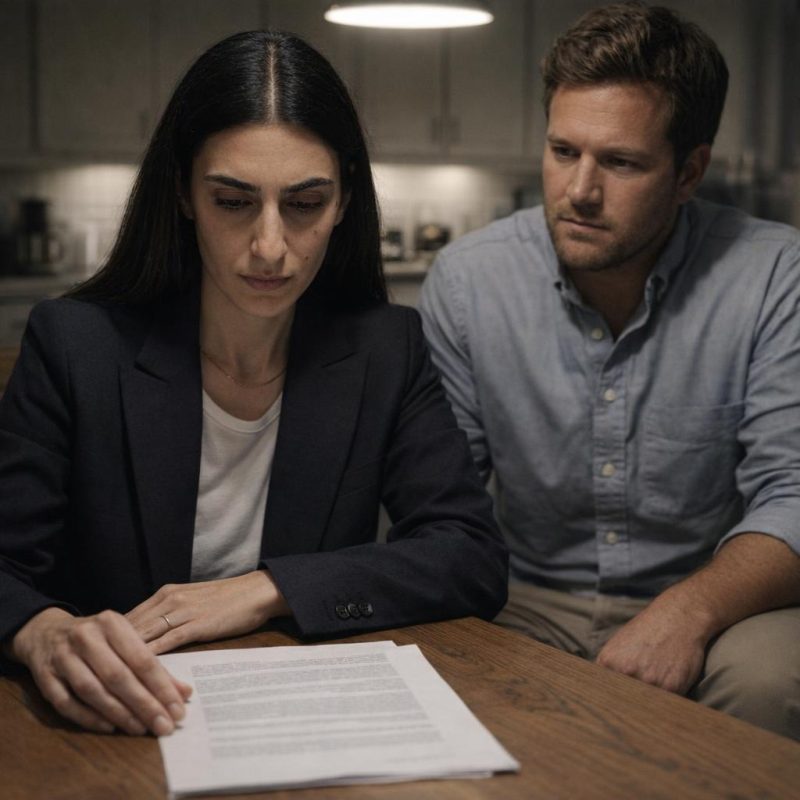 Image by RM AI
An Unexpected Apology
I almost deleted it without reading it. The sender name meant nothing to me — S. Whitmore — and my first instinct was that it was something connected to the lawsuit, forwarded through the wrong channel. But the subject line said 'I'm so sorry,' which didn't read like legal correspondence, so I opened it. She introduced herself as Sarah, said she'd seen the story online, and that she'd recognized her mother from the description immediately. She apologized — not a careful, lawyerly apology, but the kind that reads like someone who has been embarrassed by the same person many times before. She said her mother had always been this way, that she was sorry I'd been on the receiving end of it, that she wasn't reaching out on behalf of anyone but herself. She offered her phone number. She suggested coffee, somewhere neutral, no lawyers, no agenda. She said she just wanted to talk. I read it three times and then carried my laptop to where Ryan was sitting and handed it to him without saying anything. He read it twice. Then he said it could be an attempt to get information outside of formal discovery, that the timing was not coincidental, that I should be careful. I agreed with all of that. I also kept thinking about the tone of it, the specific texture of the embarrassment in it. Then I scrolled to the bottom and looked at the signature block — Sarah Whitmore, the same last name as the woman who had filed suit against me.
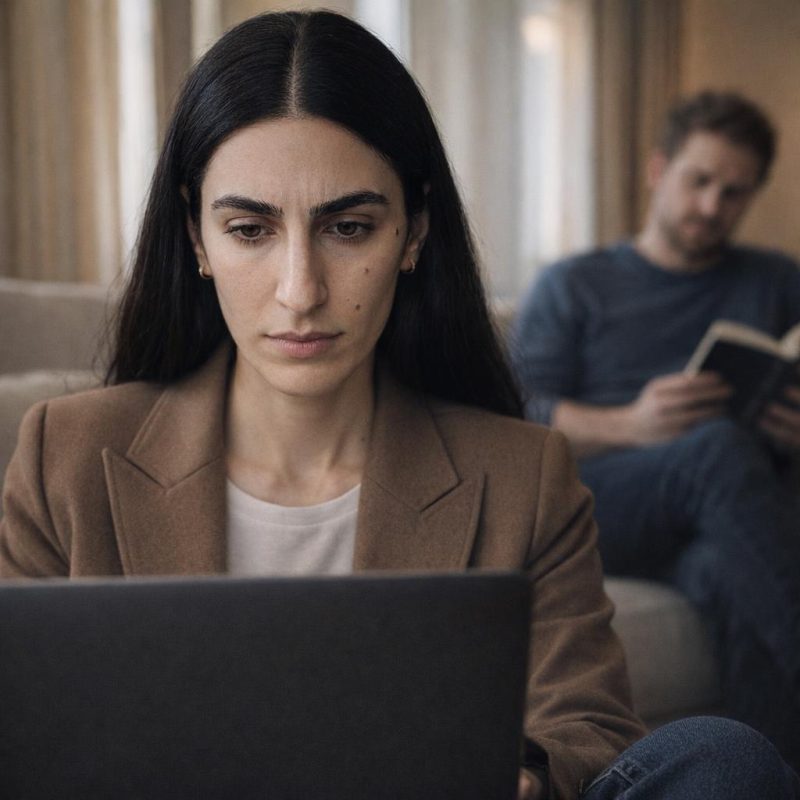 Image by RM AI
Sarah's Story
I arrived early and ordered tea I didn't particularly want. Sarah came in five minutes later and I recognized her immediately — she had softer features than I'd expected, nothing like the image I'd built of Diane's family, and she thanked me for coming before she'd even sat down. She apologized again, more carefully this time, and I could tell she'd thought about what she wanted to say. She told me she and her mother had been estranged for several years. She said it without self-pity, just as a fact. Then she told me about her father — a long illness, eighteen months ago, the kind of slow decline that reorganizes a person's entire life around caregiving. When he died, she said, her mother lost not just him but the structure that had held her together for years. The entitlement had always been there, Sarah said, but grief had stripped away whatever had kept it in check. The flight, she told me quietly, was her mother returning from scattering her father's ashes. She'd gone alone. Sarah had offered to go with her and Diane had refused. I sat with my tea and listened and felt something I hadn't expected — not forgiveness, nothing that clean, but a kind of friction where my anger had been smooth before. The woman I'd watched drink my medication in my stolen seat had been carrying something I hadn't known about, and the weight of that settled over the coffee shop table between us.
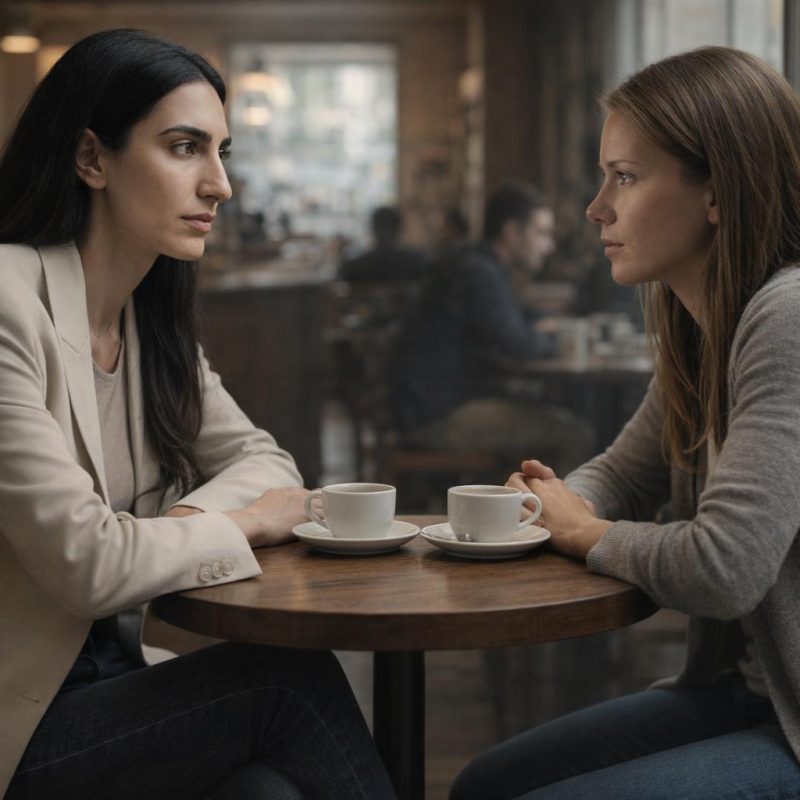 Image by RM AI
Humanizing the Enemy
Ryan was on the couch when I got home, and he asked how it went before I'd taken my coat off. I sat down and told him everything — the estrangement, the father's illness, the eighteen months of caregiving, the ashes. I told him the flight had been Diane's return from scattering them, alone, because she'd refused to let Sarah come. I watched his face as I talked. He'd been carrying a particular expression about Diane since the beginning — a kind of flat dismissal, the face people make about someone who has behaved badly and doesn't deserve more consideration than that. As I kept talking, that expression shifted. He asked if Sarah had seemed like she was working an angle. I said no, and I meant it — she'd seemed like someone who had spent years being embarrassed by her mother and had finally found a place to put it. Ryan said, carefully, that grief didn't excuse what Diane had done. I said I knew that. He said it was probably irrelevant to the legal case. I said I knew that too. We sat with it for a moment. I kept thinking about Diane in that lavatory, sick and frightened, and now I was also thinking about her on a beach somewhere scattering her husband's ashes by herself, having refused the one person who'd offered to stand beside her. Ryan's expression had settled into something quieter and more uncertain than where it had started.
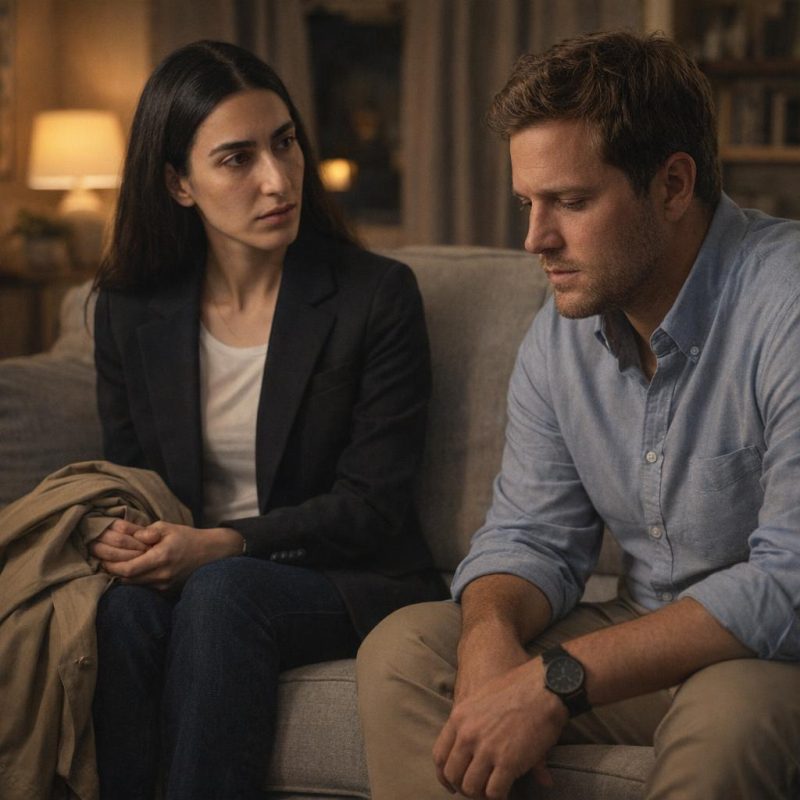 Image by RM AI
Concerning Results
The appointment had been on the books for weeks — a routine follow-up, nothing urgent, the kind of thing I'd almost cancelled twice. I mentioned the fatigue to Dr. Patel almost as an afterthought, the way you mention things you've already explained to yourself. She asked about stress levels and I gave her the abbreviated version of the legal situation. She nodded in the way doctors nod when they're listening but also thinking about something else. The physical exam was standard. She said bloodwork would clarify a few things she wanted to monitor, which was the kind of sentence that sounds reassuring until you think about it too carefully. I sat in the examination room and waited. The paper on the table crinkled every time I shifted. Dr. Patel came back with a printout and studied it with the particular stillness that doctors use when they don't want their face to say anything yet. She asked me to describe the fatigue again, more specifically. She asked about the nausea, when it happened, whether it was worse at particular times of day. She asked a few other questions I answered without fully understanding why she was asking them. Then she said she wanted to run additional tests, and she said it in a tone that was professionally neutral in a way that felt deliberate. She scheduled an urgent follow-up. I looked at the printout in her hands, the numbers I couldn't fully interpret, and Dr. Patel's brow stayed furrowed as she made notes in my file.
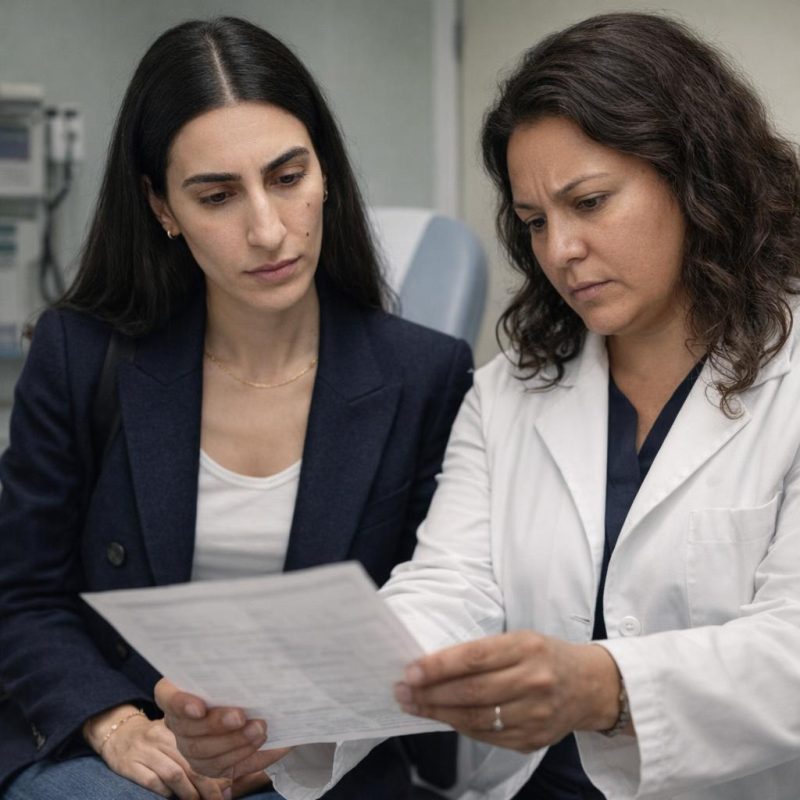 Image by RM AI
Additional Testing
Nurse Williams met me at the front desk with a clipboard and a manner that was efficient without being cold. She led me back to the laboratory area and reviewed the test order list in a way that suggested it was longer than standard. I asked what Dr. Patel was looking for. She said Dr. Patel would discuss the results with me directly, which was a complete answer that told me nothing. She prepped my arm with practiced ease and I watched the first vial fill — dark red, immediate. Then the second. I counted as she worked, switching tubes with quiet efficiency, labeling each one with codes I didn't recognize. By the fifth vial I stopped pretending I wasn't counting. Seven total. Each one labeled differently, each one going somewhere to measure something I hadn't been told to worry about yet. I asked how long the results would take. She said some were being rush-processed, others would take several days, and that Dr. Patel would call as soon as everything was in. She said it kindly. I thanked her and meant it. I gathered my things and walked back through the waiting room, past the other patients with their magazines and their own private worries. The seven labeled vials sat somewhere behind me in that laboratory, each one carrying questions I didn't yet have the language to ask.
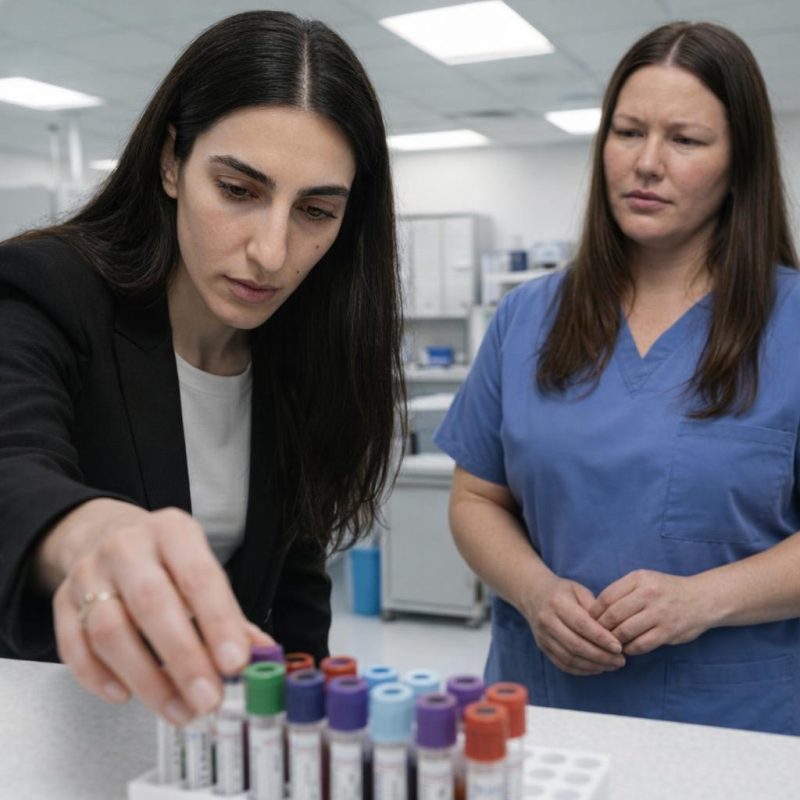 Image by RM AI
Online Research
Ryan had gone to bed at a reasonable hour like a reasonable person, and I had told him I'd be right behind him. That was three hours ago. I had the laptop open on the kitchen table, a cold cup of tea beside it, and a browser history that was starting to look like a medical school curriculum. I'd started with the symptoms Dr. Patel had flagged — the ones I actually knew about — and worked outward from there, clicking through journal abstracts and WebMD pages and NIH databases until the tabs were stacked four rows deep. Every condition I ruled out led me to two more I hadn't considered. Ryan appeared in the doorway around midnight in his t-shirt, squinting at the light. He asked what I was doing. I told him research. He said that was never a good idea at midnight, that the internet was specifically designed to convince healthy people they were dying. I told him he wasn't wrong. He asked me to come to bed. I said I would in a few minutes. He went back to bed. I kept reading. I scrolled deeper into a patient forum thread — people describing fatigue, irregular cycles, the particular kind of brain fog that made you feel like you were thinking through wet concrete — and then I stopped, backed up, and read the same post three times in a row because every single symptom matched mine exactly.
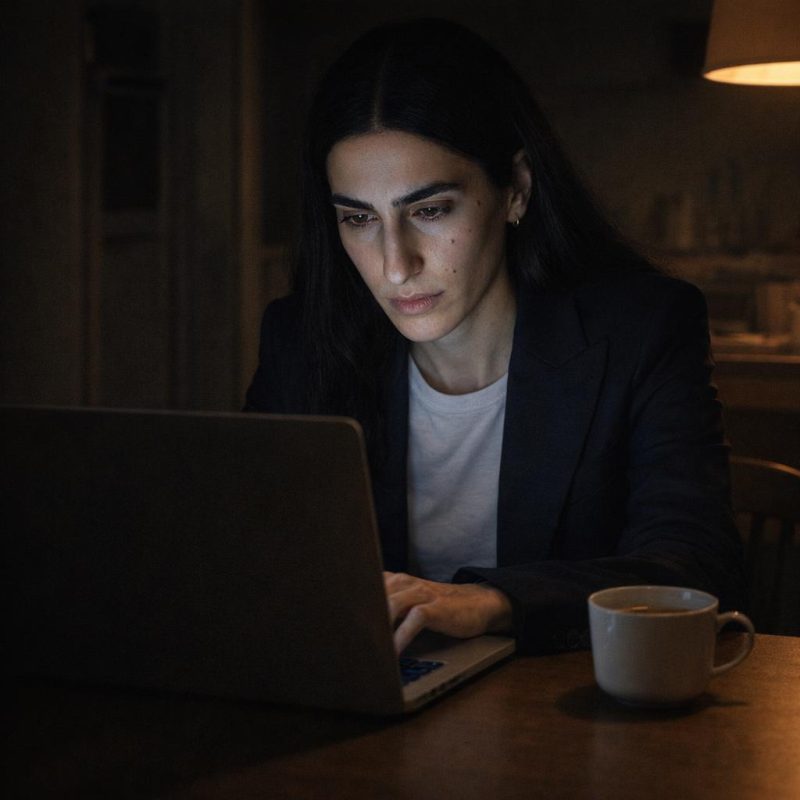 Image by RM AI
Confiding in Ryan
I closed the laptop eventually. Not because I'd found answers — I hadn't — but because my eyes had started to blur and the words were losing their shape. Ryan was still awake when I came to bed, which told me he hadn't actually been sleeping. I sat on the edge of the mattress and told him I was scared. Not the polite, manageable kind of scared. The kind that sits in your sternum and doesn't move. He put down his phone and looked at me, and I told him about the forum posts, the conditions I'd been reading about, the way each one seemed to fit some piece of what I'd been feeling for months. He pulled me into him without saying anything first, which was the right call. When he did speak, he said we'd handle whatever it was together, that we'd figure it out. I told him I kept wondering if I'd made it worse by waiting, by putting off the procedure, by telling myself it wasn't urgent. He said I couldn't do that to myself. I said I knew, but knowing didn't stop the thought from running. We moved to the couch at some point and sat there in the dark, his hand over mine, neither of us talking. I watched his face in the low light and saw the careful steadiness he was holding — and underneath it, just barely, the worry he hadn't said out loud.
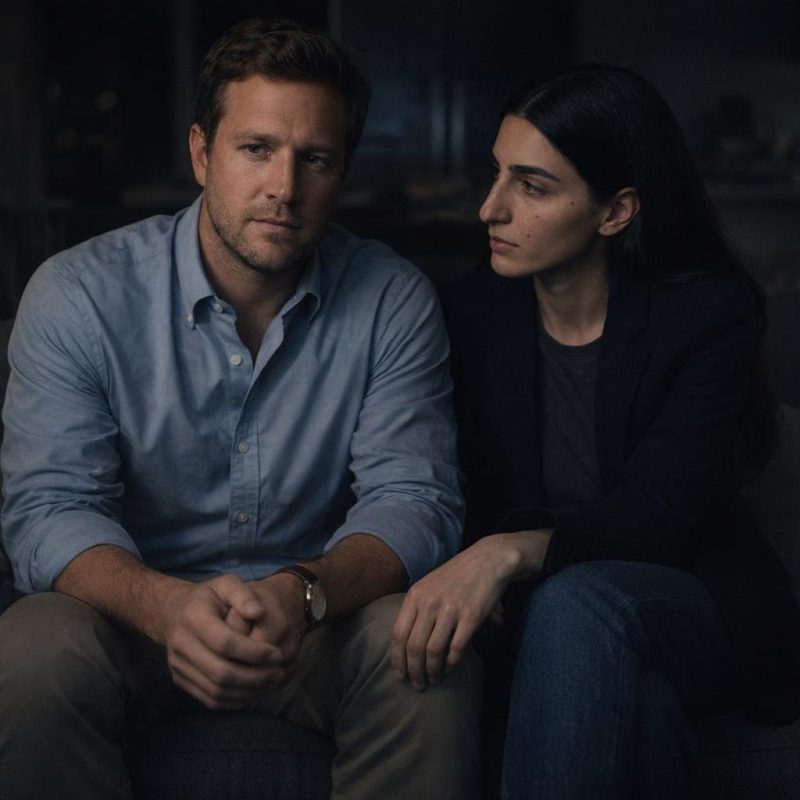 Image by RM AI
Jessica's Perspective
I called Jessica at eleven-thirty, which under normal circumstances would have been an act of aggression. She picked up on the second ring, which meant she'd been awake, which meant she already knew something was wrong. I gave her the full version — the blood draw, the seven vials, Dr. Patel's careful non-answers, the forum rabbit hole, all of it. She listened without interrupting, which was not her default setting, so I knew she was taking it seriously. When I finished she asked what Dr. Patel had actually said, word for word. I told her. She said that sounded like standard medical caution, not a death sentence. I mentioned the online research. She made a sound that was somewhere between a groan and a laugh and told me to close every single tab immediately, that the internet's entire purpose was to convince you that a headache was a brain tumor. I said I knew that. She said clearly I did not, or I would have stopped three hours earlier. Ryan appeared in the kitchen doorway and I mouthed Jessica's name at him and he nodded and went to make tea. Jessica told me she was coming over tomorrow, that we'd wait for the results together, that I was not going to sit alone with this. I said I wasn't alone, I had Ryan. She said that was good, but she was coming anyway. Then she said everything was going to be okay — and her voice caught, just slightly, on the last word.
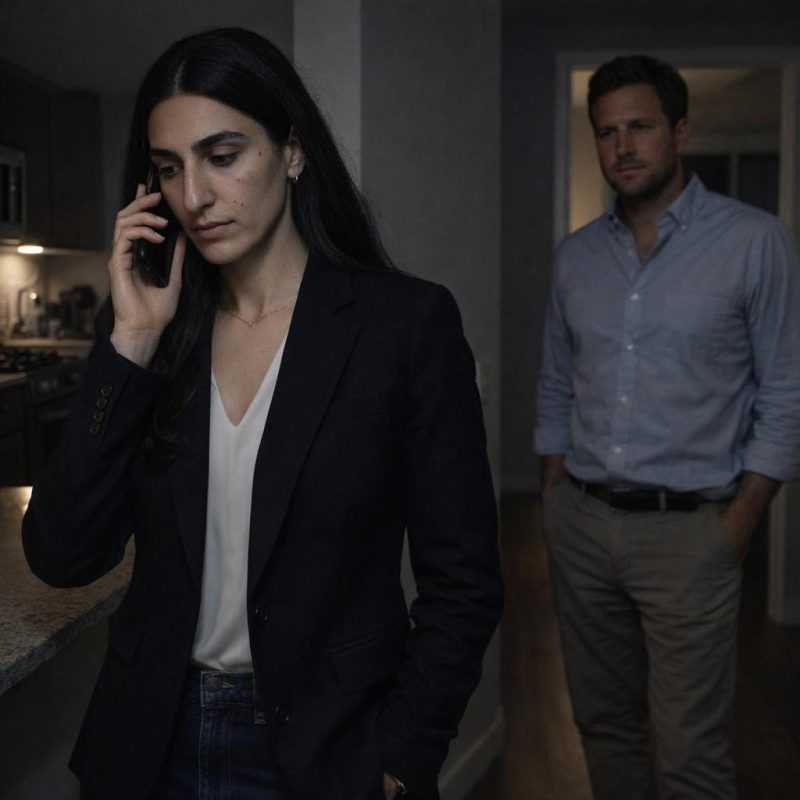 Image by RM AI
Abnormal Hormone Levels
The call came at ten forty-seven in the morning. I know the exact time because I'd been watching my phone like it owed me something, and when the screen lit up with the office number I grabbed it before the first ring finished. Dr. Patel identified herself and said some of the preliminary results were back. Her tone was the careful, measured kind that doctors use when they're choosing every word. She said my hormone levels were abnormal — not slightly off, she said, but abnormal enough to warrant a closer look. I asked what that meant. She said she'd prefer to discuss it in person, that she wanted to examine me directly before drawing any conclusions. I pressed her. I asked if it was serious. She said she didn't want to speculate without the full picture, and that she'd scheduled me for the following morning. Ryan was standing in the kitchen doorway watching my face. When I hung up I repeated the conversation back to him almost verbatim, the way you do when you're trying to make something real by saying it twice. He sat down next to me. Neither of us said anything useful, because there wasn't anything useful to say. The phone sat in my hand, warm from the call, and Dr. Patel's careful non-answers settled around me like something I'd have to learn to carry until morning.
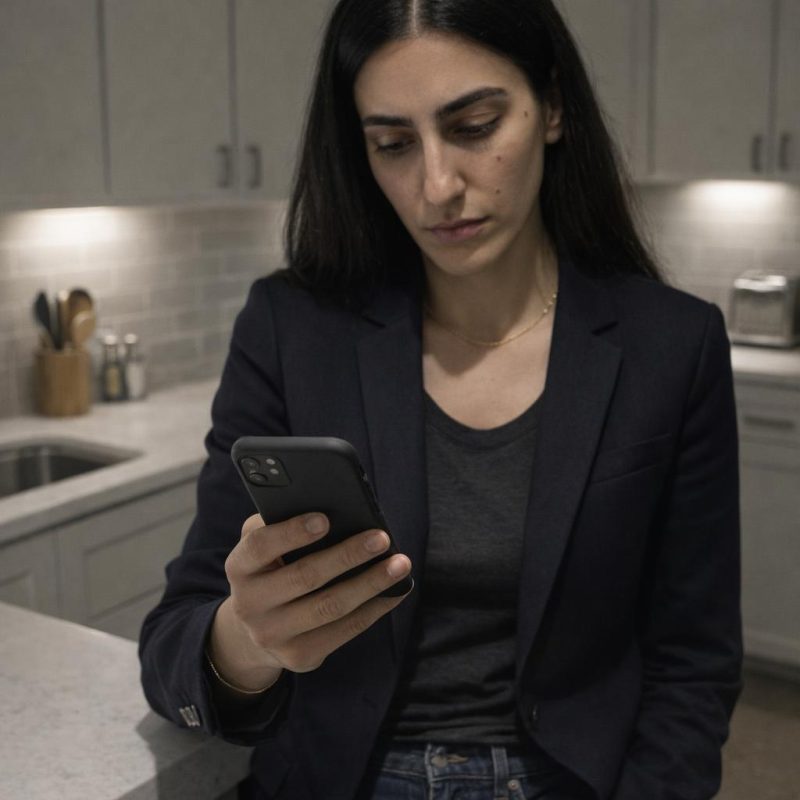 Image by RM AI
The Urgent Appointment
We got there twenty minutes early, which was pointless but felt necessary. Ryan checked us in while I stood beside him reading the same laminated sign about flu vaccines three times without absorbing a word. The waiting room chairs were the padded kind, arranged in rows, and we sat in the corner with our knees almost touching. Ryan held my hand. I let him. When the nurse called me back I looked at Ryan and he stood up immediately, and I said yes before he could ask. The exam room was small and smelled like antiseptic and the paper on the table crinkled when I sat on it. The nurse took my blood pressure and wrote something in the chart without showing me the number, which I noted. She said Dr. Patel would be in shortly and closed the door behind her. Ryan sat in the chair against the wall, forearms on his knees, watching me with the particular expression he used when he was trying not to look worried. I'd changed into the paper gown, which managed to be both too large and somehow still constricting. The clock on the wall had a second hand that moved in small, deliberate ticks. I counted them for a while. Then I stopped counting and just sat there in the thin paper gown, hands folded in my lap, the door still closed, waiting for whatever was on the other side of it.
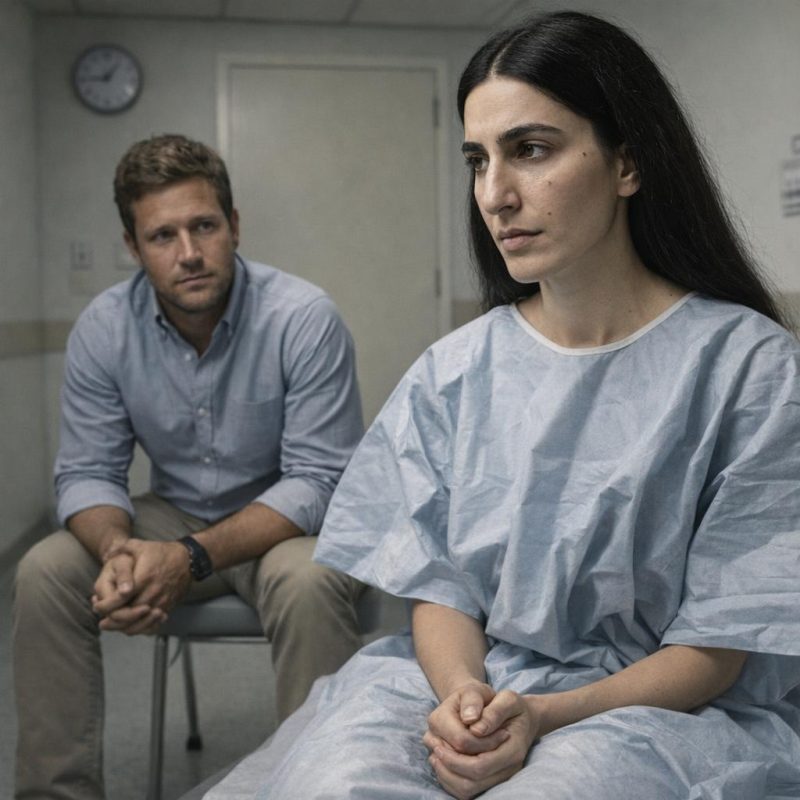 Image by RM AI
Legal Proceedings Continue
We were back home by early afternoon, still waiting for Dr. Patel's follow-up call, when my laptop chimed with an email notification. It was from my attorney — a subject line that said Deposition Preparation: Review Required. I opened it out of reflex more than intention. There was a long attachment: a list of questions Henderson's team was likely to raise, a timeline of the flight incident I was supposed to review for accuracy, a request to schedule a prep meeting before the formal deposition date. I stared at the first page for a solid minute without reading it. Ryan came in from the kitchen and asked if it was the doctor. I said no, the attorney. He looked at the screen and asked if I could work through it. I told him honestly that I couldn't hold two crises in my head at the same time and the lawsuit was losing. He offered to read through the materials and flag anything that needed my direct input. I said okay. He pulled a chair over and opened the attachment on his own laptop. I watched him read. My phone sat on the table to my right, volume turned all the way up, screen dark. I refreshed my email twice without meaning to. Ryan said something about the timeline document and I heard the words but they didn't land anywhere. Then the email notification chimed again — and when I opened it, the deposition question list was waiting, forty-three items long, while my phone sat silent beside it.
 Image by RM AI
Spiraling
I don't think I slept at all. Ryan dropped off sometime after two, his breathing going slow and even beside me, and I lay there in the dark cataloguing every symptom I'd felt over the past several months and trying to build a timeline that made sense. The fatigue I'd written off as work stress. The irregularity I'd told myself was nothing. The brain fog that had made certain afternoons feel like moving through something thick and resistant. I kept circling back to the procedure I'd delayed, the appointment I'd rescheduled twice, the particular way I'd convinced myself there was no urgency. Ryan woke around three-thirty and found me staring at the ceiling. He asked if I'd slept. I said no. He didn't tell me to try harder, just reached over and held my hand in the dark. I got up around four and paced the apartment for a while, and he got up too and sat on the couch with me without being asked. The city outside was quiet in the way it only gets in the hours before dawn. I watched the sky through the window begin to shift from black to the particular dark blue that means morning is coming but hasn't arrived yet. The appointment was at nine. I lay back down eventually, Ryan's arm across my shoulders, the clock on the nightstand reading four-twelve, and the hours between now and the answer feeling like something I had to survive rather than simply wait through.
 Image by RM AI
The Waiting Room
We signed in at eight forty-five. The receptionist smiled at me the way people smile when they know you're there for something serious, and I smiled back with the same energy I use for difficult conversations at work — present, composed, not quite real. Ryan and I took seats near the window. The waiting room had maybe six other people in it, each of them absorbed in their own private version of this same experience, and I found myself wondering briefly what they were waiting to hear. Ryan kept his hand over mine on the armrest. We didn't talk. There wasn't anything left to say that we hadn't already said in the dark at four in the morning. I checked the time on my phone: eight fifty-eight. The appointment was at nine. I put the phone face-down on my knee. Nurse Williams appeared in the doorway to the back hallway, clipboard in hand, and looked down at it, and then looked up at the waiting room. She said my name. I stood up, and my legs felt like something I was operating from a distance rather than actually inhabiting. Ryan stood with me. We walked toward Nurse Williams together, and the door to the back hallway swung open ahead of us, and I followed her through it on legs that didn't feel entirely like mine.
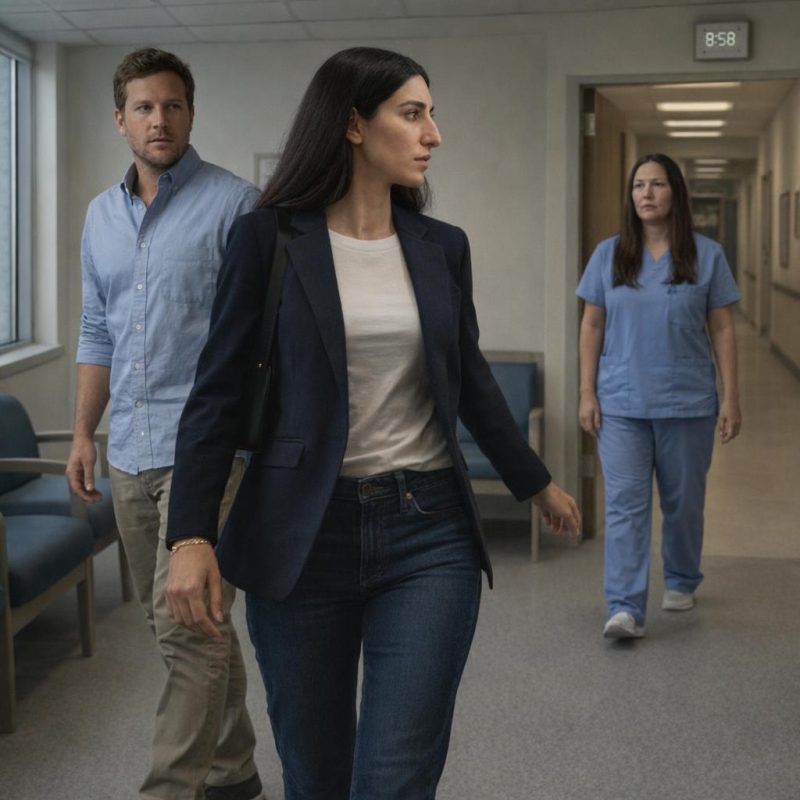 Image by RM AI
The Examination Begins
Dr. Patel came in carrying the chart the way doctors do when they've already read it twice and are deciding how to begin. She greeted us both warmly — Ryan got a handshake, I got a hand on my forearm — and then she sat down across from us and opened the folder with the kind of deliberate calm that made my stomach drop. I had been rehearsing for this moment for two weeks. I had a list of questions in my phone. I had googled every possible diagnosis that fit my symptoms and ranked them by likelihood, which is exactly the kind of thing you do when you're a person who believes that information is the same as control. She started with the hormone panel. Said certain levels were significantly elevated. I asked what that meant and she said she wanted to do a physical examination first, which is doctor-speak for not yet. I lay back on the table and she pressed carefully along my abdomen, asking about the timeline of my fatigue, the nausea, the tenderness. I answered everything. I had tracked all of it. She nodded and made notes and her expression stayed professionally neutral the entire time, and I lay there staring at the ceiling tiles while she asked about my menstrual cycle and I realized, with a small lurch, that I hadn't actually been tracking it. The chart sat open on her desk, and she hadn't closed it yet.
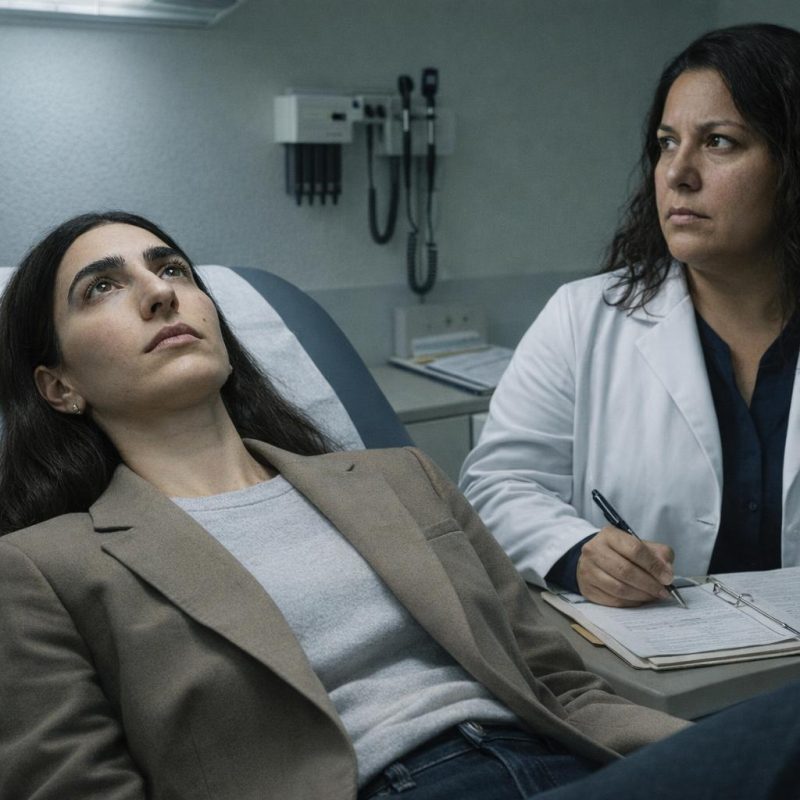 Image by RM AI
The Ultrasound
Nurse Williams wheeled the ultrasound machine in and my anxiety, which had been sitting at a manageable simmer, spiked immediately. There's something about medical equipment being brought to you that makes everything feel more serious. She explained it would be an abdominal scan, her voice even and practiced, and then she applied the gel — cold, even though she warned me it would be cold — and positioned the transducer against my stomach. The screen filled with black and white static that slowly resolved into shapes I couldn't name. I watched it the way you watch a foreign film without subtitles, trying to extract meaning from context alone. Ryan was sitting in the chair beside the table and I glanced at him and he looked exactly as lost as I felt, which was somehow both comforting and terrifying. Nurse Williams moved the transducer in slow, methodical passes. She paused at certain angles. She took measurements, clicking through the screen with quiet efficiency. Dr. Patel leaned in at one point to look at the monitor, and something passed between them — a glance, brief and unreadable — that I caught and immediately couldn't stop thinking about. I asked what they were looking for. Nurse Williams said the doctor would explain everything shortly, and the machine kept its low, steady hum in the silence that followed.
 Image by RM AI
The Meaningful Glances
Nurse Williams wiped the gel from my stomach with a paper towel and I sat up slowly, watching Dr. Patel study the frozen image on the screen one more time before making a note in the chart. They exchanged another look — quick, over the top of the monitor — and I felt Ryan shift in his chair beside me. I asked directly what they had found. Dr. Patel said she had results to discuss and gestured toward my clothes folded on the chair, which meant get dressed, which meant we were moving to the next stage, which told me nothing useful at all. Nurse Williams left with the equipment. I changed with hands that weren't entirely steady, and Ryan helped me with the button on my sleeve without being asked, which is the kind of thing he does that I usually don't notice and right then noticed completely. We sat down together facing Dr. Patel's desk. She arranged the papers in front of her with the careful precision of someone who has delivered difficult news before and knows that the seconds before speaking matter. I watched every movement. The way she set the chart down. The way she aligned the edges. She took one measured breath, and then she looked up at me, and I watched her and Nurse Williams share one last glance before the doctor turned to face me directly.
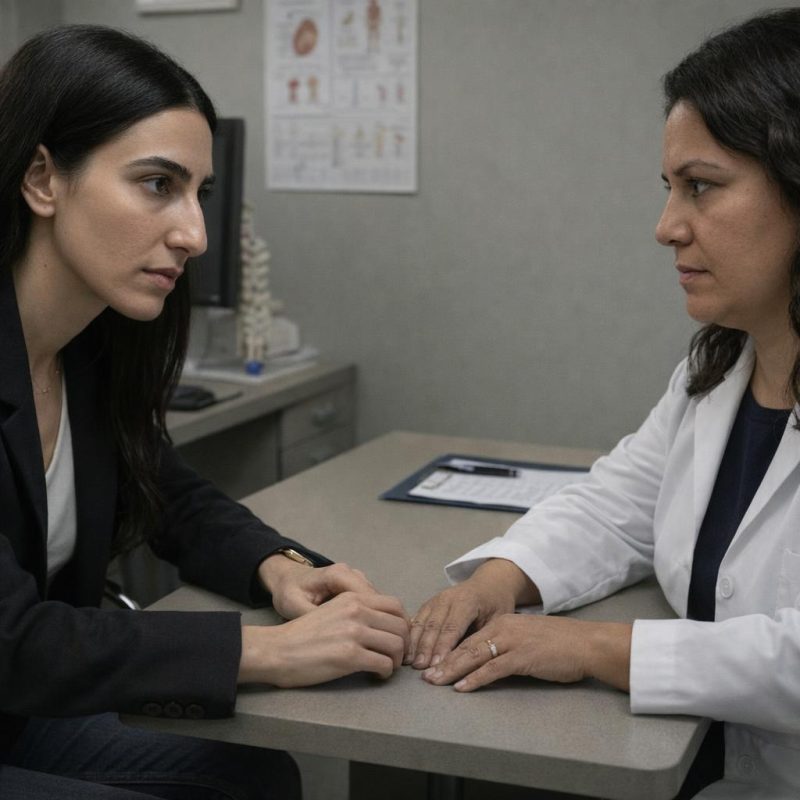 Image by RM AI
The Careful Explanation
Dr. Patel folded her hands on the desk and said the test results explained all of my symptoms. I braced. I had been bracing for two weeks and I was very good at it by then. She said my hormone levels were elevated — significantly — and she wanted to walk me through what that indicated. I nodded. Ryan leaned forward in his chair. She mentioned hCG specifically, and I turned the letters over in my head and came up empty. I asked what that was. She said it was a hormone the body produces in a very specific circumstance. I asked what circumstance. She said it indicated the presence of developing tissue. My mind went immediately to the worst version of that sentence. I asked if it was a tumor. A growth. Something that had been sitting there quietly while I went about my life. She shook her head, gently but clearly. Said it wasn't pathological. Said the levels weren't consistent with that kind of process. I felt Ryan's hand find my knee under the desk. Dr. Patel looked at me steadily, the way doctors look at you when they're about to say something that will reorganize the room, and she paused — just for a moment — before she continued.
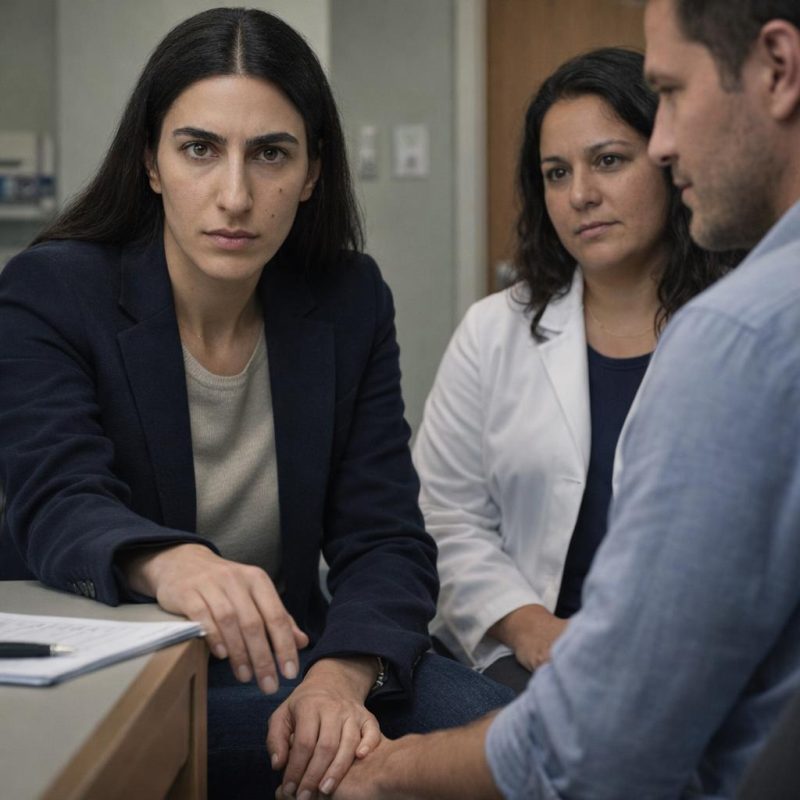 Image by RM AI
The Impossible Truth
She said I was pregnant. I heard the words and they didn't land. I said that was impossible. Dr. Patel turned the ultrasound screen toward me and pointed to a small, pale shape — a gestational sac, she said, approximately eight weeks along, healthy and progressing. Ryan made a sound beside me that wasn't quite a word. I stared at the image and my brain kept trying to file it somewhere and kept failing. Eight weeks. I counted backward without meaning to. The flight. The appointment I had been preparing for. The medication I had packed in my carry-on. I asked about the procedure. Dr. Patel pulled up the procedure notes and walked me through it carefully — the diagnostic flush, the follow-up endometrial biopsy. Standard protocol for what they had originally suspected. She explained it in the measured, clinical language she'd been using all morning, and I listened, and somewhere in the middle of her explanation the room tilted slightly on its axis. The flush would have cleared my system. The biopsy would have followed. At eight weeks, she said, a pregnancy at that stage would not have survived either intervention. I sat completely still. Ryan's hand was on my arm and I couldn't feel it. I had almost ended a pregnancy I didn't know existed, and the only reason I hadn't was sitting somewhere in the procedural chaos of a flight I had spent weeks trying to forget.
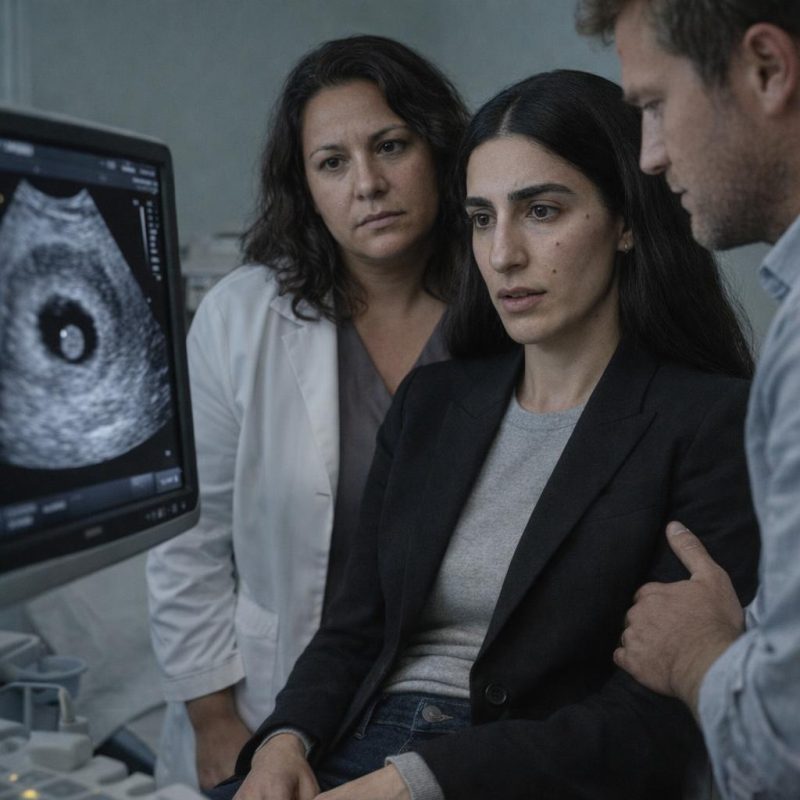 Image by RM AI
The Accidental Intervention
I asked Dr. Patel to repeat the timeline. She did. The pregnancy had begun before the flight. I had been pregnant on the plane. I had packed that medication in my carry-on specifically for the pre-procedure protocol, and I had watched a woman in a hot pink blazer drink it, and I had felt — I remembered this with horrible clarity — satisfied. Ryan said it out loud before I could. He said, quietly, that Diane had accidentally saved the pregnancy. The words sat in the air between us. Dr. Patel remained professionally neutral, which was the right thing to do and also somehow made it worse. I thought about the hours on that flight. The lavatory. The flight attendant's careful expression. The way I had refreshed the comment section on my phone while thirty thousand feet in the air, reading strangers celebrate what had happened. I had laughed about it with Jessica. I had called it karma. I had built an entire narrative around justice and entitlement and getting what you deserve, and the woman at the center of that narrative — the one I was suing, the one whose humiliation I had watched and documented and shared — had unknowingly kept me from ending this pregnancy. Dr. Patel asked quietly if I needed a moment. I couldn't speak. The full weight of it pressed down on me like something physical: the woman I had hated most had, without knowing it, protected what I hadn't even known existed.
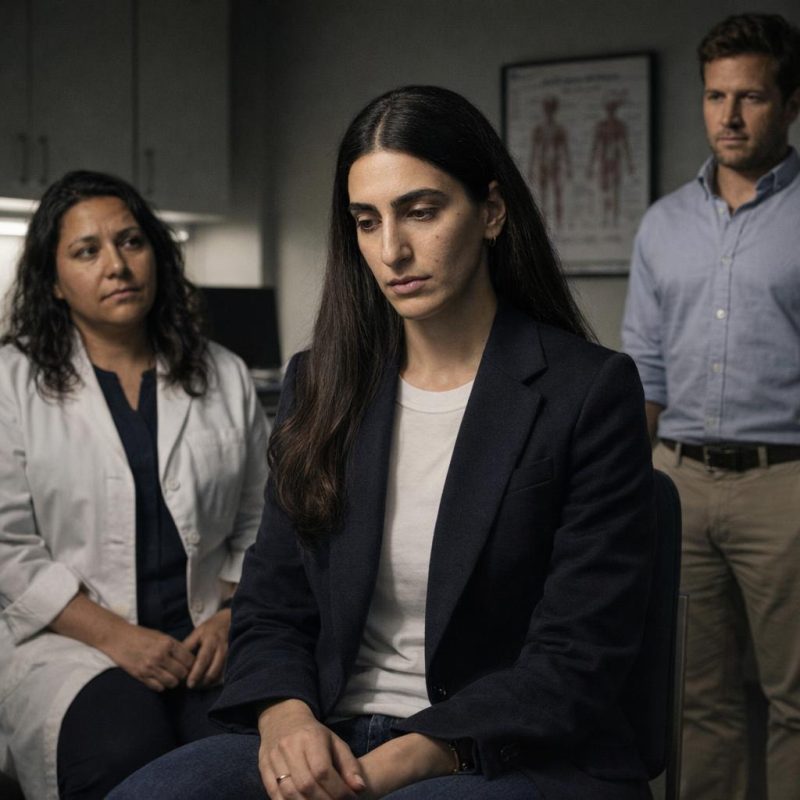 Image by RM AI
Sitting With It
Ryan stepped out to get water and Dr. Patel asked if I wanted privacy and I nodded, and then I was alone in the examination room with the ultrasound image still frozen on the screen. The gestational sac was barely visible — a small pale oval in a field of grey — and I sat there looking at it and couldn't look away. I thought about the flight. I thought about watching Diane push past the flight attendant toward the lavatory, her face going from outrage to something else entirely, and how I had sat in my reclaimed seat and felt the specific satisfaction of a person who believes the universe has briefly corrected itself. I thought about Jessica's voice on the phone afterward, laughing, saying karma was real and efficient. I thought about the comment sections. The shares. The people who had called me brave for telling the story. All of it had felt clean and simple and deserved, and none of it had been any of those things, because I had been pregnant the entire time and hadn't known, and the woman I had watched suffer had been the reason I still was. I put my head in my hands. The tears came without warning, the way they do when you've been holding something at arm's length for too long and your arms finally give out. The room was very quiet around me.
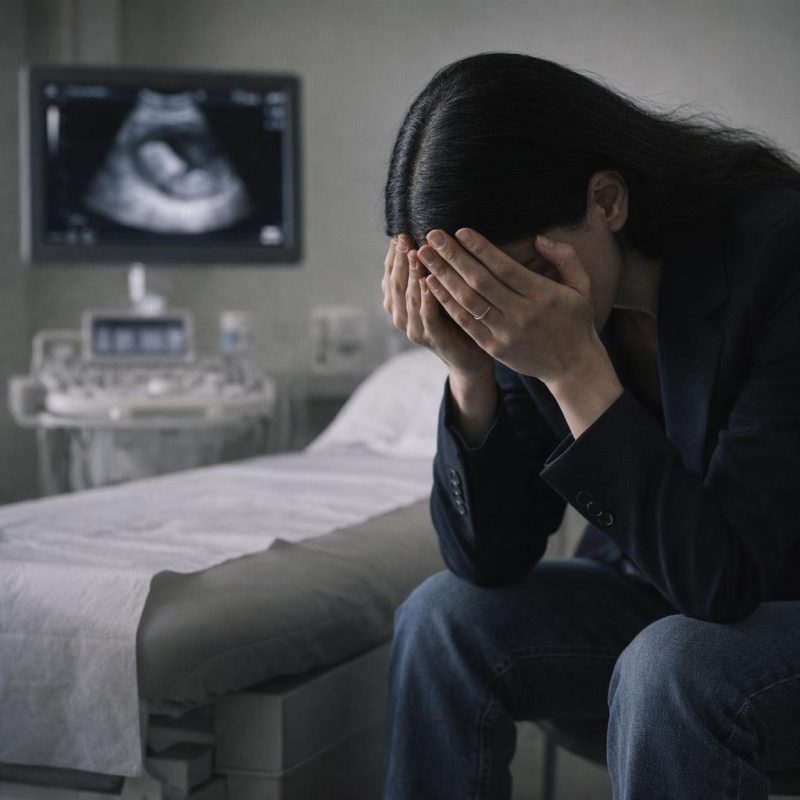 Image by RM AI
The Long Drive Home
We walked to the car without talking. Ryan opened the passenger door and I got in and he went around to the driver's side and started the engine and then just sat there for a moment with his hands on the wheel, not pulling out. He asked if I was okay. I said I didn't know. He nodded like that was the right answer and pulled out of the parking lot. I watched the medical building disappear in the side mirror and then I stopped watching and just looked at the road ahead without really seeing it. Ryan reached over after a few minutes and put his hand over mine on my knee. I held it. The radio stayed off. I thought about calling Jessica and couldn't figure out where I would even begin. I thought about the lawsuit. I thought about the comment sections still accumulating somewhere on the internet, people I'd never meet congratulating me on a story that had just become something I didn't recognize. Ryan asked, somewhere around the highway on-ramp, if I wanted to talk about it. I shook my head. He didn't push. The traffic moved around us and the city slid past the windows and neither of us said anything else, and the silence between us held everything we hadn't found words for yet.
 Image by RM AI
Telling Ryan Everything
We got home and I sat on the couch without taking my coat off. Ryan sat next to me and waited. That was the thing about Ryan — he always waited. I stared at the coffee table for a long moment and then I said I needed to tell him something, and not the kind of something that was easy to say. He turned toward me. I told him everything. Not the version I'd told before, the one where I was the wronged party and Diane was the villain and the whole thing was clean and satisfying. The real version. I told him how righteous I'd felt. How completely, utterly righteous. I told him I'd never felt guilty — not once, not until the doctor's office. Ryan didn't say anything. He didn't flinch or look away. He just listened. When I finally stopped talking, I said I thought that made me a monster. He said it didn't. But then I told him the part I'd been holding back — how good it felt when she drank it, how I'd watched her face go pale and felt something close to joy — and I watched his face as the words landed.
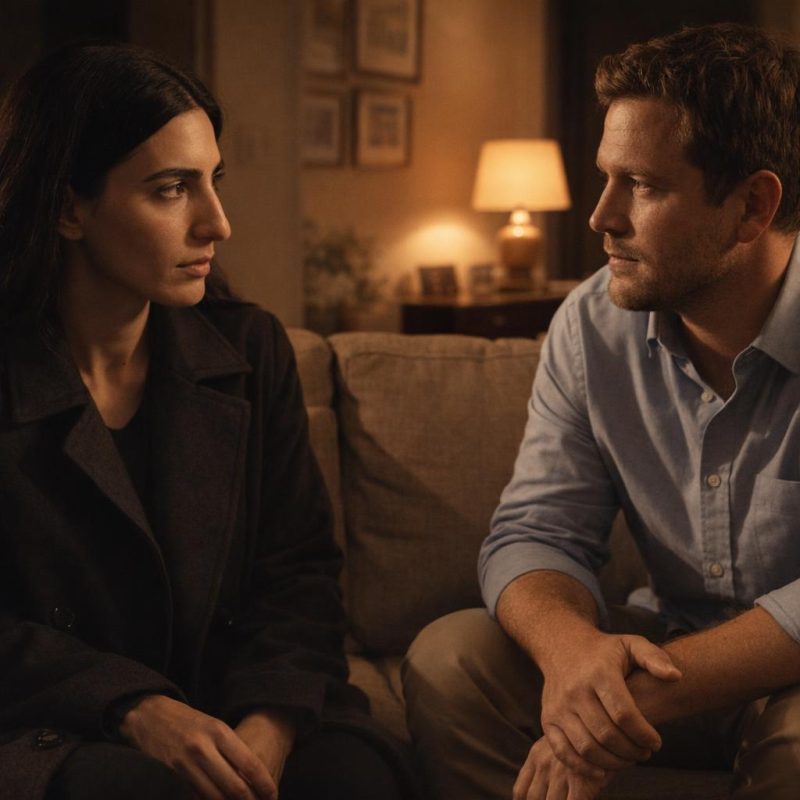 Image by RM AI
Jessica's Reaction
I called Jessica that evening while Ryan was making dinner. She picked up on the second ring, already cheerful, already asking if I'd eaten anything. I told her I had news. She went quiet in that way she does when she's bracing herself, and I said it fast — I was pregnant. She screamed. Actual screaming, the kind that made me pull the phone away from my ear. She asked how far along, how I felt, whether Ryan knew, all of it tumbling out at once. I said it was complicated. She laughed and said nothing about a baby was uncomplicated. I said no, I meant the situation was complicated. She asked what I meant. I took a breath and explained — that I'd been pregnant on the flight. That the medication in that cup wasn't just medication. That it was a prep solution for a diagnostic procedure, the kind that would have cleared my system completely. The kind that would have ended an early pregnancy. Jessica stopped laughing. I kept going. I told her that Diane drinking it hadn't just humiliated her. It had, without either of us knowing, kept my pregnancy intact. The silence on the other end stretched long enough that I checked to see if the call had dropped. Then Jessica said, very quietly, "Are you serious right now." It wasn't a question. It was the sound of someone's entire understanding of a story shifting underneath them.
 Image by RM AI
The Decision
I didn't sleep much. I lay there running the same loop — what I'd done, what I'd felt, what it had cost, what it had accidentally saved — until somewhere around four in the morning the loop just stopped and what was left was very simple and very clear. I got up and told Ryan over coffee that I was dropping the legal defense. He set his mug down and asked if I was sure. I said I couldn't keep fighting her. He didn't argue, but I could see him doing the math in his head — the legal fees already spent, the countersuit still pending. I told him the money didn't matter. He nodded slowly, which meant he disagreed but loved me enough not to say so. I called Jessica and she asked immediately if this was the hormones talking. I told her it was moral clarity, which made her go quiet in a different way than the night before. She said she was worried Diane would take advantage of the withdrawal. I said I understood the risk. I called my attorney an hour later. He advised strongly against it, walked me through three different scenarios where dropping the defense left me exposed. I listened to all of them and then told him to file the paperwork anyway. He sighed and said he would. I hung up and sat at the kitchen table with both hands wrapped around my mug, and for the first time in weeks, the tightness in my chest had gone somewhere quieter.
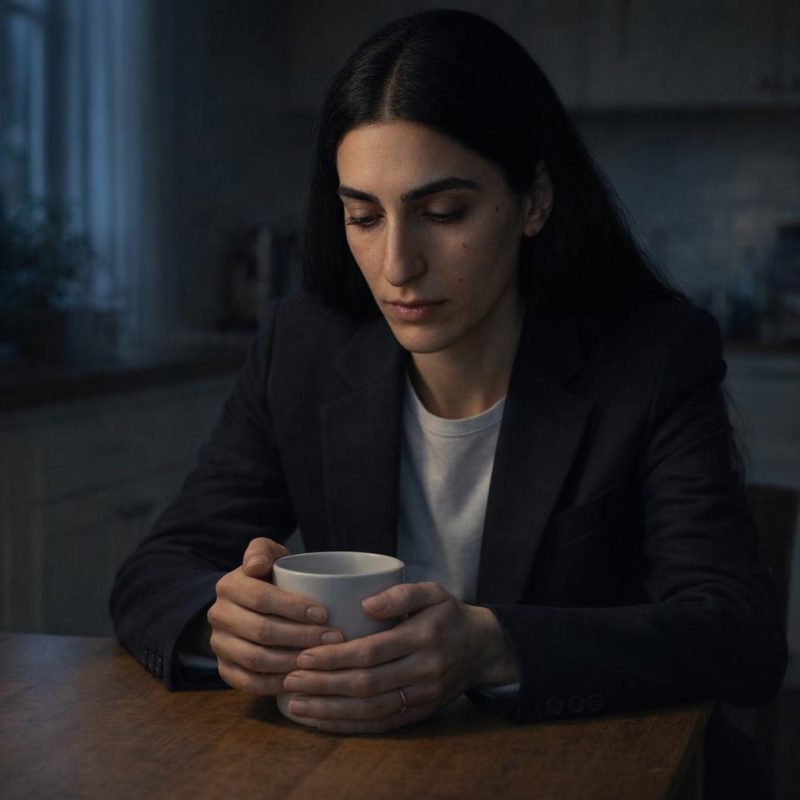 Image by RM AI
Reaching Out to Sarah
Sarah had emailed me weeks ago — a careful, apologetic message I'd read once and then left sitting in my inbox because I hadn't known what to do with it. I found it again that afternoon and read it twice more before I started typing back. I kept it simple. I told her I'd been thinking about everything that had happened and that I needed to speak with her mother directly. I asked if she'd be willing to arrange a meeting. I hit send before I could talk myself out of it. She responded in under two hours, which surprised me. She asked if everything was okay, and I told her I had something I needed to say to Diane in person, and that I was withdrawing from the lawsuit. There was a pause in the exchange and then she wrote back asking what had changed. I told her I'd explain when I saw them. She said she'd ask her mother, and warned me gently that Diane might refuse. I wrote back that I understood. The next morning Sarah called instead of emailing. Her voice was careful, like she was carrying something fragile. She said Diane had agreed. She suggested a coffee shop near Diane's neighborhood, neutral ground, somewhere public. I said that was perfect. After I hung up, Ryan looked at me from across the room, and I nodded to let him know it was happening. The relief in Sarah's voice when she'd said yes was still sitting with me, warm and unexpected.
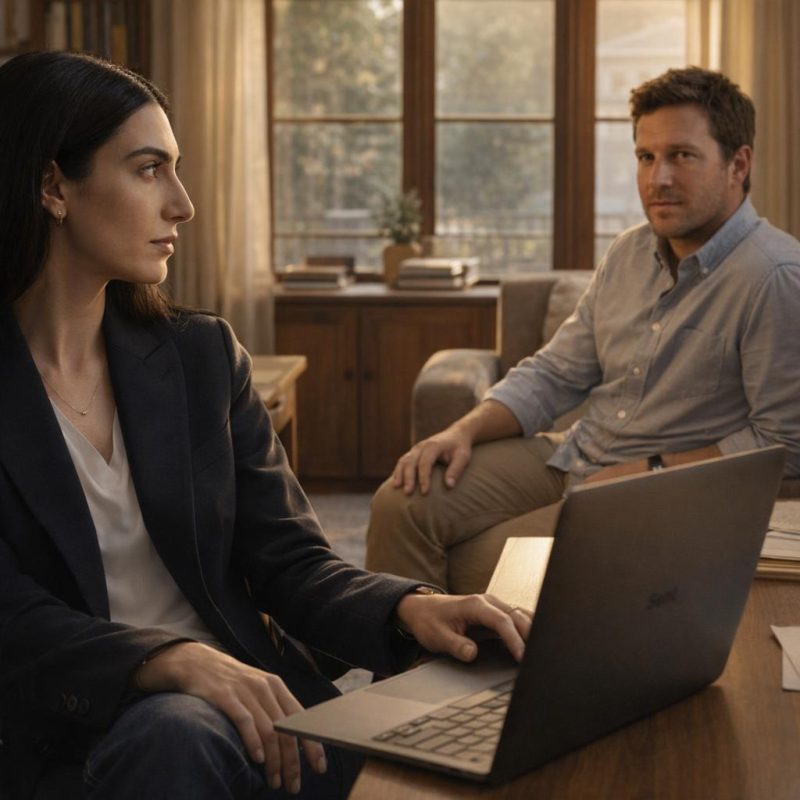 Image by RM AI
The Night Before
I sat at the kitchen table that night with a legal pad and tried to write down what I was going to say. The first version was too formal, like a prepared statement. I crossed it out. The second version was too emotional, too much about me. I crossed that out too. Ryan leaned in the doorway for a while watching me work through it, and eventually he asked if I wanted to practice out loud. I read him what I had. It sounded stiff and rehearsed even to my own ears. I tried again, slower, without looking at the page. That was better. Ryan said it sounded honest. I asked what I should do if she got angry. He said that was her right, and I knew he was correct, and it didn't make me feel any less nervous. I went through it again in the bathroom mirror before bed, watching my own face for the places where my voice went uncertain. Ryan hugged me in the hallway and said I was brave. I didn't feel brave. I felt like someone who had run out of other options and was doing the only thing left. I lay awake for a long time after the lights went out, turning sentences over, testing different openings. Eventually the apartment went fully quiet around me, and somewhere in that stillness I finally stopped rehearsing and let myself rest.
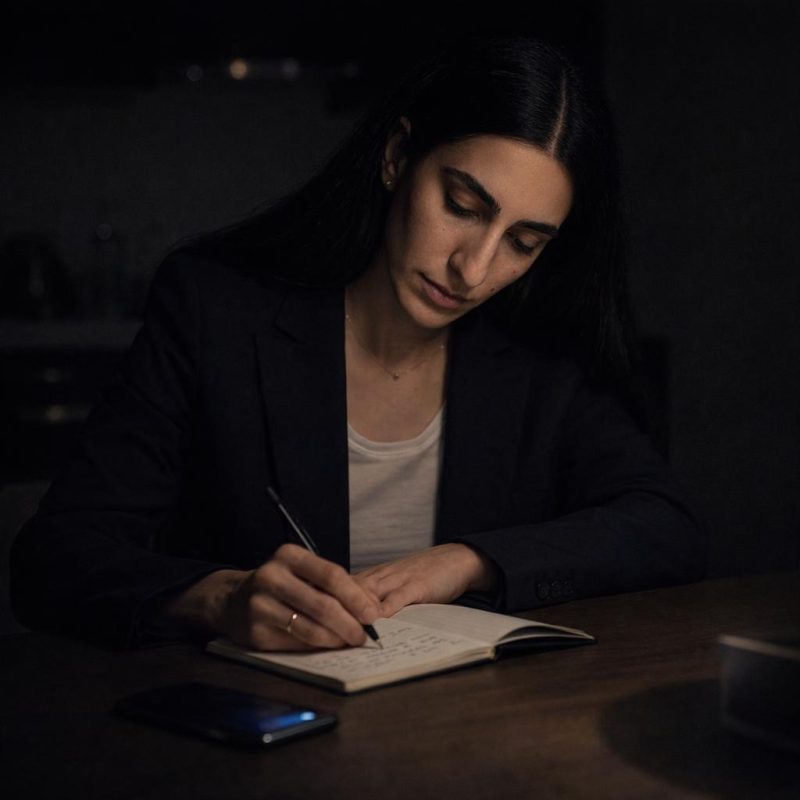 Image by RM AI
Face to Face
I got to the coffee shop thirty minutes early and ordered tea I didn't want and chose a corner table where I could see the door. I sat with my hands around the cup and watched people come and go and tried to keep my breathing even. When Diane walked in, I recognized her immediately, but it took me a half-second to place why she looked different. The pink blazer was gone. She was wearing a navy cardigan, something soft and unassuming, and her hair was less architectural than I remembered — looser, a little tired. Sarah was with her, one hand lightly at her mother's elbow. They spotted me and came over. Sarah made the introductions with the careful brightness of someone managing a situation she wasn't sure would hold. Both Diane and I said no when Sarah asked if she should stay, and we said it at almost exactly the same moment, which made Sarah give a small, relieved smile before she stepped back toward the door. The silence that settled between us was thick. I gestured to the chair across from me. Diane sat, spine straight, hands folded on the table, expression guarded in the way of someone who had agreed to something and was already reconsidering it. I thanked her for coming. She said Sarah had insisted. Then I stood to reach for my tea, and when I looked up, the rigid set of Diane's shoulders had shifted — just slightly, just enough to notice.
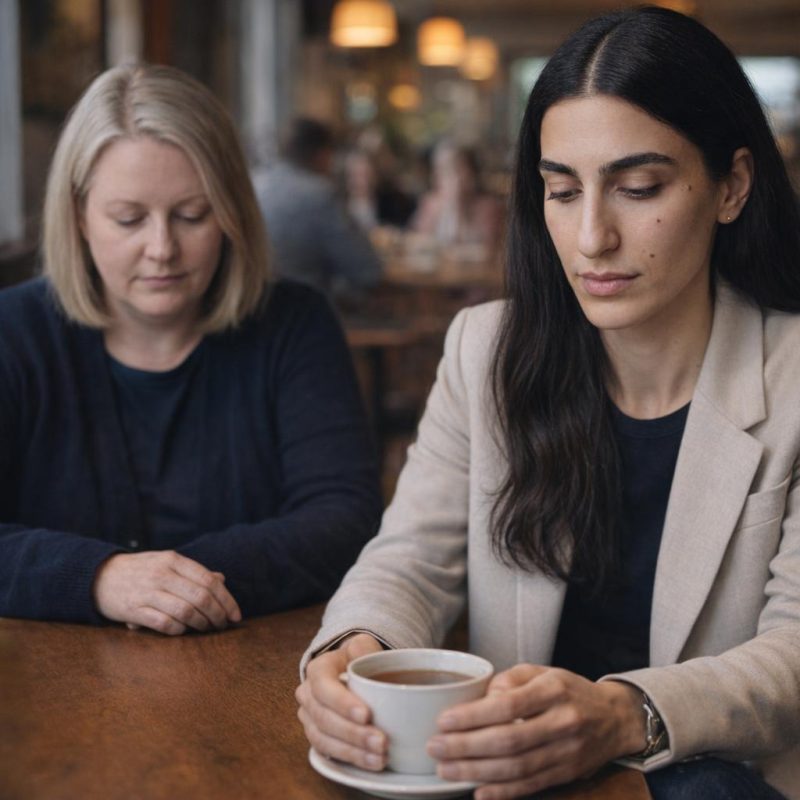 Image by RM AI
The Confession
I sat back down and took a breath and started from the beginning. I told her I'd been pregnant on the flight — that I hadn't known it at the time, that I'd only found out recently. Diane's expression didn't change at first, just a slight narrowing, like she was waiting for the part that made sense. I explained the medication. I told her it was a prep solution for a diagnostic procedure, the kind that works by clearing the system completely. I said it carefully, watching her face. I told her that if I had taken it as scheduled, the pregnancy wouldn't have survived. Diane went very still. I kept going. I said that when she took my seat and drank from my cup, she had no way of knowing any of that. Neither did I. But the result was that the procedure never happened, and the pregnancy continued, and I was sitting across from her now because of it. I told her I was dropping the lawsuit. I told her I was sorry — genuinely sorry — for how much I had enjoyed her distress on that flight, and for every moment afterward when I'd let myself feel righteous about it. I said I knew none of that was her fault. Diane hadn't moved. Her hands were still flat on the table. Then something shifted in her face — the guarded look dissolving into something unguarded and raw — and her eyes filled with tears.
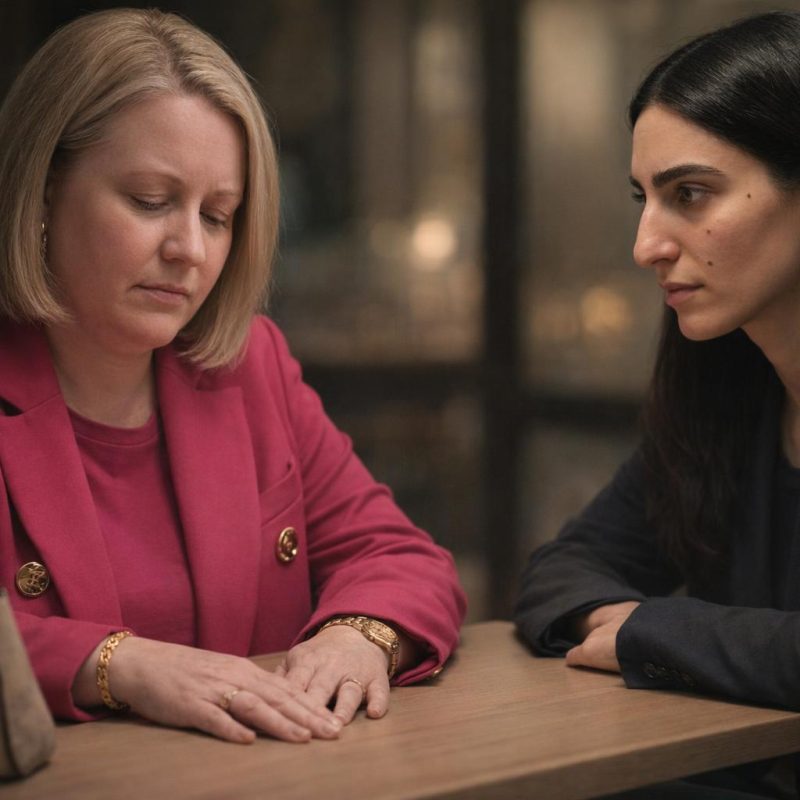 Image by RM AI
Diane's Vulnerability
Diane pressed the back of her hand against her mouth for a moment, then lowered it. She apologized for crying. I told her she didn't need to. She looked down at the table and then back up, and she started talking. She told me about her husband — not the version I'd pieced together from Sarah's careful hints, but the full weight of it. Twelve years of illness. The last three years she'd barely left the house. She described becoming someone she didn't recognize, someone whose whole life had contracted down to medications and appointments and the particular silence of a house where someone is dying slowly. He passed eighteen months ago. The flight was her first trip alone since the funeral — she'd gone to scatter his ashes somewhere he'd always wanted to see. She said she'd boarded that plane feeling like she was made of broken glass, and she'd taken it out on the first person who gave her an opening. She said there was no excuse for it. She said she knew that. She said she'd been horrible and she was sorry. I sat across from her and listened and felt something I hadn't expected — not vindication, not relief, just a quiet, aching recognition of someone who had been in tremendous pain and had handled it badly. Diane's shoulders dropped and the tears came properly then, and I reached across the table and put my hand over hers.
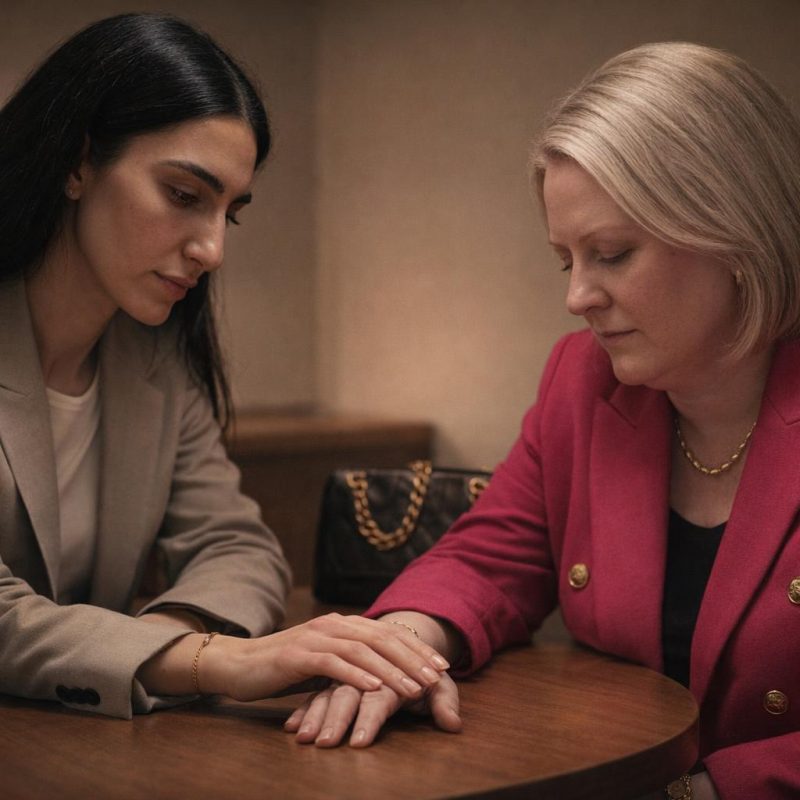 Image by RM AI
Finding Common Ground
We talked for over two hours. At some point the coffee went cold and neither of us moved to fix it. I told her about the fertility treatments — the injections, the waiting, the particular cruelty of hope that keeps resetting itself. I told her about Ryan, how he'd held my hand through every appointment without once making it about himself. She listened the way people listen when they've known real loss — quietly, without rushing to fill the silence. She talked about displacement, about how grief doesn't just take the person, it takes the version of yourself that existed alongside them. She said she'd spent eighteen months not knowing who she was without someone to take care of. I said I understood that more than she knew. When I mentioned the due date, something shifted in her face — a real smile, not the performative kind I'd seen in the airport. She said I was going to be a good mother. I felt tears come before I could stop them. I thanked her, and she said she was glad something good had come from all of it. That's when Sarah appeared in the doorway. She looked between us — at the cold coffee, at our hands still close on the table — and she stopped moving entirely. Diane turned and reached for Sarah's hand, and Sarah took it.
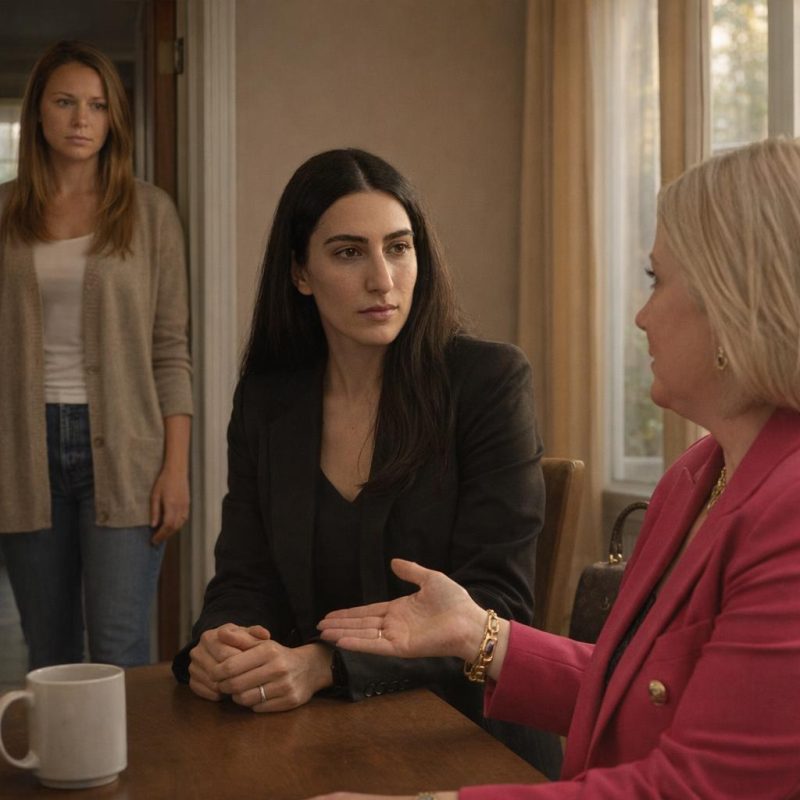 Image by RM AI
Legal Resolution
I signed the withdrawal paperwork on a Tuesday morning at my kitchen table, Ryan sitting across from me with his hands wrapped around a mug. My attorney filed it with the court by noon. Attorney Henderson accepted the withdrawal without comment — my lawyer said his response was two sentences, professional and clipped, which felt exactly right. The dismissal confirmation arrived by email four days later. I read it once, closed the tab, and sat there waiting to feel something complicated. What came instead was just lightness. The viral story had already faded on its own — new outrages had replaced it, new comment sections were filling up with other people's certainty about other people's choices. I deleted the folder of screenshots I'd been keeping. I stopped checking the threads. Ryan asked how I felt that evening, and I told him I felt free, which surprised me a little by being completely true. We spent the rest of the night talking about the nursery instead — paint colors, whether the crib instructions were actually written in English, what we were going to do about the closet situation. I called Diane the next morning to let her know it was done. She thanked me, and her voice was steady and warm. We made plans to meet again the following week. The weight I'd been carrying since that airport gate had finally, quietly, set itself down.
 Image by RM AI
Preparing for Arrival
Ryan and I painted the nursery walls a soft yellow on a Saturday in early October, both of us slightly paint-speckled and arguing cheerfully about whether we'd gotten the trim even. We assembled the crib the following weekend, which took three hours and one moment where Ryan sat on the floor holding an Allen wrench and staring at the instructions with genuine despair. Jessica organized the baby shower with the kind of focused efficiency she usually reserved for work emergencies. What I hadn't expected was Diane and Sarah walking through the door together, Diane carrying a handmade blanket in pale green and cream that she'd apparently been working on for weeks. Jessica pulled me aside in the kitchen about twenty minutes in, eyes wide, and said she still could not fully process what she was witnessing. I told her I understood — I was living it and it still felt surreal. But it also felt right in a way I couldn't entirely explain. Diane sat with Sarah on the couch and gave me parenting advice with the particular authority of someone who'd made mistakes and learned from them. Sarah and Diane seemed closer than I'd seen them, their shoulders almost touching. Ryan found me later by the window and said quietly that he barely recognized our lives from six months ago. I told him I didn't either, and I meant it as the best possible thing.
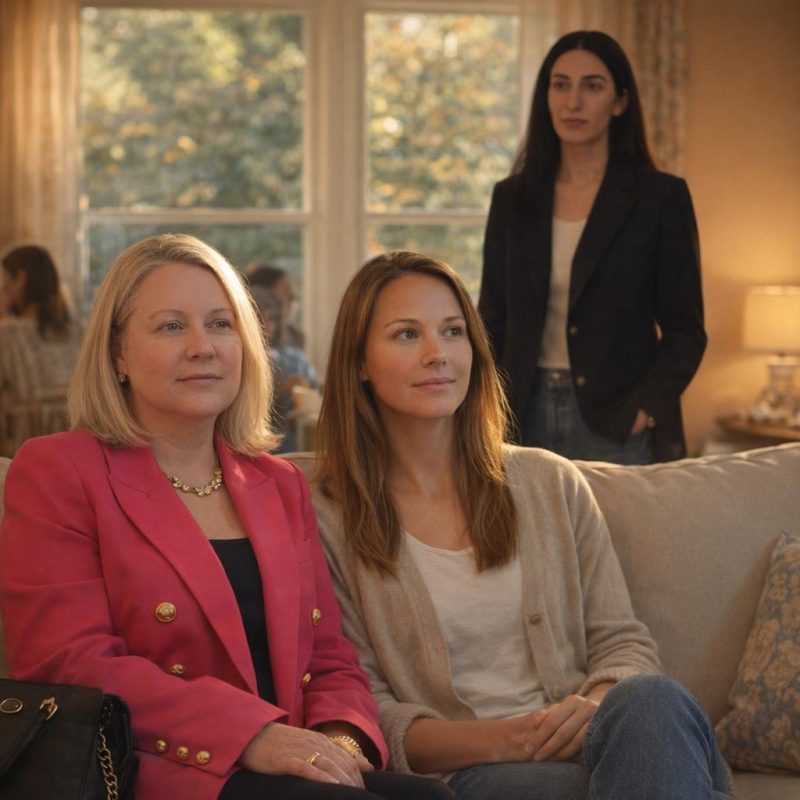 Image by RM AI
The Unlikely Journey
I was sitting in the nursery at eleven-thirty at night, the yellow walls soft in the lamp light, when I let myself think through the whole chain of it. A stolen seat. A glass of what Diane thought was champagne. The panic that followed, the hospital, the test that changed everything. I'd been so certain I was the wronged party — and I was, technically, in the ways that are easy to measure. But I'd also enjoyed her distress more than I should have, and I'd been honest enough with myself by now to sit with that without flinching. The thing was, if Diane hadn't taken my seat, I would have boarded that flight, drunk that medication myself, and never known I was pregnant until it was too late to make a different choice. Her entitlement had handed me my daughter. I heard Ryan's footsteps in the hall and then he was in the doorway, leaning against the frame, watching me in that quiet way he had. I told him I'd been thinking about how strange it all was — the judgment, the karma, the grace, all of it tangled together in ways I couldn't separate cleanly. He said life was strange. I agreed. My phone lit up on the windowsill: a text from Diane, asking how I was feeling. I picked it up to reply, and the baby moved — a slow, certain roll that pressed against my ribs and held there.
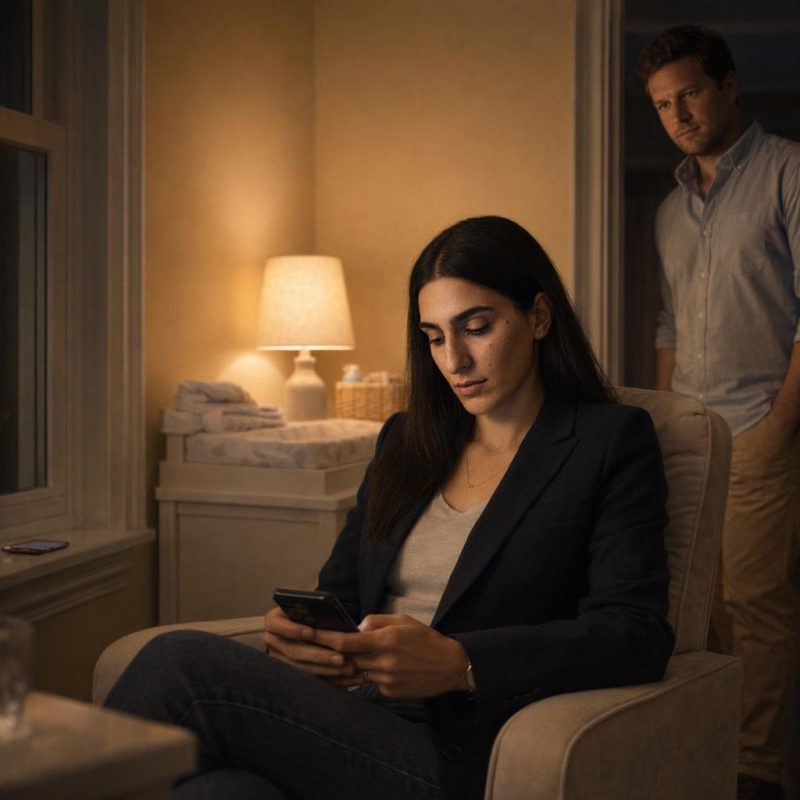 Image by RM AI
KEEP ON READING
20 Strangest Beauty Trends Throughout History
Beauty Has Always Had Strange Rules. History is full of…
By Christy Chan Jun 12, 2026
10 Tiny Decisions That Changed History & 10 Tiny Mistakes…
The Small Moments That Moved the World. History gets taught…
By Cameron Dick Jun 10, 2026
20 First Class Meals Served On The Titanic's Final Night
The Ultimate Final Feast. When the wealthiest passengers gathered in…
By Sara Springsteen Jun 12, 2026
20 Facts About The Library of Alexandria
More Than Just A Room. The Library of Alexandria has…
By Elizabeth Graham Jun 12, 2026
The 20 Creepiest People In History
Truly Uncomfortable. History isn’t only made by kings, reformers, and…
By Annie Byrd Jun 12, 2026
10 Ships That Made History & 10 That Disappeared Without…
Voyages That Changed The Record. Ships have carried explorers, soldiers,…
By Rob Shapiro Jun 9, 2026