

10 Historical Figures Flattered By Portraits & 10 Who Got A Bad Rap
History's Paintbrush Wasn't Always Honest
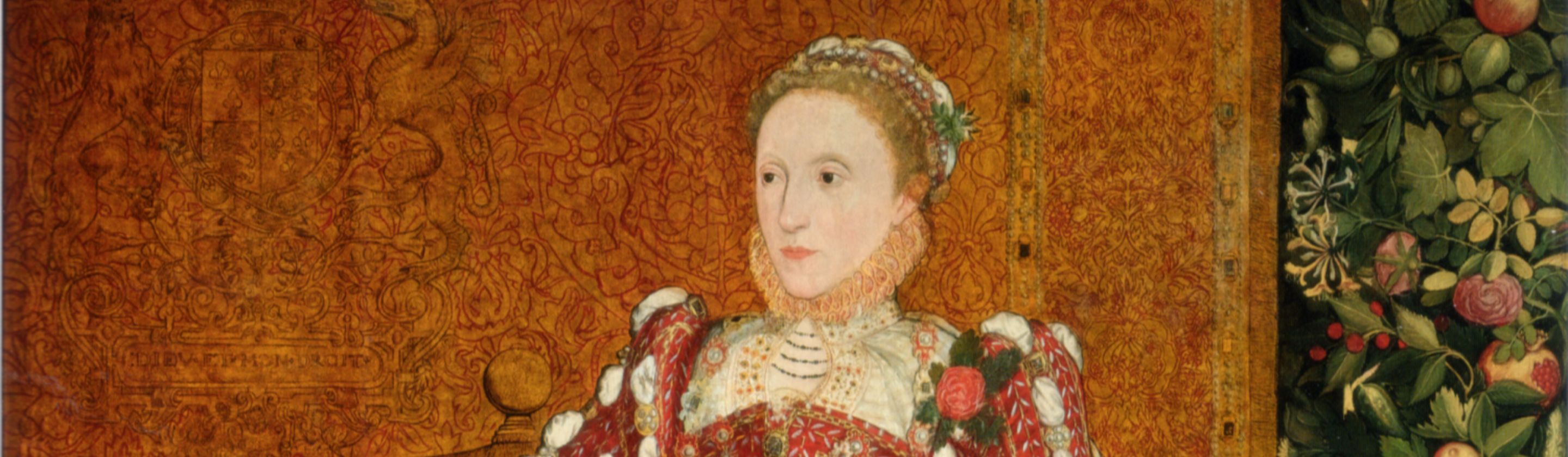
Before cameras, the only record of what someone looked like was whatever a painter decided to put on canvas. And painters were subject to the same pressures humans always face: keeping patrons happy, flattering the powerful, and occasionally settling a score. Some figures got softened, idealized, and lit from their most forgiving angles. Others were painted by enemies or caricatured by rivals with an axe to grind. Here are 10 historical figures whose portraits did them considerable favors, and 10 who weren't so lucky.
 After Levina Teerlinc on Wikimedia
1. Henry VIII
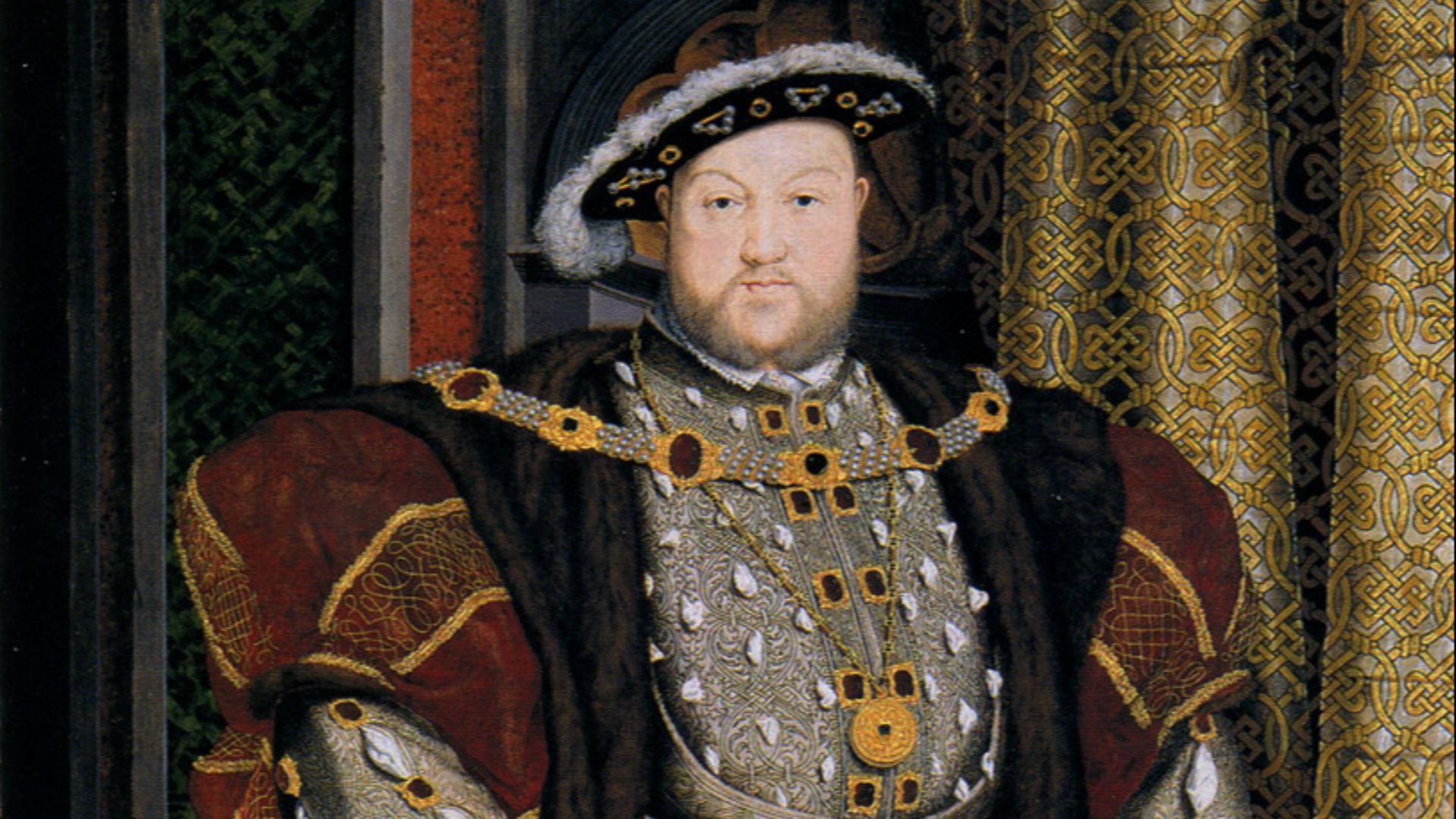
The Holbein portraits show a titan: broad-shouldered, physically imposing, radiating authority from a wide stance. By the time those paintings were made, Henry was likely obese, plagued by leg ulcers, and walking with difficulty. Court painters knew what their job required.
 Unknown authorUnknown author on Wikimedia
2. Louis XIV
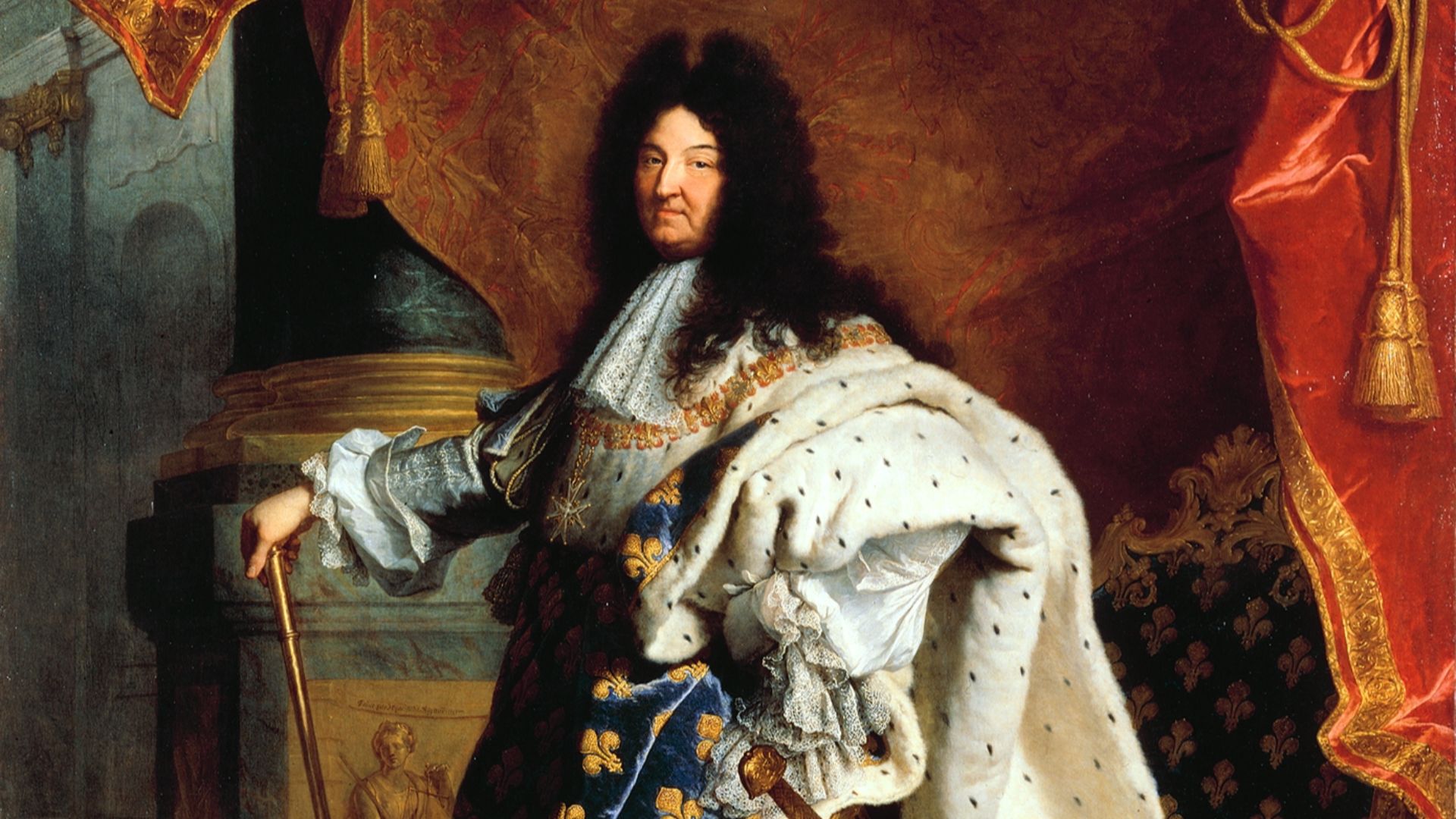
The Sun King was reportedly around five foot four and compensated with towering wigs, high-heeled shoes, and a court culture built around projected magnificence. His portraits, full of ermine and heroic posture, do everything possible to erase those inches, and his notoriously bad teeth somehow never appear.
3. Queen Elizabeth I
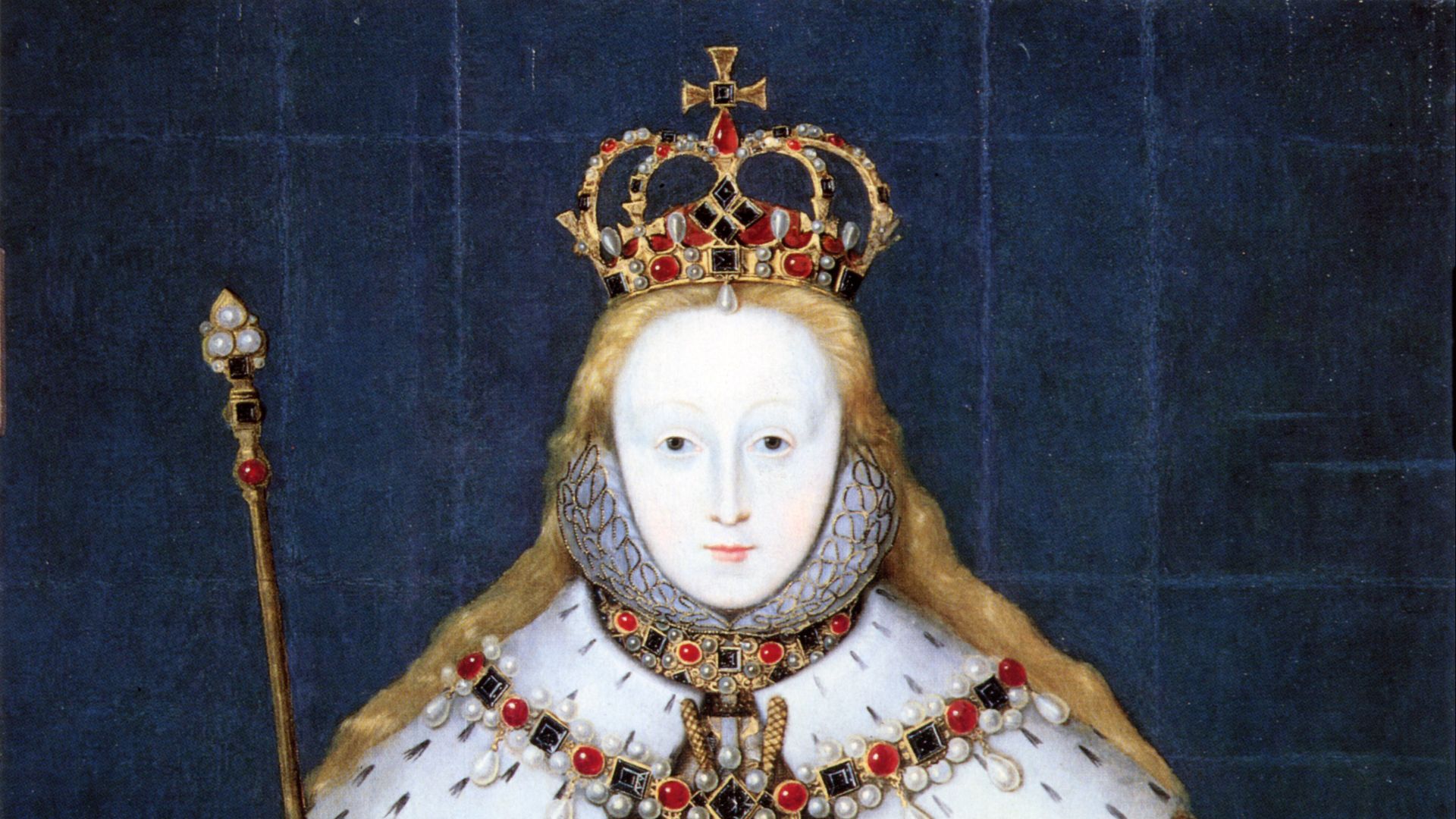
The later portraits of Elizabeth were less paintings than propaganda: the face smoothed to agelessness, the skin alabaster-white, the gaze sovereign and unreadable. By her sixties she had lost most of her teeth and was covering smallpox scars with heavy lead-based makeup, none of which the portraits acknowledged.
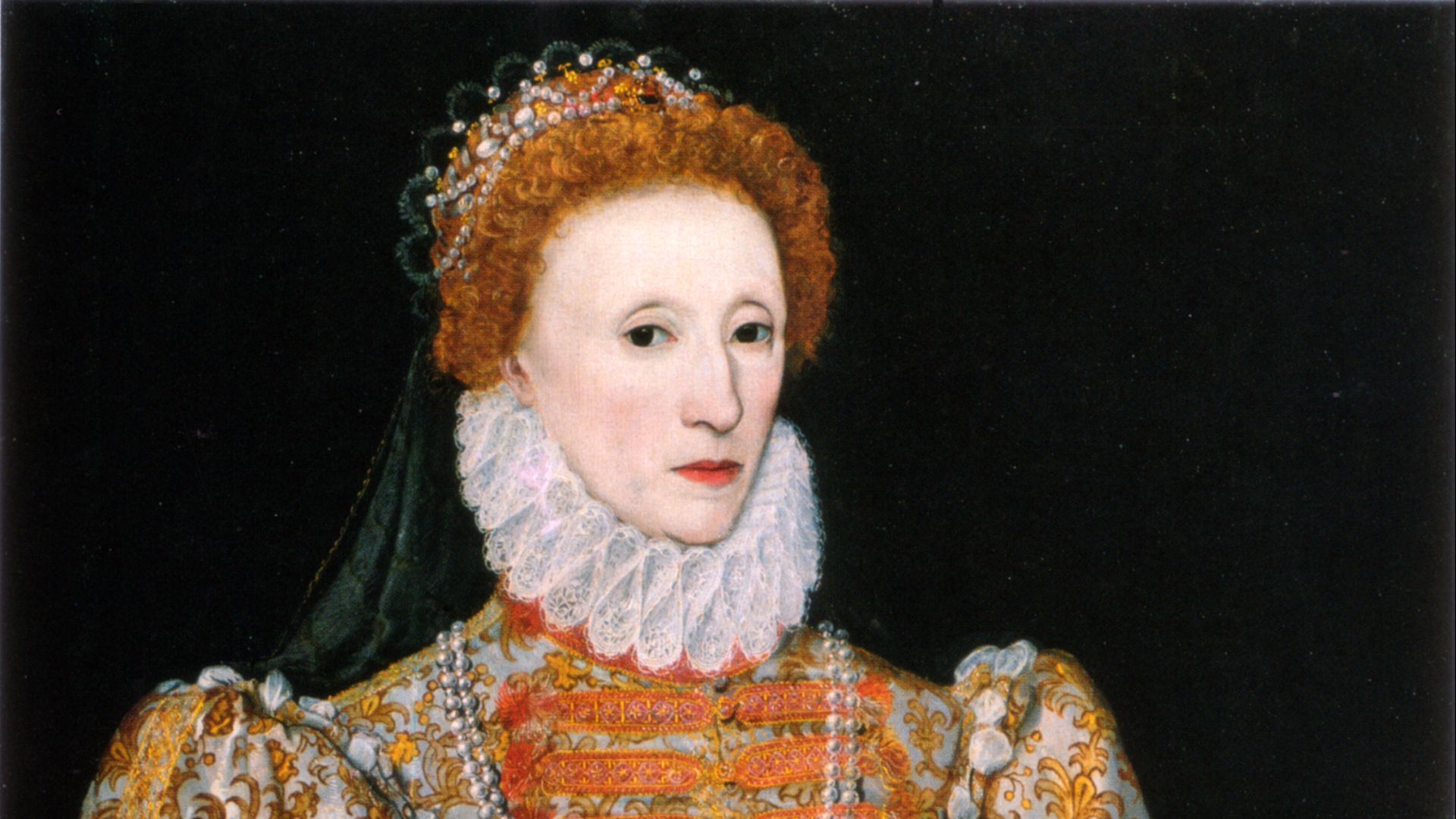 Unidentified painter on Wikimedia
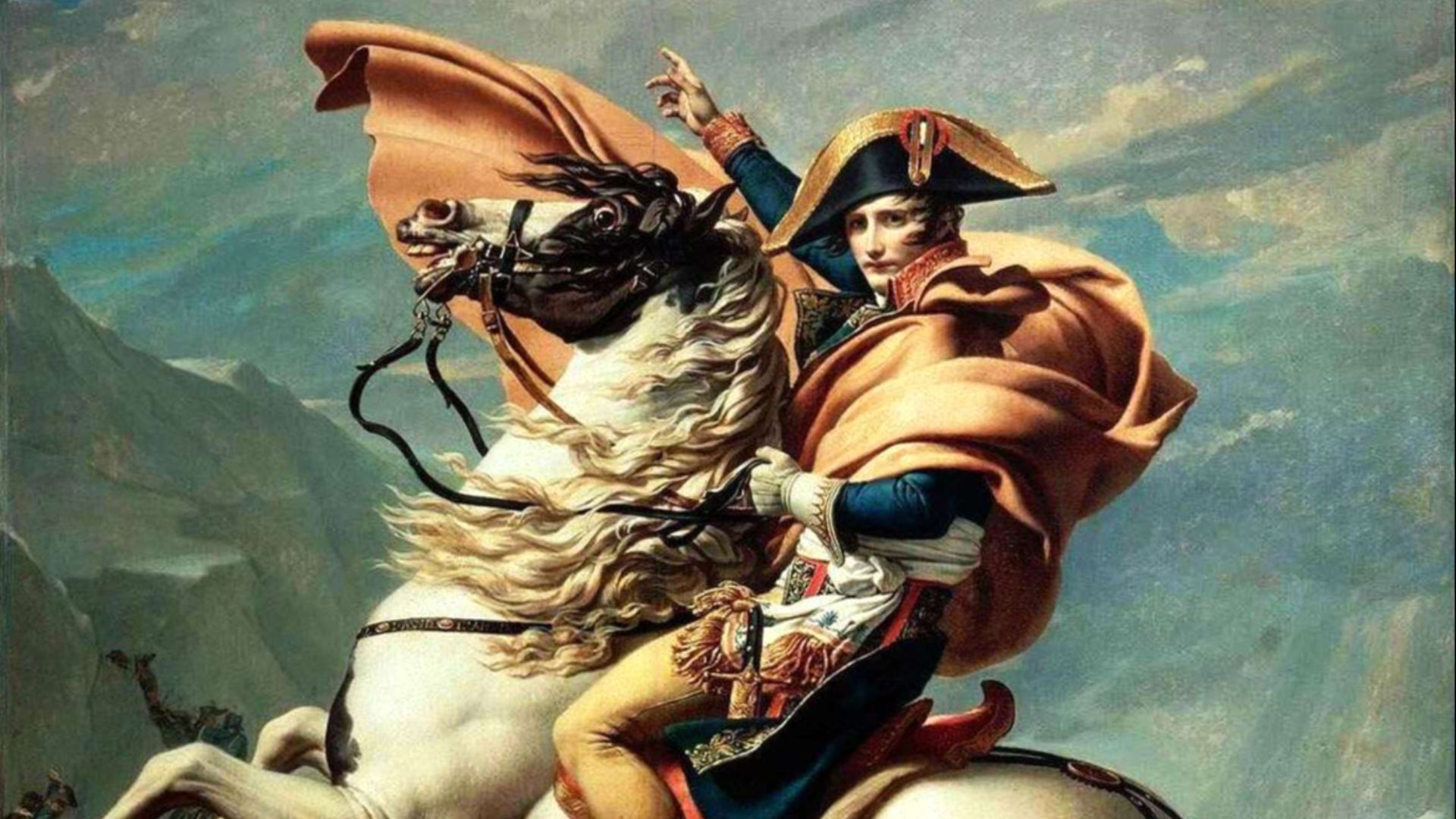
4. Napoleon Bonaparte
The grand David paintings showing Napoleon crossing the Alps on a rearing horse are pure theater. The actual crossing was reportedly done on a mule in considerably less dramatic conditions, a detail David was not asked to capture.
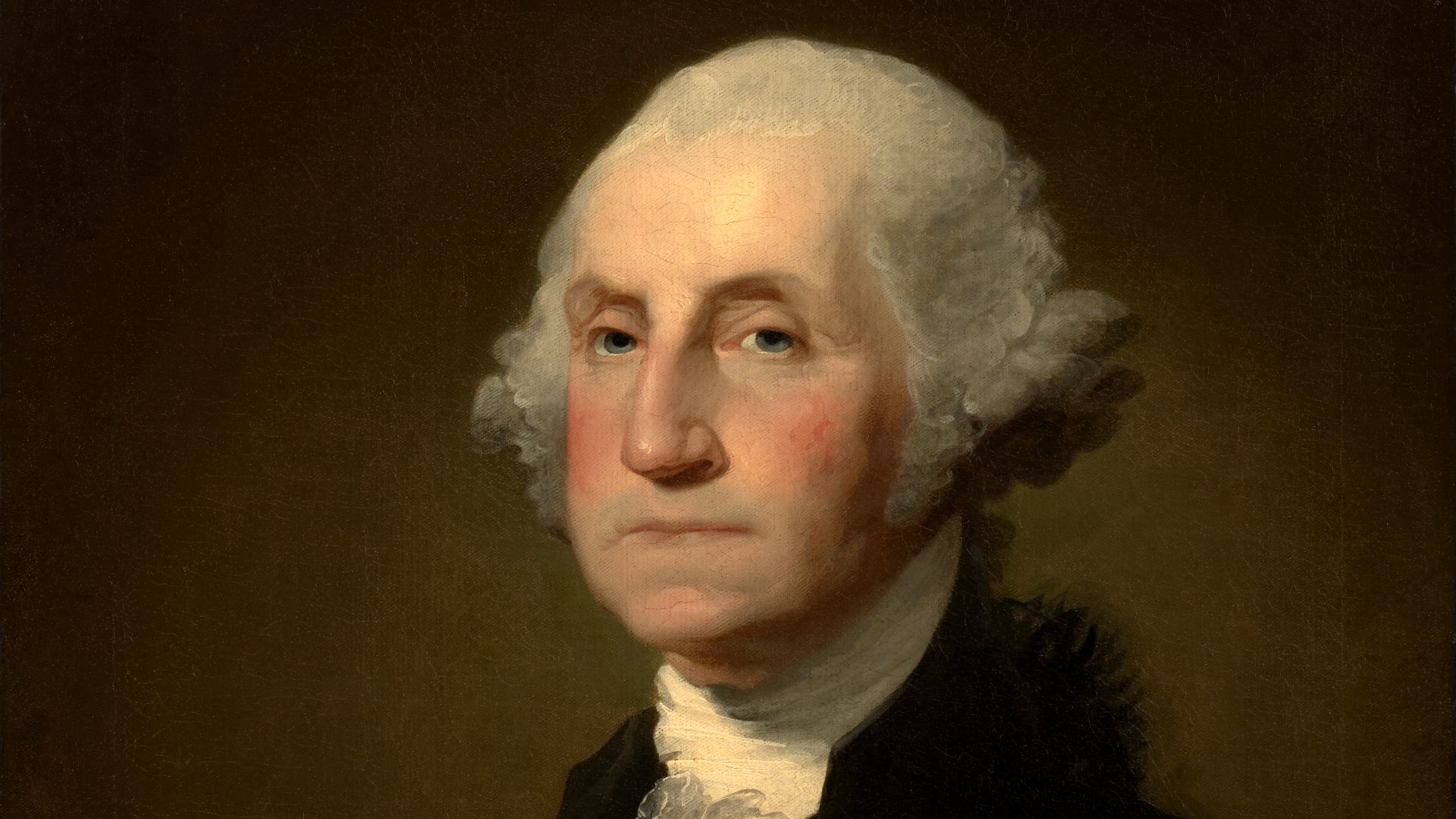
5. George Washington
The Gilbert Stuart portrait on the dollar bill was painted when Washington was in his sixties, with ill-fitting dentures that distorted his jaw. Stuart reportedly kept it unfinished on purpose so he could keep making copies for income. The stiff, remote image we know owes as much to Stuart's business model as to Washington's actual face.
6. Cleopatra
The romanticized Cleopatra of European painting owes more to Renaissance imagination than to historical record. The coins minted during her reign show a sharp-featured woman who looked like a ruler, not a romantic ideal, and ancient sources suggest her power came from intelligence and voice. Painters mostly ignored that.
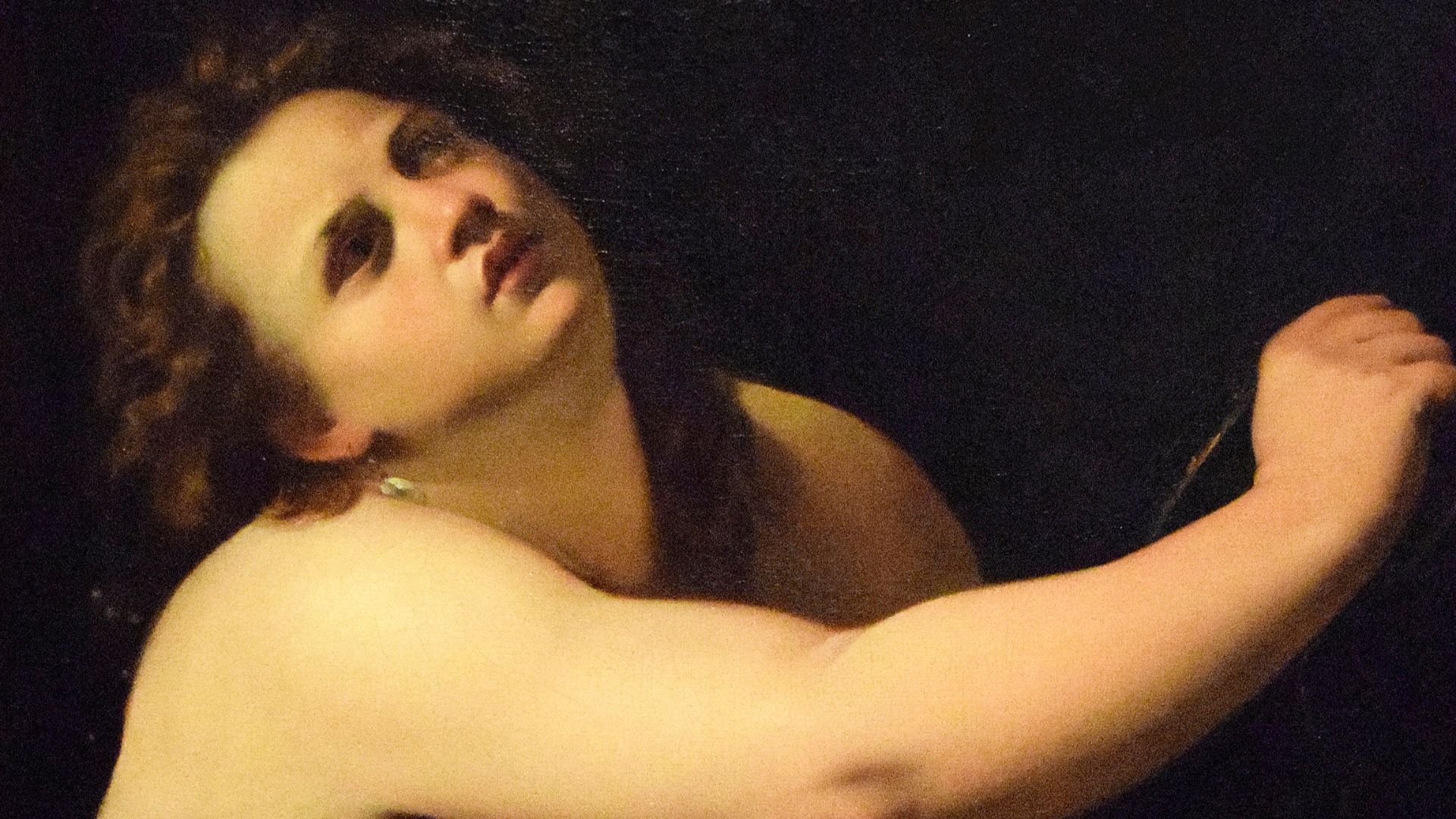 Artemisia Gentileschi on Wikimedia
7. Mary, Queen of Scots
The soft, melancholy images that defined her visually were painted well after her execution and reflect a martyr narrative more than the woman. Contemporary accounts describe her as tall and striking rather than conventionally pretty, and the portraits were made to match the legend.
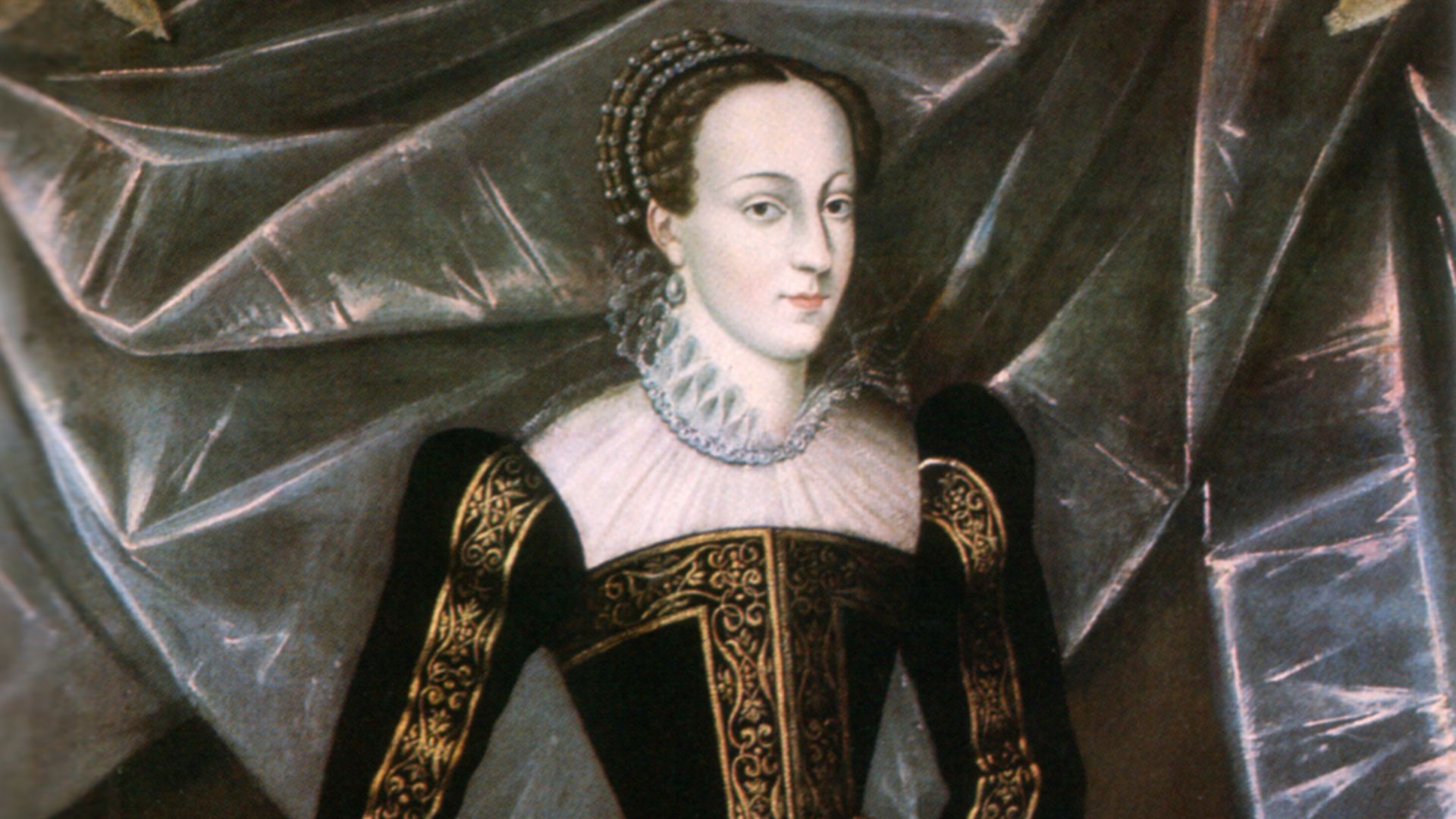 Unidentified painter on Wikimedia
8. Julius Caesar
We have no portrait of Caesar definitely made from life, yet the image of a lean, sharp-featured military genius persists across centuries. Ancient busts suggest a more weathered face, and he was reportedly self-conscious about his thinning hair, which sculptors handled with quiet generosity.
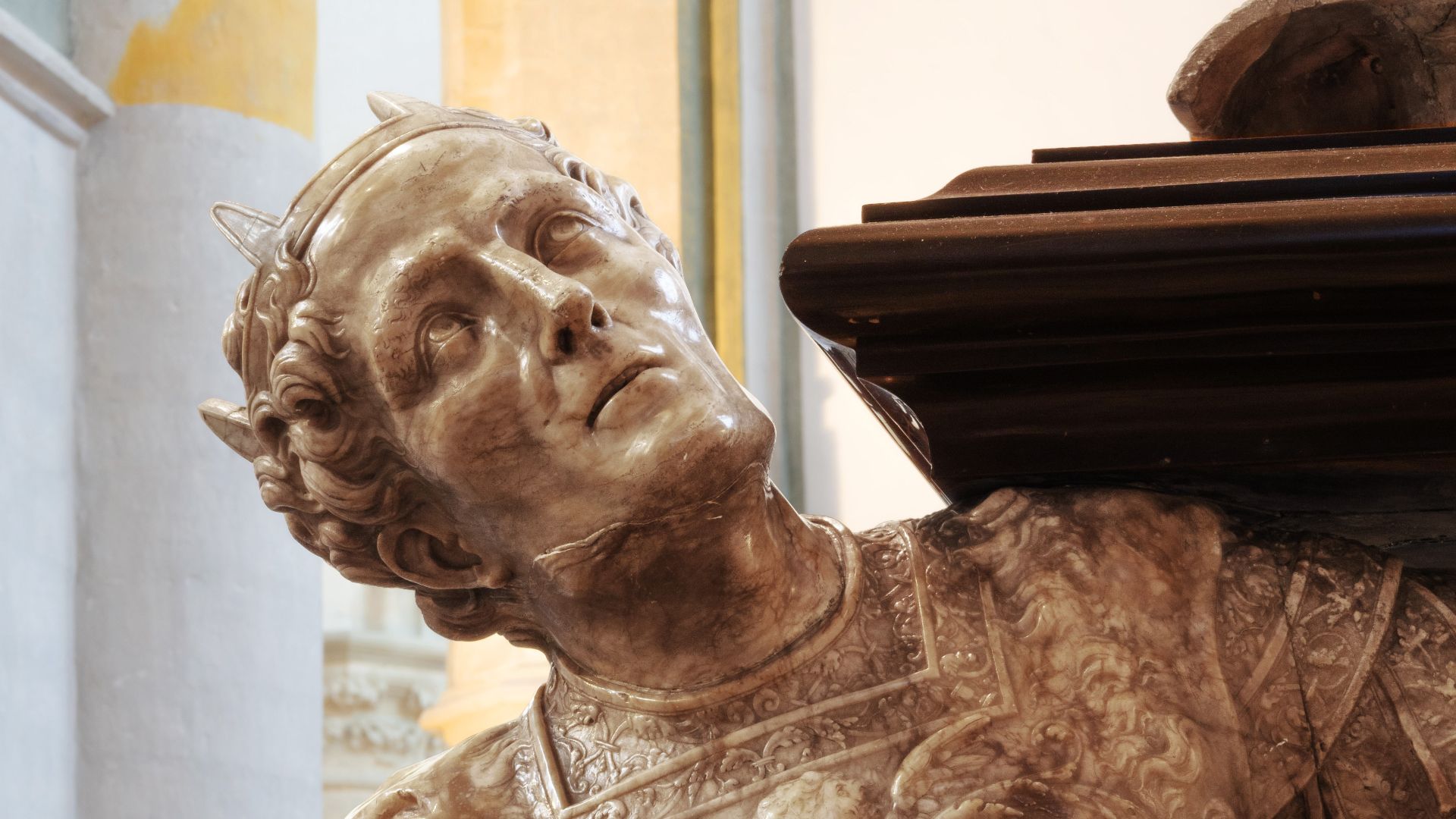
9. Richard the Lionheart
The swashbuckling warrior-king image of Richard I is largely a Victorian construction built to serve an era that needed its medieval heroes to look the part. Contemporary sources describe a tall, striking man, but the heroic visual tradition arrived centuries after the fact and served an agenda.
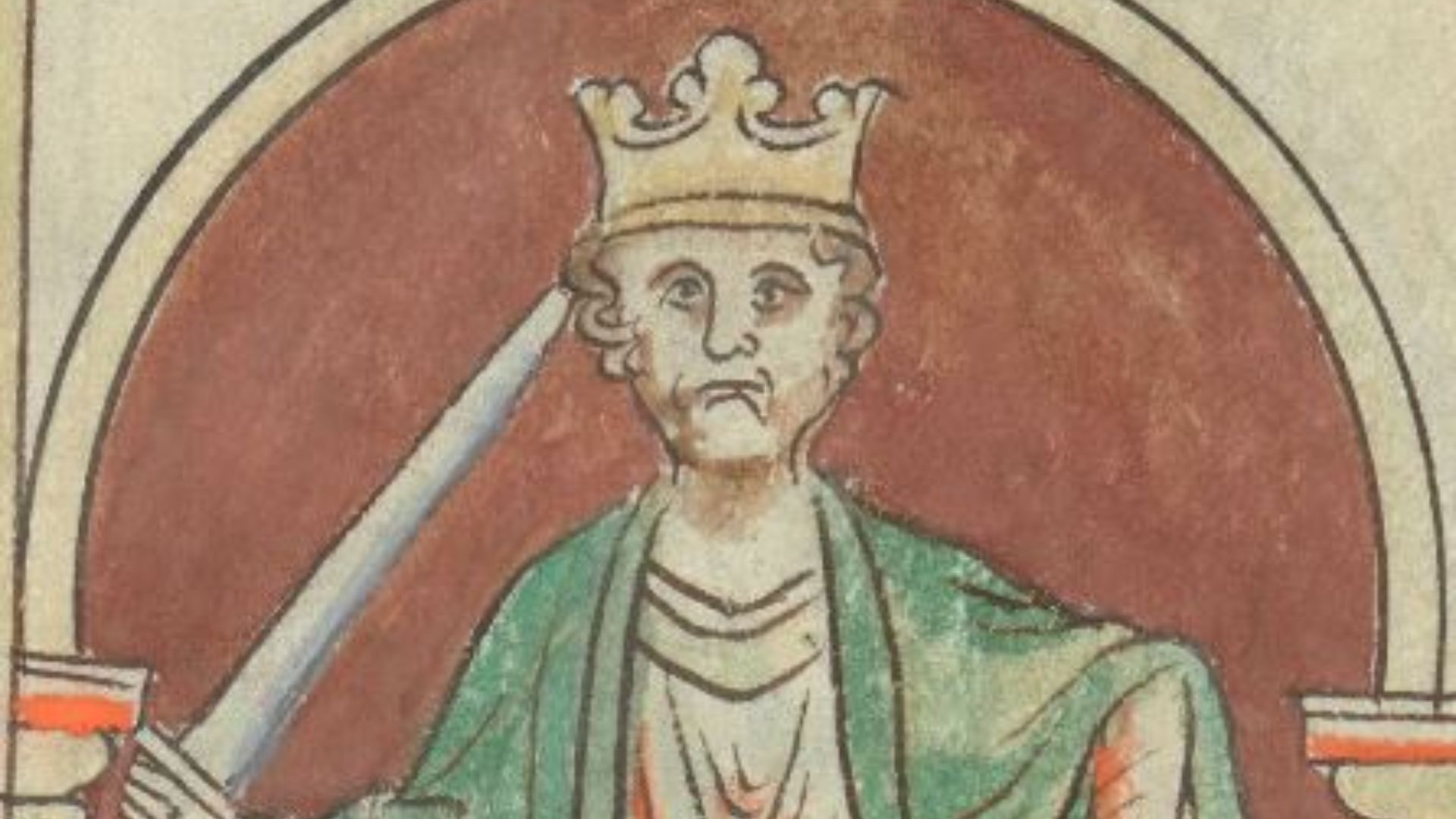
10. Charlemagne
Charlemagne's official portraits were made centuries after his death. His biographer Einhard described a man with a beer belly, a thin reedy voice, and a neck too short for his frame. The majestic emperor in full regalia is almost entirely aspirational.
Here are 10 historical figures whose portraits gave them considerably less than they deserved.
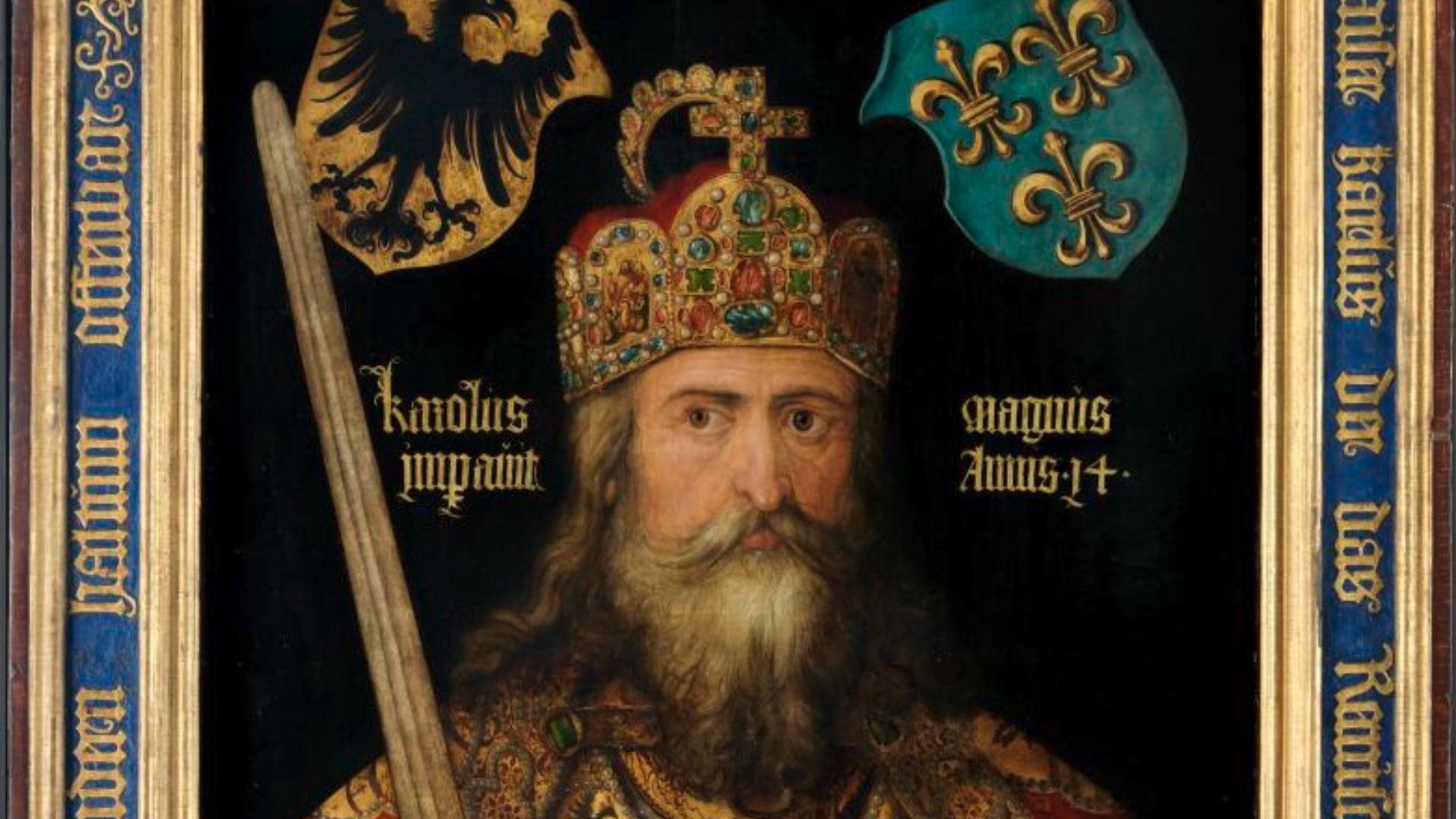
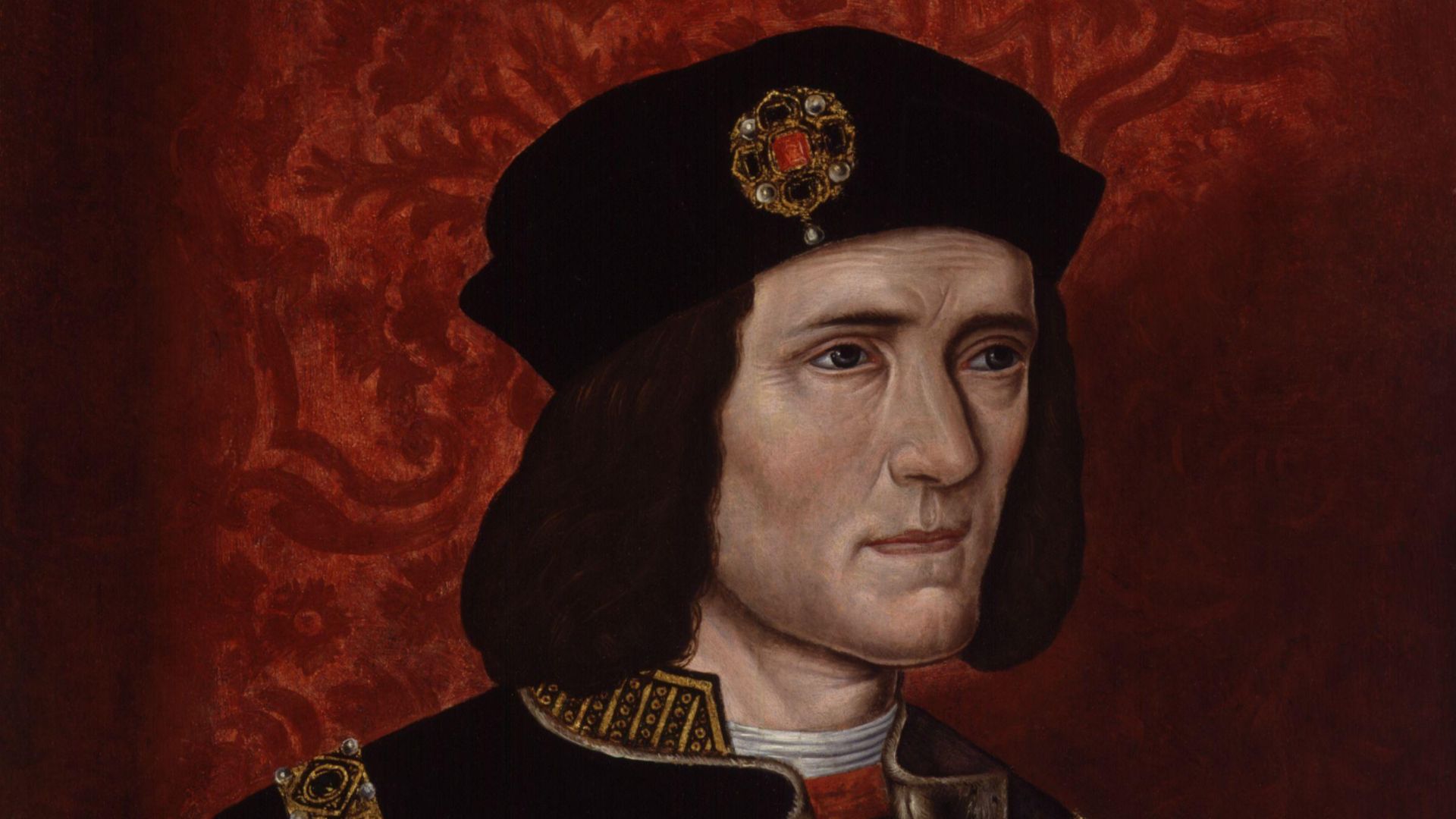
1. Richard III
When Richard III's skeleton was found under a Leicester car park in 2012, it showed scoliosis but a milder curvature than tradition suggested, and no withered arm at all. Shakespeare's hunchbacked villain had been the visual template for centuries, and it was largely Tudor propaganda from people with strong reasons to justify the dynasty that replaced him.
2. Anne of Cleves
Henry VIII rejected Anne of Cleves after meeting her, having been charmed by Holbein's flattering portrait. Contemporary accounts suggest she was perfectly presentable. The "Flanders Mare" insult came from Henry himself, not exactly a rigorous judge of appearances by that point, and the slur followed her through history regardless.
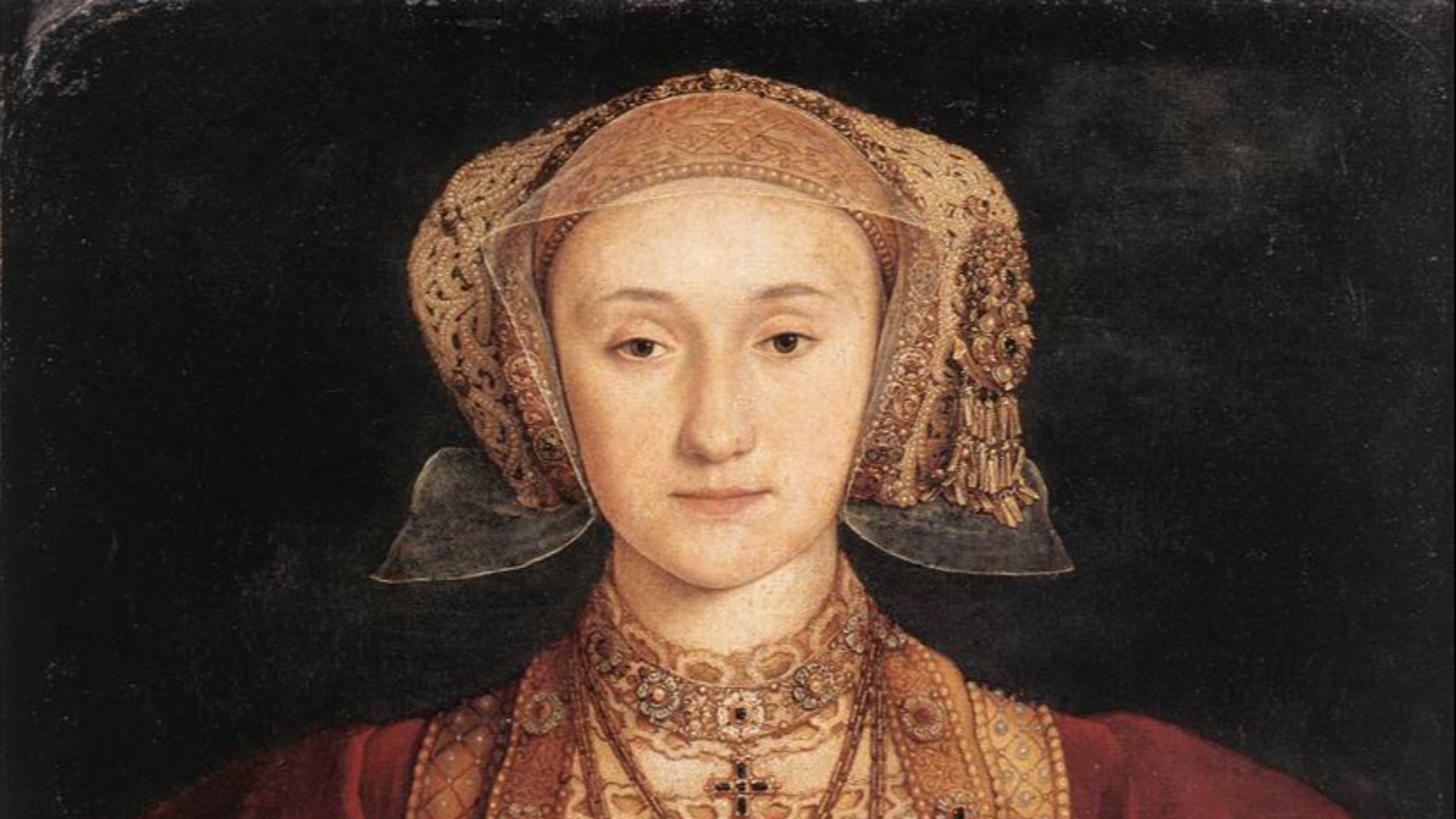 Hans Holbein the Younger on Wikimedia
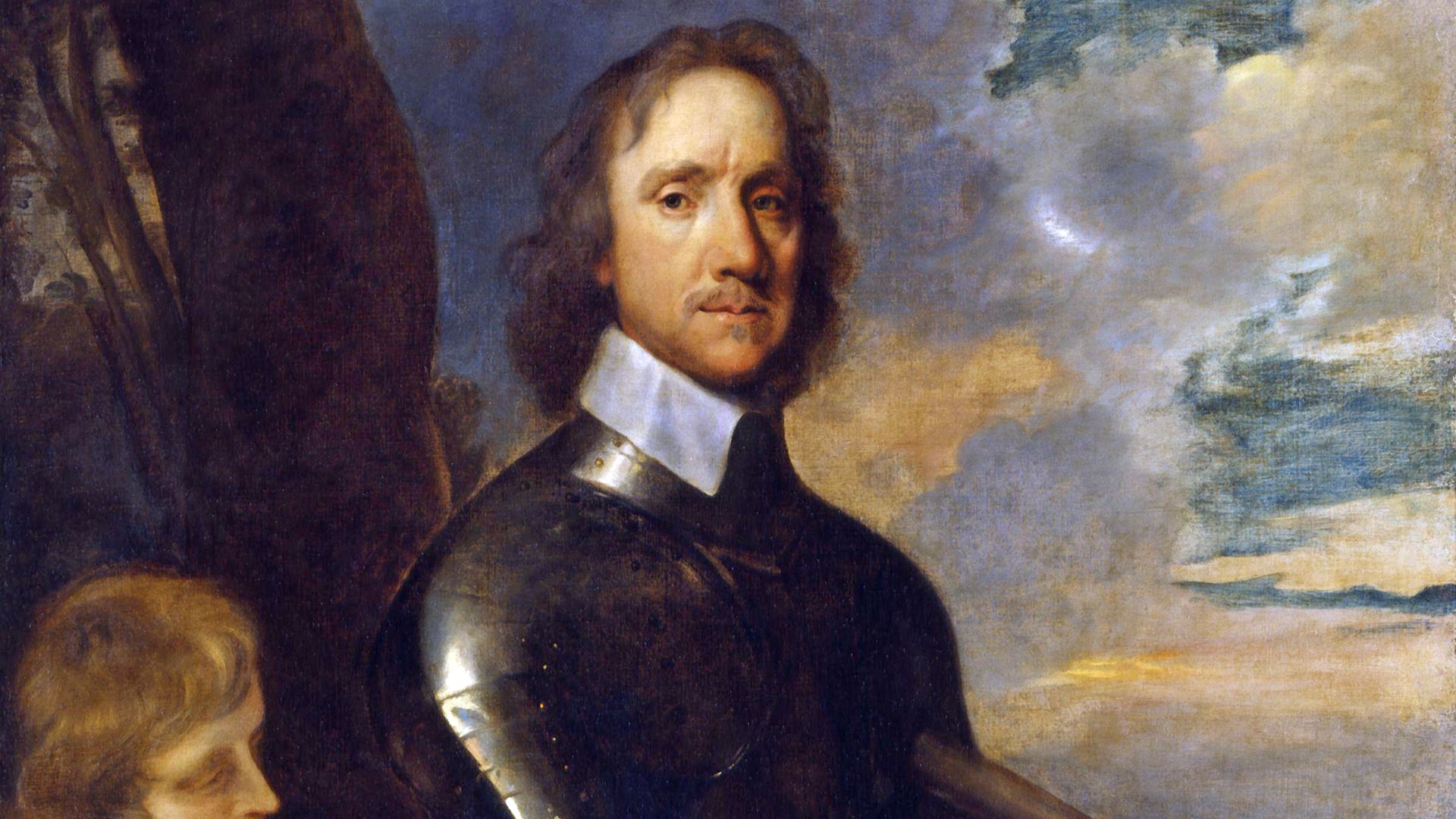
3. Oliver Cromwell
Portraits of Cromwell are notably unflattering compared to almost any other powerful leader of his era: lumpy, jowly, unsparing. Whether this reflected his Puritan distaste for vanity or a tradition of hostile portraiture, history got an unglamorous Cromwell rather than the commanding figure his contemporaries also described.
4. Catherine de' Medici
The portraits of Catherine, particularly those circulated by enemies, lean hard into severity: always in widow's black, expression closed, bearing cold. Protestant pamphleteers turned her into something close to a witch. The actual record of a woman who kept the French crown intact across decades of religious war is more interesting than any painting suggested.
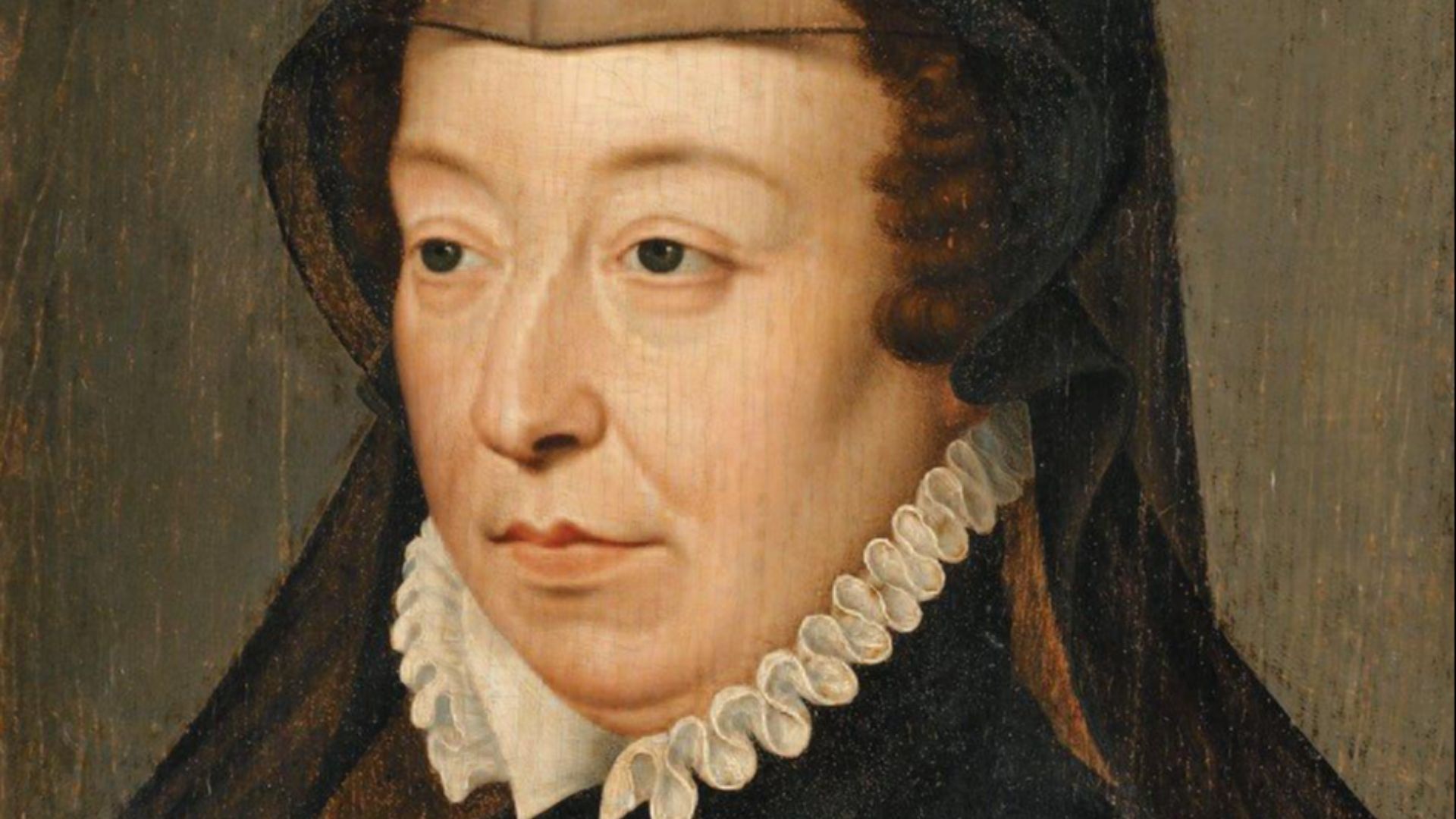 Workshop of François Clouet on Wikimedia
5. Vlad III of Wallachia
The iconic image of dead, staring eyes and a cruel mouth derives from woodcut portraits produced specifically to alarm a Western European audience. The Dracula legend owes more to those woodcuts than to anything approaching reliable portraiture. He was certainly brutal, but the visual tradition was designed to horrify, not document.
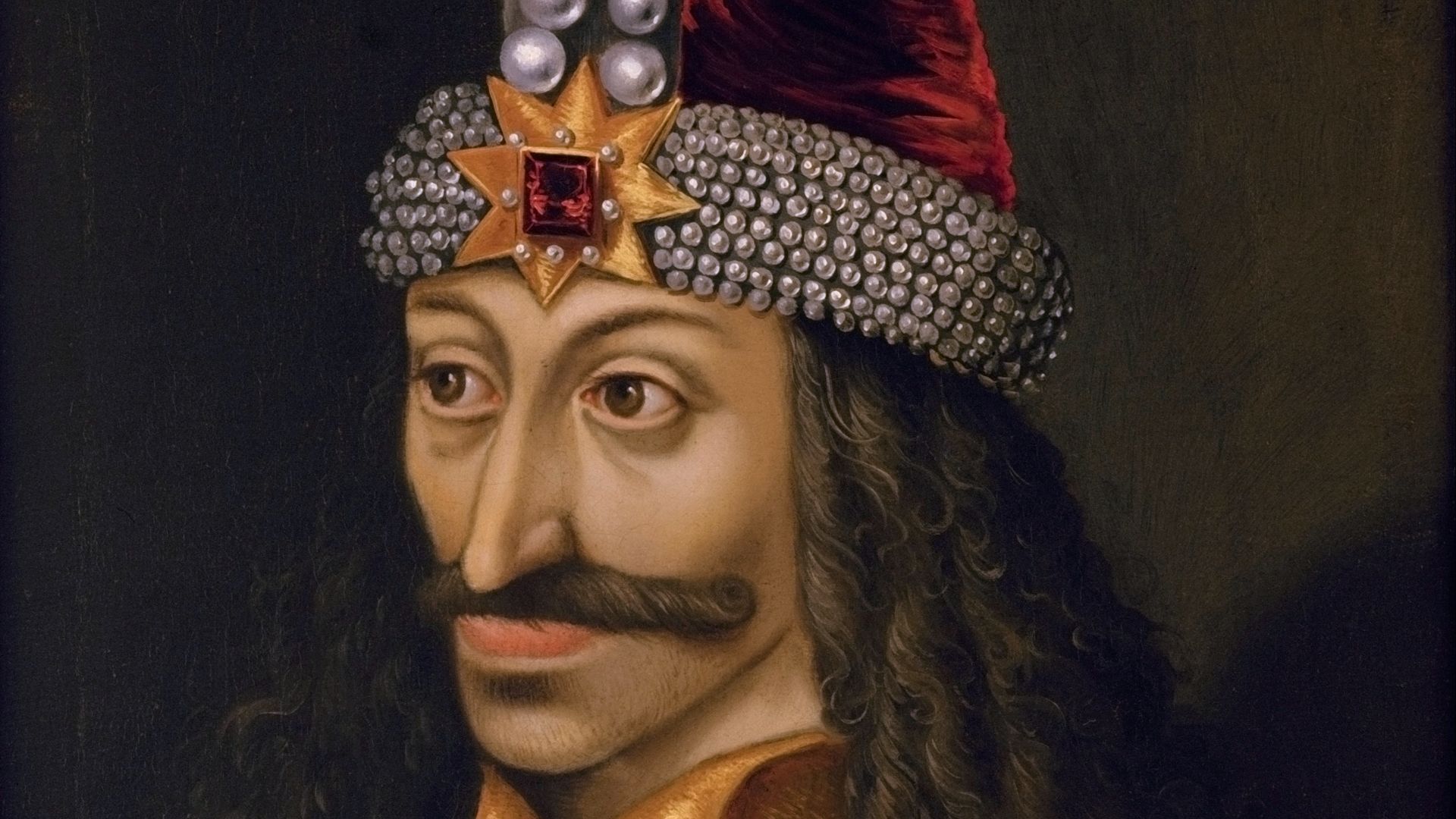 AnonymousUnknown author on Wikimedia
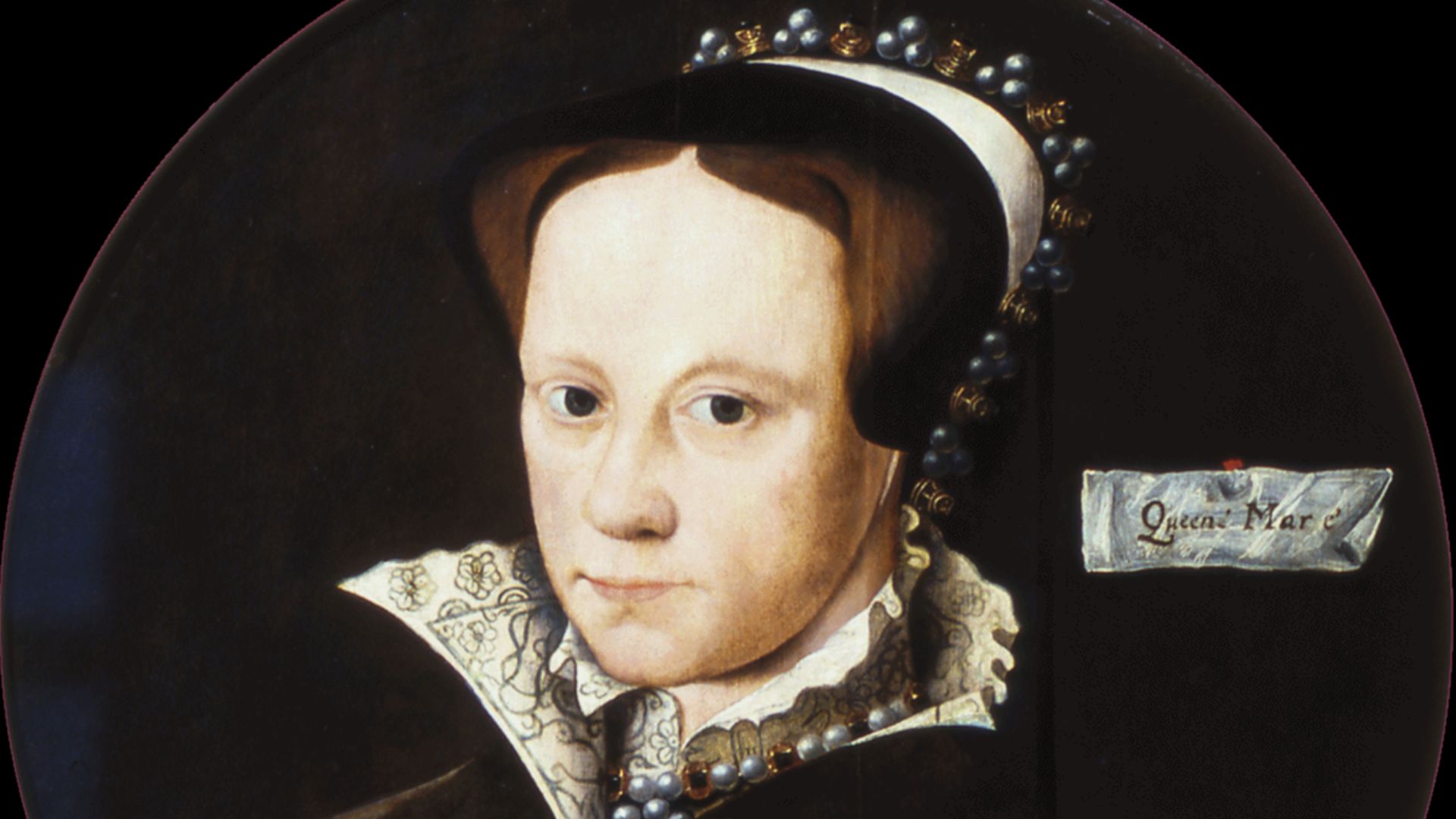
6. Mary I of England
Later historians and Protestant propagandists turned "Bloody Mary" into a cartoonishly grim figure, and the portraits followed suit. Contemporary sources describe a small, frequently ill woman under immense political pressure whose methods were not out of step with her father Henry's, but she lacked his talent for projecting charm, and the portraits never tried to compensate.
7. Ivan the Terrible
Ivan IV's epithet in Russian, "Grozny," translates closer to "formidable" than to "terrible," a translation choice that colored every subsequent portrait in English. The images ran with the terrible version: wild-eyed, monstrous. He was a violent ruler, but the visual tradition reflected deliberate foreign framing as much as fact.
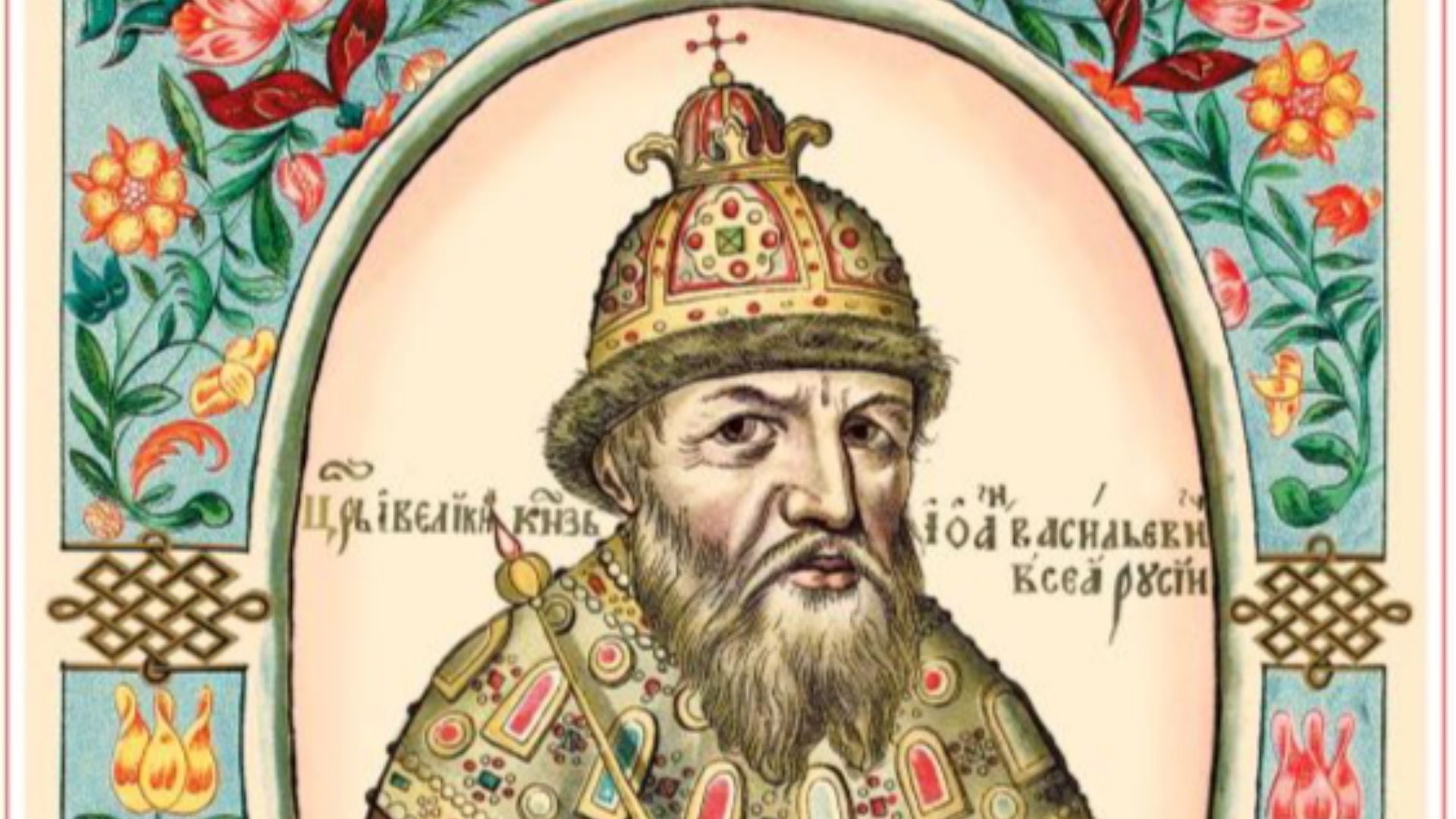 Unknown authorUnknown author on Wikimedia
8. Thomas Cromwell
Holbein painted Thomas Cromwell too, but where he flattered Henry, the Cromwell portrait is unsparing: a fixer doing difficult work and not pretending otherwise. After his execution, his image became shorthand for everything corrupt about Tudor politics. The man who spent decades keeping the machinery of government running was reduced to a cautionary face.
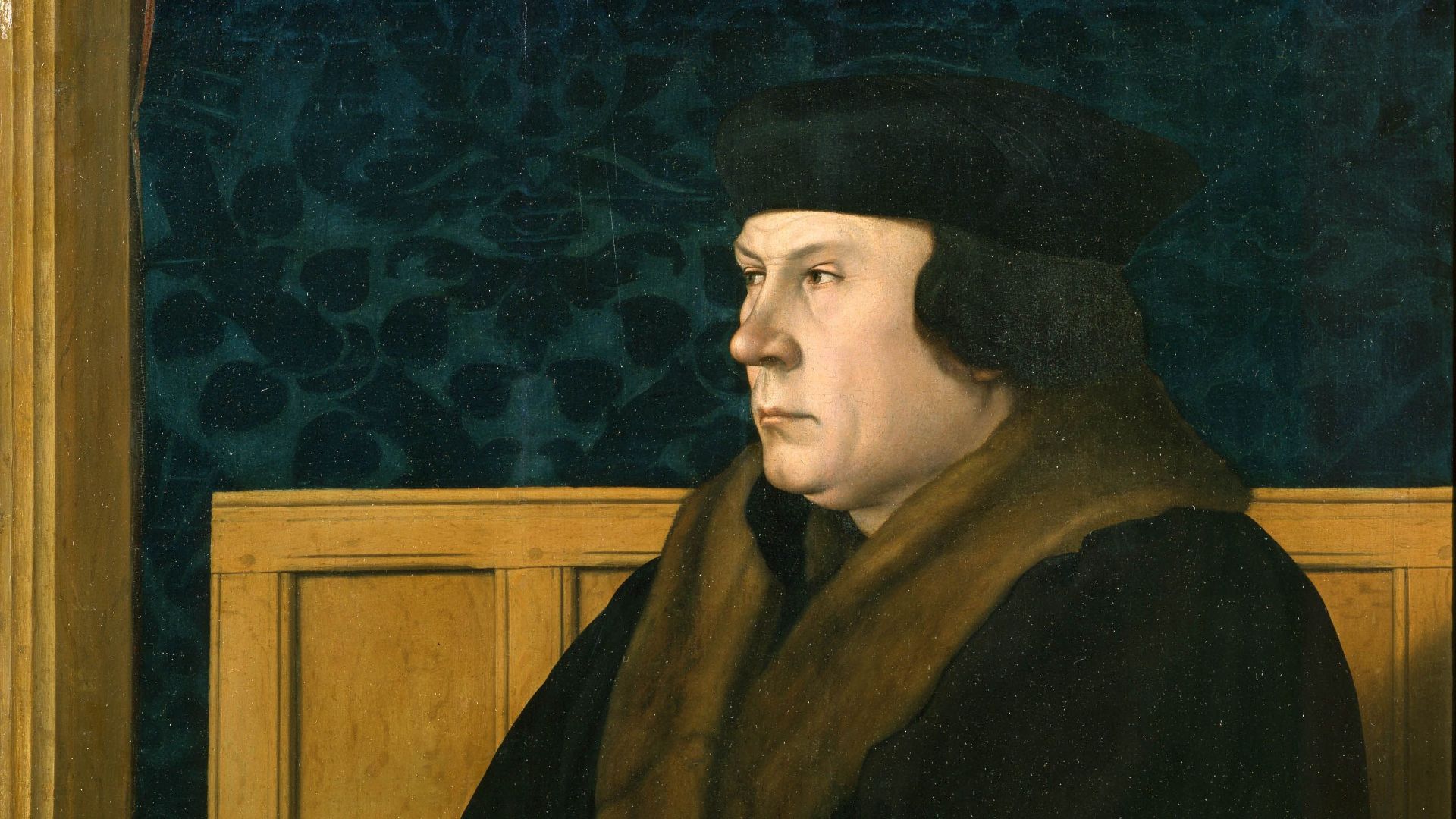 Hans Holbein the Younger on Wikimedia
9. Socrates
The busts of Socrates, made after his death, played up his reportedly homely features to the point of caricature: exaggerated snub nose, bulging eyes. He apparently leaned into this as a philosophical point about inner versus outer beauty, but later artists leaned right back, cementing an image that likely exaggerated what was simply an ordinary face.
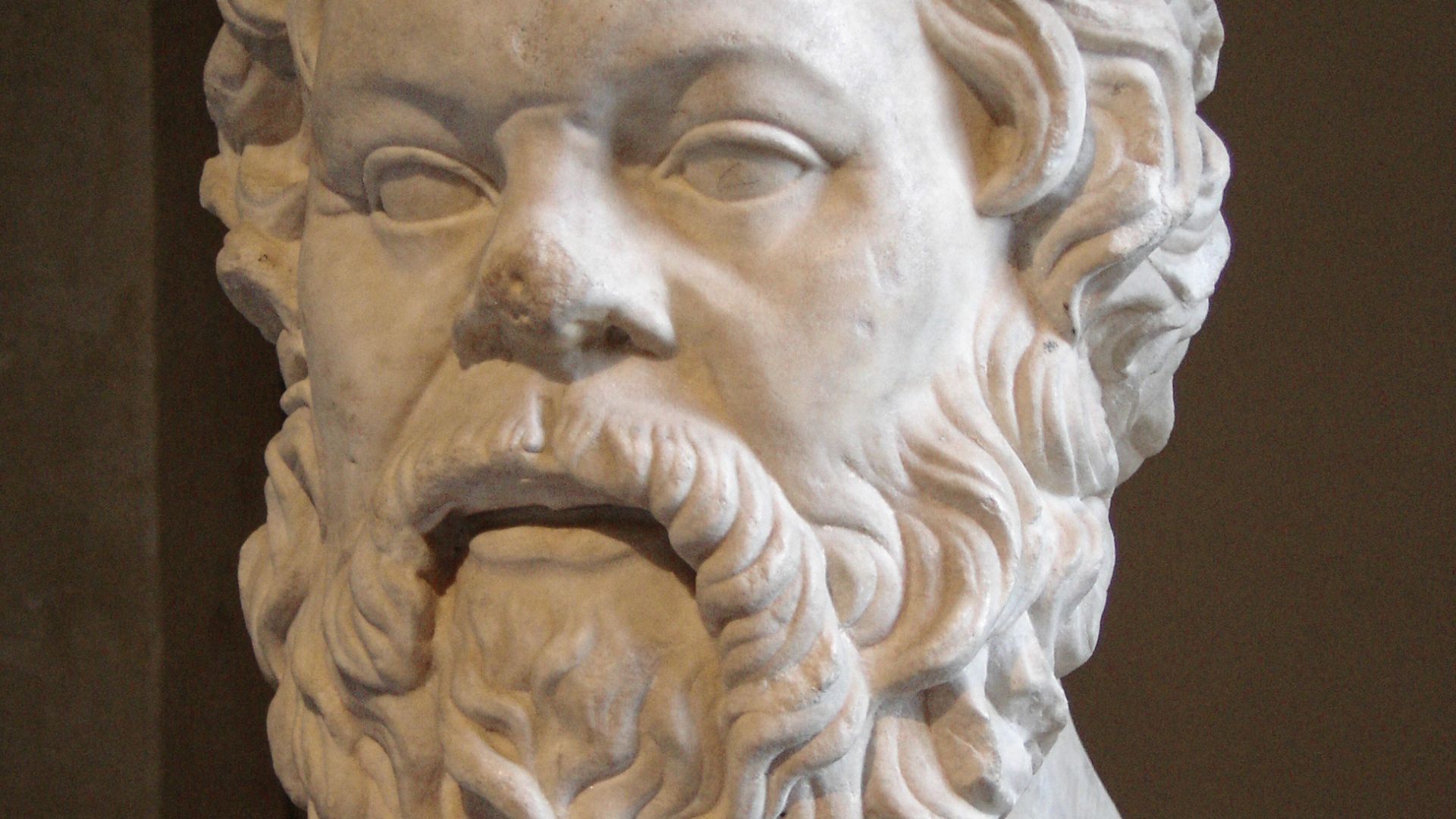 Copy of Lysippos (?) on Wikimedia
10. Agrippina the Elder
Roman portrait busts of Agrippina show a strong, determined face, but the written record was shaped almost entirely by male historians who found her political ambition threatening. A woman exercising the same drive attributed to greatness in Roman men was depicted as dangerous rather than formidable, and that framing stuck.
KEEP ON READING
The story of Ching Shih, the Woman Who Became the…
Unknown author on WikimediaFew figures in history are as feared…
By Emilie Richardson-Dupuis Dec 29, 2025
Einstein's Violin Just Sold At An Auction—And It Earned More…
A Visionary's Violin. Wanda von Debschitz-Kunowski on WikimediaWhen you hear…
By Ashley Bast Nov 3, 2025
This Infamous Ancient Greek Burned Down An Ancient Wonder Just…
History remembers kings and conquerors, but sometimes, it also remembers…
By David Davidovic Nov 12, 2025
The Mysterious "Sea People" Who Collapsed Civilization
3,200 years ago, Bronze Age civilization in the Mediterranean suddenly…
By Robbie Woods Mar 18, 2025
20 Greatest Ancient Athletes In History
Ancient Olympics. Long before modern stadiums and multimillion-dollar endorsements, athletes…
By Sara Springsteen May 1, 2026
20 Soldiers Who Defied Expectations
Changing the Rules of the Battlefield. You’ve probably heard plenty…
By Annie Byrd Feb 10, 2026