

More Than Just A Room
The Library of Alexandria has always had the perfect ingredients for a historical obsession: royal ambition, brilliant scholars, lost books, and just enough mystery to keep people interested, even centuries after it was ruined. It wasn’t a public library in the modern sense, and it probably wasn’t destroyed in one clean, movie-ready disaster. The real story is more complicated, which makes it more interesting, not less. Alexandria’s great library culture grew out of politics, money, scholarship, and a deadly hunger for prestige. It also reminds us that ancient knowledge survived through people doing slow, careful work, not through magic or luck. Here are 20 facts that help explain why the Library of Alexandria still feels so enormous in the historical imagination.
 Constantinos Kollias on Unsplash
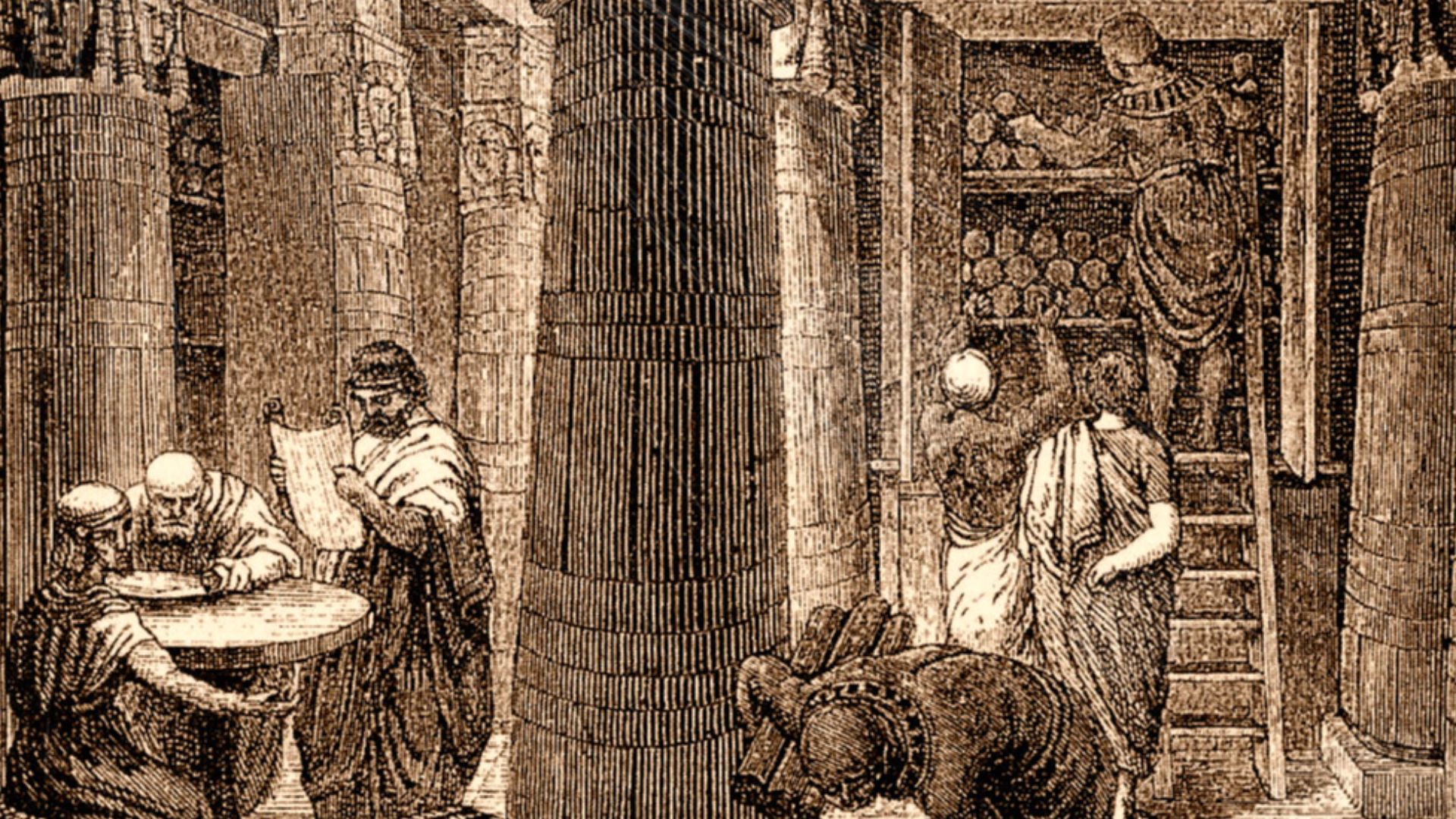
1. It Was Part of the Mouseion
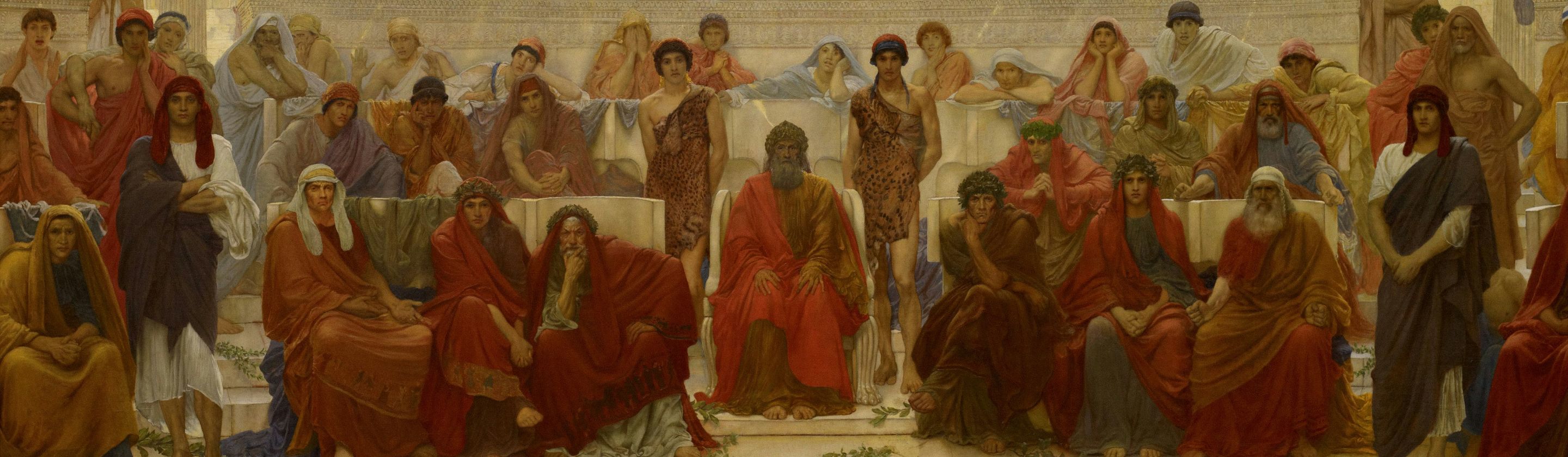
The Library was connected to the Mouseion, a royal research institution dedicated to the Muses. It operated less like a public library, aligning more with an ancient campus feel than anything else.
2. It Grew Under the Ptolemies
The Library developed under the Ptolemaic dynasty, the Greek rulers of Egypt after Alexander the Great’s death. Its early history isn’t the easiest to decipher, but the general consensus is that it grew consistently through Ptolemaic support.
 Unknown authorUnknown author on Wikimedia
3. It Stood Near the Palace
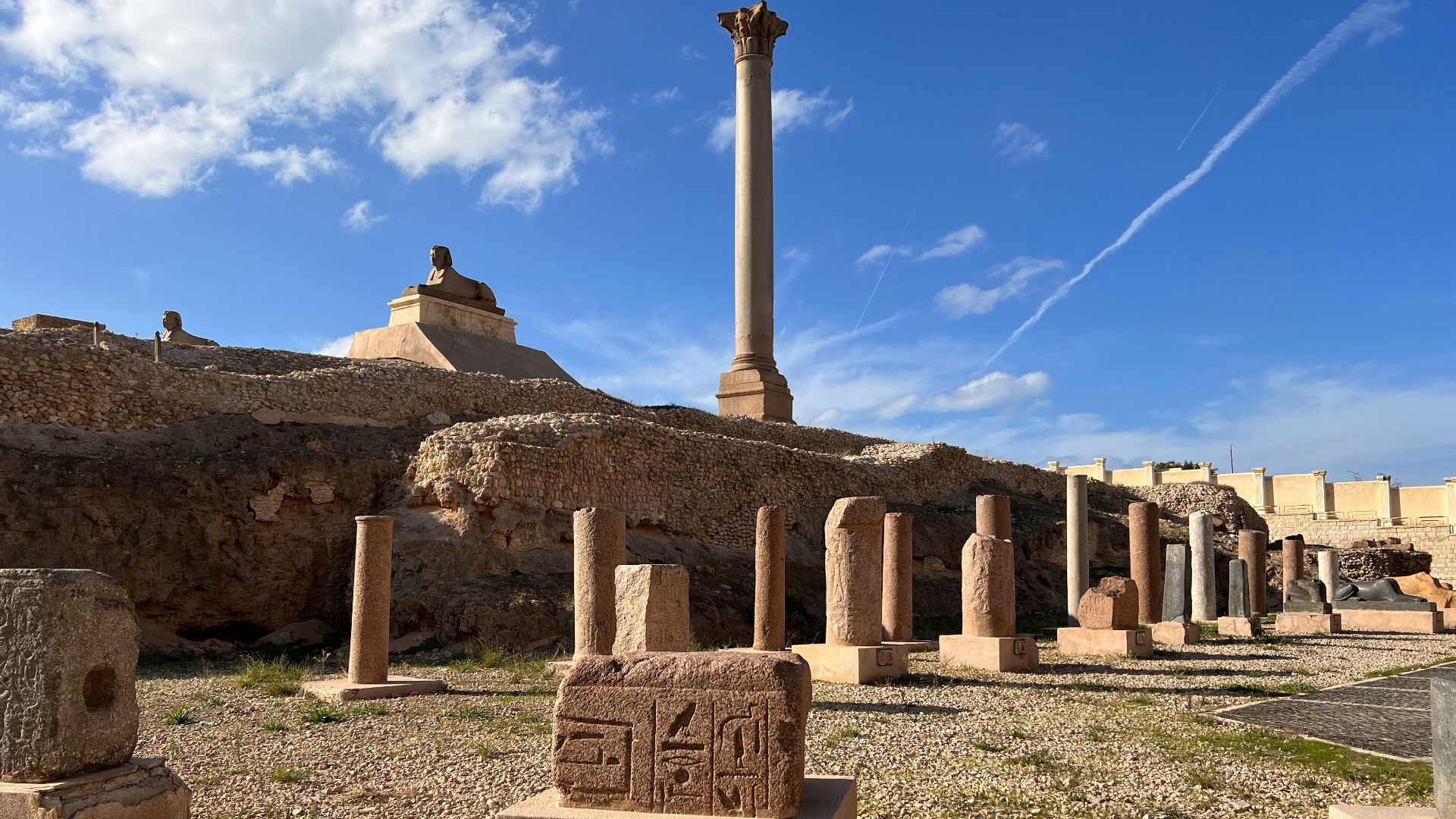
The Library was tied to Alexandria’s royal quarter, which was no small detail. Its location connected books, scholarship, and political authority, giving the Ptolemies a rock-hard foundation to say their city belonged at the center of Greek-speaking culture.
4. It Chased a Universal Collection
The Library’s most famous goal was almost wildly ambitious: gather as much written knowledge as possible. In a world of fragile scrolls, long journeys, and uneven copying, that kind of collecting took money, reach, and influence.
5. Its Shelves Held Scrolls
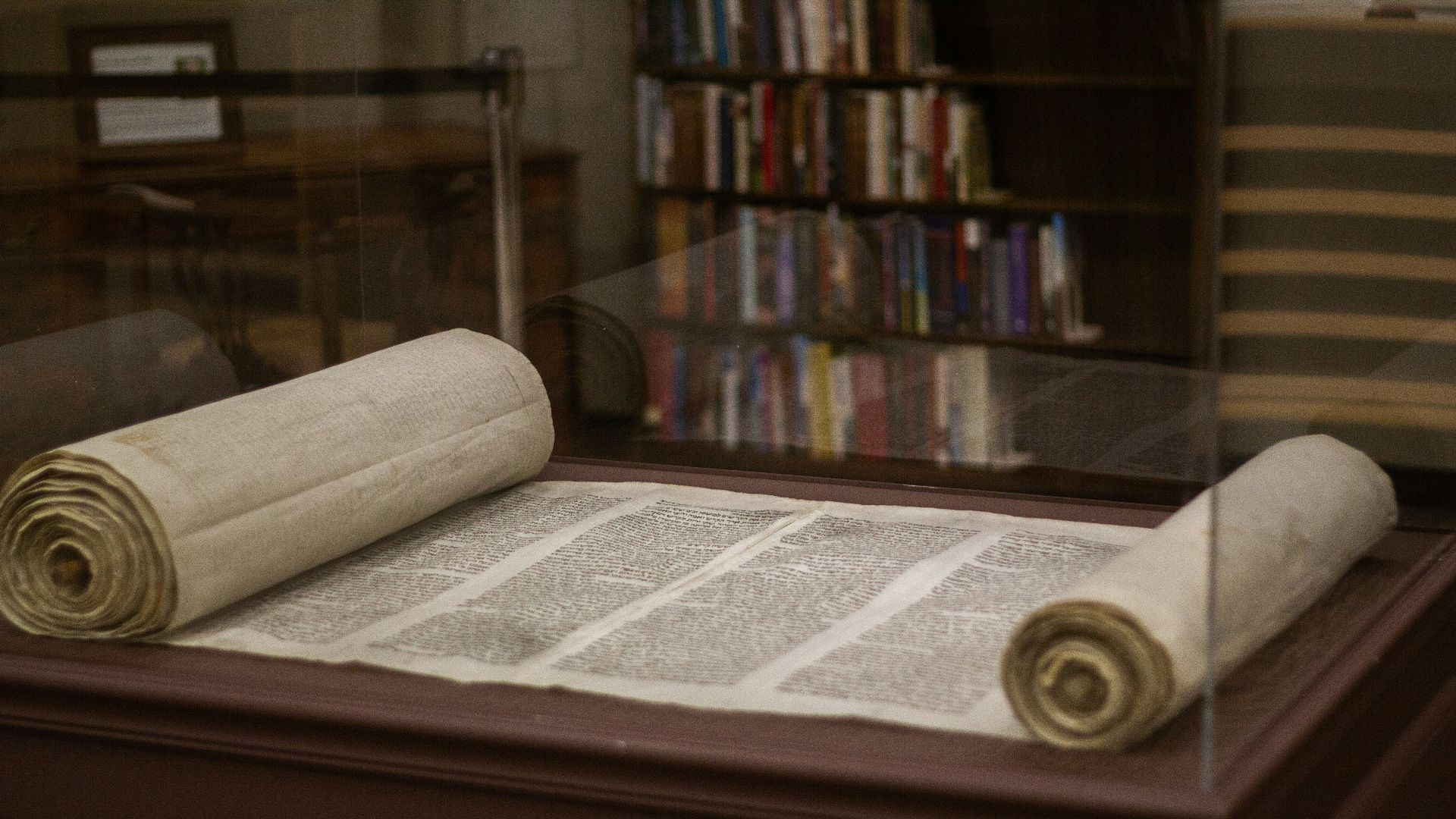
The collection was made up mainly of papyrus scrolls, not bound books like the ones we know today. A single long work could run across several rolls, which makes ancient claims about the size of the collection tricky to compare with modern libraries.

6. Its Size Is Still Uncertain
Ancient and modern discussions often mention huge numbers of scrolls, but no exact total can be confirmed. The Library was clearly large and famous by ancient standards, but it’s unlikely that any concrete record-keeping was kept. If it was, it was probably burned like the other books.
7. Ships May Have Supplied New Texts
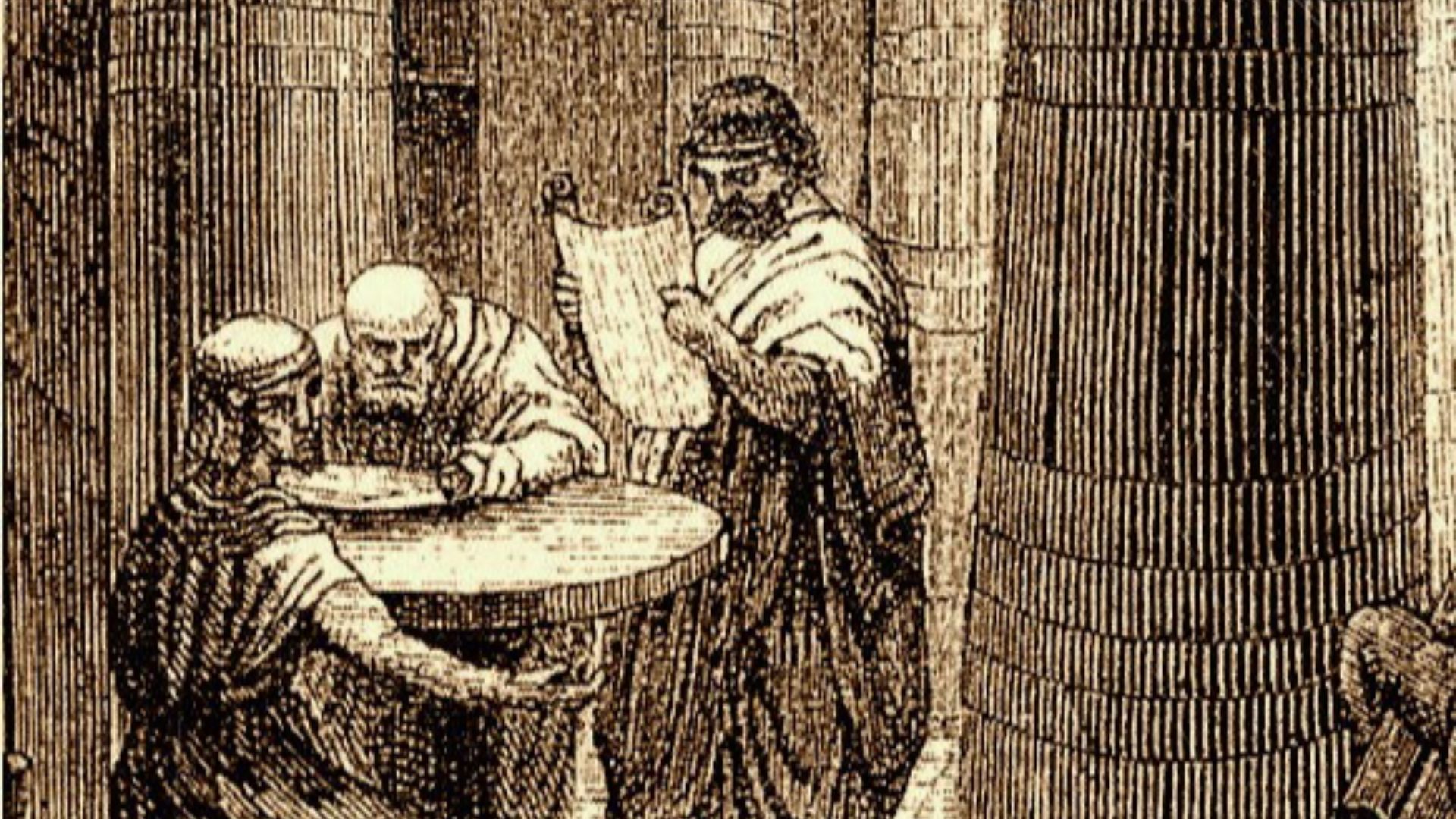
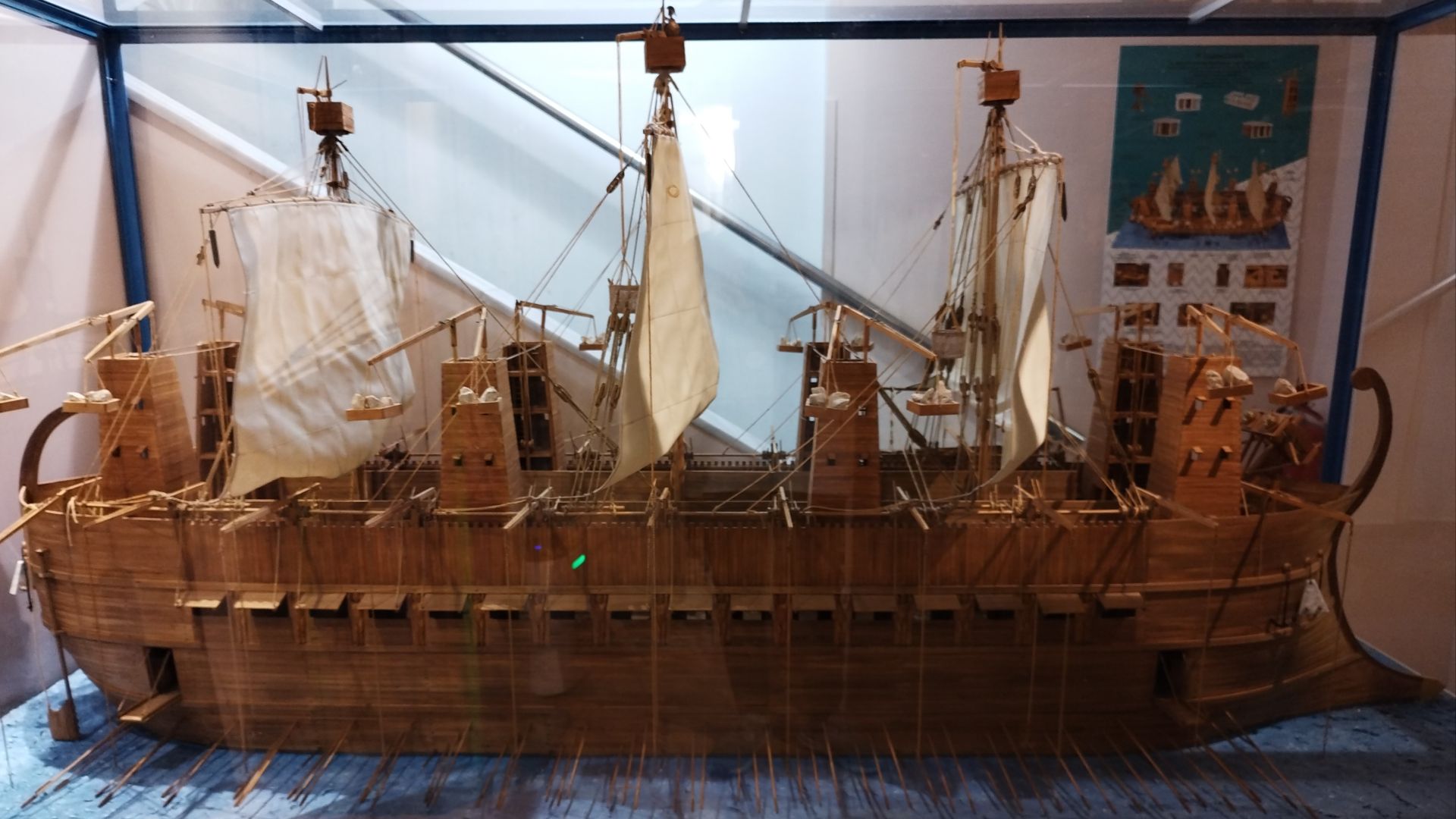
One famous tradition says ships arriving in Alexandria were searched for books and scrolls. According to the story, texts were copied for their owners, while the originals stayed behind in the Library’s collection.
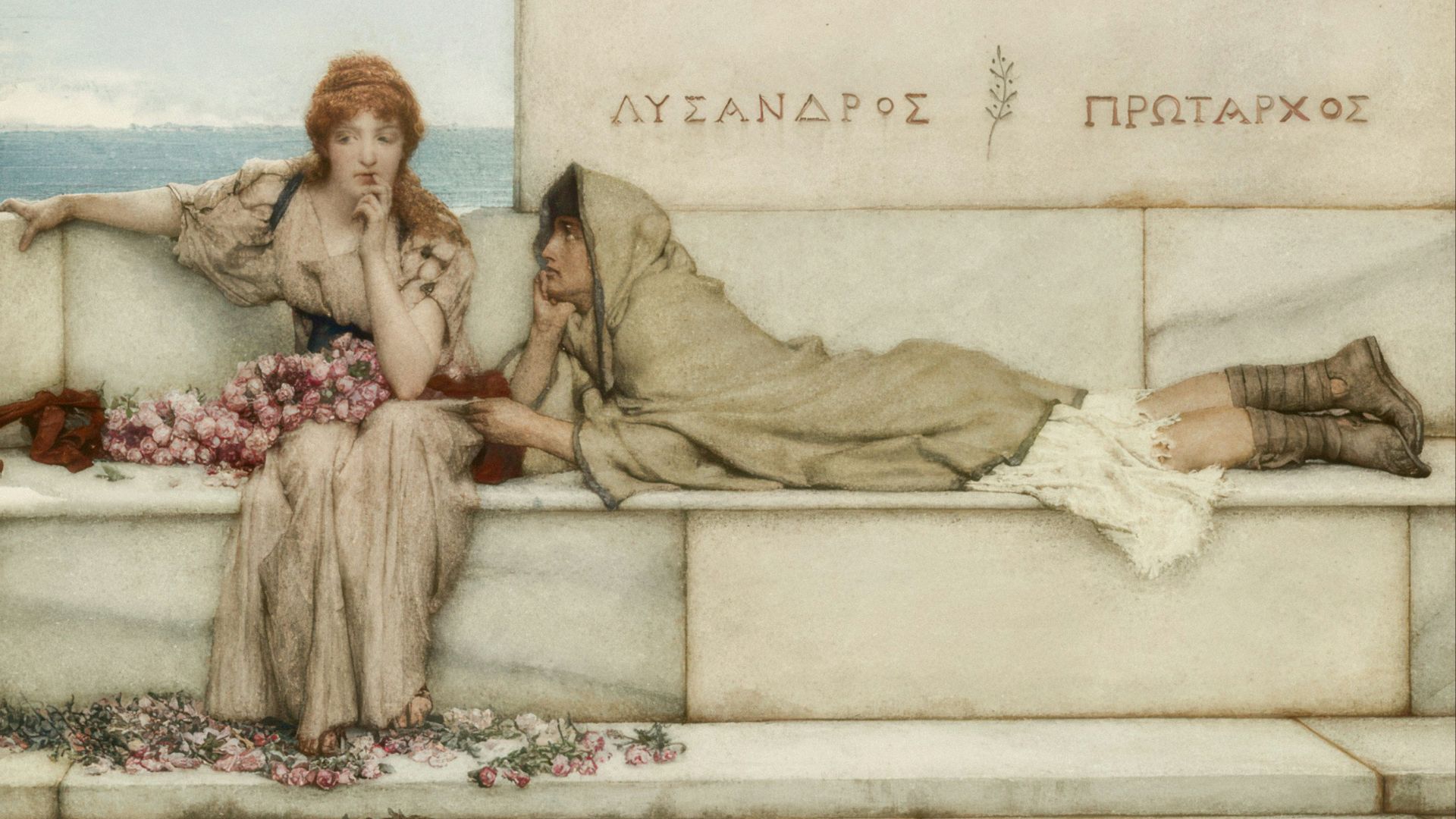
8. The Athenian Plays Story Is Legendary
Another well-known tradition claims that a Ptolemaic ruler borrowed official copies of famous Athenian tragedies, returned copies, and kept the originals. Whether or not that happened as often as we like to believe, the story captures the Library’s reputation for aggressive collecting.
 The Walters Art Museum on Unsplash
9. Cataloging Became Essential
A collection that large could not work without organization. Scholars developed ways to sort authors, titles, and subjects, turning the Library into a place where knowledge was not only stored, but also arranged for consistent use.
10. Callimachus Helped Shape Its System
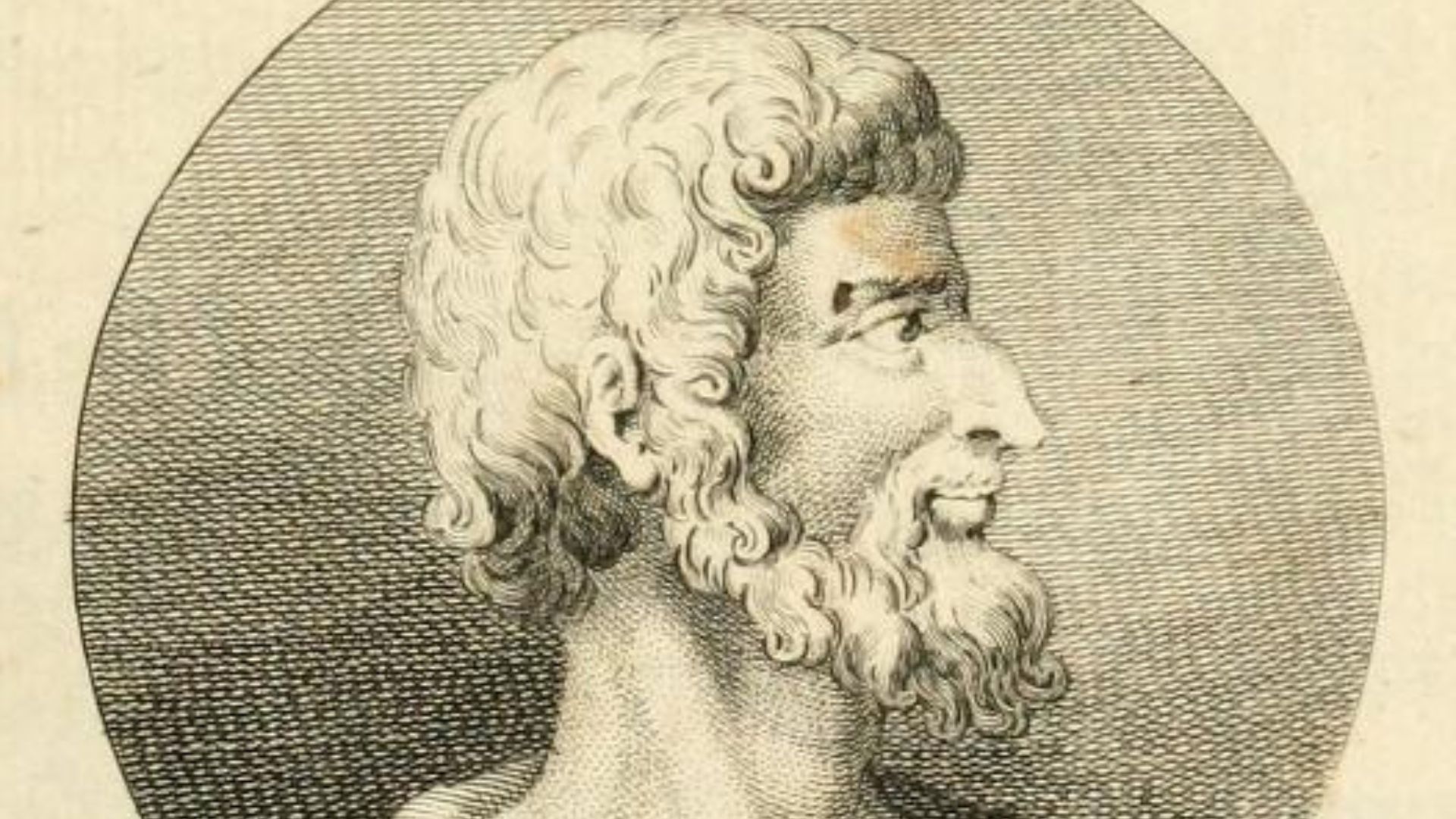
Callimachus, a poet and scholar, became closely linked with a major cataloging project associated with the Library. His work helped create a more orderly map of Greek literature, which was a serious achievement in a world without any online cataloguing system.
 Wiliam Henry Toms on Wikimedia
11. Textual Editing Was a Major Job
Alexandrian scholars didn’t just admire old texts from a distance. They compared versions, corrected errors, flagged doubtful passages, and tried to establish better copies of important works before the written mistake could become a part of history.
12. Homer Received Special Attention
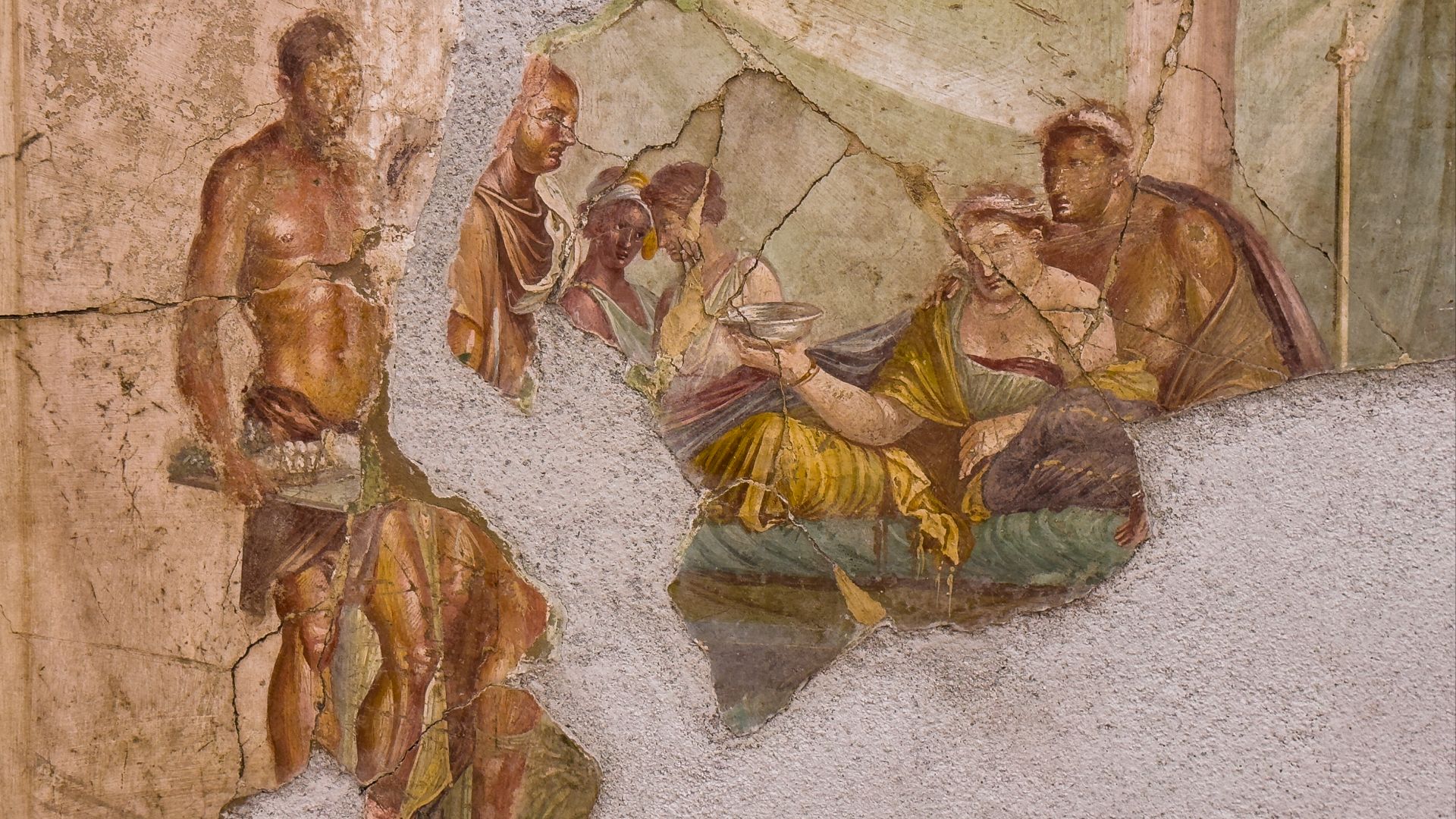
The poems attributed to Homer were a major focus for scholars in Alexandria. Since ancient works could circulate in different forms, careful editing helped shape the versions that later readers would inherit.
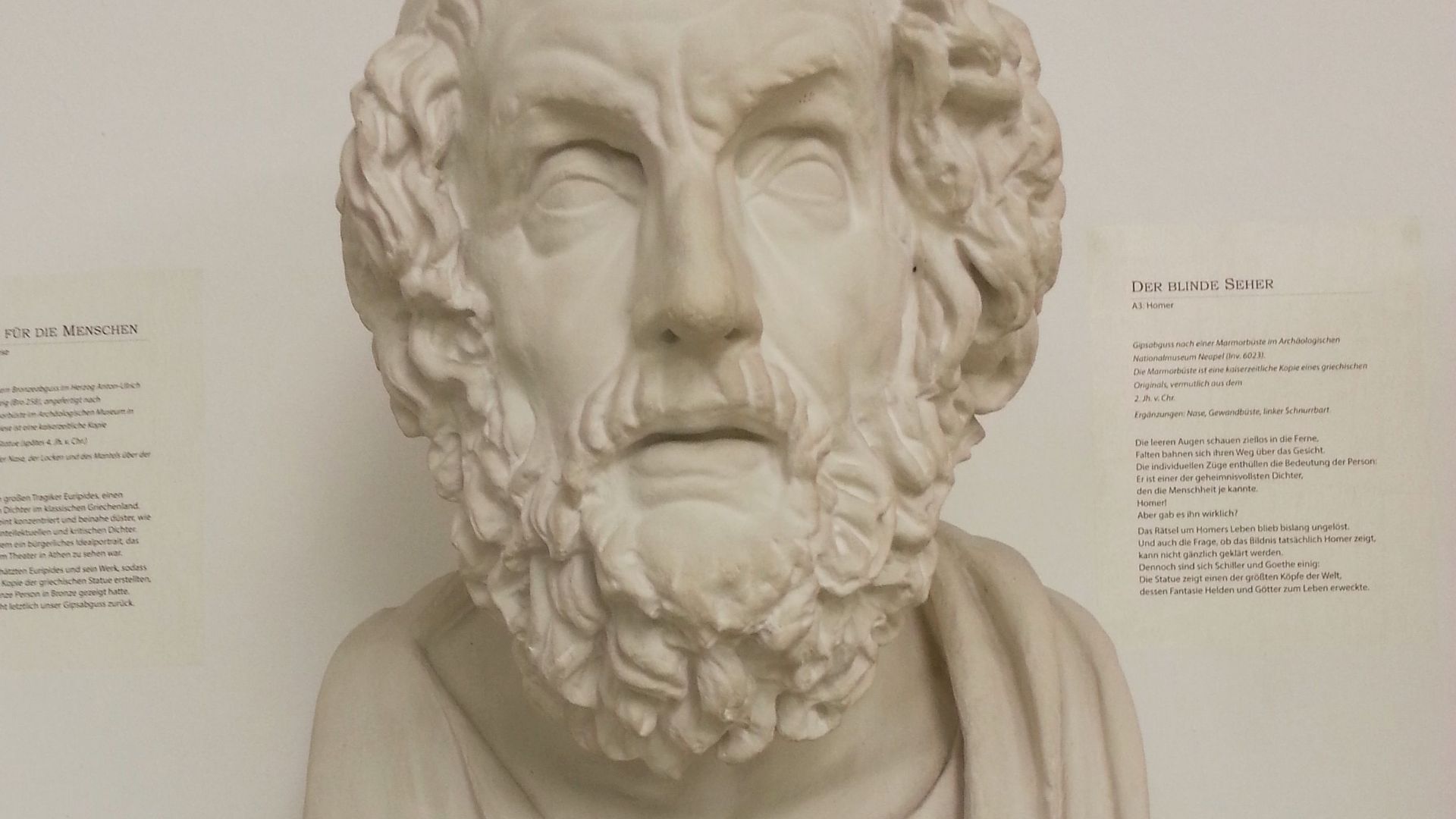
13. Zenodotus Was an Early Leader
Zenodotus of Ephesus is often remembered as one of the Library’s first major leaders. His work on Greek poetry, especially Homeric texts, helped set the tone for the careful scholarship Alexandria became known for.
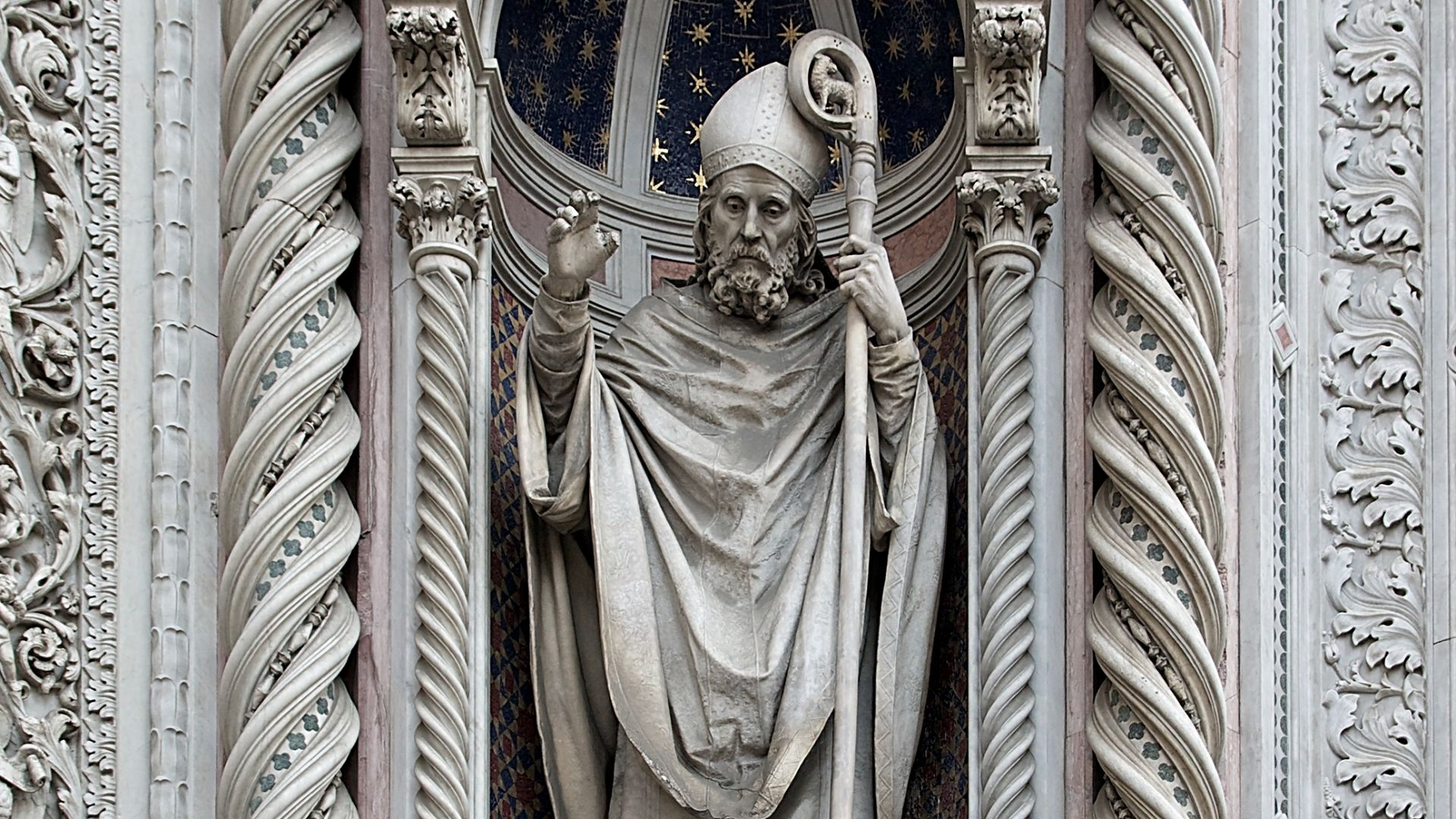
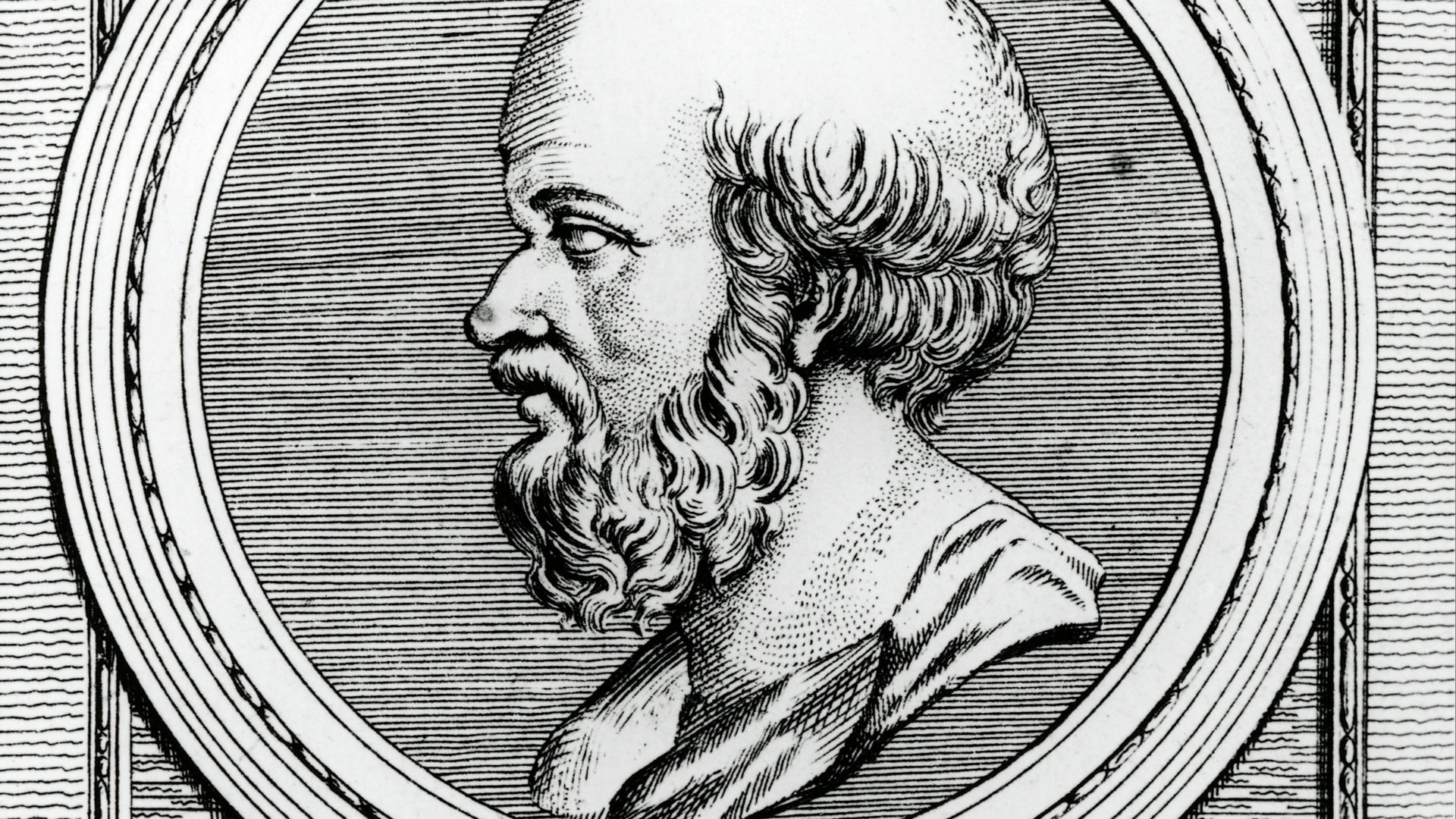
14. Eratosthenes Worked There
Eratosthenes, one of antiquity’s great intellectual figures, became associated with the Library and its scholarly world. He is best remembered for estimating Earth’s circumference through observation, distance, and geometry.
15. Scholars Had Royal Support
The scholarly community around the Library depended on patronage from the ruling dynasty. Food, stipends, status, and time all played a role in this process, because serious research was much easier when a powerful court was paying the bills.
16. It Was Not Open to Everyone
The Library was probably not a public space where any curious visitor could browse the stacks. Its main users were likely elite scholars connected to the Mouseion, the court, and Alexandria’s intellectual circles.

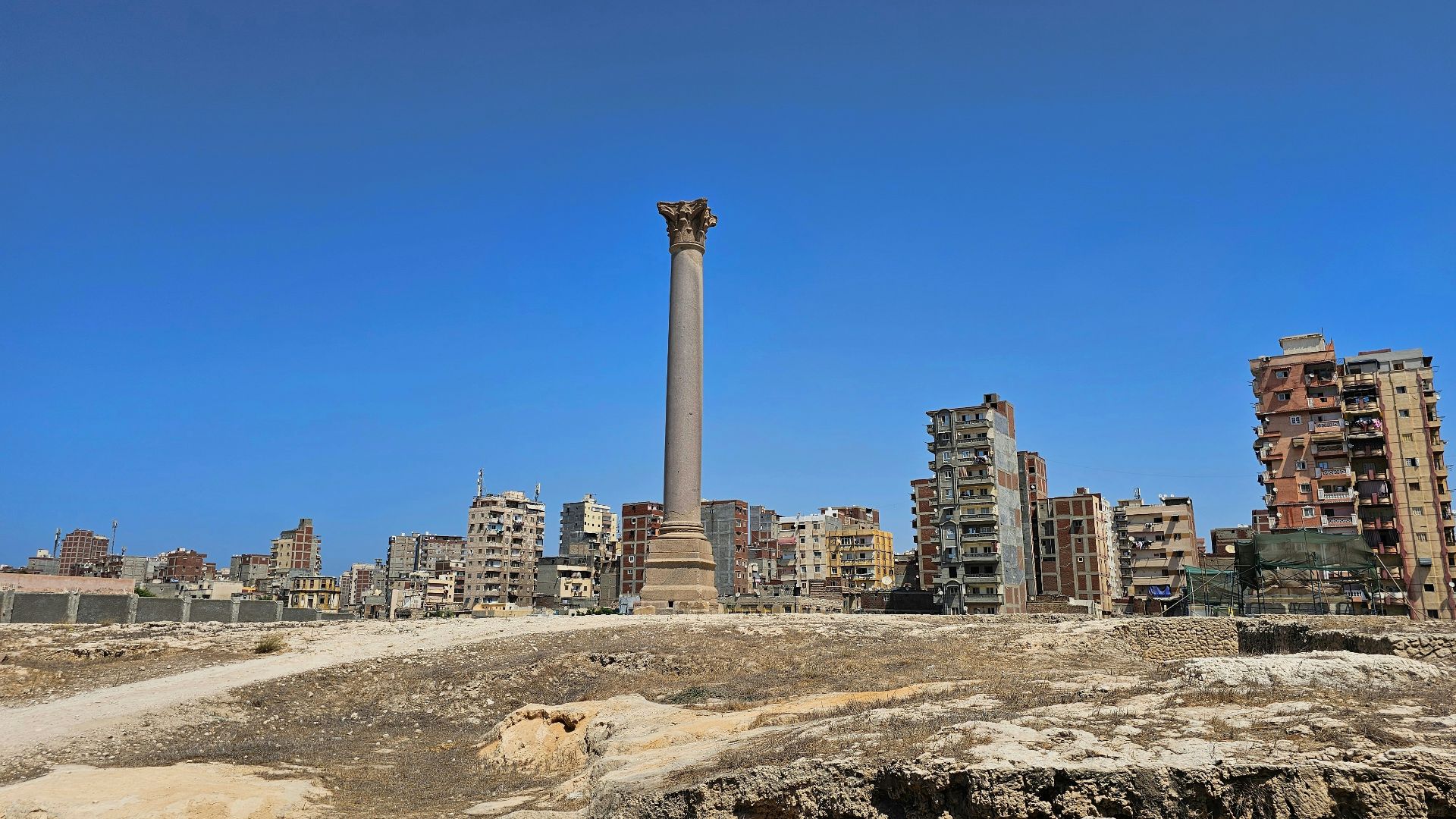
17. A Daughter Collection Existed
A related collection was associated with the Serapeum, a major temple complex in Alexandria. This library was erected during the reign of Ptolemy III Euergetes, and the temple was dedicated to the Greco-Egyptian god Serapis.
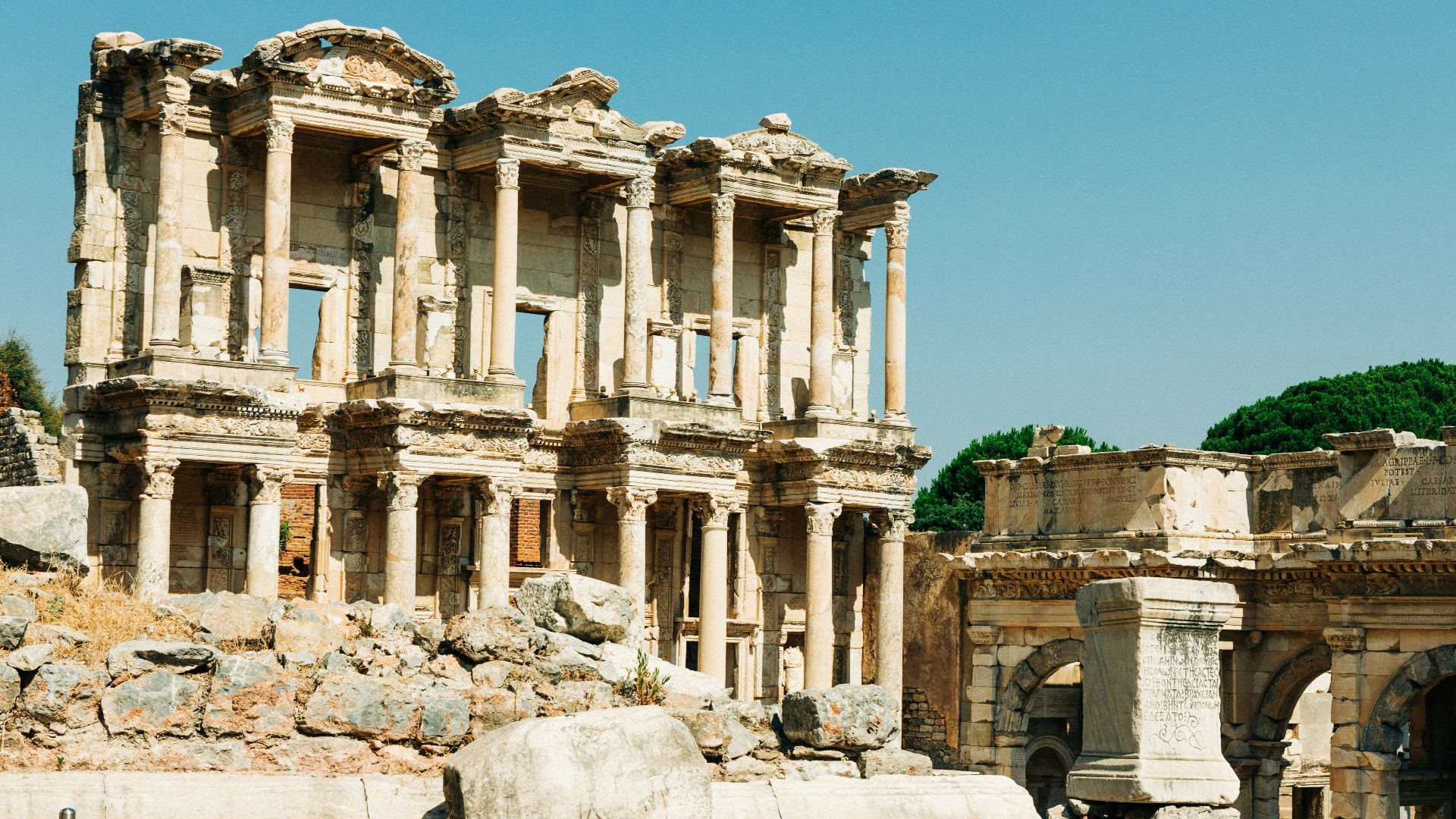
18. Alexandria Had Rivals
Alexandria was not the only city using books and scholarship as cultural currency. Other Hellenistic centers built major collections and attracted scholars too, turning libraries into symbols of status as much as tools for learning.
 José Pablo Domínguez on Unsplash
19. Its Decline Was Gradual
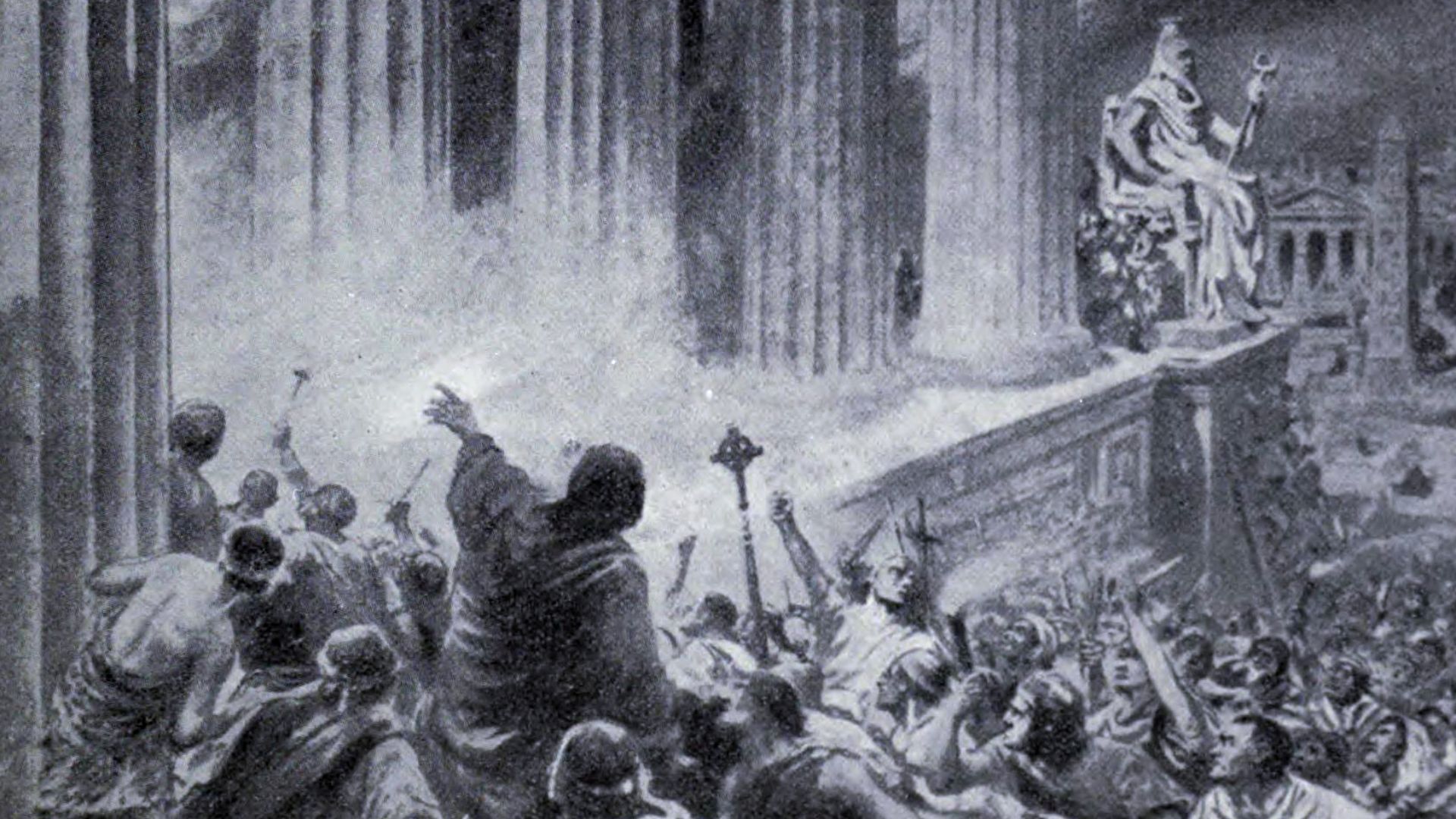
The Library’s disappearance was probably not caused by one dramatic event. Political instability, war, reduced patronage, changing cultural priorities, and the fragile nature of ancient texts all seem to have played a part.
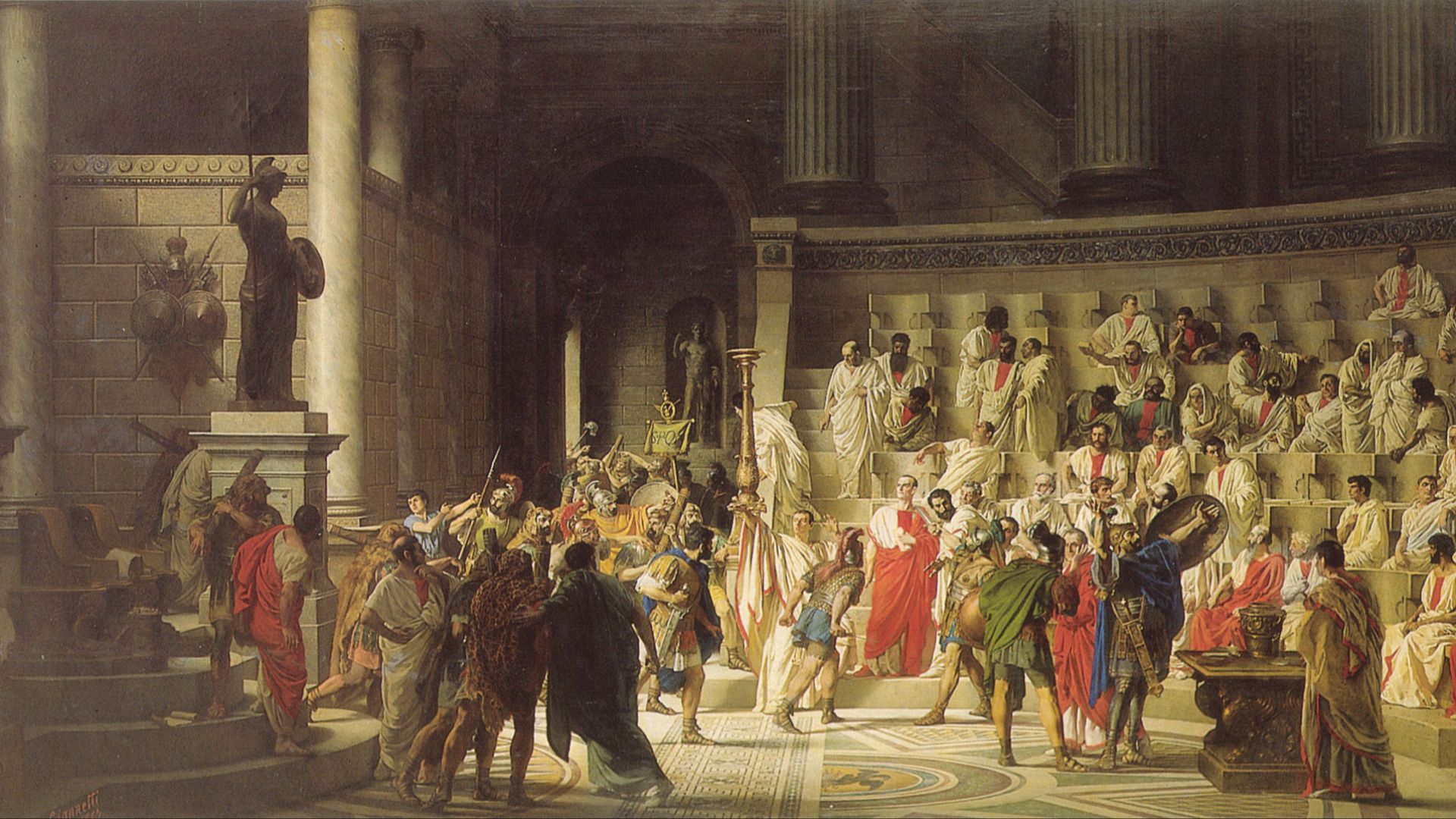
20. The Famous Fire Story Is Too Simple
Julius Caesar’s fighting in Alexandria did involve some hefty fire damage, and some books may have been lost. Still, the idea that one blaze erased the entire Library in a single moment is too neat; the real loss appears to have been slower, messier, and much more human.
KEEP ON READING

The Brutal Realities Of Gladiator Life Beyond the Arena
David Cruz asenjo on PexelsWhen most people think of gladiators,…
By Rob Shapiro Mar 31, 2026
The Volcano Winter That Nearly Toppled Europe
Collin Ross on UnsplashMost people, if asked to name a…
By Cameron Dick Mar 31, 2026
From School Plays To Starting A Cult: 20 Of The…
The Books That Made Us. Many people will tell you…
By Farva Ivkovic Jan 31, 2025
20 Facts About Jane Grey, The Forgotten Queen Of England
A Quick, Messy, and Tragic Reign. Lady Jane Grey never…
By Maria Cruz Jan 31, 2025
20 Priceless Historical Art Pieces Rescued By The Monuments Men
Protecting Human History. While the soldiers on the front lines…
By Sara Springsteen Mar 31, 2026
Almost Every Ancient Statue Has a Missing Nose, And It's…
Gary Todd from Xinzheng, China on WikimediaWalk through the classical…
By Elizabeth Graham Mar 31, 2026