

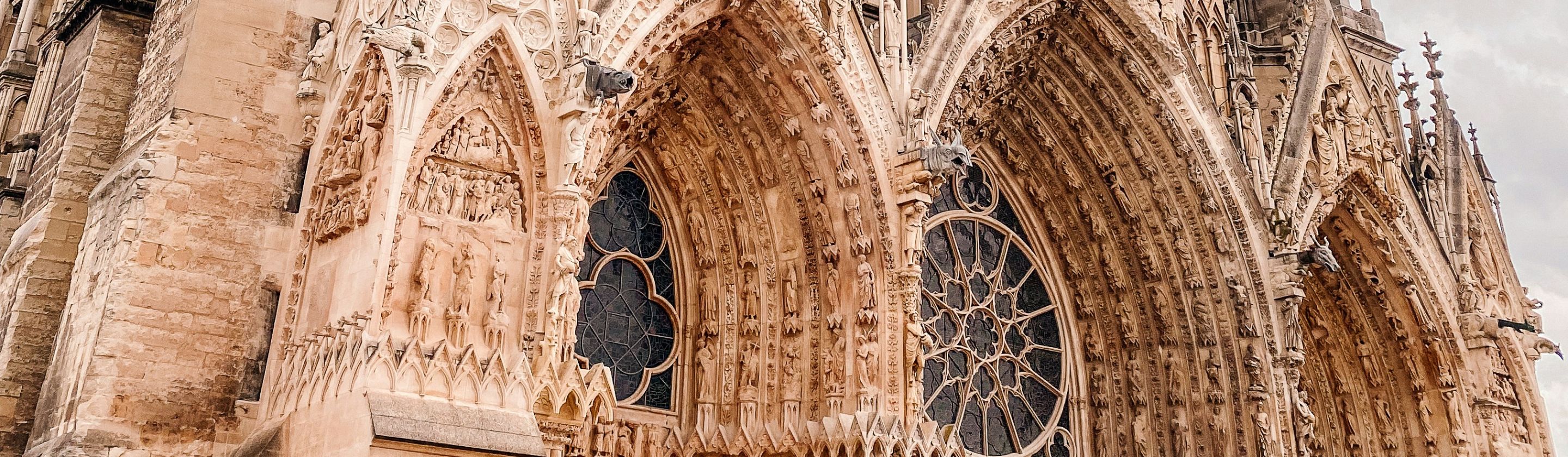
Gone, But Not Forgotten
Like just about anything else in the world, war pays no mind to what it ruins. A palace, cathedral, mosque, bridge, library, or old city square can carry centuries of work, ritual, pride, and daily life in its walls. When those places are destroyed, the loss can feel personal even to people who never saw them in person, because they were part of a much larger shared memory. While some of these sites were rebuilt, others still survive as ruins, empty niches, or fragments. These 20 architectural masterpieces show how much history can be lost when war reaches the places people thought would last.
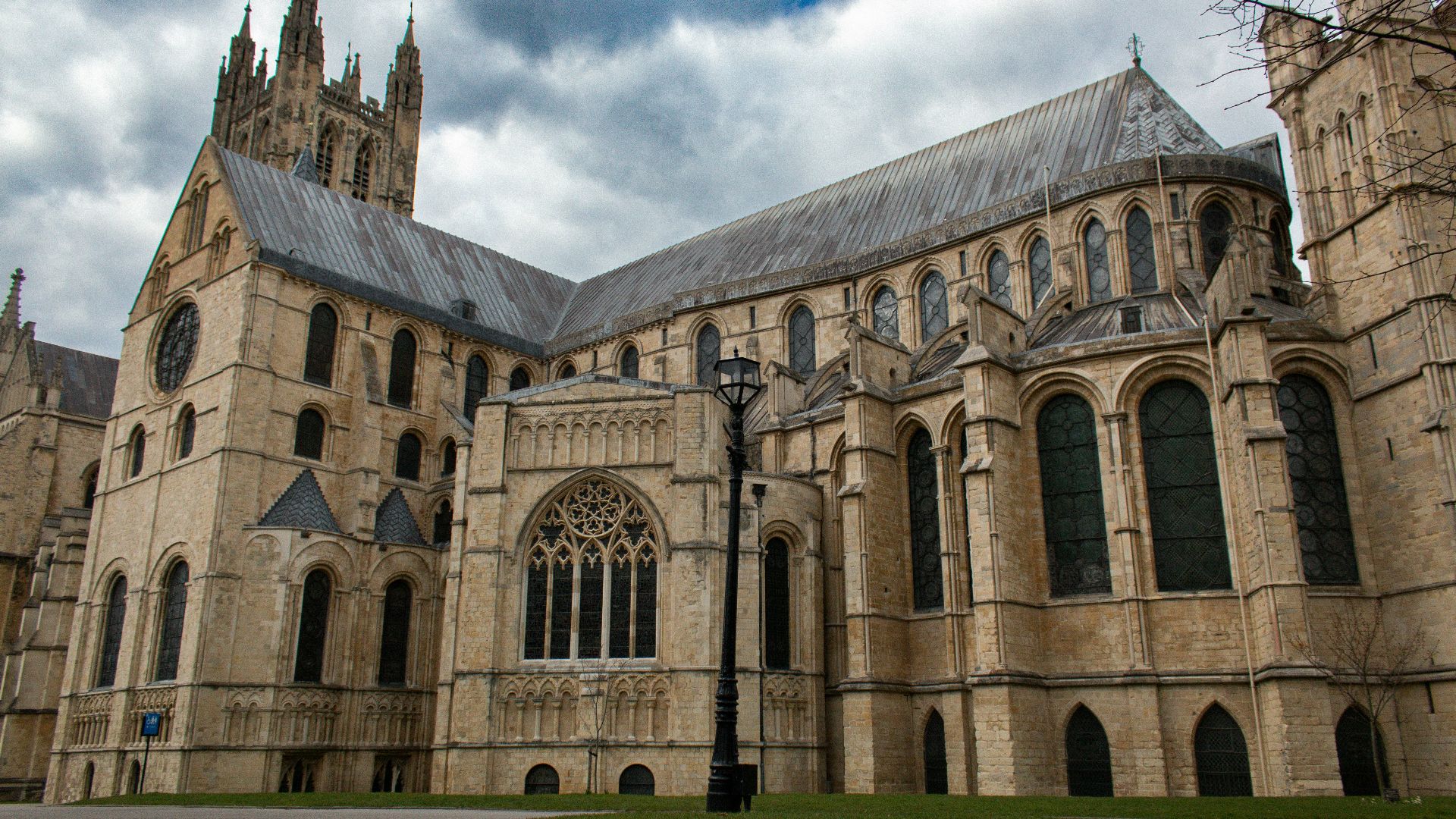
1. The Old Summer Palace, Beijing
The Old Summer Palace was once a vast imperial complex. Constructed during the 18th and 19th centuries, it was torn apart in 1860 during the Second Opium War. British and French forces looted the site, and British troops later set much of it on fire. The ruins still carry deep meaning in China, where the destruction remains tied to a painful chapter of national history.
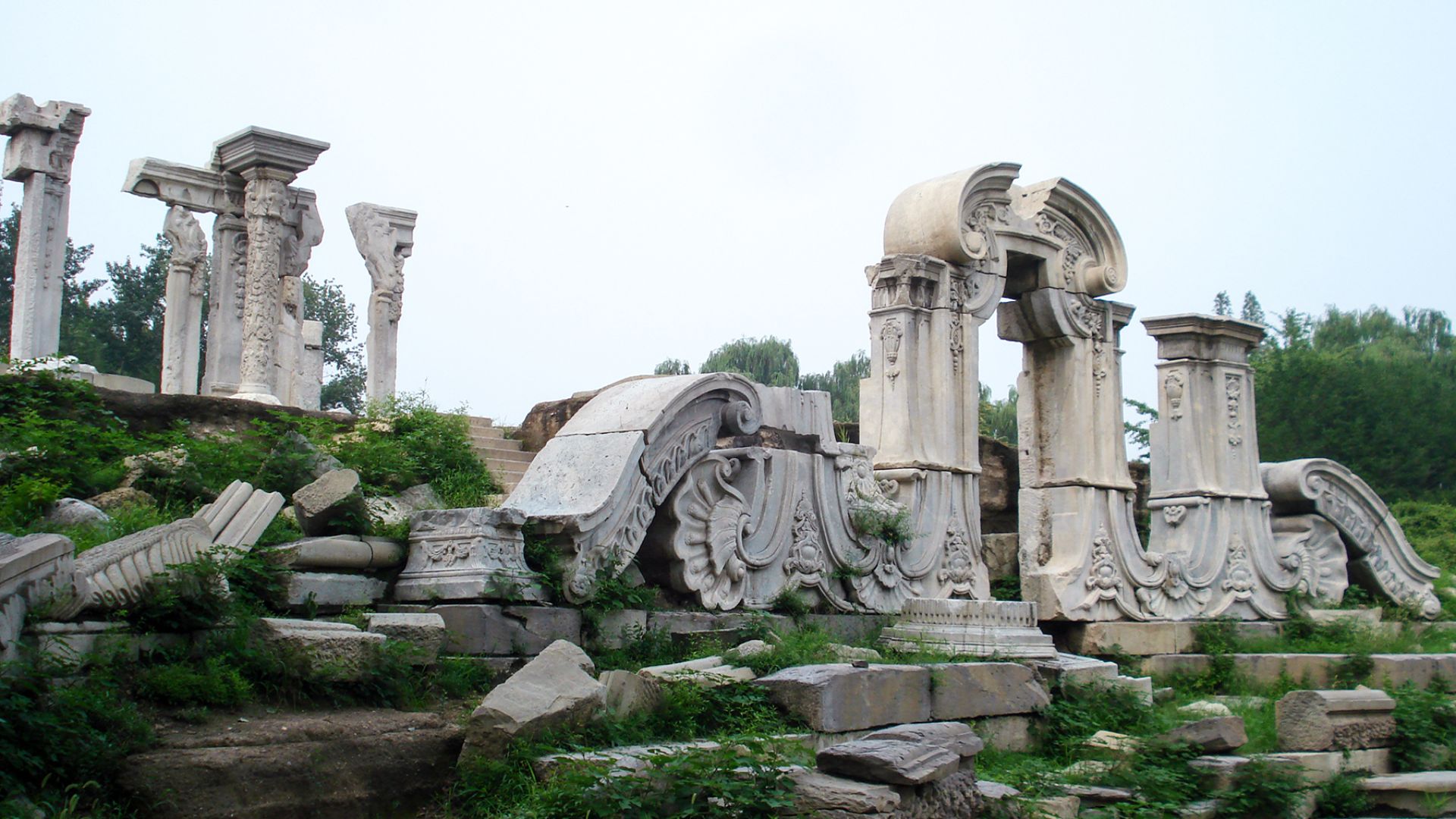
2. The University Library, Leuven
Leuven’s university library was originally built in 1636, and became one of World War I’s most painful cultural losses when German troops burned it in 1914. The library was rebuilt in the 1920s, only for it to face another disaster during World War II.
 Trougnouf (Benoit Brummer) on Wikimedia
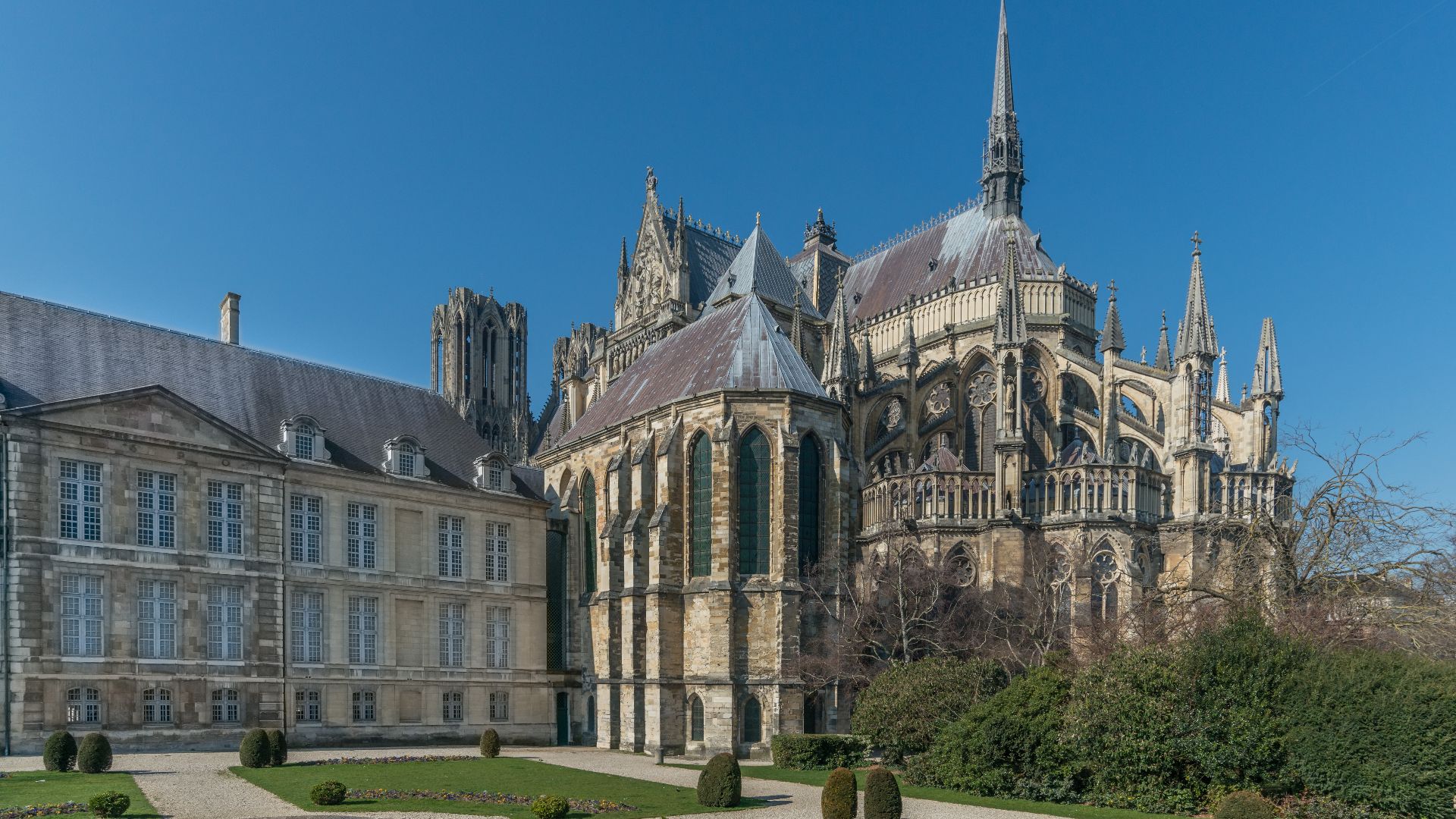
3. Reims Cathedral, France
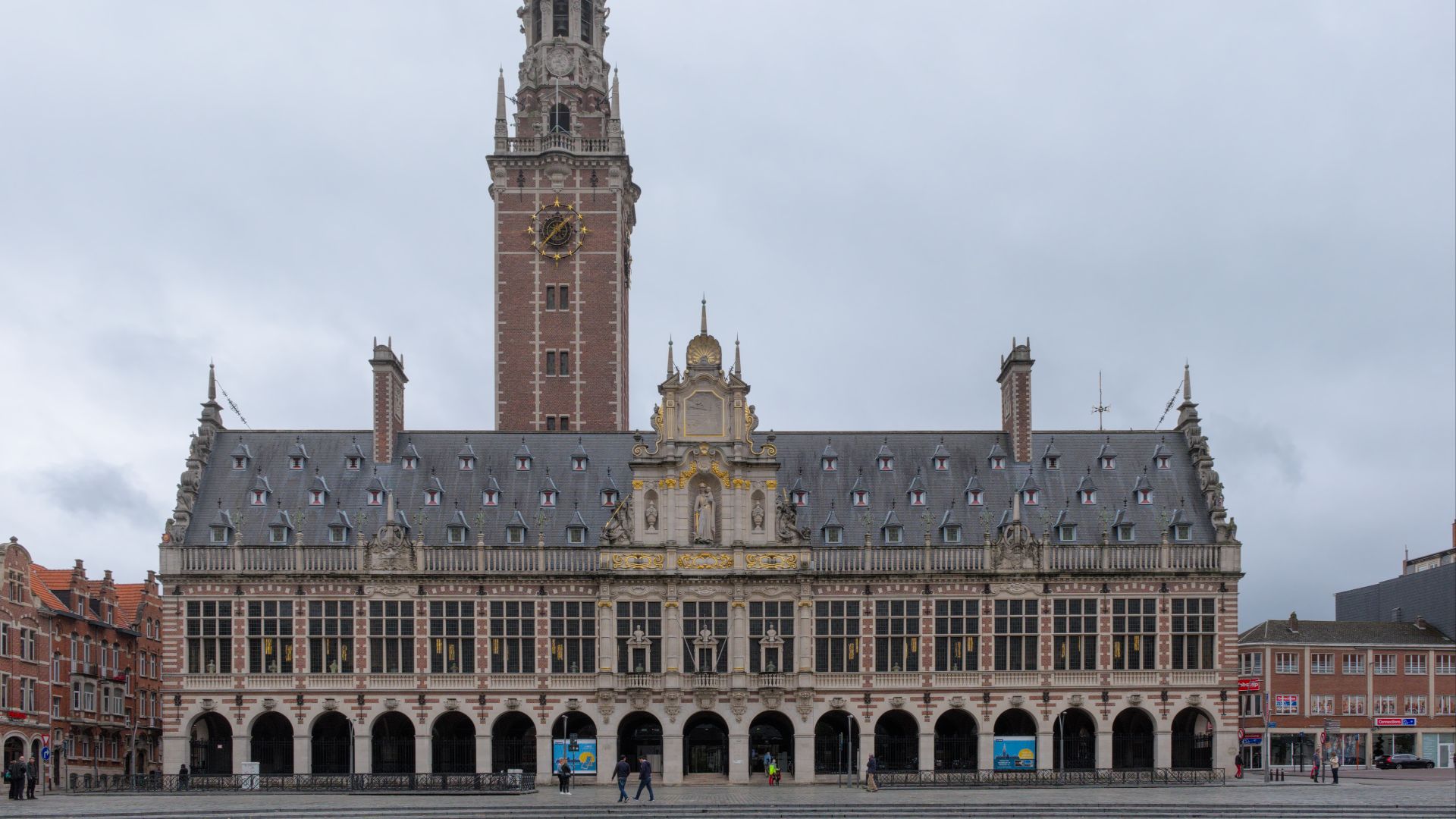
Reims Cathedral was built between the 1200s and the 1500s. It’s one of France’s great Gothic landmarks and the traditional coronation church of French kings. German shellfire struck the cathedral in 1914, setting scaffolding and parts of the structure on fire. The damaged building quickly became one of the war’s most memorable images of cultural destruction.
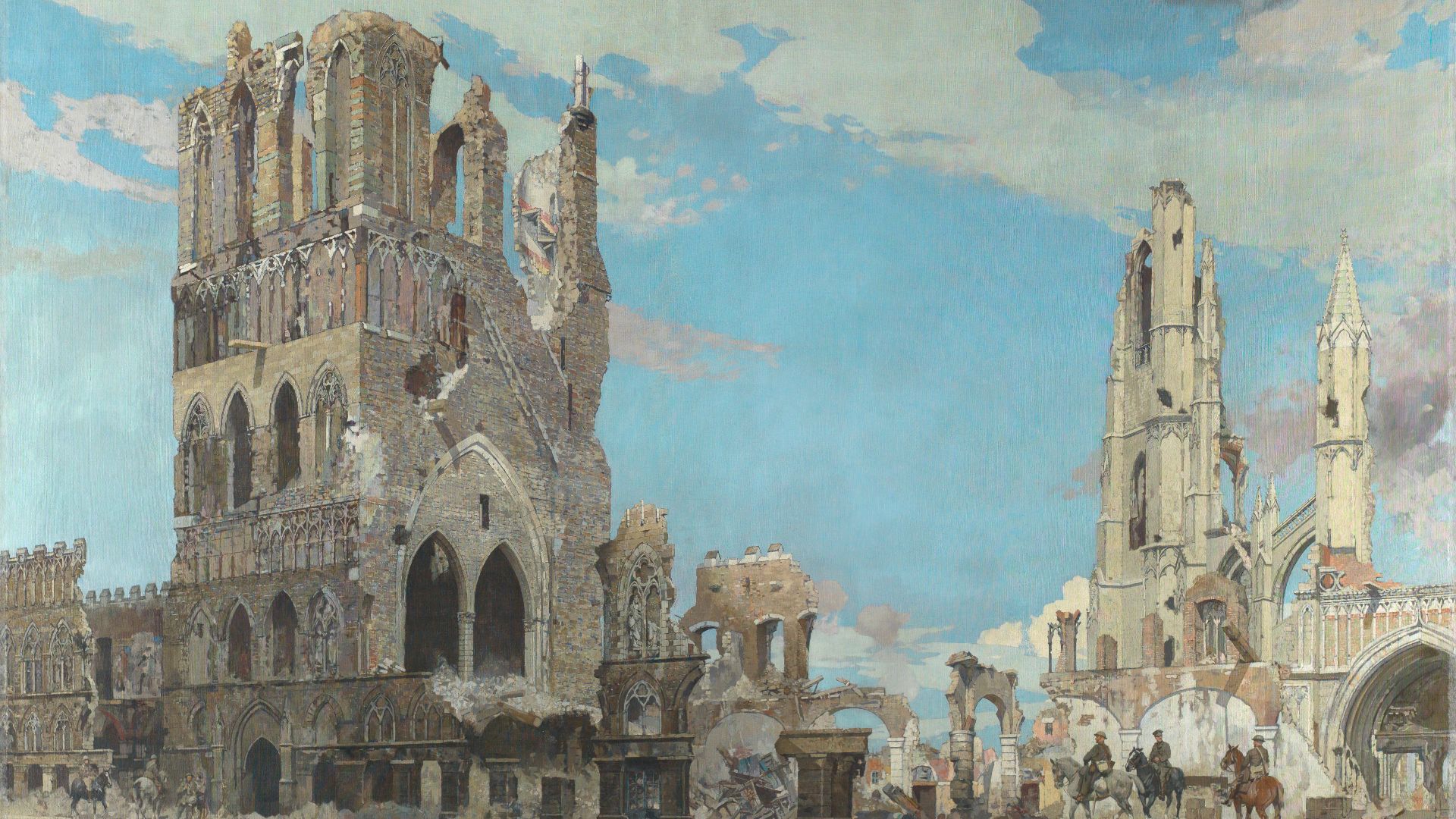
4. The Cloth Hall, Ypres
The Cloth Hall in Ypres was a huge medieval landmark from the city’s years as a major textile center during the 13th and 14th centuries. During World War I, artillery reduced the building and much of the surrounding city to ruins. Belgium later rebuilt the structure during the mid 1900s.
 James Kerr-Lawson on Wikimedia
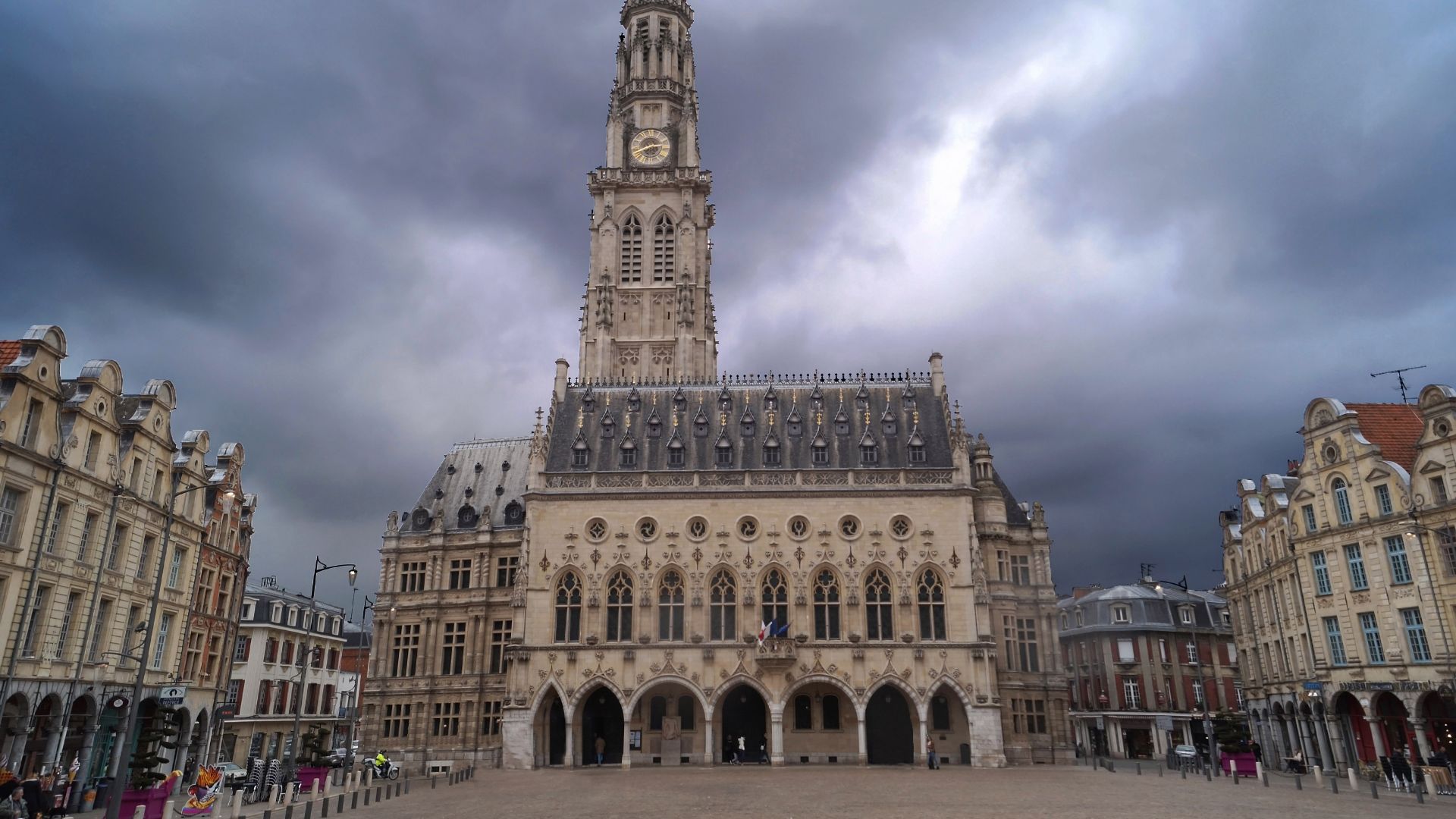
5. The Town Hall And Belfry, Arras
Arras’s town hall and belfry once helped define the skyline of this northern French city. Originally constructed between the 1400s and 1500s, it was part of the many buildings devastated during World War I shellfire. The tower was later reconstructed as part of the city’s long postwar recovery.
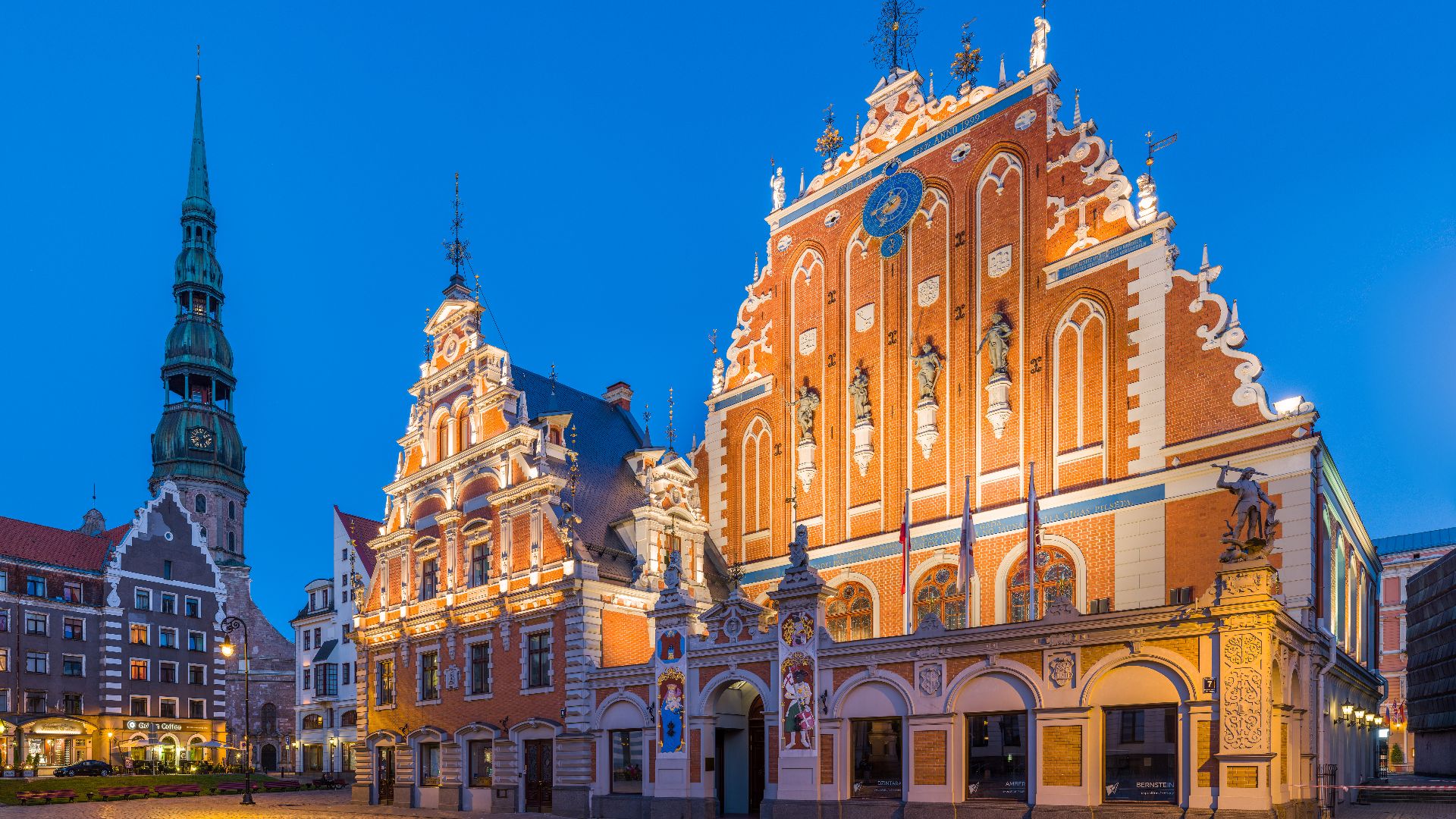
6. The House Of The Blackheads, Riga
Built in the 1300s, the House of the Blackheads was one of Riga’s most ornate historic buildings, with a richly decorated facade tied to the city’s old merchant life. It was badly damaged and burned during World War II. Its remaining ruins were later blown up under Soviet rule.
7. The Royal Opera House, Valletta
Erected during the 1860s, Valletta’s Royal Opera House was one of Malta’s great cultural landmarks and stood prominently near the city gate. In April 1942, during the bombing of Malta, the building was hit and left in ruins. For generations, the site remained one of the most visible reminders of wartime damage in the city’s historic center.
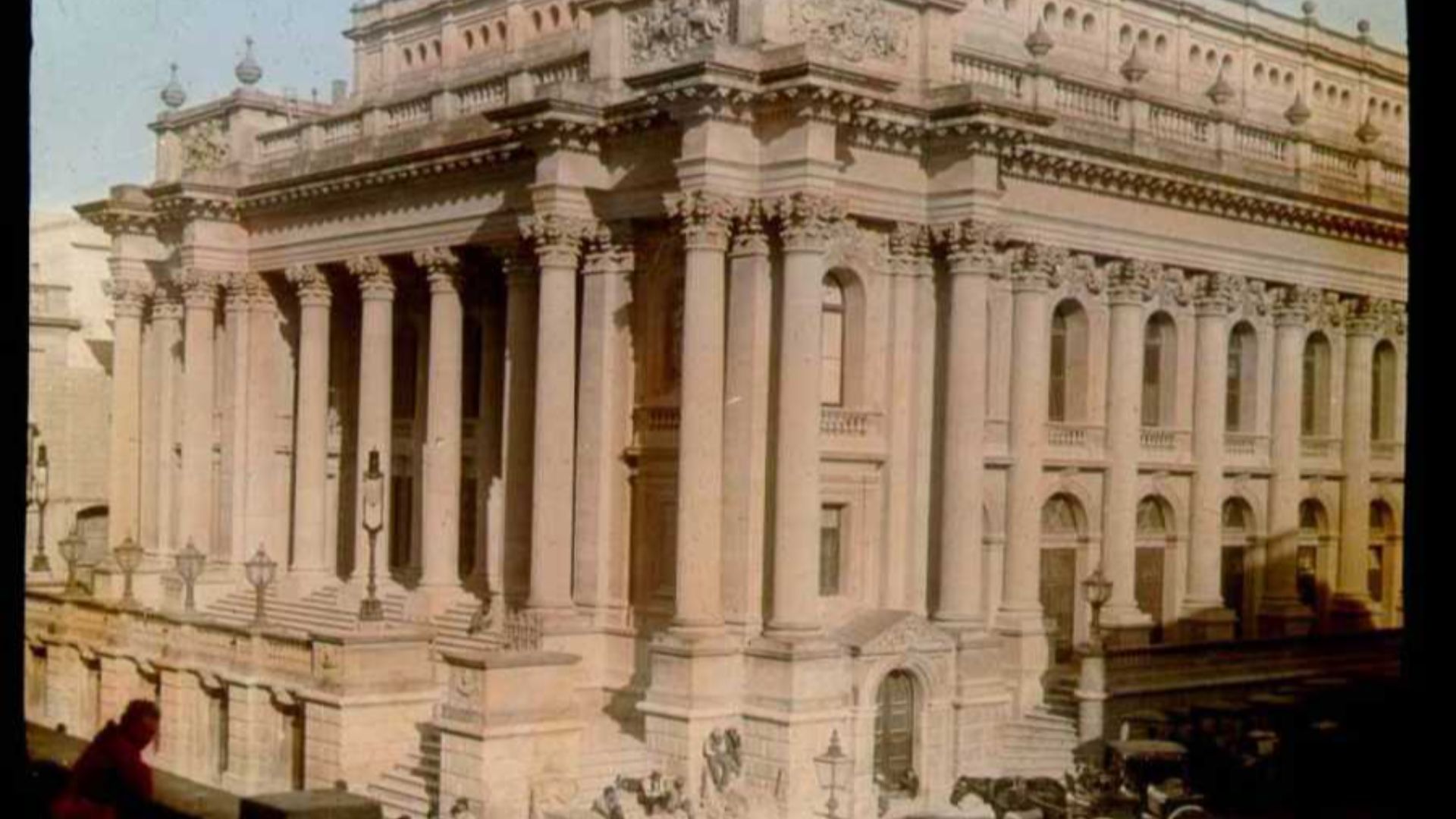 D.G. Elliot and Carl Akeley on Wikimedia
8. Coventry Cathedral, England
Coventry Cathedral was destroyed during the Blitz on the night of November 14, 1940. Bombs and incendiaries gutted the 14th-century medieval building, leaving its tower, spire, outer walls, and ruined shell behind. A modern cathedral later rose beside the remains in 1962, leaving the old structure in place as a stark reminder of the attack.
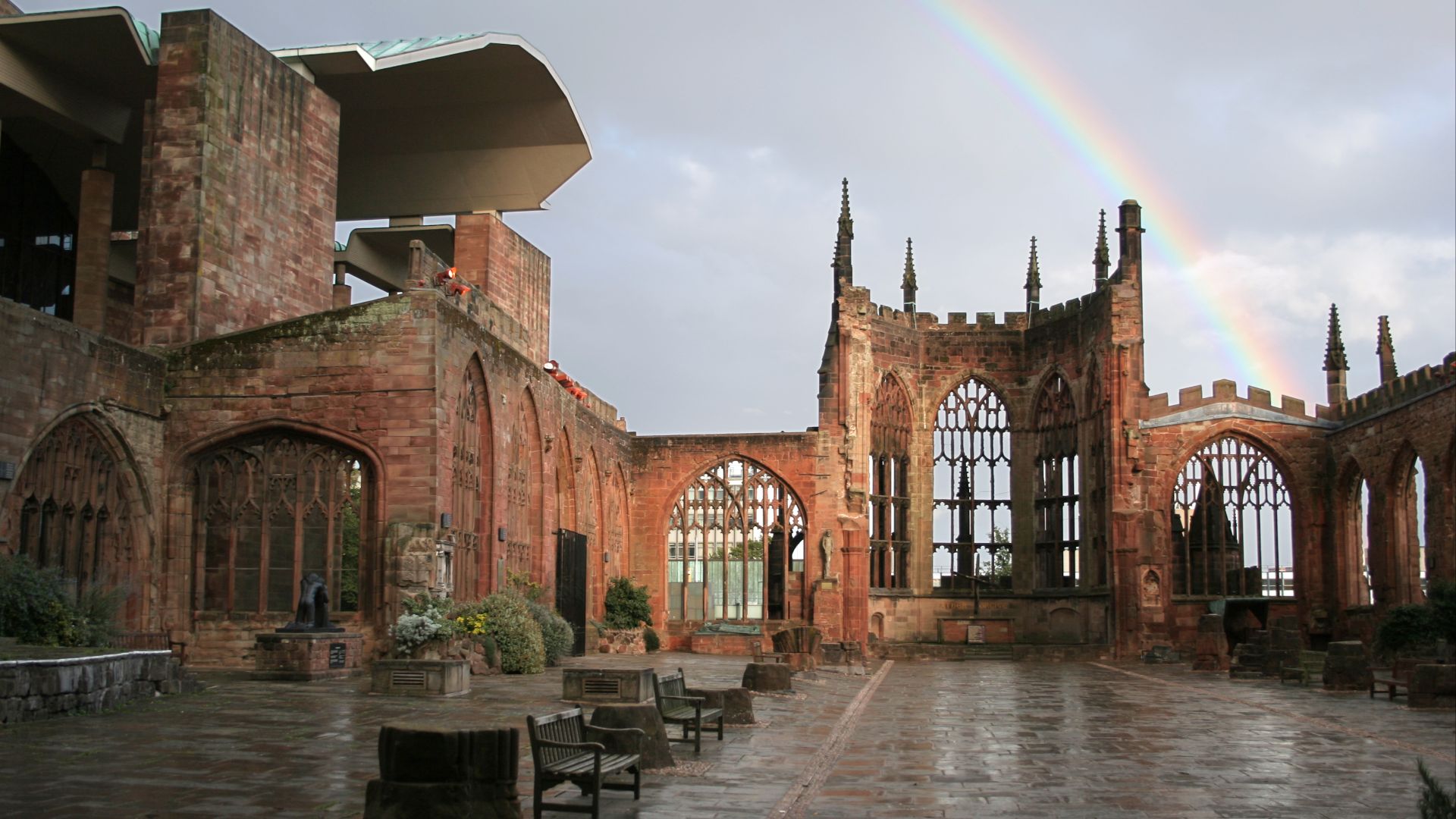 Andrew Walker (walker44) on Wikimedia
9. Frauenkirche, Dresden
Dresden’s Frauenkirche was built in the 18th century and was famous for its massive stone dome and its central place in the old city. After the Allied bombing of Dresden in February 1945, the burned church collapsed. Its rubble stayed in the city center for decades before the building was eventually reconstructed during the late 90s and early 2000s.
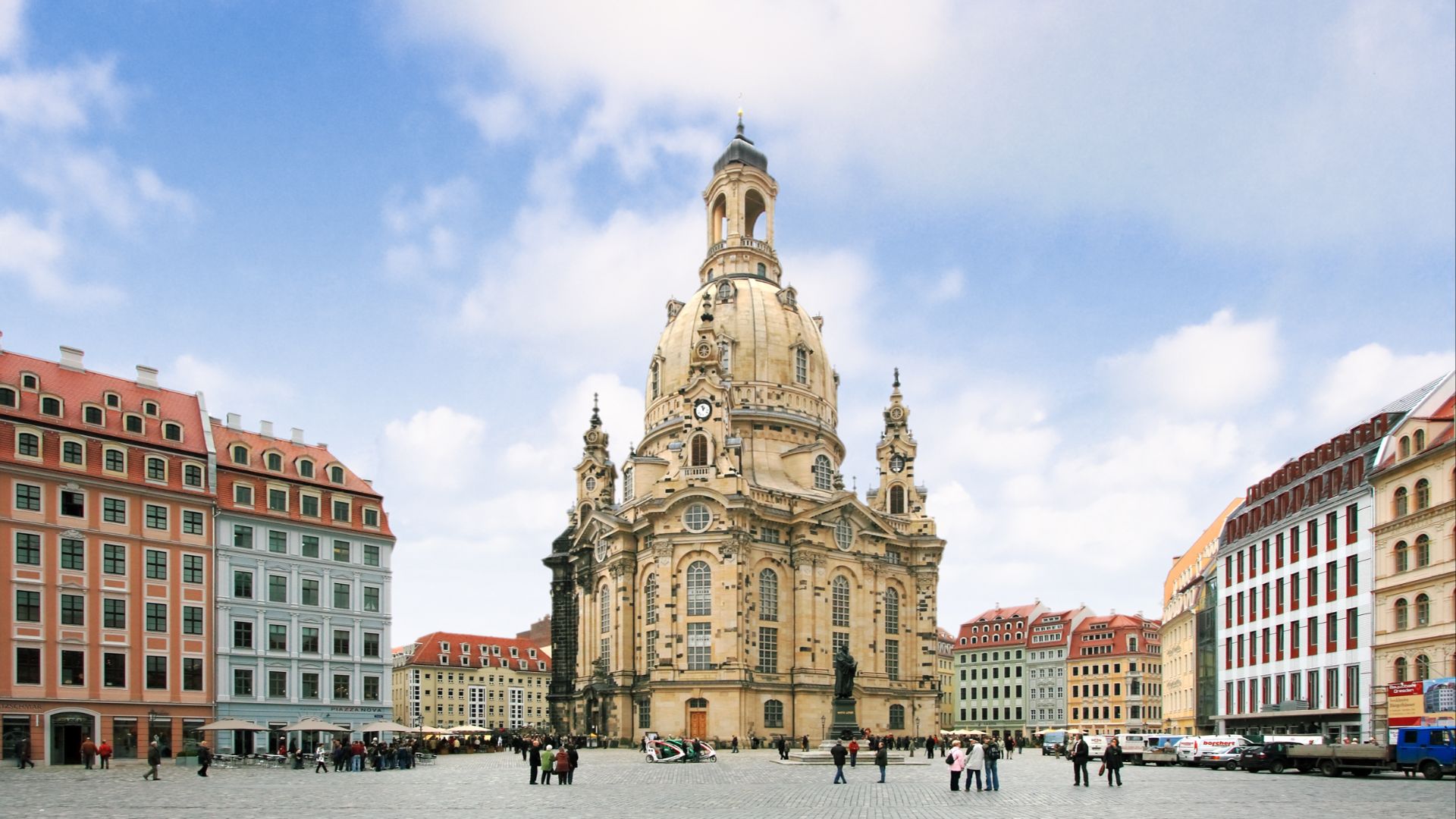 Ronny Kreutel - Kausalkette on Wikimedia
10. Kaiser Wilhelm Memorial Church, Berlin
Built in the late 19th century, the Kaiser Wilhelm Memorial Church was badly damaged by air raids during World War II, leaving its tower broken and exposed. Berlin did not recreate the old church exactly as it had been, keeping the broken spire beside a modern church complex that was constructed in the 1960s.
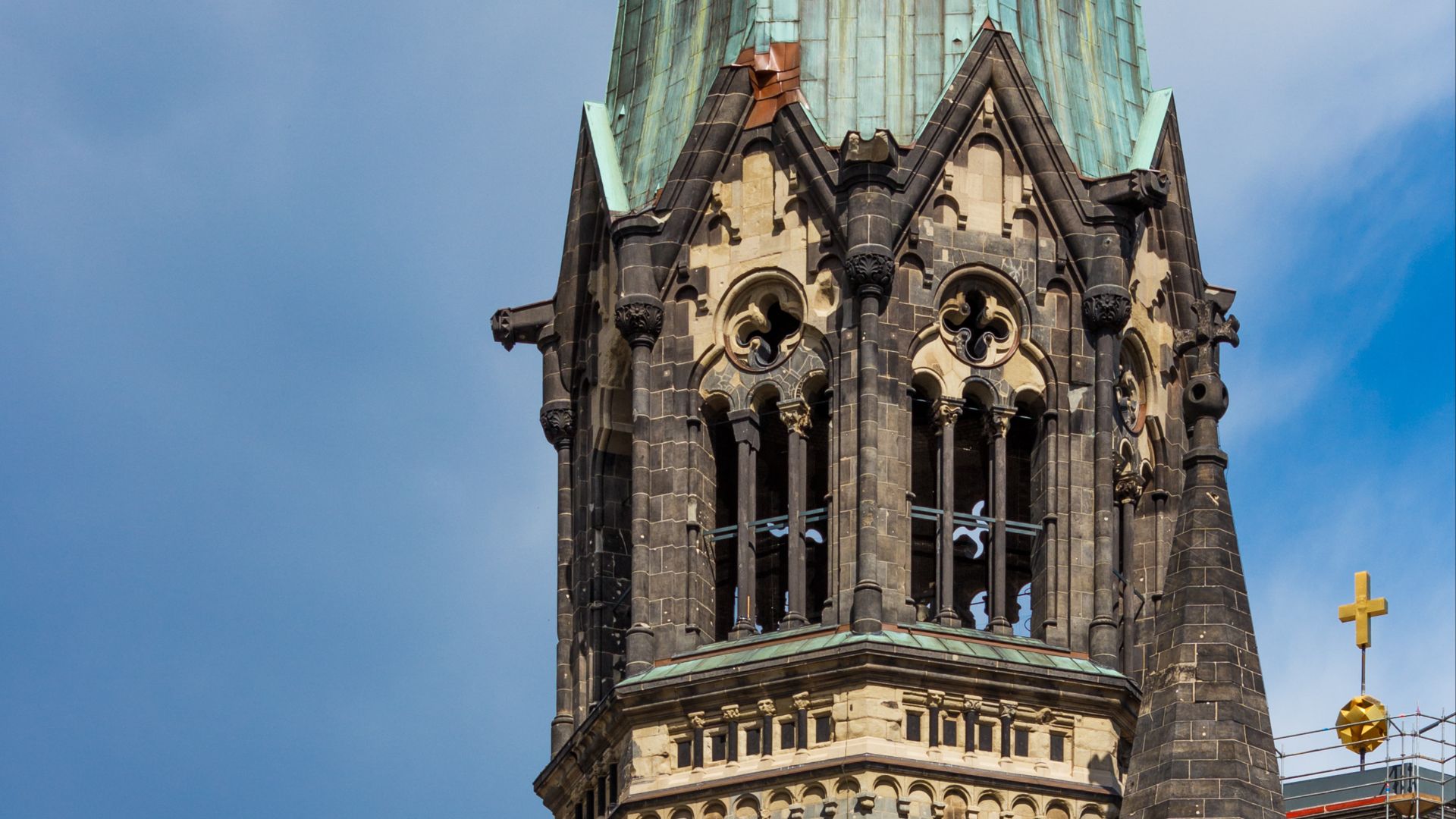
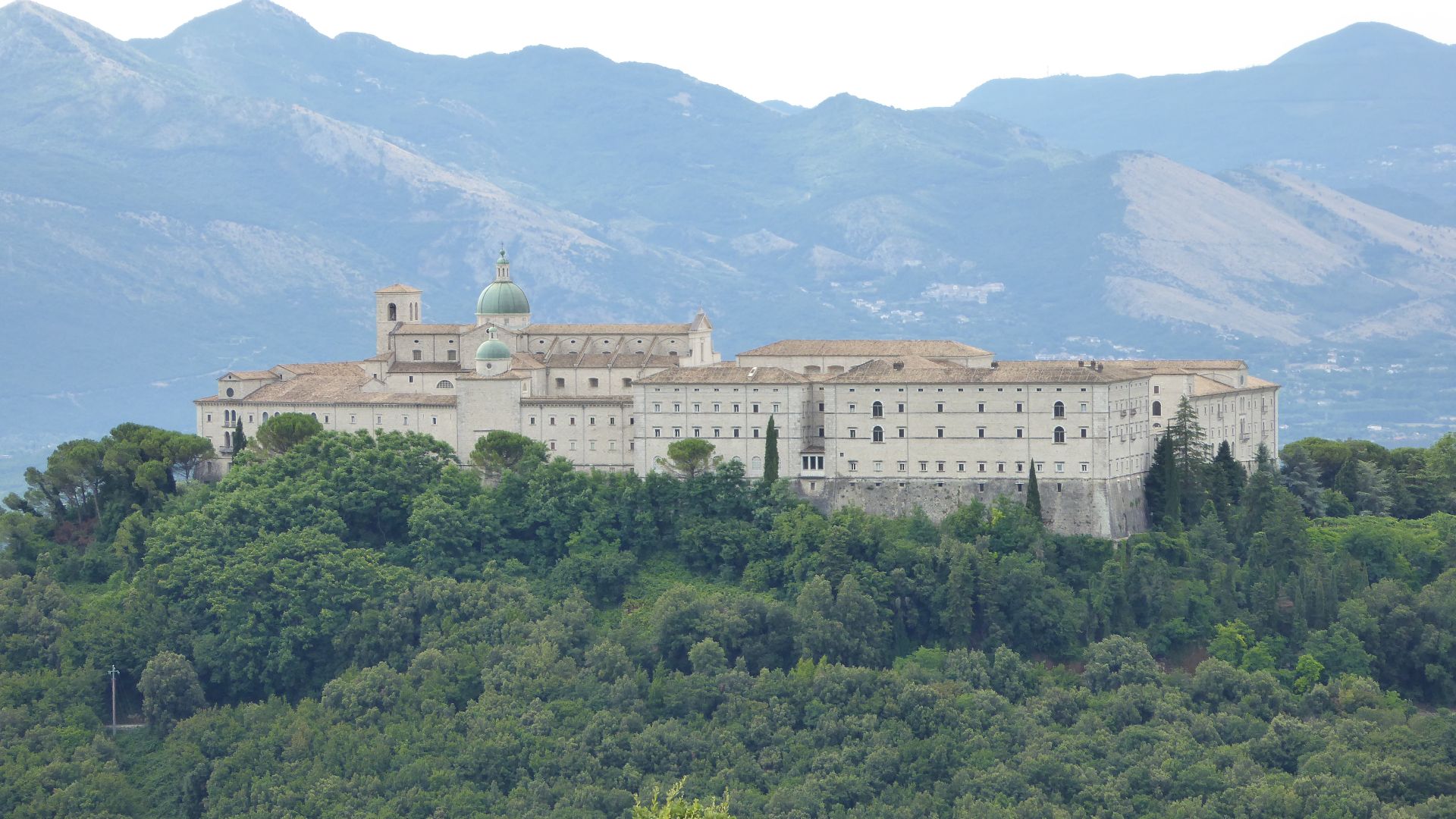
11. Monte Cassino Abbey, Italy
Monte Cassino Abbey was one of Europe’s most important monastic sites, with roots reaching back to the early sixth century. In February 1944, during the Italian Campaign, Allied bombing reduced the mountaintop abbey to rubble. The destruction became one of World War II’s most debated architectural losses.
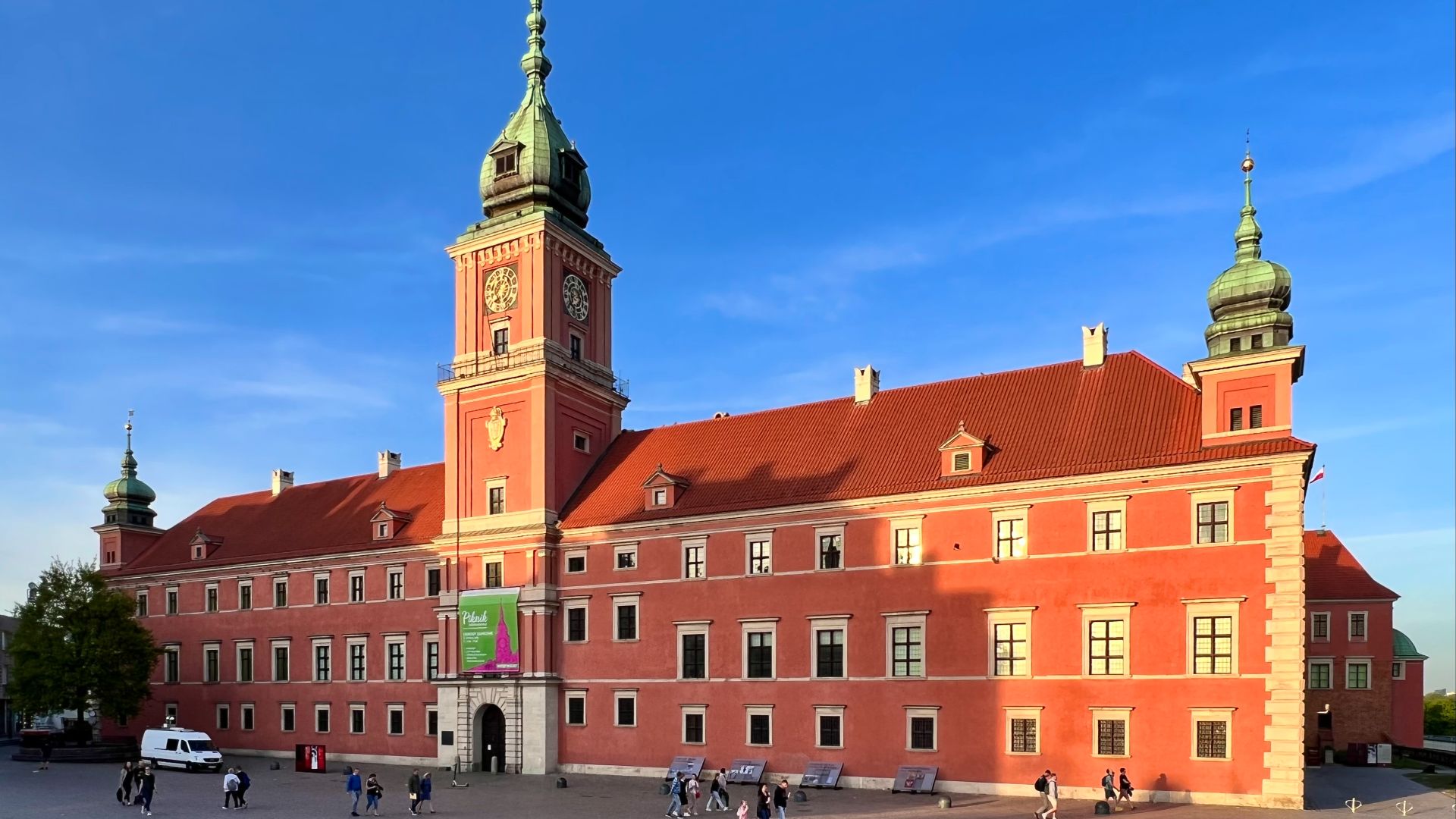
12. The Royal Castle, Warsaw
Built during the 16th and 17th centuries, Warsaw’s Royal Castle was both a historic landmark and a symbol of Polish statehood. German forces attacked and burned it in 1939, then later stripped and systematically demolished much of what remained during the occupation.
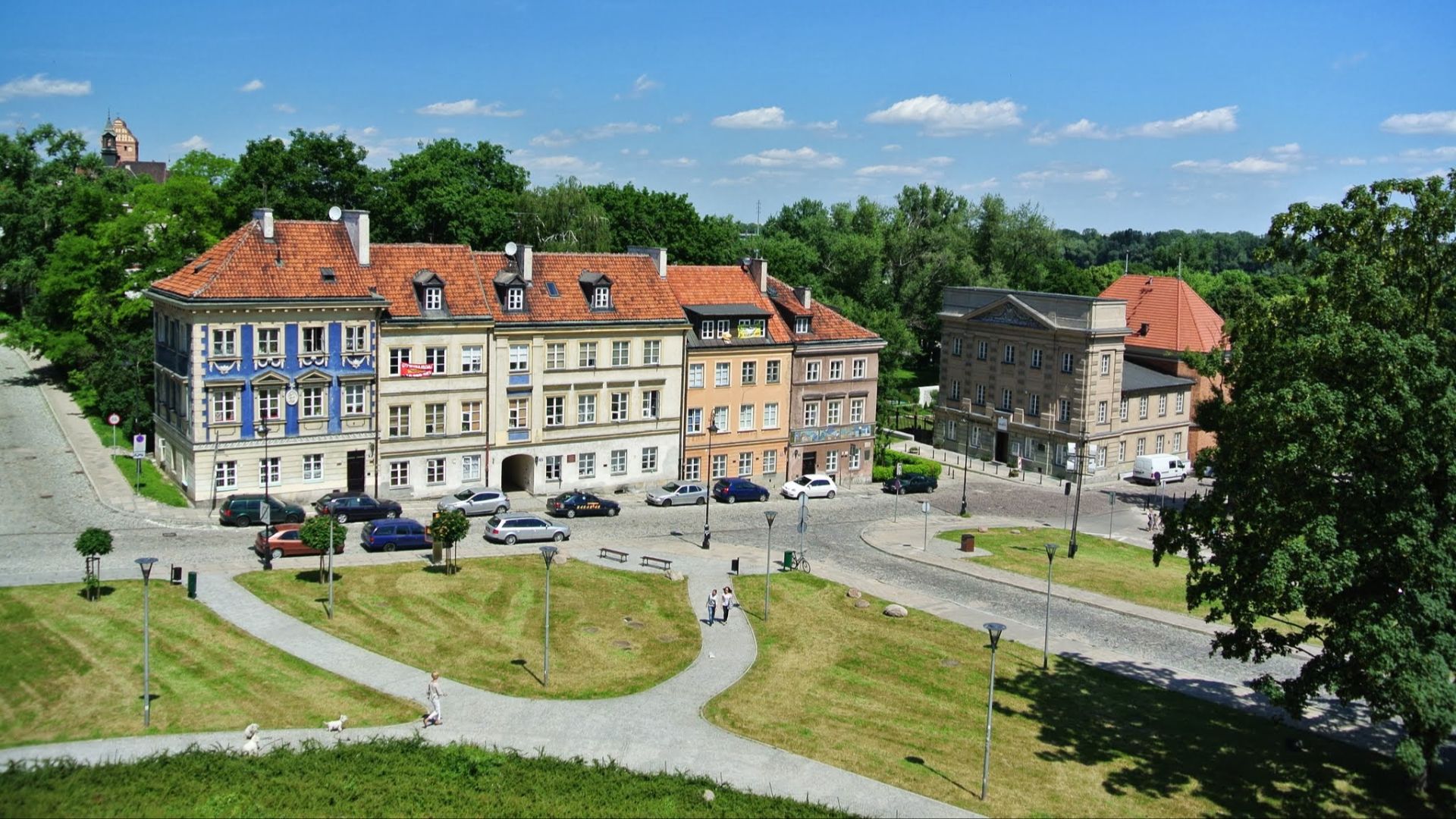
13. Warsaw Old Town, Poland
Once a populated 13th-century city centre, Warsaw Old Town was nearly erased during World War II. More than 85% of the historic center was destroyed. The postwar reconstruction brought much of the district back with careful attention to its earlier appearance.
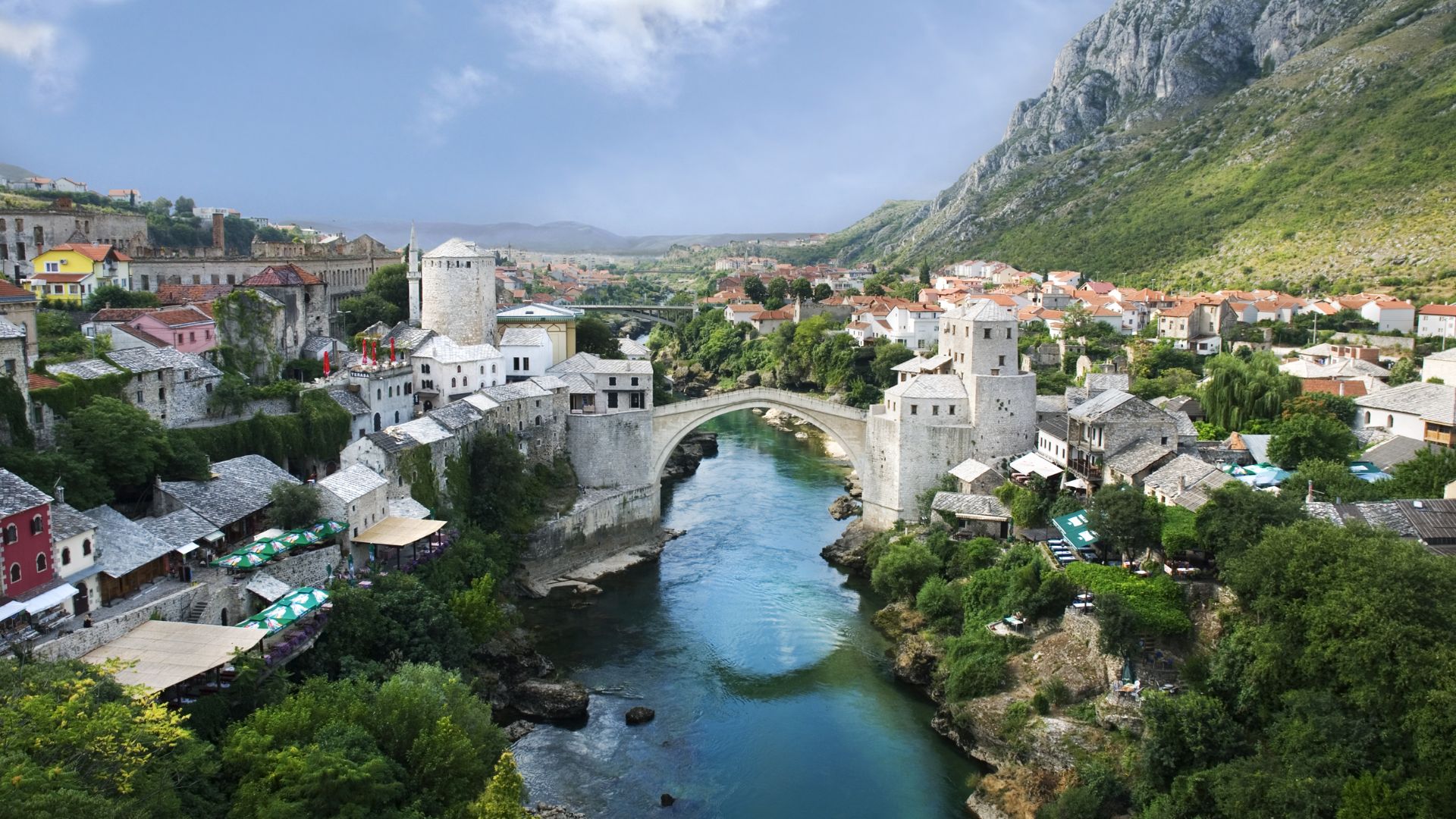
14. Stari Most, Mostar
Stari Most, the Old Bridge of Mostar, was a 16th-century Ottoman bridge that crossed the Neretva River in a graceful stone arch. It was destroyed in 1993 during the Bosnian War. Its reopening in 2004 returned one of Mostar’s most beloved landmarks to the city.
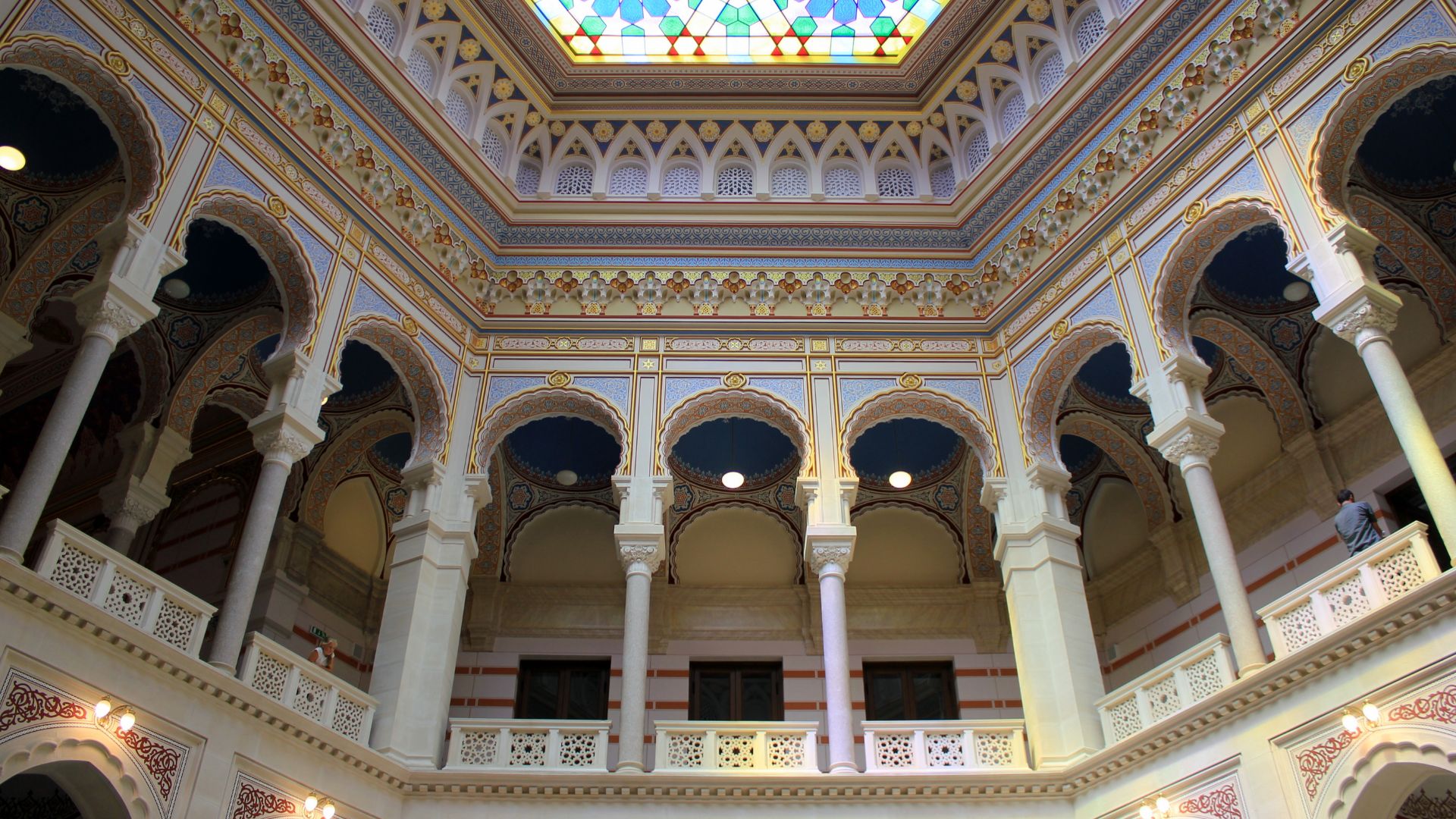
15. Sarajevo City Hall, Bosnia And Herzegovina
Sarajevo City Hall was a striking 19th-century Moorish Revival building that later housed a major library. During the siege of Sarajevo in 1992, shelling set the building on fire. The attack destroyed the structure and a large part of the cultural collection kept inside.
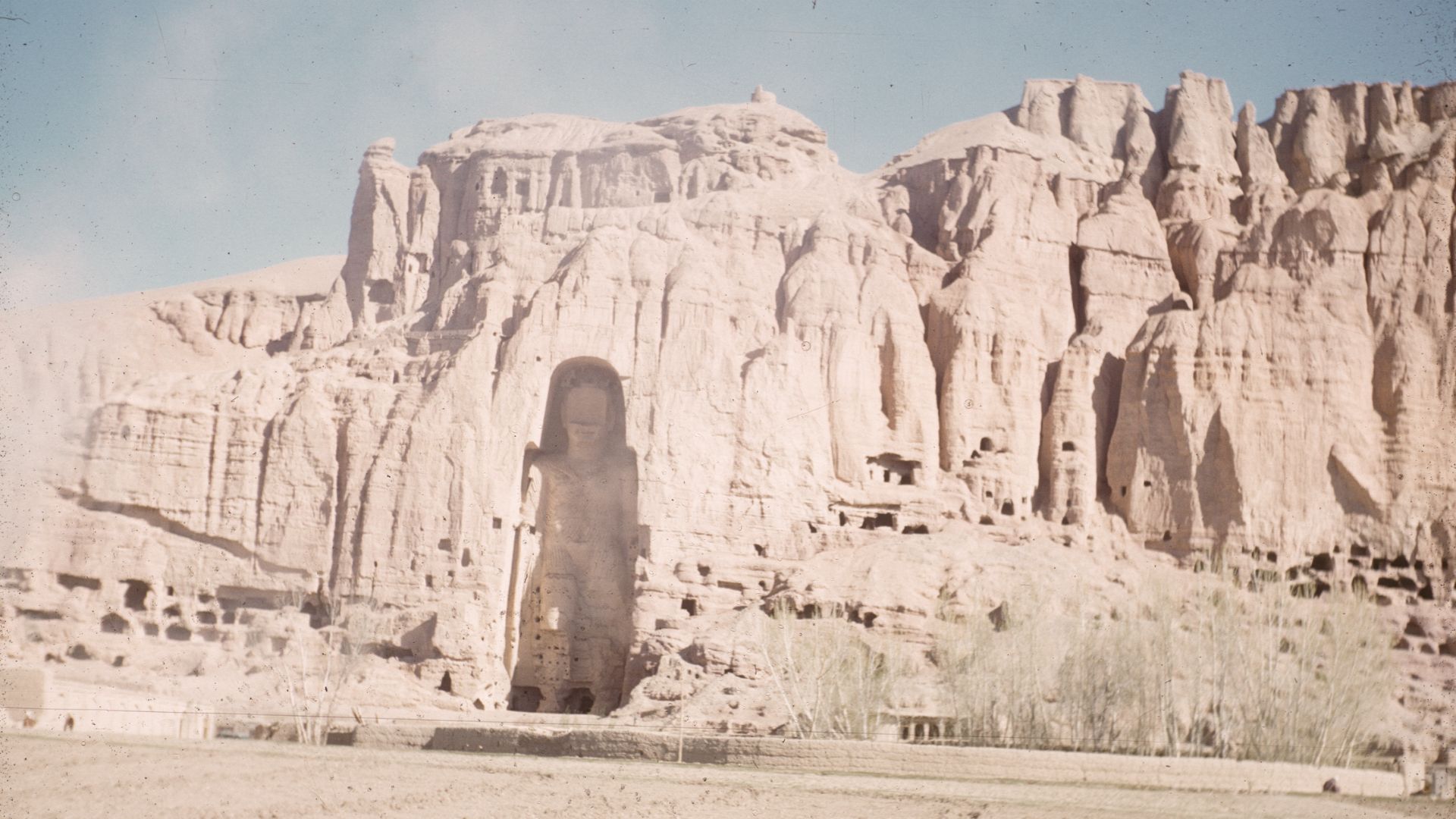
16. The Buddhas Of Bamiyan, Afghanistan
The Buddhas of Bamiyan were sixth-century colossal statues carved into cliffs in central Afghanistan. The two figures stood roughly 55 meters and 38 meters tall. In March 2001, the Taliban destroyed them with explosives, leaving empty niches where the statues had stood for centuries.
 František Řiháček on Wikimedia
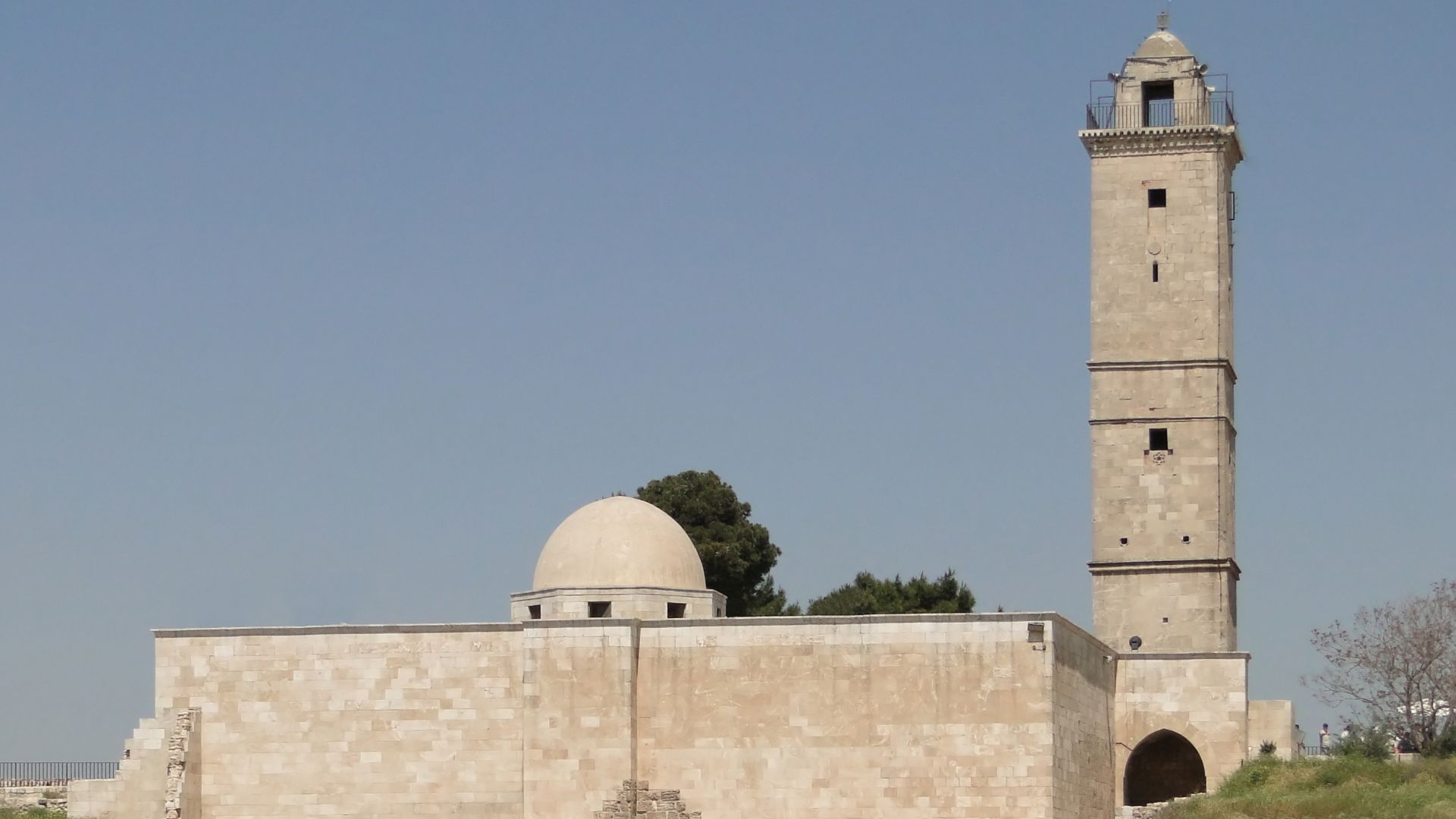
17. The Great Mosque Of Aleppo, Syria
The Great Mosque of Aleppo stood at the center of one of the world’s oldest cities. During the Syrian Civil War, fighting devastated the mosque. Its famous 11th-century minaret was reduced to rubble in 2013.
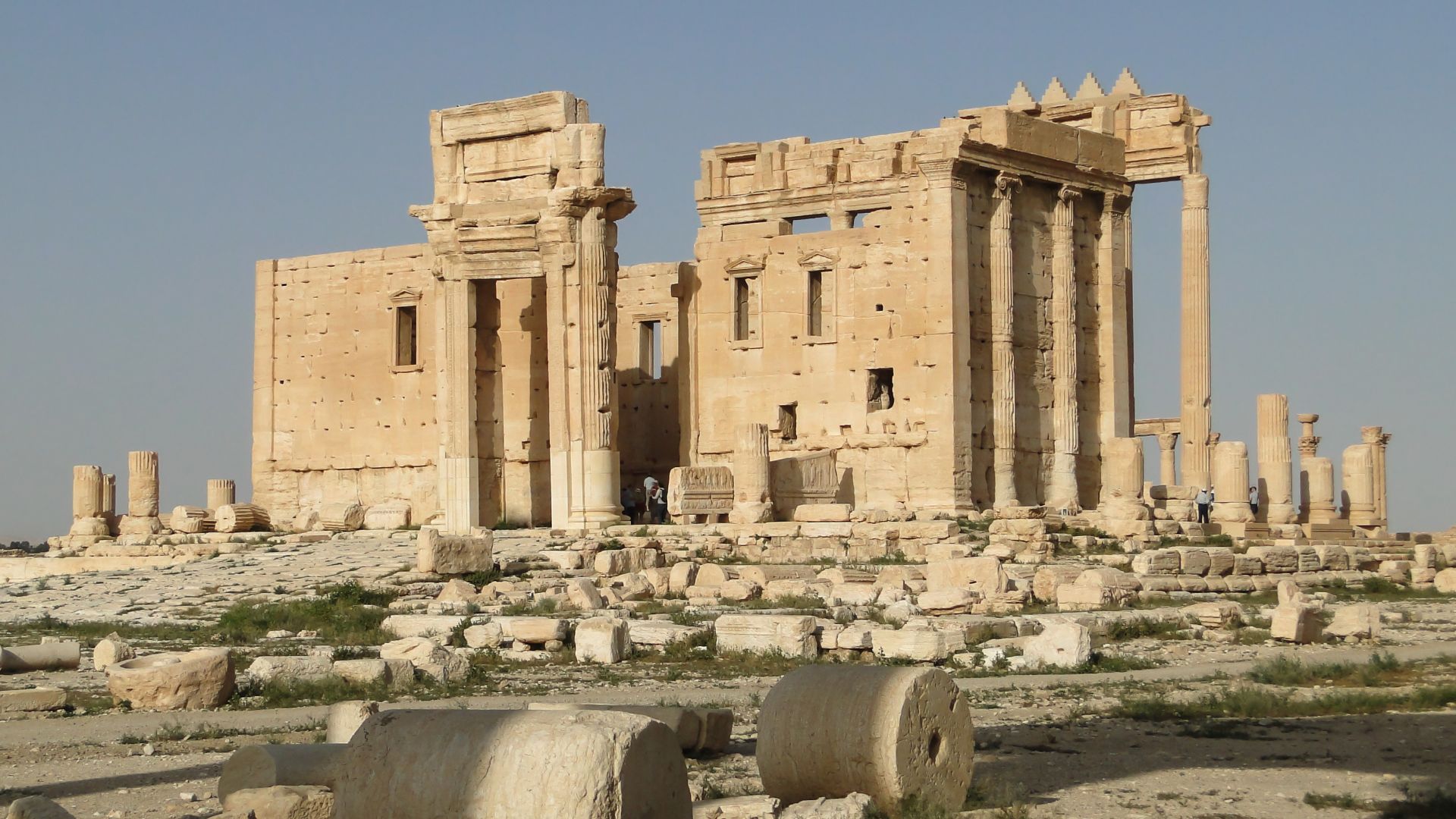
18. The Temple Of Bel, Palmyra
The Temple of Bel was one of ancient Palmyra’s most important monuments. The first-century religious site reflected several cultural traditions in a city long shaped by trade and empire. In 2015, ISIS destroyed the temple with explosives.
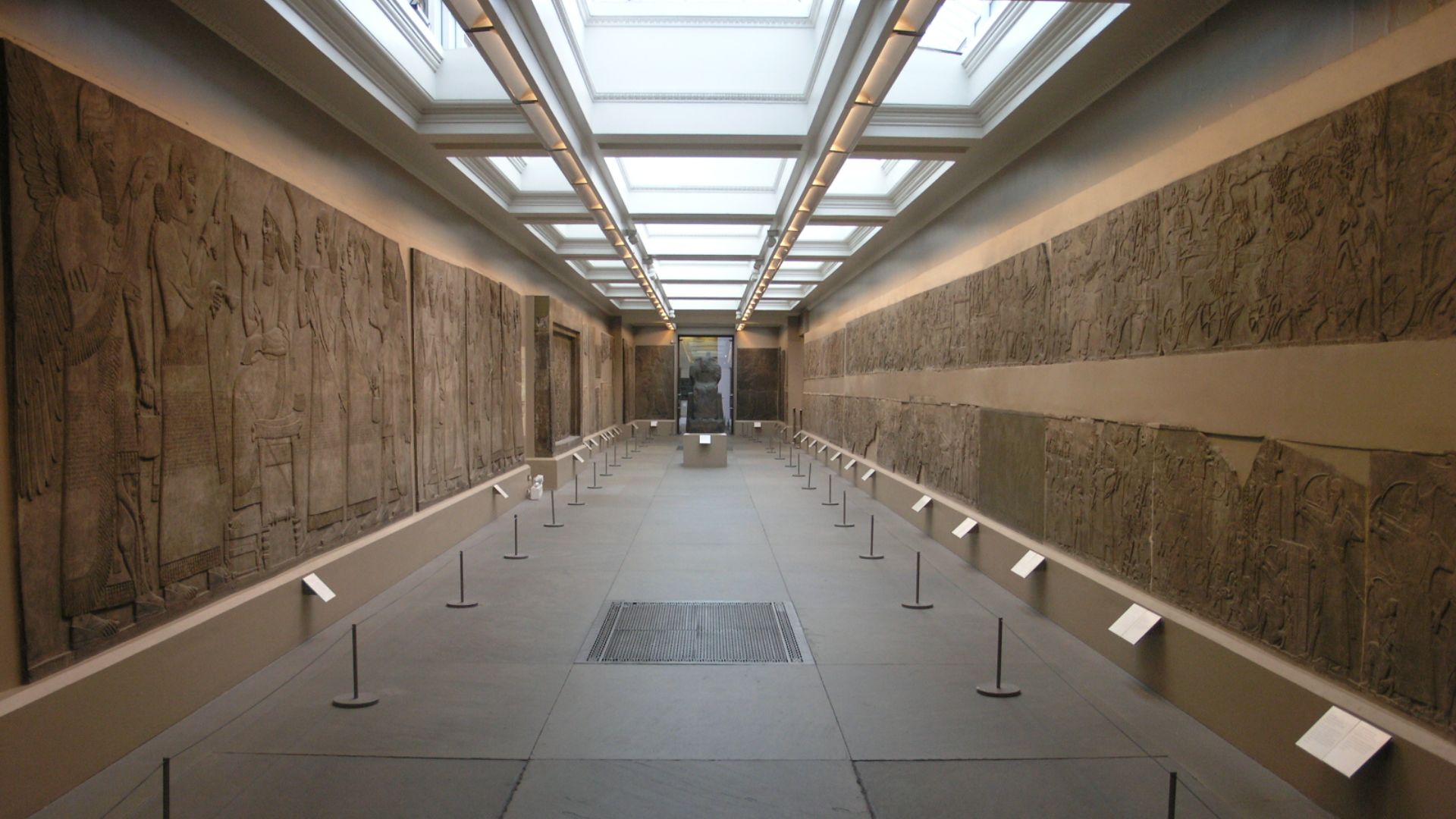
19. Nimrud’s Northwest Palace, Iraq
Nimrud’s Northwest Palace was built in the ninth century BCE and was known for carved reliefs, inscriptions, and monumental guardian figures. In 2015, ISIS attacked the ancient Assyrian site with tools, machinery, and explosives. The damage left shattered fragments of what had once been part of an imperial capital.
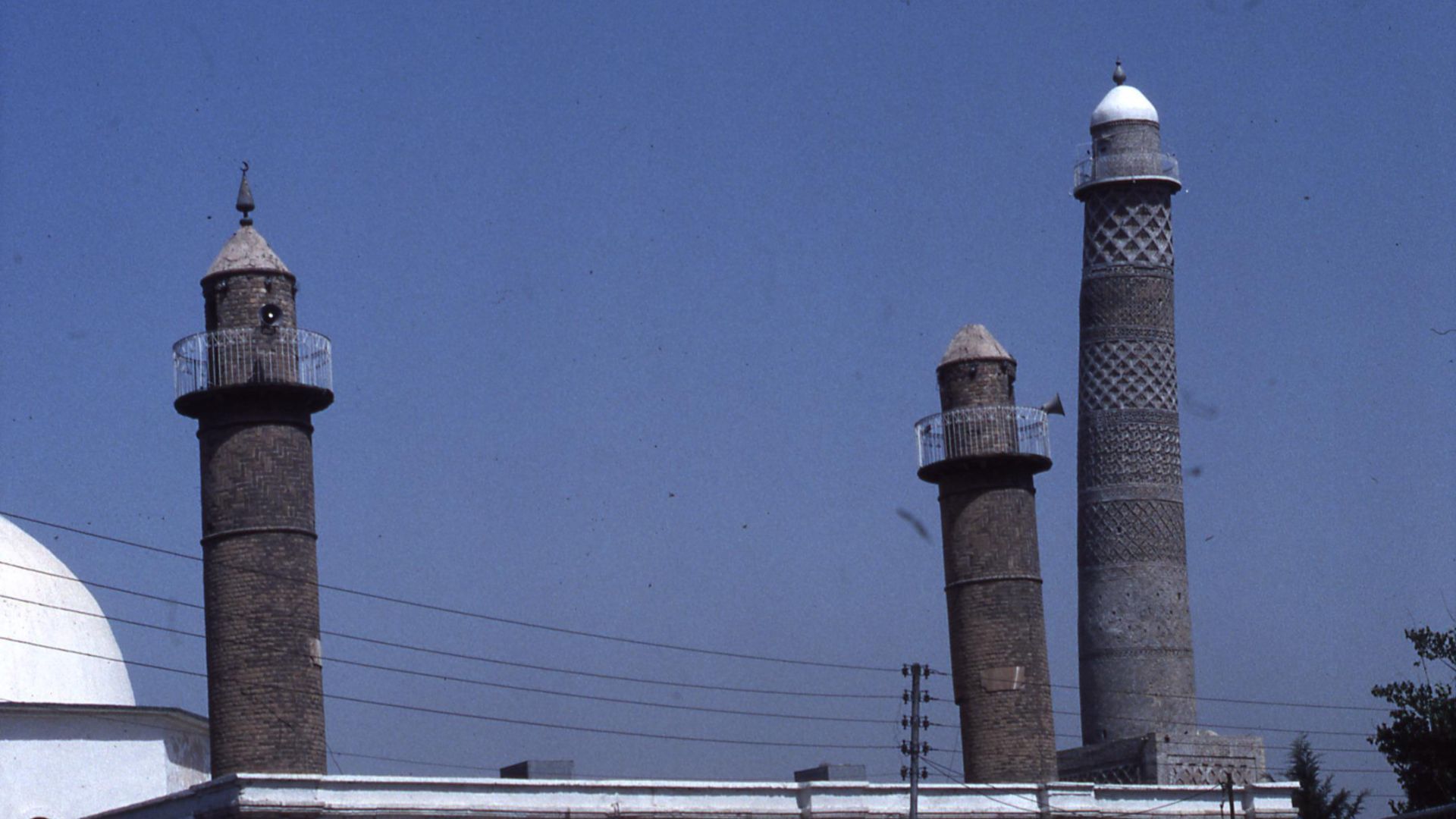
20. The Great Mosque Of Al-Nuri And Al-Hadba Minaret, Mosul
Mosul’s Great Mosque of al-Nuri was best known for the leaning Al-Hadba Minaret, a 12th-century landmark closely tied to the city’s identity. In 2017, during the battle to retake Mosul from ISIS, the mosque and minaret were destroyed by explosives.
 Maison Méditerranéenne Des Sciences de l'Homme Phonothèque, André Raymond on Wikimedia
KEEP ON READING

From Heroes To Zeroes 20 Historical Figures Whose Heroism Was…
History is full of legends, but not every hero lived…
By Noone Feb 25, 2026
The Clueless Crush: How I Accidentally Invited a Hacker Into…
Fluorescent Lights and First Impressions. My name is Tessa, I'm…
By Ali Hassan Nov 4, 2025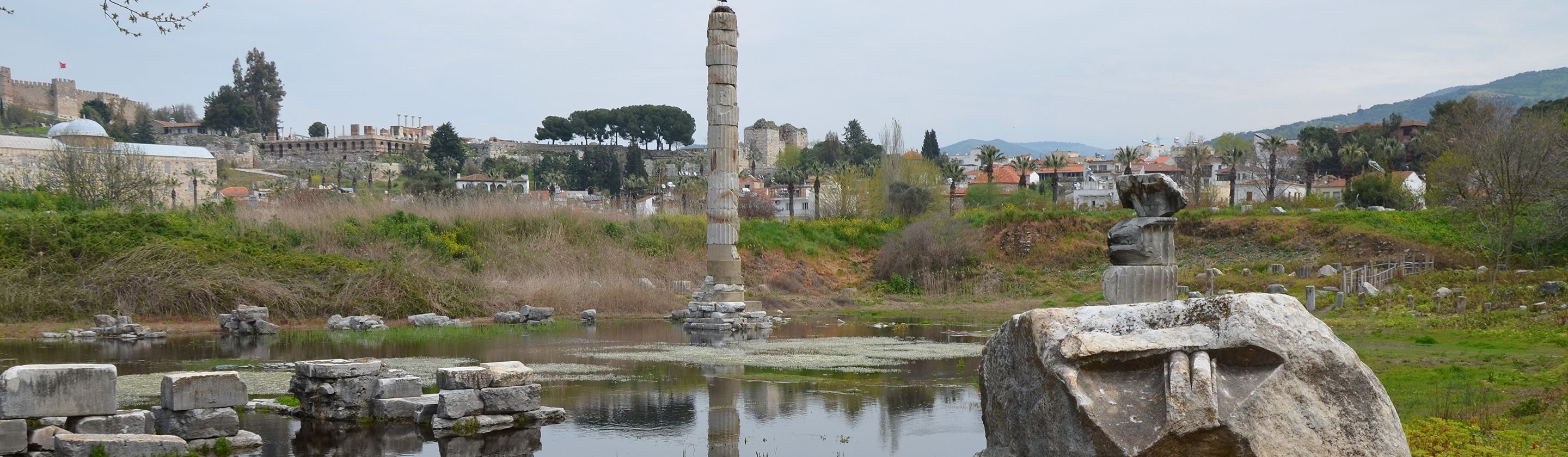
This Infamous Ancient Greek Burned Down An Ancient Wonder Just…
History remembers kings and conquerors, but sometimes, it also remembers…
By David Davidovic Nov 12, 2025
Einstein's Violin Just Sold At An Auction—And It Earned More…
A Visionary's Violin. Wanda von Debschitz-Kunowski on WikimediaWhen you hear…
By Ashley Bast Nov 3, 2025
The Mysterious "Sea People" Who Collapsed Civilization
3,200 years ago, Bronze Age civilization in the Mediterranean suddenly…
By Robbie Woods Mar 18, 2025
This Is The Strongest Animal In All Of Earth's History
Todd Cravens on UnsplashYou may be surprised to discover that…
By Elizabeth Graham Jun 11, 2026