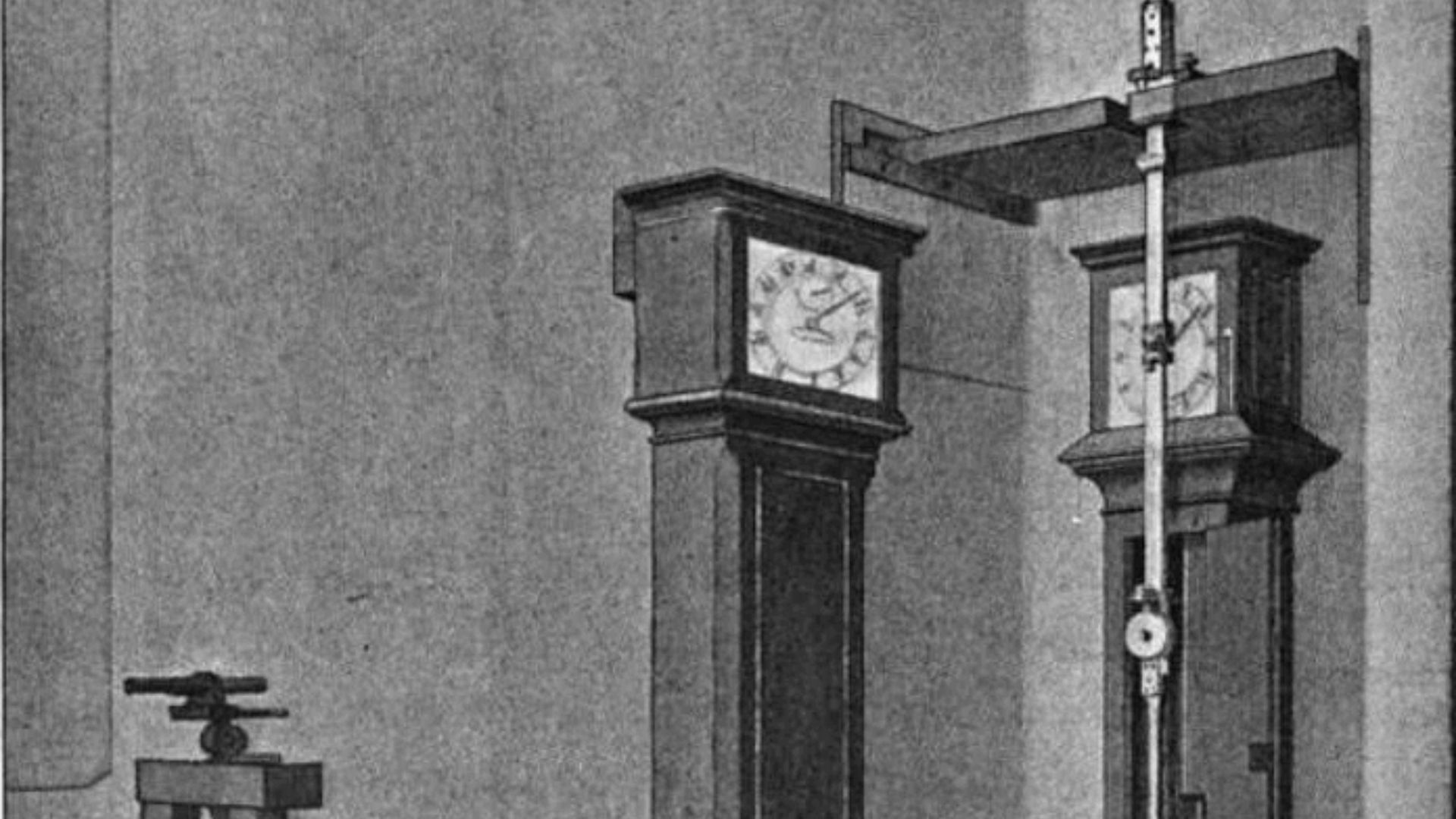
Today, most people can check the time with a glance at a phone, watch, or computer screen. Precise timekeeping has become so routine that it's easy to forget how difficult it once was to measure the passing of hours. For much of human history, people relied on the natural world rather than mechanical devices to organize their days. That dependence required careful observation of patterns that repeated over long periods.
Long before clocks became common in homes and public spaces, civilizations developed creative ways to track time. By observing the movement of the sun, stars, and other natural patterns, people created systems that helped them coordinate work, travel, religious activities, and daily life. These early methods laid the foundation for the sophisticated timekeeping systems we use today. Their efforts demonstrate how important time management was even in the ancient world.
Nature Served As Humanity's First Clock
The earliest form of timekeeping came from observing the sun. People noticed predictable patterns in sunrise, sunset, and the changing position of the sun throughout the day. These observations helped communities determine when to work, rest, plant crops, and conduct important activities. For many early societies, daylight itself acted as a reliable schedule. The sun's consistency made it one of the most trusted indicators of time available.
Seasonal changes also played a major role in measuring longer periods of time. Ancient civilizations tracked the changing length of days and the shifting position of the sun across the horizon throughout the year. These observations helped create calendars that guided agricultural activities and religious celebrations. Understanding seasonal cycles was often essential for survival. A successful harvest frequently depended on accurately anticipating seasonal transitions.
The moon provided another important reference point. Its predictable phases offered an easy way to divide time into months long before precise clocks existed. Many early calendars were based partly or entirely on lunar cycles, and some cultures continue to use lunar calendars for certain purposes today. The regular appearance of the moon helped people keep track of time on a broader scale. It also provided a useful way to organize festivals, ceremonies, and other recurring events.
Early Civilizations Developed Timekeeping Tools
As societies became more organized, they began creating devices to measure time more accurately. One of the earliest examples was the sundial, which used the position of a shadow cast by the sun to indicate the time of day. Sundials appeared in several ancient civilizations, including Egypt, Greece, and Rome. They represented an important step toward more structured timekeeping. Their widespread use reflected a growing need for greater precision in daily activities.
Water clocks offered another solution when sunlight wasn't available. These devices measured time through the controlled movement of water from one container to another. Ancient Egyptians, Greeks, Chinese, and other civilizations developed various versions of water clocks for use during the night and on cloudy days. Their ability to function without sunlight made them especially valuable. In some locations, they became essential tools for government, religious, and legal purposes.
Some cultures also experimented with candle clocks and incense clocks. These devices measured time based on the predictable rate at which candles burned, or incense sticks consumed themselves. Although less precise than modern standards, they provided practical ways to estimate the passage of hours indoors. Such innovations demonstrated humanity's growing desire for more consistent time measurement. They also showed how different societies adapted available resources to meet similar needs.
Why Mechanical Clocks Changed Everything
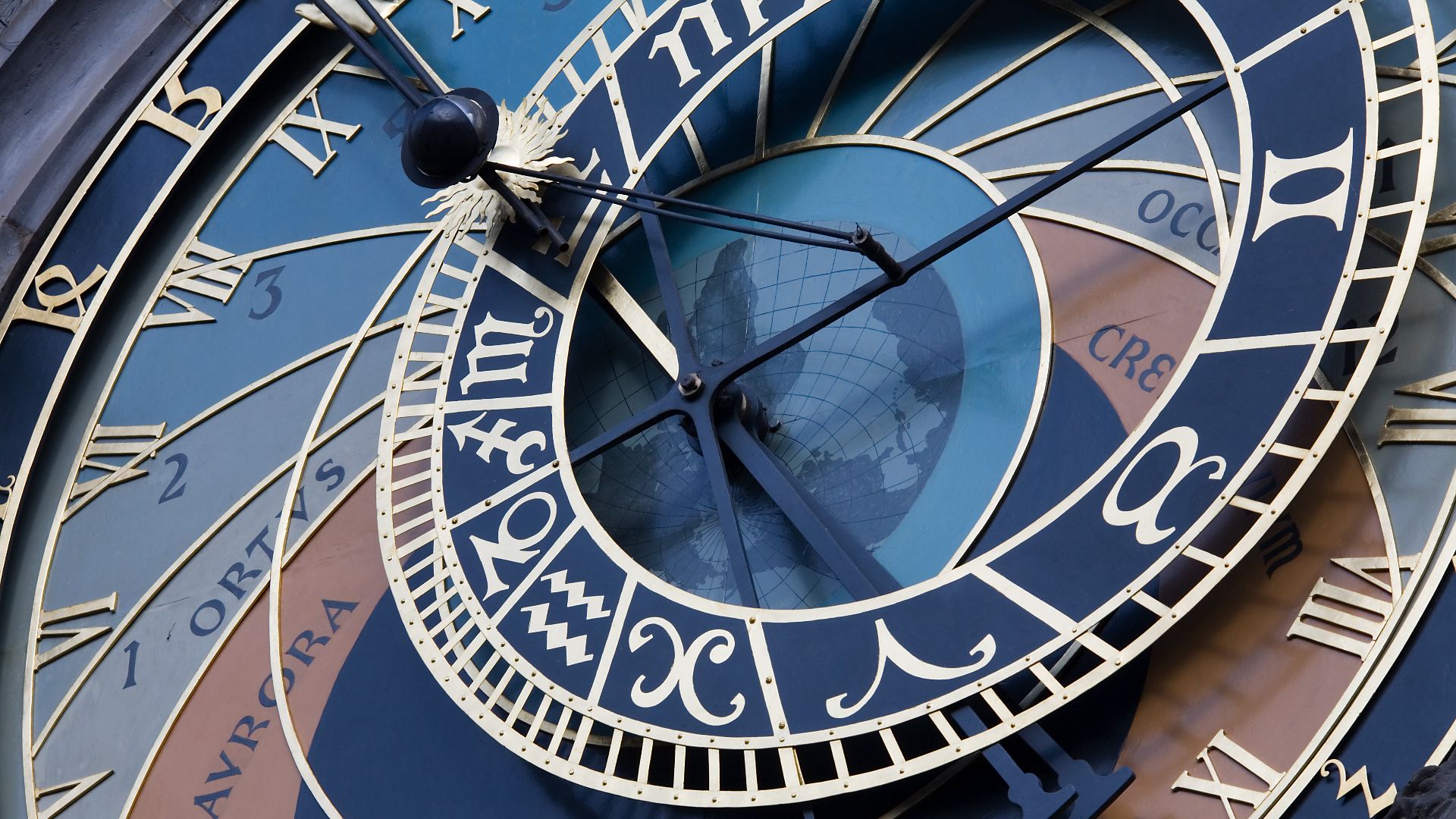
The development of mechanical clocks during the Middle Ages transformed timekeeping in significant ways. Unlike earlier devices that depended heavily on weather conditions or consumable materials, mechanical clocks could operate continuously. Early versions were often installed in churches, monasteries, and public buildings rather than private homes. Their presence helped communities coordinate activities more effectively. This innovation marked a major shift toward standardized timekeeping.
Public clocks gradually changed how people organized their daily lives. Instead of relying solely on natural cues, individuals could now follow a shared schedule based on regularly marked hours. This shift became increasingly important as towns grew larger and economic activity became more complex. Timekeeping began moving from a local and flexible practice toward a standardized system.
Even after mechanical clocks were invented, they remained expensive and relatively uncommon for centuries. Many households continued relying on older methods or public clocks for much of their timekeeping needs. It wasn't until advances in manufacturing made clocks more affordable that personal timepieces became widespread.
The history of timekeeping is a story of observation, innovation, and adaptation. Long before clocks became common, people successfully tracked time using the sun, moon, stars, water, and other natural phenomena. Each new method improved humanity's ability to organize daily life and plan for the future. While modern technology allows us to measure time with extraordinary precision, many of the basic principles behind timekeeping can be traced back to the ingenuity of ancient civilizations.
KEEP ON READING