I Was a Gate Agent When Paris Hilton Tried to Board With 8 Bags—What My Manager Said Next Left Her Speechless
I Was a Gate Agent When Paris Hilton Tried to Board With 8 Bags—What My Manager Said Next Left Her Speechless
The Two Categories
I'm fifty-seven years old, and I still think about that shift sometimes. Not with regret, exactly — more like the way you turn over a smooth stone you found years ago and wonder how it got its shape. I worked as a gate agent for a major American carrier out of LAX for the better part of two decades. The airline doesn't exist anymore — went under, which is a whole other story — but the job itself was as real and unglamorous as any work gets. You stand at a podium, you scan boarding passes, you enforce policies that passengers treat as personal insults, and you do it again the next day. After enough years, you start to notice patterns. Famous passengers, in particular, sorted themselves into two categories pretty cleanly. There were the ones who wanted nothing more than to get on the plane without being recognized, who handed over their boarding passes with their heads down and practically exhaled with relief when nobody made a scene. And then there were the ones who expected the rules to bend around them like weather. Learning to tell the difference before they even reached the podium — that was something nobody taught you. You just carried it.
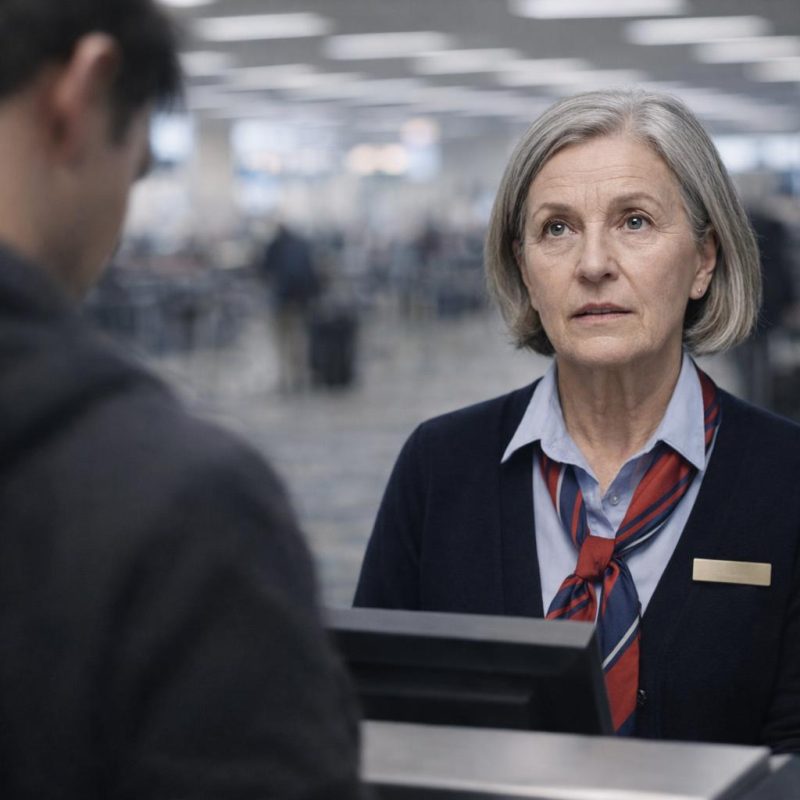 Image by RM AI
Rita and the Passenger List
A typical shift at LAX started the same way every time: coffee from the cart near the B gates, a quick check of the equipment, and then the manifest. That passenger list was the first real intelligence you had about how the next few hours were going to go. Rita and I had a system. She'd pull it up, I'd lean over, and we'd scan the names together without saying much. Rita had been working gates longer than almost anyone I knew — she had this gift for reading a name on a page and already knowing, somehow, what kind of morning it was going to be. Most names meant nothing. Business travelers, families, the occasional minor local celebrity who was perfectly pleasant. But certain names had a weight to them. You'd see them and feel your shoulders go up half an inch without deciding to. Rita didn't even have to say anything on those mornings. She'd just make a sound — somewhere between a sigh and a groan — and I'd know. That particular Tuesday, she made that sound before I'd even finished reading the name.
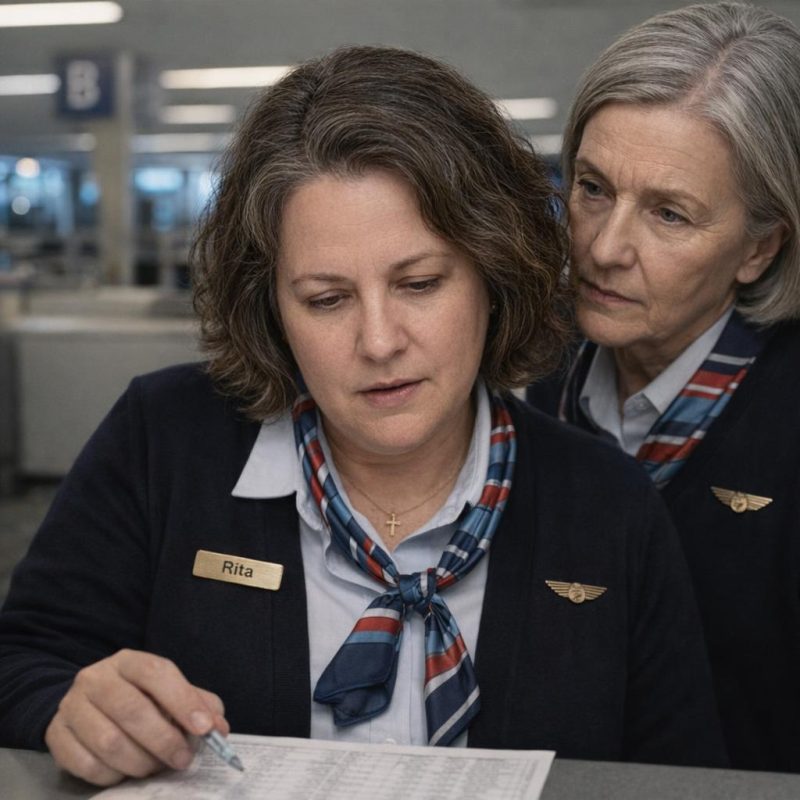 Image by RM AI
Learning the Rules
I didn't walk into that job knowing anything. Nobody does. The first year, I was mostly just trying to keep up — memorizing fare codes, learning the gate systems, figuring out which supervisors wanted things done which way. The FAA regulations alone could fill a binder, and the airline's own policies sat on top of those like a second layer of weather. The carry-on rules, for instance, weren't arbitrary. Two items: one bag in the overhead, one under the seat. That limit existed because the overhead bins had finite space and the FAA had weight distribution requirements for the cabin. It wasn't a suggestion. But passengers treated it like a negotiating position, especially passengers who were used to getting their way. What I learned, over years of standing at that podium, was that the argument usually started before anyone said a word. You could see it in how someone approached — the angle of the chin, the way they held their bags, whether they made eye contact. I got good at reading those signals. Not because I was looking for conflict, but because anticipating it was the only way to stay ahead of it. There was a quiet satisfaction in knowing the rulebook cold, in being the person in the room who couldn't be bluffed by someone who'd never read page one.
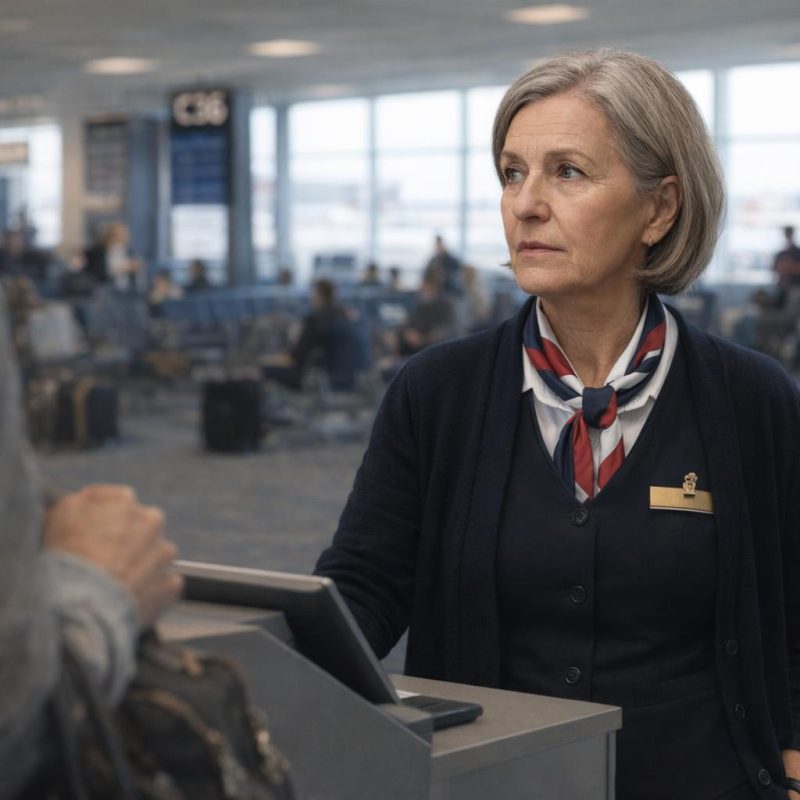 Image by RM AI
Frank Takes Over
Frank Howell came in as our gate manager about three years before the airline folded. He was stocky, perpetually tired-looking, always had a clipboard even when there was nothing on it worth writing down. Previous managers had handled difficult passengers the way most airline management did — smooth it over, offer a voucher, get the person on the plane and move on. Frank didn't operate that way. When a passenger pushed back on a policy, Frank would state the policy again, flat and even, and then just wait. No offer to escalate, no sympathetic lean-in, no voucher materializing from thin air. Rita noticed it before I did. She mentioned it one afternoon after a minor incident with a first-class passenger who'd wanted to board early with three carry-ons. Frank had simply said no, twice, and walked away. "He doesn't smooth," Rita said, which was as good a description as any. I figured it was personality — some managers were accommodators and some weren't. Frank struck me as someone who'd been doing the job long enough to stop pretending the customer was always right. I didn't think much more of it than that. But something about the way he handled those moments stayed with me in a way I couldn't quite name at the time.
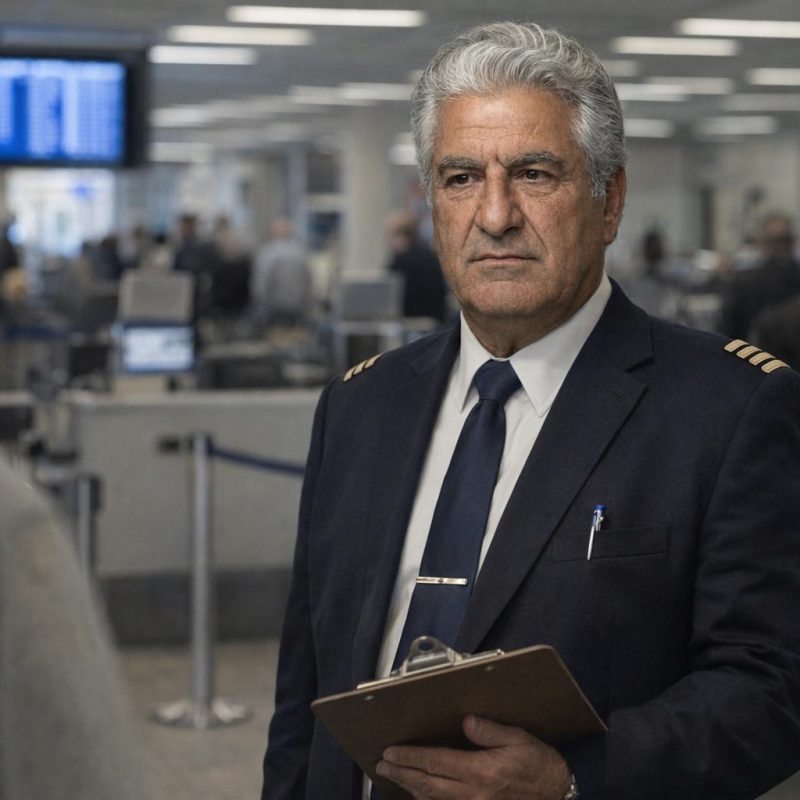 Image by RM AI
Bankruptcy Rumors
The rumors started the way they always do in a workplace — quietly, in corners, between people who trusted each other. Someone had read something online. Someone else had a cousin who worked in accounting. The word "bankruptcy" started appearing in conversations the way a bad smell appears in a room: you weren't sure when it arrived, only that it was there now. Rita and I talked about it during slow stretches between flights. Frank, when we asked him directly, would say he didn't have any information to share, which wasn't the same as saying there was nothing to share. Passengers started asking us questions we had no business answering — whether their miles would still be good, whether the airline was going to make it through the year. We told them what we were told to tell them, which was nothing useful. The gate work continued exactly as it always had: bags weighed, policies enforced, boarding groups called in order. It felt strange, doing everything by the book for a company that might not have a book much longer. I was standing near the terminal newsstand one afternoon, waiting for a delayed inbound, when I heard two men in suits talking just around the corner — and one of them said something about liquidation timelines that made my stomach drop.
 Image by RM AI
Business as Usual
After that, I kept waiting for something to change — some announcement, some shift in procedure, some sign that the people running the airline were going to level with the rest of us. Nothing came. We showed up, we worked our shifts, we enforced the two-bag rule and called the boarding groups and smiled at passengers who had no idea they were flying with a company that might not exist in six months. Rita put it best one morning when we were setting up the gate: "It's like being a waitress on the Titanic and still caring whether the soup is hot." I laughed, but it wasn't entirely funny. There was something genuinely disorienting about the professionalism required — the idea that the standards didn't drop just because the ground was shifting. And they didn't, not for us. We weighed bags, we checked IDs, we handled complaints with the same measured patience we always had. The passengers moved through the gate the same as always, indifferent to what was happening behind the scenes. The procedures hadn't changed. The forms were the same. The only thing different was what I knew, and what I couldn't say.
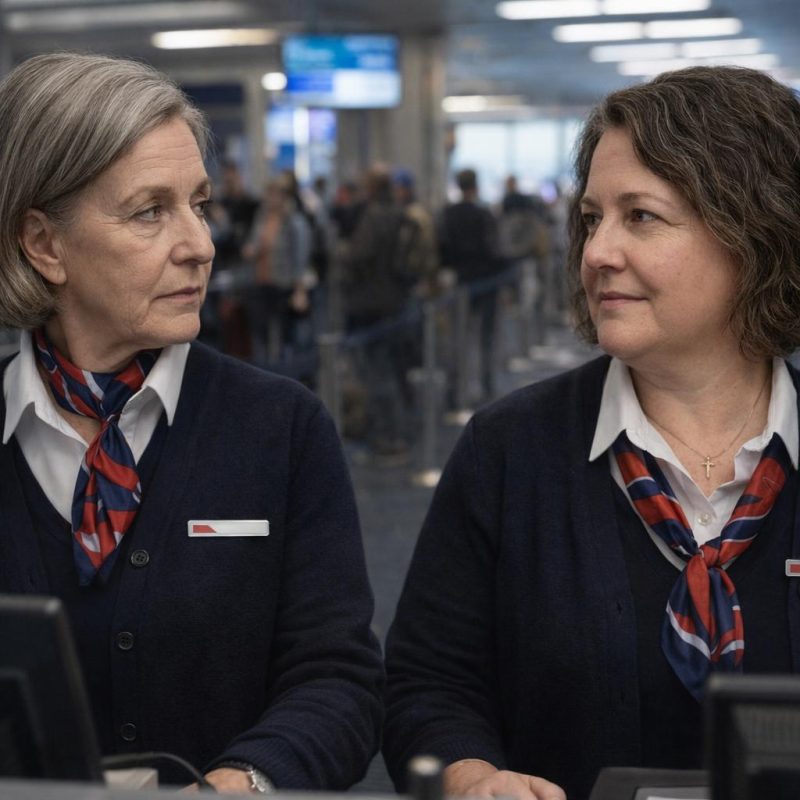 Image by RM AI
Paris Hilton's Reputation
Paris Hilton's name came up in gate agent conversation the way certain weather systems come up among sailors — as a known condition you prepared for, not a surprise. I'd heard stories before I ever worked a flight she was on. A colleague from the international terminal told me about a departure out of JFK where Paris had arrived with what she described as a small village's worth of luggage and had expected every piece to board as carry-on. Another agent I knew from the B gates said she'd once watched Paris's assistant argue for twenty minutes over a bag that was visibly, measurably too large for the overhead bin. The consistent thread in all of these stories wasn't cruelty exactly — it was the absolute, unshakeable assumption that the rules were for other people. Rita had worked one of her flights directly, about a year before I did. She didn't volunteer the details often, but when she did, she always ended the same way: "Just be ready." I filed all of it away the way you file away any useful professional information. Then one afternoon, Rita looked up from the manifest with that particular expression she had, and told me a story about Paris's last encounter with our airline that I hadn't heard before.

The Day Arrives
I came in that Tuesday expecting nothing unusual. The morning flights had gone smoothly, the gate equipment was cooperating, and Frank had been around but quiet, which usually meant the day was going to be manageable. Rita and I pulled up the afternoon schedule around noon to start reviewing the manifest for the Las Vegas departure — a short hop, under an hour in the air, the kind of flight that should have been completely unremarkable. I was scanning down the passenger list when I stopped. There it was: Paris Hilton, booked in first class, LAX to Las Vegas. Rita was already looking at me. According to the booking details, it was a two-day trip — a weekend, essentially, which meant luggage. Frank came by the podium a few minutes later, glanced at the manifest when I pointed to the name, and gave a single slow nod that communicated absolutely nothing about what he was thinking. I straightened my uniform, took a breath, and started mentally reviewing the carry-on policy one more time.
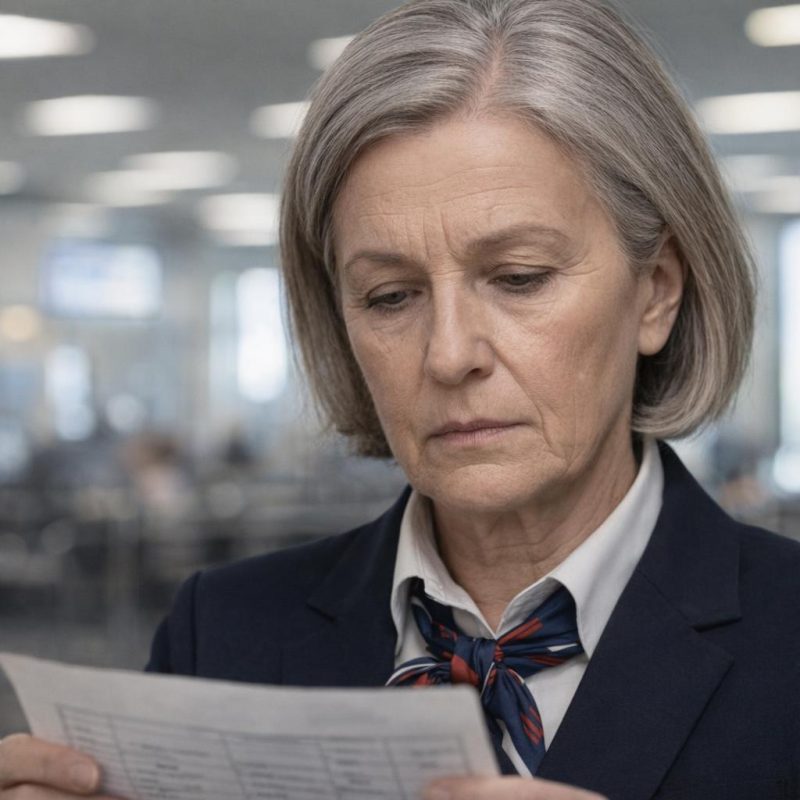 Image by RM AI
Eight Bags
She came through the terminal around two-thirty, and I spotted her before most of the gate area did — the platinum hair, the oversized sunglasses, the kind of entrance that takes up more space than one person should reasonably occupy. What I wasn't prepared for was what came behind her. Eight bags. Not eight small personal items, not a couple of totes and a carry-on — eight substantial pieces of luggage, the kind with wheels and telescoping handles and enough structural integrity to survive a cross-country move. A porter was managing most of them on a cart, and two more were slung over the shoulders of what I assumed was an assistant. Rita appeared at my elbow without a word, and I felt rather than saw her look at me. The manifest had said two days. Las Vegas, two days, eight bags. I started doing the quiet mental math that gate agents do when they already know how something is going to go. The cart came to a stop near the podium, and the bags just sat there, taking up an unreasonable amount of real estate in the gate area.
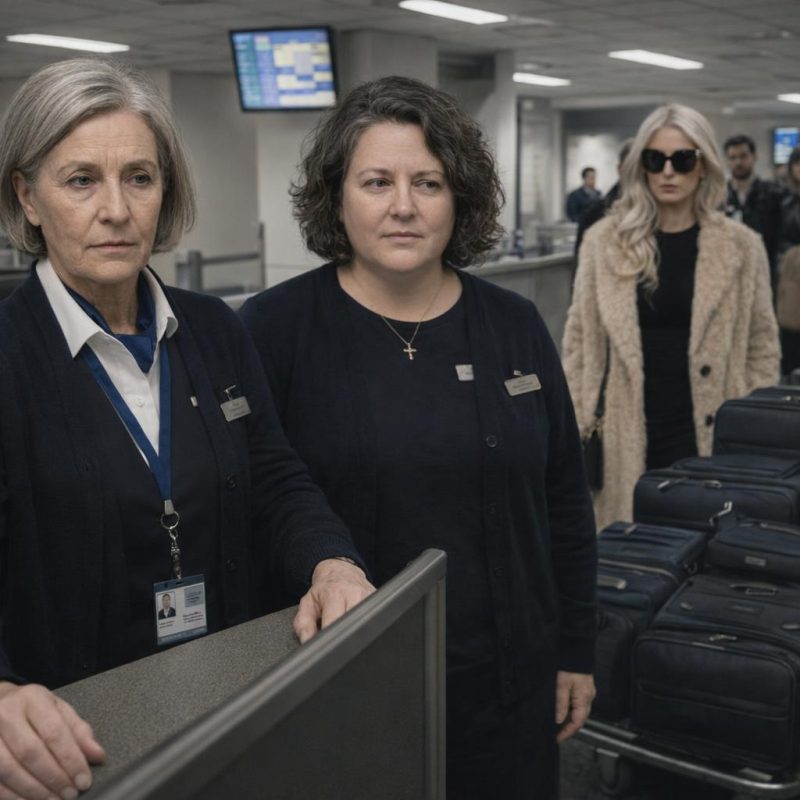 Image by RM AI
The Policy Explanation
I gave it a moment, then walked over. That's the job — you don't wait for the problem to come to you. I introduced myself, kept my voice even and professional, and explained that our carry-on policy allowed two items per passenger: one bag that fit in the overhead bin and one personal item that fit under the seat. I told her the remaining six bags would need to be checked, that we'd get them tagged and loaded, and that they'd be waiting for her at baggage claim in Las Vegas. I said it the same way I'd said it probably a thousand times before — not unkindly, just clearly. Paris listened. She didn't interrupt, which I noted. Her expression was hard to read behind the sunglasses, but she didn't immediately push back either. Rita was a few feet away, close enough to hear, pretending to review something on the podium screen. I finished the explanation and waited. The gate area was doing its usual low hum of pre-boarding activity around us, and for a few seconds, there was just quiet between us.

The Argument Begins
The quiet didn't last. She told me she couldn't check the bags — not wouldn't, couldn't — and that she needed all eight with her in the cabin. I restated the policy, same tone, same words, because that's what you do. She asked why an exception couldn't be made, and I explained that the policy applied to every passenger regardless of status, that it wasn't a discretionary call I could make at the gate, and that overhead bin space was a finite physical reality on a regional aircraft. Her tone sharpened. She said the bags contained things she couldn't risk losing, things that couldn't go in the hold. I told her we could mark them fragile, that checked bags were handled carefully, that this was a short flight. She wasn't interested in any of that. Rita had moved closer, which I appreciated. The passengers seated near the gate had stopped pretending not to watch. I kept my voice level and my posture neutral, but the conversation had stopped being a conversation and started being something else, and the whole gate area seemed to feel it.

Frank Steps In
Frank materialized the way he always did — no announcement, just suddenly there, clipboard in hand, reading the situation in about four seconds flat. He stepped up beside me and introduced himself as the gate manager, and Paris immediately redirected her explanation toward him, clearly expecting a different outcome. Frank let her finish. He didn't interrupt, didn't nod along, just waited until she was done. Then he restated the policy in about two sentences, the same policy I'd already explained twice, except Frank's version had no softening around the edges. He said the bags needed to be checked. Paris started to explain again — the contents, the fragility, the importance — and Frank didn't engage with any of it. He just looked at her with those tired eyes and said she was welcome to check the bags and board, or she could decline and not board, but the flight was going to leave either way. Rita caught my eye from across the podium. I'd expected Frank to find some middle ground, some diplomatic language that moved things along. Instead, I heard him tell Paris she could check the bags or miss the flight.

The CEO Threat
That's when she said it — that she was going to call the CEO. She said it the way people say it when they're certain it's going to change everything, like she was pulling out a card that ended arguments. Frank didn't blink. He told her, in the same flat tone he'd used for everything else, that the CEO was probably going to be out of a job in a few months anyway, and that if she wanted to file a formal complaint she was welcome to contact the FAA. I felt something shift in my chest — not quite alarm, more like the sensation of standing on ground that had just moved slightly under your feet. Rita had gone very still beside me. Paris stared at Frank for a moment, and even behind the sunglasses I could tell she hadn't expected that. The passengers nearby had stopped any pretense of minding their own business. Frank just stood there, clipboard at his side, expression unchanged, like he'd said something completely unremarkable. The gate area went quiet in a way that felt different from ordinary quiet — heavier, somehow, and nobody seemed to know what was supposed to happen next.
Missing the Flight
Boarding continued around the argument the way it always does — the gate doesn't pause for disputes, and the other passengers filed past with the careful non-eye-contact of people who have witnessed something awkward and want no part of it. I called final boarding. Paris still hadn't moved toward the check-in counter, still hadn't handed over the bags. I explained, as clearly as I could, that I couldn't hold the aircraft — that there were other passengers, a crew with a schedule, connecting flights downstream that depended on an on-time departure. She kept talking. Frank had stepped back and said nothing further. At some point the math just runs out, and I walked to the door, confirmed with the agent on the jetway, and closed the boarding door. It's a procedural step, not a judgment — the door closes when it closes. Through the window I could see the ground crew beginning to push back. Paris was still standing at the gate when the aircraft started to move, and her anger, which had been loud and pointed, shifted into something rawer and less controlled as the plane pulled away from the terminal.
 Roger Casas-Alatriste on Wikimedia
The Aftermath
What came after was the part of the job nobody puts in the brochure. She turned everything that had built up over the last hour directly at me and Rita — called us incompetent, said we'd ruined her trip, used words I won't repeat here but that I've heard before in twenty-plus years of gate work. Rita stood beside me and didn't flinch, which I was grateful for. Frank had drifted back toward the operations area. I kept my expression neutral and my hands still and waited for it to run its course, because that's all you can do. Eventually she gathered her bags and her assistant and left, and the gate area exhaled. Rita and I started the post-departure paperwork in silence. I figured that was the end of it — one of those incidents you debrief over bad coffee in the break room and then file away. Then one of the agents from the adjacent gate leaned over and mentioned she'd just seen something in the system. Paris had purchased a seat on the last Las Vegas departure of the evening.
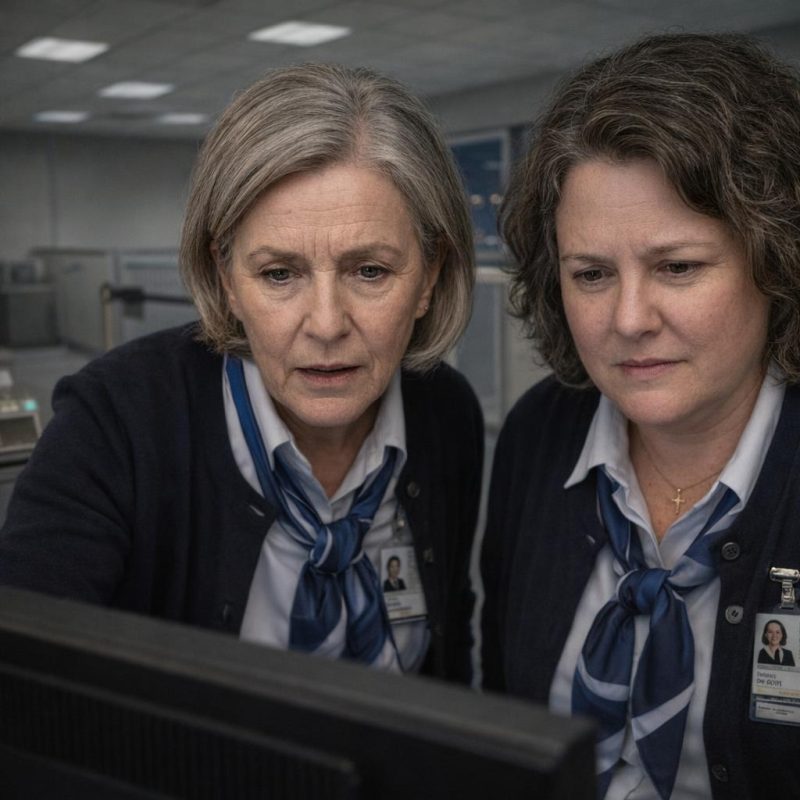 Image by RM AI
Buying Out First Class
Rita pulled up the reservation details while I watched over her shoulder. It took us both a moment to process what we were looking at. Paris hadn't bought one seat on that final flight. She'd bought every seat in first class — all of them, the entire cabin, booked under her name. Rita scrolled through it twice like she was waiting for the screen to correct itself. We worked out the rough math on what that would have cost, and the number we landed on was somewhere in the range of what some people make in a month. The stated purpose, as far as we could tell from the booking, was to have the overhead bin space for all eight bags. I stood there thinking about the fact that she could have checked those bags hours earlier for a standard fee, been on the original flight, and been in Las Vegas by now. Instead she'd spent what amounted to a small fortune to avoid doing exactly that. Rita looked at me. I looked at Rita. Neither of us had a word for it. There's a particular kind of silence that settles in when something is too strange to be funny yet and too real to be disbelieved.
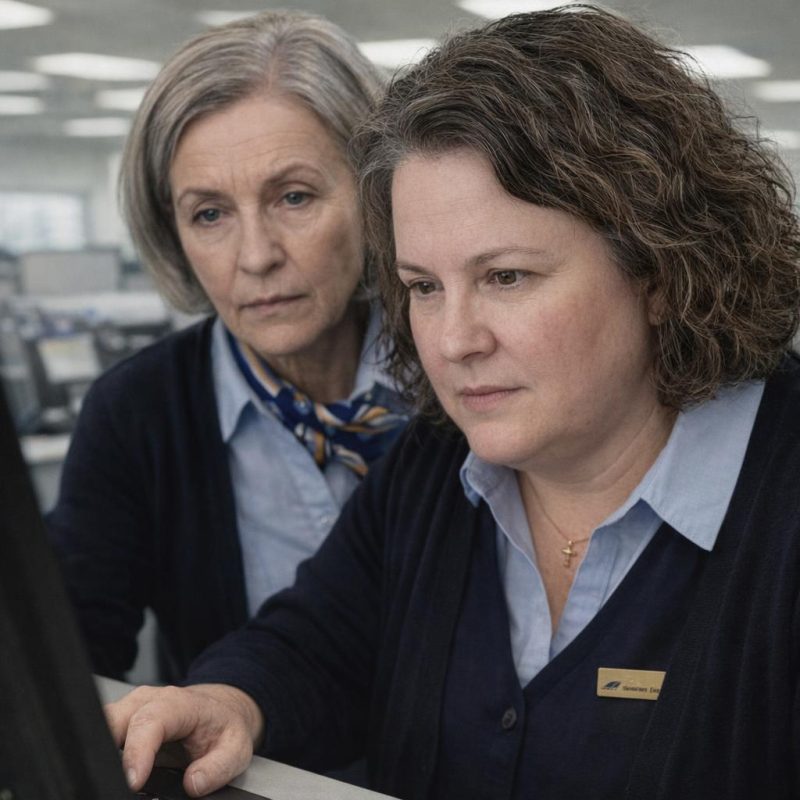 Image by RM AI
The Debrief
Frank called us into the break room about an hour after the gate cleared. He had his clipboard, which he always had, and he set it on the table without looking at it. Rita walked him through the sequence — the bags, the policy, the escalation, the missed flight, the first-class rebooking. I filled in the parts about what Paris had said when she threatened to call the CEO. Frank listened to all of it without writing anything down, which was unusual for him. He didn't ask whether we'd followed procedure correctly. He didn't ask whether we could have handled it differently. He just nodded, slowly, like someone confirming something they'd already suspected. When Rita got to the part about how angry Paris had been after missing the flight — really angry, the kind that draws stares from other passengers — something shifted in Frank's face. It wasn't concern. It wasn't relief. It was something quieter than either of those, and it sat there for just a second before he looked back down at his clipboard.
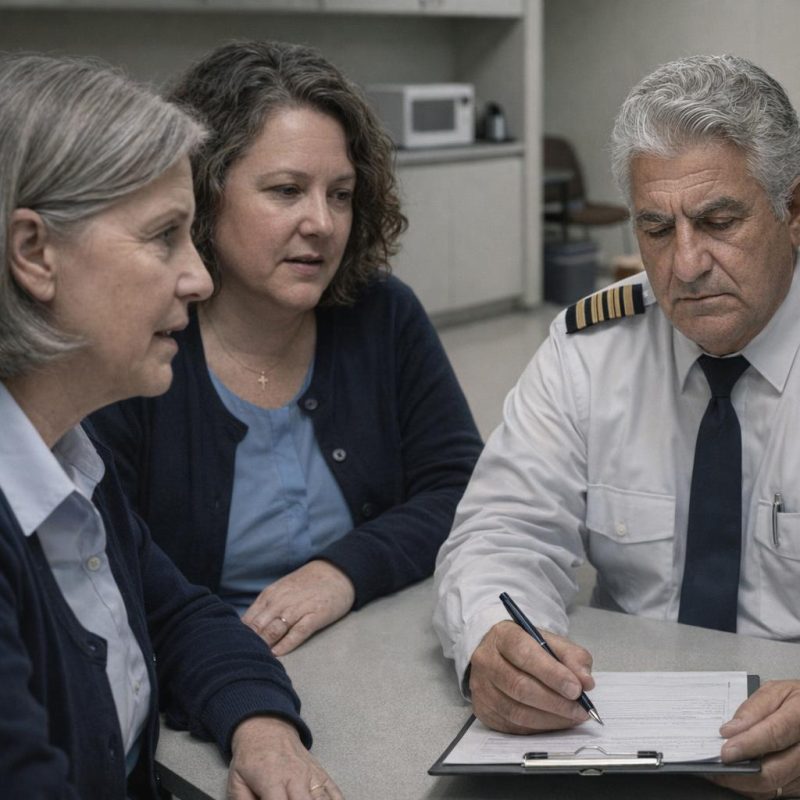 Image by RM AI
Other Incidents
I started turning it over on the drive home that night, and I kept coming back to other moments from the past several months. There had been a pop singer — I won't say who — who'd shown up at Gate 14 with an entourage and a request to board early without the right ticket class. Frank had handled that one personally. Same flat refusal, same tone, same outcome: the passenger left furious and filed a complaint. Rita reminded me the next morning about the basketball player at Terminal C, back in the spring. Different gate, different manager technically, but Frank had been called in to assist. Same result. The passenger had threatened to go to the press. Frank had told him, more or less, to go ahead. I'd thought at the time that Frank was just built that way — no patience for entitlement, no interest in smoothing things over. Standing in the break room the next morning with Rita, I still thought that was probably the explanation. But the sameness of it — the identical flatness, the identical outcome each time — sat in the back of my mind like a splinter I couldn't quite reach.
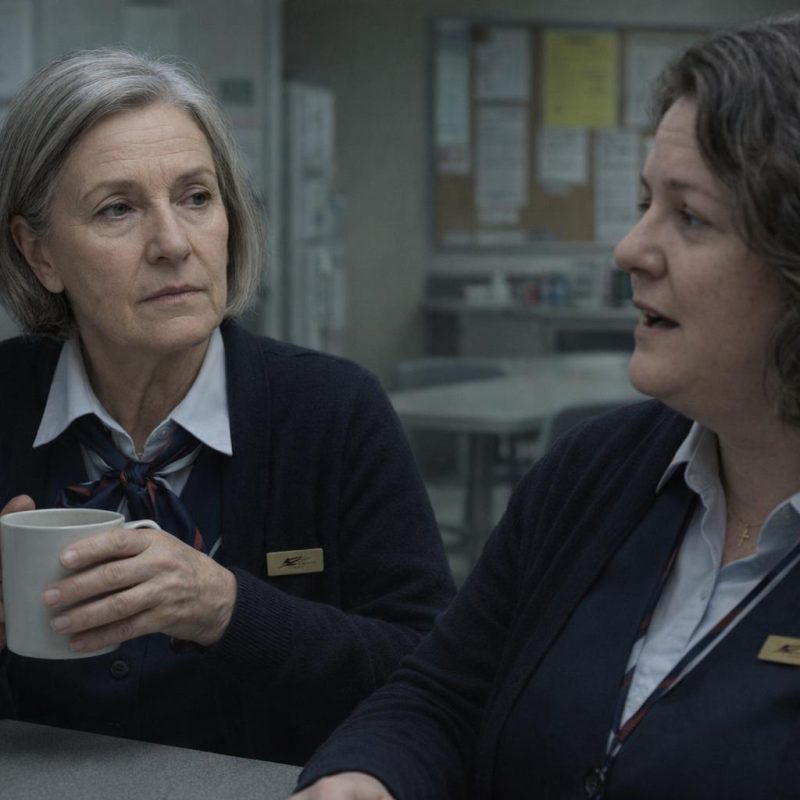 Image by RM AI
The Investigator Arrives
He showed up on a Tuesday, which was already a slow day, so he stood out. Slim man, wire-rimmed glasses, leather portfolio tucked under one arm, moving through the gate area with the kind of careful attention that doesn't belong to a traveler. He introduced himself to me and Rita as Edward, a corporate investigator with the airline's parent company, and said he was conducting a review of operational procedures at several terminals. He was polite about it — almost formally polite, the kind that keeps you at arm's length without being rude. He asked us general questions at first: how long we'd each worked the gate, what our standard process was for oversized baggage, how we typically handled escalating passenger situations. Rita answered most of it. I answered the parts about procedure. Then he opened his portfolio, clicked his pen, and asked whether either of us had dealt with any formal complaints from high-profile or celebrity passengers in the past six months.
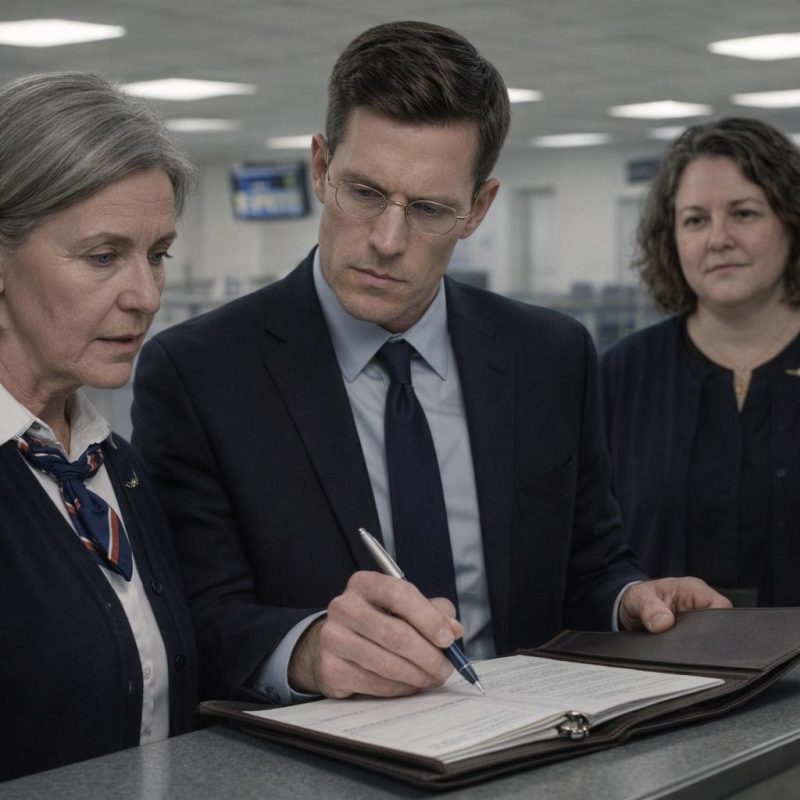 Image by RM AI
Comparing Notes
After Edward left that day, I found myself doing something I didn't usually do — walking the terminal and stopping to talk to agents at other gates. Not about anything specific, just asking how things had been going, whether they'd had any rough shifts lately. It didn't take long. A woman at Gate 22 mentioned a musician who'd caused a scene two months back over a gate change. A man at the international terminal brought up a reality television personality who'd been refused an upgrade and had screamed at the counter for twenty minutes. In both cases, a manager had been called in. In both cases, the manager had held the line without offering any accommodation. In both cases, the passenger had filed a formal complaint. Rita had heard a version of the Gate 22 story already, from someone on the early shift. I stood in the corridor between terminals and tried to think about whether this was just what working at a busy airport looked like — difficult passengers, difficult days, managers who didn't bend. But the incidents Rita confirmed had all happened within the same six-month window, and every one of them had ended the same way.
 Image by RM AI
The Incident Reports
I had access to the incident reporting system the same as any senior gate agent — it wasn't restricted, just rarely used for browsing. I pulled it up during a quiet stretch between flights and searched the past six months. The reports came back faster than I expected, and there were more of them than I'd have guessed. What stopped me wasn't the number. It was the length. A standard incident report is maybe four or five lines — passenger name, nature of complaint, gate, supervisor on duty, resolution. These were paragraphs. Each one documented the passenger's exact words, the sequence of the confrontation, the specific threats made, the names of witnesses. Rita leaned over my shoulder and said what I was already thinking: she'd never seen reports written up like that for a routine passenger dispute. I scrolled through six of them before I noticed the pattern in the supervisor field. Frank's name appeared on four of the six, and the language in those four reports — the phrasing used to describe the passenger's behavior — was close enough between entries that Rita read two of them aloud just to confirm she was seeing it right.
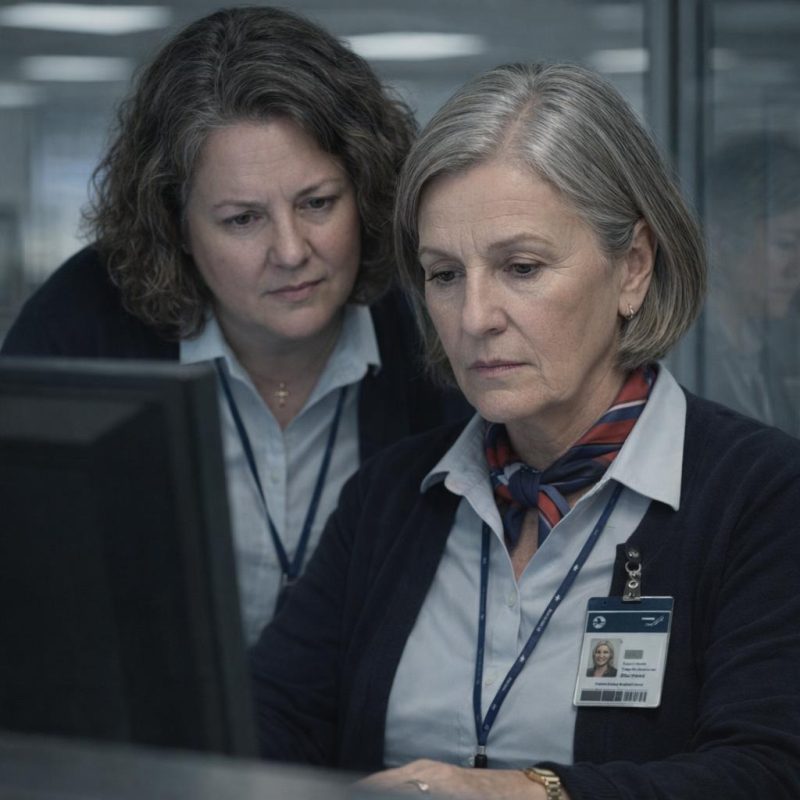 Image by RM AI
Frank's Warning
He caught me at the end of my shift, just as I was logging out at the counter. He didn't raise his voice. Frank never raised his voice — that was part of what made him hard to read. He said he'd heard I'd been pulling old reports and talking to agents at other gates, and he'd like me to explain why. I started to say something about just being curious, and he stopped me with a look before I got three words out. He told me, quietly and without any particular heat, that reviewing incident documentation outside my assigned duties and asking colleagues about management decisions was not my job, and that if I had concerns about operational procedures there were proper channels for that. He said it the way you'd explain a policy to a new hire — patient, clear, final. Then he picked up his clipboard and walked away. I stood at the counter for a moment after he left, the terminal noise carrying on around me as if nothing had happened, and the chill of what he'd just said settled into me slowly, the way cold does when you've been standing in it too long to notice all at once.
 Image by RM AI
The Formal Interview
Edward had booked a small conference room off the main corridor, the kind used for crew briefings. He had a recorder on the table and a legal pad beside it, and he asked me to start from the beginning — from the moment Paris arrived at the gate. I went through it carefully: the bags, the policy explanation, the escalation, Frank's arrival, what Frank said when she threatened to call the CEO. Edward stopped me there and asked me to repeat Frank's exact words. I did. He wrote them down without commenting. Then he asked whether Frank had seemed surprised by how angry she became. I thought about it and said no, not really. He asked whether Frank had made any attempt to offer an alternative — a compromise, a partial accommodation, anything to bring the temperature down. I said no. He asked the same question, in slightly different forms, about two other incidents I'd mentioned. By the time he closed his legal pad, I understood that every question he'd asked had been about Frank — his words, his choices, his responses — and that Paris and the others had been, in Edward's careful accounting, something closer to context than subject.
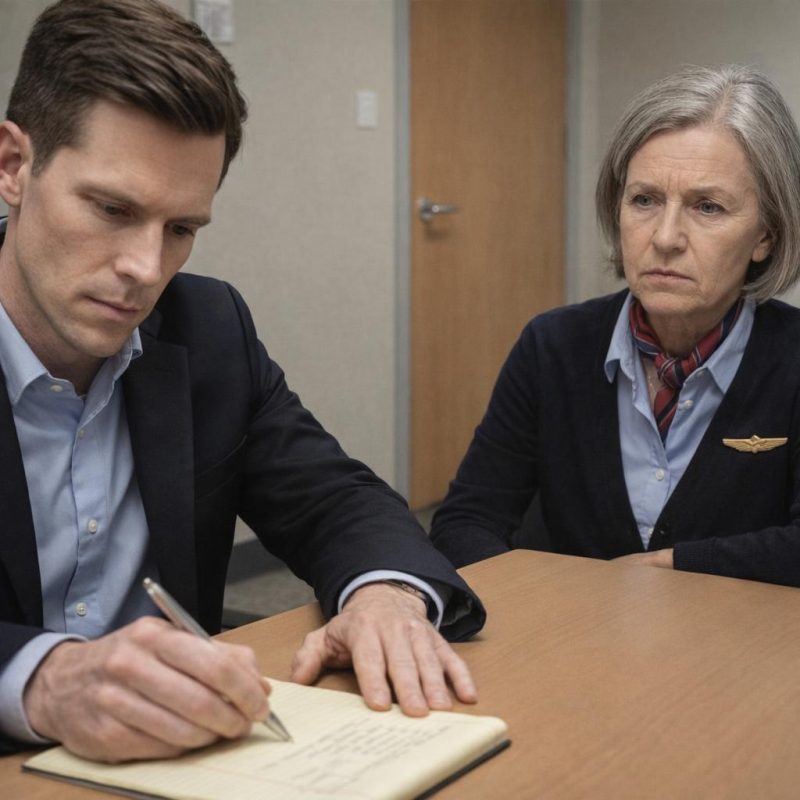 Image by RM AI
The Scheme Revealed
Edward set his pen down and told me he was going to explain what the investigation had found, and that he needed me to understand my role in it was considered unwitting. That word — unwitting — landed before the rest of it did. He explained that Frank and at least three other managers across the terminal had been deliberately escalating confrontations with high-profile passengers over a period of roughly eight months. The goal wasn't to enforce policy. The goal was to generate formal complaints — documented, detailed, signed by recognizable names — that could be used to support a narrative of systemic mismanagement. That narrative, Edward said, was being used to support bankruptcy proceedings that would benefit a specific group of executives financially. The detailed incident reports weren't thorough because Frank was conscientious. They were thorough because they were evidence, built to spec. Paris, the musician, the basketball player — they hadn't been difficult passengers who happened to encounter a blunt manager. They'd been chosen, Edward said, and Frank's responses to them had been anything but accidental. I sat across from Edward in that small conference room and understood, for the first time, that every moment I'd spent thinking I was just doing my job, Frank had been using me to do his.
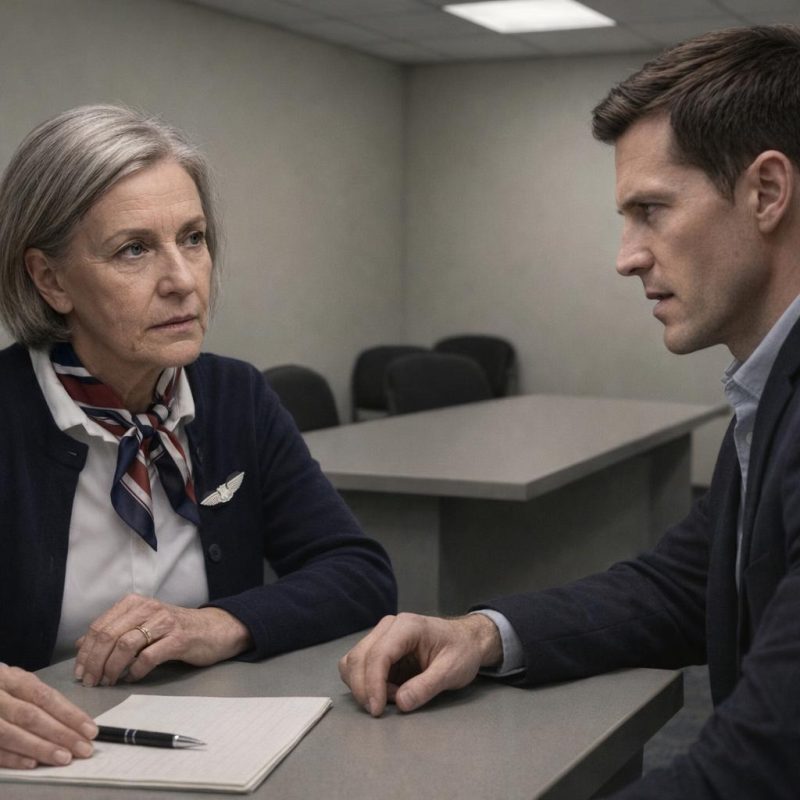 Image by RM AI
Unwitting Participant
I found Rita at the break room table with a cold cup of coffee and a crossword she hadn't touched. I sat down across from her and told her everything Edward had said — the scheme, the complaints, the bankruptcy play, all of it. She put her pen down about thirty seconds in and didn't pick it up again. When I finished, she just said, 'Frank used us.' Not a question. I kept turning the Paris incident over in my head — the eight bags, the policy, the way Frank had stepped in with that line about the CEO. I'd thought he was backing me up. I'd thought I was doing my job right. And I had been doing my job right. That was the part that kept catching in my throat. My professionalism hadn't protected me from being used — it had made me more useful. Rita said we couldn't have known, and she was right, and it didn't help at all. The guilt sat in my chest like something I'd swallowed wrong.
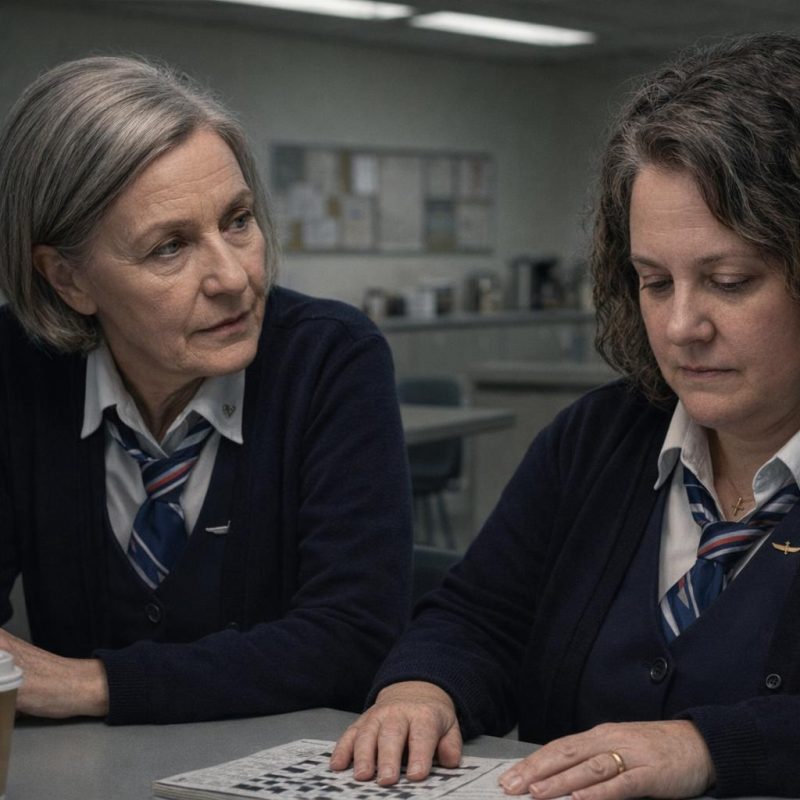 Image by RM AI
The Decision
Edward called me the next morning and asked if I'd be willing to provide a formal statement. He was careful about it — said it was my choice, that my cooperation was voluntary, that nothing I'd done put me at legal risk. I appreciated the care and spent the rest of that day not feeling any better about it. Rita and I talked it through on our lunch break, sitting outside near the employee lot. She said she'd support whatever I decided, and I believed her, and I still had to make the call myself. I thought about the other gate agents, the other shifts, the other passengers who'd been steered into confrontations they didn't understand. I thought about my twenty-two years of doing this job the way it was supposed to be done. Staying quiet felt like handing Frank one more thing he hadn't earned. I knew what I was going to do. I just sat with the weight of it a little longer before I said it out loud.
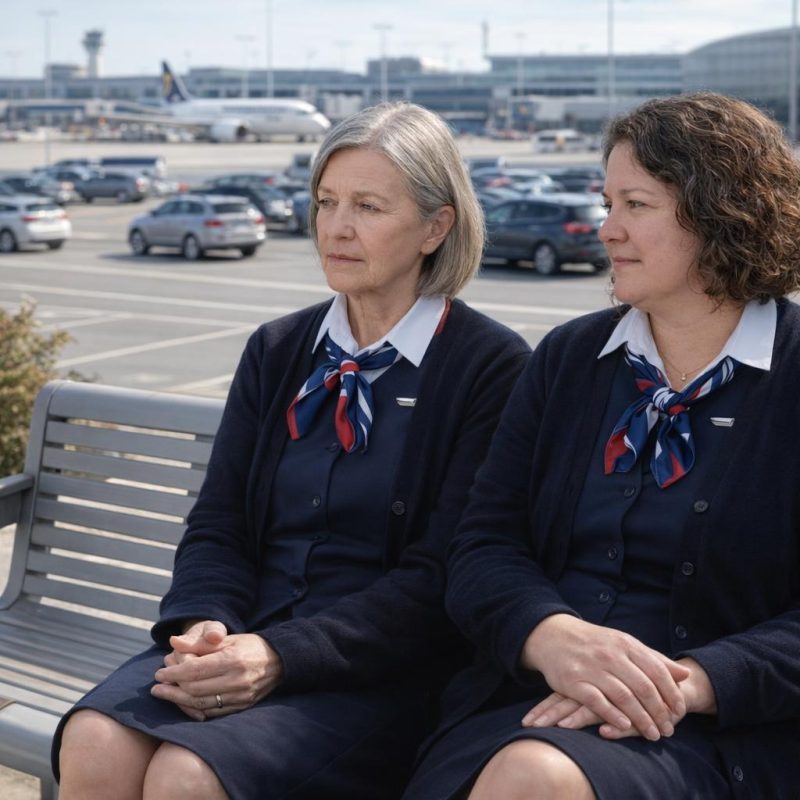 Image by RM AI
Confronting Frank
I found Frank in the managers' corridor before my scheduled testimony, and I told him I knew. He didn't flinch. He leaned against the wall with his arms crossed and looked at me the way he always had — like I was a scheduling problem he'd already solved. He said the airline was going under regardless, that anyone paying attention had seen it coming for two years. He said the executives at the top were going to walk away with something, and he'd decided he wasn't going to be the one left holding an empty pension. He said it plainly, without lowering his voice, like he was explaining a gate change. I told him what he'd done to the passengers was wrong, and what he'd done to us — to me — was worse. He looked almost bored. He said I'd always been good at my job and that was exactly why it had worked. I told him I was testifying. He shrugged and said, 'I figured you would.'
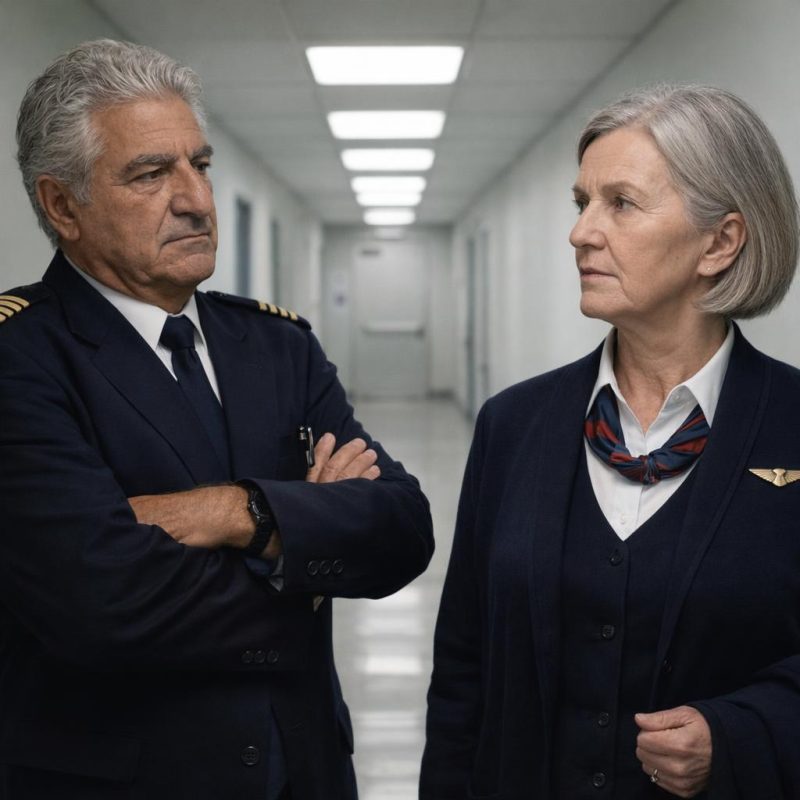 Image by RM AI
The Statement
The formal session was in a conference room two floors up from the terminal, with Edward and two other investigators I hadn't met before. I walked them through the Paris incident from the beginning — the bags, the policy, the line of passengers behind her, Frank's arrival, the comment about the CEO. I described the musician, the basketball player, the pattern I hadn't recognized as a pattern until Edward named it for me. I explained Frank's warning when I'd started asking questions, the way it had felt like professional advice at the time. They asked clarifying questions and Edward took notes in the same careful way he always did. When they handed me the written statement to review, I read every line. A few small corrections, nothing significant. The investigators waited without rushing me. When I was satisfied it was accurate, I picked up the pen and signed my name at the bottom of the last page.
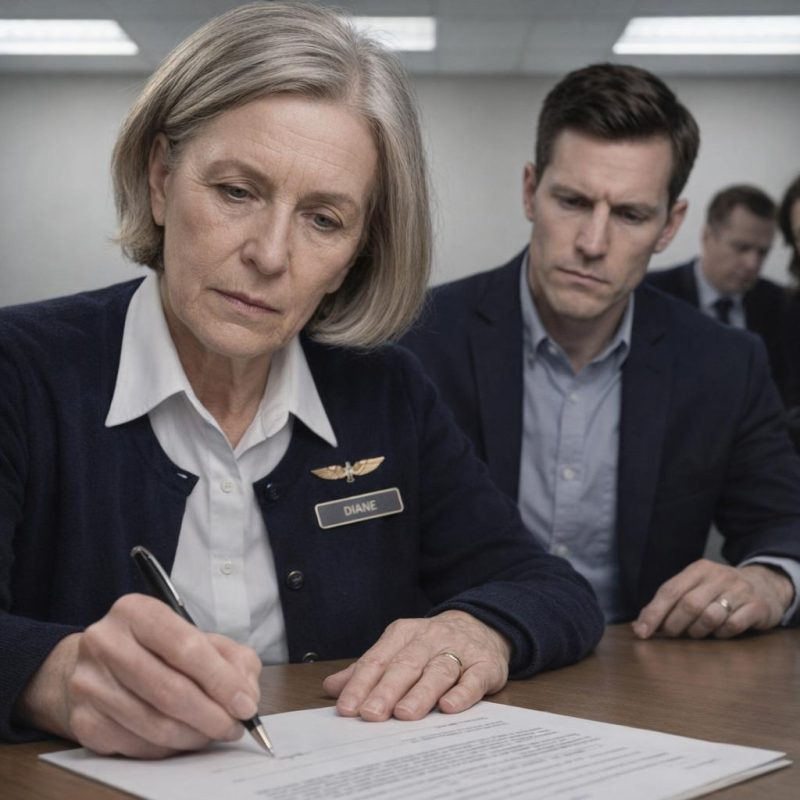 Image by RM AI
The Airline Closes
The announcement came on a Tuesday, which felt about right — not a Monday, not a Friday, just a Tuesday, like the airline couldn't even manage a dramatic exit. Rita and I worked the final shift together, processing the last passengers through our gate with the same procedures we'd used ten thousand times before. Frank was already gone by then, escorted out the week prior, with legal proceedings pending against him and two other managers. Word had come down that the investigation had widened. Rita and I didn't talk much during that last shift. There wasn't a lot left to say. We hugged the colleagues who came by to say goodbye, exchanged numbers with the ones we meant it with, and let the rest go. When the gate area finally emptied and the monitors went dark, I picked up my bag, straightened my uniform out of habit, and walked back through the terminal the same way I had for twenty-two years. The gate stood empty behind me, and I didn't look back.
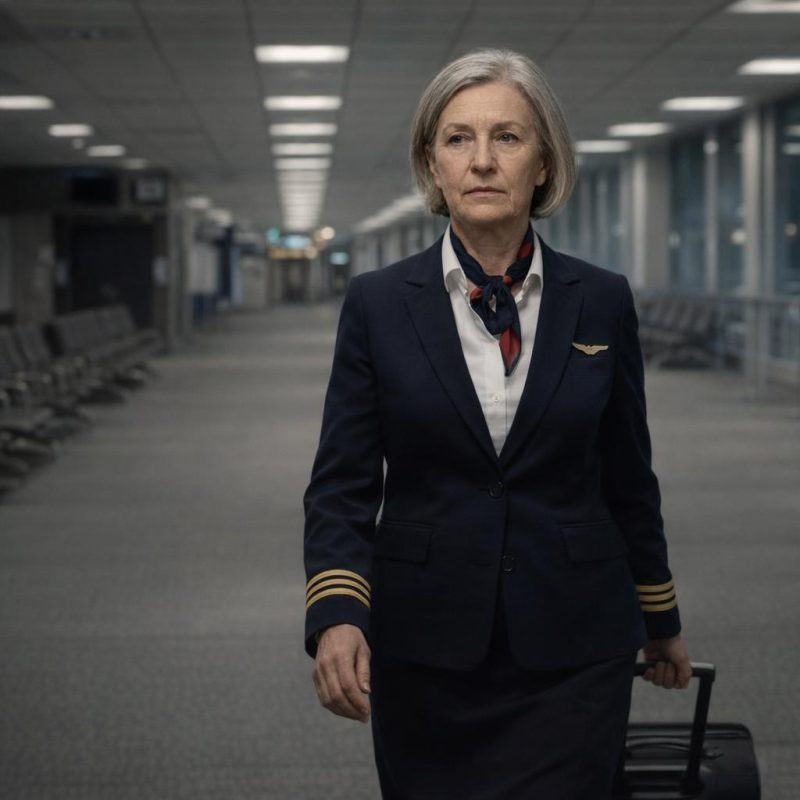 Image by RM AI
What the Bags Meant
I've had years now to think about those eight bags. Paris Hilton was difficult — I won't pretend otherwise. The entitlement was real, the scene she made was real, and the way she looked at gate agents like we were furniture was something I'd clocked before she said a word. But Frank had read her perfectly and used every bit of it. He'd positioned me to enforce the policy and then stepped in to pour fuel on a fire he'd lit himself. She'd been provoked in ways she couldn't have known, by someone with reasons she'd never have guessed. That doesn't make her behavior fine. It makes the whole thing more complicated than the story I used to tell. Eight bags is still eight bags. But standing where I stand now, I can see that what happened at that gate wasn't really about luggage — it was about a man who needed a documented incident, and a passenger who was easy to push, and a gate agent who did her job exactly right and never saw any of it coming.
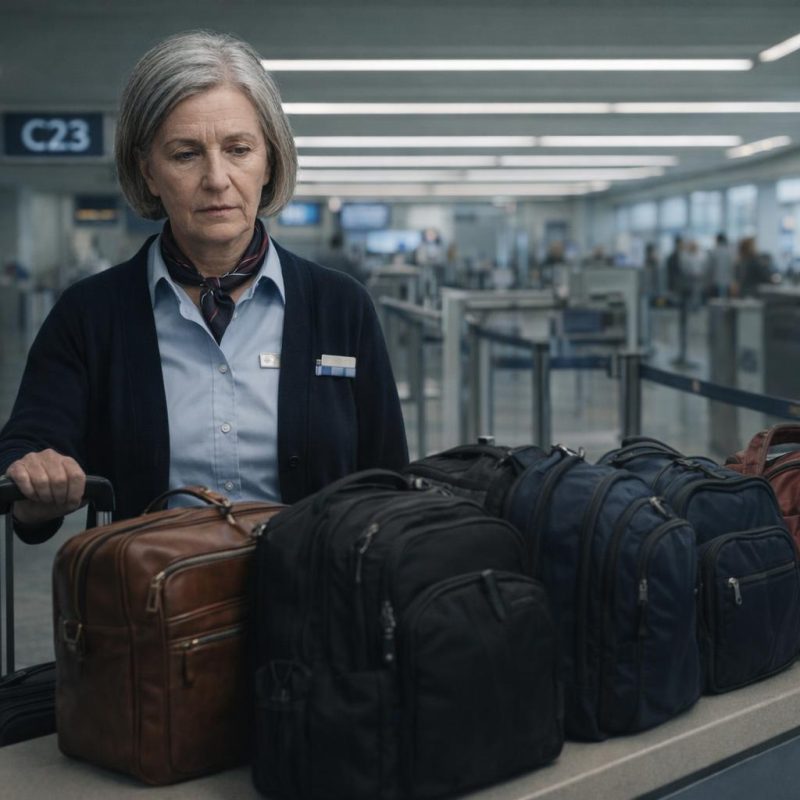 Image by RM AI
KEEP ON READING