

I Took My 65-Year-Old Mom To A Luxury Restaurant In Her Gardening Clothes—When The Waiter Realized Who She Was, His Face Turned White
I Took My 65-Year-Old Mom To A Luxury Restaurant In Her Gardening Clothes—When The Waiter Realized Who She Was, His Face Turned White
The Woman Who Grew Everything
My mother has dirt under her fingernails in every memory I have of her. Not because she was careless, but because she was always working — always kneeling beside something that needed her. For thirty years, she ran the city's largest botanical conservatory, a sprawling glass-and-steel complex that most people drove past without a second glance. Inside, she had built something extraordinary. She curated the state's rarest orchid collections, species that required precise humidity levels and specific light cycles that she had memorized the way other people memorize phone numbers. Landscape architects from across the region called her for consultations. Horticulturists who had spent decades in the field would defer to her in meetings, nodding along when she spoke about soil composition or root systems like she was reading from a text they hadn't found yet. She never talked about any of it at home. She'd come through the door, wash her hands at the kitchen sink, and ask me what I wanted for dinner. That was just who she was — someone who built things quietly, with her hands, and then moved on to the next thing that needed building. Standing in her kitchen all those years later, I could still feel the weight of thirty years spent making something beautiful out of patience and dirt.
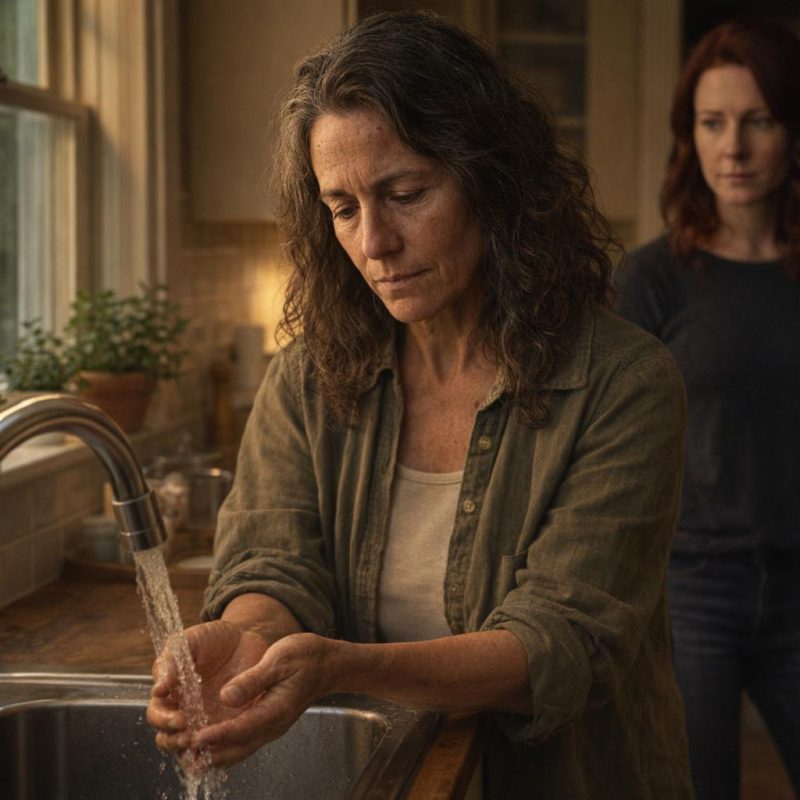 Image by RM AI
The Orchid Whisperer
I used to spend Saturday mornings at the conservatory when I was small, trailing behind her through the climate-controlled corridors while she checked on specimens that cost more than our car. She handled thousand-dollar saplings with the same dirt-stained hands she used to pull weeds from our backyard garden, and somehow that never seemed like a contradiction to her. What I remember most is how other people watched her work — the way the junior staff would go quiet when she walked into a room, not out of fear but out of something closer to attention. She had mentored half the landscape architects working in the city by the time I was in high school. Some of them still called her on weekends to talk through problems they couldn't solve on their own. She never seemed to mind. She'd sit at the kitchen table with her coffee going cold, talking someone through a drainage issue or a failing root system, patient and precise and completely unhurried. I didn't fully understand what that kind of reputation meant when I was young. I started to piece it together later, going through some old files she'd left on the counter — and there it was, a conference program with her name listed as keynote speaker at three separate international botanical symposiums in the same calendar year.
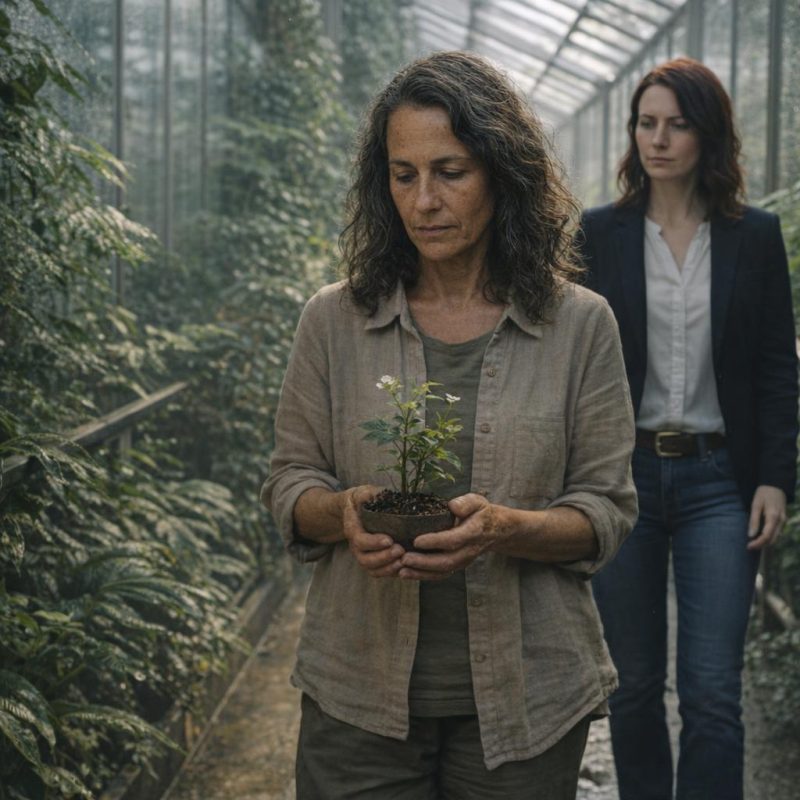 Image by RM AI
The Education She Built
She paid my graduate school tuition the same way she paid for everything — without ceremony. I came home one weekend during my second year, stressed about the next semester's fees, and she slid a check across the kitchen table like she was passing the salt. No lecture attached. No conditions. Just the check and a cup of tea she'd already made for me. I tried to talk about repayment timelines and she waved her hand like I was being tedious. She wore the same pair of gardening clogs for six years. She drove a twelve-year-old sedan with a cracked dashboard and a passenger window that stuck in cold weather. She had never once, in my entire life, mentioned wanting anything that cost more than it needed to. But she funded my education without hesitation, every semester, every program fee, every stack of textbooks. I asked her once why she never spent money on herself, and she looked at me like I'd asked something slightly strange. She said that things depreciated. That knowledge didn't. That the only inheritance worth leaving someone was the kind they carried inside them and couldn't lose in a market downturn. I've thought about that a lot over the years. The way she said it — so matter-of-fact, like it was just obvious — stayed with me longer than almost anything else she ever told me.
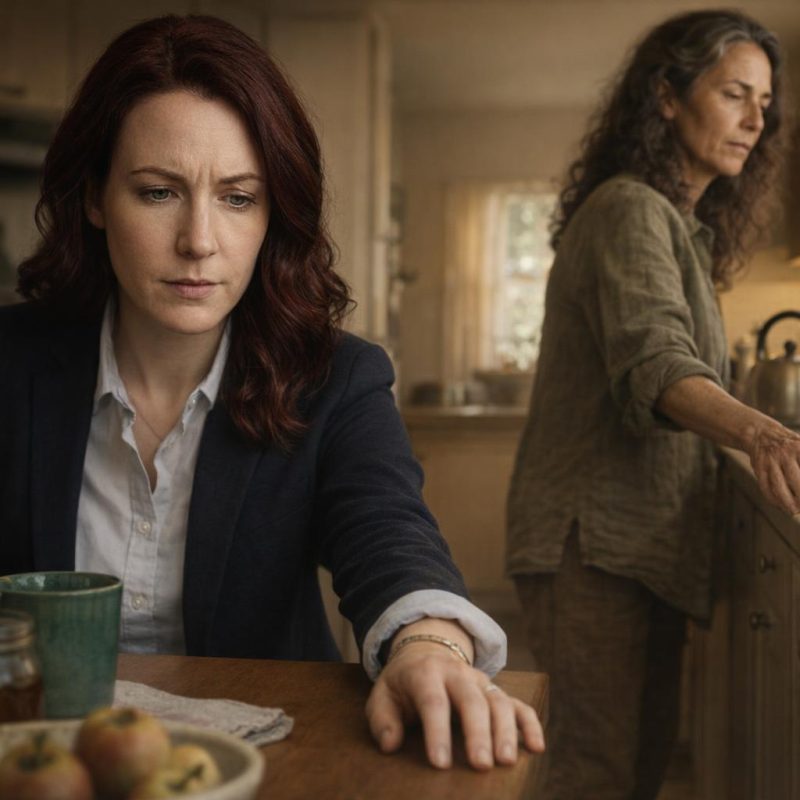 Image by RM AI
Sixty-Five and One Request
She called me on a Tuesday evening in early spring, which was unusual because she normally texted. I picked up expecting something practical — a question about my schedule, a reminder about a family thing I'd forgotten. Instead she said she wanted to do something for her sixty-fifth birthday. I waited, because that sentence alone was already surprising. My mother did not, as a rule, want things for herself. She said she'd been hearing about a restaurant called L'Eclat for a while now. That people said the food was extraordinary. That she thought, just once, she'd like to have a genuinely world-class meal. I didn't say anything for a second. L'Eclat was the kind of place I associated with corporate expense accounts and anniversary dinners for people who owned boats. It was not, in any version of my imagination, a place I'd pictured my mother wanting to go. But there was something in her voice when she said it — not wistfulness exactly, more like a quiet decision that had already been made. She just wanted one meal that was worth remembering. That was all. I told her we'd make it happen, and I meant it completely, and after I hung up I sat with the smallness and the sweetness of that one request for a long time.
 Image by RM AI
The Price of Celebration
I looked up L'Eclat that same night, sitting cross-legged on the couch with my laptop while David watched something on TV beside me. The website was the kind that loads slowly on purpose — all muted tones and a single elegant font. The prix-fixe lunch menu was two hundred dollars per person, before drinks, before tax, before whatever the expected tip was on two hundred dollars per person. I said the number out loud and David looked over. He didn't say anything discouraging, which I appreciated, but I could see him doing the same math I was doing. I wasn't broke, but I also wasn't someone who spent four hundred dollars on a Tuesday lunch without feeling it. I told myself it was her sixty-fifth birthday and that was reason enough. I told myself she never asked for anything and this was the one time she had. I meant both of those things. But I also kept the tab open and stared at it longer than I needed to, trying to talk myself fully into the commitment. Then I clicked through to the reservations page to see how far out they were booking, and my stomach dropped a little — the system showed the next available Saturday lunch slot was three months away.
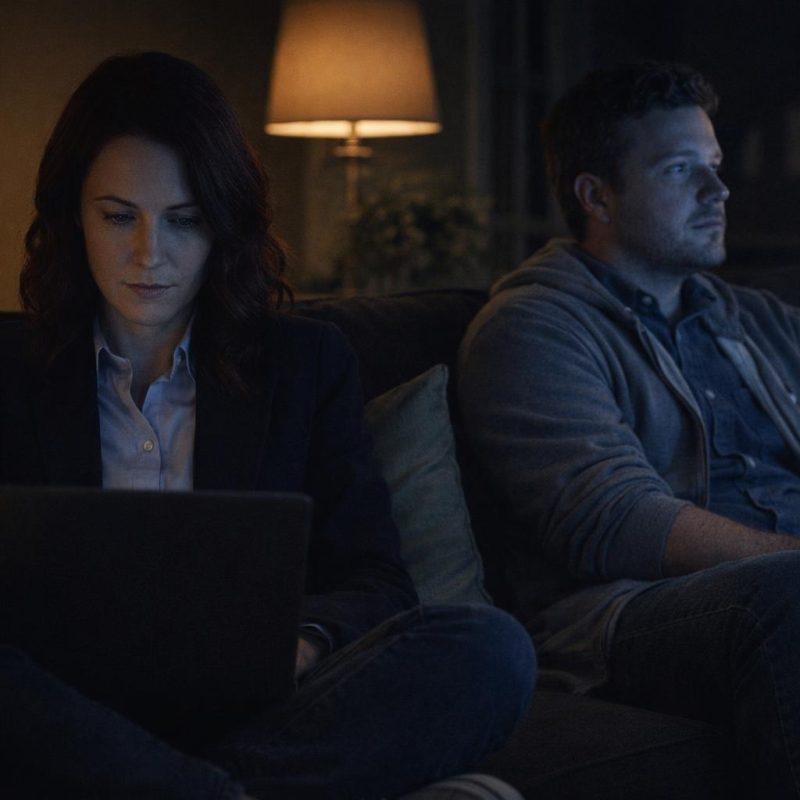 Image by RM AI
The Reservation
I called the restaurant the next morning, figuring I'd at least get on a cancellation list. I had my credit card ready and a little script in my head about it being a special occasion. The phone rang twice and a woman answered with the kind of voice that made me sit up straighter without meaning to — smooth and unhurried, like she had all the time in the world and was choosing to spend a small portion of it on me. I explained that I was hoping to book a table for two for a Saturday lunch, that it was my mother's sixty-fifth birthday, that I understood they were booked out but I wanted to ask about cancellations. She asked for a name. I gave her mine — Miller. There was a pause. Not a long one, maybe two seconds, but noticeable. Then her whole manner shifted. The careful professional warmth didn't disappear exactly, but something underneath it changed — a kind of attention that hadn't been there before. She confirmed a table for two, this Saturday at one o'clock, without mentioning the waitlist or the three-month booking window. I thanked her and hung up and sat there for a moment, turning it over. I told myself I'd probably misheard something, or maybe there'd been a last-minute cancellation she hadn't mentioned. It was probably nothing.
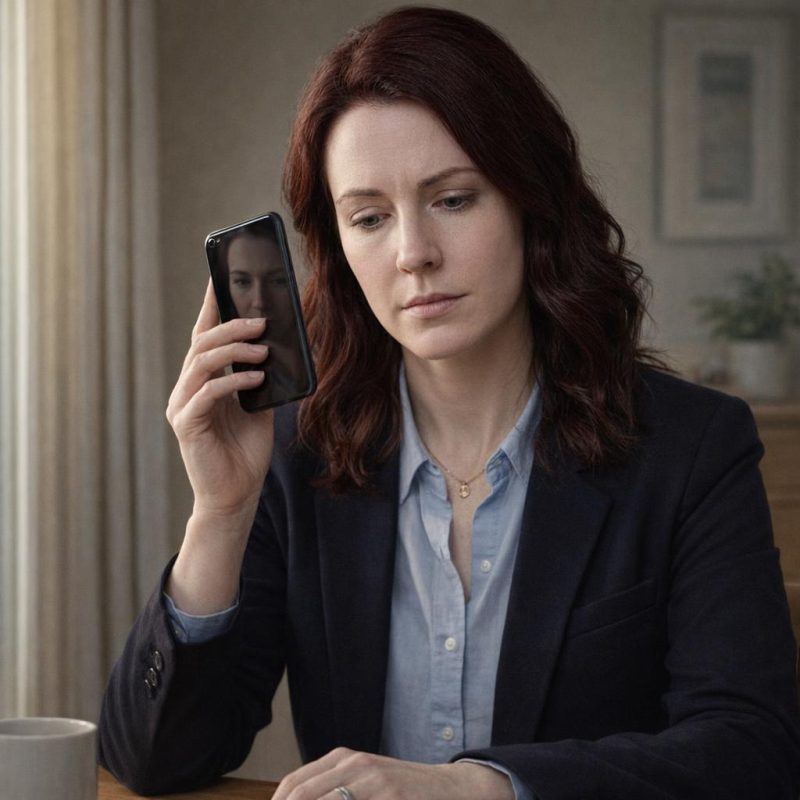 Image by RM AI
Saturday Morning Preparations
Saturday morning I was up earlier than I needed to be. I stood in front of my closet for longer than I'd like to admit, pulling things out and putting them back. I wanted to look like I belonged there without looking like I was trying to look like I belonged there, which is a harder balance to strike than it sounds. I settled on a dark blazer over a simple top and my best dark jeans. David sat on the edge of the bed watching me deliberate between two pairs of shoes with the patient expression of someone who knew better than to rush this process. He voted for the ankle boots. I went with the ankle boots. I checked the parking situation near the restaurant twice on my phone, mapped the route from the community garden where Mom had said she'd be that morning, and confirmed the reservation one more time even though I'd already confirmed it the day before. David told me it was going to be great. I told him I hoped so. I was halfway through my second cup of coffee when my phone buzzed on the counter — a text from Mom saying she was still at the community garden and would meet me there at noon.
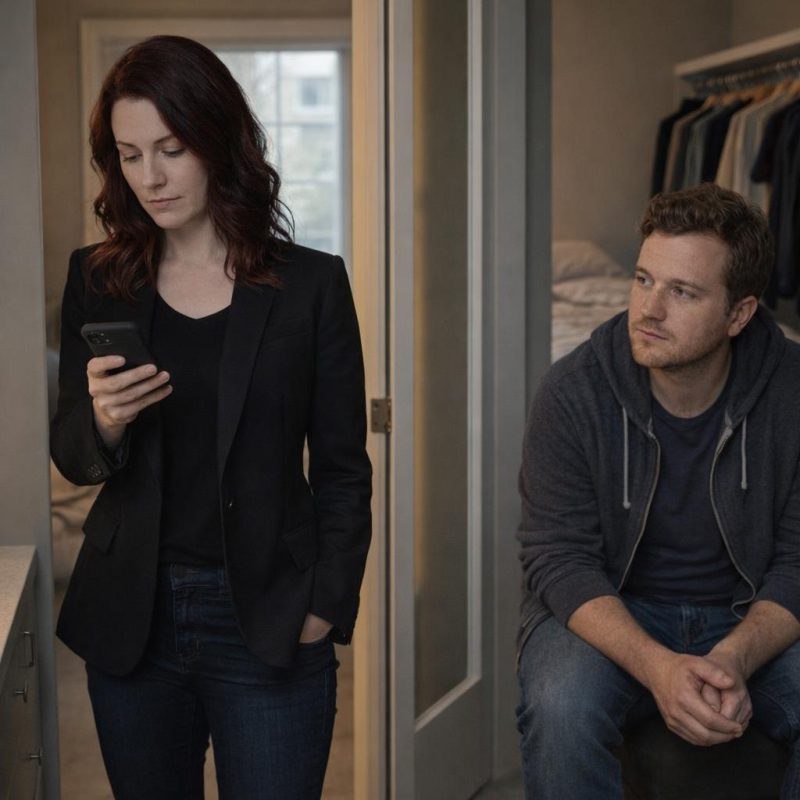 Image by RM AI
The Mossy Sneakers
I pulled up to the community garden at five past twelve and spotted her immediately. She was standing near the gate with a flat of seedlings at her feet, brushing soil off her forearms with the back of her wrist. She was wearing her faded denim gardening apron over a plain long-sleeved shirt, the apron pockets bulging with what I assumed were seed packets and a pair of pruning shears. Her hair was wind-tousled in the way it always was after a morning outside. And her shoes — her old white canvas sneakers — had gone so thoroughly green from years of kneeling in damp soil that I wasn't sure they'd ever been white at all. I got out of the car and she smiled at me and picked up the seedlings to hand off to another gardener nearby. I waited for her to say she needed five minutes to change, that she'd brought a bag, that there was something else in the car. She didn't say any of that. She just pulled open the passenger door and climbed in, settling the seatbelt across her gardening apron like we were heading to the farmers market. She looked exactly like herself — completely, unhurriedly herself — and she was ready for L'Eclat.
 Image by RM AI
The Drive to L'Eclat
The drive to L'Eclat took about twenty minutes, and I spent most of it sneaking glances at my mother from the driver's seat. She was watching the city slide past the window, perfectly relaxed, one hand resting loose in her lap. I kept thinking about the restaurant — the kind of place where the lighting alone probably cost more than my monthly rent — and then looking back at her denim apron and the faint green smudge along her forearm where she'd wiped her hands. I wasn't embarrassed by her. I want to be clear about that. I was protective. There's a difference. I'd been to enough places where people like her — women who smelled like soil and wore their work on their clothes — got treated like they'd wandered in from the wrong neighborhood. I started mentally rehearsing what I'd say if a host gave us a look. I had a whole speech ready. Something firm but controlled. I was so busy composing it in my head that I almost missed the moment when she shifted slightly in her seat, her hand moving to rest against the front pocket of her apron, fingers settling over something small and still.
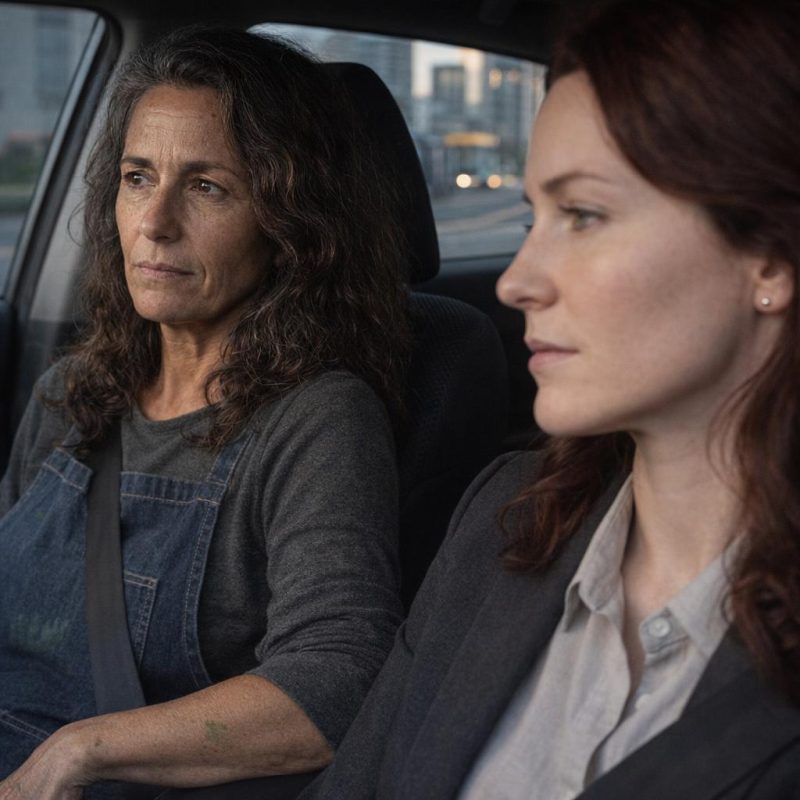 Image by RM AI
The Fortress of Limestone
I'd driven past L'Eclat before but never stopped, and pulling up to it now felt different from the outside. The facade was all pale limestone and polished brass, the kind of building that doesn't need a sign because the sign would be beneath it. A canopy stretched over the entrance in deep charcoal, and through the glass doors I could see a heavy velvet curtain blocking any view of the dining room beyond — like the restaurant itself was deciding whether you were worth seeing inside. I held the door for my mother and followed her in, and the smell hit me first: something rich and earthy and expensive, white truffles maybe, layered under the kind of perfume that costs more per ounce than my car payment. The floors were dark herringbone wood, the lighting amber and low. Everything about the space said you belong here only if you already know you do. I straightened my blazer without thinking about it. My mother didn't adjust anything. She just stood there in her apron and her green-toed sneakers, looking around with quiet, unhurried interest, and I had the distinct feeling we were crossing into territory that had no intention of welcoming us.
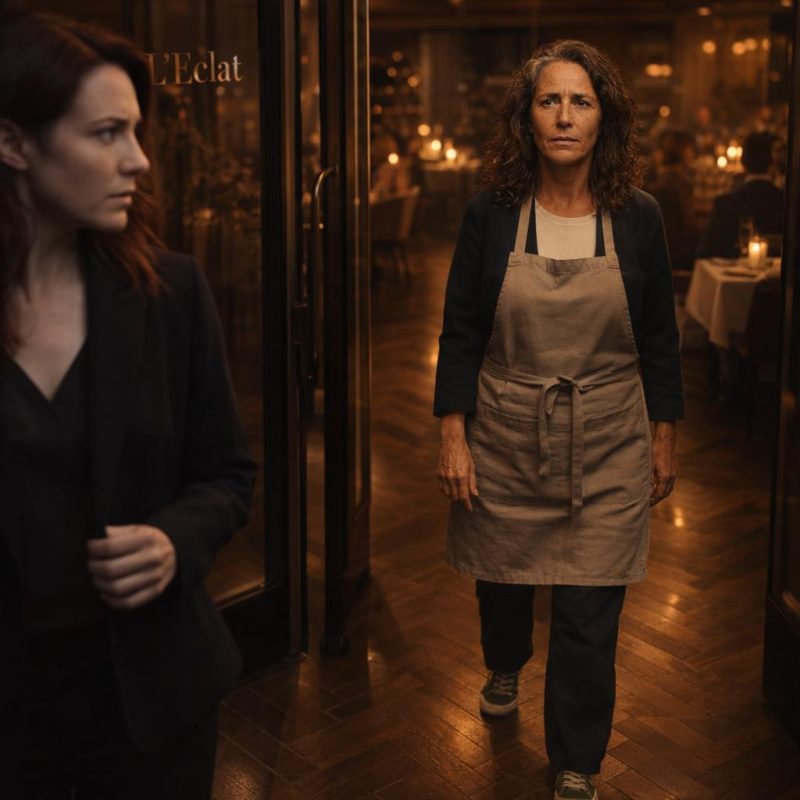 Image by RM AI
The Temperature Shift
The moment the velvet curtain fell closed behind us, something shifted. It wasn't loud or obvious — nobody said anything, nobody pointed. It was more like a drop in temperature that only we could feel. Two servers in crisp black uniforms moved through the dining room with practiced ease, and one of them glanced our way as we stepped onto the hand-woven entry rug. His eyes moved from my mother's apron to her sneakers and then back to his tray in the space of maybe two seconds, smooth and practiced, like he'd done it a thousand times. The other one didn't even look up. I became very aware of my blazer — how it was just a blazer, not a jacket, not a sport coat, just something I'd grabbed because it felt like an upgrade from a sweater. My mother's sneakers made a soft, flat sound against the rug, and I found myself wishing they made no sound at all. The dining room hummed with low conversation and the faint clink of crystal, and everyone in it seemed to belong to a frequency I couldn't quite tune into. We stood near the host podium and nobody came. The silence between us and the rest of the room just kept getting heavier.
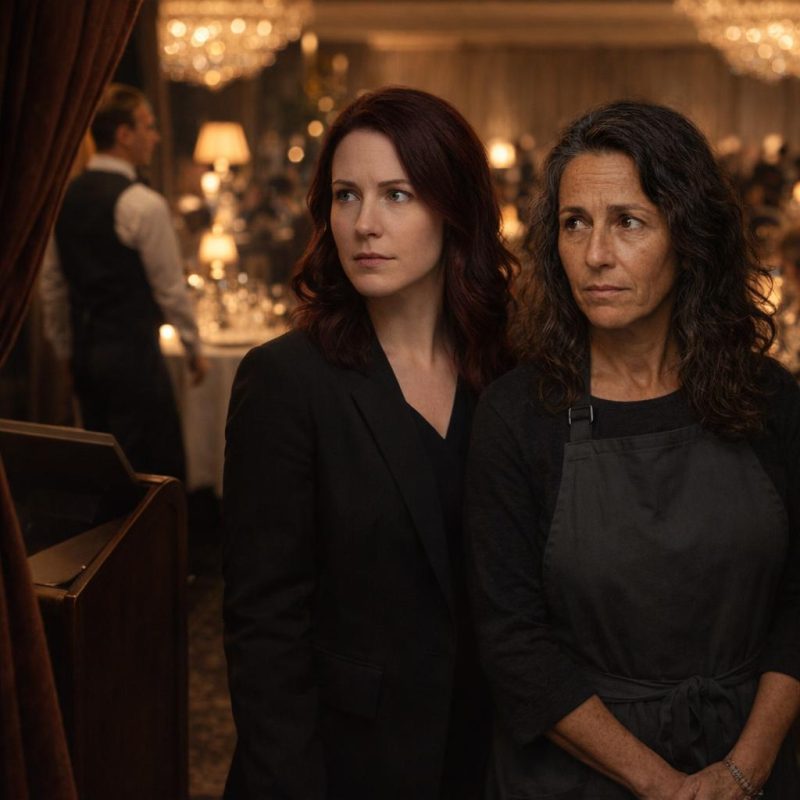 Image by RM AI
Ten Minutes of Invisibility
We stood at that podium for ten full minutes. I know because I checked my watch at the five-minute mark and again at ten, the way you do when you're trying to give someone the benefit of the doubt and running out of it fast. Staff moved around us — not through us, not past us by accident, but around us, in the deliberate way you navigate furniture you've decided not to move. A cluster of servers near the far wall glanced over twice, then went back to whatever they were doing with their reservation ledgers. Nobody made eye contact. Nobody said we'd be right with you or even acknowledged that two human beings were standing at their entrance. My mother stood with her hands loose at her sides, looking around the room with the same calm expression she'd had in the car. I didn't have her calm. My jaw was tight and I could feel the heat starting to climb up the back of my neck. I was about thirty seconds from saying something loud enough to matter when the front door opened behind us. A couple walked in — her in a silk wrap dress, him in a blazer that probably had its own tailor — and before they'd even fully cleared the entrance, a server materialized from nowhere and whisked them straight to a window table.
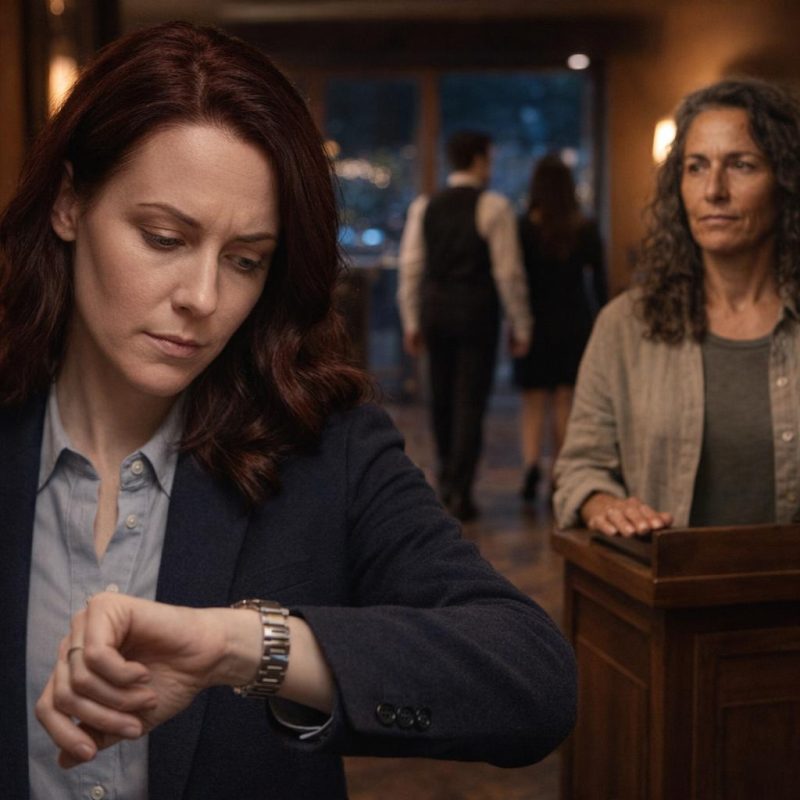 Image by RM AI
The Look That Said Patience
I turned back toward the room with my mouth already open. I had words ready — not polite ones. The kind that carry enough edge to make a room go quiet. But before I could get a single syllable out, my mother's hand came down lightly on my forearm. Not grabbing, not urgent. Just there. I looked at her and she gave me a look I'd been receiving my entire life — the one that said not yet, the one that said I see it too, the one that said wait. Her hands were tucked back into her apron pockets almost immediately, and she turned her attention back to the dining room with an expression so composed it almost made me angrier. I wanted to tell her that patience wasn't the answer here, that patience was exactly what places like this counted on, that the whole system ran on people like us deciding it wasn't worth the scene. But I didn't say any of that. I stood next to her and breathed and tried to borrow some of whatever she had. The thing was, she didn't look like she was enduring anything. She looked like she was exactly where she'd planned to be, doing exactly what she'd planned to do. She had always been better at waiting than me. Standing there, I felt just how much better.
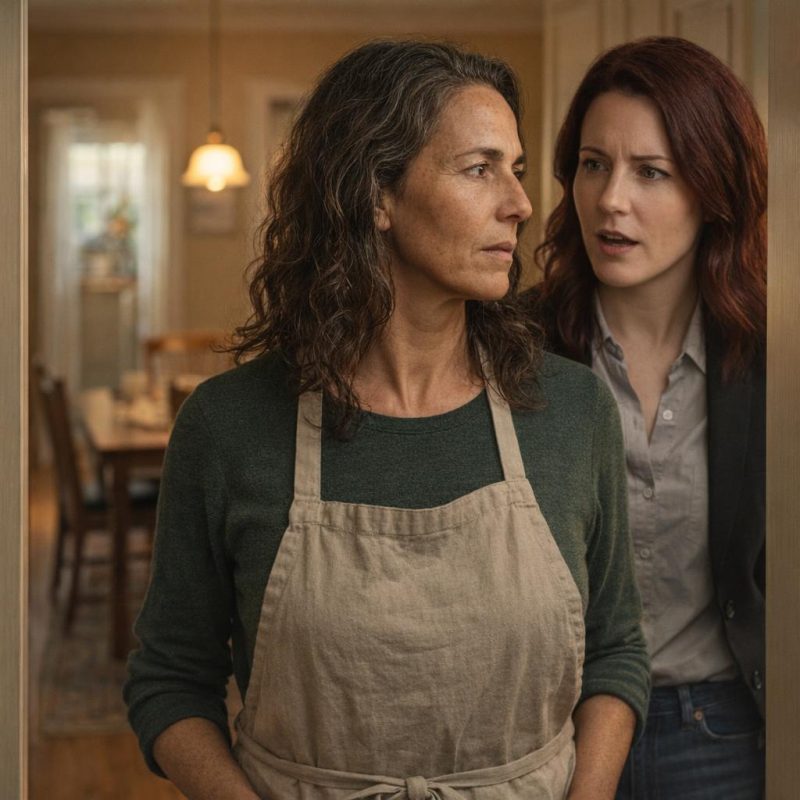 Image by RM AI
Julian Approaches
He appeared from the left side of the room — tall, slicked-back dark hair, a silver tray tucked under one arm like a prop. His uniform was immaculate in the way that suggested he thought about it. The name tag said Julian in small serif letters. He walked toward us without any particular urgency, and when he stopped in front of us he didn't say good afternoon or welcome or even a neutral hello. He just stood there for a moment, and his eyes did a thing I've seen before but never gotten used to — they dropped. Down to my mother's apron, to the hem of her shirt, to the floor, where her old canvas sneakers sat with their permanent green stain. It was a quick scan, practiced and almost invisible, the kind of assessment that's designed to look like nothing. Then his gaze came back up to her face, and there was something in it I couldn't quite name — not open hostility, not amusement exactly. Something quieter and worse than either of those things. He looked at her shoes, and then he looked at her face, and what sat between those two looks was something that felt uncomfortably close to pity.
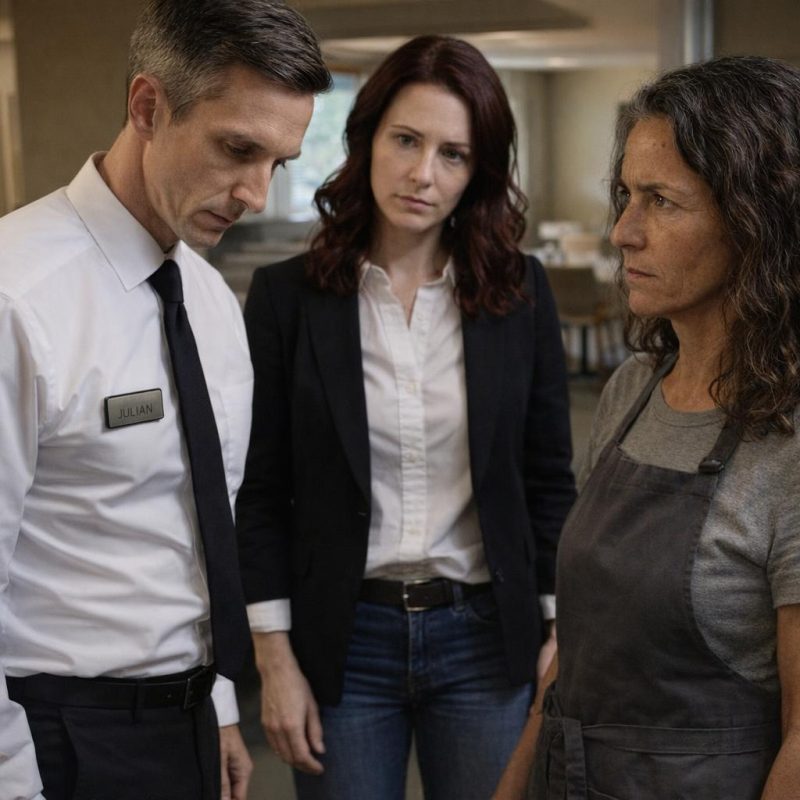 Image by RM AI
The Reservation Under Miller
My mother smiled at him — genuinely, without any edge — and said we had a reservation for two under Miller. Her voice was easy and unhurried, the same voice she used at the farmers market when she was telling someone about her heirloom tomatoes. Julian's expression didn't change exactly, but something behind it did. His eyes moved one more time to her apron, to the pruning shears poking out of the side pocket, and then back to her face with a small, tight smile that didn't reach anything above his cheekbones. He made a show of consulting the reservation book, running one finger down the page with the deliberate slowness of someone who has decided your time is worth less than theirs. He found the name — I watched his finger stop — and then he looked up with an expression I can only describe as performative concern. He said the kitchen was exceptional tonight, of course, but perhaps we should know that the prix-fixe menu began at two hundred dollars per person.
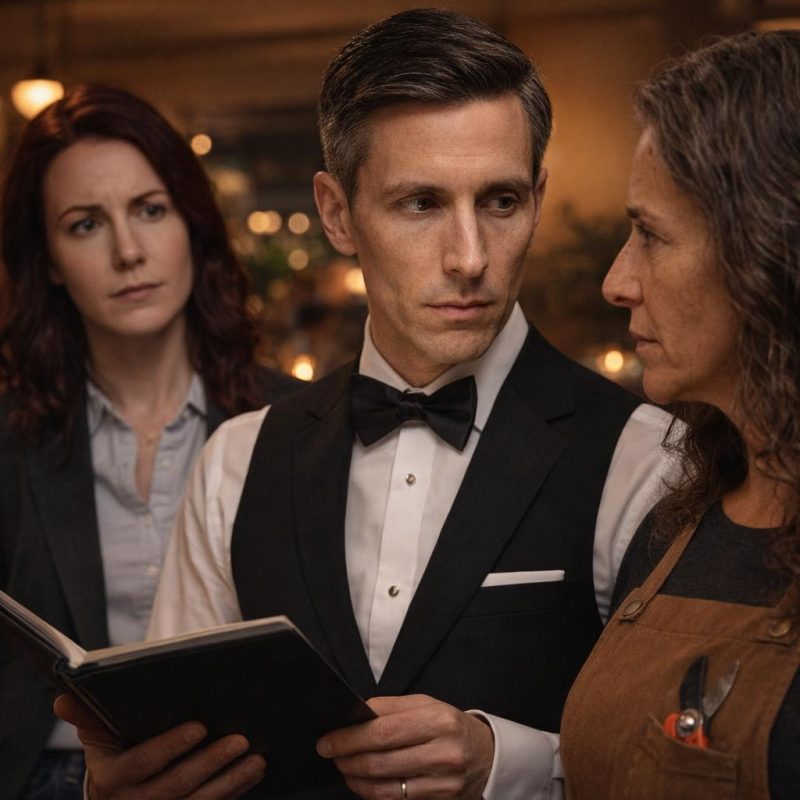 Image by RM AI
The Deli Around the Corner
He let that number sit in the air between us for a moment, watching my mother's face the way you watch someone open a bill they can't afford. When her expression didn't change — when she just waited, pleasantly, for him to continue — something flickered behind his eyes. He recovered quickly. He said the atmosphere at L'Eclat was quite particular, quite specific, and that some guests found it a bit much if they weren't accustomed to that sort of dining experience. He said it with the careful, cushioned tone of someone who believes they're being kind. Then he mentioned, almost as an afterthought, that there was a lovely deli just around the corner — excellent sandwiches, very fresh, very casual — that might be more our speed. He smiled when he said it. A small, helpful, utterly condescending smile. My mother stood perfectly still. I felt the words land in my chest like something physical. More our speed. He had looked at her wind-tousled hair and her earth-stained apron and her green-toed sneakers and decided, in the space of ninety seconds, exactly what kind of people we were and exactly where we belonged. The phrase hung in the air between us like a slap that hadn't quite made contact yet.
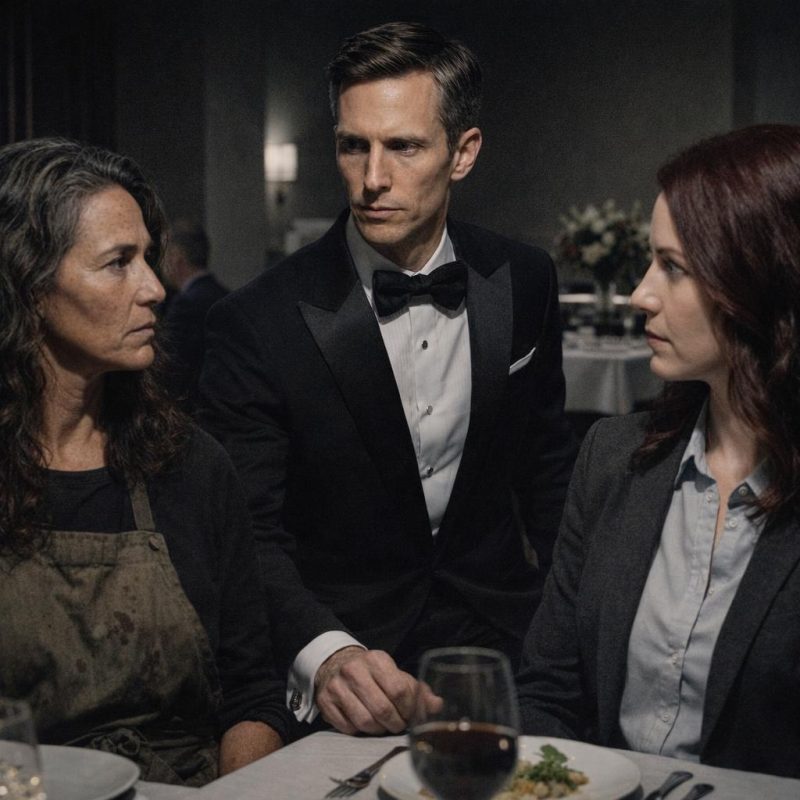 Image by RM AI
The Wine List Request
I had my mouth open. I was ready. Every word I'd been swallowing since we walked through that door was lined up and waiting, and I was about to let all of it go — the condescension, the deli comment, the smile, every single bit of it. Then my mother's hand came down on my forearm. Light. Steady. The way you'd calm a dog that's spotted a squirrel. She didn't look at me. She looked at Julian, and in that same unhurried voice she uses when she's explaining something to a nervous seedling, she asked if we might at least see the wine list, since we were already here. I blinked. I genuinely didn't know what to do with that. We'd just been told, in the politest possible way, that we didn't belong in this building, and my mother was asking to browse the wine list like we were deciding whether to stay for brunch. I wanted to ask her what she was doing. I wanted to grab her arm and say we should just leave, that this place didn't deserve us. But something in her tone stopped me — that particular calm she has that I've never quite been able to read. Julian's eyes moved between us. Then he sighed, long and theatrical, and checked his watch.
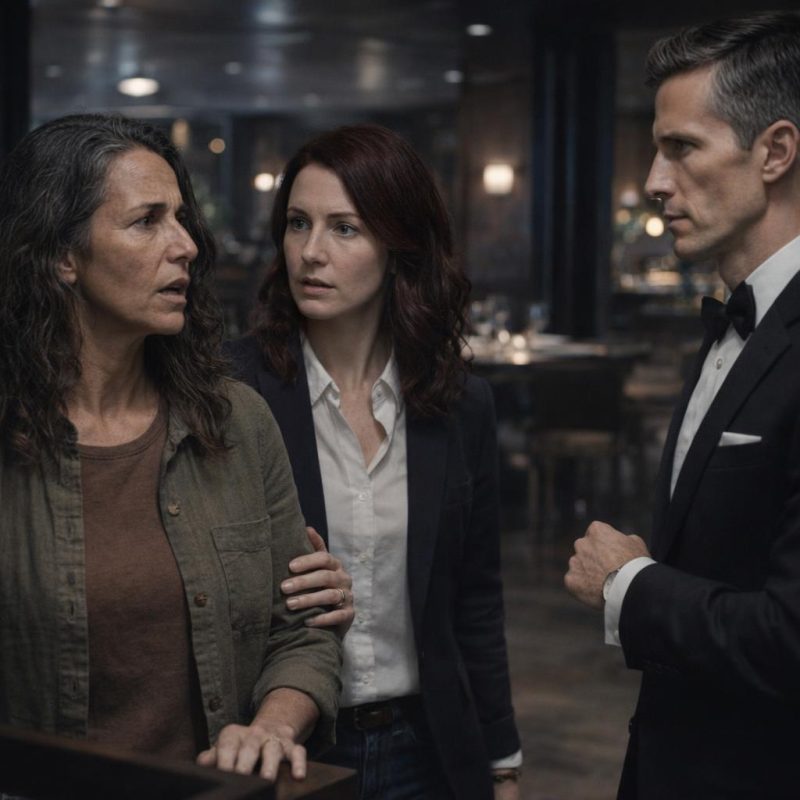 Image by RM AI
The Irreplaceable Vintages
He didn't say anything for a moment. He just looked at us the way you look at a problem you didn't create but are now obligated to manage. Then he turned to the podium and lifted the wine list from its shelf — a thick, leather-bound thing, dark burgundy with gold embossing along the spine — and he carried it toward us with both hands, arms slightly extended, like he was transporting something that might shatter or contaminate. He set it on the edge of the host stand rather than handing it directly to my mother. Then he said it. He said she should be careful with it, because it contained irreplaceable vintages, and that the list itself was a collector's item. He said the word irreplaceable the way people say it when they mean you specifically cannot be trusted with this. Not as information. As a warning. As a verdict. I felt my jaw tighten so hard my back teeth ached. My mother nodded, thanked him, and reached for the list with both hands — her soil-darkened fingers, her chipped nails, her gardening calluses — and the word irreplaceable just hung there in the air between us, dripping with everything he meant by it.
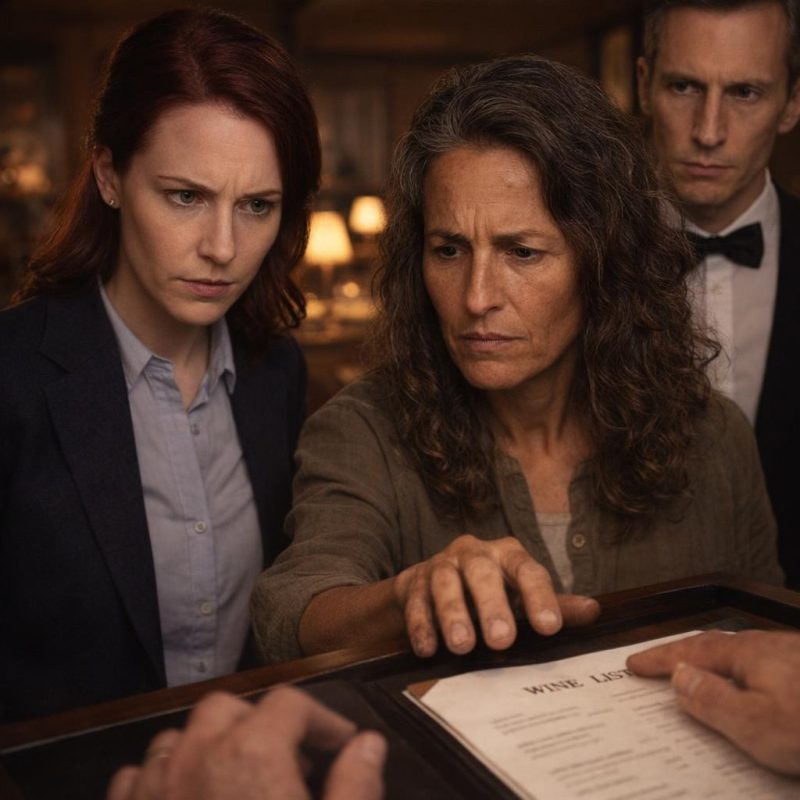 Image by RM AI
The Fallen Leaf
She opened it carefully, which somehow made it worse — the care she took, the deliberateness of it, like she was honoring a ritual she hadn't been invited to but was going to observe anyway. Her fingers moved along the page slowly, tracing the Bordeaux section, and I watched her face for some sign of what she was thinking. There was nothing. Just that same quiet attention she gives to everything, the same expression she wears when she's checking the soil moisture on a new planting. I was trying to figure out what she was looking for, whether she actually wanted wine or whether this was something else entirely, when she turned the page. And that's when it happened. A tiny dried leaf — brown and curled at the edges, the kind that gets caught in a sleeve when you've been working outside — slipped out from somewhere near her wrist and drifted down onto the pristine white page. It was small. Barely the size of a thumbnail. But in that context, in that room, with Julian standing two feet away, it felt enormous. I held my breath. My mother didn't flinch. She just looked down at it, and the leaf sat there on the white page, small and brown and entirely out of place, like proof of everything Julian had already decided about us.
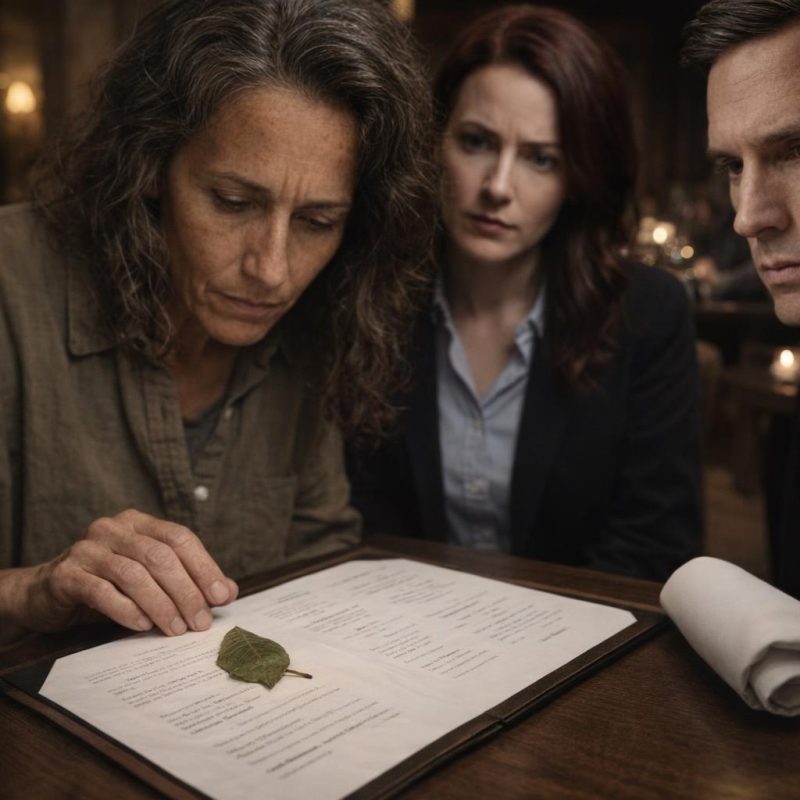 Image by RM AI
That Is Enough
Julian made a sound. Not a word — a sound, somewhere between a gasp and a hiss, the kind of noise a person makes when they've finally run out of patience for a situation they consider beneath them. His face went through several colors before settling on something close to purple. He reached forward and lifted the wine list from my mother's hands — not snatched, but close — and set it back on the host stand with a precision that was its own kind of anger. Then he said we needed to leave. Not asked. Said. His voice had climbed just enough that the nearest tables went quiet, and I felt the shift in the room the way you feel a temperature drop — sudden, total, impossible to ignore. Heads turned. A woman in a cream blazer paused with her fork halfway to her mouth. A man near the window looked up from his phone. My mother stood perfectly still. I stood next to her, my face burning, my hands balled at my sides, watching the whole room watch us. I wanted the floor to open. I wanted to disappear. And then Julian drew himself up to his full height, and in a voice that carried clearly across the dining room, he said, "This is a world-class institution for serious patrons."
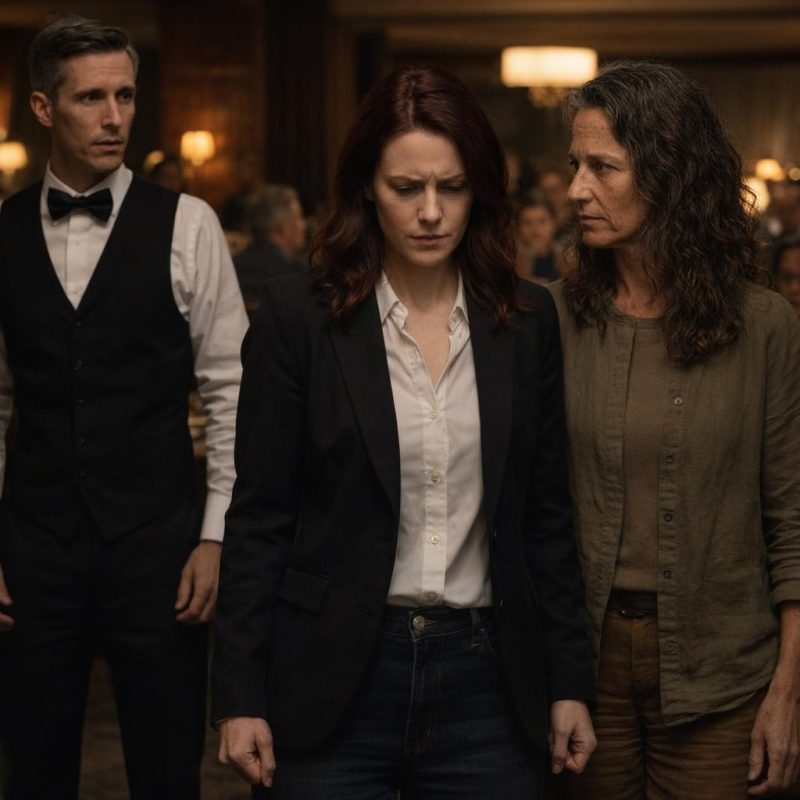 Image by RM AI
The Café in the Park
The words landed in the room and just stayed there. Serious patrons. I felt them the way you feel something cold dropped down the back of your shirt — immediate, inescapable, spreading. Julian gestured toward the door then, a smooth, practiced sweep of his arm, and said there was a lovely café in the park for people in our condition. Our condition. Like we were ill. Like we were a problem to be redirected rather than two people who had walked through a door. I heard someone at a nearby table murmur something. I didn't catch the words but I caught the tone, and it was not sympathetic. My face was burning. My throat had closed up in that specific way it does when I'm trying very hard not to cry from pure rage rather than sadness. I looked at my mother. She was standing straight, hands loose at her sides, the wine list already back on the stand, the little dried leaf presumably still on the page inside it. She wasn't looking at Julian. She wasn't looking at the room. She was looking at nothing in particular, with an expression I couldn't name — not humiliated, not angry, not even particularly bothered. I couldn't breathe. The weight of every stare in that room pressed down on both of us like something physical.
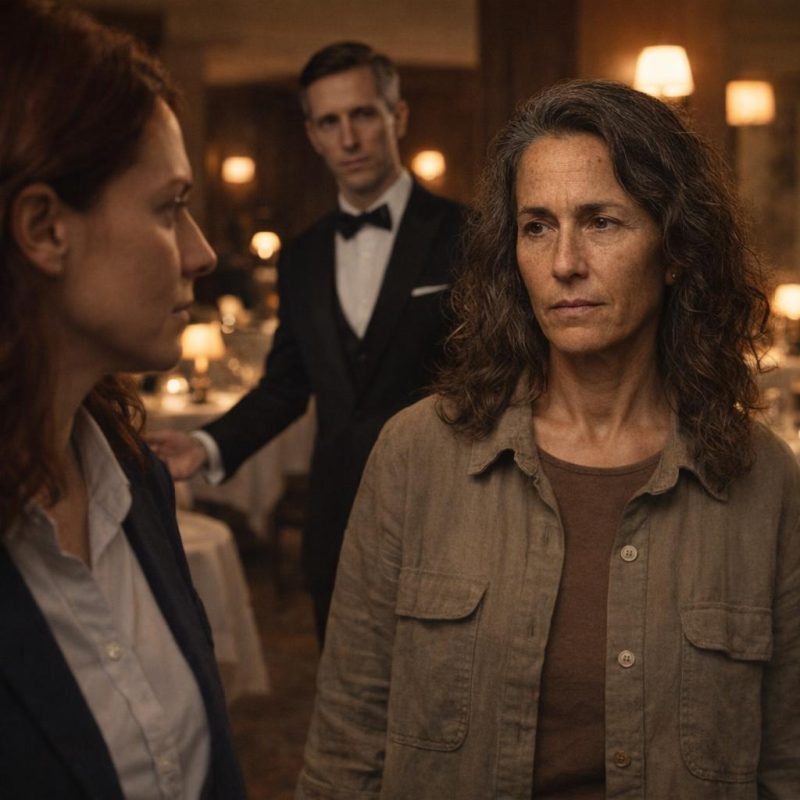 Image by RM AI
The Brass Key
I was waiting for her to say something. Anything. I was waiting for her to match his energy, or at least to walk out with her head up so we could process this on the sidewalk like normal people. Instead, she reached into the front pocket of her apron. I thought she was going for her phone. She wasn't. She pulled out a key. Small, brass, old-looking — the kind of key that belongs to a cabinet in a house that's been in a family for generations. It was threaded on a simple green ribbon, the ribbon slightly frayed at one end, and she held it in her open palm the way you'd hold something you weren't showing off, just presenting. I stared at it. I had no idea what I was looking at. Julian stared at it too, and I could see from his expression that he didn't either, though his version of not knowing was edged with contempt — the look of a man who has decided in advance that whatever this woman produces from her apron pocket cannot possibly be relevant to him. My mother didn't explain it. She didn't say a word. She just stood there with her earth-stained hands and her wind-tousled hair and that small brass key resting in her palm, catching the light from the chandelier above us.
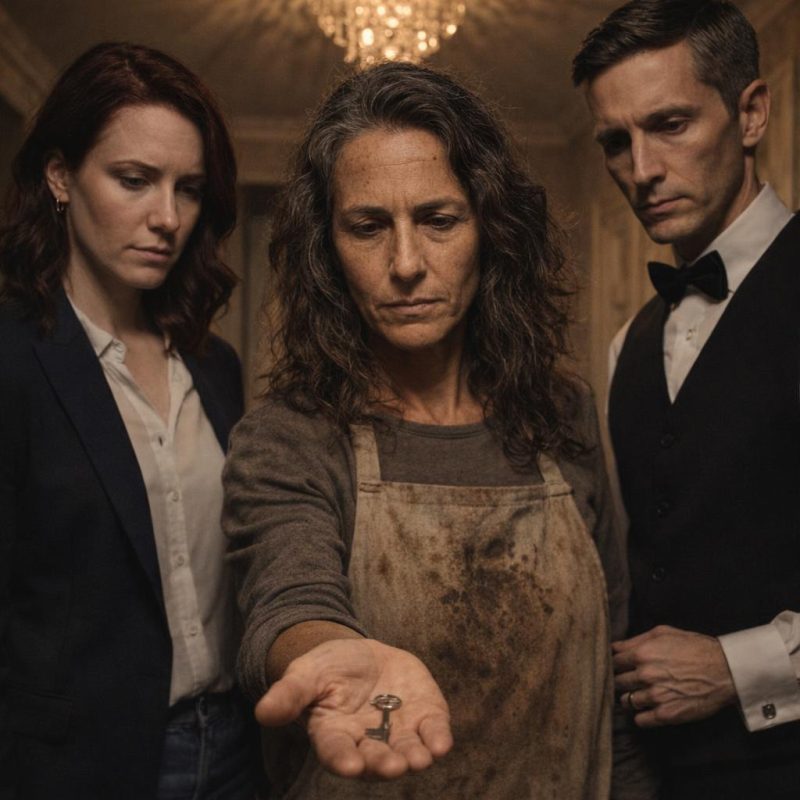 Image by RM AI
The Planter
The silence stretched for a moment that felt much longer than it was. Then my mother spoke. Her voice was the same as it had been the whole time — measured, unhurried, the kind of voice that doesn't need volume to carry. She said she'd appreciate it if Julian could find Executive Chef Marc Beaumont for her. She said to show him the key. And then she said to tell him that The Planter was here. That was it. No explanation. No context. No indication that she'd just been publicly humiliated in front of a full dining room. She said it the way you'd ask someone to pass the salt — like it was a perfectly ordinary request, like the answer was already known and she was simply initiating a process. I looked at her. I looked at the key. I looked at Julian, whose expression had shifted from contempt to something closer to amusement — the particular amusement of someone who has decided this is now a story he'll tell later. He looked at the key in her palm with a slow, deliberate smile. But I couldn't get past those two words. The Planter. She'd said them like a code, like a name, like something that was supposed to mean something to someone in this building — and I had absolutely no idea what.
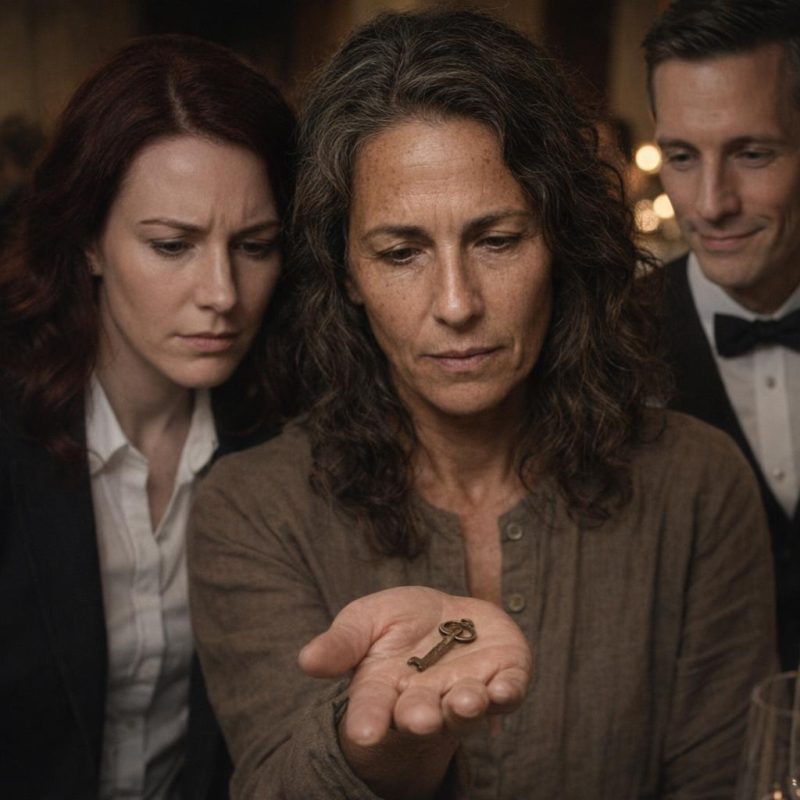 Image by RM AI
The Heritage Key
Julian took the key between two fingers, holding it the way you'd hold something a child had handed you — tolerant, briefly, before setting it aside. He turned toward the floor with the air of a man performing a favor he found mildly ridiculous. That's when I noticed Sterling had materialized near the edge of the host stand — tall, wire-rimmed glasses, the kind of suit that means management — moving toward us with the practiced calm of someone who has escorted difficult guests out before and is prepared to do it again. Julian held the key out to him, eyebrows raised, the whole gesture a kind of editorial. Sterling took it. He glanced at it the way you glance at something before handing it back. Then he stopped. His eyes dropped to the brass emblem on the key's bow — some kind of small stamped mark I hadn't even noticed — and he went still. Not paused. Still. The color left his face in a way I'd only ever seen in movies, a visible draining, starting at his forehead and moving down. His mouth opened slightly. He looked at my mother. He looked back at the key. And when I looked at his hand, it was shaking.
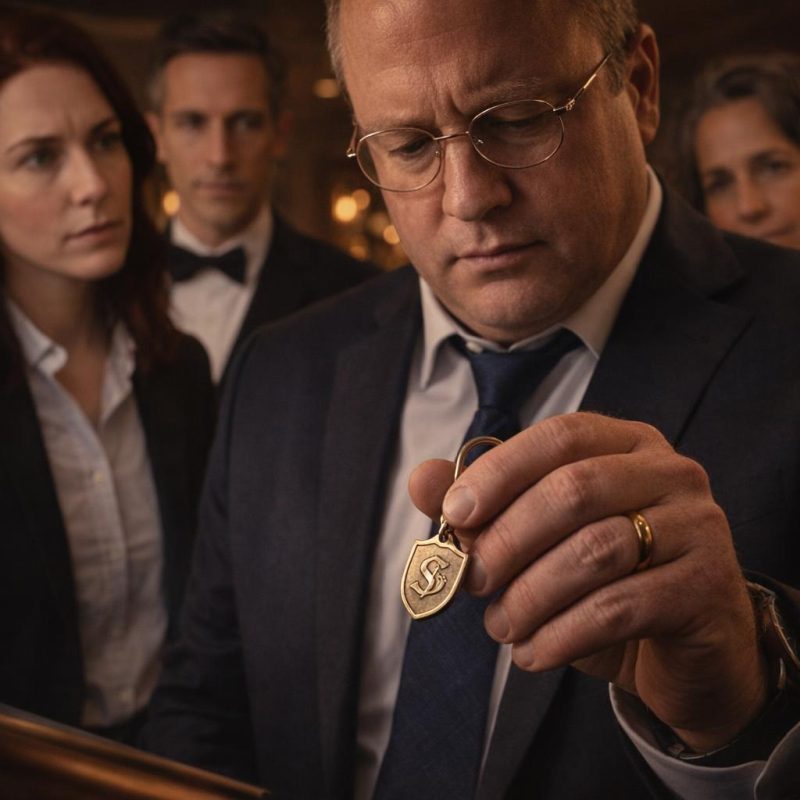 Image by RM AI
Mrs. Miller
Sterling's hand was still shaking when he looked up from the key. He looked at my mother the way you look at someone when you've just realized you've made a catastrophic mistake — not embarrassed, not apologetic, but genuinely frightened. 'Mrs. Miller,' he said, and the two words came out completely different from anything Julian had said in the last ten minutes. Julian had said 'ma'am' the way you'd say 'whatever.' Sterling said 'Mrs. Miller' the way you'd say 'your honor.' He stepped forward, almost stumbling, and started talking in a rush — something about not realizing, about a terrible misunderstanding, about how this should never have happened. Julian had gone completely still beside him. The smirk was gone. He was watching Sterling the way a person watches someone defuse a bomb — very carefully, very quietly, not moving. My mother hadn't said a word. She was just standing there in her dirt-stained apron and her mossy sneakers, holding her purse with both hands, watching Sterling with an expression I couldn't read. And what stayed with me, what I kept turning over, was the sound of Sterling's voice — the way authority had drained right out of it and left something that sounded a lot like fear.
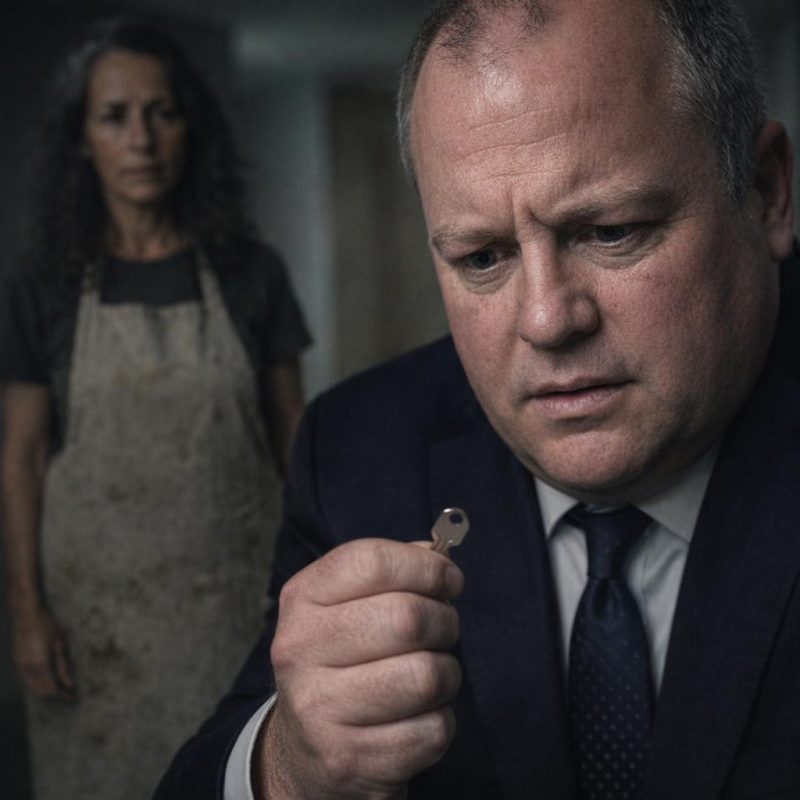 Image by RM AI
The Land Beneath
Sterling turned to Julian, and whatever professional composure he'd been holding onto cracked open. His voice dropped low and tight, the kind of low that's worse than shouting. 'Do you have any idea,' he said, 'what you just did?' Julian opened his mouth. Sterling didn't let him. He said it plainly, without drama, like a man reading a sentence from a document he wished didn't exist — that my mother owned the land. Not a table. Not a membership. The land. The actual ground the building was sitting on. I heard the words and they didn't arrange themselves into meaning right away. I stood there waiting for my brain to catch up. Julian's face went through something I'd never seen on a person before — a kind of slow, terrible comprehension, color draining, jaw going slack. Sterling's voice was shaking now, barely held together. My mother still hadn't moved. I looked at her, then at the floor beneath my feet, then back at her, and something in my understanding of the last twenty minutes — of the last hour, of everything — shifted completely. The building we were standing in was on her land.
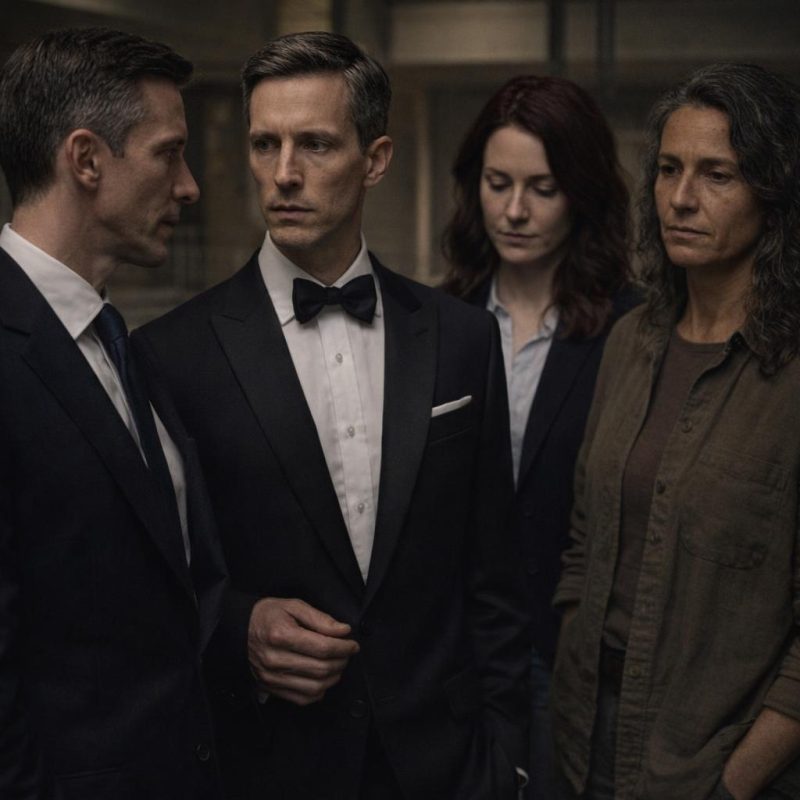 Image by RM AI
The Primary Supplier
Sterling wasn't finished. He turned back to my mother, and the words kept coming, tumbling out like he couldn't stop them now that he'd started. He said she wasn't just the landowner. He said she was their primary supplier — every organic herb in the kitchen, every rare vegetable on the menu, the things that made their tasting menu what it was. Without her, he said, voice cracking slightly on the words, they were just a steakhouse with expensive lighting. I looked at my mother. She was listening with the same expression she uses when someone is explaining something she already knows. Julian hadn't moved. He was standing slightly behind Sterling now, like a man trying to become part of the wallpaper. And then the kitchen door swung open. A man in chef's whites came through — stained, intense, moving fast — and stopped when he saw my mother. His face went pale in a completely different way from Sterling's, not with fear exactly, but with something closer to dread. He looked at her, then at Julian, then back at her, and I watched him put it together in real time. Sterling's voice was still going, still explaining, and all I could think was that I had eaten my mother's cooking my entire life without once asking where she grew the herbs.
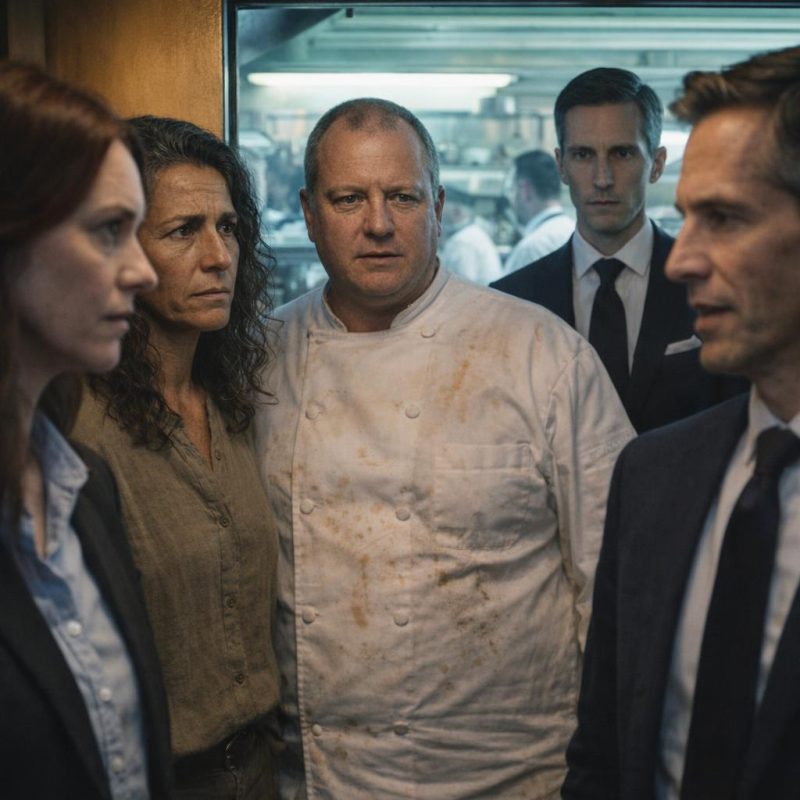 Image by RM AI
The Offer Refused
Sterling pivoted into damage control so fast it was almost dizzying. He was sorry, deeply sorry, this was inexcusable, please — the Chef's Table, the best seat in the house, a private dining experience, their finest vintage, complimentary, of course, all of it, whatever she wanted. Marc stood a few feet back, nodding along with the desperation of someone watching their life's work hang in the balance. Julian had gone so quiet he barely registered as a person anymore. Sterling was practically leaning forward, hands open, the whole posture of a man offering everything he had. My mother looked at him. She didn't move toward the dining room. She didn't reach for the olive branch. She just stood there, in her gardening clothes, with that same unreadable expression, and let the silence stretch out long enough to become uncomfortable. I kept waiting for her to say yes. It was a Chef's Table. It was free. After everything Julian had put us through, it felt like the least they could do, and part of me wanted her to take it just to watch Julian have to serve us. But she didn't say yes. She didn't say anything. She just looked at Sterling with quiet, steady eyes, and I had no idea what she was thinking.
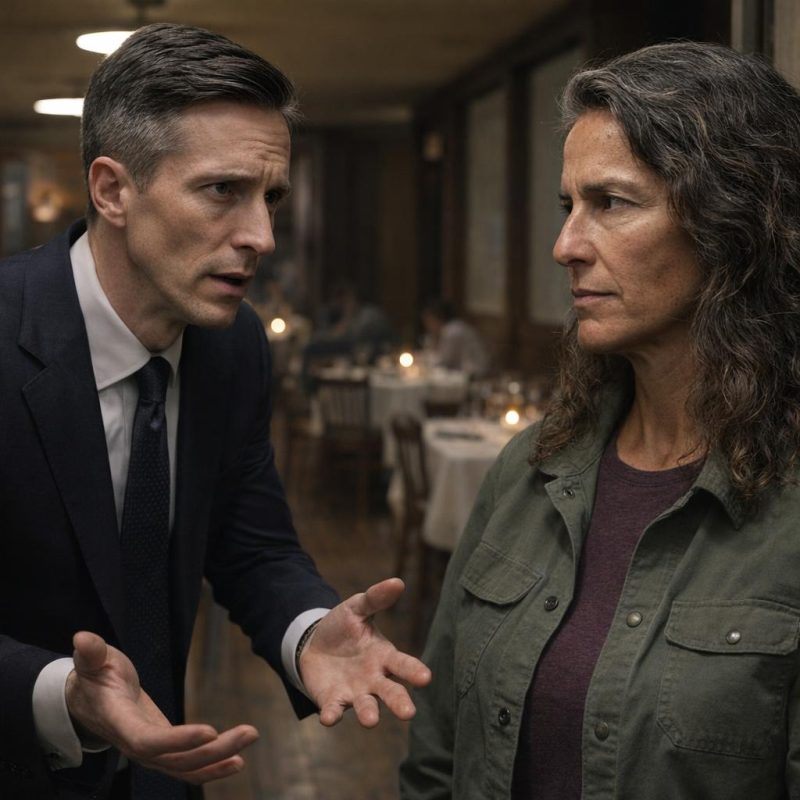 Image by RM AI
Walking Away
We left without eating. I still don't entirely know how it happened — one moment Sterling was mid-sentence, and then my mother had turned toward the door with the calm finality of someone who had already made up her mind before she walked in. I followed her because there was nothing else to do. The parking lot air was cool and smelled like rain that hadn't arrived yet. My mother walked beside me without speaking, her purse still held in both hands, her sneakers quiet on the pavement. I wanted to ask her something — anything — but every question I formed felt wrong before I could say it out loud. She climbed into the passenger seat and looked straight ahead through the windshield. I started the car. The engine turned over and the radio came on for half a second before I switched it off. We pulled out of the lot in silence. I kept glancing at her profile, waiting for her to say something, explain something, give me some thread to pull. She didn't. She watched the road the way she watches her garden in the early morning — patient, unhurried, like she was waiting for something to grow. The silence between us settled into the car and stayed there.
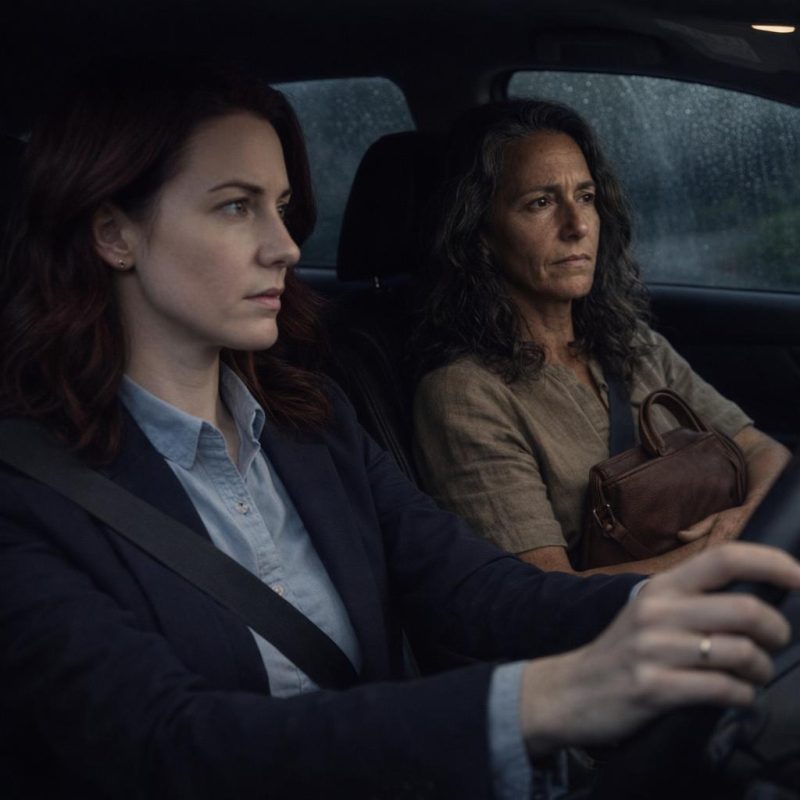 Image by RM AI
The Question
We were almost to the highway when I finally said it. I asked her why. Why she hadn't taken the table, why we'd left, why after everything that had happened she'd just turned around and walked out like it was nothing. She was quiet for a moment, still looking out the passenger window at the dark shapes of trees going past. Then she said something about teaching moments. That some situations teach more by what you don't accept than by what you do. I waited for more. There wasn't more. I asked her what that meant, specifically, in this situation, tonight. She made a small sound that wasn't quite a laugh and said that I'd understand eventually. I gripped the steering wheel a little tighter. It wasn't a bad answer, exactly. It wasn't cruel or dismissive. But it didn't explain anything, and she knew it didn't explain anything, and she seemed entirely comfortable with that. She turned back to the window. I watched the road. The phrase 'teaching moments' sat in the car between us, vague and deliberate, and the more I turned it over in my head, the less settled I felt.
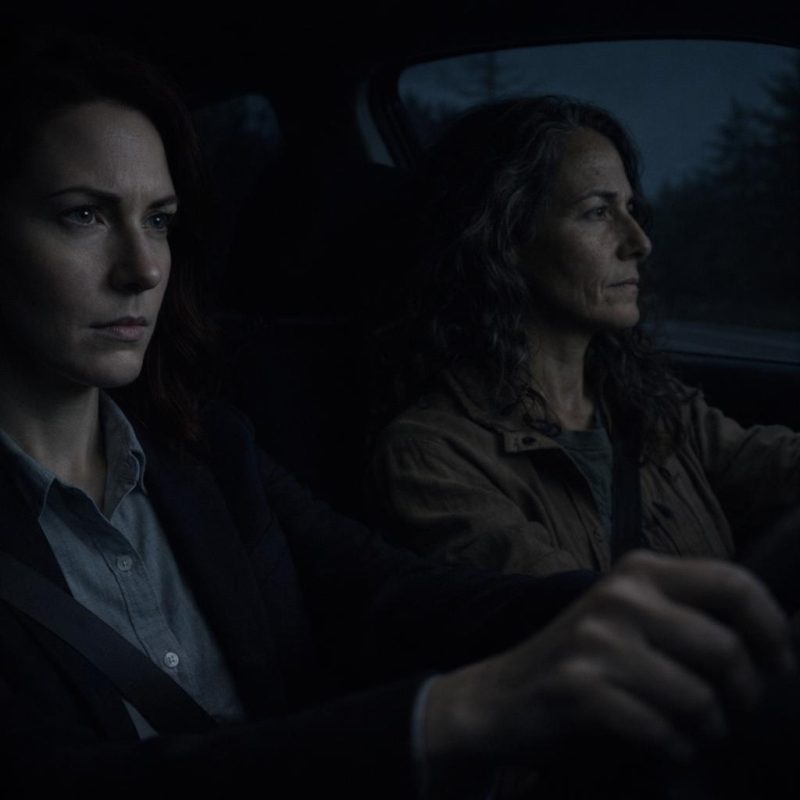 Image by RM AI
Replaying the Scene
I dropped her off and drove home alone, and the whole scene kept replaying whether I wanted it to or not. I'd go through it in order — Julian's face when we walked in, the key, Sterling going pale, the revelation about the land — and then I'd loop back and start again. But somewhere around the third or fourth pass, I started noticing something I hadn't paid attention to in the moment. My mother had been calm the whole time. Not the calm of someone trying to hold it together. Not the tight-jawed, eyes-forward calm of someone swallowing anger. Something quieter than that. When Julian had looked her up and down and made his little assessment, she hadn't flinched. When he'd handed the key to Sterling like it was a joke, she'd just watched. I'd been the one with my jaw clenched. I'd been the one fighting the urge to say something. She had stood there like someone waiting at a bus stop, unhurried, unbothered. I told myself she was just more patient than me, more practiced at being underestimated. That was probably it. That was almost certainly it. But I kept coming back to her face when Julian first walked toward us — the way it had been still, almost neutral, like she'd already seen this part before.
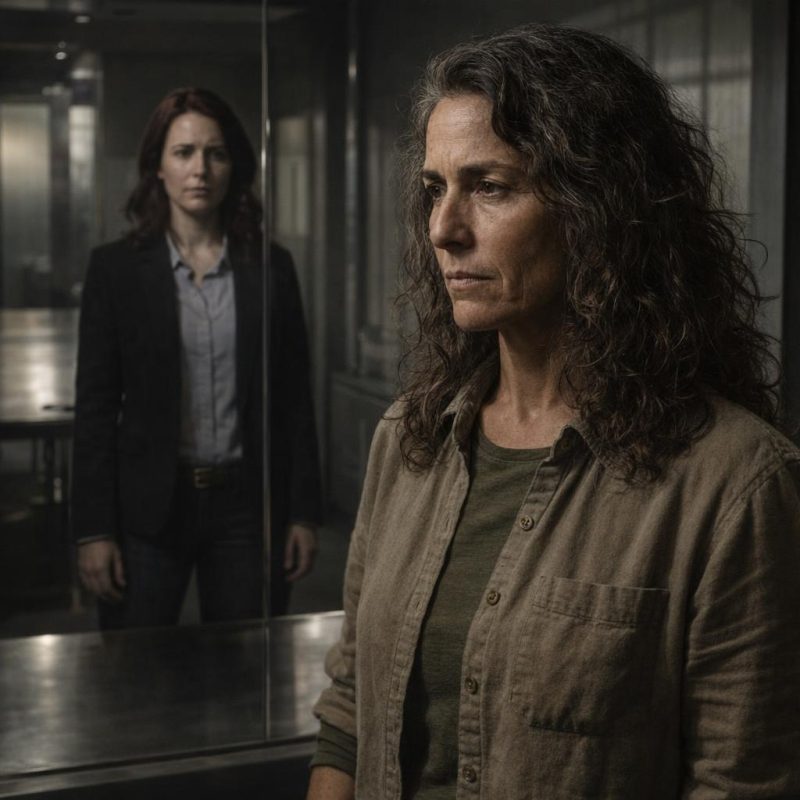 Image by RM AI
The Gardening Clothes
By the time I got home, the gardening clothes were bothering me. Not in a way I could fully articulate — just a low, persistent hum of something not quite adding up. My mother is not careless about appearances. She knows what L'Eclat is. She's driven past it with me, mentioned it by name, knew exactly what kind of place it was when I suggested it for her birthday. So why had she come straight from the garden? She could have changed. It would have taken fifteen minutes. I sat on my couch and turned it over, and the more I turned it, the more the mossy sneakers and the dirt-stained apron nagged at me — like a detail that didn't fit, though I couldn't say exactly why, and I told myself I was probably reading too much into it. Still, I got in my car. I drove back to her house. She was already in bed, lights off, and I let myself in with my spare key and went to her bedroom closet. I opened it quietly, just to check, just to settle the feeling. Hanging there, pressed and ready, were at least four outfits that would have been perfectly appropriate for dinner at L'Eclat.
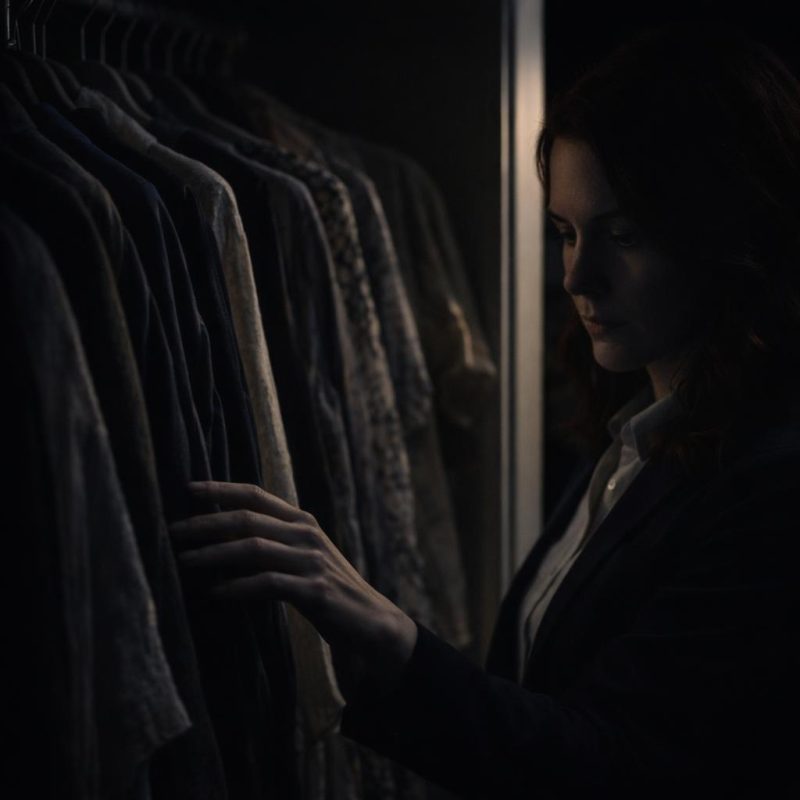 Image by RM AI
David's Theory
I told David everything that night — the gardening clothes, the waiter's face, the way Sterling had gone pale, all of it. He listened without interrupting, which is one of the things I love about him, and when I finished he was quiet for a moment before he said, "You don't think she knew what was going to happen?" I told him that was ridiculous. My mother is not the kind of person who engineers situations for effect. She's practical, she's busy, she probably just lost track of time in the garden. David nodded slowly, the way he does when he's not convinced but doesn't want to push. "She had four outfits hanging in her closet," he said, and I didn't have an answer for that. I told him it didn't mean anything. People keep clothes pressed all the time. He let it go, but the question didn't. I kept turning it over after he fell asleep — the closet, the sneakers, the way she'd walked into that restaurant like she owned the room. I'd been so certain I was defending the right thing. Sitting there in the dark, I wasn't sure anymore what exactly I was defending.
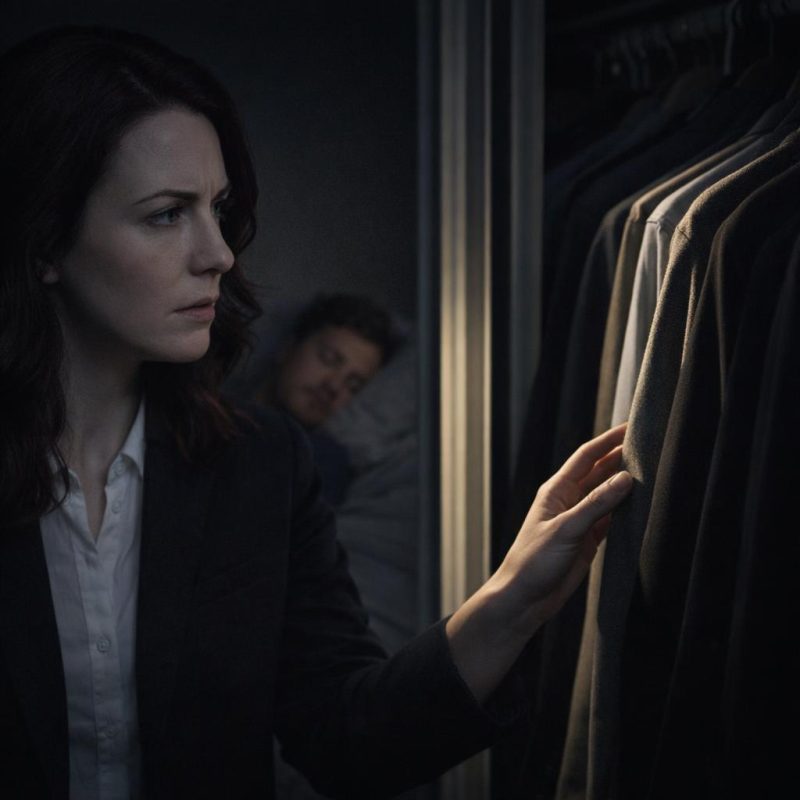 Image by RM AI
The Watch
I was washing dishes the next morning when it came back to me — the parking lot. We'd pulled in and I'd been checking my lipstick in the visor mirror, and when I looked over, my mother was checking her watch. I hadn't thought anything of it at the time. But then she'd checked it again, maybe thirty seconds later, before we walked toward the entrance. Two glances in under a minute. I stood at the sink with the water running and tried to remember her expression. She hadn't looked rushed. She hadn't looked like someone who was late or anxious about a reservation. She'd looked — and this is the part I kept snagging on — like someone waiting for the right moment. I told myself that was a ridiculous thing to think. People check their watches all the time. It doesn't mean anything. She was probably just making sure we weren't too early. I turned off the tap and dried my hands and tried to let it go. But the image stayed with me — her eyes dropping to her wrist, then lifting, calm and unhurried, as we stood in that parking lot together.
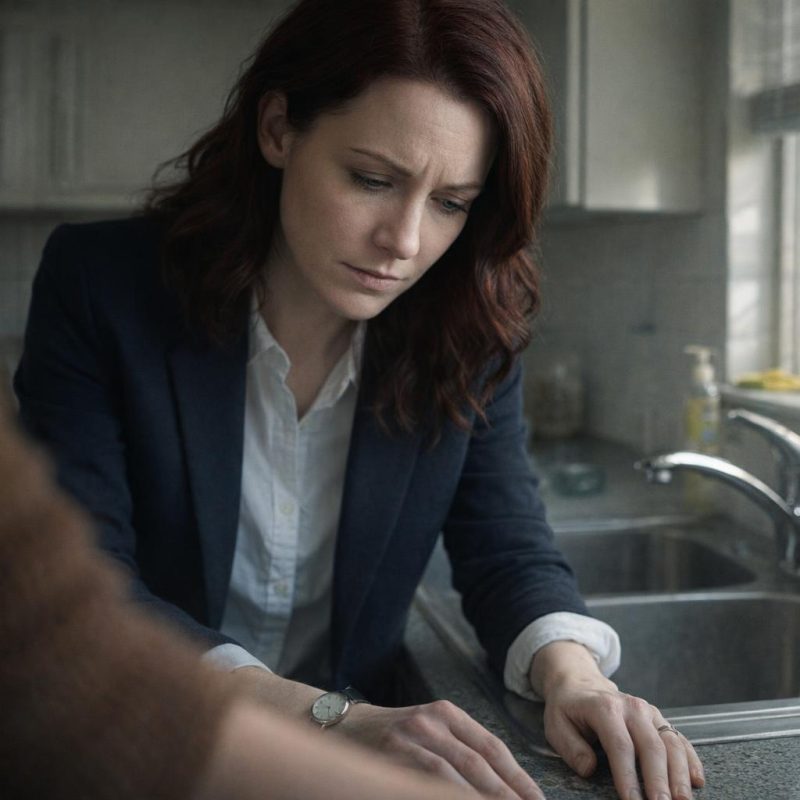 Image by RM AI
The Study
I drove back to her house the following afternoon while she was out at the farmers' market. I told myself I was just checking on the place, maybe watering the herbs she sometimes forgot. But I walked straight past the kitchen and into her study. I'm not proud of it. The room smelled like old paper and cedar, and her desk was exactly as organized as it always is — color-coded folders lined up in a wooden rack along the back edge. I started with the ones on top, telling myself I was just looking for something that would settle the feeling, something that would let me stop wondering. Most of it was what I expected: land records, vendor invoices, correspondence with the county agricultural office. I worked through the rack slowly, reading labels. Harvest schedules. Insurance renewals. Equipment leases. I was almost ready to stop, almost ready to feel embarrassed about being there at all, when my fingers landed on a folder near the back of the second row. The label was printed, not handwritten, neat and precise. It said L'Eclat — and tucked inside the front cover was a printed copy of the restaurant's dress code policy.
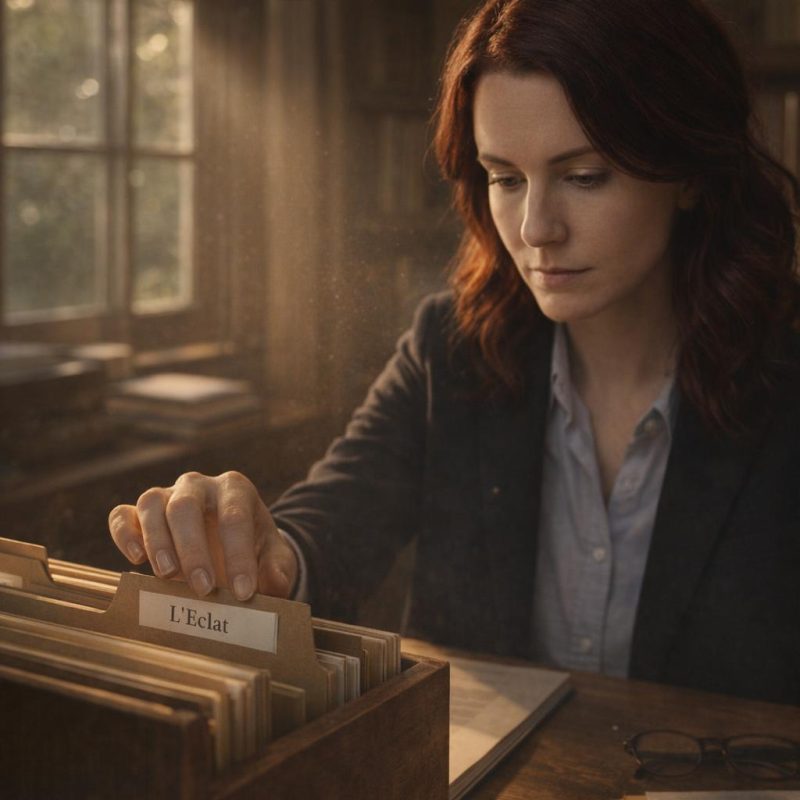 Image by RM AI
The Supply Contract
I stood there holding the folder and told myself there was probably a perfectly reasonable explanation. My mother is a supplier. Of course she'd have documentation on the restaurants she works with. Dress code policies, operating hours, contact information — that's just due diligence. I set the dress code printout aside and kept reading. Behind it was the supply contract, twelve pages, clipped together with a binder clip. I skimmed the terms — produce quantities, delivery schedules, quality standards — and then I got to the last page. The renewal clause. My mother had gone through it with a pen, underlining certain passages, making small notes in the margin in her careful handwriting. And at the top of the page, where the renewal date was printed in standard contract font, she had drawn a circle in red ink. I checked the date twice. The contract was up for renewal in fourteen days.
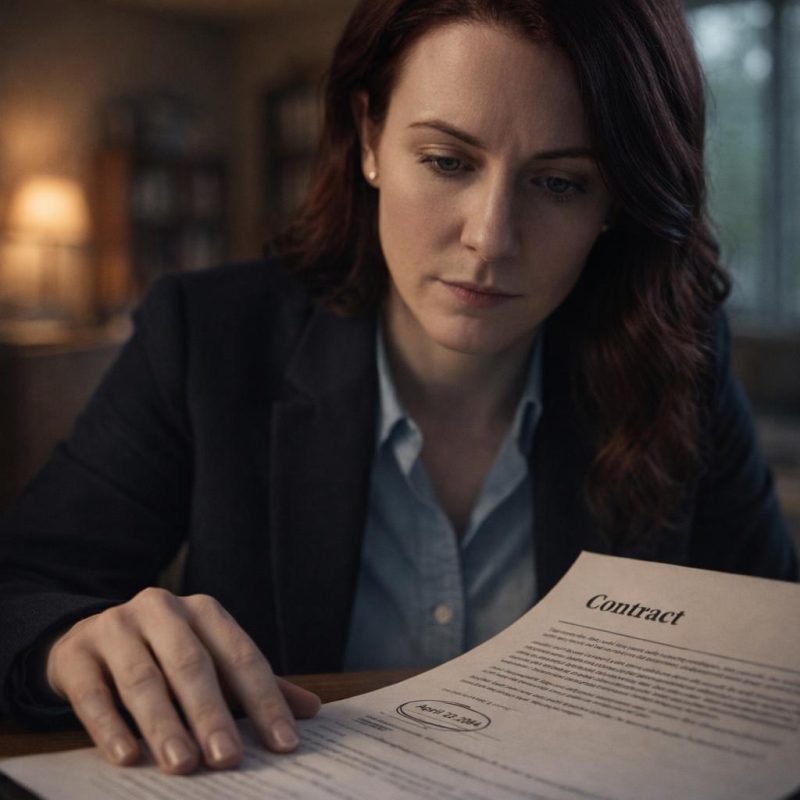 Image by RM AI
Patricia's Visit
I was still sitting at the desk with the contract in my hands when I heard the front door open. I shoved the folder back into the rack and stood up too fast, knocking a pen off the desk. Patricia appeared in the study doorway a moment later — silver hair, designer glasses, the kind of posture that comes from forty years of never losing an argument. She looked at me, then at the papers on the desk, and her expression didn't change much, which somehow made it worse. She said she had a standing appointment with my mother and asked if everything was all right. I said yes, then immediately said actually, no, and asked her how long she'd been handling my mother's business affairs. Thirty years, she said, without hesitating. I asked her — and I'm not sure what I expected — whether my mother's business was as straightforward as it looked. Patricia was quiet for a moment, then said there was more to it than most people realized. Then she told me my mother held property interests in twelve states.
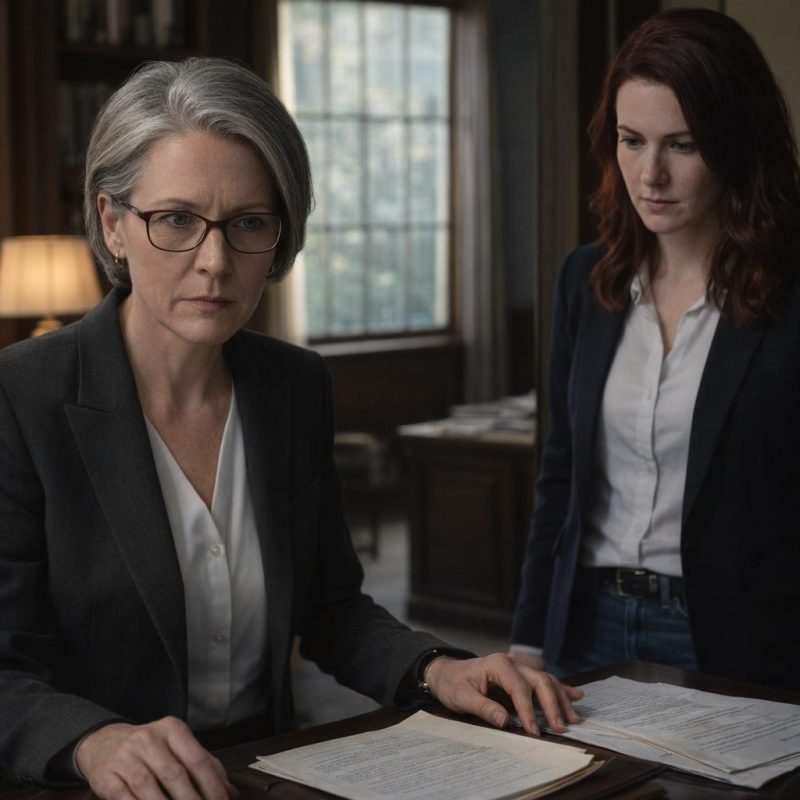 Image by RM AI
The Restaurant Properties
Patricia sat down across from me like she had all the time in the world, which I've since learned is just how she operates. She explained it methodically — the land holdings, the supply contracts, the way the two things worked together. My mother doesn't just grow produce and sell it. She owns the land beneath several of the restaurants she supplies, which means the chefs and owners who depend on her ingredients also pay her lease. Patricia said it matter-of-factly, the way you'd explain a grocery list, but I sat there feeling like the floor had shifted under me. She mentioned that my mother pays close attention to how her business partners operate — the standards they hold, the way they run their establishments — and that this shapes how she structures her agreements. I kept nodding like I was following along, but I wasn't, not really. I was thinking about the woman who packed my school lunches and drove me to swim practice and cried at my college graduation. I thought I knew her completely. Sitting in that study with Patricia's words settling around me, I understood I had only ever known one part of her.
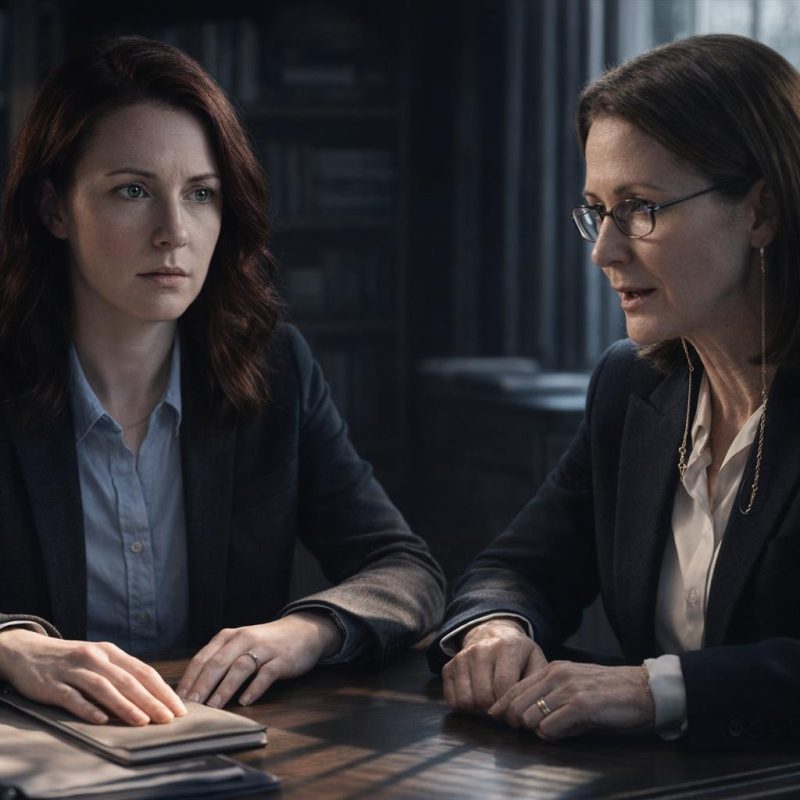 Image by RM AI
The Email Trail
Patricia left around four o'clock, and I sat in the study for a few minutes before I moved to the chair in front of my mother's computer. The screen was locked but I knew her password — her mother's birthday, the same one she's used for twenty years — and I felt a small, specific guilt about typing it in. Her email loaded slowly. I wasn't sure what I was looking for, exactly. I searched L'Eclat and got eleven results. I opened the oldest one first. It was a forwarded article from a food industry newsletter, dated eight months ago, about a luxury restaurant in the city that had been quietly turning away customers it deemed underdressed. The next email was a reply from an address I didn't recognize, with a short message that said simply: *same pattern, different ownership, worth watching.* There were more after that — links, forwarded complaints, a thread that seemed to involve someone tracking customer experiences at several establishments. I sat back in the chair and looked at the screen. The emails suggested my mother had come across L'Eclat's reputation well before I ever mentioned it for her birthday dinner. I didn't move for a long time, the screen's glow the only light in the room.
 Image by RM AI
The Pattern
I couldn't stop there. I went back to the filing rack and pulled every folder that had a restaurant name on it. There were more than I expected. I spread them across the desk and started reading. Three of them contained the same basic structure as the L'Eclat folder — a supply contract, a property document, and tucked near the back, handwritten notes with dates. I matched the dates against a small calendar she kept pinned above the desk. Three restaurants. Three visits, each one logged with a brief description in my mother's handwriting, each one followed within a month by a notation about contract terms. I sat with the folders open in front of me, reading through them twice to make sure I wasn't imagining it. The gardening clothes. The watch. The way she'd walked into L'Eclat without a flicker of self-consciousness. I didn't know what any of it meant, not yet — but spread across that desk were records of three other restaurants, three other visits, all of them written down in the same careful hand.
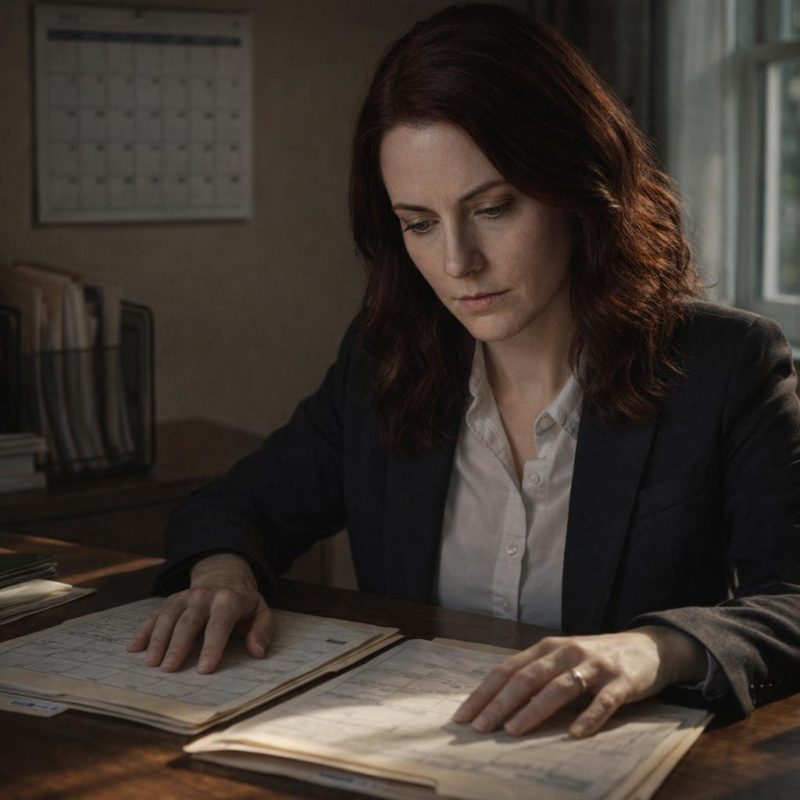 Image by RM AI
The Lease Agreement
I pulled up the county property records on my laptop and typed in the address for L'Eclat. The lease came up in the public database almost immediately — a commercial property agreement, forty-two pages, filed three years prior. I skimmed it twice before I found what I was looking for. The renewal clause was on page thirty-one. The date matched the supply contract renewal date exactly — same month, same year, even the same thirty-day notice window. I sat back and stared at the screen. It could have been a coincidence. Lots of commercial agreements run on similar cycles. I told myself that, and I almost believed it. But then I pulled up the second folder from the filing rack — the one for the restaurant on Meridian — and checked its renewal clause against its supply contract. Same alignment. I checked the third. Same. I closed the laptop and sat in the quiet of my apartment, the folders spread around me like pieces of a puzzle I hadn't agreed to solve. I couldn't explain it away. I didn't know what it meant. But the weight of those matching dates sat on my chest like something I couldn't put down.
 Image by RM AI
The Confrontation
I drove to her house without calling first. I had the folder under my arm and a stack of printouts from the property database, and my hands were steadier than I expected them to be. She was in the kitchen when I let myself in, standing at the counter with a mug of tea, still in her gardening clothes from the morning. I set everything on the kitchen table — the folder, the printouts, the notes I'd made in the margins — and I spread it all out the way she'd probably spread a hundred contracts across a hundred tables in her life. I told her I'd found the folders in the filing cabinet. I told her about the matching renewal dates. I asked her, as directly as I knew how, whether any of what happened at L'Eclat had been planned. She looked at the papers. She didn't reach for them. She didn't look at me either, not right away — just stood there with both hands wrapped around her mug, looking at the evidence I'd laid out like I was presenting a case she'd already heard. The silence between us stretched out and kept stretching, and I didn't know how to fill it.
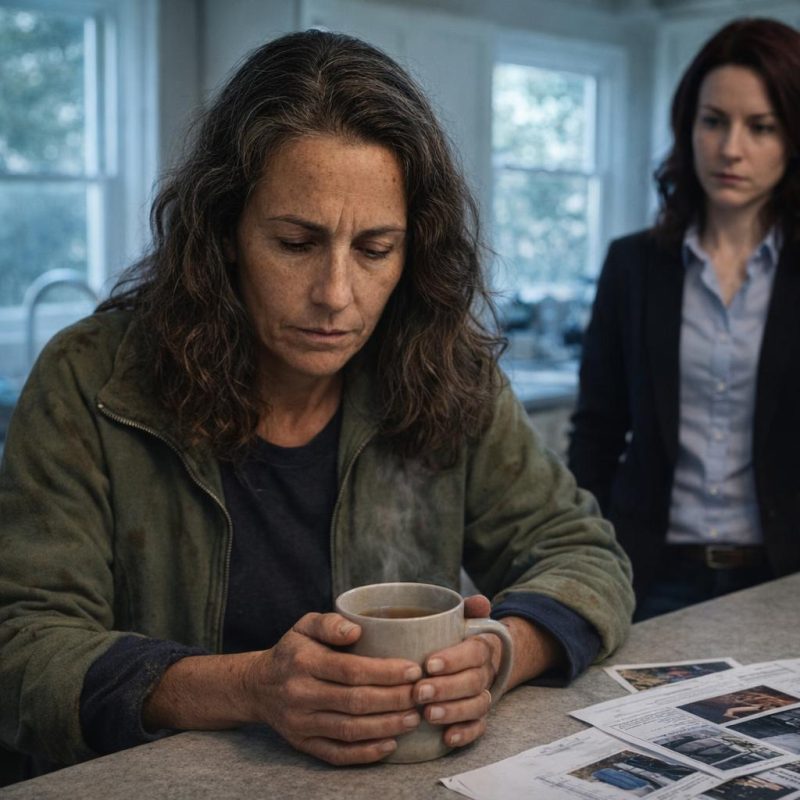 Image by RM AI
The Admission
She set her mug down. She pulled out the chair across from me and sat, and for a long moment she just looked at the papers between us. Then she said yes. Yes, she'd worn the gardening clothes on purpose. She'd known what L'Eclat was like — she'd heard enough from other suppliers, read enough reviews, seen enough of how places like that operated. She said she'd gone in knowing exactly how they would react to a woman who looked the way she looked that afternoon. I felt something cold move through me. I'd been angry at Julian, at Sterling, at the whole polished machinery of that restaurant — and the whole time, my mother had walked in there knowing. She said it quietly, without apology, the way she said most things that cost her nothing to admit. I pushed back from the table a little. I asked her why. Why put herself through that, why put me through it, why not just — and she stopped me. She folded her hands on the table and looked at me with an expression I couldn't read, and she said there was something I still didn't understand. She said she needed me to see it happen.
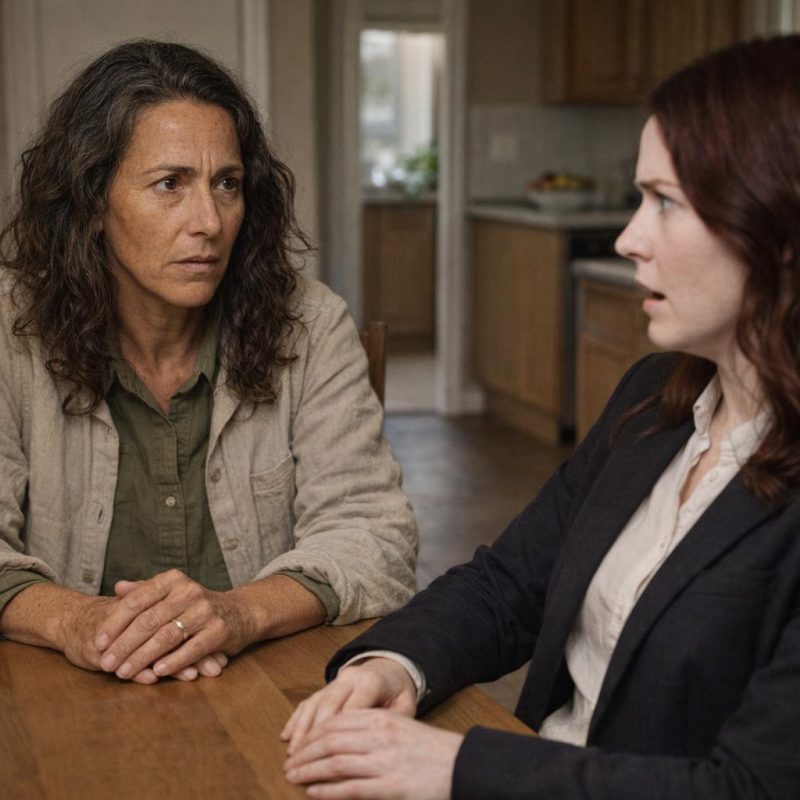 Image by RM AI
The Strategic Test
I asked her what that meant — what she needed me to see. She was quiet for a moment, and then she started talking in the measured way she had when she was explaining something she'd thought through a long time ago. She said the lunch was never about her birthday. She said she'd been watching L'Eclat for two years, tracking complaints, talking to other vendors, building a picture of how they treated people who didn't look like their target clientele. The lease renewal and the supply contract renewal were coming up at the same time, and before she made any decisions about either one, she needed to know what she was actually dealing with. She needed documented, witnessed evidence of how that establishment operated when it thought no one important was watching. I stared at her. I thought about Julian's face, the way he'd looked at her shoes, the deliberate way he'd seated us near the kitchen. I thought about how I'd been sitting right there, watching all of it, feeling every bit of it. She looked at me steadily across the table, and the thing I'd been circling finally landed: I had been there as her witness.
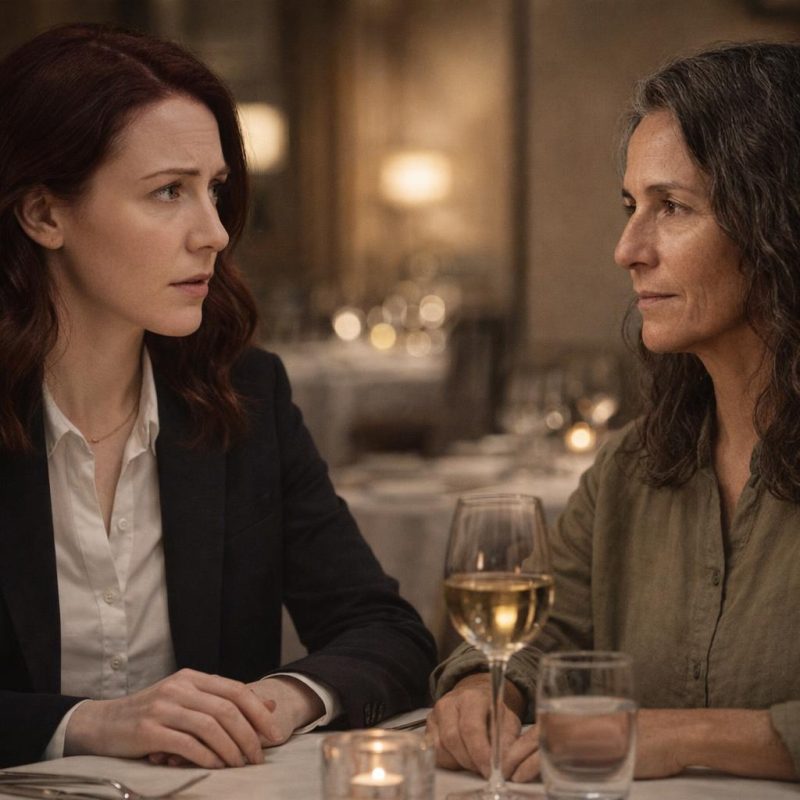 Image by RM AI
The Orchestration
She didn't stop there. She walked me through it — all of it — in the same calm voice she used to explain contract terms. The gardening clothes weren't what she'd grabbed that morning. She'd chosen them the night before, specifically because they would read as low-status to a place like L'Eclat. The timing of our arrival — just before the lunch rush, when the floor staff would be at their most territorial — wasn't accidental. Even the leaf. I'd thought it had fallen from her sleeve by chance, that small ridiculous leaf that had made Julian's lip curl. She'd tucked it there before we left the house. Every reaction she hadn't shown — the patience, the stillness, the way she'd let Julian keep going without flinching — that had been controlled too, because she needed clean, unambiguous behavior on their part, nothing she'd provoked. She'd brought me because I would feel it genuinely, react to it genuinely, and that authentic reaction would be part of the record if she ever needed one. I sat across from her and couldn't find a single word. Then she said it plainly: she had planned every detail of that afternoon, including exactly where I would be standing when it happened.
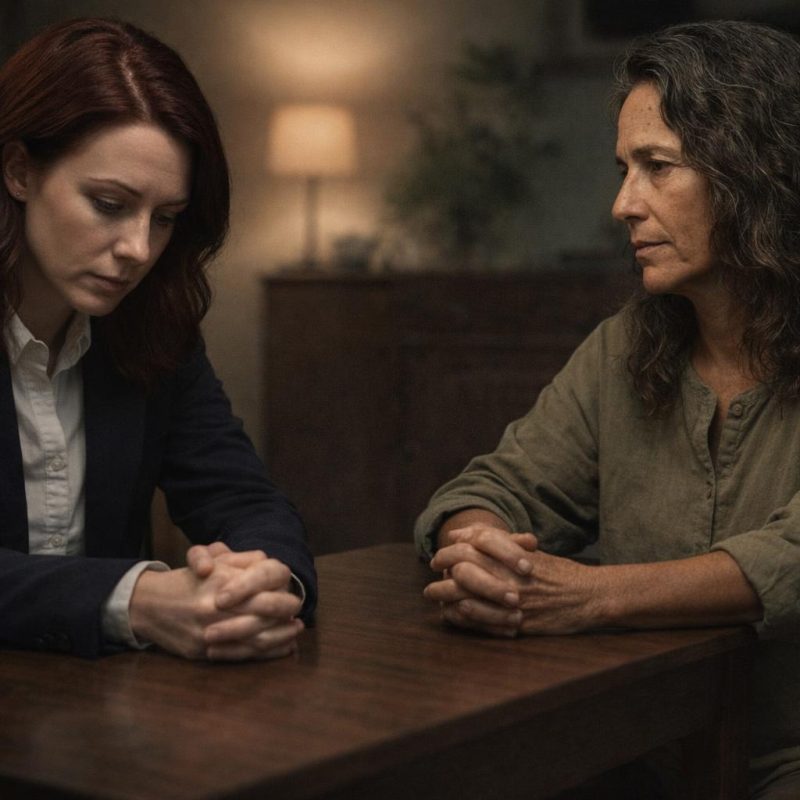 Image by RM AI
The Larger Mission
She refilled her mug and sat back down, and I realized she wasn't finished. L'Eclat wasn't the first, she said. It wasn't even close to the first. She'd been doing versions of this for three years — walking into high-end restaurants as a supplier, sometimes dressed down, sometimes with mud still on her boots, watching how the staff responded before anyone knew who she was. She kept records. Dates, names, specific incidents, all of it documented. Some restaurants had passed. A few had surprised her. Others had confirmed exactly what she'd suspected, and those were the ones where she'd used the contract renewals as leverage — not to punish, she said, but to require change. Training programs. Updated hiring practices. Written policies. She'd gotten three establishments to overhaul their front-of-house conduct standards in the past two years, and none of them had announced it publicly, because the alternative had been losing her supply contracts and, in two cases, their leases. I sat there trying to absorb the scale of it. Then she said she'd been building toward something larger — a formal accountability framework she'd been developing with a group of other landowners and suppliers — and that L'Eclat had been the final case study she needed.
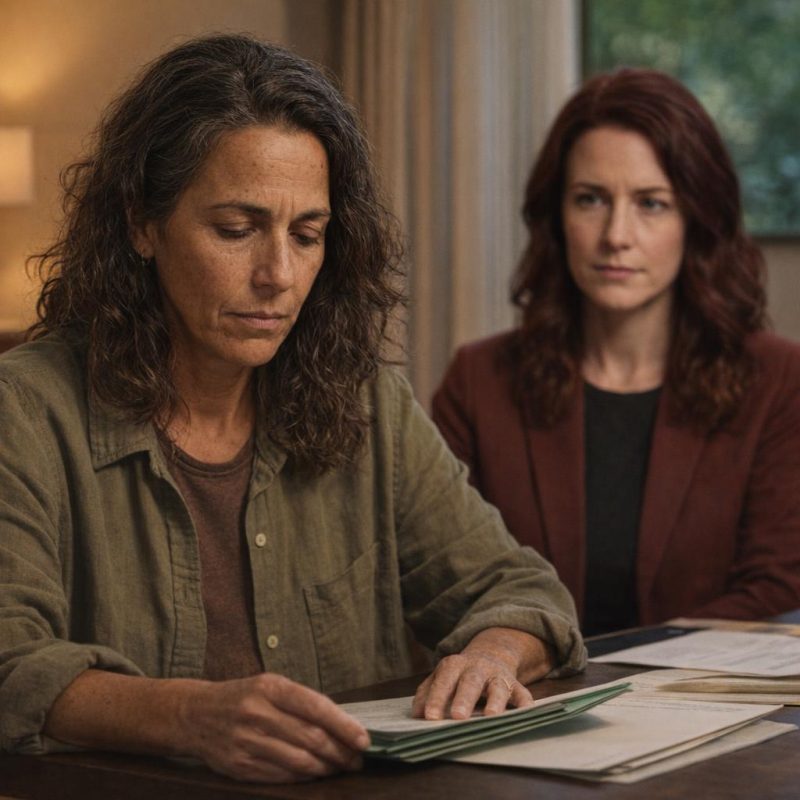 Image by RM AI
The Lesson About Power
She said she'd watched me at that table. She'd seen my jaw tighten when Julian looked at her shoes. She'd seen me grip my menu when he steered us toward the back. She said she'd wanted to reach across and tell me to breathe, but she hadn't, because that was the point. She needed me to feel it without a filter — the specific, clarifying anger of watching someone you love be dismissed by a person who'd decided she didn't matter before she'd said a single word. She said anger was useful, but only when you knew what to do with it. She'd spent years learning that the hard way. Storming out, making a scene, firing off a letter — those things felt good for about an hour and changed nothing. What changed things was patience, documentation, and leverage applied at exactly the right moment. She said she'd brought me because she wanted me to carry that lesson in my body, not just in my head, because lessons you only hear don't stick the same way. I sat with that for a long time. I was still angry. I wasn't sure I was ready to call it a lesson. But somewhere underneath the anger, I could feel that she was right — that I had been her student from the moment we walked through that door.
 Image by RM AI
The Cost of Strategy
I told her it had felt like being used. I said it as plainly as I could, because I wanted her to hear it without any softening. She didn't flinch. She said she knew. She said she'd made a choice to bring me without telling me what she was doing, and she acknowledged that the choice had a cost, and that the cost had landed on me. I told her she could have explained it beforehand, that I was an adult, that I could have handled knowing the plan. She shook her head slowly. She said if I'd known, I would have watched Julian differently — with distance instead of feeling, with awareness instead of instinct — and the lesson would have become a performance. She needed me to be genuinely hurt, genuinely furious, genuinely present, because that was the only way I'd carry it forward as something real. I understood her reasoning. I could follow every step of it. That was the part that made it harder, not easier — because understanding why someone did something doesn't automatically close the distance between what they did and what you needed them to do instead. We sat at her kitchen table with the papers still spread between us, and that distance stayed exactly where it was.
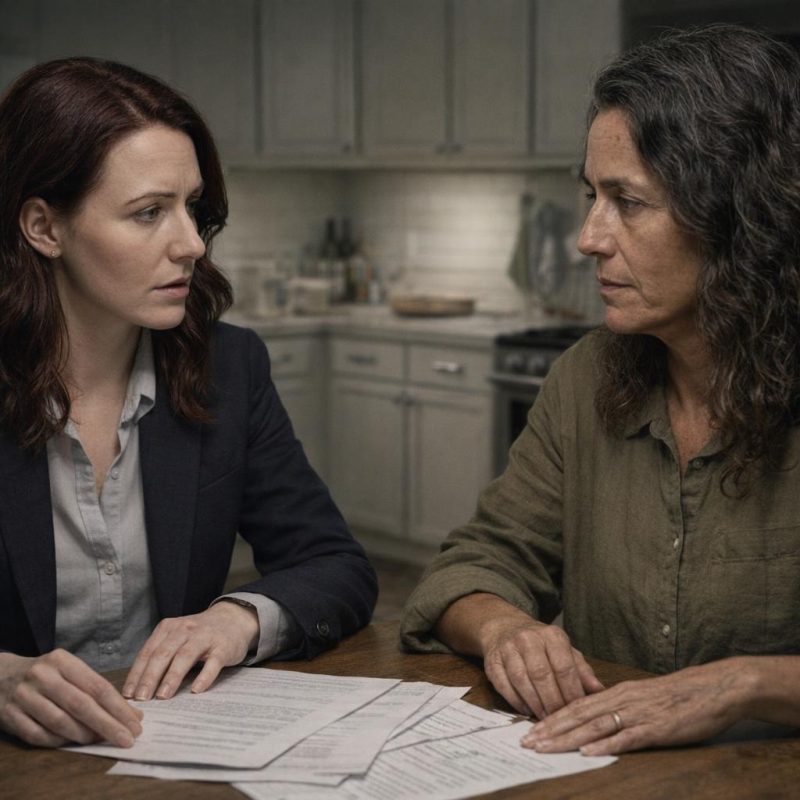 Image by RM AI
David's Perspective
I told David everything that night — the orchestration, the gardening clothes, the way my mother had needed me genuinely hurt rather than strategically prepared. He sat on the couch and listened without interrupting, which was unusual for him, and when I finished he was quiet for a long moment. Then he started asking questions. Not hostile ones, but the kind that came from actually thinking it through. He asked whether the outcome changed the nature of what she'd done. He asked whether using someone's emotions without their consent was still a form of using them, even if the lesson was real and the cause was good. I tried to explain her reasoning — that the authenticity was the point, that a rehearsed reaction would have taught me nothing — and he nodded like he followed it, but he didn't let it go. He said he understood why she did it. He said he even understood why it worked. Then he looked at me steadily and said that the people she was fighting used the same logic — that the end result justified whatever methods got them there — and that he wasn't sure how her approach was different from theirs.
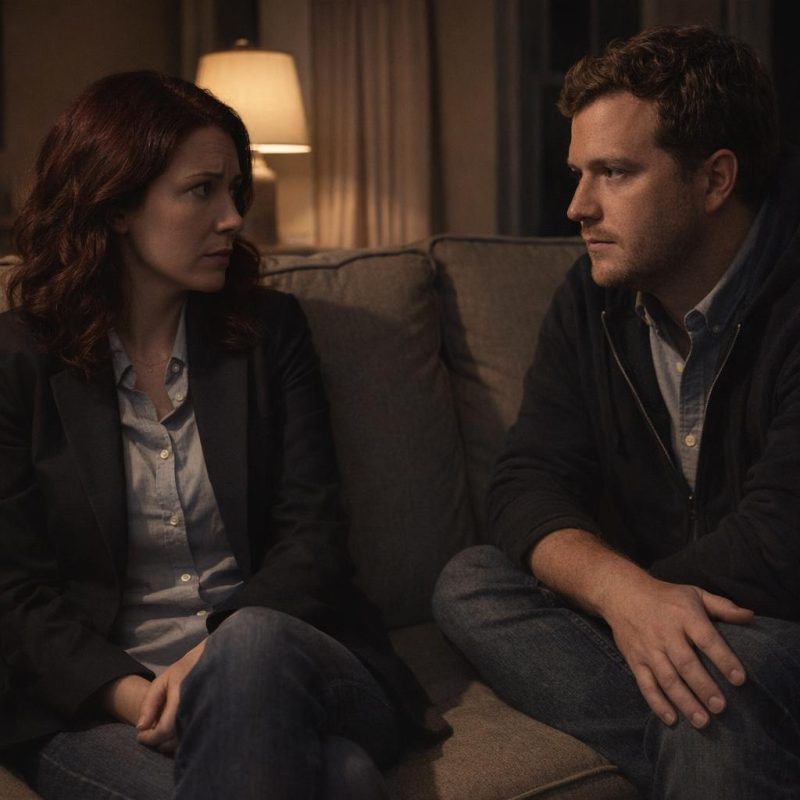 Image by RM AI
The Meeting with Victoria
My mother called the meeting for a Tuesday morning, and she asked me to come as her witness. I didn't fully understand what that meant until we were sitting across from Victoria in the private office above the restaurant — all pale walls and expensive art and the particular silence of a room where money makes the rules. Victoria was polished and composed when we walked in, the kind of composed that's really just a more expensive version of defensive. She offered coffee. My mother declined. I followed her lead. My mother opened her folder and began laying documents on the table one at a time, methodically, without commentary, the way you might set a table before a meal. Victoria's posture stayed rigid through the first page, and the second. By the third — a log of reservation requests cross-referenced with outcomes — she reached for her coffee cup and didn't drink from it. My mother explained, in the same even tone she used to describe soil pH levels, that the pattern documented here extended across fourteen months and touched every protected class the lease agreement named. Victoria set the cup down. Her face went very still, and then something behind her eyes shifted — not guilt exactly, but the particular expression of someone who has just understood the shape of the room they're standing in.
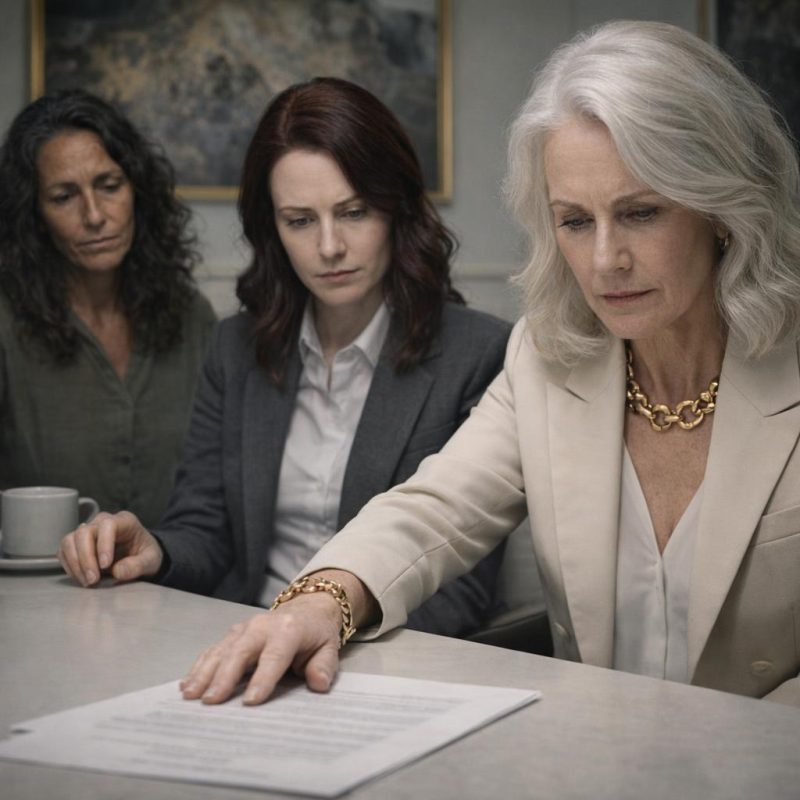 Image by RM AI
The Evidence
My mother didn't stop at the reservation logs. She had testimony — written statements from three former L'Eclat employees, each one describing specific incidents where guests were turned away or seated poorly based on how they looked. One statement was from a former host who'd been instructed to use a particular phrase when someone didn't fit the aesthetic. My mother read that phrase aloud without editorializing. Victoria started to say something about maintaining a consistent dining experience, and my mother slid another page across the table — a side-by-side comparison of dress code enforcement records showing the same clothing permitted on some guests and used as grounds for refusal on others. Victoria's attorney instinct kicked in and she said the data could be interpreted multiple ways. My mother agreed pleasantly and produced a legal opinion from Patricia confirming that the pattern, taken as a whole, constituted a material breach of the non-discrimination clause in the property lease. Victoria picked up that page and read it twice. She set it down carefully, aligned it with the edge of the table, and didn't say anything for a long moment. There was nothing left to argue around, and the room held that fact quietly while she sat with it.
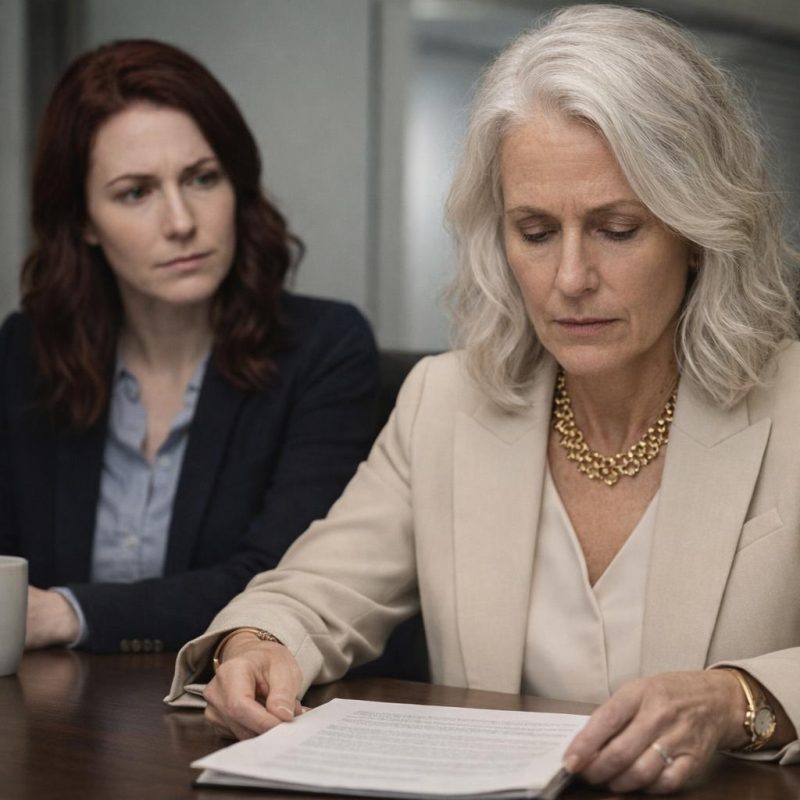 Image by RM AI
The Choice
My mother let the silence sit for exactly as long as it needed to. Then she opened a second folder. She walked Victoria through the terms she was proposing for contract renewal — mandatory anti-discrimination training for all front-of-house staff, a revised dress code policy with objective, appearance-neutral language, and quarterly audits conducted by an independent firm whose name was already listed on the page. Victoria asked who had selected the auditing firm. My mother said Patricia had vetted them. Victoria asked whether there was room to negotiate the audit frequency. My mother said there wasn't. She said it the way you state a fact about weather — not unkindly, just without any opening in it. Then she explained the alternative clearly and without drama: if Victoria declined the terms, the supply contract would not be renewed at the end of the quarter, and the property lease would not be extended when it came up in the spring. Victoria knew what that meant. L'Eclat's location was the restaurant — the address was half the brand. Losing the lease wasn't a setback; it was a closing. Victoria looked at the two folders spread across her desk, and the office went very quiet while she worked through the arithmetic of what each choice would actually cost her.
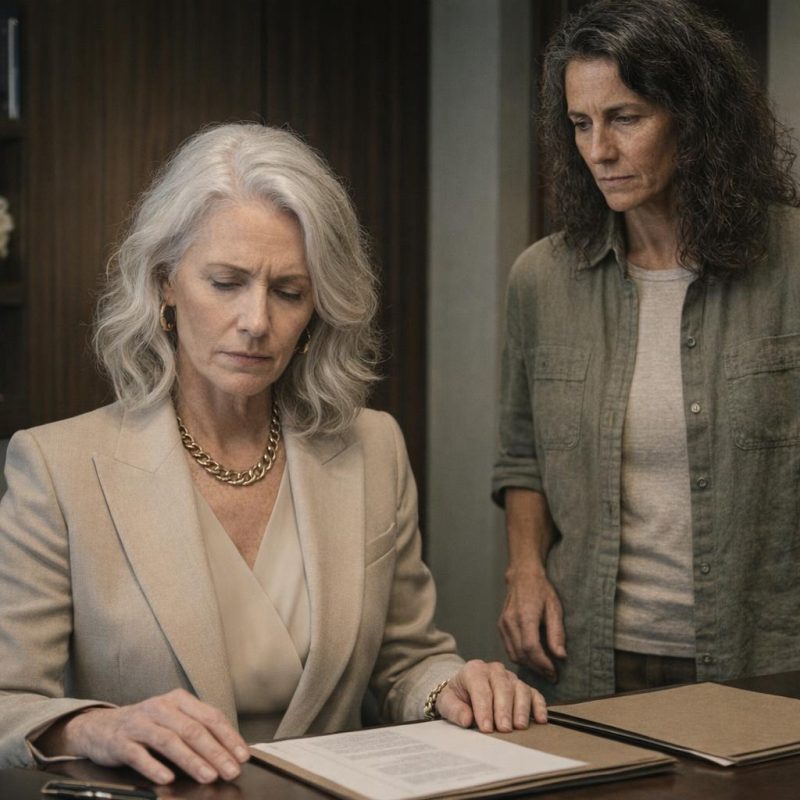 Image by RM AI
Julian's Termination
Victoria agreed. She said it in a flat, clipped voice, like she was signing off on a budget line rather than the terms of her own accountability. Then she picked up her phone and called Sterling on speaker without being asked to. I watched her do it and understood that this, too, was part of what my mother had built into the moment — Victoria performing her own compliance in front of a witness. Sterling answered on the second ring. Victoria told him to bring Julian to the manager's office and to process an immediate termination, citing conduct unbecoming the restaurant's standards. Sterling asked her to confirm, and she did, in the same flat voice. There was a pause, and then we heard Julian's voice in the background — confused at first, asking what was happening, then asking what he'd done. Victoria said his treatment of customers had been documented and was grounds for dismissal. Julian's voice shifted, the confusion thinning into something higher and more urgent, and he said he'd only been doing his job, that he'd been doing exactly what was expected of him. The line stayed open for a moment after that. I'd wanted this. I'd wanted it since the night he'd looked at my mother like she was something tracked in from outside. But hearing his voice crack on that last sentence, not understanding what he'd done wrong, sat in me differently than I'd expected it to.
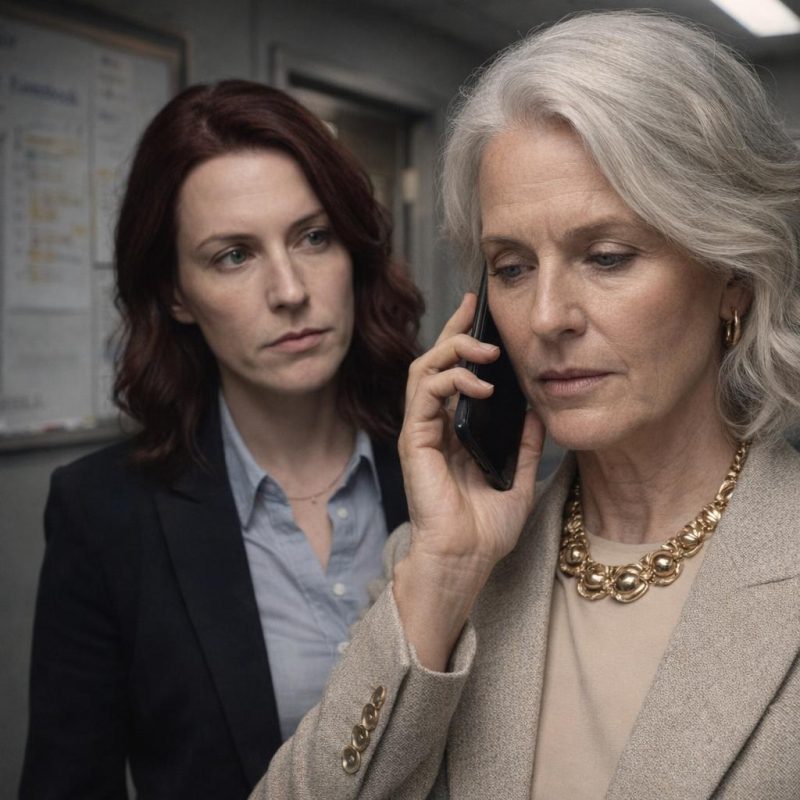 Image by RM AI
The New Contract
Patricia arrived at eleven with a leather portfolio and the kind of calm that comes from having done this exact thing many times before. She set the revised contract on Victoria's desk and walked her through each clause without rushing — the training requirements, the dress code language, the audit schedule, the reporting obligations. Victoria read every page. She asked two questions, both procedural, and Patricia answered them without conceding anything. My mother sat beside me and didn't speak much. She didn't need to. The document said everything. When Victoria finally signed, she did it with the pen already in her hand before Patricia finished the sentence, like she wanted it over. My mother signed after her, unhurried. I watched the pen move across the page and thought about the night at the restaurant — the way Julian had looked at her, the way she'd sat with it, the way she'd said nothing and done everything. Patricia collected the pages and slid them into the portfolio. I leaned over to look at the final section of the contract before she closed it, and one clause near the bottom stopped me — a requirement that L'Eclat's marketing materials reflect the full diversity of its actual customer base, with photographic documentation submitted to the auditing firm each quarter.
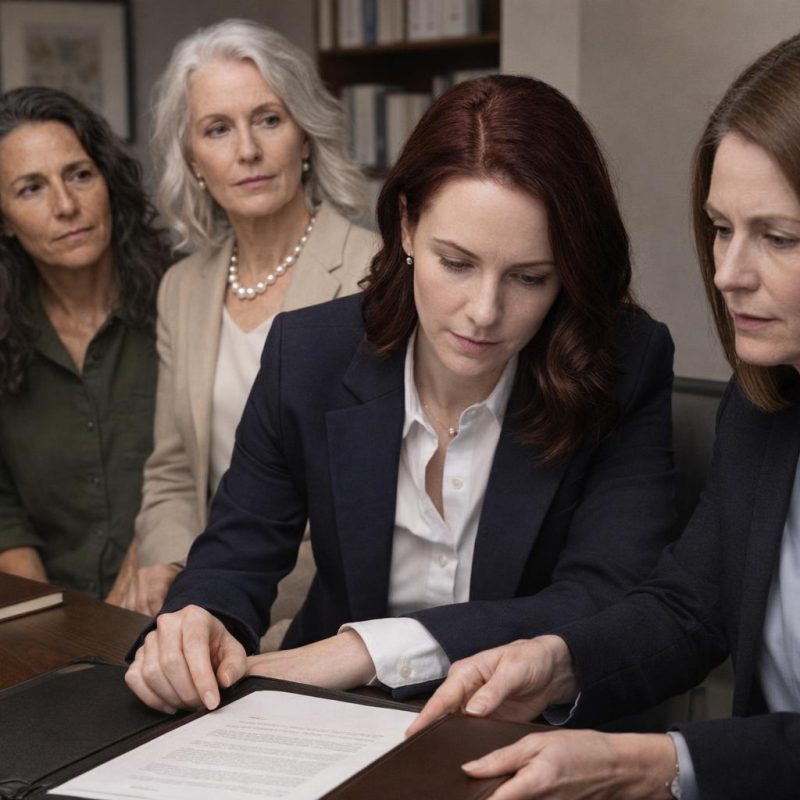 Image by RM AI
The Industry Ripple
We walked out of the restaurant and stood on the pavement while Patricia flagged a cab. My mother was quiet in the way she got when something had gone exactly as she'd intended — not triumphant, just settled. I asked Patricia how long she'd been preparing the documentation. Patricia said the reservation logs had been accumulating for over a year, and that the employee statements had come in over the past six weeks. I looked at my mother, who was watching the street. I asked Patricia whether the L'Eclat contract was a one-off or whether my mother had something larger in mind. Patricia smiled in a way that suggested the question was slightly behind where things already were. She said the contract language had been drafted as a template from the beginning — that it was designed to be portable, to travel. She said my mother's supply relationships touched eleven restaurants in the city, and that the L'Eclat outcome had moved through the industry faster than any of them had anticipated. She opened her portfolio and showed me a page with a short list of names — restaurant names I recognized, places I'd walked past or eaten at. Six of them had already contacted Patricia's office requesting contract revisions before my mother had approached them.
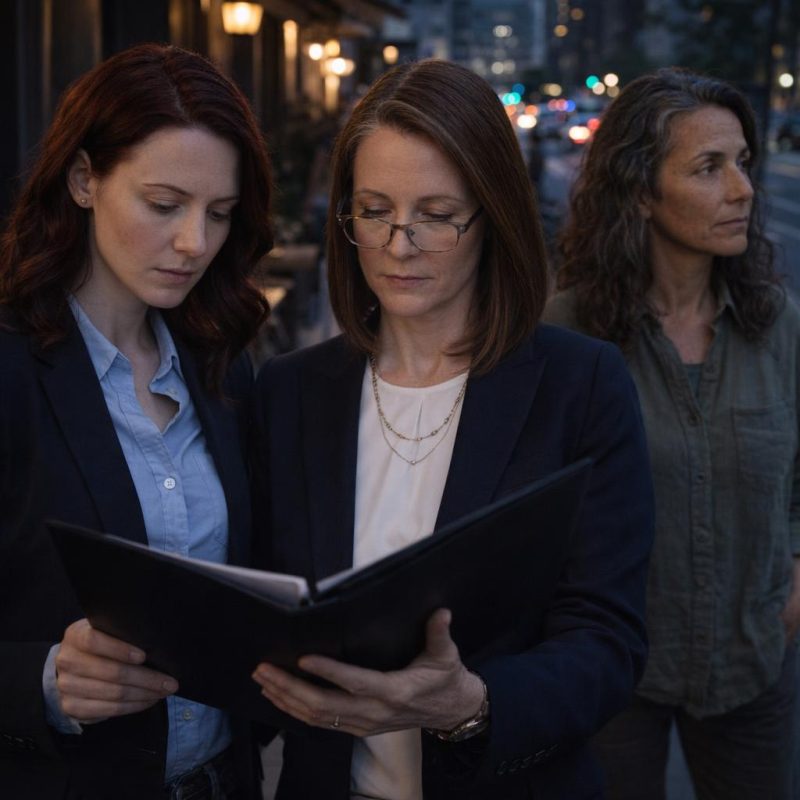 Image by RM AI
The Return to L'Eclat
Three weeks later my mother called and asked if I wanted to have lunch. She named the restaurant before I could ask, and I felt something tighten in my chest on the drive over — not dread exactly, more like the particular alertness of returning to a place that had changed you. The entrance looked the same from the outside. But Sterling was waiting near the door, not behind a desk, and when he saw us he came forward and greeted my mother by name with something that read as genuine rather than managed. The staff inside was different — not entirely, but noticeably, in the way a room feels different when it's been rearranged even if you can't immediately say what moved. We were taken to the chef's table without any of the hesitation I remembered from before. Marc came out of the kitchen within minutes, still in his whites, and thanked my mother quietly and at some length for what her partnership had made possible for his menu and for the restaurant. I was watching him when movement near the front of the room caught my eye — a family being shown to a table by the window, the best table in the house, the father in a fleece jacket and the kids still in what looked like school clothes.
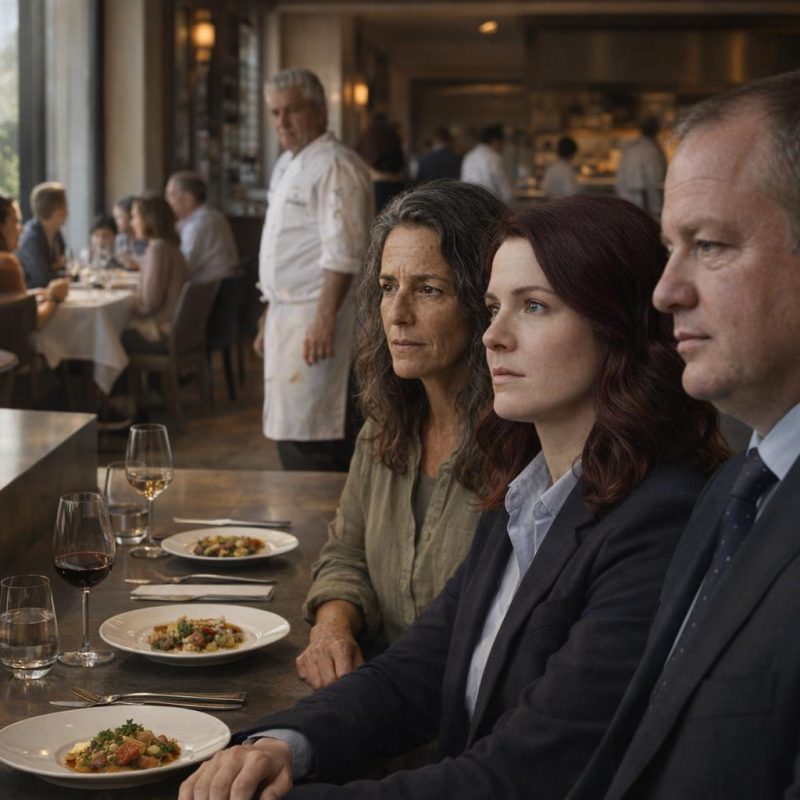 Image by RM AI
The Chef's Gratitude
Marc pulled out a chair and sat with us through most of the meal, which I got the sense wasn't something he did often. He talked about the kitchen first — how the tension had lifted, how the prep cooks were staying late voluntarily now, how two of the servers had come to him privately in the weeks after the policy changes to say they'd been waiting years for someone to do something. One of them had apparently been documenting incidents in a notebook she kept in her locker. I looked at my mother when he said that, and she was just listening, hands folded, the way she always does when she already knows the shape of something. Marc said the atmosphere had been poisoning the food, in his words — that you can't produce honest cooking in a kitchen running on fear and resentment. My mother nodded like that made complete sense to her. Then he set down his fork and said it quietly, almost to the table: he'd known what was happening to customers who didn't fit a certain image. He'd seen it. He just hadn't had a way to push back against Victoria that wouldn't cost him everything he'd built. My mother's intervention, he said, had handed him the leverage he'd needed all along.
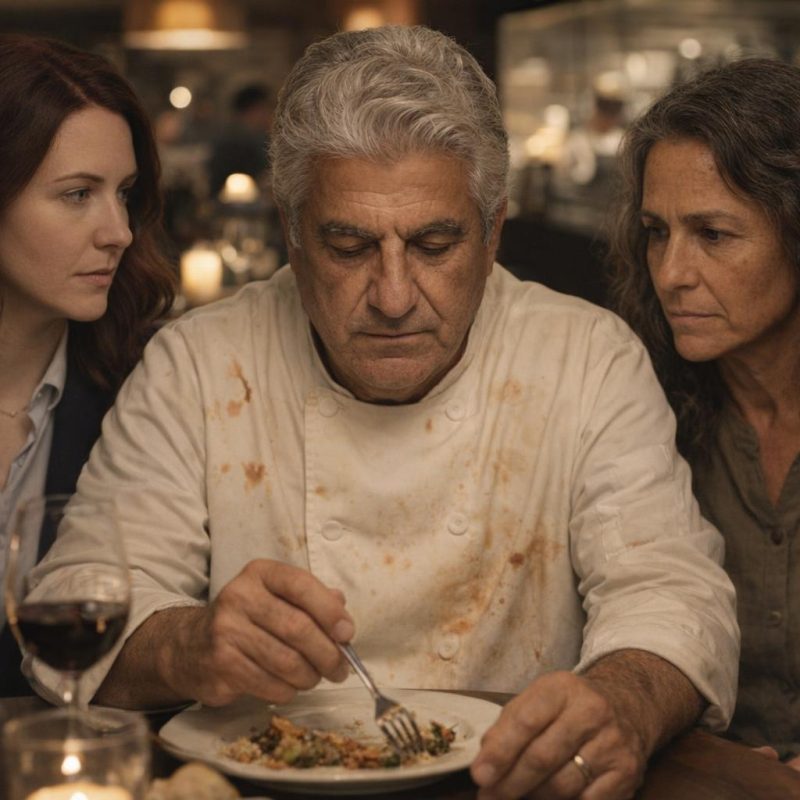 Image by RM AI
The Conversation About Power
I drove her home with the windows cracked, the late afternoon light coming in low and gold across the dashboard. We didn't talk for the first few minutes, and it wasn't uncomfortable — it was the kind of quiet that only exists between people who've just shared something real. I told her I thought I finally understood what she'd been doing. Not just at the restaurant, but the whole shape of it — the years of documentation, the contracts structured with exit clauses, the patience of letting someone show you exactly who they were before you moved. She didn't say anything, just watched the road. I told her I wasn't sure I could do it the same way. That I didn't have her stillness, that my instinct was always to say the thing out loud the moment I felt it. She smiled at that — a small one, the kind that means she's not surprised. She said everyone finds their own approach, and that the point was never for me to copy hers. The point was to understand that power used carefully could outlast anger used loudly. I sat with that for the rest of the drive, the fields going dark outside the window, and something in me that had been wound tight for weeks finally settled.
 Image by RM AI
The Deepened Bond
She'd been out in the garden since before I arrived, and I found her the way I always find her — kneeling between two rows of something I couldn't name, hands dark with soil, completely unhurried. I sat on the low stone wall nearby and watched her work for a while before either of us said anything. I told her I was grateful she'd let me be part of it, even the parts that had been hard to sit with. She looked up at that. I said the afternoon at the restaurant had cost me something — a version of myself that thought righteous anger was the same as effective action — and that I was glad to have lost it. She was quiet for a moment, pulling a weed loose at the root with the particular care she gives everything she touches. She said she'd worried, genuinely, that she'd pushed too far. That there was a version of that day where I walked away from it angry at her instead of understanding her. She said watching me work through it had been worth the risk, but that it had been a real risk. I didn't have an answer for that. I just sat with her in the cooling evening, the garden settling around us both, and felt the particular closeness that only comes after something difficult has been survived together.
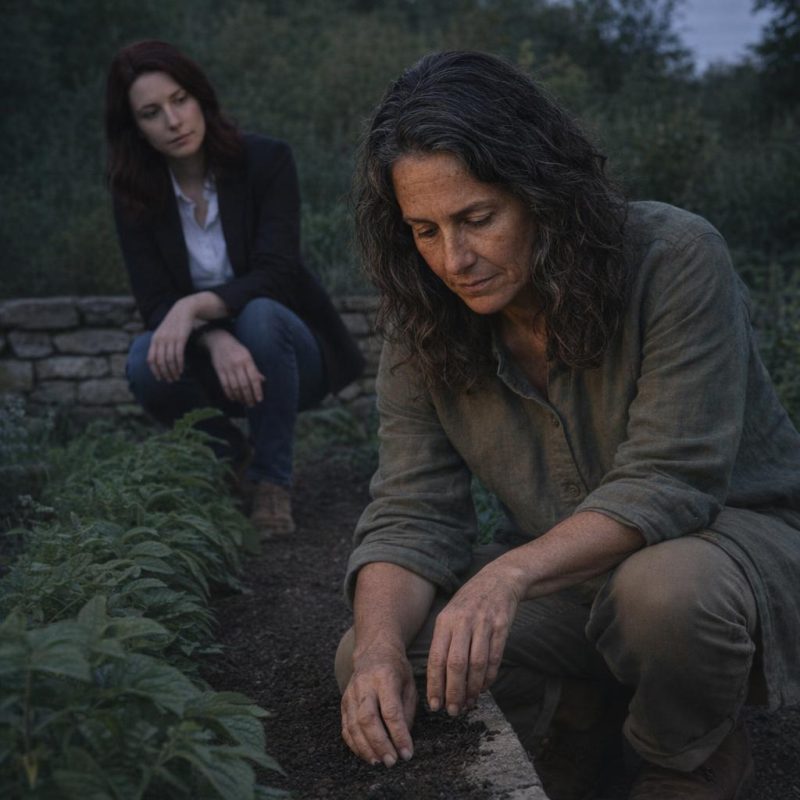 Image by RM AI
The Inheritance
We were still in the garden when she said it, the light almost gone, the fireflies just starting up along the fence line. She told me she'd been thinking about what she wanted to leave me. Not the land, not the contracts — those were practical things and they'd be handled practically. What she wanted to pass on was harder to name. She said it was the understanding that leverage isn't cruelty, that patience isn't passivity, that the most durable changes are the ones that get built into agreements rather than argued in the moment. She said she'd spent forty years learning how systems actually work versus how they claim to work, and that knowledge was the only thing she'd ever had that no one could take from her. I thought about my own work — the meetings where I'd gone in loud and come out empty, the times I'd been right about something and still lost because I hadn't thought three moves ahead. I told her I could see places where it applied. She said good, and then she said the method was mine to adapt, not copy. I sat there in the dark with the smell of turned earth around me, and I understood, in a way I hadn't before that day, that I was already carrying her forward.
 Image by RM AI
KEEP ON READING
20 Weirdest Historical Objects in Museums
Check Out the Pickled Heart of a Saint. Museums carry…
By Rob Shapiro Oct 1, 2025
20 Scariest Missing Persons Cases in History
Eerie Disappearances. There's something uniquely unsettling about a person who…
By Christy Chan May 1, 2026
20 Greatest Ancient Athletes In History
Ancient Olympics. Long before modern stadiums and multimillion-dollar endorsements, athletes…
By Sara Springsteen May 1, 2026
10 Phenomenal Mythical Creatures & 10 That Are Just Plain…
Legends Both Majestic And Peculiar. Do you ever wonder why…
By Chase Wexler Oct 1, 2025
10 Presidents Who Never Served In The Military & 10…
Commanders And Civilians In Office. Power can rise from very…
By David Davidovic Sep 1, 2025
20 Wars That Could Have Ended Much Sooner Than They…
Wars That Lasted Far Too Long. Wars are often remembered…
By David Davidovic Sep 1, 2025