

I Thought Something Was Outside My House Every Night at 3 AM—Until My Dog Showed Me I Was Looking in the Wrong Direction
I Thought Something Was Outside My House Every Night at 3 AM—Until My Dog Showed Me I Was Looking in the Wrong Direction
The Scream at 3:04 AM
I don't know how to explain the sound Max made that first night without you thinking I'm exaggerating. It wasn't barking. It wasn't whining. It was something between a scream and a howl — the kind of sound that bypasses your brain entirely and goes straight to your spine. I was out of bed before I was even fully awake, heart slamming, feet hitting the cold hardwood at 3:04 AM according to the clock on my nightstand. Max was at the back window, front paws on the sill, his whole body rigid and trembling. I pulled back the curtain expecting — I don't know. Someone in the yard. A face at the glass. Something. But the backyard was completely empty. Moonlight lay flat and still across the grass. The old swing set David and I had never gotten around to removing stood motionless. The oak tree didn't move. Nothing moved. I stood there for a long time, scanning every shadow, every corner of the fence line. Nothing. When I finally looked down at Max, he had stopped looking at the yard. He was looking at me instead, his warm brown eyes wide and glassy with something I can only call terror, and the weight of it settled into my chest like a stone I didn't know how to put down.
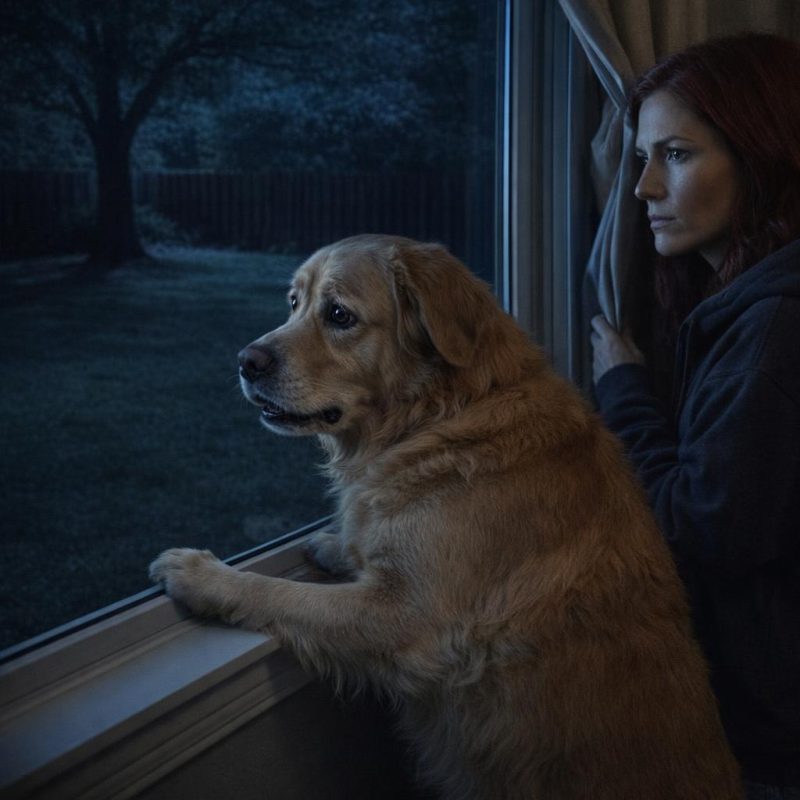 Image by RM AI
The Pattern Begins
I told myself it was a one-time thing. Animals get spooked — a possum, a weird smell on the wind, some frequency humans can't hear. I went to bed the next night almost convinced. I even slept for a couple of hours, which felt like a miracle. Then 3:05 AM arrived and Max lost his mind all over again. Same sound. Same rigid, trembling body. I was up immediately, moving through the house with a flashlight, checking every door and window. Front door — locked. Back door — locked. Garage side door — locked. I went outside in my pajamas and walked the entire perimeter of the house, flashlight cutting through the dark, half-expecting to find a gap in the fence or footprints in the soft dirt near the flower beds. Nothing. The neighbor's motion sensor lights — the ones that triggered if a squirrel sneezed — stayed completely dark. I stood in the cold for a long time, feeling faintly ridiculous in my socks, and then I went back inside. Max had stopped screaming by then, but he wasn't calm. He was standing at the far edge of the yard, nose pointed at one specific patch of grass near the back fence, absolutely still, staring at exactly the same spot he'd been fixated on the night before.
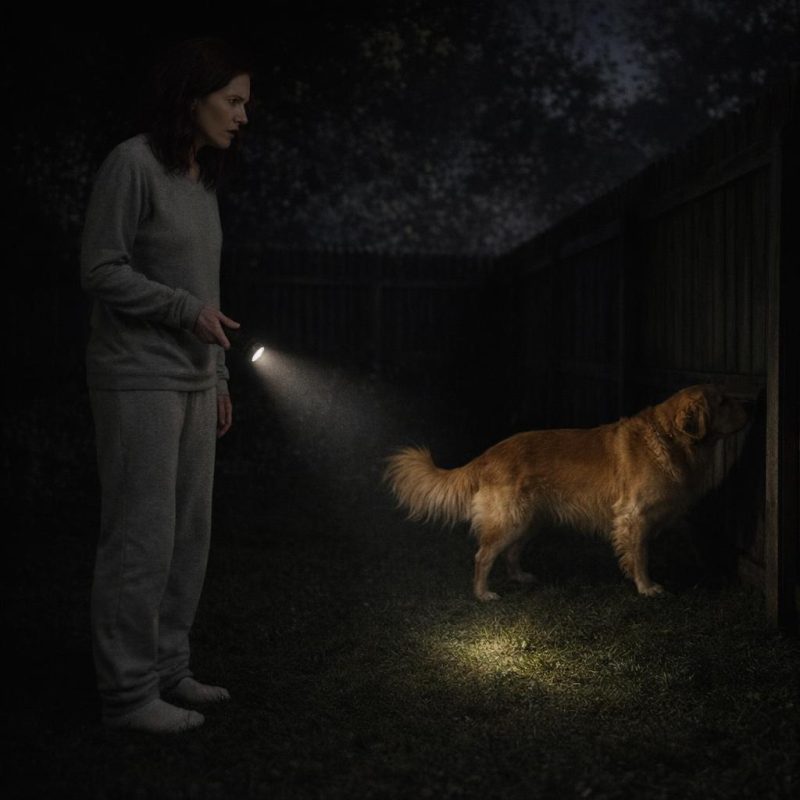 Image by RM AI
Night Three
By the third night I wasn't even pretending to sleep. I sat in the armchair I'd dragged to the bedroom window with a notepad on my knee and a cold cup of tea on the floor beside me, watching the yard like I could catch whatever it was if I just stayed awake long enough. 3:03 AM. Max went off like an alarm — same frantic, full-body terror, same sound that made my stomach drop. I watched the yard the entire time. I saw nothing. Not a shadow, not a shape, not a single blade of grass moving. I tried to calm him down, crouching beside him, one hand on his back, talking low and steady the way I used to talk him through thunderstorms. It took over an hour before he stopped shaking. I wrote down the times in my notepad: 3:04, 3:05, 3:03. I wrote down what I'd checked, what I'd ruled out. Wildlife. Ultrasonic sounds. Neighborhood cats. I was running on less than four hours of sleep a night and I could feel it in my hands, in the way my thoughts kept sliding off whatever I was trying to hold onto. I sat in that chair as the sky outside went from black to gray, and the tiredness in my body felt like something that had moved in and wasn't planning to leave.
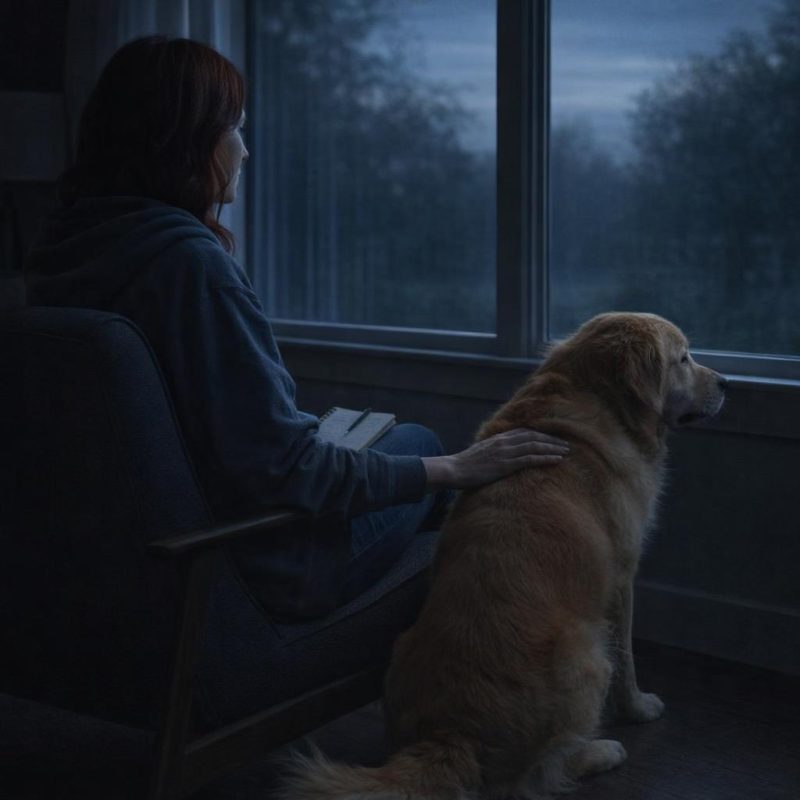 Image by RM AI
The Concerned Neighbor
I ran into Tom on a Tuesday afternoon when I went out to check the mail. I must have looked exactly as bad as I felt, because he stopped mid-stride across his lawn and said, 'You doing okay over there? You look like you haven't slept in a week.' He said it kindly, the way a person does when they actually want to know the answer. Tom was in his late fifties, always in a button-down and khakis, the kind of neighbor who remembered your name and waved from the driveway. I hesitated for a second, then admitted I'd been having trouble sleeping. He nodded slowly, said he was a light sleeper himself, asked if I'd heard anything unusual at night. I described Max's behavior — the screaming, the fixation on the yard — without getting into the exact timing, because saying 'every night at exactly 3 AM' out loud felt like it would make me sound unhinged. Tom listened with his arms crossed, nodding, and said it was probably a raccoon working the fence line, maybe a stray that had claimed the alley. He said he'd keep an eye out, that he was up at odd hours anyway. It wasn't much. But standing there in the afternoon sun with someone who didn't look at me like I was making things up, I felt the tight knot in my chest loosen just slightly.
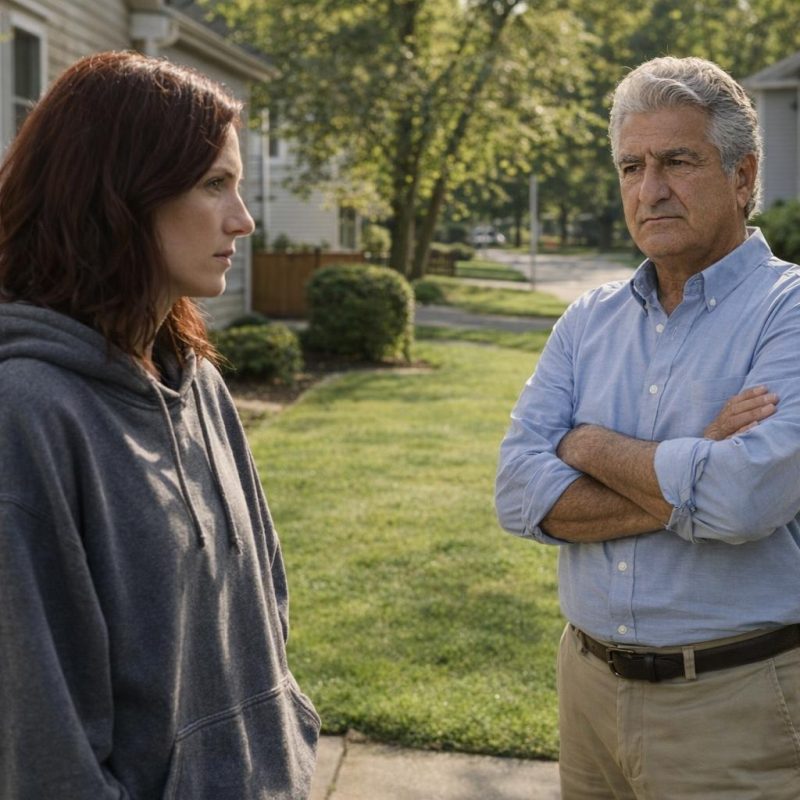 Image by RM AI
The Coffee Spill
Work had always been the one place I could count on my brain to function. Numbers made sense when nothing else did. Patterns, spreadsheets, clean columns of data — I'd built my whole professional identity on being the person who caught the errors everyone else missed. So when I knocked the coffee grounds container off the breakroom counter that Thursday morning and then just stood there staring at the dark pile spreading across the white tile floor, unable to figure out what to do next, something cold moved through me. A coworker — I think it was Priya — asked if I was okay. I said I was fine. I said it automatically, the way you do when you're not fine at all but the real answer is too complicated to get into before 9 AM. I went back to my desk and stared at the spreadsheet I'd been working on. I'd made four errors in a formula I could normally build in my sleep. I fixed them, made two more, fixed those. My eyes kept losing focus. I'd catch myself reading the same row of numbers three times without retaining any of it. At some point I got up to get the coffee I'd never actually made, walked to the breakroom window, and stopped. The woman looking back at me from the dark glass had hollow eyes and a slack, unfamiliar expression, and for a full second I didn't know who she was.
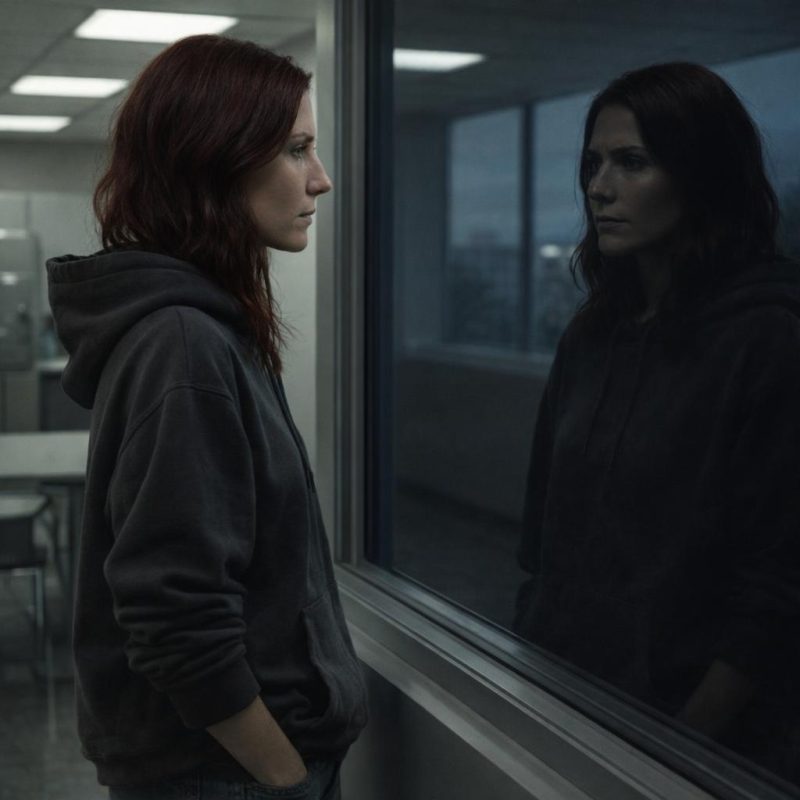 Image by RM AI
Professional Pity
Janet asked me to stay after the Thursday afternoon team meeting. She closed the conference room door with the careful, deliberate click of someone who has done this before and doesn't enjoy it. She sat across from me and folded her hands on the table and said she wanted to check in, that she'd noticed I seemed off lately, that my last two deliverables had needed corrections. Her voice was gentle in a way that made it worse somehow. I felt my face go hot. She mentioned that I looked tired, and the word 'tired' landed like a small, precise humiliation. She said if I needed personal time, or if there was something going on at home, the company had resources. I thought about trying to explain — the 3 AM screaming, the empty yard, the notepad of times I'd been keeping like some kind of insomniac detective. Instead I heard myself say it was just insomnia, nothing serious, that I'd been adjusting to the new house and the stress of the move. Janet nodded with an expression I recognized immediately: pity, carefully managed. She said she was glad I told her, that she hoped things settled down soon. I promised to do better. I walked out of that conference room with a prescription-strength smile on my face, and the word 'insomnia' sat in my mouth like something burnt.
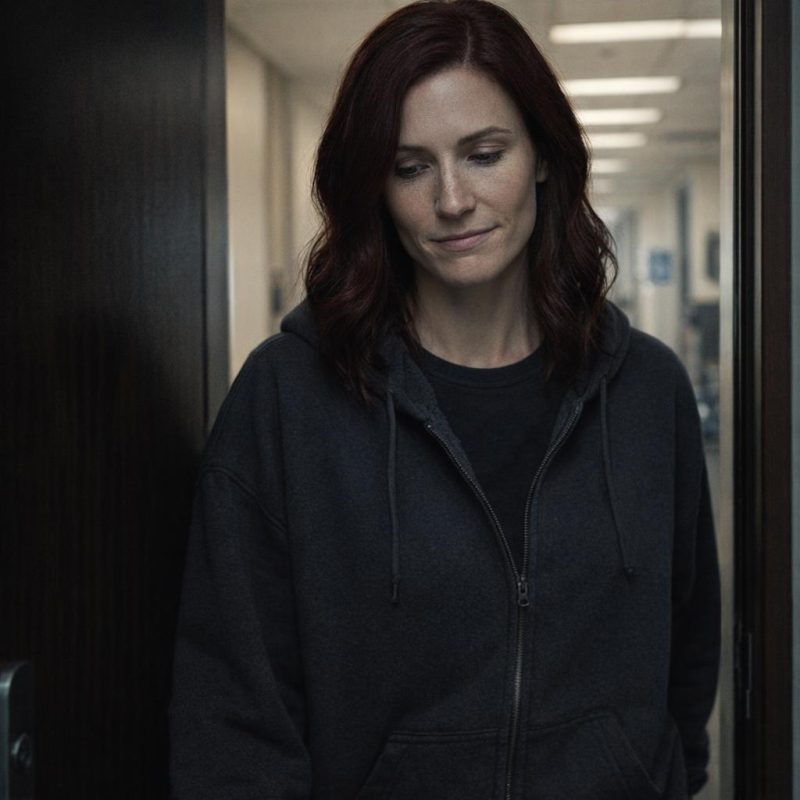 Image by RM AI
The Vet Visit
I made the vet appointment because I needed someone — anyone — to confirm that what was happening to Max was real and measurable and not something I was projecting onto him out of my own fraying nerves. The vet was thorough. She checked his ears, his eyes, his joints, his reflexes. She drew blood. She pressed along his abdomen and watched him walk and asked me detailed questions about his diet and routine. Max sat on the exam table looking perfectly calm and cooperative, which felt like a personal betrayal. Everything came back normal. Heart rate, blood pressure, bloodwork — all of it textbook healthy for a four-year-old golden retriever. I tried to describe the intensity of what happened at night — the full-body trembling, the sound he made, the way he fixated on that one spot in the yard for over an hour — and I could see the vet's expression doing the thing people's expressions do when they're being polite about not believing you. She said some dogs were sensitive to wildlife activity, that their hearing picked up things humans couldn't detect. She said if it continued, we could discuss a short course of anxiety medication. I thanked her and clipped Max's leash back on and walked out into the parking lot feeling more alone than when I'd walked in. Then, halfway to my car, her voice carried through the open clinic door: it was probably just a stray cat setting him off.
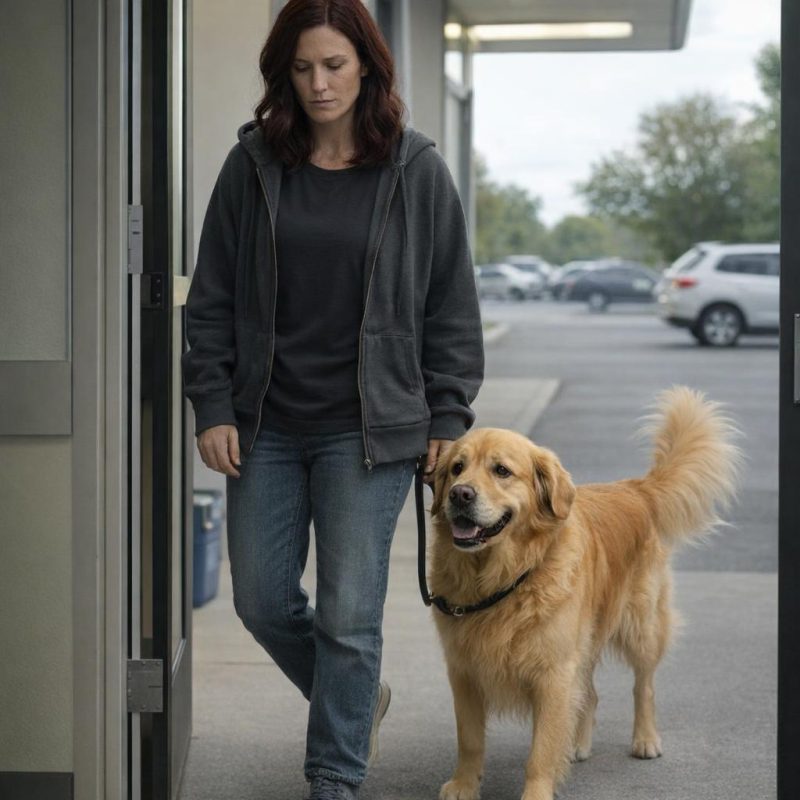 Image by RM AI
Residual Anxiety
I called Dr. Chen's office on a Friday morning and told them it was urgent, which got me an appointment that same afternoon. I sat in the exam room in my coat because I hadn't bothered to take it off, and I told him everything — the sleep deprivation, the anxiety that had started pooling in my chest at around 2:30 every night, the way my hands shook some mornings, the errors at work. He listened with his reading glasses pushed up on his forehead and his eyes on my chart more than on me. When I finished, he set the chart down and said that what I was describing was consistent with residual anxiety following significant life disruption. He said the divorce, the move, living alone for the first time in years — these were major stressors. He said the body kept score. I told him this felt different from regular stress, more concrete, like something was actually happening. He nodded in the way that meant he'd heard me but wasn't changing his assessment. He wrote two prescriptions — a sleep aid and a low-dose anti-anxiety medication — and recommended I look into a therapist, maybe some mindfulness work. I took the paper slips and folded them into my coat pocket. I walked out into the gray afternoon with two prescriptions for problems I didn't think I had, and the feeling of being completely unseen settled over me like weather.
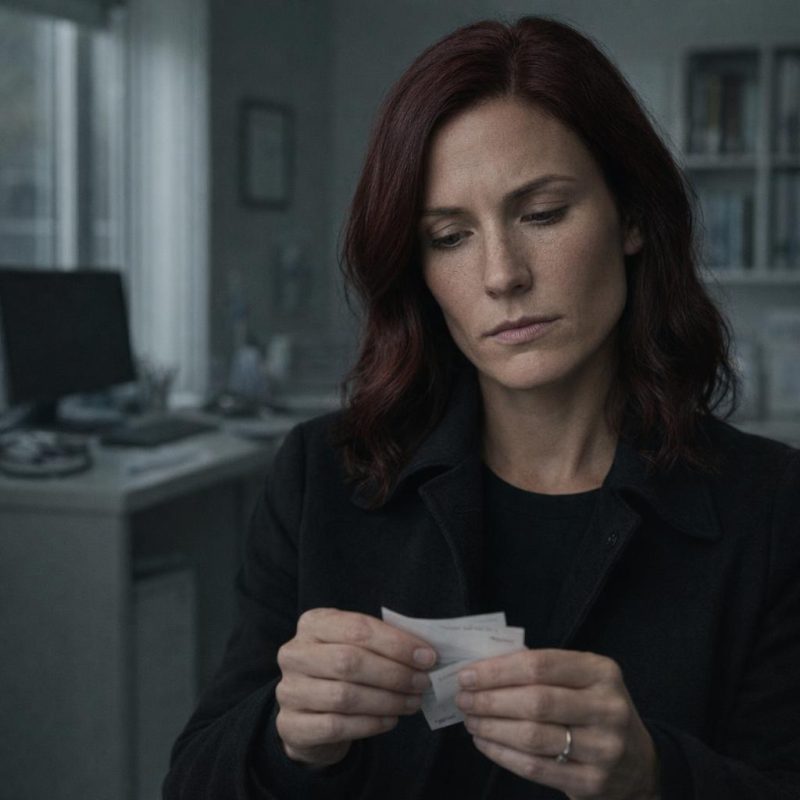 Image by RM AI
The Decision
I drove home from Dr. Chen's office and sat in the driveway for a long time, the prescriptions still folded in my coat pocket. I didn't go inside right away. I just sat there watching the light fade and thinking about how many more nights I could do this — the lying awake, the listening, the slow erosion of myself. The answer I kept landing on was: not many more. Something had to change, and since nobody else was going to change it, I was going to have to. I went inside and made a pot of coffee, the strong kind I usually saved for deadlines. I found a flashlight in the junk drawer and put fresh batteries in it. I got a spiral notebook from my desk and wrote the date at the top of the first page, then the times Max had woken me, then everything I could remember about each incident — which direction he faced, what sounds I'd heard, how long it lasted. I pulled a chair to where I could see both the back door and Max at the same time. He settled near my feet, watching me with those warm brown eyes, and I scratched behind his ears and told him we were going to figure this out together. The notebook sat open on my knee, pen uncapped, and something that had been wound tight in my chest for days quietly shifted into something steadier.
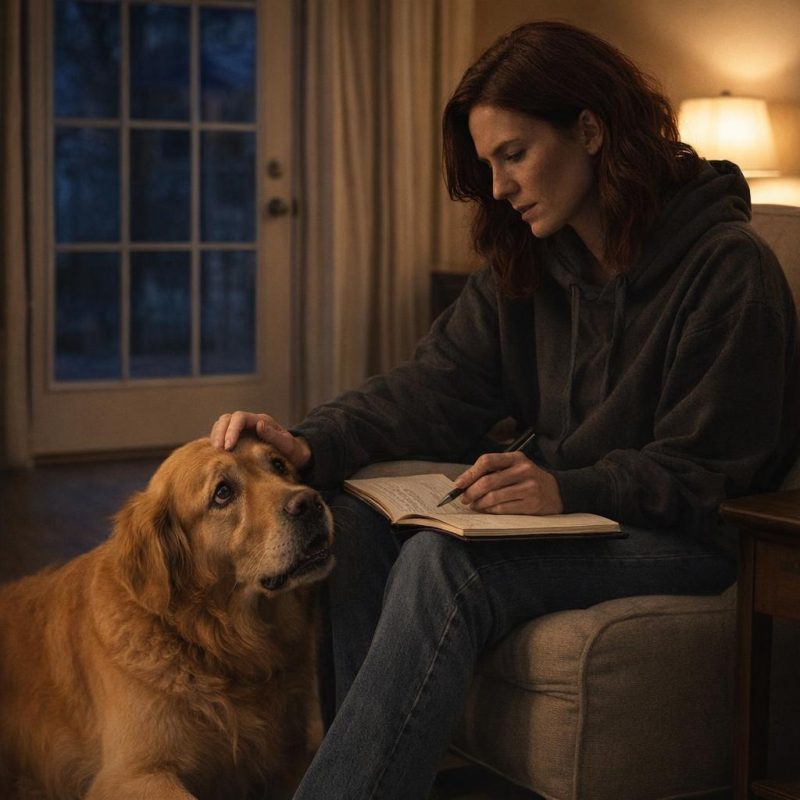 Image by RM AI
The Vigil
I turned off every light in the house at 11 PM. Not because I thought darkness would help me see better outside, but because I wanted to feel what the house felt like in the dark — whether it changed, whether something in it changed. The coffee had gone bitter and lukewarm by midnight and I drank it anyway. Max paced the kitchen floor in slow circuits, his nails clicking a rhythm against the tile that I started counting just to keep my mind from spiraling. One-two-three-four, turn. One-two-three-four, turn. I watched the clock on the microwave. 1:47. 2:15. 2:52. The yard outside the window was still and dark, the fence posts just visible in the ambient glow from the street. I had the flashlight in my right hand and the notebook in my left, and I felt almost ready for whatever was out there. Almost. At 3:03 AM, Max stopped pacing. He stopped in the middle of the kitchen floor, completely still, and I leaned forward in my chair, eyes going to the window — but Max wasn't looking at the window. His head had turned toward the hallway.
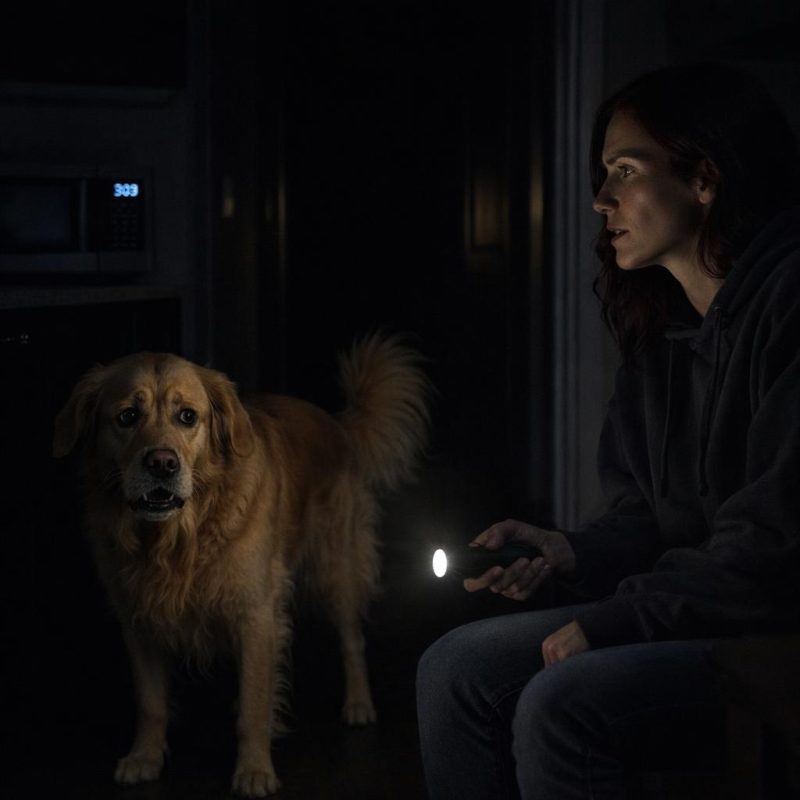 Image by RM AI
The Wrong Direction
I followed his gaze and my stomach dropped. The hallway. The basement door. That's what he was staring at — not the yard, not the fence, not whatever I'd spent a week convincing myself was lurking outside. The basement door at the end of the hall, the one I'd opened exactly once since moving in to check the water heater and then promptly ignored. Max let out a sound I hadn't heard from him before, low and guttural, coming from somewhere deep in his chest, and he took two slow steps backward, ears flat against his skull. I stood up from the chair. My legs felt wrong, like the signals from my brain were arriving late. I'd been watching the wrong direction this whole time. Whatever had been waking us both up at 3 AM, Max had known where it was coming from, and I had been standing at windows staring into an empty yard. I made myself walk toward the hallway. Each step felt deliberate in a way that normal steps don't. When I got close enough, I stopped. The air near the basement door was noticeably colder than the rest of the house, a cold that seemed to come from the walls themselves.
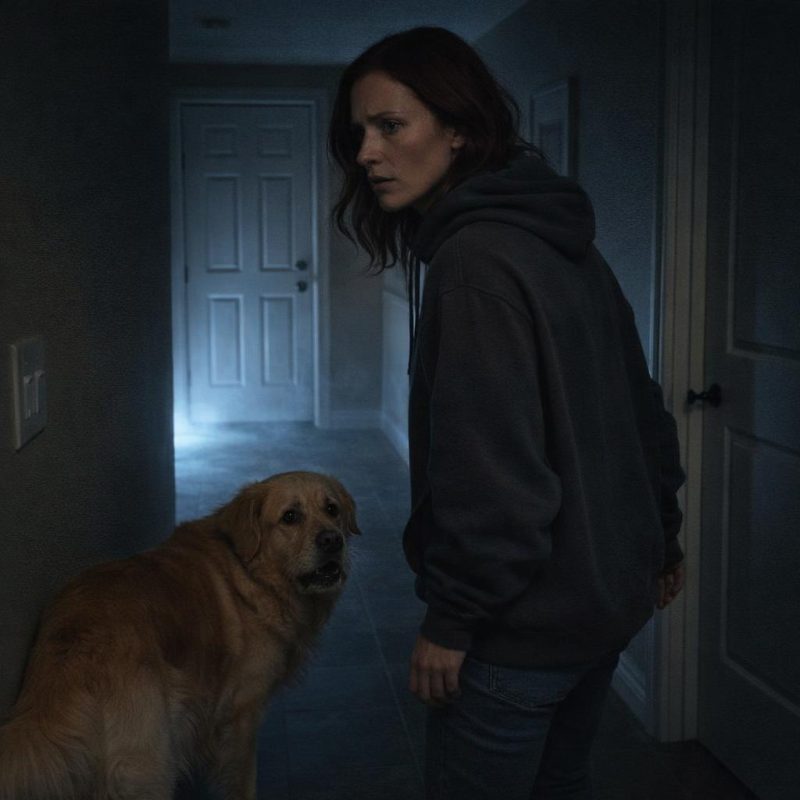 Image by RM AI
The Call to David
I called David at 3:30 in the morning because I didn't know who else to call. He picked up on the fourth ring, voice thick with sleep and already edged with irritation. I told him about Max, about the basement door, about the cold, about the week of 3 AM wake-ups. I talked fast because I could feel him pulling away even through the silence. When I finished, he was quiet for a moment and then he said, 'Emma, it's three-thirty in the morning.' I said I knew what time it was. He said the dog was probably reacting to a mouse or a pipe or something, that old houses made sounds, that basements were cold. I said this felt different. He sighed — that specific sigh I'd heard a thousand times, the one that meant he'd already decided I was being unreasonable. He said the divorce had been hard on both of us, that adjusting to living alone took time, that maybe I should talk to someone. I told him I was talking to someone, I was talking to him. Another silence. Then he said, quietly and carefully, that he was worried I wasn't coping as well as I thought I was, that maybe what I was experiencing was less about the house and more about everything else — and the word he used, the one that landed like a stone, was 'breakdown.'
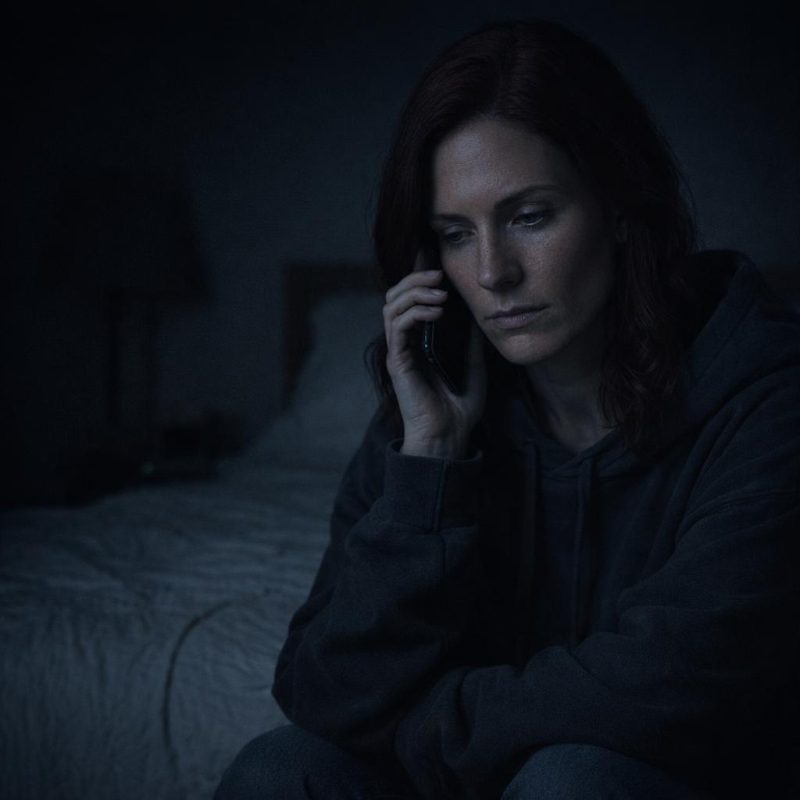 Image by RM AI
First Descent
I waited until 9 AM, when the sun was fully up and the house felt as ordinary as it was ever going to feel, and then I opened the basement door. Max sat at the top of the stairs and would not come down. I tried coaxing him, patting my leg, using the voice I used for treats, but he planted himself on the top step and stared at me with an expression I can only describe as a refusal. So I went alone. The stairs creaked under my weight in a way that seemed louder than it should have been. I swept the flashlight across the space at the bottom — concrete floor, exposed joists overhead, the water heater in the corner, the furnace, a stack of cardboard boxes the previous owners had left behind. Nothing obviously wrong. Nothing out of place. I walked the perimeter slowly, checking the small windows near the ceiling for cracks or gaps, running my hand along the foundation walls. Everything was intact. But the cold was real and it was significant — not the ordinary cool of a basement in autumn, but something sharper, something that didn't make sense given that the furnace was running. I stood in the middle of the floor and turned in a slow circle, the flashlight beam moving across perfectly ordinary walls, and sat with the cold that seemed to come from the walls themselves.
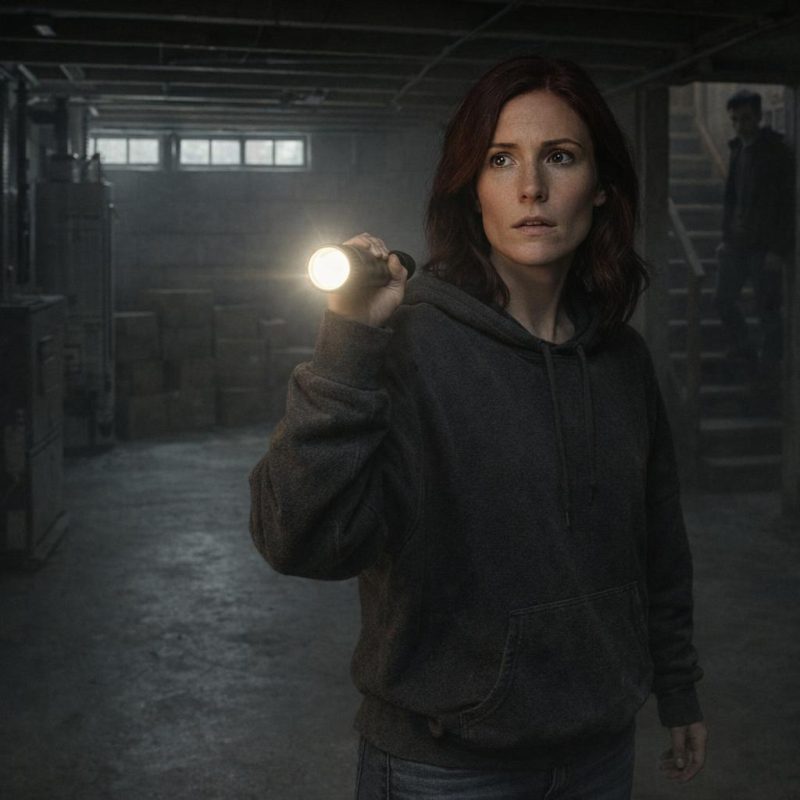 Image by RM AI
Documentation
I came back the next morning with a measuring tape, my phone, and the notebook. If the data wasn't going to show me anything obvious, I was going to make more data. I photographed every wall in a systematic grid, starting from the northeast corner and working clockwise. I measured the length and width of the room, then measured each wall individually and wrote the numbers down. I measured the ceiling height at four points. I cataloged every item in the storage area — seven cardboard boxes, a broken floor lamp, a rolled-up section of carpet, a metal shelving unit with paint cans on it — and photographed each one with a reference object for scale. I checked the foundation walls for cracks, for gaps, for any place where outside air might be getting in. I found a hairline crack near the base of the south wall, photographed it, noted its length. Structurally unremarkable, probably years old. I created a floor plan in the notebook with precise measurements labeled on every side. It was the most thorough thing I'd done in weeks, and it gave me something to hold onto — the clean logic of numbers, the comfort of documentation. But when I stood back and looked at the finished floor plan, the measurements all adding up, everything accounted for, I couldn't shake the feeling that I was staring directly at something I wasn't seeing.
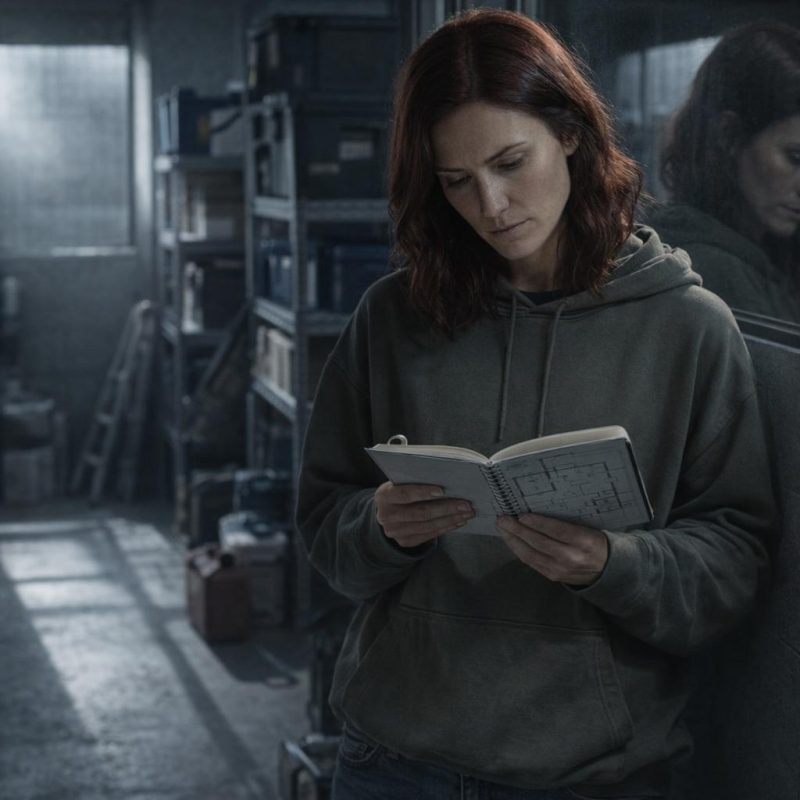 Image by RM AI
The Police Visit
I called the non-emergency line on a Tuesday afternoon, which felt like the responsible, rational thing to do. A patrol officer arrived within the hour — young, clean-cut, the kind of efficient that reads as impatient. I showed him the basement. I explained Max's behavior, the cold, the 3 AM pattern. I showed him my notebook with the documented times and my photographs of the walls. He walked the perimeter of the basement with a flashlight, checked the windows, knocked on the foundation wall in a couple of places, and came back up the stairs looking like a man who had already written his report in his head. He said he found no signs of forced entry. He said the cold could be a ventilation issue. He said dogs sometimes fixated on things — smells, sounds from pipes — and that it didn't necessarily mean anything. I said I understood all of that, but that something felt wrong, and I wanted it on record. He looked at me with a patience that wasn't really patience and said I should call back if I observed actual evidence of a crime. He handed me a card with a case number on it, which I understood was mostly a formality. I thanked him because I didn't know what else to do. Then his patrol car pulled away from the curb and disappeared down the street.
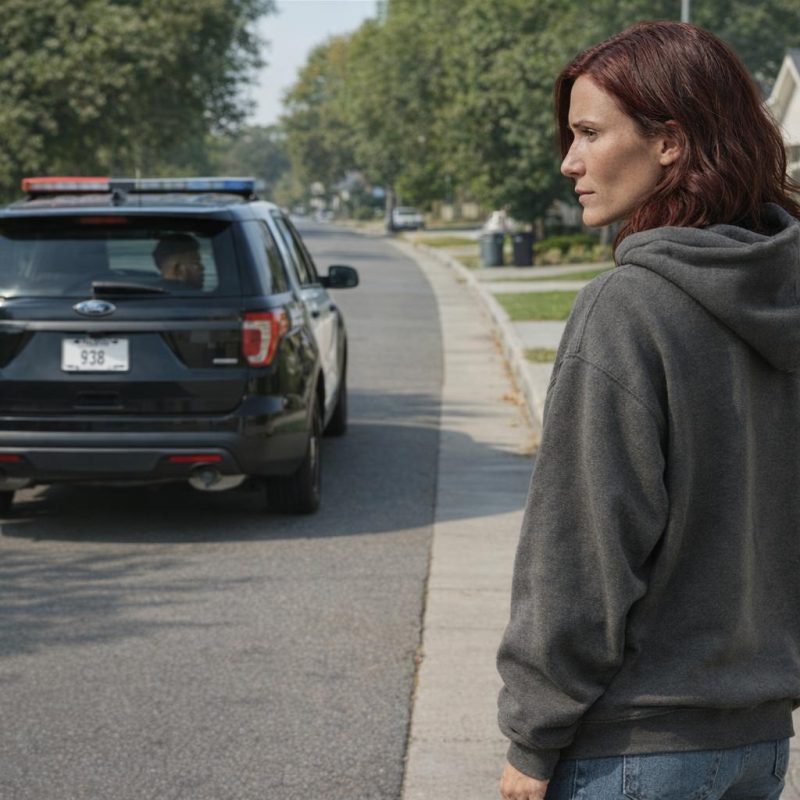 Image by RM AI
Things Moved
Two days after the officer's visit, I went back to the basement with my phone and pulled up the photographs I'd taken. I wanted to compare them to the current layout — not because I expected anything to be different, but because I needed to feel like I was doing something. I started with the storage area in the northeast corner. I looked at the photograph, then at the actual boxes, then back at the photograph. I set the phone down and picked it up again. One of the cardboard boxes — the larger one with 'MISC' written on the side in black marker — was sitting slightly away from the wall. In my photograph, it was flush against the concrete. I stood there for a long time trying to remember if I'd moved it during my documentation sweep, if I'd shifted it to check behind it and then set it back wrong. I couldn't remember doing that. I checked two other items against their photographs and found what might have been small discrepancies, or might have been the angle of the shot, or might have been my own exhausted brain manufacturing patterns in noise. I took new photographs of everything, matching my original positions as closely as I could. Then I looked one more time at the box marked 'MISC': it sat three inches from the wall where my photograph showed it flush against it.
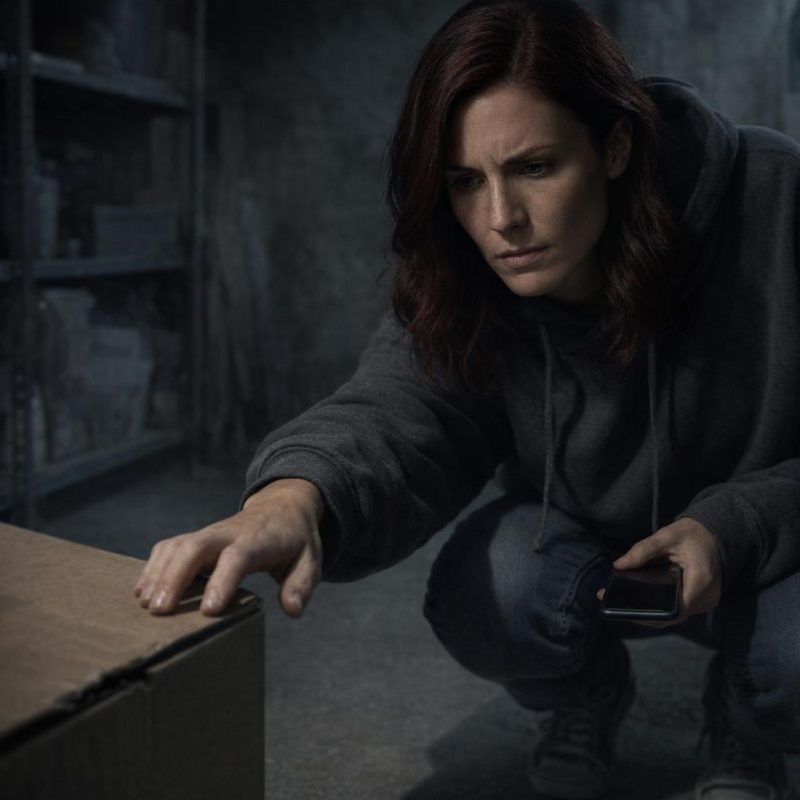 Image by RM AI
Work Decline
I missed the Hendricks deadline on a Tuesday, which was the kind of thing that had never happened to me before the divorce, before the house, before all of it. Janet called me into her office that afternoon and closed the door, which she only did when something was serious. I sat across from her and tried to look like a person who had things under control. I don't think it worked. She asked how I was doing — not the hallway version of that question, the real one — and I gave her the standard answer about stress and adjusting, and she listened with her hands folded on the desk and her expression very still. She said the team had noticed. She said the errors were adding up. She mentioned the company's employee assistance program, said it covered mental health support, said there was no shame in using it. Then she said maybe I should think about taking some time off, medical leave if I needed it, that my job would be there when I came back. I told her I'd think about it. I meant it, mostly. But when I looked up at her face, the careful professional concern I'd seen there a moment before had shifted into something I couldn't quite name — something closer to worry than sympathy, like she was looking at someone she wasn't sure she recognized anymore.
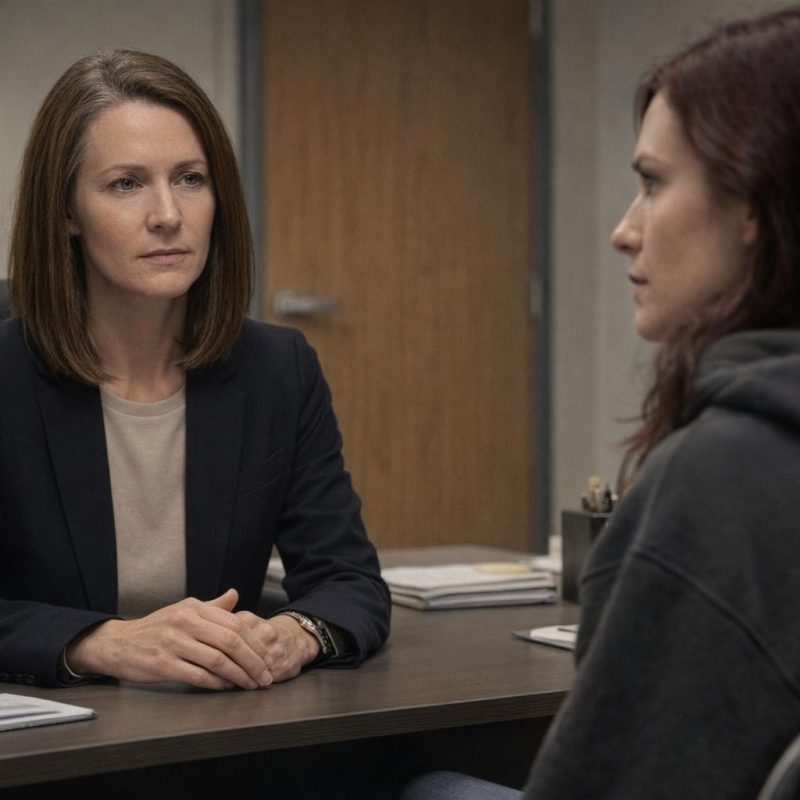 Image by RM AI
Research
I spent most of that Saturday at my kitchen table with my laptop open and a cold cup of coffee going warm again beside me. I started with the county property records — ownership history, sale dates, assessed values. My address came up clean. The house had changed hands three times in the last twenty years, nothing unusual about the intervals, nothing flagged. I searched the previous owners' names and got nothing interesting: a retired couple who'd moved to Florida, a family who'd upgraded to a bigger place in the next town over. I tried the local news archive next, searching my street name alongside words like incident and police and disturbance. I got a fender-bender from 2019 and a lost dog notice from 2016. I checked building permits, looking for any major structural work, any additions or modifications that might explain something — anything. The permits were routine. A deck replacement. A water heater. I tried variations of the search for another hour, then another, widening the radius, changing the terms, looking for some thread I could pull. Max had fallen asleep under the table with his chin on my foot, and the afternoon light had gone gray and thin by the time I finally closed the laptop. There was nothing there. Just a house with an ordinary past, and me sitting in it, no closer to understanding why I couldn't sleep.
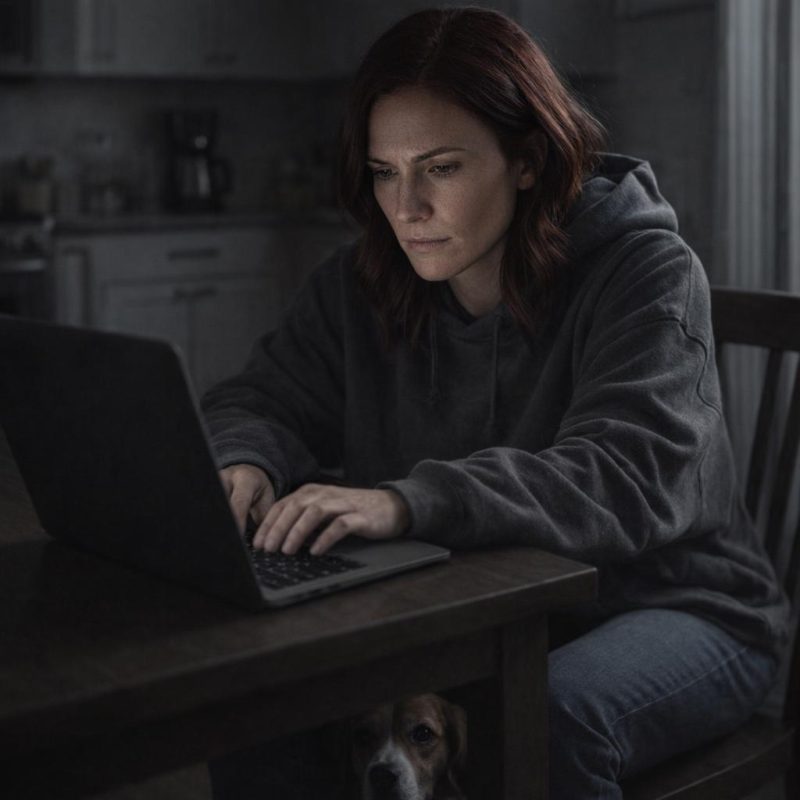 Image by RM AI
The Markers
I decided I needed to know for certain, one way or the other. If things were moving in the basement, I was going to prove it — to myself if no one else. I went down that Sunday afternoon while it was still light, Max hovering at the top of the stairs with his ears flat and his tail low, refusing to follow. I placed objects at specific points around the room: a cardboard box against the far wall, a folding chair near the utility shelf, a stack of old magazines beside the water heater. I tore strips of blue painter's tape and marked the exact position of each item on the concrete floor, tracing the edges carefully. Then I photographed everything — multiple angles, close-ups of the tape lines, wide shots showing the whole room. I noted the time in a separate document on my phone: 2:47 PM, Sunday. Near the base of the basement door, I spread a thin, even layer of flour across the threshold, smoothing it flat with a piece of cardboard until it was undisturbed and uniform. I took one final photograph of that too. Max whined once from the top of the stairs as I came back up, and I pulled the door shut behind me. The flour lay still and white in the dark below, and the tape held each object exactly where I'd left it.
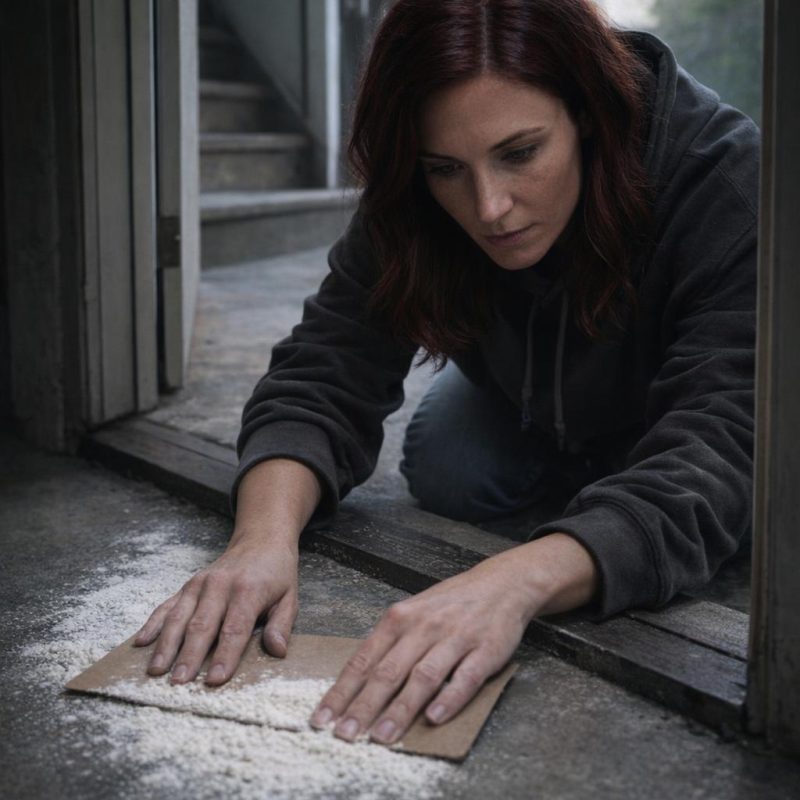 Image by RM AI
Confirmation
I woke at 3 AM to Max pacing the hallway outside my bedroom door, his nails clicking against the hardwood in that tight, anxious pattern I'd come to dread. I lay still for a few minutes, heart already going fast, then got up. I checked the basement door first — it was closed, same as I'd left it. I stood there for a moment with my hand on the knob, then opened it and turned on the light. Max stopped at the top of the stairs and wouldn't come down. I went alone. The folding chair had moved — not far, maybe eight inches, but the tape outline was clearly visible on the floor beside it, empty. The cardboard box had shifted too, one corner pulled away from its marked position. My hands were already shaking when I pulled out my phone and opened the photos from Sunday afternoon. I held the screen up and compared them to what I was seeing. The displacement was real. It was documented. It wasn't in my head. I stood there for a long moment, trying to breathe evenly, and then I looked toward the basement door — the one that opened to the side yard — and I saw the flour. The smooth, flat layer I'd spread across the threshold was broken by a trail of footprints, adult-sized, leading from the door into the basement.
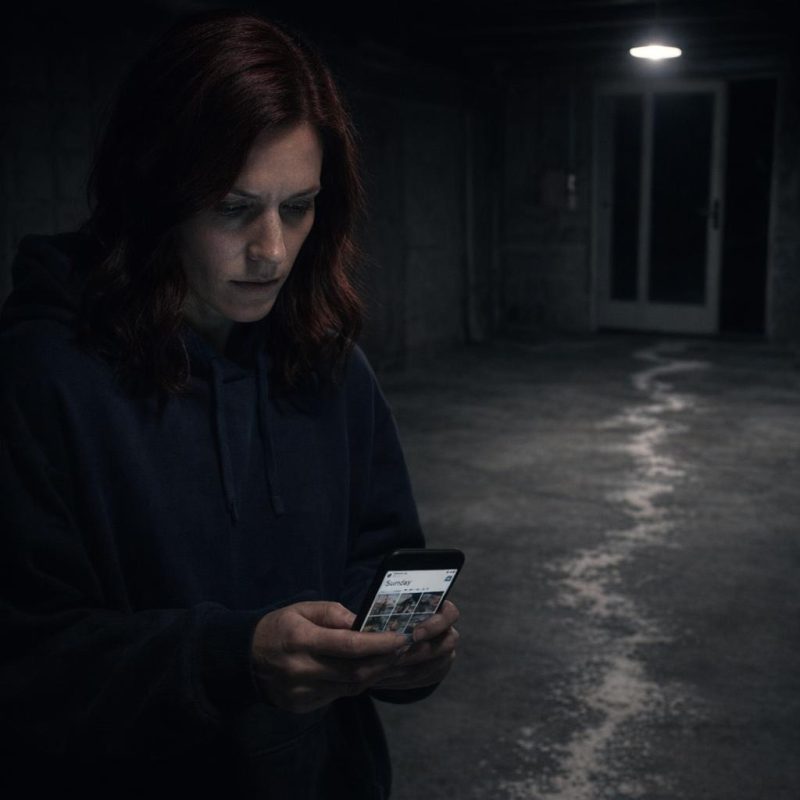 Image by RM AI
The Friend Who Doesn't Believe
Sarah came over the next morning, which was the fastest she'd ever responded to one of my calls. I had everything laid out on the kitchen table — my phone with the before-and-after photos side by side, a printout of the timestamps, a description of the flour and what I'd found in it. She looked at all of it carefully, which I appreciated. She picked up my phone and zoomed in on the footprint photos, tilting the screen, frowning a little. I watched her face and waited. Then she set the phone down and said, gently, that the prints could be mine — from when I'd set everything up, maybe from an angle I hadn't photographed. I told her I'd spread the flour after I came back up the stairs, that the prints led inward from the door, not toward it. She nodded slowly. She said she believed that I was scared, that she could see I wasn't sleeping, that something was clearly going on with me. That phrasing — something going on with me — landed like a small stone dropped into still water. She said she thought I should talk to someone, a professional, not because she thought I was making things up but because I'd been through so much this year. She left an hour later with her hand briefly on my arm and worry written all over her face. I stood at the window after her car pulled away, and the silence in the house felt different now — heavier, somehow, for having been witnessed and still not believed.
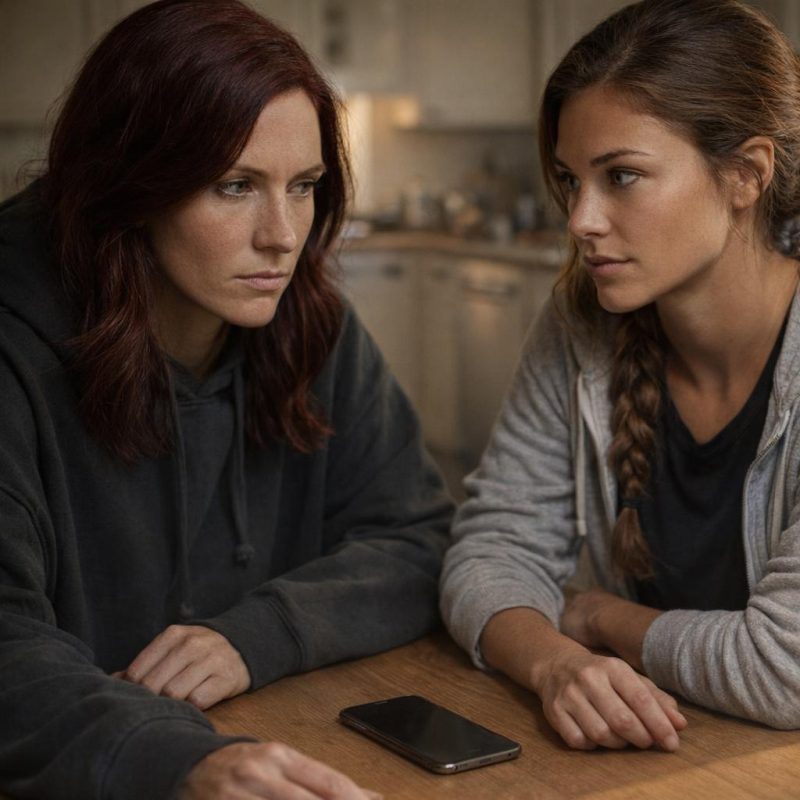 Image by RM AI
The Camera Order
I ordered the cameras that same afternoon, before I could talk myself out of it or start wondering again whether Sarah was right. I spent two hours reading reviews on three different sites, comparing night vision range and motion sensitivity and cloud storage options, cross-referencing specs in a way that probably looked unhinged from the outside but felt like the only productive thing I could do. I settled on a four-camera system with 1080p night vision, two-way audio, and a thirty-day cloud backup. I paid extra for two-day shipping without hesitating. While I waited for the confirmation email, I sketched a rough diagram of the basement on a notepad — the door positions, the utility shelf, the water heater, the staircase — and marked where each camera would go to eliminate blind spots. I wanted overlapping coverage. I wanted every inch of that room on record. The confirmation came through at 4:17 PM and I checked the tracking link almost immediately, then again an hour later. Max was asleep on the couch with his head on my leg, warm and heavy, and I sat there in the quiet with my notepad and my diagram and the small, fragile feeling that maybe this time I'd have something no one could argue with.
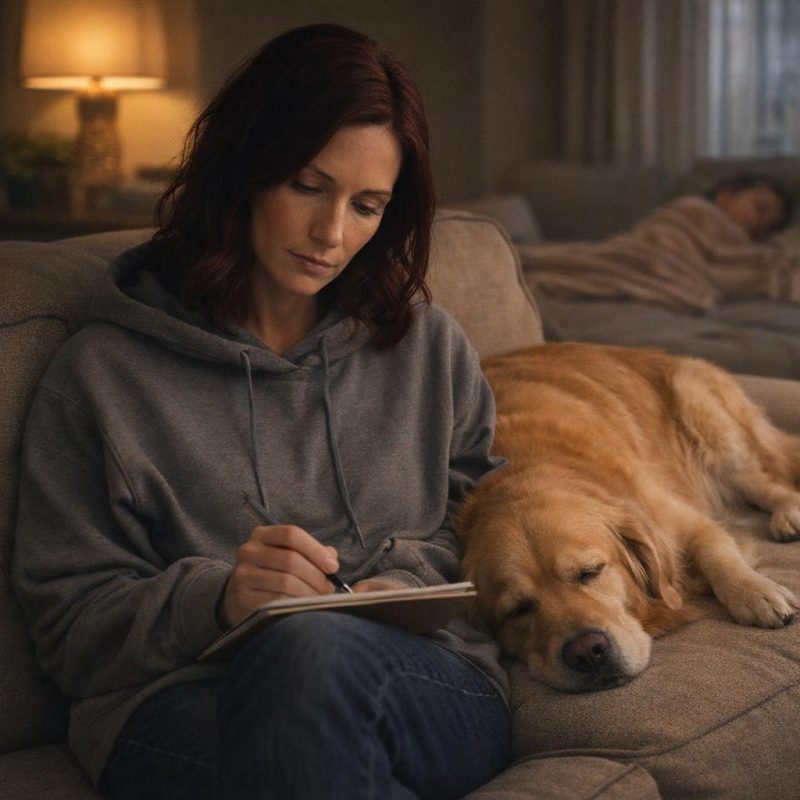 Image by RM AI
Installation
The cameras arrived Thursday afternoon and I had them out of the box before the delivery driver had made it back to his truck. I mounted the first one above the staircase landing, angled to cover the main floor of the basement, and worked my way around the room from there — one in the far corner above the utility shelf, one aimed directly at the exterior basement door, one covering the water heater and the wall beside it. Max sat at the top of the stairs the whole time, watching me work, occasionally letting out a low sound that wasn't quite a whine. I tested the night vision in the dark stairwell and it was good — sharp, green-tinted, clear. I set up the monitoring app on both my phone and my laptop, checked that the motion alerts were active, and ran through the footage from the test recordings twice to make sure there were no gaps in coverage. There weren't. By eight o'clock I had four live feeds running in a grid on my laptop screen, the basement sitting empty and still in night-vision green. I made tea I didn't drink and sat on the couch with Max pressed against my side and the laptop open on the cushion beside me. The house was quiet. The feeds were steady. Outside, the neighborhood had gone dark and still, and the clock on the microwave read 11:48 PM as I watched the four small rectangles of green light and waited for 3 AM to come.
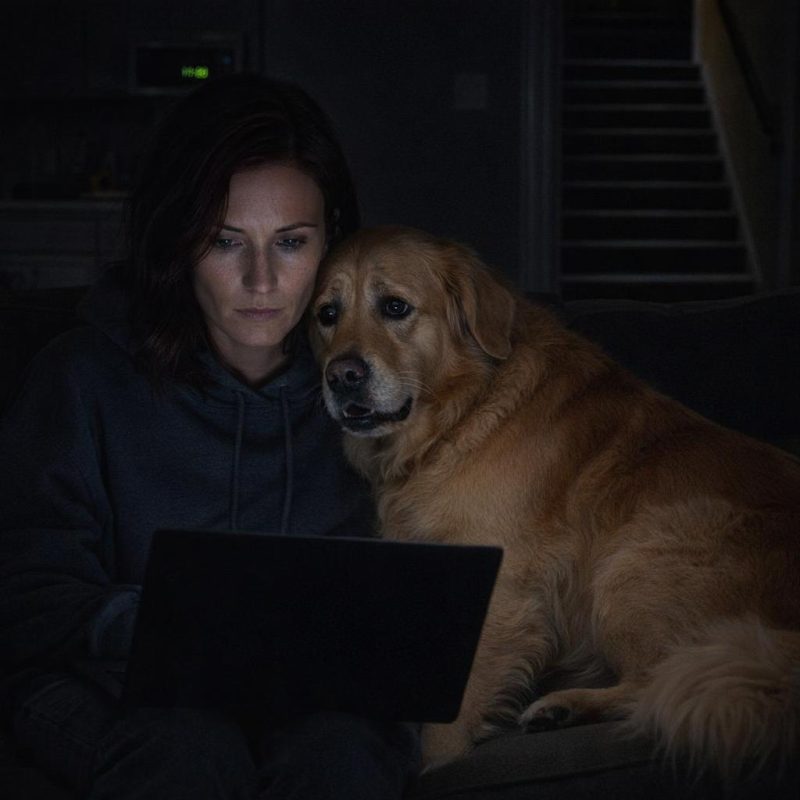 Image by RM AI
Tom's Second Visit
Tom knocked at ten the next morning, which caught me off guard — I'd barely slept and was still in yesterday's clothes when I answered the door. He was holding a small paper bag, said he'd picked up muffins from the bakery on Elm and thought I might want some. He asked how I was doing, whether the sleep had gotten any better, and I said I was working on it. I mentioned, without thinking too much about it, that I'd put up some security cameras. His expression stayed friendly, but he asked what kind, and then where I'd put them, and then whether they covered the whole basement or just part of it. The questions came one after another in a conversational tone, and each one felt reasonable on its own. It was only when I stepped back mentally and looked at the sequence that something felt slightly off — too specific, too interested in the details of what I'd covered and what I hadn't. I said something vague about the system being pretty comprehensive and changed the subject. He offered to help if I needed anything else installed, said he'd done some home security work years back. I thanked him and said I was fine. He smiled and said to let him know. As I closed the door behind him, I caught the last thing I'd seen before it shut: his gaze had moved past me down the hallway, resting on the basement door.
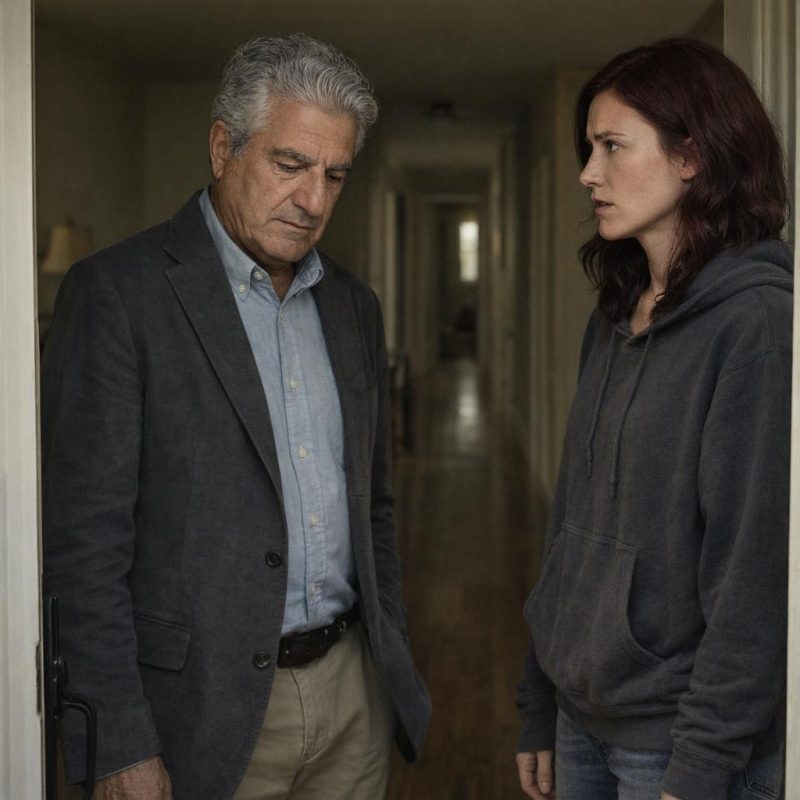 Image by RM AI
Nothing on Camera
I was up before dawn, laptop open on the kitchen table, coffee going cold beside me while I scrubbed through every second of footage from the night before. Max had woken me at 3:04 AM — the same window, almost to the minute — barking at the basement door with a kind of desperation that made my chest tight just remembering it. But the cameras showed nothing. I watched the basement feed three times at full speed, then again frame by frame. The storage area was still. The northeast corner was still. The shadows didn't move. I checked the camera angles, wondering if there was a blind spot I'd missed, some gap in coverage where something could slip through undetected. I repositioned the timestamp overlay to make sure the feeds were synced. They were. I checked for compression artifacts, for dropped frames, for anything that might explain a gap in the recording. There was nothing. The footage was clean and completely empty. I switched to the upstairs hallway camera and there was Max, rigid at the top of the basement stairs, ears flat, hackles raised — and then I scrubbed back to the basement feed and found the angle that caught the east wall, where Max was pressed against the far corner, staring at a section of wall where there was absolutely nothing at all.
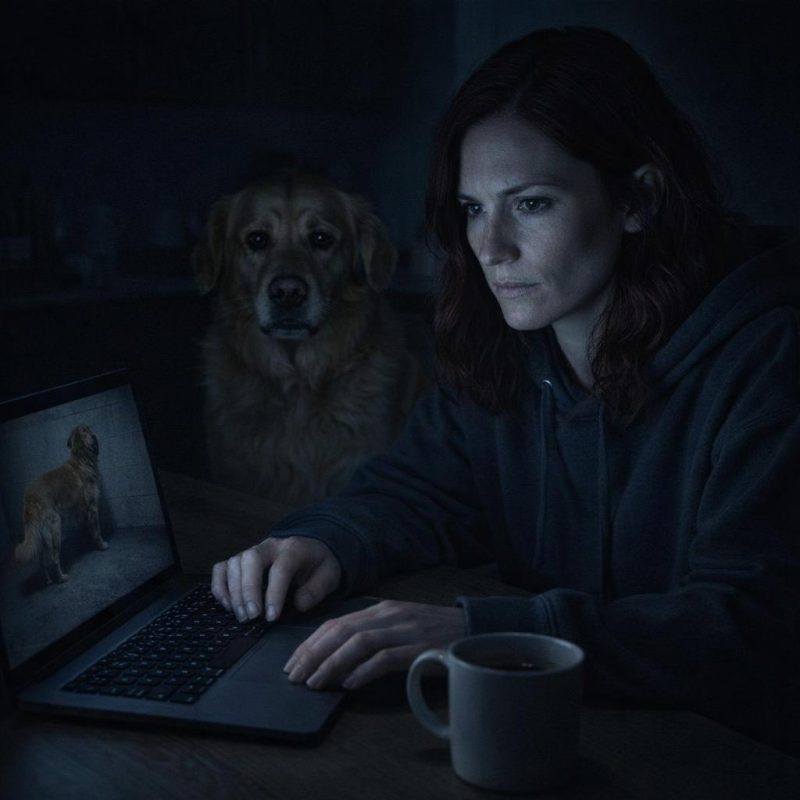 Image by RM AI
The Intensity Increases
By the end of that week, Max had stopped finishing his meals. He'd walk to his bowl, sniff it, and then drift back toward the basement door like something was pulling him there. I started weighing his food portions just to track it — the data analyst in me couldn't help it — and the numbers were bad. He was eating maybe sixty percent of what he should. His ribs were starting to show under his golden coat, and every time I ran my hand along his side I felt a sick lurch of guilt, like I was failing him somehow. The cameras kept showing nothing. I'd review the footage every morning with the same methodical focus I used to bring to quarterly reports, and every morning I got the same result: empty rooms, still shadows, no movement. But Max knew something. I was more certain of that than I was of almost anything else at that point. Whatever the cameras couldn't see, whatever my own eyes couldn't find, Max was tracking it with every sense he had. I started spending less time watching the feeds and more time watching him — the way his ears would swivel toward the east wall of the basement even from two floors up, the way he'd go rigid in the middle of the night for no reason I could identify. His terror was real. I just couldn't find what was causing it, and that gap between what he felt and what I could prove sat heavy on me in a way I couldn't shake.
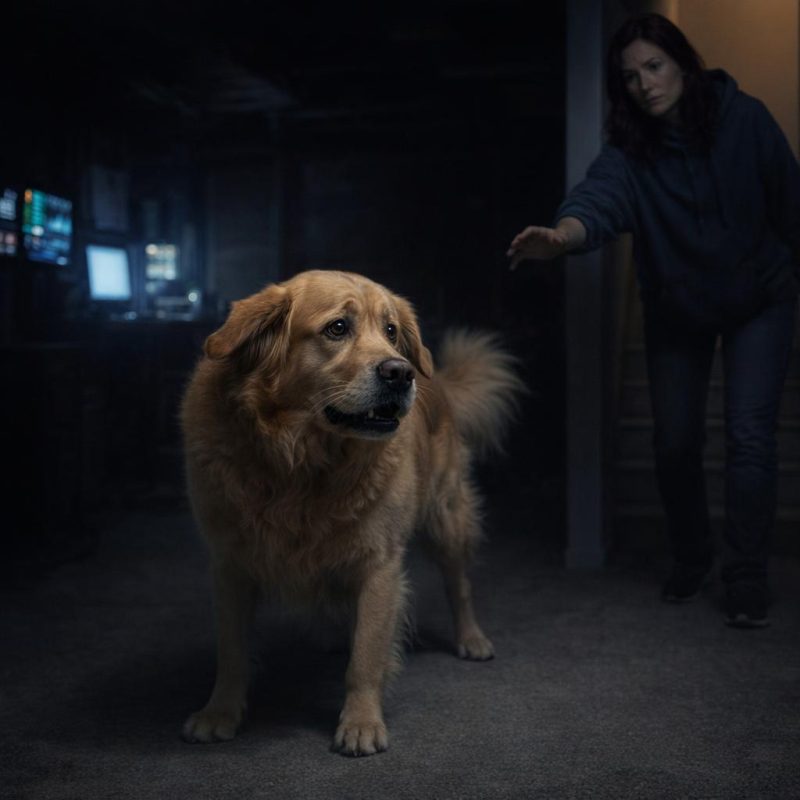 Image by RM AI
The Watched Feeling
It started small — a prickling at the back of my neck when I stood at the kitchen sink, a feeling that the window behind me wasn't just a window. I'd turn around and there'd be nothing, just the backyard, the fence, the ordinary afternoon light. But the feeling didn't go away. I started checking the windows compulsively, moving from room to room, scanning the yard and the street and the narrow gap between my house and Tom's. I went through every smoke detector, every mirror, every vent cover I could reach, running my fingers along the edges looking for something that didn't belong. I found nothing. I knew I was probably scaring myself, that sleep deprivation does things to perception, that my brain was pattern-matching on empty data. I'd read enough about anxiety to know the clinical explanation. But knowing the explanation didn't make the feeling stop. I started changing clothes in the bathroom with the door locked and the light on. I started angling my laptop screen away from the windows. I stopped sitting with my back to open doorways. The sensation was worst near the basement — that specific, crawling awareness of being observed that I couldn't locate or explain or argue myself out of. It had settled into something chronic, something I carried room to room, a low-grade static that never quite went quiet.
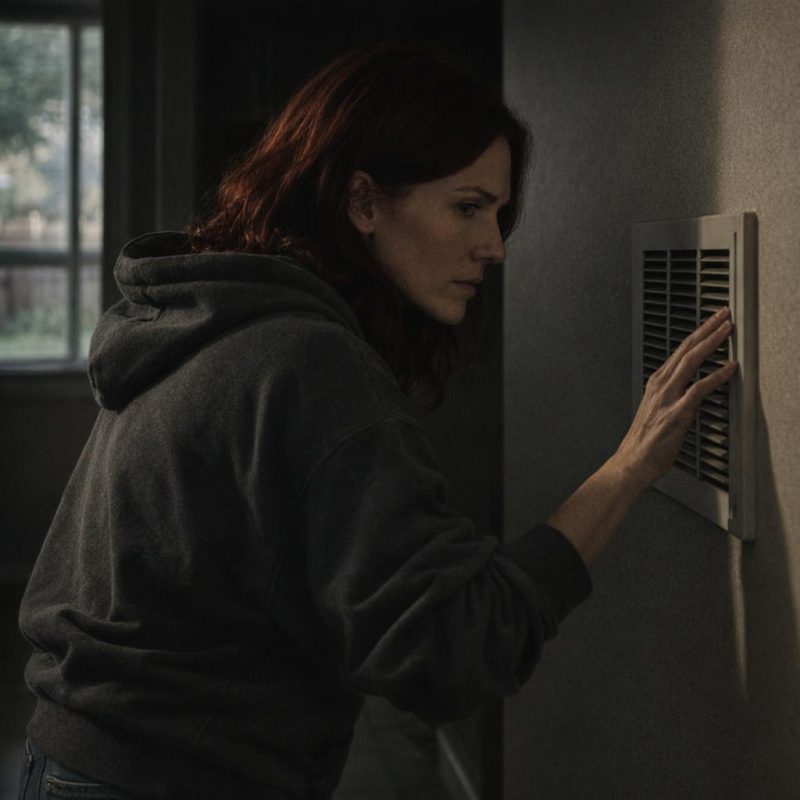 Image by RM AI
The Declined Offer
Tom showed up on a Saturday morning with a small canvas tool bag hanging from one hand and that easy, neighborly smile he always had ready. He said he'd noticed my lights on at odd hours and wanted to check my door locks and window latches — just to make sure everything was solid, he said, no trouble at all. I thanked him and told him I'd already taken care of it. He tilted his head slightly and said he didn't mind, that older houses had quirks, that sometimes the hardware needed adjusting by someone who knew what to look for. I said I appreciated it but I was fine. There was a beat of silence. He shifted the tool bag from one hand to the other. I kept my hand on the door frame and my voice even and said no thank you, I had it handled. He nodded, said of course, said to let him know if I changed my mind. There was something in that pause — a fraction of a second — and his expression shifted in a way I couldn't quite name before it smoothed over again into a smile. I closed the door and stood in the hallway, that unreadable flicker still sitting in my chest.
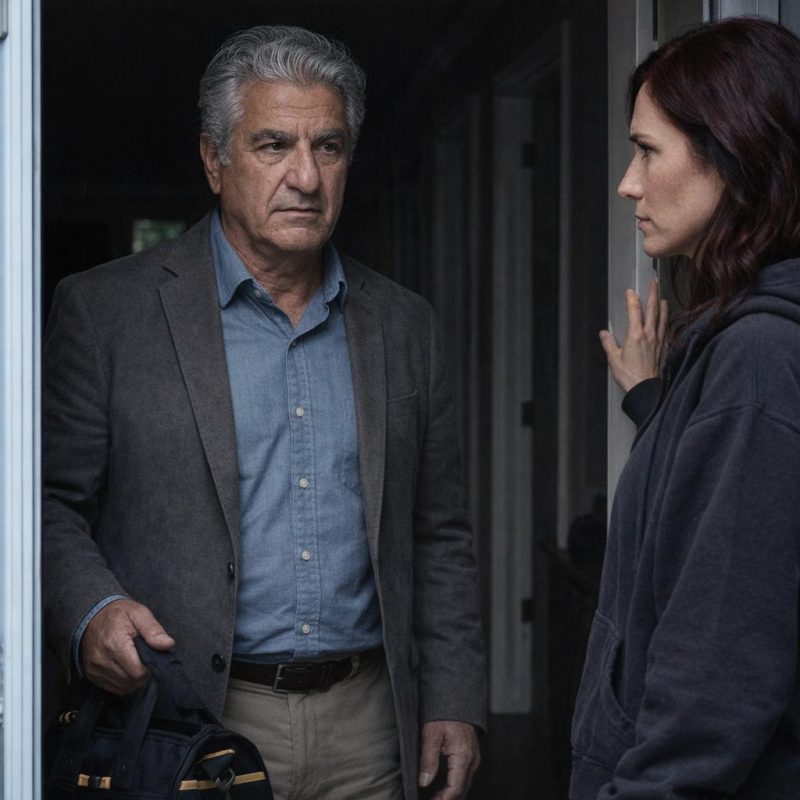 Image by RM AI
The Wall Measurements
I bought a laser measuring tool and a notebook and spent an entire afternoon in the basement doing what I should have done weeks earlier: actual math. I measured every interior wall, corner to corner, ceiling height, the full perimeter. I wrote everything down in two columns, double-checking each number before I moved on. Then I went outside with the same tool and measured the exterior foundation — length, width, the full footprint of the house at ground level. I came back inside and sat on the basement floor with both sets of numbers in front of me and started comparing. The north wall matched. The south wall matched. The west wall was within an inch, which I attributed to the tool's margin of error. Then I got to the east wall. Interior measurement: nineteen feet, four inches. Exterior measurement along the same axis: twenty-two feet, three inches. I checked it again. Same result. I went back outside and measured a third time, moving the tool to a different anchor point to rule out placement error. Twenty-two feet, three inches. I came back inside. Nineteen feet, four inches. I sat there on the cold concrete with my notebook open across my knees, staring at the east wall, at the drywall and the paint and the ordinary blankness of it. Nearly three feet of space that existed on the outside of the house simply did not exist on the inside, and I had no explanation for where it had gone.
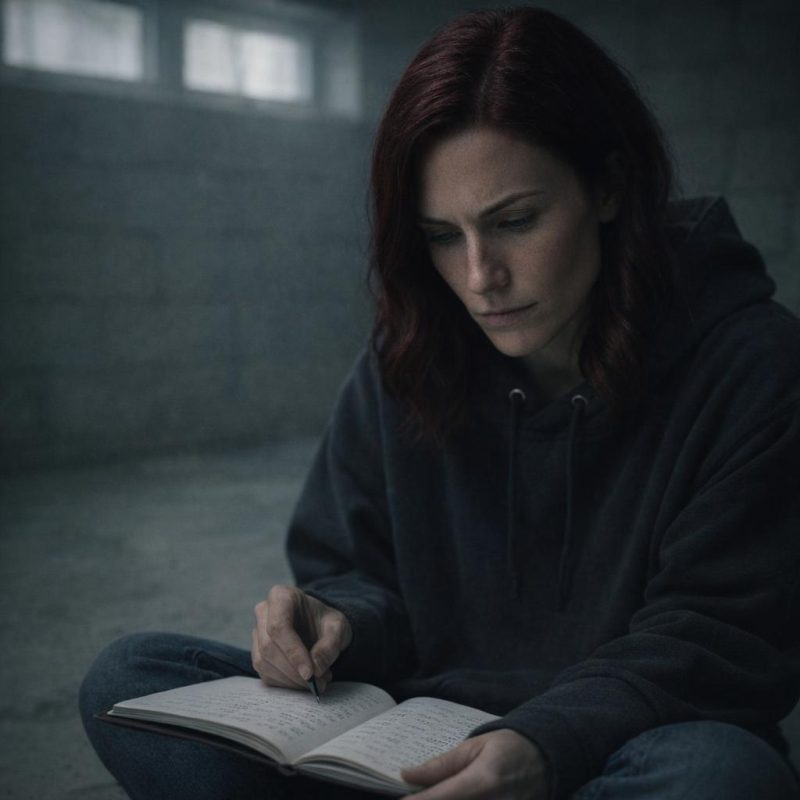 Image by RM AI
Medical Leave
I called Janet on a Monday morning, sitting in my car in the driveway because I couldn't make myself go back inside yet. I told her I needed medical leave. There was a pause on her end, and then she said okay, yes, absolutely, we'll sort out the paperwork today — and the speed of it hit me harder than I expected. She didn't push back. She didn't ask how long or suggest I try working from home first. She just said yes, and the relief in her voice was so obvious that I understood, in a way I hadn't let myself before, how bad things must have looked from the outside. I filled out the forms that afternoon, mechanically, the way I used to process data sets I didn't care about. A few coworkers sent messages. I read them and didn't answer. My career had felt like bedrock for most of my adult life — the one thing that stayed solid through the divorce, through everything — and now I was watching it recede like I was standing on a dock and the boat was already moving. I knew I should care more than I did. But the basement measurements were still open in my notebook on the kitchen table, and the east wall was still three feet shorter than it should have been, and I couldn't hold both of those things and also care about quarterly projections. The leave stretched out ahead of me, empty and unstructured, and I sat with the strange double weight of it — the relief of having time, and the fear of what I was going to find.
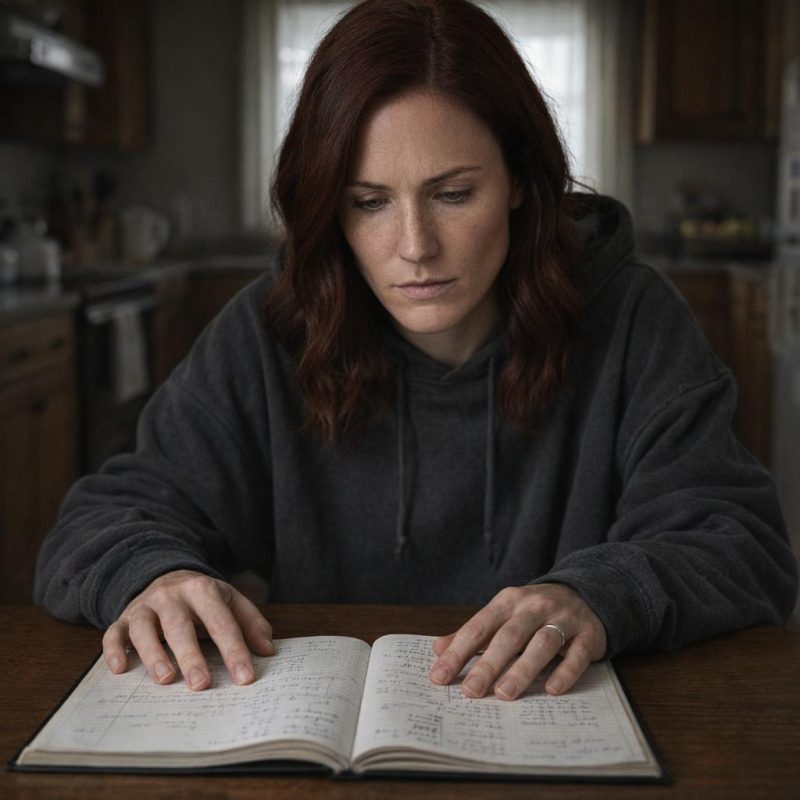 Image by RM AI
County Records
The county records office smelled like old paper and floor wax, and the clerk looked mildly annoyed when I asked for building permits and original construction plans for my address. She disappeared into a back room for almost twenty minutes. I stood at the counter and tried to look patient. When she came back she had a rolled tube of blueprints, the paper yellowed at the edges, and she set them on the wide flat table along the side wall without ceremony. I unrolled them carefully, weighting the corners with my phone, my notebook, a stapler I borrowed from the counter. The plans were dated 1974. I spread them out and started comparing them to my own measurements, cross-referencing the dimensions I'd written down against what the original builders had drawn. The main floor matched. The exterior footprint matched. Then I found the basement sheet and laid it flat and ran my finger along the east wall of the foundation. The original plans showed the basement extending further than my interior measurements — and there, marked in faded drafting ink along the east wall, was a notation I had to lean in close to read. It said crawl space, access panel, east wall. My hands were shaking when I reached for my phone to photograph it.
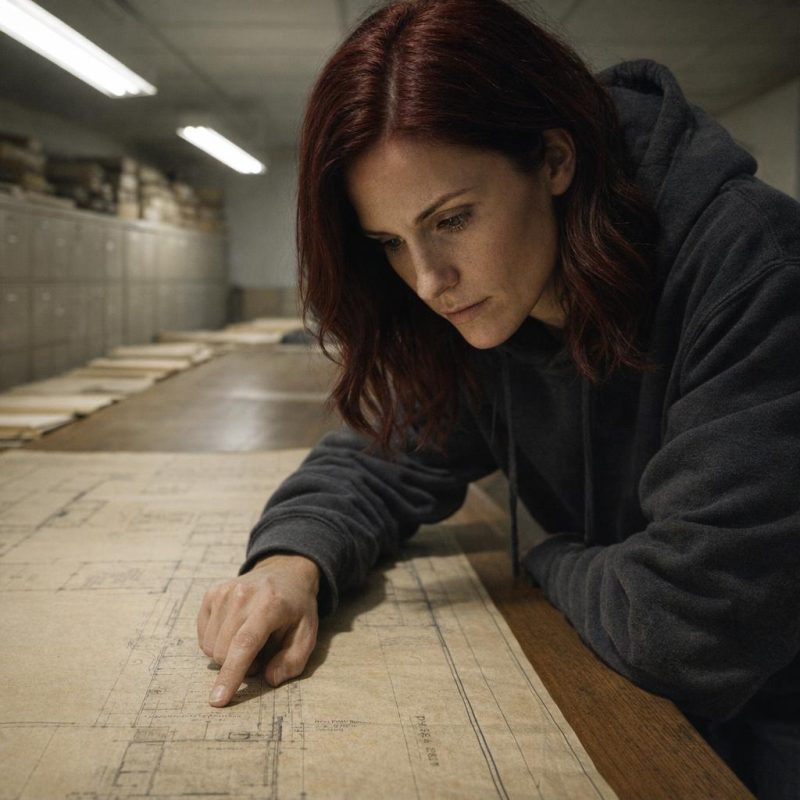 Image by RM AI
The Missing Access
I drove home with the blueprint photographs on my passenger seat and went straight to the basement without taking off my coat. Max followed me down the stairs and immediately pressed close to my leg, which he'd been doing near the basement for weeks. I unfolded the printout I'd made at the records office copy machine and held it up against the east wall, orienting myself by the corner measurements. According to the original plans, the access panel should have been roughly centered on the east wall, about four feet up from the floor. I stood in front of that section and looked at it. Drywall. Paint. A faint horizontal seam I'd noticed before and dismissed as a settling crack. I pressed my knuckles against the wall to the left of the seam and knocked. Solid. I moved six inches to the right and knocked again. The sound changed — not dramatically, but enough. A slightly different register, a fraction less resistance. I worked my way across the wall in a slow grid, knocking every few inches, and the hollow section was unmistakable once I'd mapped its edges: roughly three feet wide, starting about eighteen inches from the floor. Max had gone rigid beside me, his nose pointed at that exact section of wall. The blueprint showed a door there. The wall in front of me showed nothing but smooth, unbroken drywall.
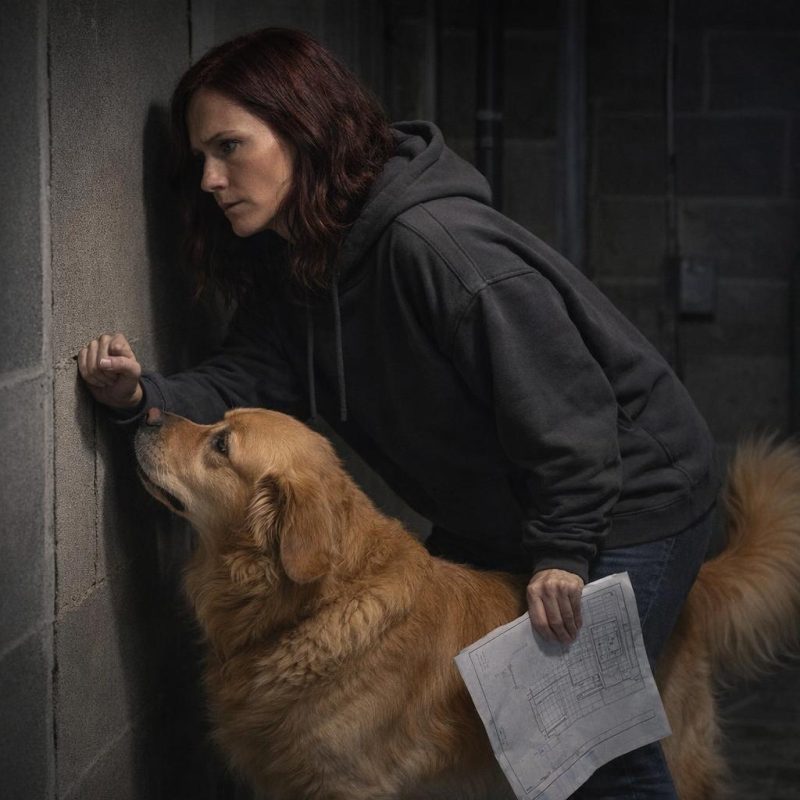 Image by RM AI
The Hollow Sound
I started at the far end of the east wall with my knuckles, working my way across in slow, deliberate intervals — the way you'd test a watermelon at the grocery store, except nothing about this felt casual. Most of the wall gave back that flat, dense thud of drywall against solid framing. Stud, stud, stud. I kept going. Max trailed behind me, his nails clicking on the concrete floor, his ears pressed flat against his skull. About two-thirds of the way down, something changed. The sound shifted — lighter, rounder, with a faint resonance underneath it that the rest of the wall didn't have. I stopped. Tapped again. Same thing. I moved six inches to the left. Same thing. Six inches to the right. Same thing. I pressed my palm flat against the surface and tapped with my other hand, and the vibration came back different — not the dead stop of solid framing but something that traveled, something that had room to move. I worked the full length of the section, maybe six feet across, tapping every few inches, and every single point gave back that same hollow echo. Max sat down behind me and let out a low, continuous whine that didn't stop. I grabbed the blue painter's tape from my back pocket and started marking the edges. I needed to know exactly what I was dealing with before I did anything else — but what I was dealing with was already unmistakable.
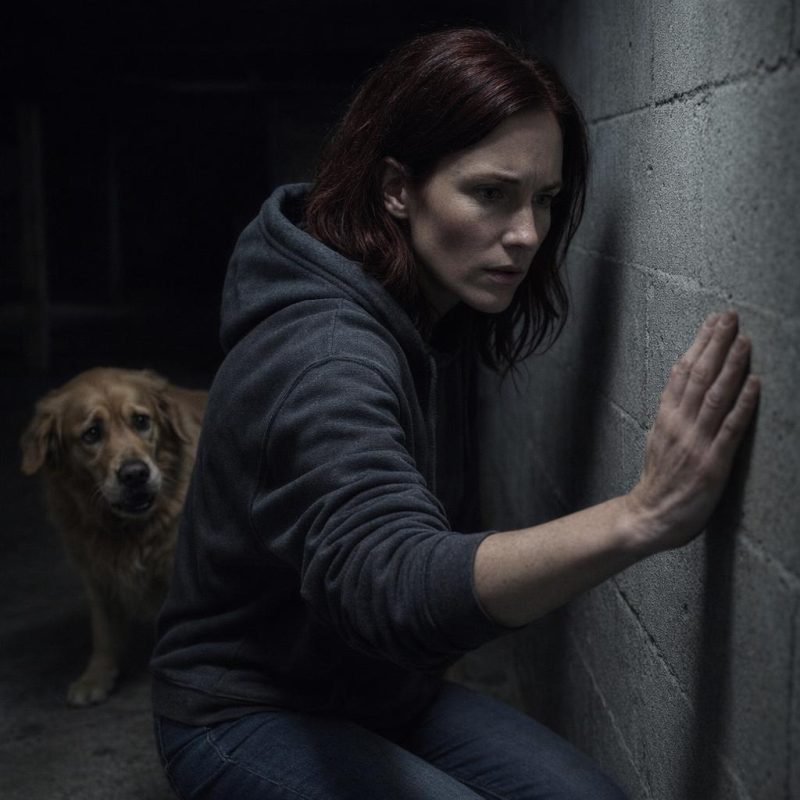 Image by RM AI
Max's Fixation
I tried to get Max to come upstairs with me that afternoon. I called his name, patted my leg, even rattled the treat bag — the one that usually had him skidding across the kitchen floor before I'd finished shaking it. He didn't move. He was sitting at the top of the basement stairs with his body angled toward the taped section of wall, and he just stayed there. I sat on the couch for a while and watched him through the doorway. Every few minutes I'd check, and he'd be in the exact same position — head low, eyes fixed, that long golden body completely still except for the occasional slow exhale. I went to make coffee. When I came back, he hadn't shifted an inch. I walked down the stairs and crouched beside him, put my hand on his back, and he let me — but his gaze never moved from that wall. When I stepped toward the taped section, he made a sound low in his chest, not quite a growl, more like a warning. I backed up. He went quiet again. I'd spent weeks second-guessing myself, wondering if I was imagining things, if the sleeplessness had finally bent my perception into something unreliable. But Max didn't second-guess. He didn't have the capacity for it. He just knew what he knew, and he'd been pointing at it the whole time. I sat on the bottom step and watched him watch the wall, and the certainty in his unwavering focus settled over me like something I couldn't unfeel.
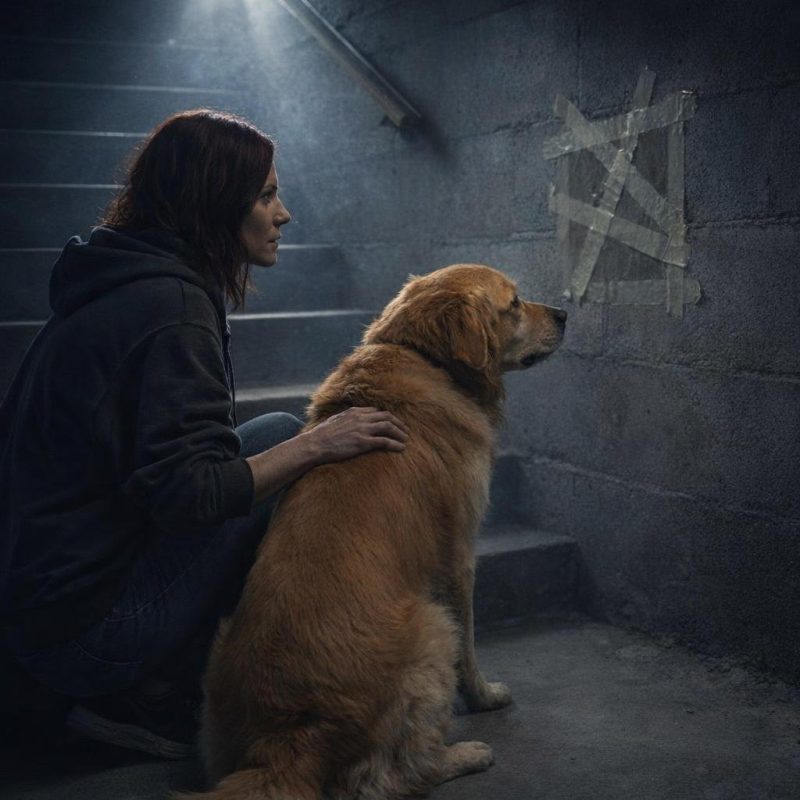 Image by RM AI
The Decision to Break Through
I went to the garage and found the hammer on the pegboard where David had always kept it, and the pry bar on the shelf below. I stood there for a moment holding both of them, the metal cold against my palms, and thought about calling Sarah. I thought about calling Morrison — except I didn't have her number, and the last officer who'd come out had looked at me like I was a woman who needed sleep more than she needed a police report. I thought about waiting. I was good at waiting. I'd spent months waiting for things to make sense on their own. They hadn't. I carried the tools downstairs. Max was still at his post at the top of the stairs, watching me descend. When I reached the bottom, he didn't follow. He just sat there, quiet now, which somehow felt worse than the whining. I stood in front of the taped section and looked at it — six feet of ordinary-looking drywall with blue tape marking its edges like a crime scene outline. My hands were shaking. I pressed them against my thighs and breathed through it, slow and deliberate, the way I used to breathe through bad anxiety spirals in my twenties. Whatever was behind that wall had been there the whole time I'd lived in this house. Whatever it was, not knowing was no longer something I could afford. I shifted my grip, squared my feet, and the hammer sat heavy in my hand.
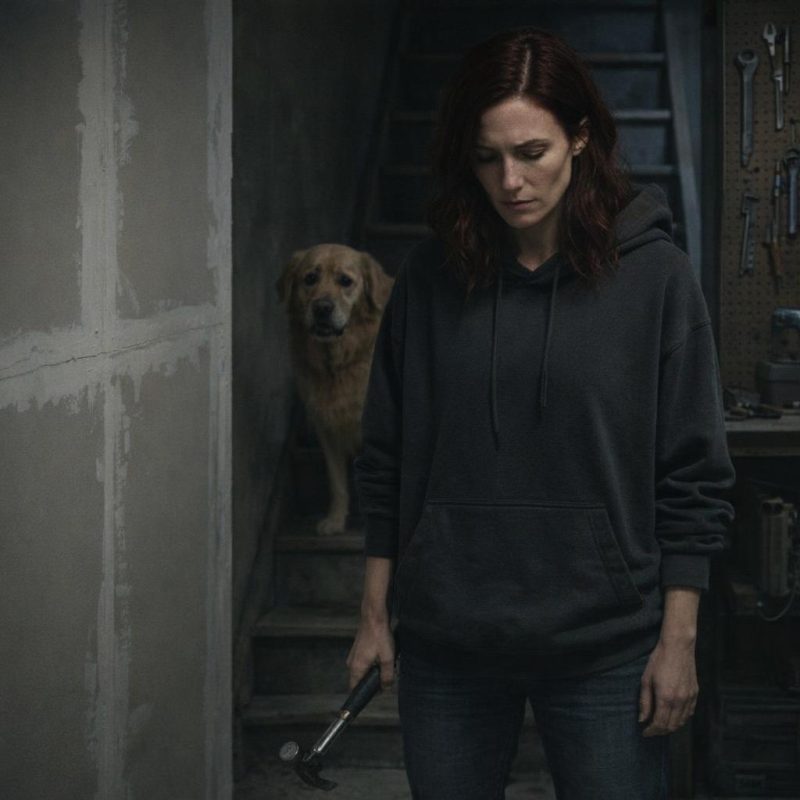 Image by RM AI
Breaking Through
The first swing went in easier than I expected. The drywall gave with a crunch that echoed off the concrete floor, and a chunk of it fell inward — not against solid framing, but into open space. My stomach dropped. I swung again, and again, widening the gap, then worked the pry bar along the edges to tear away the larger sections. The pieces came off in jagged slabs, and with each one the opening grew, and the darkness behind it deepened. I grabbed my flashlight off the workbench and shone it through. The beam hit a rough earthen wall about three feet back, then swept left and right to reveal a passage — narrow, maybe three feet wide, shored up with old timber framing on both sides. I stood there breathing hard, the pry bar still in my hand. The floor of the passage was dirt, and it wasn't dusty the way an abandoned space would be. There were no cobwebs across the opening. The timber looked old but the ground looked disturbed, packed down in a way that suggested weight and movement rather than decades of stillness. Behind me, Max had backed all the way to the foot of the stairs. He wasn't growling. He was just pressed against the bottom step, trembling, making a sound so small and continuous I almost couldn't hear it over my own breathing. I stood at the edge of the opening and let the flashlight beam reach as far as it could into the dark.
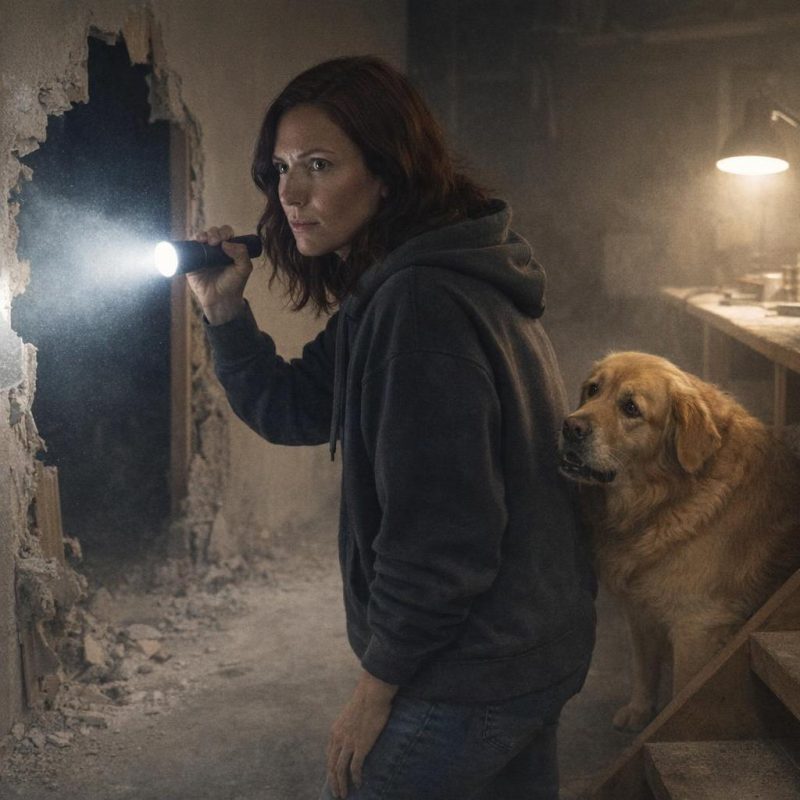 Image by RM AI
The Tunnel
I told myself I'd just look. Just a few steps in, enough to see what I was dealing with. I ducked through the opening and straightened up inside the passage, the flashlight sweeping the walls. The timber framing was old — rough-cut, the kind of work that predated power tools — but the ground underfoot was another story. The dirt floor was disturbed in a narrow track down the center, packed and scuffed in a way that read like a path. I crouched down and brought the light close. Footprints. Not one set — multiple impressions layered over each other, the edges still crisp enough that they hadn't had time to crumble and blur. Days old, maybe less. My heart was going so fast I could feel it in my throat. I swept the beam in both directions. The tunnel extended to my left toward what I guessed was the back of the property, and to my right toward — I didn't know. Toward the house. Toward the walls I'd been sleeping inside for months. I stood there for a moment longer than I should have, the light moving over those prints, and then something animal and basic took over and I backed out the way I'd come, fast, through the broken wall and into the basement. Max was still on the stairs. I sat on the cold concrete floor and pressed my back against the workbench, the flashlight still on, its beam pointed at the ceiling. The footprints were there whether I looked at them or not.
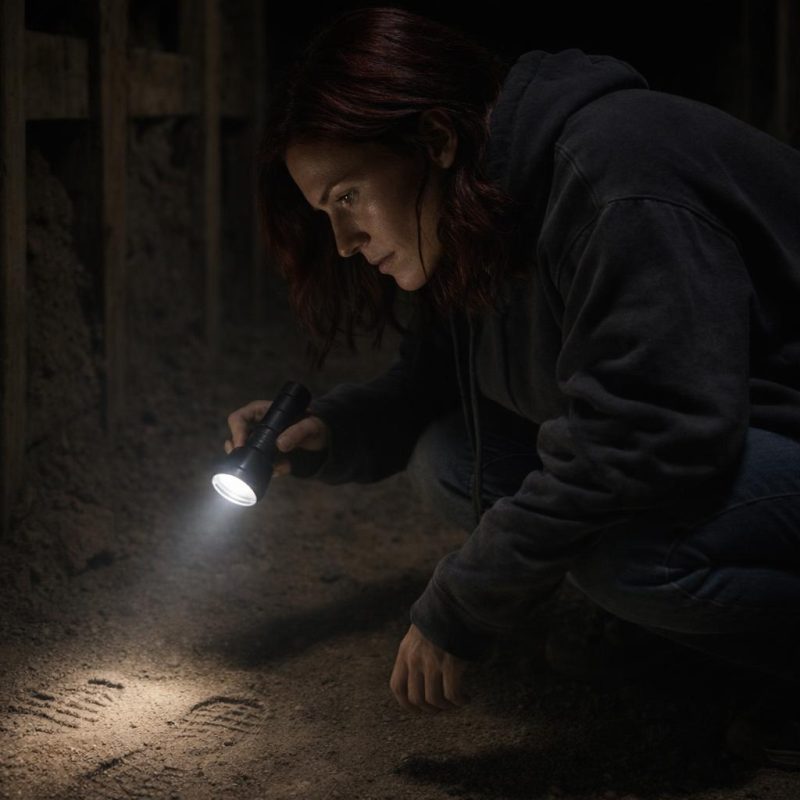 Image by RM AI
Detective Morrison
I called 911 from the basement floor, still sitting with my back against the workbench. The dispatcher was calm and professional and I tried to match that energy, but my voice kept doing things I didn't intend — going thin, speeding up. I said I'd found a tunnel behind my basement wall. I said there were fresh footprints. I said I needed someone to come now. Two officers arrived first, and I watched their faces do the thing faces do when they're trying to stay neutral but haven't fully committed to it. They looked at the broken wall. They looked at each other. And then Detective Morrison arrived. She was maybe late thirties, badge clipped to her belt, hair pulled back, and she walked into my basement like she'd been expecting to find exactly this. She asked me to walk her through everything from the beginning — not just the tunnel, but all of it. The noises. The dates. The camera footage. The documentation I'd kept. She listened without interrupting, and when I finished she said, quietly, that I'd done good work keeping records. Nobody had said that to me before. Not the first officer. Not Dr. Chen. Not David. She pulled on gloves, crouched at the opening, and shone her own light into the passage. She was in there for less than a minute before she backed out, stood up, and reached for her radio. I watched her face as she turned back toward me, and something in her expression had shifted into something I hadn't seen from anyone in authority since this started.
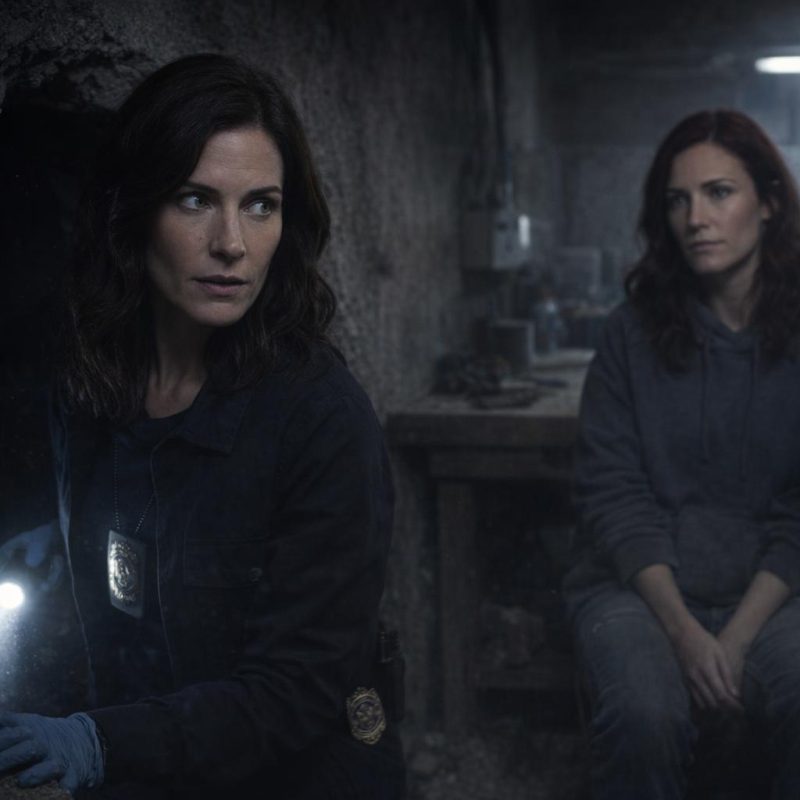 Image by RM AI
The Investigation Begins
The crime scene techs arrived within the hour — two of them, with cases of equipment and a quiet efficiency that made the whole thing feel suddenly, surreally real. They photographed the broken wall, the passage opening, the footprints. They measured. They took samples from the timber framing. Morrison stayed close, asking me questions in a low, steady voice while they worked, and I answered everything I could. I pulled up my phone and showed her the log I'd been keeping — dates, times, descriptions, the camera footage I'd saved to the cloud. She scrolled through it slowly, and I saw her jaw tighten once, just slightly, before she handed the phone back. She told me the tunnel appeared to extend well beyond my property line, that they'd need to trace it fully before she could tell me where it led. She said I'd need to stay somewhere else tonight. I told her I had a friend I could call. She said that was good. One of the techs called her over to the opening and they spoke quietly for a moment, and then Morrison came back and told me that based on the footprint evidence, the passage had seen regular use. Not occasional. Regular. I sat on the bottom step with Max pressed against my leg, his warm weight solid and steady, and I thought about all the nights I'd lain awake listening, all the times I'd been told I was imagining it. The house around me was full of people with badges and equipment, and none of them were telling me I was wrong.
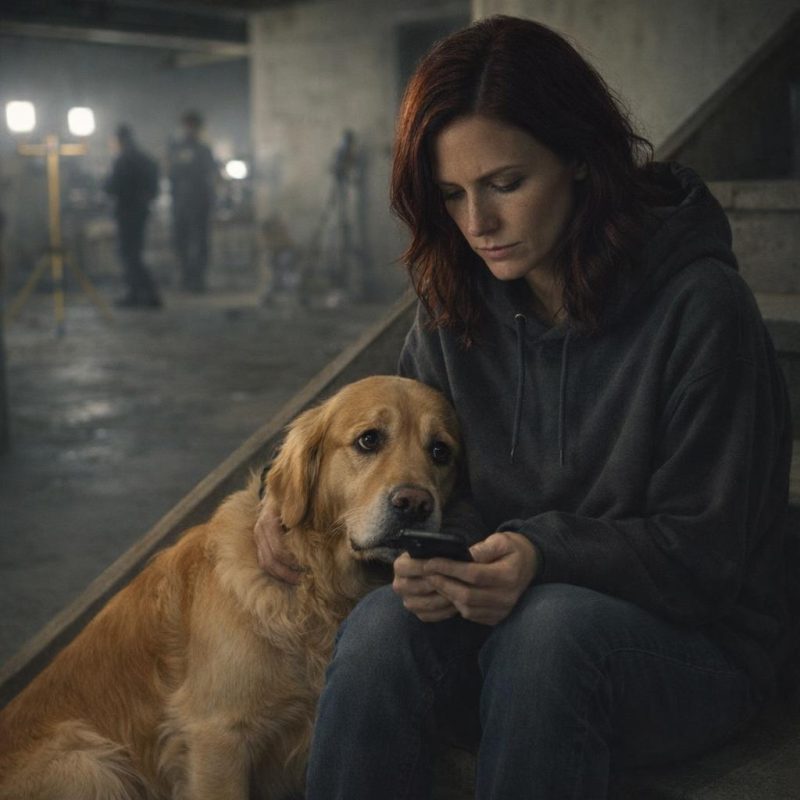 Image by RM AI
Tracing the Connection
Morrison told me to stay out of the basement while her team worked, so I sat at the kitchen table with my laptop and did what I always do when I need to feel like I have some control over something — I started pulling data. Property records for my address, going back as far as the county database would let me. The house had changed hands three times before I bought it. The most recent previous owner before the sale was a man named Robert Brennan, who'd held the title for over twenty years. I searched his name. The third result was an obituary from four years ago — local paper, short, the kind that gets written when there isn't much family left to write a longer one. I read it twice. Near the bottom, in the section about survivors and friends, there was a line about the estate being settled with the help of a longtime neighbor and close friend who'd looked after Robert in his final years. The neighbor's name was Tom. I sat with that for a moment, reading the line again, making sure I hadn't misread it. Then I called Morrison. She picked up on the second ring and I read her the passage. She was quiet for a beat, and then she said they were close — that the tunnel's path was becoming clearer, and that what I'd just found might matter more than I knew. I set the phone down on the table and looked at the property record still open on my screen, Robert Brennan's name sitting there in plain black text.
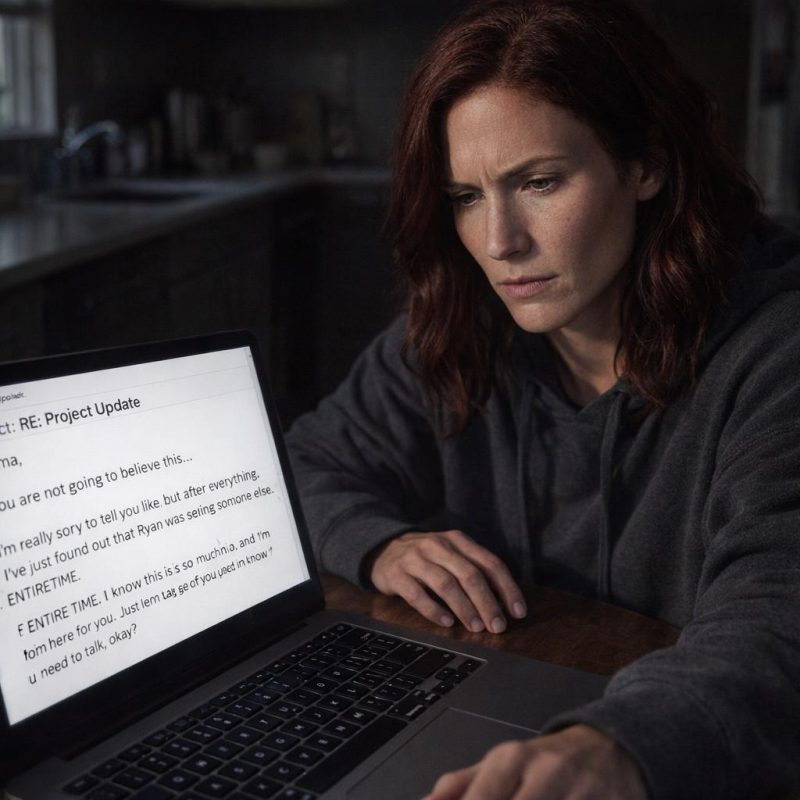 Image by RM AI
The Friend Connection
Morrison was still downstairs with her team when I went back to the county records portal and started digging deeper into Robert Brennan's estate. I wasn't sure what I was looking for exactly — just pulling threads, the way I do when a data set isn't adding up. The estate documents were public record, filed with the county clerk, and it took me about twenty minutes to find the right filing. What I found made me go very still. There were repair permits pulled during the estate period — basement work, structural modifications, a drainage project that required access to the foundation. Every single one of them listed the same contractor contact: Tom. Not a company name. Just Tom, with a phone number I recognized as a local exchange. There was also a notarized letter authorizing him to hold a set of keys to the property during the estate settlement, signed by the executor and dated three years before I ever moved in. I called Morrison immediately and read her the permit numbers. She went quiet in a way that felt different from her usual pauses. Then she came upstairs, set her notepad on my kitchen table, and slid the estate filing back across to me. The permit for the basement drainage work had Tom's signature on the contractor line.
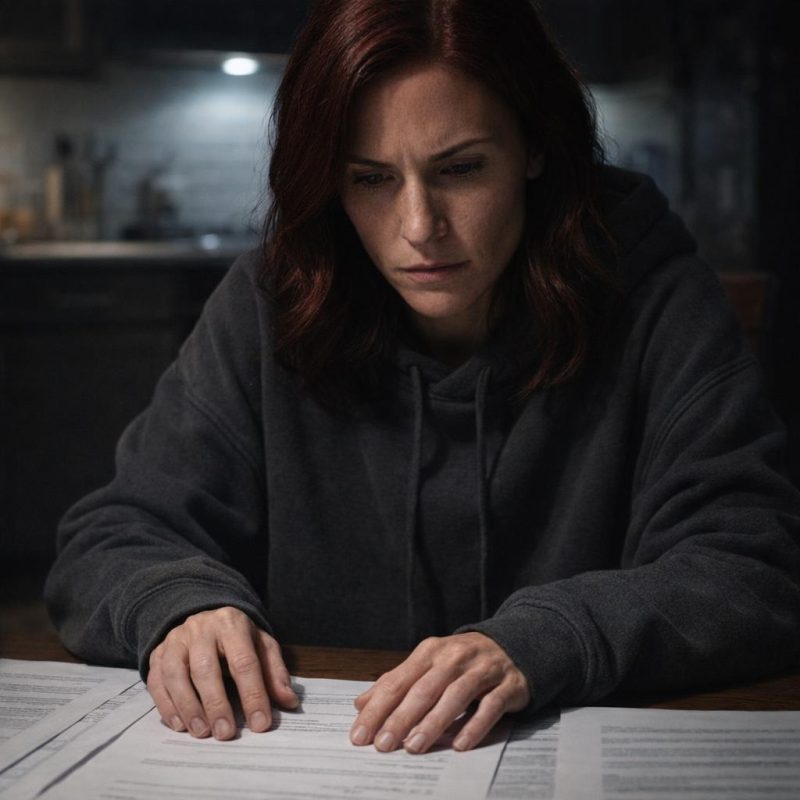 Image by RM AI
The Weight of Knowing
After Morrison left to coordinate with her team, the house got very quiet. Max pressed himself against my leg and didn't move. I sat at the kitchen table and just — thought. I went back through every conversation I'd had with my neighbor since I moved in. The way he'd asked, early on, whether I'd had anyone look at the basement yet. How he'd offered to check my door locks after I mentioned the noises, and how he'd stood in the doorway of the kitchen for a moment longer than felt necessary, his eyes moving toward the basement door. I'd thought he was just being neighborly. I'd thought it was kindness. He'd brought me soup once, when I mentioned I wasn't sleeping well. I'd thanked him. I'd let him stand in my entryway and I'd told him about the sounds and the fear and the sleepless nights, and he'd nodded along with this look of patient concern on his face. I pressed my palms flat against the table and stared at the wood grain. I didn't have proof of anything yet. Morrison had been clear about that. But the memory of his face — that steady, helpful expression — sat in my chest like something I couldn't swallow back down.
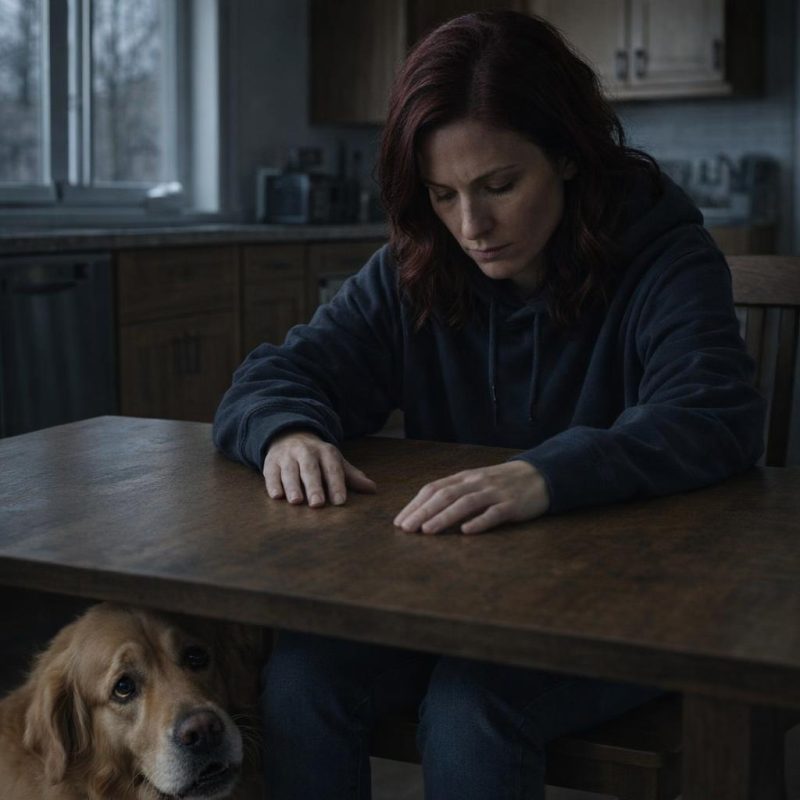 Image by RM AI
The Tunnel's End
My phone rang at 6:47 PM. Morrison. I picked up before the second ring. She didn't open with small talk. She told me her team had finished tracing the tunnel's full path, and that it ran in a straight line from the access point in my basement wall directly beneath the property line and into the foundation of the house next door. Tom's house. They'd found the other end — a reinforced door set into the basement wall, hinged from his side, with a latch that locked from his side too. The tunnel hadn't been dug recently. The concrete work on the framing was old, she said, consistent with the permit dates I'd found in the estate records. Someone had built this a long time ago and maintained it. I sat down on the kitchen floor because my legs just stopped working. Max came and put his head in my lap. Morrison kept talking — she was explaining the chain of evidence, the documentation, what they'd need to establish for the next step — and I was trying to listen but there was this roaring in my ears that made it hard to track her words. Then she said they were applying for a search warrant for Tom's house, and that it would likely be executed before morning.
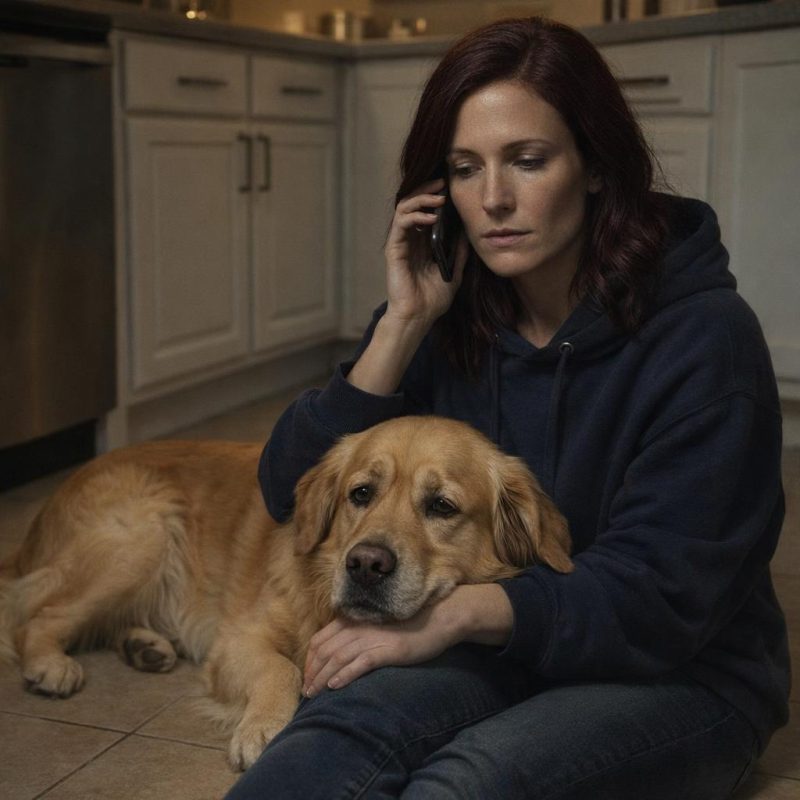 Image by RM AI
The Surveillance
Morrison came back inside around eight o'clock and asked me to stay in the kitchen while the techs did a final sweep of the basement. I agreed. I sat with Max and listened to them moving around down there, the occasional murmur of voices, the sound of equipment being shifted. Then one of the techs called up the stairs — not loudly, just a flat, professional tone — and Morrison went down. She was gone for maybe four minutes. When she came back up, her expression had changed in a way I couldn't quite read. She asked me to come downstairs with her. The basement looked the same as it always had — concrete floor, exposed beams, the water heater in the corner. But one of the techs was standing near the center beam with a small flashlight angled upward, and he stepped aside when I walked over. Morrison told me to look up and slightly left, toward the junction where the beam met the joist. I looked. At first I saw nothing. Then the tech adjusted the flashlight angle by maybe two degrees, and the light caught a tiny glass lens, no bigger than a shirt button, seated flush into a drilled recess in the wood — and I was staring directly into a hidden camera.
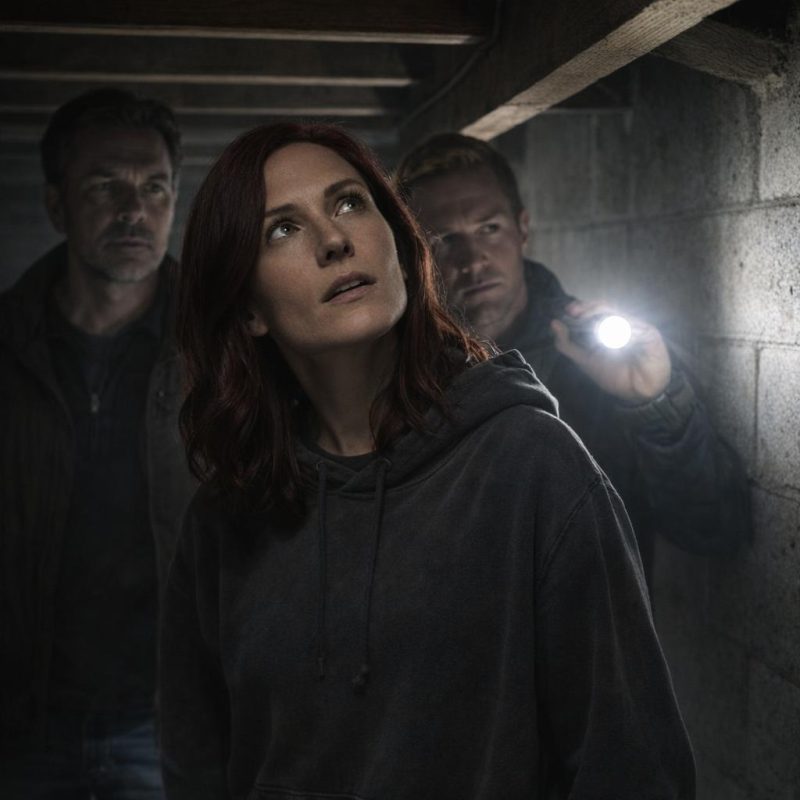 Image by RM AI
The Arrest
Morrison called me to the station the next morning and walked me through what they'd found inside Tom's house. I sat across from her at a plain table and she laid it out methodically, the way she does — no drama, just facts, one after another. They'd found the tunnel entrance in his basement, exactly where the trace indicated, with a padlock on his side and a pair of rubber-soled shoes set neatly beside it. They'd found a workbench with monitoring equipment, hard drives, a laptop. The hard drives contained months of footage pulled from the cameras in my basement — footage that included timestamps showing entries at 3 AM, multiple times per week, going back to shortly after I moved in. Tom had known the house. He'd helped his friend Robert modify it years ago, had held keys during the estate, and when I bought the property, he'd used that knowledge to come back. Morrison said he'd been charged with stalking and burglary. She said it calmly, like she was reading a weather report, and I just sat there with my hands folded on the table, not quite able to speak. When I got home, I stood at my front window with Max beside me, and I watched through the glass as two officers walked Tom out his front door in handcuffs.
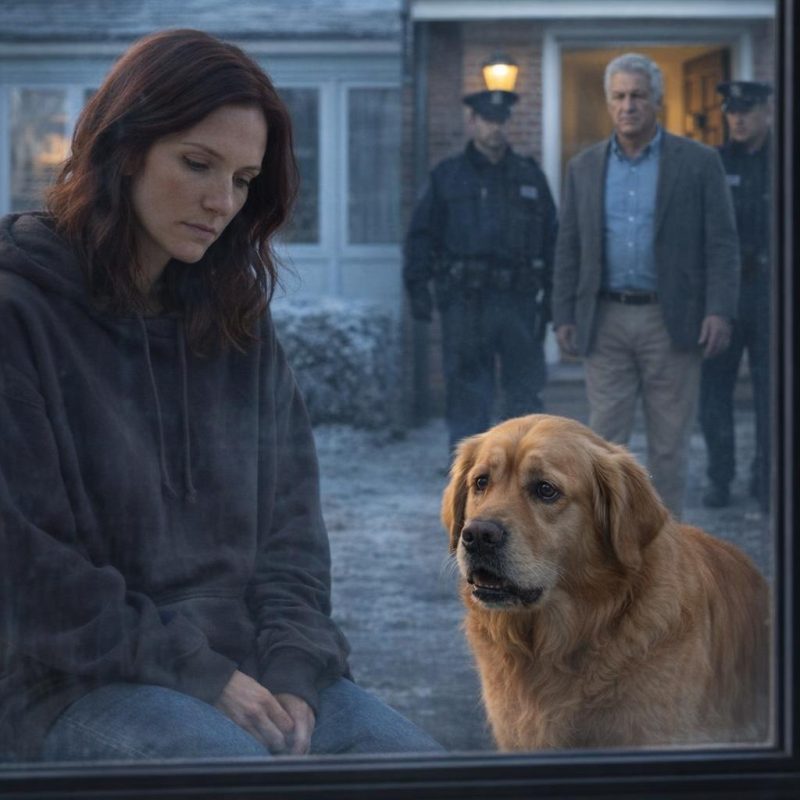 Image by RM AI
The Evidence Room
Morrison had offered to let me see the evidence setup before it was fully catalogued, and I said yes before I'd really thought it through. She walked me through a side entrance at the station and into a room where Tom's equipment had been laid out on long tables — hard drives tagged and numbered, cables coiled, a laptop in a clear evidence bag. But what stopped me in the doorway was the far wall. They'd reconstructed his monitoring arrangement the way they'd found it: a wooden shelf unit holding four monitors, each one connected to a different camera feed. Morrison explained that two of the feeds were from the cameras we'd already found in my basement, and that they were still working to identify the source of the other two. The monitors were dark now, screens off, but the arrangement of them — the shelf angled just so, the cables routed neatly behind — made it clear this hadn't been improvised. Someone had set this up with patience and intention. Morrison was saying something about the footage timestamps, about the volume of stored data, about how this was one of the more extensive cases her unit had processed. I heard her. But I was standing there looking at the wall of monitors showing the different angles of my basement, and I couldn't make myself move.
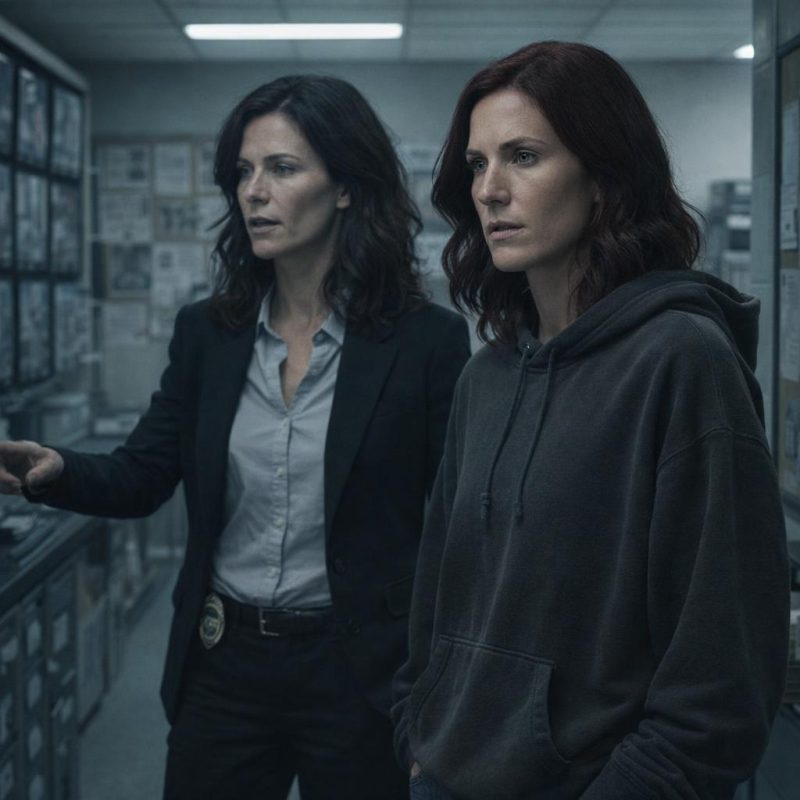 Image by RM AI
Max Knew
I got home in the early afternoon and sat on the kitchen floor with my back against the cabinets. Max climbed halfway into my lap, which he's too big to do, and I let him. I kept thinking about all those nights — the ones where he'd planted himself at the top of the basement stairs and refused to move, ears flat, a low sound in his throat that I'd never heard him make before or since. I'd thought he was reacting to something outside. A stray. A raccoon. I'd stood at the window looking out into the dark yard while he stood at the basement door, and I'd been looking in completely the wrong direction. He'd known. Not in the way I know things — not with data or documentation or a chain of evidence — but in whatever way a dog knows when something is wrong beneath the floor. He'd been telling me every single night, as clearly as he could, and I hadn't understood the language. I pressed my face into the warm fur at the back of his neck. He smelled like dog and like home and like every night he'd stayed awake beside me when I was too frightened to sleep, and the weight of his big body leaning into mine was the steadiest thing I'd felt in months.
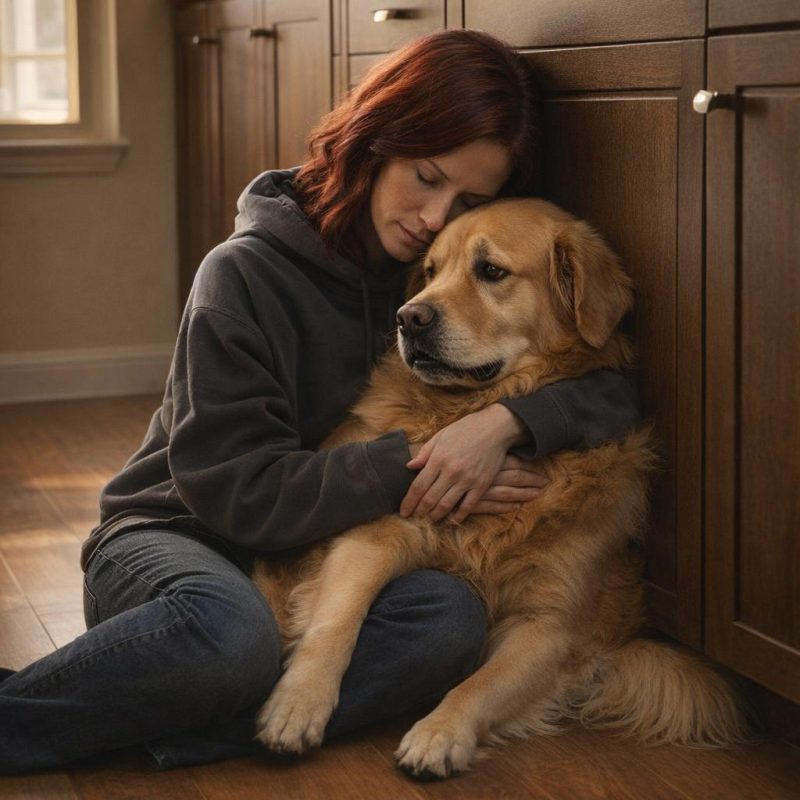 Image by RM AI
The Validation
I thought about the vet first — the one who'd suggested, gently, that Max might be reacting to a stray cat under the porch. I thought about Dr. Chen, who'd written anxiety on his notepad before I'd finished my second sentence and slid a prescription across the desk like that settled it. I thought about Sarah telling me, with genuine love and genuine certainty, that I needed to talk to someone. I thought about the first officer who'd walked my perimeter with a flashlight and found nothing and looked at me with that particular brand of patient skepticism that I'd come to recognize as the face people make when they've already decided you're not a reliable narrator of your own life. Every single one of them had been wrong. Not cruel — most of them had meant well — but wrong. And I had been right. Not because I was smarter or braver, but because I had been in that house, in my body, at three in the morning, and something had been happening, and I had known it. The fear had been real. The sounds had been real. All of it had been real. I sat on the kitchen floor with Max's head in my lap and let that settle over me — not triumphant, just quiet, just the simple and enormous relief of not having been wrong about my own life.
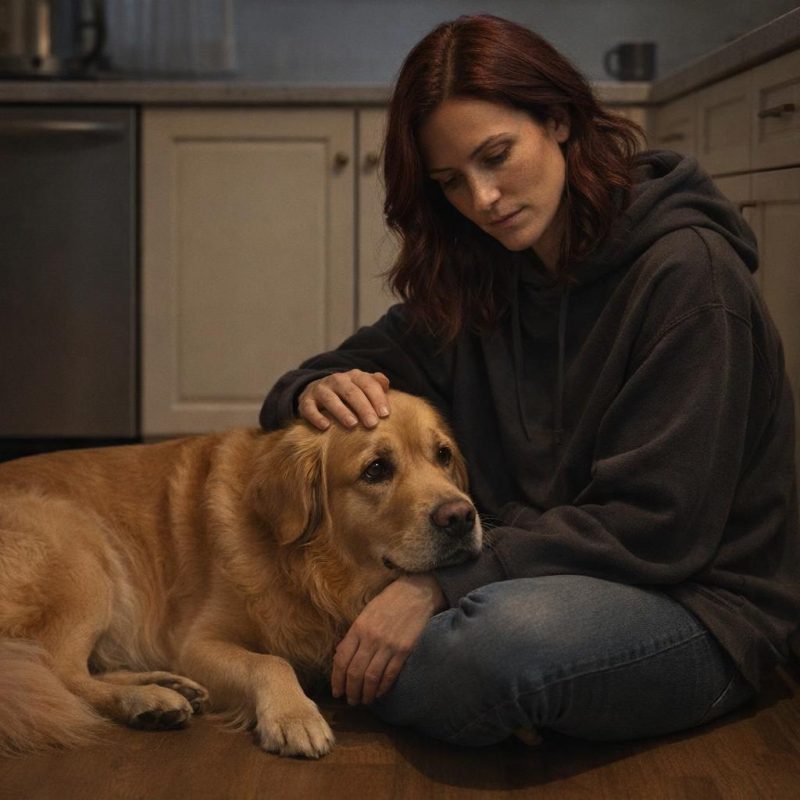 Image by RM AI
The Pattern Revealed
Morrison called me on a Tuesday morning while I was still in my pajamas, coffee going cold on the counter. I'd been expecting an update, but nothing prepared me for what she actually said. They'd gone through Tom's computer — the one seized the night of his arrest — and what they found wasn't just files about me. There were folders. Organized, labeled, methodical. Three other women, Morrison said. Three. Each one had her own directory: photos, schedules, handwritten notes that had been scanned and saved. One woman had lived two towns over. Another had moved away four years ago, and I wondered now if she'd moved because of him. The third was local, someone who'd apparently never known she was being watched at all. Morrison said the behavior showed a pattern of escalation — that I wasn't the beginning, just the most recent. The most advanced. My stomach turned at that word. Advanced. Like I was a project he'd been working toward. I gripped the edge of the counter and told Morrison I wanted to help however I could — talk to the other women, give statements, whatever they needed. She said they were already reaching out to all three. Then she paused and said they'd found files on three other women before me, and the oldest folder was dated nine years ago.
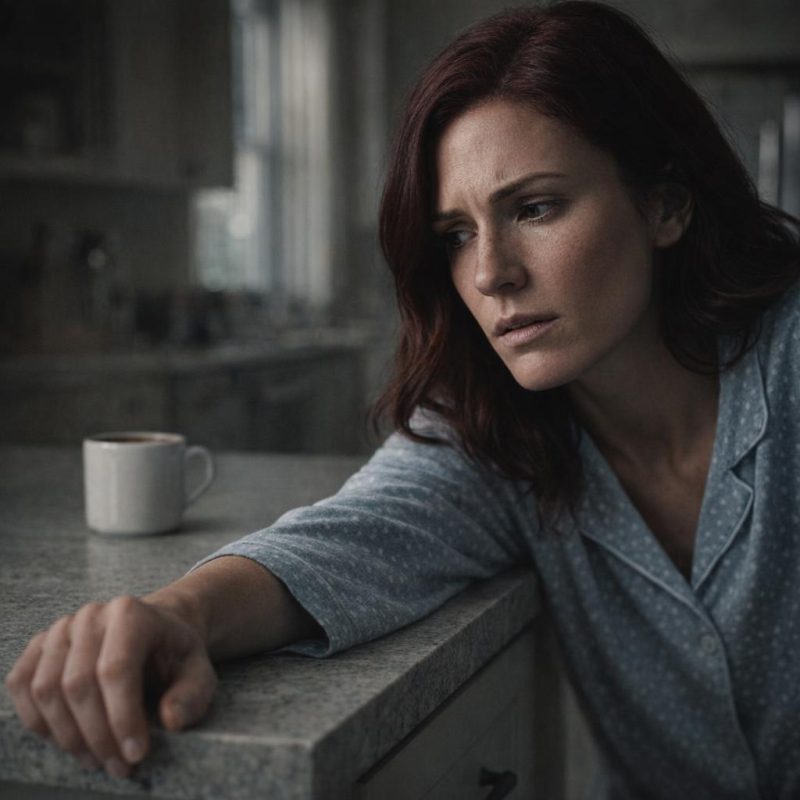 Image by RM AI
Reclaiming Space
I hired the contractors the same week Morrison called. I didn't want to wait. I needed to do something with my hands, something concrete and irreversible, and sealing that tunnel felt like the most important thing I could do for myself. They came in on a Thursday with equipment and bags of fast-setting concrete mix, and I stood in the basement while they worked, Max pressed against my leg the whole time. The drywall section came down first, exposing the tunnel mouth — dark, low-ceilinged, smelling of earth and something I didn't want to name. I made myself look at it. I needed to see it clearly, not as a nightmare but as a physical thing that could be fixed. The crew worked efficiently, no drama, just the sound of mixing and pouring. I also had them patch the basement wall completely smooth when they were done. That same week I had a full security system installed — cameras at every exterior angle, motion sensors on every door and window, new deadbolts on everything. Max had been restless for weeks, but as each piece of work finished, I noticed him settling a little more, his tail moving again in that slow easy way it used to. I watched the last of the wet concrete fill the tunnel entrance, gray and final and solid.
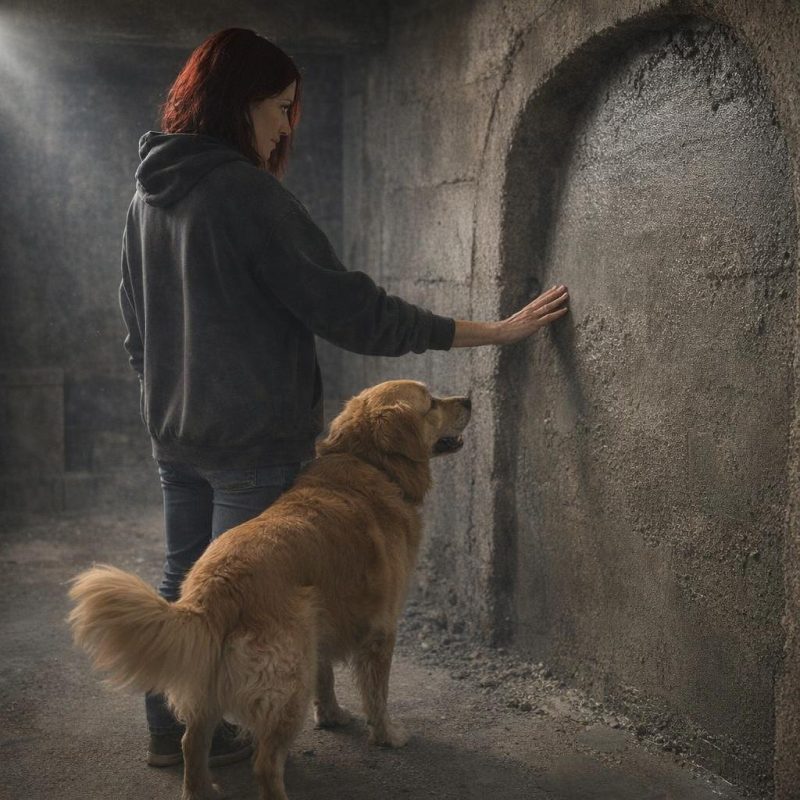 Image by RM AI
Meeting the Prosecutor
The prosecutor's name was Diane Reyes, and she had the kind of calm, organized energy that made me feel like the case was in competent hands. We met in a conference room at the DA's office, Morrison sitting off to one side, a thick folder open on the table between us. Reyes walked me through the charges: stalking, residential burglary, unlawful surveillance, and a handful of related counts that I hadn't even known existed as crimes. The evidence, she said, was extensive — the cameras, the tunnel, the files on his computer, the entry logs they'd reconstructed from the concrete dust and soil samples. She explained that I would need to testify about the impact on my life: the sleep deprivation, the isolation, the way I'd stopped trusting my own perception. She said juries respond to specificity, so I should be detailed and honest. She also told me two of the other women had agreed to testify, which hit me harder than I expected — knowing I wasn't alone in this, that other people had lived inside his attention and survived it. The trial date was still being set, but Reyes said to expect it within a few months. I told her I'd be there. I meant it completely. Walking out of that building afterward, I felt the full weight of what lay ahead settle across my shoulders, and I didn't try to shrug it off.
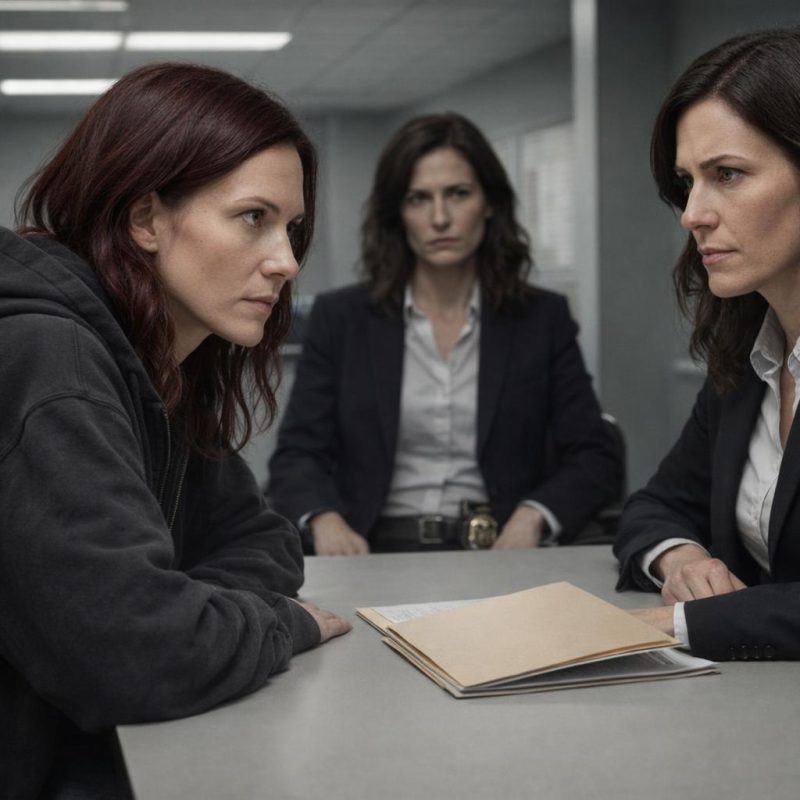 Image by RM AI
The Hearing
The preliminary hearing was on a gray Wednesday morning, and I sat in the gallery with Morrison beside me, close enough that our shoulders almost touched. I'd been in courtrooms before — a deposition once, years ago, nothing like this — and the room felt smaller than I'd imagined, more fluorescent, more ordinary. Then the side door opened and Tom walked in with his defense attorney, and I felt my breath go shallow. He was wearing a gray suit I'd never seen before, his hair combed the same neat way it always was, and he looked — smaller. That was the word that kept coming to me. Smaller than the figure I'd built up in my head over all those sleepless nights. He sat down at the defense table and folded his hands in front of him, and he didn't look toward the gallery once. The judge read through the charges in a flat, procedural voice, and I listened to each count like I was hearing the shape of my own year read back to me. Stalking. Burglary. Unlawful surveillance. The words were clinical and exact and true. At some point I realized my hands had stopped shaking. I was just sitting there, watching, breathing steadily, and the fear I'd carried into that room had gone quiet somewhere beneath something steadier and harder.
 Image by RM AI
Emma's Testimony
Taking the witness stand was the strangest thing — not because it was frightening, though it was, but because the moment I sat down and looked out at the courtroom, something in me went very still. Reyes walked me through it carefully, starting from the beginning: the first night I heard something at 3 AM, the way Max reacted, the weeks of dismissal from the officer who came to the house, from Dr. Chen, from people I trusted. I described the sleep deprivation in specific terms — the number of nights, the hours lost, the way my work had started slipping. I talked about finding the tunnel, about understanding what the cameras meant, about the particular horror of realizing someone had been watching me inside my own home for months. Tom's defense attorney objected twice, and both times I waited for the judge's ruling and then continued. I didn't look at Tom while I spoke, not because I was afraid to, but because he wasn't the point anymore. The jury was the point. The record was the point. I described what it felt like to stop trusting my own mind, to be told repeatedly that I was anxious, that I was imagining things, that I needed to sleep more and worry less. When I finished and stepped down, my legs were steady. The words were out in the world now, part of the official record, and nothing could take them back.
 Image by RM AI
The Evidence Presented
The prosecution's evidence presentation took most of the afternoon. Reyes moved through it methodically — the cameras first, each one photographed and labeled, the monitors from Tom's basement displayed on the courtroom screen in sharp, damning detail. Then the footage. I'd known it existed, had been told what it showed, but seeing it projected in that room was different. Tom, in grainy night-vision green, moving through my basement with the ease of someone who'd done it many times. The timestamp in the corner read 3:04 AM. Morrison testified about the investigation — the tunnel measurements, the soil analysis, the entry pattern they'd reconstructed across months. Reyes displayed the timeline as a chart: dates, times, durations. It was meticulous and horrible and completely undeniable. Tom's defense attorney sat very still through most of it, making notes on a legal pad that he didn't seem to refer back to. I kept my eyes moving between the screen and the jury box, watching twelve people absorb what Tom had actually done. Some of them leaned forward. One woman in the second row pressed her hand briefly to her mouth and then lowered it, composing herself. I watched their faces as the footage played, and what I saw there told me everything I needed to know.
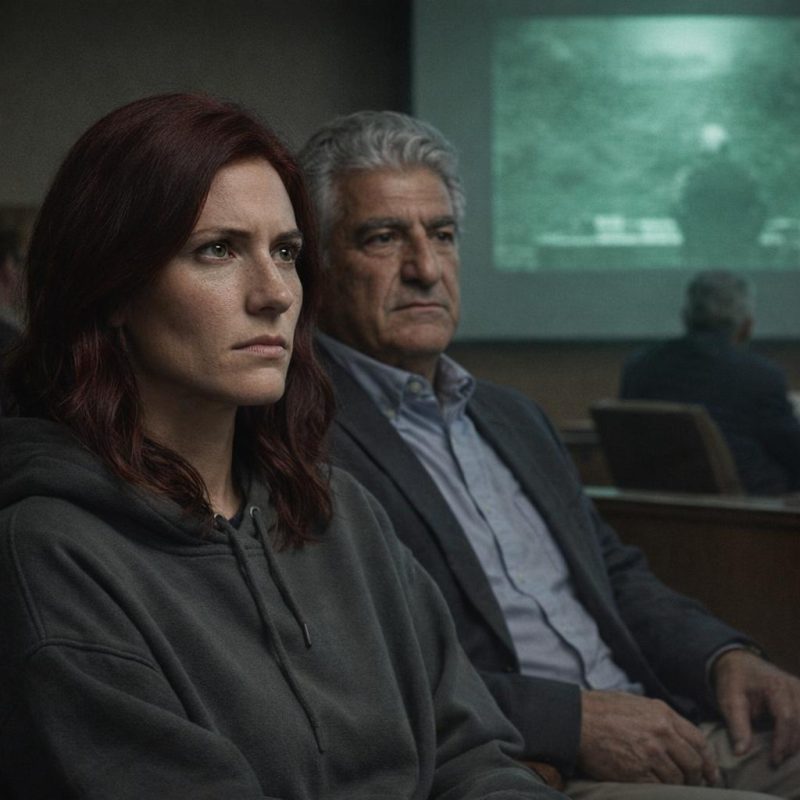 Image by RM AI
The Defense Crumbles
Tom's defense attorney stood up the next morning looking like a man trying to argue against gravity. He was polished and prepared, I'll give him that, but the evidence had already done its work. He characterized Tom as isolated, as someone whose judgment had been clouded by loneliness and an unhealthy fixation — not a predator, he said, but a troubled man who had never intended physical harm. I felt the anger move through me like a current. Lonely. Misguided. As if the months I'd spent doubting my own sanity were just collateral damage from someone's sad hobby. Reyes dismantled it piece by piece on cross — the organized computer files, the years-long pattern, the precision of the tunnel construction, the fact that Tom had done this before. The defense had no good answer for the other women's files. They had no good answer for the nine-year timeline. The jury watched the attorney with the careful, neutral expressions of people who have already made up their minds but are too disciplined to show it. Then, in his closing remarks, Tom's attorney said it plainly: yes, his client had installed the surveillance equipment, yes he had accessed the property, but there had been no intent to cause harm. The words landed in the courtroom like something that had been waiting all along to be said out loud.
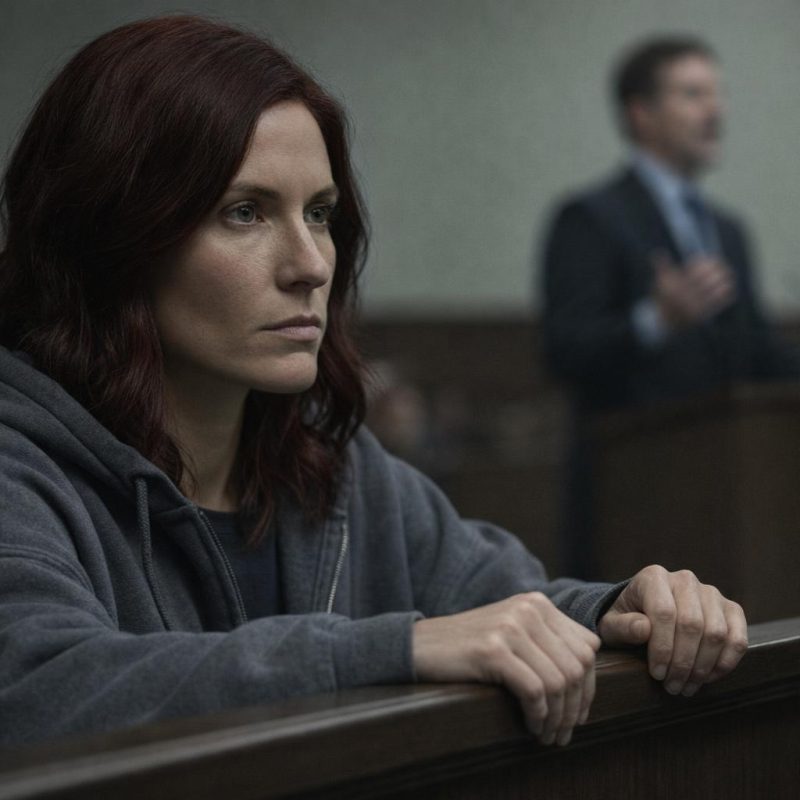 Image by RM AI
Deliberation
The jury went into deliberations at 11:14 AM, and I know the exact time because I stared at the courtroom clock as they filed out. Morrison, Sarah, and I found a bench in the hallway outside and settled in to wait. Sarah had driven two hours to be there, and at some point while we were sitting with bad vending machine coffee, she reached over and said she was sorry — for the early weeks, for the times she'd suggested maybe I needed more sleep or less stress, for not believing me the way she should have. I told her it was okay, and I meant most of it. Morrison sat on my other side, steady and quiet, and at one point she said the evidence was as clean as she'd seen in years, that I should try not to catastrophize the wait. I tried. I thought about the first night — Max at the basement door, the sound I couldn't identify, the way I'd stood in my kitchen at 3 AM convincing myself I was imagining things. I thought about how long the road from that night to this hallway had actually been. I was still sitting with that thought, turning it over, when the bailiff pushed through the doors at the end of the hall and said the jury had reached a verdict.
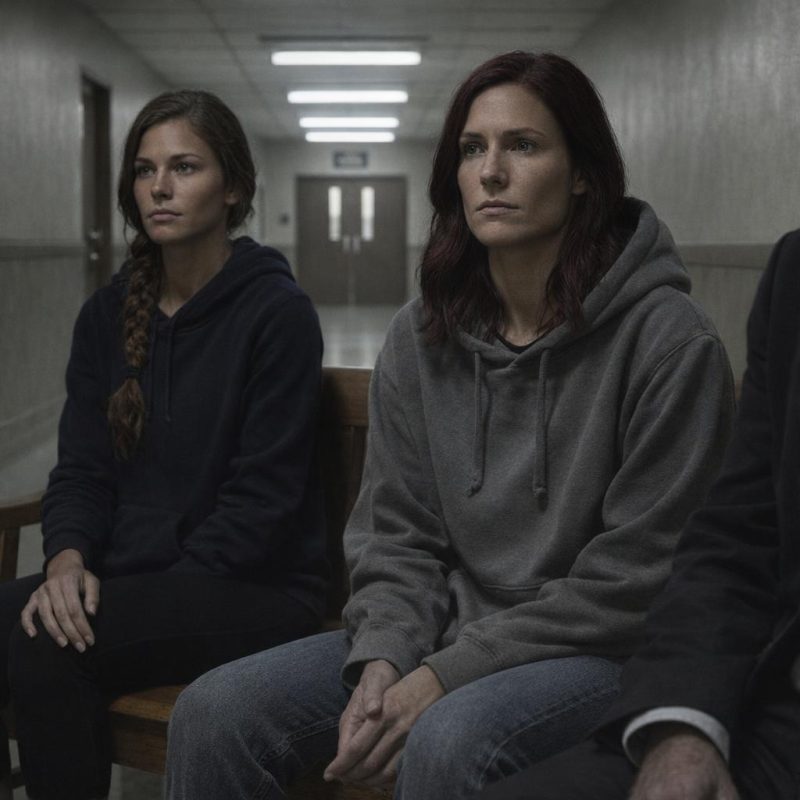 Image by RM AI
Guilty
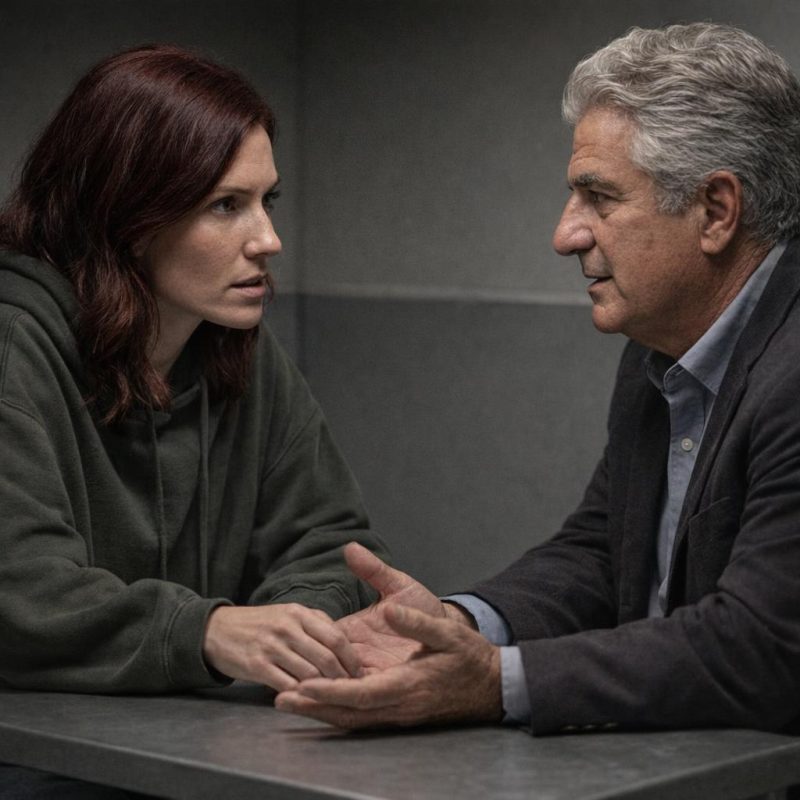 Image by RM AI
Beginning Therapy
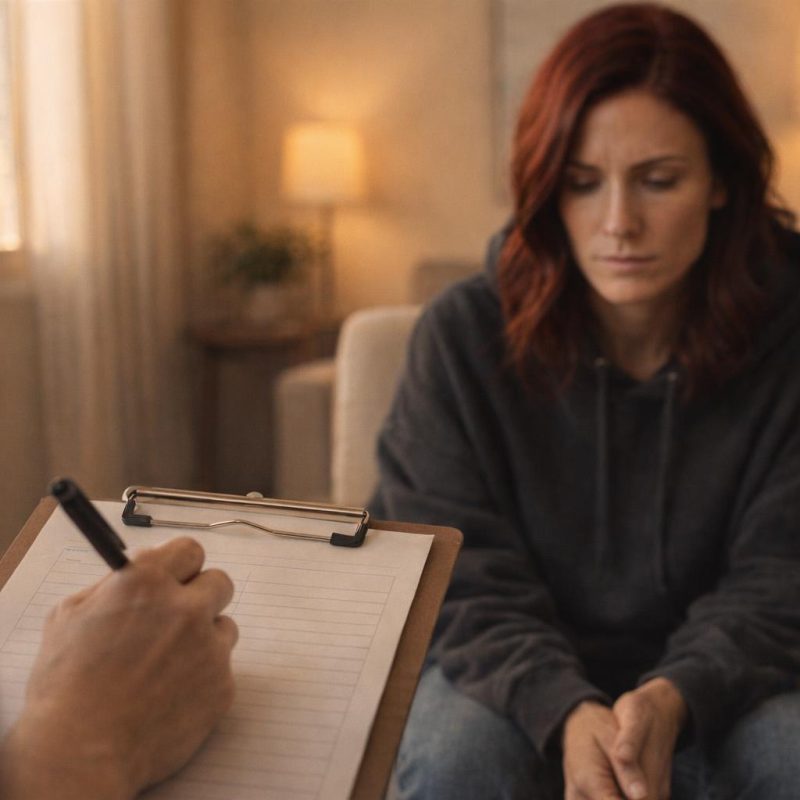 Image by RM AI
Home Again
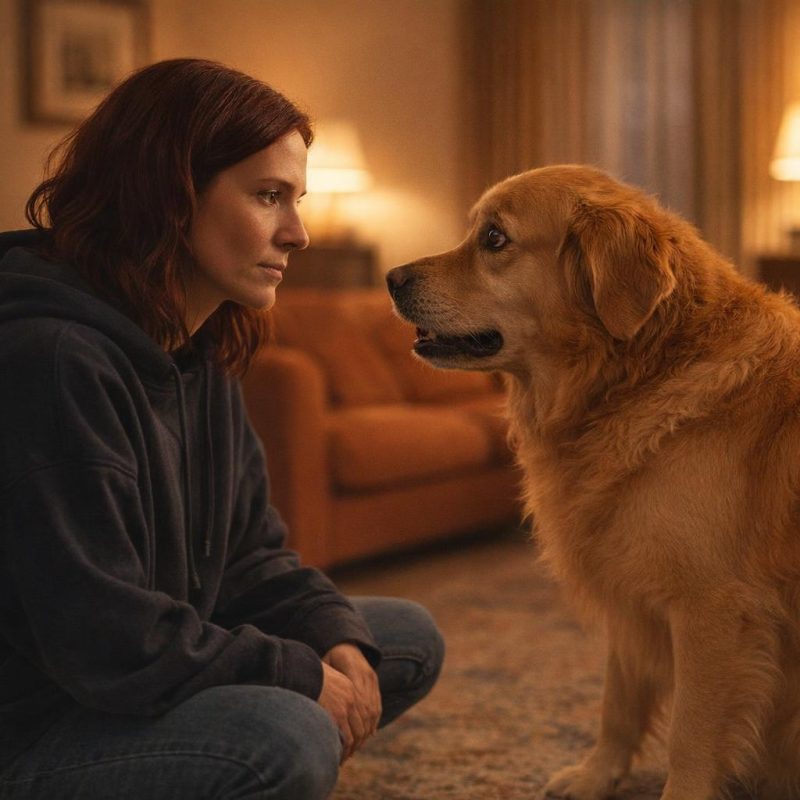 Image by RM AI
Peace at 3 AM
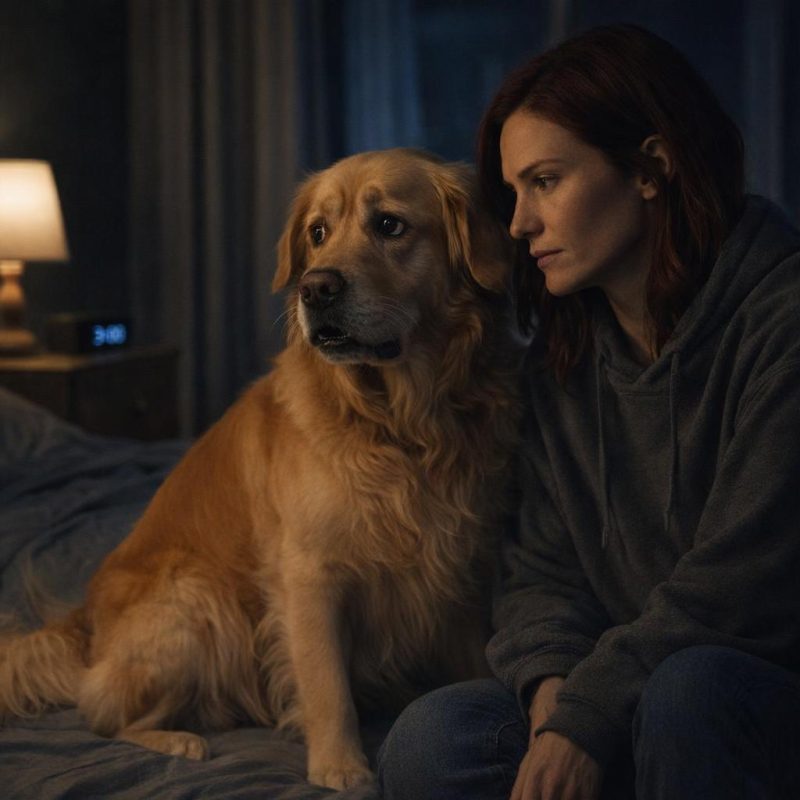 Image by RM AI
KEEP ON READING
The Origins Of 3 Common Sayings You Still Use Today
Etienne Boulanger on UnsplashMany of the phrases you use every…
By Rob Shapiro Apr 28, 2026
Was Caligula The Most Ruthless Roman Emperor?
Artur Matosyan on UnsplashRoman Emperor Caligula is one of ancient…
By Rob Shapiro Dec 18, 2025
1 Weird Fact About Every President
Washington, Lincoln, FDR. Most people know something about the lives…
By Robbie Woods Dec 3, 2024
10 Accidental Discoveries That Changed Maps & 10 That Changed…
Mistakes That Mattered. A lot of major discoveries did not…
By Cameron Dick Apr 15, 2026
10 Actors Who Perfectly Played a Historical Figure & 10…
Which Performance is Your Favorite?. Playing the role of a…
By Rob Shapiro Sep 15, 2025
10 Actors Who Perfectly Played a Historical Figure & 10…
Portraying a real person from history is one of the…
By Noone Dec 17, 2025