

I Thought My Dad and I Were an Unbreakable Team—Until the Woman He Started Dating Made Him Miss My Graduation
I Thought My Dad and I Were an Unbreakable Team—Until the Woman He Started Dating Made Him Miss My Graduation
The Smell of Antiseptic
I was seven the first time I understood that some smells mean something is wrong. The hospital had this sharp, chemical bite to it — antiseptic and something underneath that I couldn't name — and every time the automatic doors slid open, it hit me all over again. I remember my sneakers squeaking on the linoleum and Dad's hand wrapped around mine so tight it almost hurt. He didn't seem to notice. His eyes were always somewhere else, tracking nurses, watching doors, waiting for someone to come out and tell us something. Mom had been sick for a while by then, but I didn't really understand what sick meant until I saw how the doctors looked at Dad when they thought I wasn't watching. I remember fragments more than full scenes — the scratchy waiting room chairs, a vending machine that hummed too loud, a paper cup of apple juice someone handed me that I never drank. I remember the quiet that came after, when we got home and the house felt like it was holding its breath. And then one day we didn't go back to the hospital anymore, and the quiet became permanent. I sat in that waiting room for what felt like hours, my feet not quite reaching the floor, while Dad disappeared behind a set of closed doors to talk to the doctors alone.
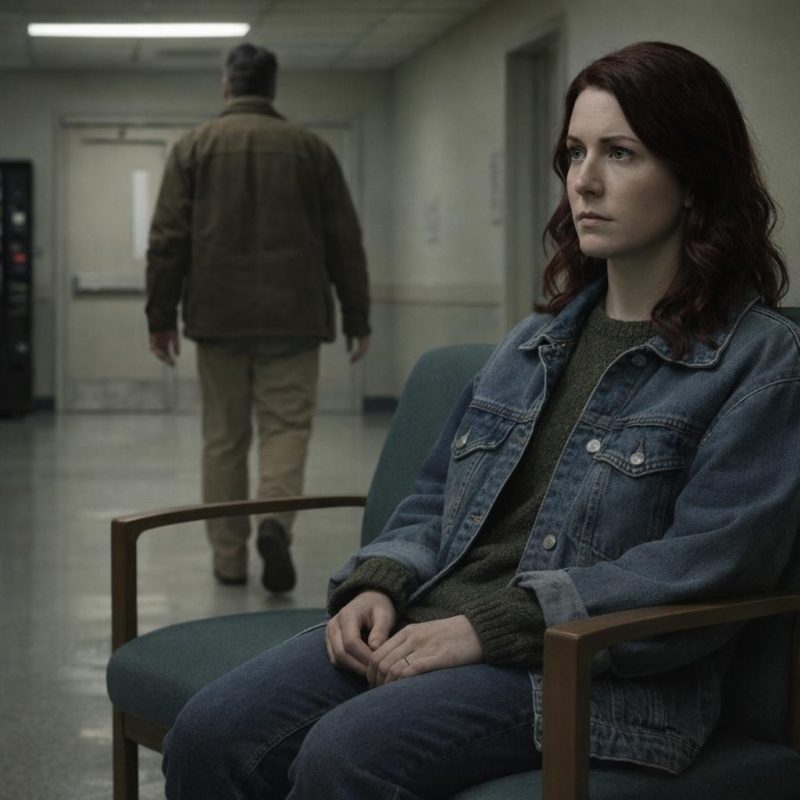 Image by RM AI
Just Us Now
The morning after Mom's funeral, I woke up and for about three seconds everything felt normal. Then it didn't. The house had that same held-breath quiet from the hospital, except now it wasn't going anywhere. I padded downstairs in my socks and found Dad already in the kitchen, still in the clothes he'd worn the day before. He looked like he hadn't slept. He pulled out a chair at the kitchen table and sat me down across from him, and I remember thinking he was going to cry again, but he didn't. He took a breath and said, 'It's just us now, kiddo. We're a team.' His voice was steady, but his hands weren't. I was seven and I didn't fully understand what he was promising, but I understood the word team. I understood that he was choosing to stay upright for me even when he didn't have to. We sat there together in the too-quiet kitchen, and he got up and poured cereal into two bowls — one for me, one for him — and I watched his hands shake as he carried them to the table.
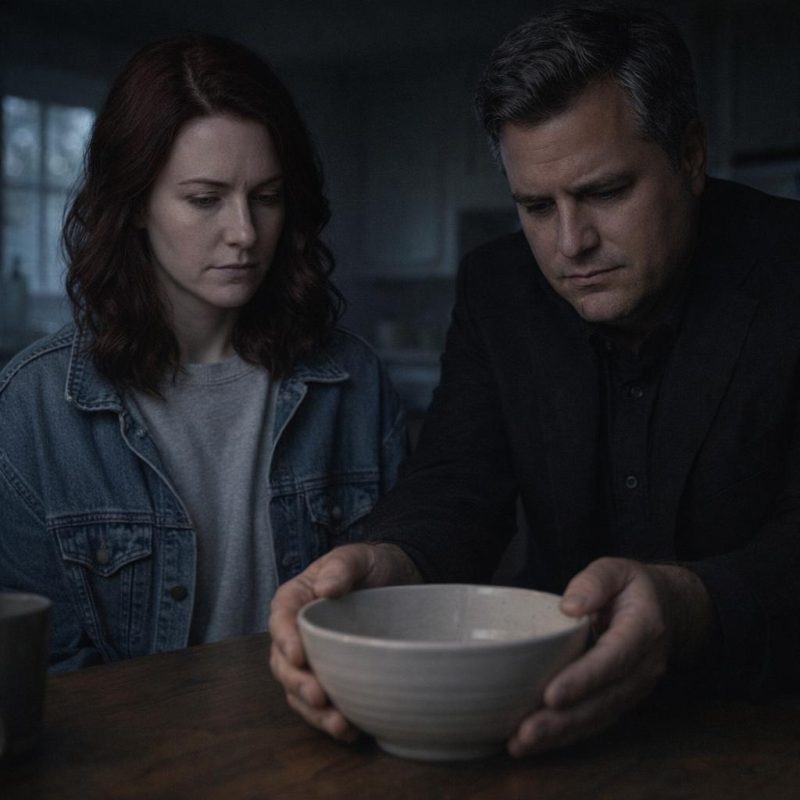 Image by RM AI
Lopsided Ponytails
Dad had never done my hair before Mom got sick. That was just a fact of our life, the same way he'd never packed a lunch or signed a permission slip without her reminding him twice. After she was gone, all of that landed on him at once. The hair was the hardest part, at least for a while. He'd stand behind me in the bathroom with a brush and a hair tie, his big hands fumbling like he was trying to defuse something, and the result was always a little tragic — lopsided ponytails that drooped to one side, braids that started neat and fell apart halfway down. I'd see the other girls at school with their smooth, perfect hair and feel a small, quiet ache that I never said out loud because I knew he was trying. What I didn't know, not until later, was how hard he was actually trying. One night I got up for a glass of water and saw the light still on in the living room. I crept to the doorway and found him slumped in his chair, head tipped back, mouth slightly open, completely asleep — and on the laptop screen in front of him, a hair-braiding tutorial was frozen mid-demonstration, the instructor's hands caught in place above a half-finished braid.
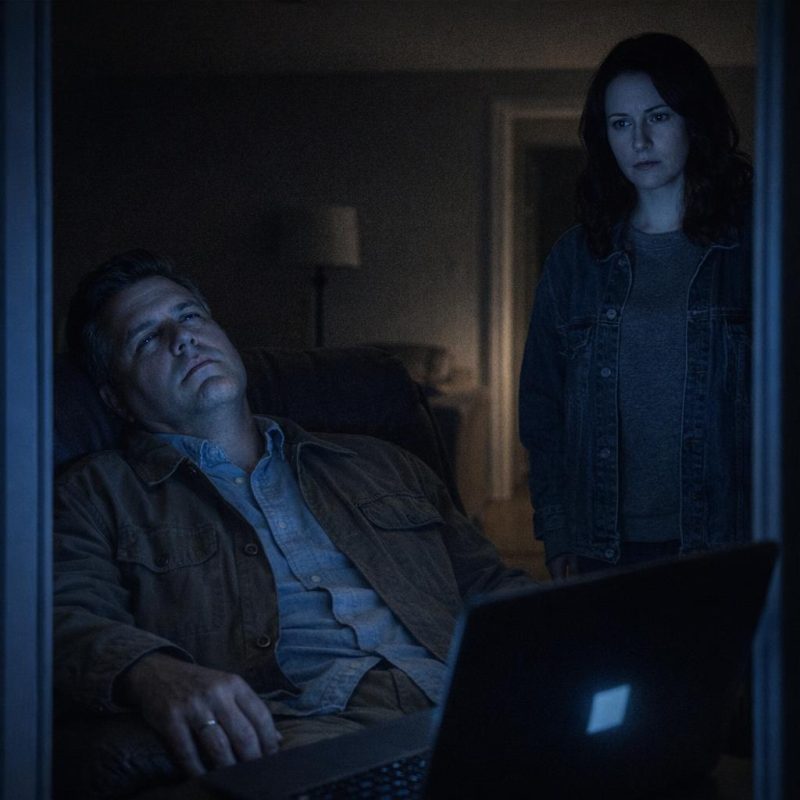 Image by RM AI
Crackers and Juice Boxes
For the first few months after Mom died, lunch was whatever Dad could throw together in under five minutes before the school bus came. That usually meant a handful of crackers, a juice box, and maybe a granola bar if we had them. I didn't complain. I could see how hard he was working just to keep us moving forward every morning. But I noticed things, the way kids do — the other kids at my lunch table with their neat little containers of grapes and cheese cubes and sandwiches cut into triangles. I never said anything to Dad about it, but somehow he figured it out anyway. He started asking me questions at dinner — what did I feel like eating, what did the other kids bring, did I like mustard or just mayo. He started reading the back of packages in the grocery store. The lunches got better slowly, week by week, a real sandwich here, an apple there, a little bag of pretzels. He was learning in real time, and I could see the effort in every small upgrade. Then one afternoon I unzipped my lunch box and found a sandwich cut into a heart shape, sitting there in the middle of everything like it was the most normal thing in the world.
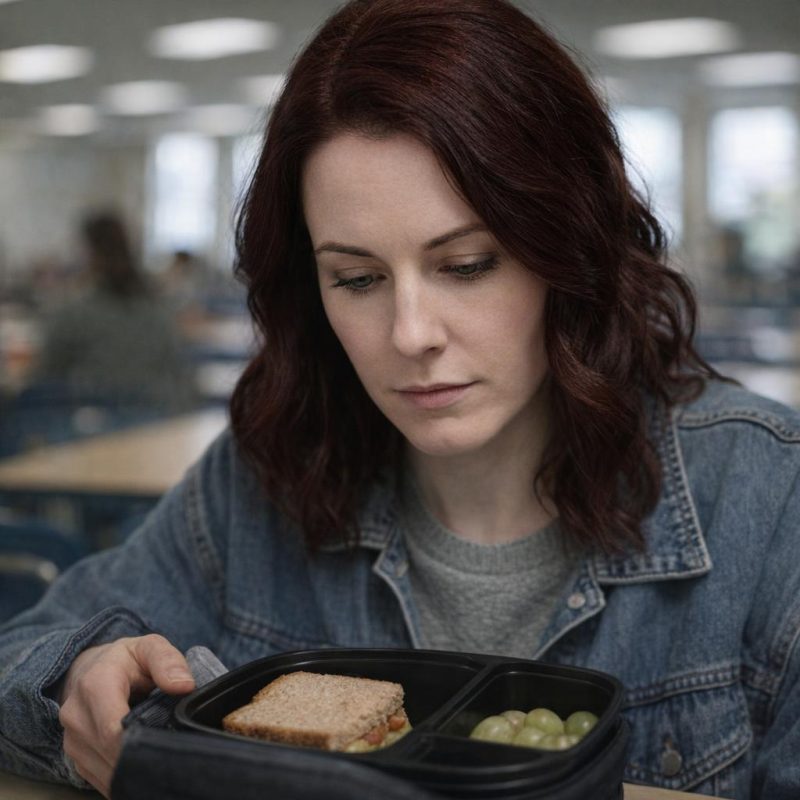 Image by RM AI
Frozen on Stage
I had exactly twelve lines in the fourth-grade spring play. I had practiced them so many times I could say them in my sleep, in the shower, walking to the bus stop. I was not nervous, I told myself, right up until the moment the stage lights came on and I couldn't see anything past the first two rows. The auditorium went from a familiar room full of people I knew to a hot, bright void, and every single word I had memorized just — left. Gone. I stood there in my costume with my mouth slightly open and nothing coming out, and the silence stretched in a way that felt physical, like something pressing down on my chest. The kid next to me whispered my first line and I still couldn't make it come out. I could feel my face going red under the lights. I was about to just walk off the stage and never come back when I saw Dad stand up in the audience and start clapping anyway.
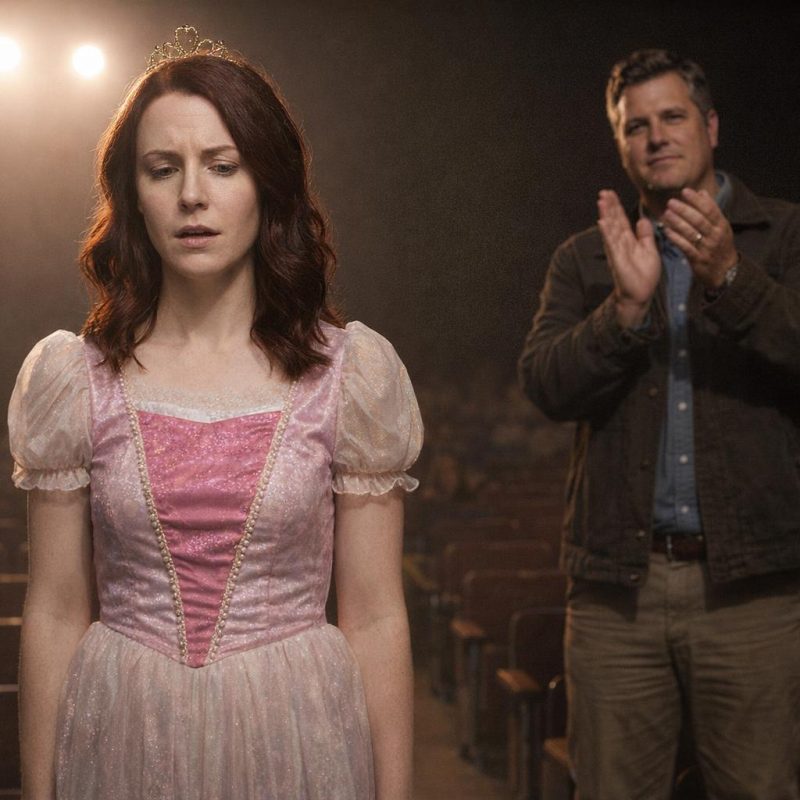 Image by RM AI
Squinting at Math Problems
I brought home a math worksheet in third grade that might as well have been written in another language. Long division with remainders, and the way my teacher had explained it made zero sense to me. Dad sat down at the dining room table with me after dinner, spread the worksheet out between us, and squinted at the first problem like it had personally offended him. 'Okay,' he said. 'I remember doing this. Give me a second.' He did not remember doing this. We tried it his way first, which was wrong. Then we tried it the way the worksheet explained it, which we both misread. He got up and found a pencil with a better eraser. We started over. He talked through it out loud, step by step, crossing things out and rewriting them, and somewhere in that second hour of sitting at that table, something clicked for both of us at the same time. I looked at the answer we'd landed on and checked it against the example at the top of the page. Dad looked at me. I looked at him. The answer on our paper matched.
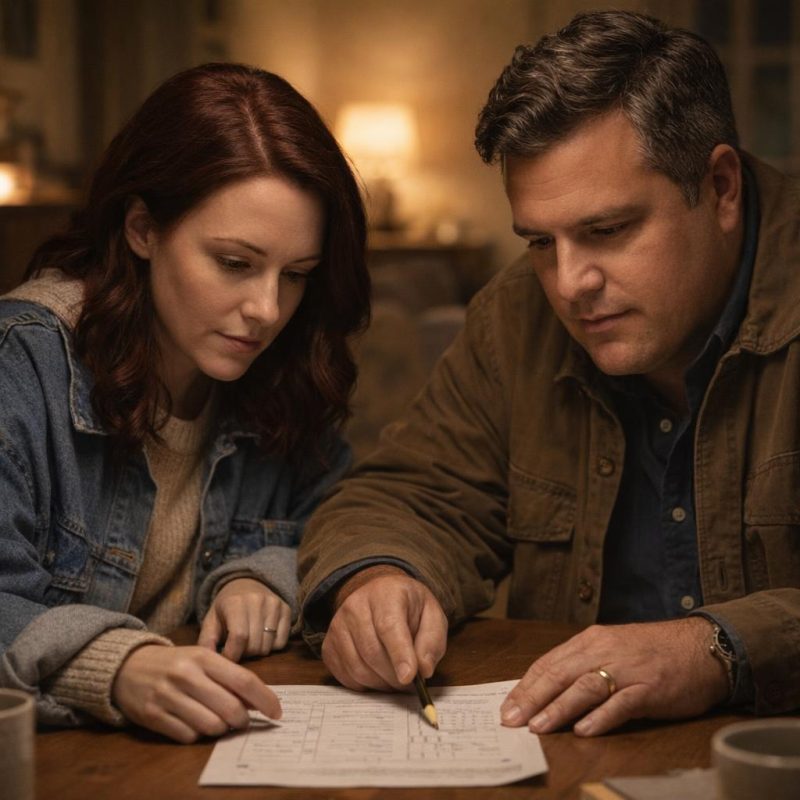 Image by RM AI
Parent-Teacher Conferences Alone
Parent-teacher conference night always made me feel two things at once, and they didn't go together well. I'd sit in the hallway outside my classroom on the little bench they put out for waiting kids, and I'd watch the other families file in — moms and dads together, sometimes grandparents, sometimes both. Then Dad would come down the hall alone, still in his work clothes because he'd come straight from the office, and I'd feel this complicated knot in my chest that I couldn't fully explain. Part of it was embarrassment, the kind you feel at that age about anything that makes you different. But a bigger part of it was something closer to pride, because he always showed up. Every single time. He'd shake my teacher's hand, sit down in the chair across from her desk, and pull out this small spiral notebook he kept in his jacket pocket. He used it only for these meetings. He wrote down everything — my reading level, my math scores, suggestions for how to help me at home — in his small, careful handwriting. I'd watch through the little window in the classroom door, and every time I saw him uncap that pen and write down every word the teacher said, the knot in my chest loosened just a little.
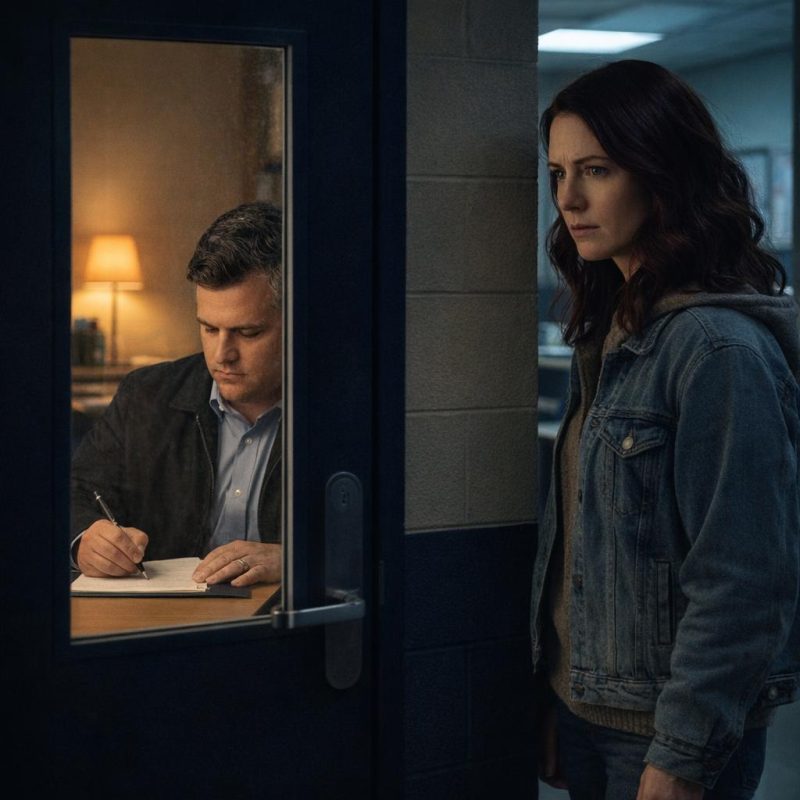 Image by RM AI
Cereal Dinners to Spaghetti
The first year after Mom died, dinner was mostly cereal. Sometimes toast. Once, memorably, just a plate of cheese and crackers that Dad called 'a European-style meal' with a completely straight face. I ate it. We both knew what it was. But somewhere around the time I started second grade, Dad decided we needed real food, and he approached cooking the same way he approached everything — by refusing to quit even when it was going badly. The early attempts were rough. Spaghetti that was somehow both overcooked and underseasoned. Chicken that came out so dry it was basically jerky. A soup that smelled fine but tasted like warm water with ambitions. He kept a notepad on the counter and wrote down what went wrong each time, the same way he took notes at my parent-teacher conferences. Slowly, things improved. The spaghetti got better. The chicken got juicier. One evening he set a plate of pasta in front of me with a sauce he'd been simmering for an hour, and I took a bite expecting to be polite about it — and it was actually good. Not just edible. Actually, genuinely good. I sat there with my fork halfway to my mouth, and the warmth of it settled over the table like something that had always been there, waiting to arrive.
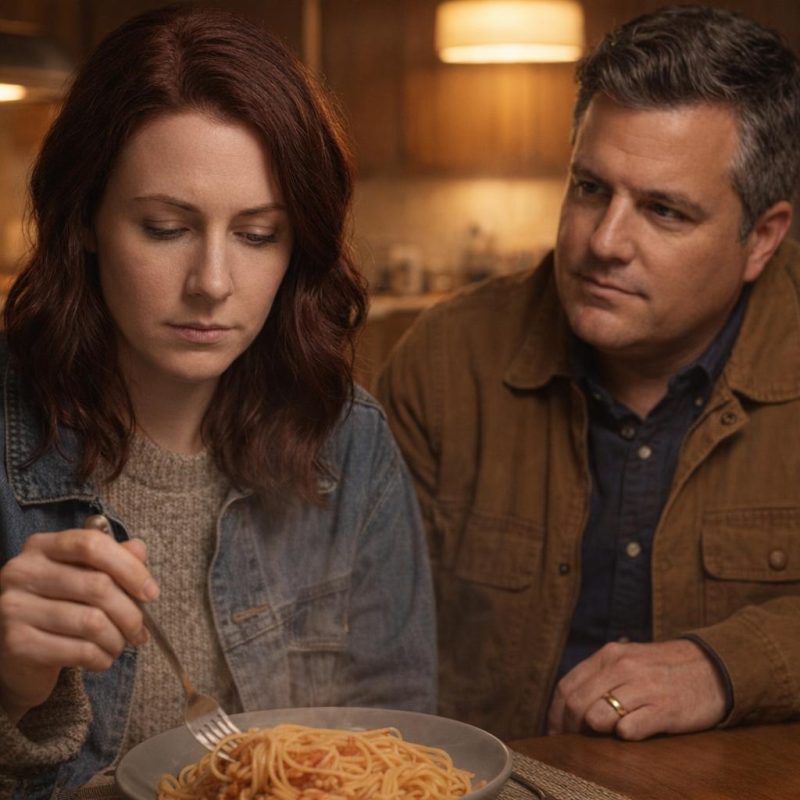 Image by RM AI
Terrible at Softball
I joined the softball team in fifth grade for reasons I still can't fully explain. Maybe I wanted to feel like a normal kid. Maybe I just liked the idea of the uniform. Whatever it was, I was spectacularly bad at it from day one. I couldn't hit. I couldn't catch. I once ran the wrong direction after a grounder and the coach just stood there with her clipboard, not even sure what to write down. The other parents on those bleachers had kids who could actually play — kids who dove for balls and made contact and did the thing you're supposed to do in softball. I was not one of those kids. I struck out so many times that summer that it stopped being embarrassing and started being almost funny. Almost. But every single practice, every single game, Dad was there in the bleachers with his coffee thermos and his completely sincere enthusiasm. He clapped at my strikeouts. He cheered when I made contact even if the ball went foul. The third time I struck out in one game, I turned around expecting to feel the full weight of my own failure — and there he was, still smiling, like watching me try was the whole point.
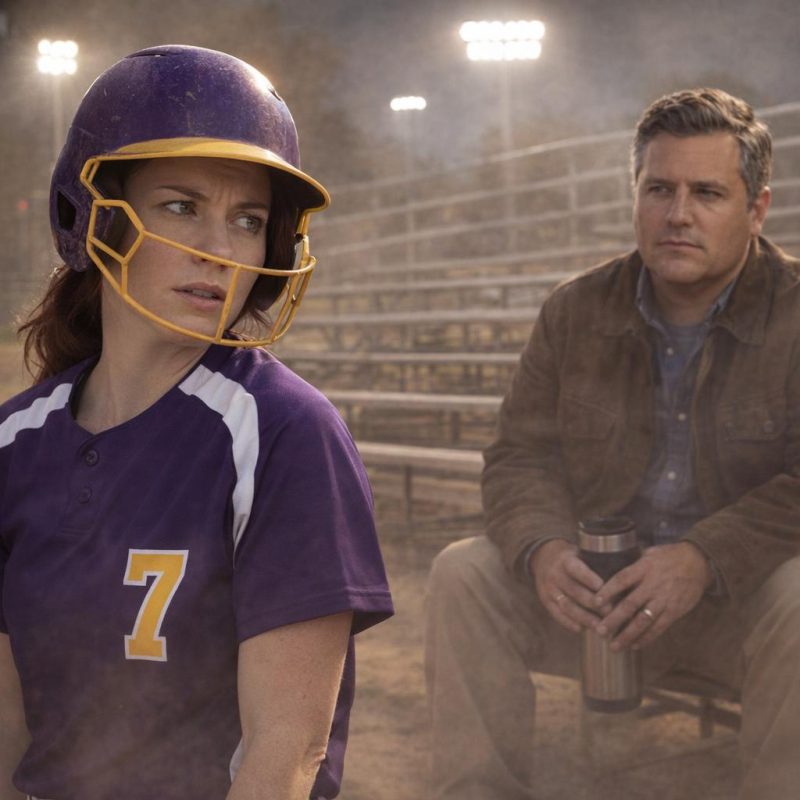 Image by RM AI
We'll Figure It Out
The test anxiety started in middle school and never really left. I'd lie awake the night before an exam running through everything I might have forgotten, every concept I might have misunderstood, every possible way I could fail. Friendship drama was worse in some ways — the kind of low-grade social panic that doesn't have a clear solution, just a knot in your stomach that won't loosen. Dad had a routine for both. He'd knock on my door, sit on the edge of my bed, and just listen. He didn't try to fix everything immediately or tell me I was overreacting. He'd ask questions, nod, let me talk myself in circles until I ran out of steam. Then he'd say it — the same thing, every time, in the same steady voice: 'We're a team, remember? We'll figure it out.' It sounds simple. It probably sounds like something you'd put on a motivational poster and roll your eyes at. But at twelve, at thirteen, at fifteen, sitting in the dark with my stomach in knots, those words landed like something solid I could hold onto. And every time he said them, I believed him completely.
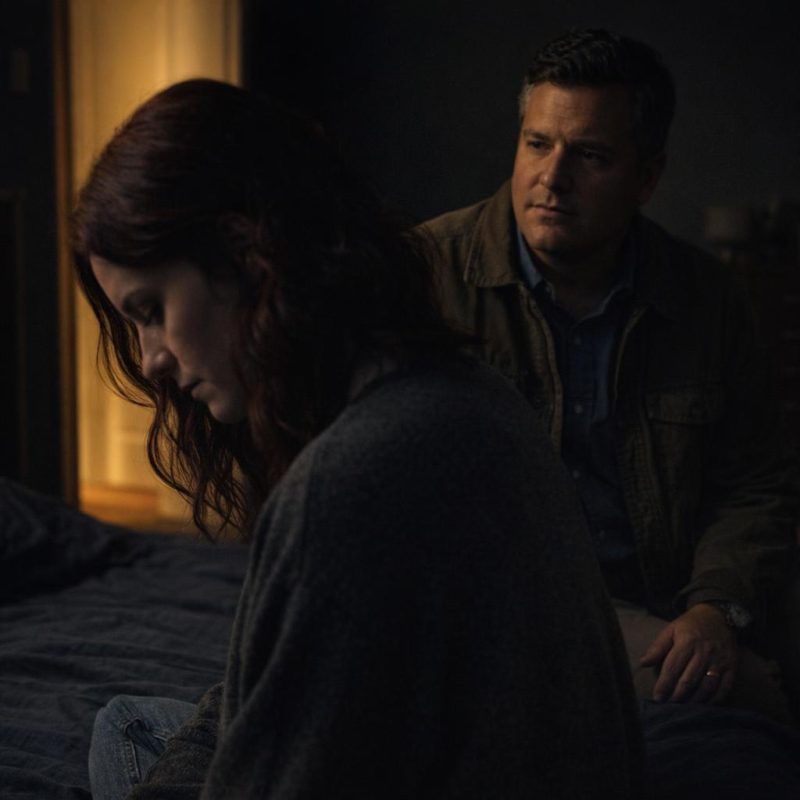 Image by RM AI
High School Graduation Promise
High school graduation snuck up on me the way big things sometimes do — one day it was abstract, something happening to seniors, and then suddenly I was a senior and it was happening to me. The announcements came in the mail in a thick cream envelope, and I remember standing at the mailbox holding one and thinking, this is real now. I texted Dad the ceremony date before I even got back inside the house. He called me back within two minutes. Not a text — a call. He wanted to know the exact time, which entrance to use, whether he should bring flowers. I told him I didn't care about the flowers. He said he was bringing flowers anyway. We talked about dinner afterward, which restaurant, whether Aunt Sarah and Uncle Mike would come. There was no version of that conversation where he wasn't there. It didn't even occur to me to wonder. The date was circled on his calendar before we hung up, and I went back inside and set the announcement on my desk, and the whole thing felt as settled and certain as anything I'd ever known.
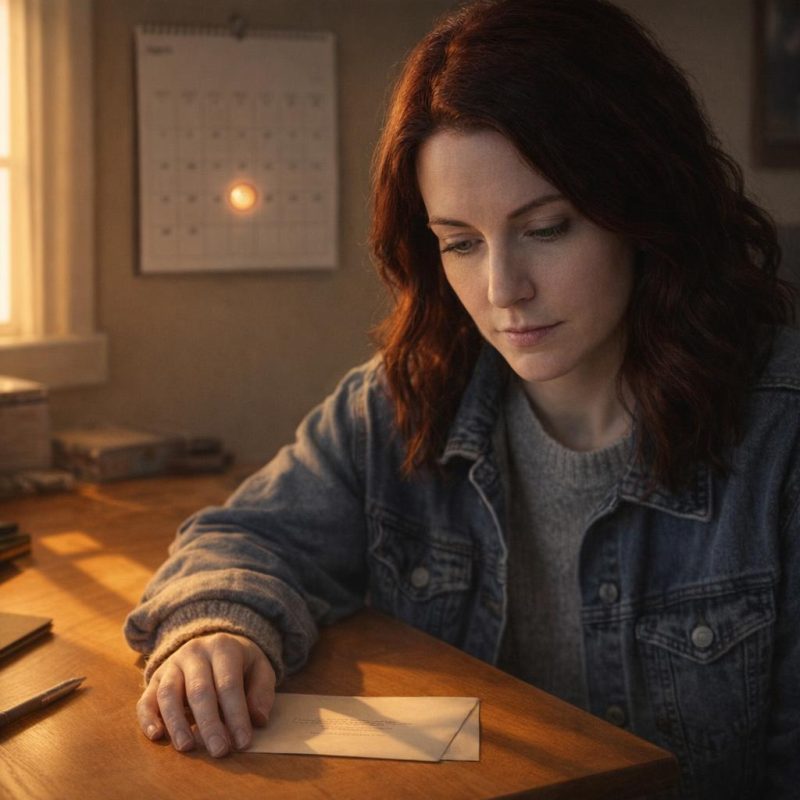 Image by RM AI
Weekly Calls Home
College was the first time I'd ever lived somewhere that wasn't home, and the first few weeks had that particular flavor of lonely that nobody warns you about — surrounded by people, completely untethered. I called Dad more than I probably should have admitted to my new roommate. But by October, we'd settled into a rhythm: Sunday evenings, right around seven, his name would light up my phone screen like clockwork. We talked about everything. My professors, the ones I liked and the ones who made me want to transfer. The dining hall food, which was aggressively mediocre. The friends I was slowly making, the ones who felt like they might stick. He remembered names. He asked follow-up questions the next week about things I'd mentioned in passing, which meant he was actually listening, actually filing it away. I'd come home for breaks and the house would smell like whatever he'd been practicing in the kitchen, and we'd fall back into our old rhythms like I'd never left. The distance didn't change anything that mattered. Sunday evening, right on schedule, his name appeared on my screen and I picked up before the second ring.
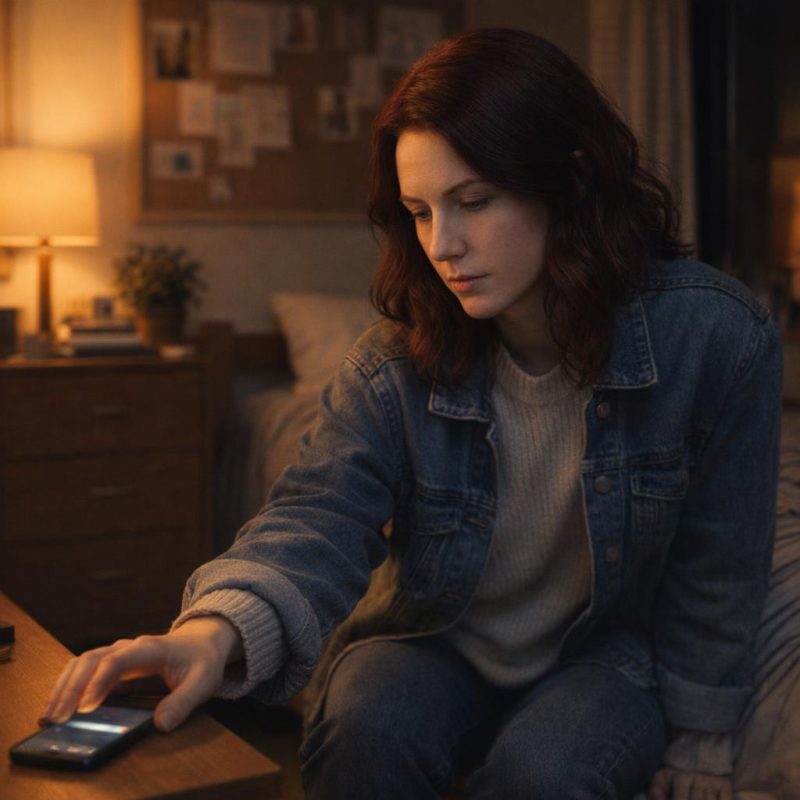 Image by RM AI
The Routine Solidifies
By junior year, the Sunday calls had become as automatic as breathing. I stopped thinking of them as something I scheduled and started thinking of them as just part of how the week worked — the thing that happened after the weekend wound down and before Monday started up again. We talked about everything and nothing. He'd tell me about a plumbing issue at the house, or a coworker who was driving him up the wall, and I'd tell him about a paper I was dreading or a group project that was already a disaster. He knew my professors by name. He knew which of my friends I trusted and which ones I was still figuring out. He knew about the coffee shop two blocks from campus where I did my best studying, and he knew I always ordered the same thing. One Sunday in the middle of junior year, I was sitting cross-legged on my dorm room floor, phone pressed to my ear, and I glanced at the clock on my laptop — and it was almost nine. We'd started talking just after seven. I looked at the time and then I just laughed, because I hadn't noticed at all.
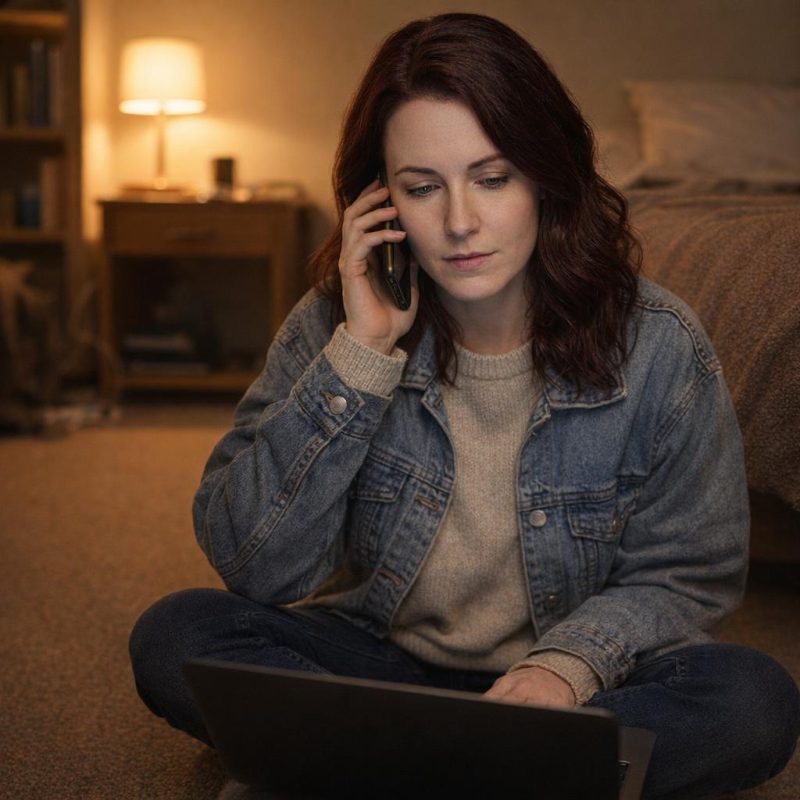 Image by RM AI
Senior Year Begins
Senior year arrived with a particular kind of electricity — the feeling that everything was both ending and beginning at the same time. I moved into my last college apartment in August, hung my cap and gown on the back of the closet door the day it arrived, and stood there looking at it for a minute like it was proof of something. The graduation ceremony date came in an email from the registrar in September, and I did what I always did: I opened my calendar app and marked it immediately, the same way I'd marked every important date for the last four years. Then I pulled up my text thread with Dad. We'd been talking about senior year since August — classes, thesis deadlines, what came after. I typed a cap-and-gown emoji and sent it before I'd even thought of what words to add. His reply came back in under a minute: a string of exclamation points and something about already requesting the day off work. I smiled at my phone and set it down on the desk next to my calendar, the date circled in blue.
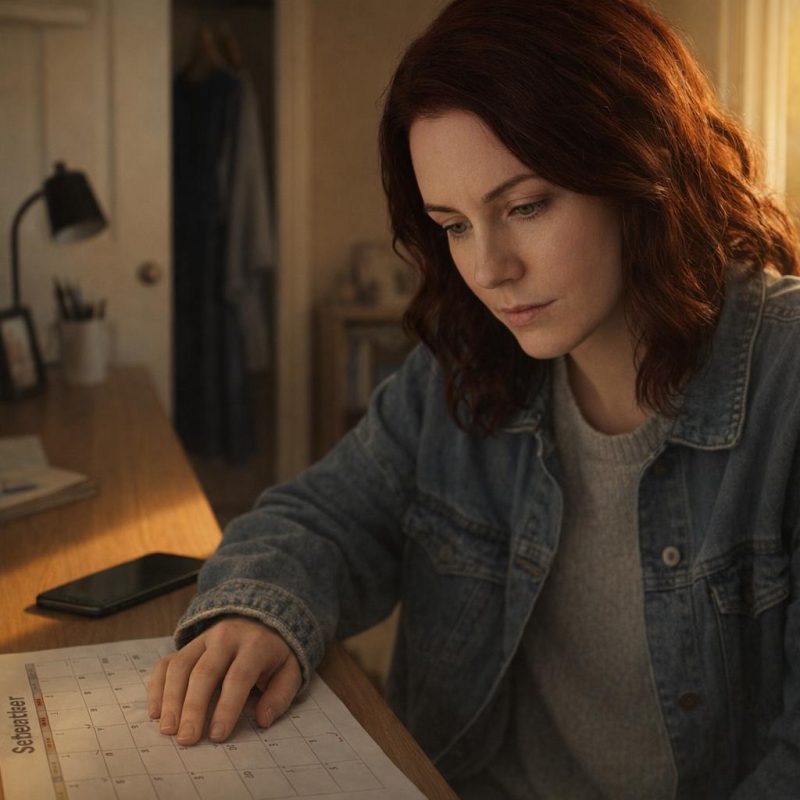 Image by RM AI
Complete Trust
My roommate Jade was the organized one — the kind of person who had a color-coded spreadsheet for graduation logistics before the rest of us had even confirmed our cap sizes. She was working through the ticket situation one evening in October, cross-referencing the allocation with everyone's family lists, and she looked up from her laptop and asked if I needed to hold extra seats. I told her no. She asked if I was sure, because some families were bringing cousins, aunts, the whole extended situation. I said my dad would be there, and that was the main thing. She gave me the look she gave people when she thought they were being imprecise about something important. 'But are you sure he's confirmed?' I didn't even hesitate. I told her he'd been to every single thing — every school play, every recital, every graduation, every moment that counted — for fifteen years without missing one. The idea of him not being in that audience wasn't something I could picture. It didn't have a shape in my mind. It was like trying to imagine a color that didn't exist. I told Jade to allocate the extra tickets to someone who actually needed them.
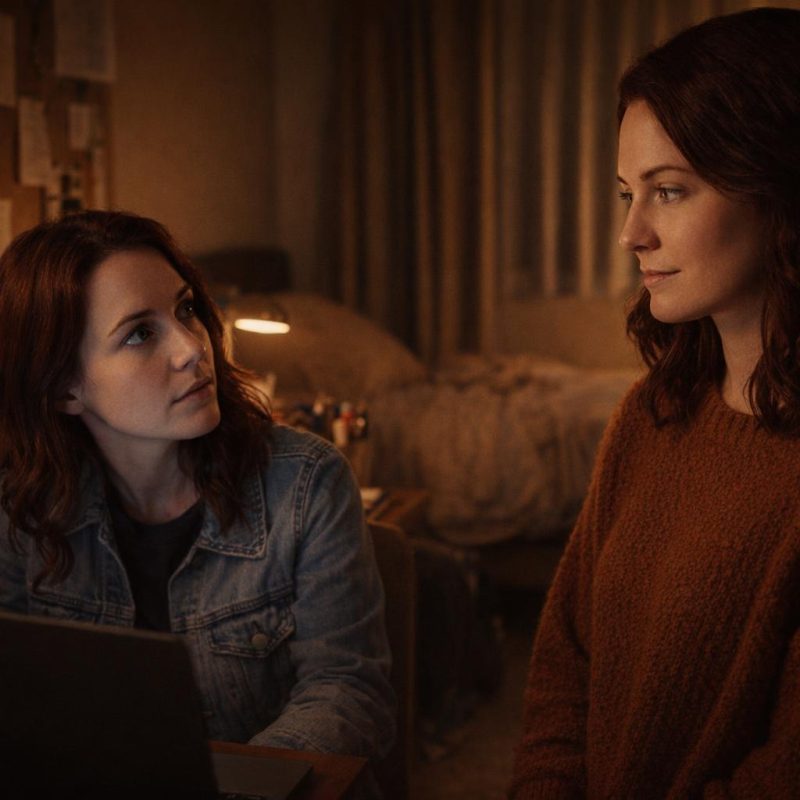 Image by RM AI
Thai Place Announcement
We had a standing tradition of the Thai place on Maple whenever I was home — same booth in the back, same order, same comfortable rhythm of a meal we'd had a hundred times. I noticed something was off before he said a word. He was quieter than usual, stirring his soup without really eating it, glancing at the table instead of at me. I asked if everything was okay at work. He said work was fine. I asked about the house. He said the house was fine. Then he set his spoon down and cleared his throat in the way he did when he was about to say something he'd been rehearsing, and he told me he'd been seeing someone. For a few seconds I just sat there. I said something like 'Oh' and then 'That's great' and I tried to make my face do the right thing, because it was great, objectively — he deserved that, he'd been alone a long time, I knew all of that. But something shifted in my chest that I couldn't quite name, something that had nothing to do with logic. He picked up his fork and moved his pad thai around the plate, and he still hadn't quite met my eyes.
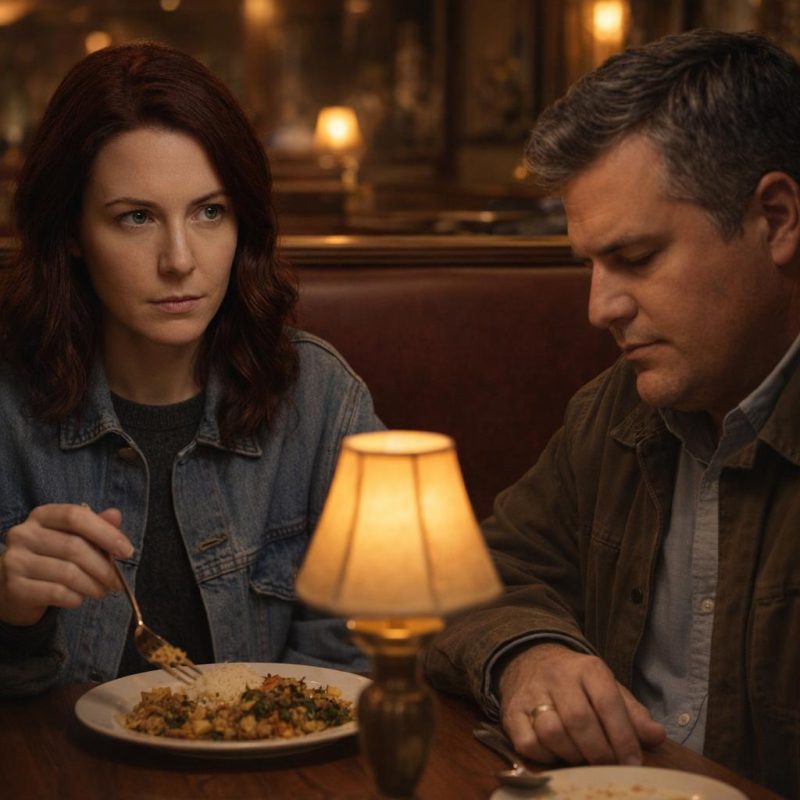 Image by RM AI
Her Name Was Lisa
Her name was Lisa. He said it quietly, like he was testing how it sounded out loud between us, and I nodded and said that was a nice name because I didn't know what else to say. A few months, he told me — they'd been seeing each other for a few months. I sat with that for a second. A few months. I'd been home twice in that stretch, called him every Sunday, and not once had he mentioned her. I wasn't angry, exactly. I didn't have the right to be angry. But something about the timeline stung in a way I couldn't quite explain, like finding out a chapter of his life had already been written without me knowing the book had started. I told myself he was probably just being careful, waiting until he was sure about her before saying anything. That made sense. That was a reasonable thing to do. I picked up my water glass and asked how they met, and I watched his pause stretch just a little too long before he answered.
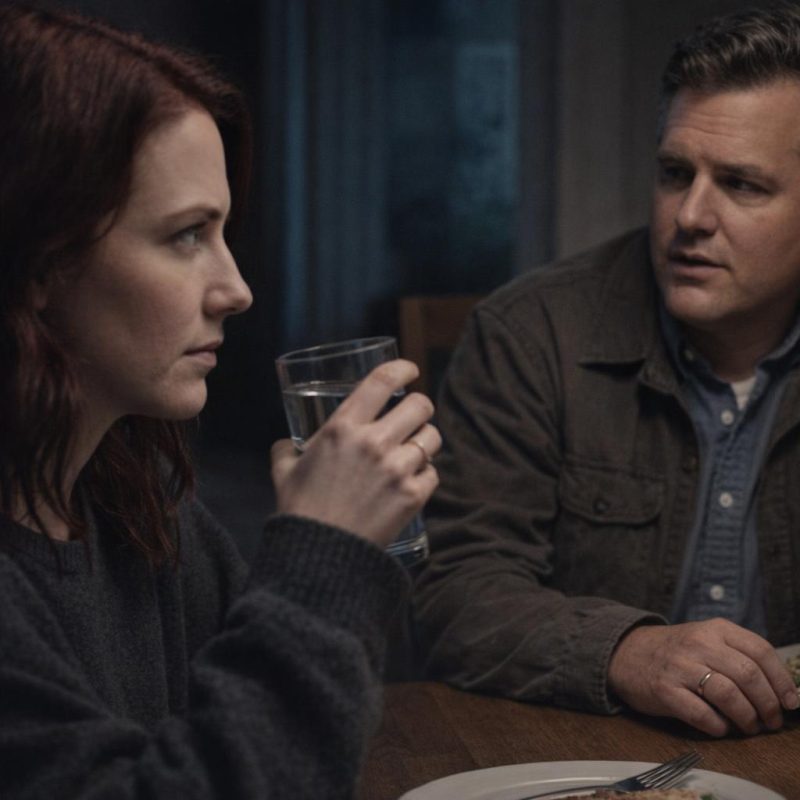 Image by RM AI
Normal Questions
He said they'd met through mutual friends, which was fine, a perfectly normal way to meet someone. I asked where she worked and he said something about healthcare administration, which also sounded fine. I asked what she was like as a person — her personality, what made her laugh, the kind of things you'd naturally want to know — and he said she was warm, she was thoughtful, she was good at listening. I asked about her interests, whether she liked the outdoors or cooking or anything specific, and he said she liked a lot of things, that she was easy to be around. Every answer he gave me was technically an answer. None of them were wrong. But by the time we'd finished our food and the check came, I was sitting across from my father having just learned that his girlfriend of several months was warm, worked in healthcare, and liked things. I turned it over on the drive home, trying to find the detail I must have missed, the one concrete fact that would make her feel like a real person. I couldn't find one.
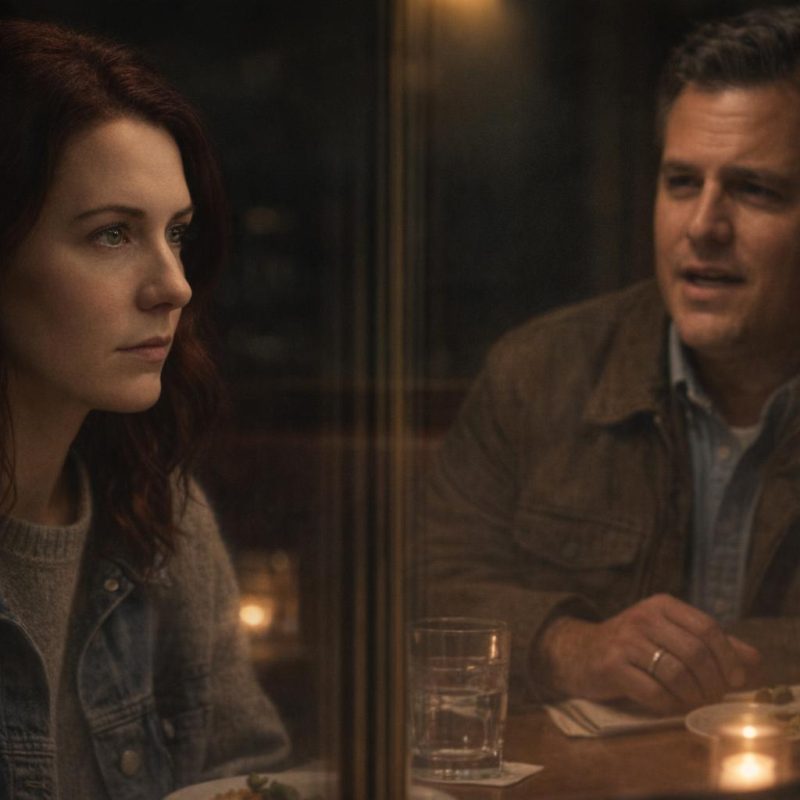 Image by RM AI
Building Arguments
Dad called two days later to set up a dinner — the three of us, the following Saturday. I said yes immediately, before I could talk myself into hesitating, and then spent the rest of the week talking myself into being okay with it. I made a list in my head of all the reasons this was good. He'd been alone for fifteen years. Fifteen years of Sunday dinners for two and holidays that always had a quiet edge to them, no matter how hard we both tried. He deserved someone. I would have been a genuinely terrible daughter if I'd wanted him to stay alone just because change made me uncomfortable. I knew all of that. I believed all of it. I just also had this low-grade hum of anxiety that I couldn't fully explain, so I kept rehearsing. I thought through questions I could ask her, things I could say to fill silences, ways to seem relaxed and open and easy to be around. On Friday night I stood in the bathroom and practiced smiling at myself in the mirror until it looked like it didn't need practice.
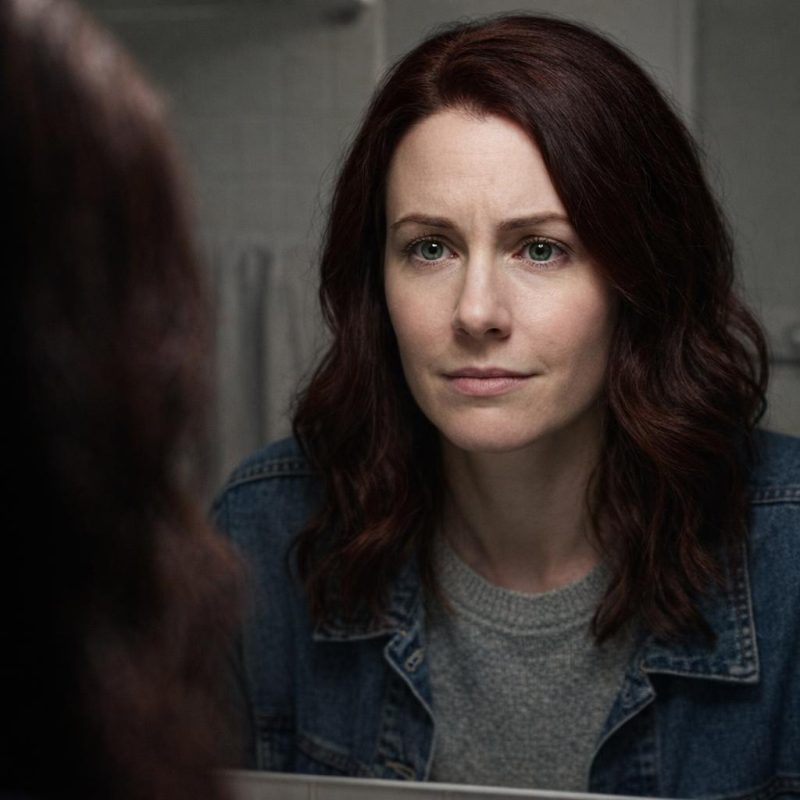 Image by RM AI
Marcus Listens
Marcus found me at our usual coffee spot on Thursday, already two sentences into my spiral before I'd even sat down. I told him about the dinner, about the vague answers, about the fifteen-years-alone thing and how I knew I was supposed to be happy and mostly was but also kind of wasn't, and he just let me go until I ran out of words. That was the thing about Marcus — he never tried to fix you mid-sentence. He waited until you were actually done. He wrapped both hands around his mug and said it sounded like I was carrying a lot of expectations into a dinner that hadn't happened yet. I said I wasn't expecting anything, I just wanted it to go well. He gave me the look he gave me when he thought I was being slightly ridiculous but was too kind to say so directly. He said my dad had been alone for fifteen years, and that maybe the most useful thing I could do was just show up and see what happened.
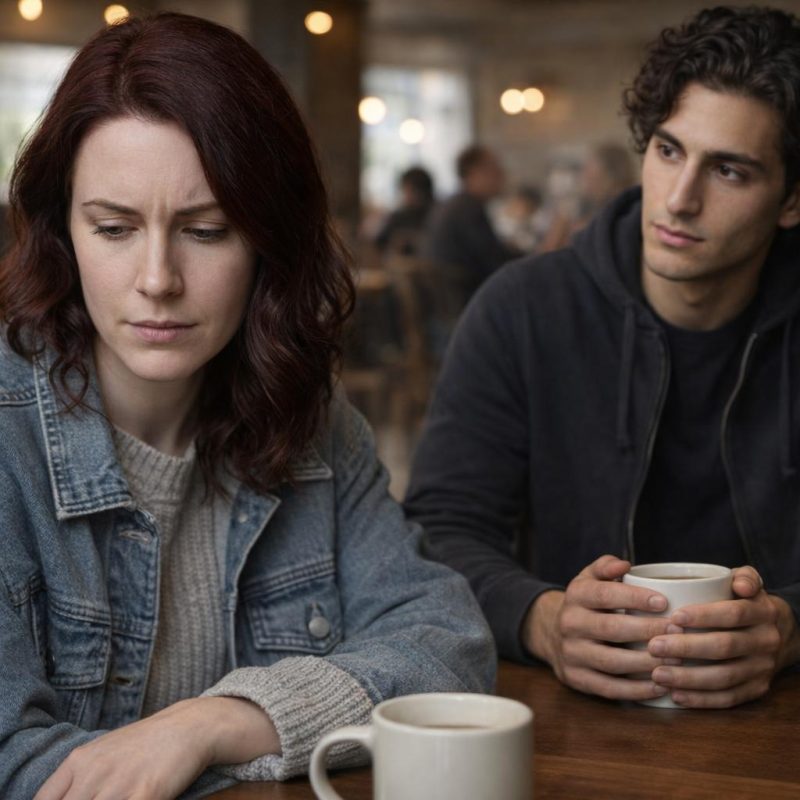 Image by RM AI
Outfit That Would Make a Good Impression
Saturday morning I stood in front of my open closet for longer than I'd like to admit. I wanted to look like someone who had it together without looking like I was trying to prove I had it together. Not too dressed up — that would seem like I was performing. Not too casual — that would seem like I didn't care. I wanted Lisa to like me. I wanted her to look across the table and think, okay, Thomas's daughter is someone I can work with, someone I can be around. I wanted my dad to see us getting along and feel that particular kind of relief that parents feel when the people they love don't make each other miserable. I tried on a blue blouse and put it back. I tried a grey sweater and it felt too serious. I told myself it didn't matter what I wore, that this was just dinner, that I was a grown adult who had given presentations in front of lecture halls and survived. I still stood there holding a striped shirt, a soft green top, and a plain white button-down, unable to commit to any of them.
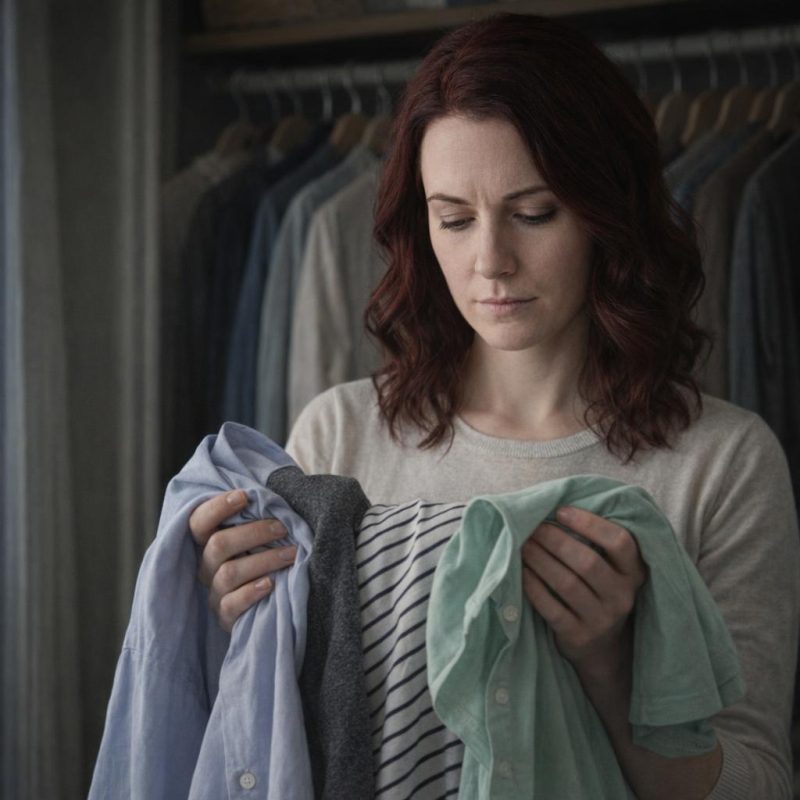 Image by RM AI
Downtown Restaurant
The restaurant was downtown, the kind of place with cloth napkins and a menu that didn't list prices on the version they hand to certain guests. It was nicer than anywhere my dad and I usually went, and I noticed that immediately — noticed it and filed it away without knowing quite what to do with it. They were already at the table when I arrived. Dad stood up and smiled the way he did when he was nervous and trying not to show it. Lisa stood too, and that was the first thing I clocked — the posture, perfectly straight, the kind you don't accidentally have. Her smile arrived right on time, wide and warm and even, and she said it was so wonderful to finally meet me, that Thomas had told her so much about me. I said something back, something appropriate, and then she extended her hand. The grip was firm, her eye contact steady and direct, and I shook it and smiled and sat down, and the evening began.
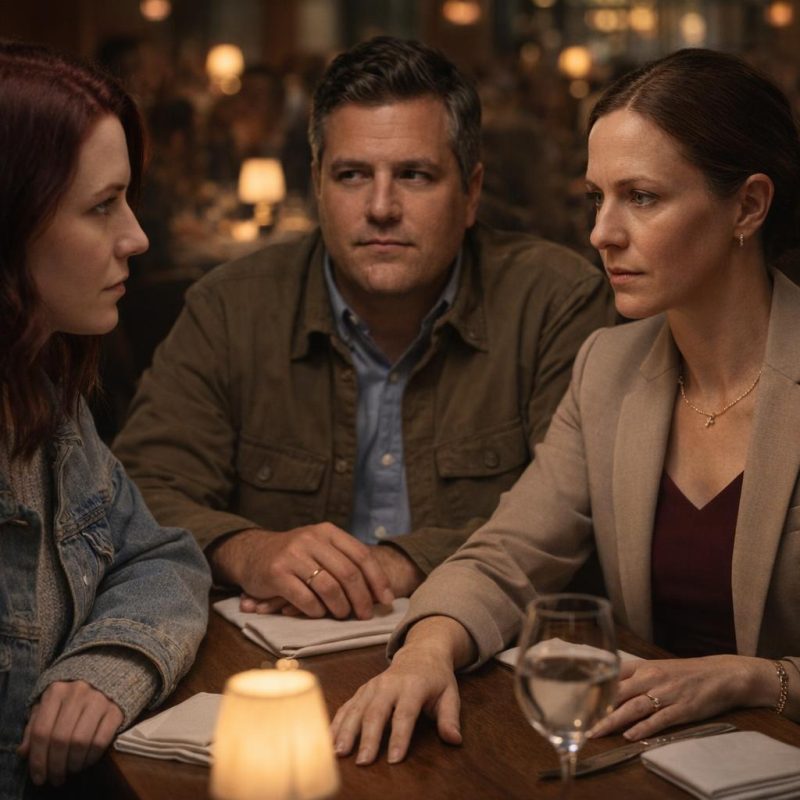 Image by RM AI
All the Right Questions
Lisa asked about my major within the first five minutes, and I told her — communications, with a minor in sociology — and she nodded like that was genuinely interesting, asked a follow-up about what I wanted to do with it after graduation. I told her I was looking at nonprofit work, maybe communications strategy, still figuring it out. She asked about the graduation timeline, whether I was nervous about the job market, what my campus experience had been like. All the right questions, in the right order, with the right amount of eye contact. My dad sat across from us watching the whole thing with this careful, hopeful expression, like he was monitoring a weather system and really needed it to stay clear. I answered everything she asked. I asked her things back. The conversation moved the way a well-run meeting moves — efficiently, pleasantly, without a single awkward silence. I reached for my water glass and realized we'd been talking for nearly twenty minutes, and I couldn't have told you what any of it had actually been about.
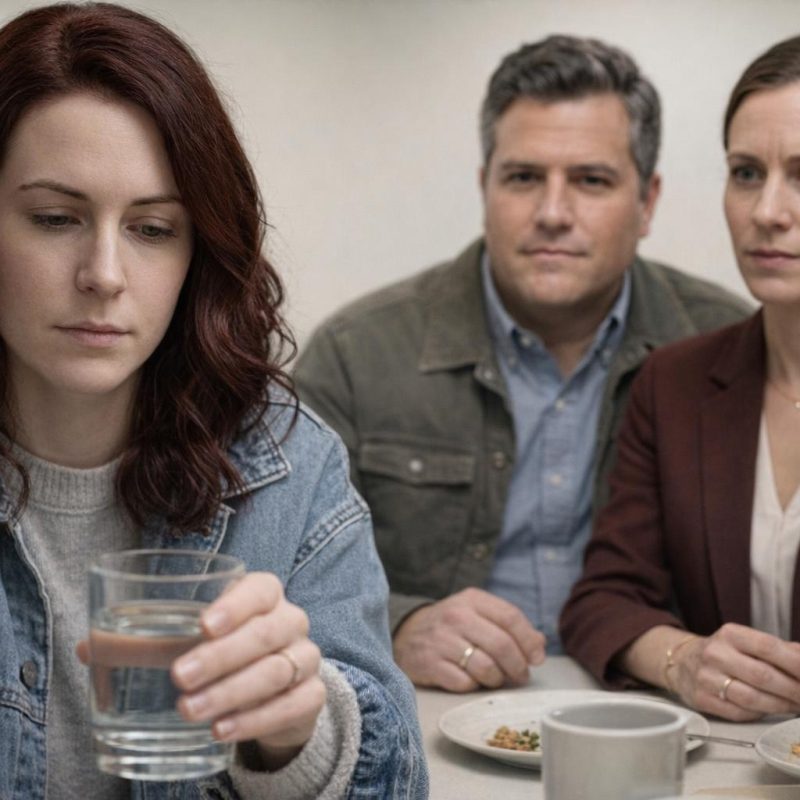 Image by RM AI
Polished and Appropriate
When the entrees arrived I tried to shift things toward her — asked about the healthcare administration work, what her day-to-day looked like. She gave me an answer that sounded professional and complete, something about coordinating between departments, managing compliance timelines. It made sense while she was saying it. I asked about her interests outside of work and she mentioned a few things — she liked being outdoors, she enjoyed cooking when she had the time, she'd been getting into reading again lately. All of it landed naturally, none of it snagged on anything. My dad looked relaxed for the first time all evening. I cut into my food and kept the conversation going, asking about where she'd grown up, whether her family was nearby. She said something about moving around a lot as a kid, and then somehow we were talking about my dad's neighborhood and whether the farmers market on Fifth was worth the parking situation. I didn't notice the redirect until later, sitting in my car after dinner, when I tried to remember where Lisa had said she was from and came up completely blank.
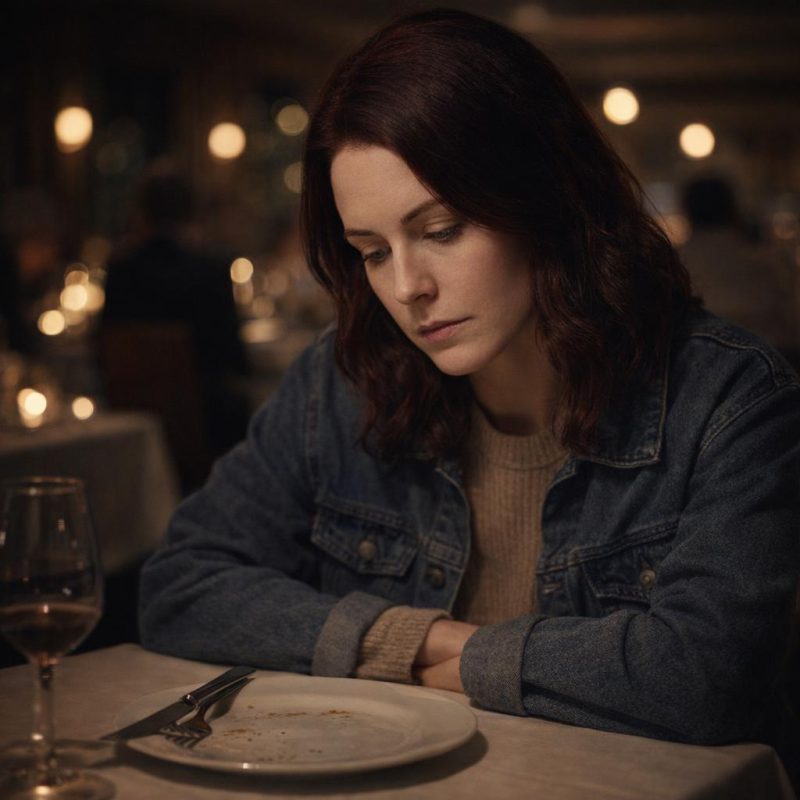 Image by RM AI
Smile That Never Wavered
The smile never left her face. That was the thing I kept coming back to as the dinner stretched on — not that Lisa was unfriendly, because she wasn't, but that the smile stayed exactly the same whether we were talking about my dad's neighborhood or my coursework or the weather. It didn't shift when something was funny. It didn't soften when something was personal. It just held there, steady and even, like a photograph of warmth rather than the real thing. My dad looked genuinely happy across the table, and I kept telling myself that was what mattered. I asked Lisa about her weekends, whether she had a regular routine, and she gave me something pleasant and general about farmers markets and morning walks. I smiled back and nodded. I was trying, I really was. But somewhere around the third course I started noticing something else — and then it happened again, clearly enough that I caught it: I said something about my thesis deadline, and Lisa's eyes moved to my dad's face before she responded, tracking whatever was there.
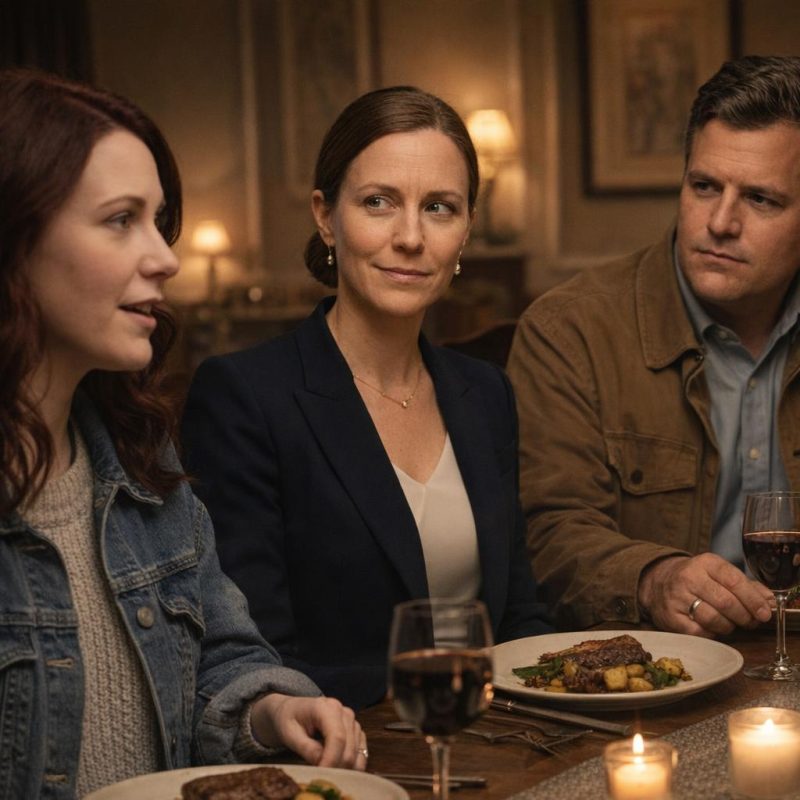 Image by RM AI
Performance Not Person
The goodbyes were warm enough. Lisa said it was lovely to meet me, and I said the same, and my dad hugged me in the parking lot and said he was glad we'd done this. I drove home with the radio off. I kept trying to put my finger on what was bothering me, running back through the evening like I was looking for something I'd dropped. The conversation had been fine. Lisa had been polite. Nobody had said anything wrong. But somewhere between the appetizers and the check, I'd started feeling like I was talking to a very convincing outline of a person — all the right answers in all the right places, nothing that snagged or surprised or went somewhere unexpected. I tried to think of one thing Lisa had told me about herself that felt genuinely specific, something I could hold onto. Her job. Her hobbies. Where she'd grown up. Every answer I reached for dissolved when I tried to examine it. I sat in my car in the parking garage for longer than I should have, engine off, trying to figure out why a perfectly pleasant dinner had left me feeling so hollow.
 Image by RM AI
Coffee Near Campus
My dad texted two days later suggesting coffee near campus the following week, just the three of us again. I stared at the message for a while before I typed back yes. Part of me wanted to say I was busy, but that felt like giving up on something I hadn't actually tried yet. One dinner wasn't enough. Maybe I'd been too passive, too willing to let the conversation go wherever it went. So I decided to come prepared this time. I opened the notes app on my phone and started typing — actual questions, specific ones. Where did you go to school? What did you study? Do you have siblings? How long have you lived here? What made you want to work in healthcare? I wasn't trying to interrogate her. I just wanted something real to hold onto, some detail that would make her feel like an actual person in my dad's life rather than a pleasant stranger he'd brought to dinner. I read back through the list and added two more questions. The phone sat on my desk with the note still open, and I told myself this time would be different.
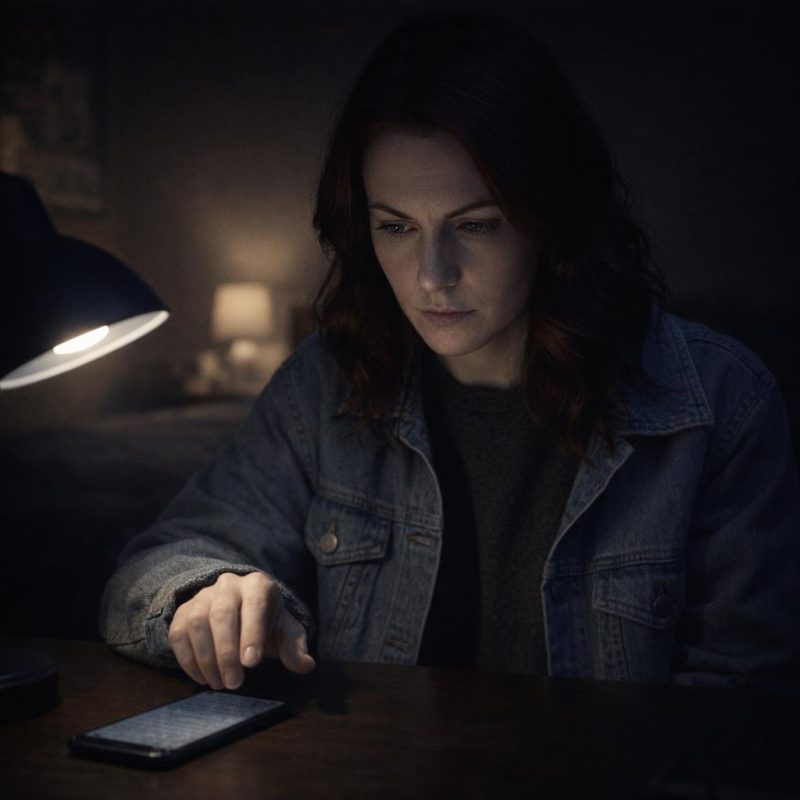 Image by RM AI
Healthcare Administration
We met at a café two blocks from campus on a Tuesday afternoon. I'd looked at my list that morning and felt almost optimistic. My dad got there first and had already ordered, and Lisa arrived a few minutes after me, perfectly put together as before. Once we'd settled I asked about her work — specifically this time, not just healthcare administration in general, but what her actual day looked like, what kinds of decisions she made. She talked for a few minutes and it all sounded reasonable: coordinating between clinical teams, managing documentation, navigating compliance requirements. I nodded along and waited for something concrete to land. When she paused I asked which hospital she worked at, or whether it was a clinic or a larger system. She said she'd worked across a few different facilities over the years, mentioned something about a consulting arrangement, referenced a regional network without naming it. My dad jumped in to say she'd told him the work was pretty demanding, clearly proud of her. I smiled and looked back at Lisa, waiting for the name of an actual place — and watched her answer slide sideways into something about the challenges of the industry.
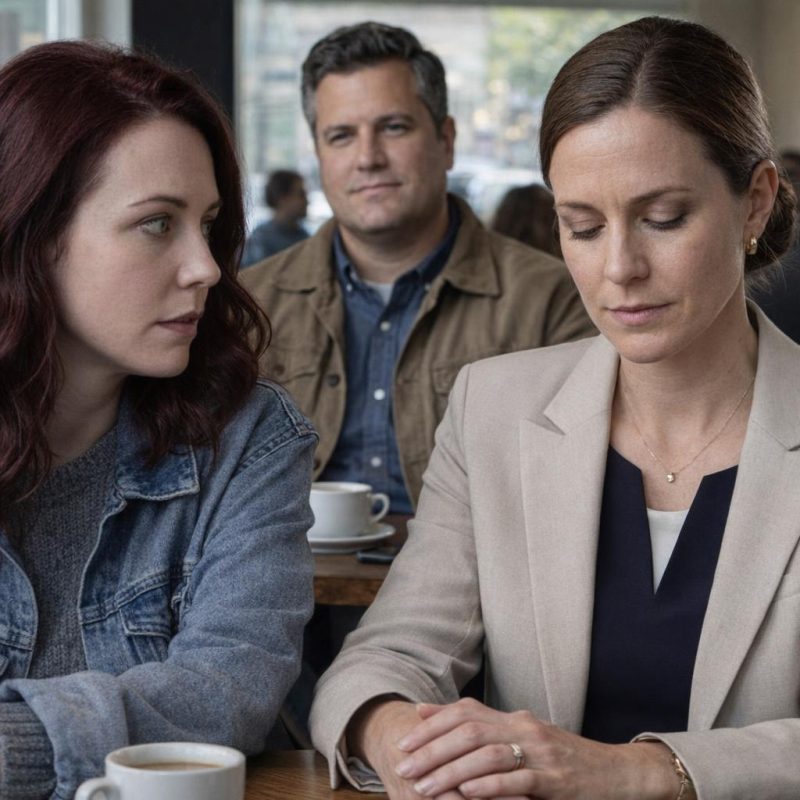 Image by RM AI
Midwest Before Moving Around
I waited until there was a natural pause and then asked where she'd grown up. Lisa said the Midwest, somewhere small, that her family had moved around a lot when she was young so it was hard to pin down one place as home. She said it with an easy smile, like it was a story she'd told before. I started to ask which state, or which part of the Midwest, but before I got the full sentence out she'd turned to me and asked how my thesis was coming along. I answered — I couldn't not, it was a direct question — and by the time I'd said a few sentences about my research focus, the conversation had moved on entirely. My dad asked a follow-up about my advisor. Lisa nodded with what looked like genuine interest. I tried once more to steer things back, something like so did you end up settling in one place eventually, but somehow we were already talking about campus parking and whether the construction near the library had finished. I sat with my coffee going cold and turned it over quietly in my head: every question I asked about her seemed to end with me answering something about myself instead.
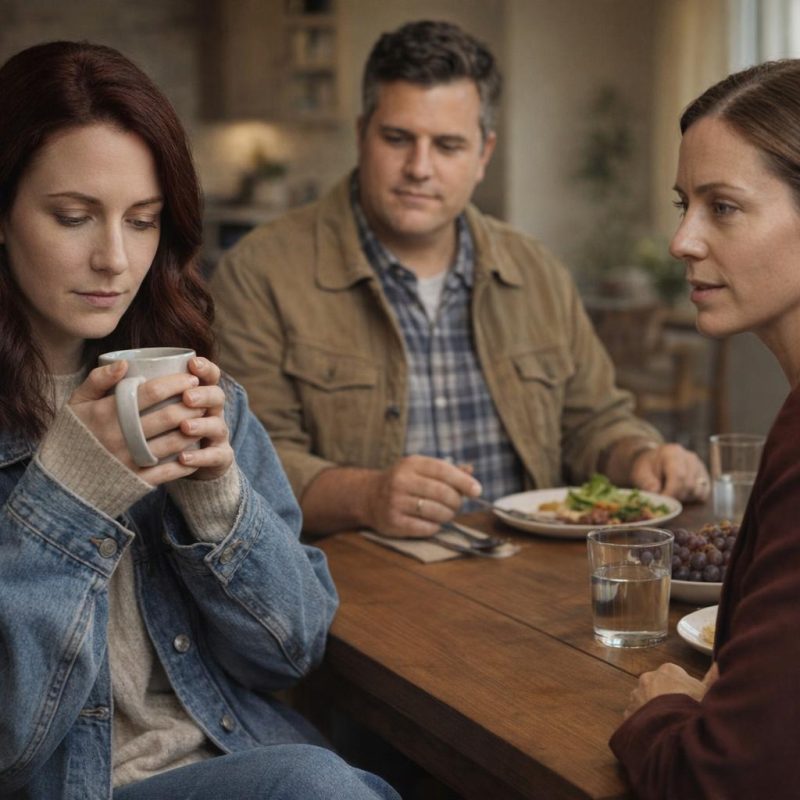 Image by RM AI
What Brought Her Here
I tried one more angle before we left. I asked what had brought her to this city specifically — whether it was work, or family, or just a feeling about the place. Lisa said opportunity, and she said it warmly, like it was a complete thought. Then she asked whether I'd figured out my plans for graduation yet, whether my dad and I had talked about the ceremony. My dad lit up and started talking about booking a restaurant. I answered his questions and smiled at the right moments, but I was keeping track now, quietly, in the back of my head. The hospital question. The hometown question. The follow-up about the Midwest. The question about how long she'd been in the city. The question about what she'd done before healthcare. Each one had gone somewhere else before it landed anywhere real. I counted them on my fingers under the table while my dad talked about which restaurant had the best brunch menu. Five redirects in maybe thirty minutes, and he hadn't seemed to notice a single one.
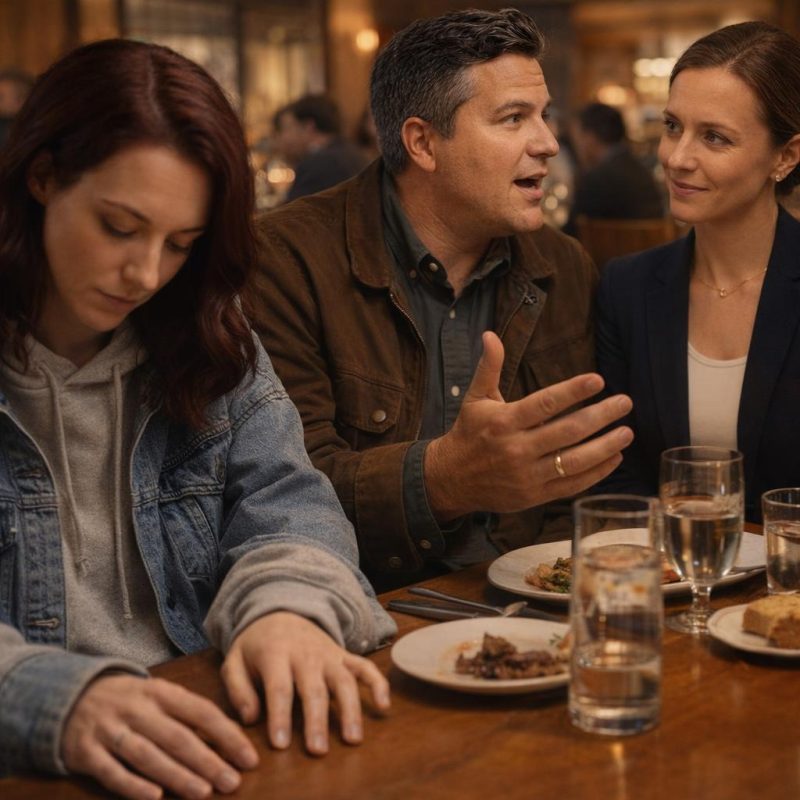 Image by RM AI
Favorite Books and Hiking
Two weeks later I drove to my dad's apartment for dinner. Lisa had cooked — chicken piccata, which smelled genuinely good when I walked in, and I told her so. We sat down and I tried again, this time with softer questions, things that felt less like an interview. I asked what she'd been reading lately. She named two titles I didn't recognize and said they were good without saying why. I asked about hiking, whether she had a favorite trail or a trip she'd been wanting to take. She said she enjoyed being outdoors and that there were some nice spots nearby. I asked if she'd traveled anywhere interesting in the last few years. She mentioned a city, said it was beautiful, moved on. Every thread I picked up seemed to fray after a sentence or two, not because she was rude about it, but because there was nothing on the other end to pull. The chicken piccata was excellent. The wine was good. My dad kept the conversation moving with questions about my semester, my friends, my plans. I sat at that table and felt the effort of it settle into my chest — all of it coming from one direction, none of it finding its way back.
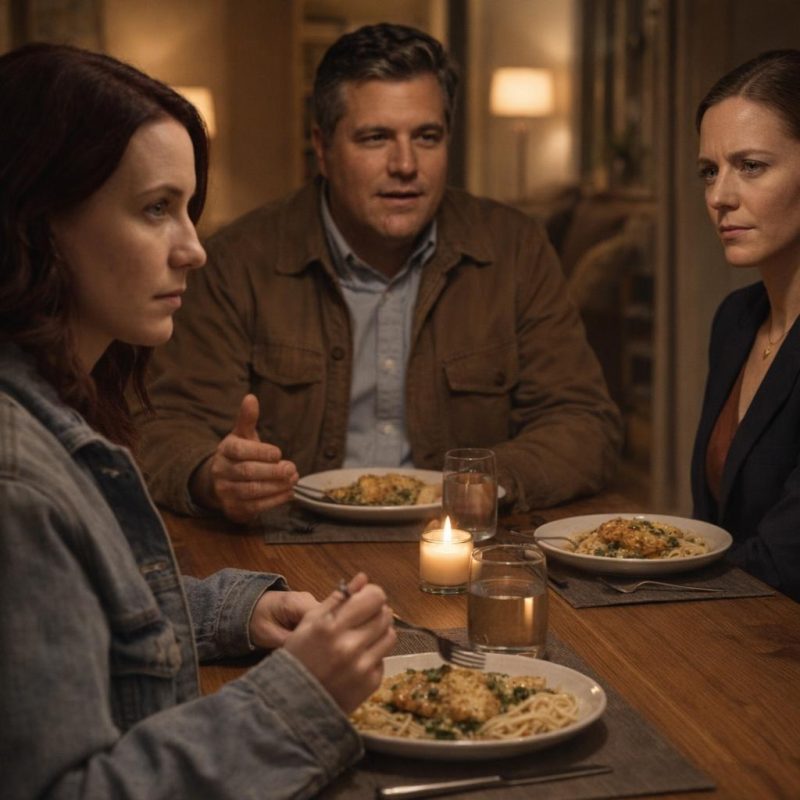 Image by RM AI
Dad Fills the Silences
My dad was working so hard. I could see it in the way he laughed a beat too quickly at things that weren't quite funny, the way he'd jump into any silence before it had a chance to settle. He told a long story about a road trip we'd taken when I was twelve, the one where the car broke down outside of Flagstaff, and he told it with so much energy that I found myself laughing for real even though I'd heard it a dozen times. Lisa smiled at the right moments and said it sounded like quite an adventure. My dad asked her to tell me about the weekend they'd gone to the botanical garden, and she did, briefly, pleasantly, and then the story was over and my dad was already filling the next pause with something else. I watched him refill everyone's water glasses even though they didn't need it, straighten the napkin beside his plate, ask if anyone wanted more bread. He was doing everything right. He was doing everything for everyone. By the time we cleared the dishes, the corners of his smile had gone tight in a way I recognized — the look of someone who had been holding something up for a long time and was starting to feel the weight of it.
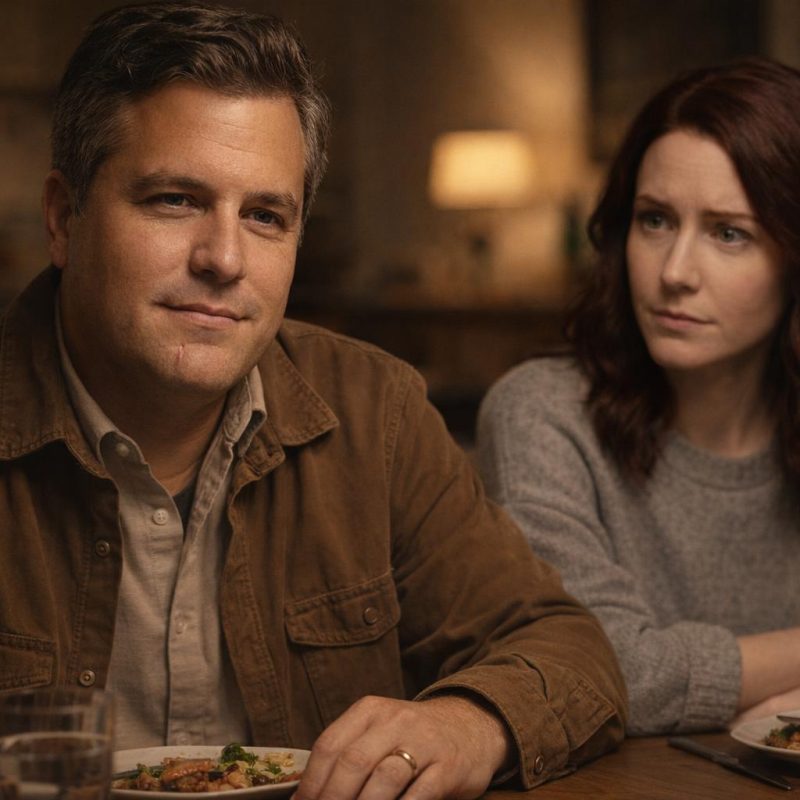 Image by RM AI
Working the Room
My cousin Jaylen's birthday party was the kind of loud, crowded family event where everyone talks over everyone else and nobody notices anything. My dad brought Lisa, which I'd expected, and she moved through the backyard like she'd been coming to these things for years. She complimented my aunt Sarah's potato salad. She laughed at Uncle Mike's long story about the fishing trip, the one that goes on for about fifteen minutes longer than it needs to. She said the right things at the right times, and everyone seemed charmed. I kept watching her from across the yard, trying to figure out what it was that kept snagging my attention. And then I noticed it. Her smile never stopped, but her eyes did something different. They moved. Constantly. She'd be mid-conversation with Uncle Mike and her gaze would slide sideways to where my dad was talking to my aunt. She'd laugh at something Jaylen said and her eyes would drift to the cluster of cousins near the fence. She tracked who was talking to whom, who was laughing, who had gone quiet. Her eyes moved across that backyard like she was reading something the rest of us couldn't see.
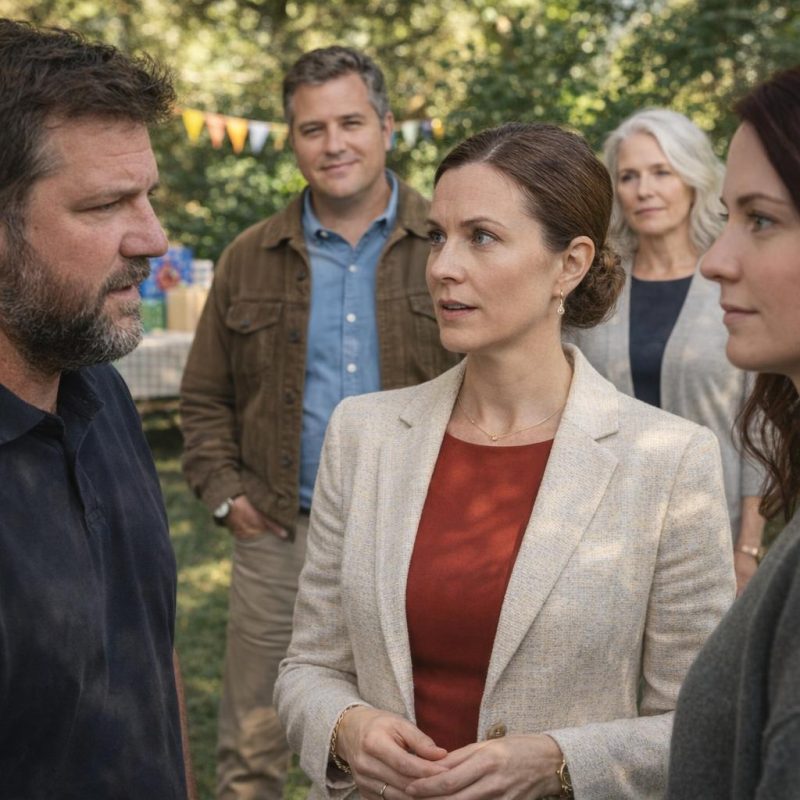 Image by RM AI
Intense Focus on the Story
At some point, Aunt Sarah started telling the story about my dad's fiftieth birthday — the one where he had too much wine and tried to teach everyone the electric slide in the driveway. It's a good story. My aunt tells it well, and usually my dad buries his face in his hands halfway through and everyone laughs. This time I was watching Lisa instead. She leaned forward in her chair, elbows on the table, eyes on my aunt's face. When Aunt Sarah got to the part about my dad falling into the rosebush, Lisa asked what happened next. Not in a polite, making-conversation way. In a focused way, like she needed to know. She asked a follow-up question about whether he'd been drinking more back then, and my aunt laughed it off and said no, he just can't dance. Lisa smiled and nodded. I sat there turning it over in my head, trying to figure out what felt strange about it. And then it came to me, quietly, somewhere between dessert and the drive home. Lisa had been at this party for three hours. She'd asked questions about my dad, about our family, about old stories. But she hadn't told a single one about herself.
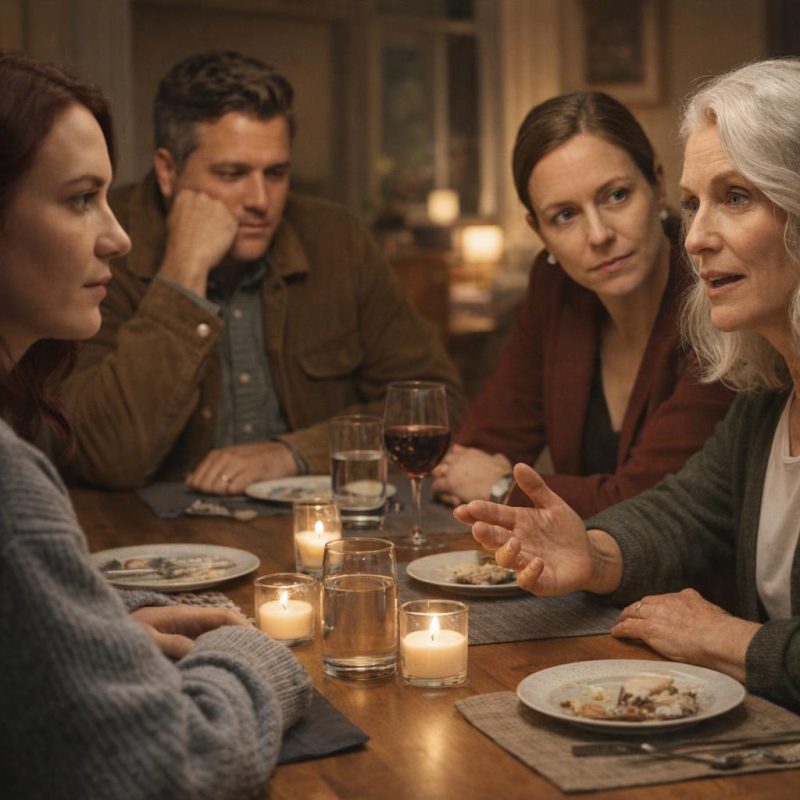 Image by RM AI
Mutual Awareness
I was standing near the back fence with a cup of lemonade I'd stopped drinking, watching Lisa talk to my aunt Sarah. They were laughing about something, and Lisa had her hand on my aunt's arm in that easy way people do when they want you to feel like you've known them forever. I was trying to figure out what it was about her that I couldn't stop looking at, this thing I couldn't name, when I felt it — that specific prickling awareness of being watched. I looked up. Lisa was already looking at me. Not glancing. Looking. She was still smiling, still mid-conversation with my aunt, but her eyes had found mine across the yard and she hadn't moved them away. I didn't look away either. I don't know why. Maybe I was too surprised to react. We held that for a second, maybe two, and then my aunt said something and Lisa turned back to her, smooth and easy, like nothing had happened. My skin was still prickling. I looked down at my lemonade. When I looked up again, Lisa was laughing at something my aunt had said, her expression open and warm. But whatever I'd seen in her face in that moment before she turned away — I couldn't read it at all.
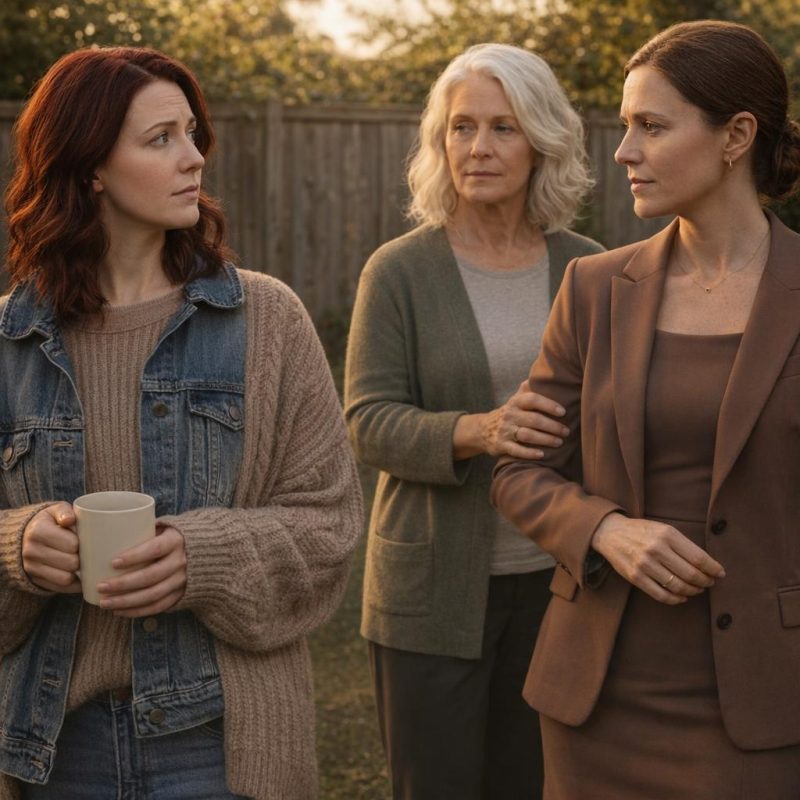 Image by RM AI
Hands Shaking
I gave myself two days. I told myself I needed to calm down, to think it through, to make sure I wasn't about to say something I'd regret. I rehearsed it in my head probably a hundred times — something careful, something that didn't sound like an accusation. I was going to say that things seemed to be moving fast, that I just wanted to make sure he was okay, that I loved him and I was coming from a good place. I had the whole thing mapped out. I sat on my bed on a Tuesday afternoon and dialed his number, and my hands were shaking in a way that felt embarrassing for a twenty-two-year-old. He picked up on the second ring, sounding normal, sounding like my dad. I got through maybe a sentence and a half — something about how I'd noticed things were moving quickly with Lisa and I just wanted to talk — before he cut me off. I'd heard my dad frustrated before. I'd heard him tired, stressed, overwhelmed. But the edge that came into his voice then was something I didn't have a name for, something I'd never heard him aim at me before.
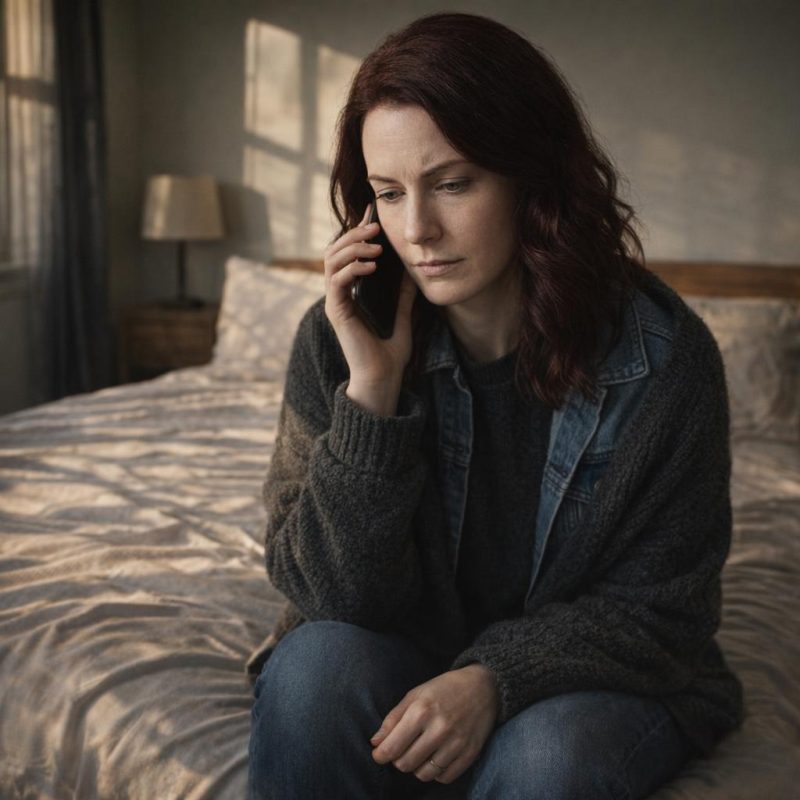 Image by RM AI
Controlling His Life
He didn't yell. That almost would have been easier. Instead his voice went tight and clipped, and he asked me if I was seriously trying to tell him how to live his life. I said no, that wasn't what I meant, that I was just — and he talked over me. He said he was a grown man. He said he'd spent fifteen years putting everything he had into raising me and he thought he'd earned the right to make his own choices. I said I knew that, I wasn't questioning that, I just — and he talked over me again. He said I was being unfair. He said I was being judgmental about someone I barely knew. I tried to slow it down, tried to find a way back to the conversation I'd rehearsed, but it kept slipping away from me. I told him I wasn't trying to be judgmental, that I just cared about him, that I wanted him to be happy. There was a pause. And then he asked me, in a voice that sat somewhere between tired and something harder, what exactly my problem with Lisa was.
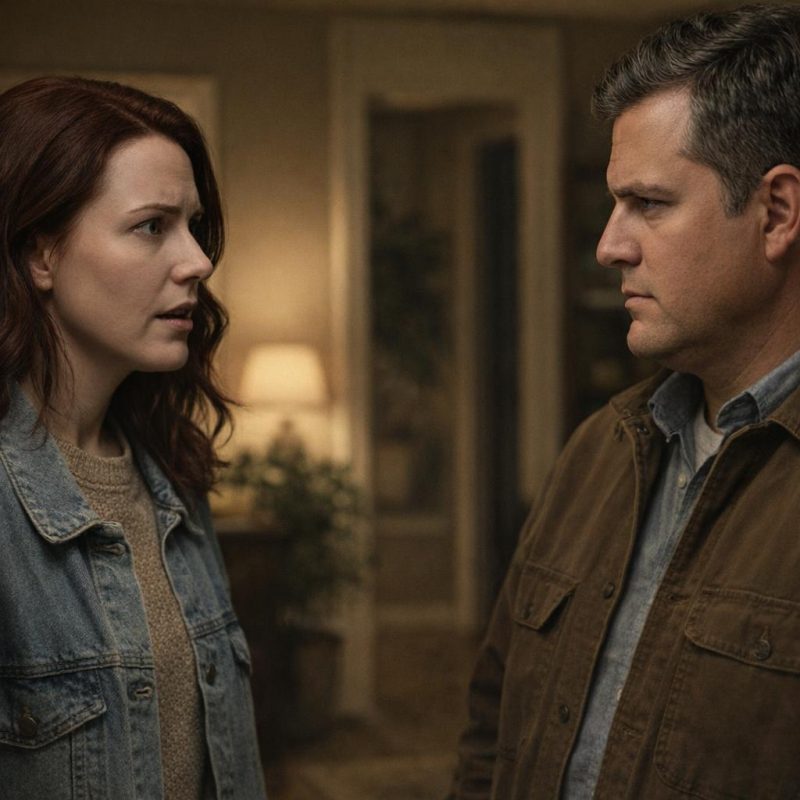 Image by RM AI
Sounding Paranoid
I opened my mouth and tried to answer him. I thought about the party, about her eyes moving across the backyard. I thought about the way she leaned in when Aunt Sarah told stories about my dad but never offered anything back. I thought about the moment across the yard when she'd held my gaze and I couldn't read her face. And I tried to put it into words. I said something about how she seemed guarded, how she never really talked about herself, how she was always watching. Even as I said it, I could hear how it sounded. Guarded. Watching. So what? Plenty of people are private. Plenty of people are nervous at family parties. My dad's silence on the other end of the line felt like confirmation of what I already suspected — that I had nothing. No concrete thing I could point to, no moment I could describe that would hold up to scrutiny. I trailed off. My dad filled the silence. He said I was looking for problems that weren't there. He said I'd made up my mind about Lisa before I'd given her a real chance. He kept talking, and I sat there holding the phone, and the weight of having no real answer settled over me like something I couldn't lift.
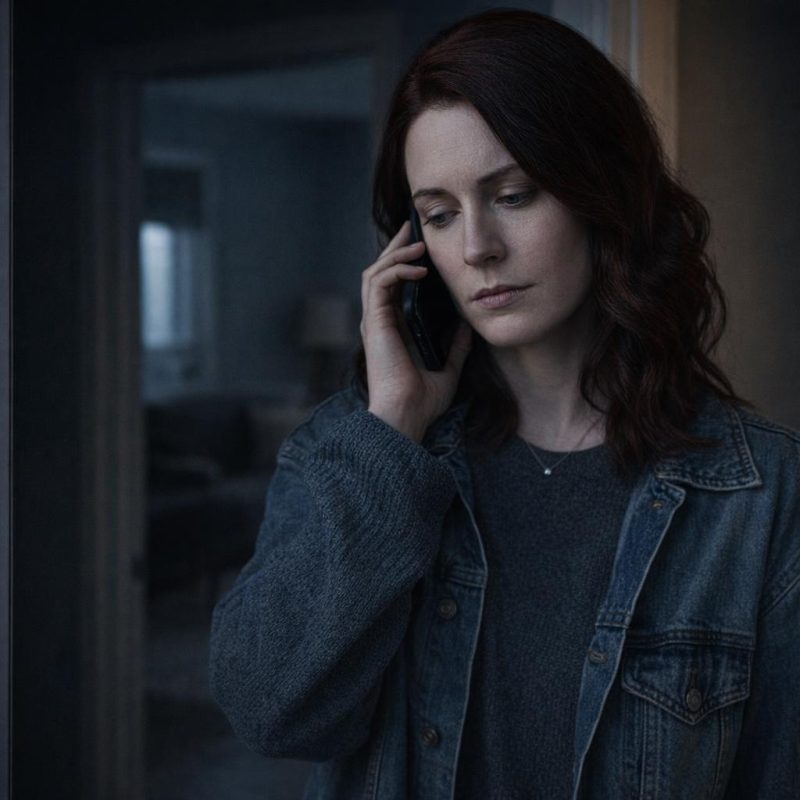 Image by RM AI
If You Can't Accept Lisa
He said it plainly, near the end, in the tone people use when they've decided a conversation is over. He said that if I couldn't find a way to accept Lisa, that was something I was going to have to work through on my own, because he wasn't going to keep having this argument. I said his name. He said he loved me, and then he hung up. I sat on my bed with the phone in my hand and the call already ended, and I didn't move for a long time. I kept trying to find the moment where it had gone wrong, the thing I'd said that had pushed it past the point of no return. But I couldn't find it. The conversation had gone sideways almost from the first sentence, like he'd been braced for it before I'd even started. My dad had never shut me down like that. In fifteen years of it being just the two of us, we'd argued, we'd gone quiet on each other, we'd said things we had to apologize for later. But he'd never made me feel like my concern was a problem he was done entertaining. The phone sat in my hand, screen already dark, and the quiet in my room felt like something I didn't know how to sit inside.
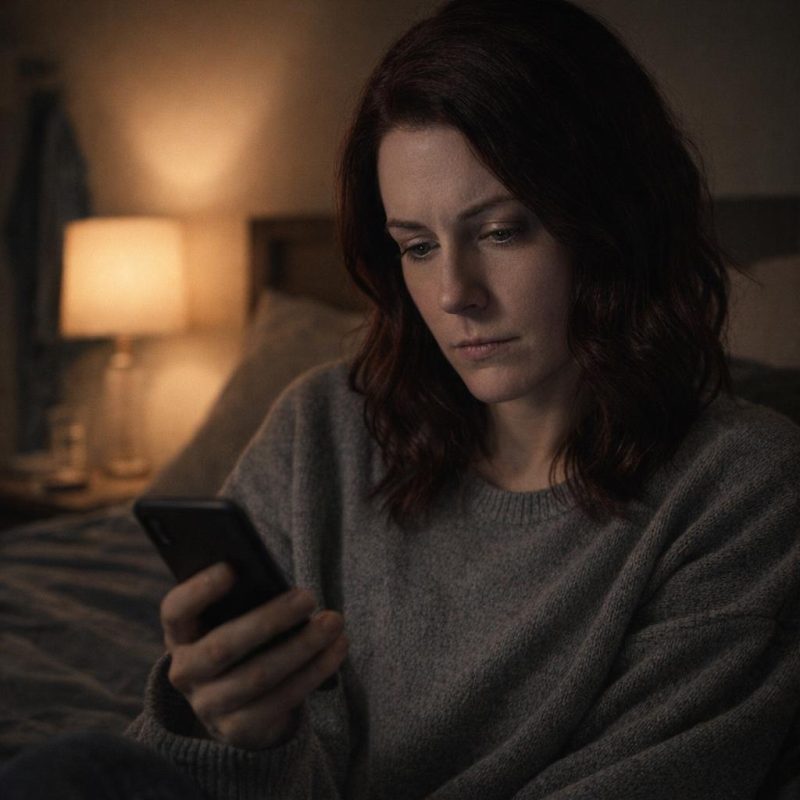 Image by RM AI
Panic Underneath
I sat there for a long time after the call ended, turning it over. Not the words so much as the sound underneath them. My dad had been angry, yes, but I'd heard him angry before — at a contractor who'd botched a job, at a driver who'd cut him off, at himself when he burned dinner and forgot I was coming home that weekend. This was different. There was something else running beneath the anger, something tighter and less controlled. I kept replaying the way he'd talked over me, the speed of it, the way he hadn't paused to actually hear what I was saying. People get defensive when they feel attacked. I knew that. But this felt like something more than defensiveness. It felt like something chasing him, though I couldn't have said what. I didn't know what he was afraid of. I didn't even know if afraid was the right word. But I kept coming back to one moment near the end of the call, when he'd said Lisa's name — not in anger, not in explanation, but quieter than everything around it, the word dropping out of him smaller than the rest.
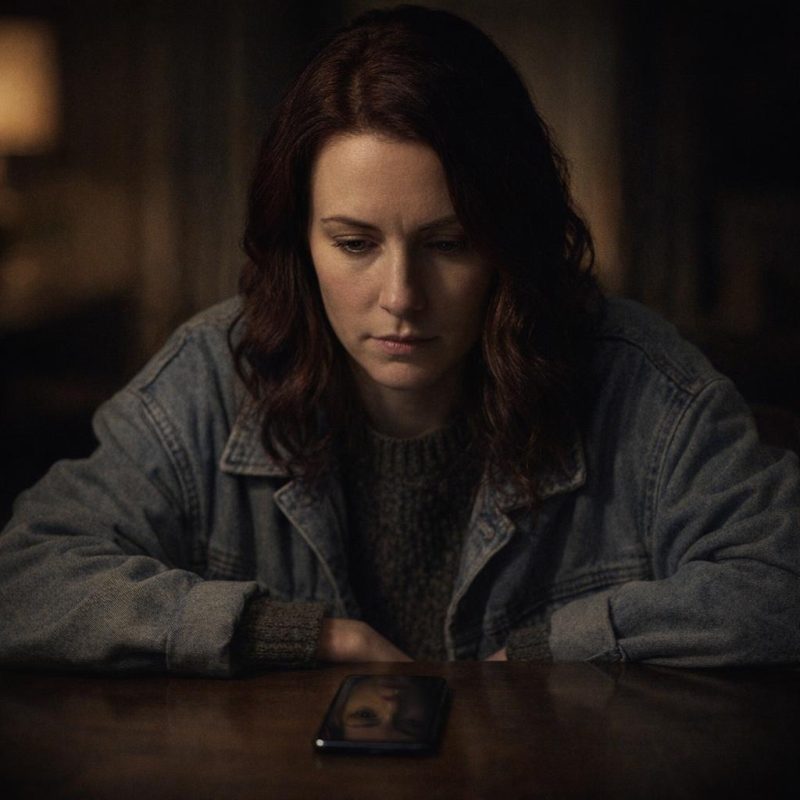 Image by RM AI
Color-Coded Study Schedules
I threw myself into finals the way you throw yourself into cold water — fast, before you can think about it. Color-coded study schedules taped to the wall above my desk. Twelve-hour days in the library, headphones in, highlighters lined up by subject. Statistics on Monday, research methods on Wednesday, two papers due by Friday. I kept my head down and my calendar full because a full calendar left no room for anything else. My roommate asked if I was okay and I said yes, I was just stressed about exams, which was true enough that I didn't feel like I was lying. The library became a kind of refuge — the hum of the HVAC, the smell of old carpet, the particular quiet of people who were all pretending the outside world didn't exist. I was good at that. I'd gotten very good at that. Three weeks had passed since the call with my dad. I knew because I'd counted, without meaning to, the way you count days when you're waiting for something that doesn't come. He hadn't called. I hadn't called either. The silence between us sat there, patient and heavy, like it had decided to stay.
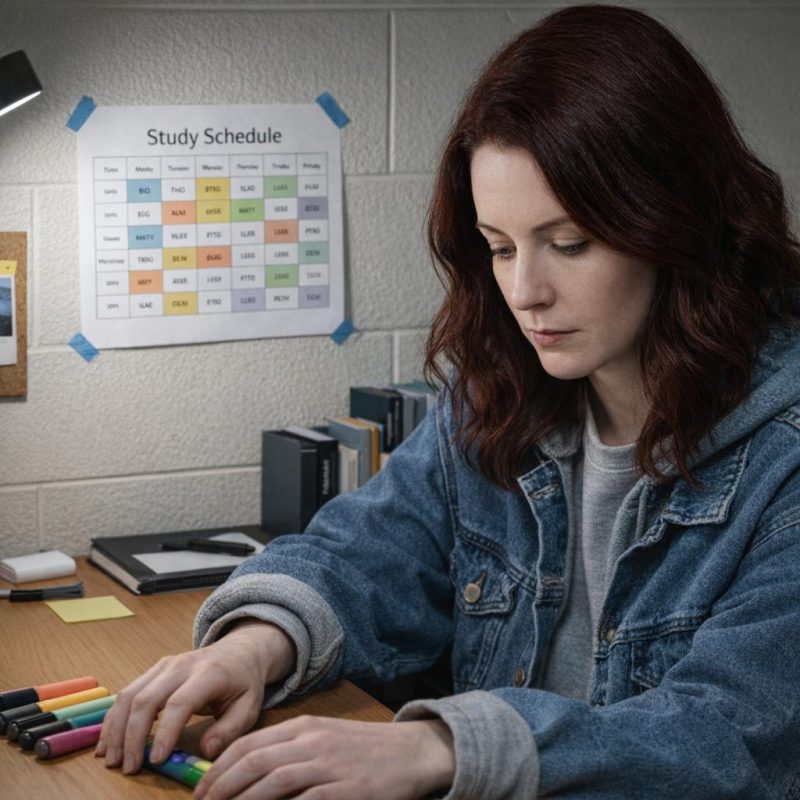 Image by RM AI
Surface-Level Texts
We did text. That much I can say. A few days before graduation, my dad sent a message asking if I needed anything — parking pass, extra tickets, money for the gown. I wrote back that I was fine, I had everything handled. He said okay, good, let me know. I said I would. That was most of it. Short sentences, practical topics, nothing that required either of us to say what was actually happening. I confirmed the cap and gown pickup. He asked what time the ceremony started. I sent him the schedule. He said he'd be there. I said great. We were two people exchanging logistics, and if you'd read the thread without knowing us, you might have thought we were acquaintances coordinating a carpool. I kept telling myself it was fine, that this was just what happened when two people were both busy, both stressed, both giving each other space. But I'd read those texts so many times I had them memorized, and what I kept coming back to wasn't what they said. It was how little they weighed. Three words from him one evening — *you doing okay* — and I sat with my phone in my hand, not sure what to do with how small that felt.
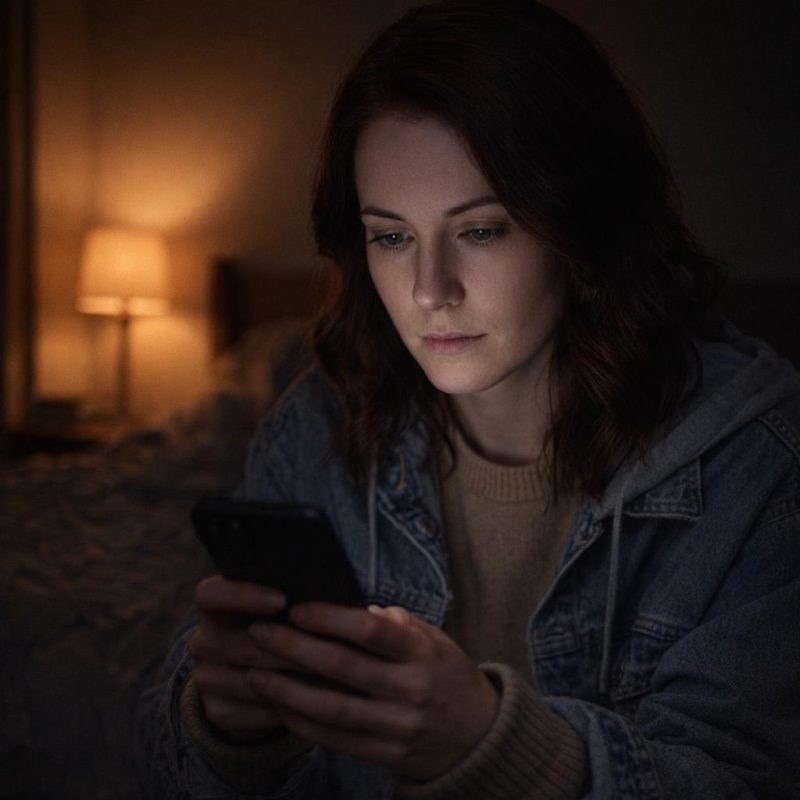 Image by RM AI
Marcus Over Coffee
Marcus found me at the coffee cart near the science building on a Tuesday, looking, he said, like I hadn't slept since October. I told him that was almost accurate. We grabbed cups and sat outside even though it was cold, and for a while we just talked about exams and his thesis and whether the dining hall would ever fix the espresso machine. It was easy, the way talking to Marcus was always easy, and I almost let myself stay in that. Then he asked, quietly, if I was actually okay, and something about the way he said it — not casual, not filling silence, but like he'd been waiting for the right moment — made me put my cup down. I told him about the texts. The logistics. The three weeks of nothing before that. He listened without interrupting, which was one of the things I valued most about him. When I finished, he asked what I was most worried about, and I said I didn't know, which wasn't true. I knew exactly. I was afraid my dad would show up to graduation and be physically present and completely somewhere else. I was afraid the whole day would somehow not be about me at all. And then I heard myself say it out loud — that I was scared Lisa would find a way to make herself the center of it — and the guilt of saying that hit me before the words had even finished leaving my mouth.
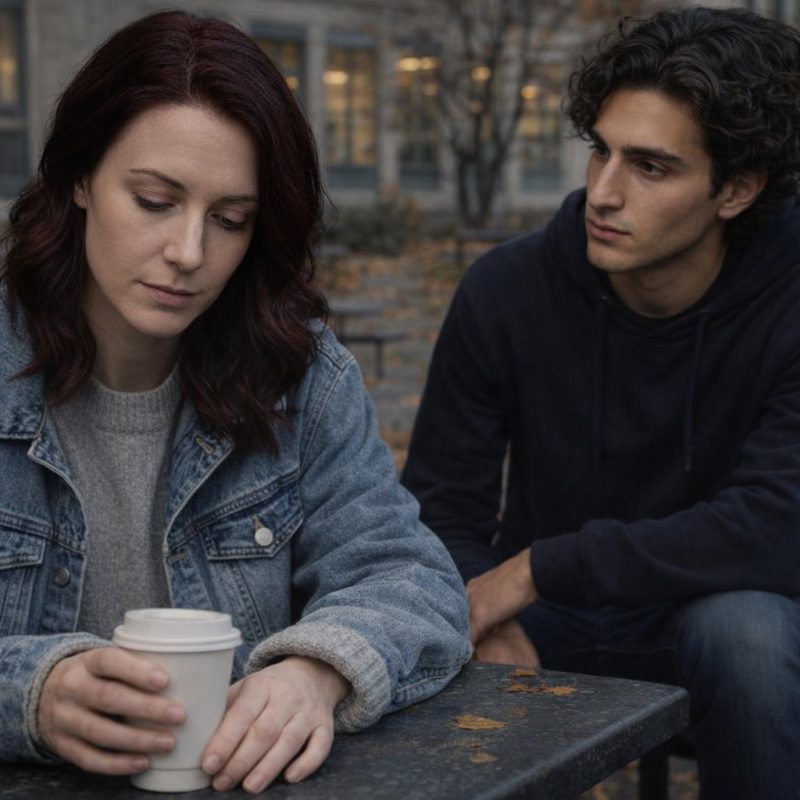 Image by RM AI
Aunt Sarah's Questions
My aunt Sarah called on a Thursday evening, which wasn't unusual — she checked in every few weeks, always warm, always asking about school. But this call felt different almost immediately. She asked how I was doing, and then, after a beat, she asked how my dad was doing. I said fine, as far as I knew. She asked how long he'd been seeing Lisa. I told her. She asked what I knew about Lisa's background — where she was from, what she did for work, whether I'd ever met anyone from her life. I answered as best I could, which wasn't much. Then she asked if my dad had seemed different lately. I said yes, and something in my chest loosened a little just from saying it out loud to someone who wasn't Marcus. Her questions were careful, measured, the kind you ask when you already have a shape in mind and you're checking whether the pieces fit. I asked her why she was asking. She paused — not long, but long enough — and said she'd been noticing some things and wanted to make sure she wasn't reading too much into them. I told her I'd been wondering the same. There was a silence between us then, and when I looked at what I could hear in it — the same unease I'd been carrying for months — her face, if I could have seen it, would have looked exactly like how I felt.
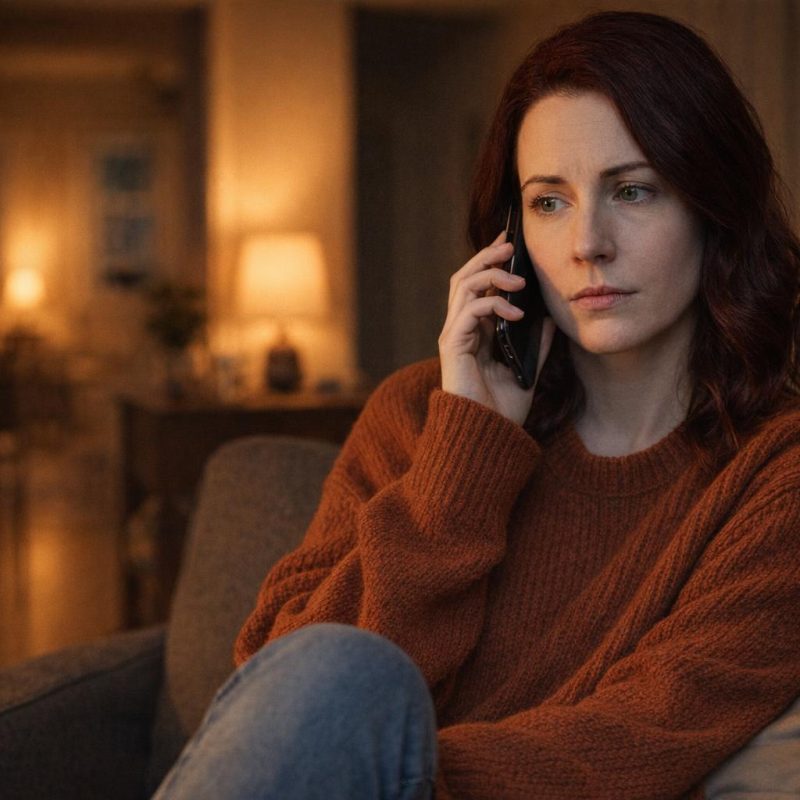 Image by RM AI
Professional Grifter
She called back the next morning. I was still in bed, and I sat up when I saw her name on the screen because something in my stomach already knew this wasn't going to be a short call. She said she'd spent the last several weeks looking into Lisa — not just asking around, but actually digging, talking to people, following threads. She said she'd found a pattern. Other men. Other families. A sequence that repeated itself: the charm, the vague answers about her past, the slow erosion of the man's relationships with the people who knew him best, and then — when the isolation was complete enough — the financial piece. She said Lisa had done this before. More than once. She said there were other daughters, other siblings, other people who had watched someone they loved disappear into it and hadn't been able to pull them back out. I was sitting on the edge of my bed with my feet on the cold floor and I wasn't saying anything, just listening. My aunt paused, and then she said it plainly, without softening it: that my dad was Lisa's current mark, that we were running out of time, and that Lisa was a professional grifter — and I felt the room tilt sideways like the floor had shifted under me.
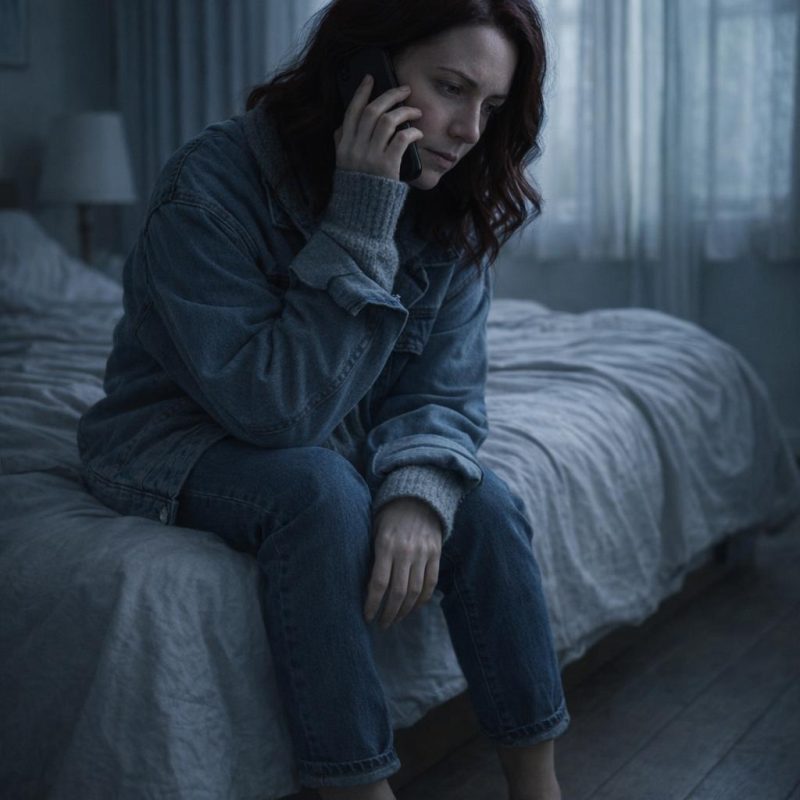 Image by RM AI
Isolation Tactics
My aunt walked me through it slowly, the way you explain something to someone who is trying very hard not to fall apart. The vague answers about where Lisa was from, what she did, who her people were — those weren't quirks or privacy, they were cover. The watching at the party, the way she'd catalogued everyone in the room — that was profiling, my aunt said. Learning who mattered to my dad, how much, and how to use it. The deflections every time I'd tried to ask a direct question weren't discomfort. They were practice. And my dad's anger — the defensiveness, the way he'd talked over me, the speed of it — my aunt said that was shame. Not anger at me, not really. Fear. The fear of a man who somewhere underneath it all already sensed something was wrong but couldn't face what admitting it would mean. She said grifters like Lisa didn't just take money. They took the story a person told about themselves. My dad had spent fifteen years being someone who didn't get fooled, who protected his family, who kept his head clear. And then I thought about every dinner, every deflection, every smile Lisa had aimed at exactly the right moment — and I understood that none of it had been accidental, that every single piece of it had been part of something I hadn't had a name for until now.
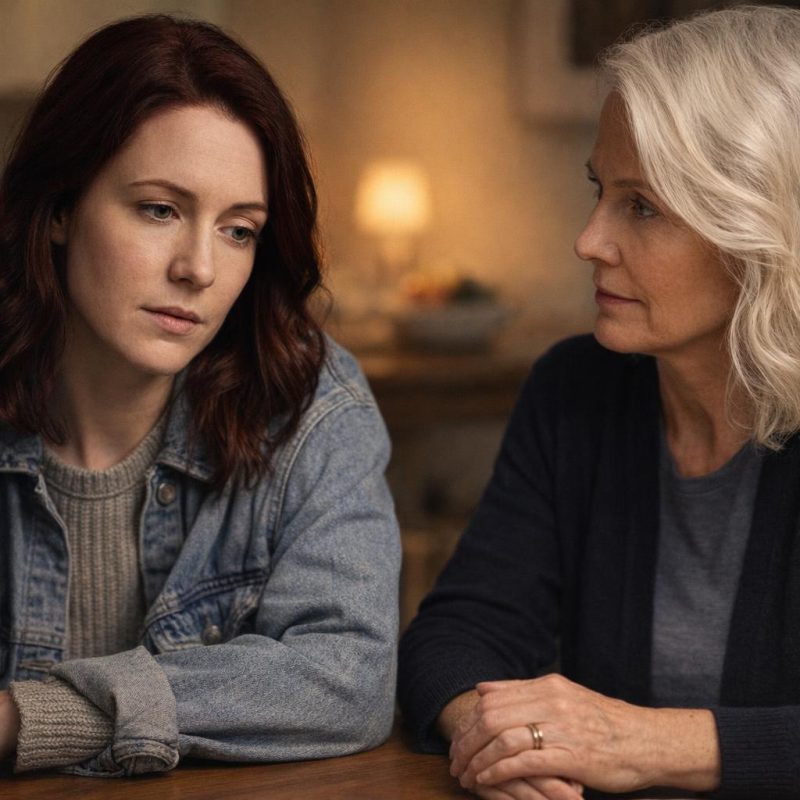 Image by RM AI
He Refuses to Listen
I called him the moment I got off the phone with my aunt. I didn't plan what I was going to say — I just dialed, and when he picked up I started talking. I told him my aunt had been looking into Lisa. I told him there was a pattern, that there were other people, that I wasn't making this up and I wasn't trying to hurt him. He went quiet for a second and I thought maybe he was listening, maybe something was getting through, and then he cut me off. He said my aunt had no business going through his personal life. He said I was doing this because I couldn't stand to see him happy, that I'd been against Lisa from the beginning and now I was making things up to justify it. I said I wasn't making anything up, that I had information, that I just needed him to hear me out for five minutes. He said he didn't want to hear it. I said, Dad, please — and the line went dead. I stood in my apartment holding the phone, the call timer frozen on the screen, and the silence that came after was a different kind of silence than the three weeks before it — not the quiet of two people giving each other space, but the sound of a door closing from the other side.
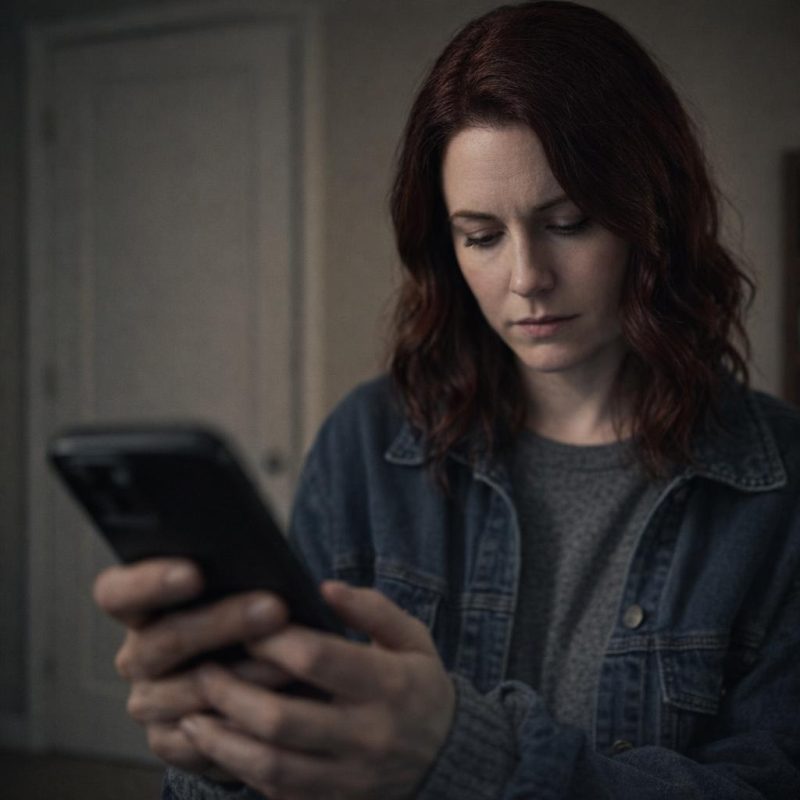 Image by RM AI
Too Deep to Admit
I sat on the floor with my back against the couch for a long time after that. Not crying, not moving, just sitting. I kept turning it over — not what to do next, but what it meant that there might not be anything to do. My dad wasn't stupid. He wasn't weak. He was a man who had raised me alone for fifteen years, who had shown up to every school play and every bad day and every moment that mattered, and somewhere in the last year that man had gotten so far inside something that he couldn't see the edges of it anymore. And the part that kept hitting me, the part I couldn't get past, was the shame. I understood it, even through everything. Admitting he'd been fooled meant admitting that the story he told about himself — careful, clear-eyed, the kind of man who protected the people he loved — had a hole in it. And I was the one asking him to look at the hole. Of course he'd hung up. Of course he'd chosen the version of things where I was wrong and he was fine. I sat there on the floor of my apartment and let that settle over me — the understanding that he might go on choosing that version, that he might keep choosing it, and that there was nothing I could do to make him stop.
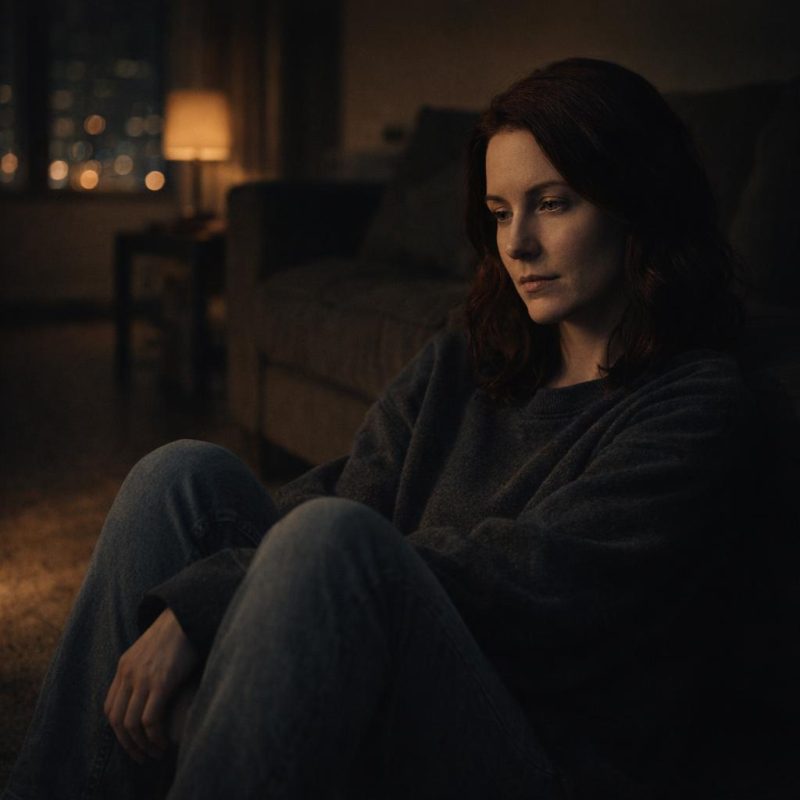 Image by RM AI
Lisa Tightens Her Grip
The week after that phone call was the quietest kind of awful. I kept trying. I called on Monday and got voicemail. I called Wednesday and he picked up, said he was busy, and hung up in under two minutes. His texts came back in these short, clipped things — 'okay', 'noted', 'I'll think about it' — like he was responding to a stranger who'd emailed the wrong address. I told myself it was temporary. I told myself he was embarrassed and needed time to come around. But by Thursday I could feel the shape of what was actually happening, and it wasn't embarrassment. It was distance, and it was growing. I sent him the graduation details — the date, the time, the venue, the parking information — and got back a single word: 'Thanks.' I stared at that word for a long time. Then on Friday night, while I was sitting at my kitchen table trying to eat something, my phone buzzed. I picked it up expecting nothing. It was Dad. The message said he loved me but needed some space from my negativity and judgment before he could talk to me again.
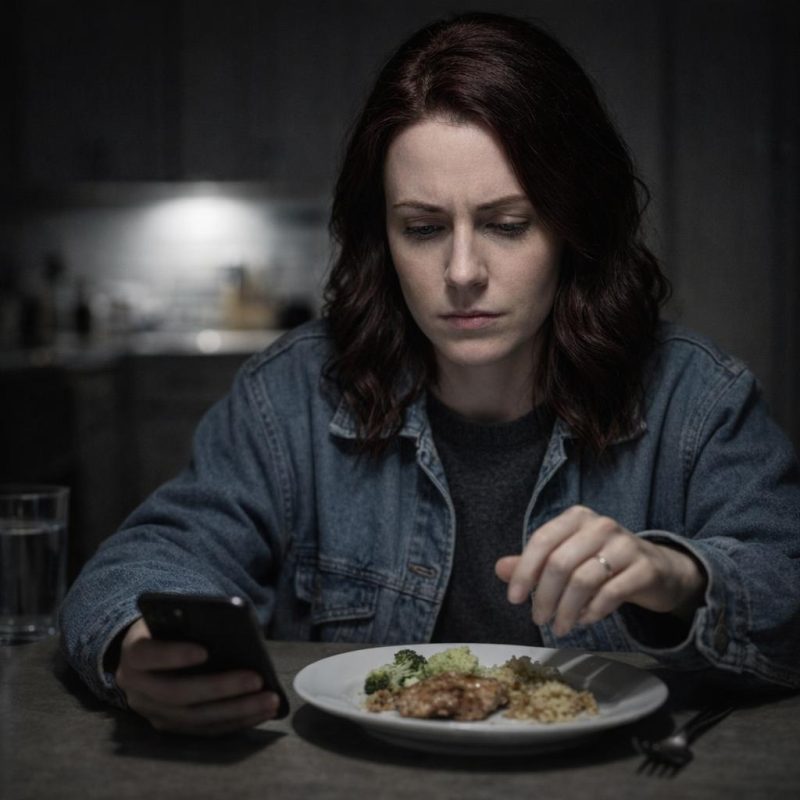 Image by RM AI
One Week Until Graduation
One week. I had one week until I walked across that stage, and I still didn't know if my dad was going to be there. I'd sent the ceremony details twice. I'd texted asking if he needed a ticket. I'd left a voicemail that I kept it light and casual, like I wasn't terrified, like I wasn't counting the days. Nothing came back. Not a confirmation, not a maybe, not even a 'I'll try.' Just silence where an answer should have been. I sat at my desk and looked at the two tickets I'd set aside — one for him, one for whoever else might come — and I thought about all the times we'd talked about this day. He used to say graduation was going to be our victory lap. Fifteen years of the two of us, and this was the finish line. I'd believed him. I'd believed it so completely that I hadn't let myself imagine any other version of the day. Now I was imagining it constantly, and every version I came up with had the same hole in the middle of it. I checked my phone one more time. The message thread sat there, my last text still showing delivered, no reply beneath it.
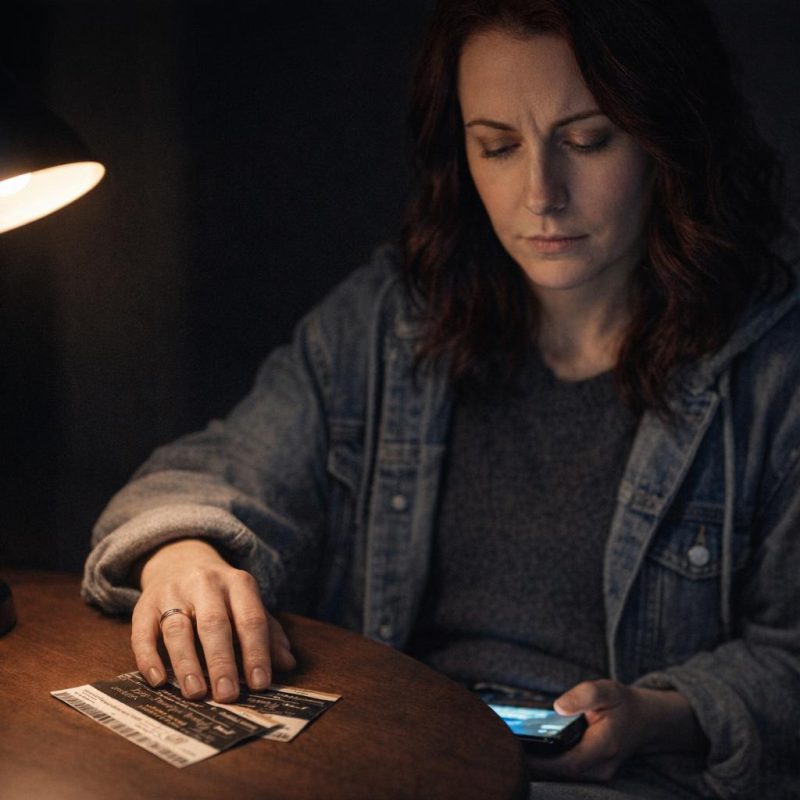 Image by RM AI
Waiting for the Call
The day before graduation, I woke up early and lay in bed staring at the ceiling, telling myself today was the day he'd call. He had to call. Whatever was happening between us, whatever Lisa had gotten into his head, he wouldn't let the day before my graduation pass without reaching out. I was sure of it. I got up, made coffee, and set my phone on the counter where I could see it. I cleaned my apartment. I went through my cap and gown and made sure everything was pressed and ready. I ate lunch. I watched the afternoon light move across the floor. Every time my phone buzzed it was Marcus checking in, or a group text from someone in my program, and each time I felt the same small drop in my stomach when I saw it wasn't him. By evening I'd stopped pretending I wasn't watching the phone. I just sat with it in my hand, screen on, waiting. I told myself there was still time. I told myself he was probably just working up to it, finding the right words, that any minute the call would come through. The apartment was very quiet, and the hope I was still carrying felt heavier than it had any right to.
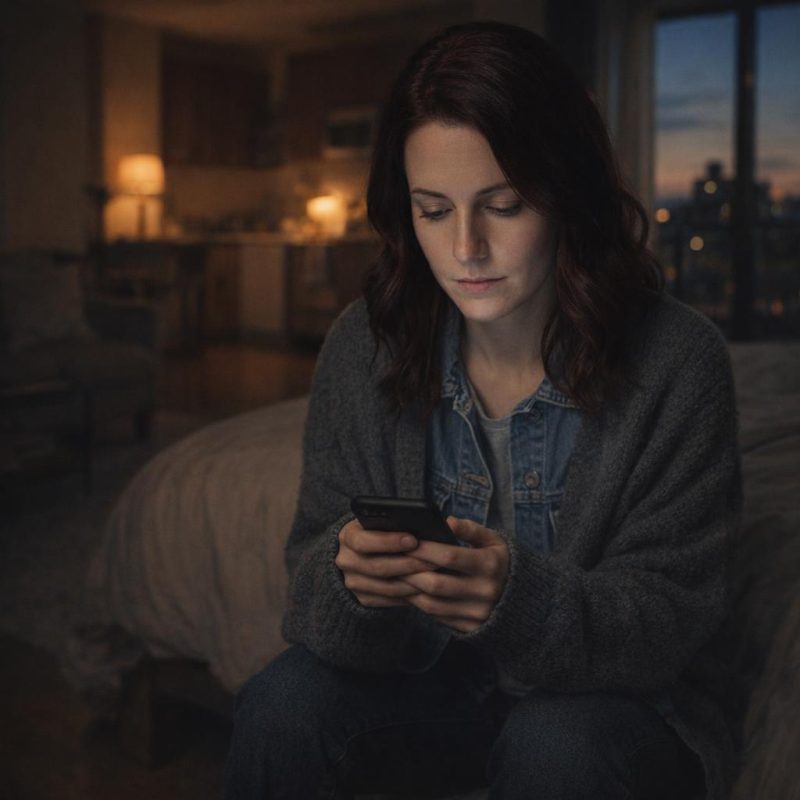 Image by RM AI
He Can't Come
He called at 9:47 at night. I saw his name on the screen and my hands went cold before I even answered. Something in the timing, something in the fact that it was almost ten o'clock the night before my graduation — I already knew. I picked up anyway. His voice came through tight and careful, like he was reading from something he'd written down and practiced. He said he was sorry. He said he wished things were different. He said he couldn't make it tomorrow. I didn't say anything. I just stood in the middle of my kitchen and listened to him talk, and the words kept coming — apologetic, measured, distant — and none of them sounded like my dad. They sounded like a version of my dad that had been coached into a corner and was reciting his way out of it. I wanted to ask him who was in the room with him. I wanted to ask if he'd written it down first. Instead I just said okay, because there was nothing else to say, and because my throat had closed up around everything else I might have tried. After we hung up, I stood there for a long time without moving, the phone still warm in my hand, the hollow of it settling into my chest like something that had always been waiting to land there.
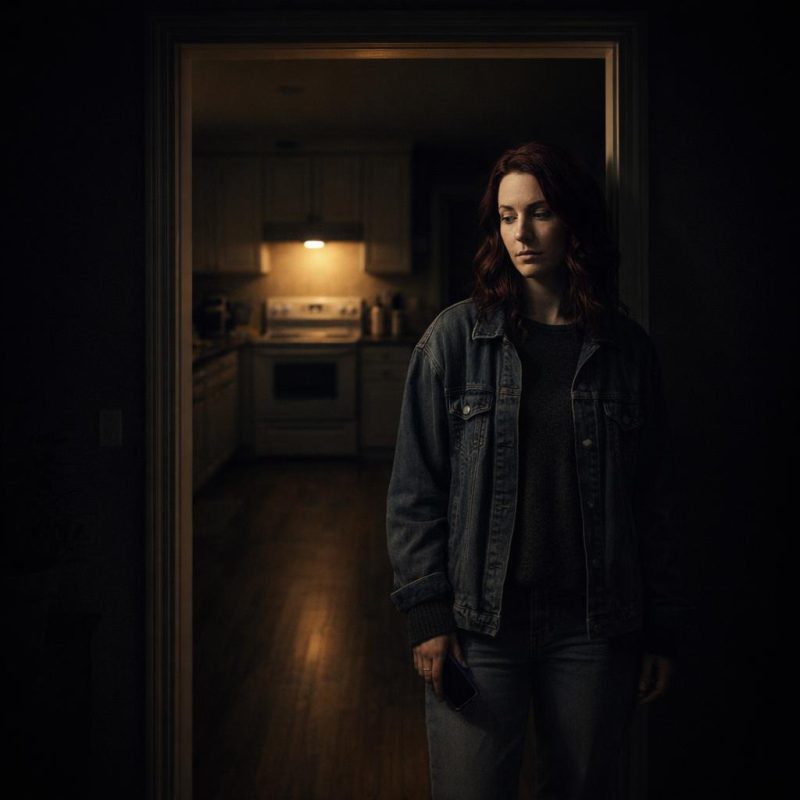 Image by RM AI
Health Emergency
He'd called it a health emergency. Lisa had a scare, he said — something that needed to be looked at right away, a specialist three states over, the only available appointment happening to fall on the exact morning of my graduation. His voice was apologetic when he said it, and I listened to every word, and I didn't argue. I didn't tell him I didn't believe him. I didn't say what I was actually thinking, which was that this was too perfectly timed to be an accident, that a crisis appearing on this specific day, pulling him this specific distance away, felt less like bad luck and more like a test — a test of whether he would choose her over me when it really counted. And he was choosing her. He was in a car right now, or would be by morning, driving three states away from the ceremony we had talked about for years. I thought about all the ways I could have said it differently, all the moments I could have pushed harder or said the right thing that might have reached him. But I hadn't found those words, and now it was too late to look for them. I sat with the phone in my lap after we said goodbye, the manufactured crisis sitting between us like the answer to a question I had never wanted to ask.
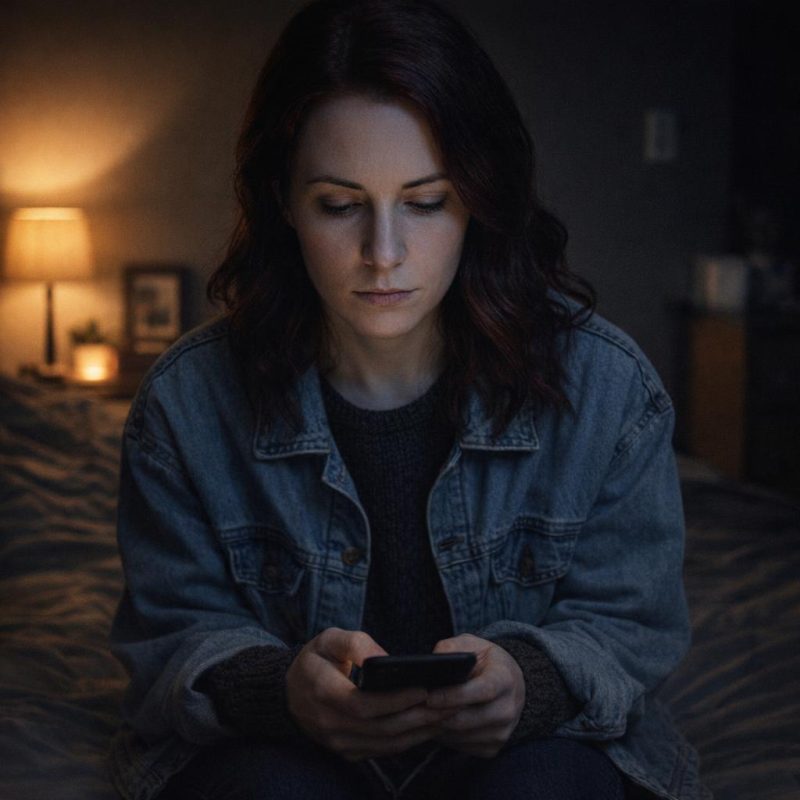 Image by RM AI
Empty Seat
The auditorium was loud and bright and full of families, and I sat in my row in my cap and gown and tried to just be present in it. Aunt Sarah had texted that morning to say she was already there, had saved a seat, was so proud of me. I'd held onto that text like a lifeline. When they called us to line up I got into place and looked out at the crowd the way you do when you're hoping to spot a face, and I found Aunt Sarah almost immediately — she was waving, her eyes bright, her smile wide enough to carry the whole room. I smiled back. I held it together through the speeches and the processional and the long alphabetical wait. When they finally called my name I stood up and walked across that stage and shook the dean's hand and took my diploma, and I kept my chin up the whole time because I had promised myself I would. But as I crossed to the other side of the stage I let my eyes move one more time to the section where I'd told him to sit, the seat I'd described in the email, the one I'd been picturing him in for four years. It was empty.
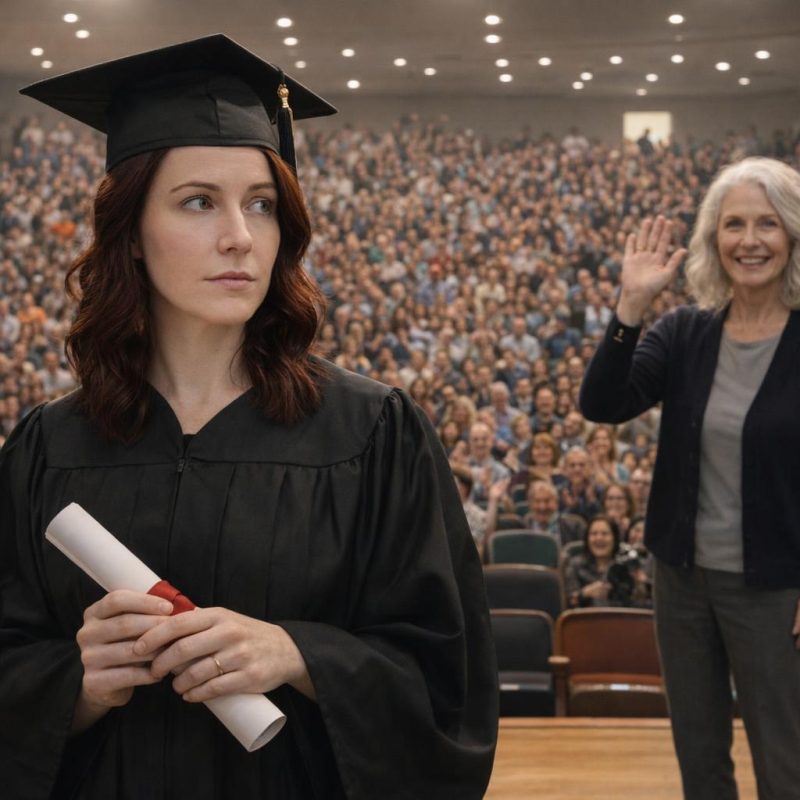 Image by RM AI
Lisa Manufactured the Crisis
I kept walking. I found my seat and I sat down and I held my diploma in both hands and I breathed. Around me people were crying happy tears and leaning over to hug each other, and I sat very still in the middle of all of it. I thought about the drive he was supposedly on right now, three states away, Lisa in the passenger seat. I thought about how perfectly the timing had worked out for her — the appointment that couldn't be moved, the emergency that couldn't wait, the crisis that had arrived exactly when it needed to. And I thought about my dad, who had raised me alone for fifteen years, who had shown up to everything, who had called this our victory lap, sitting in a car right now instead of this room. He had chosen. Whatever the reason he told himself, whatever story made it feel necessary or right, he had chosen. I understood that now in a way I hadn't been able to let myself understand before. The diploma was heavier than I expected. I turned it over in my hands, read my name printed across the front of it, and thought about how this moment was supposed to feel — the two of us, the team, the finish line we'd been running toward together. I had crossed it. He was not here.
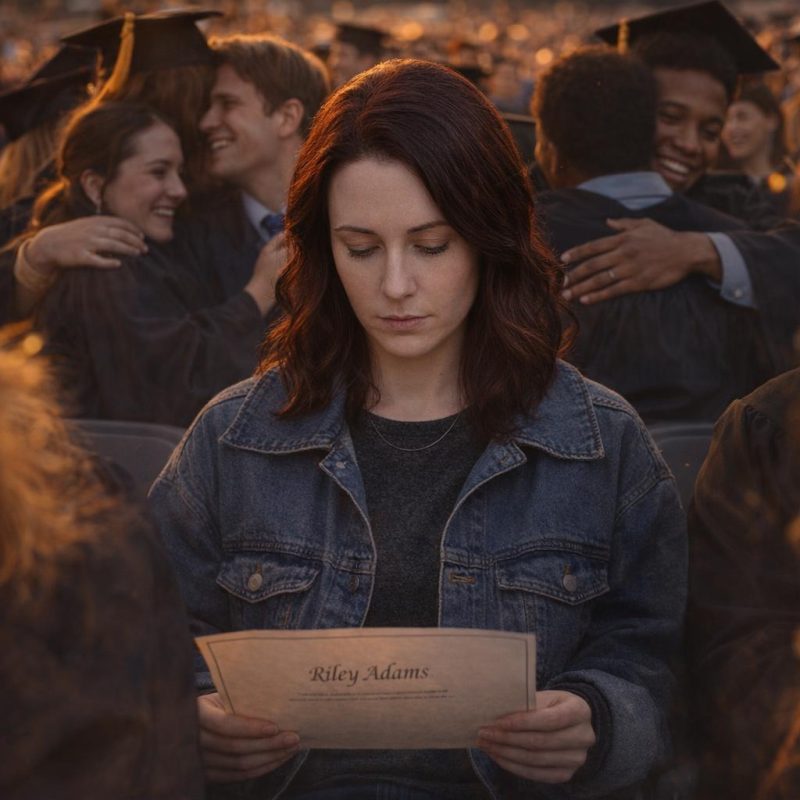 Image by RM AI
Aunt Sarah Finds Her
The ceremony ended and the crowd broke apart into noise and movement and families finding each other, and I stood up slowly and moved with the current of people toward the exits. I wasn't sure where I was going. I was just moving, diploma tucked under my arm, cap still on my head, trying to look like someone who had somewhere to be. I'd been holding myself together for hours by then — through the drive over, through the lineup, through my name being called — and I could feel the effort of it in my jaw and my shoulders and somewhere behind my eyes. Then I heard my name, and I turned, and Aunt Sarah was pushing through the crowd toward me with her arms already open. She didn't say anything when she reached me. She just pulled me in, both arms around me, and held on. And that was it. That was all it took. I had been so careful, so determined to get through the day without falling apart, and the moment I felt her arms around me I stopped being careful. I pressed my face into her shoulder and I cried — not quietly, not politely — just cried, right there in the middle of the dispersing crowd, finally letting go of everything I'd been carrying since 9:47 the night before.
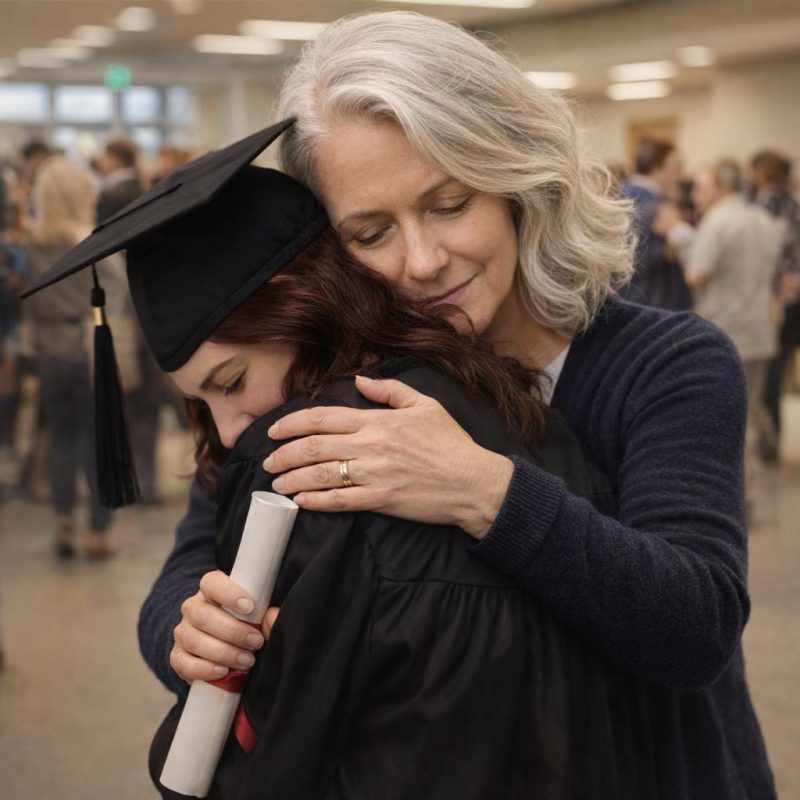 Image by RM AI
The Test Was Successful
Aunt Sarah held me until the crying slowed, and then she pulled back just enough to look at me. She had that expression she gets — the one that means she's about to say something she's been sitting with for a while. She steered me toward a bench near the edge of the plaza, away from the noise, and we sat down together. She told me she'd seen this before. Not with Dad specifically, but with people like Lisa — the way they work. She said missing the graduation wasn't an accident and it wasn't just selfishness. It was a test. Lisa needed to know whether Dad would choose her over the most important moment of my life, and he did. Aunt Sarah said that's the whole point of a test like that — once someone passes it, once they prove they'll give up the people who matter most to them, the door opens for everything that comes next. Financial stuff. Deeper isolation. All of it. She said Dad wasn't just distracted or confused anymore. He'd crossed a line he probably didn't even know existed. I sat there on that bench in my graduation gown, diploma in my lap, and understood that I hadn't just lost a day — I'd lost the version of my father who would have moved mountains to be in that seat.
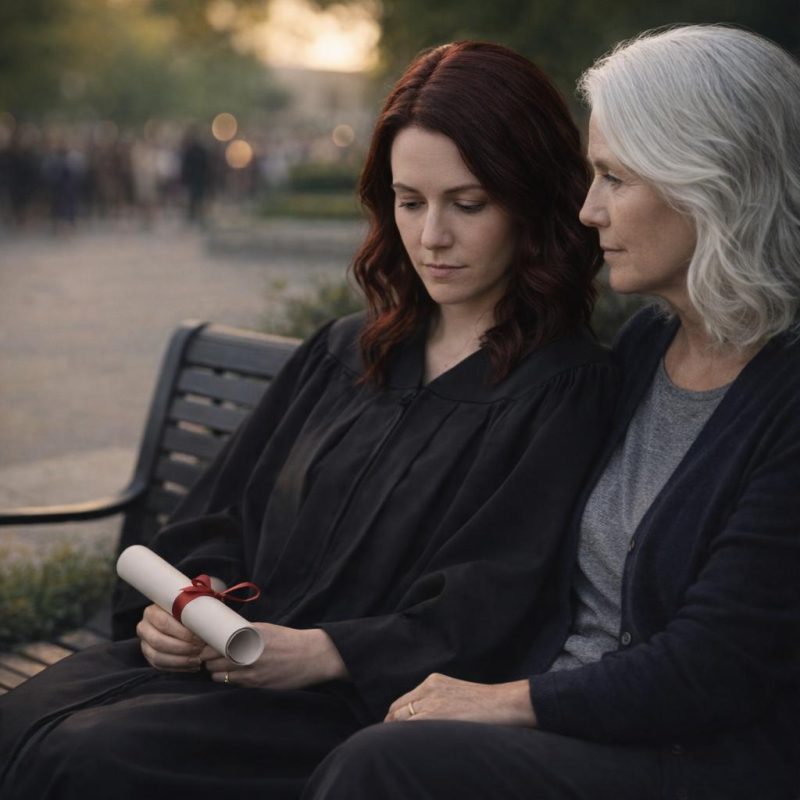 Image by RM AI
What Riley Can Control
We sat on that bench for a long time after that. Aunt Sarah didn't push me to talk. She just stayed, which was exactly what I needed. At some point I asked her what I was supposed to do now, and she said that was entirely up to me. She said she'd back me up either way — if I wanted to keep trying to reach him, she'd help me figure out how. If I needed to step back and protect myself, she'd support that too. She meant it. I could hear it. But the decision was mine, and I knew it. I thought about all the times I'd tried to tell him something felt wrong. The conversations that went nowhere. The way he'd looked at me the last few times we'd talked — like I was the problem, like I was the one making things hard. I couldn't make him see what he wasn't ready to see. I'd learned that much. What I could control was whether I kept pouring myself into a fight that was costing me everything while he wasn't even in the ring. I didn't have an answer yet. But I sat there and let the question settle over me, and for the first time all day, I wasn't trying to outrun it.
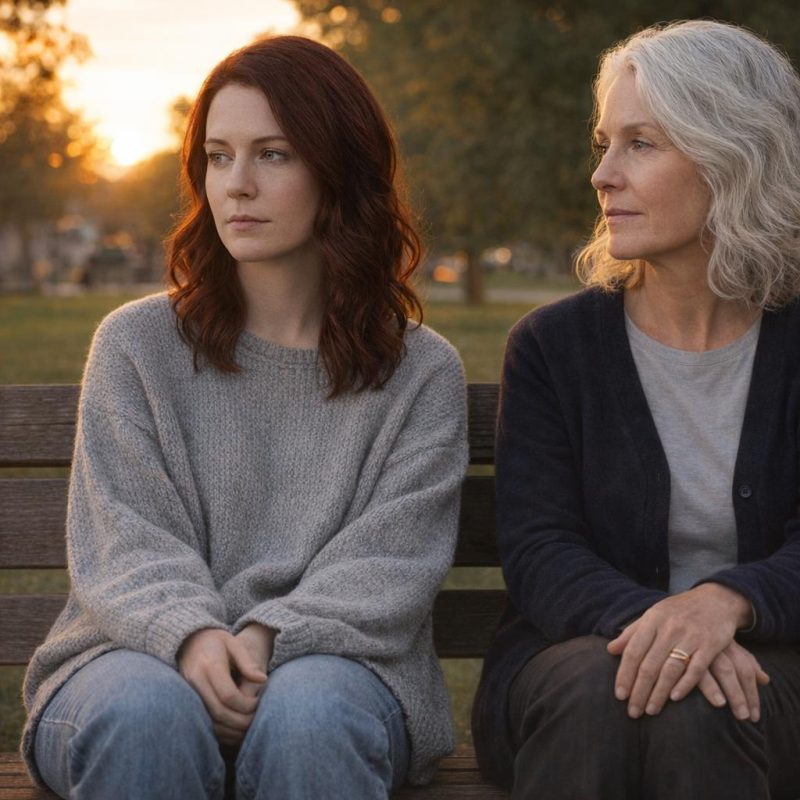 Image by RM AI
Love That Remains
Later, after Aunt Sarah had gone to find Uncle Mike, I sat alone on that bench for a while longer. The plaza had mostly emptied out. A few families were still taking photos near the fountain, but the noise had faded to something distant and soft. I thought about the fifteen years before any of this. Dad learning to braid my hair from a YouTube tutorial because he refused to send me to school looking, as he put it, like I'd lost a fight with a rubber band. The lopsided ponytails he was so proud of. The kitchen table covered in math homework neither of us fully understood, both of us hunched over it like we could solve it through sheer stubbornness. Every parent-teacher conference he showed up to in his work clothes because he'd come straight from a job site. Every school play, every bad report card, every middle-of-the-night panic about something I can't even remember now. He had been there for all of it. That was real. Whatever was happening now, whatever Lisa had pulled him into, she hadn't reached back and erased any of that. Those years belonged to us. The lopsided ponytails and the math homework and the man who showed up — that part of him had been real, and it still was, somewhere.
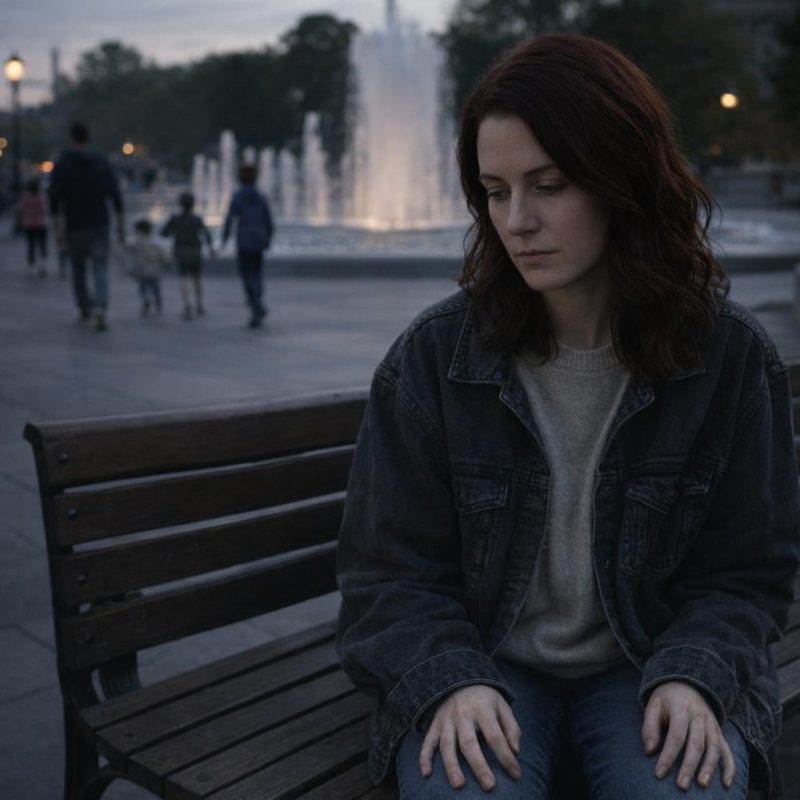 Image by RM AI
Changed Reality
I stood up eventually, smoothed out my gown, and looked out at the empty plaza. I'd been waiting all day for something to feel resolved, and I understood now that it wasn't going to arrive the way I'd hoped — not as a phone call, not as an apology, not as my father suddenly seeing clearly. He'd made his choice. I couldn't unmake it for him. What I could do was carry what he'd actually given me — not the absence of today, but the fifteen years before it. He'd taught me to show up. To work hard. To not quit when things got difficult. He'd taught me that without meaning to teach me anything at all, just by being the kind of father who came straight from a job site to a parent-teacher conference. If he ever found his way back, I'd leave the door open. I wasn't going to pretend that didn't matter to me. But I wasn't going to stop my life waiting at that door either. I picked up my diploma, tucked it under my arm, and walked forward — carrying everything he'd built in me, even without him walking beside me.
 Image by RM AI
KEEP ON READING

20 Queens Who Deserved Better Husbands
Crowns Didn't Guarantee Kindness. History loves to romanticize royal marriages,…
By Cameron Dick Jul 2, 2026
Was the Mad Gasser of Mattoon a Collective Hallucination?
Unknown author on WikimediaIn September of 1944, residents of the…
By Christy Chan Jun 30, 2026
The Missing Roman Legion: How 5,000 Elite Soldiers Vanished Without…
Maria Dolores Vazquez on UnsplashImagine commanding a battle-tested force of…
By Sara Springsteen Jun 30, 2026
The Tribe That Proved Humans Can Survive Almost Anything
Miscellaneous Items in High Demand, PPOC, Library of Congress on…
By Emilie Richardson-Dupuis Jun 30, 2026
The Woman Who Convinced Doctors She Gave Birth To Rabbits
Fæ on WikimediaSome stories sound made up the moment you…
By Cameron Dick Jun 30, 2026
20 Best Musical Eras In History
What Era Has The Best Music. Music has always been…
By Sara Springsteen Jun 30, 2026