

I Sacrificed Everything for My Husband's 'Chronic Illness' Until I Opened His Bedroom Door
I Sacrificed Everything for My Husband's 'Chronic Illness' Until I Opened His Bedroom Door
The House That Ate Sound
People talk about walking on eggshells like it's a metaphor. In our house, it was a job description. I learned to close cabinet doors with two hands, slow and deliberate, the latch clicking into place like I was defusing something. I learned to carry my shoes from the front door to the bedroom before putting them on. I learned that the dishwasher could only run after ten p.m., when Mark had taken his medication and the cycle of pain had crested enough for him to sleep through the hum. Cluster headaches, the neurologist had explained, were sometimes called suicide headaches. The worst pain a human body could produce. I held onto that fact like a credential — it explained everything, justified everything, made the silence make sense. Maya had learned it too, almost before she could walk. She moved through the hallway in her socks with this careful, floating step that broke something in me every time I watched it. Three years old and already fluent in quiet. I told myself we were a team. That we were getting through something hard together. I told myself a lot of things in those days, standing in the kitchen with the faucet barely cracked open, the water running in a thin, soundless thread. The silence in that house didn't feel like peace. It pressed down on everything, on all of us, like a second ceiling.
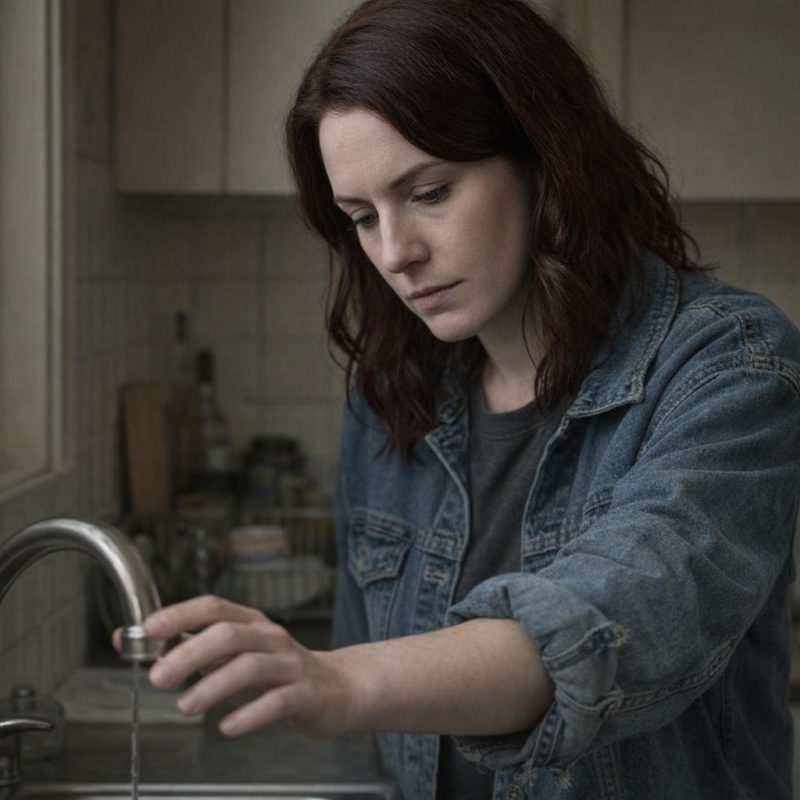 Image by RM AI
The Girl Who Learned to Disappear
Maya's third birthday was a Tuesday. I made her a small cake — funfetti, her favorite color was yellow — and we ate it at the kitchen table in near-silence, me and her and the soft scrape of forks. No singing. I'd thought about it, actually stood there with a candle in my hand and almost started, but the bedroom was just down the hall and I couldn't risk it. So I whispered happy birthday instead, and Maya whispered it back to herself, and I told myself that was enough. It wasn't enough. I'd started explaining Daddy's headaches to her in terms I thought a toddler could hold. That loud sounds were like needles in Daddy's head. That being quiet was how we showed we loved him. She absorbed it the way kids absorb everything — completely, without question, without the armor adults build up against ideas that should hurt. She started tiptoeing without being asked. She started whispering to her stuffed animals. She stopped asking why Daddy never came out to play, and I told myself that was a good sign, that she was adjusting. I told myself that right up until the afternoon she was sitting on the living room rug, laughing at something on her little tablet, and then she caught herself. Her hand flew up and clapped over her own mouth, cutting the laugh off mid-sound.
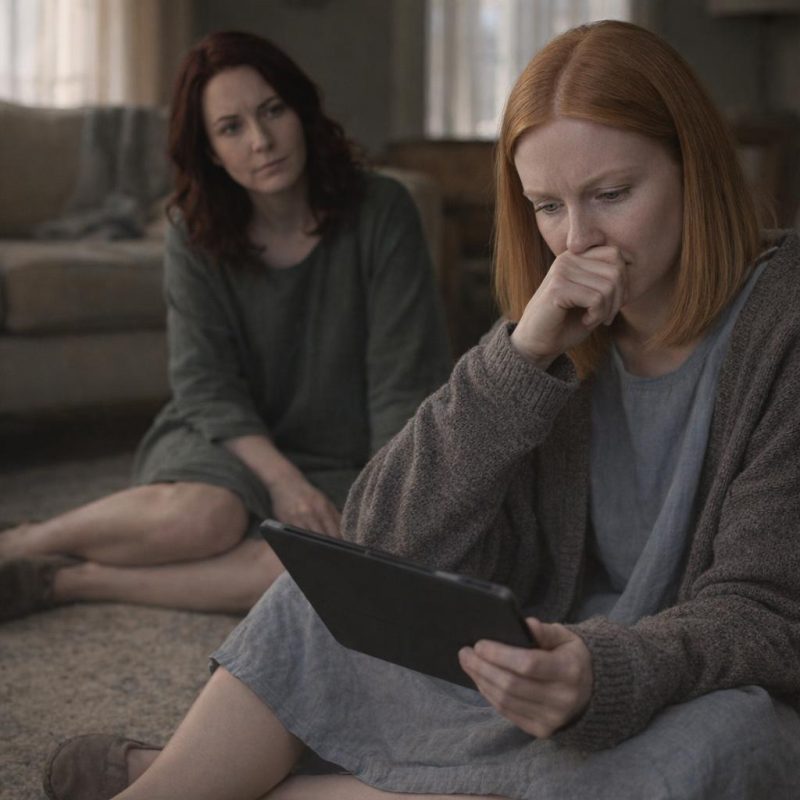 Image by RM AI
Sixty Hours
Sixty hours a week sounds like a number until you're living inside it. My alarm went off at five-forty-five and I was out the door by six-fifteen, thermos in hand, scrubs already on because changing at home cost minutes I didn't have. The dental clinic opened at seven. I took the first patient slot and the last one and every cancellation in between that Rachel or Dr. Chen would let me pick up. My hands shook by Thursday. Not badly — not enough that anyone would pull me off a patient — but enough that I noticed, gripping the suction tool a little tighter than necessary, breathing through it. I skipped my lunch break most days. Ate a granola bar over the sink in the break room if I ate anything at all. Every paycheck was already spent before it hit my account: the mortgage, the utilities, Maya's preschool, the supplements Mark's specialist had recommended, the oxygen. Always the oxygen. I kept a running tally in my head the way some people keep a grocery list, constant and automatic. I told myself this was temporary. That we were in the hard part, and the hard part had an end. I believed that. I needed to believe it, the same way I needed the coffee and the overtime and the particular numbness that set in around hour ten, when my body stopped registering tired and just kept moving. The exhaustion had stopped feeling like a warning by then. It had moved in, unpacked, made itself at home somewhere deep in my bones.
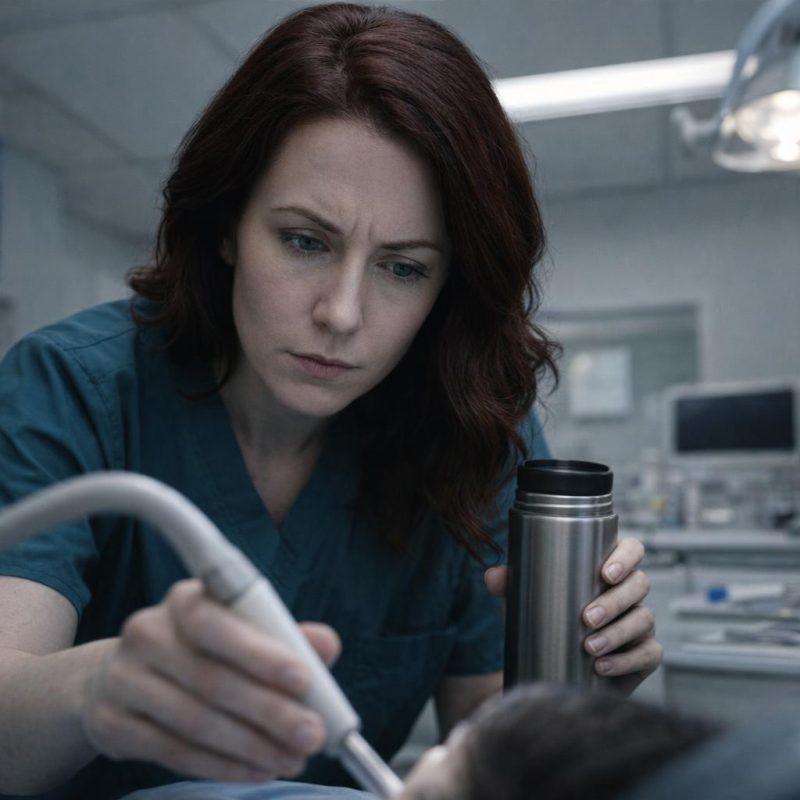 Image by RM AI
Midnight Delivery
The first delivery came at two in the morning on a Wednesday. I remember because I had a seven a.m. patient and I'd been asleep for maybe three hours when the knock came — two short, one long, the pattern Mark had told me to listen for. I pulled on a sweatshirt and went to the door. The courier was a compact guy in dark clothes, clipboard already extended, eyes somewhere around my collarbone. He didn't say much. Handed me the clipboard, took it back, passed me two boxes that were heavier than I expected. I paid him in cash, the envelope Mark had left on the kitchen counter the night before, already counted out. The boxes were labeled with a supplier name I didn't recognize, something long and clinical-sounding that I didn't look up. Mark had explained that his specialist sourced oxygen through a private medical supplier — purer concentration, better regulated for cluster headache protocols, not the standard hospital grade. It had made sense when he explained it. Most things made sense when Mark explained them. I carried the tanks to the bedroom door and set them down carefully, the way I set everything down in that house. Went back to bed. Heard the door open and close a few minutes later, soft as a held breath. I lay there in the dark, and the strangeness of it — the hour, the cash, the courier's averted eyes — sat at the edge of my thoughts without quite landing. The tanks had felt oddly light for something I was paying so much to carry.
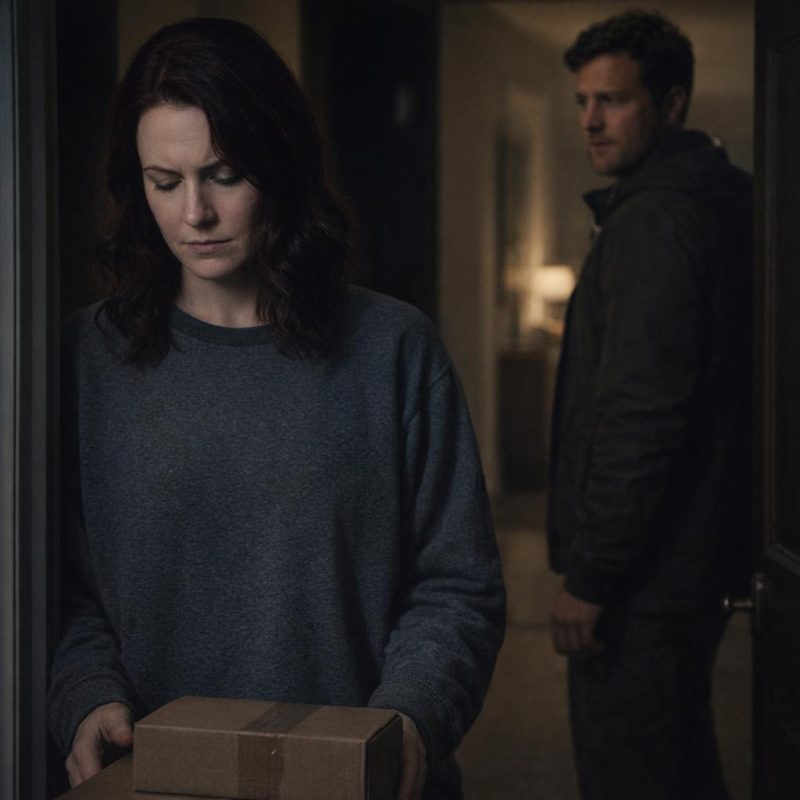 Image by RM AI
The Mathematics of Sacrifice
I got good at not being hungry. That sounds dramatic, but it was really just math. Groceries cost money. Mark's treatments cost more. Maya needed to eat — that was non-negotiable, that was the fixed point everything else orbited around — so I built her meals first and worked backward from whatever was left. Most days that meant I ate after she went to bed, crackers and peanut butter standing over the kitchen sink, or sometimes just crackers. I wore the same two pairs of work shoes on rotation, the left one developing a soft spot near the toe that I covered with an insole and ignored. I told Rachel it was plantar fasciitis when she noticed me favoring it. I got good at that too — the small deflections, the plausible explanations. I wasn't lying exactly. I was just editing. The bills I paid on time, and the ones I juggled, and the ones I let slide a week or two with a mental promise to catch up on overtime. I told myself I had a system. I told myself the system was working. I was standing at the kitchen counter one evening, Maya already asleep, sorting through the mail on autopilot — electric bill, a coupon circular, something from Maya's preschool — when I pulled out an envelope with the mortgage company's return address and a red-bordered window I recognized immediately.
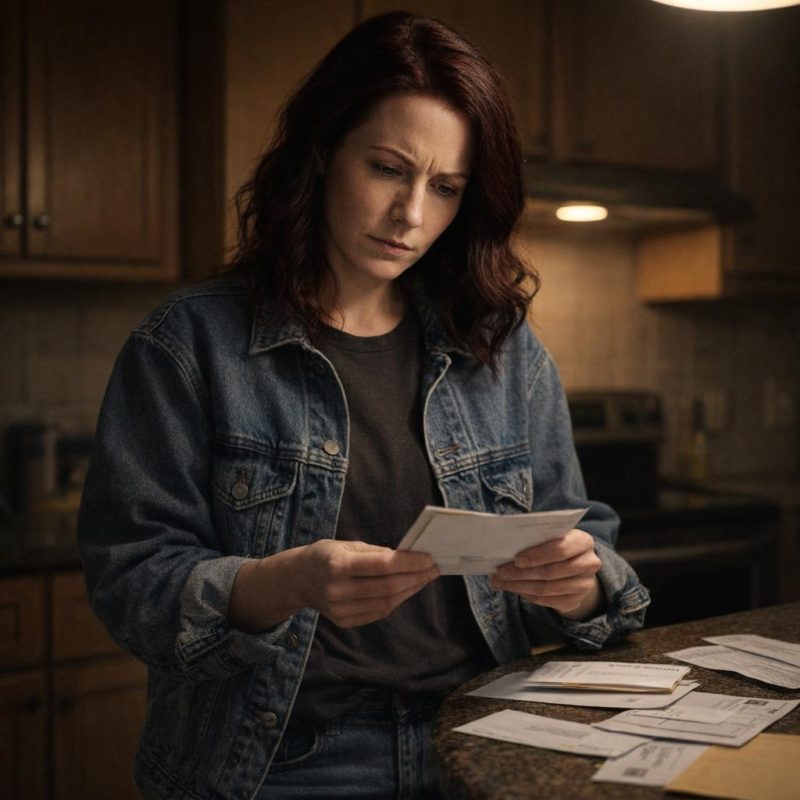 Image by RM AI
The Shrinking Circle
It happened gradually, the way most losses do. First it was the dinner parties — I'd cancel the day of, always with a real reason, because there was always a real reason. Mark was in a cycle. Mark had a bad afternoon. I couldn't leave Maya alone with him when he was like that, and I couldn't bring her somewhere loud, and I couldn't explain all of that in a text without it becoming a whole thing. So I kept it short. So sorry, can't make it, next time. There were enough next times that people stopped scheduling them. Then it was the group chat, which I'd muted because the notifications pinged and I'd gotten paranoid about sound even on my phone. I'd check it in the car before my shift, scroll through photos of brunches and birthday dinners and a bachelorette weekend I'd been invited to and quietly declined. I told myself I didn't have time for any of it anyway. That was true. It was also a convenient truth. My college roommate Jess had been the most patient — she'd rescheduled twice, offered to come to me, offered to just sit on my porch if that was easier. I'd put her off both times. I was going to call her back. I kept meaning to. Then one evening I opened my messages and found the last one she'd sent, three weeks prior: "I love you and I get it. I won't keep asking. I'm here when you're ready."
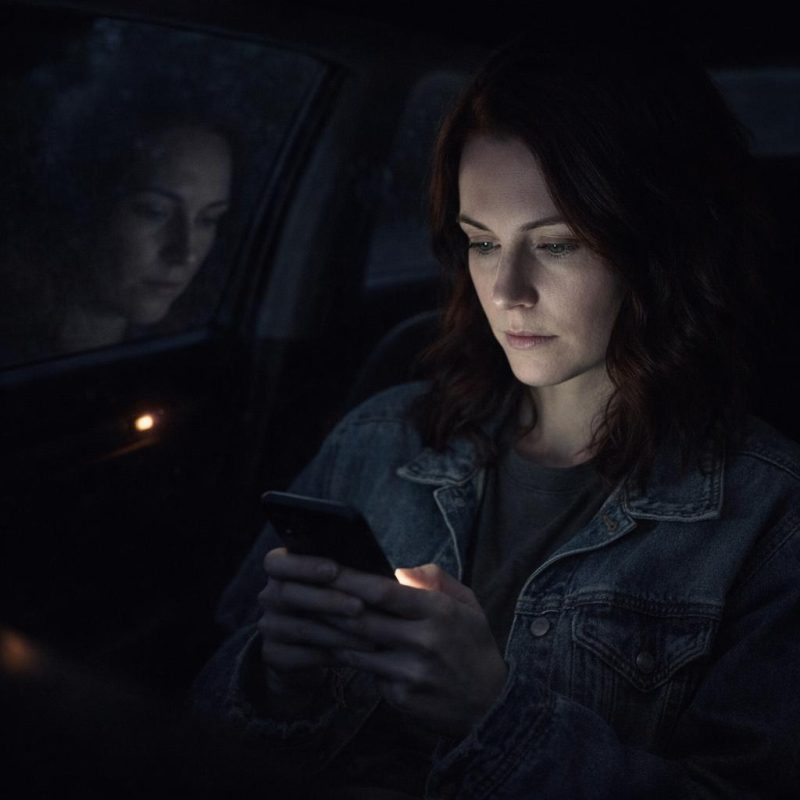 Image by RM AI
The Dropped Toy
It was a wooden alphabet block, the letter G, and it slipped out of Maya's hand while she was stacking them in the hallway. The sound it made on the hardwood was enormous — that flat, percussive crack that seems to expand to fill whatever space it's in. I was in the kitchen and I felt it in my chest before I heard it. I was across the hallway in seconds, I don't even remember moving, and I know my face did something terrible because Maya looked up at me and went completely still. Not the careful, practiced stillness she'd learned. Something older than that. Her eyes went wide and her chin started to tremble and she looked at me the way kids look when they've done something wrong and don't understand what it was. I crouched down and put my finger to my lips, and she mirrored me, and we both held our breath and listened. The apartment settled around us. I started to exhale. I was reaching for her, about to pull her in, about to tell her it was okay, it was just an accident, when I heard it — the soft, deliberate click of the bedroom door handle turning.
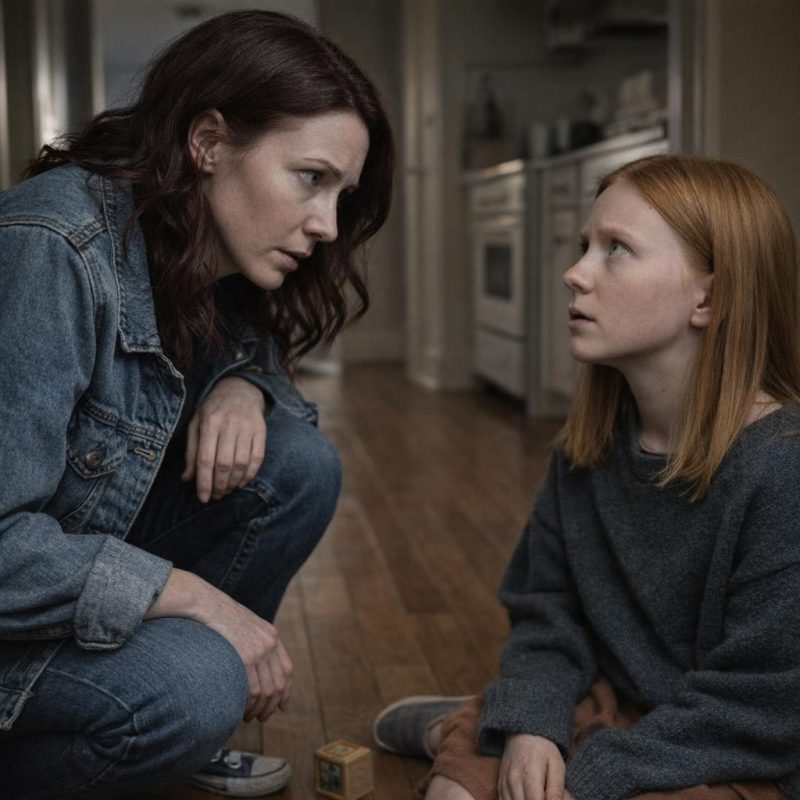 Image by RM AI
Rachel Sees
I'd been restocking the supply cabinet in exam room two when my vision went gray at the edges and I had to grab the counter with both hands to stay upright. I stood there for a moment, breathing, waiting for it to pass, and when I turned around Rachel was in the doorway watching me with an expression I didn't have the energy to deflect. She didn't make a big deal of it. She just steered me to the chair in the corner, went to her locker, and came back with a water bottle and a granola bar like she'd been waiting for an excuse to do exactly this. I told her it was low blood sugar. She handed me the granola bar without comment. I ate it. She sat on the edge of the counter and waited until I had some color back, and then she said, quietly, "When's the last time someone took care of you?" I opened my mouth to say something deflecting and competent, and nothing came out. I told her about Mark's condition instead — the headaches, the cycles, the oxygen, the way the whole house had reorganized itself around his pain. She listened without interrupting, which was its own kind of kindness. She didn't offer solutions or opinions. She just said, "I'm here. Whatever you need." I drove home that evening with the granola bar wrapper still in my jacket pocket, and Rachel's voice stayed with me somewhere quiet, in a place I hadn't felt anything land in a long time.
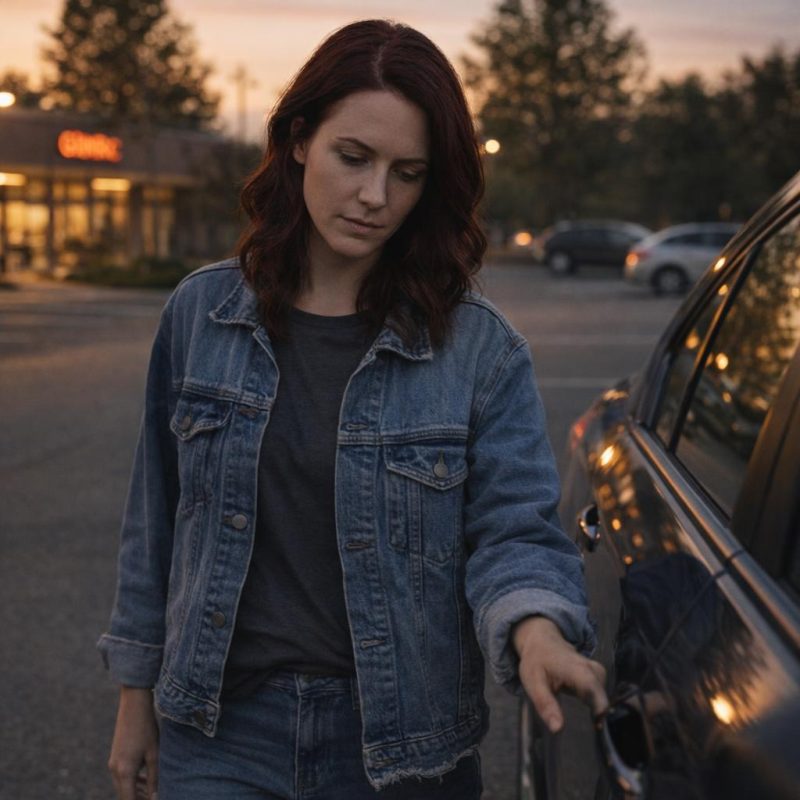 Image by RM AI
The Specialized Blend
The text came in while I was on my lunch break, still in my scrubs, eating a sad desk sandwich over the sink. Mark had found a new supplier — a specialized blend, he said, higher purity levels, the kind that might finally interrupt the headache cycle instead of just managing it. He'd included a link. The website looked clean and professional, all clinical language about oxygen concentration percentages and therapeutic applications, and I read it twice trying to find a reason to feel skeptical. I couldn't. I wanted to believe it too badly. I pulled up the quote he'd forwarded and had to read the number twice. Nearly double what we'd been paying. I sat there doing the math in my head — the credit card balance, the minimum payments, the overtime I'd already committed to — and then I did what I always did. I texted back that I'd figure it out. He replied almost immediately: 'I know it's a lot. Don't stress if it's not possible.' That made me more determined, not less. I called the clinic before my next patient and asked Rachel if she knew of any open Saturday slots. She said yes without asking why. I put my name down for three. The cost estimate sat in my inbox that evening, and I couldn't bring myself to close the tab.
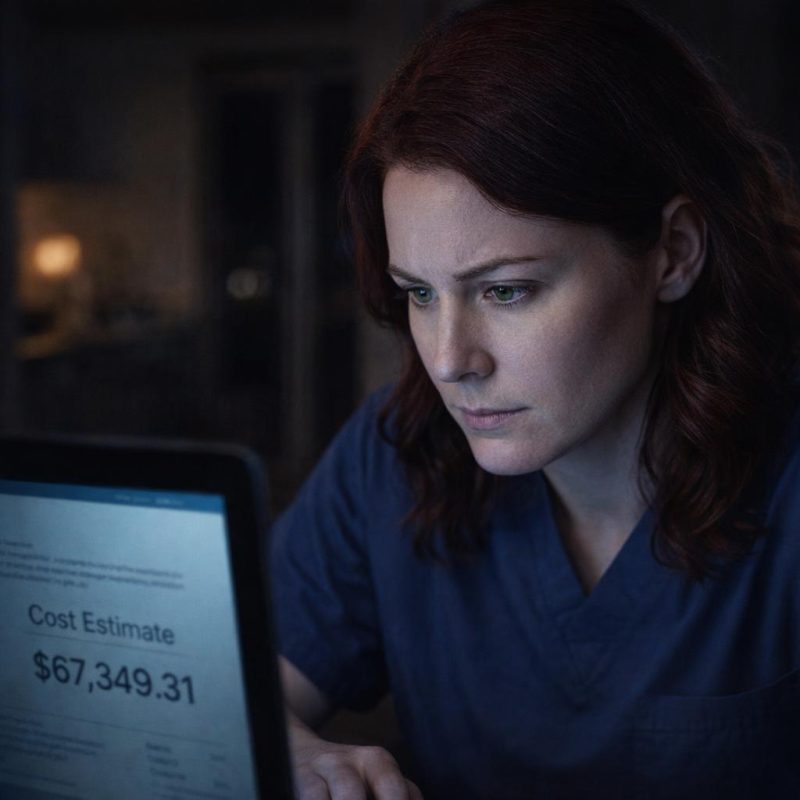 Image by RM AI
The Red Line
The statement came in the mail on a Tuesday, which felt like a cruel choice of day. I stood at the kitchen counter and opened it the way you open something you already know is bad — slowly, like slowing down will change what's inside. The balance had crossed a number I'd told myself we'd never reach. I read it three times. Then I sat down on the floor, which wasn't something I'd planned to do. I went through the charges line by line: oxygen suppliers, a medical equipment company, two pharmacies, a specialist copay I'd forgotten about. Every single charge was for Mark. I knew that. I'd approved every one of them. The interest alone that month was more than my car payment. And the minimum payment — I had to check it again because the first time I read it I thought I'd misread a digit — was more than I brought home in a week. I thought about a personal loan. I looked up consolidation options on my phone while Maya watched cartoons in the next room. I thought about bankruptcy for approximately four minutes before I closed that browser tab like it had burned me. There was no good option. There was only more shifts, more hours, more of the same. The minimum payment figure sat at the bottom of the page, and I left the statement on the counter because I couldn't figure out where else to put it.
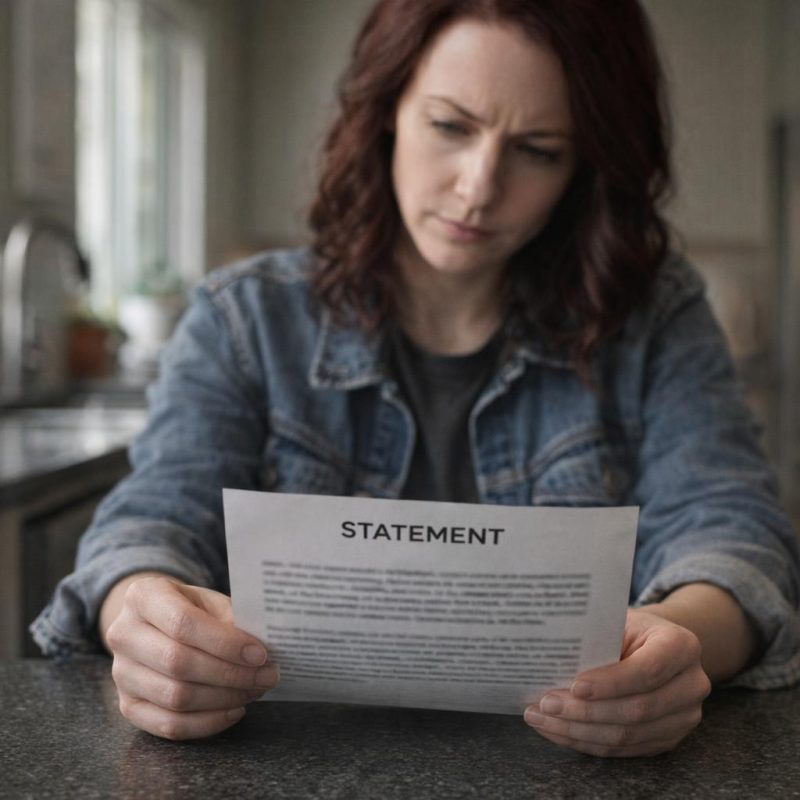 Image by RM AI
Four in Silence
I'd found a small pink cake at the grocery store bakery, the kind with the sugar roses that Maya had pointed at once through the glass case, and I'd hidden it in the back of the fridge behind the leftovers. Four candles. I lit them in the kitchen while she stood in her pajamas, eyes wide, hands clasped in front of her like she was already bracing herself. We sang Happy Birthday in whispers. I kept my voice low and she matched mine without being asked, the way she always did, the way she'd learned to do before she could really understand why. She blew out the candles so carefully — one slow breath, controlled, deliberate — like she was afraid the flame might make a sound. No friends. I'd thought about it and then thought about the noise and the chaos and Mark's door and decided I couldn't manage it. She opened her two presents the same way she did everything in that house: quietly, folding the wrapping paper instead of tearing it, whispering thank you for each one. She asked me if Daddy knew it was her birthday. I told her he did, and that he was sorry he couldn't come out. She nodded and looked back at her cake. She didn't ask again. That was the part that stayed with me — not the question, but the fact that she already knew not to push. The quiet had become hers too, worn into her like a groove.
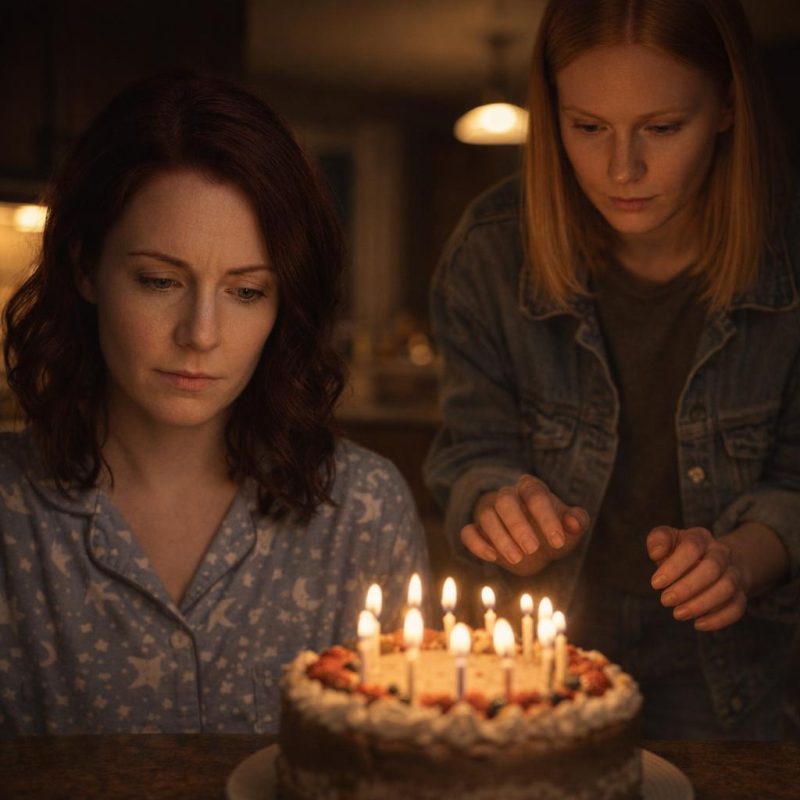 Image by RM AI
The Courier's Eyes
The delivery came at midnight, which was later than usual. I'd been half-asleep on the couch waiting for it, the TV on mute, and the knock startled me upright. It wasn't the same courier as before — this one was younger, with a watchful quality about him, the kind of stillness that made you notice it. He wheeled in the tanks on a dolly and I saw immediately that the labeling was different. Same general shape, but the markings were different colors, different font, a supplier name I didn't recognize printed along the side. I asked if these were the same grade as the previous order. He said they were what was on the manifest. He handled them carefully, almost gingerly, and there was something in the way he looked at them that I couldn't quite read. I signed the receipt with the pen he handed me, my handwriting worse than usual from tiredness. He was already turning to go when he stopped. He turned his head slowly toward the hallway, and his eyes settled on the bedroom door at the end of it — and his expression shifted into something I couldn't name.
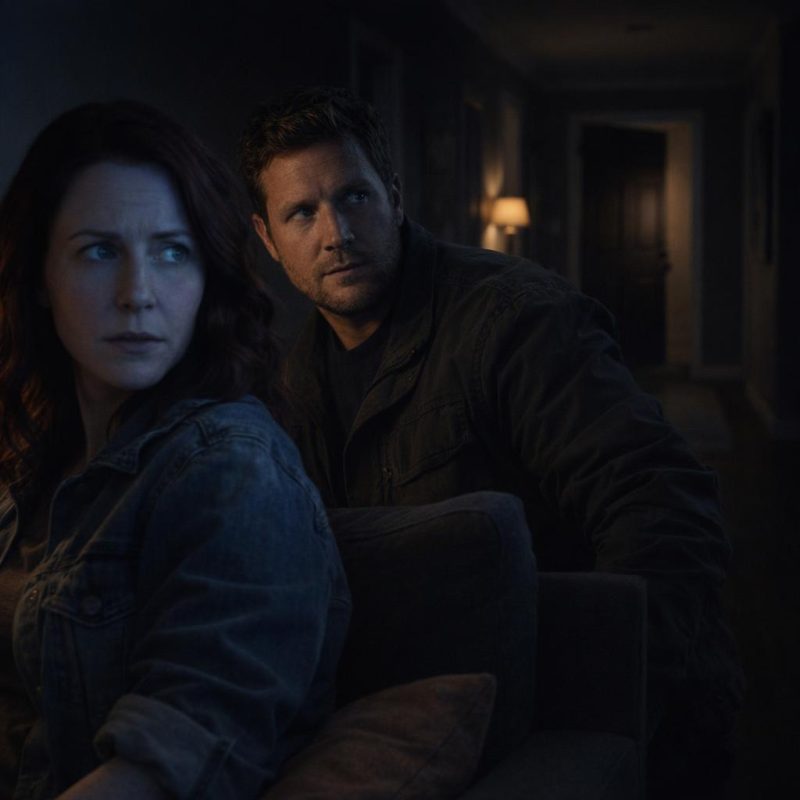 Image by RM AI
Holes
I went to the grocery store on a Thursday after a double shift, still in my work clothes, feet aching in a way that had stopped feeling remarkable. The shoes were the problem — the left sole had separated at the toe months ago and I'd been meaning to replace them, but every time I got close to justifying the expense something else came up. That night I could feel the cold of the linoleum through my sock with every step. I worked through my list the way I always did, calculating as I went, putting things back when the math didn't work. The chicken breasts went back. A name-brand pasta sauce went back. I found a dented can of tomatoes marked down thirty cents and put it in the cart like I'd won something. Other people's carts moved past me full and unhurried, and I kept my eyes on my list. I paid with the card I was least afraid to look at and stood in the rain outside waiting for the bus, the plastic bags cutting into my fingers, my left foot going wet through the gap in the sole. My jacket was the same one I'd had for two years, the lining torn at the left pocket, the zipper stiff. My work scrubs were faded from washing. Everything I owned had been worn past the point where it still looked like a choice, and I carried it all home in the rain without thinking much about any of it.
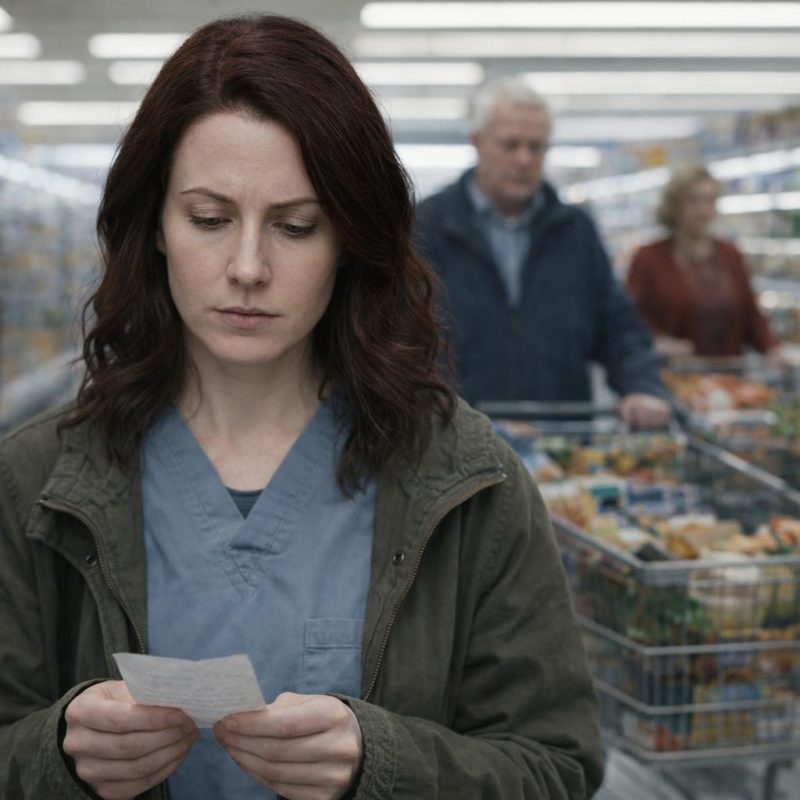 Image by RM AI
Three A.M. Ghost
I woke to the sound of the refrigerator seal releasing — that soft pressurized pop — and lay still for a moment trying to decide if I'd imagined it. I hadn't. I got up and padded down the hallway and found Mark standing at the kitchen counter in the dark, eating leftover pasta straight from the container with a fork. He didn't hear me at first. I stood in the doorway and watched him for a few seconds, and what struck me wasn't that he was up — he sometimes had bad nights — it was the way he was standing. Upright. Easy. His shoulders weren't braced against anything. He was just eating, the way a person eats when they're hungry and nothing hurts. He startled when he noticed me, and something shifted in his posture, a subtle adjustment I couldn't have described precisely. He said the headache had lifted for a bit and he'd needed to eat. I looked at the container and saw he'd finished most of what I'd set aside for Maya's lunch. I didn't say that. He said he needed to get back to the dark room before it came back, and he moved past me into the hallway. I stood in the kitchen after he'd gone, the refrigerator humming, the container still on the counter. The ease in how he'd moved through that dark kitchen — fluid, unhurried — sat with me in a way I didn't have words for yet.
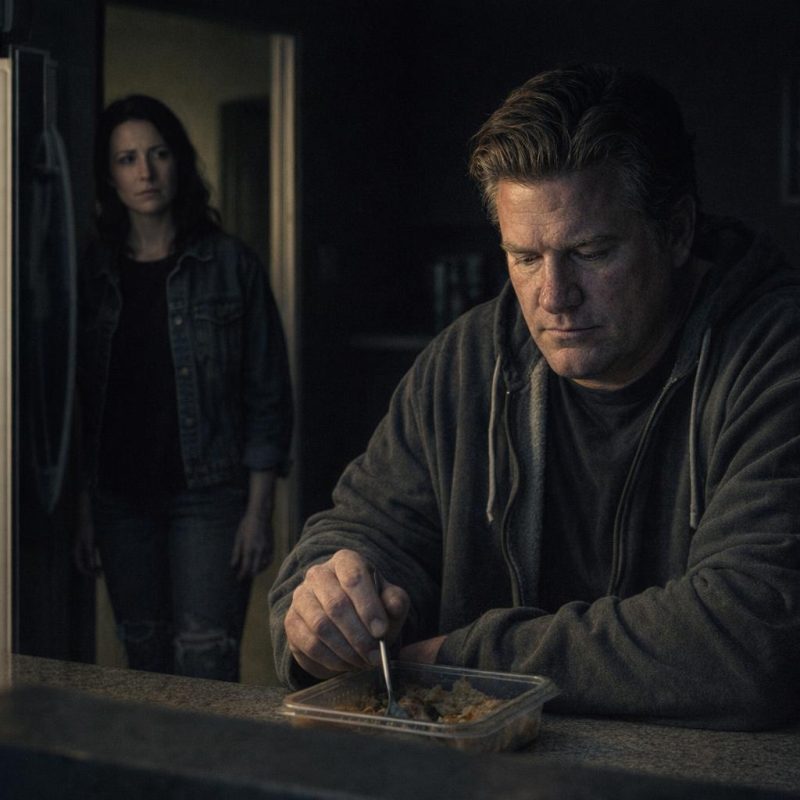 Image by RM AI
Dr. Chen's Praise
Dr. Chen called me into his office on a Friday afternoon, which made my stomach drop the way it always does when a boss says 'do you have a minute.' He gestured to the chair across from his desk and folded his hands and told me I was the most dedicated hygienist he'd employed in twenty-two years of practice. He said three patients had specifically requested me by name that month. He said he'd noticed I'd been taking every available overtime slot and he wanted to offer me first pick going forward. I thanked him and meant it, and then he said, gently, that he'd heard I was managing some difficult things at home — he didn't push for details, just left the door open — and that if I ever needed schedule flexibility I should come to him directly. I told him about Mark's condition in the vague way I'd gotten good at: chronic illness, ongoing treatment, we're managing. He nodded with the kind of careful sympathy that didn't ask for more than you offered. He slid a printed schedule across the desk and asked which additional shifts I wanted. I looked at the page. I was already running on fumes. He wrote my name in without comment, and I walked back to my station with every remaining slot filled — more hours than I had energy for, accepted without hesitation.
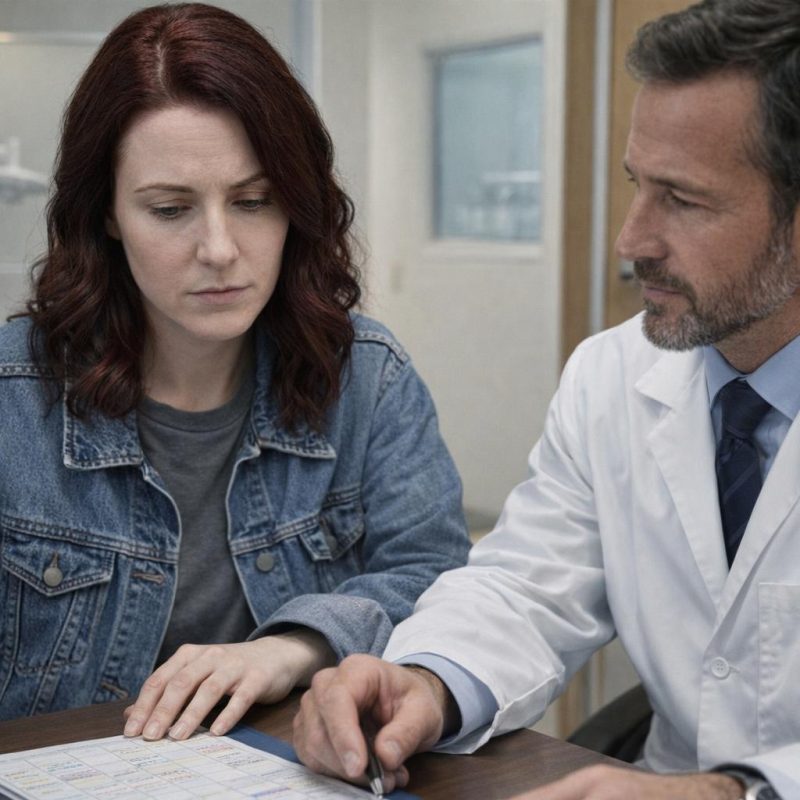 Image by RM AI
Why Doesn't Daddy Play?
We were on the living room floor after dinner, Maya arranging her small plastic animals into a line along the edge of the coffee table, when she looked up at me with the particular directness that four-year-olds have before they learn to soften things. She asked why Daddy never came out to play with her. I gave her the answer I'd given a hundred times — the headaches, the need for quiet and dark, how much it hurt him to miss things. She listened with her hands still on a small plastic giraffe. Then she asked if she'd done something wrong. I told her no, absolutely not, that it had nothing to do with her. She asked if Daddy loved her. I said of course he did, that he was just very sick. She asked if he was going to get better. I said yes, I believed he would, and I tried to make it sound like something I was certain of. She looked at me for a moment, then looked back at her animals and set the giraffe down at the end of the line. She didn't ask anything else. She just went back to arranging them, carefully, one by one, in perfect silence. I'd expected more questions, or maybe tears, or the kind of persistent why-why-why that kids her age are supposed to have. Instead there was just her small face, still and settled, the giraffe placed just so — the look of a child who had already decided not to expect anything different.
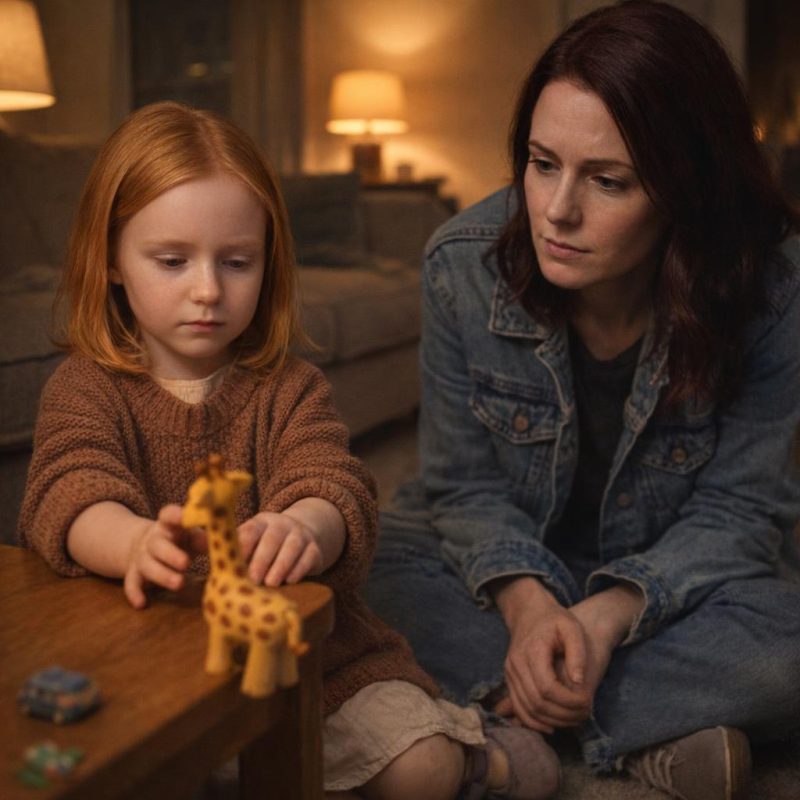 Image by RM AI
The Invitations Stop
The invitation came through email, which felt like a sign of how far things had drifted — Jess used to call me. We used to make plans over bad coffee in her kitchen, back when I had a kitchen I could invite people into without worrying about the noise. The subject line said 'You're invited!' with a little pink balloon emoji, and I stared at it for a full minute before I clicked delete. I couldn't go. I had a Saturday shift, and even if I hadn't, there was Maya to think about, and the oxygen delivery that afternoon, and the fact that I hadn't bought anything that wasn't groceries or medical supplies in three months. I sent a gift card with a note that said I was so sorry to miss it, that I couldn't wait to meet the baby. I meant it. I think I meant it. A few weeks later I was scrolling through my phone during a lunch break I barely took, and there they were — Jess and everyone else, standing in someone's backyard in the afternoon light, laughing with their heads thrown back, holding mimosas, every face turned up toward the sun.
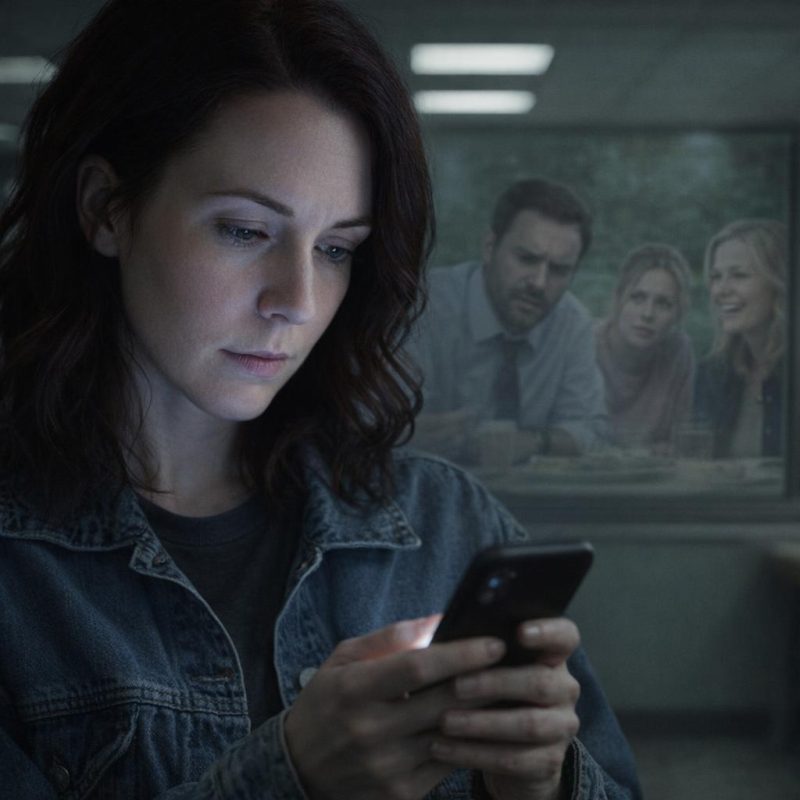 Image by RM AI
The Promise
The text came in at 12:47 on a Tuesday, right as I was unwrapping a granola bar over the sink in the break room. Mark said the new oxygen blend was making a real difference. He said he could feel the headache cycle starting to break, that something was shifting. He said maybe a few more weeks of consistent treatment and he'd be able to come out of the room for longer stretches. I read it twice. Then I read it a third time. I texted back asking if he really thought so, and he said yes, he really did, that he could feel it. I stood there with the granola bar going stale in my hand, doing the math on what another month of the oxygen rental would cost, and I decided it didn't matter. Whatever it cost. If this was the thing that finally worked, then it was worth it. I knew the hope was fragile — I'd felt it before and watched it dissolve into another bad week, another setback, another adjustment to the treatment plan. But I held onto it anyway, because the alternative was admitting that five years of this had no finish line, and I wasn't ready to look at that yet. The hope sat in my chest, thin and careful, like something I was afraid to breathe on too hard.
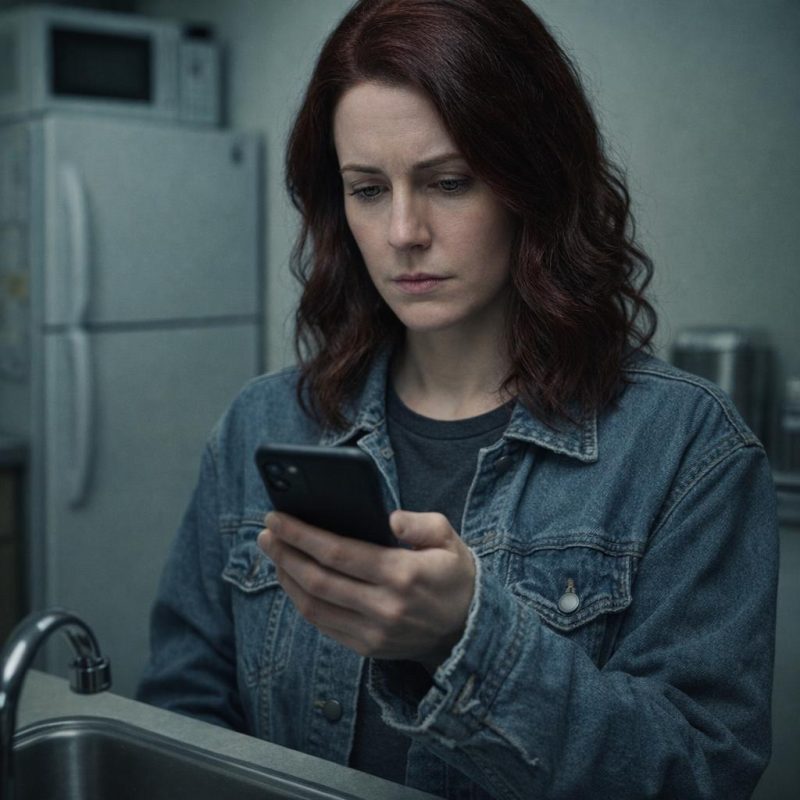 Image by RM AI
Five in Whispers
I'd ordered a small cake with pink frosting and her name on it in purple letters. I'd hung a banner. I'd done everything right, or tried to. But there were only six of us in the living room — me, my mother, my aunt, two cousins who drove in from across town — and we all moved through the afternoon like we were in a library. Voices low. Footsteps careful. My mother handed Maya a wrapped gift and whispered happy birthday, sweetheart, and Maya whispered thank you back, already trained. She opened each present slowly, folding back the paper at the edges instead of tearing it, setting the ribbon aside. She said thank you after each one in that small, precise voice she'd developed, the one that never got too loud, never got too excited. When I brought out the cake, we sang in hushed tones, six adults murmuring the words like a lullaby, and Maya leaned forward and blew out all five candles in one careful breath. She smiled. It was a real smile, I think, or close enough. But it didn't move past her mouth. My cousins left early, and my mother hugged me at the door with a look I didn't ask her to explain. After everyone was gone, I sat on the couch in the quiet and understood that my daughter had learned to celebrate in a way that asked nothing of anyone — and I didn't know when that had happened.
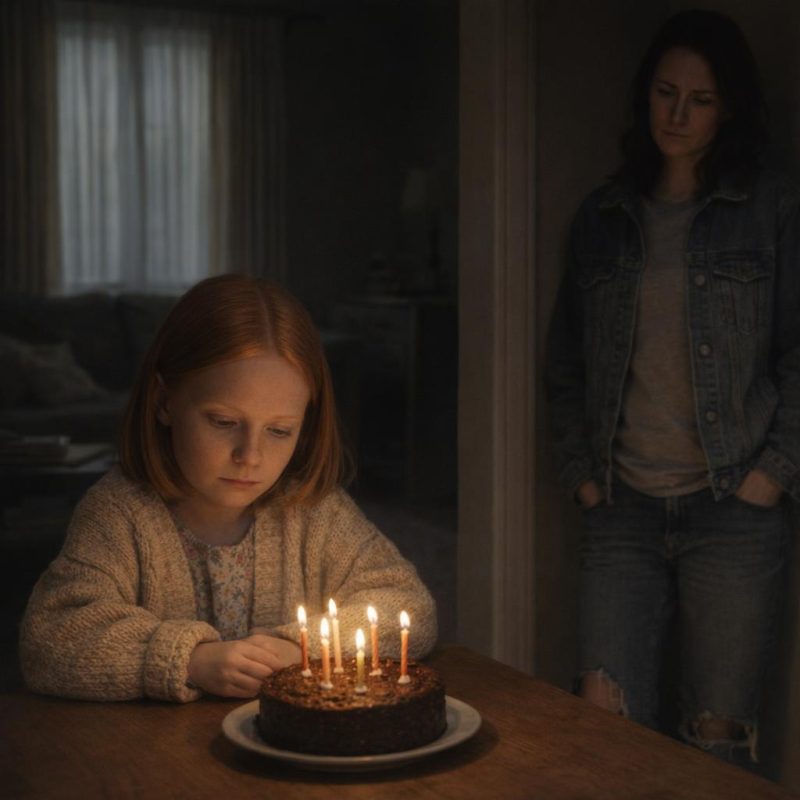 Image by RM AI
Sixty Hours Again
Sixty hours in a week sounds like a number until you're living inside it, and then it stops being a number and starts being a texture — something gritty and grey that coats everything. My hands knew what to do. They moved through the motions, mirror and probe and scaler, the familiar choreography of someone else's mouth, while the rest of me went somewhere quieter. Rachel asked me between patients if I was doing okay and I said fine, the way you say fine when the real answer is too long and you're already late for your next chair. I nearly fumbled a tool during a routine cleaning — caught it before it mattered, but my hands shook for a second and I had to breathe through it. The patient didn't notice. I noticed. I finished the shift in a fog, charting on autopilot, smiling at the front desk on my way out. I got to my car and sat there with the engine off. I reached for my phone to check the date and stopped with my thumb over the screen because I genuinely could not have told you what day of the week it was.
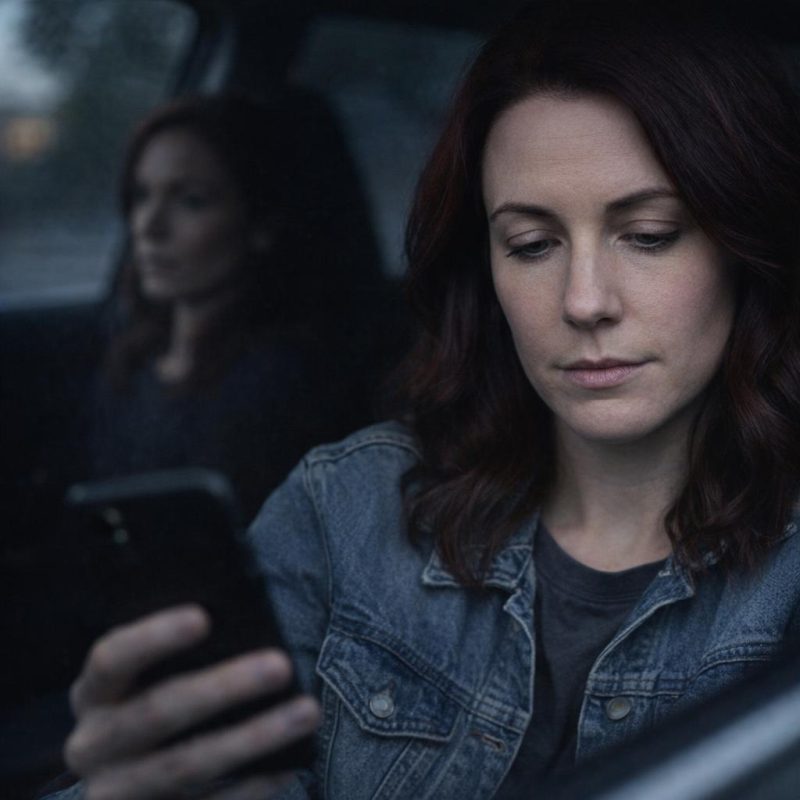 Image by RM AI
The Realization That Never Ends
I sat in the car for a long time after that. The clinic windows went dark one by one as the last staff filtered out, and I just sat there with my hands in my lap, not ready to go home to the silence. I tried to remember the last time Mark had given me an actual date. Not 'a few more weeks' or 'once this cycle breaks' or 'when the treatment stabilizes' — a real date, a real marker. I went back through the last year in my head and couldn't find one. Every promise had been approximate. Every timeline had been conditional. I'd been living in the temporary for so long that I'd stopped noticing it wasn't temporary anymore. Five years. Maya had been born into this. She'd never known a version of our house that wasn't organized around his condition, never known a Saturday that wasn't structured around quiet and careful. I did the math I'd been avoiding — if this continued another five years, she'd be ten. Another ten, she'd be fifteen. I told myself I was being selfish for wanting an end date, that illness didn't work on schedules, that I should be grateful he was still fighting it. I drove home. The house was dark except for the light under his door, the same thin line it always was, and I stood in the hallway for a moment before I went to check on Maya, the weight of no timeline settling into something that had no name yet.
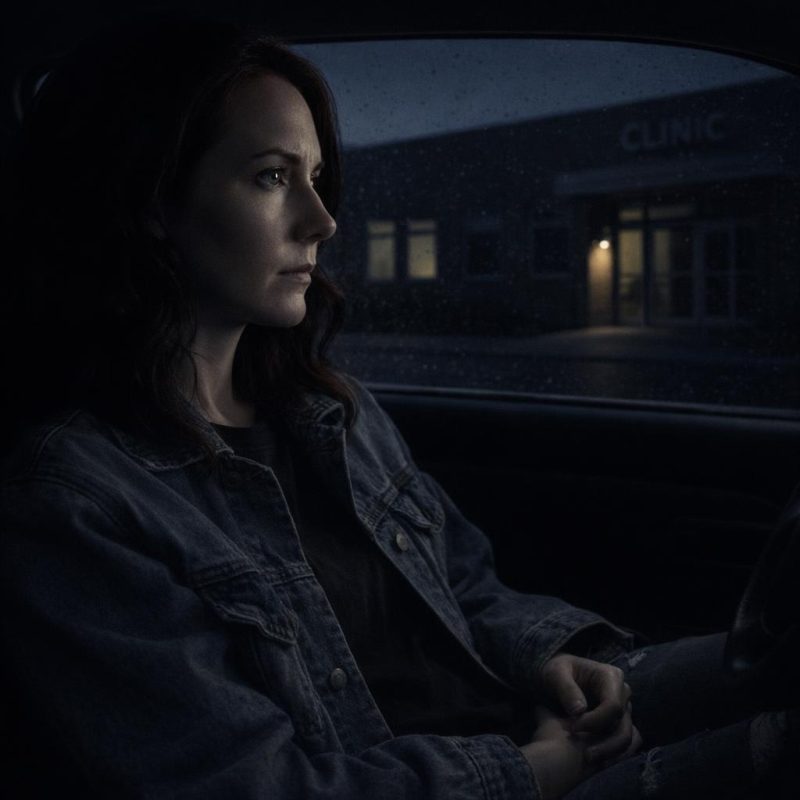 Image by RM AI
The Near Miss
It happened during a routine cleaning, which is the kind of thing that's supposed to be automatic after this many years. One moment I was working, and the next the edges of my vision started pulling inward, going grey and soft, and I had to grip the arm of the chair to keep from swaying. The patient — a middle-aged man who'd been talking about his commute — stopped mid-sentence and asked if I was alright. I told him I just needed a moment, that I was so sorry, and I got myself out of the operatory and into the hallway and then into the bathroom, where I slid down the wall and sat on the floor with my knees up and my head down and waited for the spinning to stop. Rachel found me there. I don't know how long it had been. She crouched down and put her hand on my shoulder and said my name, and I told her I was fine, I just needed to eat something. She didn't argue. She went and got crackers and juice from the break room and sat with me on the floor while I ate them, neither of us saying much. She told me I needed to see a doctor. I said I would. I went back to work twenty minutes later over her objection, finished the afternoon, drove home. But sitting on that bathroom floor, I'd felt something I hadn't let myself feel in a long time — the particular heaviness of a body that had been asked to carry more than it had left to give.
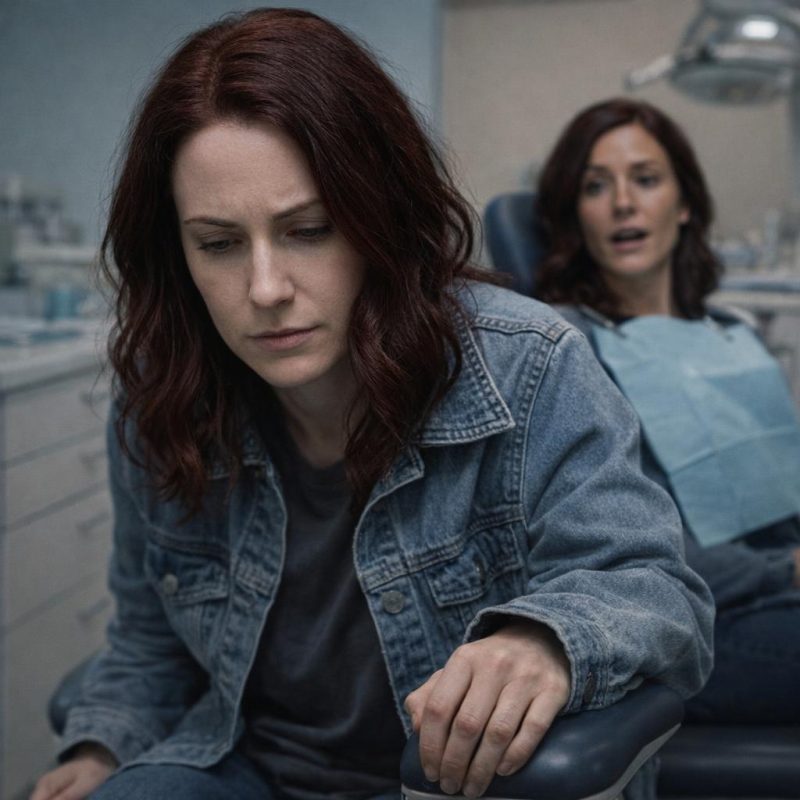 Image by RM AI
Rachel's Question
It was two days after the bathroom floor incident, and Rachel had been watching me all morning with that careful, patient look she gets when she's building up to something. She caught me in the break room during lunch, closed the door behind her, and asked me directly — was Mark showing any signs of getting better? Any at all? I opened my mouth. I had the answer ready, the one I'd given so many times it came out smooth and automatic: he's making progress, the new treatment is helping, we're hopeful. I had it right there. But something happened between my brain and my mouth, and the words just didn't come. Rachel waited. She didn't fill the silence or give me an out. She just stood there with her coffee and waited, and I looked at the table and felt the automatic answer dissolve before I could say it. 'No,' I said finally. My voice came out smaller than I expected. 'No, he's not getting better. The treatments aren't working. Nothing has worked.' I said it to the table. Rachel didn't say I told you so. She asked how long I could keep going like this, and I said I didn't have a choice, and she said quietly that there were always choices, and I didn't have an answer for that. It was the first time I'd said it out loud to another person — that he wasn't improving — and the words sat in the air between us like something I couldn't take back.
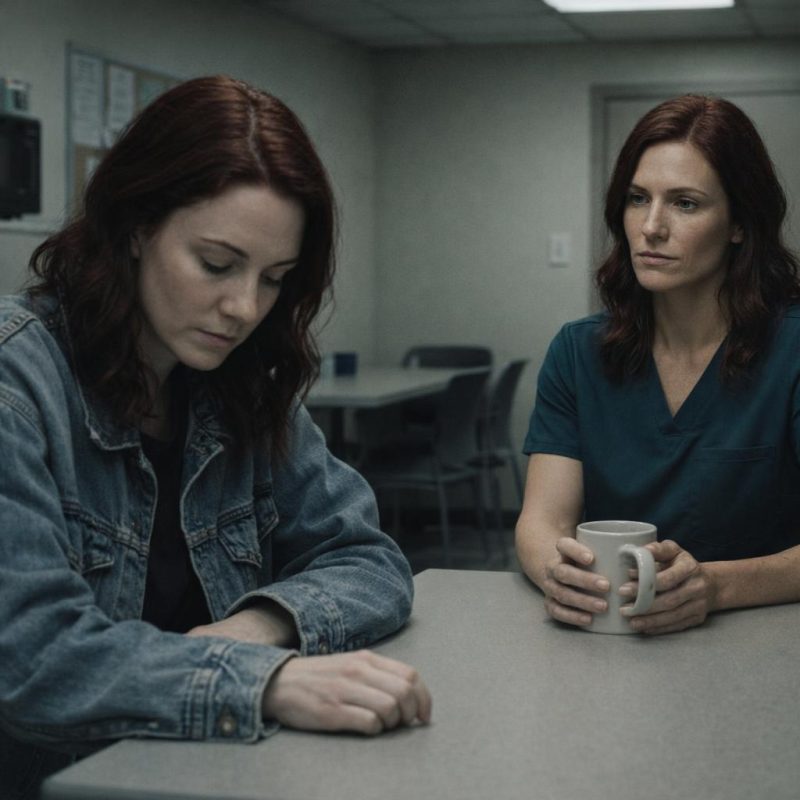 Image by RM AI
The Snap
She brought it up again the next day. Gently, the way Rachel does everything — she suggested that maybe I should talk to someone, a therapist, that I was clearly running on empty and I deserved support too. I knew she meant well. I knew it even as I felt the heat rise in my chest, even as my jaw tightened. I told her she didn't understand what it was like, that it wasn't as simple as just going to therapy, that I didn't have the time or the money or the bandwidth for one more thing on my plate. She said she was just worried about me. And something in me snapped — not loudly, but sharply, the way a rubber band goes when it's been stretched past its limit. I said I didn't need her worry, I needed Mark to get better, and my voice came out louder and harder than I meant it to. Rachel's face changed. Not angry — hurt, quiet, the kind of hurt that doesn't argue back. She said okay, and picked up her coffee, and walked out of the break room. I stood there in the sudden quiet, the fluorescent light humming overhead, and watched the door settle shut behind her. She was the only person left who still checked on me, and I had just made her stop.
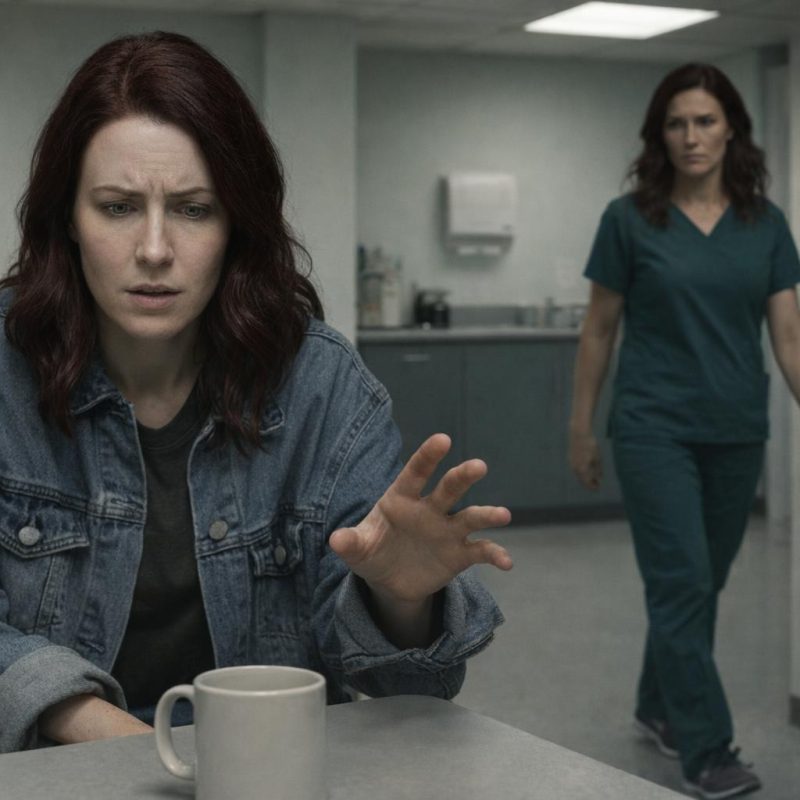 Image by RM AI
The Research Spiral
I told myself I was just being thorough. Maya was asleep, the apartment was quiet, and I opened my laptop with the specific intention of finding proof that what we were living through was normal — that five years of this was something other people had survived too. I started with the medical journals. Cluster headaches, chronic form, treatment-resistant cases. Most of what I found described episodes lasting weeks, maybe months, with remission periods in between. I kept scrolling. The forums were more personal — people writing about the worst pain of their lives, about oxygen tanks and verapamil and dark rooms. I read every post. Some of them mentioned going back to work between cycles. Some described remission stretching into years. I told myself every case was different. I searched specifically for cases as severe as Mark's, cases with no remission at all, cases that had lasted this long. The results were thinner than I expected. I kept refining the search terms, kept clicking deeper into threads, kept telling myself the right case study was just one more page away. Then I found a post from someone describing their husband's recovery timeline — eighteen months from first episode to full remission, with documented work absences totaling eleven weeks.
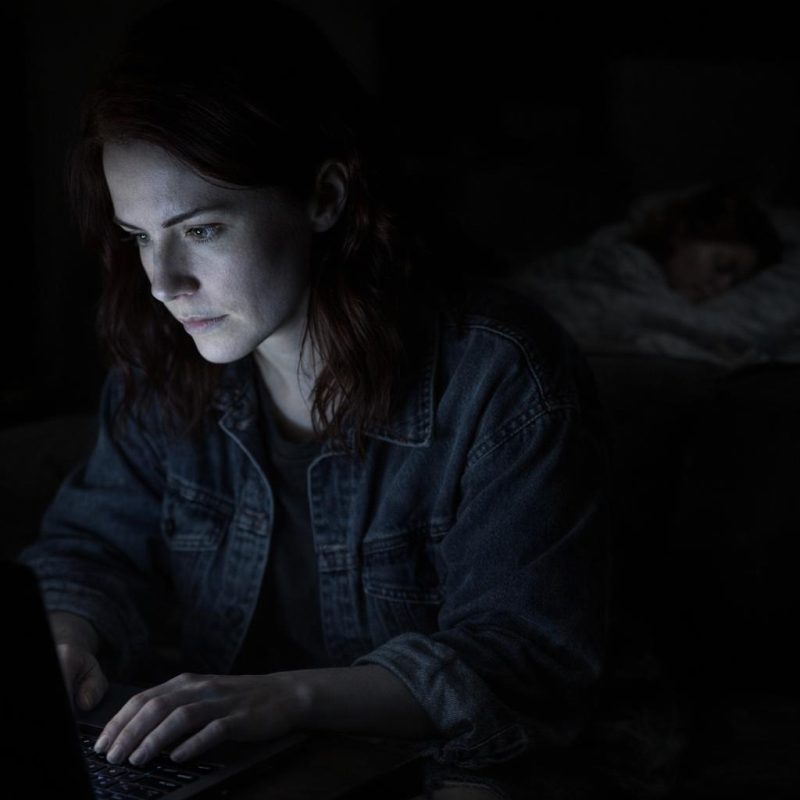 Image by RM AI
The Pattern of Days
I didn't set out to track it. It just started happening — the way your brain notices a pattern before you've consciously decided to look for one. Mark's worst days were always during the day. Always when Maya and I were home, moving around, making noise. The afternoons were the hardest, supposedly. He'd call out from behind the door, voice strained, asking us to keep it down, and we would — Maya tiptoeing in her socks, me mouthing apologies to her across the kitchen. But at night, after we went to bed, something shifted. I'd hear him in the kitchen. Not stumbling, not struggling — just moving around. The refrigerator opening. Cabinets. The quiet sounds of someone comfortable in their own space. I told myself it made sense. Cluster headaches were triggered by light, by stimulation. Of course he'd be worse during the day. Of course the dark and quiet of night would give him some relief. That was the logical explanation, and I held onto it. But there was something about the consistency of it — the way the pattern never varied, the way his worst moments always seemed to land exactly when we were most present — that sat in the back of my mind without quite settling.
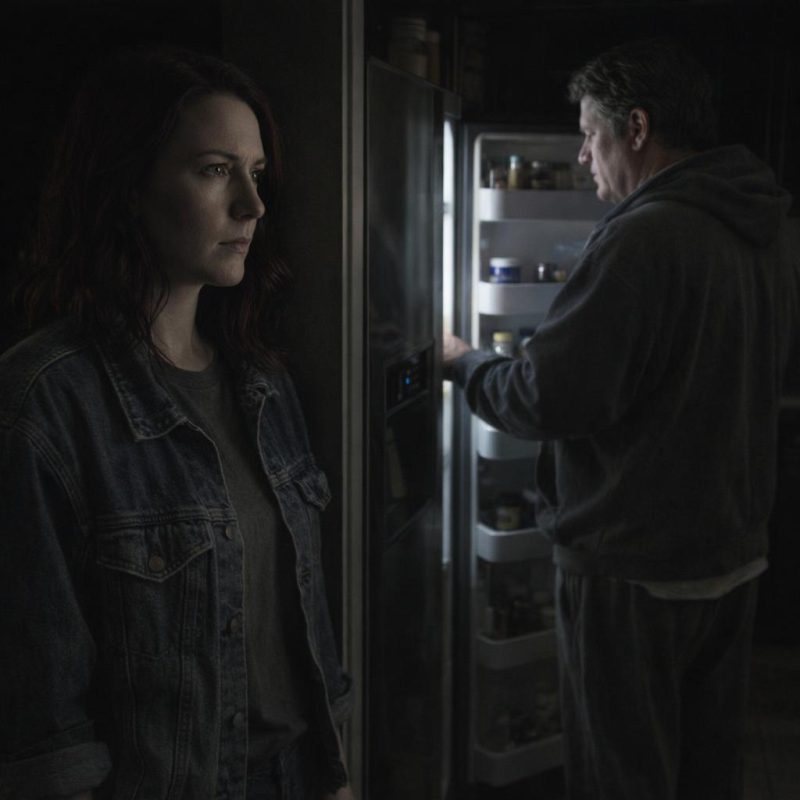 Image by RM AI
Sounds in the Dark
I came awake all at once, the way you do when something pulls you out of sleep before you know what it was. The apartment was dark. The clock said 2:14. I lay still and listened, and that's when I heard it — coming from behind the bedroom door, muffled but unmistakable. Not a groan. Not the low, pained sounds I'd grown used to hearing through walls. Something lighter than that. Something that rose and fell in a rhythm that didn't belong to suffering. I got up. I walked down the hall in my socks and stood outside the door, one hand resting against the frame. The sound stopped. Just like that — cut off, like someone had pressed a button. I stood there in the silence for a long moment, my hand hovering, not quite touching the door. I told myself he'd been dreaming. Medication could do strange things to sleep, I knew that. Or maybe he'd been talking in his sleep, some fragment of a dream surfacing as sound. I went back to bed. I lay on my back and stared at the ceiling and waited for sleep to come back. It didn't, not for a long time. The sound I'd heard kept replaying — wrong in a way I couldn't name and couldn't quite let go of.
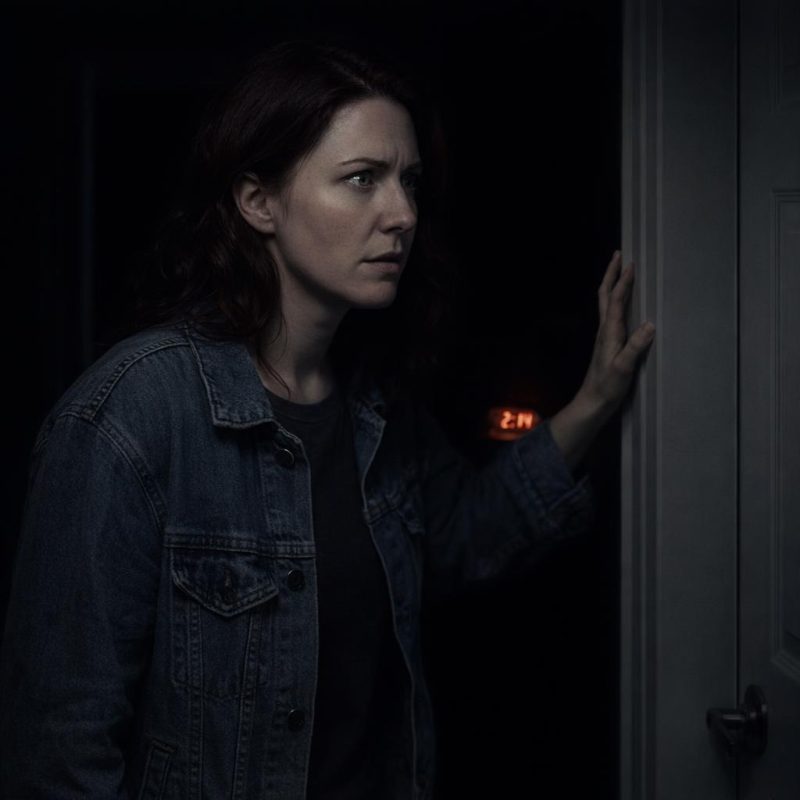 Image by RM AI
Three A.M. Energy
It happened again three nights later. I woke to sounds from the kitchen and lay there for a moment before I got up, moving quietly down the hall. I stopped at the edge of the doorway and stayed in the shadow of it, watching. Mark was at the refrigerator. He had it open and was scanning the shelves with the easy, unhurried look of someone with nowhere to be. He reached up — all the way up, to the high cabinet above the fridge where we kept the cereal — without hesitating, without bracing, without the slow careful movements I'd watched him make a hundred times when I was in the room. His posture was straight. His shoulders were relaxed. He pulled down a box, set it on the counter, and stretched — arms up over his head, a long, casual stretch, the kind you do when your body feels good and loose and you're not thinking about it. I pressed myself back against the wall. I told myself this was what a good night looked like. That pain had rhythms, that nighttime was his window, that I should be glad he had some relief. I went back to bed and lay there in the dark, turning that stretch over and over in my mind, trying to make it mean what I needed it to mean.
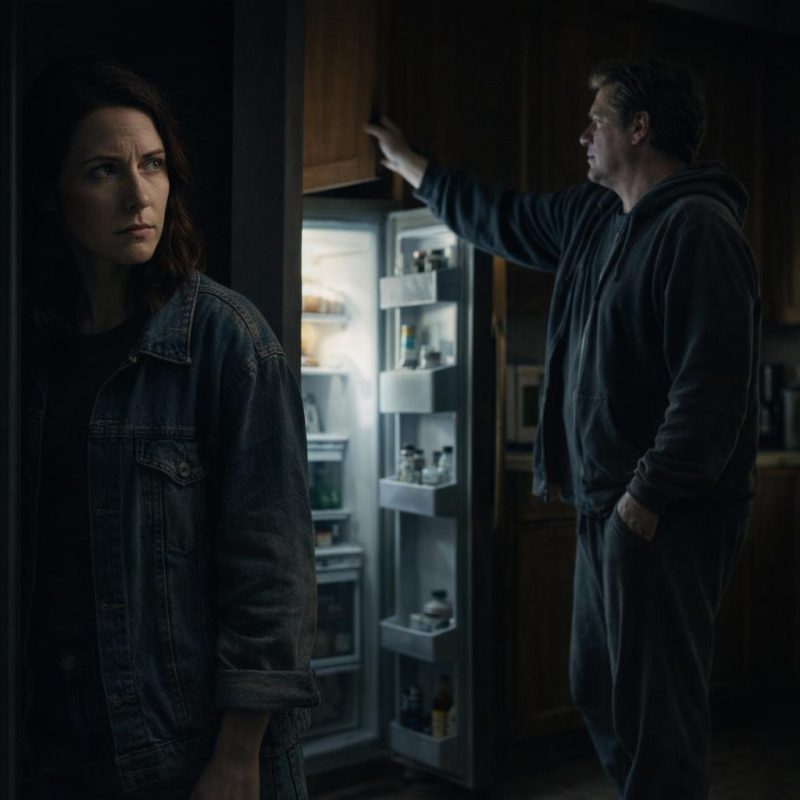 Image by RM AI
The Untouched Tank
I almost walked past it. I was carrying a basket of clean laundry down the hall, moving on autopilot the way you do after years of the same routine, when something made me stop. The oxygen tank was sitting in its usual spot outside the bedroom door — the same spot it had occupied for as long as I could remember. I set the basket down and crouched next to it. The gauge needle sat at full. I stared at it for a moment, then tried to remember the last time I'd seen a delivery. The last time I'd heard the particular sound of the regulator clicking on. Mark had explained the oxygen therapy to me in detail once — the specific blend, the pressure settings, why it was essential for breaking the cycles. I'd nodded and filed it away as one more thing I didn't fully understand but trusted. I told myself maybe he had a second tank inside the room. Or maybe the treatment was actually working, and he needed it less now. There were explanations. There were always explanations. I picked up the laundry basket and kept walking. But the image of that full gauge stayed with me long after I'd moved on — sitting there quietly, not fitting anywhere I tried to put it.
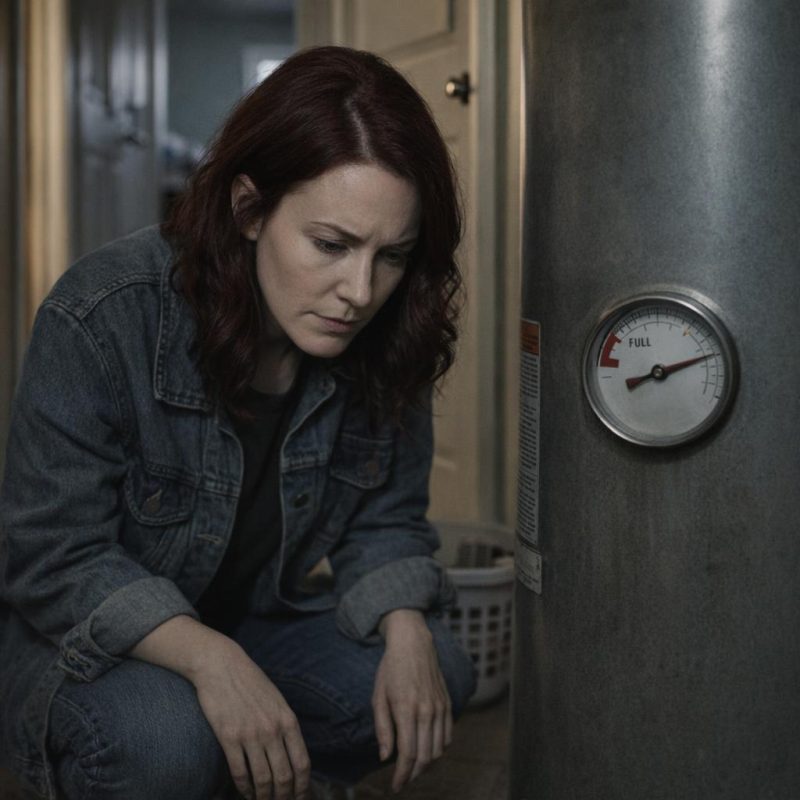 Image by RM AI
Explaining It Away
I sat in my car in the clinic parking lot with twelve minutes left of my lunch break and ran through all of it. The daytime pattern — light sensitivity, I told myself, that's textbook, that's documented. The sounds at night — medication side effects, vivid dreams, sleep talking, any of those could explain it. The way he'd moved in the kitchen — a good night, a window of relief, pain isn't constant even in chronic cases, I'd read that myself. The oxygen tank sitting full for three weeks — a second tank inside, or maybe he really was improving, maybe the treatment was finally working and I just hadn't let myself feel hopeful about it. I went through each one. I built the case carefully, the way you do when you need something to hold together. And each explanation, on its own, was plausible. I couldn't find a single one I could definitively rule out. But sitting there with all of them lined up together, I felt something I hadn't expected — not relief, not reassurance. Just a deep, bone-level tiredness. Not from the work or the double shifts or the broken sleep. From this. From the effort of holding all the pieces in the right arrangement so the picture stayed the way I needed it to look.
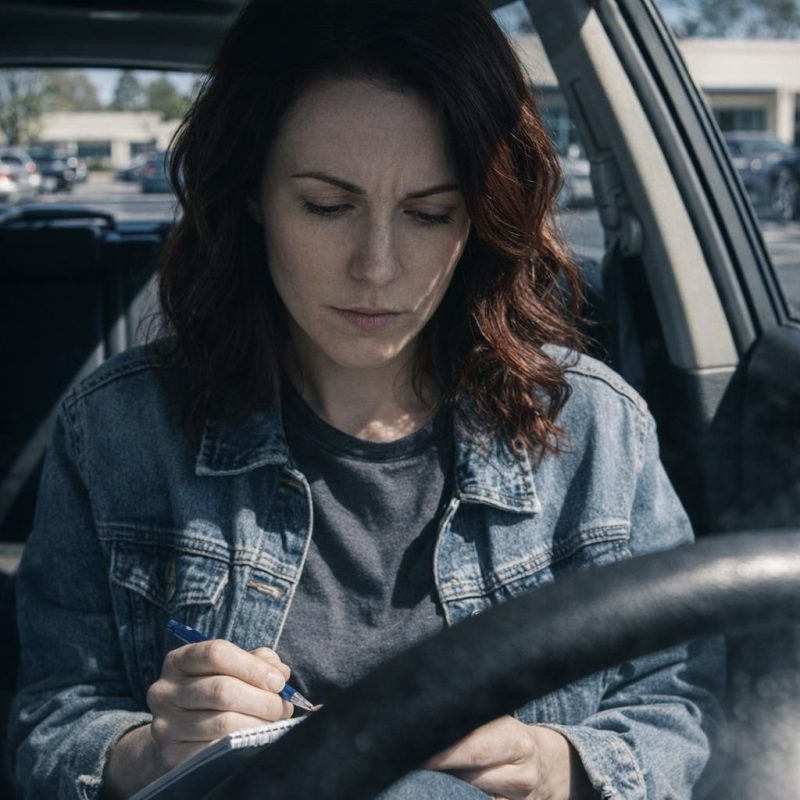 Image by RM AI
The Bedroom Door
It was a Tuesday afternoon, the apartment quiet, Maya still at school. I was passing the bedroom door when I heard it — not the low sounds of someone in pain, not the careful silence I'd learned to read as a bad day. Something else. An electronic tone, repeating at intervals. And underneath it, or maybe woven through it, something that sounded like voices — more than one, overlapping, the cadence of conversation rather than a television. I stopped walking. I turned toward the door. My heart was doing something strange in my chest, a fast uneven rhythm I couldn't quite slow down. I put my hand on the doorknob. I stood there. I don't know how long — long enough that my palm went damp against the metal, long enough that I had time to think about what I was doing and what I might find and whether I actually wanted to know. The voices, if that's what they were, kept going. The electronic tone kept repeating. I took my hand off the knob. I stepped back. I told myself I was respecting his privacy, that he was sick and he deserved a space that was his. I walked back down the hall. Behind me, through the closed door, the beeping continued — steady, rhythmic, nothing like any medical equipment I had ever heard.
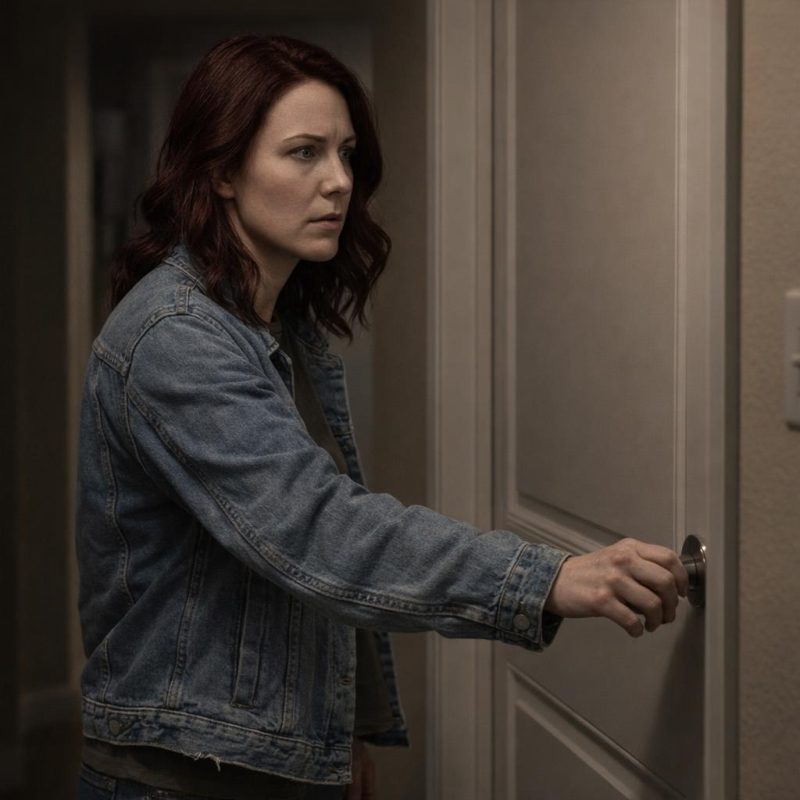 Image by RM AI
The Lock
The next morning I went to leave a stack of folded laundry outside the bedroom door, the way I always did. It was early, just past seven, the kind of quiet that belongs to the hour before Maya woke up. I reached for the handle out of pure habit — I don't even know why, I never went in, hadn't gone in for months — and turned it. It didn't move. I tried again, slower, thinking I'd done it wrong somehow. Still nothing. I pressed my ear close to the door and listened. No sound from inside. I knocked, soft enough not to wake Maya, and said his name. Nothing. I tried the handle one more time, just to be certain. The door was locked. In five years, through every bad day and hospital visit and medication change and crisis at two in the morning, that door had never been locked. I set the laundry down on the floor outside it. I straightened up. I walked back down the hall to the kitchen and stood at the counter with my hands wrapped around my coffee mug, and the locked door was all I could think about.
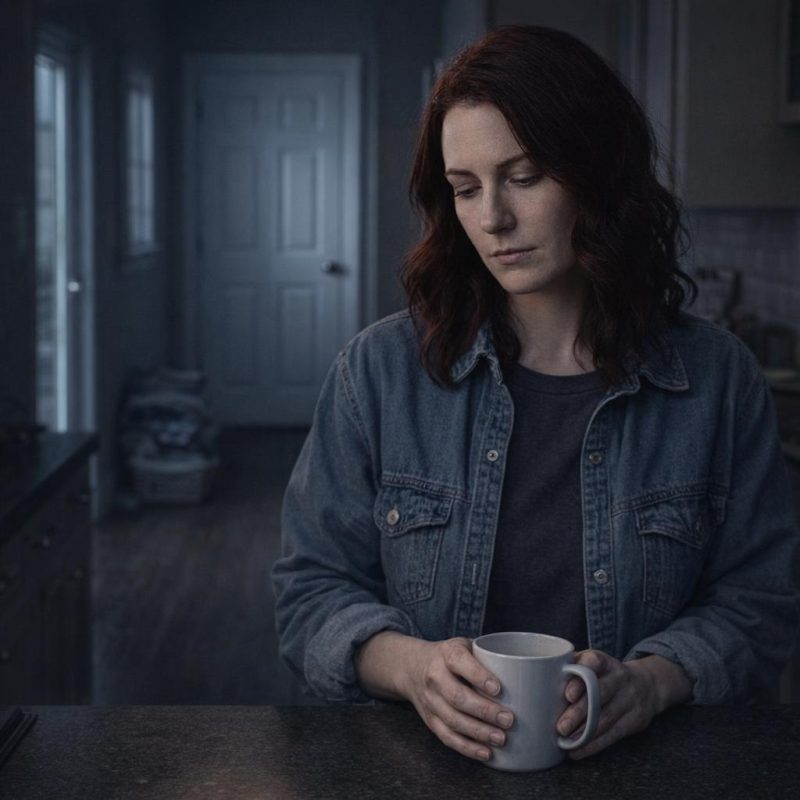 Image by RM AI
What If
I was folding laundry in the hallway when it happened. Just standing there with one of Maya's shirts in my hands, the fabric still warm from the dryer, and the thought came in sideways — quiet, almost polite — like it had been waiting for a moment when my guard was down. What if he's not actually sick? I dropped the shirt. My hands went cold. The hallway felt like it was tilting, the walls doing something wrong, and I had to sit down right there on the floor with my back against the linen closet because my legs just stopped working. Five years. Five years of double shifts and skipped meals and borrowed money and a daughter who tiptoed around her own house. The thought felt like a betrayal so complete I almost said sorry out loud to the locked door at the end of the hall. I pushed it away hard. I thought of the prescriptions, the oxygen equipment, the way he looked on bad days — and told myself those things meant something, that they had to mean something. I pushed it away again. And then Maya came padding out of her room in her socks and stopped when she saw me on the floor. 'Mommy? Are you okay?' I told her I was just tired. She looked at me the way kids do when they know you're lying but love you too much to say so. I got up. I finished folding the laundry. I did not let myself think it again.
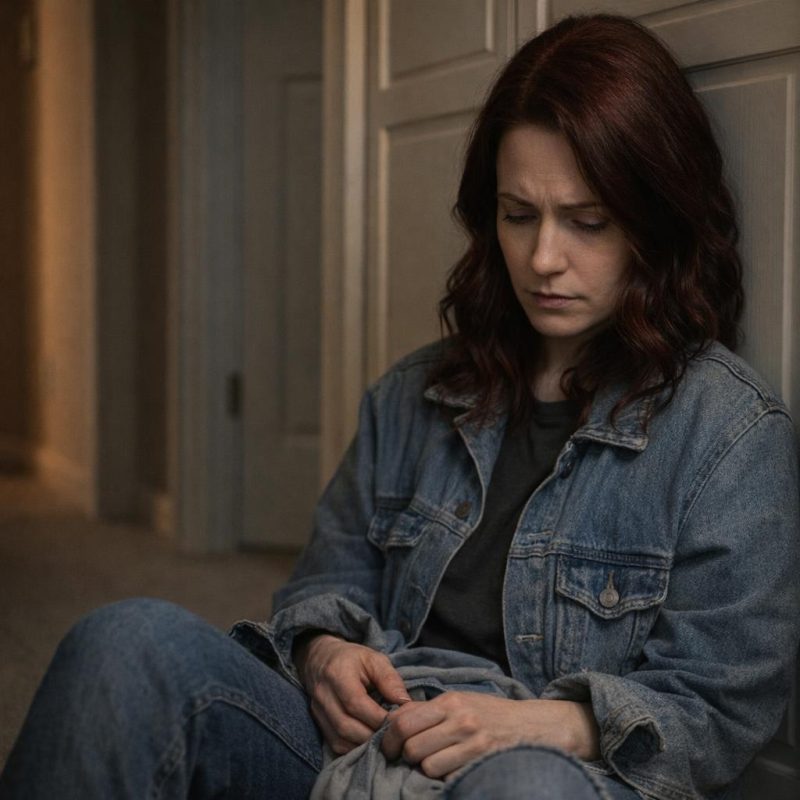 Image by RM AI
The Bank's Warning
The call came in at 11:14 on a Tuesday, right between patients. I saw the number — the bank, not a number I ever wanted to see mid-morning — and stepped into the supply closet to answer it. The woman on the other end was kind about it, which somehow made it worse. Three months behind on the mortgage. Thirty days to bring the account current or they'd begin foreclosure proceedings. I stood there with my back against a shelf of sterilization pouches and did the math in my head while she was still talking. The number she gave me was more than I had. More than I could borrow without collateral I didn't have. I tried explaining — medical expenses, chronic illness, we'd been managing as best we could — and she said she understood, she really did, but the bank's hands were tied. I thanked her. I don't know why I thanked her. After my last patient I sat in my car in the clinic parking lot and went through every scenario I could think of. Sell something. Ask someone. Take out a loan against a credit card that was already maxed. Stop the treatments. Every path I could see ended the same way: I couldn't save the house without stopping Mark's care, and I couldn't stop his care, and so I just sat there in the dark with the engine off, the weight of it pressing down on my chest like something physical.
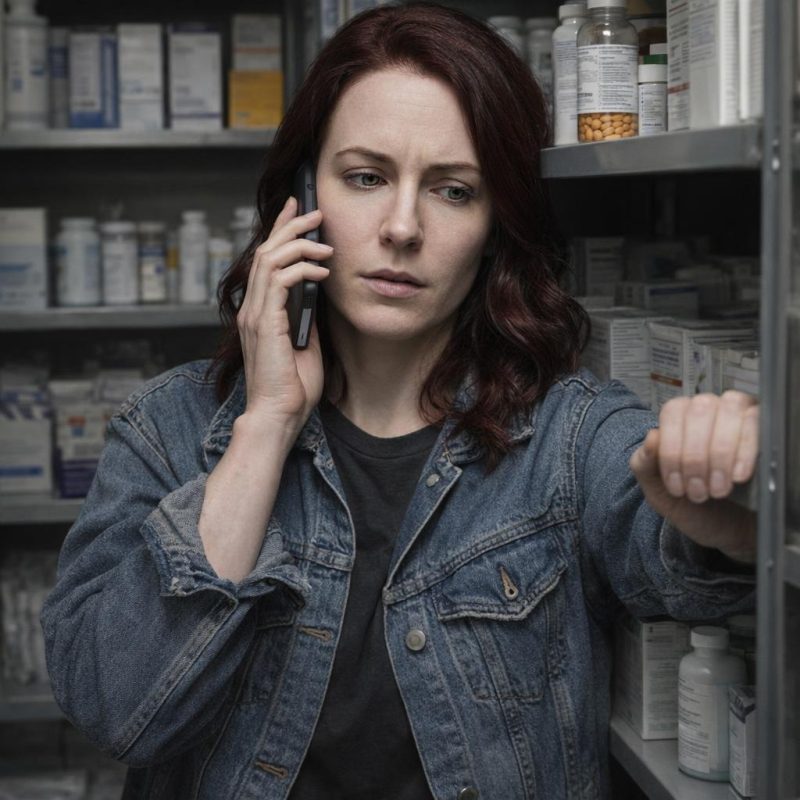 Image by RM AI
Maya's Question
I was tucking Maya in when she asked me. I'd just smoothed the blanket over her shoulders and was reaching for the lamp when she said, in this flat, careful voice, 'Is Daddy ever going to get better?' I started to give her the answer I always gave — the one about healing taking time, about how some bodies need longer than others, about how we had to stay hopeful. I'd said it so many times the words came out on their own. But she cut me off. 'I don't think that's true anymore,' she said. Just like that. Seven years old and she said it like she'd been sitting with it for a long time and had finally decided to stop pretending otherwise. I stared at her. 'Maya—' 'I don't remember Daddy ever not being sick,' she said. 'I don't remember it.' I told her that healing was slow, that some things took years, that we just had to keep being patient. She looked at me with those big steady eyes and asked, 'How many more years?' I opened my mouth. I had nothing. No number. No reassurance that didn't feel like another lie I was asking her to carry. I kissed her forehead and turned off the lamp, and in the dark I heard her roll over and pull the blanket up herself, not waiting for me to do it.
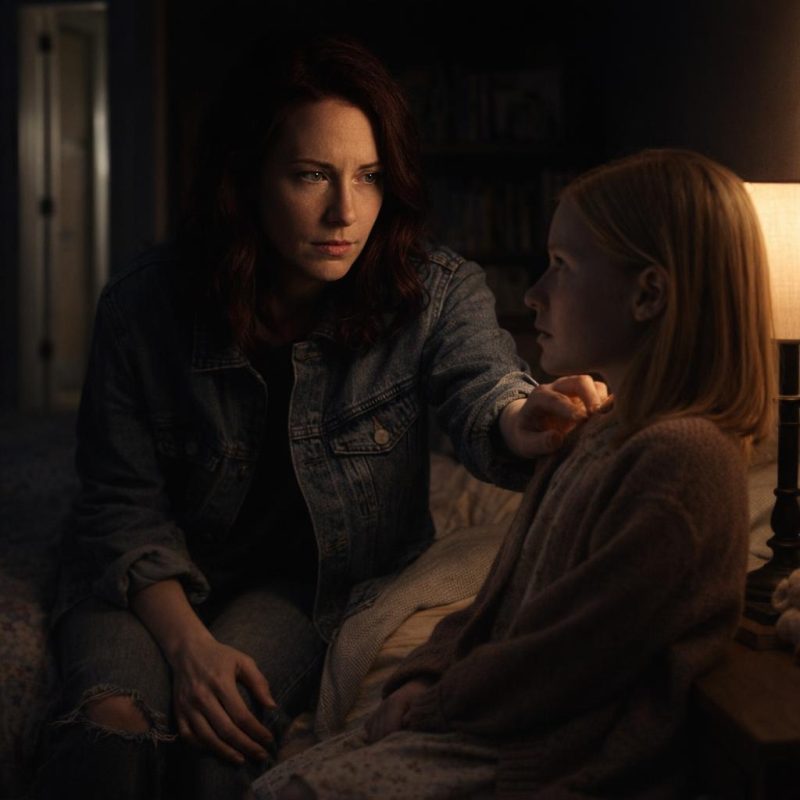 Image by RM AI
The New Lock
I noticed it on a Wednesday morning, reaching down to set the laundry basket on the floor outside his door. The old handle lock was gone. In its place was a deadbolt — heavy-duty, the kind with a thick brass cylinder and a reinforced strike plate, the kind you'd put on a front door. I stood there looking at it for a long moment. I hadn't heard any drilling. Hadn't heard anything. I tried to think back over the past few days and came up with nothing — no sounds, no tools left out, no mention of it. He must have done it while I was at work, or while Maya was at school and I was on a double shift. The old lock had been a push-button, the kind that popped open from the outside with a coin if you needed to. This one didn't have that. This one locked from the inside and stayed locked. I touched the edge of the strike plate with one finger. The screws were new, the metal still bright where it met the door frame. I pulled my hand back. I picked up the laundry basket. I walked back down the hall to the kitchen and stood at the sink, and the question I'd been trying not to ask myself settled over me like something I couldn't shake off anymore.
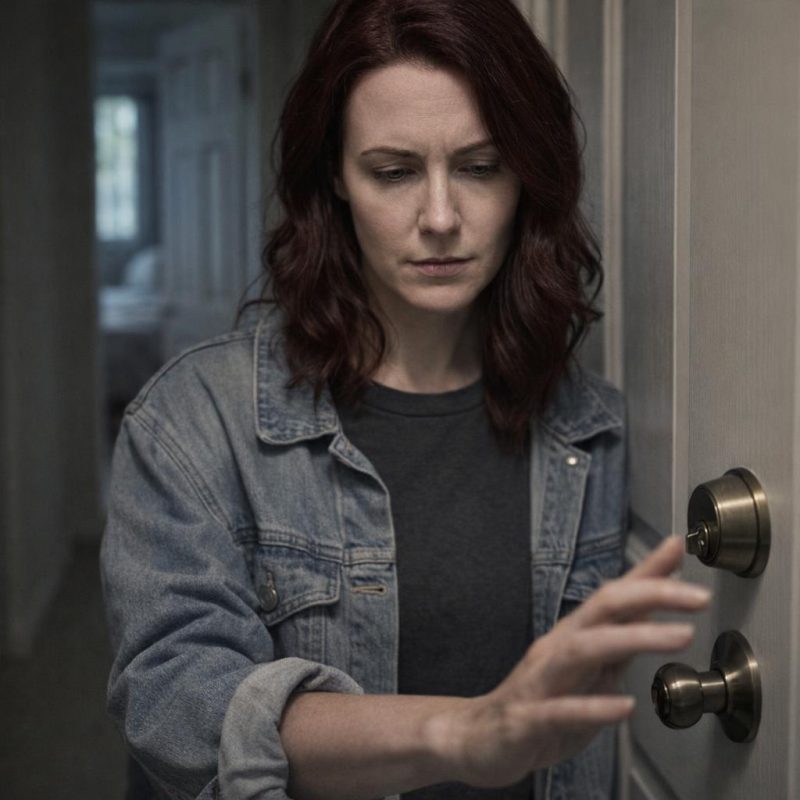 Image by RM AI
Delivery Times
The text came in at 9:47 on a Thursday night while I was helping Maya with her reading homework. I glanced at my phone and saw it was from Mark, which was unusual enough that I picked it up right away. He almost never texted. The message was long. Longer than anything he'd sent me in months. It said the oxygen supplier was coming Friday and that I needed to be out of the house from eleven p.m. to one a.m. — not a window, not an approximate time, but those exact hours. He said the courier required privacy for the handoff and that it was a liability thing with the equipment. He said to take Maya somewhere if she was still awake. I read it twice. I'd been home for every other delivery in five years. I'd signed paperwork, moved furniture, held doors open. Not once had anyone asked me to leave. I typed back that I understood, that we'd go to the park or something, and then I set the phone face-down on the table and stared at the wall. Maya asked me what was wrong. I told her nothing. But something had shifted in my chest — something that wasn't confusion or exhaustion or the low-grade grief I'd been carrying for years. It was sharper than that. I picked the phone back up and read his message one more time.
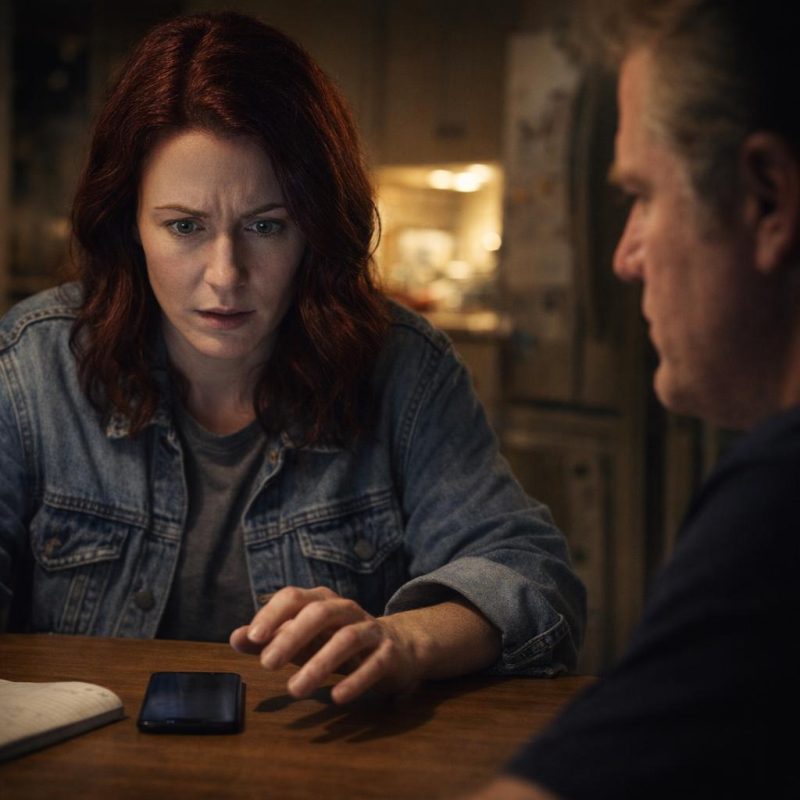 Image by RM AI
The Research That Doesn't Match
I used my lunch break to search medical databases, which was not something I'd ever done before. I told myself I was just being thorough. I told myself any reasonable person would want to understand the condition better after five years. I found a peer-reviewed study on chronic cluster headache cycles — a big one, multi-year, several hundred patients. I read through it with my sandwich untouched beside me. The study was clear: cases lasting more than two years without any remission period were described as extremely rare, accounting for a small fraction of documented cases. Five years of continuous, unremitting episodes fell outside the parameters of every patient profile in the study. I searched for exceptions. I searched for outlier cases, for documented anomalies, for anything that would put Mark's timeline inside the range of what the research described as possible. I found a few case reports. None of them matched what I'd been told. I closed the laptop and sat in my car with the engine running and the heat on, even though it wasn't cold. The study hadn't said he was lying. It hadn't said anything about lying. It had just described what the medical literature showed, in plain language, and what it showed didn't line up with five years of our life. I sat there with that gap between what I'd been told and what I'd just read, and I couldn't find a way to close it.
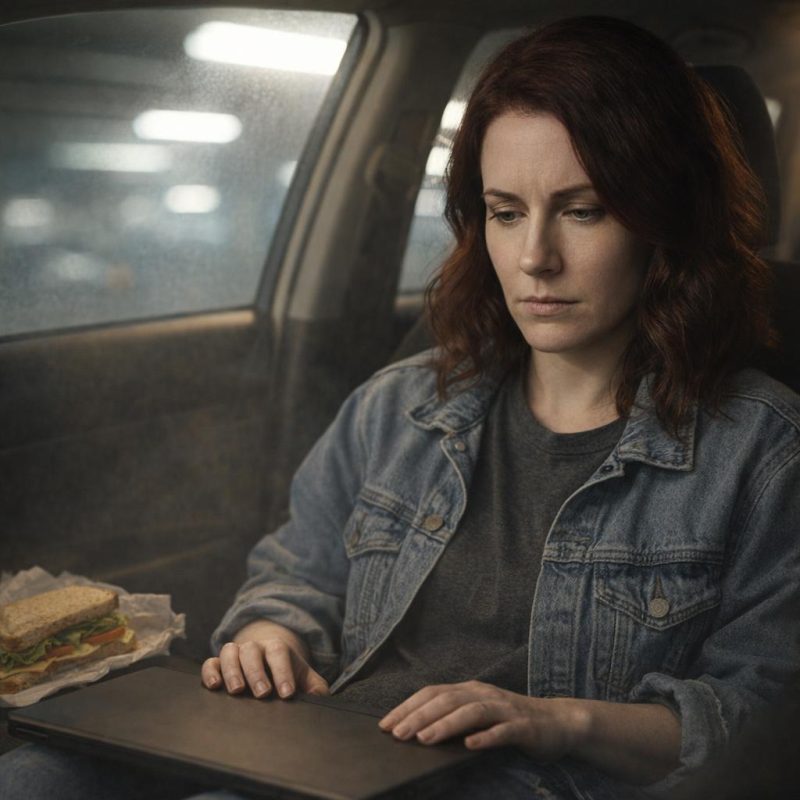 Image by RM AI
What If He's Not Sick
I sat in the clinic parking lot after my last patient and let myself think it all the way through for the first time. Not the half-thought I'd shoved away in the hallway, not the careful wondering I'd been doing around the edges of it. The whole thing. What if he had been lying. Not exaggerating. Not catastrophizing. Lying. I went through everything in my head like I was building a case I didn't want to win. The locked door. The deadbolt installed while I was at work. The text ordering me out of the house at eleven at night. The oxygen equipment I'd never actually seen him use. The medical study that said his timeline was nearly impossible. The five years of treatments I'd paid for and never once been allowed to sit in on. Each piece on its own had an explanation. Together they sat differently. I felt sick in a way that had nothing to do with the long shift or the skipped lunch. If it was true — if any real part of it was true — then Maya had grown up in a house full of fear and silence and careful tiptoeing for nothing. Five years of her childhood. I pressed my hands flat against the steering wheel and held them there. I didn't cry. I just sat with the shape of it, the terrible weight of a possibility I couldn't unfeel now that I'd finally let myself feel it.
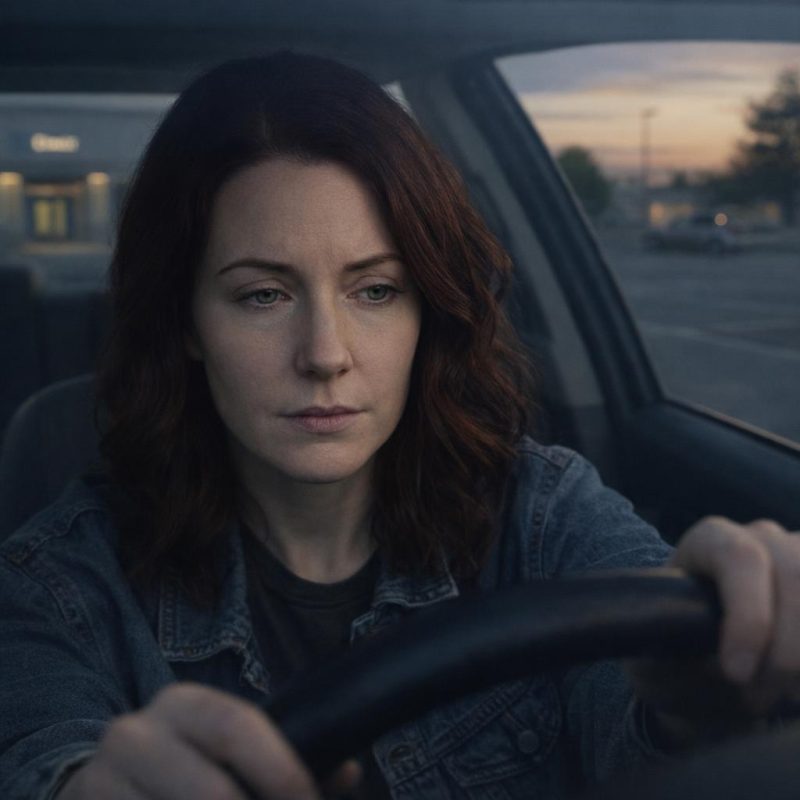 Image by RM AI
The Decision to Know
I didn't sleep. I lay in the dark on my side of the bed — the couch, technically, where I'd been sleeping for the past year — and stared at the ceiling while the house was quiet and thought about what I actually knew versus what I'd been told. By three in the morning I'd made a decision. I needed proof. Not suspicion, not a bad feeling, not a medical study that raised questions without answering them. Something concrete. Something I could hold in my hands or read on a screen that would either confirm what I was afraid of or give me a real reason to stop being afraid. I thought about the financial records — the treatment invoices, the supplier accounts, the credit card statements I'd stopped looking at because looking hurt too much. I thought about the bedroom and what was behind that deadbolt. I thought about the delivery window, eleven to one, and what that timing meant. I was terrified. I want to be honest about that. The idea of finding out I'd been right was almost worse than the idea of finding out I'd been wrong, because at least being wrong meant the last five years had meant something. But I couldn't keep living in the not-knowing. It was eating me from the inside. I reached for my phone in the dark and started searching for how to pull up joint account transaction histories going back five years.
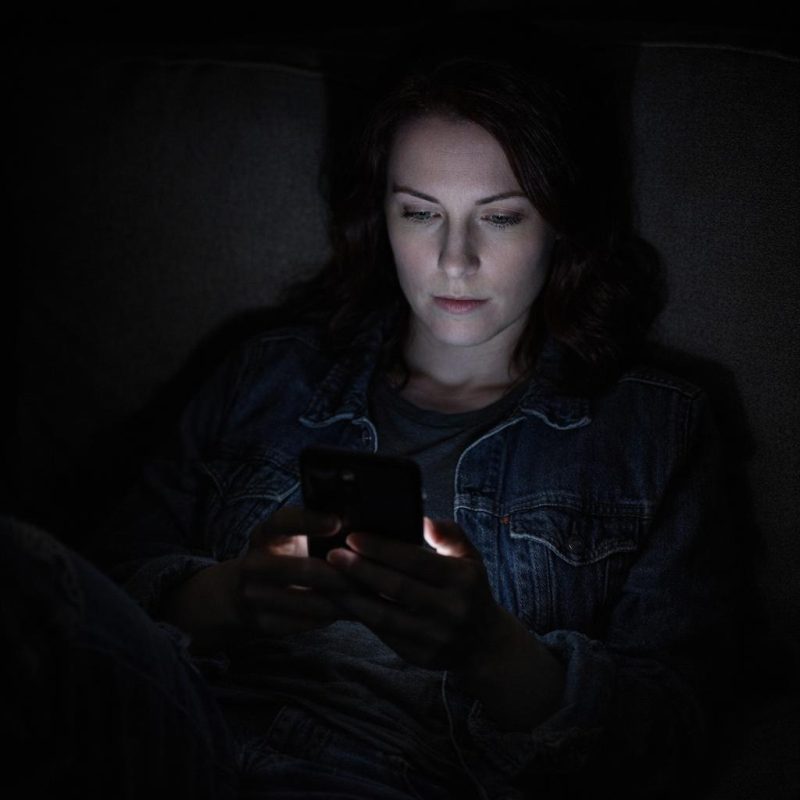 Image by RM AI
The Statement in the Drawer
I wasn't even looking for it. I needed Maya's birth certificate for a school enrollment form — something so mundane it almost makes me laugh now — and I was working through the filing cabinet in the hallway, the one we'd shoved into the corner years ago and mostly ignored. Medical folders, insurance statements, old utility bills. My hands were moving on autopilot until I hit the back of the bottom drawer and felt a plain white envelope that wasn't labeled anything. I almost set it aside. I almost did. But something made me open it, and inside was a credit card statement I had never seen before. The account was in Mark's name only. I didn't even know this card existed. I stood there in the hallway and scanned the charges, and my brain kept trying to make sense of what I was reading. No pharmacy names. No medical supply companies. Electronics retailers. Online storefronts I didn't recognize. Hundreds of dollars, then thousands, spread across months. The dates were right there in black and white. I stood in the hallway for a long time after that, the paper still in my hands, the numbers sitting in my chest like something cold that had no intention of leaving.
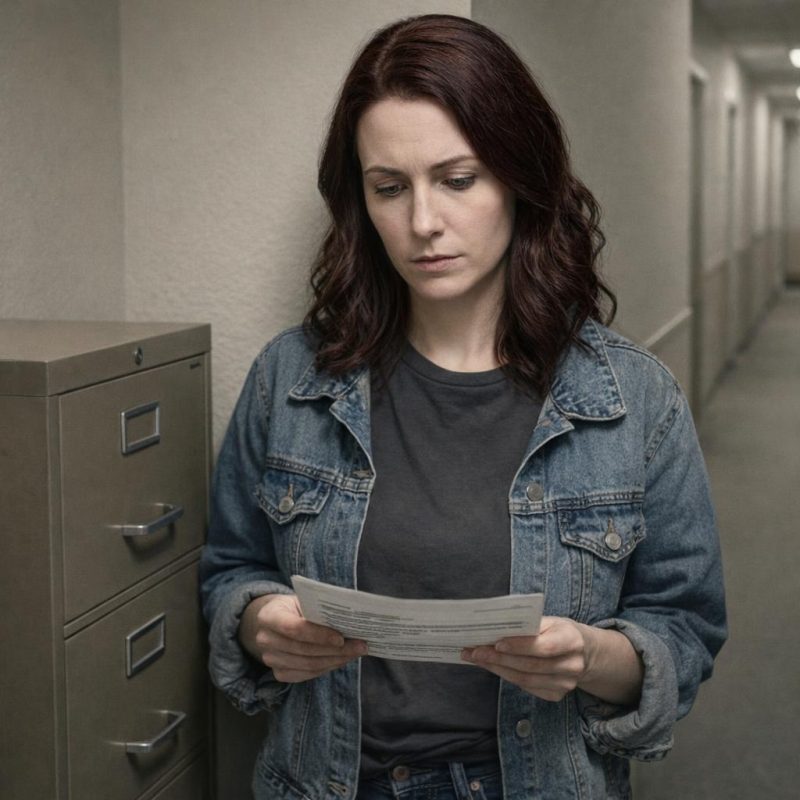 Image by RM AI
Early Dismissal
It was a Tuesday, just past two in the afternoon, when the power went out. One second the overhead lights were on and the compressor was running and Dr. Chen was mid-sentence about a patient's crown, and the next second everything just stopped. The backup generator didn't kick in. Dr. Chen made a few calls, determined it was a grid issue affecting the whole block, and told us all to go home. Rachel immediately started talking about using the afternoon to finally get her nails done. She looked over at me and her smile dropped a little. 'You okay?' she asked. I told her I was fine. She didn't look convinced. I texted back a thumbs-up when she messaged me from the parking lot asking again, and then I sat in my car for a full three minutes before I could make myself start the engine. I would be home before four. Mark thought I worked until six. I drove slowly, taking the long way without meaning to, watching the familiar streets pass like I was seeing them for the last time. The neighborhood looked exactly the same as always. My hands stayed steady on the wheel. The dread of pulling into my own driveway in broad daylight settled over me like a second skin.
 Image by RM AI
The Search
I let myself in through the side door and stood completely still in the kitchen, listening. The house was quiet in that particular way it always was — the specific silence of a closed bedroom door at the end of the hall. I set my bag down without making a sound. I told myself I was looking for the birth certificate. That was still true, technically. I went to the filing cabinet and started working through it again, more carefully this time, pulling folders and checking dates. Old hospital bills. Insurance explanation-of-benefits letters. A folder of receipts I didn't remember keeping. My hands weren't steady. I kept stopping to listen for any sound from the back of the house, but there was nothing. Just the hum of the refrigerator and my own breathing. I found the envelope exactly where I'd left it, tucked back behind the medical folders like it had been trying to hide. I stood there holding it for a second. Then I pulled out the credit card statement and started reading it again, slower this time, line by line, the way you read something when you're hoping the words will rearrange themselves into something that makes sense.
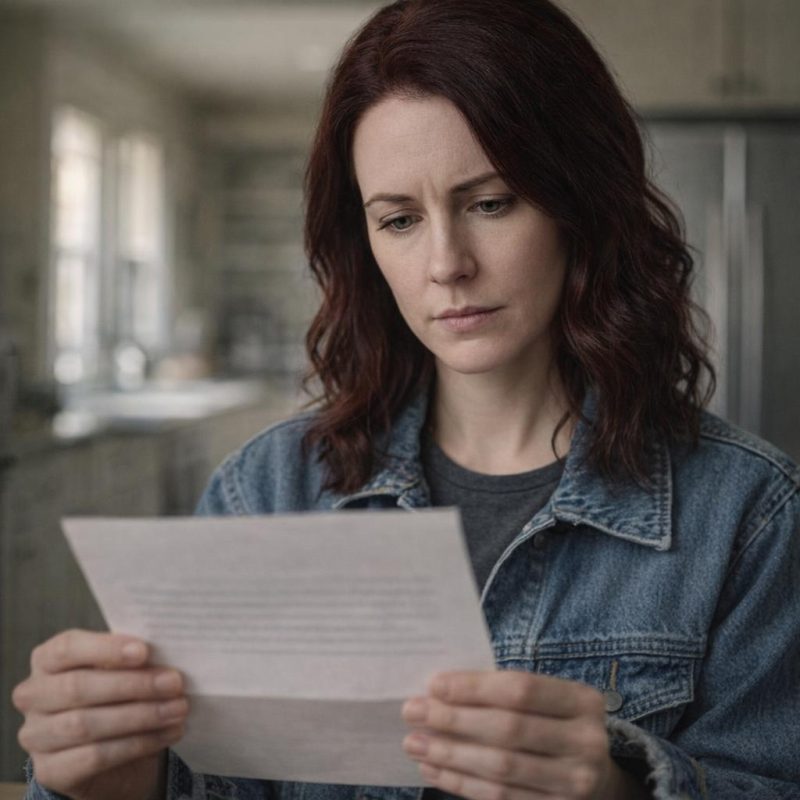 Image by RM AI
The Line Items
Graphics cards. Liquid cooling systems. Something called a mechanical keyboard with a brand name I'd never heard of. Gaming headsets. Monitor stands. Charges to platforms I didn't recognize, labeled things like in-game currency and battle pass and legendary bundle. I had to look up what some of them even were, standing there in the hallway with my phone in one hand and the statement in the other. The amounts weren't small. We're talking hundreds per transaction, sometimes more. And then I started checking the dates against my memory, and that's when my stomach dropped. The biggest charges — the ones that ran into the thousands — clustered around the months I remembered most clearly. The months Mark had described as his worst episodes. The weeks I'd picked up extra shifts, skipped lunches, told Maya to be extra quiet because Daddy was suffering. I added up the total with the calculator on my phone, my thumb moving slowly because I kept second-guessing myself. The number I landed on was more than I'd spent on groceries in two years. The dates on the statement sat there in neat columns, each one lined up against a memory I couldn't unfeel.
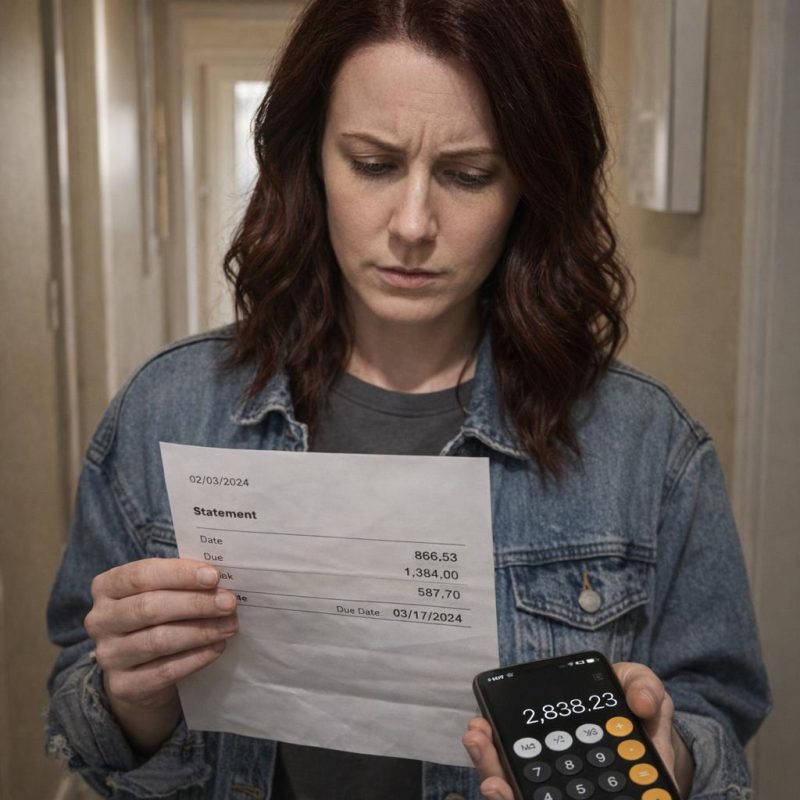 Image by RM AI
The Door Opens
I walked down that hallway with the statement in my hand and I didn't hesitate. Five years of tiptoeing, five years of shushing Maya, five years of closing doors softly and turning down the TV and apologizing to a man for existing too loudly in my own home — and I was done. I grabbed the handle and pushed the door open hard. The room hit me like a wall. Blue and purple light from three massive monitors, each one running a game I didn't recognize. An expensive chair — not the secondhand furniture we had everywhere else in the house — positioned in front of a desk covered in equipment. Cables, peripherals, a tower with LED strips running up the side. And in the corner, the oxygen tanks. The ones I'd helped carry in, the ones that had made me feel so guilty for ever doubting him. They had LED strips zip-tied around them too, glowing faintly, decorative. Mark was in the chair with a headset on, leaning forward, laughing at something someone on his team had said. He hadn't heard me come in. He was completely absorbed, shoulders loose, voice easy, nothing like the man who'd spent five years telling me he was too sick to function. I stood in the doorway and watched him play.
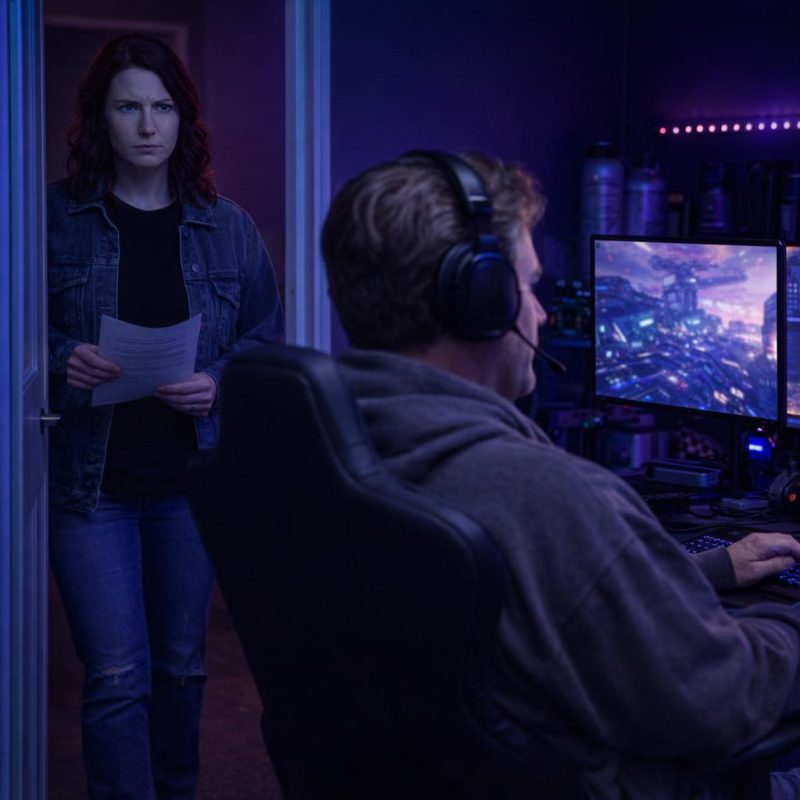 Image by RM AI
He Sees Me
Someone on his team must have said something because he turned his head, and then he saw me. I watched it move across his face in real time — the shock first, eyes going wide, body going still. Then something that looked like guilt, fast and involuntary, the way a kid looks when they've been caught. And then, before he'd even fully processed what was happening, something else settled in. His jaw tightened. His eyes flicked to the statement in my hand and back to my face. He looked annoyed. Not scared, not sorry — annoyed, like I'd walked in during an important meeting and hadn't knocked. Five years. Five years of me working doubles and skipping meals and telling our daughter to be quiet, and his first real reaction to being caught was irritation. I couldn't speak. I don't think I could have formed a word if I'd tried. I just stood there holding the paper while he reached up and pulled the headset off his ears, the game still running on all three screens behind him, and opened his mouth to say my name.
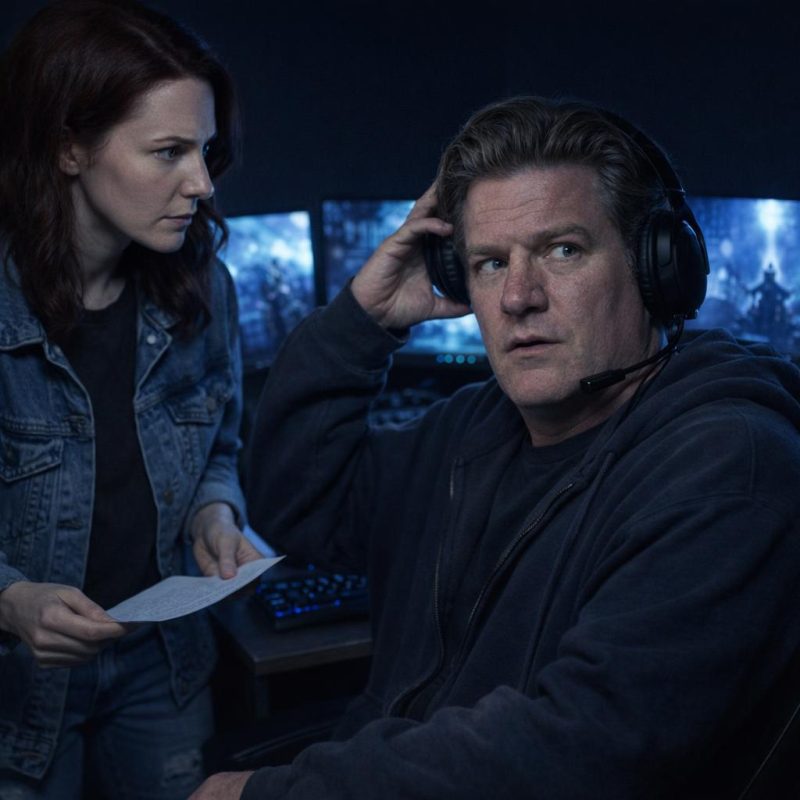 Image by RM AI
Evidence
He was still talking when I pulled out my phone. I don't even remember what he was saying — something about context, something about how I didn't understand, how it wasn't what it looked like. I stopped listening and started shooting. The monitors, all three of them, game still running. The chair. The desk covered in equipment I now recognized from the credit card statement. The tower with its LED strips. The headset sitting in his hand. Then I crossed the room and photographed the oxygen tanks up close, the LED strips zip-tied around them, the dust on the regulators that told me they hadn't been touched in a long time. I photographed the credit card statement laid flat on the desk next to the keyboard. Mark's voice got louder. He said I was overreacting. He said we could talk about this like adults. He said — and I remember this one clearly — that I was making a big deal out of nothing. I kept taking pictures. I got the receipts visible on the monitor screen. I got the gaming platform account name. His voice shifted somewhere around the fifteenth photo, going quieter, tighter, and I didn't look up from the screen. The room felt very still around me, and my hands, for the first time in years, were not shaking at all.
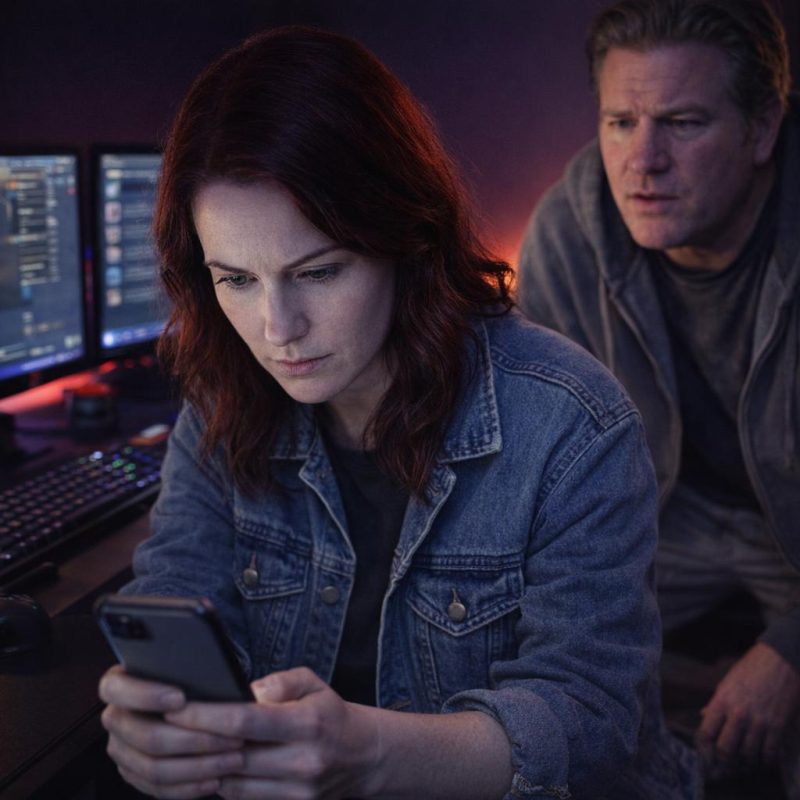 Image by RM AI
Maya Needs to Know
I found Maya in the hallway, sitting cross-legged on the floor with her small collection of figurines arranged in a careful line. She always played quietly. She had learned to play quietly before she was old enough to understand why. I sat down on the floor beside her and she looked up at me with those watchful eyes, reading my face the way she always did, checking whether something was wrong. I took a breath and I told her the truth, as gently as I could. I said Daddy wasn't sick. I said he'd been playing games in his room, and that none of it had been her fault — not the quiet, not the careful walking, not any of it. She looked at me for a long moment. Then she asked, in a very small voice, why Daddy had lied. I told her I didn't know. She asked if she had done something to make him want to stay in his room. I told her no, absolutely not, never, and I pulled her into my arms and held on. She cried quietly, the way she did everything — carefully, like she was still afraid of taking up too much space. I sat on that hallway floor holding my daughter, and I let her.
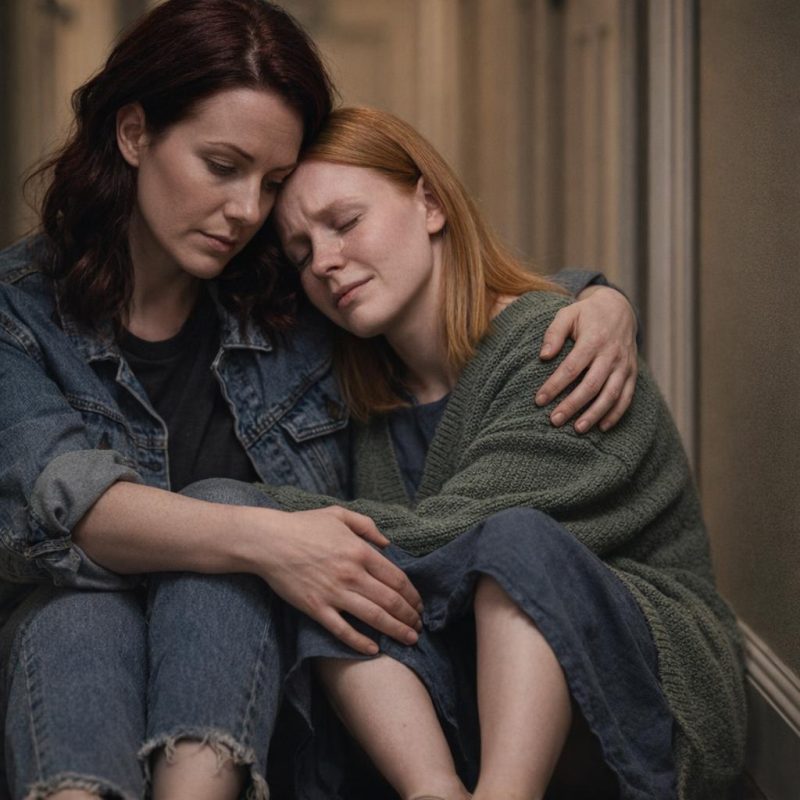 Image by RM AI
The Teammate
The doorbell rang around two in the afternoon, and I almost didn't answer it. I was still sitting at the dining table surrounded by documents, running on cold coffee and something that felt like controlled fury. When I opened the door, I found a lanky kid in a faded hoodie with a gaming logo across the chest, blinking at me like he'd knocked on the wrong house. He asked if Mark was home. I asked who he was. He said his name was Tyler, that he and Mark were supposed to practice that afternoon, that the team had been waiting. I looked at him for a second — this kid who had no idea — and then I stepped back and let him in. I told him, as calmly as I could, what I'd found that morning. The setup. The oxygen tanks. All of it. Tyler went pale. He kept opening his mouth and closing it. He said Mark had never mentioned a wife. Never mentioned a daughter. He said he felt terrible, that he'd had no idea, that he was so sorry. Then Mark appeared at the end of the hallway, and his expression shifted into something tight and controlled. He told Tyler they should head out. Tyler looked between us, clearly desperate to be anywhere else. And then, almost in a whisper, he said Mark had always told the team he lived alone.
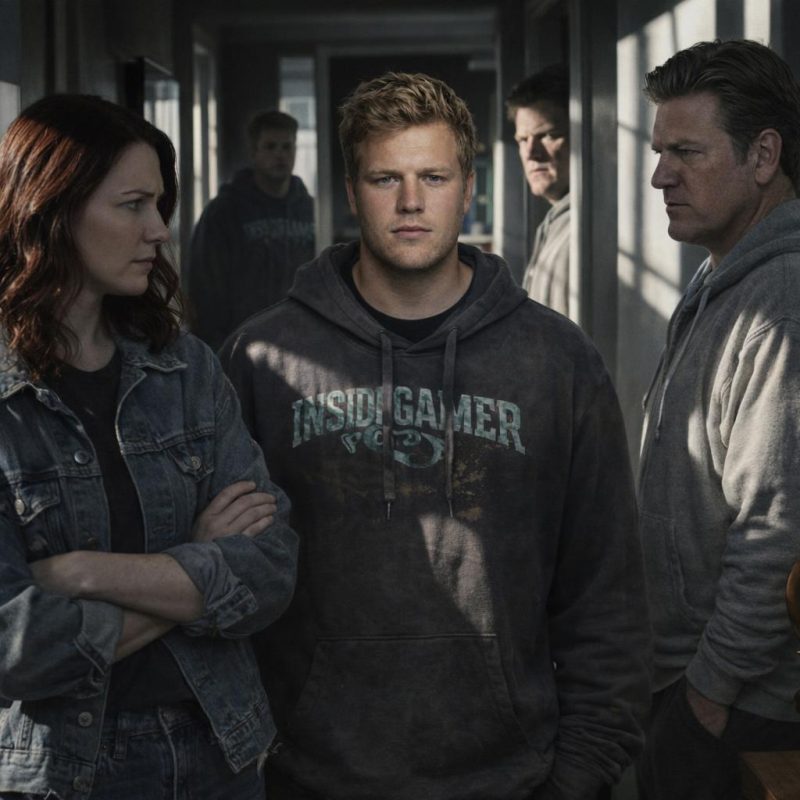 Image by RM AI
The Full Inventory
After Tyler left, I spread everything across the dining table. Every bank statement. Every credit card bill. Every receipt I'd found in that room. I gave myself three hours and I used all of them. The numbers told a story I already knew in my gut but needed to see in black and white. Five years of equipment purchases — monitors, headsets, a custom chair, lighting rigs. Five years of subscription fees, platform memberships, peripheral upgrades. A streaming account I hadn't known existed, with modest deposits that never once touched our joint account. I found the receipts for the oxygen tanks buried in a folder labeled 'medical.' They hadn't come from a pharmacy or a medical supplier. They'd come from a theatrical prop company. Two of them had been modified — LED strips fitted inside the canisters to make the gauges glow. I sat with that for a long time. Props. Actual props. I photographed every document, then I built a timeline: purchase dates stacked against the dates he'd claimed his worst episodes. The overlap was almost perfect. I added up the total. The number I landed on was larger than what we still owed on the mortgage. The receipts from the prop supplier sat at the top of the pile, the LED modification invoice paper-clipped neatly to the tank order.
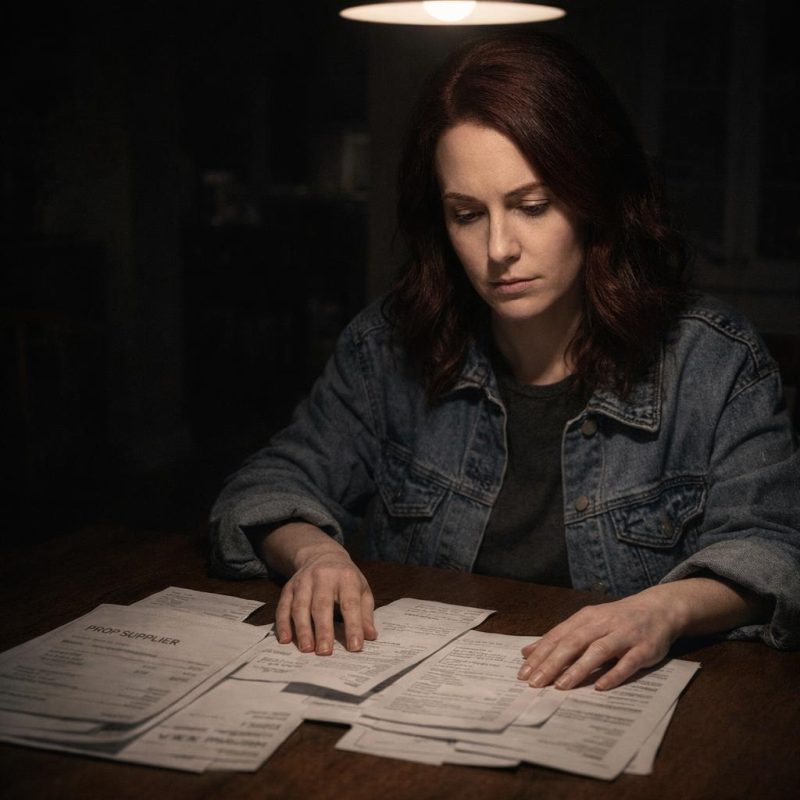 Image by RM AI
The Attorney's Office
Linda Torres's office was on the fourth floor of a building that smelled like carpet cleaner and quiet money. She was already at her desk when I walked in — sharp suit, sharper eyes, a legal pad in front of her with a pen already uncapped. I laid everything out on her desk in the order I'd photographed it. The prop receipts. The bank records. The streaming deposits. The timeline. She didn't interrupt. She just wrote, steadily, filling page after page in a small precise hand. About halfway through, her expression changed. It wasn't dramatic — just a tightening around the eyes, a slight set to her jaw. When I finished, she set her pen down and said it was one of the most thorough cases of financial fraud she'd seen come through her office. She said the word fraud like she meant it, not like she was softening it for me. She walked me through the strategy — misrepresentation, financial abuse, dissipation of marital assets. She asked about Maya. I said I wanted full custody. She nodded like that was the only reasonable answer. She said we had an excellent case and that I should let her do the heavy lifting from here. I drove home in the dark, and for the first time in five years, I didn't feel like I was carrying it alone.
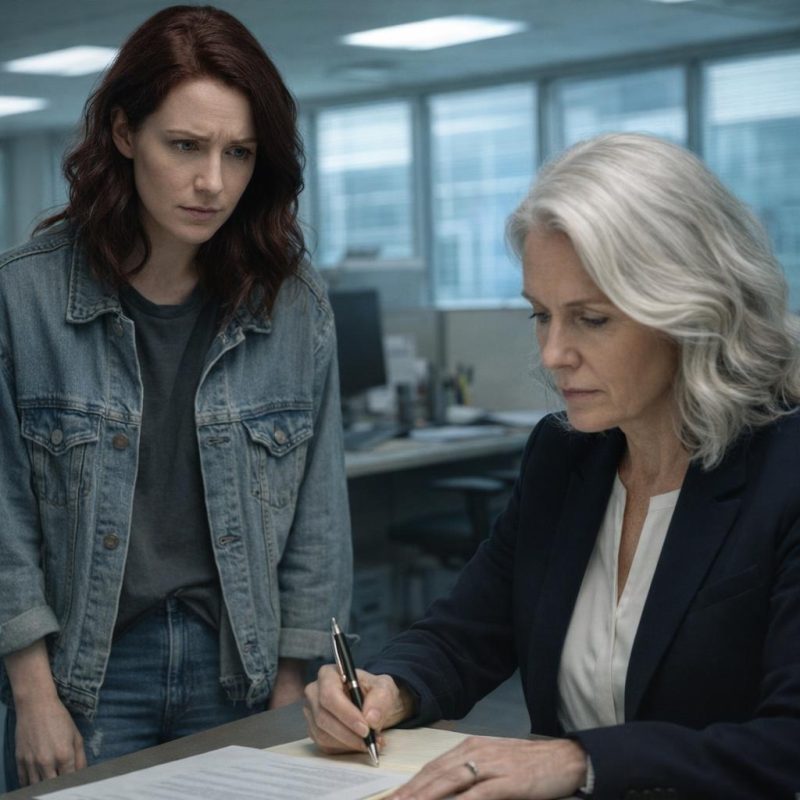 Image by RM AI
His Defense
The letter arrived on a Tuesday, forwarded through Linda's office. It was four pages long, printed on letterhead I didn't recognize, and it opened by stating that Mark did, in fact, suffer from a documented chronic pain condition — cluster headaches — and that his use of gaming equipment had been recommended as a form of cognitive distraction therapy. I read it once. Then I read it again. Then I sat at the kitchen table and stared at the wall for a while. He was going to keep lying. Not just to me — to a judge, to the court, to anyone who would listen. He was going to sit in a room full of evidence and insist the story was different. I called Linda. She picked up on the second ring and said she'd already seen it. She told me this was a standard defense move, that she wasn't worried, that the absence of any medical records — no doctor visits, no prescriptions, no hospital admissions, nothing — would dismantle the claim before it got traction. She said Mark would try to position himself as the victim. She said to let him try. I hung up and looked at the letter again, still sitting open on the table. Five years of my life, and he was going to make me prove it in court. The audacity of it settled over me like something heavy and very, very cold.
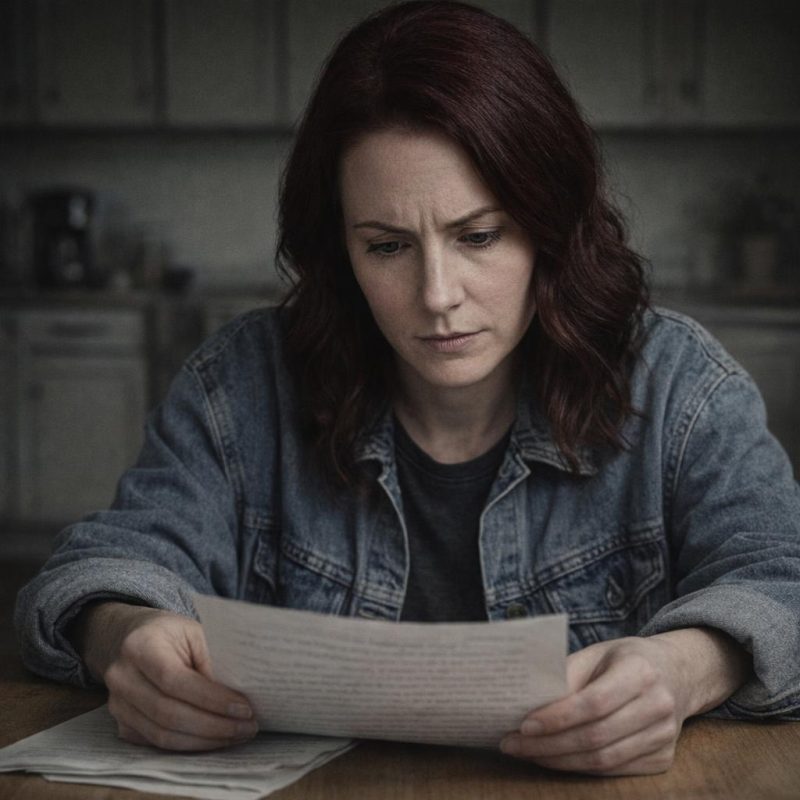 Image by RM AI
The Court Hears
I had imagined the courtroom would feel more dramatic. It didn't. It was a beige room with fluorescent lighting and the low hum of an HVAC system that needed servicing. Mark sat at the other table in a button-down shirt I didn't recognize, looking like he'd practiced looking tired. Linda presented the evidence the way she did everything — methodically, without flourish, letting the documents speak. The photos of the gaming setup. The financial records. The prop company receipts with the LED modification invoice. The timeline she'd built, purchase dates running parallel to his claimed worst episodes like a shadow. The judge examined each piece without comment. His expression didn't shift dramatically — it just grew quieter, more still, the way a face does when it's making up its mind. Mark's attorney argued stress relief, cognitive therapy, mental health necessity. The judge asked Mark directly why there were no medical records. Mark said he'd managed it at home. The judge asked why the oxygen tanks came from a theatrical supplier. Mark's attorney objected. The judge overruled it and waited. Mark said he'd found them online. I watched the judge write something down. I didn't know what it said. But I had been believed by someone with the authority to do something about it, and I sat with that feeling like it was the first warm thing I'd touched in years.
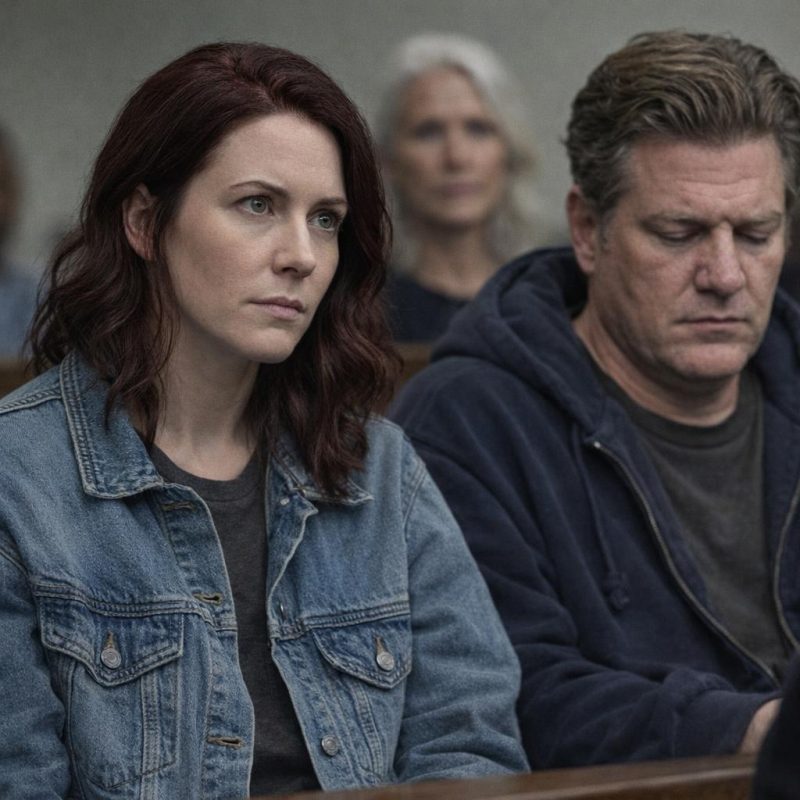 Image by RM AI
Maya's Voice
The custody evaluator was a quiet woman with a canvas tote bag and reading glasses pushed up on her head. She introduced herself to Maya gently, crouching down to Maya's level in the hallway, and Maya looked at her with those careful watchful eyes and nodded. I was asked to wait outside. I sat in the hallway on the same stretch of floor where Maya and I had sat with her figurines, and I listened. The walls were thin. Maya's voice came through clearly — small and careful, the way she always spoke, like she was still measuring how much space she was allowed to take up. The evaluator asked what it was like at home when she was little. Maya said it was very quiet. She said they had to be quiet all the time because of Daddy's head. She said she learned to walk on her tiptoes so she wouldn't make the floorboards creak. She said she used to hold her breath when she walked past his door. The evaluator asked if that was scary. There was a pause. Then Maya said yes, a little, because she was always afraid she'd make a noise and make Daddy sick. I pressed my back against the wall and let the tears come without trying to stop them. And then I heard Maya tell the evaluator, in that same small careful voice, that she used to think being loud was the same as being bad.
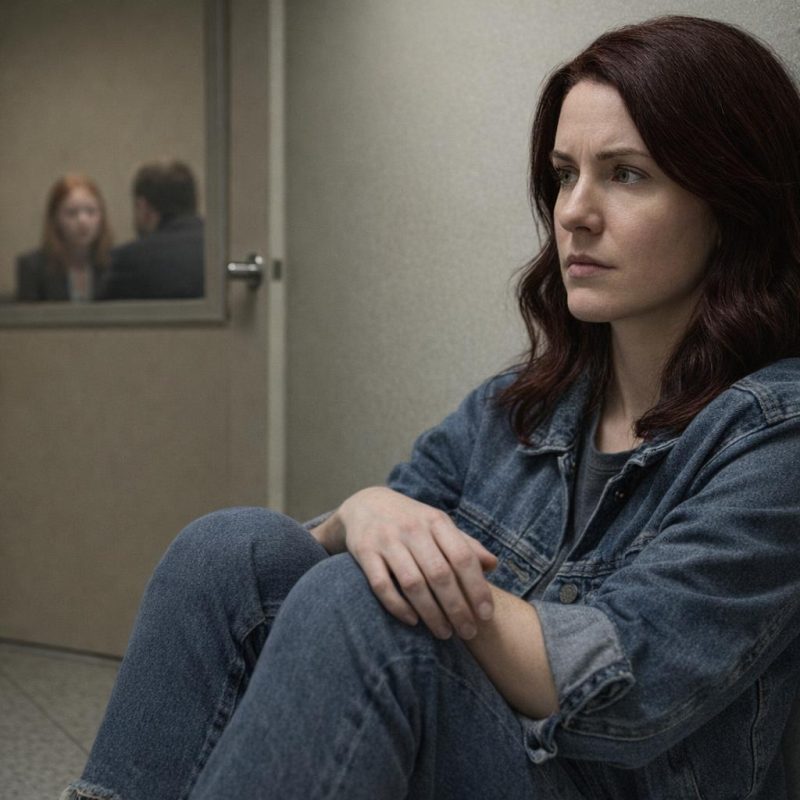 Image by RM AI
The Streaming Income
Linda saved the streaming evidence for the second day of hearings. She presented it without preamble — bank records showing consistent deposits to an account I'd never had access to, tied to a streaming platform under a username I didn't recognize but that matched the handle Tyler had mentioned. The deposits were modest. Two hundred dollars one month, three-fifty the next, occasionally more when a stream ran long or a viewer donated. Not life-changing money. But consistent. Month after month, for nearly three years. Linda let the judge look at the records for a moment, then she said the total came to just over eleven thousand dollars across that period. Eleven thousand dollars that had never appeared in our household budget. Never paid a utility bill. Never covered a grocery run. Never touched the credit card debt I'd been servicing on sixty-hour weeks. It had gone back into equipment. More peripherals. A second monitor. A lighting upgrade. The judge asked Mark why he hadn't disclosed this income. Mark said the amounts were too small to matter. Linda said the question wasn't about the amounts. The judge looked at Mark over the top of his glasses. On the bank statement in front of him, the column of deposit figures ran down the page in a clean, unbroken line — thirty-four months without a single transfer to our joint account.
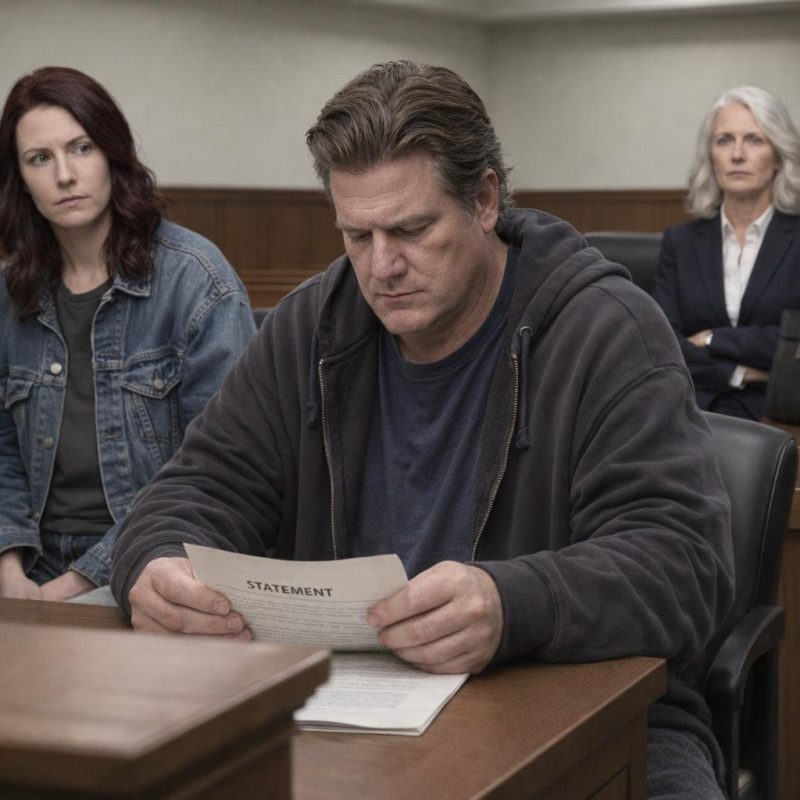 Image by RM AI
The Final Hearing
Mark took the stand on the final day looking like a man who still believed he could talk his way out of it. His attorney walked him through the headaches — the pain, the sensitivity to light, the way certain sounds could lay him flat for days. Mark delivered it with his eyes slightly downcast, his voice measured, his hands folded in his lap. It was a good performance. I'd seen it before. Linda let him finish. Then she stood up and asked him to name the doctor who had recommended gaming as cognitive distraction therapy. Mark said he hadn't seen a doctor formally, that he'd read about it. She asked why, given the severity of his condition, he had never visited a free clinic. He said he hadn't thought of it. She asked about the prop company receipts. He said he'd bought the tanks secondhand and hadn't known their origin. She showed him the invoice with his email address in the billing field. He said he didn't remember that. She asked why his streaming deposits had never appeared in any financial disclosure. He said the amounts were negligible. She asked why the room required a lock if darkness was the only medical necessity, given the photos showed three monitors running at full brightness. Mark opened his mouth. Closed it. The judge set down his pen and said he had heard enough.
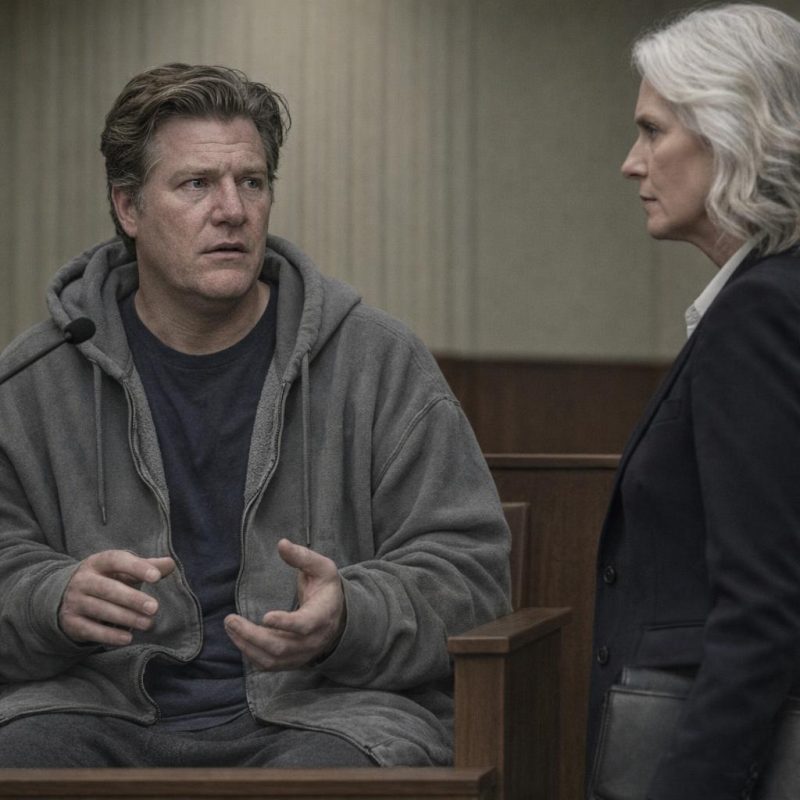 Image by RM AI
The Ruling
The judge didn't make us wait long. He came back in, settled into his chair, and looked at his notes for exactly three seconds before he looked up at Mark. I had my hands folded in my lap the same way Mark had folded his on the stand, and I remember thinking that was the last thing we'd ever have in common. The ruling came out measured and deliberate — full custody to me, supervised visitation only for Mark, and a restitution order that covered every fraudulent medical expense going back four years. The judge read the total aloud. I heard Linda exhale beside me. Then the judge set down his papers and addressed Mark directly, and his voice didn't waver once. He said in thirty years on the bench he had seen a great many forms of selfishness, but that what Mark had done — manufacturing an illness, letting his daughter grow up in silence and fear, letting his wife work herself to the bone — was among the most calculated cruelties he had witnessed. He said Mark had stolen his daughter's childhood. Mark sat perfectly still. Linda's hand found mine under the table and squeezed once. The judge signed the order, and the clerk stamped it, and just like that, it was done.
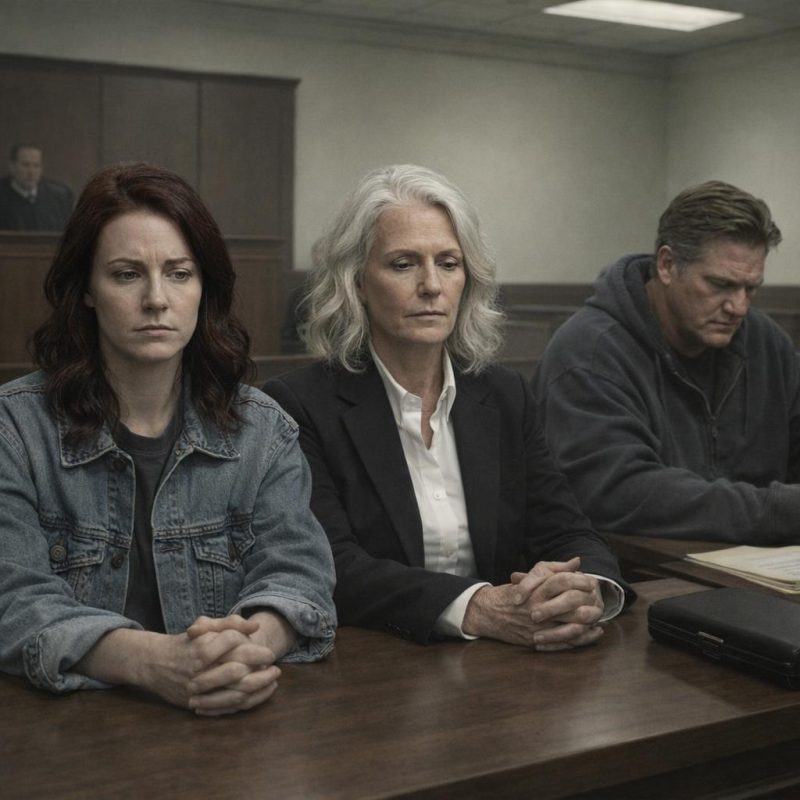 Image by RM AI
The Small Apartment
The apartment was small. I mean genuinely small — one bedroom, a kitchen that was basically a hallway with ambitions, and a bathroom where you could touch both walls if you stretched. I'd apologized to Maya about it on the drive over, and she'd looked at me like I'd said something in a foreign language. We carried boxes up two flights of stairs and I was sweating through my shirt by the third trip, but Maya wasn't helping much because she kept abandoning her box to run from room to room, her sneakers squeaking on the hardwood, her voice bouncing off every bare wall. She didn't tiptoe once. I stood in the kitchen doorway watching her and I didn't shush her. I just stood there. We ate dinner on the floor that first night because the table wasn't assembled yet — takeout containers between us, Maya cross-legged and talking about her new school, about the girl in her class who had a dog, about whether we could get a plant. I said maybe a plant. She laughed at that. I was exhausted in a way that went all the way down to the bone, but underneath it, quieter than I expected, something that felt a lot like hope had settled in and made itself at home.
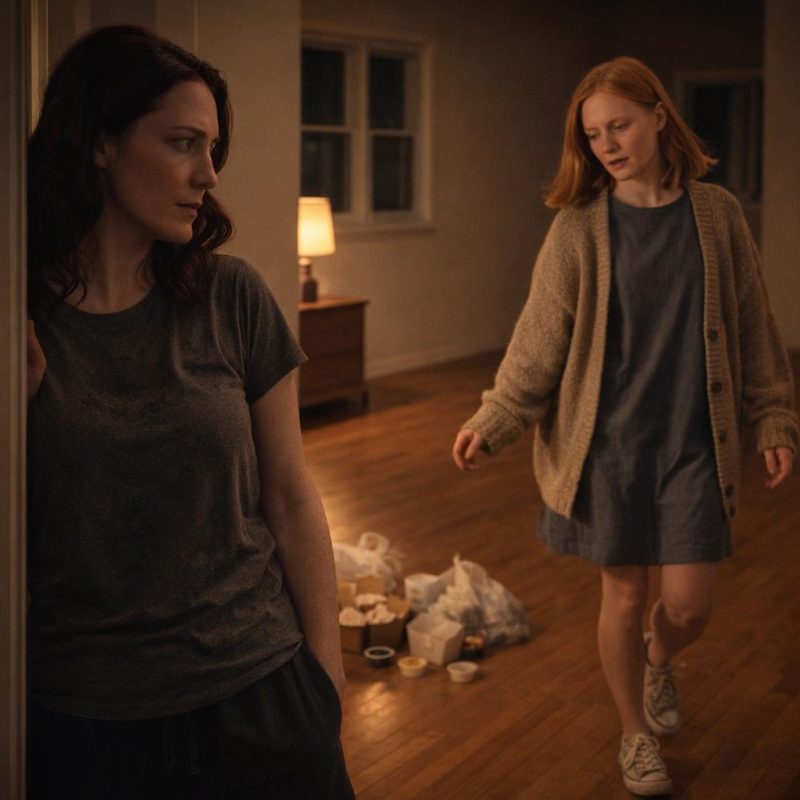 Image by RM AI
The Sound of Laughter
We were three weeks in when it happened. We'd gotten into a routine — dinner, dishes, the couch, whatever was on. Maya had picked something animated, one of those movies with the talking animals and the running gags, and I was only half watching, mostly just glad to be sitting down. Then a scene came on — I don't even remember exactly what it was, something slapstick, something silly — and Maya laughed. Not a polite laugh. Not the careful, contained sound I'd heard from her for years, the kind she'd learned to keep small. This was loud and sudden and completely unguarded, the kind of laugh that takes over your whole body. It startled me. I actually flinched. And then I just sat there, listening to it, and something cracked open in my chest that I hadn't known was sealed shut. Maya noticed me crying before I noticed myself. She asked if I was okay, and I told her I was happy, which was true, and also not the whole truth, because I was also grieving every year she'd spent making herself quiet and small. She hugged me without asking more questions. We watched the rest of the movie. She laughed three more times. Each one landed in the room like it belonged there, like it had always belonged there, and the apartment held the sound without flinching.
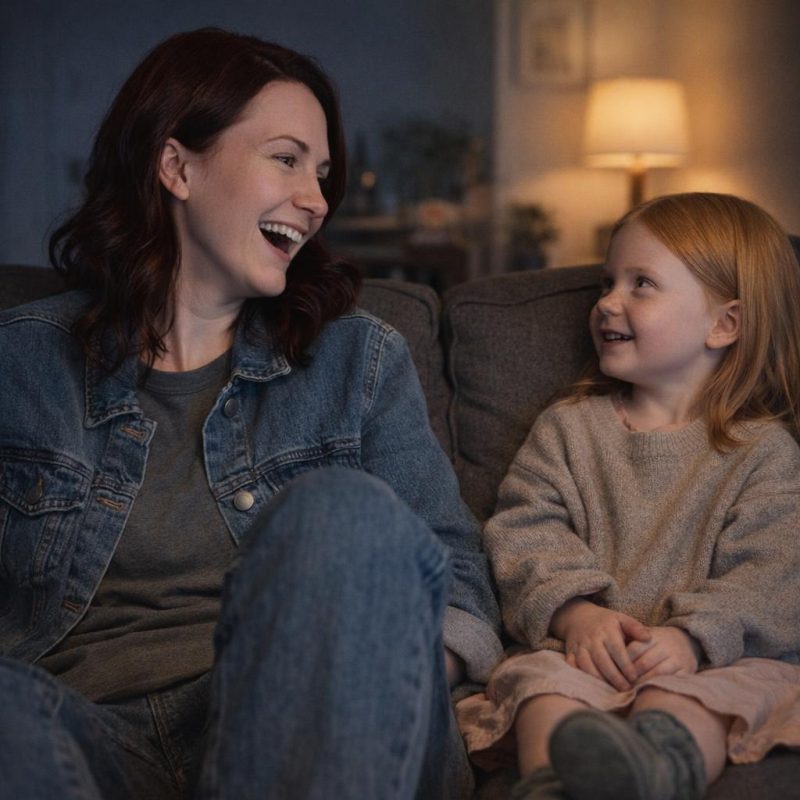 Image by RM AI
The Headache I Chose
I heard her before I was fully awake. She was singing — off-key, enthusiastically, completely without shame — something I half-recognized from a playlist she'd been playing on repeat. There was clattering. Something that sounded like every cabinet opening in sequence. I lay there for a moment with my eyes still closed, just listening, and I thought about the house we'd left. The way we'd both moved through it like we were trying not to exist. The way Maya had learned to carry her shoes from the stairs to the front door so the floors wouldn't creak. The way I'd started holding my breath without realizing it. I got up and stood in the kitchen doorway and watched her. She had flour on her shirt and the burner was too high and she was narrating her own cooking show to an audience of zero, complete with a wooden spoon as a microphone. She saw me and grinned and said she was making pancakes and that I wasn't allowed to help because she had a system. I told her the system was on fire. She adjusted the burner without missing a beat. We ate the pancakes at the actual table, talking over each other, Maya telling a joke she got slightly wrong and laughing anyway. The apartment was loud and messy and smelled like slightly burnt butter, and I chose every single second of it.
 Image by RM AI
KEEP ON READING

20 Greek Gods We Don't Often Talk About
Step Aside, Zeus. Greek mythology isn’t only about Zeus and…
By Elizabeth Graham Jan 16, 2026
10 Historic Courtship Practices That Should Be Brought Back &…
Old-School Dating Was a Mix of Charming & Unhinged. Historic…
By Emilie Richardson-Dupuis Jan 20, 2026
Pooches Of The Past: Extinct Dog Breeds
Unknown authorUnknown author on WikimediaDogs have been showing up in…
By Elizabeth Graham Jan 27, 2026
The 20 Craziest Silent Films Ever Made
When Silence Let the Madness Speak. Silent cinema didn’t just…
By Chase Wexler Jan 5, 2026
Legendary Tales: 20 Most Fascinating Mythical Creatures from Folklore
Mythological Beasts. Stories about mythical creatures endure for a simple…
By Christy Chan Jan 16, 2026
The three most expensive historical artifacts ever sold at auction
Attributed to Leonardo da Vinci on WikimediaAuctions are where history…
By Emilie Richardson-Dupuis Jan 9, 2026