

I Destroyed My Son-in-Law's Life to Protect My Daughter—Until I Found Out She Was the Real Monster
I Destroyed My Son-in-Law's Life to Protect My Daughter—Until I Found Out She Was the Real Monster
The Bruises on My Daughter's Face
She showed up at my door at eleven-fifteen on a Tuesday night, and I knew something was wrong before I even got it fully open. Chloe was standing on my porch in the cold, her coat half-buttoned, mascara tracking down both cheeks in long dark streaks. I pulled her inside and that's when I saw it — a bruise spreading across her left cheekbone, already deep purple at the center, and another one on her upper arm where her sleeve had slipped. My stomach dropped straight through the floor. I sat her down on the couch and wrapped a blanket around her shoulders and just held her hands while she tried to get words out between the sobs. She said his name once. That was enough. She told me what happened in pieces — an argument that got loud, then louder, then his hands. I didn't ask her to slow down or repeat herself. I didn't ask clarifying questions. I was her mother and she was sitting in front of me with bruises on her face, and that was the only fact that mattered to me in that moment. I told her she was safe. I told her I would handle everything. I meant every word. She leaned into me and I held her there in the lamplight, her whole body trembling against mine.
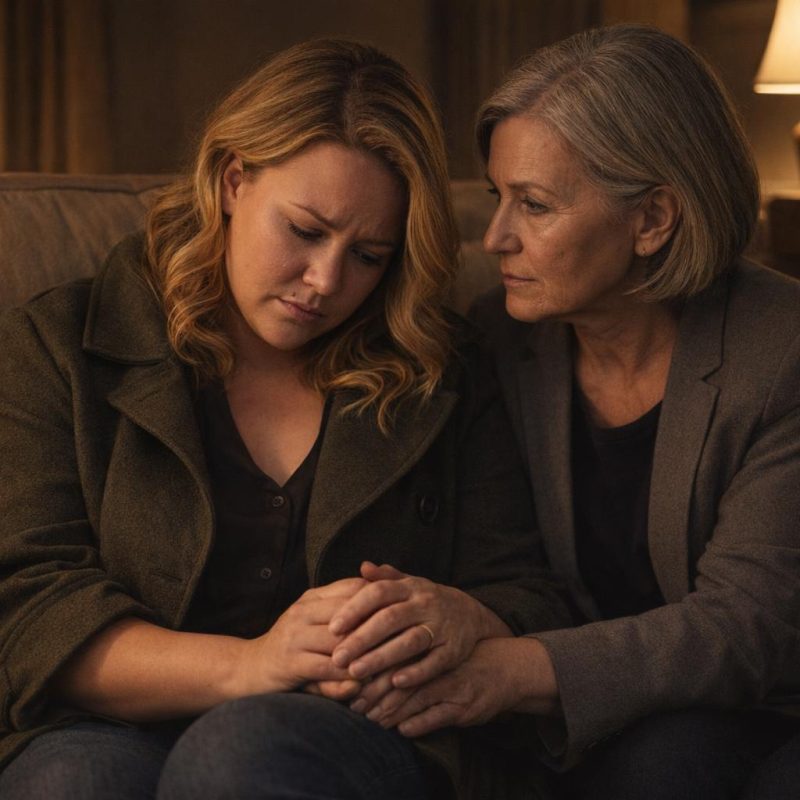 Image by RM AI
Forty-Eight Hours of Destruction
I didn't sleep that night. By six in the morning I was at the kitchen table with my late husband's address book, a legal pad, and a cup of coffee that went cold before I touched it. Robert had spent thirty years building relationships in this city — attorneys, firm partners, city council members, people who owed him favors and people who simply respected his name. I was about to spend every last one of those connections. I called the managing partner at Mark's architecture firm before eight. I didn't scream or threaten. I was calm and precise and I used words like 'pattern of behavior' and 'escalating incidents' and 'liability.' He put Mark on administrative leave before lunch. I worked through the afternoon making calls, dropping careful hints into the right conversations, letting the right people draw their own conclusions. By evening I had reached most of their shared social circle. I didn't lie outright — I just made sure the truth as I understood it traveled fast. Chloe stayed in the guest room the whole time, barely eating, wrapped in one of my old cardigans. Every time I checked on her she looked so small and broken that any hesitation I might have felt dissolved immediately. Late that second evening, my phone buzzed with a message from one of Robert's former colleagues: Mark's professional license had been suspended pending investigation.
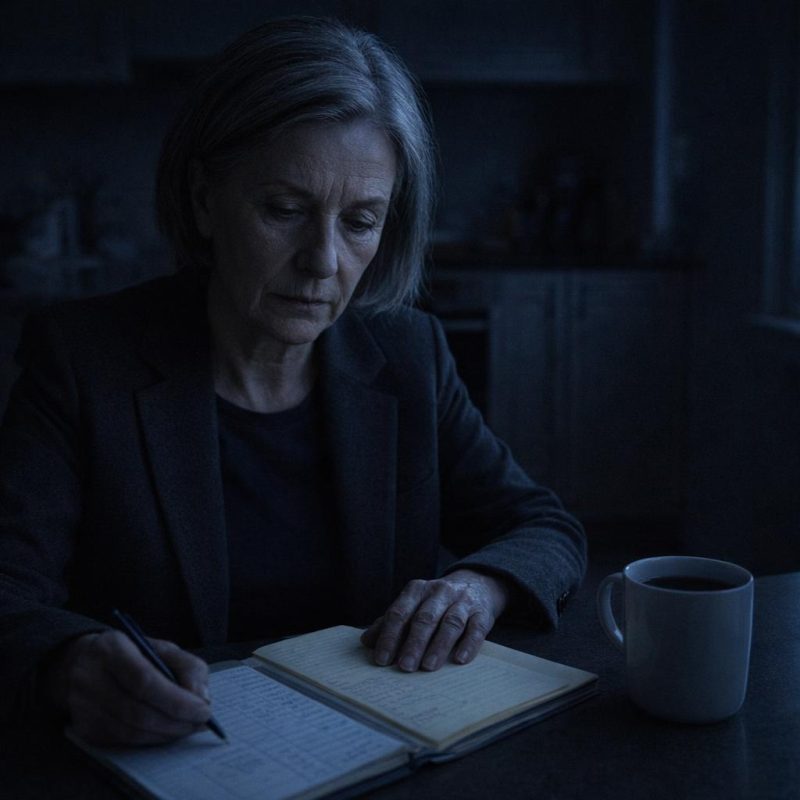 Image by RM AI
The Unraveling
By the end of that week, it was done. The firm made the termination official on a Thursday. His landlord — who had apparently heard enough through the right channels — sent notice that the lease would not be renewed. I heard through two separate contacts that Mark's calls were going unanswered, that people who had known him for years were suddenly unavailable. I monitored all of it from my kitchen, tracking each development the way you track a storm on radar, watching it move exactly where you pointed it. Chloe came downstairs that afternoon and hugged me for a long time. She called me the best mother anyone could ask for, and her voice cracked when she said it. I held onto that. I told myself I had done what any mother would do. I told myself he had made his choices and now he was living inside them. But somewhere in the back of my mind, in a place I refused to look directly at, there was a small and quiet thing that felt less like justice and more like something else — something I couldn't name. I pushed it down. I thought about the bruise on her cheekbone, the purple-black spread of it, and the quiet thing went silent. My phone sat on the table, and the last contact had confirmed it: Mark had nowhere left to go.
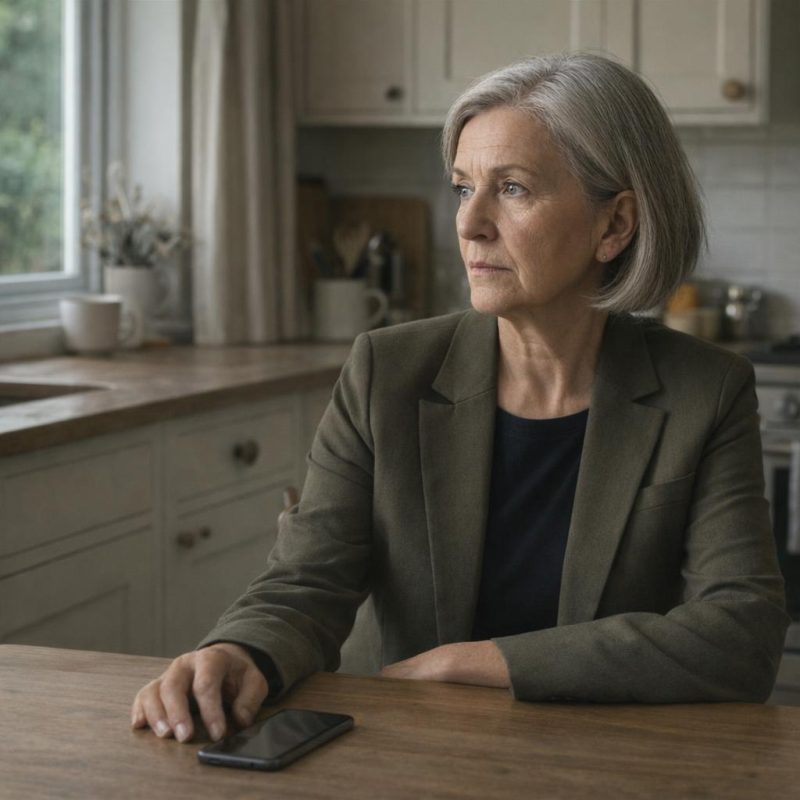 Image by RM AI
The Call from Nowhere
The call came on a Saturday afternoon from a number I didn't recognize — a 312 area code, no name attached. I almost let it go to voicemail. Something made me answer. The voice on the other end took me a second to place. It was Mark, but not the Mark I remembered — not the composed, slightly too-polished man who used to sit at my Thanksgiving table making careful conversation. This voice was hoarse and thin, like something scraped down to its last layer. He didn't yell. He didn't accuse me of anything. He just said my name once, quietly, and then asked me to look at the joint account — his and Chloe's. I told him I didn't know why I would do anything for him. He didn't argue. He just said the account would explain things, and he gave me the account number and the authorization codes in a flat, even voice, like he was reading from a piece of paper. I started to say something — I'm not even sure what — but the line went dead before I got the words out. I stood there in my kitchen holding the phone, the account number written on the back of an envelope in my own handwriting, feeling off-balance in a way I couldn't quite explain. I wasn't going to look. I told myself that. But I kept hearing the rasp in his voice, the sound of something broken.
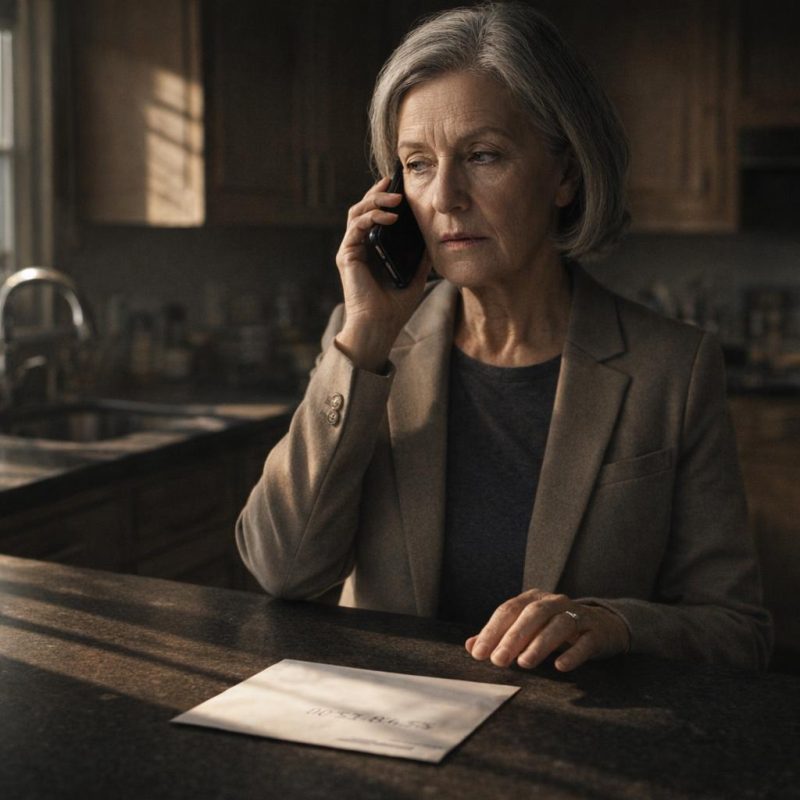 Image by RM AI
The Bank
I drove to the bank branch on Monday morning telling myself I was going to prove he was manipulating me. I had the authorization documents, the account number, the codes — I had everything I needed to walk in there and confirm that whatever Mark was implying was nonsense. The teller, a young woman named Jessica, processed my request without any visible reaction, just efficient keystrokes and a polite nod before she disappeared into the back. I stood at the counter and waited. The printer back there ran for a long time. Longer than I expected. When Jessica came back she was carrying a thick stack of warm paper, and something in the careful way she set it down made me go still. I started scanning the pages. I was looking for irregularities, for evidence of Mark moving money, for anything that would confirm what I already believed. What I found instead was a single large transfer — eighty thousand dollars, the entirety of what the account held — sent to a receiving account listed under Chloe's full legal name. I stood at that counter and read the line three times. The amount. The receiving account. And then the date at the top of the transfer record: one day before Chloe showed up on my porch with bruises on her face.
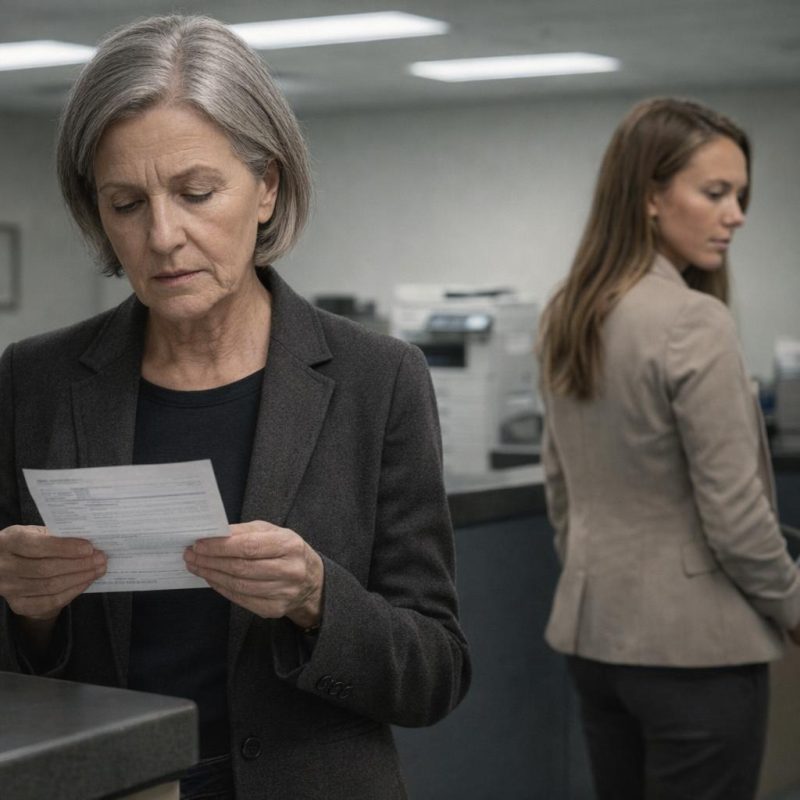 Image by RM AI
Eighty Thousand Reasons
I made it to my car. That was about as far as I got. I sat in the bank parking lot with the engine off and the stack of papers in my lap and I read through them again, slowly this time, looking for something I had missed — a notation, a second transaction, anything that would make the number make sense. The transfer had been initiated from a home computer. There was no corresponding withdrawal, no expense record, nothing that explained where eighty thousand dollars had gone or why. I tried to build explanations. Maybe she had moved the money to protect it before things got out of hand. Maybe she was hiding it somewhere he couldn't reach it. I turned each possibility over and looked at it from every angle, and none of them held their shape for more than a few seconds. The amount was their entire savings. Every dollar they had built together, moved in a single transaction, the day before she appeared at my door. I gripped the steering wheel and stared at the parking lot without seeing it. My mouth tasted like metal. I told myself there was a reason. There had to be a reason. I read the amount one more time, and the cold settled into my chest and stayed there.
 Image by RM AI
Diane's Kitchen
I didn't call ahead. I just drove to Diane's house and knocked, and when she opened the door and looked at my face she stepped back without a word and let me in. Her kitchen smelled like coffee and something baking, warm and ordinary in a way that made my eyes sting. I spread the bank records on her table and stood there while she read through them. Diane reads everything carefully — she always has — and she didn't say anything for a long time. Then she asked me to walk her through the timeline. I did. I told her about Chloe arriving, the bruises, the calls I made, all of it. She listened without interrupting. When I finished she looked at the papers again and asked what Chloe had said about the money when she arrived. I told her Chloe hadn't mentioned it. Not once in the days she'd been staying with me. Diane was quiet for a moment. She tapped the transfer date with one finger, not hard, just a small deliberate tap. She said she wasn't trying to upset me. She said she just needed to understand something. Then she looked up at me across the kitchen table and asked why Chloe would need eighty thousand dollars the day before she came to me claiming abuse.
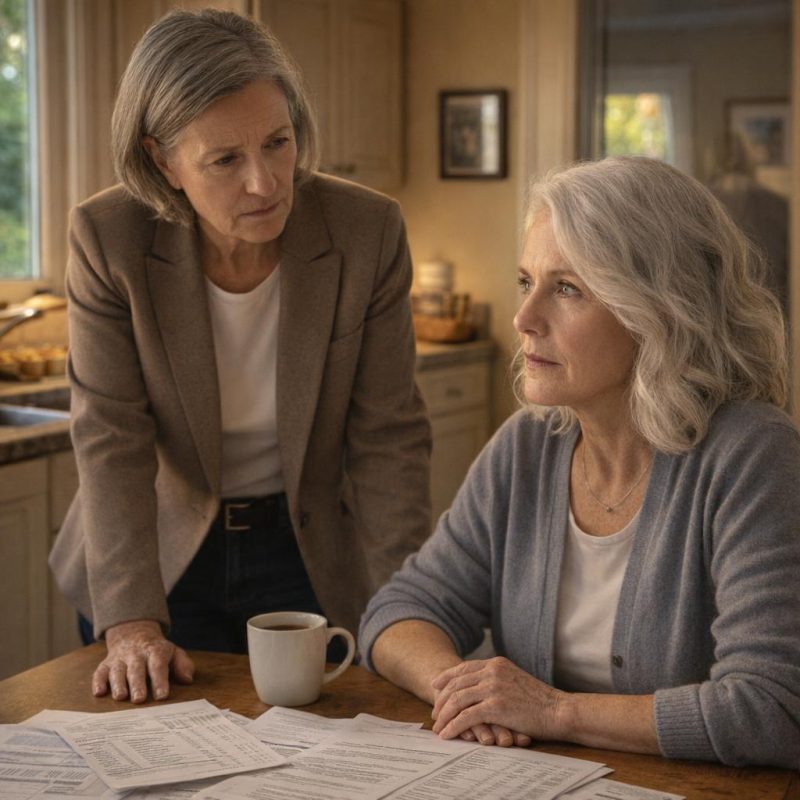 Image by RM AI
The Attorney's Office
Michael's office was on the fourteenth floor downtown, all clean lines and gray carpet and the particular quiet of a place where bad news gets delivered professionally. I laid the bank records out on his desk and he went through them the way he goes through everything — methodically, without expression, asking short precise questions. He wanted the exact timeline. He wanted to know how Chloe had described the night in question, what she had said about finances, whether she had mentioned the account at all. I answered everything. When he finished reading he set the papers down and folded his hands on top of them. He told me the transfer required online access and the account's security credentials. He noted that eighty thousand dollars represented the entirety of the marital savings. He said that in his experience, when someone moves that kind of money the day before a significant event, the courts tend to ask hard questions about motive. I asked him if there was a legitimate explanation he could think of. He looked at me with the particular patience of someone who has had this kind of conversation before and said he could think of several, but that I needed to speak with Chloe directly before doing anything else. Then he picked up the first page again and said the timing of the transfer raised serious questions — ones he couldn't answer without more information.
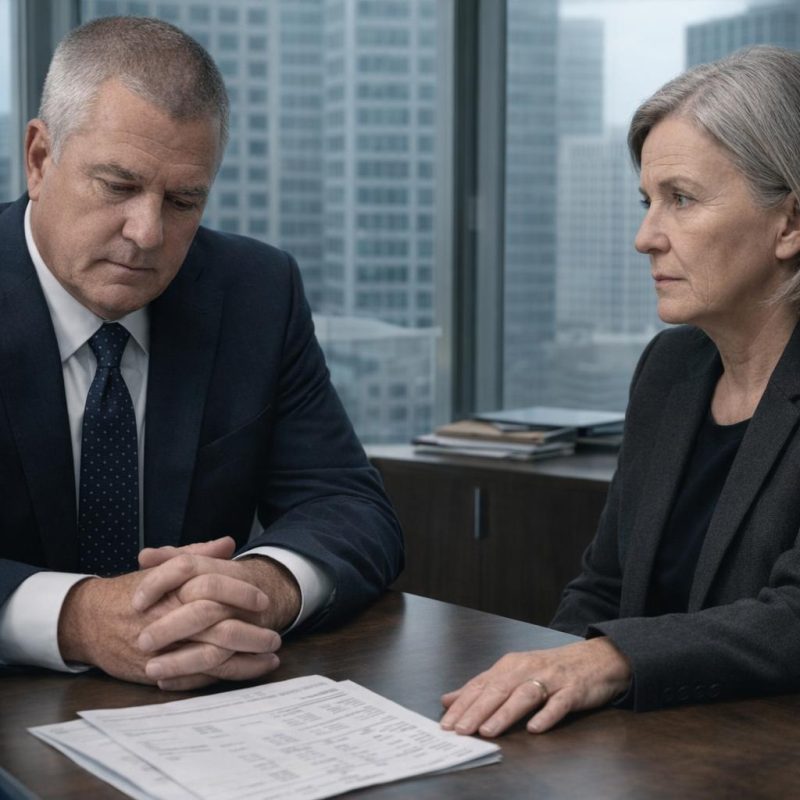 Image by RM AI
The Address
I typed the address into my GPS without letting myself think too hard about what I was doing. The first few miles were familiar — the wide, tree-lined streets where Chloe had grown up, the coffee shop on the corner where I used to take her after school, the park where she learned to ride a bike. I drove past all of it and kept going. The neighborhoods changed the way a bruise changes color — gradually, then all at once. The manicured lawns gave way to chain-link fences. The boutiques became check-cashing places with bars on the windows. The air coming through my vents smelled different, heavier, like exhaust and something older underneath it. I passed men sitting on milk crates outside a laundromat. I passed a woman pushing a cart piled with black garbage bags. I kept telling myself there was a reasonable explanation, that the address was wrong, that Mark had given me the wrong street. Then the GPS told me I had arrived. I looked up through the windshield at a large brick building with a worn sign above the entrance, and outside it, pressed against the wall in the cold, stood a crowd of people with nowhere else to go.
 Image by RM AI
The Folding Chair
I got out of the car on legs that didn't feel like mine. The cold hit me immediately, sharp and mean, and I pulled my coat tighter and walked toward the entrance. I spotted him before I even reached the door. He was sitting on a rusty folding chair pushed against the far wall of the courtyard, slightly apart from the others, like he hadn't quite figured out how to belong there yet. Mark. My son-in-law. He was wearing a thin jacket that wasn't built for this weather, and his face was gaunt in a way that made him look ten years older than the last time I'd seen him. His lips had a faint blue tinge. His hands, resting on his knees, were shaking. I had stopped at a deli on the way over — I don't know why, some instinct — and I'd bought coffee and two sandwiches wrapped in white paper. I walked up to him slowly. He looked up and saw me, and something moved across his face, but it wasn't anger. He just looked tired. I held out the coffee and the food without saying anything. His fingers trembled as he took them. He whispered thank you in a voice so raw it barely carried. That quiet gratitude hurt me in a way his screaming never could have.
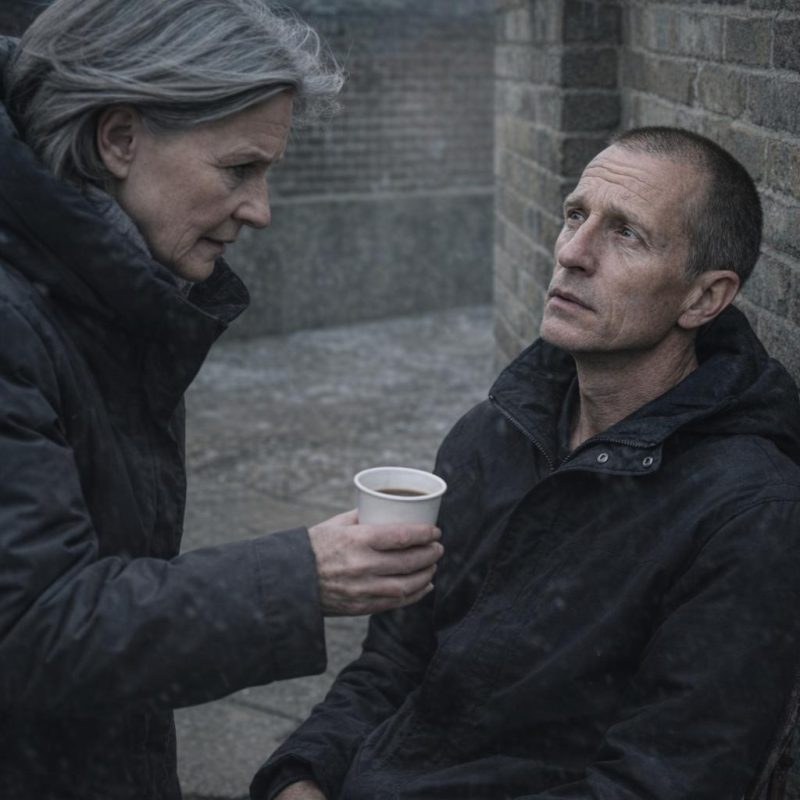 Image by RM AI
The Cracked Screen
He ate slowly, both hands wrapped around the coffee cup like it was the only warm thing in the world. I sat on the cold concrete ledge across from him and watched and said nothing, because there was nothing to say yet. When he finished the sandwich he wiped his mouth with the back of his hand and set the cup down carefully on the ground beside the chair. Then he reached into the inside pocket of that thin jacket, moving slowly, like even that small effort cost him something. He pulled out a smartphone. The screen was shattered — a full spiderweb of cracks running from one corner to the other — but when he pressed the button it flickered to life, the display still readable beneath the damage. He scrolled for a moment without speaking, his jaw tight, his eyes not meeting mine. Then he held it out to me. I took it. The screen showed a group chat. Three names at the top. One of them was Chloe's. I looked up at Mark but he was staring at the ground, giving me nothing, letting whatever was on that phone do the work. My hands had started to tremble. The cracked screen glowed between my fingers in the cold gray air.
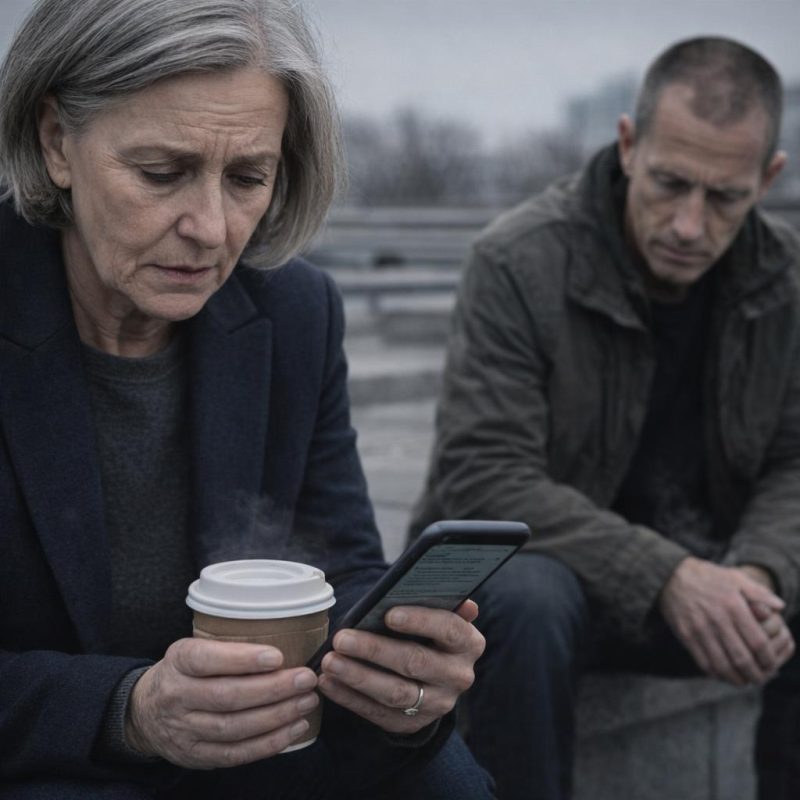 Image by RM AI
Theatrical Makeup
The chat had a title I didn't understand at first — some inside joke between them. I scrolled up to find the beginning and started reading. The messages were from the week before Chloe had shown up at my door with those bruises on her face. She was describing a trip to a costume supply shop, talking about the theatrical makeup she'd found, saying it looked so real she'd scared herself in the mirror. One of the other women in the chat asked if she was actually going to go through with it. Chloe's response made my stomach drop. She wrote that I would believe anything she told me, that I always had, that protecting her was basically a reflex I couldn't control. She called Mark a stepping stone. She said he'd be too broken to fight back by the time she was done. There was a message from the other participant — Amber — calling Chloe brilliant, using a string of laughing emojis. Chloe responded with a screenshot of a bank confirmation and wrote that the eighty thousand was already moved and sitting somewhere safe. I kept scrolling, my chest burning with something I couldn't name yet. Then I found the message where she described exactly how she'd applied the theatrical makeup — the layering technique, the colors she'd blended to make the bruising look days old.
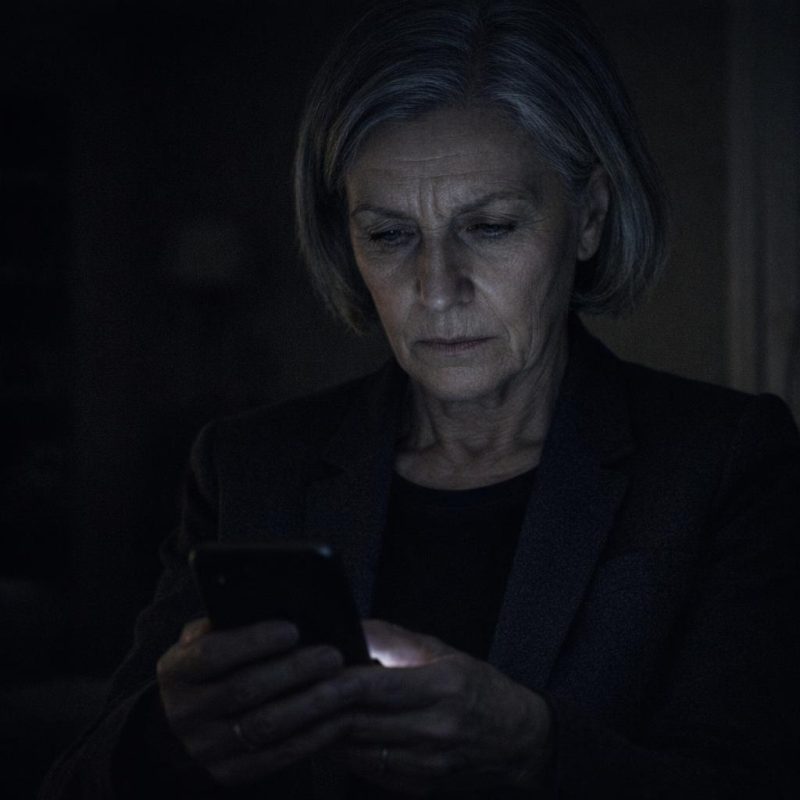 Image by RM AI
Evidence
I pulled out my own phone. My hands were shaking so badly the first two photos came out blurred, just smears of light and cracked glass. I made myself stop. I took a breath. I held Mark's phone steady against my knee and started again, one screen at a time, making sure each message was legible before I moved to the next. The dates. The names. Chloe's words in her own font, her own casual shorthand, her own laughing punctuation. Amber's responses. The bank confirmation screenshot. I photographed all of it. Somewhere in the middle of it I nearly dropped Mark's phone — my grip just gave out for a second — but I caught it. I kept going. When I reached the end of the chat I scrolled back through to make sure I hadn't missed anything, then I went through my own camera roll and checked every image. When I was satisfied I had everything, I looked up at Mark. He was watching me with eyes that had gone very still and very empty. I held his phone out to him. He took it without a word. I told him I was going to fix this. I meant it more than I had meant anything in years. He nodded once, slowly, and said nothing, and the weight of that phone leaving my hand felt like something I would carry anyway.
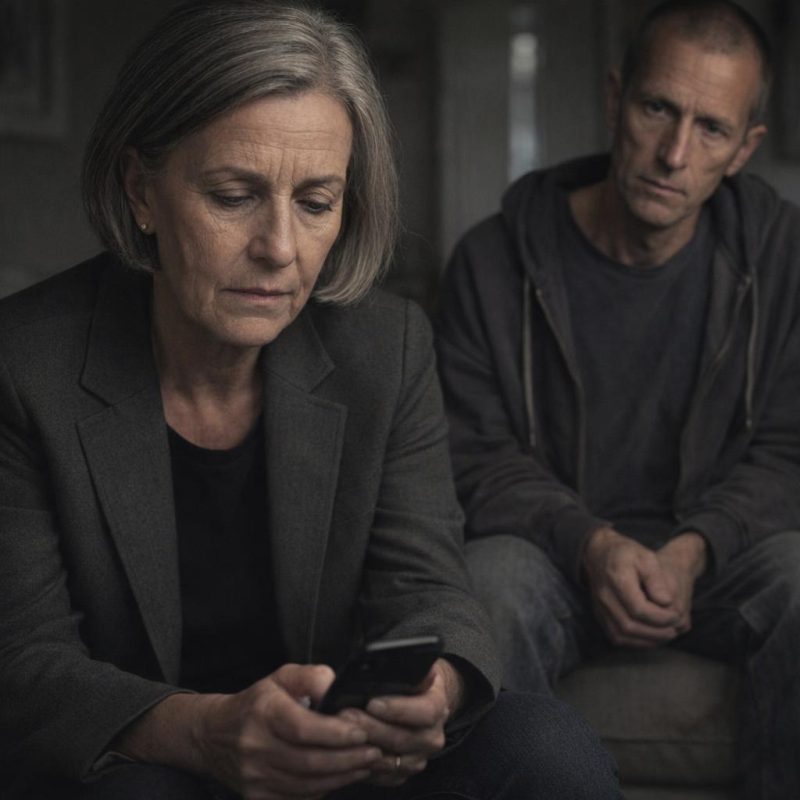 Image by RM AI
The Drive Home
I got back in my car and sat there for a moment before I started the engine. Then I pulled out and drove. The neighborhoods reversed themselves on the way home — the exhaust smell thinning, the storefronts brightening, the streets widening back into the kind of place where people didn't have to think about where they'd sleep. I barely noticed any of it. My hands were steady on the wheel now. The shaking had stopped somewhere between photographing the last message and walking back to my car, and what replaced it was something colder and more focused. I ran through it in my head as I drove. I thought about whether to ask questions first or put the evidence down immediately. I kept coming back to the same answer: no questions. No preamble. No giving her a chance to read my face and adjust. I would lay it all out and watch what she did with it. By the time I crossed back into my neighborhood I wasn't rehearsing anymore. I was just driving. I turned onto my street and saw the lights on inside the house, warm and ordinary behind the curtains, and I pulled into the driveway and cut the engine. The silence of the house settled around me like something that had been waiting.
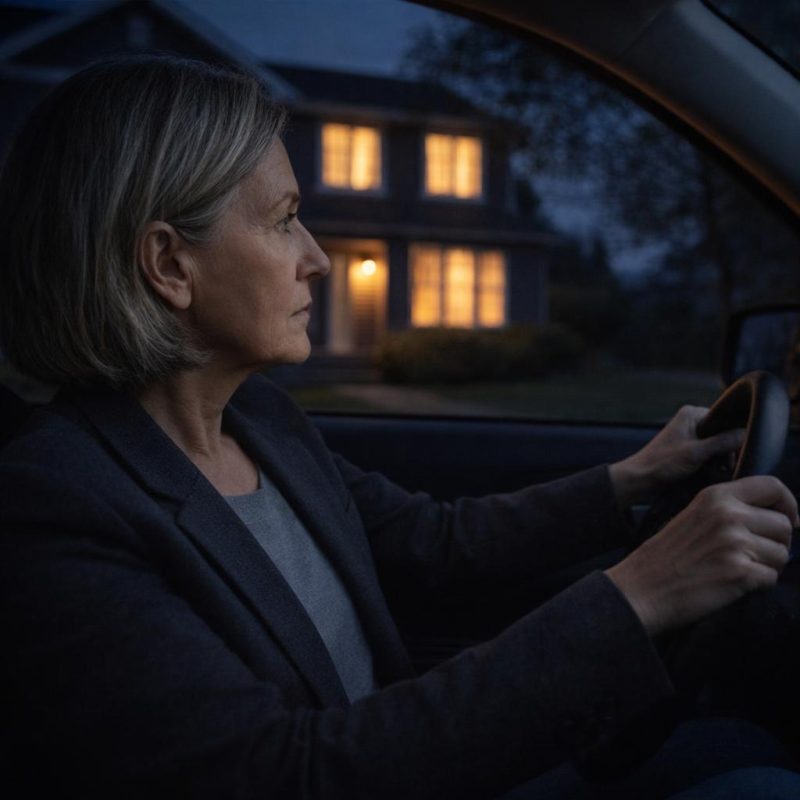 Image by RM AI
The Kettle
The kettle was screaming when I walked in. Chloe was at the oak table with a porcelain mug cradled in both hands, mid-sentence about something that had happened at a coffee shop that morning, her voice light and easy. She looked up when I came in and smiled. I set my bag down on the counter. I didn't smile back. She kept talking for another few seconds, trailing off only when she registered that I wasn't responding, that I was moving with a kind of deliberate quiet that must have felt wrong to her even if she couldn't name why yet. I reached into my bag and pulled out the bank records — the ones Michael had gone through line by line. I set them on the table beside her mug. Then I pulled out the printed screenshots of the group chat, every page I'd run off at the copy place on the way home, and I laid those down too. I stepped back and said nothing. I just watched. Chloe's giggle had died the moment the first page hit the table. She looked down at the papers. Then she looked up at me. The color left her face the way water drains from a tub — completely, and all at once.
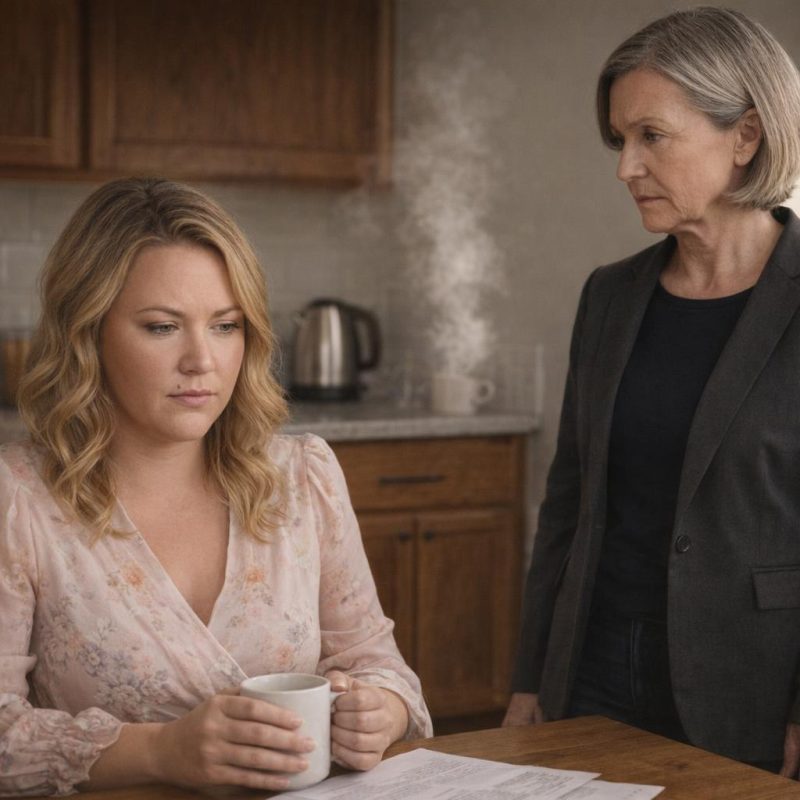 Image by RM AI
The Performance
She stared at the pages for a long moment without touching them. Then she looked up at me with her eyes wide and her expression arranged into something that was supposed to look like confusion. She said the screenshots were fake. She said Mark must have fabricated them, that he was tech-savvy enough to mock up a group chat, that this was exactly the kind of thing he would do to discredit her. I told her the messages were on his phone, in a live chat thread, with Amber's account still active in it. She shifted without pausing — said it was all jokes, dark humor, that I was taking things out of context, that anyone who knew her would understand she'd never actually do something like this. I asked her about the bank transfer. Her voice climbed half an octave. She said Mark had pressured her into moving the money, that she'd been scared, that she'd done it because he'd threatened her. The words came fast and layered, each one arriving before the last one had settled, and I stood there and let them wash over me and said nothing. Her hands found the edge of the table. Her jaw was tight. Then her eyes moved — just once, quickly — toward the door.
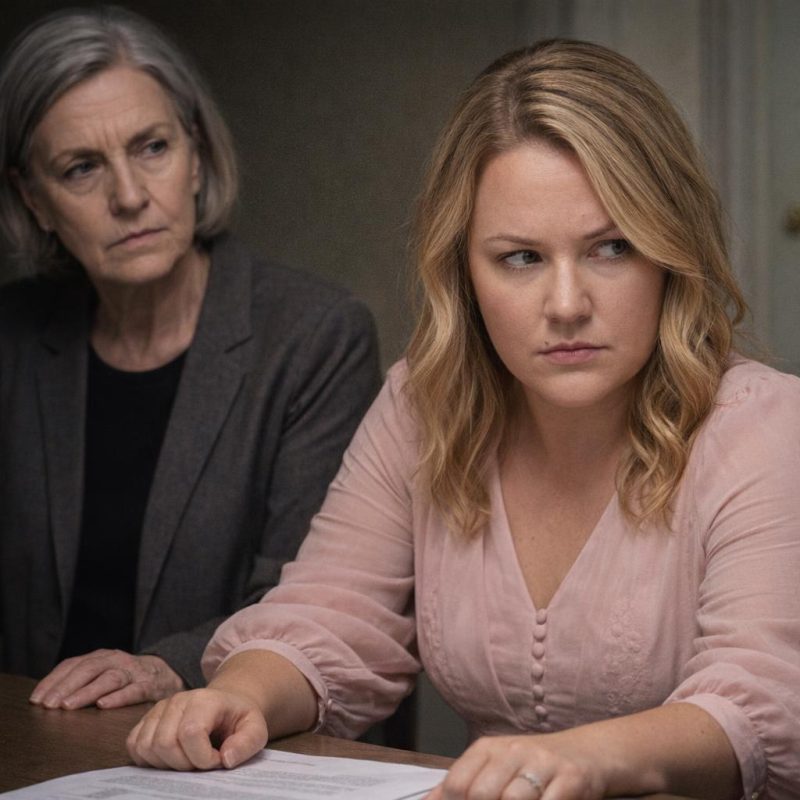 Image by RM AI
Out
I told her to pack her things and get out. My voice came out steady — steadier than I expected, steadier than I felt. For a second she just stared at me, and I watched the innocent expression she'd been wearing start to crack at the edges. Then it fell away completely. The chair scraped back hard as she stood, and she didn't bother catching it when it toppled. Her face twisted into something I'd never seen on her before — contempt, pure and uncut. She called me a fool. She said I'd always been too easy, that she'd known exactly how to handle me since she was sixteen years old. She said Mark was weak and pathetic and got exactly what he deserved, and she said it without flinching, without a single trace of the daughter I thought I knew. I pointed to the door. I didn't trust myself to say anything else. She grabbed her purse and disappeared into the guest room, and I stood in the kitchen and listened to drawers slamming and hangers scraping. She came back with a bag that wasn't fully zipped, walked past me without looking at me, and stopped at the front door just long enough to turn and give me one last look that I felt in my chest like a burn. Then the front door slammed so hard the windows rattled in their frames.
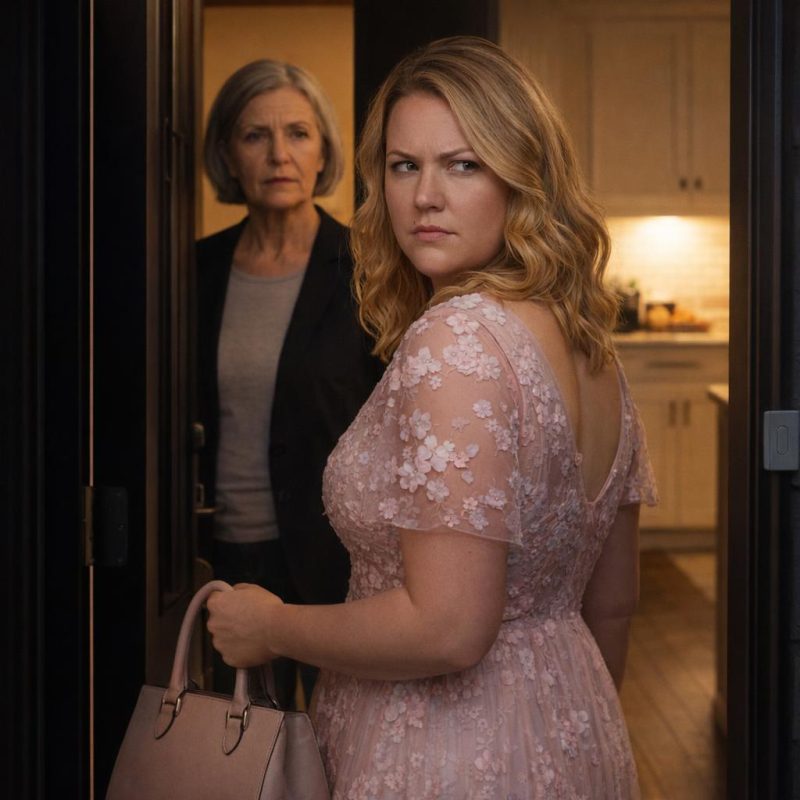 Image by RM AI
Damage Control
I found Thomas Grant's number in an old email chain from two years ago, back when Mark had invited us to the firm's anniversary dinner. I sat with my phone in my hand for a long time before I dialed. He answered on the third ring, professional and polite, but I could hear the wariness underneath it before I'd finished my first sentence. I told him the allegations against Mark had been false. I told him I'd been misled by my daughter and that I'd acted without verifying anything, and that I was deeply sorry for the role I'd played. There was a pause that lasted just long enough to be uncomfortable. He said he appreciated me calling. Then he mentioned the clients — three of them, he said, who had specifically raised concerns after word got around. He said the firm's reputation was something they'd spent fifteen years building. I asked him to at least look at Mark's work history, to consider what he'd contributed before any of this happened. He said he'd think about it. He said it the way people say things when they've already made up their mind but don't want the conversation to get harder. I thanked him and hung up, and sat there holding the phone, feeling the careful distance in his voice settle over me like something I couldn't shake off.
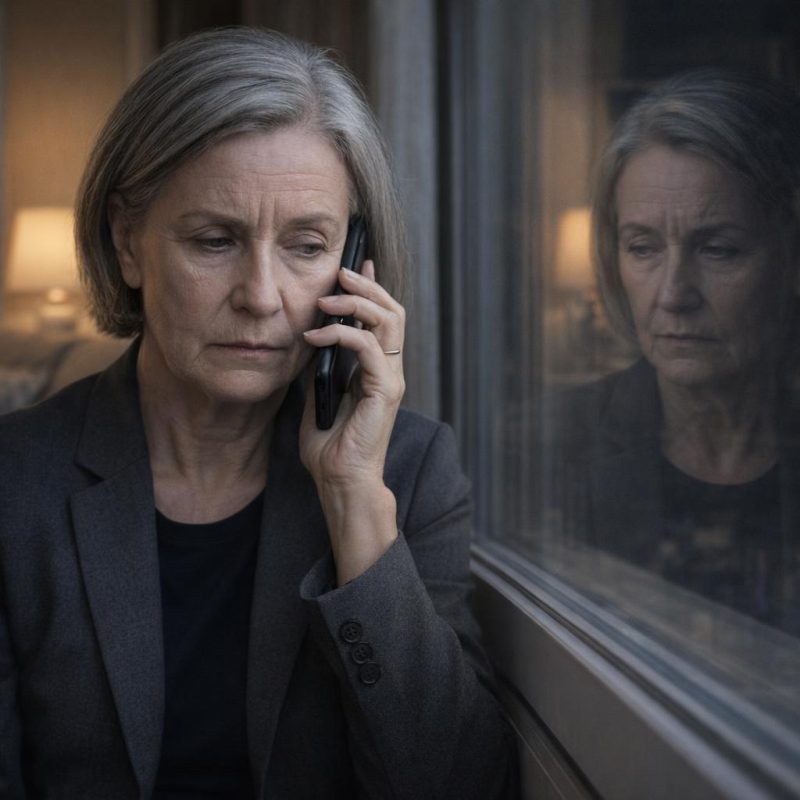 Image by RM AI
Legal Obstacles
Michael's office felt smaller than I remembered, or maybe I just felt larger in it — too full of guilt to sit comfortably. I laid out everything I'd done: the calls I'd made, the people I'd spoken to, the things I'd said about Mark in those first furious weeks. Michael listened without interrupting, and when I finished he was quiet for a moment in a way that didn't feel reassuring. He told me that defamation, once it spreads through a professional network, doesn't get walked back easily. People don't un-hear things. He said my good intentions now wouldn't erase my liability for what I'd said then. He asked if I'd kept records of who I'd contacted and what I'd told them. I hadn't. I'd moved fast and angry and hadn't written down a single name. He said that was a problem. He explained that Mark had grounds to pursue civil claims against me — defamation, tortious interference, damages to his career and income. He said it plainly, without softening it, which I appreciated even though it made my stomach drop. He suggested I focus on helping Mark rebuild rather than trying to scrub the past clean, because the past wasn't going anywhere. Then he slid a single sheet of paper across the desk — a list of potential claims Mark could bring against me — and I sat there staring at it, unable to look away.
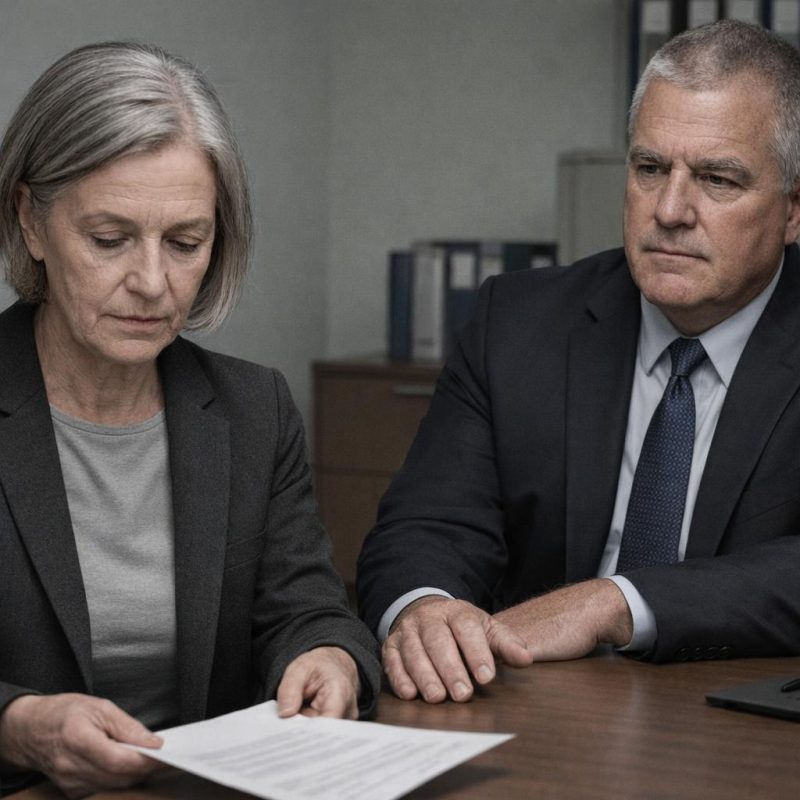 Image by RM AI
The Apology Tour
I made a list. Two columns — names on the left, what I'd said on the right. Fourteen people. Some were Mark's former colleagues, some were neighbors, two were people from the church group I'd pulled into it because I'd needed an audience for my outrage. I started calling on a Monday morning and didn't stop until Thursday evening. Most people were polite in the way that means nothing. A few didn't call back at all. One woman — someone I'd considered a friend for years — told me gently that she found it hard to know what to believe now, and that maybe I was the one being manipulated this time. I visited three people in person because I thought it would carry more weight face to face. It didn't. The conversations were stilted and awkward, and their expressions stayed flat and unreadable, my reversal landing somewhere between doubt and discomfort. By Thursday night I was sitting at my kitchen table with cold coffee and a list where most of the checkboxes were still empty, feeling like I'd been trying to push water back uphill with my bare hands. I was staring at nothing when my laptop chimed. The email was from a Detective Sarah Morrison, badge number included, subject line reading: "Request for Meeting — Fraud Allegations, Bennett."
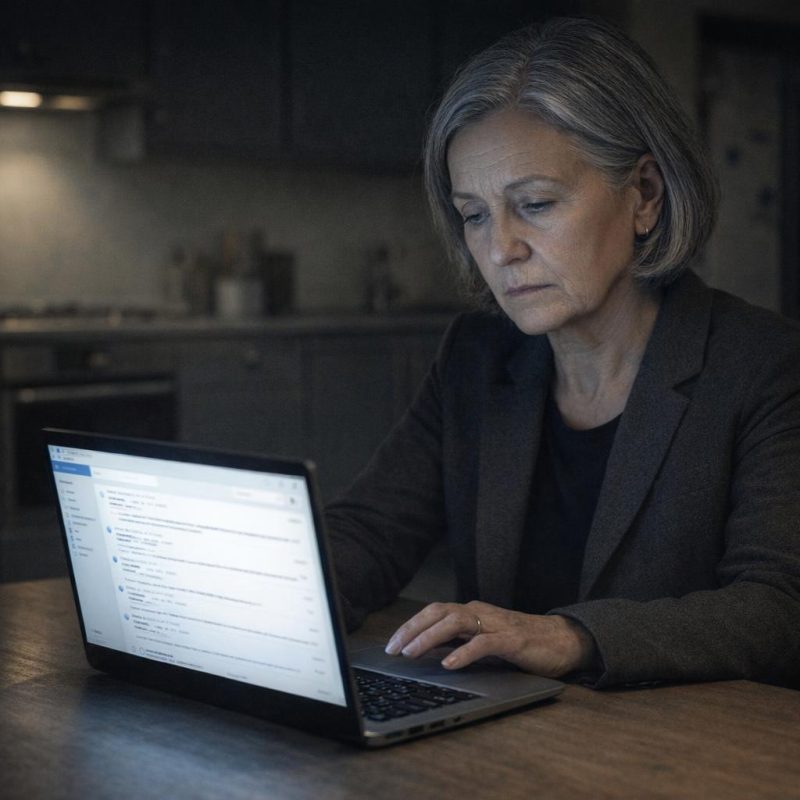 Image by RM AI
The Detective's Office
The police station smelled like burnt coffee and recycled air. Detective Morrison met me at the front desk herself — mid-forties, steady eyes, the kind of stillness that made you want to be careful about what you said. We sat across from each other in a small office and I told her everything, starting from the night Chloe showed up at my door with bruises on her face and ending with the door slamming hard enough to rattle my windows. I put the bank records on the table between us — the eighty-thousand-dollar transfer, the account it landed in, the timing of it. I showed her the screenshots of the group chat, Chloe and Amber discussing the makeup, the staging, the plan to make it convincing. Detective Morrison read without rushing. She asked about the timeline, asked me to clarify the dates, asked whether I still had access to the joint account records. Her questions were precise and she didn't editorialize. When she finished reviewing, she told me that what I'd brought her constituted fraud and potentially conspiracy, and that if the evidence held up, Chloe could face criminal charges. She said she would begin the investigation immediately. I nodded and thanked her and walked back out through the lobby and sat in my car in the parking lot for a long time, carrying the full weight of what it meant to have just opened a criminal case against my own daughter.
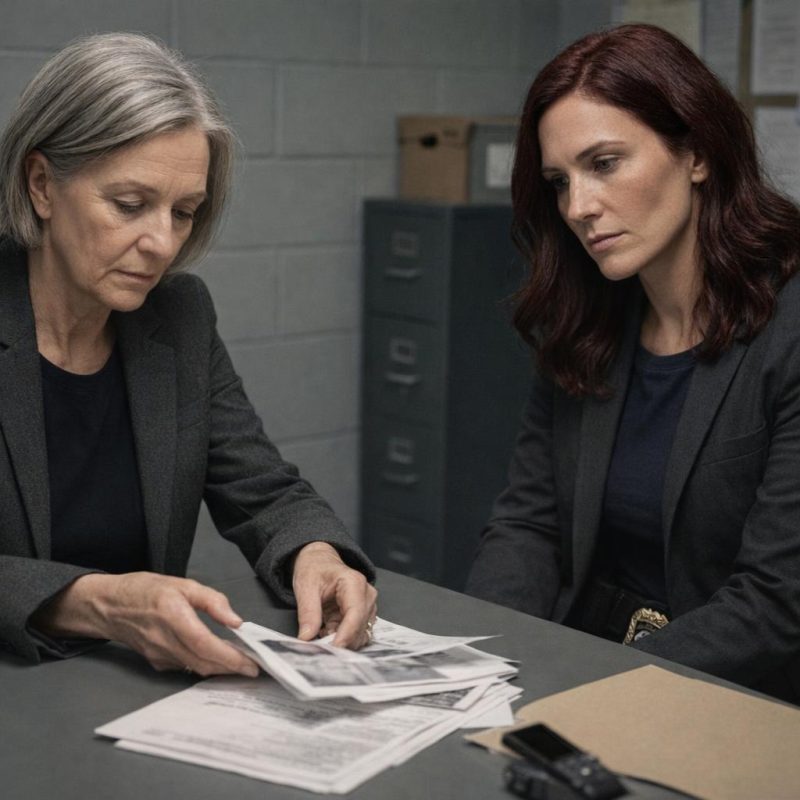 Image by RM AI
The Paper Trail
I cleared the dining room table completely and started over. Every document I had went into a pile first — bank records, screenshots, the printed email chain, the notes I'd scrawled during my calls with Michael. Then I sorted them by date and laid them out in a line across the table like a timeline you could walk along. The transfer came first. Then the group chat messages, with their timestamps. Then Chloe's arrival at my door. Seeing it laid out that way, in order, made something in my chest go tight. I went looking for anything else I might have missed and pulled out a box of old statements from the joint account I'd held with Chloe years ago, back when she was first married and I'd helped them with expenses. Most of it was ordinary. Then I found a statement from three months before everything fell apart — a charge to a theatrical supply company, sixty-four dollars, listed under stage cosmetics and prosthetic materials. I checked the date twice. It was three days before Chloe showed up at my door with bruises on her face.
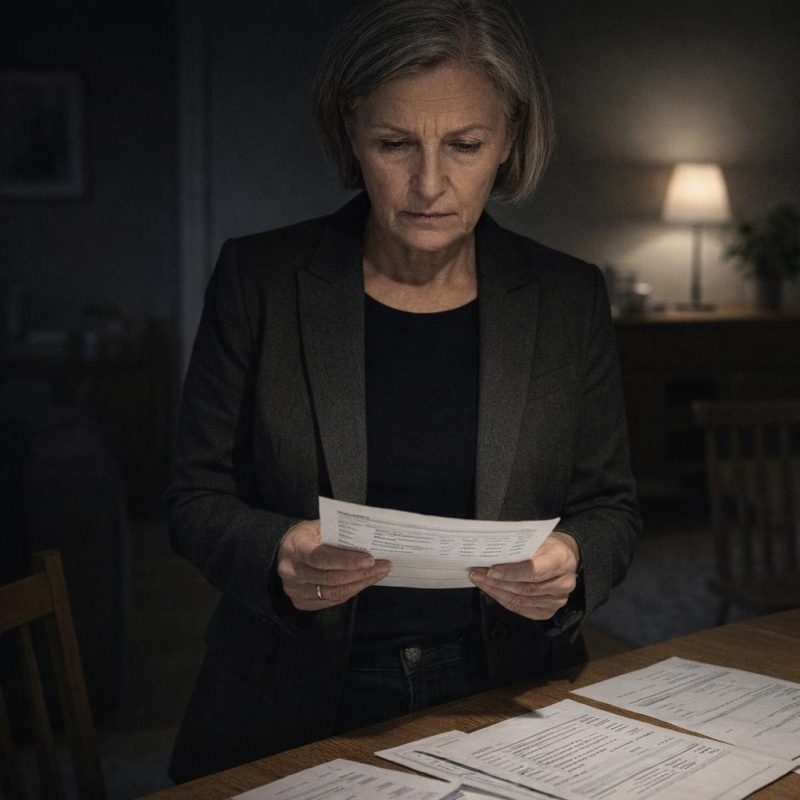 Image by RM AI
Waiting
The days after I filed the evidence with Detective Morrison moved like something thick and slow. I tried to keep to my routine — coffee in the morning, a walk around the block, dinner at a reasonable hour — but none of it felt real. Every time my phone buzzed I picked it up too fast, heart already climbing before I'd even looked at the screen. Diane came over on Wednesday and sat with me at the kitchen table while the tea went cold between us. She asked how I was holding up and I told her honestly that I didn't know. I hadn't heard from Chloe since the door slammed. Not a text, not a voicemail, nothing. Diane said that was probably intentional, that Chloe was likely regrouping somewhere, figuring out her next move. I didn't argue with her, but I also didn't know what to do with the not-knowing. I kept thinking about where Chloe was sleeping, whether she was with Amber, whether she was angry or scared or neither. I checked my email for updates from Detective Morrison more times than I could count. Nothing came. The house sat around me in the evenings, too quiet, every small sound amplified by the absence of anything that mattered, and the silence stretched on in a way that felt like it had no end coming.
 Image by RM AI
The Counterstrike
The certified letter arrived on a Friday morning. I signed for it at the door without thinking, the way you do when you're still half in your head, and carried it to the kitchen table before I looked at the return address. The law firm's name meant nothing to me, but the words "Re: Chloe Bennett" in the subject line of the cover letter made my hands go still. I read it standing up. The letter accused me of harassment, defamation, and intentional infliction of emotional distress. It said I had forcibly removed Chloe from her residence — my house, which I own — and that I had spread false and damaging accusations through her professional and social networks. It said my actions had caused measurable harm to her reputation and her mental health. It demanded I cease all contact immediately. The language was formal and precise and completely upside-down from every fact I knew to be true, and I stood there reading it twice because I couldn't make it make sense the first time. Then I turned to the last page. The demand for damages was printed in plain figures at the bottom: two hundred thousand dollars.
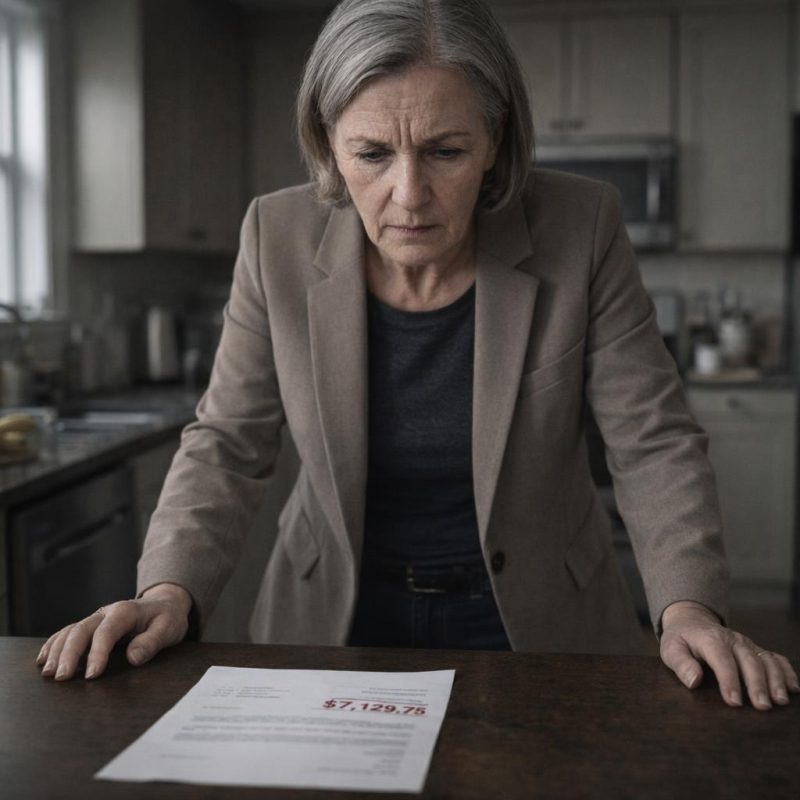 Image by RM AI
Divorce Papers
Michael had already spread the documents across the conference table by the time I sat down. I'd come in expecting to talk about Chloe's harassment lawsuit, and we did — briefly — but then he slid a separate folder toward me and said Mark's attorney had sent copies as a professional courtesy, given my involvement in the case. I opened it slowly. The divorce filing was forty-three pages. Irreconcilable differences, it said at the top, and then fraud, and then a detailed accounting of the eighty thousand dollars — every transfer, every date, every account number laid out in clean columns like a ledger of everything that had gone wrong. There was a section describing the false abuse allegations and their documented impact on Mark's employment and housing. Michael said the filing would strengthen the criminal case, that Mark's attorney was cooperating fully with Detective Morrison's investigation. I nodded like I was following him, but I kept reading. There was a line near the end that listed the marital assets — the furniture, the joint savings, the small things two people accumulate when they think they're building something permanent. I sat there with those pages in my hands, and the weight of what I was reading settled over me — a marriage reduced to columns and grievances, and my name threaded through it like a fault line.
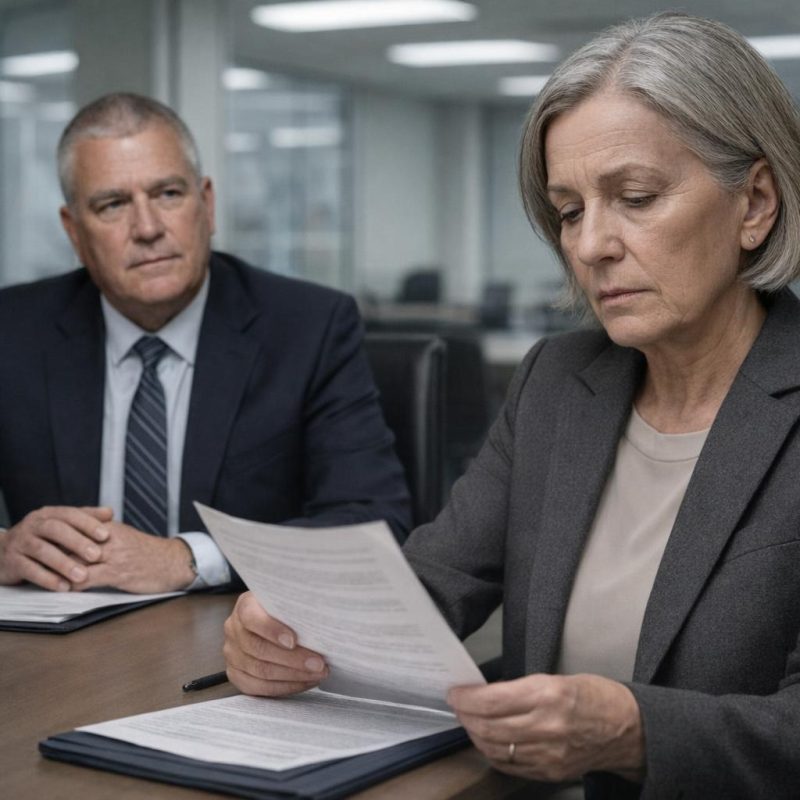 Image by RM AI
Social Fallout
I had committed to the charity gala months before any of this started, and I told myself it would be good to get out of the house, to feel normal for a few hours. I was wrong. I noticed it within the first ten minutes — the way a cluster of women near the bar shifted when I approached, conversations tapering off mid-sentence. One woman I'd known for years smiled at me with her mouth only and said she needed to find her husband. Another acquaintance touched my arm and said, very carefully, that she hoped things settled down for my family soon, which was the politest way I'd ever been told that my family had become a topic of conversation. Someone else mentioned, almost in passing, that Chloe had been at a lunch the previous week and had seemed so fragile, so hurt. I understood then what was happening. Chloe had been talking. I didn't know exactly what she'd said, but I could feel the shape of it in every averted glance. I left before the dinner was served, walked to my car, and sat in the dark parking lot with the engine off. The noise of the event drifted out through the venue doors, muffled and distant, and I sat inside the quiet of my own car feeling like I was on the other side of a wall that used to not be there.
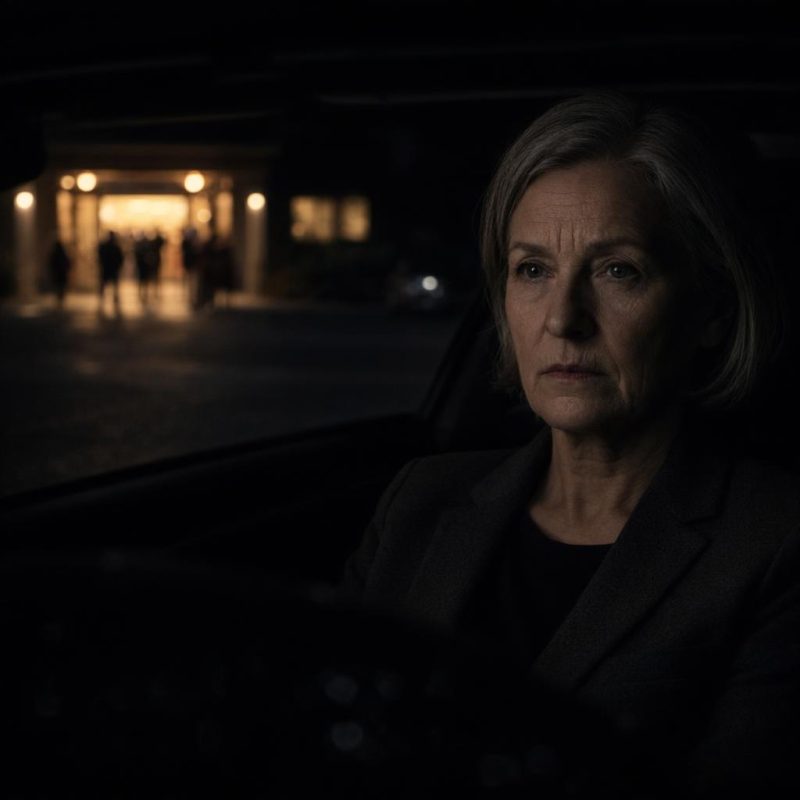 Image by RM AI
The Distance
I tried to keep things normal. I called Patricia on a Tuesday and suggested lunch at the Italian place we'd been going to for fifteen years. She said she'd love to but was swamped at work and would check her calendar. She never did. I texted Renee about the gallery opening she'd mentioned in the spring, and she replied with a string of warm words that added up to nothing concrete. I noticed I'd stopped receiving the group emails about the neighborhood book club. I told myself it was an oversight. Diane came over on Thursday and sat with me at the kitchen table while I talked through all of it, and she didn't flinch once. She said real friends don't disappear when things get complicated, and she said it the way she says everything — like it's just a fact, not a comfort. I told her I was grateful she was still here. She said she wasn't going anywhere. I believed her. I held onto that for the rest of the day, and it almost felt like enough. Then, just after nine that evening, my phone buzzed on the counter. It was Carol — we'd had lunch scheduled for Friday. Her message said she was so sorry, her sister's kids had come down with something and she needed to be available, maybe next month.
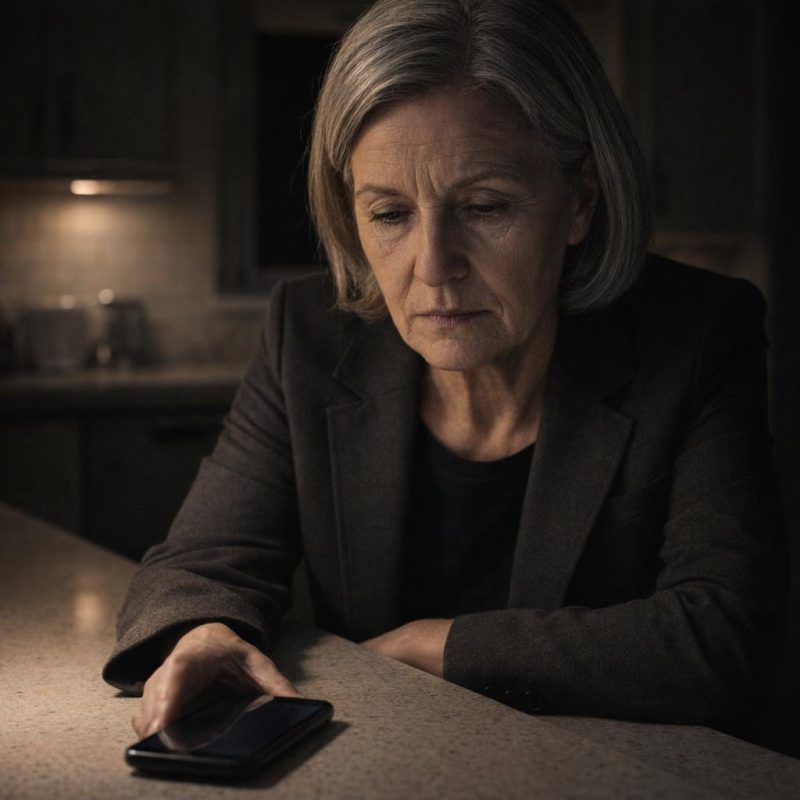 Image by RM AI
The Courtroom
Michael and I arrived at the courthouse forty minutes early. I'd dressed carefully — dark blazer, nothing that could be read as aggressive or defensive — and I still felt underdressed for what the room demanded. The courtroom had high ceilings and wood paneling that absorbed sound, and the formality of it pressed down on everything. Judge Lawson entered and the room rose. She had silver-streaked hair pulled back tight and the kind of posture that made it clear she had no patience for theater. Mark's attorney presented the divorce filing and the asset claims in clipped, efficient language. Detective Morrison was seated near the front and gave a brief update on the fraud investigation — preliminary findings, ongoing review, no charges filed yet but the evidence was being compiled. The judge listened without expression, made notes, asked two questions. Michael leaned close and told me we were doing fine. I was watching the side door when it opened. Chloe walked in with her attorney. She was wearing a soft pink sweater, her hair loose around her face, and she looked young — younger than I'd seen her look in years. She moved to her seat without glancing toward me, and my stomach pulled tight the way it does when something you've been bracing for finally arrives.
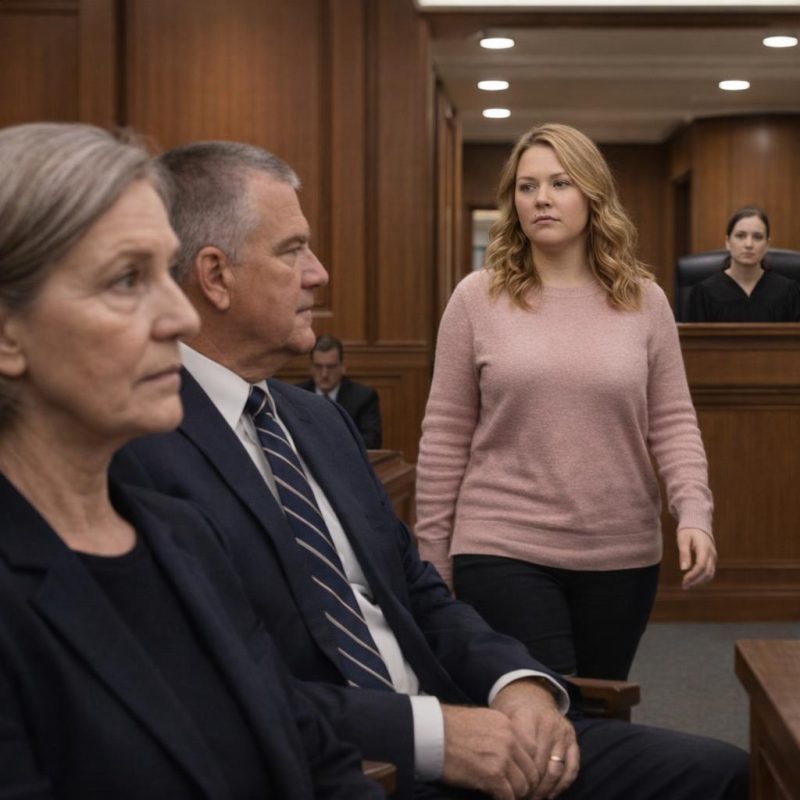 Image by RM AI
Performance Art
Chloe's attorney called her to the stand and she walked up slowly, like someone carrying something heavy. She was sworn in and sat with her hands folded in her lap, and when she started speaking her voice was soft — almost too soft, so that the room had to lean in. She described me as loving but overbearing, said I had never fully accepted Mark, that I had inserted myself into their marriage in ways that made her feel she had to choose sides. She said the money transfer was her attempt to protect their savings from what she called Mark's impulsive financial decisions. Her voice caught when she described the confrontation at my house. She said she had tried to explain and I hadn't let her. She said she had felt frightened. The word landed in the room and stayed there. I kept my hands flat on the table in front of me. Michael had told me before we walked in — no visible reactions, no matter what. I focused on the wood grain of the table. The judge asked two clarifying questions and wrote something down. Chloe's attorney asked her to describe how the situation had affected her mental health, and Chloe paused, looked down, and touched a folded tissue to the corner of her eye while the judge's pen kept moving across the notepad.
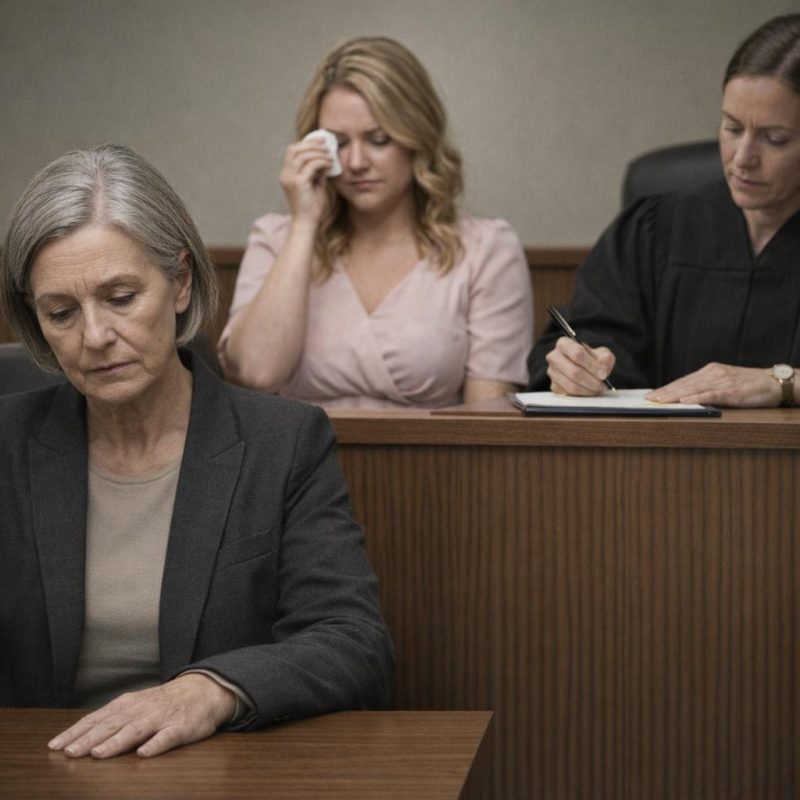 Image by RM AI
Mediation Order
Judge Lawson set down her pen and looked at both tables with the expression of someone who had seen this exact shape of conflict many times before and was not impressed by it. She said the preliminary arguments from both sides reflected a level of family complexity that the court was not prepared to resolve in a single hearing. She noted the overlapping civil and criminal dimensions and said that in her experience, matters rooted in family relationships were best addressed through structured mediation before proceeding to litigation. She ordered all parties to attend mandatory sessions with a court-appointed mediator and set a six-week window for completion. She said failure to participate in good faith would be noted and would factor into her rulings. Michael leaned over and told me quietly that this was standard procedure, that it didn't mean anything had gone against us. I nodded. Across the room, Chloe sat with her hands in her lap and her expression carefully neutral. Mark was in the back row, and when I glanced at him he was staring at the floor. The judge set the next hearing date and dismissed the room. I gathered my papers and followed Michael into the corridor, and by the time we reached the elevator the adrenaline had drained out of me completely, leaving something heavier in its place that I carried all the way home.
 Image by RM AI
The Forensic Accountant
Michael recommended the forensic accountant the morning after the hearing. He said if we were going to build a fraud case that held up, we needed someone who could follow the money in a way that a jury could understand. The accountant's name was Gerald, and he met us in Michael's conference room with a worn leather briefcase and the unhurried manner of someone who had spent decades untangling other people's financial decisions. He reviewed the bank records and transfer documentation while I sat across from him, and he asked questions in a flat, methodical way — dates, account names, whether Chloe had ever mentioned secondary accounts. He explained that the initial transfer to her personal account was straightforward to document. What concerned him, he said, was what might have happened after that. He described how funds could be moved through layered accounts — domestic transfers first, then secondary accounts, and in some cases connections to offshore banking networks that operated outside standard reporting requirements. He said he would need several weeks at minimum, possibly longer depending on what he found. I authorized him to proceed with a full investigation. He nodded, made a note, and closed his briefcase. I drove home thinking about the word he'd used — layered — and the quiet, almost academic way he had explained how money could be made to simply disappear.
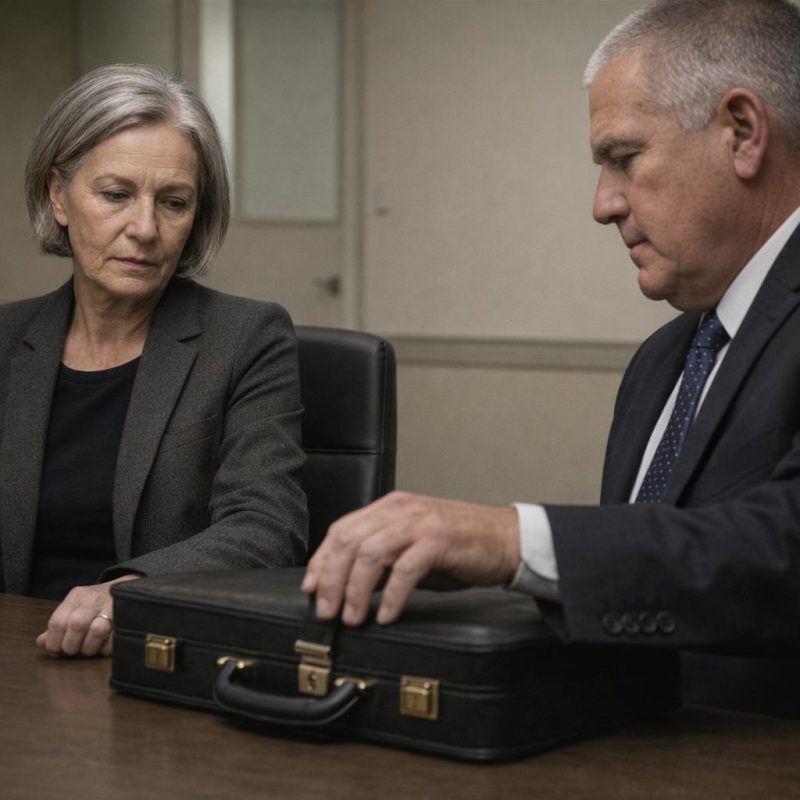 Image by RM AI
The Offshore Network
Gerald called on a Wednesday afternoon, three weeks after our first meeting. He said he had preliminary findings and asked if I could come in. I drove to Michael's office and they were both already there when I arrived, the conference table covered in printed pages. Gerald had discovered three additional accounts opened in Chloe's name in the weeks before the transfer from the joint account. The money had moved in stages — from the joint account to Chloe's primary domestic account, then to a secondary account opened at a different bank, and then a portion of it had been routed to an account linked to an offshore banking network registered in the Caribbean. Michael said the offshore component changed the legal picture significantly, that it crossed into federal jurisdiction and would be of serious interest to Detective Morrison. I asked Gerald how long it would have taken to set this up. He said the account structure was not simple — the applications, the routing arrangements, the timing of the transfers pointed to more steps than a single transaction. I sat back in my chair and looked at the diagram he had printed — three columns of boxes connected by arrows, each one representing a bank, a transfer, a step further away from the money that had once been Mark's as much as Chloe's.
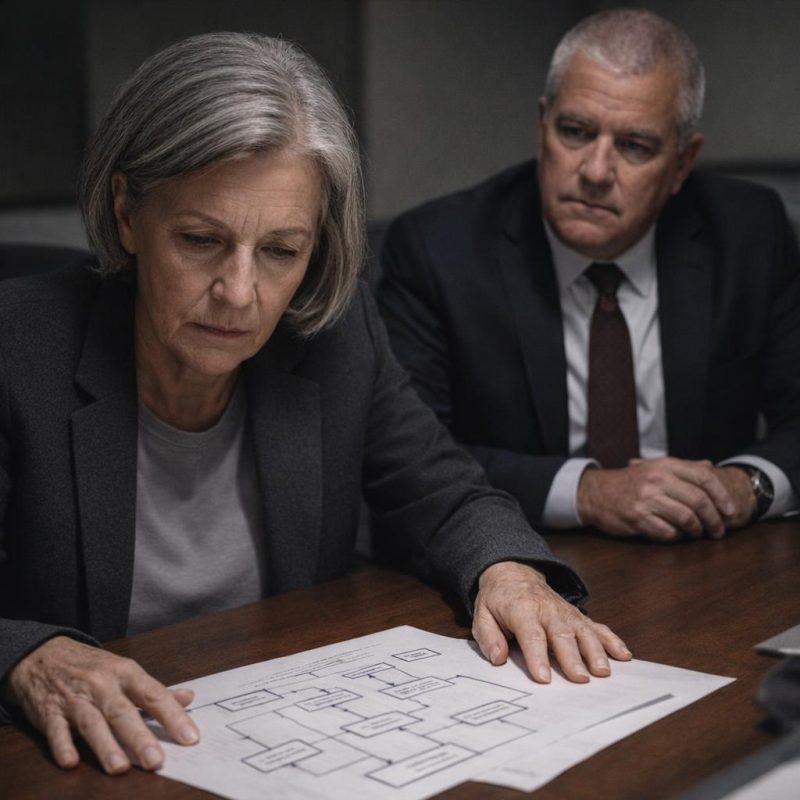 Image by RM AI
Mark's Evasion
I called Mark on a Tuesday morning, thinking we could go over the mediation timeline before things got any closer. He picked up on the third ring, but something about his voice was off — distracted, like he was half somewhere else. I asked how he was holding up and he said fine, just fine, in that flat way people use when they don't want to be asked again. I told him I'd been thinking about temporary housing options, that I had a contact who might be able to help. He said he was managing, that he was staying with some friends, but he didn't say which friends or where. I let it go and tried to steer us toward the mediation itself — what his attorney was planning, what position he'd be taking on the asset recovery. He said his attorney was handling it. Every question I asked, he had a short answer that closed the door. I asked if he'd heard anything from Chloe and there was a pause, just a beat too long, before he said no. Then he said he had to go, something had come up, and the call ended before I could push back. I sat with the phone in my hand for a while after, thinking about the way he'd changed the subject every single time I asked where he was staying.
 Image by RM AI
The Inconsistencies
I sat at the kitchen table that evening with my notebook open and a cold cup of coffee beside me. I'd written down everything I could remember from my conversations with Mark — dates, details, the things he'd said and the things he hadn't. I kept coming back to the shelter visit. He'd told me he'd been staying there for several nights, that it had become something like a routine. But when I'd shown up that day, the look on his face wasn't relief. It was surprise. Like he hadn't expected me to walk through that door. I'd pushed the thought away at the time, told myself he was just embarrassed. But sitting here now, I kept turning it over. His phone had been cracked but working fine — not the kind of damage that comes from months of hard living, more like a single drop. His jacket was thin, yes, but his clothes weren't worn through the way I'd seen on people who'd been outside for weeks. And the vague answers about where he was staying now — friends, he'd said, but no names, no neighborhood, nothing I could picture. I wrote a note at the bottom of the page to ask Michael whether any of this was worth looking into. Maybe I was overthinking it. But the feeling that something didn't quite add up wouldn't leave me alone.
 Image by RM AI
Diane's Warning
Diane came over on a Thursday with a bag of pastries and the look on her face that meant she already knew something was wrong. I told her what I'd been sitting with — the inconsistencies, the vague answers, the surprise on Mark's face when I'd shown up at the shelter. She listened without interrupting, which was unusual for her. When I finished she was quiet for a moment, then she asked when exactly Mark had first called me. I told her. She asked if I remembered what was happening with the case at that point — whether I'd been close to backing off or doubling down. I didn't answer right away because I didn't like where it was going. She said she wasn't trying to upset me, but that the timing had struck her as convenient. She pointed out that he'd had the bank records ready, the screenshots, everything organized. I said that didn't mean anything, that he was trying to survive. Diane nodded slowly and said she understood that, but she asked one more thing. She set her coffee cup down and looked at me steadily, and asked why, if Mark had clear evidence that a significant amount of money had been stolen from him, he had never filed a police report.
 Image by RM AI
The Missing Report
I called Detective Morrison the next morning. I told her I had a question that might sound strange and she said to go ahead. I asked whether Mark had ever filed a police report about the money — the transfer, the accounts, any of it. I heard her typing, a pause, more typing. She said she was checking across jurisdictions to be thorough. Another pause. Then she said no. No report filed by Mark Bennett, not locally, not in any adjacent county she could access. I asked if that was unusual given the amount involved. She said it was very unusual. In her experience, victims of financial fraud at that scale filed reports quickly, often within days of discovering the loss, because the window for recovery narrows fast. She asked if I had any idea why he might not have reported it. I said I didn't. She said she would follow up with him directly and that I should let her know if he contacted me in the meantime. I thanked her and ended the call. I stood in my kitchen for a long time after, phone still in my hand, trying to think of a single good reason a man who'd lost that much money would stay quiet about it — and coming up empty.
 Image by RM AI
The Shelter Investigation
I drove back across the city on a Friday afternoon, telling myself I just needed to be sure. The shelter looked the same as before — the same scuffed entrance, the same bulletin board by the door. A coordinator at the front desk looked up when I came in, a woman with reading glasses pushed up on her forehead. I told her I was trying to confirm whether someone had stayed there recently, that it was important. She said they kept detailed intake records for every resident, that it was required for their funding compliance. I gave her Mark's name and his description — mid-thirties, dark hair, the thin jacket. She turned to her computer and typed. She scrolled. She went back further and scrolled again. She asked me to spell the last name and I did. She checked once more, then looked up at me over the top of her glasses and said they had no record of anyone by that name ever checking in as a resident, and that their intake records went back three years without a gap.
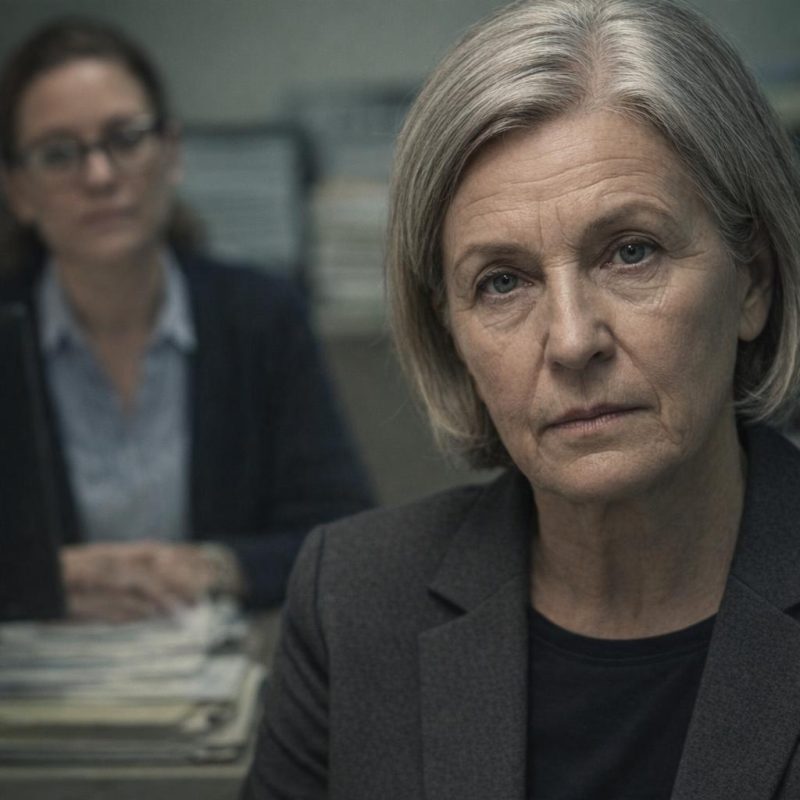 Image by RM AI
The Motel Receipt
I went straight to Michael's office from the shelter and told him what the coordinator had said. He didn't look surprised, which somehow made it worse. He said we needed to know more before drawing conclusions, and he recommended a private investigator he'd worked with before — someone fast and discreet. I said yes before he finished the sentence. The investigator came back in four days. Michael called me in and set a folder on the desk between us. Inside were credit card records and two photographs of a budget motel about twelve minutes from the shelter. The records showed a room rented in Mark's name for nineteen consecutive nights — the same stretch of time he'd told me he was sleeping in a shelter. The photos showed the motel's exterior and a printed registration page with his name on it. I sat there and looked at the cracked phone, the thin jacket, the folding chair I'd seen him sitting in, and I thought about how all of it had landed on me like evidence of suffering. The weight of it settled over me slowly — not a sharp shock, but something heavier and slower, the feeling of having been carefully shown exactly what I was meant to see.
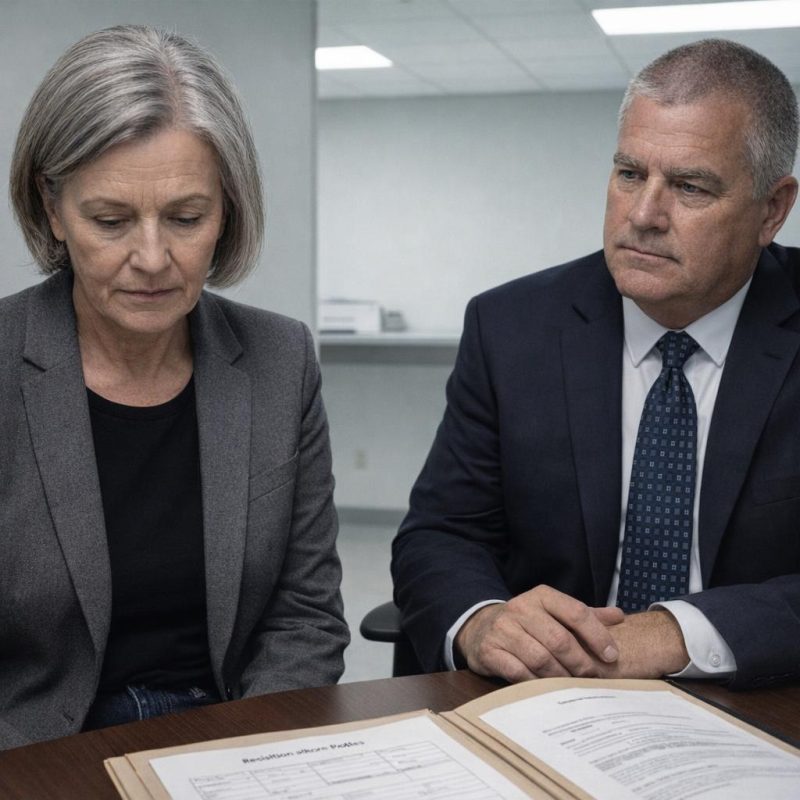 Image by RM AI
The Detective's Suspicion
Detective Morrison called me two days later, in the early evening. She said she'd been reviewing the full case file and had some concerns she wanted to share. She mentioned the missing police report first, said she'd tried to reach Mark three times over the past week and that he hadn't returned any of her calls. She asked about the shelter and I told her what I'd found — the coordinator, the intake records, the name that wasn't there. She was quiet for a moment after I said it. Then she said she was going to expand the scope of the investigation. I asked her directly whether she thought Mark and Chloe might be connected in some way that went beyond their marriage. She said she was investigating all possibilities and that she couldn't share more than that at this stage. She asked me to document any further contact from either of them and to bring anything new to her before acting on it. I said I would. After I hung up, I sat in the dim kitchen and turned her last words over in my mind — the careful, measured way she'd said she was investigating all parties involved, like she was holding a door open just wide enough for me to understand that no one in this situation was standing on solid ground.
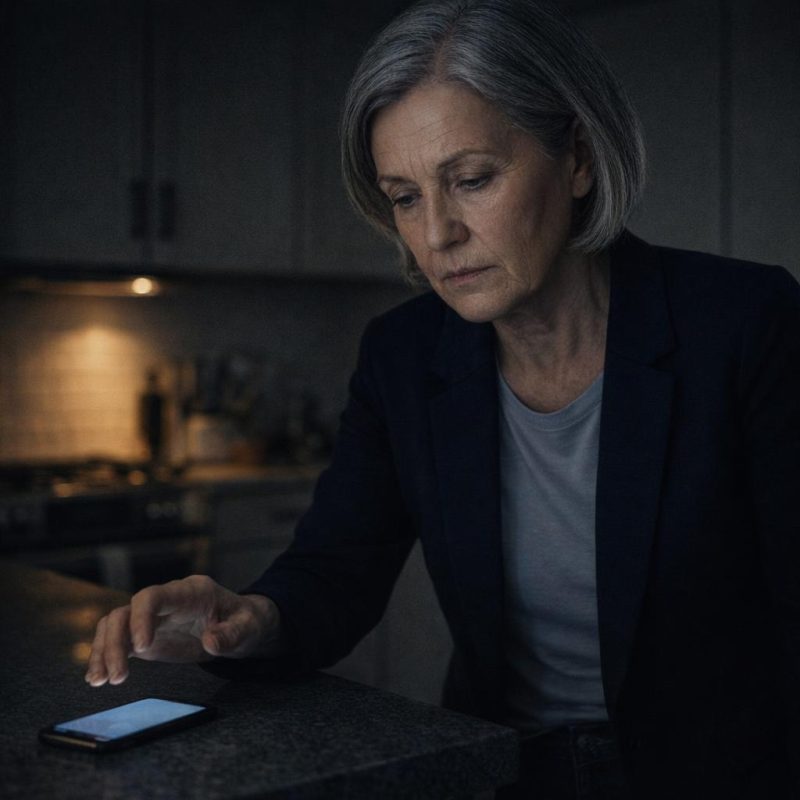 Image by RM AI
The Joint Filing
Michael called me at eight in the morning and asked me to come in as soon as I could. His voice was flat in a way I'd learned to pay attention to. When I got to his office he was already standing, which he never did, and he slid a document across the desk before I'd even sat down. It was a legal filing — a joint claim listing both Mark's attorney and Chloe's attorney as co-counsel. The claim sought damages against me personally: emotional distress, defamation, unlawful interference with a marital relationship. Michael pointed to a line near the bottom and said I should look at the date on the preliminary paperwork. I looked. He said that date was two weeks before Chloe had shown up at my door with bruises on her face. I read the document again from the top, slowly this time, and near the signature block I saw both their names printed side by side — Mark Bennett and Chloe Bennett — with signatures beneath them dated two weeks before Chloe showed up at my door.
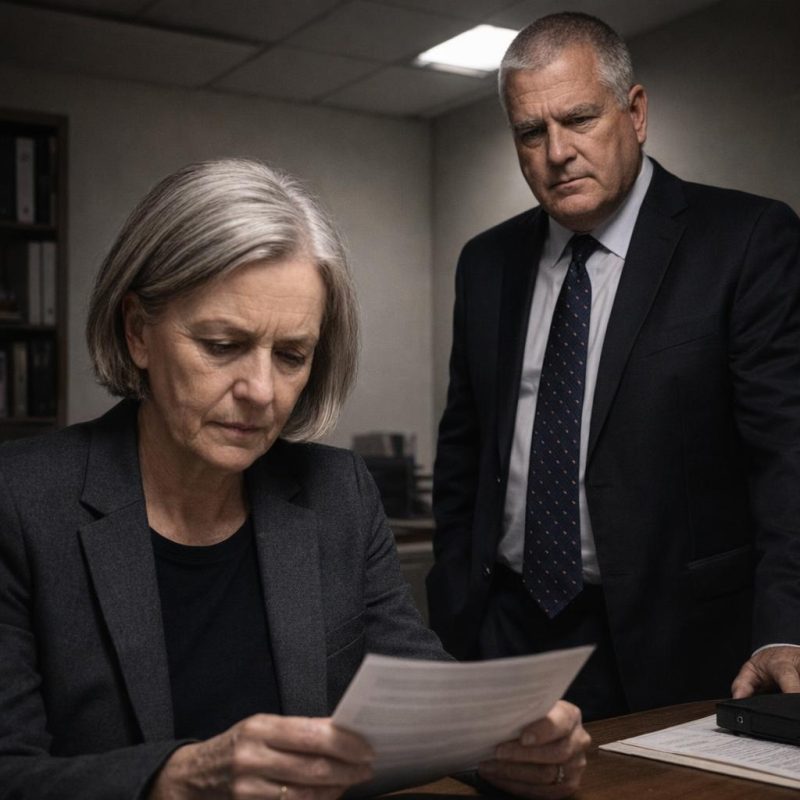 Image by RM AI
The Phone Records
Detective Morrison called me on a Tuesday and asked me to come to her office, not the precinct lobby — her actual office, which felt different. When I got there she had papers spread across her desk in neat rows, highlighted in yellow and pink. She said they were phone records. Mark's number and Chloe's number, side by side, call after call, text after text. She ran her finger down one column and told me to look at the dates. The calls started the week Chloe showed up at my door with bruises on her face. They didn't stop. They continued through every week she stayed in my guest room, through every night I held her while she cried, through the days Mark was supposedly sleeping in a shelter with nothing to his name. Dozens of calls. Texts at two in the morning. I asked Detective Morrison if there was any innocent explanation — maybe they were finalizing divorce paperwork, maybe there was a shared account to close. She looked at me with patient, steady eyes and said the frequency and timing didn't suggest two people untangling a marriage. I stared at the highlighted rows for a long time after that. The last of something I'd been holding onto quietly released, and I just sat there in the chair, not moving.
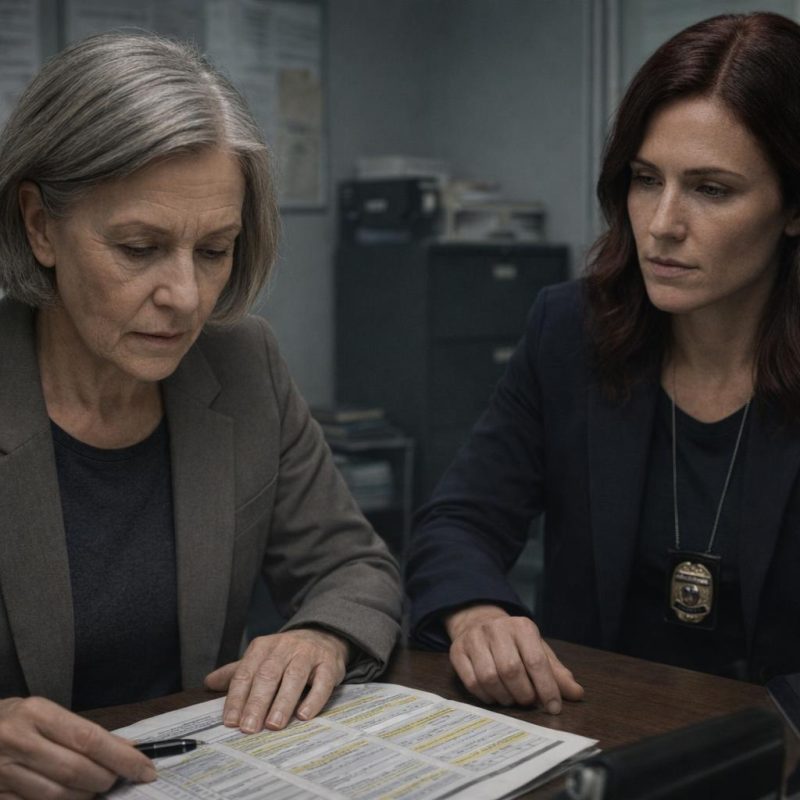 Image by RM AI
The Civil Suit
Michael called me the next morning before I'd finished my coffee. His voice had that particular flatness again — the one that meant he wasn't going to soften what came next. He told me a formal civil lawsuit had been filed. Both Mark and Chloe listed as plaintiffs. Against me. The claims were defamation, harassment, intentional infliction of emotional distress, and unlawful interference with a marital relationship. I asked him how much. He paused just long enough that I knew the number was going to be bad. Nearly two million dollars. He explained that the figure wasn't random — it was calibrated to my late husband's estate, the inheritance I'd been living on since he passed. They knew exactly what I had. The lawsuit included a detailed account of everything I'd done: the calls I'd made to Mark's employer, the things I'd said to his colleagues, the way I'd pushed him out of every professional relationship he had. On paper, reading it through Michael's summary, I sounded like a vindictive, controlling woman who had destroyed an innocent man. Michael said we could fight it, but I barely heard him. I sat with the phone pressed to my ear, the coffee going cold in my hand, surrounded on every side by something I couldn't see a way through.
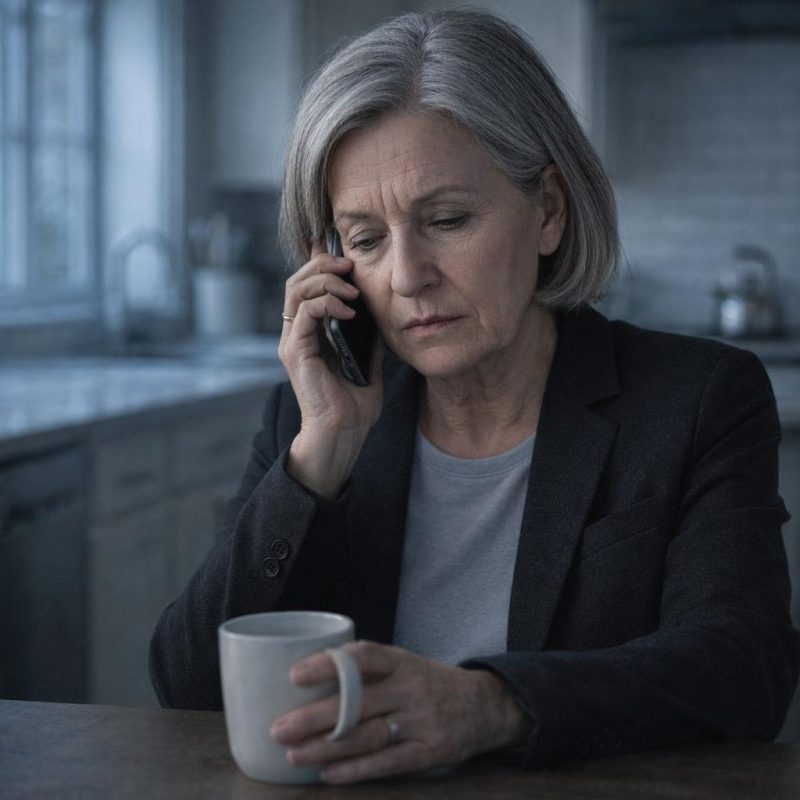 Image by RM AI
The Attorney's Strategy
I drove back to Michael's office that afternoon and sat across from him while he laid out what a defense would actually look like. He said our strongest argument was proving that Mark and Chloe had coordinated — that the whole thing was a setup, not a genuine grievance. The phone records helped. The joint filing dated before the bruises helped. But then he leaned back and looked at me in a way that made my stomach drop, and he said we had a problem. The problem was me. Everything I had done — the calls to Mark's employer, the conversations with his colleagues, the pressure I'd applied through every connection I had — all of it was real. All of it was documented. He said a jury didn't need to believe I was a bad person to find that my actions had caused real harm. They just needed to believe I'd gone too far. I asked if I could lose everything. He said it was possible, depending on what we could prove about premeditation on their end. He said we needed evidence that the scheme existed before Chloe ever walked through my door. Then he looked at me steadily and said my own choices had armed them with all the ammunition they needed.
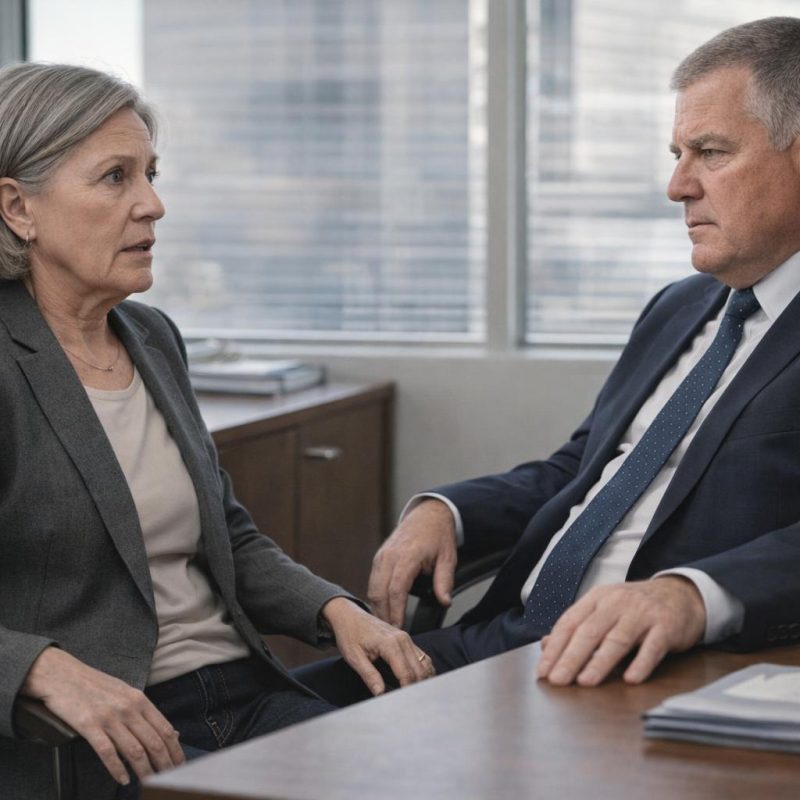 Image by RM AI
The Timeline
We spent the next morning at Michael's conference table with documents spread from one end to the other. He'd brought in a forensic accountant's report and we started building a timeline — every financial transaction, every date, every account. I wrote dates on a legal pad while Michael cross-referenced the account records. We were about an hour in when he stopped and tapped a page near the middle of the stack. He asked me to look at the account opening date on the offshore transfer account — the one the eighty thousand dollars had landed in. I looked. He asked me to look at the date Chloe showed up at my door. I looked at that too. Then I looked back at the first date and felt something cold move through me. Michael said that kind of account required both signatures to establish. I found both their names on the document — Mark's and Chloe's — printed side by side above two signatures. Michael said this wasn't a panic move, wasn't someone scrambling to hide money after a marriage fell apart. I asked him what it was, then. He said that was exactly what we needed to find out. The offshore account was opened three months before Chloe ever showed up at my door.
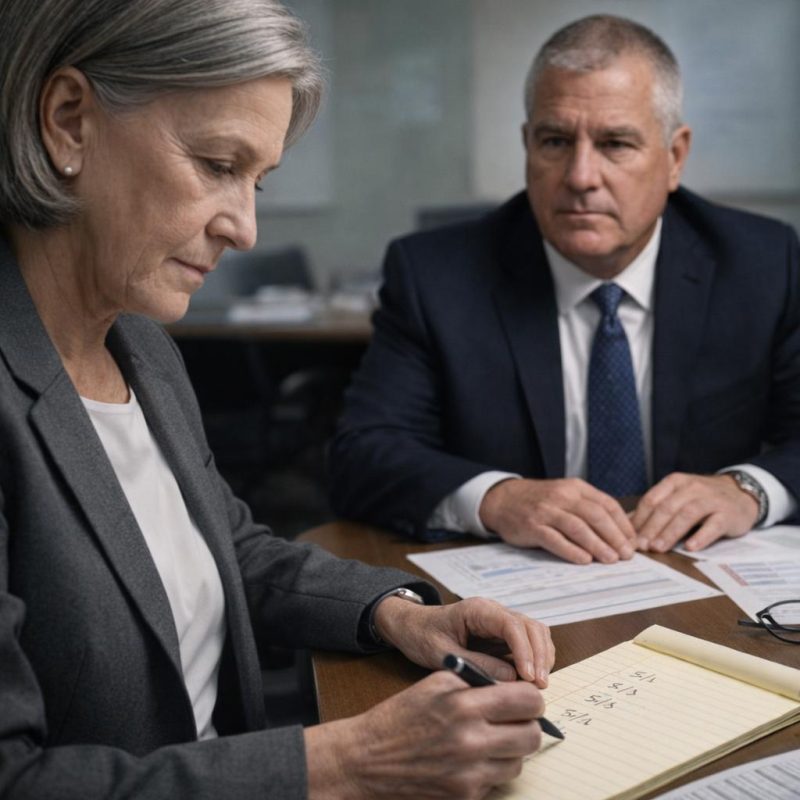 Image by RM AI
The Real Target
Michael got the call the following morning. Mark's attorney, requesting a settlement meeting, very cordial, very smooth. Michael put it on speaker without being asked. The attorney laid out a number — lower than the lawsuit figure, he said, as a gesture of good faith. Michael asked what they were really after. There was a pause, and then the attorney's tone shifted into something almost casual, like he was discussing a business deal that had already closed. He said Mark and Chloe had understood from the beginning how I would respond to what they showed me. He said a mother like me, with the resources I had and the instincts I had, was always going to go after Mark the way I did. The fake bruises were designed to make sure I moved fast and hard before I stopped to ask questions. Every inconsistency, every evasion, every piece of evidence that seemed to fall into my hands — all of it was placed there. The real target, he said almost cheerfully, had never been the eighty thousand dollars. It was my late husband's estate. Michael asked, very quietly, whether Mark had ever been abused at all. The attorney said no. He said it was theater, start to finish. Then he laughed — actually laughed — and said they'd been counting on my protective instincts the whole time.
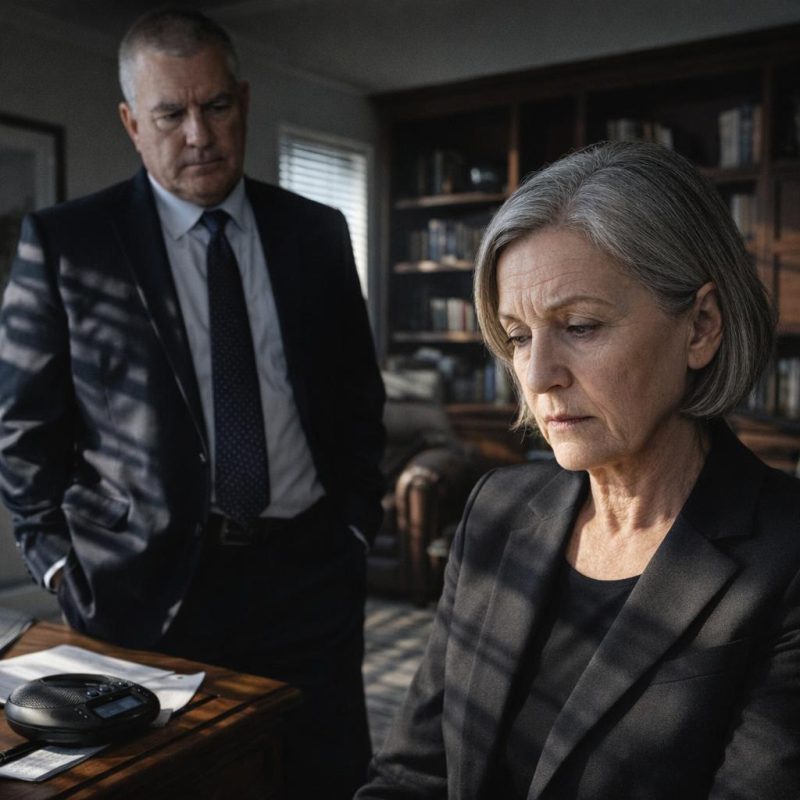 Image by RM AI
The Performance Deconstructed
After Michael ended the call we sat in silence for a moment. Then he pulled the timeline back across the table and we went through it again, from the beginning, with everything we now knew. Chloe arriving at my door in tears, the bruises on her face — that was the opening move, designed to bypass every rational instinct I had and go straight to the part of me that would burn the world down for her. Mark's phone call telling me to check the bank account — he knew what I'd find, and he knew what I'd do with it. The shelter visit, the cracked phone, the group chat messages — none of it was accidental. Each piece had been placed where I would find it, timed to push me further. Michael said they had been building a legal case against me from the moment Chloe knocked on my door. Every defamatory statement I made, every connection I leveraged, every line I crossed — documented, catalogued, saved. I had walked through every door they opened for me. I had said every word they needed me to say. Michael spread the pages out and I could see it clearly now — the shape of it, the sequence, each step nudging me toward the next destructive choice, a path laid out so carefully I'd never once felt the walls closing in.
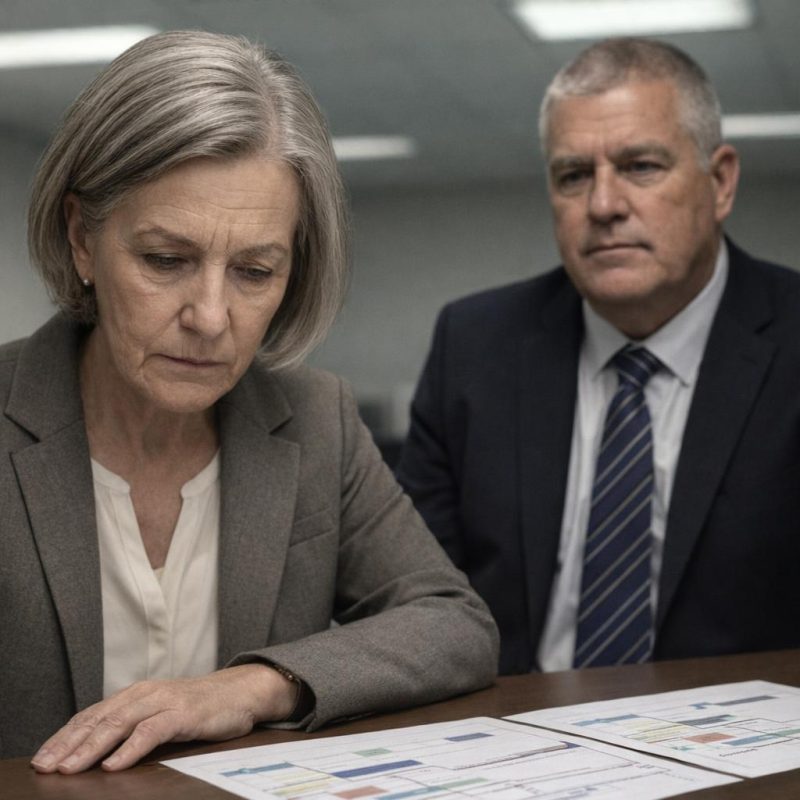 Image by RM AI
The Estate
Michael asked me to bring the estate documents to our next meeting. I went home and opened the safe in the back of my closet — the one my late husband had installed the year before he got sick — and I pulled out the folder I hadn't opened in over a year. We went through it together at his conference table. The house. The commercial property on Ridgeline that my husband had spent fifteen years building equity in. The investment accounts. When Michael added it up the total came to just over four million dollars. He said a successful lawsuit, depending on the judge and the jury, could claim a significant portion of that. I sat with that number for a moment. Then I thought about the eighty thousand dollars — the transfer that had started all of this — and I understood that it had never been the point. It was seed money. It was the thing designed to make me react, to set me in motion, to turn me into the weapon they needed. The real prize had been sitting in that safe the whole time. Michael said Chloe had likely started thinking about this the year her father died, when the estate transferred to me. I didn't argue with him. I just sat there holding the folder, feeling the full weight of what I had represented to them — not a mother, not a mark, just a number on a page.
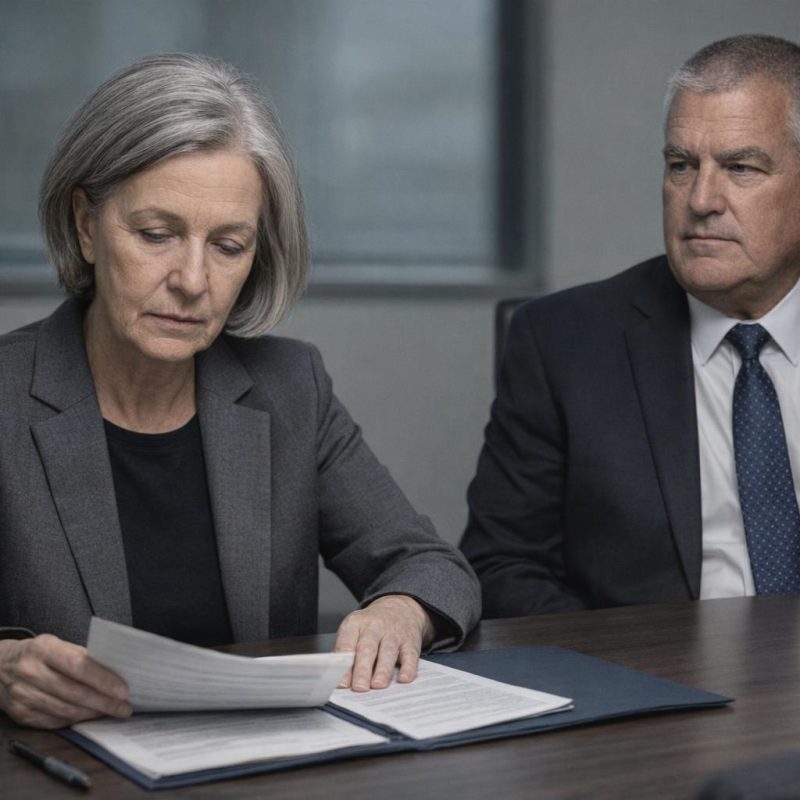 Image by RM AI
The Counter-Filing
Michael worked through the night. He told me that when I came in the next morning and found him still at his desk with two empty coffee cups and a printer tray full of pages. The counter-filing was forty-three pages. He walked me through it section by section: the phone records showing continuous contact during the period of claimed estrangement, the offshore account documents with both signatures predating the alleged abuse by three months, the motel receipts proving Mark had never stayed at the shelter, a statement from the shelter confirming he was never registered there, the joint legal filing timestamped two weeks before Chloe appeared at my door, and the recorded call with Mark's attorney — his own words, his own laugh, his own admission. The motion requested full dismissal of the civil suit on the grounds of fraud and conspiracy. It also requested sanctions against Mark, Chloe, and both their attorneys. I read through the whole thing slowly, standing at his desk. When I got to the final page I signed where he indicated. Michael filed it electronically while I watched, and the confirmation came back in under a minute. He said the judge would likely order a hearing, that this was the beginning and not the end, that they would push back hard. I nodded. I already knew it would be a long fight. But for the first time in weeks, something in me had gone quiet and steady — a grim, settled satisfaction at having finally stopped absorbing the blows and started throwing them.
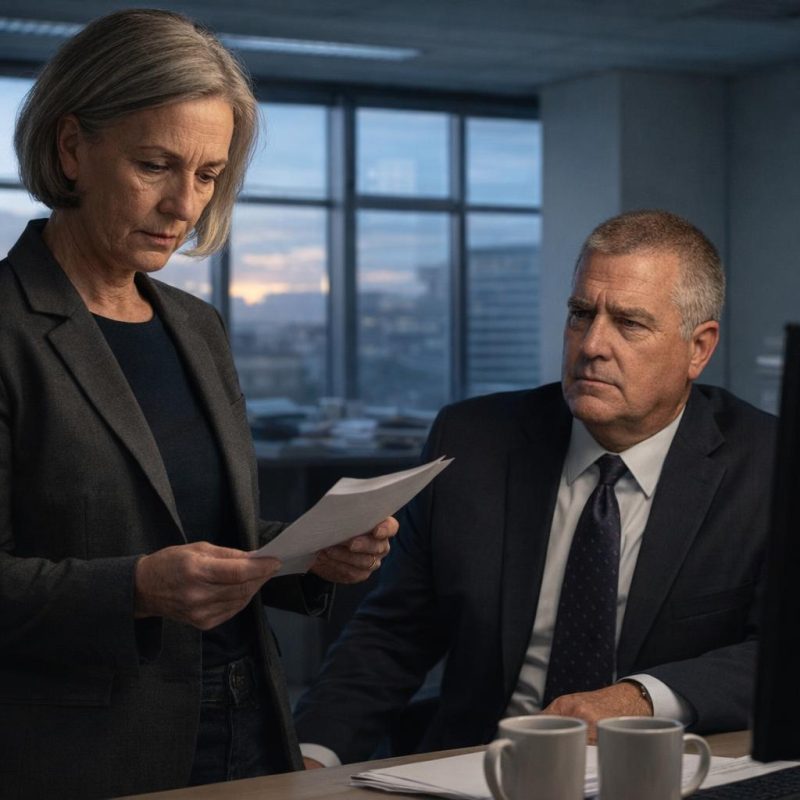 Image by RM AI
The Arrest
Detective Morrison called me at seven in the morning. Her voice was measured, almost careful. She said they were moving on both of them today and that I should stay inside. I didn't ask questions. I just walked to my front window and stood there with my coffee going cold in my hand. The first patrol car came around the corner about twenty minutes later, then a second one right behind it. They pulled up two houses down, where Chloe had been staying with a friend since the civil suit was filed. I watched two officers walk up the front path. I watched the door open. I heard nothing from where I stood, but I could see everything. Chloe came out in a gray sweater and bare feet, and even from that distance I could see her mouth moving fast, her head shaking, her whole body pulling back against the officer's grip. She was performing innocence the same way she'd performed everything else. Detective Morrison knocked on my door about an hour later and told me Mark had been picked up at his motel without incident. She said they'd both be arraigned by end of day. I nodded and thanked her. Then I turned back to the window, and I watched the last police car disappear around the corner with my daughter inside it.
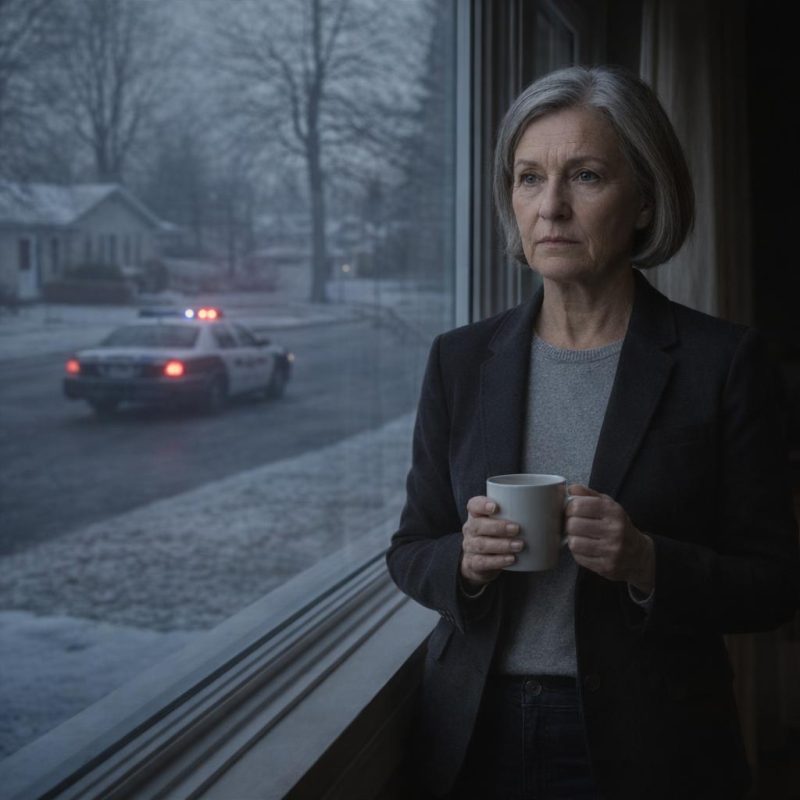 Image by RM AI
Interrogation
Detective Morrison came by the next afternoon with a legal pad full of notes and a look on her face that I'd started to recognize — the one that meant she had something worth saying. She sat across from me at the kitchen table and told me they'd questioned Mark and Chloe separately, back to back, each one unaware of what the other was saying. She said they didn't even wait to be pressed. Mark went first and blamed Chloe for everything — said it was her idea from the start, said she'd manipulated him, said he'd been afraid of her. Chloe went next and said the exact opposite. She told them Mark was the architect, that she'd been coerced, that she was as much a victim as anyone. Detective Morrison said neither account was credible given the evidence, but that the mutual betrayal actually helped the case — it confirmed there had been a conspiracy and that both of them knew it. I asked her which version was closer to the truth. She said probably neither. They were both guilty and they both knew it, and now they were each trying to be the one who walked away with a lighter sentence. I sat with that for a moment. Two people who had planned everything together, and the second real pressure arrived, they turned on each other without a second's hesitation. Detective Morrison's notes showed Mark's written statement ran four pages and named Chloe in every paragraph; Chloe's ran six and didn't mention her own name once.
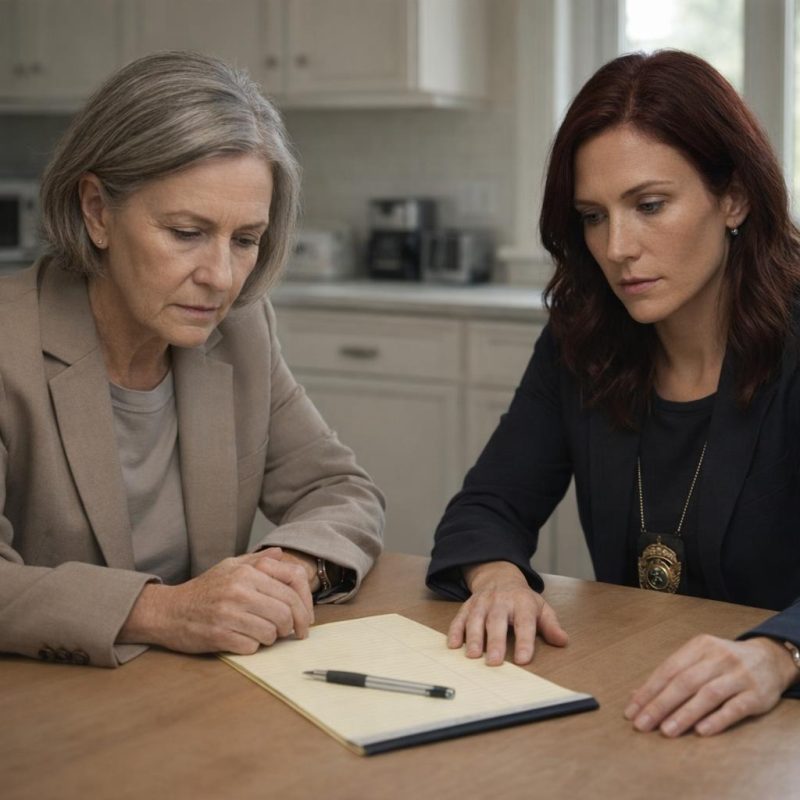 Image by RM AI
The Trial Begins
The courtroom was fuller than I expected. I walked in with Michael and we found seats in the gallery, and I could feel the attention shift when I sat down — reporters, observers, people who'd followed the case online. Judge Lawson entered and the room went quiet in a way that felt immediate and absolute. Mark and Chloe sat at separate defense tables on opposite sides of the room. They didn't look at each other once. The prosecutor was a compact, deliberate man who spoke without notes. He told the jury this was not a complicated case dressed up to look simple — it was a simple case dressed up to look complicated. He walked them through the offshore account, the theatrical makeup, the staged shelter visits, the coordinated legal filings. He said two people had identified a vulnerable point in a mother's love for her child and had built an entire scheme around exploiting it. He said the evidence would show premeditation, coordination, and contempt — contempt for the law, for the court, and for the woman they had used as their instrument. I sat very still through all of it. Chloe was three rows ahead of me and slightly to the left, and I watched the back of her head and thought about every phone call, every dinner, every time I had believed her without question. The weight of every eye in that courtroom pressed down on me, and I let it.
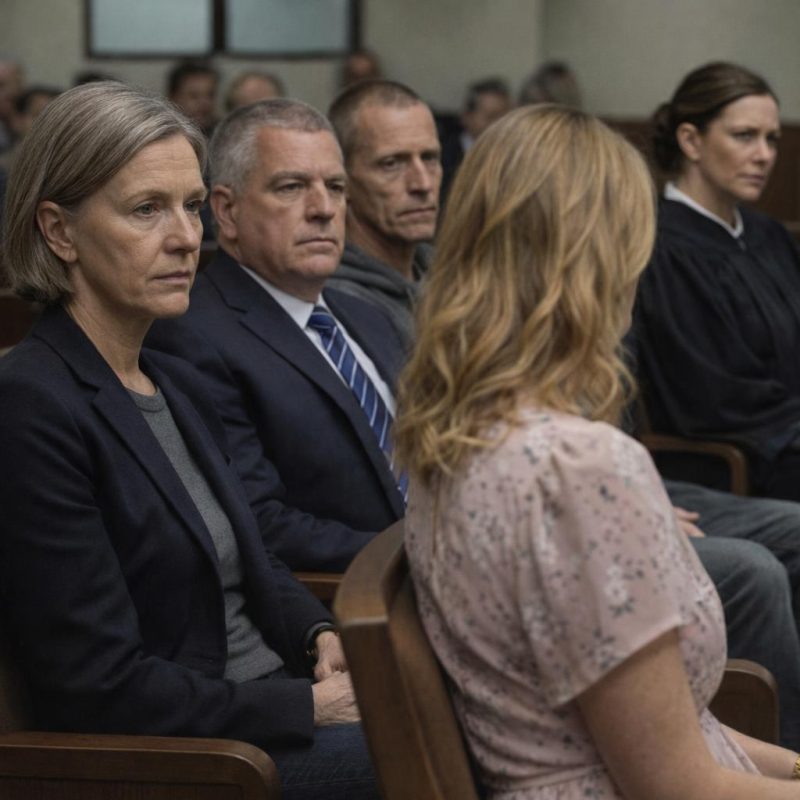 Image by RM AI
The Stand
The prosecutor called my name and I walked to the stand. I was sworn in and I sat down and I looked out at the courtroom and made myself breathe. He started gently — asked me to describe my relationship with my daughter, asked me what kind of mother I had tried to be. I told him the truth. I said I had been devoted to her. I said I had trusted her completely. Then he walked me through the night she arrived at my door with bruises on her face, and I described it the way it had actually happened — the fear, the rage, the absolute certainty that I had to act. I testified about the calls I made, the connections I used, the deliberate and systematic way I had dismantled Mark's career and reputation because I believed he had hurt her. The prosecutor introduced the bank records and the group chat messages and asked me to describe the moment I understood what they actually meant. I told him. I didn't soften it. The defense attorneys took their turns and tried to make me sound vindictive, tried to suggest I was a woman with a grudge rewriting history. I answered every question the same way — factually, without heat. At one point I looked directly at Chloe. She was staring at the table in front of her, her hands folded, her face composed. She never looked up. What surprised me, sitting there under oath, was the steadiness in my own voice as I described what they'd done.
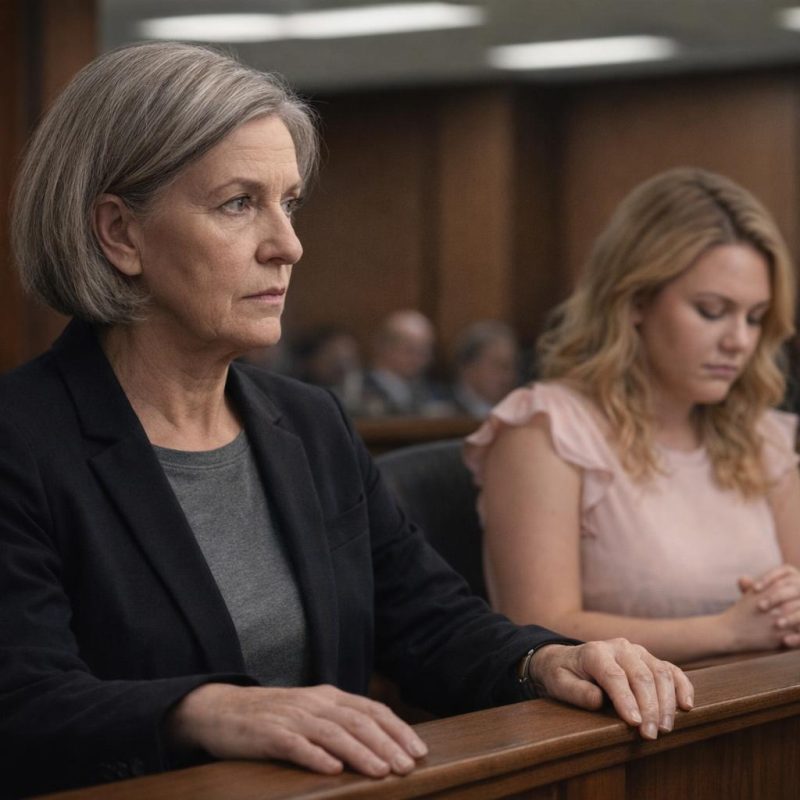 Image by RM AI
The Mask Drops
Chloe's attorney put her on the stand in a pale blue dress with her hair pulled back soft and loose, and for the first twenty minutes she was flawless. She spoke quietly about feeling controlled, about a mother whose love had always come with conditions, about a marriage that had been suffocating. She cried twice — small, contained tears that she dabbed away without smearing her makeup. I sat in the gallery and watched her work the room the way I had watched her work every room her entire life. Then the prosecutor stood up. He started with the offshore account. Her answers slowed. He asked about a specific purchase — theatrical-grade makeup, ordered six weeks before she appeared at my door. She said she didn't remember. He showed her the receipt with her name on it. She said lots of people buy stage makeup. He pulled up the group chat on the screen and asked her to read her own words aloud. Her voice went tight. He pressed on the timeline, on the coordination, on the specific language she'd used in those messages. And then something shifted. She snapped — a short, contemptuous remark about how I had always needed to be the hero of every story, and the jury heard every word of it. Her attorney tried to redirect but the damage was done. The woman in the pale blue dress was gone. What was left in that chair was someone I recognized — cold, precise, and furious at being caught. I sat with the cold satisfaction of watching her lose control.
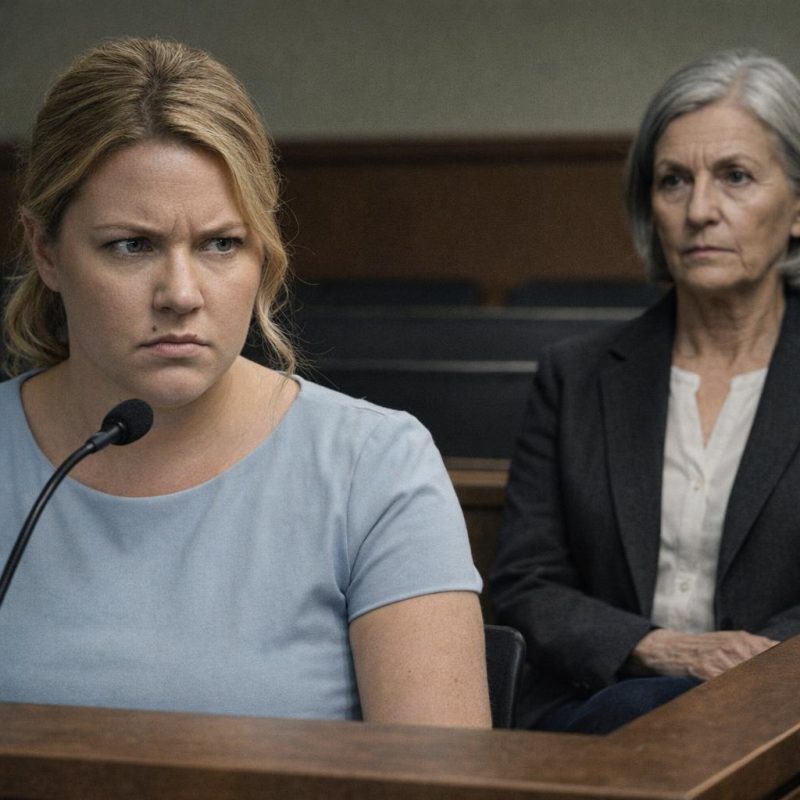 Image by RM AI
The Evidence
The prosecution spent the better part of a full day presenting the digital evidence. The group chat messages went up on the screens first — every message enlarged, every timestamp visible. The prosecutor read several of them aloud, including the ones where Chloe described the bruise application as a rehearsal and joked about how easy it would be. The jury took notes. The bank records came next, and the forensic accountant walked the jury through the transfer chain with the patience of someone explaining a map — account to account, jurisdiction to jurisdiction, until the money landed offshore with both their fingerprints on the paperwork. The defense objected repeatedly. Judge Lawson overruled them each time with the same flat efficiency. Then the prosecutor said he wanted to play a recorded phone call. The room went still. It was the call with the attorney — the one Michael had obtained and included in the counter-filing. The voice came through the courtroom speakers clearly, unhurried, almost casual. He talked about the structure of the scheme, about the timing, about the legal filings. And then he laughed — a short, easy laugh — and said they had counted on the fact that a mother like Linda would never stop to ask questions once she believed her daughter was in danger.
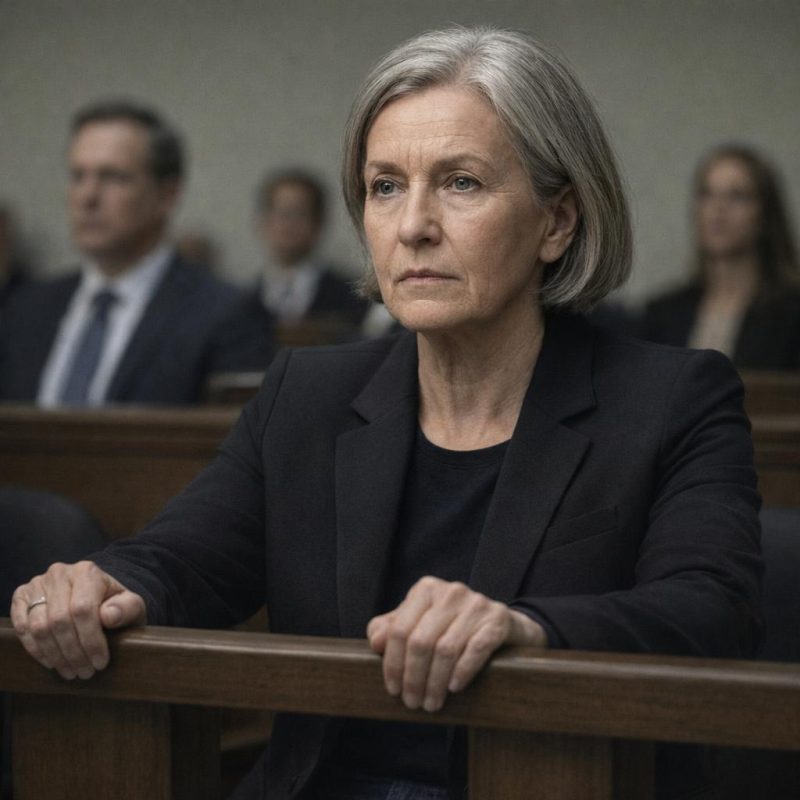 Image by RM AI
Amber's Testimony
Amber took the stand looking like she hadn't slept in a week. She was granted immunity in exchange for full cooperation, and the prosecutor made sure the jury understood that before he asked her a single question. She confirmed the friendship with Chloe, confirmed the group chat, confirmed her own presence in those messages. Then he asked her what Chloe had shown her approximately six weeks before the night she appeared at my door. Amber described it in detail — the theatrical makeup kit, the color-matching, the practice sessions where Chloe applied the bruises to her own forearm and photographed them to check the realism. She said Chloe had been methodical about it. She said Chloe had laughed while she did it. Chloe sat at her defense table with her hands flat on the surface and her eyes fixed on Amber with an expression that could have cut glass. Amber didn't look at her once. The prosecutor asked whether Chloe had discussed my finances specifically. Amber said yes — that Chloe had been tracking the estate for months, knew the approximate value, knew which assets were liquid. Then the prosecutor asked whether Mark had been present during any of the preparation. Amber said he had been there for two of the practice sessions and had suggested adjustments to make the bruising pattern look more consistent with a specific type of impact. The group chat had never mentioned those sessions. Amber's testimony included details that had never appeared in any message — proof the planning had gone deeper than anything we'd seen in writing.
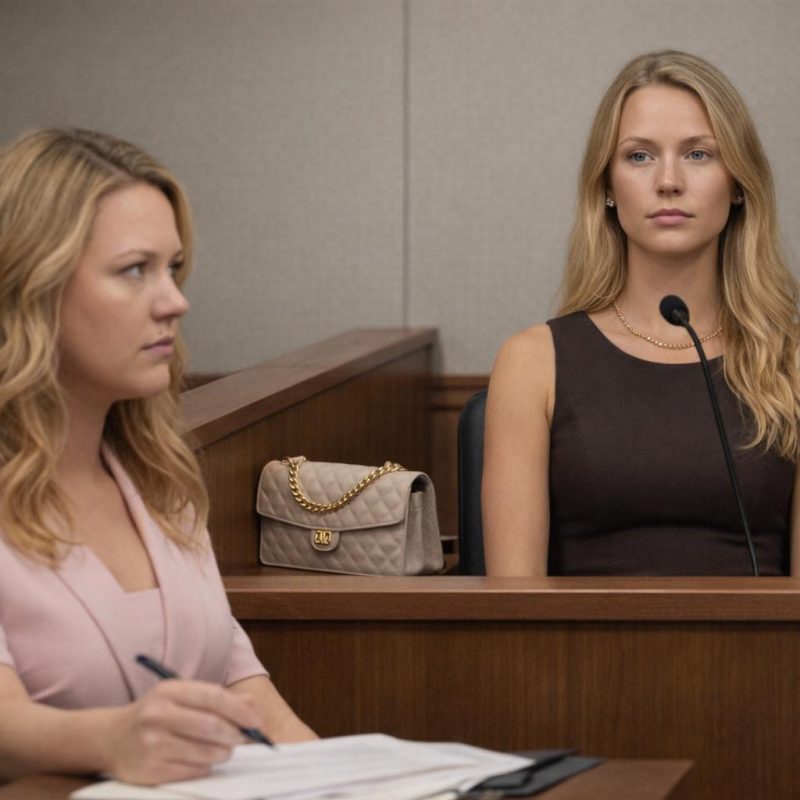 Image by RM AI
Deliberation
The jury went into deliberations on a Thursday afternoon and I went home and sat in my kitchen and stared at the wall. Diane came over that first evening with food I didn't eat and stayed until past midnight just talking about nothing — old stories, old friends, anything that wasn't the trial. I was grateful for it even though I couldn't fully be present for it. Friday passed in a blur of pacing and bad coffee and Michael calling twice to say there was nothing to report. I kept replaying moments from the trial — the sound of that recorded laugh through the courtroom speakers, the look on Chloe's face when Amber described the practice sessions, the way Mark had sat perfectly still through all of it like a man who had already accepted whatever was coming. Diane slept on my couch Friday night. Saturday morning I was up before six, standing at the kitchen window watching the street go quiet in the early light. Michael had told me a longer deliberation usually meant the jury was being careful, and I tried to hold onto that. By Saturday afternoon I had stopped trying to read anything into the silence. I just sat with it. I was still sitting there when my phone rang just after four o'clock — Michael's name on the screen, his voice tight and immediate when I answered — telling me the jury had reached a verdict.
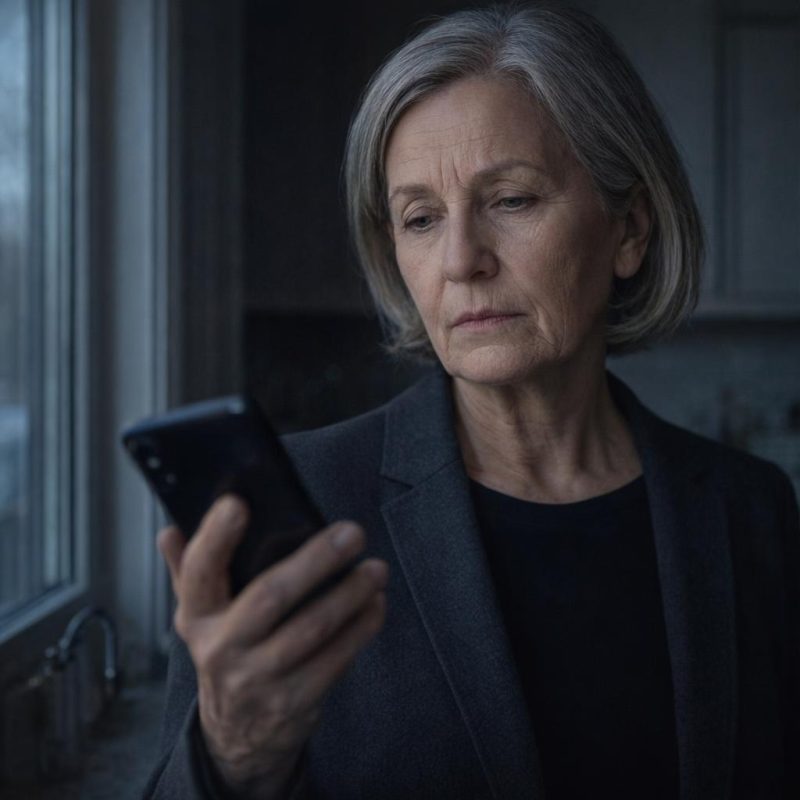 Image by RM AI
Guilty
Michael and I walked into that courtroom together and I felt the weight of every person in those packed rows pressing against my back. Judge Lawson entered and the room went still in that particular way it does when something irreversible is about to happen. The jury filed in and not one of them looked at Chloe or Mark, and Michael had told me once that was usually a sign. The foreman stood when the judge asked, and confirmed they had reached a verdict. When he read Chloe's name and said guilty on all counts, I heard her make a sound I had never heard from her before — something between a gasp and a sob — and her face just came apart. I had spent months wanting this. I had spent months needing it. But watching my daughter's face crumble at that table, I felt nothing I had expected to feel. Mark sat completely still when his verdict came, staring at the surface in front of him like a man who had already made his peace with the worst. Both attorneys requested bail. Judge Lawson denied both without hesitation and set a sentencing date. I watched them lead Chloe and Mark out in handcuffs, and the gavel came down hard in the silence that followed.
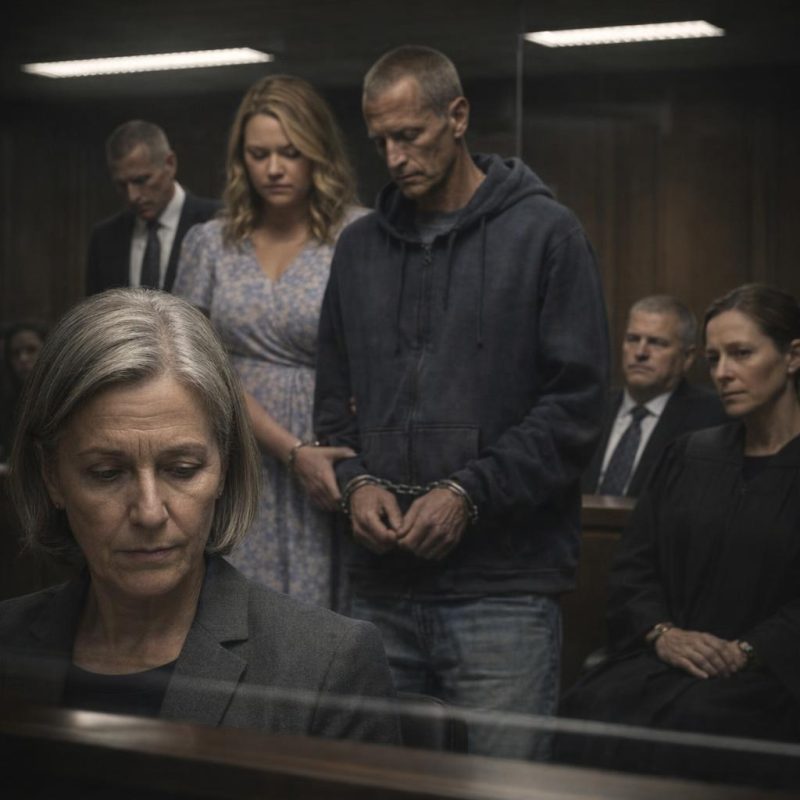 Image by RM AI
Sentencing
The courthouse felt different in November — quieter, emptier, the hallways stripped of the charged energy that had filled them during the trial. There were maybe a dozen people in the gallery when I took my seat. Chloe and Mark were brought in wearing prison-issue clothes and they both looked thinner, older, like the months of waiting had taken something from them that wouldn't come back. Judge Lawson reviewed the case with the same measured precision she'd shown throughout, and when she spoke about the calculated nature of the conspiracy and the deliberate betrayal of family trust, her voice carried no drama — just the flat weight of someone who had seen enough to know exactly what she was looking at. She noted that neither defendant had demonstrated genuine remorse. She sentenced Chloe to six years in federal prison. She sentenced Mark to seven, with full restitution required from both. Chloe was crying again. Mark's face stayed expressionless, his eyes fixed somewhere past the bench. I watched them be led out for the last time and then I sat there after the room had mostly emptied, the overhead lights humming, the air smelling faintly of old wood and floor cleaner, holding the full weight of knowing my daughter would spend years in a federal prison.
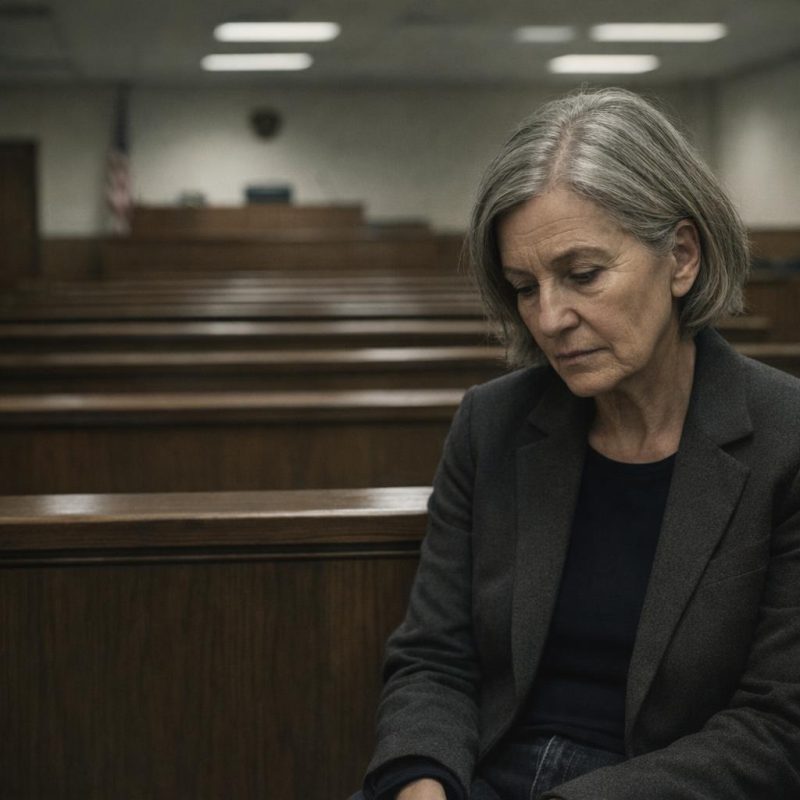 Image by RM AI
Rebuilding
The months after sentencing moved differently than I expected — not faster, not slower, just differently, like time had changed its texture. I started seeing a therapist named Dr. Reyes every Tuesday, and the first few sessions I mostly just sat there trying to find words for things I had never had to name before. Diane kept showing up — coffee on Wednesday mornings, walks when the weather allowed, phone calls on the nights I went quiet. Some of the friends who had pulled away during the worst of it reached out with careful, tentative apologies, and I accepted most of them without making it harder than it needed to be. I started volunteering at a women's shelter on Thursday evenings, and that work did something for me that I hadn't anticipated — it gave me somewhere to put the part of me that still needed to be useful. I listed the house in September. Too many rooms that held too many versions of a story I no longer wanted to live inside. I found a smaller apartment across town, with good light and no history, and I moved in with two carloads and a sense of something I hadn't felt in a long time. Diane helped me unpack and we ordered takeout and sat on the floor because I didn't have a table yet, and I laughed — actually laughed — for the first time in what felt like years. I was still carrying everything that had happened. But I was carrying it standing up.
 Image by RM AI
The Lesson
I had been in the new apartment about a month when I sat down one morning with coffee and let myself think through all of it — really think, not the frantic spinning I'd done in the worst months, but something quieter and more deliberate. I thought about how completely my protective instincts had been turned against me, how I had moved so fast and so certain and so sure I was doing the right thing. I had been so convinced that love was the same thing as knowing. It isn't. I had acted out of love, but I had acted without asking the right questions, without slowing down long enough to look at the evidence instead of the story I had already decided was true. That cost Mark years of his life. It cost me my daughter — not to prison, but to the truth of who she actually was, which was its own kind of loss. I had forgiven myself for being manipulated, mostly. That part took work and I won't pretend otherwise. But I had also accepted that forgiveness didn't erase the choices I made. Both things were true at the same time. I looked out the window at the street below — ordinary people, ordinary morning, the city just going about its business — and I understood something I wished I had understood decades earlier: love without wisdom is just another kind of blindness, and I would never be blind again.
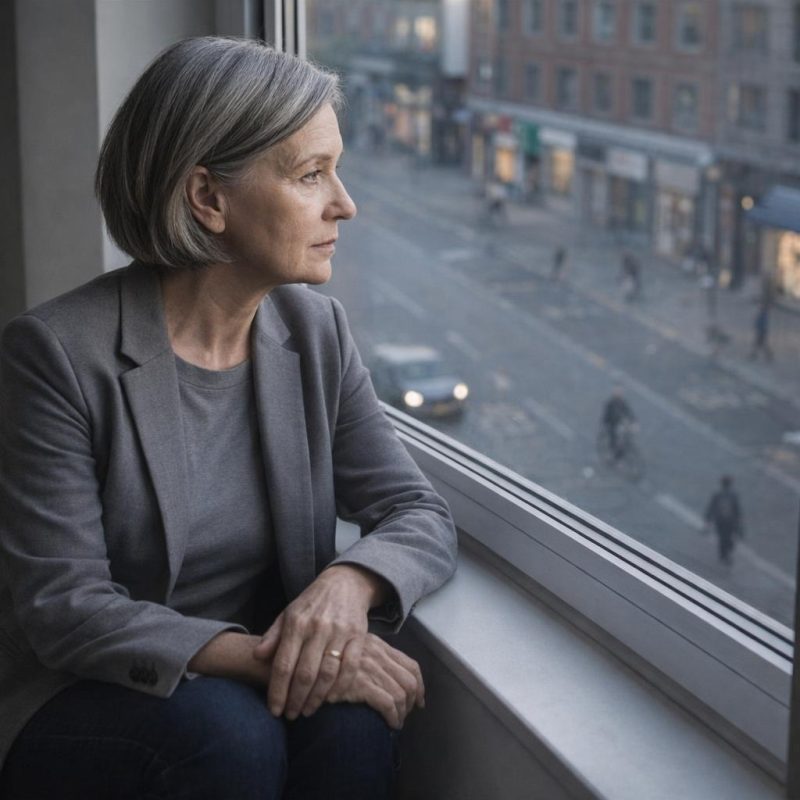 Image by RM AI
KEEP ON READING

20 Environmental Mistakes That Took Decades To Clean Up
The Damage Was Fast. The Recovery Was Not.. Environmental disasters…
By Cameron Dick Jun 5, 2026
20 Weirdest People In History
Eccentrics, Oddballs, and Legends of the Past. History isn't just…
By Sara Springsteen Jun 5, 2026
20 Times A Single Person Had To Make An Impossible…
One Person, No Good Options. History flattens decisions into outcomes,…
By Cameron Dick Jun 5, 2026
20 Times a Scientific Mistake Led Somewhere Important
Wrong Turns That Changed Everything. Science gets taught as a…
By Cameron Dick Jun 5, 2026
10 Eras of Flourishing Art & 10 When Art Was…
Art's Long Struggle Between Freedom and Control. Throughout history, art…
By Rob Shapiro Jun 5, 2026
20 Greatest Game 7s in NBA Playoff History
When One Game Carries the Whole Season. Game 7 is…
By Emilie Richardson-Dupuis Jun 5, 2026