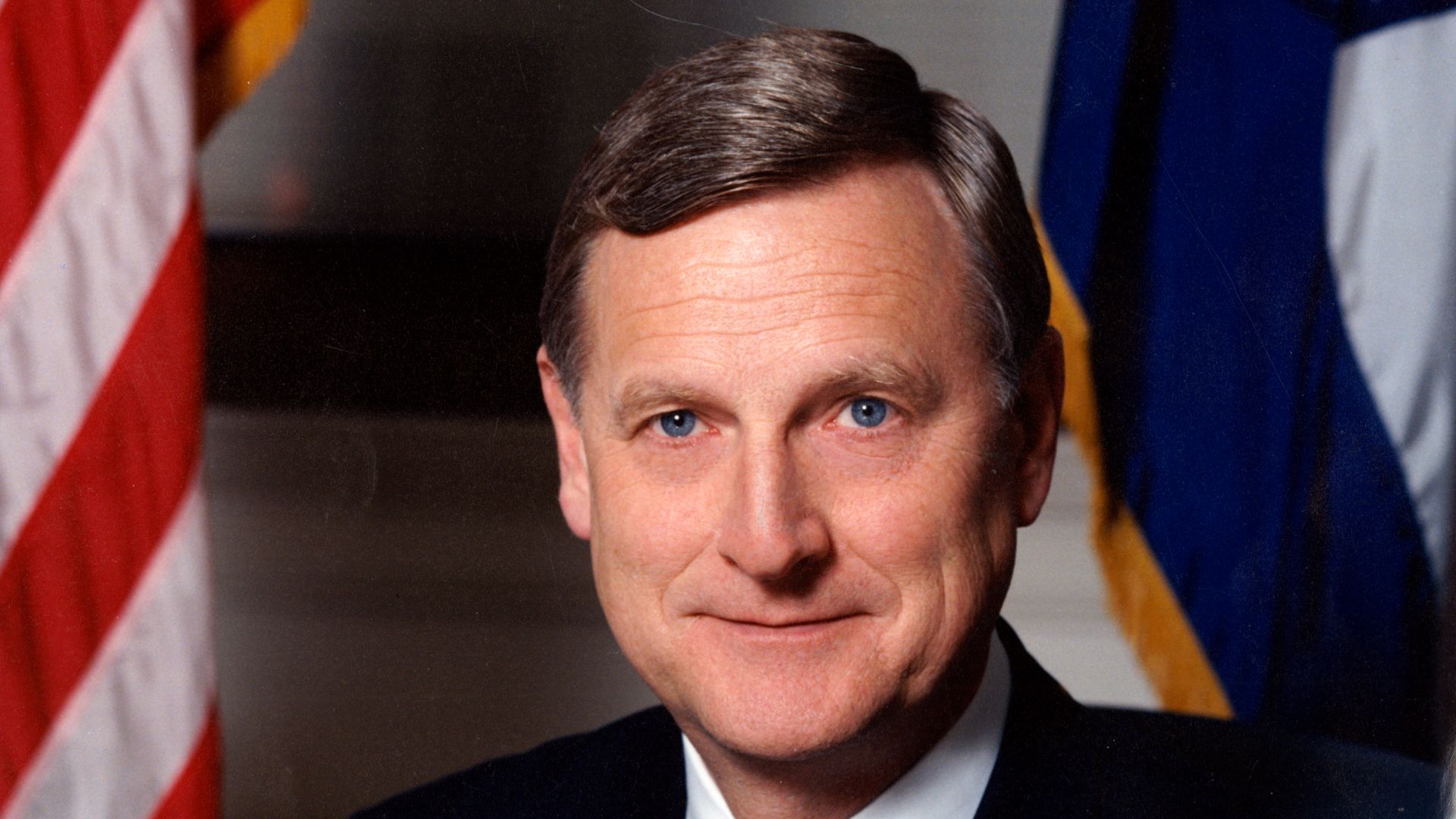
 Missouri State Archives on Wikimedia
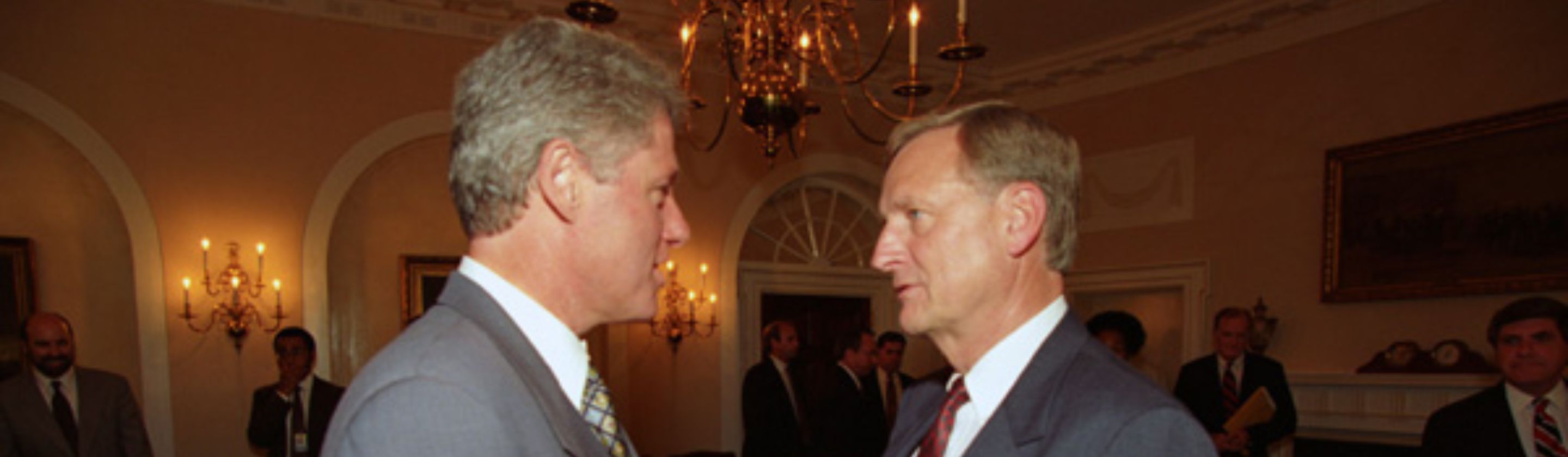
On the night of October 16, 2000, a twin-engine Cessna carrying Missouri Governor Mel Carnahan went down in rainy and foggy conditions on a hillside about 35 miles south of St. Louis. The governor, his son Randy who was piloting the plane, and his longtime aide Chris Sifford were all killed. It was three weeks before Election Day. Carnahan had been locked in one of the most competitive Senate races in the country, challenging Republican incumbent John Ashcroft for Missouri's U.S. Senate seat.
The problem, legally and politically, was that nobody could do anything about it. Under Missouri election law, the deadline to replace a party's candidate on the ballot had passed three days before the crash. Carnahan's name was staying on, whether anyone wanted it to or not. Ashcroft, who had just lost his primary opponent to a plane crash, now had to run his final weeks of campaign against a man who was no longer alive to campaign back.
The Decision That Changed Everything
Lieutenant Governor Roger Wilson was sworn in as governor within hours of the crash. Within days, he faced a question that had no clear precedent: what happens if a dead man wins a Senate election? Missouri law provided no mechanism to simply hand the seat to anyone. If Carnahan won, the seat would be vacant, and Wilson as governor would have the authority to appoint a replacement to serve until a special election.
Wilson approached Jean Carnahan, the governor's widow, and asked whether she would be willing to accept an appointment to the Senate if her husband won posthumously. She agreed. Wilson then announced publicly that if Mel Carnahan carried the election, he would appoint Jean to serve in his place. It was an unprecedented arrangement, announced openly to voters before they cast a single ballot. Missouri Republicans objected loudly, arguing the maneuver was improper, but there was nothing legally to stop it.
What happened next was something that neither campaign had modeled. Rather than collapsing in the polls after Carnahan's death, his numbers went up. Sympathy, respect, and something harder to name swept through the state. Voters who had been undecided found themselves moved. Voters who had leaned Ashcroft found themselves hesitating.
The Night Missouri Made History
On November 7, 2000, the same night the country was locked in the chaos of the Bush and Gore presidential election, Missouri quietly made history. Mel Carnahan won his Senate race with 50.5 percent of the vote to Ashcroft's 48.4 percent, a margin of roughly 50,000 votes. He became the first and, to date, only person ever elected posthumously to the United States Senate.
Jean Carnahan gave an emotional acceptance speech that night, thanking voters for keeping the flame alive, a phrase from her husband's campaign. She was appointed to the seat by Governor Wilson and was sworn in as Missouri's first female senator in January 2001. She served until 2002, when she lost a special election to Republican Jim Talent.
Ashcroft's story took its own strange turn. A month after the election, President-elect George W. Bush nominated him as U.S. Attorney General. He was confirmed in February 2001 and went on to oversee the Justice Department's response to the September 11 attacks and the drafting of the USA PATRIOT Act. The man who lost a Senate race to a dead man became one of the most consequential cabinet members of the early 21st century.
Why the Story Still Matters
The Carnahan election gets cited regularly in discussions of ballot access law, posthumous candidacy, and the strange corners of American electoral procedure, but the more interesting question it raises is about voters themselves. Missouri knew, when it went to the polls, that Mel Carnahan was dead. The arrangement with Jean was public knowledge. Nobody was deceived. Voters made a deliberate choice to elect a man who could not serve, in order to place his widow in a seat she had never run for, over an incumbent with a strong record and full support of his party.
Some of that was sympathy and some was grief, but polling in the final weeks suggested it was also something more durable. Carnahan had been a popular governor. Ashcroft had made enemies. The race had been genuinely competitive before the crash, and many analysts believe Carnahan would have won it alive. The tragedy accelerated something that was already in motion.
What the election proved, in the end, is that ballots are cast for more than the person named on them. They are cast for what that person represents, for the cause they stood for, and sometimes for the statement a vote makes about the voter and the moment they are living through. On a night when the entire country was watching Florida recount hanging chads, Missouri sent a dead man to the Senate, and the country barely blinked.
KEEP ON READING