What Old Diaries Reveal About Boredom, Love, Work, And Daily Life
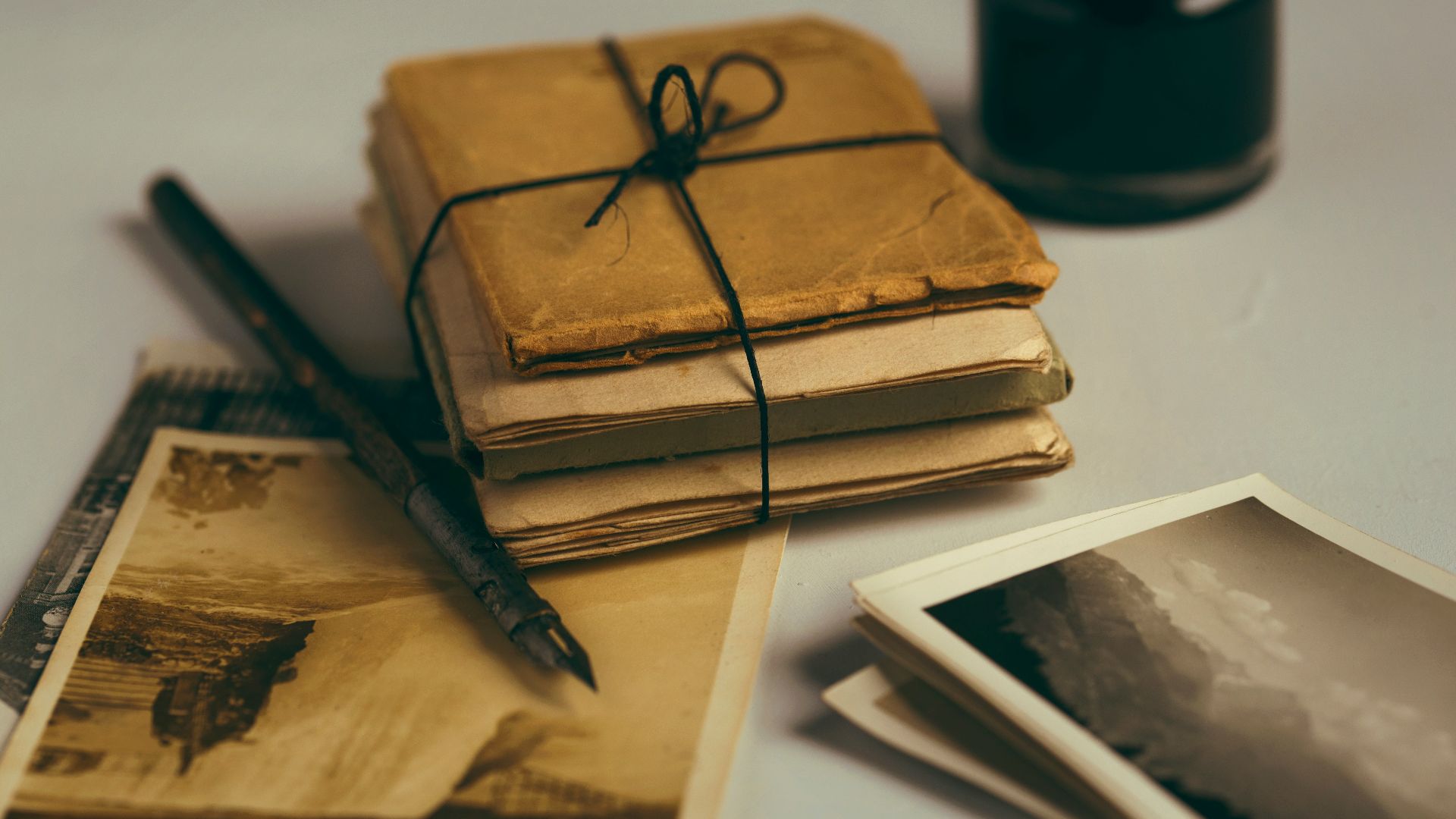
Published histories often organize the past around wars, elections, disasters, and major decisions. Old diaries give us something more personal: rainy mornings, unfinished chores, awkward visits, money troubles, and quiet evenings when very little happened. These small details let us see how people actually spent their time and managed the responsibilities that shaped their days.
A diary can also capture what a major event felt like before anyone knew how it would end. Personal entries hold emotions that government papers and newspaper reports rarely preserve, including boredom, tenderness, jealousy, fatigue, irritation, and relief. Across several well-known collections, they show that daily routines didn’t stop simply because history was unfolding.
Boredom Was Part of the Past
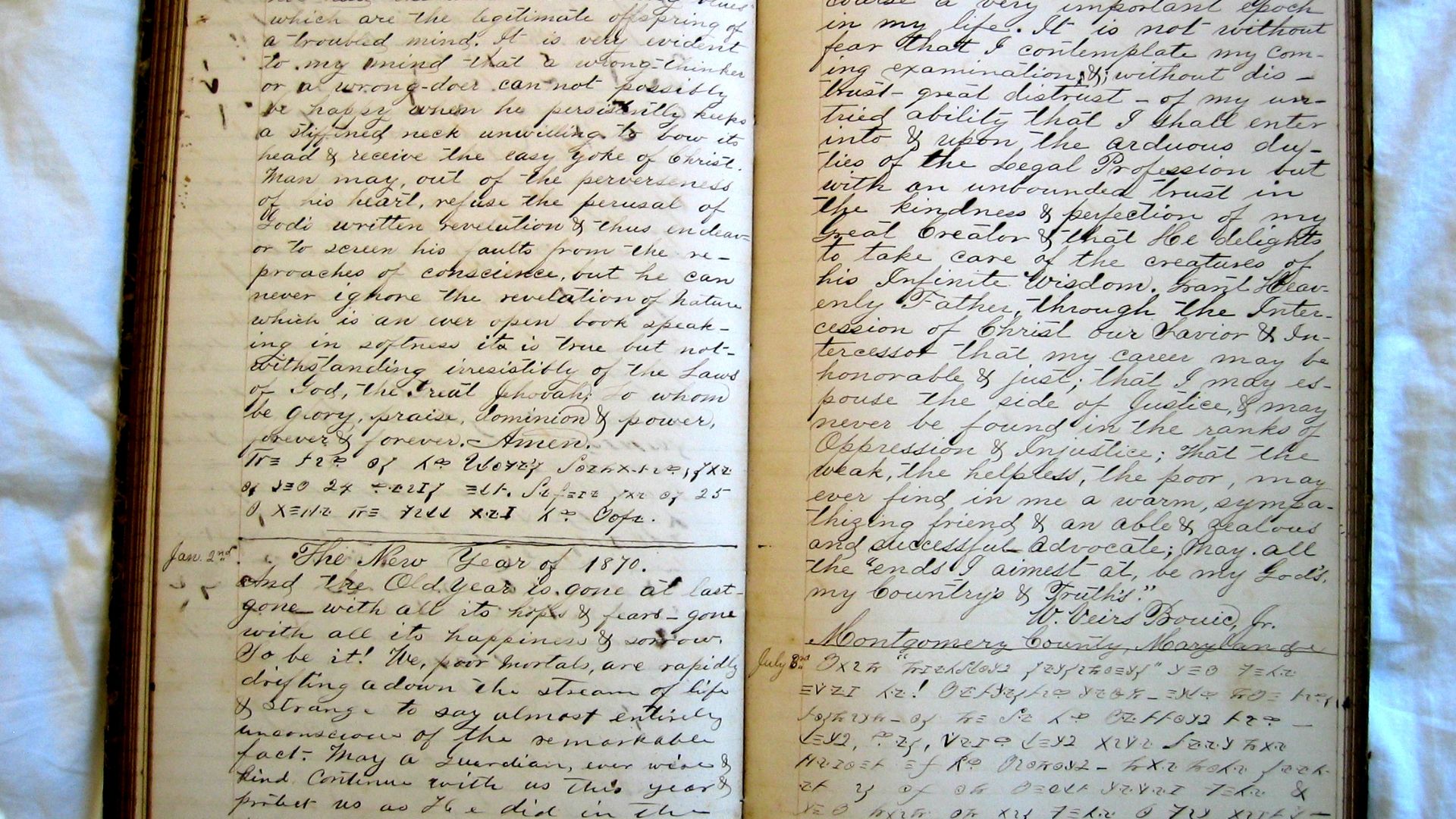
People in earlier centuries often had demanding routines, but that didn’t protect them from boredom or repetition. The Library of Congress explains that military personnel used diaries to fight boredom, record daily events, and cope with loneliness and fear. Letters sent home could be censored, and service members sometimes softened what they wrote so they wouldn’t worry their families, which made a diary a more private place to describe what they were going through.
Anne Frank’s writing records boredom under the extreme conditions of hiding. According to the Anne Frank House, life in the Secret Annex followed a routine that included strict quiet periods, shared bathroom schedules, studying, preparing food, doing chores, listening to the radio, and sleeping. Anne considered Sunday the most miserable day of the week and once expressed relief that “another incredibly boring Sunday” had ended.
Her diary shows how fear and monotony could exist at the same time. Even while living through persecution, war, and the constant risk of discovery, the people in hiding still had to get through each hour, finish small jobs, wait for news, and find a little privacy when they could. Diaries hold on to those slow stretches of time, revealing how repetitive daily life could remain between moments of danger.
Love Looked Complicated in Real Time
Romance often looks less settled in a diary than it does in a memoir written years later. Diary entries capture feelings before the writer knows whether a relationship will last, so affection can sit alongside doubt, annoyance, embarrassment, or disappointment. That uncertainty makes personal writing especially useful for seeing how relationships changed from one day to the next.
Anne Frank began rewriting much of her diary on May 20, 1944, after deciding that she hoped to publish a book about life in the Secret Annex. In the revised version, she removed some earlier material about Peter van Pels because her feelings had cooled, and he hadn’t become the friend she’d hoped for. The two surviving versions of her diary preserve both the strength of her earlier affection and the distance she felt later.
Martha Ballard’s diary places courtship and marriage inside the everyday demands of work, family, and community life. The DoHistory archive explains that courtship took place at schools, dances, religious meetings, taverns, work gatherings, and neighboring homes. Marriage also meant preparing the goods needed to establish a household, so a wedding in Ballard’s community was one stage in a longer social and practical process.
Work Filled the Spaces Between Major Events
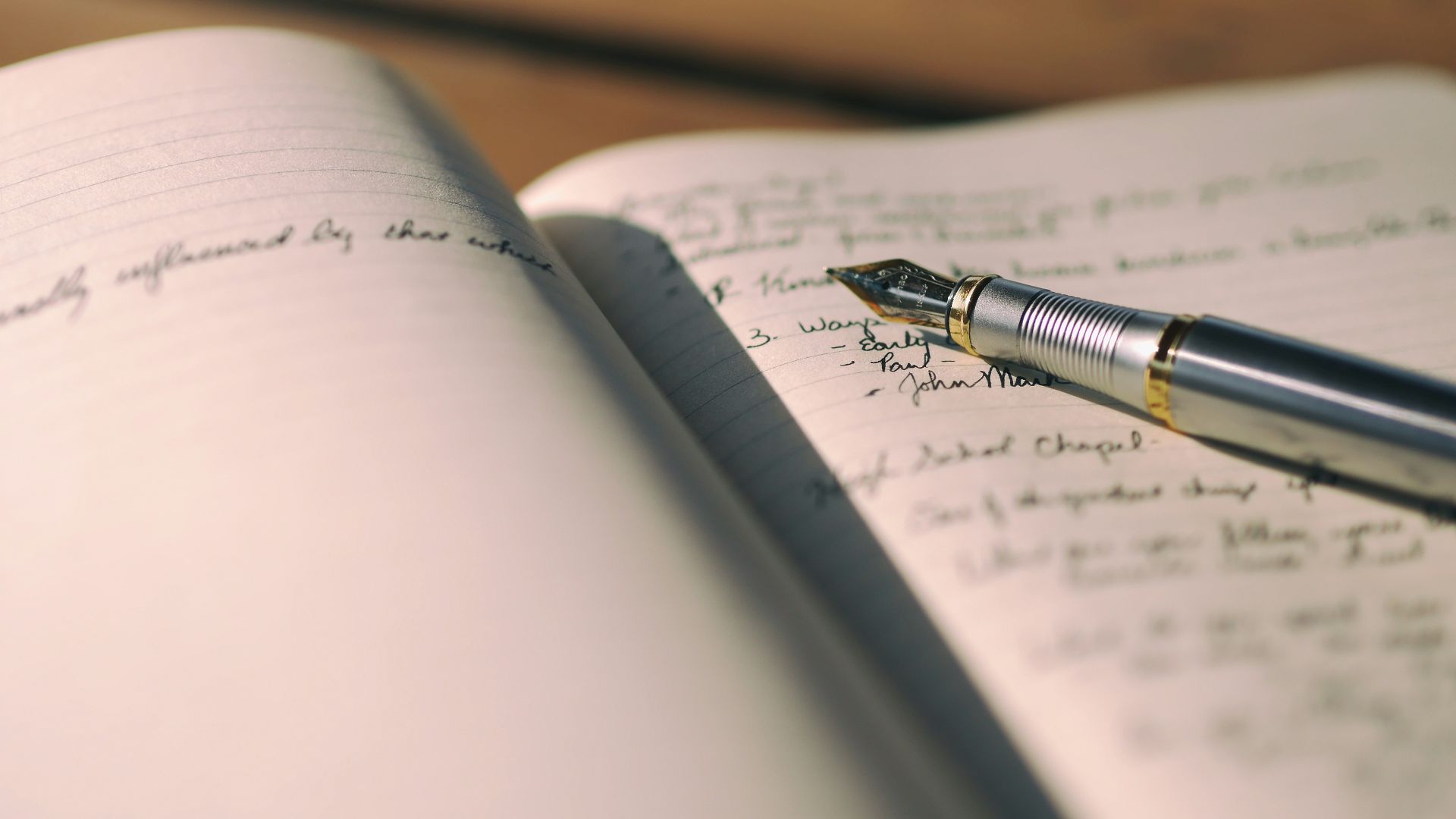
Martha Ballard wrote almost every day from January 1, 1785, to May 12, 1812, leaving nearly 10,000 entries across 27 years. She often started with the weather before moving on to midwifery, healing, family matters, neighborhood news, and household work. The length and consistency of Ballard’s diary make it one of the richest surviving records of everyday life in early America.
Her entries show just how much work could fit into a single day. On January 7, 1809, Ballard recorded baking, washing items for Cyrus, and mending his coat and stockings, adding that it was around midnight when she finished. Other entries cover textile production, gardening, nursing, gathering wood, keeping accounts, and exchanging goods and labor within the community, all of which appear throughout the DoHistory collection.
These diaries show that large public events became part of familiar routines without completely replacing them. A fire, an epidemic, or a war could appear on the same page as office duties, social visits, money worries, and family updates. Writers recorded events as they experienced them, moving naturally between public developments and the smaller obligations that still needed their attention.
A Blast From The Past
Diaries aren’t perfectly neutral records of the past. Writers chose what to include, Anne Frank revised parts of her work for possible publication, and later editors sometimes removed details about weather, meals, and family life. The Churchill Archives Centre explains how those editing choices can shape the versions that later readers receive.
Even so, the smaller details are often what make old diaries so useful. They show how people divided their time, handled physical work, managed relationships, and lived with uncertainty. Official documents can record an event or decision, while a diary shows how that event fit into an actual day alongside meals, chores, conversations, and worries.
Old diaries present the past through personal routines and private reactions. Their writers got bored, fell in and out of love, worried about work, carried on when they were tired, and experienced major events within the limits of a single day. By preserving those obligations, feelings, interruptions, and ordinary moments, diaries make history feel closer and far more human.
KEEP ON READING