The World's Most Successful Pirate: 20 Facts About The Notorious Bartholomew Roberts
The World's Most Successful Pirate: 20 Facts About The Notorious Bartholomew Roberts
Silk, Diamonds, and Mayhem
Most pirates were lucky to capture a handful of ships before meeting the hangman's noose—Bartholomew Roberts grabbed over 400 in just three years. The Welsh sailor never wanted this life; he was forced into it at age 37, but once he picked up the cutlass, he became unstoppable. His crimson coat and diamond cross became symbols of terror across the Atlantic. With that in mind, here’s more about history's greatest pirate.
1. Welsh Origins
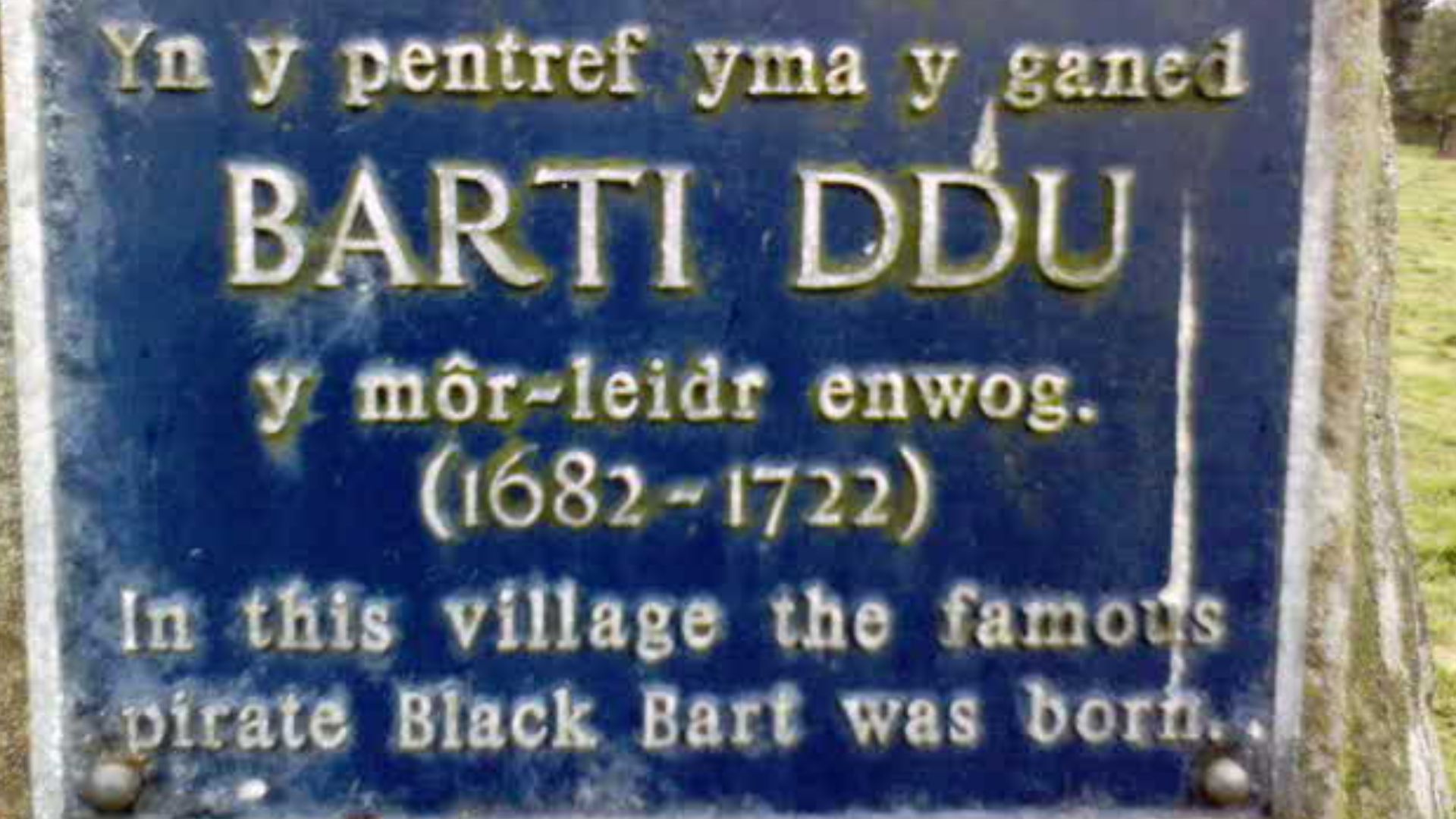
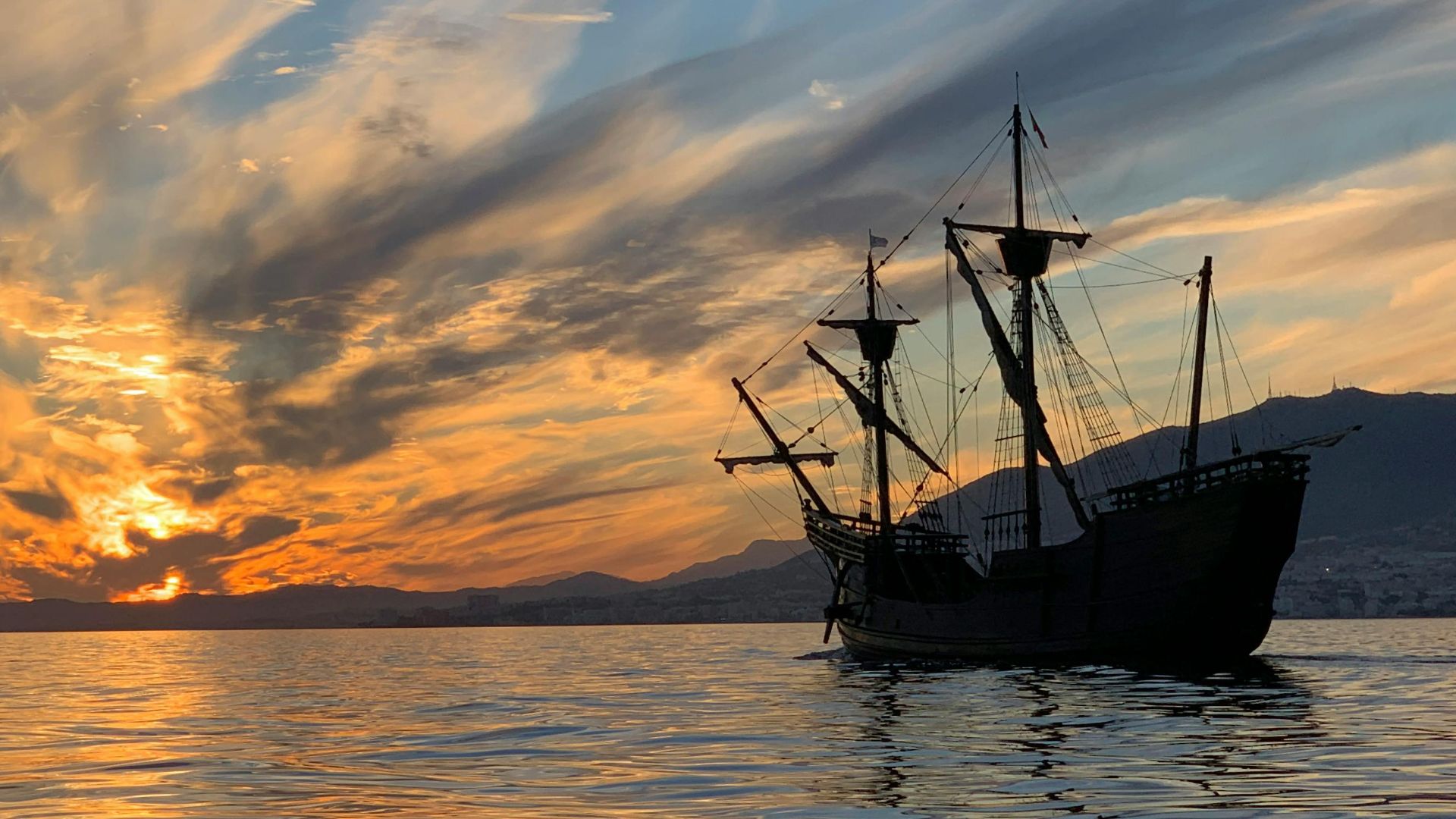
Born in 1682 in the tiny village of Casnewydd Bach between Fishguard and Haverfordwest in Pembrokeshire, Wales, John Roberts entered the world in a region steeped in maritime tradition. His father was most likely George Roberts, a landowner in the area.
2. Reluctant Beginning
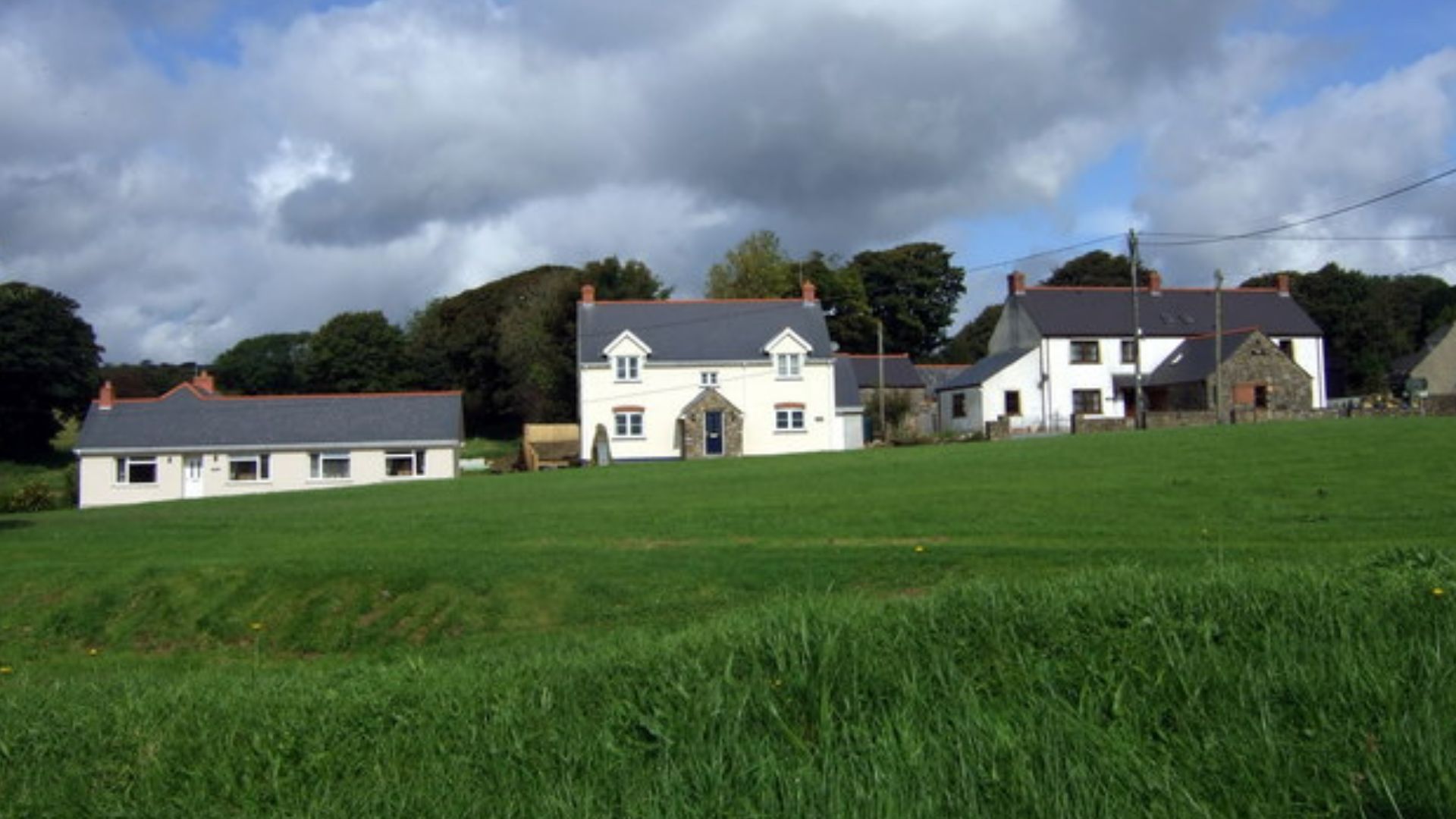
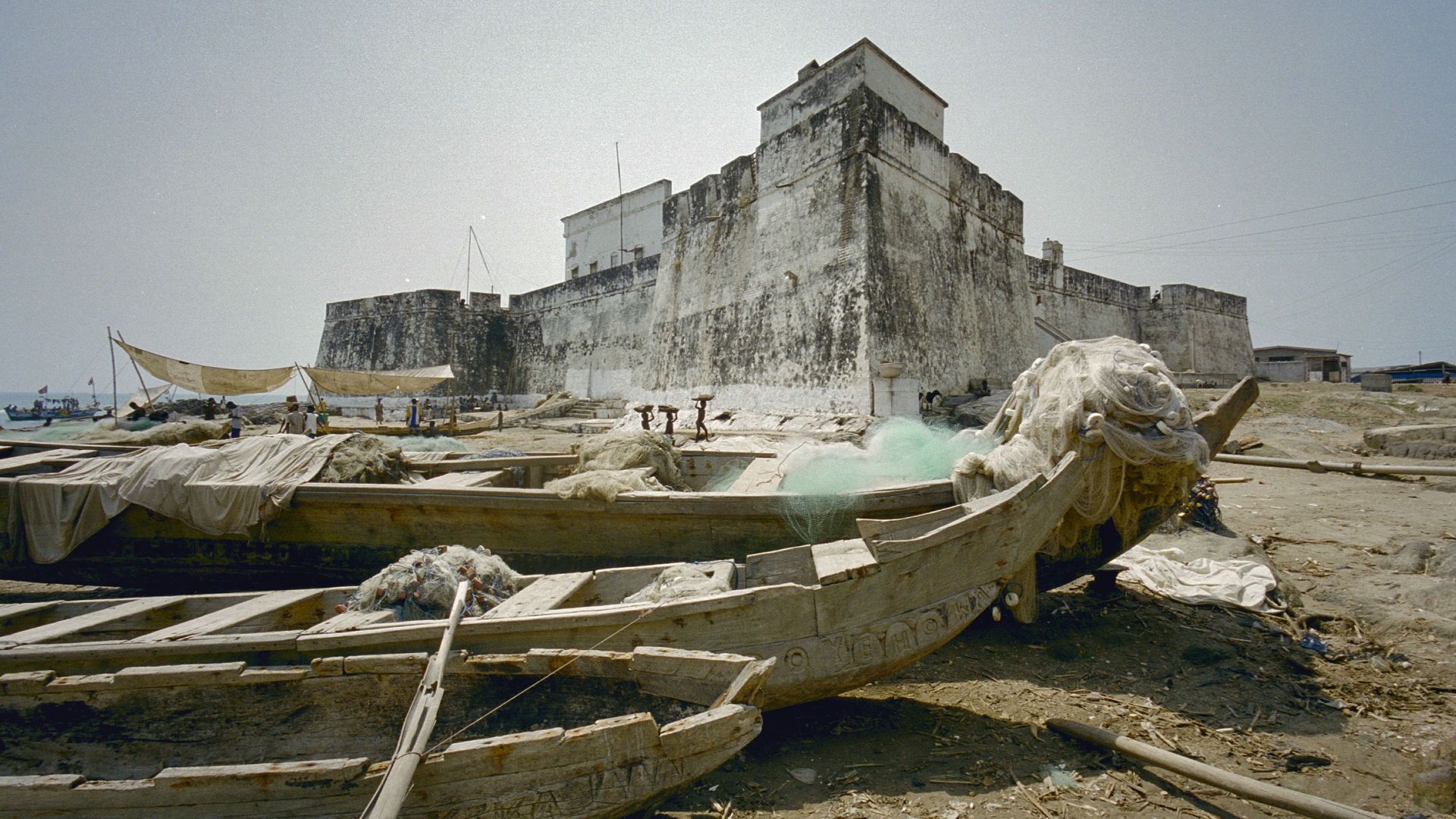
By 1719, Roberts had worked his way up to second mate aboard the Princess, a slave ship operated by the Royal Africa Company. That June, while anchored at Anomabu, the Princess was captured by Welsh pirate Howell Davis. Roberts was forced to join the pirates.
3. Six-Week Captain
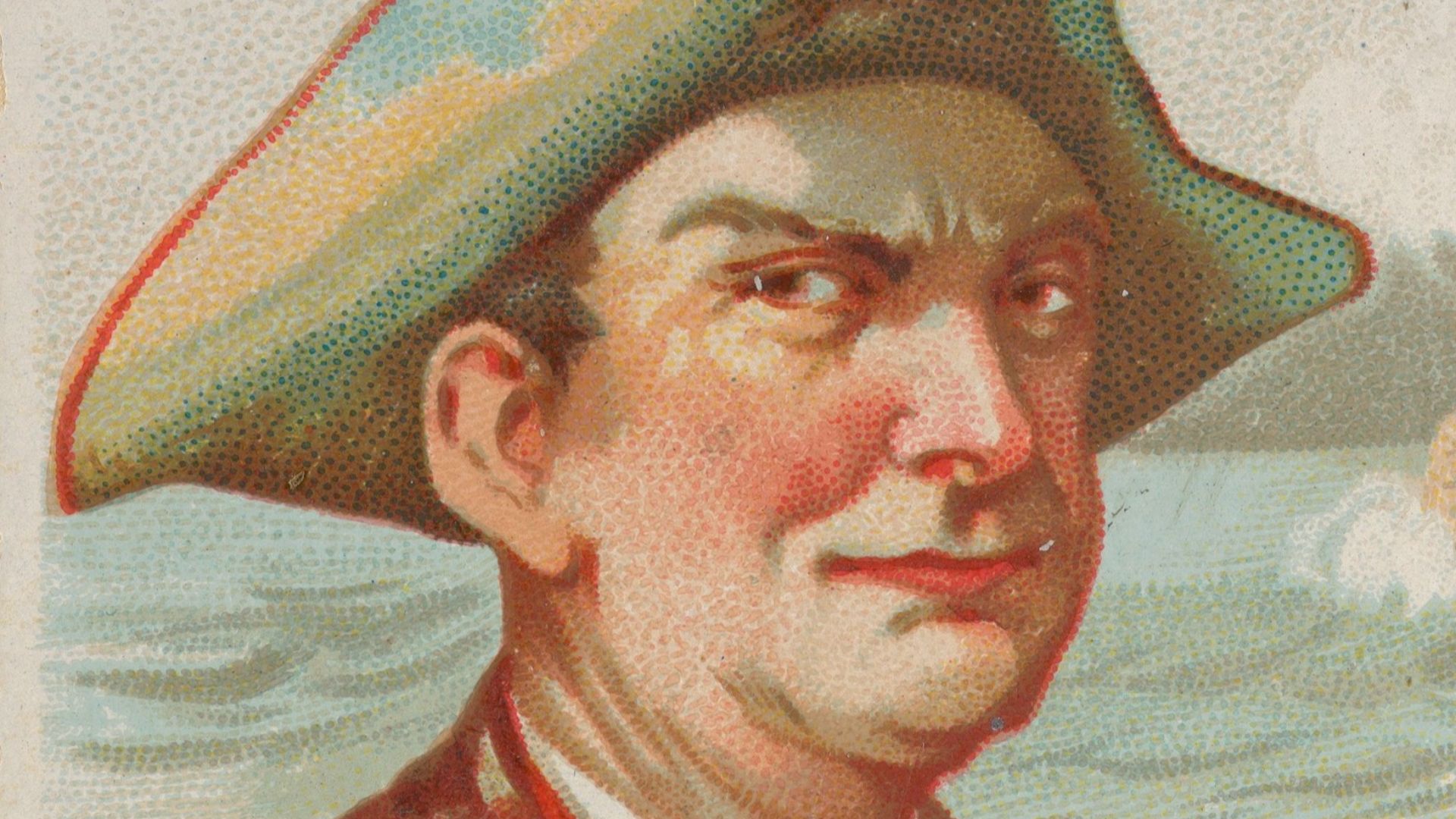
When Captain Davis was killed in a Portuguese ambush on Príncipe Island in June 1719, the crew needed a new leader immediately. Despite having spent only six weeks aboard, Roberts was unanimously elected captain due to his exceptional navigational skills and outspoken, confident demeanor.
 Geo. S. Harris and Sons / Allen & Ginter on Wikimedia
4. Portuguese Plunder
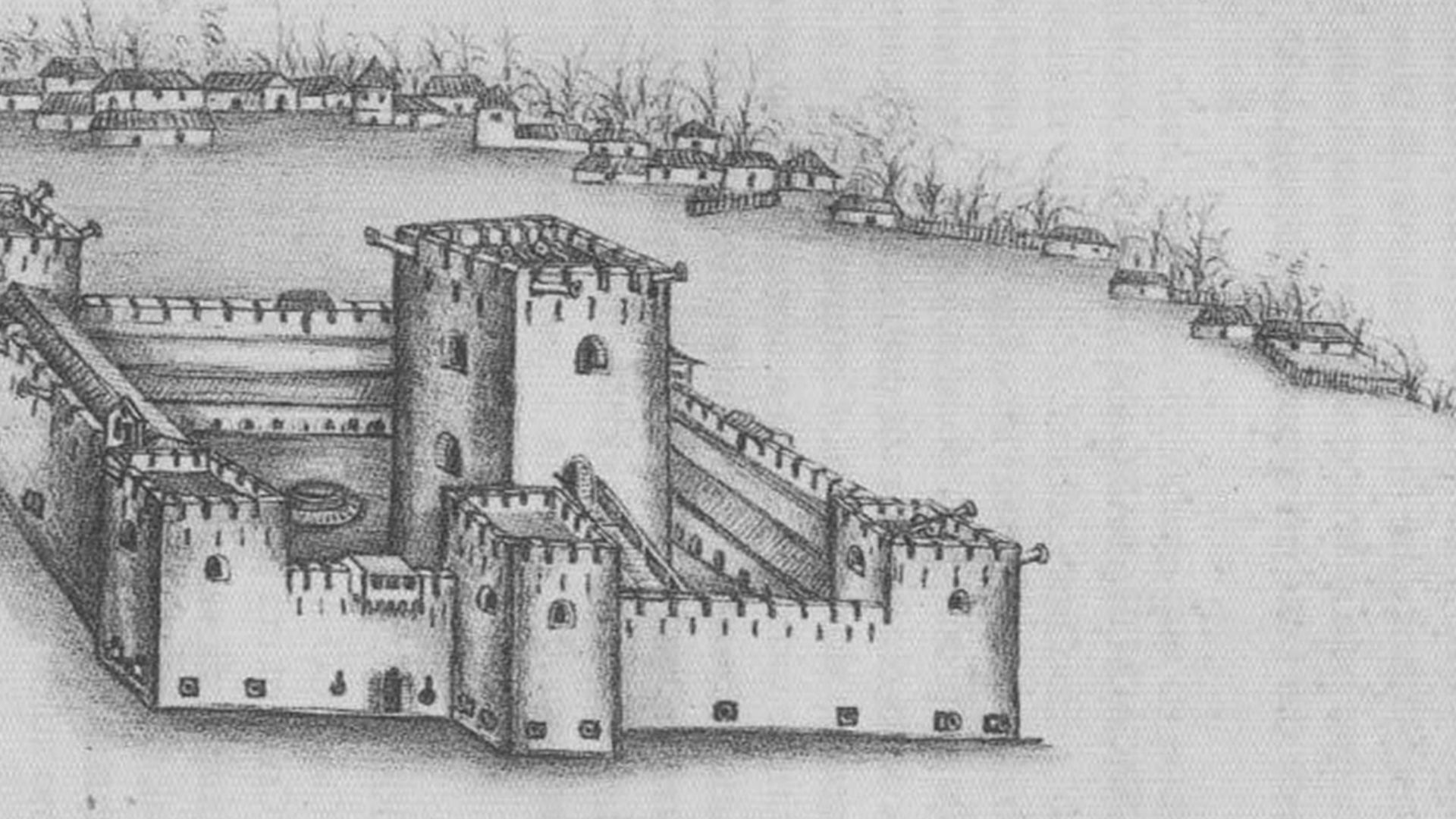
Roberts' first act as captain was swift vengeance—he returned to Príncipe that very night and destroyed the Portuguese fort, killing a large portion of the male population. The crew then sailed to Brazil and discovered a fleet of 42 Portuguese treasure ships.
 Anonymous 16th century on Wikimedia
5. 400+ Vessels
Raising Portuguese flags to blend in, the man captured a smaller vessel and forced its officer to identify the richest ship—the Sagrada Familia, armed with 40 guns and crewed by 170 men. His pirates boarded and captured it without firing a shot.
6. Democratic Code
After crew member Walter Kennedy betrayed Roberts by stealing the Royal Rover and all its treasure while Roberts chased another ship, the furious captain established formal Articles to prevent future mutinies. His pirate code was remarkably progressive for the era.

7. Medical Insurance
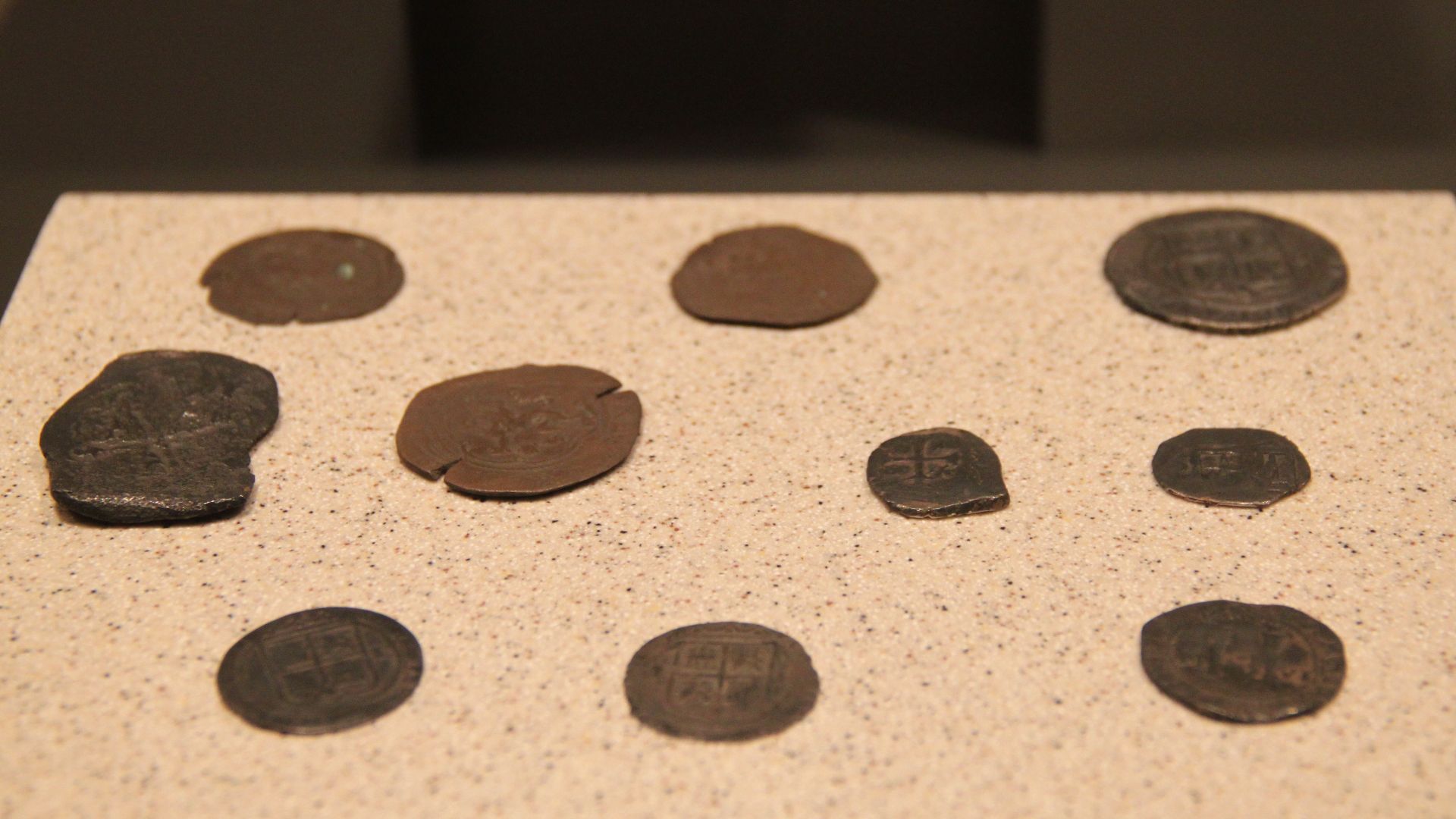
Roberts' Articles included groundbreaking compensation provisions that made his crew among the most protected at sea. Any pirate who lost a limb or became crippled in service would receive 800 Spanish dollars from the collective treasury, with proportional payments for lesser injuries.
 Gary Todd from Xinzheng, China on Wikimedia
8. Crimson Wardrobe
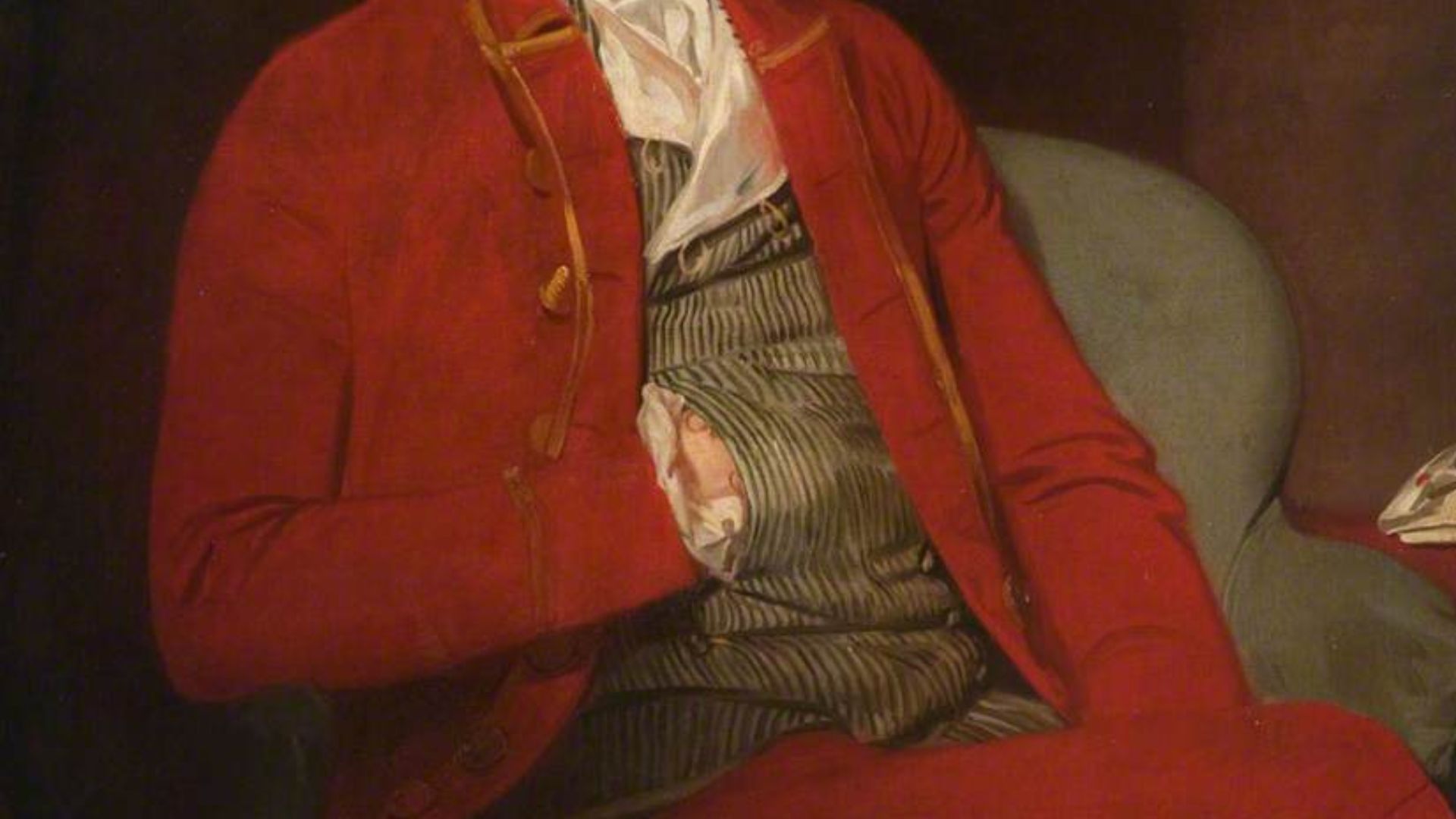
Unlike the ragged appearance associated with typical pirates, Roberts cultivated a flamboyant, theatrical image. He wore a crimson damask waistcoat and breeches, a large tricorn hat adorned with a red feather, gold chains around his neck, and the stolen diamond cross from Portugal.
9. Tea Drinker
In stark contrast to the rum-soaked stereotype of pirate captains, this individual was famously teetotal, preferring tea to alcohol. He maintained religious services aboard his ships and reportedly never attacked on the Sabbath, though these pious habits clashed with his brutality toward enemies.

10. Multiple Flags
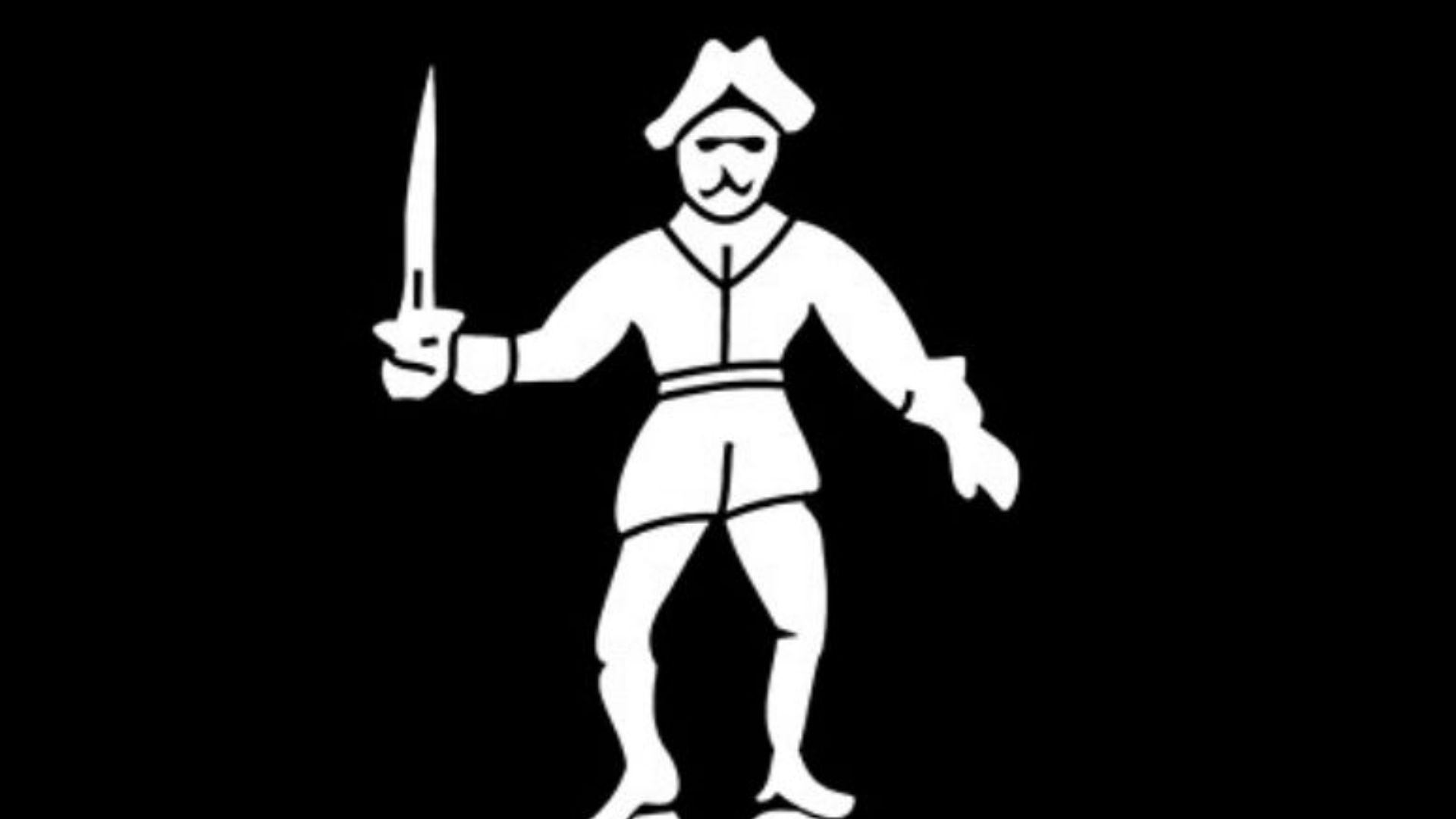
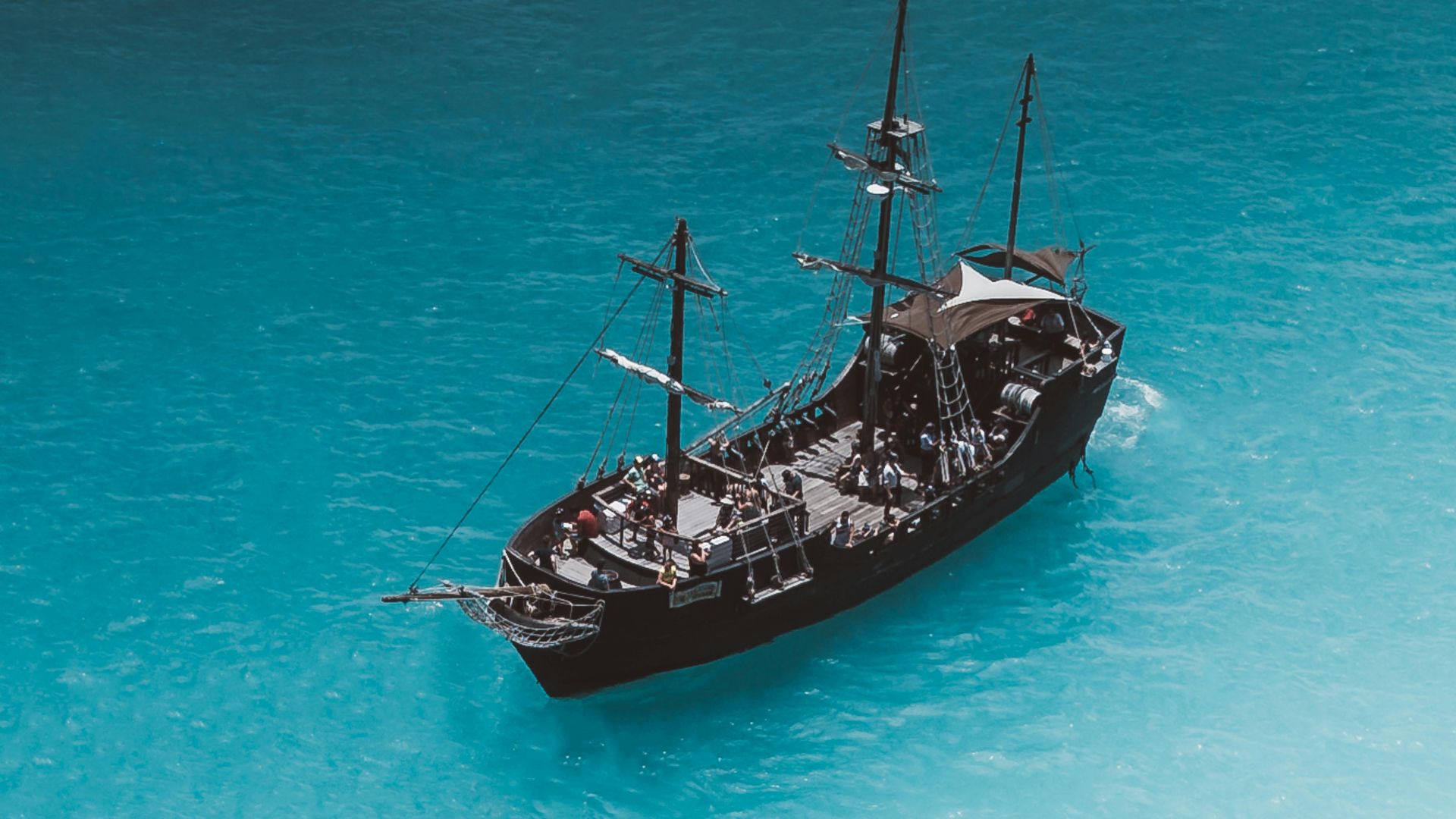
Roberts designed several provocative Jolly Roger flags throughout his career, each telling a story of defiance and intimidation. His most famous work showed him standing with a sword on two skulls labeled "ABH" (A Barbadian's Head) and "AMH" (A Martinican's Head).
11. Royal Fortune
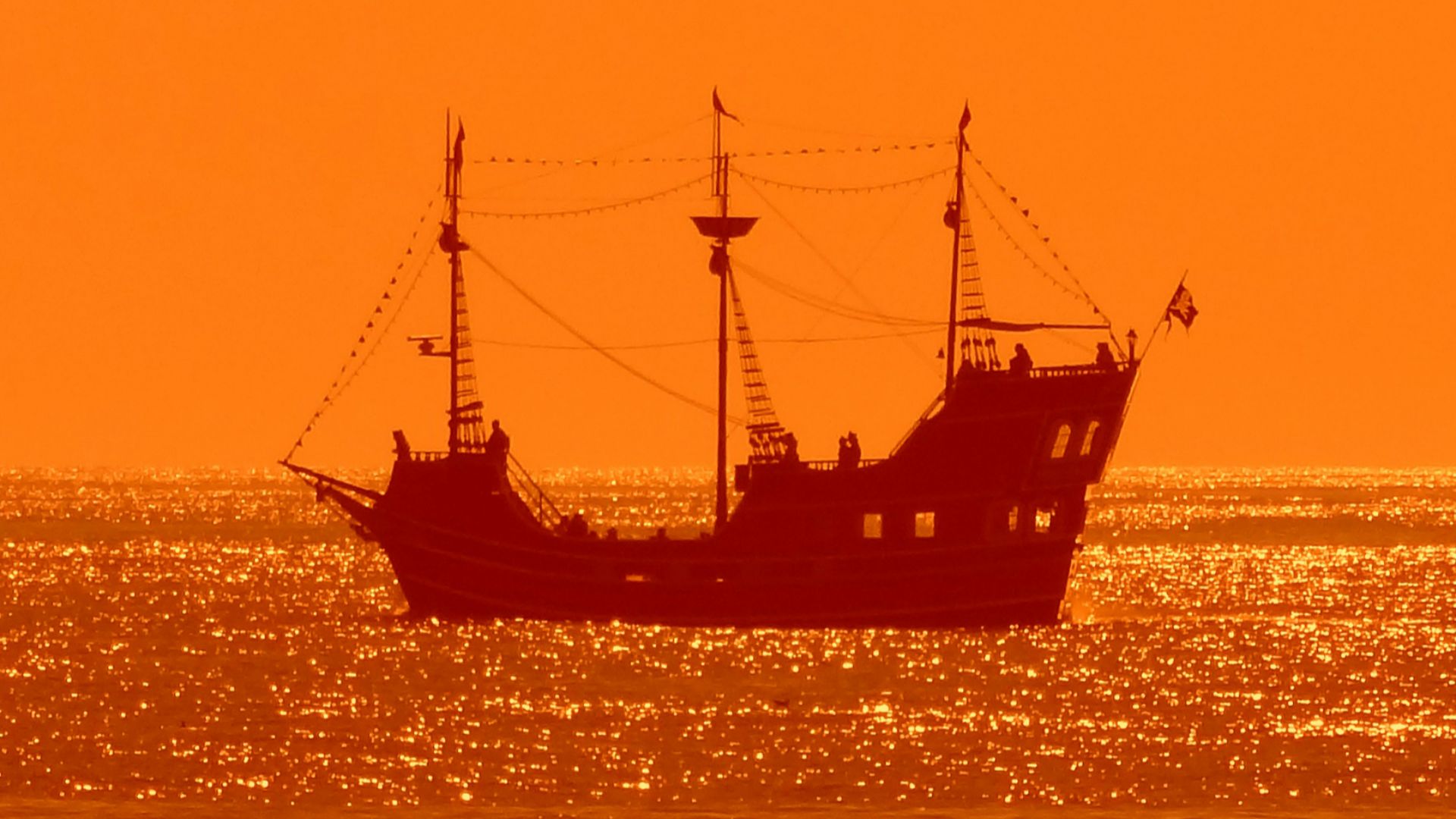
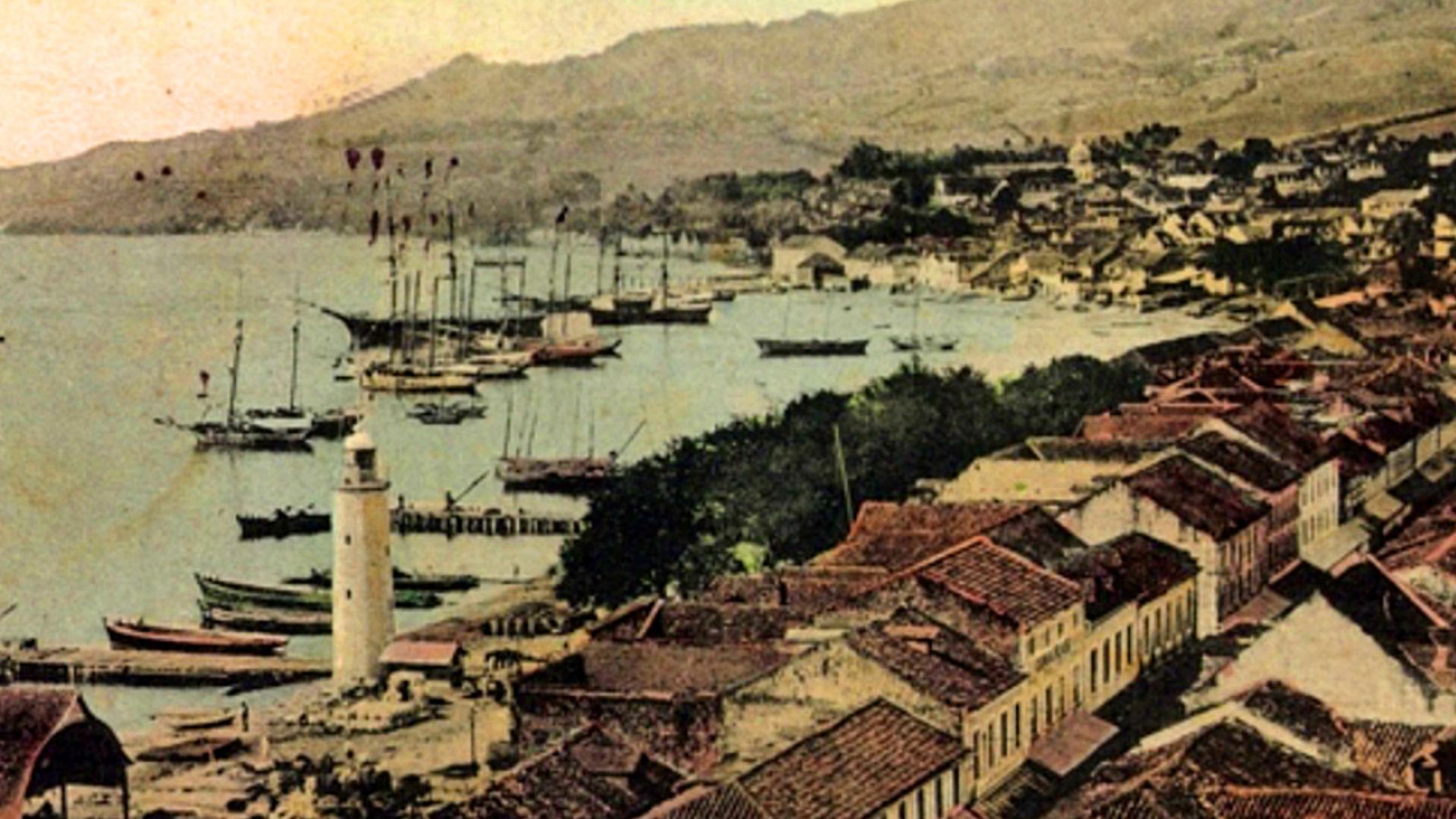
He also commanded one of the most powerful pirate ships ever seen in Caribbean waters, repeatedly naming his flagships Royal Fortune. The most famous version was a French warship built in Bayonne around 1697, captured near Martinique, and crewed by 200 men.
12. Trepassey Attack
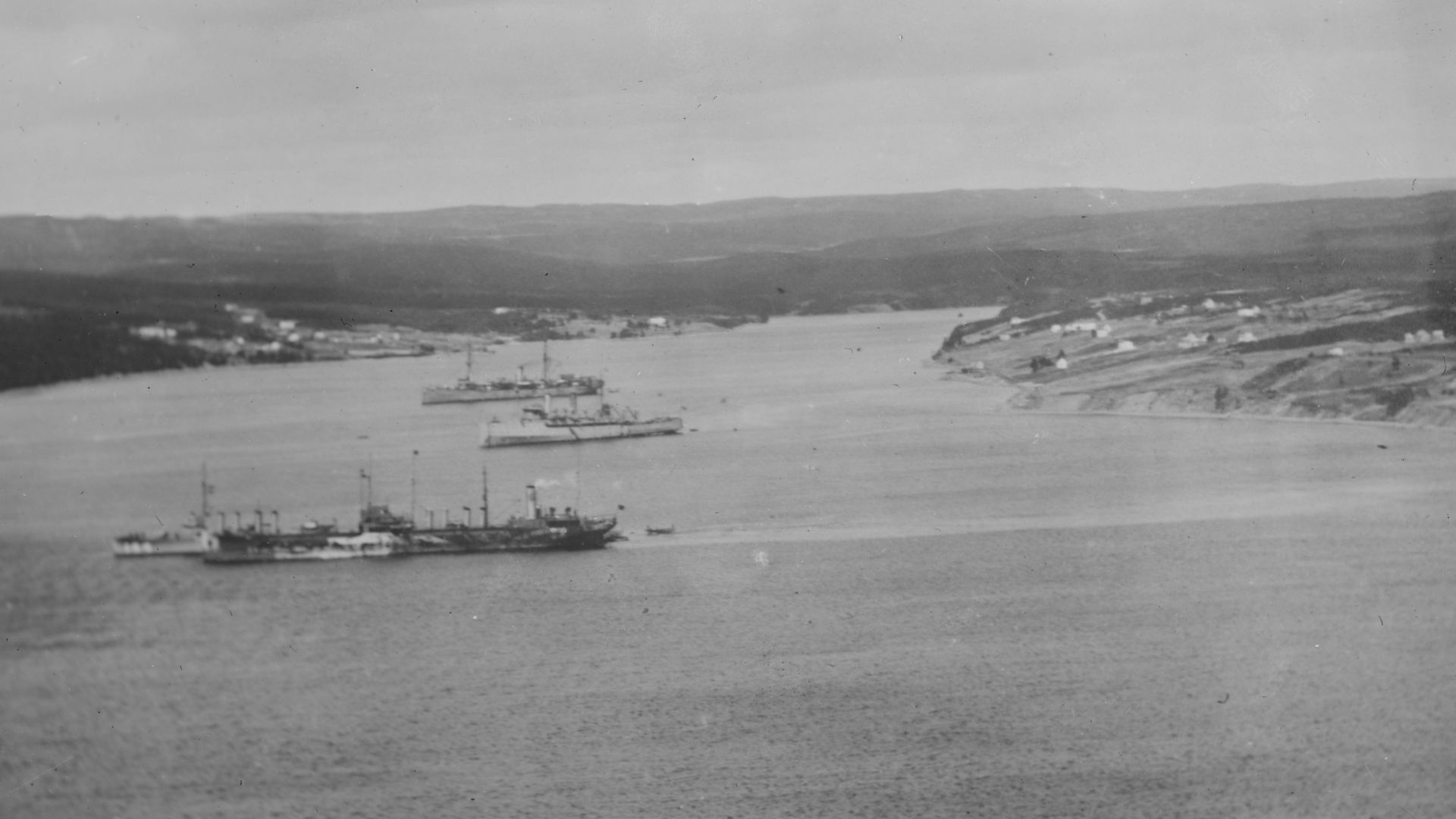
On June 21, 1720, Roberts sailed into Trepassey harbor in Newfoundland with black flags flying, drums beating, and trumpets blaring in a theatrical display of intimidation. The harbor contained 22 merchant ships and 150 fishing vessels, all abandoned by their terrified captains.
 Bain News Service on Wikimedia
13. Governor's Execution
Roberts' most brazen act of vengeance came when he captured the Governor of Martinique, Florimond Hurault de Montigny. Disguising his approach as a friendly French merchant vessel seeking information about pirates, Roberts set out a devastating broadside at close range when the ships drew near.
 Unknown avant 1902 on Wikimedia
14. Slave Ship
Despite his own background as a slave ship officer, Roberts showed callous disregard for enslaved people during his pirate career. In January 1722, at Whydah harbor, he seized eleven slave ships and demanded eight pounds of gold dust ransom for each vessel's return.
15. Walter Kennedy
The pirate’s trust was shattered when his Irish quartermaster, Walter Kennedy, committed the ultimate pirate betrayal. While Roberts took 40 men in a small sloop to chase a brigantine off the Suriname coast, Kennedy sailed away with the Royal Rover.
16. Cape Lopez
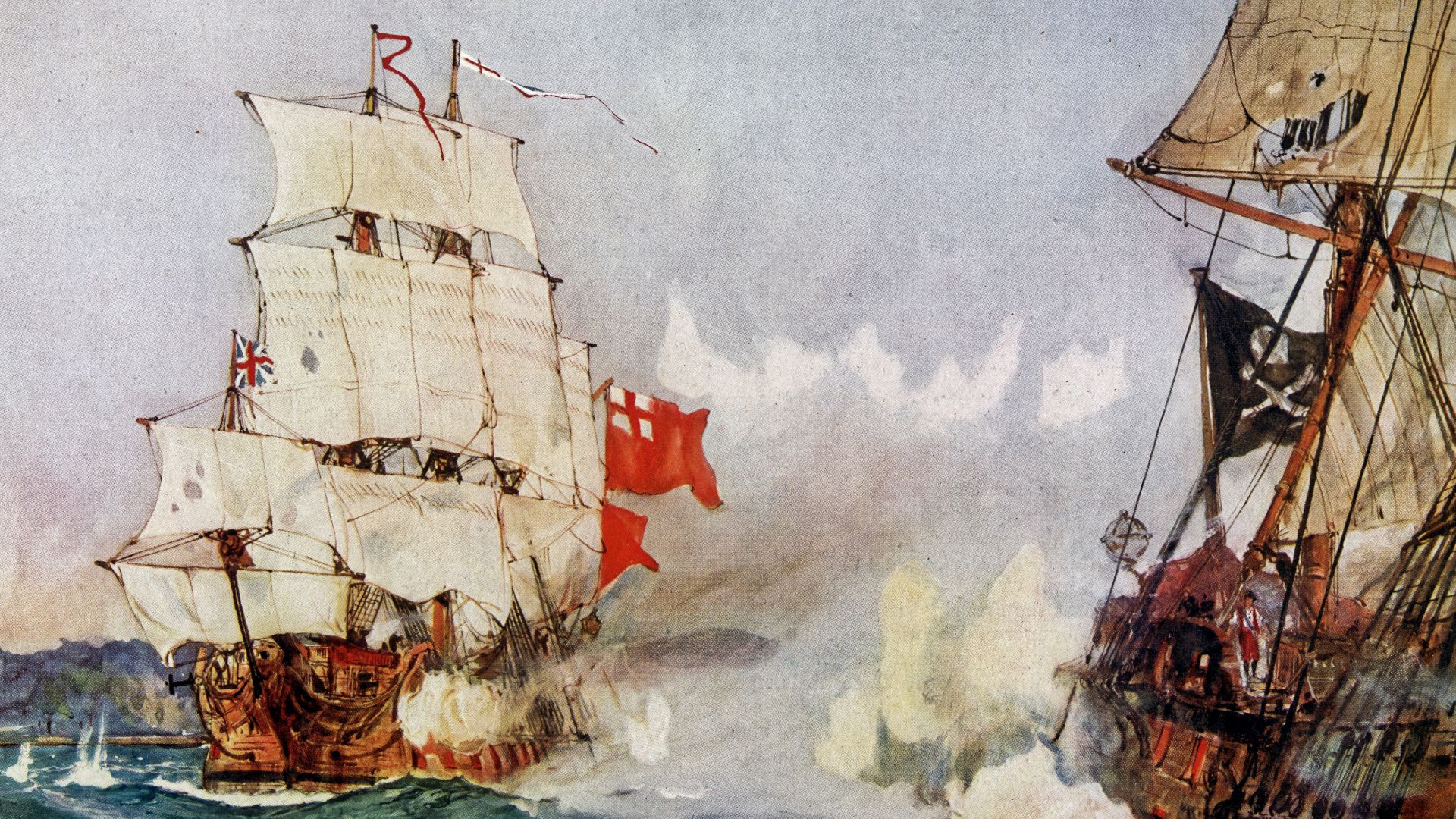
In early February 1722, Roberts anchored his fleet at Cape Lopez in modern-day Gabon for careening—cleaning and repairing ship hulls. Captain Chaloner Ogle of HMS Swallow spotted the pirate vessels on February 5 and devised a clever ruse, raising Portuguese flags and feigning retreat.
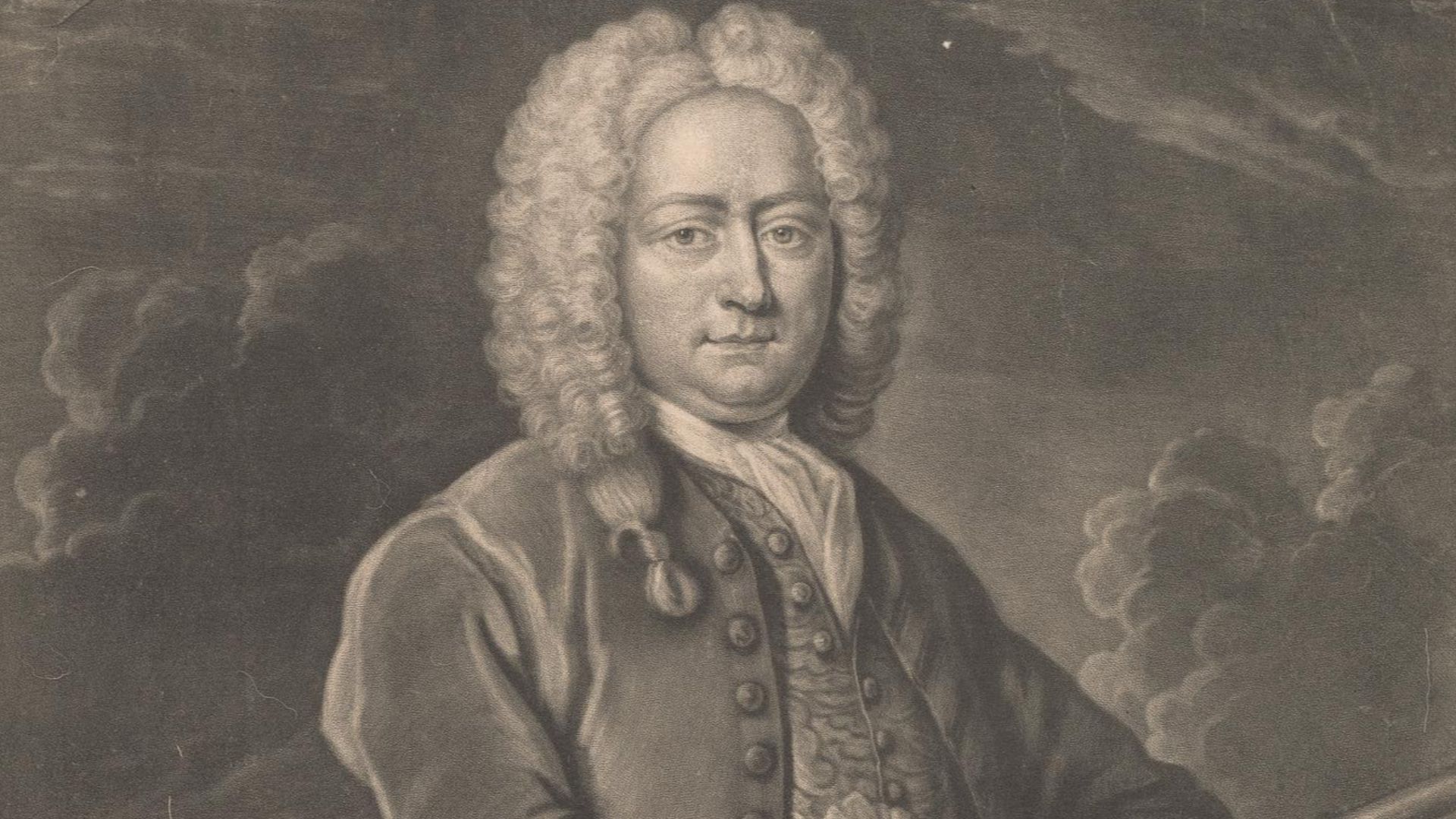 John Faber Junior on Wikimedia
17. Grapeshot Wound
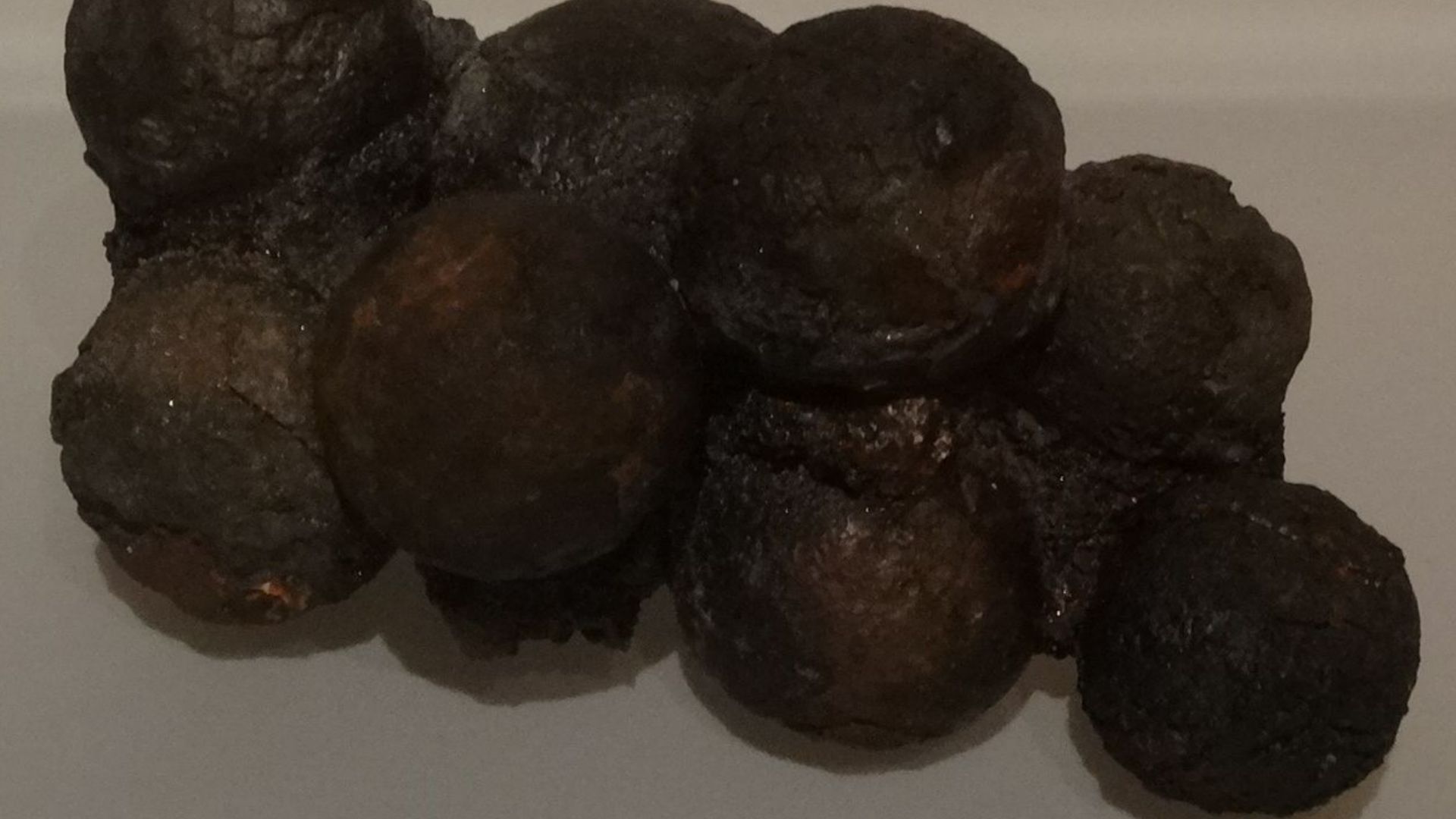
As HMS Swallow approached, the pirate donned his finest crimson damask waistcoat, red-feathered hat, and diamond cross as he always did before battle. When the ships exchanged broadsides during a tropical storm, a piece of grapeshot no bigger than a penny struck Roberts in the throat.
18. Burial Wishes
This individual had made his crew promise that if he died in battle, they would immediately throw his body overboard to prevent British authorities from displaying his corpse in chains as a public warning. His loyal crew honored this wish, quickly weighing down his body.
19. Mass Trial
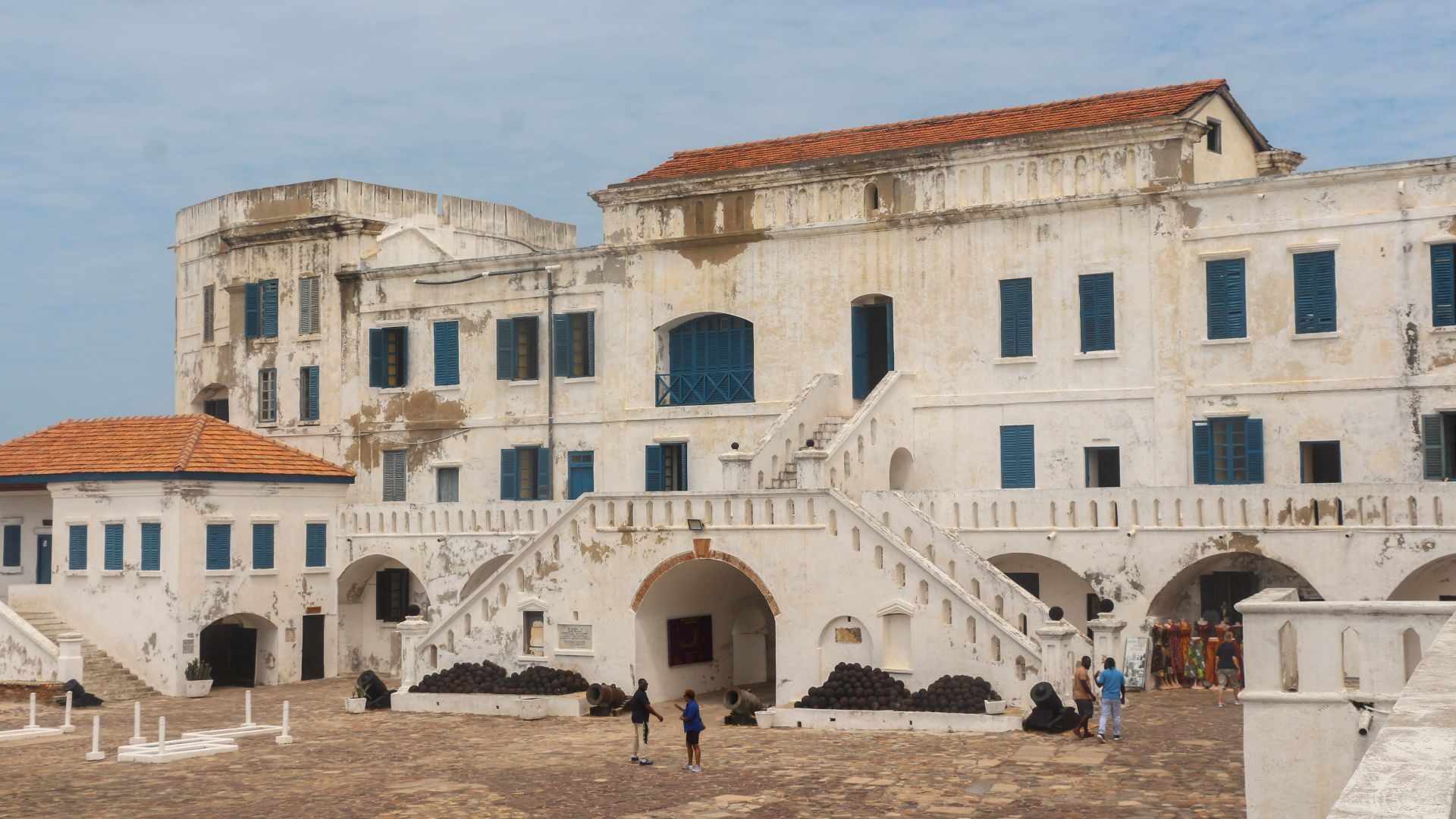
The surviving crew members faced the largest mass pirate trial in history at Cape Coast Castle in Ghana. Of the 272 captured pirates, 54 were sentenced to death—52 were hanged in public view of the castle walls, while two received last-minute reprieves.
20. Piracy's End
Roberts' demise on February 10, 1722, marked the conclusive end of the Golden Age of Piracy, as historians unanimously agree. Captain Chaloner Ogle was knighted in 1723, the only British naval officer ever honored specifically for anti-piracy operations, and later rose to Admiral of the Fleet.