

20 Royal Siblings Who Absolutely Despised Each Other
Crown, Blood, & Absolutely No Peace
Royal siblings were supposed to stand together, strengthen dynasties, and keep the family line looking stable in public. In practice, crowns, inheritance, ambition, and parental favoritism had a way of turning brothers and sisters into lifelong enemies. Some of these rivalries ended in exile, some in prison, and some in outright war. If you think modern sibling tension can get awkward at holidays, royal history would like a word. Here are 20 of the fiercest sibling rivalries in monarch history.
 anonymous / Unidentified painter on Wikimedia
1. Henry VIII & Margaret Tudor
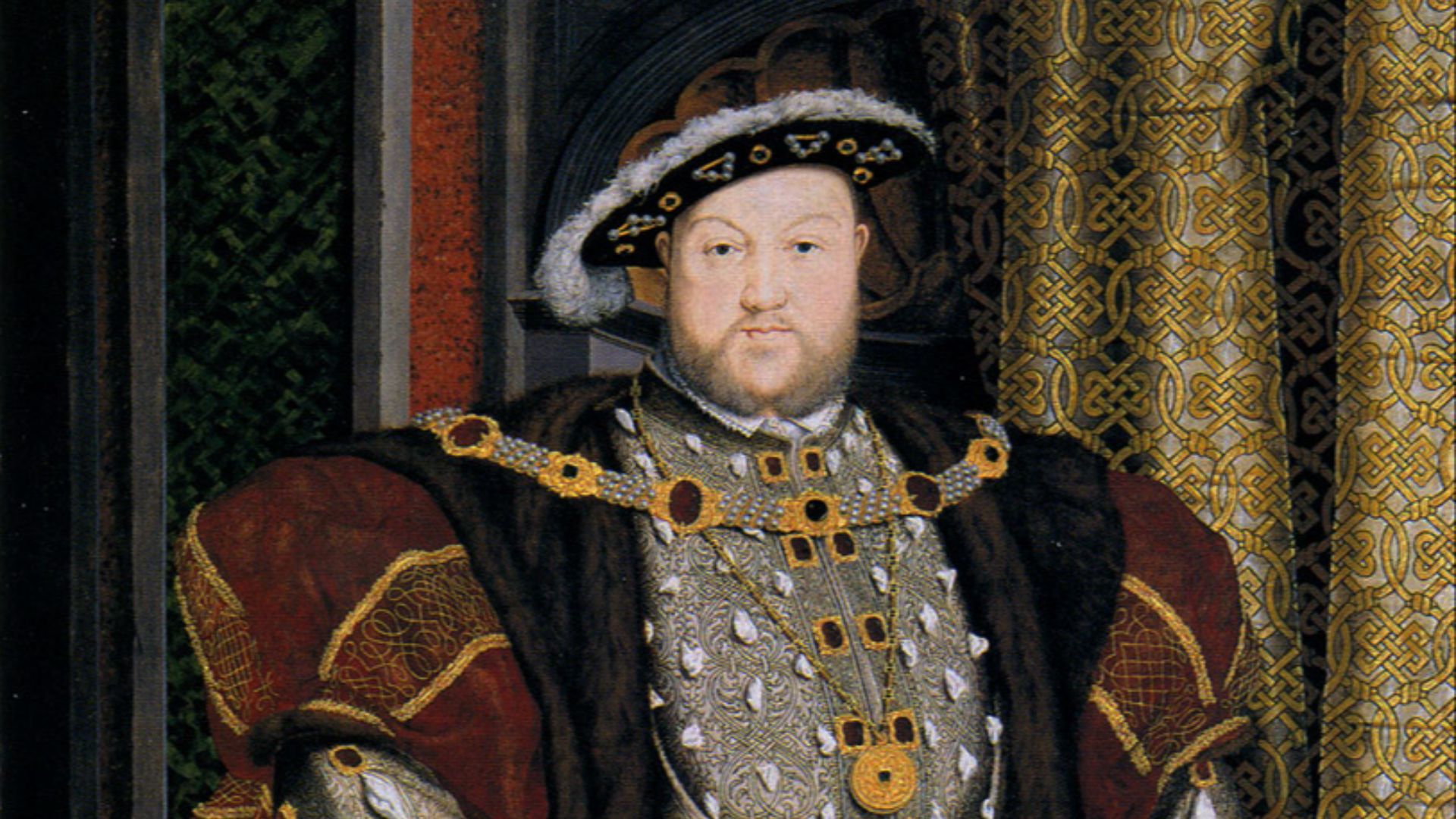
While Henry VIII's and Margaret Tudor's kinship wasn't necessarily explosive all the time, they were only warm towards each other for appearances when it suited both their political goals. Their relationship was shaped by diplomacy, ego, and the fact that both of them came from a family where personal feelings rarely stayed personal for long. Margaret often had her own political goals in Scotland, and Henry wasn't exactly known for being flexible when relatives complicated his plans.
2. Richard I & John of England
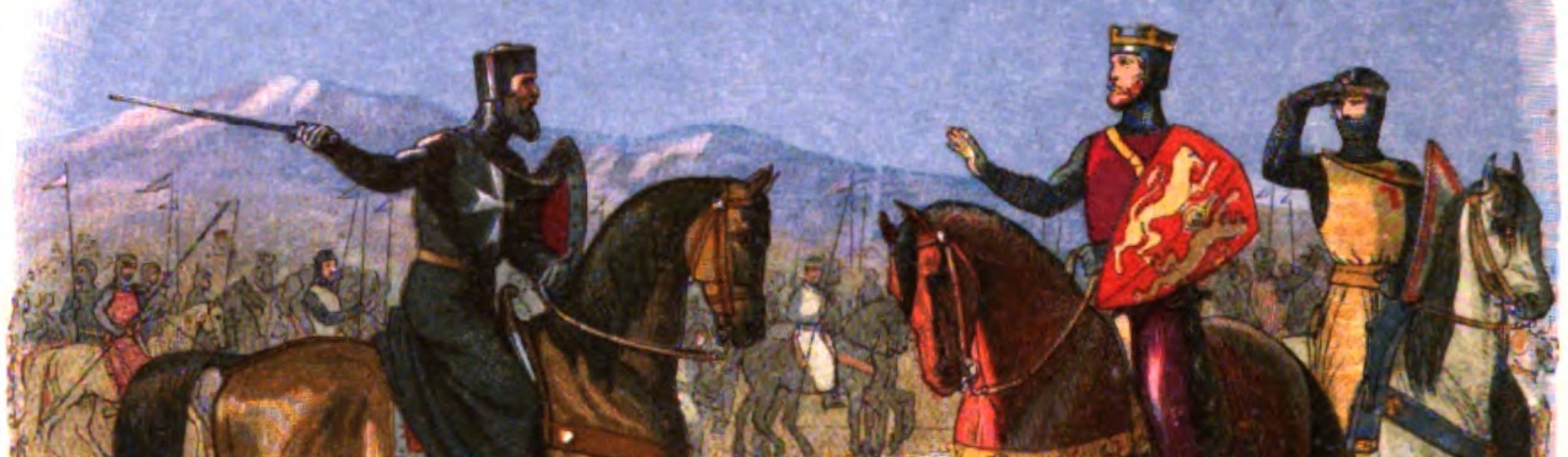
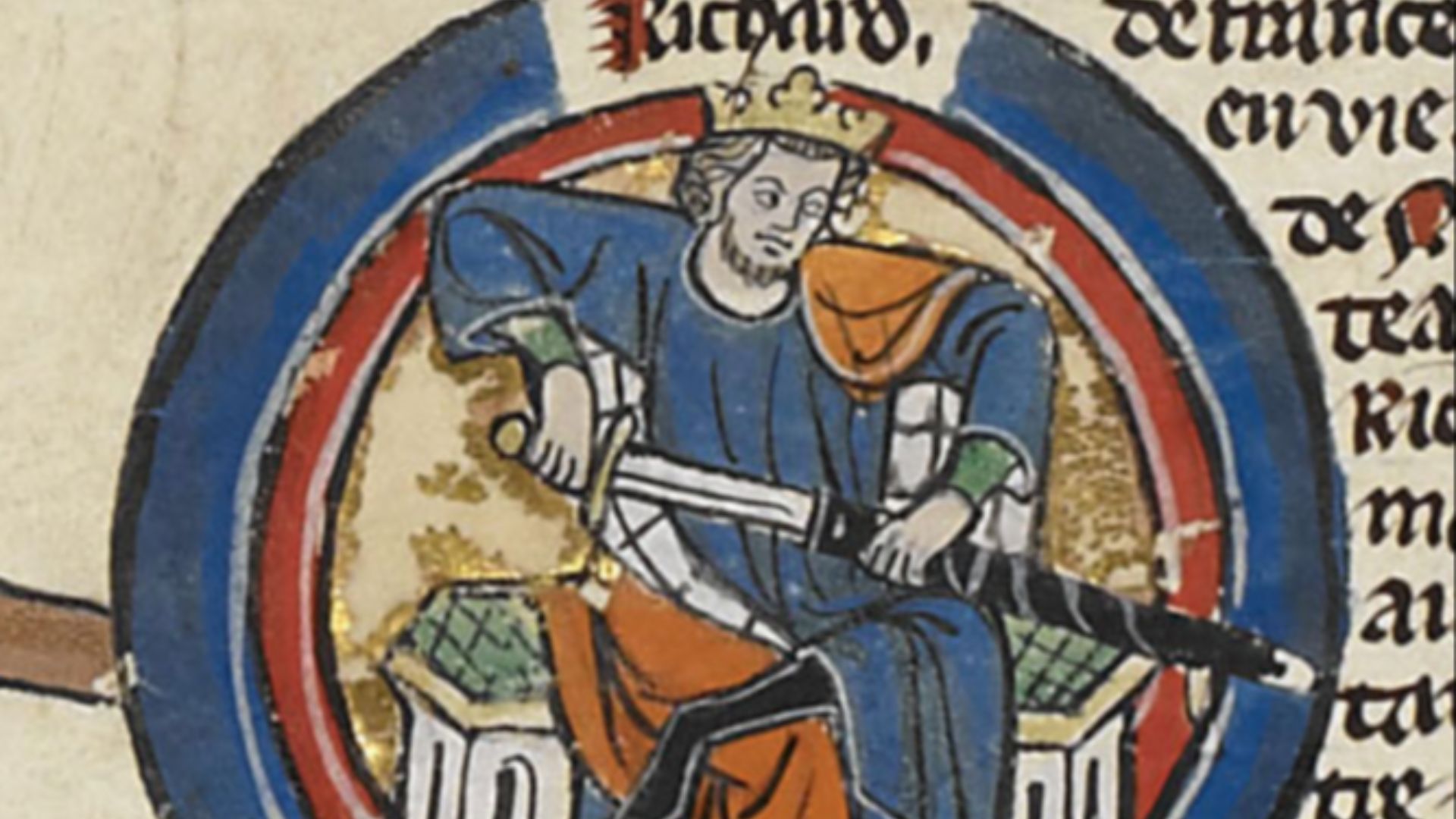
Richard the Lionheart and his brother John were a spectacularly bad combination. While Richard was away on crusade, John spent plenty of time circling the throne like a man who had already started measuring the curtains. Richard never trusted him much, and honestly, the evidence suggests that caution was well placed.
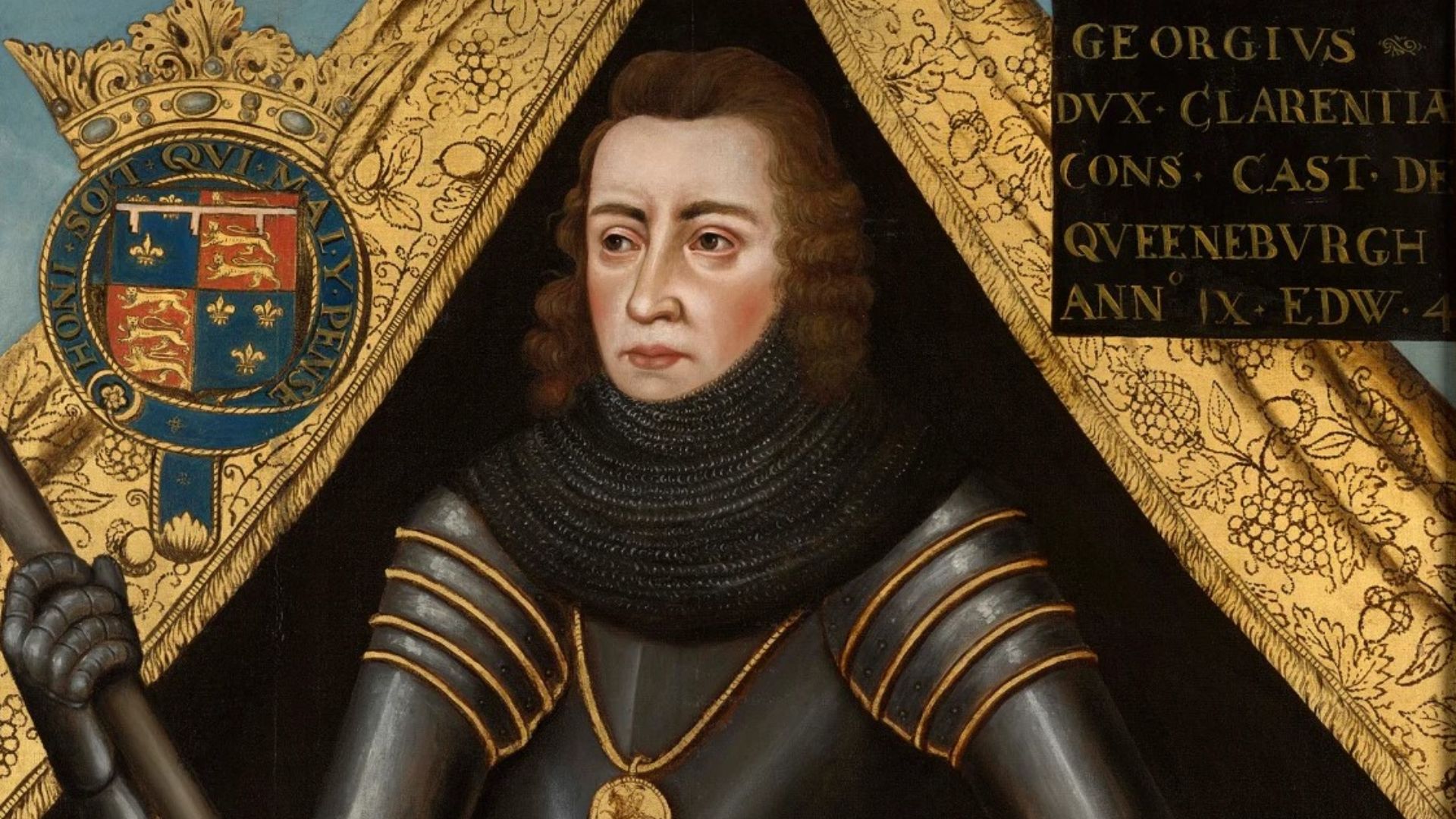
3. Edward IV & George, Duke of Clarence
Edward IV and George of Clarence gave England one of the more poisonous brotherly rivalries of the Wars of the Roses. Clarence repeatedly shifted loyalties, rebelled against Edward, and generally behaved like a man who found treachery intellectually stimulating. Edward eventually had enough and had him executed, which signals that it was a pretty serious rivalry.
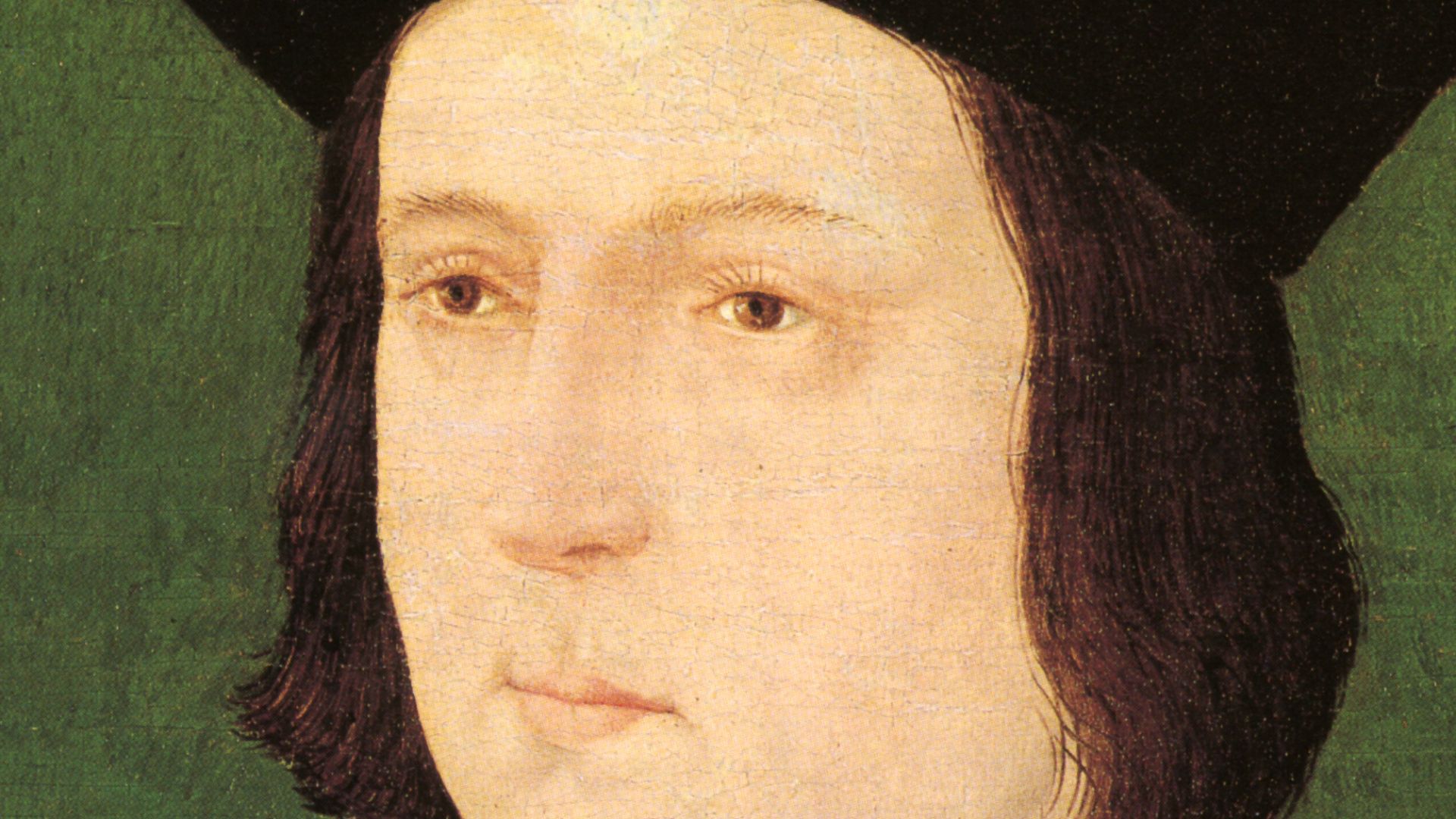
4. George IV & Frederick, Duke of York
George IV and Frederick weren't always at each other’s throats in a cinematic way, but there was a lot of rivalry and little reason to assume deep affection. As sons of George III, they grew up in a court full of pressure, comparison, and public scrutiny. George was vain, extravagant, and politically awkward, while Frederick had his own reputation and ambitions to manage.
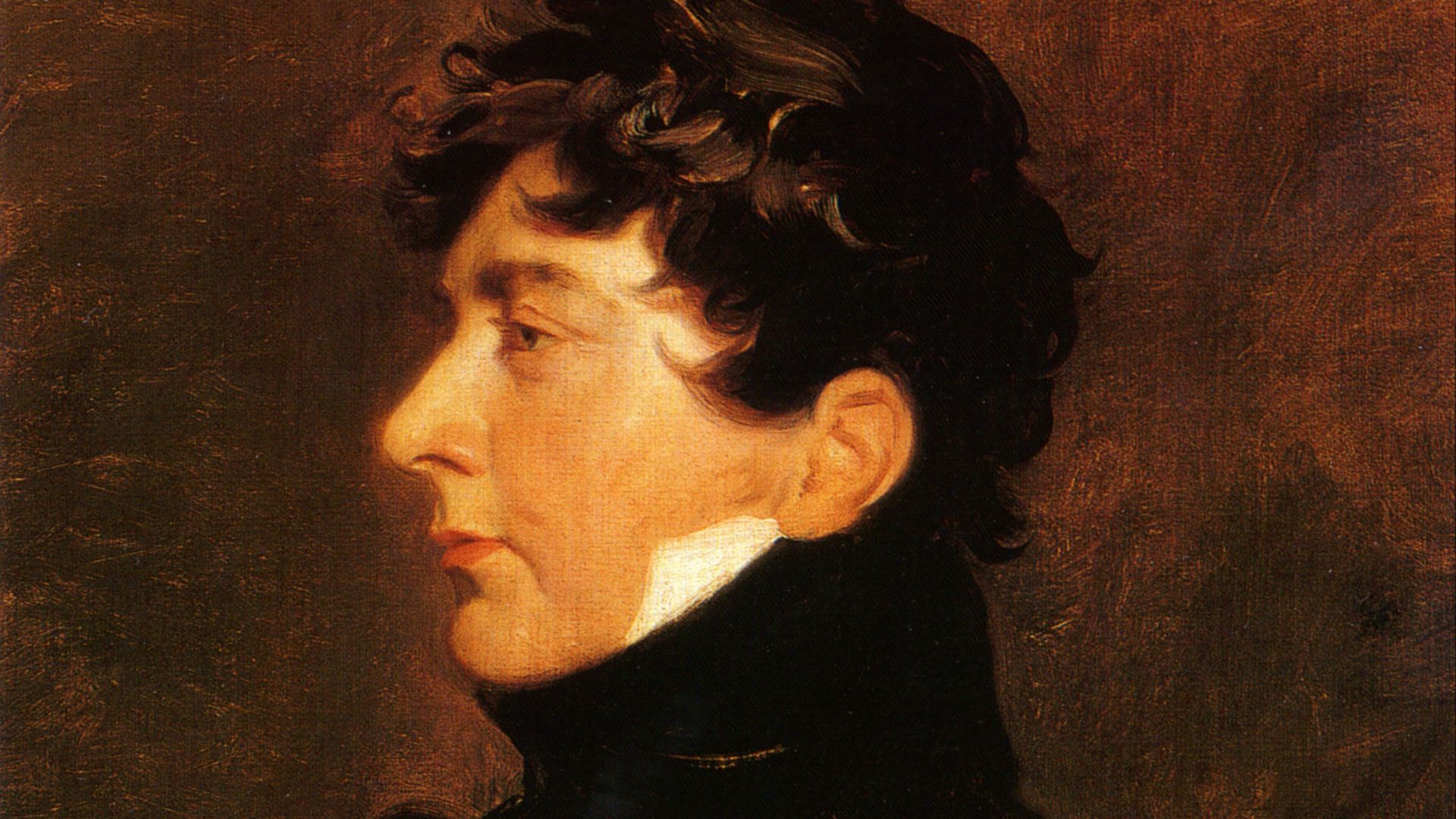
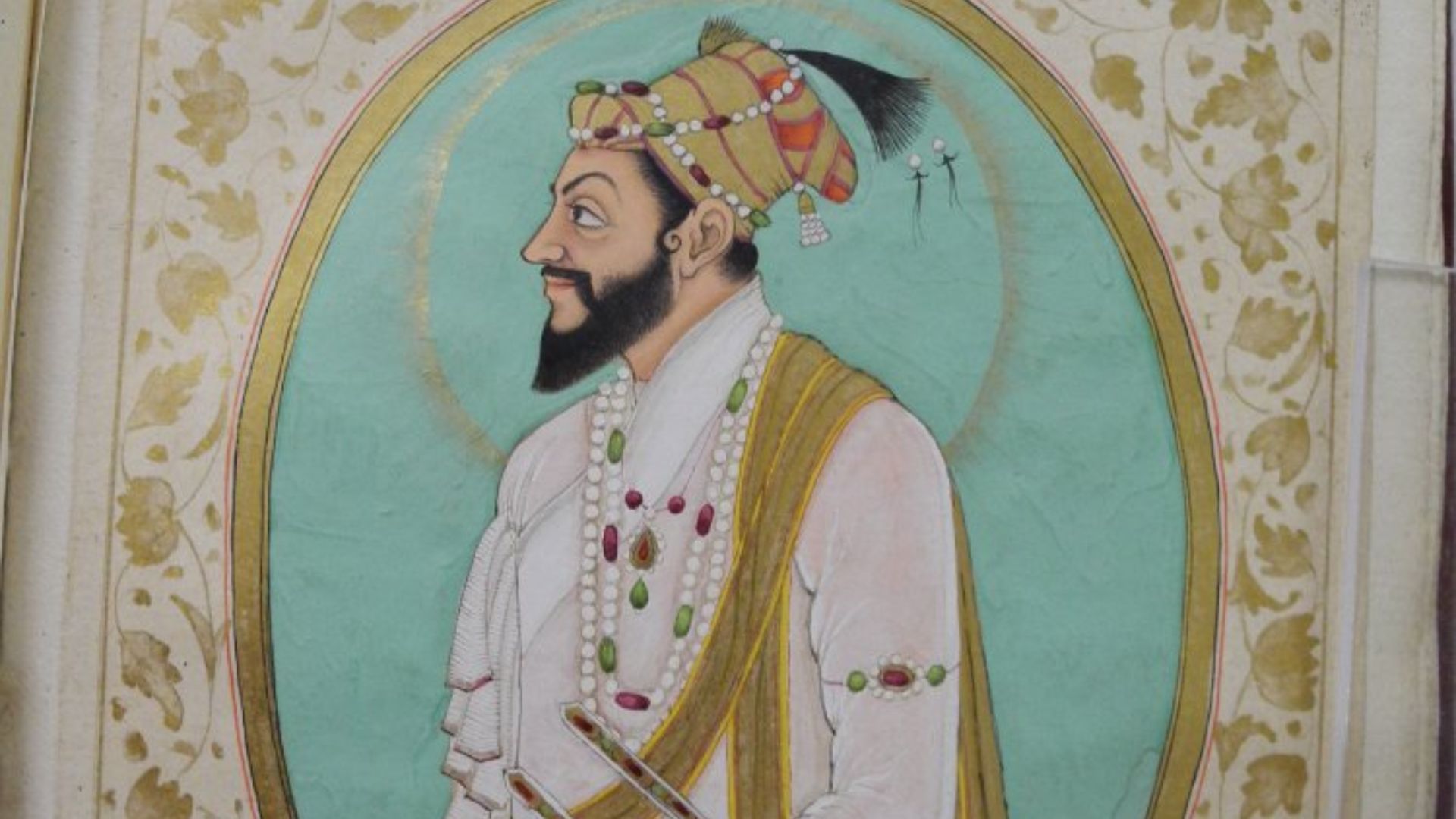
5. Aurangzeb & Dara Shikoh
Aurangzeb and Dara Shikoh took sibling hatred to a very Mughal level, which is to say it came with armies and succession warfare. Dara was the favored son of Shah Jahan, cultured and visible, while Aurangzeb was colder, more strategic, and much less interested in losing. Their rivalry ended with Aurangzeb defeating Dara, parading him in humiliation, and having him executed.
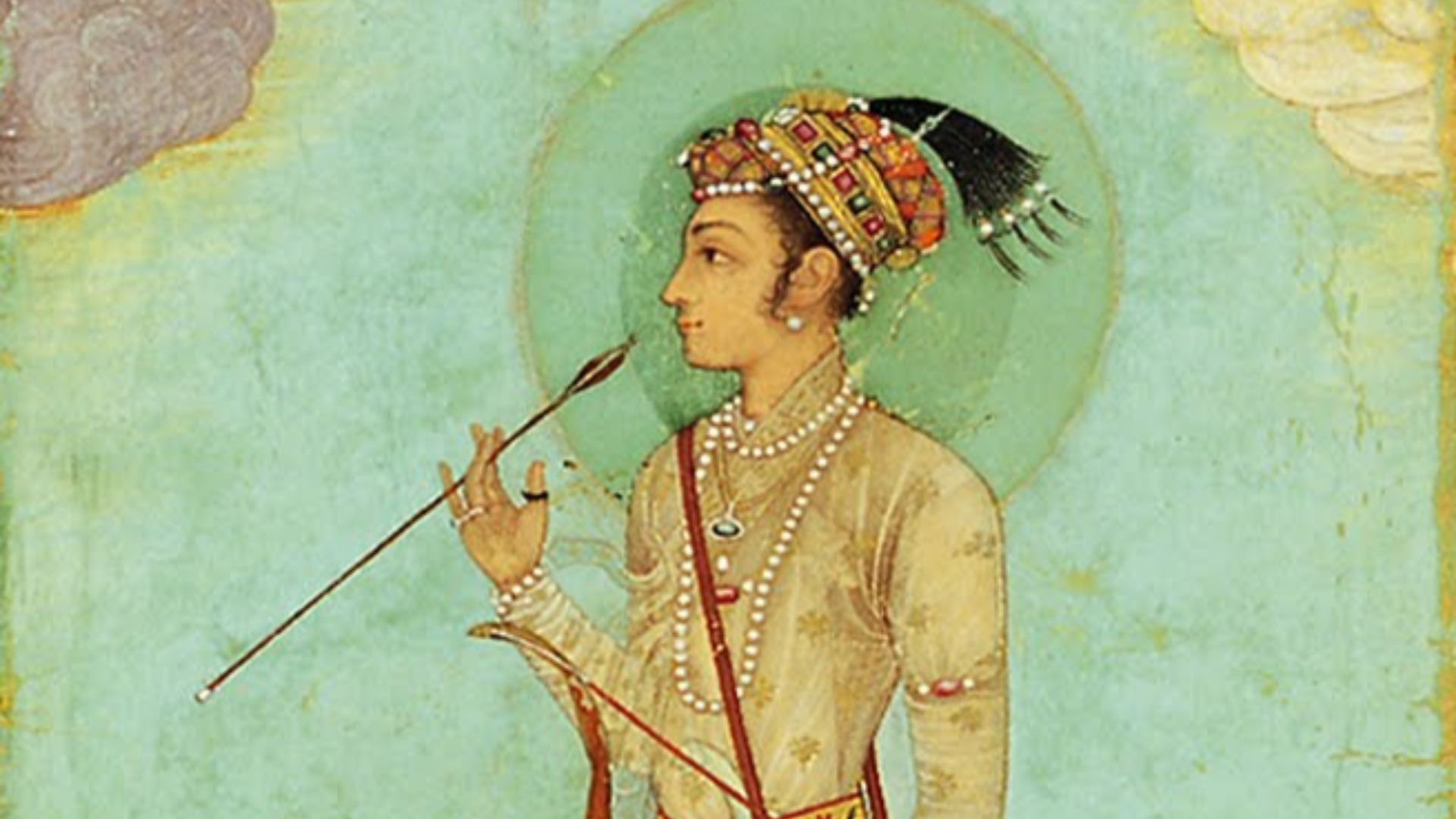
6. Aurangzeb & Murad Baksh
Aurangzeb didn't reserve his ruthlessness for Dara alone. During the Mughal war of succession, he also used and then disposed of his other brother, Murad Baks,h once Murad was no longer politically useful. They briefly cooperated when it helped Aurangzeb’s position, but he later betrayed, imprisoned, and executed Murad.
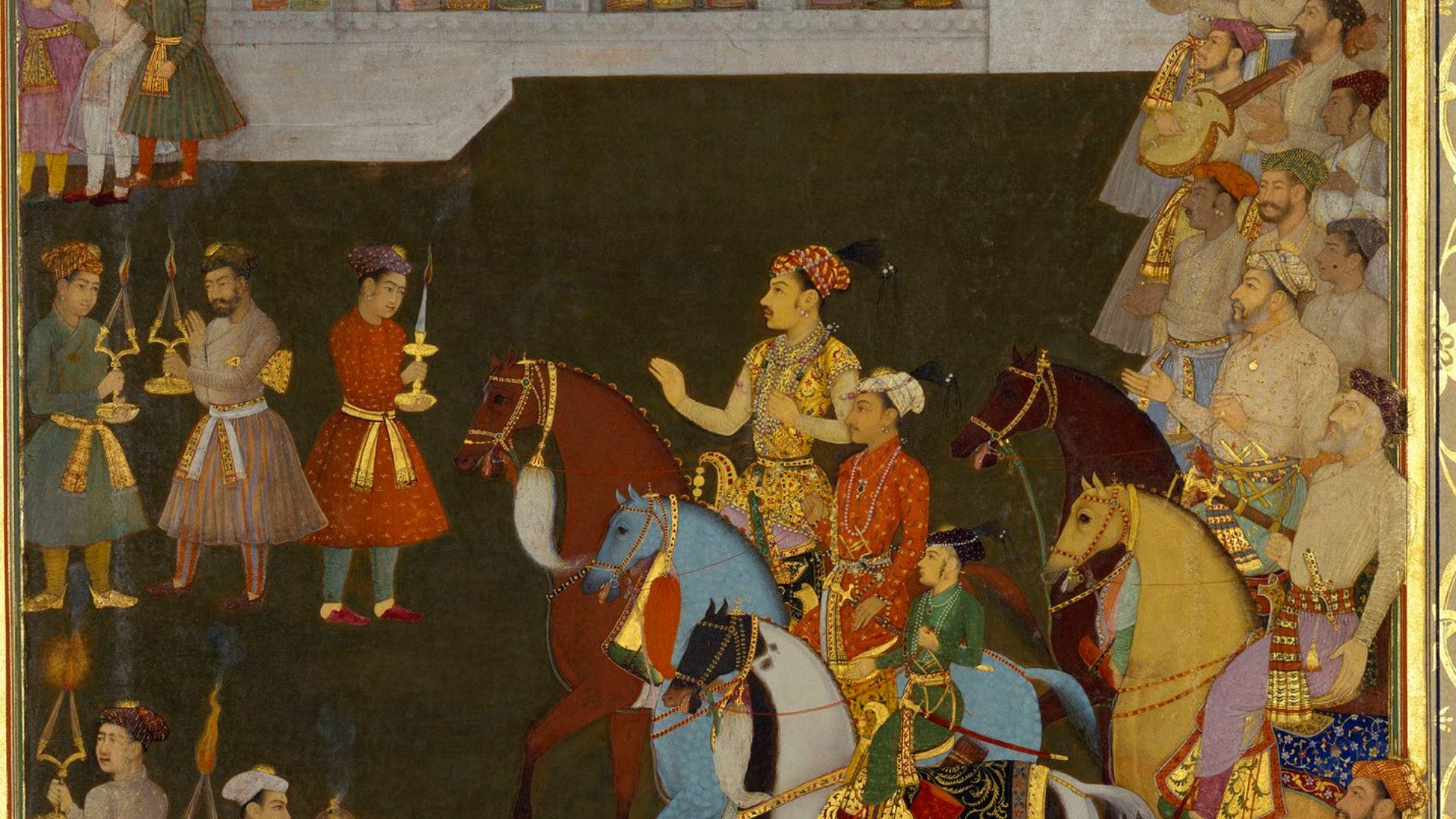
7. Aurangzeb & Shah Shuja
Shah Shuja was another brother caught in Aurangzeb’s grim climb to power. Like the others, he had a real claim and real ambitions, which in a Mughal court basically meant he had signed up for a terrible future, whether he realized it or not. Aurangzeb fought him, defeated him, and pushed him into flight and eventual ruin.
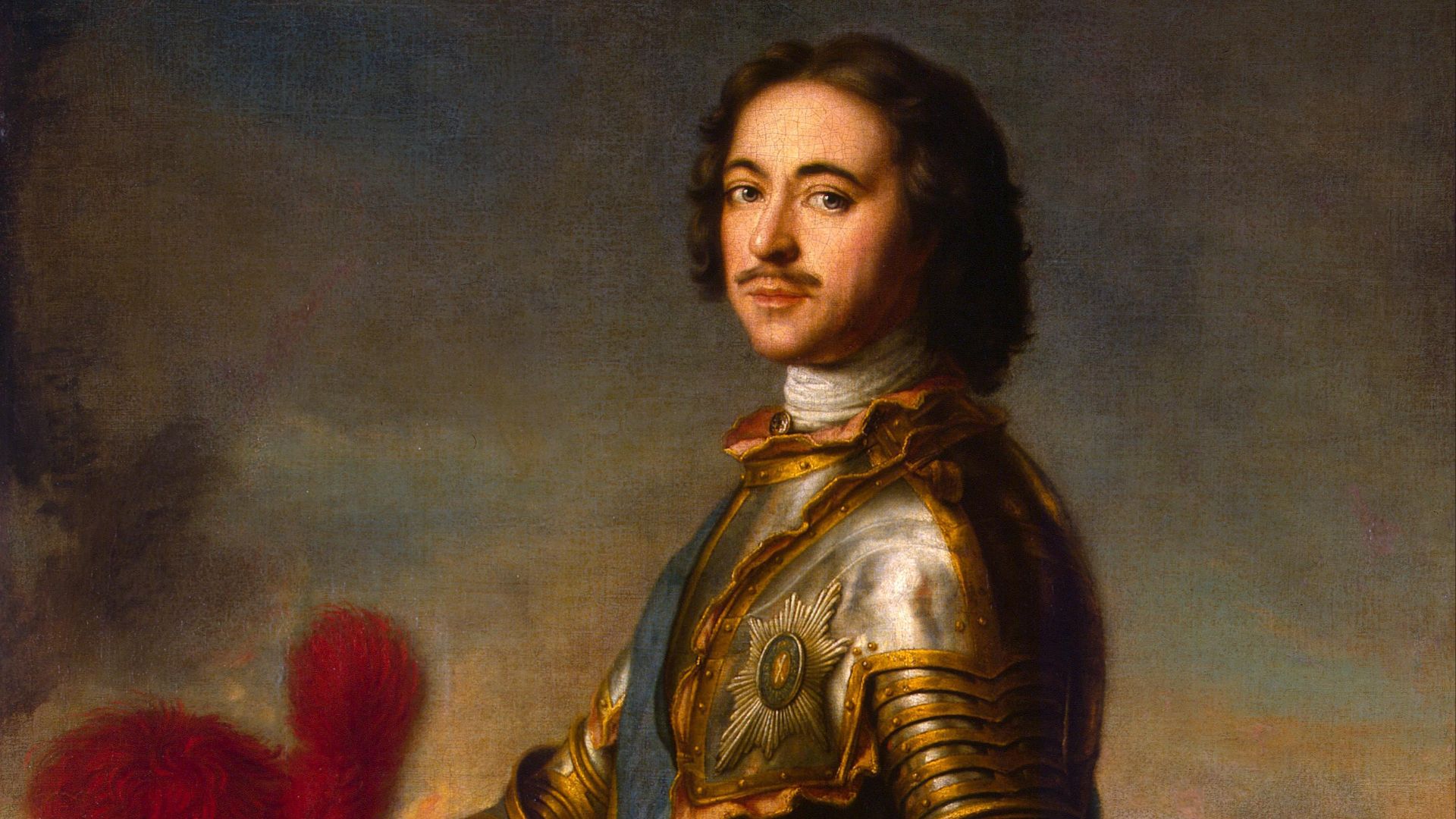
8. Peter the Great & Sophia Alekseyevna
Sophia was the ambitious half-sister of Peter the Great. She ruled as regent while Peter was young, and once he began asserting himself, the contest between them became a brutal struggle for real control. Peter eventually ousted her and forced her into a convent.
 Attributed to Jean-Marc Nattier on Wikimedia
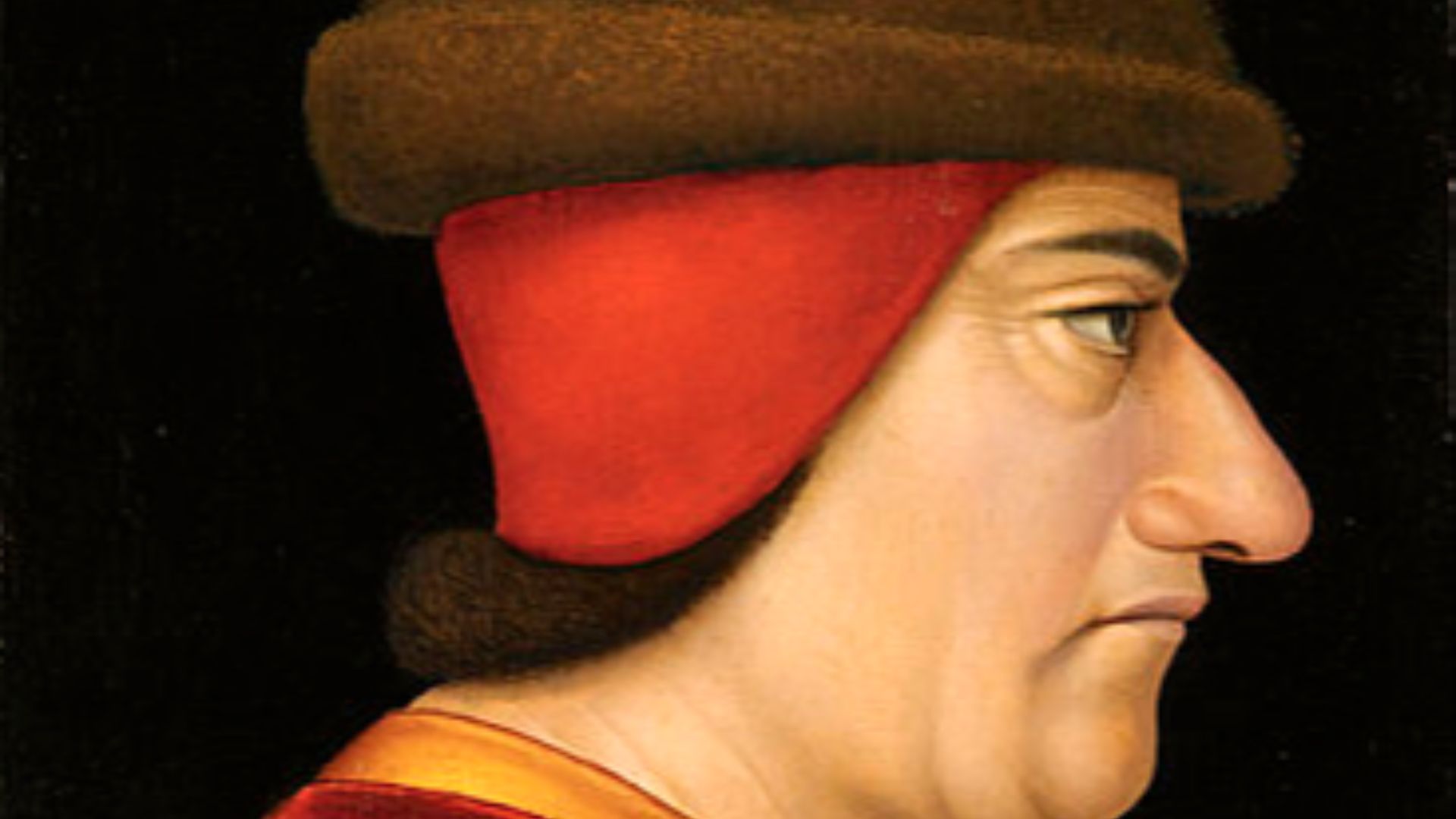
9. Louis XI of France & Charles, Duke of Berry
Louis XI and his brother Charles, Duke of Berry, were another pair who found family life much easier when separated by armies and treaties. Charles became a focus for opposition among nobles who resented Louis, which naturally didn't improve the king’s opinion of him. Louis eventually appointed his brother Duke of Aquitaine in an effort to control him, but Charles just kept leading plots against Louis until his death from illness.
 Alain.Darles et anonyme on Wikimedia
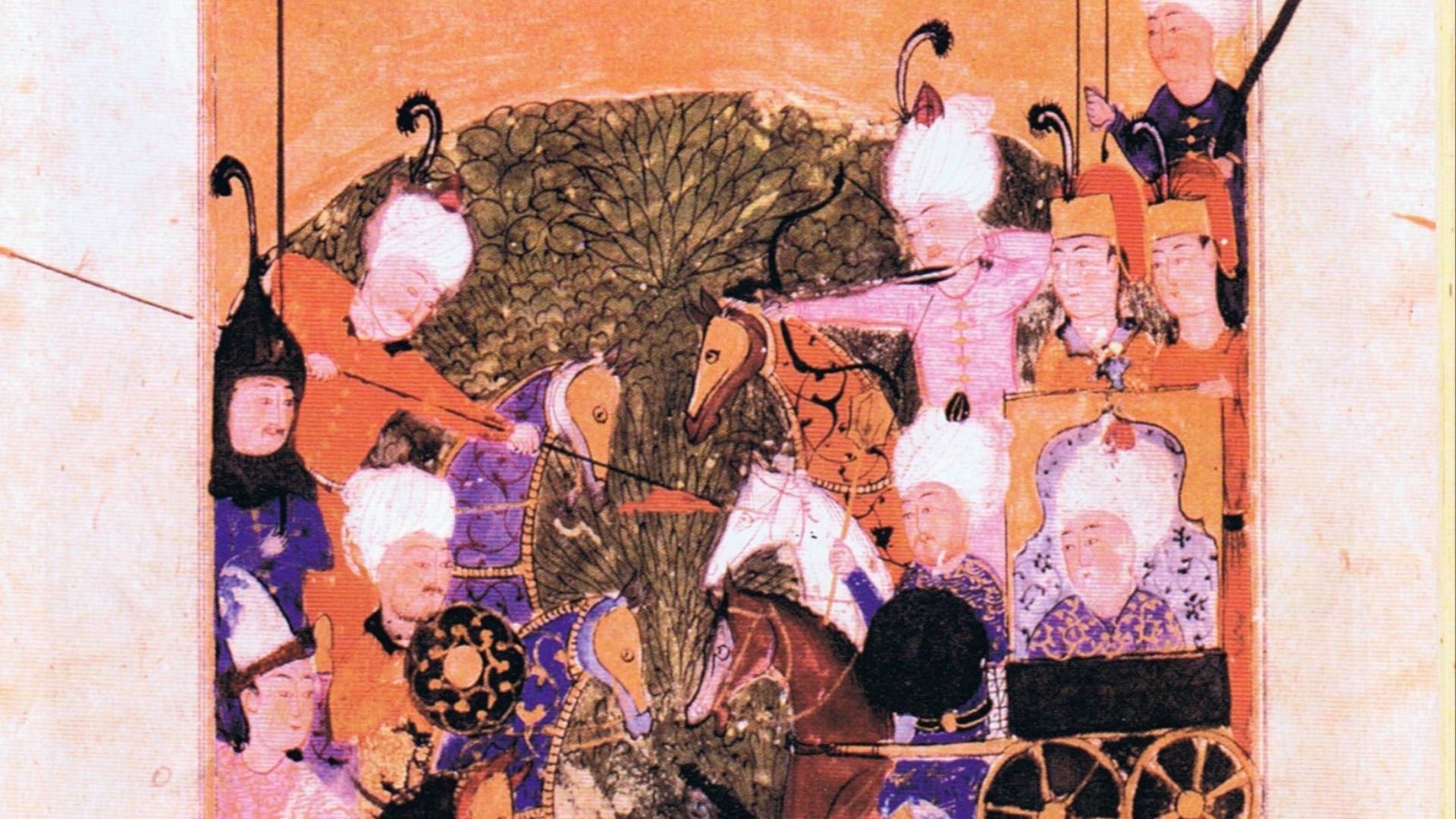
10. Selim II & Bayezid
Selim II and Bayezid were the sons of Suleiman the Magnificent, and their rivalry turned into one of the Ottoman dynasty’s ugliest sibling battles. What began as a succession struggle eventually became open conflict, with Bayezid rebelling after losing favor and realizing how dangerous his position had become. Selim had the advantage of official backing, and Bayezid ultimately fled before being captured and executed along with several of his sons.
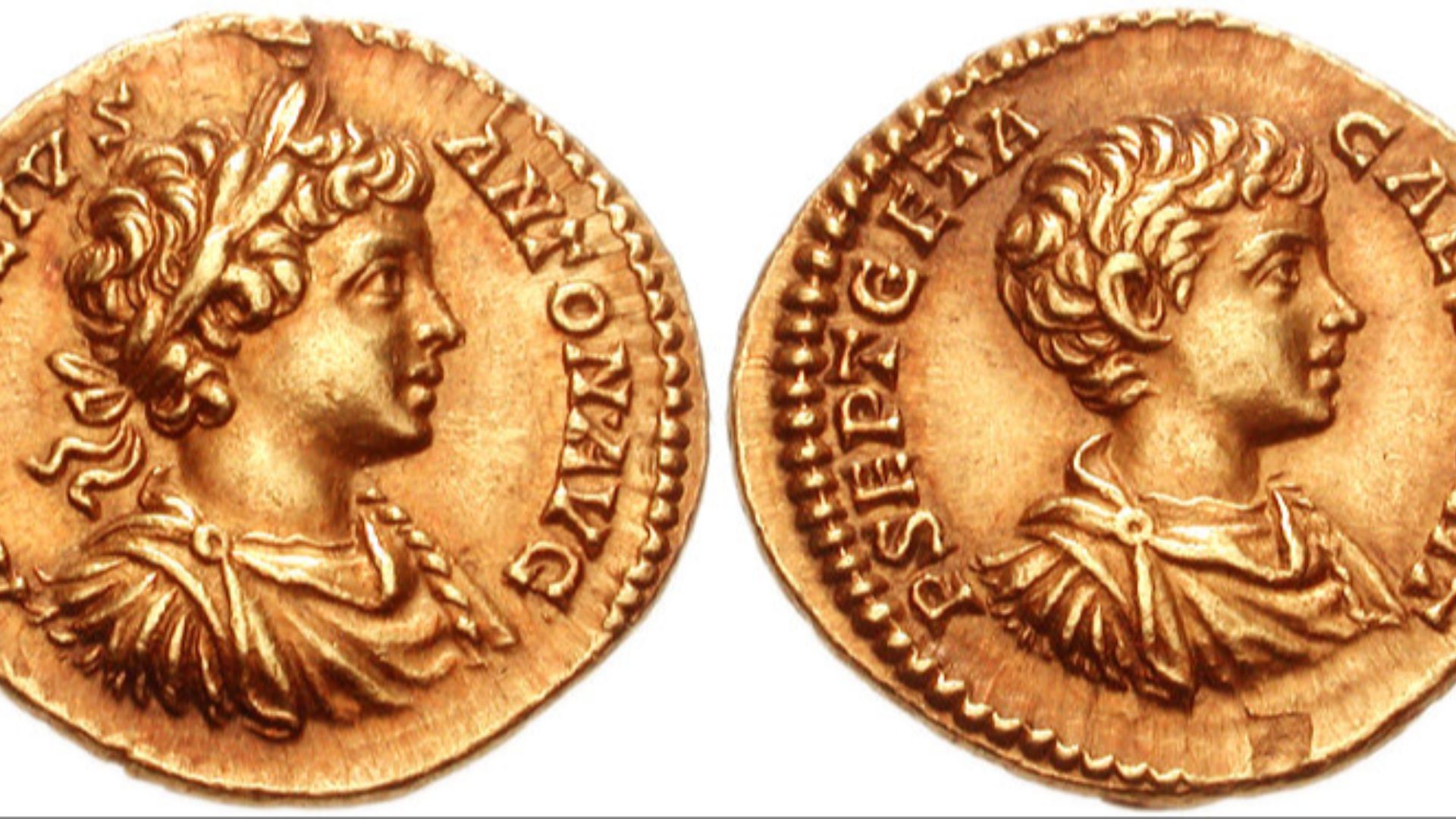
11. Caracalla & Geta
Caracalla and Geta were brothers who inherited the Roman Empire together, which already sounds like a recipe for disaster. Their hatred for each other was so intense that after their father, Septimius Severus, died, they reportedly couldn't even share the palace without trying to divide it into separate territories. The arrangement collapsed fast, and Caracalla eventually had Geta murdered in front of their mother.
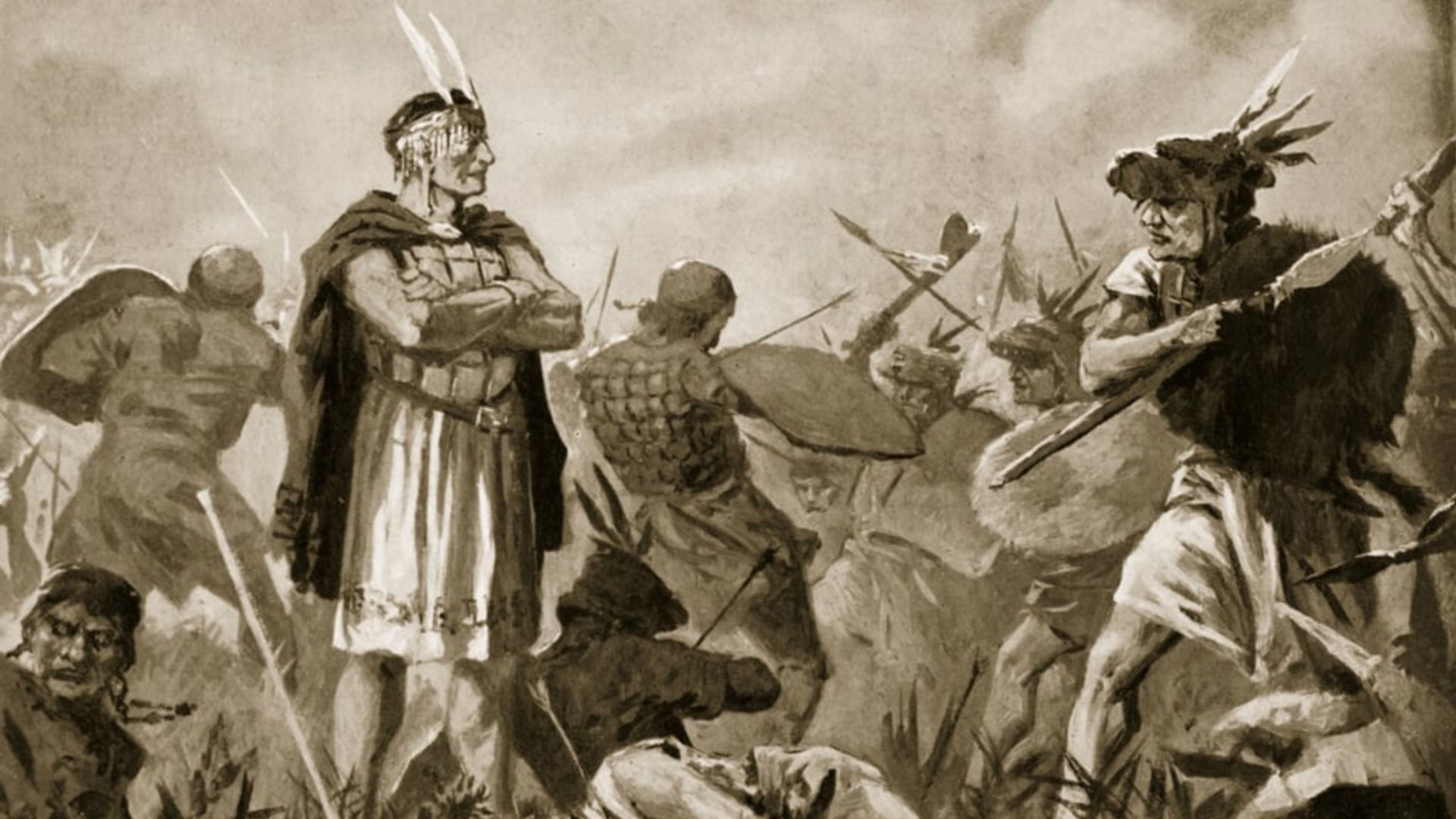
12. Atahualpa & Huáscar
After the death of their father, Inca royal brothers, Huayna Capac, Atahualpa, and Huáscar, became locked in a brutal civil war over control of the empire. The conflict turned vicious, with armies, executions, and deep personal bitterness driving the struggle long before the Spanish arrived to exploit the chaos. This was not a polite succession disagreement—it was a full-scale family war that helped tear the empire apart.
 John Harris Valda on Wikimedia
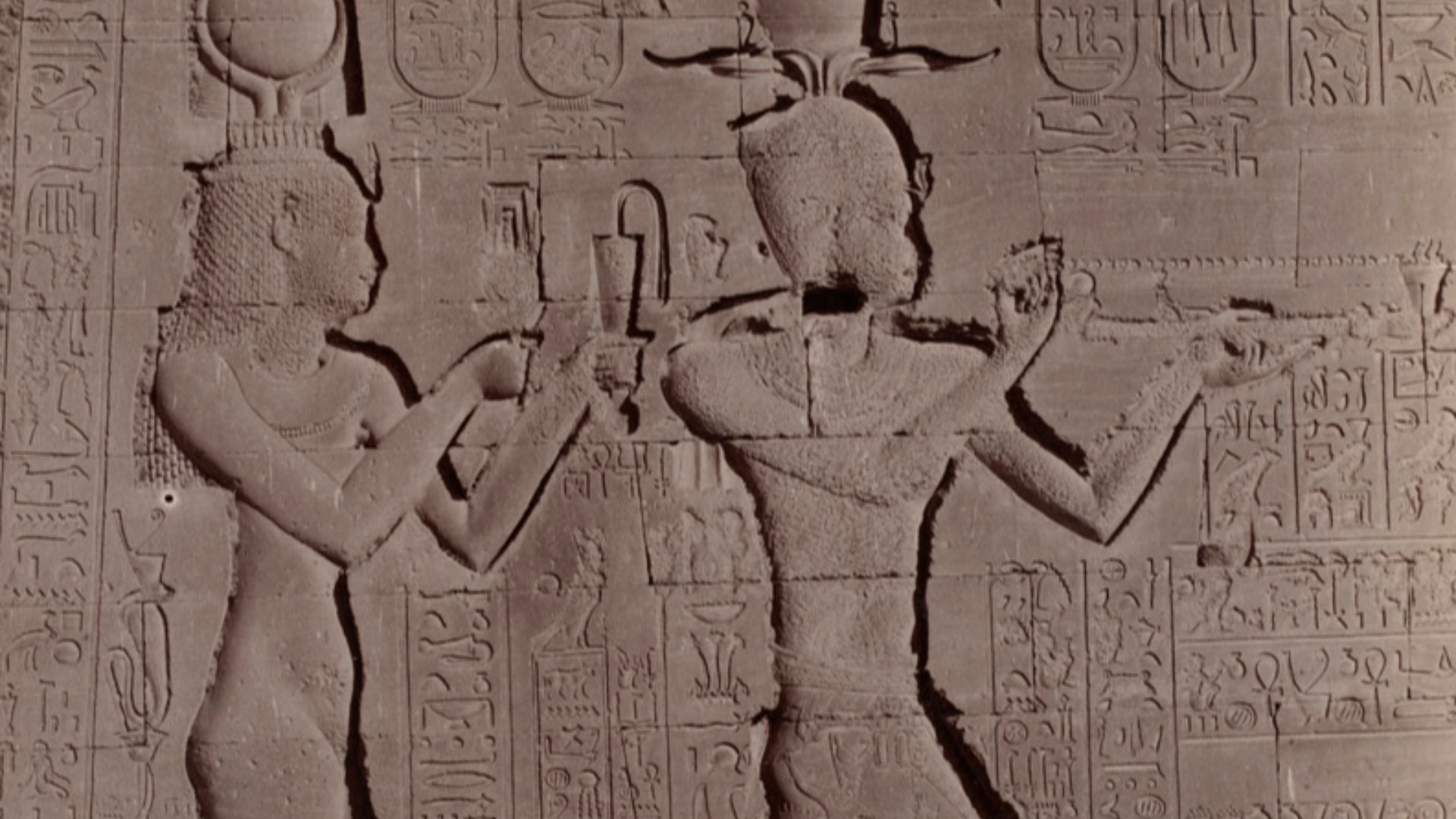
13. Cleopatra VII & Ptolemy XIII
Cleopatra and Ptolemy XIII were sibling co-rulers in the classic Ptolemaic style, which already tells you the arrangement was unstable and deeply weird. Their partnership collapsed into open conflict, exile, political maneuvering, and eventually war with Roman involvement. Ptolemy’s side tried to remove Cleopatra entirely, and Cleopatra naturally didn't take that well.
 Boston Public Library on Wikimedia
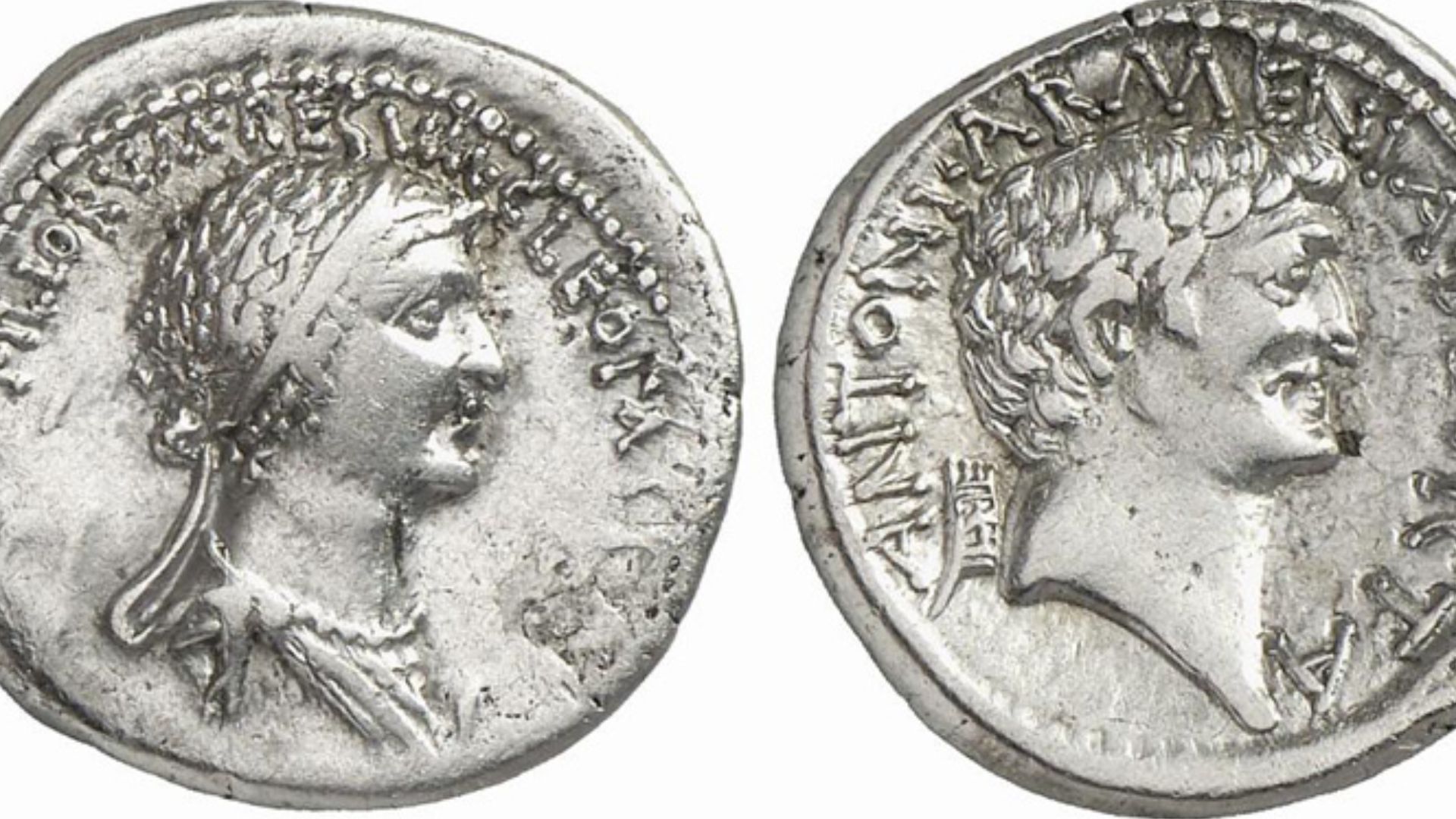
14. Cleopatra VII & Arsinoe IV
Cleopatra didn't exactly have a peaceful relationship with her sister Arsinoe IV either. Arsinoe turned against her during the Alexandrian conflict and became a rival center of support against Cleopatra’s rule. Cleopatra ultimately survived the power struggle, and Arsinoe later ended up assassinated on Cleopatra’s orders.
 Classical Numismatic Group on Wikimedia
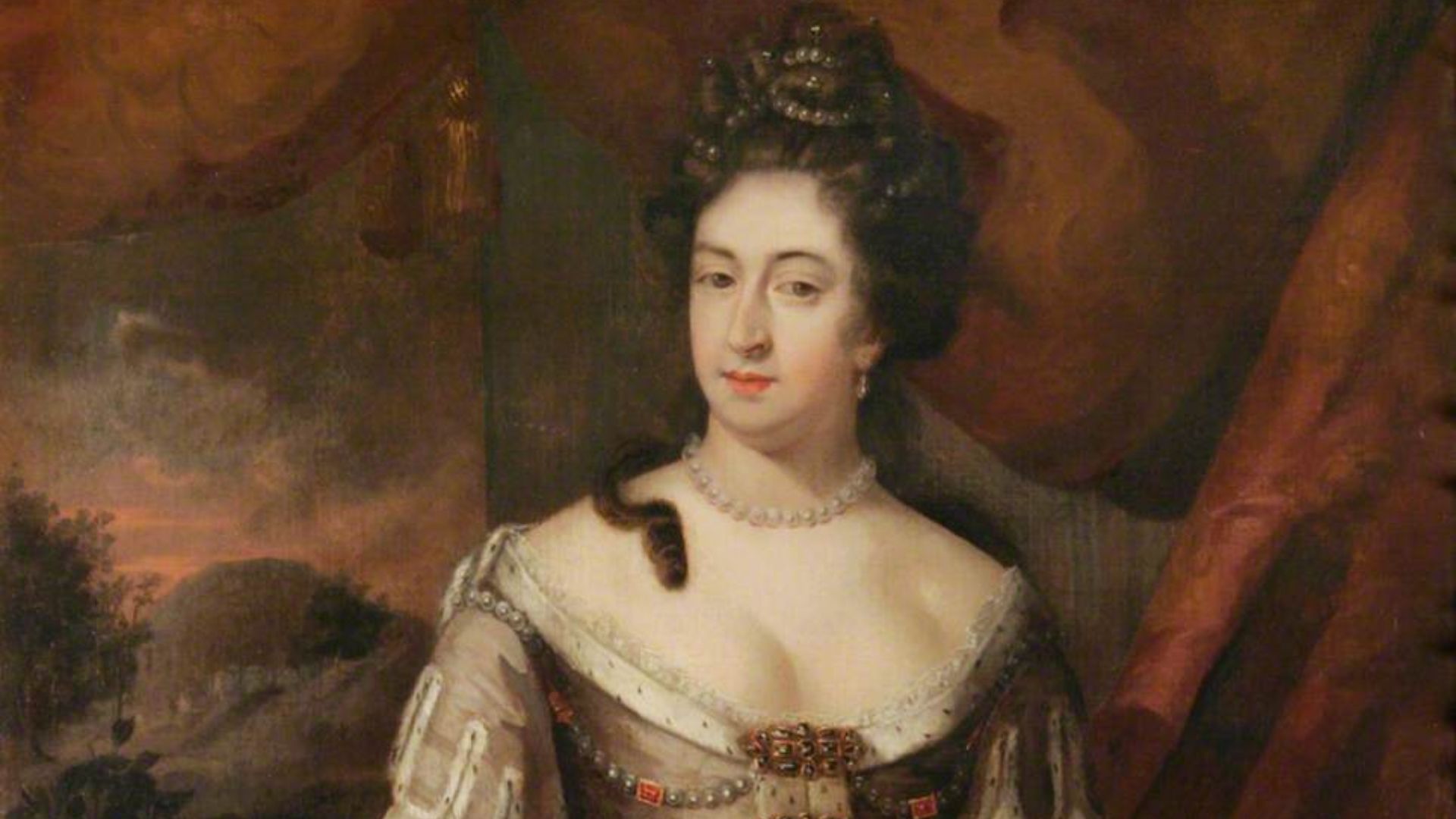
15. Mary II & Anne
Mary II and Anne began as sisters within the same troubled Stuart family, but their relationship deteriorated badly over politics, loyalty, and the people around them. Anne felt neglected and slighted, while Mary could be rigid and unsympathetic in ways that made the breach even worse. Their quarrels became public and painfully personal. While no execution orders were sent out against the other, the sisters remained estranged until the end of their days.
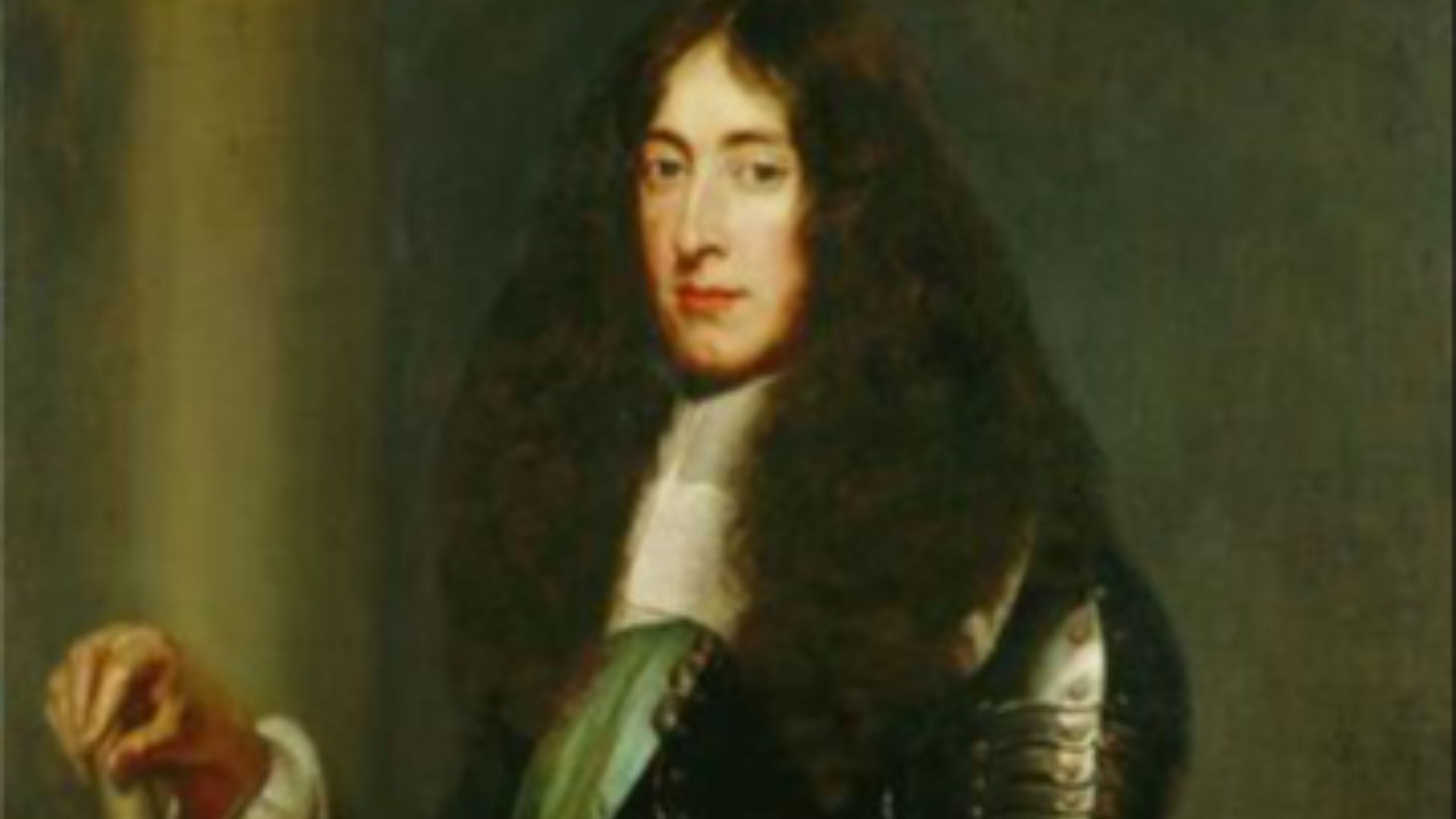
16. Charles II & James II
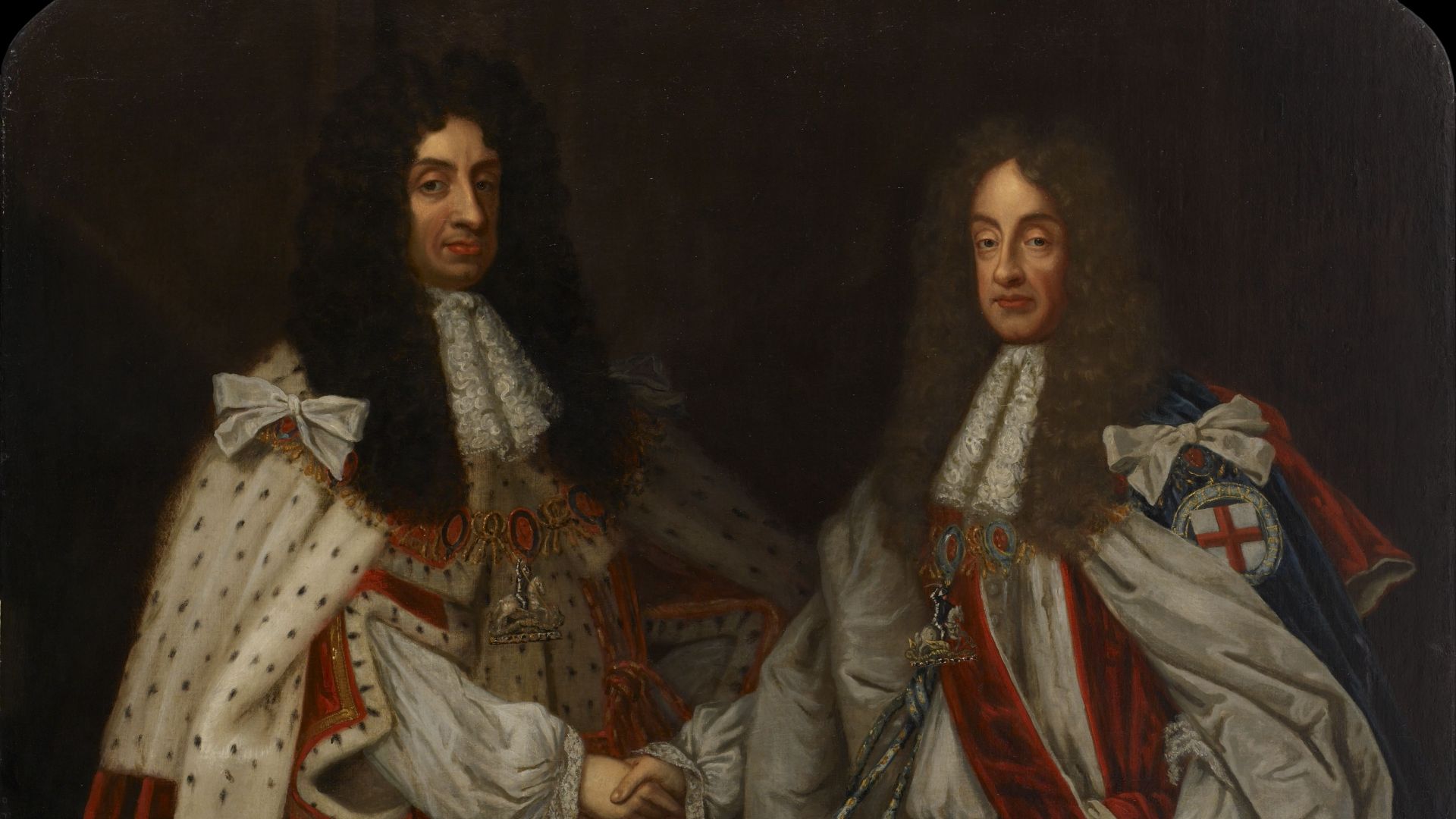
Charles II and James II didn't spend their lives in outright constant warfare, but the tension between them was significant and persistent, especially because James’s Catholicism caused enormous political anxiety. Charles often had to manage the fact that his own brother’s position threatened the balance of his reign. There was loyalty at times, but also mistrust, maneuvering, and plenty of frustration beneath the surface.
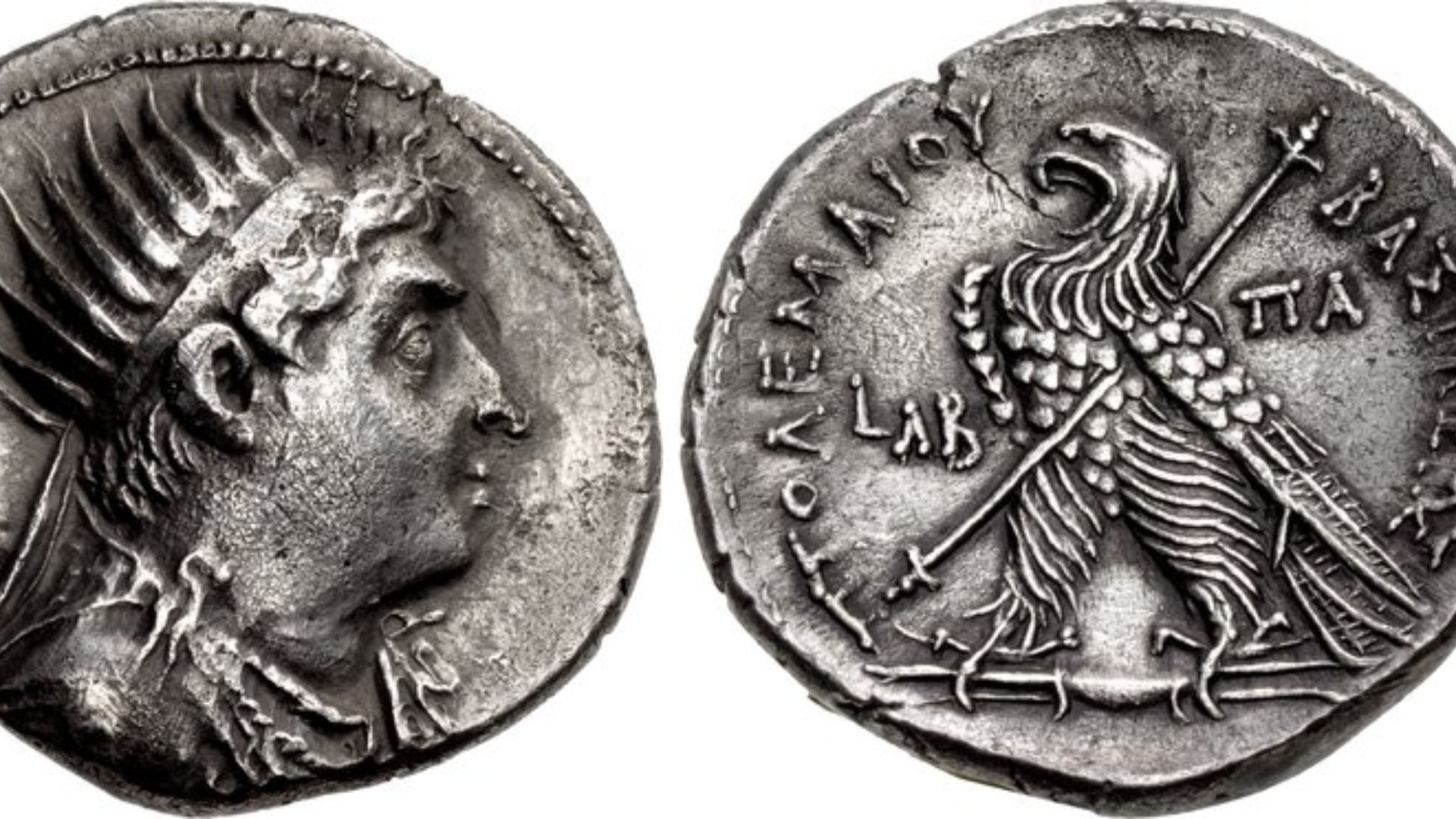
17. Ptolemy VI & Ptolemy VIII
The Ptolemies were so committed to miserable family politics that it almost feels unfair to choose just one pair. Ptolemy VI and Ptolemy VIII fought over power in a way that brought civil conflict and constant instability into Egypt’s ruling house. Their rivalry dragged in co-rulers, foreign powers, and the usual toxic mix of inheritance and ego.
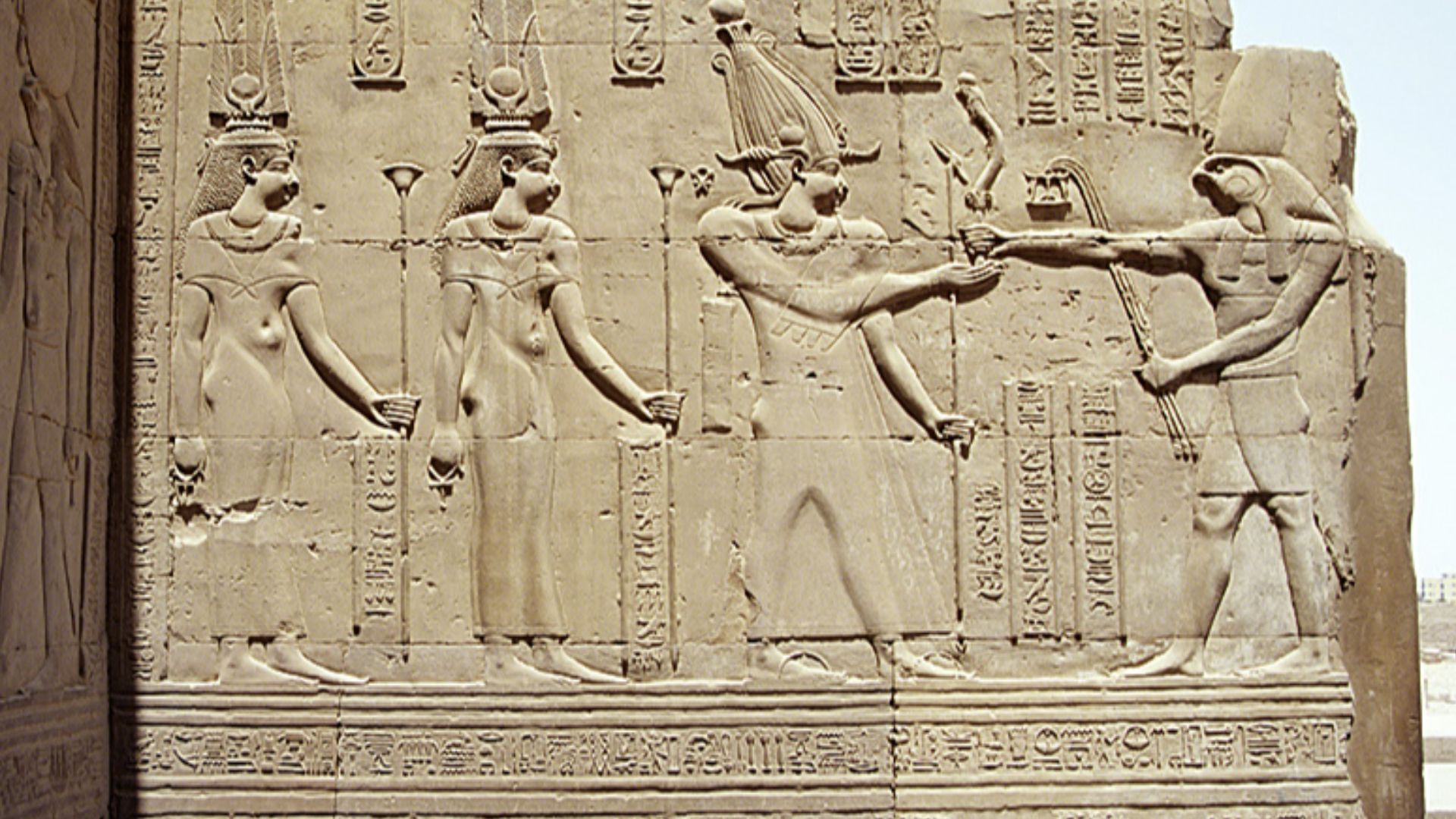
18. Ptolemy VIII & Cleopatra II
This pair were siblings and spouses, because the Ptolemaic dynasty never met a family boundary it couldn't make stranger. Their relationship devolved into one of the ugliest internal struggles in Hellenistic royal history, complete with civil war and acts of cruelty that were disturbing even by royal standards.
19. Sancho II & Alfonso VI of León and Castile
Sancho II and Alfonso VI were brothers in the wonderfully unstable world of medieval Iberian succession politics. After their father Ferdinand I divided his kingdoms among them, the brothers did what royal sons so often did and turned inheritance into war. Sancho drove Alfonso into exile before being assassinated himself, after which Alfonso reclaimed power.
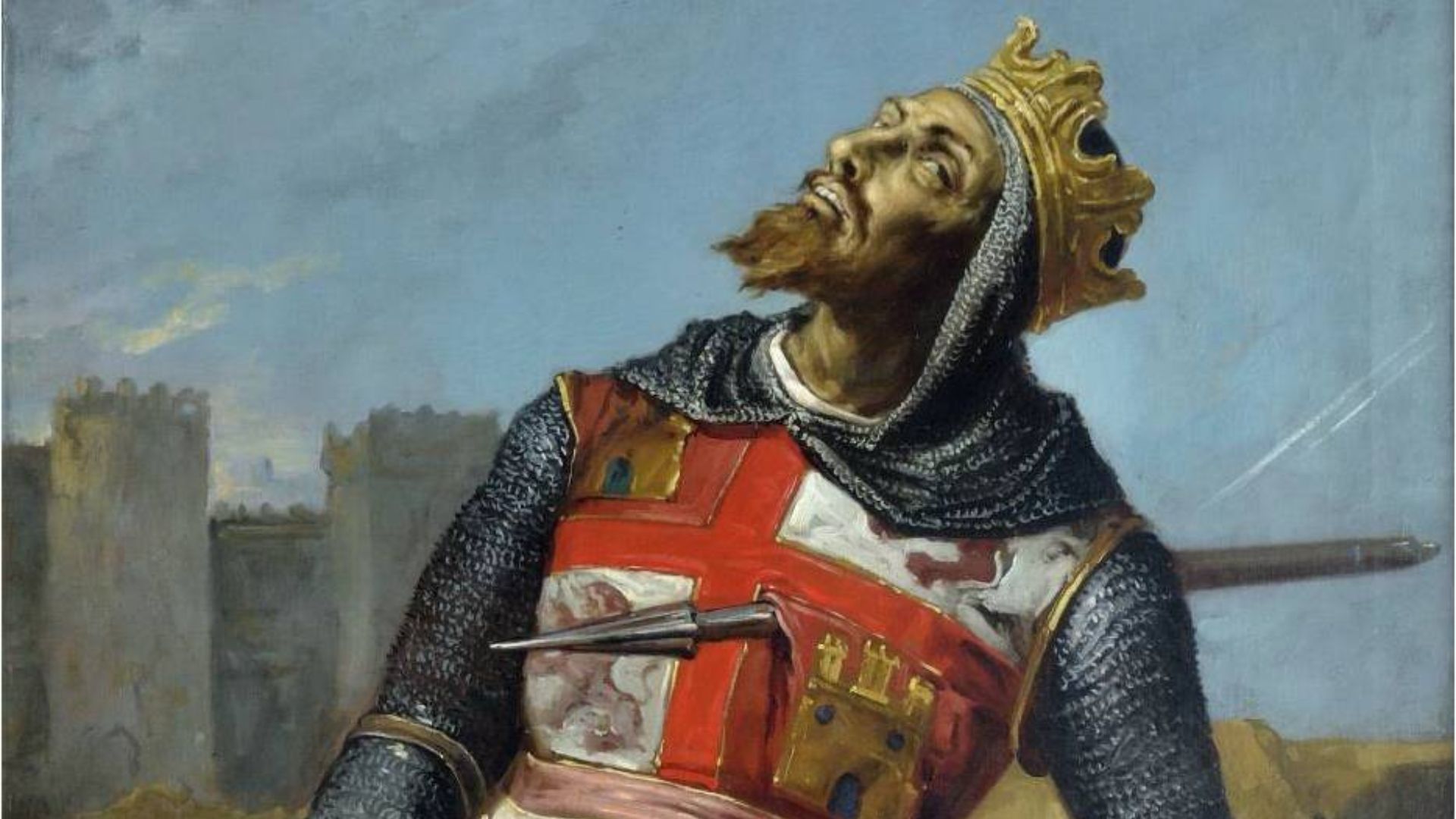 José María Rodríguez de Losada on Wikimedia
20. Richard III & George, Duke of Clarence
Richard III and George of Clarence were brothers as well as both being younger brothers of Edward IV, and they had their own ugly tensions separate from George’s larger disasters. The York family wasn't exactly an oasis of emotional security, and suspicion moved through it with remarkable ease. Clarence’s instability and shifting loyalties made every family tie feel conditional at best.
KEEP ON READING
The 20 Most Recognized Historical Figures Of All Time
The Biggest Names In History. Although the Earth has been…
By Cathy Liu Oct 4, 2024
10 of the Shortest Wars in History & 10 of…
Wars: Longest and Shortest. Throughout history, wars have varied dramatically…
By Emilie Richardson-Dupuis Oct 7, 2024
10 Fascinating Facts About Ancient Greece You Can Appreciate &…
Once Upon A Time Lived Some Ancient Weirdos.... Greece is…
By Megan Wickens Oct 7, 2024
20 Lesser-Known Facts About Christopher Columbus You Don't Learn In…
In 1492, He Sailed The Ocean Blue. Christopher Columbus is…
By Emilie Richardson-Dupuis Oct 9, 2024
20 Historical Landmarks That Have The Craziest Conspiracy Theories
Unsolved Mysteries Of Ancient Places . When there's not enough evidence…
By Megan Wickens Oct 9, 2024
The 20 Craziest Inventions & Discoveries Made During Ancient Times
Crazy Ancient Inventions . While we're busy making big advancements in…
By Cathy Liu Oct 9, 2024