Ancient finds, Disputed Claims, and Unresolved Debates
Archaeology becomes difficult when the evidence is old, fragmentary, and removed from written records. A carved pillar in southeastern Turkey, a gear-filled device from a Greek shipwreck, or a field of stone spheres in Costa Rica can make early people feel closer, stranger, and harder to summarize. Some famous mysteries have solid archaeological footing, while others survive as disputed stories, modern legends, or public arguments. These 20 prehistoric, ancient, and occasionally later finds still raise questions about craft, belief, movement, memory, and interpretation.
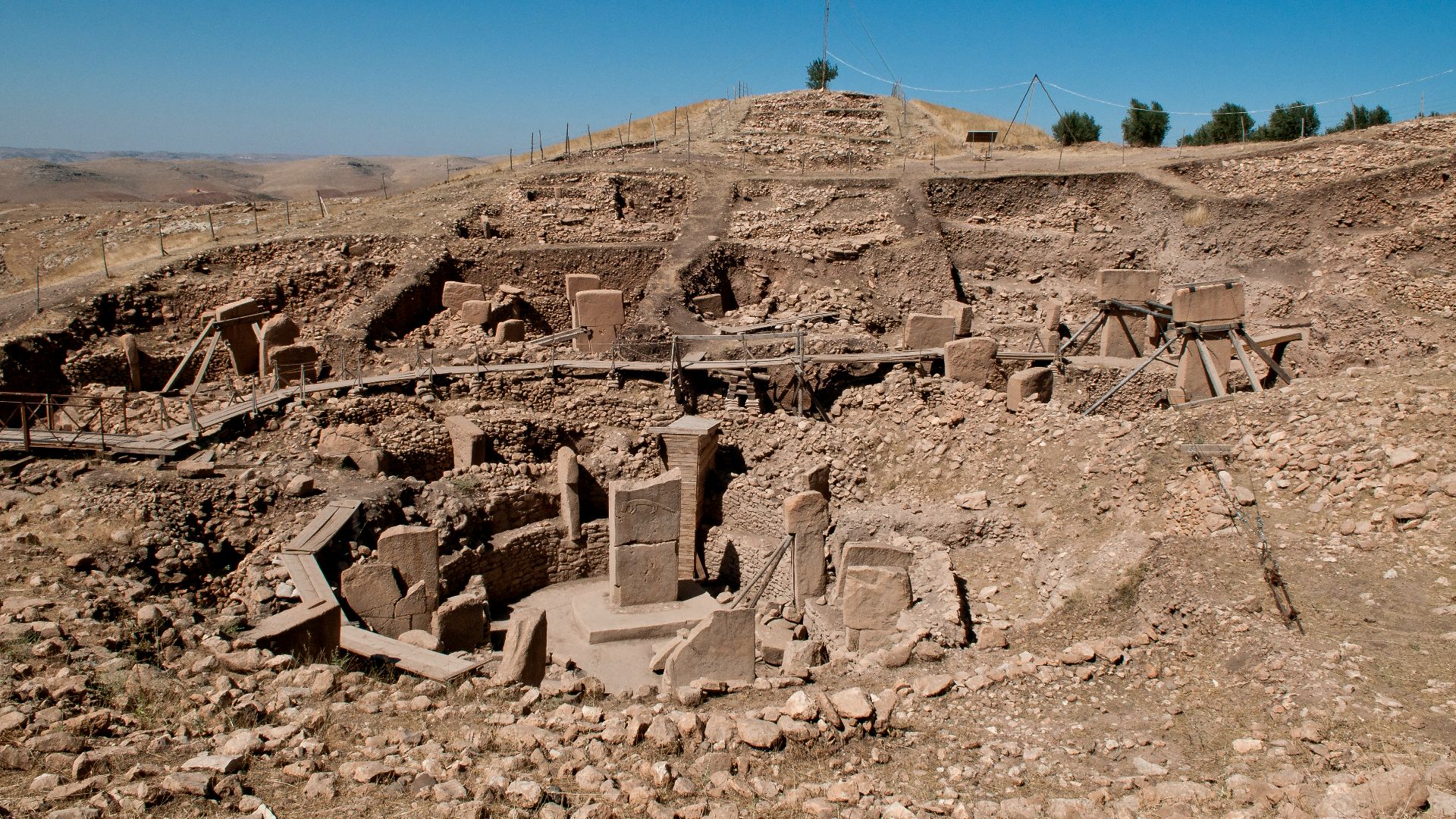
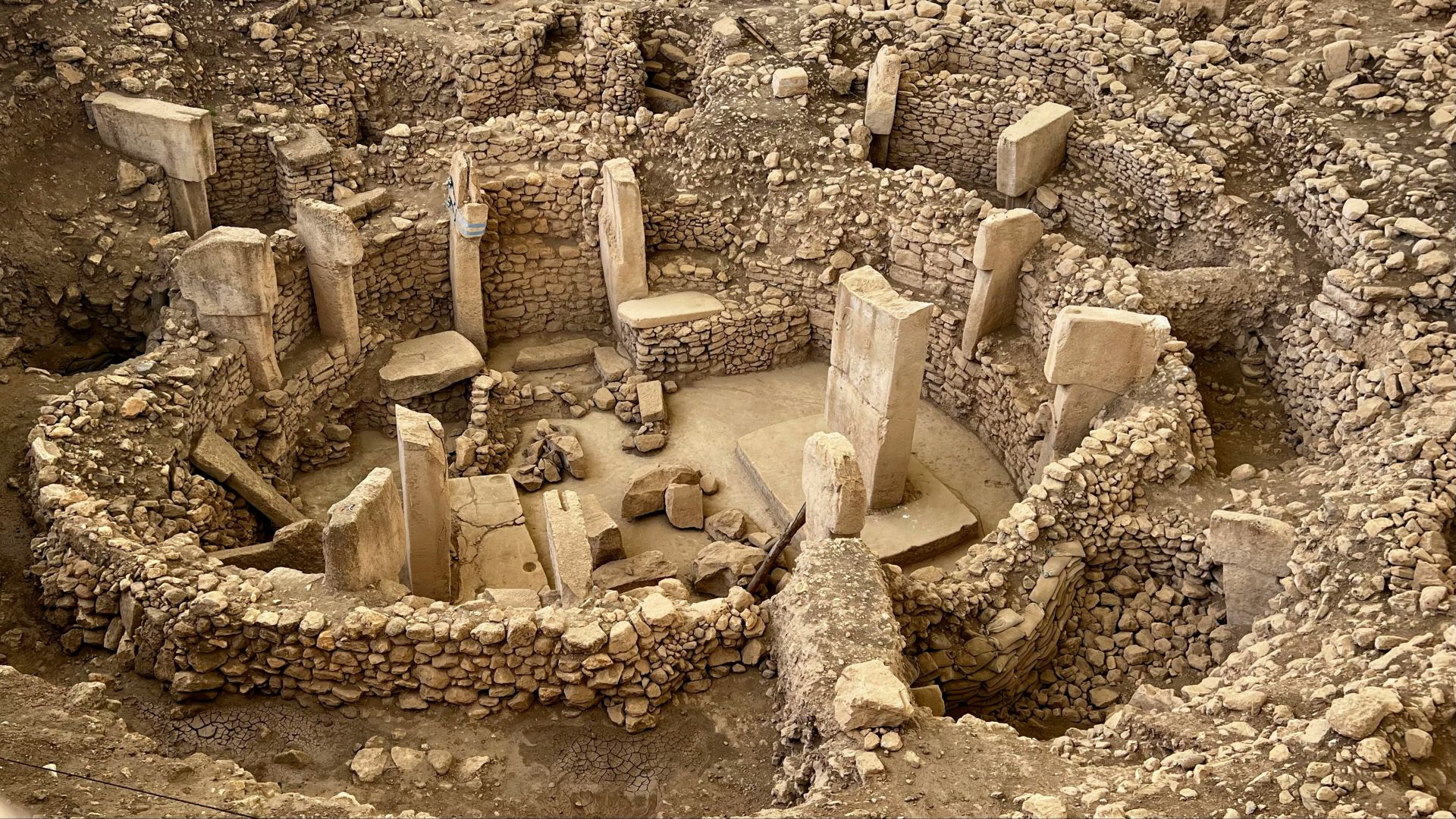
1. Gobekli Tepe’s Carved Pillars
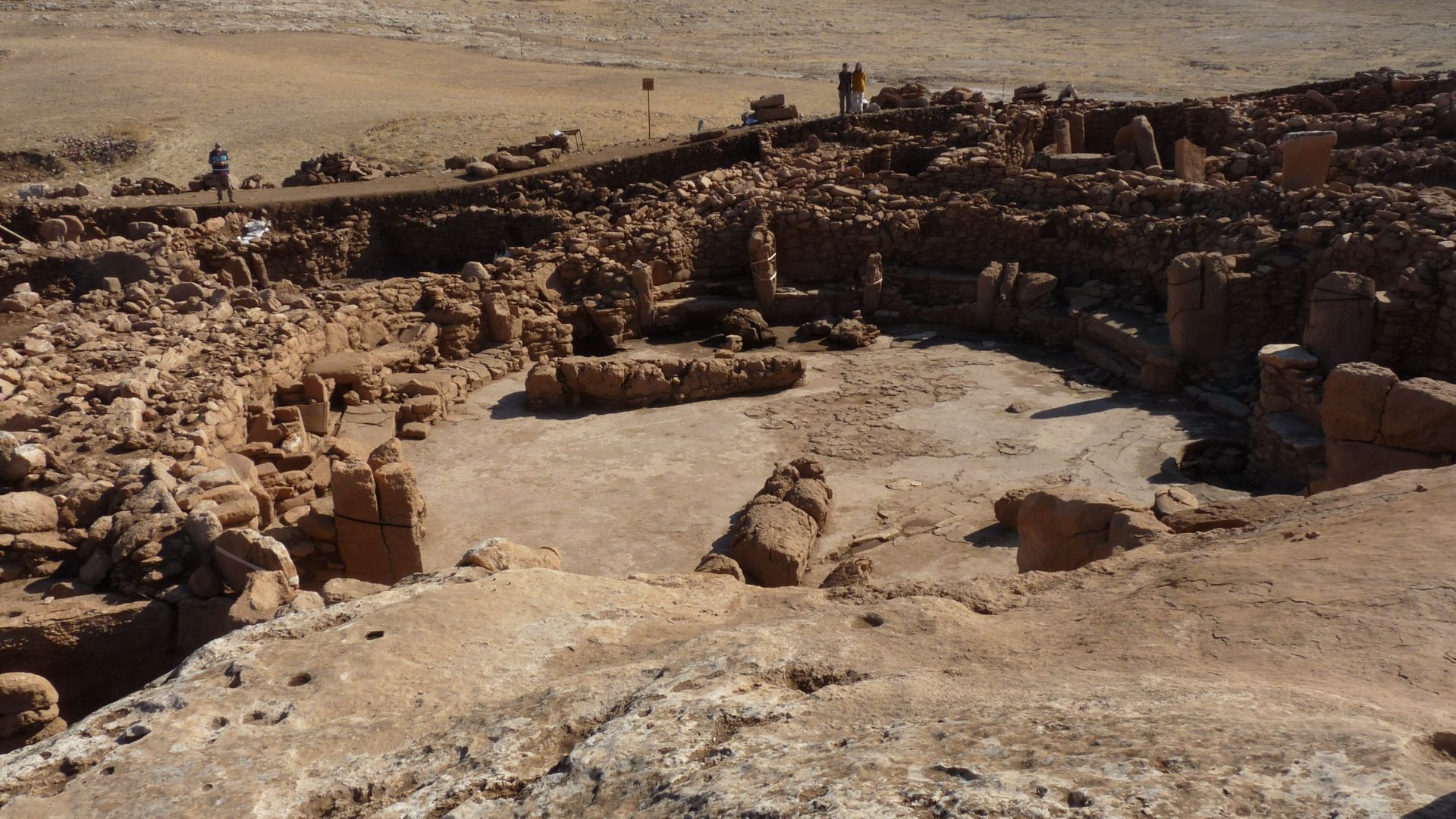
Gobekli Tepe in southeastern Turkey dates to the Pre-Pottery Neolithic, roughly 9600 to 8200 BCE. Its T-shaped limestone pillars were raised by hunter-gatherers. Many carry animal carvings, including foxes, boars, snakes, and birds, while the site’s exact ritual role remains debated.
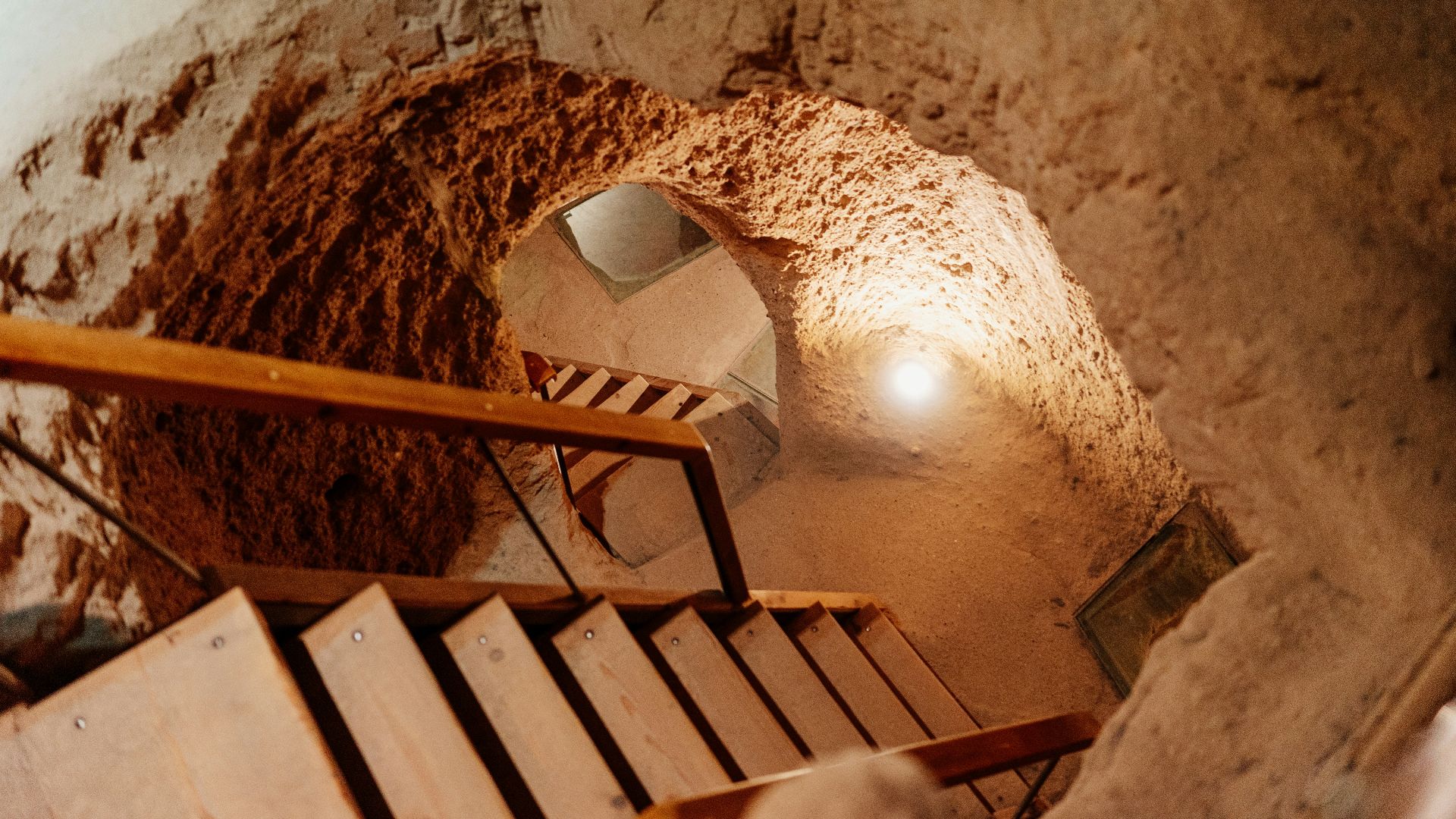
2. Derinkuyu’s Underground City
Derinkuyu in Cappadocia reaches about 85 meters below ground, hosting about 20,000 people, livestock, and food stores around the 8th century BCE. Claims that Stone Age people built the whole complex go too far, since the site’s history appears layered, and later communities clearly expanded and used it.
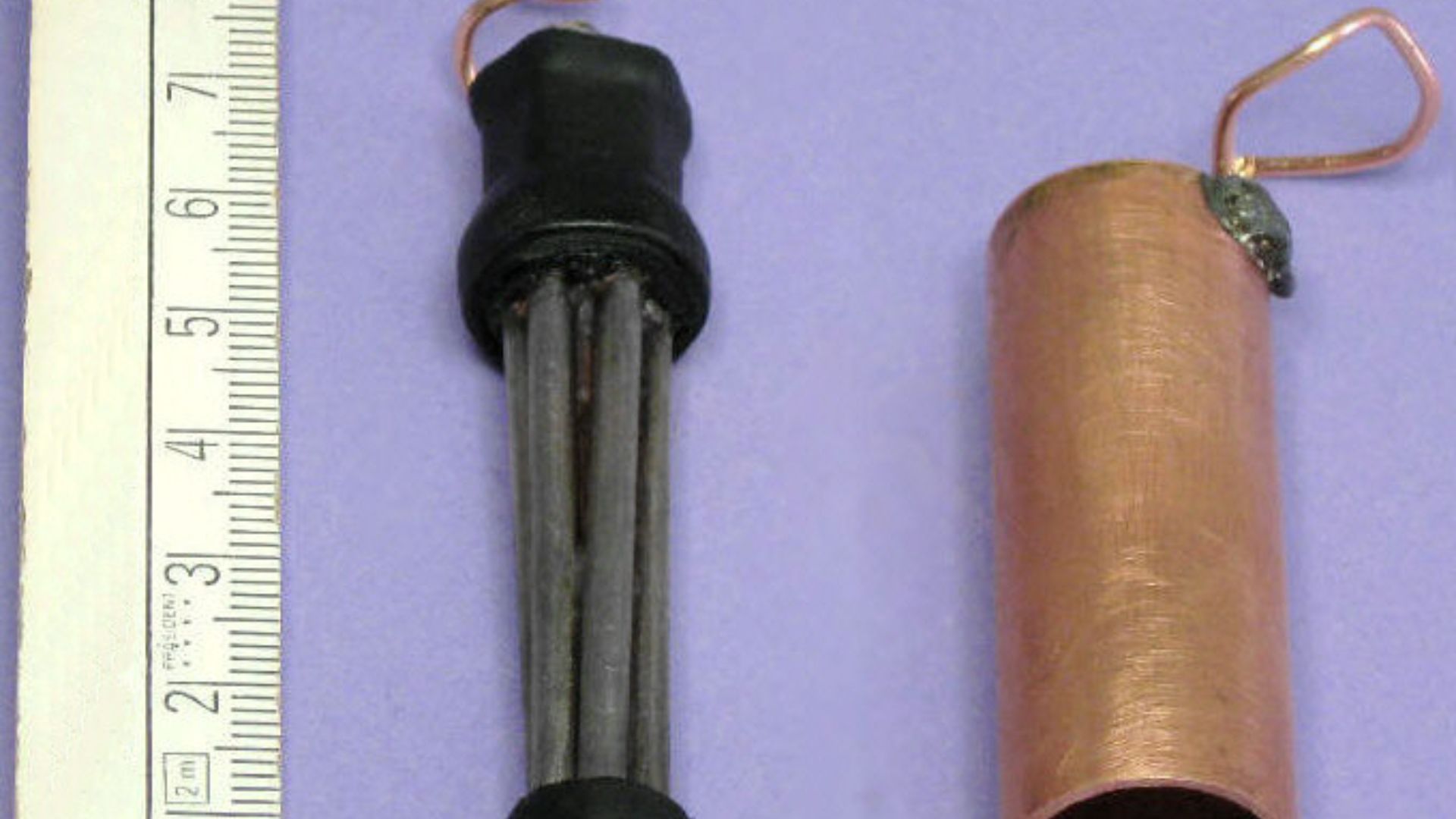
3. The Baghdad Battery
The so-called Baghdad Battery is a 2,000-year-old ceramic jar fitted with a copper cylinder, an iron rod, and bitumen. Replicas can produce a small electrical charge under the right conditions, yet there’s no firm archaeological proof that ancient people used it as a battery, so a ritual or container function remains more cautious.
4. Roman Dodecahedra
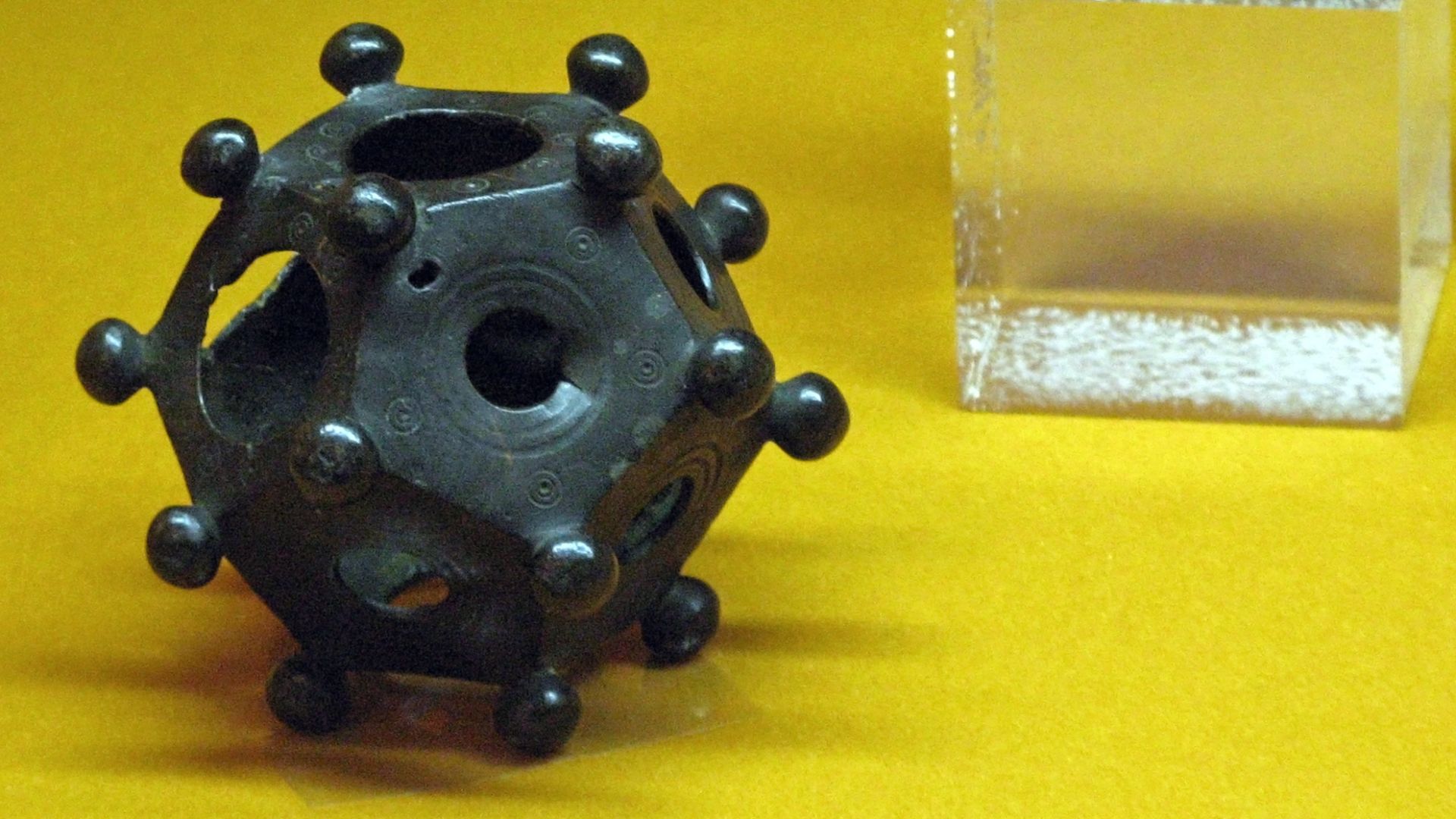
Roman dodecahedra are hollow copper-alloy objects with 12 faces, round holes, and little knobs at the corners. They date mainly to the second to fourth centuries CE, and since no ancient text explains them, theories still range from measuring tools to ritual objects.
5. The Saqqara Bird
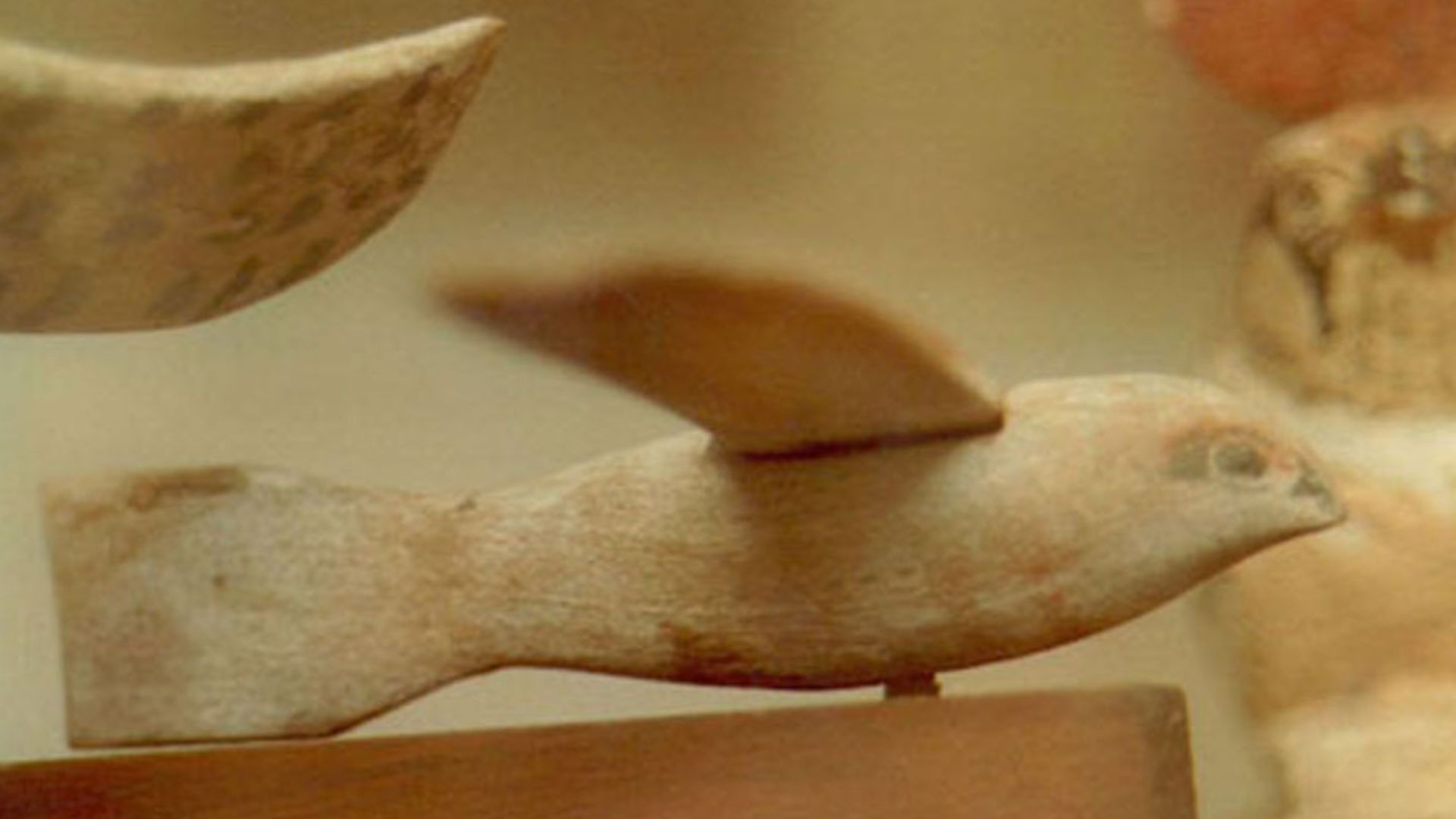
The Saqqara Bird is a small wooden bird-shaped object from Egypt, usually dated to around 200 BCE. Its wings have encouraged glider claims, although recent aerodynamic work doesn’t confirm that it could fly well, leaving toy, ritual object, or symbolic model as safer possibilities.
6. The Phaistos Disc
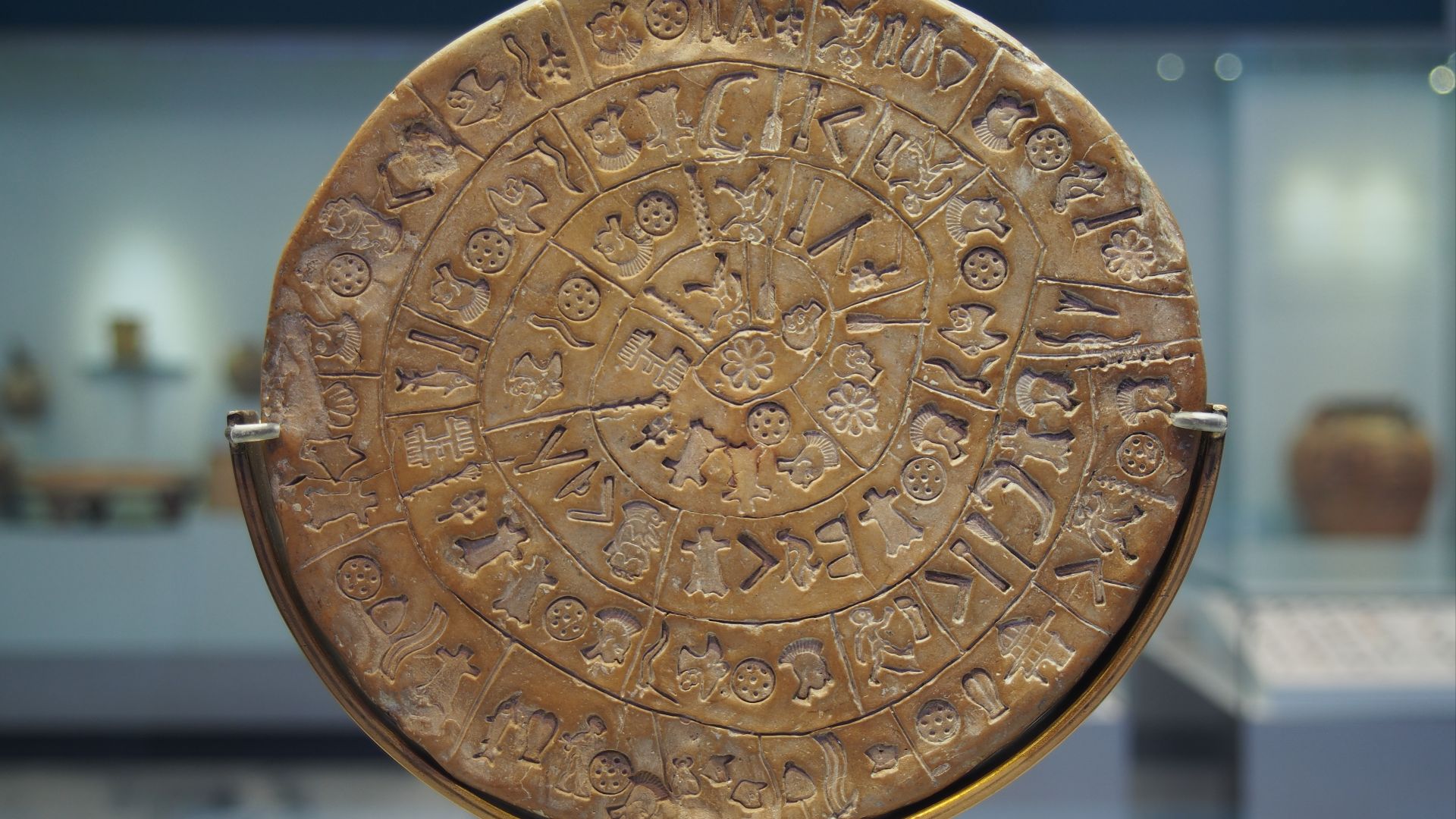
The Phaistos Disc from Crete, dated around 1700 to 1650 BCE, carries 241 stamped signs arranged in a spiral on both sides. Scholars still haven’t reached a secure reading, and the lack of close parallels makes every proposed translation remain provisional.
7. The Antikythera Mechanism
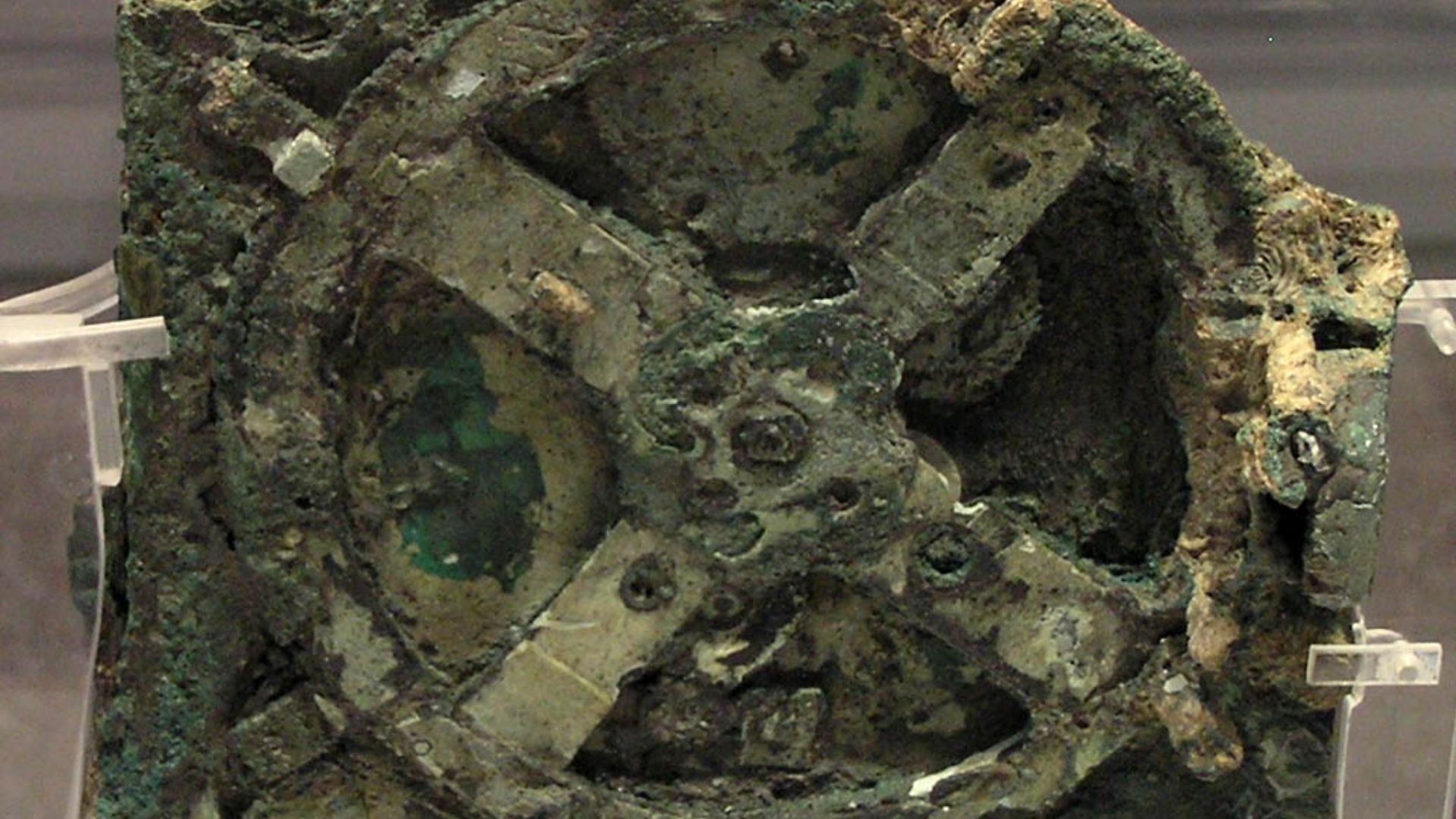
The Antikythera Mechanism is a 2,000-year-old Hellenistic device, recovered from a shipwreck near the Greek island of Antikythera. Its bronze gears tracked astronomical cycles, including lunar patterns and eclipses. The problem is understanding how that mechanical knowledge developed and why so little comparable technology survived.
 No machine-readable author provided. Marsyas assumed (based on copyright claims). on Wikimedia
8. Costa Rica’s Stone Spheres
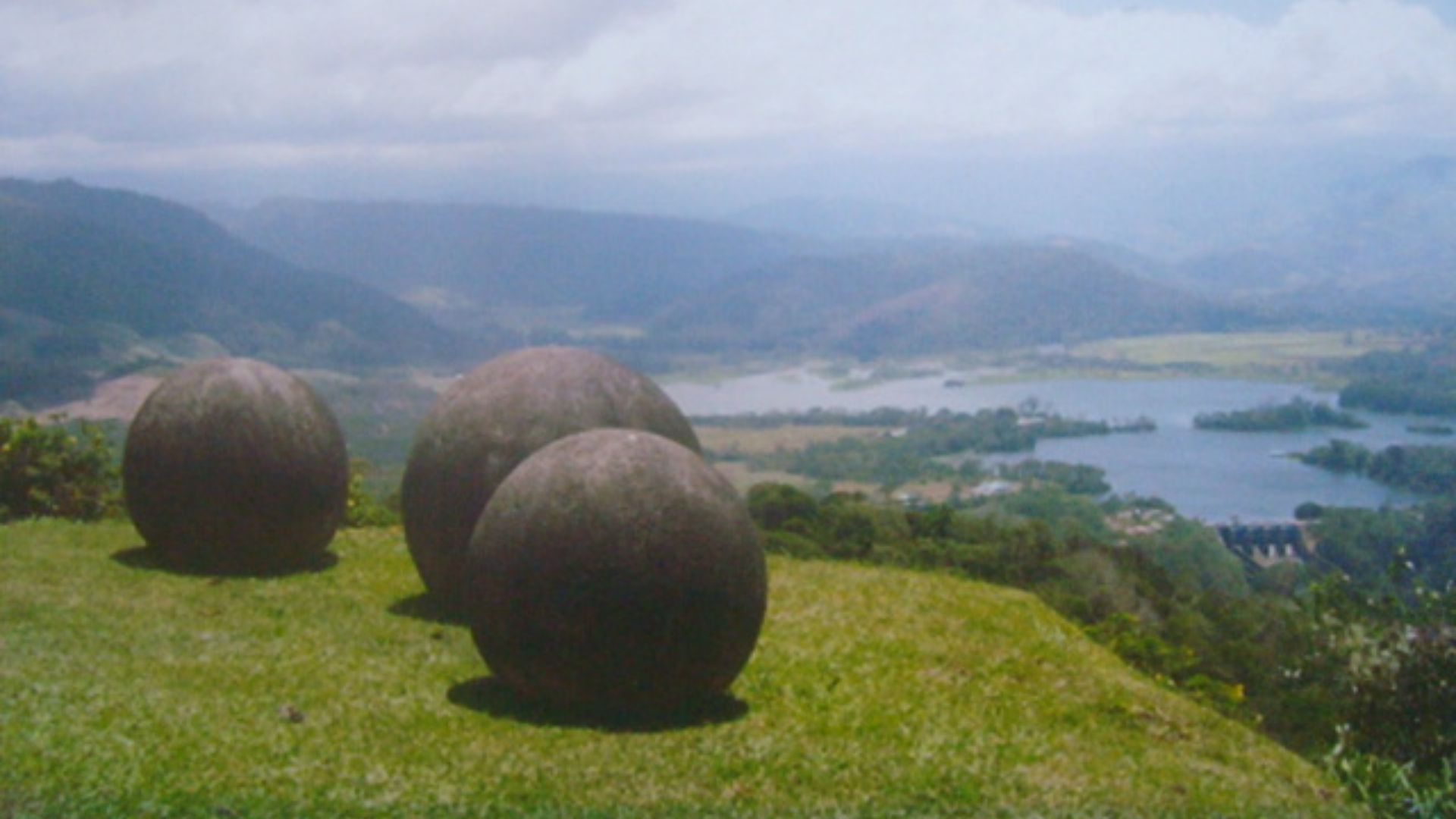
The stone spheres of the Diquis Delta in southern Costa Rica belong mainly to the period from about 500 to 1500 CE. Some reach more than two meters across, and researchers still debate how they were made, what they meant, and how their original placement shaped their purpose.
9. The Ulfberht Swords
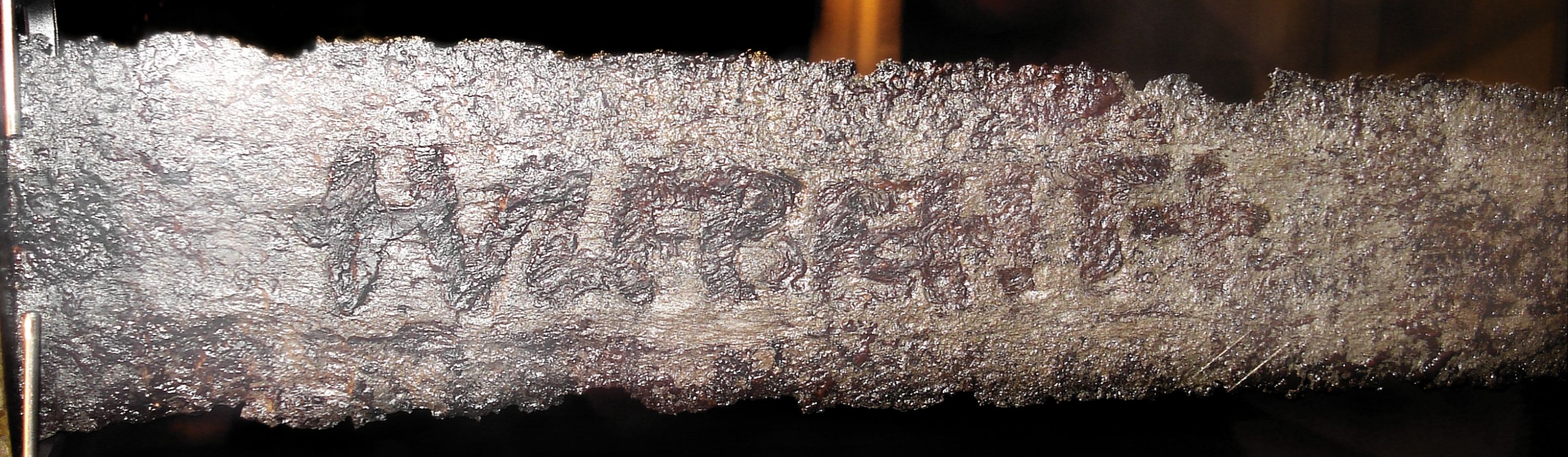
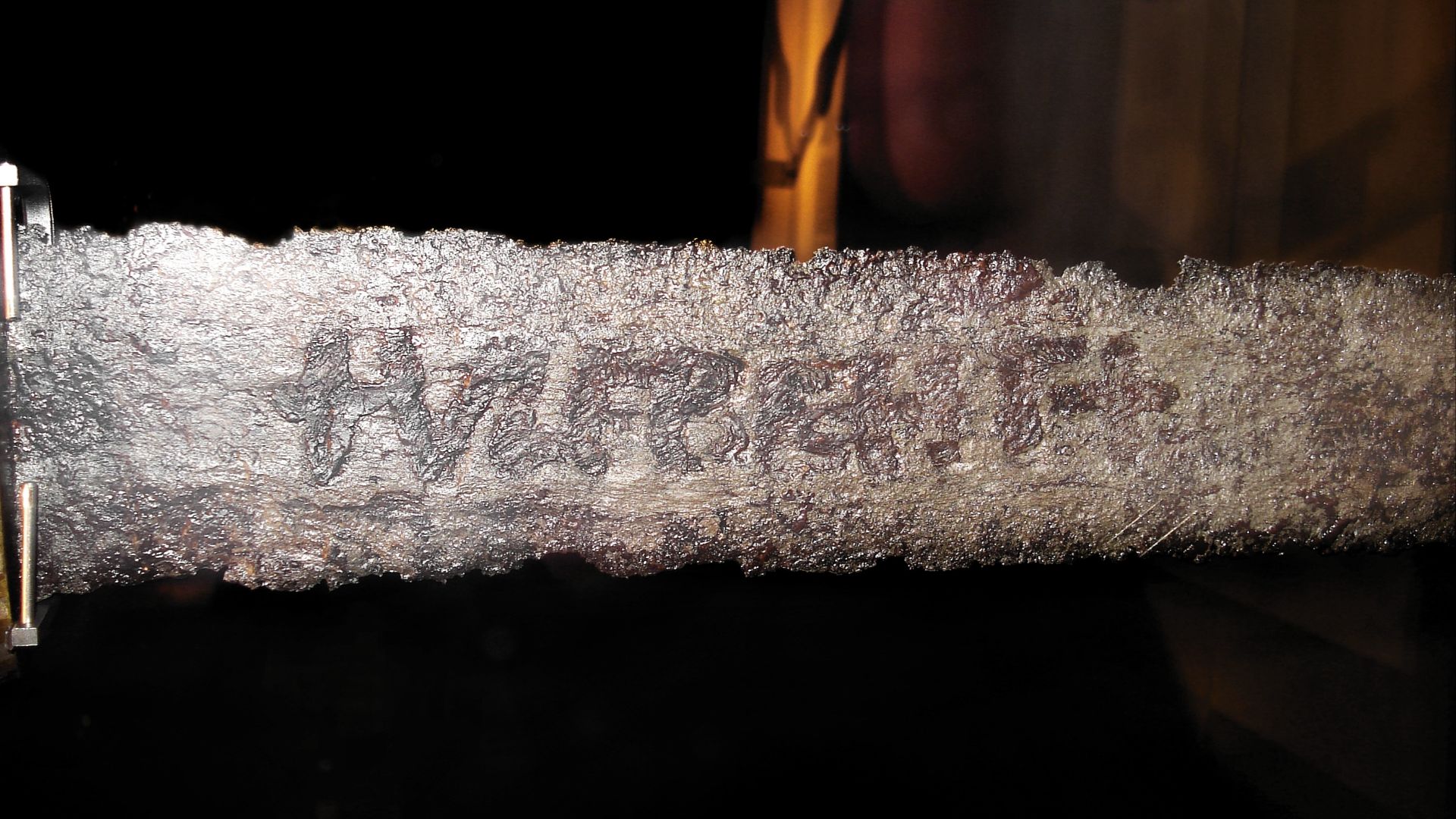
Ulfberht swords are medieval, not prehistoric, but they remain relevant here because some examples show unusually advanced steel for ninth- to eleventh-century Europe. The +VLFBERHT+ inscription appears on blades of varying quality, pointing to elite craft and trade links of northern Europe.
 Ulfberht.jpg: Torana
derivative work: Hic et nunc on Wikimedia
Ulfberht.jpg: Torana
derivative work: Hic et nunc on Wikimedia
10. The Dropa Stones Story
The Dropa Stones are best treated as a modern legend rather than a verified archaeological find. The familiar tale describes 12,000-year-old ancient discs with spiral writing, yet credible records of the stones, the supposed scholars, and the alleged translation haven’t been verified.

11. Ice Age Mammoth Ivory Carvings
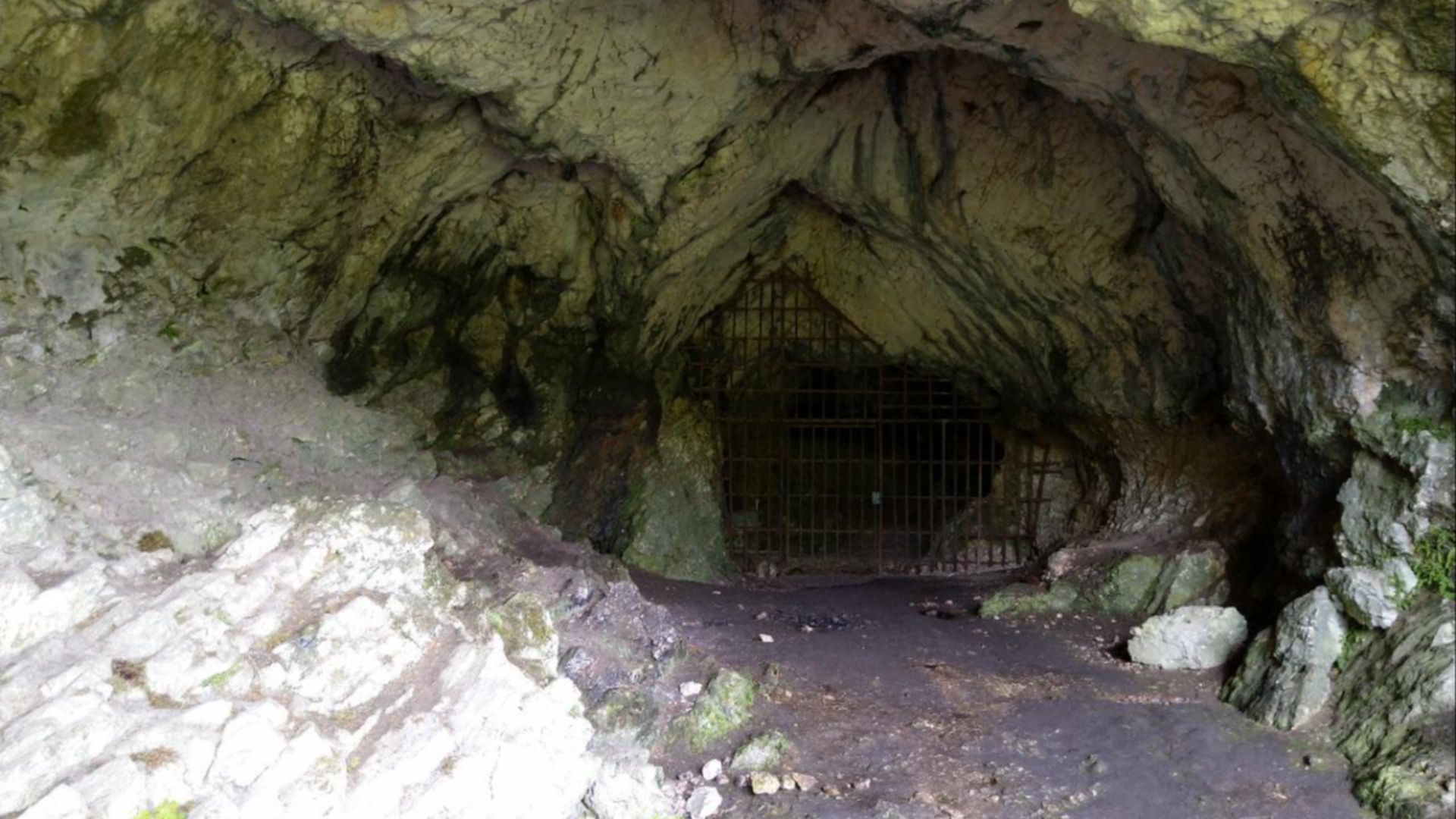
The caves of the Swabian Jura in Germany have produced mammoth-ivory carvings dating roughly 43,000 to 35,000 years ago. Figures such as animals, a lion-headed human form, and female figurines show early symbolic skill, while their meanings remain unclear.
12. The Nampa Figurine
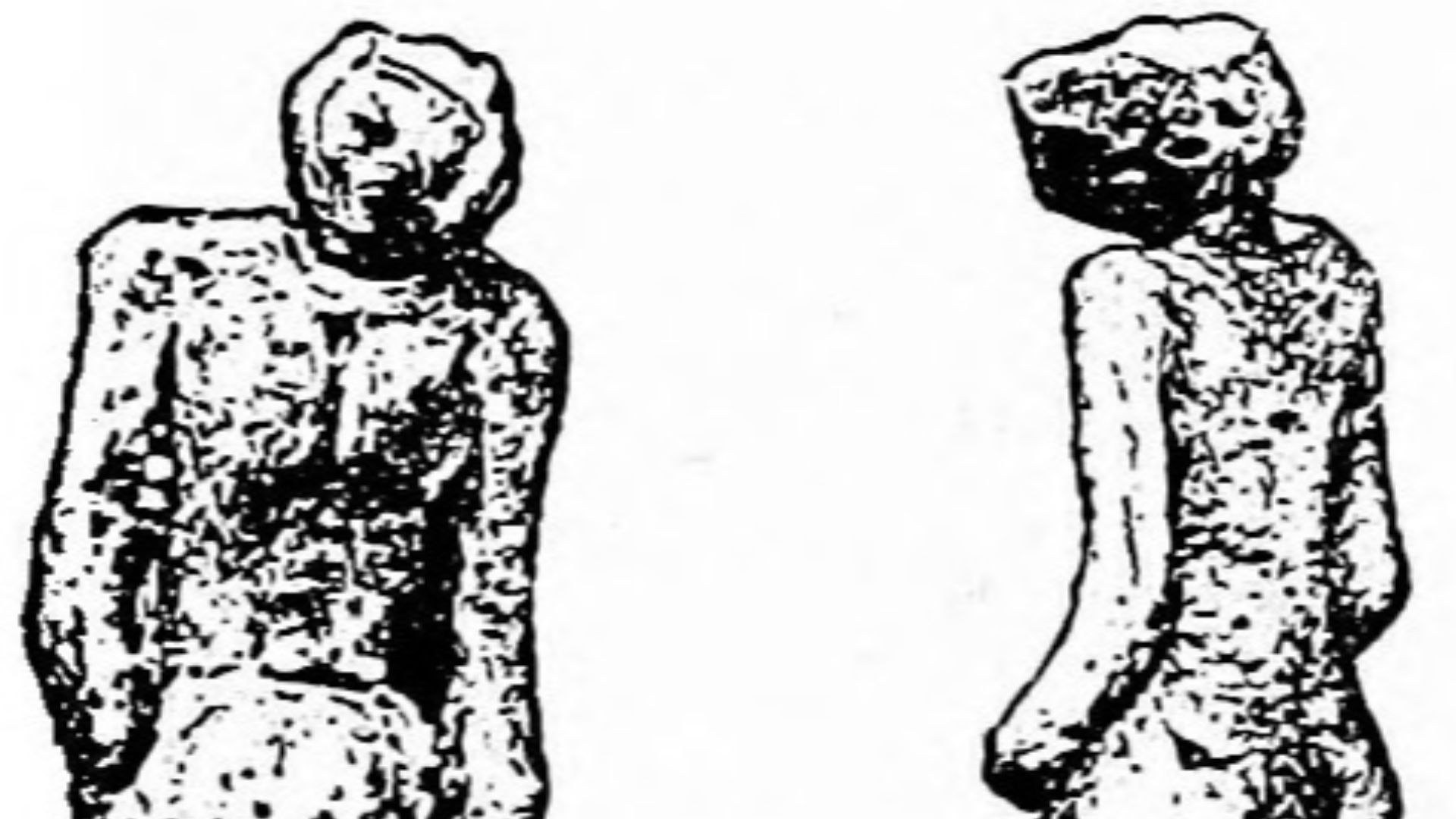
The Nampa Figurine is a tiny clay figure reportedly found during well drilling in Idaho in 1889. Originally thought to be 2 million years old, this date is widely considered to be a hoax. It’s more likely that the placement of this figurine was a prank or a misplaced object, but we still don’t know where it came from.
 Hastings Gilford, F.R.C.S. on Wikimedia
13. The Piri Reis Map
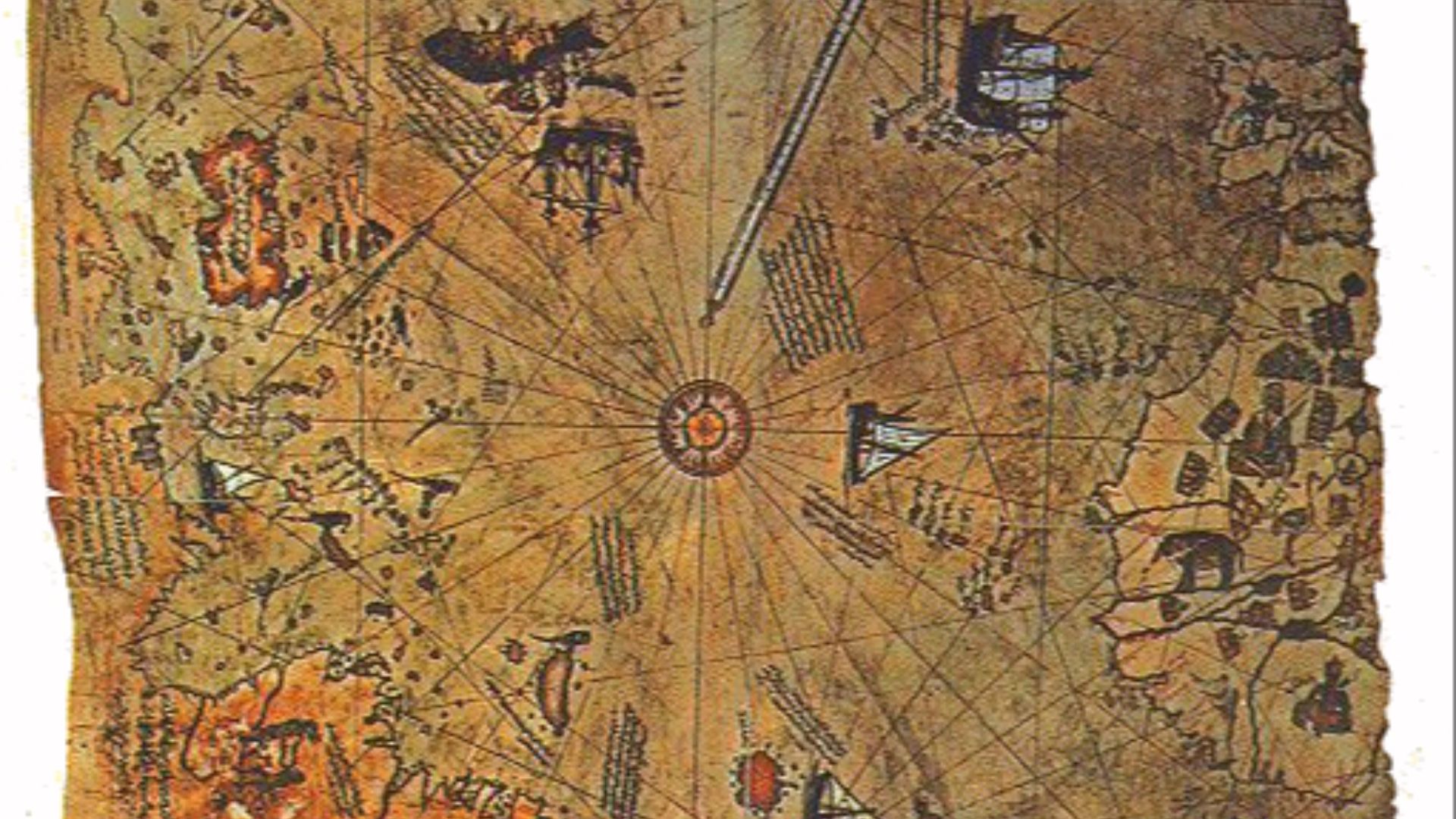
The Piri Reis Map was drawn in 1513 by an Ottoman admiral and cartographer using earlier source maps. It shows parts of the Atlantic world with impressive detail for its time, although claims that it preserves prehistoric knowledge of Antarctica are not supported by firm evidence.
14. The Dendera Reliefs
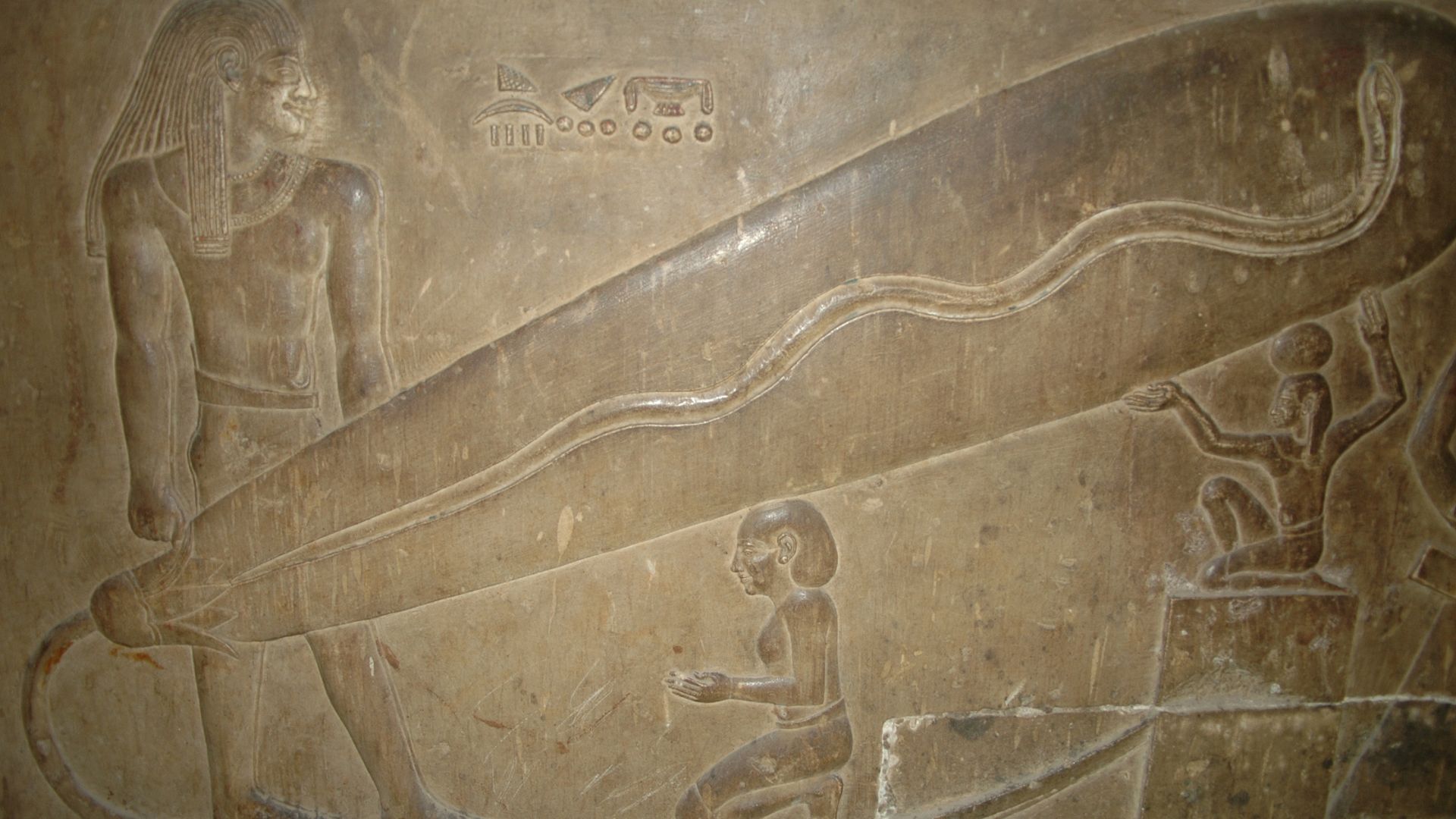
Reliefs at the temple of Hathor at Dendera show elongated forms that modern viewers have compared with light bulbs. It’s more likely that they were part of Egyptian religious imagery, with a snake emerging from a lotus and supported by a djed pillar, while the ancient-electricity version remains a popular claim.
 No machine-readable author provided. Alf K. assumed (based on copyright claims). on Wikimedia
15. Stonehenge’s Bluestone Journey
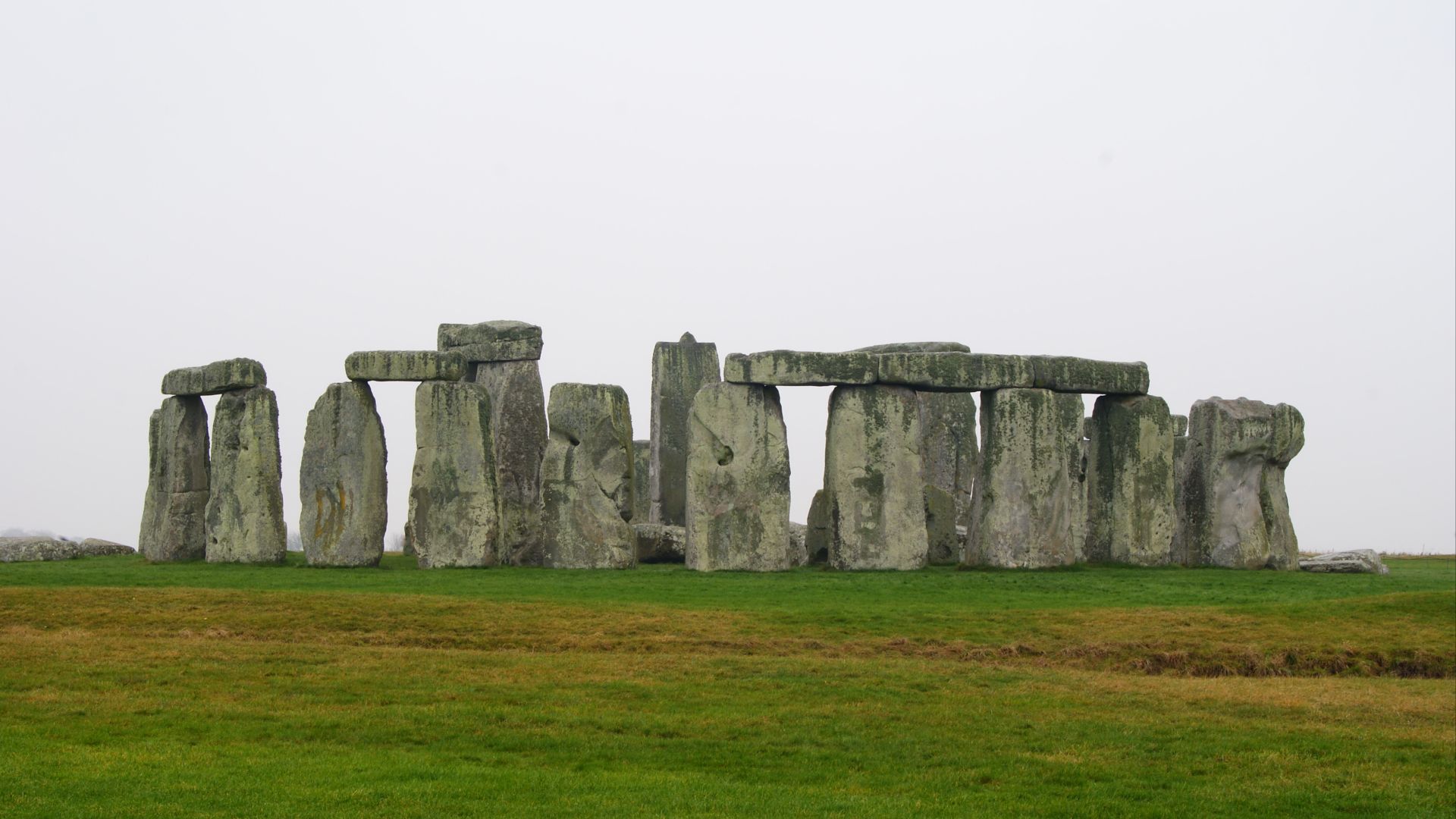
Stonehenge’s bluestones came from the Preseli Hills in Wales and were moved to Salisbury Plain, a journey often described as about 140 to 180 miles depending on the route. The stones weigh several tons each, and archaeologists still study how Neolithic builders moved them and why those stones mattered enough to be brought so far.
16. The Paracas Skulls
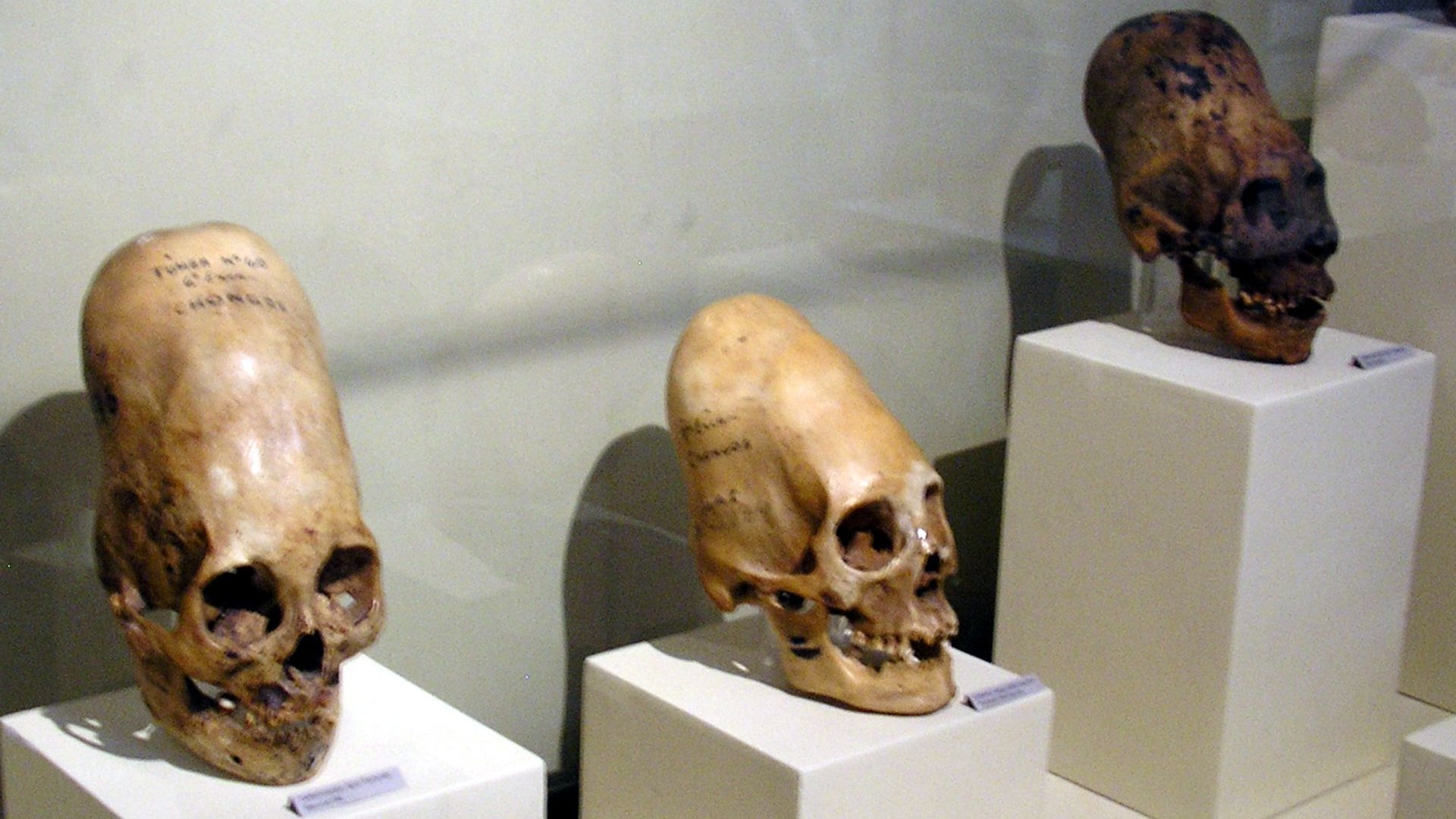
The elongated skulls associated with the Paracas culture of Peru are 3,000-year-old human skulls shaped through cranial modification during childhood. The real uncertainty is cultural rather than anatomical, since researchers still work to understand what different head shapes meant for identity, rank, family, or community.
 Marcin Tlustochowicz from Poland on Wikimedia
17. The Yonaguni Monument
The Yonaguni Monument lies underwater off Japan’s Ryukyu Islands and has terraces, edges, and flat planes that look striking in photographs. Many geologists argue that sandstone bedding, fractures, erosion, and local tectonics can explain the formation, while supporters of human alteration continue to disagree.

18. Gunung Padang
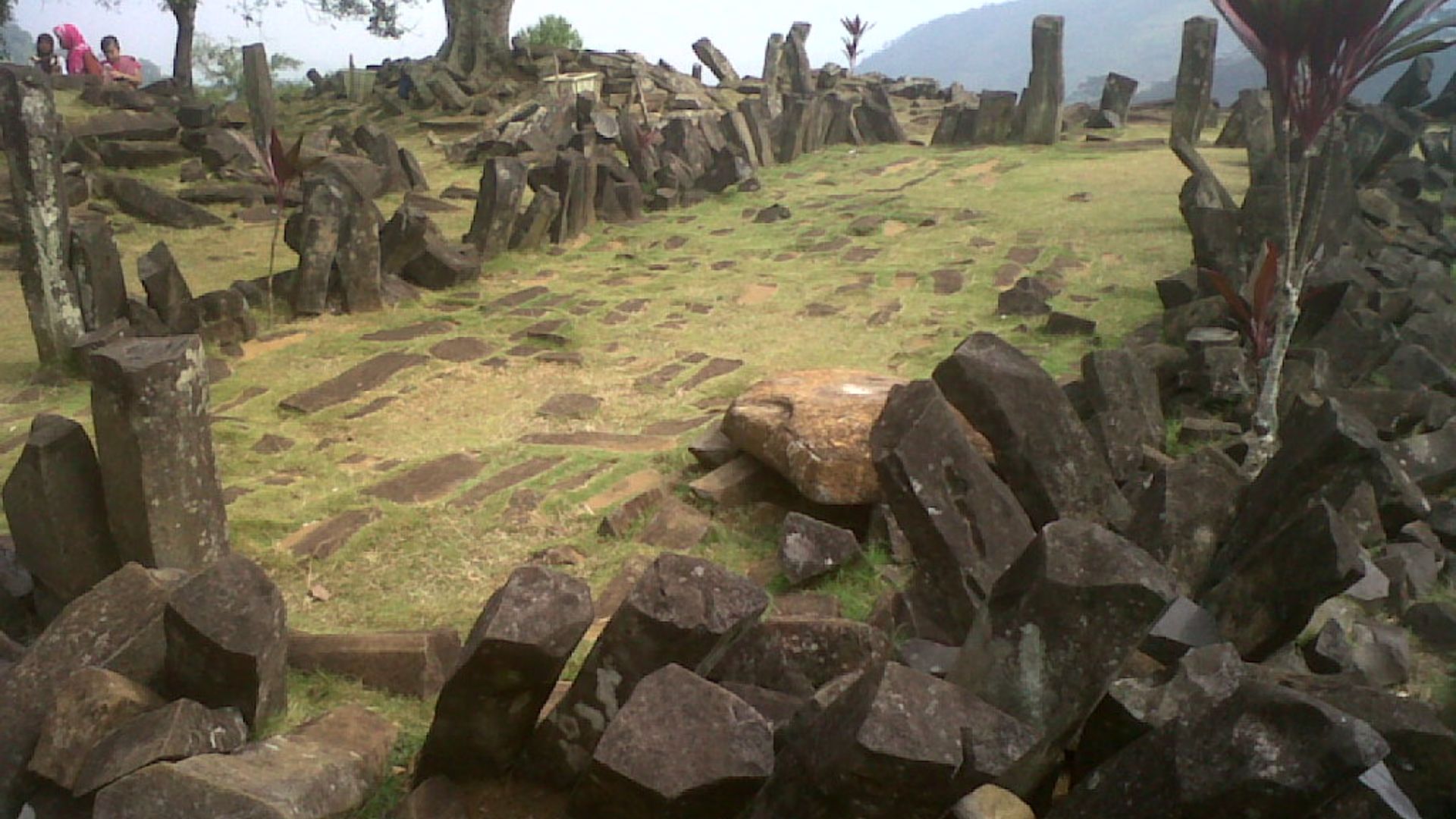
Gunung Padang in West Java, Indonesia, is a megalithic site consisting of five terraces, retaining walls, and andesite steps. Claims that it’s a 25,000-year-old pyramid were heavily criticized, but the consensus is that the site was sacred to the Sundanese people.
19. Nabta Playa’s Stone Circle
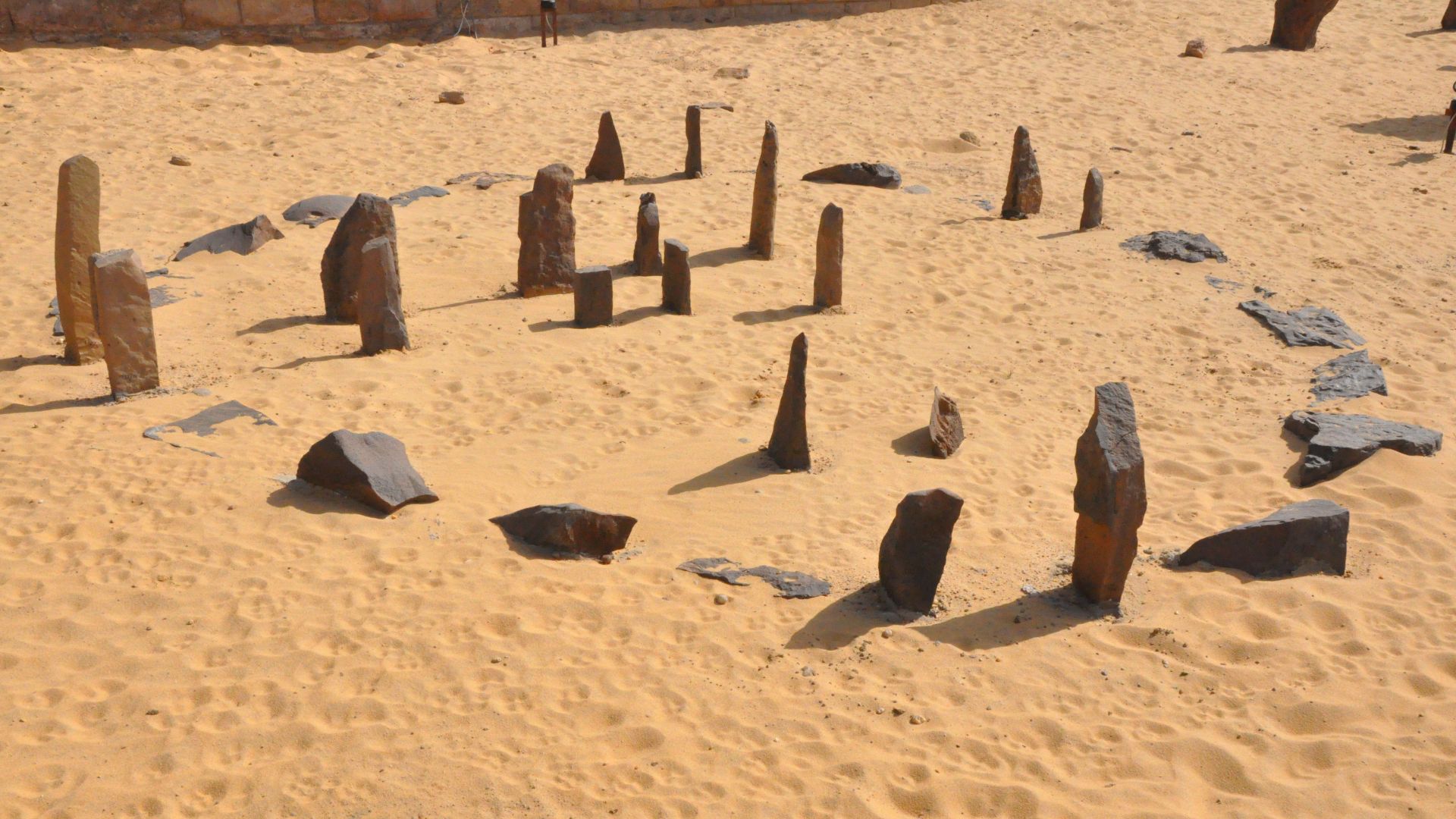
Nabta Playa in Egypt’s Western Desert was used by Neolithic pastoralists thousands of years before the pharaohs. Its stone circle, alignments, and cattle burials suggest ceremony, seasonal tracking, and social organization, although the full meaning of the landscape remains uncertain.
20. Karahan Tepe’s Carved Settings
Karahan Tepe near Sanliurfa, Turkey, belongs to the same broad early Neolithic world as Gobekli Tepe. Archaeologists have uncovered T-shaped pillars, carved human features, channels, and unusual stone settings, and the site adds new evidence to what we know about ritual life before farming practices were established.