The Story of Martha Gellhorn, World War II's Most Fearless Journalist
 Fotograaf Onbekend / DLC on Wikimedia
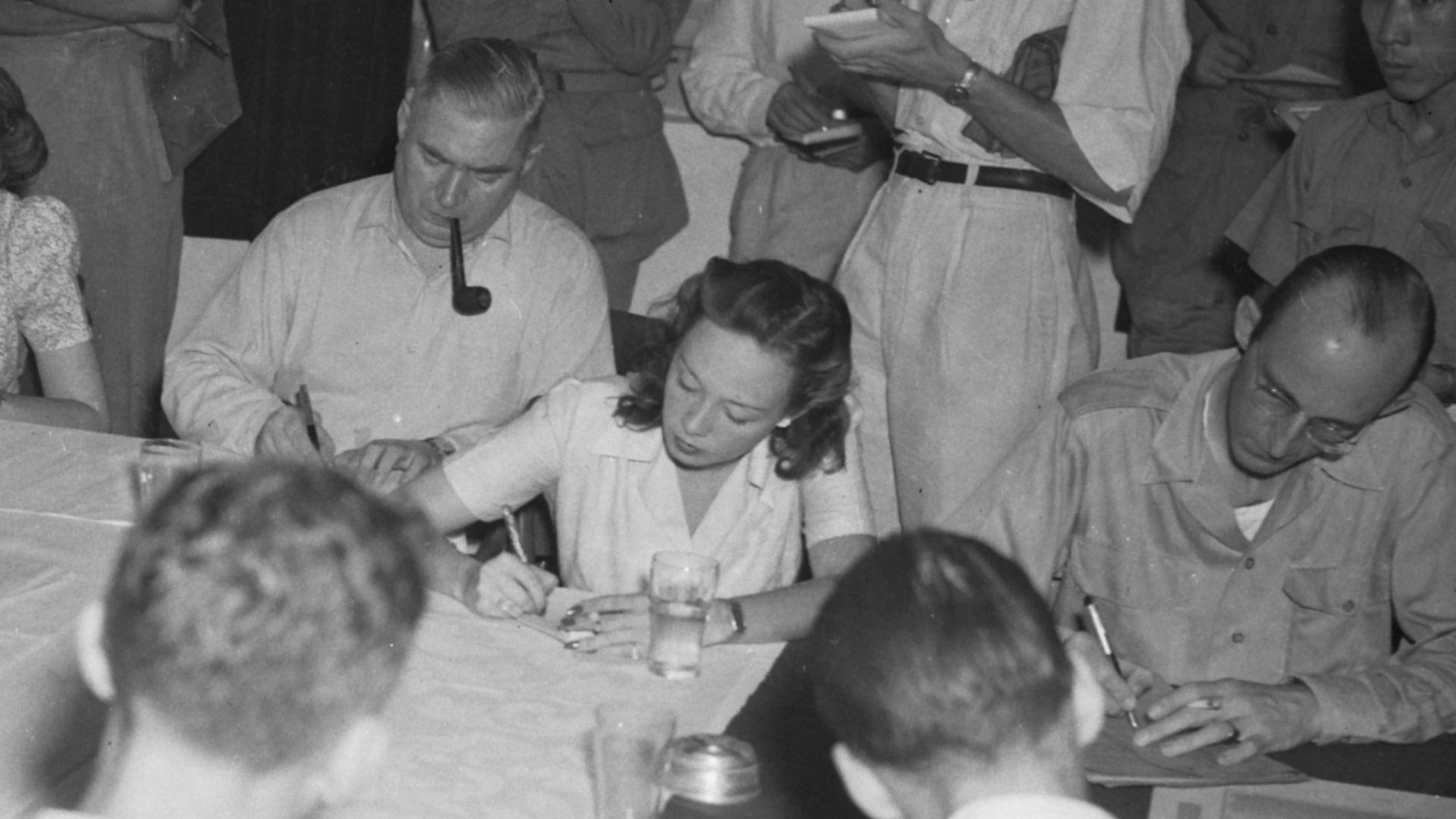
War correspondents often witness history from the front row, documenting moments, both horrific and beautiful, that most people could never imagine experiencing themselves. Among the greatest of them was Martha Gellhorn, a journalist whose fearless reporting took her from the battlefields of the Spanish Civil War to the beaches of Normandy and the liberation of concentration camps. She wasn't content to observe events from a safe distance, choosing instead to report directly from the places where history was unfolding.
Although she's sometimes remembered as Ernest Hemingway's third wife, that label isn't quite fair to her remarkable career. Gellhorn spent more than six decades covering wars, revolutions, and humanitarian crises around the world, earning a reputation as one of the most courageous foreign correspondents of the twentieth century. Her determination to tell the stories of ordinary people caught in extraordinary circumstances changed war reporting forever.
A Young Writer Who Refused to Stay on the Sidelines
Martha Gellhorn was born in St. Louis, Missouri, in 1908, into a family that valued education, social justice, and public service. Her mother was a prominent advocate for women's suffrage, while her father worked as a physician. Growing up in that environment encouraged Gellhorn to question authority and pay close attention to the lives of people who were often overlooked.
After attending Bryn Mawr College for a short time, she decided that journalism offered a better education than any classroom could provide. She traveled to Europe as a young reporter and began writing about unemployment, poverty, and political unrest during a period when the continent was rapidly changing. Those early assignments helped shape the reporting style that would define her career.
In the 1930s, Gellhorn joined the Federal Emergency Relief Administration during Franklin D. Roosevelt's New Deal, documenting the hardships Americans faced during the Great Depression. Her observations were eventually published in The Trouble I've Seen, a collection that highlighted the struggles of ordinary families. Rather than focusing on statistics or political speeches, she emphasized personal stories that readers could immediately connect with.
Her career took a dramatic turn when she traveled to Spain in 1937 to cover the Spanish Civil War. There she met fellow writer Ernest Hemingway, who was also reporting on the conflict. While their relationship attracted enormous public attention, Gellhorn quickly established herself as a talented journalist in her own right.
Reporting From the Front Lines of World War II
When World War II began, Gellhorn was determined to report from the front despite the many barriers women journalists faced. Military officials often denied female correspondents access to combat zones, believing war reporting was a job for men. Instead of accepting those limitations, she constantly searched for creative ways to reach the stories that mattered most.
Her most famous act of determination came during the D-Day invasion in June 1944. After being denied official press credentials for the Normandy landings, Gellhorn secretly boarded a hospital ship by hiding in a bathroom until it sailed. Once the vessel reached France, she went ashore with medical personnel and reported on the aftermath of one of the most significant military operations in history.
Later that year, she became one of the first journalists to witness the liberation of the Dachau concentration camp. Gellhorn described the suffering of survivors with honesty and compassion. Her reporting helped readers understand the human cost of the Holocaust in ways that official reports often couldn't.
Throughout the war, Gellhorn believed that civilians deserved as much attention as soldiers. She interviewed refugees, children, nurses, and families whose lives had been torn apart by conflict. That perspective distinguished her work from many contemporaries who concentrated mainly on battlefield tactics and military leaders.
A Legacy That Extended Far Beyond One War
Unlike many correspondents who retired after World War II, Gellhorn continued reporting well into her later years. She covered conflicts in Vietnam, the Middle East, Central America, and the Balkans, often traveling to dangerous locations long after many of her peers had left the profession. Her career ultimately spanned more than six decades, making her one of history's longest-serving war correspondents.
Gellhorn also resisted being defined by her marriage to Hemingway, which lasted from 1940 to 1945. She later remarked that she had been a writer before meeting him and remained one after their divorce. Over time, historians increasingly recognized her journalism as the far more significant part of her legacy.
Many modern foreign correspondents credit Gellhorn with helping reshape the profession. She demonstrated that the strongest war reporting doesn't simply recount military operations but also captures how conflict transforms everyday lives. Her commitment to empathy and firsthand observation continues to influence journalists covering humanitarian crises around the world.
KEEP ON READING