The Choices Of 100 Years Ago
Picture a maternity ward in 1925. Flappers are dancing the Charleston somewhere down the street, Prohibition is in full, unenforceable swing, and inside the hospital, a nurse is filling out yet another birth certificate for a baby named Robert or Mary. She's filled out hundreds of them this year alone. The 1920s might have been a decade of jazz, rebellion, and cultural upheaval, but when it came to naming babies, Americans were creatures of habit. A small, tight cluster of names dominated birth certificates coast to coast, year after year, while everything else fought for scraps. Here's the skinny of the decade's 20 favorite names, with the numbers that made each one a hit, and the surprisingly narrow margins that decided the rest.
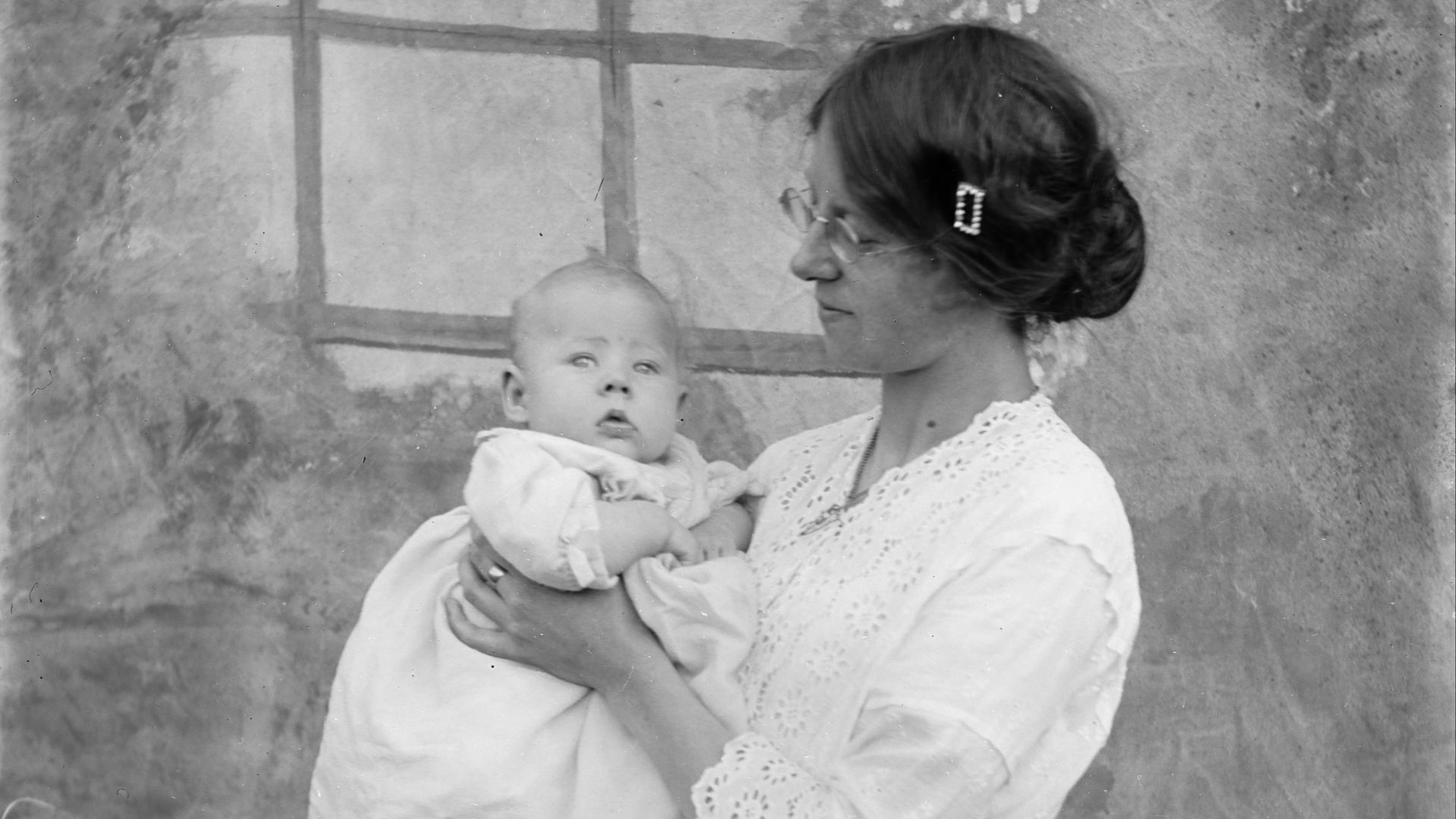
1. Robert
Robert didn't just win the 1920s; it dominated them, racking up 576,374 uses across the decade. But don't mistake that lead for a runaway victory. John was breathing down its neck the entire time, trailing by a mere 12,322 uses. Robert's real claim to fame is different: it was one of only four boys' names ever to break the 500,000 mark in this era.
2. John
John came in at 564,052 uses, close enough to Robert to make you wonder if hospitals were handing the two names out in alternating order. It beat third-place James by a healthier 48,751 uses. Robert, John, James, and William made up the sport's exclusive "500,000 club.” Nobody else even came close.
 The Deseronto Archives on Unsplash
3. James
James held on to third with 515,301 uses, but "held on" might be generous. William, sitting in fourth, was only 2,899 uses behind, less than one percent of James's total. Over an entire decade of births across the country, that's an almost absurdly small margin. If a handful of parents in a single county had picked differently, third and fourth could easily have swapped places.
 The Royal Danish Library on Unsplash
4. William
William rounded out the elite four with 512,402 uses. Below it, though, the bottom fell out fast: fifth-place Charles trailed by 214,371, a canyon of a gap compared to the nail-biters happening at the top. William was the final name to enjoy the rarefied air above the half-million mark.
 Galt Museum & Archives on Unsplash
5. Charles
Charles logged 298,031 uses, enough for fifth place and a 36,086-name lead over sixth-place George. It's a name that still managed over half of Robert's total, proof that even outside the top four, these names were used at a staggering scale.
 Public Record Office of Northern Ireland on Wikimedia
6. George
George squeaked in at 261,945, edging out Joseph by 18,136 and becoming the final name in the boys' top 10 to top the 250,000 mark. Everything below George would be popular, but distinctly less so.
 Public Record Office of Northern Ireland on Wikimedia
7. Joseph
With 243,809 uses, Joseph claimed seventh and stayed a comfortable 21,210 ahead of Richard. Both names cleared 200,000, keeping the middle of the pack crowded with names that were still enormously common, even if they weren't threatening the top tier.
8. Richard
Richard came in at 222,599, the final boys' name in the top 10 to break 200,000. The drop to Edward in ninth was steep — 25,251 uses — a much bigger gap than what came next.
9. Edward
Edward finished with 197,348 uses, agonizingly 2,652 short of that six-figure milestone. It edged out Donald by 5,532, a far tighter race than the gap separating it from Richard above.
 Collins, Tudor Washington, 1898-1970, photographer on Wikimedia
10. Donald
Donald wrapped up the boys' list with 191,816 uses, holding off Thomas (in 11th, with 161,107) by 30,709. It wasn't a photo finish, but it was enough breathing room to lock in the final spot.
 Fylkesarkivet i Sogn og Fjordane on Wikimedia
11. Mary
If Robert ruled the boys, Mary flat-out conquered everyone. With 701,755 uses, Mary wasn't just the most popular girls' name of the decade; it beat every single name on this entire list, boys included, by a wide margin. It topped Dorothy in second place by a jaw-dropping 332,880 and even outpaced Robert, the boys' frontrunner, by 125,381. No other name here even sniffed 600,000.
12. Dorothy
Dorothy racked up 368,875 uses. Mary was untouchable, sure, but Dorothy still enjoyed a solid 78,471-name cushion over third-place Helen, making its hold on second place secure.
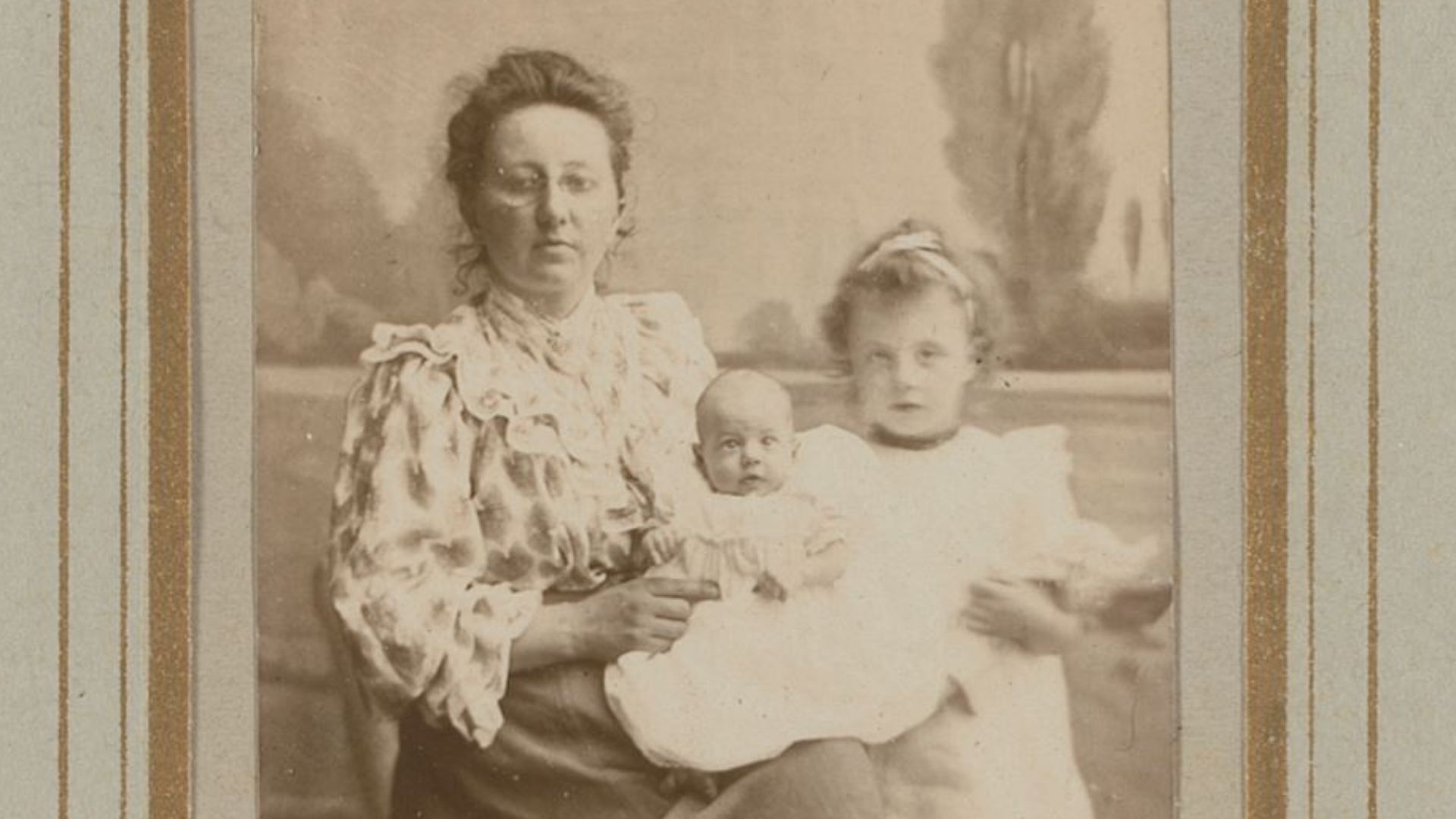
13. Helen
Helen took third with 290,404 uses, but fourth-place Betty was right there with 283,096; a gap of just 7,308. That's a fraction of the space between Dorothy and Helen, and it turned third and fourth into one of the tightest races on the entire list.
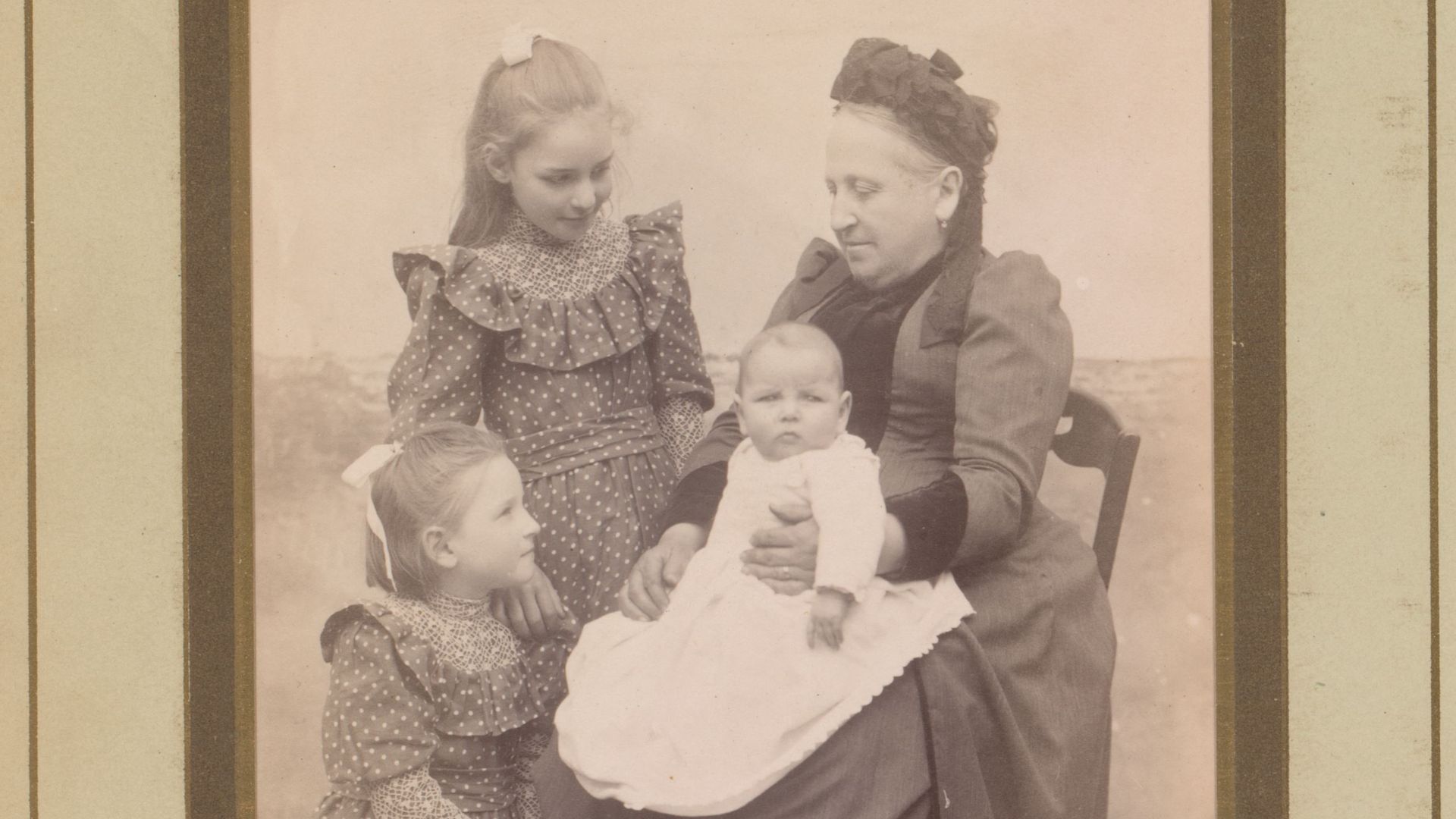
14. Betty
Betty's 283,096 uses were enough for fourth, sitting just behind Helen and a full 38,085 ahead of fifth-place Margaret. Betty was squeezed between a narrow gap above and a much wider one below. Literally caught in the middle.
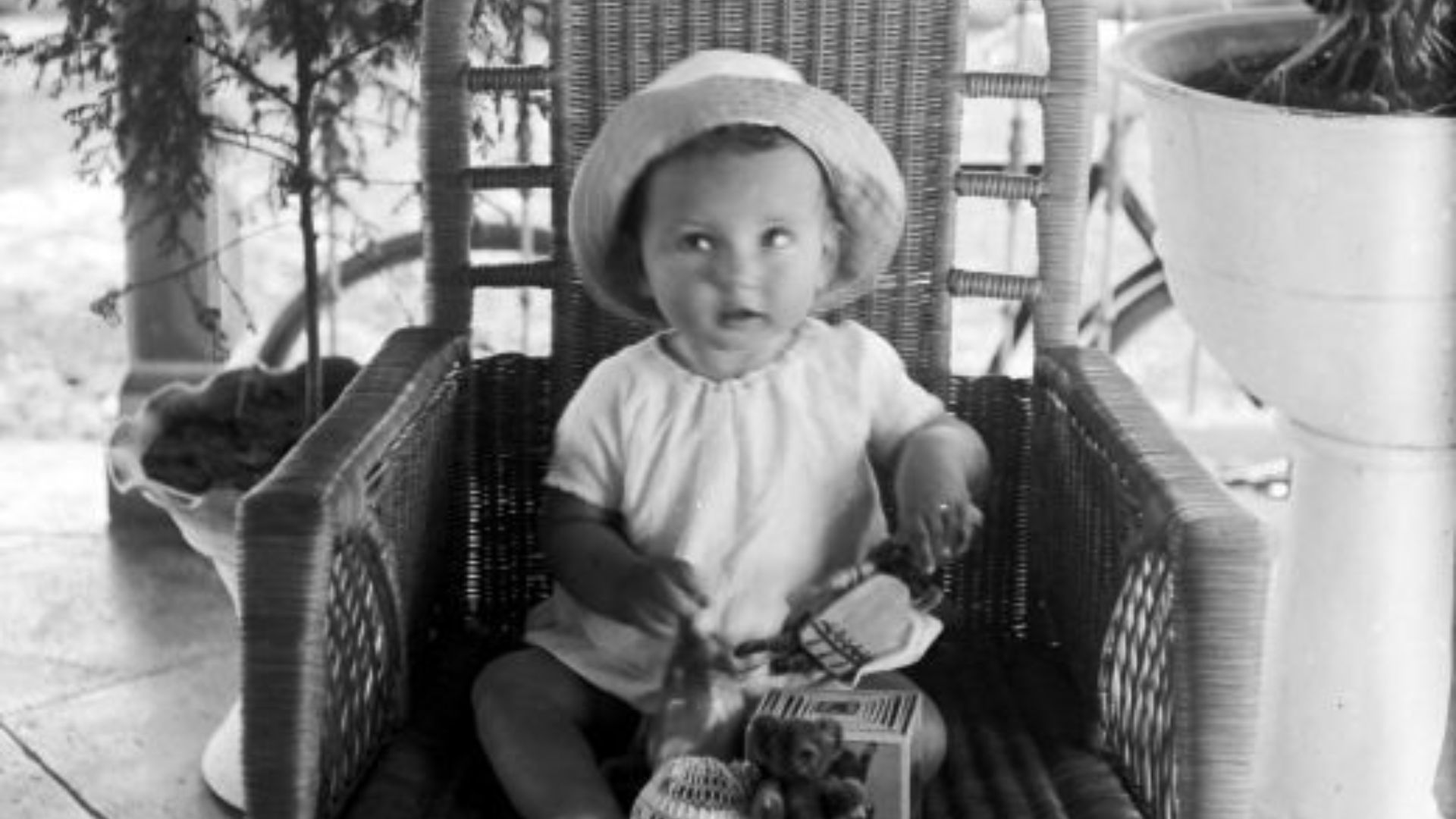 Unknown authorUnknown author on Wikimedia
15. Margaret
Margaret closed out the top five with 245,011 uses, a 26,491-name lead over sixth-place Ruth. That margin marked a real dividing line, separating the girls' elite five from the pack chasing behind them.
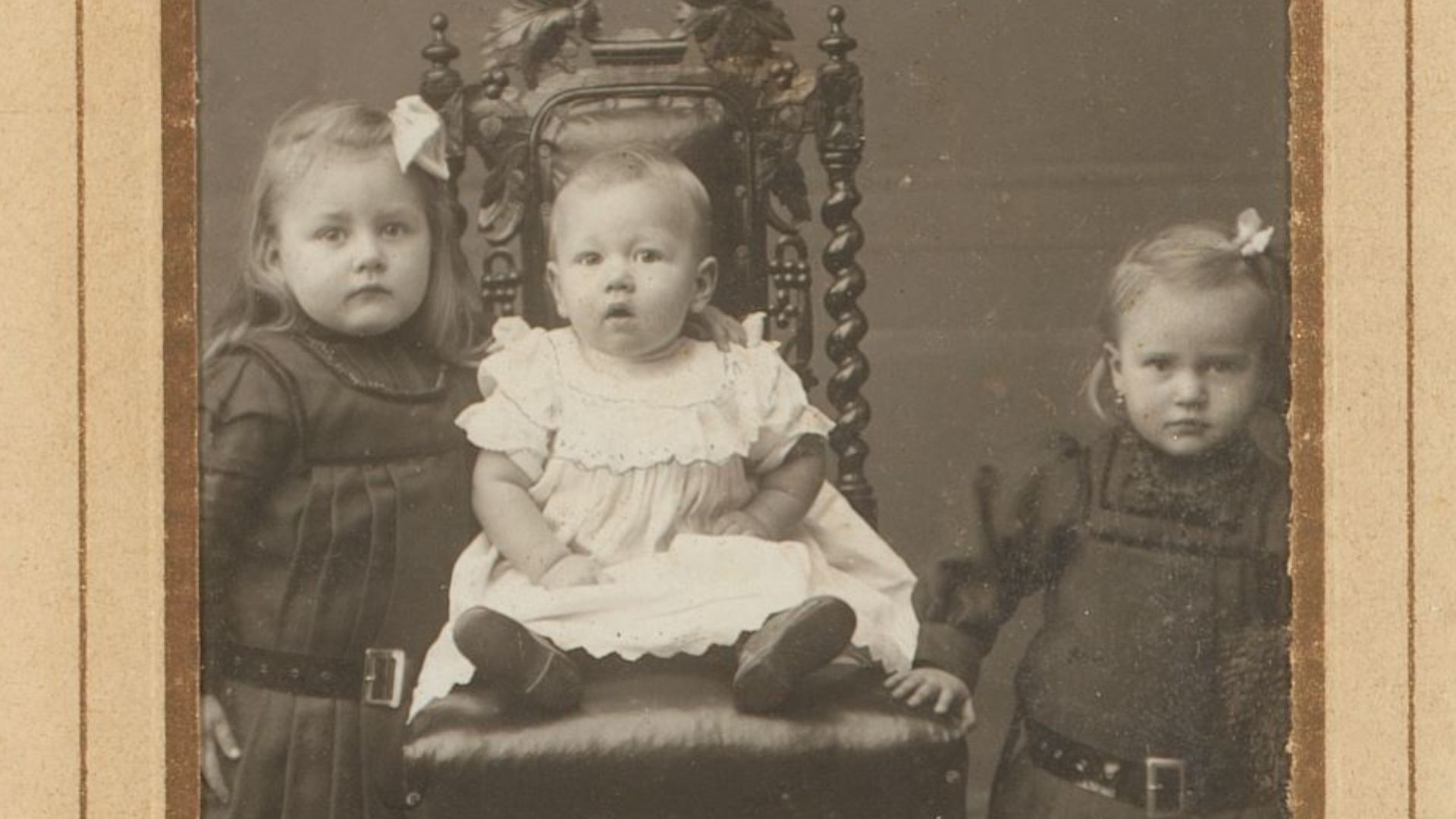
16. Ruth
Ruth held sixth with 218,520 uses, the final girls' name in the top 10 to pass the 200,000 mark. The drop to seventh-place Virginia was steep — 48,966 uses — carving out a clear divide between the upper and lower halves of the girls' top 10.
17. Virginia
Virginia claimed seventh with 169,554 uses, beating eighth-place Doris by 18,361. Among the four names rounding out the girls' top 10, Virginia had the strongest showing.
18. Doris
Doris came in eighth with 151,193 uses, barely edging out ninth-place Mildred by just 4,038; the smallest gap between any two neighboring names in the entire girls' top 10. If ever there was a coin-flip finish in this list, this was it.
19. Mildred
Mildred's 147,155 uses were enough to stay ahead of Frances by 6,764, a slightly wider margin than its own nail-biter with Doris, but still tight by any decade-long standard.
20. Frances
Frances closed out the girls' top 10 with 140,391 uses. And here's the real kicker: 11th-place Elizabeth had 139,672, a difference of just 719. That's the smallest gap of any two names on this entire list, and it means Frances held on to the final top-10 spot by the narrowest of margins imaginable.