20 Moments When a Single Document Was Rewritten in Someone’s Favor
When Words Shifted Power
Important documents rarely emerge untouched from the political struggles surrounding them. Drafts are revised, clauses are removed, and succession rules are adjusted until the final language benefits a particular ruler, government, faction, or social group. In some cases, the changes were openly negotiated compromises, while others involved pressure, secrecy, or deliberate manipulation that only became clear afterward. Here are 20 moments when a single document was rewritten in someone's favor.
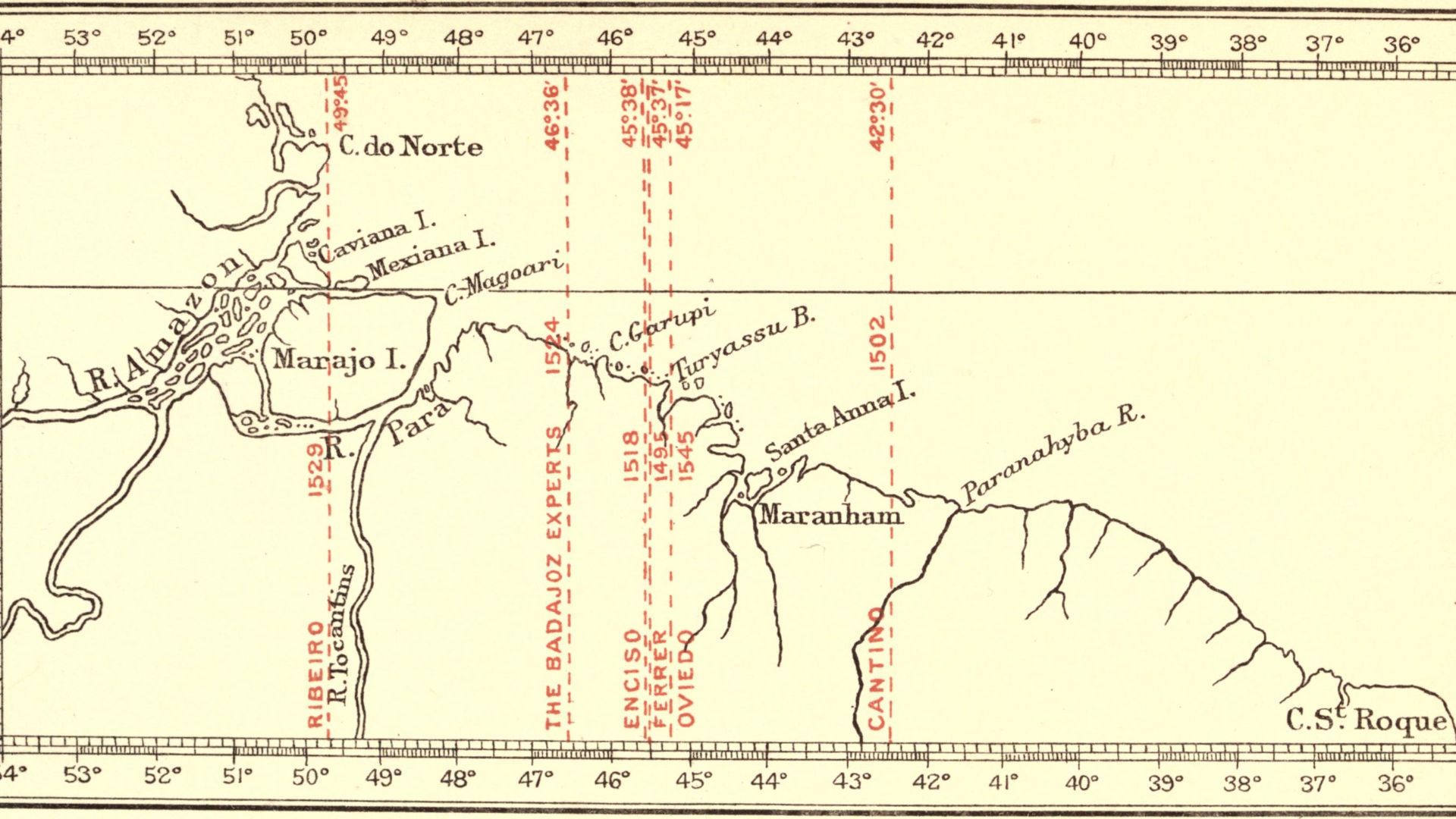
1. The Treaty of Tordesillas Gave Portugal More Room
The initial papal boundary dividing newly claimed overseas territories placed the line relatively close to the Cape Verde Islands. Portugal negotiated the 1494 Treaty of Tordesillas, which moved it farther west and provided access to territory that later became Brazil. That revision greatly improved Portugal’s position in Atlantic expansion.
 Henry Harrisse (c.1830–1910) on Wikimedia
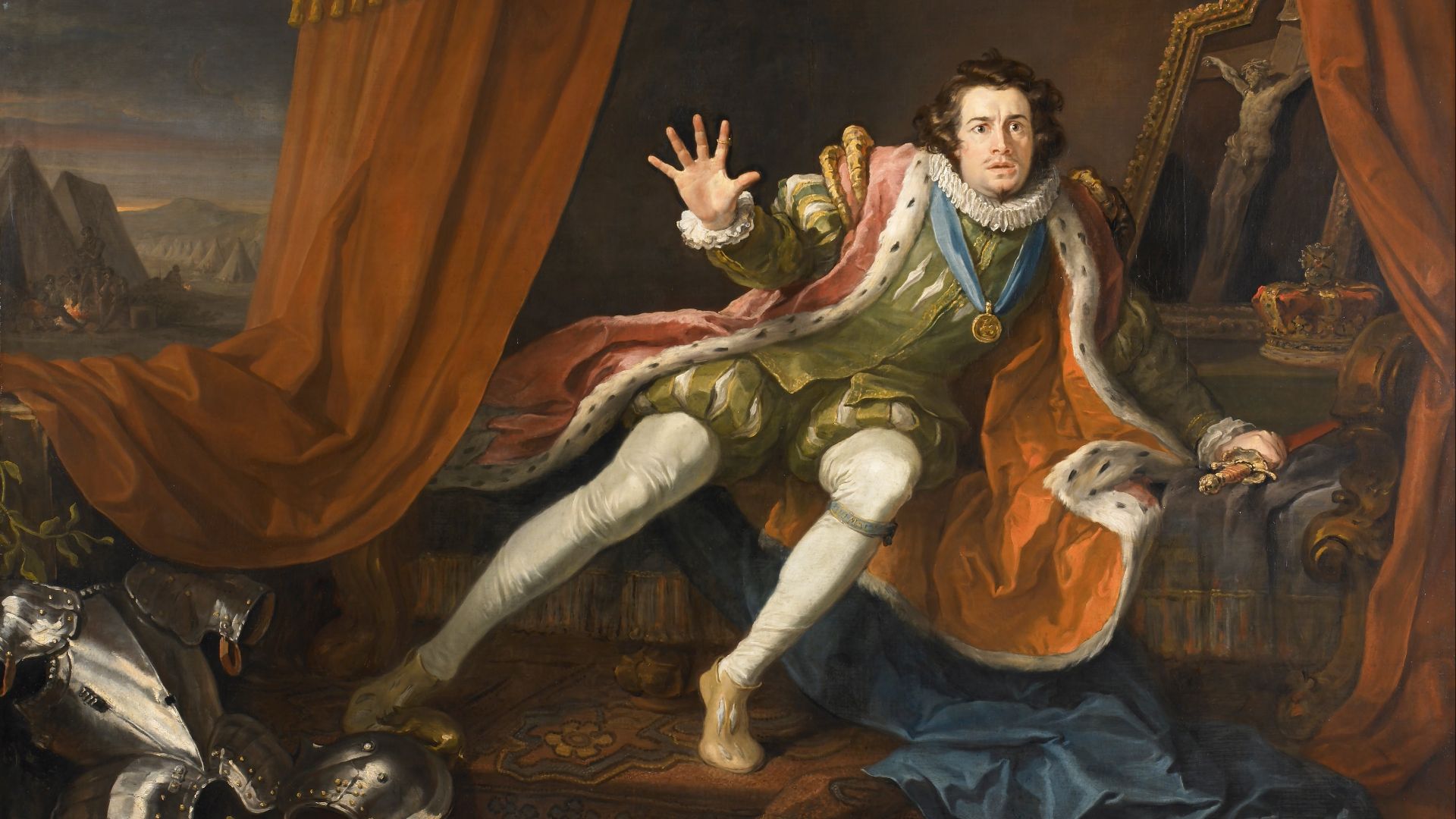
2. Richard III’s Claim Was Strengthened by Titulus Regius
After Edward IV’s death, Parliament issued Titulus Regius in 1484, declaring his children illegitimate and recognizing Richard III as England’s lawful king. The document presented disputed allegations about Edward’s marriage as settled legal fact. Its wording turned Richard’s seizure of the crown into an official act of succession.
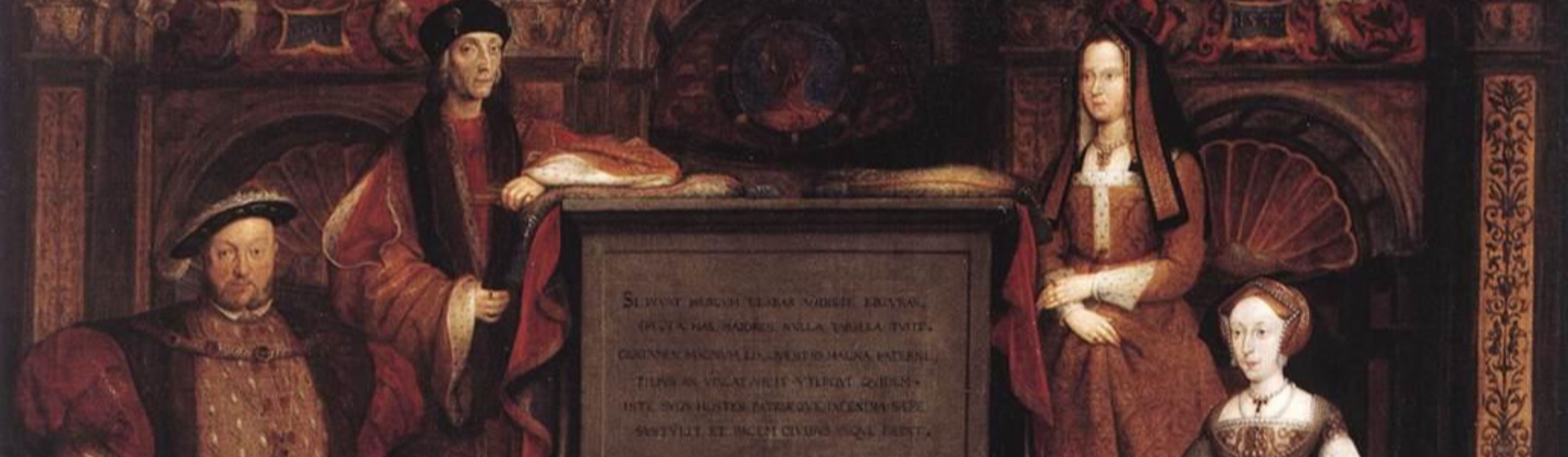
3. Henry VIII Reworked the Succession for Anne Boleyn
The First Succession Act of 1534 declared Henry VIII’s marriage to Catherine of Aragon invalid and placed Anne Boleyn’s children in the royal succession. Princess Mary was consequently treated as illegitimate.
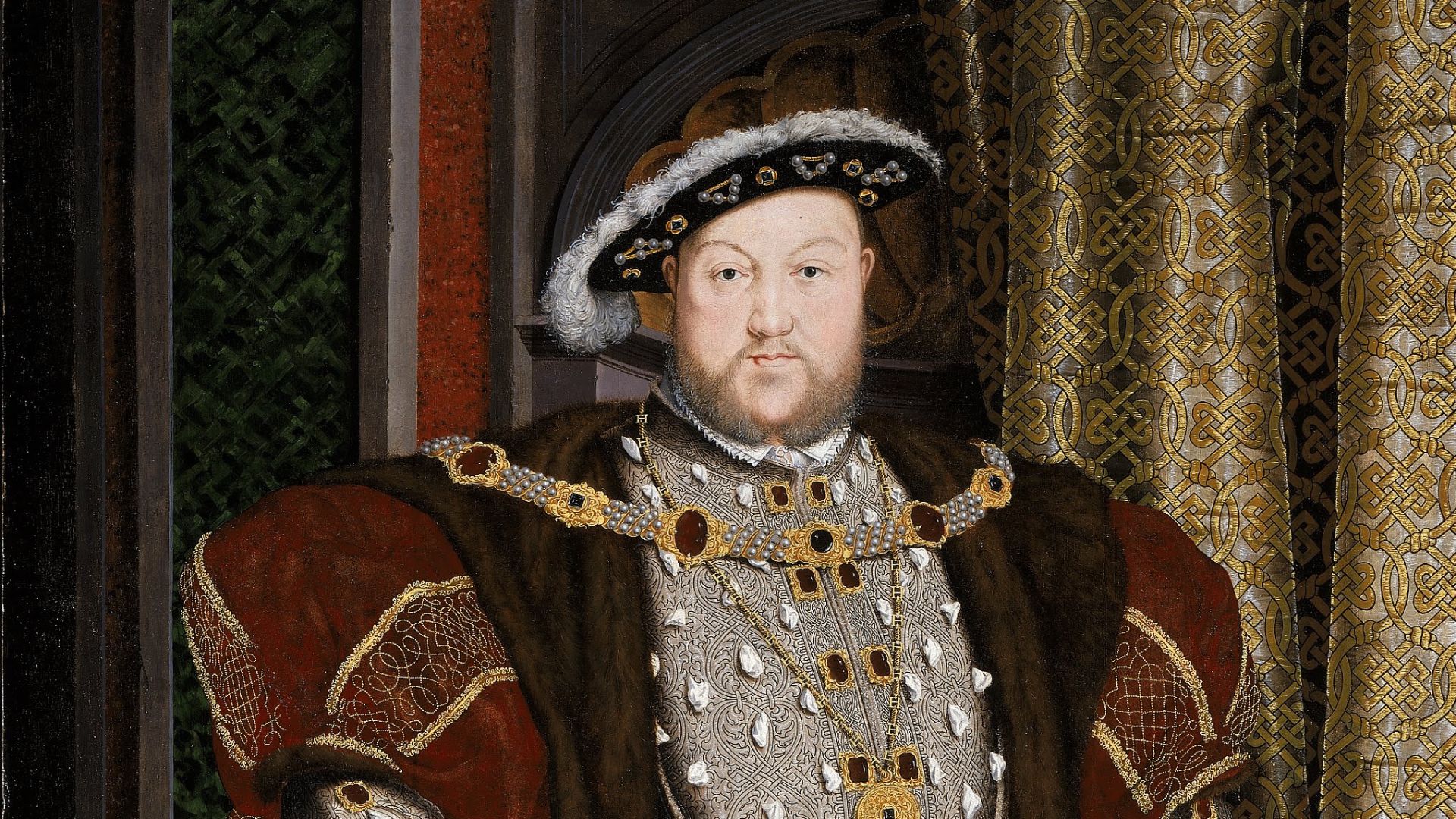 Workshop of Hans Holbein the Younger on Wikimedia
4. Jane Seymour’s Family Benefited From Another Succession Act
Following Anne Boleyn’s execution, the Second Succession Act declared both Mary and Elizabeth illegitimate. It positioned any children born to Henry VIII and Jane Seymour ahead of the king’s older daughters. Parliament had effectively rewritten the royal family’s legal structure to match Henry’s latest marriage.
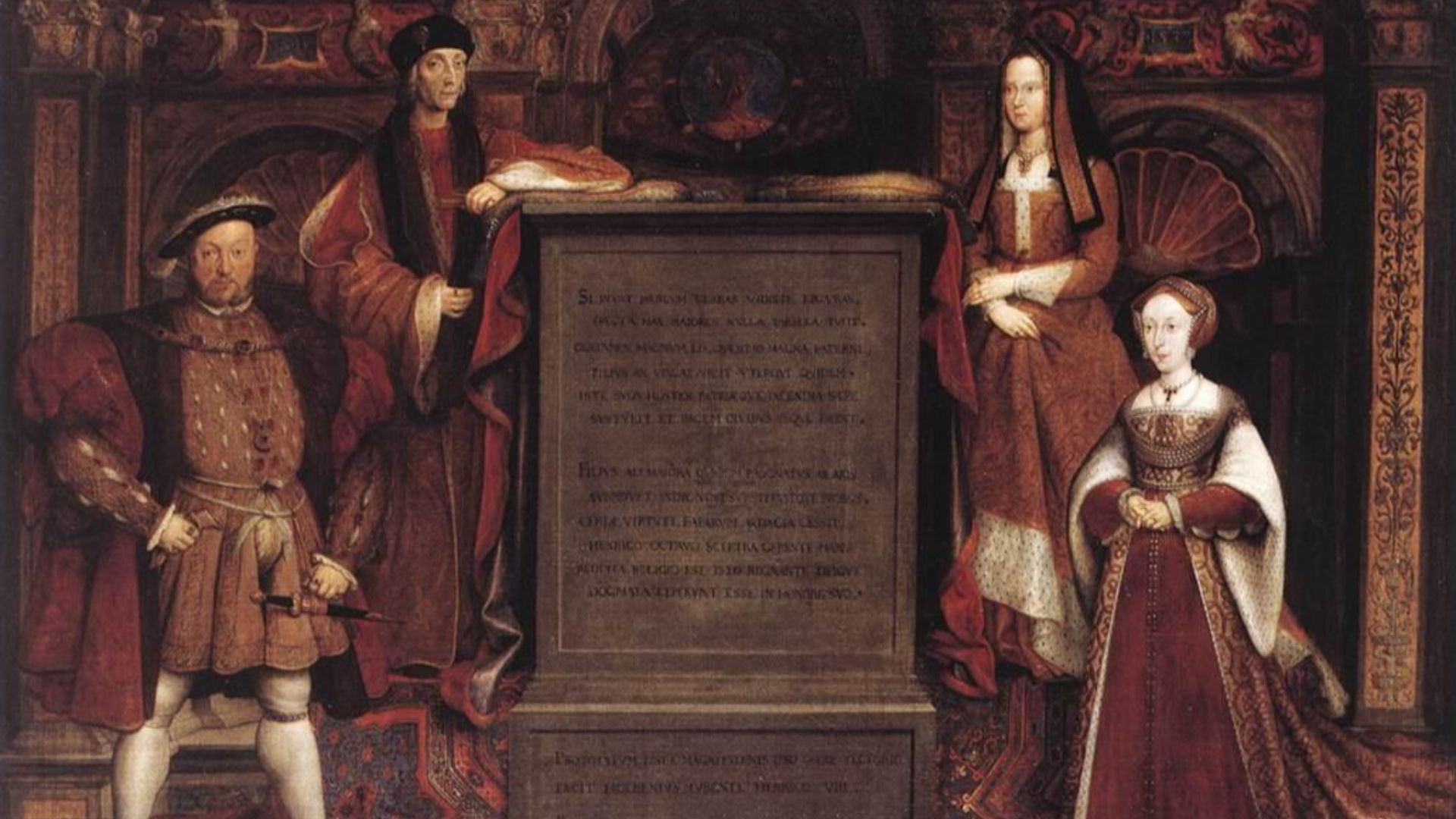 Remigius van Leemput on Wikimedia
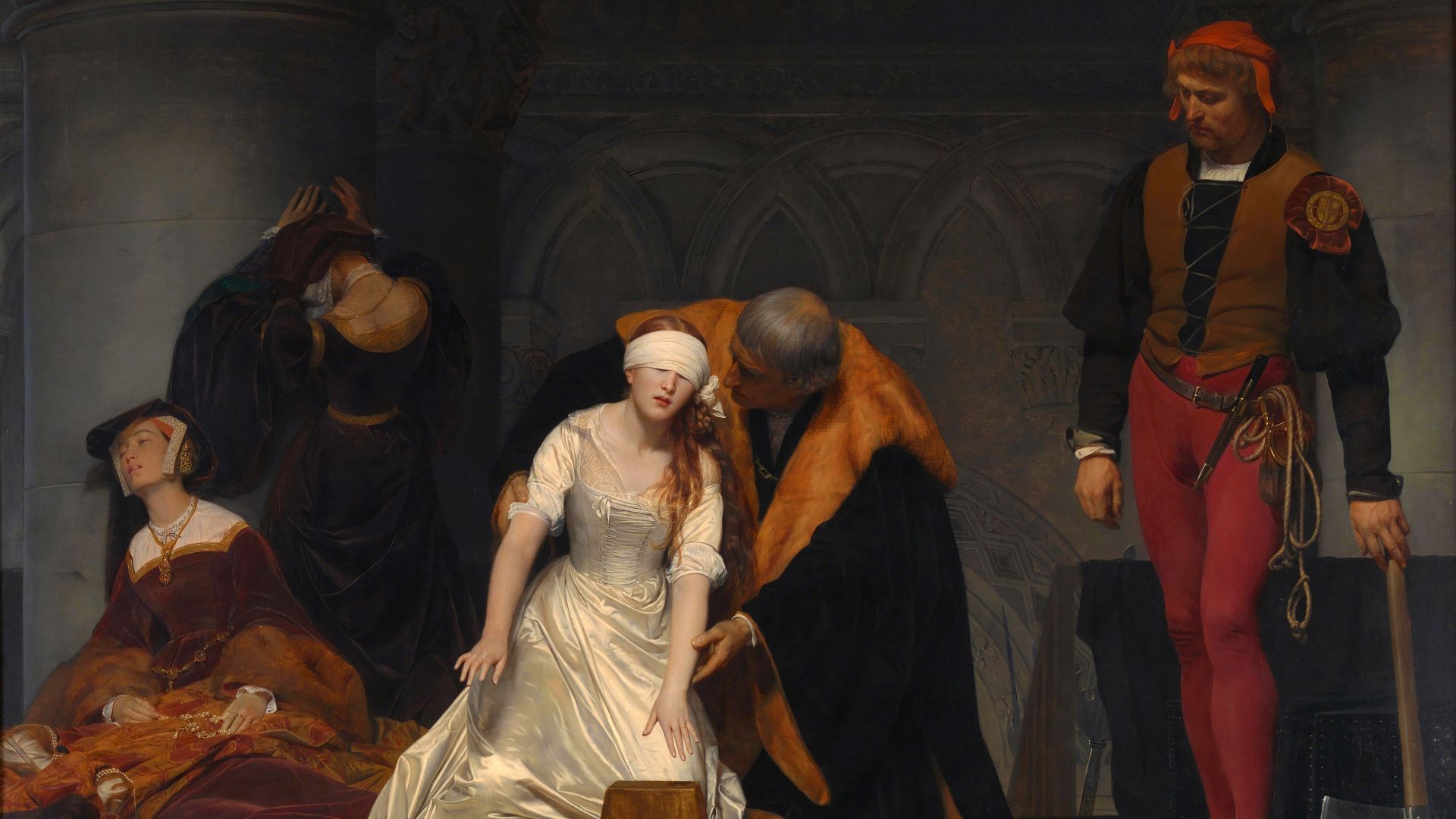
5. Edward VI Changed His Devise for Lady Jane Grey
Edward VI’s original succession plan appears to have favored the future male heirs of Lady Jane Grey and her sisters. As his health worsened in 1553, the wording was altered to name Jane herself as heir. The adjustment benefited the Protestant Grey faction, although Mary ultimately defeated the attempt.
6. The Treaty of Troyes Disinherited the French Dauphin
Signed in 1420, the Treaty of Troyes recognized Henry V of England as heir to the French throne through his marriage to Catherine of Valois. It bypassed Charles VI’s son, the future Charles VII.
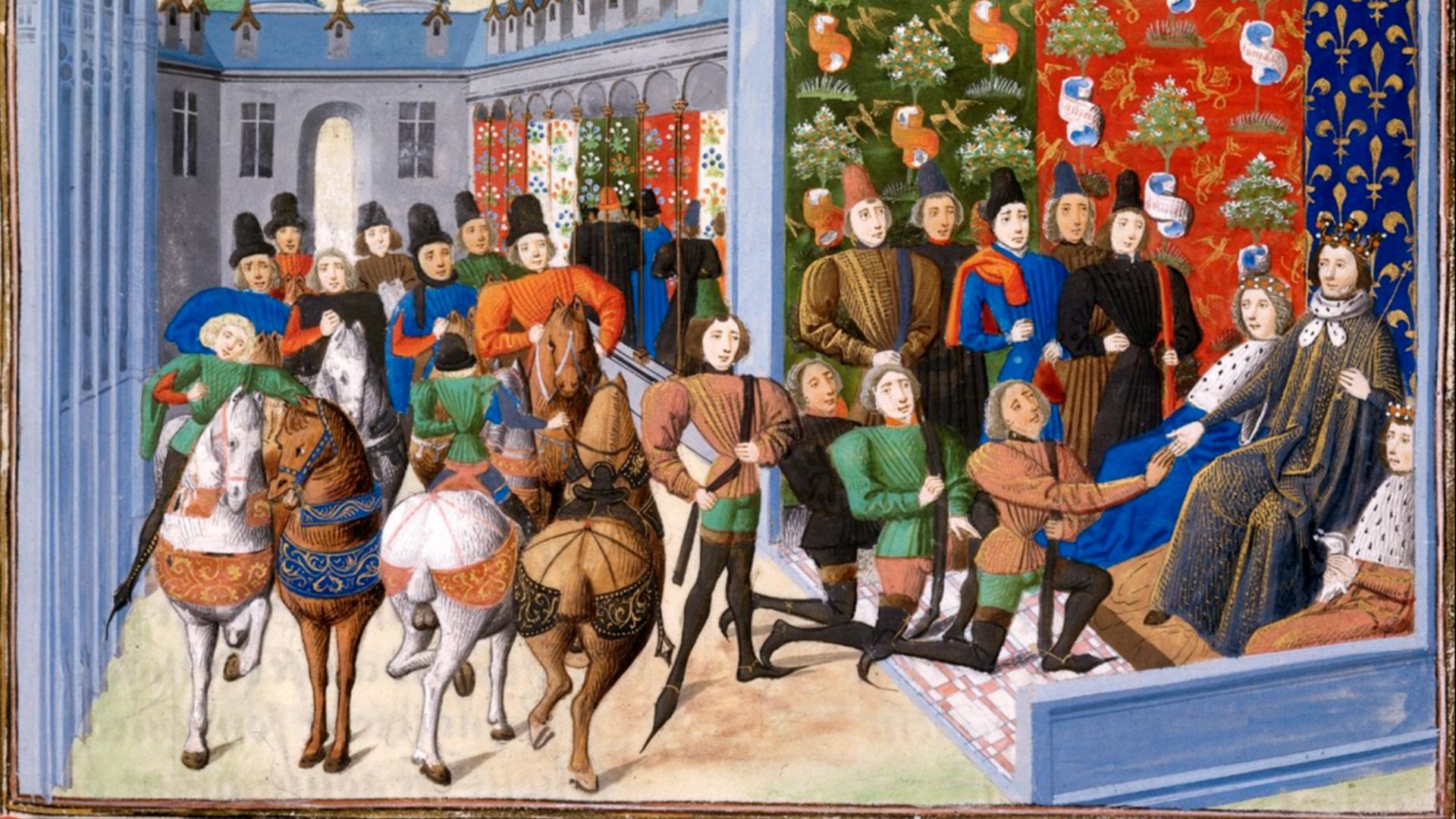 Master of the Harley Froissart; Master of the Vienna on Wikimedia
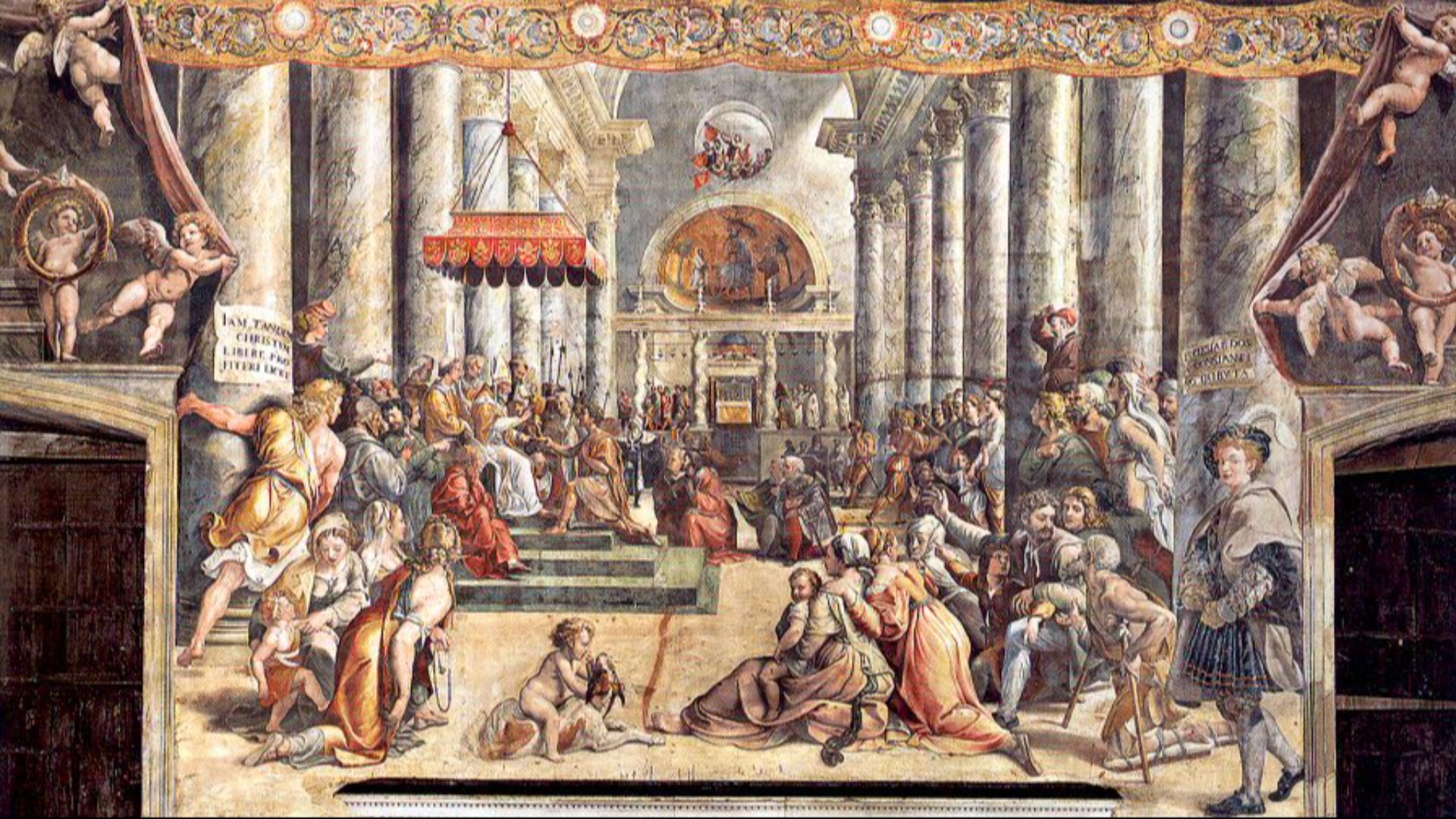
7. The Donation of Constantine Supported Papal Authority
The Donation of Constantine claimed that a Roman emperor had transferred extensive western authority to Pope Sylvester I. Medieval popes and their supporters used the text to strengthen claims against secular rulers.
 School of Raphael on Wikimedia
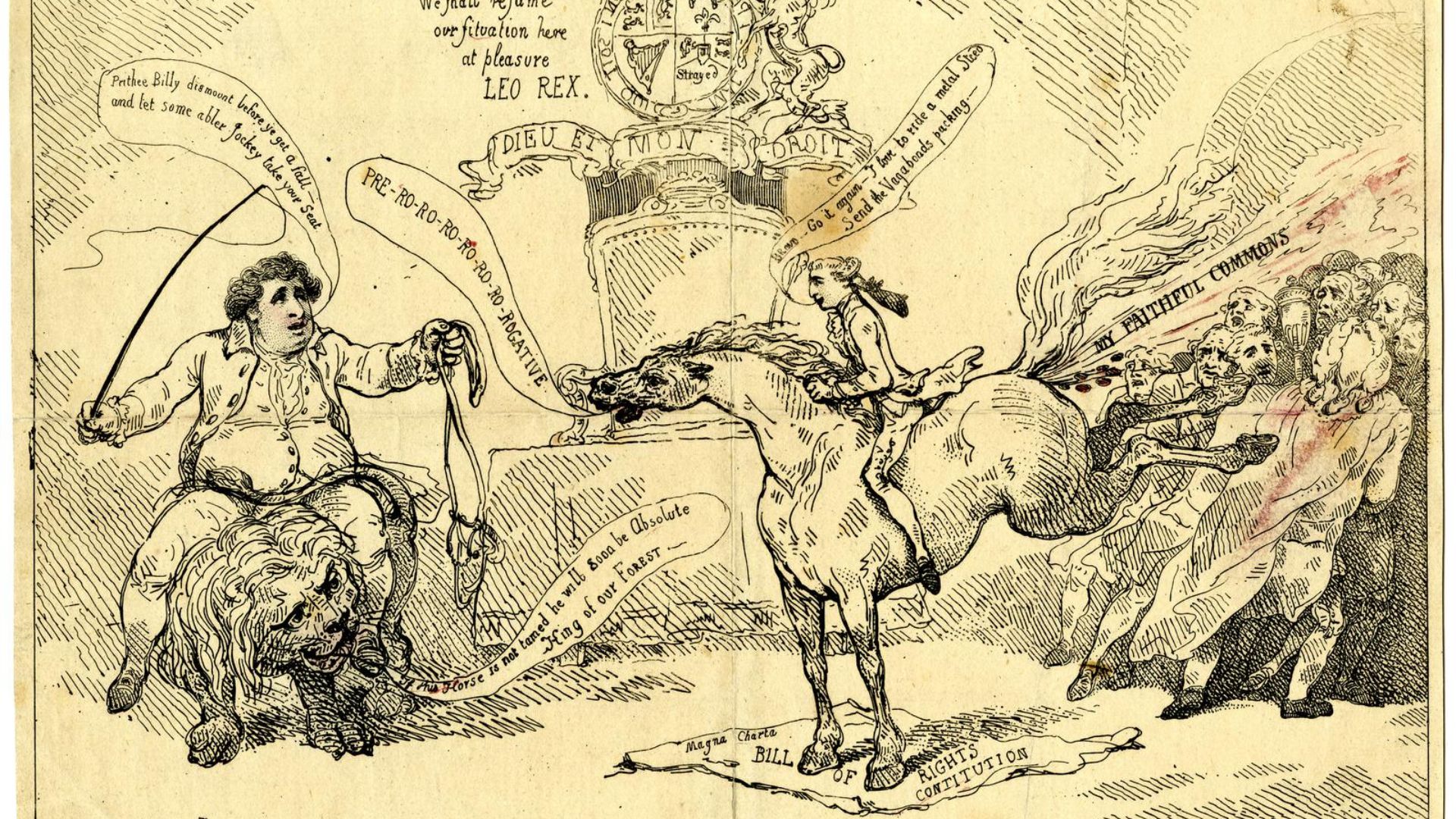
8. The Act of Settlement Favored the Hanoverians
England’s 1701 Act of Settlement redirected the crown toward Protestant descendants of Sophia of Hanover. Dozens of Catholic relatives with stronger hereditary claims were excluded. By rewriting succession around religion, Parliament ensured that George I eventually inherited the throne and reinforced its own authority over the monarchy.
 Print made by: Thomas Rowlandson Published by: William Humphrey on Wikimedia
9. The Pragmatic Sanction Protected Maria Theresa
Emperor Charles VI issued the Pragmatic Sanction of 1713 to allow his daughter Maria Theresa to inherit Habsburg lands. The document was designed around his immediate family’s needs, although several signatories challenged it after his death.
 Unidentified painter on Wikimedia
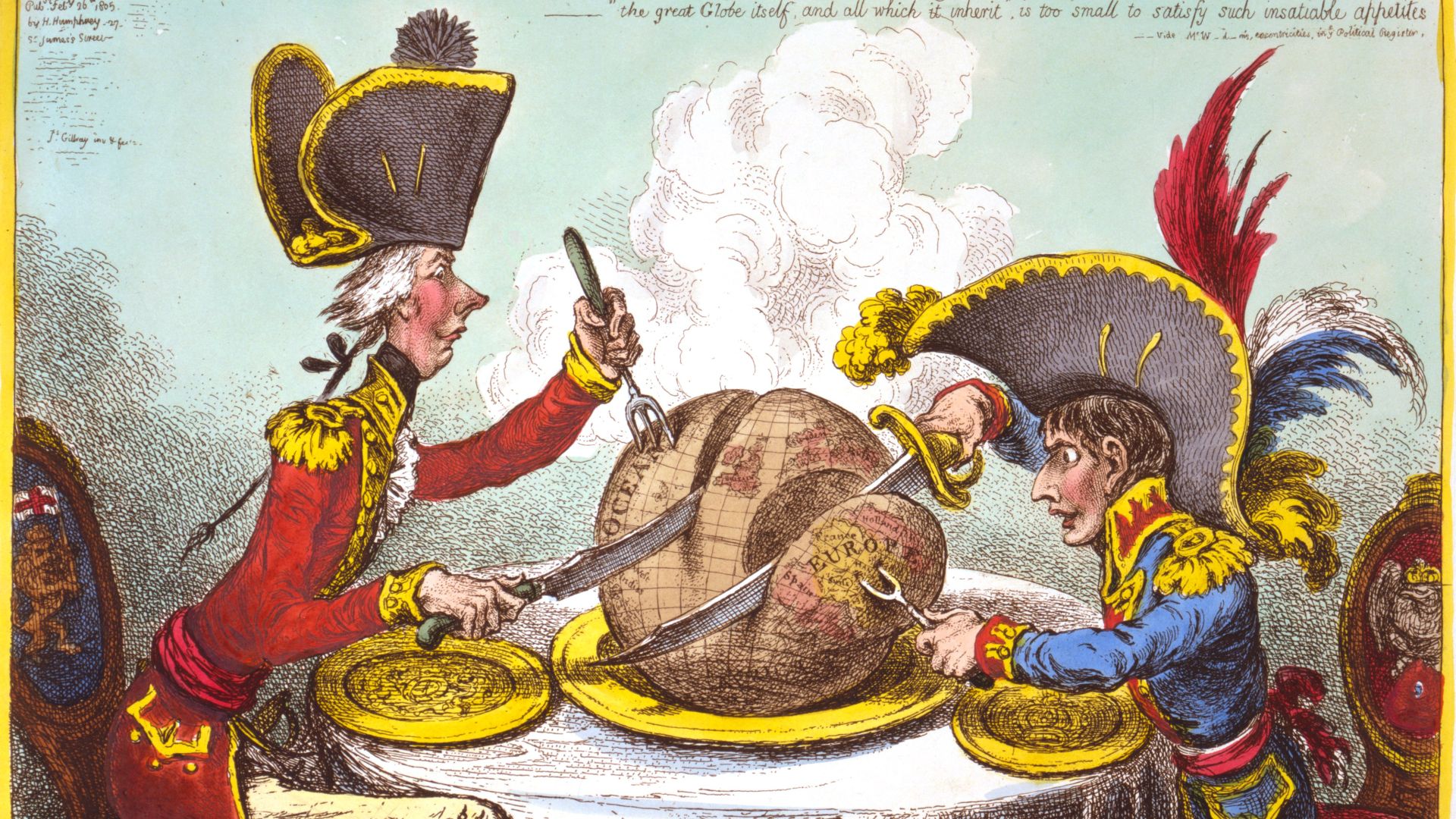
10. Napoleon’s Constitution Created a Powerful First Consul
The Constitution of the Year VIII formally established a new French government after Napoleon Bonaparte’s 1799 coup. Its carefully arranged institutions gave Napoleon dominant power while preserving the outward appearance of republican administration.
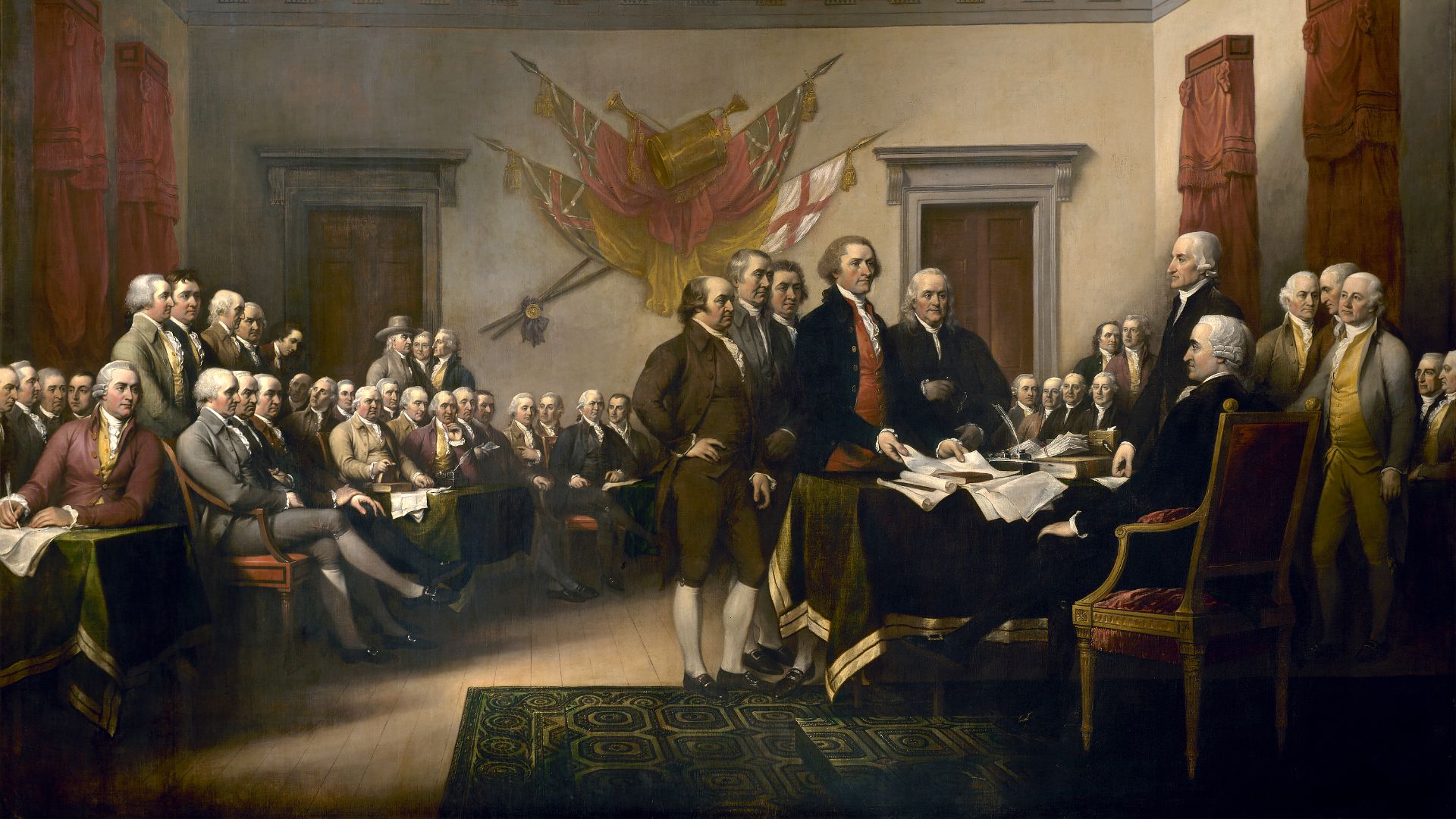
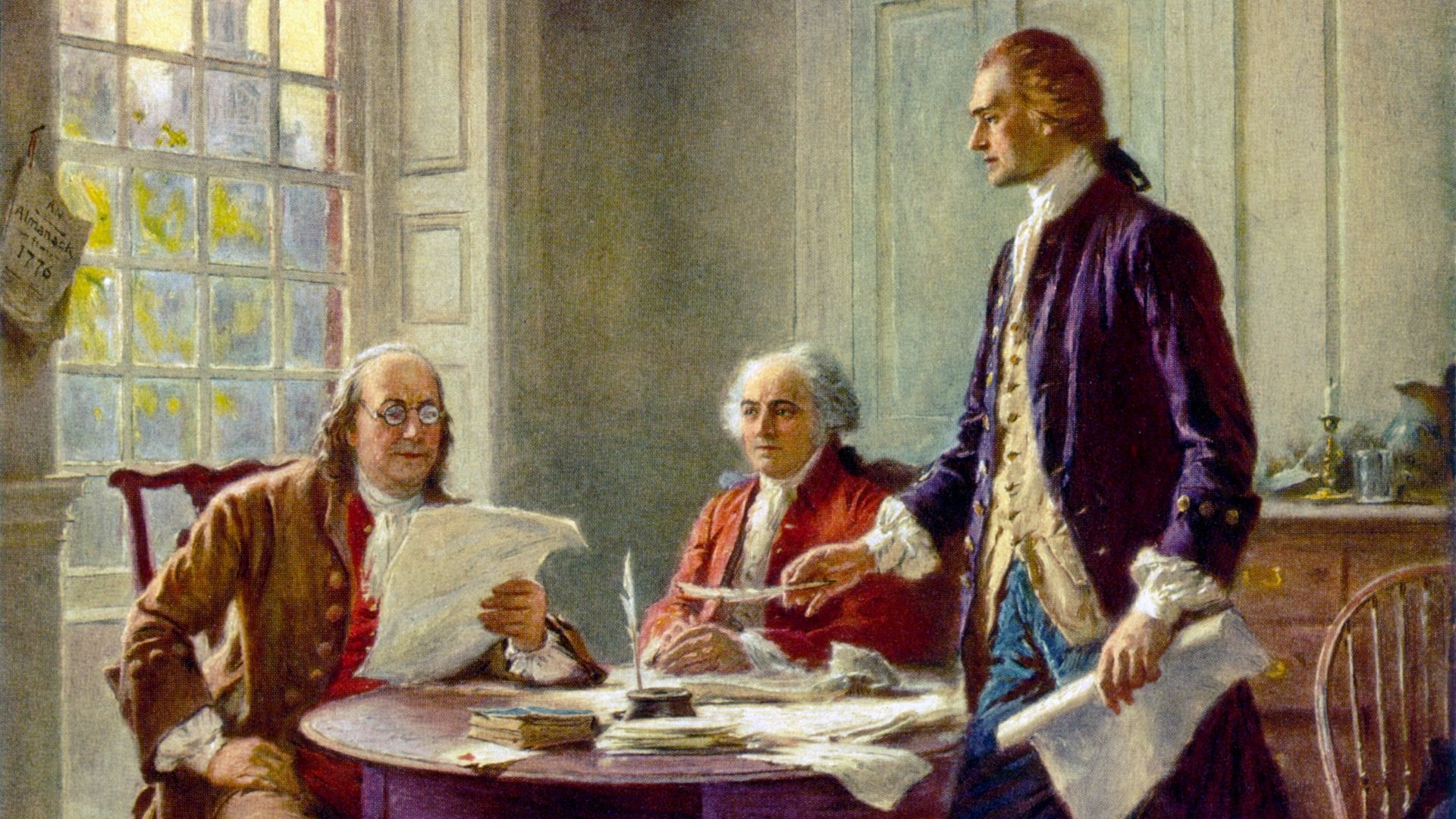
11. The Declaration Lost Its Condemnation of Slavery
Thomas Jefferson’s draft Declaration of Independence included a passage condemning the British king for sustaining the slave trade. Congress removed it while revising the document, partly because it threatened unity among colonies with different economic interests. The deletion accommodated delegates unwilling to approve such a criticism.
 Jean Leon Gerome Ferris on Wikimedia
12. The Constitution Increased Southern Political Influence
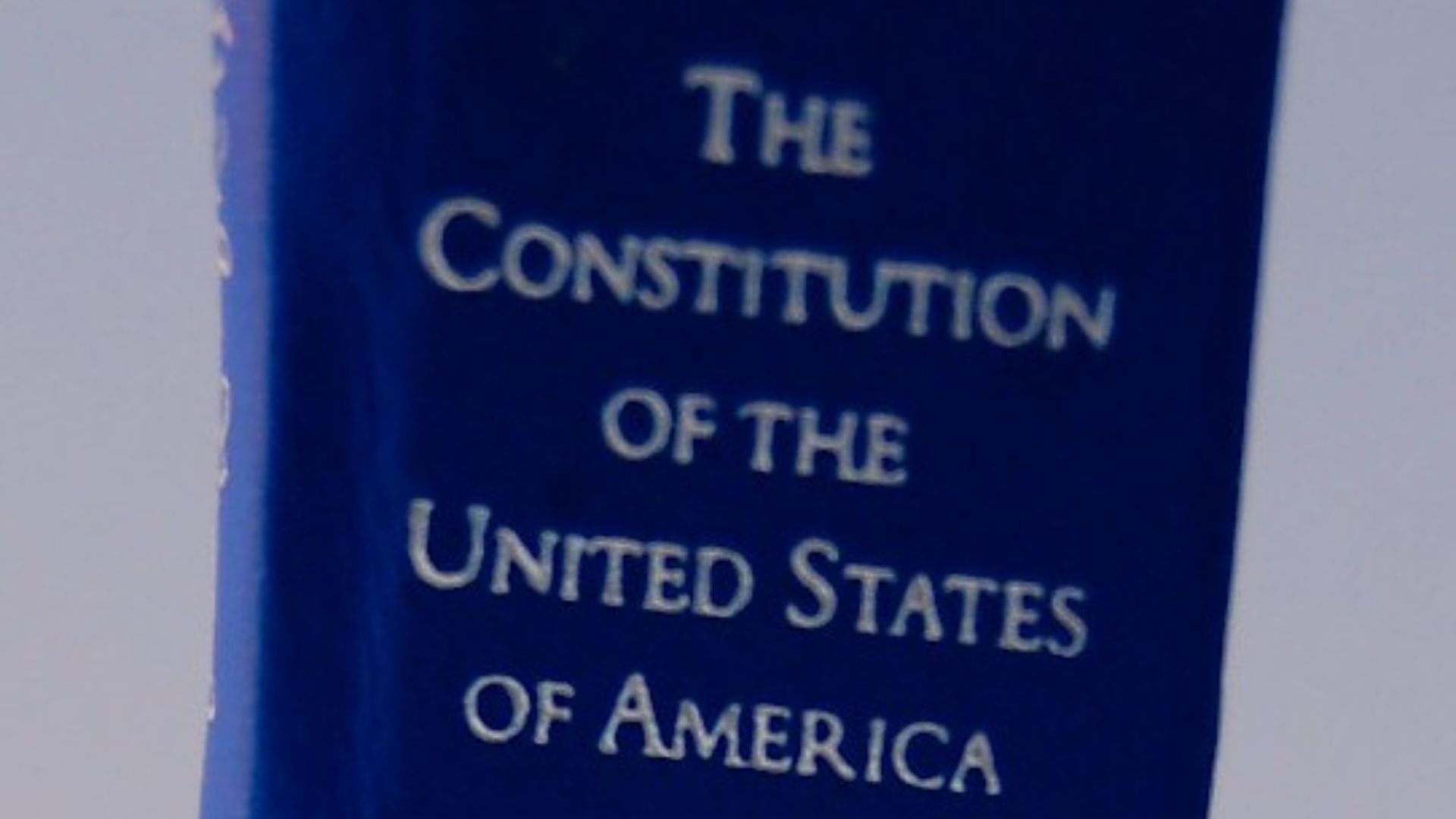
The Three-Fifths Compromise counted three-fifths of the enslaved population when assigning representation and direct taxes. Enslaved people received no political rights, yet their numbers increased the representation of slaveholding states.
 seu nome ou assinatura (Almanaque Lusofonista (talk)) on Wikimedia
13. Andrew Jackson Replaced a Protective Treaty
The United States had previously recognized Cherokee lands through treaties, but pressure for removal continued after valuable territory attracted white settlers. The 1835 Treaty of New Echota was signed by a small minority without authorization from the elected Cherokee government.
 Unknown authorUnknown author on Wikimedia
14. Traders Gained From the Traverse des Sioux Papers
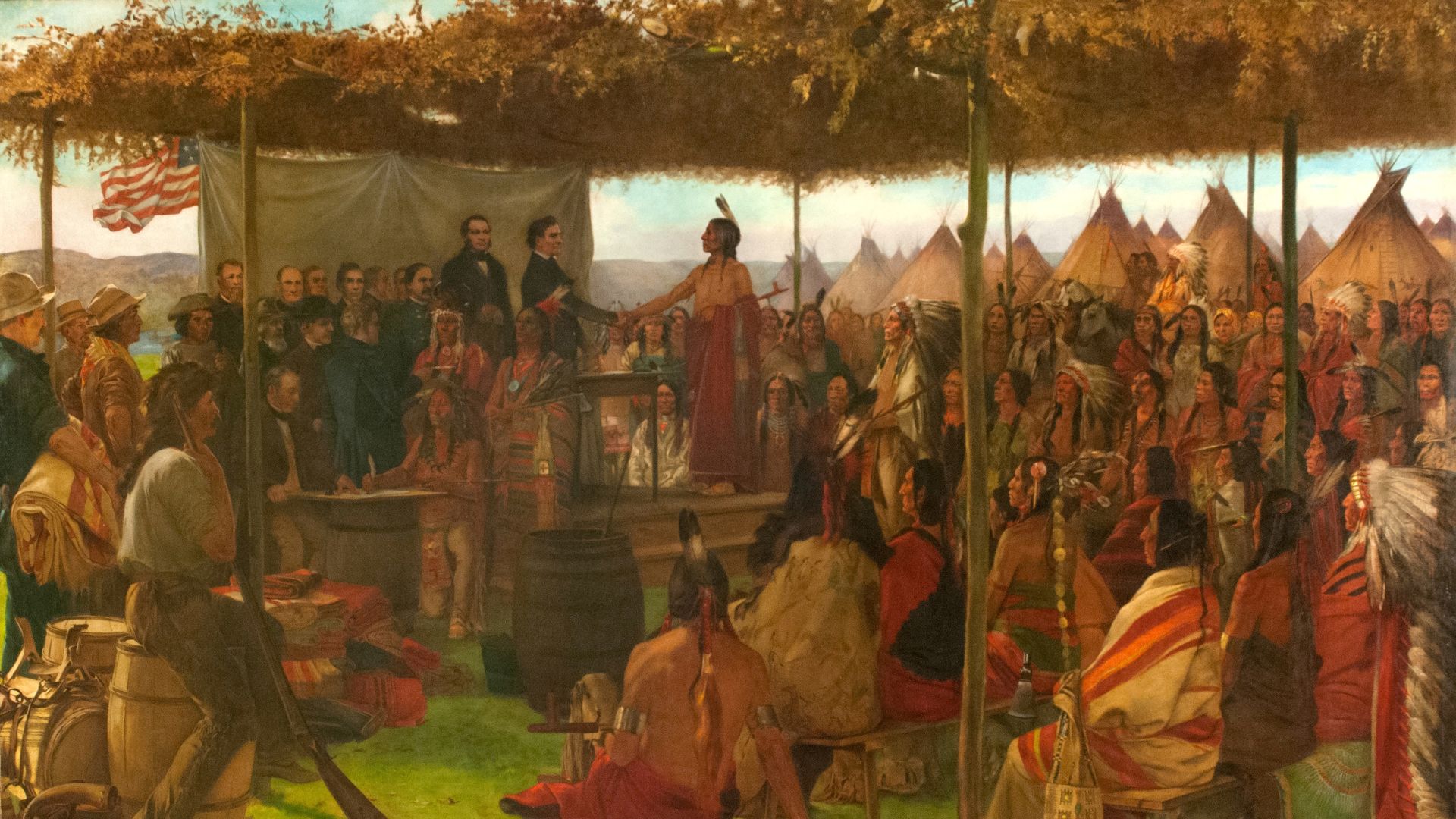
The 1851 Treaty of Traverse des Sioux transferred large areas of Dakota land to the United States. A separate document connected to the negotiations directed substantial treaty payments toward traders who claimed Indigenous debts.
 Minnesota Historical Society on Wikimedia
15. The Senate Removed Article X From Guadalupe Hidalgo
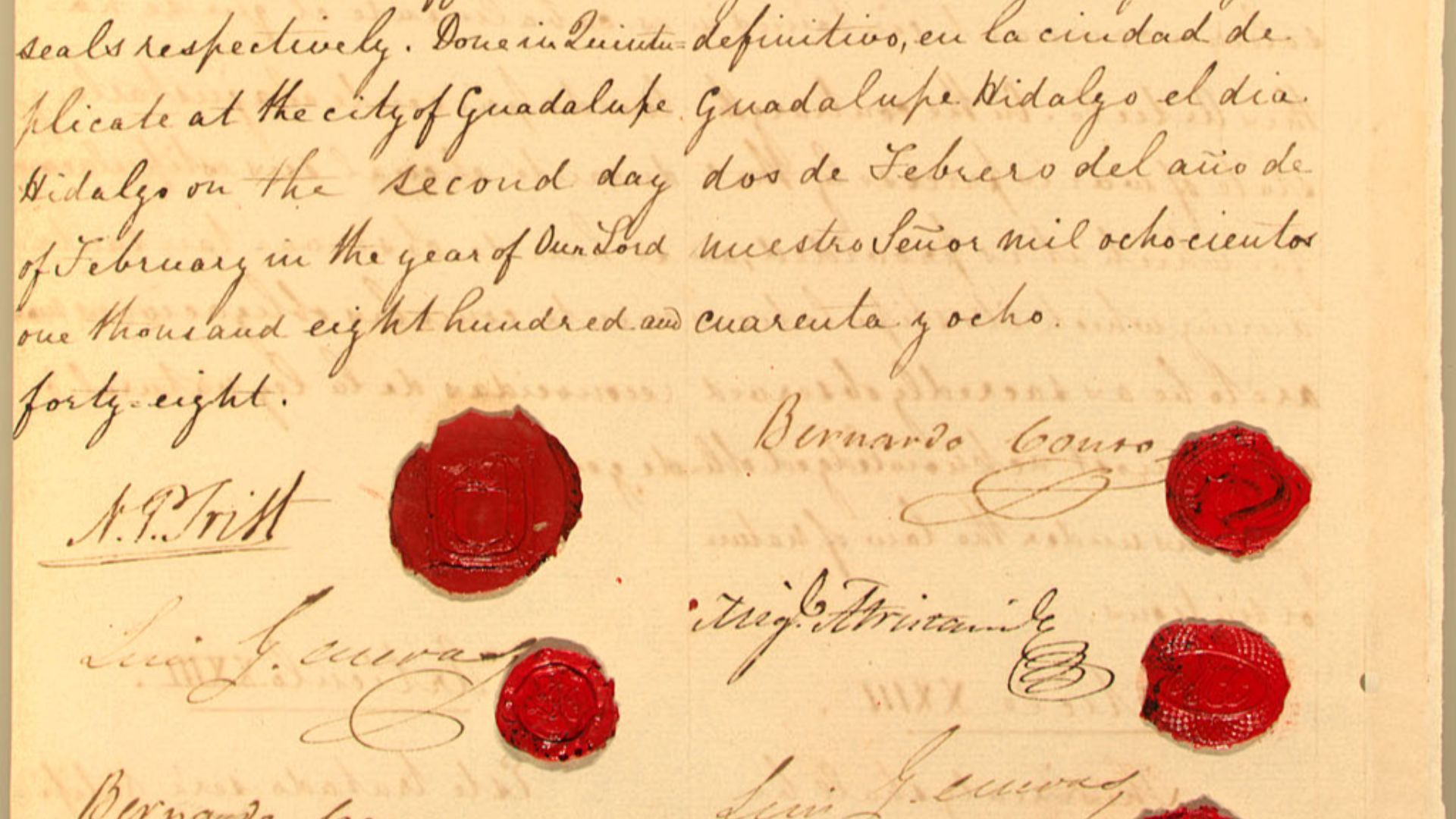
Article X of the proposed Treaty of Guadalupe Hidalgo addressed land grants made under Mexican rule in territories transferred to the United States. The U.S. Senate deleted the provision before ratification in 1848.
 Nicholas Philip Trist Papers, 1795-1873 on Wikimedia
16. Colonial Officials Revised the Treaty of Waitangi
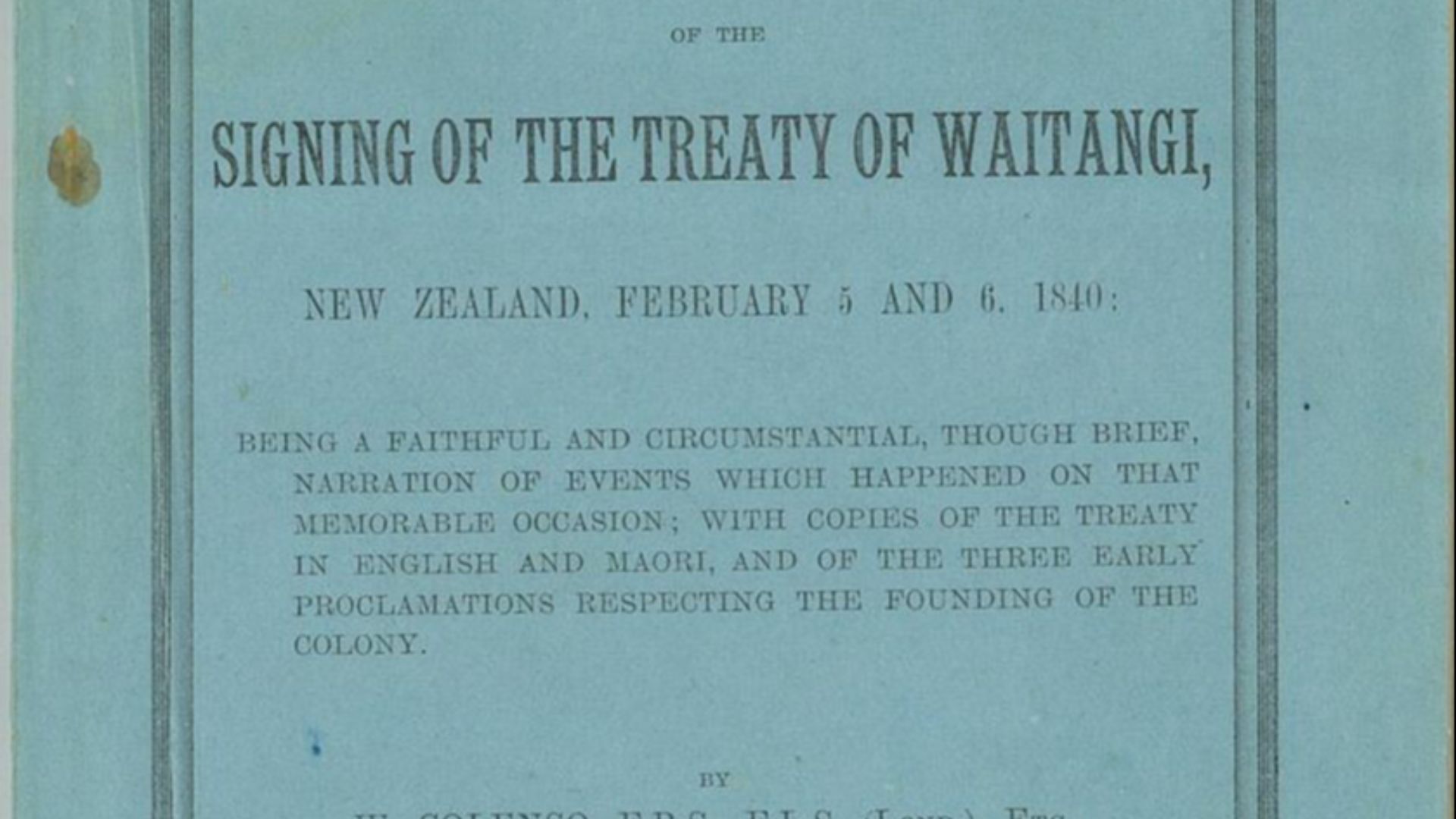
The English and Māori versions of New Zealand’s 1840 Treaty of Waitangi weren’t exact equivalents. The English text transferred sovereignty to the British Crown, while the Māori wording used a term more closely associated with governance and retained chiefly authority.
 William Colenso (1811 - 1899) on Wikimedia
17. Germany Received Harsher Terms at Brest-Litovsk
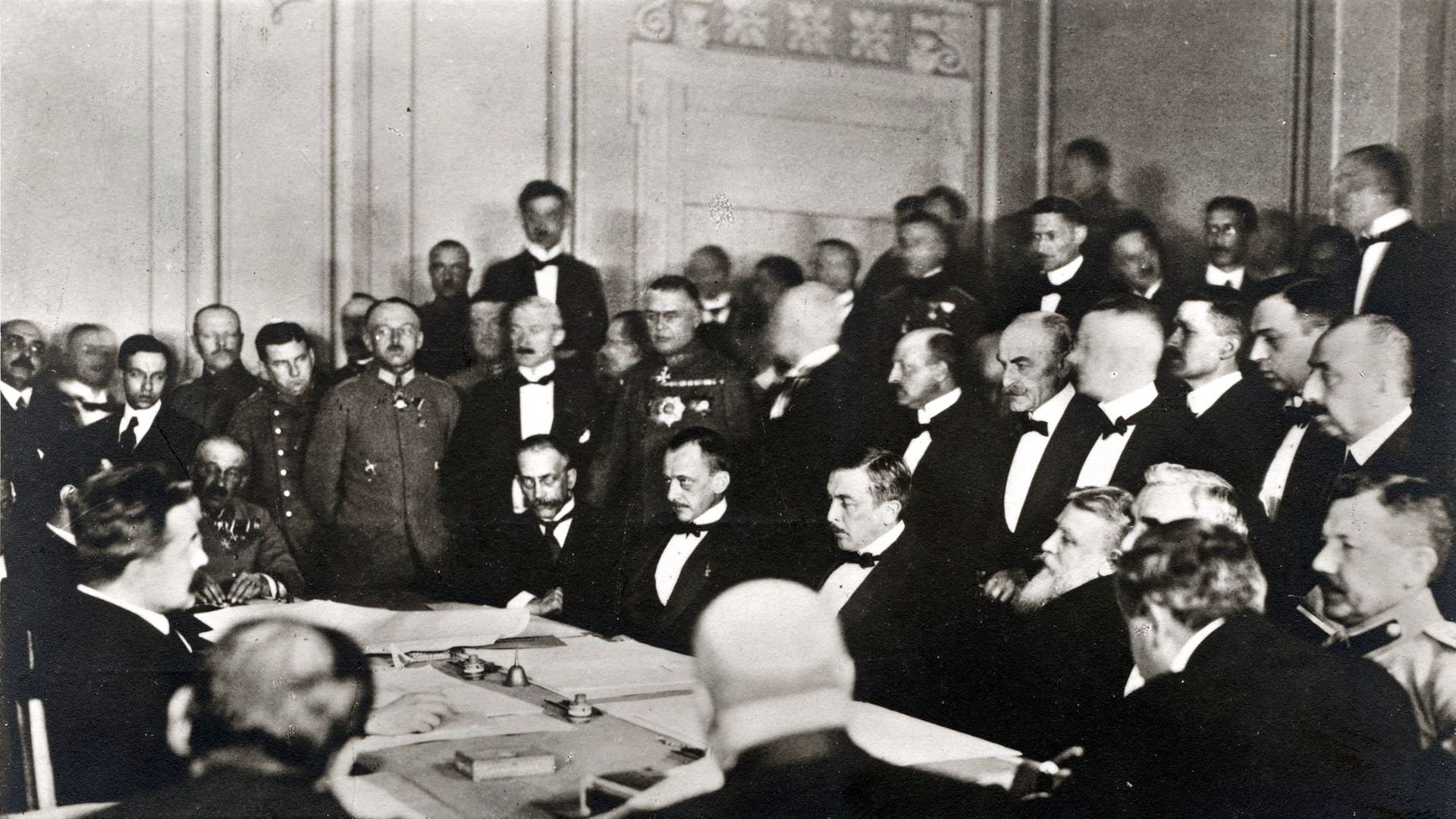
Early negotiations between revolutionary Russia and the Central Powers stalled when the Russian delegation rejected major territorial losses. The final Treaty of Brest-Litovsk forced Russia to surrender enormous territories, clearly reflecting Germany’s improved bargaining position.
18. Article 231 Supported Allied Reparation Demands
The Treaty of Versailles included Article 231, which assigned Germany and its allies responsibility for losses caused by the war. Allied governments used the clause as the legal foundation for demanding reparations.
 National Museum of Denmark on Unsplash
19. MacArthur’s Staff Replaced Japan’s Constitutional Draft
After World War II, Japanese officials prepared a conservative constitutional proposal that occupation authorities considered inadequate. General Douglas MacArthur’s staff quickly produced a replacement draft emphasizing parliamentary democracy, civil rights, and the renunciation of war.
 Photographer not credited. on Wikimedia
20. Apartheid Leaders Designed the Tricameral Constitution
South Africa’s 1983 Constitution created separate parliamentary chambers for white, Coloured, and Indian citizens while continuing to exclude the Black majority from national representation. Executive authority was also concentrated in the state presidency.
KEEP ON READING