What Shaped Them Before Anyone Had The Words
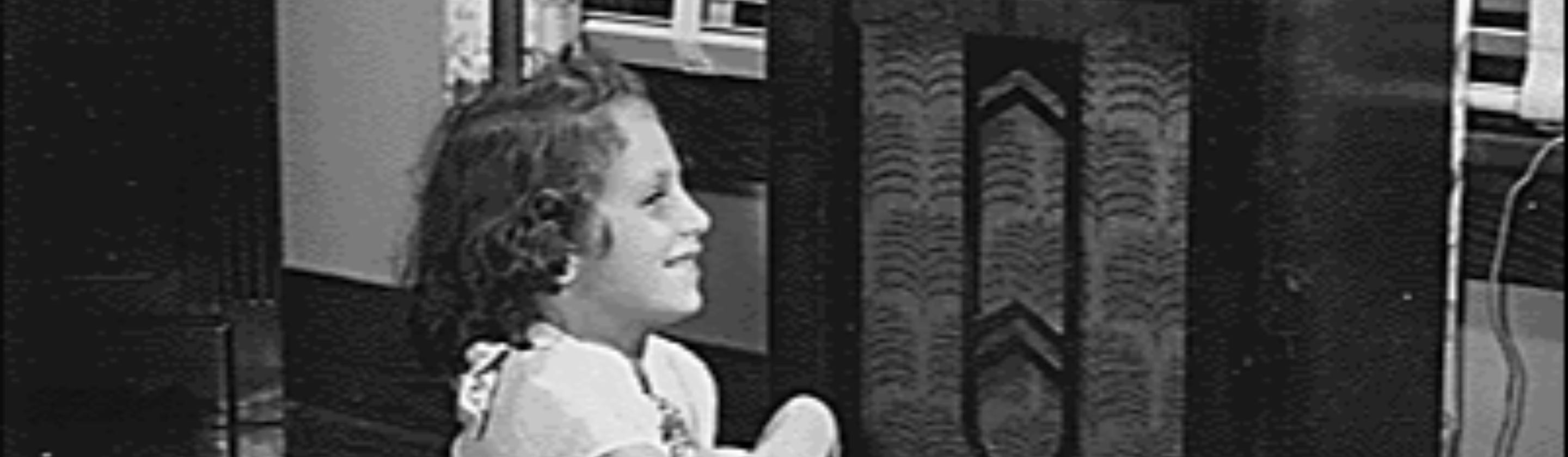
The Silent Generation grew up in a world that asked a lot of them and explained very little. They were children during the Great Depression and came of age during a world war, often without the language, the support, or even the permission to talk about what any of it did to them. Back then, getting through the day was the goal, and feelings were something you dealt with quietly, if at all. That mix of hardship and silence didn't just pass through a generation, it settled into it. Here's 20 reasons so much of that generation is still carrying weight nobody ever helped them put down.
1. They Grew Up During The Great Depression
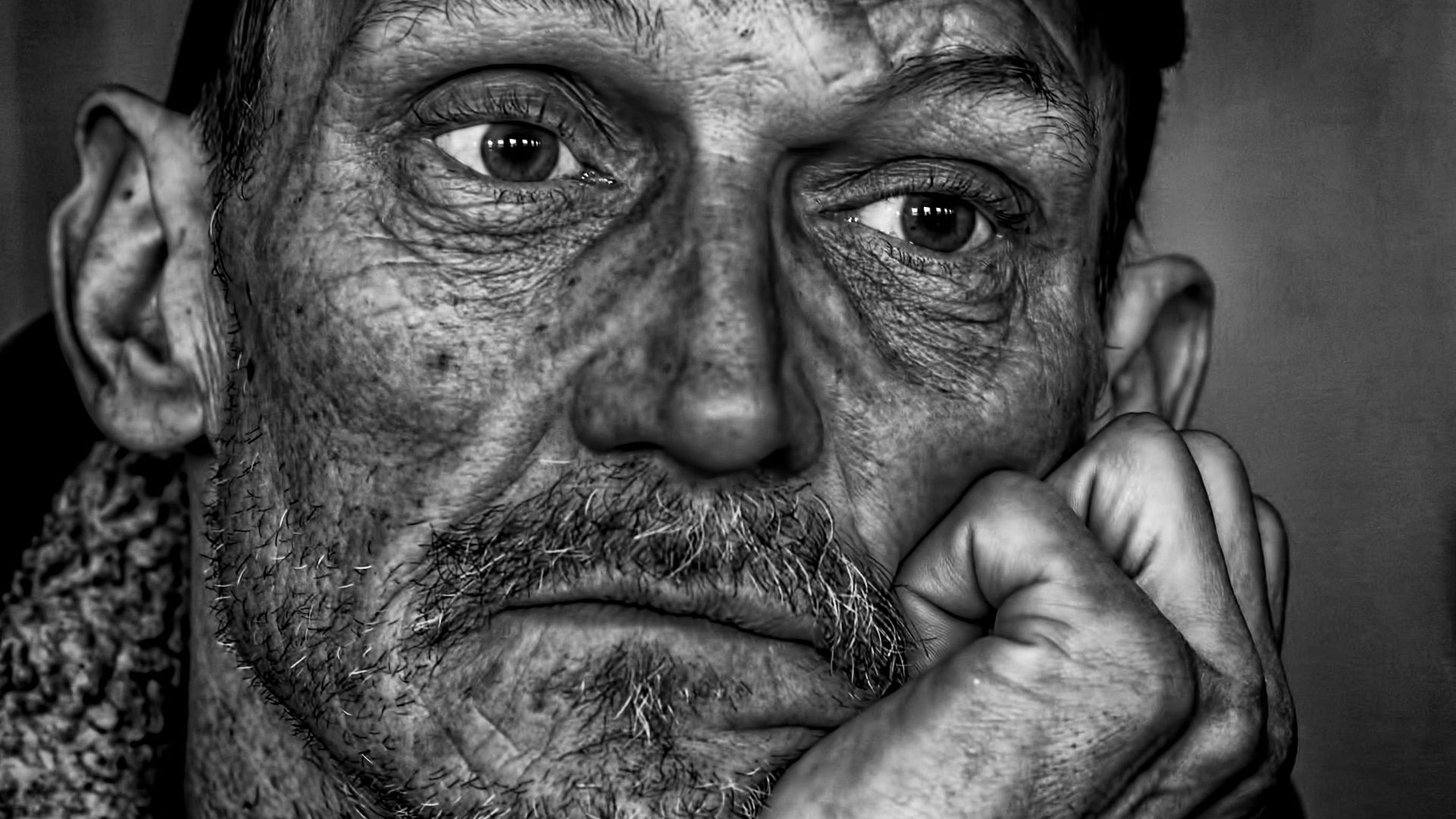
Many spent their earliest years watching parents lose jobs, homes, and any sense of financial security. That kind of instability early in life tends to stick, even decades after the money problems ease up.
2. They Lived Through A World War As Children
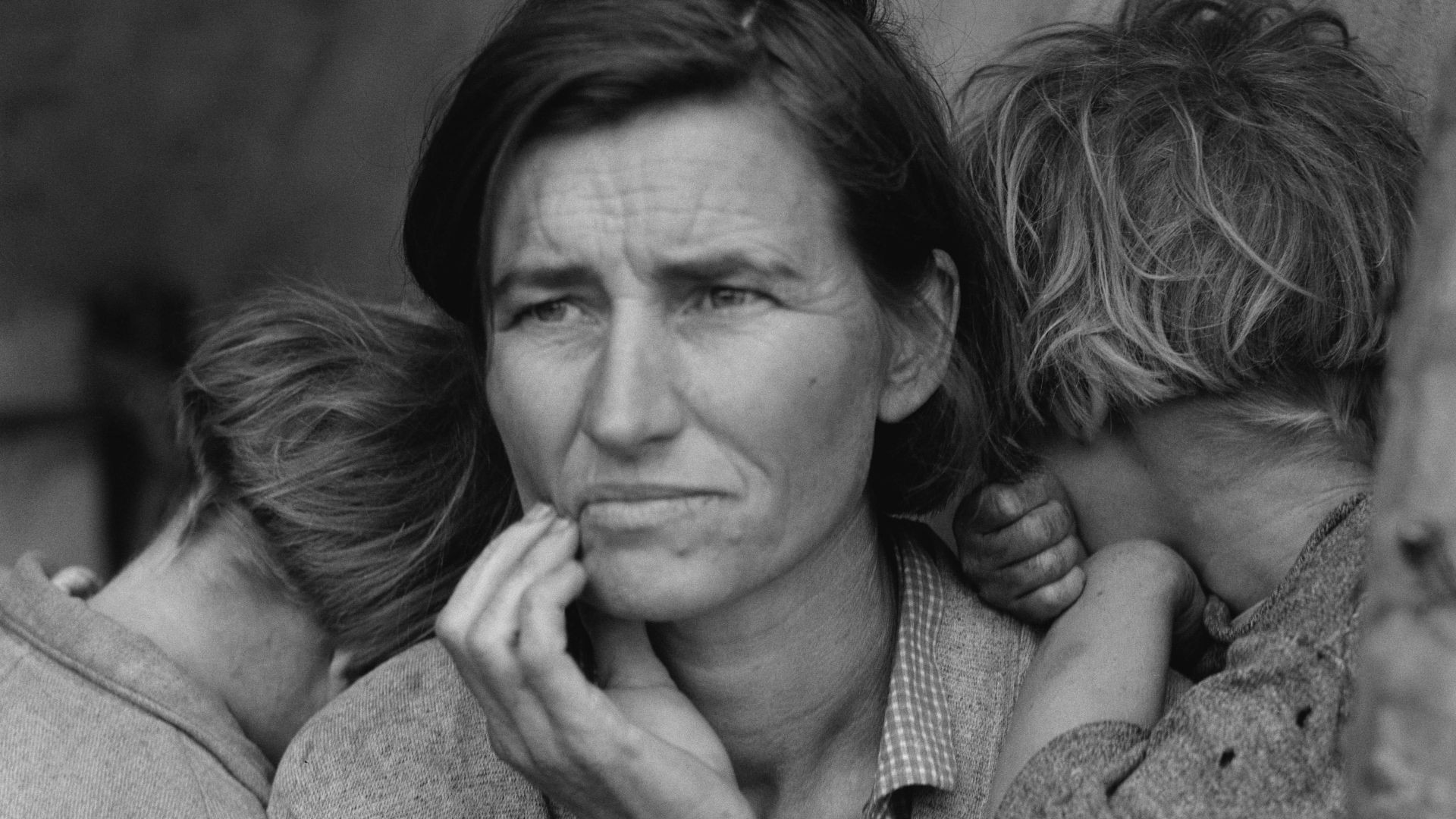
Rationing, air raid drills, and letters from relatives overseas were simply part of growing up. Fear became background noise instead of something anyone stopped to name.
3. Emotions Were Something You Kept To Yourself
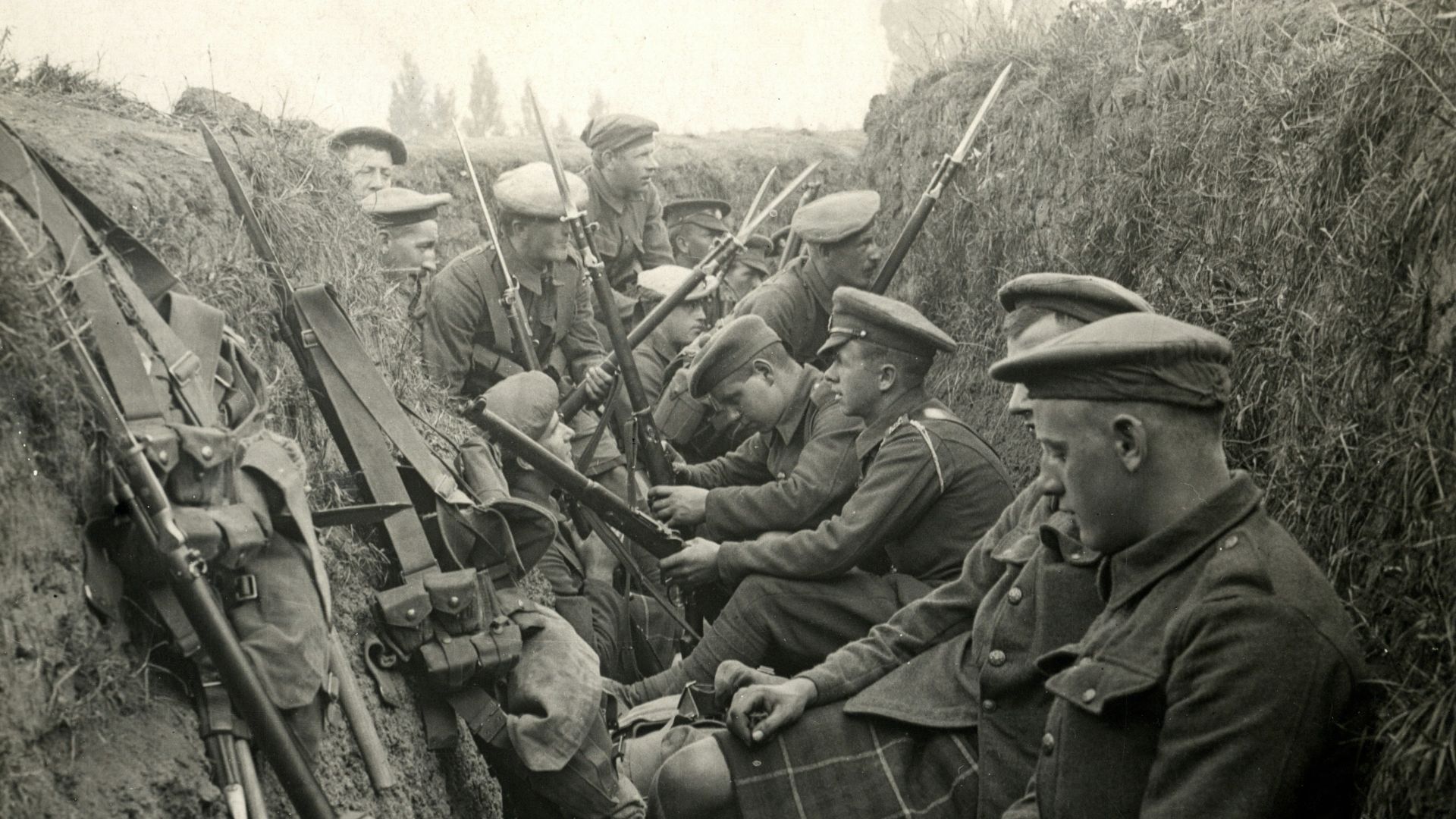
Talking openly about feelings wasn't encouraged, and in a lot of households it wasn't tolerated. Kids learned early that the safest response to sadness or fear was to say nothing at all.
4. Discipline Often Meant Physical Punishment
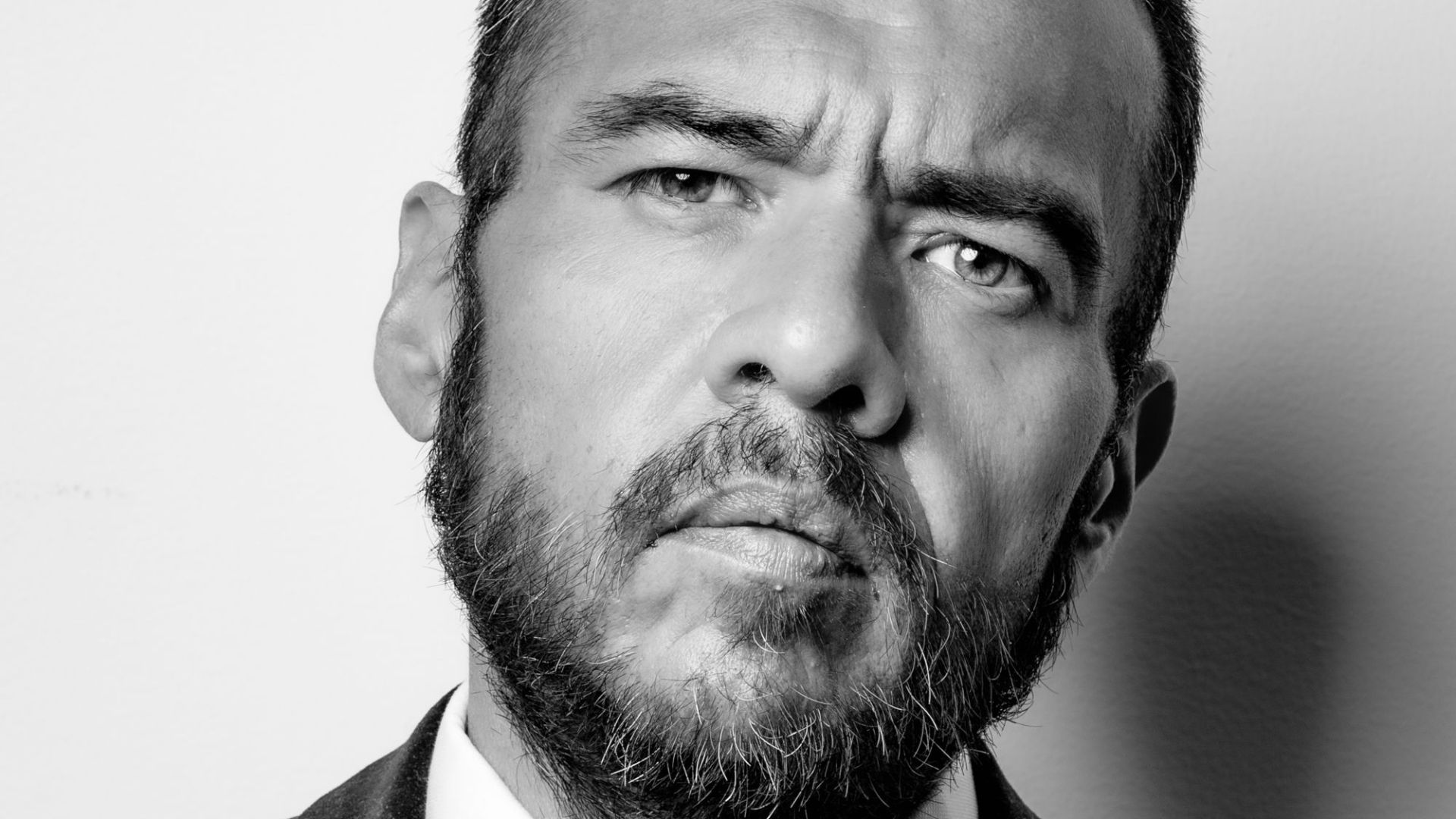
Spanking and harsher forms of punishment were common and rarely questioned. What would raise alarm today was, for most of this generation, just how parenting worked.
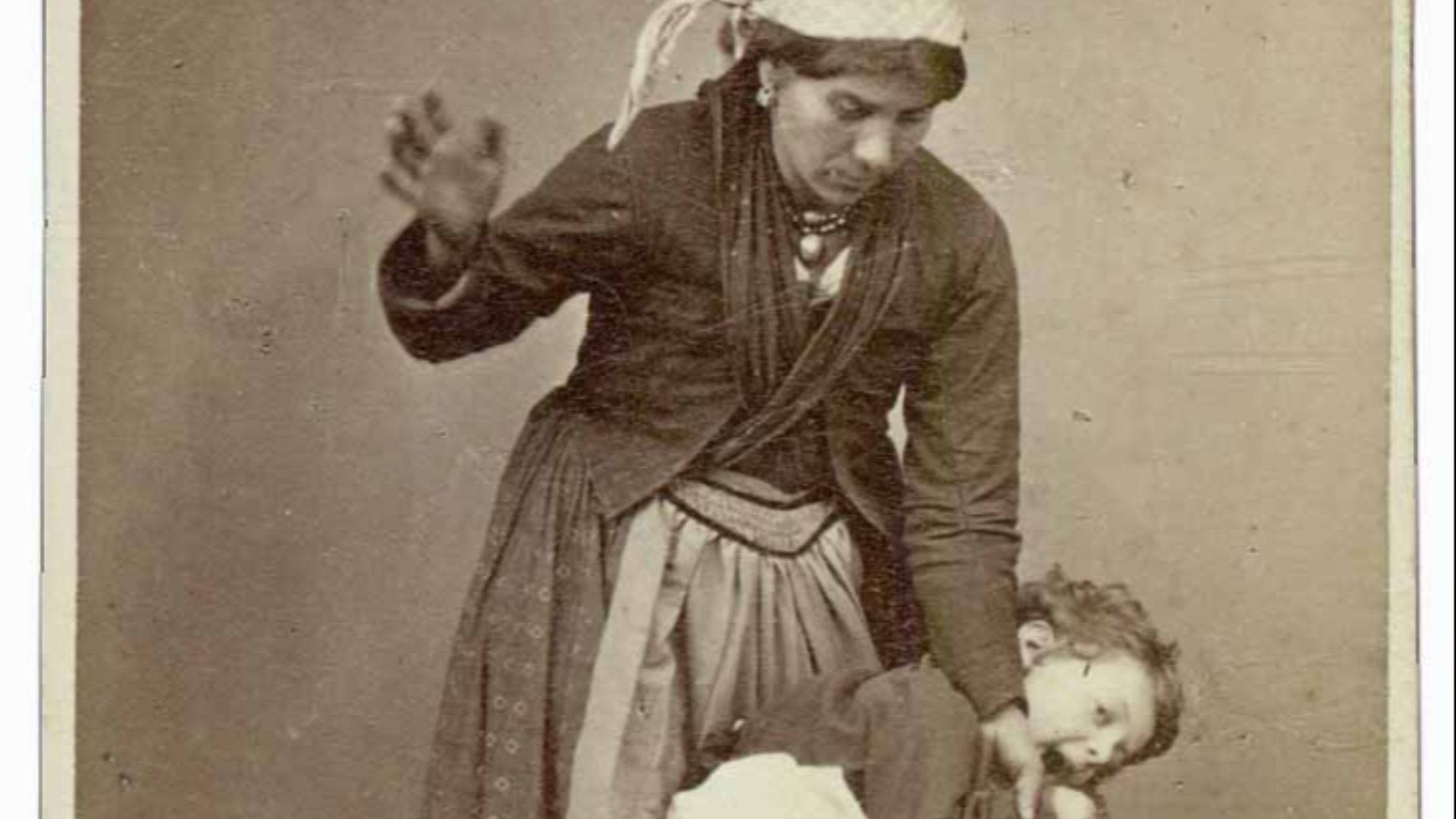 Giorgio Conrad (1827-1889) on Wikimedia
5. Therapy Wasn't Really An Option Yet
Mental health care barely existed in any accessible form, and even where it did, using it carried heavy stigma. People were left to manage grief, fear, and stress entirely on their own.
 Priscilla Du Preez 🇨🇦 on Unsplash
6. Many Watched Siblings Die From Diseases We Now Treat Easily
Childhood illness was far deadlier before modern medicine caught up. Losing a brother or sister to something like polio or scarlet fever wasn't rare, and families were expected to grieve quietly and keep moving.
7. Men Came Home From War Expected To Just Move On
Soldiers returned from combat with no real understanding of what we now call PTSD, let alone support for it. They were told to get a job, start a family, and act like everything was fine.
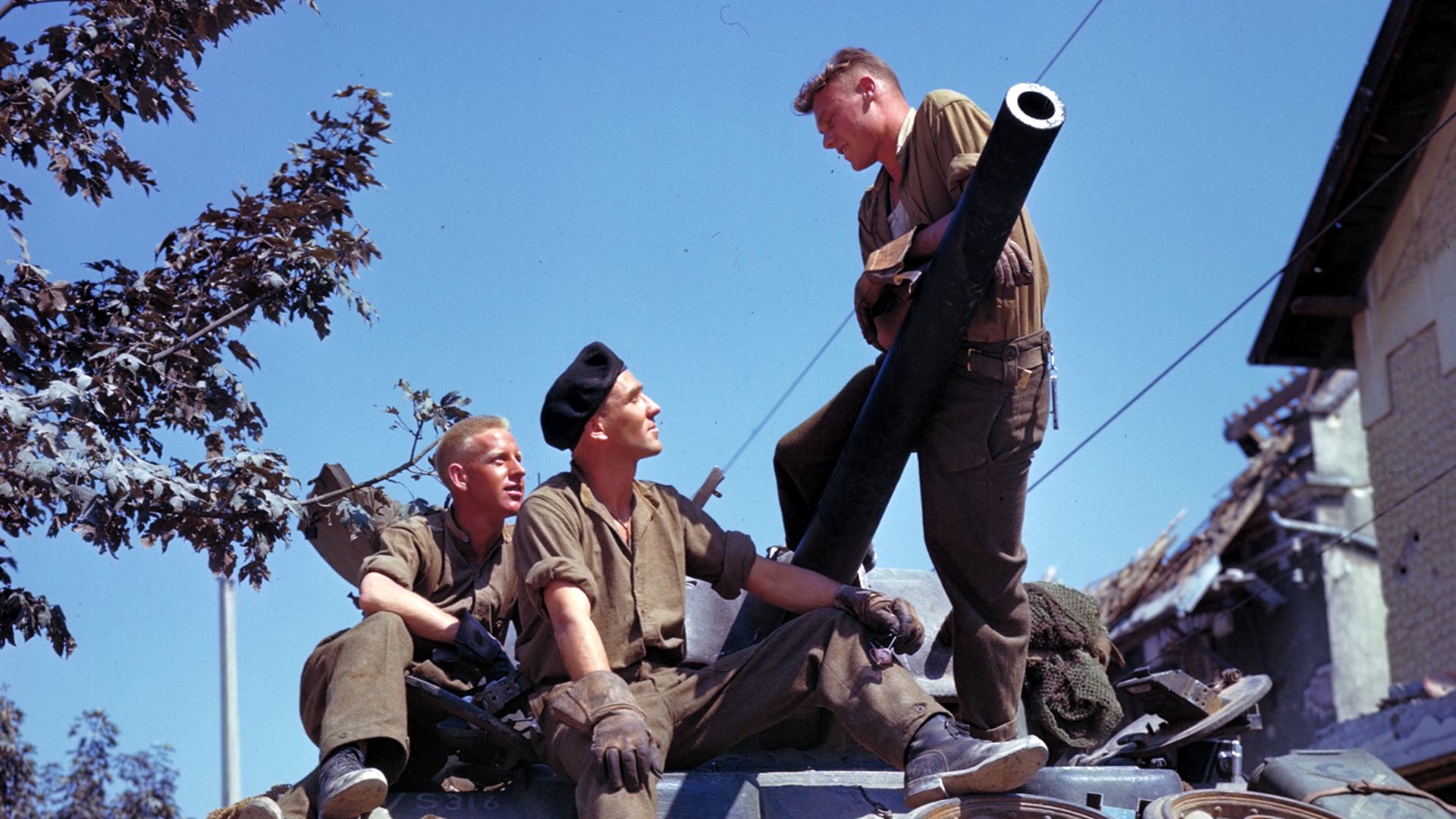 Unknown authorUnknown author on Wikimedia
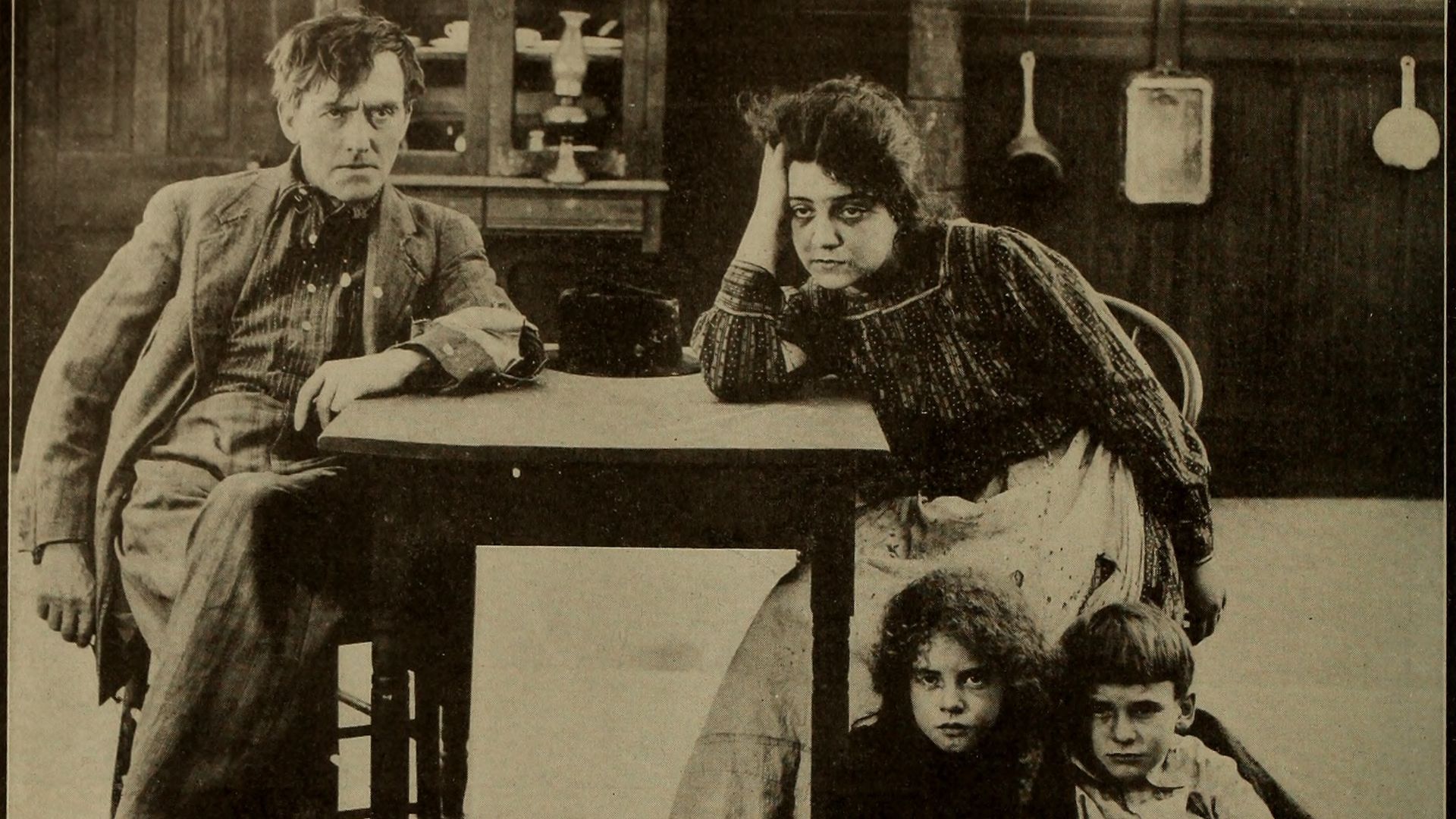
8. Money Was Scarce And Never Forgotten
Growing up with real scarcity leaves a mark that doesn't fully go away even once things improve. Many in this generation carried a lifelong instinct to save, hoard, or brace for the next hard stretch.
 Unknown authorUnknown author on Wikimedia
9. Silence Was Considered Strength
Keeping quiet through hardship was treated as a virtue, not a warning sign. That belief made it nearly impossible for people to admit when something was actually wrong.

10. Family Struggles Stayed Hidden
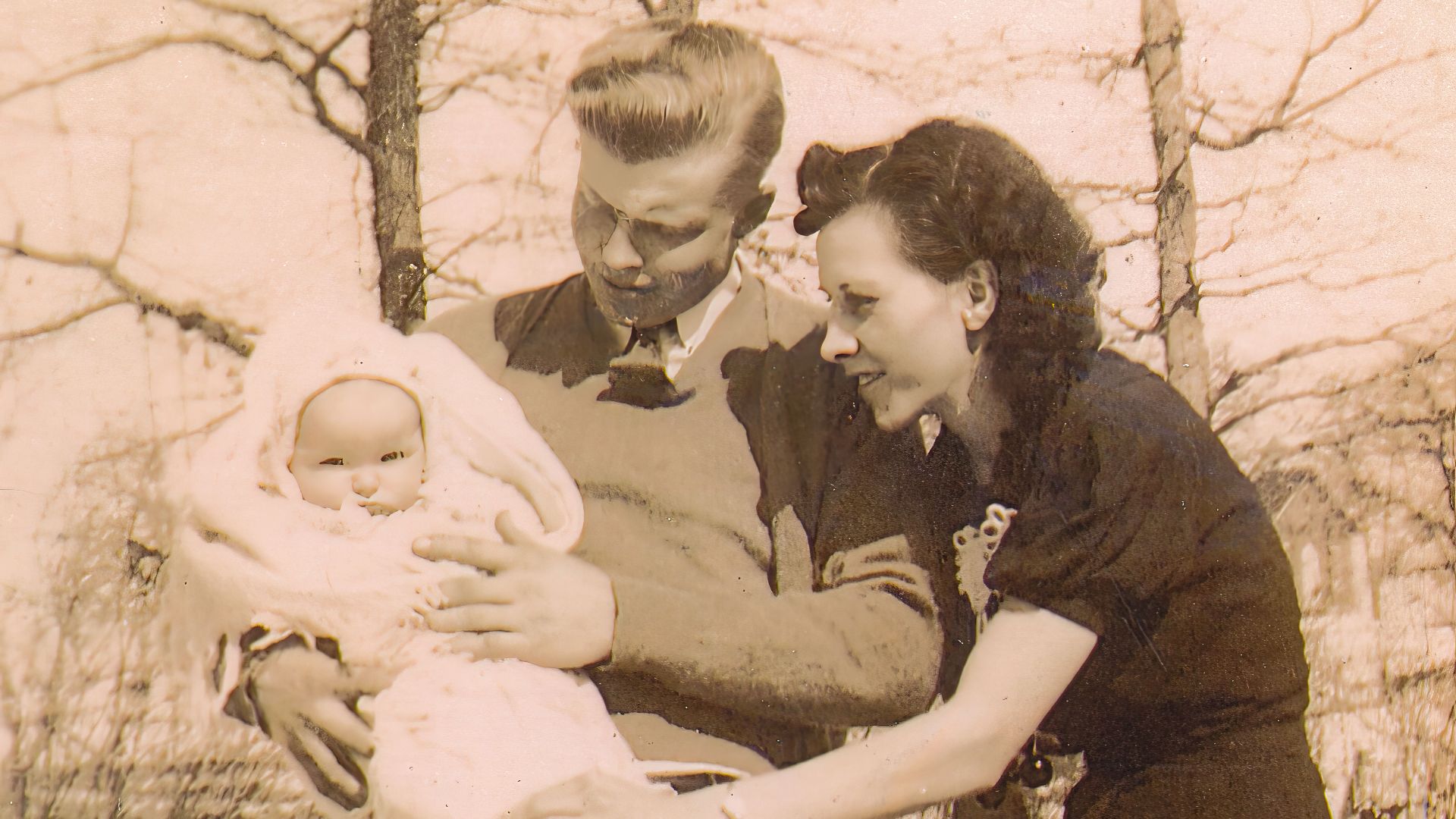
Divorce, abuse, and addiction existed then just as they do now, but families went to great lengths to hide them from neighbors and even from each other. Whatever happened at home usually stayed there.
11. Grief Was Expected To Stay Private
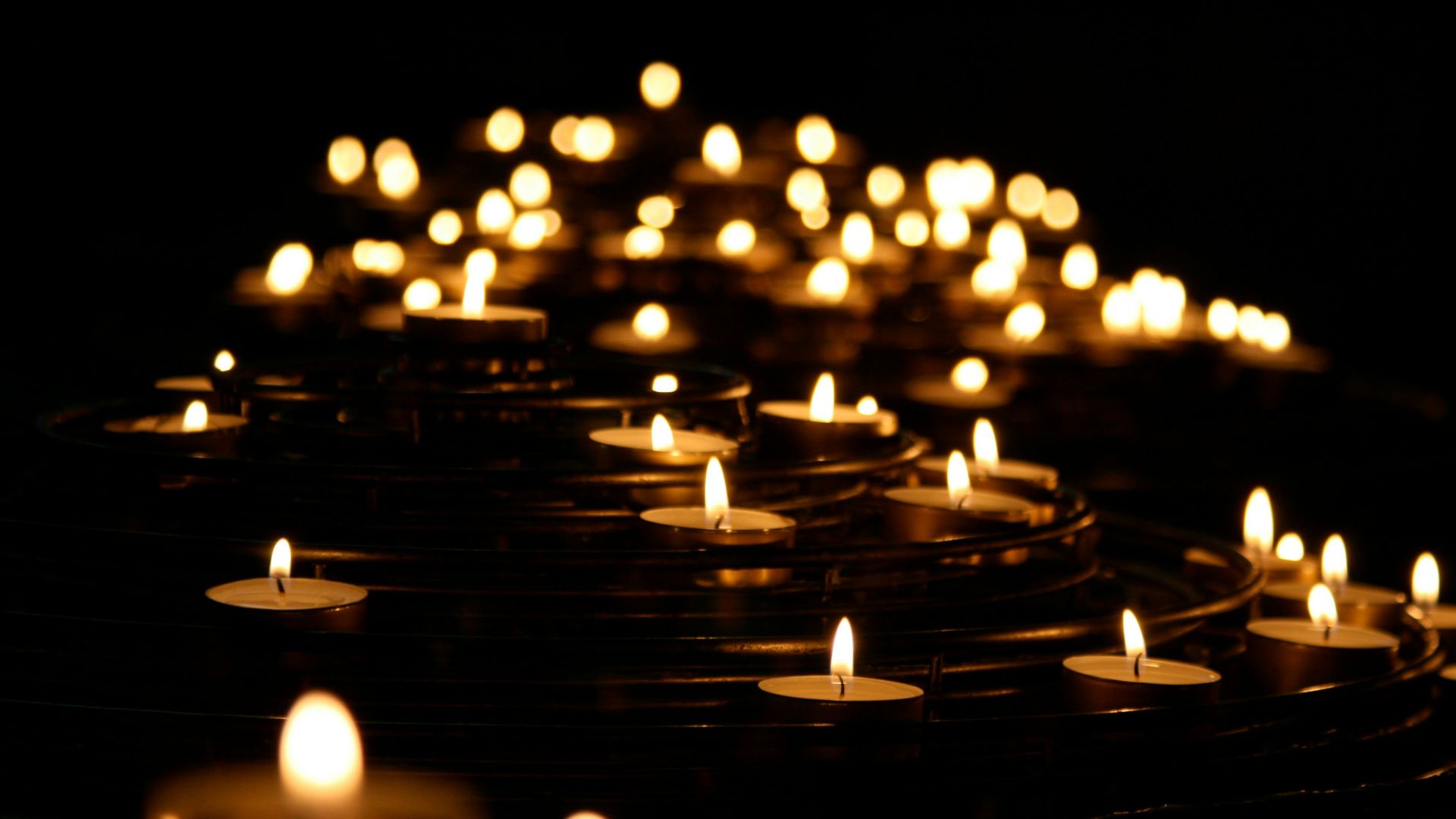
Funerals were common, given how often illness and war took people young, but public mourning was often discouraged. People were expected to bury a parent or a friend and be back at work within days.
12. Racial And Religious Discrimination Shaped Daily Life
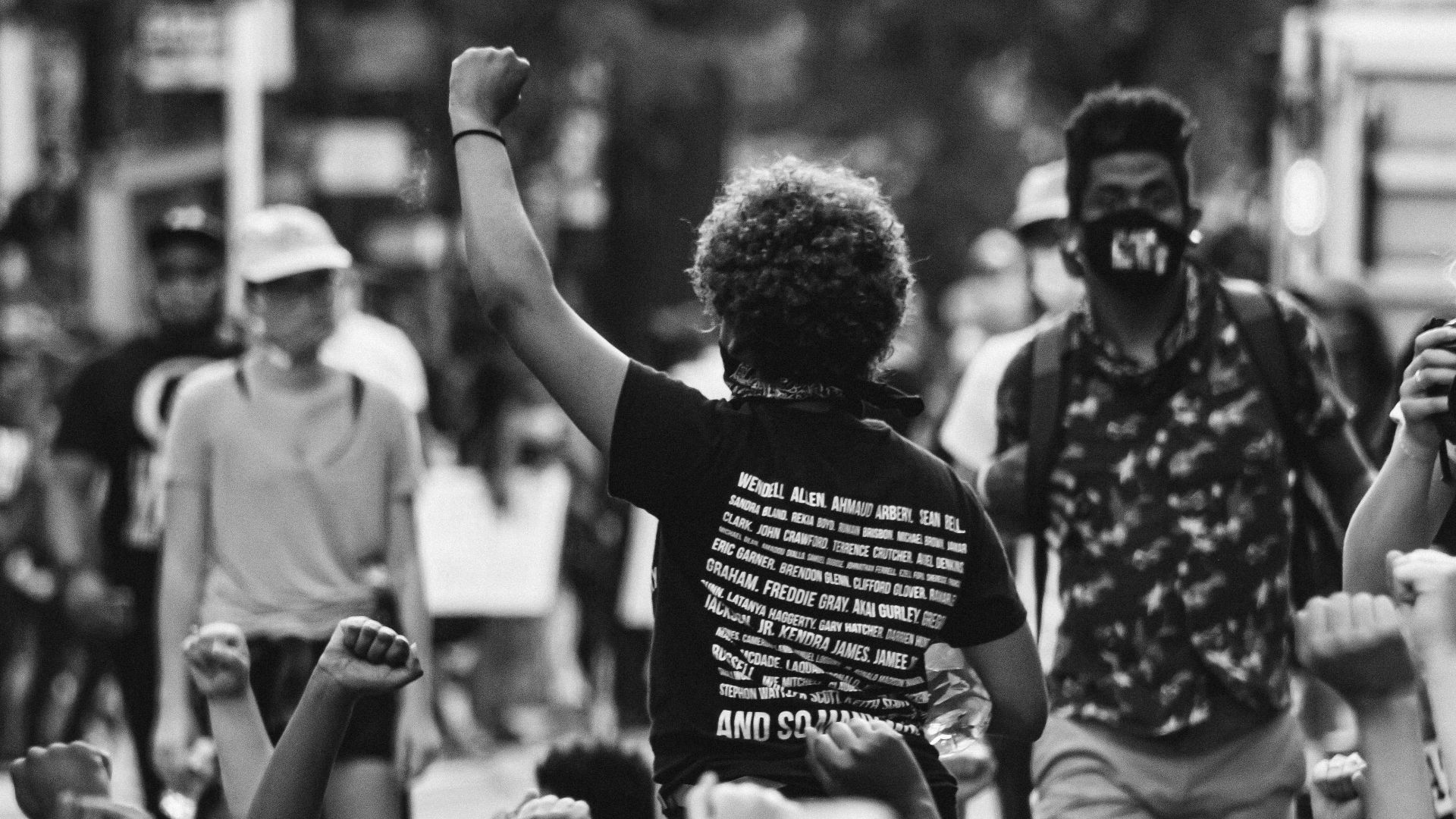
Segregation, prejudice, and open discrimination were woven into daily life for huge parts of this generation. That kind of constant, sanctioned hostility leaves damage that doesn't show up on the surface.
13. Children Were Expected To Work Young
Many kids took on adult responsibilities, whether on a family farm or in a factory, well before they'd finished growing up. Childhood, in the way we think of it now, was a luxury a lot of them never got.

14. Addiction Often Went Unnamed
Alcoholism in particular was common but rarely called what it was. Families built entire routines around a relative's drinking without ever using the word.
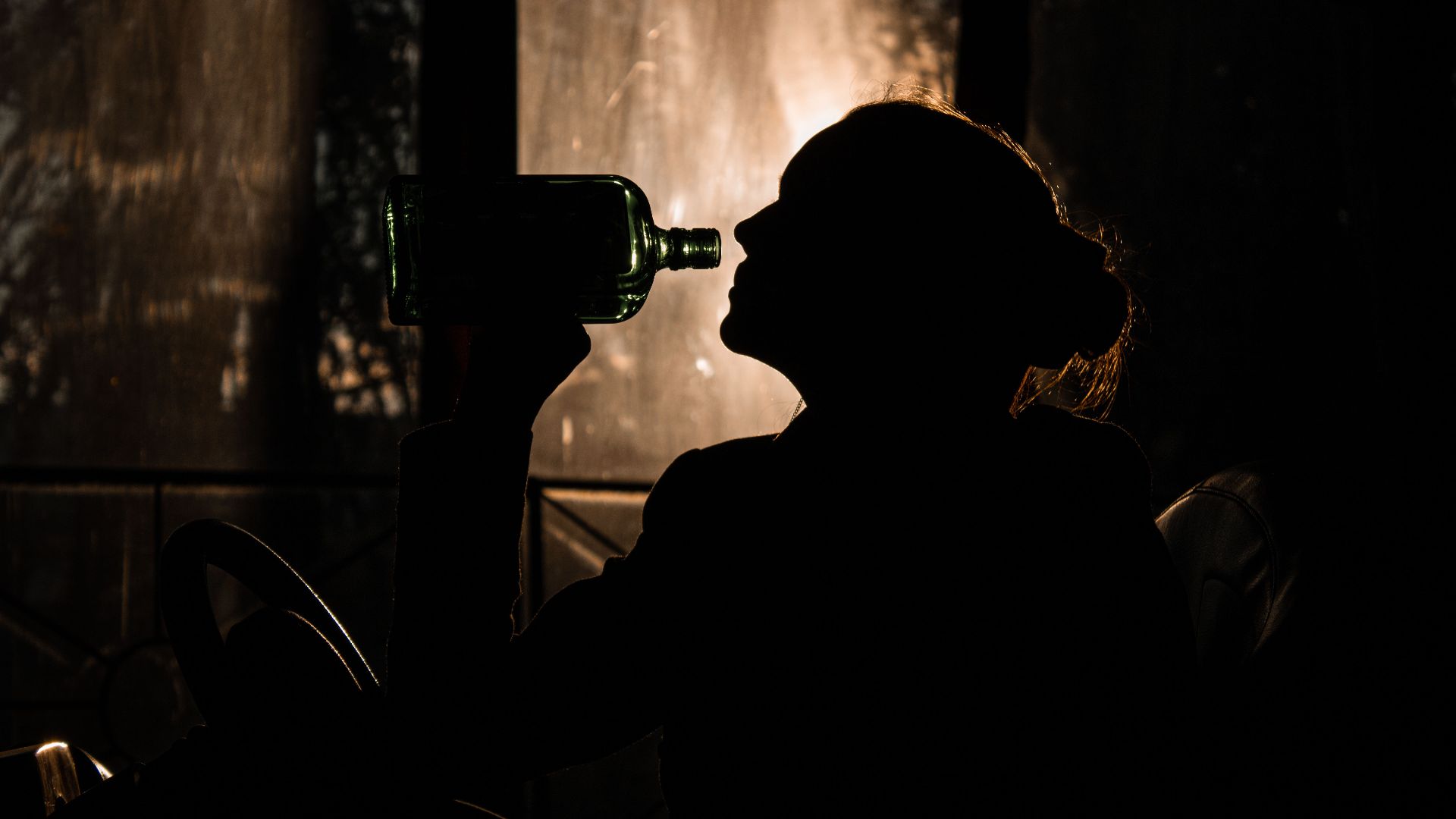
15. Mental Illness Carried Deep Shame
Anxiety, depression, and other struggles were treated as personal failures rather than something to seek help for. People hid symptoms for years rather than risk being labeled unstable.
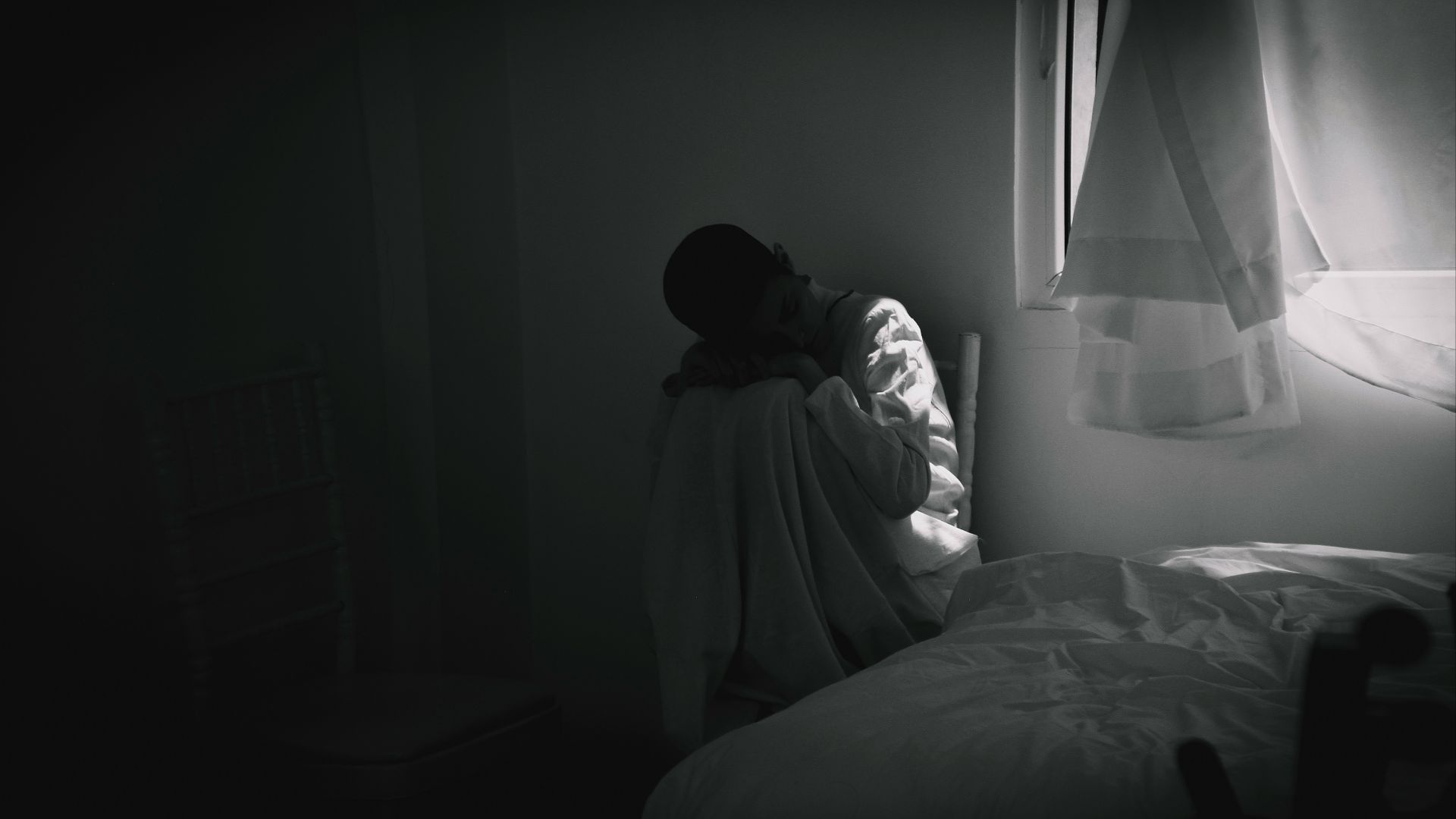
16. Gender Roles Left Little Room For Vulnerability
Men were expected to provide and stay stoic no matter what. Women were expected to hold everything together quietly, often while managing their own unspoken grief.
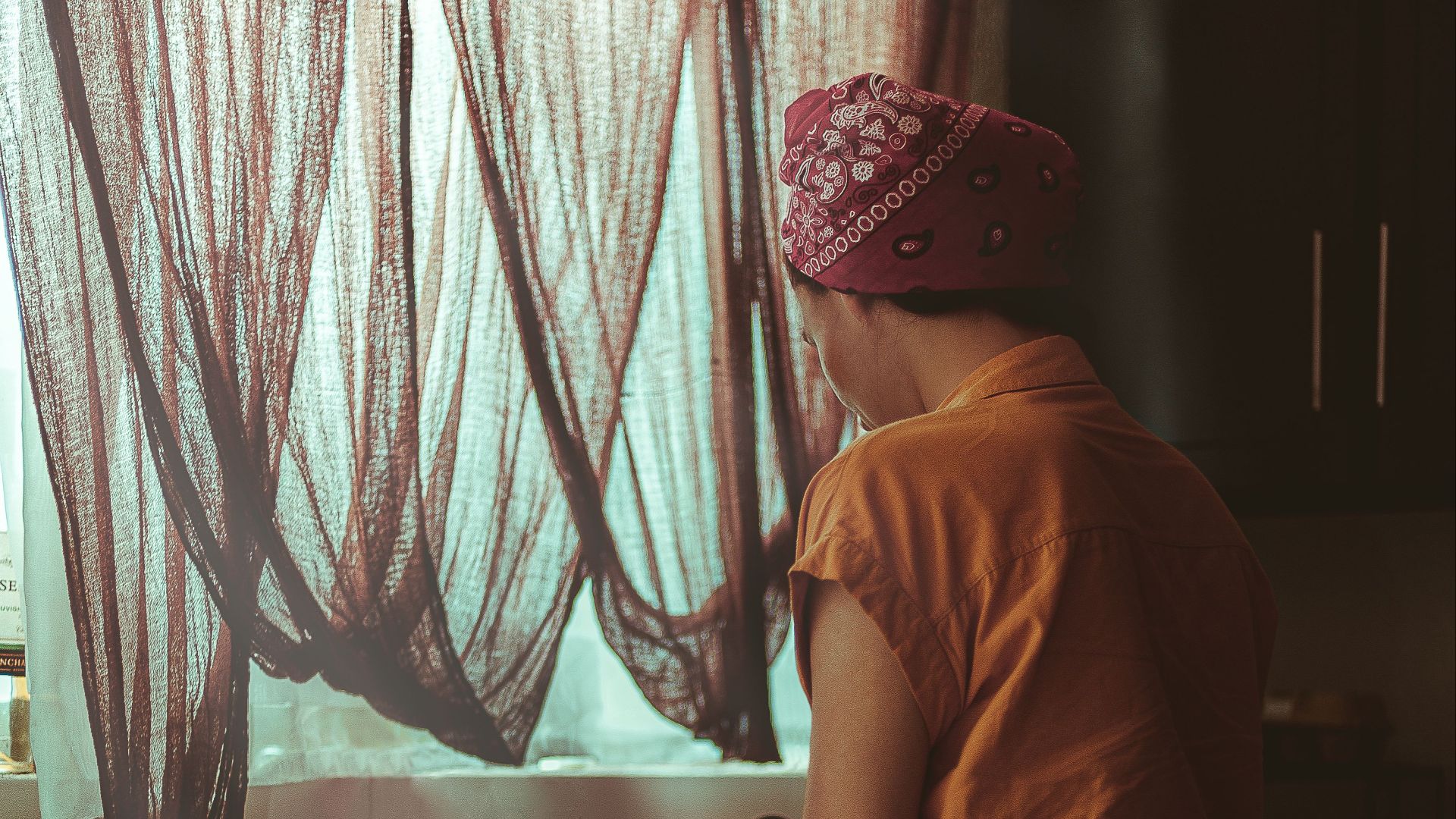
17. Displacement And Migration Were Common
Economic hardship pushed entire families to leave home in search of work, from the Dust Bowl migrations to wartime relocations. Starting over that often, at that age, leaves a lasting sense of instability.
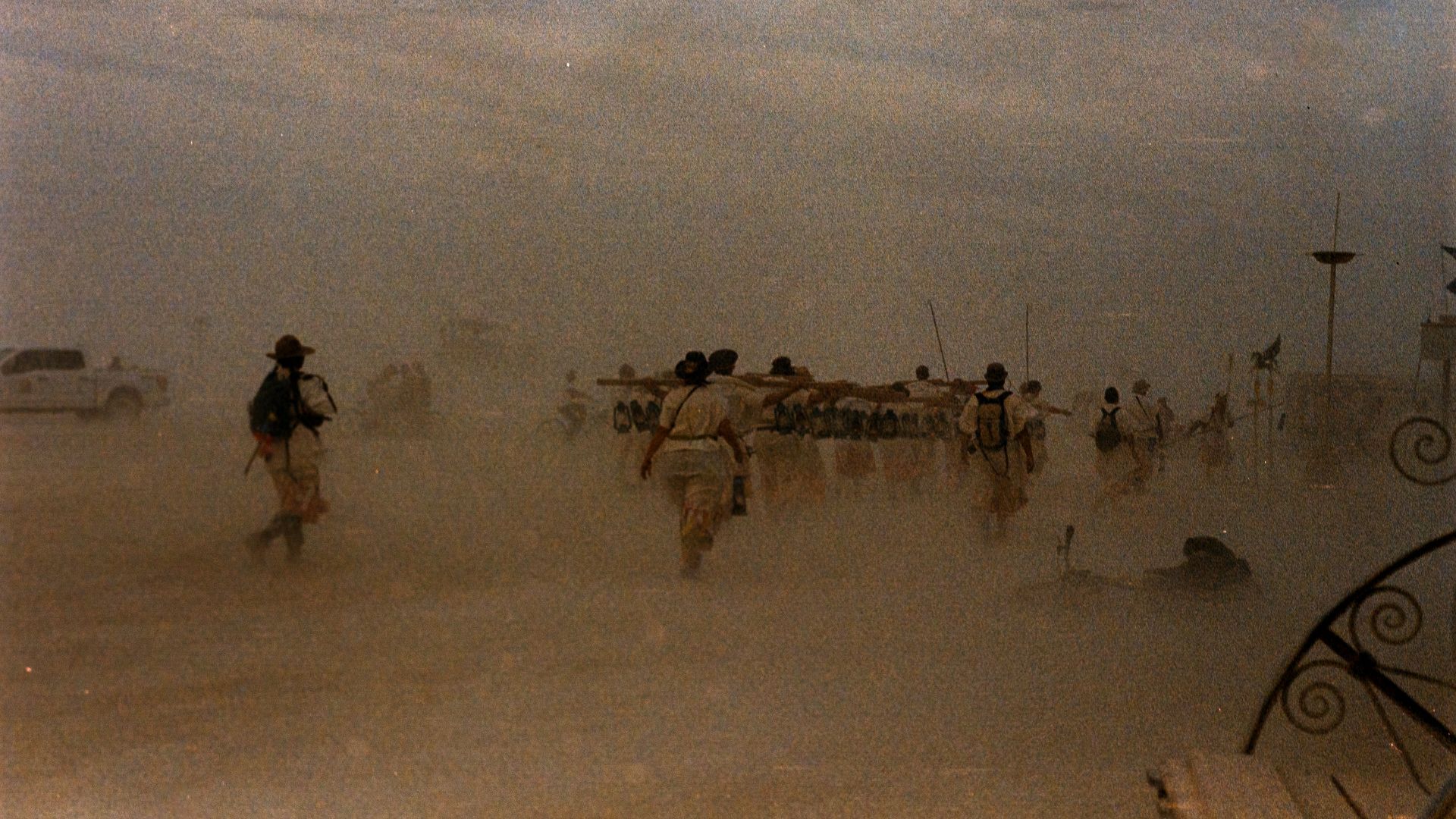
18. Authority Was Never Questioned
Parents, teachers, and employers were treated as beyond argument. Kids learned to comply first and process their own feelings about it much later, if ever.
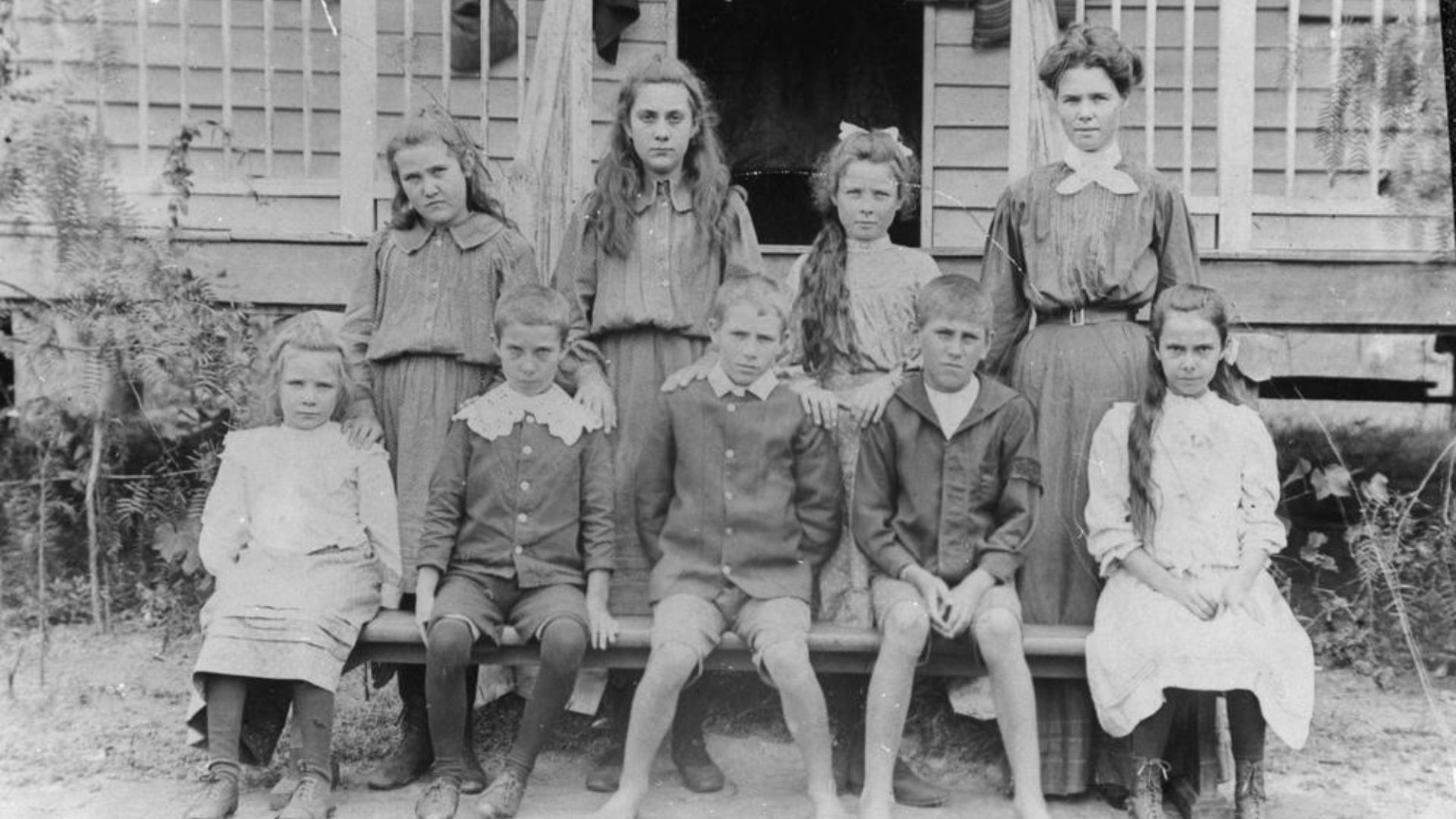
19. Survivors Rarely Talked About What They Saw
Veterans, refugees, and Holocaust survivors within this generation often carried memories they never fully shared, even with their own families. Silence became a way of protecting the people around them from what they'd witnessed.
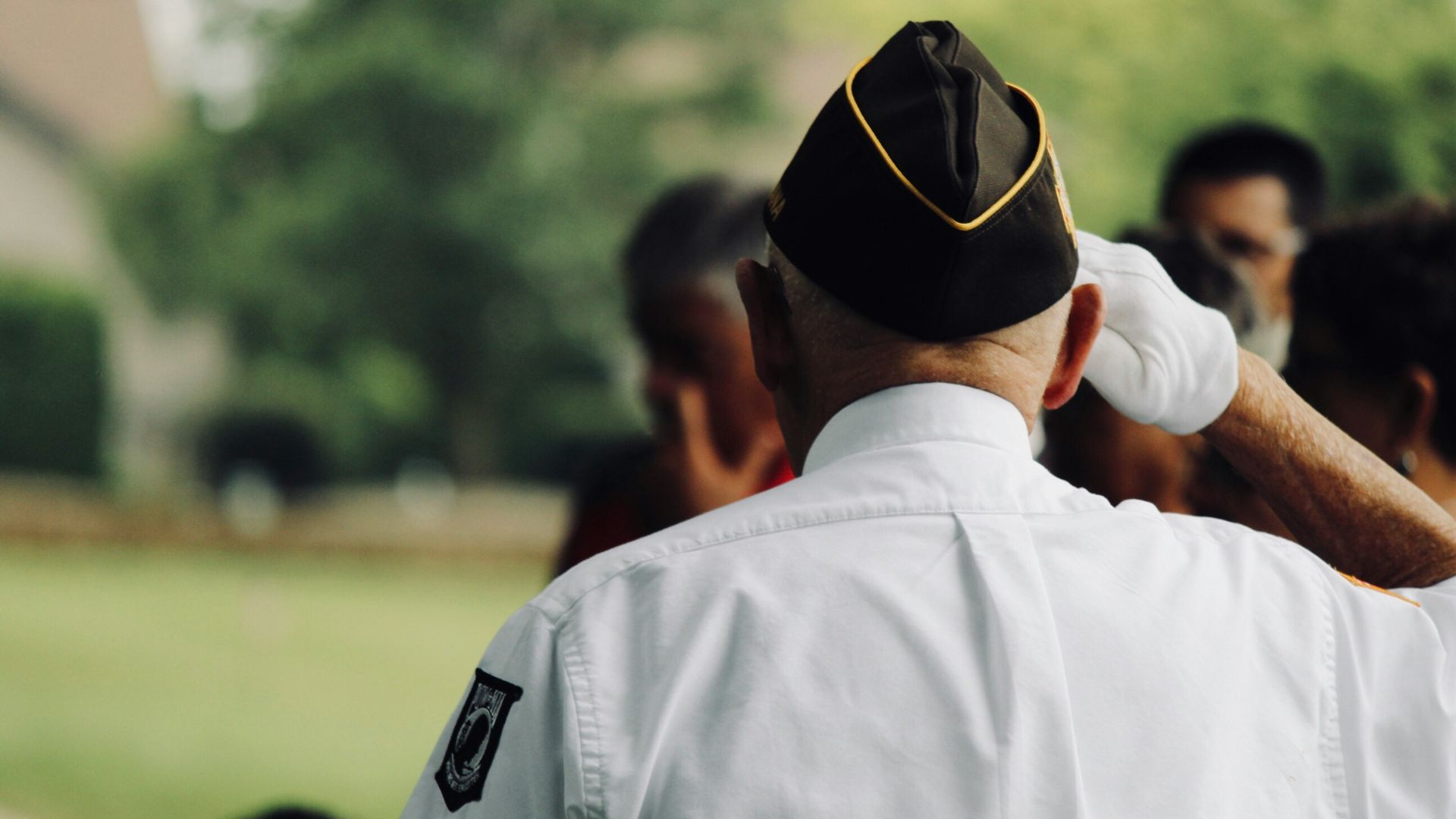
20. Nobody Taught Them How To Process Any Of It
There was no framework for understanding trauma, let alone healing from it. This generation simply absorbed what happened to them and kept going, which is part of why so much of it is still being unpacked by the generations that came after.

KEEP ON READING