Where History’s Most Famous Figures Were Laid to Rest
Museums aren’t the only places where you can stand within feet of the people who shaped history. Across the world, emperors, poets, military leaders, presidents, and monarchs alike, from Queen Elizabeth I to Abraham Lincoln, rest inside monuments that are actually open to the public. And while you'll find some burial chambers to be surprisingly bare and modest, others occupy enormous, intricate complexes that took years to complete. If you'd like to pay your respects to some of history's most notable figures, here are 20 famous tombs you're welcome to visit.
1. The Taj Mahal
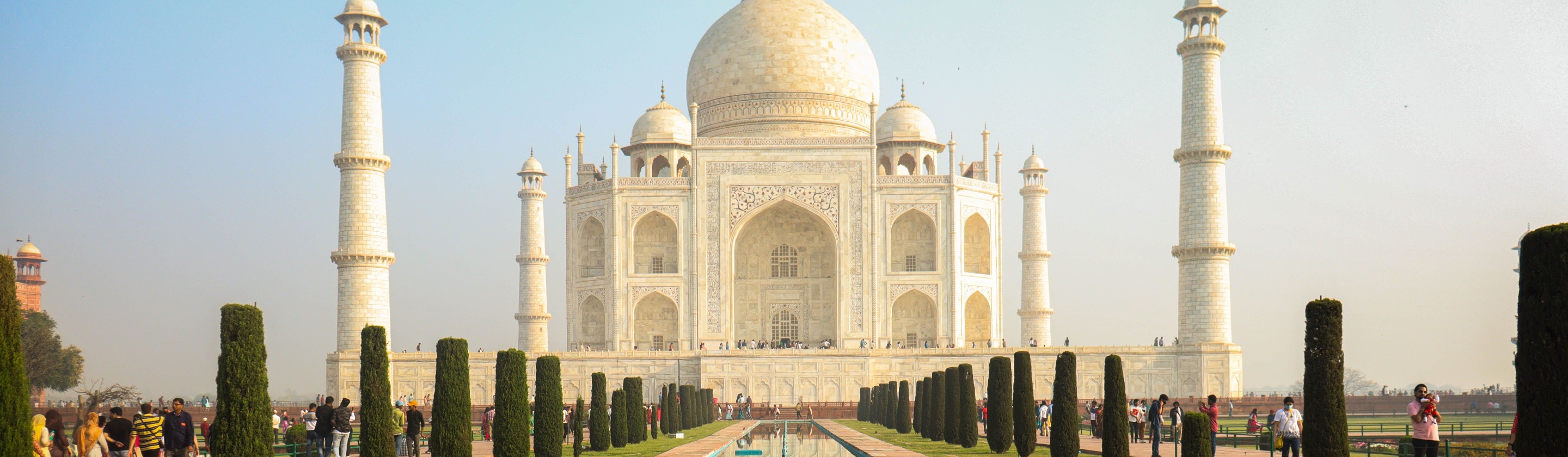
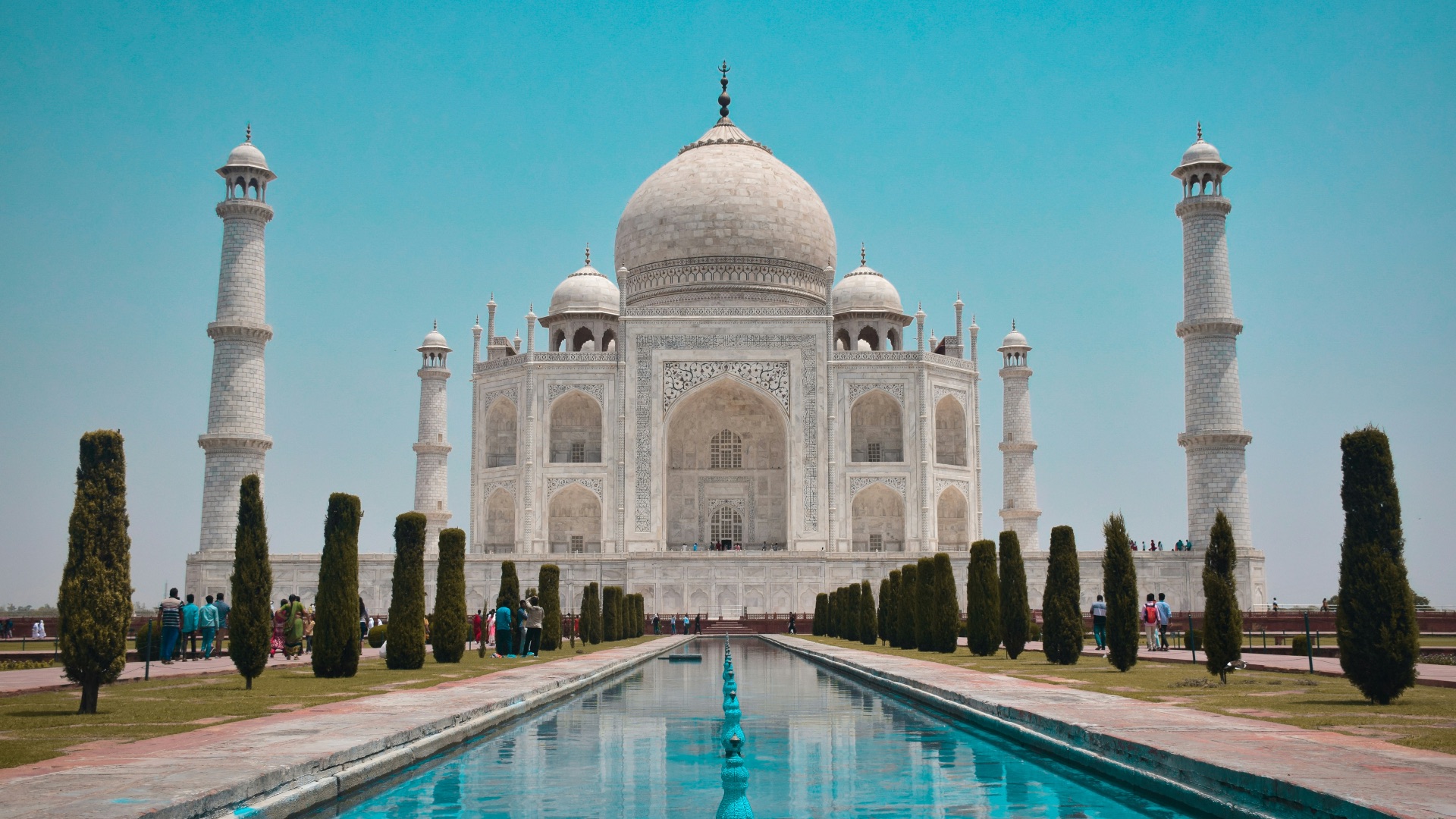
Mughal emperor Shah Jahan ordered the Taj Mahal built in Agra after the death of his wife Mumtaz Mahal in 1631. Completed largely between 1631 and 1648, the white-marble mausoleum later became Shah Jahan’s resting place as well. Visitors can enter the central chamber, although the elaborate marble structures on display are cenotaphs and the actual graves lie in a lower chamber that isn’t ordinarily open.
2. Tutankhamun’s Tomb
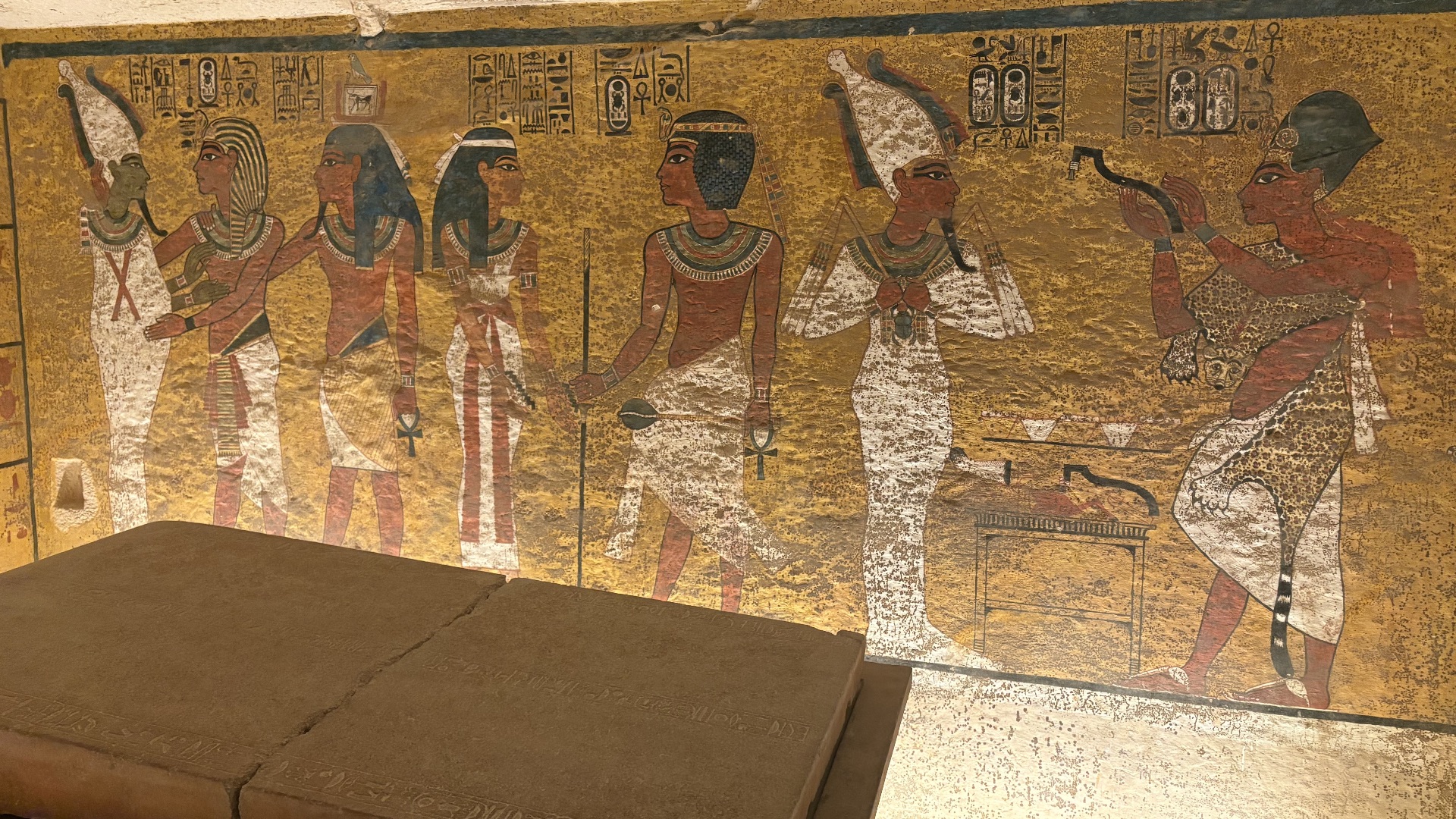
Unlike most of the treasures discovered by Howard Carter in 1922, Tutankhamun’s mummy remains inside his tomb in Egypt’s Valley of the Kings. The chambers are much smaller than many visitors expect, but sections of the walls still carry detailed scenes connected to the young pharaoh’s journey into the afterlife. Entry typically requires a separate ticket from general admission to the valley, and access may be limited to protect the site.
3. The Great Pyramid of Khufu
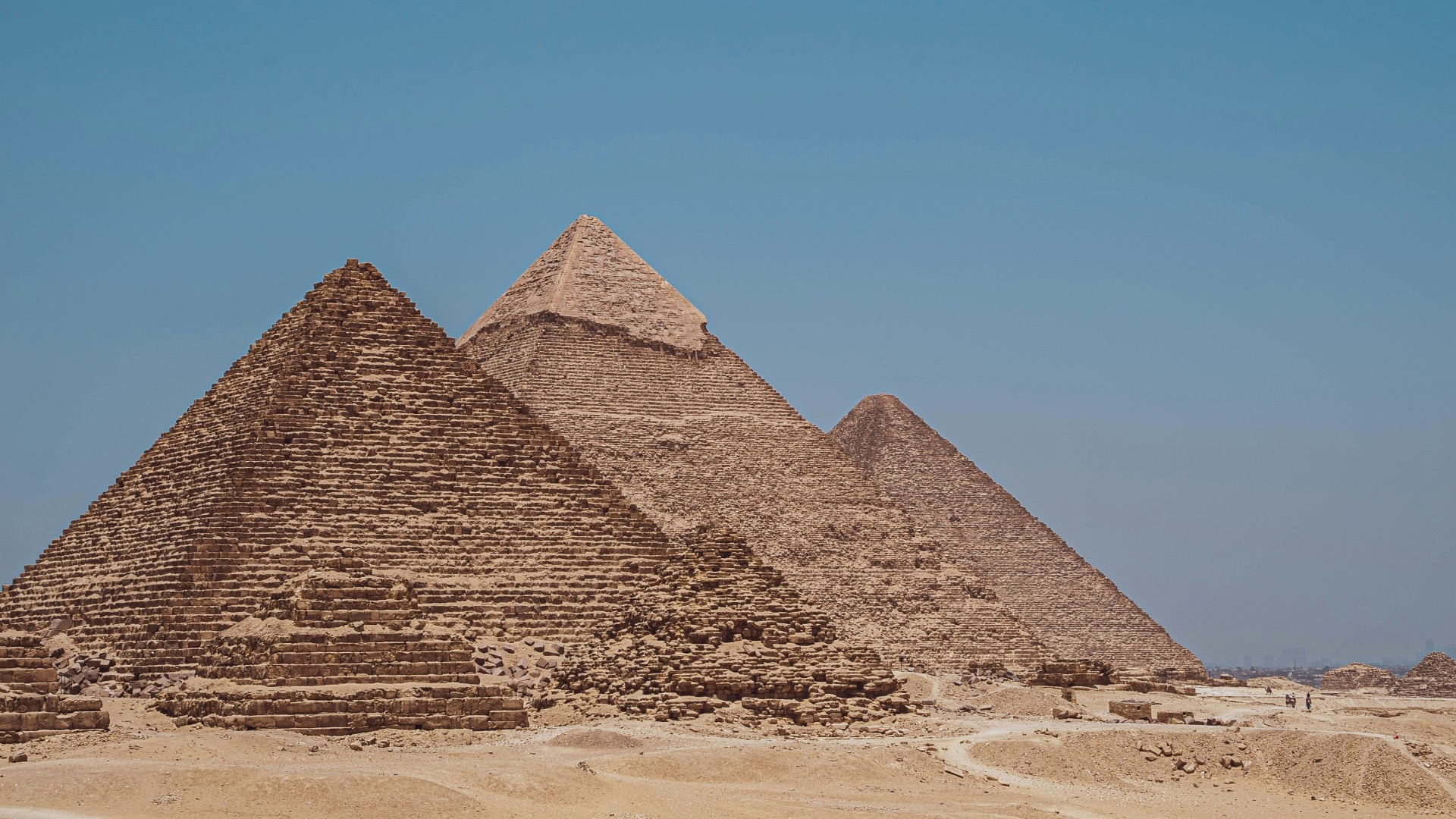
The Great Pyramid at Giza was constructed as the tomb of Pharaoh Khufu more than 4,500 years ago. Travelers can purchase admission that allows them to explore its narrow internal passages and enter the King’s Chamber, where an empty granite sarcophagus remains. There aren’t painted walls or royal treasures inside, but the experience offers a rare chance to enter one of the only surviving wonders of the ancient world.
4. Napoleon’s Tomb
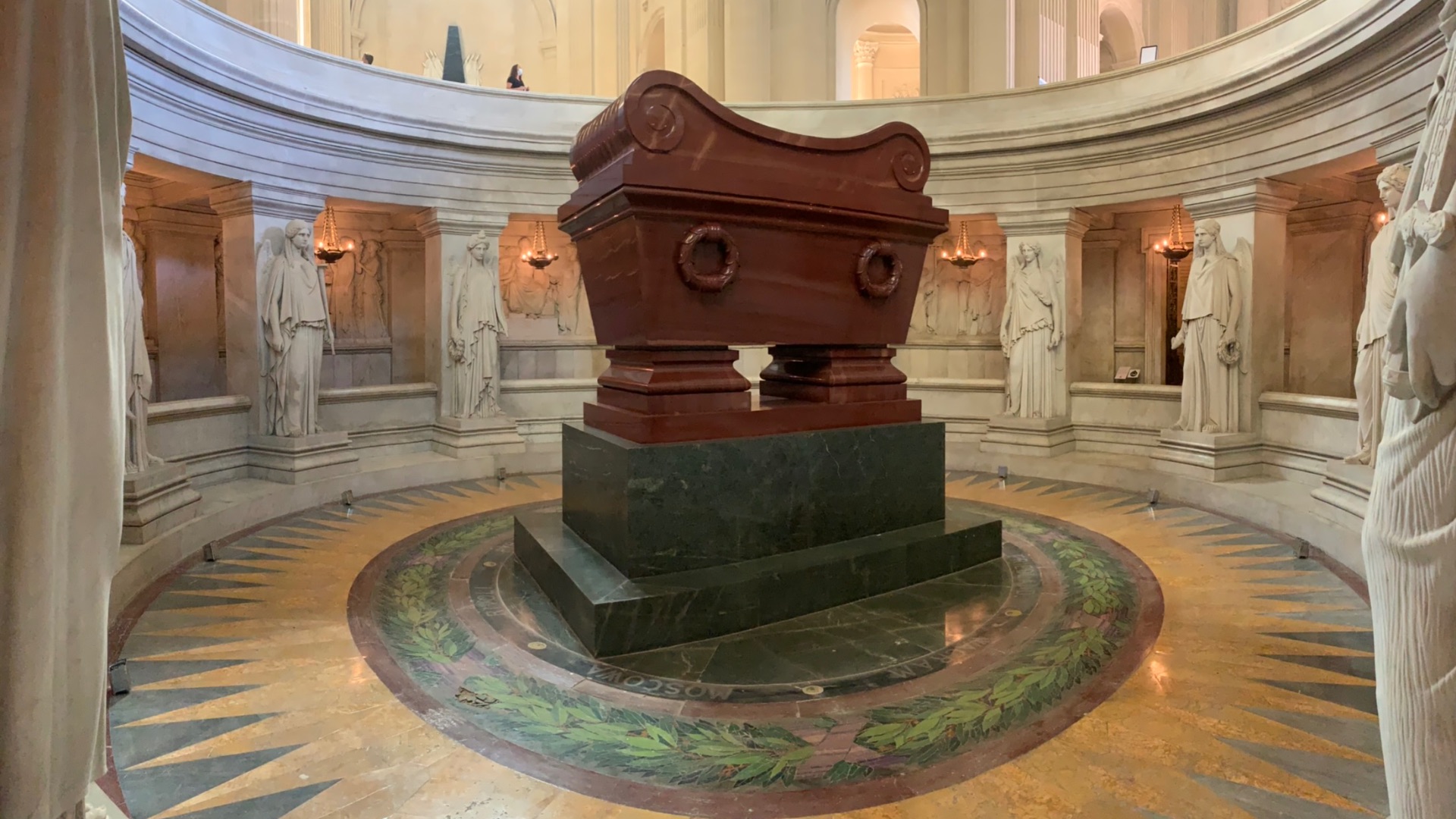
Napoleon Bonaparte rests beneath the gilded dome of Les Invalides in Paris. His remains were returned from Saint Helena in 1840 and eventually placed inside a massive sarcophagus positioned in an open circular crypt. A ticket to the Musée de l’Armée includes access to the Dome Church and the emperor’s tomb, which can also be viewed from the upper gallery.
5. Queen Elizabeth I’s Tomb
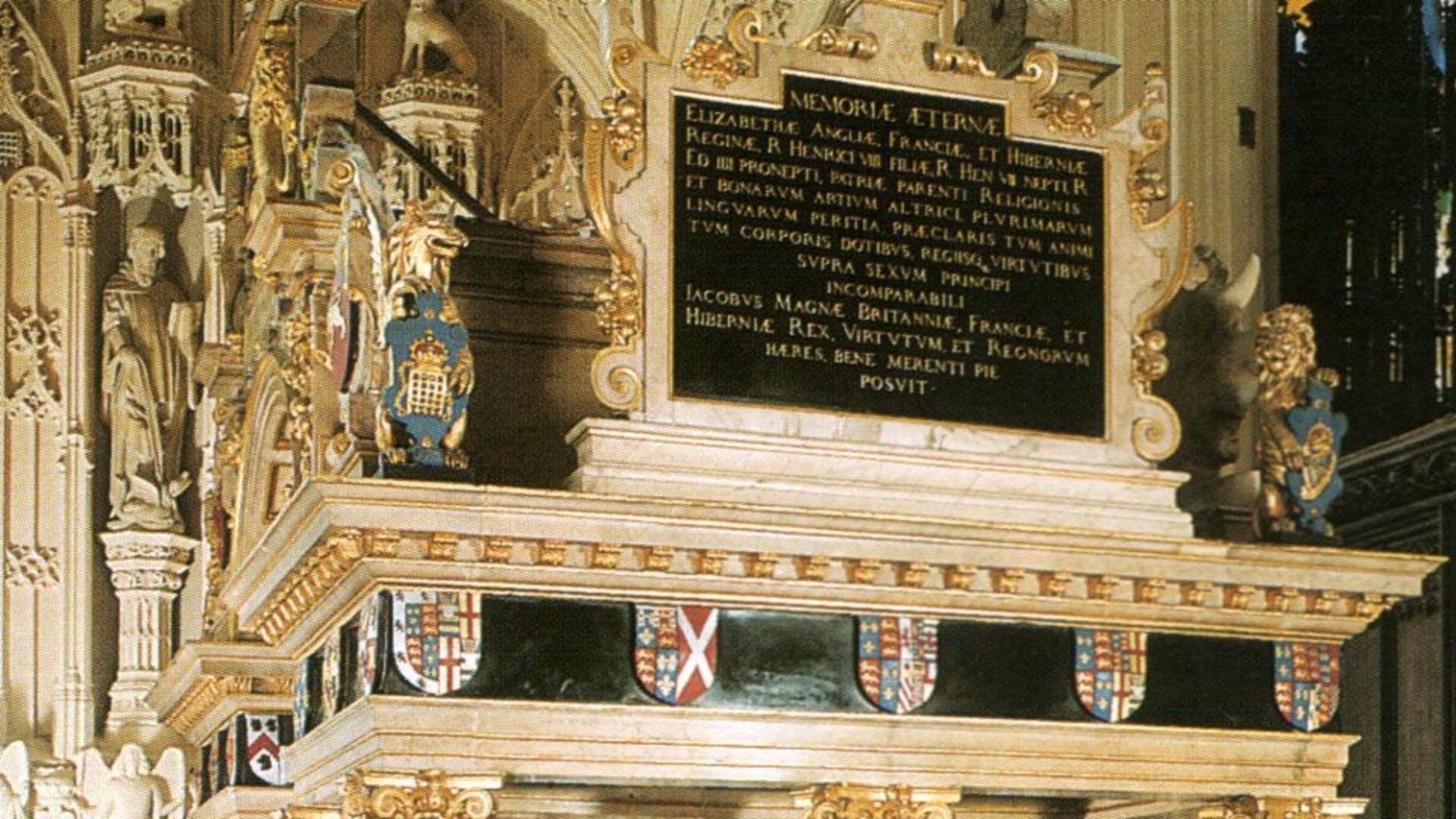
Elizabeth I is buried in Westminster Abbey’s Lady Chapel, where her monument stands above a shared vault containing her half-sister, Mary I. The inscription primarily honors Elizabeth, despite the intense political and religious differences that defined the sisters’ reigns. The Abbey contains the graves of 30 kings and queens, so a visit also places you near the resting sites of monarchs such as Henry VII, Mary, Queen of Scots, and Edward the Confessor.
6. Humayun’s Tomb
Built in Delhi during the 1560s and completed around 1570, Humayun’s Tomb was commissioned under the patronage of his son, Emperor Akbar. Its symmetrical gardens, red sandstone, white marble, and large central dome helped establish a style that later influenced the Taj Mahal. Visitors can walk through the garden complex and enter the main mausoleum, where Humayun’s cenotaph occupies the central chamber.
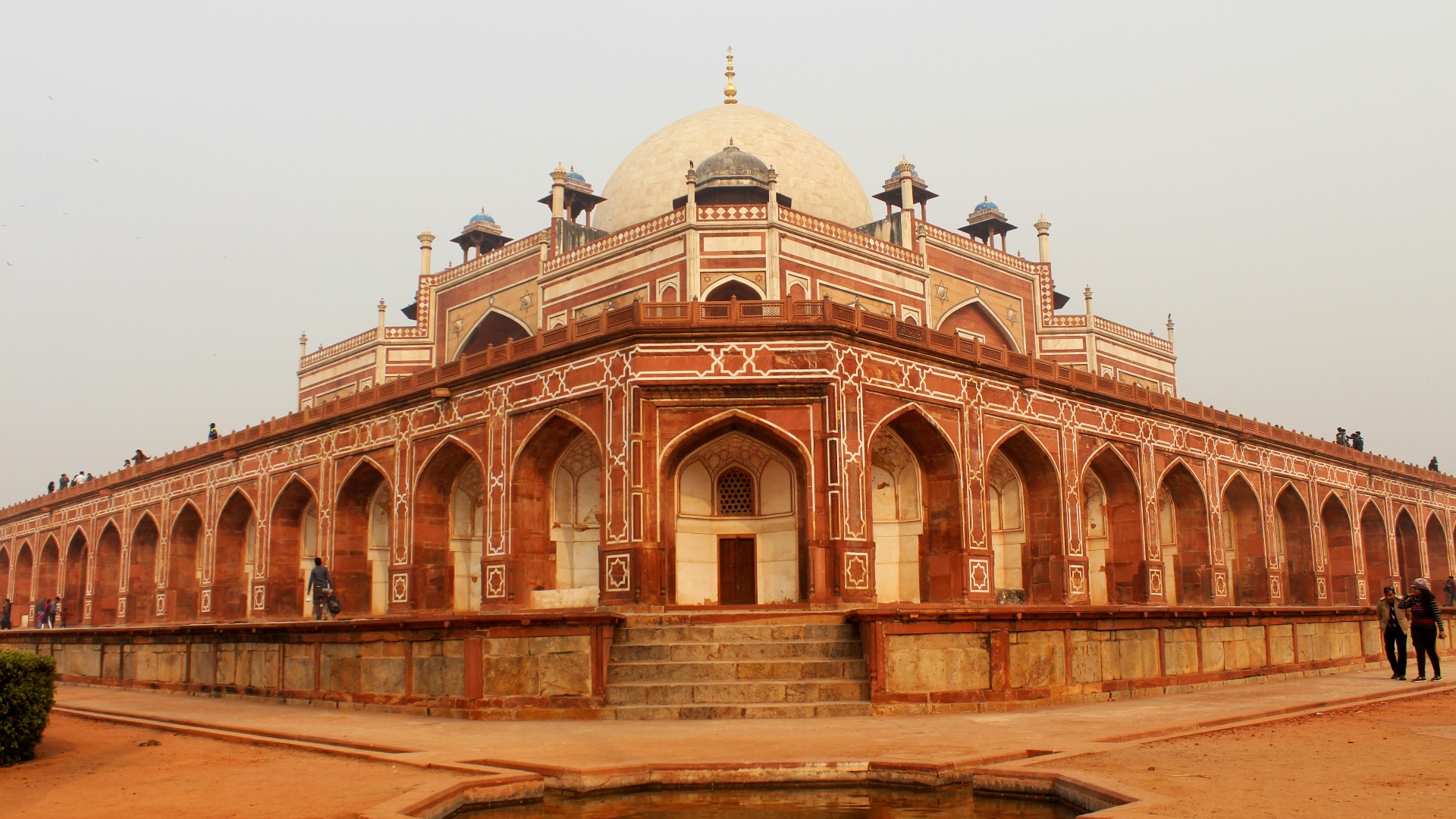 Krishnendu Sudarsanan on Unsplash
7. Akbar’s Tomb
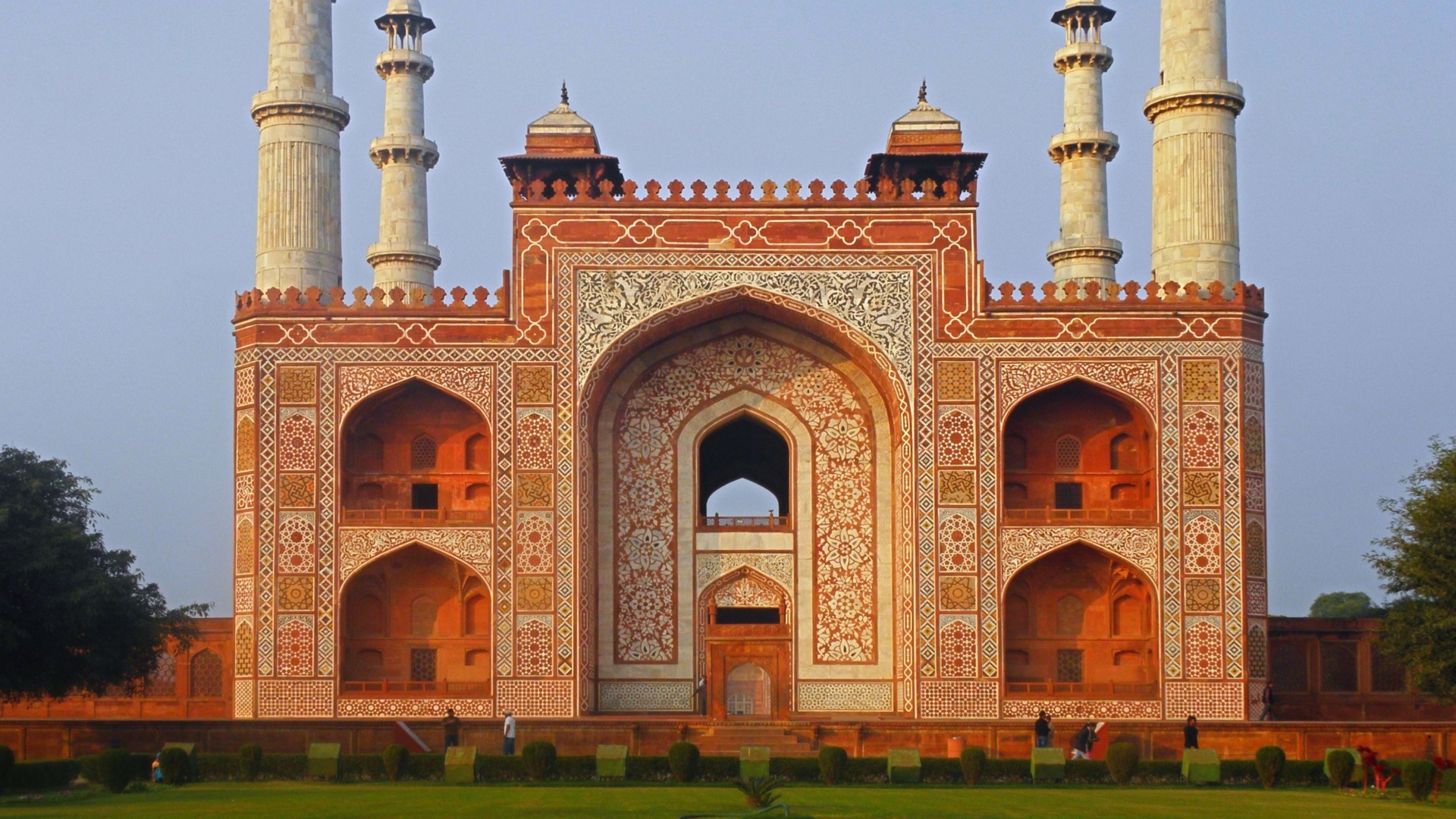
Emperor Akbar began planning his own mausoleum at Sikandra, near Agra, before his death in 1605. His son Jahangir completed the complex, which combines elements of Islamic, Hindu, Persian, and Central Asian design. Guests pass through an immense decorated gateway before reaching the mausoleum, where a simple cenotaph contrasts with the elaborate carvings covering much of the site.
8. The Tomb of Cyrus the Great
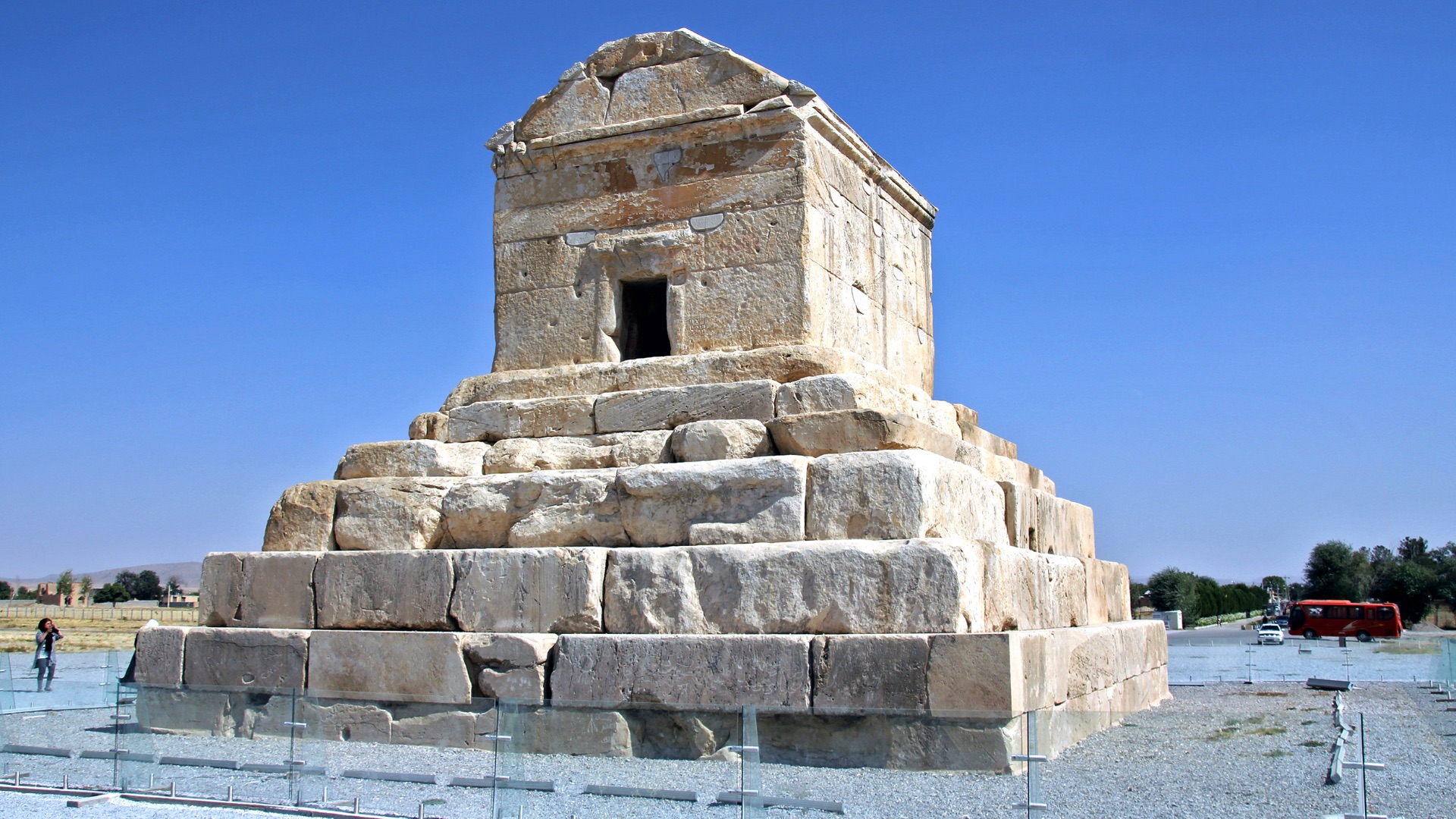
The founder of the Achaemenid Empire rests within a plain stone monument at Pasargadae in southern Iran. The structure consists of a small chamber raised above a series of broad stone steps, giving it a far more restrained appearance than many later royal tombs. Ancient accounts report that Alexander the Great visited and ordered the tomb restored after discovering that it had been disturbed.
9. Hadrian’s Mausoleum
Roman Emperor Hadrian commissioned an enormous cylindrical mausoleum beside the Tiber River during the second century. Over time, the building was converted into a fortress, papal refuge, prison, and museum now known as Castel Sant’Angelo. The imperial remains and original decorations disappeared long ago, but visitors can still move through portions of the ancient funerary structure beneath the later additions.
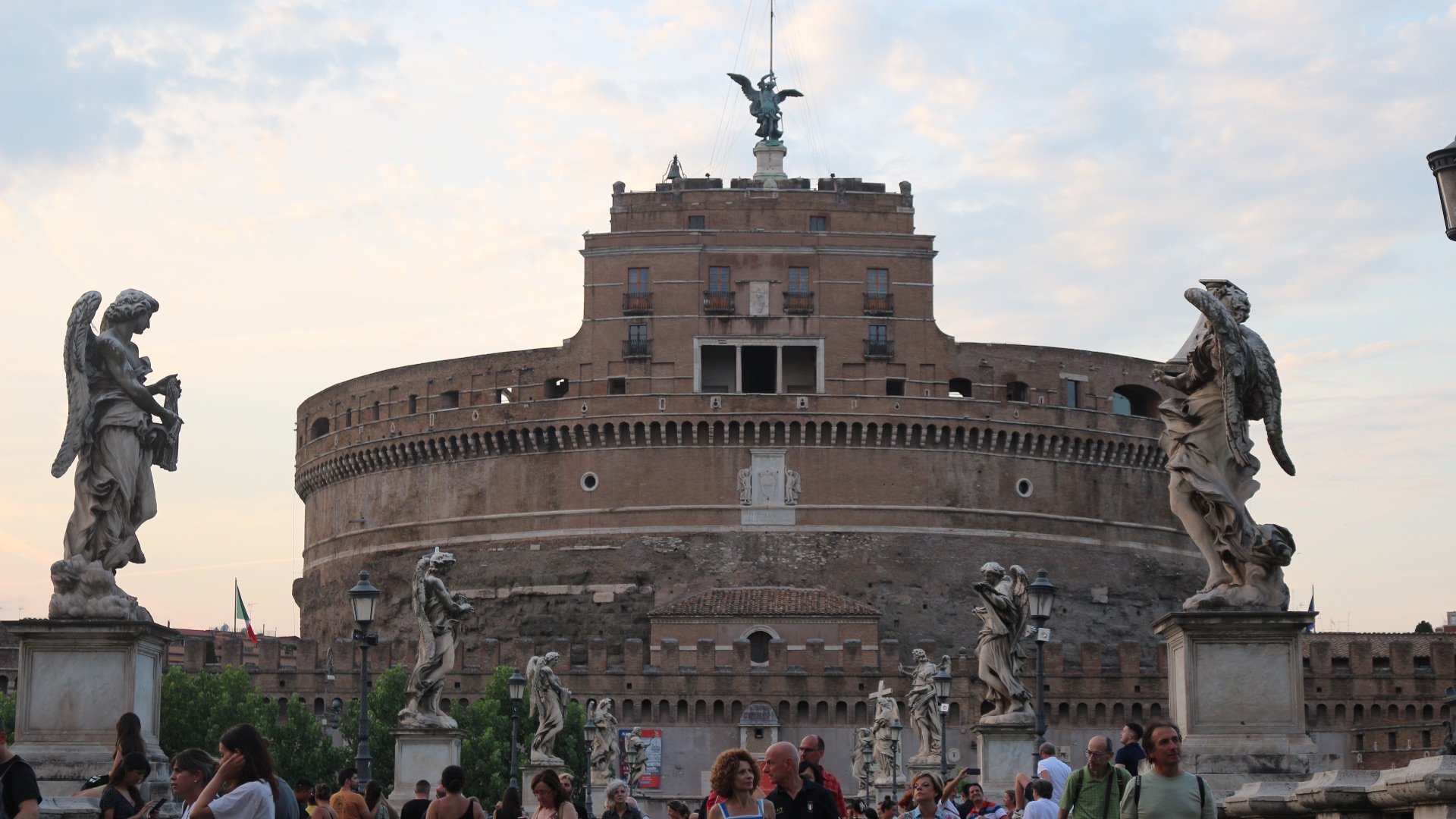 DiegoBonacina1997 on Wikimedia
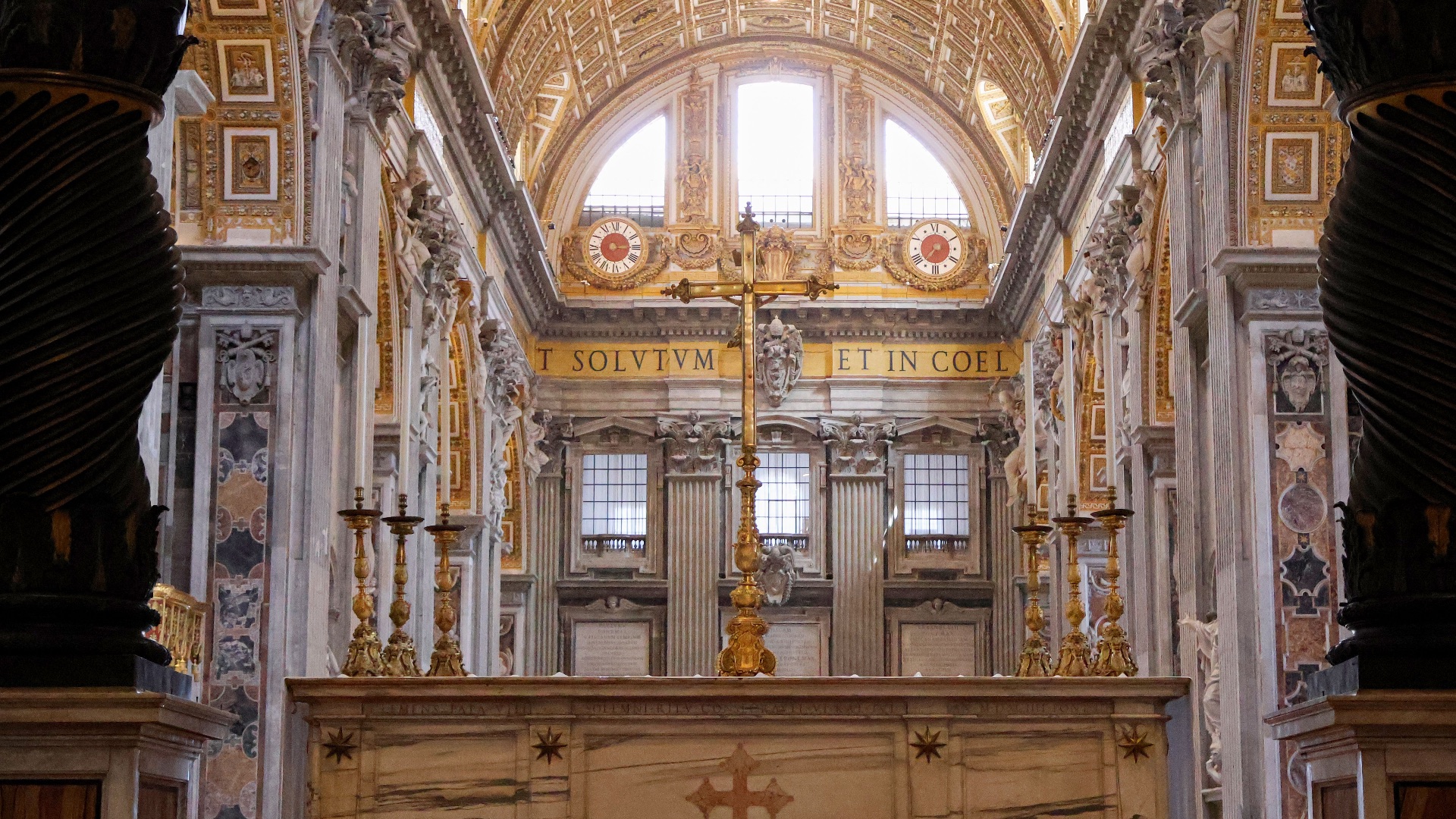
10. St. Peter’s Tomb
Tradition holds that the apostle Peter was buried in a Roman necropolis beneath the site where St. Peter’s Basilica now stands. Small guided groups can enter the underground archaeological area, known as the Scavi, after requesting permission in advance. The tour leads through ancient burial chambers before reaching the area identified by Vatican authorities as Peter’s burial place.
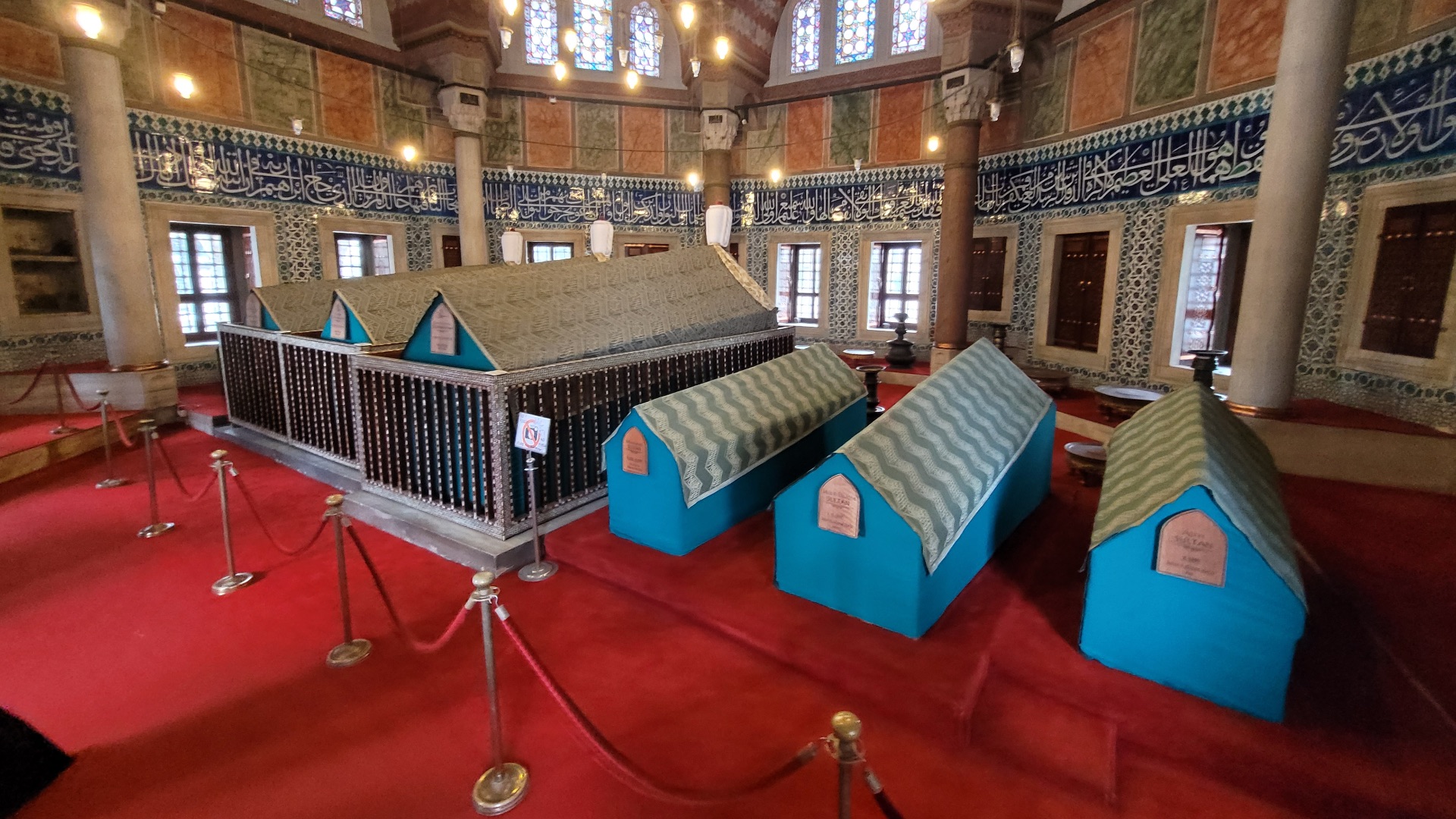
11. Suleiman the Magnificent’s Tomb
Suleiman the Magnificent is buried in the grounds of Istanbul’s Süleymaniye Mosque, the monumental complex he commissioned from architect Mimar Sinan. His domed mausoleum contains several members of the Ottoman dynasty, while the nearby tomb of his wife, Hürrem Sultan, features richly decorated tilework. The mosque complex remains an active religious site, so visitors should dress appropriately and avoid entering during prayers.
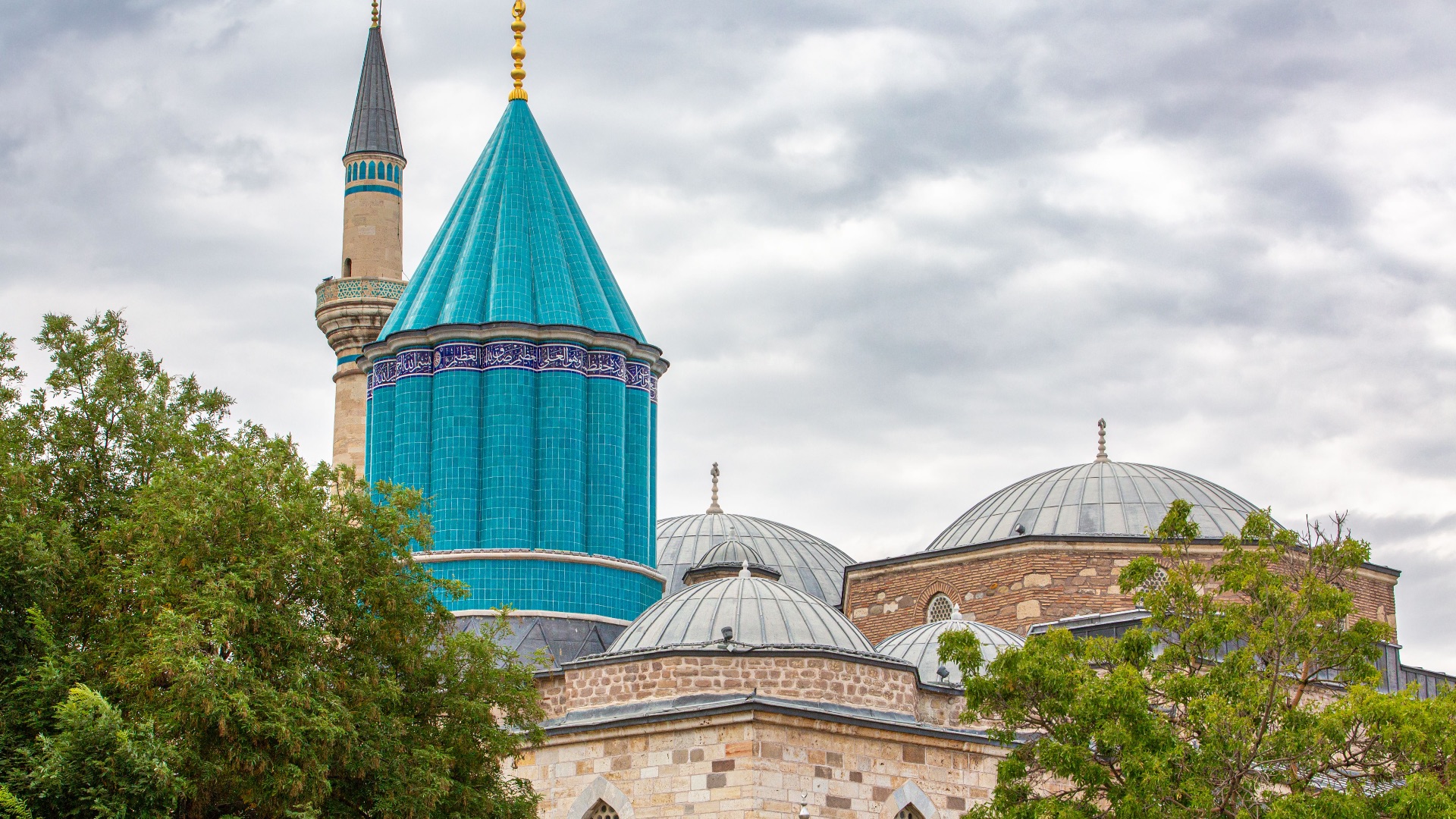
12. Rumi’s Tomb
The mausoleum of the Persian poet and Sufi teacher Rumi lies beneath a distinctive turquoise dome in Konya. After his death in 1273, he was buried beside his father on land that had been given to the family by a Seljuk ruler. Today, the former dervish lodge operates as the Mevlana Museum, where visitors can view Rumi’s ornate sarcophagus and exhibitions related to the Mevlevi tradition.
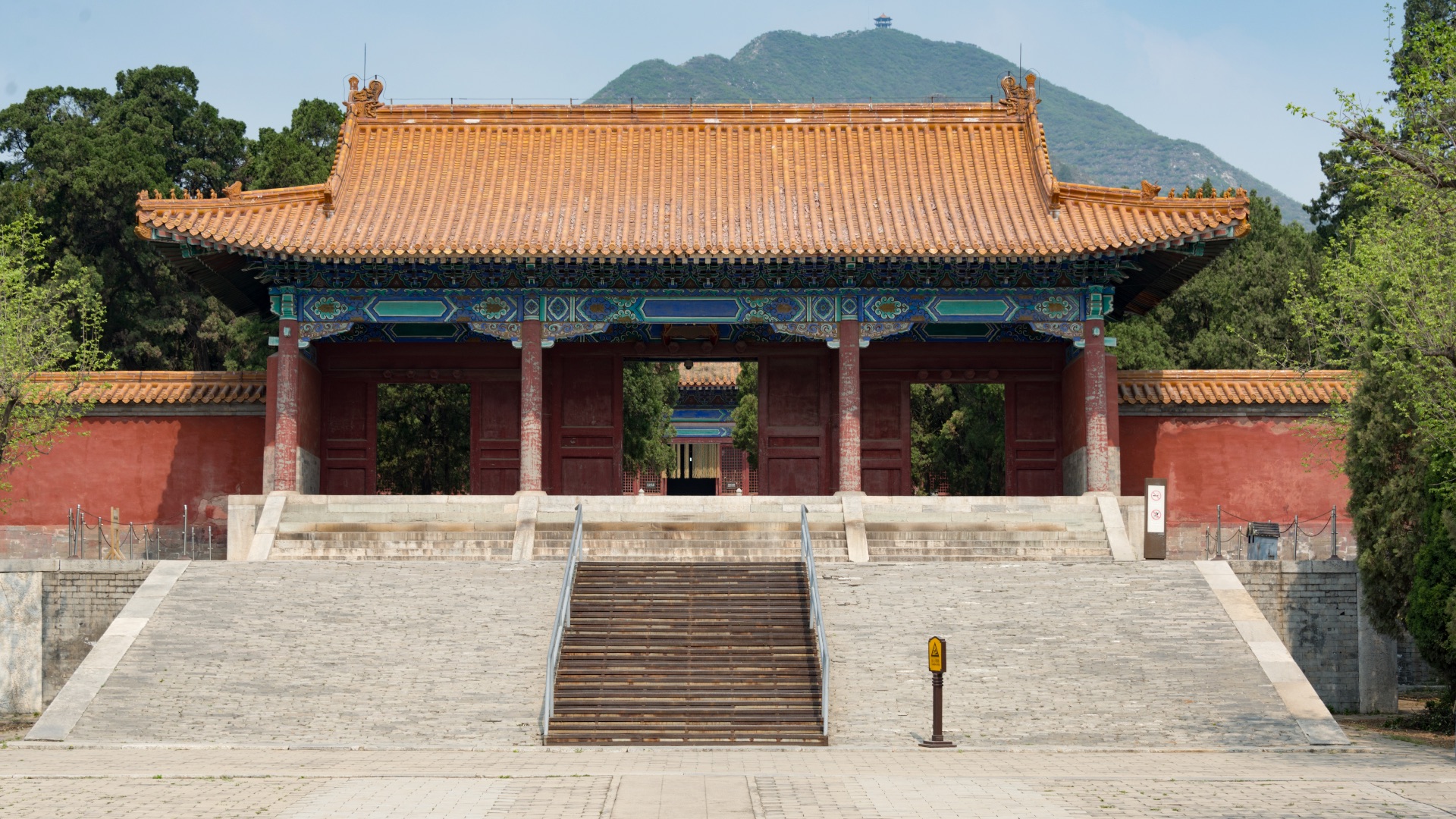
13. The Ming Tombs
Thirteen emperors of China’s Ming dynasty were buried in a broad valley northwest of Beijing. Several areas of the complex are open, including the Sacred Way, where stone figures of officials and animals line the ceremonial route. Dingling, the tomb of the Wanli Emperor, has an excavated underground palace that has periodically admitted visitors, although individual sections may close for preservation.
14. Ho Chi Minh’s Mausoleum
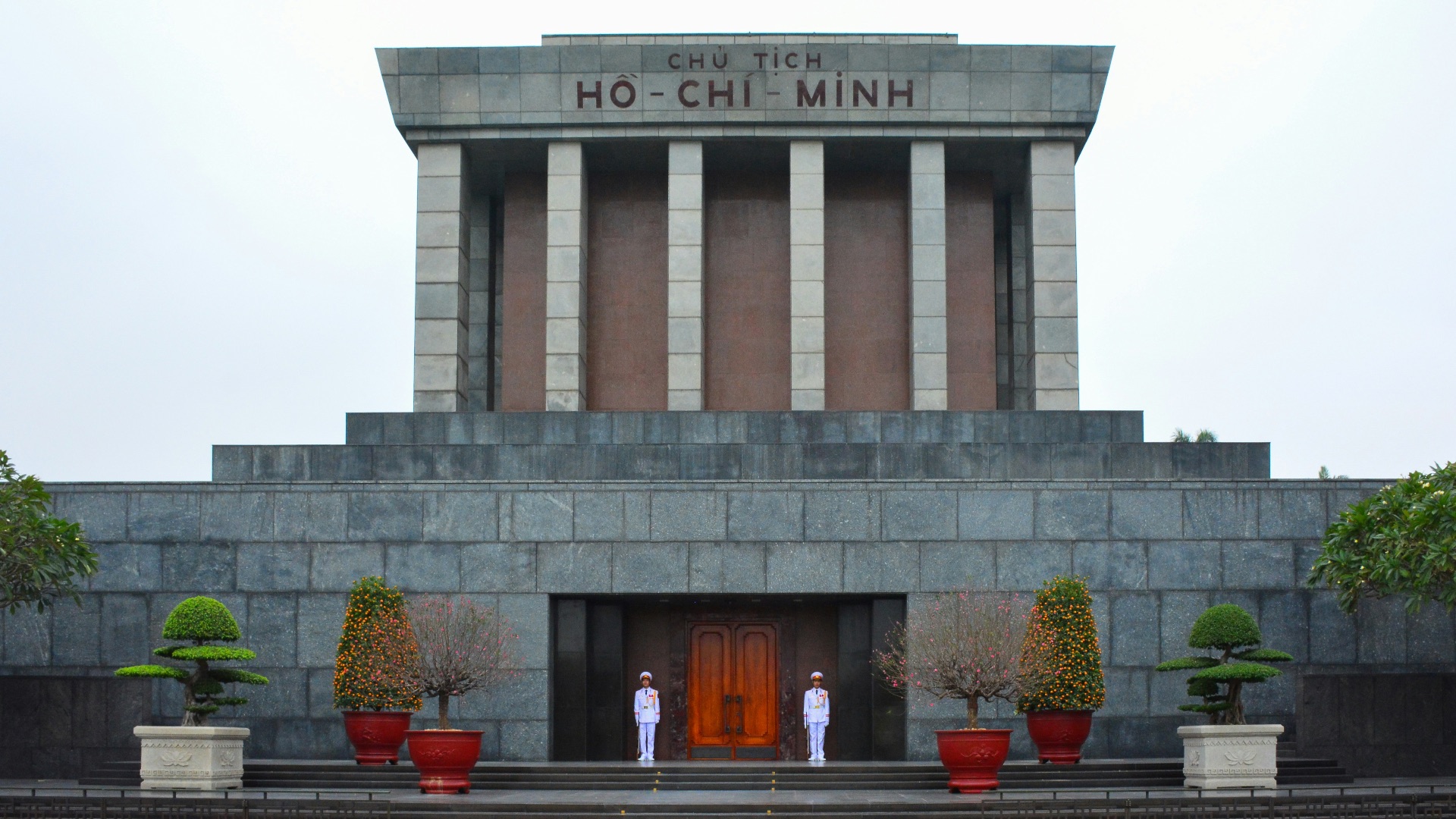
The embalmed body of revolutionary leader Ho Chi Minh is displayed inside a monumental granite mausoleum in Hanoi’s Ba Dinh Square. Visitors proceed through the interior in a controlled line under strict rules that generally prohibit photography, talking, and revealing clothing. The body is sometimes removed for annual preservation work, making it especially important to confirm access dates before arriving.
 Hans-Jürgen Weinhardt on Unsplash
15. Mao Zedong’s Mausoleum
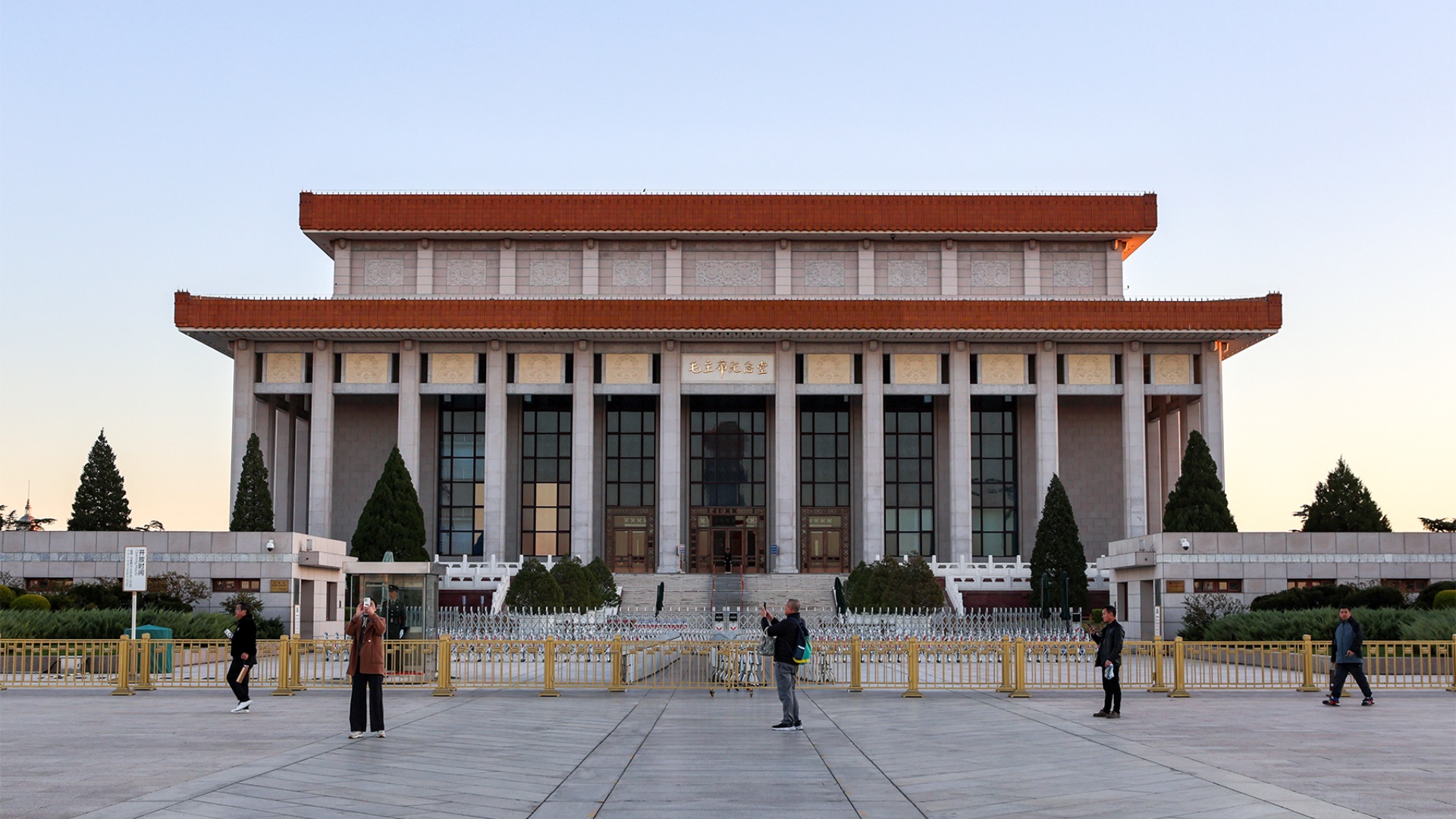
Mao Zedong’s preserved body lies inside the Chairman Mao Memorial Hall on the southern side of Tiananmen Square in Beijing. Admission is generally free, but visitors must pass through security and leave bags, cameras, and other belongings at a separate storage facility. Opening periods can be brief and may change around political events or maintenance, so advance planning is essential.
16. Anıtkabir
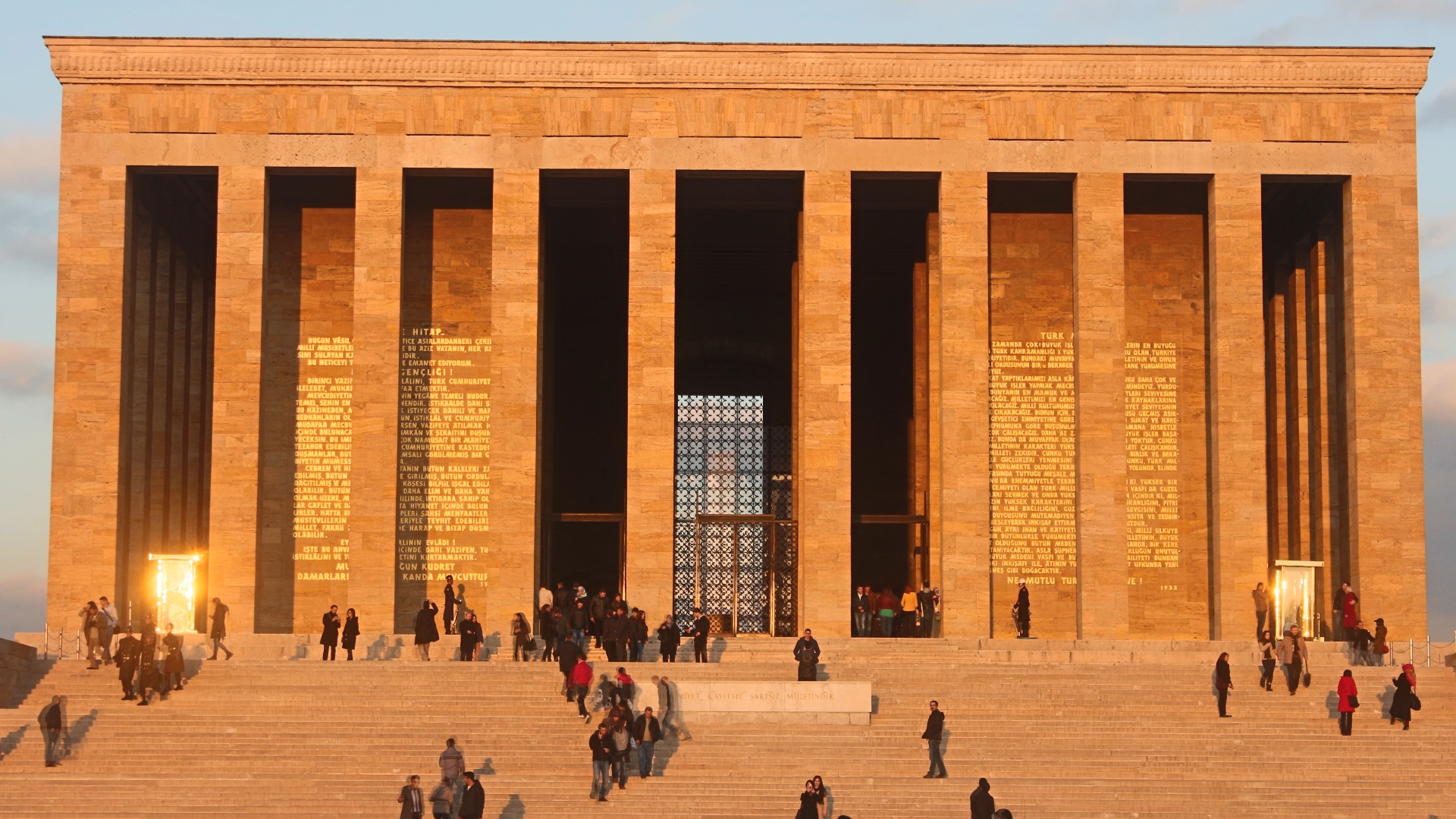
Anıtkabir in Ankara is the mausoleum of Mustafa Kemal Atatürk, the founder and first president of modern Turkey. The large complex includes a ceremonial plaza, the Hall of Honor, and the Atatürk and War of Independence Museum. His symbolic sarcophagus stands above the burial room, which contains soil collected from different parts of Turkey.
17. Grant’s Tomb
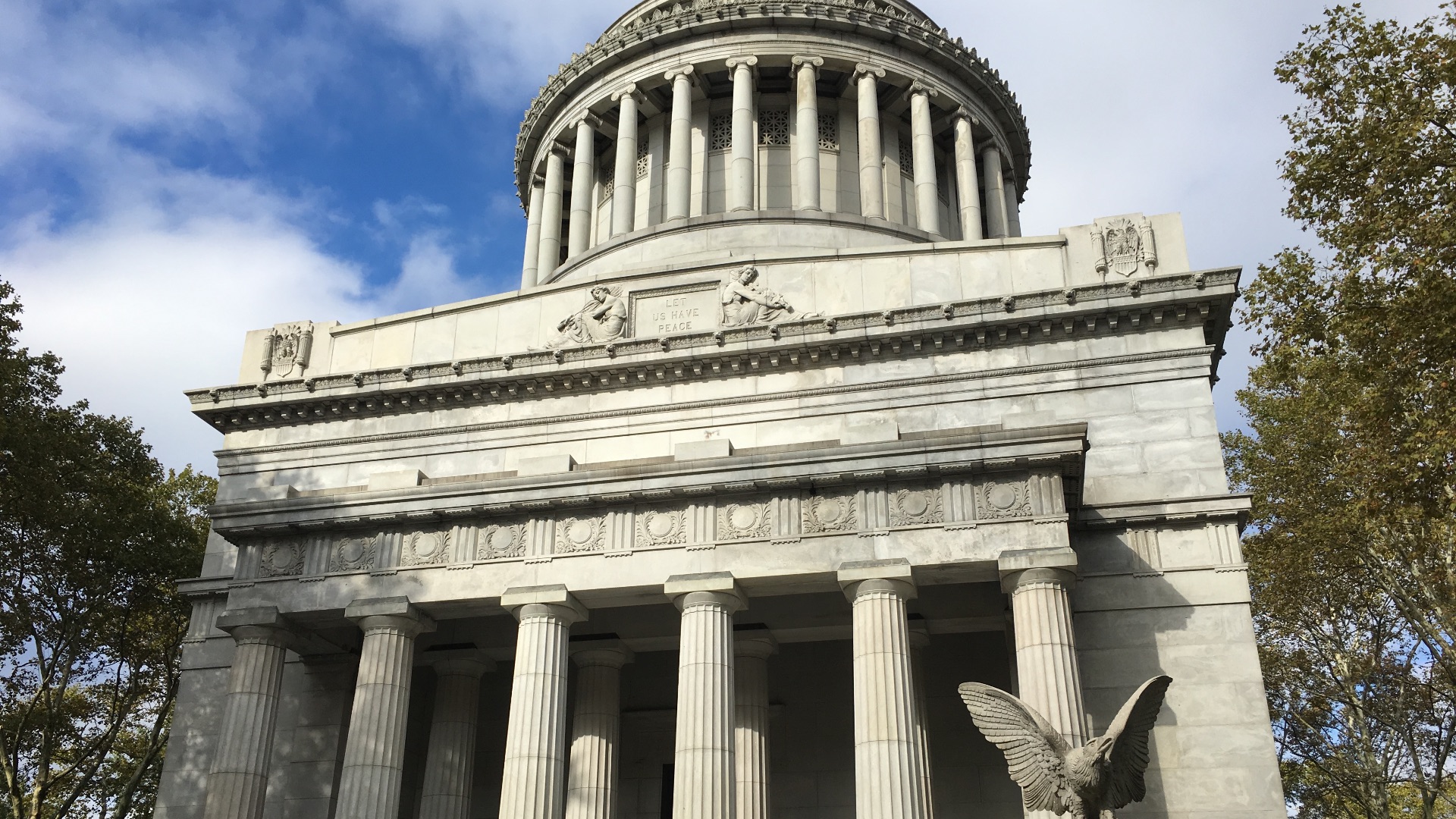
The General Grant National Memorial in New York City contains the remains of President Ulysses S. Grant and his wife, Julia. Dedicated in 1897, it’s the largest mausoleum in North America and features two red-granite sarcophagi visible from the interior gallery. The National Park Service operates the site, where exhibits cover Grant’s military career, presidency, and role during Reconstruction.
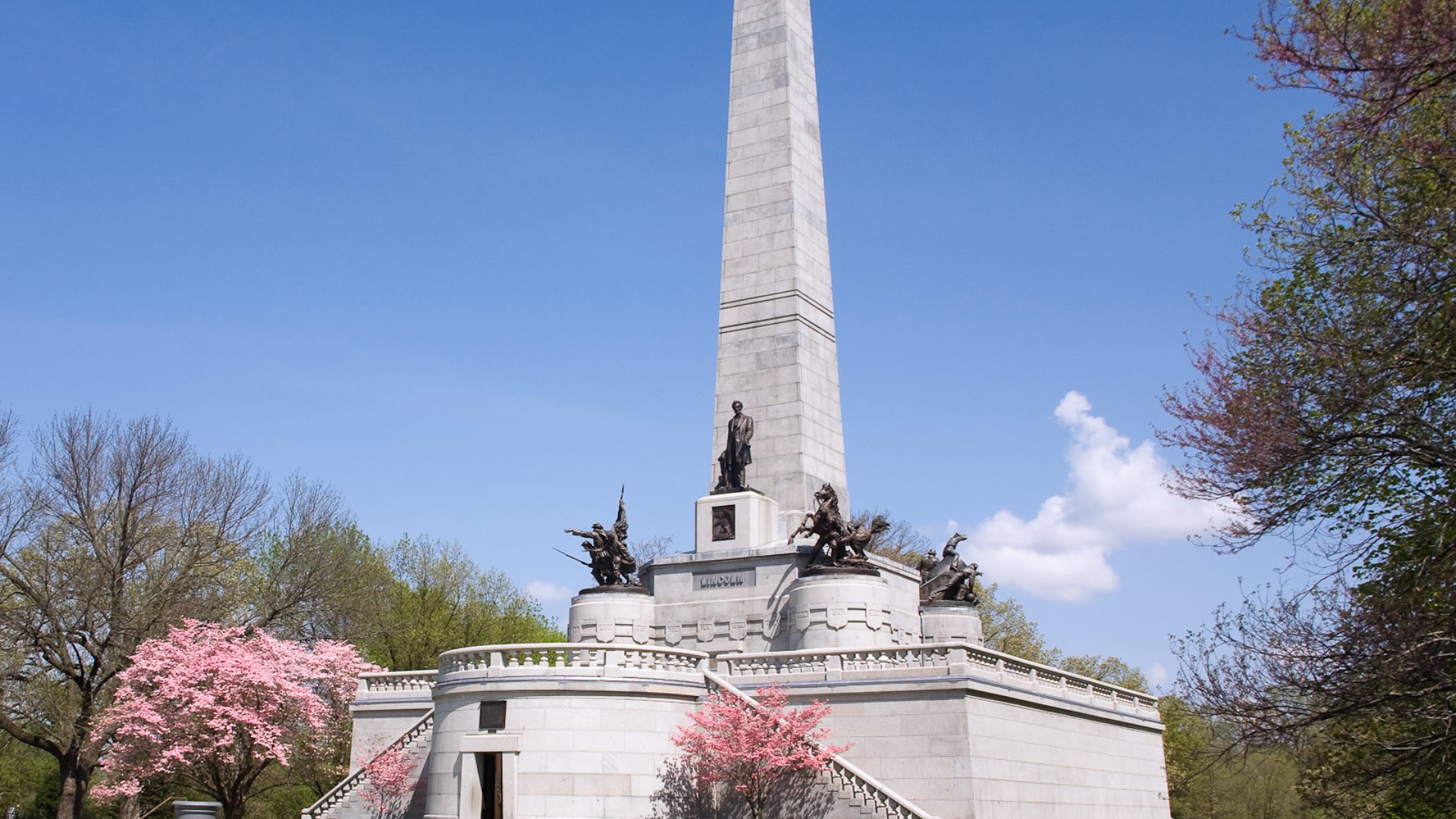
18. Abraham Lincoln’s Tomb
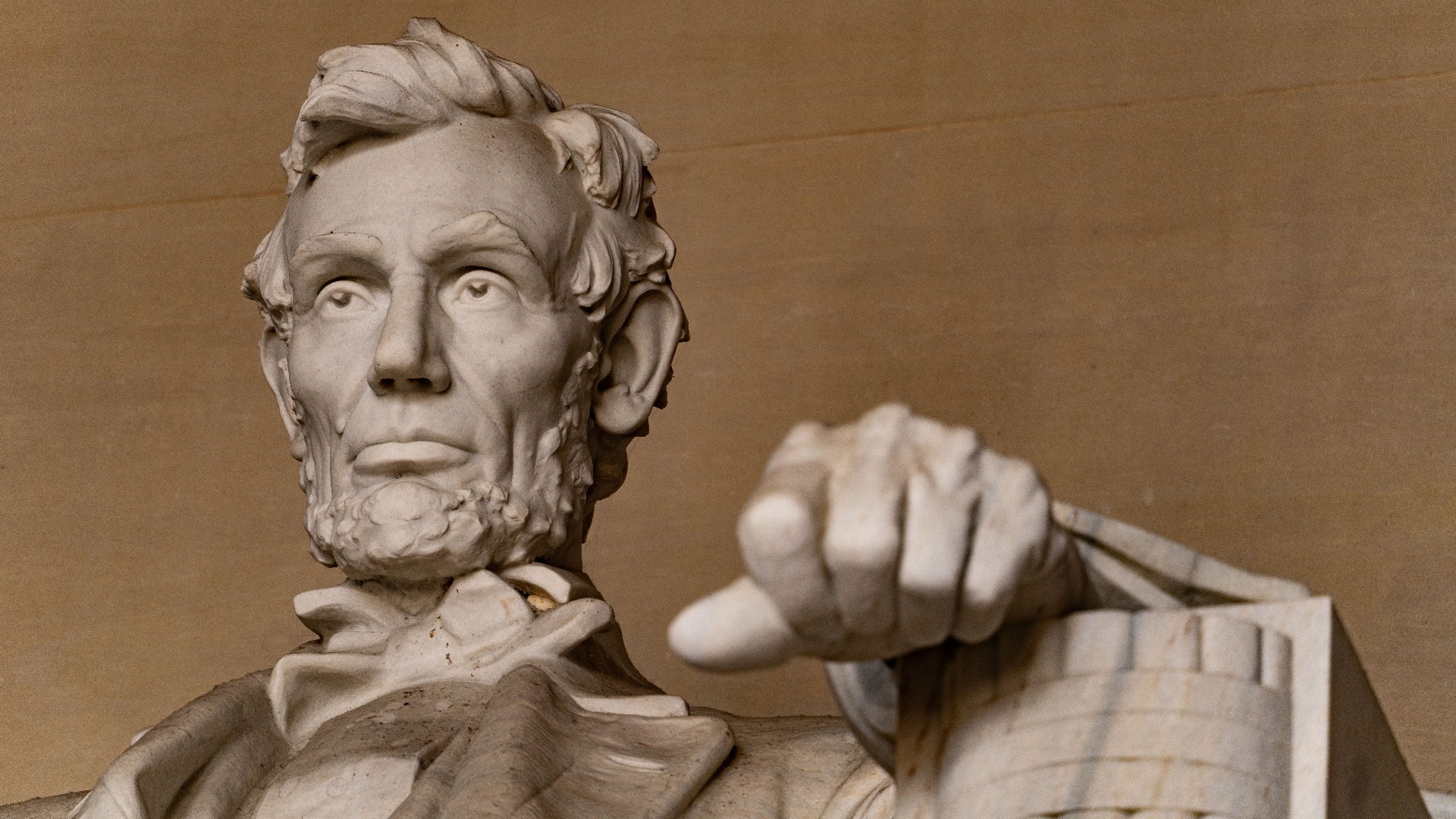
Abraham Lincoln is buried in Oak Ridge Cemetery in Springfield, Illinois, alongside his wife, Mary, and three of their sons. Visitors can enter the granite monument and follow a circular corridor past bronze statues depicting different periods of Lincoln’s life. The burial room contains an inscribed red-marble marker, while Lincoln’s remains are secured beneath the floor behind it.
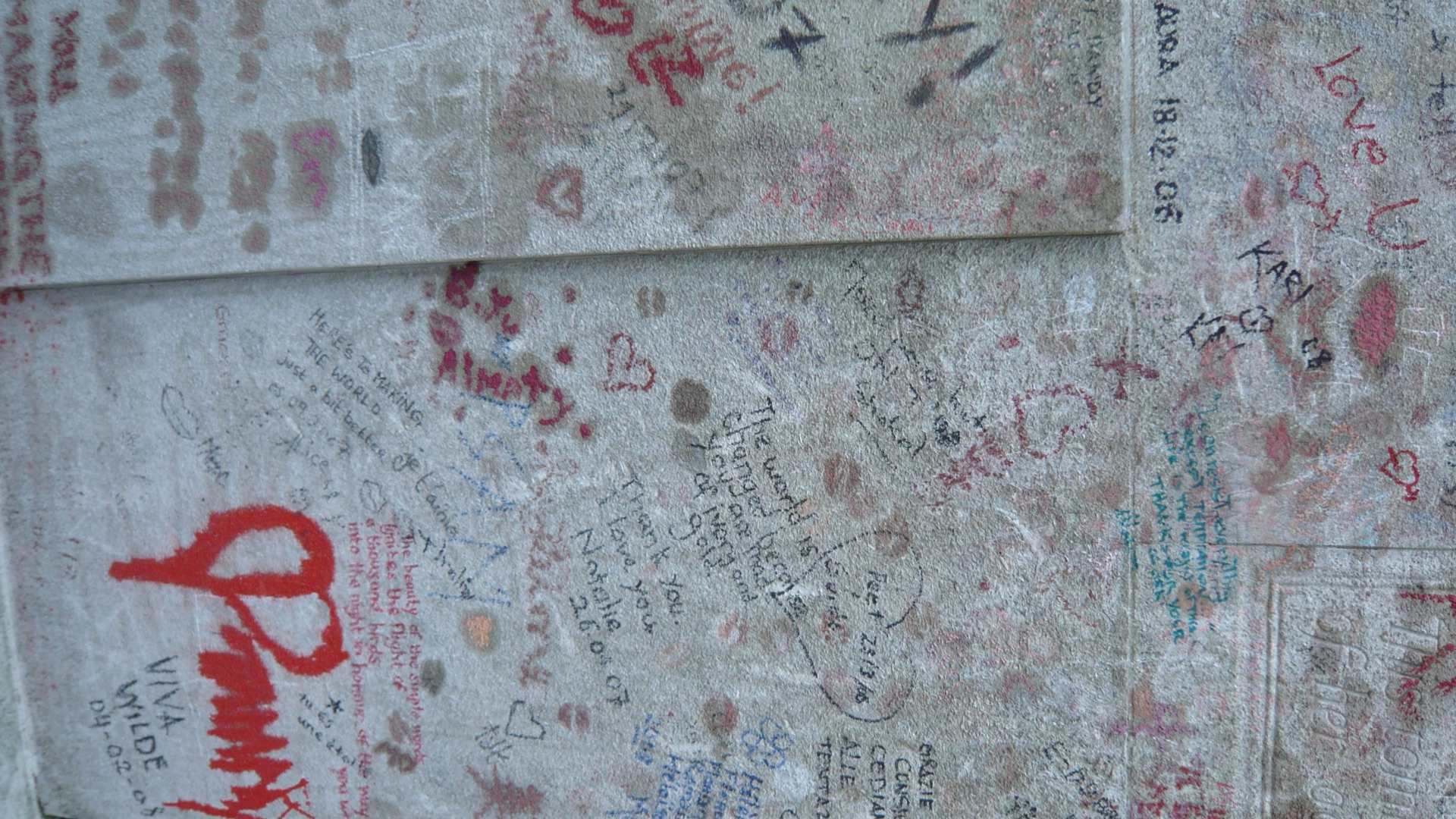
19. Oscar Wilde’s Tomb
Oscar Wilde’s grave at Père Lachaise Cemetery is marked by a striking modernist monument designed by sculptor Jacob Epstein. Admirers once covered the stone with lipstick kisses, but repeated staining led to the installation of a transparent protective barrier. Père Lachaise is free to enter, though locating Wilde’s grave among the cemetery’s thousands of monuments is easier with a map.
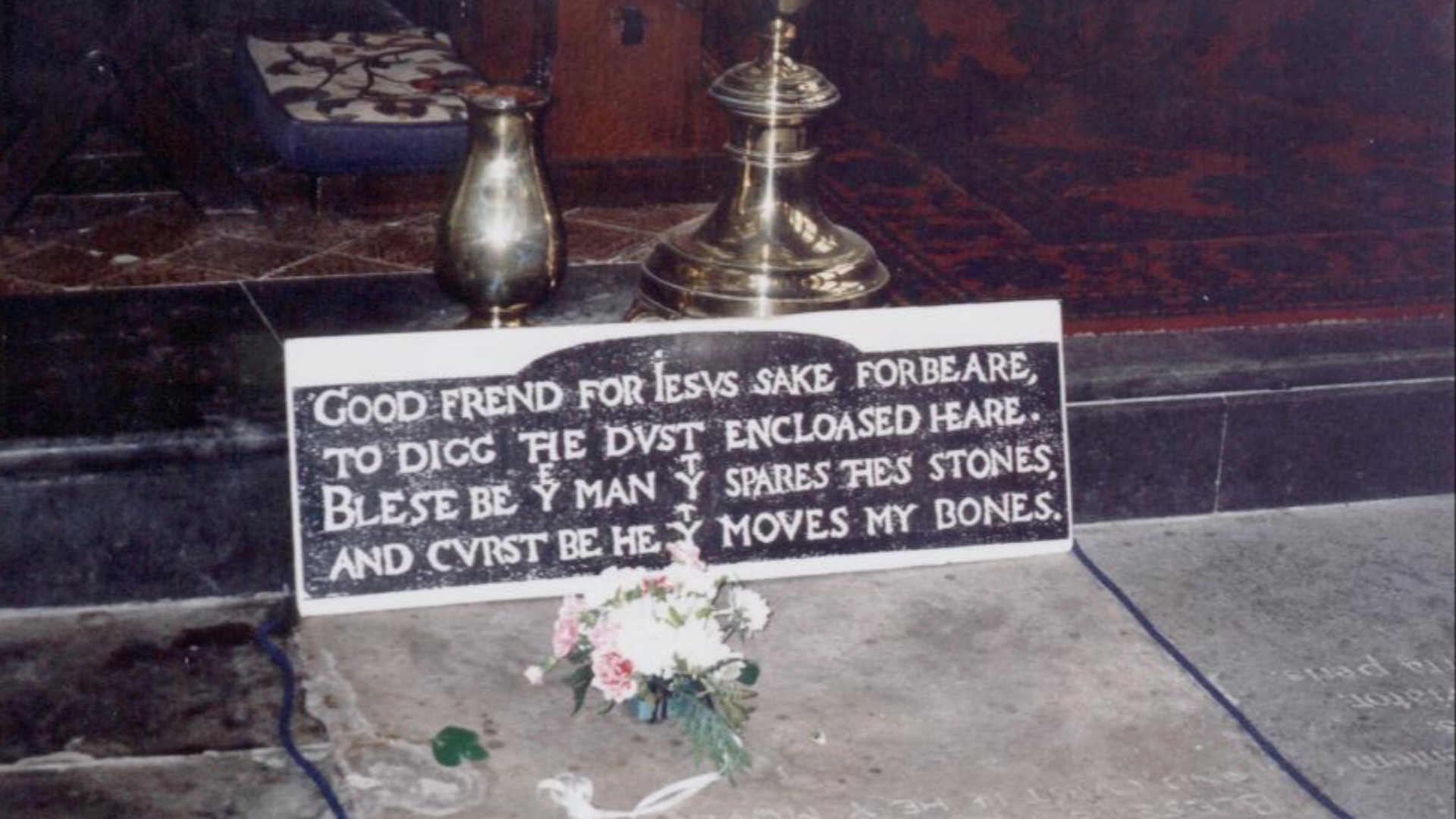
20. William Shakespeare’s Grave
William Shakespeare was buried inside Holy Trinity Church in Stratford-upon-Avon, the same church where he was baptized and worshipped. His grave lies near the altar beneath a stone bearing the famous warning against moving his bones. Visitors can enter the church and view the burial area, although access may be restricted during services, weddings, or other scheduled events.
KEEP ON READING