


The Most Iconic Rags-To-Riches Story That Actually Happened
 Miscellaneous Items in High Demand, PPOC, Library of Congress on Wikimedia
Few stories capture the imagination quite like a true rags‑to‑riches tale. You’ve probably heard myths and legends about ordinary people who suddenly strike it big, but some real lives are even more remarkable than fiction. When you look at history, there are figures whose journeys from poverty to enormous success remind us that circumstances don’t always determine destiny.
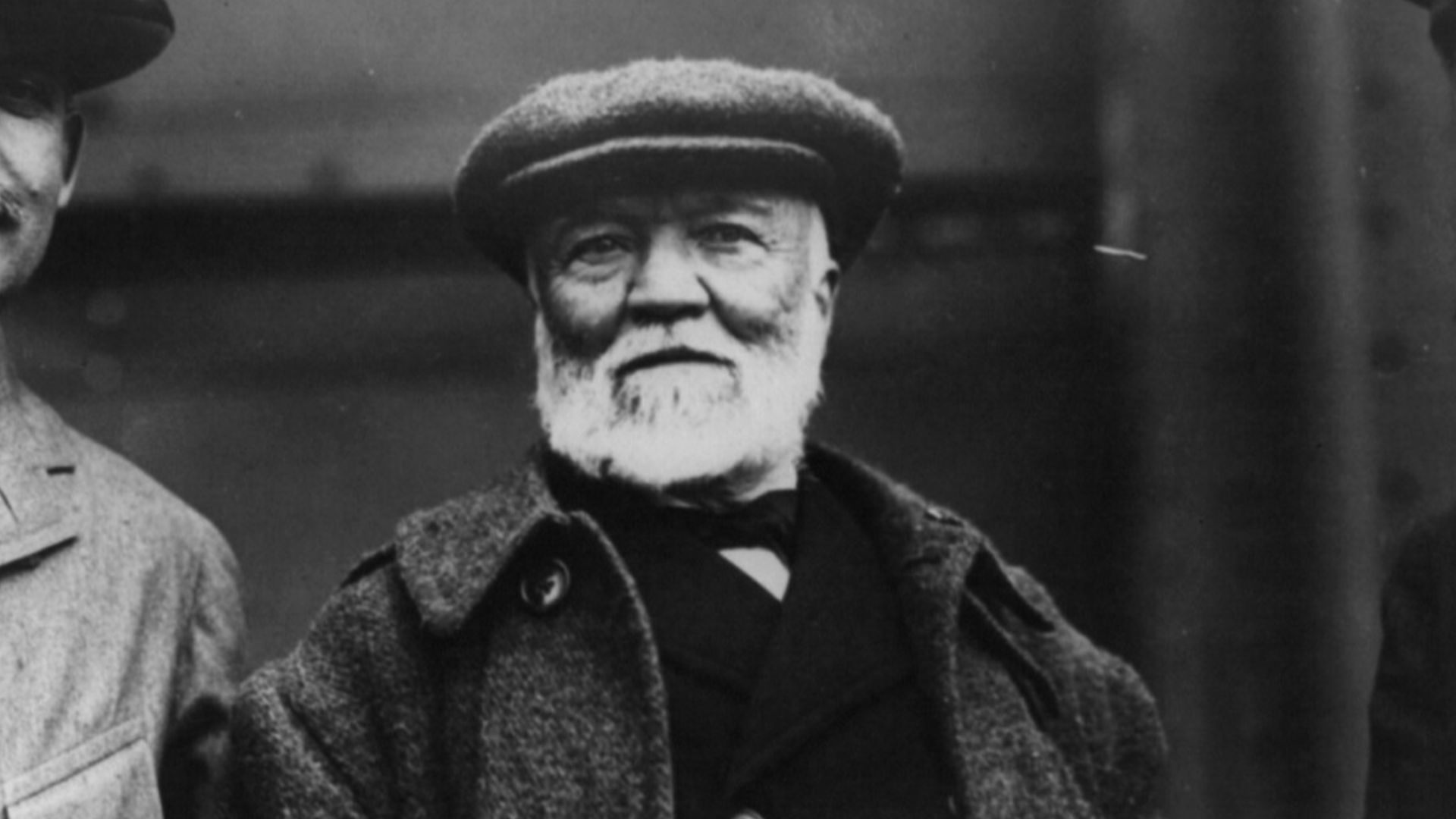
One of the most famous of these stories belongs to Andrew Carnegie, a man who went from living in a tiny weaver’s cottage in Scotland to becoming one of the richest people in the world. His life wasn’t shaped by overnight luck, but by timing, hard work, and an unshakable belief that he could do more than what life initially handed him. Exploring how Carnegie rose through the ranks shows why his story still resonates today.
From Immigrant Beginnings to Early Work
Andrew Carnegie was born on November 25, 1835, in Dunfermline, Scotland, into a working‑class family struggling to make ends meet. His father, William Carnegie, was a handloom weaver whose trade was becoming obsolete due to industrialization. That meant the family frequently faced financial strain, and young Andrew saw firsthand how hard life could be without steady income.
In 1848, when Carnegie was just 13 years old, his family made the difficult decision to emigrate to the United States in search of better opportunities. They settled in Allegheny, Pennsylvania, where Andrew took his first job as a bobbin boy in a cotton factory, earning $1.20 per week. He worked long hours winding thread and changing spools, doing tasks most adults would find exhausting, yet he never shied away from responsibility.
Those early years might seem bleak, but they laid the groundwork for Carnegie’s future success. While his wages were meager, he learned discipline, reliability, and how to operate in an industrial environment that transformed the American economy. The routines he adopted and the work ethic he developed during those long shifts would serve him well in the years to come.
Climbing the Ladder in the Railroad and Telegraph Worlds
Carnegie’s break came when he landed a job as a messenger boy for the Pennsylvania Railroad in 1853. At 18 years old, he was already proving that his ambition exceeded his station. This position introduced him to railroad operations and connected him with influential people who recognized his intelligence and potential.
By studying and even teaching himself telegraphy, Carnegie kept advancing within the railroad company, eventually earning a promotion to telegraph operator and then to assistant secretary. His ability to adapt quickly to new technologies and communicate effectively set him apart from many of his peers. In an era when the telegraph was revolutionizing communication, Carnegie was right at the center of innovation.
Soon, he was making connections beyond the railroad, investing in ventures like iron works and oil. Carnegie understood that the expanding transportation and communication networks were reshaping America’s economy, and he positioned himself to benefit from that transformation. These strategic moves highlighted a crucial aspect of his rise: he didn’t just work hard, he worked smart.
Building a Steel Empire and Changing America Forever
 Unknown authorUnknown author on Wikimedia
Carnegie’s journey from an investor to an industrial titan began in earnest when he started focusing on steel production in the 1870s. At that time, the American steel industry was poised for explosive growth as cities expanded and railroads stretched westward. Seeing the potential, Carnegie poured resources into efficient production methods, including adopting the Bessemer process, which made steel cheaper and faster to produce.
By the 1880s, Carnegie Steel Company was dominating the market, outpacing competitors with innovation and cost efficiency. His company wasn’t just selling steel; it was revolutionizing how steel was made, which helped reshape American infrastructure. Skyscrapers, bridges, and railroads across the country were built with Carnegie’s steel, making his influence visible in nearly every major urban center.
Yet despite his wealth, Carnegie believed in giving back. He implemented systems to reduce waste and improve worker productivity, and he became known for reinvesting profits into better equipment and technology. Though his treatment of labor was controversial, and events like the Homestead Strike of 1892 remain a dark chapter, his overall impact on American industry is undeniable. Carnegie wasn’t merely a wealthy businessman; he was a central figure in the nation’s transformation into a global economic power.
A Legacy of Philanthropy and an Enduring Example
 Miscellaneous Items in High Demand, PPOC, Library of Congress on Wikimedia
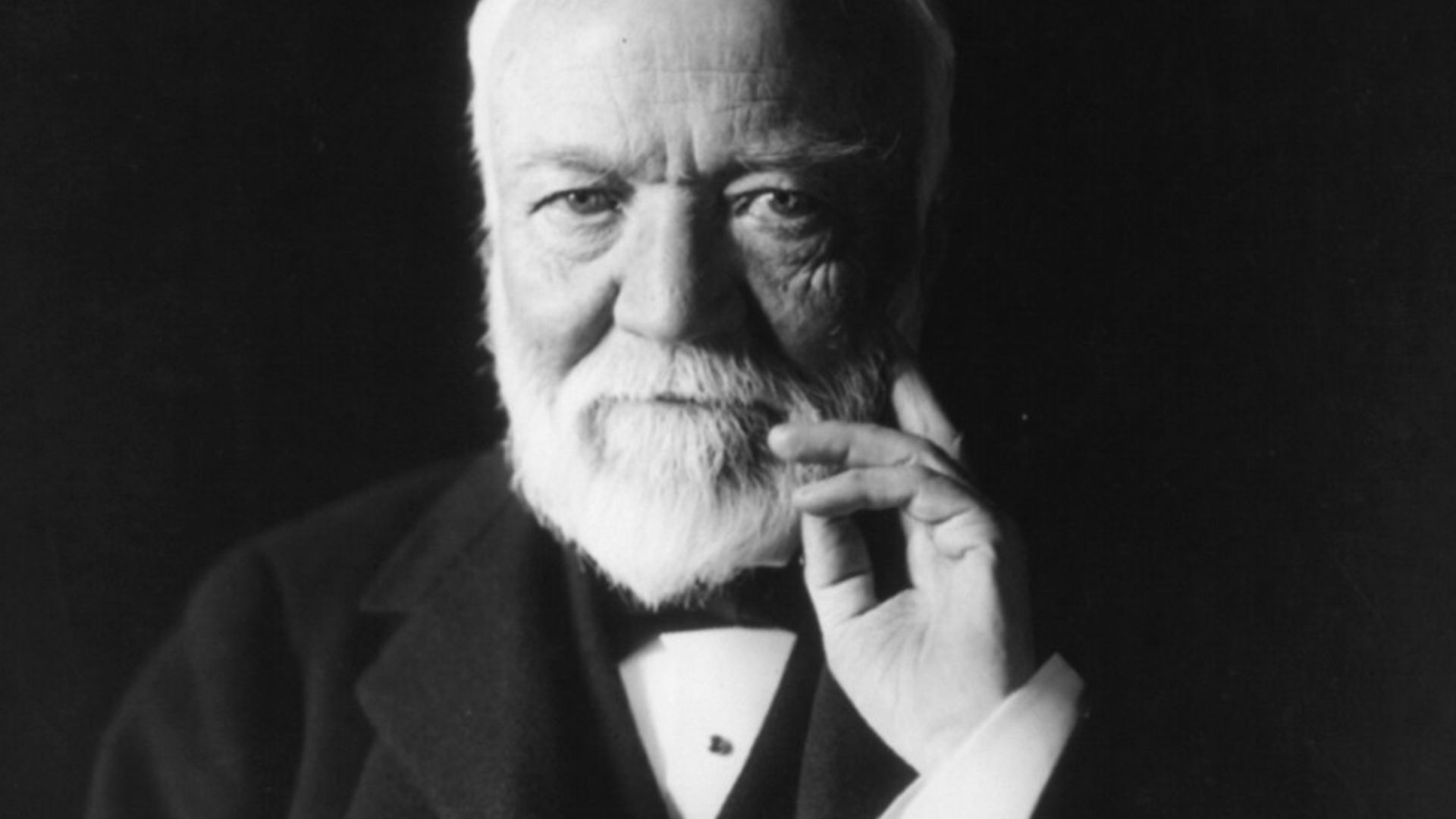
By the early 20th century, Carnegie had become one of the wealthiest men in the world, but he never forgot his humble beginnings. He believed that those who benefited most from society had a moral obligation to give back, a philosophy he called the Gospel of Wealth. Rather than hoarding his fortune, he dedicated the rest of his life to philanthropy, giving away an estimated $350 million before his death in 1919.
His gifts funded the creation of over 2,500 libraries worldwide, educational institutions, and research organizations that continue to benefit communities today. In Pittsburgh alone, the Carnegie Museums and Carnegie Mellon University stand as testaments to his commitment to culture and learning. He also supported peace initiatives and scientific research, always aiming to uplift others through access to knowledge and opportunity.
KEEP ON READING

20 Chilling Cases of Mass Hysteria Throughout History
When the Mind Goes Viral. Mass hysteria, now more commonly…
By Christy Chan Apr 24, 2026
20 Prehistoric Mysteries That Have Stumped Archaeologists for Decades
Ancient finds, Disputed Claims, and Unresolved Debates. Archaeology becomes difficult…
By Elizabeth Graham Apr 24, 2026
20 Royal Siblings Who Absolutely Despised Each Other
Crown, Blood, & Absolutely No Peace. Royal siblings were supposed…
By Emilie Richardson-Dupuis Apr 24, 2026
20 Historical Figures Who Were Accidentally Buried Alive
A Fate More Terrifying Than the History Books Admit. It’s…
By Sara Springsteen Apr 24, 2026
20 Rulers Who Turned Their Nations Into Legends
Power, Legacy, and Lasting Influence. Throughout history, certain rulers have…
By Rob Shapiro Apr 24, 2026
10 Famous Figures Who Hid Their Illness & 10 Who…
Pain Has A Public Life. Fame has a way of…
By Cameron Dick Apr 24, 2026