The Man Who Declared Himself Emperor of the United States
Most people who become emperors need an army, a royal bloodline, or at least control of some territory. Joshua Abraham Norton had none of those things when he walked into a San Francisco newspaper office in September 1859 and announced that he was now Emperor of the U.S. Remarkably, instead of disappearing into obscurity, he became one of the most beloved characters in the city’s history.
For roughly two decades, Norton issued decrees, inspected the streets, attended public events, and behaved as though his authority were completely legitimate. San Franciscans largely played along, giving their self-appointed emperor meals, respect, and even a strange form of unofficial recognition. His story sounds like a joke someone invented later, but Emperor Norton was very real.
From Successful Merchant to Self-Appointed Emperor
Norton was born in England in 1818 and spent most of his youth in South Africa before traveling to San Francisco in 1849. He arrived during the Gold Rush and soon became a successful businessman involved in real estate and other investments.
His fortunes changed after he made a disastrous investment. Norton purchased a large shipment of Peruvian rice, expecting to profit from high local prices, only for additional shipments to flood the market and drive those prices downward. A lengthy legal fight followed, and his financial position eventually collapsed.
After largely disappearing from public view for several years, Norton returned with a rather dramatic career change. On September 17, 1859, the San Francisco Evening Bulletin published his proclamation declaring himself "Emperor of these United States." He claimed he was responding to the wishes of the American people, although the American people knew nothing of it.
Norton didn't stop at simply choosing an impressive title. He called for representatives from across the country to meet in San Francisco and reorganize the government under his authority. Nobody arrived for the proposed gathering, but the lack of participation didn't appear to discourage him.
San Francisco Decided to Play Along
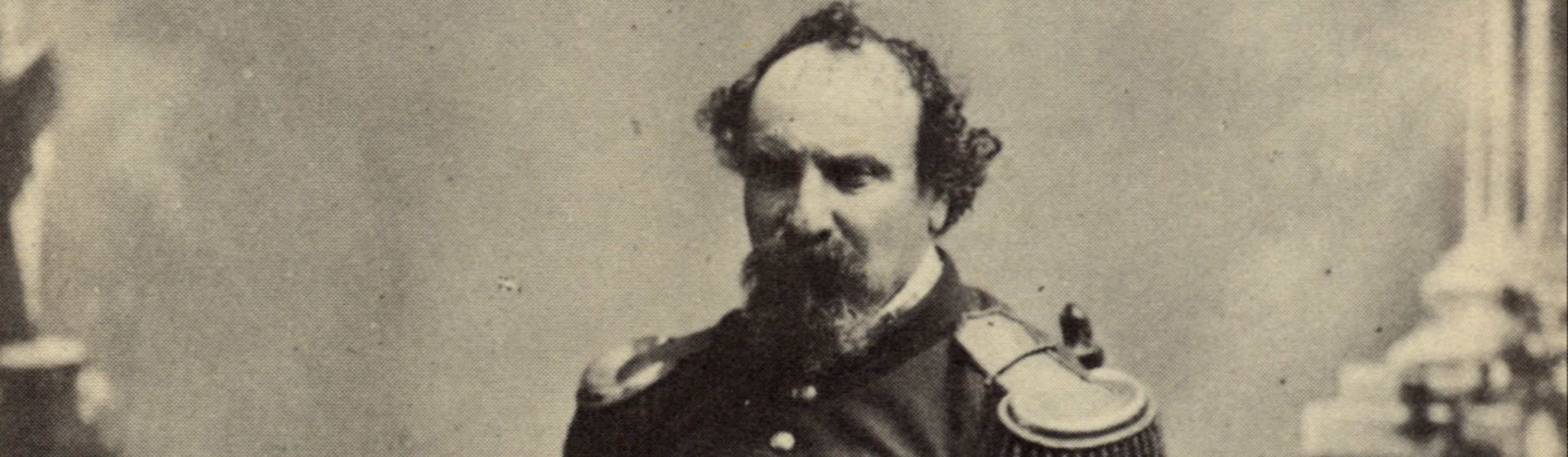
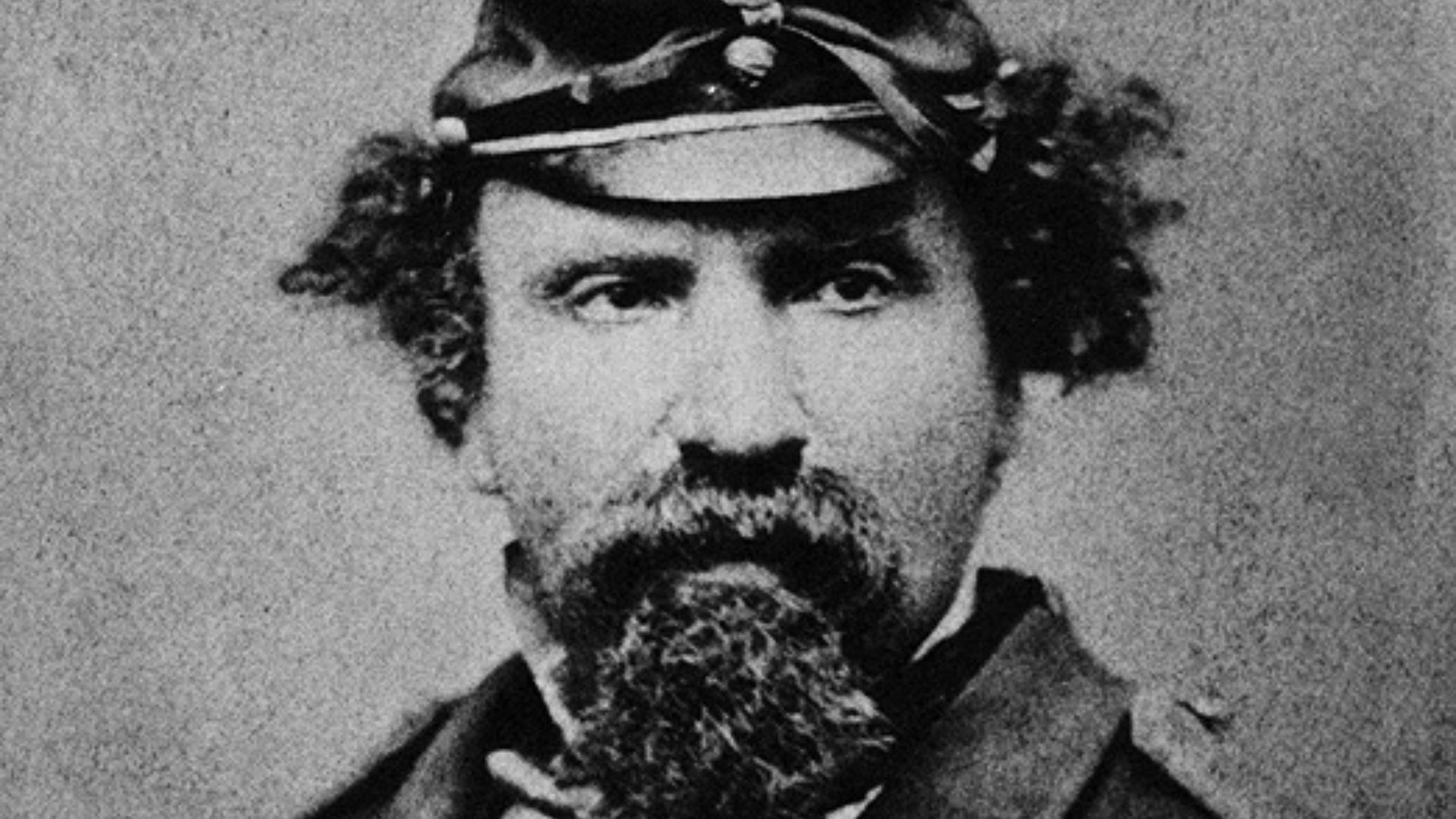
Instead of rejecting Norton entirely, San Francisco gradually embraced him as one of its most recognizable residents. He began appearing around the city wearing a military-style uniform decorated with gold epaulets, sometimes topped with an elaborate hat. Contemporary accounts remembered him walking the streets as if inspecting his imperial domain.
Businesses also found ways to participate in the performance. Restaurants sometimes fed him, while merchants displayed signs claiming the approval of his imperial majesty. Norton even issued his own currency, which some local establishments reportedly accepted, turning his imaginary empire into something surprisingly tangible.
His proclamations became another major part of the act. Norton weighed in on national politics, city government, civil rights, transportation, and practically anything else he considered worthy of imperial attention. Newspapers eagerly printed these declarations, although historians have warned that editors sometimes invented fake Norton proclamations because readers enjoyed them so much.
However, there was substance mixed in with the spectacle. Norton supported equal treatment for Black and Chinese residents at a time when discrimination was widespread, and he spoke against political corruption. He also repeatedly proposed better transportation between San Francisco and Oakland, including a bridge crossing the bay through Yerba Buena Island.
The Emperor Without Any Real Power
Norton obviously didn't have any real power. His authority existed entirely because people chose to recognize it socially. One of the clearest examples came in 1867, when a police officer arrested him and attempted to have him committed for mental illness. The arrest produced such public criticism that Norton was quickly released, and the police reportedly apologized.
Afterward, officers were said to salute Norton when they encountered him around town. That response perfectly captured his unusual position in San Francisco. Everyone understood that he wasn't actually running the country, but they also collectively agreed that treating him like the emperor was the most reasonable course of action.
Norton continued his imperial routine until January 8, 1880, when he collapsed on a San Francisco street and died. He had spent about 20 years claiming one of the grandest titles imaginable while possessing very little money or official authority. Still, contemporary recollections suggest that his death genuinely affected the city that had adopted him as its unofficial monarch.
His most famous transportation idea eventually became reality more than half a century later. Construction on the San Francisco–Oakland Bay Bridge began in 1933, decades after Norton had advocated a similar connection between the two cities. He obviously wasn't responsible for the eventual engineering project, but the coincidence helped ensure that his proclamations were remembered as more than simple eccentricities.
More than a century later, Emperor Norton remains part of San Francisco's cultural identity. A portion of Commercial Street was even designated Emperor Norton Place in 2023, giving the man who invented his own office a surprisingly official place on the map. His empire never existed, but somehow, his legacy did.