20 Facts About Vlad the Impaler, the Man Who Inspired Dracula
The Real Man Behind the Name
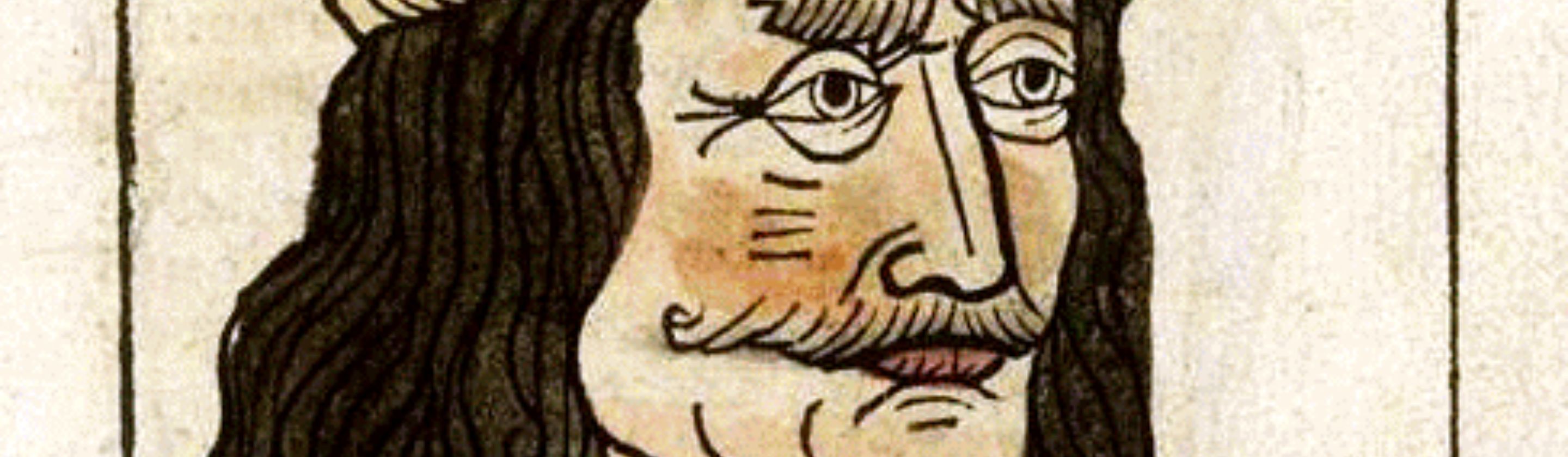
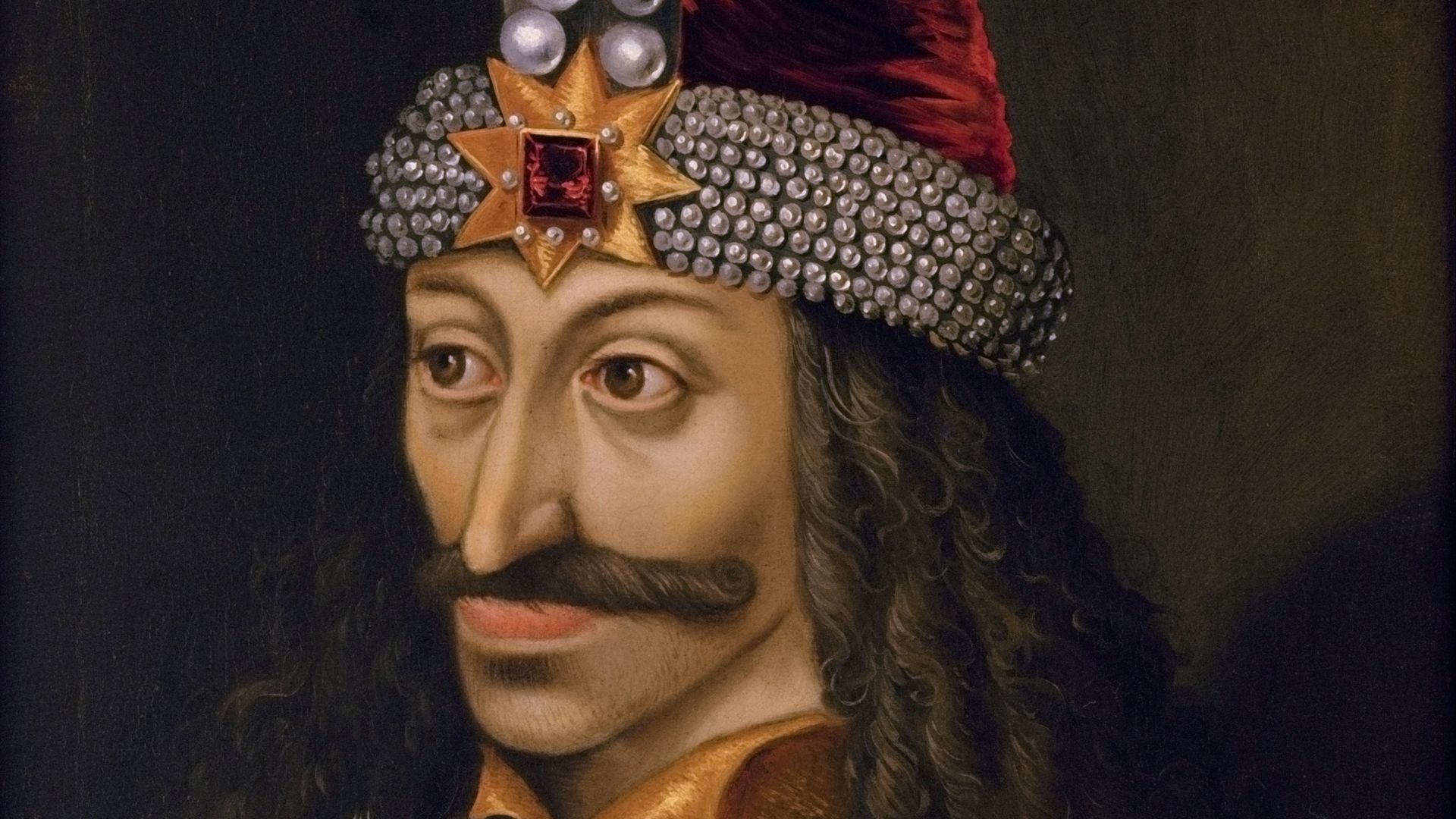
Long before Dracula became the world’s most famous vampire, the name belonged to Vlad III, a 15th-century ruler of Wallachia remembered for warfare, political intrigue, and some extremely brutal punishments. Better known as Vlad the Impaler, he spent much of his life fighting rivals and the expanding Ottoman Empire. Here are 20 interesting facts about Vlad the Impaler.
 AnonymousUnknown author on Wikimedia
1. His Real Surname Was Dracula
Vlad is usually referred to as Vlad III because several rulers of Wallachia shared his first name. During his own lifetime, he also used the name Vlad Dracula in official documents. A surviving 1475 letter, for example, bears the name “Vlad Dracula,” showing that it wasn’t something later storytellers invented.
 Stefano Vigorelli on Wikimedia
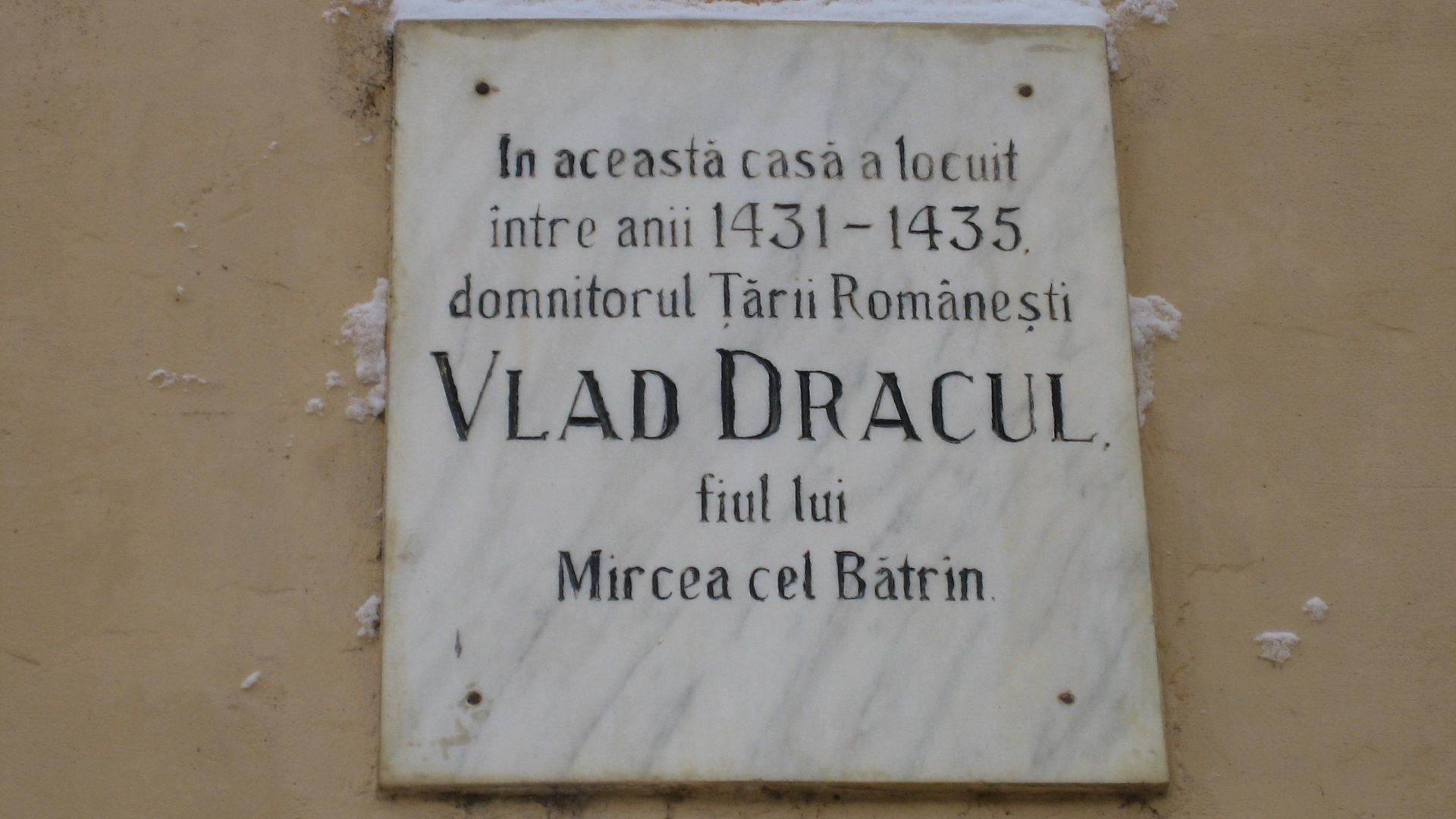
2. He Was Born Around 1431
Vlad was born around 1431, most likely in the Transylvanian town of Sighișoara. His father was living there at the time while involved in the complicated politics surrounding Wallachia. The historic center of Sighișoara still contains a house traditionally identified as Vlad’s birthplace, although the exact details of his early years remain limited.
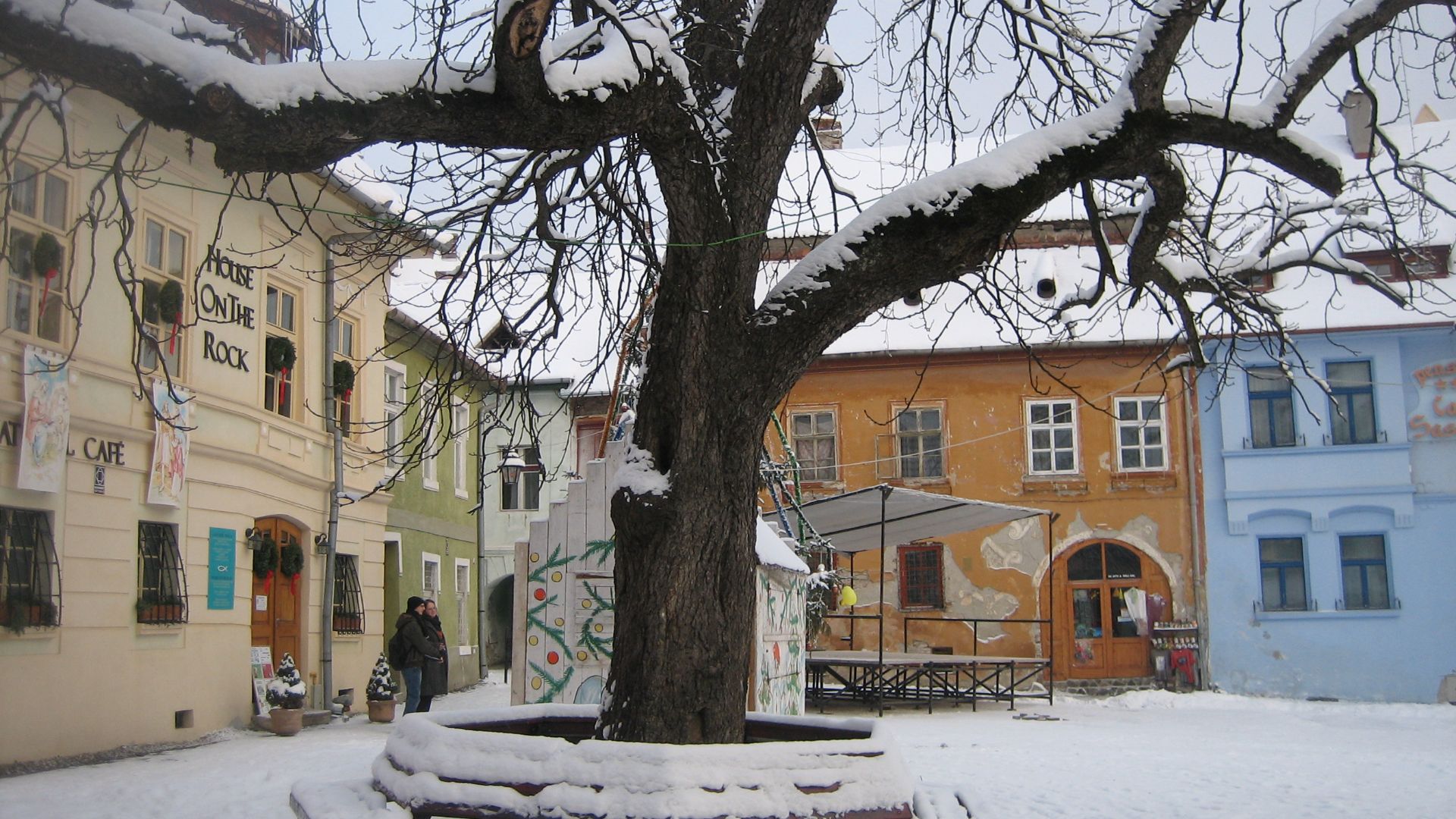 Stefano Vigorelli on Wikimedia
3. His Father Was Known as Vlad Dracul
Vlad’s father, Vlad II, earned the name Dracul after becoming associated with the Order of the Dragon, a chivalric organization backed by Holy Roman Emperor Sigismund. The Latin word draco means “dragon,” although dracul later also came to mean “devil” in Romanian. Vlad III’s name Dracula essentially identified him as the son of Dracul.
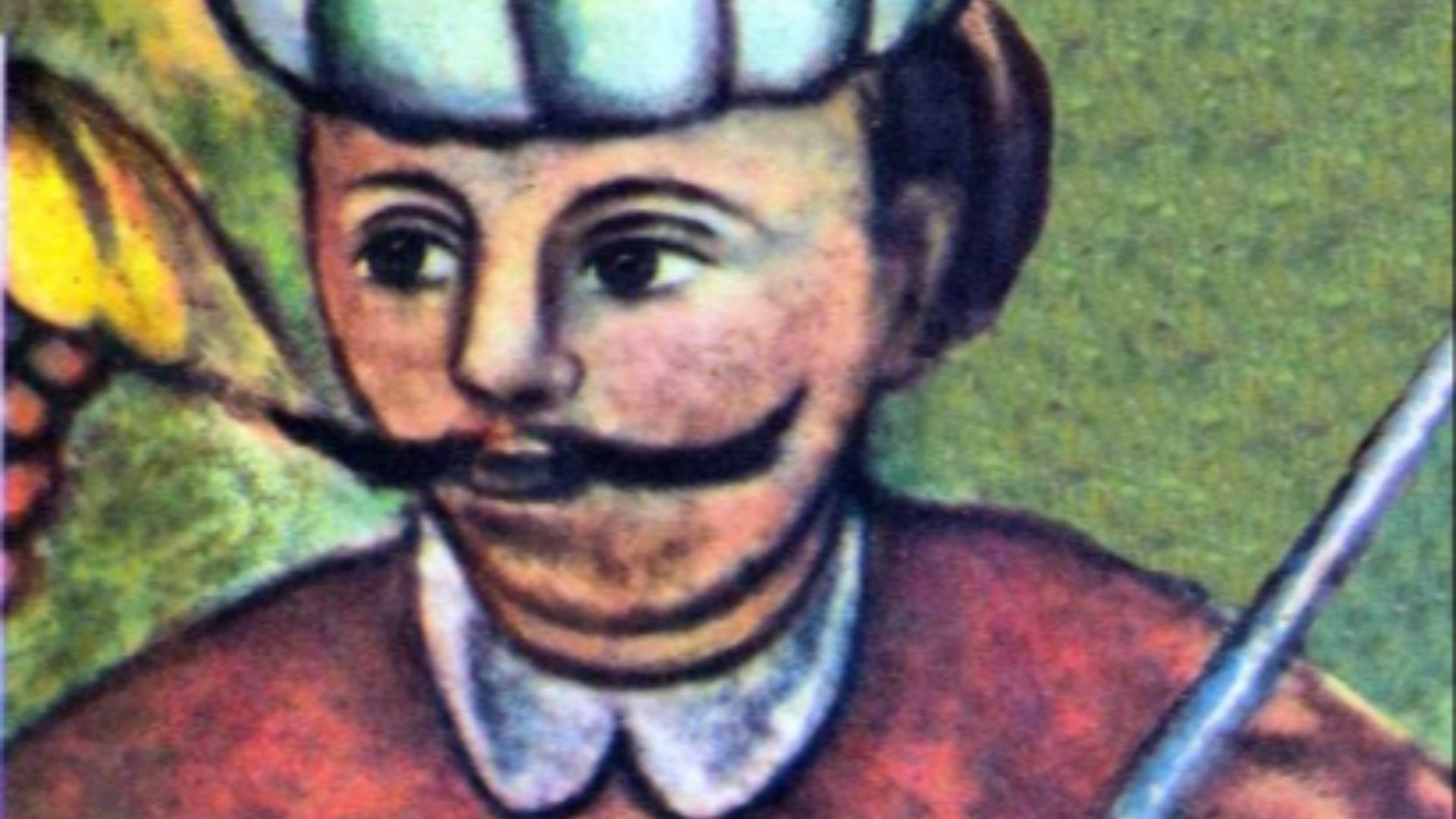
4. He Was a Prince of Wallachia
Despite his association with Transylvania today, Vlad actually ruled Wallachia, a principality located south of the Carpathian Mountains. He held the throne on three separate occasions as rival factions repeatedly fought for control. Being prince of Wallachia during the 1400s meant constantly balancing powerful neighbors, ambitious nobles, and the threat of Ottoman expansion.
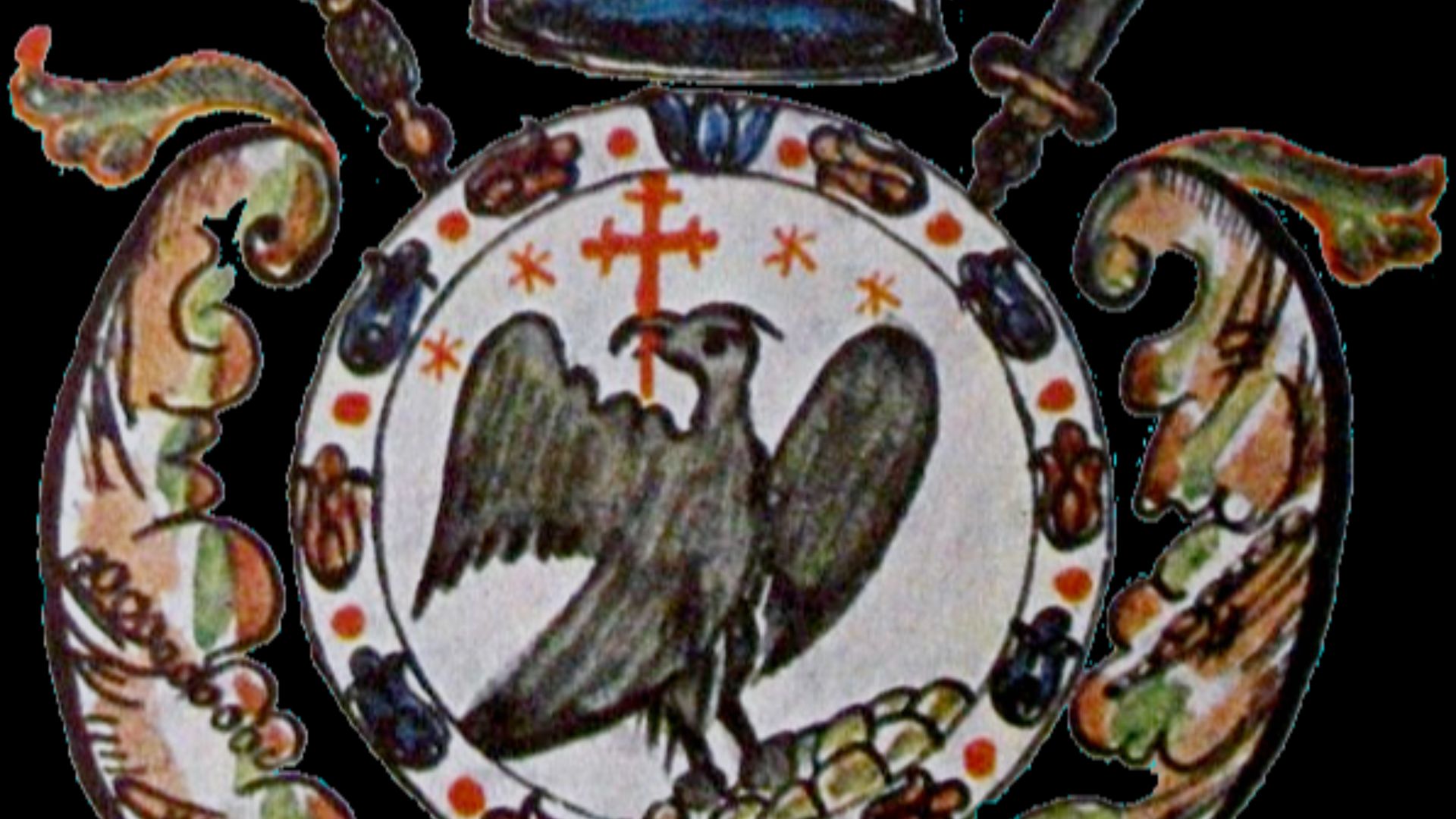 Dionisie Eclesiarhul (ca. 1750–1820) on Wikimedia
5. He Spent Part of His Childhood With the Ottomans
When Vlad was still young, he and his younger brother Radu were handed over to the Ottoman Empire as political hostages. Their presence helped guarantee their father’s cooperation with the Ottoman government. Vlad spent several years under Ottoman control before eventually returning to pursue the Wallachian throne.
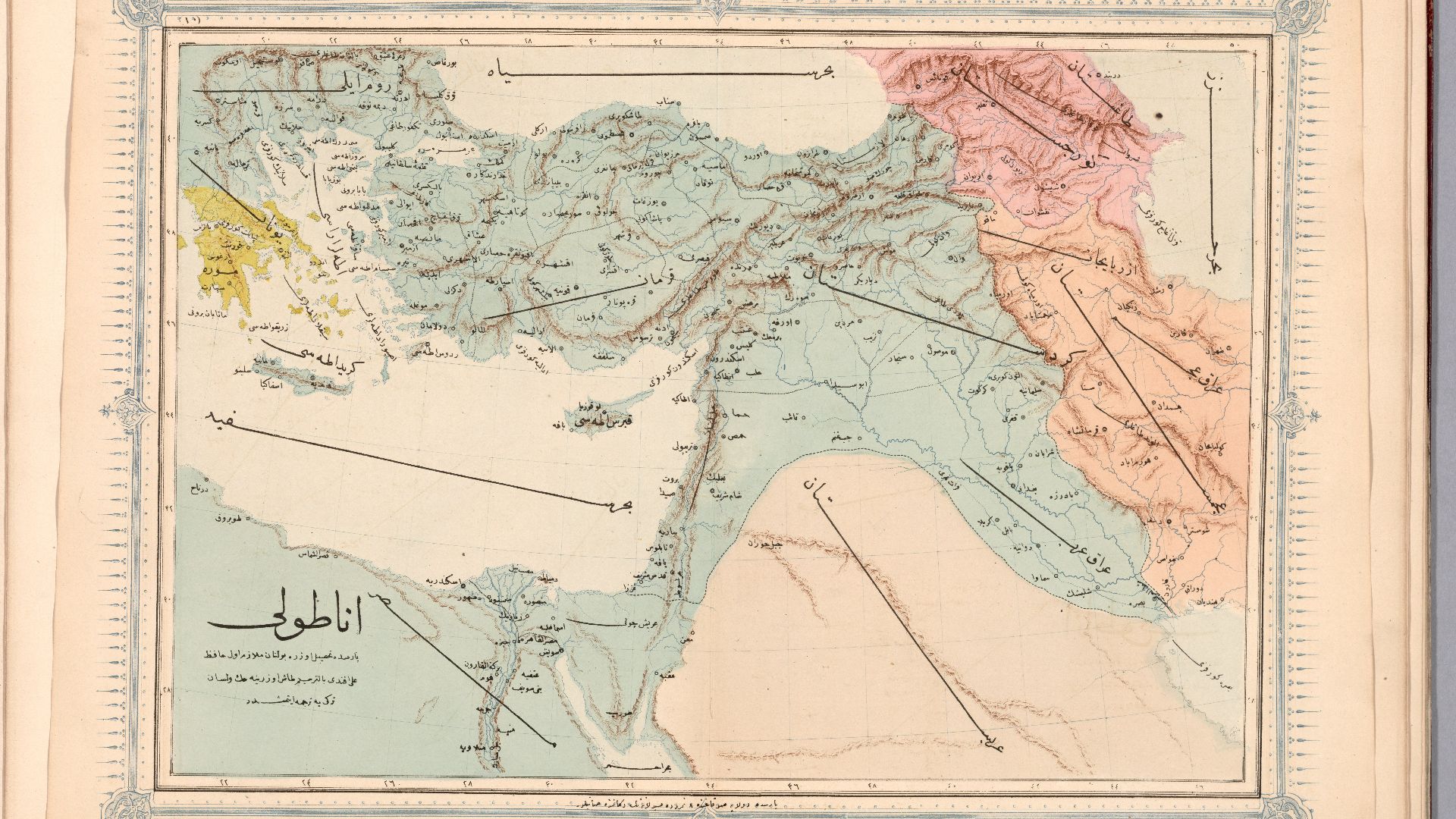
6. His Brother Took a Very Different Path
Vlad and Radu emerged from their years with the Ottomans on very different sides politically. Radu developed close ties with the Ottoman leadership and later became Vlad’s rival for control of Wallachia. Their struggle turned an already complicated regional conflict into something of a family feud.
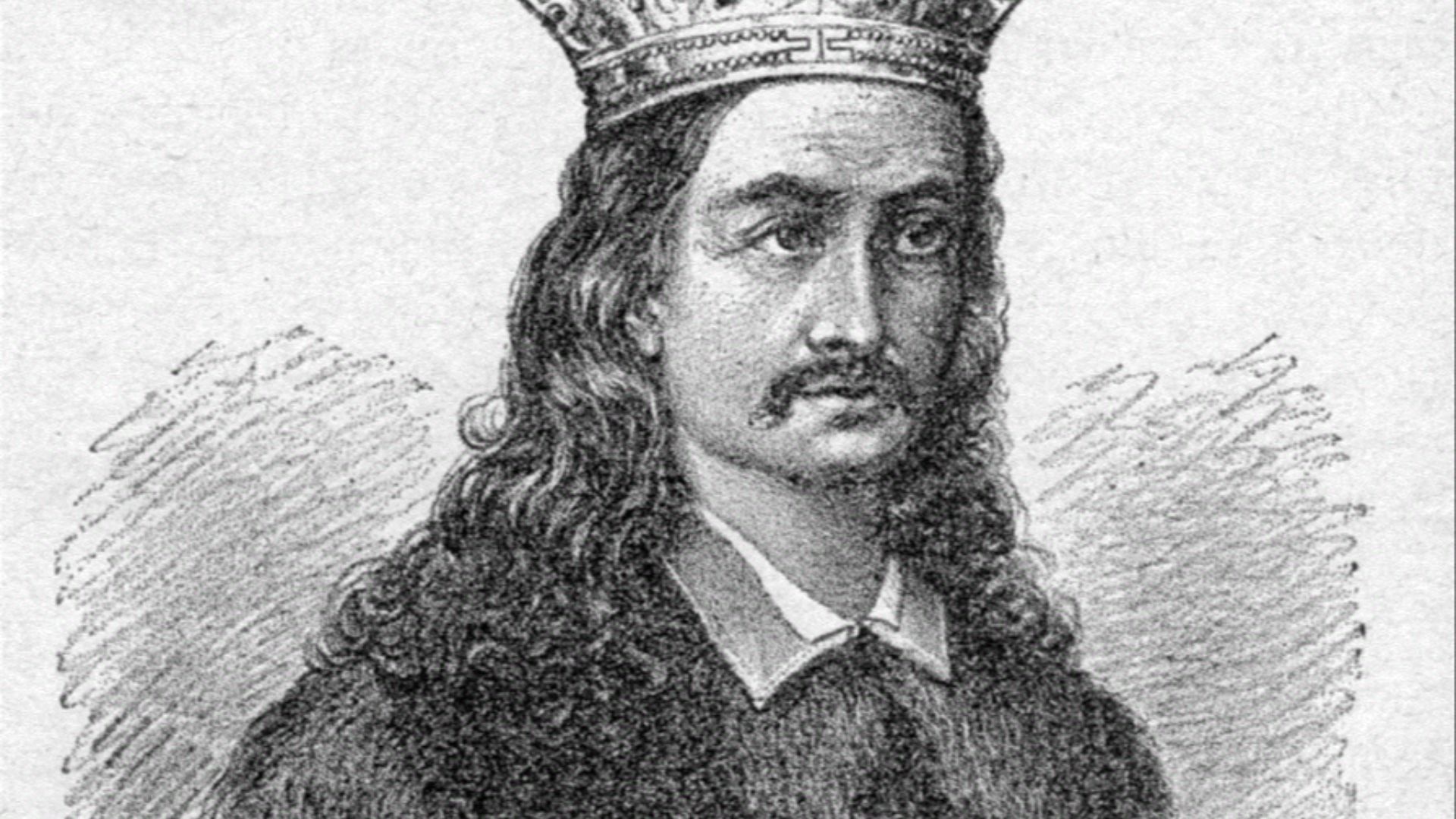
7. He First Became Ruler in 1448
Vlad briefly gained control of Wallachia in 1448 with help from the Ottomans, but his first reign lasted only a short time. A rival quickly forced him out, sending Vlad into years of political maneuvering and exile. He returned in 1456 and began the much longer reign that created most of his reputation.
 Pavao Ritter Vitezović on Wikimedia
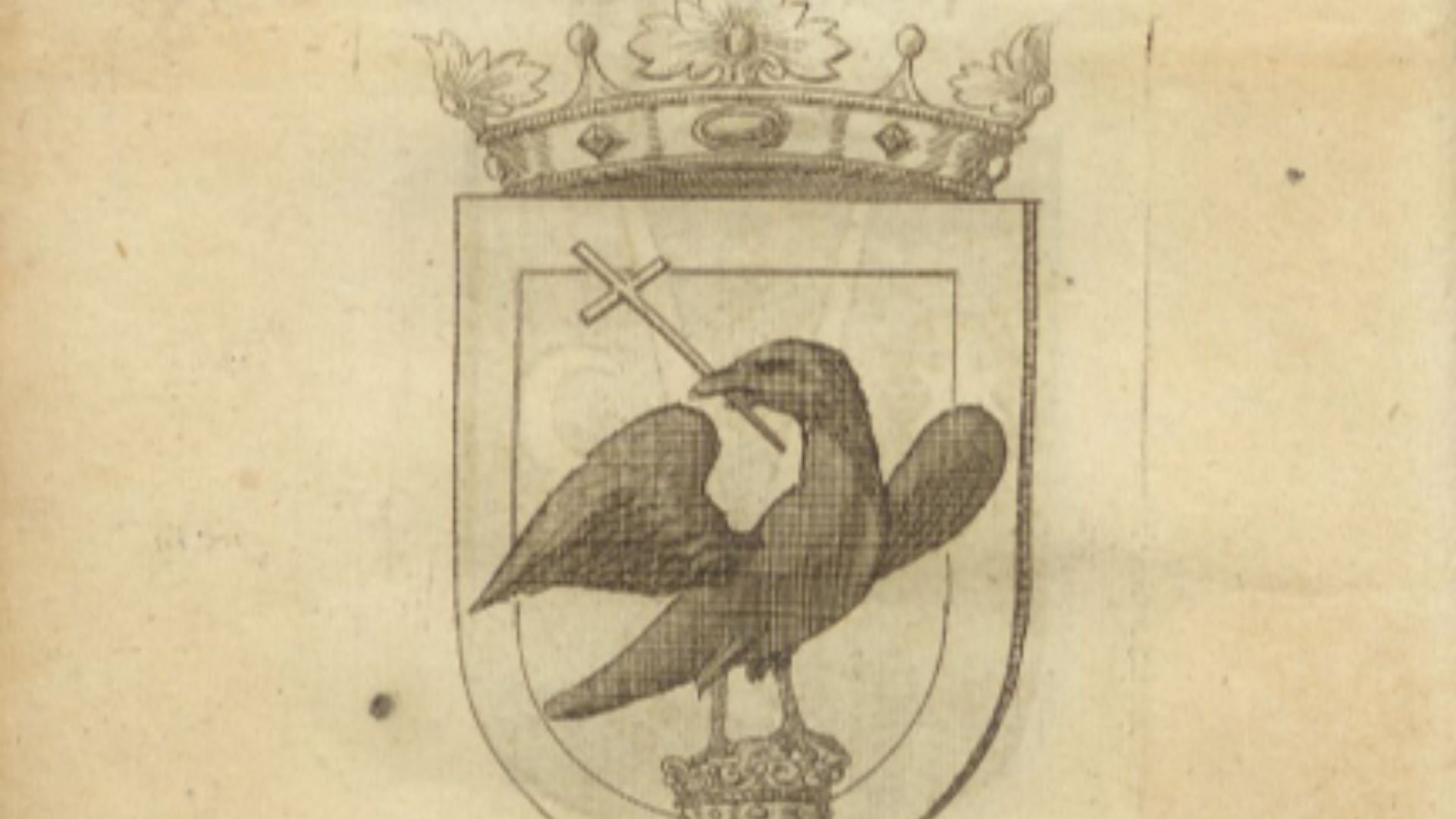
8. Impalement Was His Signature Punishment
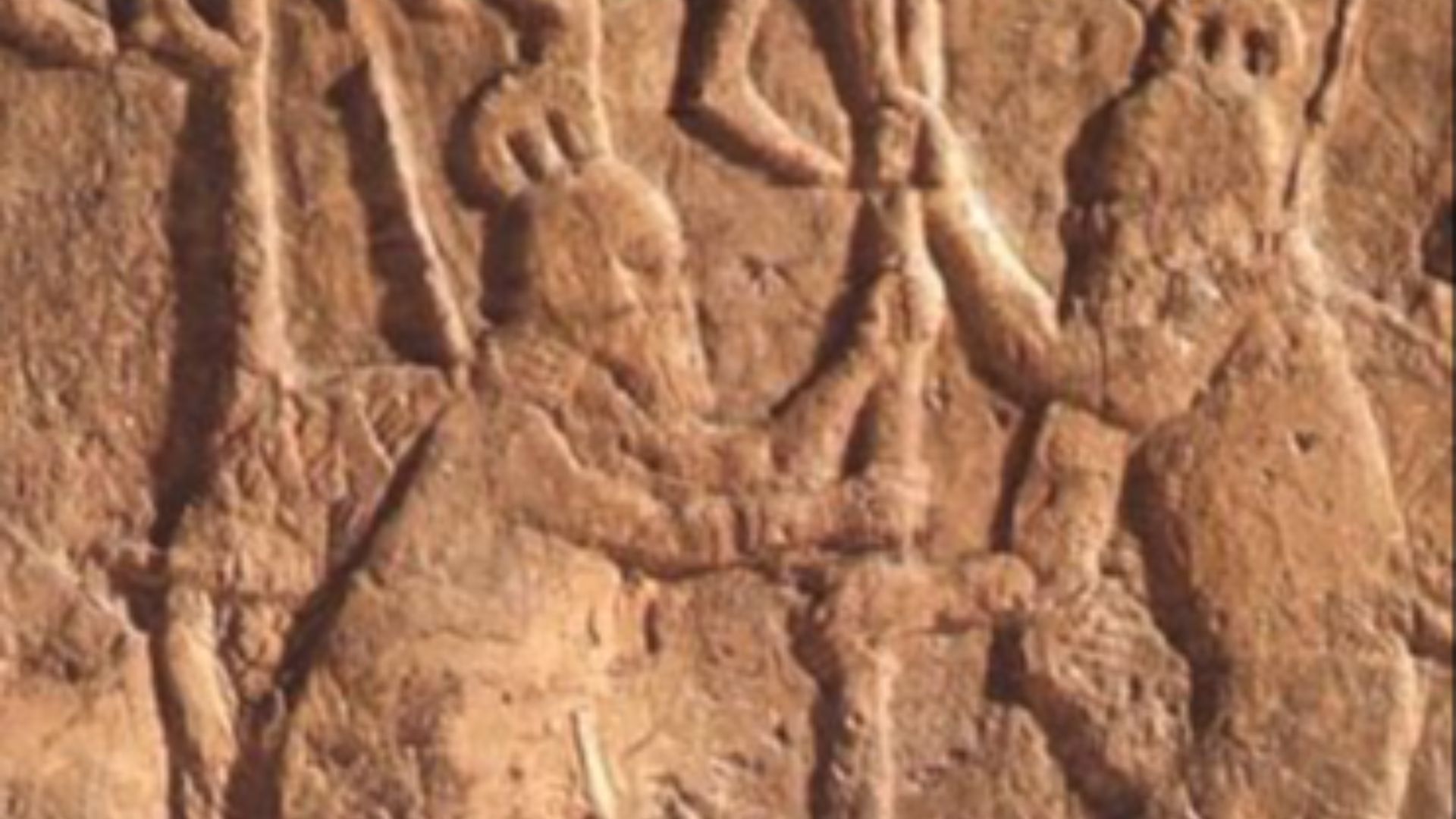
Vlad didn’t invent impalement, but he became so closely associated with it that the method eventually supplied his most famous nickname. Victims were placed on large stakes and left to die slowly, often in highly visible locations. The punishment served not only as an execution method but also as a deliberate warning to anyone considering challenging his authority.
 unknown (Assyrians) on Wikimedia
9. His Romanian Nickname Was Țepeș
Romanians often know Vlad as Vlad Țepeș, with Țepeș roughly meaning “the Impaler.” Interestingly, that nickname became widely used after his lifetime rather than functioning as his everyday title while he ruled. Today it separates the historical prince from the fictional Count Dracula, who later inherited his other name.
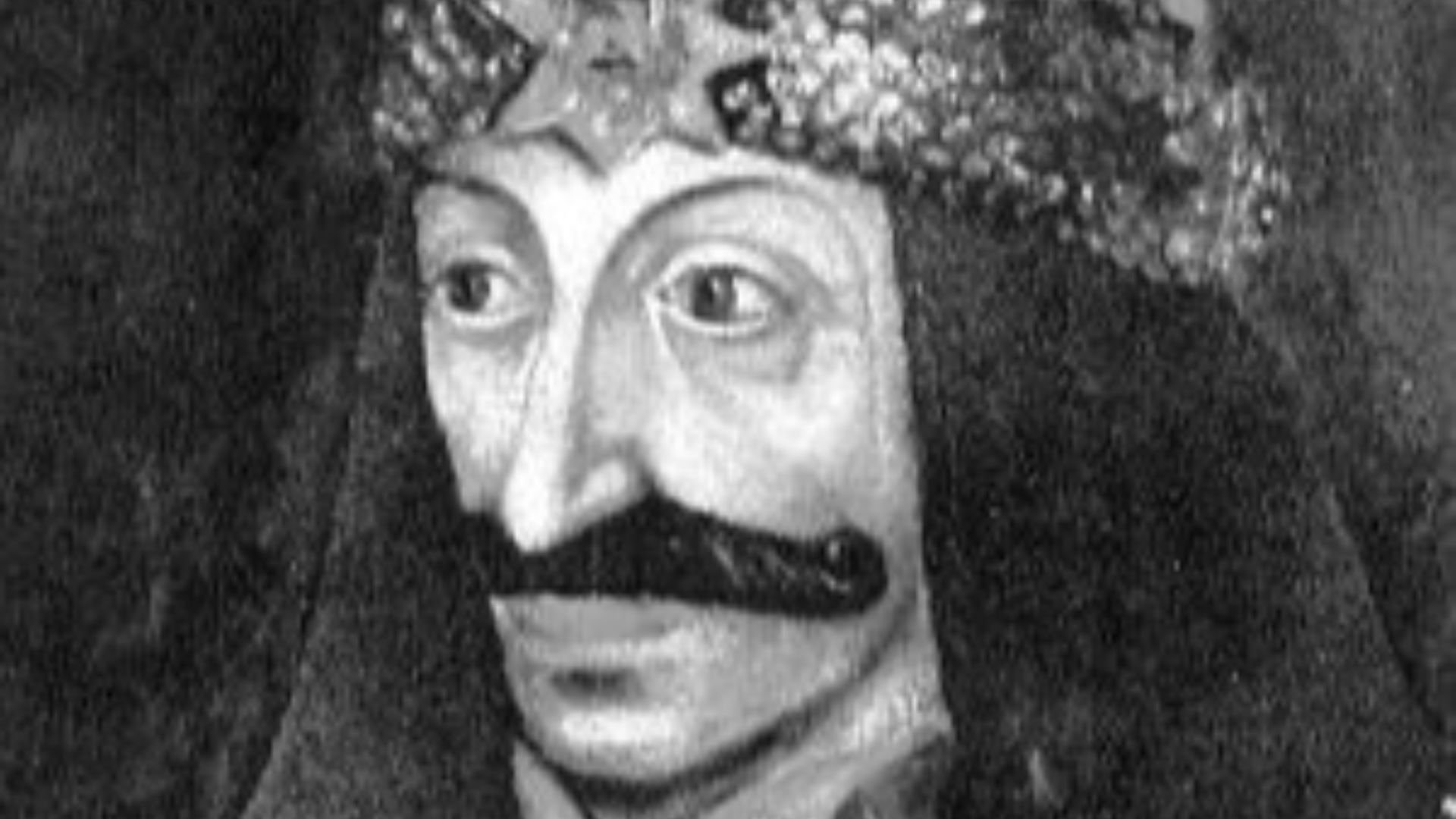
10. He Was Brutal Toward Wallachian Nobles
One of Vlad’s goals was strengthening his authority over the powerful boyars, the noble families who played a major role in Wallachian politics. Some had supported rival rulers or were suspected of involvement in the deaths of members of Vlad’s family. Vlad responded by executing or removing opponents and replacing parts of the old political elite with people whose loyalty he trusted.
11. He Fought Against the Ottoman Empire
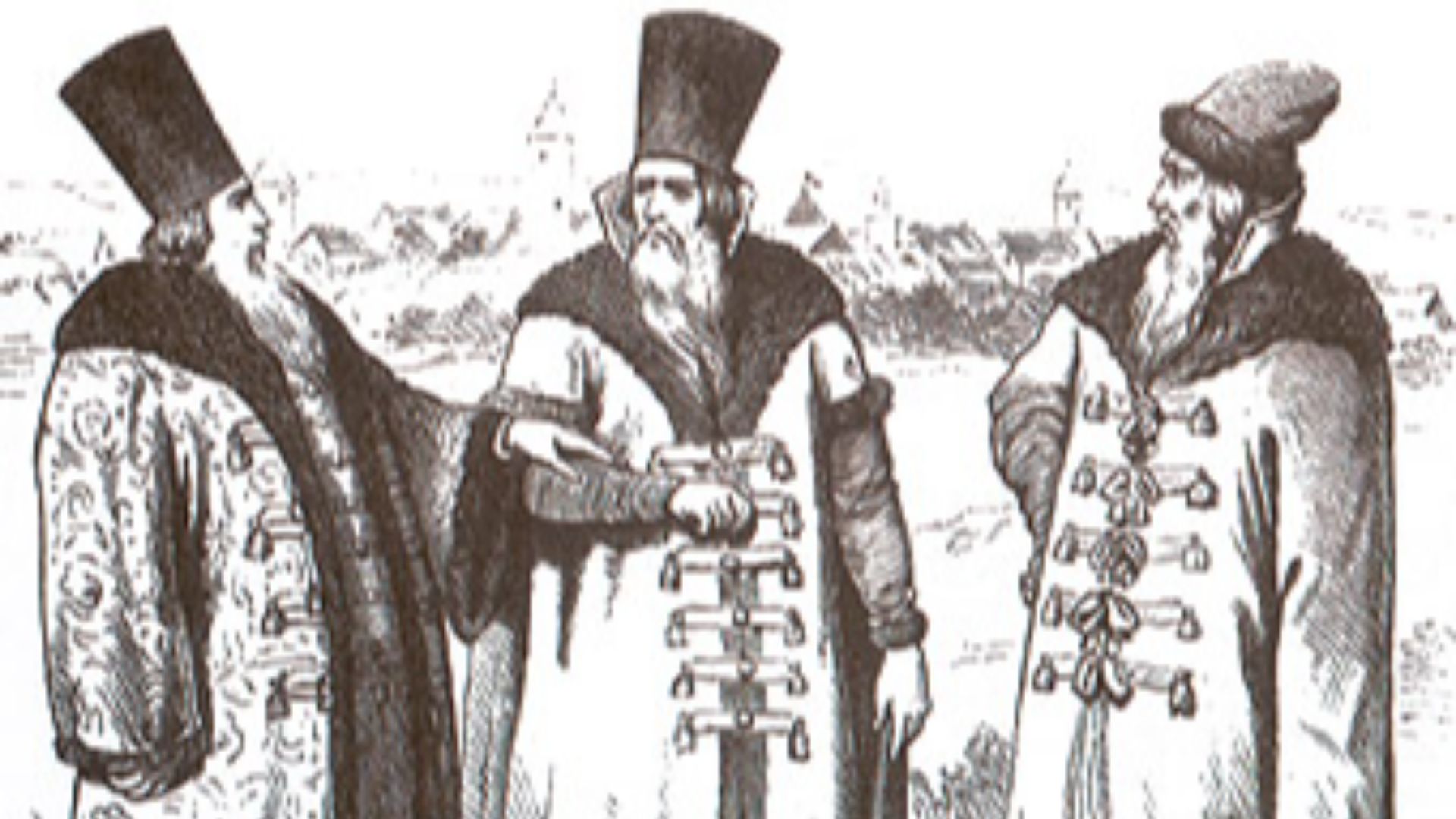
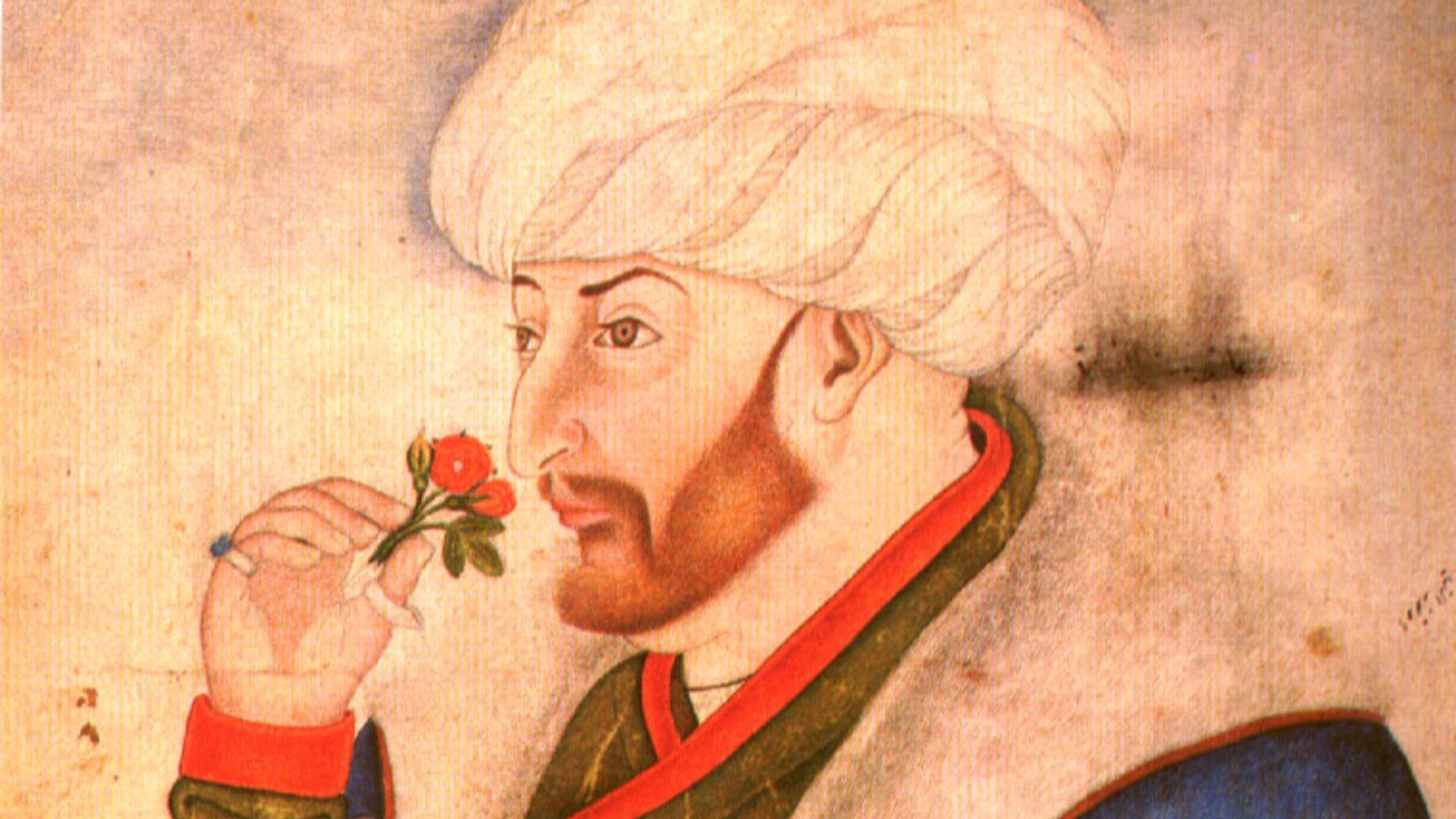
Vlad’s most famous military campaigns came during his resistance to Ottoman Sultan Mehmed II, the conqueror of Constantinople. In the early 1460s, Vlad attacked Ottoman positions along the Danube and claimed to have killed thousands of opponents. One surviving letter boasts of hundreds of Ottoman deaths during individual attacks, giving historians unusually direct evidence of his campaigns.
12. He Personally Reported His Kill Counts
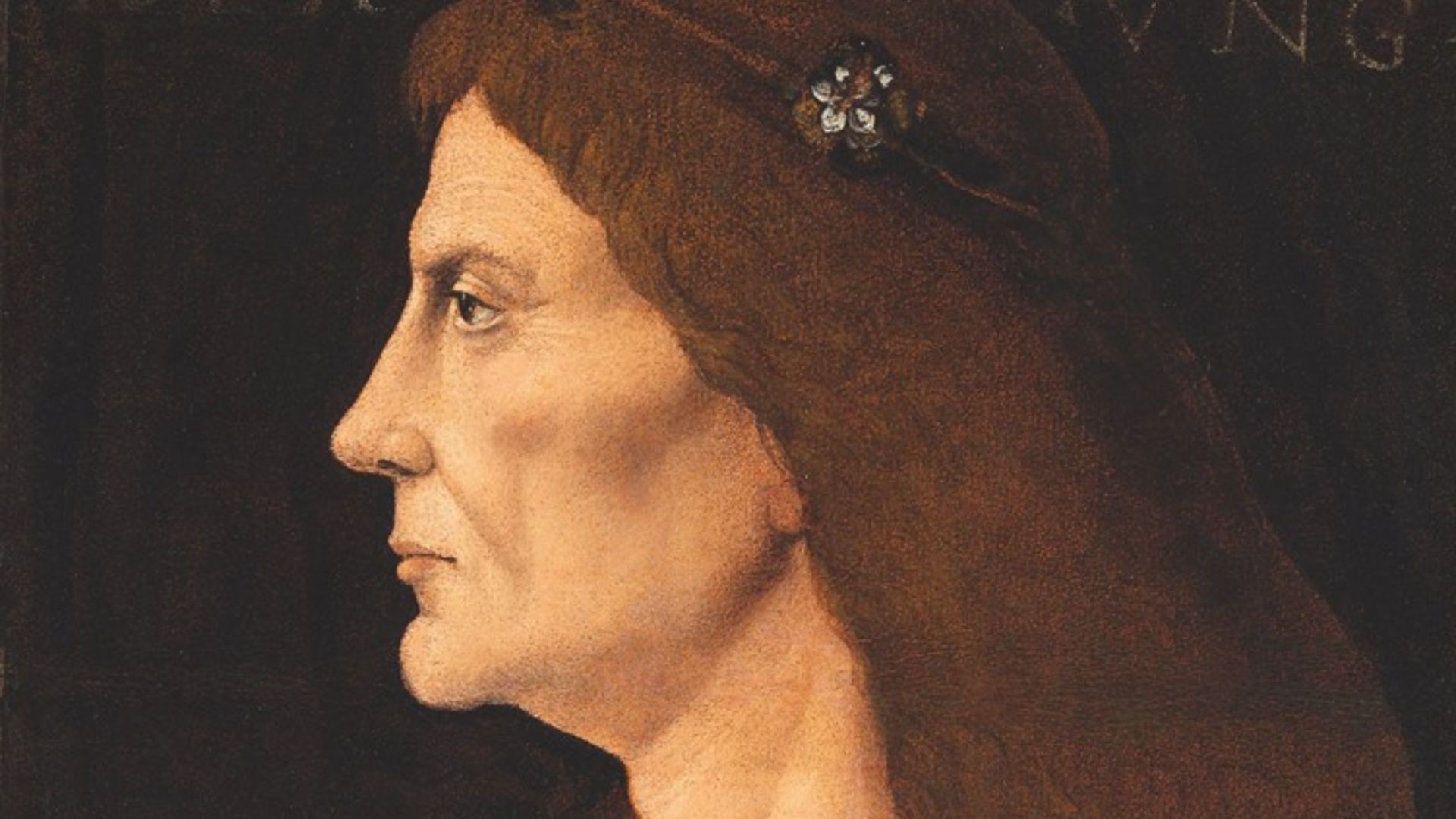
Vlad wasn’t shy about describing violence when writing to potential allies. In correspondence with Hungarian King Matthias Corvinus, he listed numbers of Ottoman soldiers and civilians supposedly killed during his campaigns. Medieval rulers often exaggerated military achievements, so the exact totals should be treated cautiously, but Vlad clearly wanted his brutality to be part of his reputation.
13. His Night Attack Nearly Targeted a Sultan
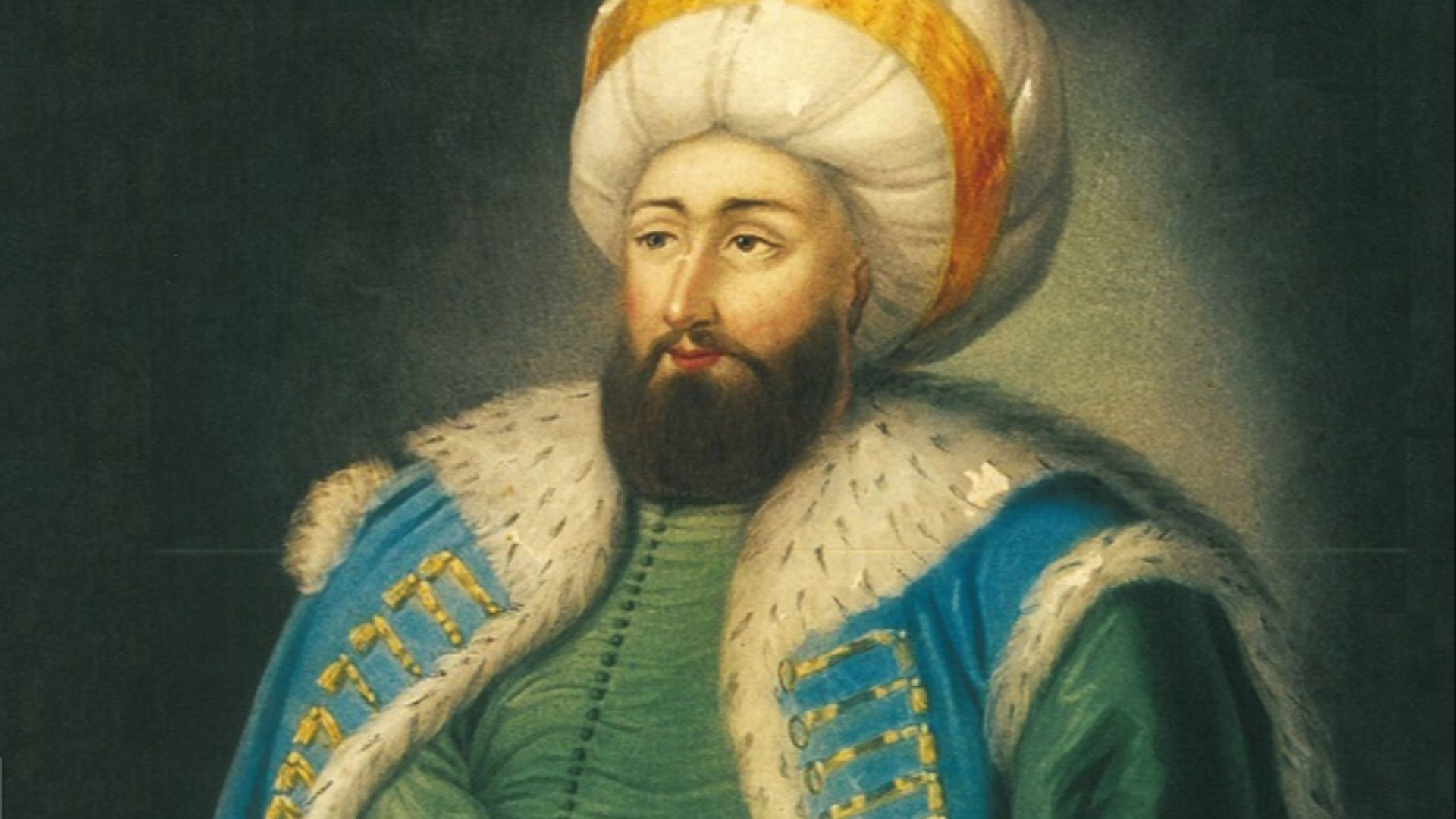
In June 1462, Vlad launched a nighttime raid against the enormous Ottoman army commanded by Mehmed II. His forces entered the Ottoman camp hoping to create chaos and, according to historical accounts, possibly kill the sultan himself. Mehmed survived, but the daring attack became one of the best-known episodes of Vlad’s military career.
 Konstantin Kapıdağlı on Wikimedia
14. Stories Claimed He Created a “Forest” of Impaled Victims
Some historical accounts describe Ottoman forces encountering thousands of impaled bodies outside Vlad’s capital during the 1462 campaign. Later versions became increasingly dramatic, with claims of tens of thousands of victims displayed at once. The precise numbers are difficult to verify, but mass impalement clearly played an important role in the terrifying reputation Vlad cultivated.

15. Propaganda Made His Reputation Even Worse
Many of the most gruesome stories about Vlad circulated in German-language pamphlets printed during and after his lifetime. These publications portrayed him torturing, burning, mutilating, and executing people for relatively minor offenses. Some incidents may have historical foundations, but hostile political propaganda almost certainly exaggerated portions of the story.
16. Other Stories Portrayed Him as a Tough but Just Ruler
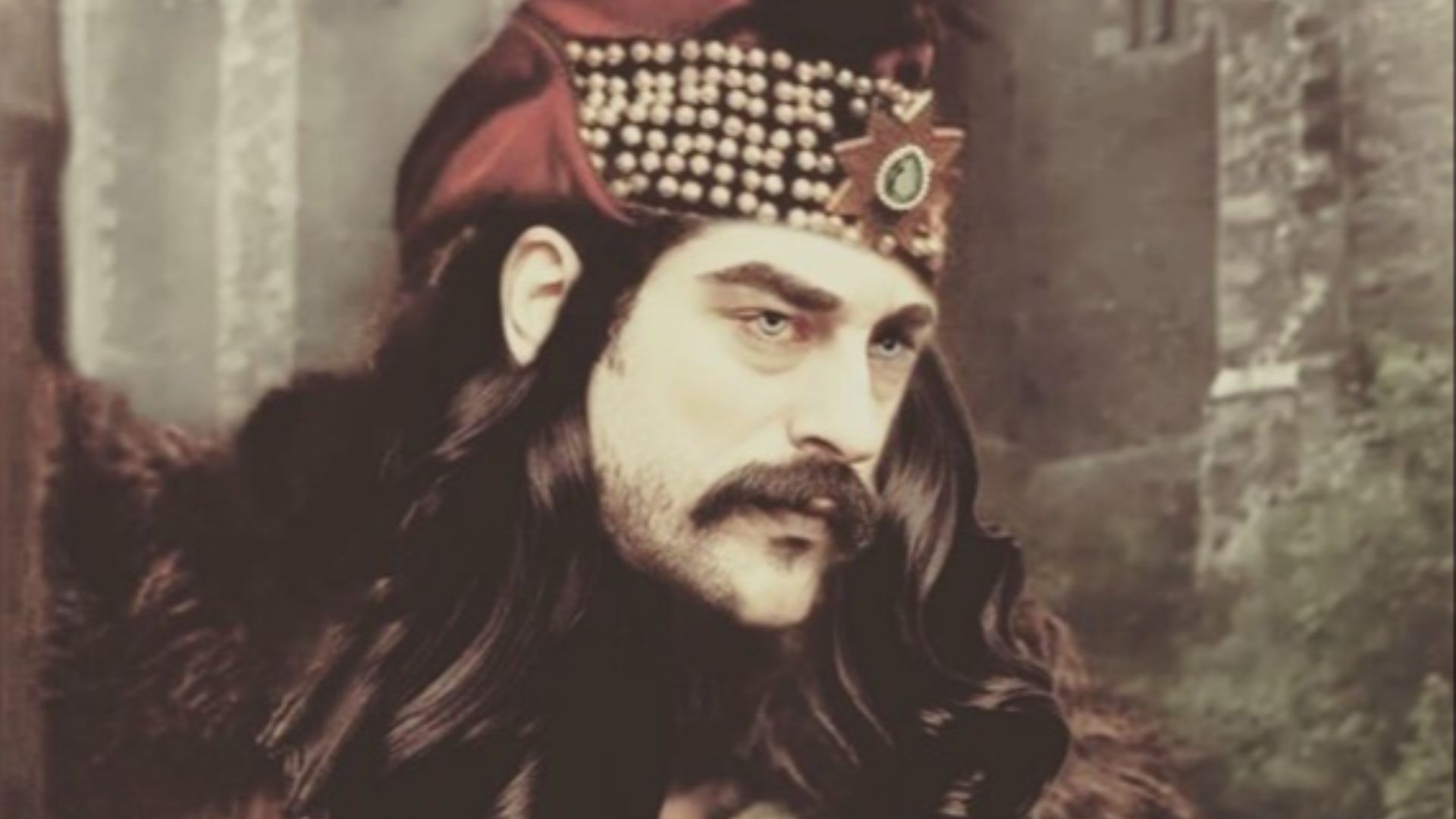
Not every tradition remembered Vlad simply as a sadistic tyrant. Some Romanian and Slavic stories portrayed him as a ruler who punished thieves, dishonest merchants, and corrupt officials with extreme severity. In these accounts, his cruelty was presented as frightening but effective. His reputation depends entirely on where the story is being told.
17. Poenari Was One of His Most Important Fortresses
If you’re looking for a castle with a genuine connection to Vlad, Poenari Fortress has a much stronger claim than the tourist-famous Bran Castle. Vlad had Poenari repaired and strengthened, turning the mountaintop site into an important defensive stronghold. Visitors today have traditionally faced a climb of roughly 1,500 steps to reach its ruins.
18. Bran Castle Wasn’t Really His “Dracula Castle”
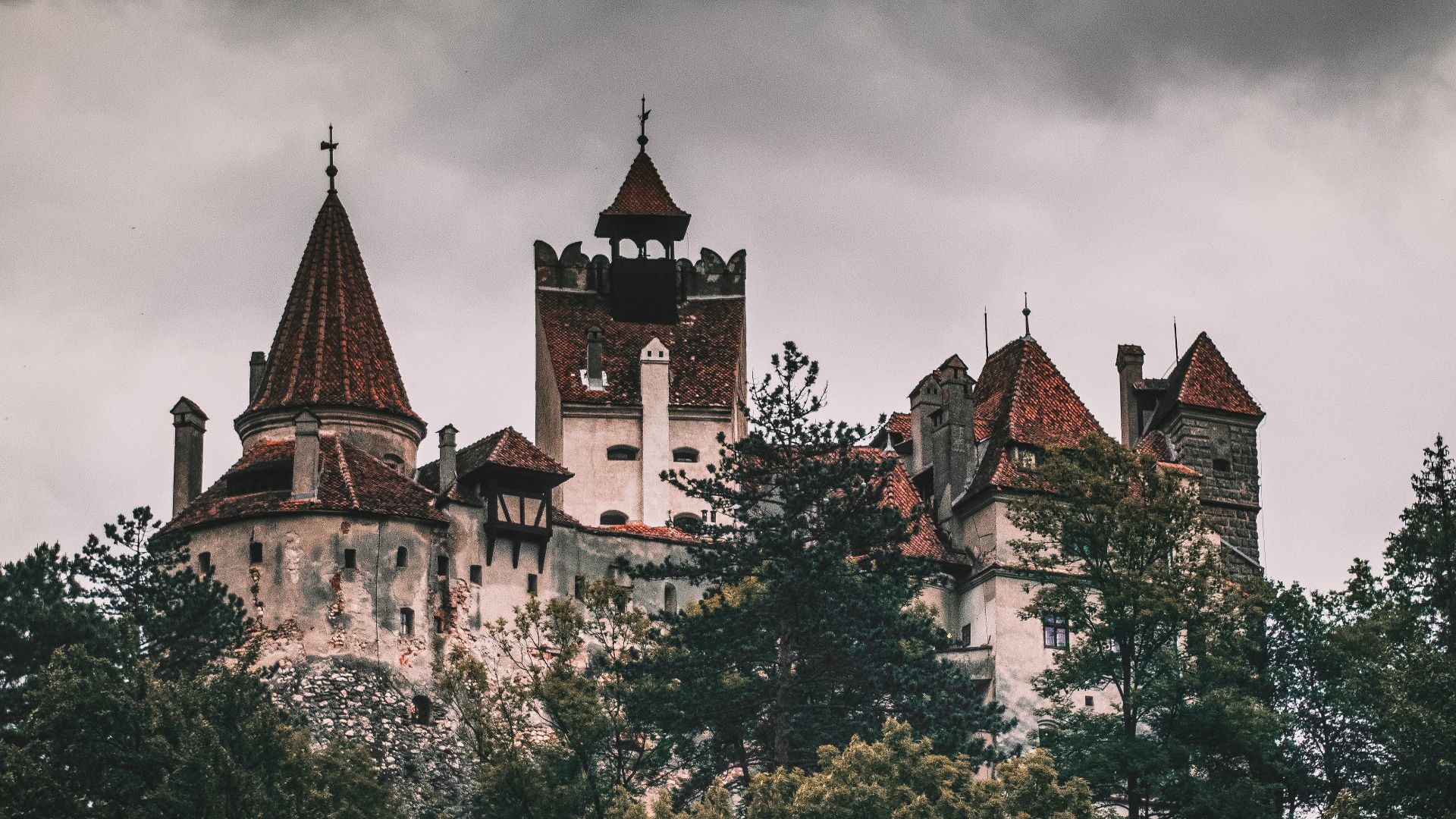
Bran Castle is regularly promoted as Dracula’s castle because its dramatic towers fit what visitors expect from vampire country. Its historical connection to Vlad, however, is extremely weak, and there’s little evidence that it played an important role in his life. Even its connection to Bram Stoker’s fictional castle is largely based on later tourism and speculation.
 Ryanjoejohnmccleary on Wikimedia
19. The Details of His Death Are Uncertain
Vlad returned to power one final time in 1476, but his third reign lasted only a matter of weeks. He was killed during fighting later that year, although historians don’t know the exact circumstances. Accounts claim that his severed head was eventually sent to Constantinople as proof that the Ottoman Empire’s longtime enemy was dead.
20. His Connection to Bram Stoker’s Dracula Is Smaller Than You Might Think
Bram Stoker encountered the name Dracula while researching Eastern European history before publishing his novel in 1897. His surviving notes don’t show that he studied Vlad’s life in great depth, and an earlier planned name for his vampire was actually “Count Wampyr.” Vlad appears to have contributed mainly the memorable name and some historical atmosphere, while Stoker drew the character itself from folklore, literature, personal experiences, and other sources.
 EMI Film Distributors Limited on Wikimedia
KEEP ON READING