


Legendary Tales: 20 Most Fascinating Mythical Creatures from Folklore
Mythological Beasts
Stories about mythical creatures endure for a simple reason: they’re tales with teeth, sharp enough to snare yet fascinating enough to leave you in awe. Some of these beings began as sacred symbols, others as campfire beasts, and a few as explanations for strange sightings, disappearances, and the unknown. Ready to be spooked? Here are 20 mythical creatures from folklore that will haunt your imagination long after you've finished reading.
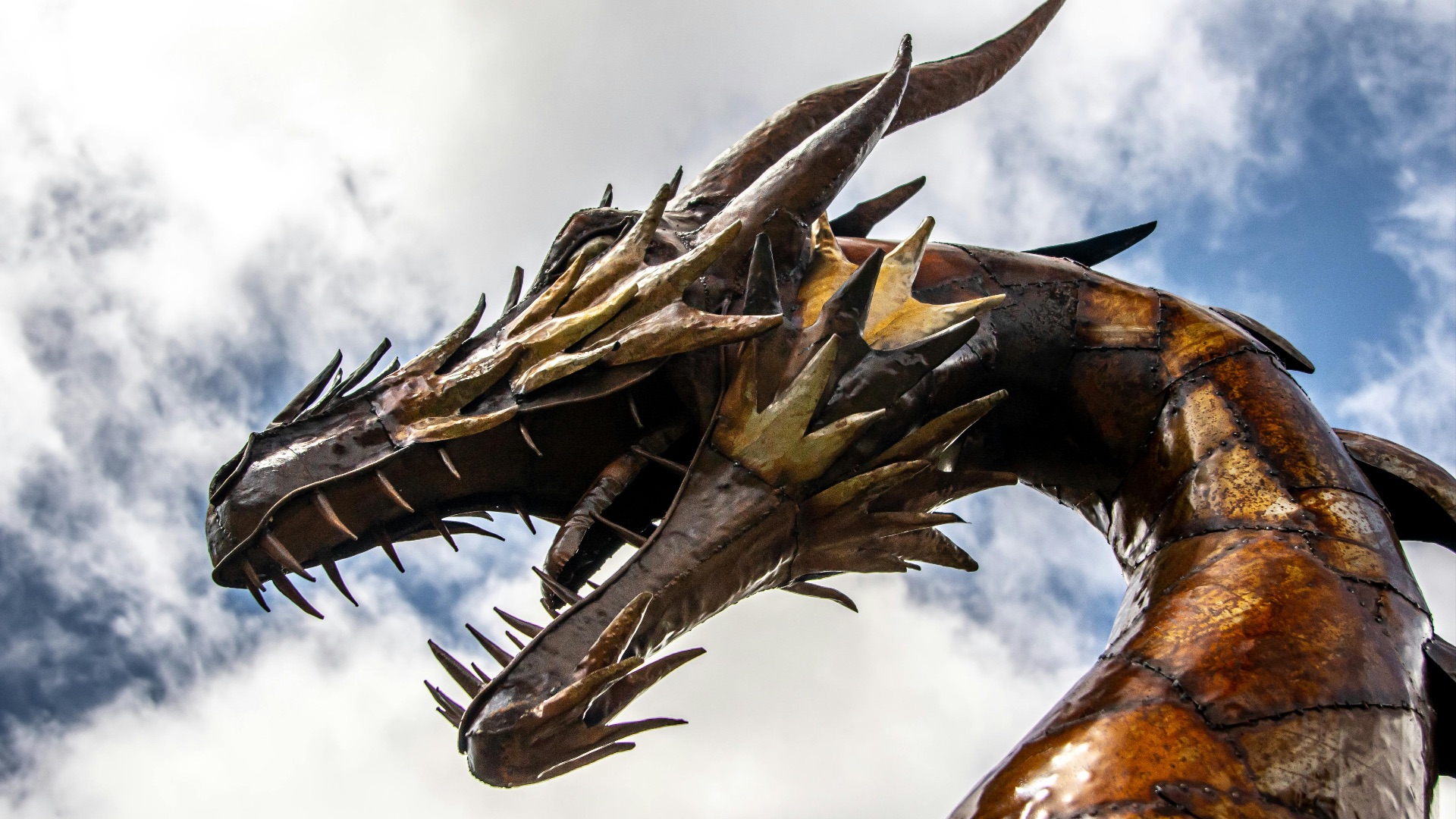
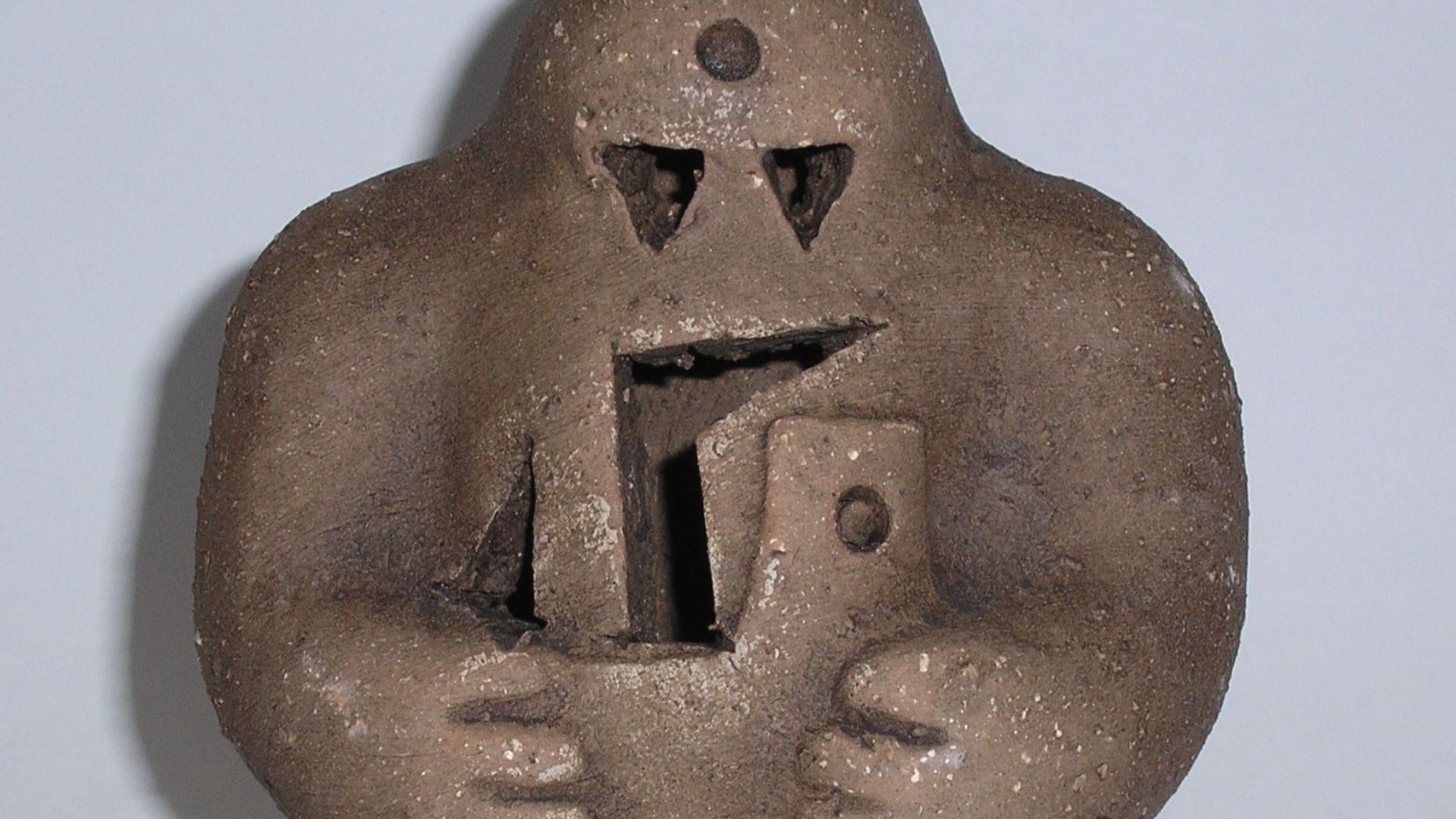
1. Golem
Jewish folklore often describes a golem as a being shaped from lifeless material like clay and brought to life to serve a purpose. It can read as a protective figure, but being so obedient and keen to follow commands, this can backfire. That means creators need to be especially careful with what they ask them to do.
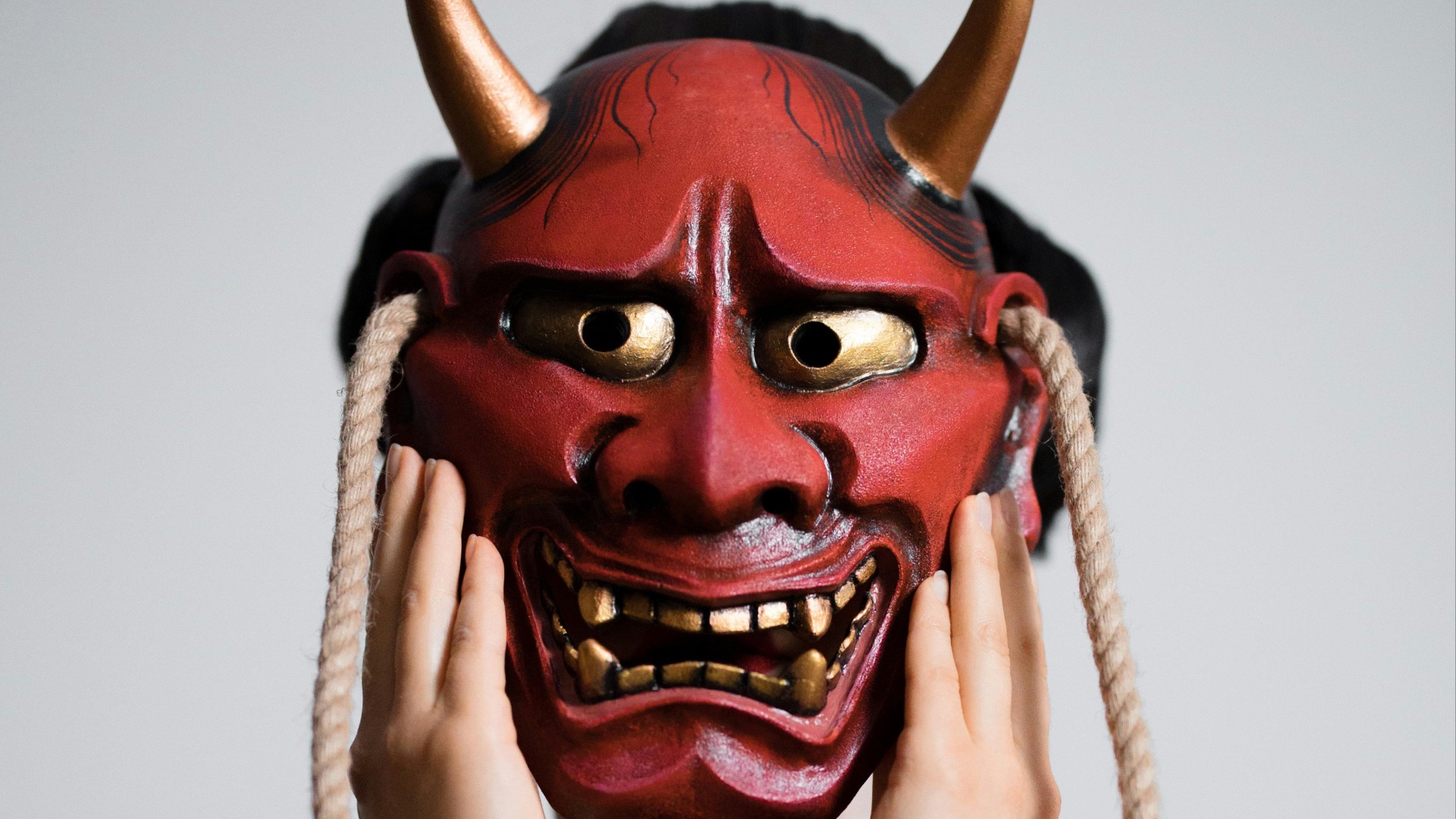
2. Oni
Oni, according to the Japanese, were people who were so evil in life that they became demons in hell. They’re commonly portrayed as massive, horned, and brutally strong, and may have red or blue skin. Even though modern stories of them vary, the older idea still holds: wrongdoing comes due.
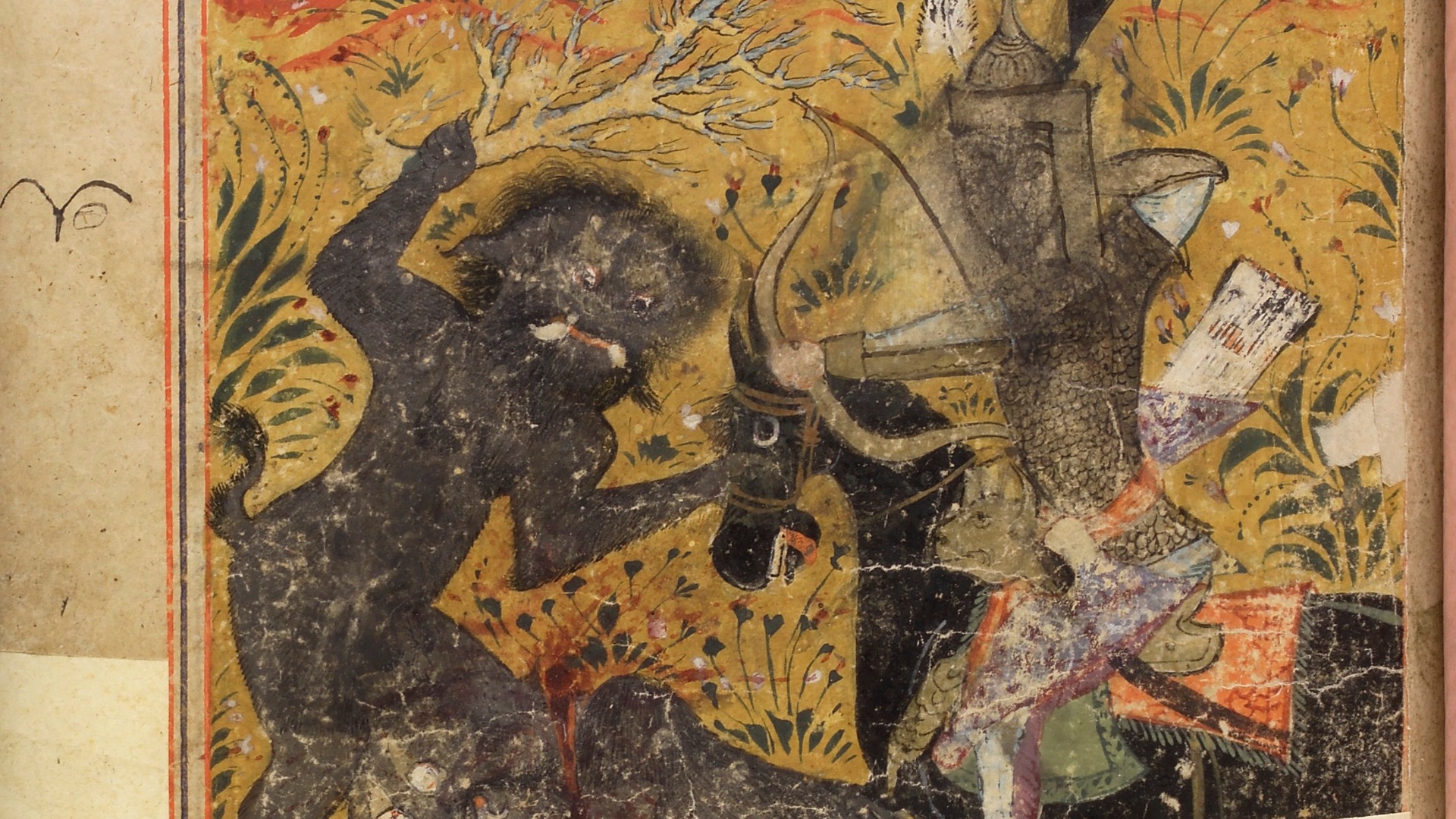
3. Jinni
In Arabic mythology, jinn are unseen spirits that can take different forms and exercise extraordinary powers, and are often responsible for diseases and accidents. Interestingly enough, they possess similar needs that humans do and can even be killed, but they're free from any physical restraints.
4. Kitsune
Kitsune are fox spirits in Japanese folklore known for trickery and metamorphosis, and the older the kitsune gets, the more impressive the illusions tend to be. You’ll sometimes see them as mischievous testers of human ego, and other times as protective figures linked to the supernatural world.
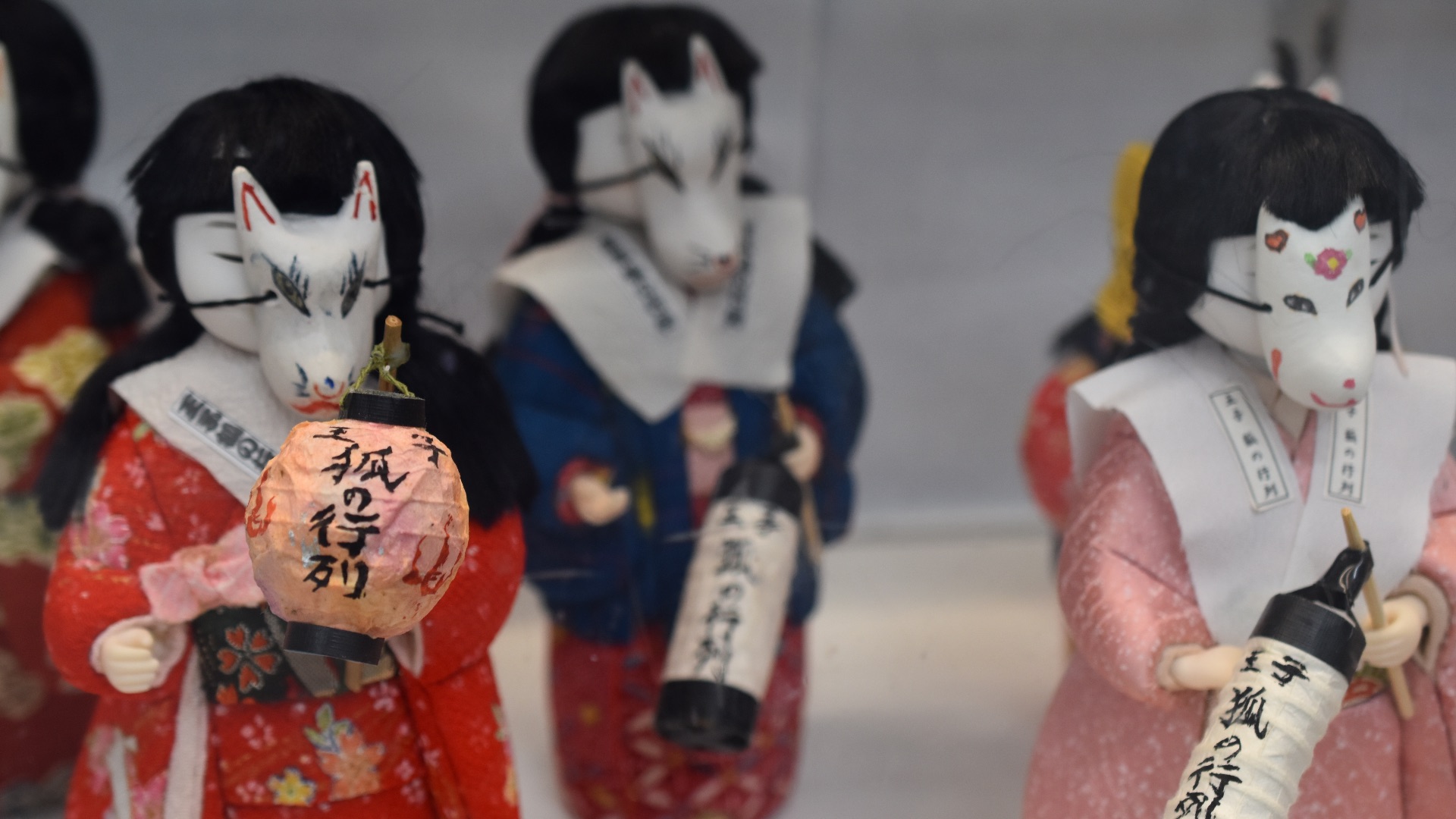 Fred Cherrygarden on Wikimedia
5. Wendigo
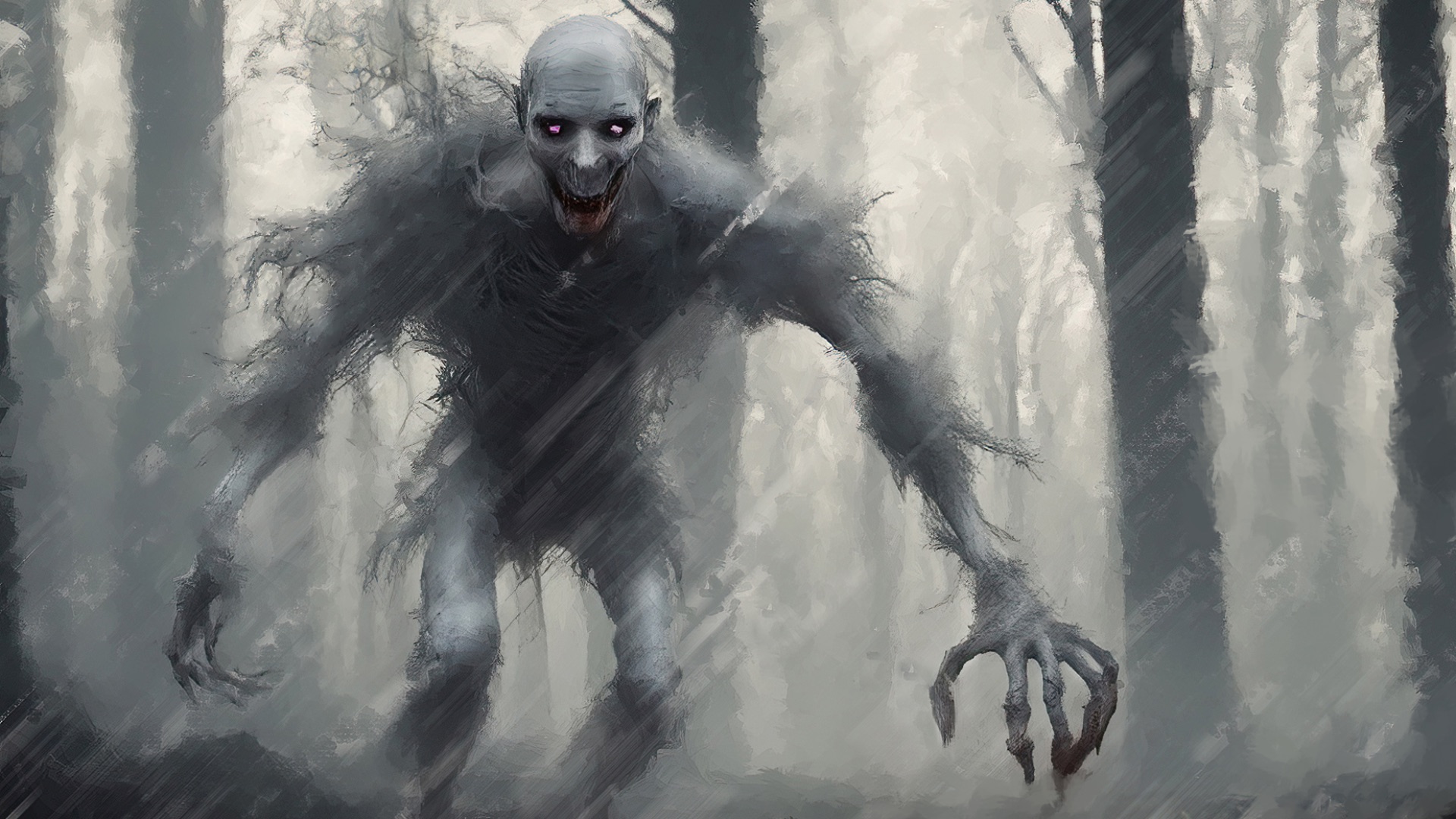
The wendigo belongs to Algonquian-speaking First Nations’ spiritual traditions and is commonly described as a dangerous being associated with violence and cannibalistic hunger. Many tellings frame it as a transformation driven by greed, weakness, or isolation, which makes the monster feel like a moral collapse given a body.
6. Cyclops
Greek mythology’s cyclopes are typically pictured as one-eyed giants, but their reputation isn’t only about brute force. Some traditions emphasize how they live apart from society, keeping their own rules and ignoring the ordinary structures of community. What complicates the stereotype is their craftsmanship, since myths credit them with forging divine tools that shaped the world of the gods.
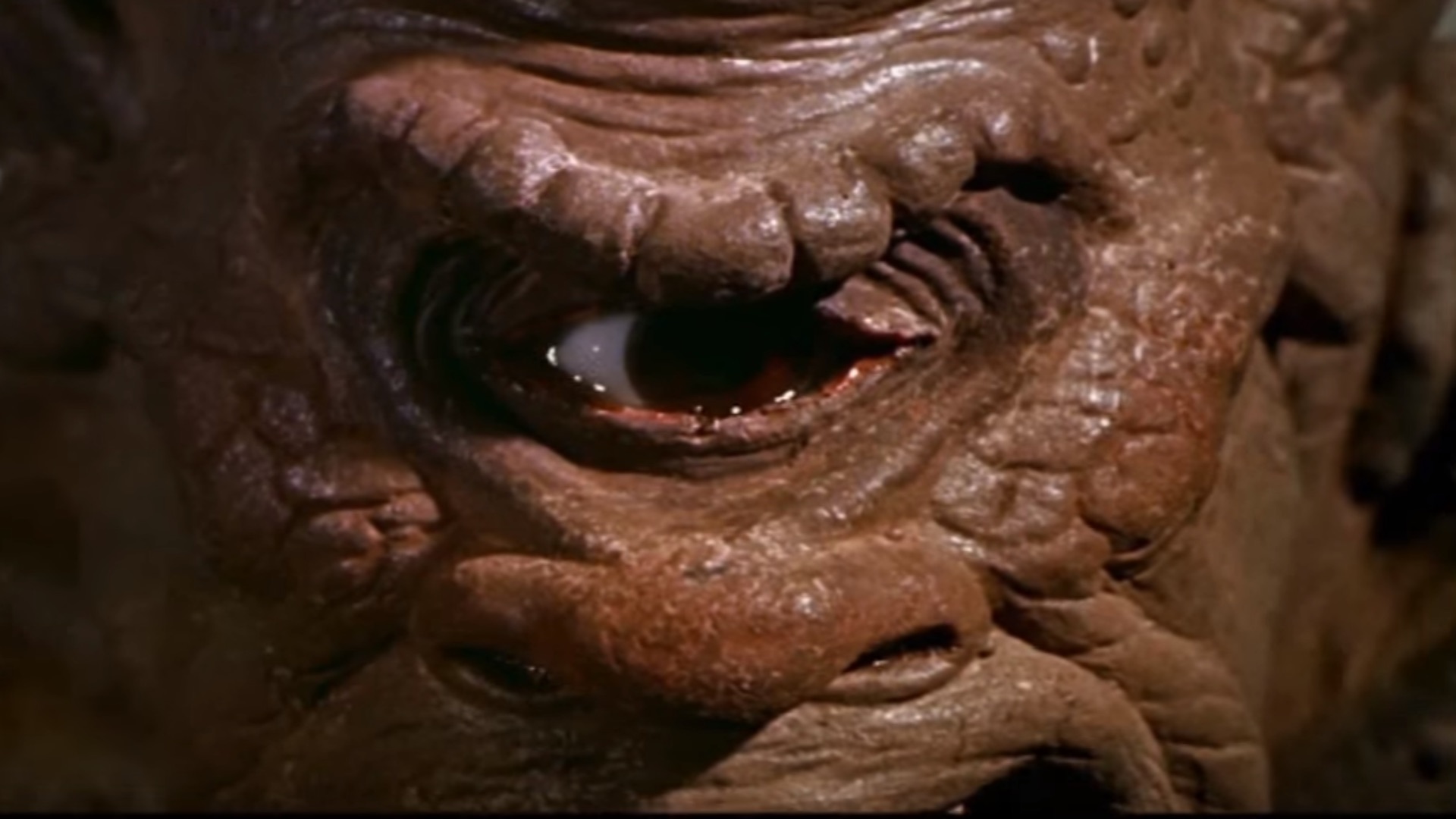 Columbia Pictures on Wikimedia
7. Minotaur
The Minotaur is described as a human-bull hybrid: a creature with the head of a man and the tail of a bull. According to Greek mythology, the reason for Minotaur's appearance was because he was the offspring of the queen of Crete and a sea bull.
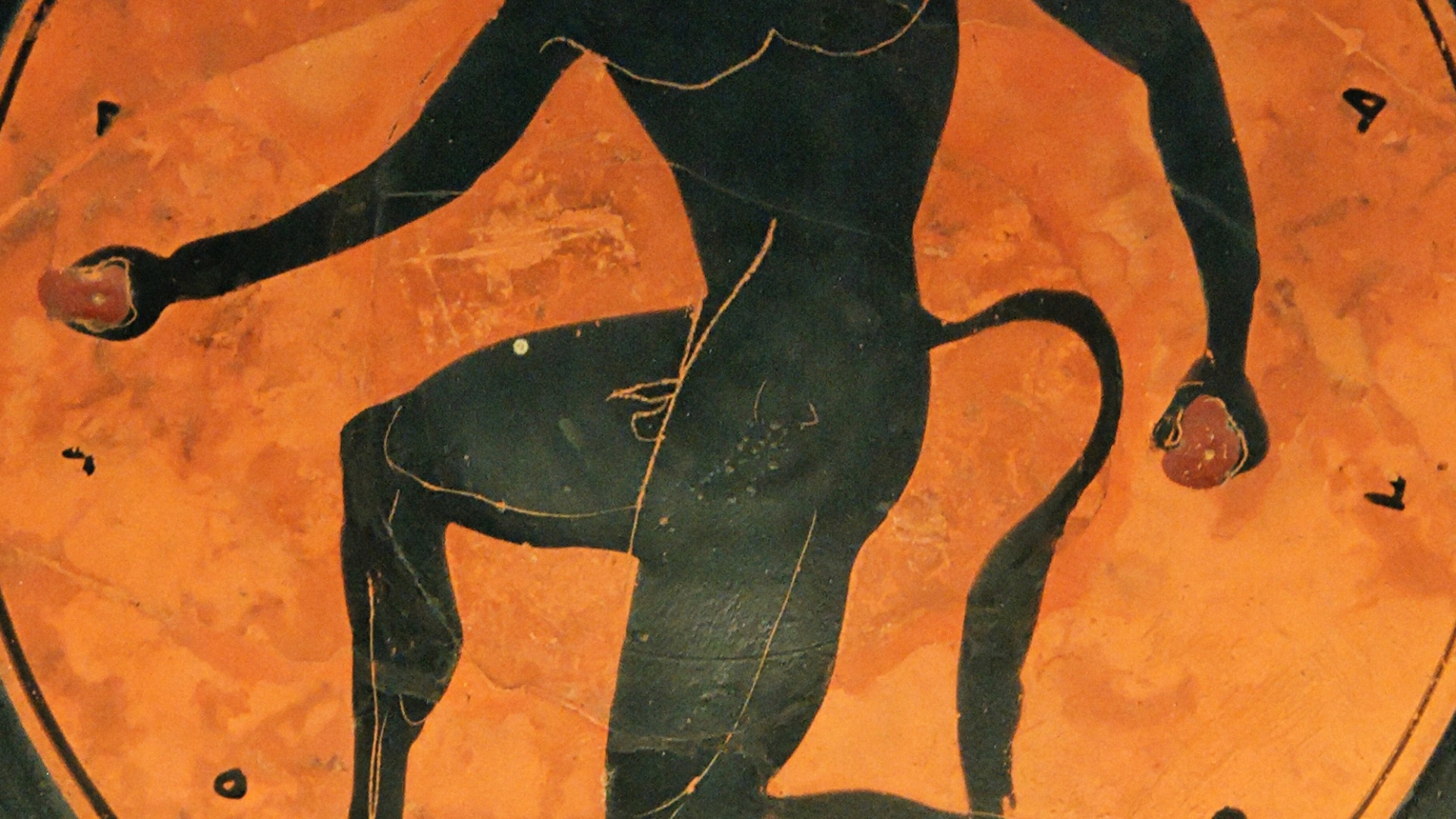 Painter of London E 4 on Wikimedia
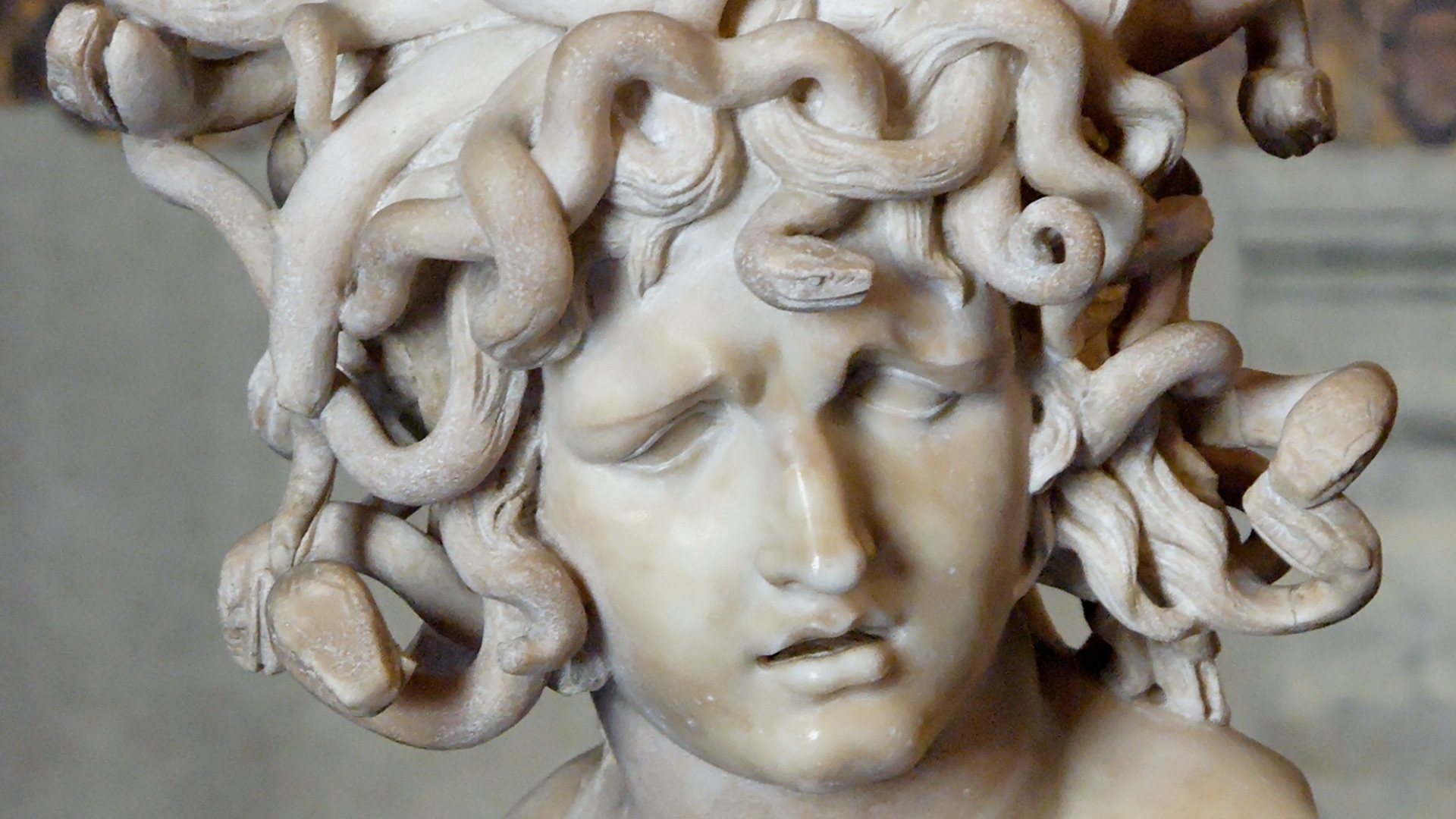
8. Gorgon
Gorgons, including Medusa, are famous for a gaze that turns living victims to stone. Their myths play with the unsettling mix of beauty and threat, with a notable feature that makes them all the more memorable: live, hissing snakes as hair.
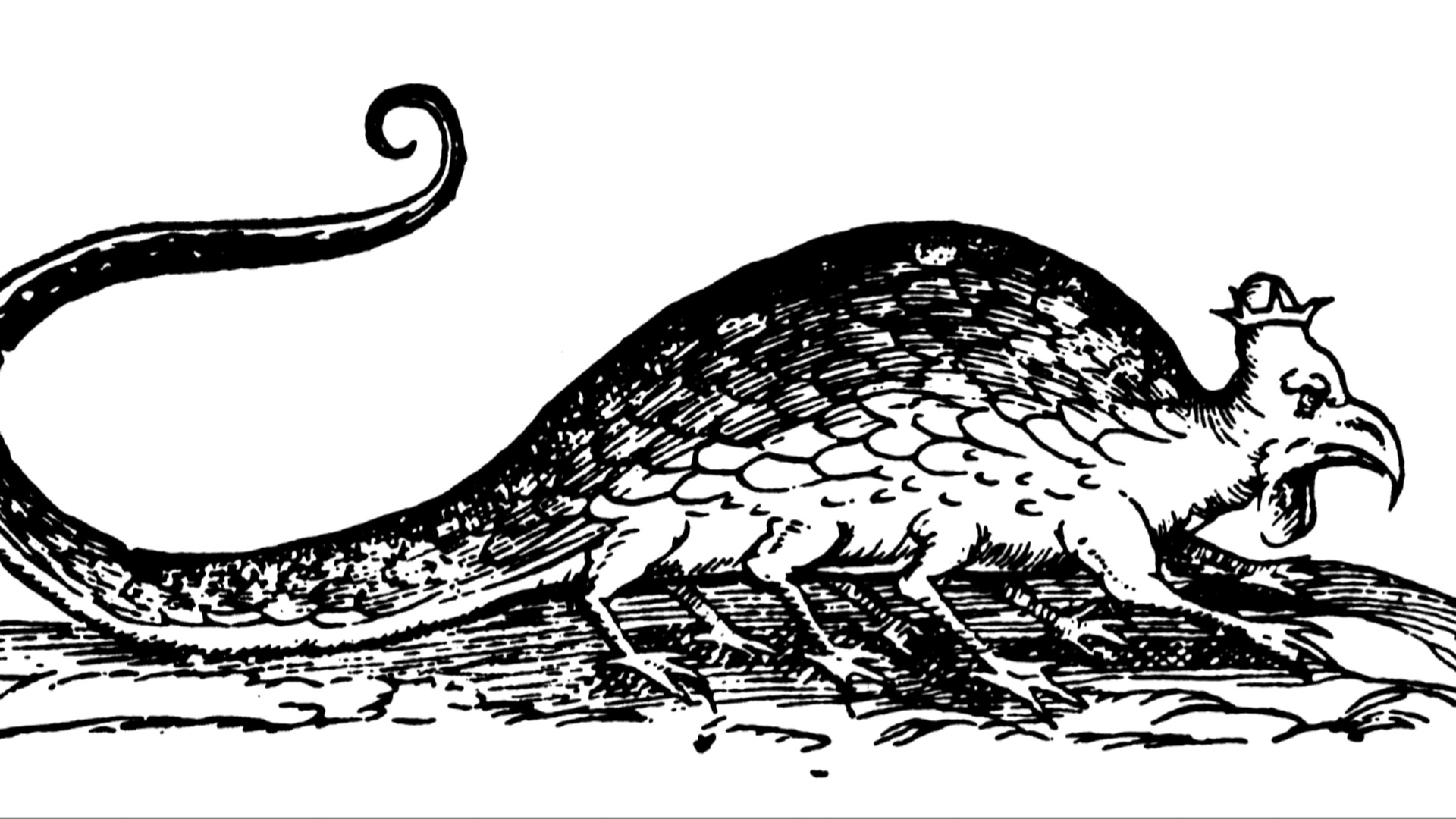
9. Basilisk
Similar to Gorgons, the basilisk is a serpent-like creature whose look can kill. The myth has continued evolving through bestiaries and literature, including works by Leonardo da Vinci and Geoffrey Chaucer, and has even been featured in the bible.
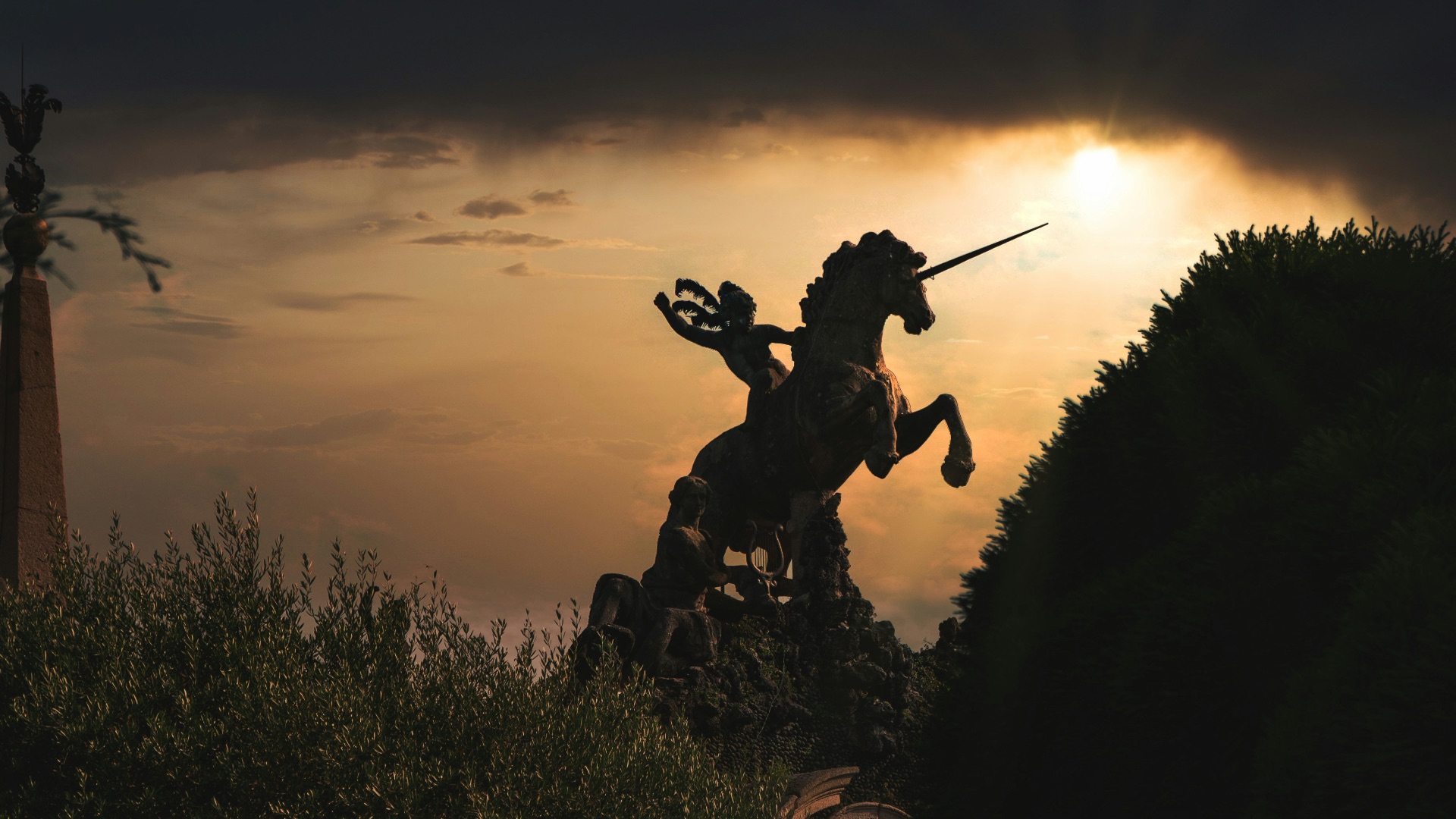
10. Unicorn
Unicorns are often described as horse- or goat-like beings marked by a single horn, and they’ve appeared in traditions stretching from ancient art to later European storytelling. Their lore leans heavily into healing and protection, including claims that the horn could guard against poison.
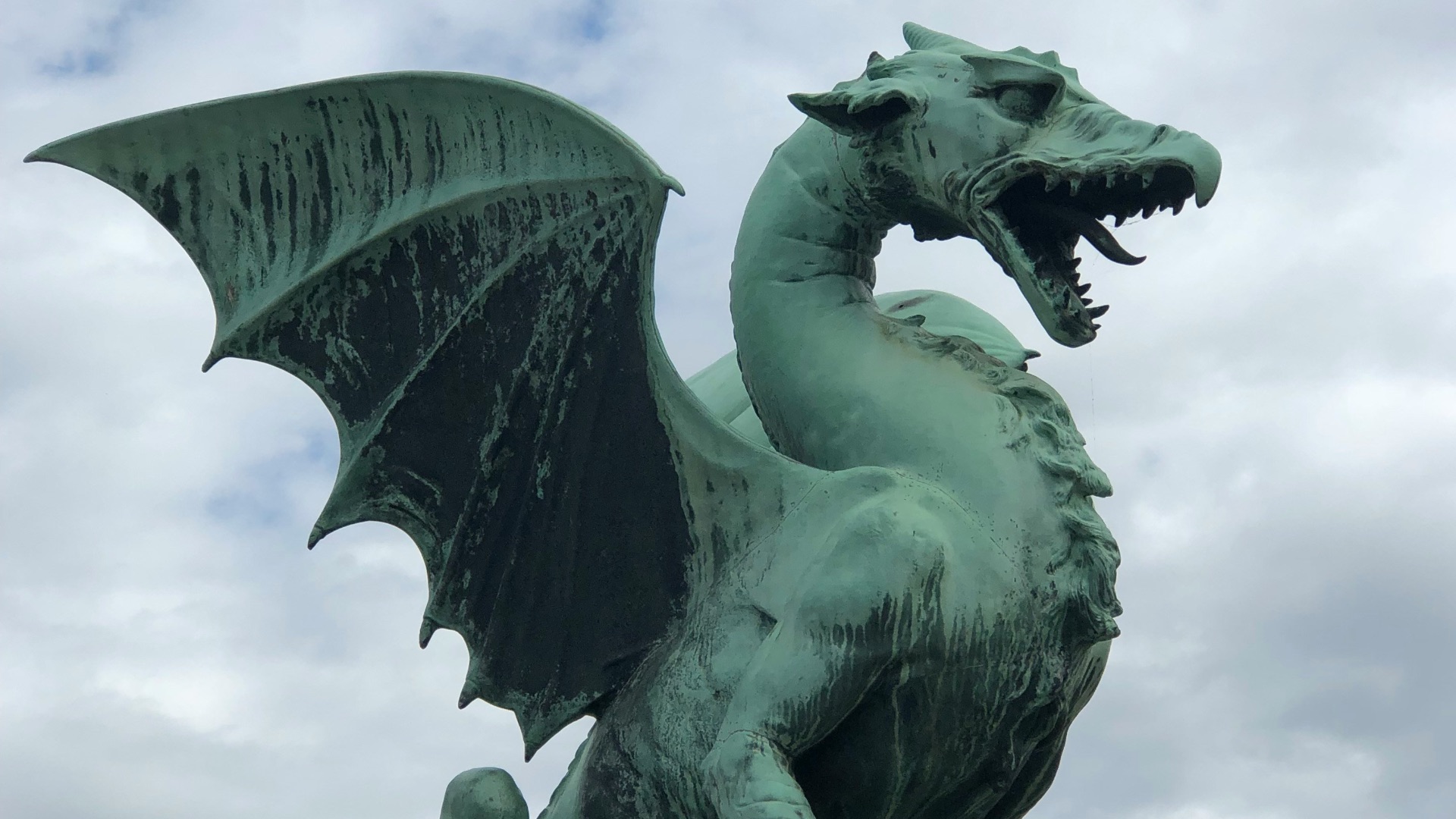
11. Dragon
Dragons show up worldwide as massive lizard- or serpent-like beings, sometimes cast as evil forces and sometimes as beneficent powers tied to nature or order. Medieval Europe popularized the winged, fire-breathing image, but other traditions treat dragons as wise, even sacred.
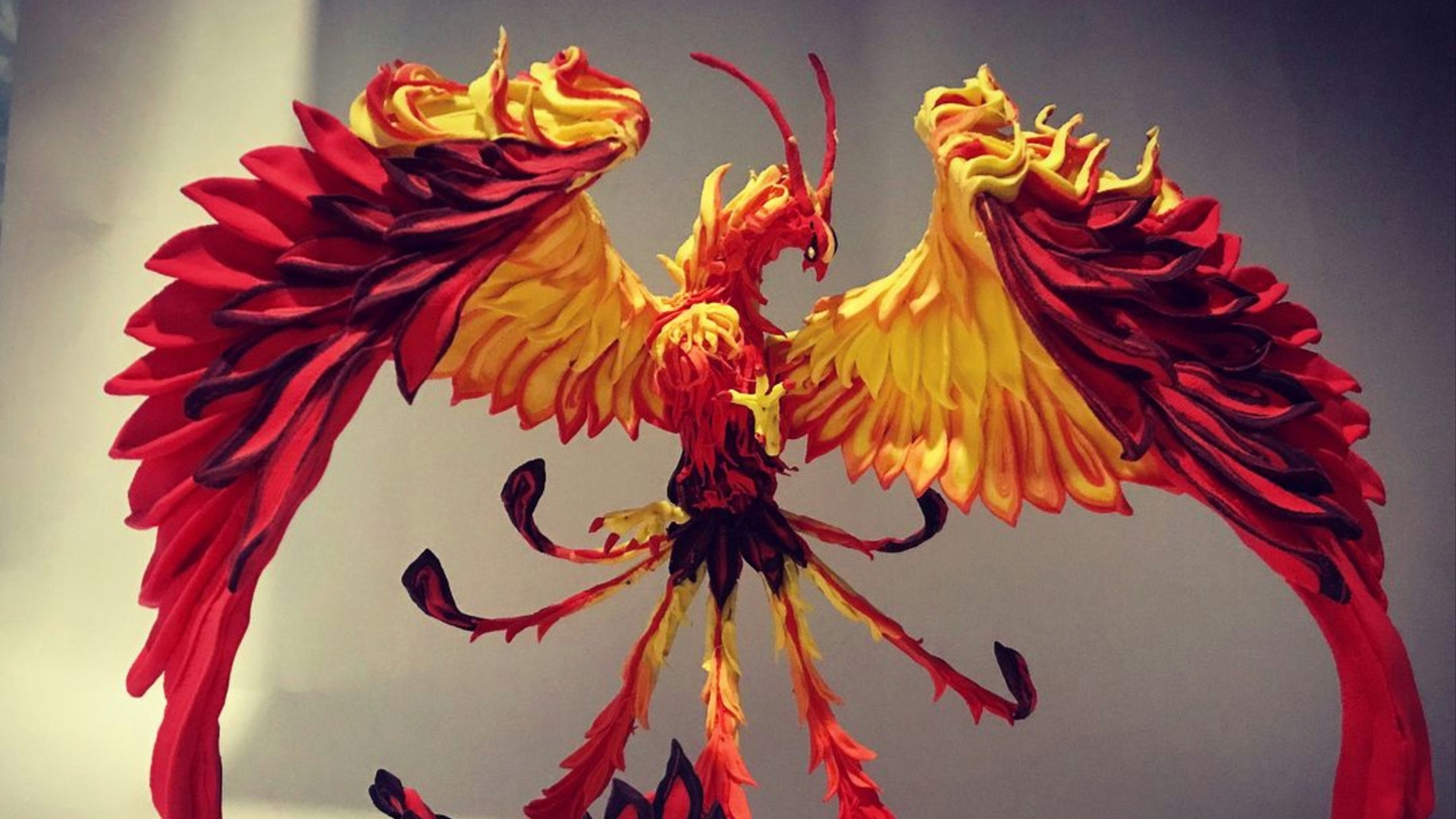
12. Phoenix
The phoenix is a mythical, bird-like creature that can resurrect from its own ashes. Ancient traditions connect it with the sun, emphasizing radiance, longevity, and immortality. In some tellings, such as in ancient Egyptian mythology, it can live for hundreds of years.
13. Griffin
A griffin combines lion and eagle, and is a powerful winged creature often associated with Egyptian and Persian mythology. In ancient traditions, it’s often portrayed as a guardian of treasure, gold, and sacred sites. The myth later spread to Greece and Asia.
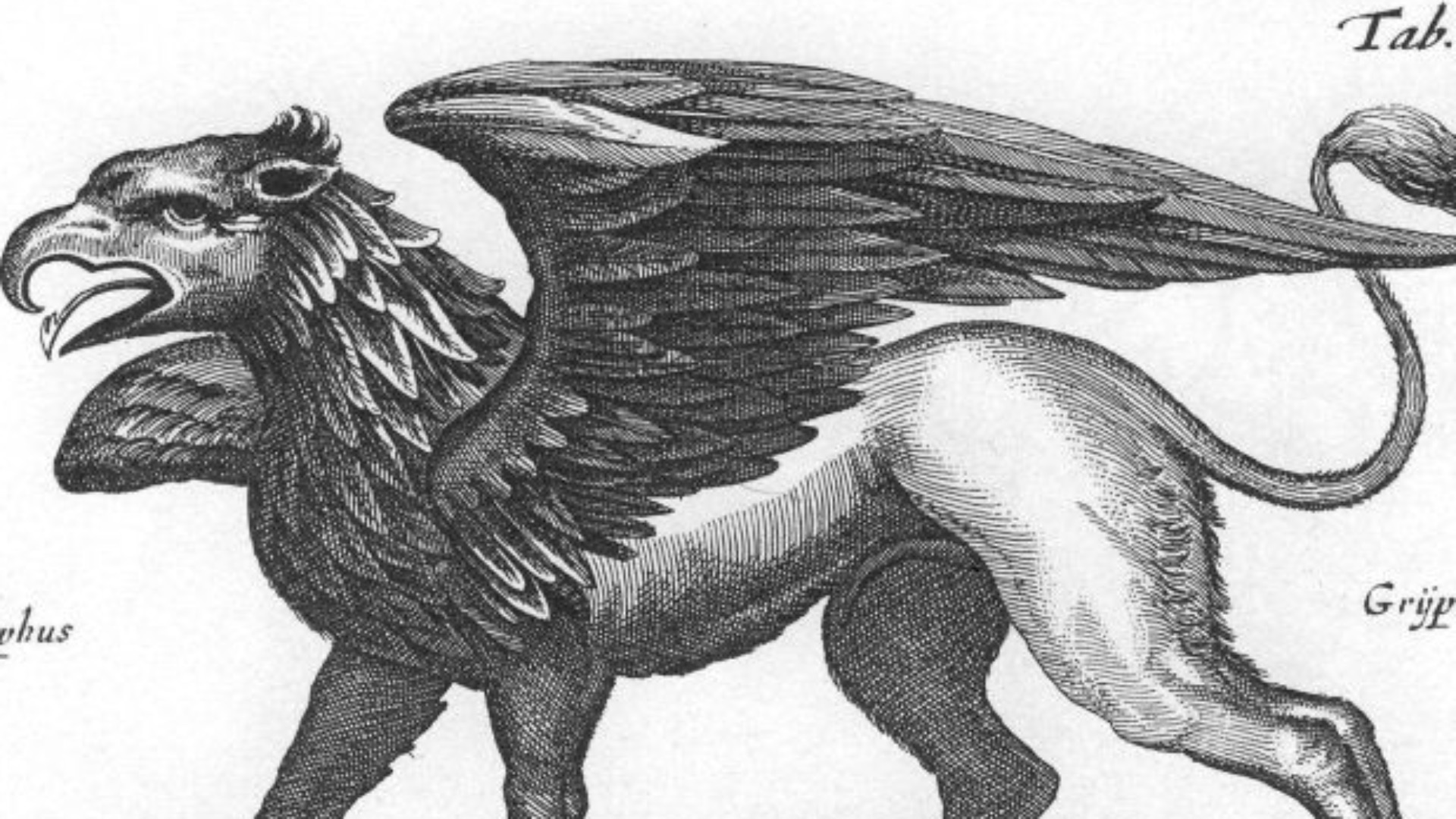 Matthius Merian (engraver)
Josh at Dutch Wikipedia (scan) on Wikimedia
Matthius Merian (engraver)
Josh at Dutch Wikipedia (scan) on Wikimedia
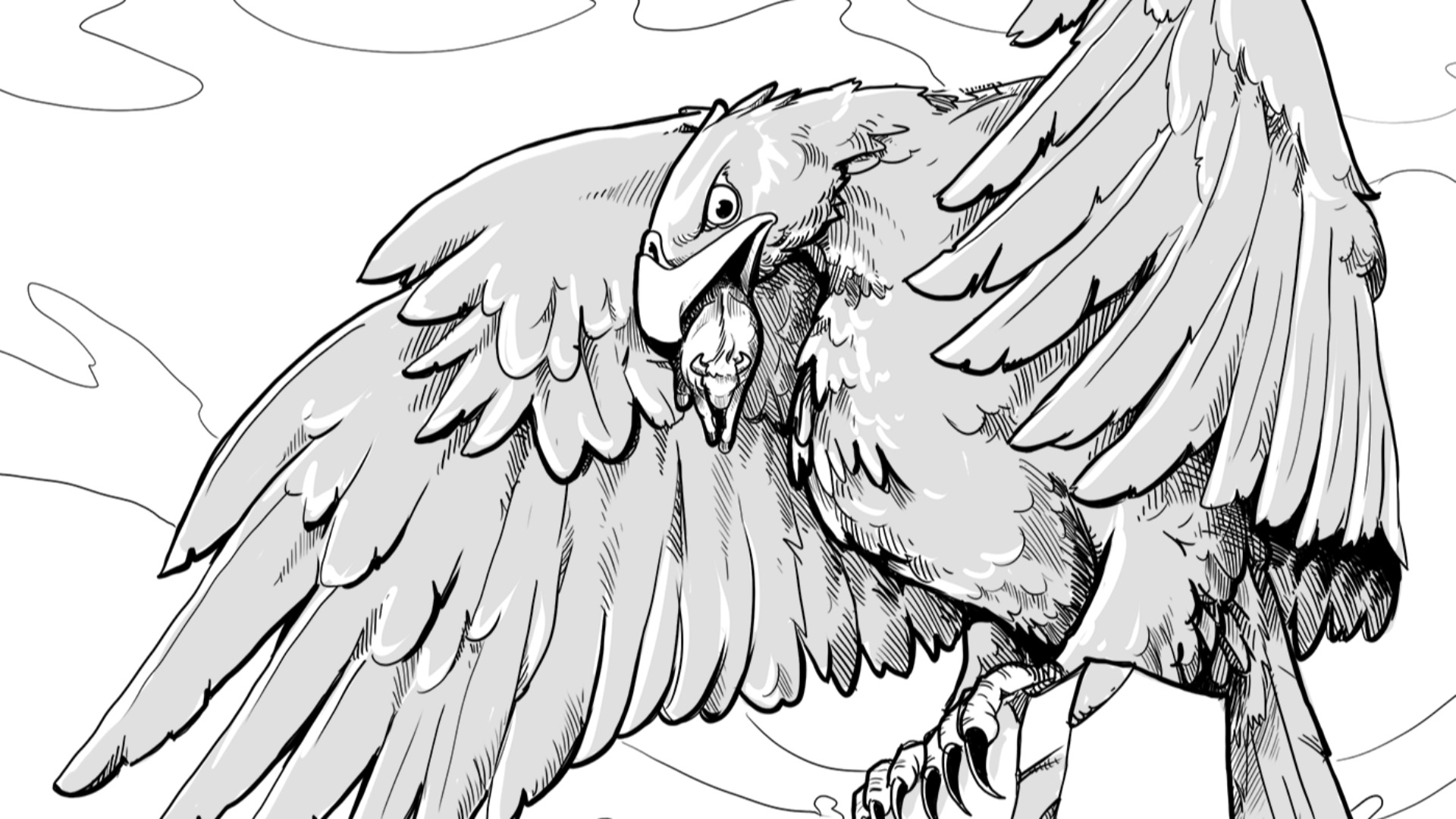
14. Roc
The roc is described as a gigantic legendary bird capable of carrying off enormous prey, including elephants in classic retellings. It appears in well-known tales originating from the Middle East, and was mentioned by Venetian traveler Marco Polo.
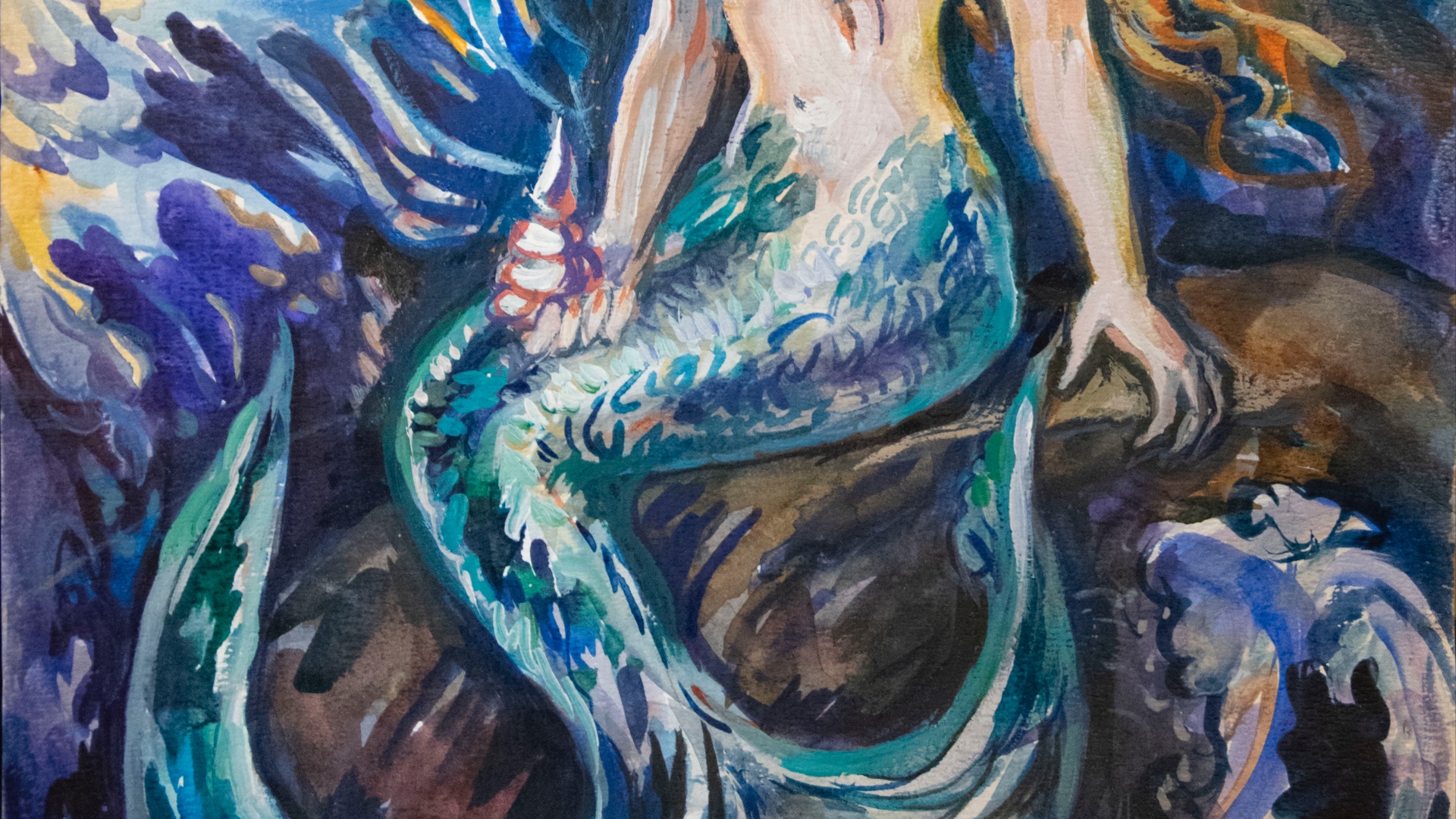
15. Mermaid
Mermaids have a long, cross-cultural presence as half-human, half-fish beings that make the sea feel all the more mysterious. Some stories romanticize them, while others make them omens of shipwreck, disaster, or betrayal. They often embody the ocean’s personality: beautiful, alluring, and mystifying.
16. Naga
Nagas are semidivine beings in Hinduism, Buddhism, and Jainism, often described as half human and half cobra, with the ability to shift forms. They’re potentially dangerous, but they can often protect sacred sites and guard riches. They are also often associated with bodies of water.

17. Leprechaun
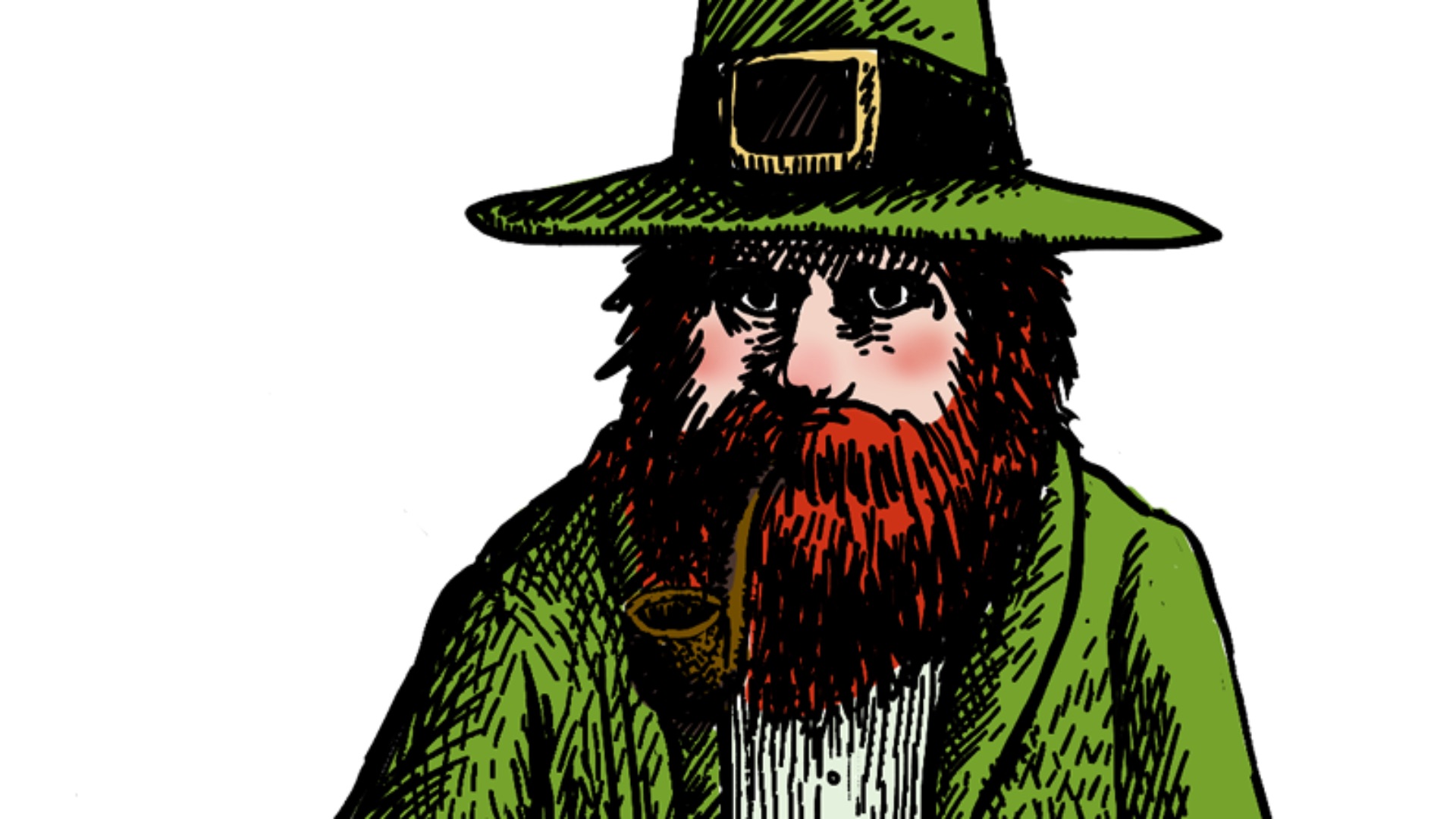
Leprechauns are small, solitary figures from Irish folklore with a strong reputation for mischief and trickery. You’ll often see them framed as clever and evasive. If you go hunting for their treasure, the joke is usually on you.
18. Faeries
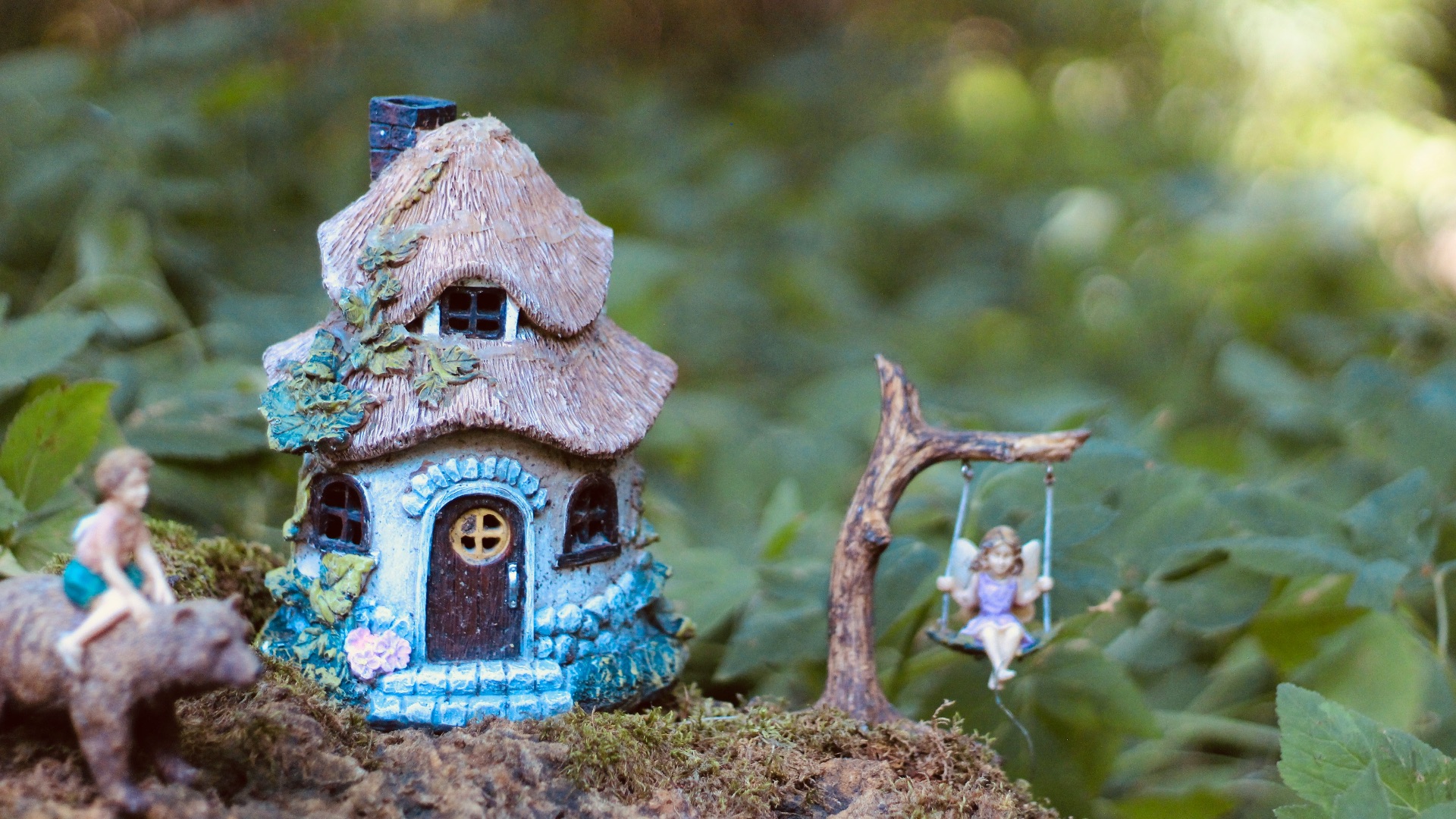
Faeries can be traced back to Old French medieval tales. Modern interpretations tend to paint them as small, magical winged creatures, but in older folklore, they were rarely depicted with wings at all, and often had to catch rides from birds.
 Katherine Cavanaugh on Unsplash
19. Goblins
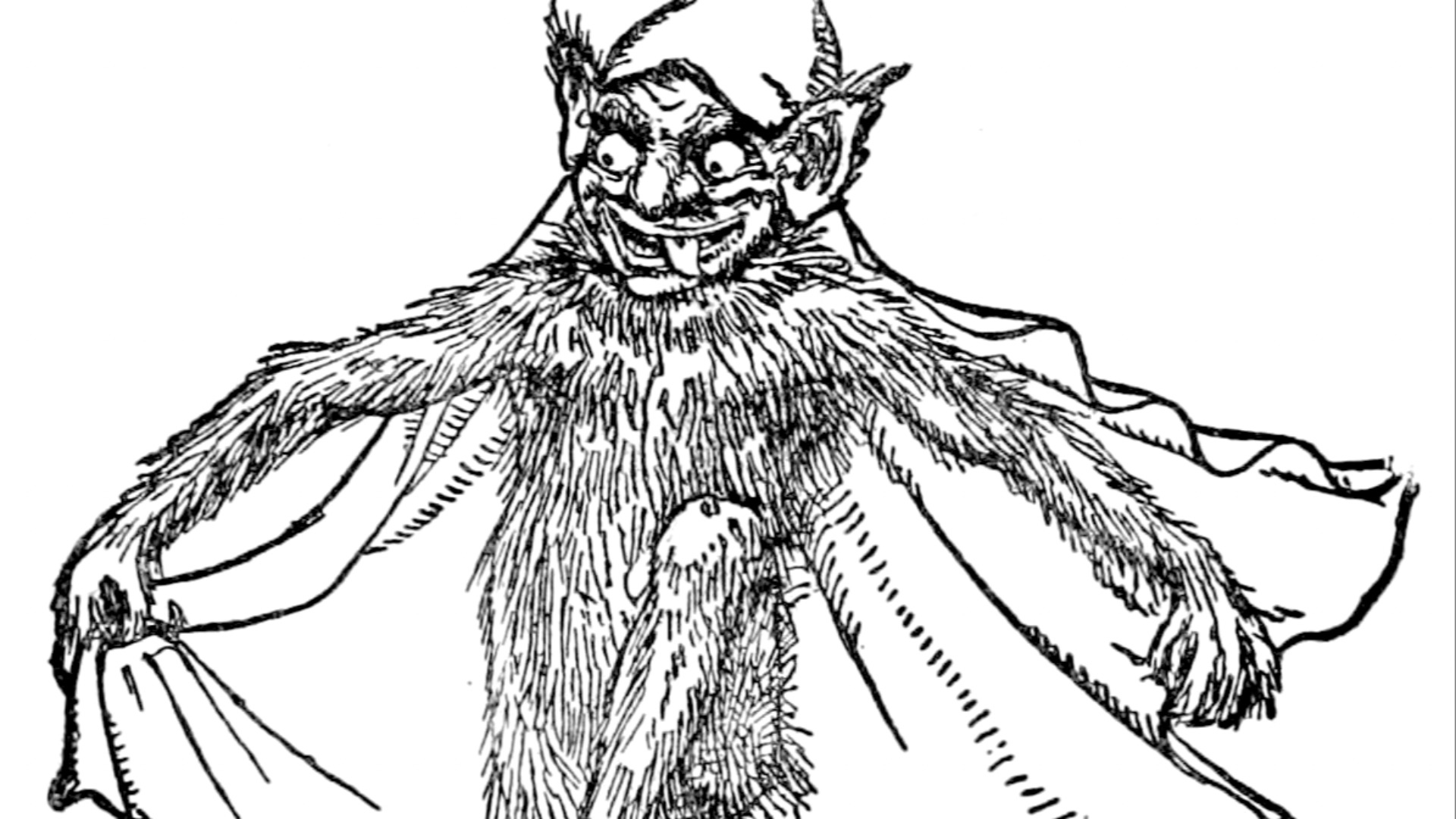
Goblins vary wildly across European traditions, which is part of what makes them so useful in storytelling. Sometimes they’re mere pranksters, sometimes they’re evil, though it's often universally believed that they're mischievous beings.
20. Loch Ness Monster
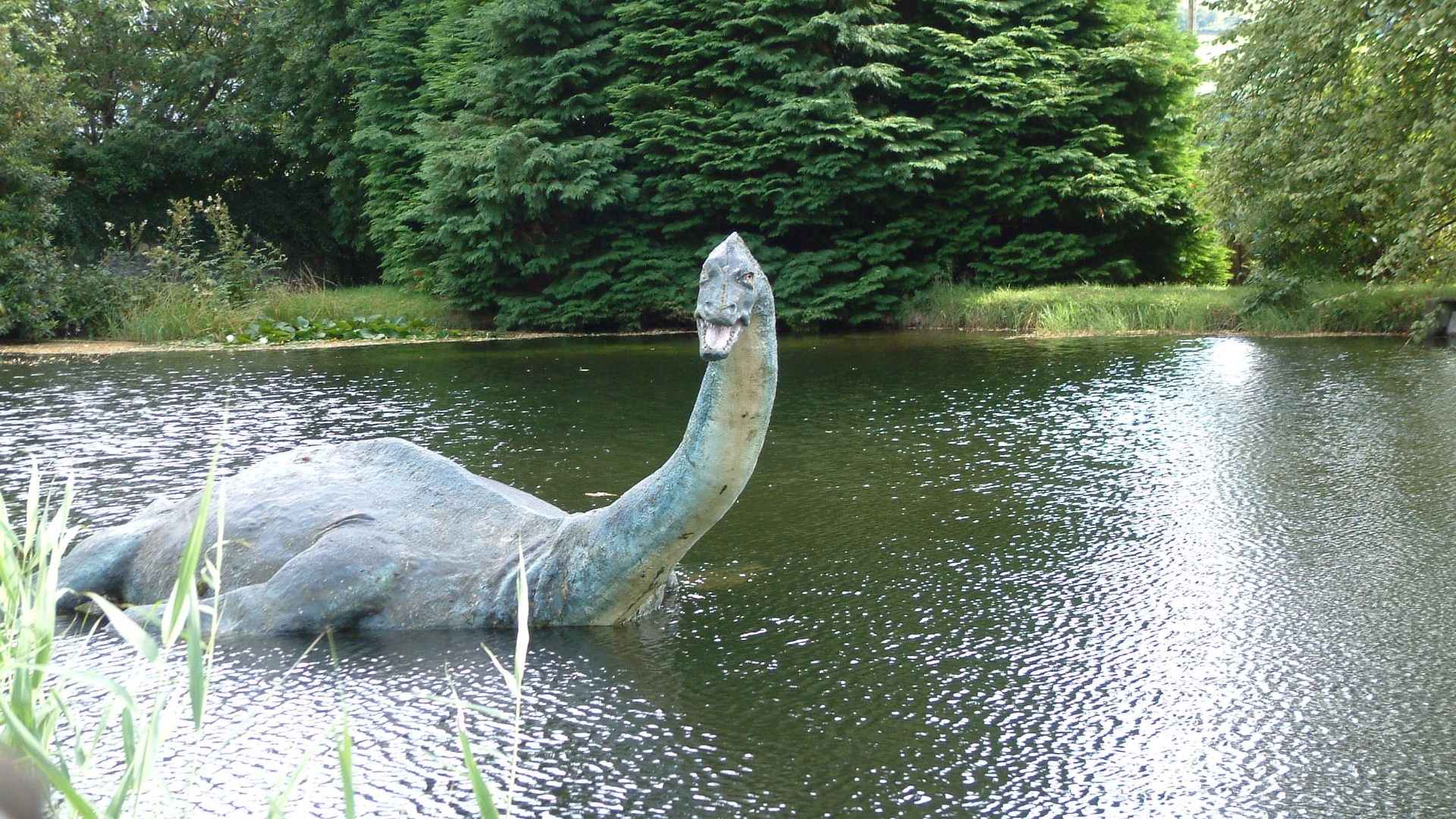
The Loch Ness Monster is the modern folklore superstar: a lake-dwelling mystery that keeps returning even when evidence gets challenged. Though many alleged proofs have been discredited, the story persists because people are fascinated with the idea that something enormous could still hide in plain sight.
KEEP ON READING
Remembering Pope Stephen VI, The Guy Who Made A Cadaver…
A Godly Man With A Grudge. Jean-Paul Laurens on WikimediaYou…
By Ashley Bast Oct 31, 2025
From School Plays To Starting A Cult: 20 Of The…
The Books That Made Us. Many people will tell you…
By Farva Ivkovic Jan 31, 2025
20 Facts About Jane Grey, The Forgotten Queen Of England
A Quick, Messy, and Tragic Reign. Lady Jane Grey never…
By Maria Cruz Jan 31, 2025
20 Most Significant Cars In American History
Driving Into the Past. The car has defined America as…
By Farva Ivkovic Dec 31, 2025
10 Times The Lakers Made History & 10 Moments That…
Let’s Talk About the Lakers. Few teams have brought highs…
By Farva Ivkovic Dec 31, 2025
10 Historical Royals Known For Their Intelligence & 10 For…
The Weirdest Kings. Intelligent royals brought us innovative and progressive…
By Farva Ivkovic Dec 31, 2025