

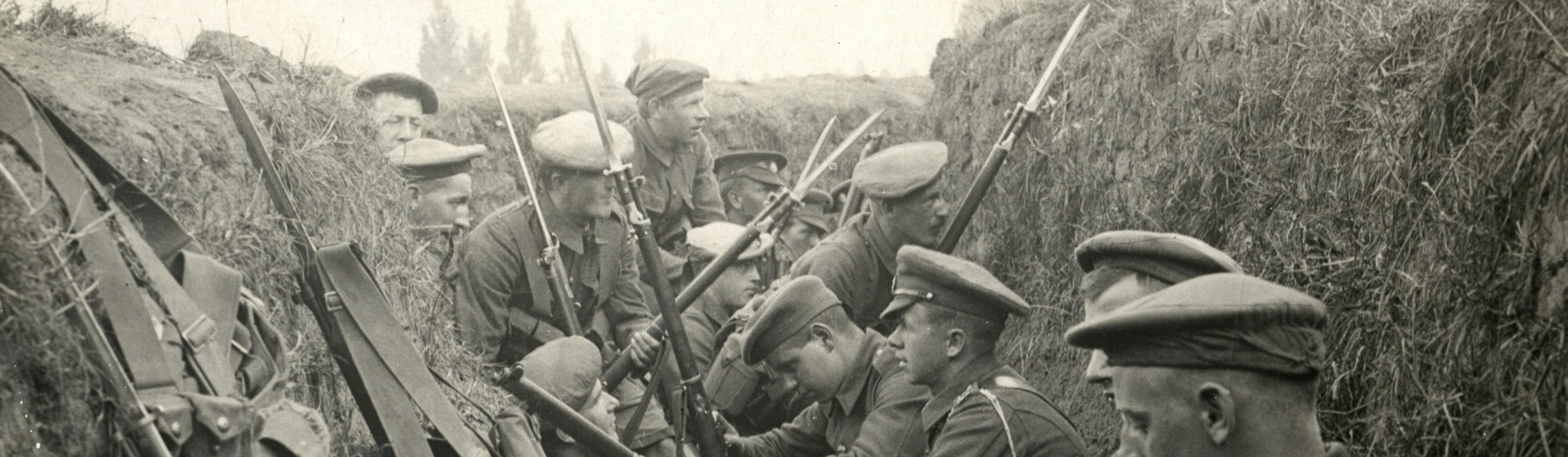
Courage Under Fire
World War I and World War II pushed soldiers, sailors, and airmen into situations that tested the limits of human endurance. Some missions were so dangerous that survival depended as much on luck as skill. These operations weren’t reckless stunts, but calculated risks taken because the stakes were impossibly high. Here are twenty of the most dangerous missions carried out during the two world wars.
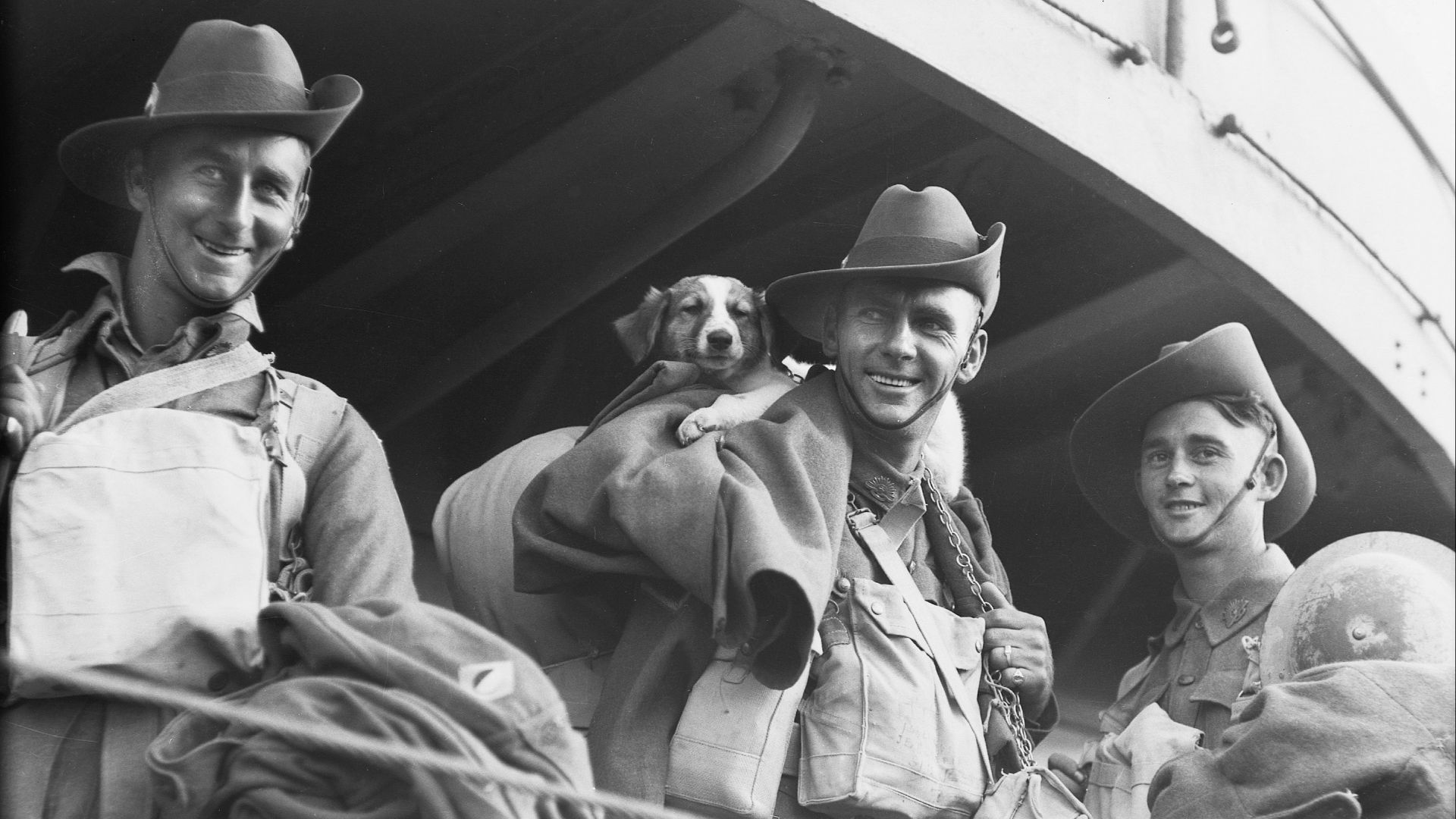 The Australian War Memorial on Unsplash
1. Trench Raids On The Western Front (WWI)
Soldiers crossed no man’s land at night to capture prisoners or gather intelligence. These raids involved crawling through barbed wire under constant threat of machine-gun fire. Getting spotted usually meant instant death. Survival rates were low, but the intelligence gained was considered vital.
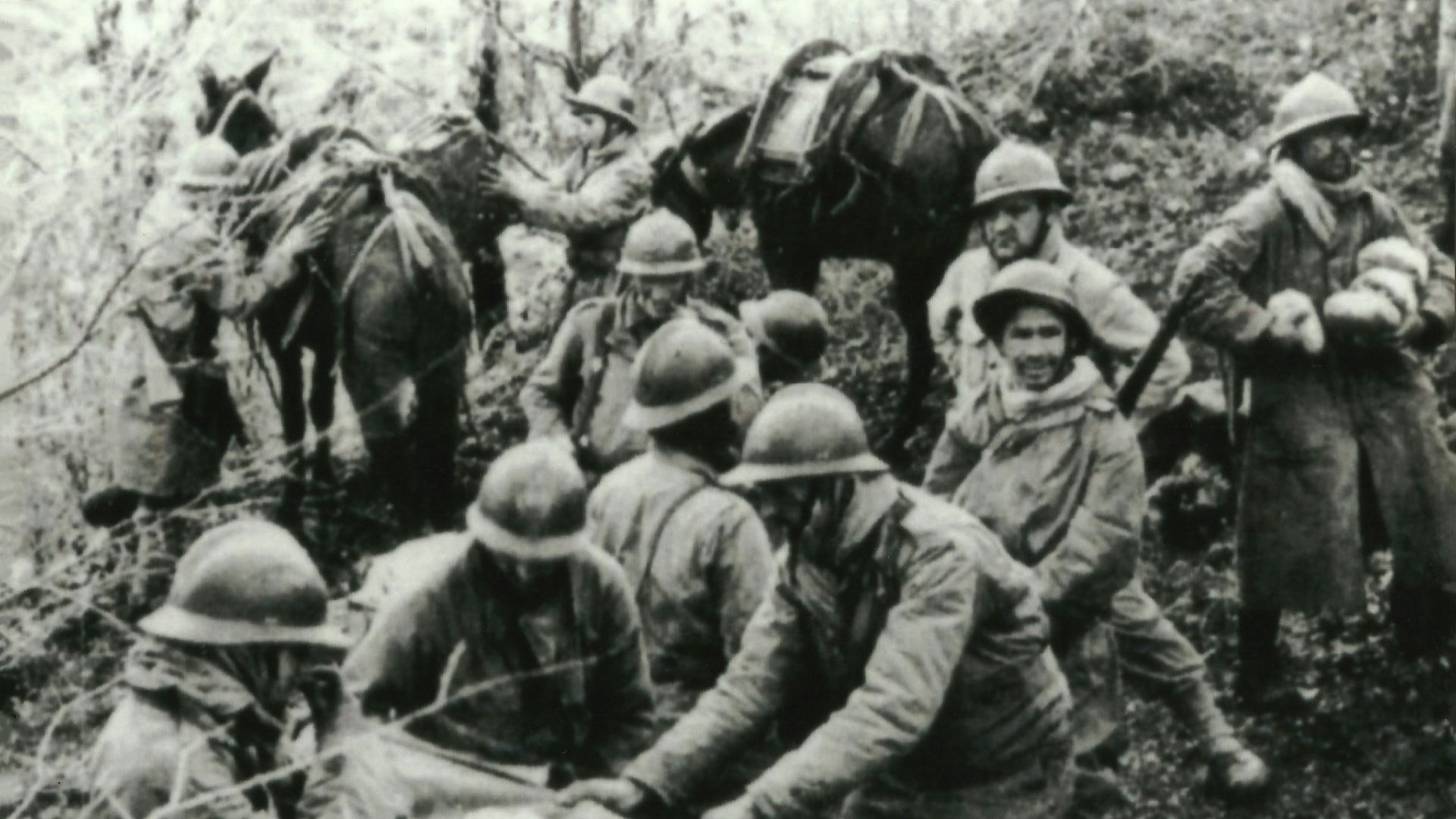
2. Going “Over The Top” At The Somme (WWI)
Infantry were ordered to climb out of the trenches and advance toward fortified enemy positions. Many walked directly into artillery and machine-gun fire. On the first day alone, British forces suffered massive casualties. It remains one of the deadliest military advances in history.
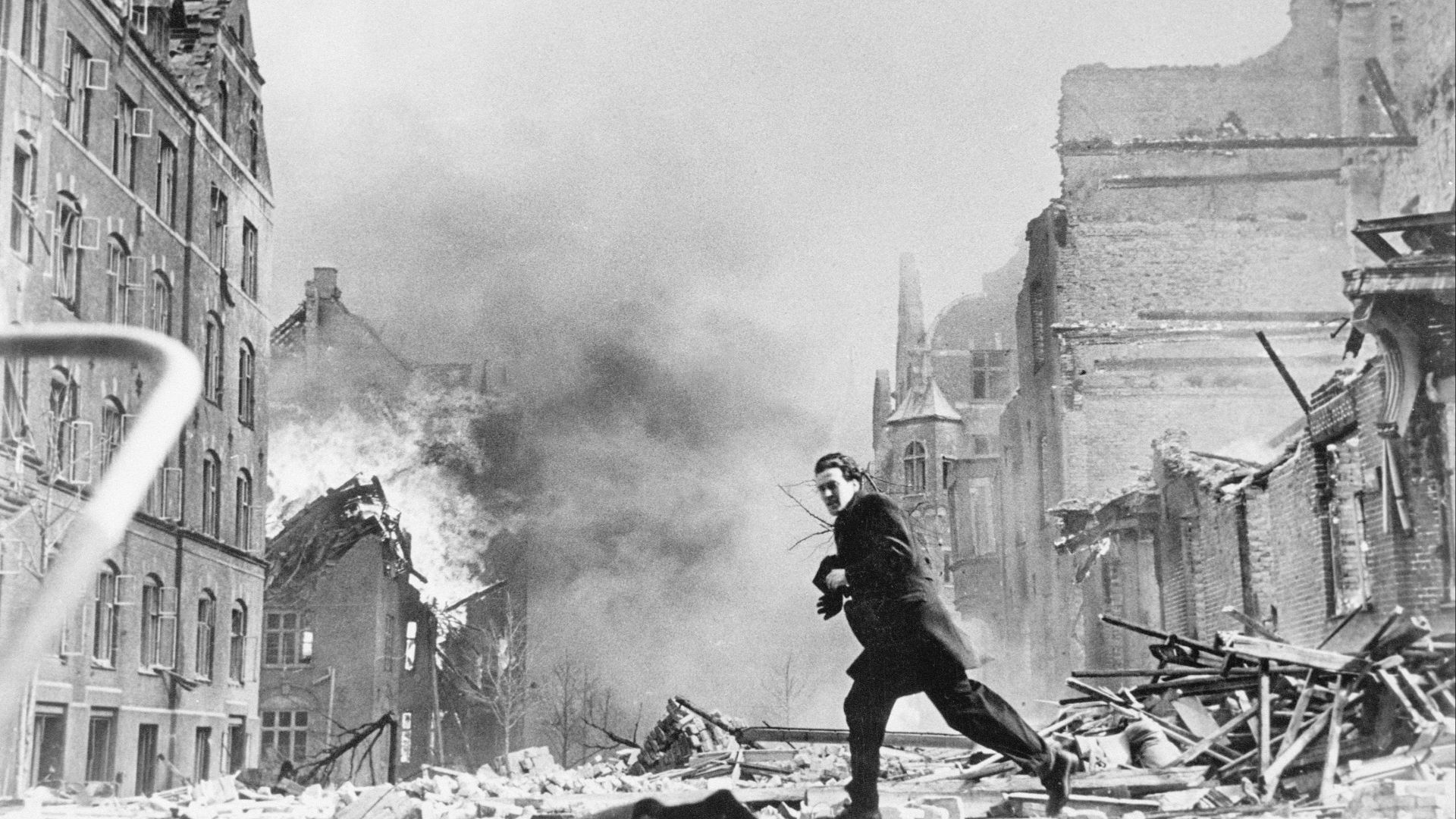 National Museum of Denmark on Unsplash
3. Mining And Countermining Tunnels (WWI)
Soldiers dug tunnels beneath enemy trenches to plant explosives. The work was claustrophobic, slow, and terrifying. Tunnel collapses, gas, and explosions were constant risks. Entire units could be buried alive without warning.
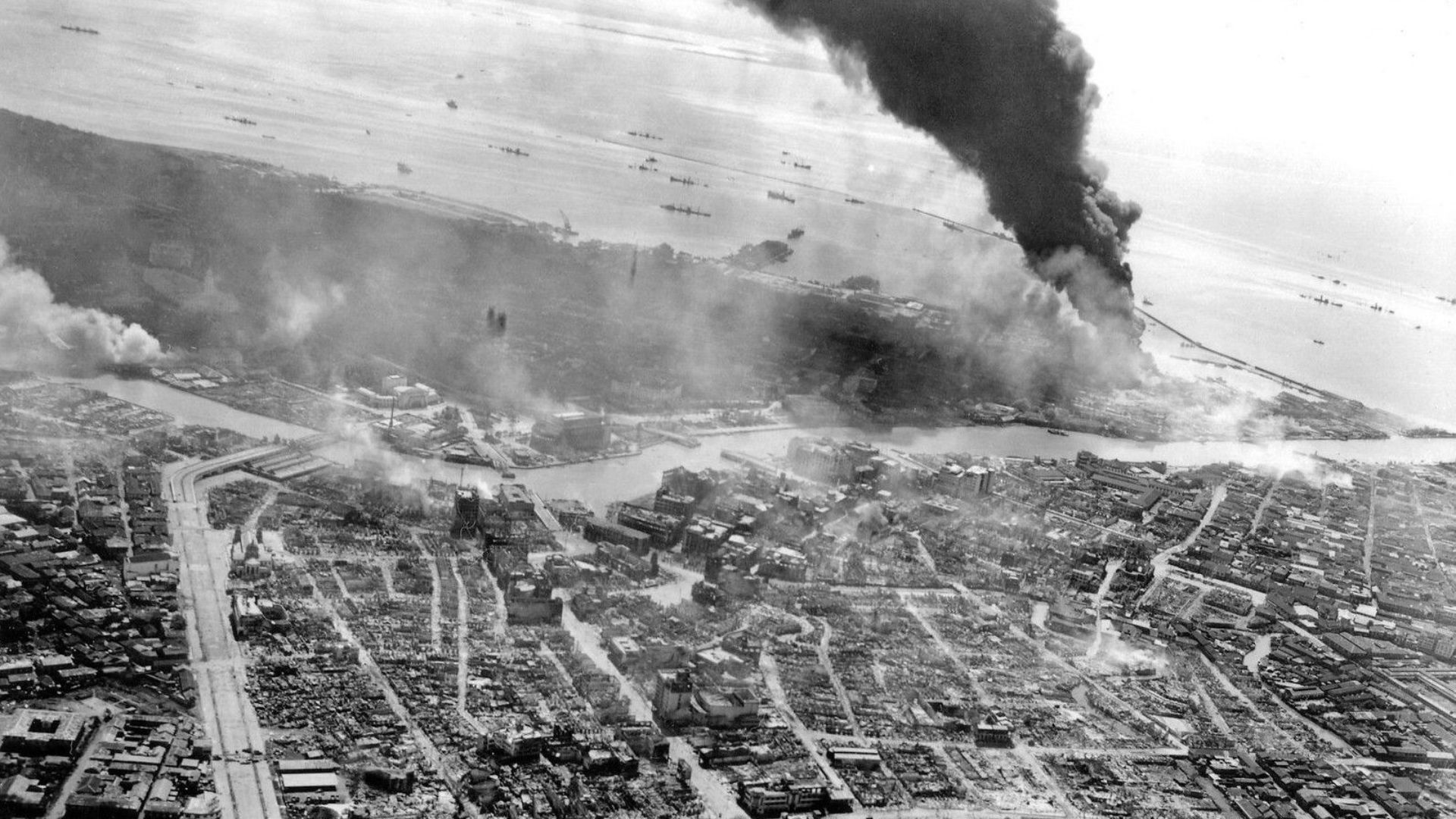
4. Submarine Warfare In The Atlantic (WWI)
Early submarines were cramped, unreliable, and extremely dangerous to operate. Crews faced mechanical failures, depth charge attacks, and suffocation risks. Escape was nearly impossible if a submarine was damaged. Many sailors vanished without a trace into a watery grave.
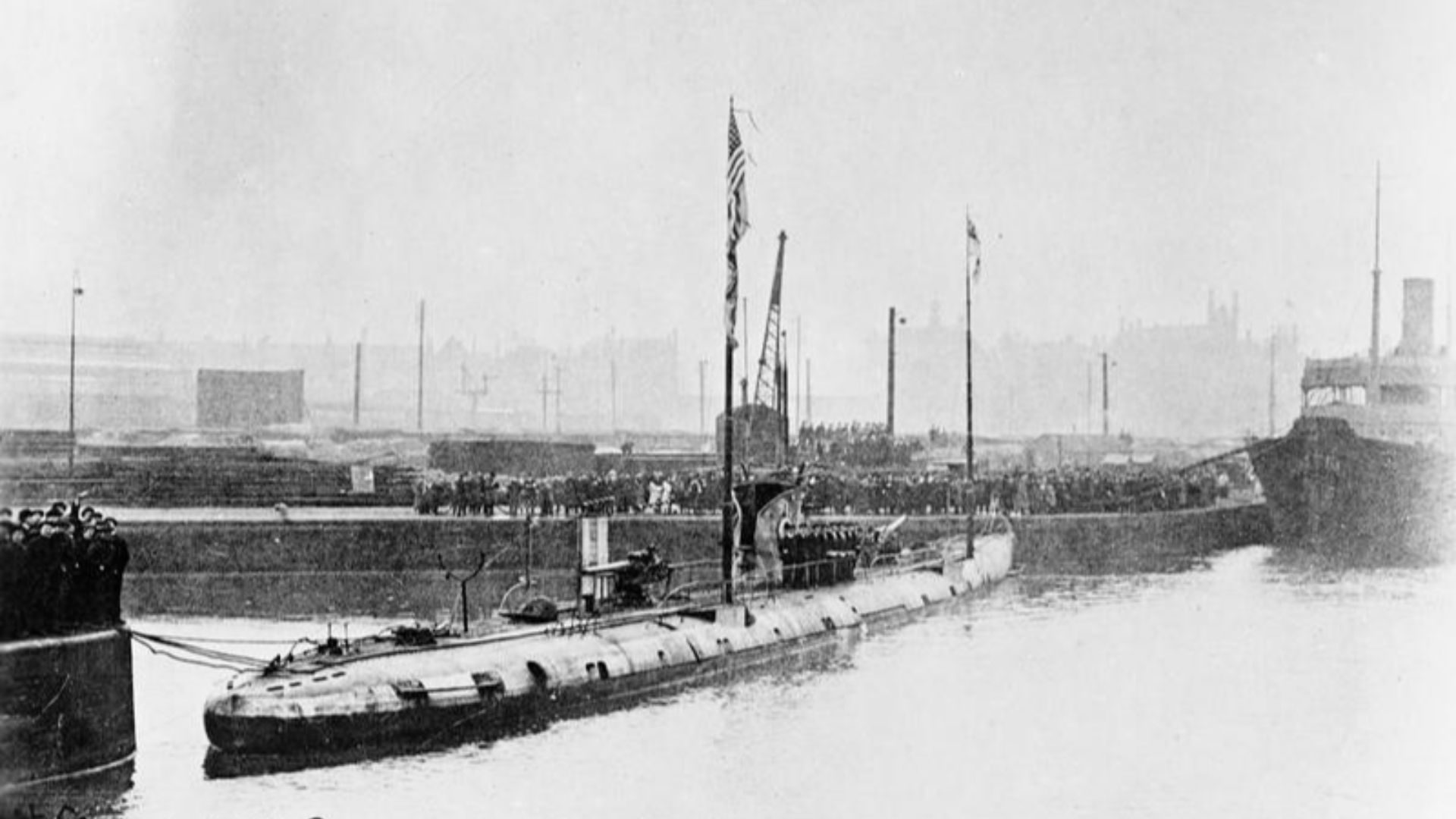 American official photographer on Wikimedia
5. Gallipoli Amphibious Landings (WWI)
Allied troops landed on heavily defended beaches under direct fire. Cliffs and poor planning left soldiers exposed with little cover. Supplies and reinforcements were hard to deliver. Casualties mounted quickly with limited territorial gains.
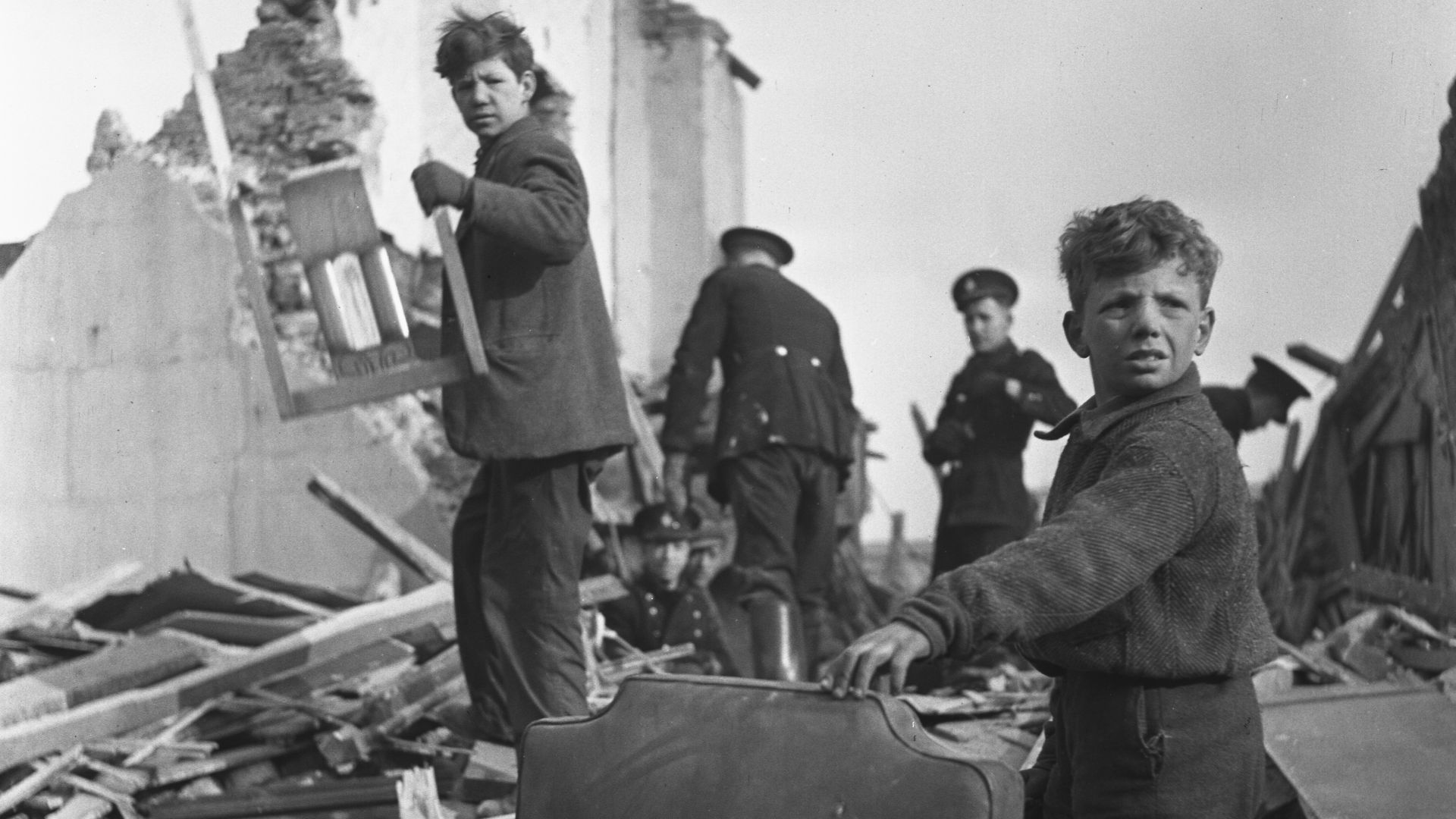 Library of Congress on Unsplash
6. Strategic Bombing Over Germany (WWII)
Bomber crews flew deep into enemy territory, facing flak and fighter attacks. Survival odds dropped dramatically after each mission. Many planes never returned, and bailing out often meant capture or death. Crews knew every flight could be their last.
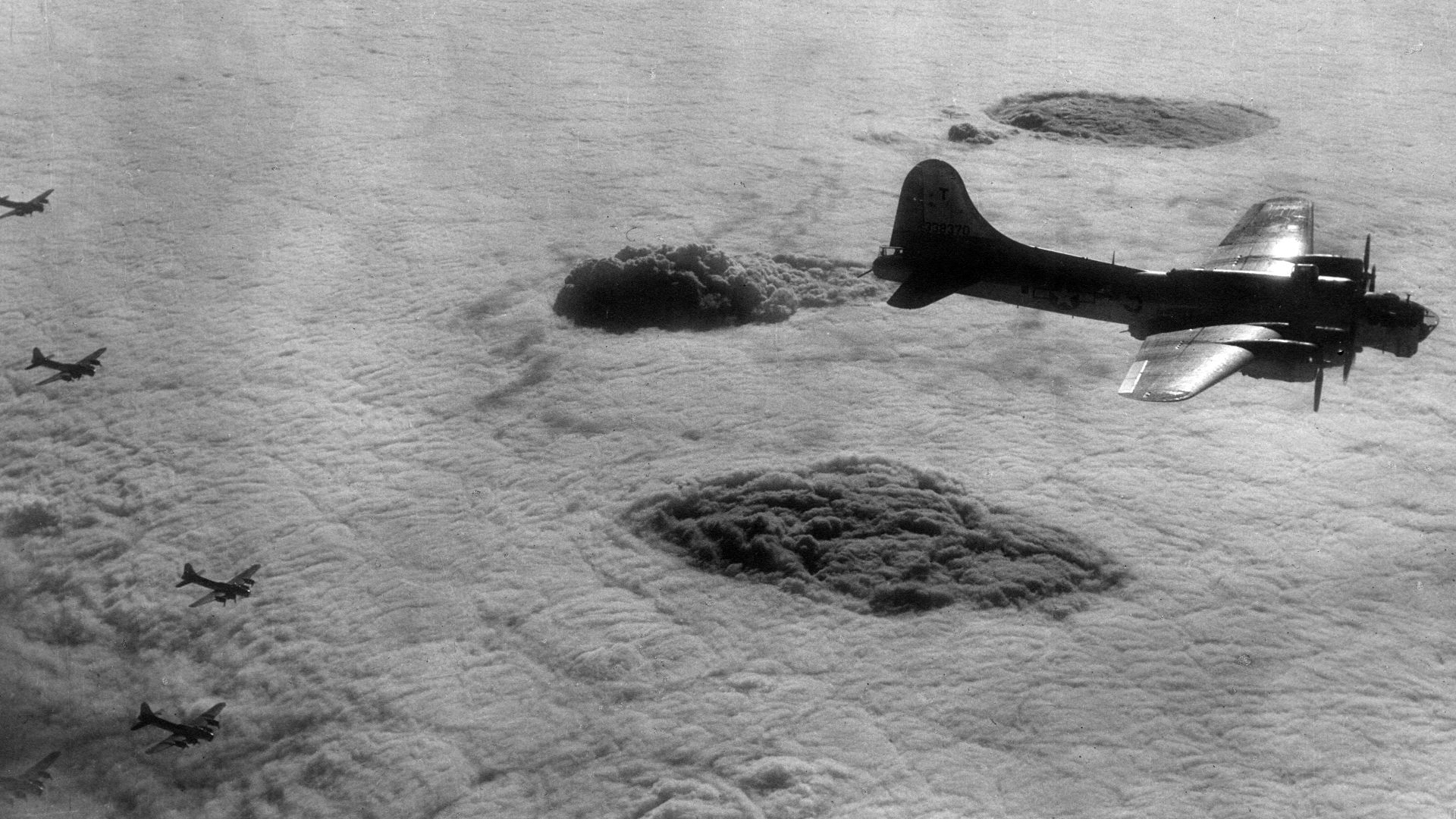 94th Airlift Wing on Wikimedia
7. D-Day Airborne Drops (WWII)
Paratroopers jumped behind enemy lines in the dark before the Normandy invasion. Many landed far from their units or directly into German fire. Equipment was lost, and confusion was widespread. Despite the chaos, their mission helped secure the beaches.
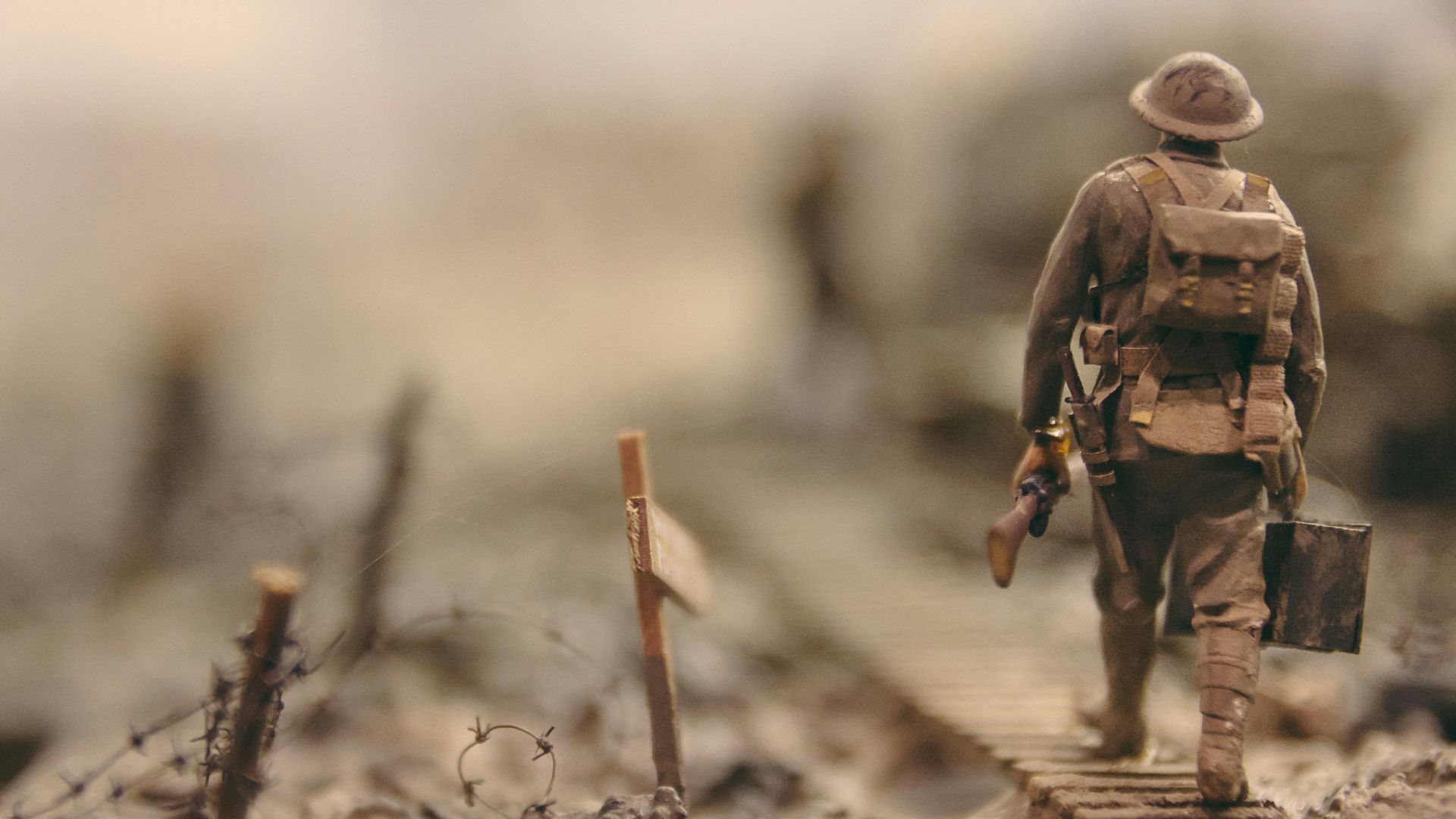
8. Kamikaze Attacks (WWII)
Japanese pilots deliberately crashed their aircraft into Allied ships. These missions guaranteed death for the pilot. The psychological impact on both sides was immense. Ships had seconds to react once a kamikaze was spotted.
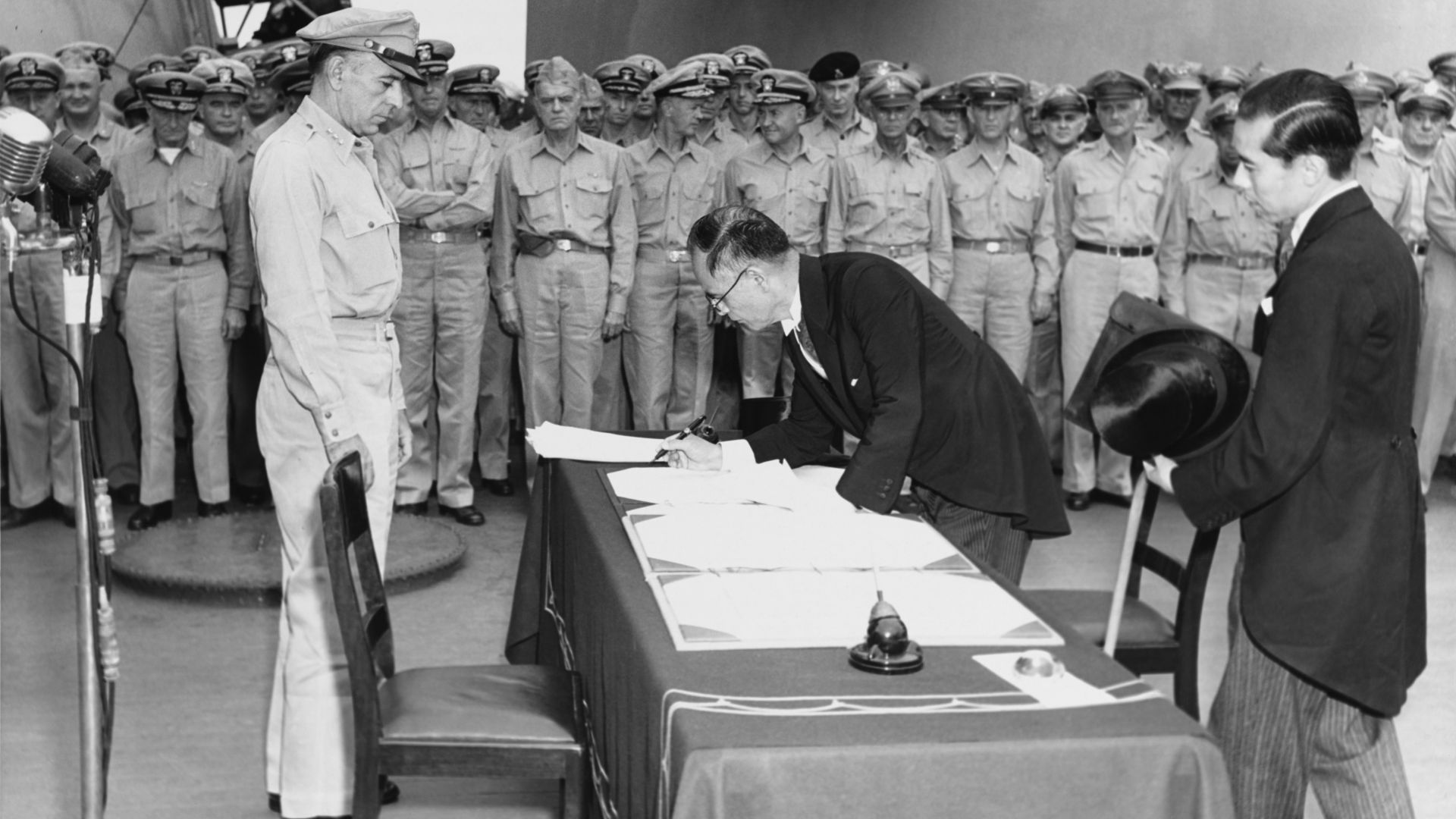 Army Signal Corps photographer LT. Stephen E. Korpanty; restored by Adam Cuerden on Wikimedia
9. U-Boat Patrols In The Atlantic (WWII)
German submarines hunted Allied ships while being hunted themselves. Crews endured long patrols with limited fresh air and supplies. Depth charge attacks could last for hours, and a single hit often meant total loss of life.
10. The Battle Of Stalingrad Urban Combat (WWII)
Soldiers fought house to house in freezing conditions. Snipers, artillery, and close-quarters combat made every movement lethal. Supplies were scarce, and morale was constantly tested. Survival often depended on holding a single room or staircase.
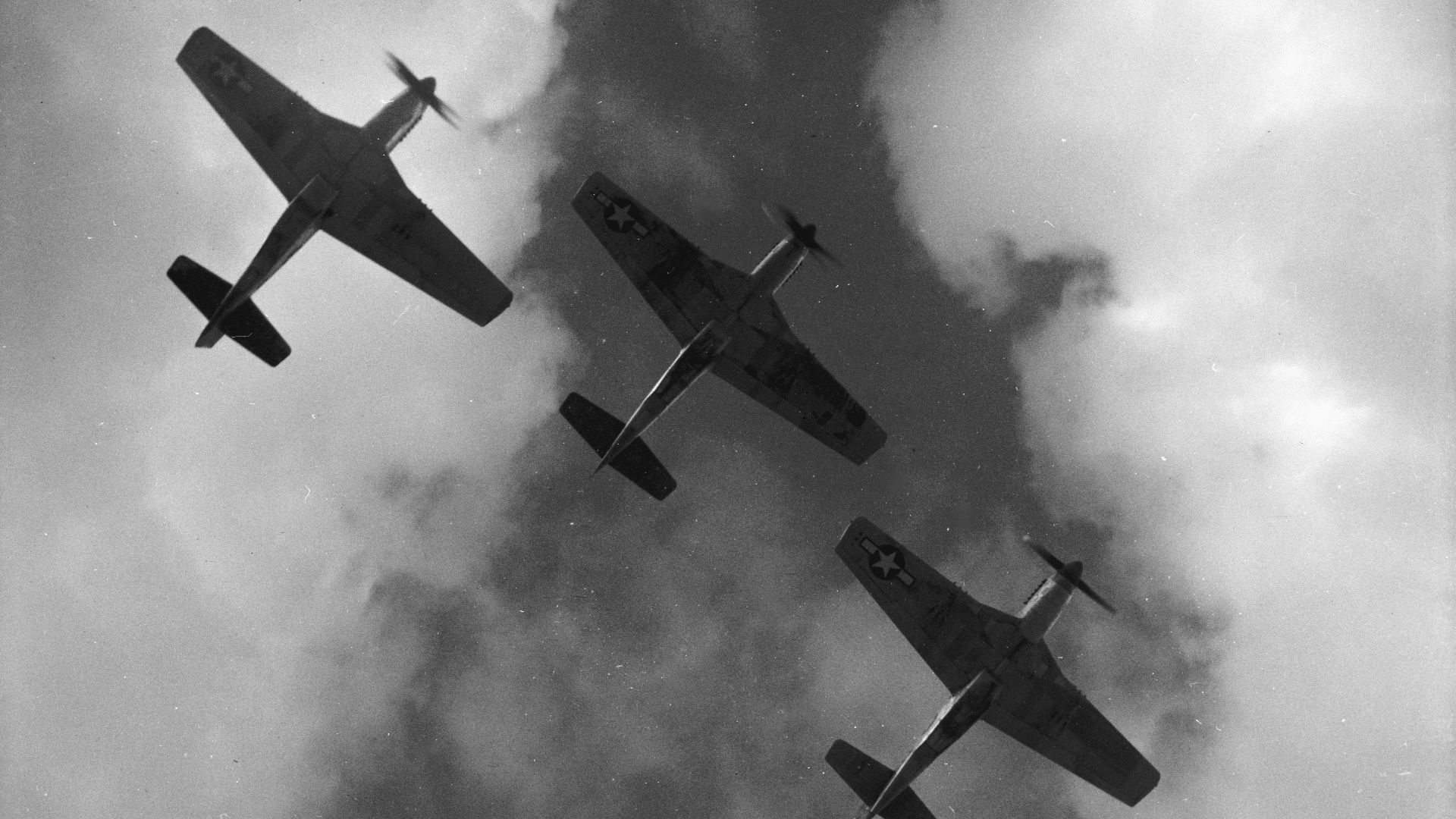 Library of Congress on Unsplash
11. Flying The “Hump” Over The Himalayas (WWII)
Pilots transported supplies from India to China over treacherous mountains. Unpredictable weather and limited navigation made crashes common. Enemy fighters added to the danger, and many planes disappeared without ever being found.
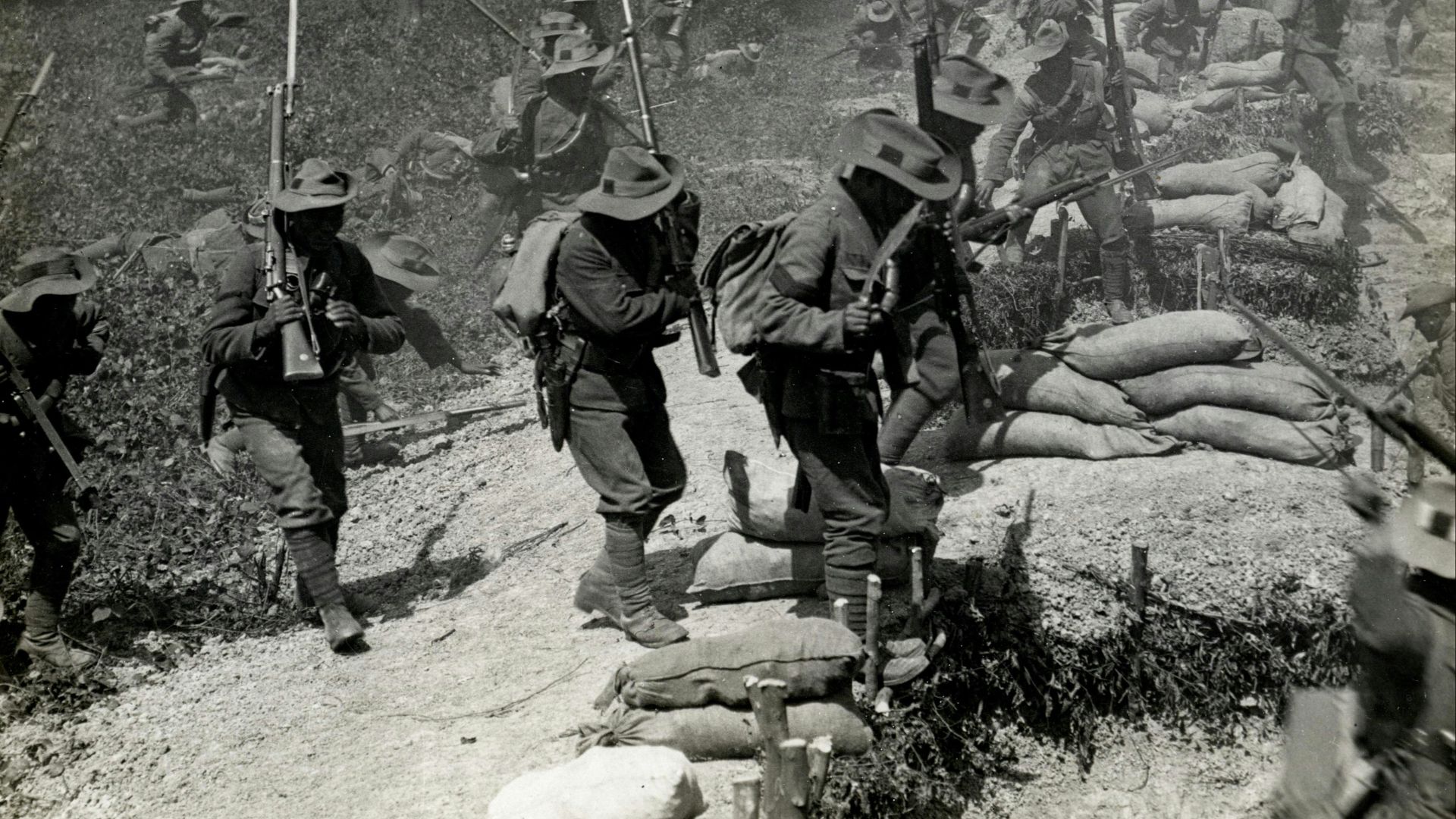
12. Clearing Minefields By Hand (WWII)
Engineers crawled forward to locate and disarm landmines manually. One mistake could be fatal. This work was often done under enemy observation. The pressure was constant and unforgiving.

13. Night Bombing Raids Over London And Germany (WWII)
Night missions reduced visibility but increased navigational errors. Crews relied on limited instruments while avoiding searchlights and flak. Collisions and misdrops were common. Not to mention, the darkness added an extra layer of fear.
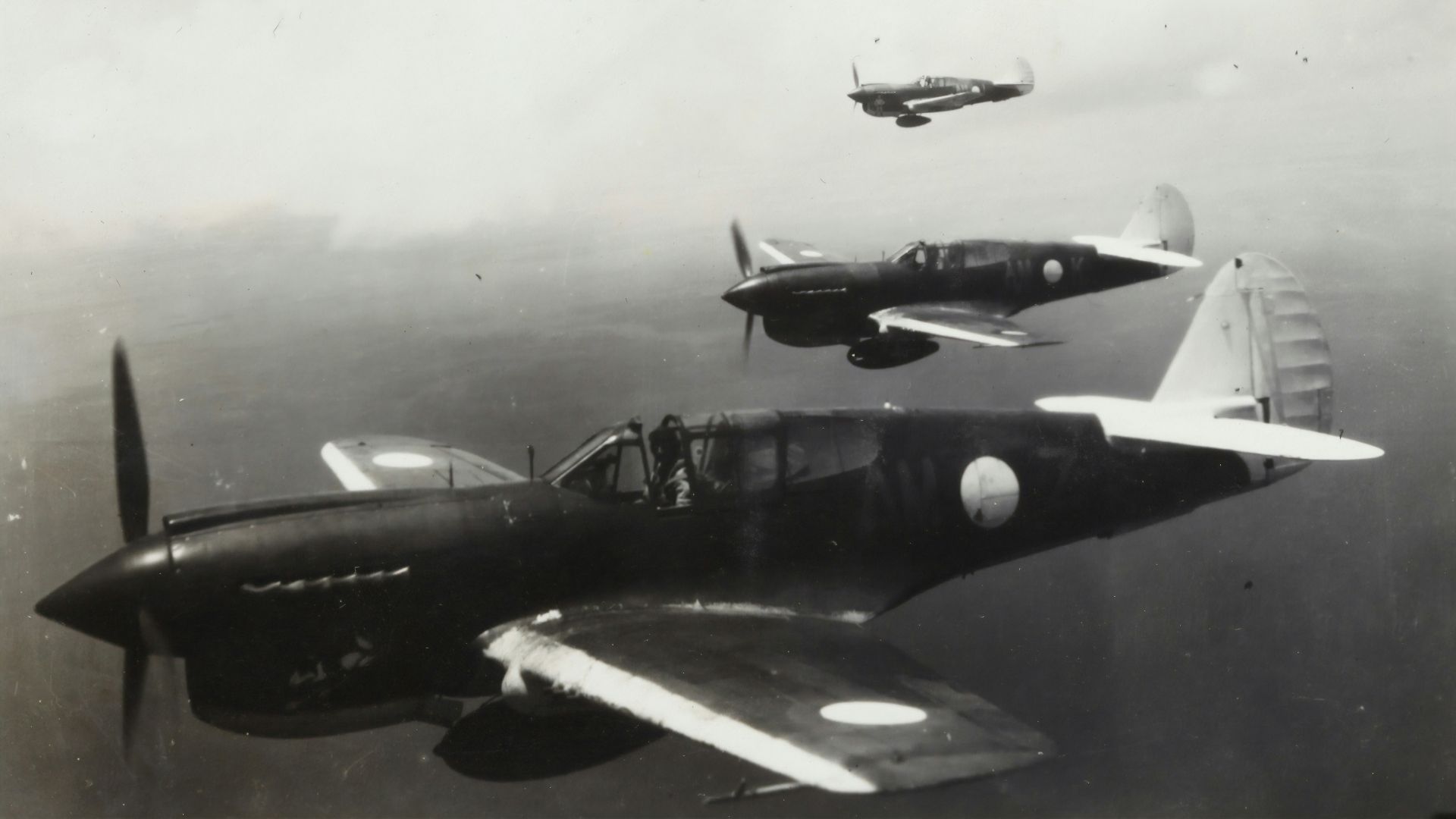
14. Island-Hopping Assaults In The Pacific (WWII)
Troops landed on small islands fortified by Japanese defenders. Beaches were often shelled by artillery and machine guns. Casualties occurred before soldiers reached cover. Retreat was rarely an option.
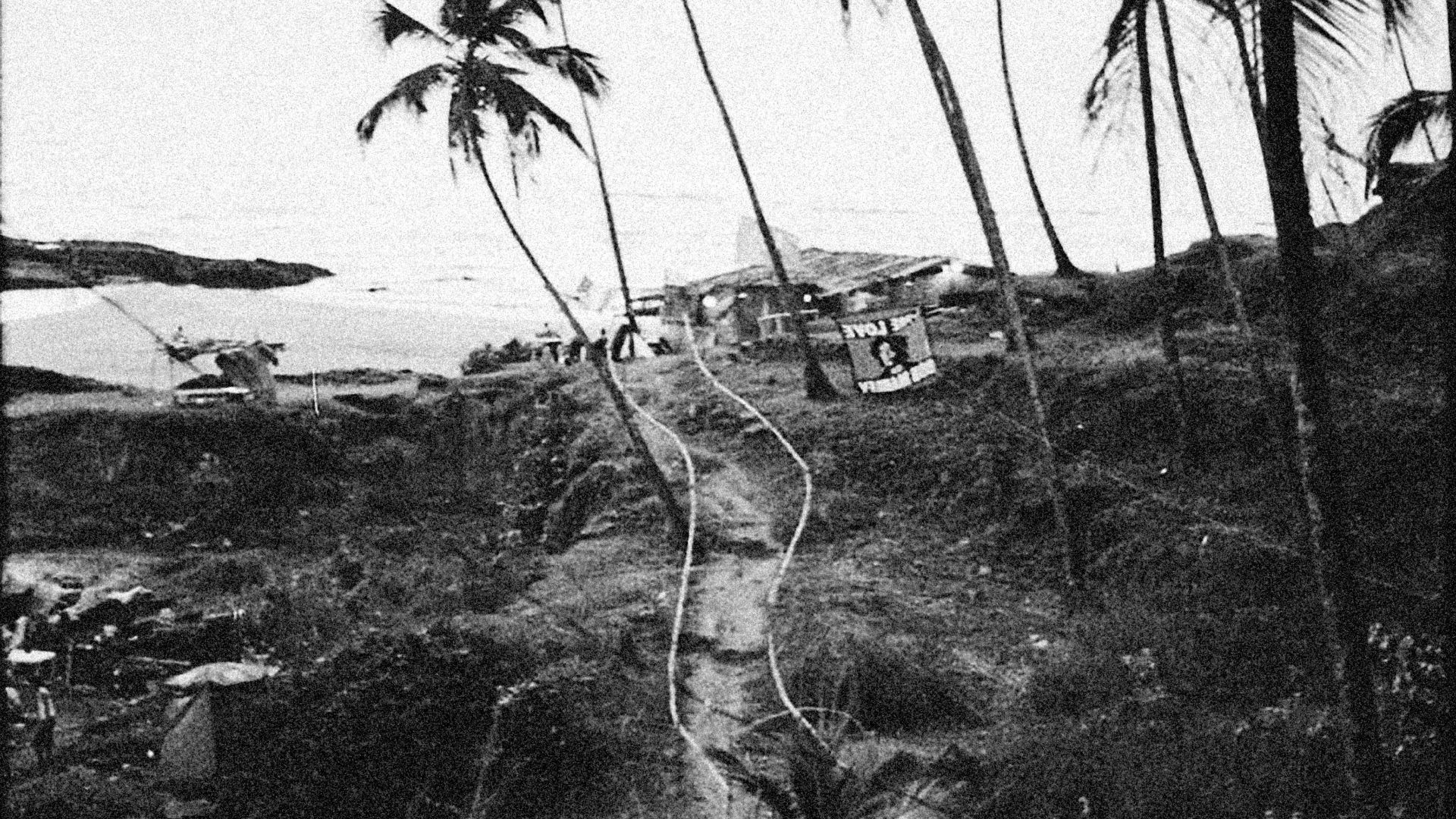
15. Arctic Convoys To The Soviet Union (WWII)
Allied ships delivered supplies through freezing waters under constant threat. German submarines and aircraft targeted slow-moving convoys. Extreme cold made survival in the water nearly impossible. Losses were frequent and brutal.
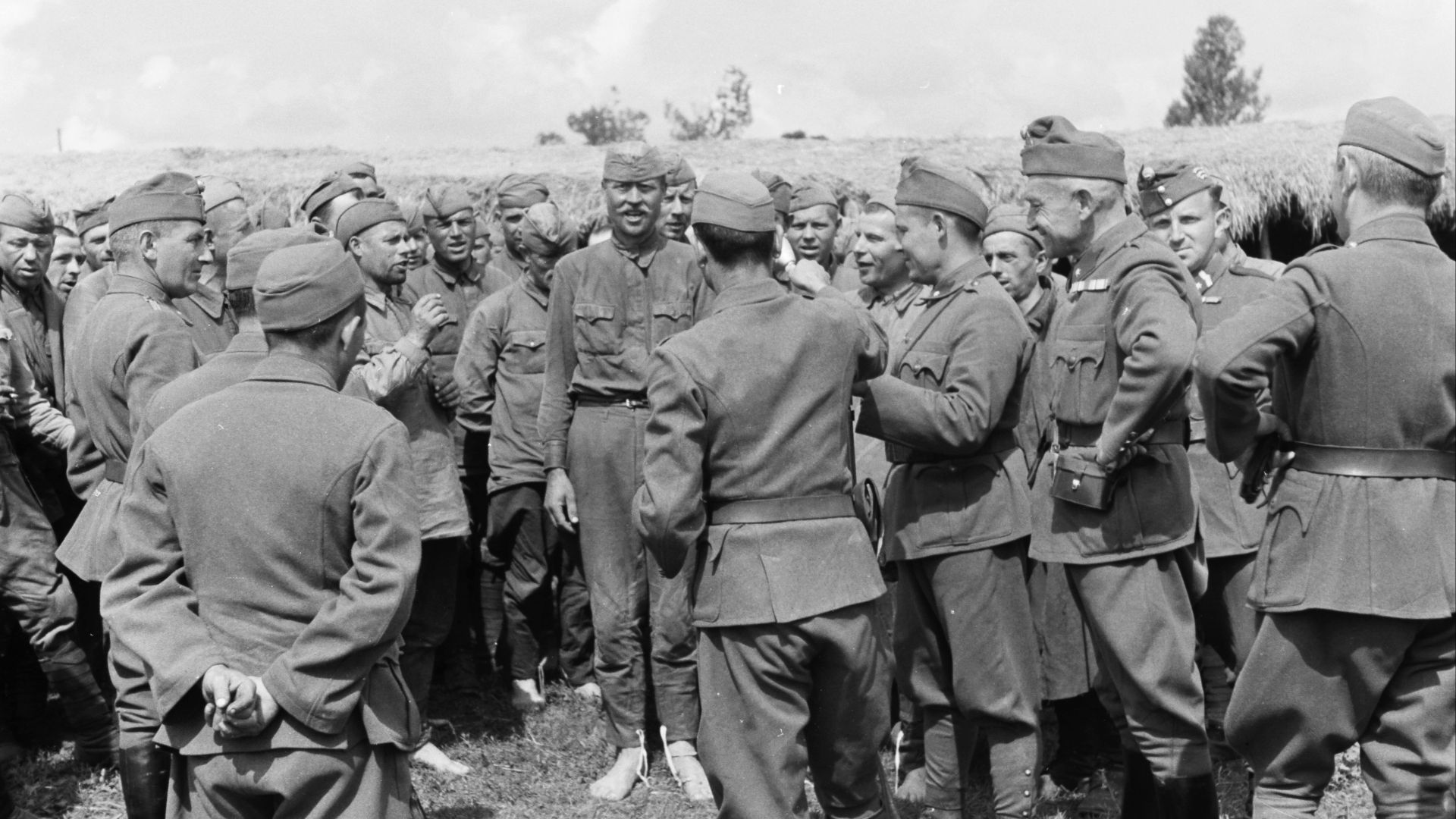 FOTO:Fortepan — ID 28032: Adományozó/Donor: Konok Tamás id. on Wikimedia
16. Resistance Operations Behind Enemy Lines (WWII)
Partisans and resistance fighters carried out sabotage and intelligence missions. Capture often meant torture or execution. They operated with minimal resources and constant fear of betrayal. Their work was vital but rarely recognized at the time.
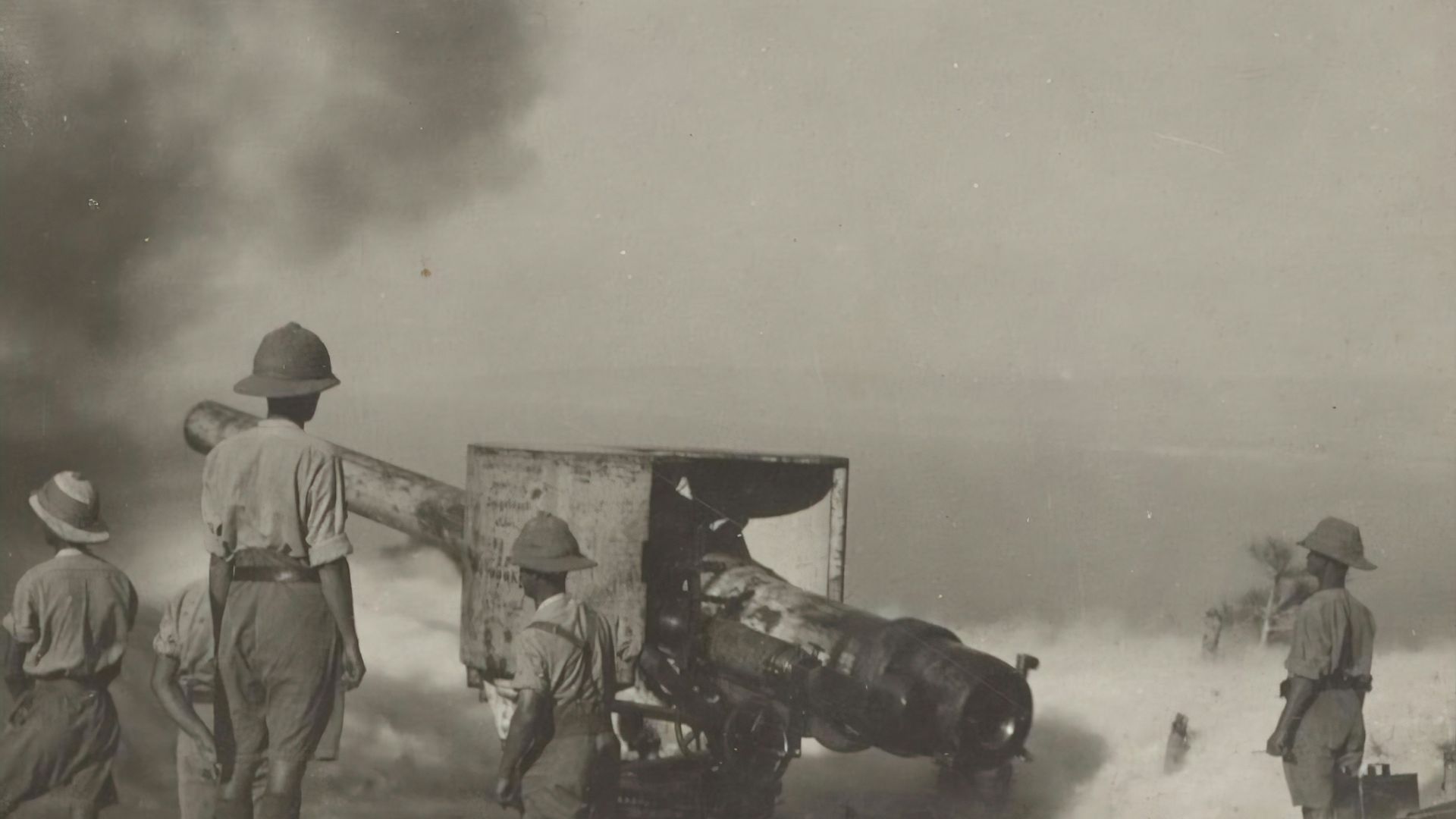
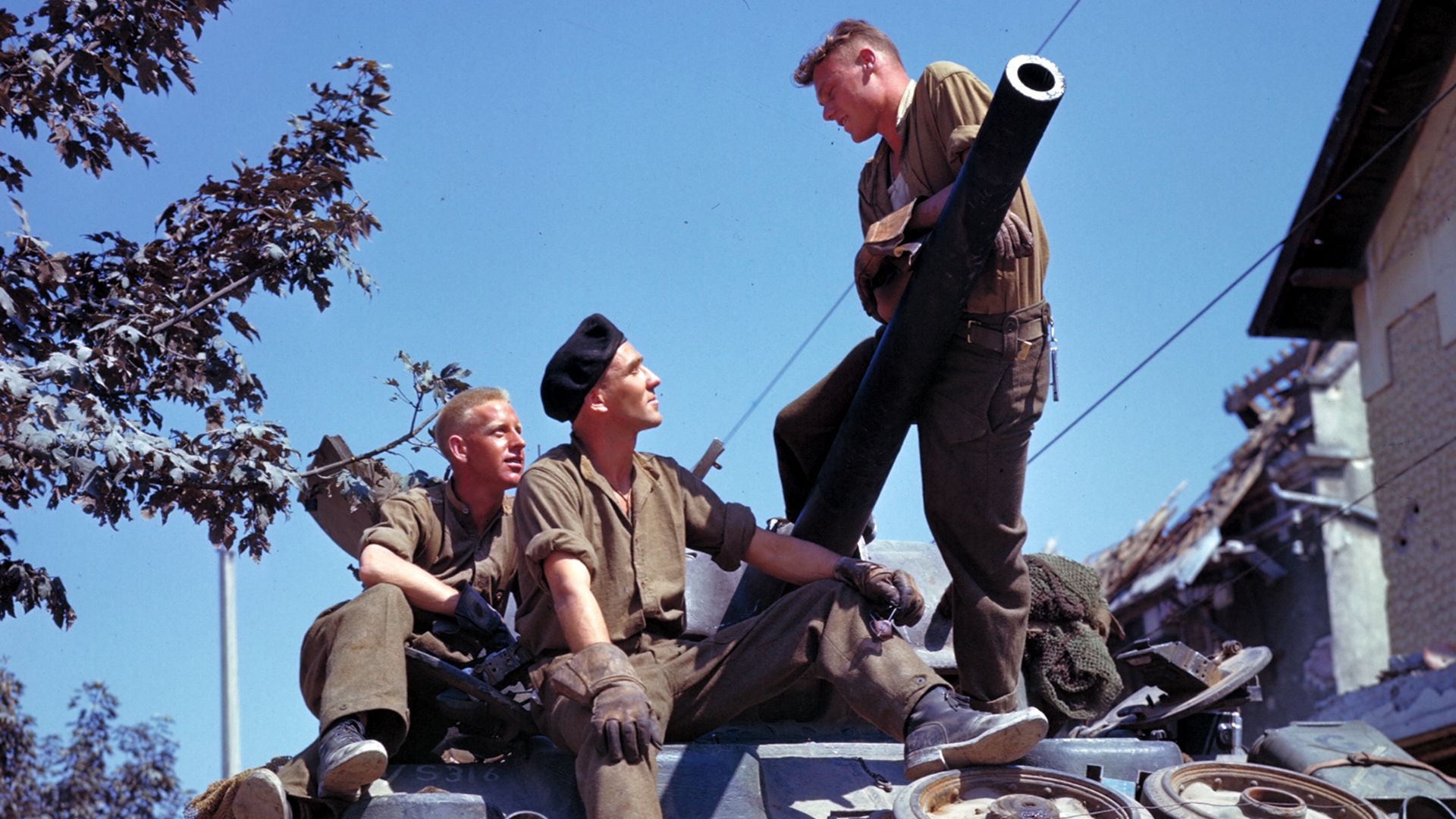
17. Tank Crews During Major Armored Battles (WWII)
Tank crews faced fierce enemy fire, mechanical failures, and fire hazards. Penetration often turned tanks into death traps. Escape was difficult under combat conditions, resulting in casualty rates being extremely high.
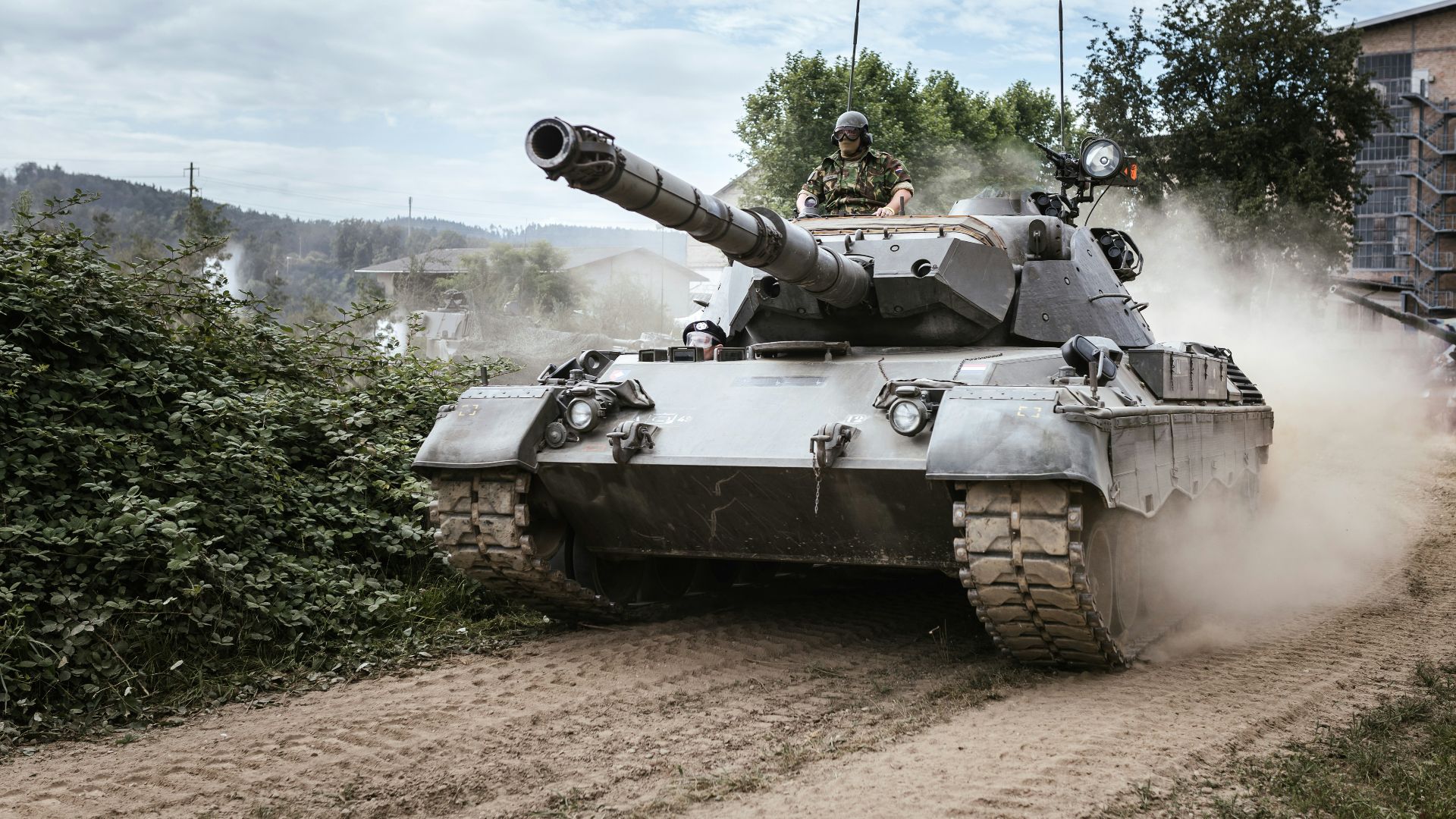
18. Chemical Warfare Exposure (WWI)
Gas attacks caused panic, blindness, and slow deaths. Protective equipment was unreliable early in the war. Wind shifts could turn gas back on friendly troops. Survivors often suffered lifelong health issues.
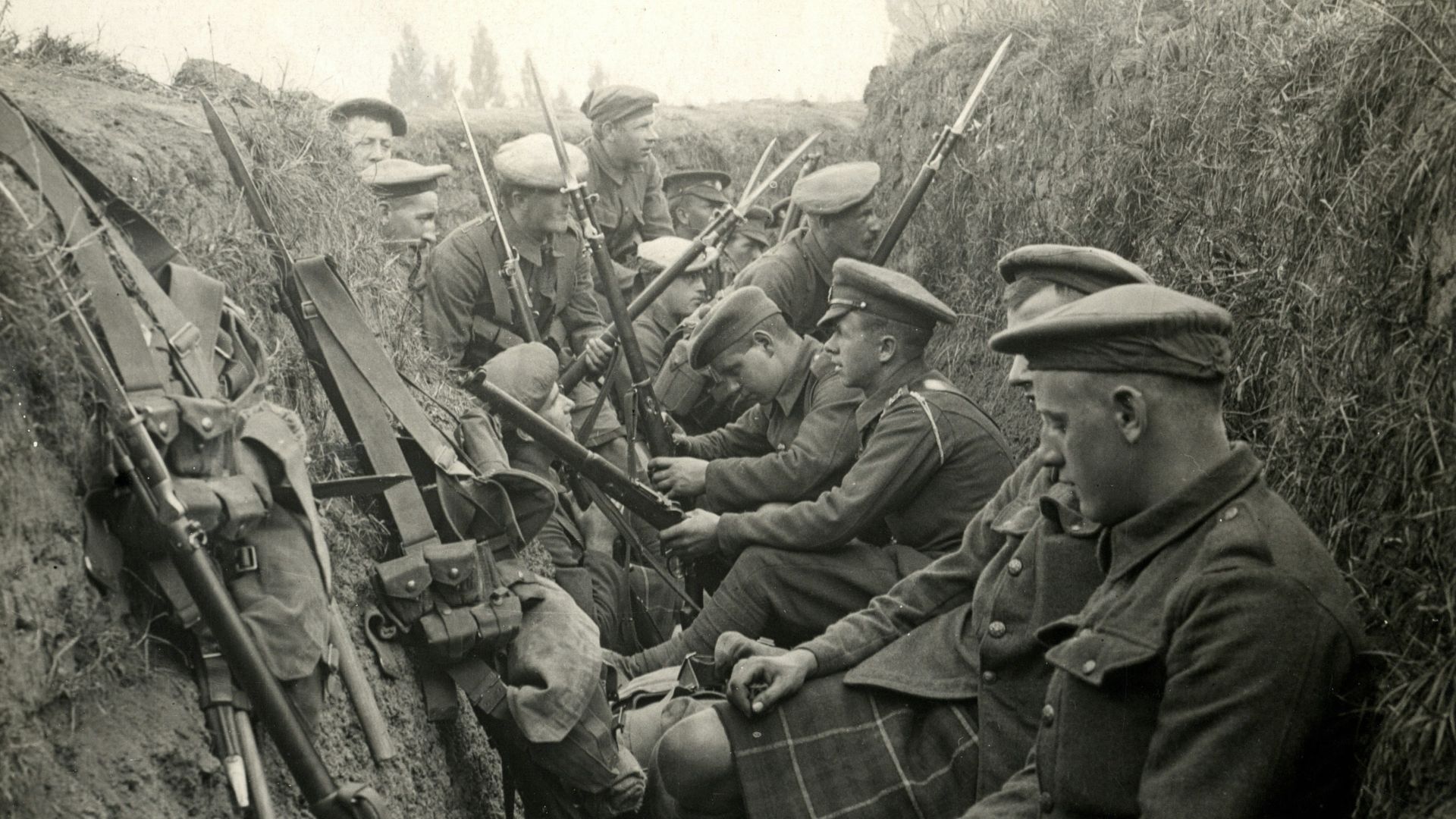
19. Naval Battles In The Pacific (WWII)
Carrier and surface battles exposed sailors to explosions and fires at sea. Damage control was dangerous and exhausting. Falling overboard often meant certain death, and ships could be lost in minutes.
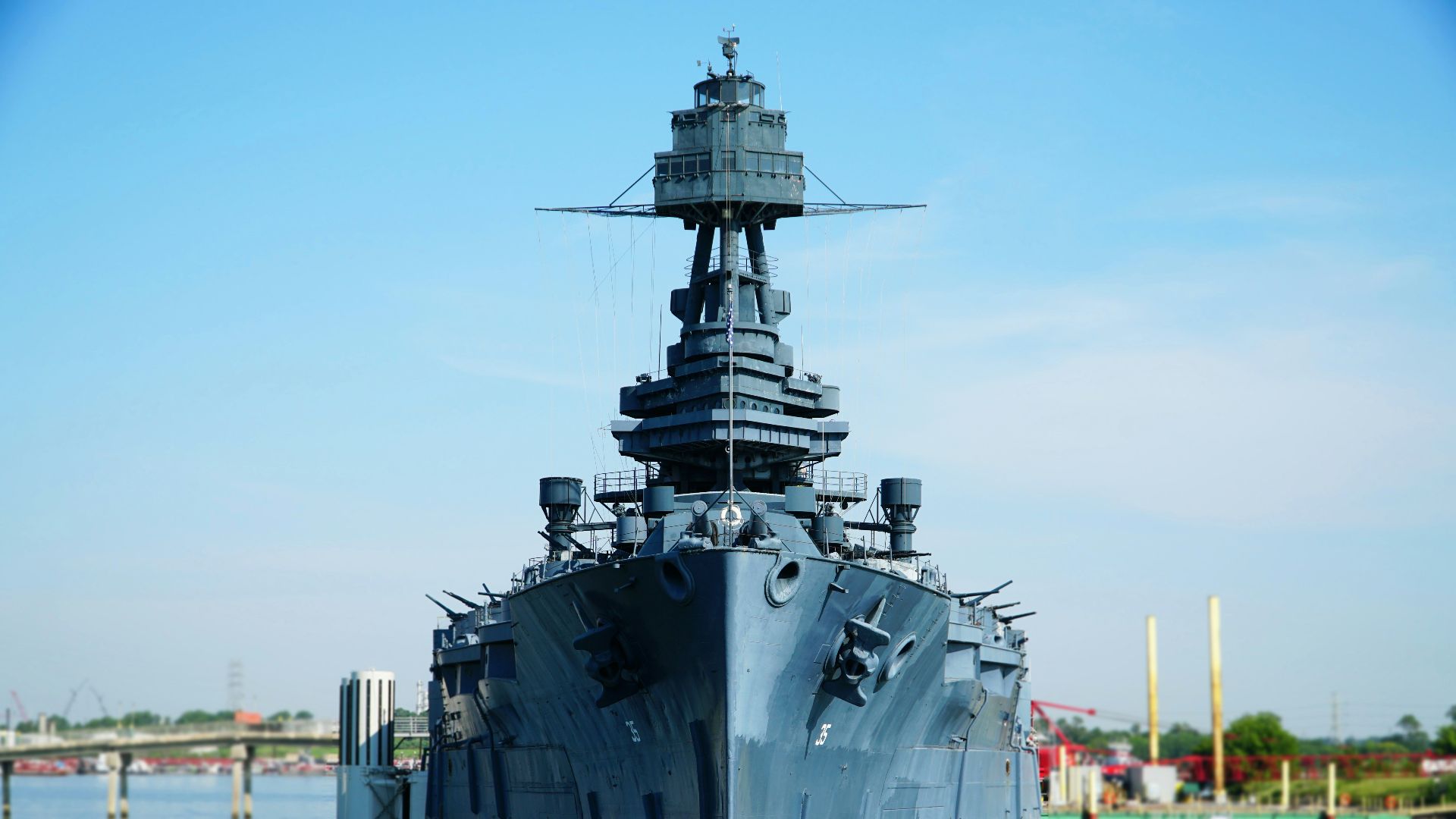
20. Medical Evacuation Under Fire (WWI And WWII)
Medics and stretcher bearers entered active combat zones without weapons. They were frequently targeted despite medical markings. Saving others meant risking everything, but this courage saved countless lives even at great personal cost.
KEEP ON READING

20 Historical Figures Who Died Too Young
Lives Tragically Cut Short. History often remembers long reigns, mature…
By Christy Chan May 15, 2026
20 Historical Figures Who Died Right Before Everything Changed
Those Who Left Just Before the Final Act. Some people…
By Emilie Richardson-Dupuis May 15, 2026
20 Historical Figures Who Were Hot In Their Time But…
What Do You Think?. Beauty is famously in the eye…
By Sara Springsteen May 15, 2026
20 Greatest Underdogs In History
The World Did Not See That Coming. Everyone loves a story…
By Sara Springsteen May 15, 2026
20 Historical Figures Who Went From Villain To Antihero
History Gets Messy. History loves a clean villain. It gives…
By Cameron Dick May 15, 2026
10 Animals Humans Ate Into Extinction & 10 We Nearly…
The Menu Has Teeth. Extinction can sound distant, like something…
By Cameron Dick May 15, 2026