

10 Times Top Spies Got Caught & 10 Where They Avoided Capture
When Espionage Goes Wrong—and When It Almost Does
Espionage is often portrayed as flawless and glamorous, but real spycraft is messy, risky, and deeply human. Even the most skilled intelligence officers make mistakes, rely on luck, or survive only because circumstances break their way. Looking at moments when famous spies were exposed alongside cases where capture was narrowly avoided shows how thin the line is between legend and failure. Here are 10 times top spies got caught and 10 where they avoided capture.
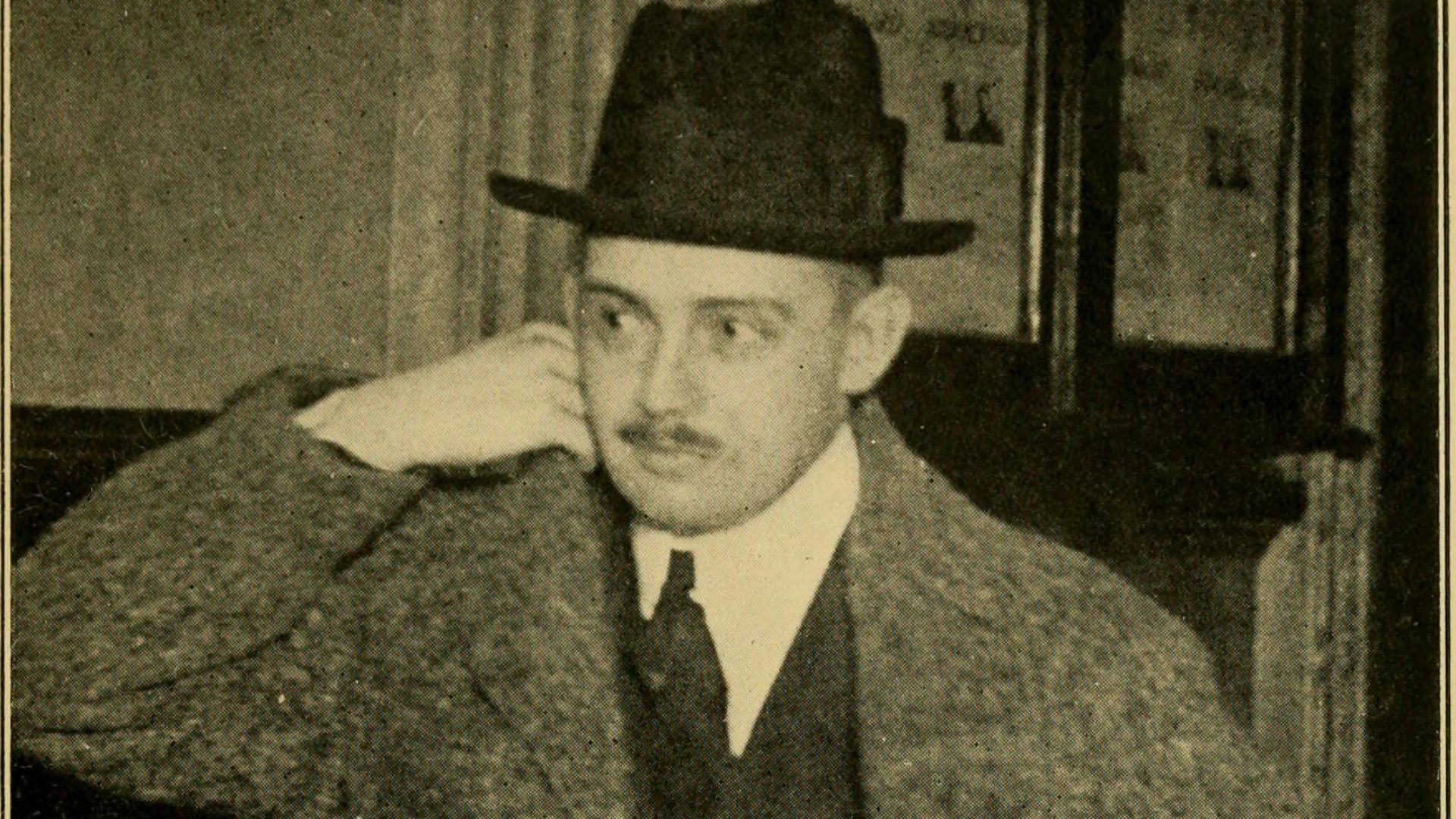 Internet Archive Book Images on Wikimedia
1. Aldrich Ames and the Paper Trail
Ames lived far beyond his CIA salary, drawing attention he couldn’t explain. Financial inconsistencies eventually triggered an internal investigation. His arrest exposed one of the most damaging betrayals in American intelligence history. The case highlighted how basic lifestyle monitoring can uncover even deeply embedded operatives.
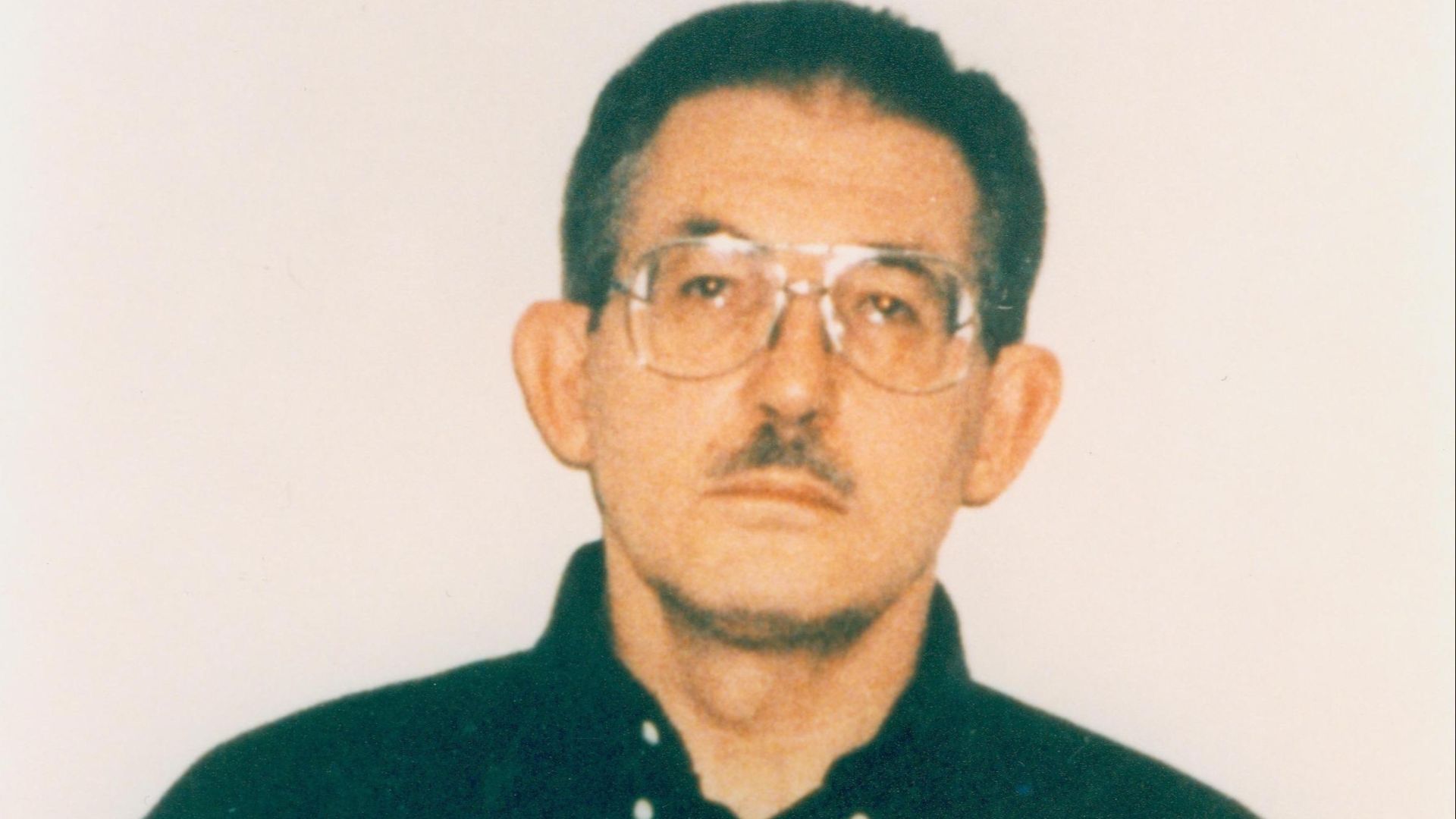 Federal Bureau of Investigation on Wikimedia
2. Kim Philby’s Long Game Ends
Philby worked inside British intelligence while secretly serving the Soviets. Years of suspicion finally caught up to him after multiple defections pointed his way. Once confronted, his credibility collapsed almost instantly. His exposure permanently damaged trust within Western intelligence agencies.
3. Julius Rosenberg’s Atomic Secret
Rosenberg passed nuclear information to the Soviet Union during World War II. Investigators pieced together testimony and communications linking him to espionage. His conviction became a defining Cold War moment. The case intensified public fear surrounding nuclear proliferation and espionage.
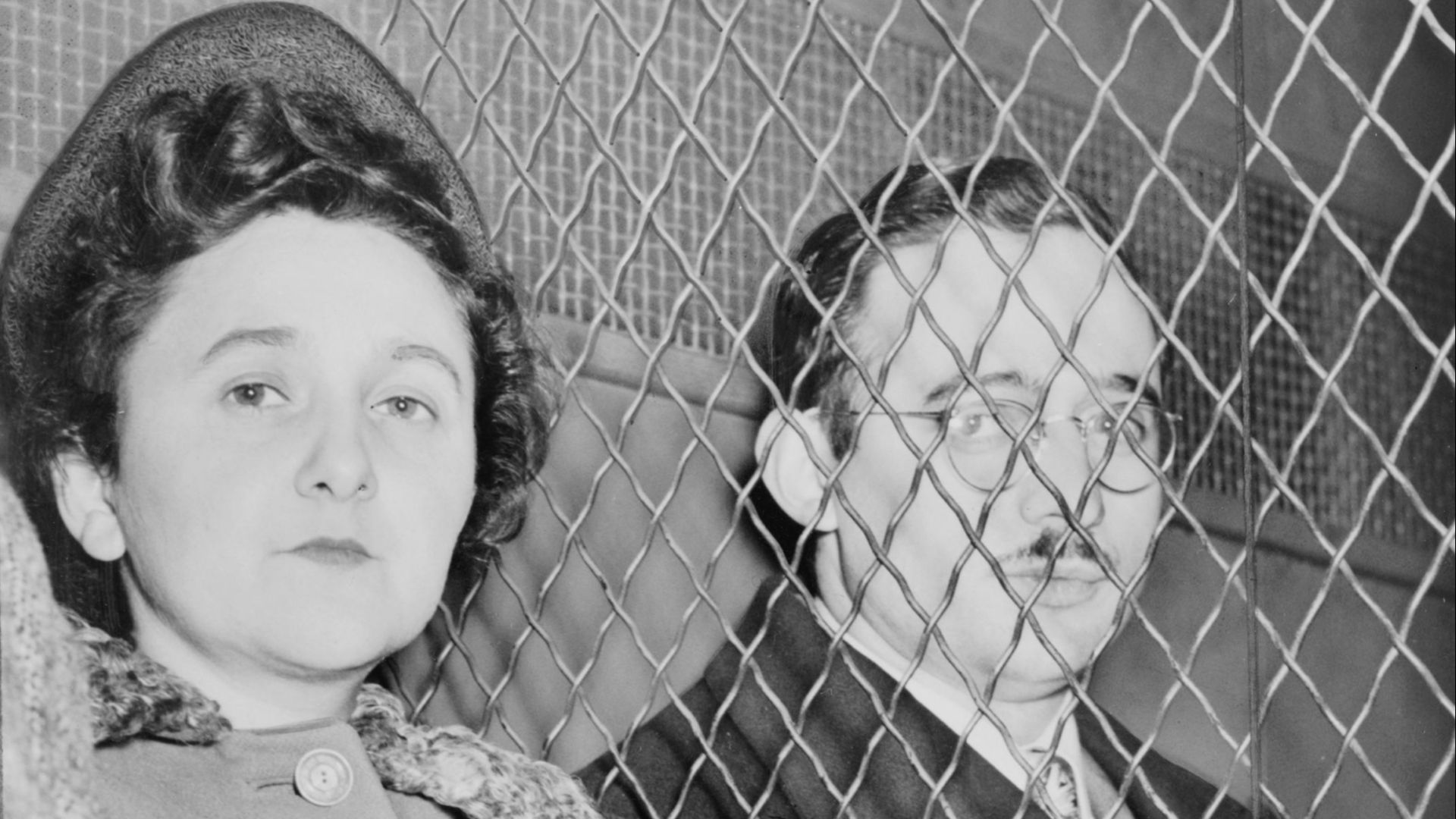 Roger Higgins, photographer from
4. Klaus Fuchs Breaks Under Questioning
Fuchs leaked atomic secrets while working on the Manhattan Project. Interrogators noticed inconsistencies and applied sustained pressure. He eventually confessed, unraveling a wider espionage network. His admission forced security reviews across multiple scientific institutions.
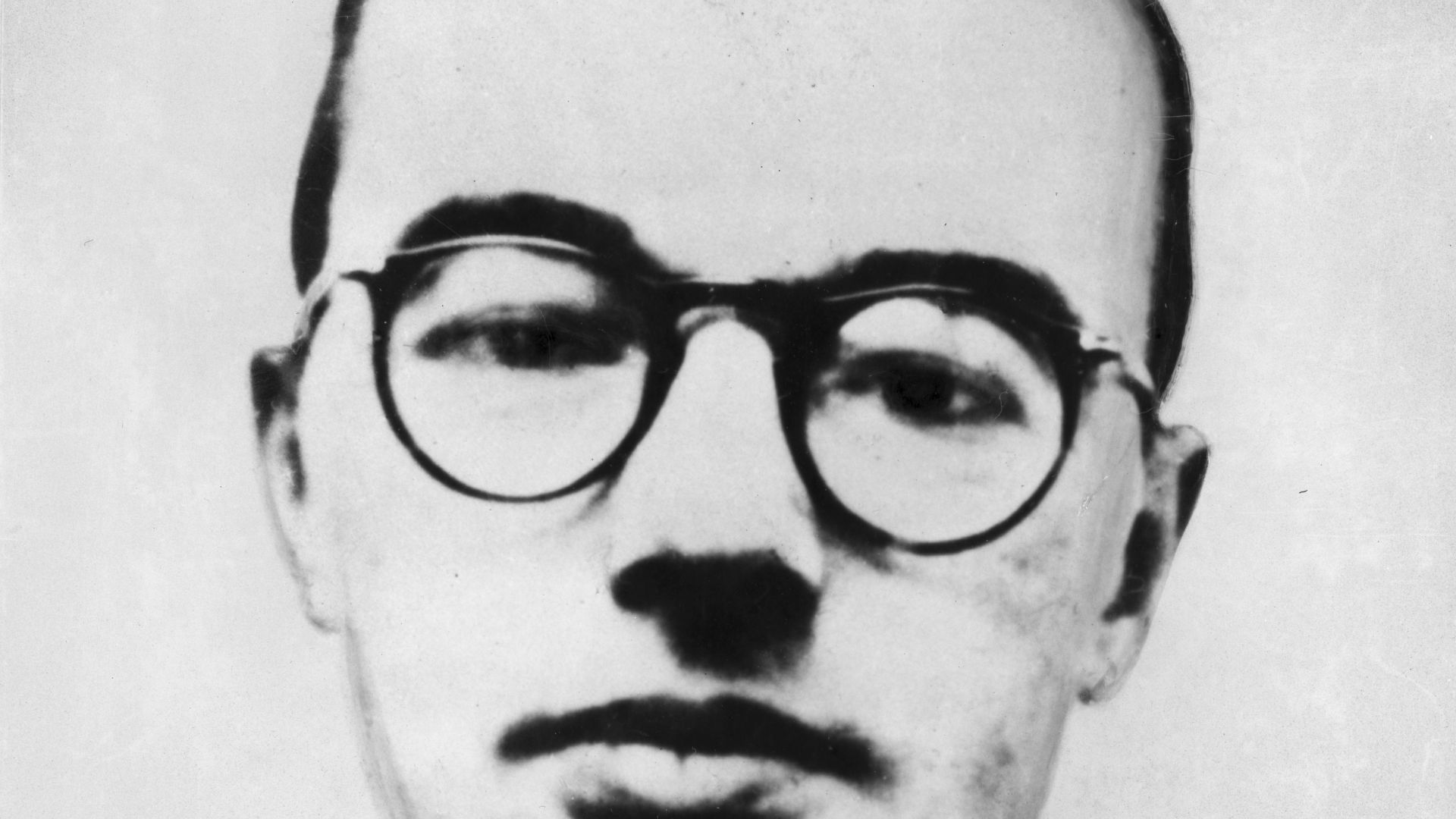 Fastfission~commonswiki on Wikimedia
5. Mata Hari’s Fatal Visibility
Mata Hari’s fame made secrecy nearly impossible to maintain. French intelligence tracked her movements and communications closely. Her arrest showed how notoriety can be a liability in espionage. Her trial blurred the line between myth, propaganda, and verified intelligence.
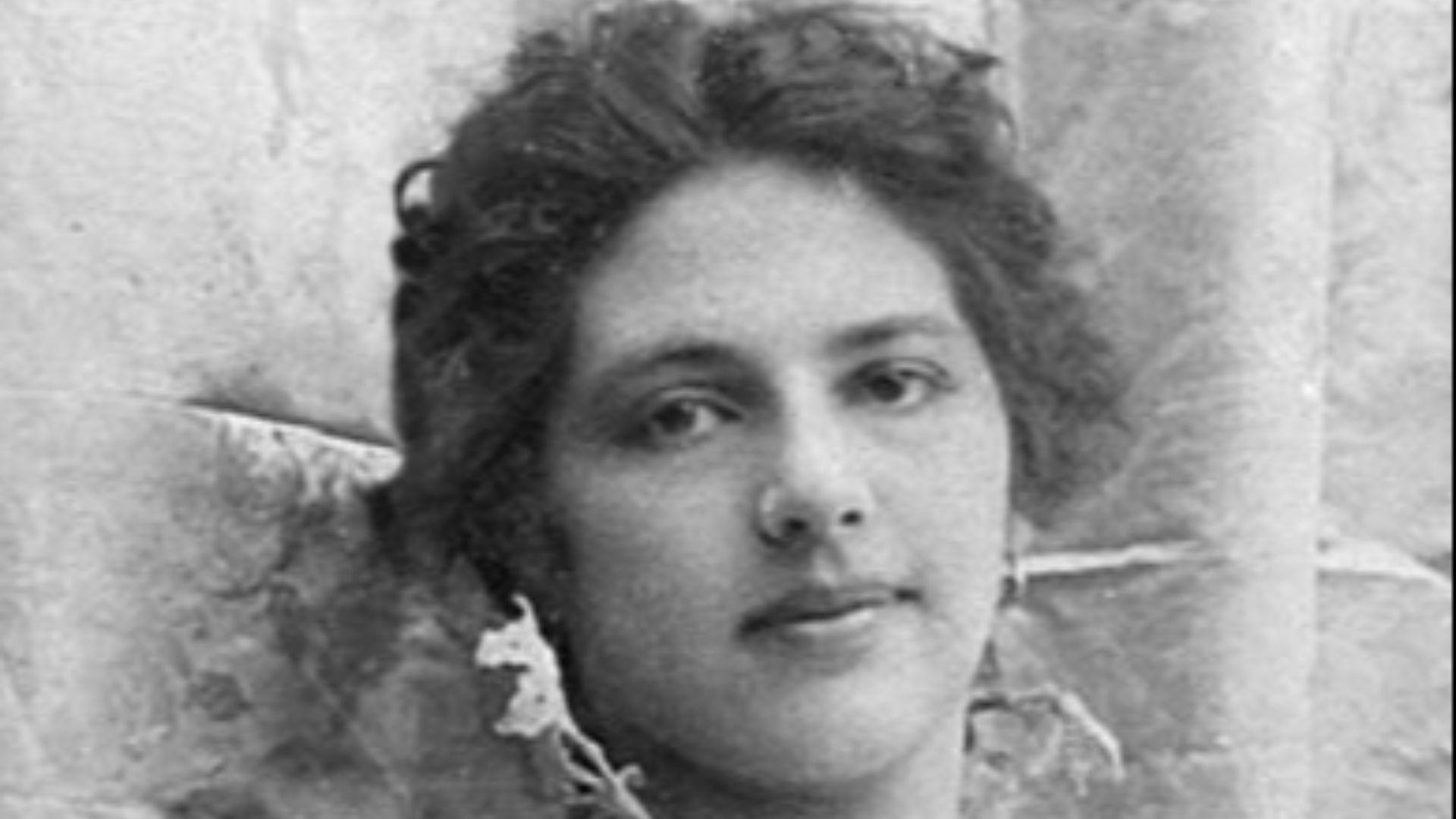 Koene & Com / Batavia-Amsterdam on Wikimedia
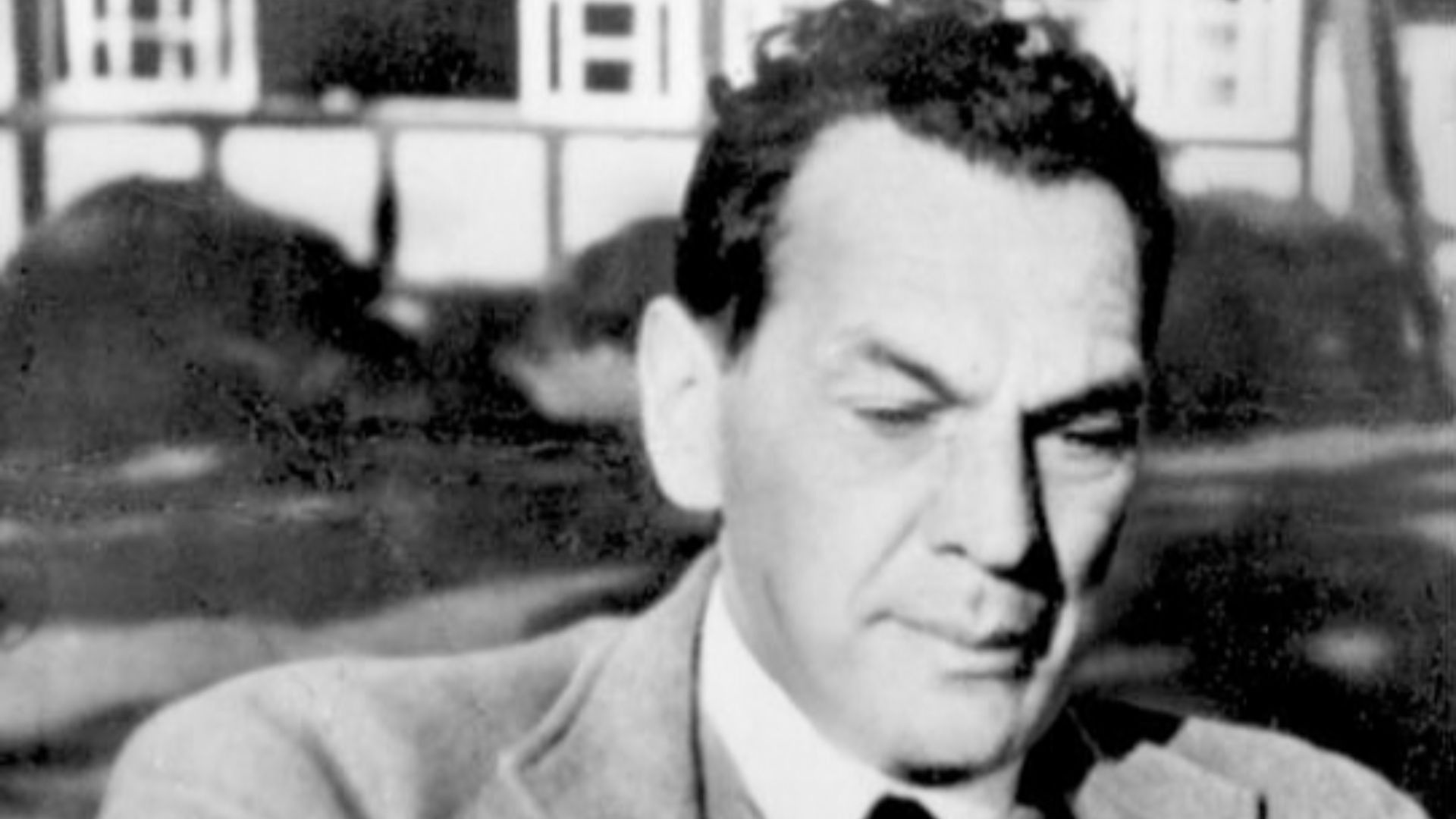
6. Richard Sorge’s Radio Signals
Sorge transmitted intelligence from Japan using clandestine radio equipment. Japanese counterintelligence detected suspicious transmissions over time. His arrest ended one of history’s most effective spy operations. Despite capture, his intelligence continued to prove remarkably accurate.
7. Anna Chapman’s Sloppy Tradecraft
Chapman was part of a Russian sleeper network in the United States. Slppy communication methods exposed the group to surveillance. Authorities dismantled the ring before meaningful intelligence was extracted.
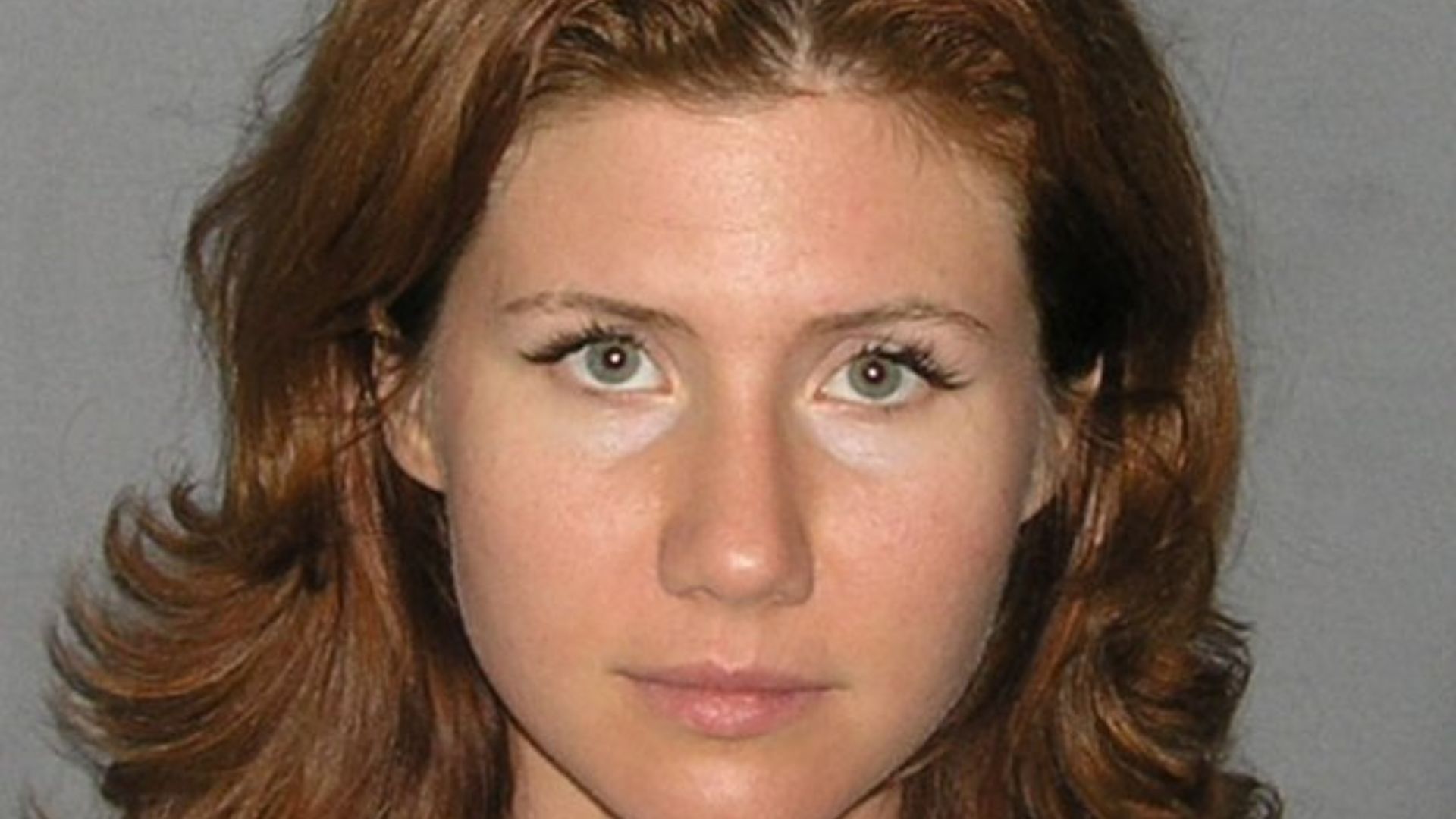 U.S. Marshals Service on Wikimedia
8. George Blake’s Confession
Blake was compromised after capture during the Korean War. Psychological pressure led him to defect ideologically. His later exposure shocked British intelligence leadership deeply. His betrayal prompted sweeping internal security reforms.
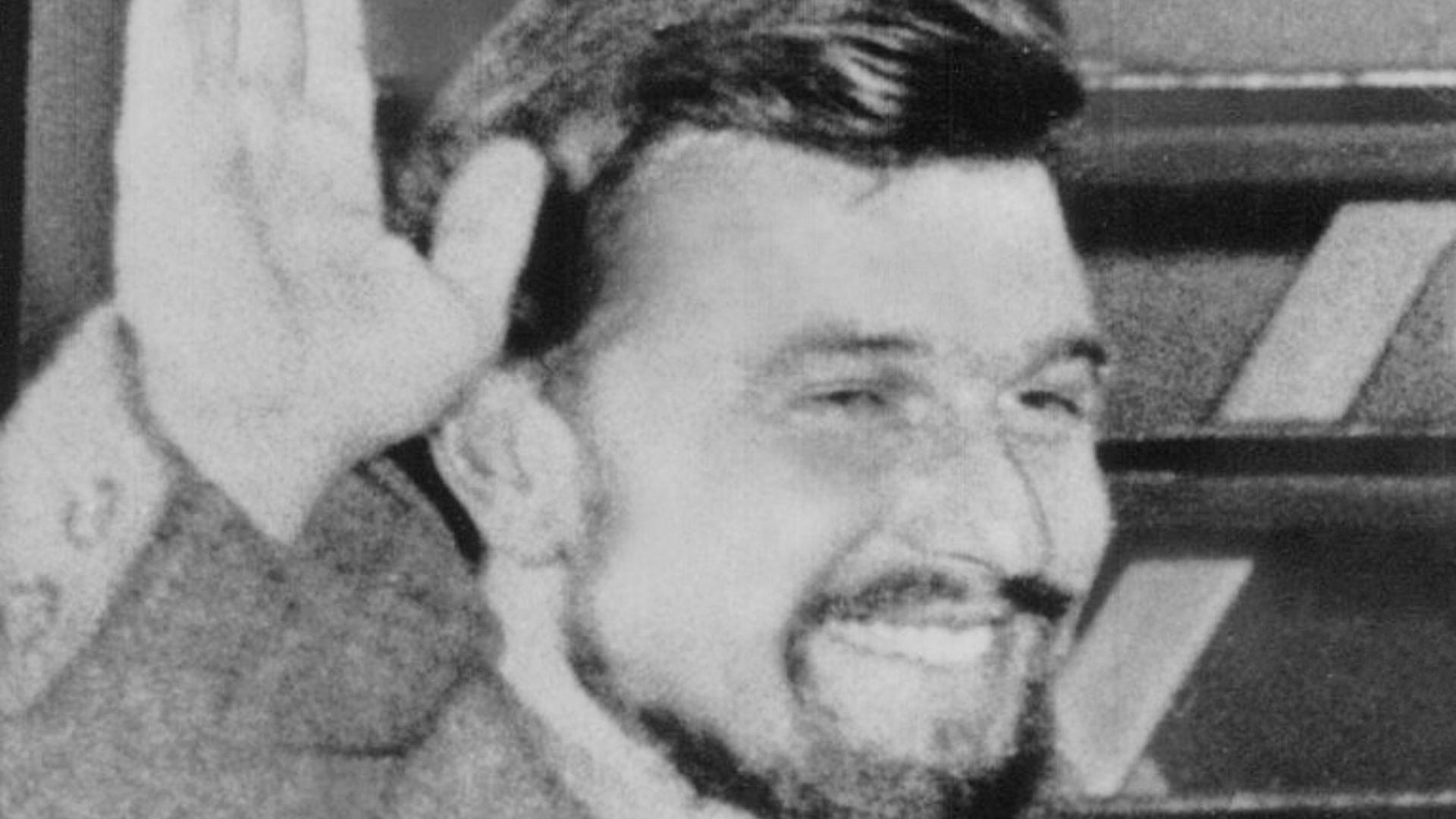 Unknown (Associated Press) on Wikimedia
9. Oleg Penkovsky’s Double Role
Penkovsky spied for the West while embedded in Soviet intelligence. Suspicion grew after operational security failures surfaced. His arrest ended a crucial intelligence channel during the Cold War. His information had already influenced major strategic decisions.
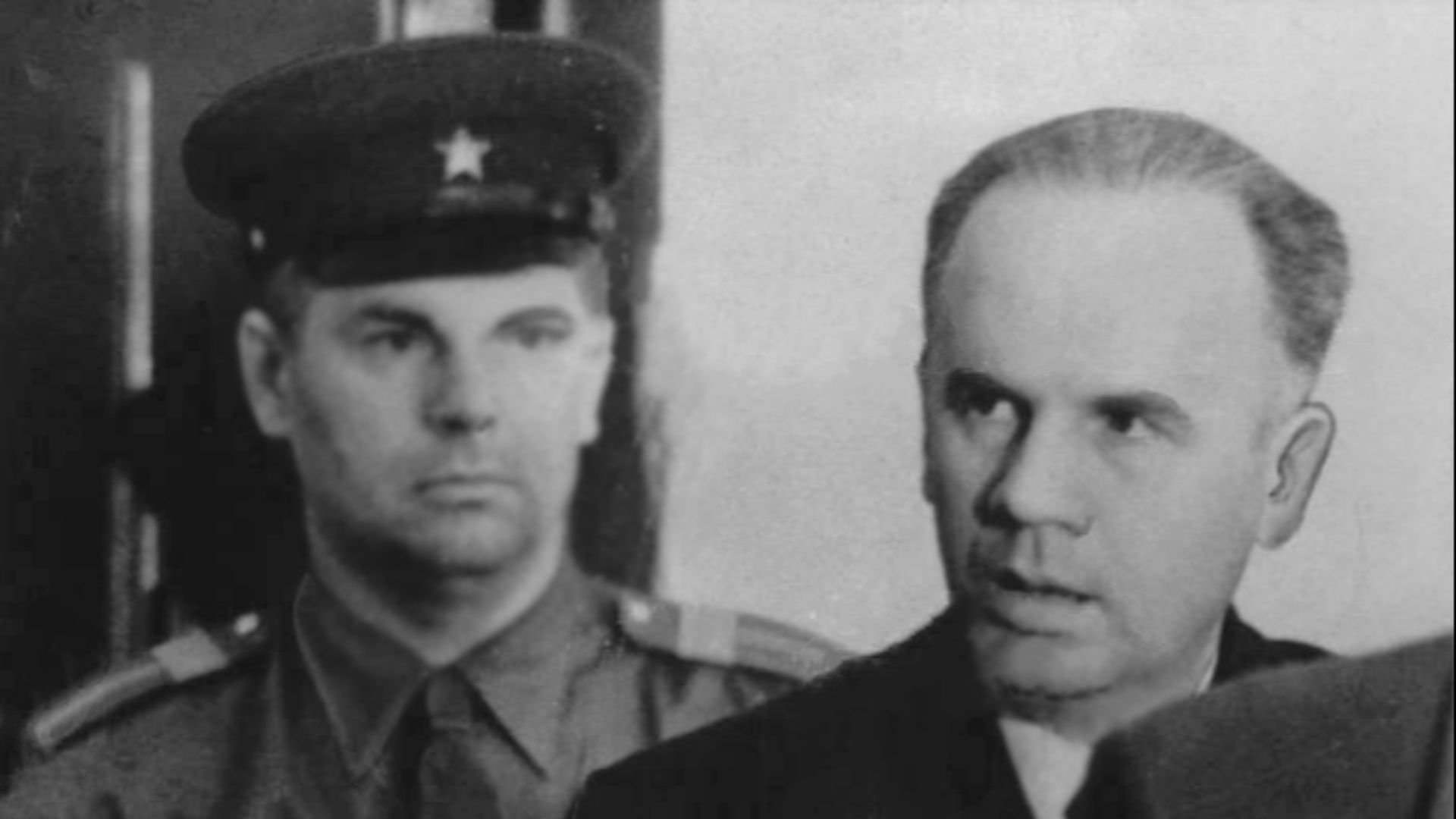 Unknown (Associated Press) on Wikimedia
10. Robert Hanssen’s Carelessness
Hanssen used dead drops but ignored evolving counterintelligence techniques. Colleagues noticed strange behavior patterns over time. His capture revealed severe internal security blind spots. The case forced the FBI to rethink insider threat detection.
 staff, Federal Bureau of Investigation on Wikimedia
1. T.E. Lawrence Blending Into the Desert
Lawrence adopted local customs and language fluently. His cultural immersion made him nearly indistinguishable from the surrounding populations. That adaptability kept suspicion at bay for years. His success showed the power of deep cultural understanding in espionage.
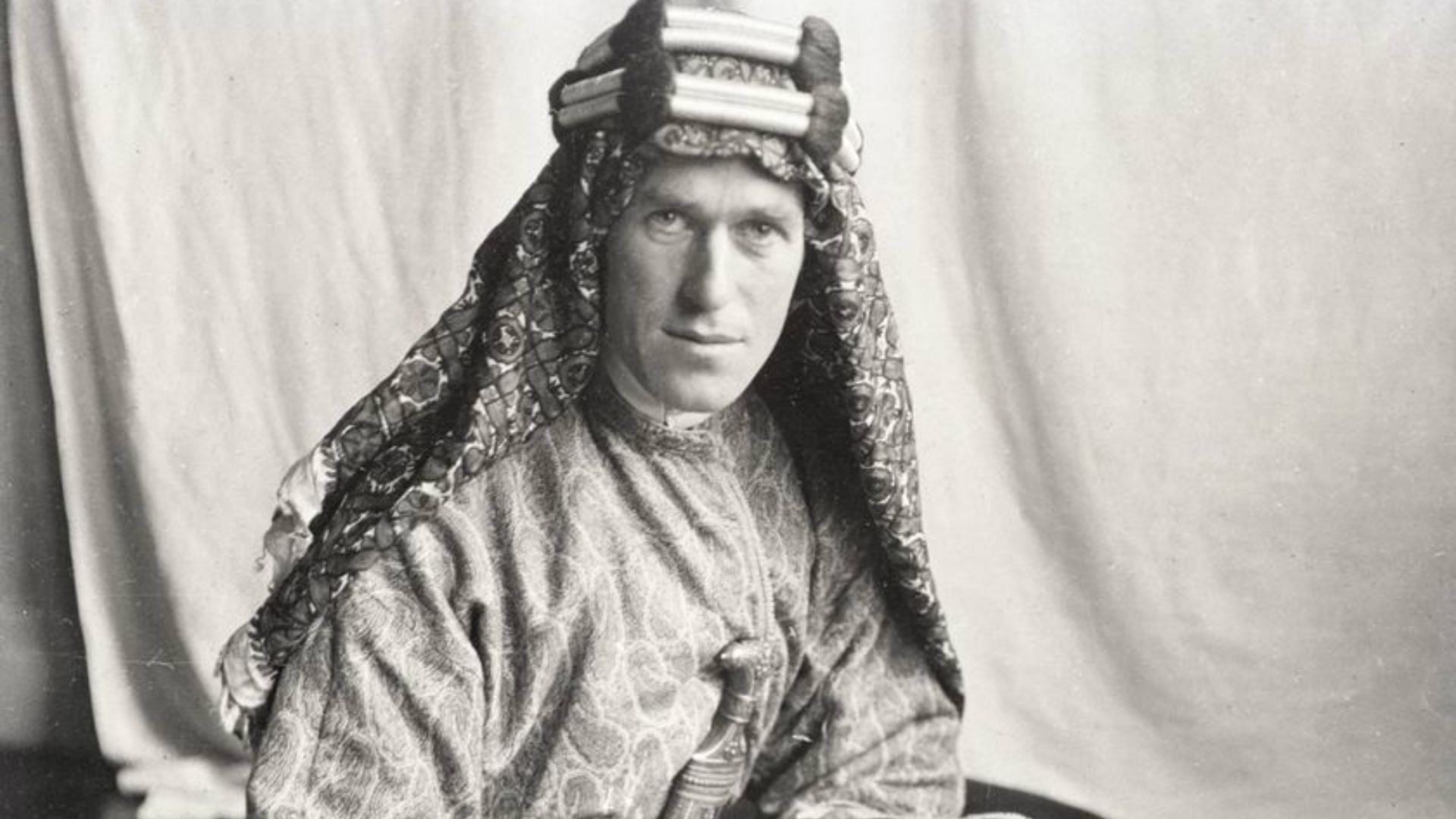 Lowell Thomas (photographer) on Wikimedia
2. Virginia Hall’s Escape Over the Pyrenees
With a prosthetic leg and a bounty on her head, Hall fled occupied France. She crossed dangerous terrain under constant threat. Her determination outpaced German pursuit efforts. Her escape became legendary within Allied intelligence circles.
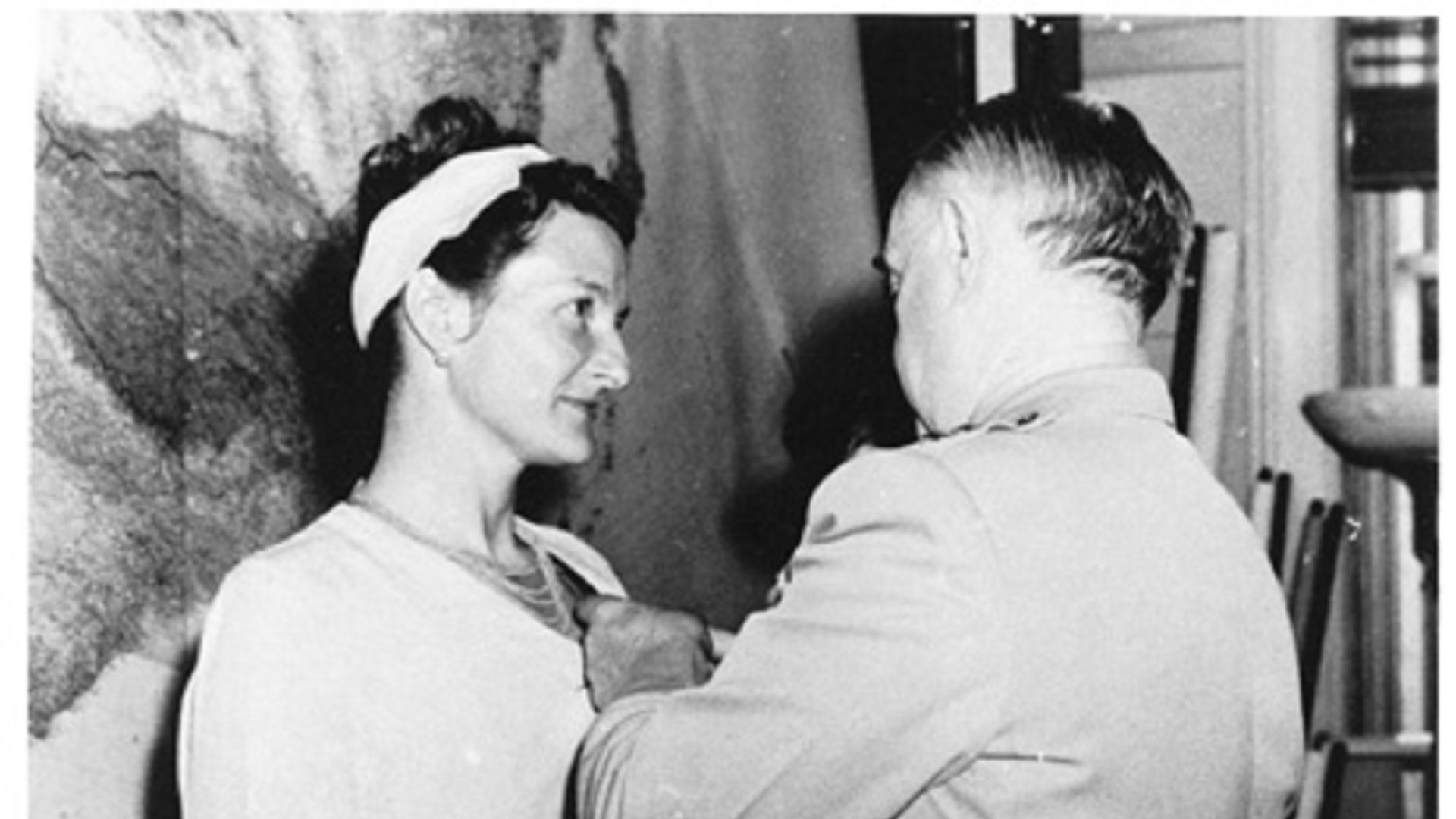 Unknown photographer who worked for the CIA. on Wikimedia
3. Garbo’s Masterful Deception
Juan Pujol García, whose code name was Garbo, fabricated an entire network of fake informants. German intelligence trusted him completely despite nonexistent sources. His deception redirected enemy resources successfully. The operation influenced key Allied strategic decisions.
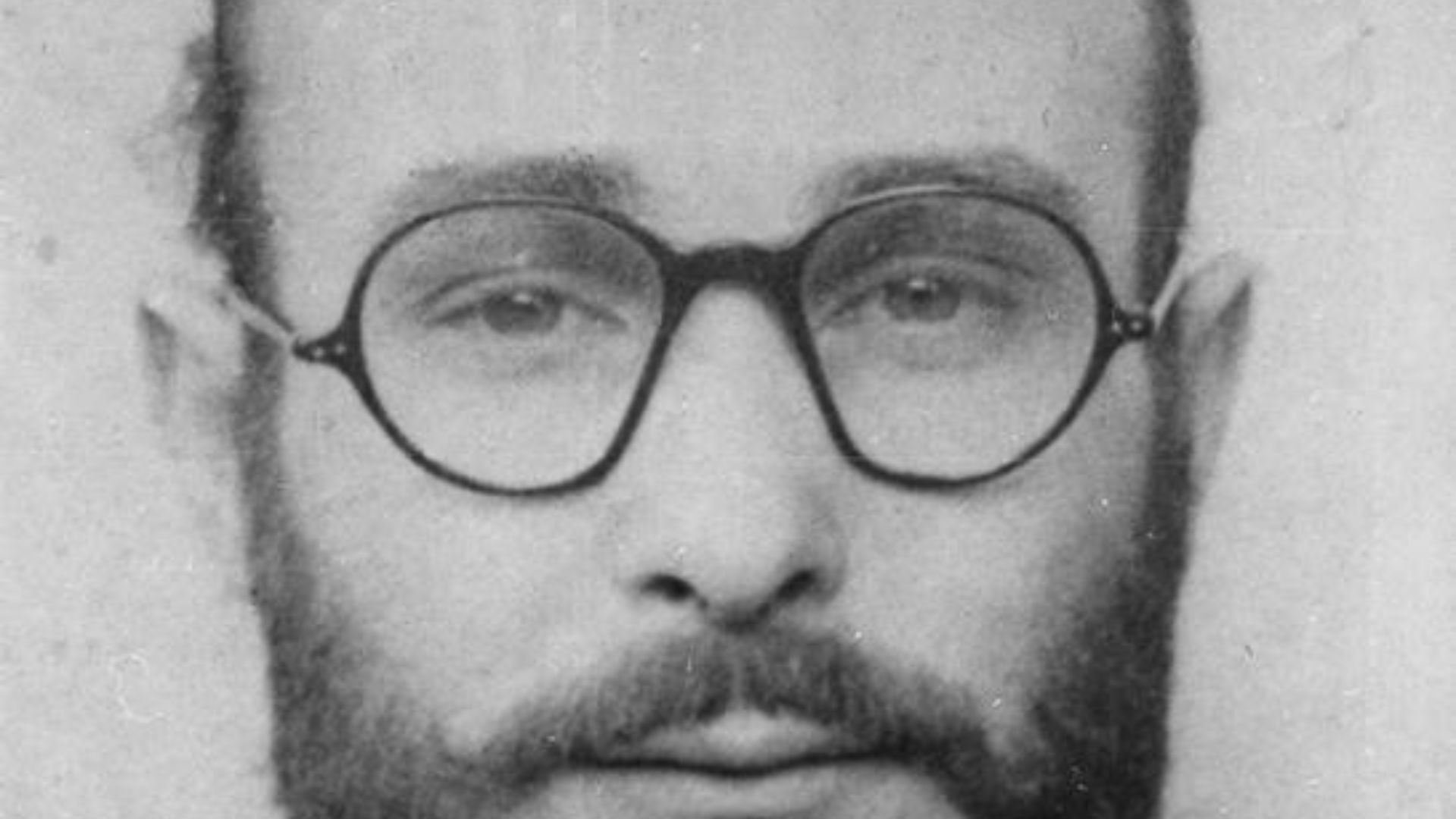
4. Sidney Reilly’s Early Escapes
Reilly survived multiple close calls through bold improvisation. He relied on forged documents and quick decisions. His luck and confidence often carried him through danger. These escapes fueled his reputation as a master spy.
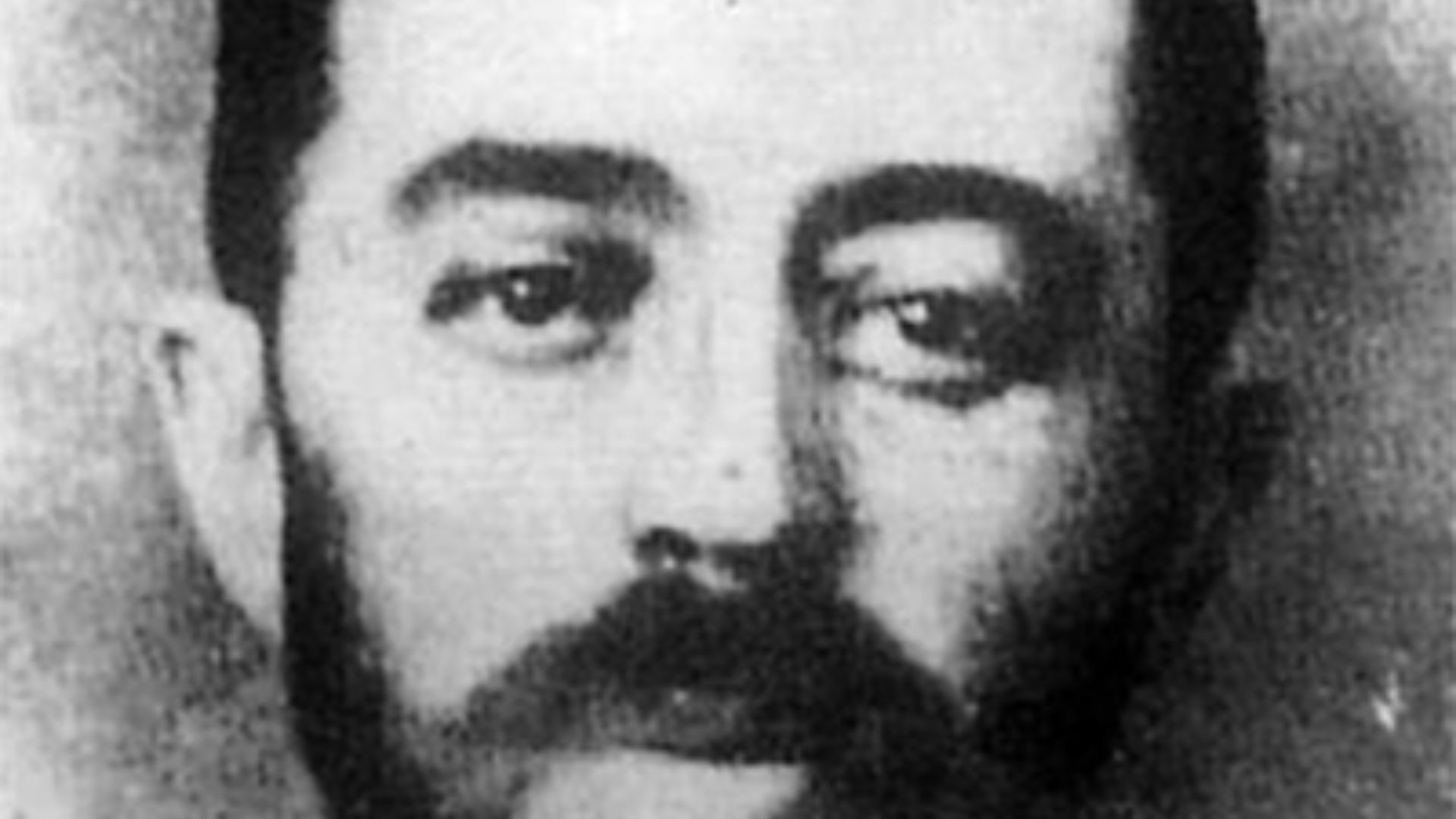 Deutsches Reich (September 1918) on Wikimedia
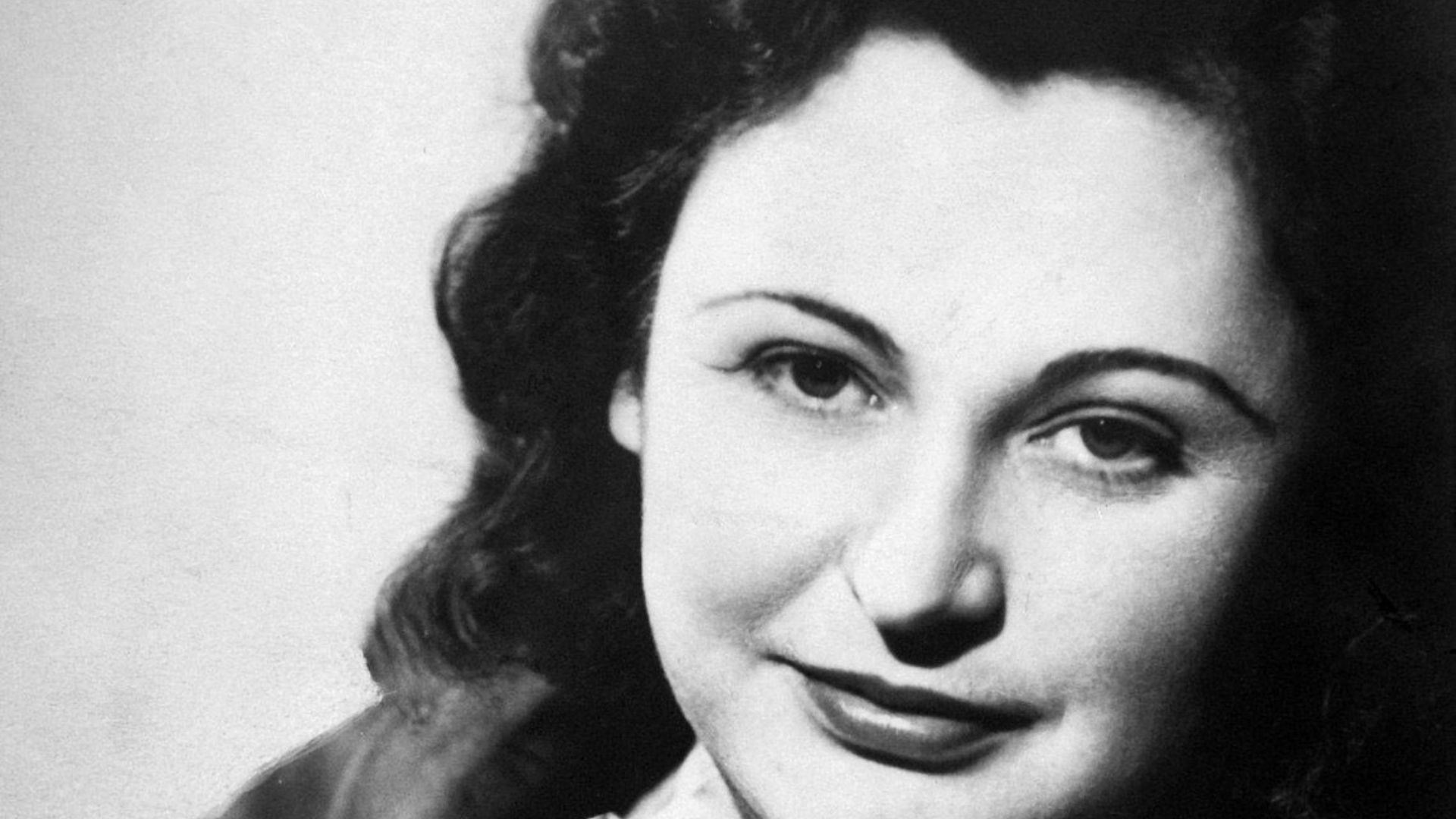
5. Nancy Wake’s Vanishing Act
Wake repeatedly evaded Nazi forces while aiding resistance movements. She used constant relocation and false identities. Authorities failed to pin her down despite intensive searches. Her elusiveness became a symbol of resistance and resilience.
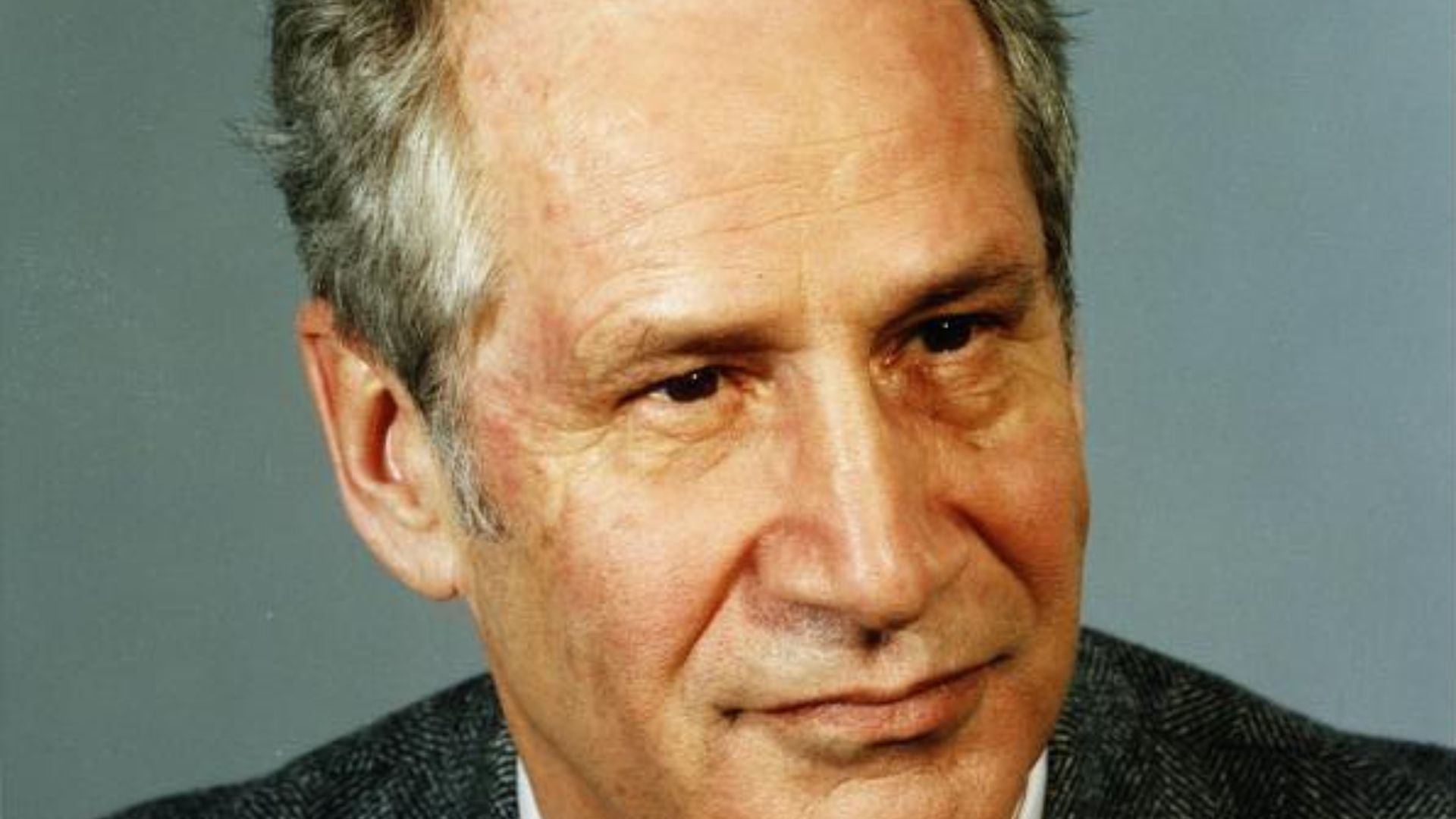
6. Markus Wolf’s Invisible Leadership
Wolf ran East German intelligence without revealing his face publicly. Western agencies lacked even a photograph for decades. Anonymity protected him from direct exposure. His invisibility frustrated intelligence agencies throughout the Cold War.
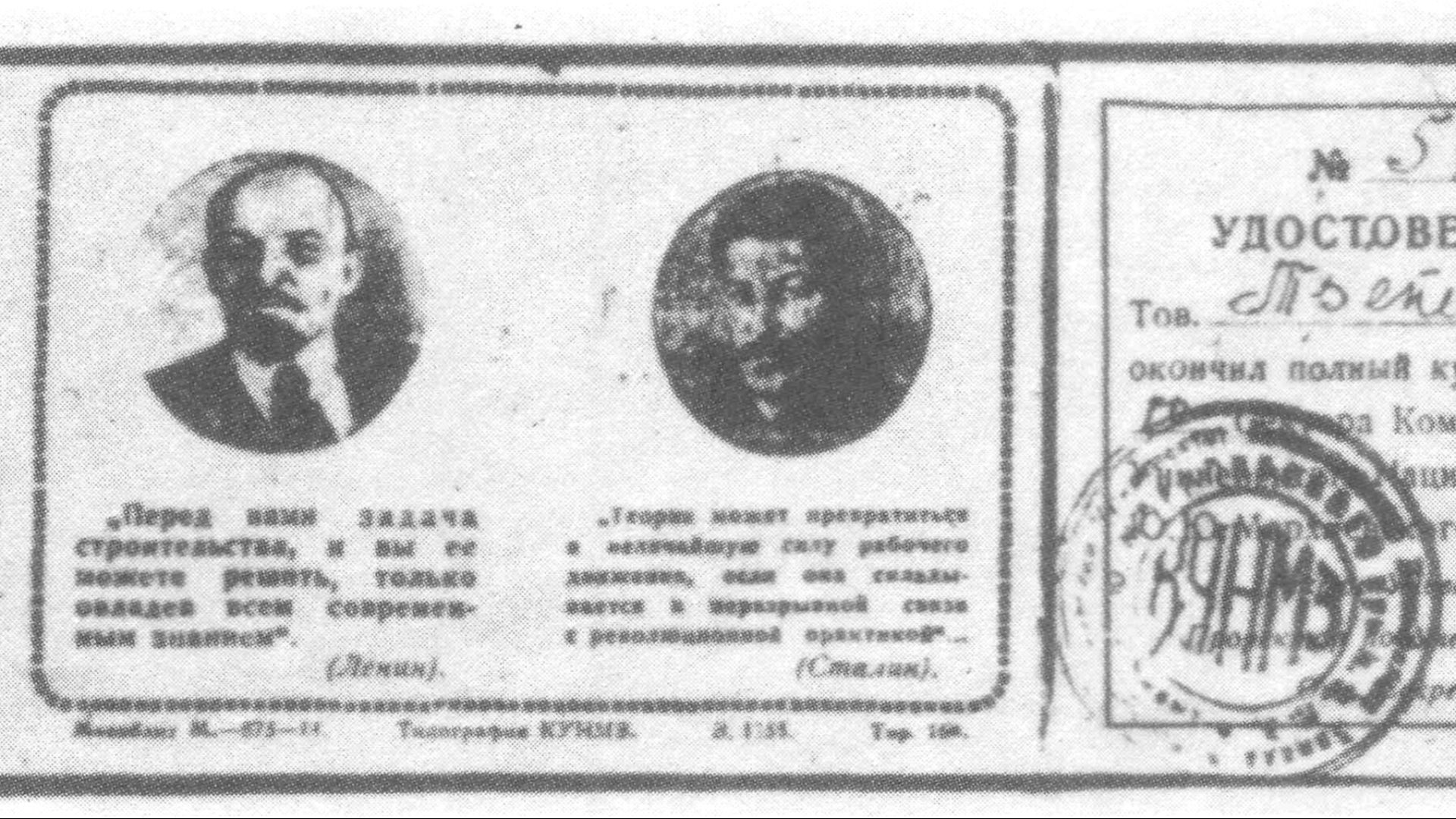
7. Leopold Trepper’s Misdirection
As head of the Red Orchestra, Trepper manipulated investigators skillfully. Even after arrest, he fed false leads. His deception shielded other operatives from discovery. This tactic preserved parts of the network longer than expected.
 Unknown authorUnknown author on Wikimedia
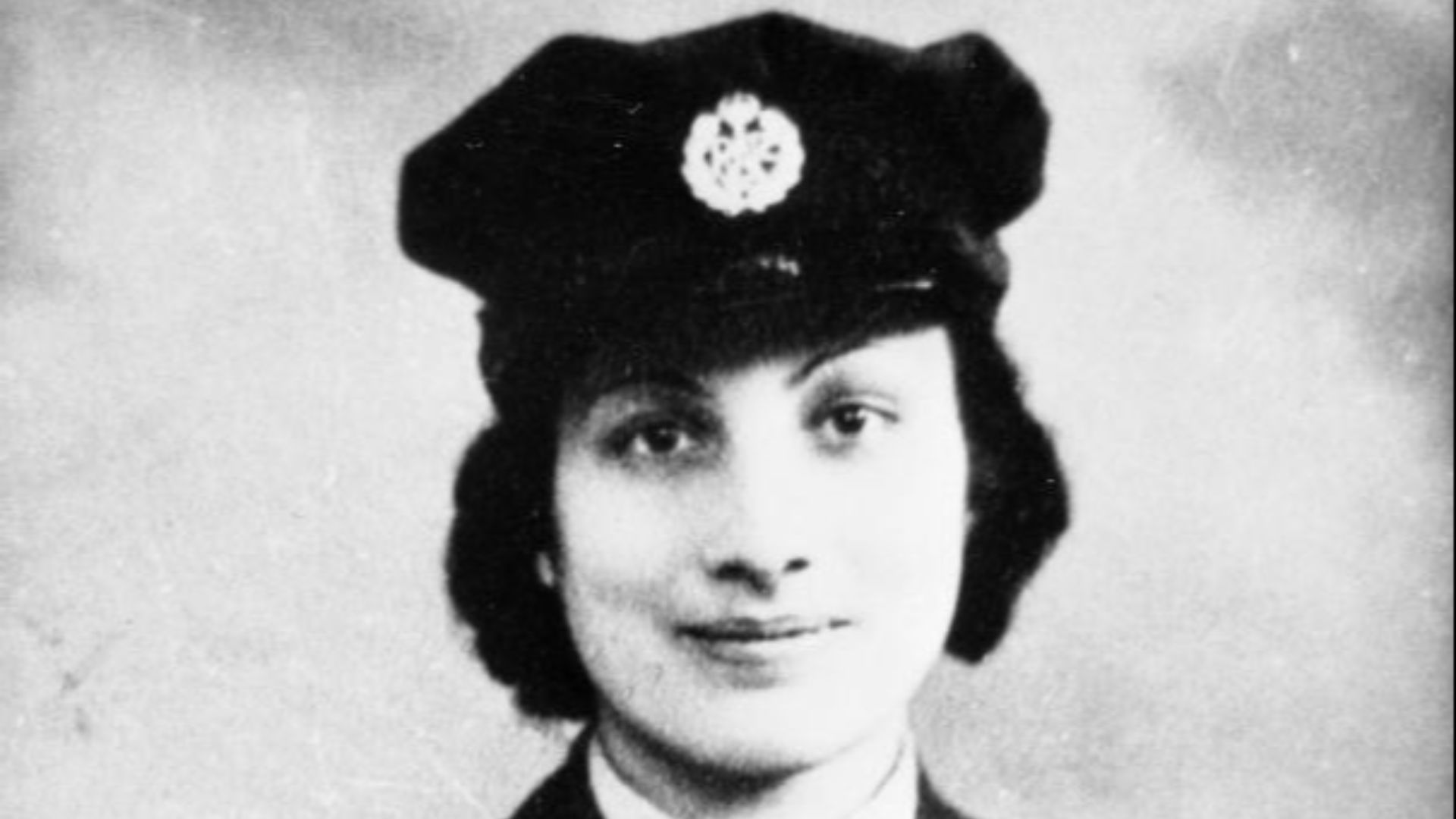
8. Noor Inayat Khan’s Temporary Survival
Operating under extreme risk, Khan avoided capture for months. She constantly changed locations and routines. Her persistence delayed inevitable exposure longer than expected. Her bravery left a lasting legacy within intelligence history.
 Unknown authorUnknown author on Wikimedia
9. Dusko Popov’s Charisma Shield
Popov used charm and social connections to deflect suspicion. Authorities underestimated him due to his lifestyle. That misjudgment allowed continued intelligence work. His persona became a model for social-based espionage.
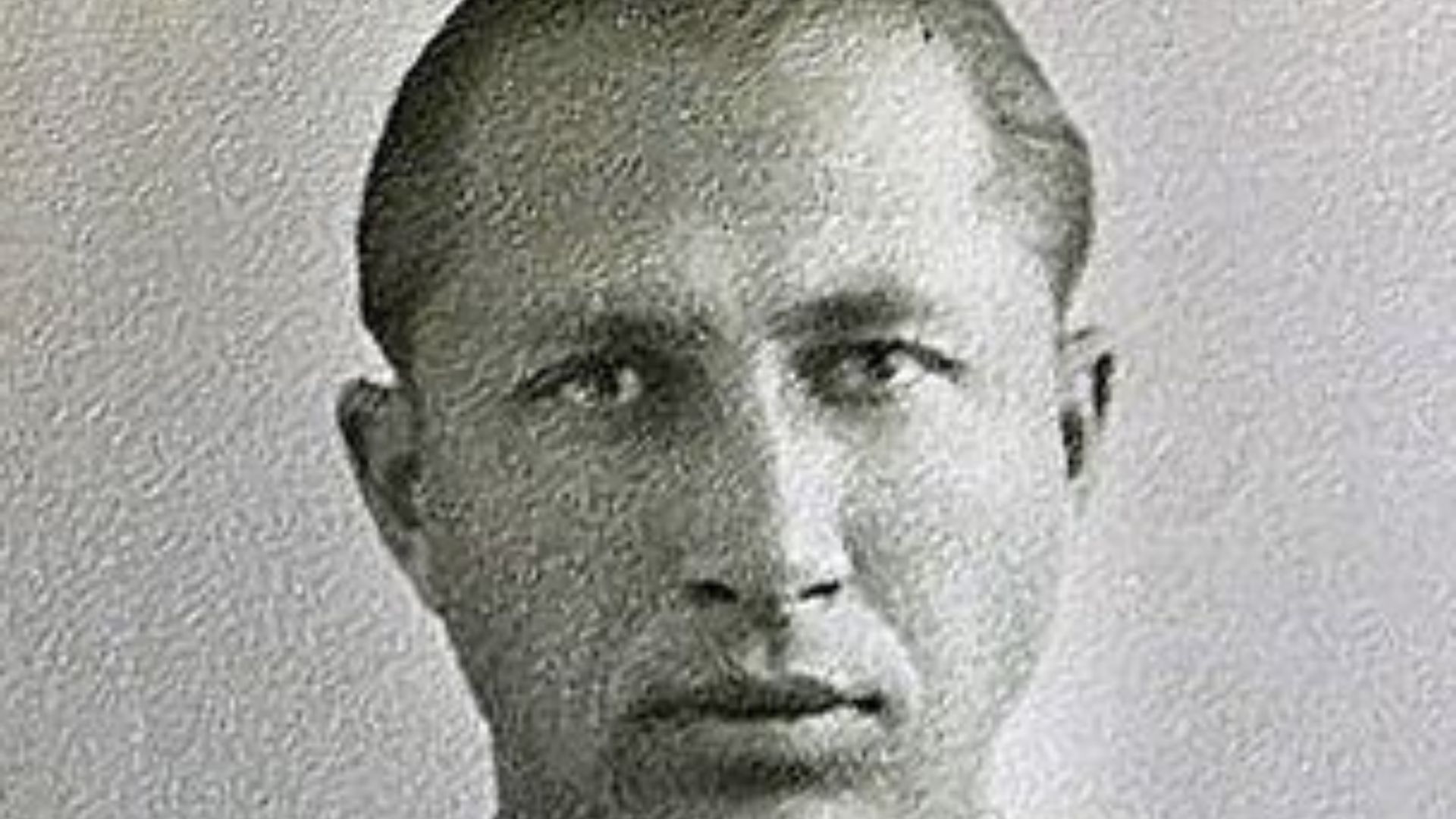
10. Oleg Gordievsky’s Dramatic Extraction
Gordievsky was under suspicion but not yet arrested. A carefully planned exfiltration removed him from Moscow. Timing and coordination saved him at the last moment. The operation is considered one of the Cold War’s greatest escapes.
KEEP ON READING
20 Historical Figures Who Were Punished For Being Right Too…
History Has Always Hated a Know-It-All. There's a particular kind…
By Cameron Dick Jun 1, 2026
20 Times History Was Decided By A Petty Personal Grudge
It Was Never Really About the Politics. History likes to…
By Cameron Dick Jun 1, 2026
20 Of History's Most Violent Women
Power Wasn’t Polite. History has never had a shortage of…
By Annie Byrd Jun 1, 2026
10 Explorers Who Found What They Sought & 10 Who…
The Journey Doesn't Always End Where You Expect. Throughout history,…
By Rob Shapiro Jun 1, 2026
The 20 Oldest Garments Ever Found
From Desert Caves To Alpine Ice, Ancient Clothing Survived Against…
By Elizabeth Graham May 29, 2026
20 Coolest Nicknames In History
The Best Nicknames EverLet's face it, your given name can…
By Sara Springsteen May 29, 2026