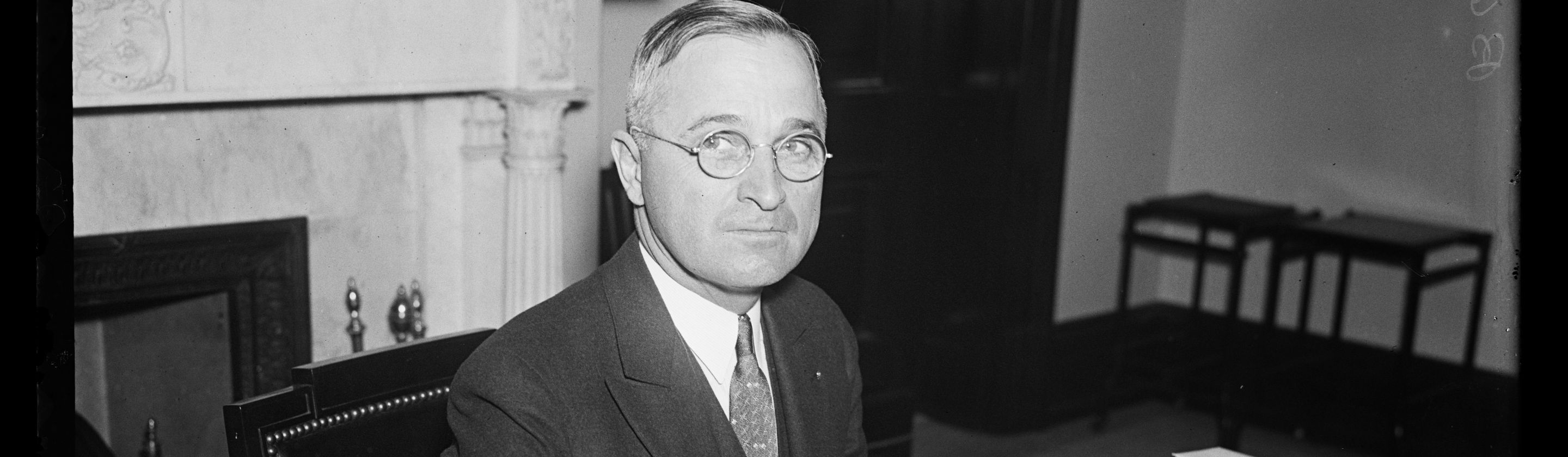
20 Reasons Why Harry S. Truman Is The Most Notable President In History
A President Who Shaped the Modern World
Harry S. Truman didn’t arrive in the White House with celebrity status, elite education, or carefully polished ambition. He stepped into the presidency at one of the most dangerous moments in world history and made decisions that still shape your life today, whether you realize it or not. What makes Truman remarkable isn’t just what he did, but how decisively he acted when there was no safe or popular option. Here are 20 reasons why Harry S. Truman is the most notable president in history.
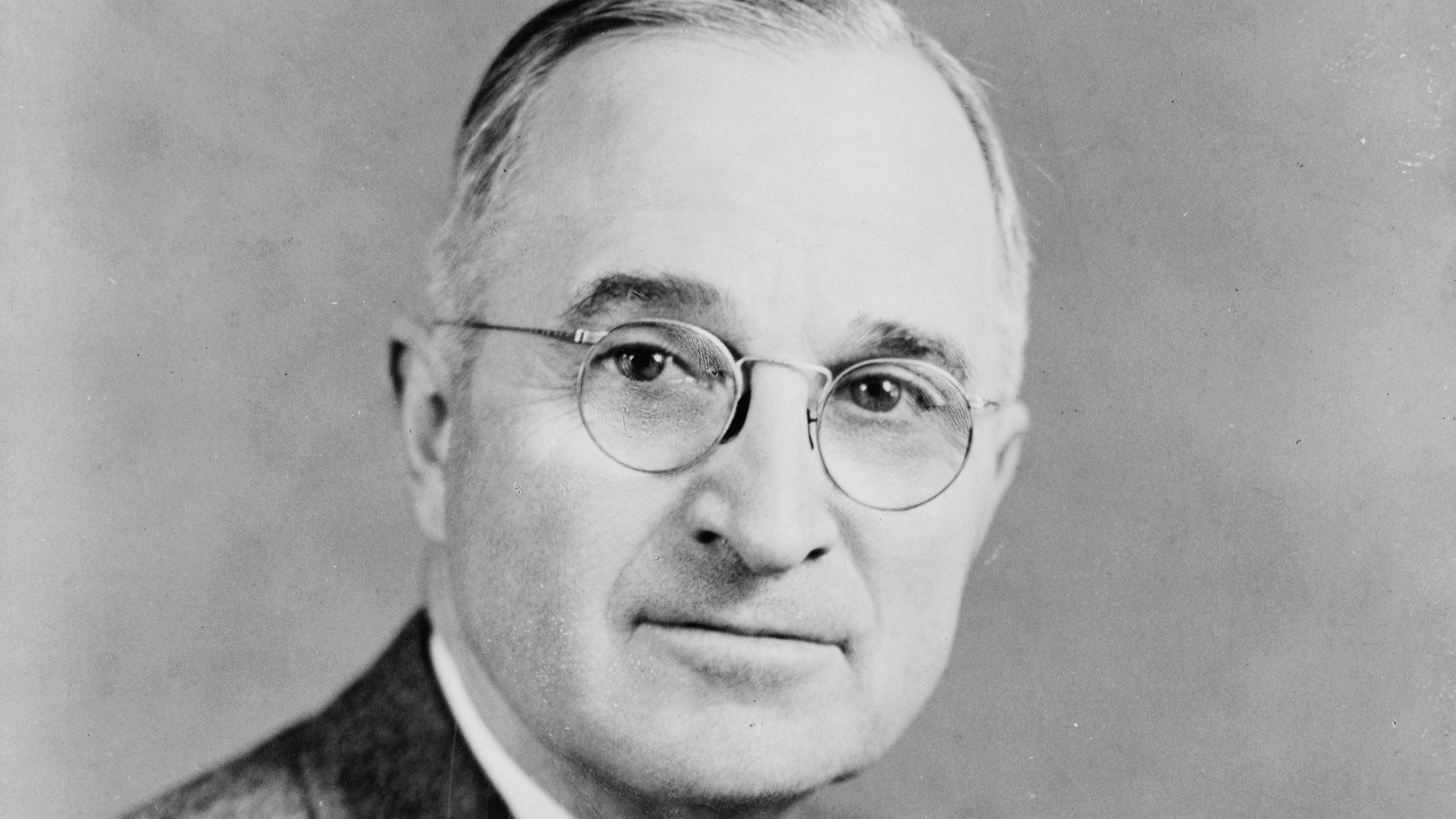 Library of Congress on Unsplash
1. He Took Office During a Global Crisis Without Preparation
Truman became president suddenly after Franklin D. Roosevelt died in 1945. He had been vice president for only 82 days and was kept out of major wartime decisions. Despite that, he accepted responsibility immediately and never pretended otherwise.
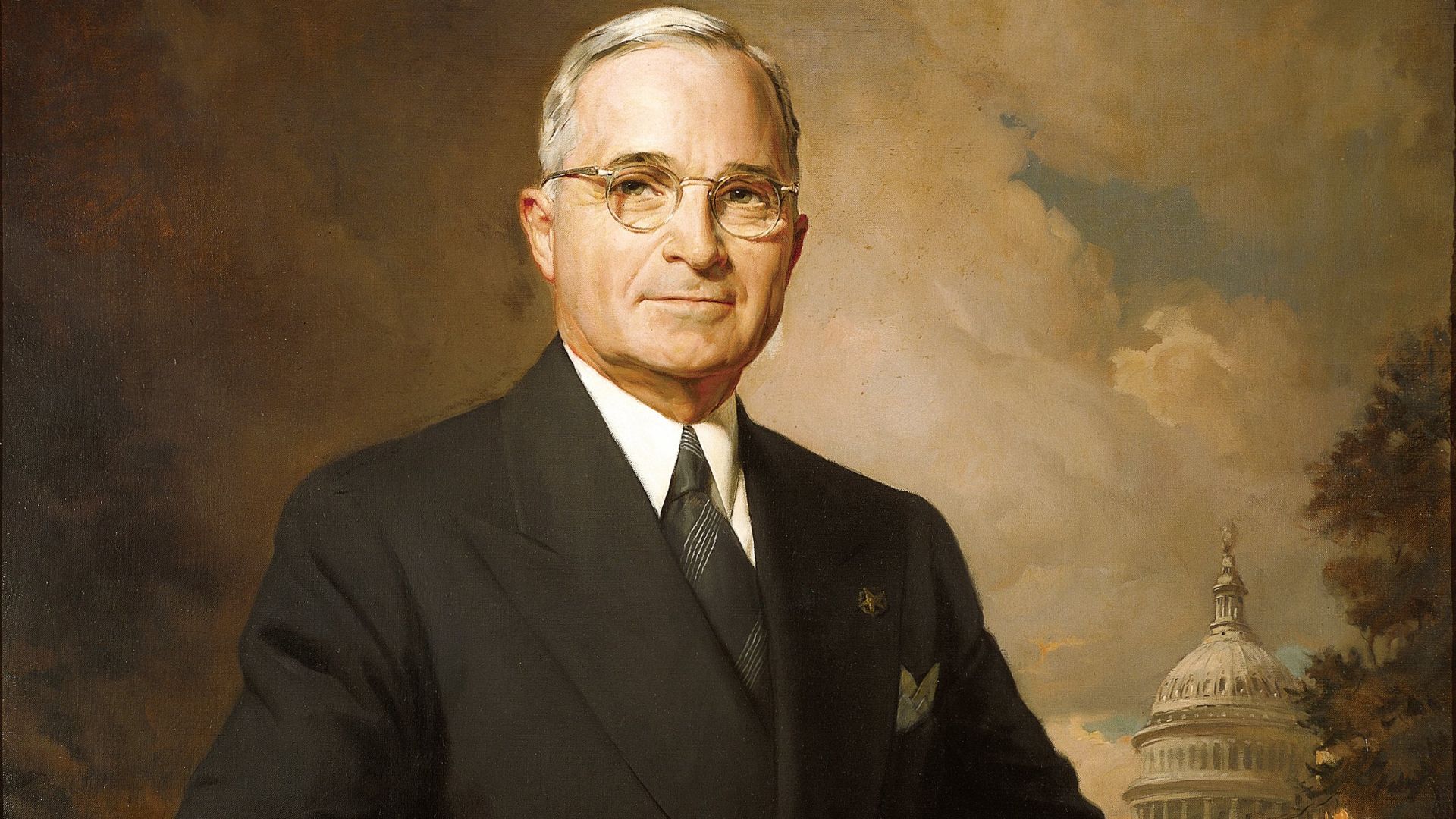
2. He Made the Final Decision to End World War II
Truman authorized the use of atomic bombs against Hiroshima and Nagasaki. It was one of the most consequential and controversial decisions any president has ever faced. Whether debated or defended, it directly ended the war and reshaped global politics forever.
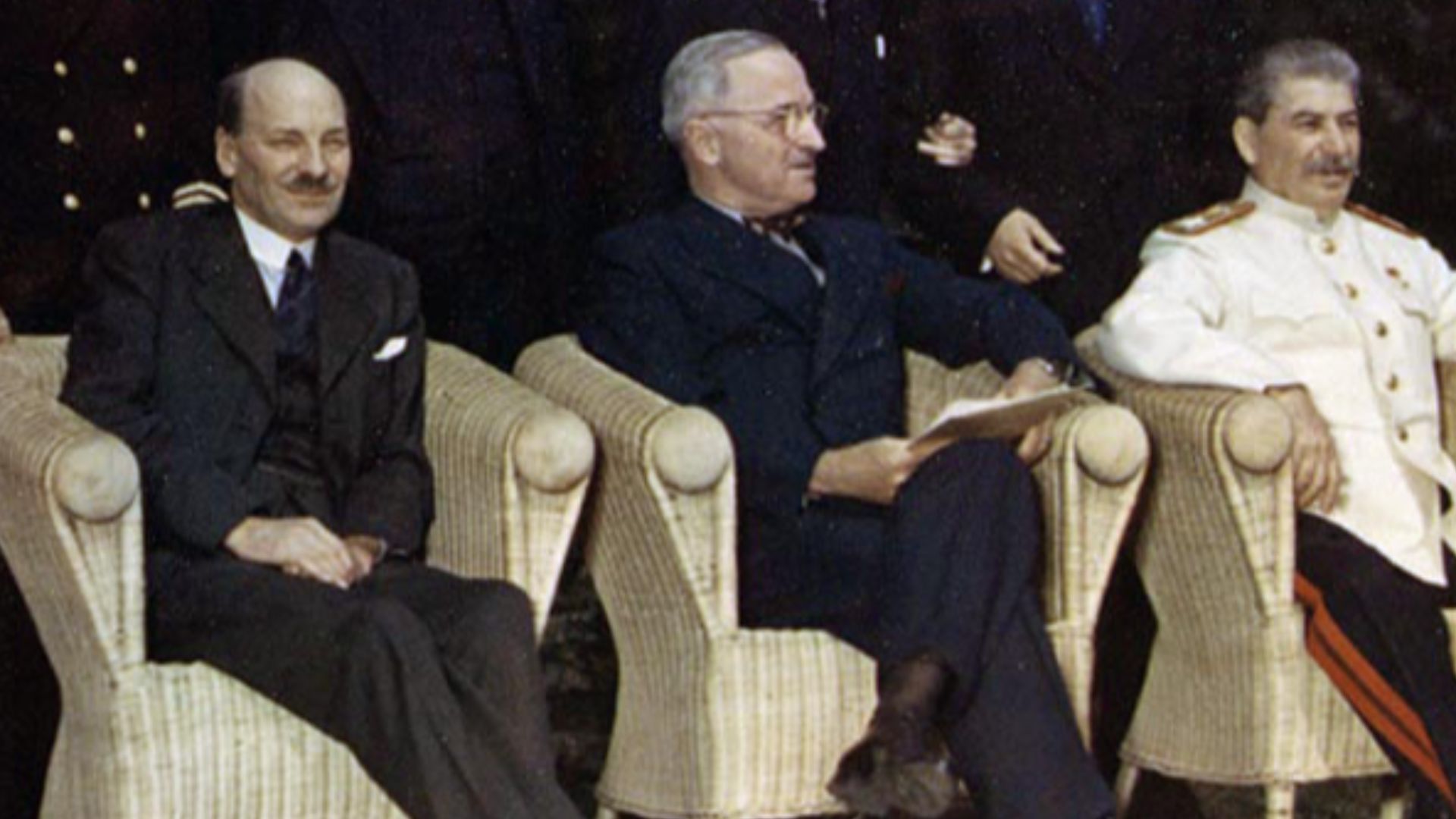 Army Signal Corps Collection in the U.S. National Archives. on Wikimedia
3. He Helped Create the Postwar World Order
Under Truman, the United States shifted from wartime chaos to global leadership. His administration helped establish the United Nations as a permanent institution. That framework still shapes the current diplomatic and geopolitical landscapes.
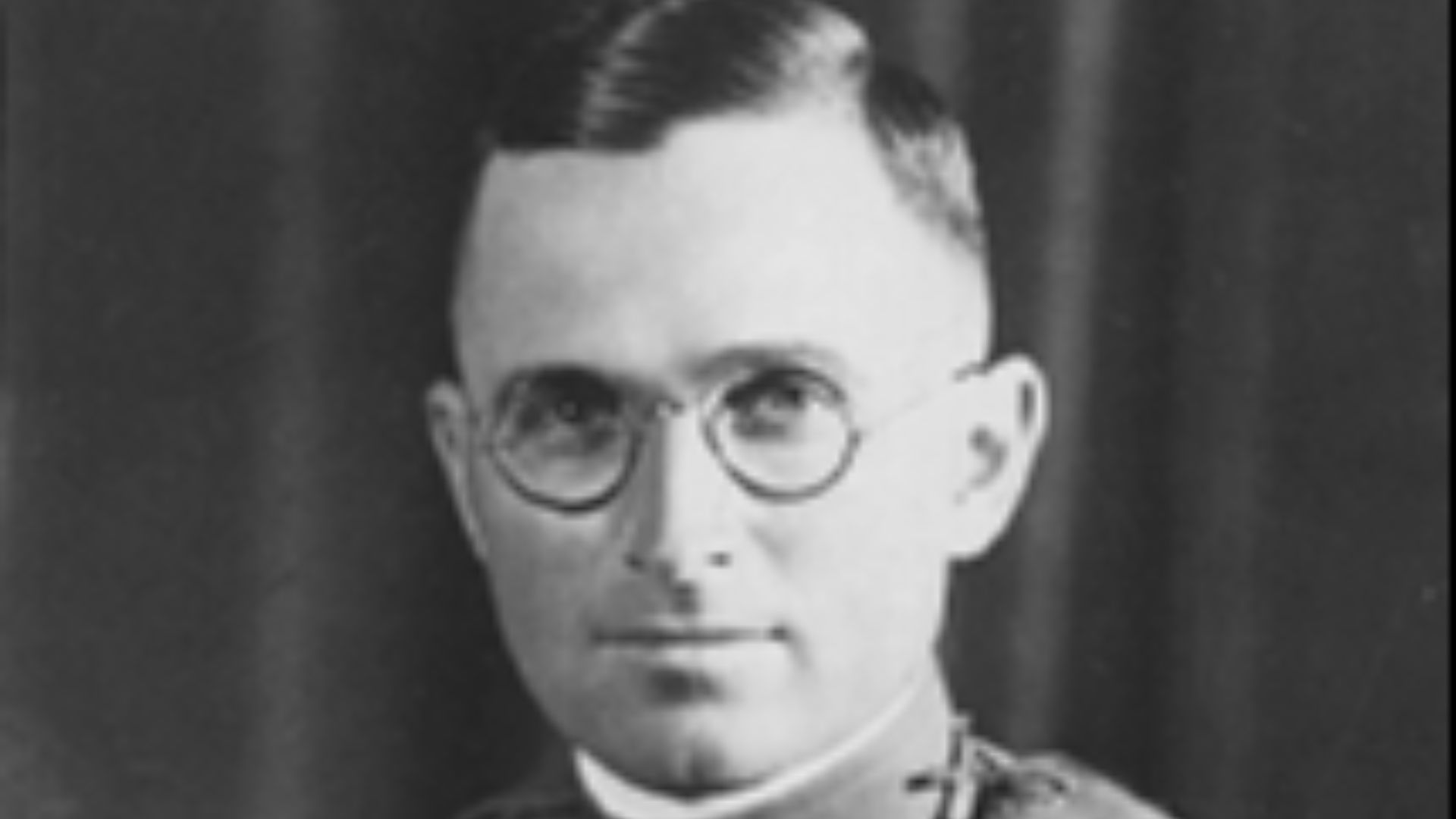
4. He Launched the Marshall Plan
Europe was devastated after World War II, both economically and politically. Truman backed the Marshall Plan to rebuild Western Europe through massive American aid. This helped stabilize democracies and prevent economic collapse in significantly influential countries.
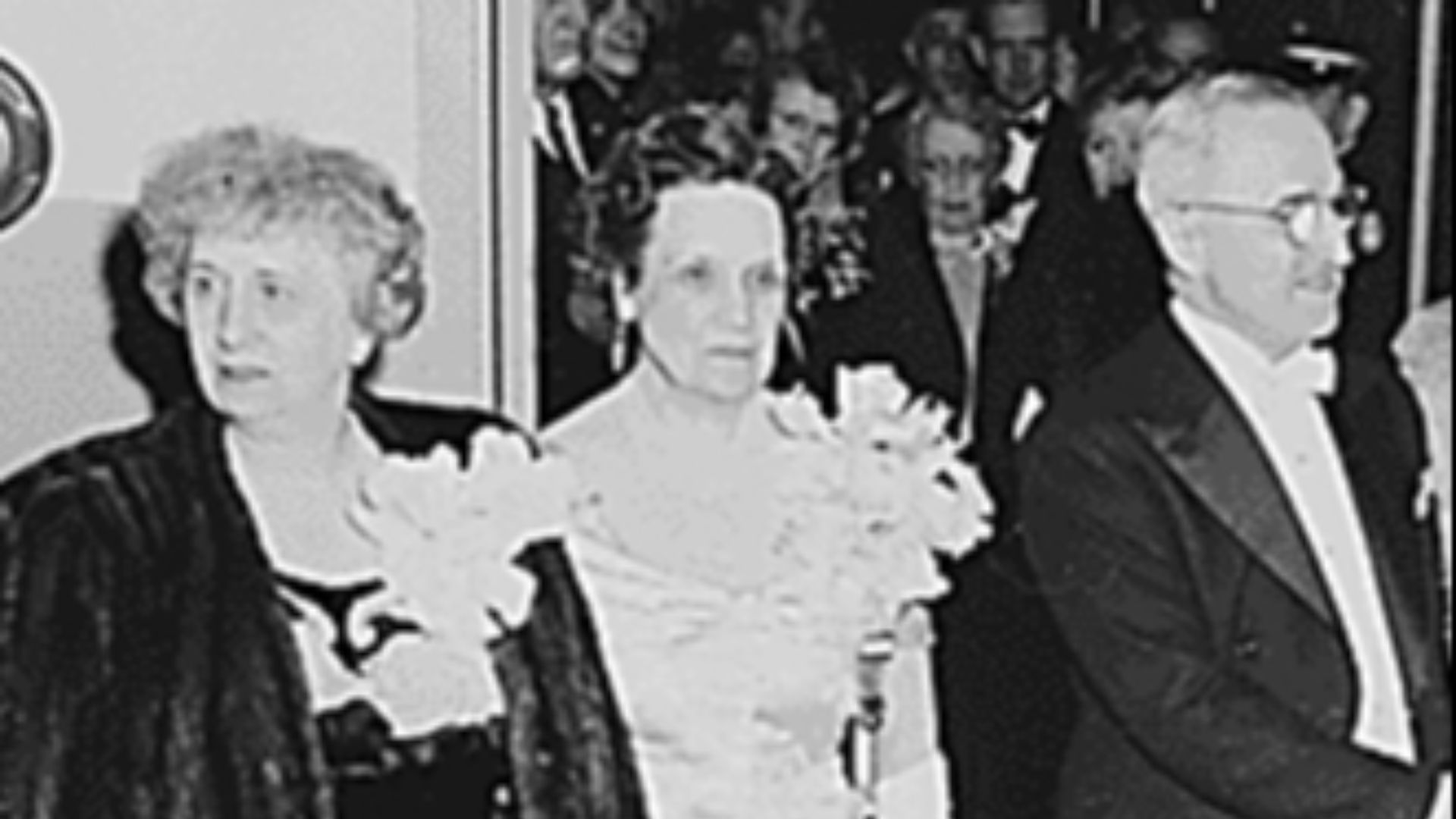 Office of Presidential Libraries on Wikimedia
5. He Defined the Policy of Containment
Truman set the foundation for Cold War strategy with the containment of Soviet expansion. This policy guided American foreign relations for decades. It shaped alliances, military planning, and global power balance.
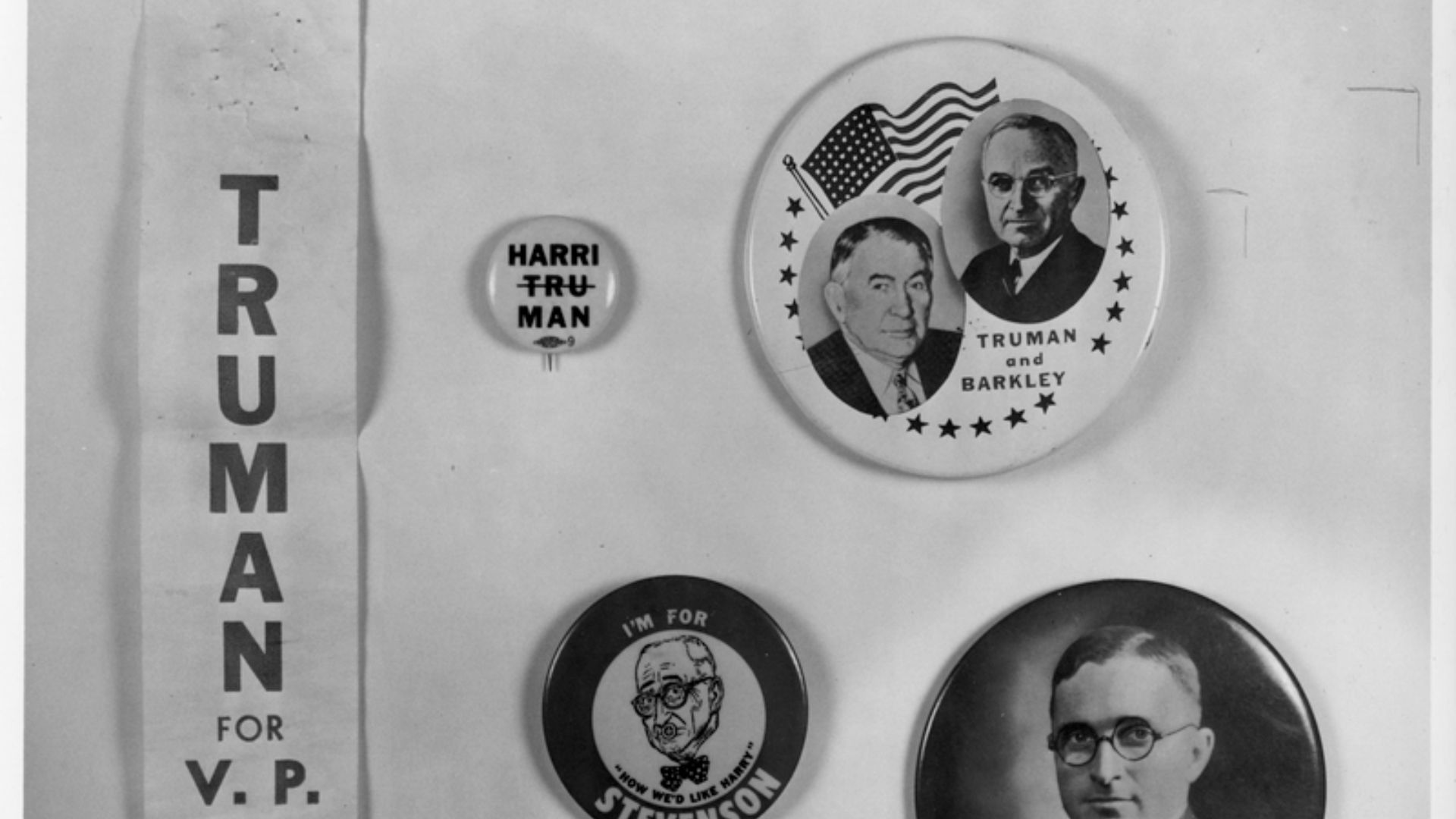 Harry S. Truman Presidential Library and Museum on Wikimedia
6. He Created NATO
Truman supported the creation of the North Atlantic Treaty Organization in 1949. NATO became the first peacetime military alliance in U.S. history. Today, it remains one of the most influential alliances across the globe.
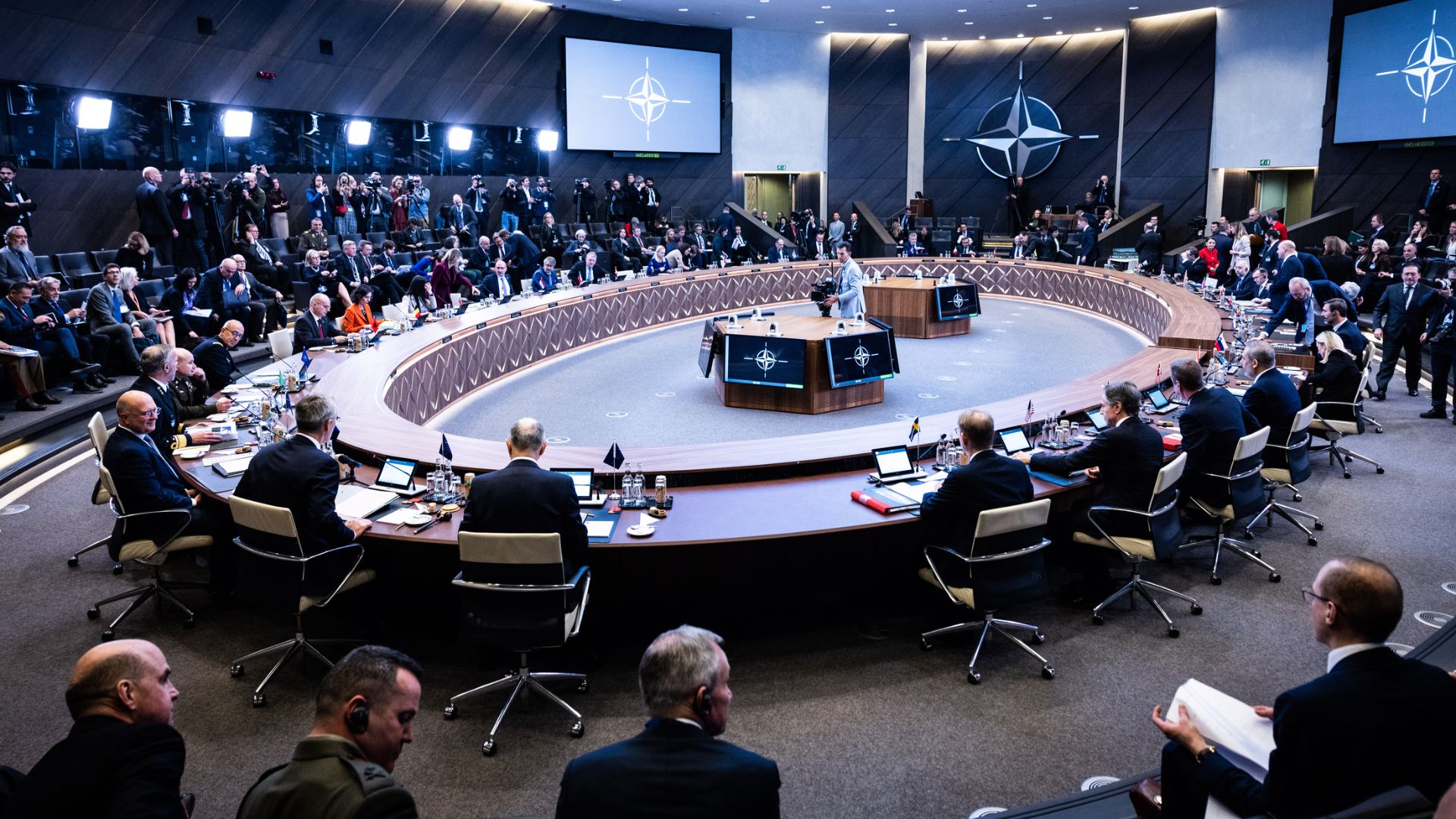 Estonian Foreign Ministry on Wikimedia
7. He Recognized the State of Israel
In 1948, Truman recognized Israel just minutes after it declared independence. He did so despite heavy opposition within his own administration. That decision had lasting diplomatic and geopolitical consequences.
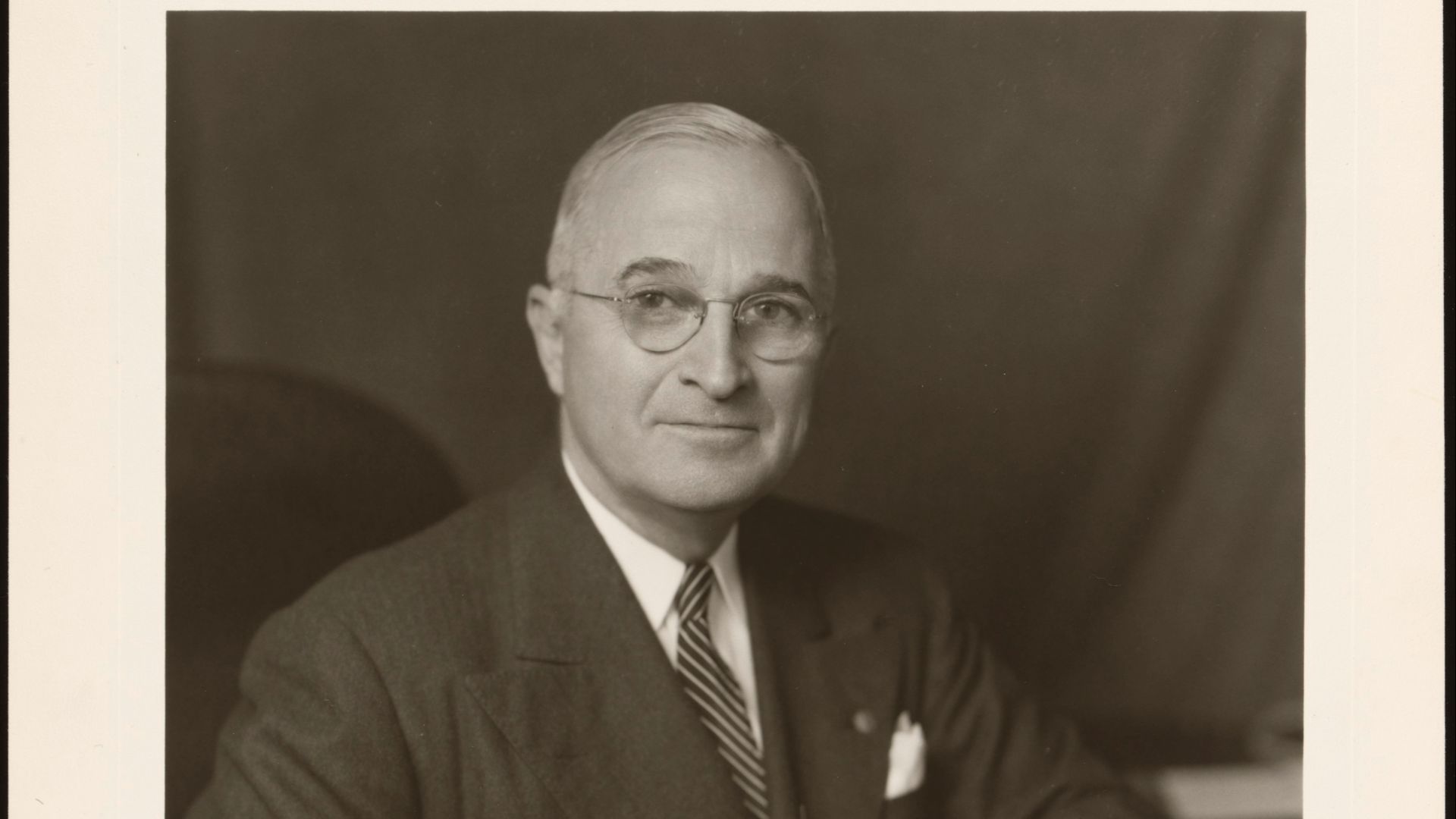 Harris & Ewing Studio, active 1905 - 1977 on Wikimedia
8. He Integrated the U.S. Military
Truman issued an executive order desegregating the armed forces in 1948. This was a bold civil rights move at a time of strong resistance. It laid the groundwork for broader desegregation efforts.
9. He Took Civil Rights Seriously Before It Was Politically Safe
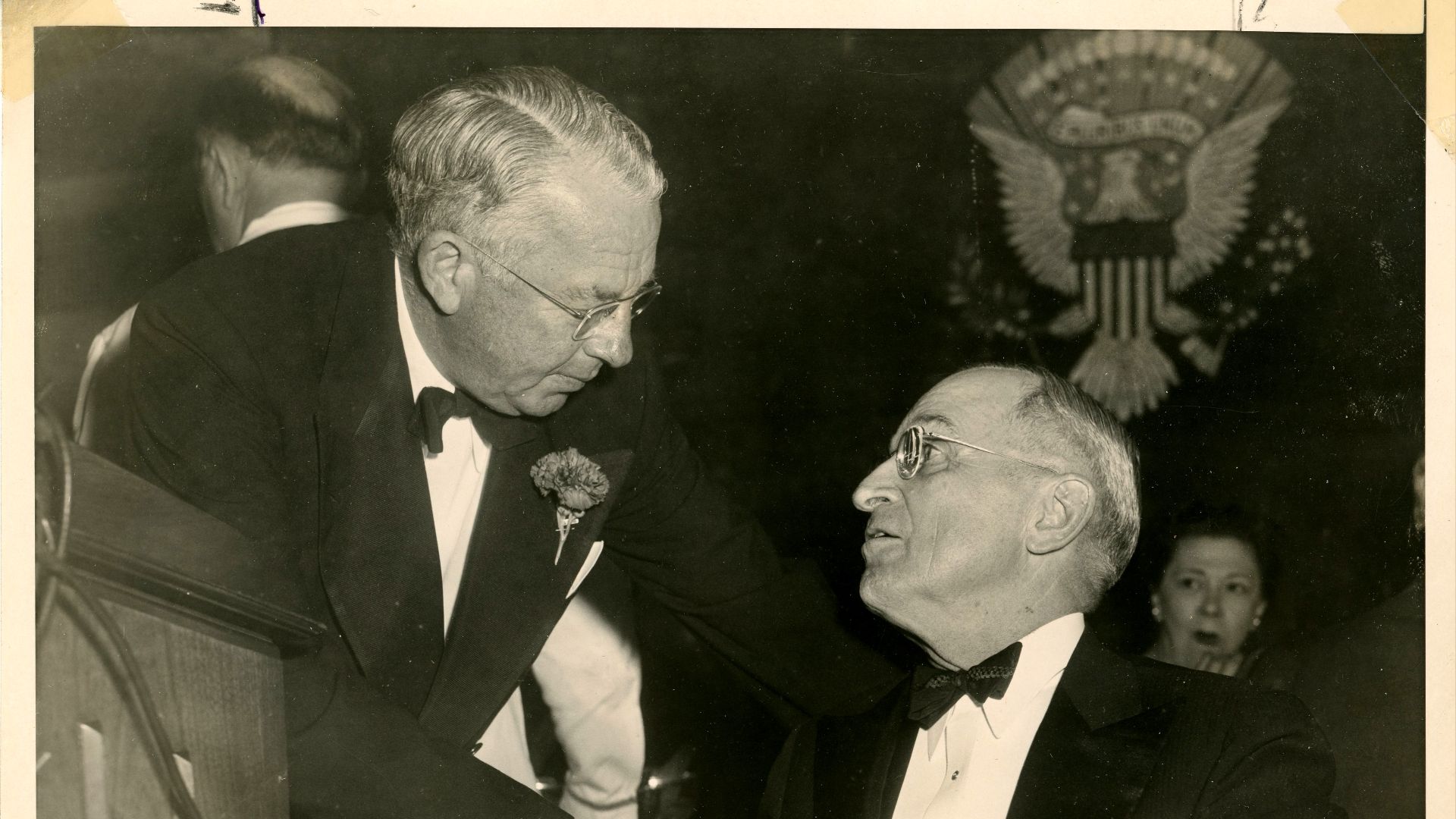
Truman publicly supported civil rights long before it became mainstream. He proposed anti-lynching laws and voting protections, even when Congress blocked them. This moral stance mattered, even without immediate victories.
10. He Stood Up to Congress During Reconstruction at Home
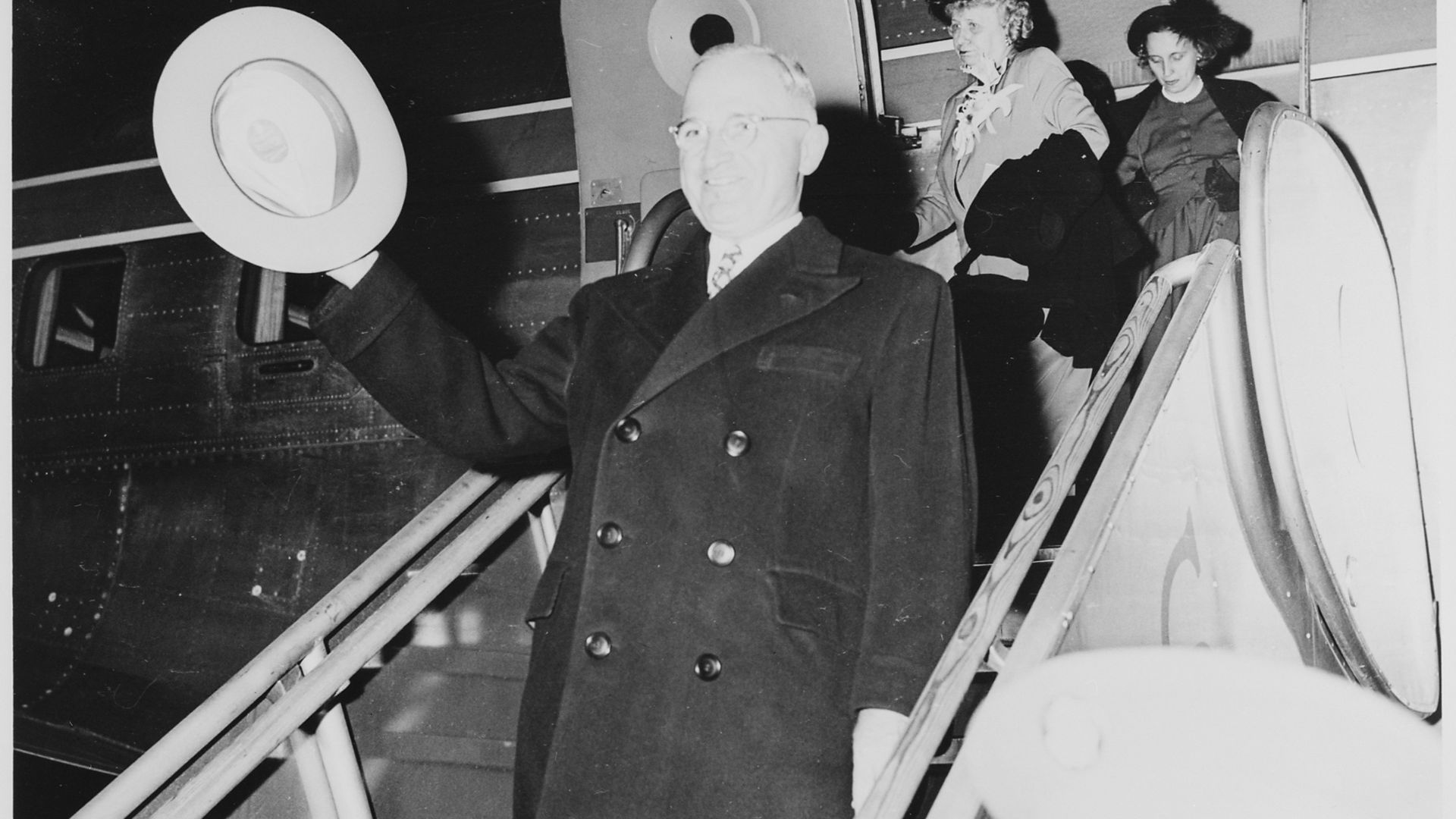
After the war, Truman faced fierce opposition from a Republican-controlled Congress. He vetoed legislation he believed hurt average Americans. Even when overridden, he made his position unmistakably clear.
11. He Fired a Popular General for Civilian Control
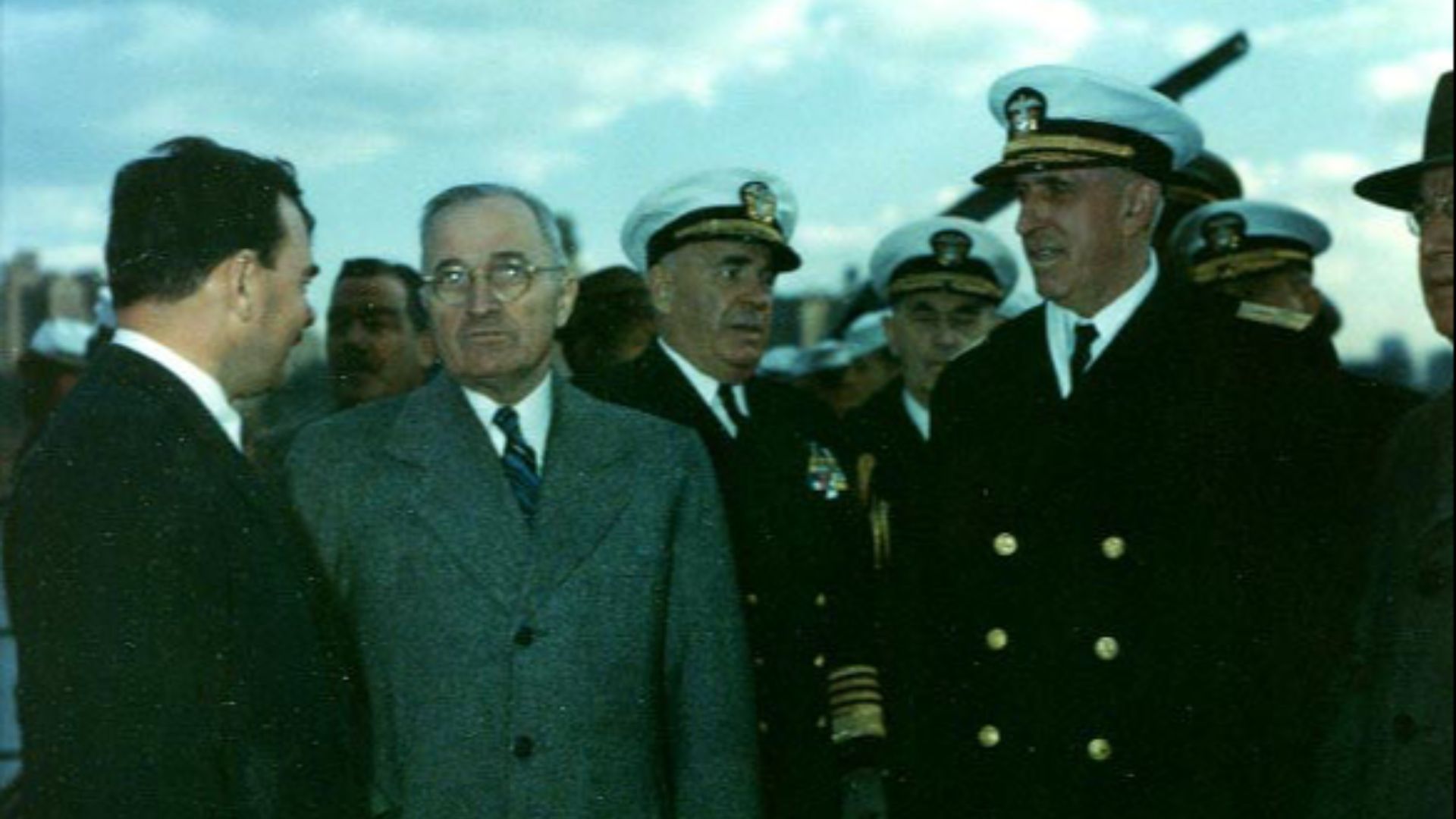
Truman dismissed General Douglas MacArthur during the Korean War. The decision was wildly unpopular at the time. It reinforced the principle that civilian leadership controls the military.
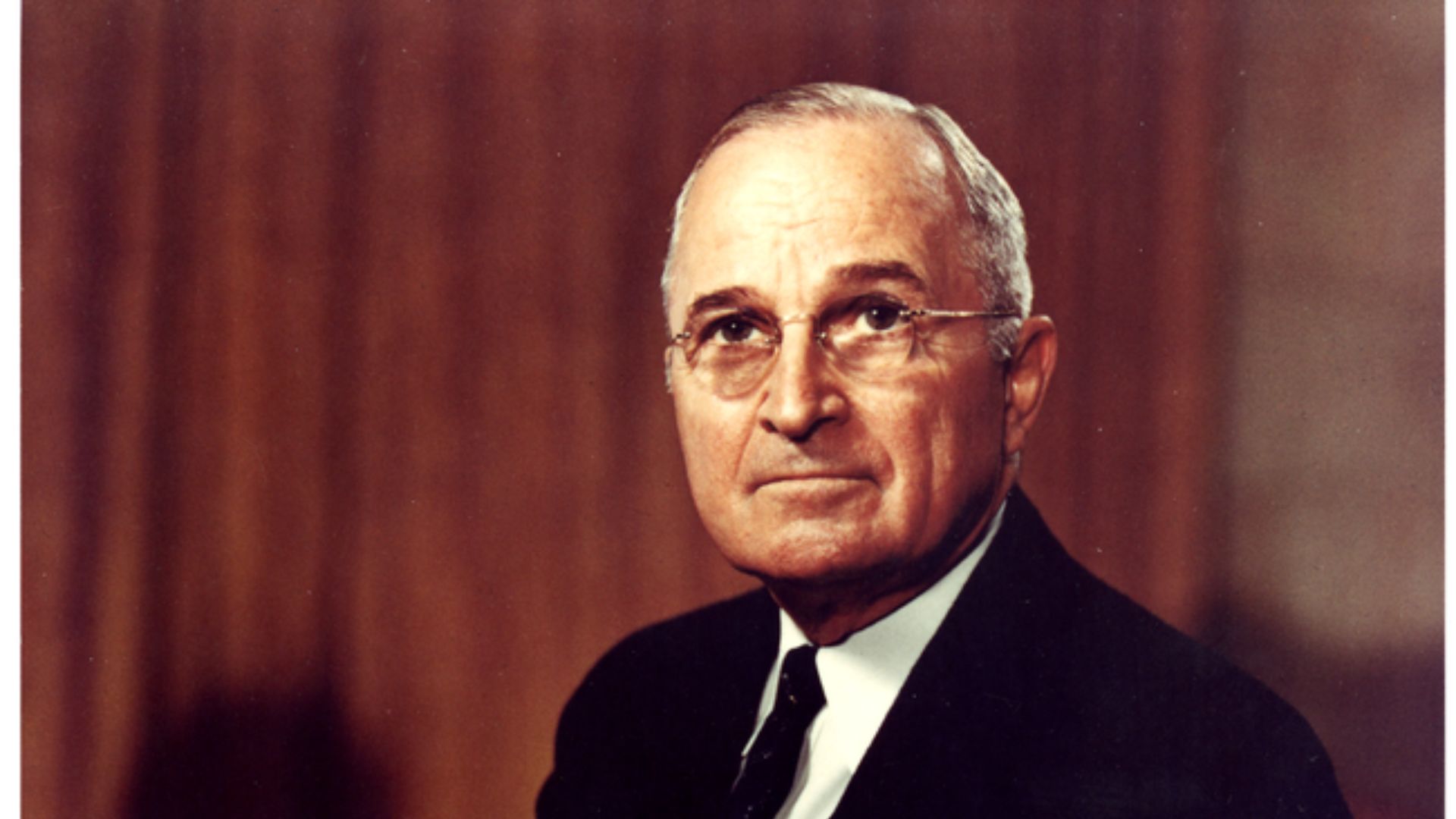
12. He Led the Start of the Cold War
Truman presided over the tense transition from wartime alliance to Cold War rivalry. Nuclear weapons changed everything overnight. He had to navigate threats no previous president had faced.
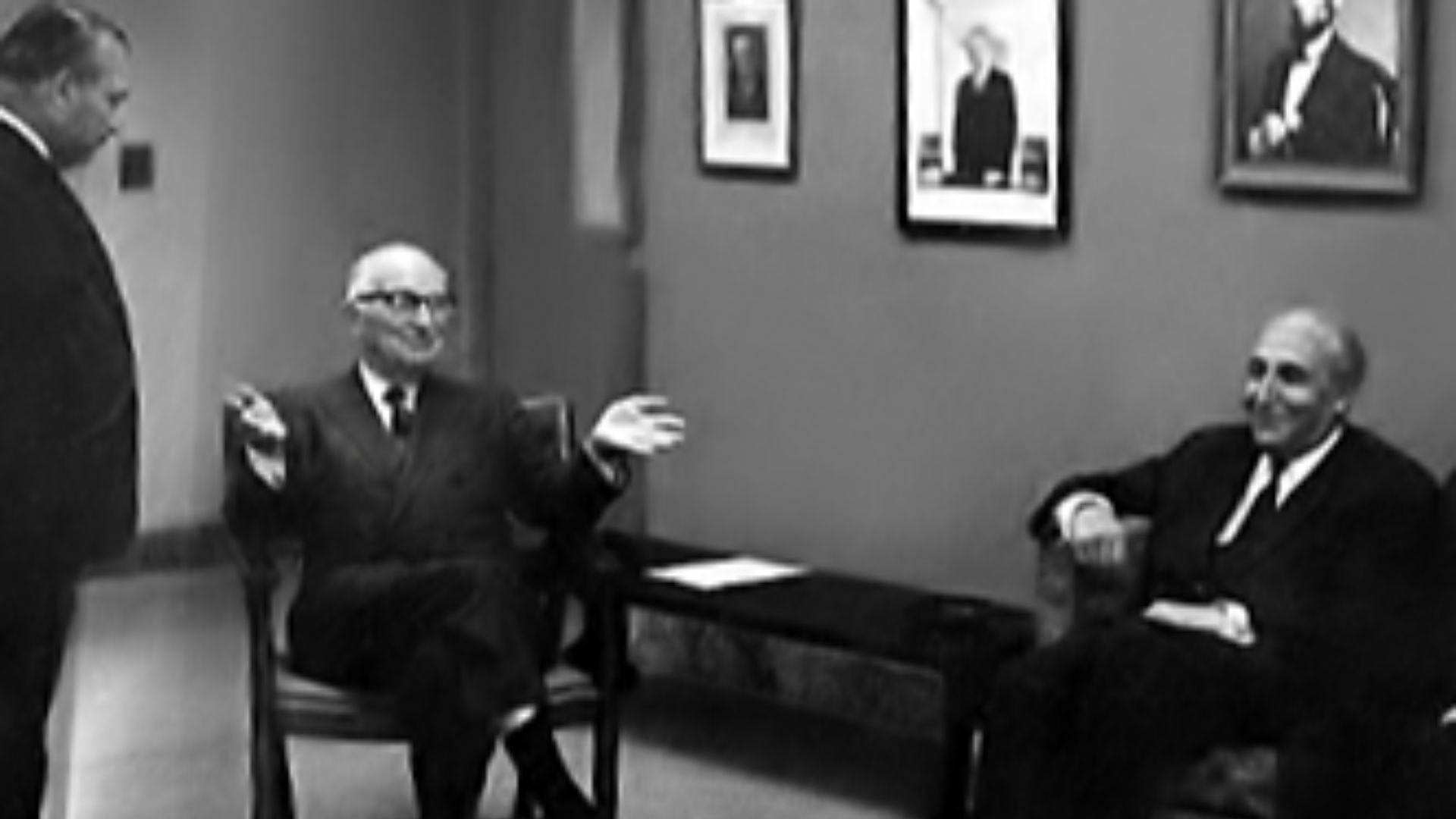 Harry S. Truman Presidential Library on Wikimedia
13. He Handled the Berlin Airlift Without Triggering War
When the Soviets blockaded Berlin, Truman ordered a massive airlift instead of military escalation. Supplies were flown in for nearly a year. The operation succeeded without starting another world war.
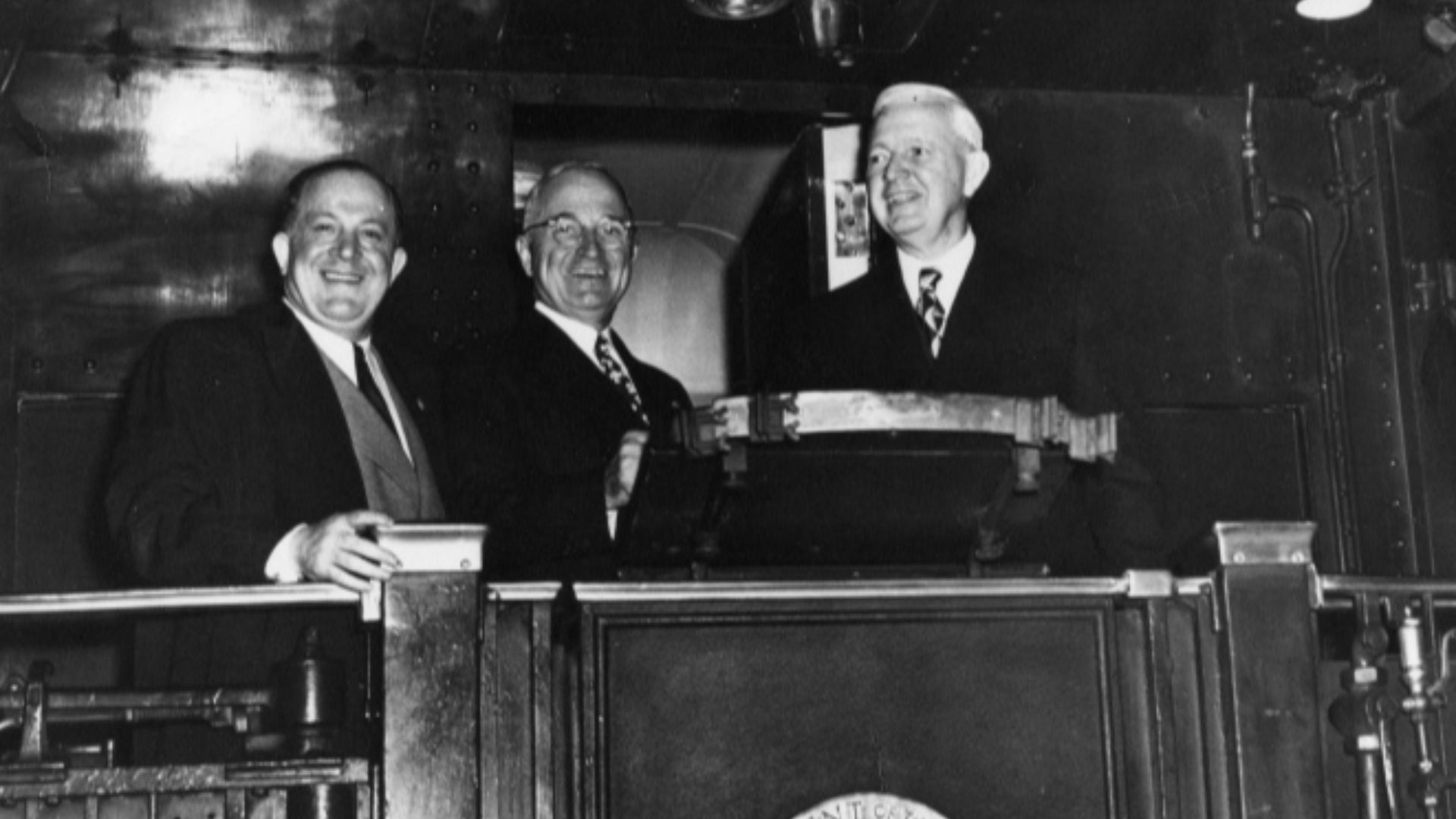 Unknown authorUnknown author on Wikimedia
14. He Expanded the Presidency’s Global Role
Truman accepted that America could no longer retreat into isolation. His presidency marked a permanent shift toward international leadership. That role still defines U.S. foreign policy today.
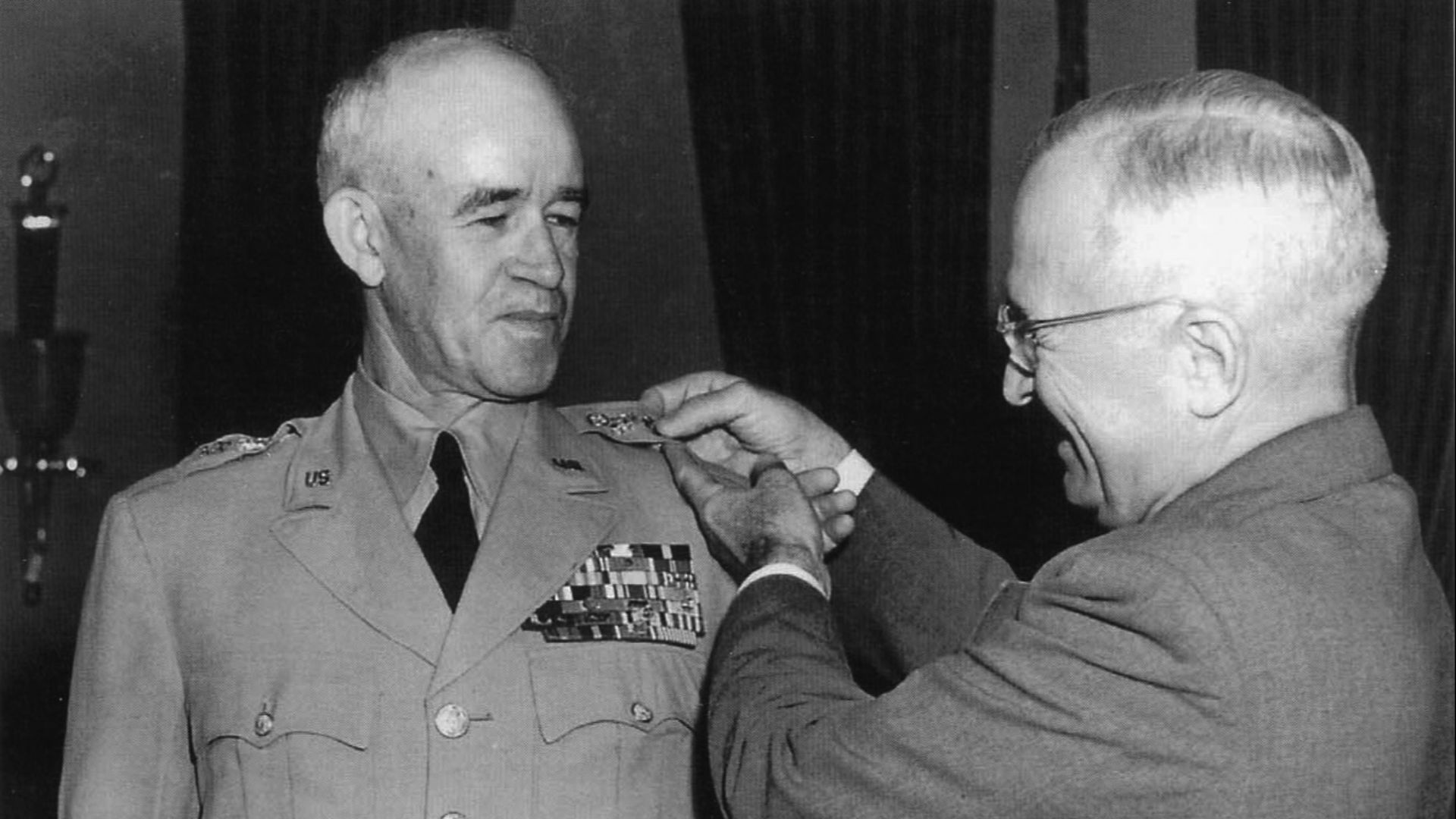 United States Government on Wikimedia
15. He Was Honest About the Weight of Power
Truman famously kept a sign on his desk reading, “The Buck Stops Here.” He didn’t blame advisors when decisions went badly. That accountability set a powerful example that many future politicians refused to follow.
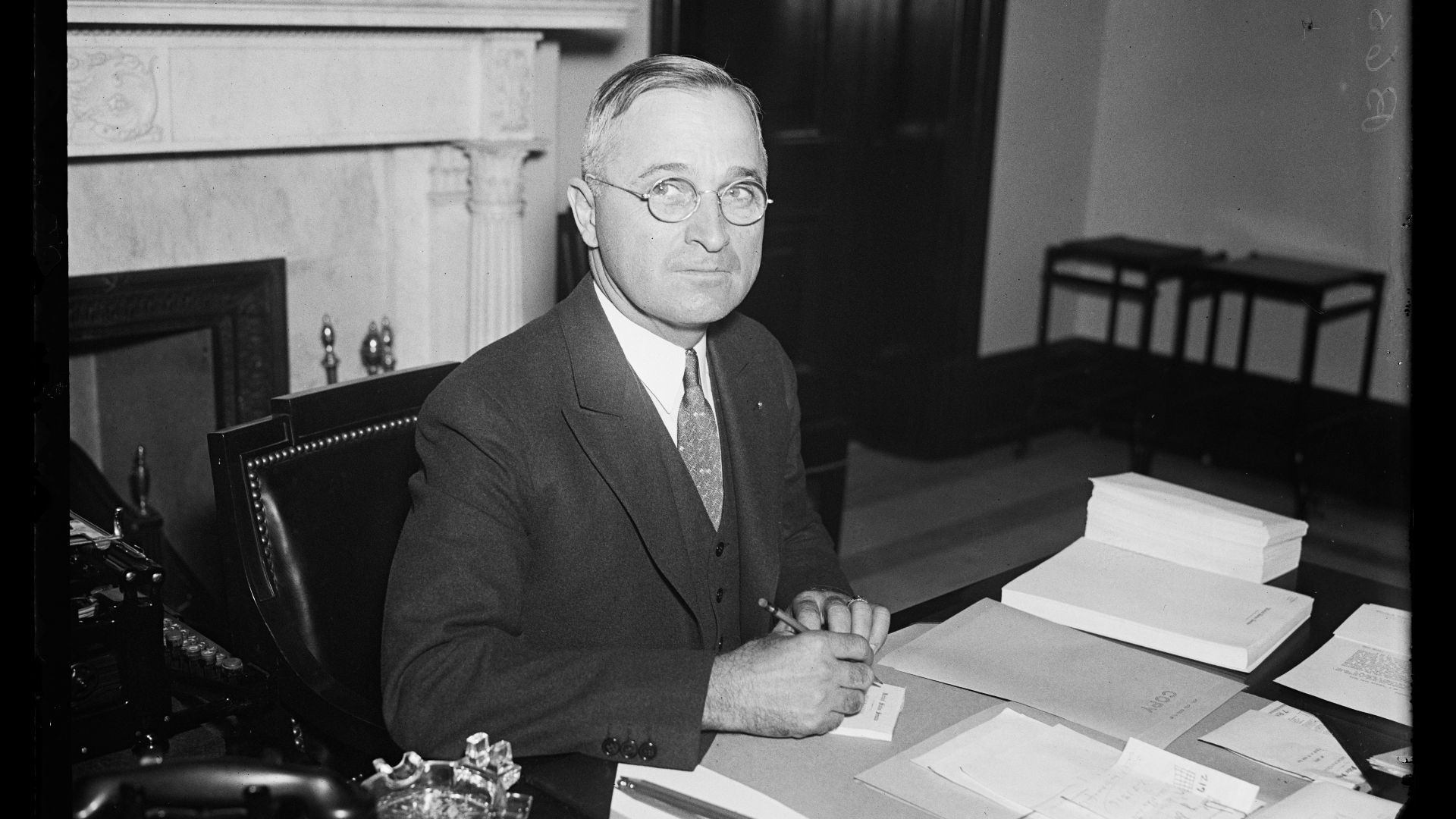 Harris & Ewing, photographer on Wikimedia
16. He Won an Election Everyone Thought He’d Lose
In 1948, nearly every poll predicted Truman’s defeat. He campaigned aggressively, speaking directly to voters across the country. His victory shocked the political world and helped cement his legacy.
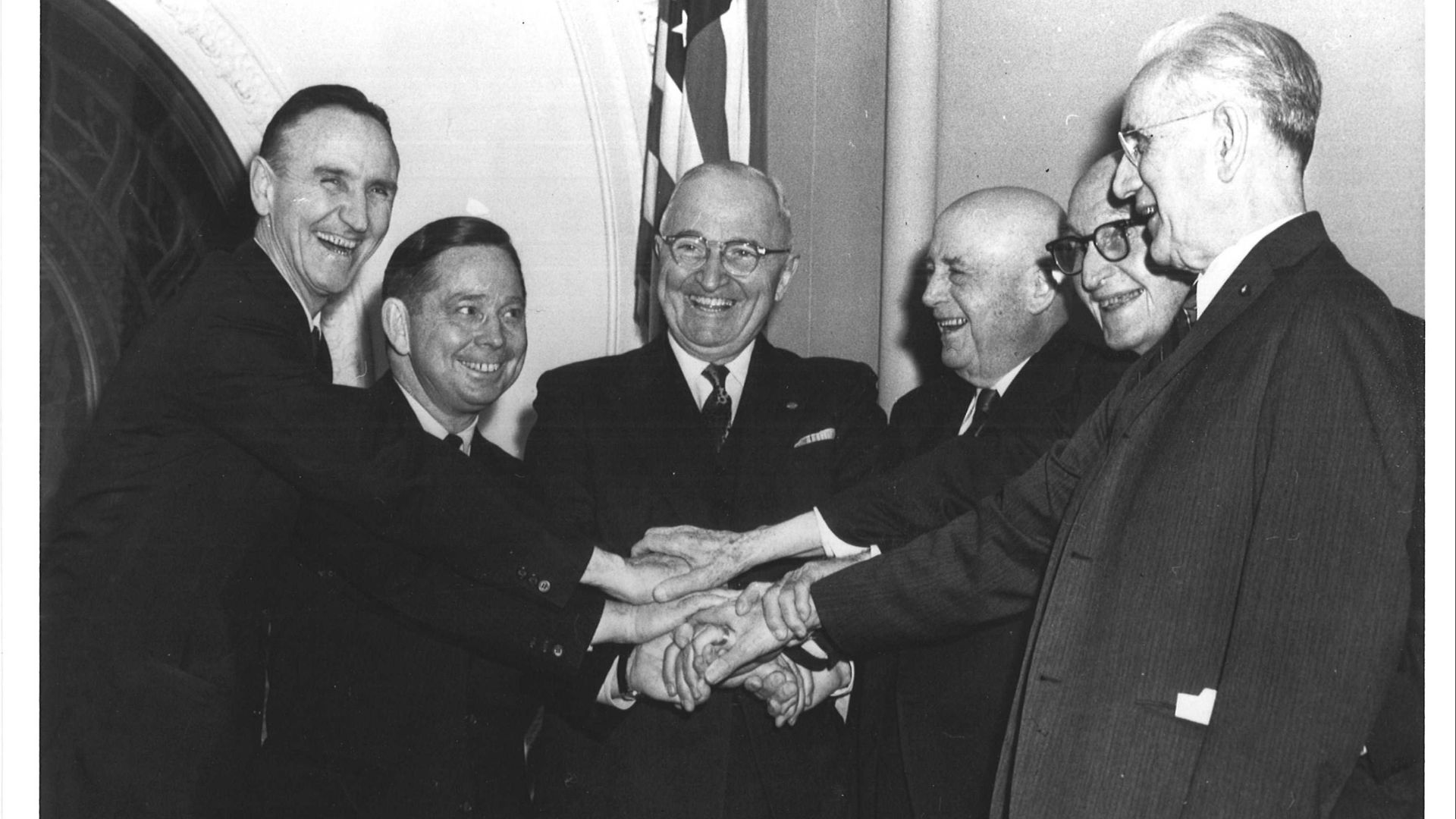 Carl Albert Research and Studies Center, Congressional Collection on Wikimedia
17. He Didn't Care About Popularity Races
Many of Truman’s choices damaged his approval ratings. He believed doing the job mattered more than being liked. History later proved many of those decisions sound.
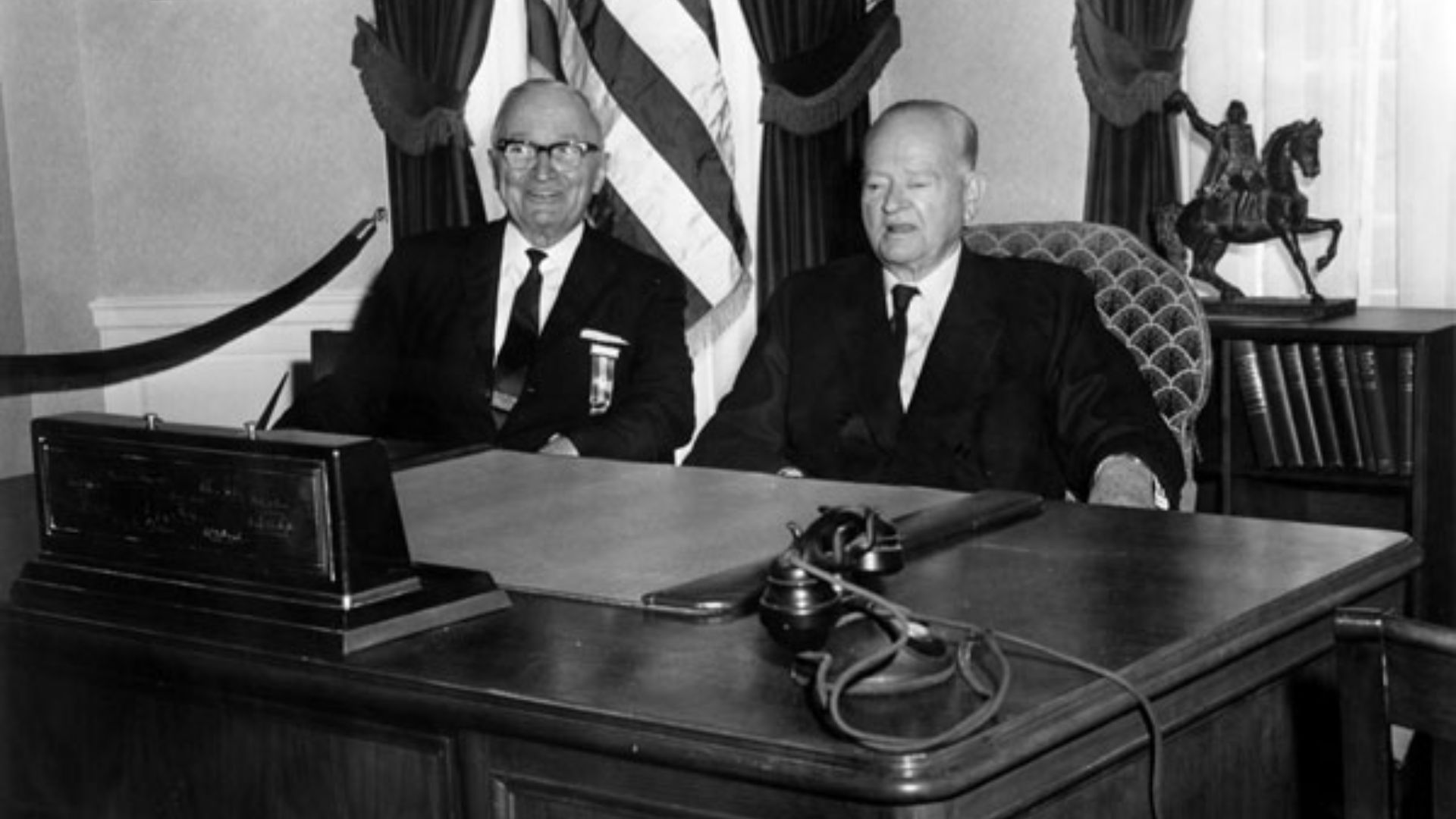 Unknown authorUnknown author on Wikimedia
18. He Lived Modestly Before and After His Presidency
Truman wasn’t wealthy before becoming president. After leaving office, he returned to a simple life in Missouri. That humility reinforced his reputation for integrity and proved that he was in politics for the right reasons.
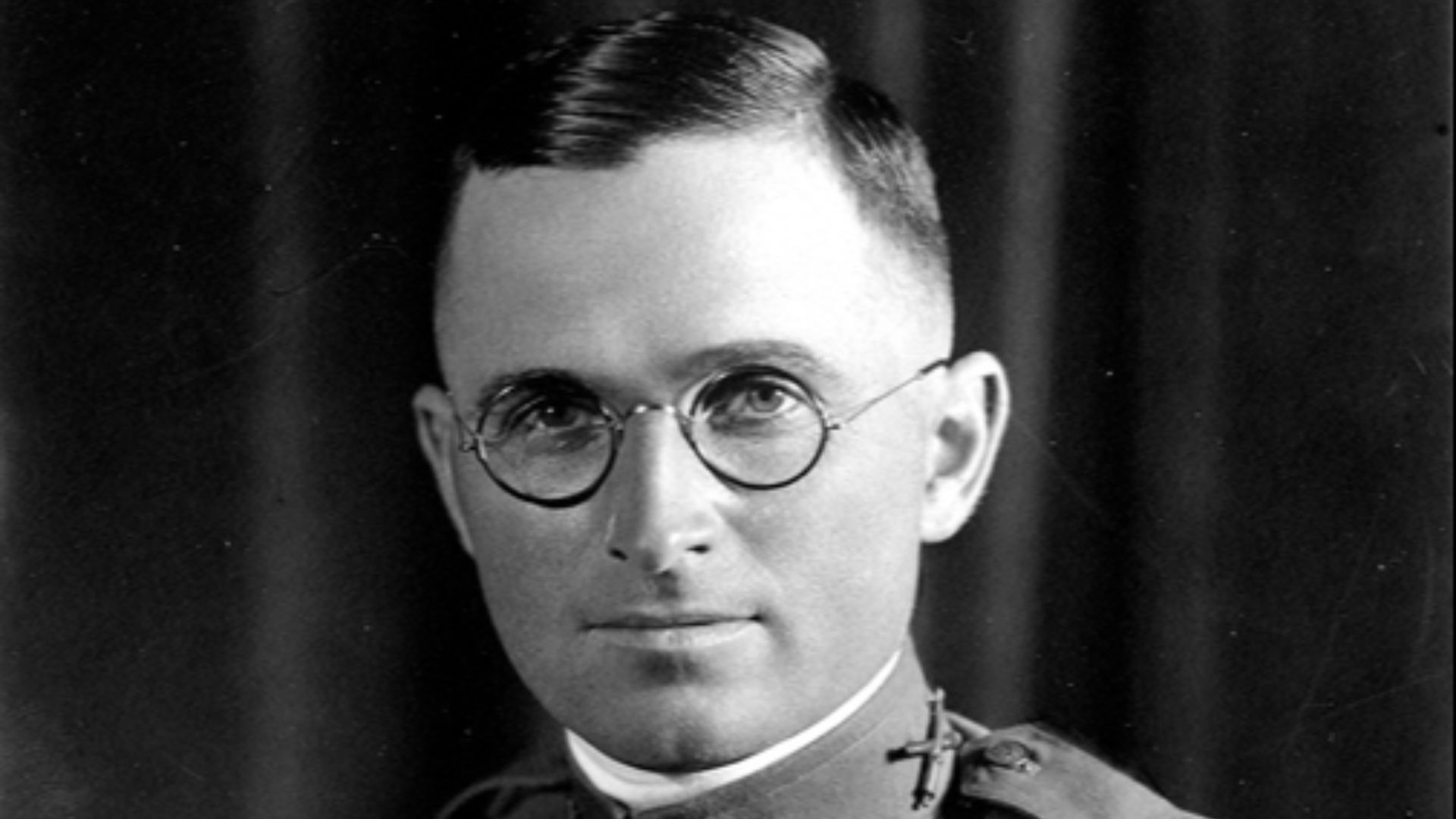 Unknown authorUnknown author on Wikimedia
19. He Reshaped the Executive Branch
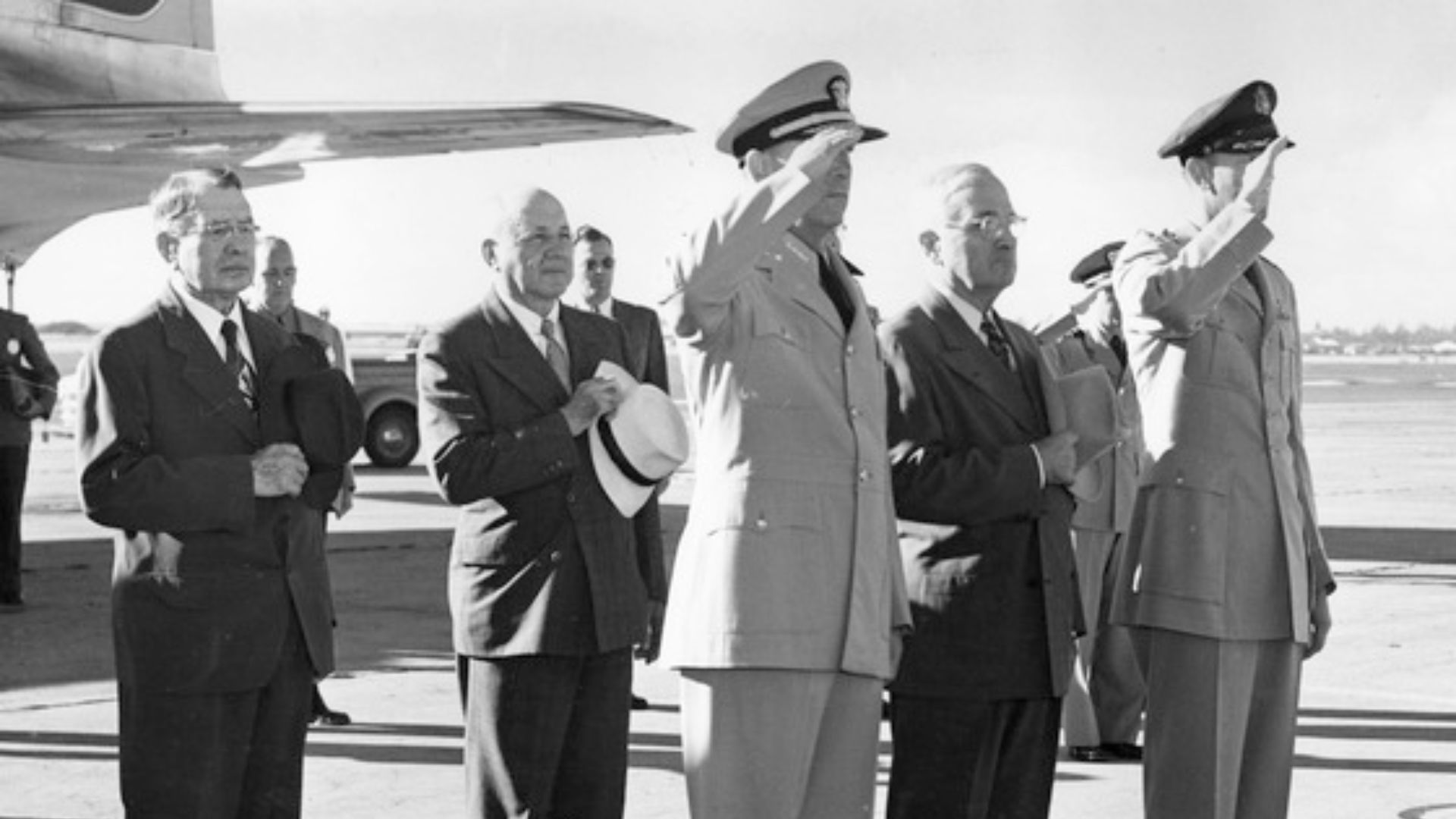
Truman signed the National Security Act of 1947. This created the Department of Defense, CIA, and National Security Council. These institutions still define national security operations and continue to be of the utmost importance.
 Harry S. Truman Presidential Library and Museum on Wikimedia
20. He Left Office Without Regret
Truman never apologized for decisions made under pressure. He believed leadership meant decisive action, not hesitation. That clarity is rare and historically significant.
KEEP ON READING