

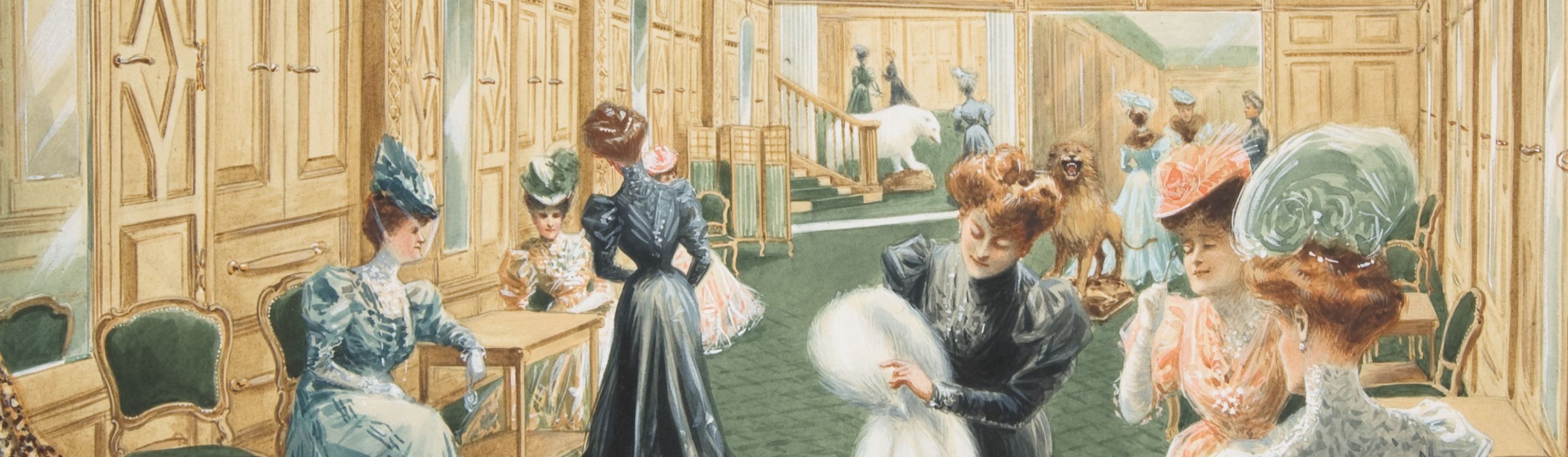
How An All-Female Gang Changed The Face Of Crime In 19th Century London
The Women Who Ruled The Underworld
London’s shadowy past hides a secret many never learned in school—a powerful all-female gang operated for decades under the noses of authorities. Known as the Forty Elephants, these women turned lawbreaking into an art form and rewrote the rules of the underworld. Their boldness and influence remain unmatched. What follows is a series of moments that reveal how this gang left its mark on criminal history.
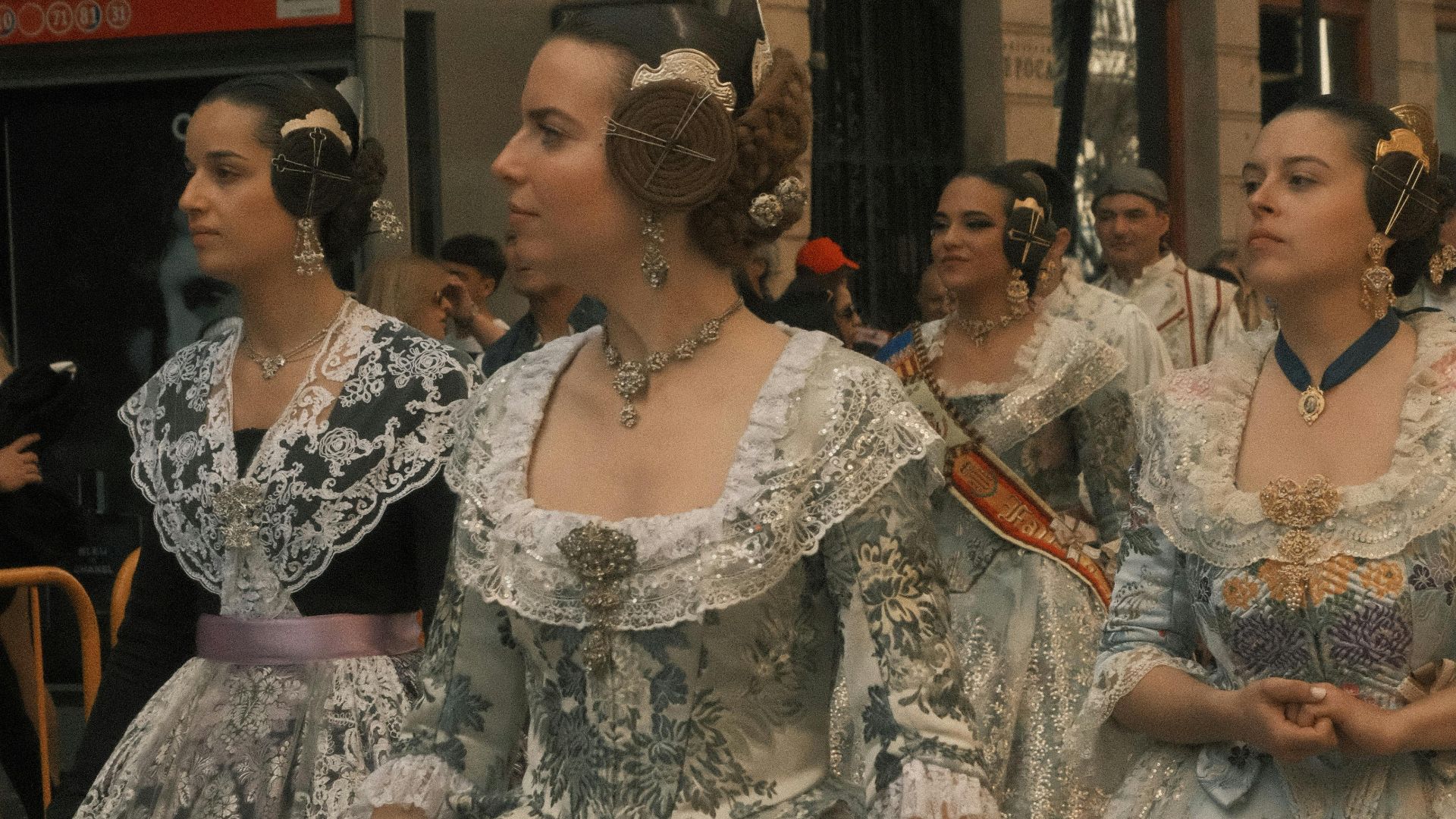
1. Real All‑Female Power Syndicate
Forget the mobster boys’ club; this London gang was all women, all attitude, and all business. The Forty Elephants weren’t sidekicks or accessories, they built an empire that ran for decades, pulling off bold heists long before the phrase “girl gang” ever existed.
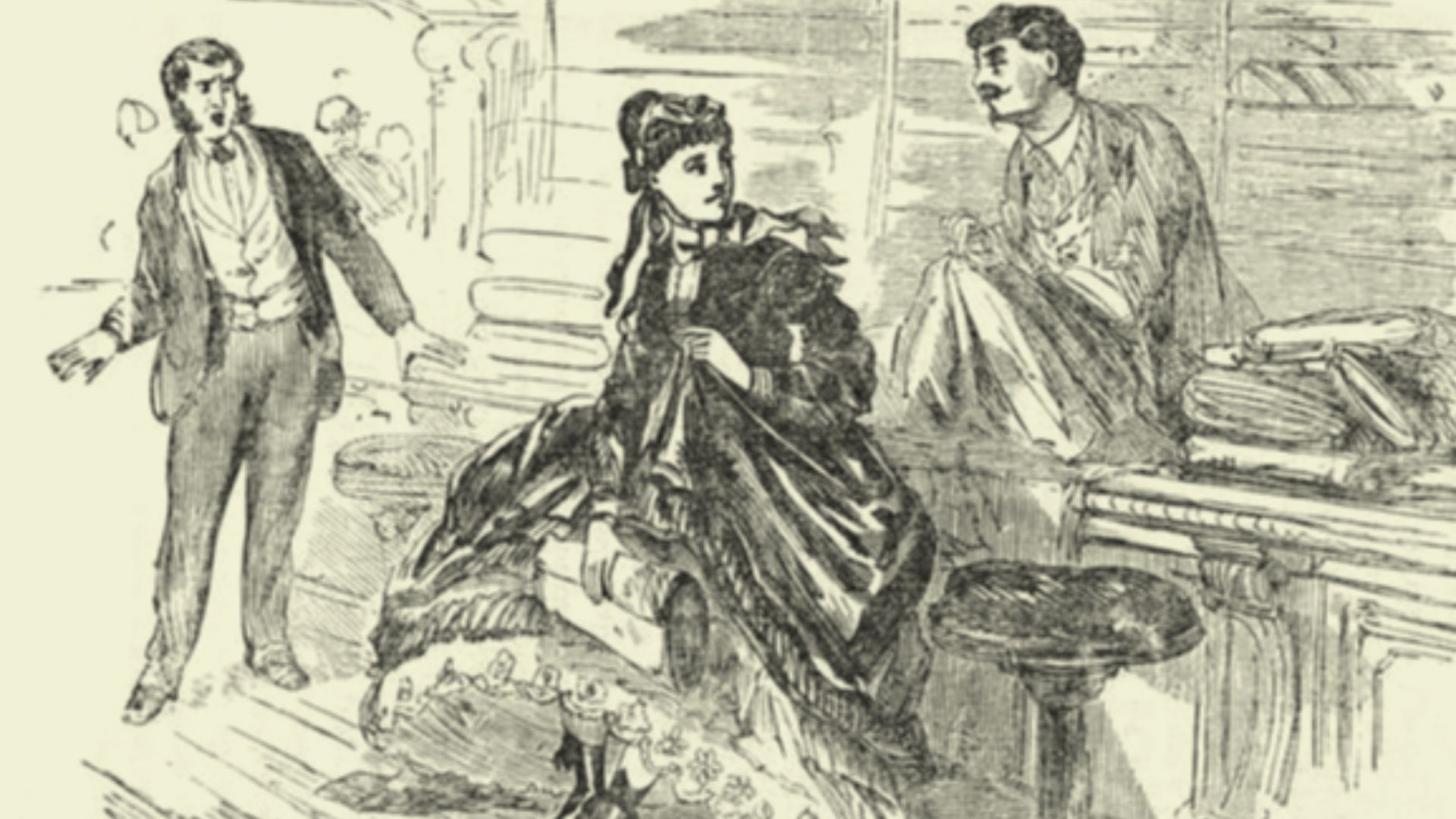
2. Named For Home Turf
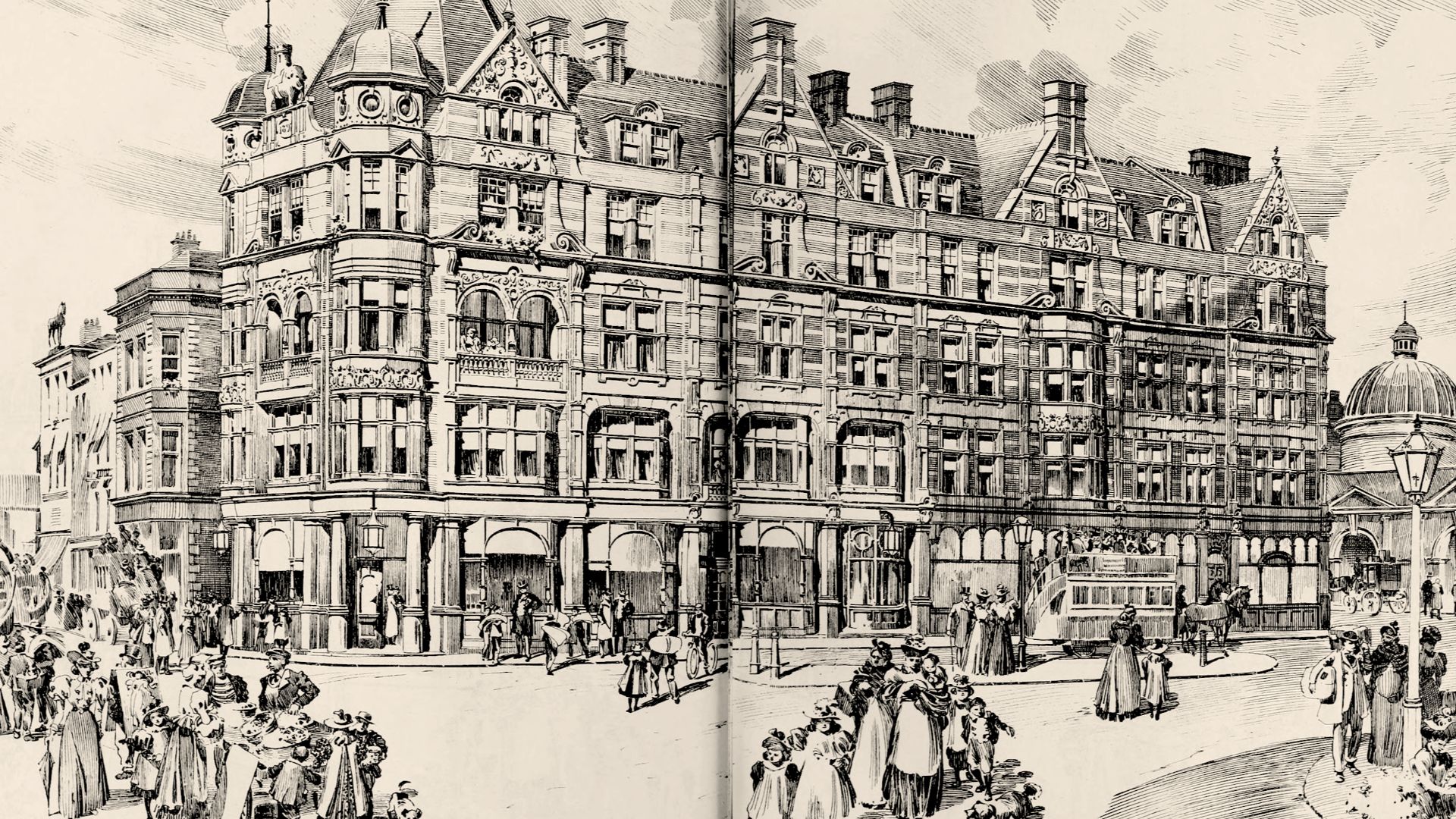
They weren’t named after elephants just to sound cool. The Forty Elephants took their name from London’s Elephant and Castle district, their gritty stomping ground. That spot became the launchpad for one of history’s most fascinating and seriously underestimated criminal crews.
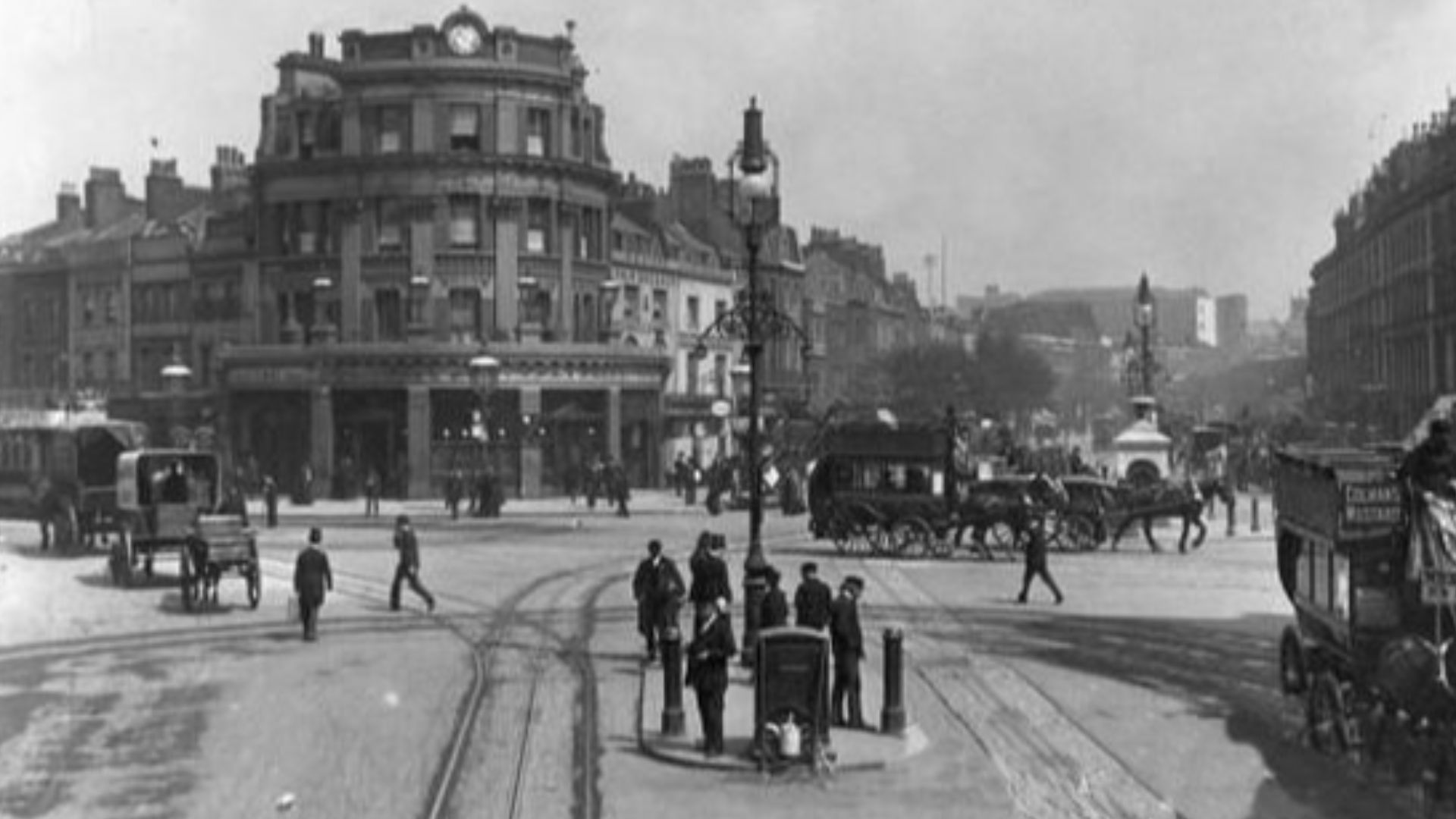
3. First Appeared in Reports
Newspapers started buzzing about them in the early 1870s, but they’d likely been in action long before that. These women operated under the radar until their shoplifting sprees got too bold to ignore. By 1873, the press had officially taken notice.

4. Allied With Male Gangsters
They didn’t operate in a vacuum. The Forty Elephants had ties with the notorious Elephant and Castle Mob. (Think of them as partners.) While the men handled brawls, the women handled business—and they often outclassed the guys doing it.
5. Specialized in “Hoisting”
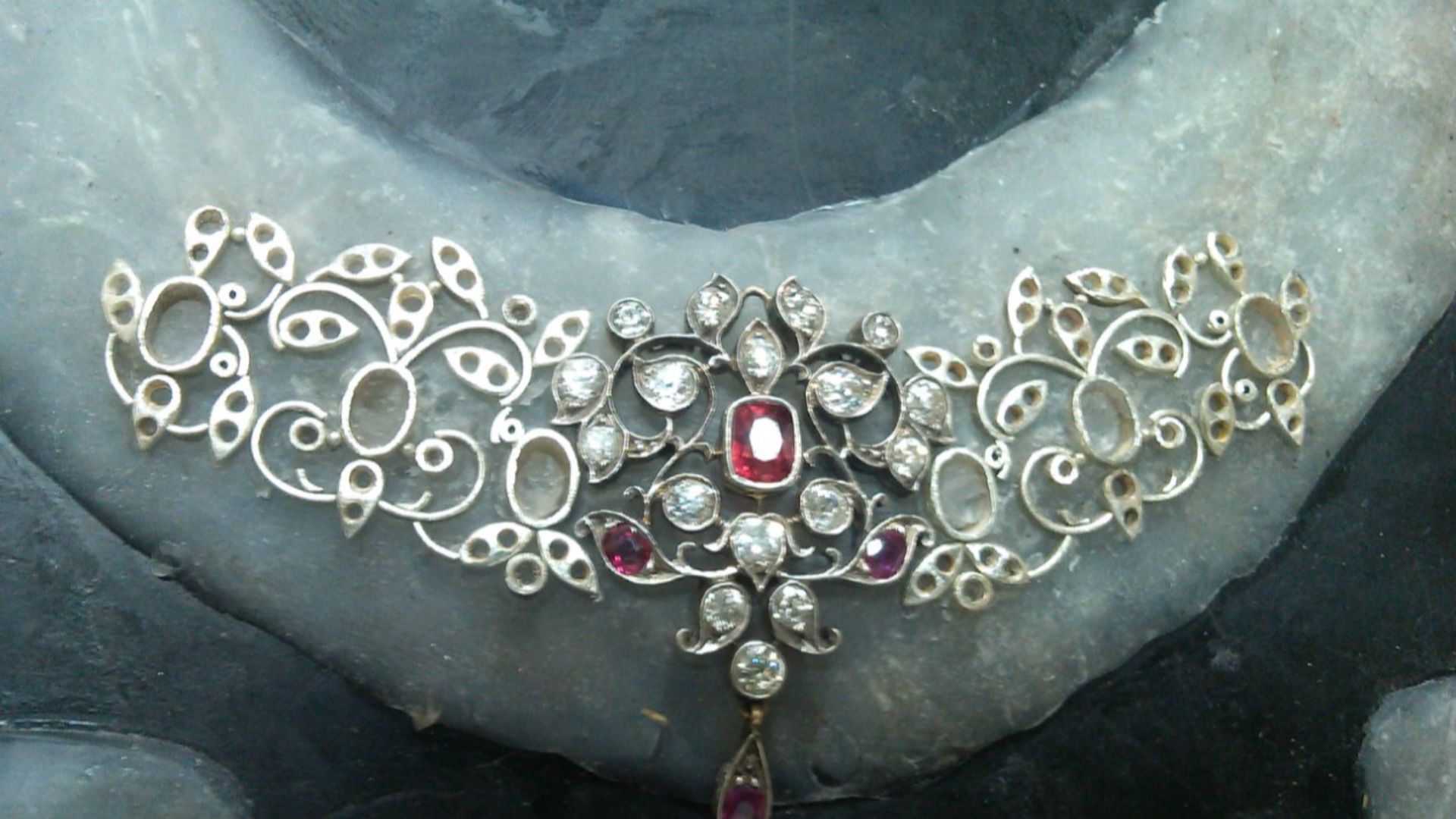
“Hoisting” might sound like lifting heavy boxes, but in their world, it meant shoplifting with style. These women went for diamonds, fur coats, and perfume. In fact, they were so smooth that store clerks barely realized what was missing.
6. Fashion Was Their Weapon
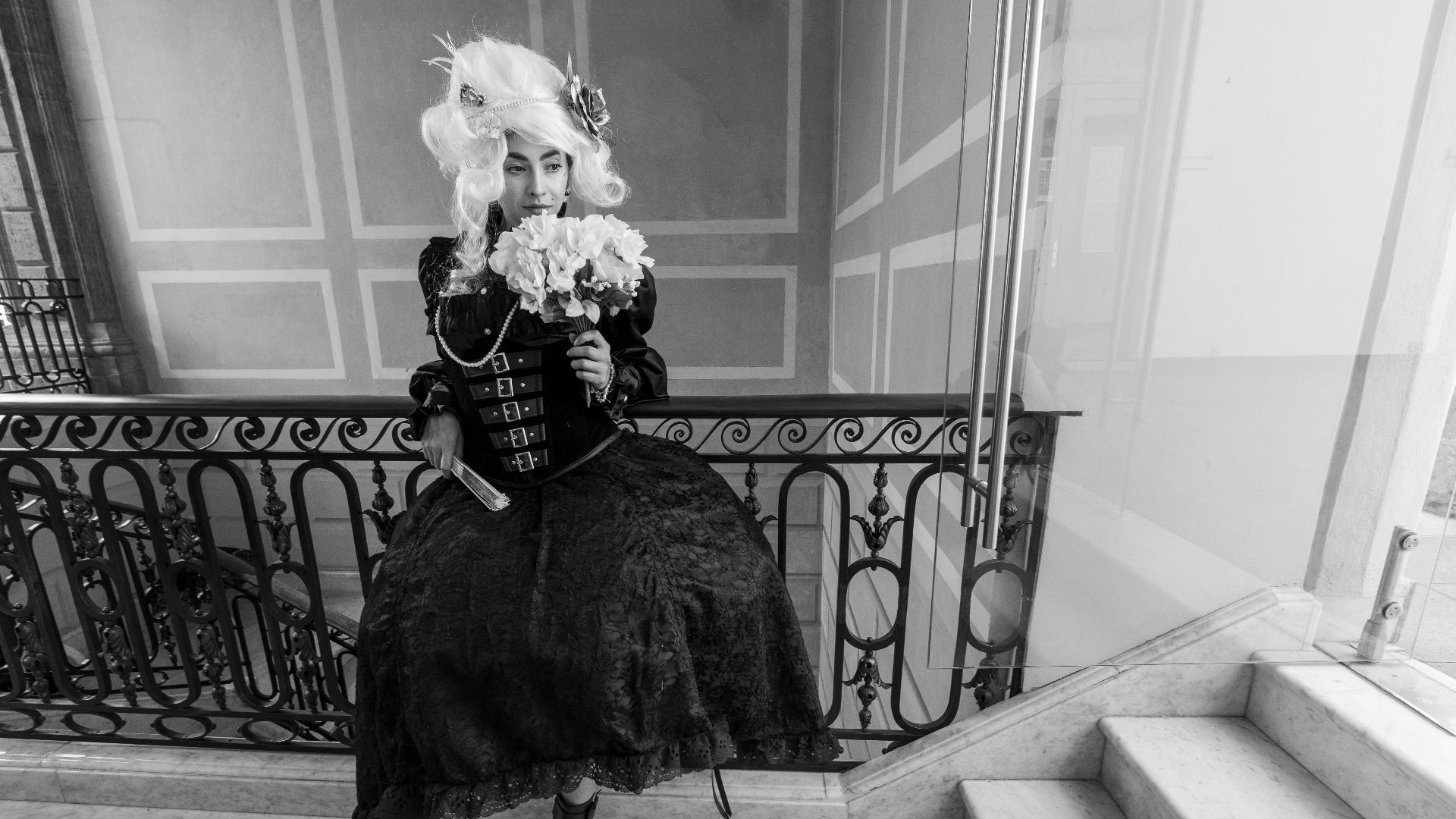
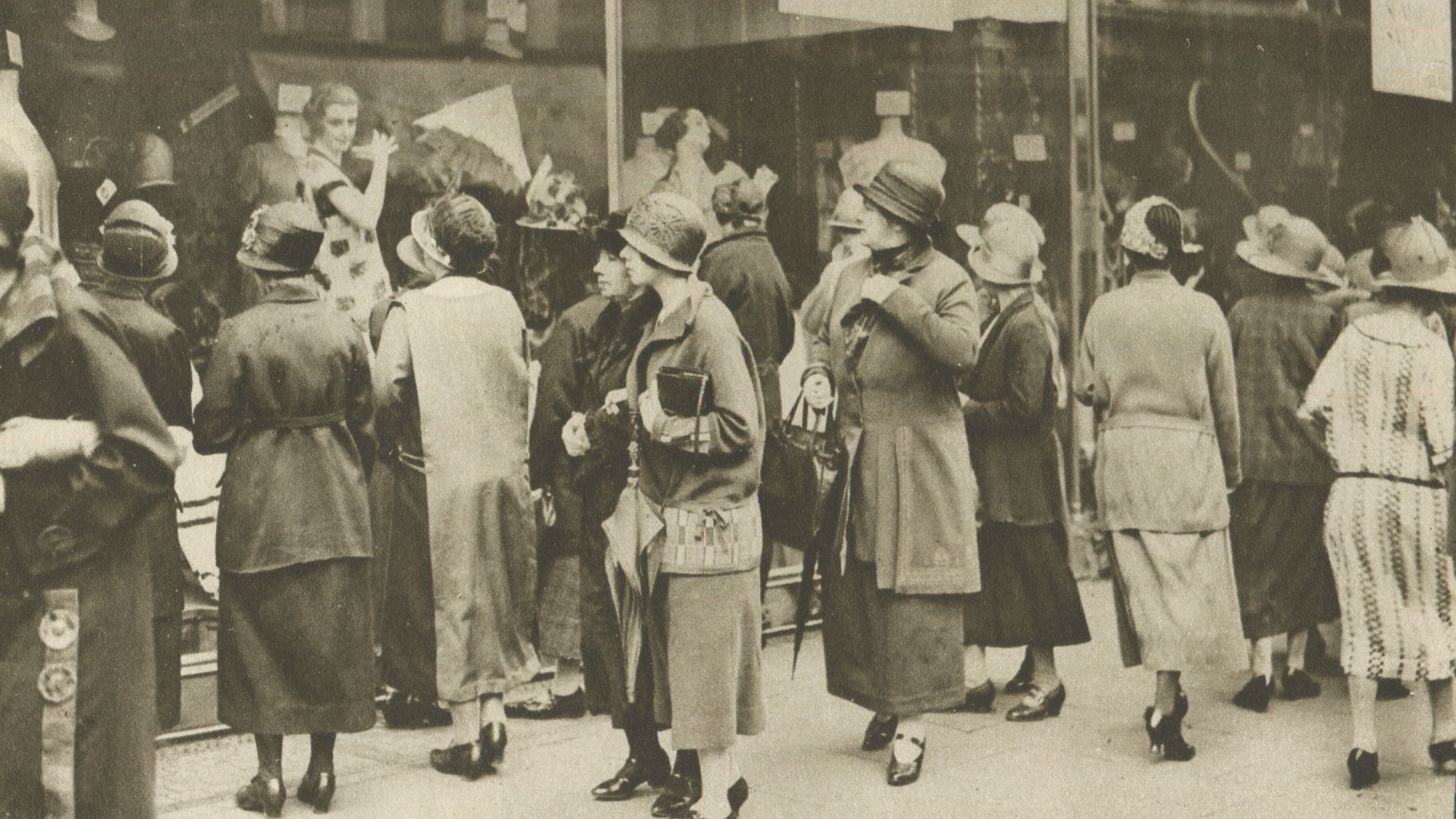
Forget purses. These women turned entire outfits into tools of the trade. Dresses, skirts, and even undergarments were stitched with secret pockets. They could clear shelves and stroll out looking like they just finished shopping, not like they robbed the place blind.
7. Played on Victorian Etiquette
Victorian manners gave the gang their best cover. Clerks were too polite to check beneath a lady’s skirt or accuse her outright, and that hands-off attitude made stores easy prey. The Forty Elephants knew exactly how to use it to their advantage.
8. Posed as Wealthy Shoppers
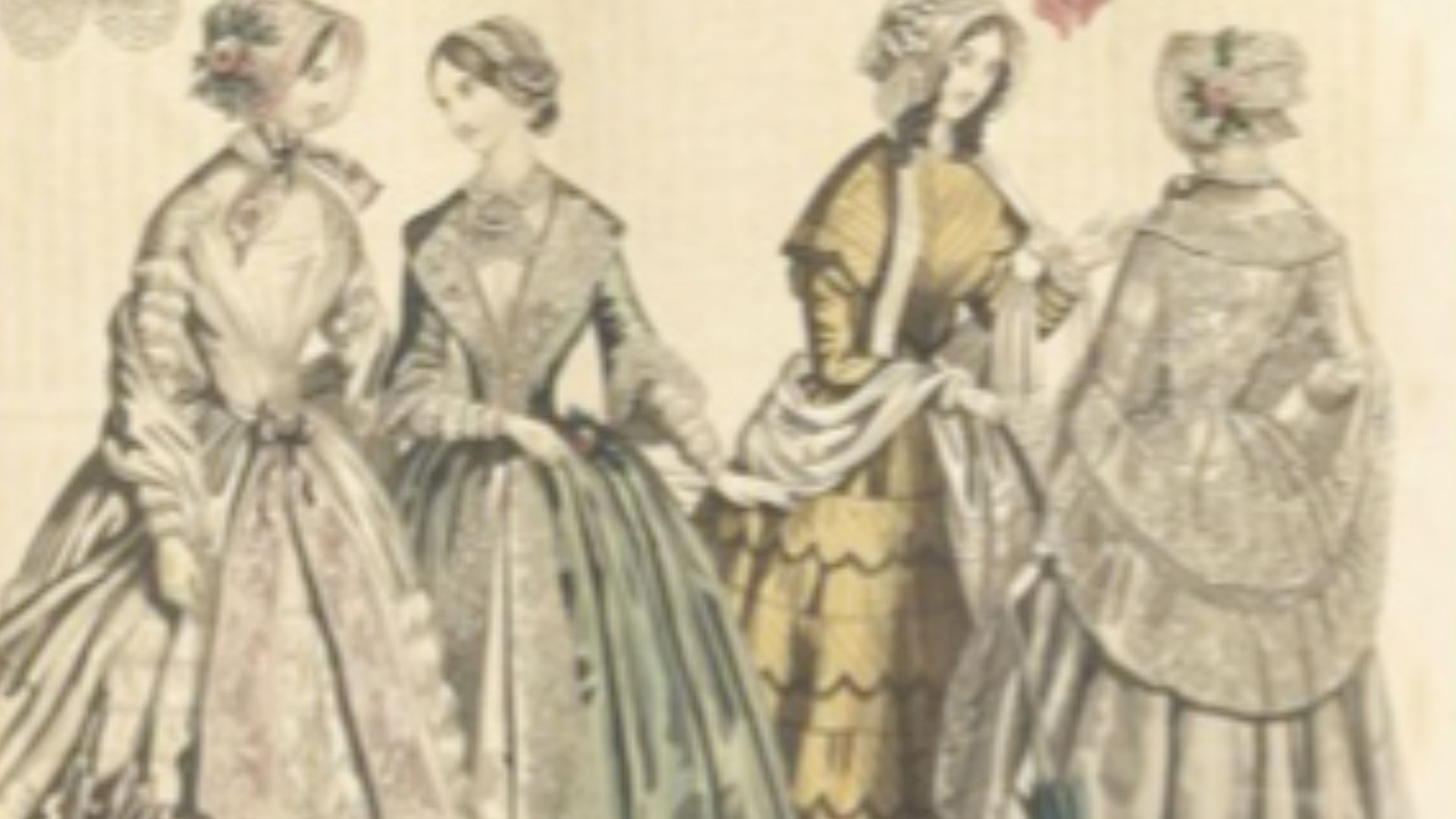
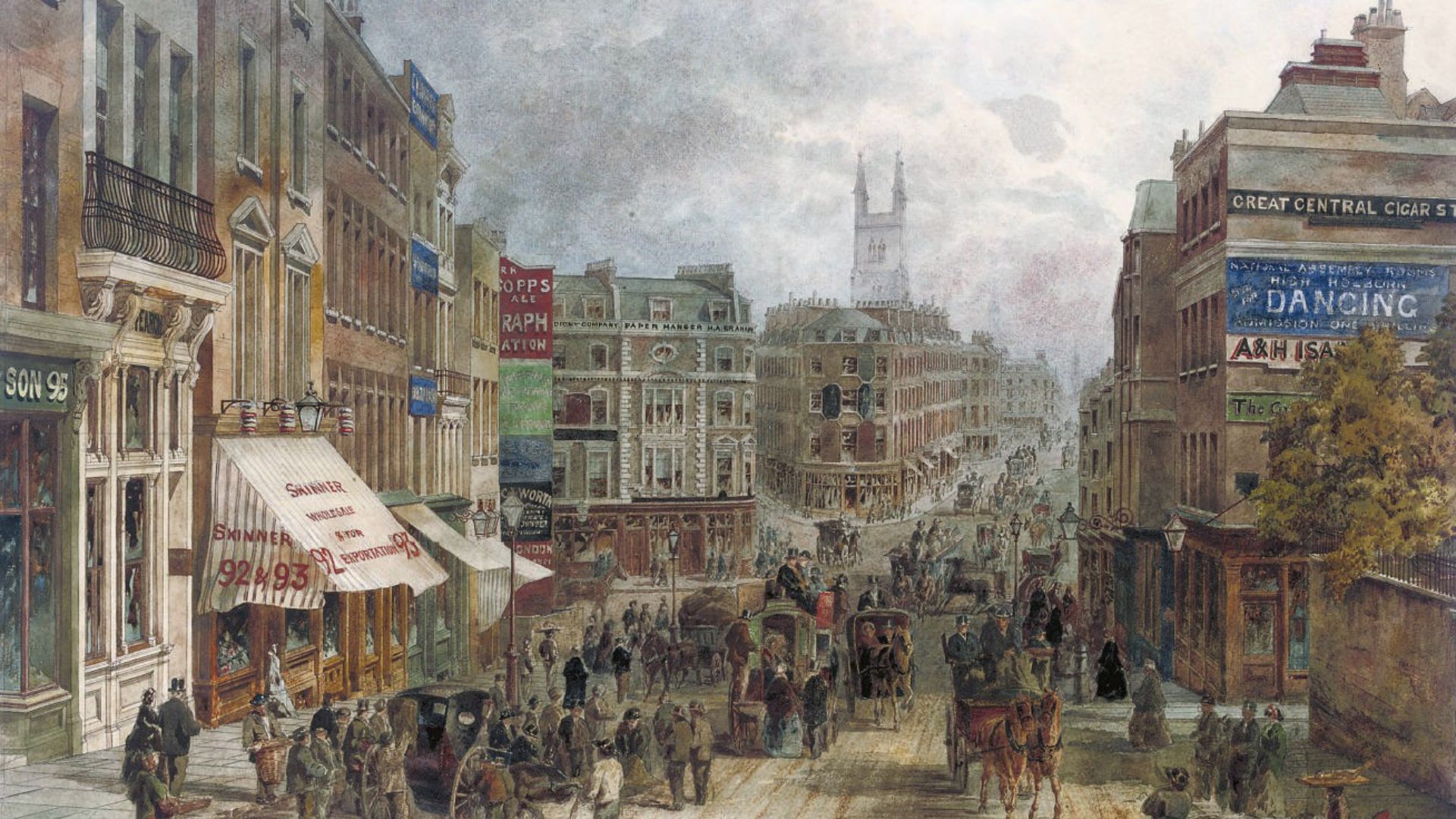
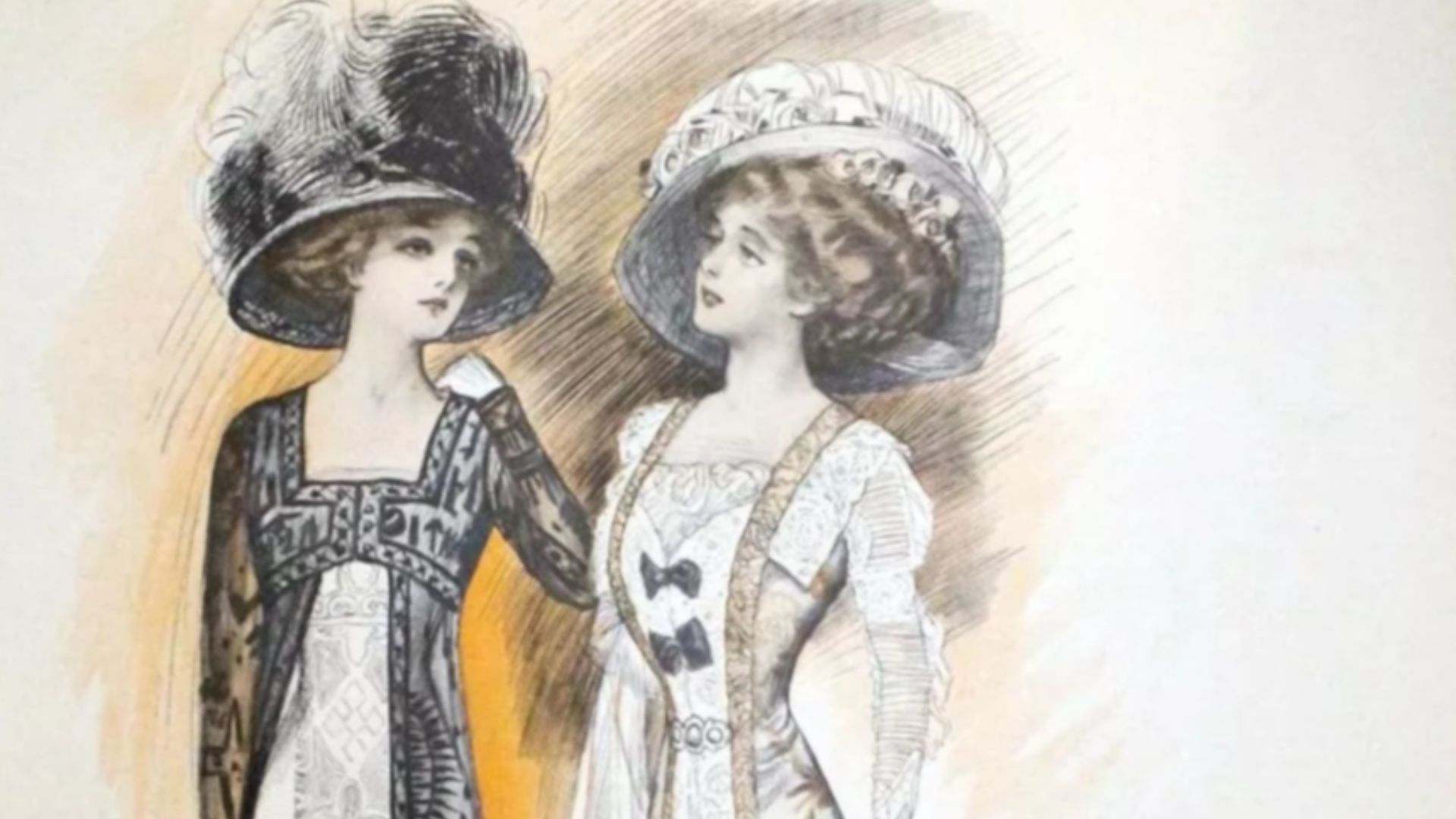
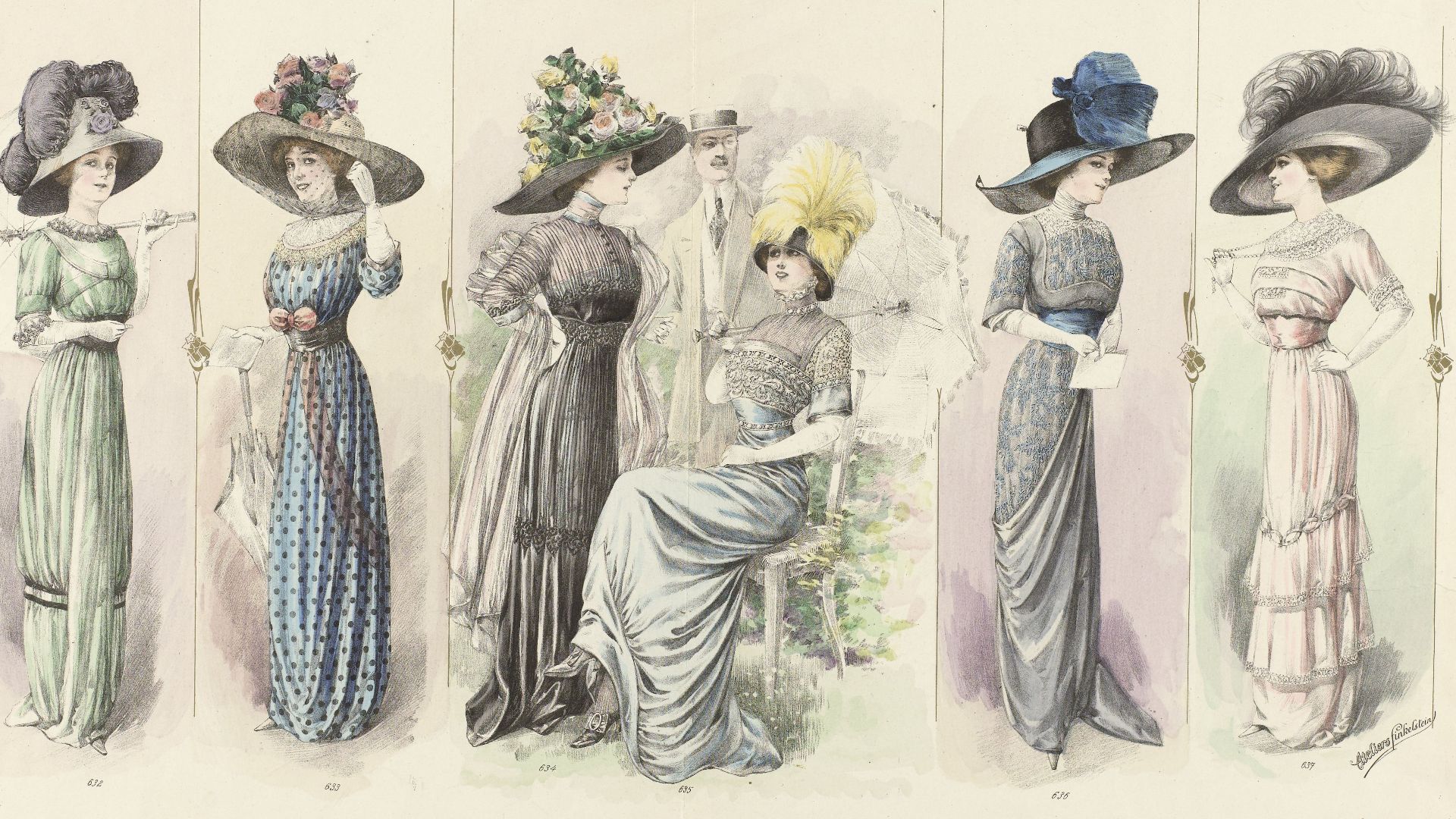
Looking rich was part of the plan. They wore elegant hats, fine fabrics, and dripping jewelry, sometimes stolen, sometimes rented. Posing as upper-class shoppers, they walked into London’s finest stores and lifted luxury goods right under everyone’s noses.
 AnonymousUnknown author on Wikimedia
9. Expanded Beyond London
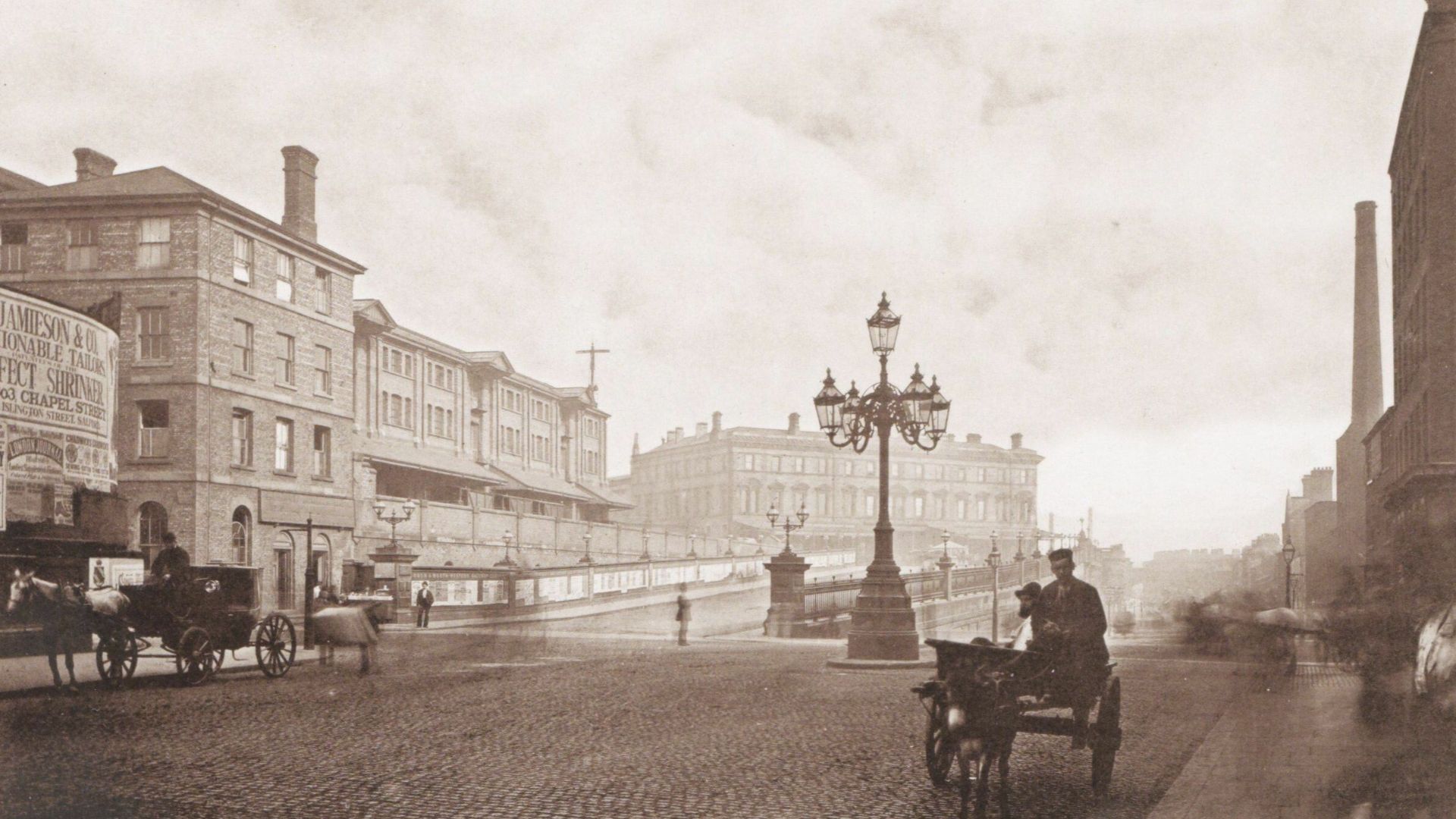
When the heat got too intense in London, the gang didn't exactly lay low—they went nationwide. From Manchester to Birmingham, they pulled off heists with the same precision. Their reputation grew with every train ride, turning them into a traveling underworld sensation.
10. They Blackmailed Targets
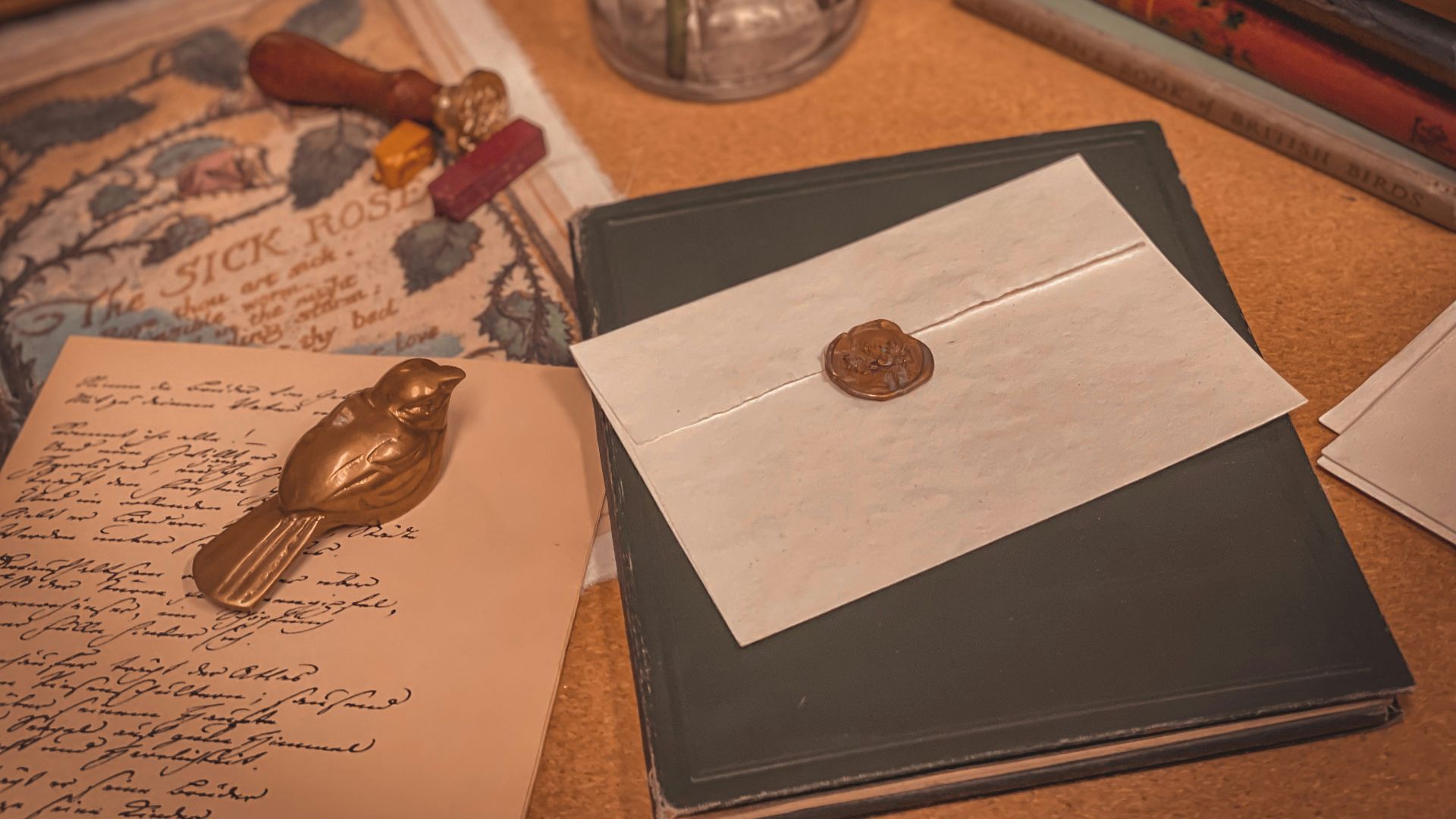
That's not to say that every scheme involved shoplifting. Some members seduced wealthy men, then used stolen letters or scandalous secrets to demand hush money. It was not romance, it was business; they knew how to flip the script and make powerful people squirm.
11. Broke Into Private Homes
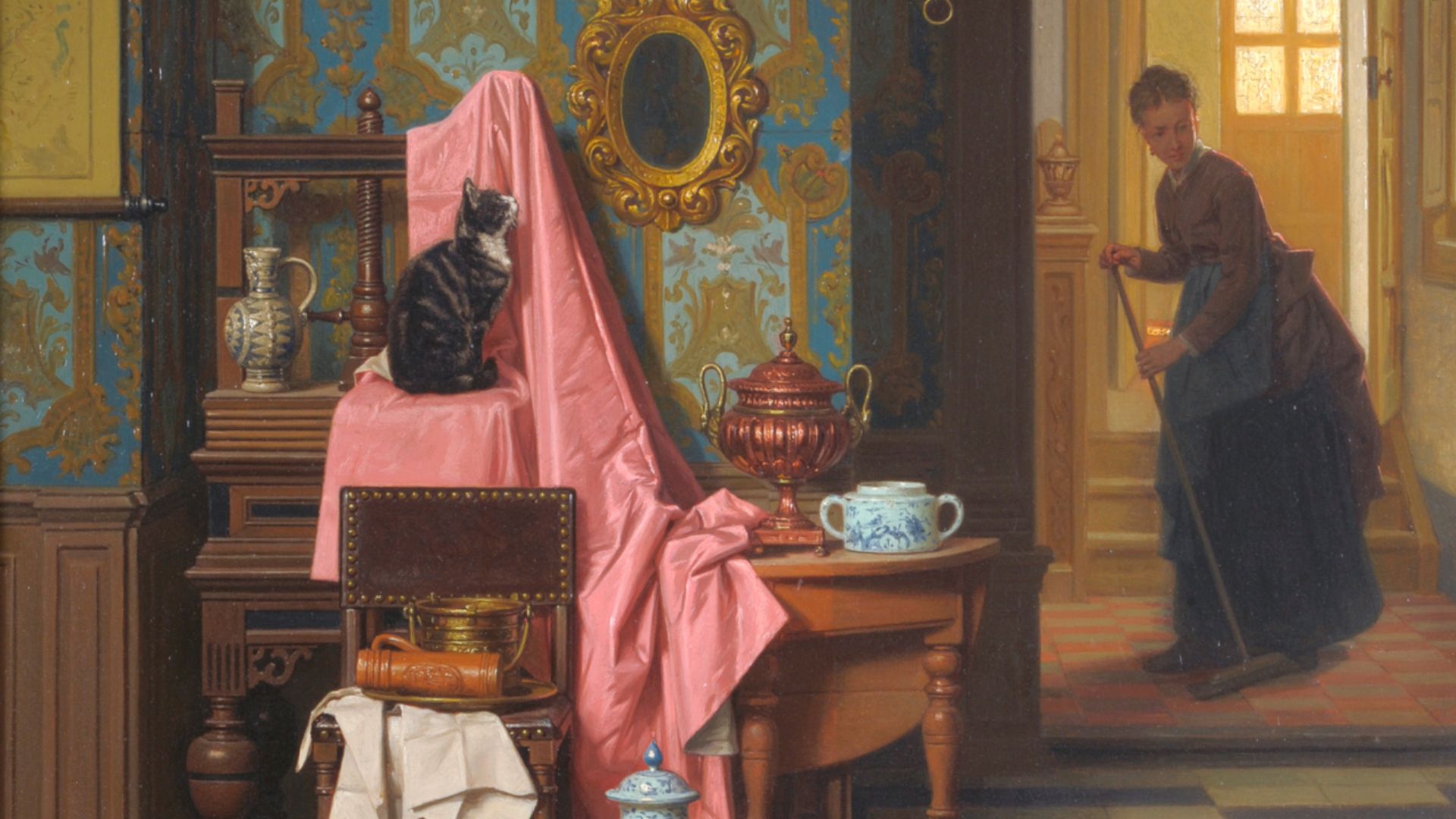
Some members used fake references to get hired as maids in wealthy homes. Once inside, they stole jewelry, silverware, or cash before vanishing without a trace. It was a quieter kind of operation, but just as effective as their public heists.
 Charles Joseph Grips on Wikimedia
12. They Protected Their Turf Fiercely
The Forty Elephants were territorial. If other thieves stole from shops in their areas without permission, the gang often forced them to hand over goods or pay them a cut. This unofficial “protection” system showed how organized they really were.
 Birmingham Museums Trust on Unsplash
13. Early Leader Mary Carr
Mary Carr was one of the gang’s earliest powerhouses. Born in 1862, she led with sharp instincts and grit. Dubbed “Queen of the Forty Thieves,” she earned respect through discipline, loyalty, and clever operations that helped shape the gang’s future.
 Art Institute of Chicago on Unsplash
14. Diamond Annie Took Command
Alice Diamond stepped into leadership during the 1910s and took the gang to new heights. With sharp style and fists that packed a punch, she transformed the Forty Elephants into one of the most feared outfits in Britain.
 Unknown authorUnknown author on Wikimedia
15. Maggie Hill Led the Later Era
After Alice Diamond’s imprisonment, Maggie Hill took command and kept the gang going into the 1930s, adapting to tougher security and changing clothing styles. She came from a family steeped in underworld ties and was known for her fierce loyalty to the crew.
16. Strict Internal Hierarchy
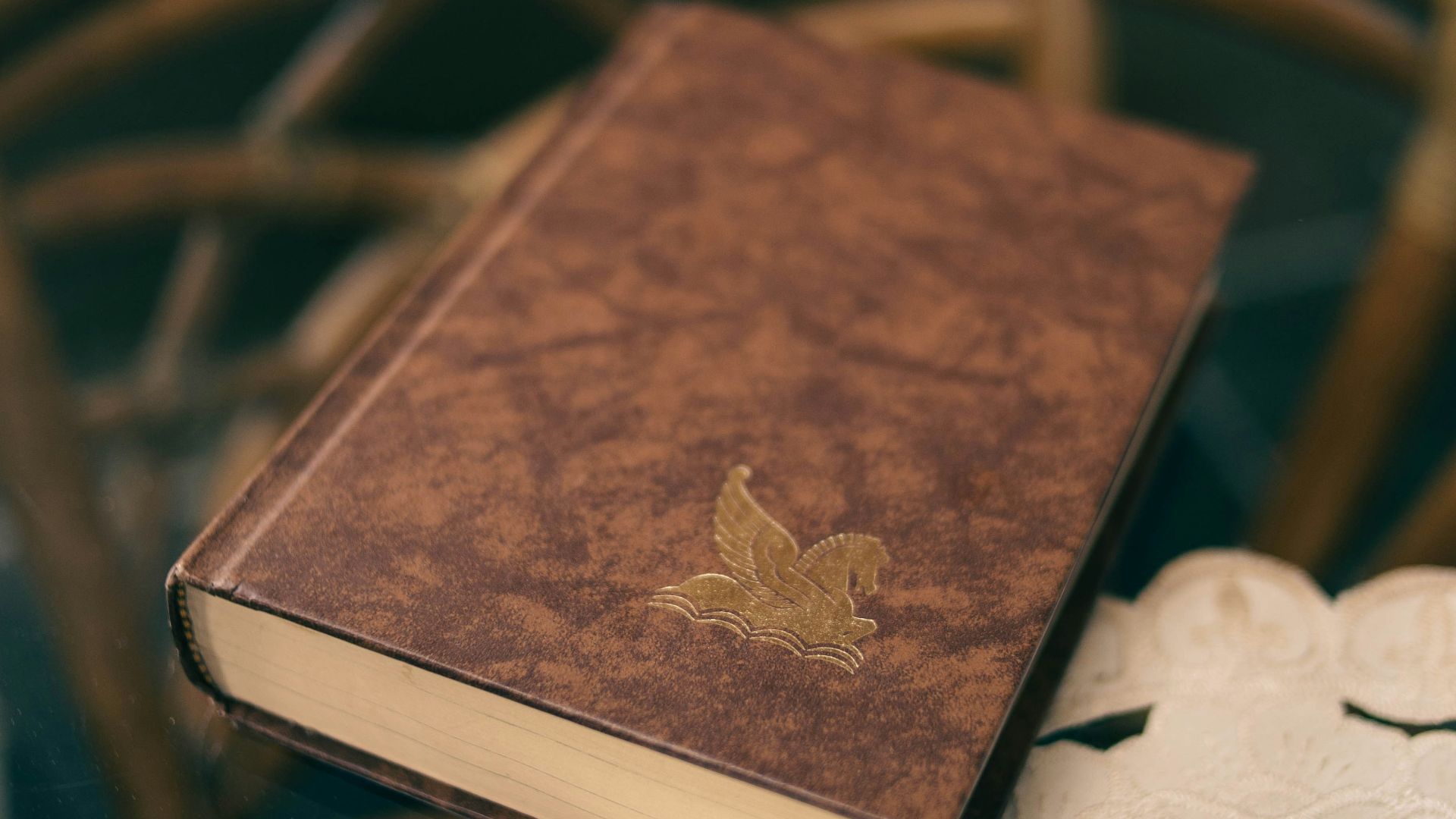
This was no chaotic crew. The Forty Elephants had rules, ranks, and discipline. Members followed a code of conduct, and leadership wasn’t just about style—it required brains and backbone. You broke the code, you were out. Simple as that.
17. Numbers Grew Substantially
By the 1920s, their influence exploded. The gang was no longer a small circle, as it had over seventy active members, each trained in theft and deception. It became a well-oiled network, strong enough to scare shop owners across Britain.
 probably Donald McLeish on Wikimedia
18. Reign Continued After Arrests
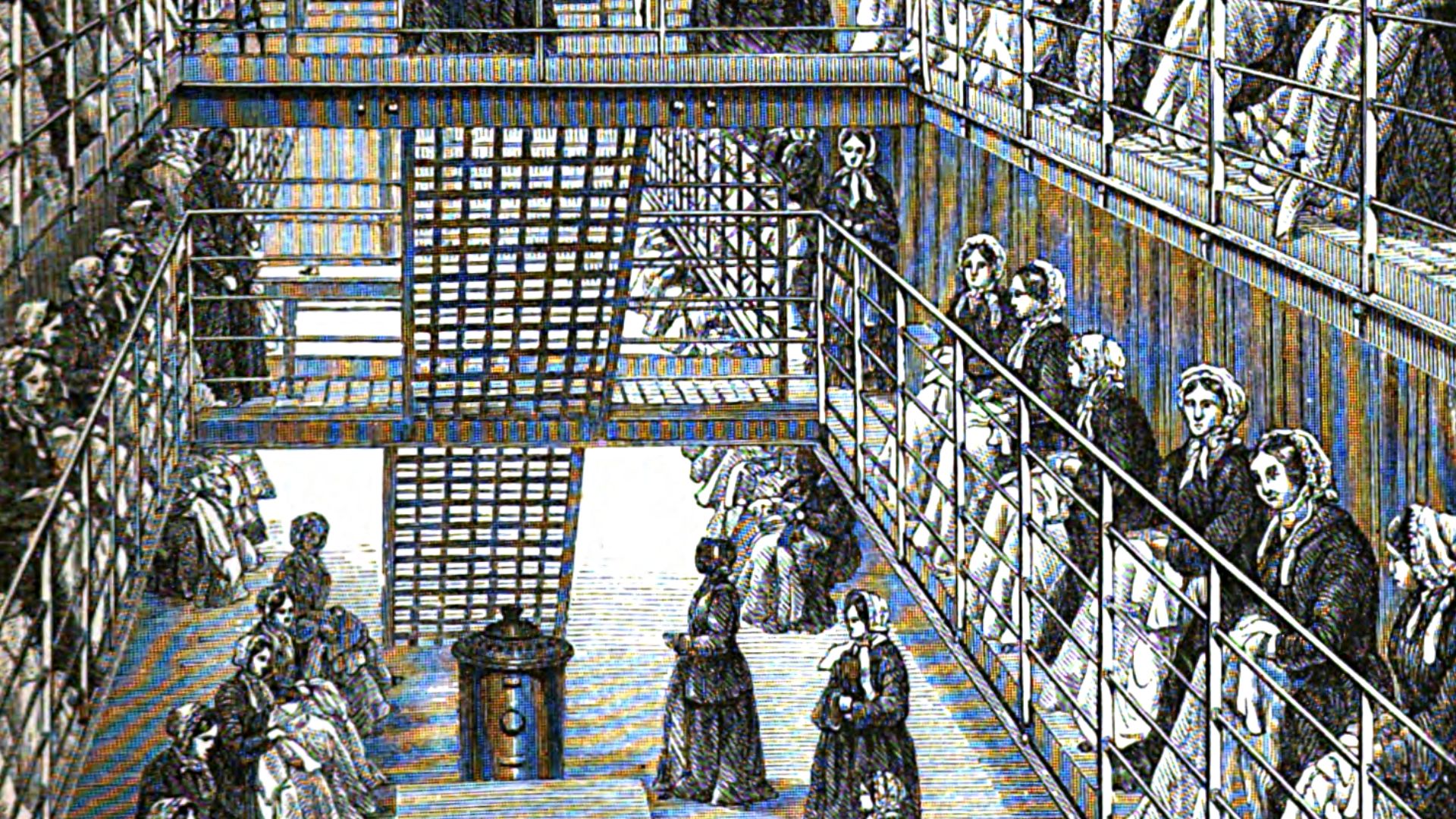
Even when leaders went to prison, the Forty Elephants did not disappear. New women stepped in, keeping the gang’s operations alive through the 1930s and beyond. Their strong network helped them survive arrests that might have destroyed lesser groups.
 Mayhew & Binny (Life time: bef 1926) on Wikimedia
19. Lavish Lifestyle From Loot
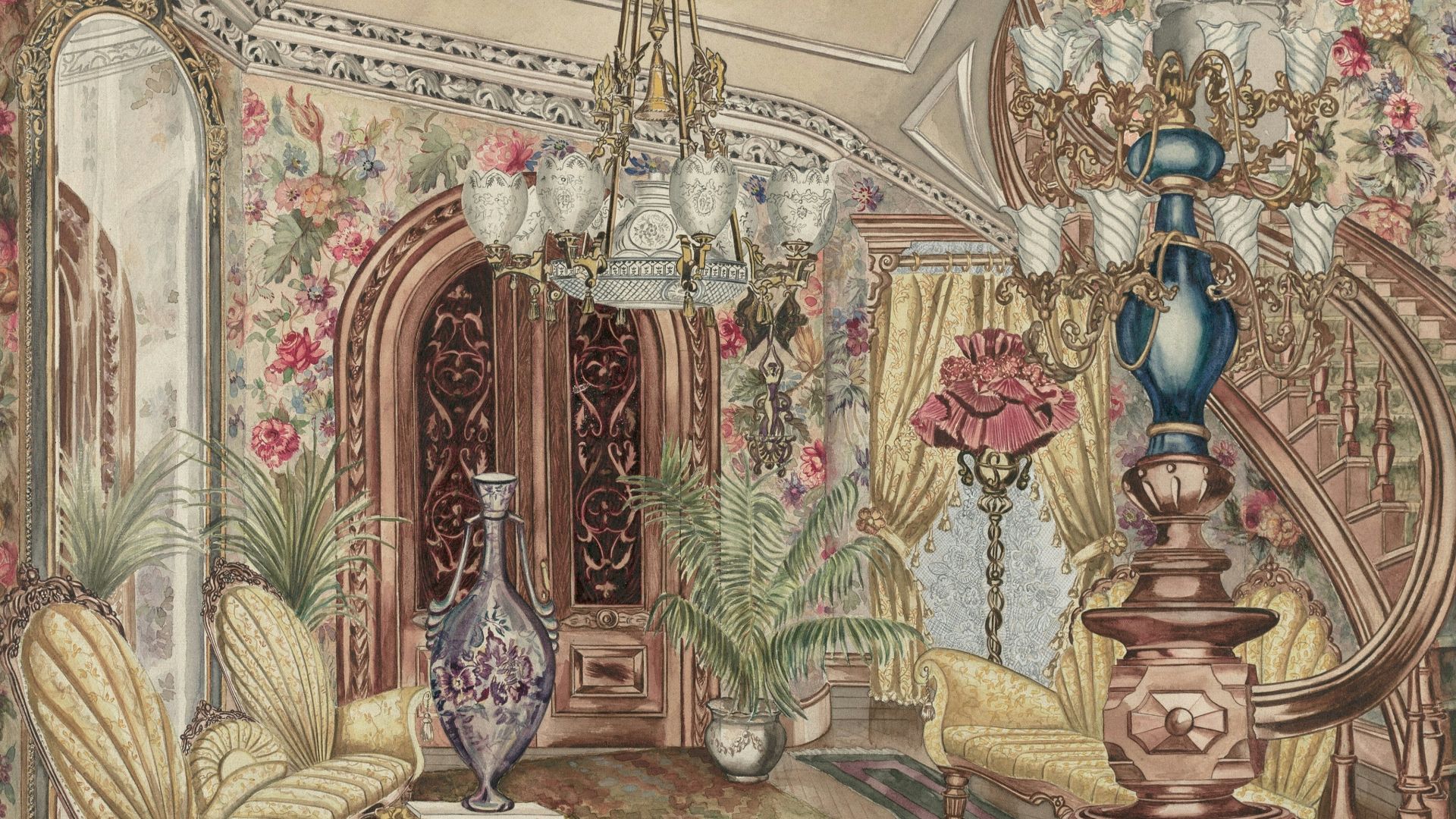
These women didn’t steal to survive. They stole to live big. Parties, custom outfits, swanky apartments—they used their profits to enjoy a lifestyle most women only dreamed of. Crime might not pay forever, but it sure paid well for a while.
 National Gallery of Art on Unsplash
20. Legacy Echoes in Popular Culture
Their story still sparks imaginations. From history books to the Disney+ drama A Thousand Blows, the Forty Elephants continue to fascinate. They weren’t just thieves. They were legends who flipped the script on who could rule the criminal world.
KEEP ON READING

20 Weirdest Historical Objects in Museums
Check Out the Pickled Heart of a Saint. Museums carry…
By Rob Shapiro Oct 1, 2025
20 Scariest Missing Persons Cases in History
Eerie Disappearances. There's something uniquely unsettling about a person who…
By Christy Chan May 1, 2026
20 Greatest Ancient Athletes In History
Ancient Olympics. Long before modern stadiums and multimillion-dollar endorsements, athletes…
By Sara Springsteen May 1, 2026
10 Phenomenal Mythical Creatures & 10 That Are Just Plain…
Legends Both Majestic And Peculiar. Do you ever wonder why…
By Chase Wexler Oct 1, 2025
10 Presidents Who Never Served In The Military & 10…
Commanders And Civilians In Office. Power can rise from very…
By David Davidovic Sep 1, 2025
20 Wars That Could Have Ended Much Sooner Than They…
Wars That Lasted Far Too Long. Wars are often remembered…
By David Davidovic Sep 1, 2025