Step Aside, Zeus
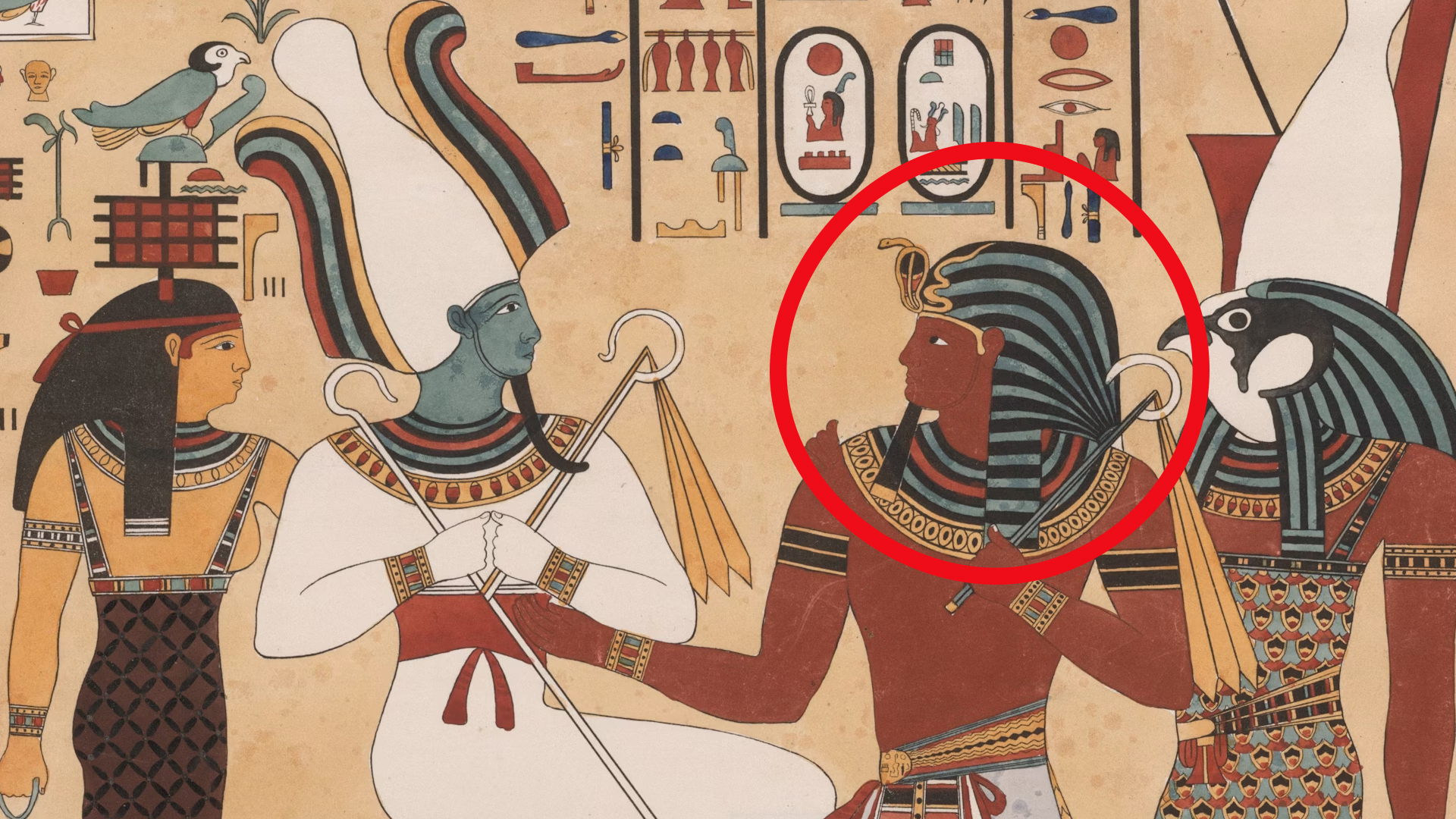
Greek mythology isn’t only about Zeus and the best-known Olympians; it also includes lesser deities and personified forces explaining daily life and cosmic order. Ancient sources don’t always agree on family trees, so a god’s origin can look different depending on the poet or tradition. The twenty figures below show how wide the pantheon really is, even if they rarely get the spotlight.
1. Eileithyia, Childbirth Aid
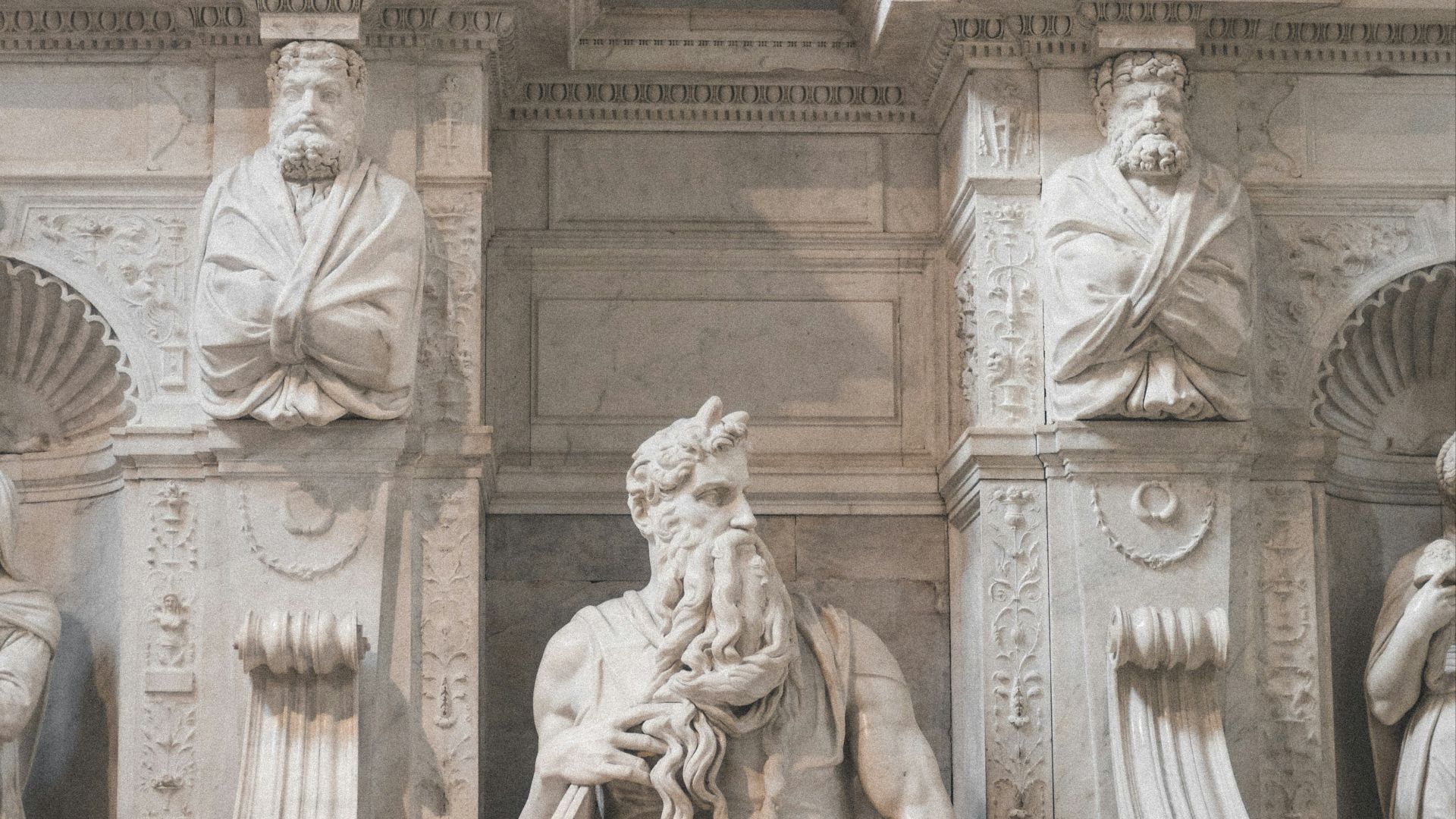
For childbirth, Greeks appealed to Eileithyia as a divine helper who could ease or delay labor. Many traditions call her a daughter of Zeus and Hera, and myths show Hera using her influence to hinder the birth of Heracles. Her cult, especially on Crete, suggests she mattered in daily family life far beyond heroic stories.
 User:Bibi Saint-Pol on Wikimedia
2. Hebe, Youthful Service
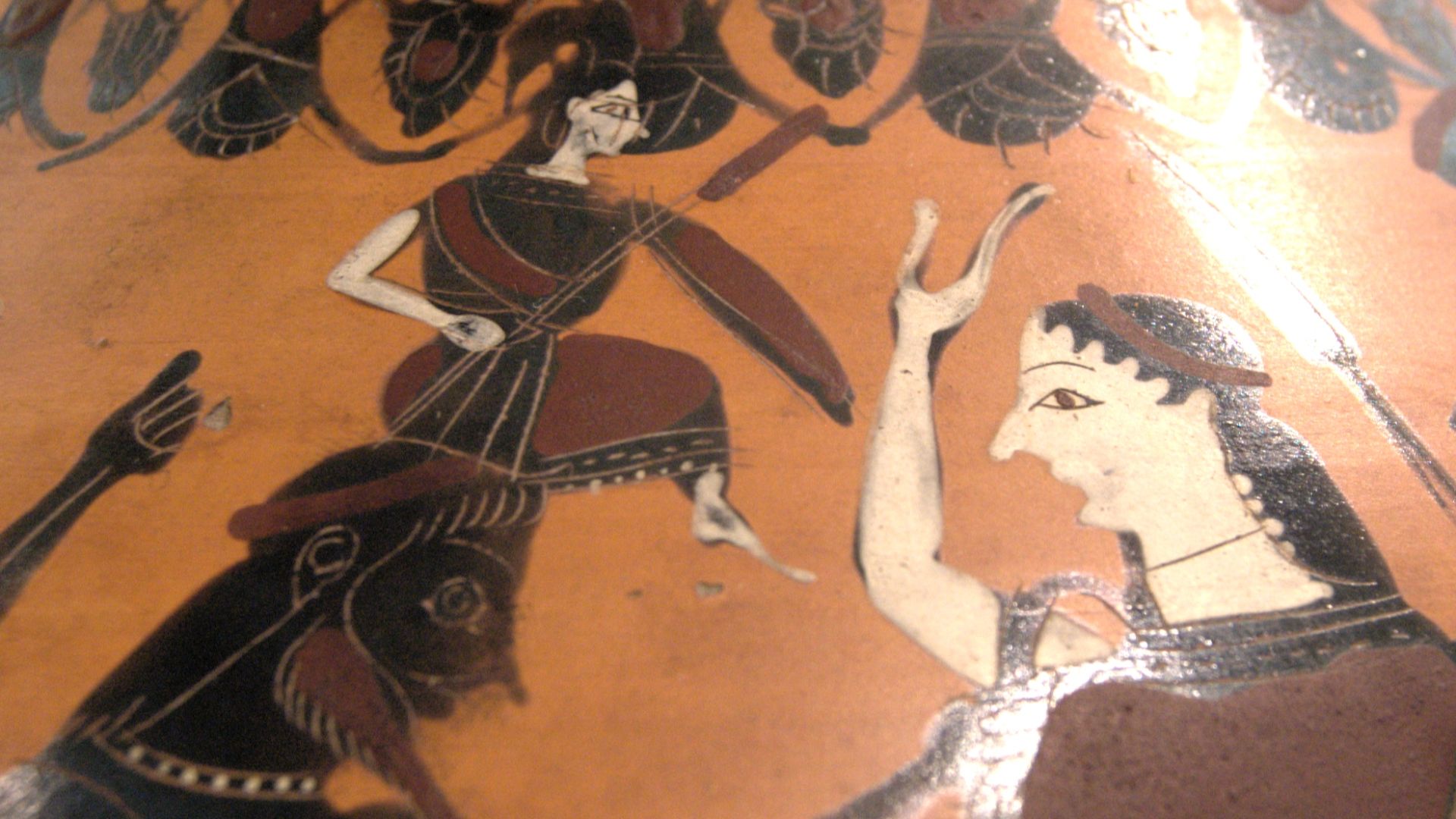
Olympian youth were represented through Hebe, the goddess who represented vitality. Also usually described as the daughter of Zeus and Hera, and is remembered for serving nectar before Ganymede took that role in later accounts. Her later marriage to the deified Heracles signals his final acceptance among the gods.
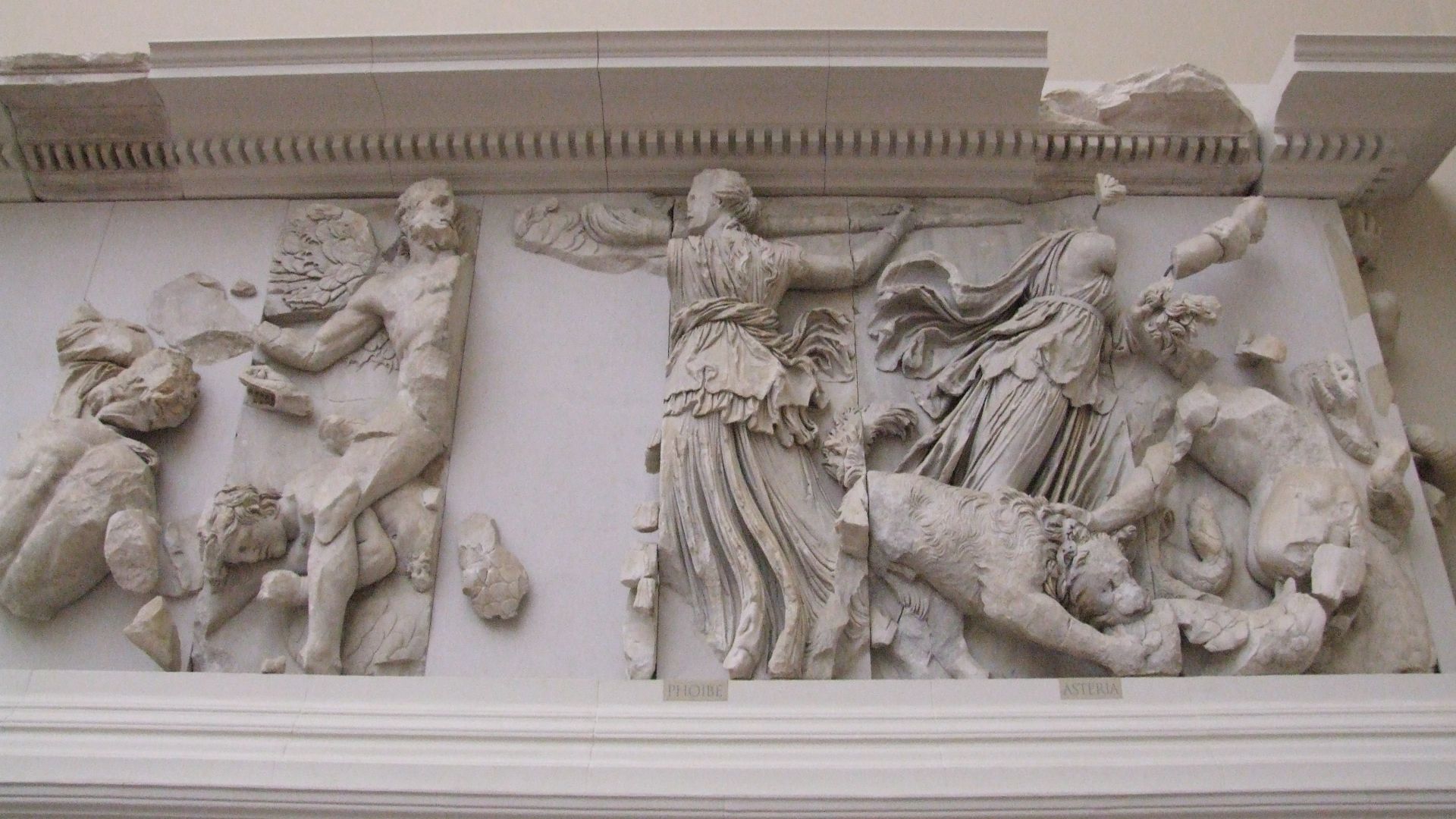
3. Asteria, Starry Titaness
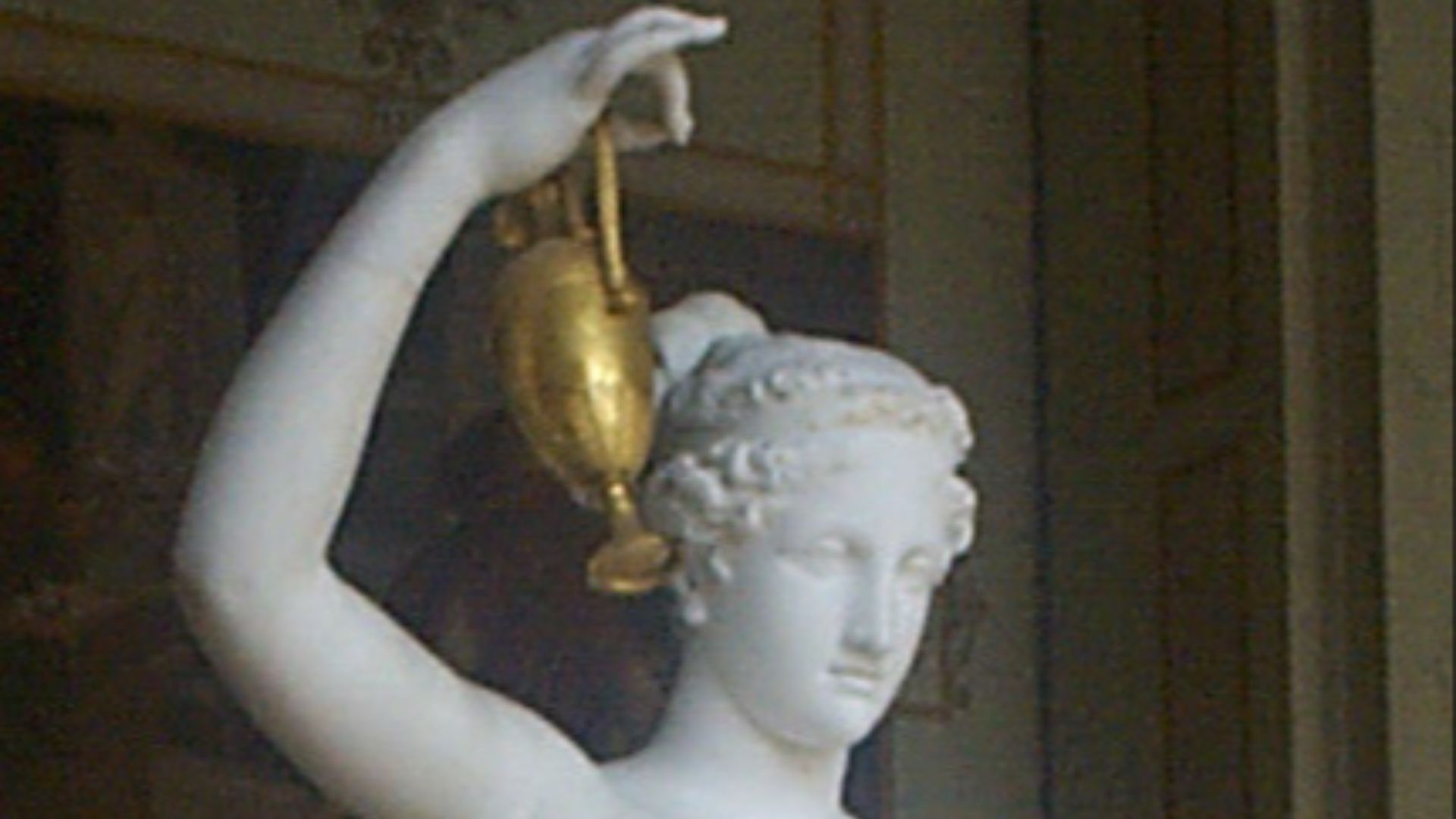
Asteria appears in Titan genealogies as a goddess linked to stars and nighttime divination. Hesiod names her as the daughter of Coeus and Phoebe, and the mother of the triple-moon goddess Hecate. In one tradition, she plunges into the sea and becomes Delos, an origin tale for the sacred island.
4. Astraeus, The “Starry One”
Twilight is personified in Astraeus, a Titan associated with dusk and the shift into night. In Hesiod, he’s the son of Crius and Eurybia and the partner of Eos, the titan of dawn. Their children include winds and stars, a poetic way to link night with weather and constellations.
 Unknown authorUnknown author on Wikimedia
5. Hemera, Bright Day
Rather than treating day as an abstract idea, poets gave it a face in Hemera, the personification of daylight. In the Theogony, she’s born from Nyx (Night) and Erebus (Darkness), so brightness is framed as emerging from shadow. Ancient imagery shows Hemera and Nyx passing at a doorway, explaining the daily cycle as a handoff.
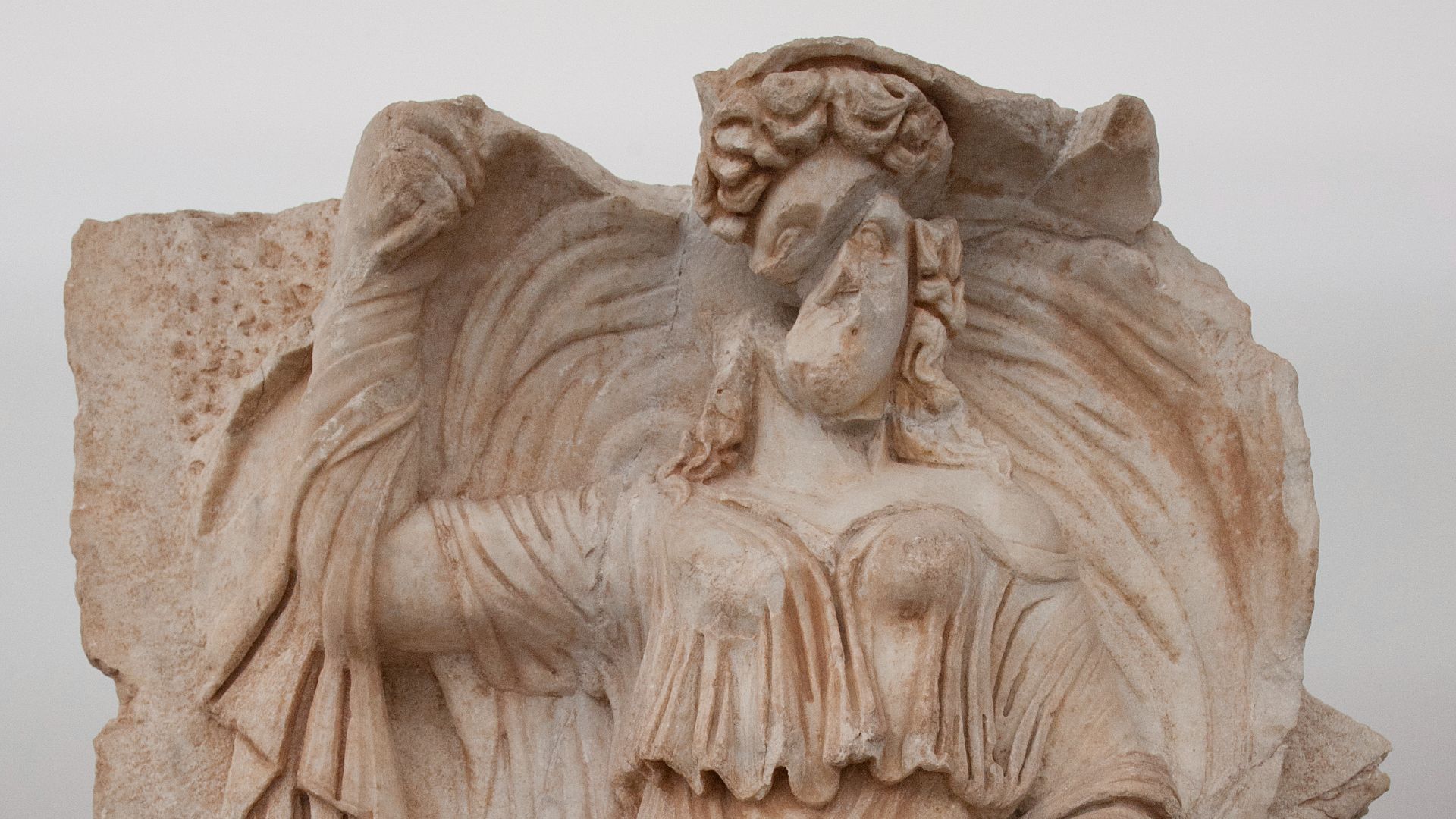
6. Aether, Upper Sky
Far above the air we breathed, Greeks imagined Aether as the bright sky where the gods dwell. Genealogies often mark him as the child of Nyx and Erebus. He represents the clean, luminous layer of the heavens rather than the cloud-filled atmosphere that we humans experience.
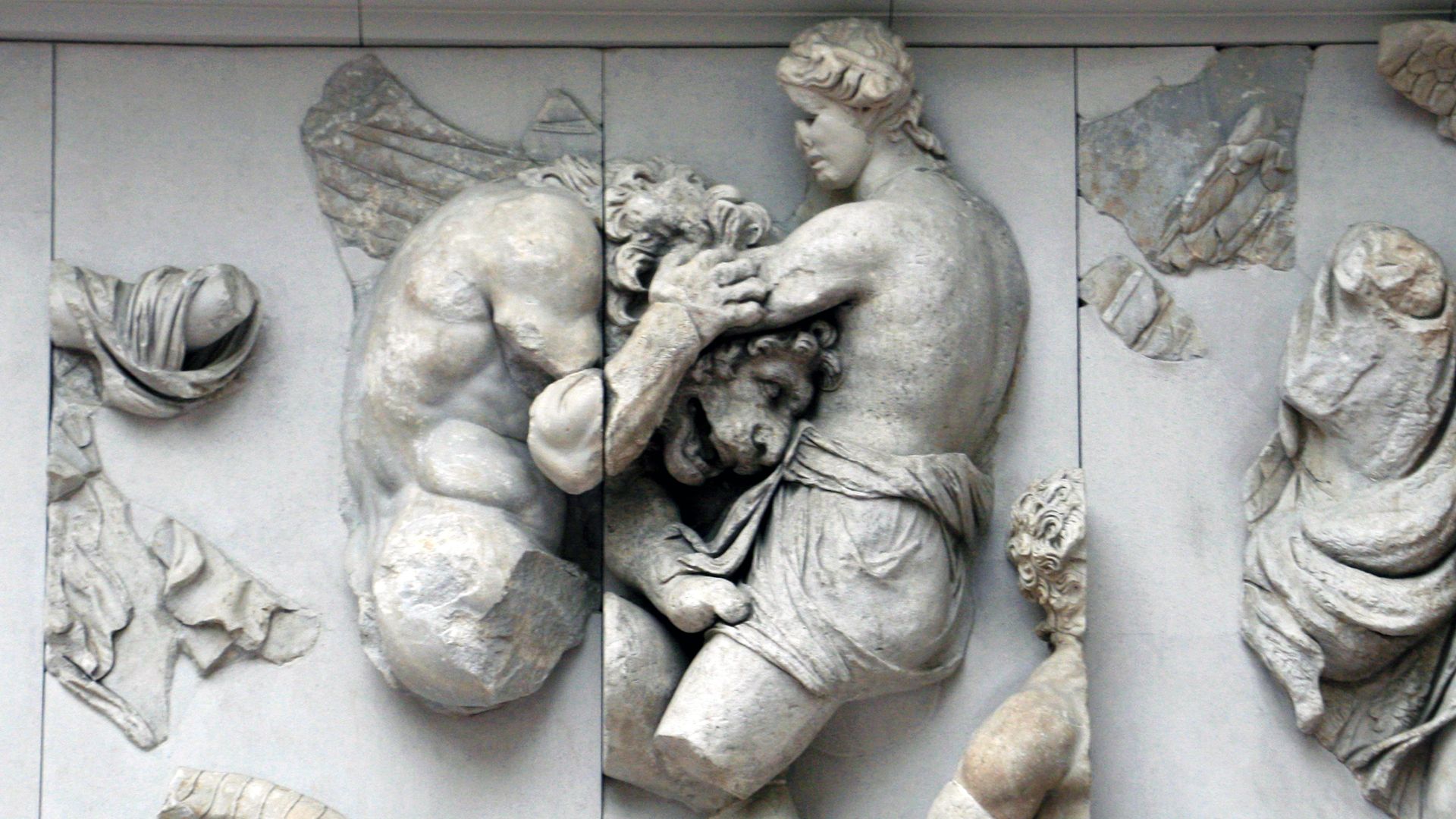
7. Phanes, First Light
Orphic creation stories begin with Phanes, a radiant first being who emerges from a cosmic egg. He’s usually represented as a beautiful, golden-winged, androgynous creature who was brought into being by the titans Chronos and Ananke.
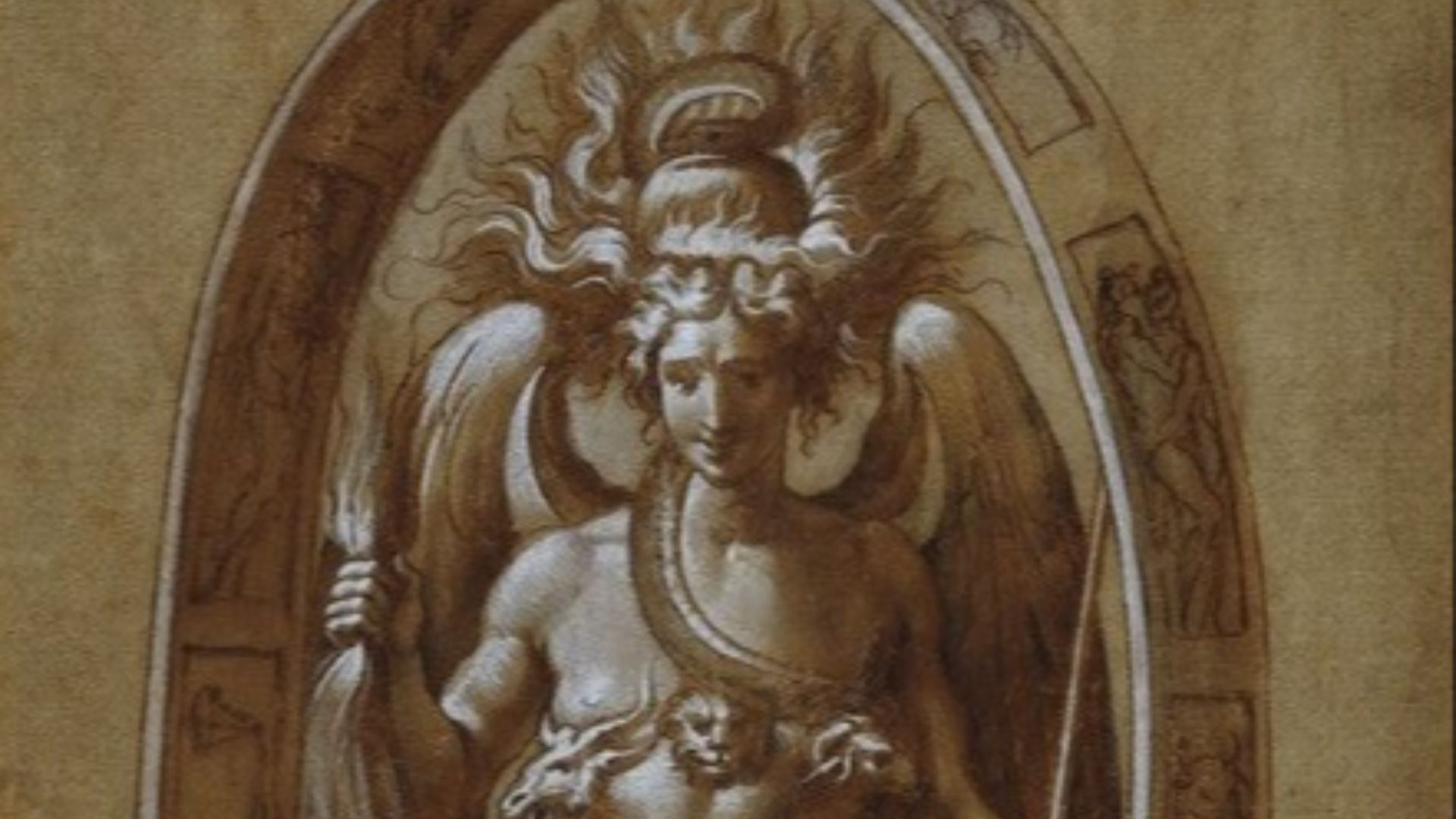 Francesco Salviati on Wikimedia
8. Ananke, Necessity
Greek thought also allowed for powers that even gods must obey, and Ananke is one of them. In Orphic tradition, she’s sometimes paired with Chronos (Time) and imagined as binding the cosmos into a fixed shape. Many histories also cite her as the mother of the fates, who control human destiny.
9. Moros, Looming Doom
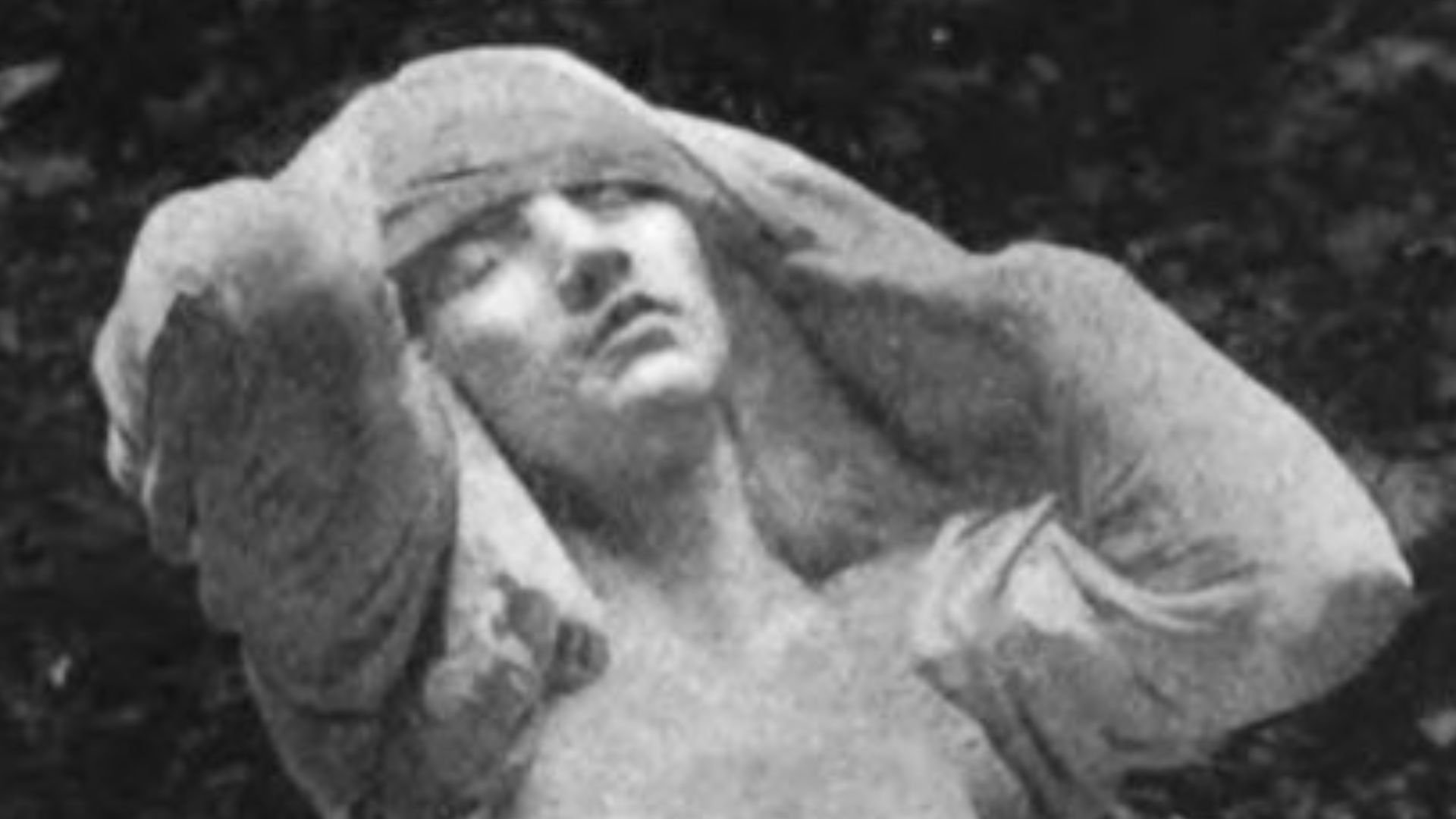
When a prophecy feels like a trap, Moros is the name behind that kind of doom. Hesiod lists him among the children of Nyx, alongside other grim personifications that shadow human life. He represents the inevitability of death, but has a more sinister edge than the gentler god of death, Thanatos.
10. Zelus, Fierce Rivalry
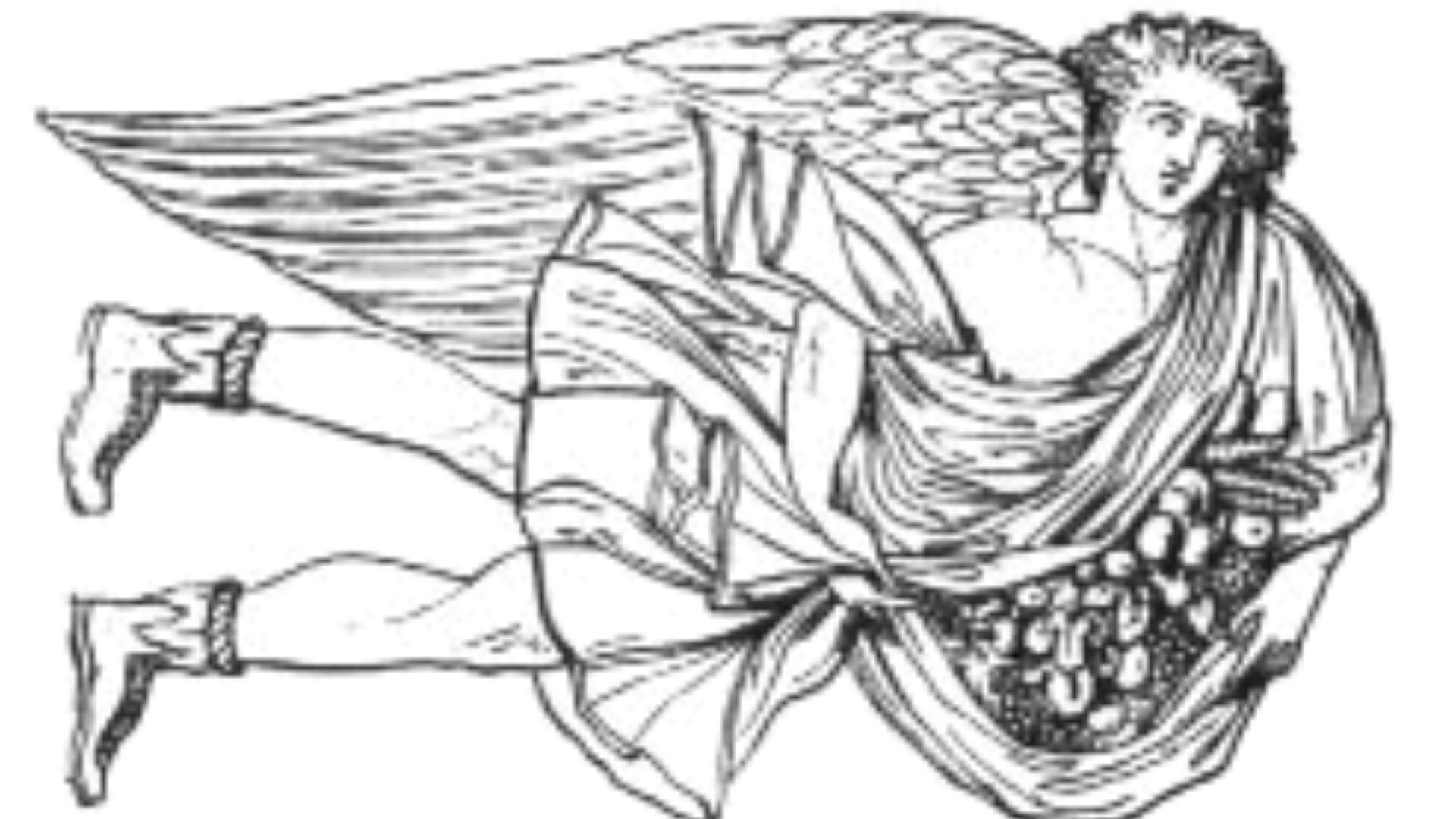
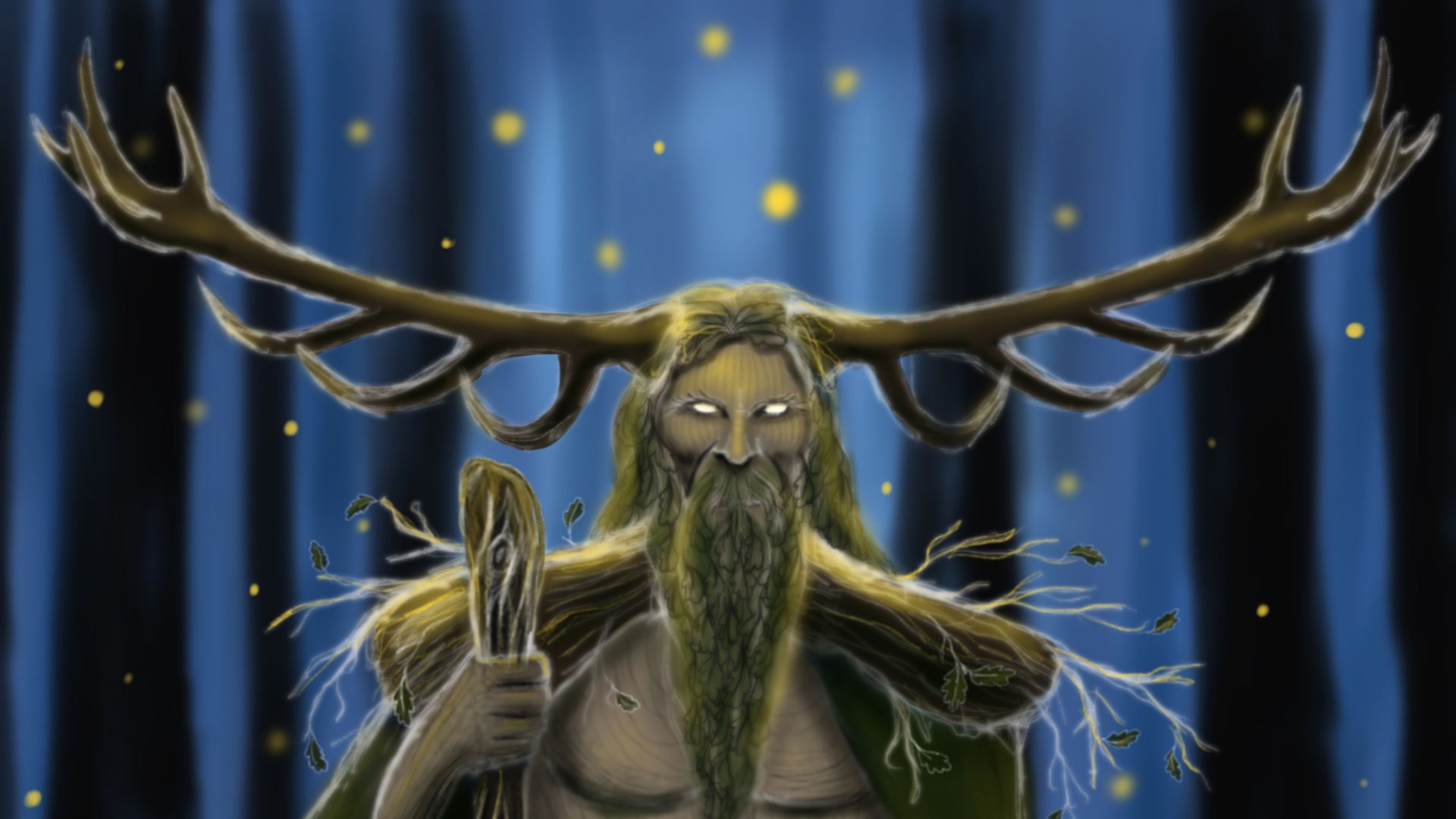
Competitive drive took divine form in Zelus, the spirit of rivalry and zealous ambition. Hesiod names him the son of Pallas and Styx, with siblings Nike (Victory), Kratos (Power), and Bia (Force). We get the word “zeal” from this winged deity.
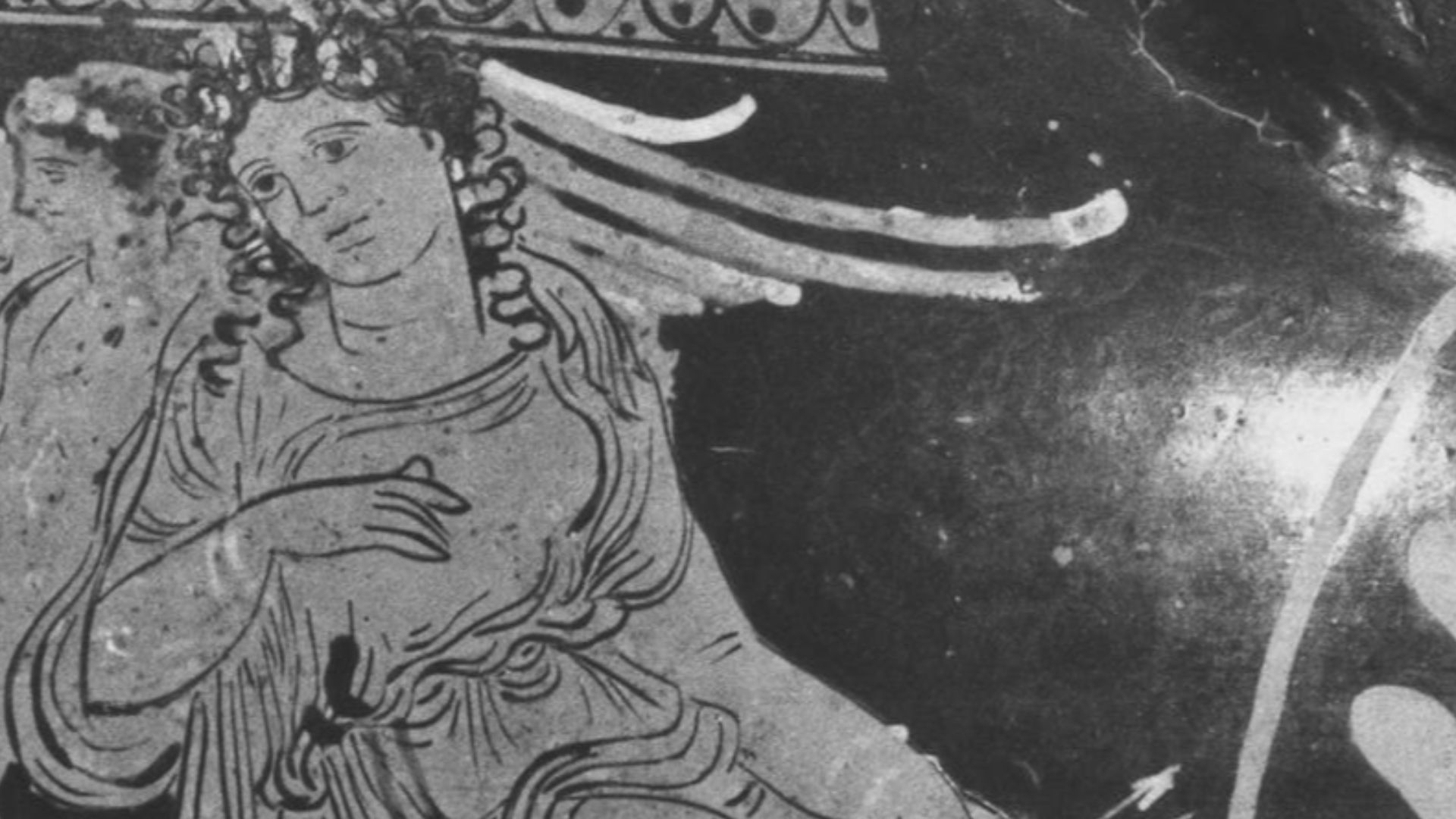 Suckling Group; -375 B.C. on Wikimedia
11. Tyche, Shifting Fortune
If outcomes seem unfairly random, Tyche is the goddess Greeks blamed or thanked. Her parentage varies by source, and artists often show her with a cornucopia or rudder to signal abundance and steering luck’s direction. She represents good and bad luck, and is usually cited as the mother of Plutus, the god of wealth.
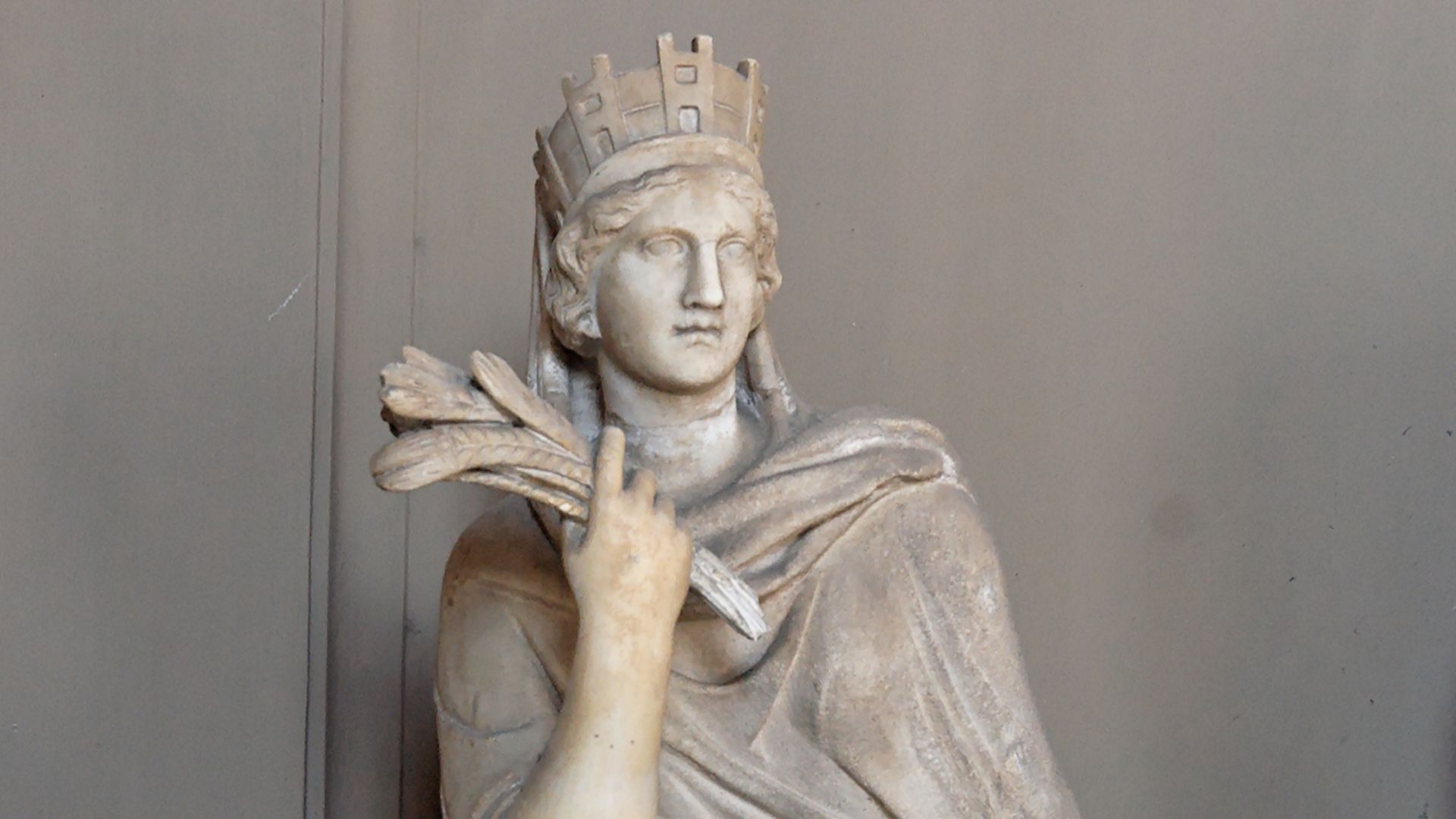 Copy of Eutychides on Wikimedia
12. Momus, Divine Mockery
Not every deity is a helper, and Momus is famous for doing the opposite. Some traditions call him a child of Nyx, and popular tales say his constant fault-finding got him expelled from Olympus. He serves as a mythic warning that criticism without restraint can corrode a community.
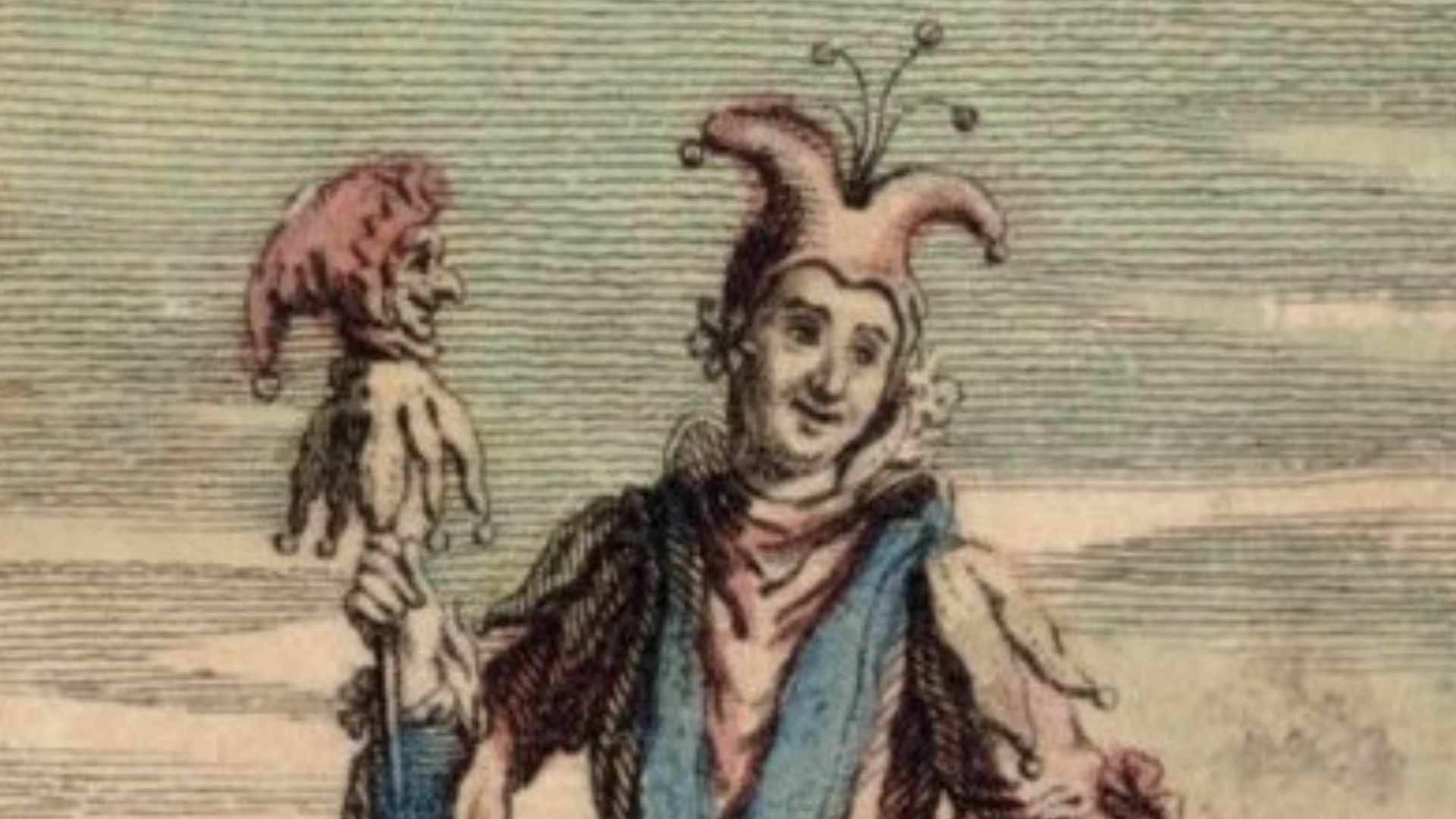 Unknown authorUnknown author on Wikimedia
13. Hygieia, Good Health
Health in Greek religion wasn’t only about cures; Hygieia covered the habits that keep sickness away. She’s usually described as a daughter of Asclepius and appears in healing sanctuaries where patients sought help and guidance. Her symbols, a cup with a snake coiled around it, are still used as a symbol of modern pharmacy practices.
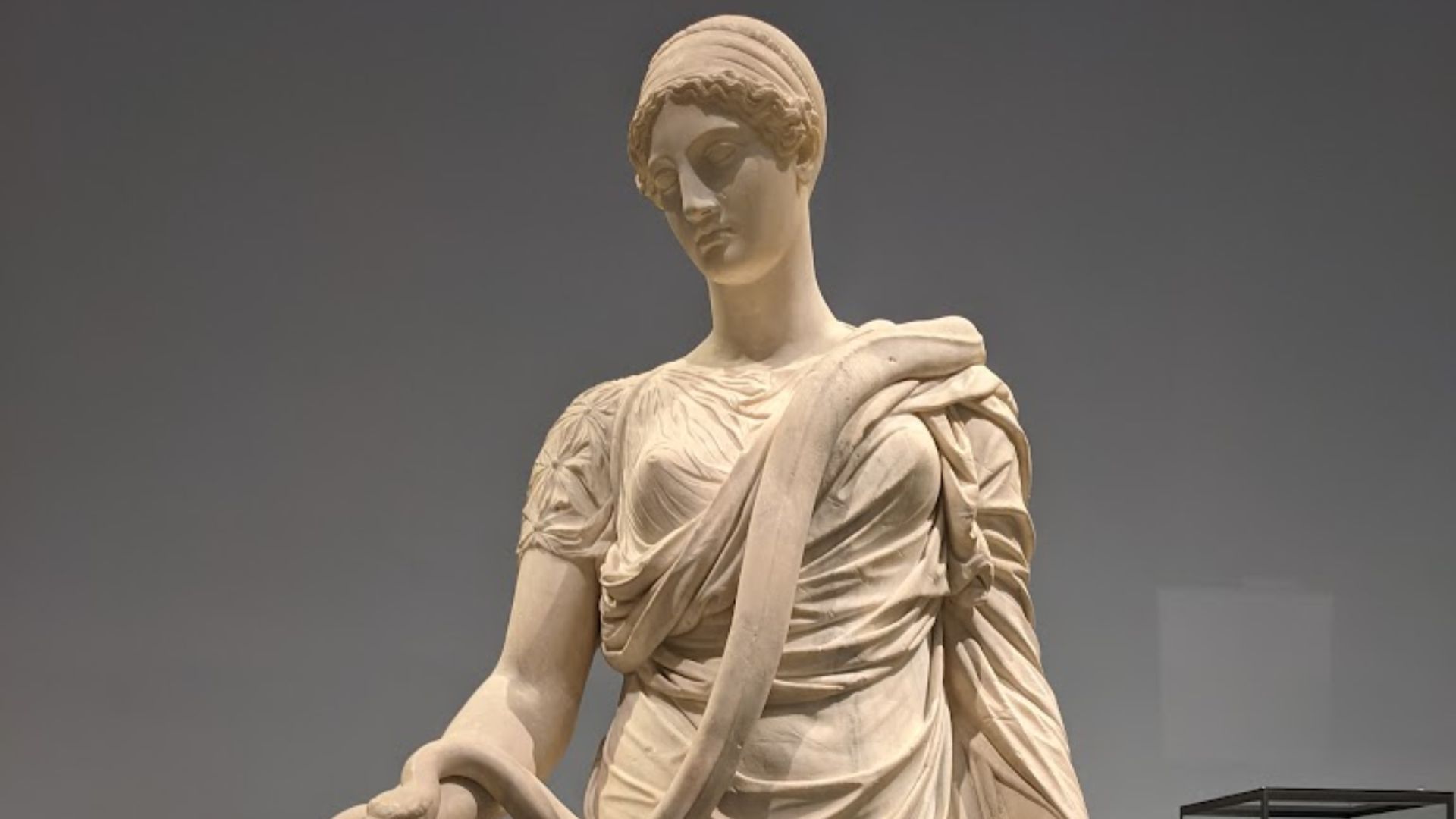
14. Eunomia, Civic Order
Civic life needed stability, and Eunomia represented that steady order and lawful conduct. Often named a daughter of Zeus and Themis, alongside sisters like Dike (Justice) and Eirene (Peace). Alongside good governance, she also represented the organization behind agricultural and familial structures.
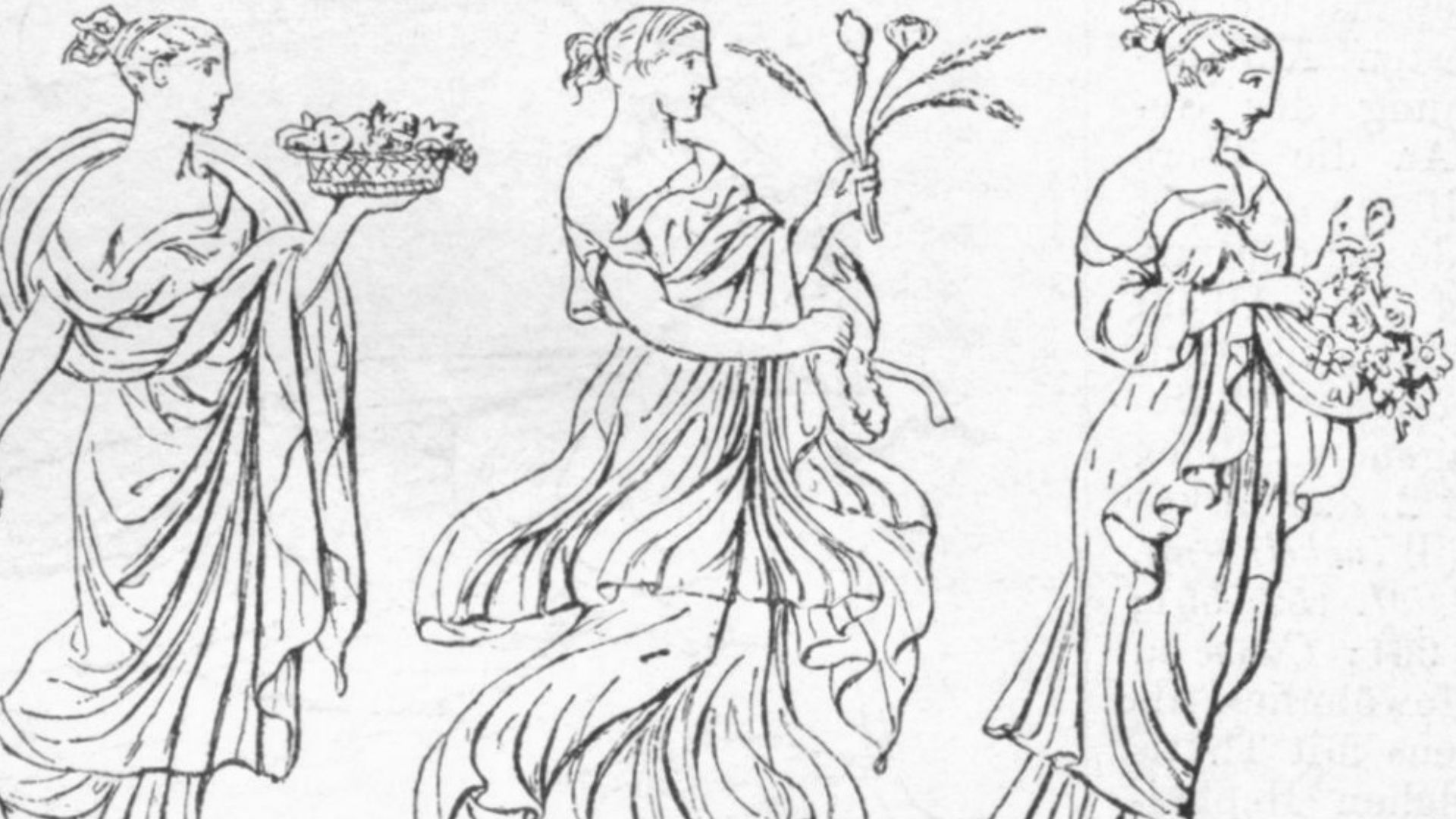 Roscher, Wilhelm Heinrich, Altphilologe (1845-1923) on Wikimedia
15. Pheme, Living Rumor
Rumor, in Greek poetry, could be treated as a divine force called Pheme. Writers imagine her as a winged voice, as readers come to understand how quickly news can spread under her guidance. Pheme isn’t picky either, as she helps any type of news spread, whether it's true or not.
16. Enyo, War’s Companion
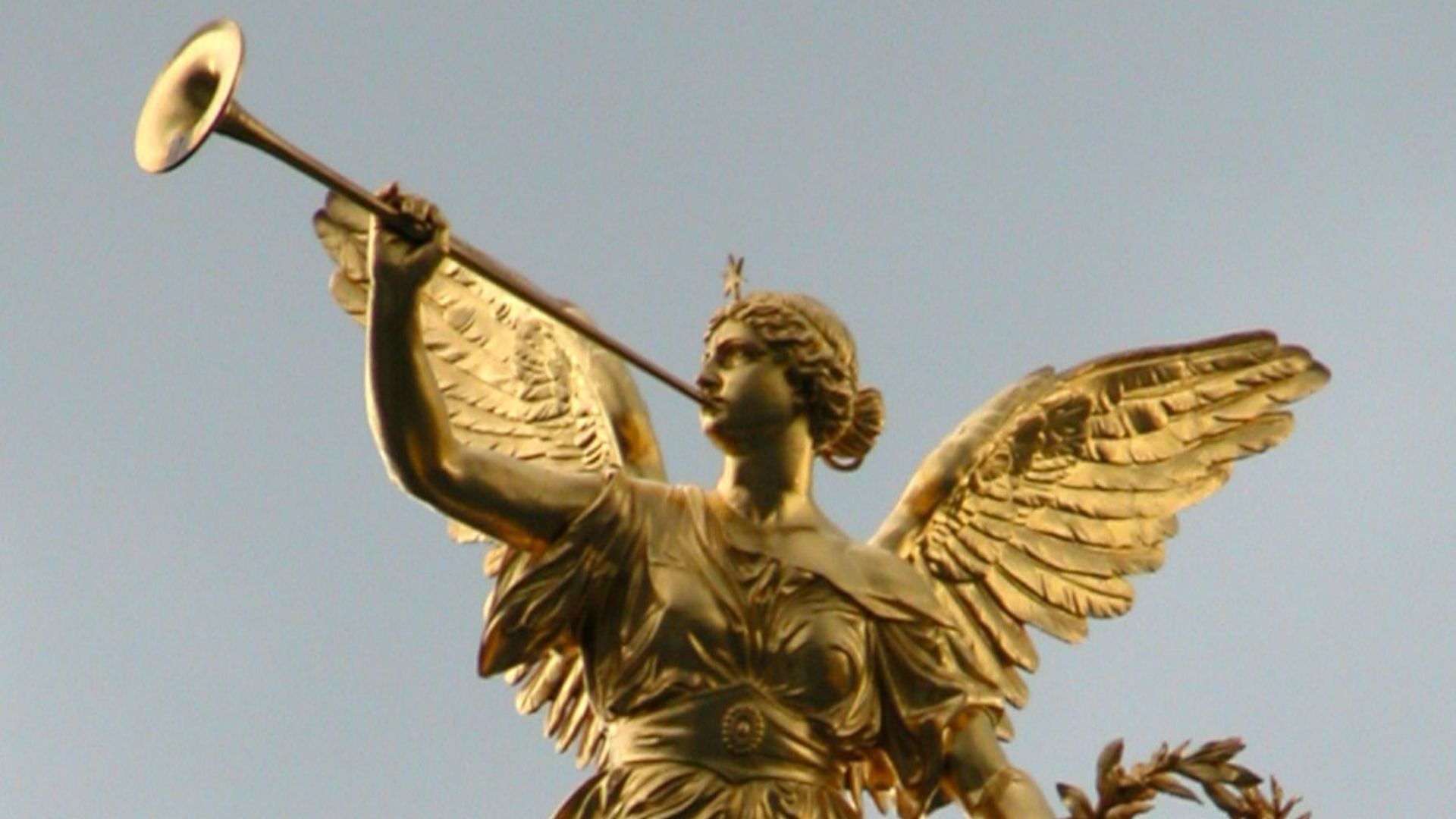
Enyo appears as a goddess linked to ruin, sackings, and battle’s harsh momentum. In Homer, she’s closely associated with Ares, often cited as his sister, and can be described as his companion in conflict.
17. Deimos, Deep Dread
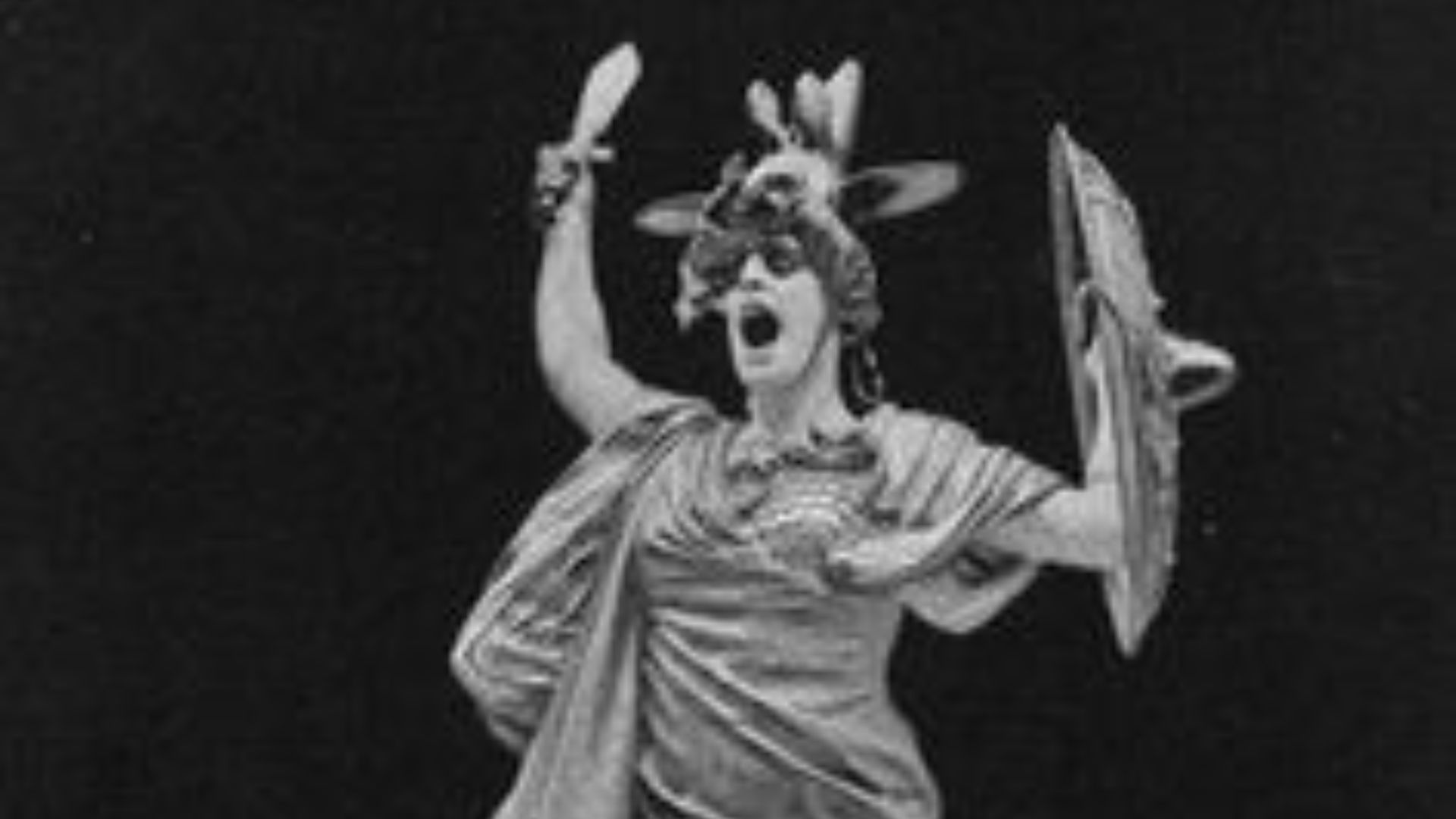
Deimos captures dread, the fear that sinks in before danger is even visible. He’s commonly called a son of Ares and Aphrodite and a brother to Phobos, the god of fear. The epics tell us he often rode into battle with Ares, inciting panic for the opposing side.
18. Phobos, Sudden Fear
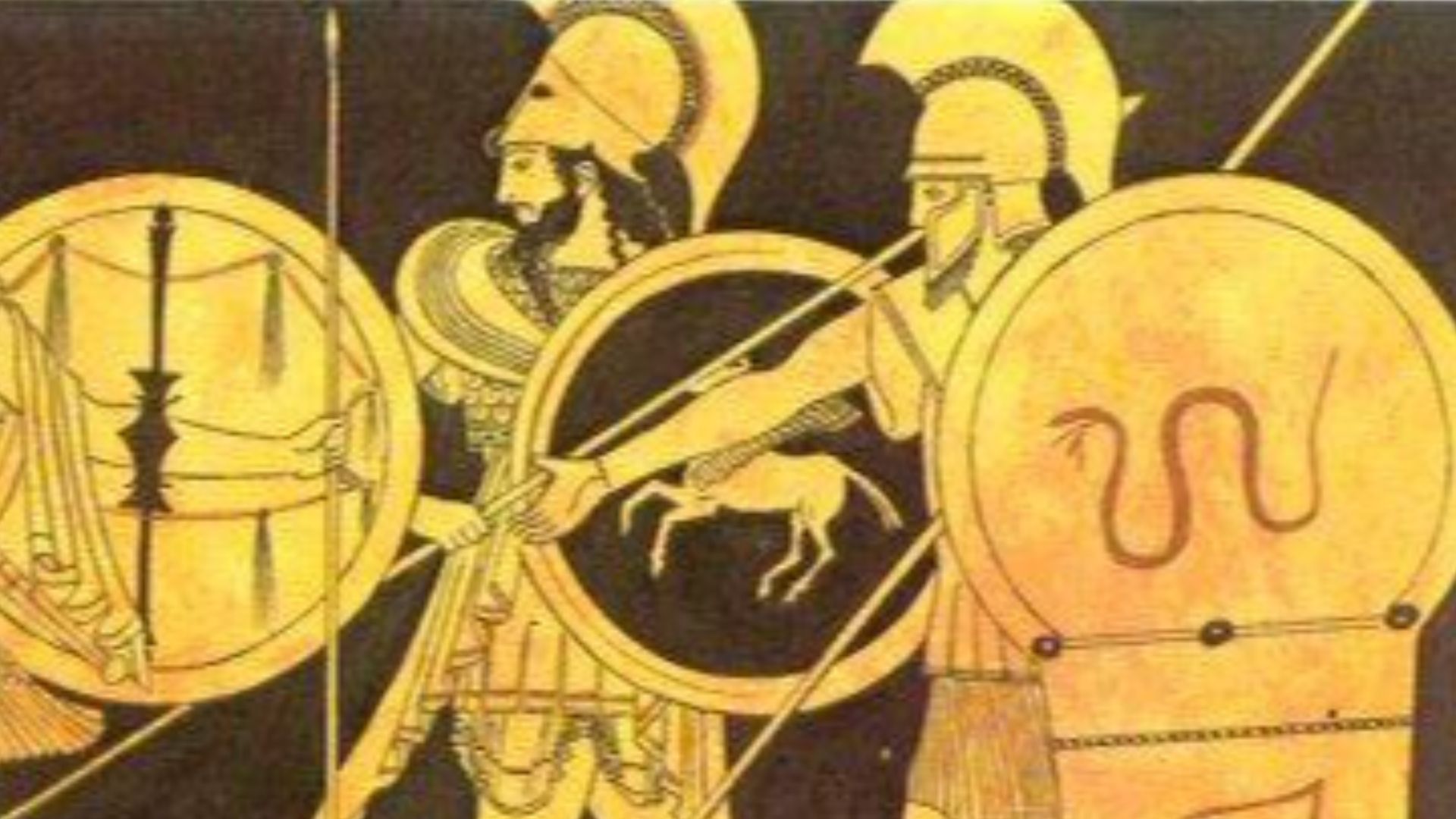
Sudden panic belongs to Phobos, whose name later shaped the word “phobia.” Like Deimos, he’s often described as a son of Ares and Aphrodite who rides with war’s entourage. He represents immediate panic, often associated with a fight or flight response.
 Livioandronico2013 on Wikimedia
19. Harmonia, Measured Harmony
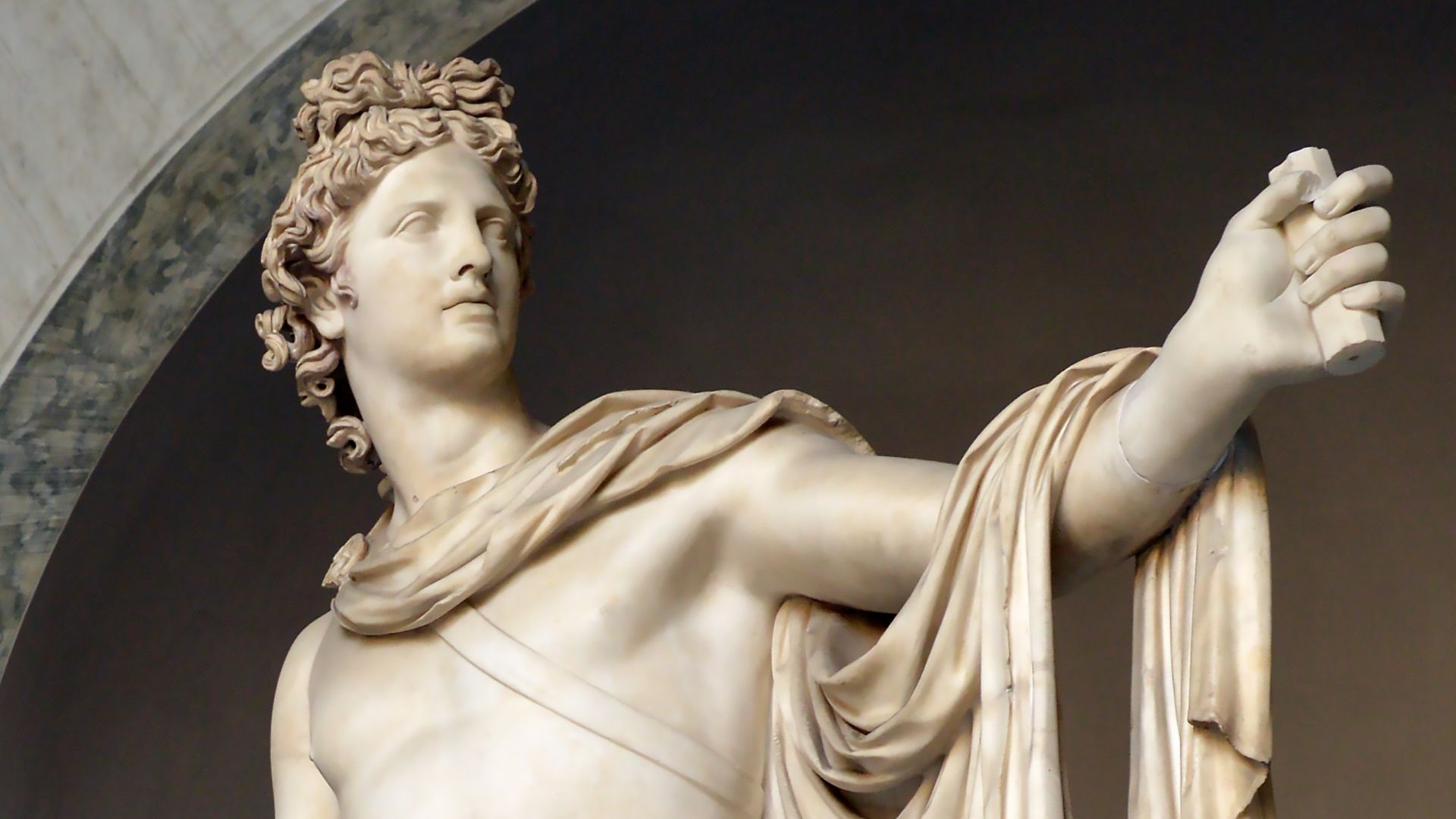
Harmony itself was personified in Harmonia, a figure tied to social balance, agreement, and peace. Many myths name her as the daughter of Ares and Aphrodite, and later as the wife of Cadmus, the founder of Thebes. Her famous wedding necklace becomes a source of later misfortune, turning a gift into a warning about fragile peace.
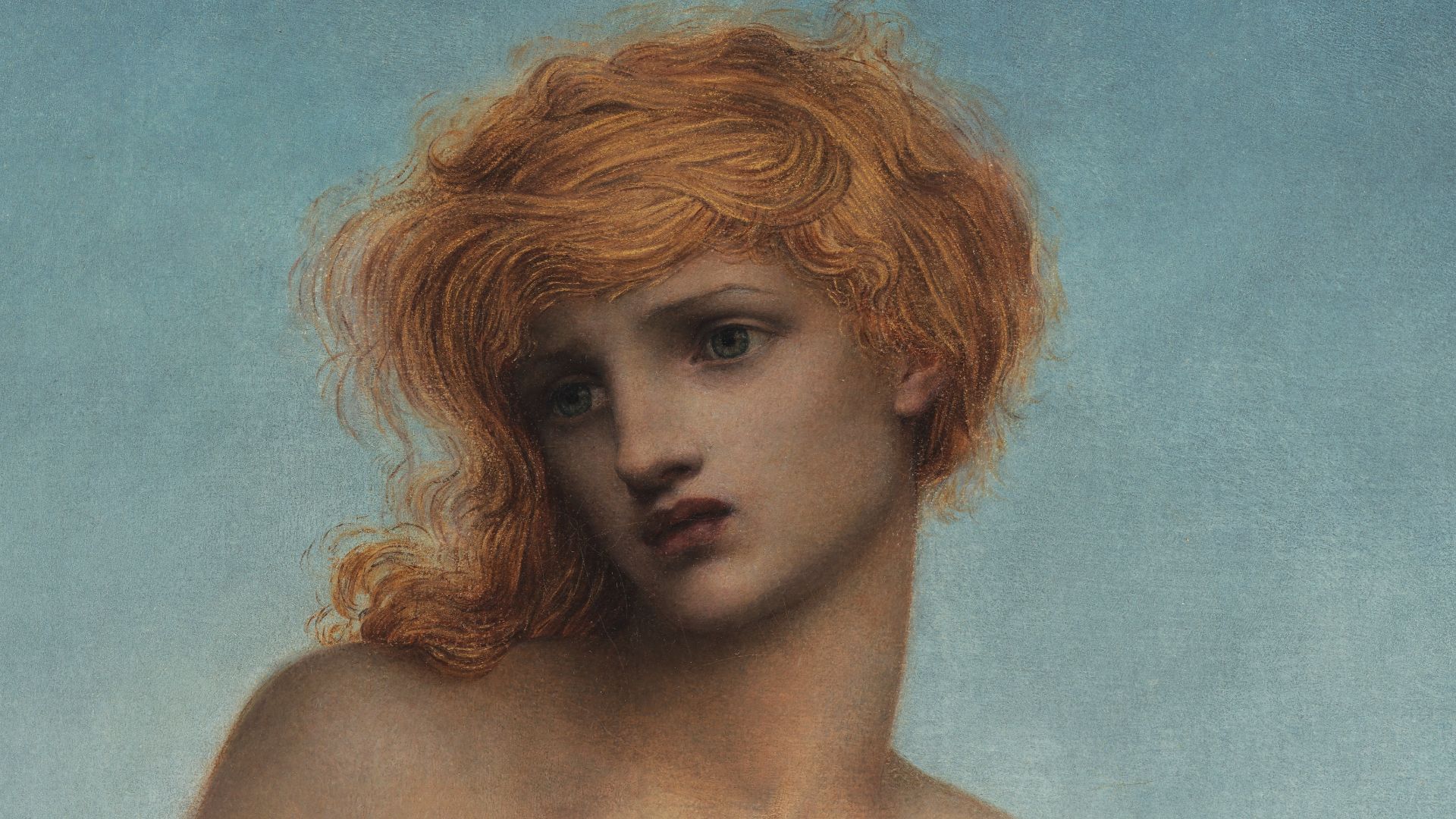
20. Priapus, Garden Guardian
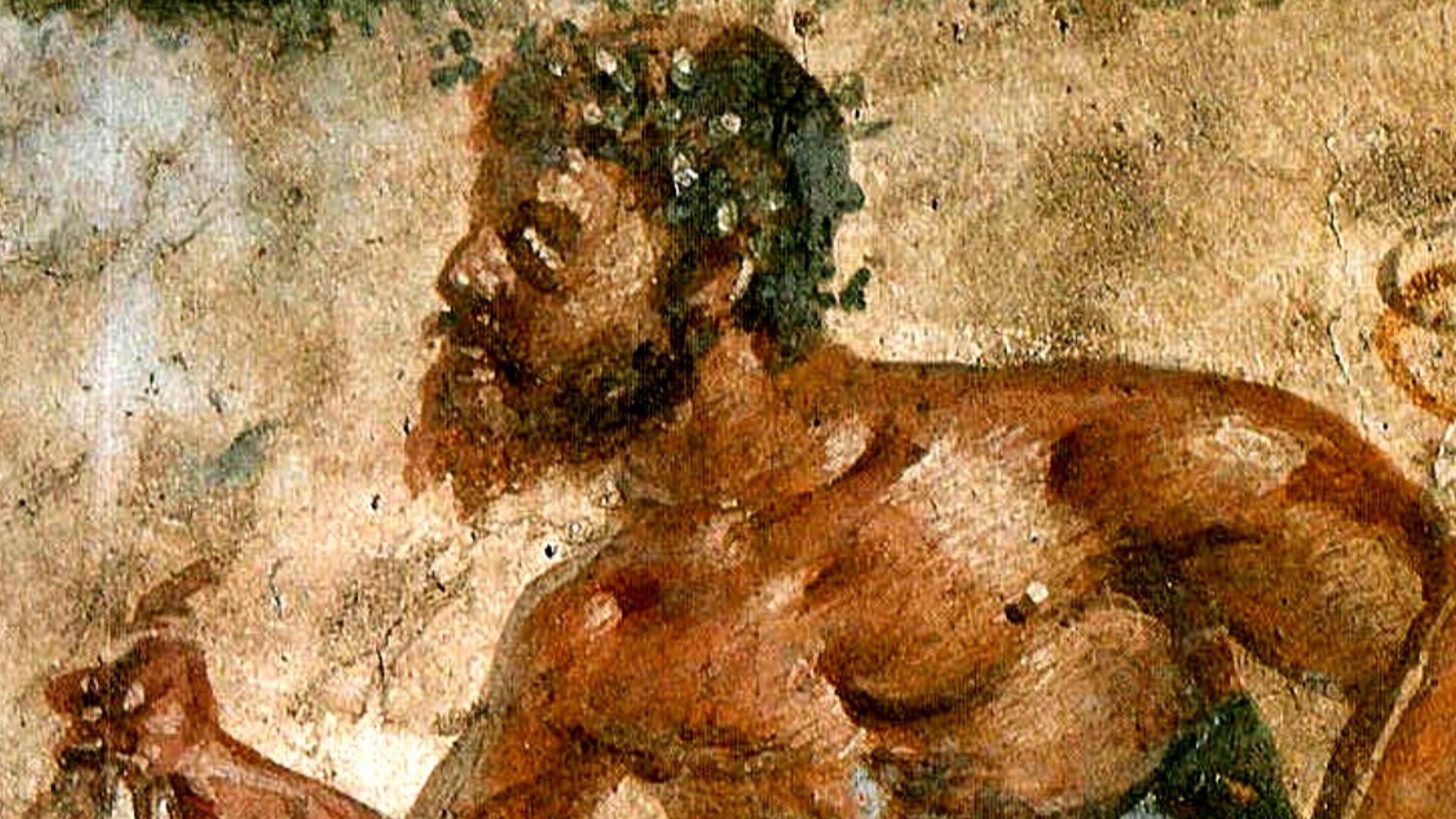
In gardens and orchards, people sometimes relied on Priapus as a protective fertility god. Ancient authors disagree on his parentage, but he’s often linked to Aphrodite and strongly associated with Lampsacus near the Hellespont. His statues served as protective field markers, showing how agriculture shaped everyday worship. You can think of modern-day scarecrows as an homage to this god.
KEEP ON READING