
Pascagoula, Mississippi, wasn’t asking for extra drama in 1942, but it got it anyway. While the country was preoccupied with World War II, the town found itself dealing with a prowler who didn’t steal jewelry or cash—he stole hair. That odd choice turned a normal summer into a community-wide game of “Did you lock the windows?”
If you’re wondering whether this sounds more like folklore than a police file, you’re not alone. The culprit was dubbed the “Phantom Barber” because he slipped into homes at night and snipped locks from sleeping victims, then vanished with almost nothing to show for it besides panic and rumors. Even today, the story sticks; the crimes were creepy in a strangely petty way, and the identity question never really settled. Let’s dive into everything we know—and everything we don’t.
A Wartime Town Meets a Very Unusual Intruder
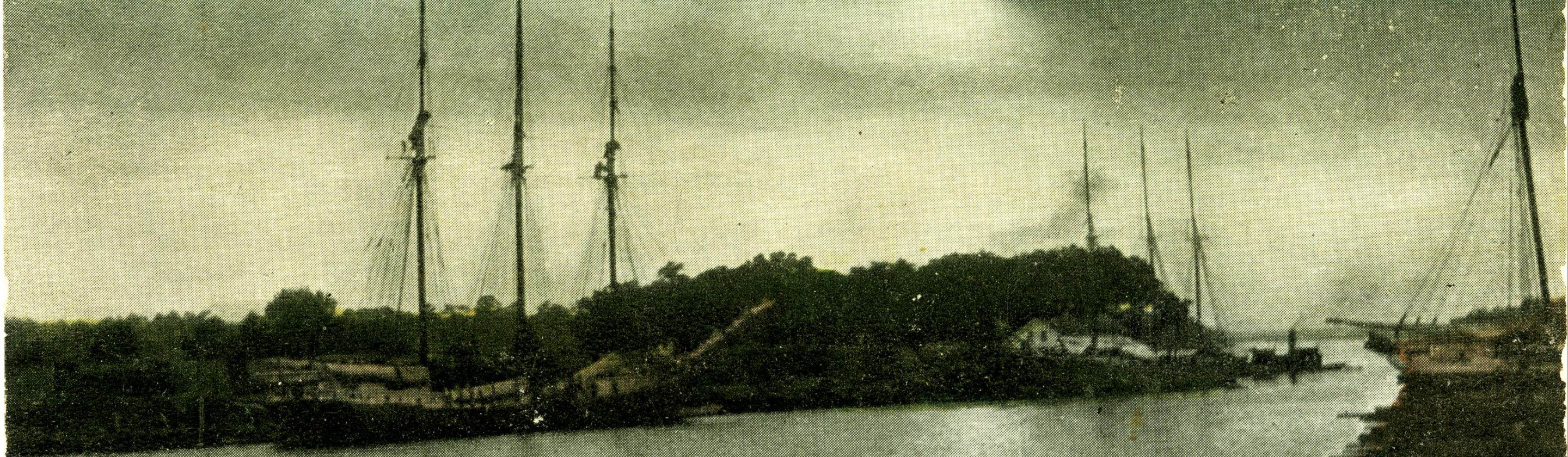
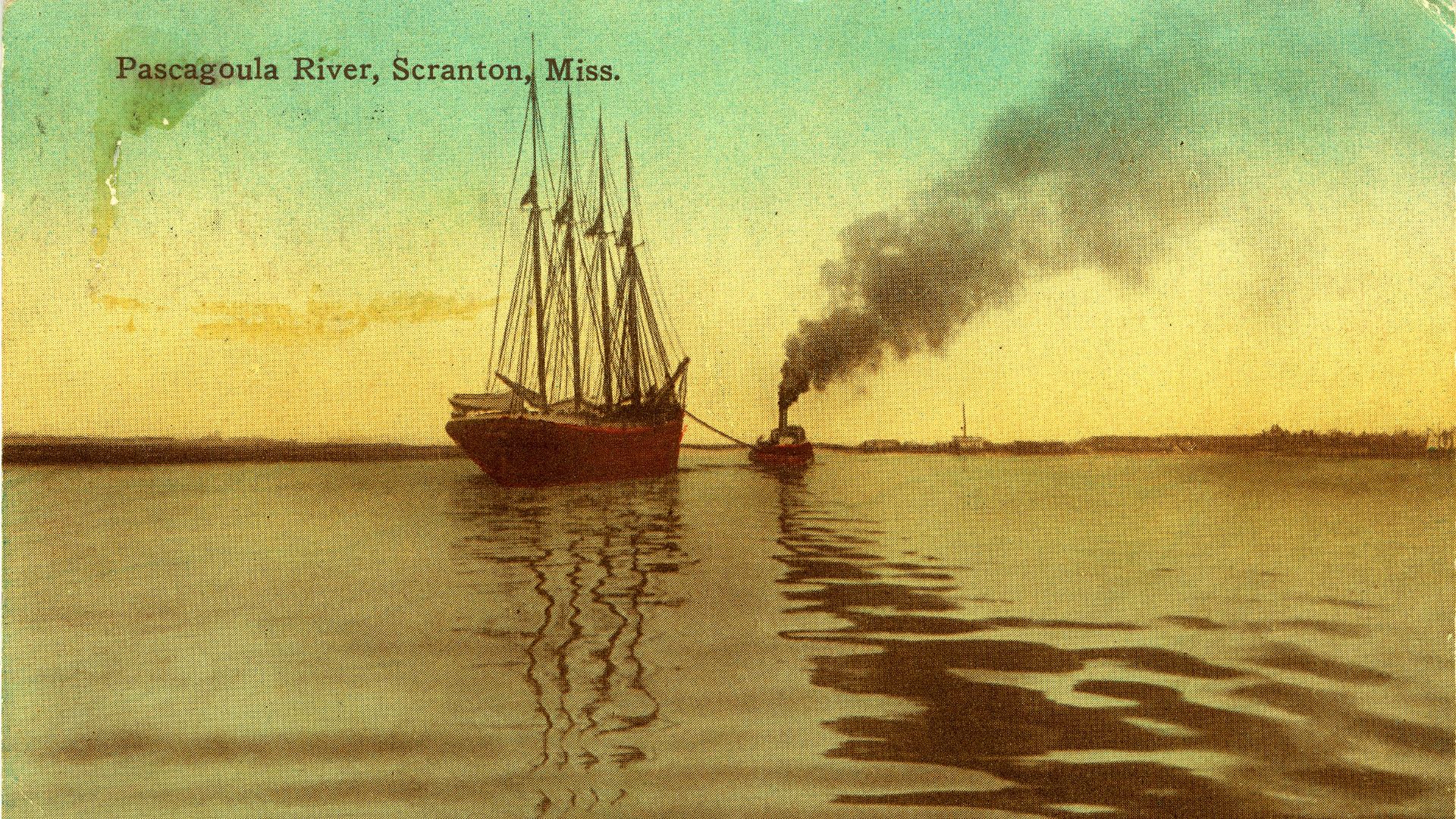 Mississippi Department of Archives and History on Wikimedia
Pascagoula’s timing couldn’t have been worse; wartime tension primes people to expect sabotage and spies. Local shipbuilding work ramped up, and the town’s population swelled rapidly with new workers, which meant more strangers and more suspicion than usual. Add blackout-style precautions and nighttime darkness, and you get a setting where an unseen prowler could feel practically inevitable.
The first widely reported victims were two girls at the Our Lady of Victories convent in early June 1942. Mary Evelyn Briggs said she woke to a man hovering near her bed, shushing her while he messed with her hair, and then bolting out a window when she screamed. When the shock wore off, both girls found locks of hair missing, and the town realized this wasn’t a one-house fluke.
From there, reports piled up with a pattern that felt insultingly simple: cut a screen, slip in quietly, snip hair, leave fast. Bloodhounds were even brought in after the convent incident, and at least one account says the trail faded at the woods’ edge, with speculation that the intruder escaped by bicycle. That kind of detail only sharpened the dread, because it suggested someone mobile, practiced, and comfortable in the dark.
The Pattern, the Panic, and the Rumor Factory
As more victims came forward, the Phantom Barber’s “signature” looked less like theft and more like psychological warfare. A six-year-old named Carol Peattie reportedly lost hair while her twin brother beside her was untouched, and a sandy footprint was found on a bed—small clues that were maddeningly non-conclusive. Later, an adult victim, Mrs. R. E. Taylor, described feeling sick and suspected chloroform after waking to discover inches of hair missing, which pushed the story from bizarre to genuinely alarming.
Then the situation swerved into something darker with the attack on Terrell and Lillian Heidelberg, who were beaten with an iron pipe while they slept. Their injuries were severe enough to fuel arguments that the Phantom Barber might be “escalating,” even though the assault didn’t involve haircutting. That uncertainty mattered—once you can’t predict what the intruder wants, you start assuming the worst.
Meanwhile, the town’s coping mechanisms got intensely practical: people nailed windows, applied for firearm permits, and changed routines to keep someone home at night. Men refused night shifts, and women avoided going out after dark. Police also posted a reward—often cited as $300—for information that could lead to an arrest.
The Suspect Named William Dolan, and Why the Mystery Didn’t End There
By mid-August 1942, authorities had a man to point to: William Dolan, a 57-year-old chemist who’d been educated in Germany. Accounts differ, but the arrest centered on the Heidelberg attack, and searches reportedly turned up suspicious items like human hair and barber scissors in or near his home. Once that connection was floated, the public had an easy storyline. The “case closed” mood spread fast.
The legal reality was messier than the headline version—Dolan’s guilt for the haircut break-ins wasn’t cleanly proven. If anything, he maintained his innocence about being the Phantom Barber, and he was even released early after a polygraph suggested he wasn’t responsible for the incidents. However, that gap between suspicion and certainty is exactly where enduring true-crime legends like to live.
To this day, no one can say with any certainty whether Dolan was responsible, and whether or not you let him off the hook is up to you. Politics and public mood also complicated everything throughout the years. Mississippi Governor Fielding L. Wright supported a form of early release or suspension, and the next governor, Hugh White, is commonly said to have pardoned Dolan—moves that reinforced the idea that officials weren’t fully confident they’d nailed the right man. In the end, if you’re hoping for a neat unmasking, Pascagoula’s Phantom Barber doesn’t give you one, and that’s precisely why the question still nags at curious detectives and internet sleuths alike.
KEEP ON READING